The 1920s had a flair that still feels fresh today. Glamour, comfort, and charm all lived side by side.
1. Velvet sofas with rich, moody color
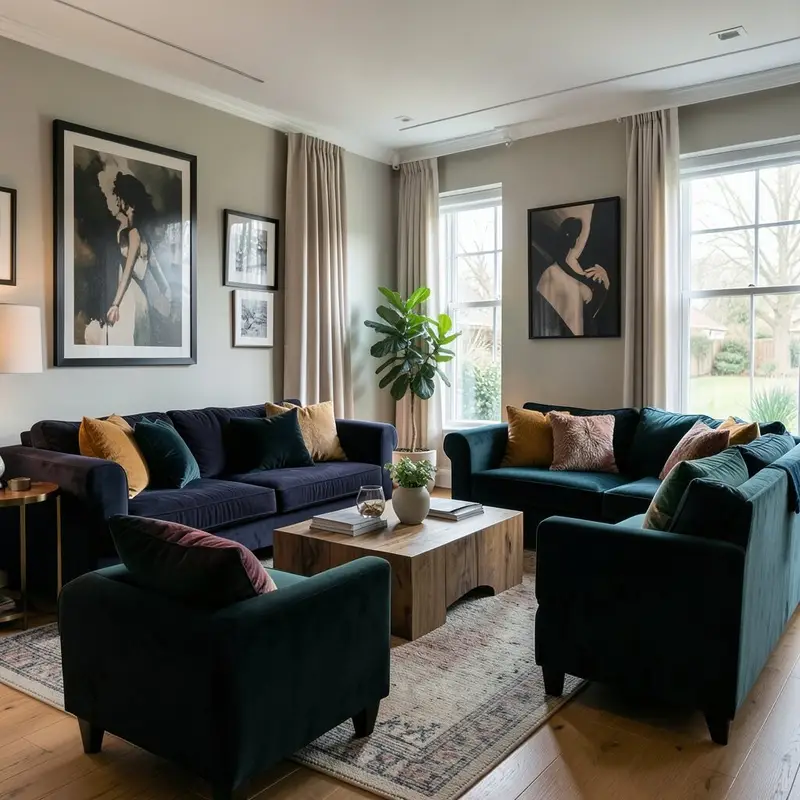
A velvet sofa brings instant old-world style to a room. Deep green, navy, burgundy, or smoky gold can make the space feel warm and grand.
This look works well because velvet catches light in a soft, lovely way. It also feels cozy, which makes it great for family rooms and reading spots. If a full sofa feels like too much, start with a velvet chair or a few pillows for a lower-cost touch.
2. Black and white tile floors
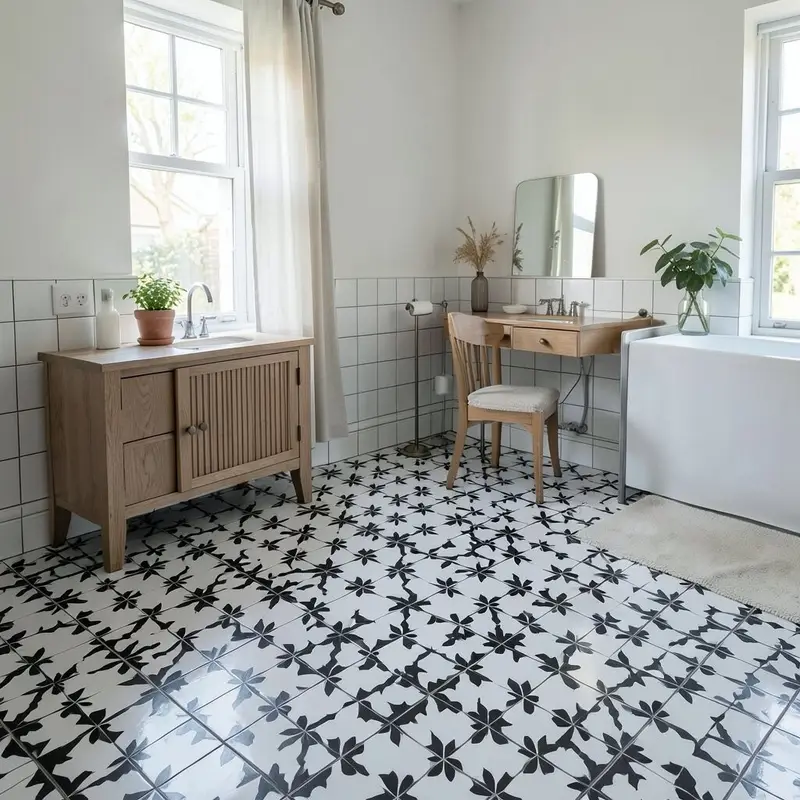
Black and white tile gives a room a crisp Art Deco feel. The pattern can be bold and sharp, or simple and classic.
This style looks clean and stylish in kitchens, bathrooms, and entryways. It is easy to pair with brass, chrome, or wood, so it fits many homes. For a budget-friendly version, use peel-and-stick tile or a black and white rug with a similar look.
To make it feel personal, choose a checkerboard pattern with larger or smaller squares. You can also soften the strong contrast with a colorful runner or a plant-filled corner.
3. Sunburst mirrors on the wall
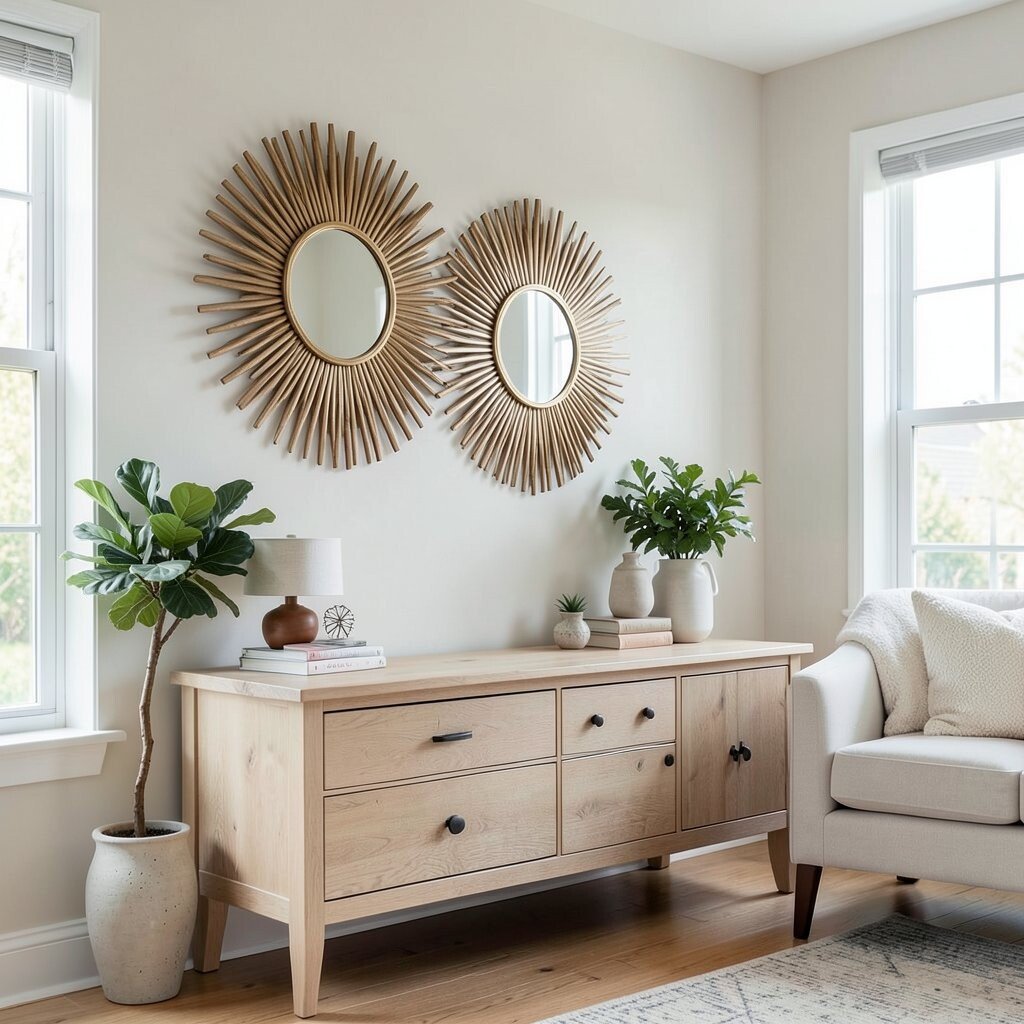
Sunburst mirrors bring a bright, lively feel that fits the 1920s mood. Their shape adds movement and glamour without taking up much space.
They work well above a mantel, sofa, or console table. A single mirror can act like art, while a group of smaller ones can make a wall feel special. If you want a low-cost update, thrift shops often have good versions in metal or wood.
Choose a gold finish for a classic look, or try black for a sharper modern edge. A sunburst mirror also helps bounce light around, which is useful in small or dark rooms.
4. Streamlined furniture with curved edges
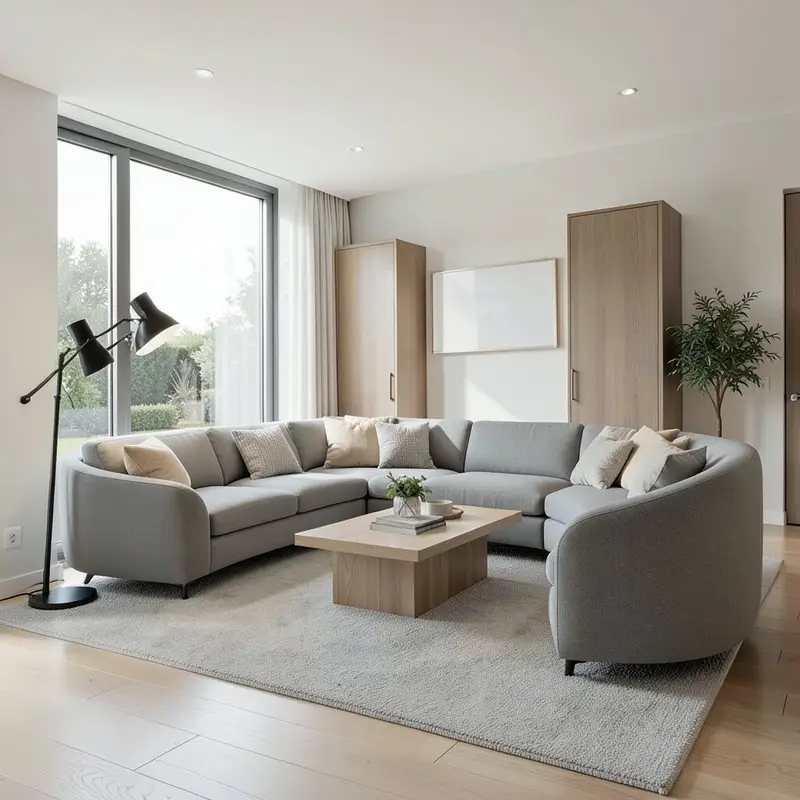
Furniture from the 1920s often had smooth lines and gentle curves. It felt graceful, neat, and easy on the eyes.
This kind of shape makes a room feel calm and less crowded. Rounded chairs, oval tables, and arched cabinets all bring a soft rhythm to the space. If new pieces are too pricey, look for vintage finds or simple shapes that echo the style.
5. Lacquered tables with a glossy shine
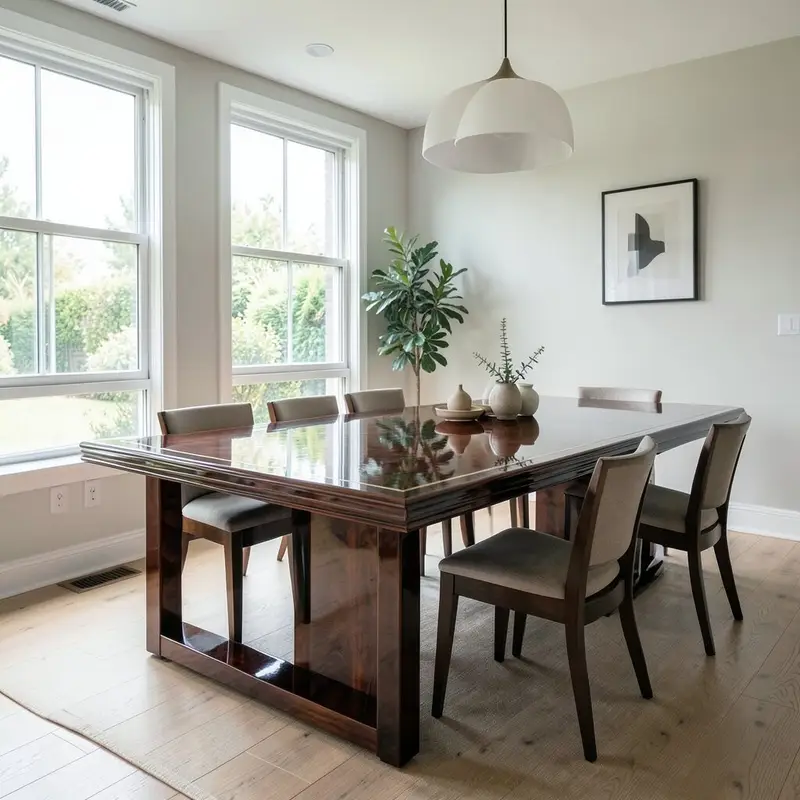
A glossy table can make even a small room feel more polished. Black, cream, or deep red finishes all give off a smart and elegant look.
The shine reflects light and adds a bit of drama without needing much decoration. It is a good choice for side tables, coffee tables, or a small desk. For a lower-cost version, use a high-gloss paint on an old table and pair it with a sleek tray.
Keep the top styled with only a few items so the finish can stand out. A lamp, a vase, and a book stack are often enough.
6. Geometric wallpaper with bold lines
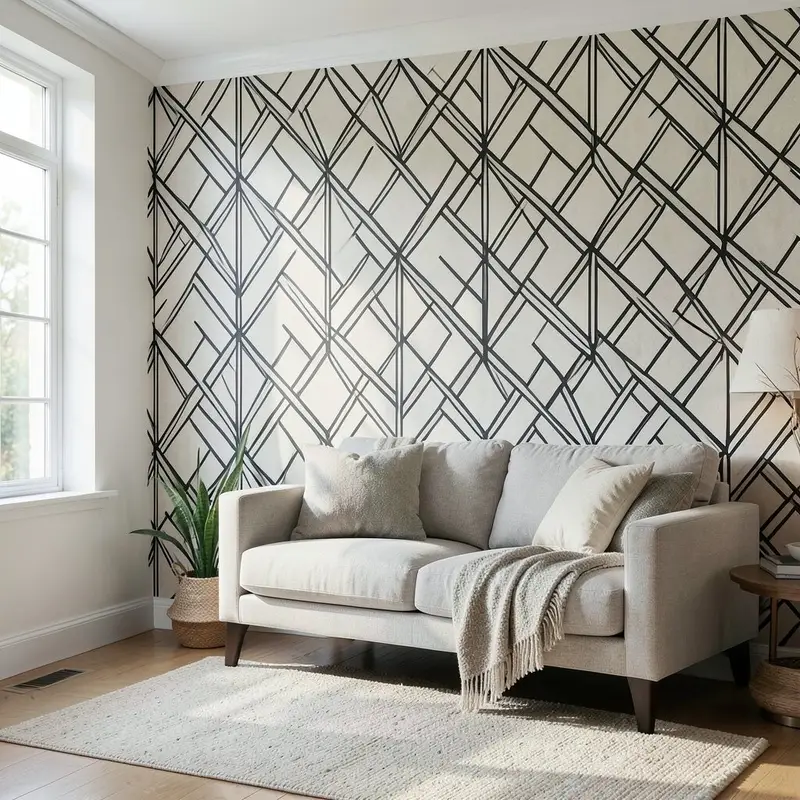
Geometric wallpaper feels very true to the Jazz Age. Strong lines, fans, and repeating shapes give a room energy and style.
This pattern can make a plain room feel lively right away. It works well in powder rooms, hallways, or behind a bed as an accent wall. If full wallpaper feels too costly, try peel-and-stick panels or framed wallpaper samples for a similar effect.
Pick colors that match your furniture so the room still feels calm. Gold, cream, black, and deep blue are popular choices that still feel current.
7. Brass accents that glow softly
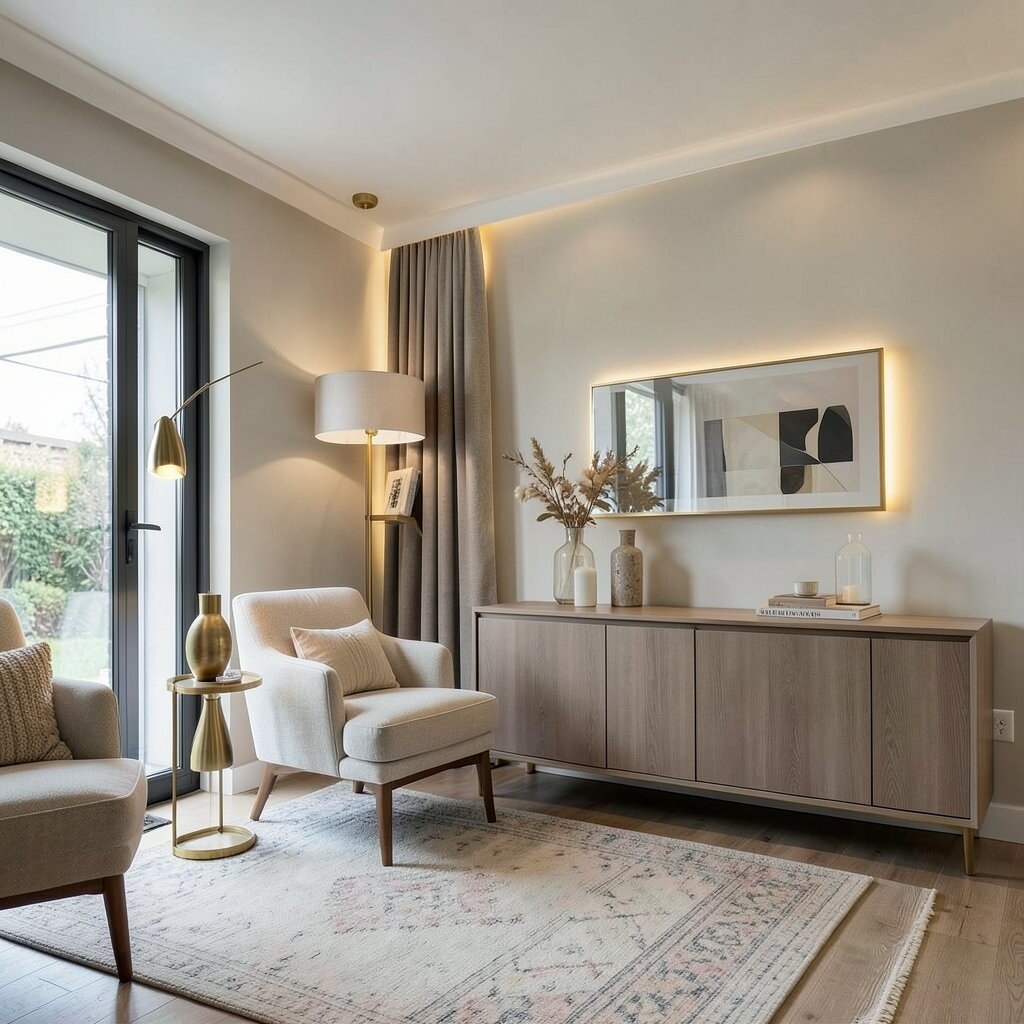
Brass was a favorite finish in the 1920s, and it still brings warmth today. It looks rich without feeling too heavy.
Try brass on lamps, drawer pulls, curtain rods, or picture frames. These small details can make a big difference in how finished a room feels. If polished brass seems too bright, aged brass or brushed brass can feel softer and more lived-in.
8. Built-in bar cabinets for home entertaining
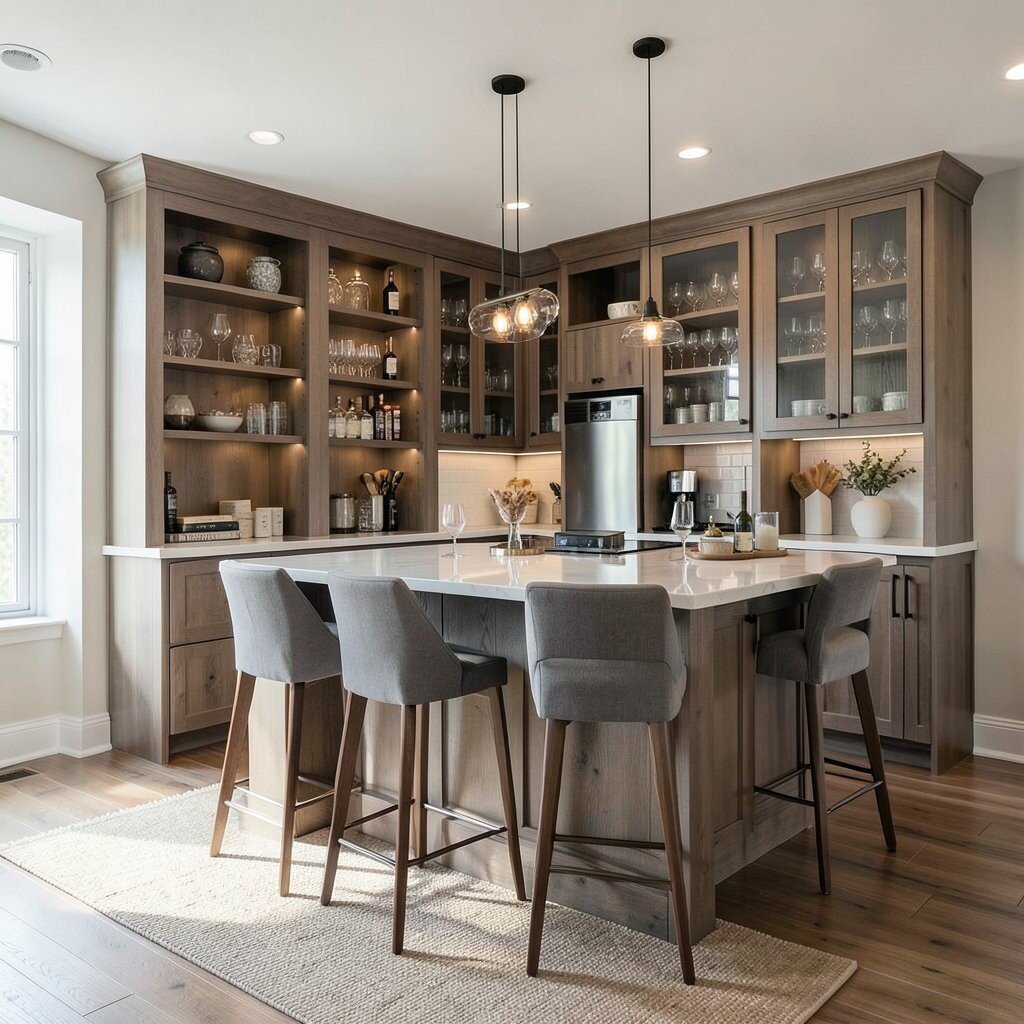
A home bar cabinet adds a fun, glamorous touch to a living room or dining area. It feels like a nod to the lively social life of the era.
This idea is useful because it keeps glassware, bottles, and tools in one neat spot. It can also make hosting easier and more enjoyable. For a budget option, use a small bookshelf or console table styled with trays and pretty glasses.
Make it personal with your favorite drinks, family barware, or a framed cocktail menu. A mirror or metallic tray behind the setup can help the whole area shine.
9. Arched doorways and mirrors
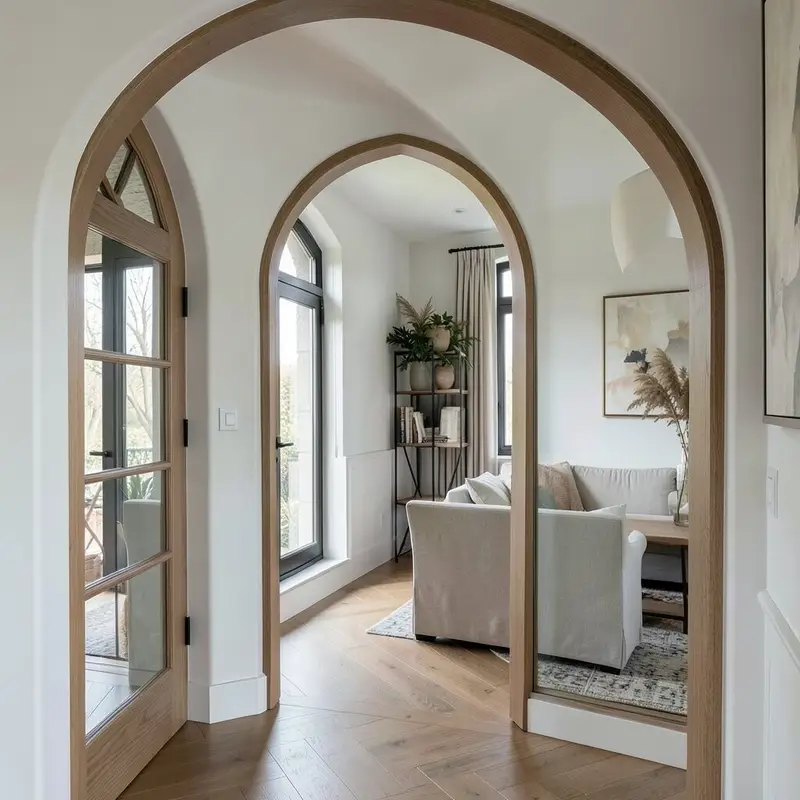
Arches were a graceful design move in the 1920s. They soften straight lines and give a room a more elegant shape.
An arched mirror or doorway can make a space feel taller and more open. It also adds a custom look, even if the room itself is simple. If you cannot change the architecture, use arched decor pieces like mirrors, prints, or shelf units.
10. Tassels, fringe, and textured trim

Small touches of fringe or tassels can make a room feel playful and luxe. They bring in the spirit of evening wear and fancy rooms from the decade.
Use them on pillows, lampshades, curtains, or throws for a little movement and charm. The texture helps a room feel layered and cozy, not flat. For a low-cost update, add trim to plain cushions or choose one statement pillow instead of many.
Keep the colors simple if you want the trim to stand out. Cream, black, and jewel tones work well with this style.
11. Statement chandeliers with glass detail
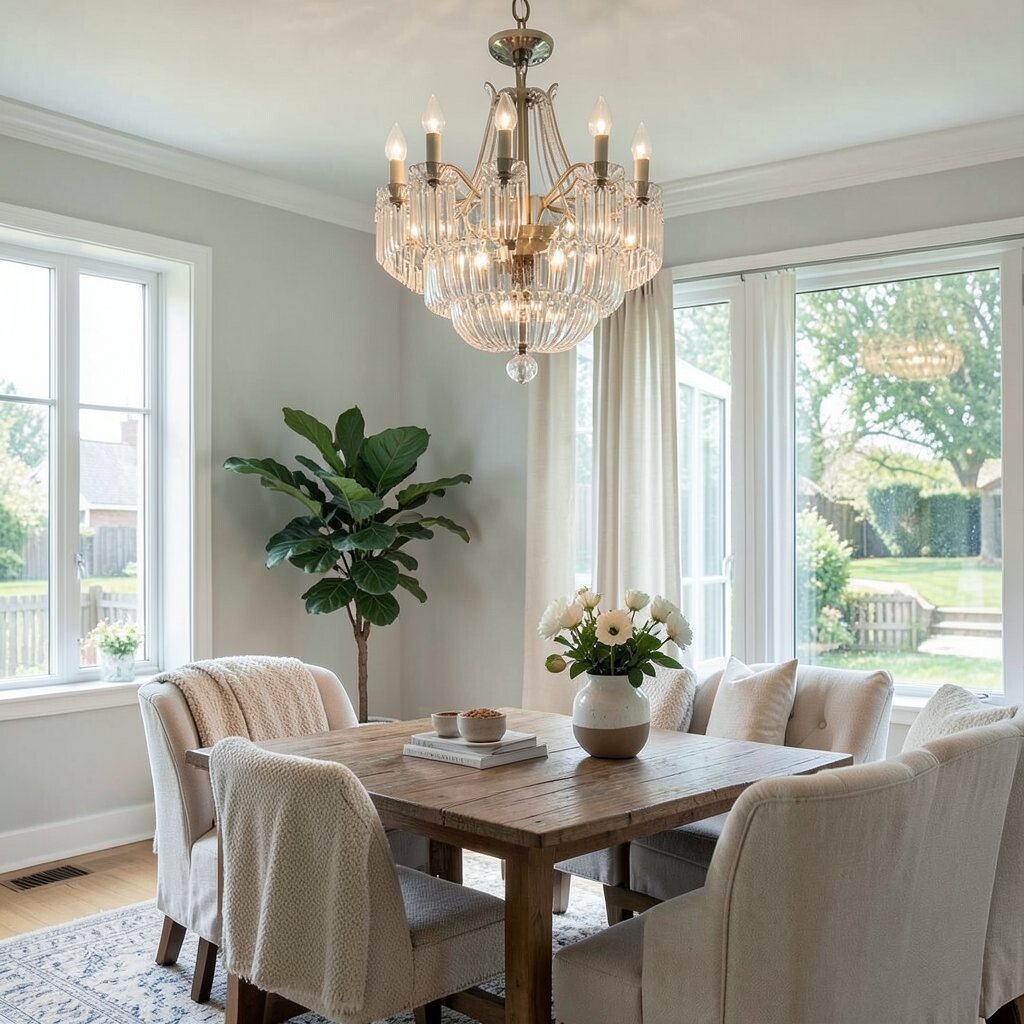
A chandelier can be the star of a 1920s-inspired room. Clear glass, frosted glass, or crystal-like drops bring sparkle and a sense of occasion.
This lighting style makes even everyday rooms feel more special. It works in dining rooms, bedrooms, and entryways, where a bright focal point is welcome. If a large chandelier is too expensive, choose a smaller pendant with a similar shape and finish.
12. Walnut wood furniture with a warm tone
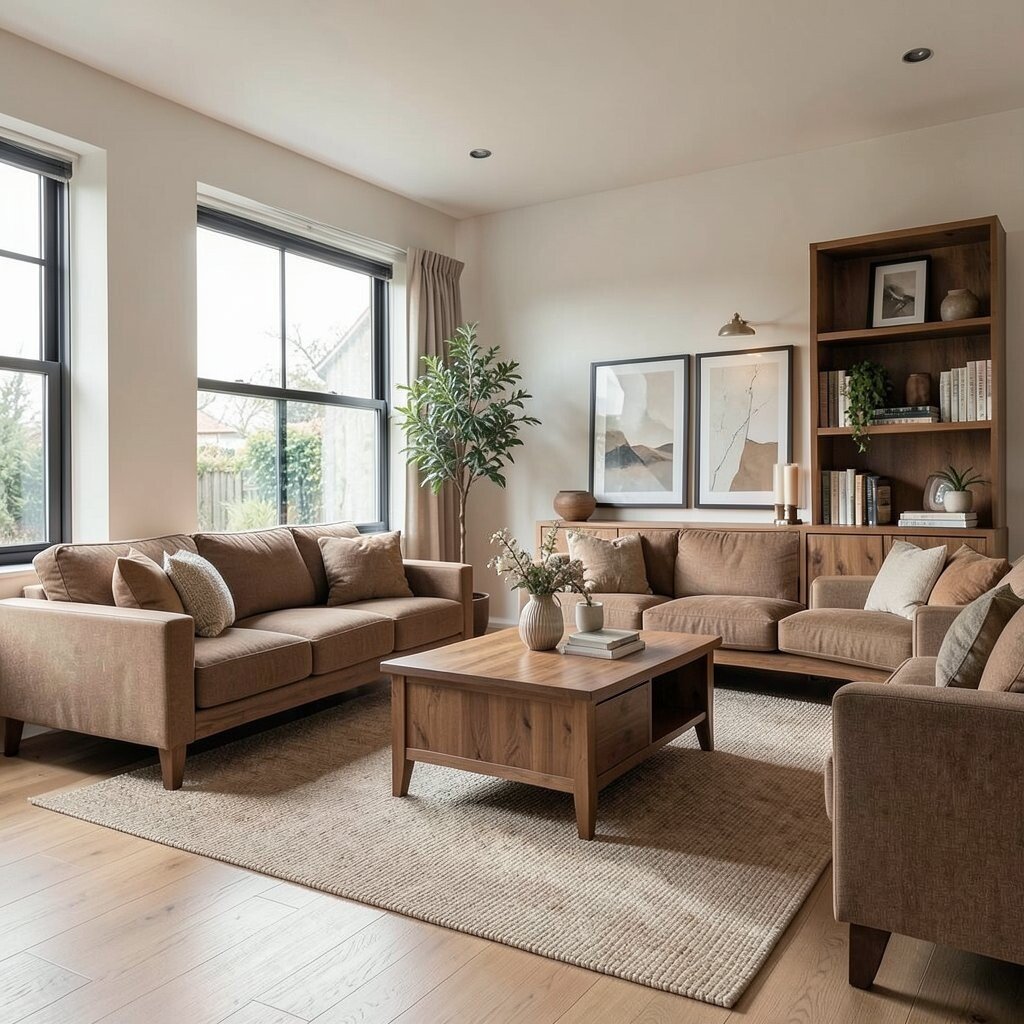
Walnut was a popular wood choice because it looked rich and solid. Its deep brown color adds warmth and a classic feel.
A walnut dresser, sideboard, or table can anchor a room and keep it from feeling too shiny. It pairs well with velvet, brass, and patterned rugs. If real walnut is out of budget, look for walnut veneer or furniture in a similar stain.
Keep the grain visible when possible, since that natural look adds depth. A few vintage-inspired books or ceramics can make the piece feel even more special.
13. Powder rooms with dramatic flair
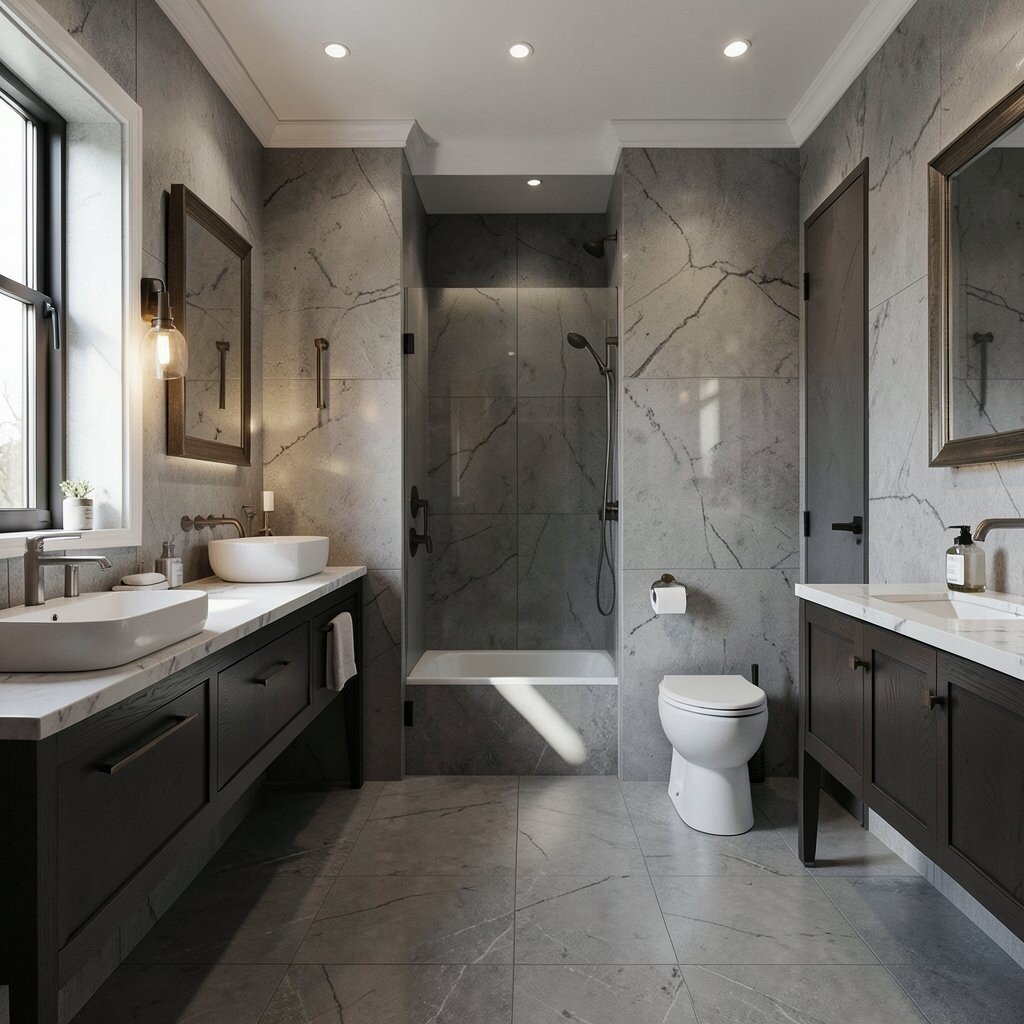
Small powder rooms are perfect for bold 1920s style. Because the space is small, you can use strong color or pattern without it feeling too busy.
Try dark paint, shiny tile, or a patterned wall treatment for instant charm. A fancy mirror and a pretty sconce can finish the look with very little effort. This is a smart place to spend a little more on one standout item and save elsewhere.
Guests will notice the room right away, so it is a great spot for personality. Add a small vase, a framed print, or a pretty soap dish to make it feel complete.
14. Smoked glass and mirrored surfaces
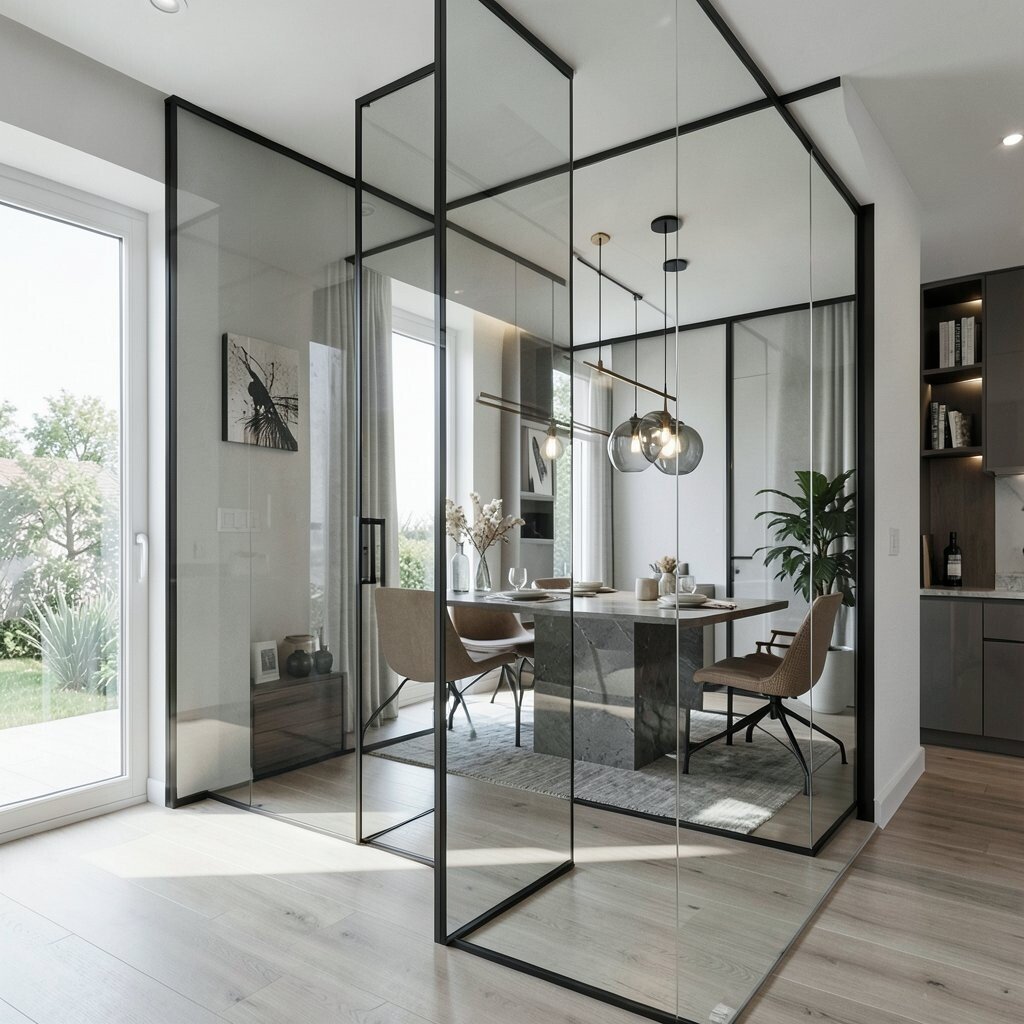
Smoked glass and mirrors were used to add shine without feeling too plain. They bring a sleek, polished mood that still feels fresh now.
These surfaces work well on tables, cabinet doors, and decorative trays. They reflect light and help a room feel larger, which is useful in smaller homes. If mirrored furniture is too costly, start with mirrored accessories or a smoked glass lamp base.
Mix these pieces with softer textures so the room does not feel cold. A wool rug or linen curtains can balance the shine nicely.
15. Bold area rugs with classic patterns
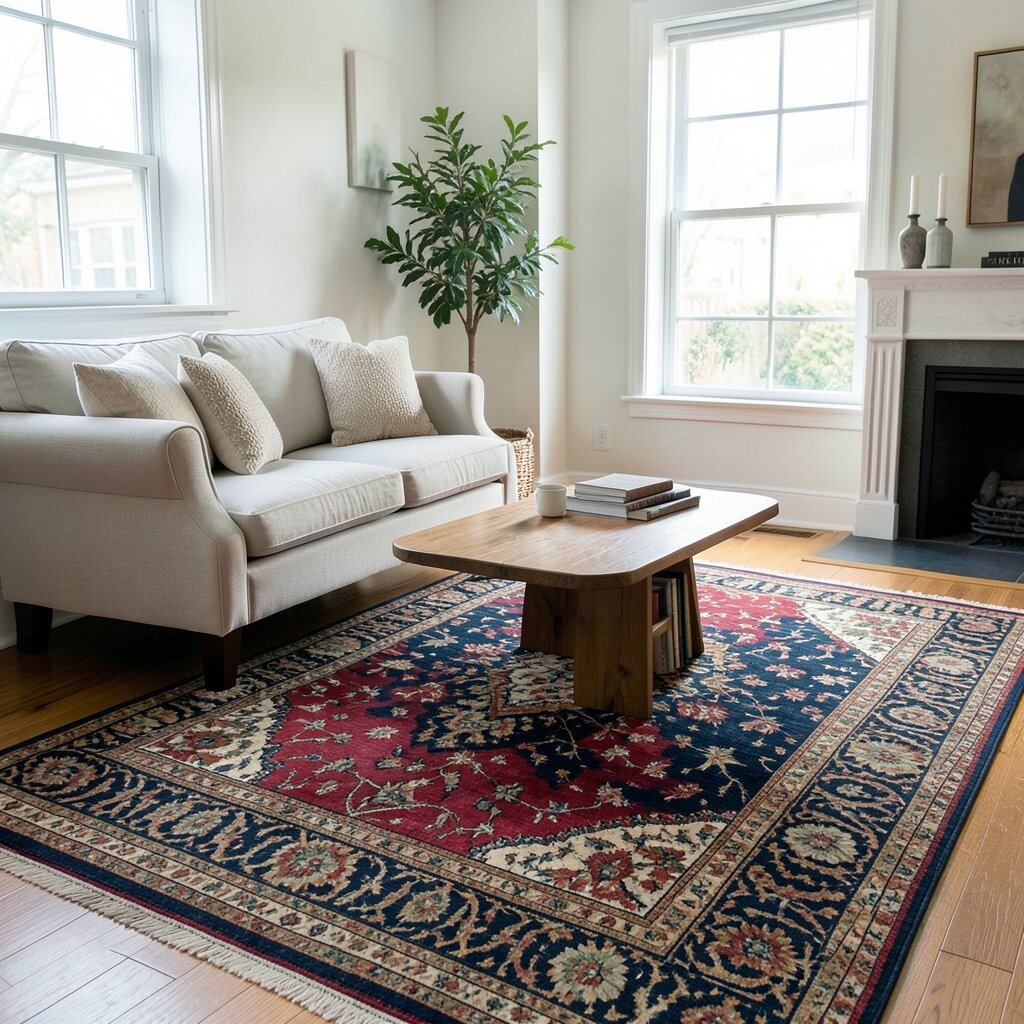
An area rug can set the whole mood of a room. In a 1920s-inspired home, look for strong shapes, borders, or floral-geometric blends.
A good rug adds color, comfort, and a sense of order. It also helps define seating areas and makes rooms feel finished. For a lower-cost choice, layer a smaller patterned rug over a plain one or use a washable version in a busy space.
Choose colors that repeat in your pillows or artwork for a pulled-together look. That small trick makes the room feel thoughtful and well planned.
16. Decorative screens for a touch of mystery
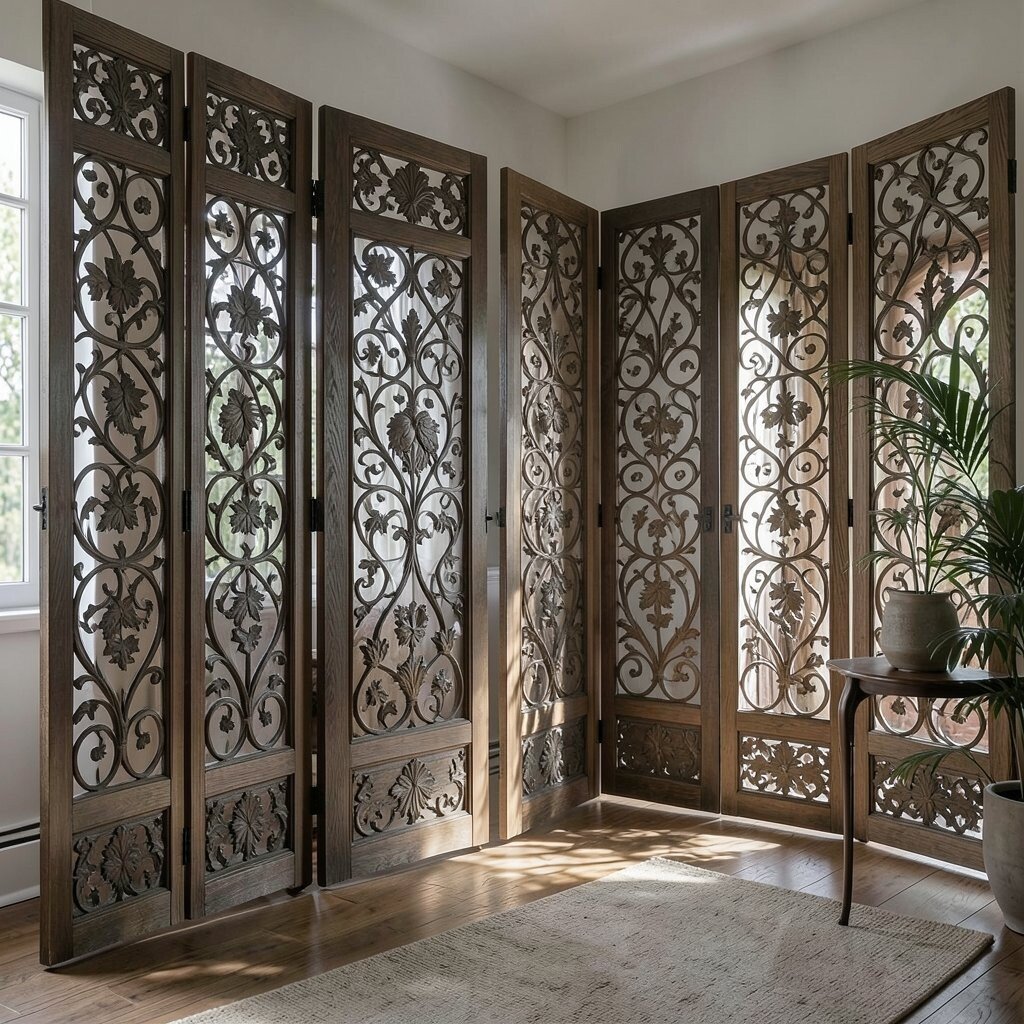
Decorative screens were a stylish way to divide space in the 1920s. They add privacy, shape, and a bit of drama to a room.
A screen can hide a cluttered corner, create a dressing area, or simply act as art. Wood cutouts, fabric panels, or painted designs all work well. If buying one feels expensive, make a simple folding screen with fabric and a basic frame.
Use a screen in a bedroom or studio to make the room feel more intimate. It is a clever way to add style without changing the walls.
17. Satin and silk-like fabrics
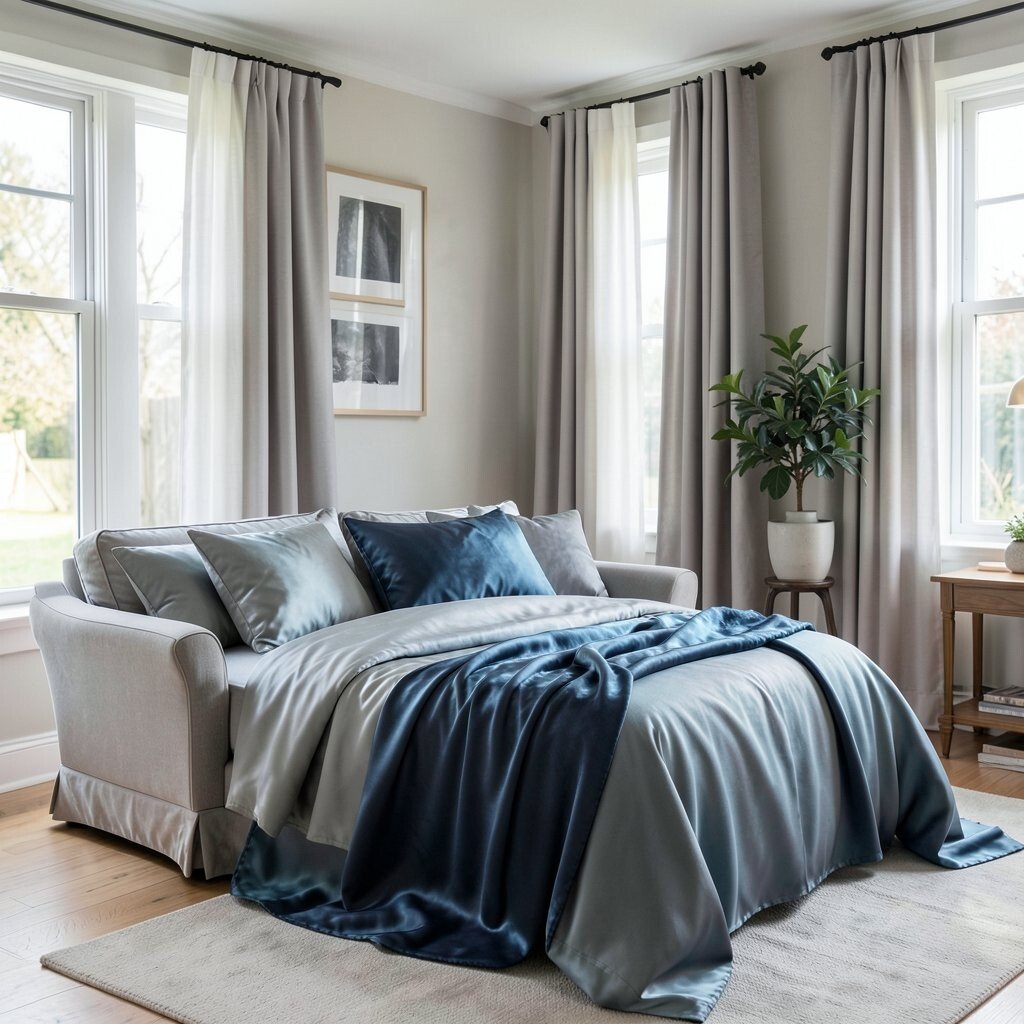
Shiny fabrics were often used to give rooms a dressed-up feeling. Satin and silk-like materials catch light in a lovely, soft way.
They are great for curtains, pillows, and bedding when you want a bit of glamour. The smooth surface helps a room feel elegant and calm. If real silk is too costly or hard to care for, choose a good faux-silk fabric that still has a gentle sheen.
Keep the shapes simple so the fabric can shine on its own. A plain pillow in a rich color can feel more special than a busy print.
18. Built-in shelves styled with art and books
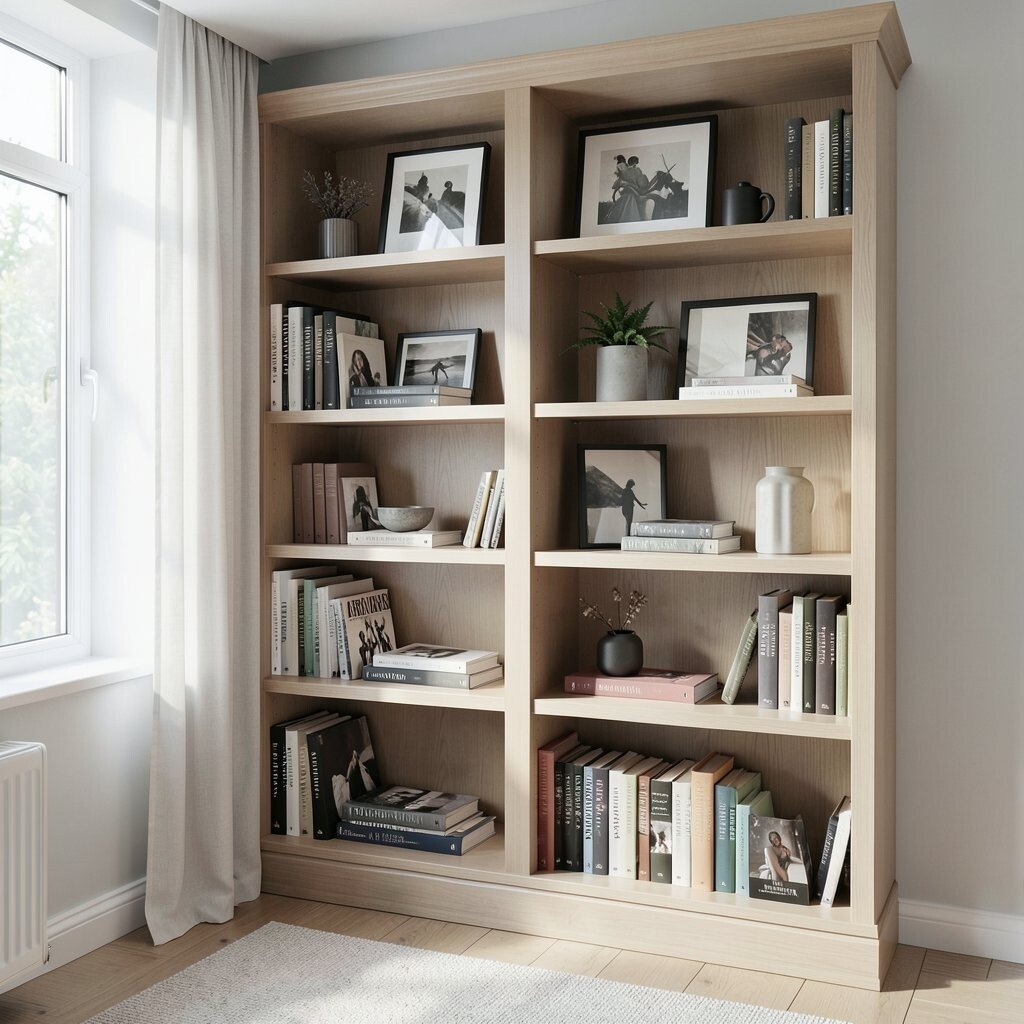
In the 1920s, shelves were often used to show off favorite objects with care. A neat shelf can feel both practical and beautiful.
Mix books, framed art, small lamps, and ceramics to create a layered look. This makes the room feel lived in and personal, not stiff. If you do not have built-ins, use a bookcase and paint it the same color as the wall for a custom feel.
Leave some open space so the display can breathe. Too many items can hide the charm of each piece.
19. Fan motifs in decor and fabric
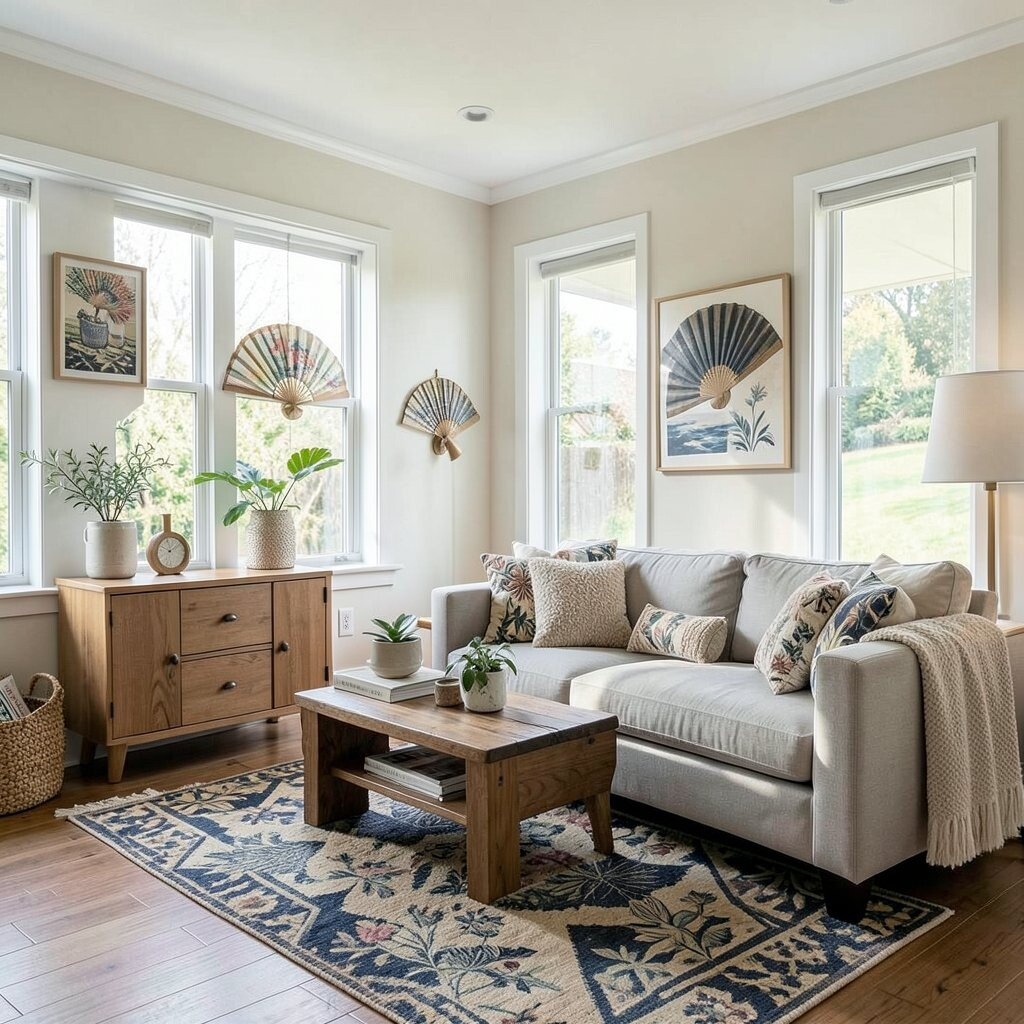
The fan shape is one of the most loved symbols of the 1920s. It has a graceful curve that feels both fancy and friendly.
You can use it in wallpaper, pillows, headboards, or wall art. The repeated shape adds rhythm and a soft vintage feel to the room. For a budget-friendly touch, choose one fan-patterned cushion or a framed print instead of filling the whole room.
Fan motifs pair well with gold, cream, and dark blue. They also work nicely with other geometric shapes if you want a more modern mix.
20. Upholstered headboards with tall shapes
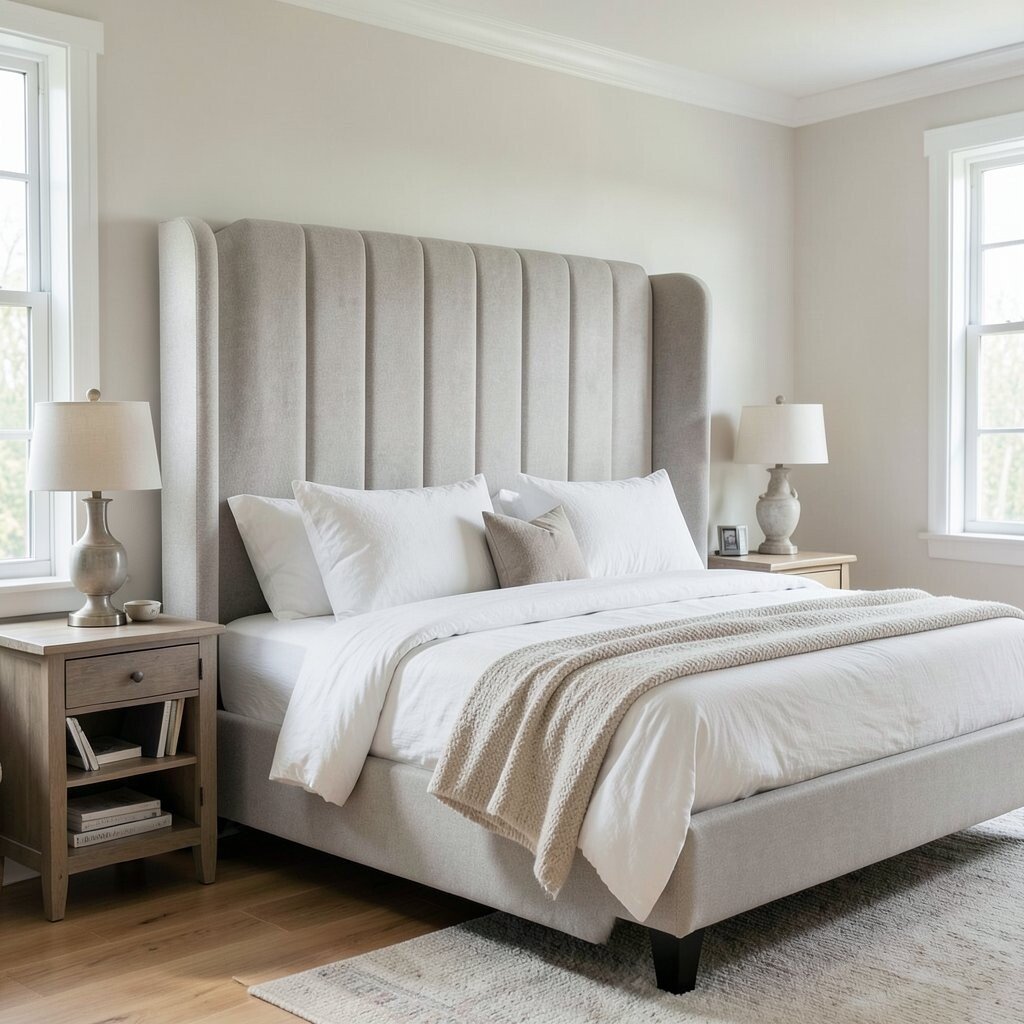
A tall upholstered headboard can make a bedroom feel grand and restful. It gives the bed a strong presence and softens the wall behind it.
Velvet, linen, or a smooth woven fabric all work well for this look. The style is comfy for reading in bed and adds a hotel-like feeling at home. If a custom headboard is too expensive, use a ready-made one or make a fabric wall panel behind the bed.
Pick a shape that suits your room, such as rounded, scalloped, or simple and straight. A bold headboard can be the main star, so keep the bedding calm and neat.
21. Chrome details for a sleek finish
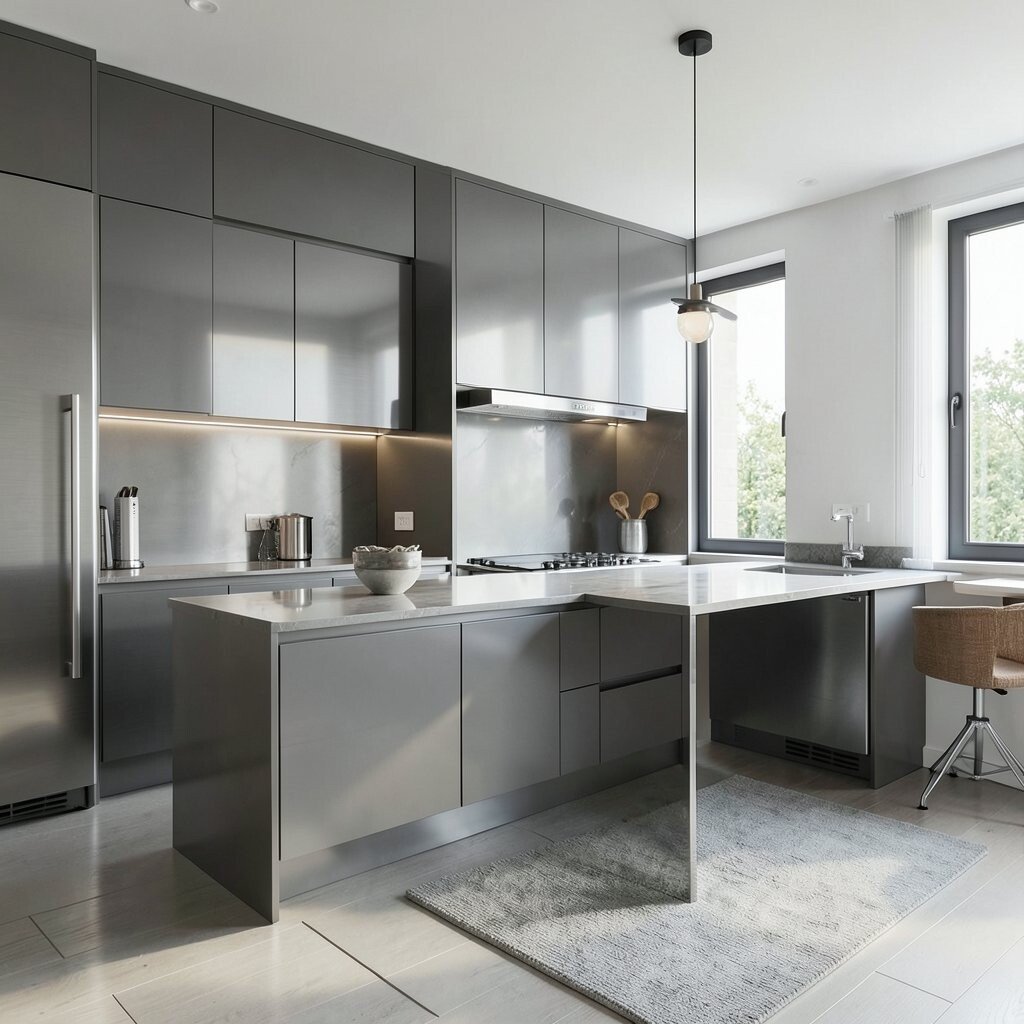
Chrome adds a bright, shiny edge that feels very true to the era. It gives a room a clean, cool look that balances warmer materials like wood and velvet.
Use chrome on lamp bases, table legs, faucets, or chair frames. It is especially nice in bathrooms and kitchens, where the shine feels crisp and useful. If full chrome pieces are not in your budget, swap in smaller accessories like a candleholder or tray.
Chrome also fits well with current trends that favor mixed metals. It can make a room feel fresh while still keeping its vintage soul.
22. Layered lighting with lamps and sconces
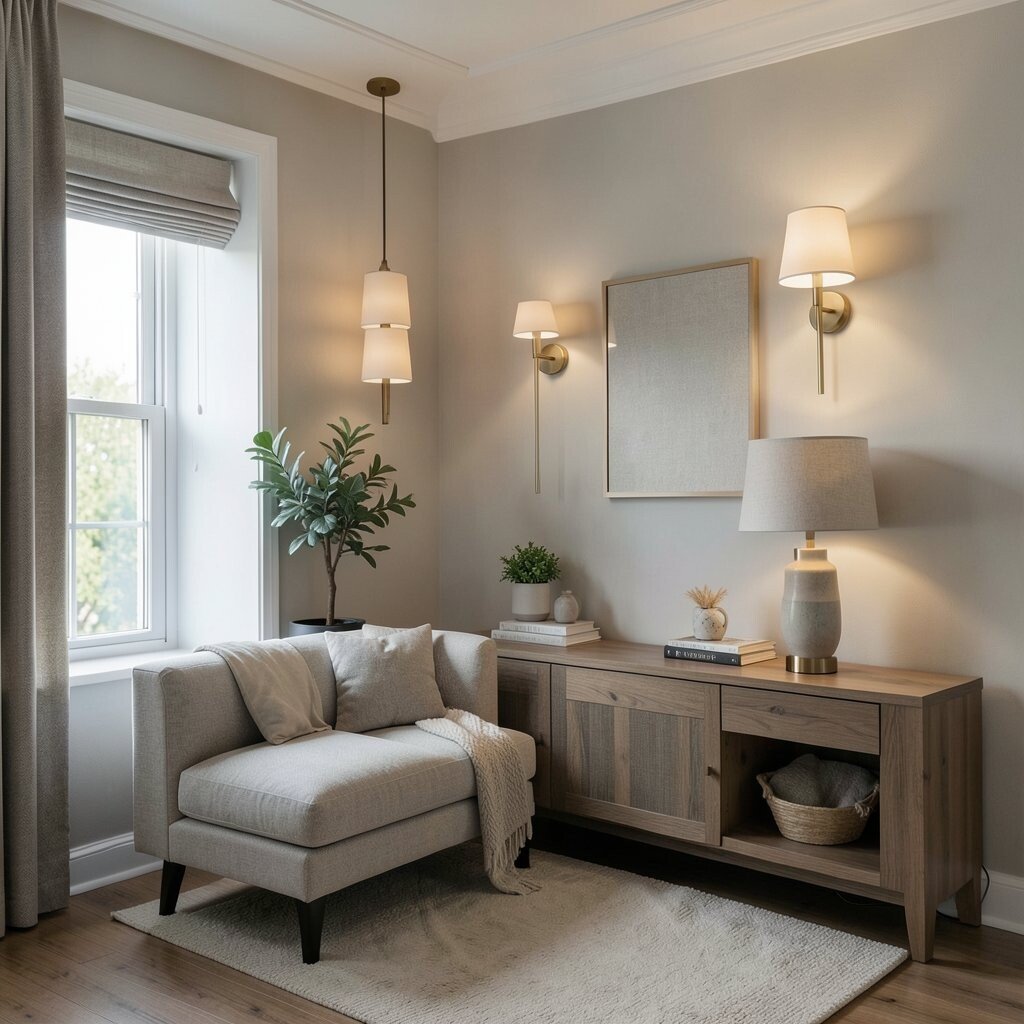
Good lighting was just as important in the 1920s as it is now. Rooms often felt warm because several light sources worked together.
Mix table lamps, wall sconces, and overhead lights to create a soft glow. This makes a room feel cozy in the evening and helps highlight pretty details during the day. To keep costs down, start with one statement lamp and add smaller lights over time.
Choose shades with a simple shape or a frosted finish for a classic look. A warm bulb can make the whole room feel more inviting and relaxed.