Old dressers can hide big style potential. A few smart choices can make yours feel fresh and personal.
1. Skipping the plan
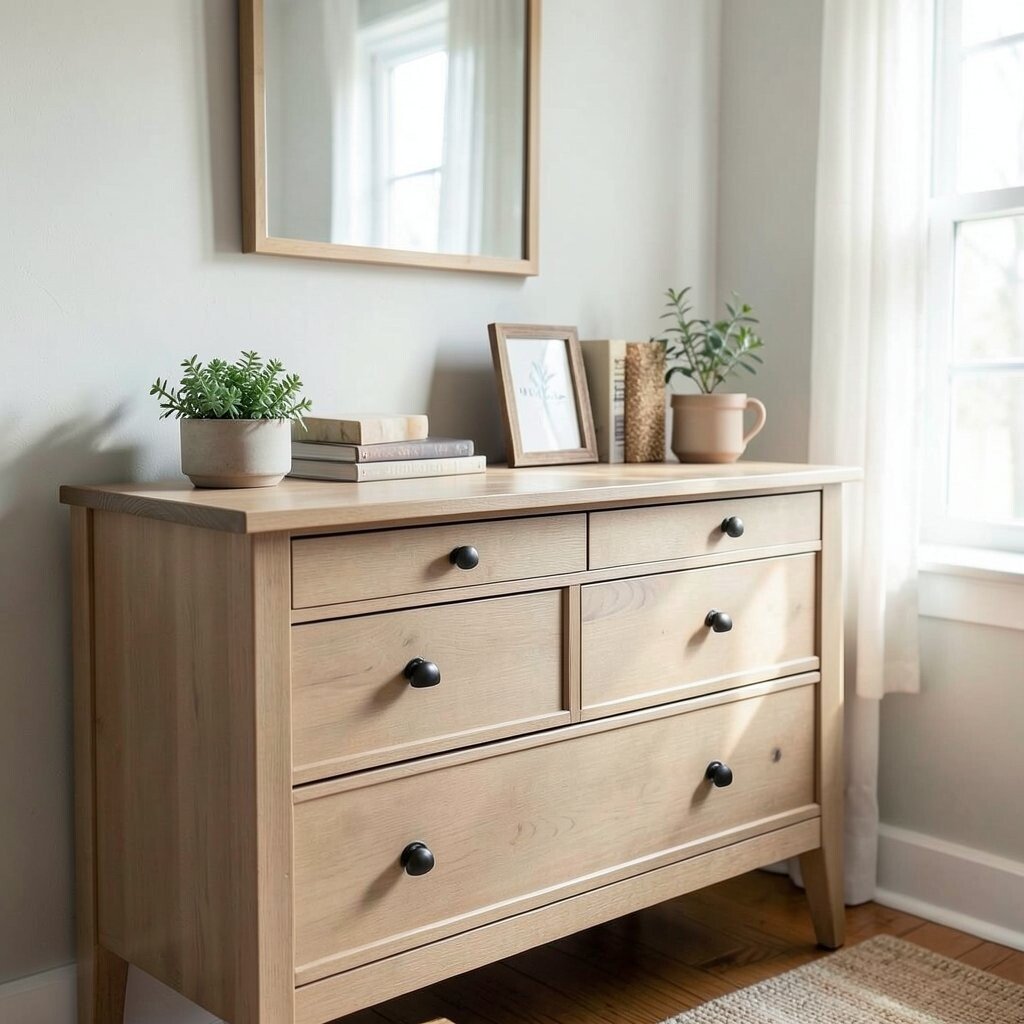
Jumping in without a plan often leads to wasted time and messy results. A dresser makeover looks much better when every step has a clear purpose.
Picture the final look before you start sanding or painting. Think about the room, the colors, and the mood you want, then write down your ideas so you stay on track. This also helps you avoid buying the wrong supplies, which saves money and keeps the project simple.
2. Ignoring the dresser’s shape
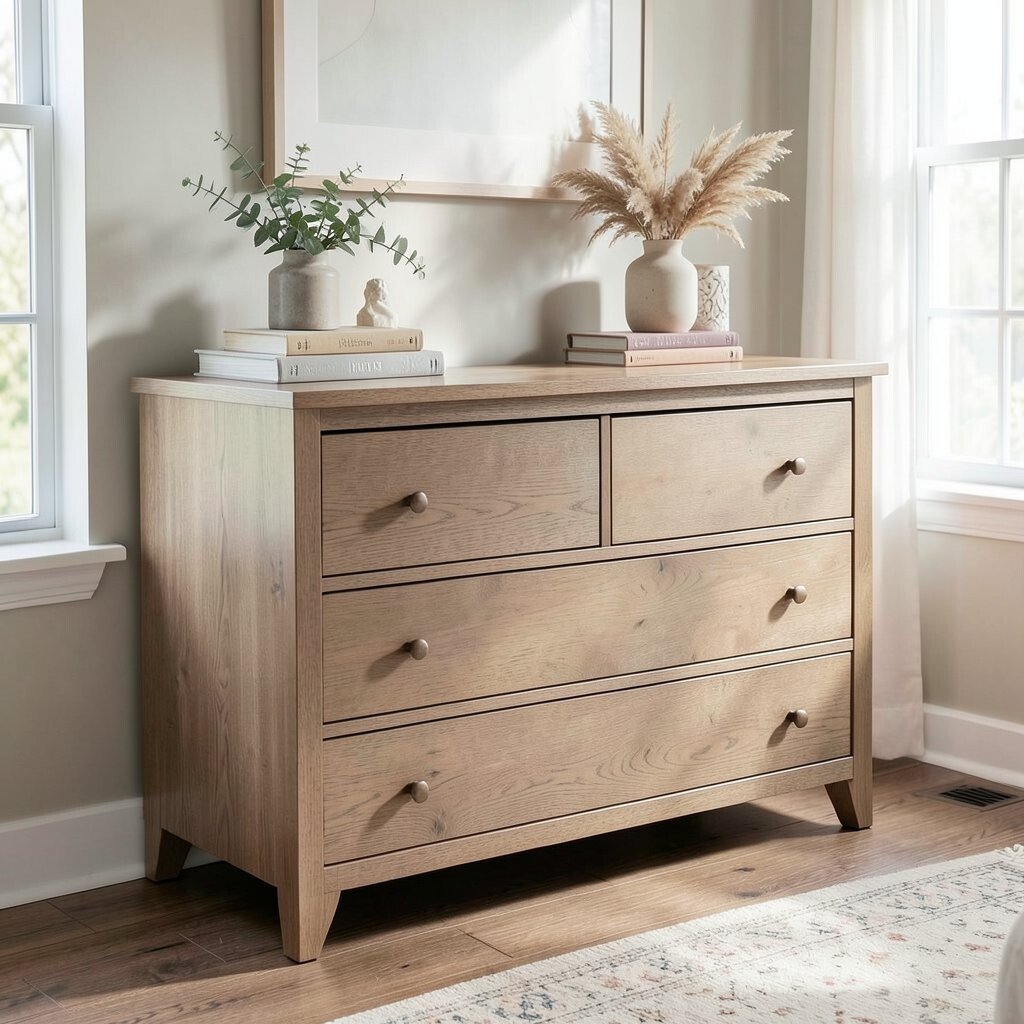
Every dresser has its own lines, curves, and little details. If you cover those up by accident, the piece can lose its charm.
Look closely at the drawer fronts, legs, and hardware holes before you begin. A plain boxy dresser may shine with bold paint, while a carved one may look best with soft colors that show off the details. Choosing a style that fits the shape makes the piece feel unique instead of forced.
Think about current trends too, like warm wood tones, matte finishes, and mixed materials. These can work well, but only if they match the dresser’s body and your room’s style.
3. Forgetting to clean first
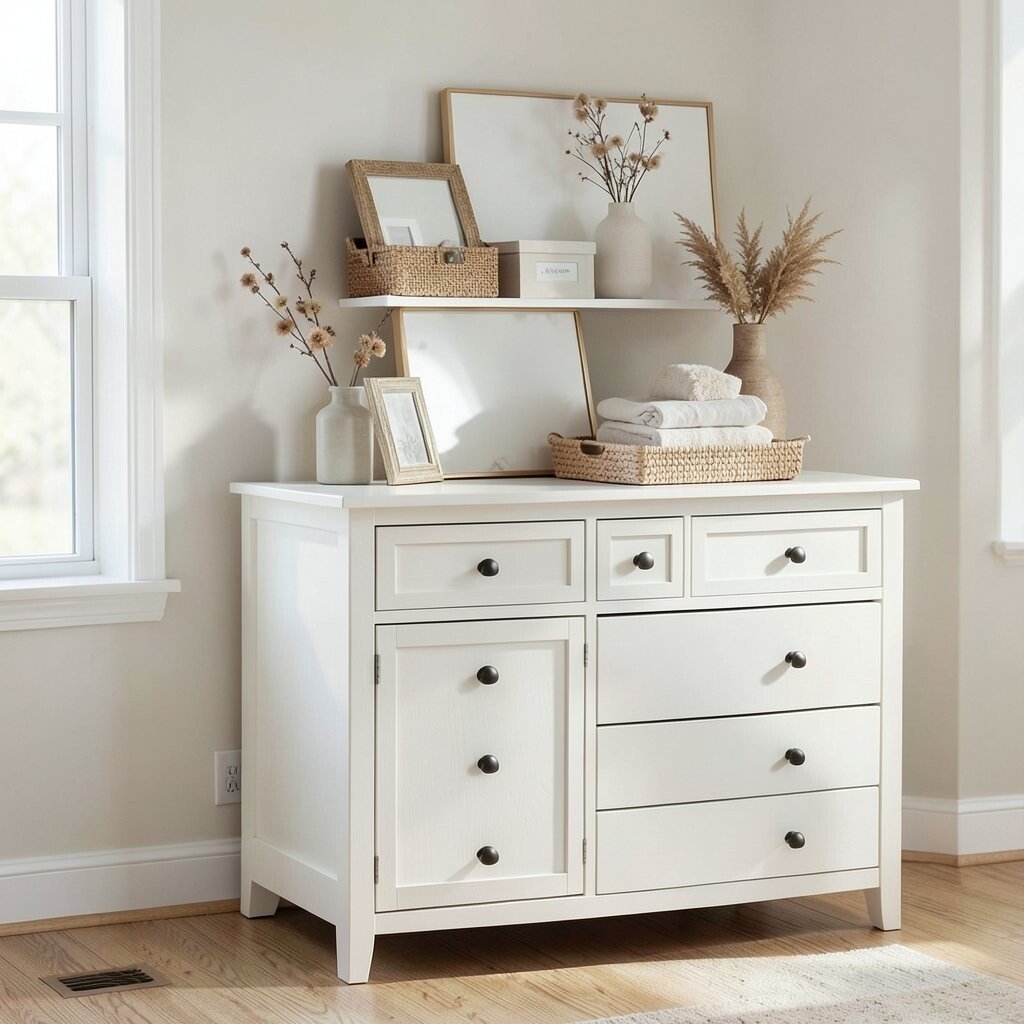
Dust, wax, and sticky spots can ruin paint and stain. A dirty dresser may look fine at first, but the finish will not last as long.
Use a gentle cleaner and wipe every surface, including the sides and drawer edges. Clean drawers also smell better and feel nicer when you open them. This small step gives you a smoother finish and a more polished result.
If the dresser has old polish, a light degreaser can help remove it. Clean prep work costs very little and can save a lot of repair work later.
4. Using the wrong paint or finish
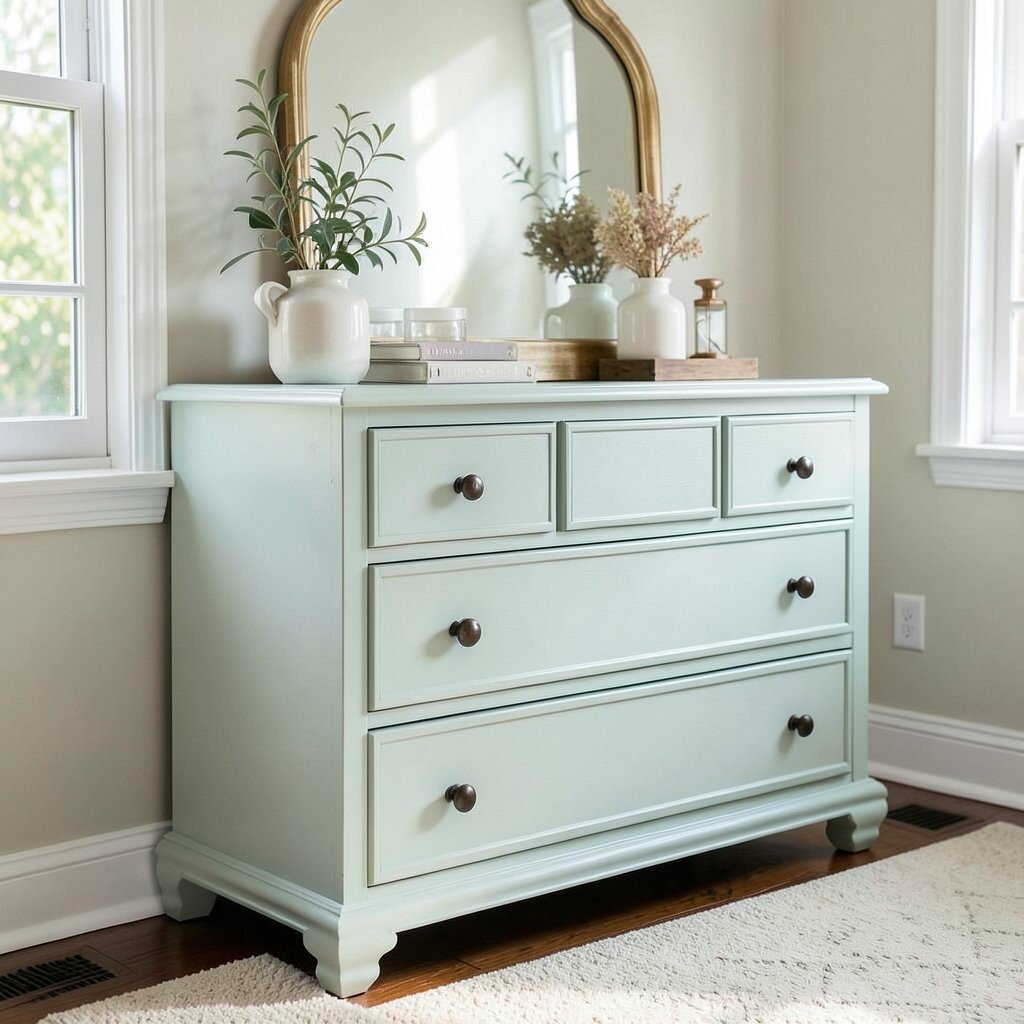
Not every paint works well on furniture. Some paints chip fast, while others leave brush marks that make the dresser look rough.
Choose a finish made for wood furniture when possible. Matte paint gives a soft modern feel, while satin can add a gentle shine. The right product makes the makeover easier and helps the dresser hold up to daily use.
5. Skipping sanding when needed
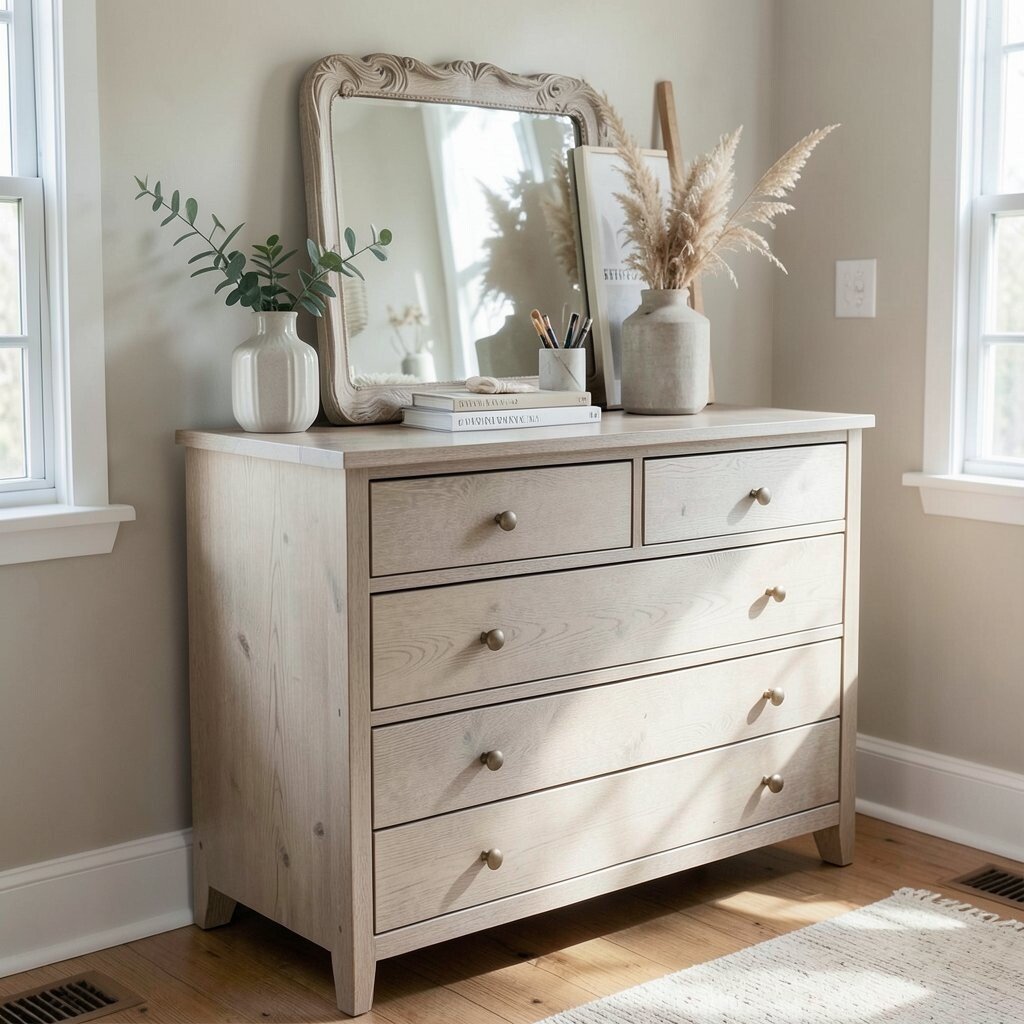
A shiny old surface can keep new paint from sticking. That can lead to peeling, bubbles, and sad-looking corners.
You do not always need heavy sanding, but a light scuff can help a lot. Sanding also smooths out scratches and gives the dresser a cleaner feel. It is a simple way to make an old piece look cared for and ready for a new life.
If you want a lower-cost project, use sanding blocks instead of fancy tools. They work well and are easy to control on small dresser surfaces.
6. Painting without removing hardware
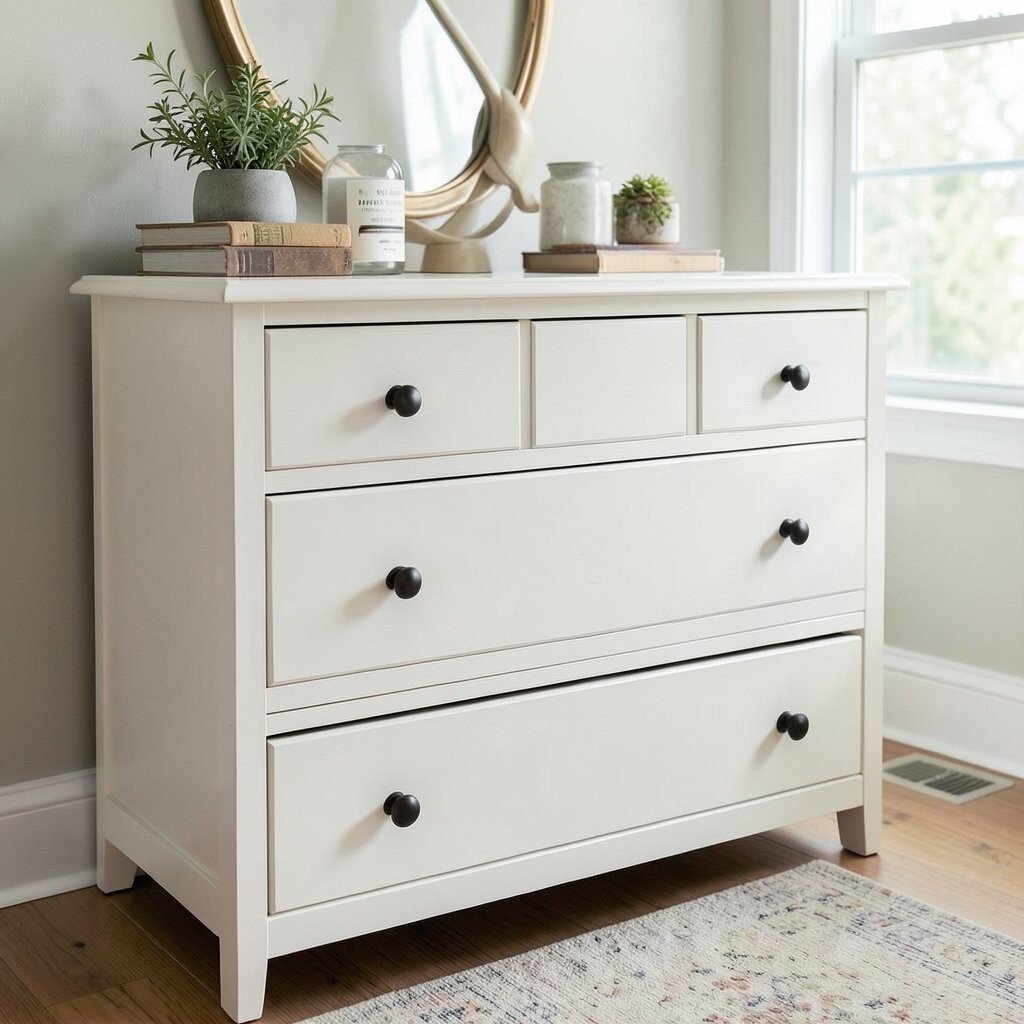
Painting around knobs and pulls can make the job look rushed. It also leaves paint drips and messy edges.
Take off all hardware before you start. You can clean, polish, or replace each piece for a more finished look. New knobs are an easy way to add personality without spending much money.
Brass, black, and wood pulls are popular right now. Pick hardware that matches the room and gives the dresser a fresh, custom feel.
7. Choosing a style that fights the room
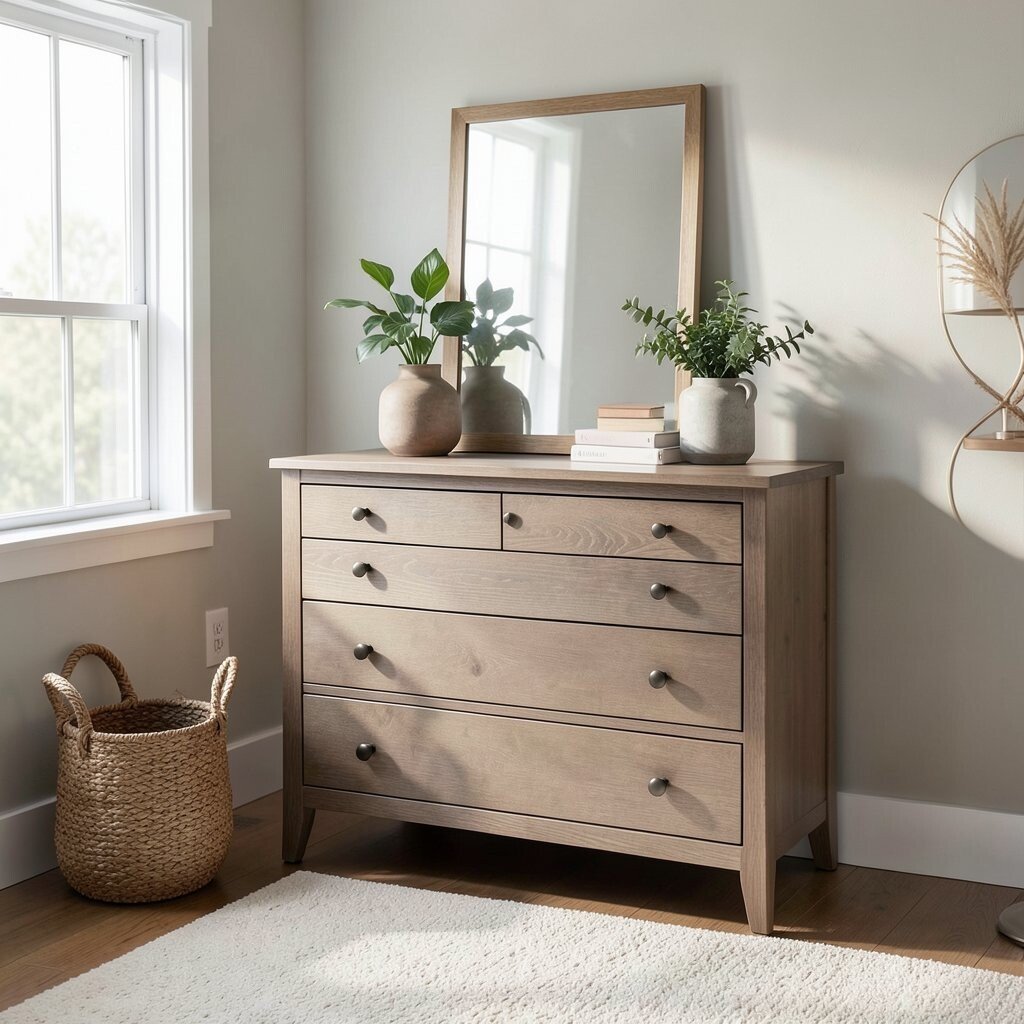
A dresser makeover should fit the space around it. If the style clashes, the room can feel busy instead of calm.
Look at your bed, walls, rug, and lamps before picking colors or details. A bold dresser can be the star in a simple room, while a soft neutral dresser can balance a colorful space. Matching the mood of the room makes the dresser feel like it belongs there.
Personal touches matter too, like painted drawer fronts or a special stain color. These details can make the piece feel one of a kind without making the room look crowded.
8. Forgetting to fix dents and gaps
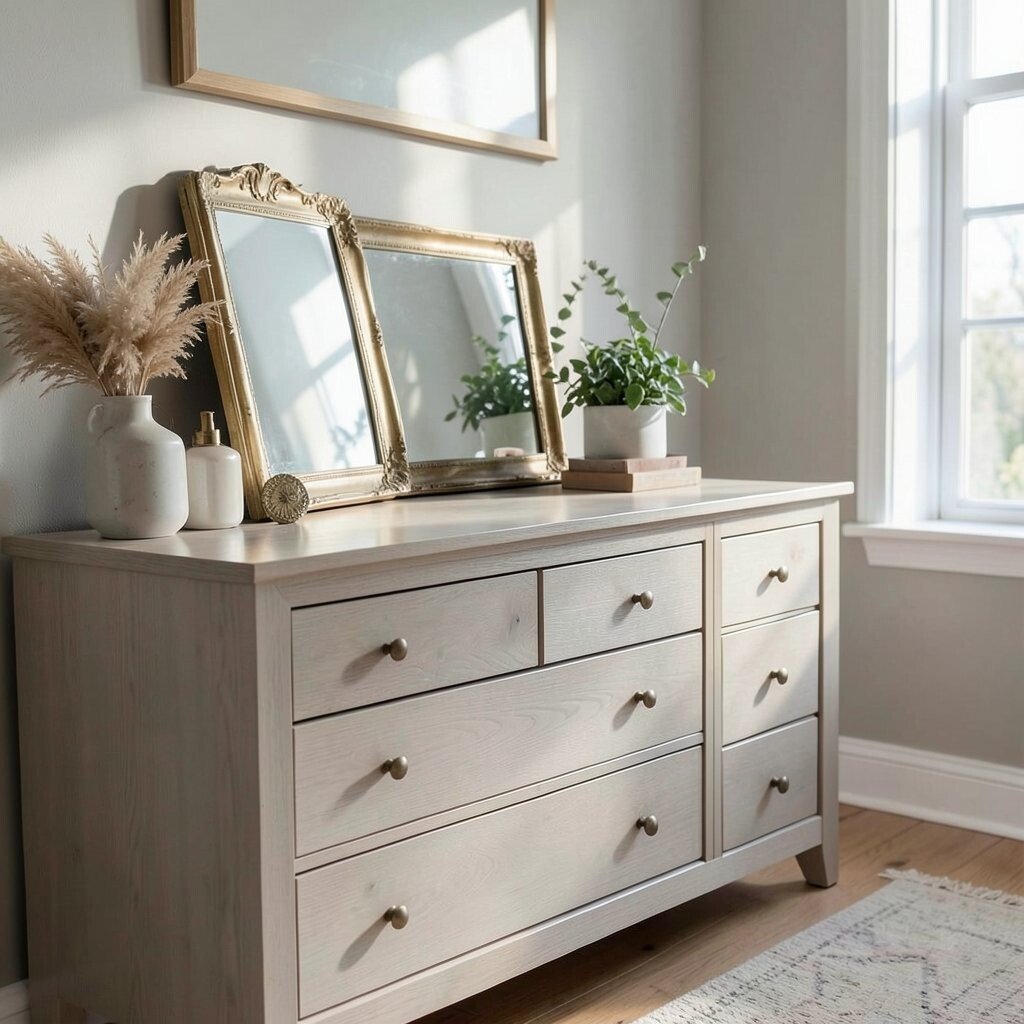
Small flaws can stand out once fresh paint goes on. A dent that seemed tiny before may look much bigger afterward.
Fill cracks, patch holes, and tighten loose parts before you decorate. These repairs help the dresser feel sturdy and look neat. A smooth surface gives your makeover a cleaner and more high-end look.
If you are watching your budget, use wood filler and simple clamps instead of replacing parts. That can save money and still give you a strong result.
Take your time with the patching so the finish looks even. Careful repair work is one of the easiest ways to make an old dresser feel special.
9. Picking colors too fast
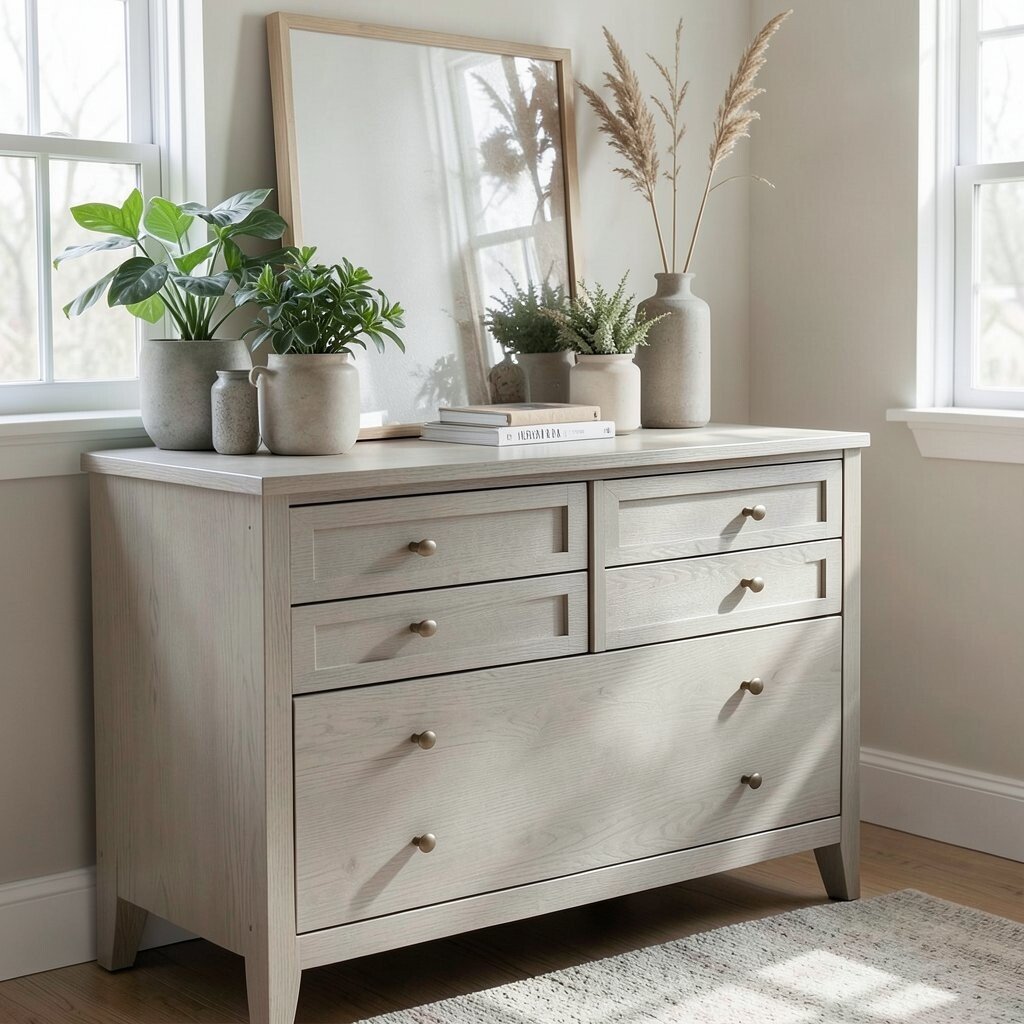
Color can make or break the whole makeover. A shade that looks pretty on a chip may feel too dark, too bright, or too dull on a large dresser.
Test a few samples in the room before you commit. Morning light and evening light can change how the color looks. This helps you choose a tone that feels right every day, not just in the store.
Soft greens, creamy whites, and deep blues are popular because they feel calm and stylish. Still, the best color is the one that makes you happy each time you walk by.
10. Overcrowding the design
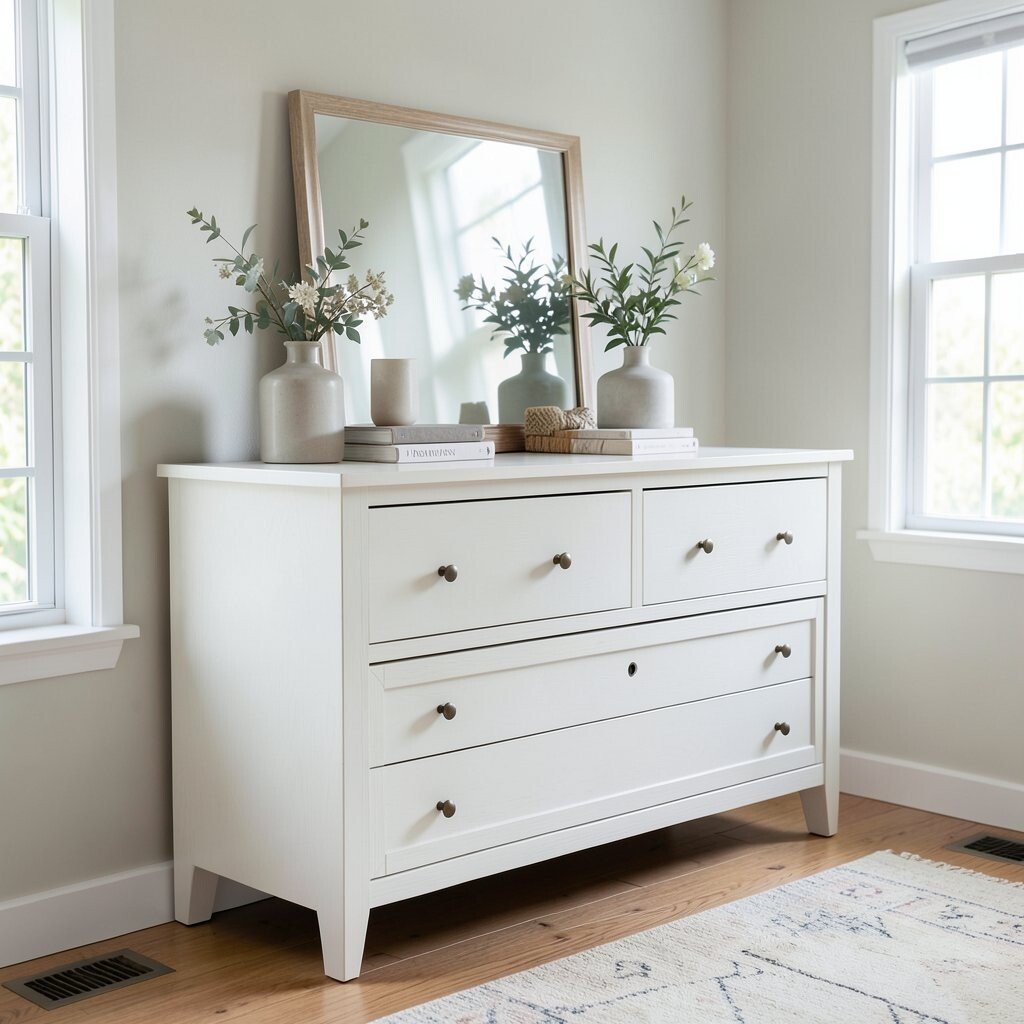
Too many extras can make a dresser makeover feel messy. Glitter, patterns, decals, and bold hardware all at once can fight for attention.
Pick one or two main ideas and keep the rest simple. A clean painted body with special knobs often looks better than a dresser covered in too many touches. Simpler choices also save time and money.
If you want a unique look, try one standout detail like a painted drawer front or a lined inside drawer. Small surprises can feel more charming than a crowded design.
11. Forgetting the inside of the drawers
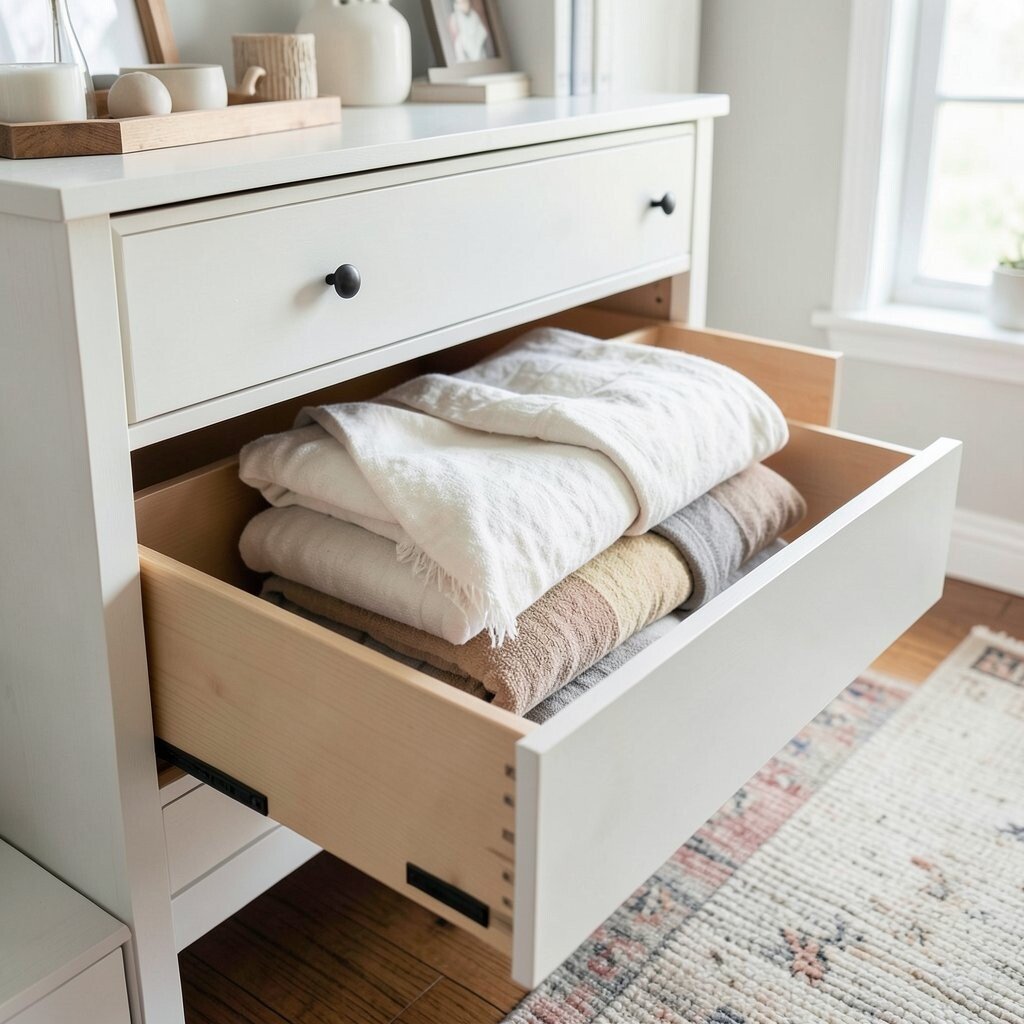
The outside may look beautiful, but the inside matters too. A dresser feels more finished when the drawers are clean and fresh inside.
Wipe out dust and add drawer liners if you want a neat touch. Pretty paper, soft fabric, or peel-and-stick liner can make each drawer feel special. This is a nice place to add color without changing the outside style.
It also helps protect clothes and keeps drawers from smelling stale. A small update inside can make the whole dresser makeover feel more thoughtful.
12. Using too much hardware drama
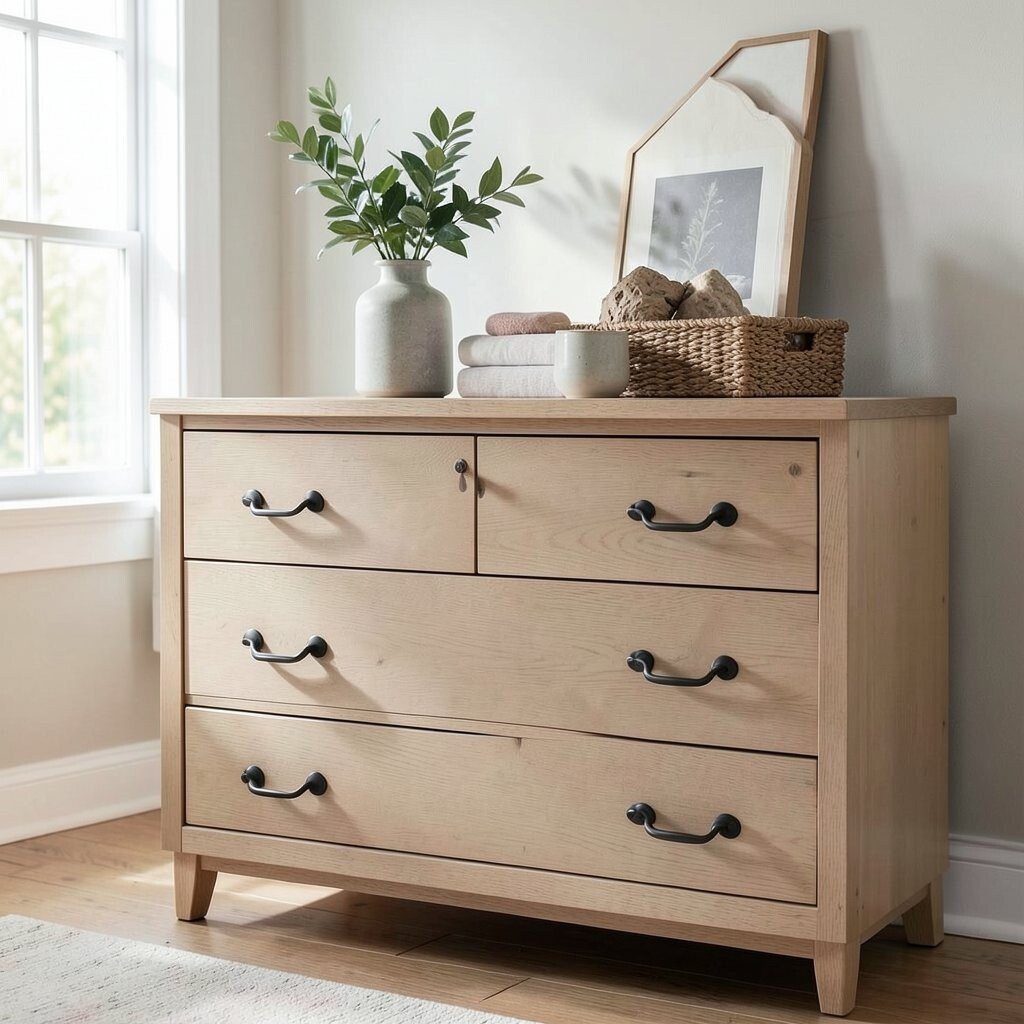
Big, fancy pulls can look fun, but they may not suit every dresser. If the hardware is too large or too shiny, it can steal the show in a bad way.
Choose pieces that match the size of the drawers and the shape of the dresser. Sleek handles work well on modern pieces, while round knobs can suit a softer look. The right hardware adds style without making the dresser feel heavy.
Metal finishes like black, brass, and brushed nickel are still popular. You can also mix materials for a custom look, like wood knobs on a painted dresser.
13. Rushing the drying time
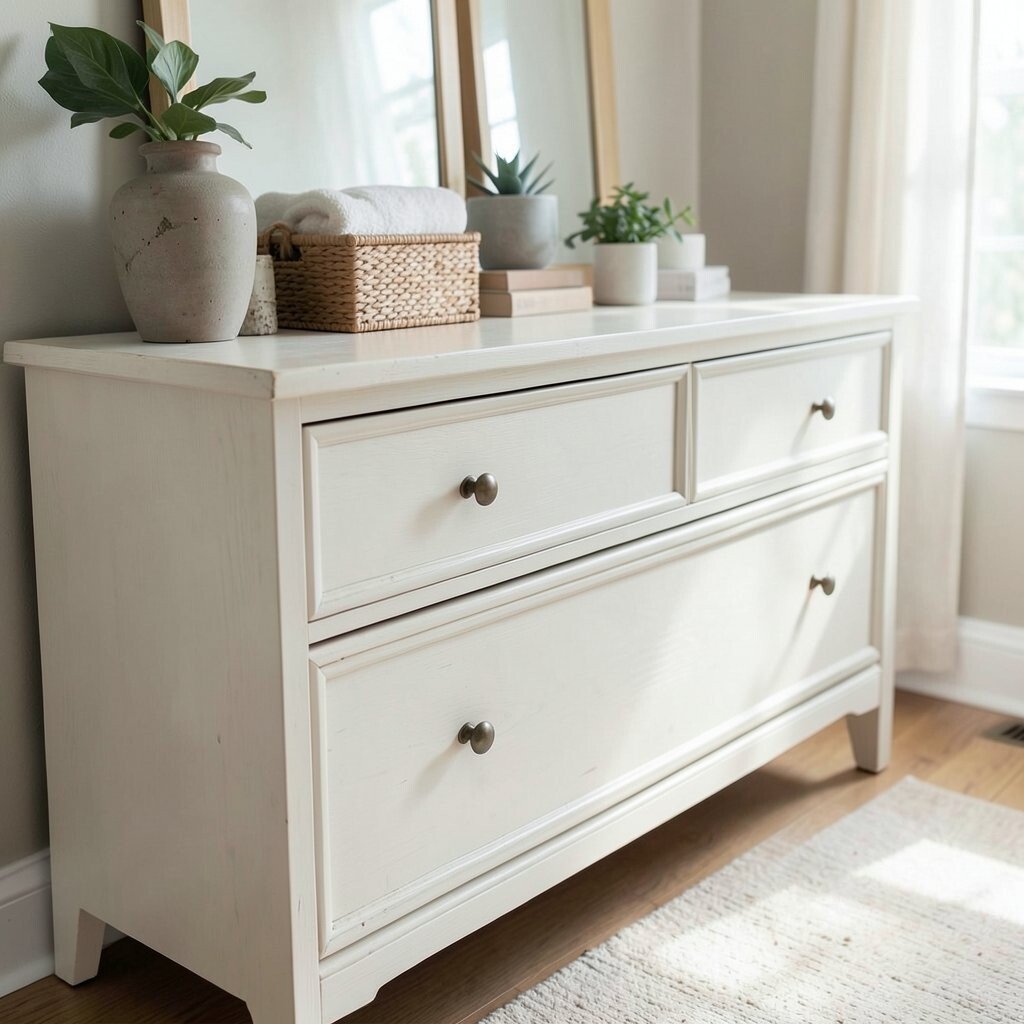
Paint that feels dry to the touch may still need more time. If you close drawers too soon, they can stick or leave marks.
Give each coat enough time to dry fully before adding the next one. Waiting can feel slow, but it helps the finish stay smooth and strong. Patience here saves you from peeling, smudges, and extra touch-ups.
If you are on a tight schedule, plan the project over a few days. That keeps the cost low and lowers the chance of mistakes.
14. Forgetting to protect the work area
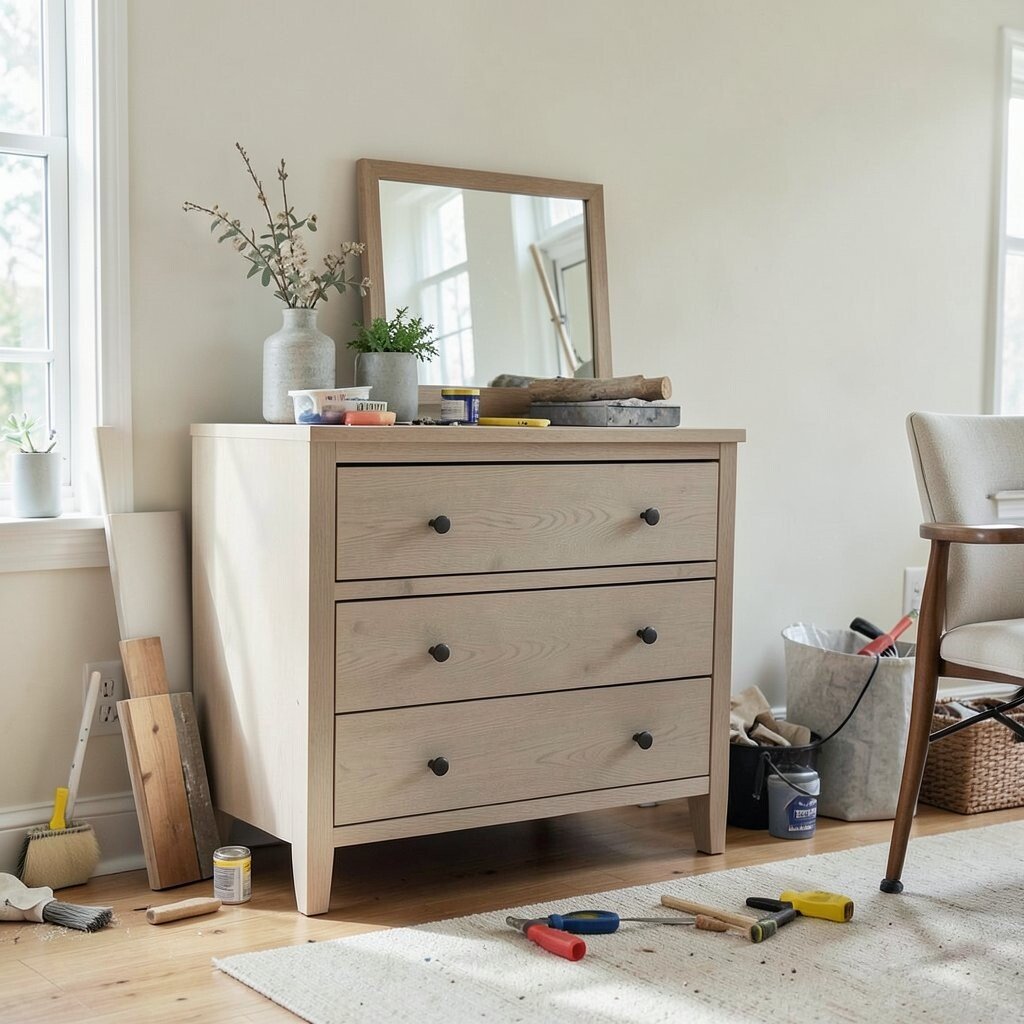
Paint splatters can land on floors, walls, and nearby furniture. Cleanup takes longer when the room is not protected first.
Lay down drop cloths, old sheets, or cardboard before you start. Tape off edges if needed, especially around trim or walls. A neat work area makes the whole project feel easier and less stressful.
This also helps you work more freely, since you will not worry as much about spills. A clean setup can make even a small makeover feel more professional.
15. Not measuring before buying extras
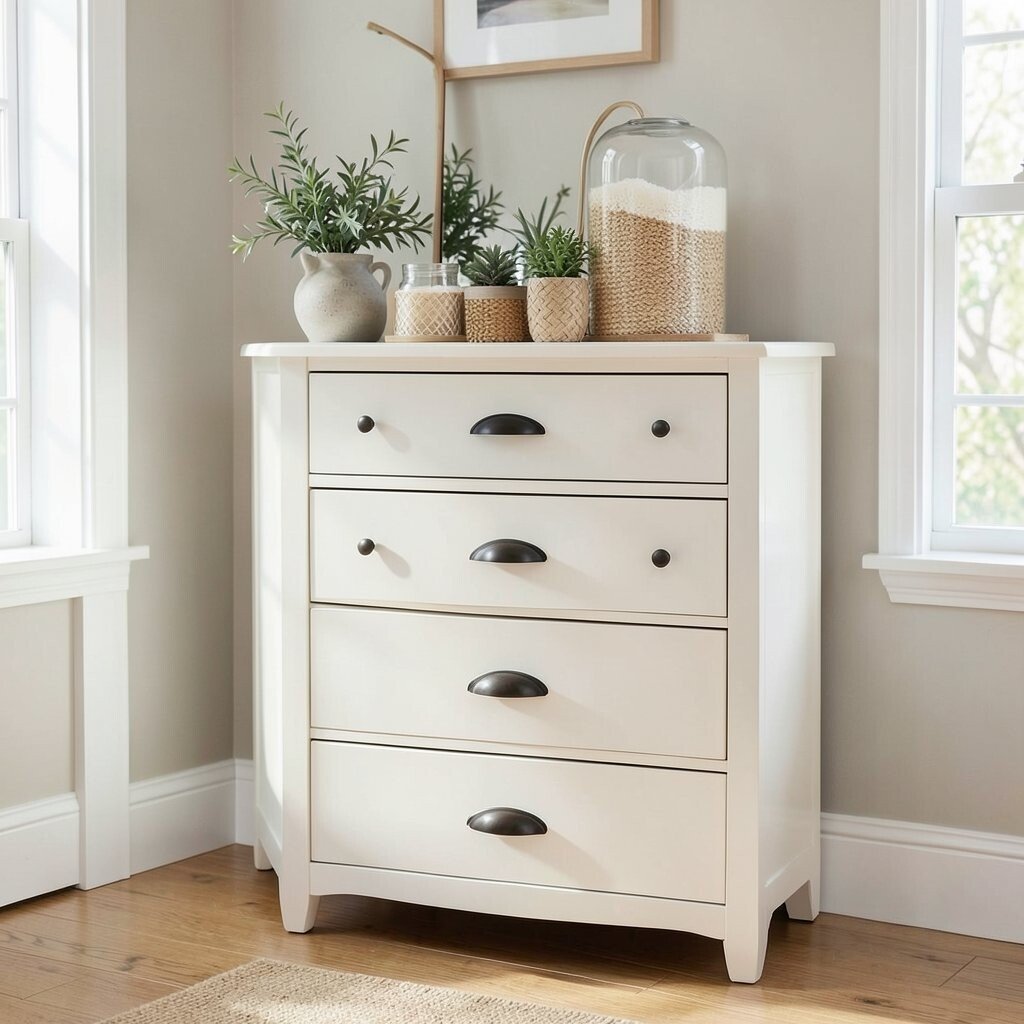
Buying trim, baskets, or decor without measuring can lead to awkward fits. A pretty idea can turn into a waste of money if the size is wrong.
Measure the top, drawers, and open space around the dresser before shopping. That way, you can choose decor that fits well and looks balanced. It is a simple habit that helps your makeover feel polished and planned.
Think about cost too, since custom pieces can add up fast. Smart measuring helps you spend less and still get a stylish result.
16. Leaving the old smell behind
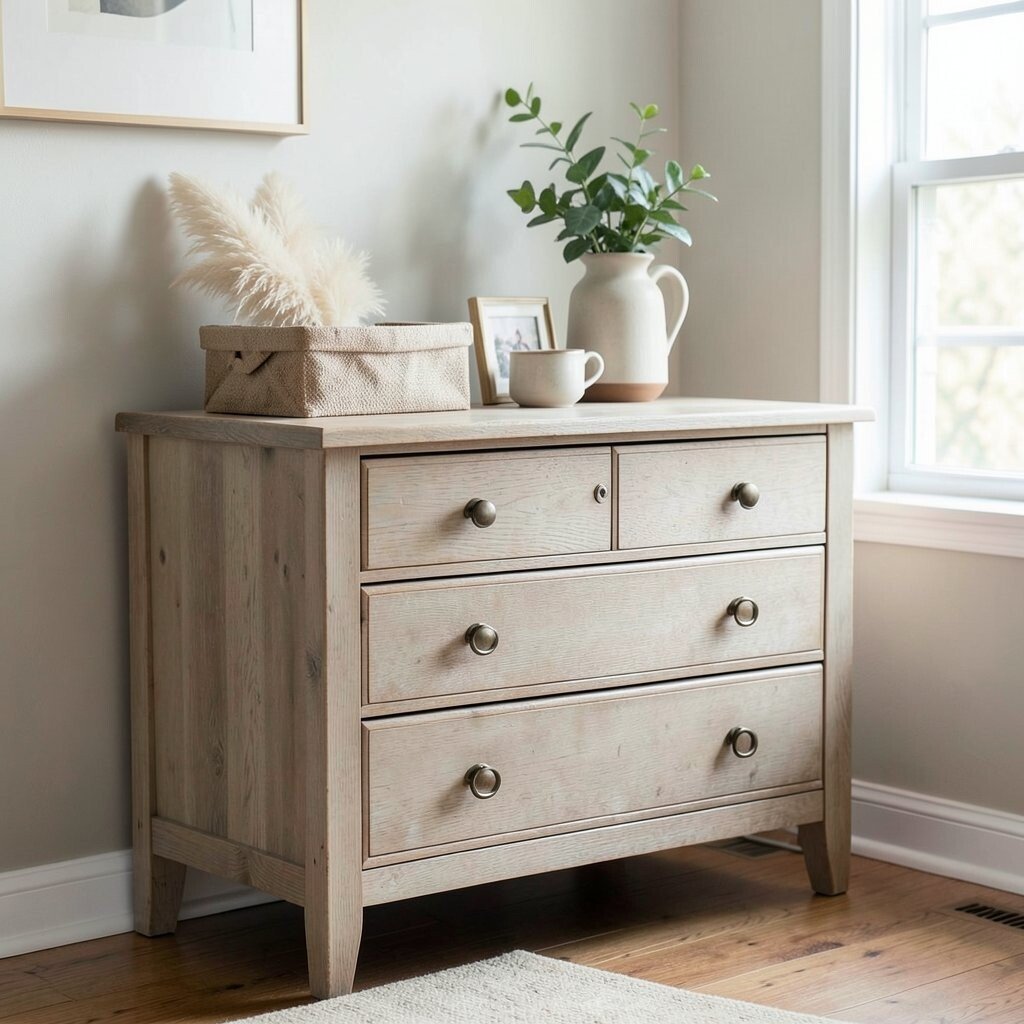
Some dressers hold onto musty or smoky odors. A beautiful finish does not help much if every drawer still smells old.
Air out the dresser, clean the drawers, and use baking soda or charcoal if needed. Fresh lining paper can also help make the inside feel clean. This makes the dresser nicer to use and more pleasant in the room.
Soft scents are a current favorite, but keep them light so they do not overwhelm clothes. A fresh-smelling dresser feels cared for and ready for daily use.
17. Forgetting to style the top
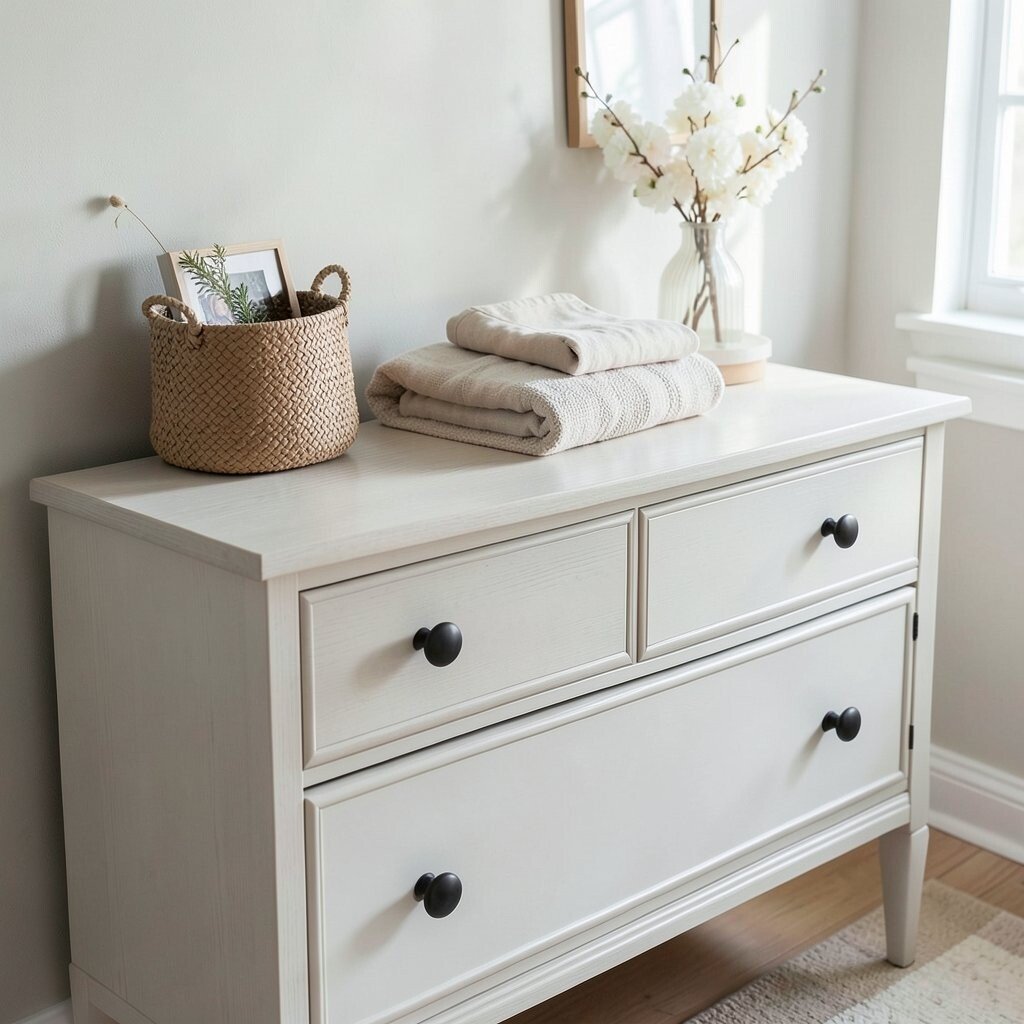
The top of the dresser is part of the makeover too. If it stays empty or cluttered, the whole piece can look unfinished.
Add a lamp, a small plant, a framed photo, or a tray to create balance. Try to keep the display simple so the dresser still stands out. A styled top can make the piece feel warm, personal, and ready for the room.
You can change the decor with the seasons or your mood. That gives the dresser a fresh look without repainting it again.
18. Using weak drawer pulls or broken slides
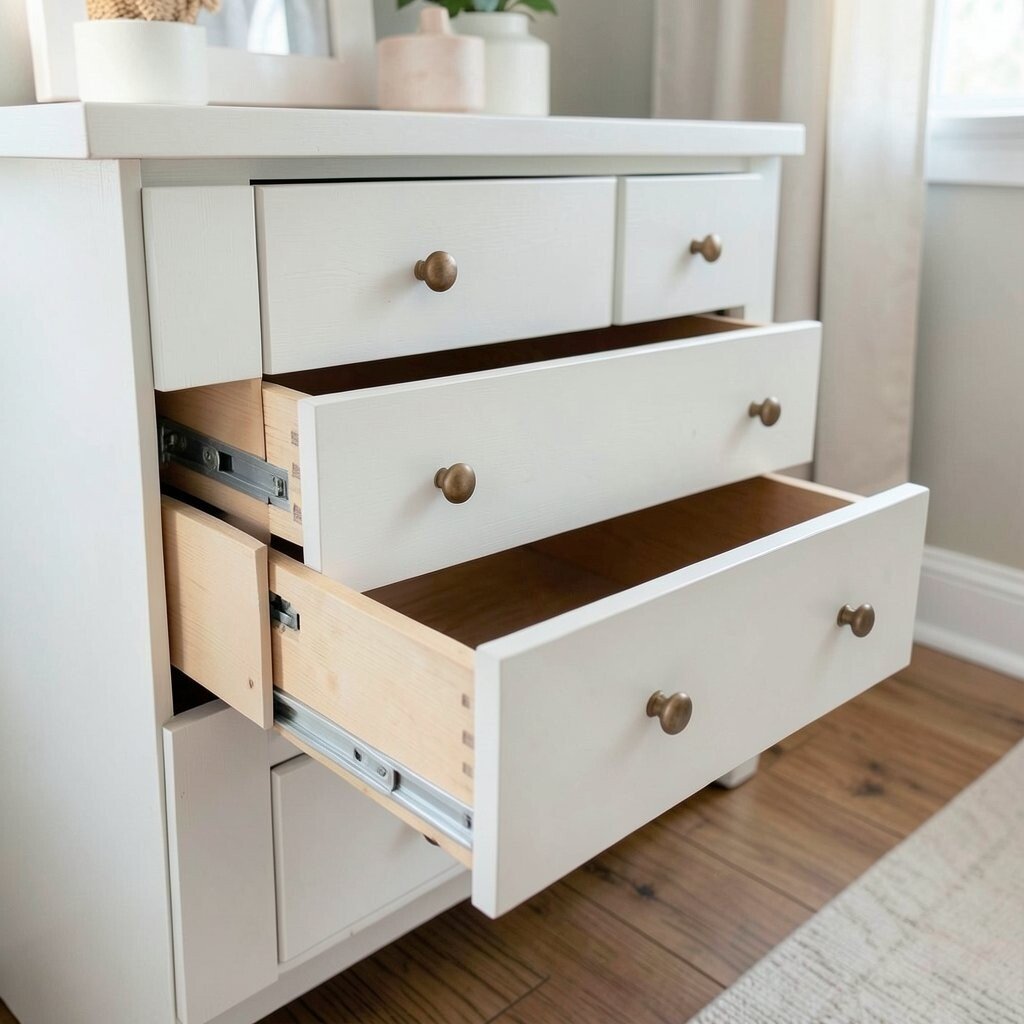
Pretty paint cannot hide a drawer that sticks or wobbles. If the drawers do not work well, the makeover will feel frustrating.
Check the slides, joints, and pulls before calling the project done. Fixing these parts makes the dresser easier to use every day. A smooth drawer pull is a small joy that makes the whole piece feel better.
If new parts are needed, compare prices before buying. Simple repairs are often cheaper than replacing the whole dresser.
Good function matters as much as style. When the dresser looks nice and works well, it truly earns its place in the room.
19. Making it too trendy
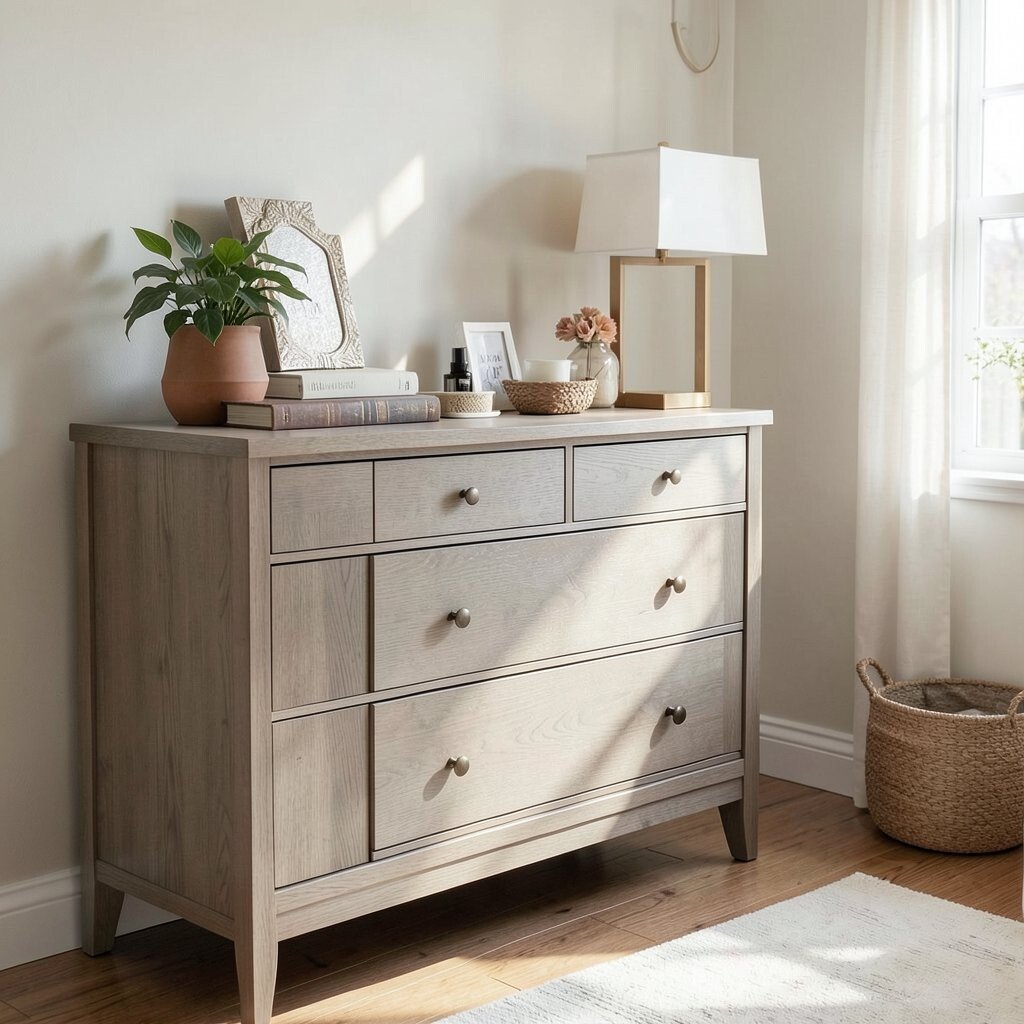
Trendy looks can be fun, but they may not last very long. A dresser makeover should still feel good after the trend fades.
Try adding trends in small ways, like hardware, liner paper, or a color accent. That keeps the dresser current without locking you into one look. A balanced design is easier to enjoy for years.
Mixing a classic shape with a fresh color is often a smart choice. It gives you style now and keeps the piece useful later.
20. Skipping the test coat
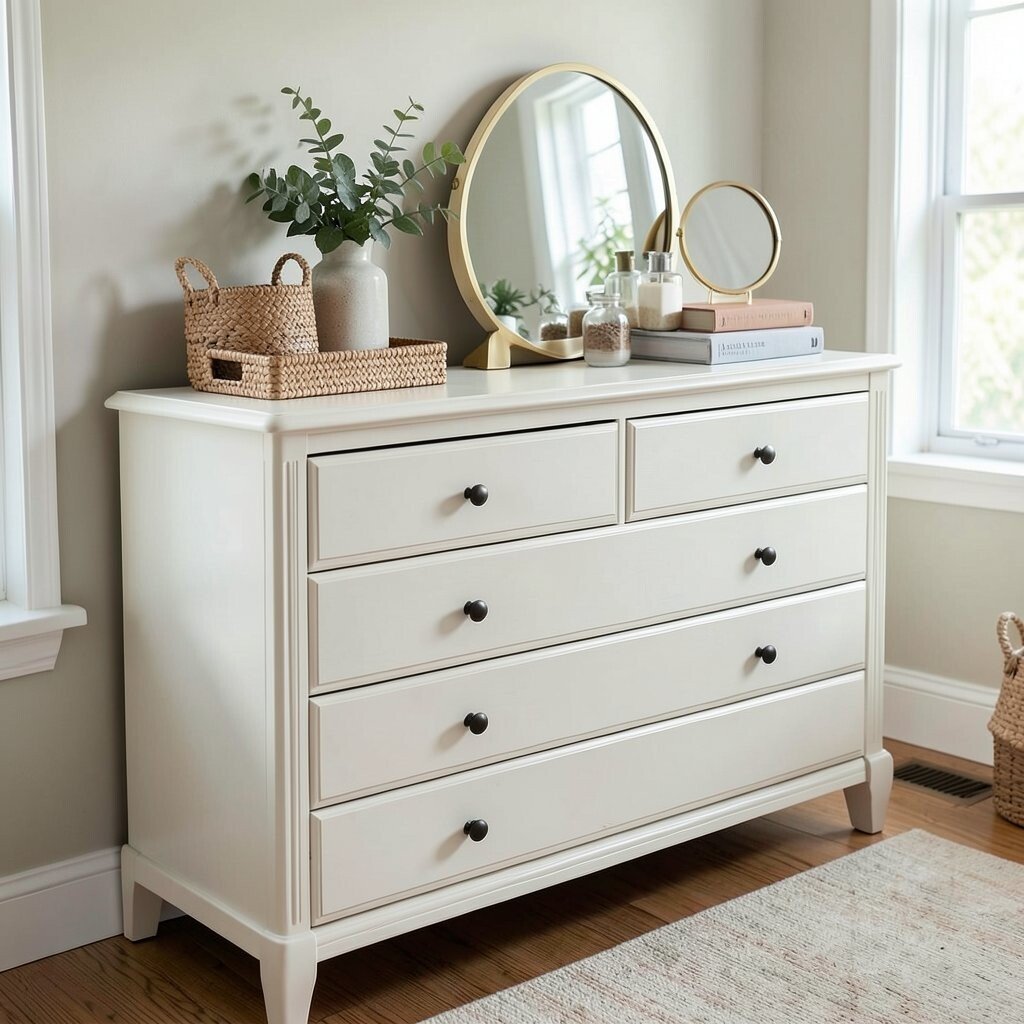
Going straight to the full dresser without a test can lead to regrets. A finish may look different on wood than it does on a small sample board.
Brush a little paint or stain on a hidden spot first. Check the color in daylight and at night before you keep going. This tiny step can save time, money, and a lot of disappointment.
It also helps you see how the wood grain reacts. That gives you a better idea of the final look before you commit to the whole piece.
21. Forgetting about balance
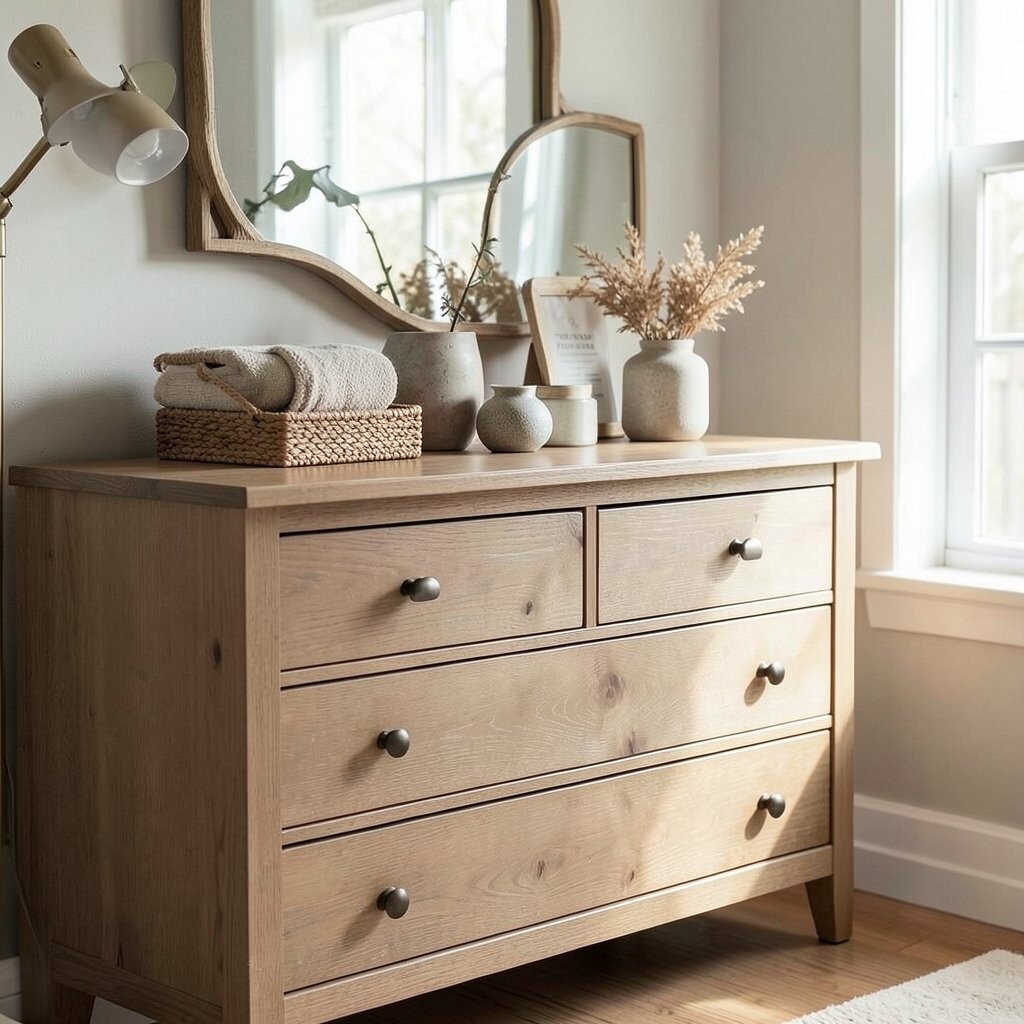
A dresser makeover should feel steady and pleasing to the eye. If one side is too busy or too dark, the whole piece can feel off.
Balance comes from repeating colors, shapes, or textures in a calm way. You might use the same knob style on all drawers or keep the top decor simple. This makes the dresser look neat and easy to enjoy.
Balanced designs often feel more expensive, even when they are not. That is a great way to get a high-end look on a small budget.
If you want a more personal touch, add one small surprise and keep the rest even. That mix can make the dresser feel thoughtful and fresh.
22. Using too much stain
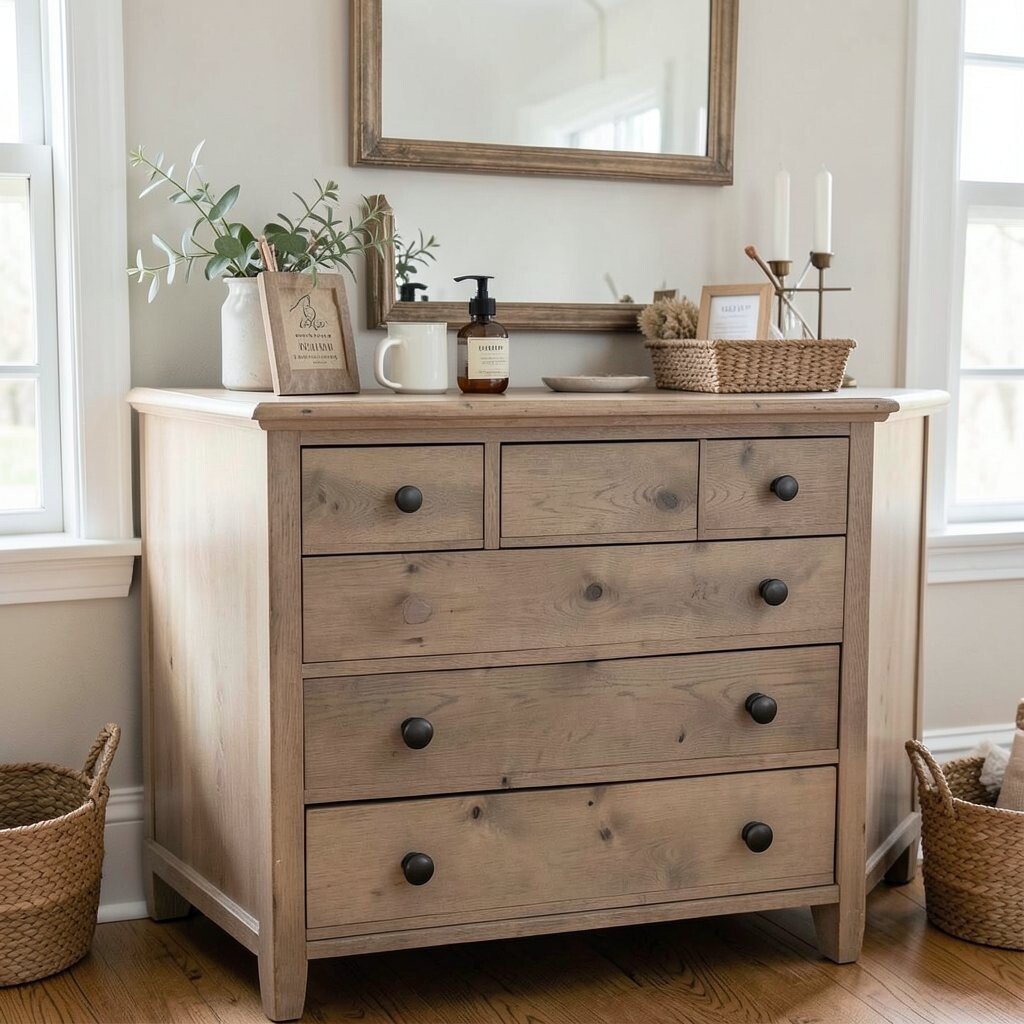
Heavy stain can hide the wood grain and make the dresser look muddy. It may also leave dark spots that are hard to fix.
Apply stain in light layers and wipe off the extra before it dries. This lets the wood show through in a nicer way. A softer stain can feel warm, natural, and more current than a thick dark coat.
Light oak tones and honey shades are popular because they feel airy and cozy. They also work well in many rooms, which makes them a smart choice.
23. Ignoring the drawer fronts
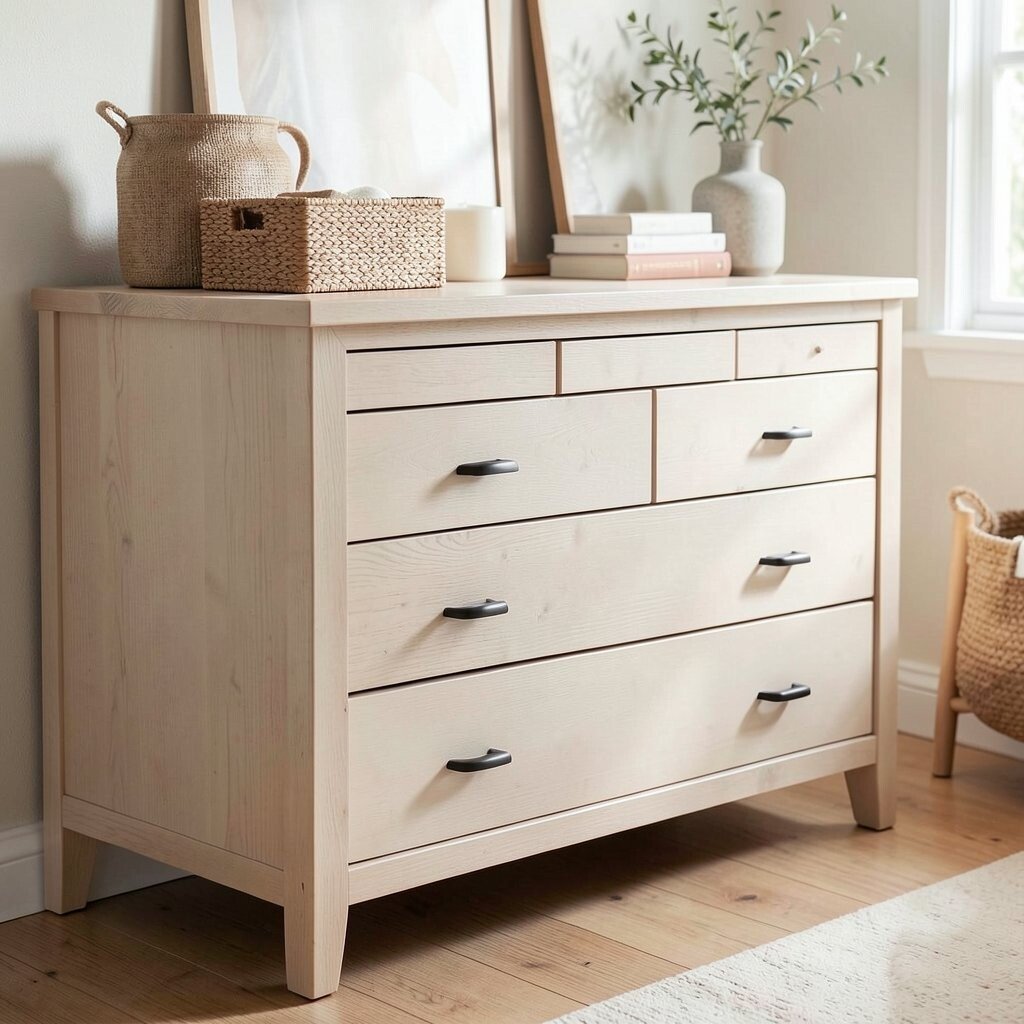
Drawer fronts are the face of the dresser, so they need special care. If they are uneven or rough, the whole piece can look unfinished.
Sand them well and make sure the paint or stain is smooth across each front. You can also add simple trim, color blocking, or wallpaper for a custom look. These details give the dresser personality without making it too busy.
Drawer fronts are a great place to show off your style in a small way. A little extra effort here can make the makeover feel much more special.
24. Forgetting safety and air flow
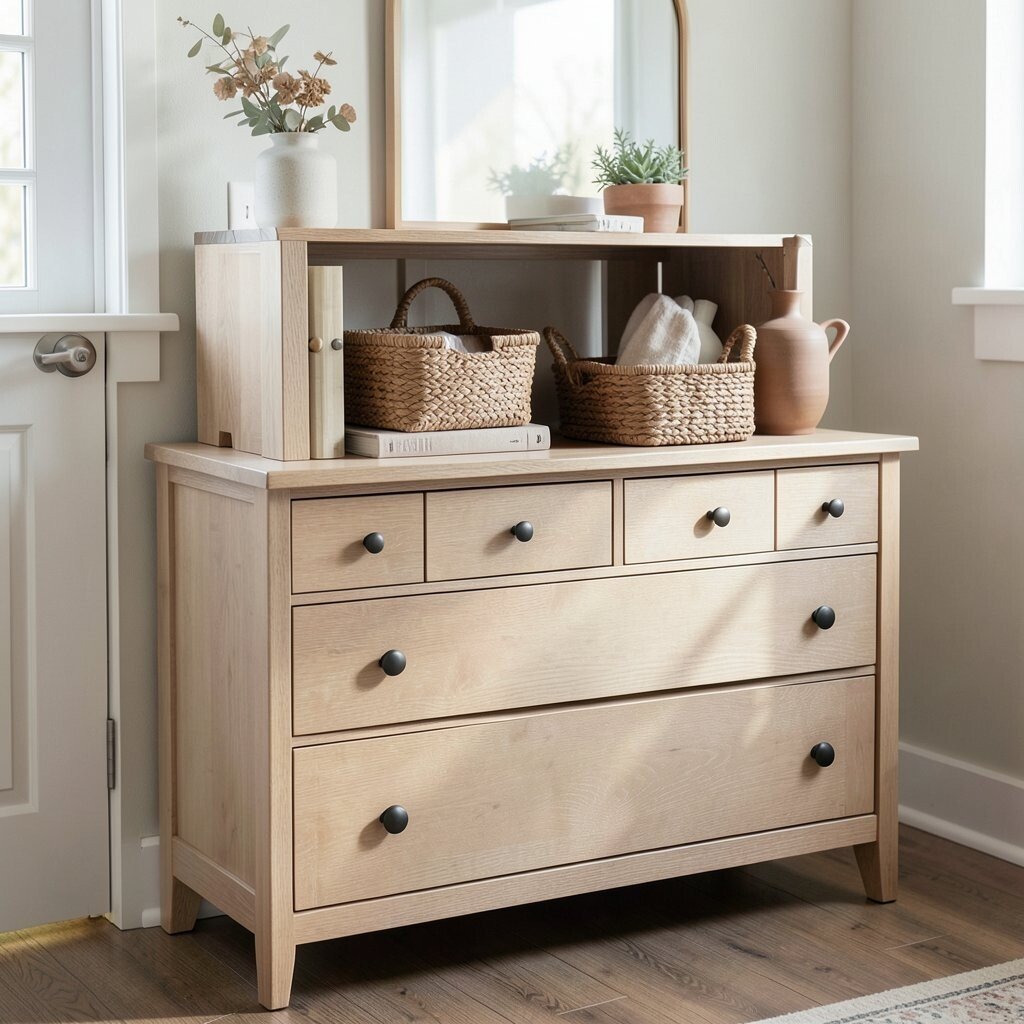
Paint fumes and dust can be rough in a closed room. A makeover should not leave you with a headache or a messy cleanup.
Open windows when you can and wear a mask while sanding or spraying. Good air flow helps the project feel safer and more comfortable. It also helps paint dry better in many cases.
Safety gear does not have to be expensive. Simple gloves, a mask, and fresh air can go a long way.
25. Choosing decor that is too small
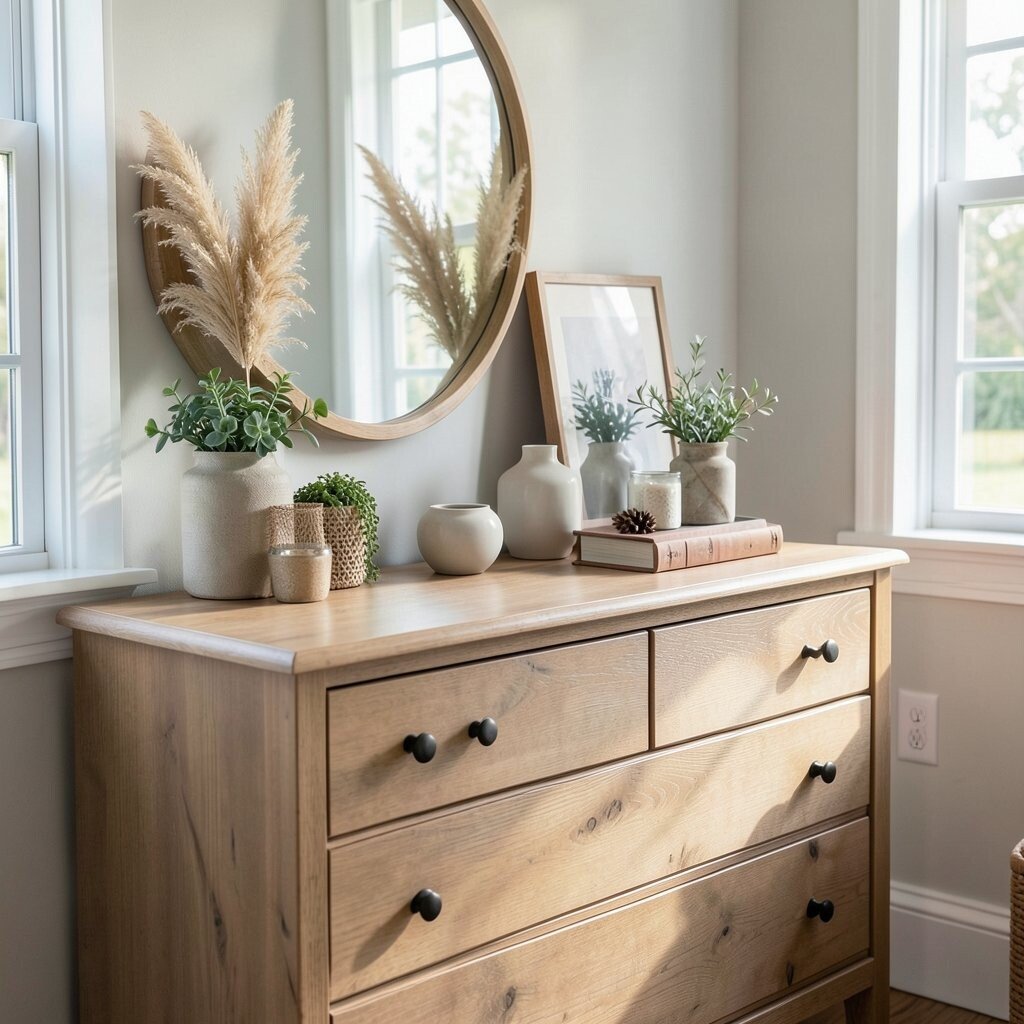
Small decor on a big dresser can look lost. The top may feel empty instead of styled.
Pick pieces that match the scale of the dresser. A medium lamp, a larger mirror, or a strong tray can help anchor the look. Good scale makes the dresser feel more complete and more useful in the room.
You can still keep it personal with a favorite book or a small keepsake. Just make sure the pieces do not disappear on top of the dresser.
26. Not thinking about storage needs
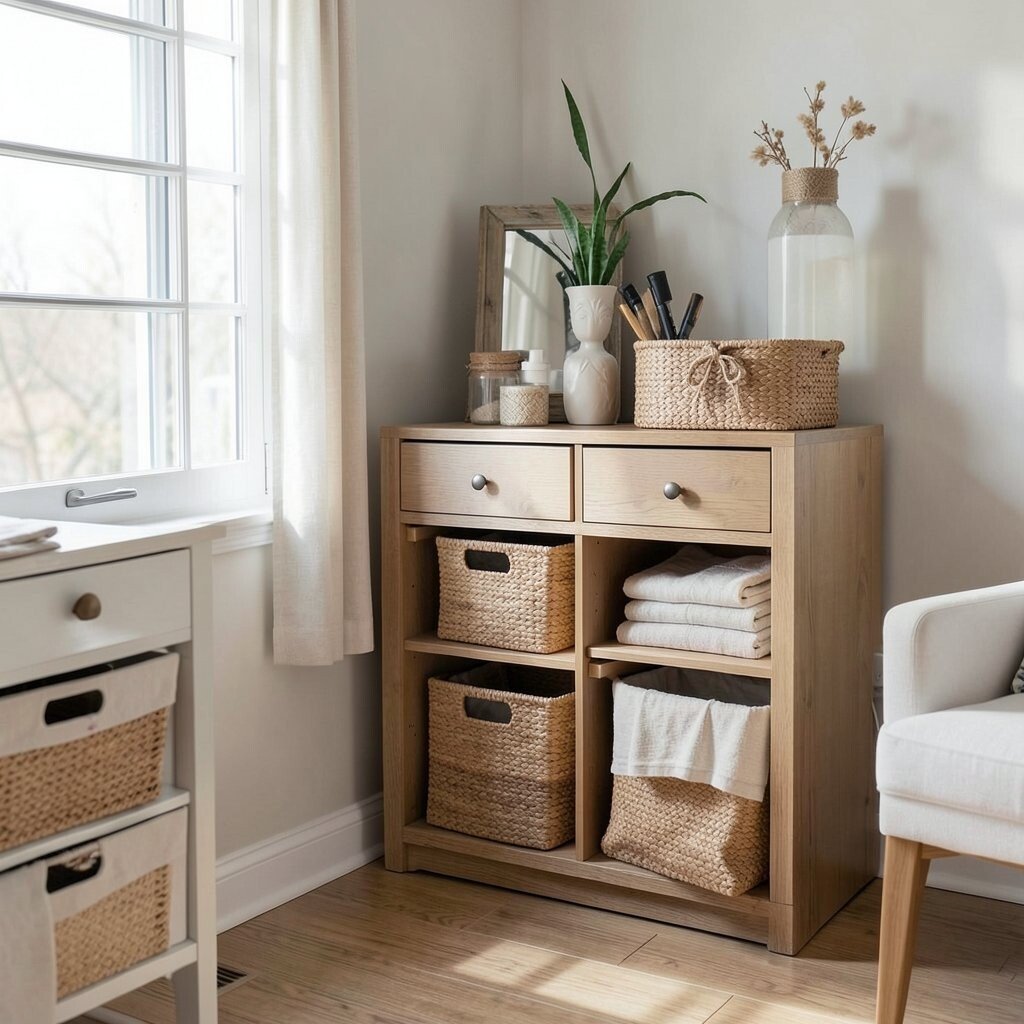
A dresser makeover should look good, but it should also work for your life. If the drawers do not fit your things, the piece may become annoying fast.
Think about socks, shirts, accessories, or baby items before you finish the design. Drawer dividers and bins can help you keep things neat inside. This gives you both beauty and function, which is the best kind of makeover.
Storage helpers are often low-cost and easy to change later. That makes them a smart choice if your needs may shift over time.
A dresser that fits your routine feels more personal and more useful. That is what makes a makeover truly worth the effort.
27. Forgetting your own style
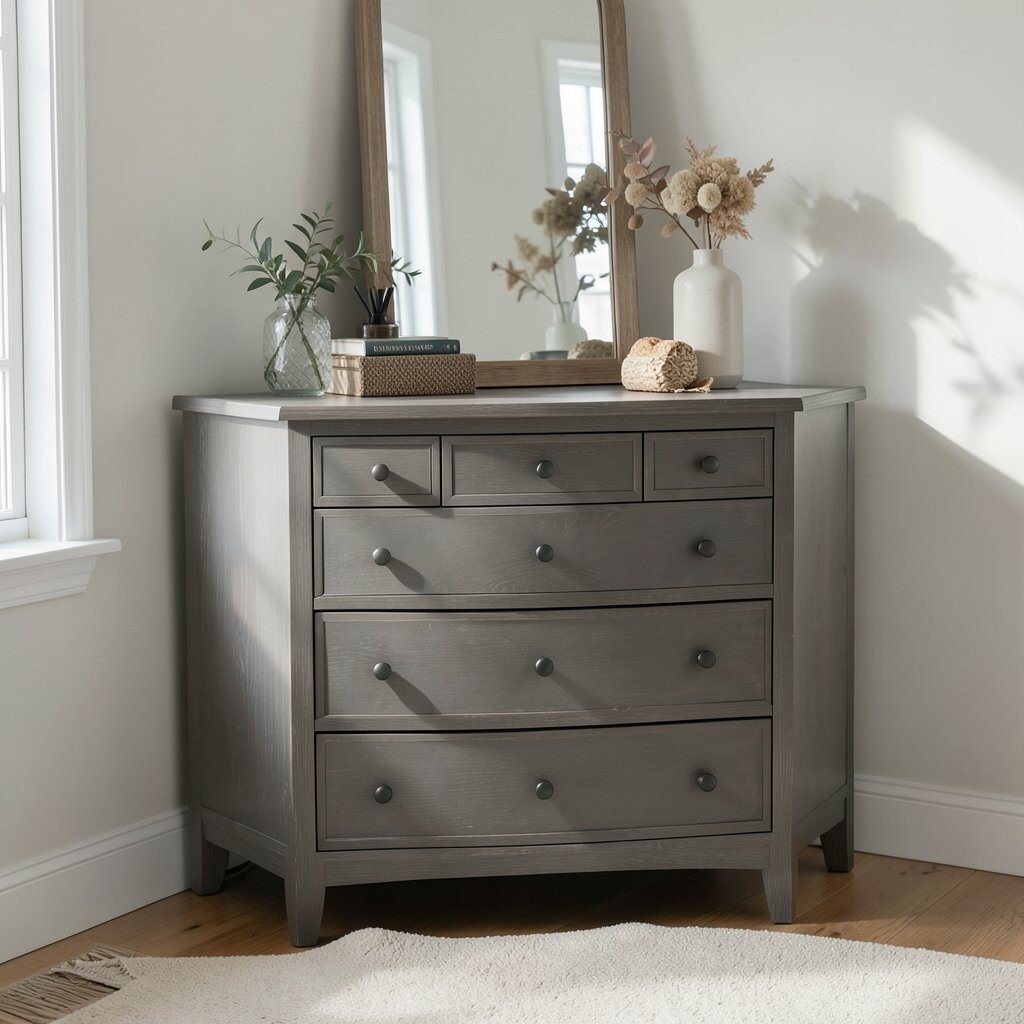
It is easy to copy a pretty idea from online and lose your own taste. But the best dresser makeover is the one that feels like you.
Choose colors, hardware, and details that make you smile every time you see them. Your favorite style may be soft and calm, bold and bright, or simple and clean. When the dresser matches your personality, it feels special instead of generic.
Try adding one small detail that tells your story, like a hand-painted edge or a favorite drawer liner. That personal touch can make the whole piece feel warm, unique, and ready for everyday life.