
A small nook can feel magical. It can also feel cramped fast.
1. Ignoring the nook’s real purpose
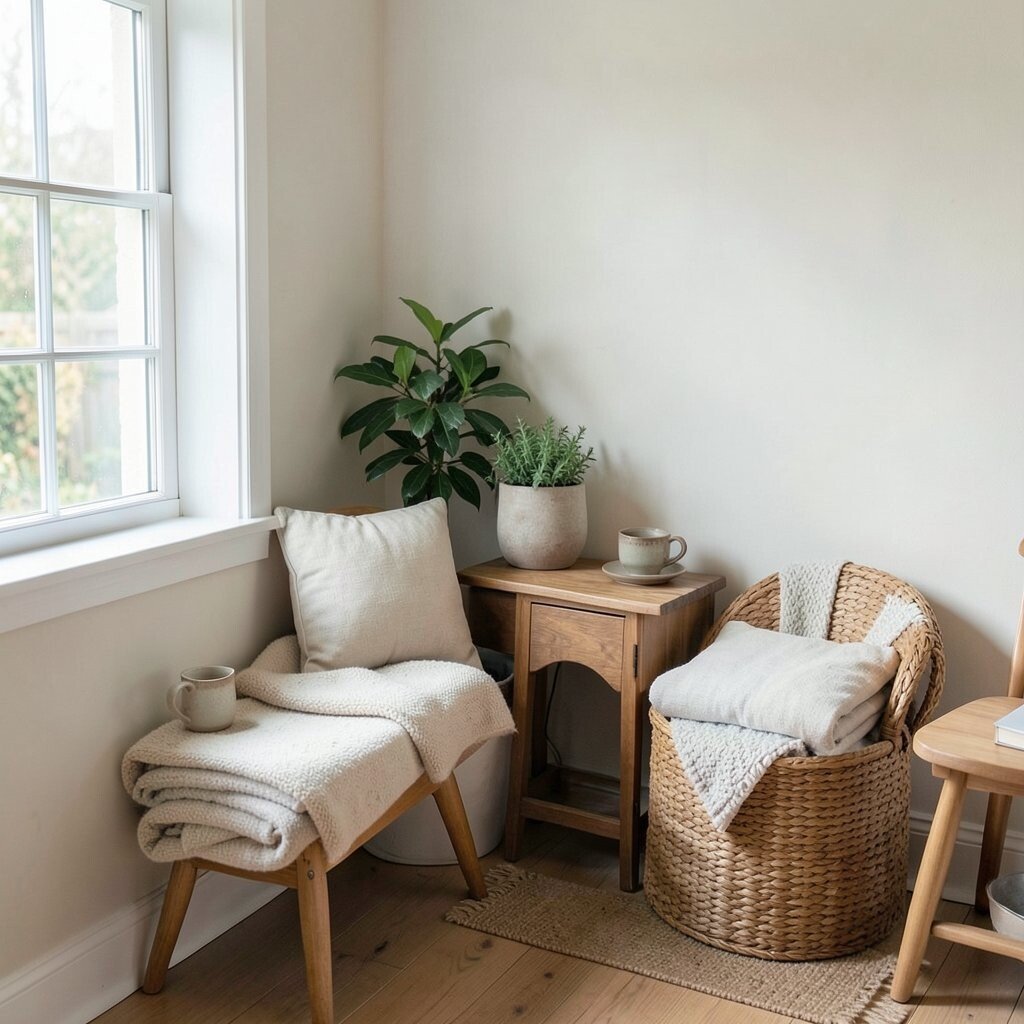
One big mistake is starting with style before purpose. A nook looks better when it has one clear job.
Think about how you want to use the space each day. It could be a reading corner, a quiet work spot, a tea seat, or a place to fold blankets. When the purpose is clear, every choice gets easier and the nook feels more useful.
2. Choosing furniture that is too large
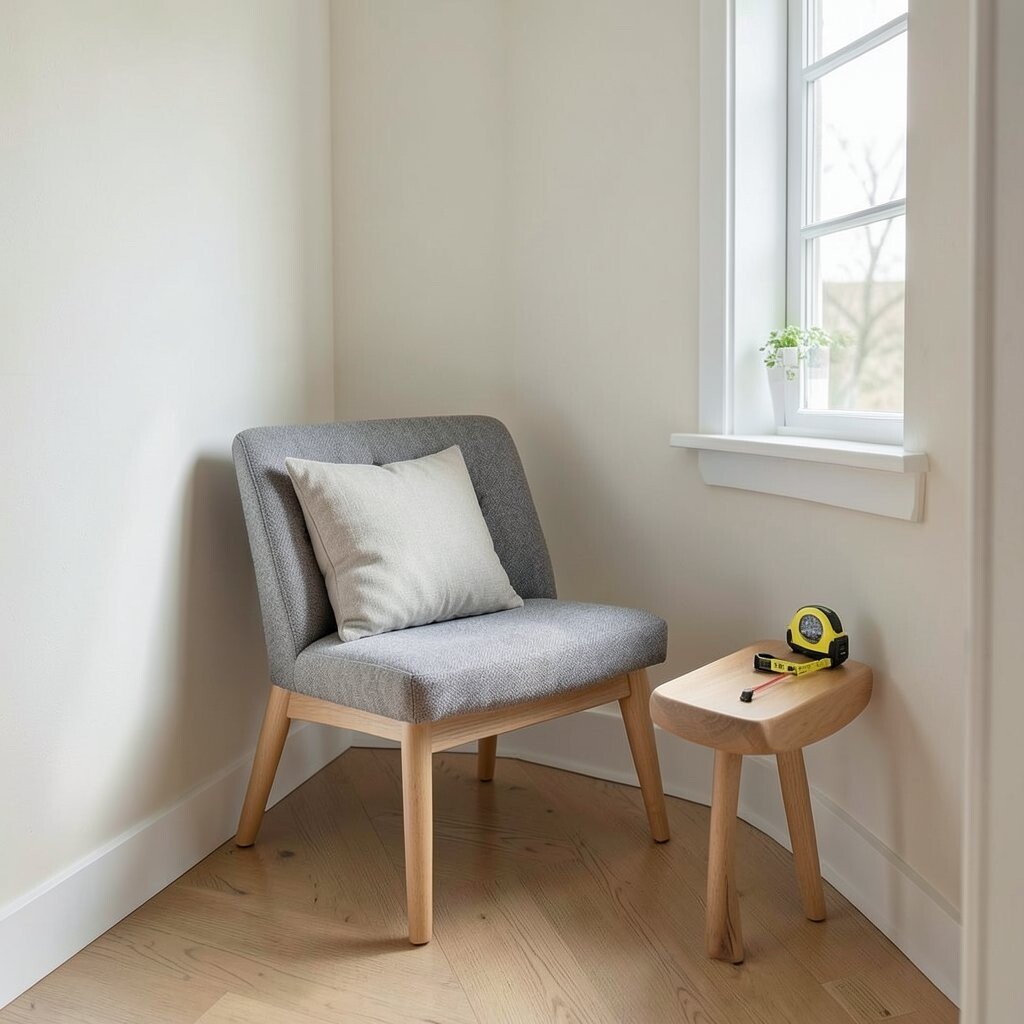
Bulky pieces can swallow a small nook in seconds. A slim chair or narrow bench usually works better.
Measure the space before you buy anything. A tape measure costs little, but it can save you from a costly mistake. Low-profile furniture also keeps the nook open and airy, which is a big trend right now.
Look for pieces with clean lines and light legs. They make the area feel less heavy and more unique. If you want extra comfort, add a small cushion or throw instead of a huge seat.
3. Forgetting about light
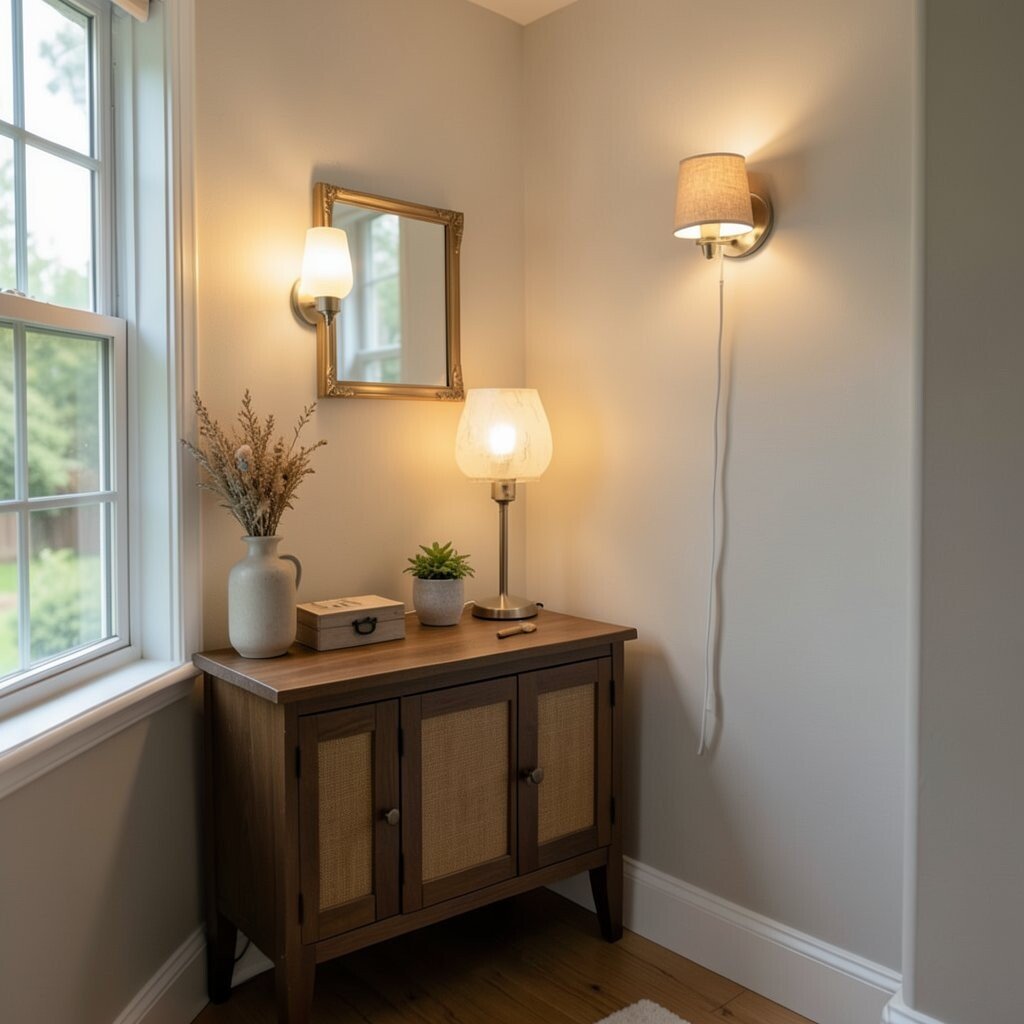
Dark corners can feel flat and sad. Good light makes a nook warm and inviting.
Try a mix of natural light, a lamp, or a wall sconce. Soft lighting helps the space feel calm and useful at night. If wiring is too pricey, a plug-in lamp or battery light can be a smart budget choice.
Choose warm bulbs for a cozy look. A small mirror can bounce light around and make the nook seem larger. This simple trick adds charm without taking up much room.
Many people skip this step and then wonder why the nook never gets used. Bright, pleasant light makes the whole corner feel special. It also helps the nook stand apart from the rest of the room.
4. Using too many colors and patterns
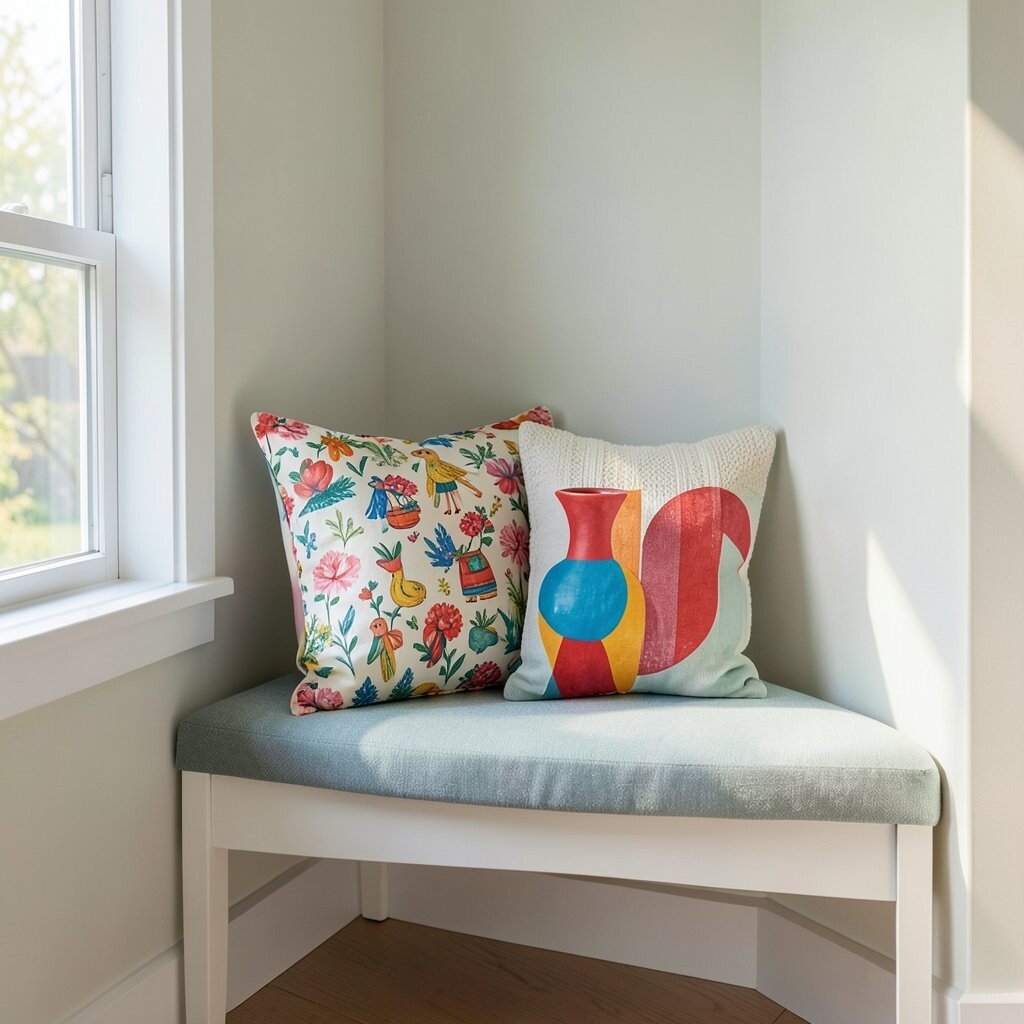
A small nook can get busy very fast. Too much pattern can make it feel noisy instead of restful.
Pick a simple color plan and keep repeating it. That creates a neat look and helps the nook feel bigger. You can still add personality with one bold pillow, a fun print, or a colorful vase.
5. Leaving no room to move
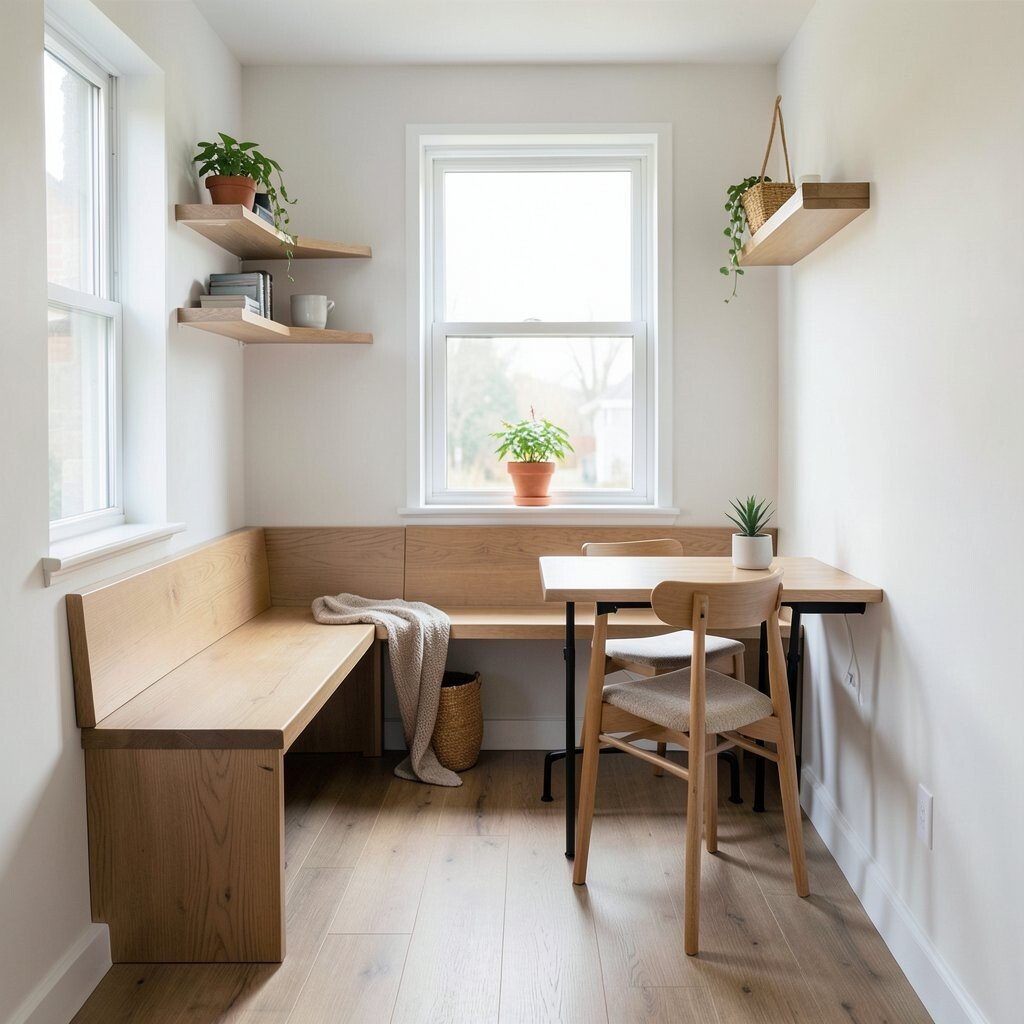
Even a tiny nook needs breathing space. If every inch is packed, the area feels awkward.
Leave a little open floor where you can sit, step, or pull out a chair. This makes the nook easier to use and easier to clean too. A clear path also keeps the design looking polished instead of crowded.
Built-in benches, wall shelves, and fold-down tables are great for tight spots. They save space and can cost less than large furniture over time. The result is a nook that feels smart, personal, and ready for daily life.
6. Skipping storage
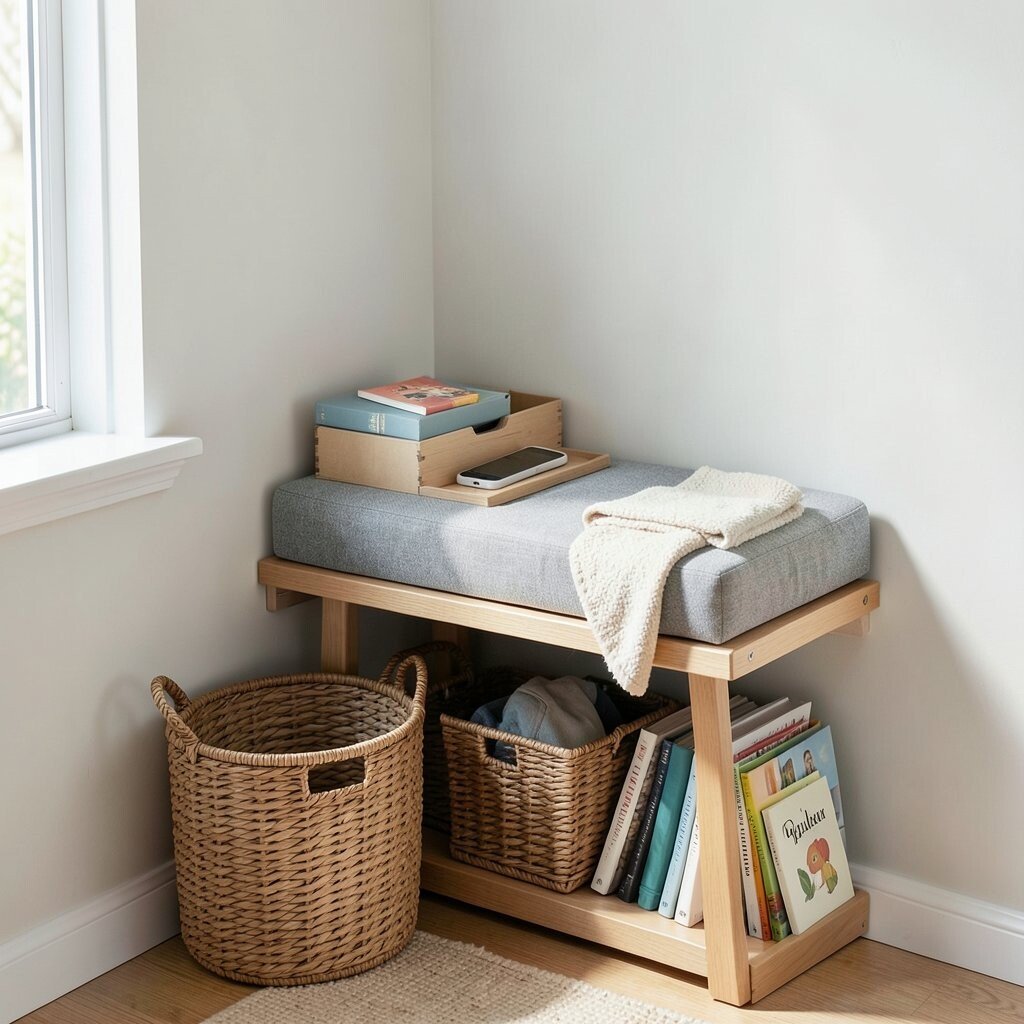
A nook without storage can become messy fast. Clutter steals the charm from a small space.
Add a basket, drawer, shelf, or seat with hidden storage. These pieces keep books, chargers, blankets, and art supplies close by. When everything has a home, the nook feels calm and easy to enjoy.
Storage can also be part of the style. Woven baskets, painted boxes, and open shelves each give the space a different mood. Pick what fits your taste and your budget so the nook feels like yours.
Many current designs use storage that blends in instead of shouting for attention. That keeps the nook neat while still looking soft and friendly. It is a simple way to make a small area work harder.
7. Forgetting comfort
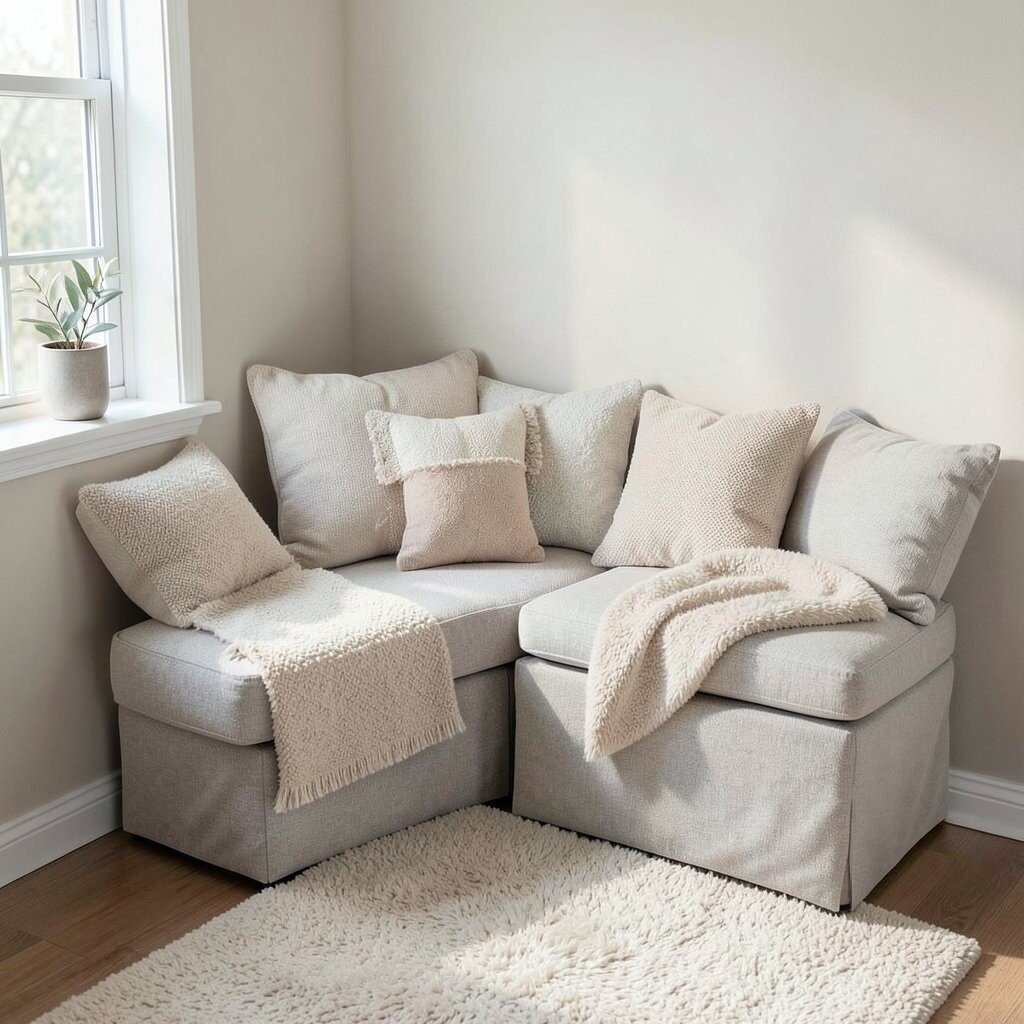
A pretty nook that feels hard to use will not get much love. Comfort matters just as much as looks.
Add cushions, a soft rug, or a padded seat. These touches make the nook feel welcoming and help people stay longer. If you enjoy reading or working there, comfort will make a huge difference.
Try a lumbar pillow or a small footrest for extra support. These items are usually low cost and easy to switch out later. A cozy nook often becomes the most-used spot in the room.
8. Making the nook match everything else too closely
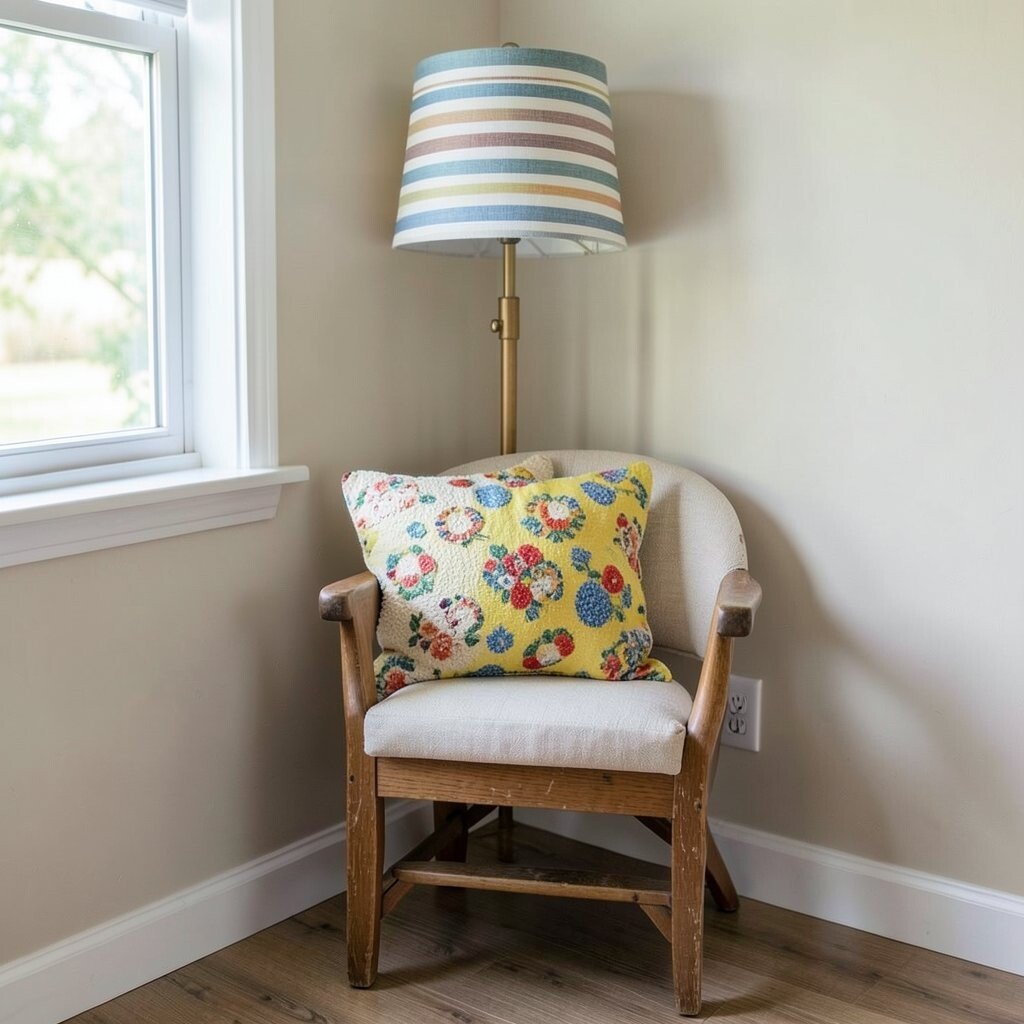
A nook does not need to blend in so much that it disappears. A little contrast gives it life.
Use one detail that sets the space apart, like a special chair, a bright cushion, or a striped shade. That small change helps the nook feel like its own little world. It also adds personality without a full makeover.
Unique touches do not have to cost much. A thrifted stool, a handmade pillow cover, or a favorite framed photo can give the nook character. Small spaces often shine when they hold one strong idea.
9. Hanging art too high or too low
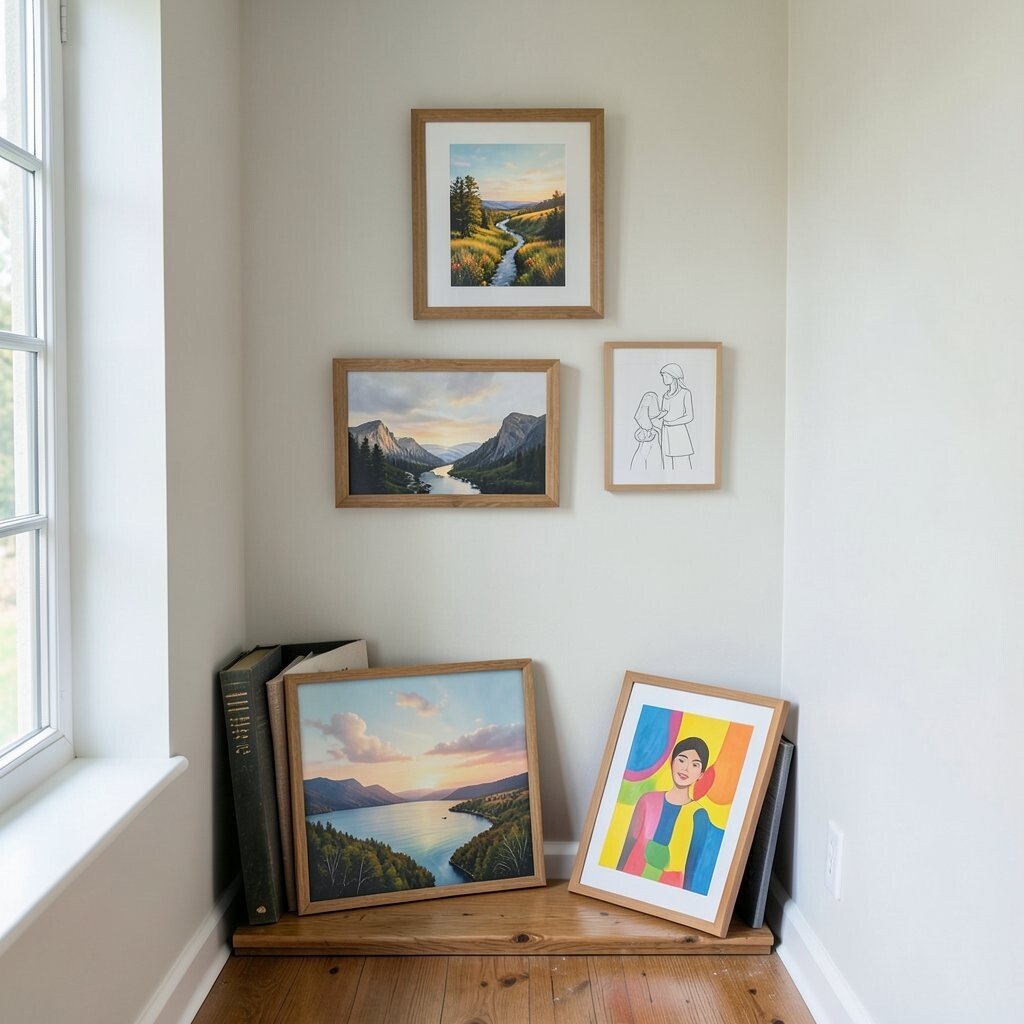
Artwork can make a nook feel finished. Wrong placement can make the whole area look off.
Hang art at eye level so it feels easy to enjoy. In a small nook, one framed print or a tiny gallery can be enough. The right piece adds color, style, and a clear focal point.
If the walls are narrow, try leaning art on a shelf instead of hanging it. This is a good low-cost option and makes it easy to swap pieces later. It also gives the nook a relaxed, lived-in feel.
Choose art that fits the mood you want. Calm landscapes, line drawings, or bright modern prints each create a different look. That choice helps the nook feel personal and fresh.
10. Blocking natural light
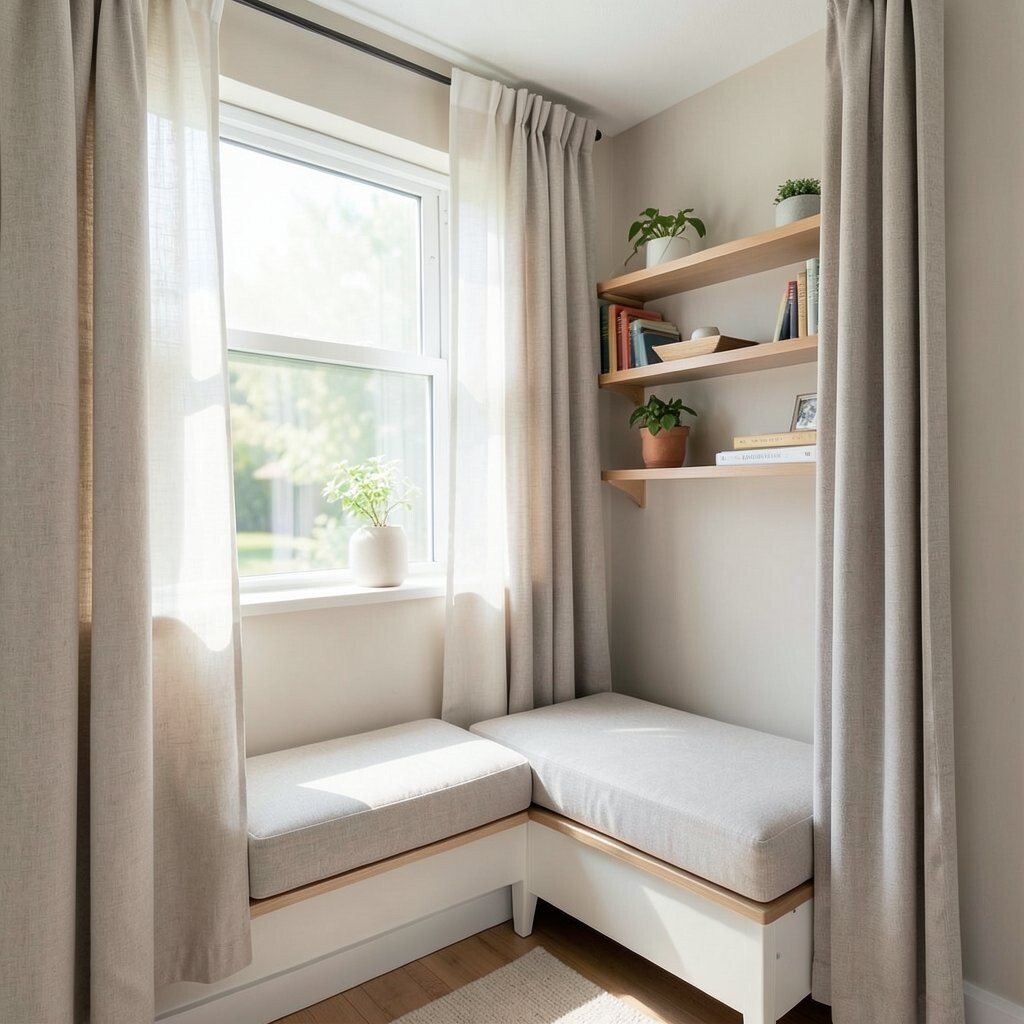
Heavy curtains or tall furniture can shut out good daylight. That makes a nook feel smaller than it is.
Keep windows clear when you can. Light fabrics, open shelves, and lower seating help sunlight move through the space. A bright nook feels cheerful and more open right away.
If privacy is needed, use sheer curtains or a small shade. These options cost less than many custom treatments and still let in a soft glow. Natural light also makes colors look better and textures stand out.
This is one reason airy, easy styles are so popular now. People want corners that feel fresh, not boxed in. A little daylight goes a very long way in a small nook.
11. Forgetting a clear focal point
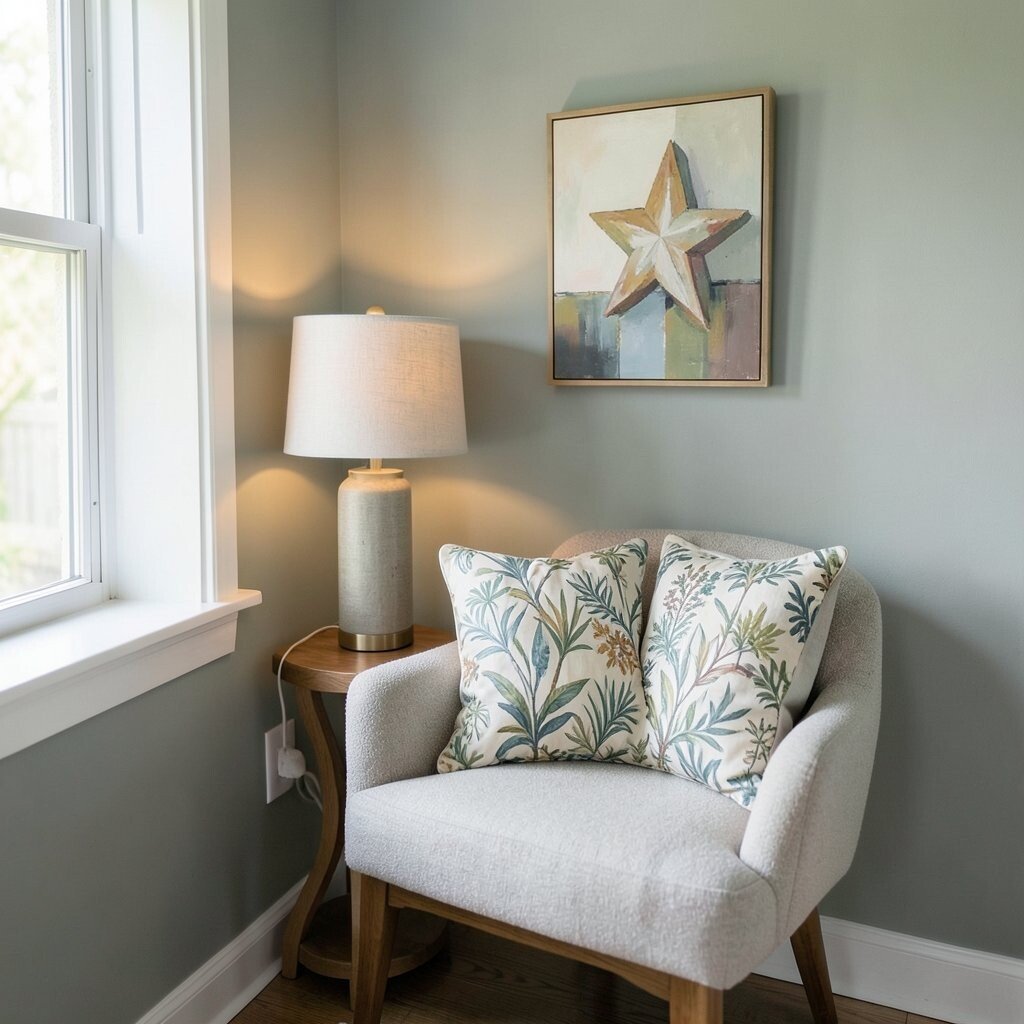
A nook without a focal point can feel plain. The eye needs something to land on.
Choose one main feature, like a lamp, artwork, patterned pillow, or special chair. That anchor gives the nook a strong look and makes it feel planned. It also helps a tiny space feel more unique.
Keep the rest of the design simple so the focal point can shine. Too many strong pieces can fight each other and make the nook feel busy. One clear star is often enough.
If you want a low-cost focal point, paint the back wall in a soft accent color. That small move can change the whole mood. It is an easy way to add depth without filling the space.
12. Using harsh or cold materials
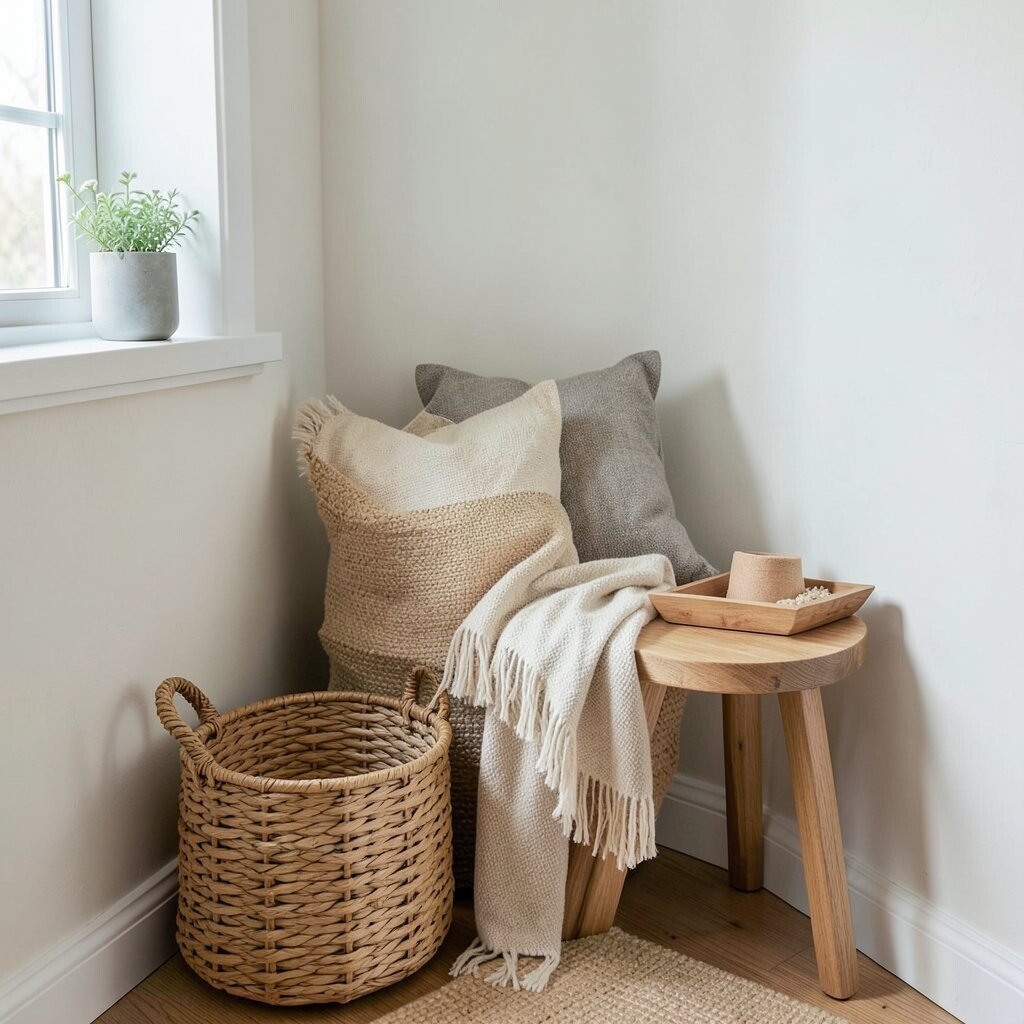
Too much metal, glass, or slick plastic can make a nook feel chilly. Small spaces usually work best with some warmth.
Mix in wood, fabric, rattan, or other soft-looking materials. These textures add comfort and make the area feel more inviting. A woven basket or wooden side table can make a big difference.
Natural textures are also a strong current trend. They bring a calm, cozy feeling that fits many homes. Best of all, many of these pieces are affordable and easy to layer in over time.
Try one warm material at a time if your budget is tight. Even a simple wood tray or cotton throw can soften the whole corner. The nook will feel friendlier and more lived in.
13. Not planning for clutter control
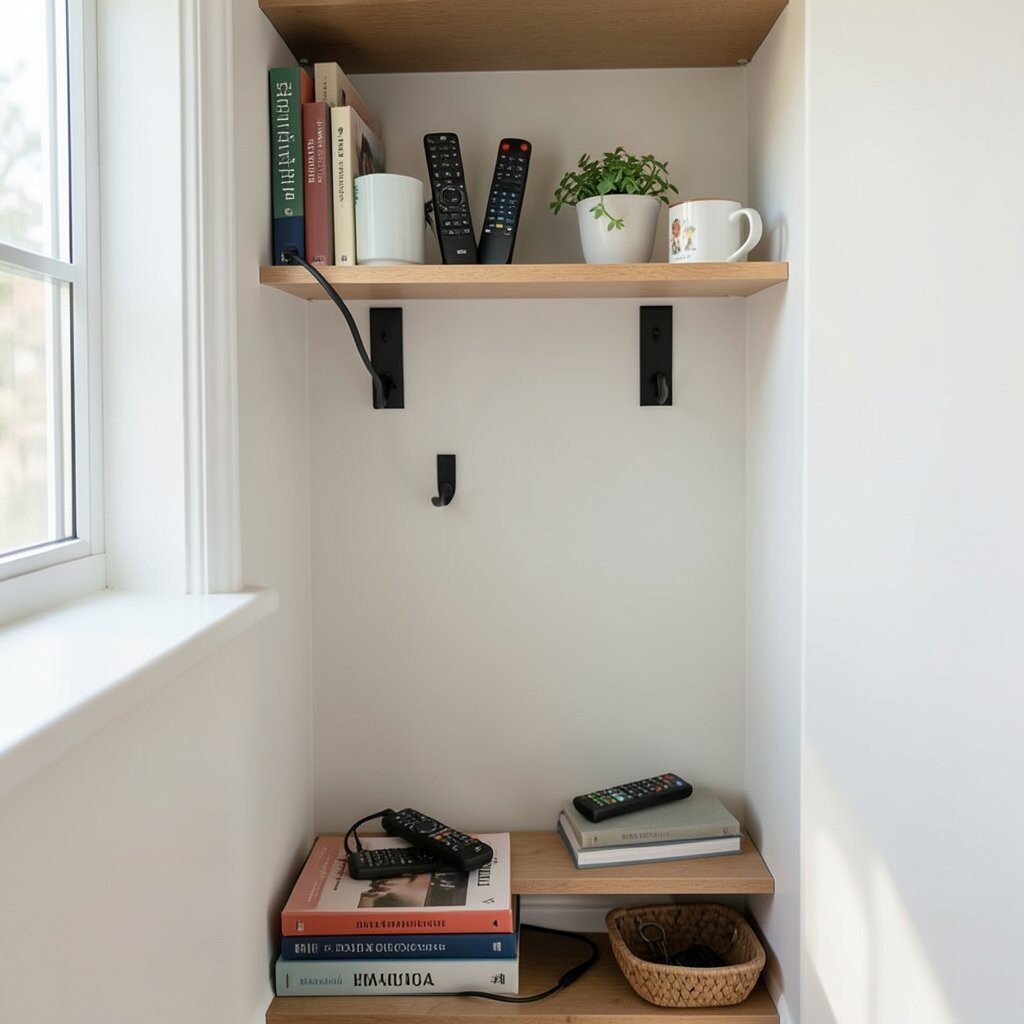
Small spaces get messy faster than large ones. A nook needs a home for the little things.
Think about cords, books, cups, and remote controls before the nook is finished. Add hooks, trays, or a small shelf so clutter does not pile up. This keeps the space neat and saves time later.
Hidden storage can be worth the extra cost if the nook will get daily use. Open storage can work too if it stays tidy and styled. The best choice depends on how you live and what you like to see.
Personal touches should still have a place. A small plant, a favorite mug, or a tiny stack of books can make the nook feel warm. The trick is keeping those items intentional instead of random.
14. Forgetting scale in decor
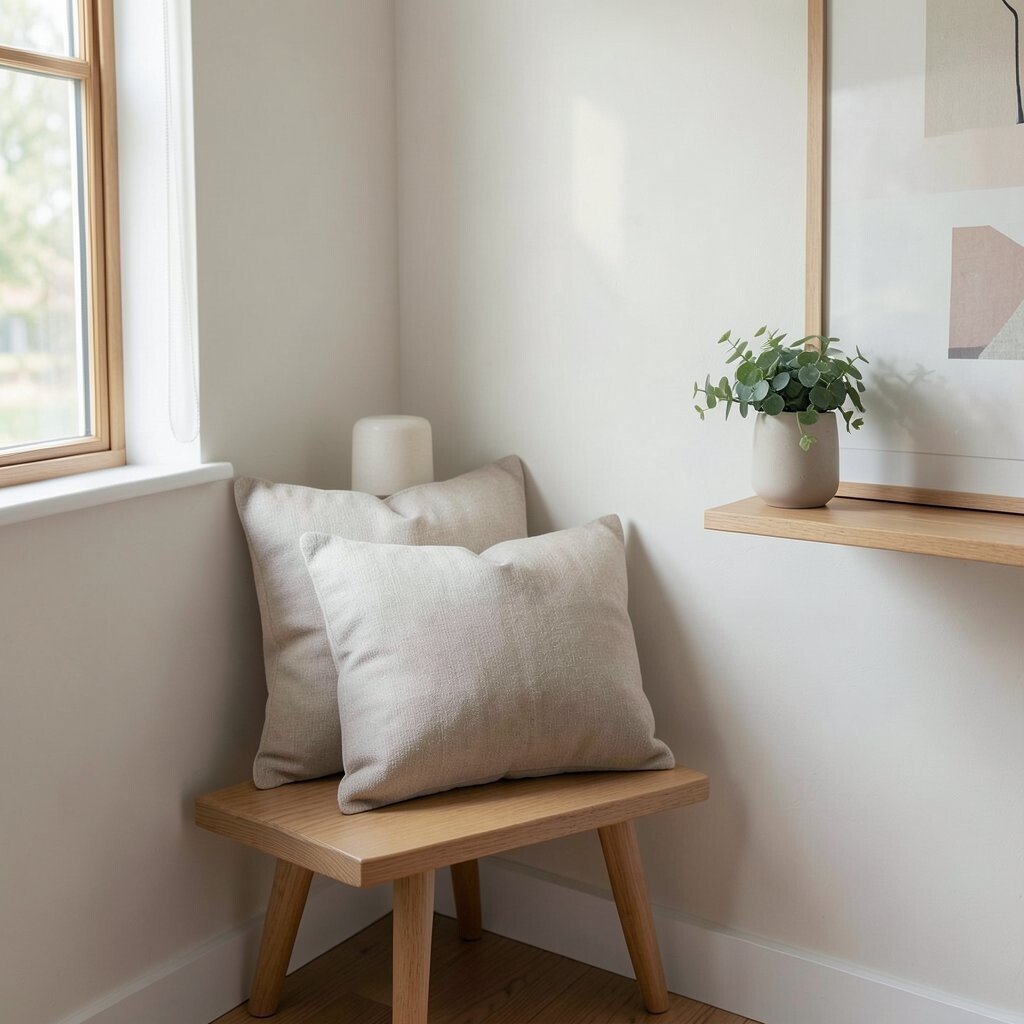
Decor that is too tiny can get lost. Decor that is too large can overwhelm the nook.
Choose items that fit the space in size and shape. A medium pillow, a small lamp, or a narrow shelf often works best. Good scale makes the nook feel balanced and calm.
Try layering a few simple pieces instead of crowding the area with many extras. That approach is kinder to the budget and easier to update later. It also gives the nook a cleaner, more modern look.
15. Leaving walls and corners unused
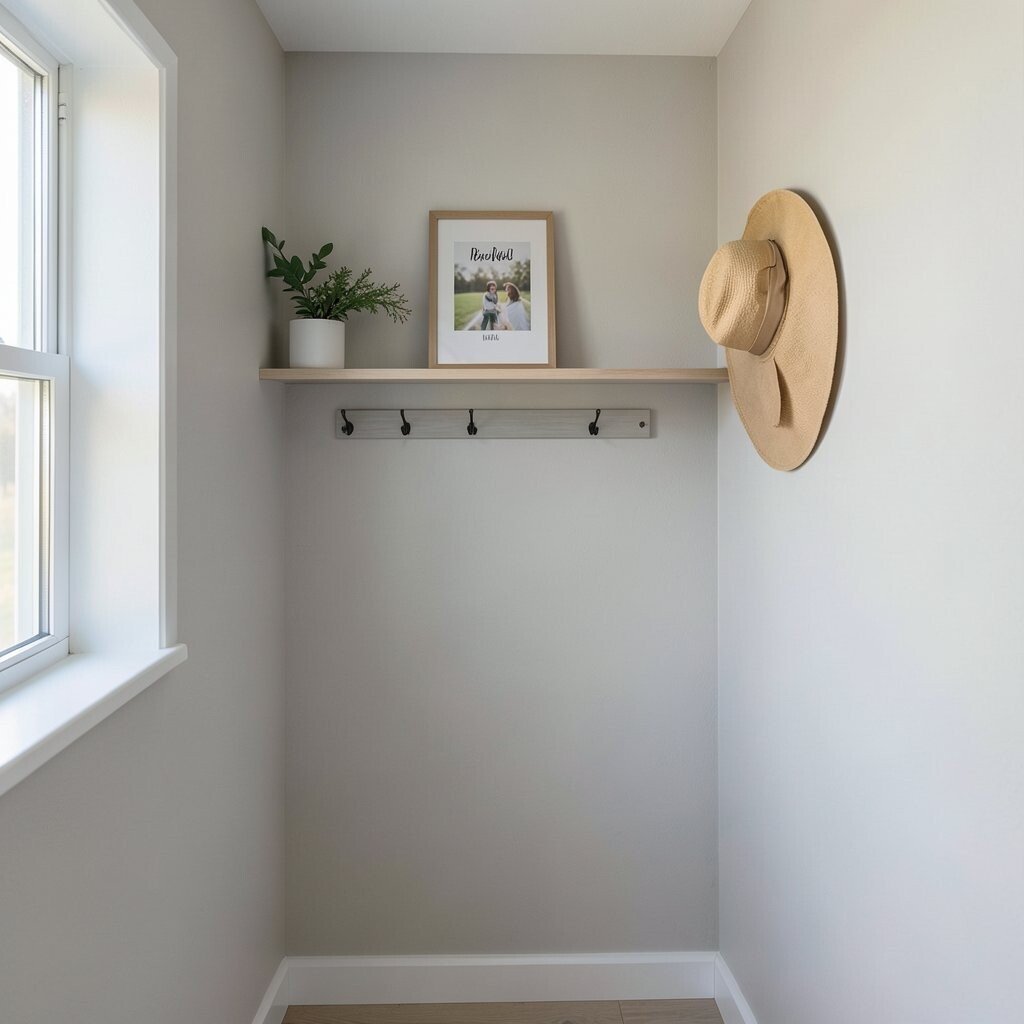
In a small nook, every wall can help. Empty corners may be wasted space.
Add a shelf, peg rail, wall hook, or slim cabinet if the area needs function. Vertical design is a smart way to save floor space. It also draws the eye upward and makes the nook feel taller.
This is a great place for personalization too. Hang a small photo, a hat, or a favorite quote to make the nook feel like home. These details cost little and bring a lot of charm.
16. Rushing the final styling
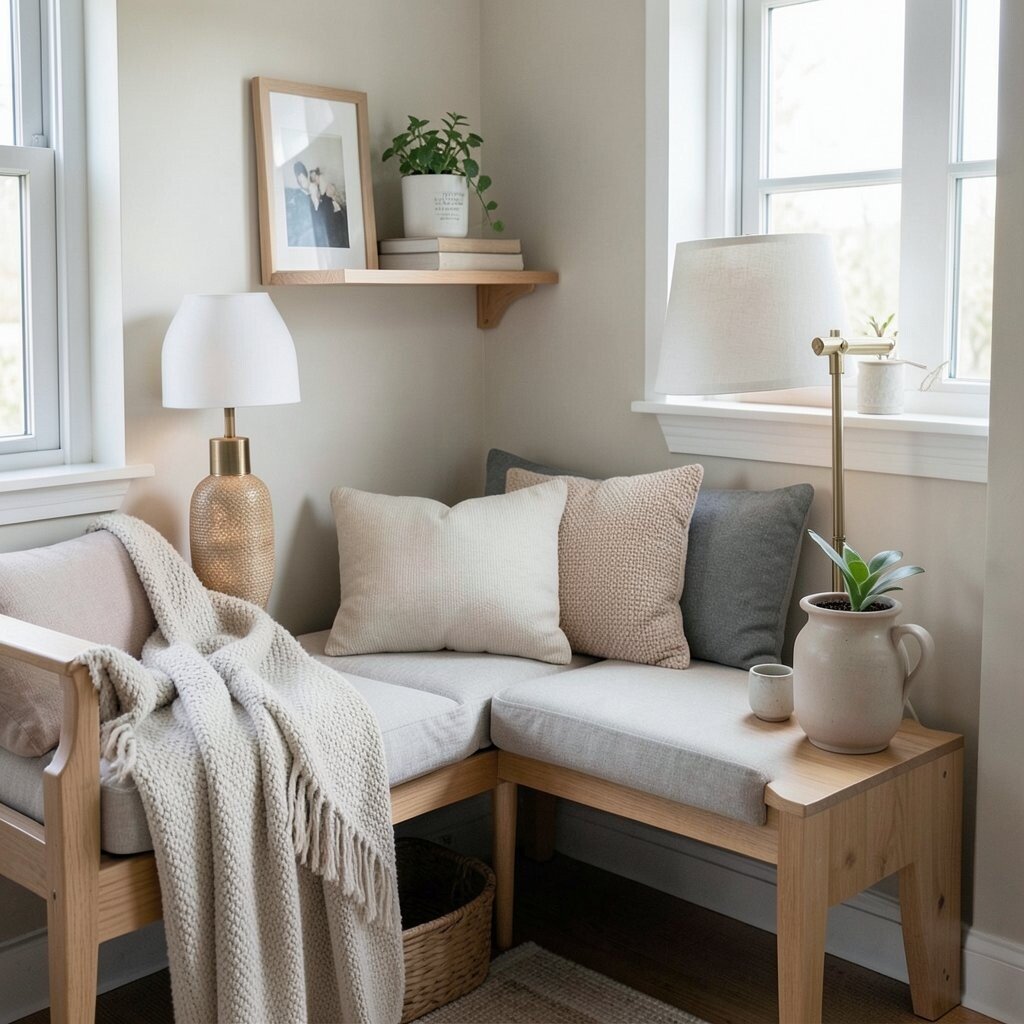
A nook often gets better with time. Rushing the last steps can lead to a space that feels unfinished or overdone.
Start with the basics, then live with the nook for a bit. Notice what feels missing, what feels crowded, and what gets used most. Small changes, like a different cushion or a new lamp, can improve the whole look without a big spend.
Styling slowly also helps the nook feel more personal. You can add items that matter to you instead of buying everything at once. That makes the space feel thoughtful, cozy, and truly yours.