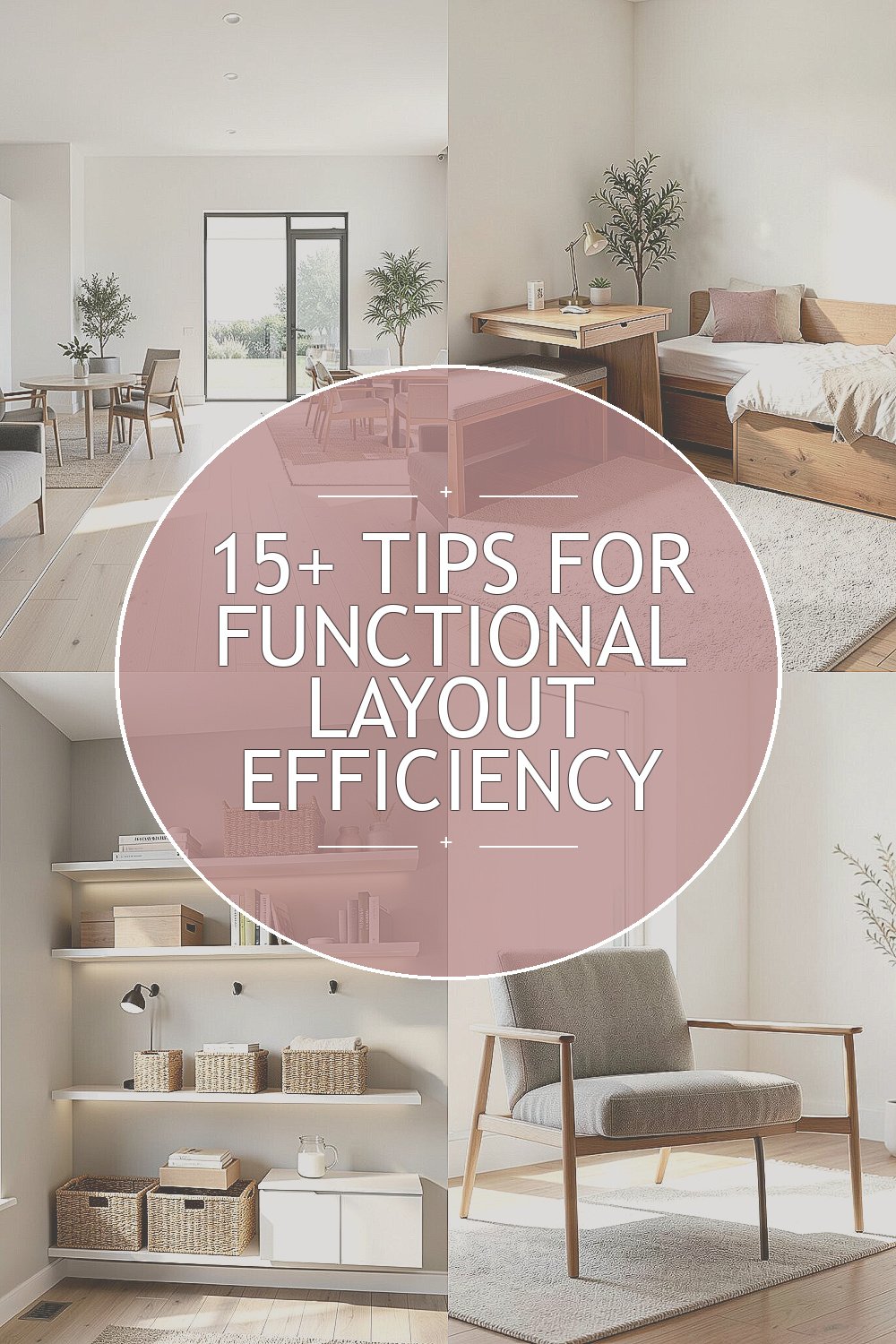
Small spaces can feel full fast. Smart layouts make them feel open and calm.
Good room planning is not only about fitting things in. It is about making every corner work hard and look good too.
1. Start With Clear Walk Paths
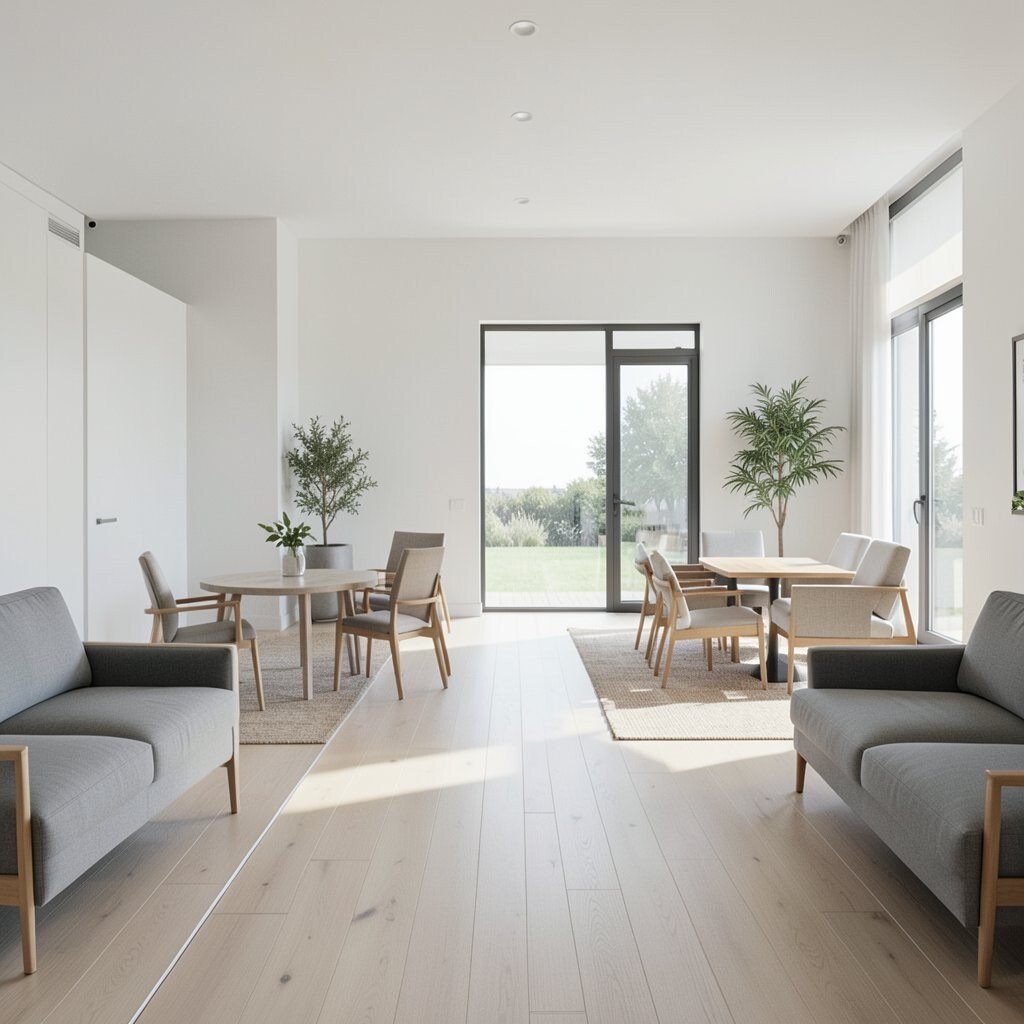
Open walk paths make a room feel bigger right away. When you can move without bumping into chairs or tables, the space feels calm and easy.
Look at the room like a little map and mark the main paths first. Keep furniture edges away from those paths so people can pass through with ease. This simple idea costs nothing, and it often gives the biggest boost in comfort.
2. Use Furniture That Does More Than One Job
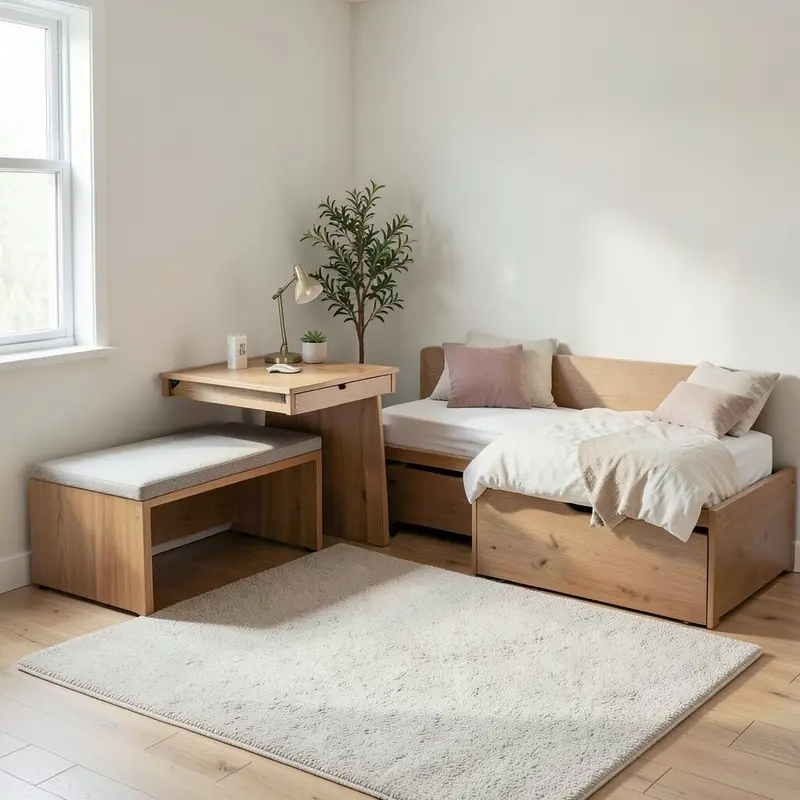
A bench with storage or a bed with drawers can save a lot of space. These pieces keep clutter out of sight and make the room look neat.
Choose items that match your daily habits, not just your style. A fold-out desk, nesting tables, or an ottoman with a lid can fit many needs in one small footprint. This trend is popular because it helps people buy less and use more.
Multiuse furniture can also feel more personal when you pick colors and shapes you love. A soft fabric seat or a wood finish can make the room warm and friendly. Even if the price is a bit higher at first, the savings can show up later because you need fewer pieces.
3. Keep Tall Walls Working
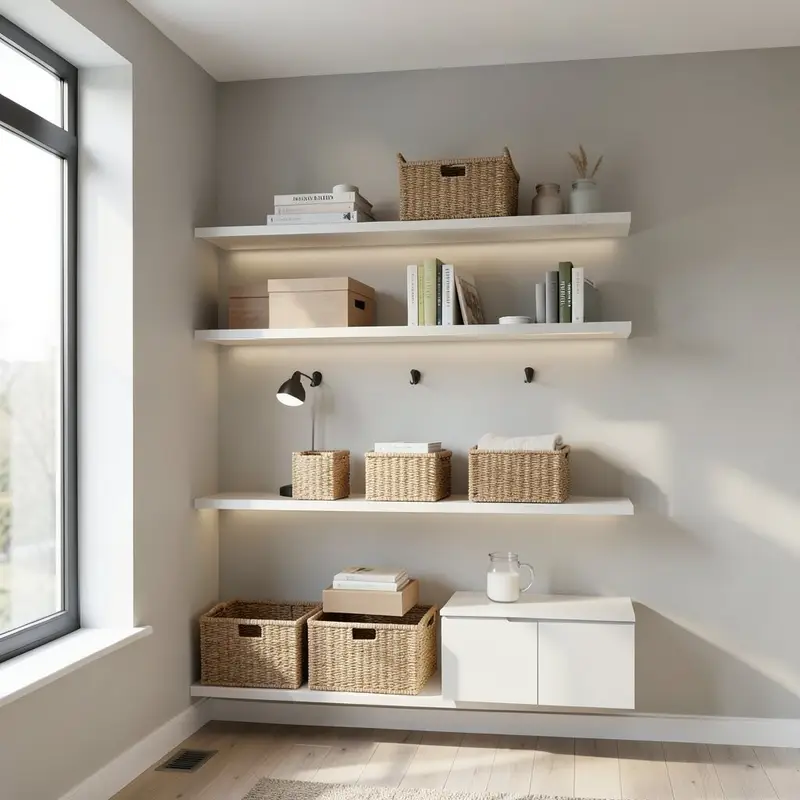
Walls are often empty above eye level, and that is wasted space. Tall shelves and wall hooks can pull storage upward and free the floor.
Try placing items you use less often on higher shelves and daily items where you can reach them fast. A room with tall storage can look neat and stylish at the same time. Floating shelves and slim wall units are a strong trend because they feel light instead of bulky.
You can make wall storage feel like part of the decor by using matching baskets or simple boxes. In a kitchen, bedroom, or office, this setup can keep things close without crowding the room. It is a smart choice when floor space is tight and every inch matters.
Think about lighting too, since shelves can cast shadows and make a wall look heavy. A small lamp or under-shelf light can help the area feel bright and open. That little touch can make the whole layout feel more finished.
4. Choose Slim Shapes Instead of Heavy Ones

Bulky furniture can swallow a room fast. Slim legs, narrow arms, and open frames help light move around the space.
A chair with a thin profile can still be comfy while taking up less visual room. This makes the area feel airy and modern, which is why many current designs use clean lines and simple shapes. If your budget is tight, even swapping one large item for a slimmer version can make a big difference.
5. Create Zones Without Building Walls

One room can do many jobs if the zones are clear. A rug, lamp, or shelf can separate sleep, work, and play areas without making the space feel closed in.
This works well in studios, shared rooms, and open homes. It gives each area a purpose, which helps the room feel organized and easy to use. You can make the zones personal by adding colors or textures that fit each part of your day.
Soft room dividers, curtains, and open bookcases are popular because they keep light flowing. They also cost less than real walls and can be moved later if your needs change. When each zone has its own job, the whole layout feels smarter and less messy.
6. Put the Biggest Pieces in the Right Spot
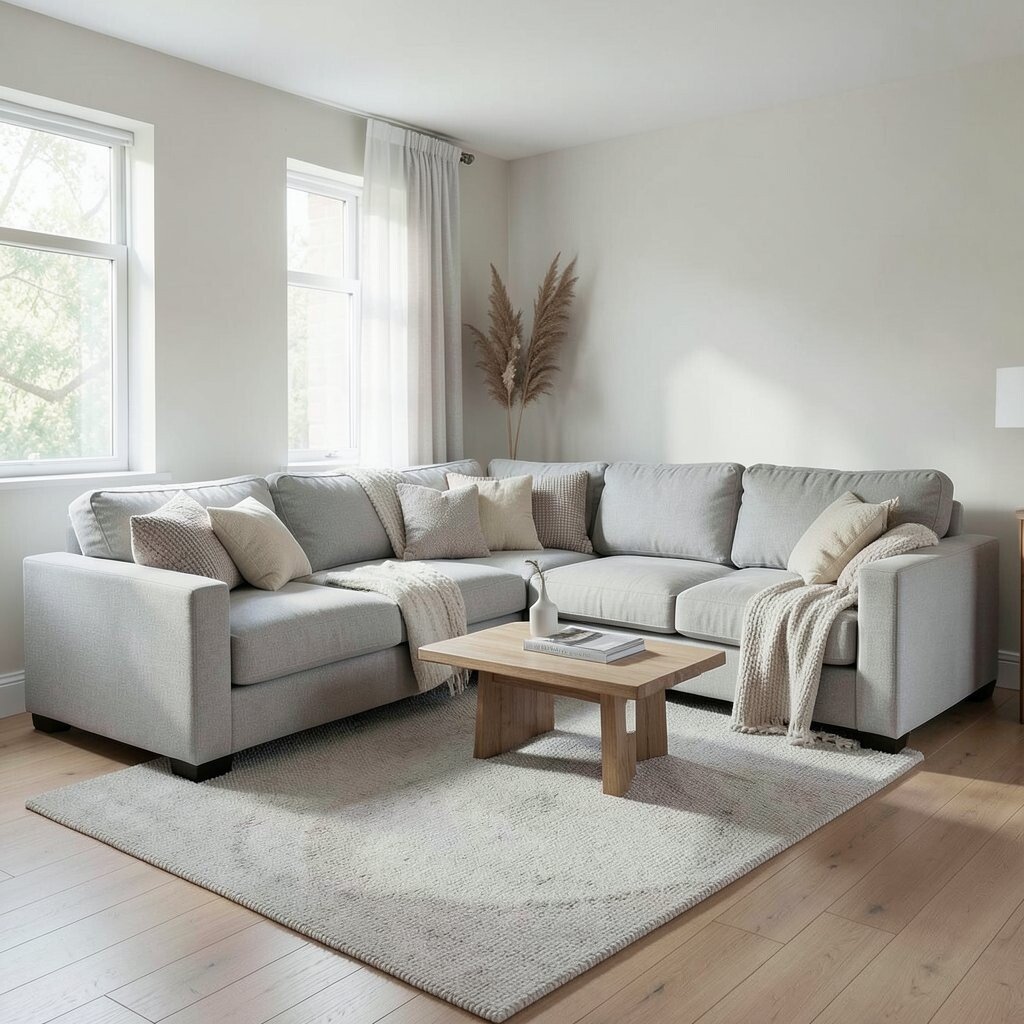
Large furniture should anchor the room, not block it. A sofa, bed, or table placed well can make the rest of the layout fall into place.
Start by choosing the wall or corner that gives the best flow and light. Then place the biggest piece there so it feels steady and natural. This method can save time and money because you are less likely to buy extra items to fix a bad layout.
Many people now use low-profile beds and corner sofas to keep rooms open. Those choices can also make a room feel cozy without looking crowded. If you want a more custom feel, try moving the main piece a few inches at a time until the room feels just right.
7. Make Corners Useful
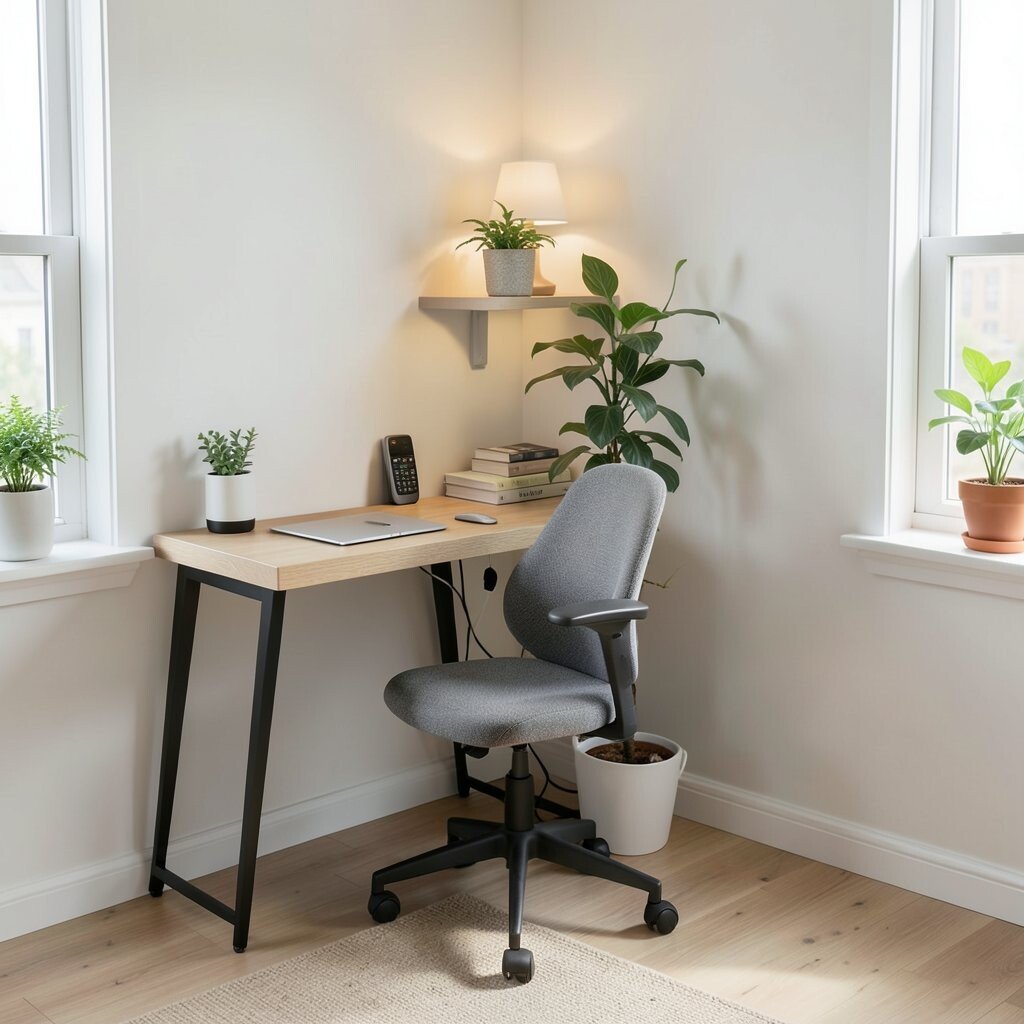
Corners often sit empty, but they can do real work. A corner desk, reading chair, or plant stand can turn a dead spot into a useful one.
Even a small shelf or hanging basket can make a corner earn its keep. This is a great way to add function without adding clutter in the middle of the room. Corner pieces often cost less than full-size items, so they can be a smart buy for tight budgets.
Try using corners for things that do not need a lot of space, like charging stations or small storage bins. You can also soften a corner with a lamp or tall plant so it feels inviting. That little change can make the whole room feel more complete.
Odd-shaped rooms benefit a lot from this trick because corners often become the easiest place to fit storage. A custom shelf or simple floating ledge can help the room feel less awkward. The goal is to make every angle useful instead of ignored.
8. Keep Surfaces Clear and Simple
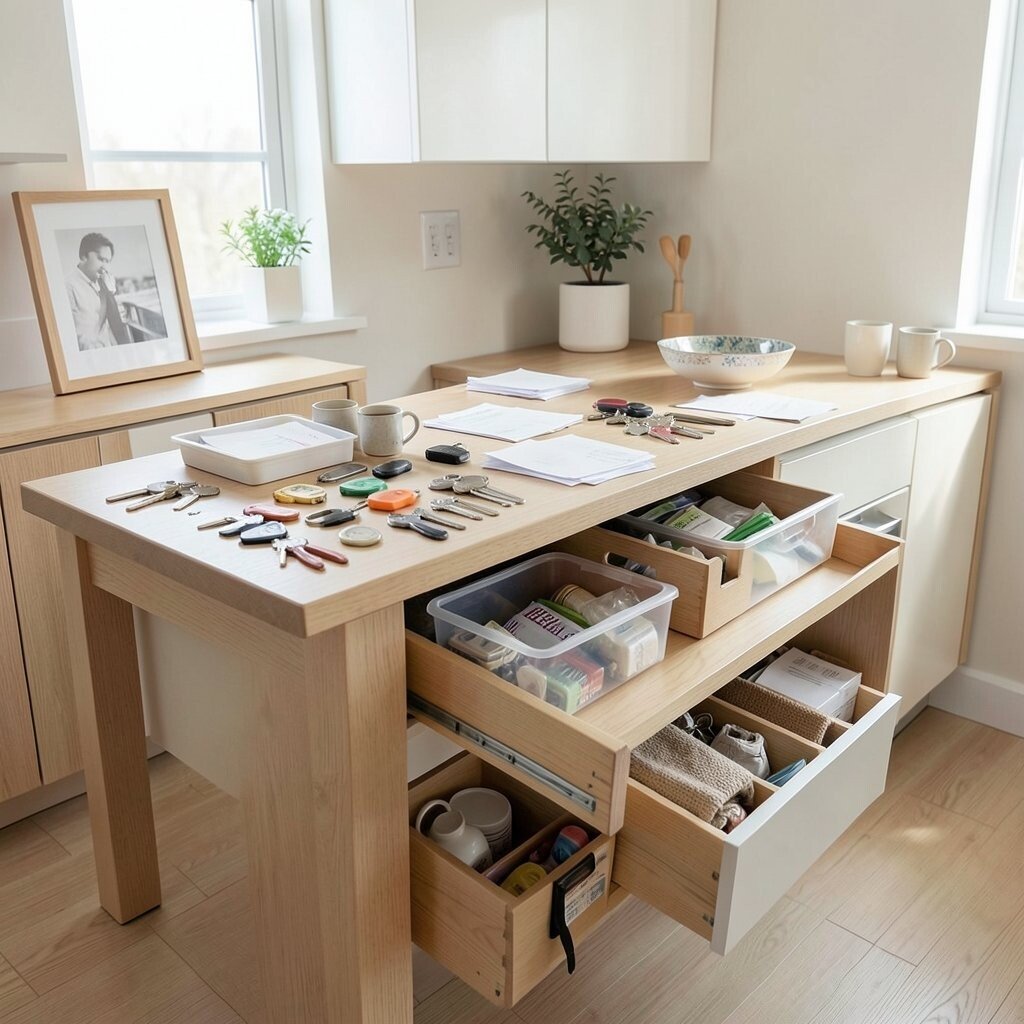
Flat surfaces fill up fast with mail, keys, cups, and random stuff. When tables and counters stay clear, the room looks bigger and feels easier to clean.
Use trays, small bins, or drawer organizers to give each item a home. That keeps daily items close without letting them spread everywhere. Clear surfaces also fit current home trends that favor calm, tidy spaces with a soft, uncluttered look.
If you like a personal touch, choose one or two items to display on purpose, like a framed photo or a pretty bowl. That way the space still feels like yours without feeling busy. The cost is low, and the payoff is a room that feels lighter right away.
9. Use Light to Open the Room
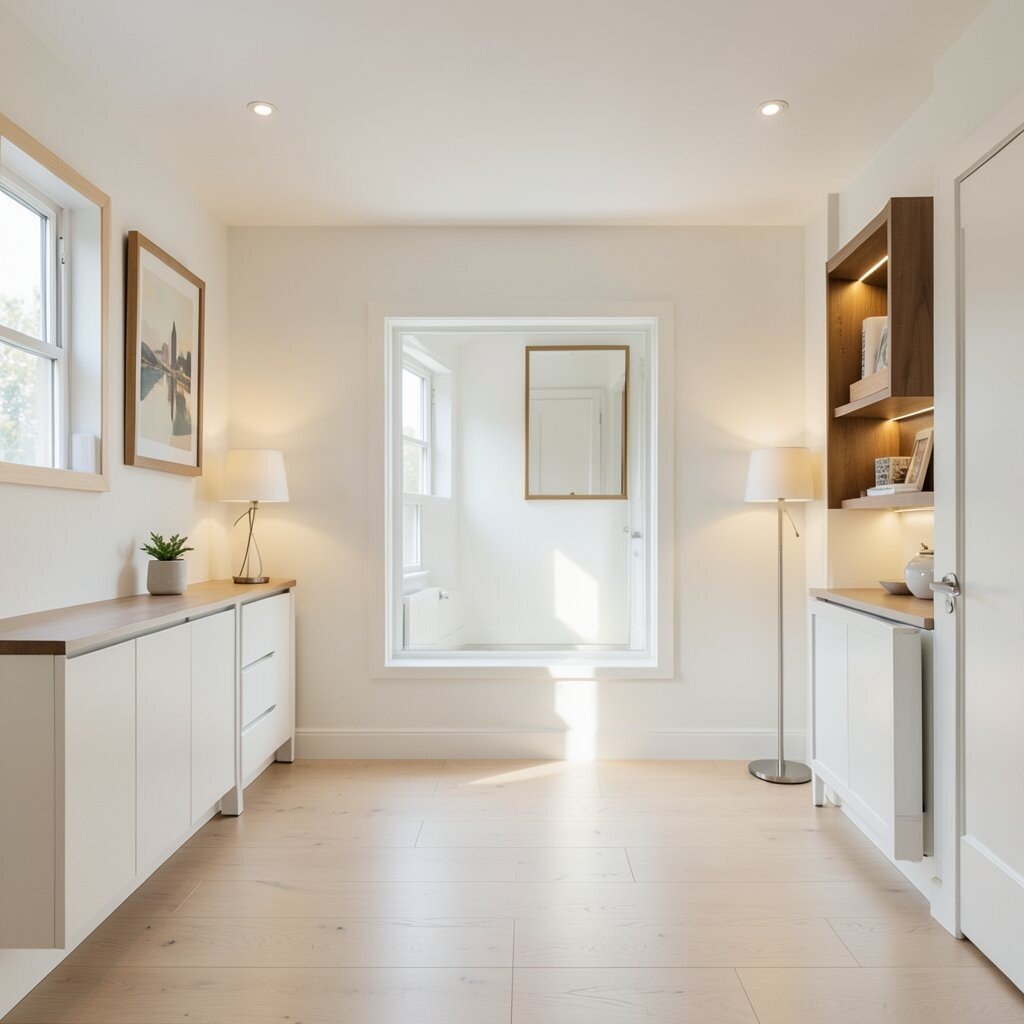
Bright rooms usually feel larger than dark ones. Good lighting can make walls seem farther away and corners seem less tight.
Mix natural light with lamps, wall lights, or under-cabinet lights to spread brightness around the space. Try not to block windows with tall furniture or thick curtains if you want the room to feel open. Warm, layered lighting is a popular trend because it makes a room feel cozy and useful at the same time.
Mirrors can help by bouncing light into darker spots. A small mirror in the right place can make a narrow room feel wider without much cost. If you want a more personal look, pick frames that match your style, from simple wood to bold color.
10. Pick Foldable or Moveable Pieces
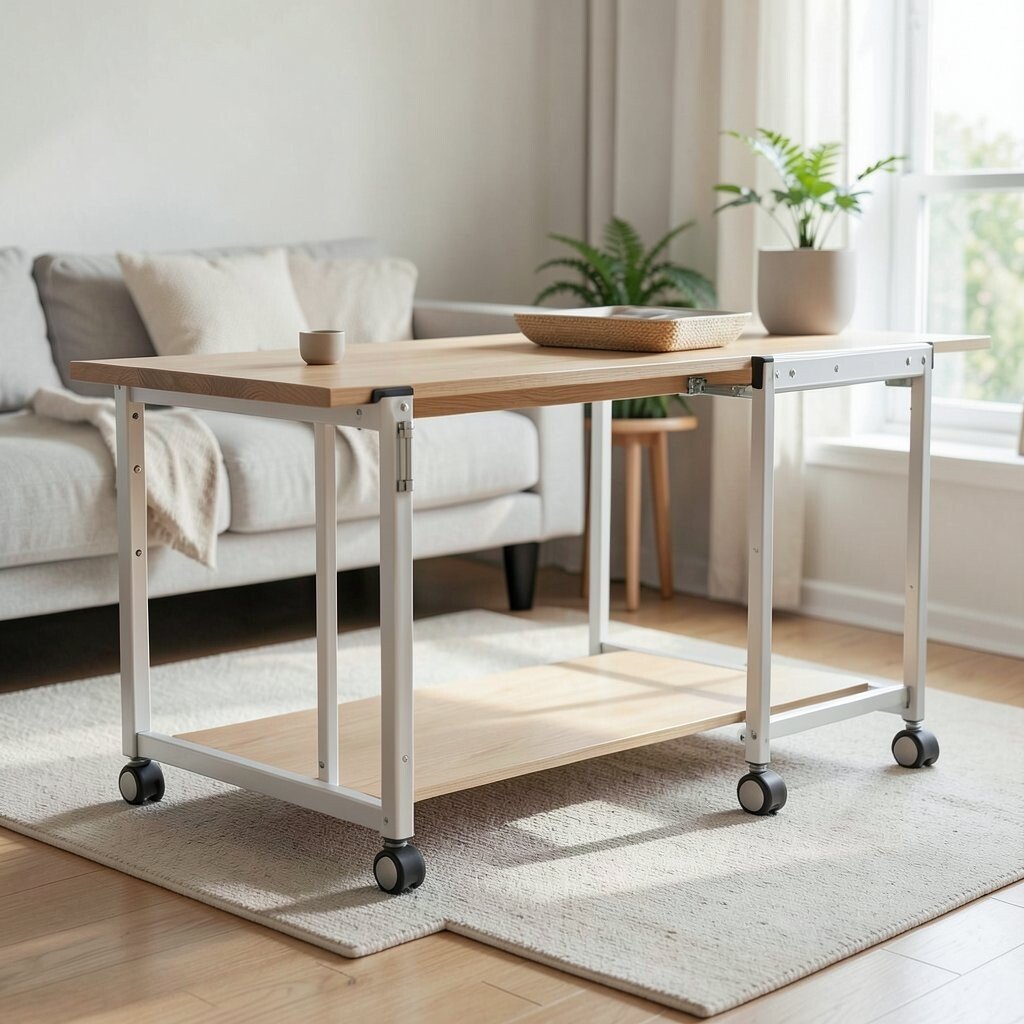
Furniture that folds or rolls gives you more control over the space. A drop-leaf table or rolling cart can appear when needed and vanish when not.
This flexibility is great for homes that change from day to day. You can clear a play area, make room for guests, or set up a work spot in just a few minutes. Many people like these pieces because they cost less than built-in options and still feel modern.
Look for sturdy hinges, smooth wheels, and easy-to-clean surfaces. Those details matter because useful furniture should not feel flimsy or hard to move. A piece that can shift with your needs often becomes one of the most valuable items in the room.
11. Match Storage to What You Own
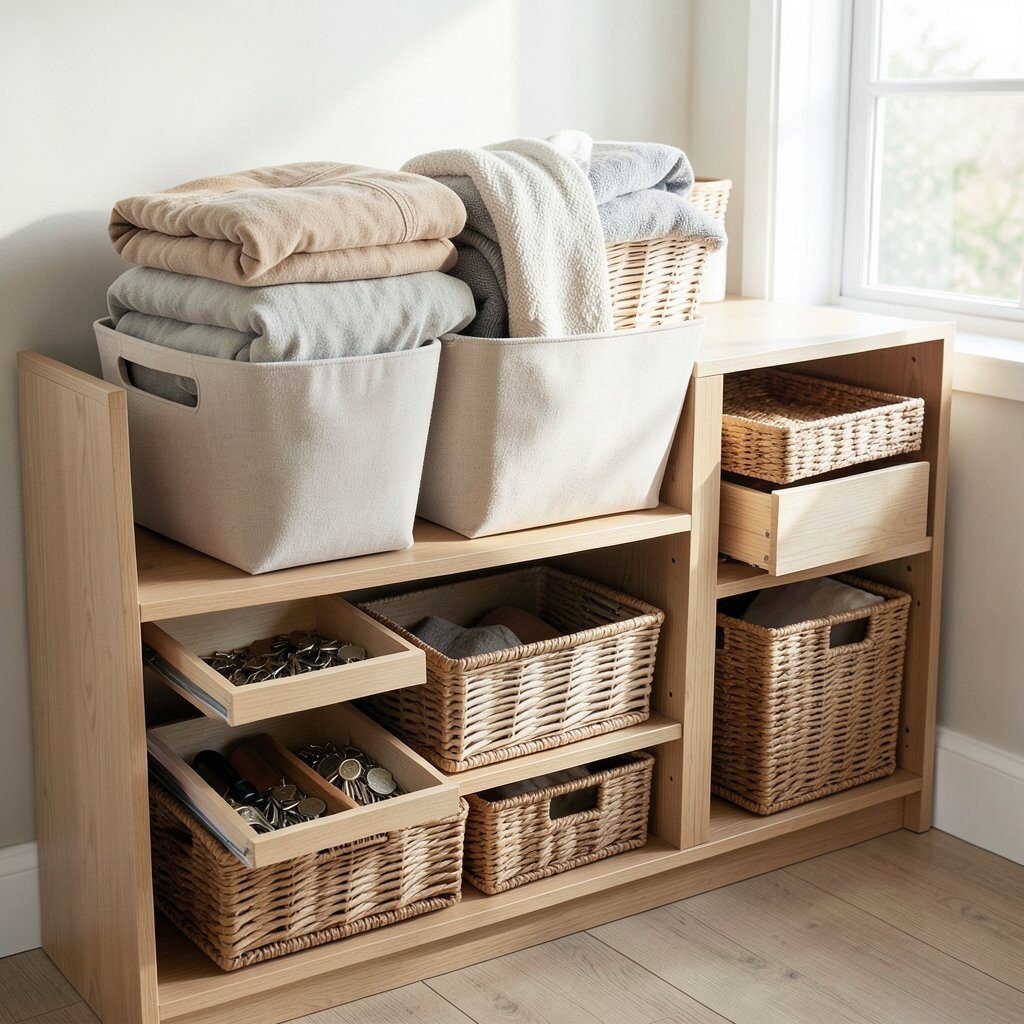
Storage works best when it fits the things you keep. Big bins for blankets, small trays for keys, and narrow drawers for papers can make life much easier.
When storage matches your items, you waste less space and spend less time searching. This makes the room feel calmer and more personal because everything has a clear place. Custom storage can cost more, but simple baskets and shelf dividers often do the job well for less.
Think about how often you use each item and store it close to where it belongs. That keeps your layout efficient and helps daily habits feel smooth. A tidy system also makes it easier to keep the room looking nice over time.
12. Keep Sight Lines Open
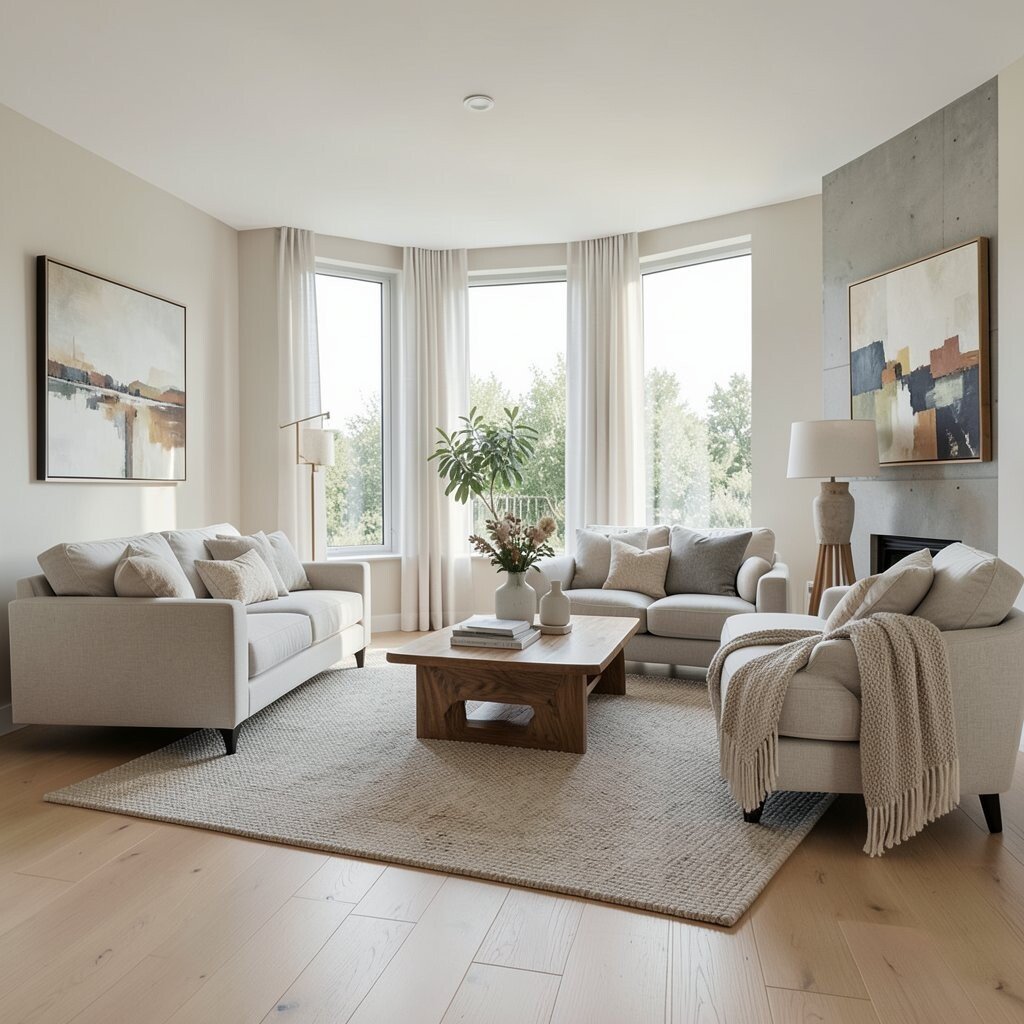
When your eyes can travel across a room, the room feels larger. Low furniture and open spaces help create that easy view.
A clear sight line can make even a small area feel calm and balanced. Try not to block windows, doorways, or long views with tall or heavy pieces. This idea works well in modern homes where open, airy looks are still a big trend.
You can still add personality with art, rugs, and soft textures. The trick is to place those touches without making the room feel crowded. A space that looks open can also feel more welcoming to guests and easier for daily life.
13. Use Color to Guide the Eye
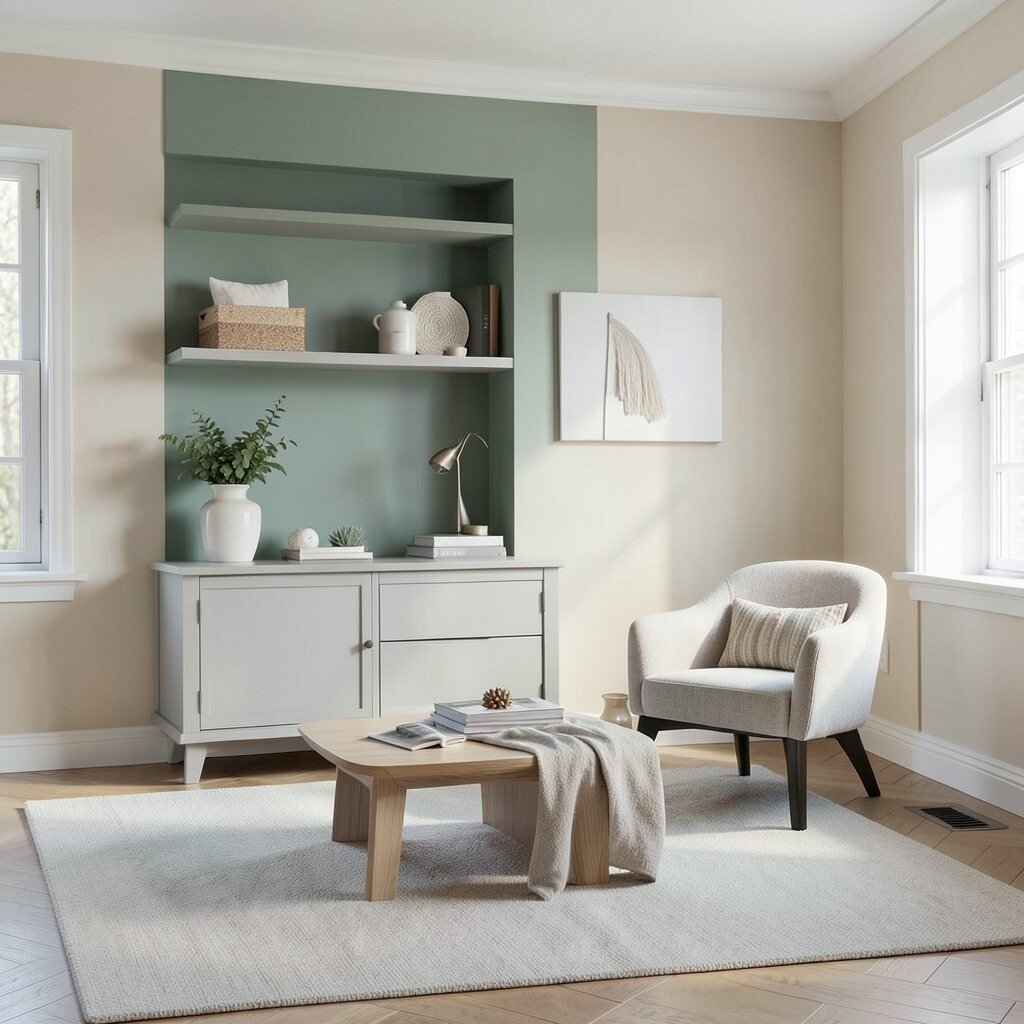
Color can help a room feel organized without adding extra stuff. Light shades often make a space feel larger, while darker tones can define one area.
Use color to show where one zone ends and another begins. A soft rug, painted shelf, or accent chair can create a clear purpose in the room. This is a simple way to add style without spending a lot on new furniture.
Personal color choices matter because they make the room feel like home. Some people like calm neutrals, while others want bright pops that bring energy. Either way, a good color plan can make the layout feel more thoughtful and efficient.
14. Keep Frequently Used Items Close
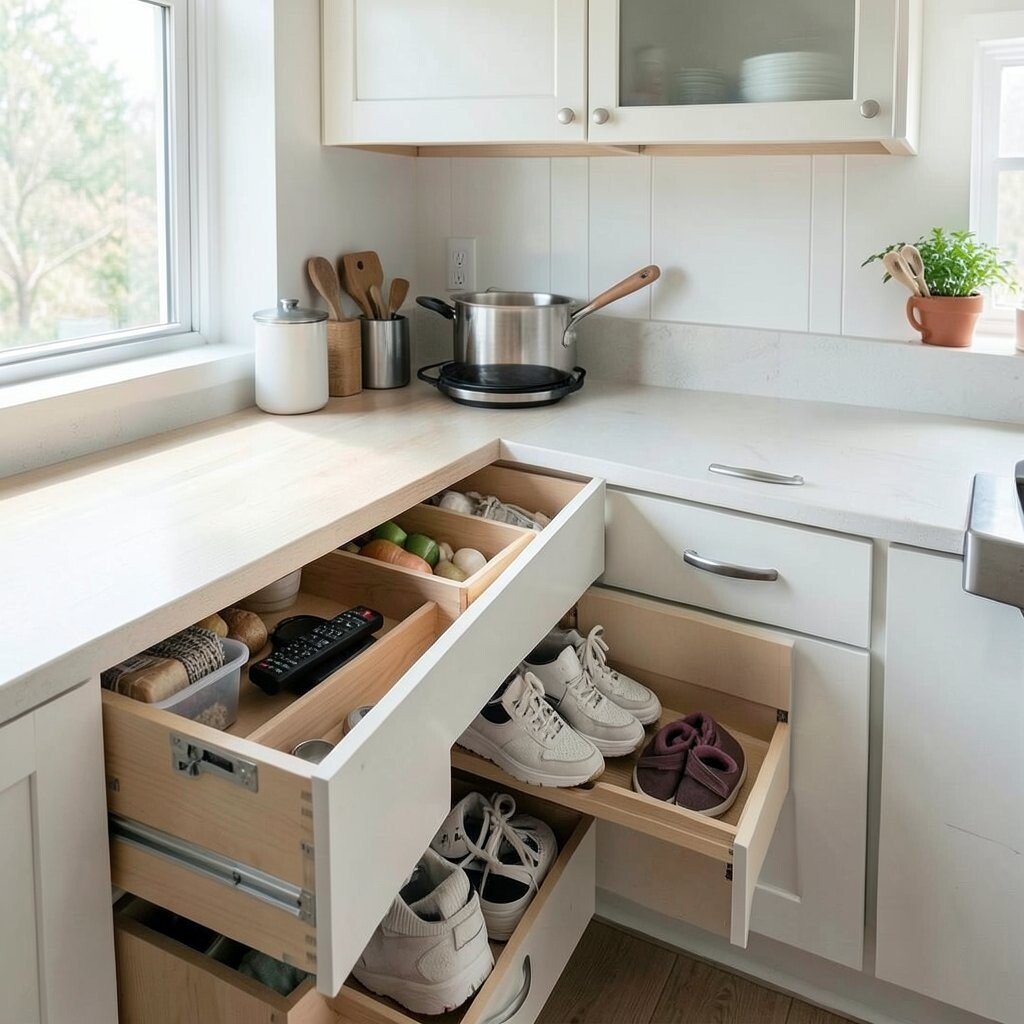
The things you reach for every day should live near where you use them. That cuts down on steps and keeps the room working smoothly.
Place remote controls, chargers, shoes, or cooking tools in easy spots so they do not pile up elsewhere. This small habit saves time and keeps clutter from spreading. It also helps with cost because you may not need as many storage helpers if the layout already supports your routine.
Think about your daily path from morning to night and place items along that path. A room feels much easier when the things you need are right where you expect them. Simple hooks, trays, and drawer inserts can make this plan work in almost any home.
Many current home setups focus on fast access and clean looks, especially in busy family spaces. That makes sense because a layout should support real life, not fight it. When the most-used items are easy to grab, the whole room runs better.
15. Leave Room to Breathe
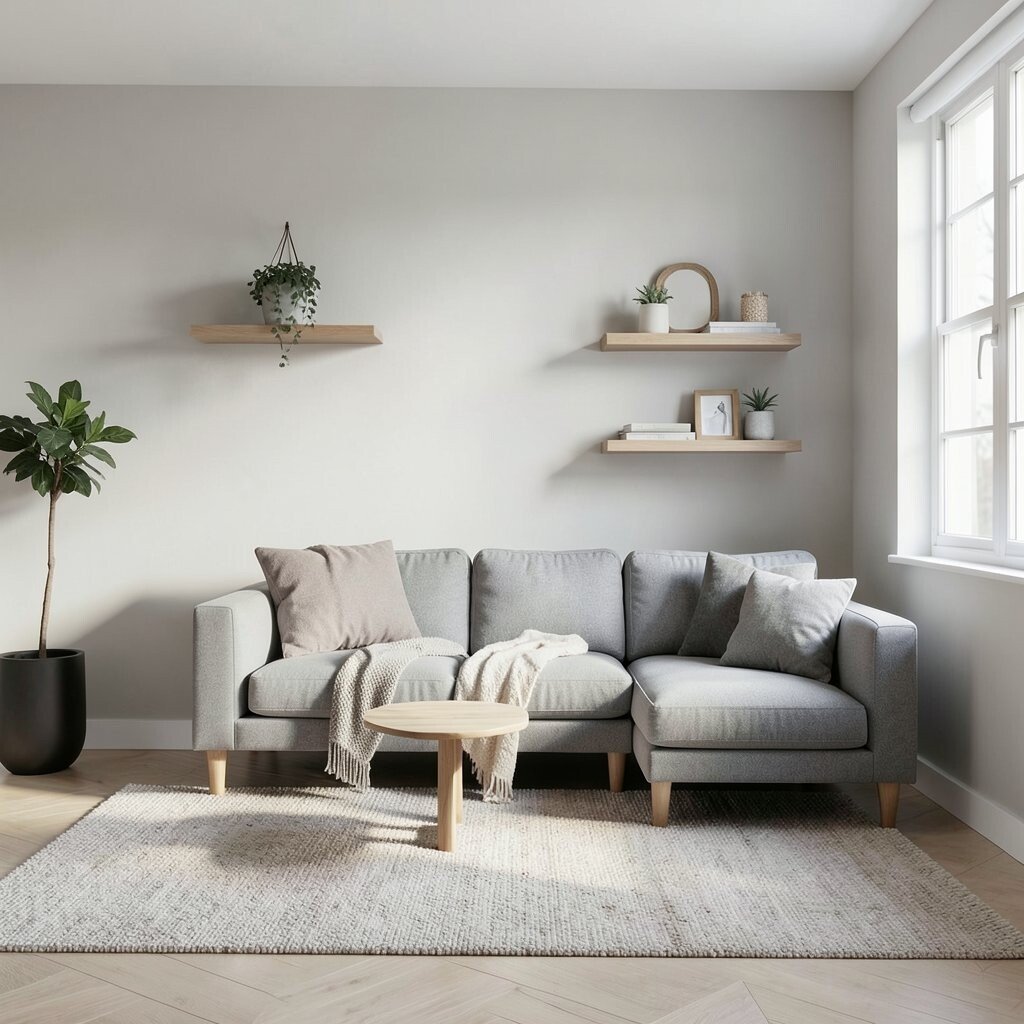
Empty space is not wasted space. It gives the eye a place to rest and makes the room feel more open.
Try not to fill every wall, shelf, or floor area just because it is available. A little breathing room can make the furniture look better and help the room feel less stressed. This idea is popular in simple, modern rooms because it keeps the space from feeling packed.
You can make the room feel personal with a few special pieces instead of many small ones. That often costs less too, since you buy only what truly matters. Leaving space around key items can make them stand out in a better way.
16. Recheck the Layout as Life Changes
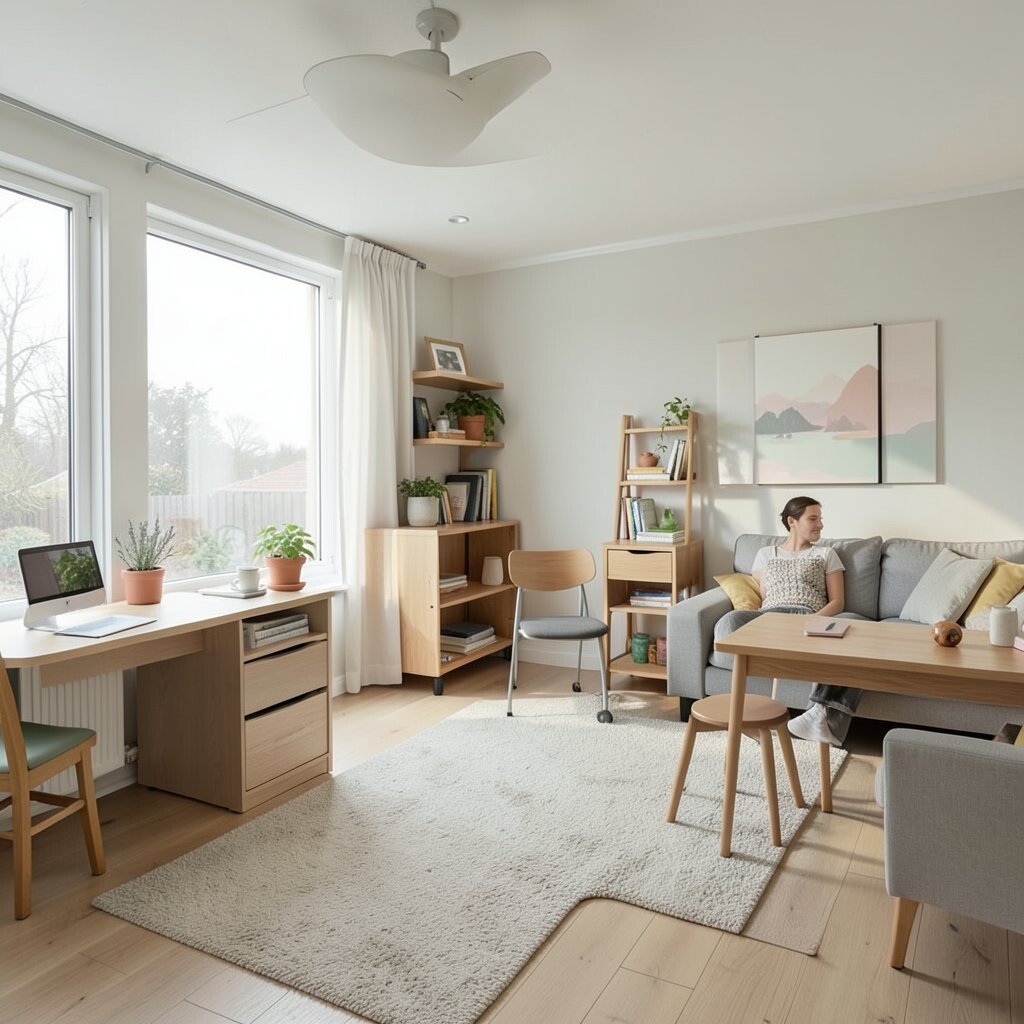
A good layout today may need a fresh plan later. As routines change, the room should change with them.
Move furniture around when school, work, guests, or hobbies shift the way you use the space. A layout that gets updated over time stays useful and keeps the room feeling fresh. This flexible style is a strong trend because people want homes that can adapt without big spending.
Try a simple room test by walking through the space and noticing what feels crowded or awkward. Small changes, like turning a desk or swapping two chairs, can make a big difference. Personal needs should lead the plan so the room stays friendly, useful, and easy to enjoy.