Kids’ rooms can feel calm and full of charm at the same time. Simple choices often create the happiest spaces.
1. Soft White Walls With One Playful Accent
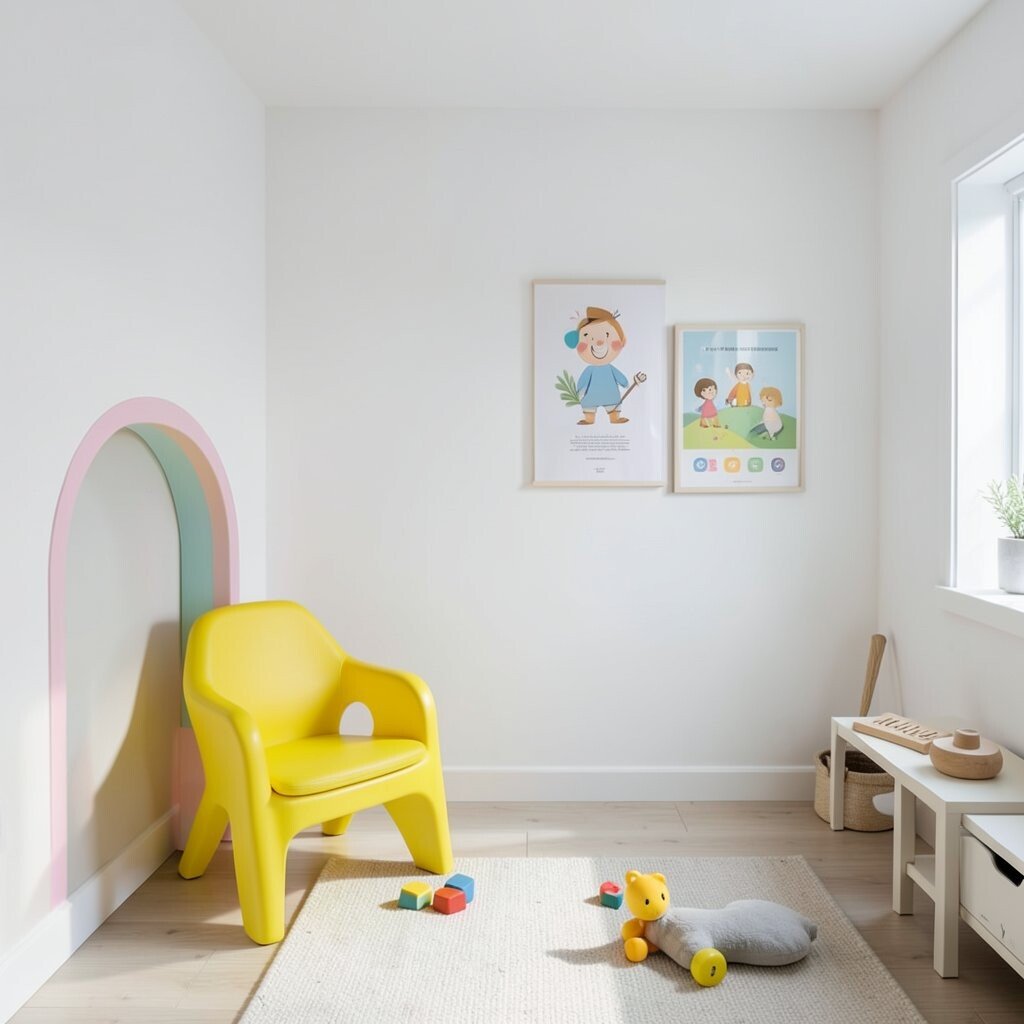
A room with soft white walls feels bright, open, and easy on the eyes. One playful accent, like a sunny chair or a painted arch, gives the space a cheerful spark.
This style helps a child focus on play and rest without too much visual noise. It also makes the room easy to update as tastes change, which saves money over time. Add a favorite poster, a small rug, or a handmade name sign to make the room feel personal.
2. Low Wooden Furniture That Feels Warm
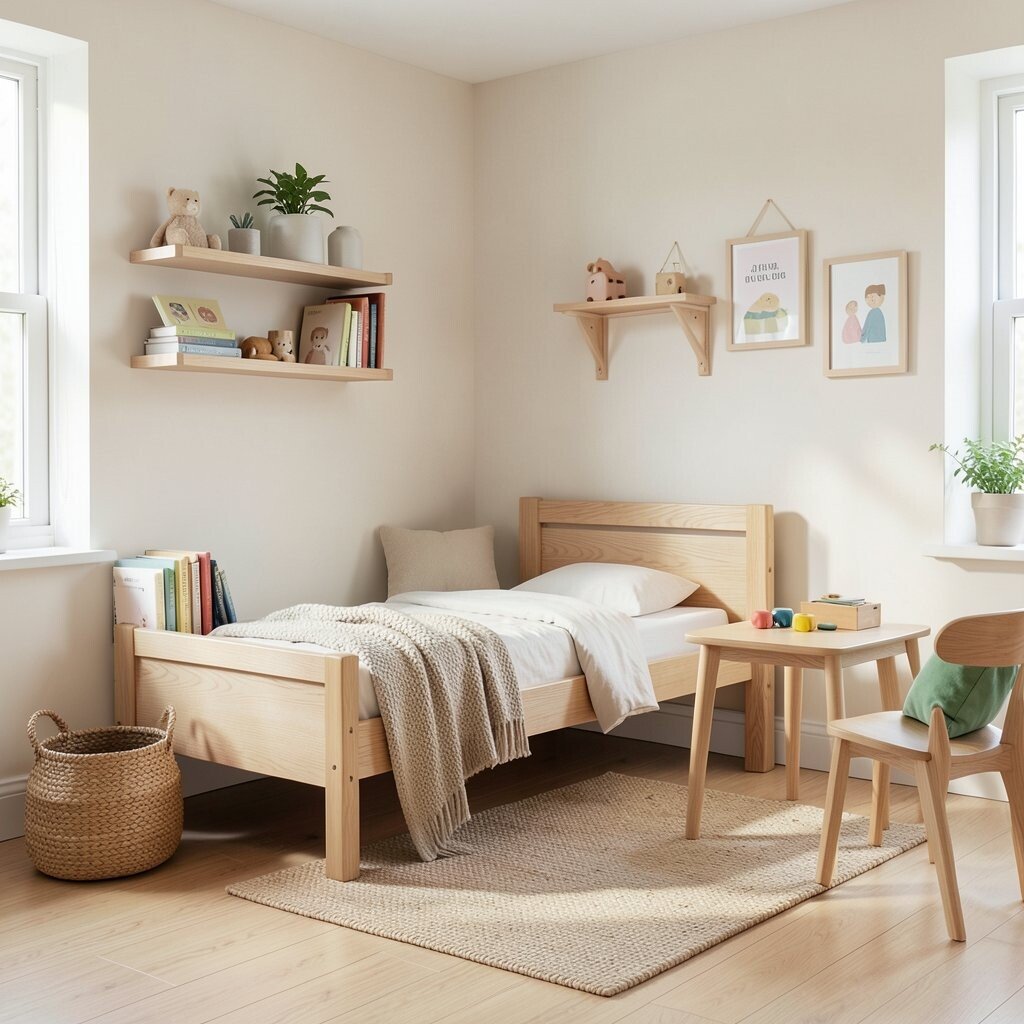
Low wooden beds, shelves, and tables bring a gentle, cozy look to a child’s room. The natural grain of the wood adds beauty without needing extra decoration.
These pieces are practical because children can reach their books and toys more easily. They also last a long time, so the cost can be smart even if the first price feels higher. For a fresh modern touch, choose clean lines and simple shapes instead of heavy carving.
You can soften the look with a cotton blanket, a woven basket, or a tiny cushion in a favorite color. Small personal details keep the room from feeling plain while staying neat and calm. Many families like this trend because it feels timeless and easy to live with.
3. Built-In Storage That Hides the Clutter
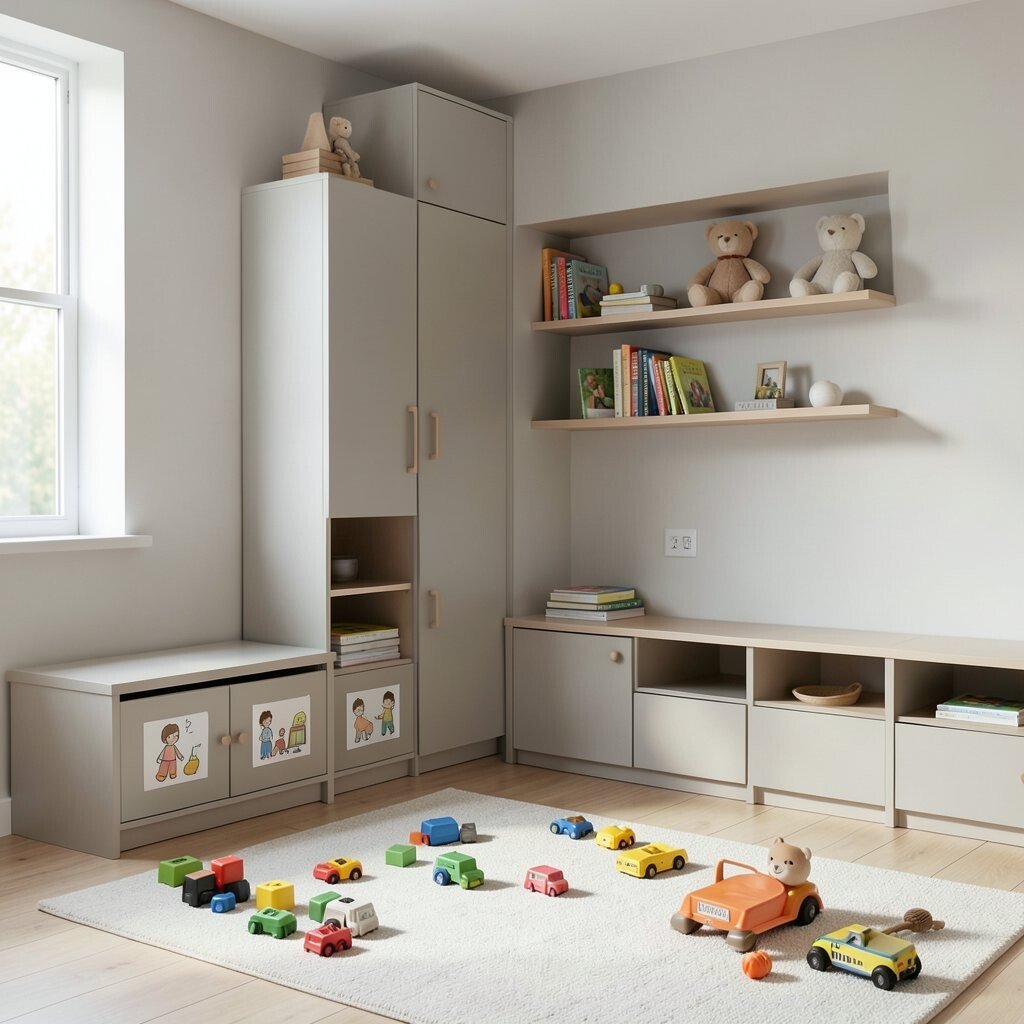
Built-in storage can make a room look tidy in a very quiet way. Cabinets, drawers, and benches with hidden space keep toys out of sight but close at hand.
This design gives children more floor space for games, reading, and movement. It also helps parents spend less time cleaning up every day. If custom work is too costly, simple storage boxes that match the wall color can create a similar feeling.
Try labeling drawers with pictures so younger kids know where things belong. A few open shelves can still show special books or a favorite stuffed animal. That mix of hidden and open storage feels balanced and friendly.
4. A Tiny Reading Corner With Big Comfort
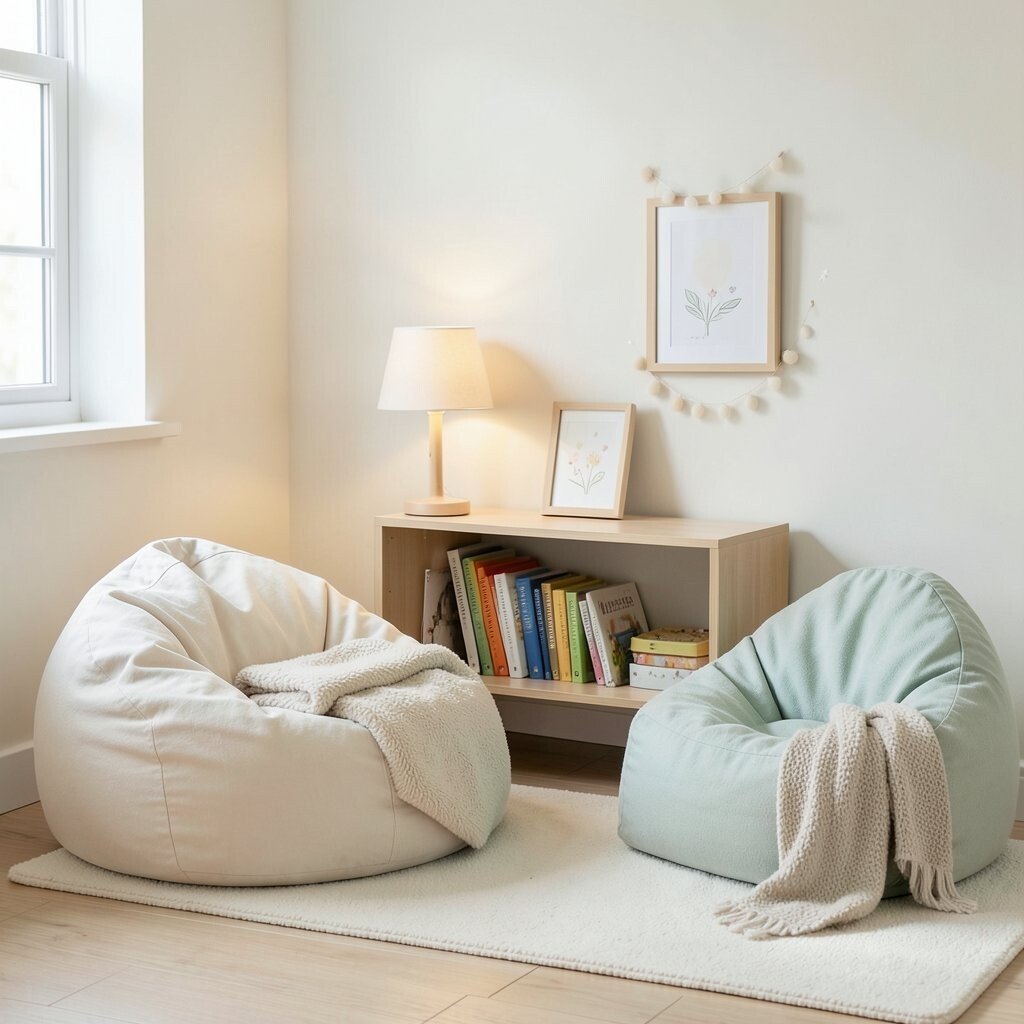
A reading corner can be small and still feel magical. A soft floor cushion, a lamp with warm light, and a low shelf of books are often enough.
This kind of corner encourages quiet time and helps build good reading habits. It also gives the room one peaceful spot that feels different from the play area. To keep costs low, use a beanbag, a folded blanket, or a secondhand chair with a washable cover.
Personal touches make the nook more special, like a framed drawing or a little garland. Choose colors that feel calm, such as cream, pale blue, or sage green. The result is simple, sweet, and very easy to enjoy.
5. Neutral Tones With One Bold Color
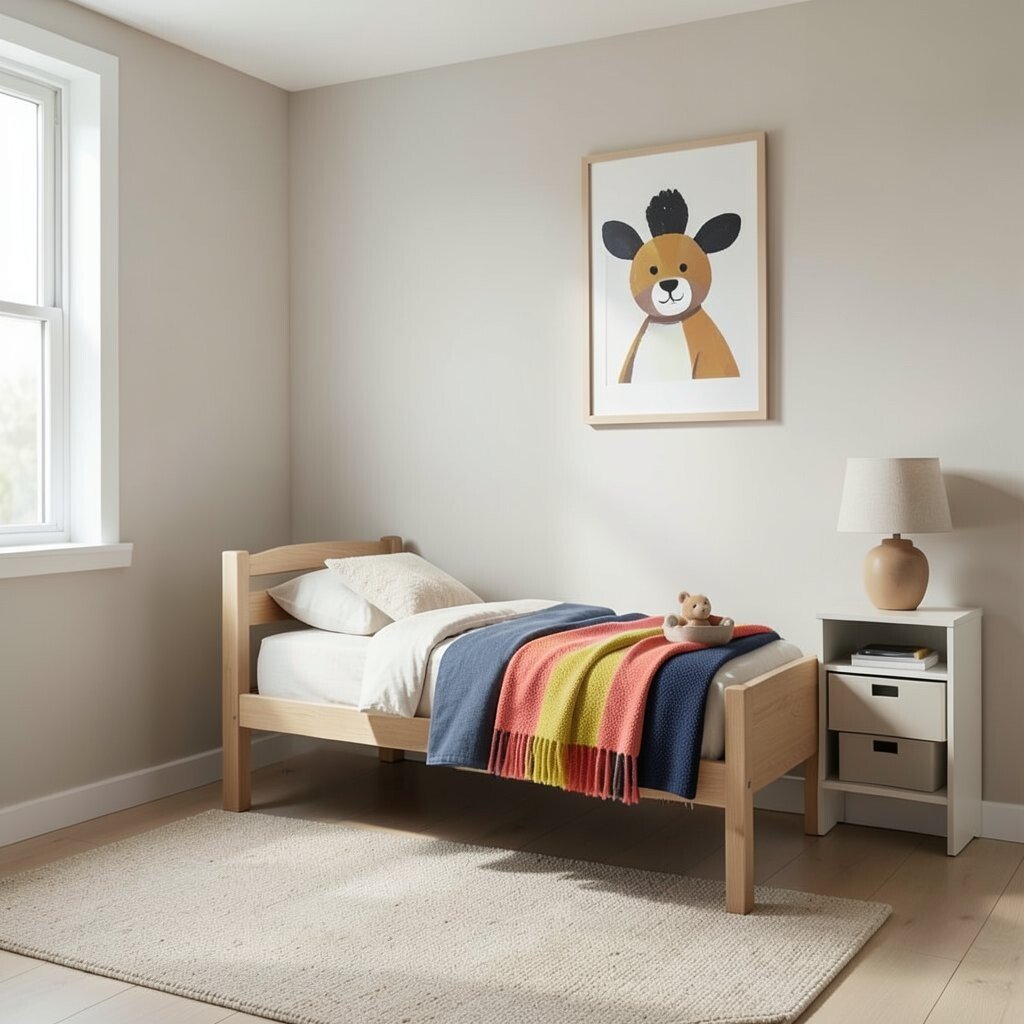
Neutral walls and furniture can make a room feel clean and spacious. Then one bold color, like coral, navy, or mustard, adds energy without crowding the space.
This approach is helpful because it grows with the child and does not get old too quickly. It also makes shopping easier since many neutral pieces are widely available and often less expensive. A bright blanket, lamp, or art print can carry the bold color without a big budget.
For a personal feel, choose the accent color based on a favorite toy, sport, or animal. The room stays simple, but it still feels chosen with care. That balance is a big reason this look remains popular in modern homes.
6. Open Shelves With Carefully Chosen Pieces
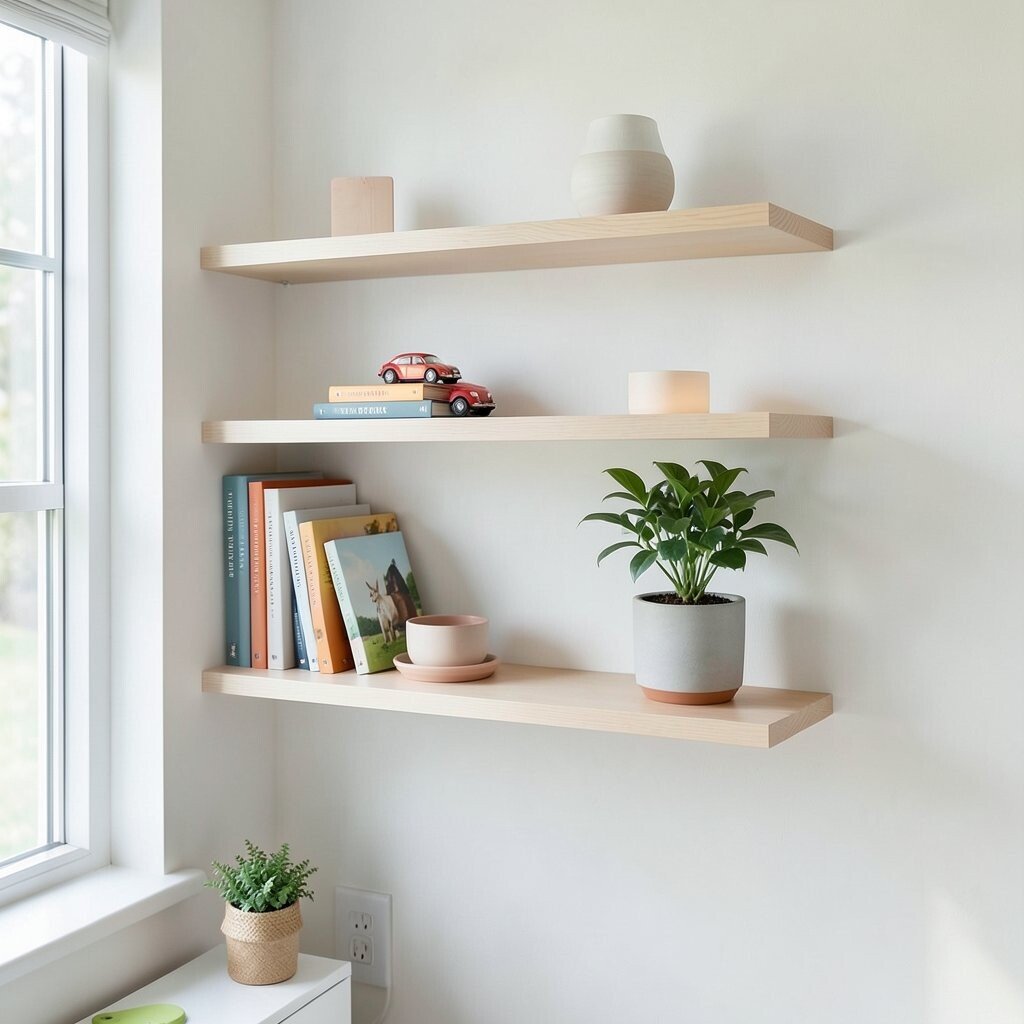
Open shelves can look lovely when they hold only a few special things. A small stack of books, one toy car, and a plant in a safe pot can create a neat display.
This style teaches children to value what they own and to keep only what matters nearby. It also makes cleaning faster because every item has a clear place. If you want to save money, use basic wall shelves and style them with things you already have.
Keep the shelf colors simple so the items stand out. Rotate the pieces now and then to keep the room feeling fresh without buying more. That small habit gives the room a lived-in look while staying uncluttered.
7. Gentle Lighting That Feels Calm
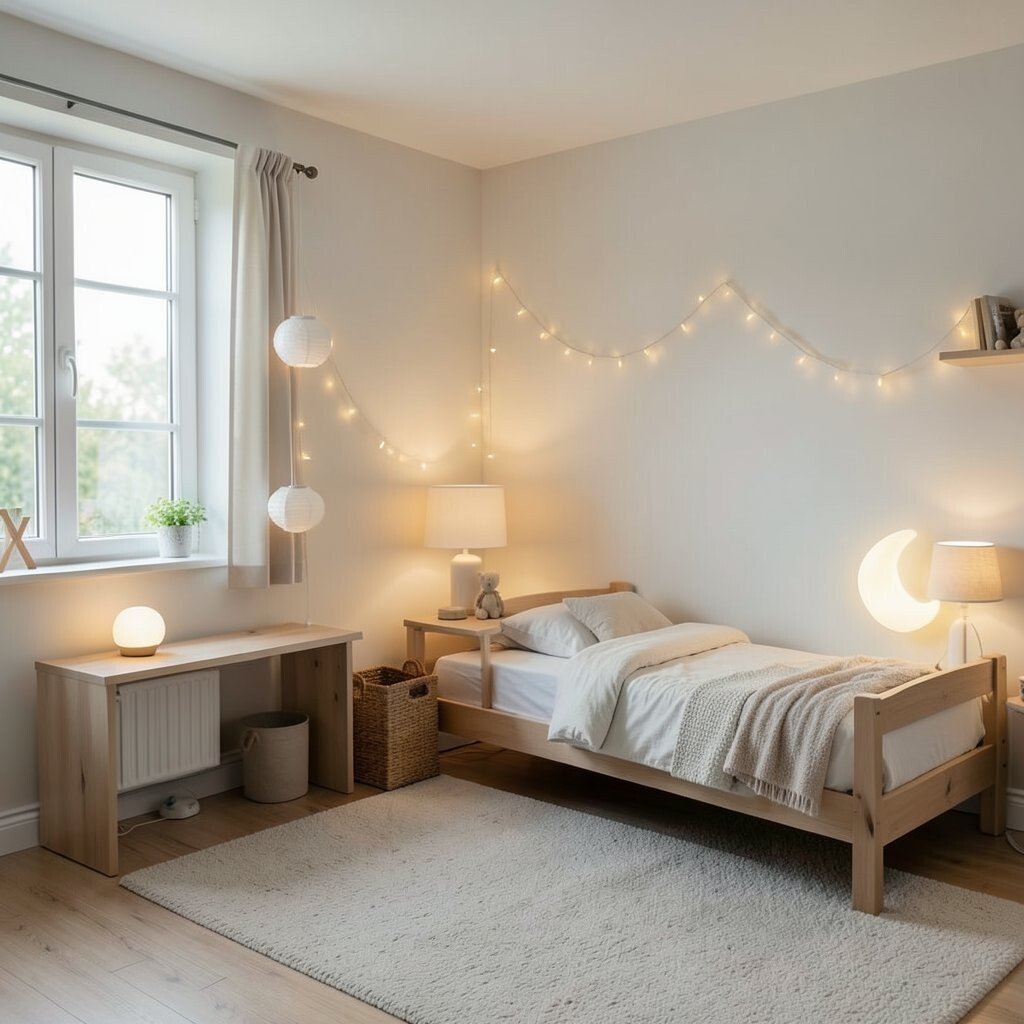
Good lighting can change a child’s room more than many people expect. Soft lamps, paper lanterns, or warm string lights create a cozy glow that feels safe and restful.
This kind of lighting is useful for bedtime stories, quiet play, and calm mornings. It also helps the room feel more inviting than a harsh bright ceiling light. Simple lamps are often affordable, and they can be moved around as the room changes.
Try a dimmable bulb or a lamp with a fabric shade for a softer effect. A night light shaped like a moon or cloud can add a little charm without adding clutter. These small details make the room feel thoughtful and personal.
8. Natural Textures That Add Quiet Interest
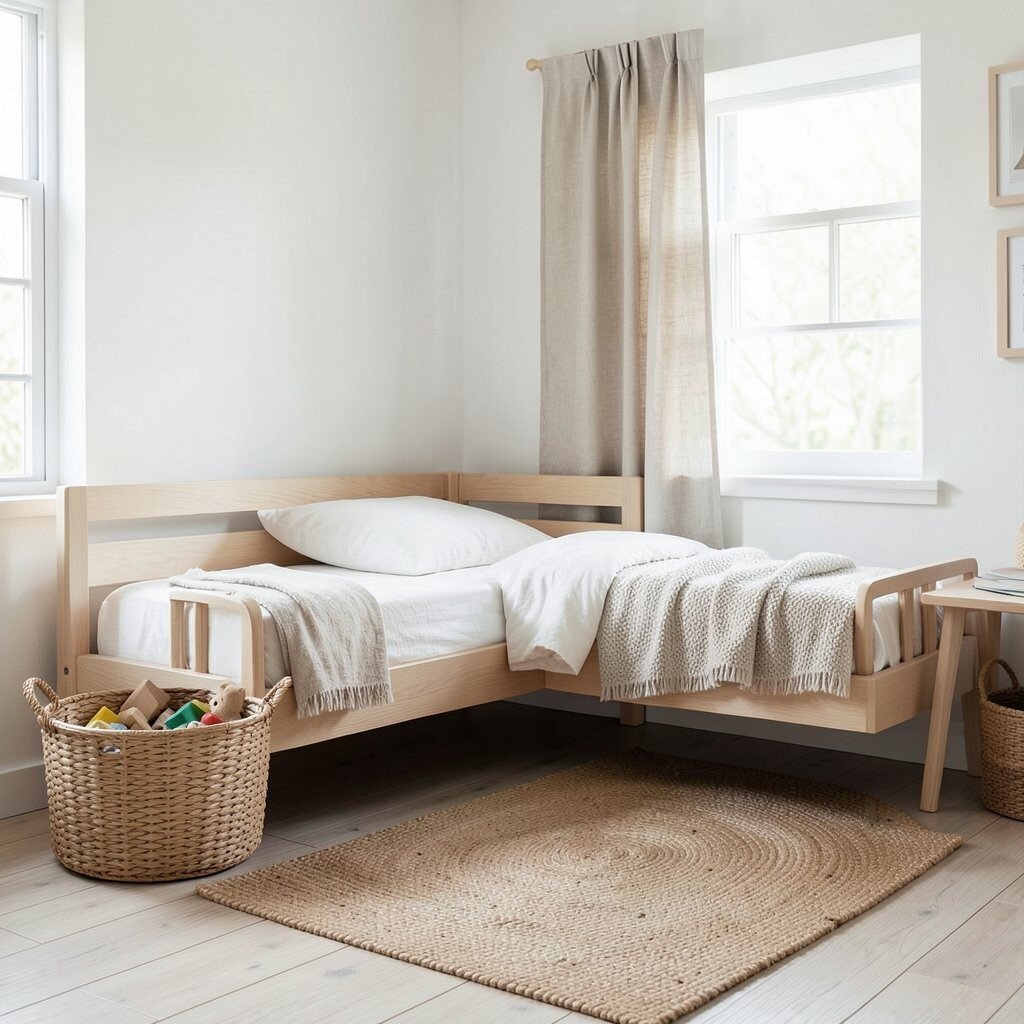
Natural textures give a minimalist room depth without making it busy. Think cotton, linen, rattan, wool, and light wood, all working together in a gentle way.
These materials feel warm and comforting, which is nice for children who need a peaceful place to sleep and play. They also create a current look that fits many homes today. Some natural pieces cost more, but mixing them with simple basics can keep the overall budget balanced.
A woven basket for toys or a linen curtain can make a big difference right away. Even a small jute rug can add character while keeping the room calm. The room feels richer, yet still free of excess.
9. A Bed That Doubles as a Day Spot
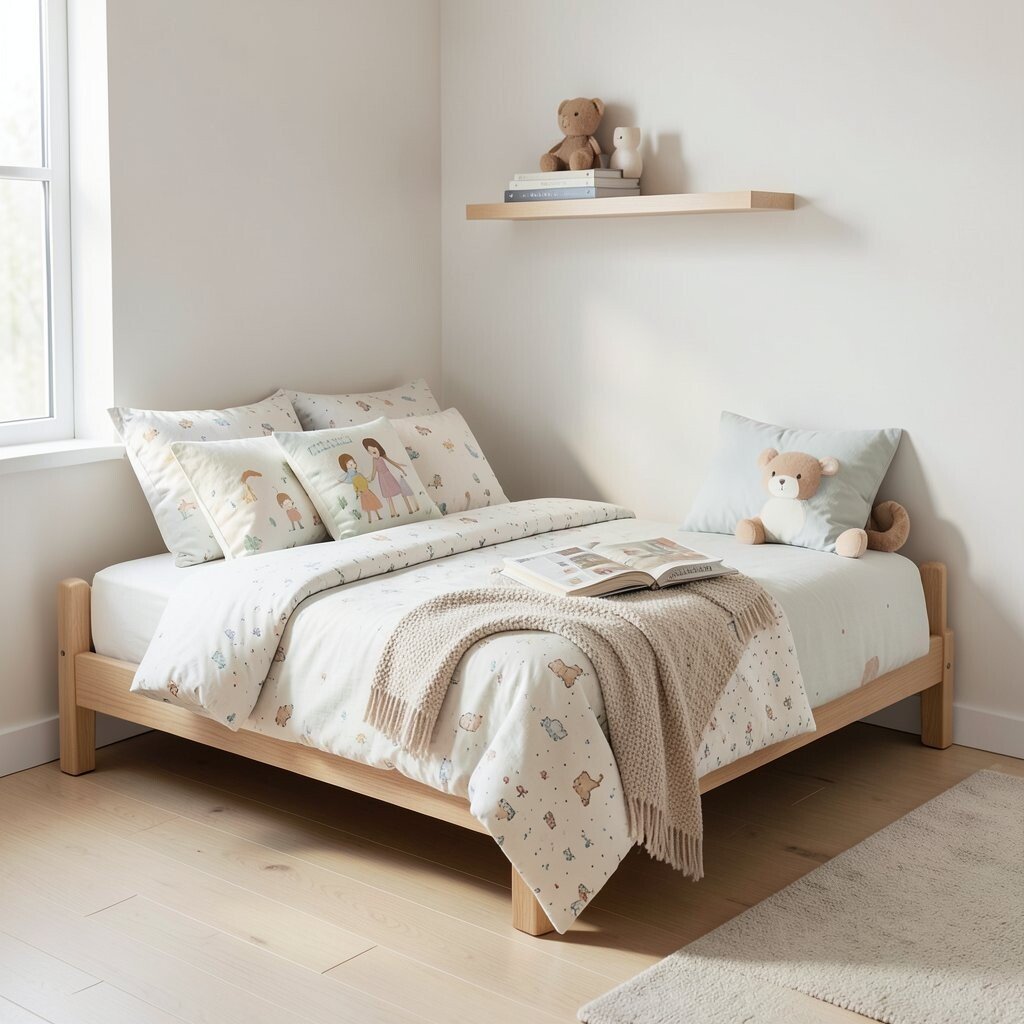
A bed with soft pillows can work as both sleep space and daytime lounge area. During the day, it becomes a place for reading, chatting, or quiet pretend play.
This is a smart choice for smaller rooms because it saves space and reduces the need for extra furniture. It can also be easier on the budget if you skip a separate sofa or chair. A few well-chosen cushions and a simple throw blanket are enough to make it inviting.
Pick bedding in gentle patterns or plain colors so the bed still feels restful. A wall shelf above the bed can hold a book or two without crowding the floor. The room stays simple while still feeling full of life.
10. Wall Art That Feels Personal, Not Busy
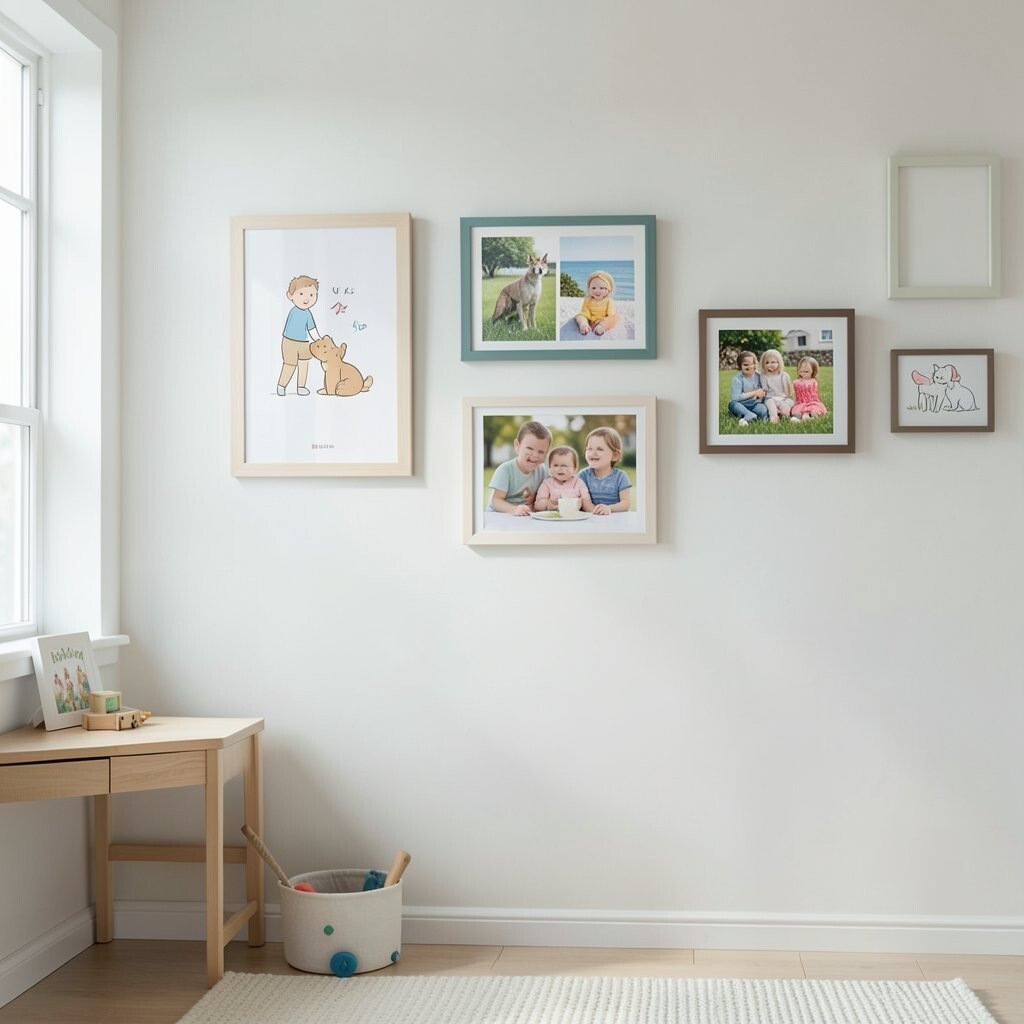
Wall art can give a child’s room personality without filling every corner. One framed print, a set of family photos, or a child’s own drawing can make the walls feel special.
This keeps the room from looking empty while still honoring the minimalist style. It is also a low-cost way to refresh the room, since art can be swapped out as the child grows. Choose frames in the same color for a tidy look, or mix them lightly for a softer feel.
For a personal touch, use artwork that shows a favorite place, animal, or story. A gallery wall can work too, as long as the pieces are spaced with care. The key is to keep the display small enough to breathe.
11. Smart Floor Space for Play and Movement
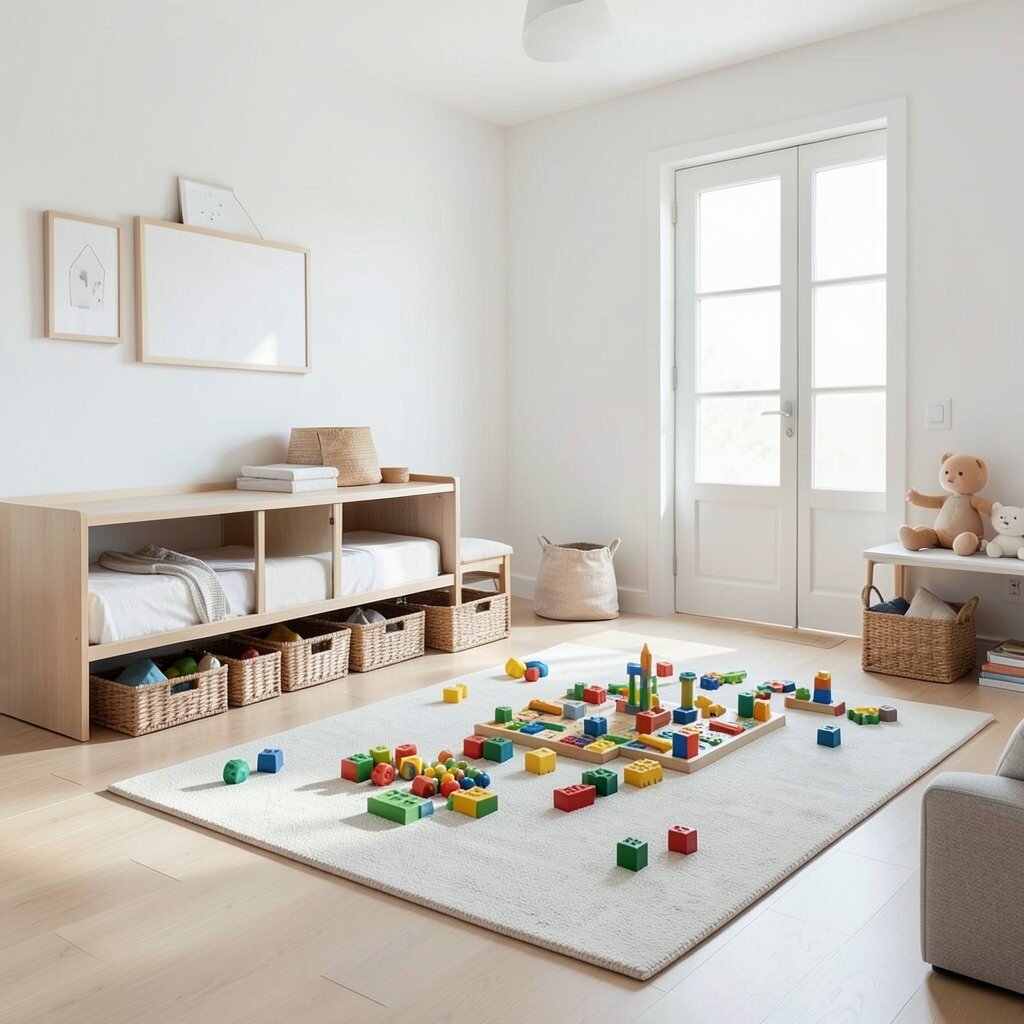
Open floor space is one of the best gifts a child’s room can have. It gives room for puzzles, building blocks, dance moves, and all the little games that need space.
This kind of layout feels calm because the eye can rest instead of jumping from object to object. It also makes the room safer and easier to clean. To keep costs low, focus on fewer large pieces instead of many small ones.
A simple rug can define the play area without making the room feel crowded. Use baskets that slide under furniture to keep toys ready but tucked away. That way, the room stays useful, flexible, and easy to enjoy every day.
12. A Theme Used in a Very Light Way
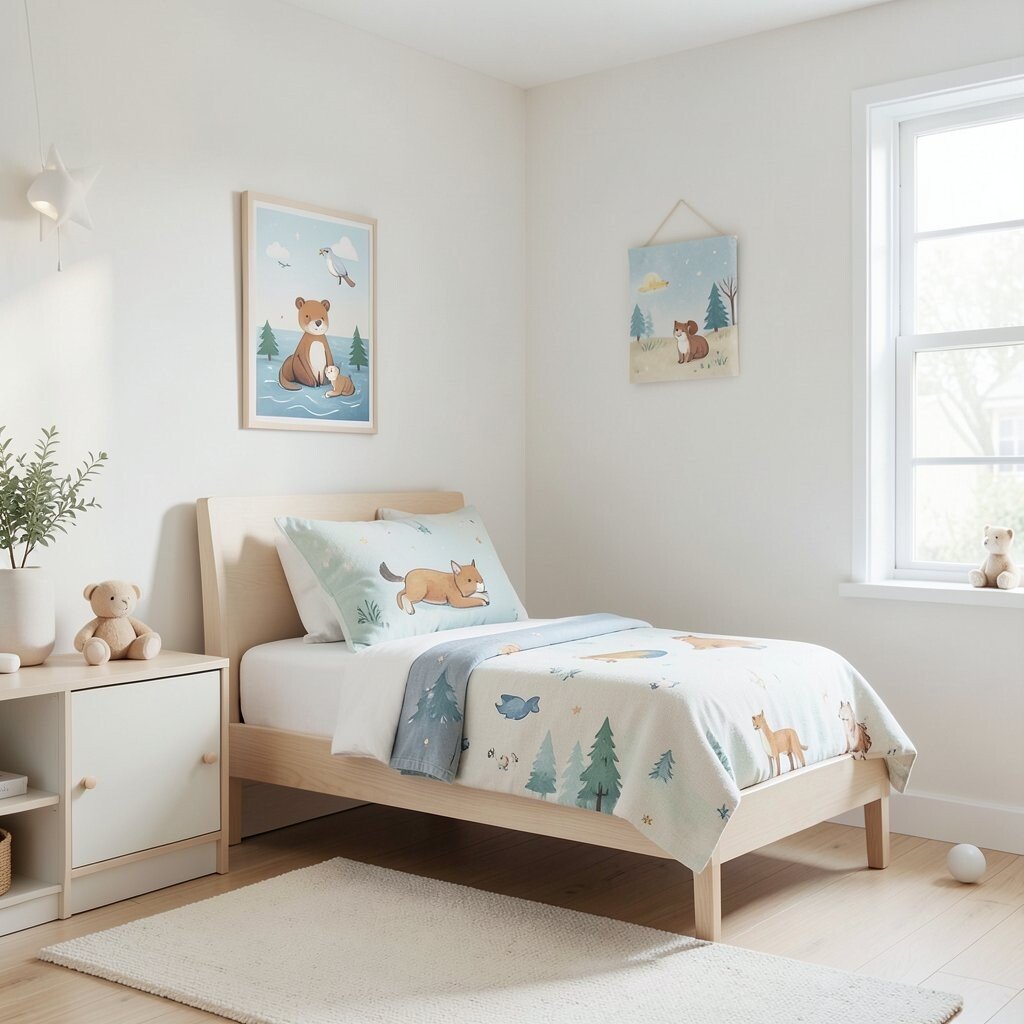
A minimalist room can still have a theme, but it should be soft and simple. A space inspired by the sea, the forest, or the stars can be shown through a few colors and tiny details.
This keeps the room unique without making it feel loud or overdone. It also saves money because you only need a few themed items instead of a full set of matching decor. A pillow, a poster, and one small toy can carry the whole idea.
Children often love having a room that feels made just for them. You can personalize the theme with their favorite animal, story, or hobby. When the theme stays light, the room remains peaceful and easy to change later.