Your closet can say a lot before you speak. Small style choices can also lighten your impact on the planet.
1. Build a tiny capsule wardrobe

A capsule wardrobe is a small group of clothes that all work well together. It can look neat, calm, and easy to wear on busy class days.
Start with shirts, pants, and layers in colors you already love. Pick pieces that match your shoes and your backpack so getting dressed feels fast. This saves money because you buy less and wear more.
2. Shop secondhand first
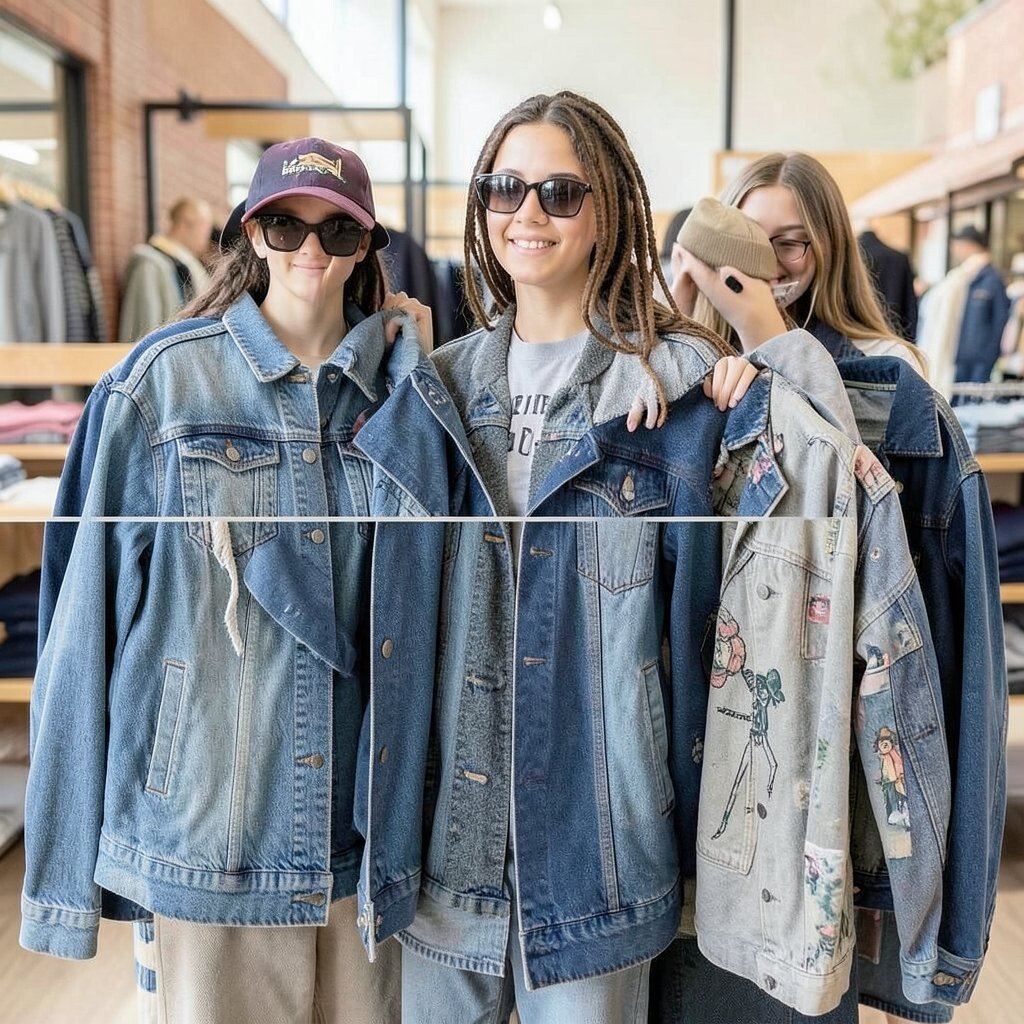
Thrift stores, campus swap racks, and online resale apps are full of hidden gems. You can find soft denim, cool jackets, and one-of-a-kind prints that feel special.
Secondhand shopping keeps clothes in use longer, which is a win for the earth. It also helps your wallet, since used items often cost much less than new ones.
Try making a wish list before you shop so you stay focused. If you like a trend, look for it used first, since many styles from past seasons come back around. A little patience can lead to better finds and fewer impulse buys.
3. Learn simple clothing care
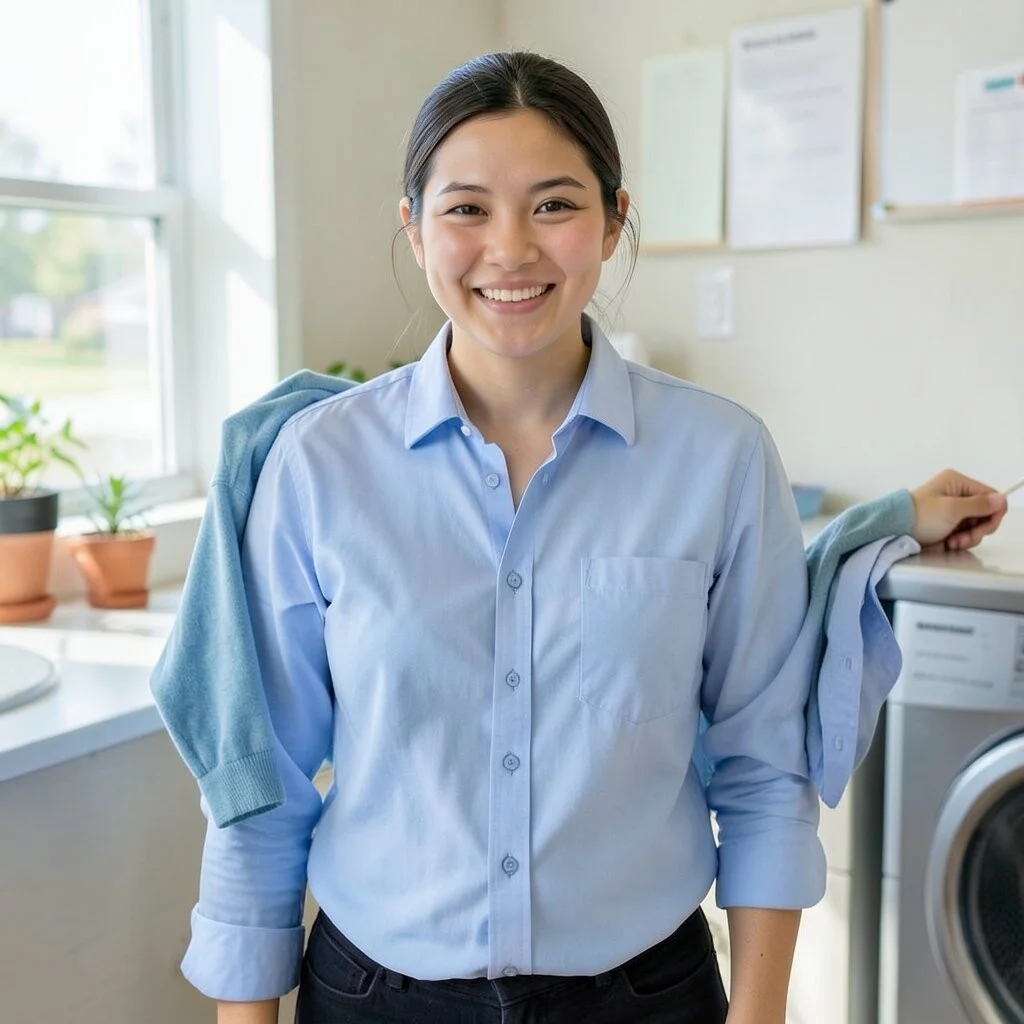
Good care can make your favorite pieces last much longer. Fresh-looking clothes also help you feel more put together in class, even on rushed mornings.
Wash with cold water when you can and dry items gently. Turn shirts inside out to help colors stay bright and fabrics stay smooth.
Read the care tag before tossing things in the washer. If a sweater needs hand washing or flat drying, follow that guide so it keeps its shape. These small habits cost almost nothing and can save a lot over time.
4. Choose quality over fast fashion

A well-made shirt often looks cleaner and hangs better on the body. Strong seams and thicker fabric can make even a simple outfit feel polished.
Fast fashion may seem cheap at first, but it can wear out quickly. Buying fewer, better pieces can lower waste and often saves money in the long run.
5. Host a clothing swap with friends

A clothing swap feels like a mini style party with racks, mirrors, and lots of laughter. It is a fun way to refresh your closet without spending much.
Ask friends to bring clean clothes, shoes, and accessories they no longer wear. You can set out categories like casual, dressy, and outerwear to make browsing easy.
Swaps are great for personal style because everyone brings different tastes. One person’s old cardigan can become your new favorite layer. Add snacks and music to make the event feel warm and memorable.
6. Repair before you replace
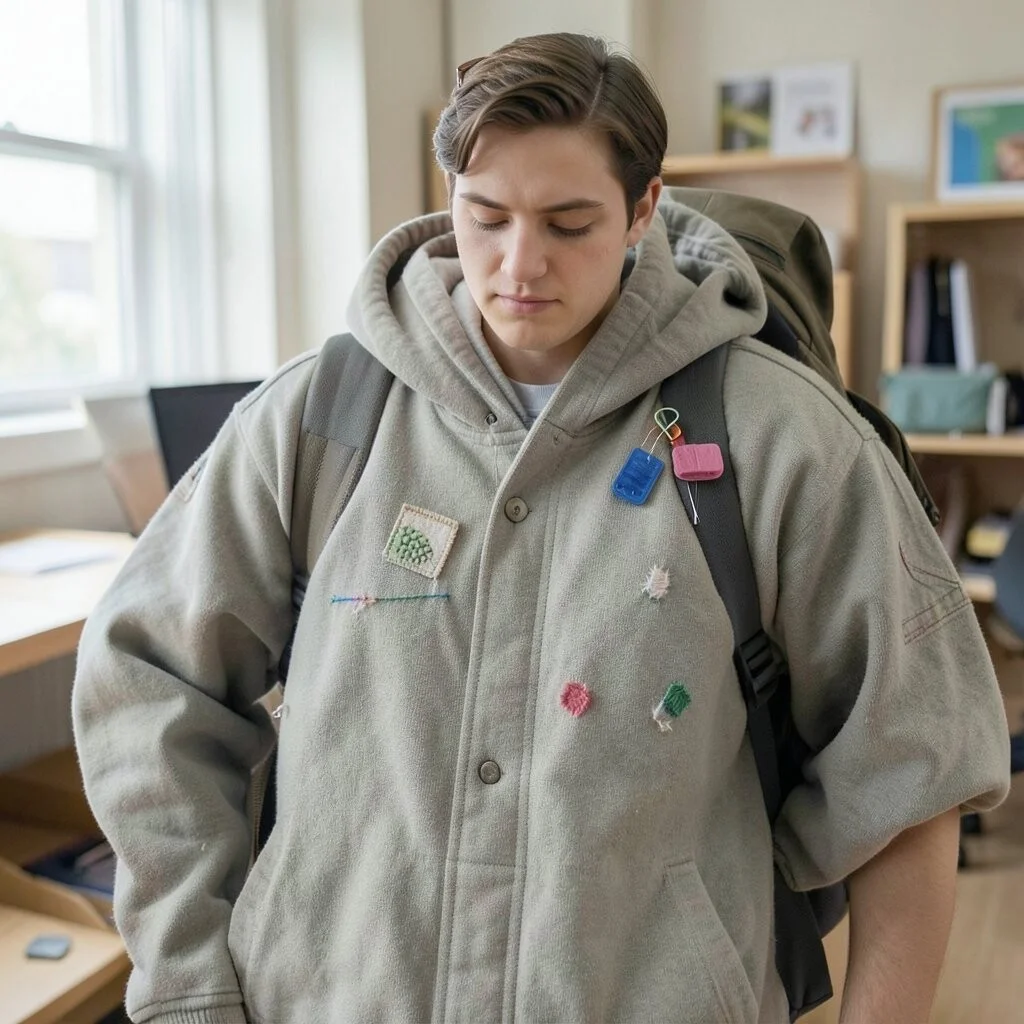
A loose button or tiny tear does not mean a garment is done. Simple fixes can give clothes a second life and keep them out of the trash.
Keep a small sewing kit in your dorm or backpack. A few needles, thread, safety pins, and patches can handle many common problems.
Visible mending is also a cool trend right now. A neat patch or colorful stitch can turn damage into style. If sewing feels hard, many campus craft clubs or local tailors can help for a fair price.
7. Pick natural and recycled fabrics

Fabrics can change how clothes feel, breathe, and last. Cotton, linen, wool, hemp, and recycled fibers often feel soft and easy to wear.
Natural or recycled materials can be gentler on the planet than some synthetic options. They may also look more textured and rich, which adds character to simple outfits.
Check labels before buying, and compare fabric blends. A little stretch can help with comfort, but too much plastic fiber may shed more over time. Choose the mix that fits your life, your budget, and your local weather.
8. Rent outfits for special events
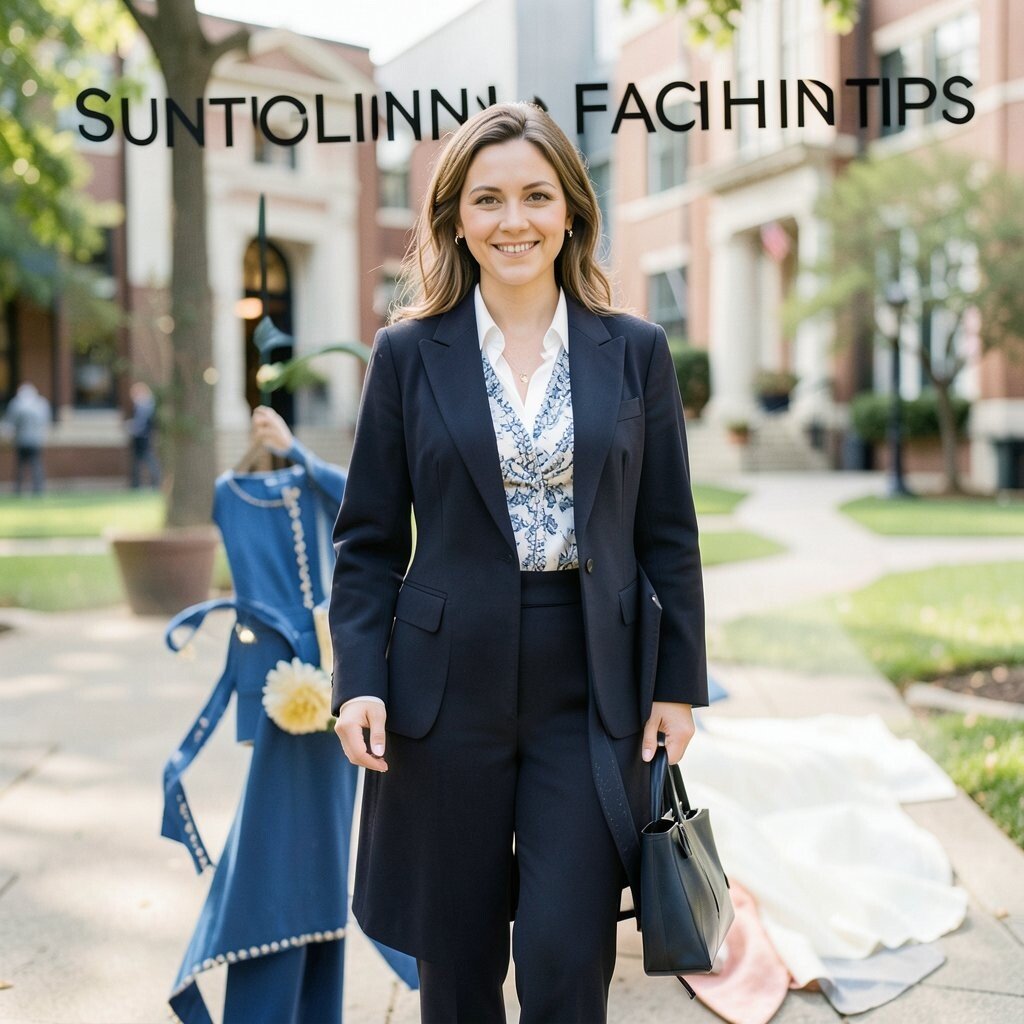
Campus formals, interviews, and weddings do not always need a brand-new outfit. Renting can give you a sharp look with far less waste.
You can try bold colors, fancy cuts, or trendier styles without a big commitment. This is helpful if your style changes often or you need something only once.
Renting can cost less than buying a dress or suit you may never wear again. It also frees up closet space, which matters in a tiny dorm. Take good photos of outfits you love so you can remember what worked for next time.
9. Use accessories to refresh basics
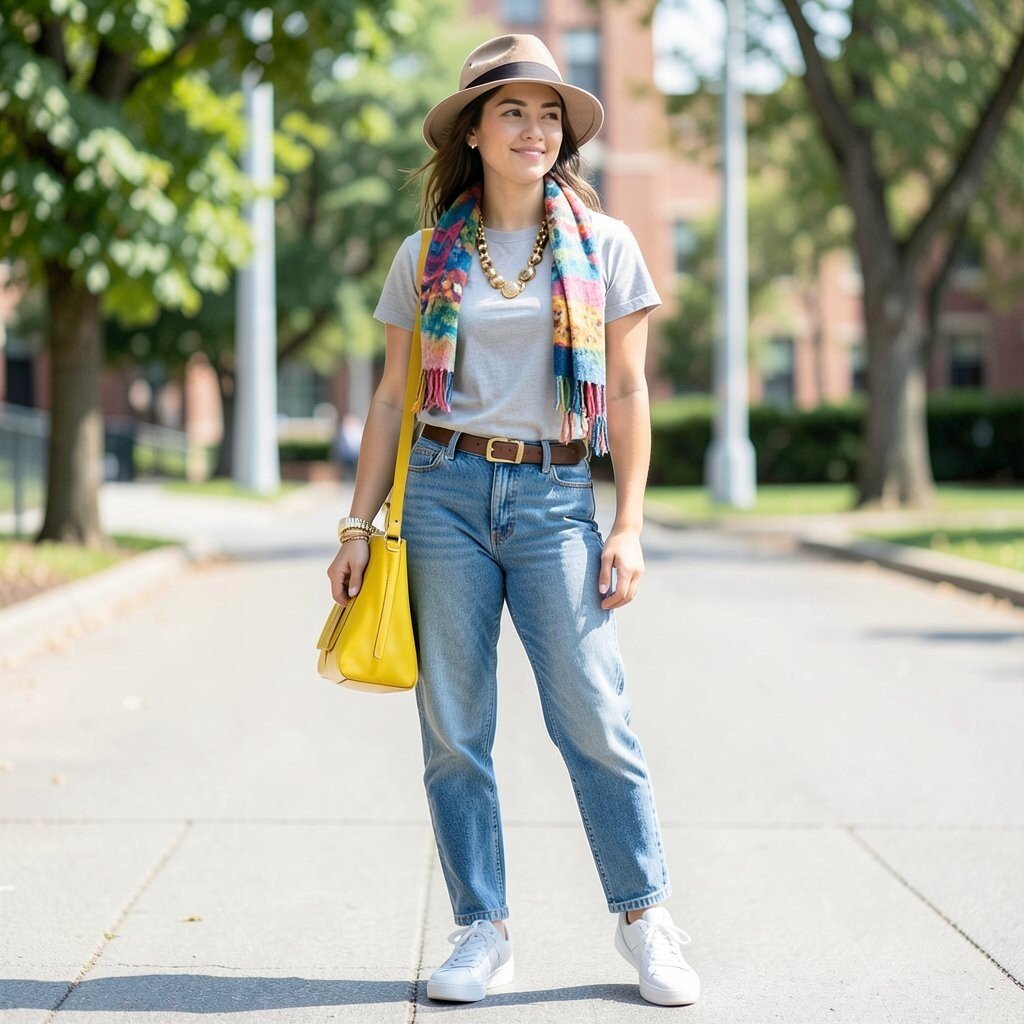
Scarves, belts, hats, and jewelry can make the same top feel new again. Even a plain tee can look stylish with the right add-ons.
This is a smart way to stay current with trends without buying a whole new wardrobe. A bright bag, chunky necklace, or clean sneaker can change the mood of your outfit fast.
Accessories often cost less than full clothing pieces, so they are great for tight budgets. Try mixing one bold item with simple clothes to make it stand out. You can also choose handmade or local items for a more personal touch.
10. Wash clothes less often
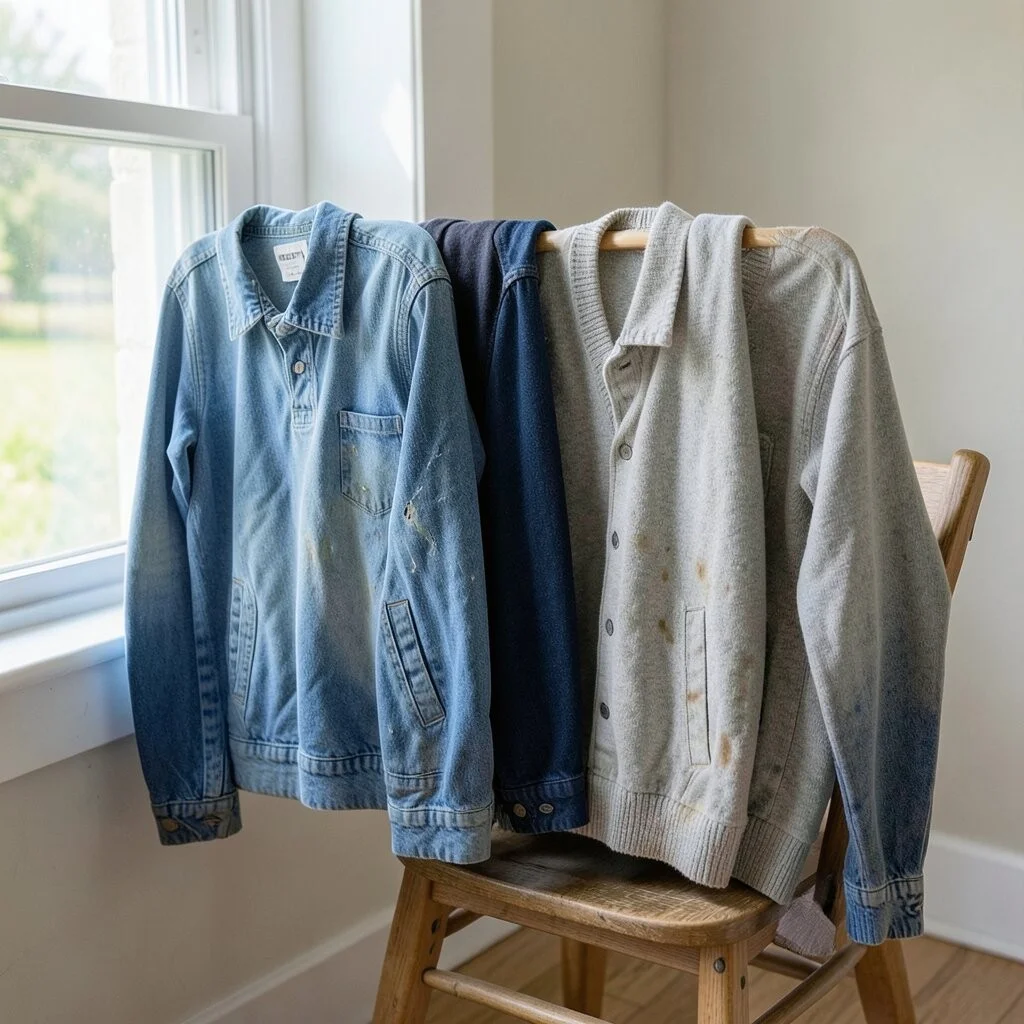
Not every worn item needs a wash right away. Sometimes airing clothes out is enough, especially for jeans, jackets, and sweaters.
Less washing can help fabrics last longer and use less water and energy. It can also keep colors from fading too fast.
Hang clothes near an open window or on a chair for a bit before putting them back. Spot clean small stains instead of washing the whole piece. This habit is easy, cheap, and very useful in dorm life.
11. Support local makers and small shops
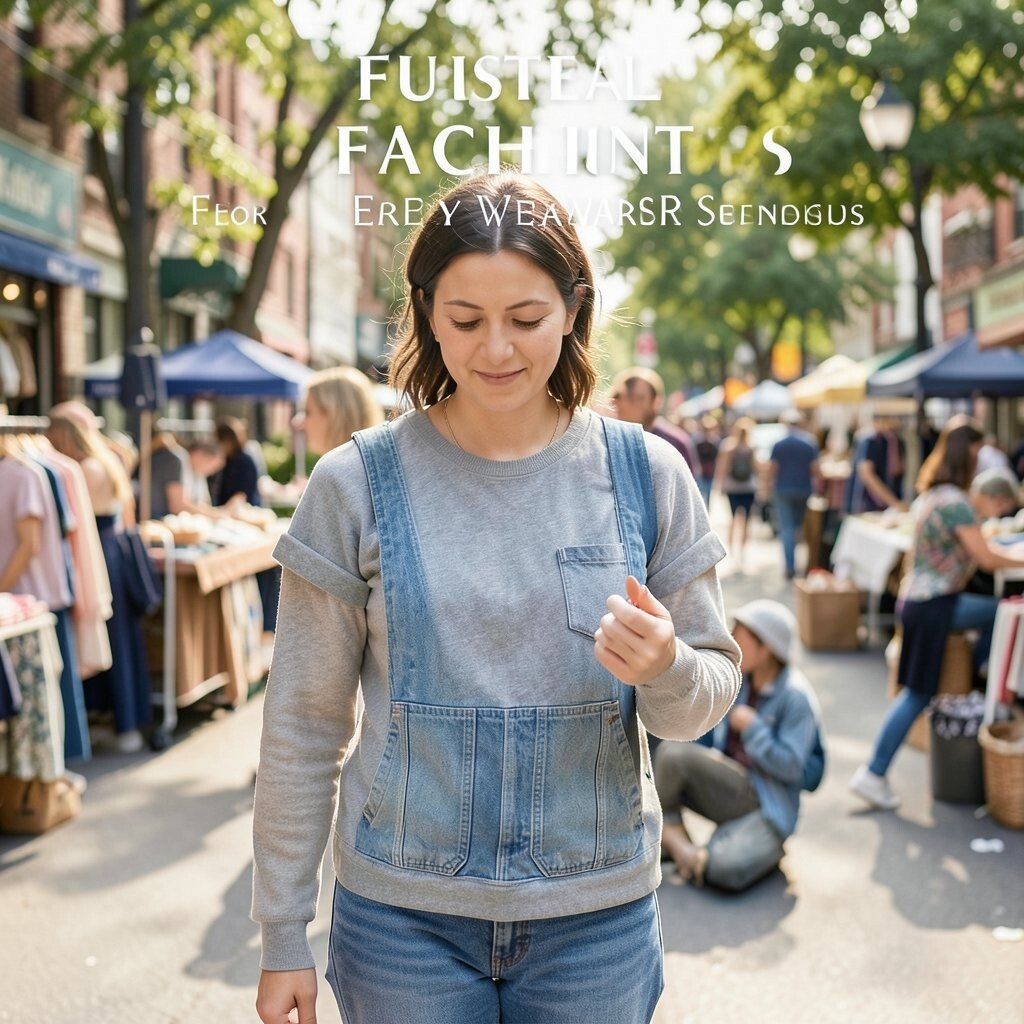
Local clothing makers often create pieces with care and clear style. Their work can feel more special than mass-made items from big chains.
Buying local can support your town and cut down on long shipping routes. Many small brands also share more about how their clothes are made.
Look for student markets, craft fairs, and neighborhood boutiques. Prices may be higher than fast fashion, but the quality and story can make the item worth it. If your budget is tight, save up for one standout piece instead of several flimsy ones.
12. Take care of shoes and bags
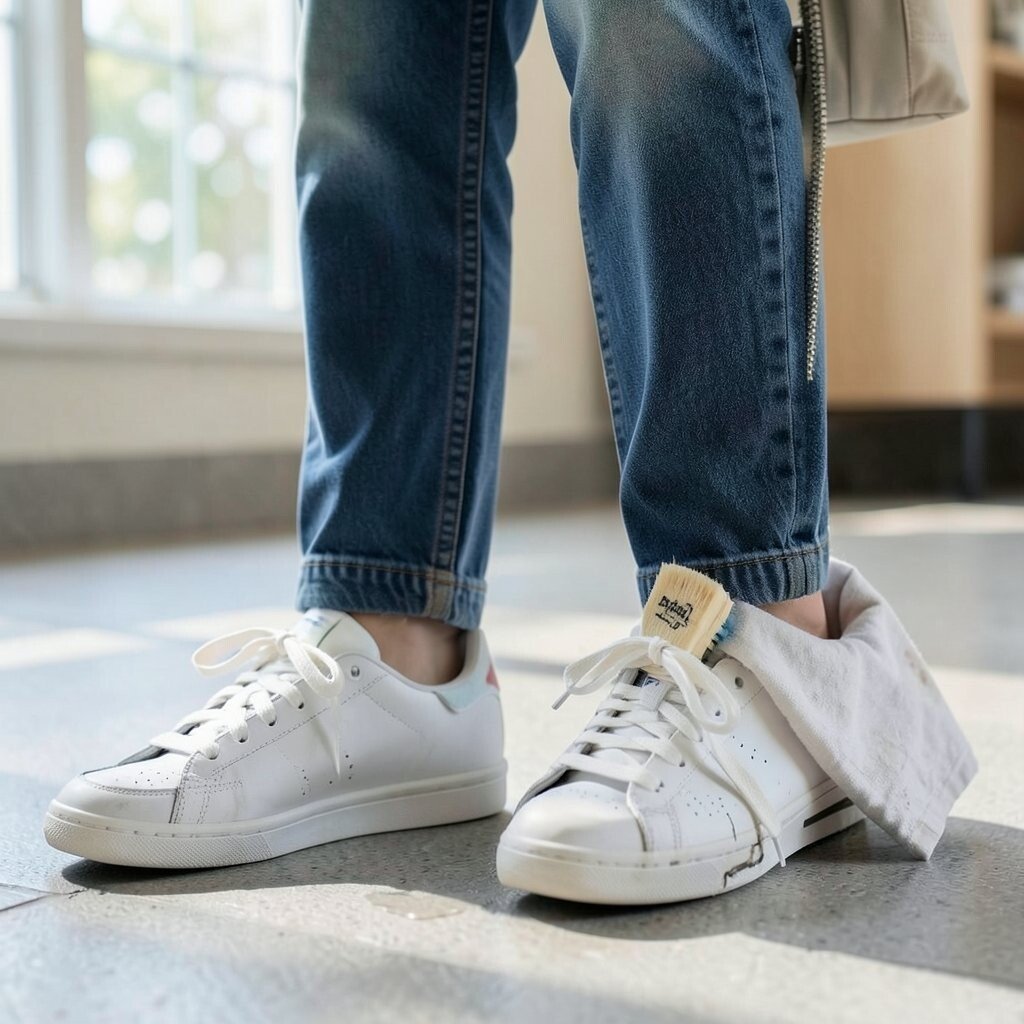
Good shoes and bags can make an outfit look complete. When they stay in shape, the whole look feels more polished and useful.
Clean sneakers with a soft brush and wipe bags with a damp cloth. Store them well so they do not crack, bend, or lose form.
Repairing soles, zippers, or straps can be cheaper than buying new items. Choose simple styles in colors you can wear with many outfits. That way, you get more use from fewer things.
13. Try a clothing budget plan
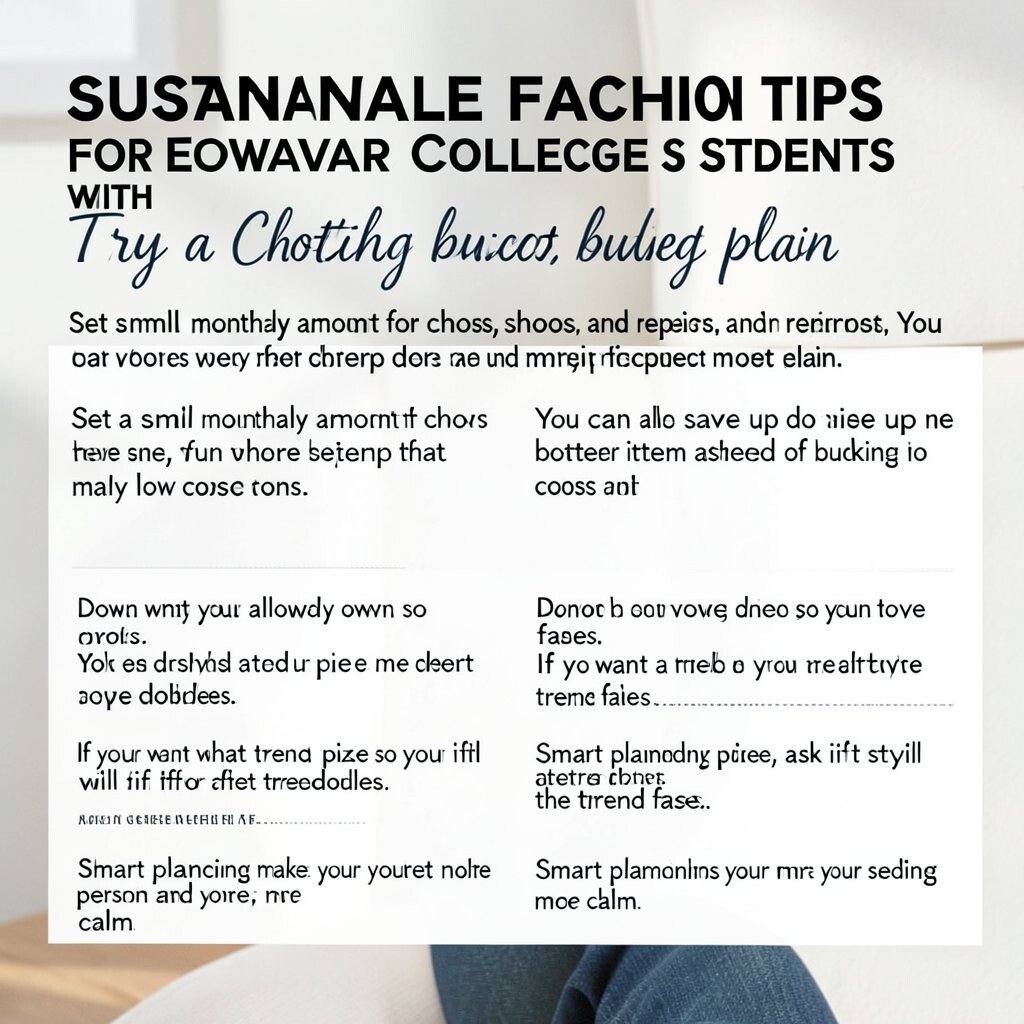
A simple budget can keep fashion fun without causing stress. It helps you see where your money goes and what pieces matter most.
Set a small monthly amount for clothes, shoes, and repairs. You can also save up for one better item instead of buying many low-cost ones.
Write down what you already own so you do not buy doubles. If you want a trend piece, ask if it will still fit your style after the trend fades. Smart planning makes your closet more personal and your spending more calm.
14. Choose timeless colors and shapes

Classic shapes often make getting dressed much easier. Straight jeans, simple tees, and clean jackets can work for class, coffee, and weekend plans.
Timeless pieces are easy to mix, which means fewer clothes can create more outfits. They also stay useful even when trend cycles change.
Neutral colors like black, white, tan, and navy are easy to pair, but do not be afraid of one bright accent. A pop of green, red, or blue can show your personality. The best closet is one that feels like you, not like a copy of a store display.
15. Swap with family or roommates

Sometimes the best new piece is already in your home. A borrowed sweater or jacket can feel fresh when styled your own way.
Ask family members or roommates if they have items they no longer use. You may find vintage gems, workwear, or cozy layers with a cool worn-in look.
This costs almost nothing and can be a very low-waste way to refresh your style. Add your own twist with rolled sleeves, a belt, or layered jewelry. Shared closets can be full of surprises when everyone is open to trading.
16. Read clothing labels carefully
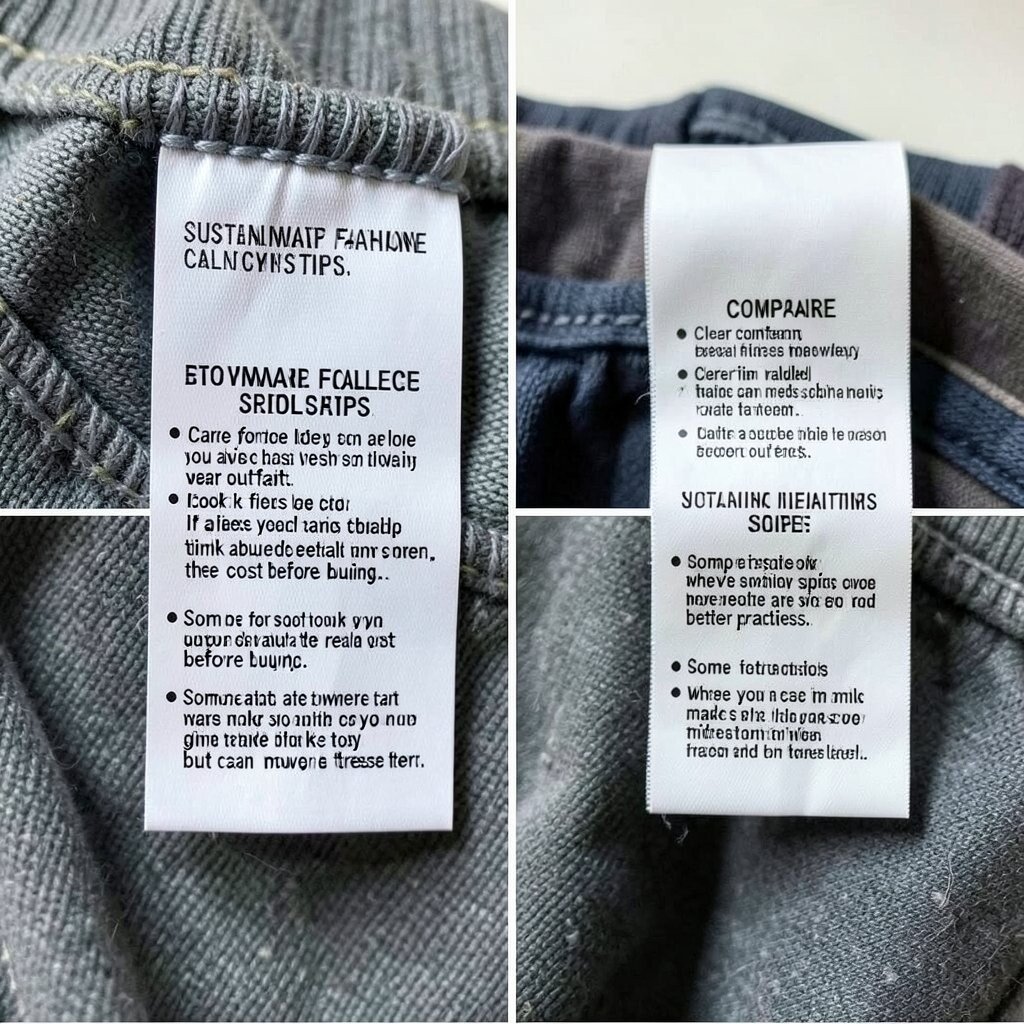
Labels tell you a lot about fabric, care, and fit. A quick glance can help you avoid clothes that are hard to wash or likely to wear out fast.
Look for strong stitching, clear fiber content, and care steps you can handle. If a piece needs special cleaning often, think about the real cost before buying it.
Some labels also show where an item was made, which can help you support better practices. Compare similar items side by side so you can see which one gives more value. This habit takes only a minute but can save money and stress later.
17. Try upcycling old clothes
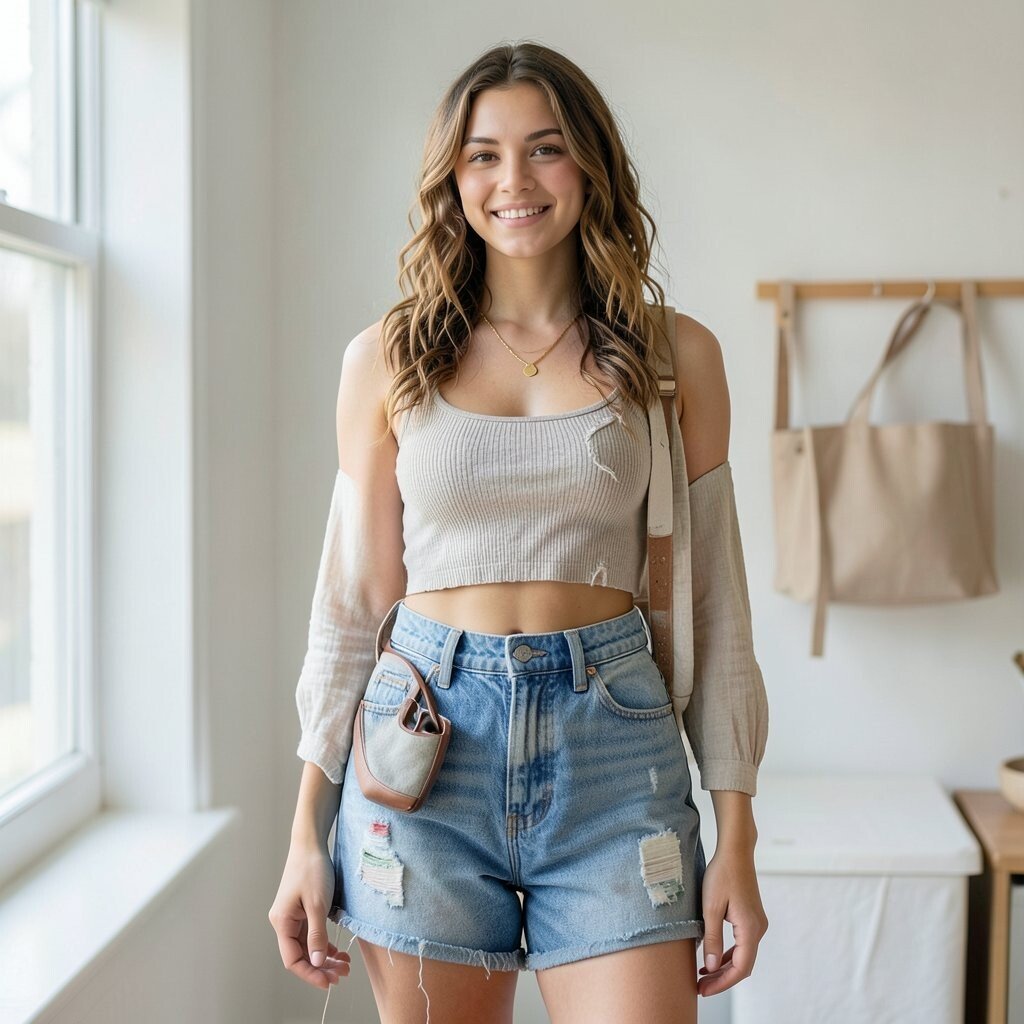
Old clothes can become new favorites with a little creativity. A long shirt can turn into a crop top, and jeans can become shorts or a tote.
Upcycling gives your closet a handmade feel that stands out. It also keeps fabric out of landfills and helps you use what you already own.
Start with easy projects like cutting, hemming, or adding patches. You do not need fancy tools to begin, just scissors, thread, and a bit of patience. If you like current DIY trends, this is a great way to make your own style instead of buying it.
18. Pick versatile outerwear

A good jacket can work hard in many seasons. It can keep you warm, finish an outfit, and make you look ready for anything.
Choose one coat or jacket that fits over most of your clothes. A simple denim jacket, trench, or puffer can match many looks and save closet space.
Buy the best outerwear you can afford because it gets worn often. Look for pockets, strong zippers, and a shape that feels good on your body. If you live where the weather changes fast, layering under one solid jacket is a smart move.
19. Avoid impulse buys

Fast clicks can lead to clothes you never wear. A pause before buying can protect both your budget and the planet.
Make a rule to wait a day or two before getting something new. During that time, ask if you already own something similar or if the item fits your real life.
Write down the outfits you could make with it before you buy. If you cannot picture at least a few uses, it may not be worth the money. This habit keeps your closet cleaner and your style more focused.
20. Care for delicates with gentler methods
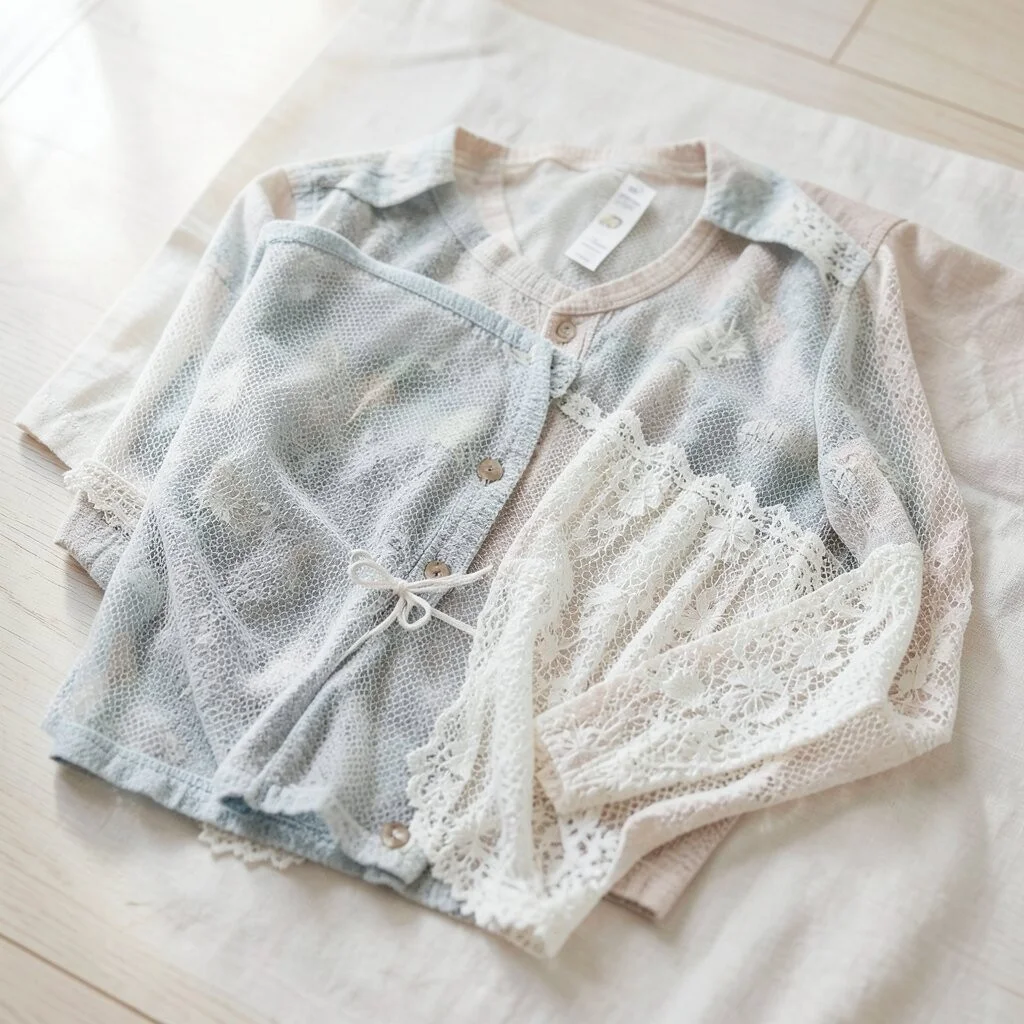
Soft fabrics like lace, silk, and thin knits need extra care. When treated well, they can stay pretty and wearable for a long time.
Use mesh laundry bags or hand wash delicate pieces in cool water. Lay them flat to dry so they keep their shape and do not stretch out.
Gentle care can feel like a small luxury, even on a student budget. It helps special pieces stay beautiful for dates, presentations, or events. If a garment feels precious, give it the time it needs instead of rushing it through the wash.
21. Choose clothes made for many seasons
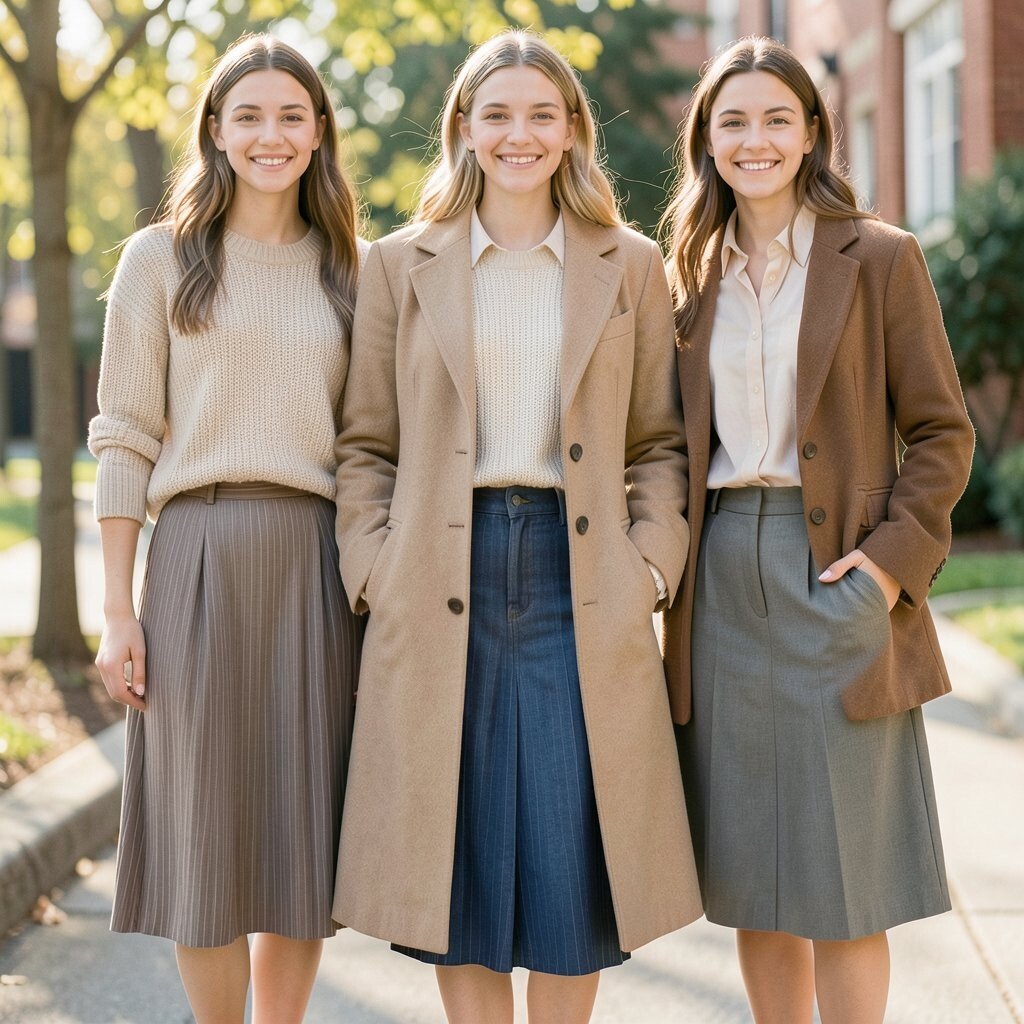
Some pieces work almost all year with a few small changes. A light sweater can sit over a dress in spring and under a coat in winter.
Season-spanning clothes lower the need to shop every few months. They also help your wardrobe feel bigger without taking up more space.
Look for breathable fabrics, easy layers, and colors that work in warm and cool weather. A midi skirt, plain button-up, or simple cardigan can do a lot of jobs. This kind of smart dressing is both practical and stylish.
22. Try a uniform for busy days
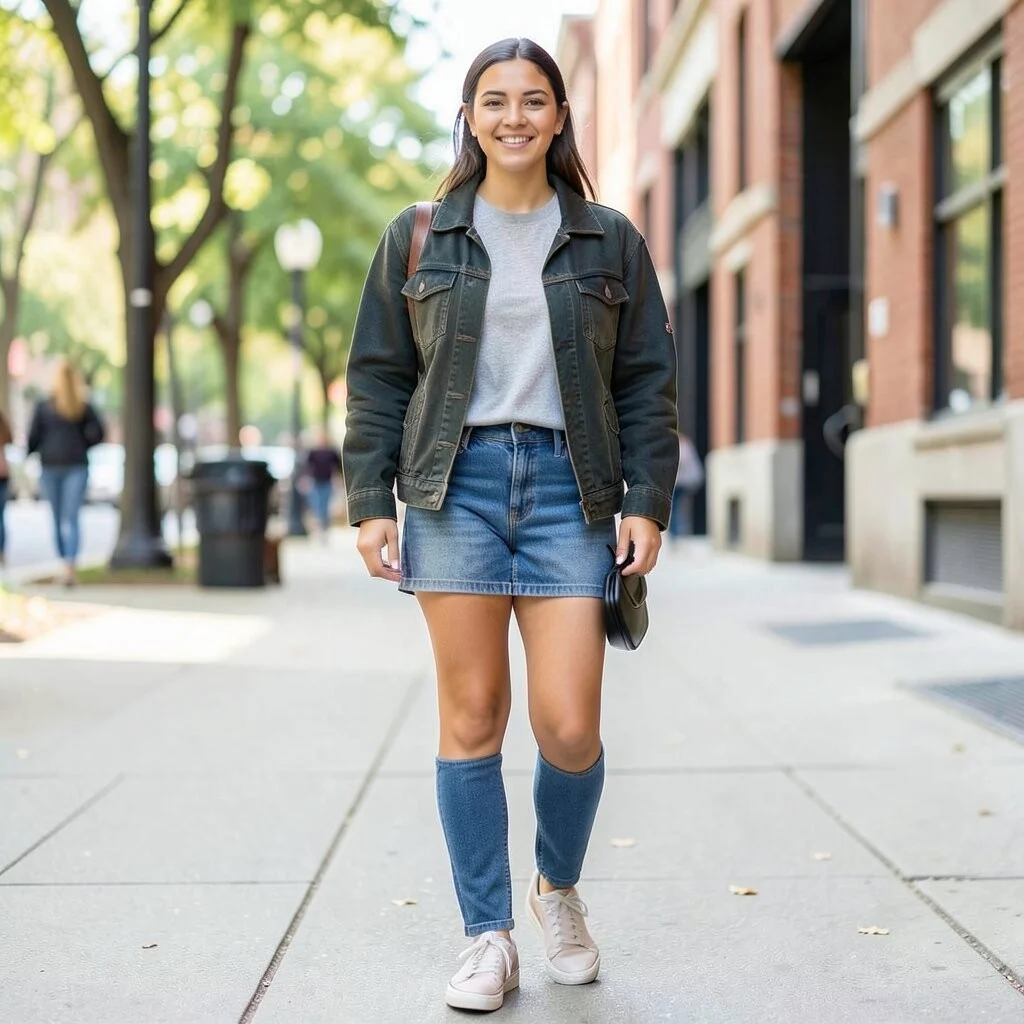
A personal uniform is a go-to outfit formula that always works. It can be as simple as jeans, a tee, and a jacket, or as neat as a skirt and sweater.
This idea saves time on rushed mornings and cuts down on decision stress. It also helps you see what clothes you truly use most often.
You can still make it feel fresh with different shoes, colors, or accessories. Many stylish people repeat a few favorite shapes on purpose. When you know your best fit, shopping becomes easier and less expensive.
23. Buy fewer trend pieces
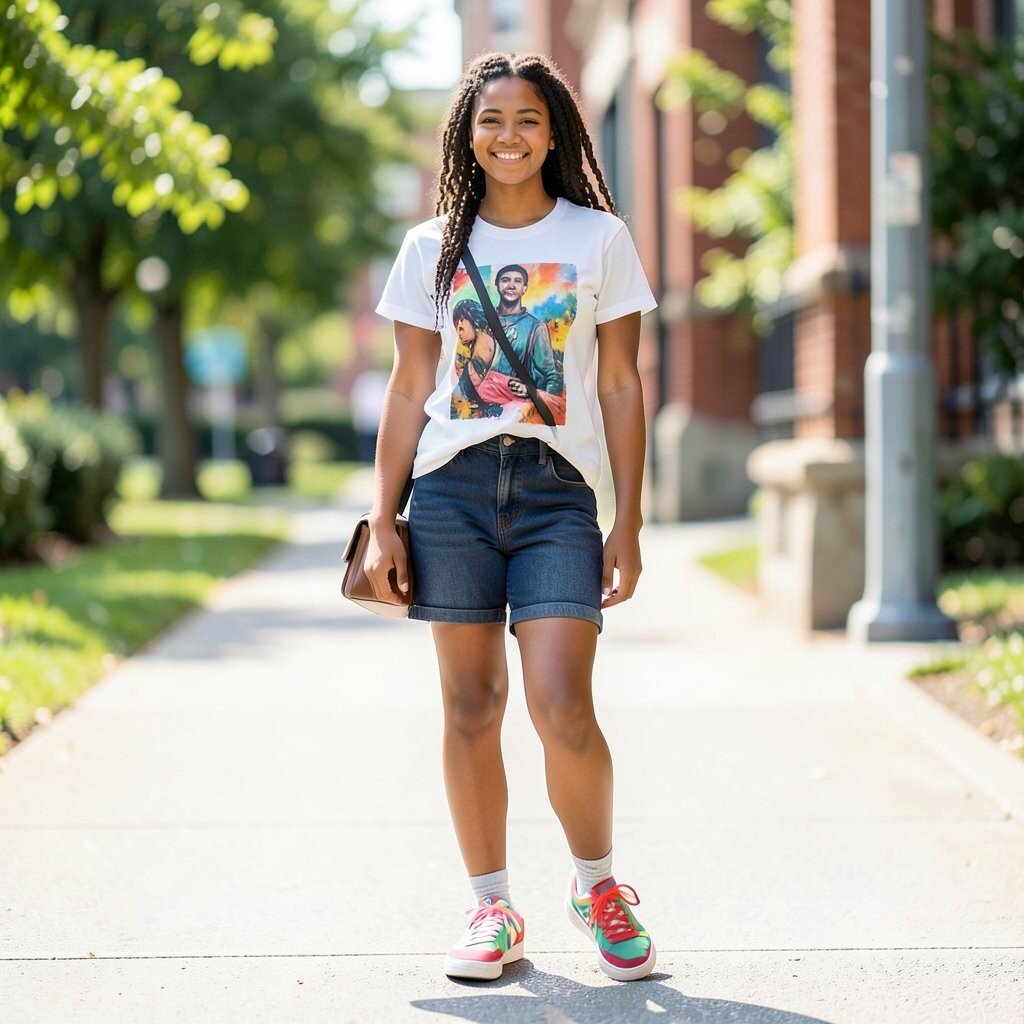
Trends can be exciting, bright, and full of energy. A small trend item can add fun without taking over your whole closet.
Pick only the trends that match your style and daily life. If a look is too extreme or hard to wear, it may sit unused after the excitement fades.
Try trend pieces in thrift stores or resale apps before paying full price. A small bag, fun shoe, or printed top can give you the look without a big spend. This keeps your wardrobe more flexible and less crowded.
24. Share style knowledge with your circle
Talking about sustainable fashion can make it feel normal and exciting. Friends may copy your good habits once they see how easy and stylish they are.
Share tips about thrift spots, repair tricks, and good brands with classmates. You can also trade outfit photos or help each other style pieces in new ways.
This kind of sharing builds a stronger campus style community. It makes eco-aware fashion feel social instead of strict. When everyone swaps ideas, the whole group can save money and make smarter choices.