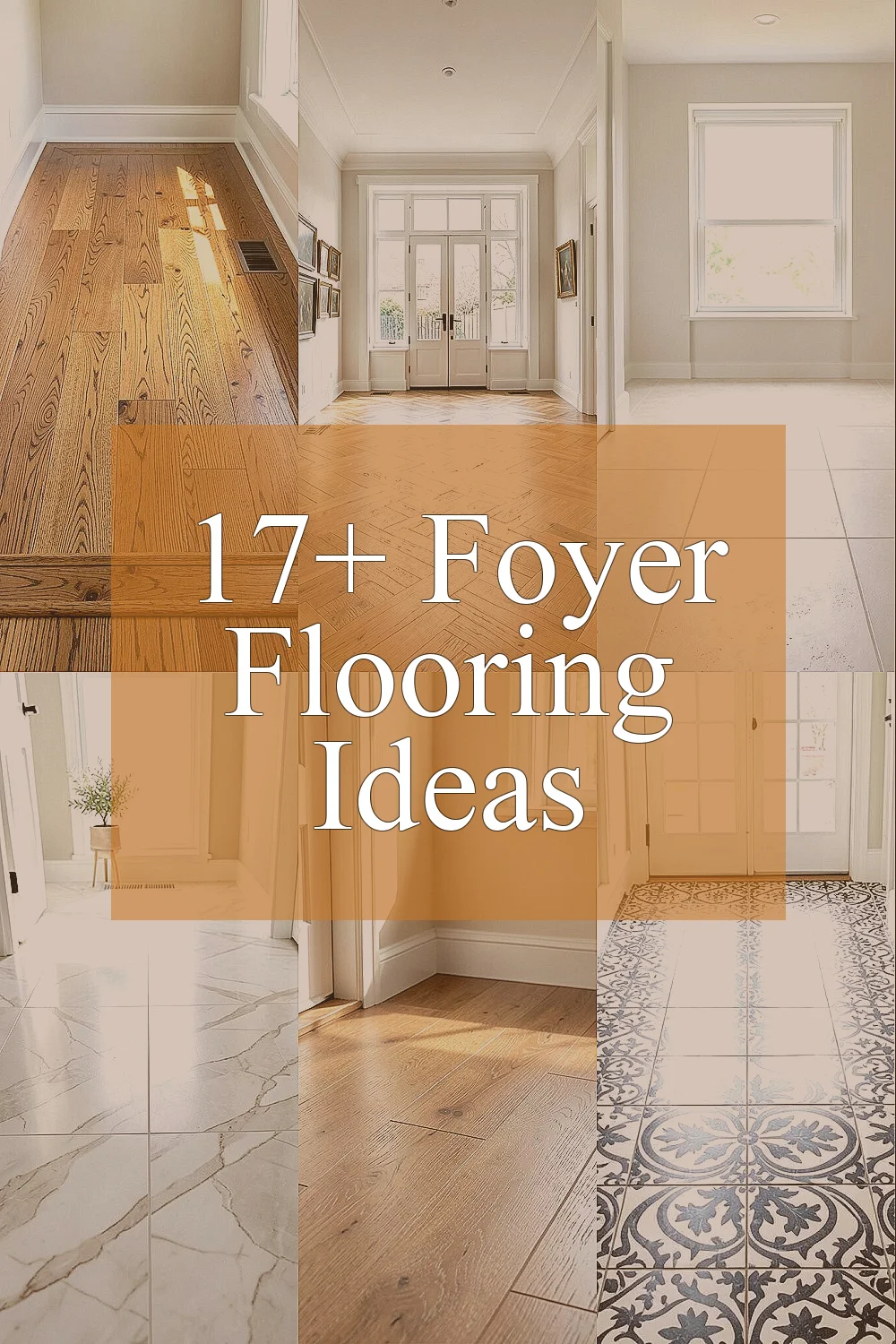
Your foyer is the first room you live with every day. The floor sets the tone before you even hang a picture.
With the right material, pattern, and finish, entryways can feel welcoming, smart, and easy to maintain.
1. Classic Hardwood With a Tidy Border
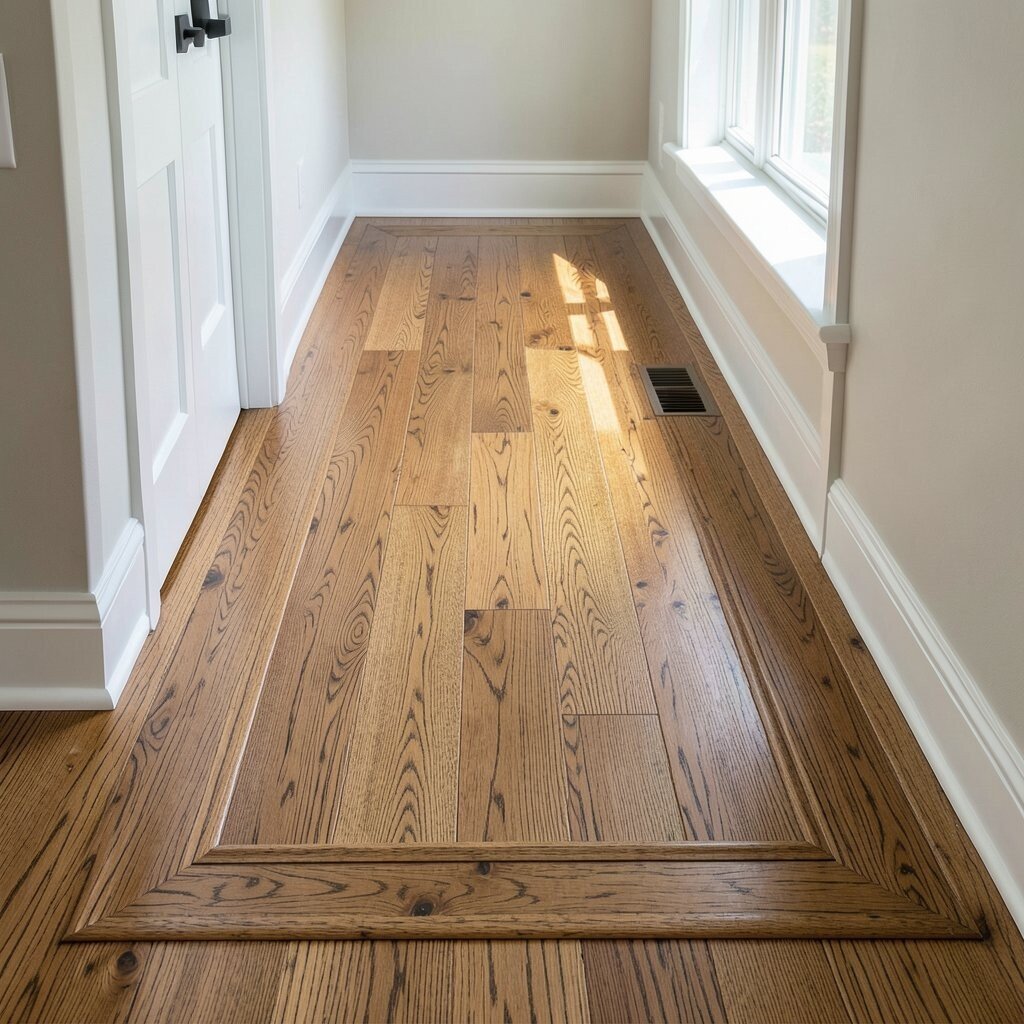
Warm wood planks make a foyer feel instantly inviting. A simple border strip can frame the entry like a tailored jacket.
Hardwood looks timeless and pairs well with nearly every wall color and door style. Keep it practical by choosing a durable finish and adding a good doormat to catch grit.
2. Herringbone Wood That Feels Like a Gallery

Herringbone flooring brings movement and craftsmanship right to your front door. Even a small foyer can look high-end when the pattern is crisp.
This layout helps the eye travel across the space and makes entryways feel longer. For maintenance, plan for felt pads under furniture and sweep daily to prevent sand from dulling the finish.
If you want it to feel personal, match the wood tone to your trim. You can also add a runner that repeats one of the wood shades for a coordinated look.
3. Porcelain Tile in Large Format for a Clean Look
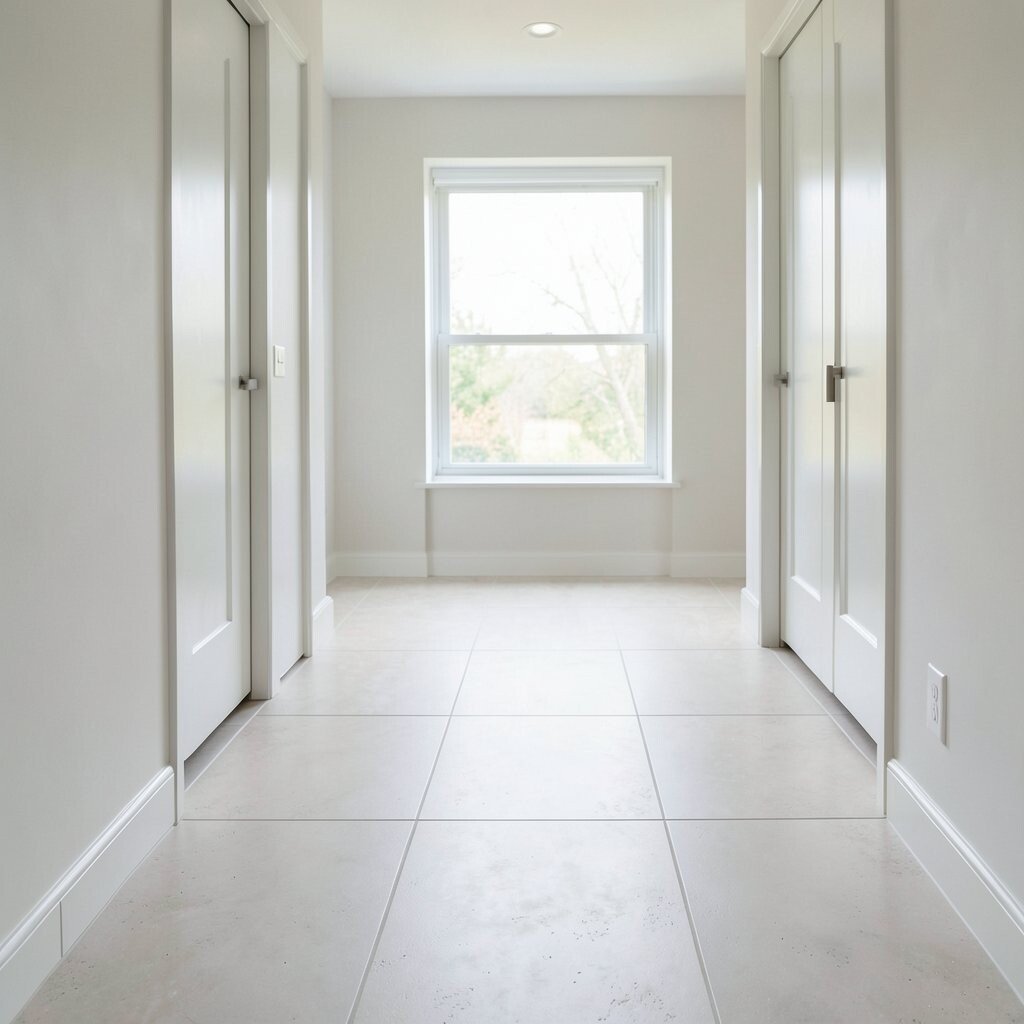
Large porcelain tiles give you smooth lines and a calm, modern feel. When light bounces across big surfaces, the foyer looks brighter and more open.
Porcelain is tough, water-resistant, and great for busy homes with lots of foot traffic. Choose a matte or low-sheen finish so it stays slip-resistant when wet.
To keep costs manageable, buy extra for cuts and edge pieces during installation planning. You can personalize the vibe by selecting a grout color that blends in for a seamless look or contrasts for a bold outline.
4. Marble-Look Tile With Soft Veins
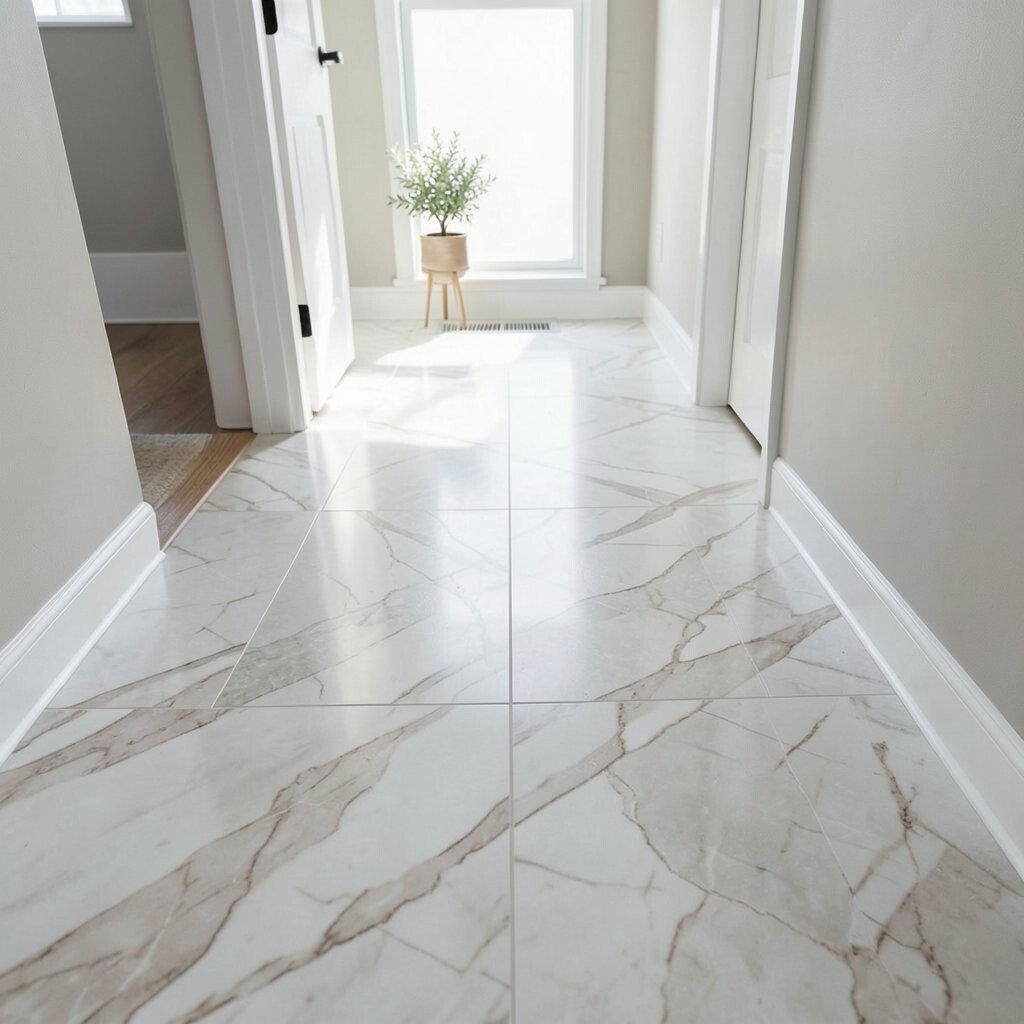
Marble-look tile adds elegance without the worry of constant care. Soft veining can make even a simple entryway feel dramatic.
This option offers the upscale look many people love, with practical durability for daily life. Pick a tile rating suited for entry traffic and seal only if the manufacturer recommends it.
5. Cozy Cork Flooring That Cushions Every Step
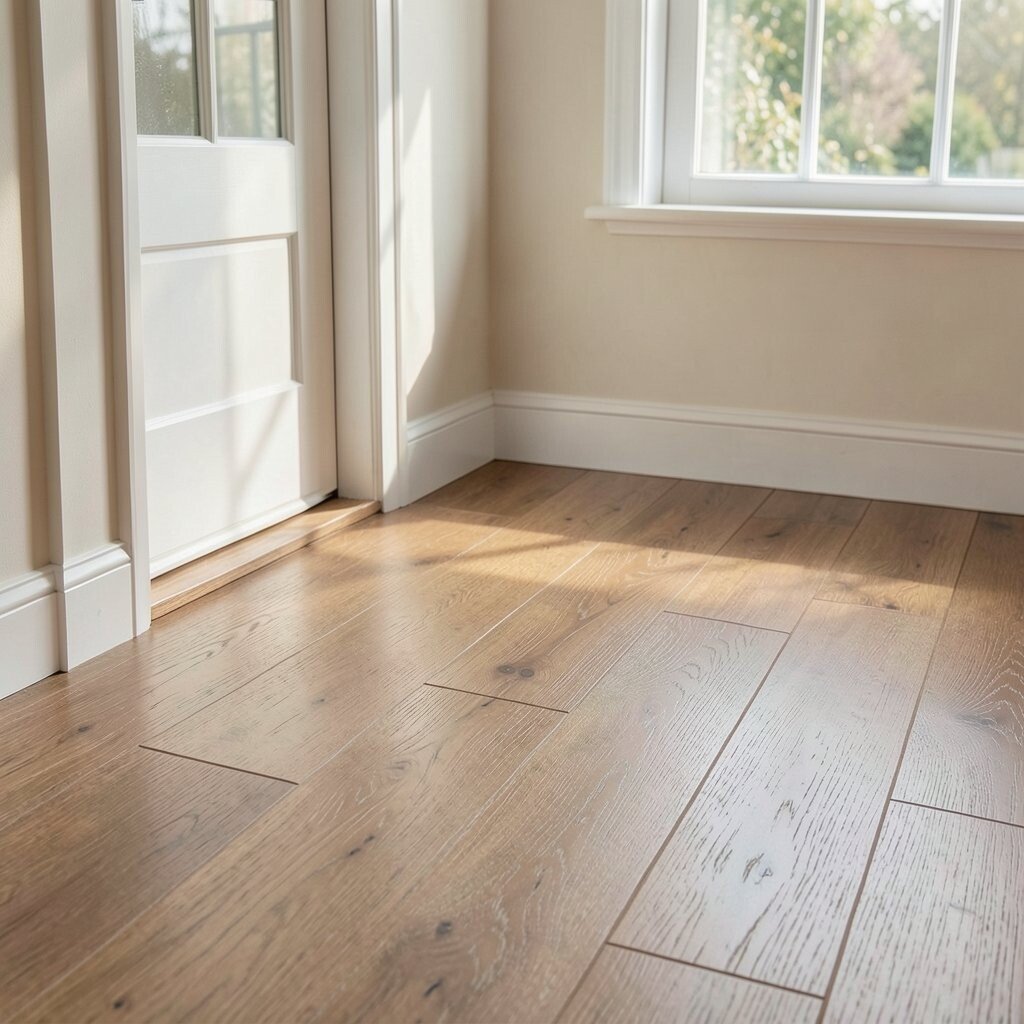
Cork feels warm underfoot and helps your home sound quieter. It’s a great fit for foyers that hear lots of footsteps or footsteps from above.
Cork is naturally resistant to moisture for many everyday spills, especially with proper finishing. Choose a topcoat designed for high-traffic areas to keep it looking fresh.
For personalization, consider cork in subtle tones like honey, wheat, or light walnut. Budget-wise, cork can land in the mid-range, and it often installs over prepared subfloors with less fuss than some natural stones.
6. Patterned Entryway Tile With a Bold Center Motif
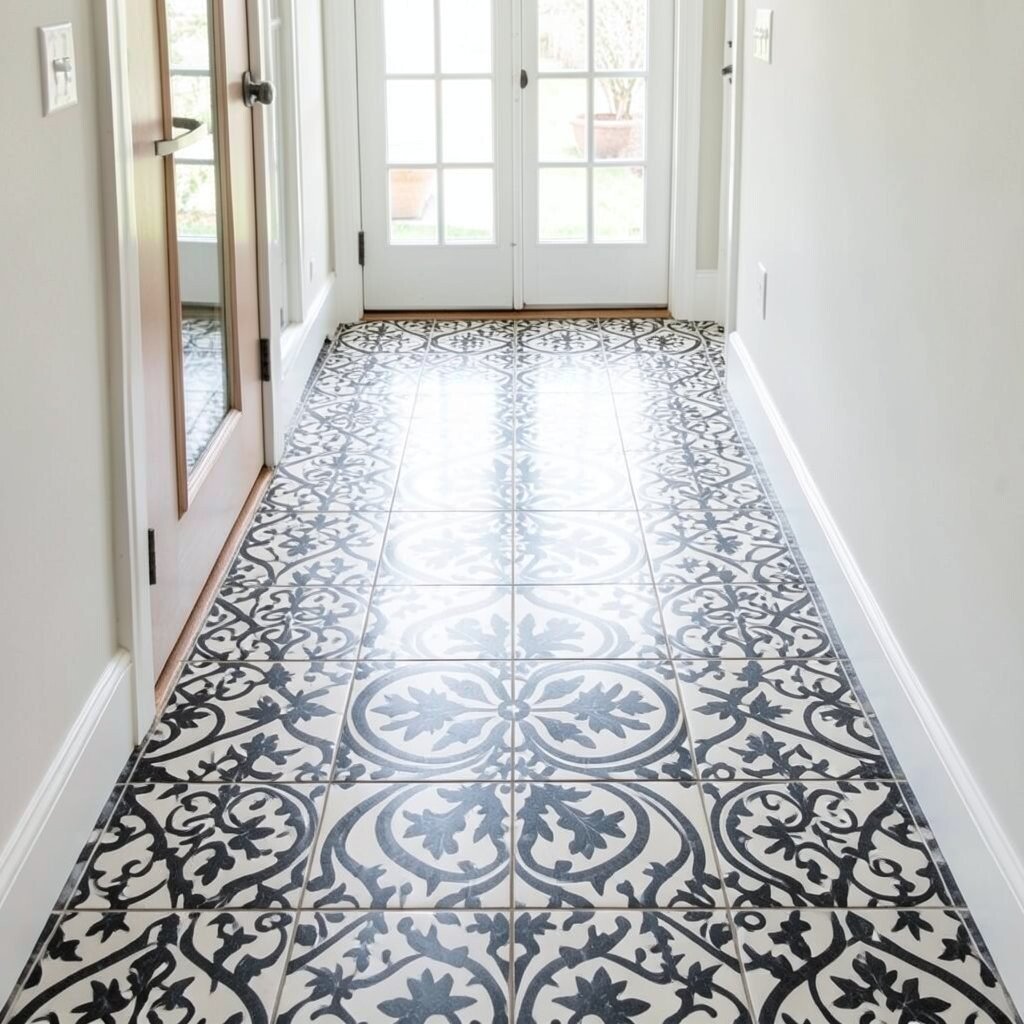
A patterned tile centerpiece can anchor your foyer like a focal rug. Visual interest draws people in and gives the space a signature style.
Choose a motif that echoes your home’s design, such as geometric shapes or classic medallion vibes. For practical results, use fewer, larger patterned pieces so the layout stays easy to clean and maintain.
When planning the install, measure carefully around door swings and transitions to other rooms. You can also coordinate the tile colors with cabinet hardware or a nearby artwork frame.
7. Smooth Concrete With a Polished, Modern Finish
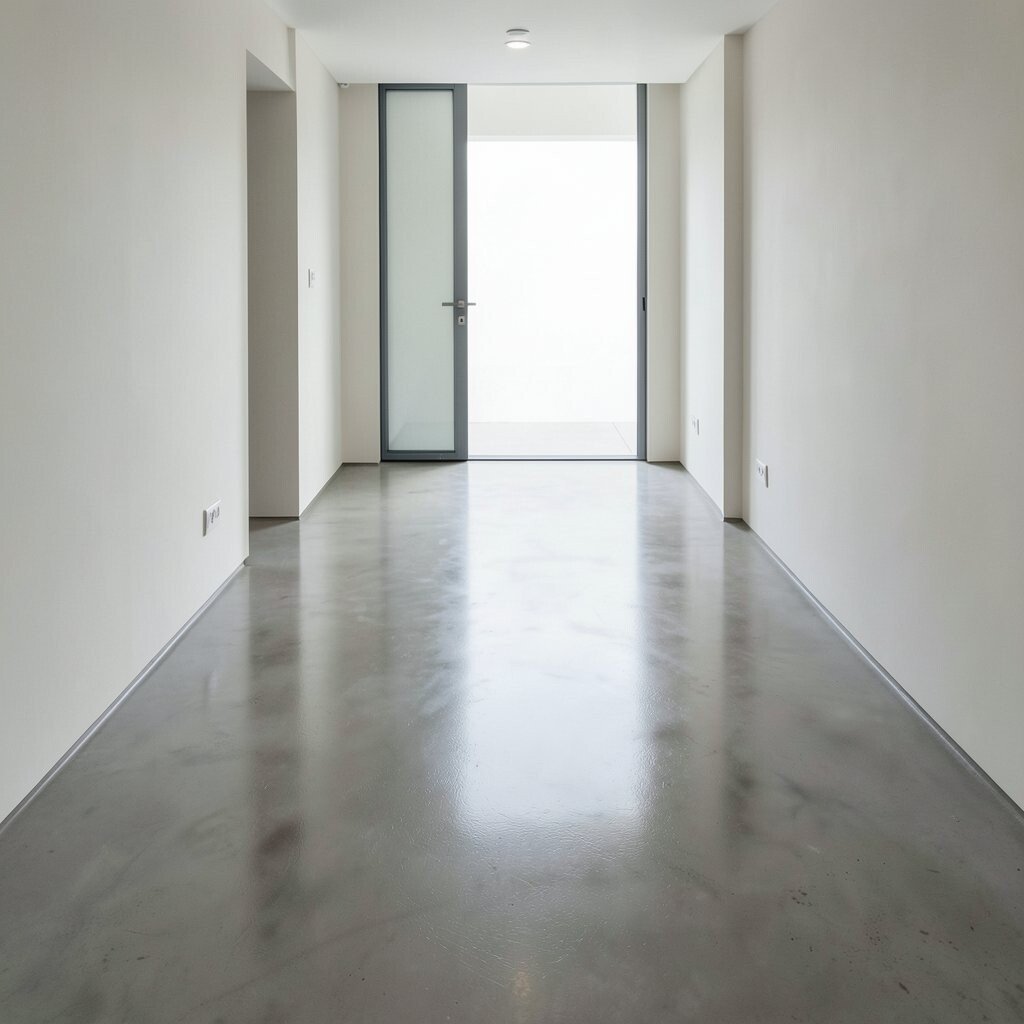
Polished concrete can look sleek, industrial, and very current. It pairs beautifully with clean lines, metal accents, and neutral decor.
Concrete is strong and long-lasting, making it ideal for entryways where shoes always come and go. For comfort, consider adding a removable runner so feet feel warmer and so dirt stays contained.
To personalize, ask about staining options that mimic stone or provide a subtle color wash. Cost depends on your foundation and the level of polishing, but it can be a smart value when the slab already exists.
8. Vinyl Plank That Looks Like Real Wood

Modern vinyl plank can be surprisingly convincing and looks great in entry spaces. It handles moisture better than many traditional wood options.
This flooring is often easier to install and can be budget-friendly, especially for DIY projects. Choose wear layers rated for high traffic so it stays scratch-resistant from everyday bags and shoes.
9. Distressed Wood for a Farmhouse-Ready Welcome

Distressed wood brings a lived-in charm that feels welcoming from the first step. It works especially well with rustic, farmhouse, and cottage-inspired entryways.
The visual texture helps hide small marks from daily life, which is a practical perk in foyers. For upkeep, use a finish meant for active homes and avoid soaking the surface.
If you want personalization, pair the floors with warm lighting and a front mat in a complementary shade. Costs can vary, but engineered wood in a distressed style can be a smart way to get the look for less.
10. Stone Veneer Tile for a Natural, Outdoor Feel
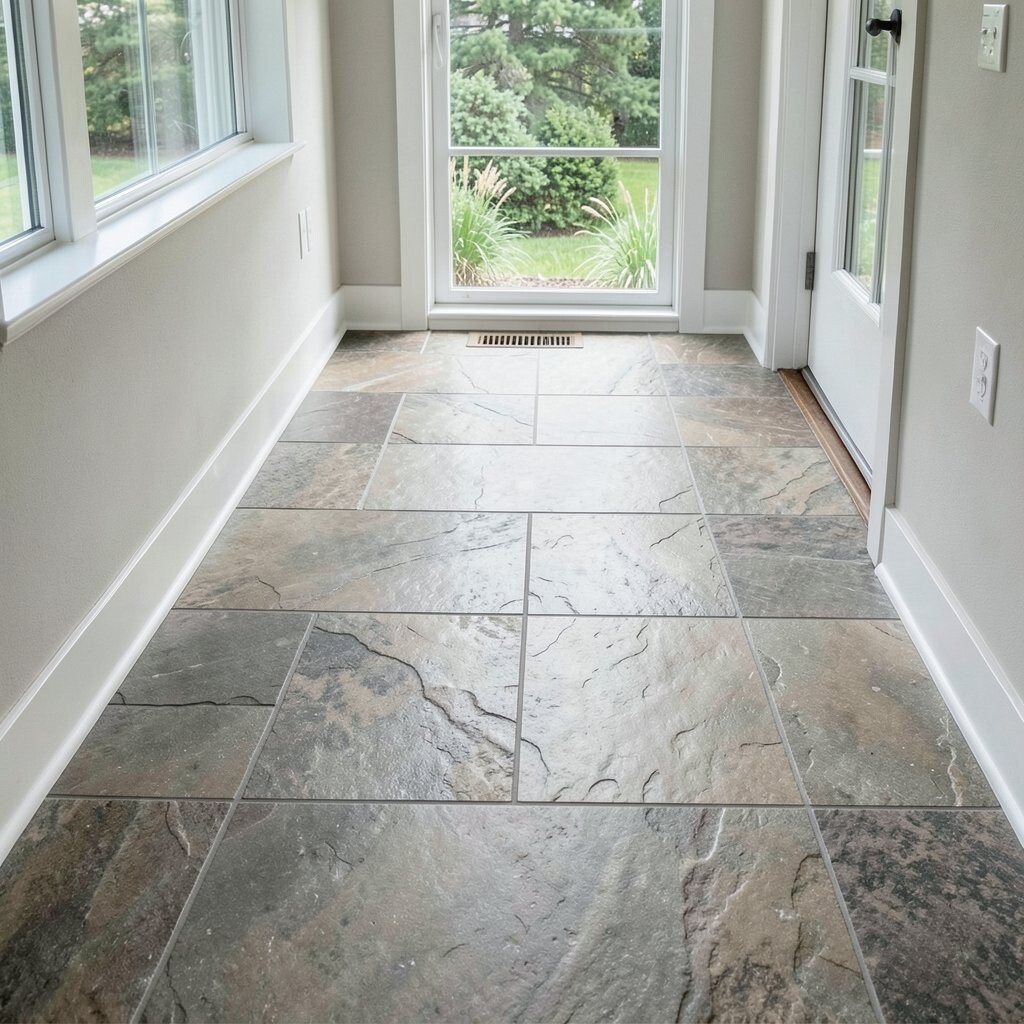
Stone veneer tile makes a foyer feel connected to nature. Whether you choose stacked-stone shapes or flatter slabs, it adds depth and texture instantly.
Stone surfaces often hold up well against daily wear, especially when sealed correctly. Pick a slip-resistant finish so the entry stays safe when it rains or snows.
11. Slate Tile With Cool, Refined Color
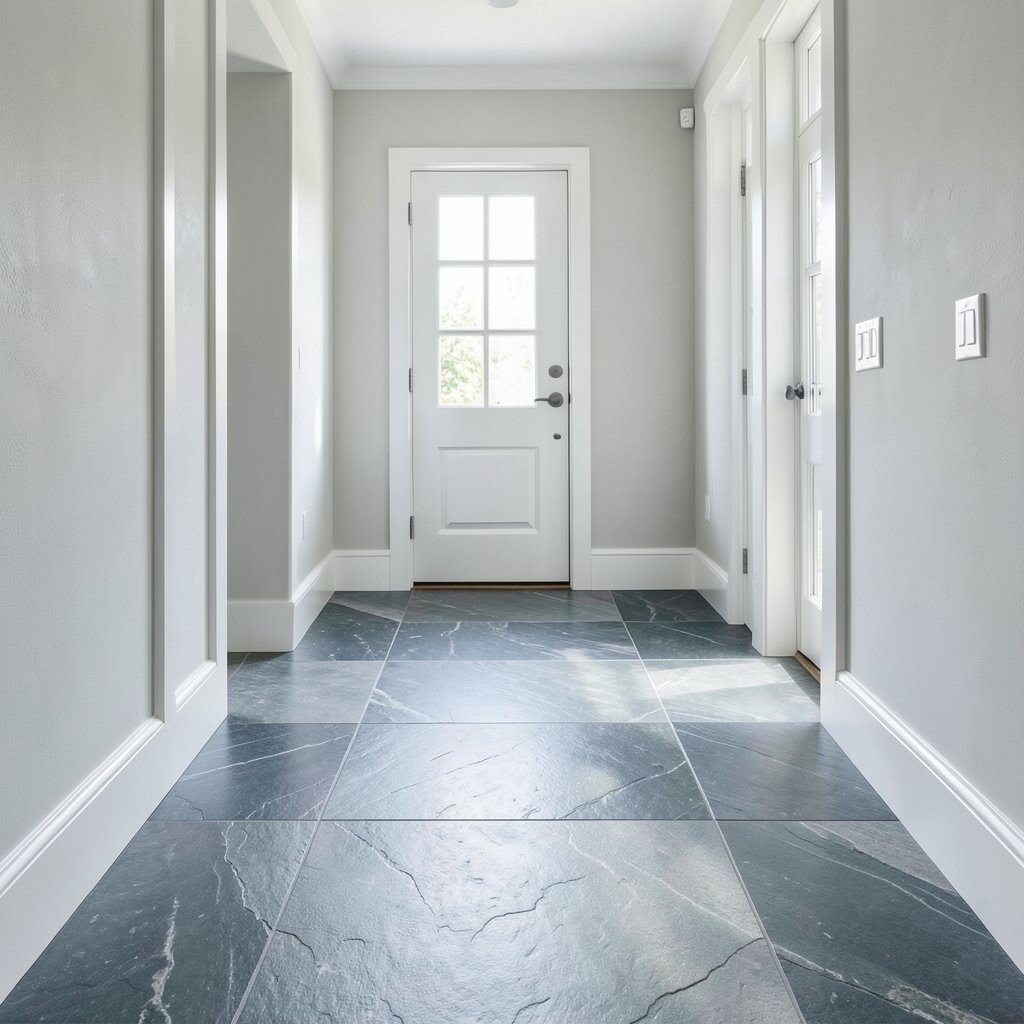
Slate tile looks crisp and elegant, with a naturally varied surface. It can make your entry feel sophisticated while still grounded.
Because slate is durable and handles heavy traffic well, it’s a strong choice for foyers. To keep it looking great, seal it properly and clean with pH-friendly products.
For personalization, try darker slate for drama or lighter slate for an airy feel. Budget-wise, slate can cost more than basic tile, but you can stretch it with a smaller tile layout or a runner-focused approach.
12. Terrazzo-Style Tile for Fun Speckled Character
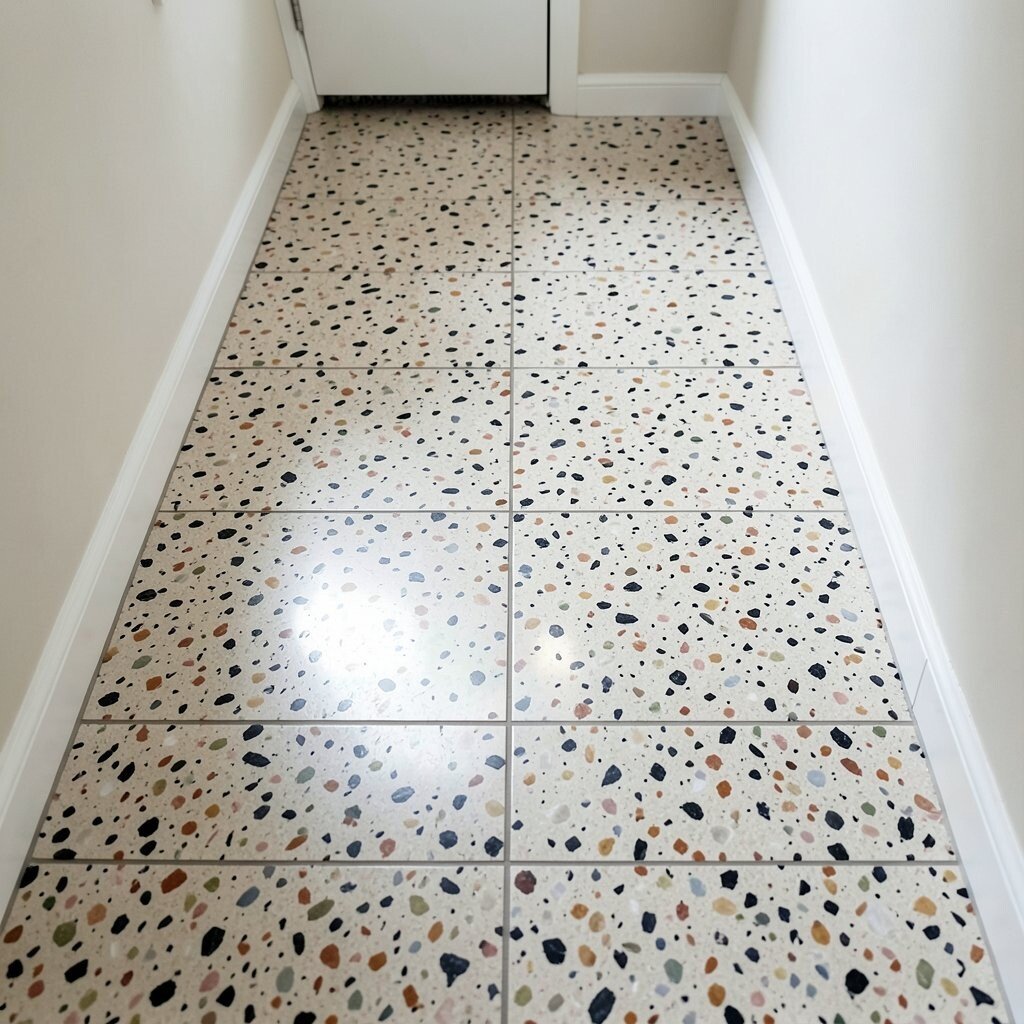
Terrazzo-style flooring adds playful specks and bright pops that feel celebratory. It can turn a plain foyer into a conversation starter.
This kind of flooring is great at hiding minor scuffs, because the pattern blends the busy marks. Choose tiles with a finish that stays comfortable underfoot, and plan for proper subfloor leveling to avoid unevenness.
13. Budget-Friendly Laminate With a Realistic Grain

Laminate can deliver the look of wood at a friendly price. When the grain is detailed and the color is warm, it feels surprisingly authentic.
It’s a practical choice for families because it resists scratches better than many softer surfaces. For longevity, choose a moisture-resistant core and use protective mats near the entry door.
Personalize it by matching the plank direction with your room shape. If you want a more elevated feel, add a border transition strip or a runner that blends the laminate tone with your rug colors.
14. Rubber Flooring Tiles for Maximum Practicality
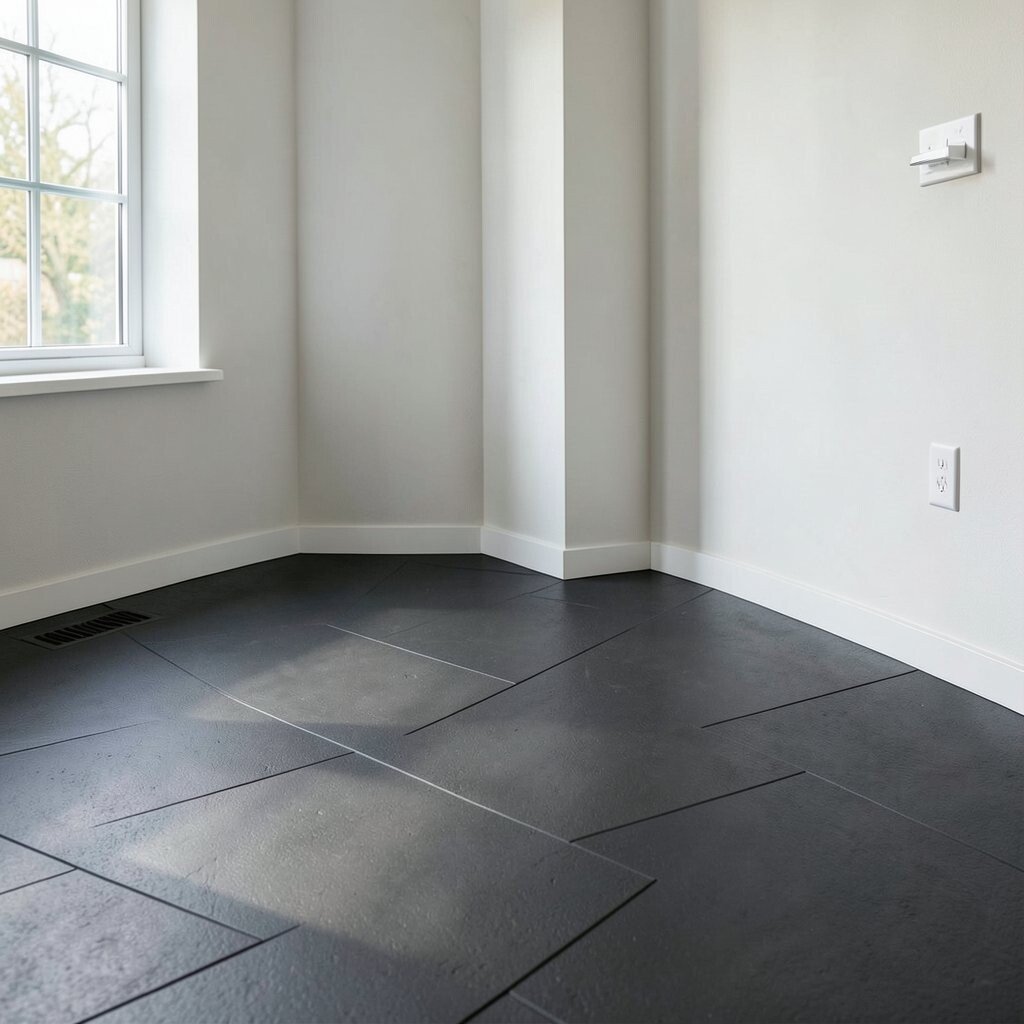
Rubber tiles might not sound glamorous, but they can look clean and modern. They’re also perfect for high-traffic homes and active kids.
Rubber provides cushioning, helps reduce noise, and can feel safer when floors get wet. Choose interlocking or glued tiles that suit your subfloor, and keep edges trimmed for a tidy finish.
15. Glassy Epoxy Flakes for a Bright, Custom Splash

Epoxy with color flakes can create a vibrant, glossy surface that catches light. The result feels like a custom artwork made for your entry.
It’s strong, easy to clean, and good for spaces that see lots of seasonal mess. Work with an installer if you want a smooth finish, because prep matters for adhesion and long-term durability.
Personalize by selecting flake colors that match your decor, such as warm beige plus tiny gold flecks. Cost considerations depend on surface prep and whether you’re covering an existing slab, but the customization can be worth it for the wow factor.
16. Soft Area Rugs on Hard Floors for Easy Changeups

If you want flexibility, pair a sturdy hard floor with a quality rug. Rugs bring softness, color, and warmth without committing to one look forever.
Hard floors like tile or hardwood are durable, and rugs add comfort where you stand most. Keep things practical by using a non-slip pad and choosing washable or easy-clean rug fibers.
For personalization, select a runner pattern that echoes artwork or the shape of your entry light. This approach also helps manage costs, because you can upgrade the rug instead of replacing flooring.
17. Carpet Tiles for Quiet Comfort and Easy Replacement

Carpet tiles create a cozy foyer and can reduce echo from doors and shoes. They also look modern when you choose a neat grid layout.
Carpet tiles are helpful because you can replace only a small section if a spill or stain happens. Choose stain-resistant fibers and a backing designed for foot traffic.
To personalize, mix two neutral tones, or add a darker stripe that frames the entry path. From a cost perspective, the ability to swap tiles can save money over time compared to replacing whole carpet rolls.
18. Custom Border Transitions for a Tailored Finish

A custom transition border can make any flooring feel intentional. It’s like adding a frame that guides footsteps and highlights the entry’s shape.
Transitions can help when you move between materials, such as tile to hardwood, and they can reduce trip hazards. Use profiles designed for your floor type and color-match them so the change looks smooth and clean.
For personalization, repeat a color from your front door, trim, or hardware in the border. Costs vary based on the material choices, but even small upgrades like better transitions can elevate the entire foyer without a full remodel.