Subway tile has a way of making any room feel crisp and cared for. With the right wall setup, it can look both classic and brand-new.
From bold layouts to soft, calming palettes, the options are wide enough to fit almost any style.
1. Classic White Brick-Pattern Wall

Picture a bright white wall laid in neat rows that look like they belong in a timeless diner. The thin grout lines make the whole surface feel tidy and visually light.
This look is beloved because it stays fresh even when trends change. Keep it practical by using a semi-gloss or satin finish tile and wiping it with a gentle cleaner after splashes. Choose a grout color close to the tile for a smooth, modern glow.
2. Soft Gray Tiles With a Warm Grout Match
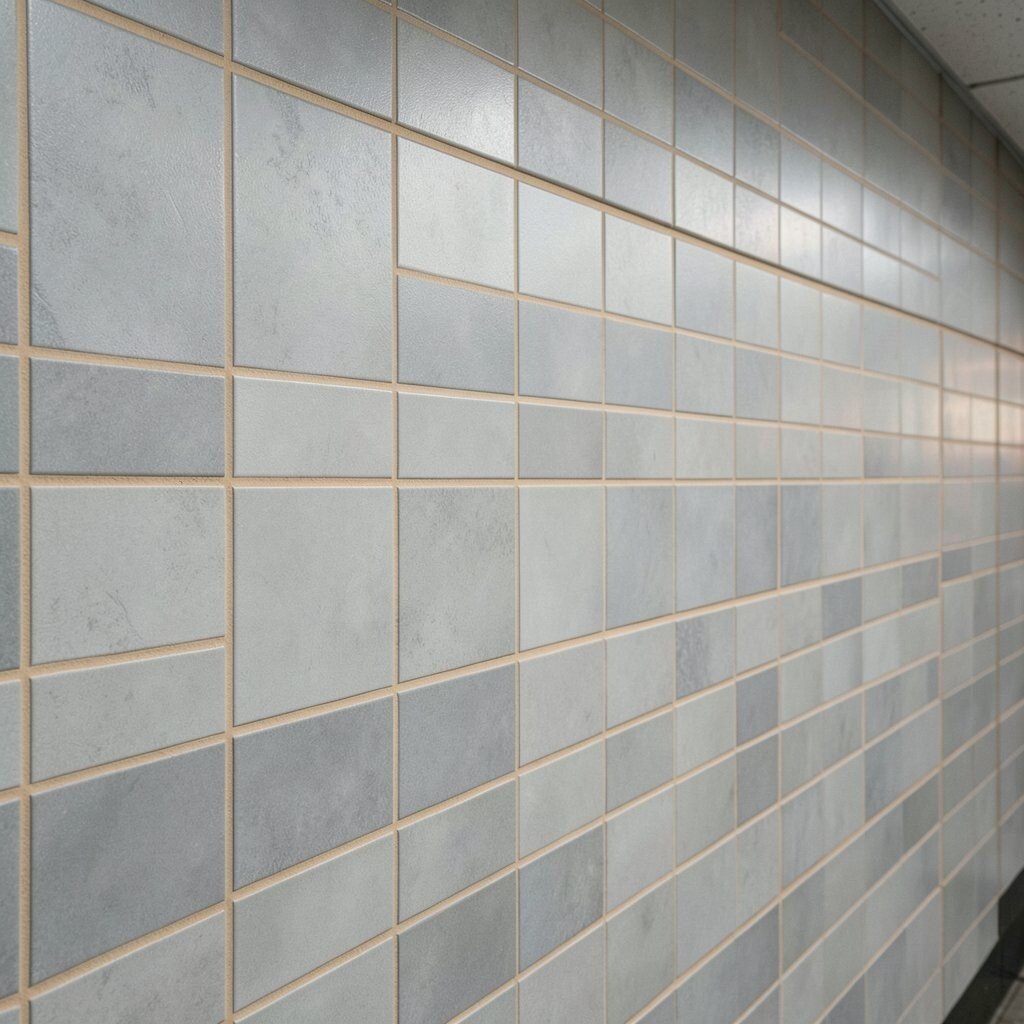
A gentle gray wall gives you that calm, grown-up vibe without feeling dull. When paired with warm grout, the wall looks cozy and inviting, especially under warm lighting.
This combination helps hide everyday marks better than bright white. Go for medium gray if you want a cleaner look, or a lighter shade if your space lacks natural light. Test a few grout samples on your wall so the undertones feel right in daylight.
For personalization, add a narrow ledge or a slim shelf above the backsplash to hold small plants or framed photos. It’s also a smart cost approach because swapping grout color is usually cheaper than changing tile type. If you love the look but want less maintenance, seal the grout so it resists stains longer.
3. Black Subway Tile for a Bold, Modern Wall
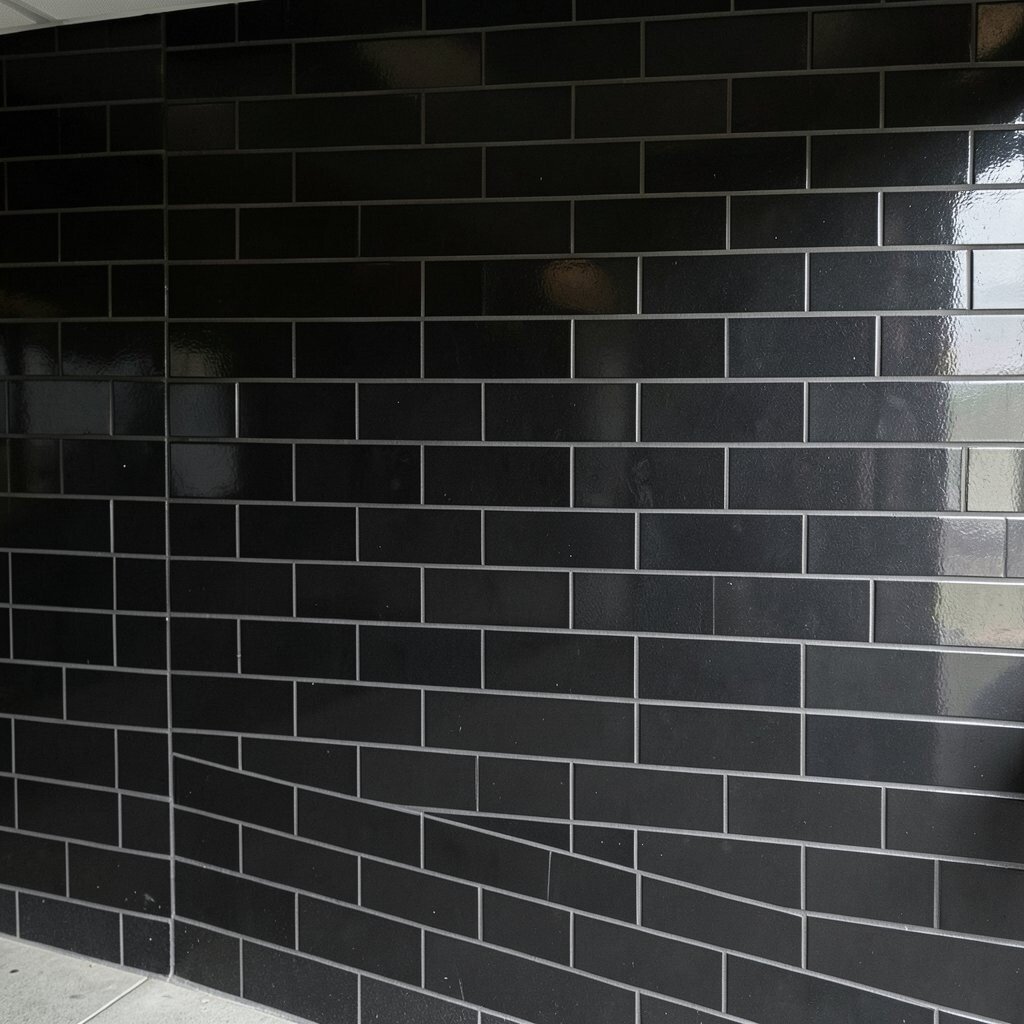
Imagine a deep black subway tile wall with crisp edges and dramatic contrast. Even a small wall section looks like a feature wall, especially when paired with light fixtures.
Black tiles make stains less obvious, which is great for busy households. Use a darker grout only if you want a sleek, seamless look, or a contrasting grout if you want extra definition. Choose matte black if you want softness, and glossy black if you want more shine.
To keep it practical, plan for more frequent cleaning of glossy surfaces since fingerprints show more. For a personalization twist, install a bold soap dispenser, a brass towel ring, or simple geometric wall hooks. This style can cost more when you choose premium finishes, but it’s often worth it for the instant upgrade.
4. Tall Vertical Stacking for a Gallery Feel
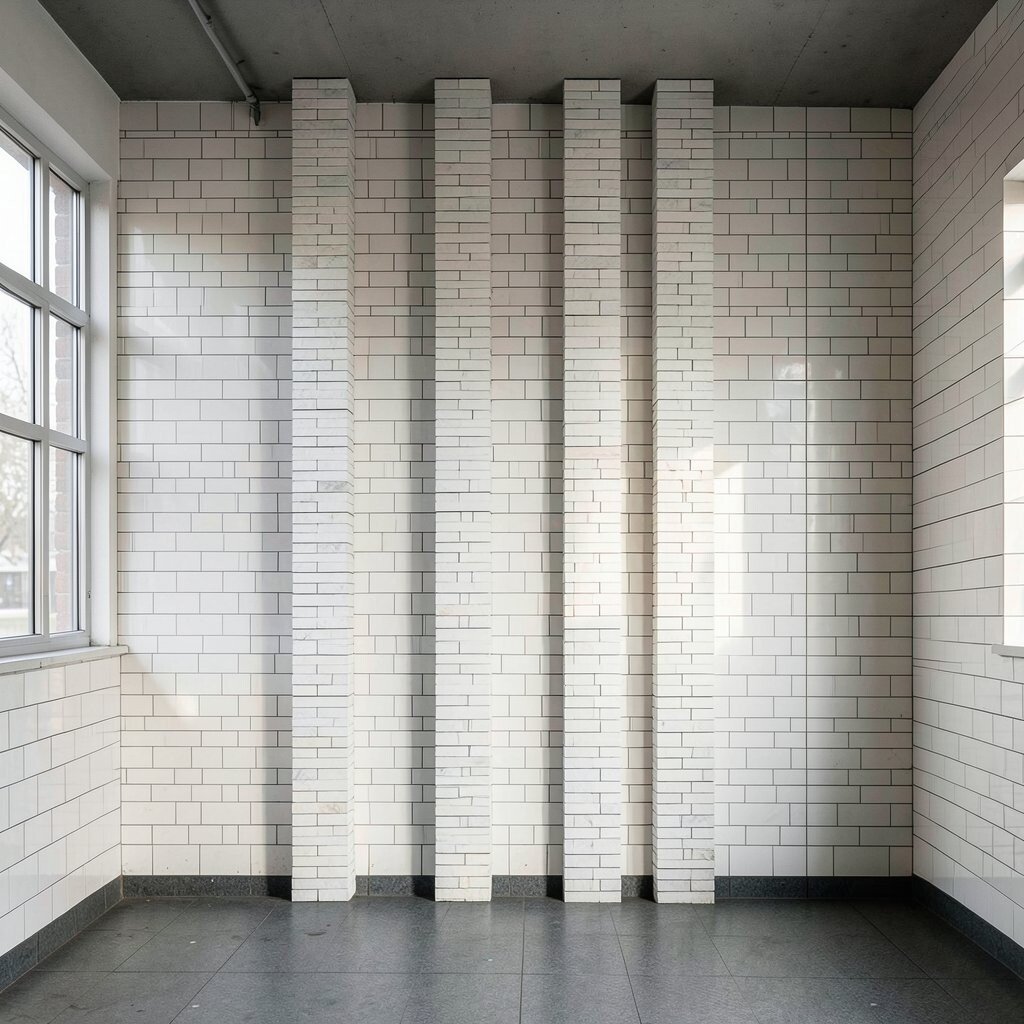
Instead of the usual running brick line, stack tiles upward in tall columns for a gallery-like wall. The vertical rhythm makes ceilings feel higher and frames artwork beautifully.
This layout is unique while still using familiar subway shapes, so it feels approachable. Keep your lines straight by using spacers and checking levels before the adhesive sets. If you’re working on a smaller area, this design can make it feel intentional without needing lots of tile.
5. Half-Tile Wainscoting for a Cozy Entryway Wall
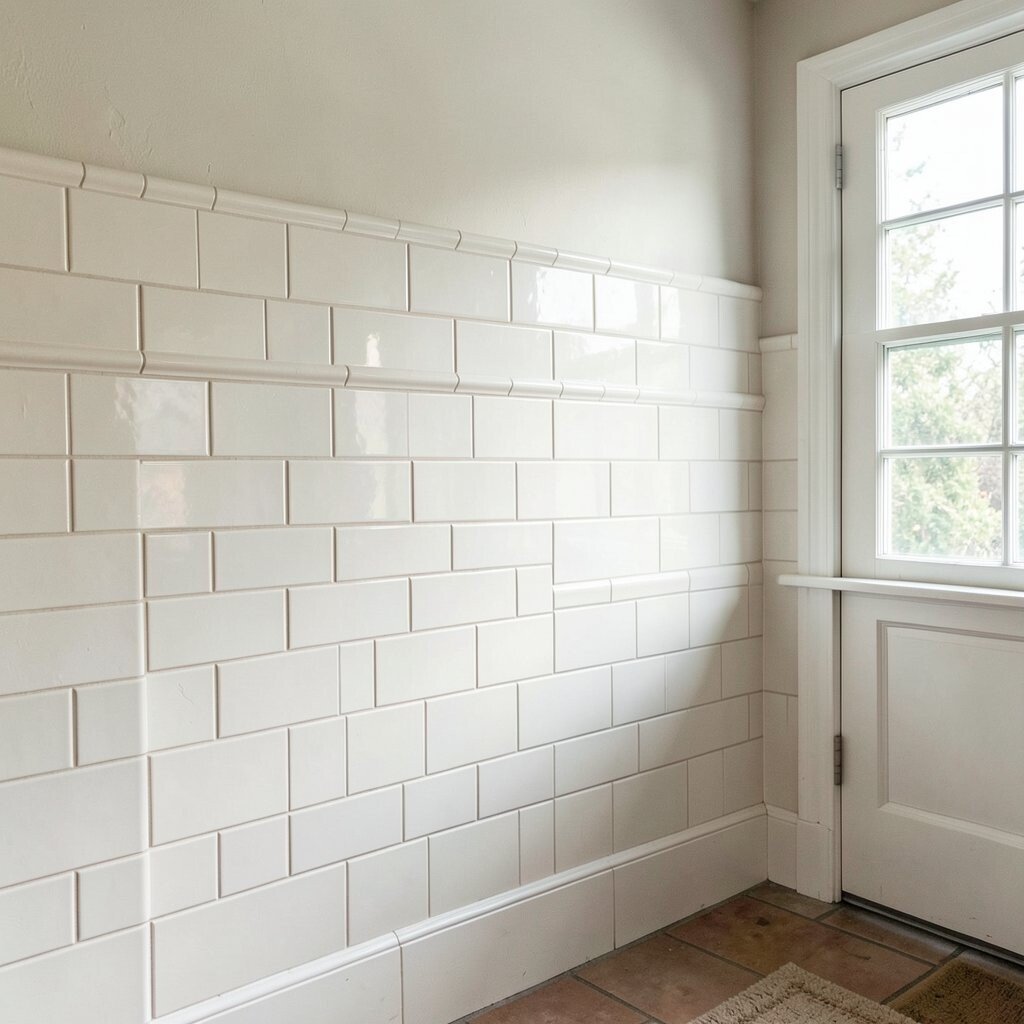
Think of a welcoming entryway with subway tile only on the lower half, like classic wainscoting. The upper wall stays painted, which makes the space feel warm instead of busy.
The big benefit is smarter maintenance since the tiled portion handles scuffs from bags and shoes. Use a simple chair-rail trim or a clean metal edge for a polished border. Choose a tile size that fits neatly so you avoid lots of awkward cuts.
For personalization, paint the top half in a soft cream or muted sage to match your home colors. This can also save money because you’re tiling only a portion of the wall. Many homeowners find this approach easier for DIY because there’s less surface to cover.
6. Subway Tile With a Rounded Bullnose Border
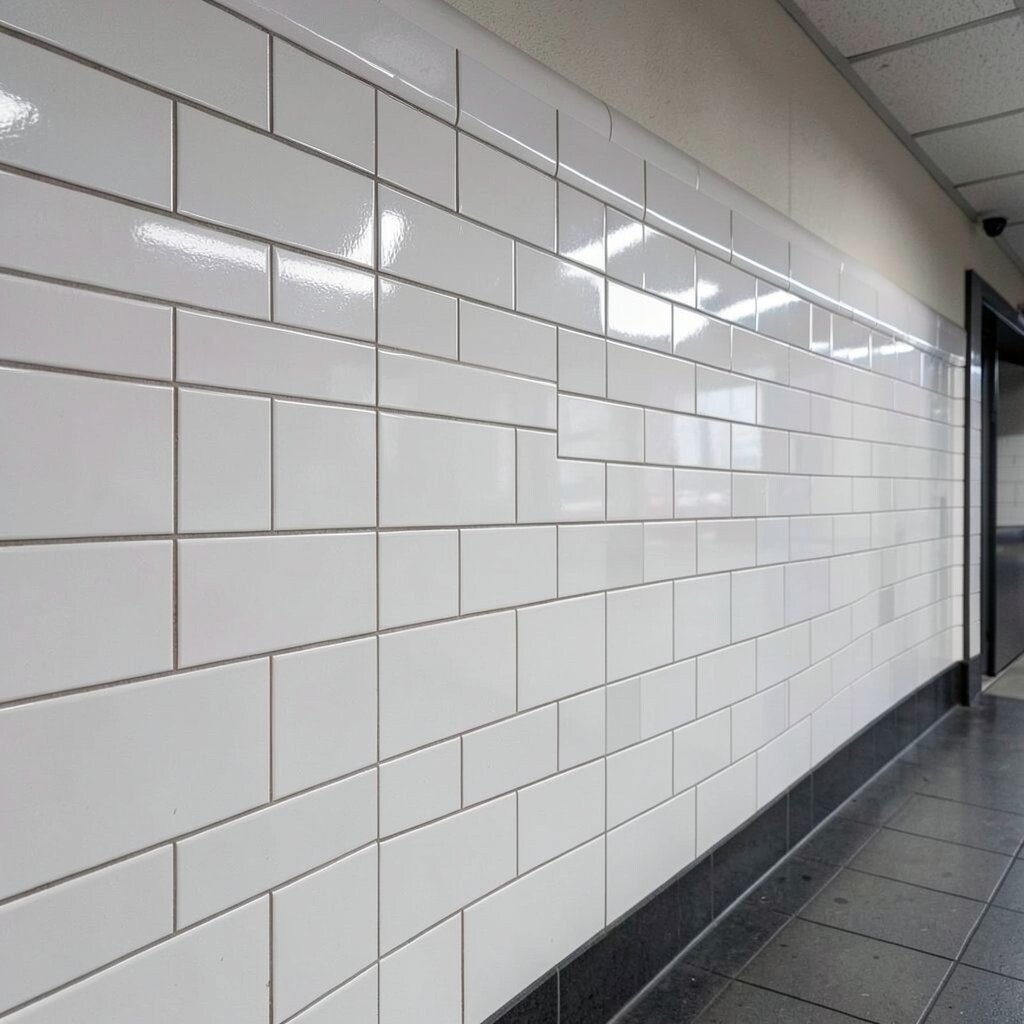
Picture subway tiles edged with smooth bullnose pieces that soften every corner. That gentle curve makes the wall feel refined, especially around counters or tub surrounds.
This small detail improves the look and helps prevent chipping at edges over time. Use bullnose along the top border and any exposed ends so the whole wall feels finished. You can also match the trim with a coordinating faucet or hardware so the room looks cohesive.
If you want practicality, seal the grout and wipe water off quickly after use. A bullnose border can raise cost slightly because it’s extra trim, but it usually saves money later by reducing the need for repairs. For a personal touch, choose a border tile color that echoes your cabinet stain or countertop tone.
7. Color-Blocked Subway Tile in Two Complementary Shades
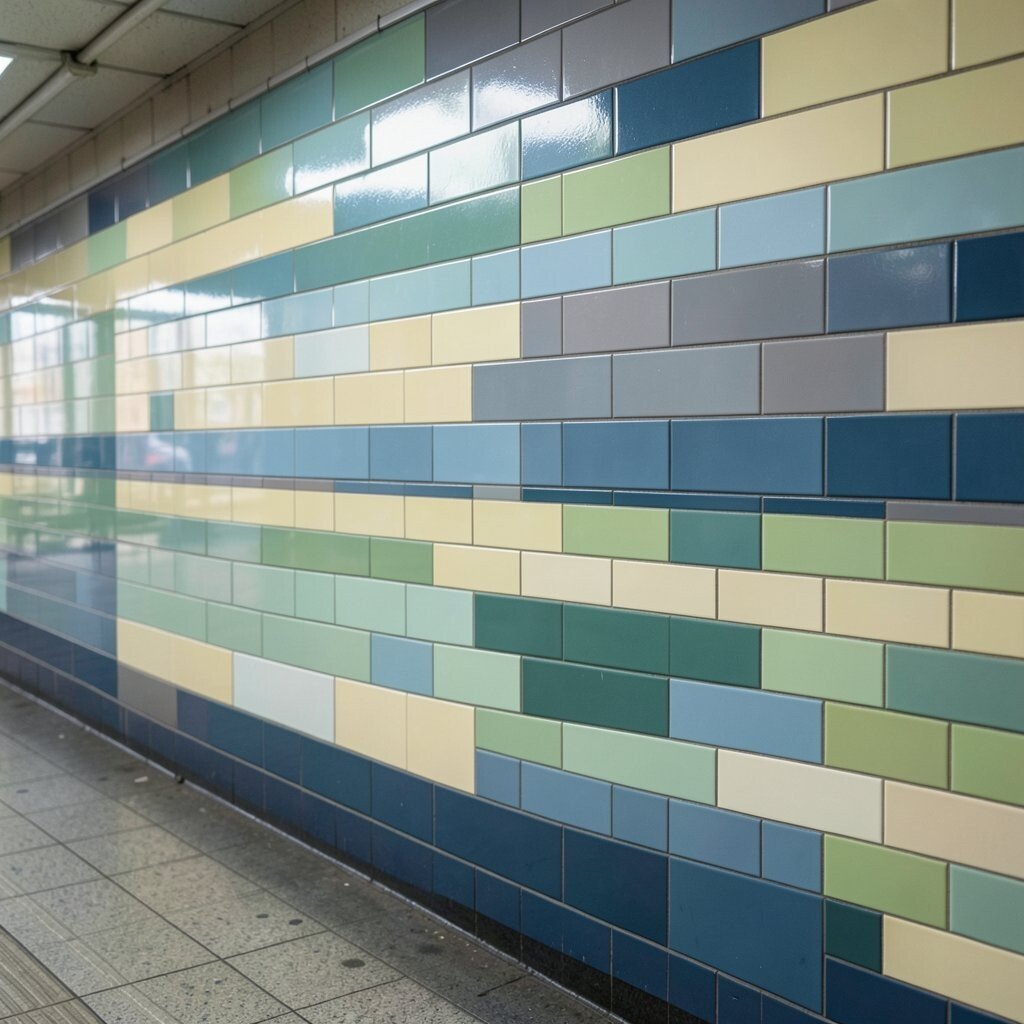
Imagine a wall where subway tiles are split into two shades, like a clean color-blocked stripe. The effect feels modern, but the tile shape keeps it rooted in classic style.
This approach lets you get creative without making the whole room feel chaotic. Keep the line straight by marking the wall with a level and planning your tile cuts ahead. If you’re unsure about colors, pick one shade close to your countertop and one that matches your cabinet hardware.
8. Subway Tile Corner Framing for a Clean, Architectural Look

Picture tiles laid normally across the wall, but with special attention to corners. The corner framing makes the room feel more architectural and intentionally designed.
Framing corners is helpful because it hides uneven edges from older walls and reduces visual distractions. Use corner trim pieces or mitered cuts for a crisp finish that looks neat from every angle. This is a great choice if you want the subway tile look but also crave a little extra polish.
To personalize, choose a slightly different grout shade in the corner lines so they pop subtly. If cost matters, consider using full tiles everywhere else and spending a bit more on trim only where it matters most. Keep surfaces protected by using a quality sealant after installation and reapplying if needed over time.
9. Mosaic Accent Strip Running Through the Middle

Visualize a subway tile wall with a thin mosaic strip cutting through the center like a jewelry line. The small pattern adds interest while keeping the rest of the wall calm.
This design is unique because it gives you a focal detail without committing to full patterned walls. Choose an accent strip in a color that already appears in your space, like brass, navy, or soft green. For practical installation, decide the strip height first so it aligns with cabinets or a mirror.
If you want an easy personalization option, swap the accent for a subtle texture tile like stone-look pieces. The mosaic can raise cost depending on material, but using a narrow band helps keep the budget friendly. Seal the grout carefully since tiny joints can collect grime if not maintained.
10. Iridescent or Mother-of-Pearl Subway Tiles for Soft Sparkle
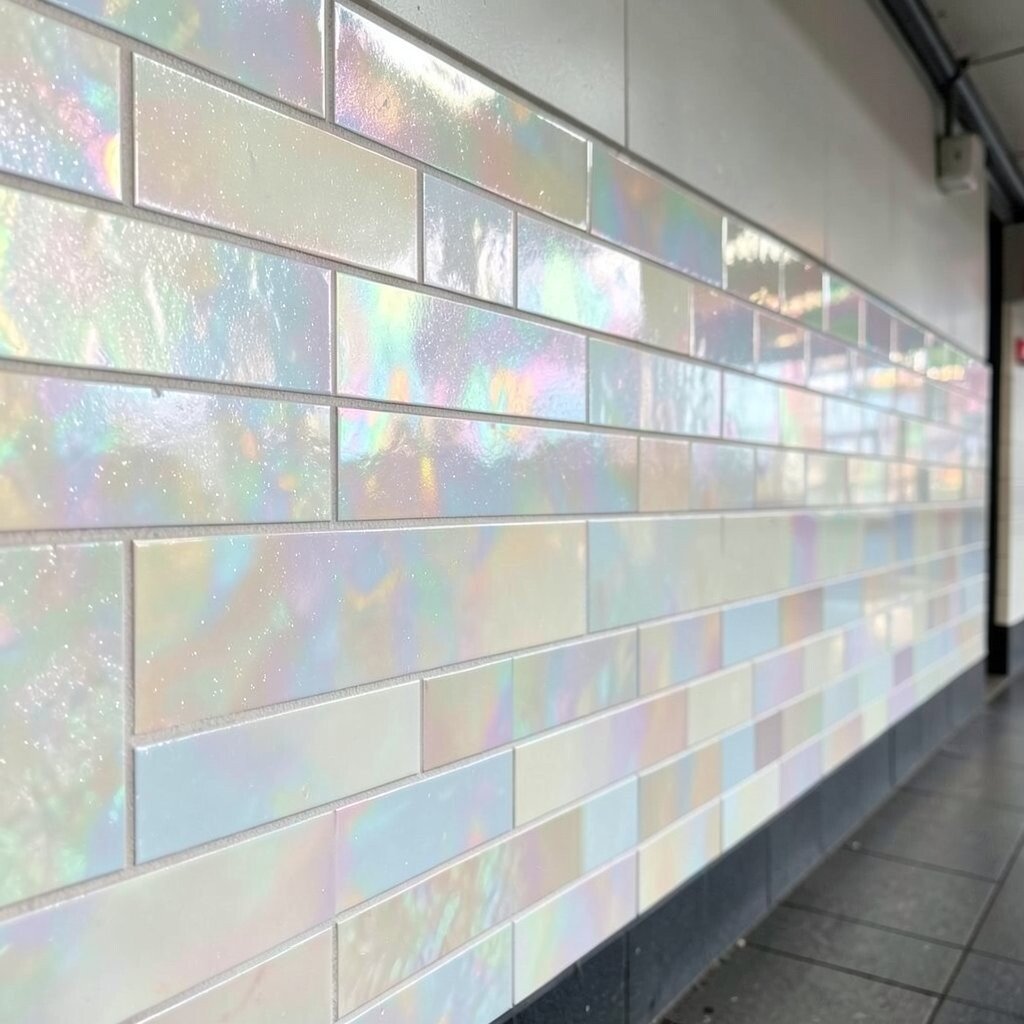
Imagine subway tiles that catch the light with a gentle shimmer, like a quiet wave of sparkle. The wall looks calm in daylight and more magical at night.
This choice feels special because it adds depth without loud colors. Pick warm lighting bulbs to make the shimmer look flattering instead of harsh. Keep the surface clean using mild soap since delicate finishes can dull with abrasive cleaners.
11. Patterned Grout Lines With a Slightly Contrasting Shade
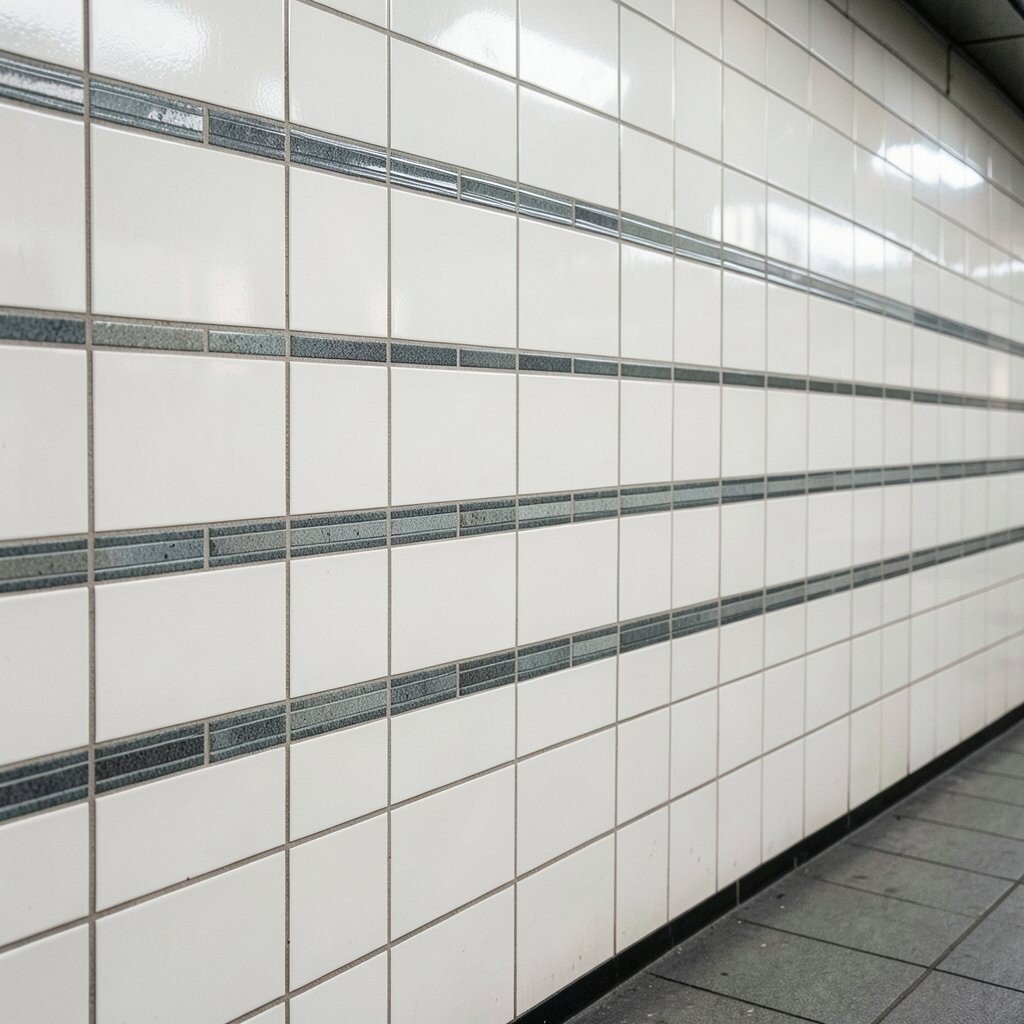
Picture the same subway tile, but the grout lines are chosen to add a graphic edge. A slightly darker or lighter grout can make the layout feel crisp and intentional.
This is a simple way to get personality without changing tile style. If you want a trend feel, choose a grout tone that matches metal hardware like brushed nickel or oil-rubbed bronze. Test your grout sample in two spots on the wall, since lighting can change how it reads.
Practical tip, consider epoxy grout if your wall gets heavy splashes or frequent cleaning. It can cost more upfront, but it often reduces staining and makes long-term upkeep easier. Personalize by using a grout color that ties together your countertops, floors, or wall paint undertones.
12. Subway Tile Behind a Statement Mirror
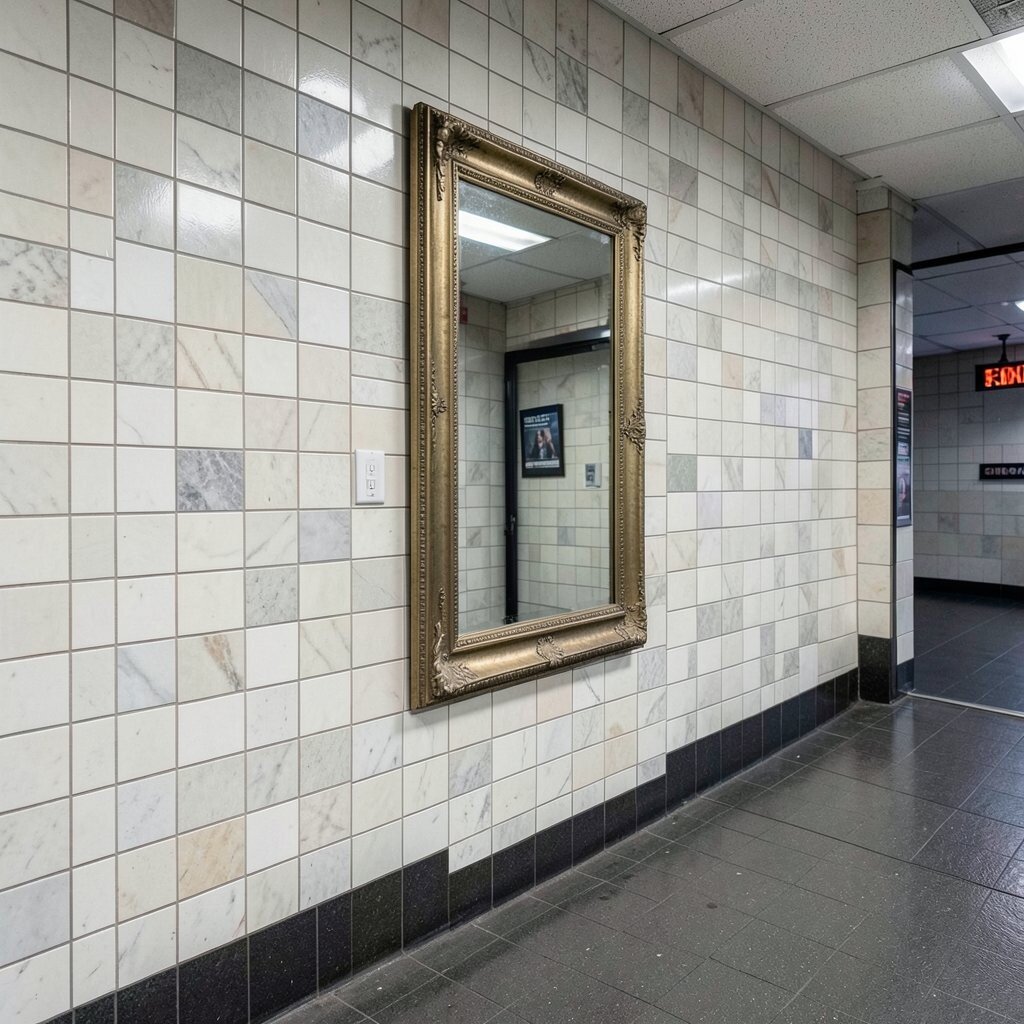
Think of a mirror mounted on a subway tile backdrop that frames the face area like a spotlight. The tiles make the reflection look sharper and the room feel brighter.
This setup is beneficial because it adds visual focus without needing extra decor. Keep the tile area sized to match the mirror width plus a few inches for a balanced look. Choose either white for brightness or a muted tone if you want a softer mood.
13. Small-Scale Subway Tile for a Refined, Detailed Wall
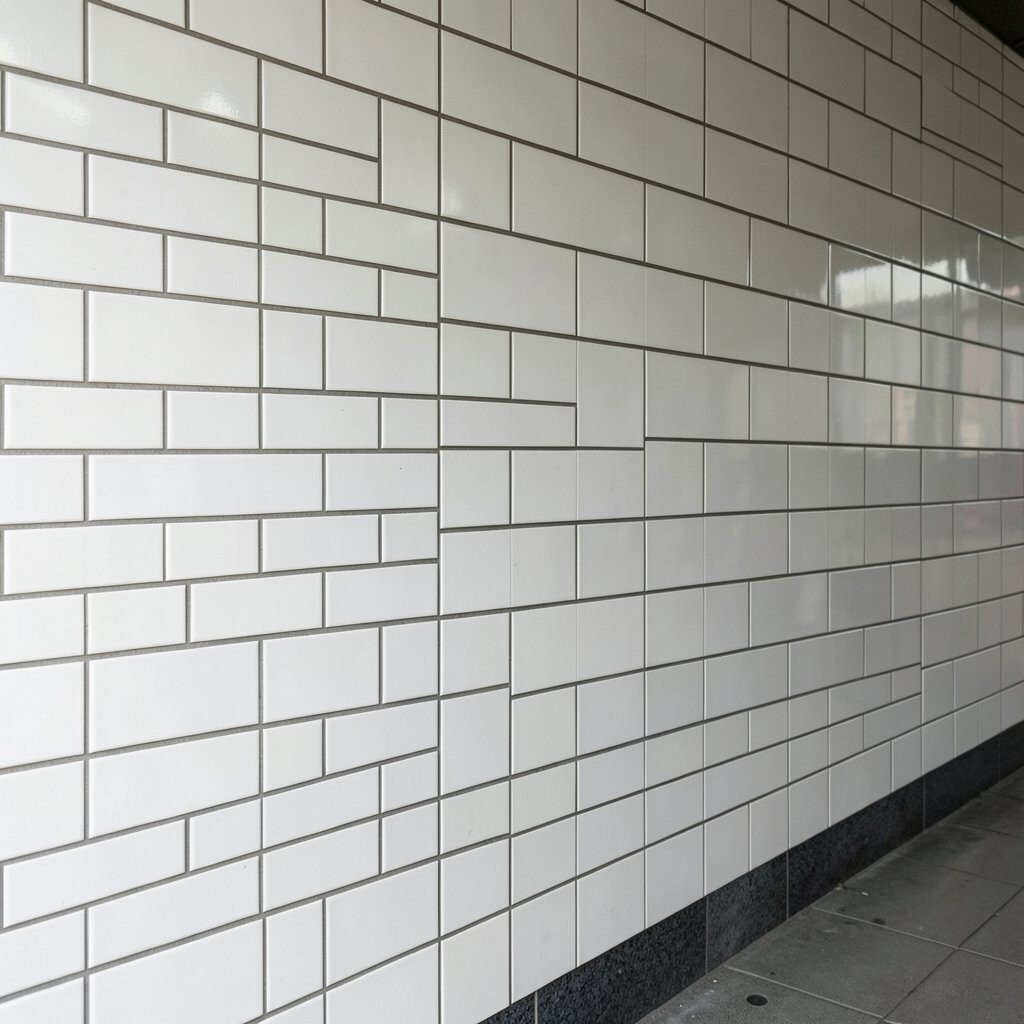
A smaller subway tile gives a more delicate, tailored look, especially on narrow walls. The closely spaced lines can make a space feel more detailed and high-end.
This layout often works well in bathrooms and laundry rooms where every inch matters. For practical planning, order extra tiles to account for cuts around outlets and edges. Smaller tiles can cost more per square foot, but they can reduce the need for extra accents because the pattern already feels rich.
To personalize, pair small subway tiles with a slightly wider trim border so it doesn’t look too busy. Pick grout that blends smoothly, or slightly contrasts for a crisp grid feel. Keep maintenance easy by sealing grout after installation and using a non-scratch cleaning pad.
14. Subway Tile Ceiling Accent for a Surprising Twist
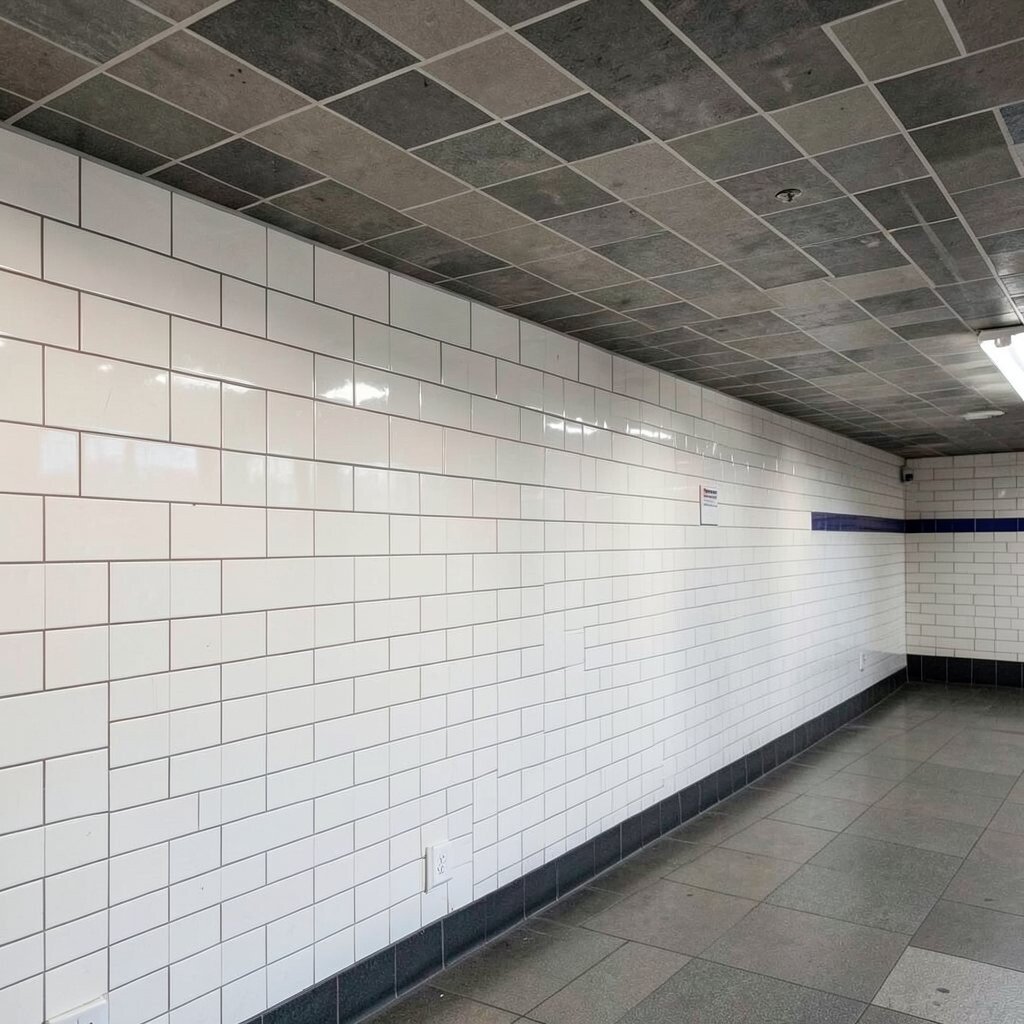
Imagine extending subway tile slightly onto the ceiling area above a shower, bar cart zone, or kitchen pass-through. It creates a wraparound feel that draws your eyes upward.
This is unique because it changes the usual viewing angle and adds depth. Use lightweight tile and a strong adhesive made for the surface to keep everything secure. It’s also a great trick for small rooms that feel too low, since the tiled ceiling line suggests height.
15. Floor-to-Ceiling Subway Tile for a Spa-Style Bath
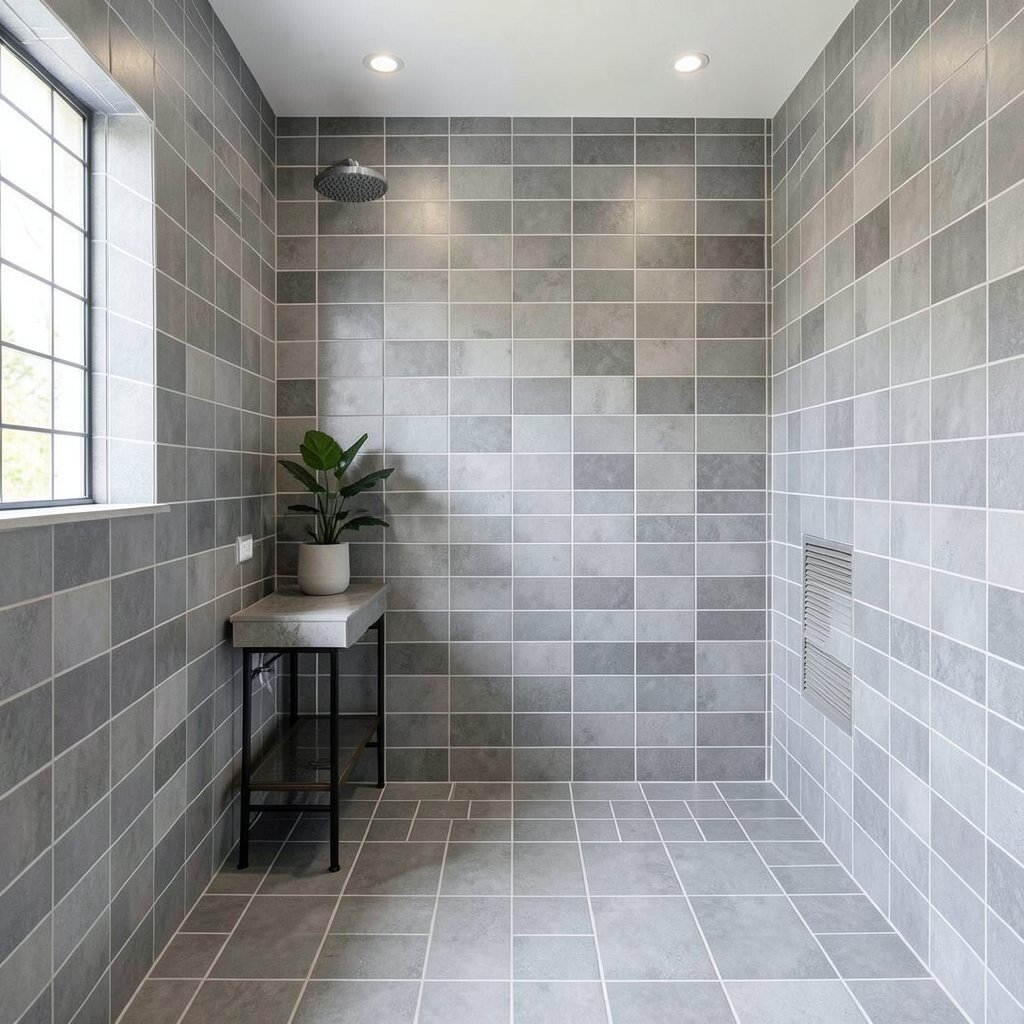
Picture a bathroom where subway tile runs floor-to-ceiling, creating a clean spa wall that feels freshly renovated. The continuous surface looks sleek and makes the space feel larger.
The main benefit is that it wipes clean easily, which is helpful in high-humidity areas. To make it feel less cold, choose warm grout and add soft textiles like plush towels and a bath mat with texture. You can also install a niche for shampoo bottles so the wall stays neat.
Cost can be higher because you’re tiling more wall area, but it also adds value since it looks dramatic. Personalize with hardware finishes, like matte black fixtures or brushed brass handles. Keep maintenance simple by sealing grout and using a squeegee after showers to cut down on buildup.
16. Subway Tile With a Stacked Herringbone Twist
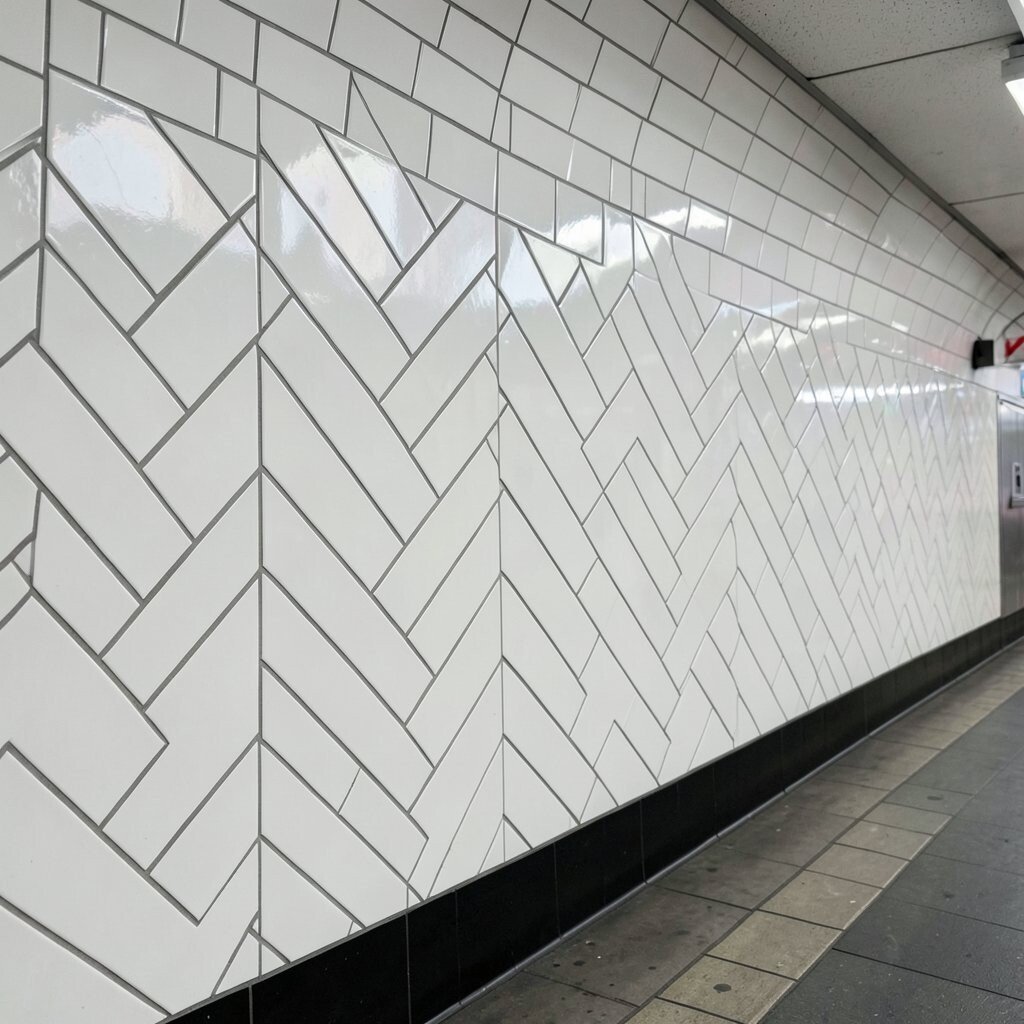
Imagine subway tile arranged in a herringbone pattern that still keeps that subway shape familiar. The wall looks lively, like a subtle zigzag that adds movement without overwhelming the room.
This pattern is a trend that shows up often in modern kitchens because it feels classic but updated. Be practical about layout by dry-fitting tiles first so your design lands centered around a focal point. If you want clean lines, use consistent spacers and plan grout width before you start.
17. Backless Fireplace or Stove Wall With Subway Tile
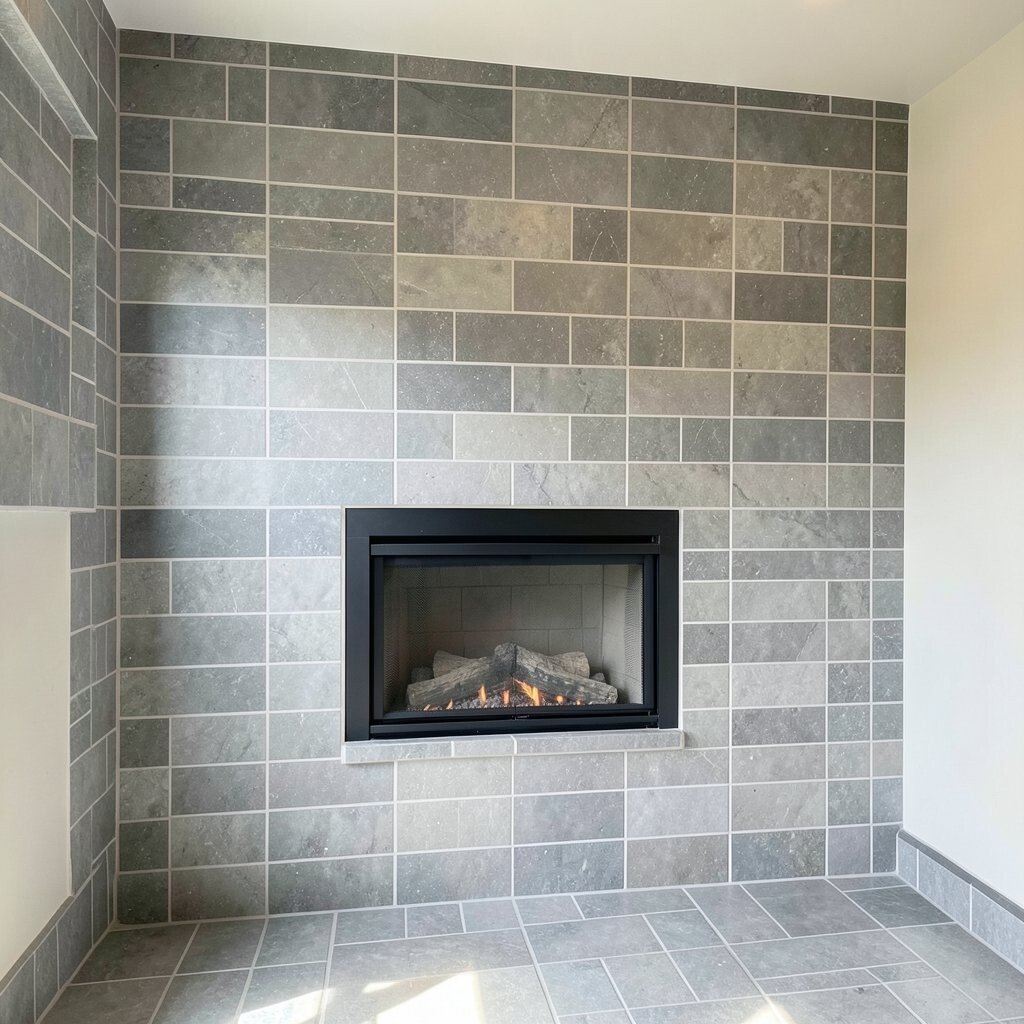
Think of a fireplace or stove back wall covered in subway tile, turning a functional area into a standout feature. The tiles can handle splashes and make the heat zone look crisp and organized.
This idea is beneficial because it protects the wall and gives you a clean backdrop for decor. Choose tile that’s rated for the intended application and use the right adhesive and grout for your environment. If you’re styling the area, add simple frames, a plant, or a minimal mantel decor so the tile can shine.
For cost considerations, using tile in only the immediate heat zone keeps the budget under control. Personalize by selecting a tile finish that matches your kitchen or living room hardware, like matte for calm or glossy for drama. Keep upkeep easy by cleaning soot or splatters promptly with appropriate cleaners that won’t harm the finish.
18. Subway Tile With a Natural Stone-Look Variation
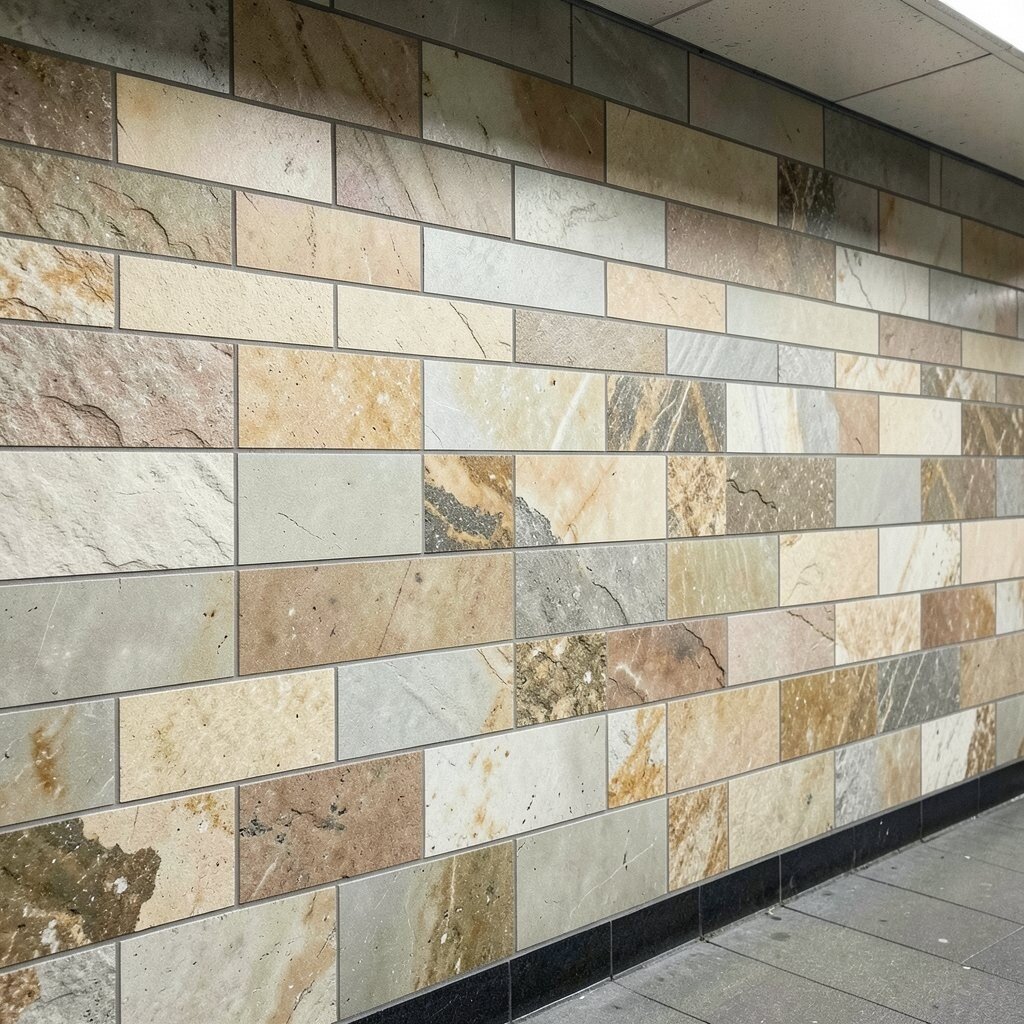
Picture subway tile that looks like soft limestone or calm marble, giving you gentle movement in the wall. The texture makes the space feel more organic while still staying in the subway family.
This style feels unique because it brings a natural look without requiring a full slab or complex installation. Practical tip is to choose tiles with a consistent pattern scale so the wall doesn’t look scattered. Seal stone-look tiles if recommended by the manufacturer, since some finishes absorb moisture or cleaners.
Cost can vary widely depending on whether you pick true stone or high-quality ceramic that mimics stone. Personalize by pairing it with wood tones and warm metals for a balanced, grounded feel. If your home leans modern, keep the grout neutral and let the tile variation do the talking.
19. Mirrored or Reflective Subway Tile for Bright, Airy Spaces
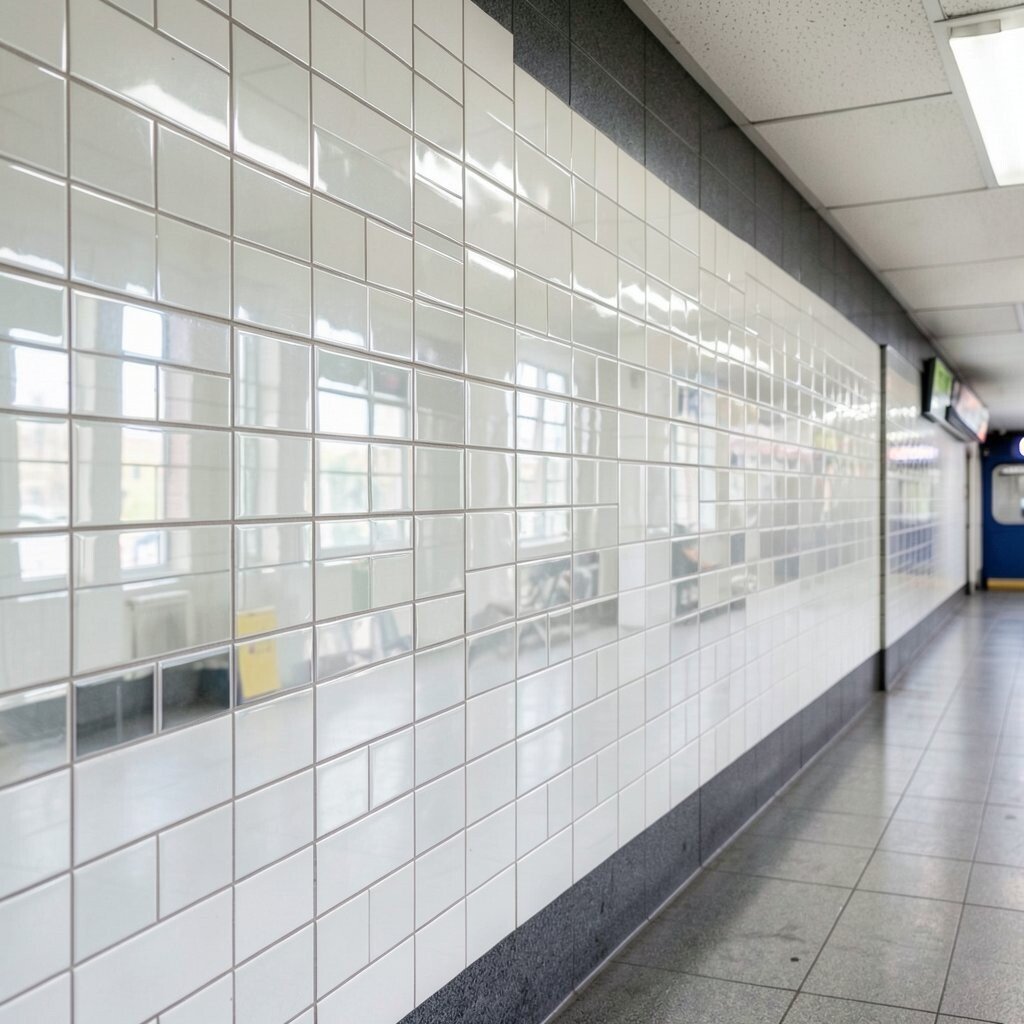
Imagine subway tiles with reflective surfaces that bounce light around the room like a soft spotlight. The wall can make a narrow kitchen or small bath feel more open and airy.
This benefit is real because reflective finishes help reduce shadowy corners and make lighting look brighter. Use proper cleaning since reflective tiles can show streaks, and avoid harsh chemicals that damage surfaces. For personalization, pair reflective tile with simple cabinet fronts so the wall stays the star.
Cost considerations matter here since specialty tiles can be pricier, but even a partial wall section can create a big impact. Install carefully and align rows precisely because reflection highlights even small misalignments. If you want a balanced look, consider reflective tile for a backsplash or feature wall instead of covering everything.