The mudroom is where busy days start and end. A good cubby setup makes the mess feel smaller instantly.
1. Color-Blocked Cubbies With Clear Rules
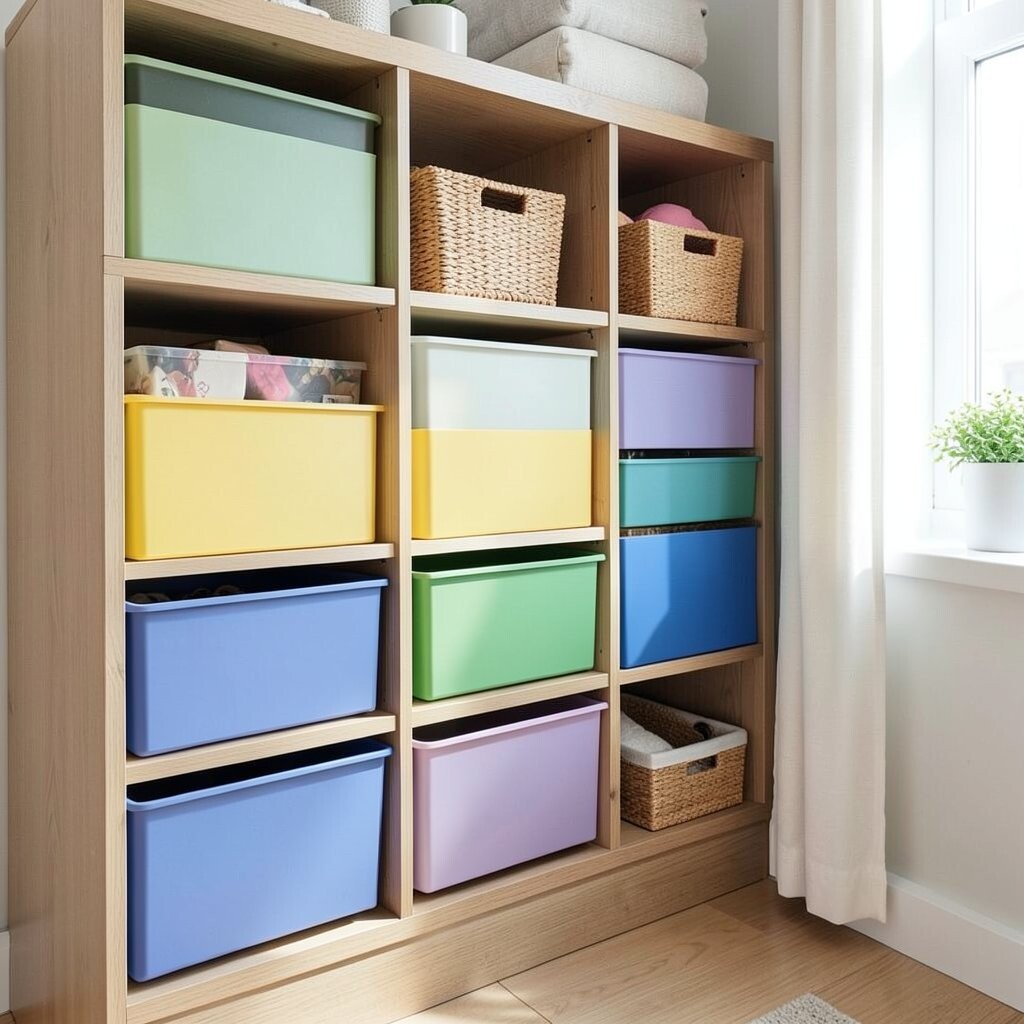
Picture a row of cubbies where each opening is a different soft color, like calm paint swatches. When you add simple, consistent labeling on the front, everyone knows exactly where shoes, hats, and bags belong.
Choose colors that match your hallway or entry so the space feels intentional instead of chaotic. Use a clear bin inside each cubby for small items like gloves or scarves, because you can see what is there without digging. For practical organization, keep the same layout for every cubby so kids and adults learn it quickly, and you can swap seasonal items with less effort.
2. Deep Cubbies With Fabric Lined Boot Shelves
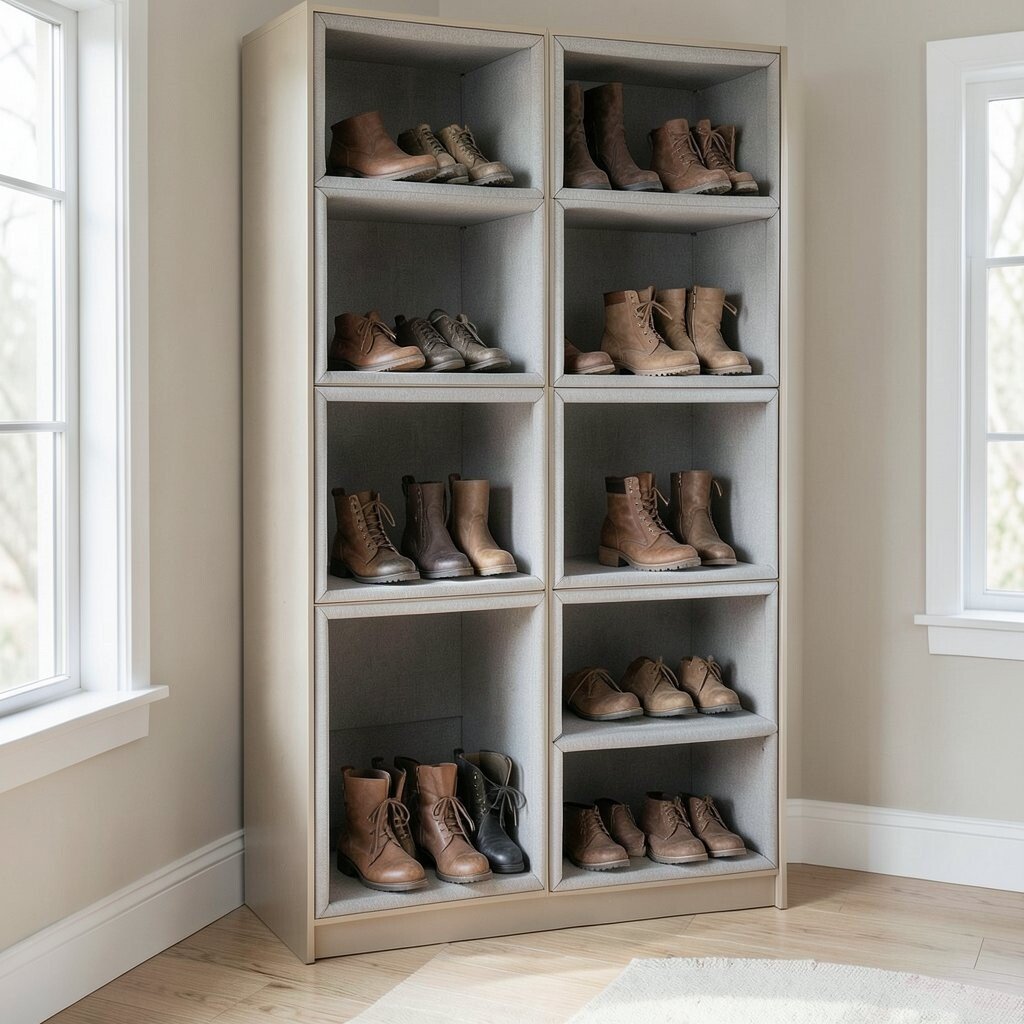
Imagine opening a cubby and seeing a soft fabric shelf that cradles boots instead of letting them slump on the floor. The visual calm of neat rows makes wet boots feel less messy and more managed.
Line the bottom with water-friendly fabric or a washable mat so drips don’t soak into wood. A deeper cubby also helps tall boots fit without crowding, which protects them and makes the cubby look tidy even during rainy weeks.
To personalize, match the fabric pattern to your home style, like subtle navy dots or warm neutral stripes. If you’re cost-conscious, start with fabric liners and a few bins before investing in custom depths, because small upgrades still change how the whole mudroom functions.
3. Bench-Style Cubbies With Hidden Storage Doors
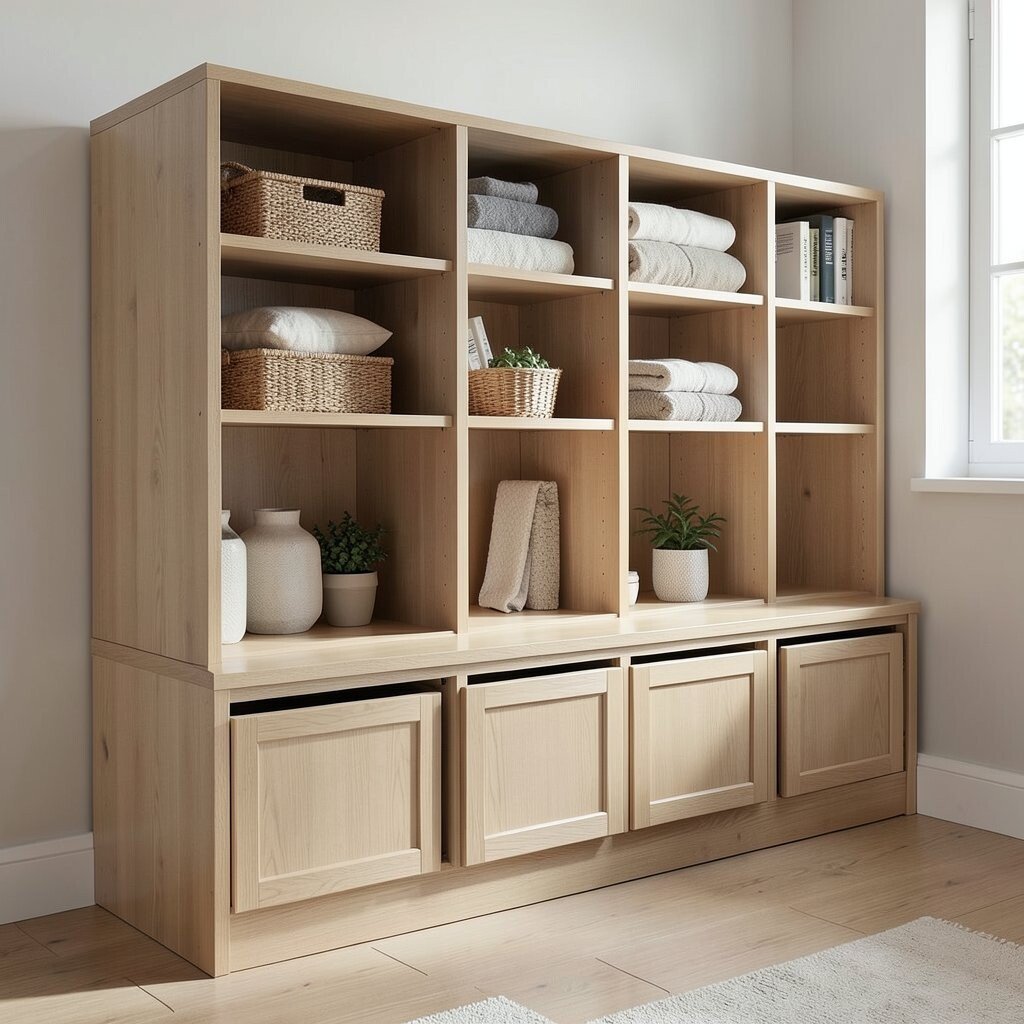
Think of a sturdy bench where each cubby sits underneath the seat, so everything looks neat at a glance. A closed door or flap front hides muddy gear and gives the room a “ready for guests” feel.
When shoes and tools are tucked inside, your entry stays visually clean, and that reduces the urge to leave items on the floor. Add soft-close hinges if you want a quiet, smooth experience when kids rush in after school.
For personalization, paint the door fronts in a muted shade and leave the top hardware bright for contrast. If you want a budget-friendly route, repurpose cabinets you already own and add a bench top, because the biggest transformation is bringing storage off the floor and into a single focused system.
Keep practical flow in mind by placing frequently used items near the bench end, so grabbing a leash or umbrella feels natural. When everything has a home behind a door, the mudroom stays inviting instead of looking crowded.
4. Numbered Mini Cubbies For Family Rotation
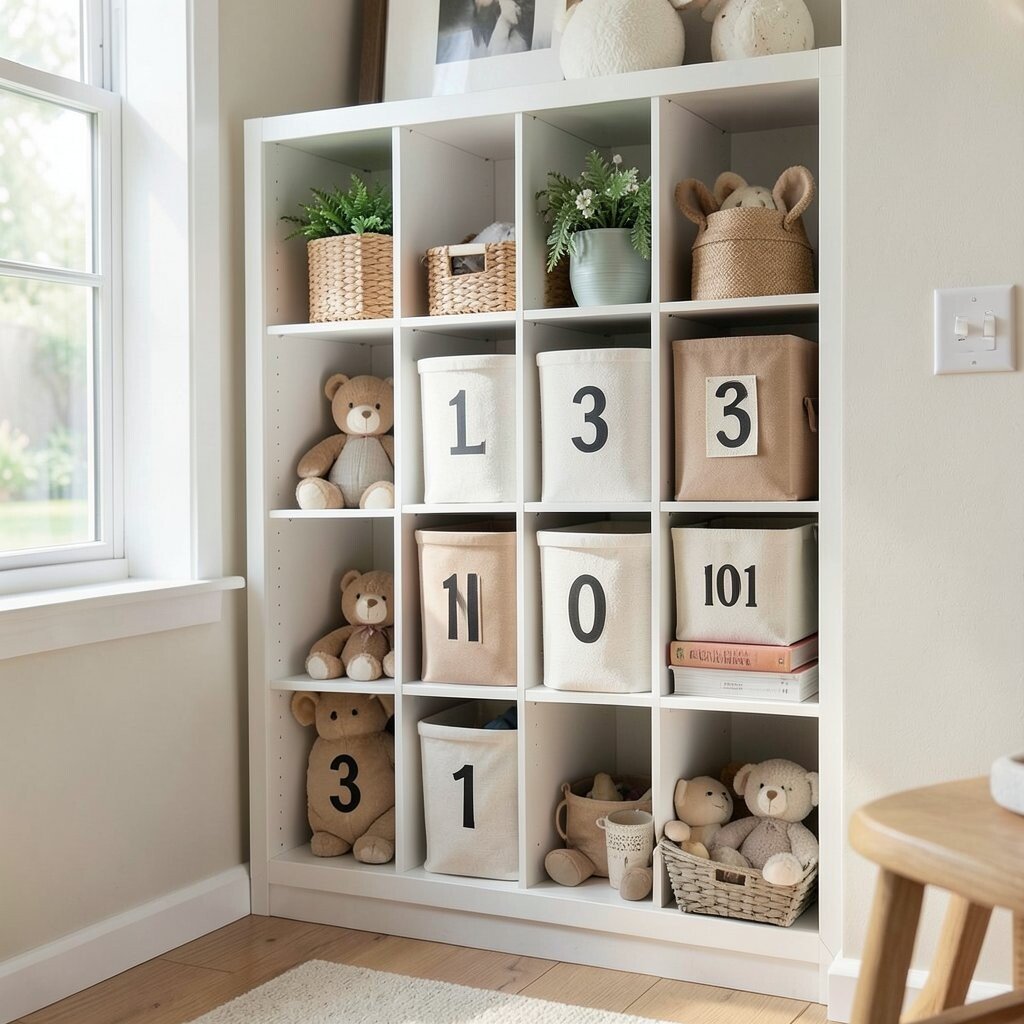
Visualize tiny cubbies arranged in a grid, each one dedicated to a family member. The small scale makes the organization feel playful, and it becomes easier to keep everyone consistent.
Use clear name tags and simple icon stickers for rainy gear, sports bags, and everyday items. This cuts down on the “Where is it?” moments, since each person learns their spot over time.
5. Open Shelving With Labeled Baskets That Match
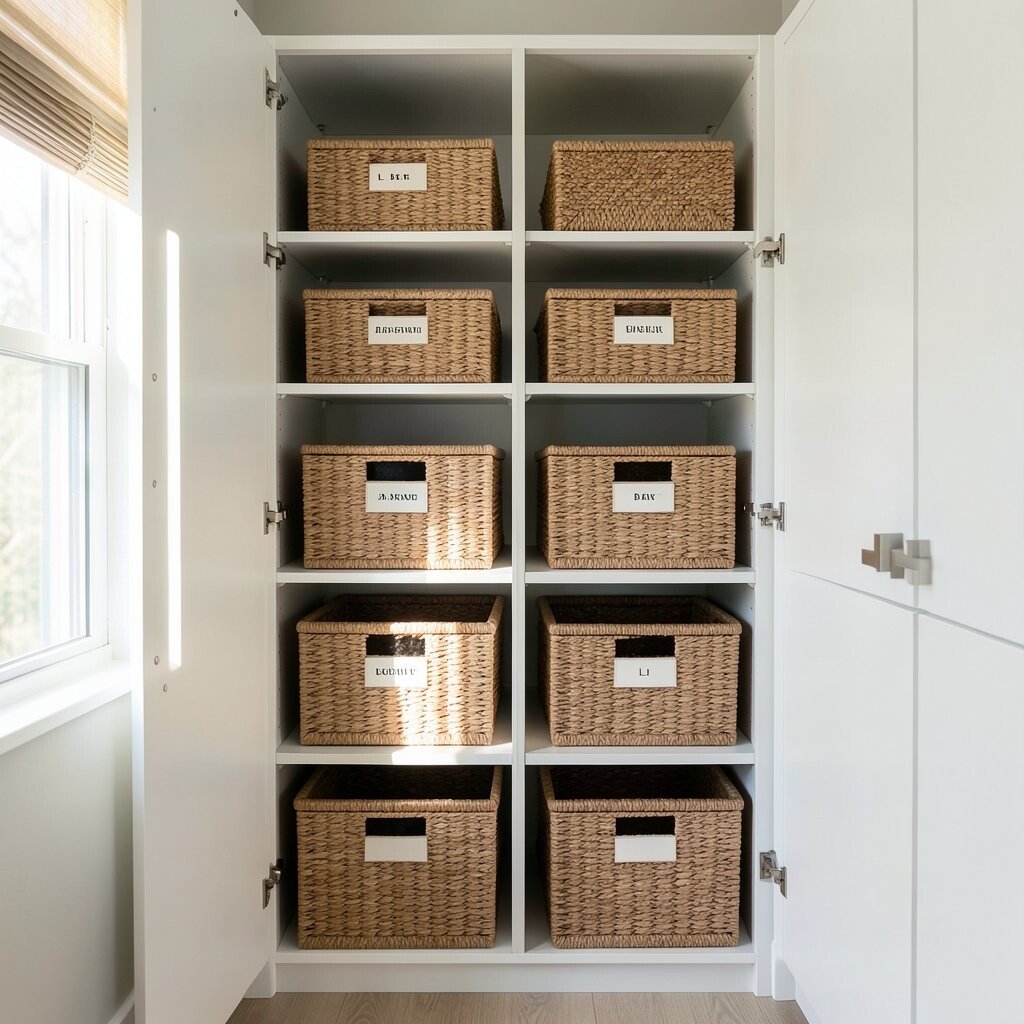
Picture an airy set of shelves with matching baskets lined up like tidy columns. Because the baskets look uniform, the mudroom feels organized even when you’ve just rushed in with a full load.
Pick baskets in one or two materials, like woven for warmth or plastic for easy cleaning, so the look stays cohesive. Keep labels at eye level and use the same font style so the system is easy to read.
For uniqueness, choose basket shapes that fit the items you store, such as tall baskets for scarves and shallow ones for gloves. If you want to keep costs down, shop sales for baskets and add a label maker later, because the visual pattern matters right away.
6. Grid Cubbies With Peg Hooks For Wet Gear
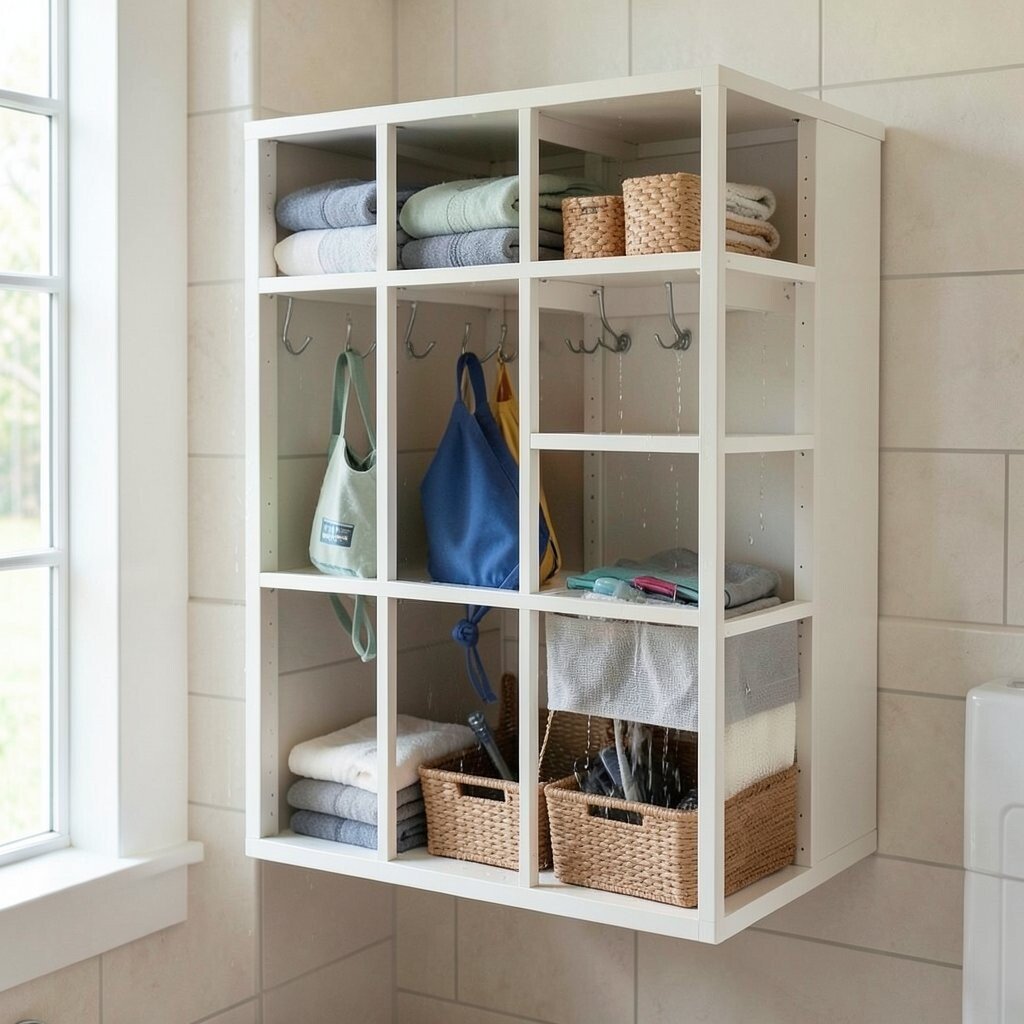
Imagine a cubby wall where each section pairs storage with hooks, so wet jackets and small bags can hang and dry. The grid layout looks modern and gives you a satisfying, repeatable pattern.
Use hooks above the cubbies for items like coats, umbrellas, and backpacks, then keep baskets inside for shoes and hats. This helps airflow and reduces lingering dampness, which is a practical benefit for any entryway.
To personalize, paint the cubby frames a crisp white and choose colored hooks for a subtle pop. If you’re working with a tighter budget, install hooks first and use a basic cubby organizer later, since airflow and drying habits help immediately.
7. Oversized Cubby Bins For Seasonal Swaps
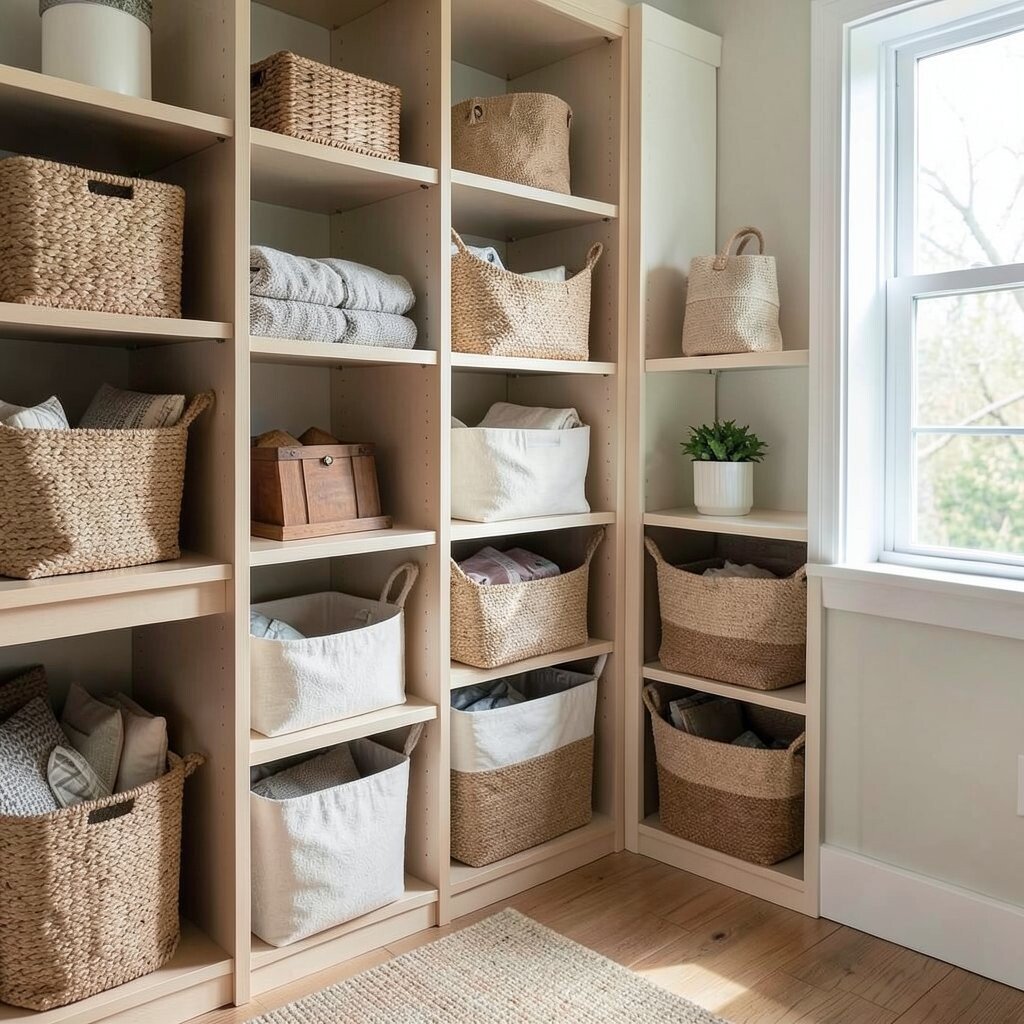
Visualize a row of extra-large cubbies that hold winter gear during cold months and lighter gear when the weather changes. The visual impact is big, and the mudroom never feels stuck in one season.
Dedicate the deepest cubbies to seasonal items like snow boots, heavy gloves, and long scarves, then swap them out with a simple schedule. Keep a simple checklist taped inside each bin lid so you remember what goes where next time.
Make it personal with different bin colors for each season so the change feels fun rather than stressful. For cost considerations, reuse clear bins you already have and upgrade only the labeling and fronts, because clear organization usually gives the biggest payoff without big spending.
When seasonal swaps are easy, people are more likely to put items back correctly, and that keeps the space calm even during busy weeks.
8. Sliding Trays Under Cubbies For Small Tools
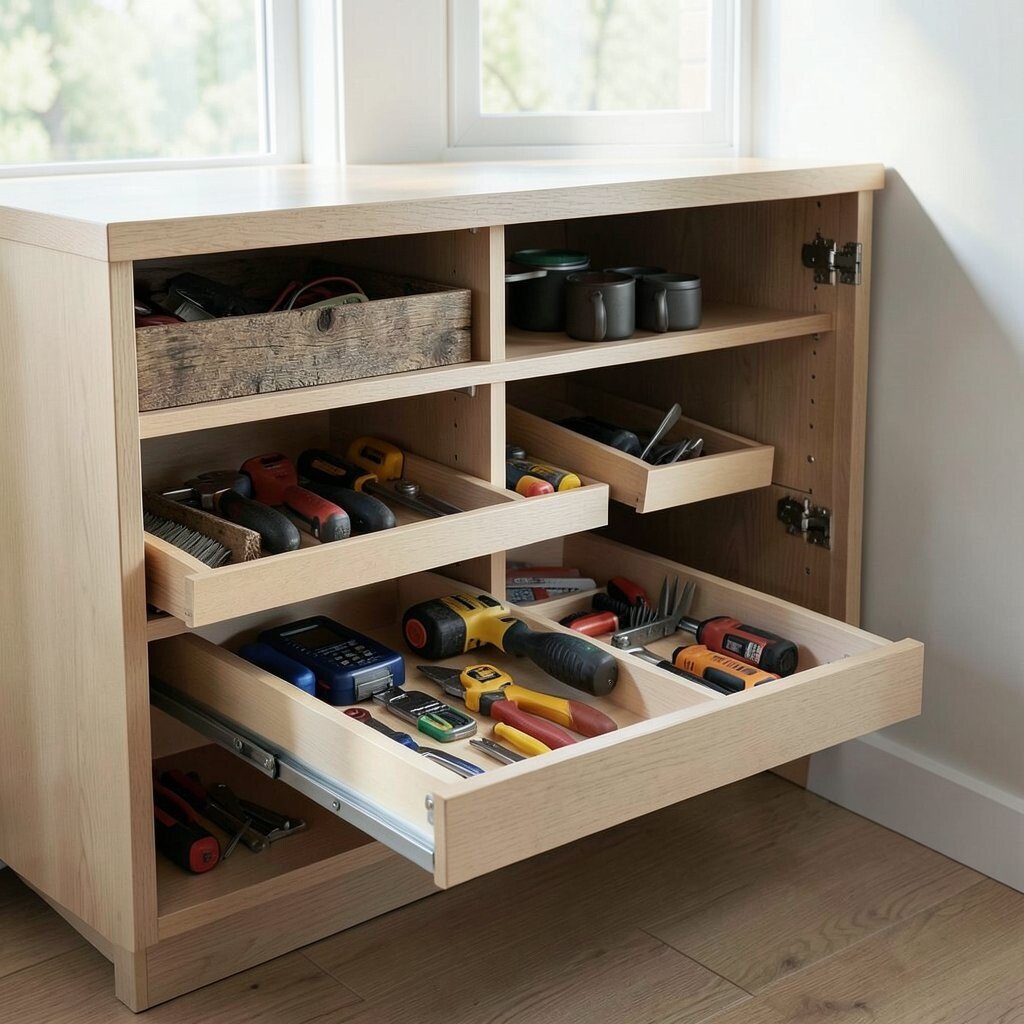
Think of cubbies with sliding trays tucked underneath, so small items disappear when you close the mudroom doors. The look is clean, and the hidden storage keeps clutter from gathering in corners.
Use trays for things like dog leashes, keys, charging cables, and cleaning wipes for quick cleanups. Sliding features are practical because you can reach in without bending, which is great for older family members too.
For personalization, choose drawer pulls that match your kitchen or bathroom hardware so everything feels connected. If you’re trying to stay within a budget, add simple pull-out shelf slides to a basic cubby shelf, because the function can be upgraded without replacing the whole unit.
9. Chalkboard Front Cubbies For Daily Notes
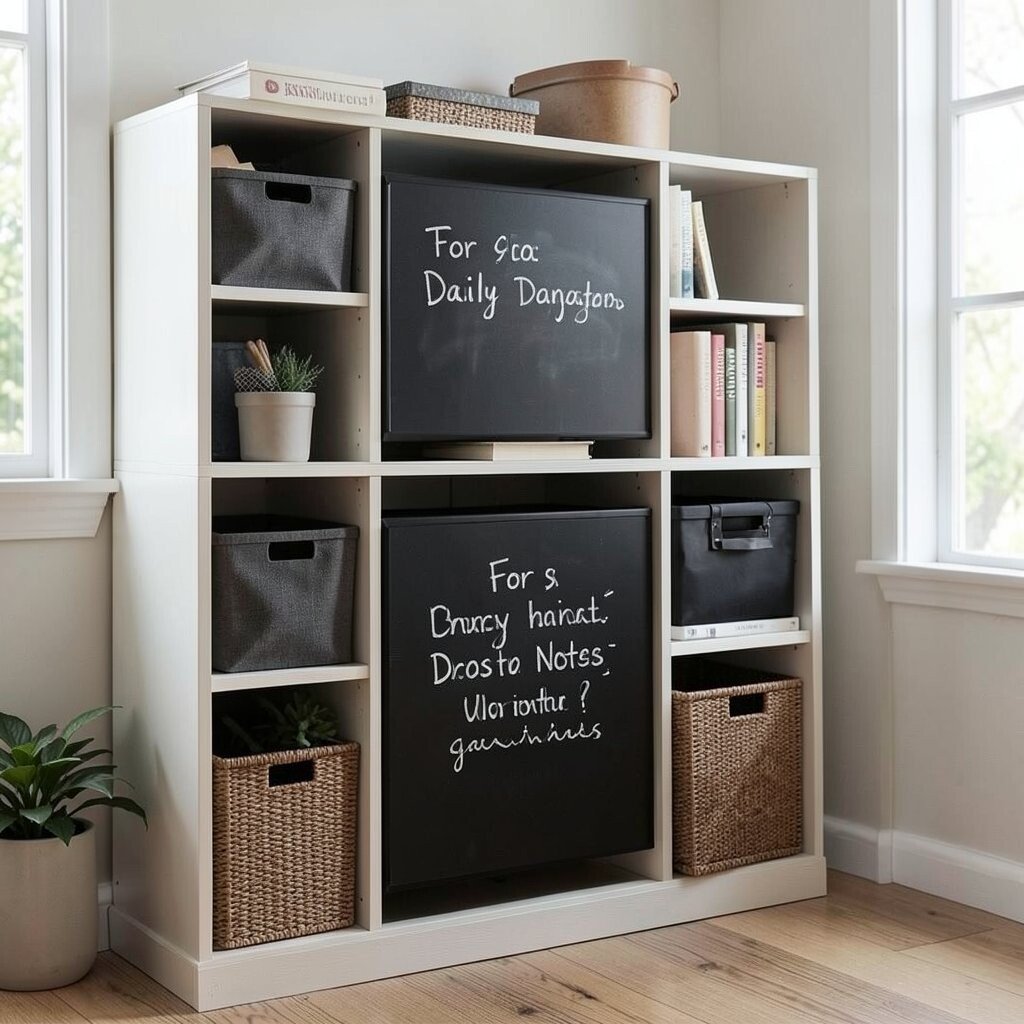
Picture cubbies with chalkboard panels where you can write quick messages and reminders right on the front. The visual texture feels friendly and makes the mudroom feel like part of your daily routine.
Write things like “Rain day boots” or “Gym shoes ready” so families stay on track without extra apps. Wipe the board clean each week, and you’ll keep the space from looking messy or cluttered with loose paper.
To make it unique, add magnetic clips for small letters or receipts near the chalk surface. If cost is a concern, chalkboard paint or peel-and-stick chalk labels can be a smart upgrade that still makes a noticeable difference.
For practical flow, keep a small chalk holder in one cubby so it never gets lost, and the system stays easy to use.
10. Corner Cubbies With A Curved Entryway Look
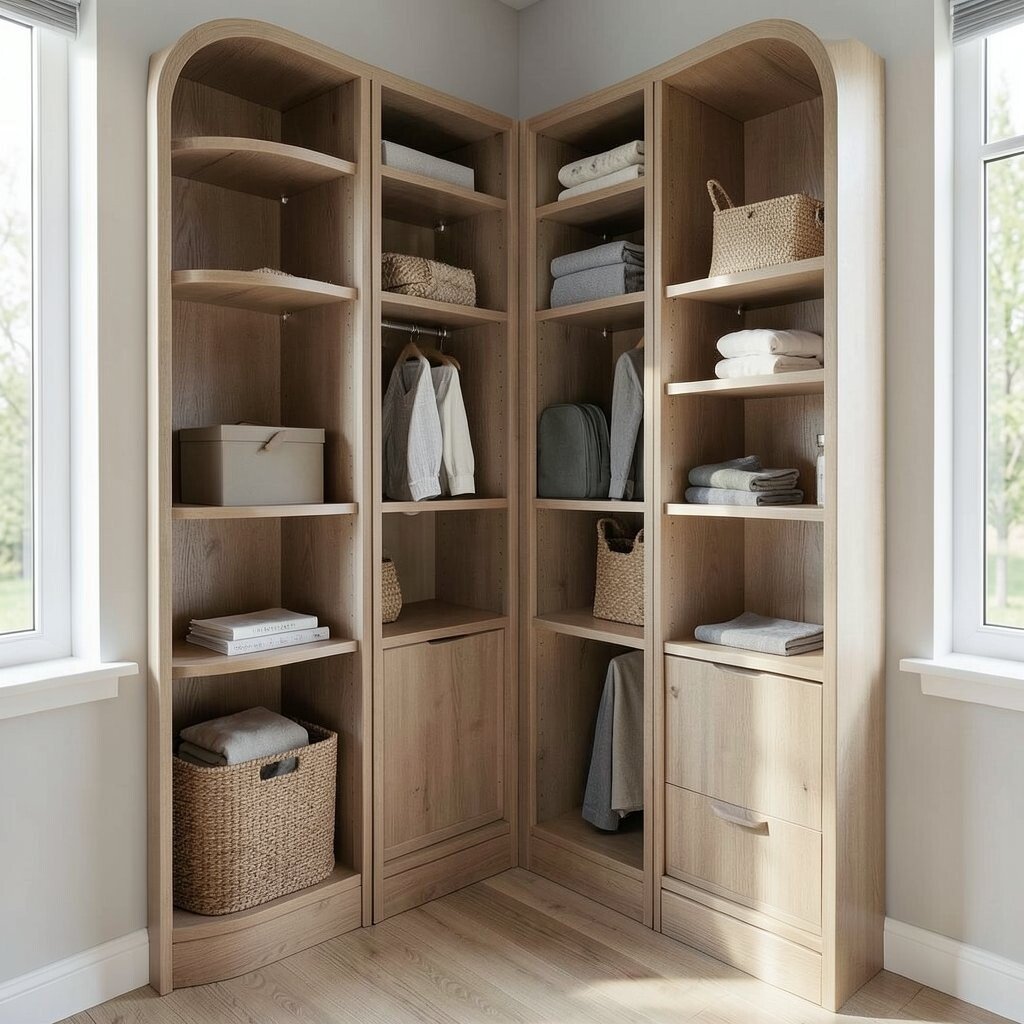
Imagine a corner cubby design that wraps gently around the wall, turning a tricky spot into a functional storage zone. Because corners often collect clutter, this setup gives the space a purpose and makes the room feel designed.
Use curved or angled shelves for shoes and small items, and keep one deeper cubby for bulky bags. This helps you use wasted space and gives a visual rhythm that makes the mudroom feel larger.
Personalize by choosing finishes that match your flooring, like warm wood tones for cozy homes or sleek laminate for modern spaces. When keeping costs down, start with a modular corner organizer and add baskets, since the modular approach is easier to adjust than building from scratch.
11. Clear Acrylic Cubbies With Color-Coordinated Labels
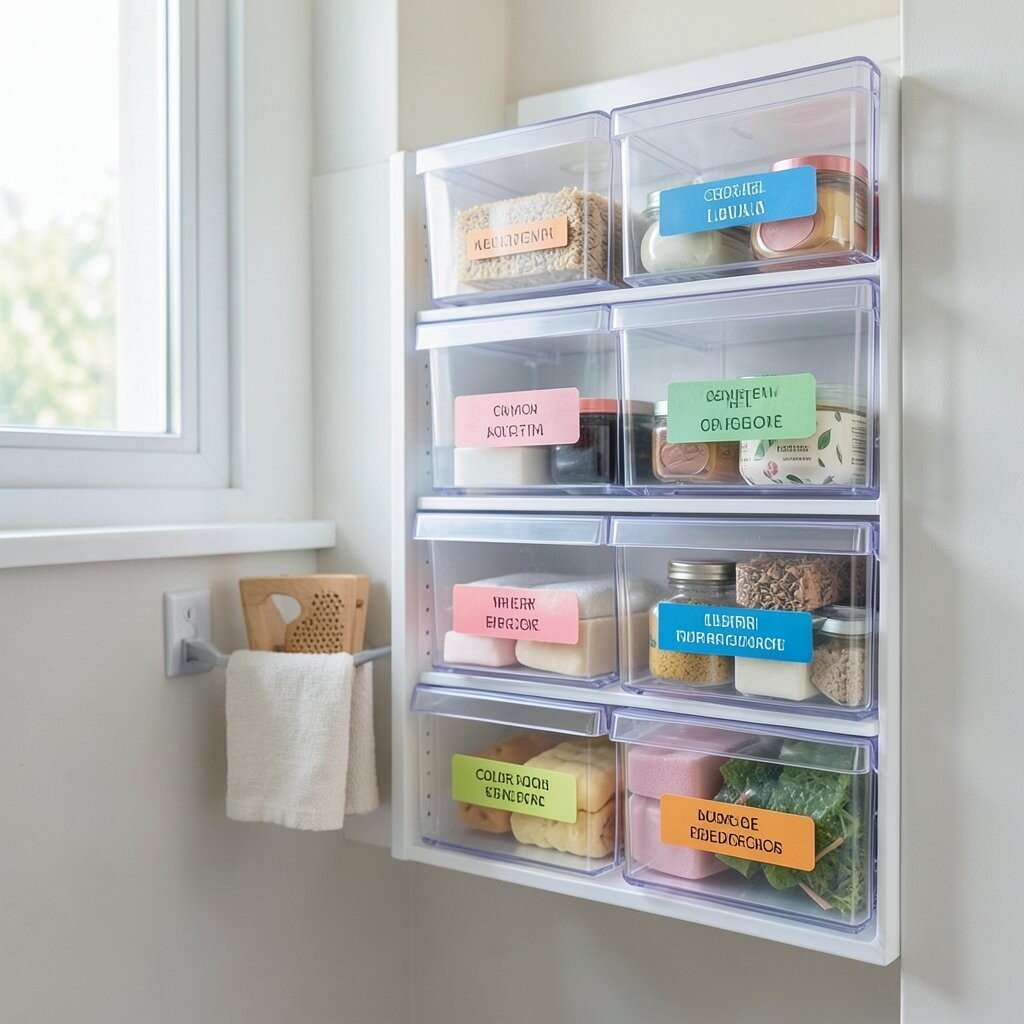
Picture cubbies with clear fronts that show everything inside, like a neat display. The clear look feels modern, and it makes it easier to spot what’s missing before you rush out the door.
Use color-coordinated labels to keep categories consistent, such as blue for school items and green for outdoor gear. This gives your organization system a visual code, which is great for kids and busy adults.
For practical tips, keep only one category per cubby so the contents stay tidy and easy to restock. If you’re thinking about cost, start with the most important cubbies you need daily and add more clear storage later.
12. Reclaimed Wood Cubbies With Rustic Hooks and Trays
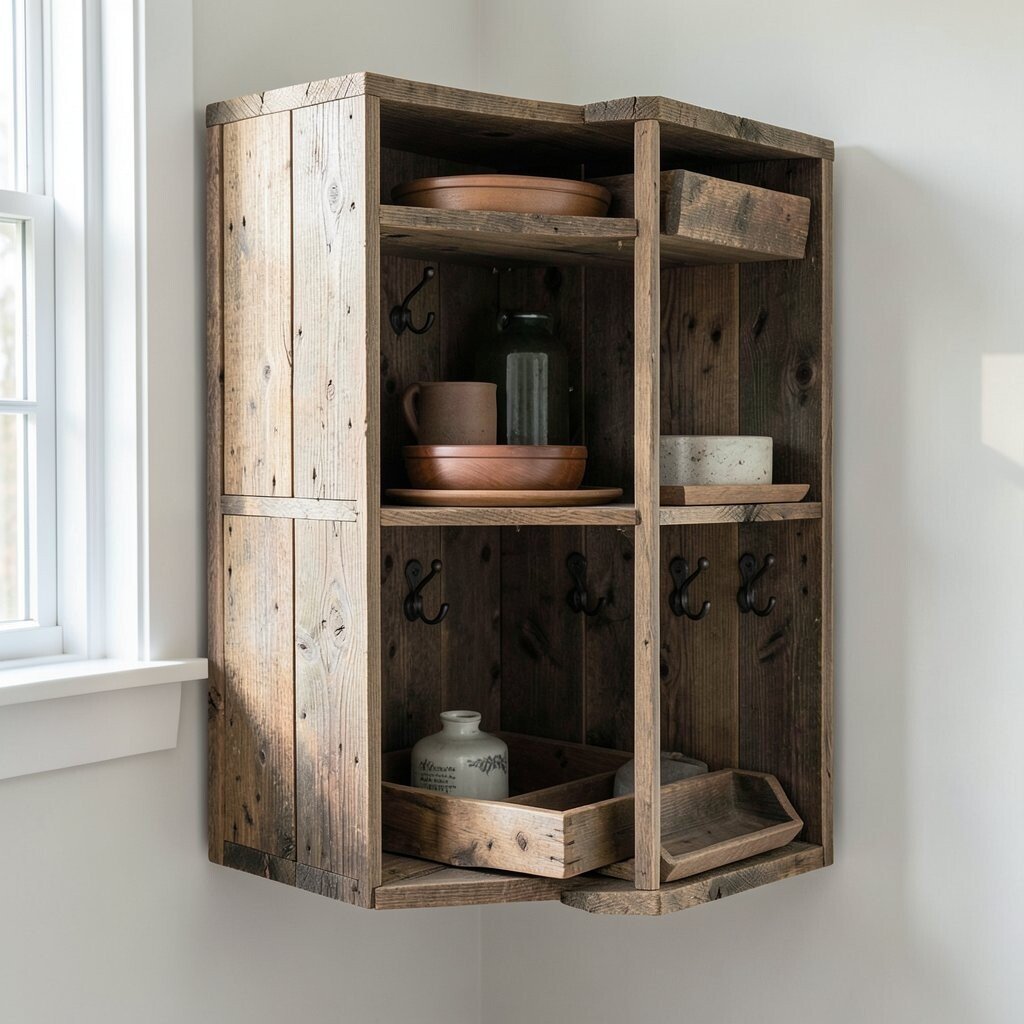
Imagine cubbies built from reclaimed wood, with warm grain lines and a slightly weathered feel. The visual warmth makes the mudroom feel welcoming instead of strictly functional.
Add hooks for hanging coats and a small tray for keys, so the last thing you do before leaving is always the same. This benefits your everyday life by reducing frantic searches, and it also helps keep countertops and floors clear.
To personalize, stain or seal the wood to match your existing furniture and add small metal tags for each member. For cost considerations, sourcing salvaged wood or using budget-friendly lumber can help you get the same look without paying for custom craftsmanship.
Even a simple rustic setup can feel unique when you keep the layout consistent and the items easy to return.
13. Pet-Friendly Cubbies With Bowls, Leashes, and Treat Trays
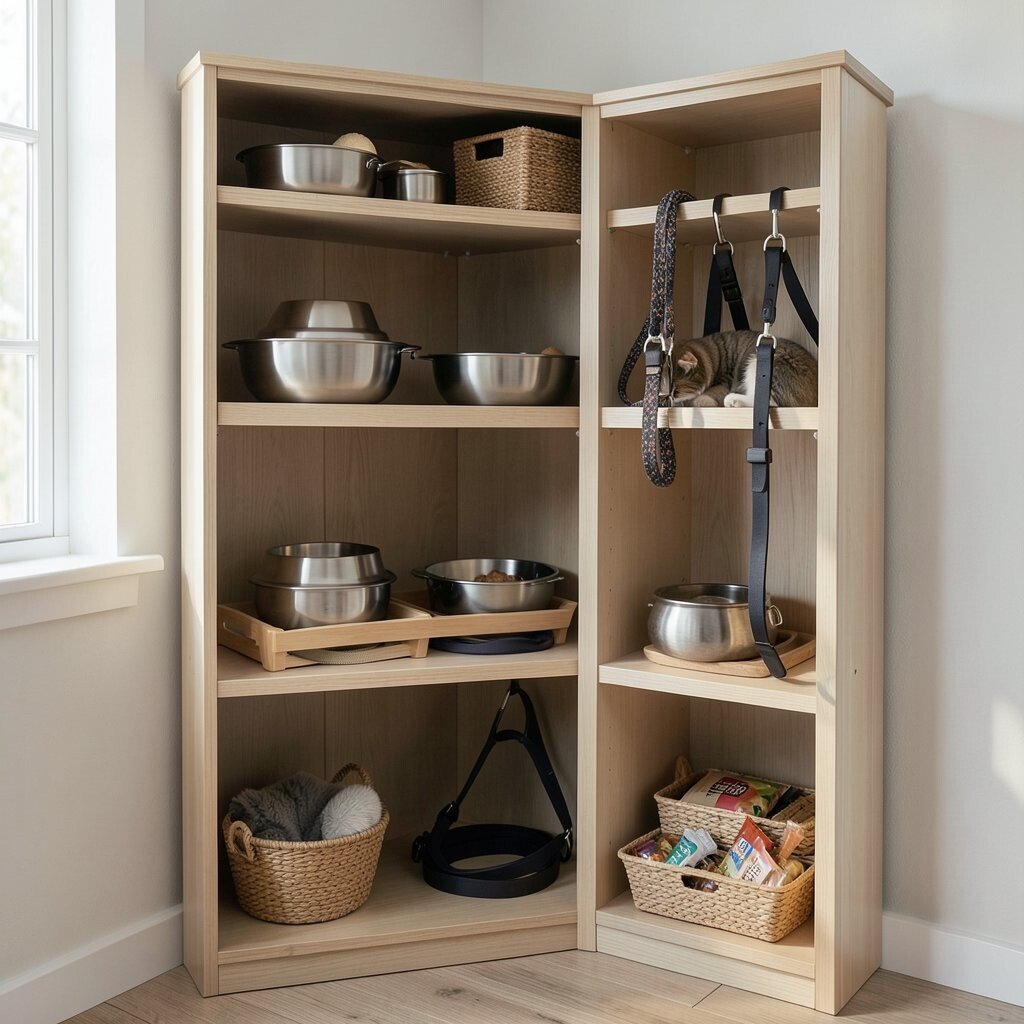
Picture a cubby row where one section is clearly for your pet, with a small tray for treats and a hook for the leash. The visual clarity makes it easy to grab everything during walks, and the mudroom stays organized even with an active household.
Use a waterproof insert or sealed mat inside the pet cubby to handle occasional spills. Keep a separate compartment for waste bags so the system is clean and predictable.
Personalize with playful colors or a small icon, like a paw print, so everyone recognizes the pet spot instantly. If cost is a factor, repurpose an old organizer bin for treats and add durable hooks, since you can upgrade the pet area first and expand later when you’re ready.
For practical tips, keep bowls in a dedicated spot so they’re not scattered across the kitchen, and consider placing the pet cubby close to your entry door for faster routines.