A quiet room can feel like a workshop when you shape it with care. Small changes can turn a library corner into a place where people linger.
Keep reading for practical ways to make spaces feel welcoming, useful, and uniquely yours, no matter your budget or room size.
1. Cozy Reading Nook With Soft Lighting
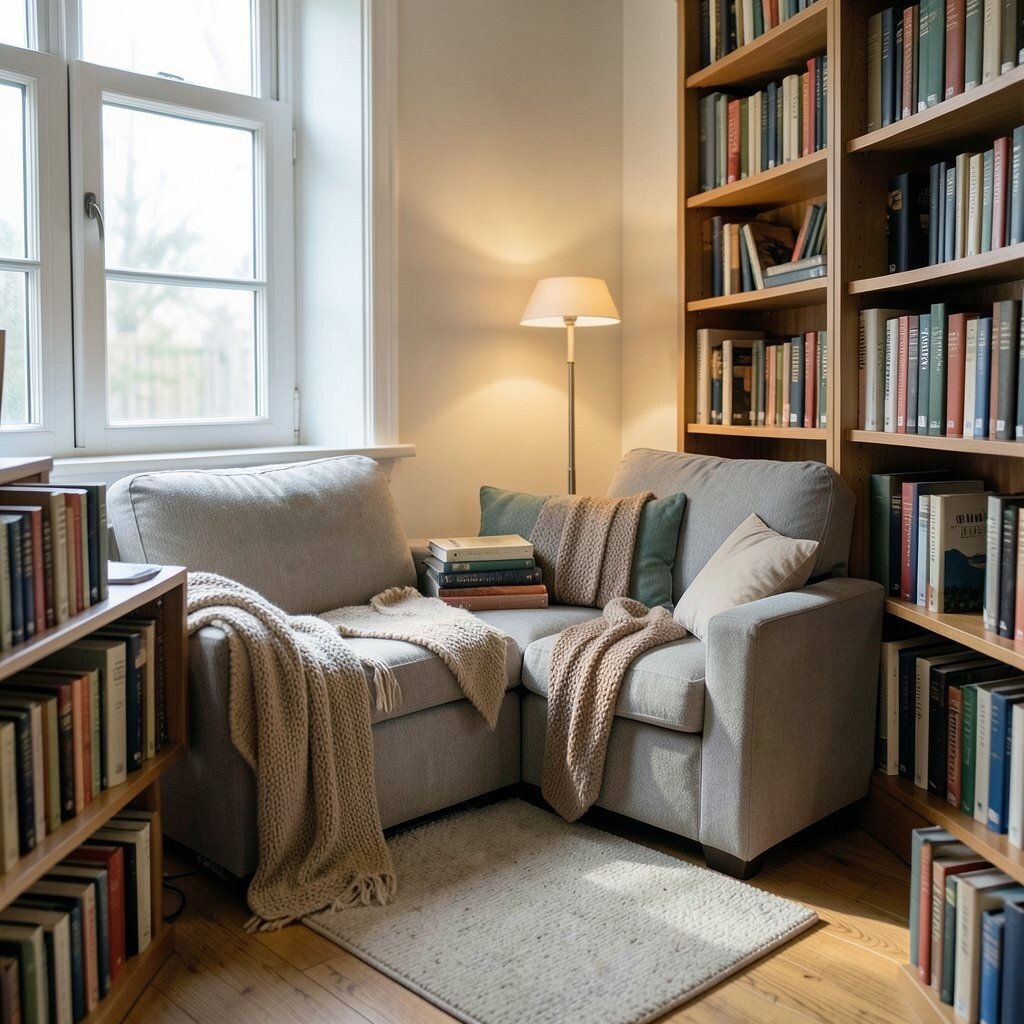
Picture a corner with warm lamps and a gentle glow on the pages. A cushioned seat, a small side table, and a throw blanket make the space feel safe and calm.
Choose lighting that flatters the eyes and keeps shadows low. Add a small tray for reading glasses, bookmarks, or handwritten book recommendations, so the nook feels cared for. If you want it to look fresh, rotate the throw patterns and display a few seasonal titles each month.
2. Community Bulletin Wall With Rotating Themes
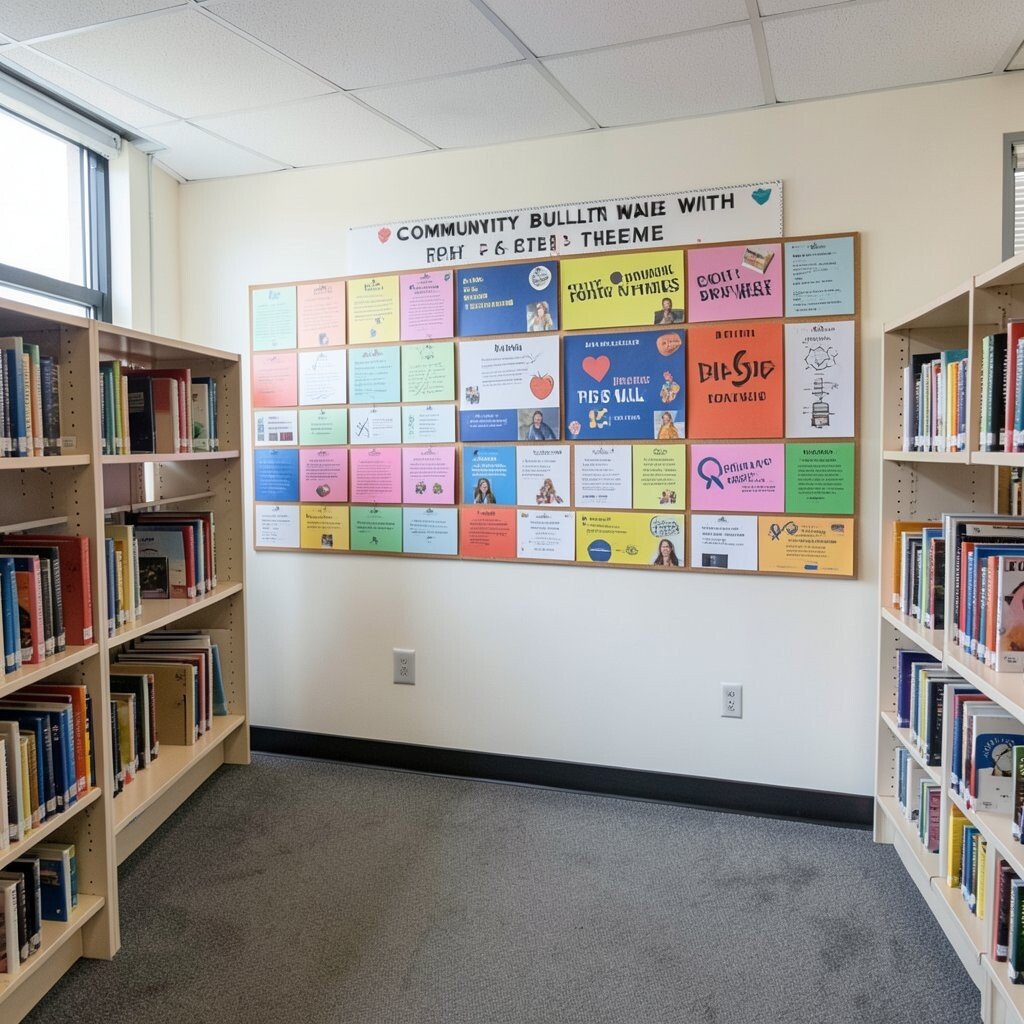
Think of a wall that doesn’t just hold flyers, but tells a story each week. Pinned notices, craft cards, and bright flyers create a living map of what’s happening nearby.
Use a simple rotating system with a few sections for events, volunteer requests, and community wins. Keep paper sizes mixed on purpose so the wall feels energetic instead of strict. Try adding a monthly “reader spotlight” card with a short quote from a patron and their favorite genre.
If you’re working with limited supplies, sheet protectors and colored paper can do a lot. Ask local teachers or clubs to contribute artwork for the theme, which keeps costs down. This kind of community-focused display matches current expectations for shared spaces that feel active and current.
3. Kid-Led Story Corner With Costume Bins
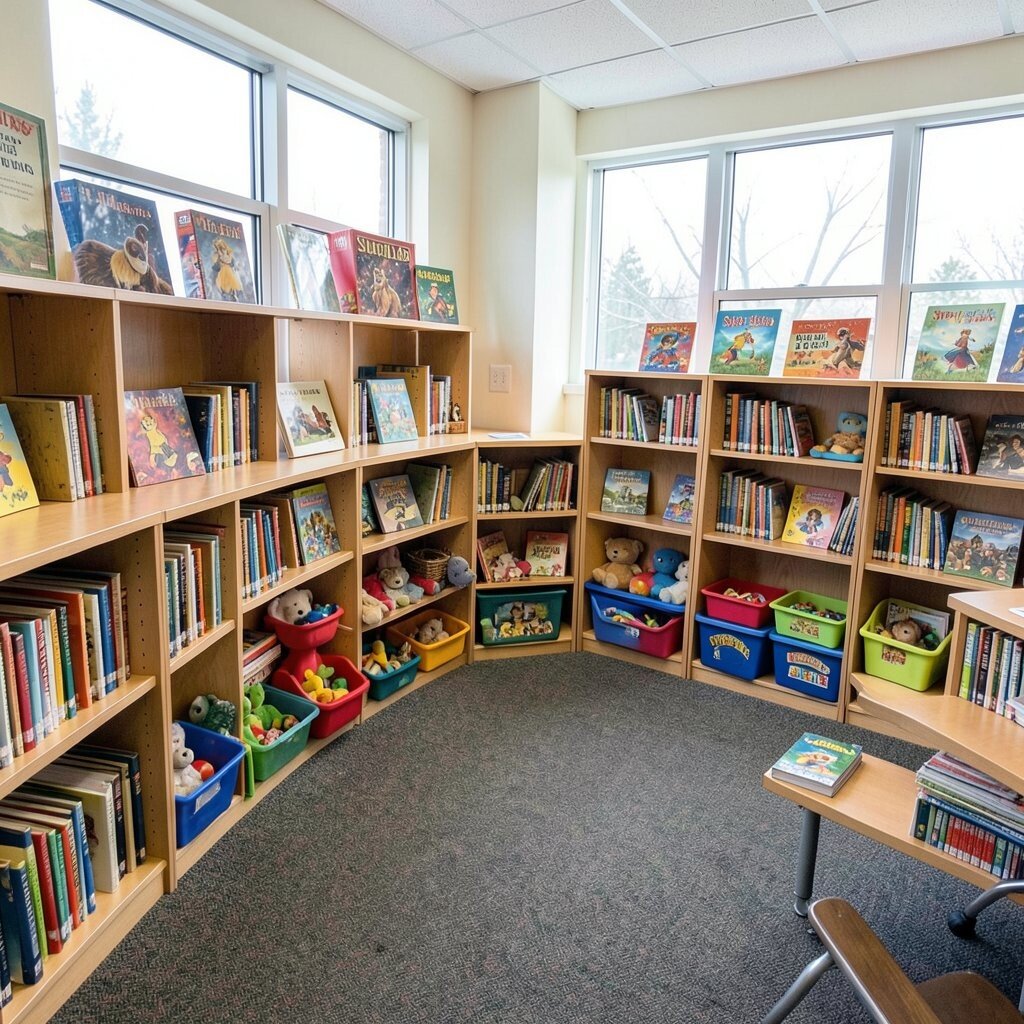
Imagine a story area where children can slip into characters before the book even opens. Soft beanbags, a low shelf, and a few costumes make imagination feel physical and fun.
Set up bins labeled with pictures, not strict words, so kids can choose confidently. Keep costumes easy to put on and mix in different roles like animals, knights, or astronauts. Add a small mirror near the seating so kids can see their outfit while they wait for the story.
Rotate costume sets based on what books you’re featuring, so the matching feels intentional. You can start with thrifted basics and build gradually, like adding scarves, hats, or capes. This approach supports trends in play-based learning and helps kids connect reading with movement and joy.
For personalization, let regular families suggest costume themes tied to upcoming holidays or school projects. Store extra pieces in a nearby closet so the corner stays tidy and inviting.
4. Quiet Study Zone With Noise-Friendly Dividers
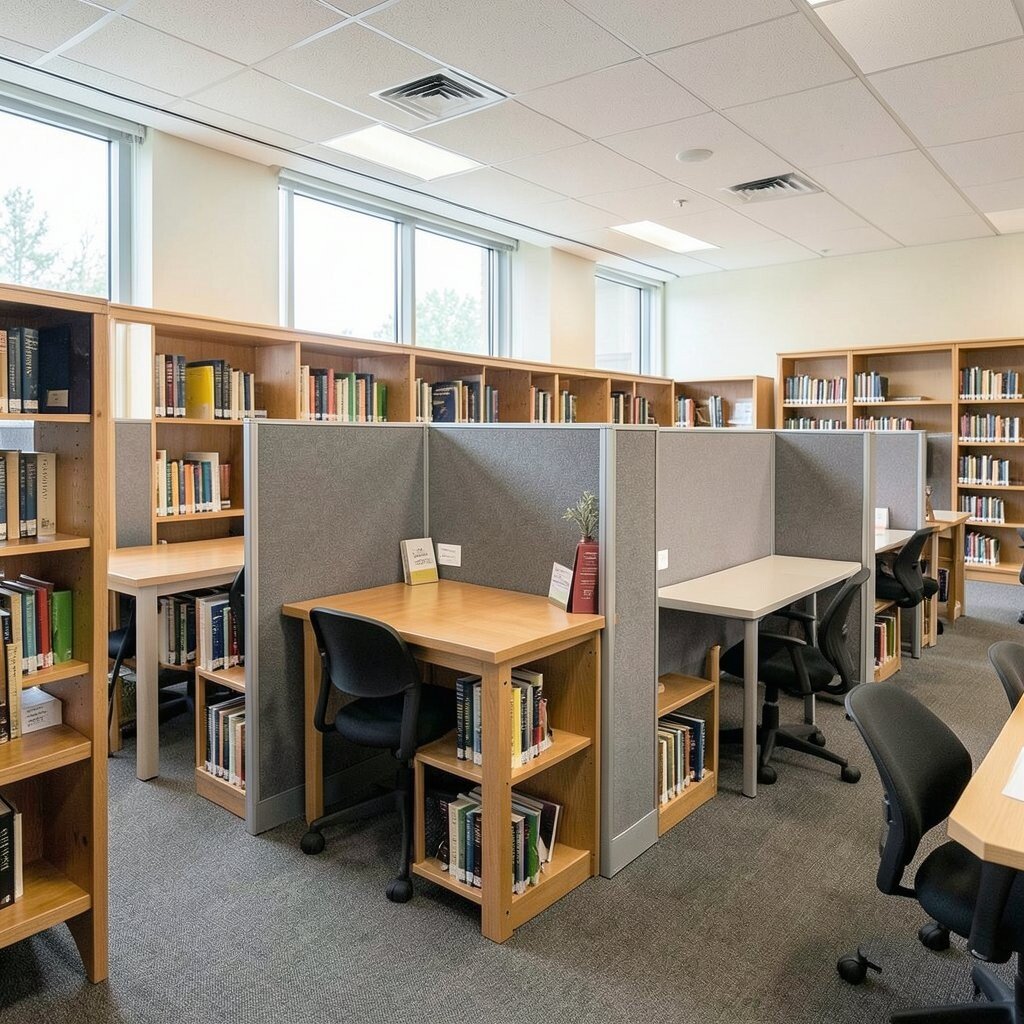
Picture a study area that feels focused, like a gentle hush wraps around every desk. Clear partitions, tall plants, or fabric screens can shape sound without making the room feel closed in.
Offer small seating choices so students can pick what helps them concentrate. A desk chair for problem solving and a cushioned stool for lighter reading can both live in the same zone. Keep cords managed and provide a charging station so tech needs don’t spill into everyone’s space.
5. Local History Display Made From Real Objects
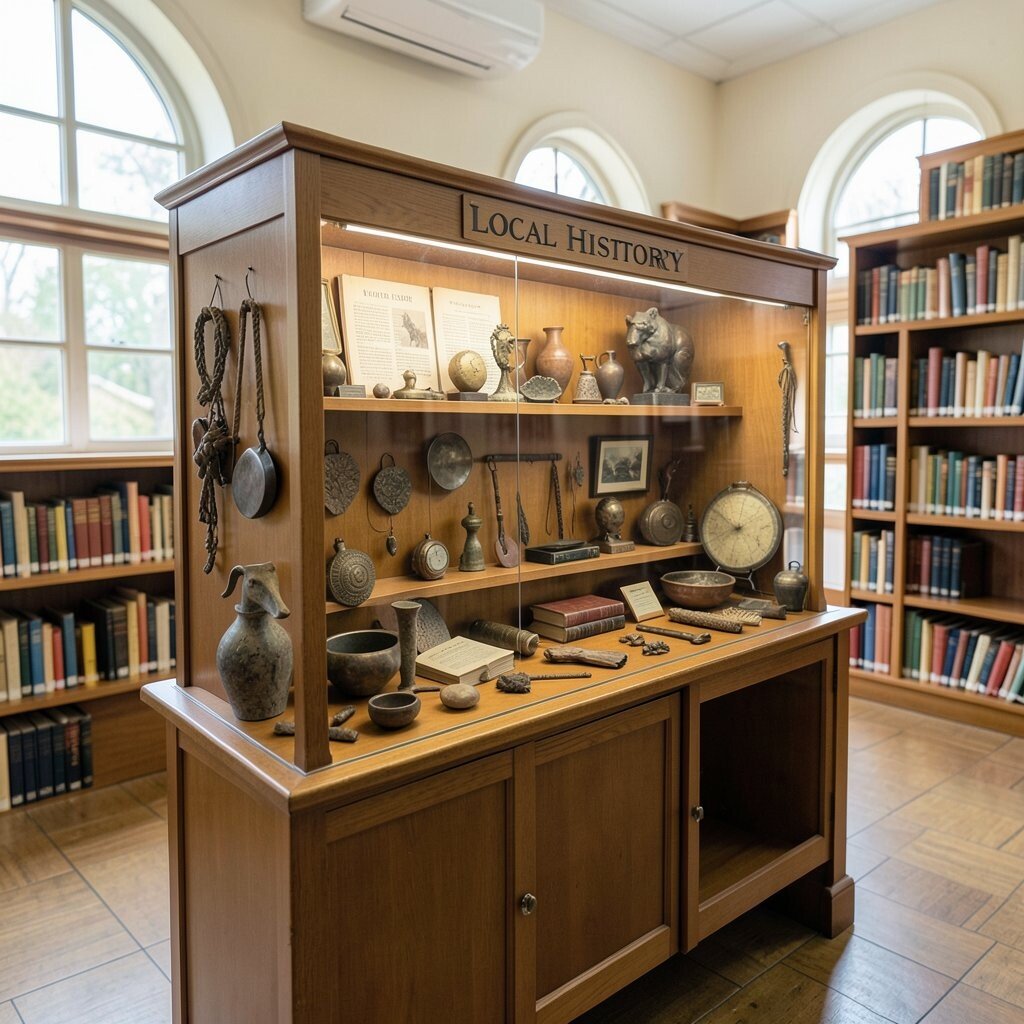
Imagine shelves holding everyday items with stories attached, like a suitcase from a past trip or a handwritten recipe book. Even simple objects look impressive when they’re presented with care and clear context.
Choose pieces you can legally borrow or display with permission, such as donated photographs, brochures, or community artifacts. Add short descriptions written in plain language, and let patrons ask questions so the display feels alive. When possible, include a small “you can help” space where people can submit memories related to the items.
To keep costs low, use sturdy frames, acid-free sleeves, and a basic lighting setup that prevents glare. Personalize the exhibit by rotating stories from different neighborhoods or families. This kind of curated, community-based presentation matches current interest in local culture and personal storytelling.
6. “Build a Book Tree” Shelf for Personal Recommendations
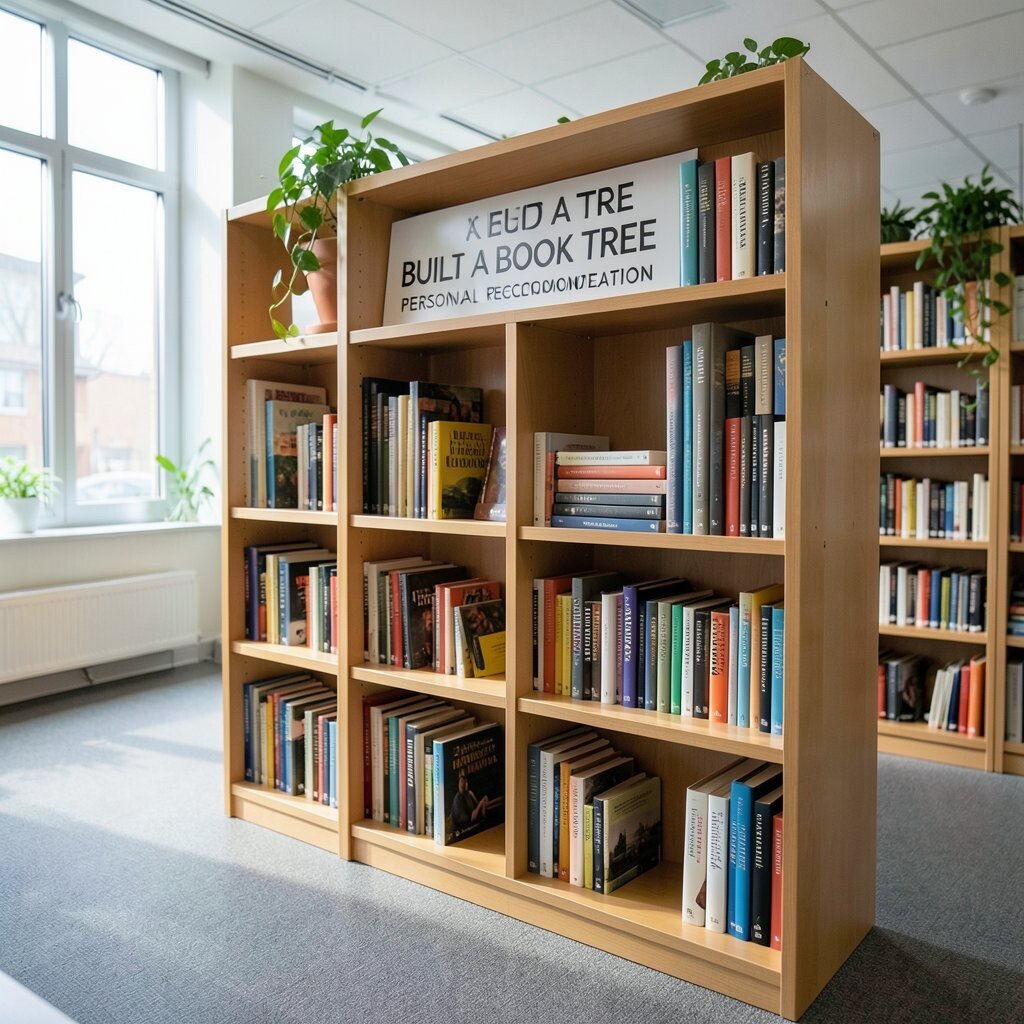
Picture a shelf that grows like a tree, with branches made from book displays. Each “branch” can represent a theme such as cozy mysteries, funny essays, or sports wins.
Ask patrons to add a card describing why they loved a book, then attach it near the book like a leaf. Keep the writing simple so it feels approachable, even for teens who want to participate. When you update the display, you also update the mood of the whole area.
Use small clips or string with gentle hooks so cards can be moved without damaging paper. For budgeting, print cards on recycled paper and reuse clips from old displays. To personalize further, invite staff to contribute one book card in their own voice so it feels friendly and human.
7. Magazine Lounge With a “Pick a Page” System
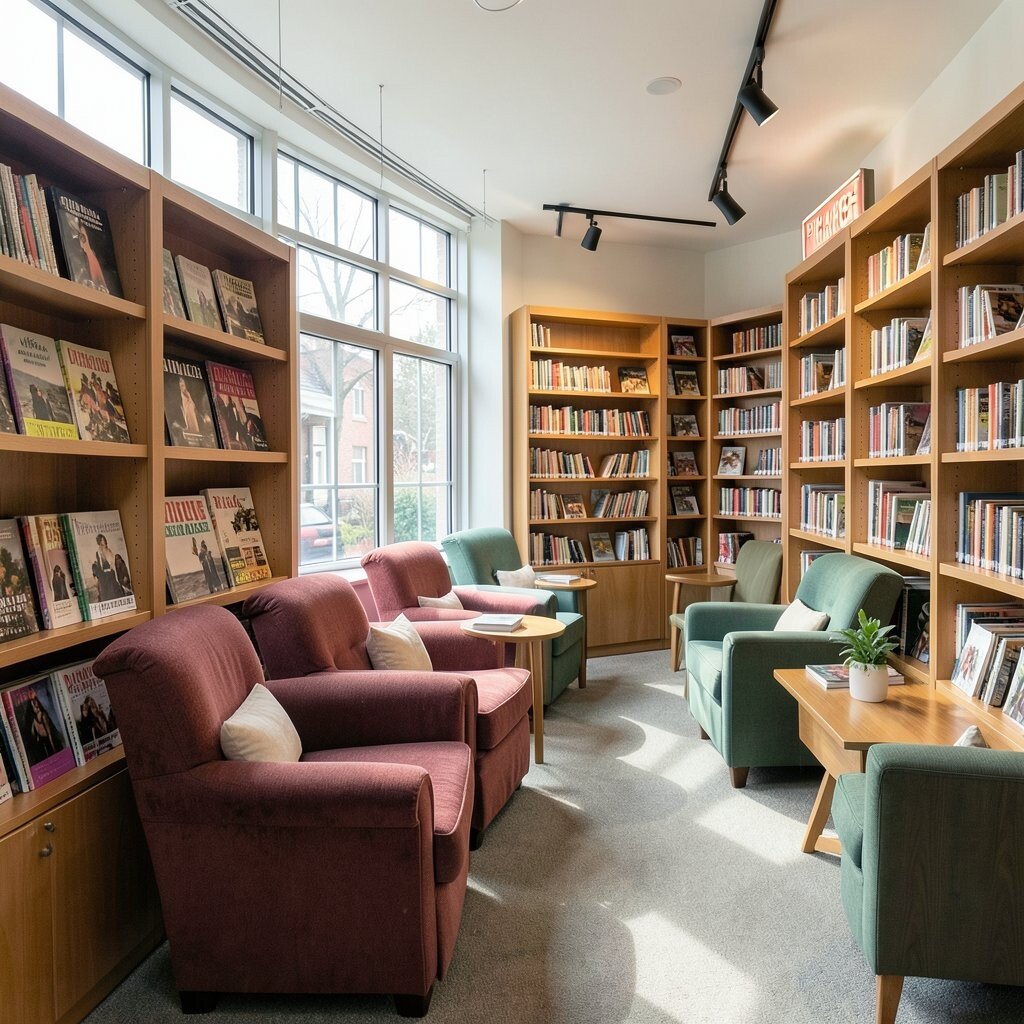
Imagine a lounge chair facing a low table stacked with magazines and catalogs. The room feels brighter when the covers are visible and arranged like art.
Create a simple system where patrons can check out a magazine section or choose a specific topic display for the week. Add small seating cards that suggest reading ideas like “music and tech” or “home gardens and recipes.” This helps people start reading quickly, especially visitors who feel shy about browsing.
Use a color-coded rotation so staff can swap stacks in minutes. If budget is tight, start with a limited set of subscriptions and complement them with donated magazines in good condition. Current trends show people enjoy “short session” reading that fits busy days, so this format supports that rhythm.
For personalization, collect feedback on which covers people stop at most and use that to guide next month’s stack.
8. Writing Studio Corner With Prompts and Supplies
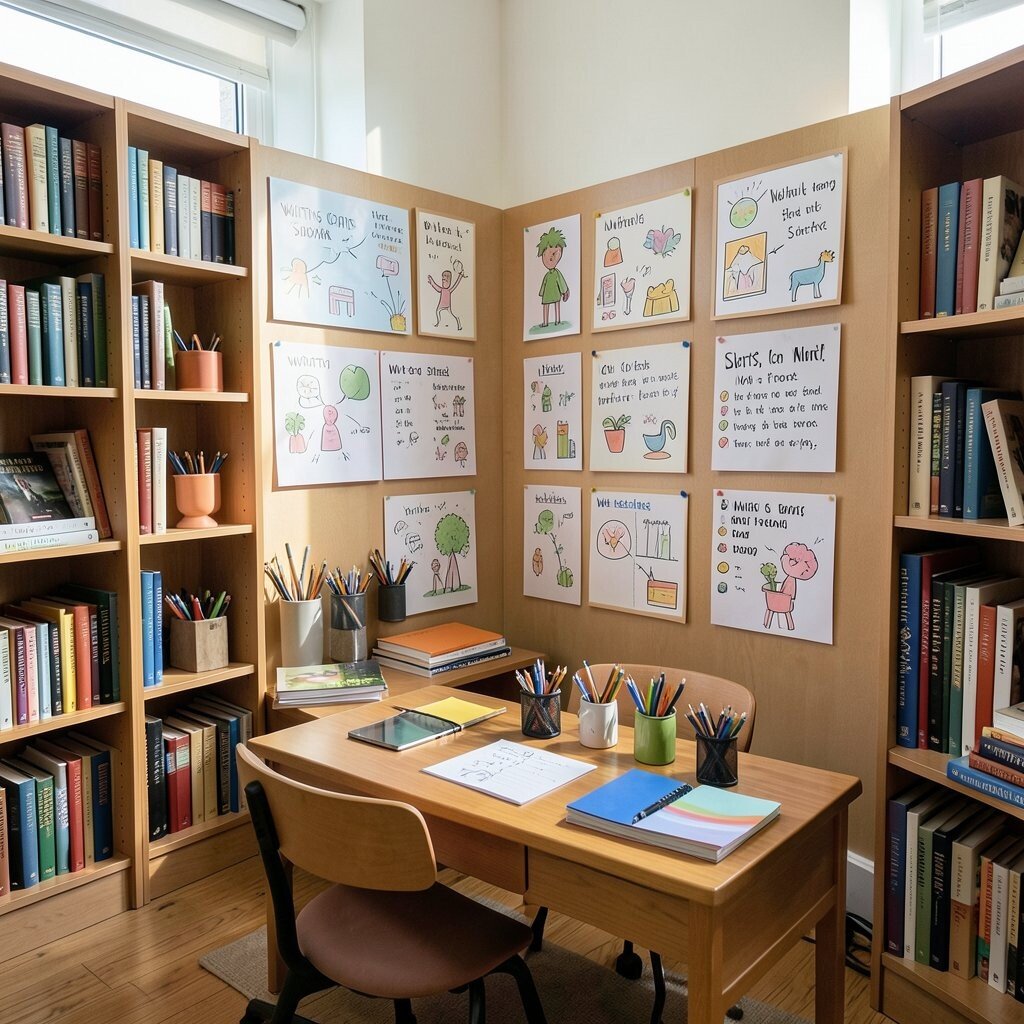
Picture a tidy desk with a cup of pens, a notebook stack, and a board of cheerful prompts. The area says writing is welcome here, even if you feel rusty.
Set up a writing station with a few tools only, like two pen types, a pencil, and a small pack of index cards. Keep prompts varied so readers can match their mood, such as funny stories, letters to the future, or nature observations. Add a wall pocket that holds examples written by patrons, so others can see what’s possible.
9. Local Maker Table With STEM Kits and Book Links
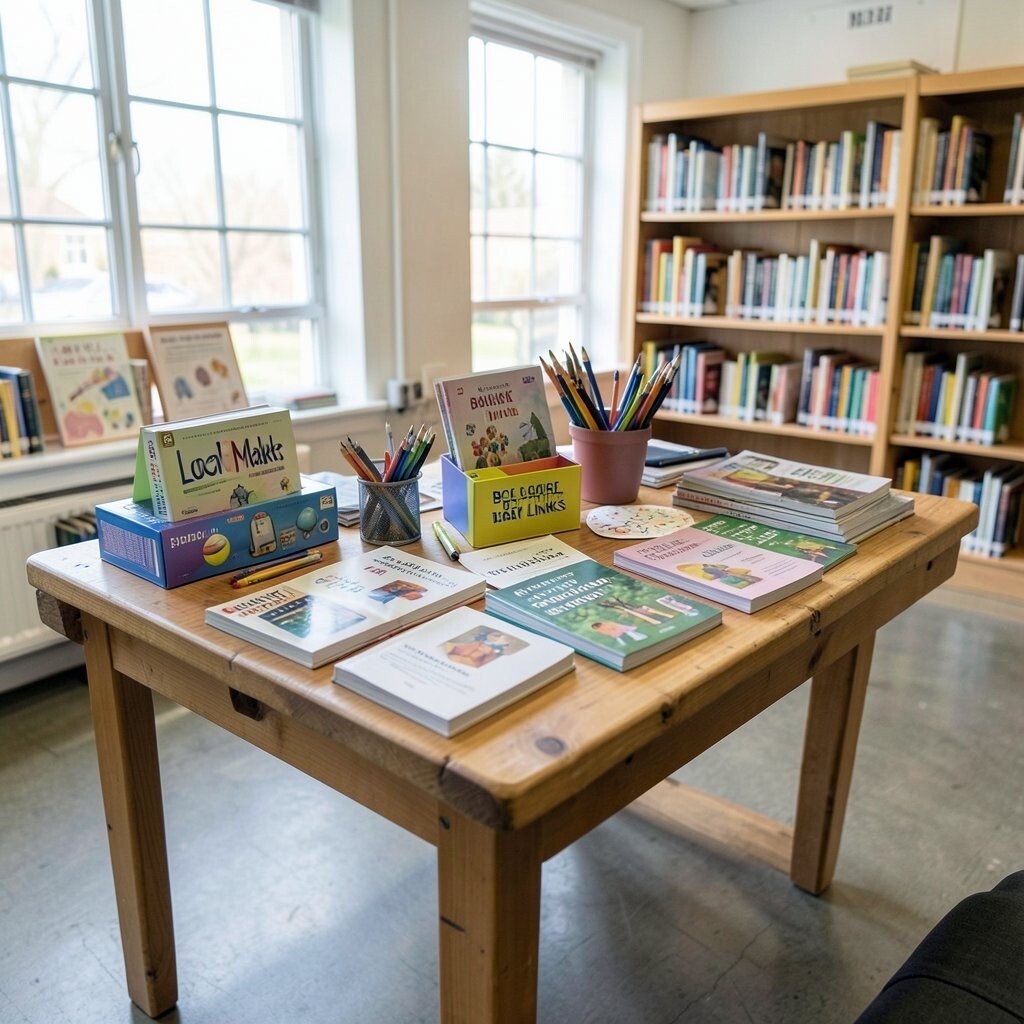
Imagine a sturdy table with kits that match what’s on the nearby shelf. Simple tools, labeled containers, and printed instructions make science feel reachable.
Pair each kit with a short book list, including one beginner title and one deeper choice. This connection helps people read to support hands-on work, which many learners enjoy. If you have limited space, store kits in rolling drawers so the table can switch roles quickly.
For cost, choose consumables you can control, like paper circuits, building blocks, and reusable cardboard templates. Personalize by letting participants build a “showcase model” that stays on the table until the next session. Current trends in maker learning highlight short, friendly projects that build confidence fast, and this setup fits that style.
Ask staff to note what worked best so future kits match the crowd’s interests.
10. Art Wall With Book-Related Gallery Cards
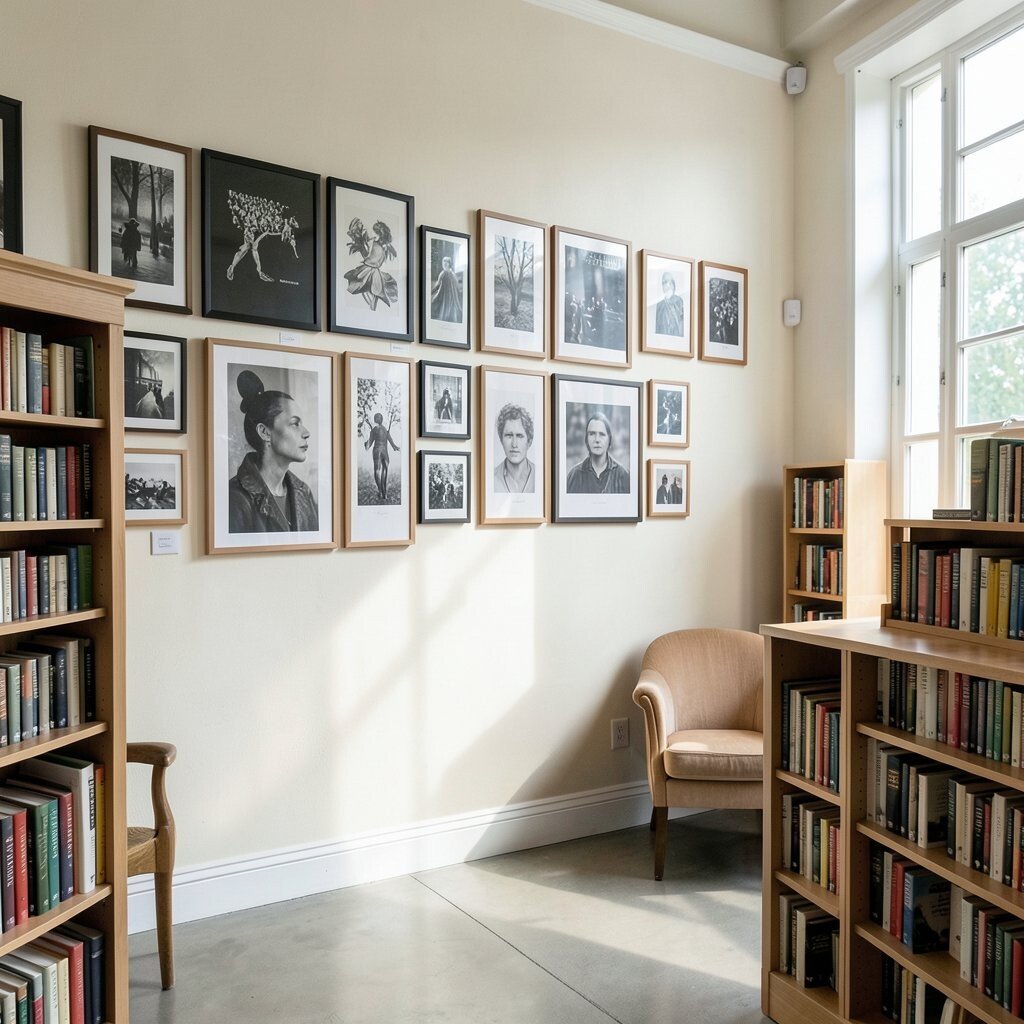
Picture an art wall where posters look like small gallery pieces, each tied to a book. Bright colors and clean spacing make the area feel creative without becoming messy.
Create simple gallery cards with a short “why this book matters” sentence and a visual from the theme. Encourage people to borrow the featured book after they see the art, so the wall becomes a friendly doorway. You can use student artwork, staff sketches, or printed illustrations with permission.
For a budget-friendly approach, print graphics in black-and-white and let community members color them. Personalization is easy when you rotate artists and themes, such as graphic novels, poetry collections, or historical fiction. This style matches current expectations for libraries to act like cultural hubs, not just quiet storage.
11. Teen “Hangout” Shelf With Low Stakes Activities
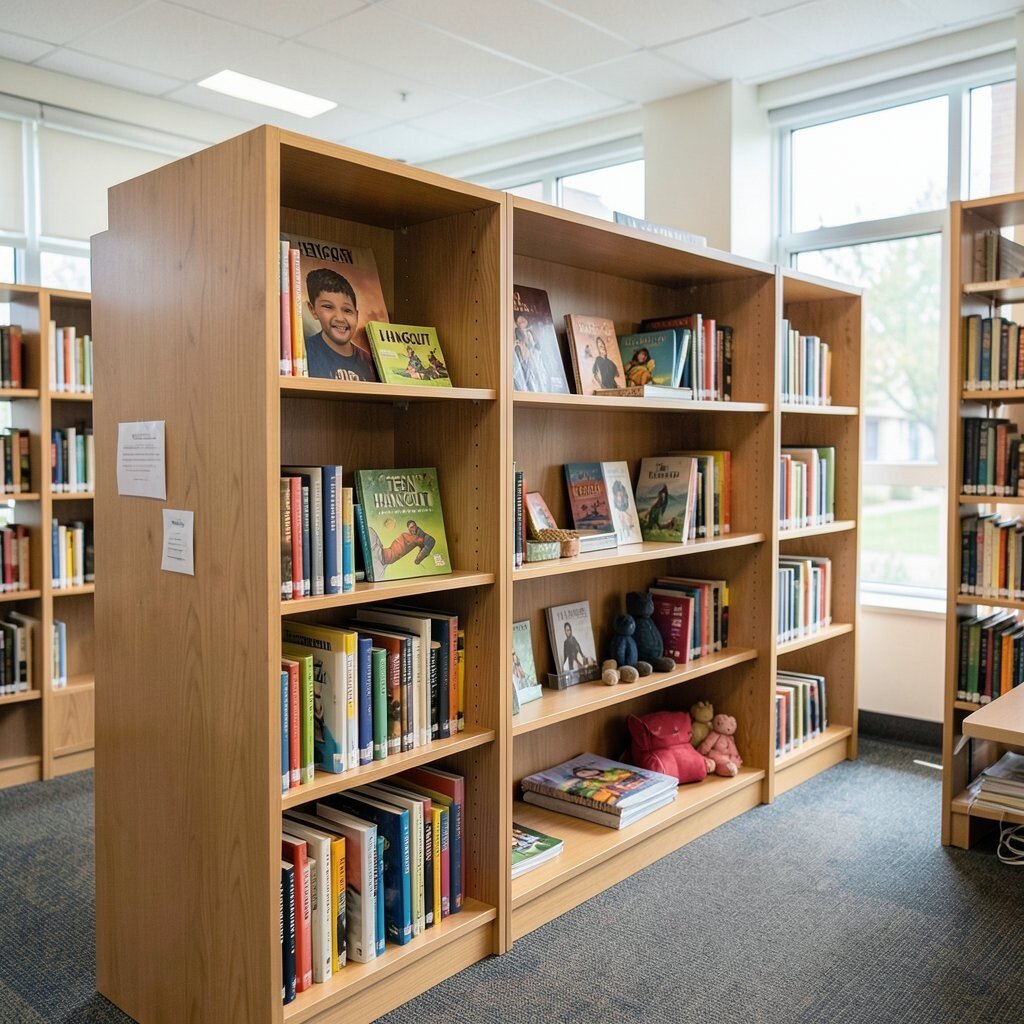
Imagine a comfortable shelf area with games, quick challenges, and book covers that feel bold and modern. Teen-friendly seating and a clear pathway make it inviting, not intimidating.
Offer small activities that don’t demand long focus, like word games, mini zines, or monthly book debate cards. Keep materials visible and easy to grab, but store them in labeled bins to maintain order. This kind of teen-centered setup helps people feel they belong, which boosts usage.
Use cost-conscious options such as free printable templates, donated game pieces, and simple craft supplies. Personalize the shelf by letting teens vote on themes, like “mythology month” or “comics and manga.” Current trends show teens enjoy interactive spaces that look good on their phones, so keep lighting and signage neat.
12. Calm Corner With Guided Breathing Cards and Soft Textures
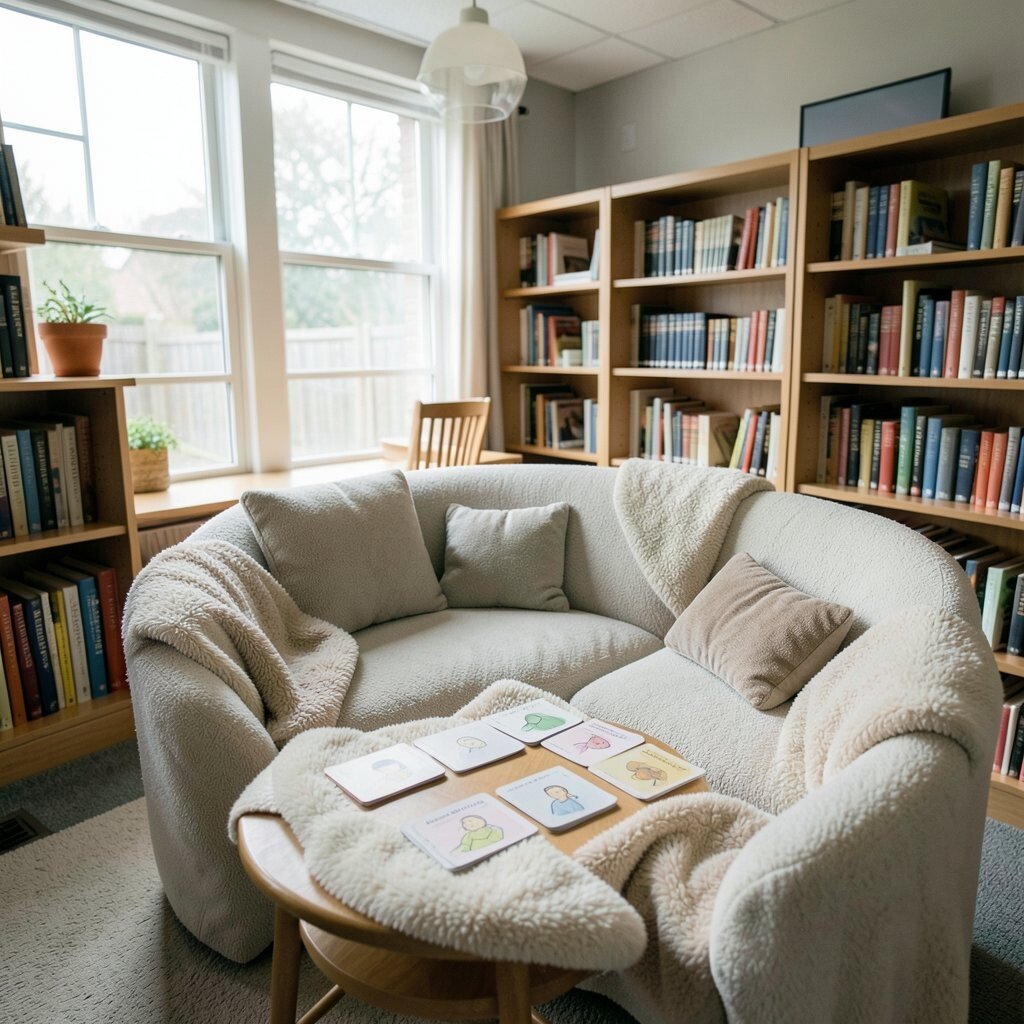
Picture a soft chair with calming colors, plus cards that guide slow breathing in simple steps. The corner looks gentle, like a quiet pause you can take anytime.
Use textured cushions, a small scent-free diffuser if allowed, and a rug that feels comfortable underfoot. Keep the cards short and easy to understand, and include a few choices like “two minutes” or “before a test.” This helps people manage stress without needing staff to run formal sessions.
13. Culture Map Display With Multilingual Book Pairings
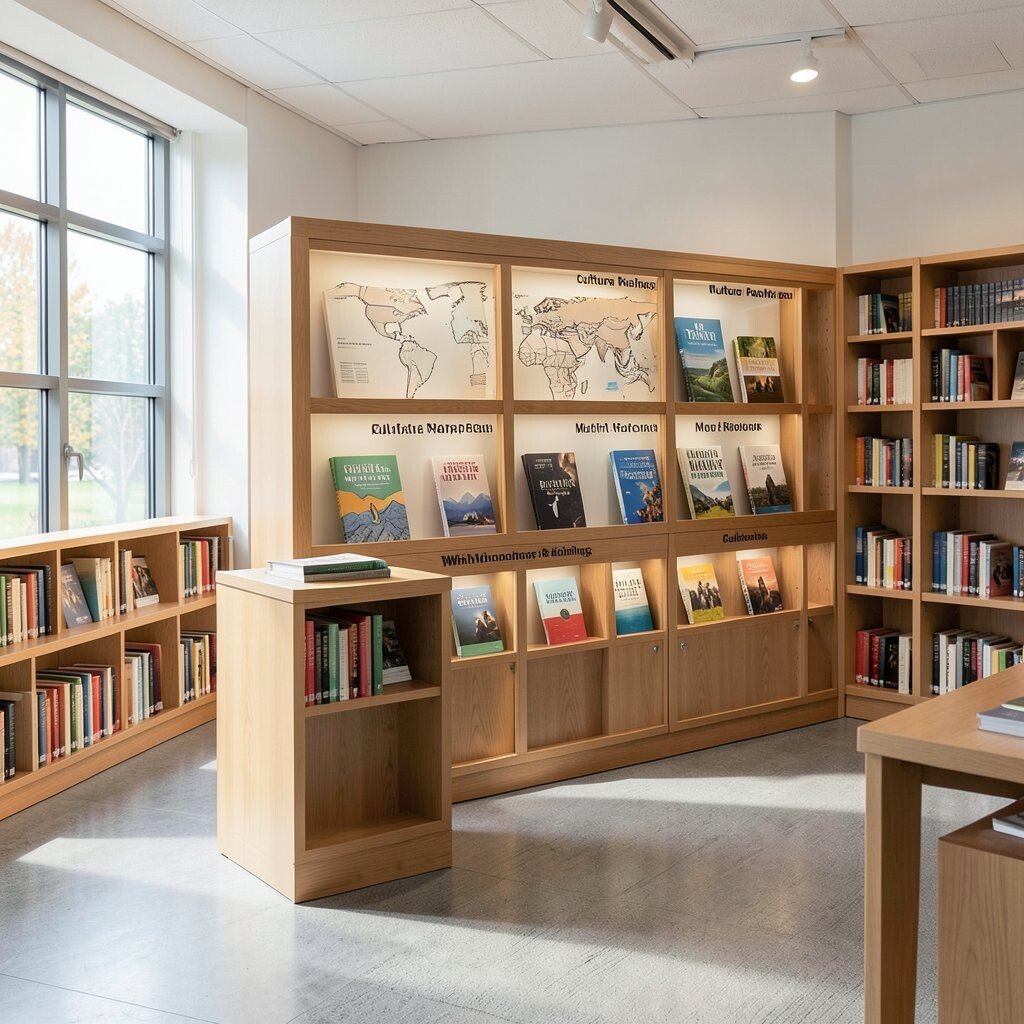
Imagine a world map on the wall with pins that connect books to places. Each pin links to a small book pairing card with stories from that region.
Include multilingual titles and reading guides where possible, so different language backgrounds feel seen. Pair a classic story with a modern one to help readers build connections and compare voices. If you can’t get multilingual copies, use translated excerpts or partner with community groups for temporary displays.
For personalization, let patrons suggest places tied to family memories, then update the display monthly. Consider cost by using printouts, low-priced maps, and recycled frames. Current trends in cultural inclusion encourage spaces to welcome many languages, and this visual approach does that clearly.
Keep signage simple so visitors can read quickly and choose a book without confusion.
14. “Return Rewind” Station With Friendly Reading Rewards
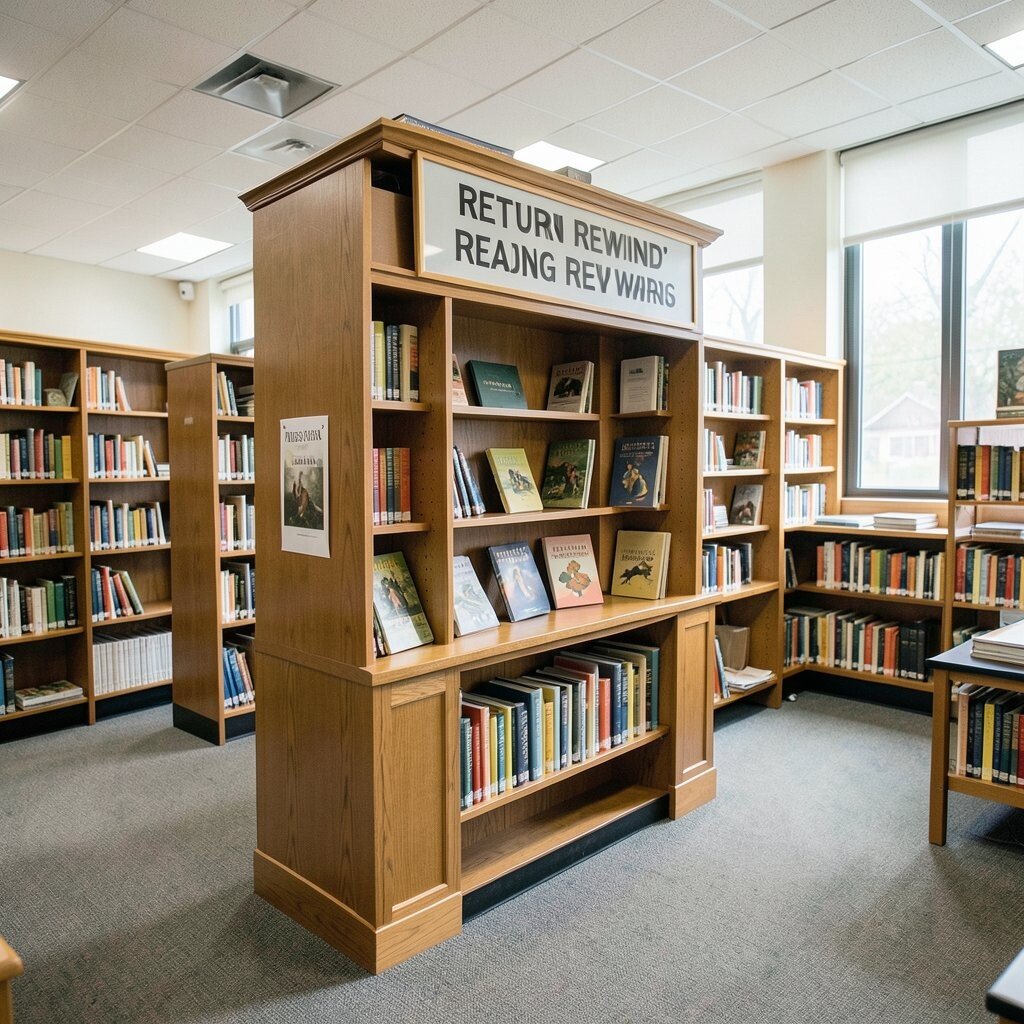
Picture a small counter area where returning items feels like the start of something new. A decorative sign, a basket of bookmarks, and a tiny display of featured books create a calm transition.
Offer a simple reward for returning on time, like a bookmark, a sticker, or a raffle entry, depending on your rules. Pair it with a recommended read card so the reward connects directly to browsing. This gives people a reason to notice the collection instead of rushing past it.
15. Outdoor-Style Shelf With Plants and Nature-Themed Books
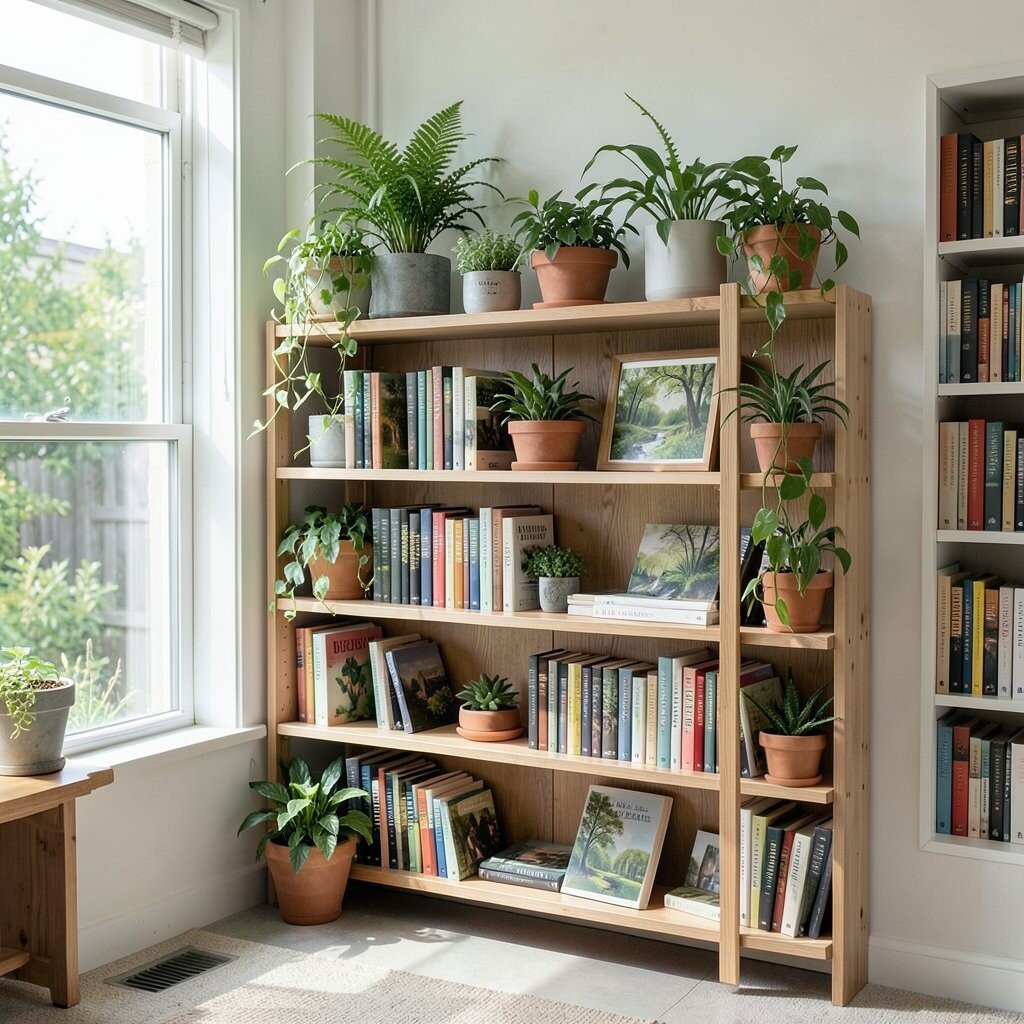
Imagine shelves surrounded by potted plants and natural textures like wood or woven baskets. Nature colors make the area feel fresh and inviting, even indoors.
Place plant-friendly books face-out near the greenery, like gardening guides, wildlife stories, and travel essays. Add small labels with easy descriptions so visitors can match interests quickly. For personalization, rotate plant types by season and display nature-inspired art made by patrons.
Cost considerations are manageable when you start with a few hardy plants and use decorative planters you already have. If maintenance is a worry, choose low-care plants and schedule watering as part of opening tasks. Current trends in biophilic design show that green touches can make spaces feel calmer and more pleasant, and a library fits that mood perfectly.
16. Book Exchange Shelf With Clear Rules and Flexible Genres
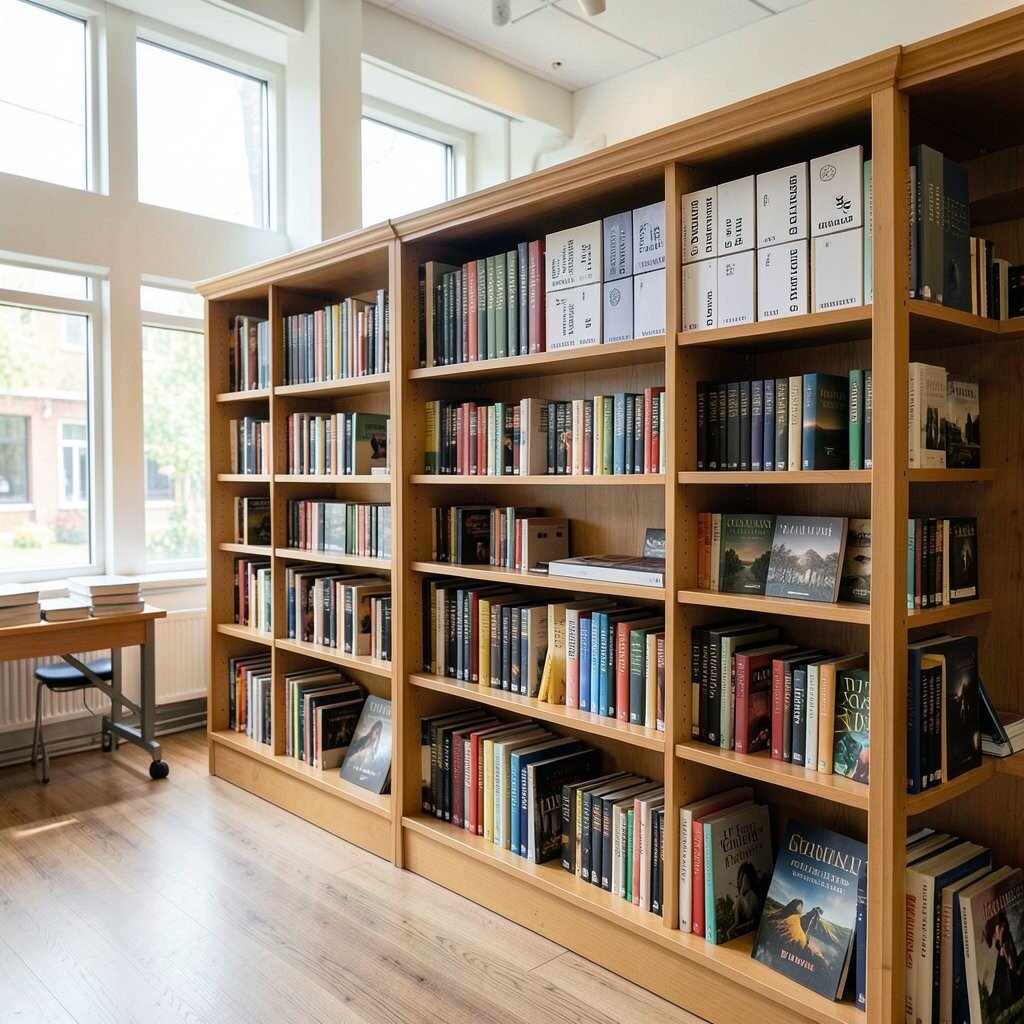
Picture a small shelf where books wait like friendly gifts for the next reader. Visible titles and neat stacks make the exchange feel organized and trustworthy.
Set simple exchange guidelines using plain language, like how to donate, what condition is acceptable, and how often to restock. Keep genres flexible so the shelf doesn’t feel limited, but rotate by theme so it doesn’t go stale. A sign with a few genre examples helps people choose without guessing.
To manage cost, use donations, reusable crates, and durable shelf labels. Personalize the space by adding a small section for local authors or staff picks, which builds community pride. This format matches current trends in sustainable reuse and community sharing, and it encourages repeat visits.
Assign one staff member or volunteer to check condition regularly so everything stays welcoming.
17. Seasonal Craft Corner With Make-and-Take Booklets
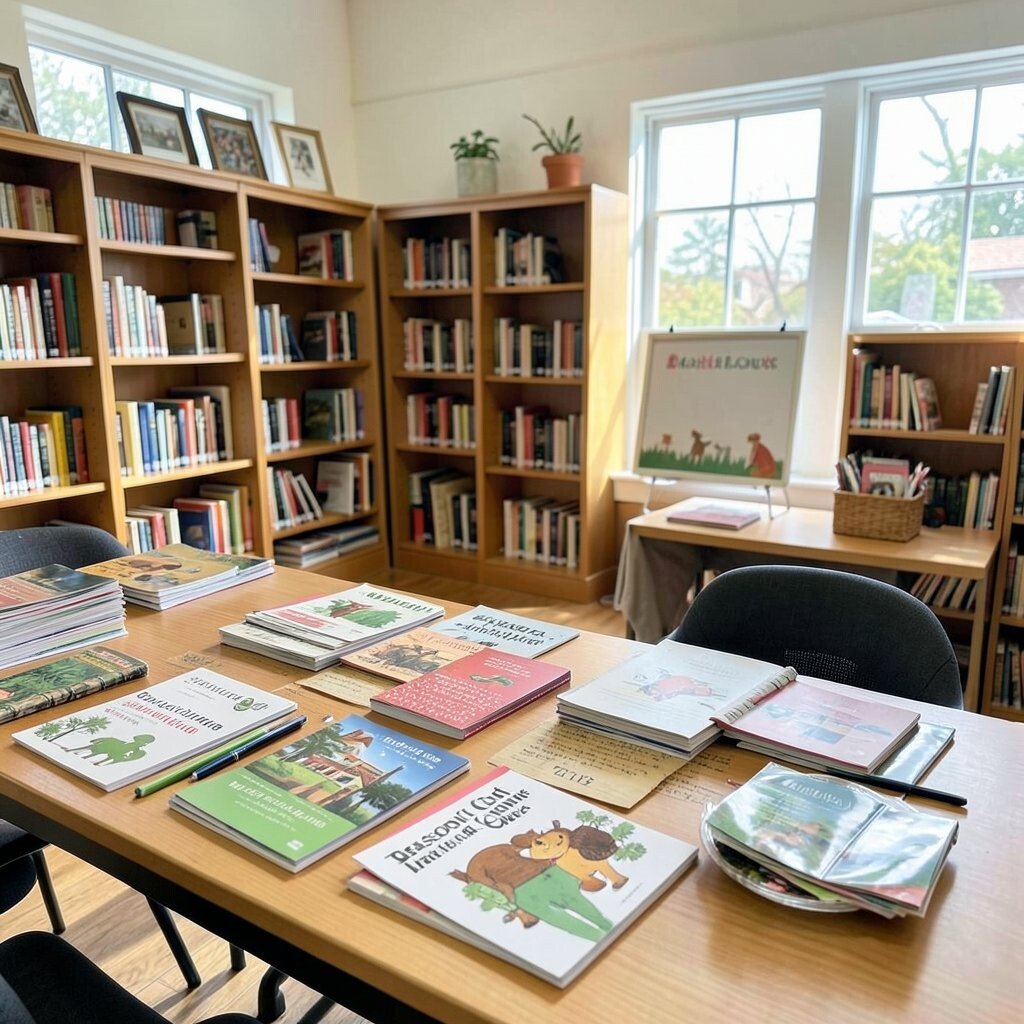
Imagine a table set up like a mini holiday workshop, with completed samples and neat stacks of materials. The display looks warm, and the nearby shelf offers books that match the season.
Create make-and-take booklets where each page includes a short craft step and a matching reading recommendation. This helps people understand the activity quickly and gives them a reason to browse. Use durable paper covers so booklets can be reused for inspiration, even if you adjust the project.
For cost, stick to supplies that scale well, such as paper, scissors for adults only, glue sticks, and stamps. Personalize by letting participants choose from a few themes, like winter poems, spring garden pages, or summer travel maps. Current trends in hands-on learning and micro-activities make this type of seasonal event especially appealing.
After each session, keep a small “what we made” display so visitors see progress and feel excited to join next time.
Store leftover paper in labeled bins, so you can build the next craft without starting from scratch.