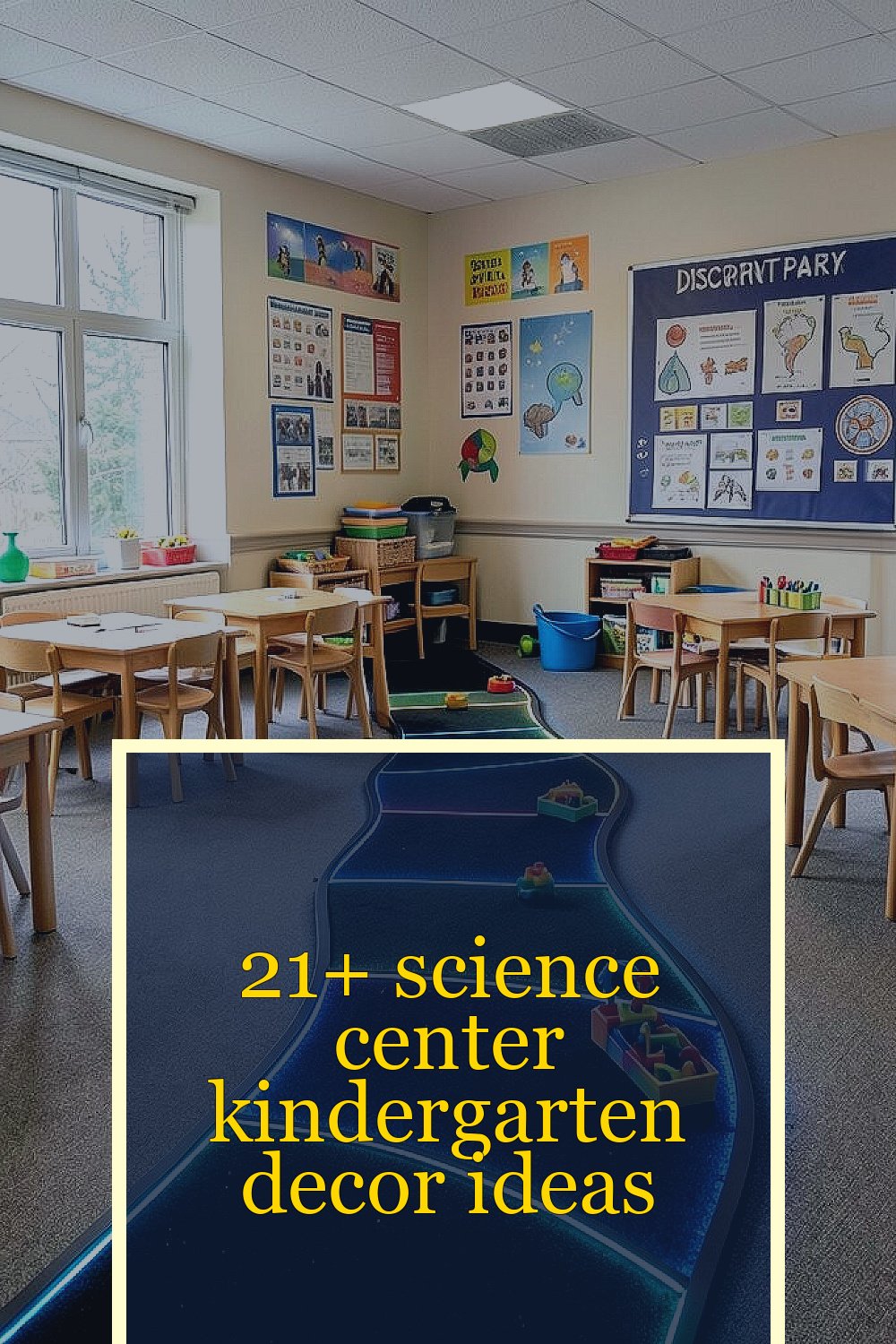
The science corner can feel like a tiny planet where kids learn by doing. When the space looks playful and inviting, curiosity shows up every day.
Decor and play ideas work best when they match how children move, touch, and talk. Below are classroom-ready ways to set up a science center that feels special, practical, and fun.
1. Glow-in-the-Dark Discovery Pathway
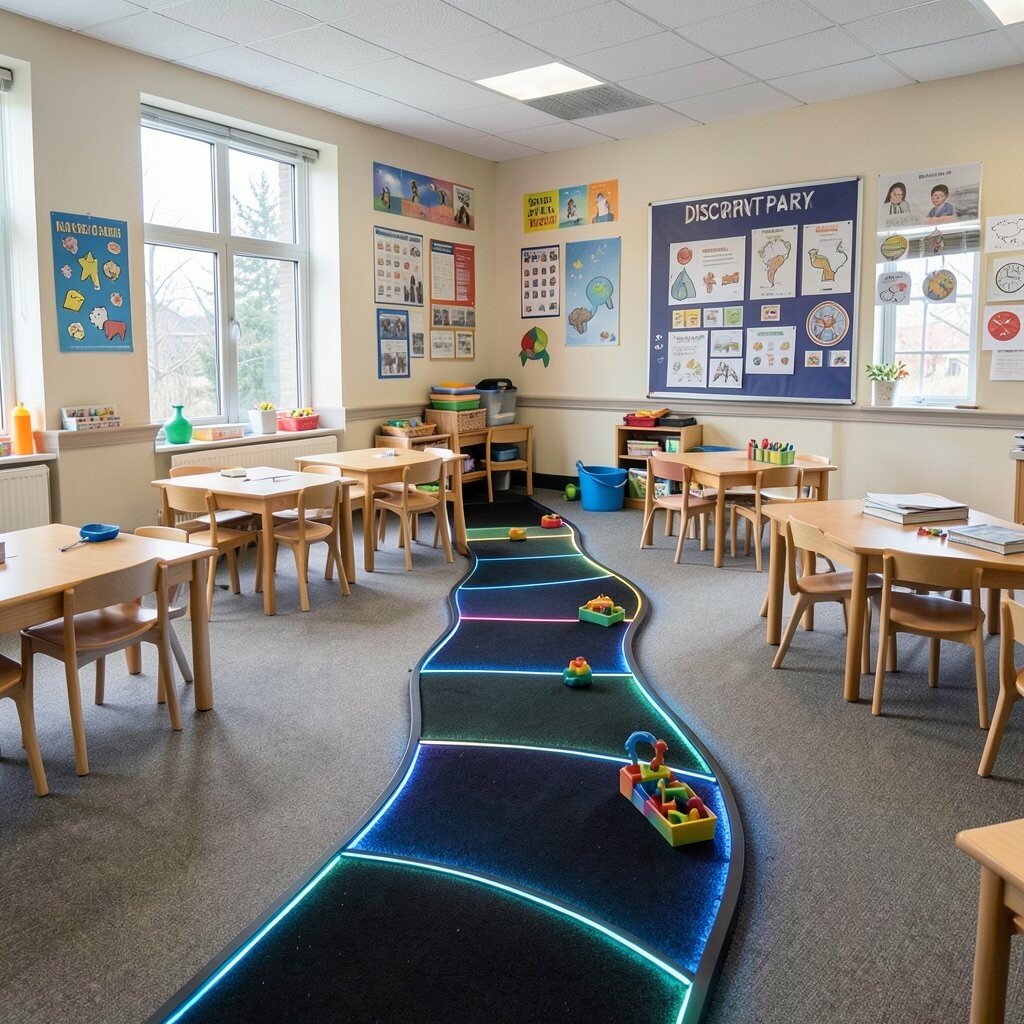
Paint or tape a winding “path” on the floor using glow-in-the-dark tape or washable glow stars. In a dimmer corner, kids follow the light trail like they are stepping into a night-time lab.
Pair the pathway with simple science prompts like “find something that shines” using picture cards. This kind of visual setup boosts focus because children know what to do next, and it also supports cooperative play as they compare what they discover. Choose kid-safe, non-slip materials and reapply glow accents as needed for cost-friendly upkeep.
2. Color-Coded Magnifier Stations
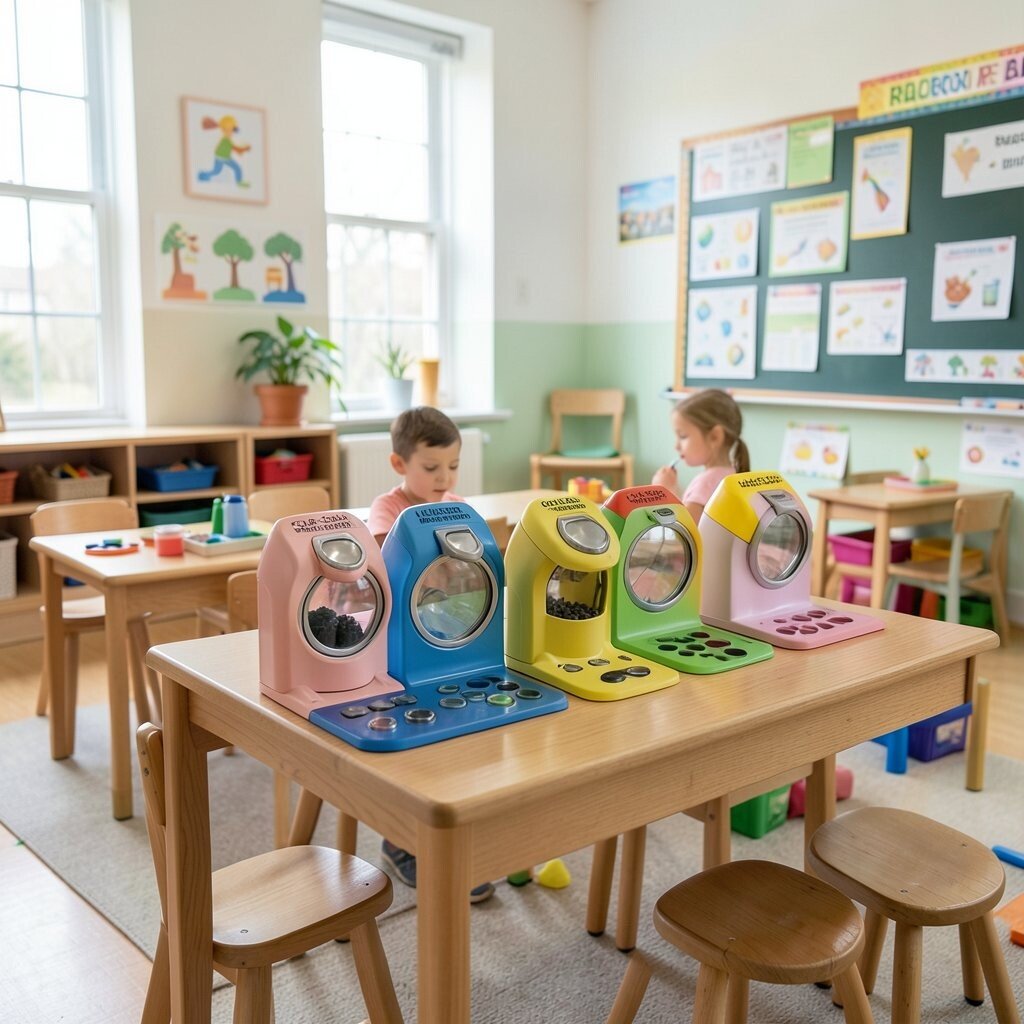
Create a set of magnifying stations with baskets labeled by color dots on the shelf. Each station can hold different types of magnifiers like pocket lenses and larger hand lenses.
Let kids rotate tasks by choosing a color dot and matching it to a small photo guide on the wall. This supports independence, and it helps adults manage the center with less back-and-forth. Use inexpensive acrylic craft mirrors and sturdy bins so the setup stays durable for daily use.
Add personalization by letting families contribute one “science selfie” where children hold a magnifier during a center day. Display the photos in a rotating frame near the stations for a warm, community feel. Current trends lean toward sensory-friendly, low clutter layouts, so keep only a few tools at each color station to maintain a calm look.
3. Weather Wheel with Moving Parts
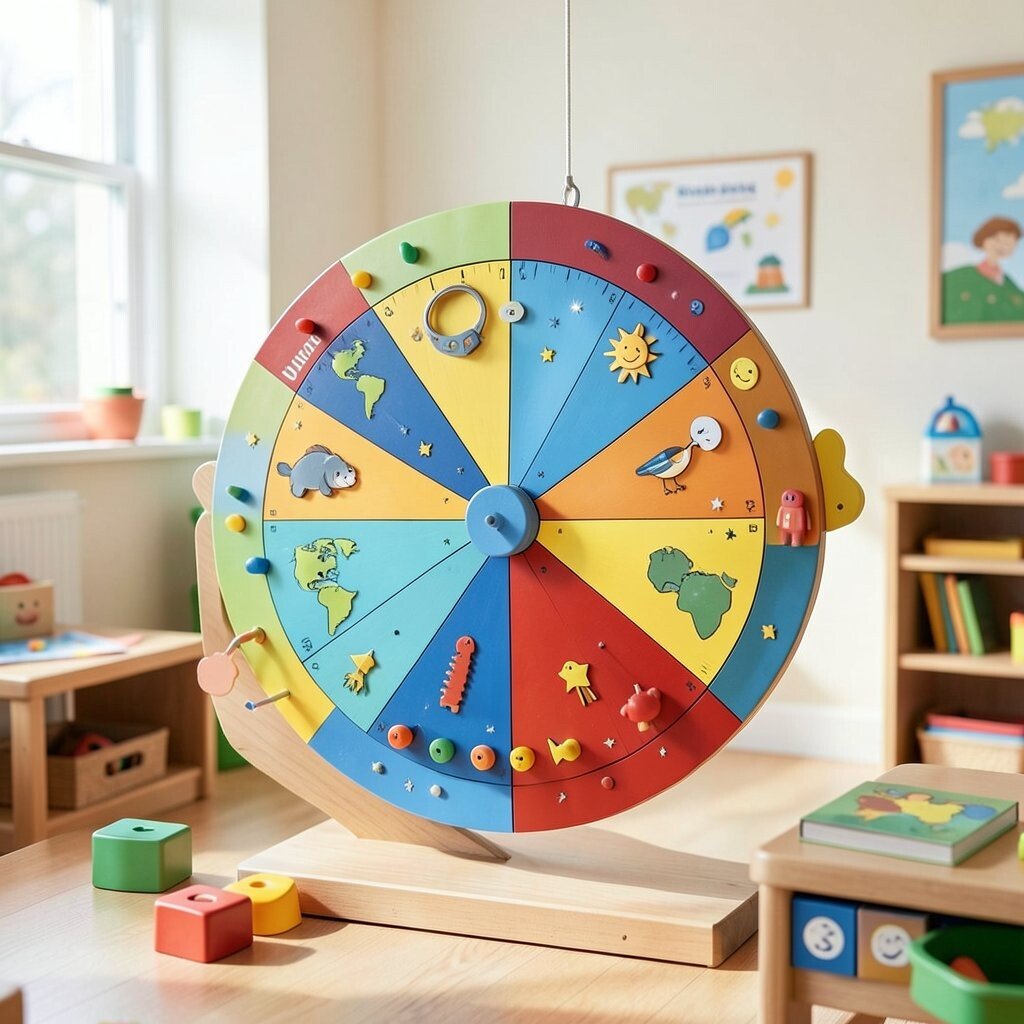
Build a large weather wheel using foam board and a brad fastener so the pointer spins smoothly. Decorate it with bright cloud, sun, rain, and wind icons for an easy science-at-a-glance display.
After circle time, let children spin the wheel and then add a matching token to a simple daily chart. This builds vocabulary and helps them practice cause-and-effect thinking in a hands-on way. Keep the wheel at kid height and use rounded edges so it remains safe and inviting.
For practical setup, store the tokens in a small tray that looks like a “weather counter” with divided compartments. Personalize by adding a sticker border made from your classroom theme, such as space, ocean, or jungle. If you want a budget-friendly approach, reuse old cardboard and add icons printed from free templates.
4. Tissue Paper Light Box Experiments
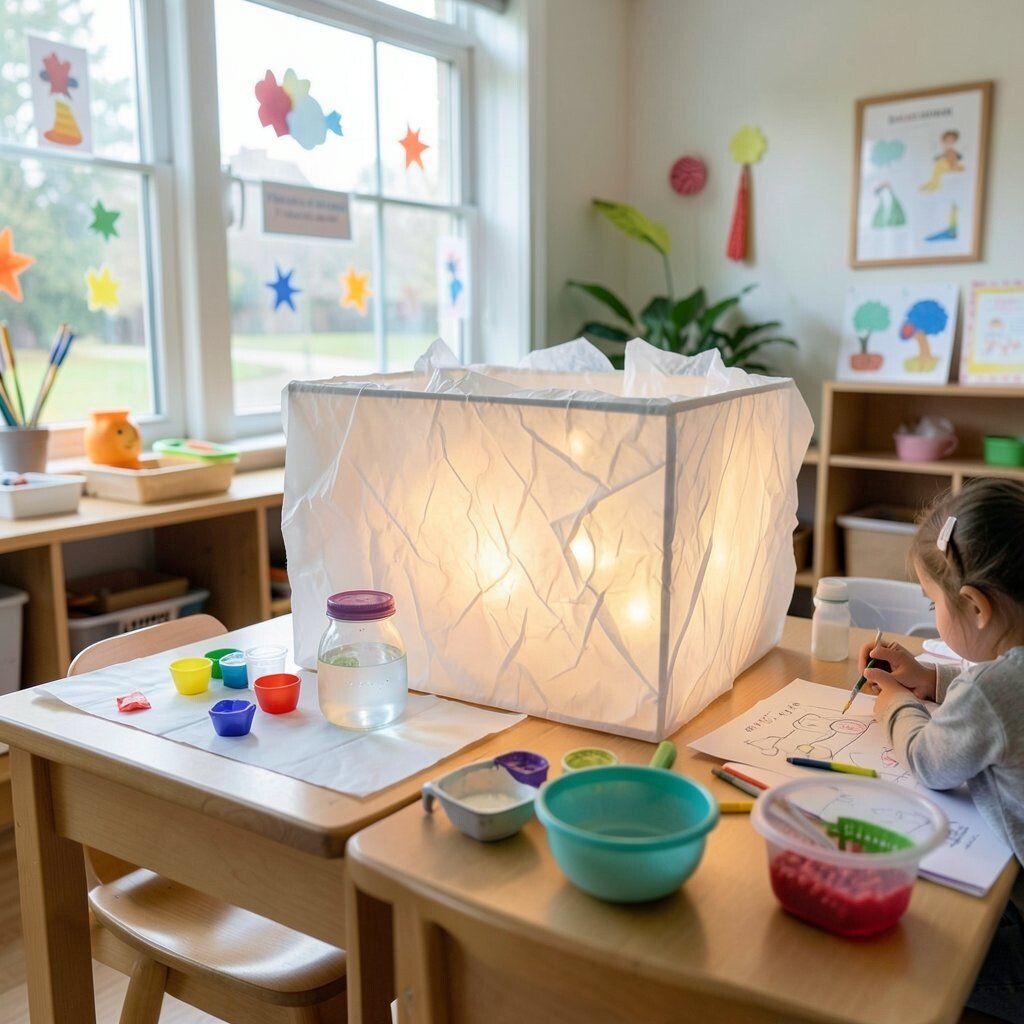
Make a light box using a clear storage bin and a small LED light strip on the bottom. Fill it with layered tissue paper in different colors so kids can watch light change through each filter.
Provide simple objects like translucent shapes, flat leaves, and plastic gems for sorting by how they look. This visual play strengthens observation skills and supports language because kids describe differences in color and brightness. Keep the tissue secured with clips so it stays neat and reduces mess during busy center times.
5. Fossil Dig Tray with Texture Maps
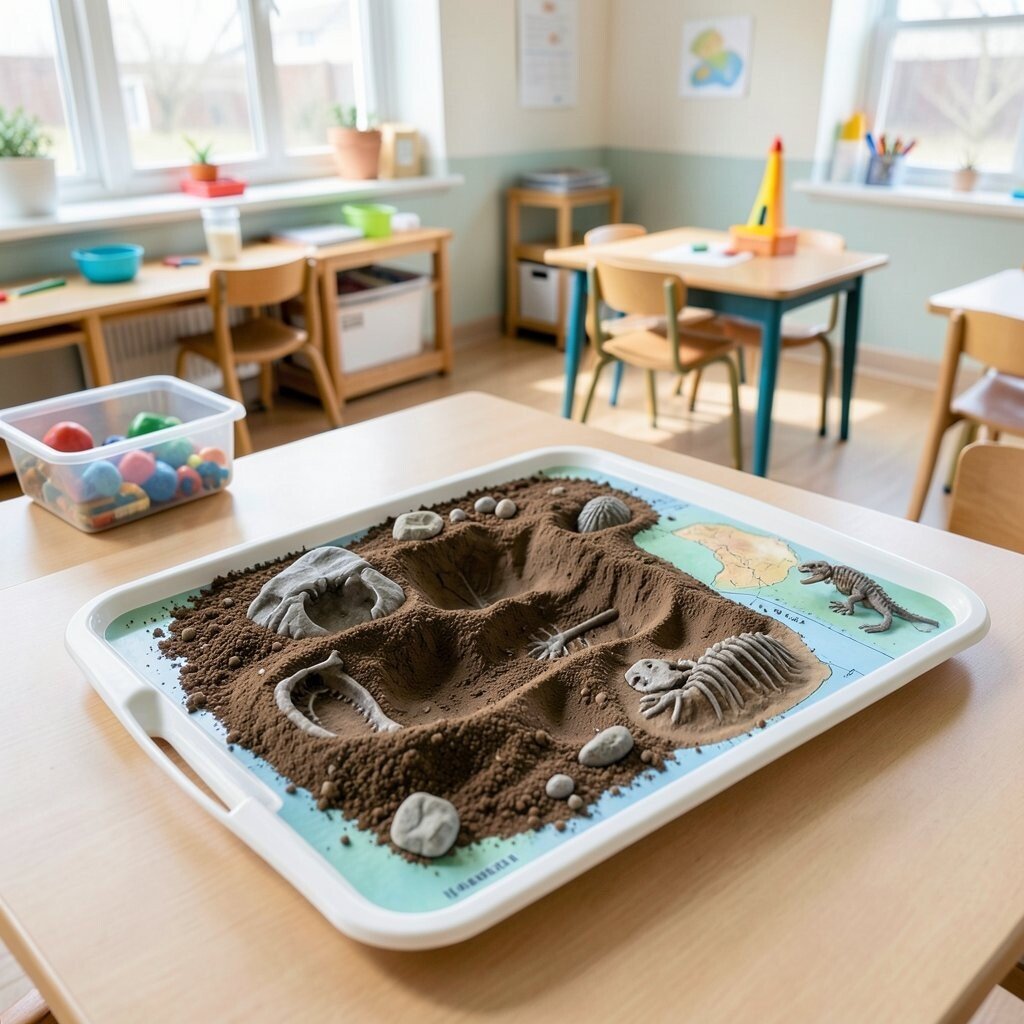
Use a shallow tray filled with sand, soil, or crunchy craft filler and hide chunky “fossils” like plastic bones or shell shapes. Sprinkle the tray’s surface with texture patterns created from imprint stamps or textured paper strips.
Kids “dig” and then match what they find to a texture map posted on the wall. This encourages careful looking and promotes fine motor practice, especially when using small brushes or spoons. Choose materials that are easy to scoop back into bins to keep cleanup realistic for kindergarten routines.
To personalize, rotate the fossil set by theme week, like dinosaurs in fall and sea creatures in spring. For cost considerations, buy one starter set of fossils and mix them with inexpensive finds from nature walks. A current classroom trend is using sensory trays as quiet stations, so provide a cozy seat and a small lid to control noise.
6. Solar System Shelf with Real Objects
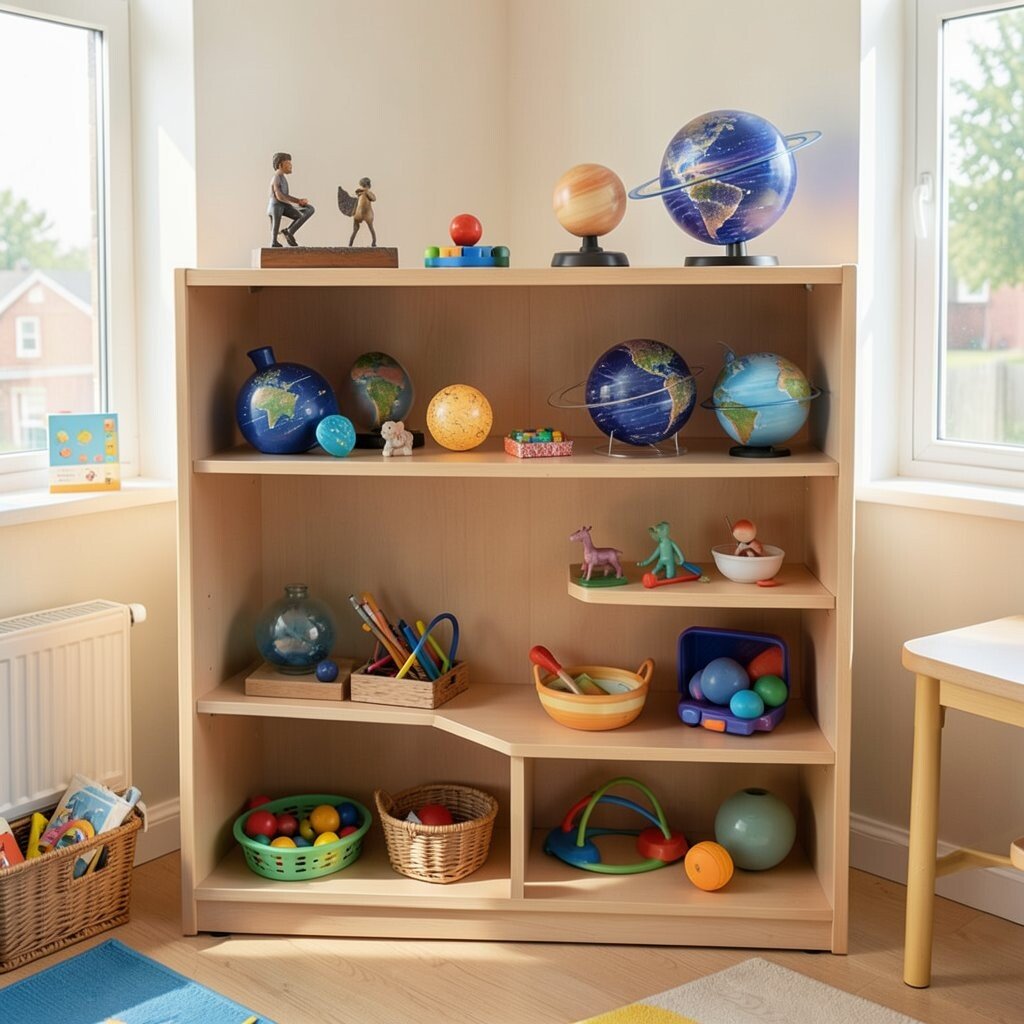
Decorate a shelf with a neat lineup of planet visuals and add a few real objects that relate to space. Include items like a smooth ball as “planet,” a small flashlight as “sun,” and safe planet cards.
When kids play, they can build a pretend model and role-play “launching” a planet into orbit with gentle rolls. This makes space learning feel real and helps kids grasp scale in a simple, playful way. Keep objects grouped by size and store them in labeled containers so the shelf stays tidy.
7. Rain Gauge and Droplet Counting Corner
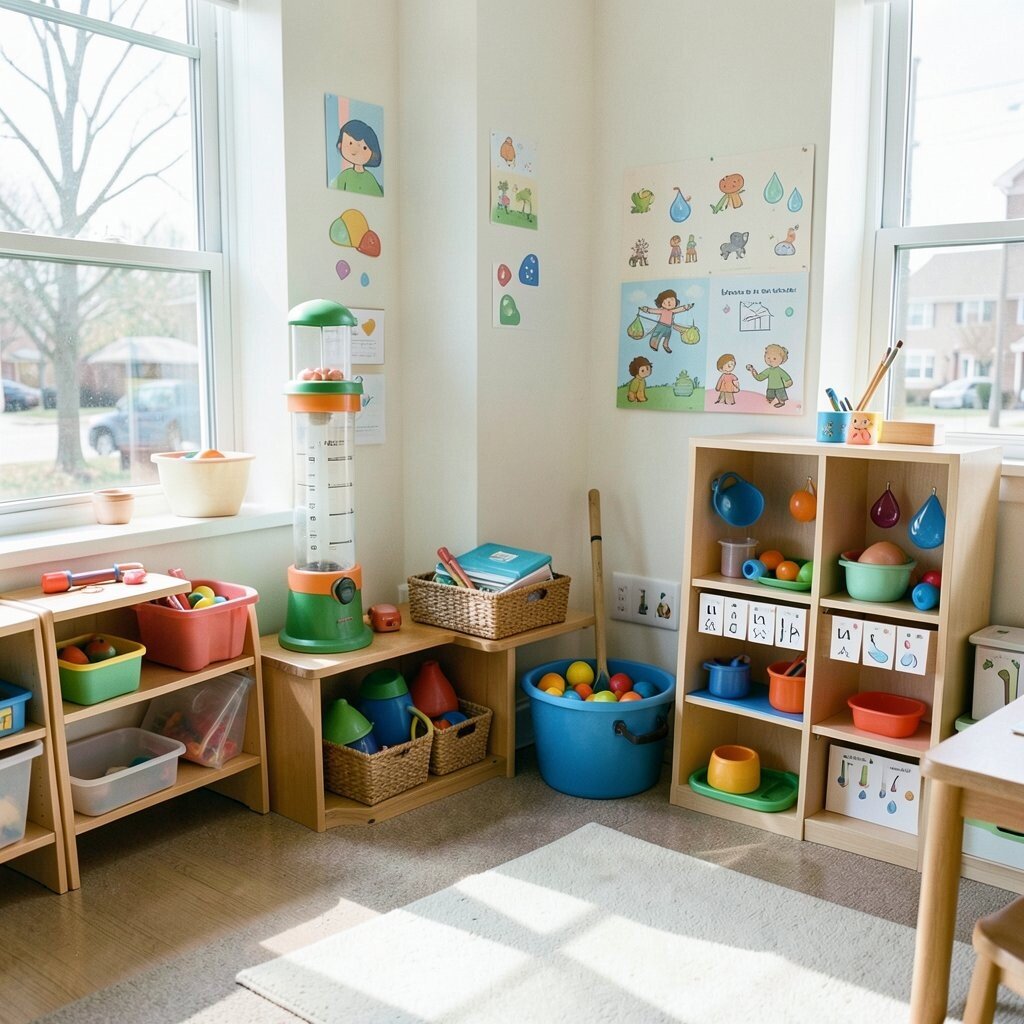
Create a cute rain gauge display using a clear cup marked with painter’s tape lines. Add a drip catcher tray and include a small spray bottle or pipettes for water play.
Kids measure by filling to a line and then discuss how many droplets they used. This gives early math practice and strengthens scientific thinking through simple measurement and comparison. Use washable materials and choose a tray that can be cleaned quickly to handle splashes.
Personalize the gauge with classroom colors or a themed sticker band, and let children name their “rain day.” For cost, craft the gauge with items you already have, like measuring cups and tape. A trend in many classrooms is using gentle, controlled water experiments, which keeps the center fun while limiting mess.
8. Balance Beam with Building Blocks
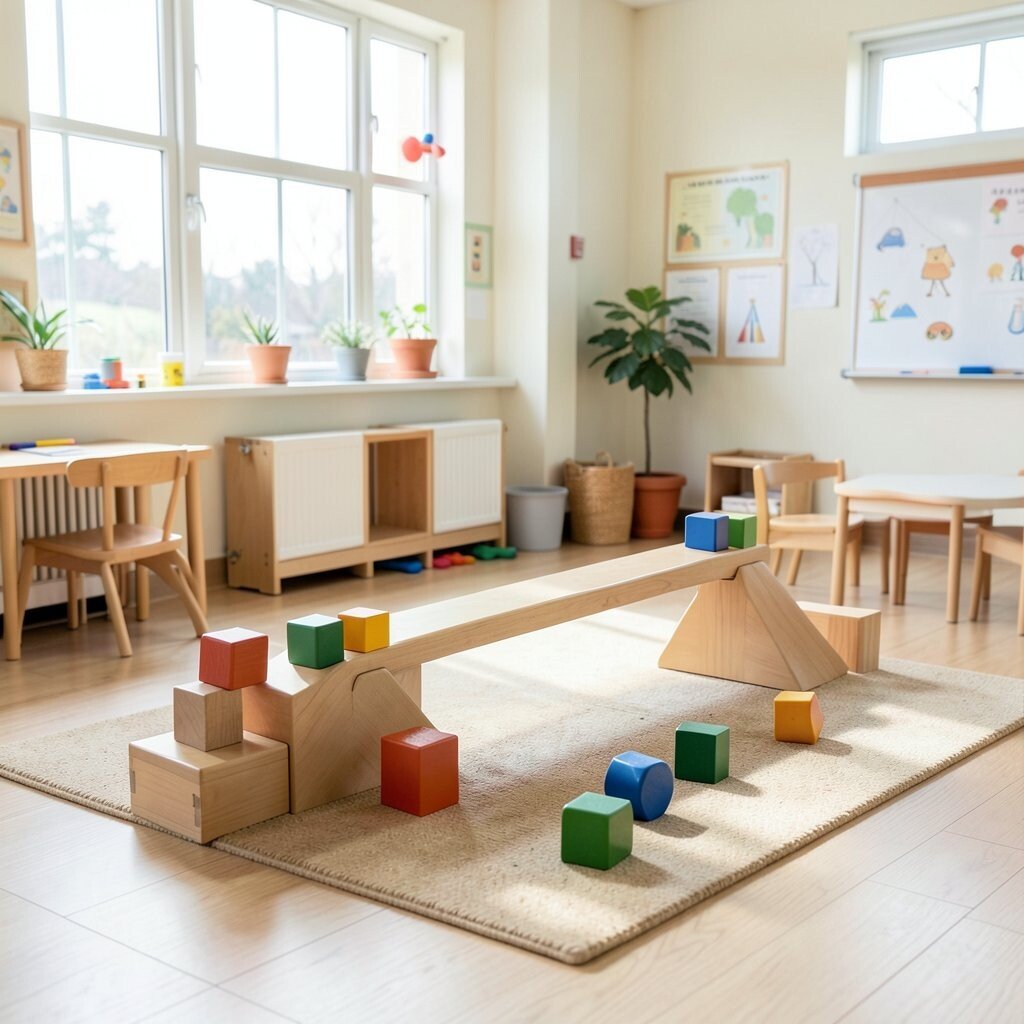
Set up a balance beam using a long board on two stable supports, then provide blocks, toy animals, and small weights. Add picture cards of “light,” “medium,” and “heavy” so kids can predict outcomes before they place items.
Children test their guesses and then adjust, learning how forces and weight affect movement. This supports problem-solving, and it gives hands-on physical science without needing fancy equipment. For practical care, put a soft mat under the beam to reduce slipping and protect floors.
9. Sink-or-Float Discovery with Sorting Rings
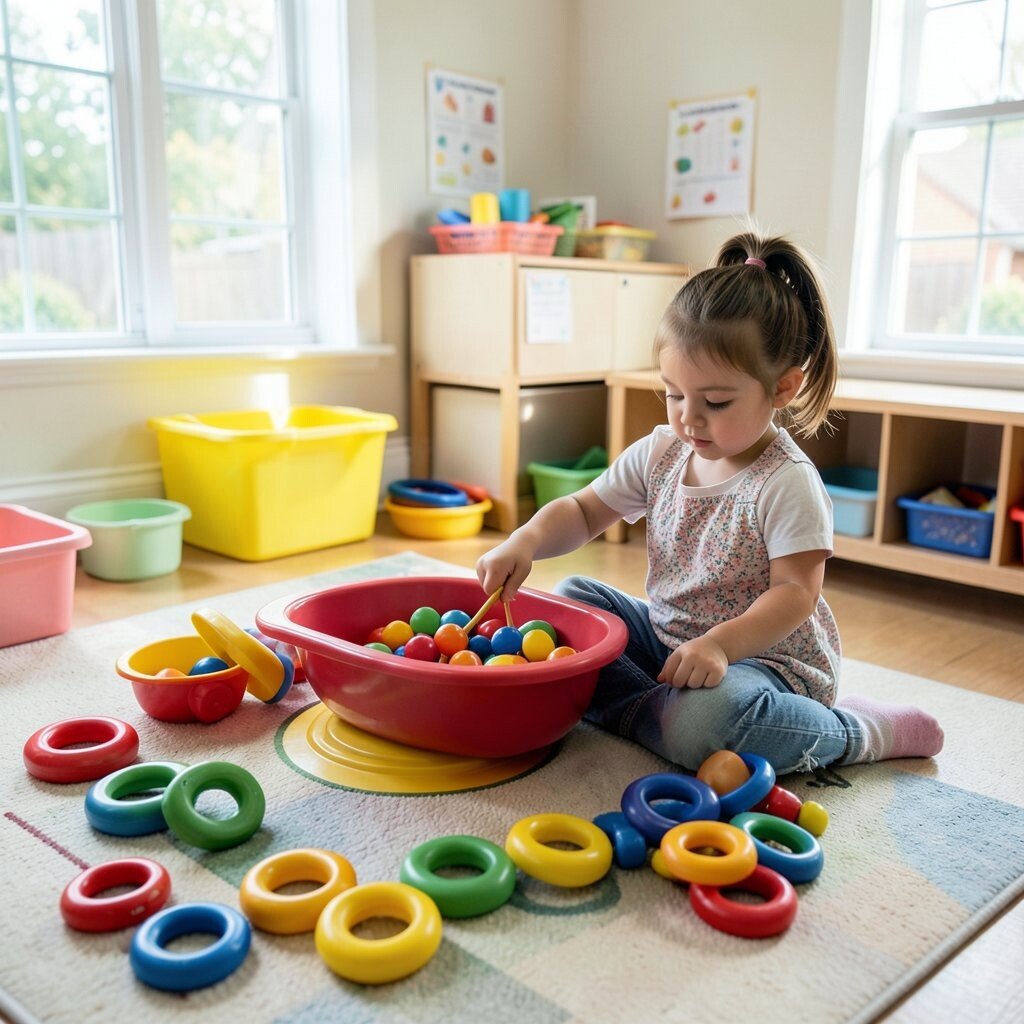
Place a clear tub of water at the science center with a “sorting ring” made from a hoop on one side. Offer objects in small cups so kids can predict and then place each item into the ring area after testing.
Kids learn to sort by outcomes and practice using words like “floats” and “sinks” while comparing results. This creates a clear cause-and-effect loop and helps children build respectful turn-taking. Choose lightweight containers and keep a sponge nearby for quick drying.
Personalize by displaying student drawings of favorite items next to their category. To keep costs low, collect safe kitchen items like grapes, bottle caps, and plastic spoons, then swap them seasonally. Many teachers also follow a trend toward reusable materials, so avoid single-use pieces that can’t be washed.
10. Nature Table with Label Cards and Keepsakes
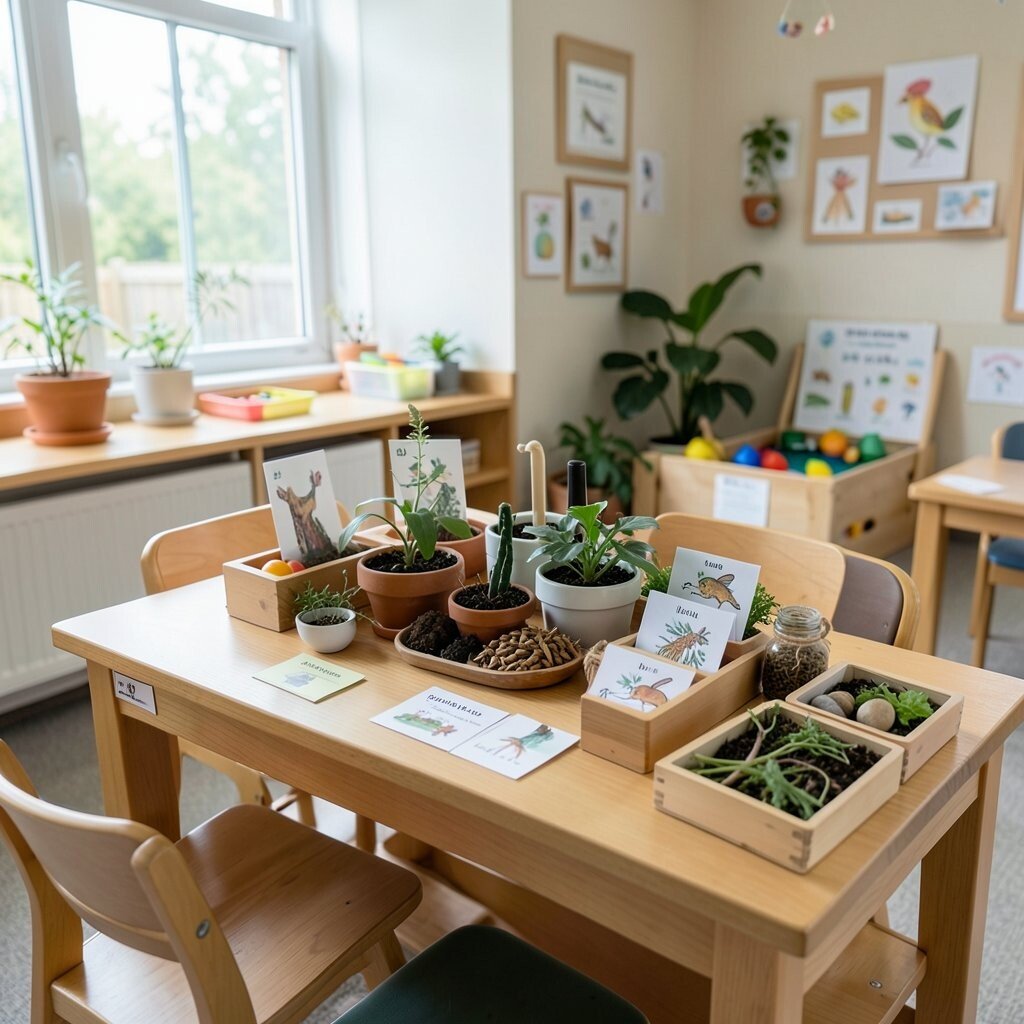
Dedicate a small table to nature items like pinecones, leaves, rocks, and seed pods gathered during walks. Arrange items neatly in small trays so kids can look closely without dumping everything at once.
Use picture-only cards to help children match items to seasons and habitats. This builds observation and science vocabulary while creating a calm, display-like vibe. For personalization, add a small “find of the week” photo or drawing on a clip string above the table.
11. Magnets on a Magnetic Wall Garden
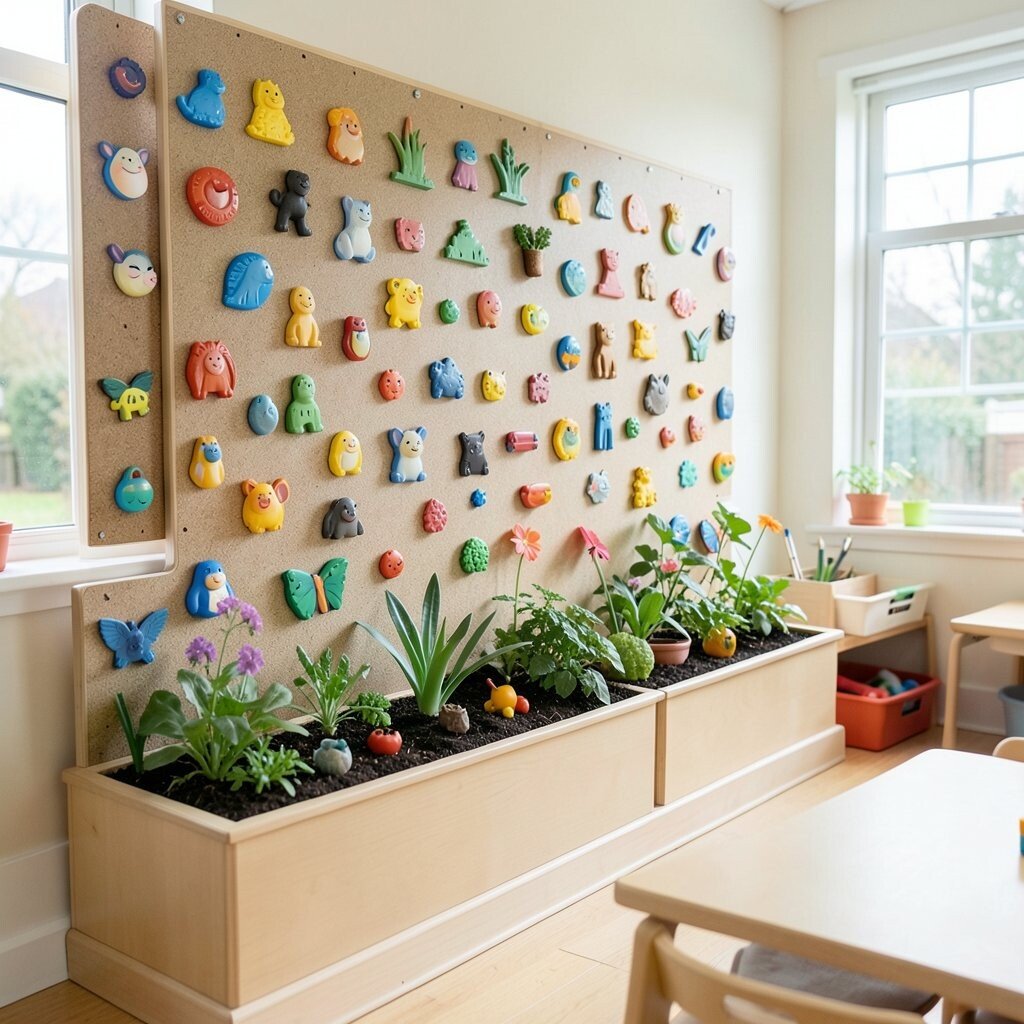
Cover a wall or board with magnetic sheets and place cutout garden shapes like flowers, leaves, and bugs. Kids can “plant” magnet-backed items into the garden and move them around freely.
Provide a tray of magnet shapes and metal objects for sorting and testing attraction strength. This encourages experimentation and builds fine motor control while keeping play active but organized. Use strong but safe magnets, mount the board securely, and keep small metal pieces inside trays to reduce lost items.
Make it unique by using a classroom theme, like ocean currents or a spring garden, so the whole center looks connected. For cost, start with one set of magnet shapes and reuse cardboard cutouts each week. Current trends often feature interactive wall displays, which keep kids engaged because the action stays visible.
12. Color Mixing Lab with Reusable Droppers
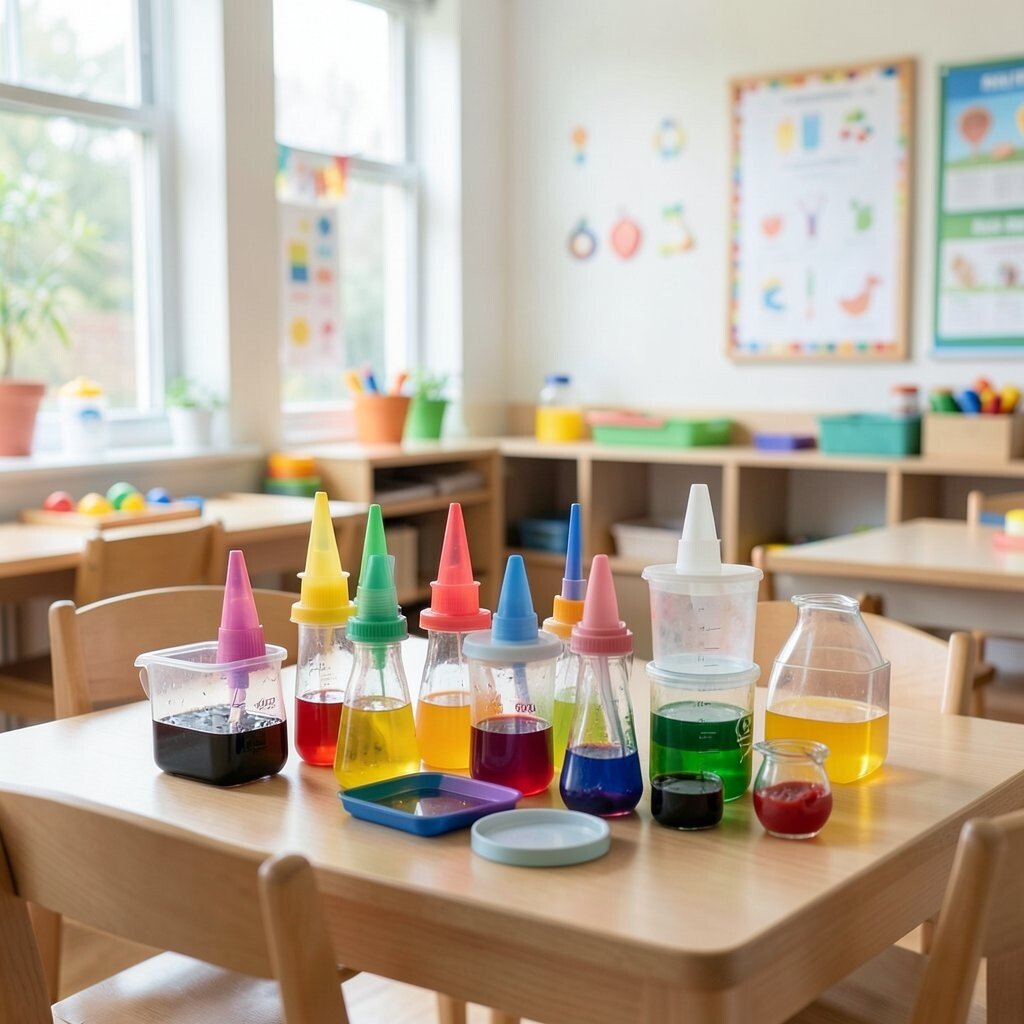
Create a simple color mixing setup with cups of water and a set of reusable droppers. Place a color wheel poster nearby so children can choose which combinations to try.
Kids squeeze, mix, and then compare the results, practicing prediction and careful measurement through observation. This kind of art-science blend supports creativity while teaching basic properties of color. Put a wipeable table cover down and provide a small towel so clean-up feels manageable.
13. Sound Station with DIY Instruments
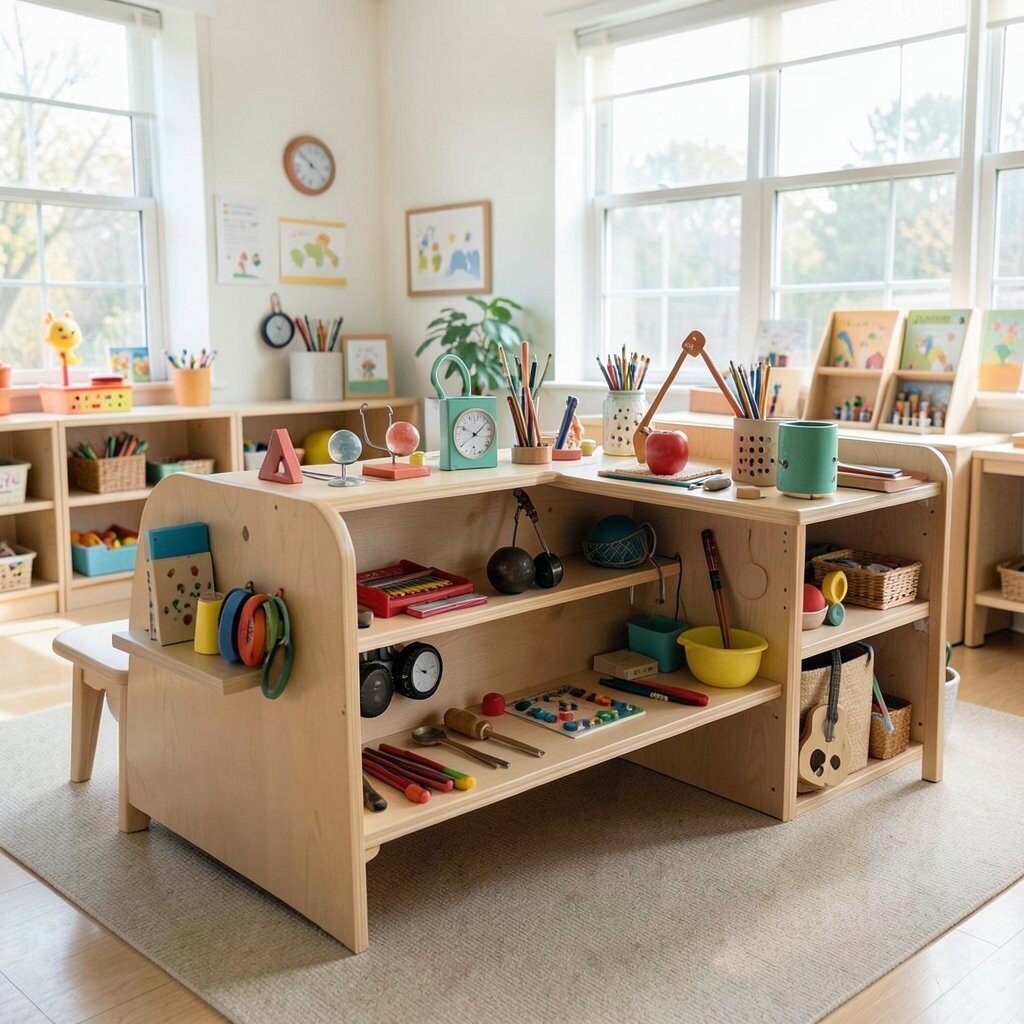
Build a sound corner with a row of small jars filled with different materials like rice, beads, or dry beans. Cover the jars with a simple label card showing what it “sounds like” when shaken.
Children shake the jars and then sort them by loudness using a simple visual scale with pictures of quiet and loud. This strengthens listening skills and helps kids focus on auditory patterns. Choose sturdy jars with secure lids to prevent spills and keep materials easy to refill.
Personalize by adding student-made drawings of “favorite sound,” displayed on the shelf above the station. For cost, use pantry items and reuse glass jars from home, then sterilize them between uses. A current classroom trend is sensory-led learning, and sound stations fit right in because they invite calm exploration.
14. Mini Terrarium with “Grow Log” Cards
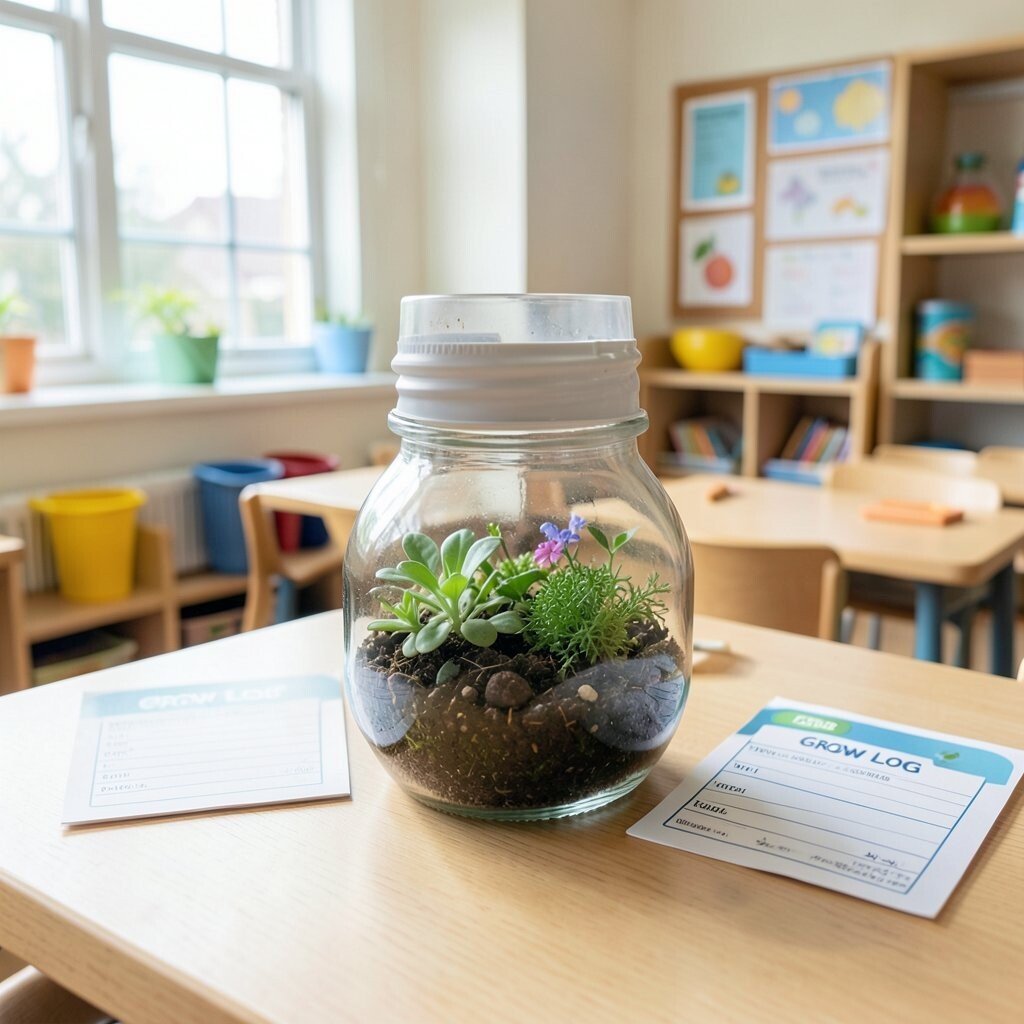
Set up a small terrarium area using clear jars, soil, and simple plants or fast-growing seeds. Decorate the shelf with a neat row of “grow log” cards that children fill with stickers and short marks.
Kids watch changes over time and practice patience as they compare how plants look day by day. This supports early life science learning and encourages respectful handling of living things. Keep tools gentle and kid-safe, and add a simple watering routine so plants do not get forgotten.
Personalize by letting each child choose a seed variety and name their plant. For cost considerations, start with one or two hardy plants and reuse glass jars to reduce spending. Many classrooms are leaning toward low-maintenance living displays because they fit busy schedules.
15. Water Wheel Ramp with Cup Lids
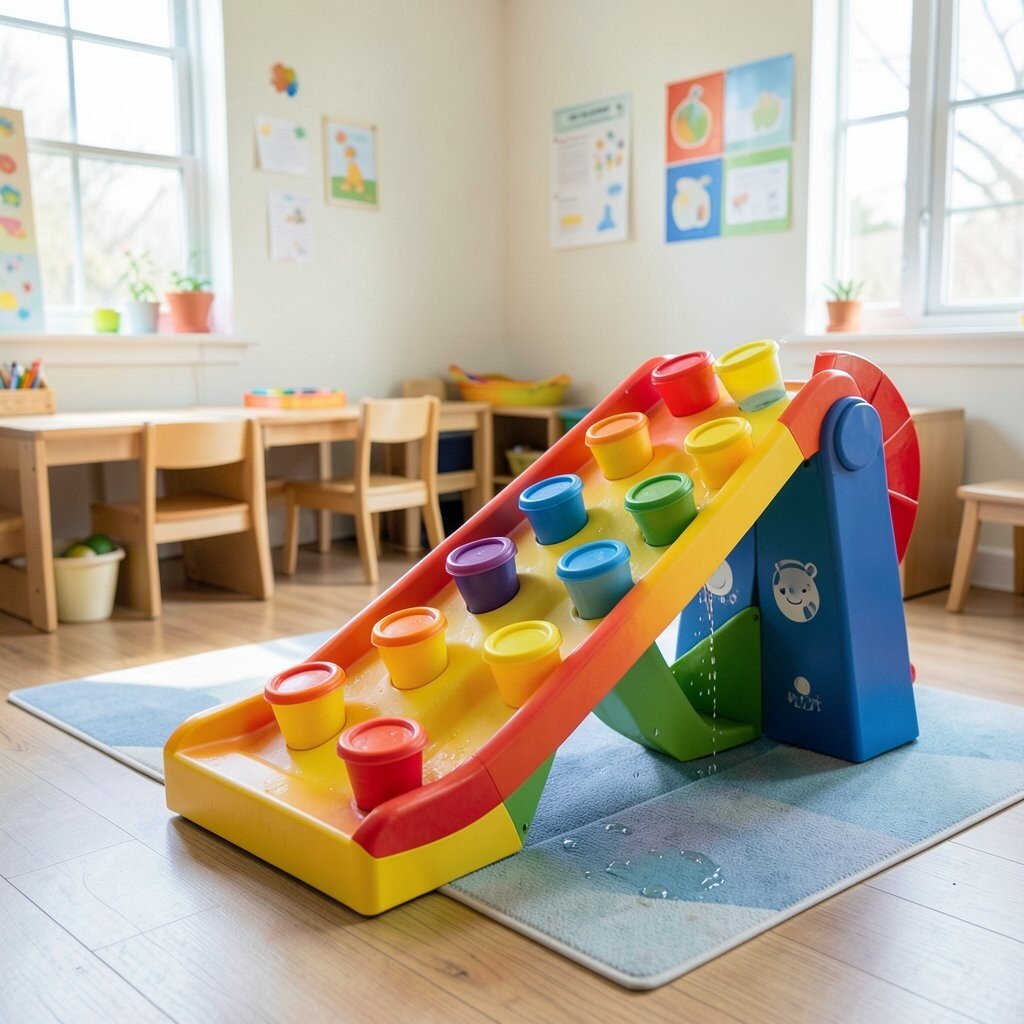
Build a water wheel using a ramp and a simple wheel made from a plastic lid. Use a small pump bottle or a controlled pouring cup so kids can start water flow safely.
Kids adjust the pour amount and angle, watching how faster flow spins the wheel more quickly. This builds curiosity about energy and motion without complex tools. Place a catch tray underneath to limit puddles and use a wipeable surface for quick cleanup.
Add a visual “settings” card with three simple pictures for slow, medium, and quick water flow. Personalize by decorating the ramp with your classroom theme colors. For budget, reuse materials like lids, clear plastic, and binder clips that you can find in most supply closets.
16. Science Picture Wall with Student Vocabulary
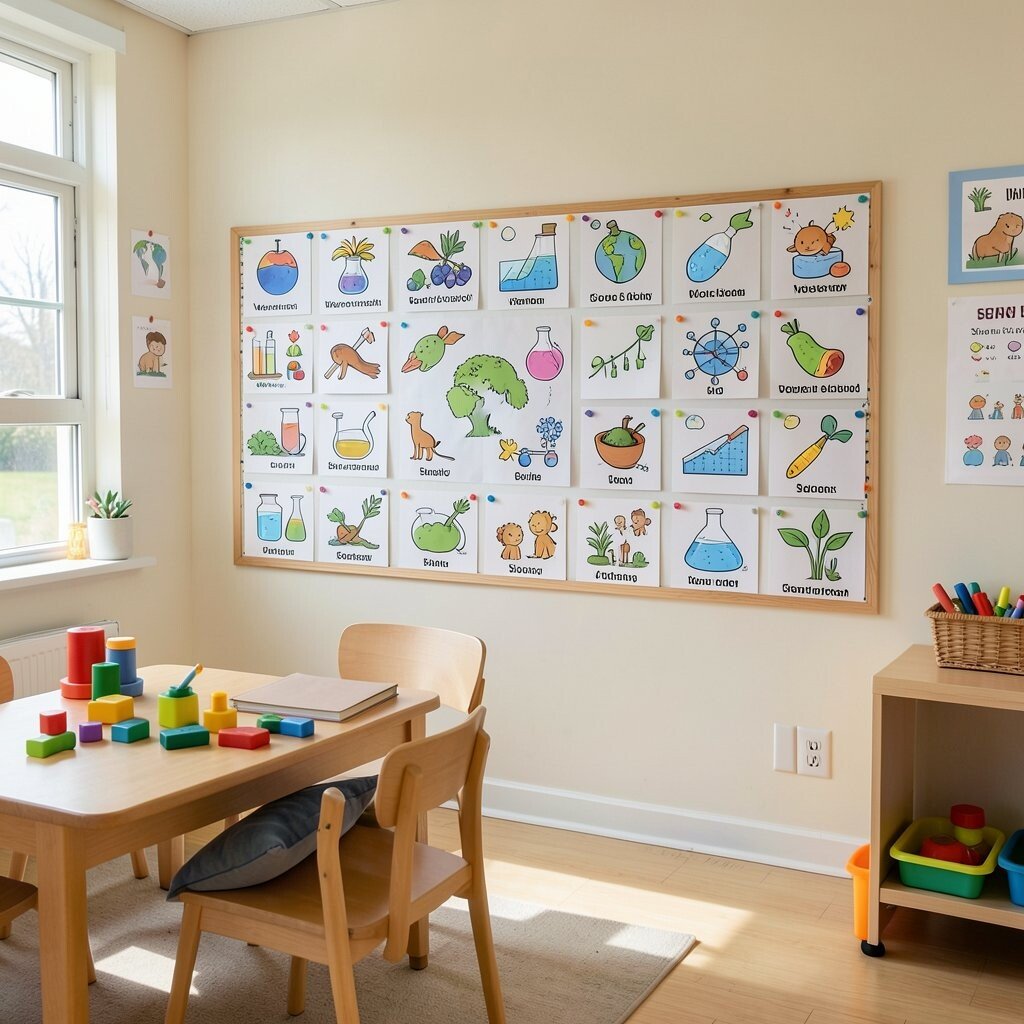
Create a wall display with large picture icons of science actions like observe, measure, sort, and predict. Leave a blank spot beside each icon for student photos or drawings.
As kids play, take quick pictures and add them to the wall so children see themselves using science words. This boosts confidence and makes language learning feel meaningful and personal. Use simple tape corners or frames so updates are easy and the wall stays tidy.
17. Rock Sorting Table with Magnifier Loupes
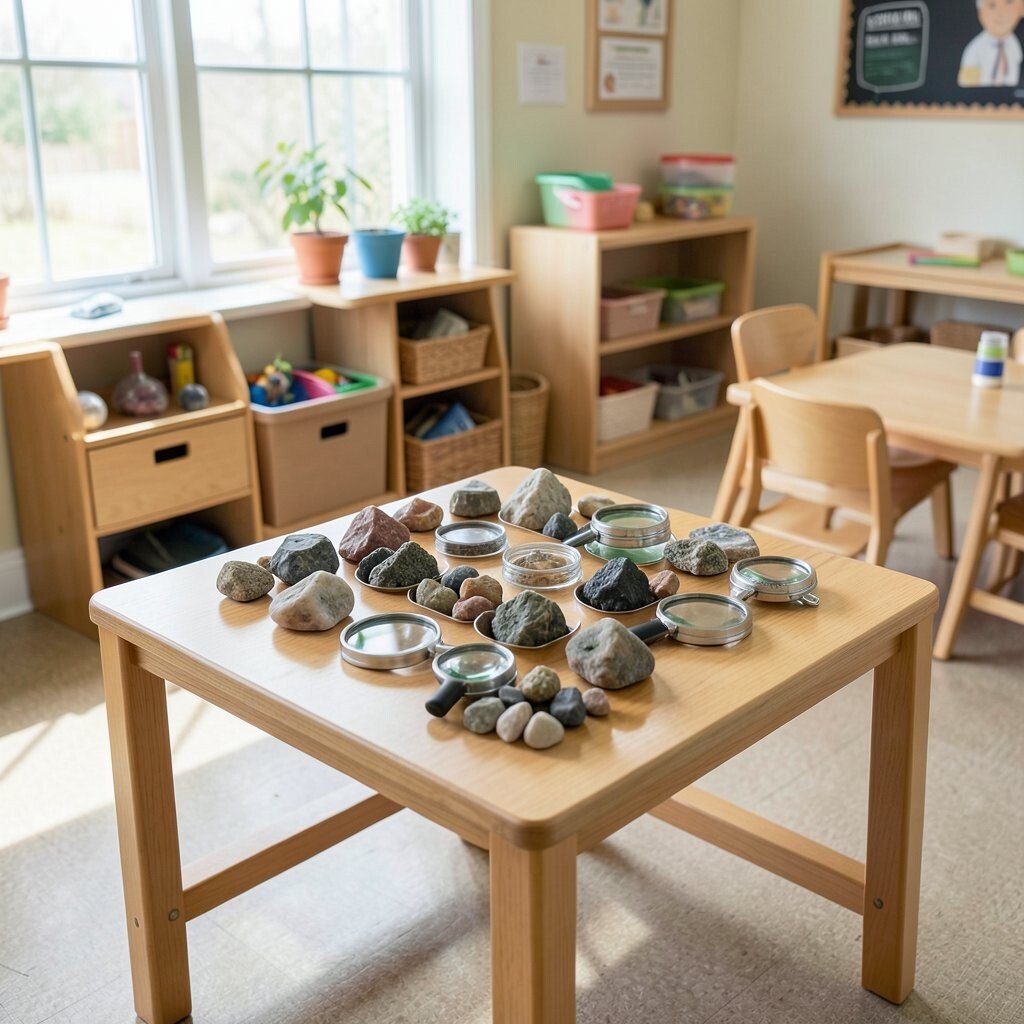
Set up a small rock sorting table using bins labeled by shiny, smooth, rough, and bumpy textures. Provide child-safe hand lenses or magnifier loupes so they can check details closely.
Kids compare rocks by feel and look, then place them into the right bin while talking through their reasoning. This strengthens sensory science skills and supports classification thinking. Keep the sorting table materials limited so children do not feel overwhelmed or tempted to mix everything together.
Personalize by adding a “rock name” sticker sheet where kids choose a name for their favorite rock. For cost, gather a variety from nature walks and supplement with inexpensive craft stones. A current trend is using tactile sorting experiences to keep learning active without screens.
18. Building Cards for Cause-and-Effect Plays
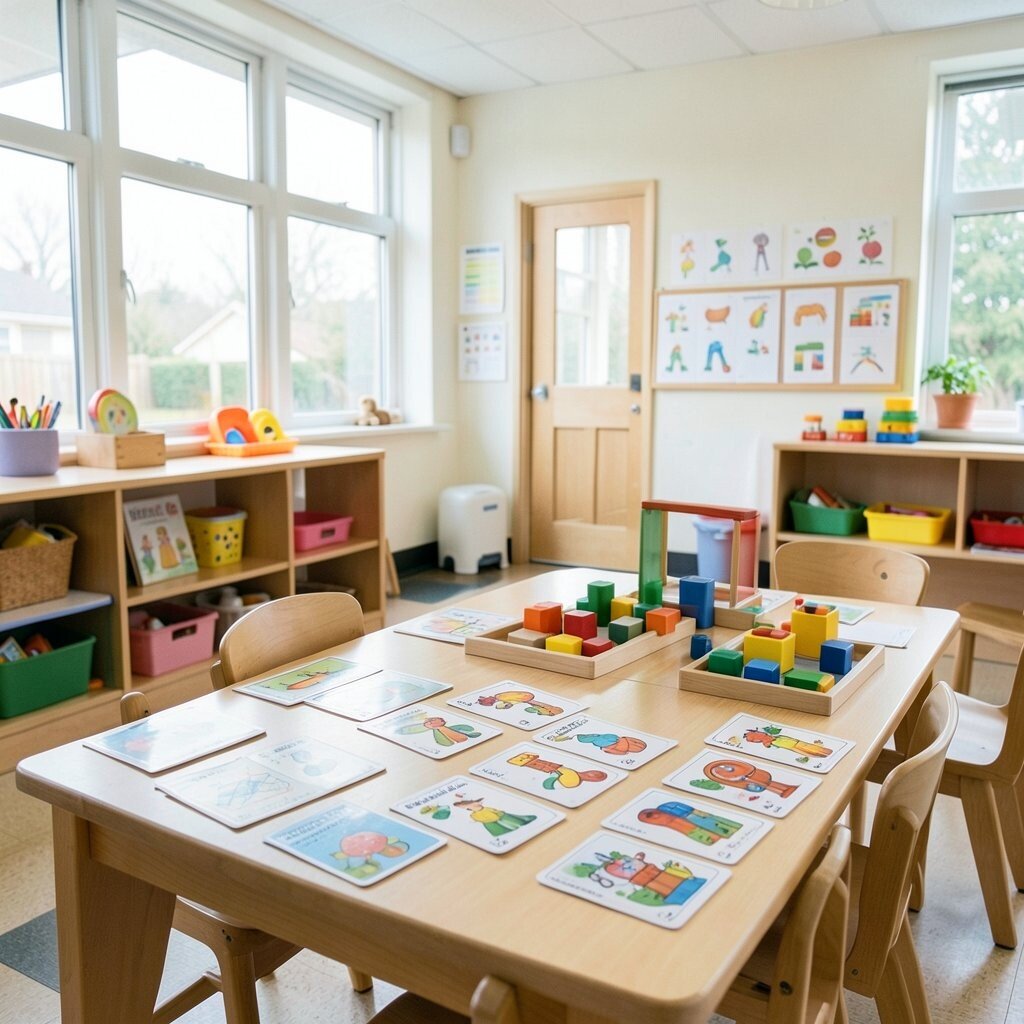
Make a set of building cards showing simple cause-and-effect setups, like “push, then see,” “stack, then compare,” and “roll, then stop.” Pair the cards with a small kit of blocks, ramps, and rolling toys.
Children pick a card, set up the pieces, and test the outcome, then try a different approach if it does not work. This supports engineering thinking and helps kids learn from attempts rather than fear mistakes. Keep the kits in clear bins with space for only one plan at a time.
Unique touches make it more special, like adding classroom-made stickers on the cards or using theme colors for each card type. For cost considerations, print and laminate cards and reuse simple building pieces you already own. Many classrooms are now favoring printable “build challenges” because they make prep quick and flexible.
19. Weather-Themed Chair Cushions and Reading Nook
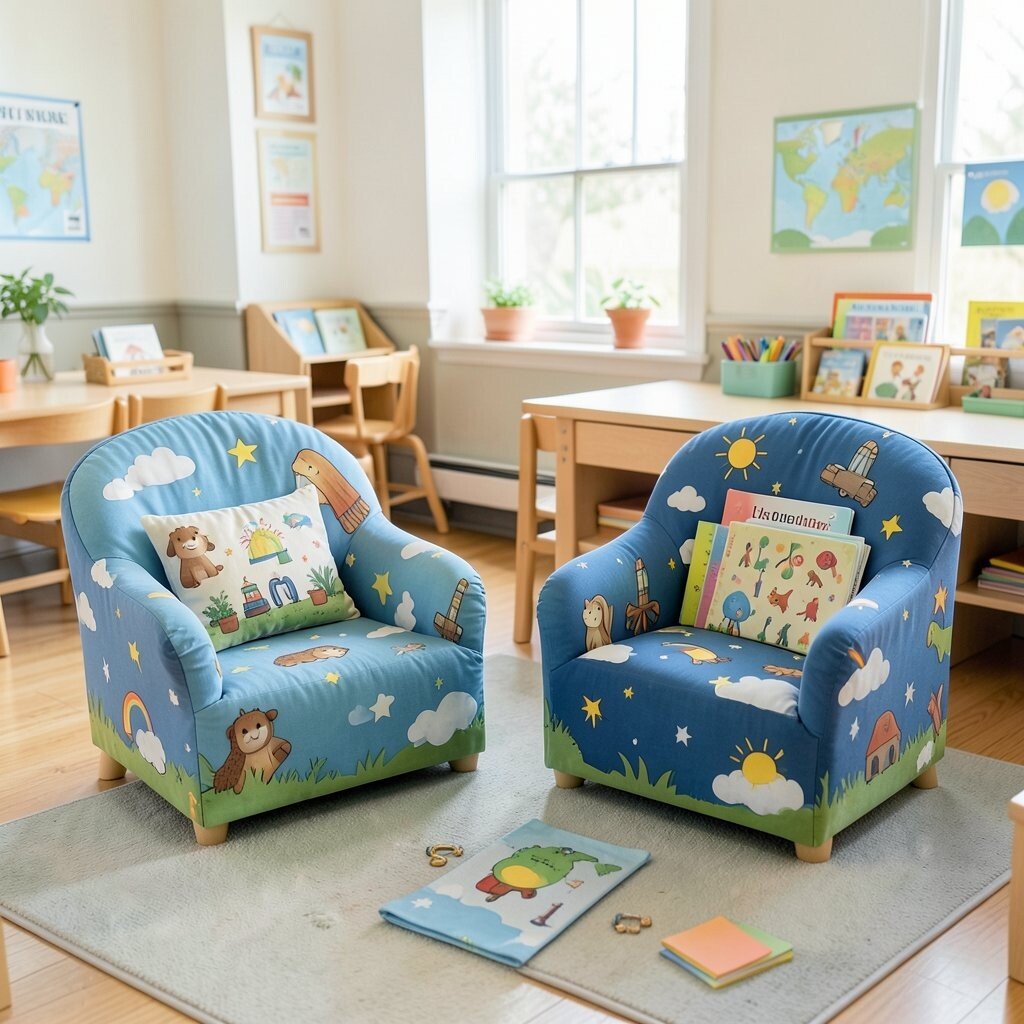
Design a small reading nook within the science center using weather-themed cushions and a cozy blanket. Add a bookshelf with weather books and picture charts that match the center activities.
When children need a quiet moment, they can sit with a book about clouds, storms, or seasons. This supports emotional regulation and gives kids a safe place to recharge while staying near their science learning. Use washable covers and keep cushions in a basket so the nook looks neat even when it is busy.
Personalize the nook with child drawings of favorite skies, taped in a simple border. For budget, use leftover fabric or affordable pillow covers and rotate them seasonally. A trend many teachers love is creating micro-cozy corners, which helps centers feel welcoming instead of loud.
20. Seed Sprout Puppets for Morning Checks
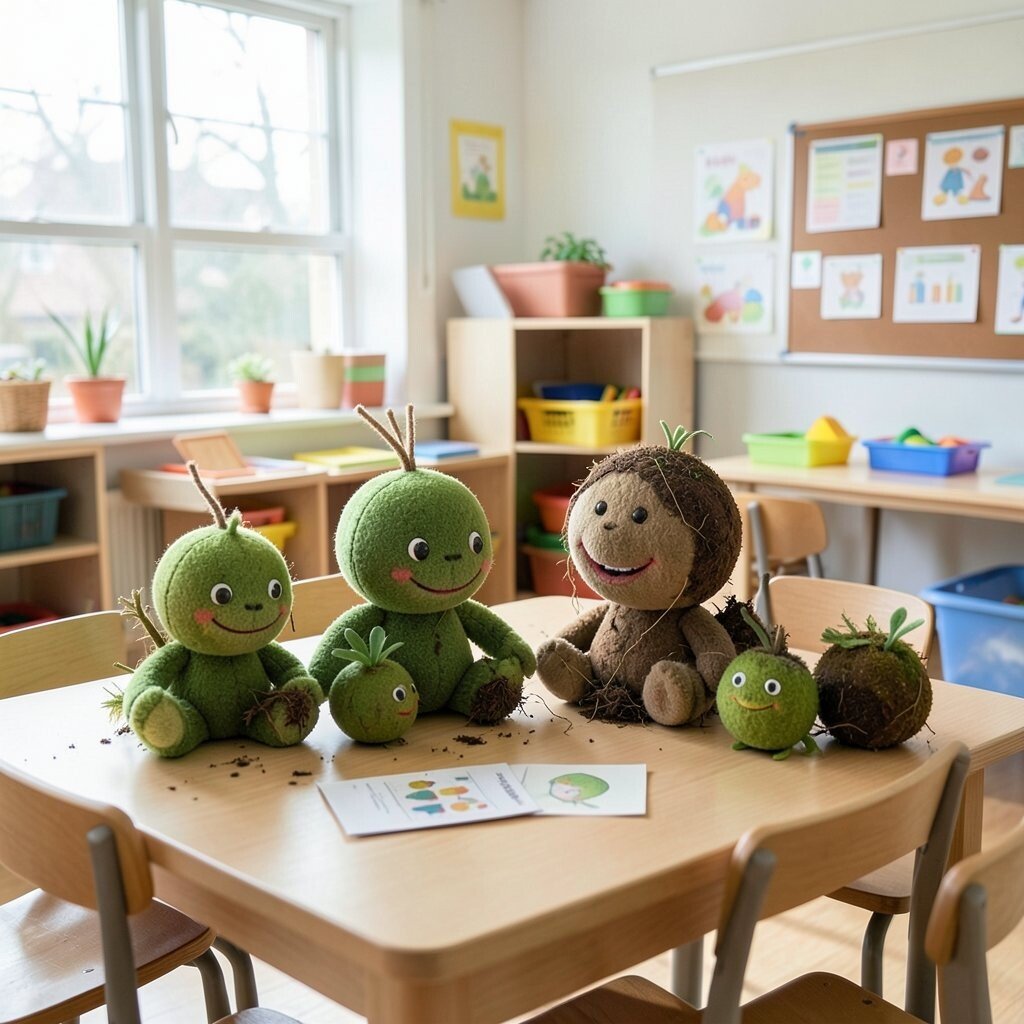
Create simple hand puppets shaped like seeds or sprouts using felt, craft foam, or socks. Place them in a “morning check” basket along with a watering can and a small plant journal.
Kids can feed the puppet “water,” then update the journal with stickers or drawings of what the plant looks like. This turns routine care into playful storytelling and makes science feel connected to daily life. Keep puppet faces friendly and add secure stitches so they last through regular center use.
To personalize, let each child pick a puppet color and add a name tag to the journal page. For cost, start with a few puppets and reuse the materials across seasons. Many classrooms are embracing character-based learning because it keeps participation high even for shy kids.
21. Transparent Sorting Columns for Tiny Objects
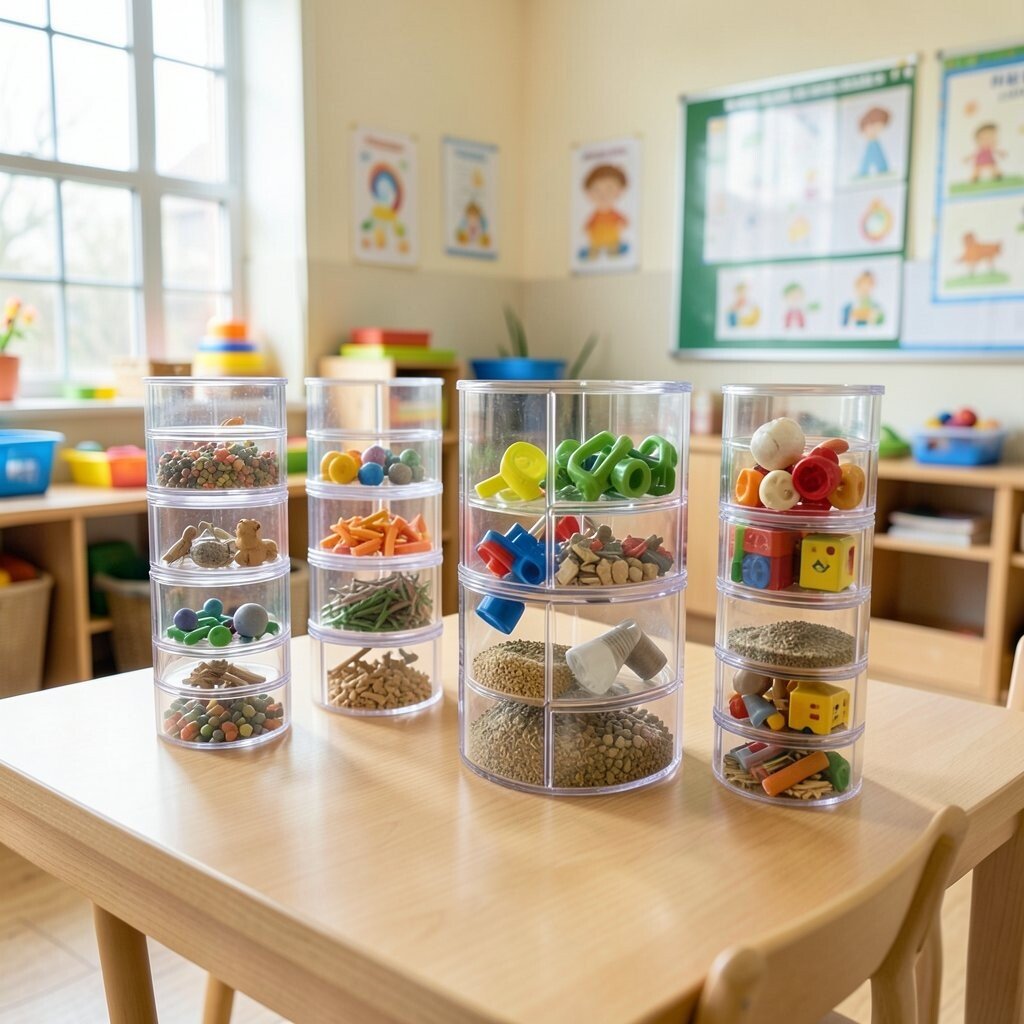
Use clear cups stacked into columns where kids can drop small objects like buttons, pony beads, or tiny shells. Add picture cards showing what to sort by, such as color, size, or shape.
This visual sorting helps children categorize information and supports hand-eye coordination during focused play. It also reduces the “dump and scramble” problem because items have a clear path to go. Choose thick cups that do not crack easily and set a firm rule that items stay in the column system.
Make it unique by decorating the base with a science theme planet pattern or a rainbow gradient. For cost, reuse clear cups from events, then replace only the ones that wear out. Current classroom trends highlight tactile sorting tools that feel modern but stay simple to set up.
22. Science Center Passport for Rotations
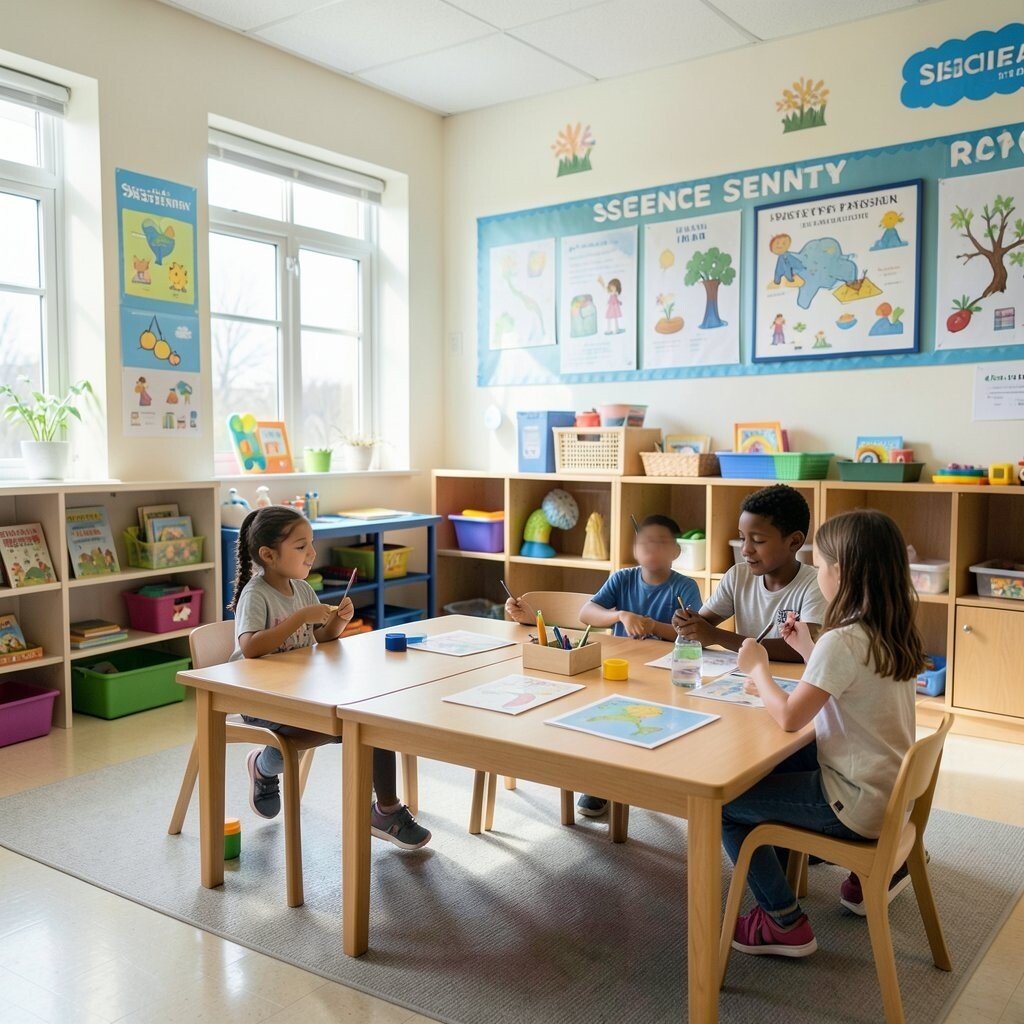
Create a passport-style booklet where each page features a mini activity picture, like “magnet,” “sink or float,” or “light box.” Kids carry the booklet to each station and place a sticker after they complete a play task.
This makes rotations feel like a fun mission and helps adults see who has visited each area. It supports persistence and helps children practice choosing activities responsibly. Use sturdy cardstock covers and keep the stickers small so the booklet stays neat and easy to manage.
Personalize by adding a classroom mascot icon to the cover and letting kids decorate the first page with crayons. For cost, you can print the pages in sets and reuse stickers for multiple weeks by using a stamp instead of a new sheet each time. Many teachers use “gamified” routines like this now because they build excitement while keeping the center organized.