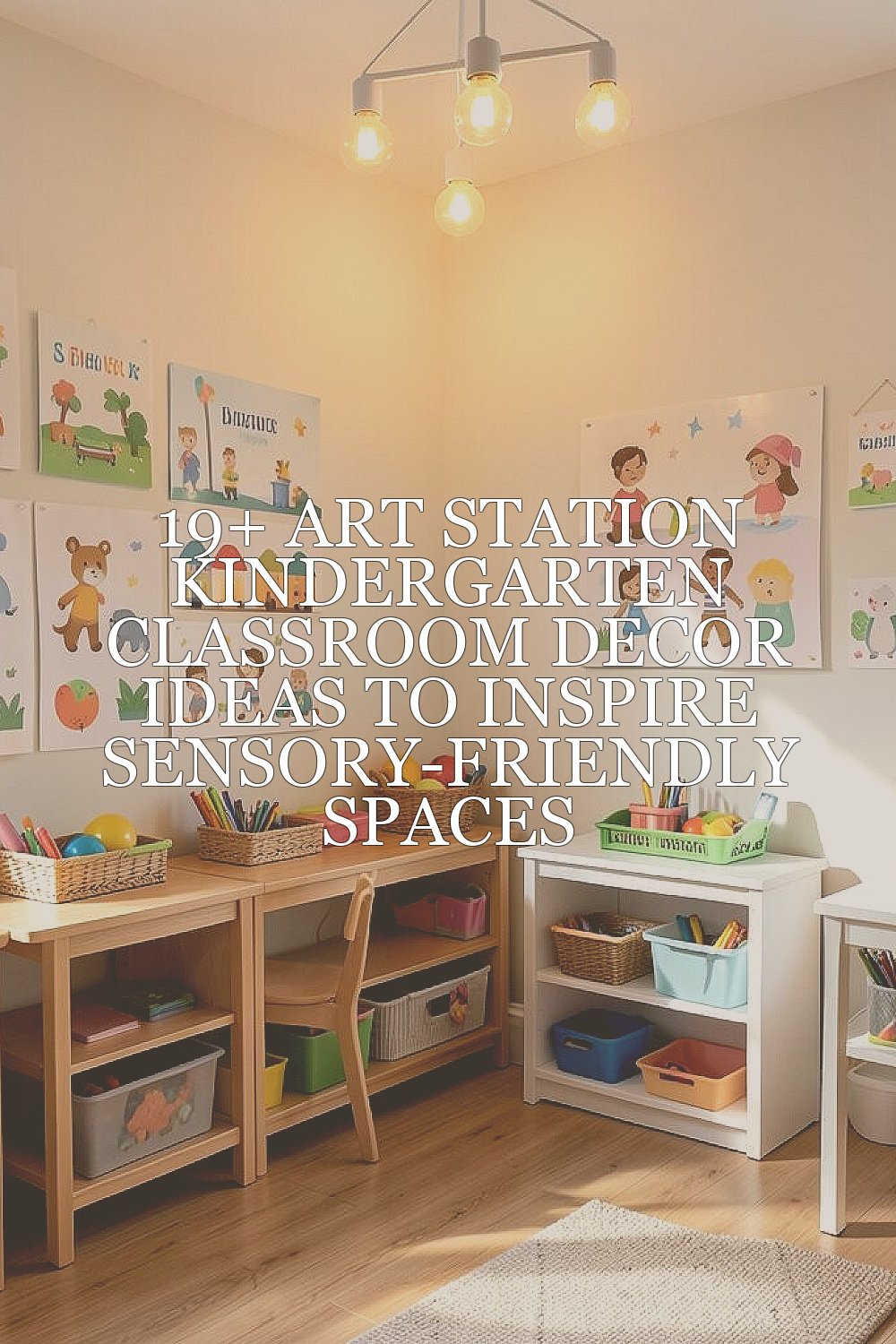
The right art corner can make a big difference in a small room. When the space feels calm and clear, kids often want to create more often.
Choosing decor that supports senses helps children feel safe while they make choices. With a few thoughtful details, your art station can look inviting and work smoothly all day.
1. Soft-Color Art Walls That Calm the Room
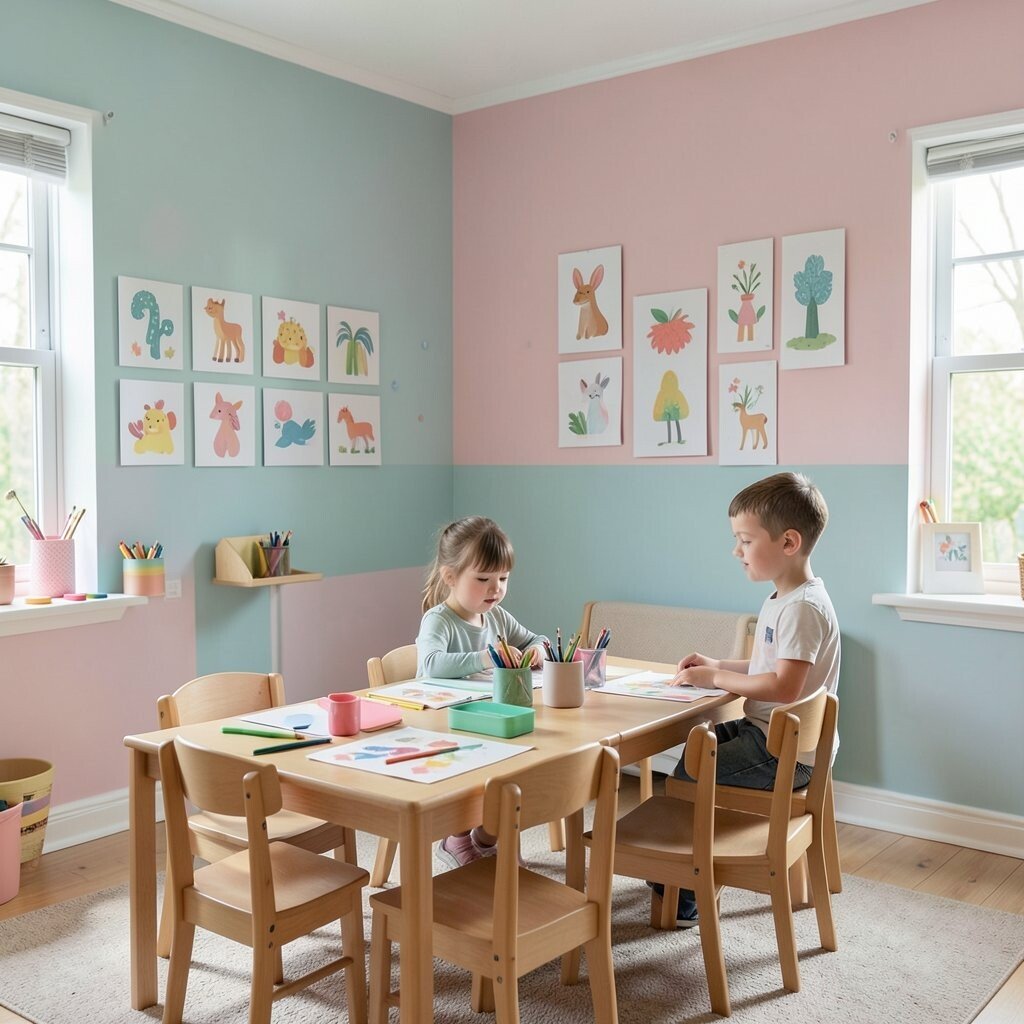
Start with a gentle wall palette that matches a calm mood, like warm beige, dusty blue, or light sage. Painting a full wall or adding removable panels gives you an instant visual reset for the whole art area.
When children can easily predict what they see, they may spend less time getting overstimulated and more time working with materials. Keep the color simple and add only a few focal spots so the station feels organized instead of busy.
2. Corner Lighting With Warm Bulb Diffusers
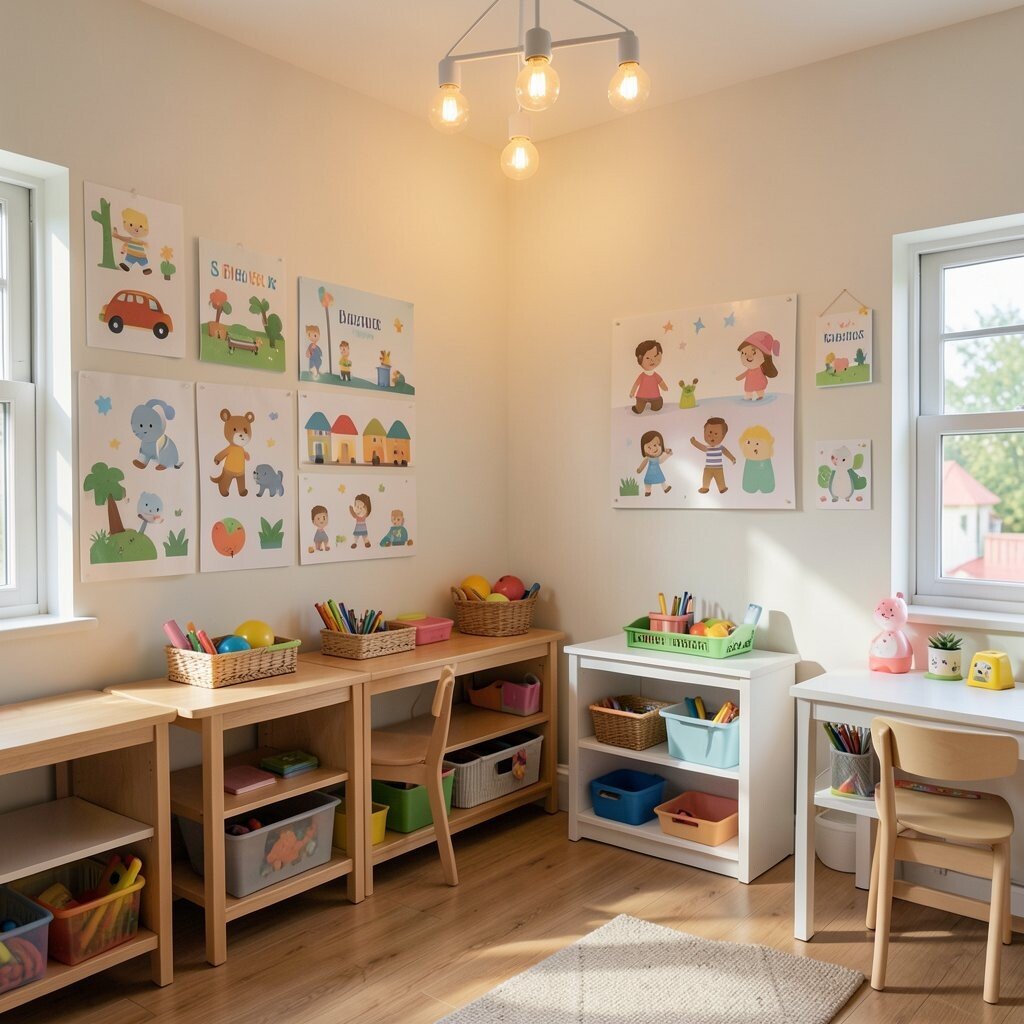
Swap harsh overhead lighting for warm bulbs or add diffuser covers to soften shadows. You can also angle a small lamp toward the work area so art supplies look steady and clear.
Soft lighting can feel easier for kids who get bothered by glare. For practical setup, use a dimmer if you have one, and test how the station looks at different times of day.
3. Pegboard Backdrops With Picture Guides
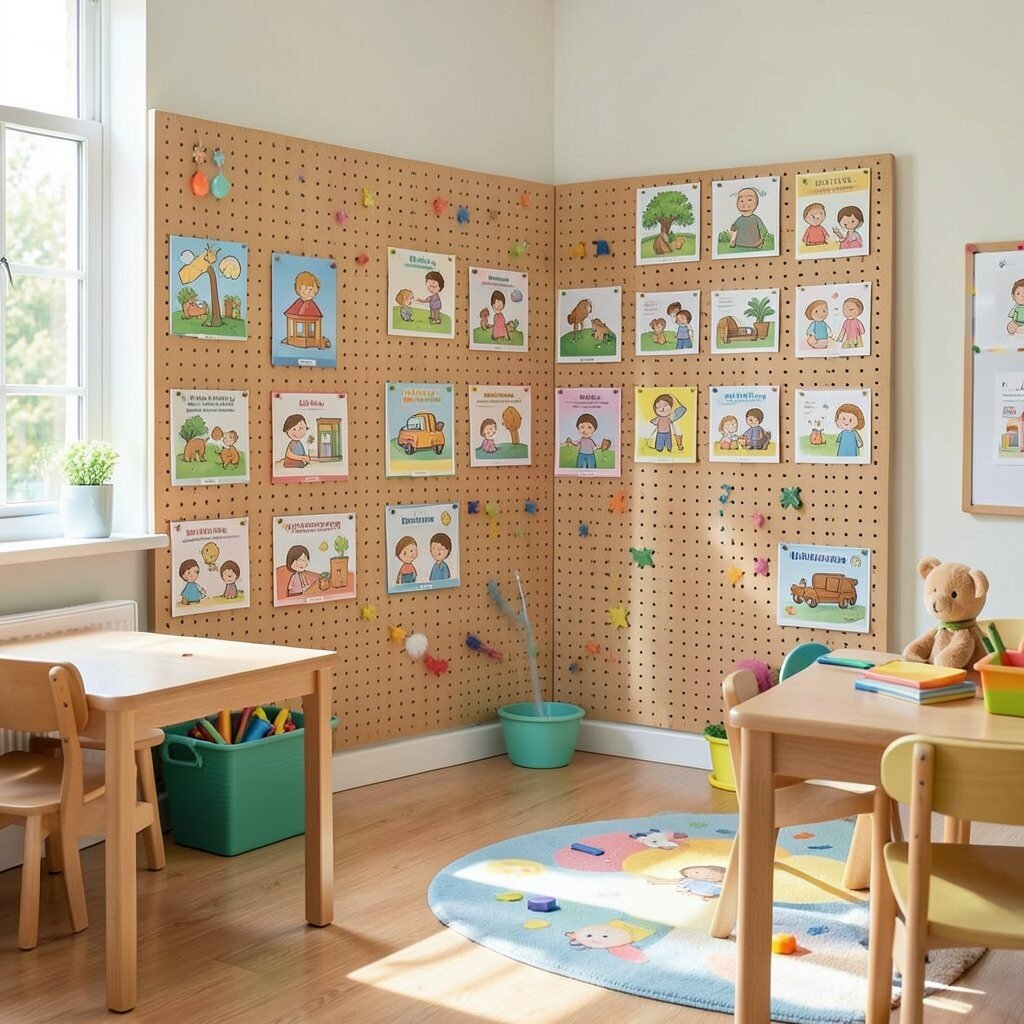
Use a pegboard or slat wall with shallow hooks so tools stay visible without clutter. Add simple picture cards showing where items go, like crayons, markers, scissors, and glue.
Many kids benefit when they can match images to actions, especially during cleanup. Try lamination for durability and use rounded cards so edges feel friendly during quick touch.
Keep the look tidy by limiting each row to one category, which helps the eye sort things quickly. Personalize the pictures by using your class characters or drawings from last year’s projects.
4. Textured Seating Nooks for Fidget-Friendly Waiting
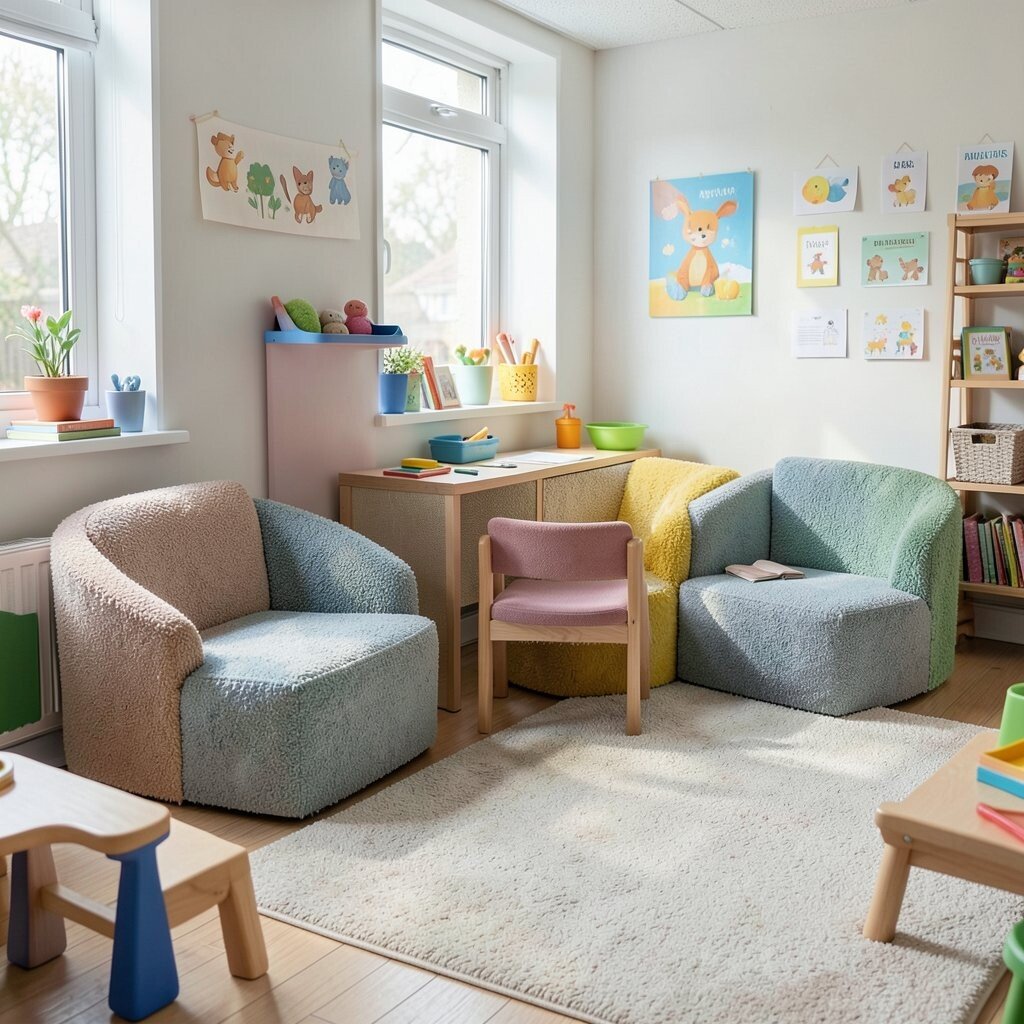
Give the art station a small waiting spot with soft cushions, an upholstered stool, or a low floor mat. Choose textures that feel different in a safe way, like fleece, foam, or woven fabric.
When kids have a comfortable place to sit, they can regulate their bodies while others finish. Place the nook close enough to the station so they still feel included.
5. Sensory Trays With Clear Lids for Quiet Focus
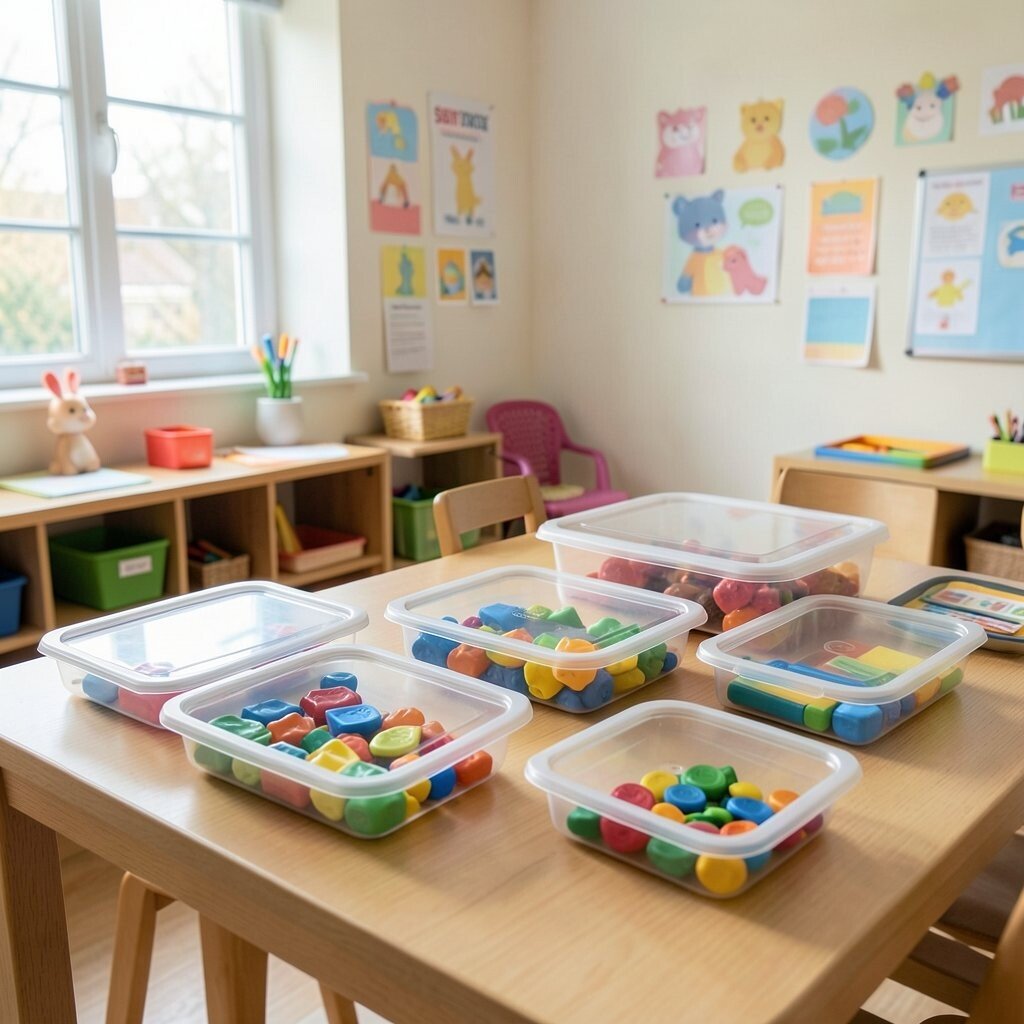
Create sensory trays that hold play dough tools, tongs, scoops, or kinetic sand in separate compartments. Use clear bins with lids so kids can see what’s inside and you can keep mess contained.
Visual boundaries help children know where to look and what to touch. Labeling works best when it uses simple words plus small icons, and you can rotate trays weekly to keep things fresh.
For cost control, start with a few bins and expand after you learn what gets the most use. A great current trend is using stackable clear storage so the station stays neat and quick to grab.
6. Calm Gallery Frames for Student Work That Stays Organized
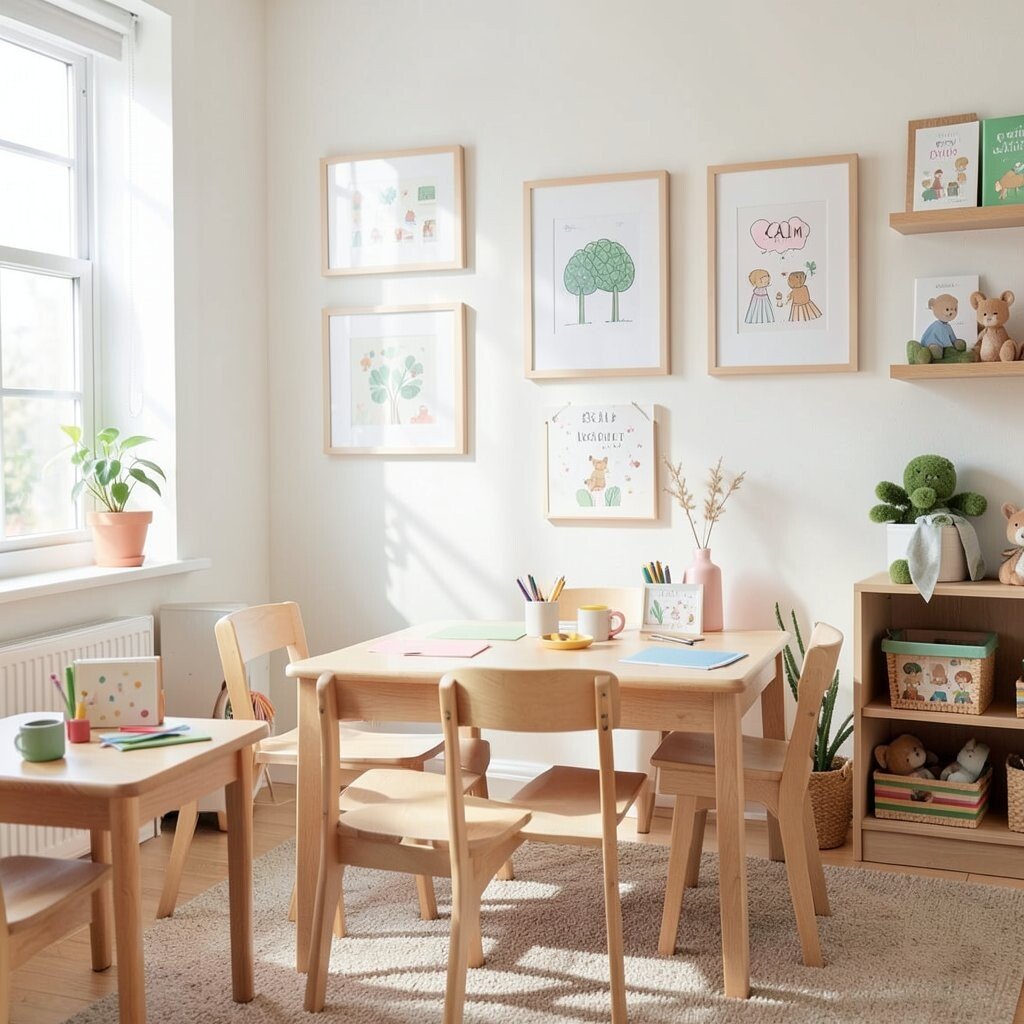
Hang student art in frames with consistent spacing so the wall looks neat even when you change pieces often. Choose lightweight frames and use clip systems so switching artwork is quick.
When kids see their work displayed in a predictable way, it can boost pride and reduce stress during transitions. Keep the frames at eye level and use neutral backgrounds behind the art to avoid visual noise.
7. Washable Table Runners With Easy Color Coding
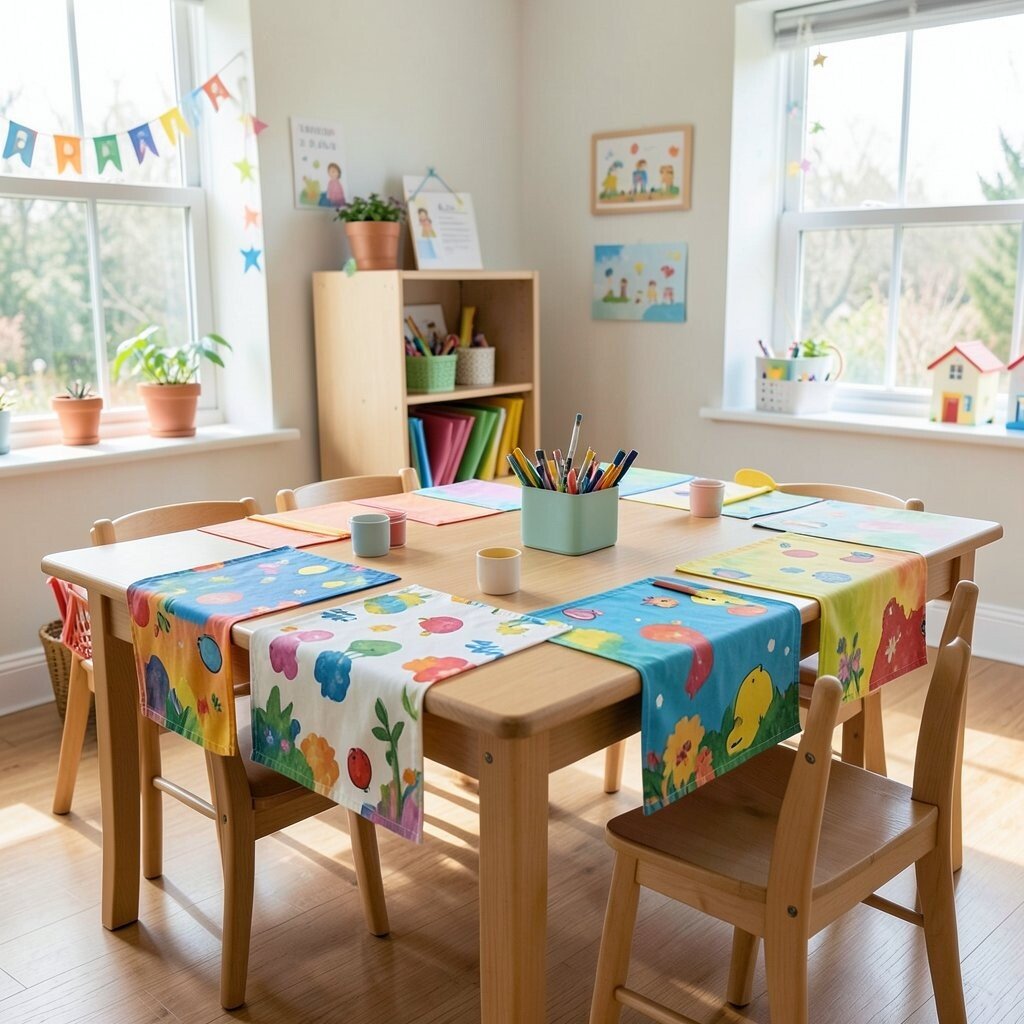
Place washable table runners under art supplies to anchor the workspace and reduce sliding. Pick solid colors like muted gray, soft teal, or warm sand so the surface stays soothing.
Color coding helps kids sort materials fast, such as a blue zone for drawing tools and a green zone for paint. Use painter’s tape strips on the underside as a guide for where items should sit.
8. Supply Caddies on Low Shelves for Independent Access
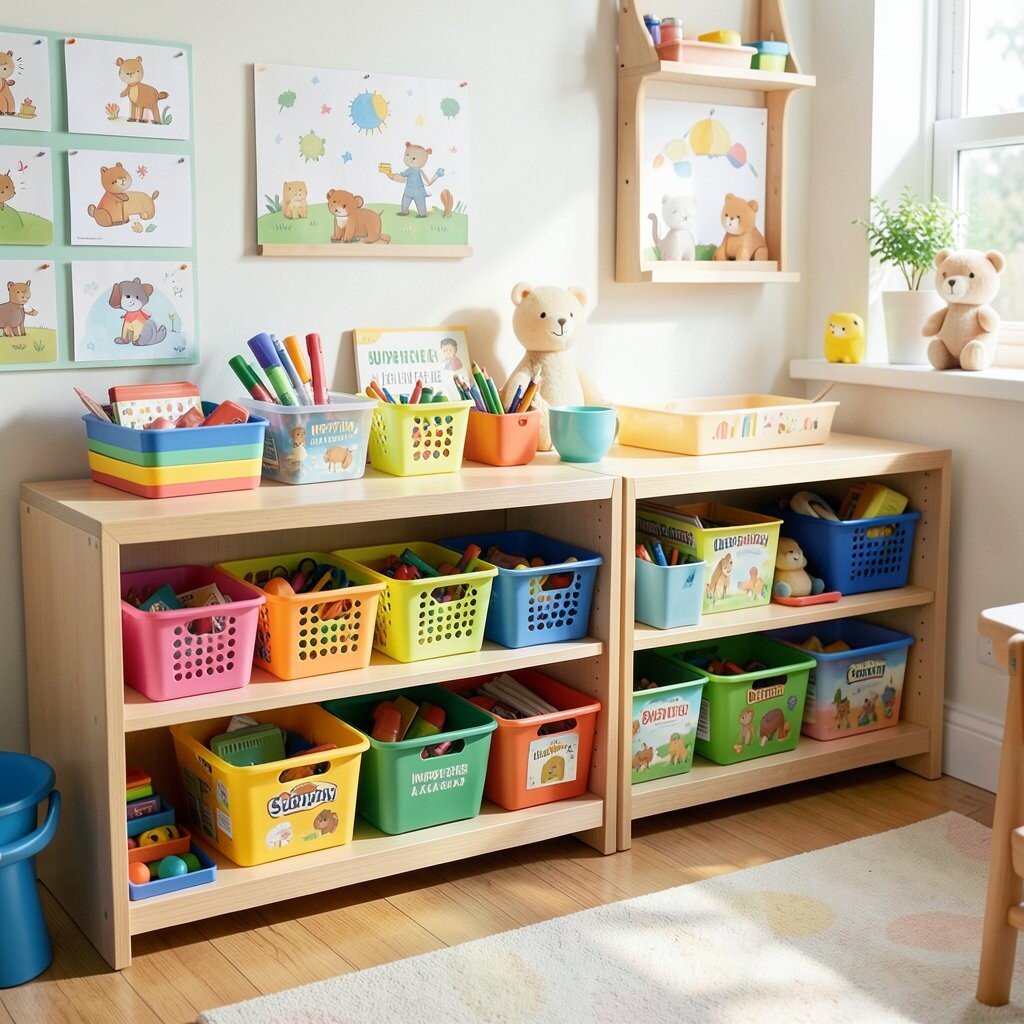
Use low shelves or open cubbies with bins that match each child’s needs. Keep caddies at a height where little hands can reach without climbing, and choose bins that open easily.
Independence often leads to calmer behavior because children can start tasks sooner. For personalization, set up a few different “starter kits” so kids can choose their preferred tools.
9. Sound-Softening Window Treatments and Curtain Panels
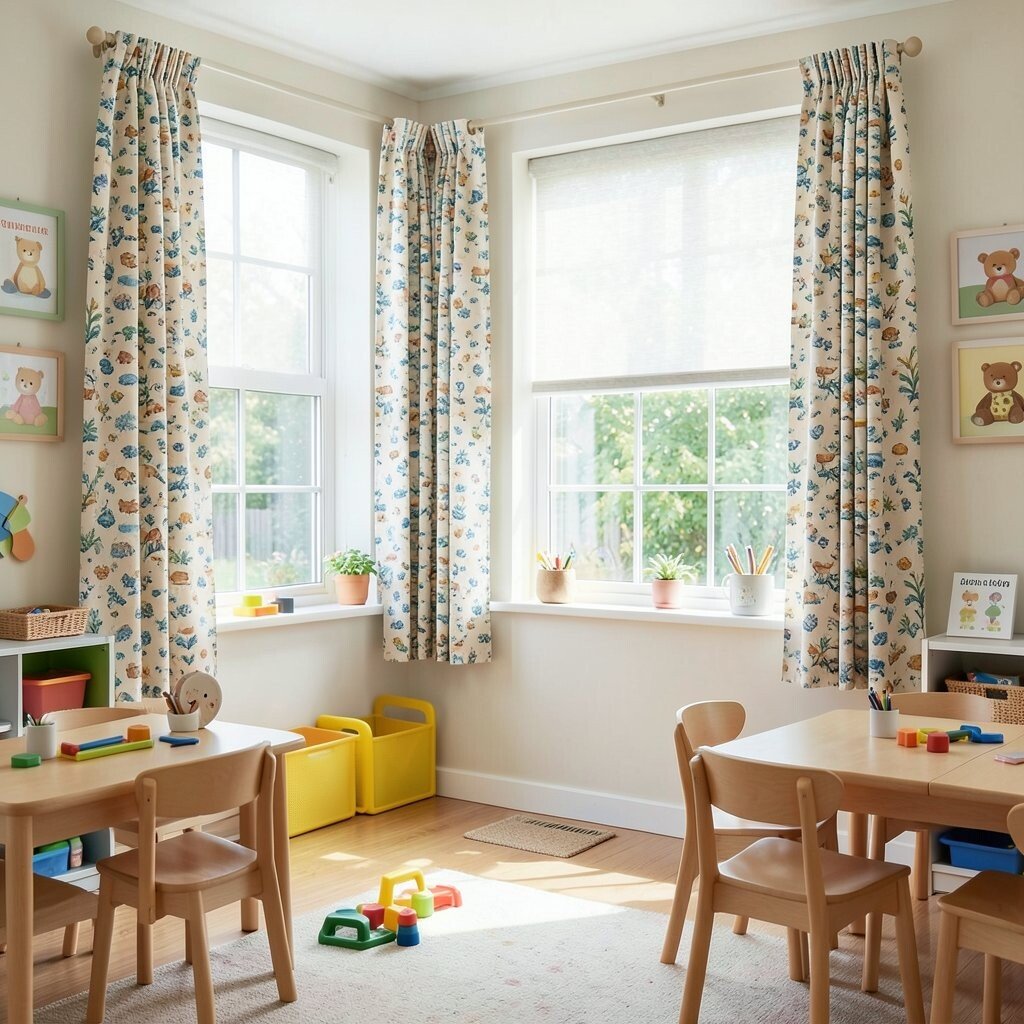
Choose thick, soft curtain panels or fabric shades that help absorb some room noise. Even a small change can make the art station feel less echoey, especially during busy afternoons.
When sound feels gentler, many kids focus longer on careful drawing and coloring. Look for machine-washable fabrics, and tie the panels back so they don’t block paths.
10. Quiet Creation Stations With Dividers Made From Foam Boards
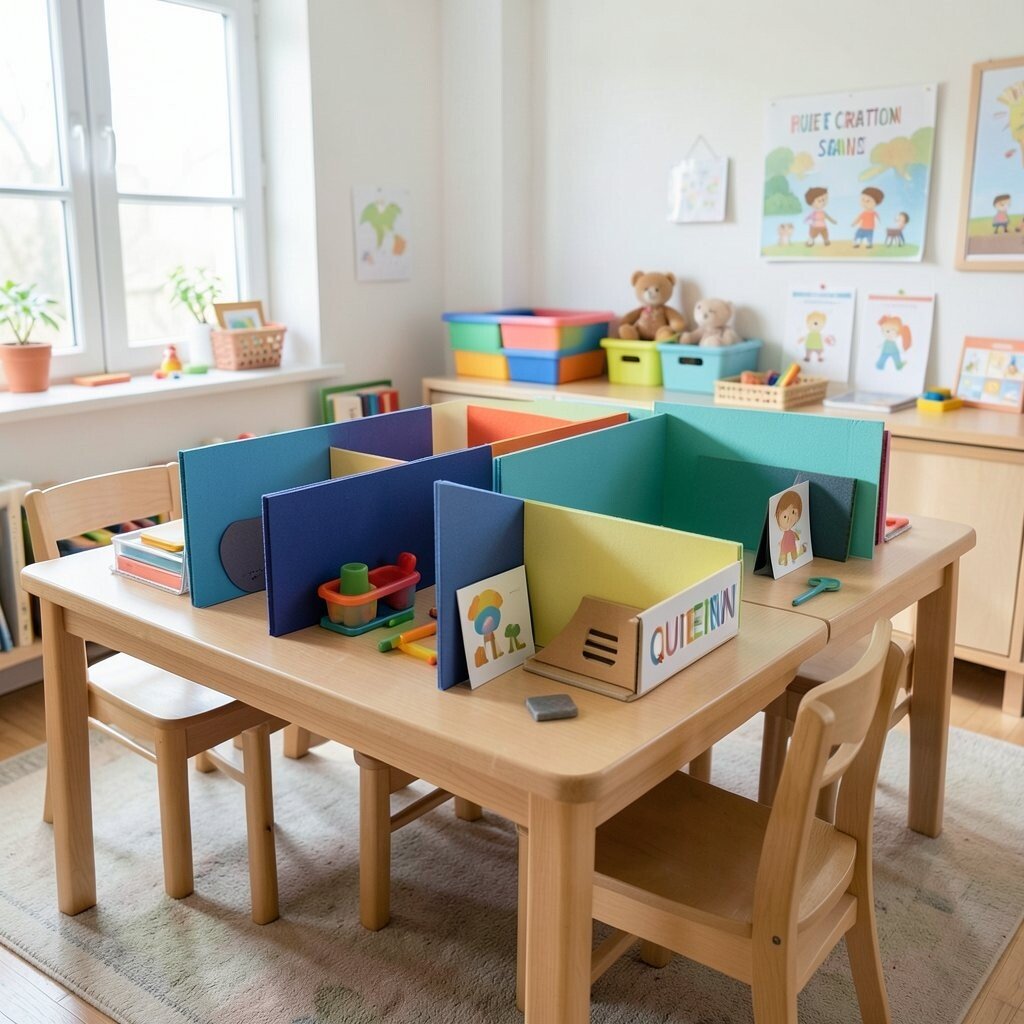
Build small zones using lightweight foam boards to create gentle privacy during messy activities. Add rounded corners and cover the boards with vinyl or contact paper so cleanup is easy.
Dividers can reduce visual distractions, which helps sensory-sensitive learners stay calmer. You can adjust the layout as your classroom activities change from week to week.
Keep the dividers low enough that the room still feels open