Word walls can do so much more than cover a blank space. They can spark ideas, guide talk, and make learning feel alive.
1. Rainbow Color Band Wall
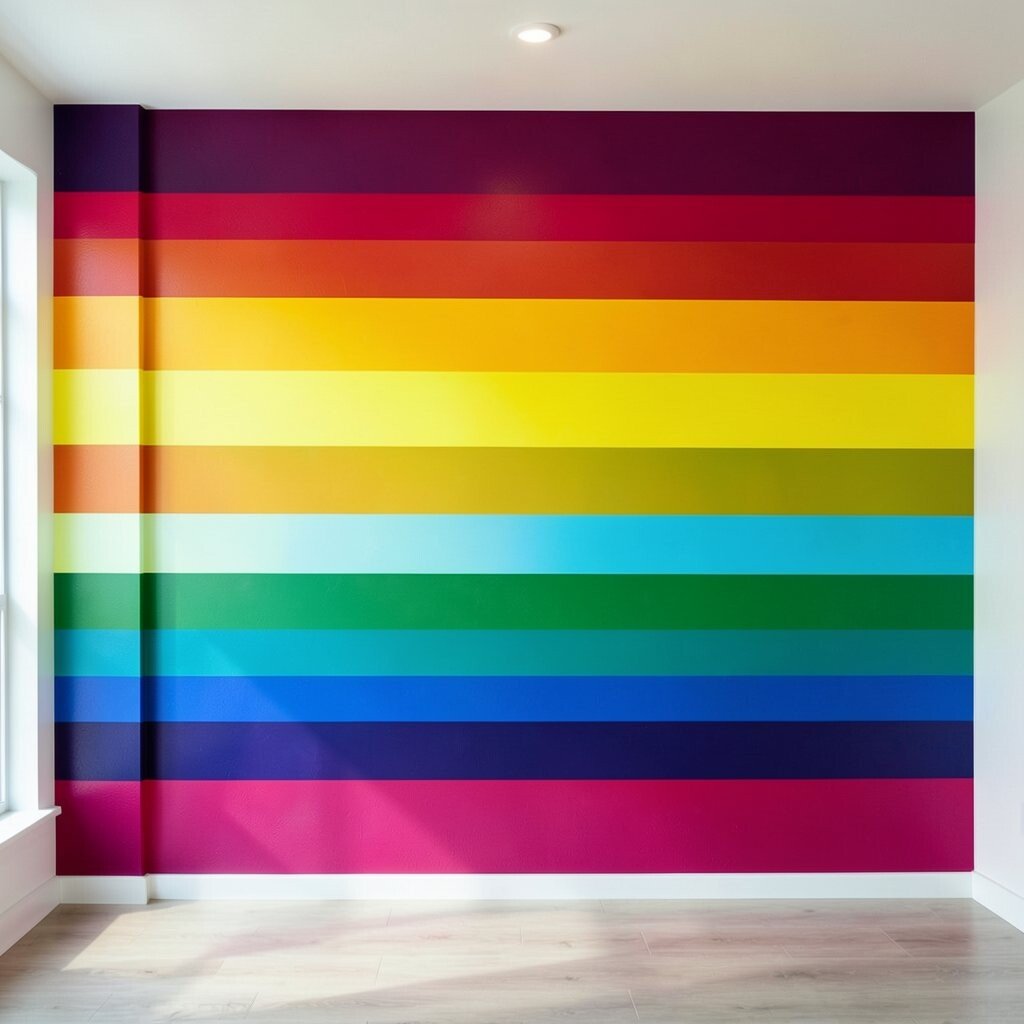
A rainbow word wall brings a bright, happy feel to any room. Words can be grouped by color, and the whole display looks cheerful and easy to read.
This style helps children spot patterns and remember word groups faster. It works well with low-cost paper, markers, and sticky notes, and you can add names, class goals, or new theme words to make it feel personal.
2. Forest Theme Word Wall
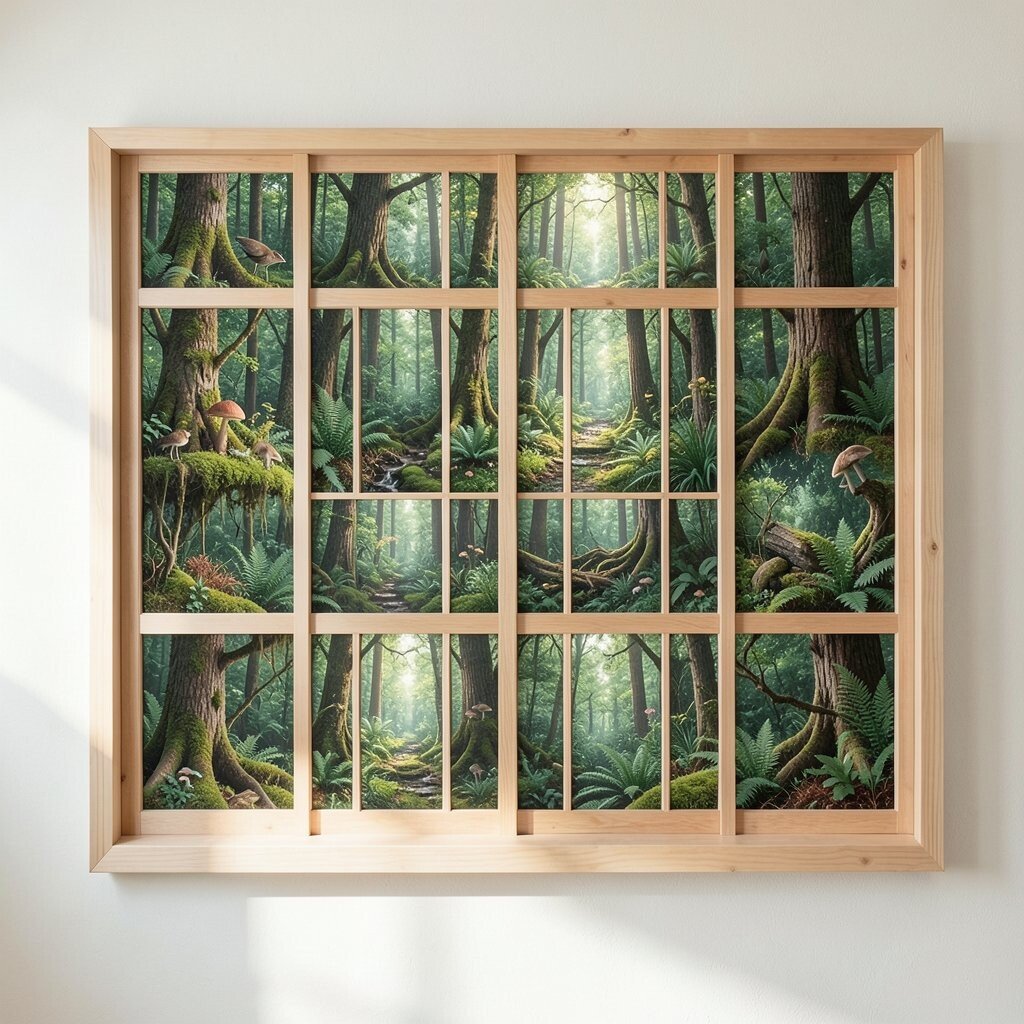
A forest wall with trees, leaves, and woodland animals makes words feel calm and inviting. The look is gentle, and it can turn a plain wall into a little learning scene.
Students often enjoy nature themes because they feel warm and friendly. You can use brown paper, green cutouts, and recycled materials to keep costs low, and fresh seasonal leaves or animal pictures can keep the display current and fun.
This kind of wall is easy to change for different subjects, from story words to science terms. It can also hold small student-made drawings, which gives each child a chance to add a personal touch.
3. Pocket Chart Word Wall
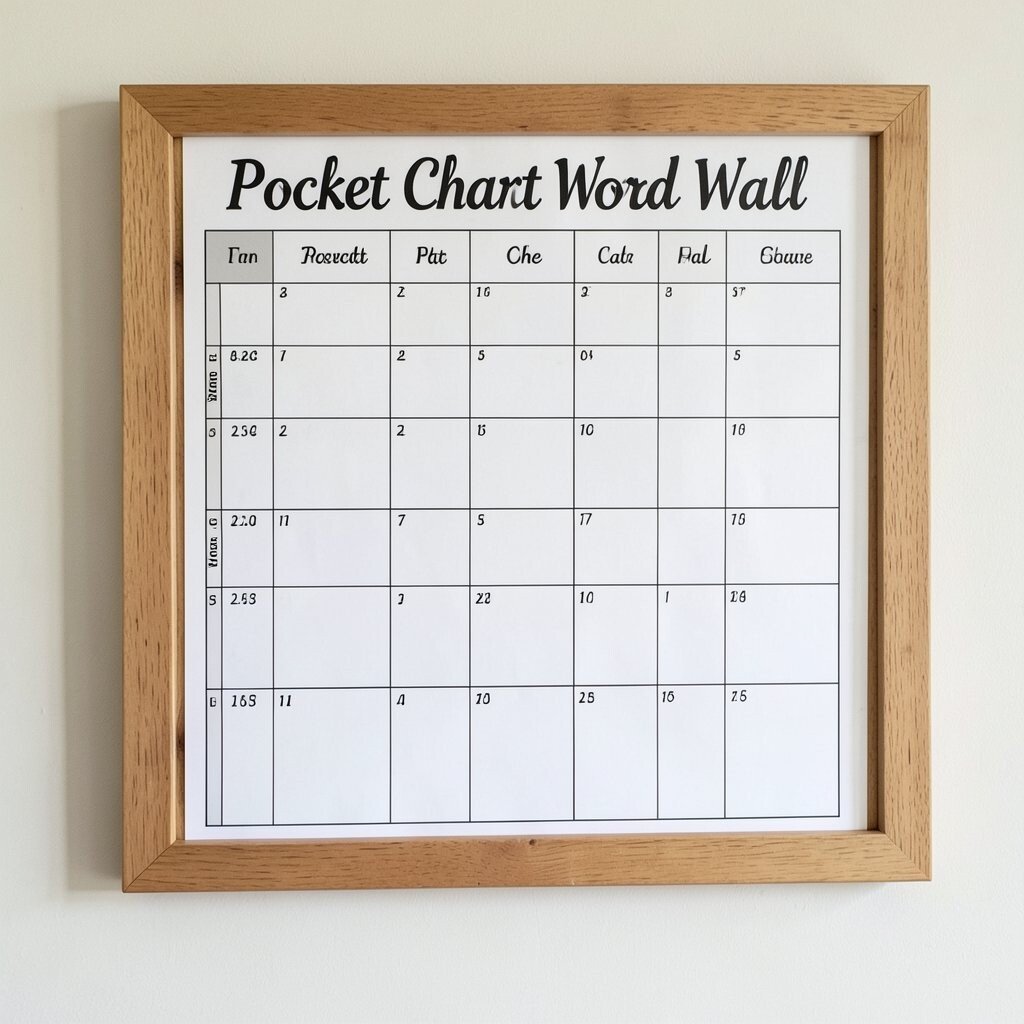
Pocket charts make it simple to add and move words all year long. The display stays neat, and the words sit in clear rows that are easy for young readers to see.
Teachers like this setup because it saves time and works well for daily review. A sturdy chart can be reused for many lessons, and you can print words on plain cards to keep spending small.
It also gives room for student choices, since children can help sort words by topic, sound, or meaning. That simple act adds ownership and keeps the wall useful instead of just pretty.
4. Chalkboard Style Wall
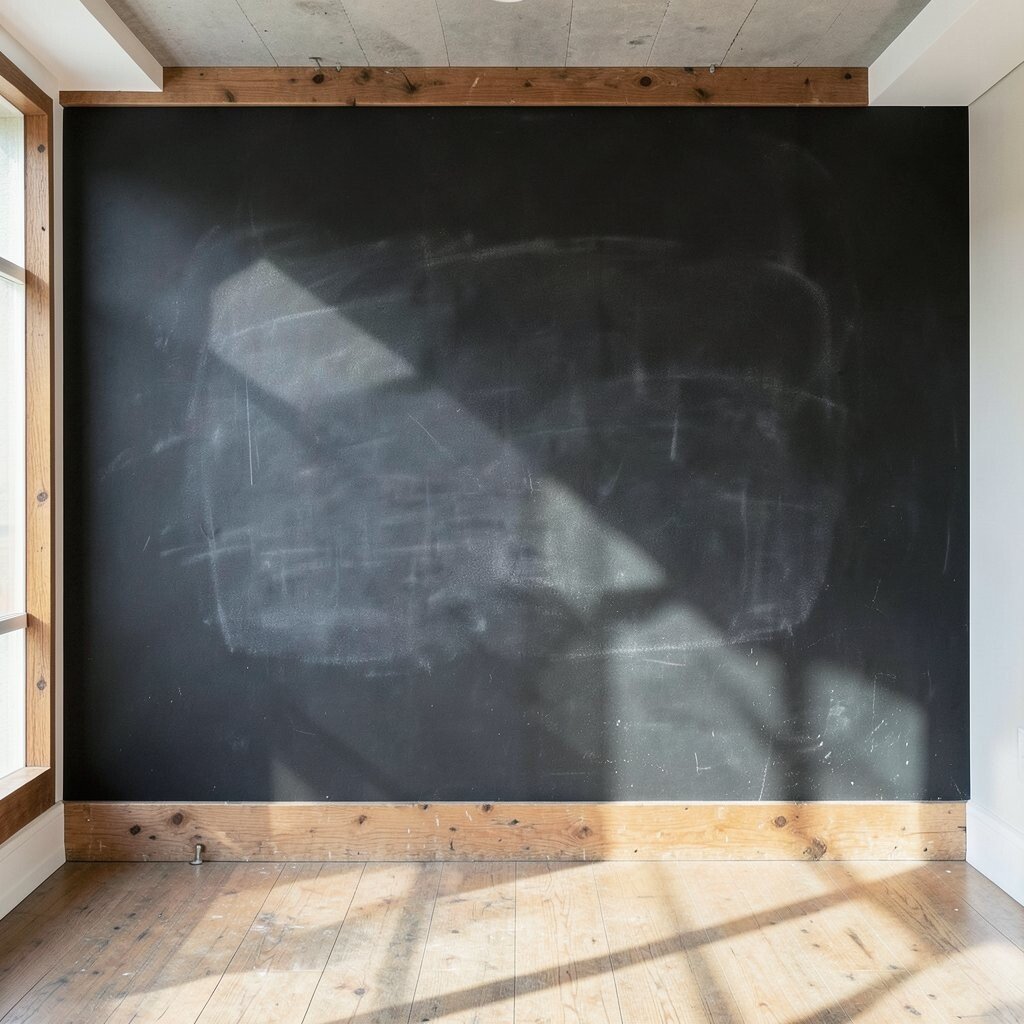
A chalkboard look gives a cozy classroom feel with dark backdrops and bright word cards. The strong contrast makes words stand out, and the style feels a little classic and a little fresh.
This idea fits well with current design trends that use simple colors and clean lines. You can make it affordably with black paper or paint, then add white or neon letters for a bold look that still leaves space for student notes.
5. Interactive Flip-Flap Wall
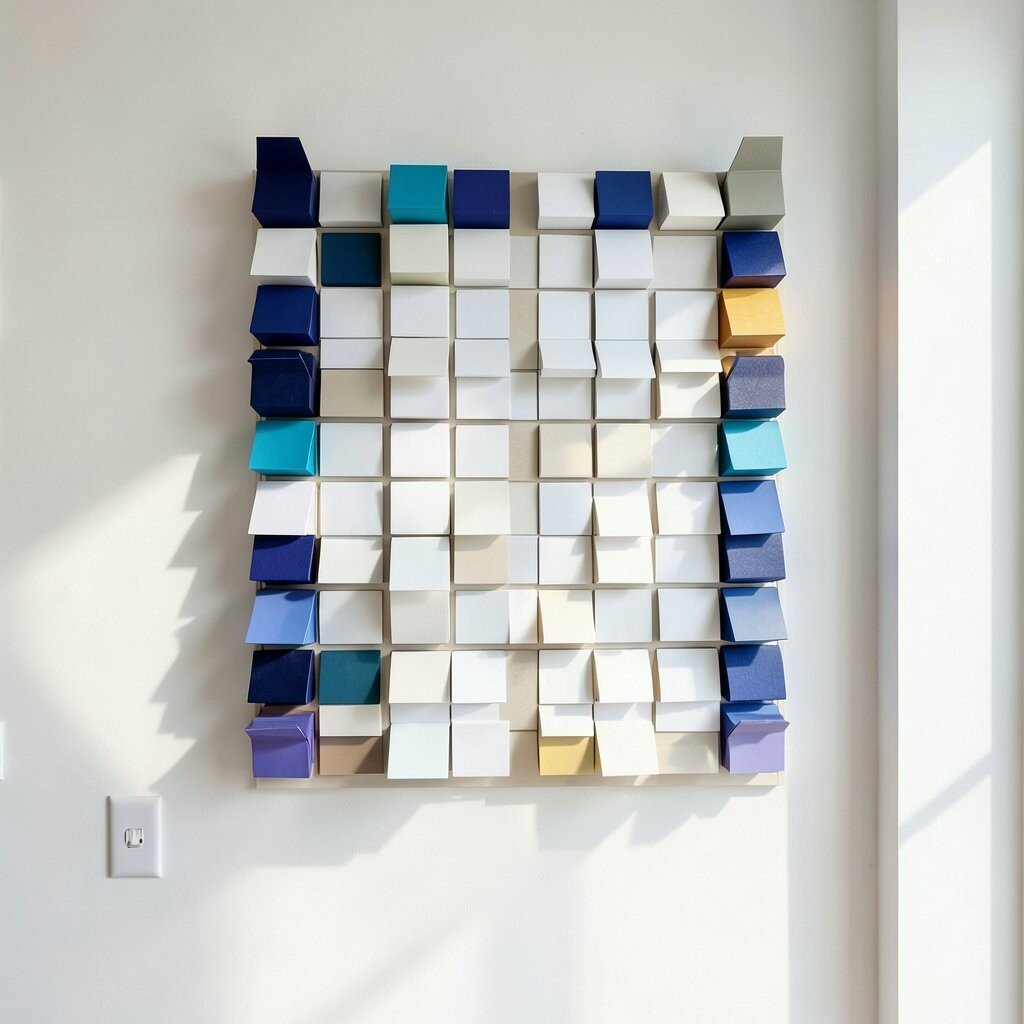
Flip-flap walls add movement and surprise, which keeps students curious. Words can hide under flaps, and each lift reveals a meaning, picture, or matching clue.
That little action supports memory and makes review feel like a game. It may take more time to build at first, but cardstock, tape, and printed images can keep the project budget-friendly while still feeling special.
You can personalize the flaps with student art, favorite characters, or class-made examples. This style works especially well when you want a wall that grows with the class and invites hands-on learning.
6. Book Spine Library Wall
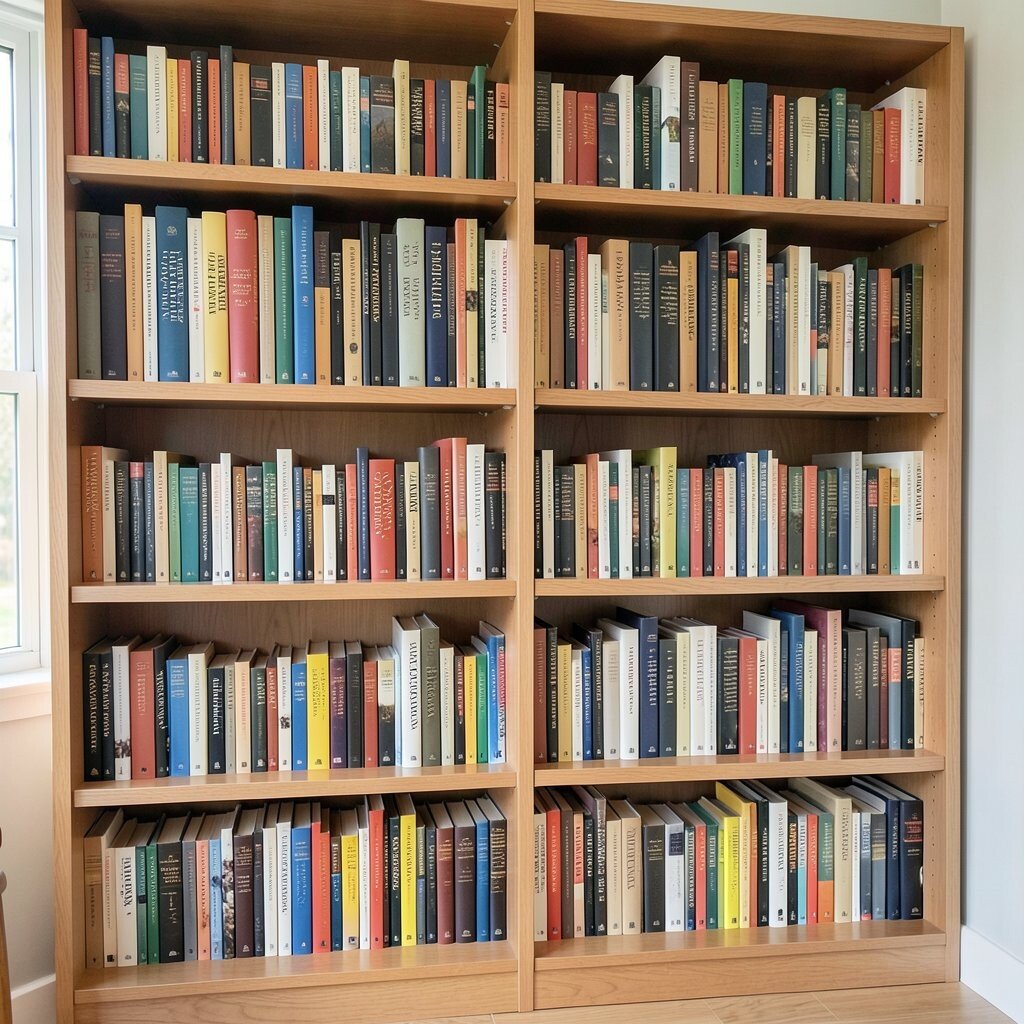
A book spine wall looks like a tall stack of favorite stories lined across the room. The word cards can sit on colorful paper spines, which gives the display a lively library feel.
It helps children connect words with reading and stories they already know. You can use scrap paper, old book covers, or printed spine shapes to keep the cost low, and you can update the titles to match new books or themes during the year.
This style feels unique because it mixes language learning with reading pride. Adding student favorite books or class-made story titles makes the wall feel like it belongs to the group.
7. Travel Map Word Wall
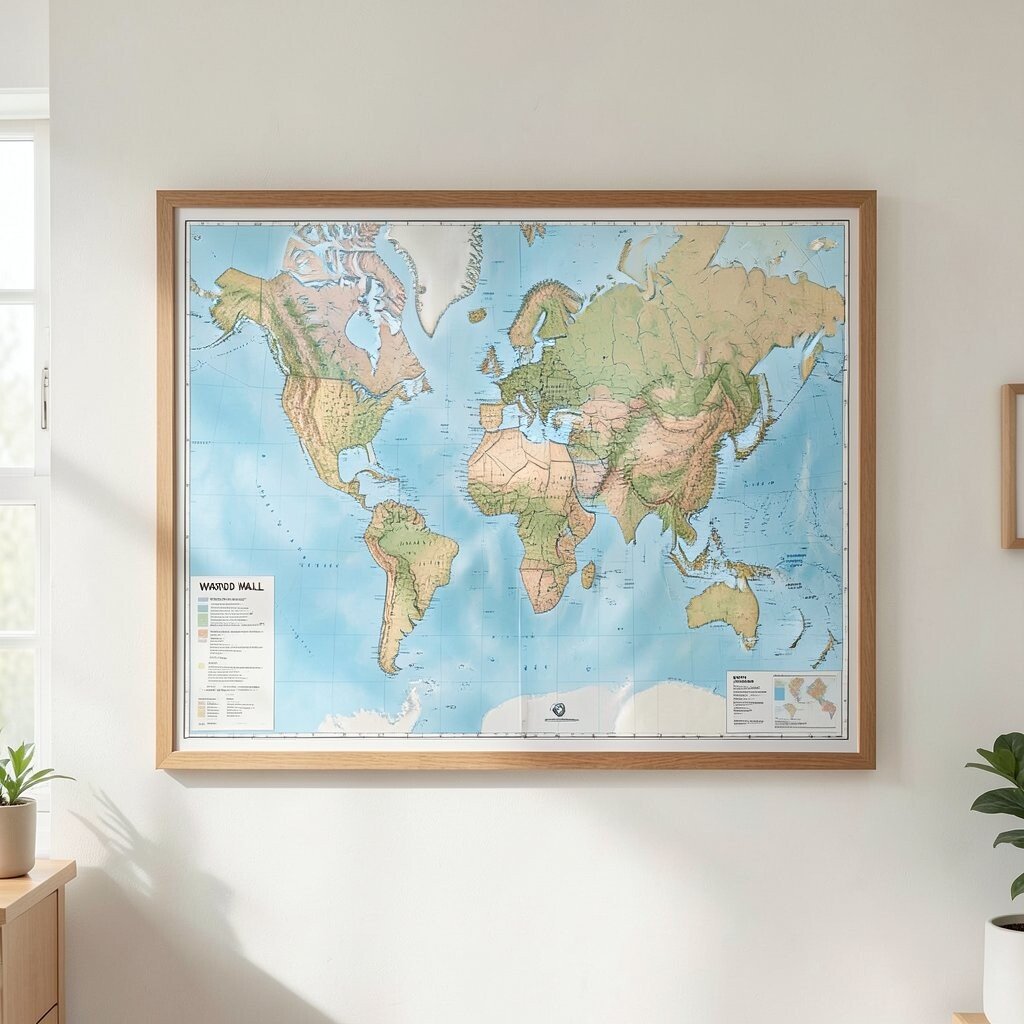
A travel map theme makes words feel big and full of possibility. Bright arrows, pin markers, and paper roads can turn the wall into a playful journey across ideas.
Students often enjoy moving from one word area to another like they are taking a trip. The design is useful for vocabulary groups, and it can be made with a simple map printout, colored paper, and a few low-cost labels.
You can also personalize the wall with places students know, like home towns, favorite cities, or dream destinations. That makes the display feel current, since travel and world learning themes remain popular in classrooms and homes.
8. Garden Growth Wall
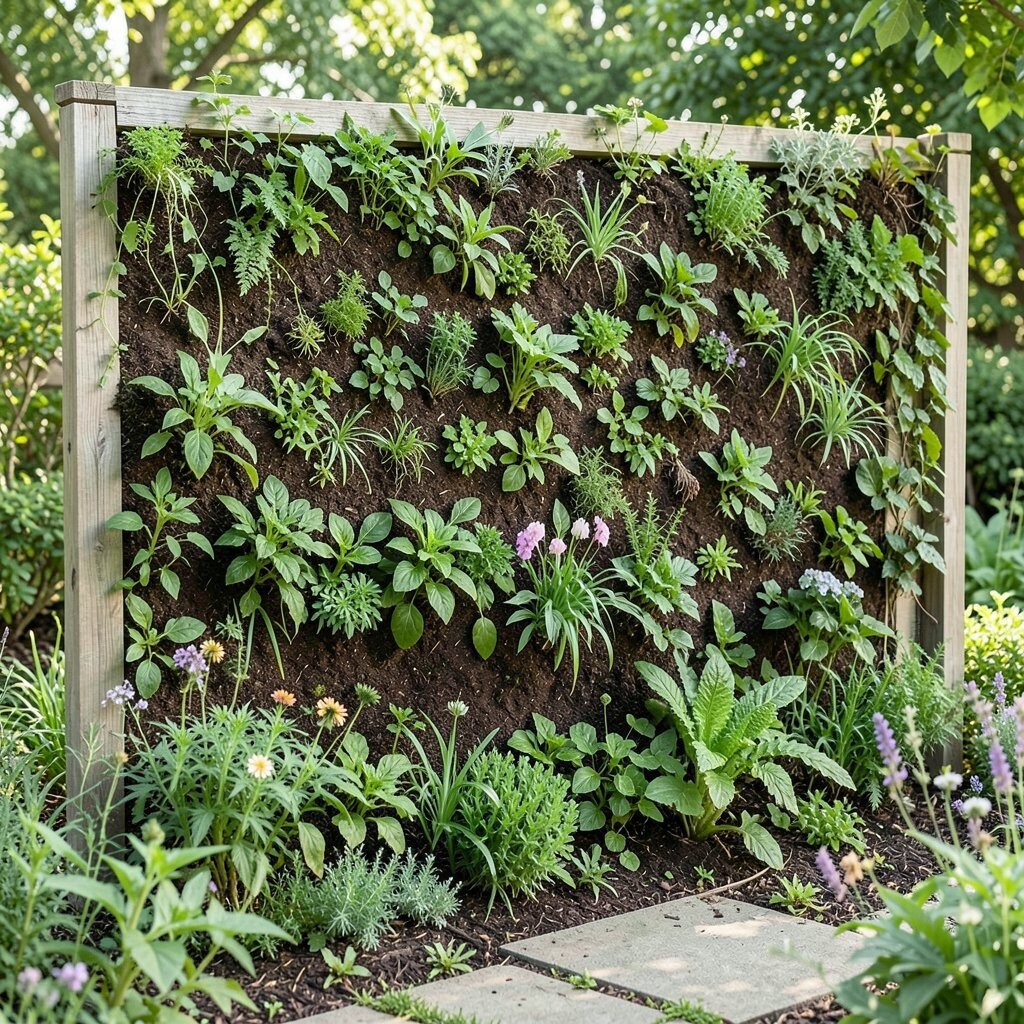
A garden wall brings in flowers, vines, and seed shapes for a soft and hopeful look. Words can grow upward from roots, which creates a pretty display that hints at learning and progress.
This idea is great for showing how new words build from old ones. It can be made with paper flowers and green strips, so it stays affordable while still looking polished and full of life.
Children can help add petals with words they have learned, which gives them a real role in the display. The wall feels fresh when you switch flowers for seasons or add student names on small garden tags.
9. Builder Block Wall
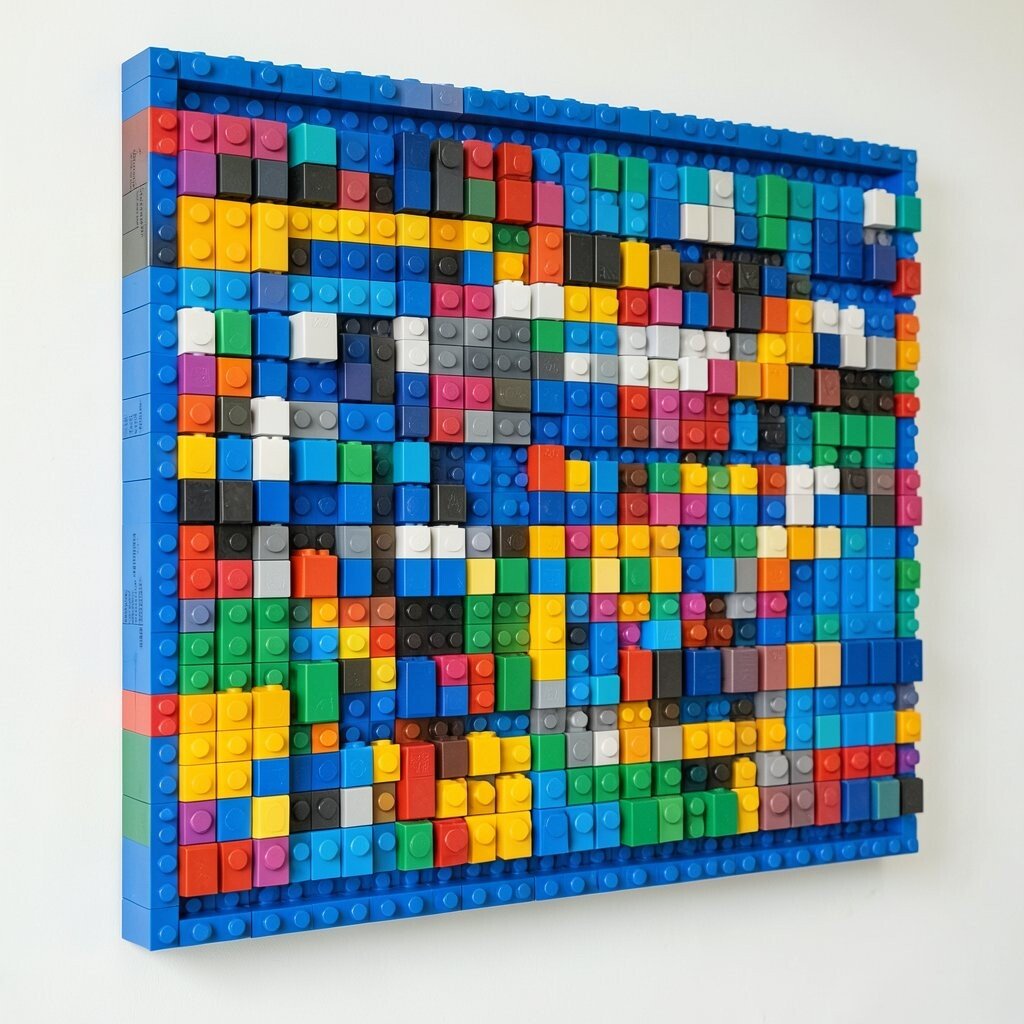
Block-style word walls use square cards that stack like toy bricks or building pieces. The look is bold and simple, and it feels active even when the room is quiet.
This setup works well for early learners because the shapes are easy to sort and match. Blocks can be cut from colored paper or leftover cardboard, so the display stays low cost and easy to rebuild as needs change.
It also lets you personalize each section with a class motto, student drawings, or theme words. Since building play remains popular, this wall connects learning with something children already enjoy.
10. Seasonal Tree Wall
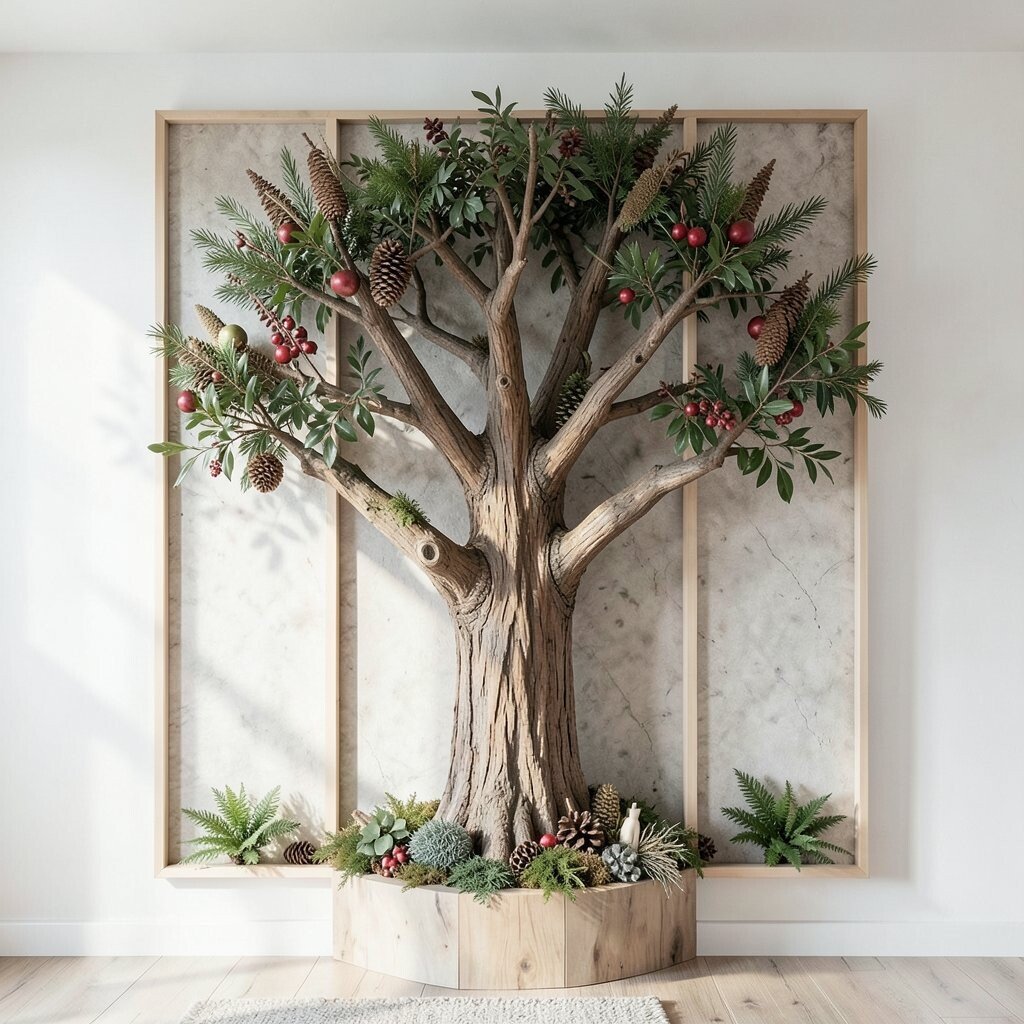
A tree display changes with the calendar and keeps the room feeling fresh. Bare branches in winter, blossoms in spring, and leaves in fall make the wall look alive all year.
Words can hang like fruit or leaves, which gives the display a gentle and friendly style. It is easy to make with butcher paper, cutout branches, and recycled paper shapes, and that keeps the cost lower than many store-bought decorations.
Students can add words based on the season, the unit, or the books they are reading. That personal touch helps the wall feel more useful and also gives children a reason to check it often.
11. Comic Strip Wall
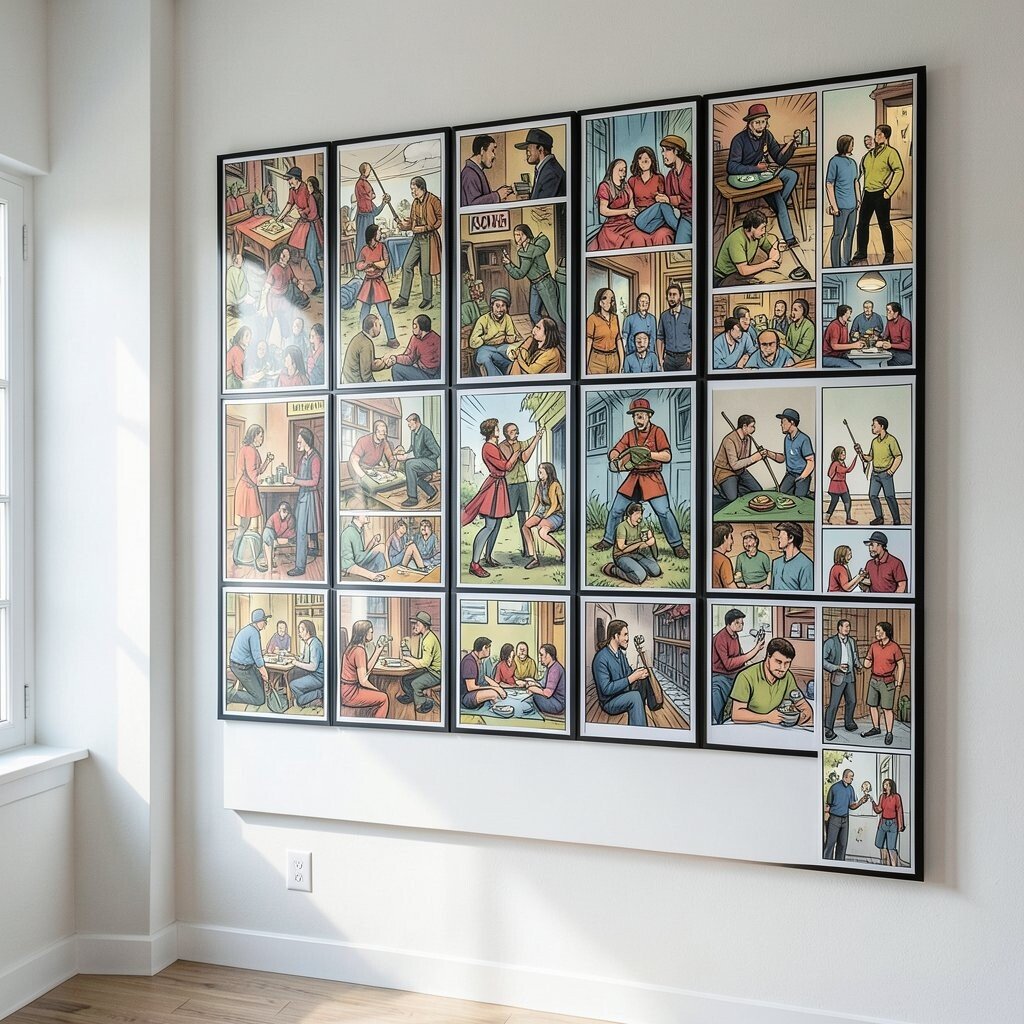
A comic strip word wall feels fun right away because it uses speech bubbles, bold lines, and bright frames. The look is lively and modern, and it can make vocabulary feel less serious and more playful.
This style supports learning by pairing words with short scenes or dialogue. Simple printed boxes and markers are enough to create the effect, so the cost stays friendly even if you want a lot of visual detail.
You can also make it more personal by adding student-made characters or class jokes that stay appropriate for school. Since graphic style displays are trending, this option can help the room feel current while still staying easy to use.
12. Lantern Glow Wall
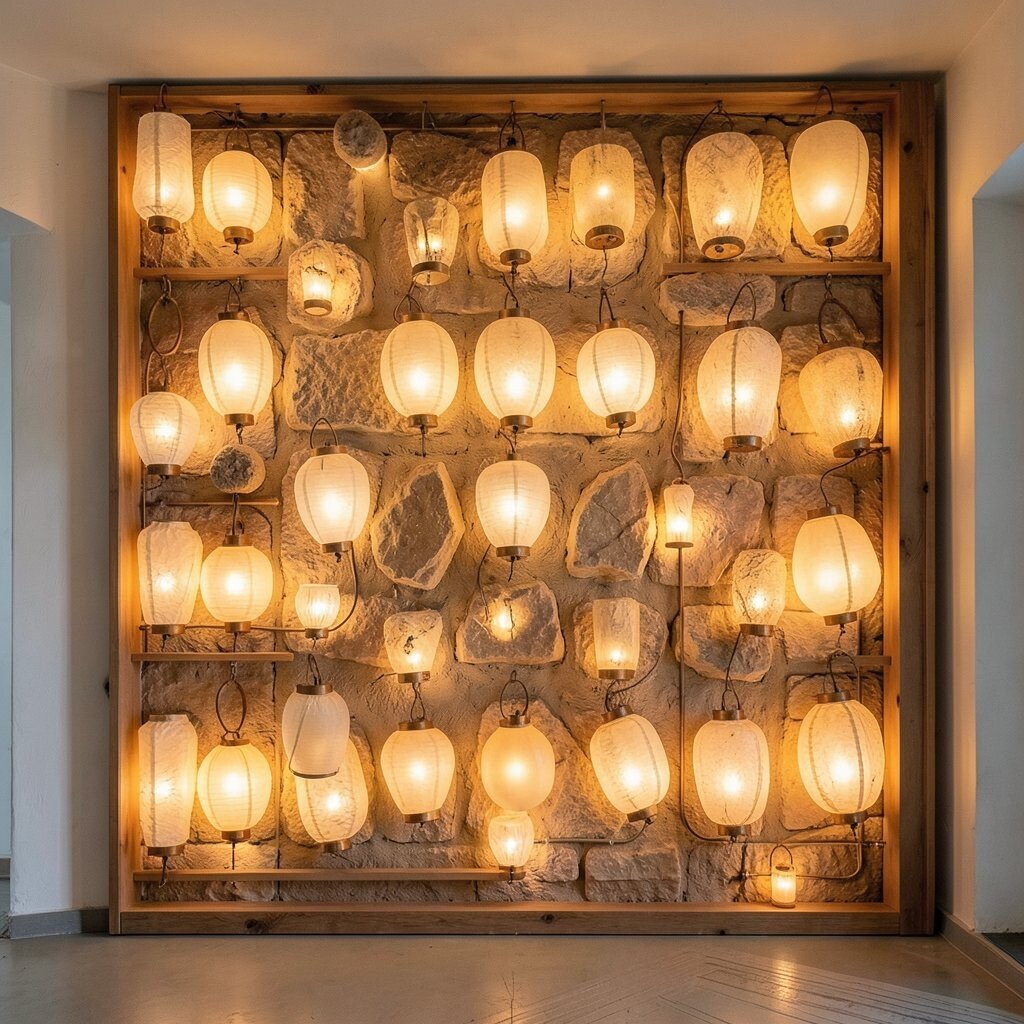
Lantern shapes and soft light colors can give a word wall a warm glow. The display feels peaceful and gentle, especially when words are placed inside paper lanterns or around a soft background.
It can help calm busy rooms because the look is soothing and organized. You can create it with folded paper, string, and simple cutouts, which keeps the budget manageable and lets you use what you already have.
Students may enjoy choosing a lantern color that matches their favorite word group or subject area. That small choice makes the wall feel personal while still keeping the whole space neat and inviting.
13. Sports Scoreboard Wall

A scoreboard word wall gives energy and excitement to learning space. Words can sit in score boxes, team-style cards, or bold panels that feel ready for action.
This look works well for review games and fast-paced practice because it feels familiar and motivating. You can make it with poster board and printed numbers or letters, so the cost stays low and the setup is easy to refresh for new lessons.
Children often like the competitive look, but the wall can still stay friendly and cooperative. Adding class teams, student names, or goal trackers gives it a personal touch and helps everyone stay involved.
14. Under the Sea Wall
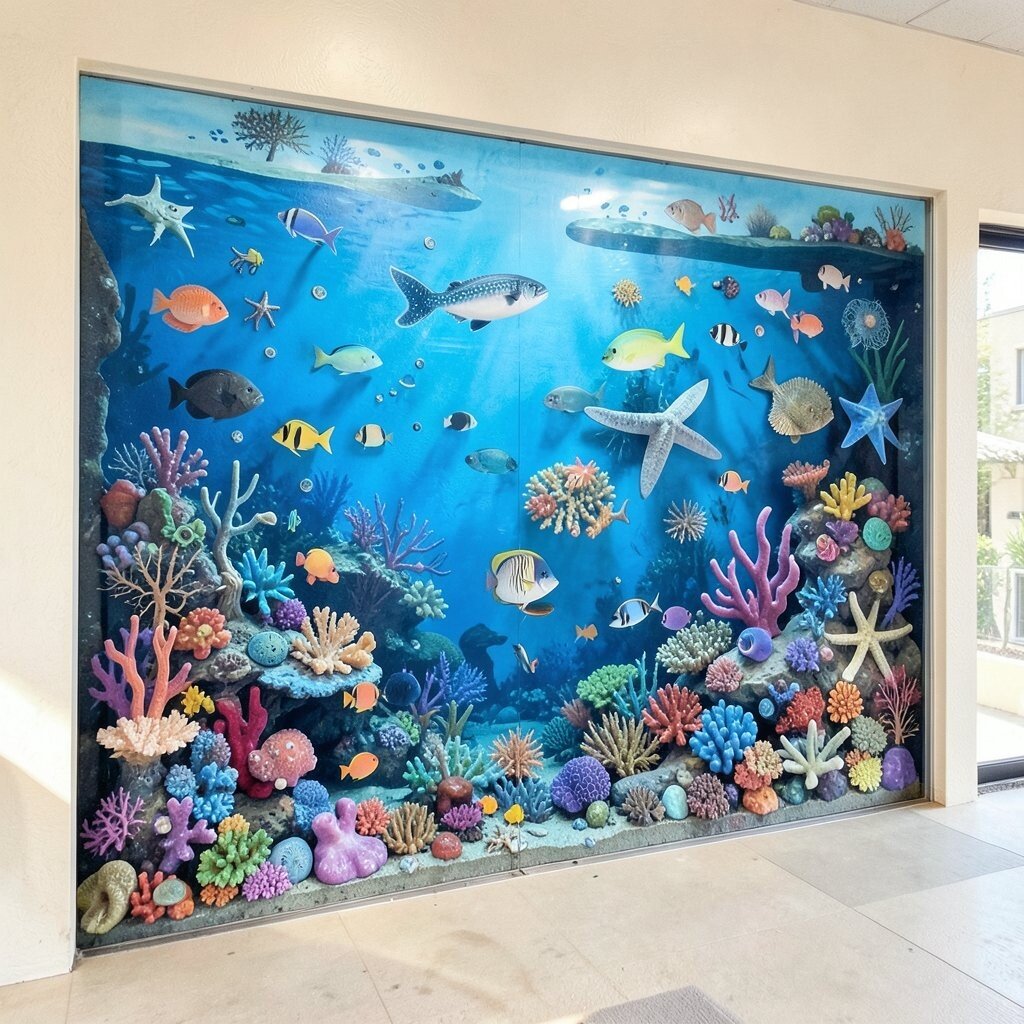
An undersea wall can make words feel like treasures waiting below the waves. Blue water tones, fish, shells, and bubbles create a display that is bright, playful, and easy to enjoy.
This theme is useful for science words, reading words, or any class topic that needs a little extra charm. Foam shapes, paper cutouts, and recycled packaging can help keep costs low while still giving the wall a rich look.
You can personalize the display with student-drawn fish or names on starfish shapes. The sea theme stays popular because it feels open and imaginative, and it gives plenty of room for new words over time.
15. Quilt Patch Wall
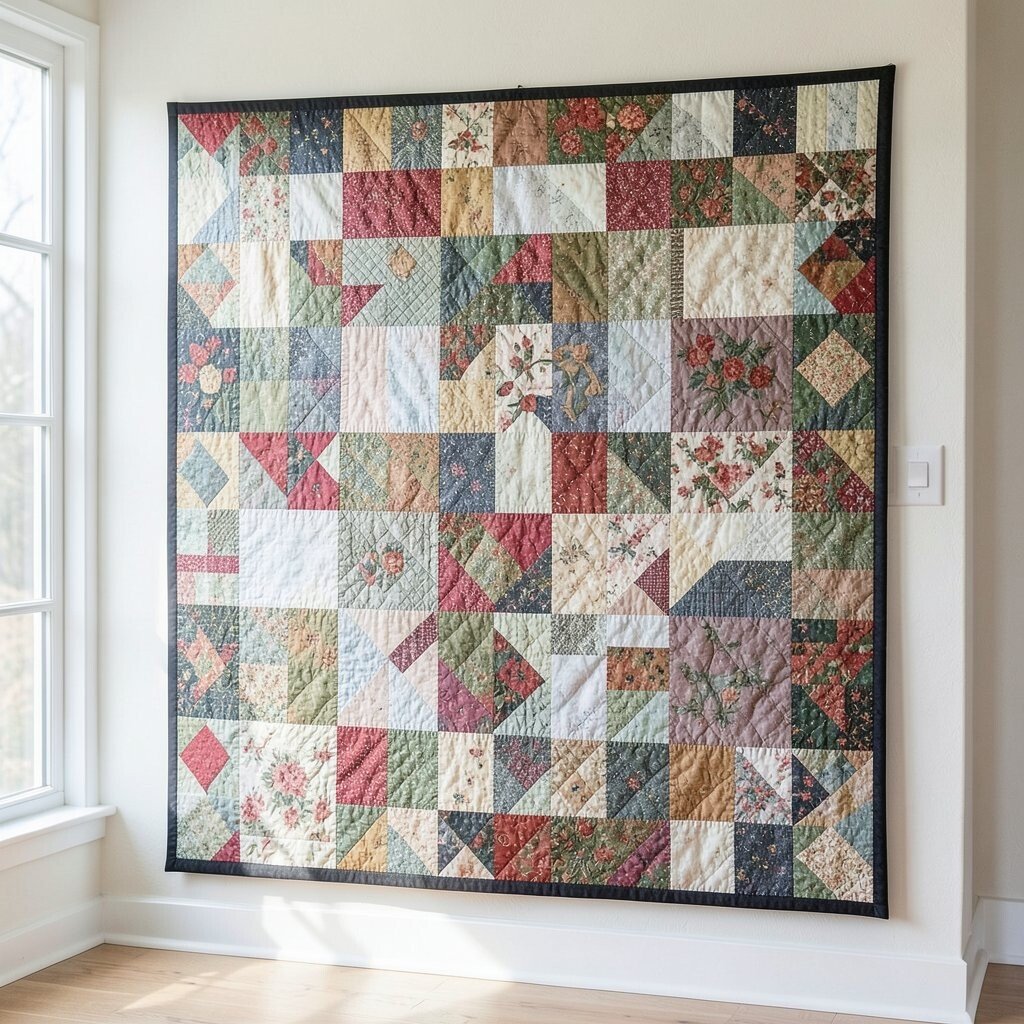
A quilt patch wall feels warm, homey, and full of care. Each word card can sit inside its own patch, and the whole wall looks like a handmade blanket made from learning pieces.
This style is wonderful for showing that many small words can work together to build strong reading and writing skills. It is also budget friendly, since paper squares, fabric scraps, or leftover wrapping paper can create a rich patchwork look without much expense.
Teachers can personalize each patch with student names, favorite colors, or class-made designs. The mix of patterns gives the wall a unique charm, and it can grow easily as new words are learned throughout the year.