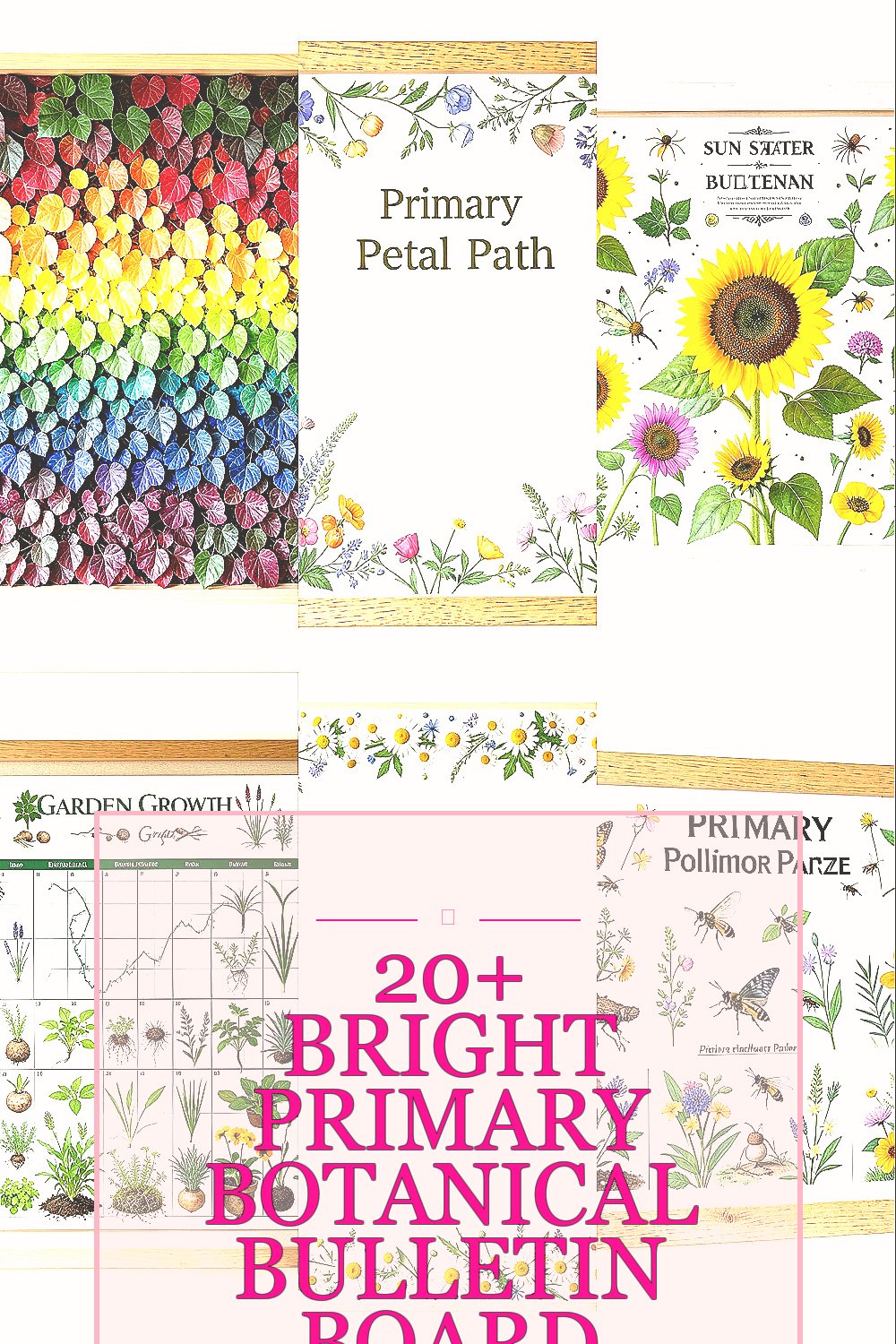
Bright leaves can make a room feel alive. Simple flowers can turn a plain wall into a happy place.
1. Rainbow Leaf Wall
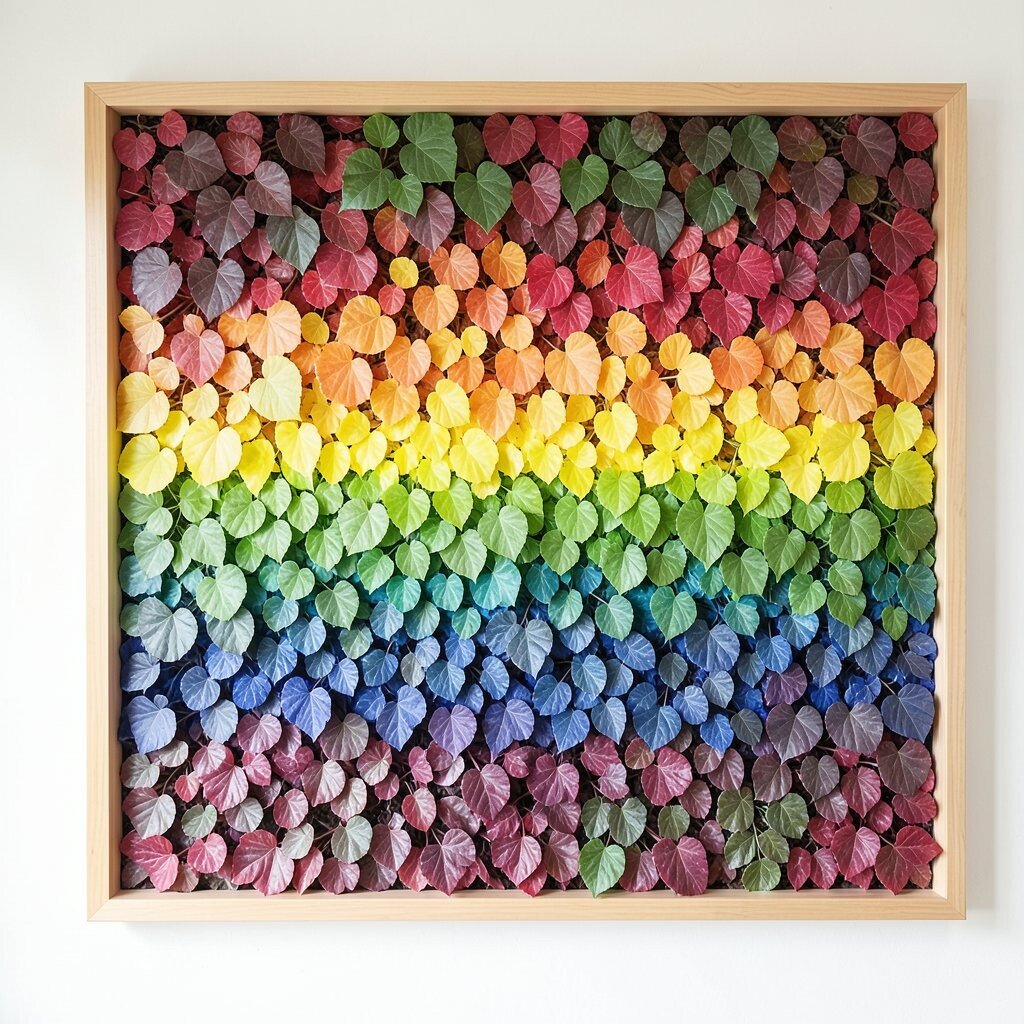
Arrange paper leaves in red, yellow, and blue for a bold display that feels fresh and cheerful. The bright mix helps young eyes focus, and it can make a classroom corner feel more inviting.
This style is easy to build with cardstock, scissors, and a few green stems, so the cost stays low. You can add student names on the leaves or let children choose their favorite color pair to make the board feel personal.
2. Primary Petal Path
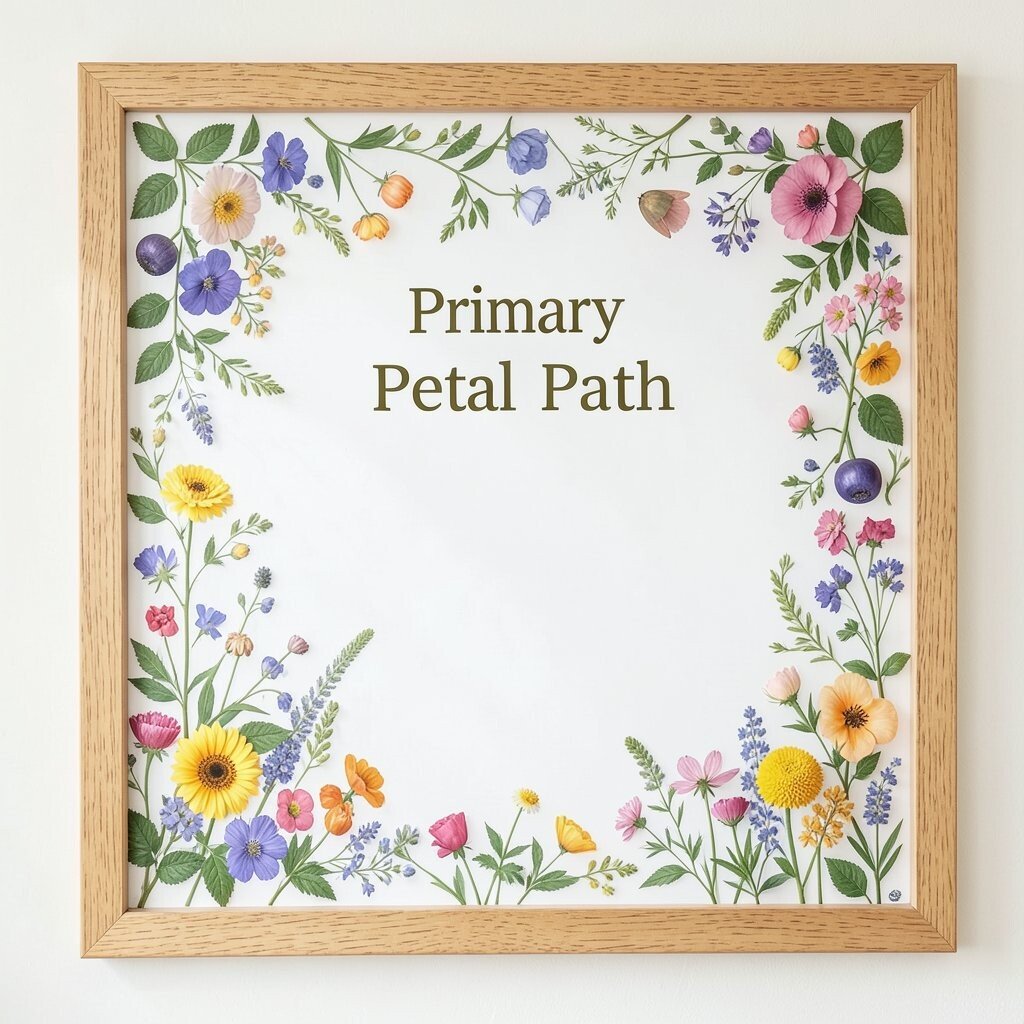
Create a winding path of large flower petals across the board, each one painted in a primary shade. The flowing shape gives the wall movement, and it feels playful without needing many supplies.
Use foam petals for a longer-lasting display, or choose construction paper if you want a cheaper option. Kids can write class goals or kind words on the petals, which adds a sweet custom touch and makes the board useful too.
Metallic centers are a current favorite in classroom decor, and they can make the flowers pop without much extra work. A few dots of white paint or paper highlights will keep the look bright and lively.
3. Sunflower Starter Board
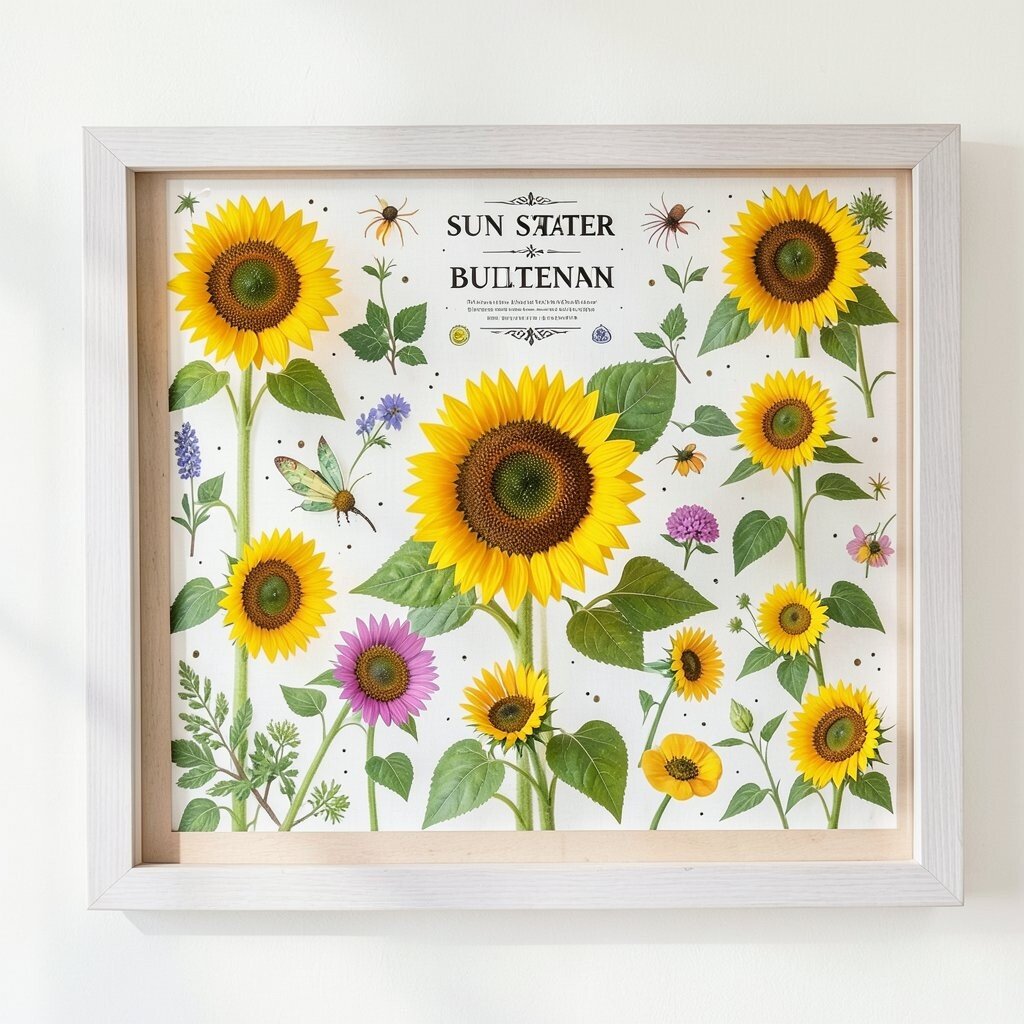
Large sunflowers made with yellow paper and dark centers bring instant warmth to a room. Their strong shape stands out well on a bulletin board, and the design works nicely for welcome displays or seasonal lessons.
This idea is simple to make with circles, petals, and glue, so it works even when time is short. You can write student names on the flower centers or post class messages around them, which makes the board feel special and useful.
Sunflower boards also fit the current love for nature-inspired classroom spaces. If you want to save money, try using recycled paper bags for the centers and colored copy paper for the petals.
4. Garden Growth Grid
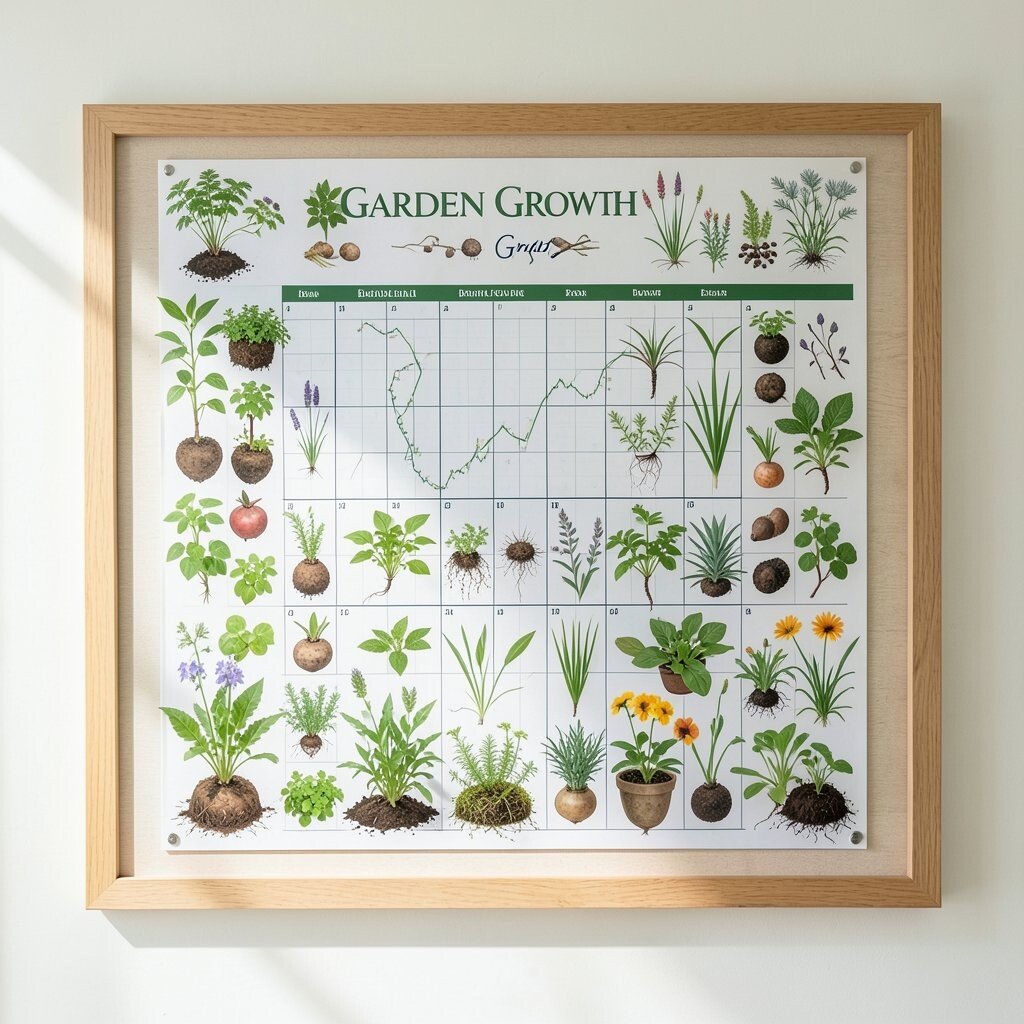
Line up paper stems, leaves, and blossoms in neat rows to create a garden that looks tidy and bright. The grid style helps the board feel organized, which is great for a learning space.
Teachers can place sight words, math facts, or kindness notes inside each flower. It is easy to change the pieces during the year, and that makes the board feel new without a full remake.
Personal touches matter here, so let students decorate one stem each with tiny details or favorite colors. If you need a low-cost setup, use plain paper and a few markers instead of buying printed pieces.
Layering different shades of green can add depth without making the board look busy. A simple border of blue paper helps the primary colors stand out even more.
5. Daisy Dot Border
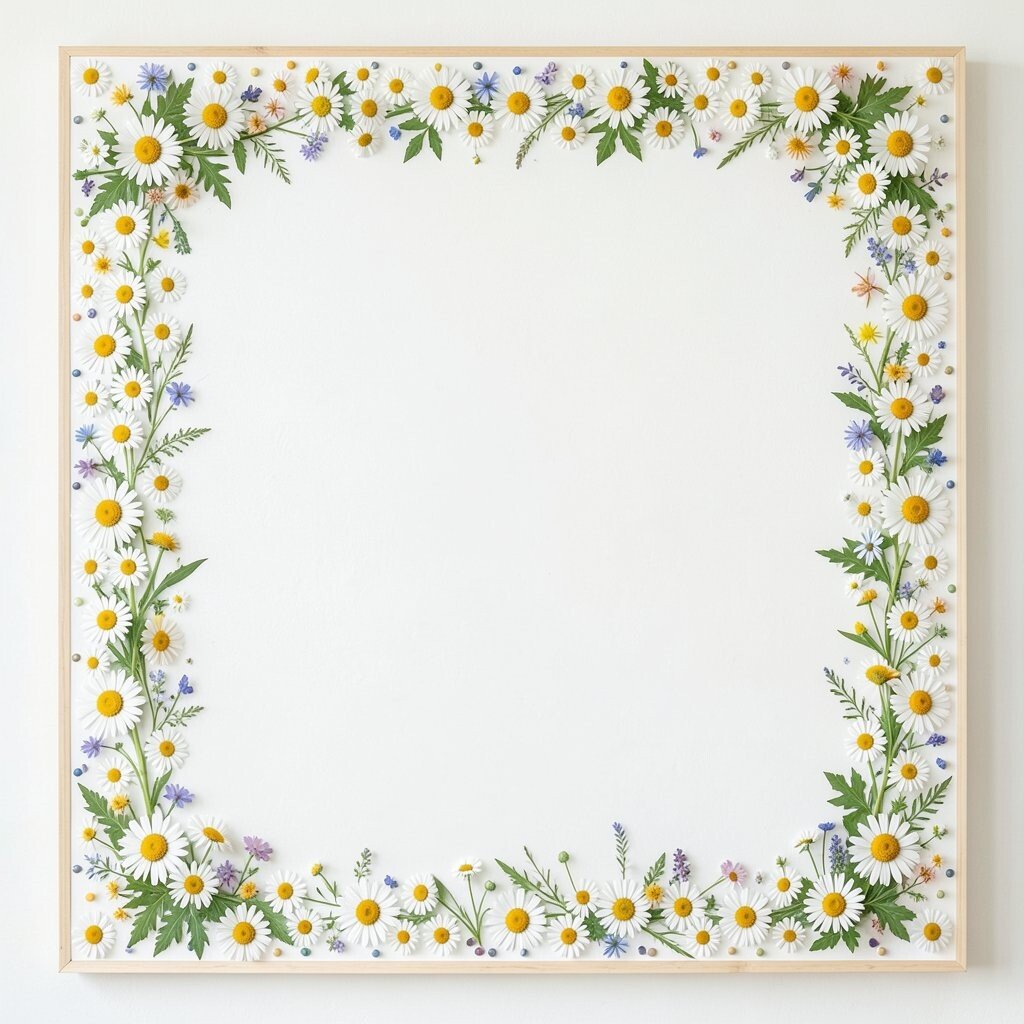
Frame the board with white daisies and bright primary dots for a look that feels clean and happy. The contrast makes the message area easy to read, which helps the whole display work better.
Because daisies are easy to cut, this board can be made quickly with basic supplies. Students can add dot stickers, painted circles, or crayon spots, and that small detail gives the display a fun personal feel.
6. Primary Pollinator Parade
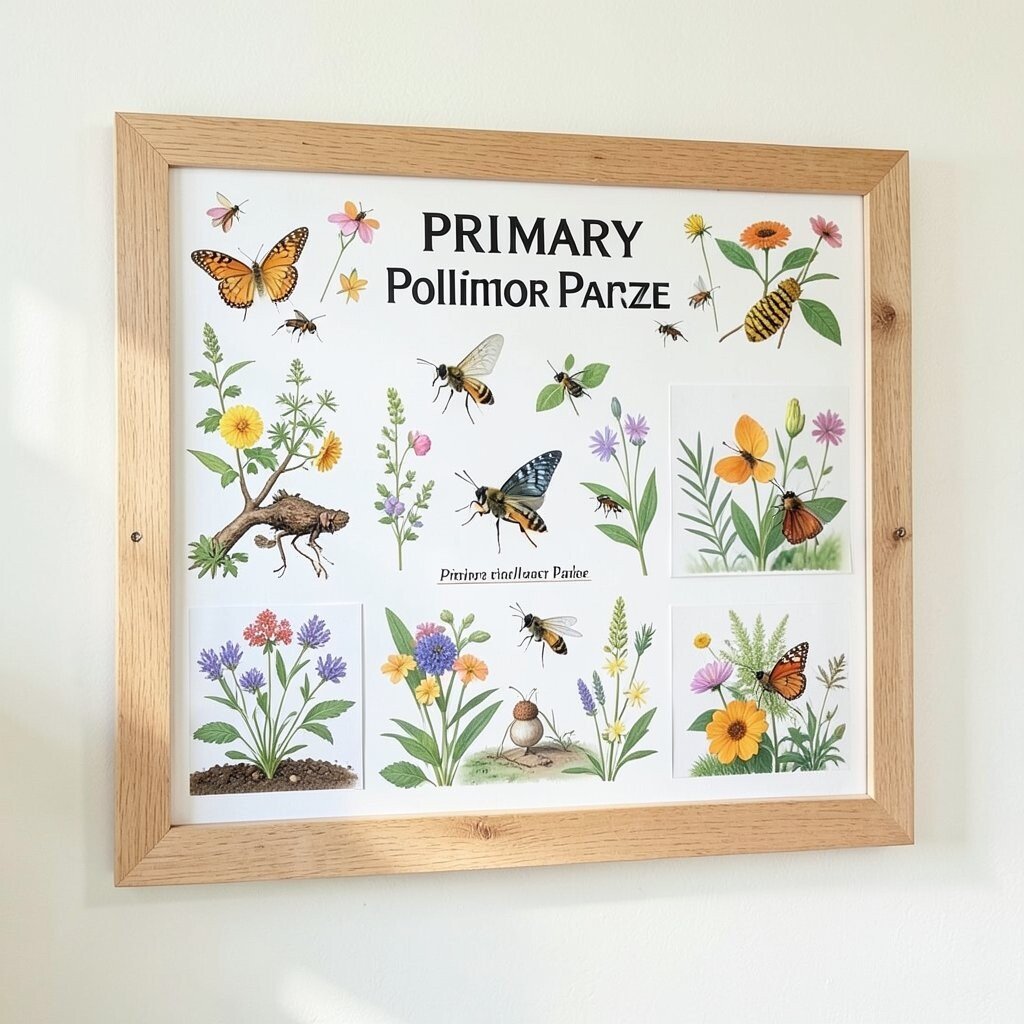
Fill the board with bees, butterflies, and ladybugs moving through a bright flower field. The scene feels full of life, and kids often stop to look at all the little details.
This type of board can support science lessons about pollinators while still looking playful. You can make the insects from paper scraps, which keeps the cost down and gives the display a handmade charm.
Many classrooms now like nature themes with a bright, child-friendly look, and this idea fits right in. Add student drawings of insects if you want the board to feel more personal and more connected to the class.
7. Color Wheel Garden
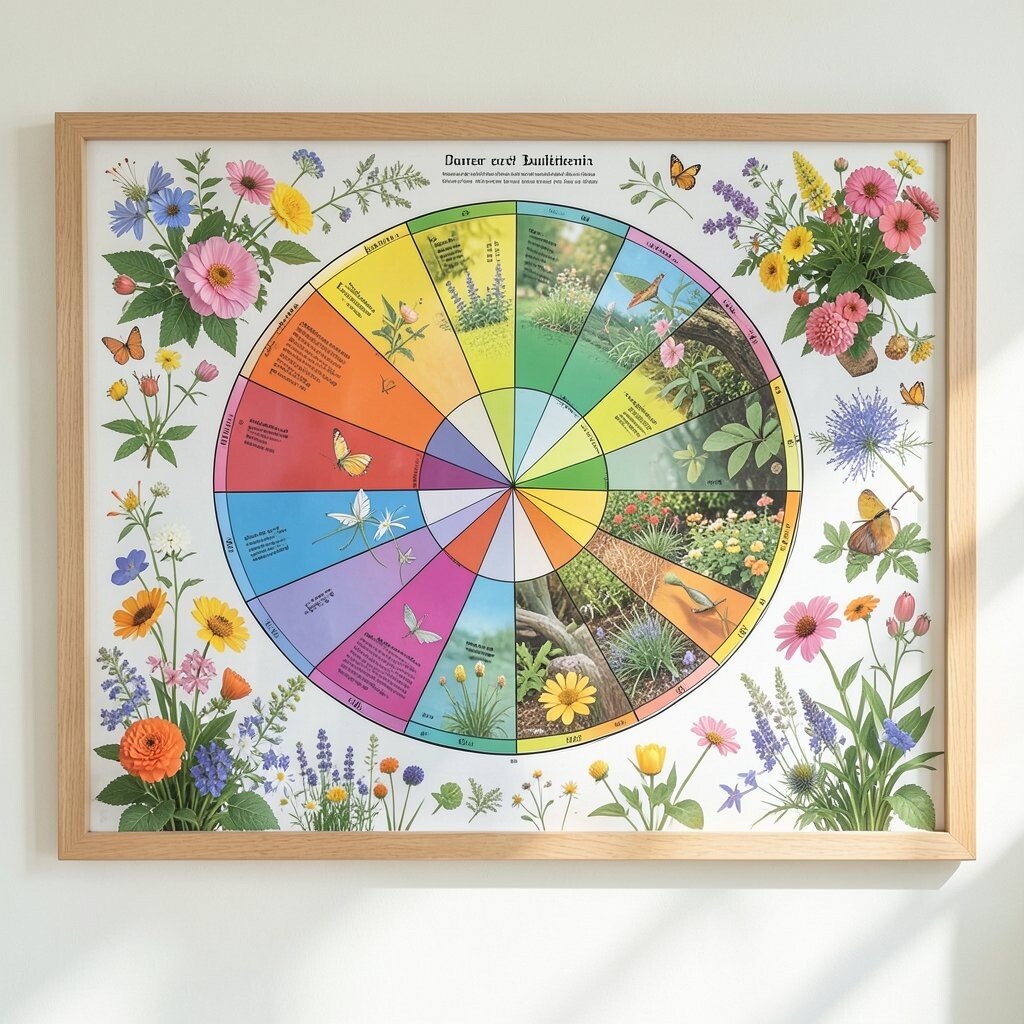
Mix primary flowers with petals arranged in color-wheel order for a board that feels smart and lively. The visual flow helps children notice color relationships, which makes the display both pretty and helpful.
It works well for art rooms and early grades because the shapes are simple and the colors are easy to name. If budget matters, one set of paper flowers can last a long time when stored flat and reused each year.
Small chalk labels or handwritten tags can make the look more personal without adding much work. This kind of board also matches the current trend of using classroom decor as a teaching tool.
Try adding a few painted paper butterflies between the flowers for extra motion. The result feels bright, balanced, and easy to love.
8. Sprouting Name Stems
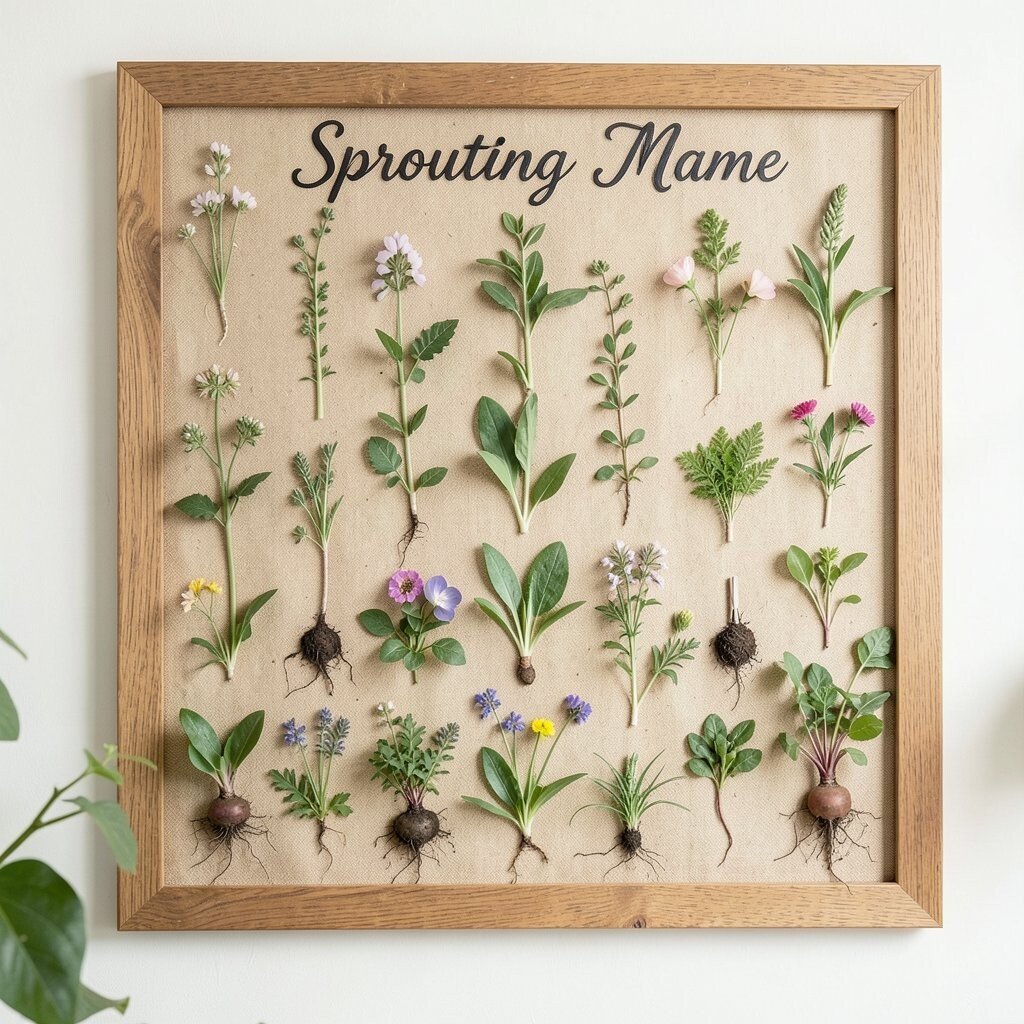
Use tall green stems with each student name written on a flower at the top. The vertical shape makes the board feel tall and fresh, like a young garden reaching toward sunlight.
This design helps children feel seen, and it can support community building from the first day of school. You can cut the stems from green paper or even use strips from leftover materials, which saves money and reduces waste.
Personalization is simple here because each flower can show a child’s favorite color or a small symbol. The board can also change through the year by adding new leaves when students reach goals or show kindness.
9. Crayon Bloom Garden
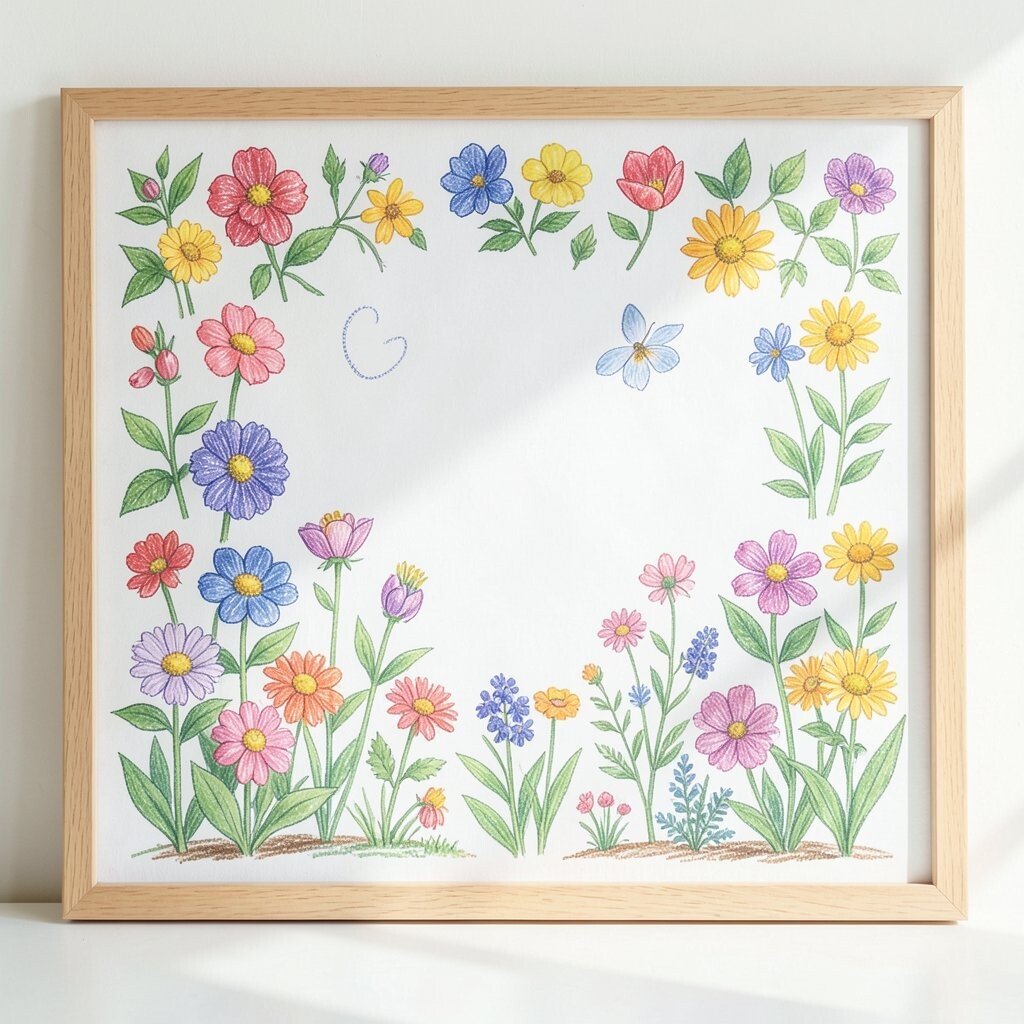
Make flowers with crayon-shaped petals in red, yellow, and blue for a playful classroom look. The mixed shapes feel fun and familiar, and the board can make art time feel even more exciting.
It is a great choice for a younger room because the crayon theme connects to daily school life. You can use simple paper cutouts, which keeps supplies cheap and easy to replace if anything tears.
A few glossy accents or bright stickers can give the flowers extra sparkle without much effort. Students may enjoy helping build the board by choosing the bloom colors they like best.
For a current touch, try adding one large center piece with a bold quote about creativity. That small feature can make the board feel special without adding much cost.
10. Painted Pot Display
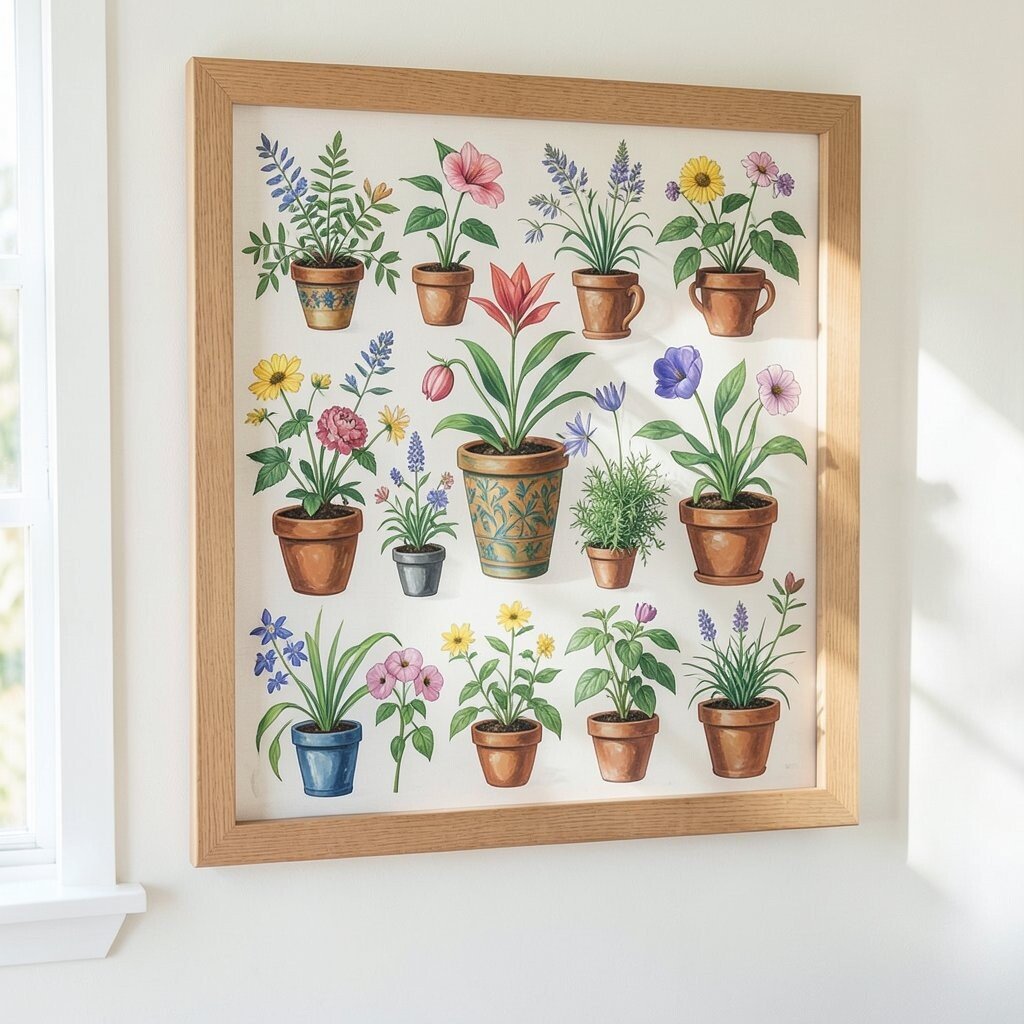
Line the bottom of the board with colorful flower pots and let stems rise above them. The visual feels neat and grounded, and it gives the flowers a cheerful home.
This idea works well with primary colors because each pot can hold a different shade or pattern. You can let students decorate mini pots, which adds personality and keeps the board from feeling plain.
Foam sheets work nicely for sturdy pots, but paper is a cheaper choice if you want to make several at once. The board can also hold class reminders, book titles, or daily goals, so it offers useful space as well as beauty.
A hand-painted look is very popular right now, and it fits this theme perfectly. A few white outline lines can make the pots look crisp and bright.
11. Butterfly Seed Circle
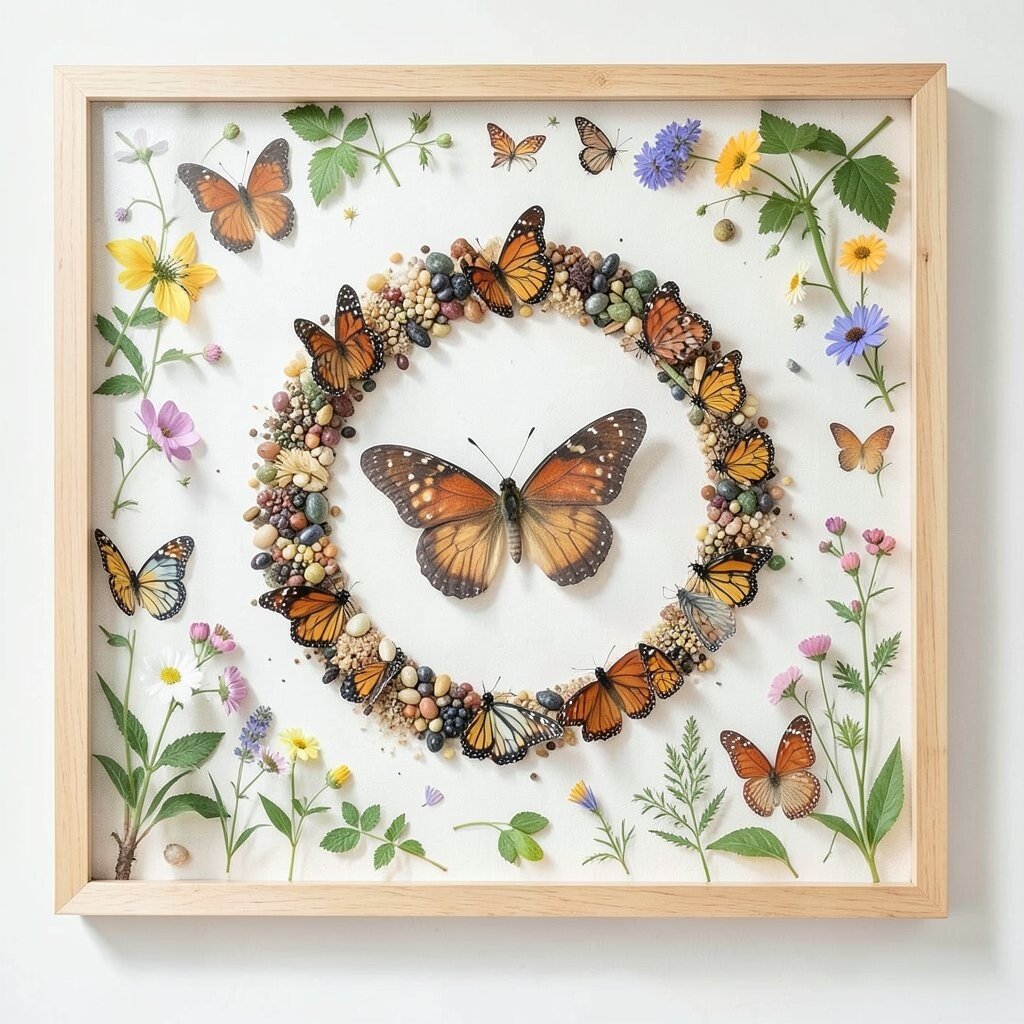
Build a circle of butterflies around a center bloom so the whole board feels like it is in motion. The round shape draws the eye inward and gives the display a calm, pretty balance.
Butterflies are easy to personalize with student initials, favorite patterns, or tiny quotes. This makes the board feel shared and special while still being simple enough for a busy teacher.
Cutting the same butterfly shape in different colors gives a lot of impact without using many materials. If you want a lower-cost version, use printed paper and crayons instead of buying fancy supplies.
The circle layout also works with current classroom trends that favor clean shapes and soft movement. It can be changed through the seasons by swapping flowers or adding more butterflies.
12. Bee Happy Patch
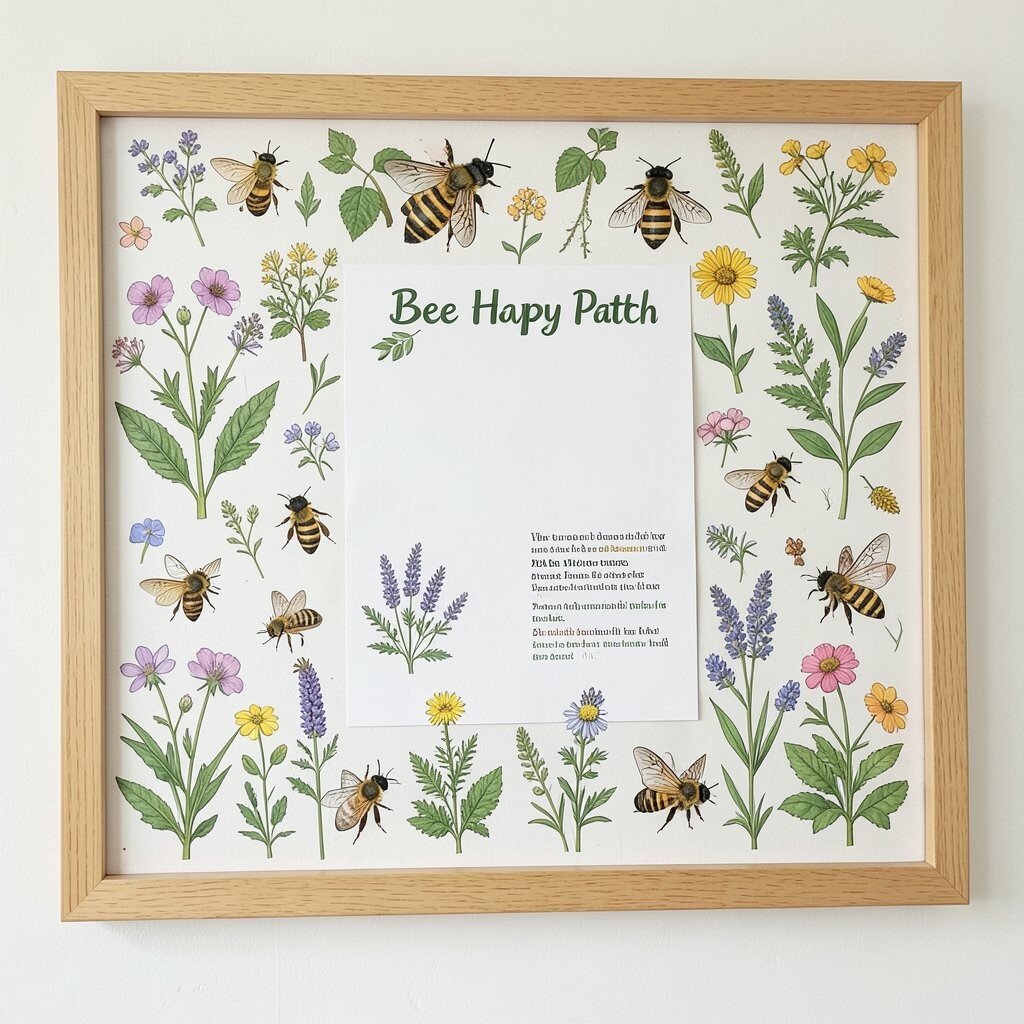
Cover the board with honeycomb shapes, bright bees, and little flowers for a cheerful spring feel. The repeating pattern looks lively and organized at the same time.
This board can remind children about teamwork and kindness, which makes it useful beyond decoration. Students can add their own bee stripes or write names on honeycomb pieces, giving the display a personal spark.
Cardstock works well here because the shapes need to stay crisp, but brown packing paper can cut costs if needed. A touch of yellow and black on a large board is enough to make the whole wall feel sunny.
Honeycomb themes are still very trendy in classrooms, and they pair nicely with botanical art. Keep the flowers simple so the bees remain the star of the show.
13. Seed Packet Showcase
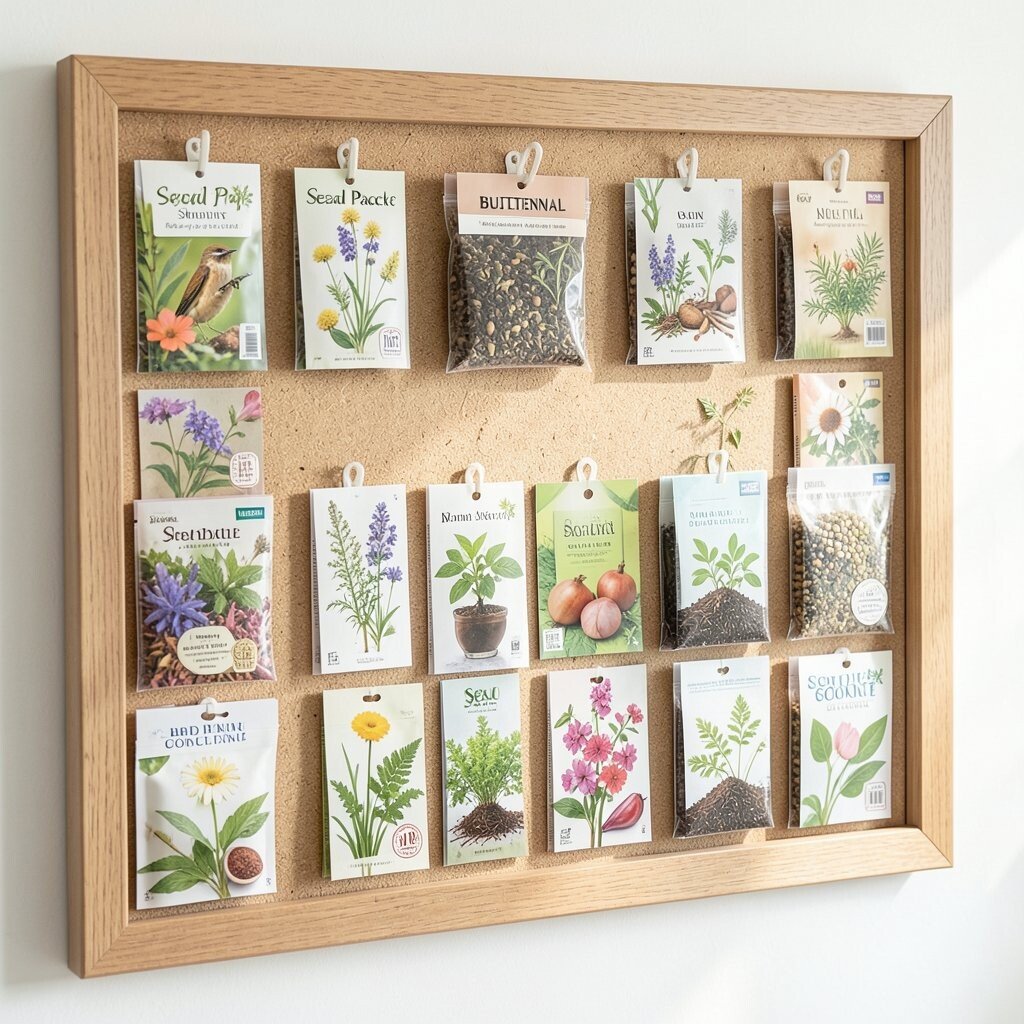
Create oversized seed packets filled with paper flowers, leaves, and tiny labels. The design feels like a garden store window, and it brings a sweet vintage touch to the room.
It is easy to make with envelopes, printouts, or hand-drawn borders, so the cost stays friendly. Students can decorate their own packet with a favorite plant name or a dream they want to grow.
This idea gives you a chance to tie in writing, science, or goal-setting lessons. It also works well as a personal message board where children can post work or notes inside the packet shapes.
14. Jungle Bloom Corner
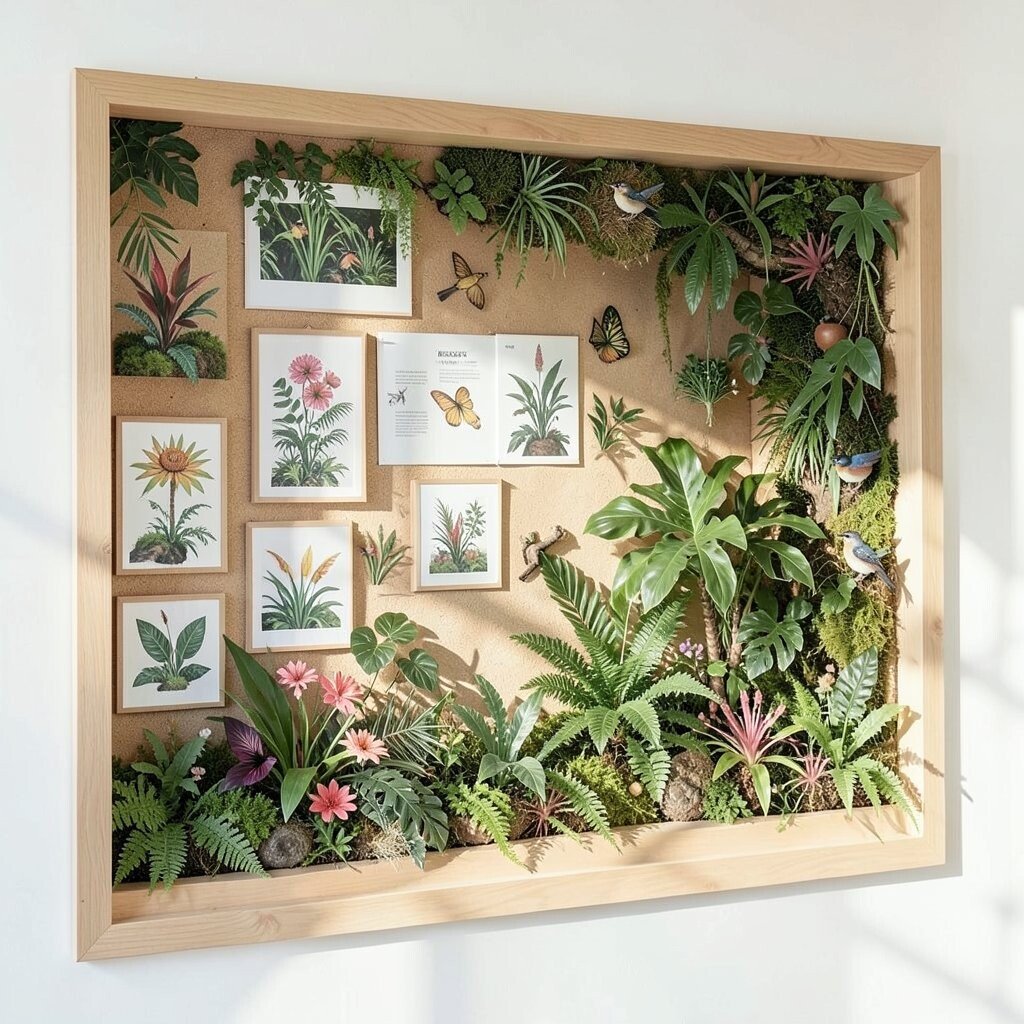
Combine big leaves, bright flowers, and tropical plants for a lively botanical scene. The bold shapes feel exciting and can make a reading corner or hallway wall stand out.
This board is unique because it blends primary colors with a little wild energy, which children usually love. You can use large paper leaves to fill space quickly, and that keeps the setup simple and affordable.
Add student-drawn birds or insects if you want more personality and variety. A few layered leaves can give depth, which is a current look many teachers enjoy because it feels rich without being messy.
When you want the display to last longer, choose stronger paper or laminate key pieces. That small choice can save time and money later.
15. Primary Herb Patch
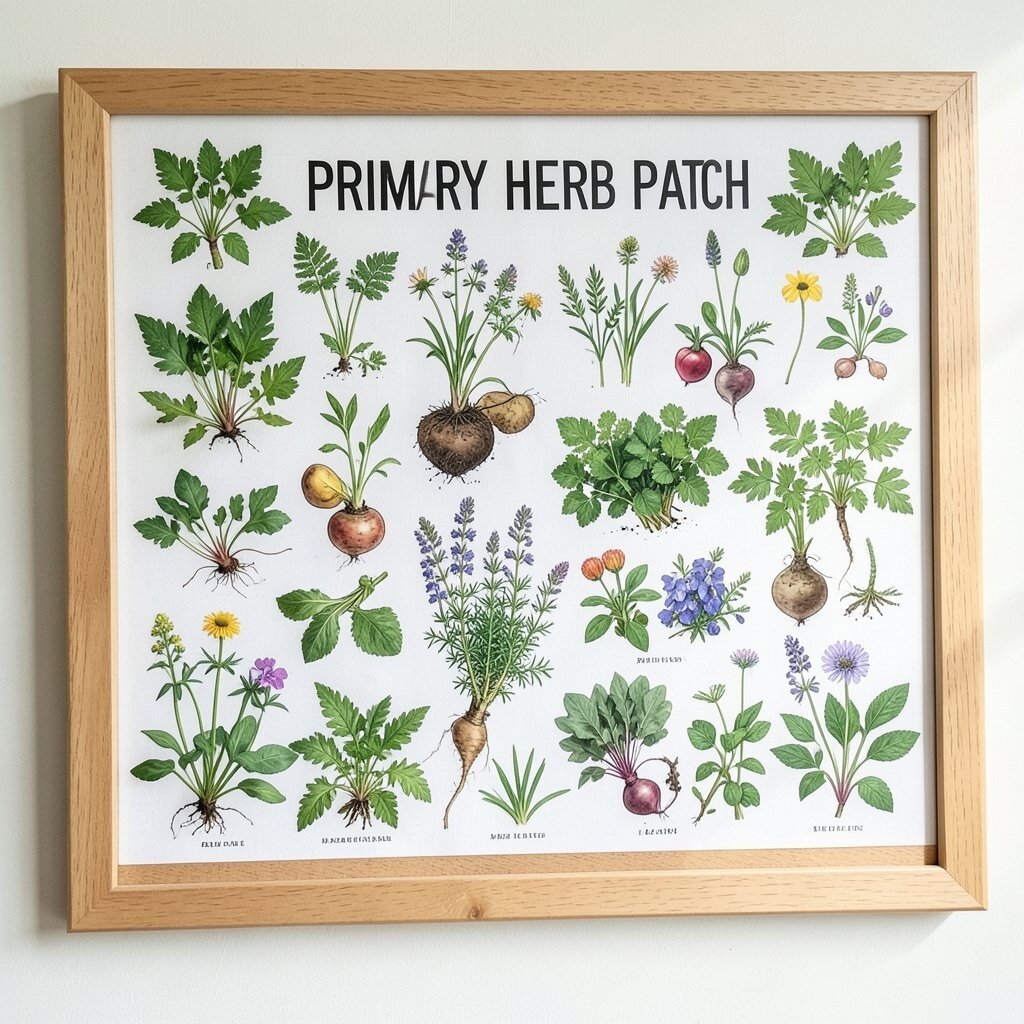
Use paper herbs like basil, mint, and rosemary with bright flowers mixed in between. The blend of simple plant shapes and bold colors makes the board feel calm but still full of energy.
This style works well for older primary students because it introduces plant names in a clear, friendly way. You can ask children to label the herbs or add little facts, which makes the board useful for learning.
Keeping the shapes small can lower paper use, and that helps if you want a budget-friendly board. A few hand-cut labels or handwritten tags will add charm and make the display feel less store-bought.
16. Blossom Message Board
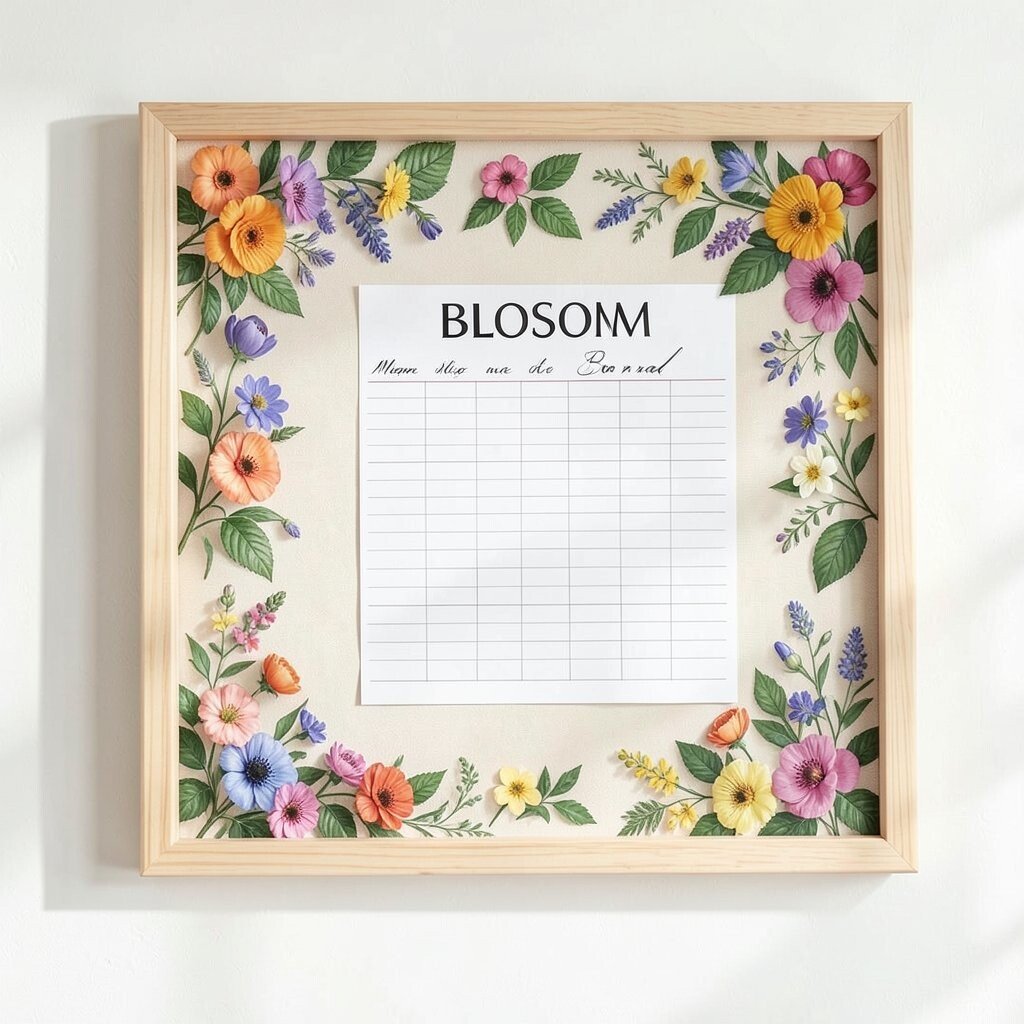
Make a field of open blossoms where each flower holds a short note or reminder. The bright petals create a happy frame, and the whole board feels welcoming right away.
This idea is useful for daily messages, reading prompts, or class celebrations. Students can rotate the notes or add their own kind messages, which gives the board a warm personal feeling.
It is easy to make with circle centers and petal cutouts, so the work goes quickly even on a busy day. If you want to keep costs low, use scrap paper for the petals and save the brighter sheets for the centers.
Simple message boards are still popular because they mix decor with daily learning. A little hand lettering can make the look feel fresh and friendly.
17. Rainbow Root Garden
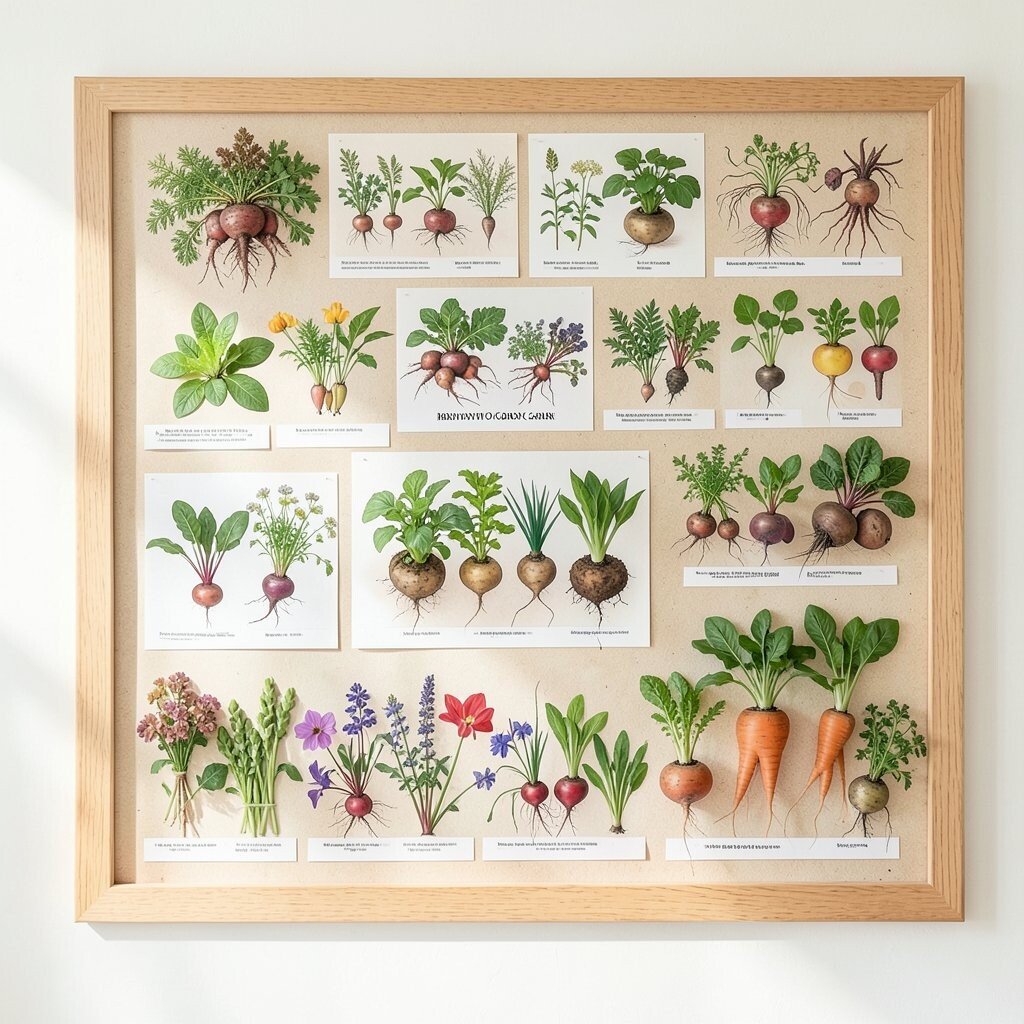
Show roots below the soil and colorful blooms above it for a board that feels playful and smart. The split view gives children a chance to think about how plants grow while enjoying the bright art.
This display stands out because it mixes science with bold design in a way that is easy to understand. You can make the roots from brown paper strips, which costs very little and adds a nice layered look.
Students may enjoy adding hidden facts under the roots or writing their own growth goals in the soil line. That kind of personal touch makes the board feel interactive and memorable.
18. Floral Alphabet Patch
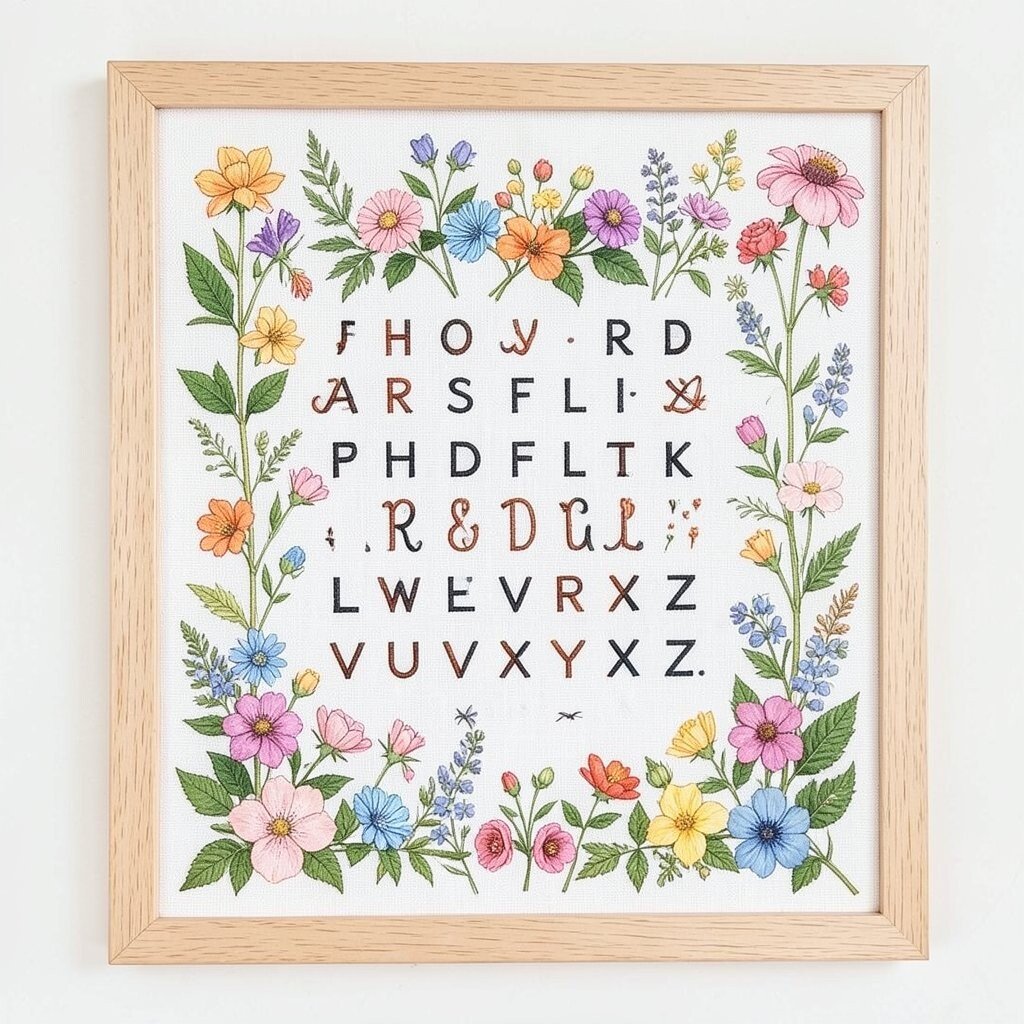
Scatter bright flowers around letters of the alphabet for a board that feels cheerful and full of learning. The mix of shape and word helps little learners connect letters with a happy visual scene.
This design is useful in early childhood or kindergarten spaces because it keeps the alphabet easy to see. You can make the letters in bold primary colors and use paper flowers to fill empty spots, which makes the board look finished without much expense.
Children can decorate one letter each, and that gives the board a personal touch they will notice every day. The floral style is also a nice match for current classroom decor that favors bright but simple shapes.
If you want extra variety, use different flower sizes around vowels and consonants. That small change can add energy and help the board feel more balanced.
19. Garden Quote Wall
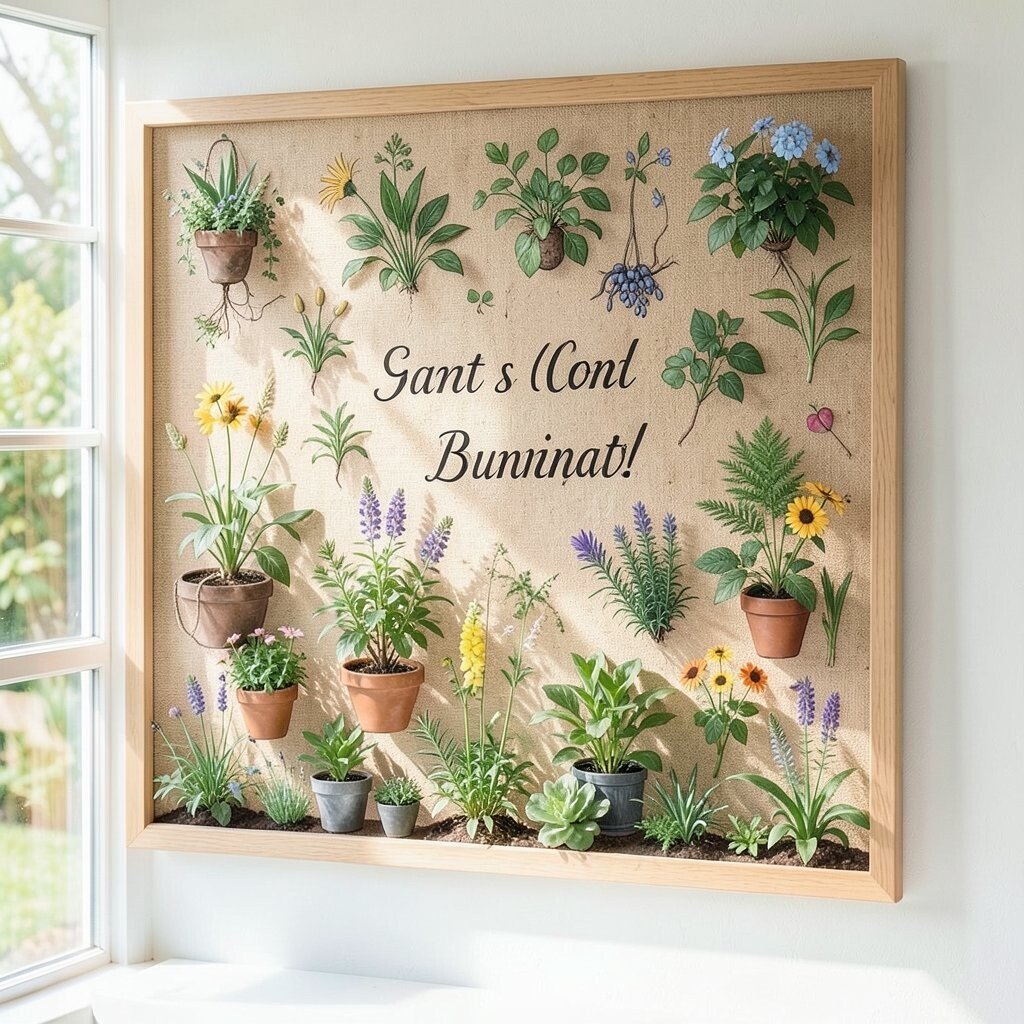
Place a bold quote at the center and surround it with bright botanical shapes. The message becomes the focus, while the flowers and leaves make the whole space feel alive.
This kind of board is helpful for motivation, kindness, or reading encouragement. You can choose one large quote and build the rest from paper pieces, which keeps the project simple and affordable.
Students can help pick the words or decorate the leaves, and that makes the display feel shared. A mix of primary colors gives strong contrast, which helps the quote stand out from across the room.
Quote walls are still a strong trend because they are both pretty and useful. A few layered blossoms can turn a plain message into something that feels special.
20. Watering Can Welcome
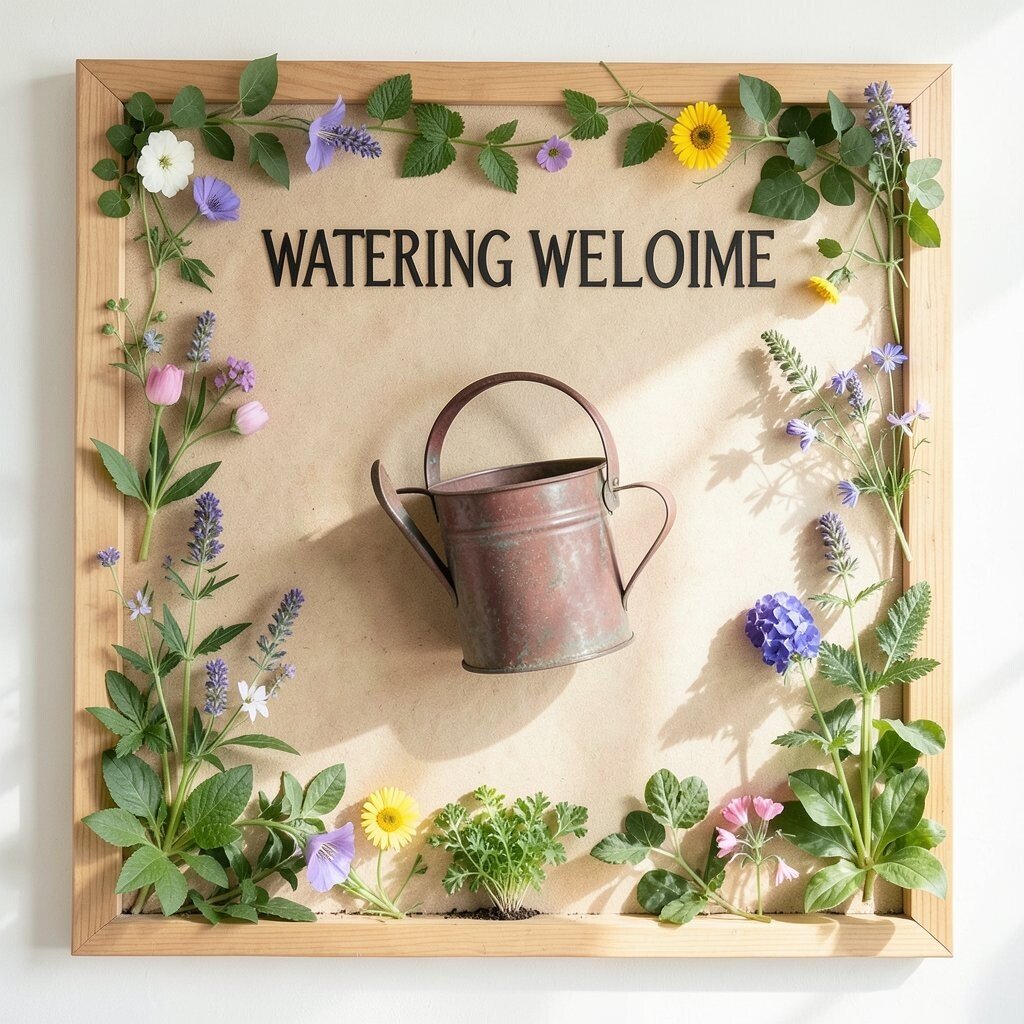
Use a large watering can at the bottom of the board with flowers growing up and out of it. The scene feels sweet and welcoming, and it can brighten a doorway or entry wall fast.
This board is easy to build with simple shapes, and the watering can gives it a unique center point. You can write class names, greetings, or monthly goals on the flowers, which makes the display useful too.
For a low-cost version, cut the can from gray or blue paper and use bright scraps for the blooms. Students may enjoy adding tiny droplets or stickers, which gives the board more personality without much extra work.
21. Primary Meadow Mural
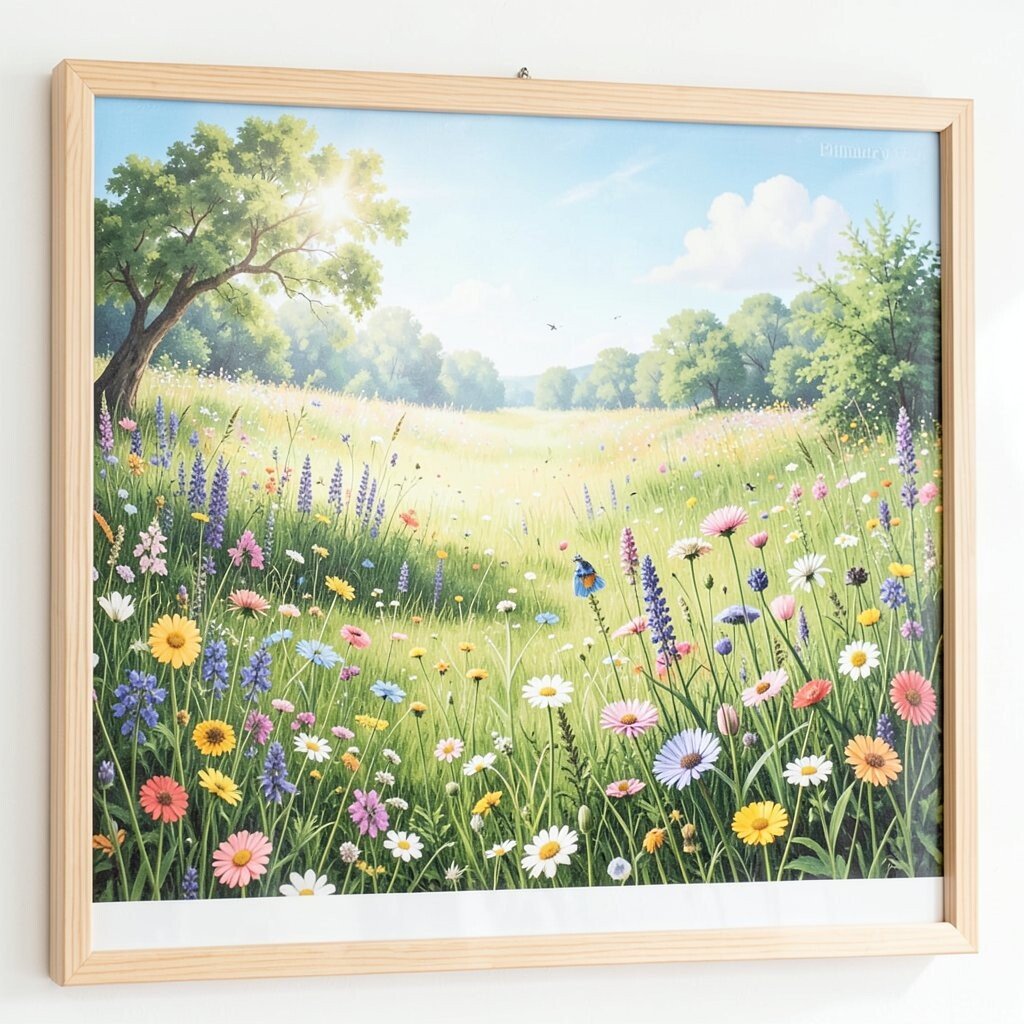
Cover the board with a wide meadow of flowers, grass, butterflies, and sunlit hills in bold primary shades. The large open scene feels peaceful and joyful, and it can make a room seem bigger and brighter.
This final idea gives lots of room for student art, class messages, or seasonal changes. Because the shapes are simple and spread out, you can make it with paper scraps and still get a rich, colorful look.
Try adding student photos inside flower centers or letting each child create one meadow bloom. That personal detail makes the display feel truly one of a kind while staying easy to update during the year.
The meadow style fits current tastes for nature scenes that feel calm, friendly, and full of color. With a few layers of green grass and bright petals, the whole board can look lively without needing expensive materials.