Simple stairs look easy, but they carry a lot of design power. When you notice the details, your staircase starts to feel like part of your home’s personality.
Here are the helpful things people often skip, written for real spaces and real budgets.
1. Item Title
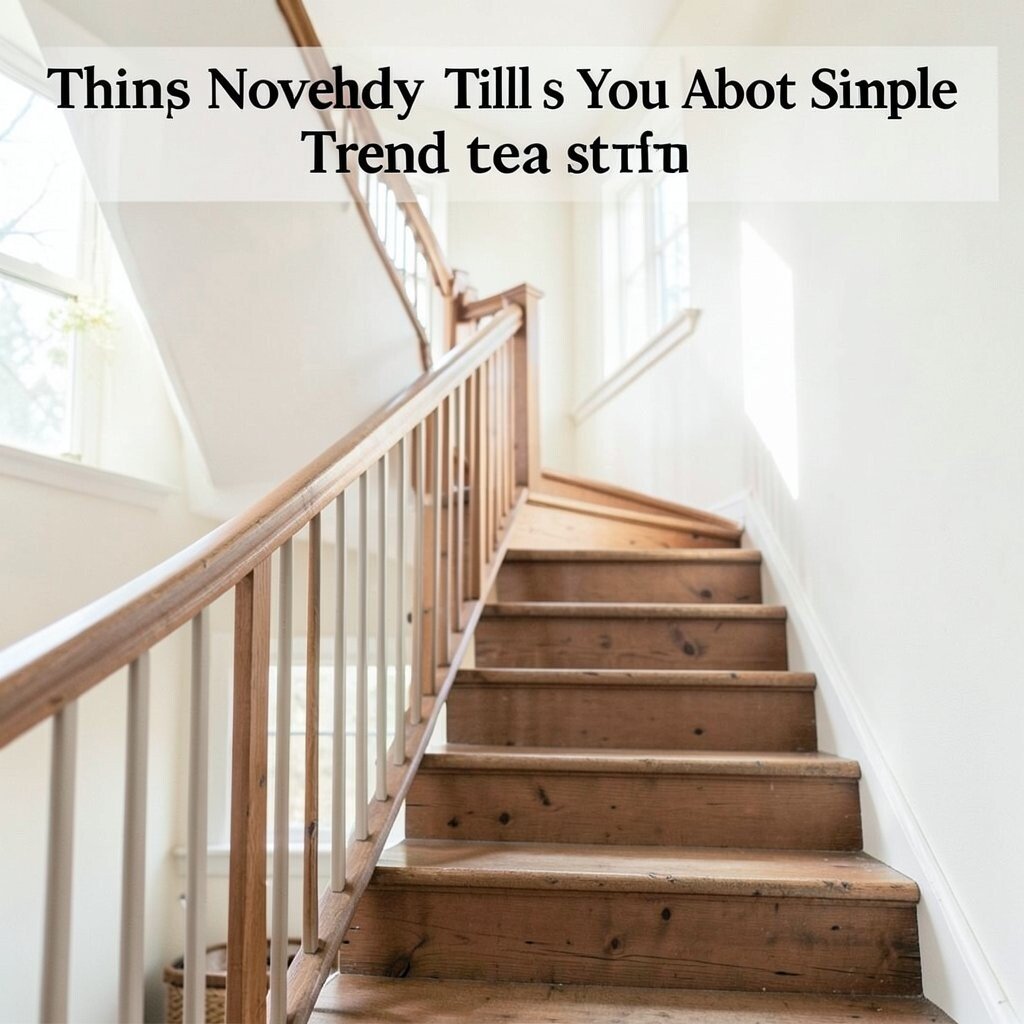
Start with the rise and tread comfort, even before style. When steps feel right under your feet, the whole staircase feels calmer every time you use it.
Pick a tread depth that supports a full step, especially if kids or older family members will use the stairs. For a clean simple stairs trend vibe, keep edges crisp and consistent so nothing looks accidental. If you are unsure, measure a few walking patterns in your home and compare them to common ergonomic ranges.
2. Floating Looks Can Still Be Practical
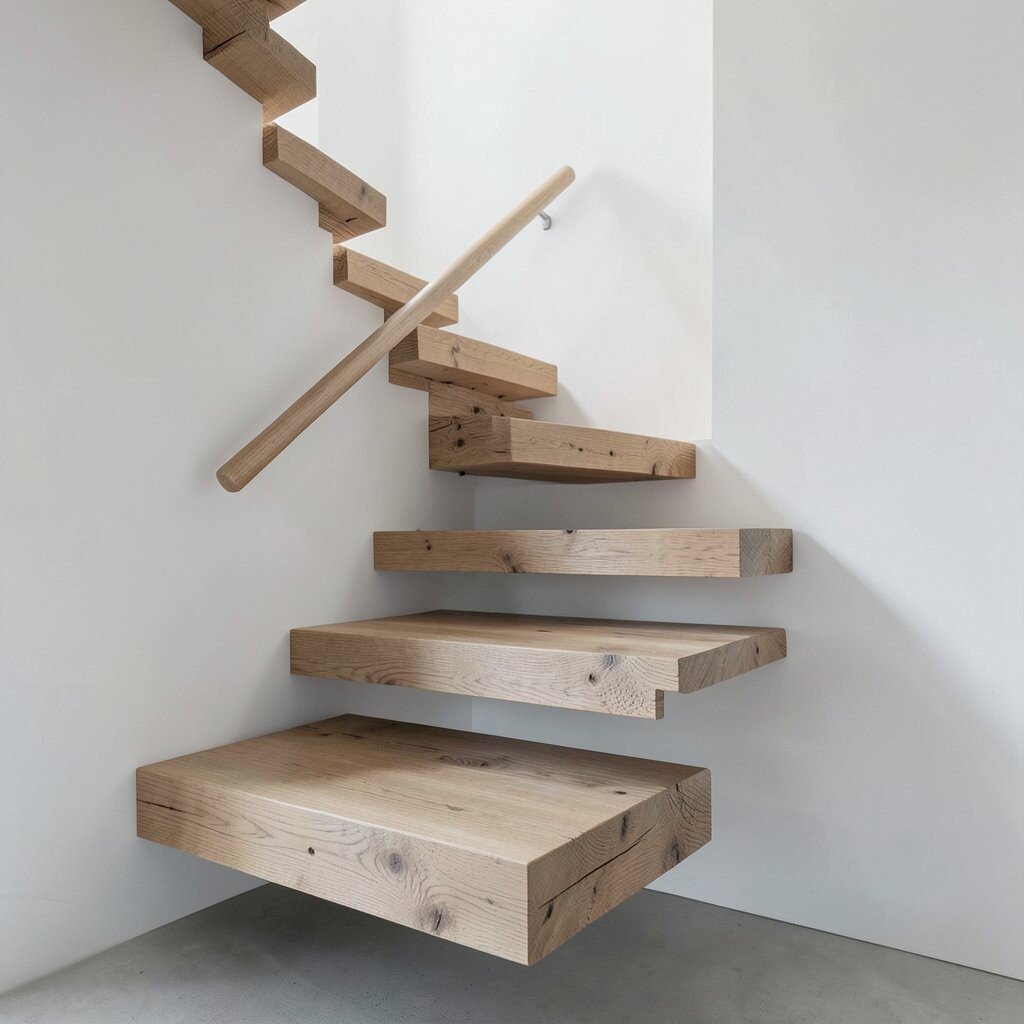
Floating steps can look light and modern, but the secret is structural planning. A staircase can still feel airy when the hidden support is built to last.
Choose simple lines with a matte finish so fingerprints and scuffs do not show as quickly. If you want the floating look on a tighter budget, aim for a lighter visual style like a single side stringer paired with clean treads.
To personalize, match the stair finish to your cabinet color or handrail wood tone, so the stairs feel intentional. Keep a spare floor cleaner or touch-up stain ready, since lighter surfaces show wear faster in busy homes.
3. Your Rail Is the Real Style Center
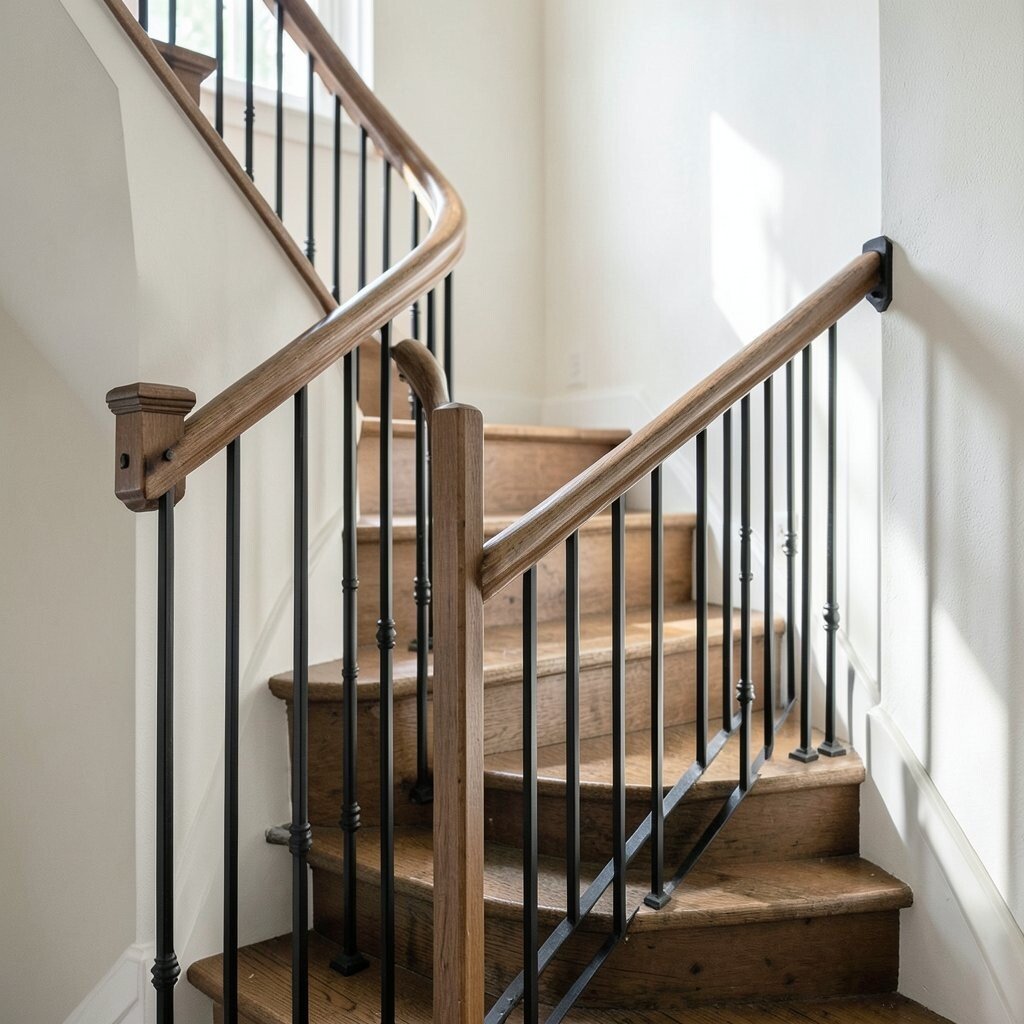
Most people focus on the steps first, but the handrail is what you touch and see most. A well-chosen rail can make a simple design feel custom.
Try a slim profile with a smooth grip and consistent spacing between balusters. If your home leans modern, choose a rail that blends with the wall or contrasts gently with the steps for depth.
For practical tips, make sure the rail height suits the people using the stairs most often. Consider a rounded edge on the rail to avoid sharp corners, and check how it feels when you carry laundry or groceries.
To personalize, wrap the rail in a stain color that matches your trim, or paint it to tie in with a favorite wall color. This is one of the simplest ways to make a basic staircase look like a trend-ready feature.
4. Keep Stair Lighting Thinky and Soft
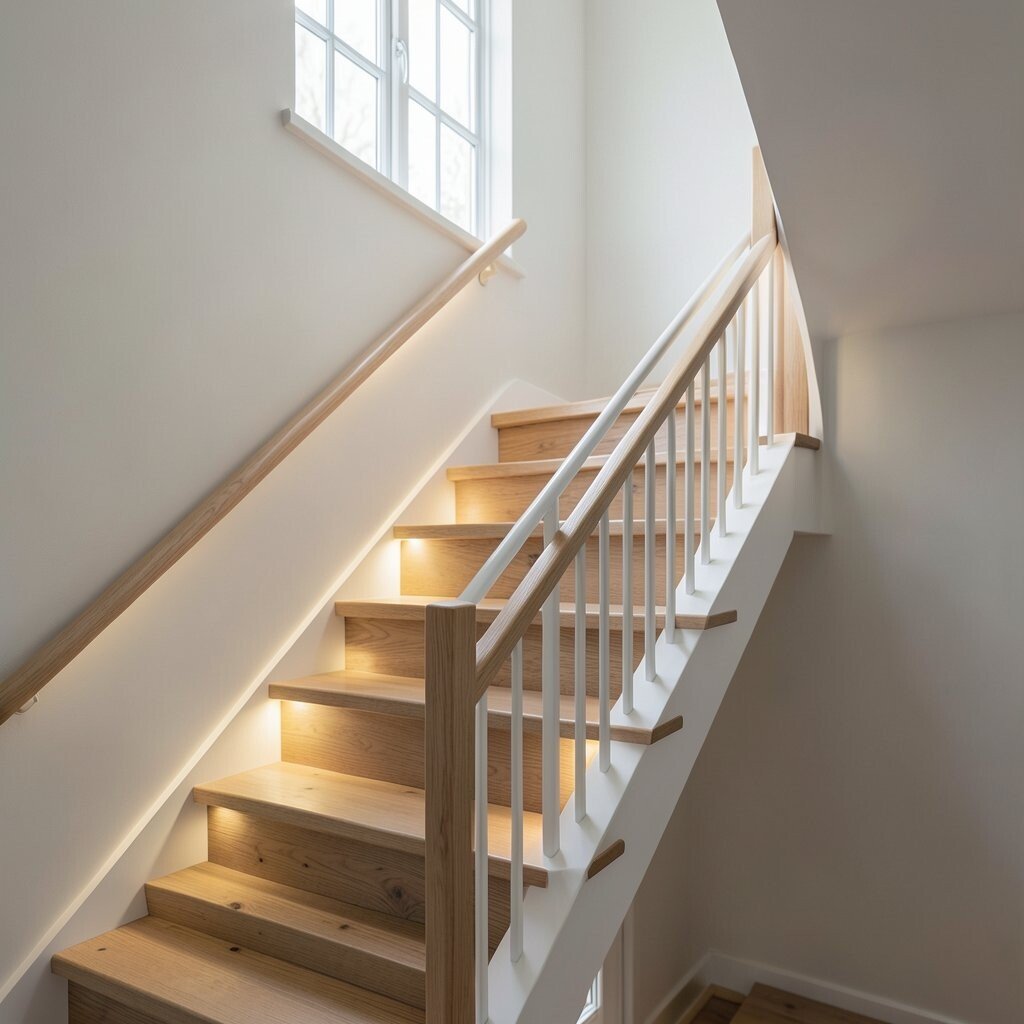
Stair lighting can turn a plain staircase into something warm and welcoming. The goal is even light that reduces shadows on steps and landings.
Use low-glare fixtures like recessed options or slim LED strips tucked near the underside of treads. If you add lighting, plan the wiring route early so you do not end up with messy cords or last-minute changes.
5. Matching Materials Makes It Look Expensive
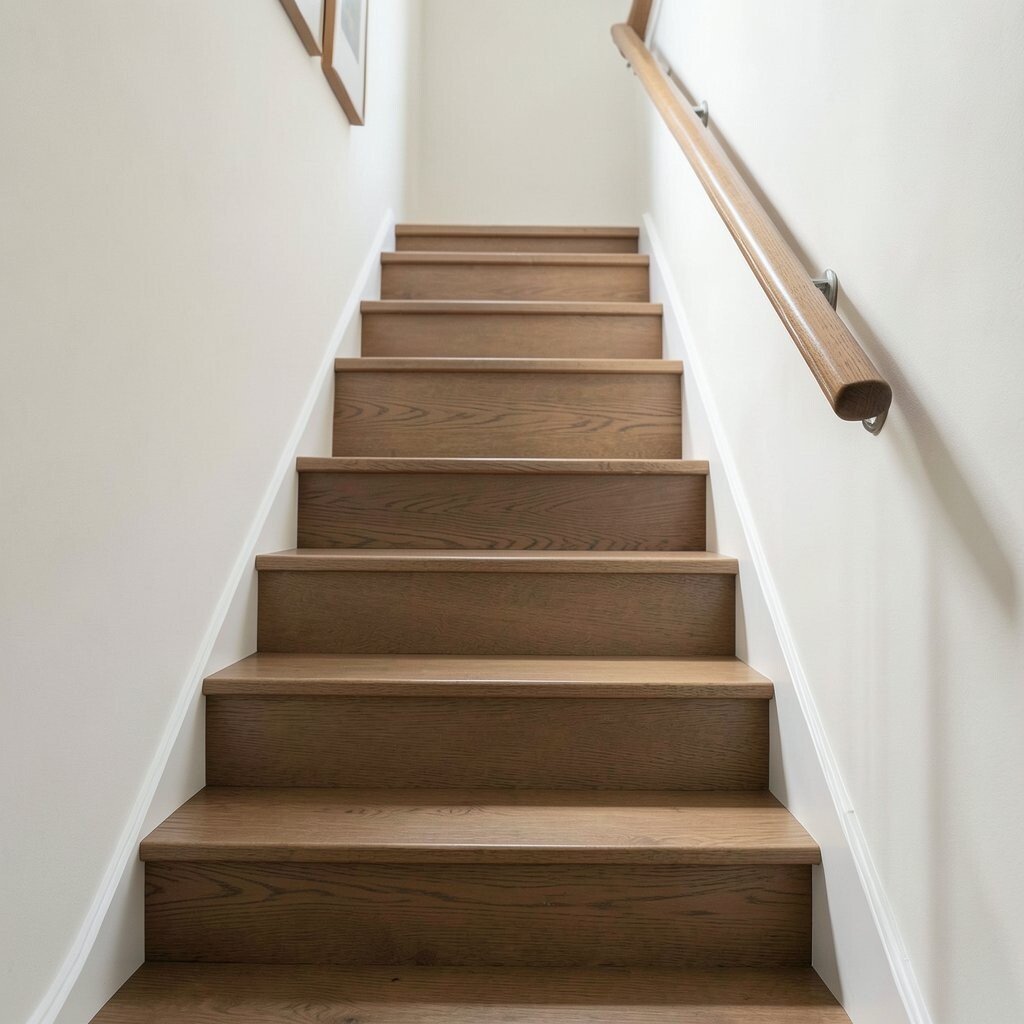
When the same wood tone shows up across steps, rail, and trims, the staircase reads as one polished idea. That unity is a big reason simple stairs trends look so sleek.
Pick one main material for the treads and one for the rail, then let those choices repeat. You can add a third material only in small doses, like a metal fastener finish or a single accent panel.
For cost considerations, buying fewer materials usually means fewer custom orders and less waste. It also helps you shop smarter because the palette stays focused.
To personalize, add a subtle grain direction pattern by aligning wood grain the same way on each tread. This small visual detail makes the stairs feel designed rather than assembled.
6. Winder Steps Need a Clear Plan
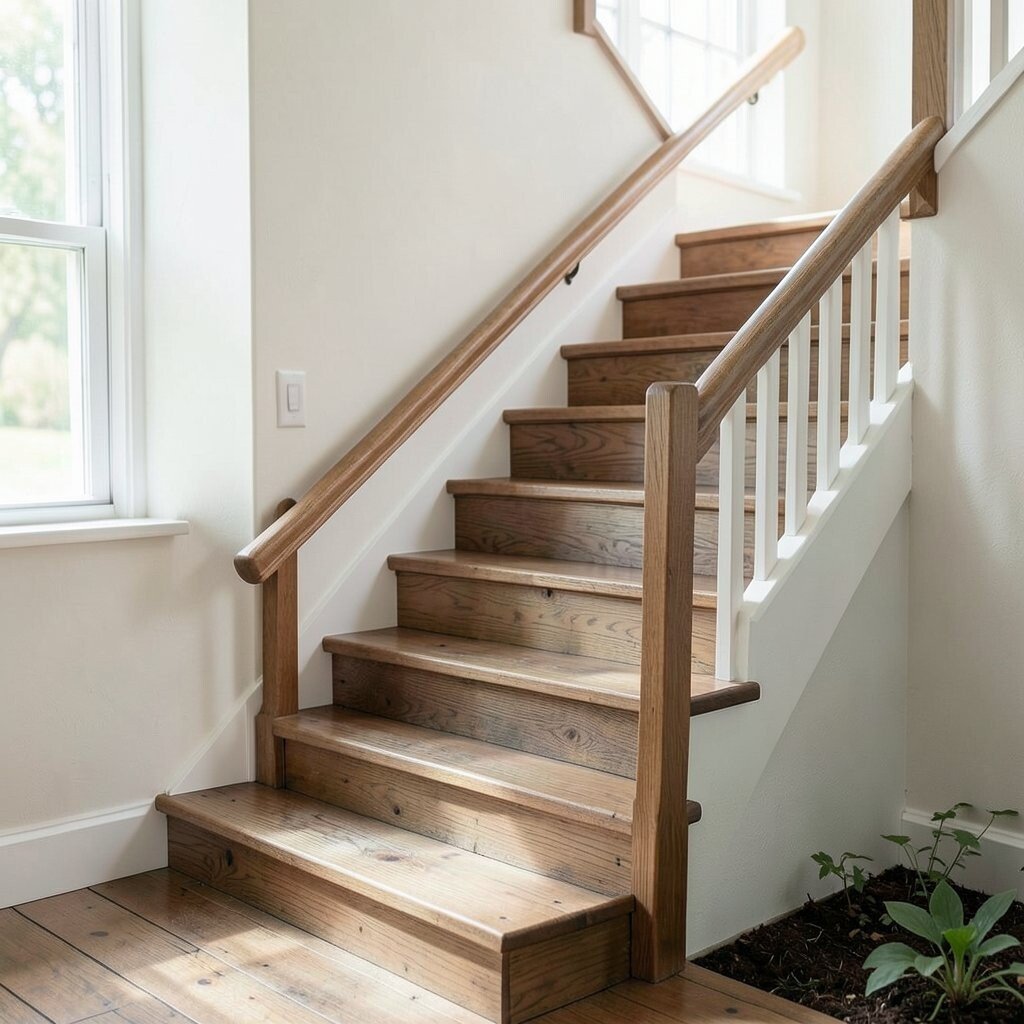
Curved turns can save space, but winder steps demand careful layout. A beautiful spiral can still be safe and comfortable when the geometry is right.
Before committing to a trend like a tight turn, confirm that the walking surface at the narrow edge is wide enough. Ask a builder about nosing overlap and how it will affect foot placement.
For practical tips, choose a layout that supports a predictable step pattern rather than forcing a tricky stride. If you want the look but not the complexity, consider a landing instead of aggressive winding for easier movement.
7. The Tread Nosing Is Where Scuffs Begin
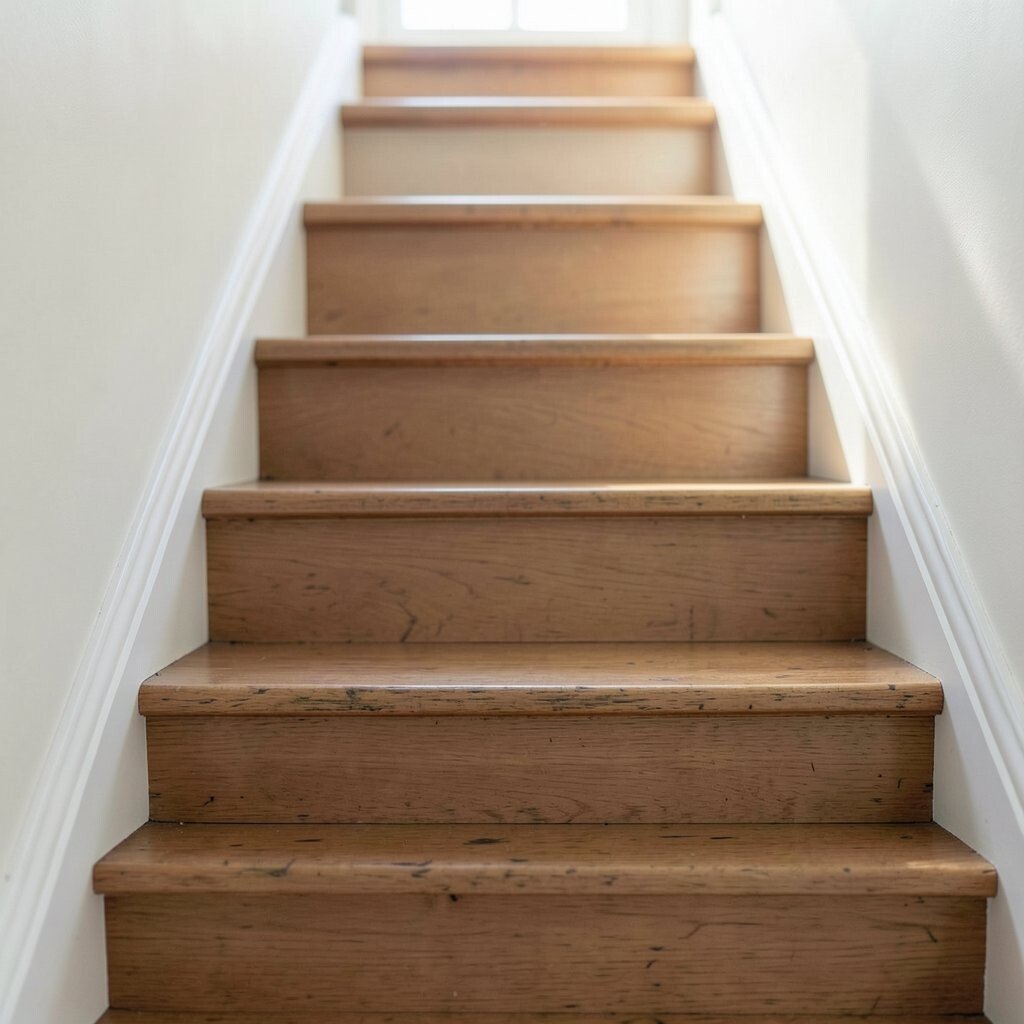
Nosing details decide how your stairs hold up over time. Small design choices can prevent constant scuffing and reduce future repairs.
Look for rounded or chamfered edges that make cleaning easier. If your household uses shoes often, consider a finish that resists marks and wipes down quickly.
For personalization, a contrasting nosing strip can add a modern touch without changing the whole structure. It can also help visually define each step, which feels helpful in dim hallways.
8. Texture Matters More Than Color
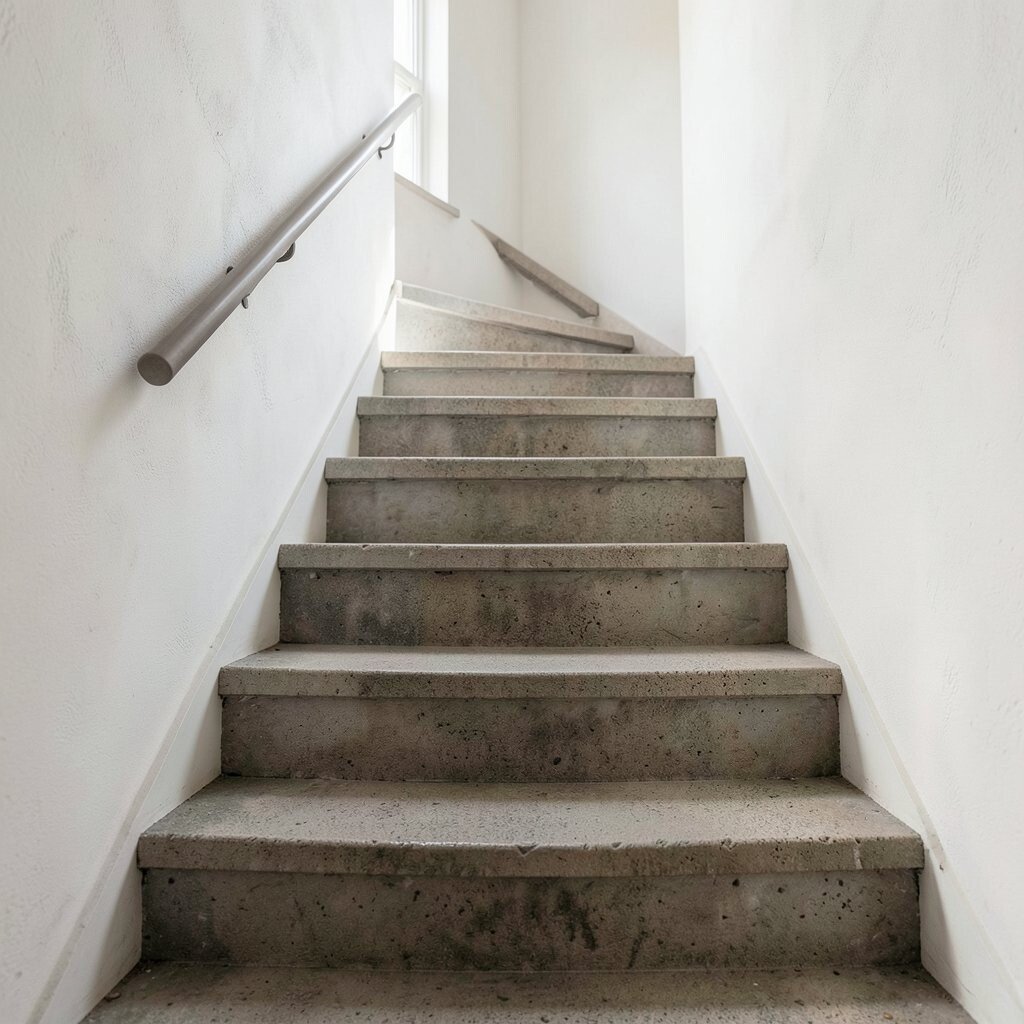
Color grabs attention, but texture shapes how stairs feel every day. Even a simple monochrome staircase can look flat if the surface is too glossy.
Choose a finish that balances comfort and grip, especially on stairs where dust or moisture might gather. Matte or low-sheen finishes often fit the simple stairs trends look because they hide minor imperfections.
If you want uniqueness, pair a smooth rail with slightly textured treads so the contrast feels intentional. This also makes the staircase feel less slippery underfoot, which is a big everyday benefit.
9. Neutral Doesn’t Mean Boring
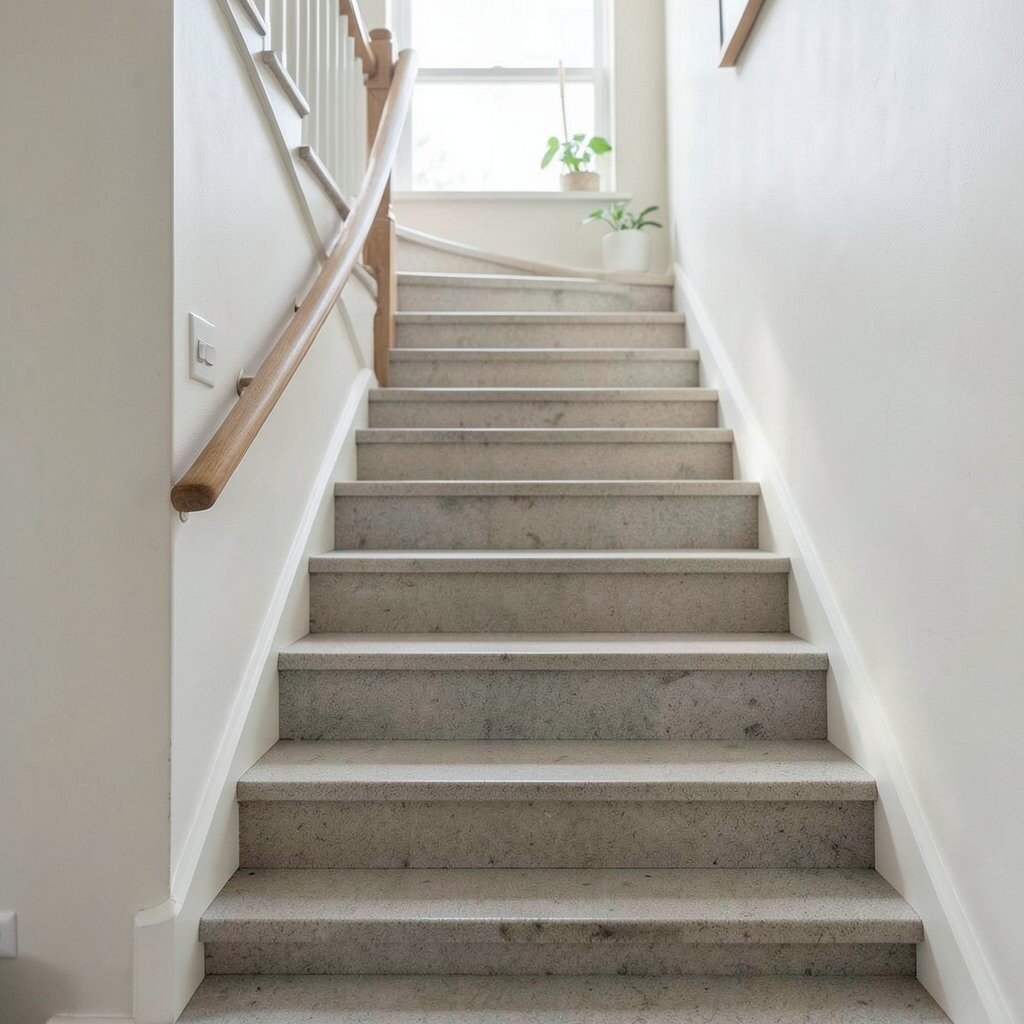
Neutral palettes can look warm and stylish when you choose the right undertones. Beige and gray stairs do not have to feel bland.
Go for subtle variation by selecting wood tones with consistent warmth or by pairing cool metal with a soft white wall. The key is letting small differences create depth, not clutter.
For practical tips, test finishes on a sample board near your actual lighting. Daylight and evening lighting can shift how neutral colors read, so you want it to stay flattering all day.
To personalize without overspending, add one accent element like a darker handrail or a patterned stair runner. That single change gives you “custom” energy without a full remodel.
10. Stair Runners Can Be Safer Than You Think

A runner adds comfort, sound dampening, and extra grip on each step. It also helps hide wear, which is a real-life benefit for busy homes.
Pick a runner with a tight weave or secure backing so it stays in place. Simple stairs trends often include runners because they create a visual path up and down the stairs while keeping maintenance manageable.
If you have pets or kids, choose a material that is easy to vacuum and spot clean. This can also lower the cost of upkeep since replacing a runner is usually cheaper than refinishing treads.
11. Landings Deserve the Same Attention
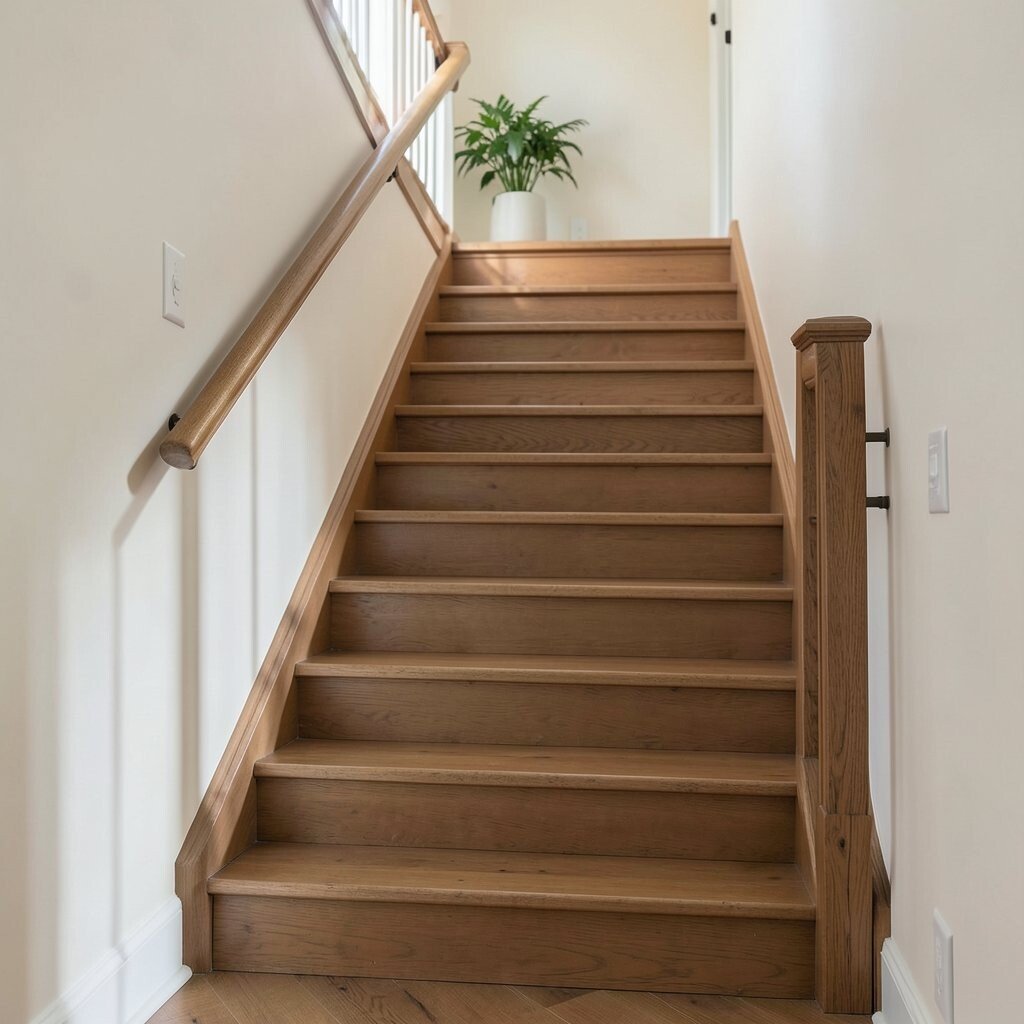
People plan treads and rail details, but landings take the brunt of turning and resting. A neat landing makes the whole staircase feel balanced.
Keep landing materials consistent with the steps for a clean flow. If you want a unique twist, align the floor pattern so it visually continues into the landing area.
For practical tips, confirm that rugs do not bunch on the landing and that transitions feel smooth. A landing that feels level reduces slips when someone steps off the last tread.
To personalize, add a small art piece or a wall panel next to the landing, so the staircase becomes a visual “pause” rather than just a pass-through.
12. Hidden Storage Beats Clutter Every Time
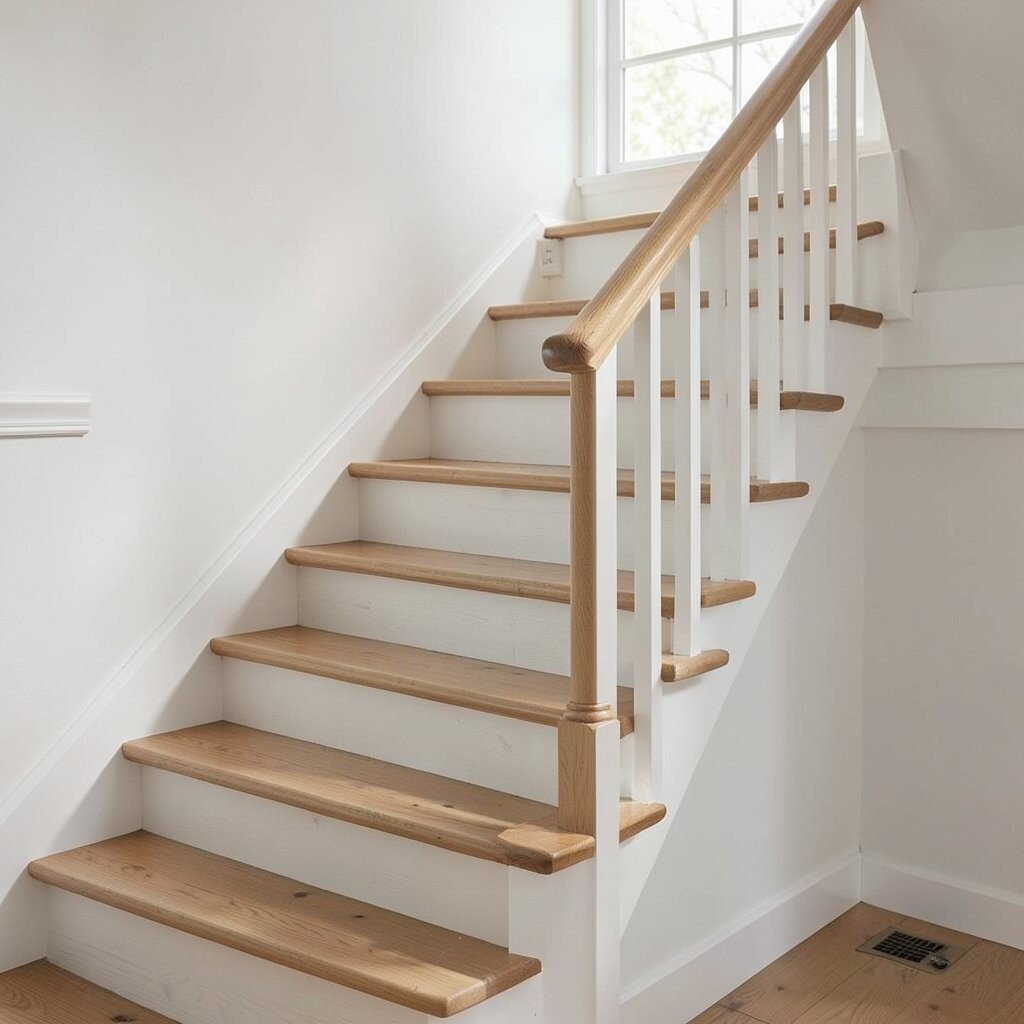
Stairs often sit near entryways and hallways where clutter builds fast. Built-in storage under stairs or along the stringer can keep your home tidy without adding extra furniture.
Use simple doors, drawers, or open cubbies depending on your storage style. If you like the clean look, choose doors with simple hardware or finger pulls for a streamlined finish.
Cost considerations matter here because storage can be built using the same framing work already needed for the staircase. Talk with your builder early about whether the staircase design can include storage openings without weakening the structure.
To personalize, tailor storage height for your needs, like tall hooks for coats or shallow bins for shoes and small items. This makes the stairs feel like part of your routine, not just a route.
13. Match Your Noise Level, Not Just Your Style
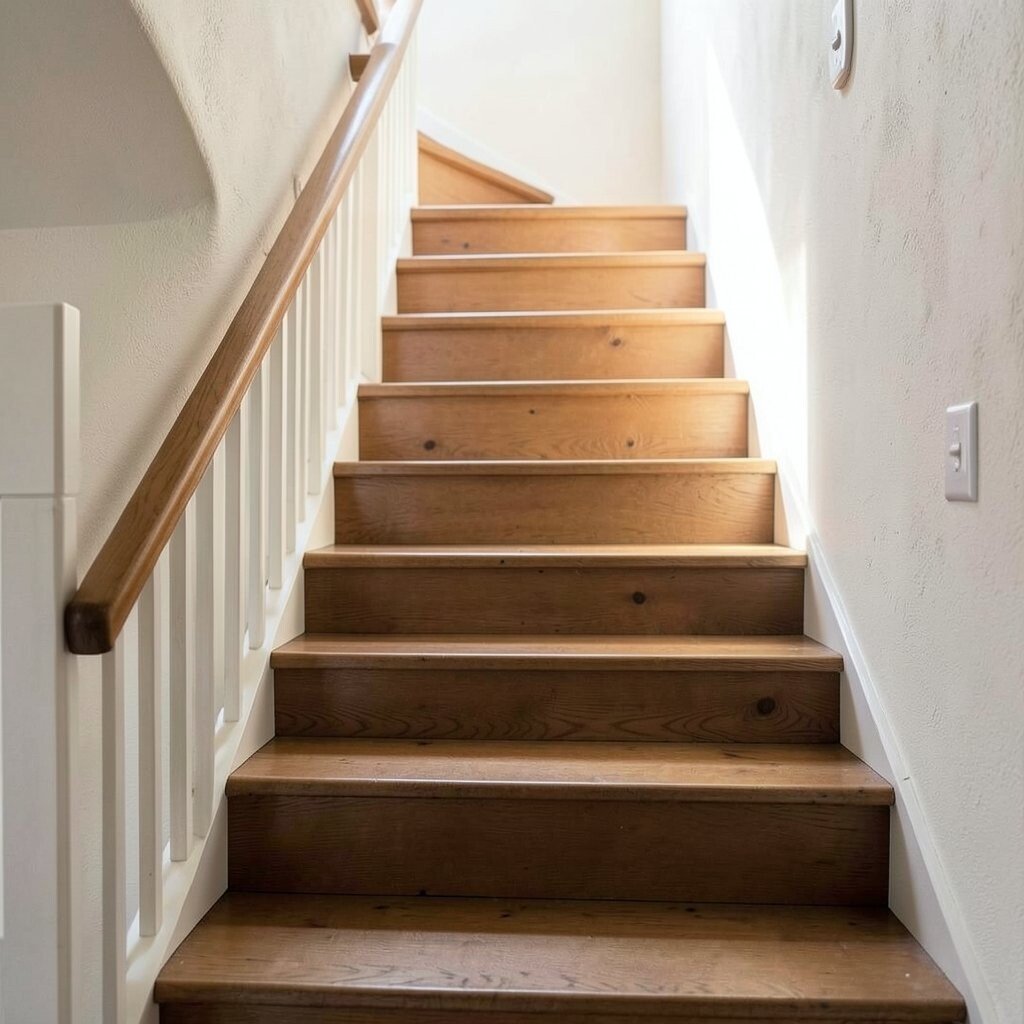
Some staircases sound creaky because of how materials expand and how joints are fastened. Simple stairs can be quiet, and the trick is choosing the right build details.
Ask about cushioning under treads, solid fastening methods, and how gaps will be sealed. You will notice the difference every time someone goes up at night.
For practical tips, avoid overly hollow designs if noise bothers you. If your home has hardwood floors, coordinating underlayment choices can help reduce vibrations between levels.
To personalize, you can add subtle sound-dampening layers under a runner, which keeps footsteps softer while staying on-trend.
14. Use Color Like a Visual Staircase Compass
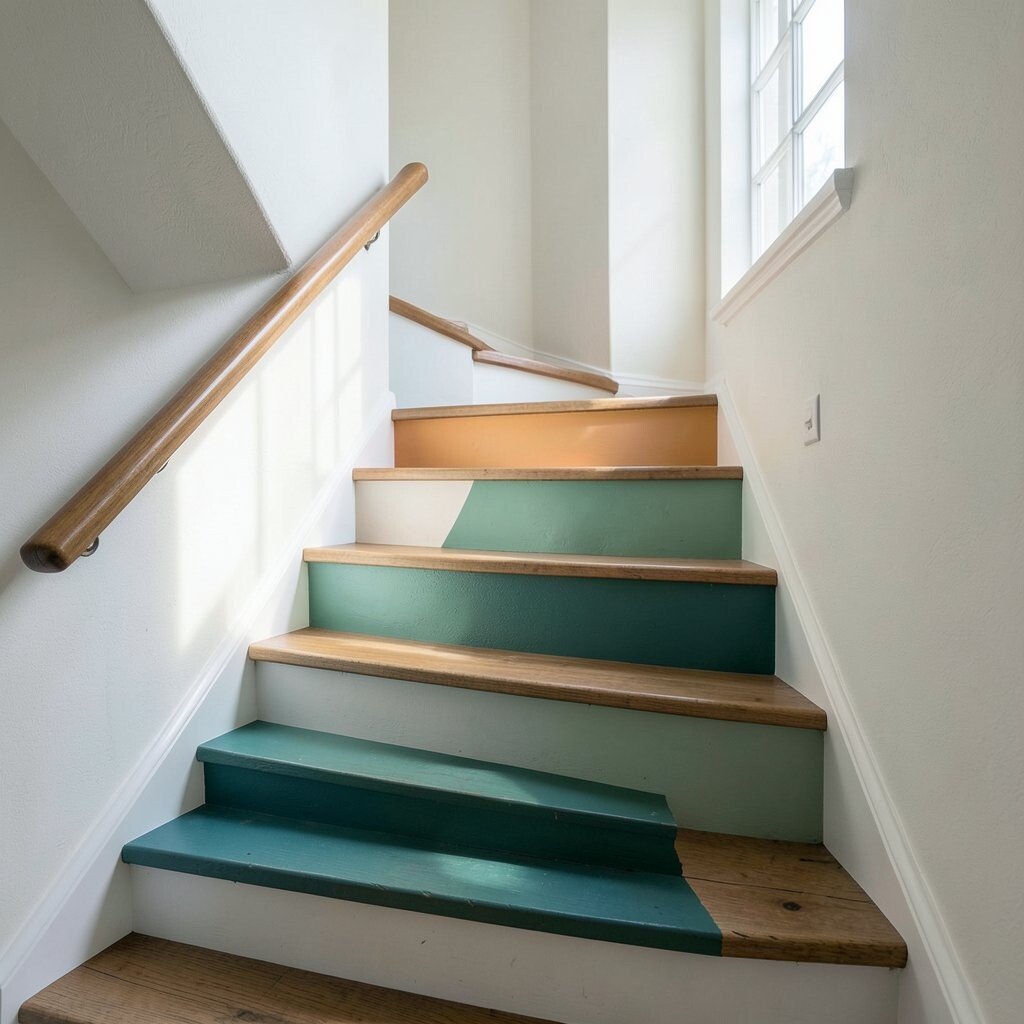
A staircase can guide people through your home when colors are used with intention. Even a simple design can feel clearer and more inviting.
Try repeating one color across rail, side trim, or risers so each step looks aligned with the next. This creates a visual rhythm that feels easy to follow, especially at dusk.
If you want uniqueness, create a gentle gradient using stained wood tones or light-painted risers that match the wall color. Keep it subtle so the stairs stay simple, not busy.
For cost considerations, paint is usually cheaper than replacing materials, so you can adjust the look without full replacement. Use quality paint and a primer suited to the surface, or the finish may wear quickly on frequently touched areas.
15. Plan Your Clearance Like You Live There
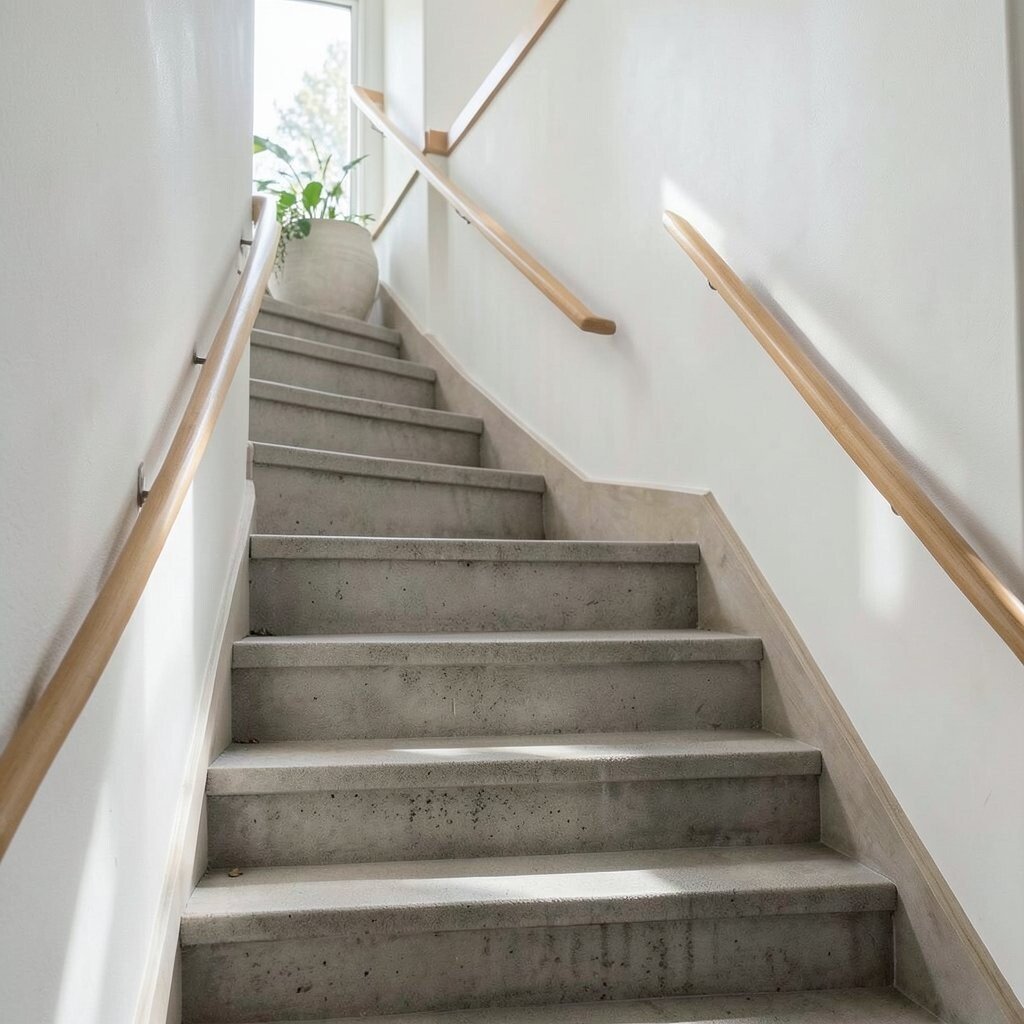
Closet doors, furniture, and hallway widths can clash with stairs if clearance is an afterthought. A staircase that looks good on paper can feel annoying in real daily use.
Before building, walk through the route you will take with laundry baskets, vacuum cleaner hoses, and shoes. Check the swing of doors near landings and make sure you have space to turn without bumping a rail.
For practical tips, consider how tall you feel when you carry items up the stairs. If you have to duck or twist, adjust the layout or handrail placement early.
To personalize, add a small bench or hook area near the stairs if your layout allows. That small comfort upgrade makes the route feel smoother and more lived-in.
16. Simple Stairs Trends Look Best With One Bold Choice
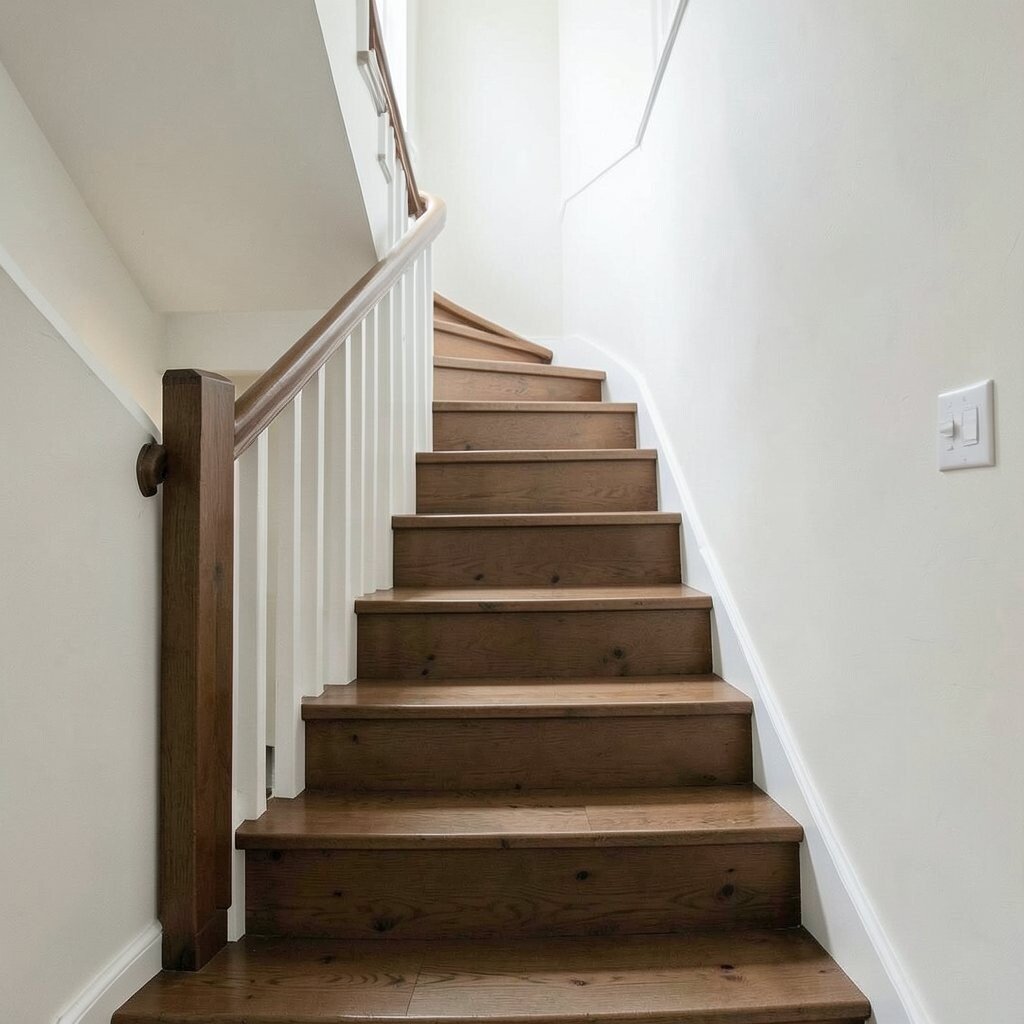
Trends can tempt you to add too many details, but simple stairs look strongest when one feature leads. Choose one standout element and keep everything else clean and consistent.
That bold choice might be a dark stained handrail, a sleek metal baluster line, or a runner with a subtle pattern. The uniqueness comes from the contrast, not from piling on decorations.
For cost considerations, you can often upgrade one component with a better finish and keep the rest standard. This approach gives you a high-impact look without a full budget stretch.
To personalize, make the standout element match a theme you already love, like a home color palette, a favorite artwork frame, or a kitchen cabinet finish. When the staircase echoes what you already enjoy, it stops feeling like a random project and starts feeling like yours.