Your small space can feel like a big energy hub. With a few budget-friendly habits, staying active starts to feel automatic.
1. Turn a Corner Into Your Movement Station
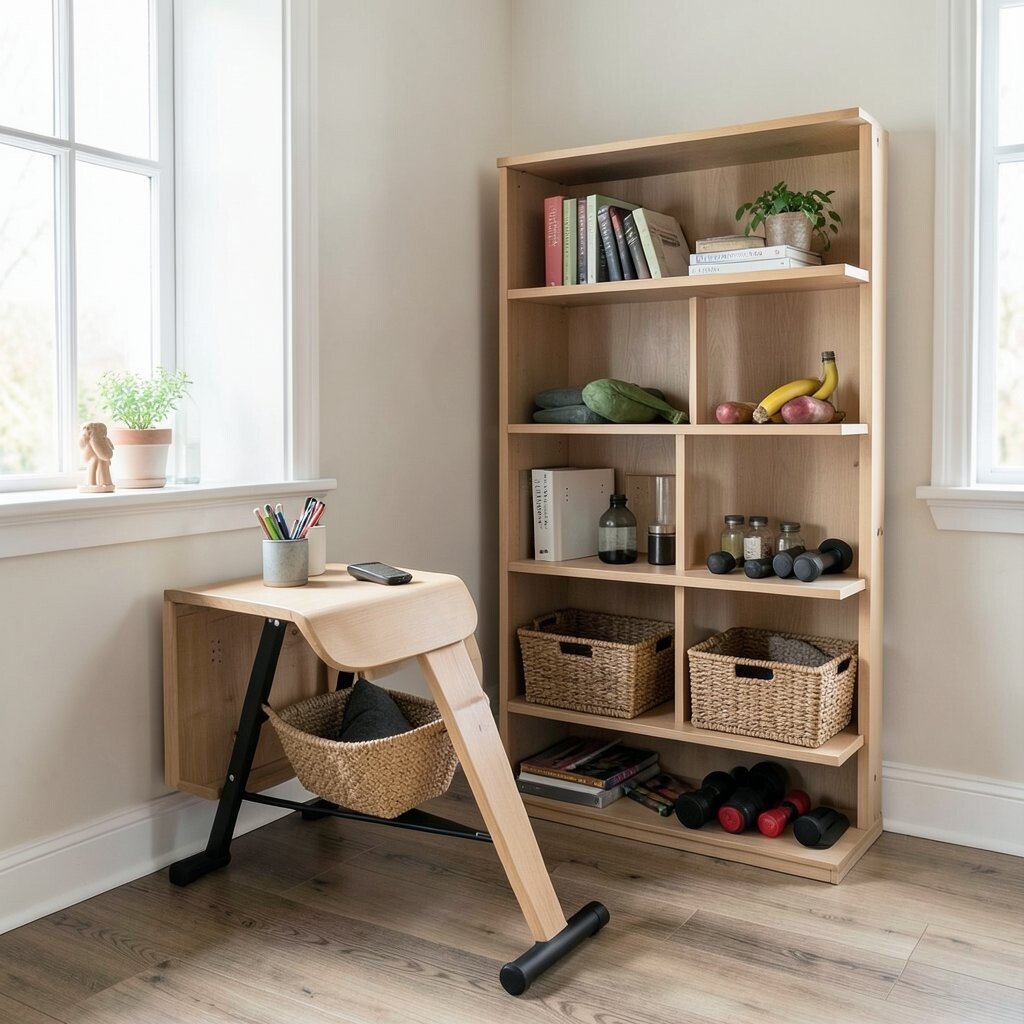
Pick a quiet corner with decent daylight and clear the floor just a little. Add a simple mat or folded blanket so you can start moving without setup drama.
Choose one piece that makes you smile, like bright resistance bands or colorful foam rollers. Keep the rest nearby in a small basket so you can grab everything in seconds. A dedicated nook makes your brain associate that spot with action, which helps you stay consistent.
2. Use a Ladder of Mini Workouts for Daily Wins
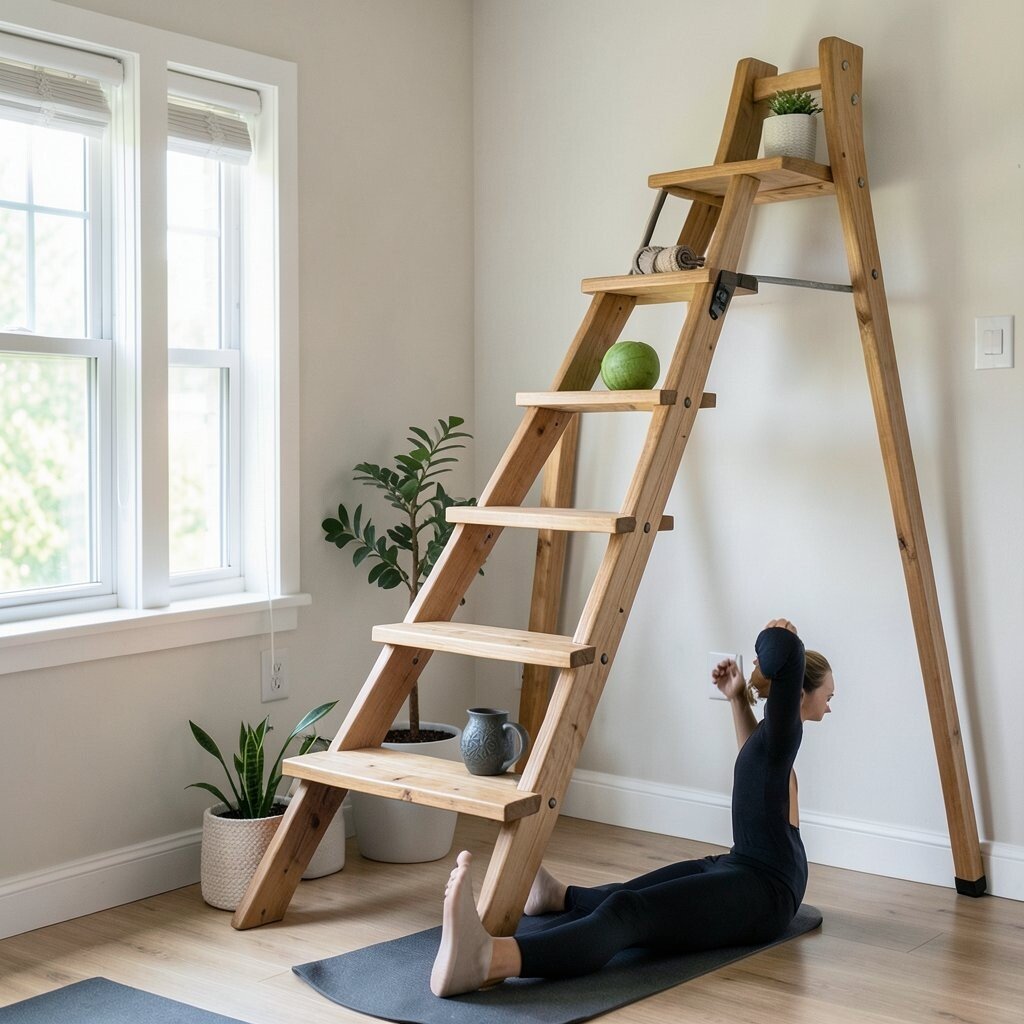
Instead of thinking about long sessions, plan a few short movement blocks you can stack. For example, do a quick warmup, a simple circuit, then a gentle cooldown.
Make each block feel doable even on busy days. You can measure progress by how smoothly you repeat the routine, not by perfection.
Try starting with movements that match your space, like marching in place, chair squats, or wall push-ups. This style fits current trends toward “micro sessions,” which many people find easier to fit into real life. Personalize the ladder by swapping exercises based on how you feel that day.
3. Create a Budget-Friendly Strength Routine With Household Items
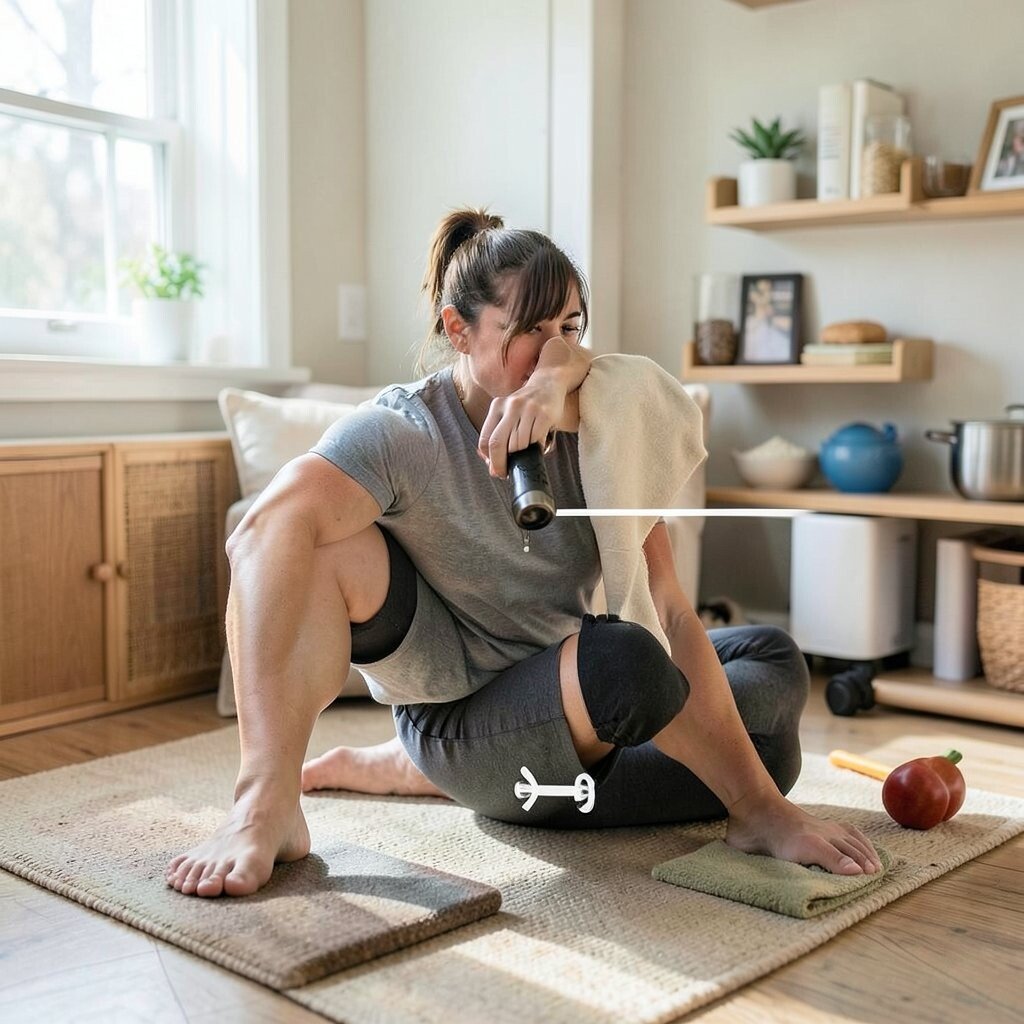
Look around for safe, sturdy objects that act like weights. A water jug, a backpack with books, or filled laundry baskets can help you train your muscles without buying new gear.
Use slow, controlled reps to protect your joints and build strength. Visualize the movement as you go, like pressing away from the floor or hinging at your hips.
To keep it unique, rotate which item you use each week and label your weights with masking tape. This also helps you avoid accidental overdoing. If you live in a shared home, choose quieter tools like sandbags or soft resistance bands.
4. Set Up a “No-Excuses” Playlist and Pair It With Movement
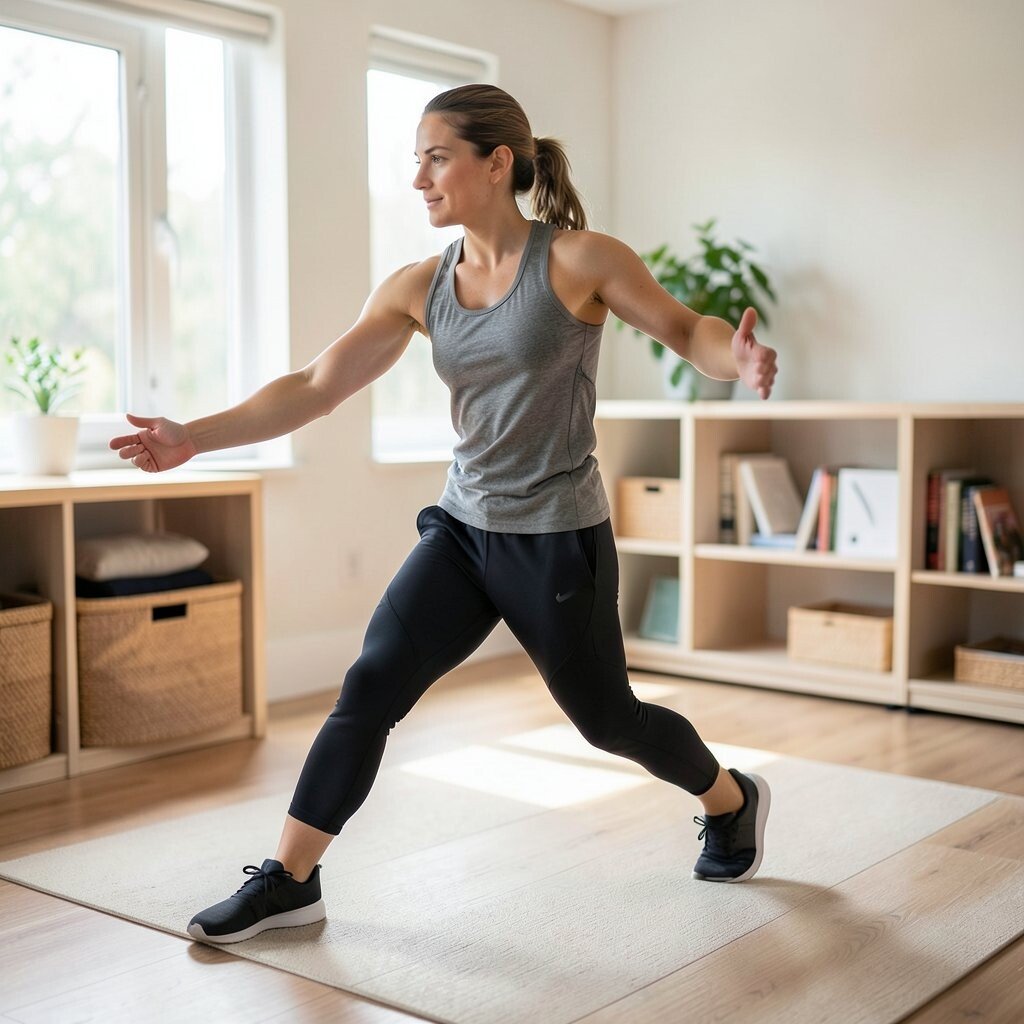
Pick a playlist you genuinely enjoy, then match it to specific workout moments. When the first song starts, you begin your warmup, and when the last song ends, you finish your cooldown.
That repeat pattern can make workouts feel less like chores and more like fun. Try changing the mood with genres, like upbeat tracks for cardio bursts and calmer songs for stretching.
5. Build a Step-Friendly Cardio Loop Around Your Home
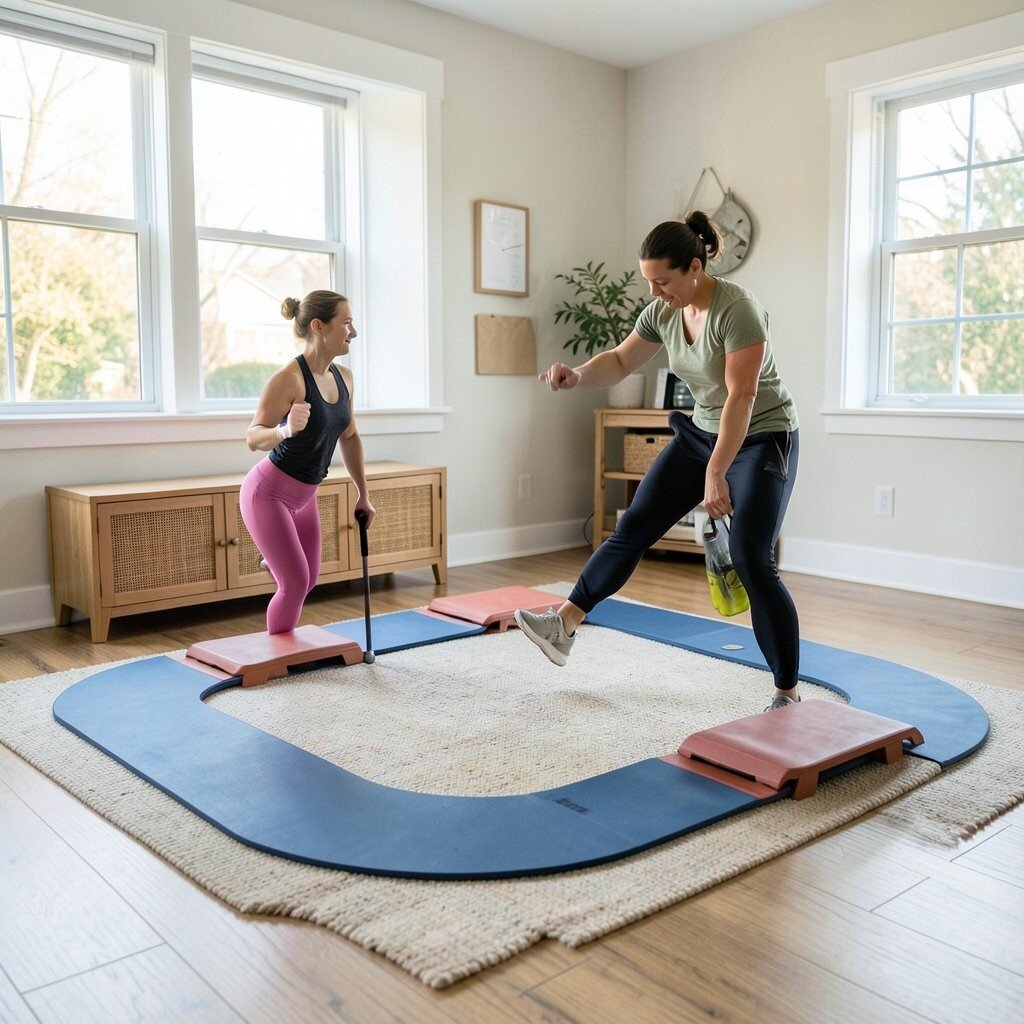
Choose a simple path indoors that lets you walk safely back and forth. It might be a hallway loop, a room-to-room route, or the distance from couch to kitchen.
Walk with purpose by swinging your arms and lifting your knees just a bit. Add a fun twist by counting steps in your head instead of watching a screen.
For cost savings, use shoes you already own and keep the loop clear of clutter. This routine fits current trends toward walking breaks that boost daily activity. Personalize it by changing pace, like slow strolls for recovery days and faster rounds when you want a challenge.
6. Make Your Wall a Stretch and Mobility Reminder
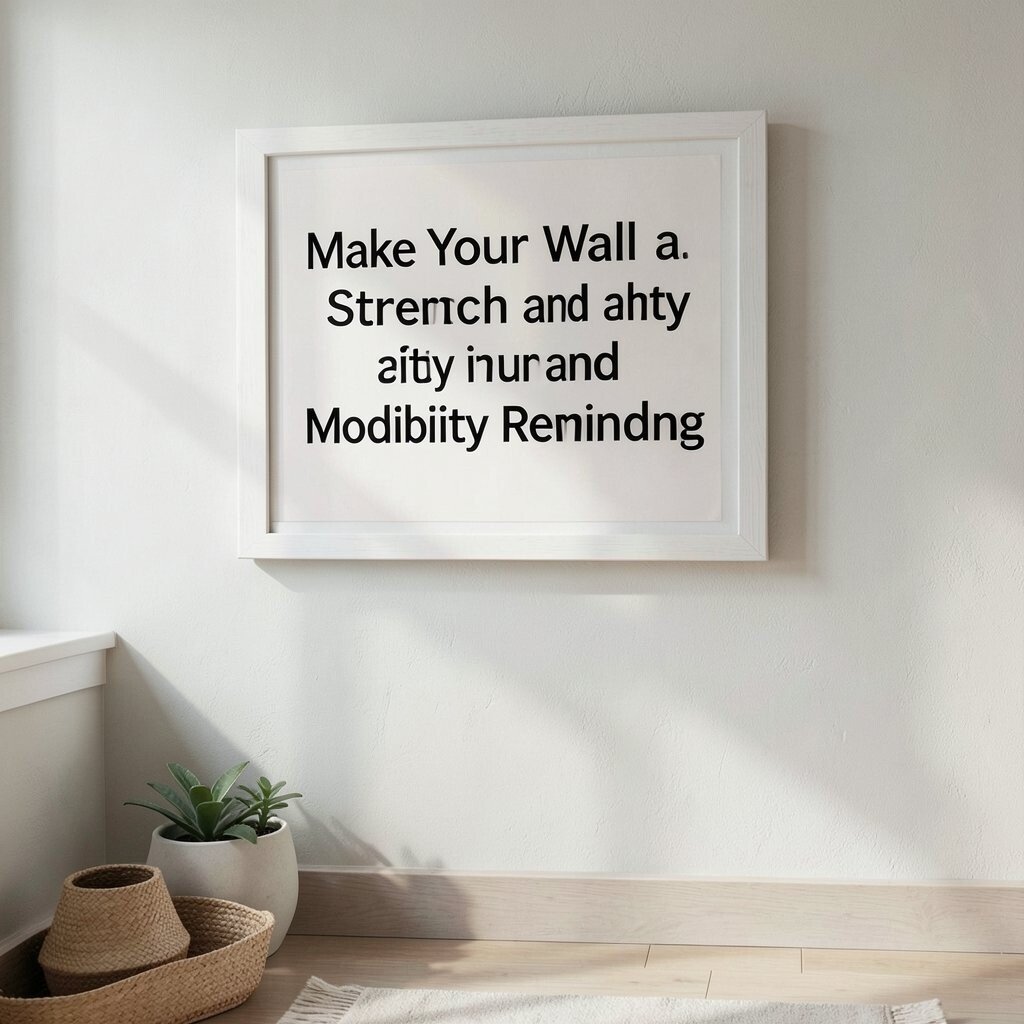
Use a blank wall as your stretching cue by adding a small sign or tape marks at eye level. Place it where you naturally look while taking a break, so you remember to reset your body.
Try gentle wall stretches like calf raises, chest openers, or easy shoulder rolls. Keep the movements smooth and stop short of pain, aiming for a comfortable pull.
7. Create a Cozy “Workout Landing Pad” for Posture Reset
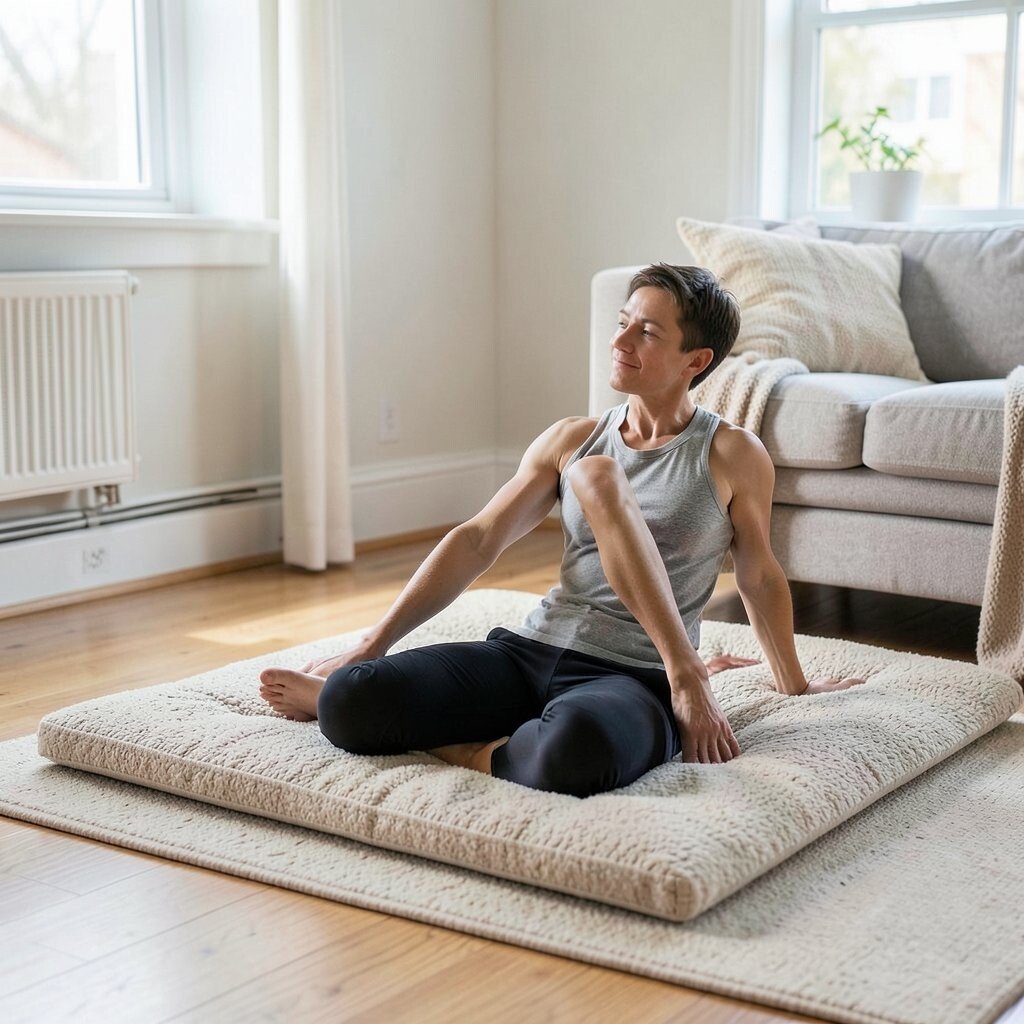
Choose a chair or floor spot that supports good posture and feels relaxing. Add a cushion and a simple timer on your phone so you know how long to do your routine.
Use this spot for a posture reset like seated marches, light core holds, or supported twists. The visual comfort makes it easier to stay patient and consistent.
8. Stock a Small Shelf With Tools You’ll Actually Use
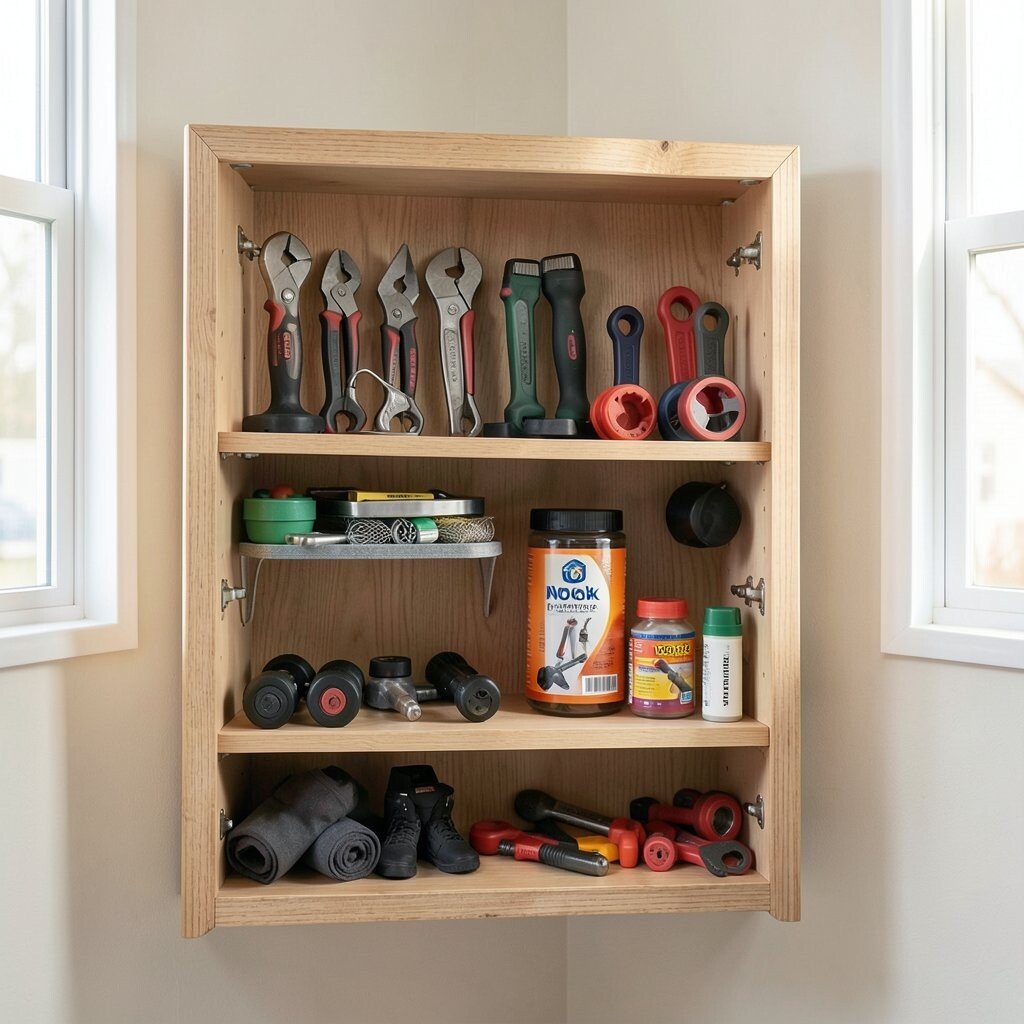
Keep your gear in one shelf or bin so you’re never hunting for supplies. Store bands, a mat, and a small towel where you can see them.
When items are visible, you’re more likely to use them. Rotate what’s on top each week to keep the routine fresh and feel new again.
9. Turn Household Chores Into a Calorie-Loving Routine
Many daily chores can become movement time if you do them with intention. Try vacuuming with a steady walking pace or doing slow, controlled squats while loading laundry.
Make chores safer by spreading them out, keeping your core tight, and moving smoothly. You’ll likely notice better stamina because you’re not just cleaning, you’re training too.
This approach is practical when budgets are tight because you’re using what you already do. Personalize it by choosing one chore per day that becomes your “fitness chore,” like mopping or organizing with quick breaks. It also matches current habits of combining tasks and activity rather than setting aside separate workout blocks.
10. Practice Balance With a Simple Cushion and Barefoot Control
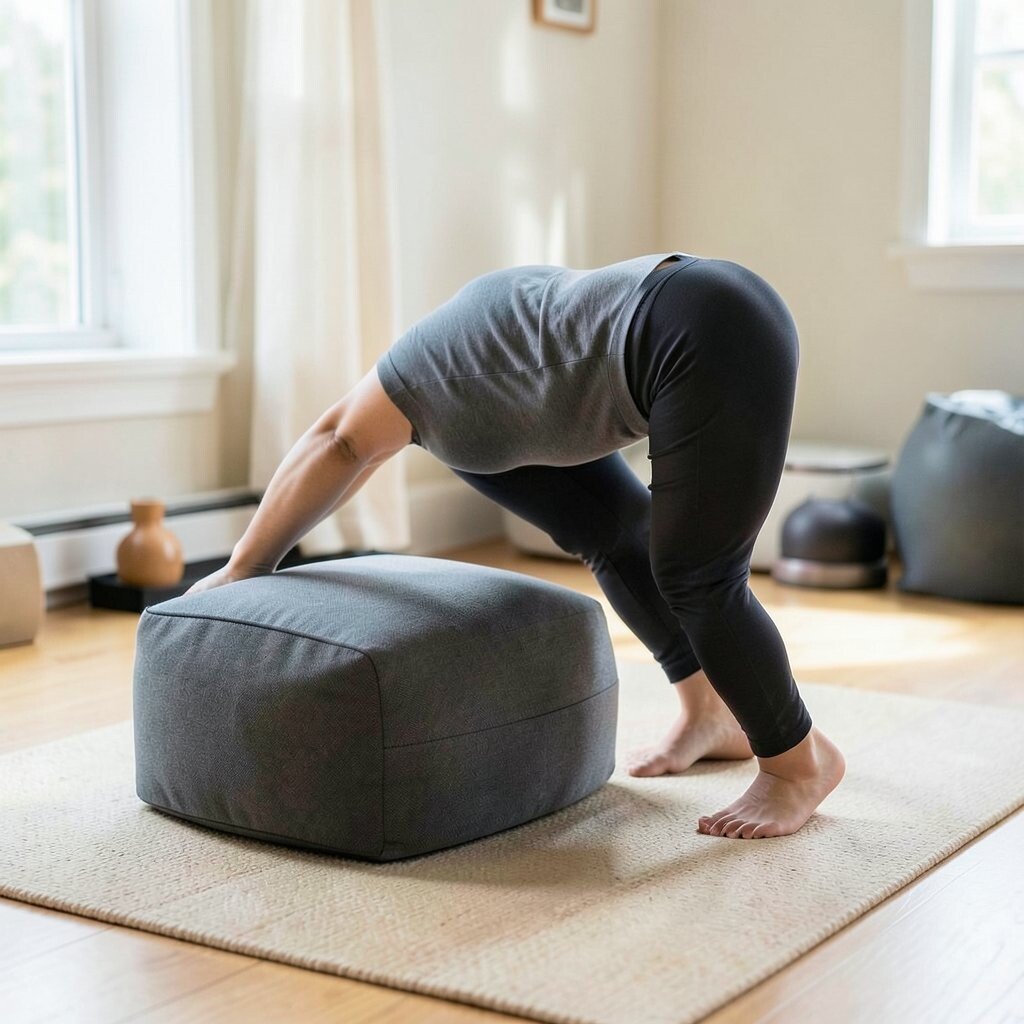
Find a safe, non-slip space and place a cushion on the floor for balance training. Stand near a wall for support until you feel steady.
Try single-leg stands, gentle heel-to-toe steps, or slow reach movements. Balance work is unique because it improves coordination and makes everyday tasks feel easier.
11. Design a “Weather Plan” for Rainy Days and Hot Afternoons
When the outside world feels too messy or too hot, keep an indoor plan ready. Decide ahead of time which routines you’ll use so you don’t waste energy deciding.
Indoor options can include marching, band workouts, stretching sessions, and short strength rounds. Visualize your plan like a mini schedule on paper or in your phone notes.
Personalize based on your space and mood, like choosing slower mobility on stressful days. This kind of planning matches modern fitness trends that emphasize adaptability and consistency. It also saves money because you avoid impulse purchases when you’re stuck indoors.
12. Use Timed Circuits With a Simple “Work, Rest, Repeat” Rhythm
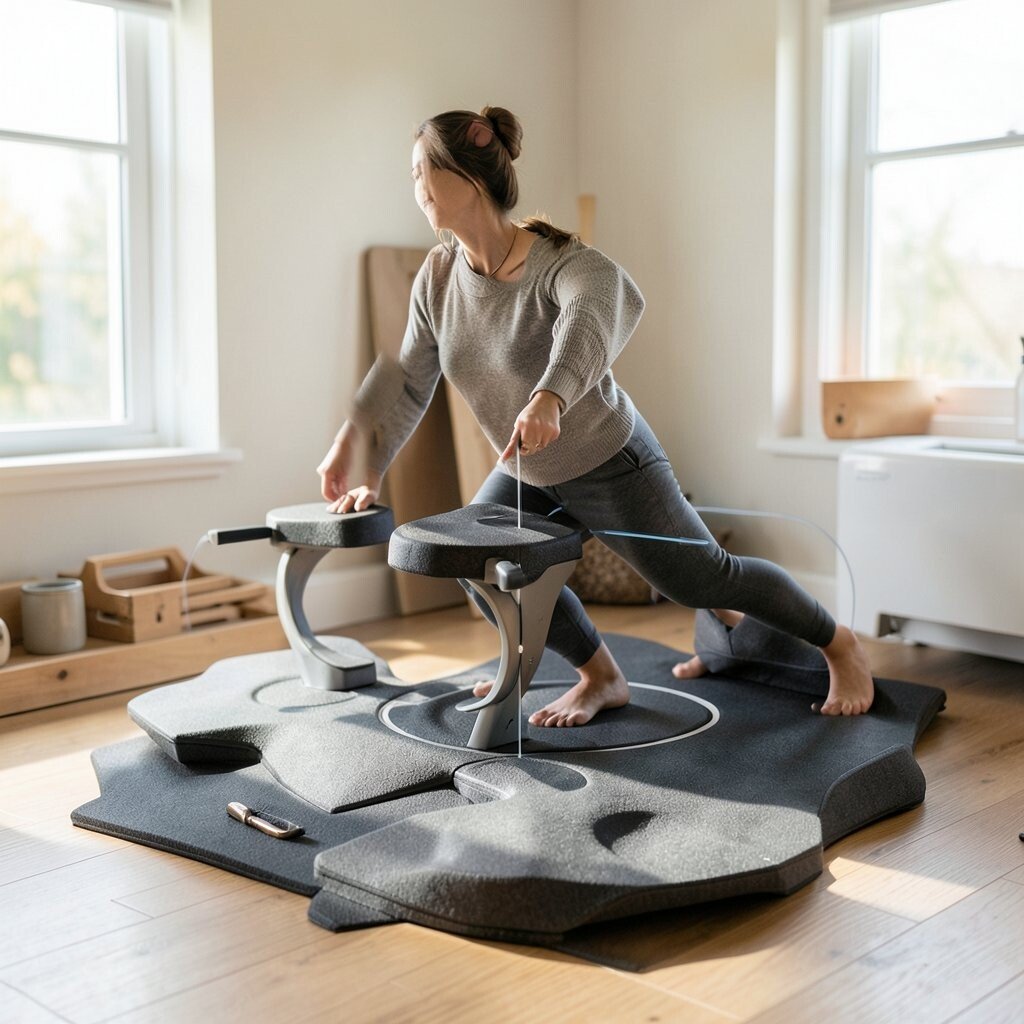
Pick a few exercises that match your equipment and space. Use a timer to alternate short work rounds with brief rests, so you don’t need fancy gear.
Try a circuit that includes push-ups against a couch, seated rows with a band, and squat variations. Keep form clean and focus on breathing, which makes the workout feel safer and more effective.
13. Add Visual Progress Tracking With Sticky Notes or a Jar
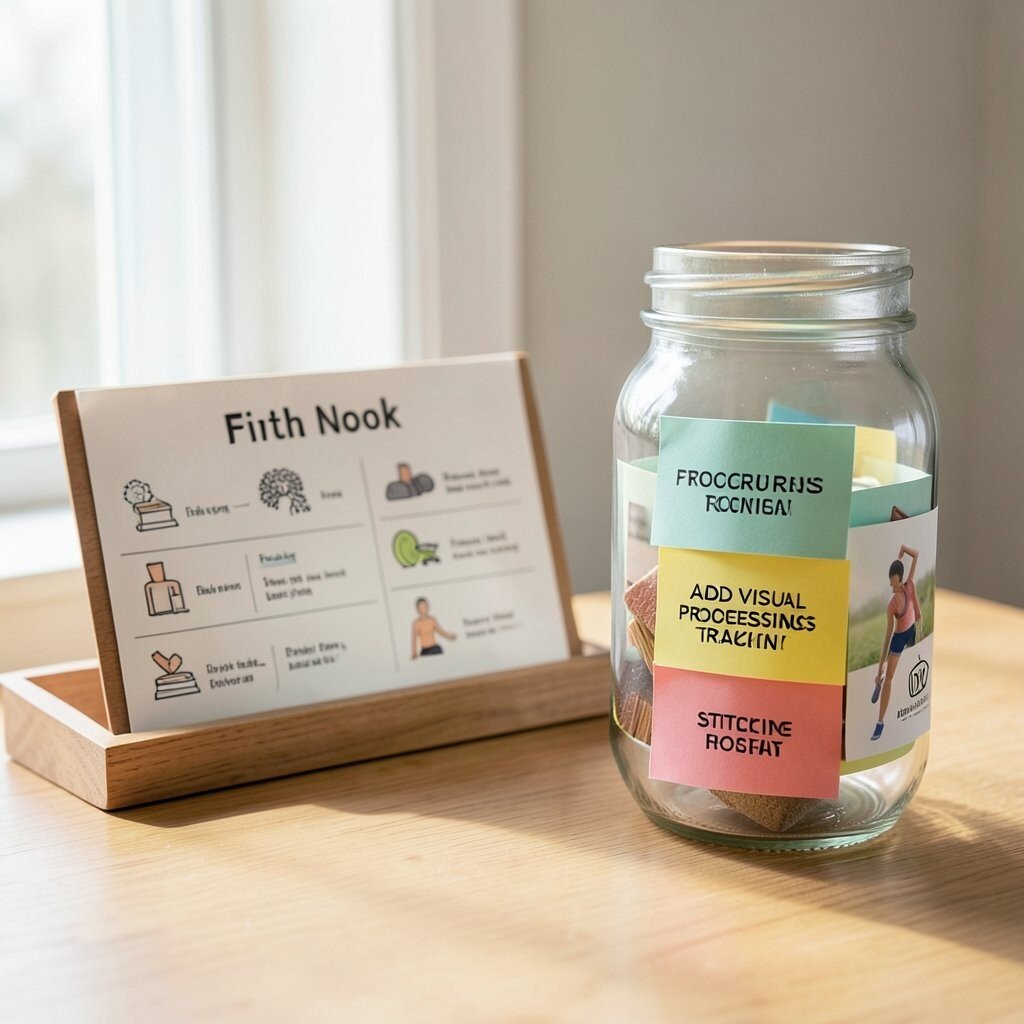
Make your progress visible in a low-cost way using sticky notes or a small jar. Each time you finish a routine, move one note or drop in a small token.
Seeing your streak builds motivation because the evidence is right there in your home. Keep it friendly, not stressful, by aiming for consistency rather than daily perfection.
Personalize by letting the color of the token match the workout type, like pink for stretch days and blue for strength days. This is also a current trend in habit building, where small cues help people keep going. It costs almost nothing yet feels surprisingly powerful.
14. Create a Stretch Routine That Fits Into Real Life Breaks
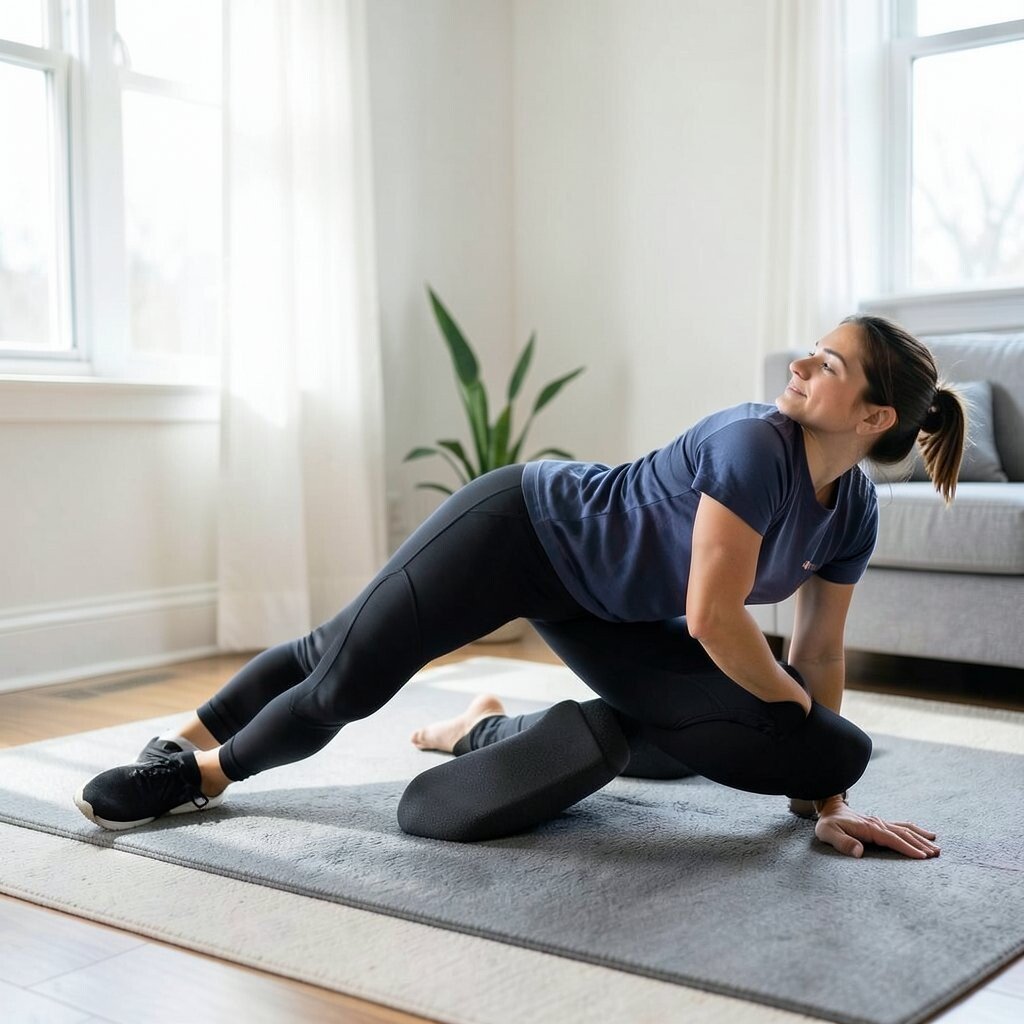
Choose a stretch routine that takes just a short time and can fit during breaks. Consider pairing it with moments you already do, like after brushing your teeth or before dinner.
Use comfortable positions such as standing hamstring stretches, hip flexor lunges, and easy spinal twists. The benefit is simple and huge, since daily stretching can reduce tightness and improve how you move.
15. Build a Couch-Supported Upper Body Routine for Beginners
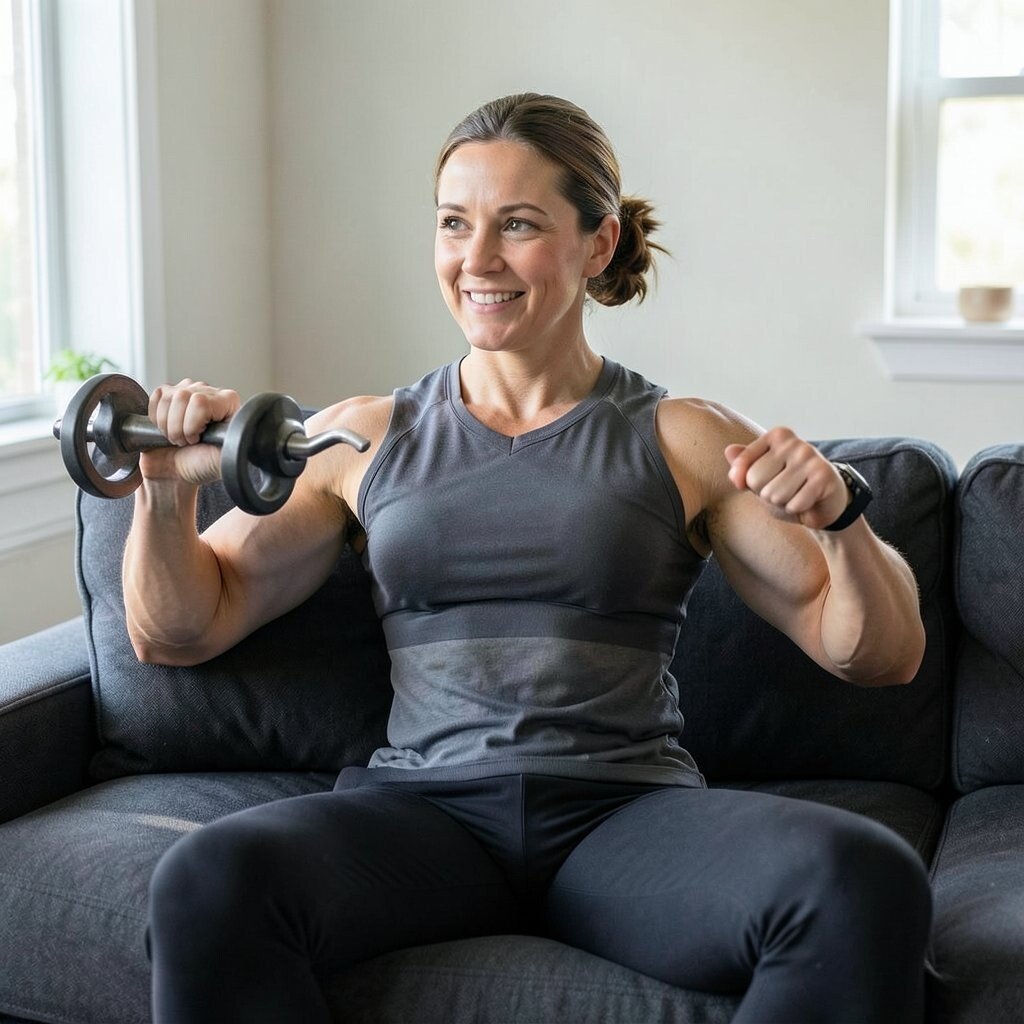
Use the couch as a safety tool for upper body strength. Place your hands on the edge for wall-like push-ups or do supported rows with a band anchored to something sturdy.
Keep your shoulders relaxed and move with control. This helps you build strength gradually without feeling overwhelmed.
To make it unique, change the hand position each week, like narrow grip one day and wider grip another day. Choose exercises that feel comfortable for your body and space. Since couch routines use furniture you already have, the cost stays low while your confidence grows.
16. Try a Mini Outdoor Adventure When You Can Step Outside
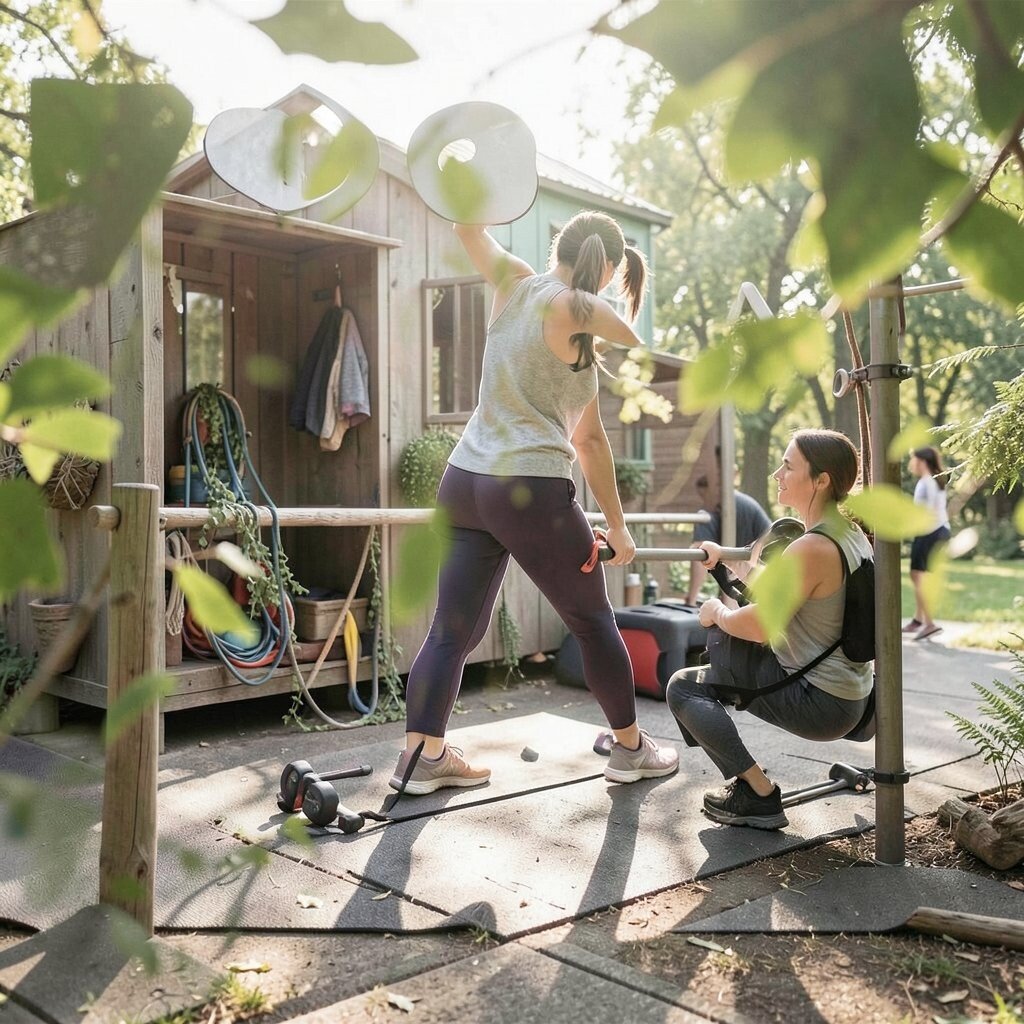
If you have access to a safe sidewalk, park path, or quiet street, bring your movement outside. Even a short walk with a few mobility moves can feel refreshing.
Look for practical goals like walking to a nearby landmark and back. The visual change from indoor walls to open air can make the workout feel special and energizing.
Personalize by adding gentle hills if they’re safe for you, or by practicing balance on curb edges carefully. This keeps your routine aligned with current trends of “local adventure fitness,” where people seek movement beyond the gym. It also stays budget-friendly because nature doesn’t charge entry fees.
17. Use a Doorway for Light Core Work and Gentle Kicks
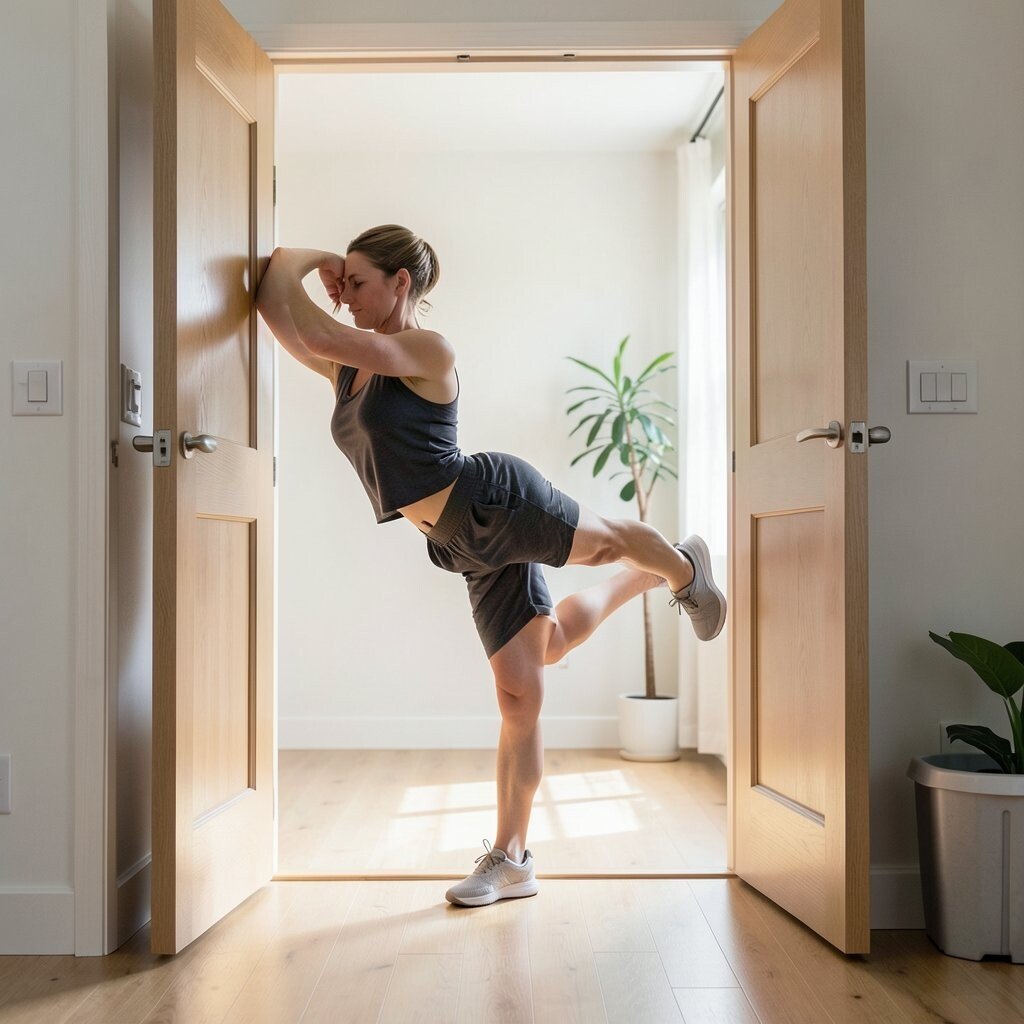
A doorway can be a simple anchor point for resistance bands if you set it up safely. Keep everything stable and avoid yanking, then use it for light core and arm movements.
Try standing band presses while engaging your core, or gentle marching with band tension. Your body learns to work against resistance while staying upright, which can help with posture.
18. Make Recovery Part of the Routine With Breath and Relaxation
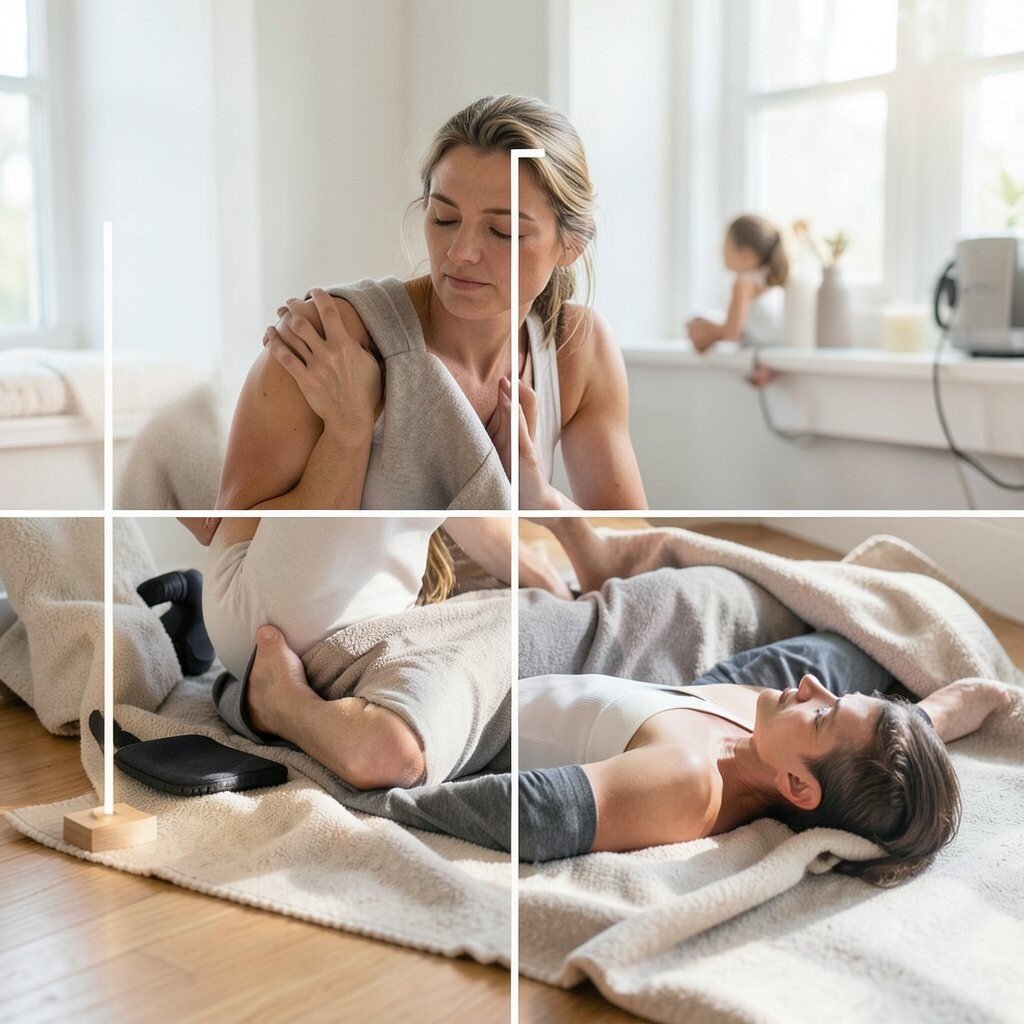
Recovery is not extra, it’s what makes your next workout feel better. After you move, spend a few moments focusing on slow breathing and relaxed stretching.
Visualize your muscles softening as you exhale. This can reduce stress and help your body bounce back, which supports long-term consistency.
19. Personalize Your Routine by Tracking How Your Body Feels
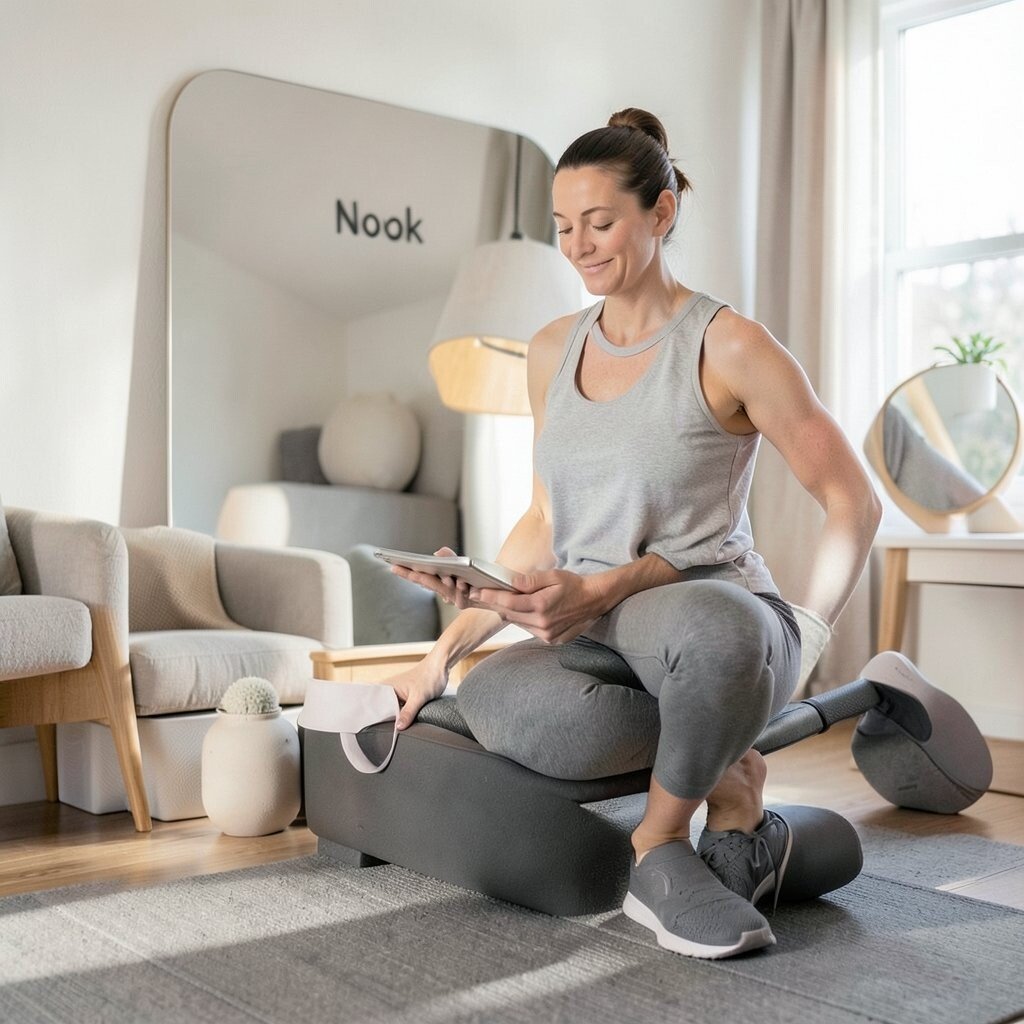
Instead of chasing one “perfect” workout, listen to your energy and your comfort level. Rate how you feel on a simple scale in your notes, then adjust your plan.
On low-energy days, choose mobility and easy steps. On stronger days, add a little more resistance or extra rounds, keeping your form clean throughout.
This personalization approach is unique because it turns your routine into a conversation with your body. The practical tip is to remember that soreness and discomfort are different, so stop if something feels sharp or wrong. Keeping this feedback loop also fits current trends in mindful training and body-aware fitness.
20. Create a “Rerun Day” for the Workout You Love Most
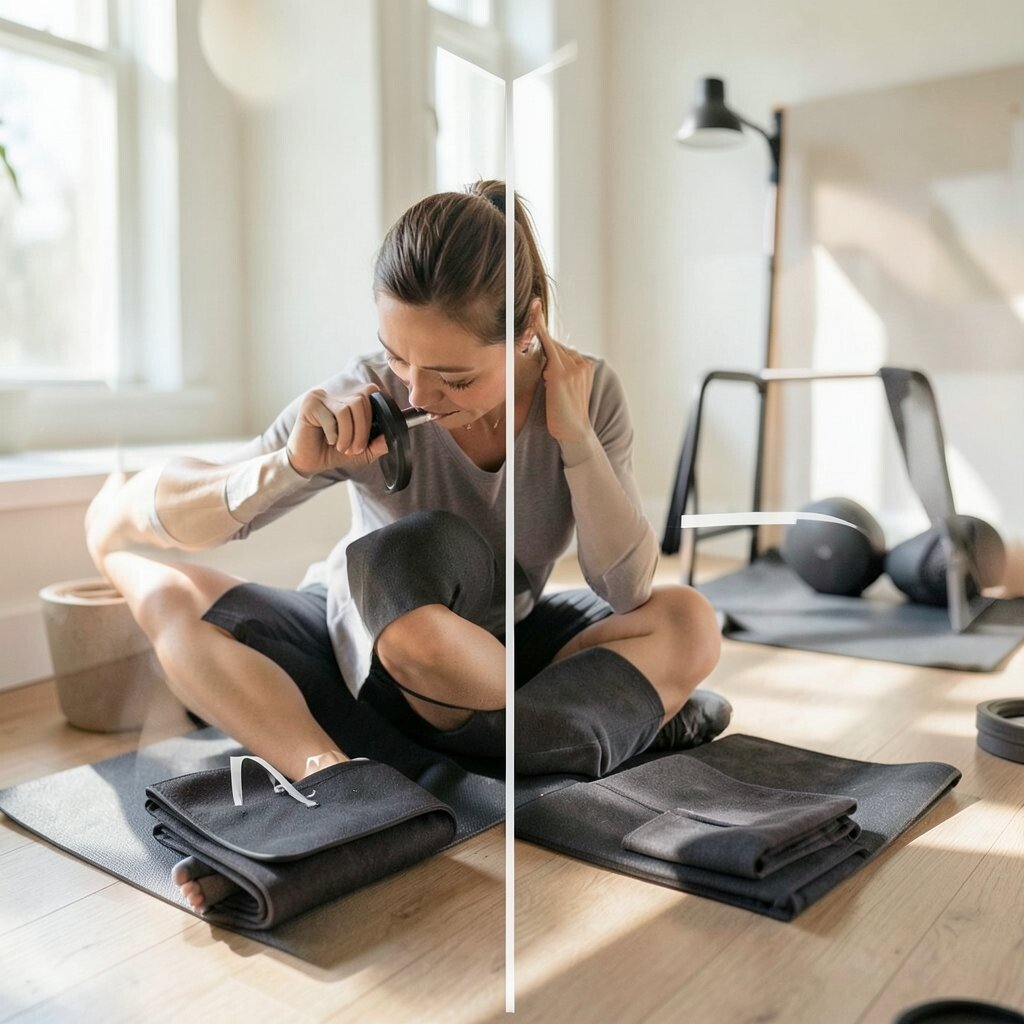
Pick one routine that feels best, like your favorite circuit or walk loop, and repeat it on a scheduled day. Reruns can make progress easier because you learn the moves and improve your pacing.
Keep it enjoyable by adding small changes, like using a different playlist or increasing speed slightly. This uniqueness helps the routine stay fresh without forcing you to reinvent everything.
Cost considerations are simple here because you’re using the same low-cost tools. Personalize by making rerun day special with a treat afterward, like tea or a favorite snack. Many modern training styles use repetition for consistency because it reduces decision fatigue.
21. Set a “Start Line” With Shoes, Mat, and Timer Ready
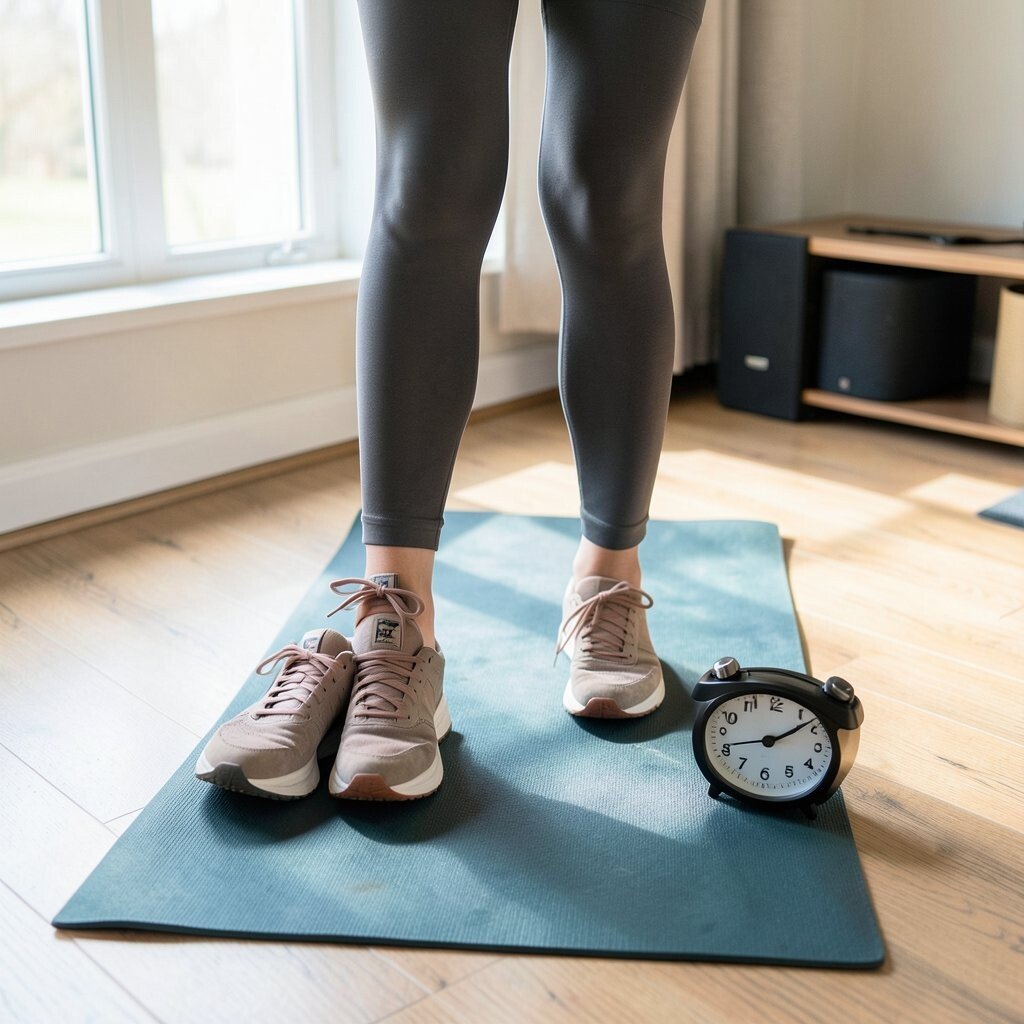
Prepare your space before you feel motivated by setting up a clear start line. Put your shoes near the mat, keep the timer charged, and lay out your bands or towel.
When everything is ready, you can begin faster and waste less time. This matters because momentum often beats willpower, especially on busy days.
22. Build a Community-Style Challenge With Friends or Family
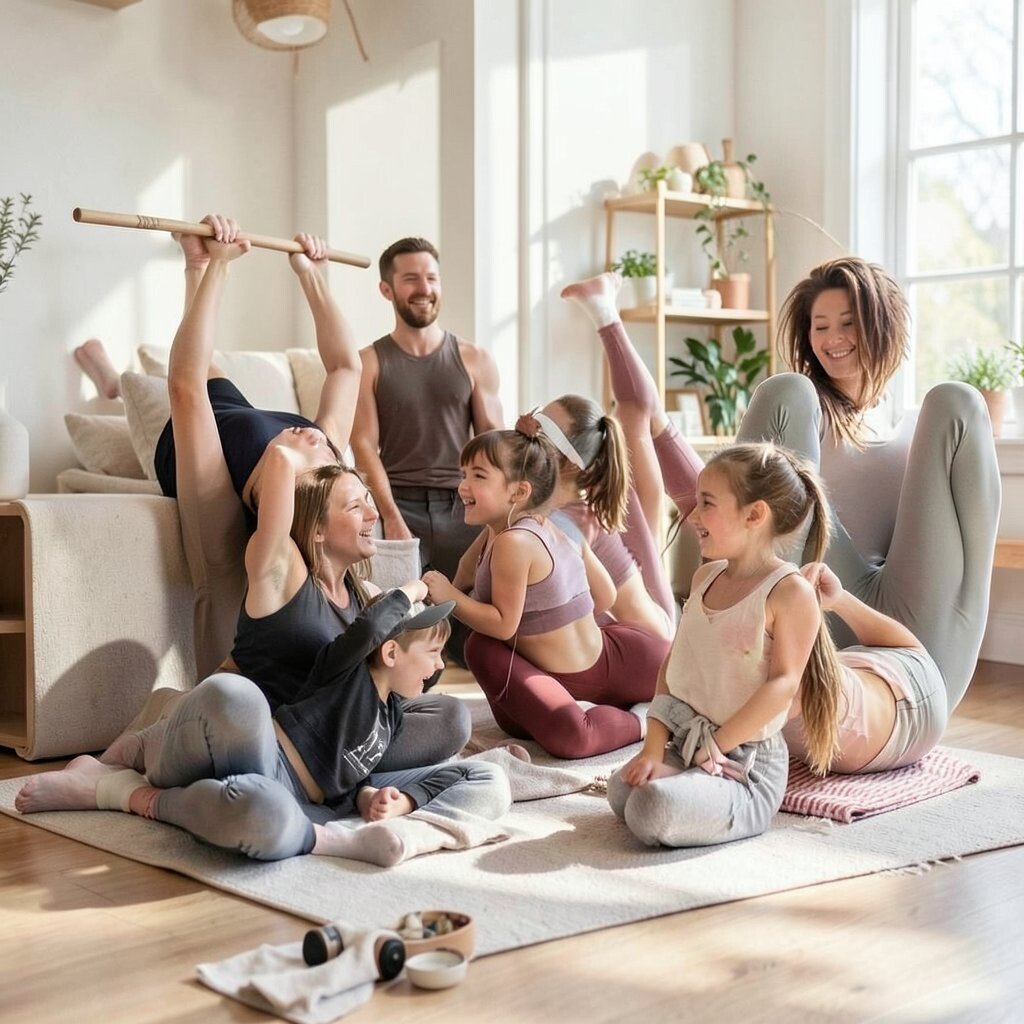
Even if you’re working alone, you can make your fitness feel social. Message a friend to do the same type of workout at the same time, or share a weekly streak photo of your nook setup.
Visualize the vibe as a friendly check-in rather than a competition. The benefit is motivation, because you’re more likely to show up when someone else expects your message.
Keep it budget-friendly by choosing challenges that need no special gear, like walking minutes, stretch sessions, or mobility rounds. Personalize the challenge by matching it to everyone’s space and ability, like chair-based moves for one person and mat work for another. This connects with current trends in remote group activity, where accountability and fun often go hand in hand.