Quiet power can make a farmhouse feel even more welcoming. With solar panels, every sunny day turns into comfort you can count on.
Below are practical, inspiring ideas that keep the look cozy while making energy use smarter.
1. Wraparound Rooflines With Solar Shingles
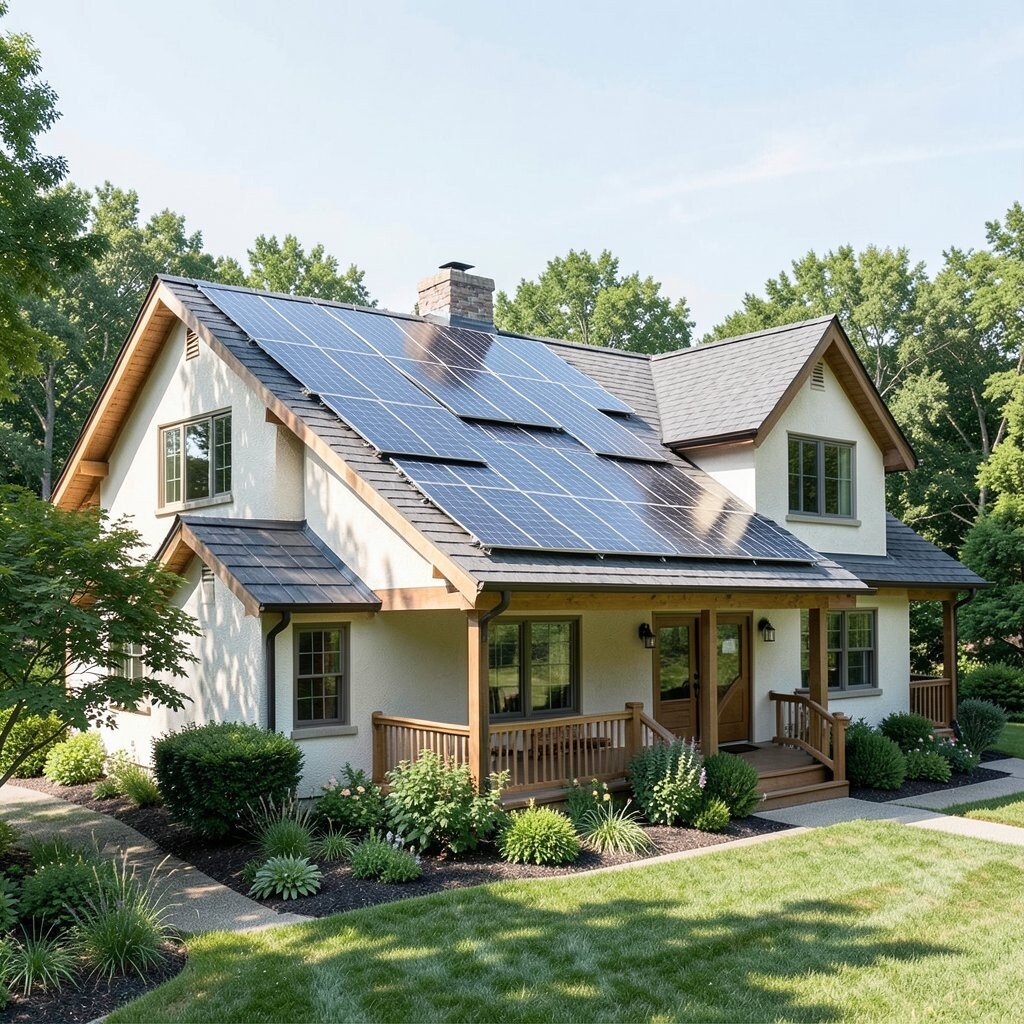
A farmhouse with solar shingles looks like it belongs to the landscape. You get clean lines that blend with the roof instead of shouting for attention.
Start by taking a walk around your property at different times of day to see where sunlight hits the roof. Choose solar shingles that match your roof color so the whole home looks unified. Plan for proper spacing, ventilation, and a smooth path for maintenance so the system stays reliable for years.
2. South-Facing Array With Sleek Ground Mounting
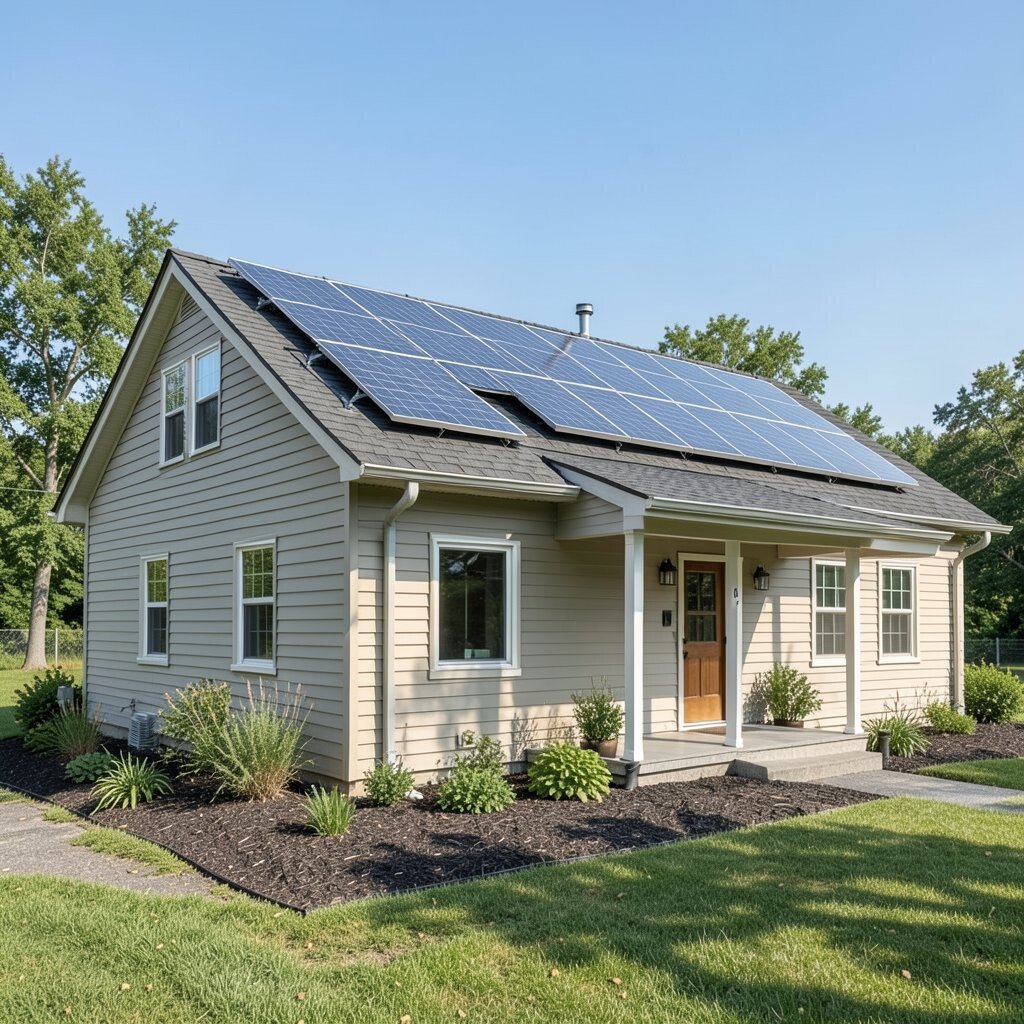
Picture a neat row of panels placed on the south side, framed by tall grass and a tidy fence line. From the driveway, the setup can look purposeful instead of industrial.
Keeping panels on the ground can make cleaning and upgrades easier, especially when roof angles are tricky. Make sure the ground mount has solid anchoring and that vegetation is managed so airflow stays good. You will likely save money on installation compared with a full roof replacement, and you can spread the system over time as your energy needs grow.
For personalization, set the layout so it lines up with porch steps or a garden path for a pleasing symmetry. Consider adding a small hedge screen to soften the sight of metal while still allowing sunlight to reach the panels.
3. Pergola Shade Panels Over the Outdoor Seating Area
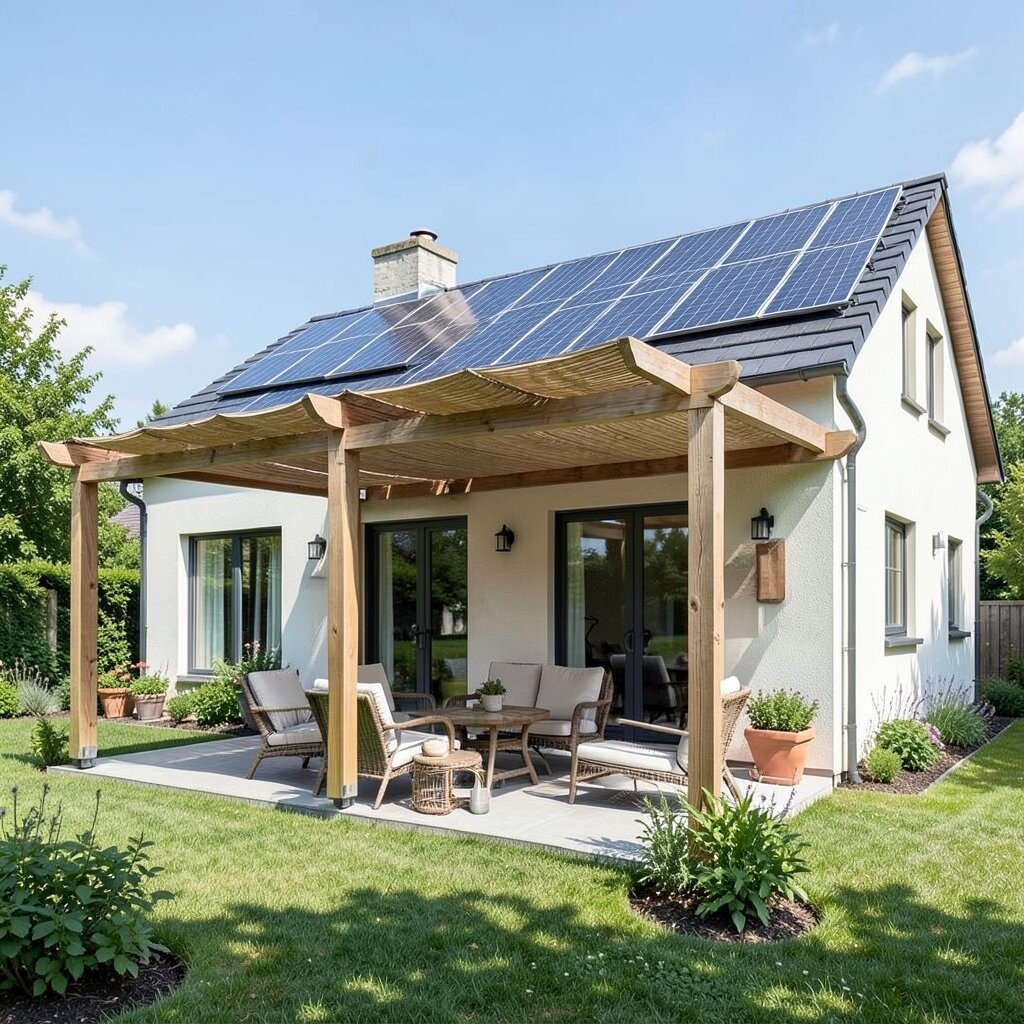
Imagine sipping iced tea under a farmhouse pergola that also makes power. The panels sit above like a gentle roof, creating shade while catching sunlight.
This idea is great when your outdoor space gets strong sun and you want comfort outdoors. You can wire the pergola system to support exterior lighting and a few charging outlets for tools. If you run patio lights during evenings, solar can help reduce grid use and keep your nights feeling calm.
For uniqueness, blend the pergola posts with reclaimed wood tones or a modern metal finish that matches your hardware. Check local rules for electrical work and ensure the mounting is designed to handle wind and rain. With this approach, you can enjoy the visual payoff every day, not just when the bill arrives.
4. Battery Backup for Nighttime Comfort and Power Resilience
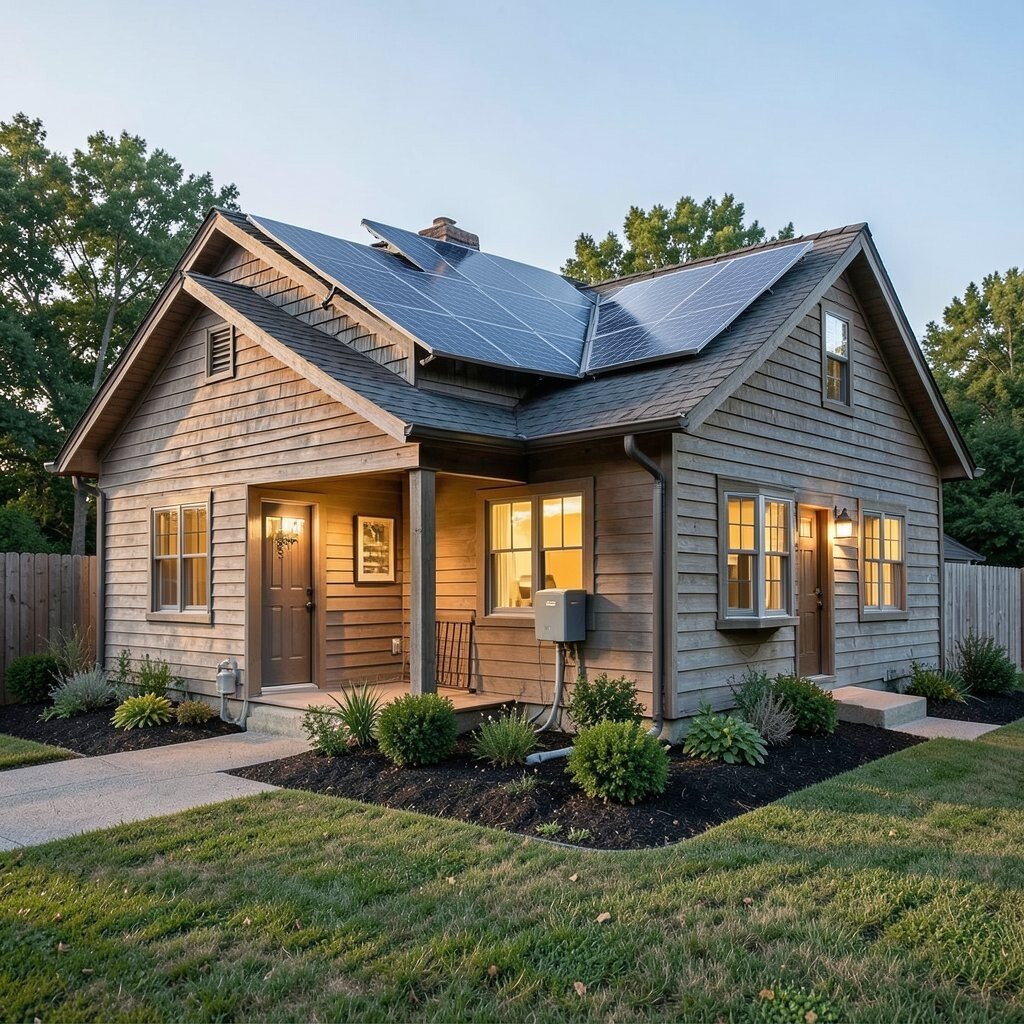
A solar farmhouse feels extra reassuring when it can keep running after sunset. With battery backup, essential systems like refrigerators, lights, and outlets can stay powered through outages.
Choose a battery size based on what you truly want to keep running during an emergency. Many people start with a smaller setup for key loads, then expand later once they learn their routine. It also helps you store extra afternoon energy so evenings feel smoother, especially during hot or cold snaps.
5. Metal Roof Finish That Matches Barn-Inspired Solar Frames
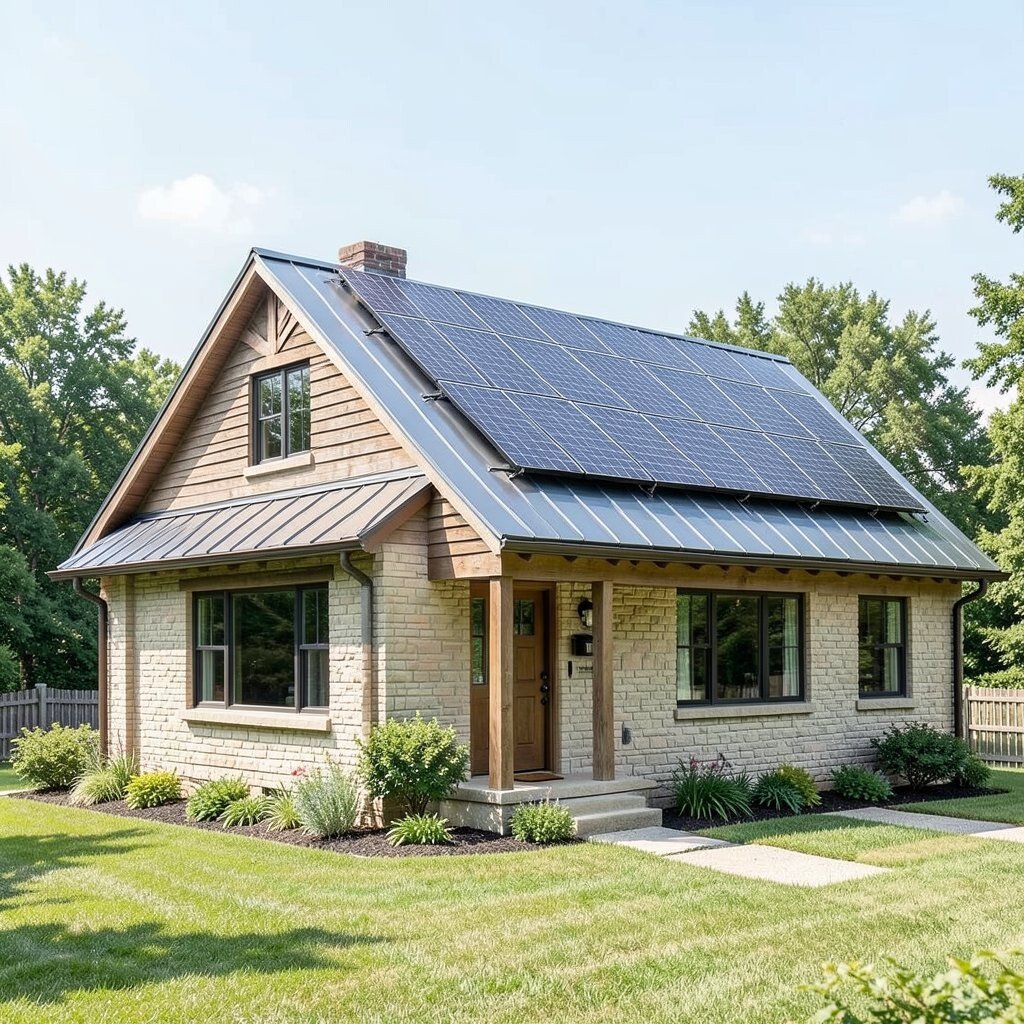
When a farmhouse has a metal roof, solar panels can look like they were built right into the architecture. The trick is matching finishes so everything feels cohesive.
Look for solar frames in colors that complement your roofing and gutters, such as dark bronze, matte black, or weathered gray. Use a reputable installer who understands how metal roofs require careful mounting and sealing. You can also pair panels with a rain-ready gutter system that keeps water flowing away from siding and foundation.
For practical planning, ask how the installer will manage cable routing and roof penetrations so you reduce the chance of leaks. If you are planning exterior updates anyway, coordinate the timeline so solar and roof work happen together and costs stay easier to manage.
6. Solar-Powered Water Heater for Steady Hot Showers
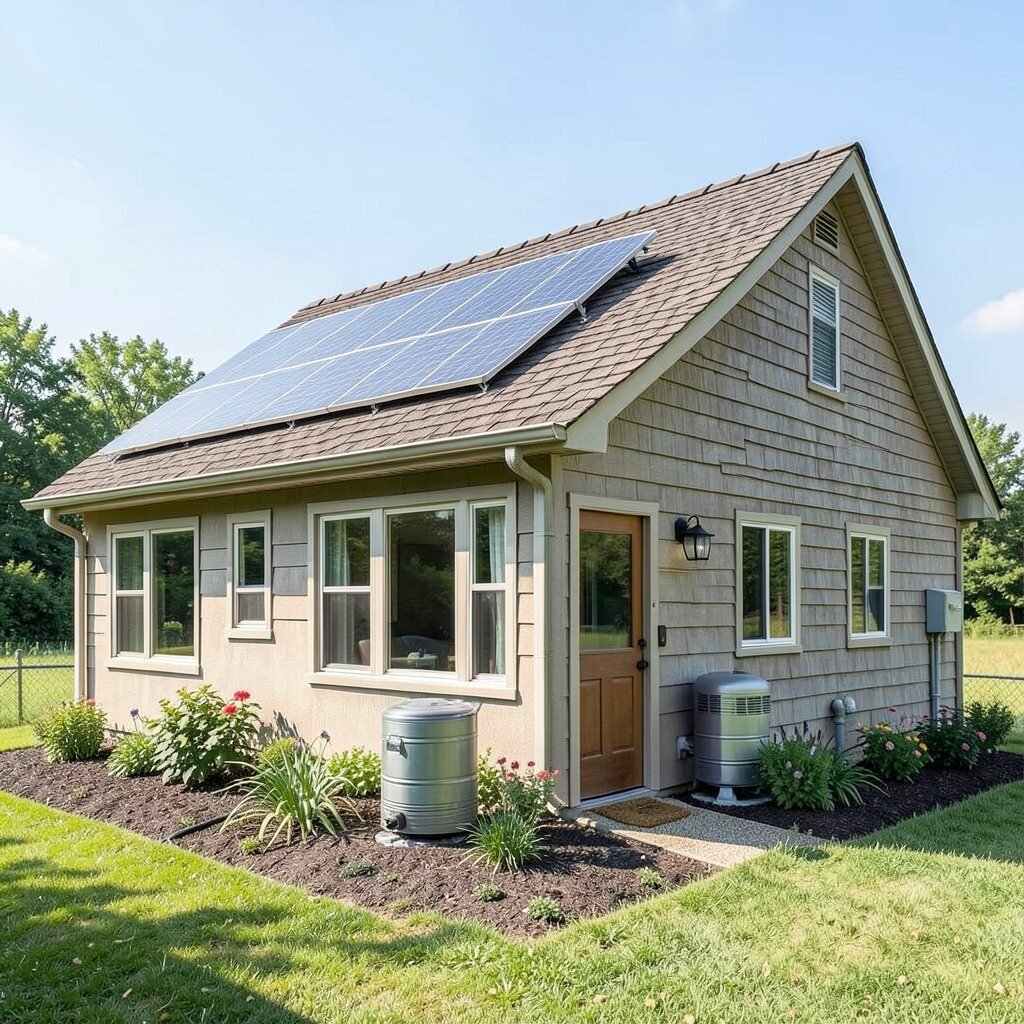
Hot water is one of the biggest daily comforts, and solar can help cover it in a big way. In a farmhouse, even the simplest routine feels nicer when you never worry about hot water running out.
Pairing solar with a high-efficiency water heater can reduce grid dependence, especially when you have a household that showers regularly. To make it work well, plan for insulation, a properly sized tank, and smart controls. If your mornings are busy, store energy during sunny hours so the evening demand stays steady.
For personalization, you can place the heater in a well-ventilated utility area and keep the surrounding space tidy and organized. Consider a monitoring screen so you can see how much energy the system is providing and adjust habits if needed.
7. Solar Carport With Farmhouse Columns and Warm Lighting
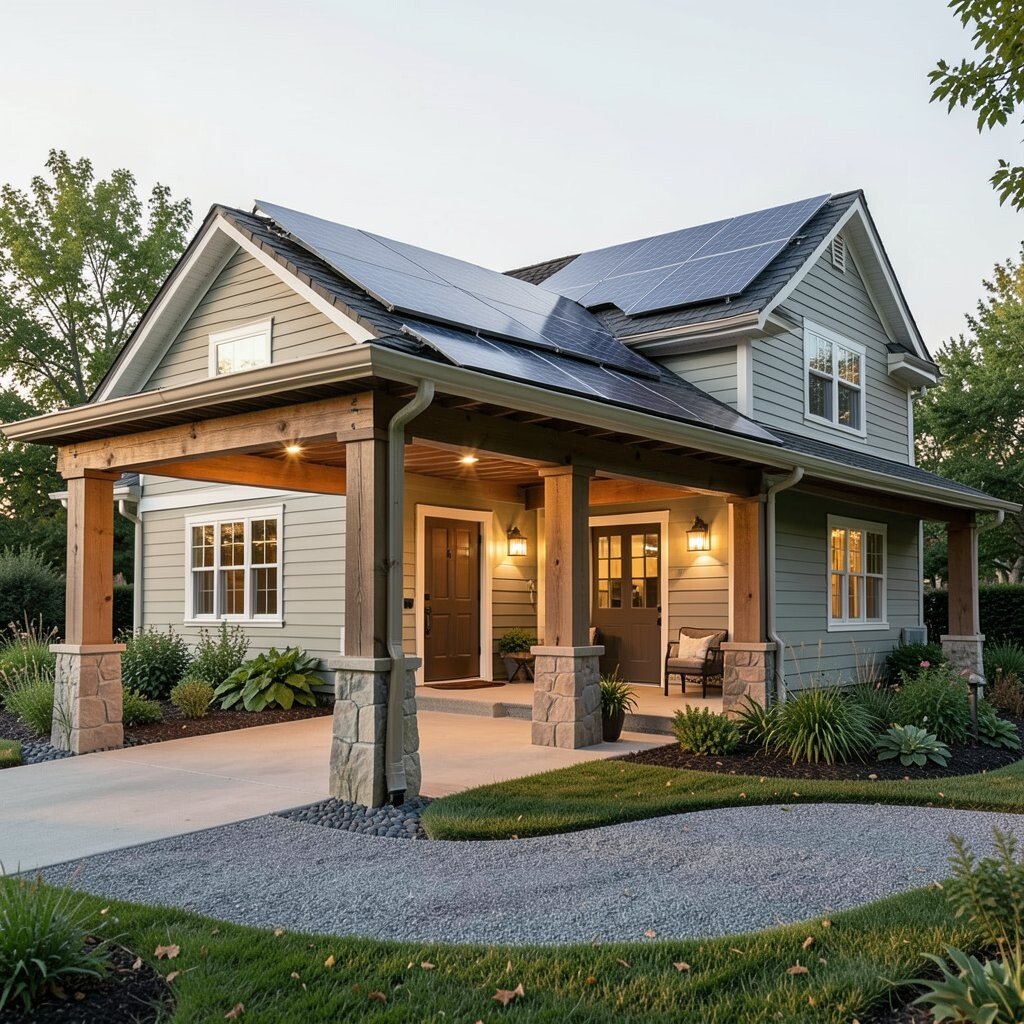
A solar carport can look like a modern barn entryway, especially with sturdy columns. Vehicles rest under a shaded roof, and you generate energy at the same time.
This approach is helpful when your roof is shaded by trees or when you want easier access for repairs. A carport also keeps wiring and panel maintenance more straightforward than rooftop work. Add warm-toned lights along the edges and you get a welcoming glow that still uses clean energy.
For practical tips, keep the carport height comfortable for taller trucks and plan drainage so rainwater doesn’t pool near the foundation. Ask about local permitting, because carports can require specific approvals. Many homeowners find that the extra structure adds value, because it improves daily convenience while supporting energy goals.
8. Smart Inverter Placement to Keep the Utility Area Neat
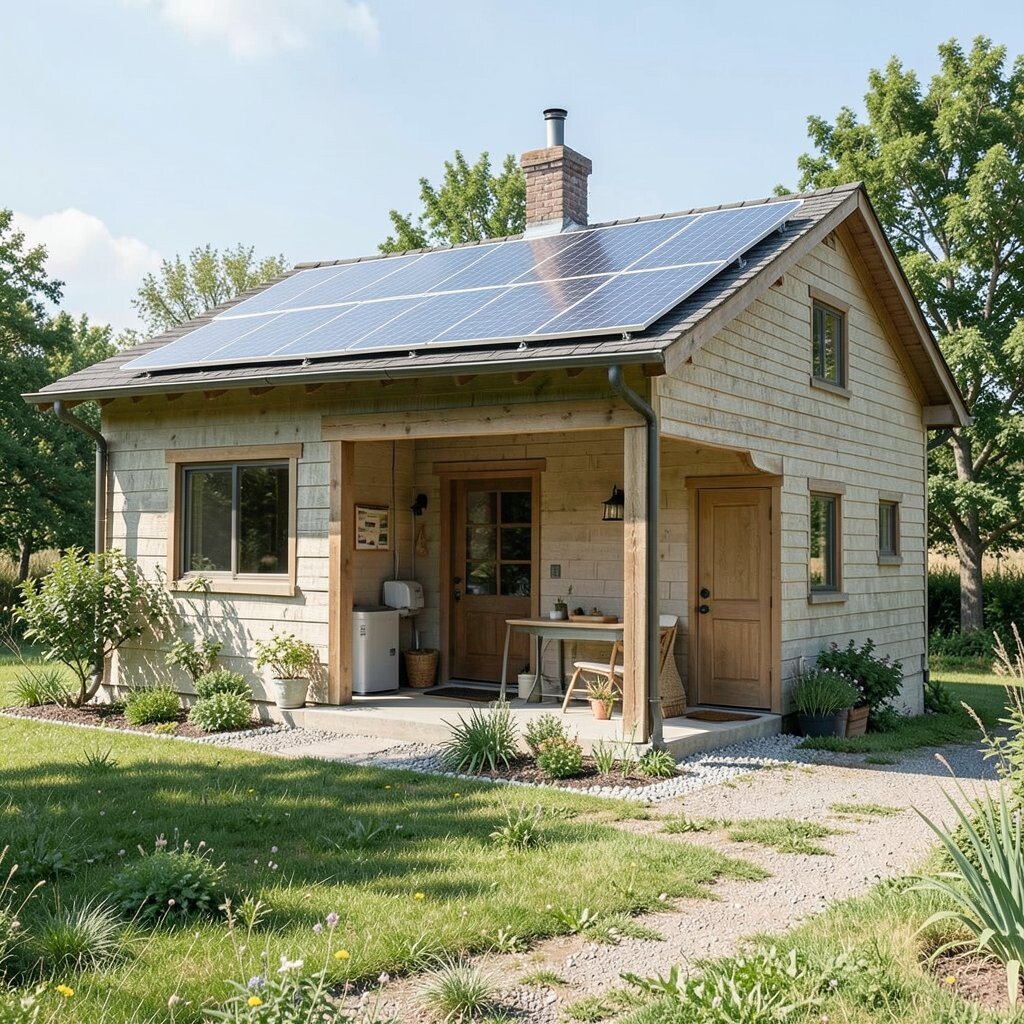
In a farmhouse, the utility space is often where function shows most clearly. A clean, well-organized setup can keep the technology from feeling messy.
Choose inverter locations that are sheltered from heavy moisture and easy to access for service. Keeping cables neatly routed and labeled helps maintenance crews work faster later. Modern inverters also help with real-time performance, so you can spot drops in output quickly.
9. Community-Style Garden Beds With Panel-Friendly Layout
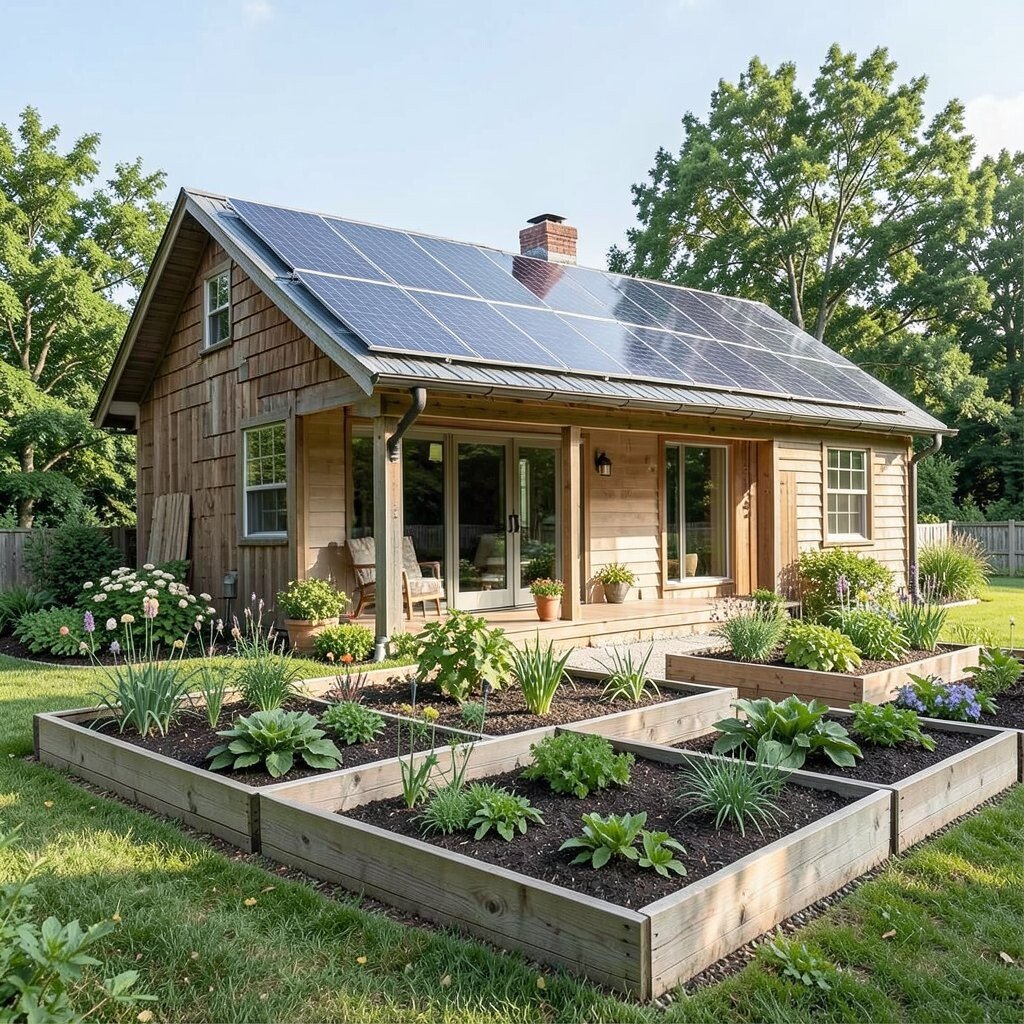
Some solar setups can feel separate from farm life, but yours can look like part of the homestead. Thoughtful spacing around panels can preserve room for garden beds, herbs, and pollinator flowers.
Arrange the panel layout so it doesn’t block the sun needed for your vegetables. Many gardens thrive when you plan for partial shade and choose crops that love those conditions. You can also use low, attractive ground cover to keep soil healthy and reduce erosion.
For a unique look, align raised beds with the panel rows so the property feels intentional. If you use drip irrigation, consider powering your controller with solar so watering is smoother during peak seasons. This idea can also reduce lawn maintenance around the panels, which is a real everyday win.
10. Off-Grid Friendly Choices for Remote Farm Properties

If your farmhouse sits farther from the main grid, solar can turn quiet mornings into reliable living. The key is designing the system around your actual needs instead of just chasing maximum power.
Start with a load audit by listing what you use most, like refrigeration, cooking appliances, and charging. Then plan an inverter and battery strategy that matches your habits across seasons. You can also use efficient appliances to stretch energy, which helps the system feel comfortable rather than restrictive.
For personalization, think about a rustic shed or weatherproof cabinet where components are protected but still easy to check. Safety matters, so follow wiring standards and ensure grounding is correct. Many people find that the cost feels more manageable when they phase upgrades, adding panels or batteries as they go.
11. Solar Integration With Window Layout and Curtain Strategy
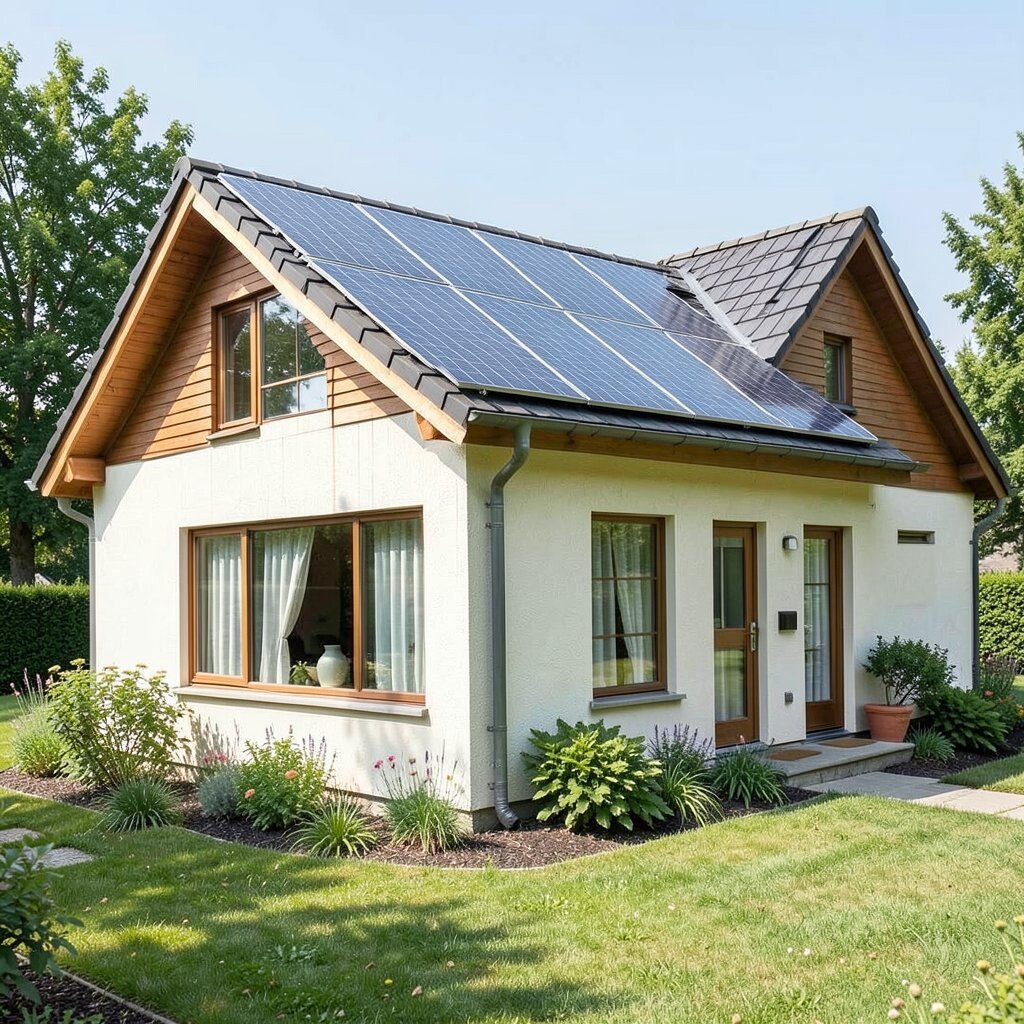
Great energy design isn’t only about panels. It also includes how light and heat move through your farmhouse windows.
Take advantage of sunny rooms by choosing window placements that benefit from passive warmth. Use curtains or shades that help during peak heat, so your solar energy supports comfort instead of fighting overheating. When your thermostat runs less often, your system can work more steadily and last longer.
For practical tips, consider installing exterior shades or reflective blinds on south and west-facing windows. Keep an eye on how much shade trees cast throughout the year, because it can change panel output and indoor comfort together. This pairing can make your whole home feel more balanced, from the kitchen to the bedrooms.
12. Weatherproof Outdoor Outlet Wall Powered by Solar
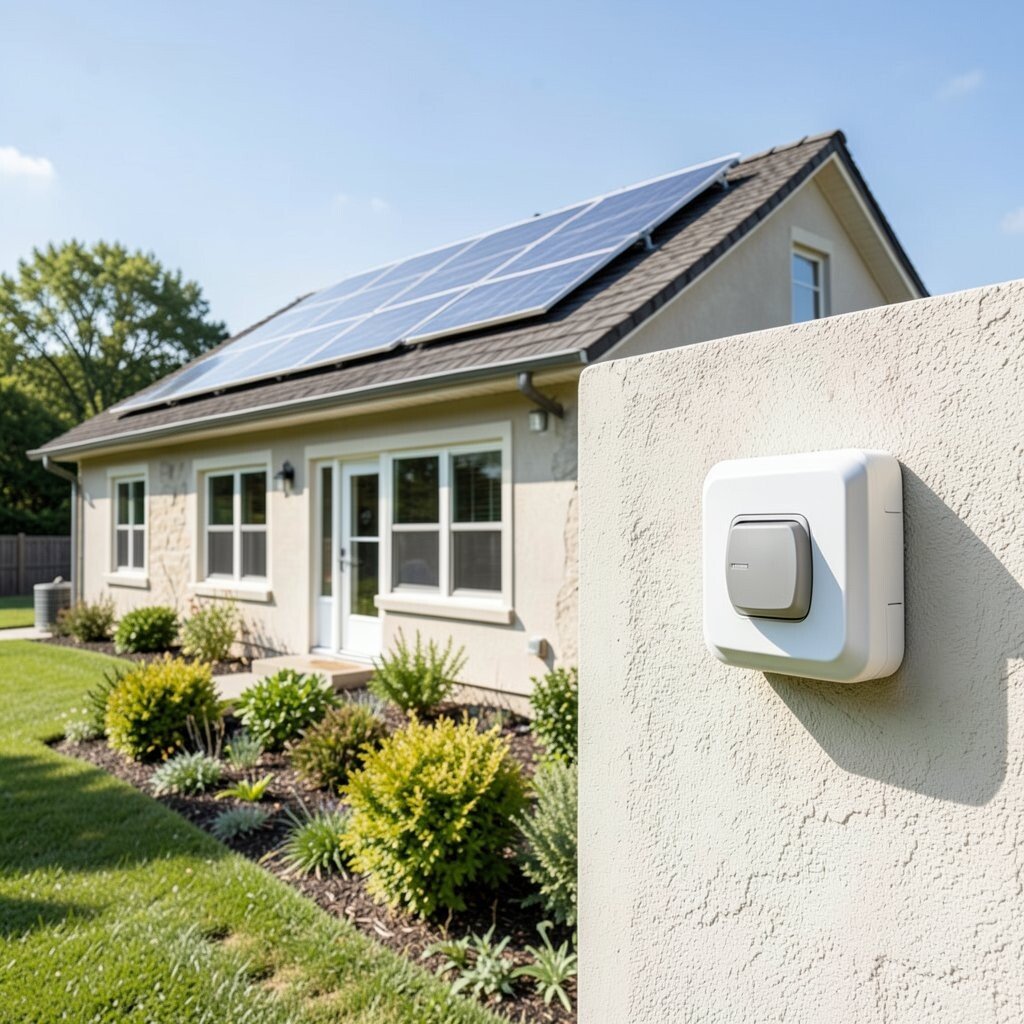
A farmhouse garden needs power for tasks like hedge trimming, inflatables, and weekend projects. A dedicated outdoor outlet powered by solar can make those jobs feel effortless.
Build an outlet station near your shed or potting area so you’re not running extension cords across the yard. Use weatherproof covers and place the outlet at a comfortable height for both adults and teenagers helping out. If your system includes batteries, you can even run small tools during evening hours without drawing from the grid.
For uniqueness, mount the outlet panel on a reclaimed wood board or a smooth metal casing that matches your farmhouse fixtures. Label it in a simple, friendly way on a small tag so everyone knows what it powers. Planning for a surge protector can also protect devices during storms when power can be unpredictable.
13. Reclaimed Wood and Stone Details Around a Small Panel Shed
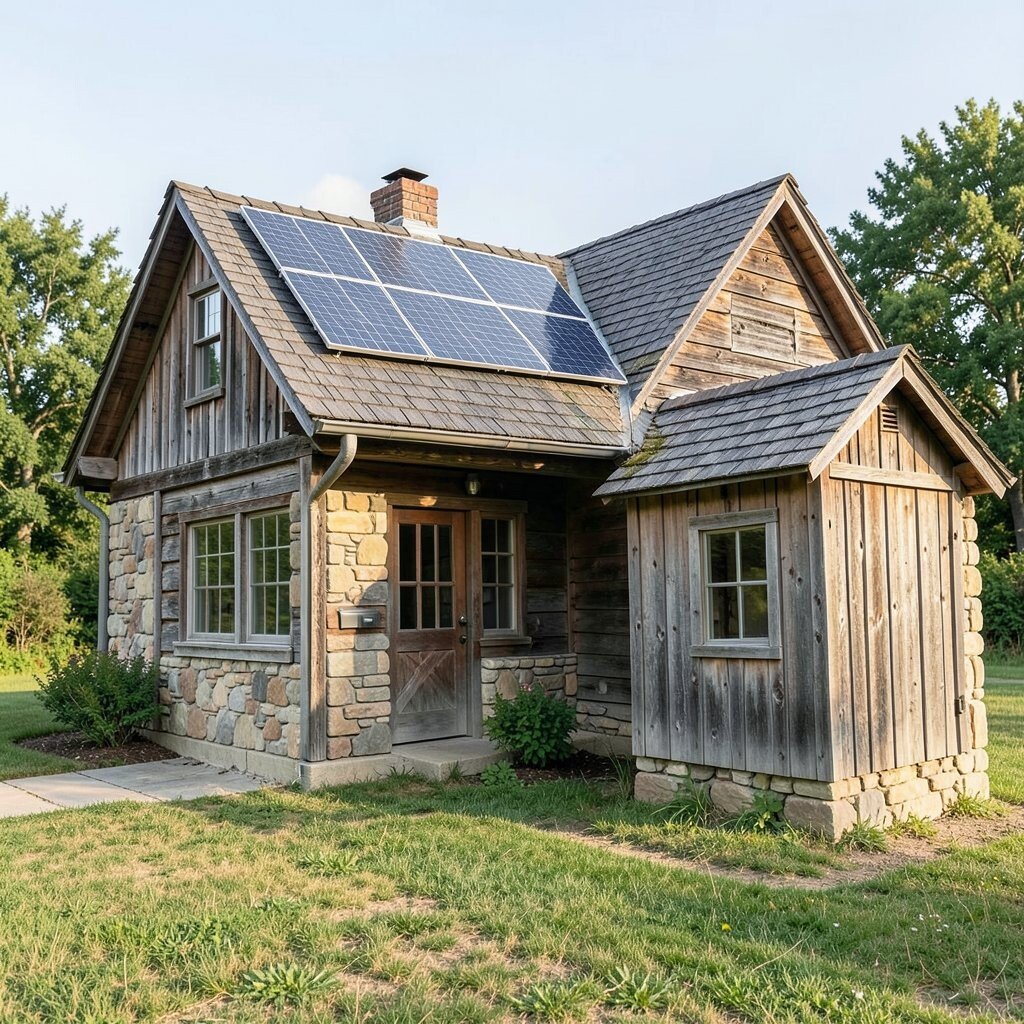
Instead of hiding equipment in an invisible corner, you can make it part of the farmhouse story. A small panel shed with stone accents and reclaimed wood trim can look like an extension of the homestead.
This can be a smart option when you want to keep batteries, charge controllers, or inverters protected. Place it where it stays accessible for maintenance yet still blends visually with barns and fences. Good airflow and weather sealing help the equipment stay healthy, and neat landscaping can soften the edges.
For practical planning, check how far you can run electrical lines safely and efficiently. Many homeowners find that burying cables and using conduit keeps everything durable against yard work and seasons. If you care about cost, compare contractor quotes for shed building versus doing the framing yourself while hiring professionals for electrical work.
14. Solar Pump System for Pond, Irrigation, or Water Features
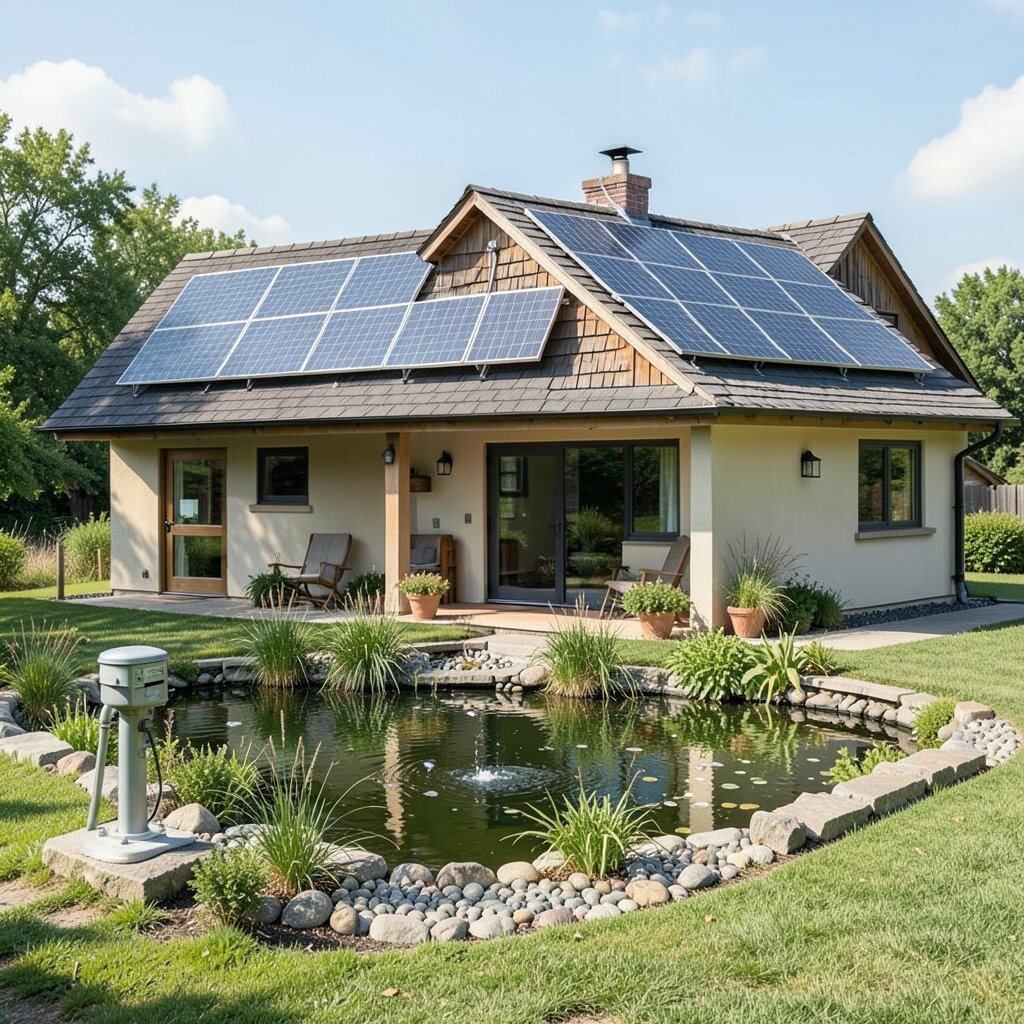
Farmhouse life often includes water in some form, from irrigation lines to a small pond. A solar pump can keep that water moving while using clean energy.
If you have a pond fountain, a solar-powered pump can keep aeration steady during sunny hours. For irrigation, combining solar with a modern controller helps deliver water only when plants need it. This can cut waste and keep your yard looking tidy and green.
For personalization, choose pump lines that match your landscape materials, like natural stone edging or tidy gravel beds. Make sure you account for seasonal water needs, because pump performance can change with temperature and water height. You can often save money by sizing the pump correctly the first time instead of overspending on a model that’s too large.
15. Solar Lighting That Frames Walkways and Porch Steps
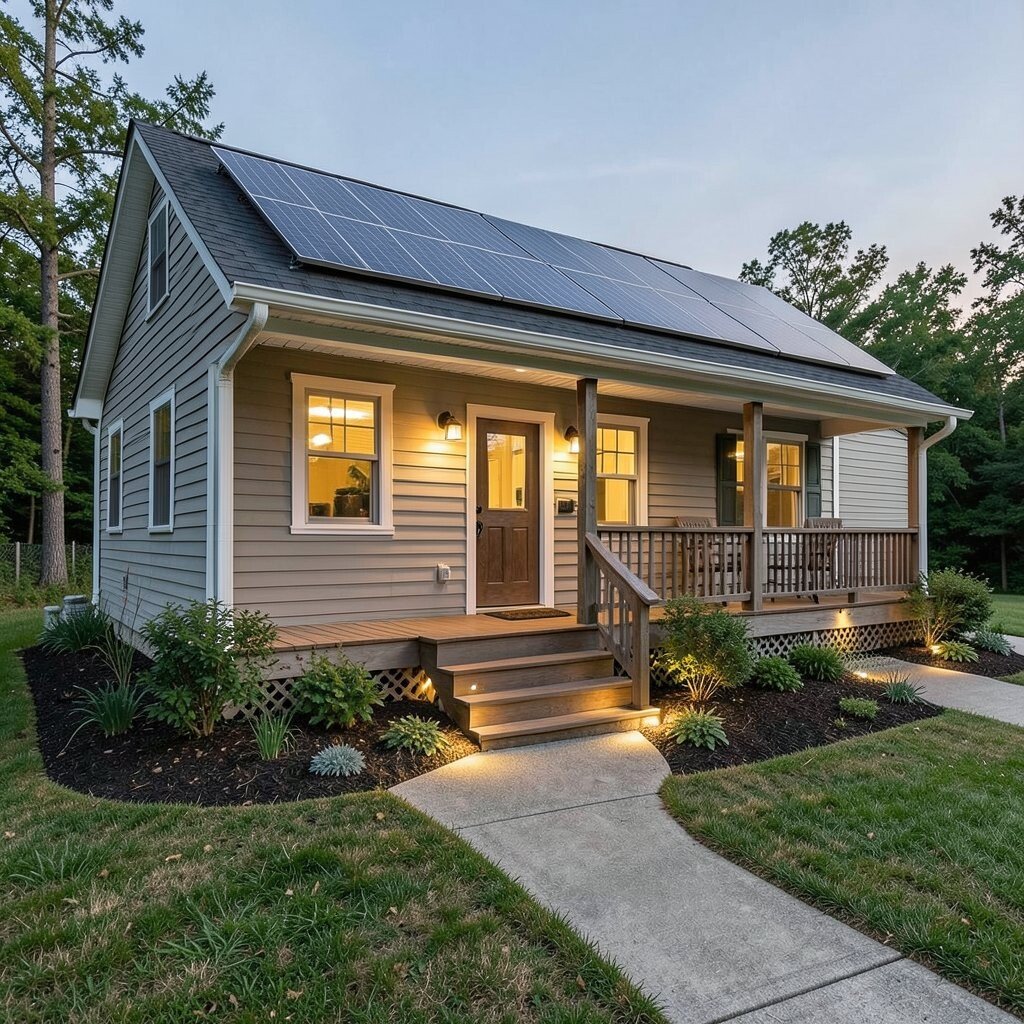
Even without turning the whole home into a tech hub, solar lighting can make a farmhouse feel warm at night. Panels powering pathway lights create a gentle glow that guides footsteps safely.
Place lighting along porch steps, garden paths, and entry walkways where people naturally slow down. Use warm white bulbs for a cozy look, and consider dimming options if your budget allows. This is a great way to start solar habits, because the setup is relatively simple and provides instant visible results.
For practical tips, keep sensors clean and positioned so they can detect dusk consistently. If you have trees or tall bushes, make sure the lights still get enough sunlight during the day. Many homeowners also like using solar lighting to highlight features like stone planters and charming door hardware.
16. Heat Pump Pairing With Solar for Efficient Seasonal Comfort

A farmhouse can feel drafty if old heating systems keep struggling. Pairing solar with a modern heat pump can help keep indoor temperatures steadier while using less energy.
Heat pumps work best when your home is well insulated and air sealing is done thoughtfully. Consider upgrading insulation in walls and attic space so comfort isn’t leaking out through cracks. When the home uses energy more efficiently, your solar system can cover a larger share of daily needs.
For practical planning, choose a heat pump sized for your climate and home layout. Ask installers about low-temp performance so winter comfort stays reliable. Many people find the cost easier to handle when they bundle upgrades and take advantage of available rebates or incentives, depending on where you live.
17. Solar Panel Monitoring and Simple Home Energy Habits
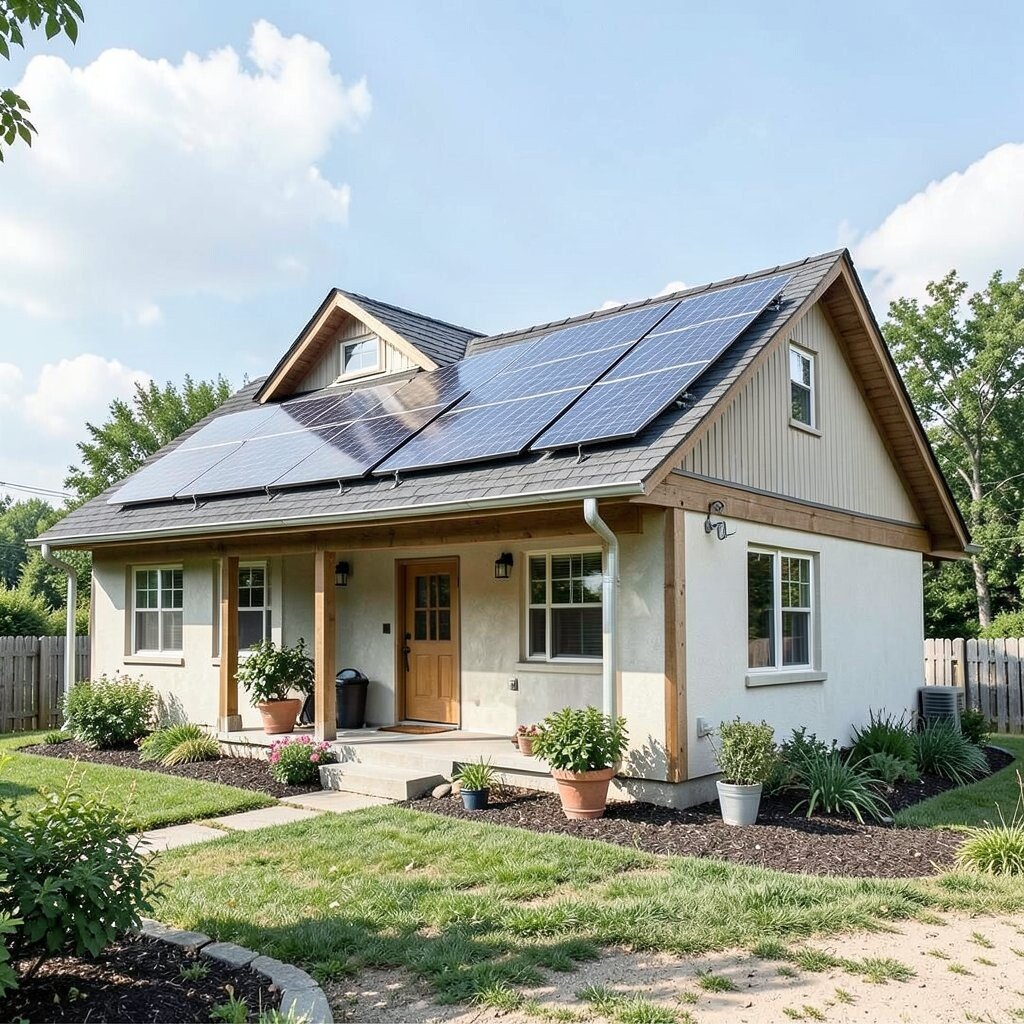
When you can see how your farmhouse is using power, you naturally start making small changes. A clear monitoring app can show patterns, like when laundry or dishwashing makes the biggest difference.
Set up notifications for unusual drops in output, because shading from storm damage or new tree growth can happen without warning. You can also watch how your daily routine affects energy, then shift certain tasks to sunny hours. That small habit shift can make solar feel more powerful without adding more panels right away.
For personalization, create a family routine around energy awareness, like checking usage on weekends or planning chores on bright afternoons. Keep the interface easy to understand so everyone can participate, including kids. Many homeowners enjoy sharing progress with friends, because it turns sustainable living into a story you can see in real time.
18. Seasonal Shading Management for Maximum Panel Output
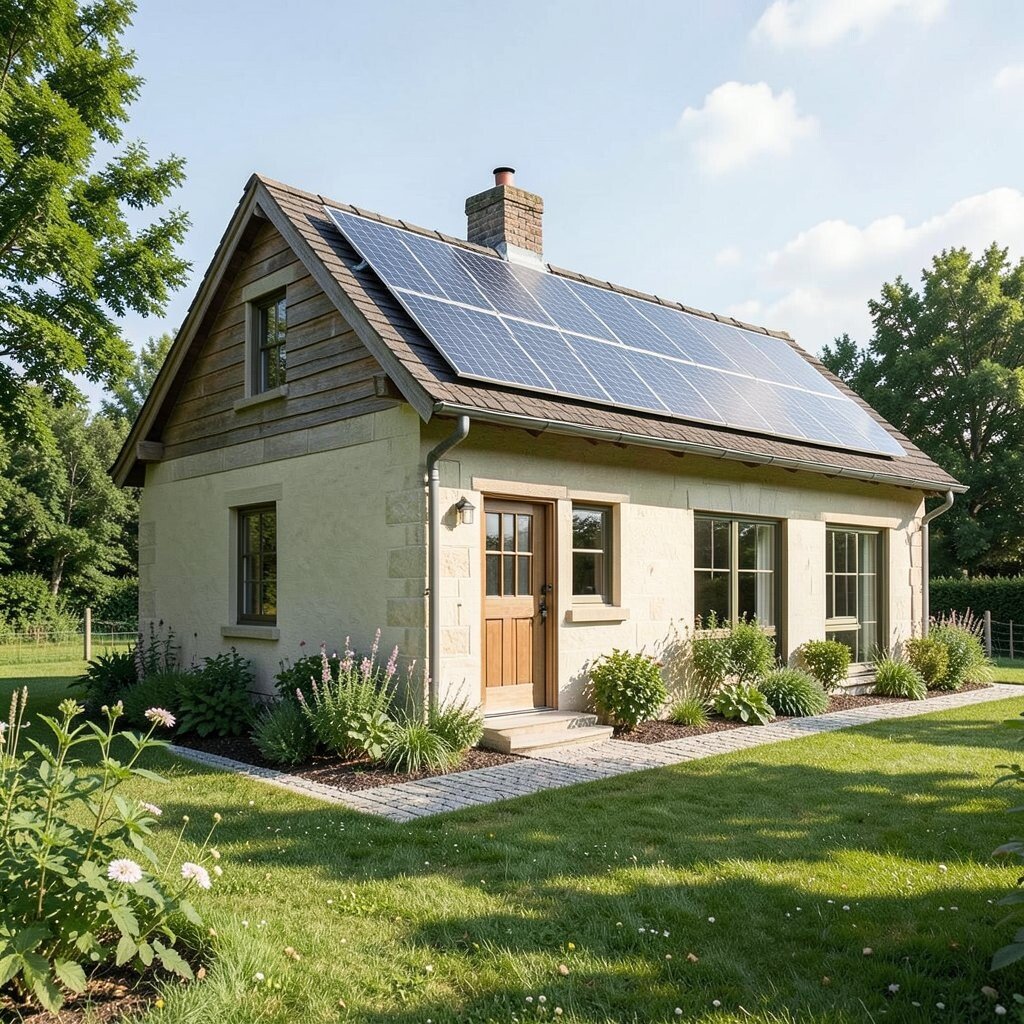
Solar panels are like good listeners, they perform best when they aren’t interrupted. In a farmhouse yard, seasonal shade from trees and tall growth can quietly reduce output.
Before installation, study how the sun travels across your property and how shadows change through spring, summer, and fall. After panels go up, keep an eye on new growth and trim branches that start to drift into the light path. It helps the system run efficiently and can improve long-term savings.
For practical tips, create a simple yard schedule for trimming and clean-ups, especially after storms when branches may fall or reposition. You can also use mulch and ground cover around panels to keep the area tidy and reduce weed growth that competes with vegetation. This idea is uniquely farmhouse because it ties energy performance to everyday land care.