Floating shelves can look clean and calm in any room. They can also go wrong in ways that are easy to miss at first.
1. Choosing Shelves That Are Too Small For The Wall

Small shelves on a big wall can look like they are hiding instead of helping. The room may feel unfinished, and the shelves may not give you the display space you wanted.
When the size fits the wall, the whole space feels more balanced and the shelf looks like part of the room, not an afterthought. A longer shelf can hold books, plants, and art in a way that feels more current, while a tiny shelf often looks dated and costly if you keep adding more pieces to make it work. Measure the wall first, then picture how the shelf will sit with your furniture and lights so the final look feels personal and easy to live with.
2. Mounting Without Finding The Studs
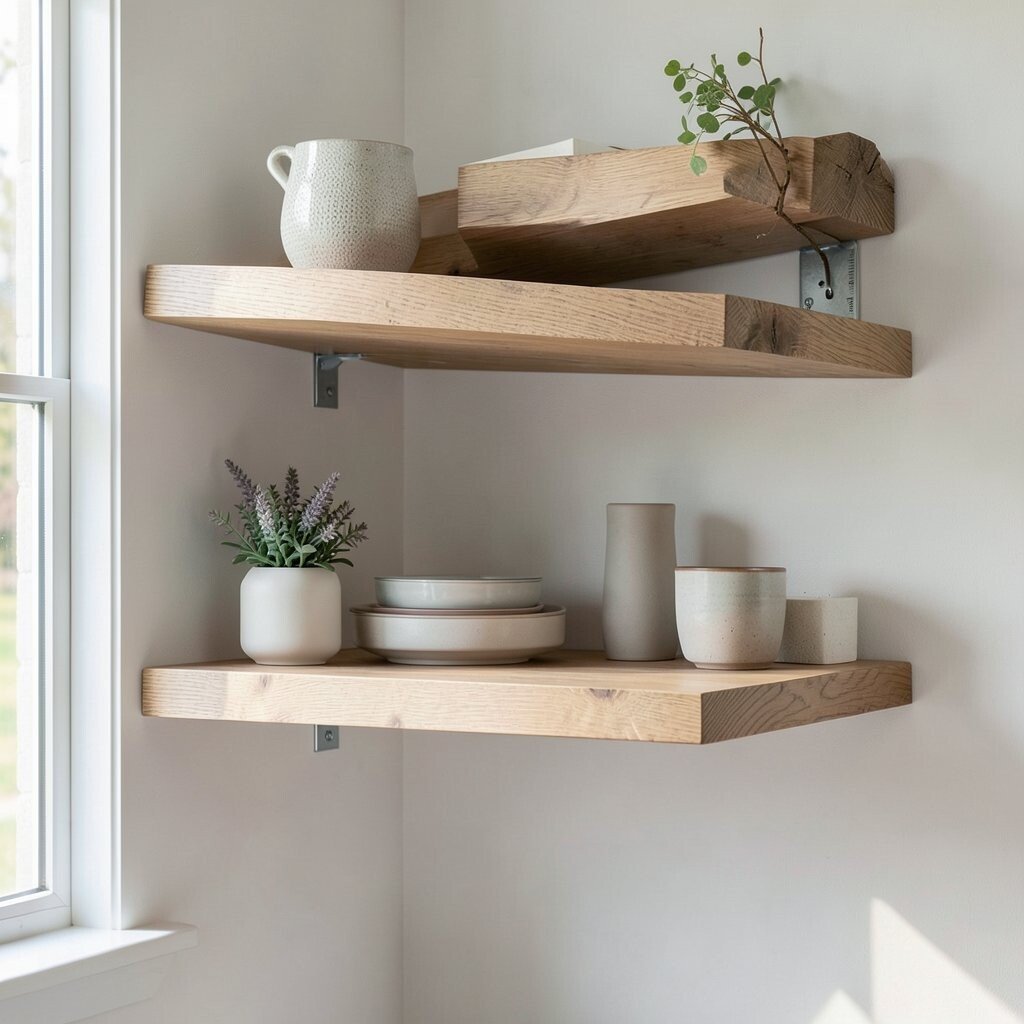
A floating shelf that is only attached to drywall can sag or pull loose over time. That can turn a stylish idea into a messy repair job.
Studs give the shelf real support, and that support helps the shelf stay straight and strong. If you want a clean, modern look with fewer visible brackets, good anchor points matter even more, and the small cost of proper tools is better than replacing broken decor later. A simple stud finder and a careful check before drilling can save money, protect your wall, and keep your shelf ready for heavier items like framed prints or ceramic pieces.
3. Picking The Wrong Shelf Depth
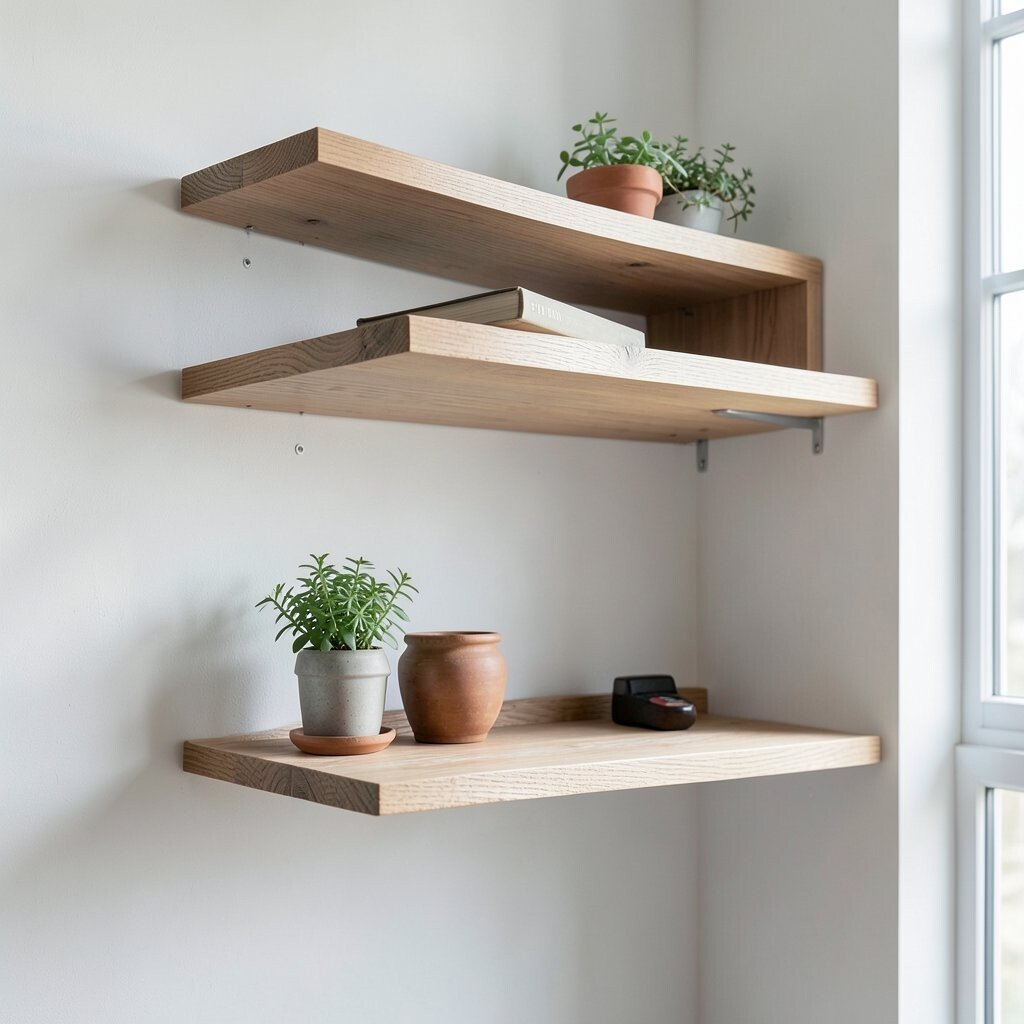
A shelf that is too shallow may make objects feel squeezed and unsafe. A shelf that is too deep can stick out too far and make the wall look bulky.
The right depth helps your display feel neat, easy, and polished. Narrow shelves often suit small rooms and light decor, while deeper ones work better for books, baskets, and kitchen jars, so your choice should match how you plan to use them. If you like a trendy layered look, choose a depth that lets you mix tall and short items without crowding, because that makes the shelf feel more unique and less like a store display.
4. Ignoring The Weight Limit
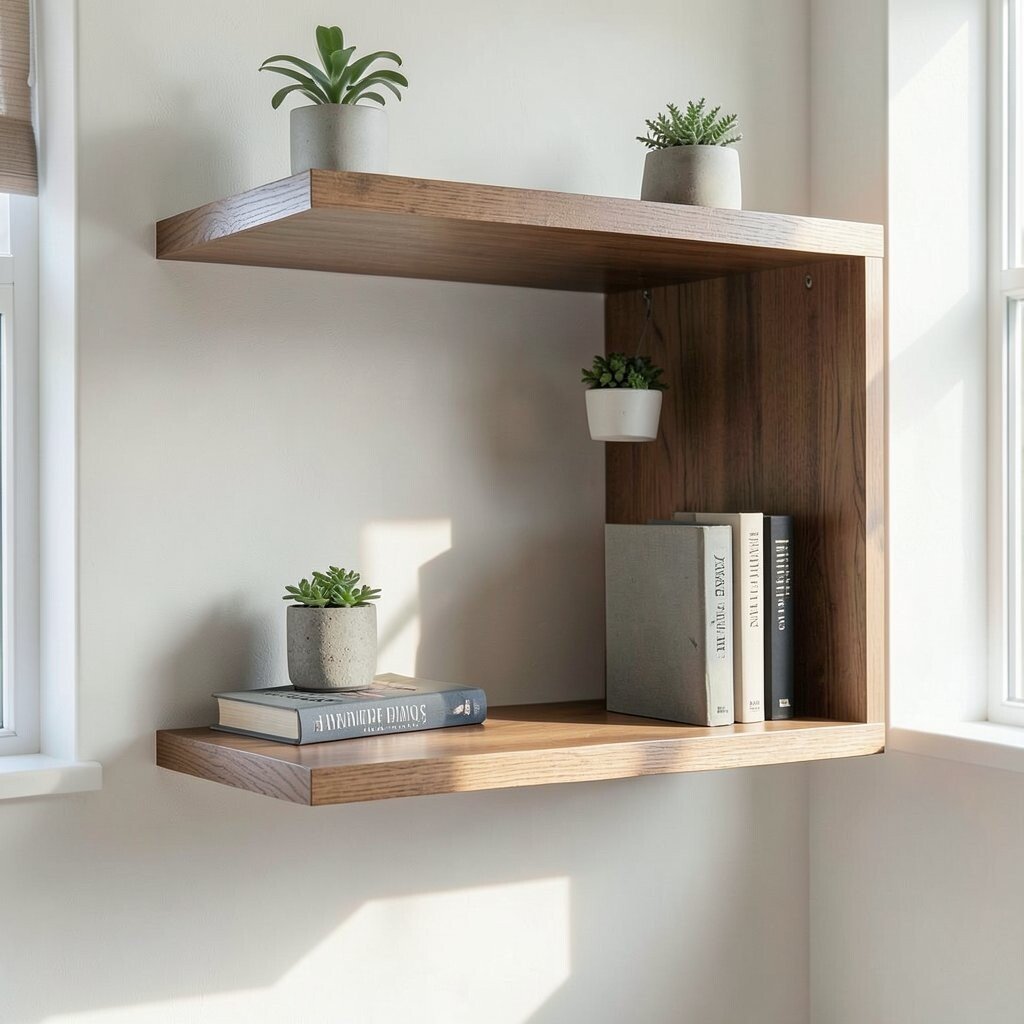
Floating shelves can look sturdy even when they are not ready for heavy loads. That shiny shelf may seem safe until the brackets bend or the wall starts to crack.
Always check the weight limit before adding books, dishes, or large decor. A lighter load can still look full and stylish if you mix in plants, picture frames, and small baskets, and that can keep the shelf safer while saving money on repairs and replacements. Think about what you truly want to store, then build the shelf around that need so the final result feels personal instead of risky.
5. Using Cheap Hardware To Save A Few Dollars
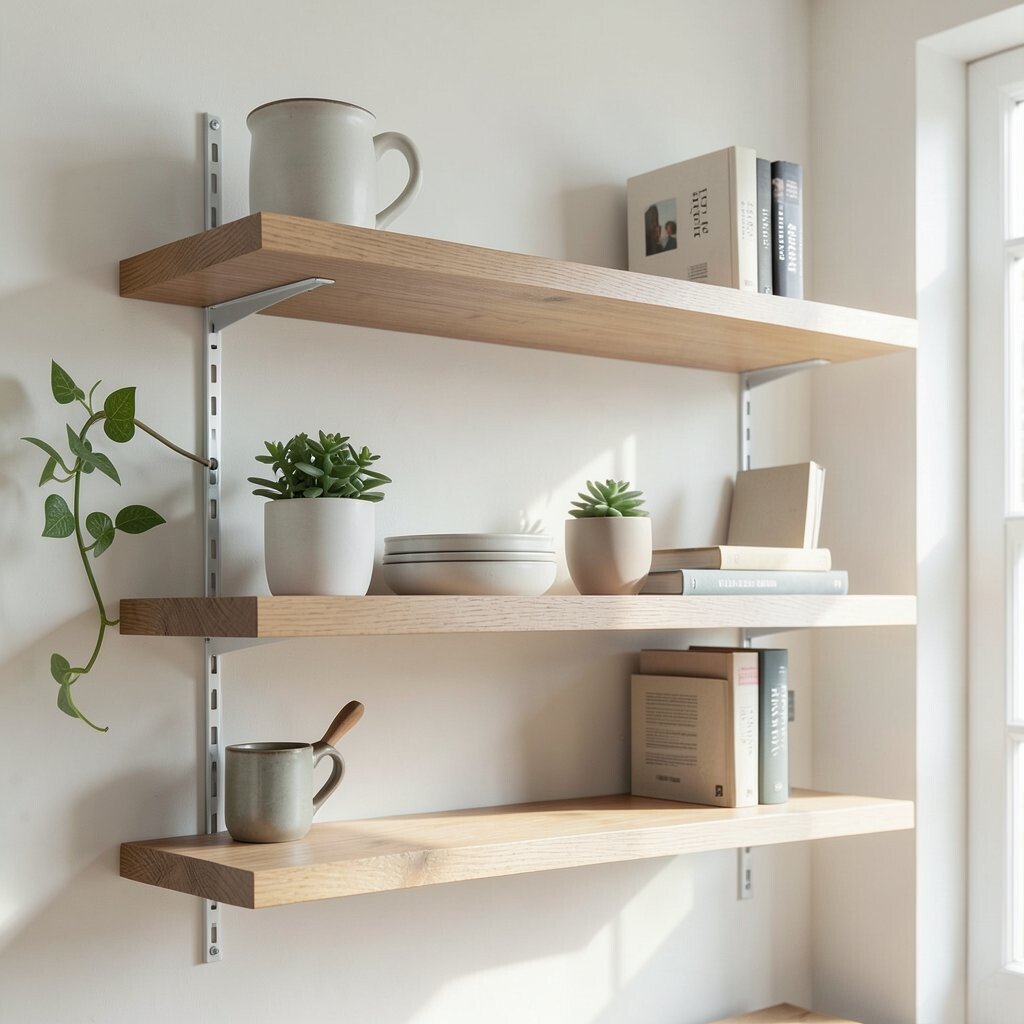
Low-cost hardware can be tempting when you are trying to stay on budget. It may also be the reason the shelf starts to tilt or loosen sooner than expected.
Good anchors, screws, and hidden brackets usually cost a bit more, but they make the shelf feel solid and last longer. That is worth it when you want a neat floating effect, because a shelf that stays level keeps your room looking fresh and modern instead of tired. If your style is simple and airy, spending a little more on the support lets the shelf disappear into the design, which is part of what makes floating shelves feel unique.
6. Hanging Shelves Too Close Together

When shelves are packed too tightly, the wall can feel crowded. The items on them may also start to compete with each other instead of standing out.
Leaving more breathing room makes each shelf easier to enjoy and easier to use. It can also make a room feel taller and cleaner, which is why spaced shelves often show up in current home design photos and online room makeovers. A little extra distance gives you room to change the look later, so you can add seasonal decor, family keepsakes, or colorful objects without the whole wall feeling busy.
7. Forgetting To Plan The Shelf Purpose

A shelf without a clear job can become a catch-all for random things. That usually leads to clutter, and clutter hides the beauty of the shelf itself.
Before installing, decide if the shelf is for books, decor, kitchen items, or bathroom storage. When the purpose is clear, you can choose the right size, finish, and height, and that makes the shelf more useful and more attractive in daily life. A shelf built around your habits feels personal, saves time, and can even lower costs because you buy only what truly fits the space.
8. Installing Shelves At Awkward Heights
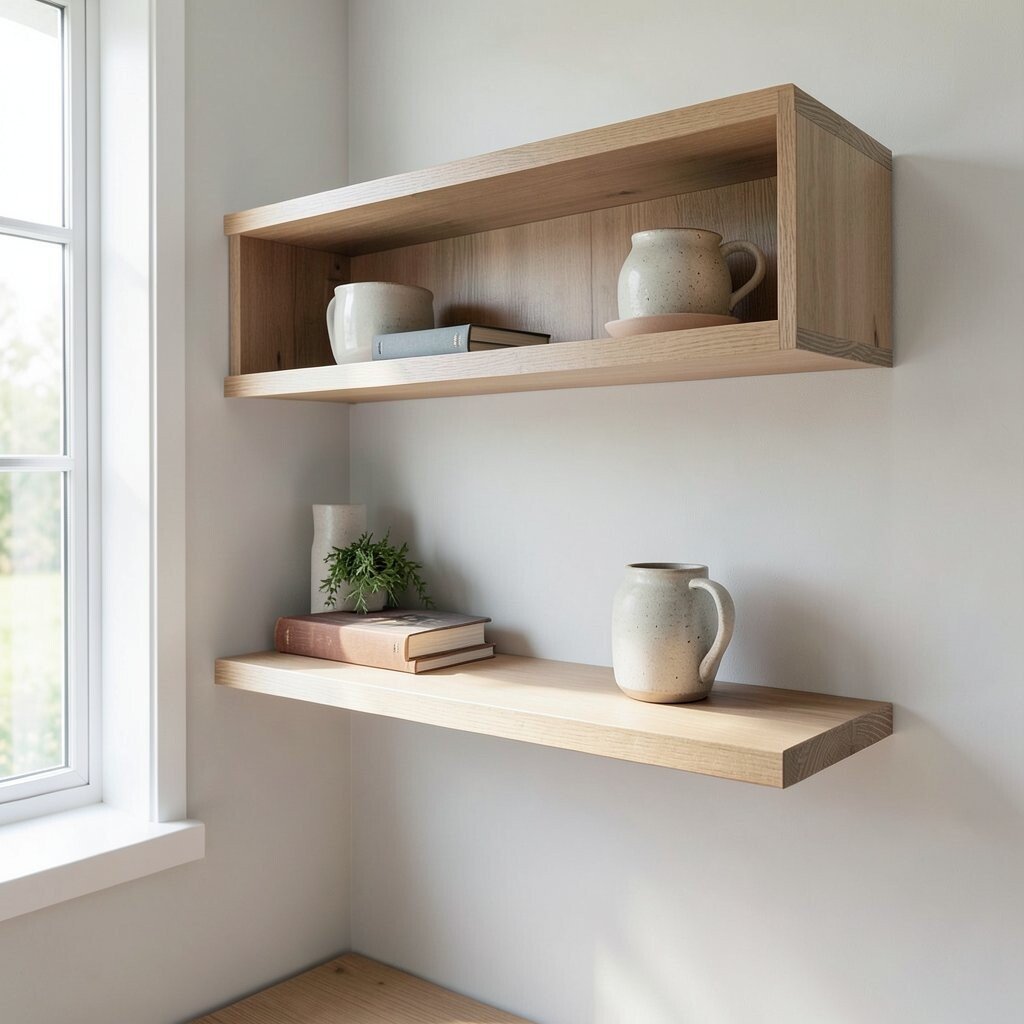
Too high, and the shelf becomes hard to reach and hard to enjoy. Too low, and it can feel cramped above furniture or block the flow of the room.
Good height choices make the shelf look natural and help the room feel easier to use. In living rooms, shelves often work well above eye level but still low enough to style and dust, while in kitchens and bathrooms, reach matters even more because you will use the shelf often. A well-placed shelf can make a wall feel intentional and elegant, and that is a lot more rewarding than saving a little time during setup.
9. Overloading The Shelf With Too Many Items

It is easy to keep adding one more vase, one more candle, or one more frame. Soon the shelf can look busy and the nicest pieces get lost.
Leaving some open space helps the eye rest and makes each item feel special. That clean look is a big reason floating shelves are still so popular, since people like displays that feel light, simple, and easy to update with the seasons. Try mixing a few books with one plant and one unique object, and you will get a more personal shelf that feels curated without spending much at all.
10. Using Decorations That Are Too Small
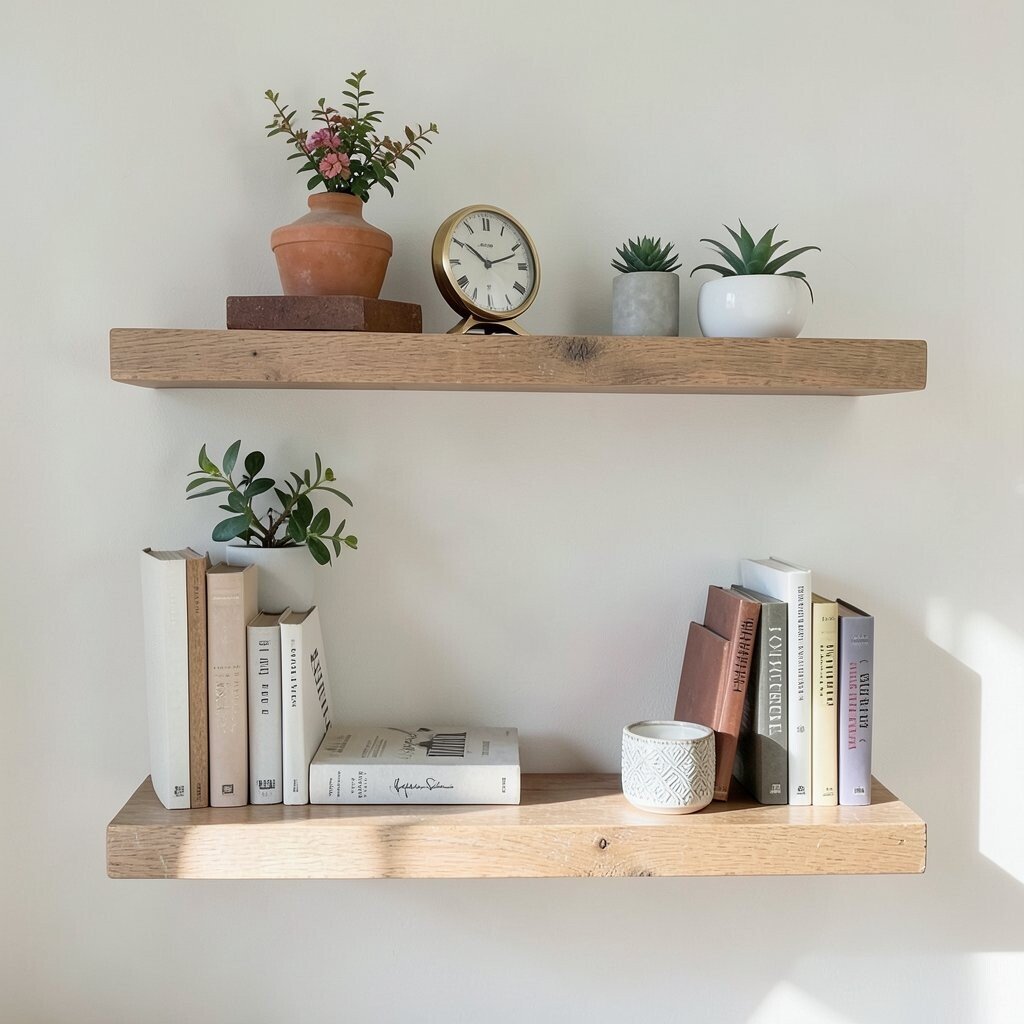
Tiny decor can vanish on a floating shelf, especially on a long one. The shelf may end up looking empty even though it is full of objects.
Bigger pieces help anchor the display and give the eye something to enjoy. A medium vase, a framed photo, or a stack of books can add shape and color, while very small items often need a tray or group to feel useful, which may add a little cost but creates a stronger look. If you want the shelf to feel unique, mix one larger item with a few smaller pieces so the display feels balanced and thoughtful.
11. Forgetting About Wall Color And Shelf Finish

A shelf can disappear too much if the color blends into the wall in a flat way. It can also feel harsh if the finish clashes with paint, flooring, or nearby furniture.
Matching or contrasting on purpose gives the shelf more style. Soft wood tones can warm up a white wall, while black shelves can create a crisp, modern line that feels very current, and both choices can work well if they match the room mood. Think about how the shelf looks in daylight and at night, then pick a finish that makes your personal decor pop without raising the budget too much.
12. Skipping A Level During Installation

Even a small tilt can catch your eye every time you walk by. A shelf that leans just a little can make the whole wall feel off.
Using a level is a simple step that protects the clean floating look. It also helps your decor sit better, which matters for books, framed art, and bottles that should not slide or lean, and that saves frustration later. A straight shelf feels more polished and modern, and the time spent checking it is minor compared with the cost of taking it down and starting over.
13. Not Thinking About Lighting
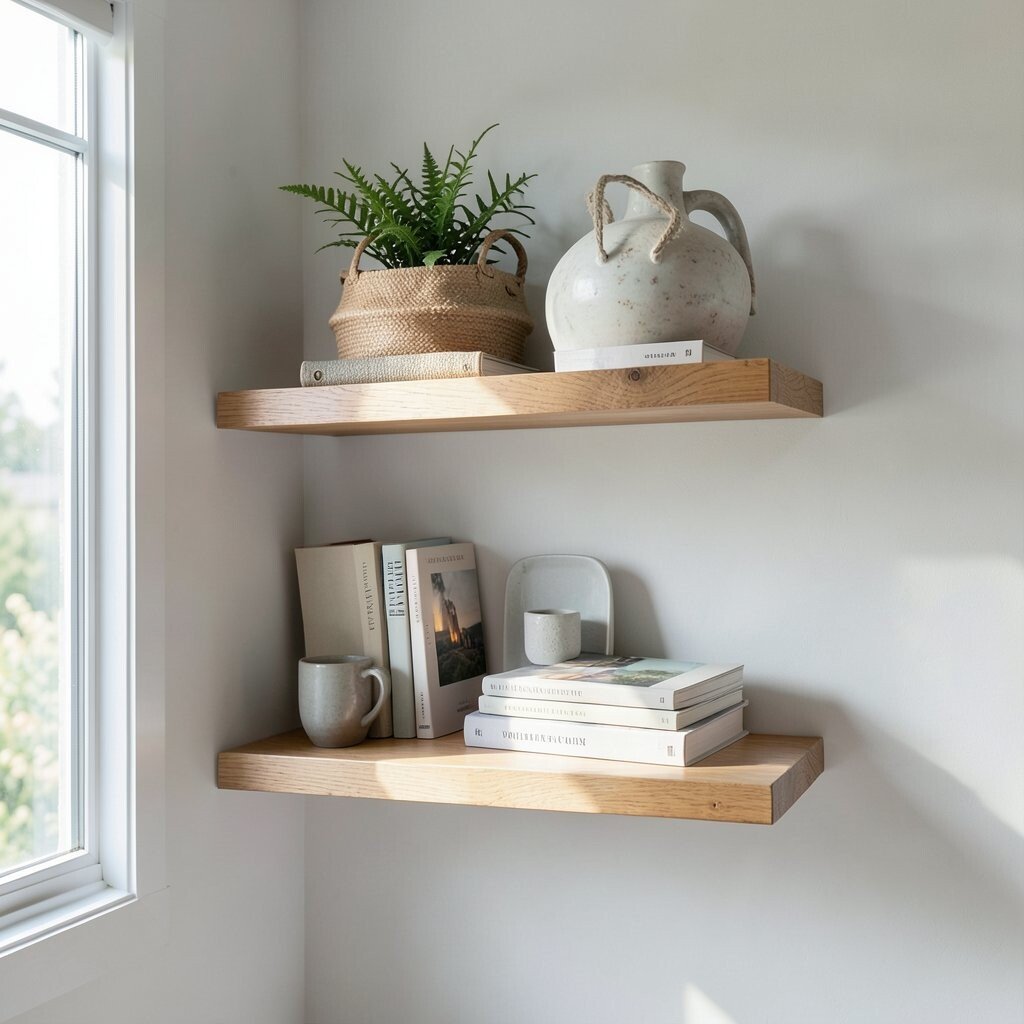
Good shelves can look dull if they sit in a shadowy corner. A pretty display may lose color and charm when the light is too weak.
Lighting can make floating shelves feel warm and high-end, especially in kitchens, hallways, and living rooms. LED strips, small spotlights, or nearby lamps are popular now because they are low cost to run and can make even simple shelves feel special at night. If you enjoy a cozy style, place soft light near wood shelves and use brighter light for glossy decor so the full look feels more personal and easy to enjoy.
14. Forgetting To Use The Right Tools
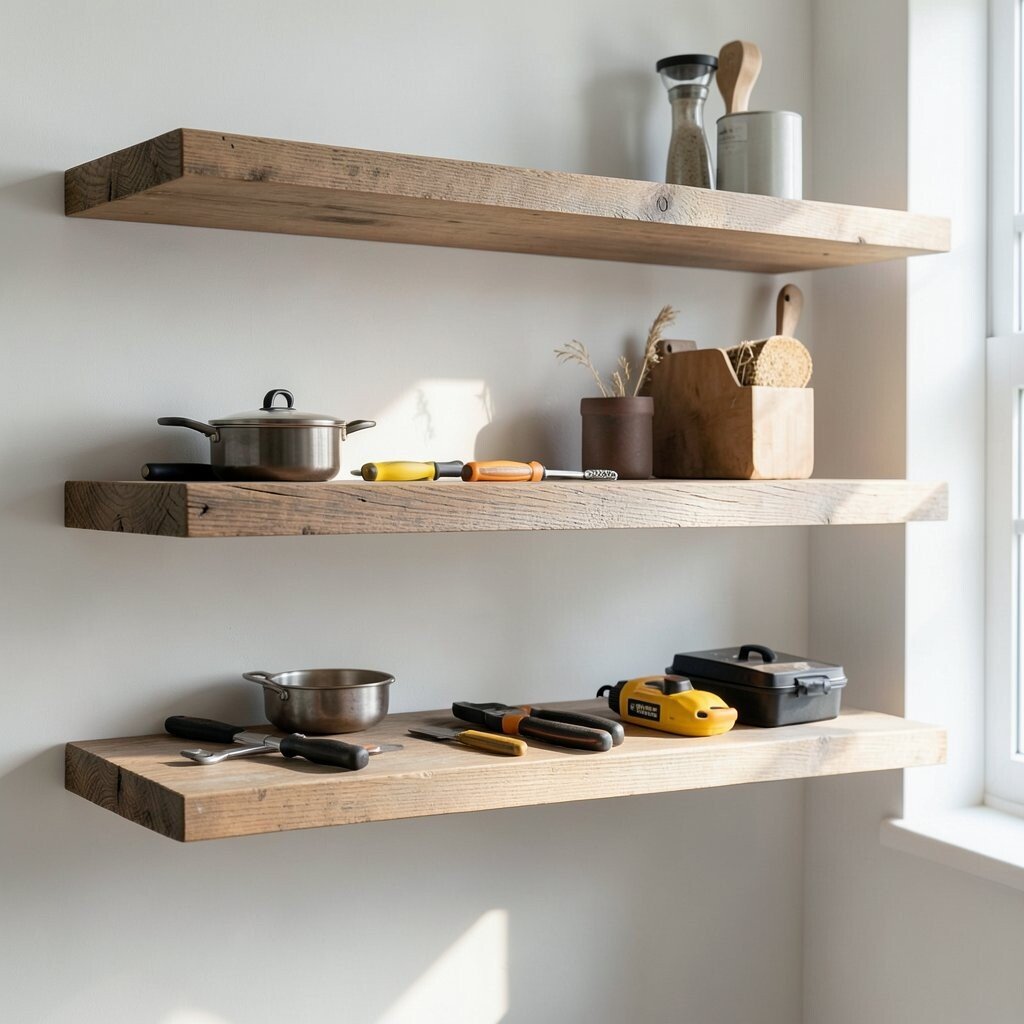
Trying to install shelves with the wrong tools can make the work harder and the result less secure. It can also leave marks on the wall that are hard to hide.
A drill, level, measuring tape, stud finder, and the right bits help the job go much smoother. Having the proper tools often saves money because you avoid damaged brackets, crooked holes, and patch-up work, and the shelf ends up looking cleaner and more professional. That better finish matters if you want a shelf that feels custom, since a neat install makes even an affordable shelf seem more unique.
15. Using Shelves Only For Decor
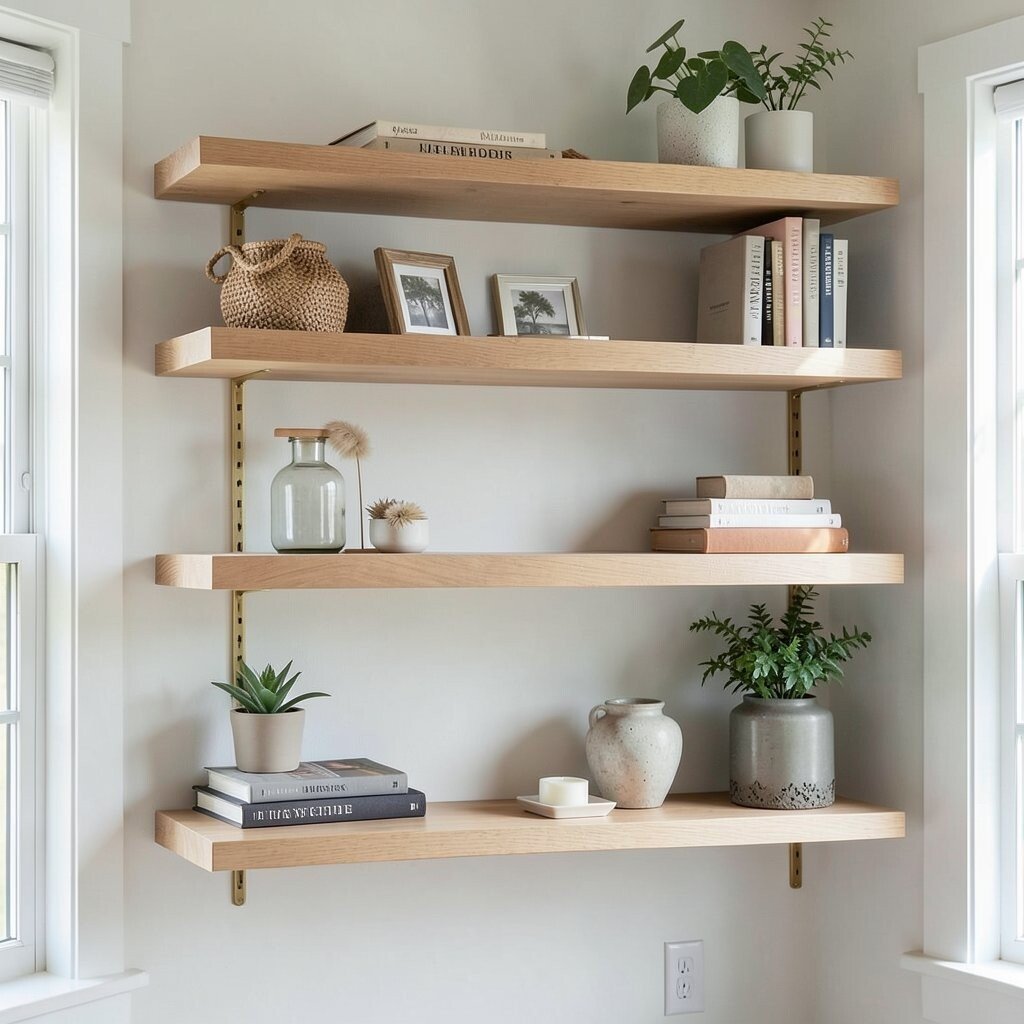
Some shelves look beautiful but do almost nothing. They take up wall space without helping with storage or daily life.
Floating shelves work best when they mix style with function. A shelf near the entry can hold keys and mail, one in the kitchen can store mugs or spices, and one in a bedroom can hold books or a small lamp, which makes the room more useful without adding bulky furniture. This practical approach is a strong trend because people want homes that feel tidy and lived in, not just pretty in photos.
16. Ignoring Moisture In Kitchens And Bathrooms

Steam and splashes can damage the wrong shelf fast. Wood may warp, finishes may dull, and metal parts may start to look worn.
Choosing moisture-friendly materials helps the shelf stay nice for longer. Sealed wood, coated metal, or strong composite shelves can handle damp rooms better, and that usually makes them worth the extra cost since bathroom and kitchen shelves face more wear. If you want a clean spa look or a fresh kitchen style, the right material keeps the shelf looking calm, bright, and easy to care for.
17. Making The Shelf Match Too Perfectly
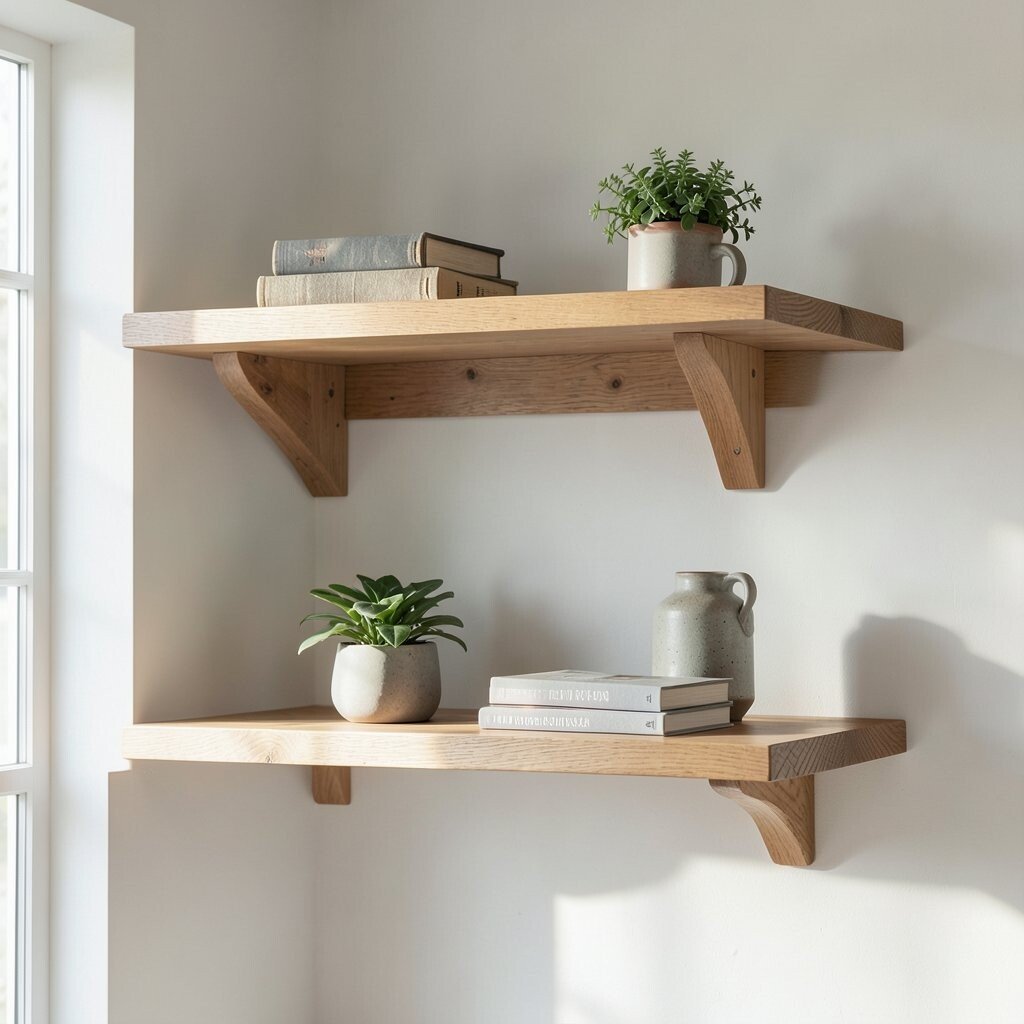
A shelf that matches everything too closely can fade into the background. The room may start to feel flat instead of interesting.
A little contrast often makes the shelf stand out in a good way. A warm wood shelf against a cool wall, or a black shelf above light furniture, can create a sharper, more stylish look that feels current and deliberate. This small design choice can add uniqueness without much extra spending, and it gives you a chance to show your taste through shape, color, and the objects you place on top.
18. Not Thinking About Cleaning And Dust

Open shelves collect dust faster than many people expect. When cleaning is hard, the shelf may stop looking fresh even if it is still holding up well.
Choose a layout that you can wipe quickly and keep simple enough for real life. Fewer tiny objects mean less dusting, and that practical choice saves time while keeping the shelf looking bright and cared for, which is especially nice in busy homes. If you like a styled look, use a few larger pieces with smooth surfaces so your display stays attractive and does not turn into a chore.
19. Buying Shelves Without Measuring The Furniture Below
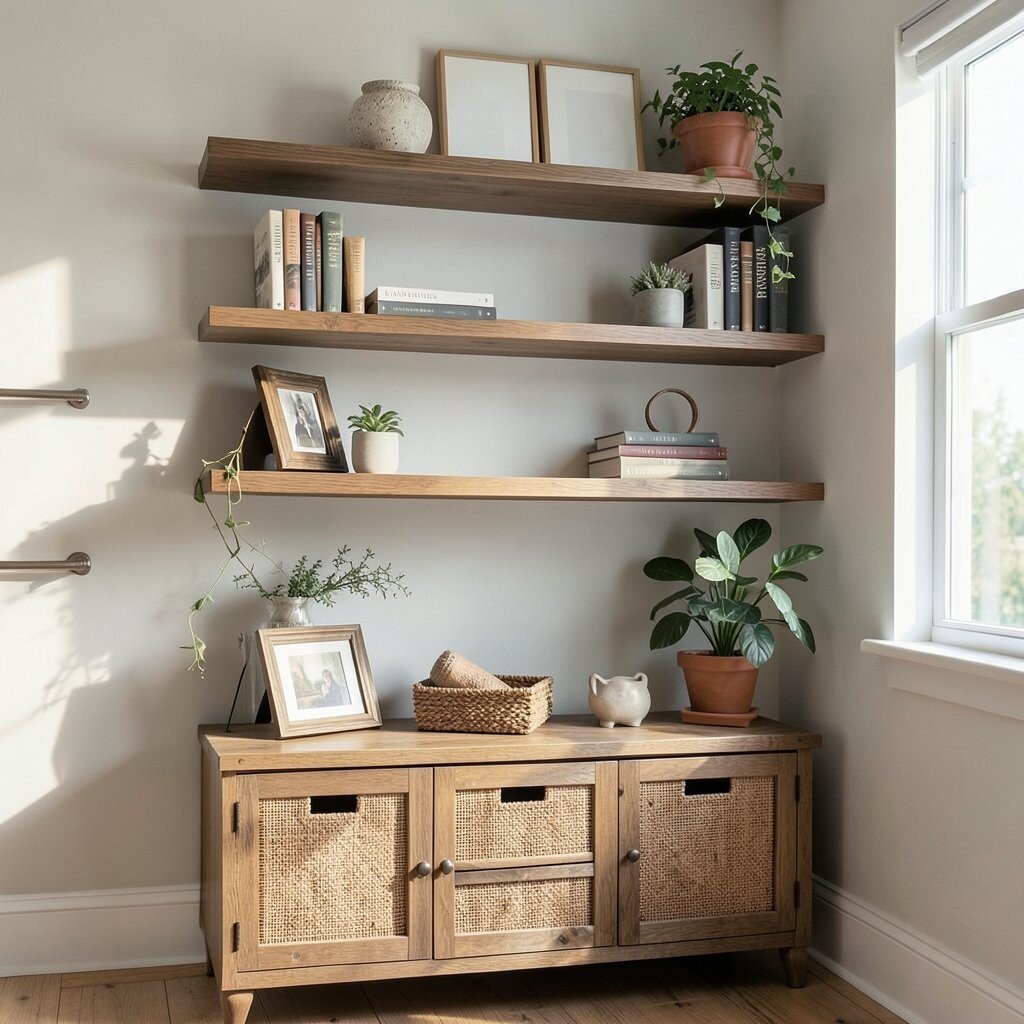
A shelf above a sofa, desk, or cabinet can look odd if the spacing is wrong. It may seem too high, too low, or too wide for the furniture below it.
Measure the furniture and the wall together so the shelf feels connected to the whole room. That helps the layout look tidy and intentional, and it also prevents extra spending on shelves that do not fit well with the pieces you already own. When the proportions work, the shelf can make the furniture look more stylish and give the room a more custom feel.
20. Rushing The Style And Changing It Too Often

It can be tempting to keep rearranging floating shelves every few days. That habit often leads to a display that never settles into a nice shape.
Give the shelf time to breathe and let the best pieces stay for a while. A slower approach helps you see what works, what feels personal, and what is worth keeping, which can save money because you buy less on impulse and choose more carefully. Over time, the shelf starts to feel like part of the home, and that calm, collected look is one of the most satisfying parts of using floating shelves well.