The first brushstroke feels like a tiny promise. Choosing the right medium can make that promise much easier to keep.
1. How Beginners Often Start With Acrylic
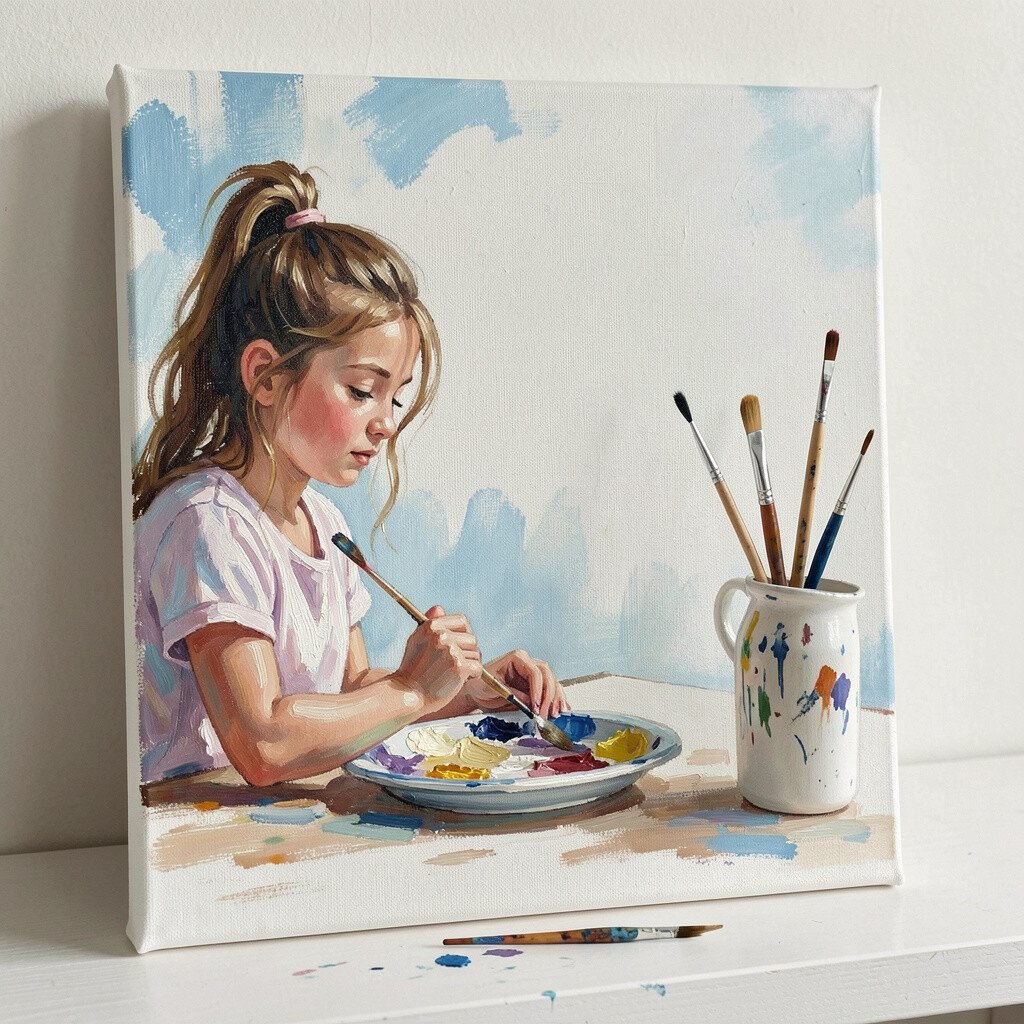
Acrylic paint is water-friendly, so it tends to feel familiar from the very first session. You can see colors sitting on the canvas quickly, with a lively shine that makes even simple shapes look cheerful.
As you paint, you will notice the surface staying manageable, so you can work in layers without waiting too long. It also makes clean-up simple because soap and water usually handle most messes, which lowers stress for first-timers.
2. Why Oil Paint Can Feel Like a Dream for Some Starters
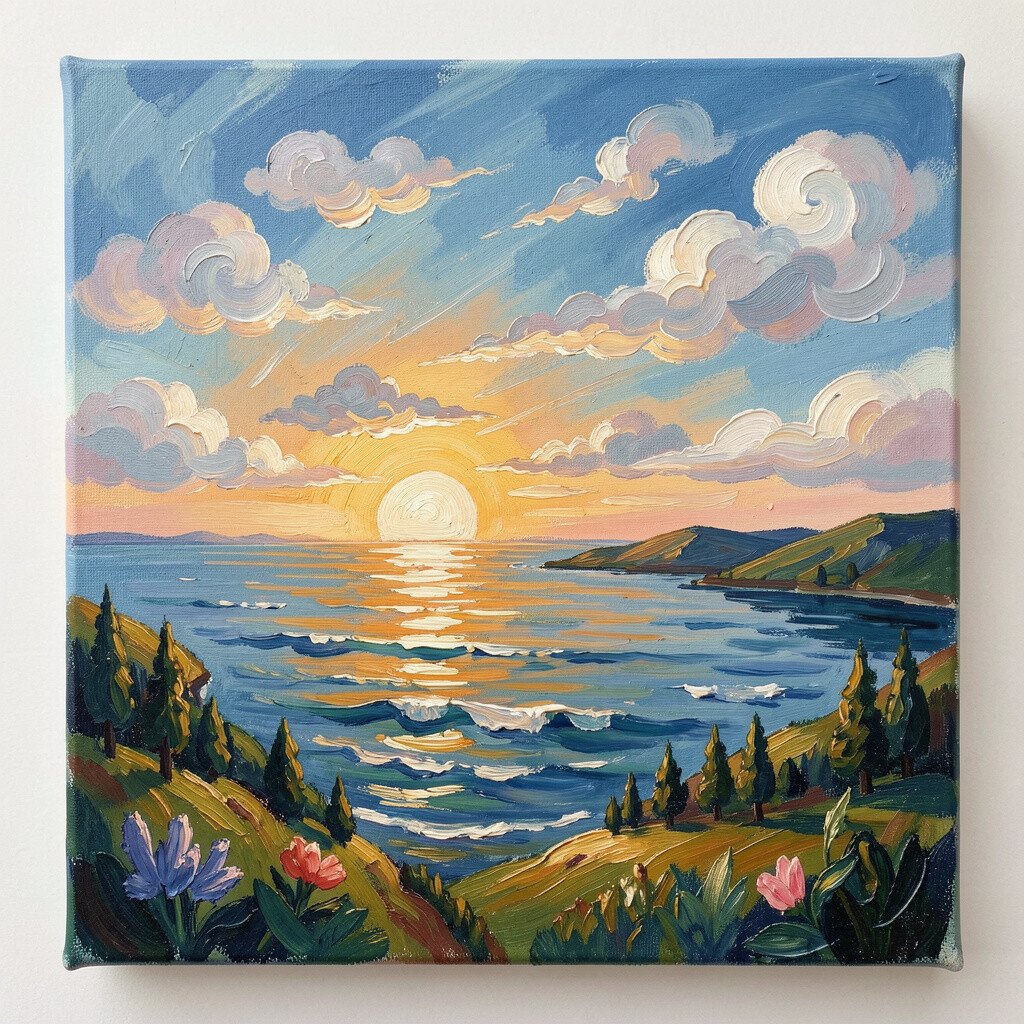
Oil paint has a slow, buttery flow that can look luxurious on canvas. When it spreads, it can create smooth blends that feel almost smoky, especially in soft skies and gentle shadows.
Because drying takes longer, you get more time to adjust edges and color mixing. Many beginners love that forgiving pace, since they can chase a mood on the canvas instead of racing the clock.
3. Dry Time and How It Changes Your Painting Style
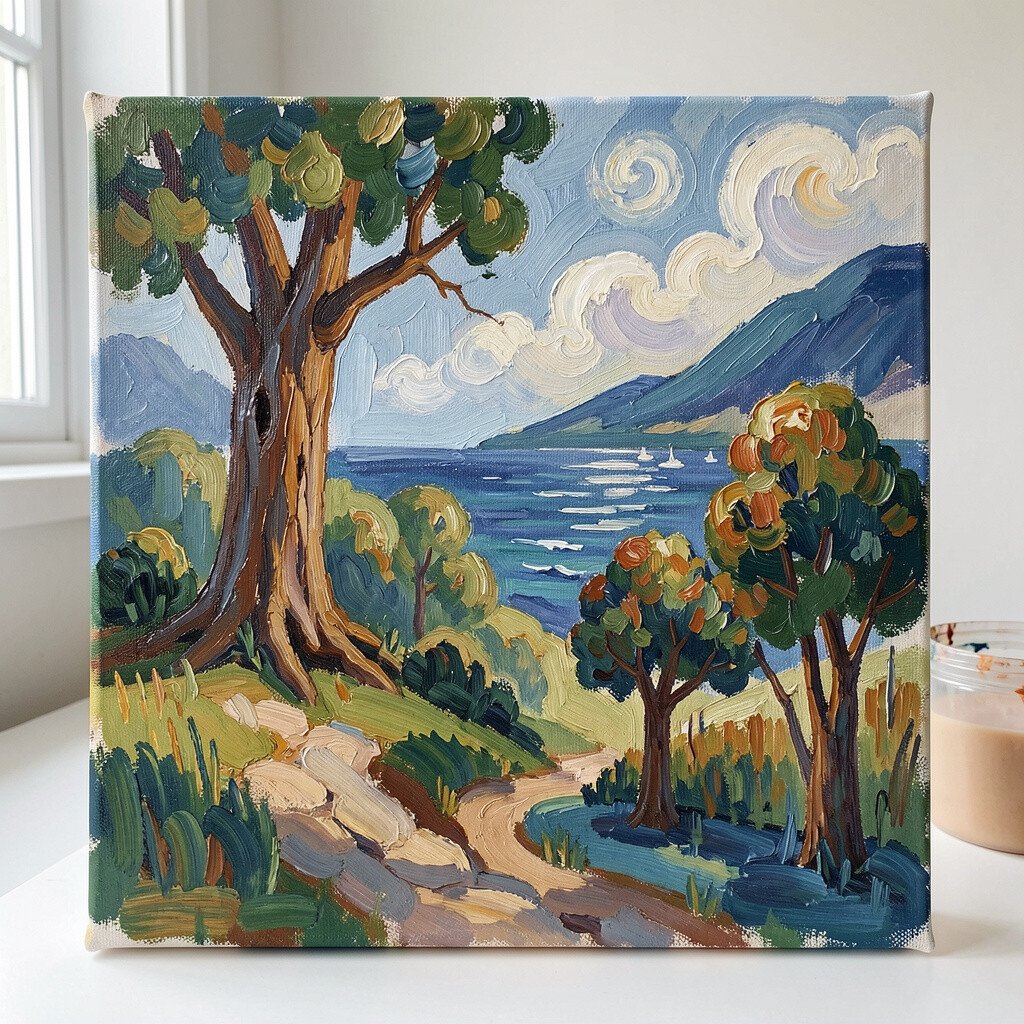
Acrylic dries faster, so your brush habits often shift toward decisive marks. You may find yourself planning shapes early, then stacking color with confidence while the paint stays crisp.
Oil dries slowly, so you can build a painting gradually with many subtle changes. That slow rhythm encourages blending, glazing, and patient refinement, which can be satisfying if you like working step by step.
If you want a painting that looks fresh and bold right away, acrylic usually fits well. If you want a deeper, more flowing finish with softer transitions, oil can feel more natural.
4. Surface Texture and the “Look” You See From Each Medium
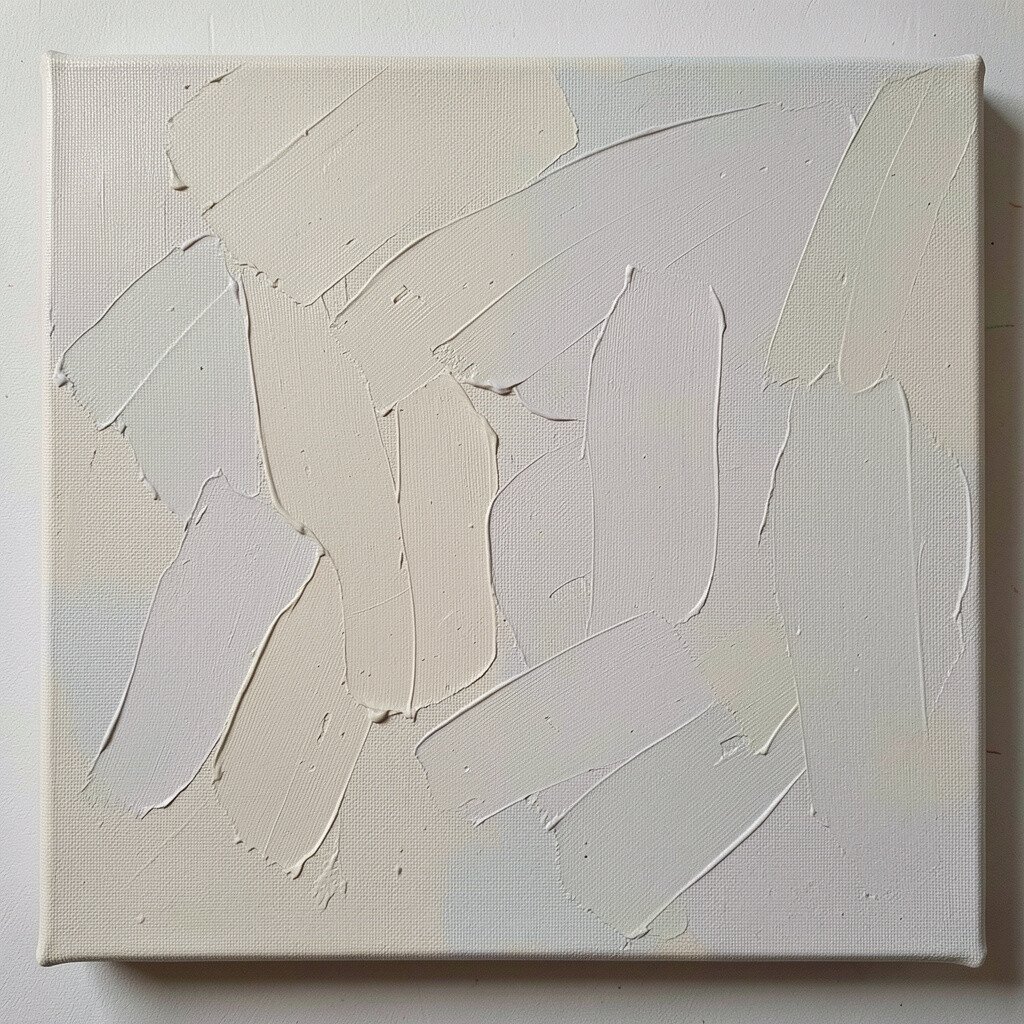
Acrylic can sit more opaque and bright, especially when you use thicker paint. You might notice how brushstrokes hold their shape, giving landscapes a punchy, energetic look.
Oil often produces a smoother glow, even when the paint is applied with visible texture. When light hits it, the surface can look richer and deeper, which is why portrait painters and still-life artists often gravitate to it.
5. Color Mixing Behavior for Fresh Eyes
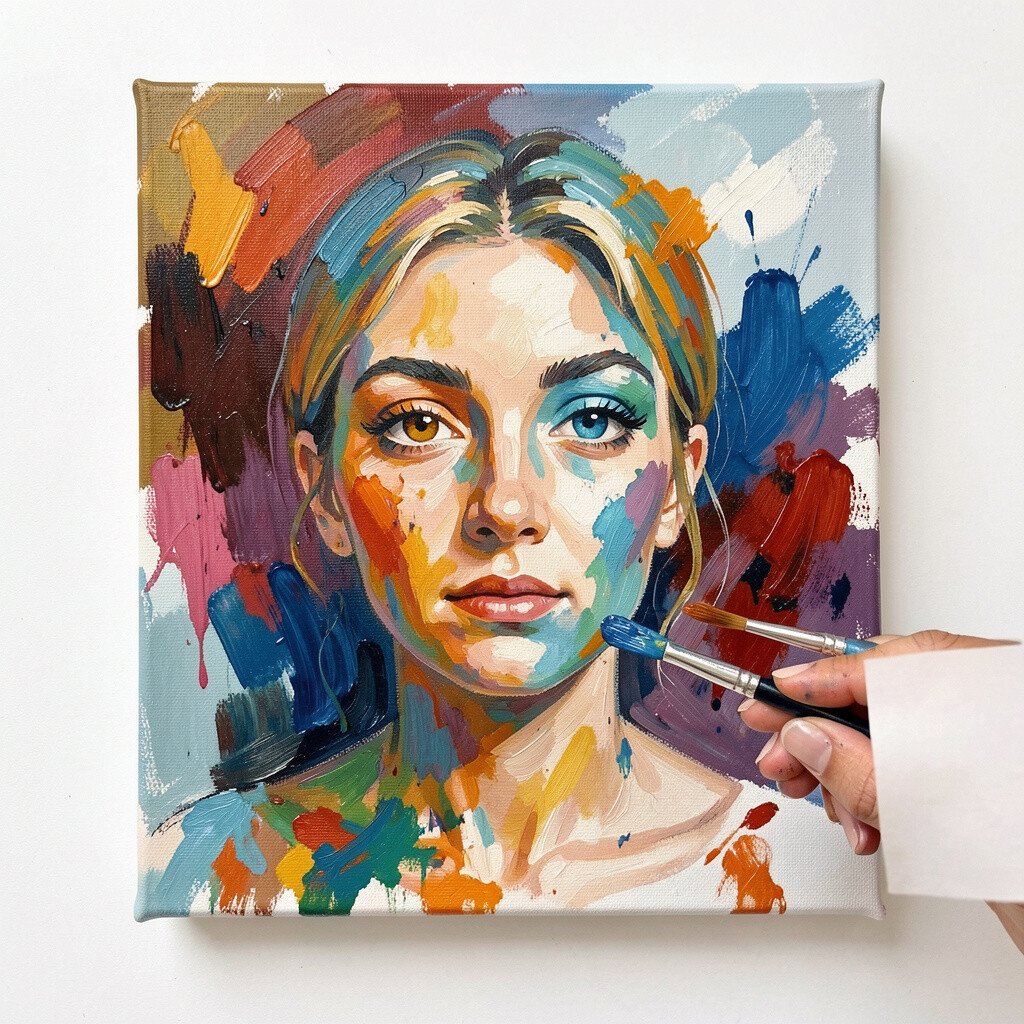
With acrylic, mixing can be fast and playful because the paint sets soon. If you mix on your palette and keep moving, you can test color combinations quickly and adjust as you go.
Oil mixing can feel more meditative because colors stay workable for longer. You can blend two tones until they become silky, then compare them on a scrap canvas before committing.
Many beginners enjoy doing a small color chart, one swatch per mix, to see how each medium changes over time. Acrylic versions often look similar right away, while oil may look slightly different as it dries and matures.
6. Layering and Corrections When You Make Mistakes
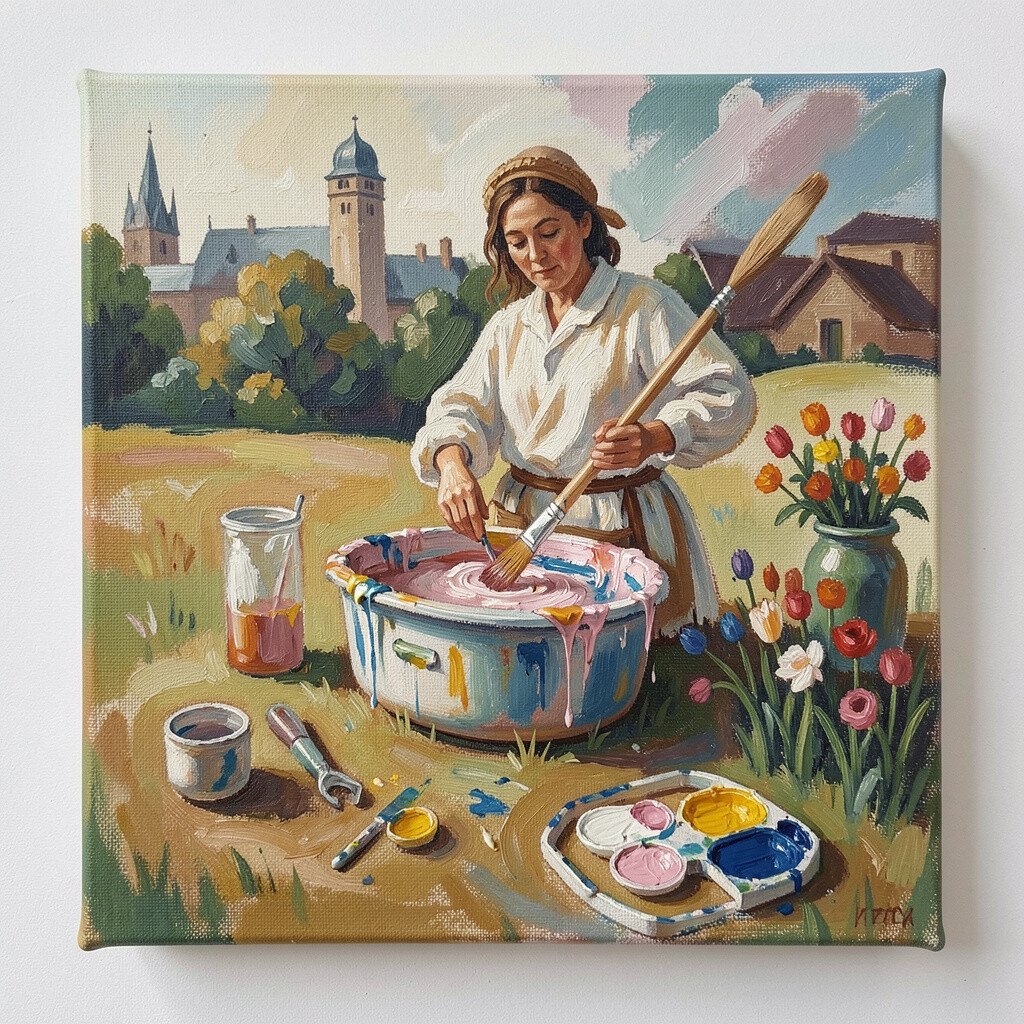
Acrylic lets you repaint over errors sooner, which can make practice feel safer. If a sky turns out too dark, you can cover it with a lighter layer after a short pause.
Oil gives more time for corrections because you can blend or soften while the paint remains wet. If you catch a problem early, you can sometimes nudge it back into place instead of covering it immediately.
7. Brush Types and How to Choose Without Overthinking
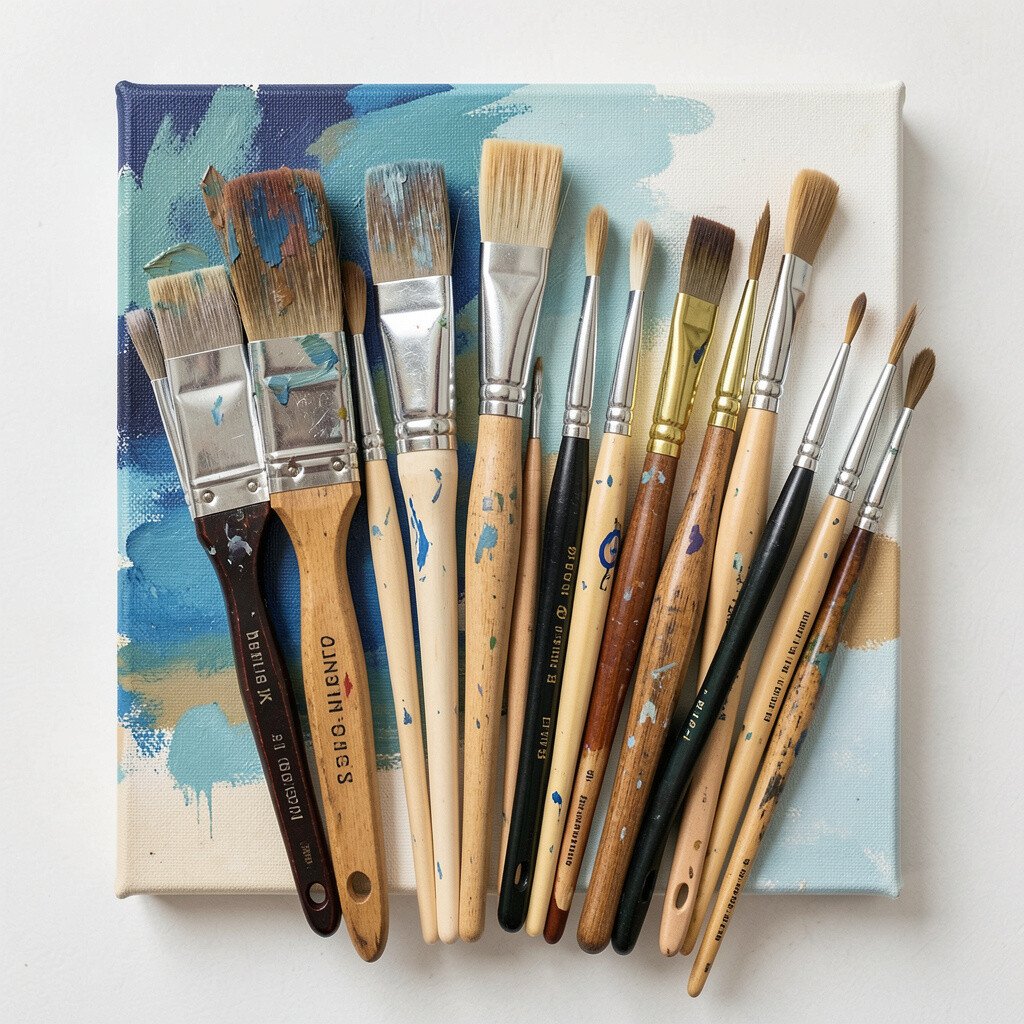
Acrylic responds well to synthetic brushes that hold paint and wipe clean easily. Flat brushes are great for blocks of color, while round brushes help with details like leaves and facial features.
Oil is often happier with sturdier brushes that handle thicker paint and different consistencies. Natural bristle brushes can hold up nicely, though synthetic brushes can still work for beginners who want easier care.
No matter the medium, a small set is enough to start. Picking one flat, one round, and one detail brush helps you learn control without spending too much.
8. Canvas Preparation That Makes a Big Difference
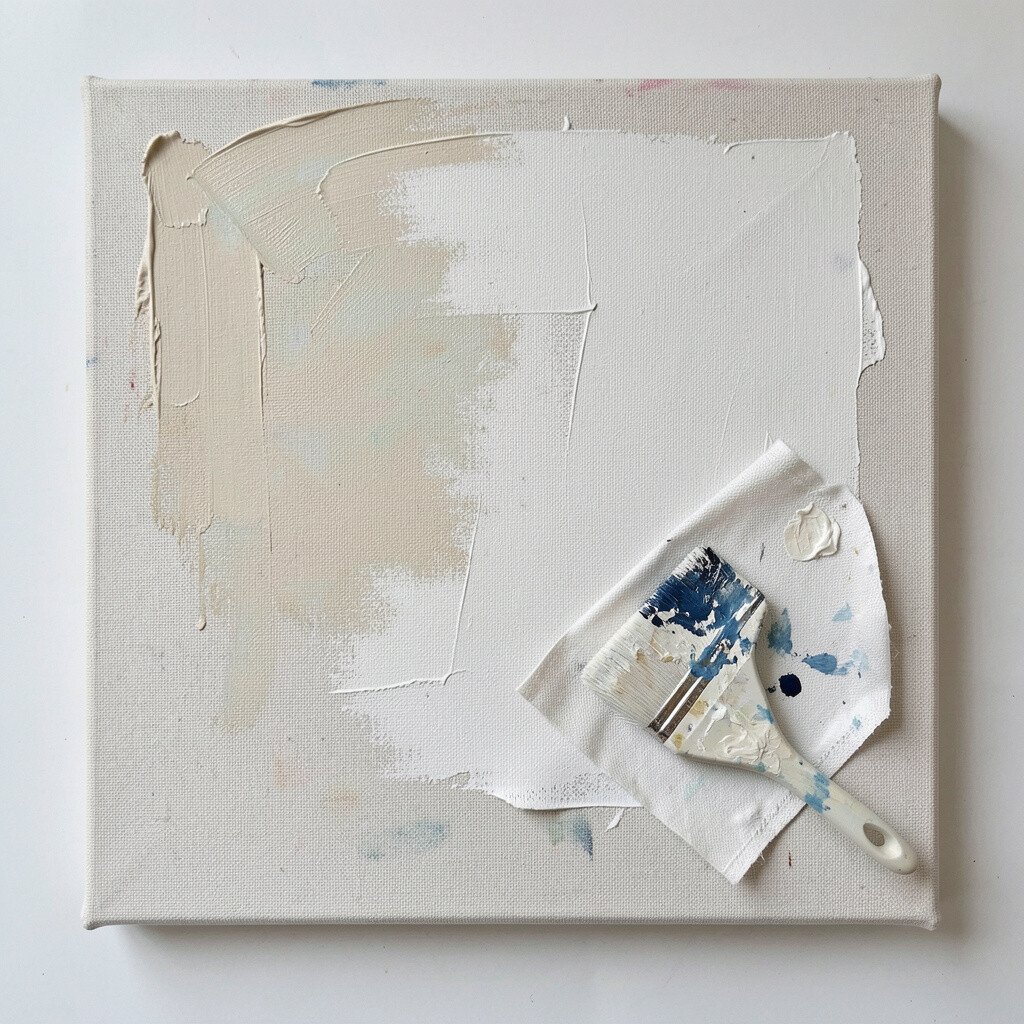
For acrylic, a primed canvas is usually ready to paint on, and you can add a thin wash for extra smoothness. If you want bolder texture, you can paint right away and let the canvas character show through.
Oil benefits from proper priming so the paint bonds safely and evenly. Many beginners choose a quality oil-ready ground, then test a small area to see how the paint grabs.
9. Medium Add-Ins and the Safety Mindset for Beginners
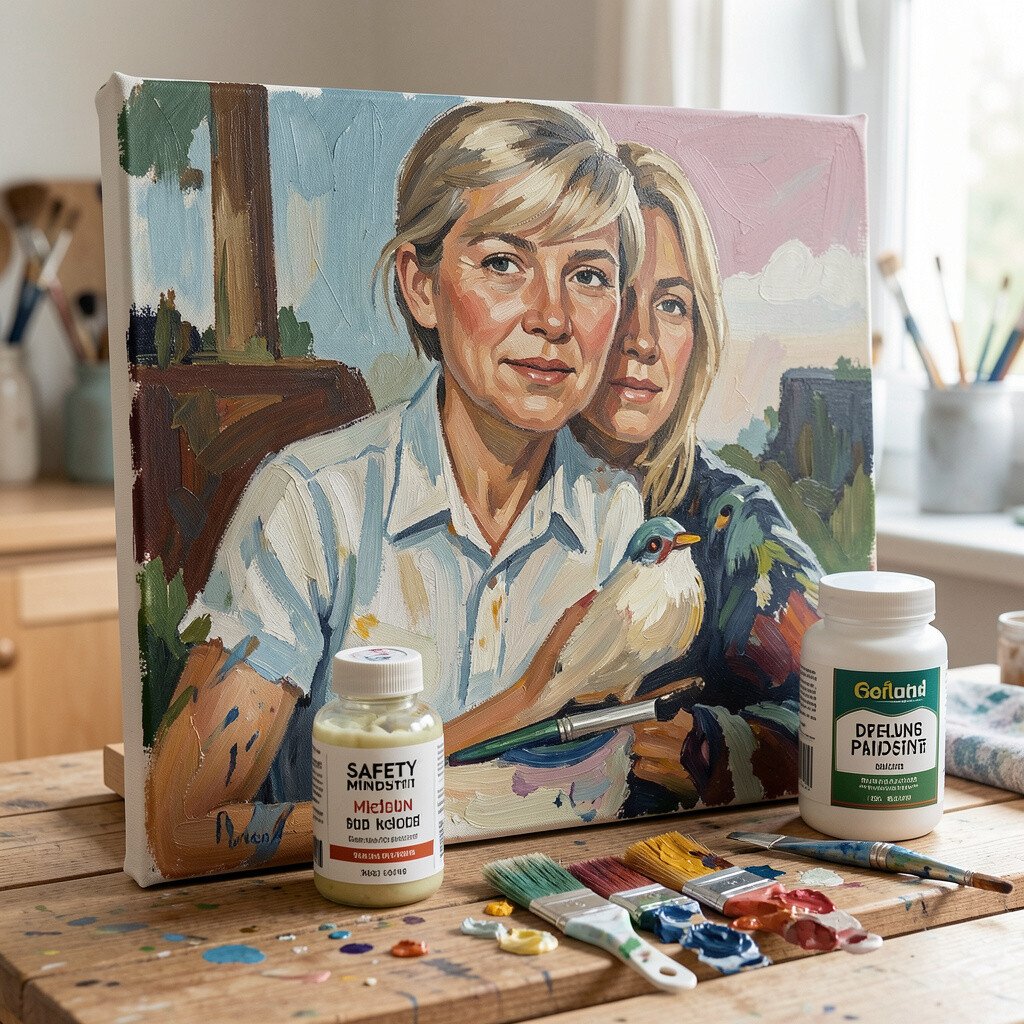
Acrylic is flexible, since you can use water, acrylic mediums, or softening products to change flow. Many beginners like glazing with acrylic medium to get a layered look without complicated setups.
Oil painting often involves solvents or oil-based mediums, and it’s smart to learn safe handling from the start. Good ventilation and careful storage keep your space comfortable and reduce worry.
If you feel overwhelmed, choose a beginner-friendly kit that includes guidance for safe use. You can also start with just paint and a simple medium, then grow your supplies after you feel confident.
10. Cost Considerations for Starter Budgets
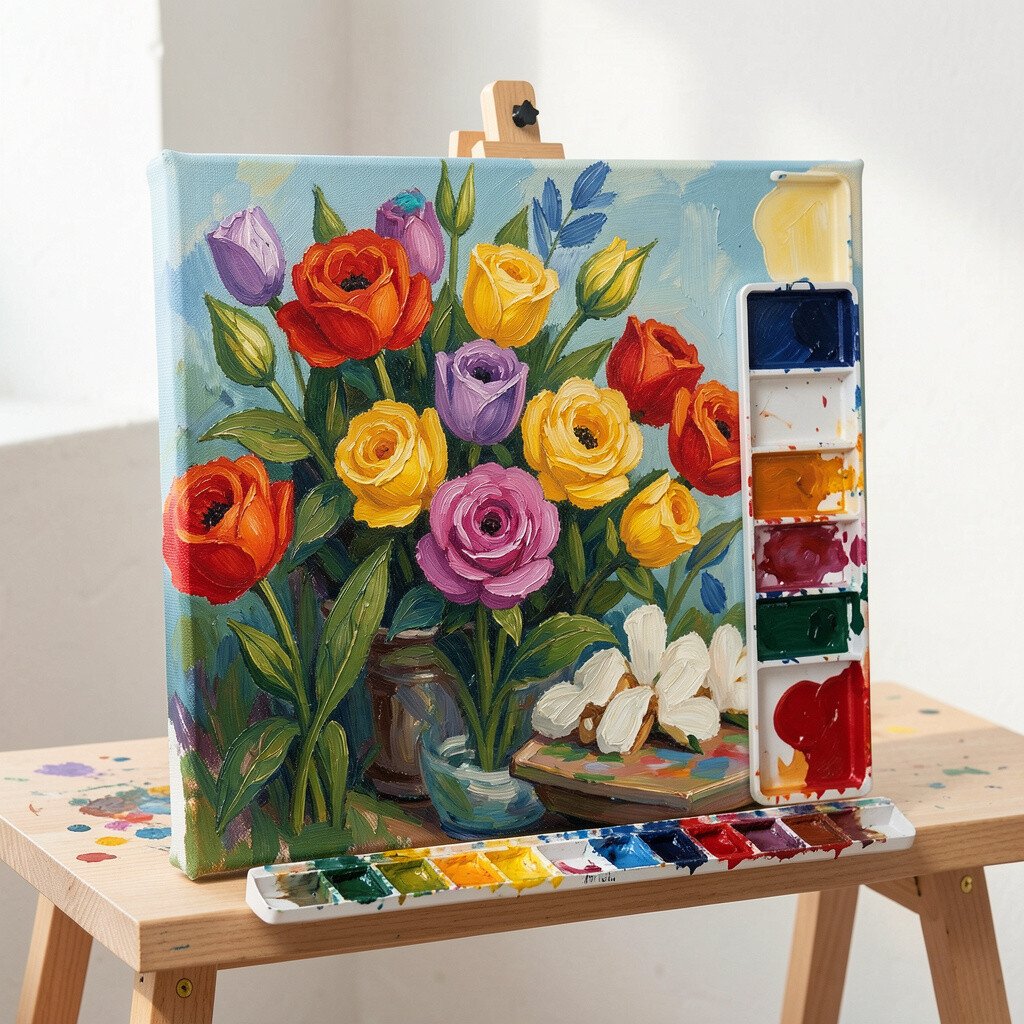
Acrylic paint often feels easier on the wallet because you can buy smaller sizes and use them quickly. Since cleanup is simpler, you also spend less on extra supplies.
Oil paint can be a bigger early investment because brushes, solvents, and mediums may add up. Still, a little oil paint can go a long way, especially if you use thin layers.
11. How Drying Time Affects Your Workflow and Space
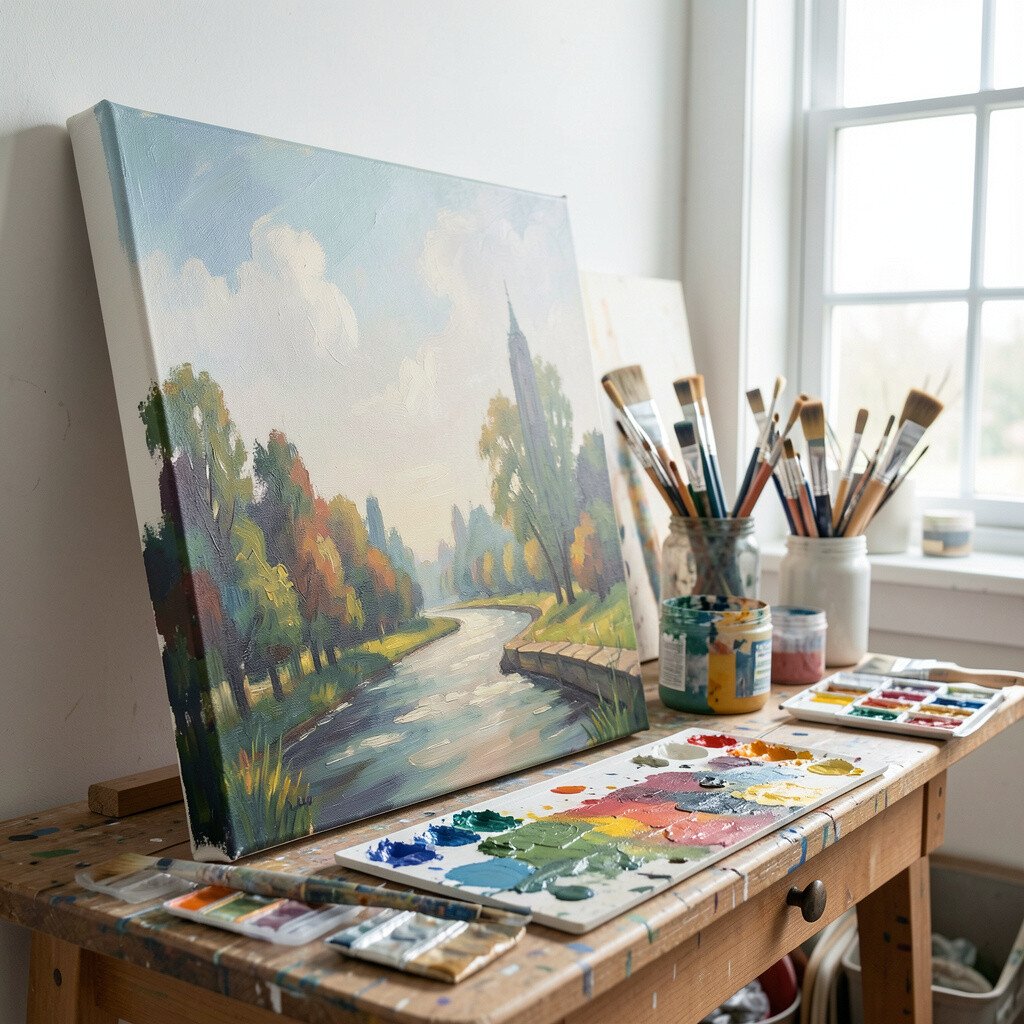
Acrylic’s quick drying can help you keep moving, even during busy weeks. You can finish a small painting in a couple of sessions and feel proud without waiting days.
Oil can be calmer for long projects, because wet paint stays workable while you step away and return. That can be helpful if you paint at home after school or work and want to pick up right where you left off.
Think about your environment, too. If you have a small space and need faster turnaround, acrylic can fit more smoothly into daily routines.
12. Cleanup and Storage, Especially for Busy Schedules
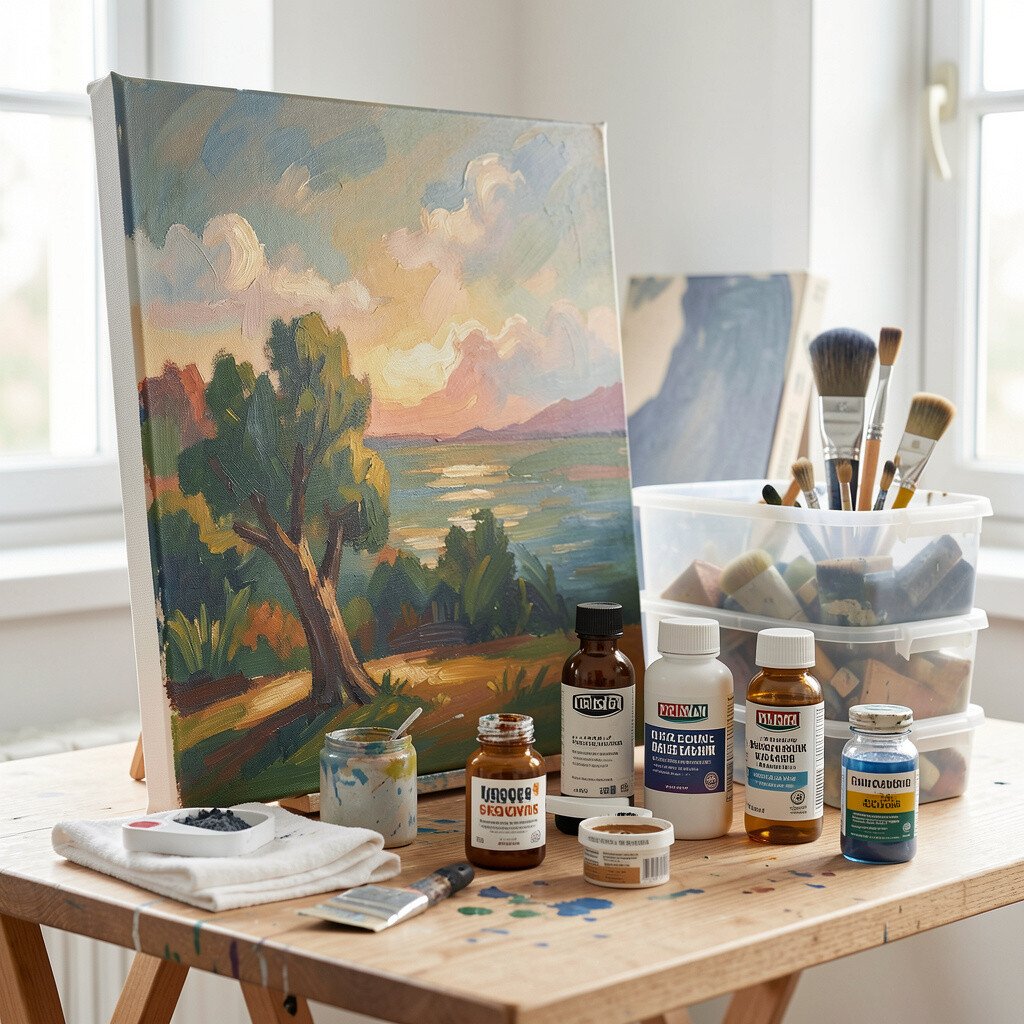
Acrylic usually cleans with water and soap, so rinsing brushes is quick. You can also dry-caps your palette items and cover paint to slow drying during short breaks.
Oil cleanup can take more effort because paint clings and solvents are often needed. Many beginners build a simple routine, like keeping a dedicated container and using separate tools for oil days.
13. Longevity, Fading Myths, and What Actually Matters
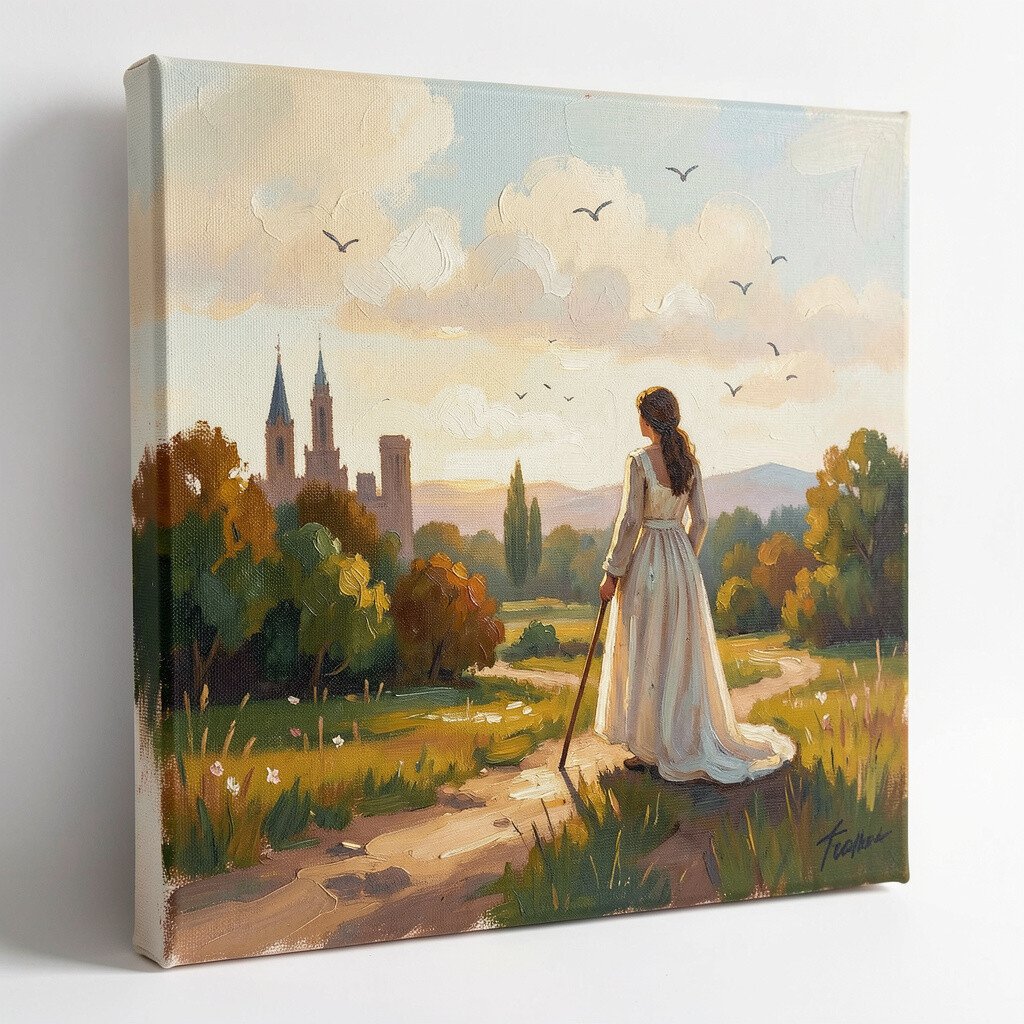
Acrylic paintings can last a long time when you use good materials and paint properly. Even so, storing them well and avoiding heavy sunlight helps protect the colors.
Oil paintings also have a long history, and quality technique plays a huge role in long-term stability. Using compatible layers, allowing proper drying, and caring for your finished work make a real difference.
It’s comforting to know that both mediums can produce lasting art. The best choice often comes down to your patience style and how you like to work on a daily basis.
14. Common Beginner Mistakes and How Each Medium Responds
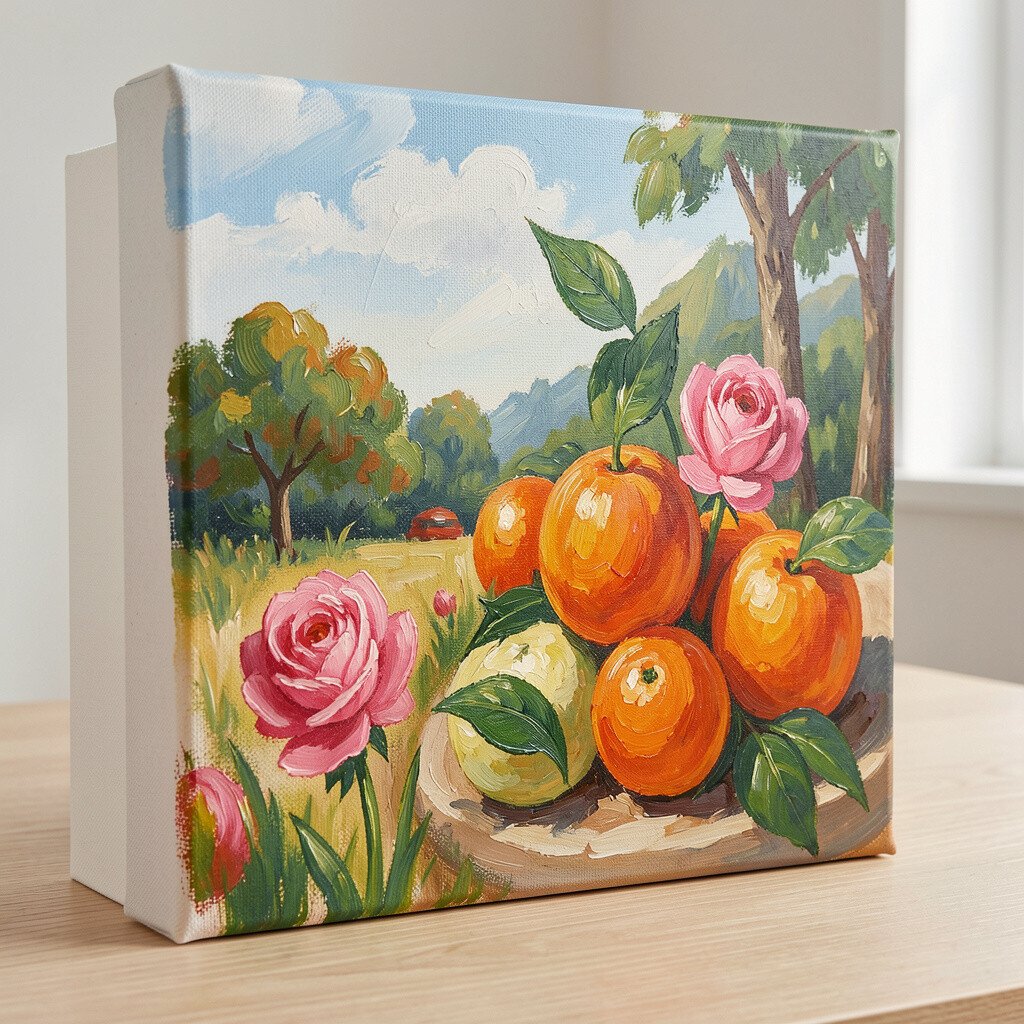
With acrylic, beginners sometimes apply too much paint too fast, which can create cracking if layers are thick and impatient. Another frequent slip is using too much water and making colors look dull or streaky.
With oil, beginners may lay thick paint over layers that are still too wet, which can cause issues over time. It can also be easy to get stuck blending forever, so learning when to stop is part of the practice.
A useful habit is to test your approach on scraps before painting the main canvas. This simple step helps you understand how your choices behave in the real artwork.
15. Current Trends You Can Paint Into Right Away
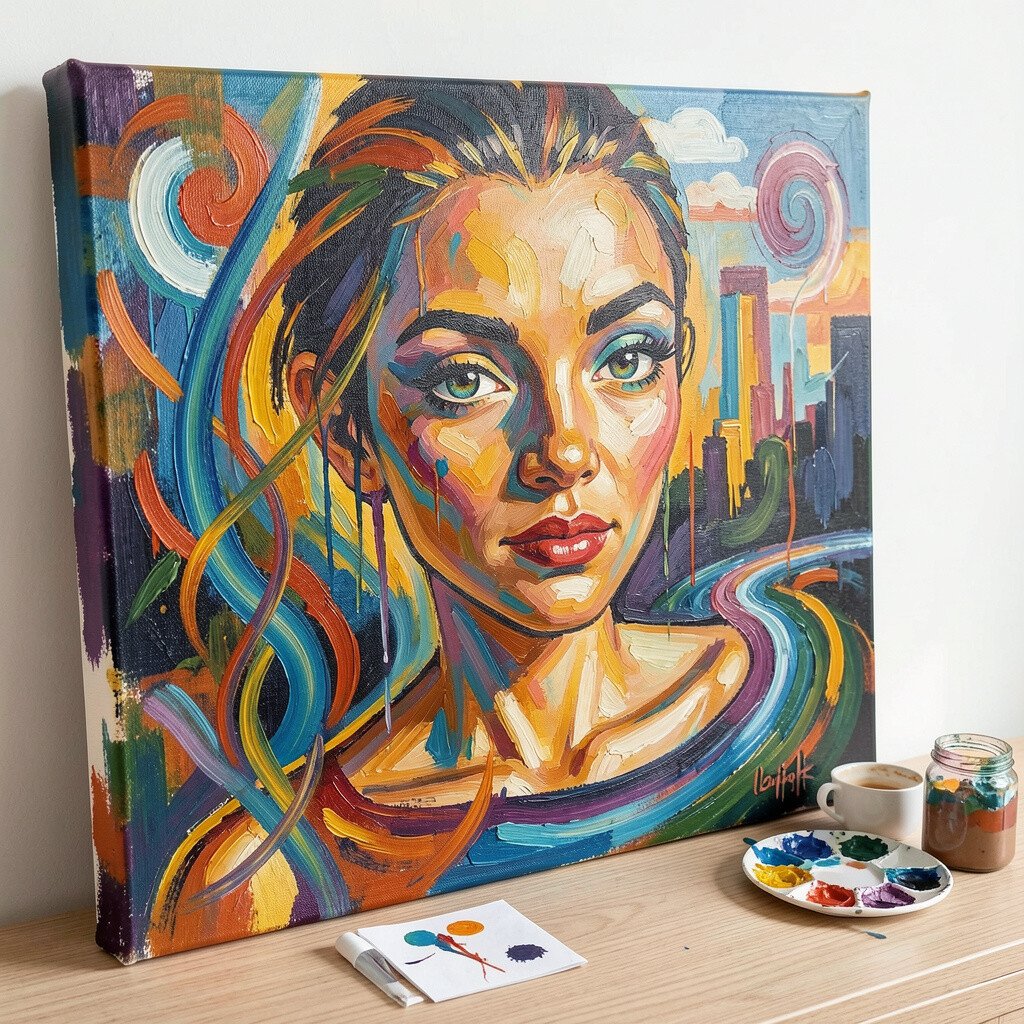
Acrylic is showing up in many modern styles, from bold color blocking to street-inspired murals. Its fast pace works well for pop-art vibes, graphic shapes, and clean edges.
Oil painting is also trending in a different way, with artists leaning into rich textures, expressive brushwork, and dramatic lighting. You may notice more creators sharing close-up details online, showing glazes and layered effects on camera.
To match trends without copying, pick one feature you love, like a bright palette or a moody lighting angle. Then adapt it to your own subject, from animals to cozy rooms to your favorite hat or mug.
16. Picking Your Medium and Personalizing Your First “Real” Painting
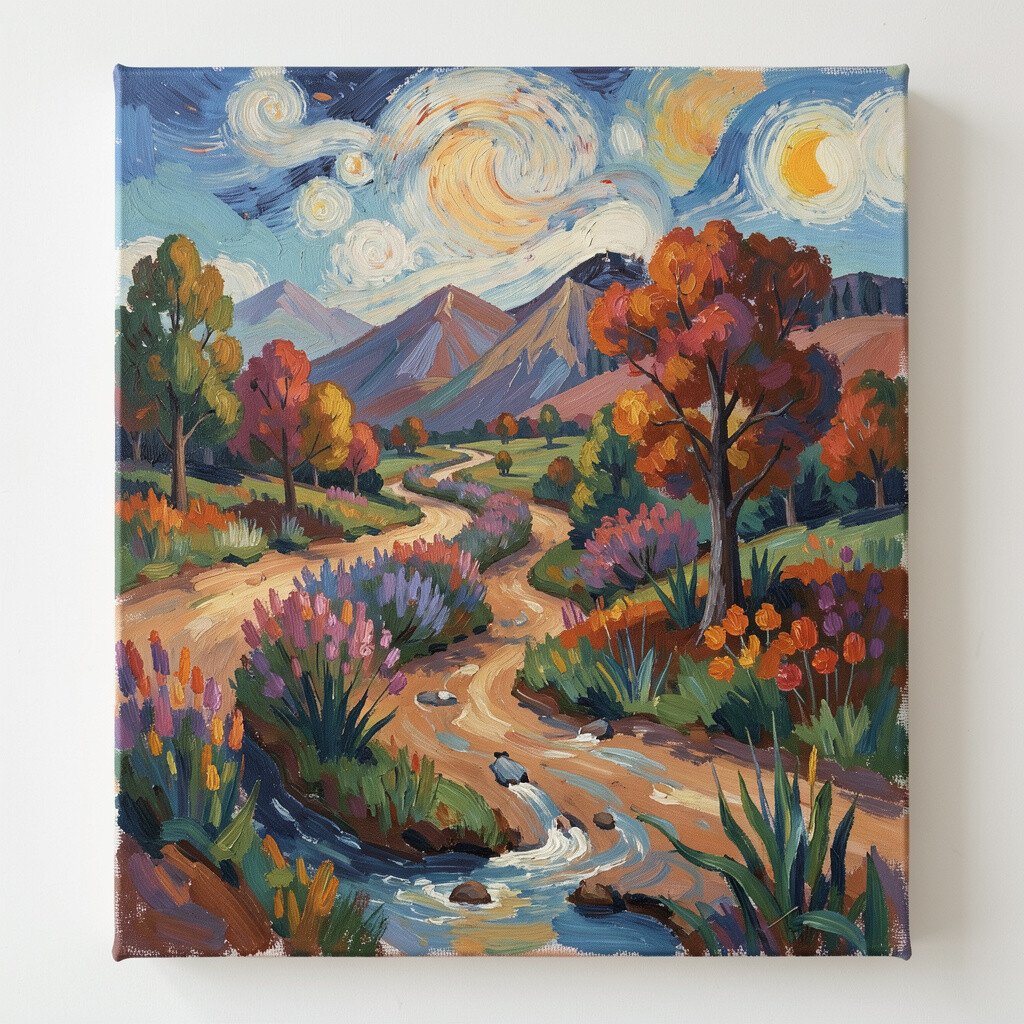
Choosing acrylic can be exciting if you like action, quick results, and repainting without fear. You might start with a bright subject like flowers or a city street scene, then build skills with confidence.
Choosing oil can feel rewarding if you want a slow build, rich blending, and a painting that feels deeper over time. You could begin with a portrait study, a bowl of fruit, or a gentle landscape where you can practice light and shadow.
Personalization is easy with either medium, because you can decide your palette, your texture, and your level of detail. If you want a special touch, try painting on a toned canvas, using a limited color set, or adding small sparkle highlights with careful placement.
When you pick your first project, think about how you want it to feel when you’re done. Then choose the medium that matches your energy, your patience, and your budget for supplies.