
Imagine a place where learning and nature blend seamlessly, creating a vibrant environment that excites the senses. Picture a classroom where the boundaries between inside and outside fade away, and the natural world becomes an inspiring teacher. Step into a realm filled with enchanting ideas that promise to captivate and charm every curious mind.
1. Enchanted Fairy Garden

A fairy garden is like a magical corner where imagination runs wild. It’s a whimsical addition that sparks creativity and storytelling.
Fairy gardens can be personalized with tiny houses, miniature furniture, and little pathways. They’re unique because they bring fantasy into everyday learning.
Try using natural materials like stones and twigs to keep costs low. It’s a trendy way to introduce themes of folklore and mythology.
Children can help design the garden, making it a collaborative and educational activity. It’s an enchanting spot for reading or quiet reflection.
2. Sensory Pathway
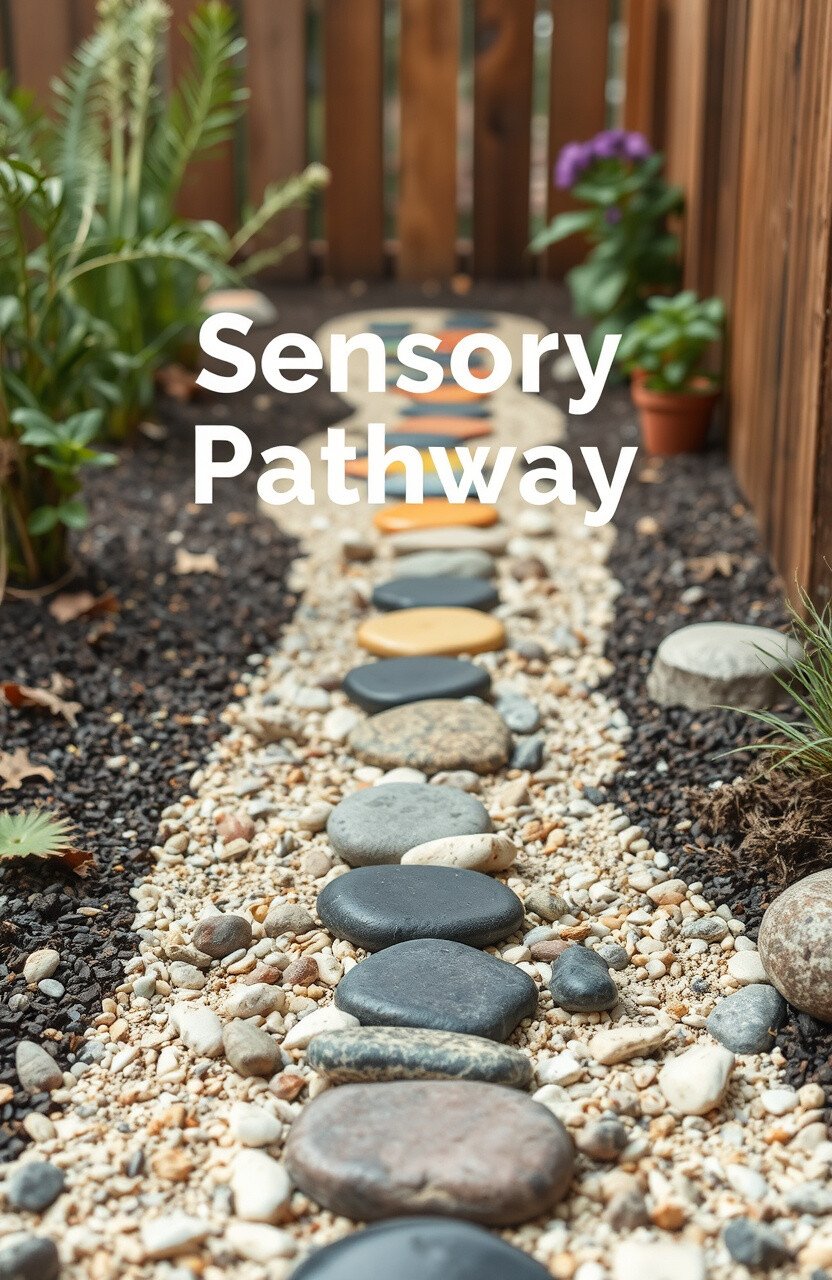
A sensory pathway is an interactive trail that stimulates the senses. It’s a fun way to engage children in physical and sensory play.
This idea stands out because it combines different textures, colors, and sounds. Use materials like pebbles, sand, and wood to create a diverse experience.
It’s easy to personalize with painted stones or themed sections. Sensory pathways are perfect for promoting mindfulness and concentration.
Costs can be minimal by using recycled materials. This project invites kids to explore and discover the world through touch and sight.
3. Living Green Walls

Living green walls are vertical gardens that bring life to any space. They’re a striking way to introduce greenery without taking up ground space.
These walls are unique because they transform plain surfaces into lush, vibrant displays. Use a variety of plants to create patterns and textures.
Trendy and eco-friendly, living walls can also improve air quality. They’re a fantastic backdrop for outdoor lessons and activities.
Costs vary depending on plant selection, but they can be budget-friendly with local plants. They’re a living testament to the beauty and benefits of nature.
4. Outdoor Blackboard

An outdoor blackboard invites creativity and learning in fresh air. It’s a classic tool reimagined for the garden setting.
Position it where kids can easily gather around and express their ideas. The blackboard’s versatility is its unique charm.
Personalize it with colorful chalks and seasonal themes. It’s a cost-effective way to encourage art, math, or science activities.
This engaging feature turns any lesson into an interactive experience. It’s a space where ideas can grow as freely as the plants around them.
5. Birdhouse Village
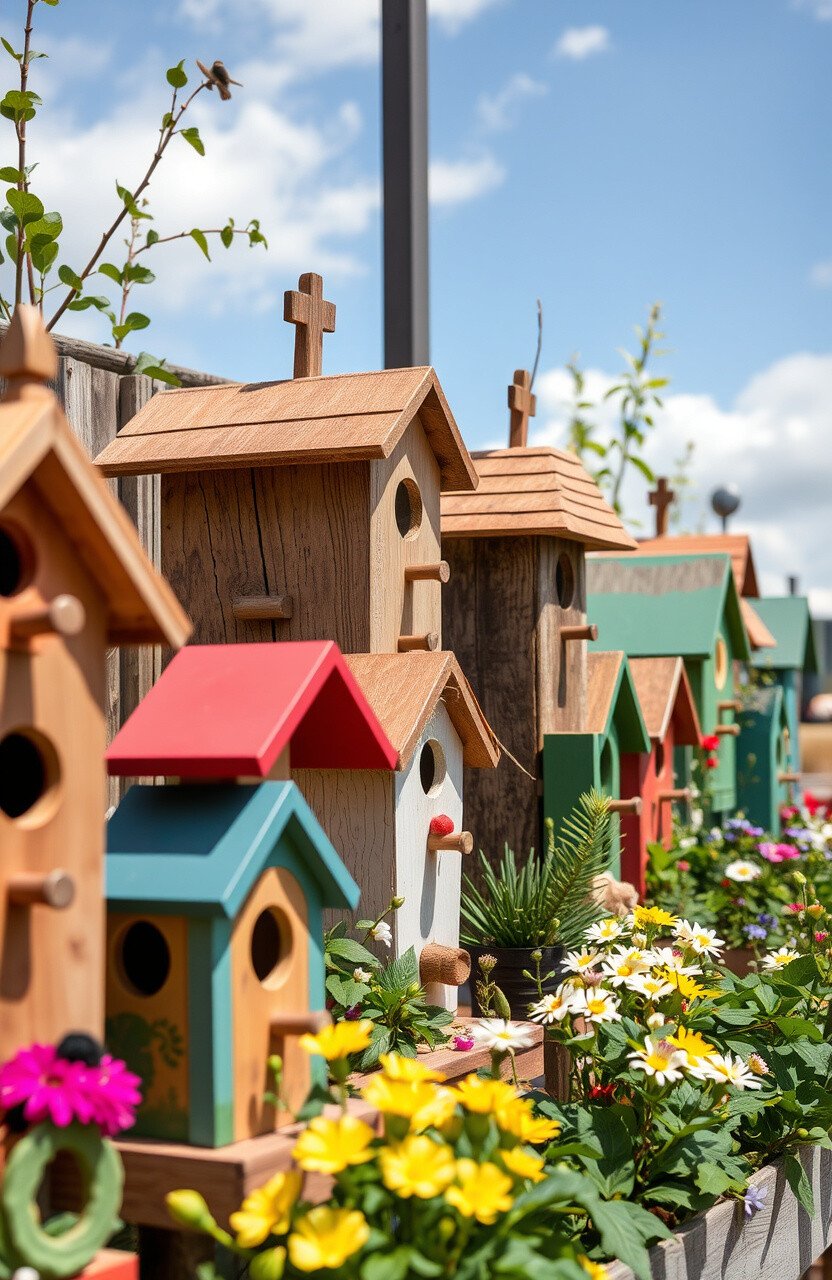
Create a village of birdhouses to attract avian friends. It’s a delightful way to introduce children to local wildlife.
Birdhouses can be painted and decorated, making each one a unique piece of art. This idea offers a chance to learn about bird species and habitats.
Trendy and educational, birdhouses offer endless customization possibilities. They add charm while supporting local ecosystems.
Build or buy birdhouses to fit any budget. This is a project that combines creativity, ecology, and community spirit.
6. Butterfly Garden

A butterfly garden is a colorful haven that attracts these beautiful insects. It’s an enchanting space where nature’s wonders unfold.
Plant flowers that butterflies love, like milkweed and coneflowers. This garden is unique because it supports the lifecycle of butterflies.
It’s a trendy choice for teaching about pollinators and conservation. Kids can observe and learn about these fascinating creatures up close.
Costs can be managed by selecting native plants. It’s a vibrant and educational addition to any garden classroom.
7. Nature Art Station
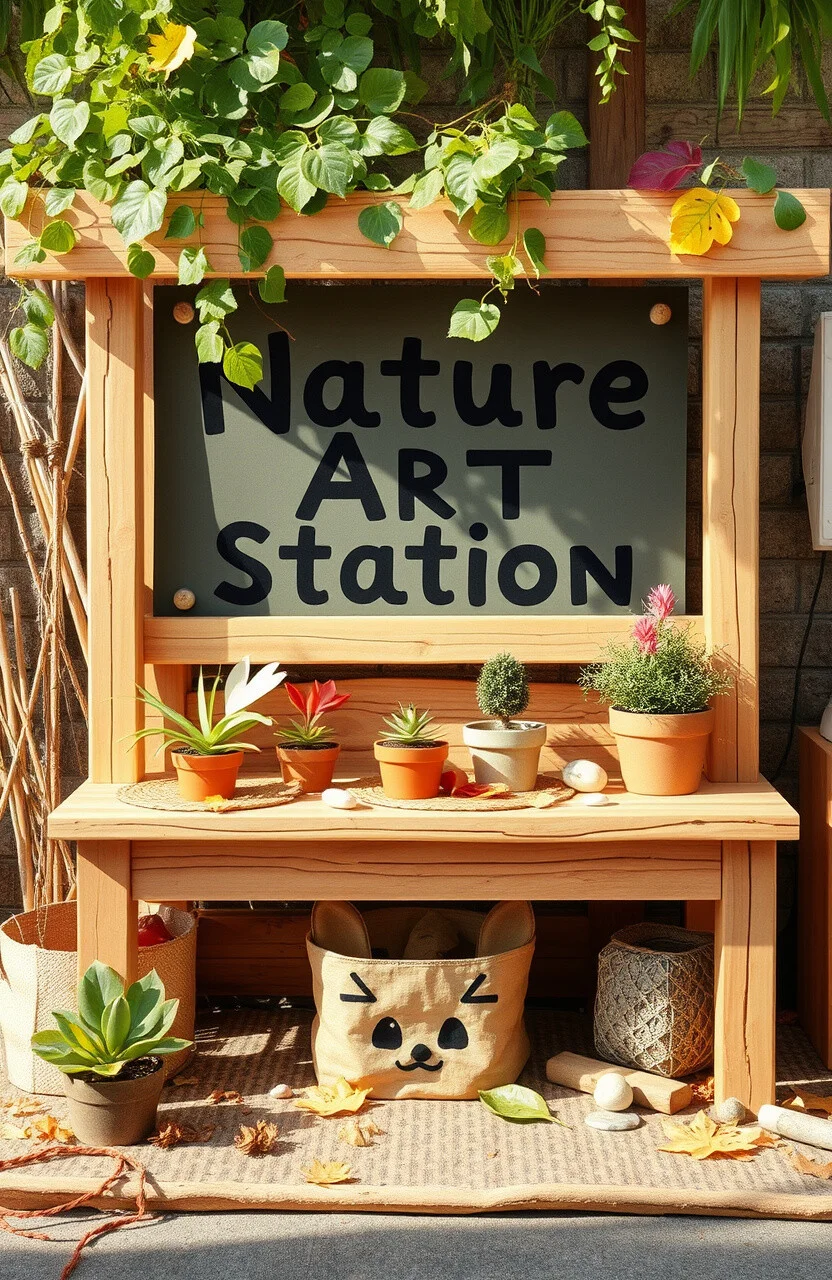
A nature art station is a creative hub for crafting with natural materials. It’s a space where imagination and the environment meet.
Provide supplies like leaves, stones, and twigs for endless artistic possibilities. This idea is unique because it uses nature as both tool and inspiration.
Encourage children to create seasonal art or themed projects. It’s a budget-friendly way to integrate art into outdoor learning.
This station fosters creativity and appreciation for natural beauty. It’s a joyful place where art and nature come together.
8. Storytelling Circle
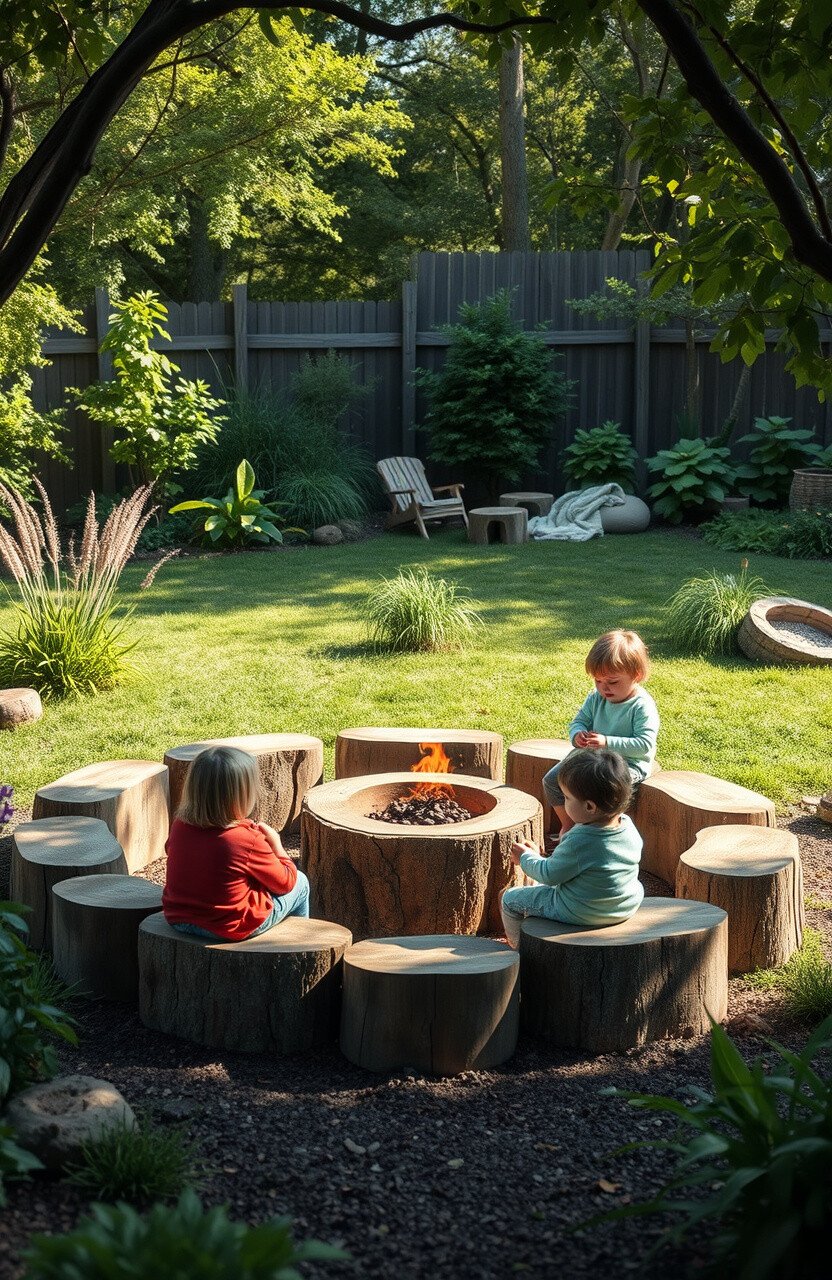
A storytelling circle is a cozy spot for sharing tales and adventures. It’s a magical place where stories come to life under the open sky.
Arrange logs or stumps in a circle to create an inviting space. This idea is unique because it connects children through the power of storytelling.
Personalize with cushions or blankets for comfort. It’s a low-cost way to encourage literacy and communication skills.
This circle is a gathering place for imagination and learning. It’s where stories become a shared adventure.
9. Herb Spiral
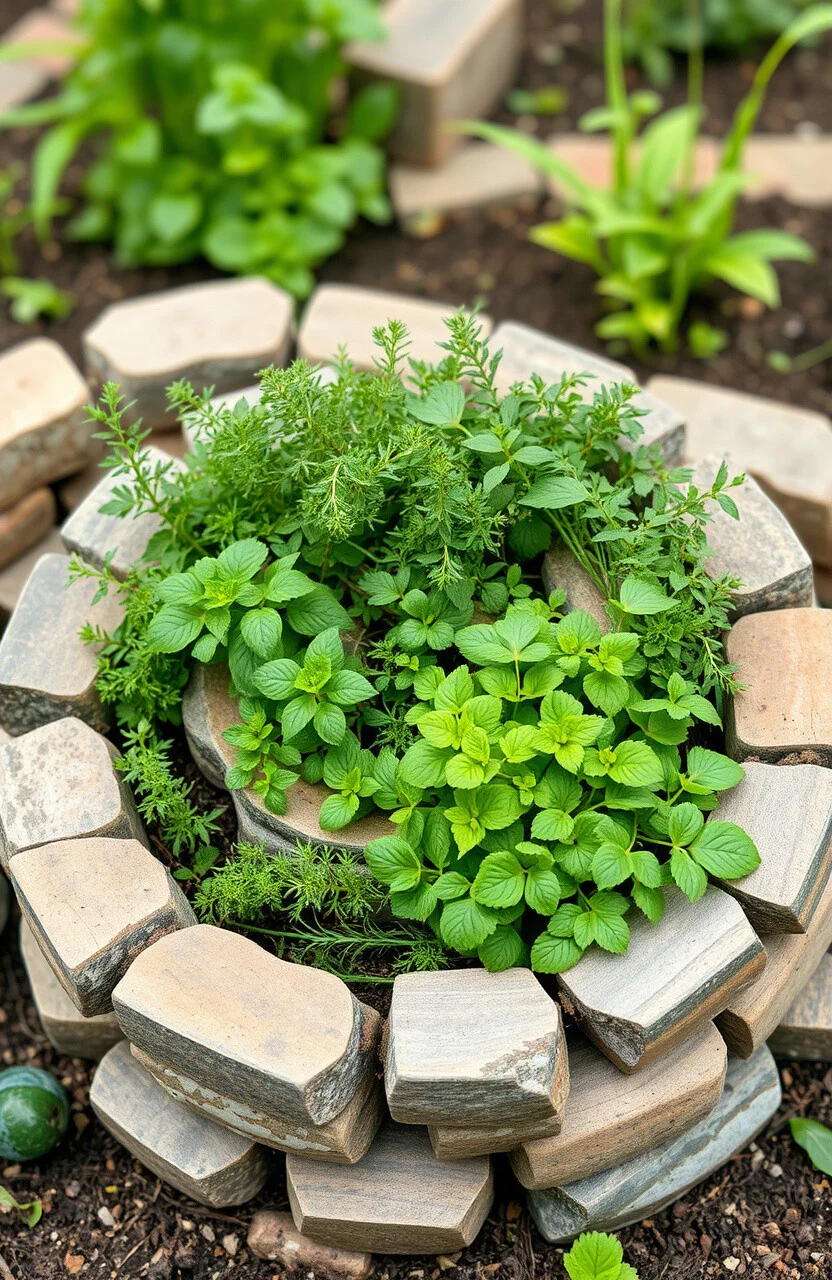
An herb spiral is a space-saving garden design that’s both practical and beautiful. It’s a clever way to grow a variety of herbs in a small area.
The spiral shape is unique because it creates microclimates for different plants. Use stones or bricks to build the structure.
Trendy and functional, herb spirals are great for teaching about culinary and medicinal plants. They’re a fragrant and flavorful addition to the garden.
Costs are low, especially if using recycled materials. It’s an educational tool that adds spice to any outdoor classroom.
10. Nature Observation Station

A nature observation station invites kids to explore and document their surroundings. It’s a place where curiosity and science meet.
Provide binoculars, magnifying glasses, and notebooks for budding naturalists. This idea is unique because it encourages detailed observation and record-keeping.
Personalize with field guides and identification charts. It’s a cost-effective way to introduce scientific inquiry and environmental awareness.
This station turns the garden into a living laboratory. It’s a hub for discovery and exploration.
11. Recycled Bottle Planters

Recycled bottle planters are a sustainable and creative way to add greenery. They’re a fun project that teaches about recycling and gardening.
Use plastic bottles to create hanging planters or vertical gardens. This idea is unique because it turns waste into something beautiful.
Encourage kids to decorate their planters for a personal touch. It’s a trendy way to promote sustainability and environmental responsibility.
Costs are minimal and the impact is significant. This project combines art, ecology, and practical gardening.
12. Tree Stump Seats
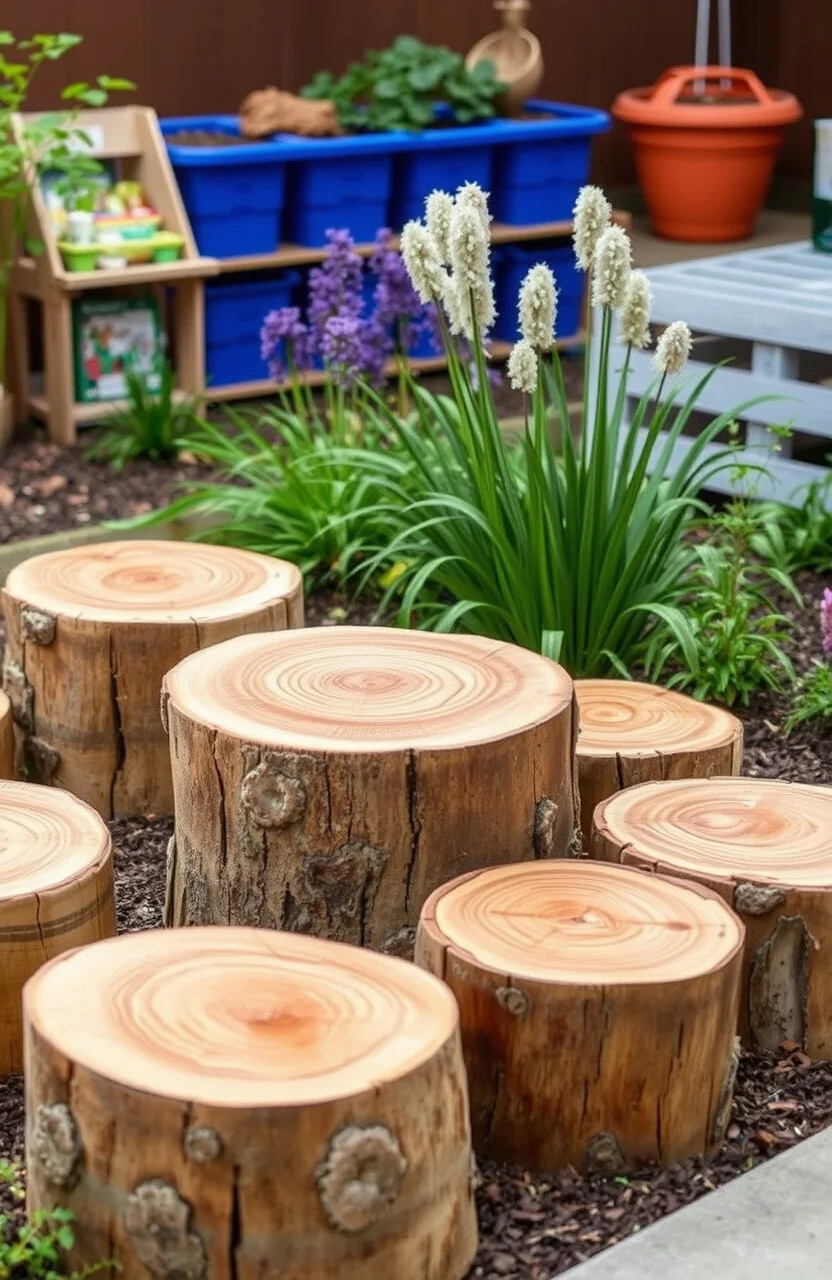
Tree stump seats provide rustic and natural seating options. They’re a charming way to create a woodland atmosphere.
Arrange them in a circle or scatter them throughout the garden. Each seat is unique, adding character and function to the space.
Personalize with cushions or paint for added comfort and style. It’s a low-cost way to enhance outdoor learning environments.
These seats invite children to sit, learn, and connect with nature. They’re a simple yet effective addition to any garden classroom.
13. Insect Hotel
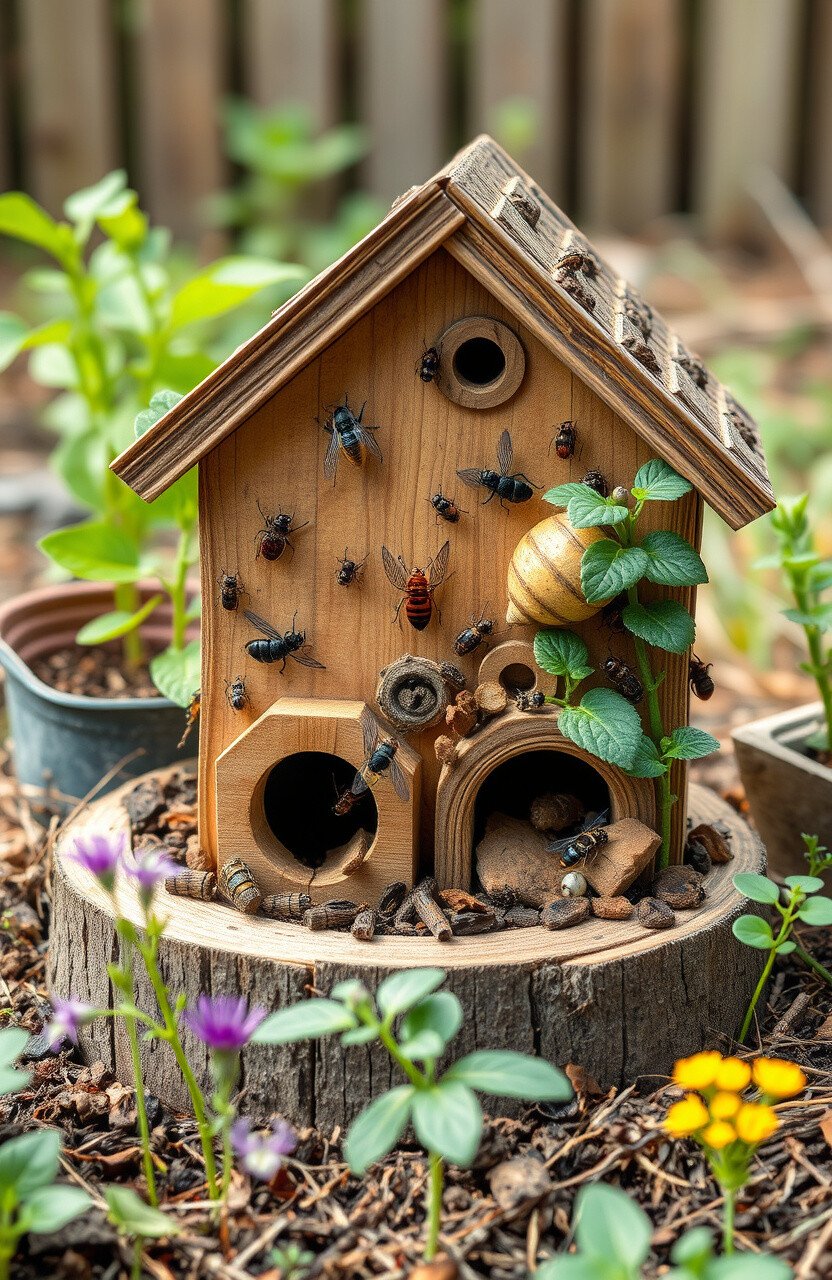
An insect hotel is a sanctuary for beneficial bugs. It’s a fascinating way to teach about biodiversity and ecosystems.
Build a structure using natural materials like wood, straw, and bark. This idea is unique because it supports local wildlife and garden health.
Trendy and eco-friendly, insect hotels can be personalized with different habitats. They’re a buzzing addition that promotes ecological education.
Costs are low, especially if using found materials. It’s a project that combines conservation, creativity, and science.
14. Painted Rock Garden

A painted rock garden adds color and personality to any outdoor space. It’s a simple yet creative way to decorate gardens.
Encourage kids to paint rocks with designs, patterns, or messages. Each rock is unique, adding a personal touch to the garden.
Trendy and fun, this project invites kids to express themselves artistically. It’s a budget-friendly way to brighten up any area.
The painted rocks can also be used for educational games or markers. It’s a colorful and engaging addition to any garden classroom.
15. Outdoor Music Wall

An outdoor music wall invites kids to create sounds and rhythms. It’s a playful way to introduce music in a natural setting.
Use pots, pans, and other materials to create instruments. This idea is unique because it combines music, movement, and creativity.
Encourage kids to experiment with different sounds and compositions. It’s a trendy way to integrate arts into the outdoor learning.
Costs are minimal, using recycled and donated items. This wall is a symphony of fun and education.
16. Sunflower House
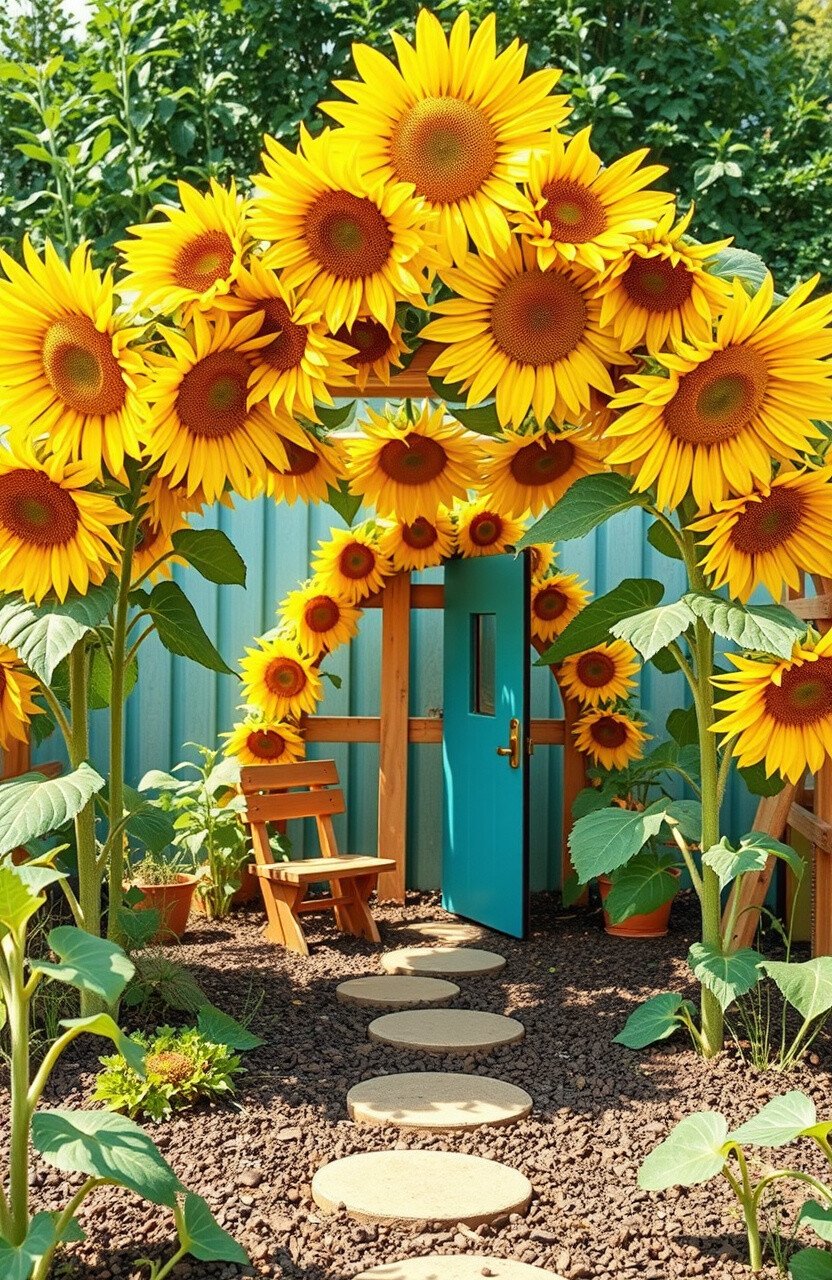
A sunflower house is a living play structure made from towering sunflowers. It’s a magical place where children can play and learn.
Plant sunflowers in a circle to create a natural hideaway. This idea is unique because it combines gardening with imaginative play.
Personalize with a pathway or seating inside the sunflower circle. It’s a low-cost way to add a whimsical touch to the garden.
This house invites kids to explore nature and their imaginations. It’s a sunny spot for adventure and learning.
17. Willow Tunnel

A willow tunnel is a living structure that provides shade and shelter. It’s a natural space where kids can play and explore.
Plant willow branches in a curved line and weave them together. This idea is unique because it grows and changes over time.
Personalize with flowers or decorations for added charm. It’s a trendy and eco-friendly addition to any garden classroom.
Costs are low if using cuttings or young plants. This tunnel is a living playground that fosters connection with nature.
18. Vegetable Patch

A vegetable patch is a hands-on way to teach about food and sustainability. It’s a productive and educational garden feature.
Grow a variety of vegetables like carrots, lettuce, and tomatoes. This idea is unique because it combines gardening with nutrition education.
Trendy and practical, a vegetable patch can be personalized with signs or markers. It’s a low-cost project that teaches valuable life skills.
This patch is a source of fresh produce and learning opportunities. It’s a tasty addition to any outdoor classroom.
19. Mosaic Pathway
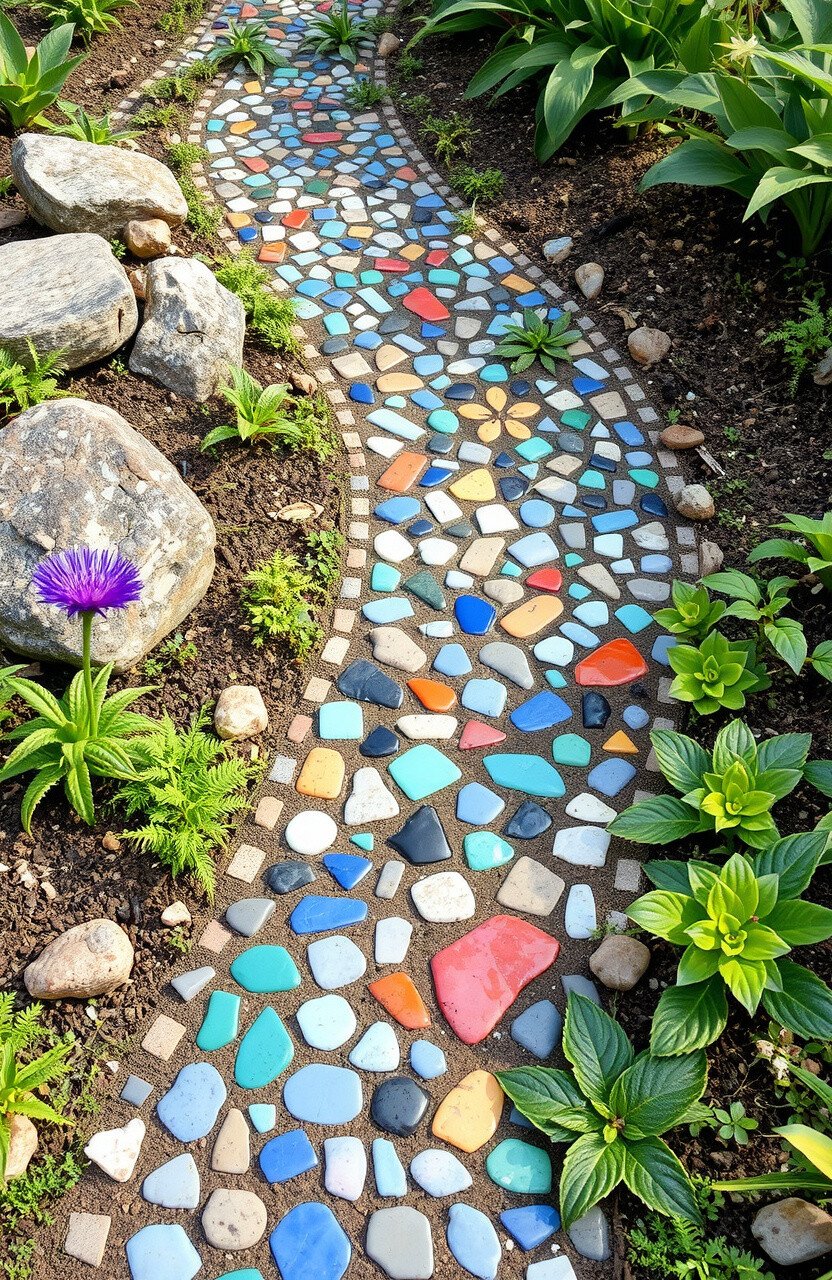
A mosaic pathway adds color and artistry to garden paths. It’s a creative way to decorate outdoor spaces.
Use tiles, stones, or glass to create patterns and designs. This idea is unique because it combines art with functionality.
Personalize with themed mosaics or student projects. It’s a trendy and durable way to beautify the garden.
Costs vary depending on materials, but they can be managed with recycled items. This pathway is a colorful journey through creativity.
20. Composting Corner

A composting corner is a practical and educational garden feature. It’s a space where waste turns into valuable resources.
Create a compost bin or pile using organic waste. This idea is unique because it teaches about sustainability and soil health.
Personalize with signs or educational materials about composting. It’s a low-cost way to promote environmental responsibility.
This corner is a hub for recycling and learning about ecosystems. It’s an earthy addition to any garden classroom.
21. Nature Mandalas
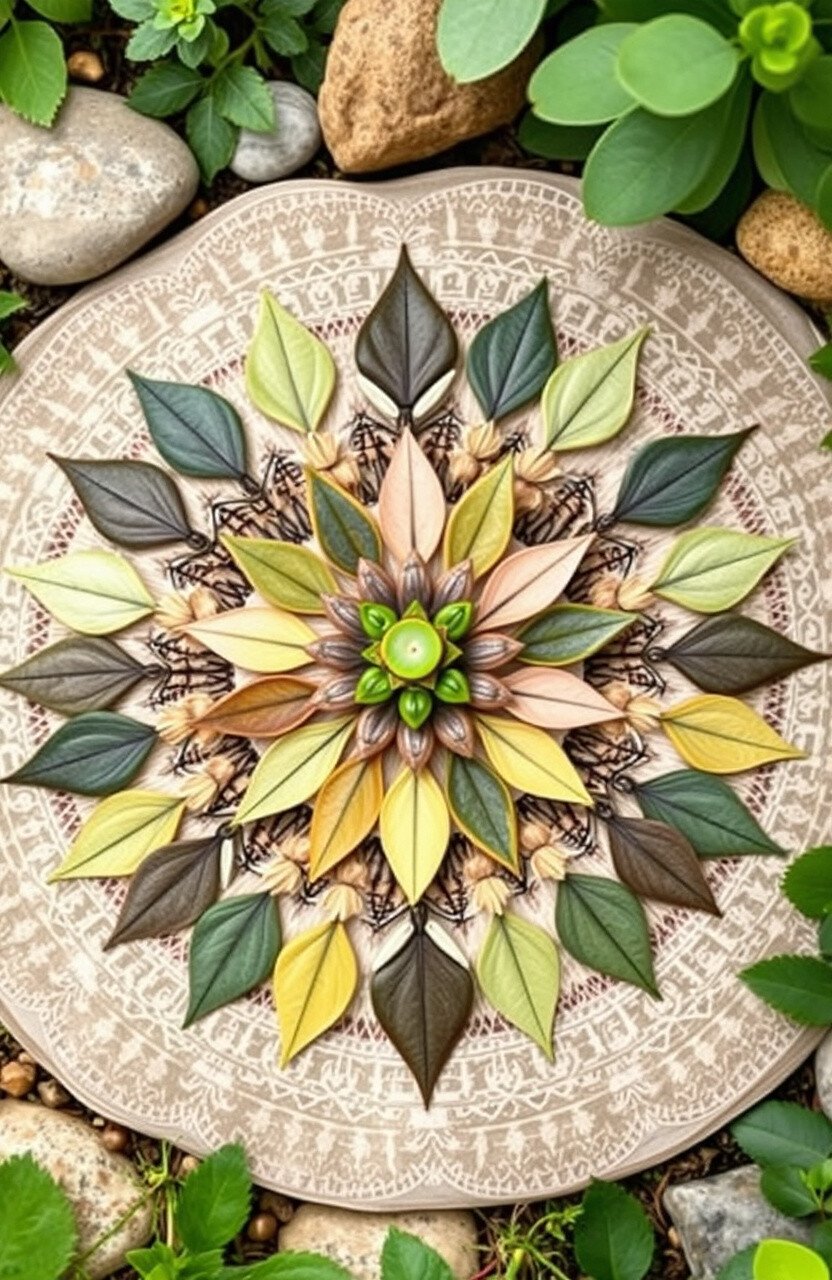
Nature mandalas are intricate patterns made from natural materials. They’re a meditative and artistic garden project.
Use leaves, petals, and stones to create symmetrical designs. This idea is unique because it combines art with meditation.
Encourage kids to create their mandalas as a mindfulness activity. It’s a budget-friendly way to incorporate art and relaxation.
This project fosters creativity and a sense of calm. It’s a peaceful addition to any outdoor learning environment.
22. Rainwater Collection
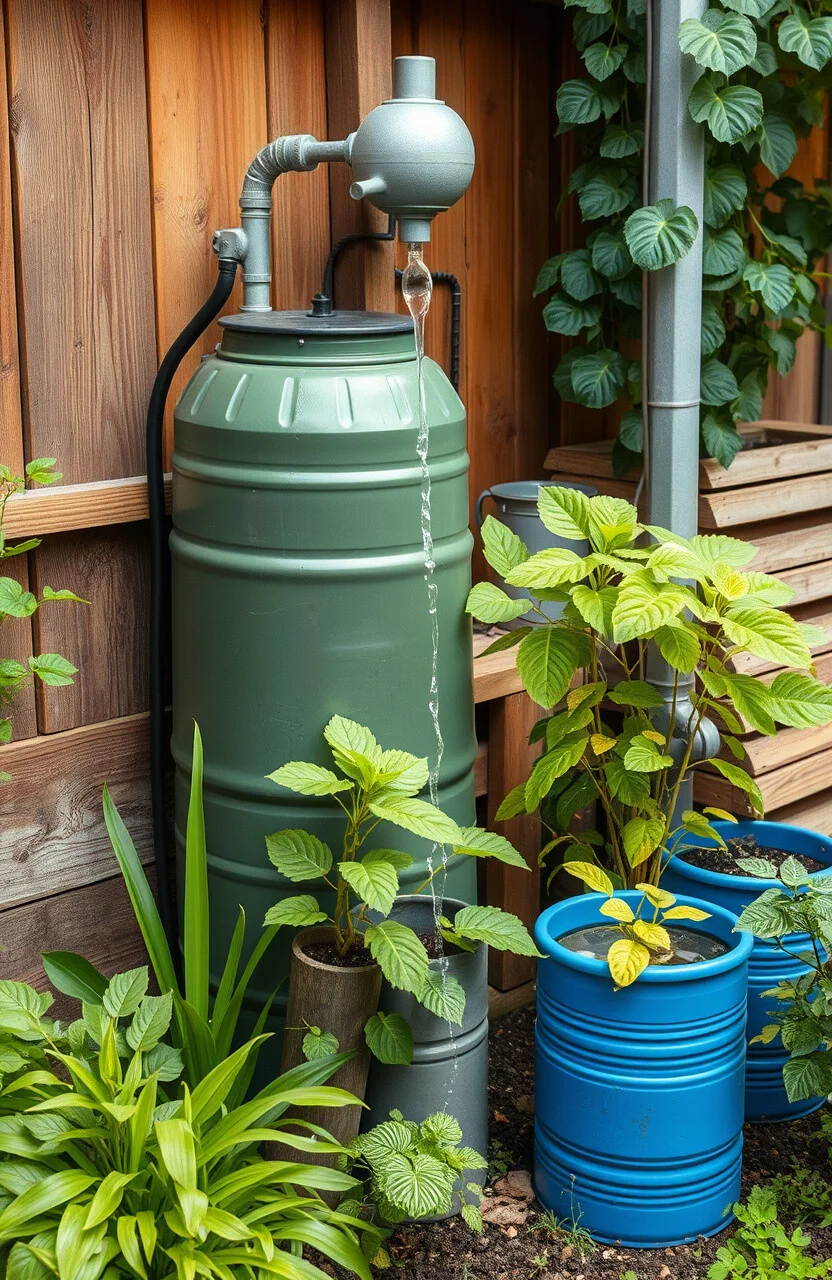
A rainwater collection system is a sustainable garden feature. It’s a practical way to teach about conservation and water cycles.
Install barrels or tanks to collect rainwater for garden use. This idea is unique because it promotes eco-friendly practices.
Personalize with decorative barrels or educational signs. It’s a low-cost way to add functionality and sustainability.
This system is a resourceful addition that supports environmental education. It’s a refreshing way to connect with nature.
23. Solar-Powered Lights

Solar-powered lights illuminate the garden with eco-friendly energy. They’re a bright way to light up outdoor spaces.
Install lights along pathways or around seating areas. This idea is unique because it combines technology with sustainability.
Personalize with different colors or styles for a custom look. It’s a trendy and energy-efficient way to enhance the garden.
Costs vary, but they can be offset by savings on electricity. These lights are a shining example of green living.
24. Bamboo Water Feature
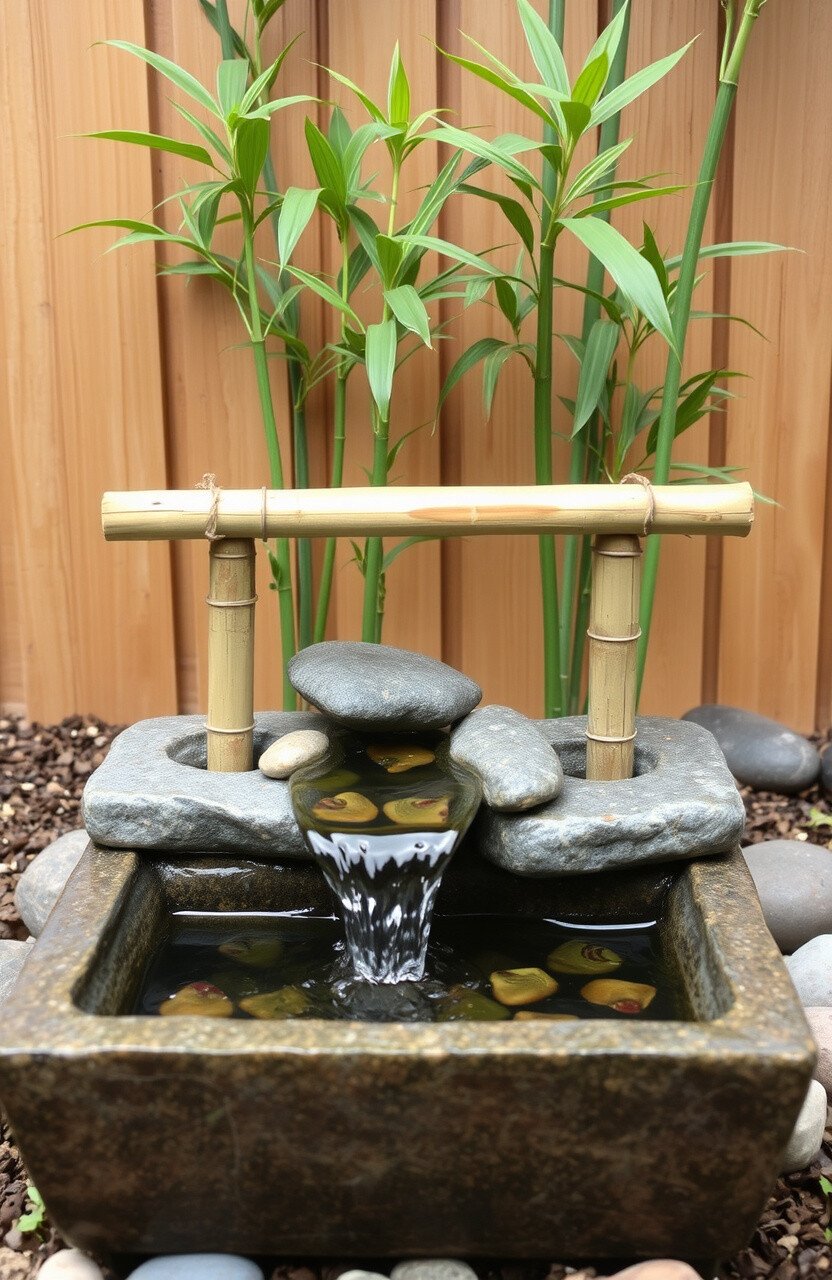
A bamboo water feature adds tranquility and movement to the garden. It’s a calming addition that engages the senses.
Use bamboo and stones to create a simple fountain or stream. This idea is unique because it combines natural materials and sound.
Personalize with plants or decorative elements for added charm. It’s a low-cost way to introduce water and serenity.
This feature is a soothing presence that invites relaxation and reflection. It’s a peaceful addition to any garden classroom.
25. Wildflower Meadow

A wildflower meadow is a colorful and dynamic garden feature. It’s a lively space that attracts pollinators and wildlife.
Plant a variety of wildflowers for a vibrant and ever-changing display. This idea is unique because it supports biodiversity and ecosystems.
Personalize with pathways or seating for immersive experiences. It’s a low-cost way to create a natural and educational environment.
This meadow is a vibrant celebration of nature’s beauty. It’s a blossoming addition to any outdoor classroom.
26. Hanging Gardens

Hanging gardens bring greenery to vertical spaces. They’re a lush way to add plant life without using ground space.
Use pots, baskets, or recycled materials for creative displays. This idea is unique because it transforms walls into living art.
Personalize with a mix of flowers, herbs, or trailing plants. It’s a trendy and space-saving way to enhance the garden.
Costs can be managed with DIY materials or donations. These gardens are a flourishing testament to creativity and nature.
27. Nature-Inspired Sculptures
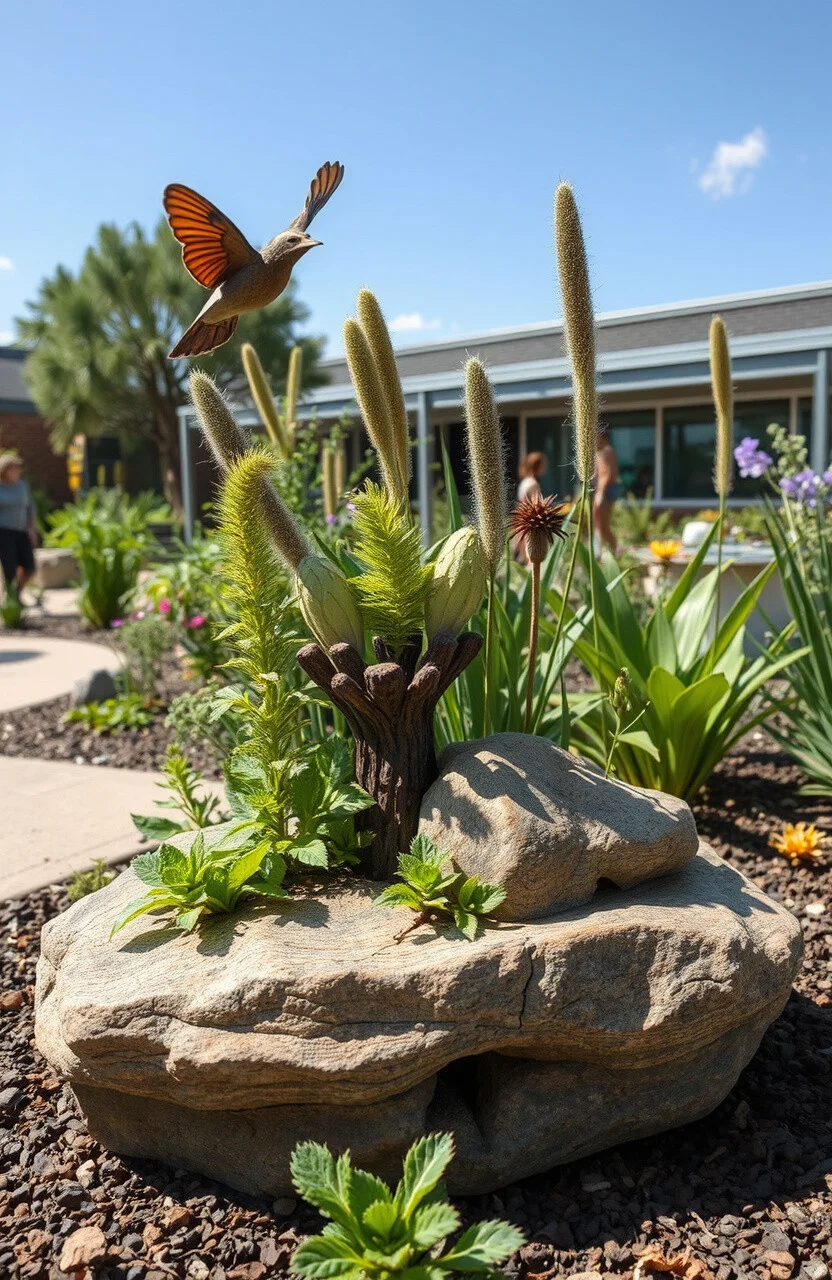
Nature-inspired sculptures add artistry and intrigue to the garden. They’re a creative way to incorporate art into the landscape.
Create sculptures from wood, stone, or metal for unique pieces. This idea is unique because it blends creativity with natural themes.
Personalize with student projects or local artist collaborations. It’s a trendy way to add cultural and artistic value.
Costs vary, but they can be minimized with community support. These sculptures are a captivating addition to any outdoor classroom.
28. Reflective Pond

A reflective pond adds tranquility and reflection to the garden. It’s a serene space for observation and contemplation.
Install a small pond with plants and stones for a natural look. This idea is unique because it combines water, reflection, and nature.
Personalize with seating or decorative elements for added charm. It’s a low-cost way to introduce water and tranquility.
This pond is a peaceful sanctuary that invites relaxation and learning. It’s a calming addition to any garden classroom.
29. Outdoor Reading Nook
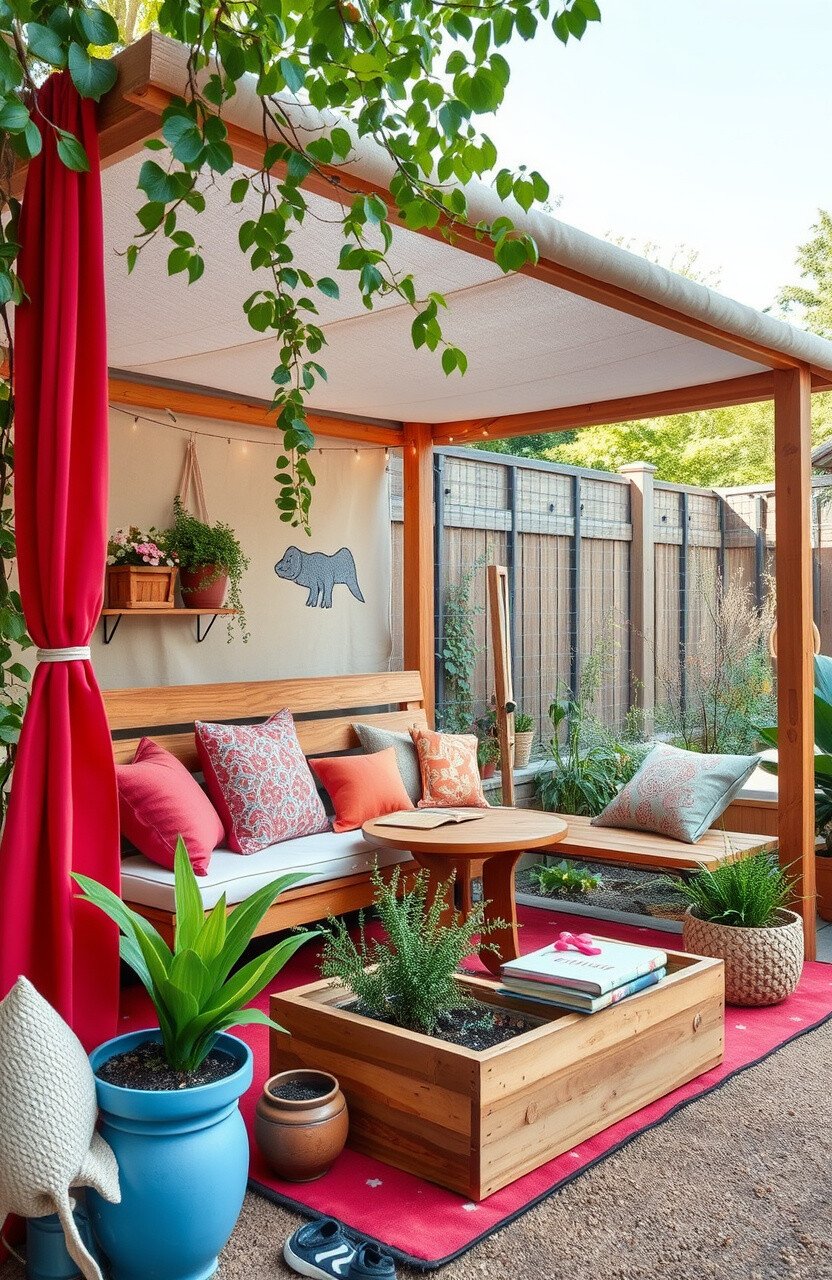
An outdoor reading nook is a cozy space for enjoying books in nature. It’s a magical place where stories come alive.
Create a nook with seating, cushions, and a canopy for shade. This idea is unique because it combines reading with the great outdoors.
Personalize with themed decorations or book selections. It’s a low-cost way to encourage literacy and imagination.
This nook is a haven for book lovers and dreamers. It’s a storybook addition to any outdoor learning environment.
30. Tree Swing

A tree swing brings joy and playfulness to the garden. It’s a classic feature that’s loved by kids of all ages.
Install a sturdy swing from a strong tree branch. This idea is unique because it combines play with the beauty of trees.
Personalize with colorful ropes or seat designs for added fun. It’s a low-cost way to add excitement and movement.
This swing is a delightful addition that invites laughter and play. It’s a playful addition to any garden classroom.
31. Fossil Dig Area

A fossil dig area is an adventurous space for young paleontologists. It’s a hands-on way to teach about history and science.
Create a dig site with sand and hidden fossils or artifacts. This idea is unique because it combines discovery with learning.
Personalize with tools and educational materials for added depth. It’s a low-cost way to encourage exploration and curiosity.
This area is a treasure trove of learning opportunities. It’s a dig into the past and a leap into the future.
32. Outdoor Classroom Shelter

An outdoor classroom shelter provides a protected space for learning. It’s a flexible area that accommodates various activities.
Build a shelter with natural materials for a harmonious look. This idea is unique because it blends functionality with nature.
Personalize with seating, tables, and educational tools. It’s a cost-effective way to expand learning spaces.
This shelter is a hub for education and connection. It’s a classroom without walls that invites the world in.
33. Zen Garden

A Zen garden is a peaceful space for reflection and mindfulness. It’s a calming area that encourages tranquility and focus.
Use sand, stones, and plants to create a harmonious design. This idea is unique because it combines simplicity with beauty.
Personalize with rakes or lanterns for added serenity. It’s a low-cost way to introduce mindfulness and relaxation.
This garden is a haven for contemplation and peace. It’s a serene addition to any outdoor learning environment.
34. Nature-Themed Mural

A nature-themed mural brings color and inspiration to garden walls. It’s a vibrant way to celebrate art and nature.
Create a mural with paint or tiles for a unique display. This idea is unique because it combines creativity with natural themes.
Personalize with student artwork or community projects. It’s a trendy and collaborative way to beautify the garden.
Costs vary, but they can be minimized with donations and volunteers. This mural is a colorful testament to creativity and nature.
35. Edible Forest Garden
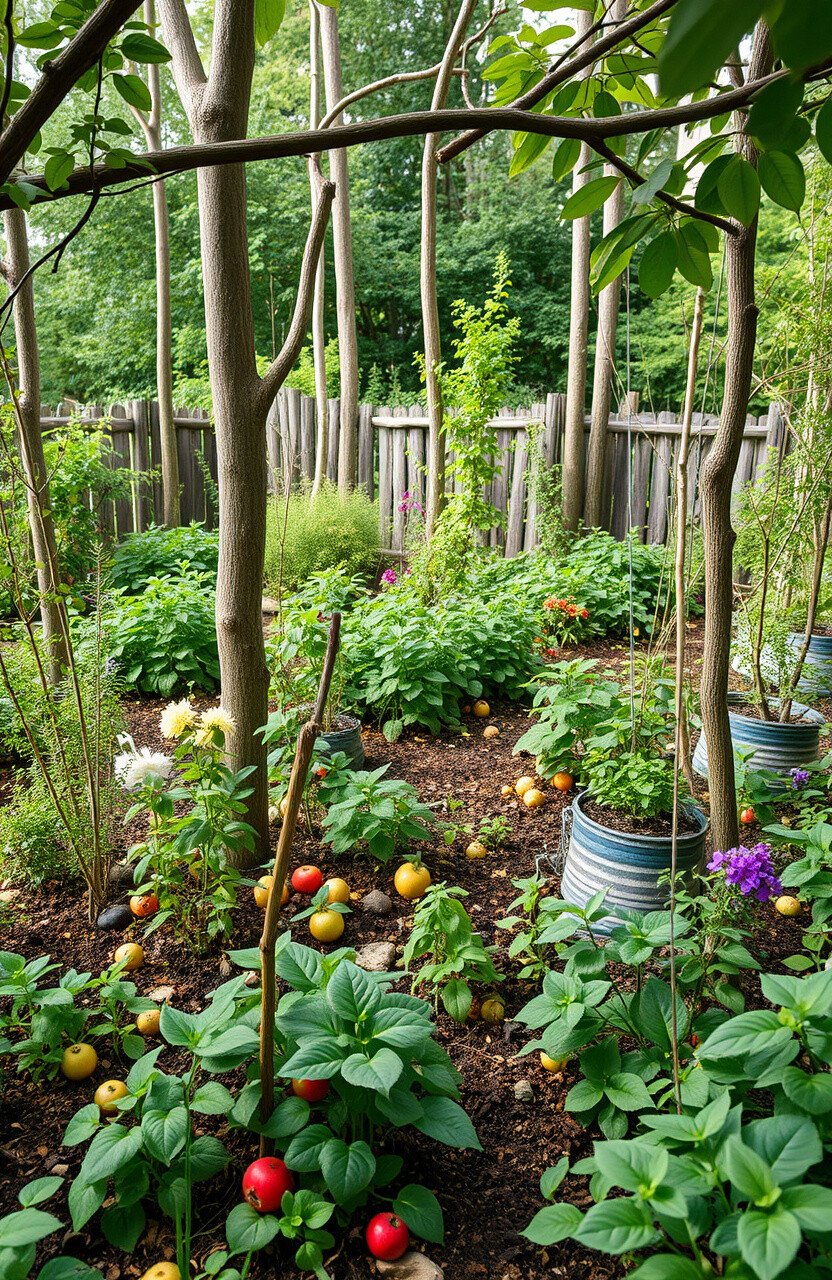
An edible forest garden is a diverse and productive landscape. It’s a bountiful space that teaches about permaculture and food systems.
Grow a variety of fruits, nuts, and herbs for a thriving ecosystem. This idea is unique because it combines gardening with sustainability.
Personalize with pathways or educational signs for added depth. It’s a low-cost way to create a productive and educational environment.
This garden is a feast for the senses and the mind. It’s a fruitful addition to any outdoor learning space.
36. Native Plant Garden

A native plant garden showcases local flora and ecosystems. It’s a vibrant space that supports wildlife and biodiversity.
Plant a variety of native species for a dynamic display. This idea is unique because it promotes conservation and local pride.
Personalize with educational materials or themed sections. It’s a low-cost way to create a natural and educational environment.
This garden is a celebration of local nature and beauty. It’s a flourishing addition to any outdoor classroom.
37. Pollinator Pathway
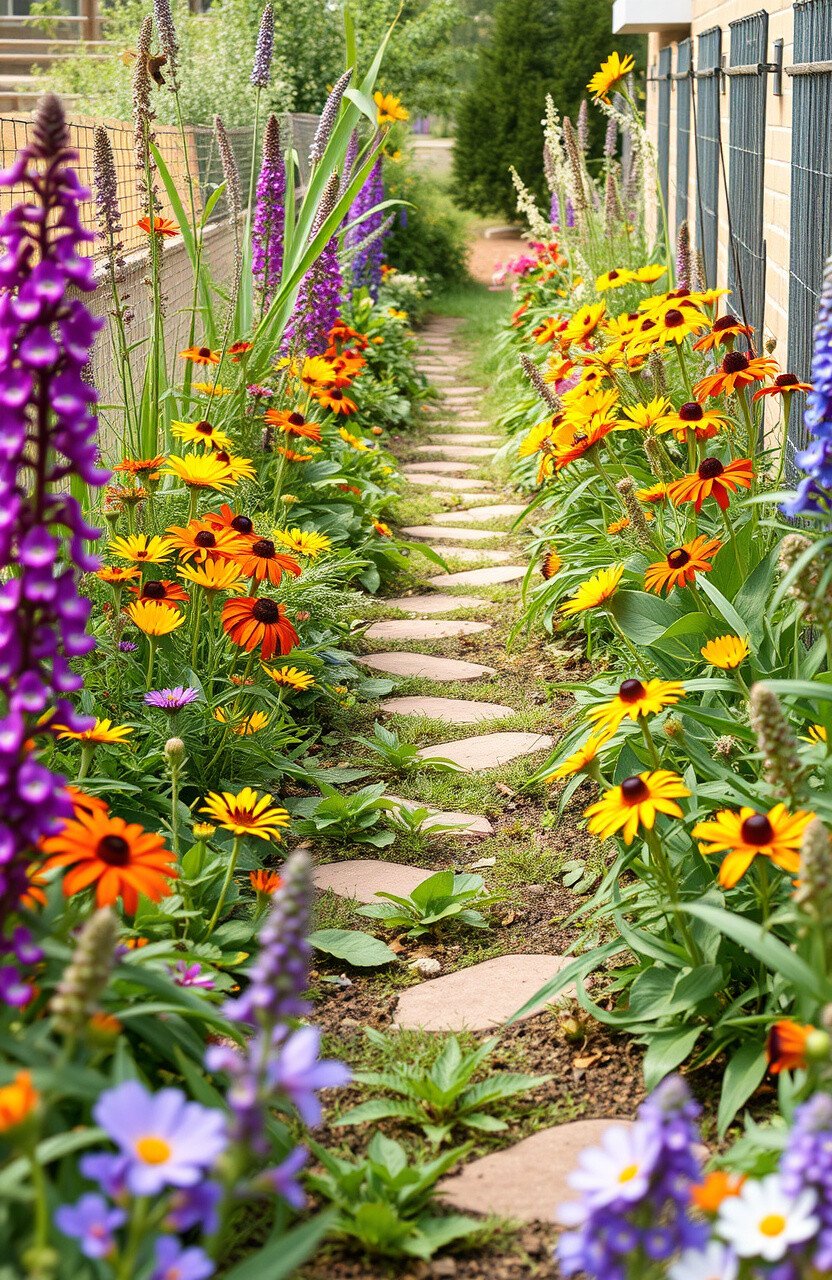
A pollinator pathway is a corridor of plants that attract bees, butterflies, and birds. It’s a lively space that supports pollinator species.
Plant a mix of flowers and shrubs for a diverse habitat. This idea is unique because it combines gardening with conservation.
Personalize with signs or educational materials for added depth. It’s a low-cost way to support ecosystems and biodiversity.
This pathway is a buzzing and fluttering celebration of life. It’s a vibrant addition to any garden classroom.
38. Nature Scavenger Hunt

A nature scavenger hunt is an engaging way to explore the garden. It’s a playful activity that encourages observation and learning.
Create a list of items or themes for kids to discover. This idea is unique because it combines adventure with education.
Personalize with themed hunts or seasonal variations. It’s a cost-effective way to promote exploration and curiosity.
This hunt is a journey through the wonders of nature. It’s an exciting addition to any outdoor learning environment.