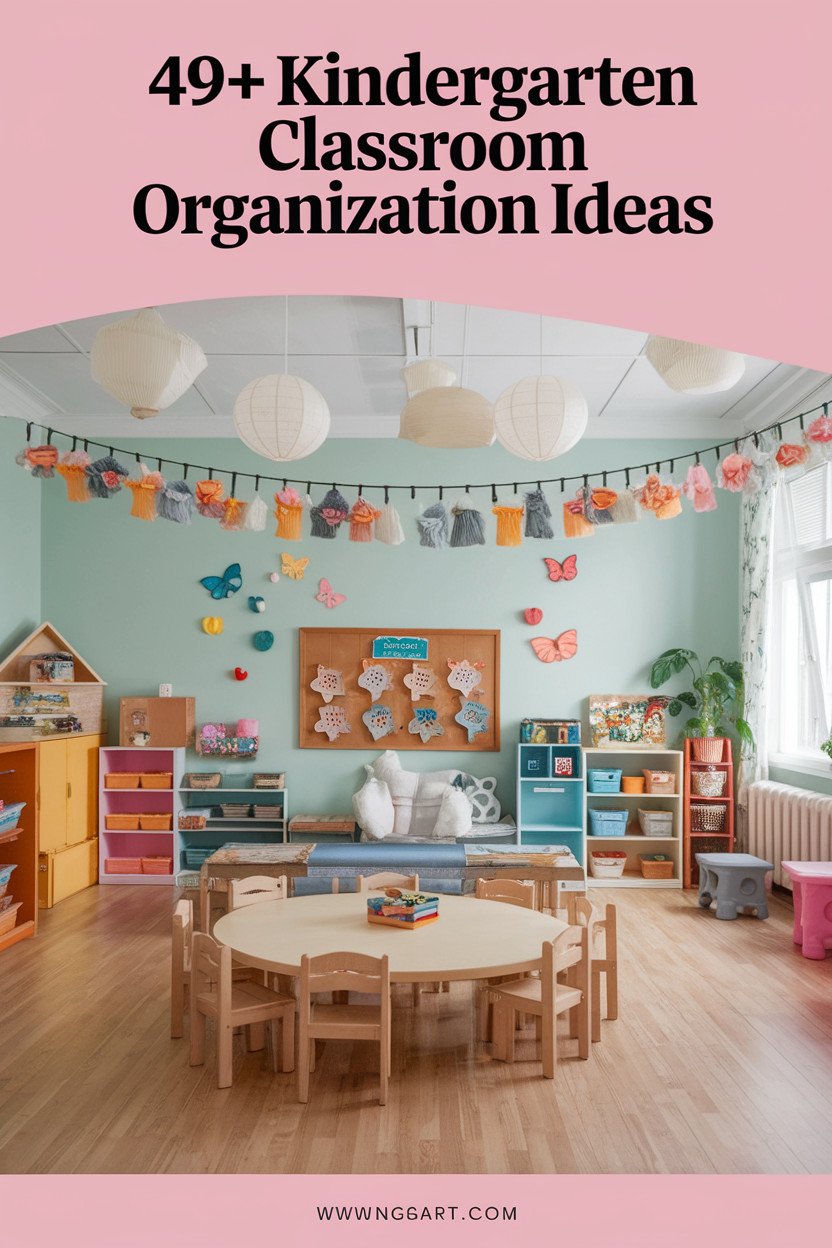
Imagine stepping into a kindergarten classroom that’s not just organized, but also buzzing with creativity and style. This magical transformation can turn any learning space into a wonderland for young minds. Get ready to immerse yourself in a world of colors, textures, and delightful solutions.
-
1. Color-Coded Storage Bins
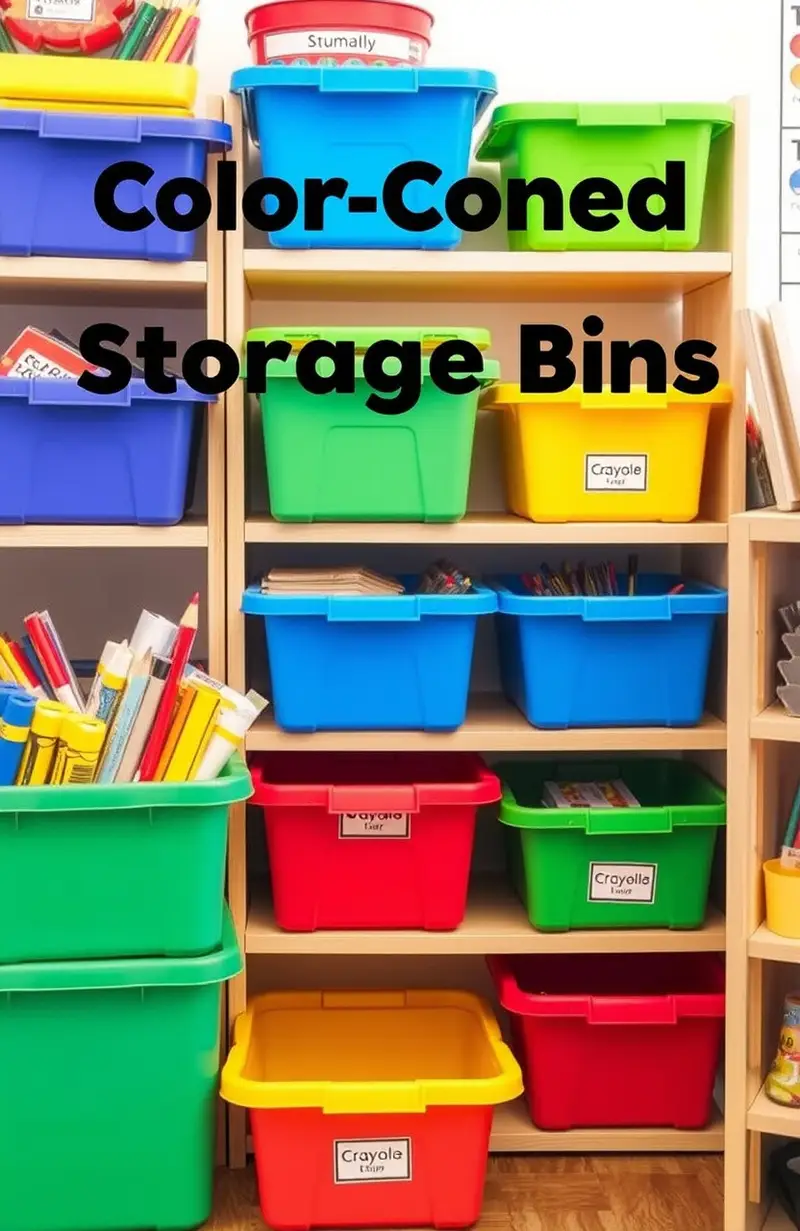
1. Color-Coded Storage Bins Using color-coded storage bins makes finding supplies a breeze. Each color represents a different category, making clean-up time fast and fun.
Kids love the vibrant colors, and it adds a splash of joy to the room. This method also helps children learn color recognition and sorting skills.
Personalize the bins with labels or pictures to match themes or lessons. This idea is cost-effective, with bins available at most dollar stores.
Try mixing and matching colors to create a rainbow effect. It’s like a game, making organization both exciting and educational.
-
2. Book Nooks
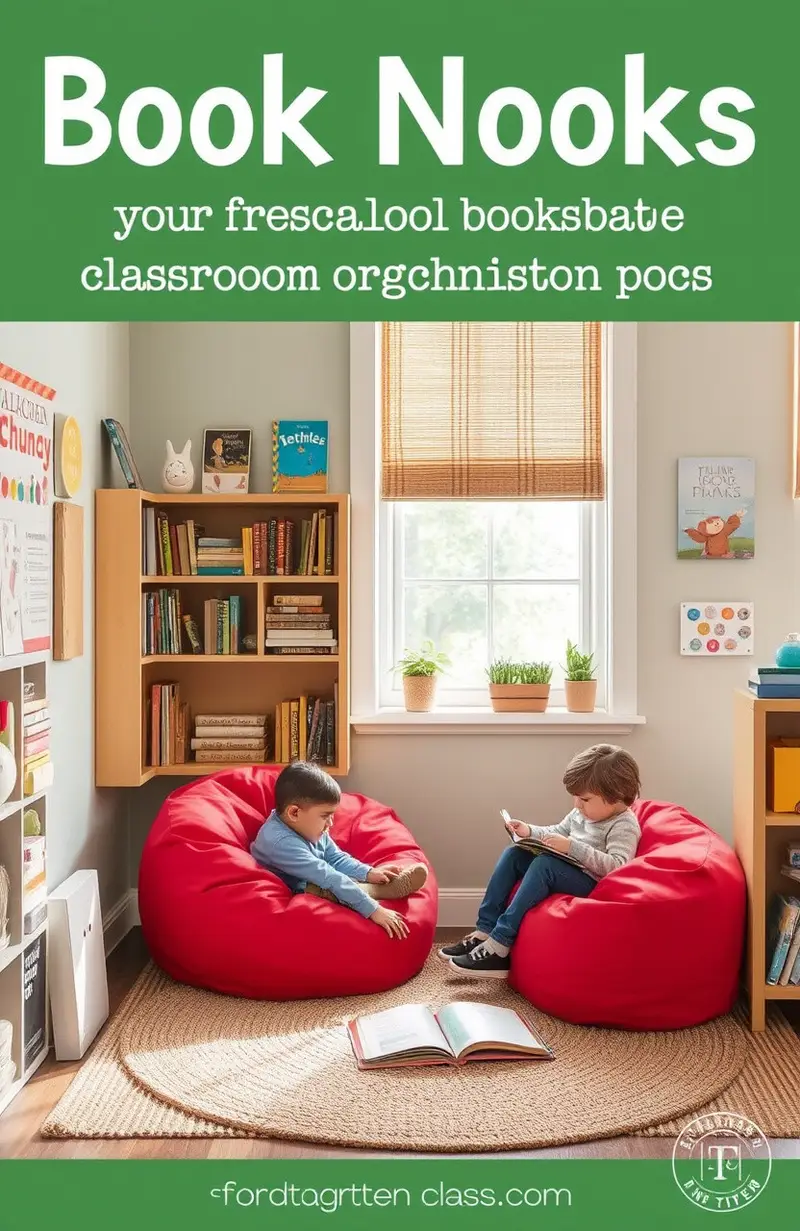
2. Book Nooks Create cozy book nooks with bean bags and pillows. These inviting spaces encourage a love of reading.
Arrange books by themes or levels to guide young readers. A comfortable nook can turn storytime into a favorite activity.
Add themed decorations to match current lessons or seasons. This can be done on a budget by using DIY crafts or second-hand finds.
Place the nook by a window to incorporate natural light. This creates a peaceful retreat away from the bustling classroom.
-
3. Art Supply Stations

3. Art Supply Stations Art supply stations keep creativity organized and accessible. Grouping items like crayons, markers, and scissors makes crafting easy.
Label each section for quick identification. This setup encourages independence as children can grab what they need without help.
Use clear containers to showcase colorful supplies. This also helps in maintaining inventory, so you know when to restock.
Consider rotating supplies to keep the station fresh and exciting. This keeps children engaged with new materials regularly.
-
4. Interactive Calendar Walls
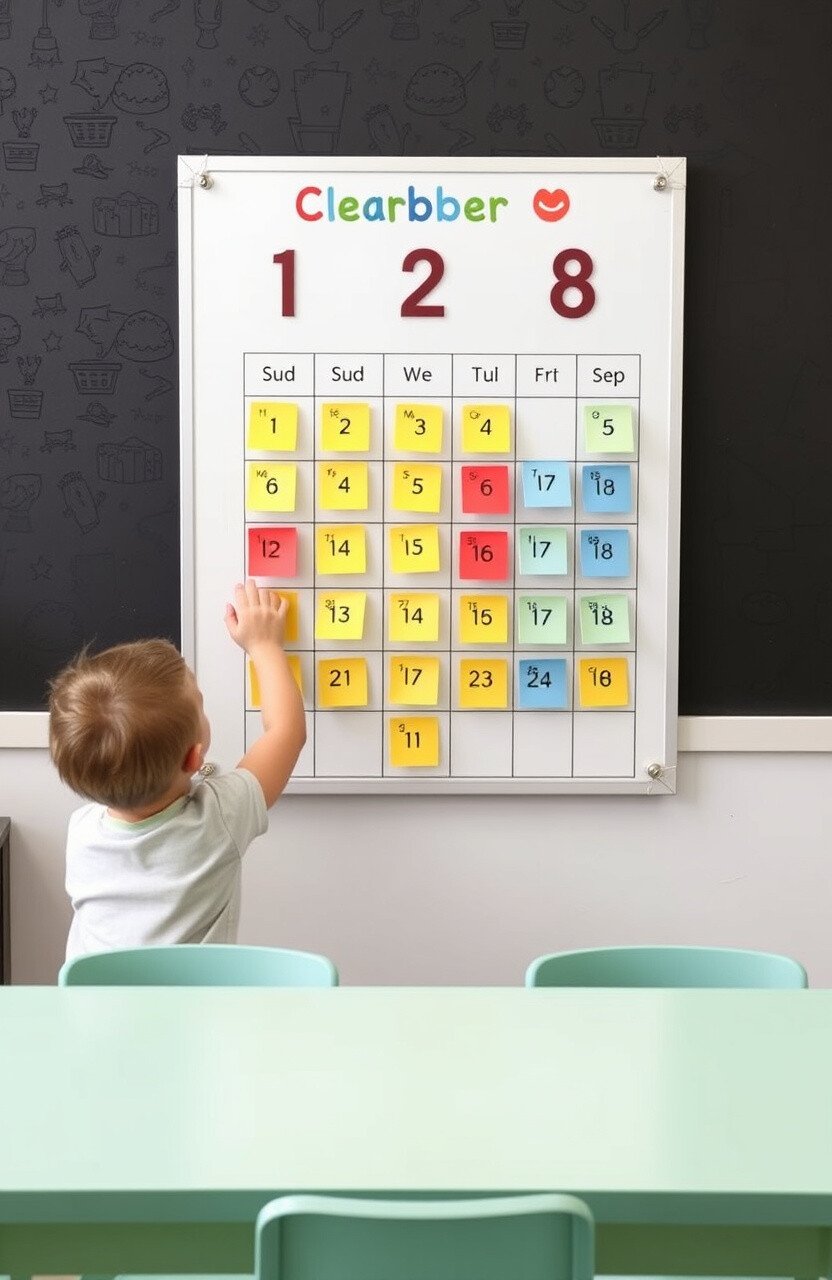
4. Interactive Calendar Walls Interactive calendar walls help kids learn about days, months, and seasons. Velcro or magnetic pieces let them participate in setting the date.
This hands-on approach makes learning about time fun and engaging. Children feel a sense of accomplishment as they change the calendar daily.
Personalize the calendar with culturally significant dates or birthdays. This fosters a sense of community within the classroom.
Using bright colors and fun shapes can make the calendar visually appealing. It’s a daily activity that never gets old.
-
5. Puzzle and Game Stations
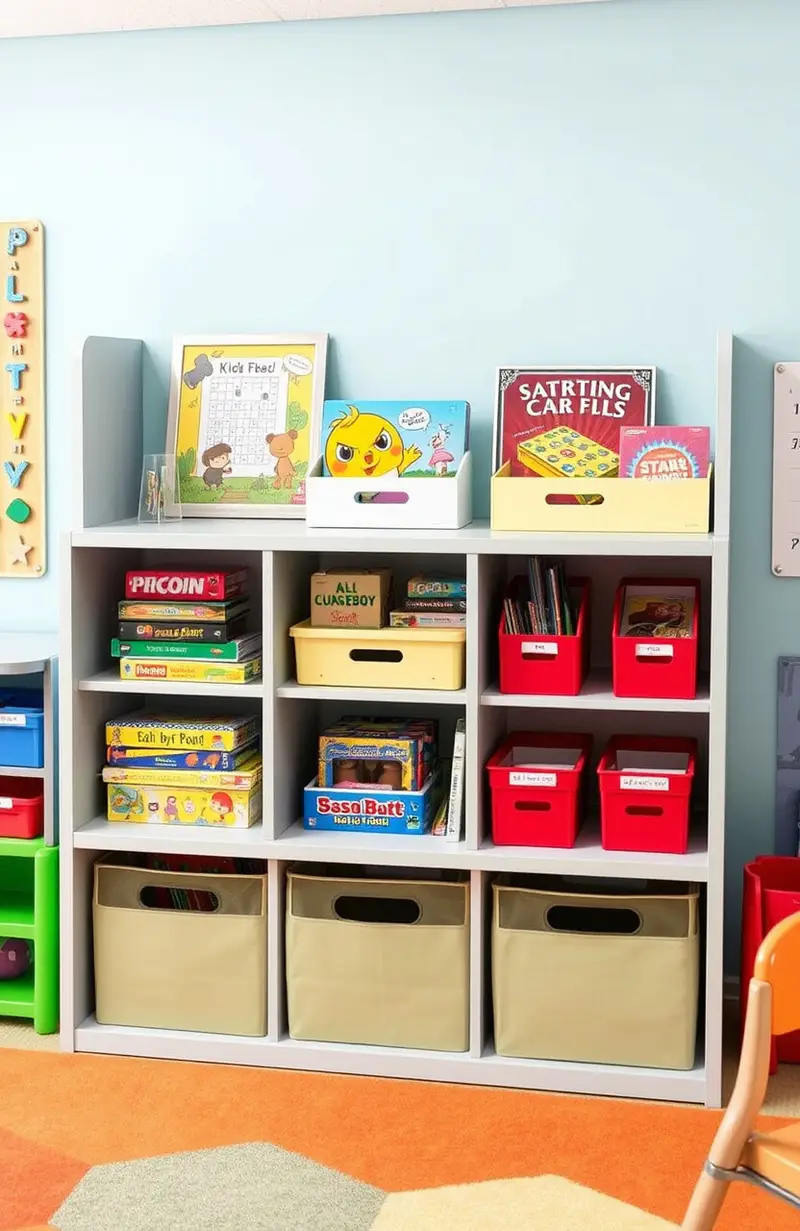
5. Puzzle and Game Stations Puzzle and game stations are perfect for brain breaks. They offer a fun way to develop problem-solving skills.
Store games in easy-to-reach shelves to promote self-service. This encourages kids to take responsibility for their playtime choices.
Rotate games to align with current lessons or themes. This keeps the station fresh and aligned with educational goals.
Consider adding a “game of the week” to highlight new or seasonal games. This adds an element of surprise and excitement.
-
6. Science Exploration Corners
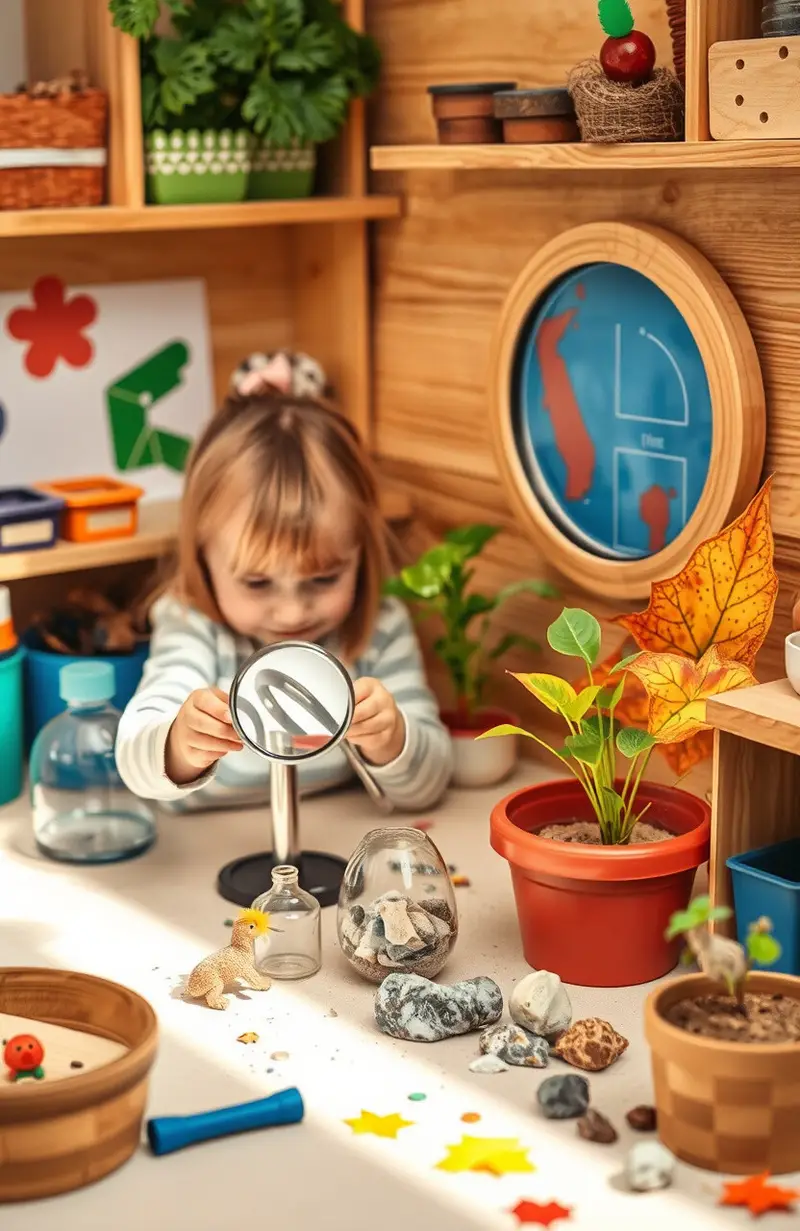
6. Science Exploration Corners Science exploration corners spark curiosity and discovery. Equip them with magnifying glasses, rocks, and plants for hands-on learning.
These corners encourage critical thinking and observation skills. Kids can explore at their own pace, making learning natural and fun.
Personalize with seasonal or themed items like leaves in the fall. This keeps the area fresh and aligned with current lessons.
Use recycled materials to create cost-effective exploration tools. This teaches kids about sustainability and resourcefulness.
-
7. Sensory Tables
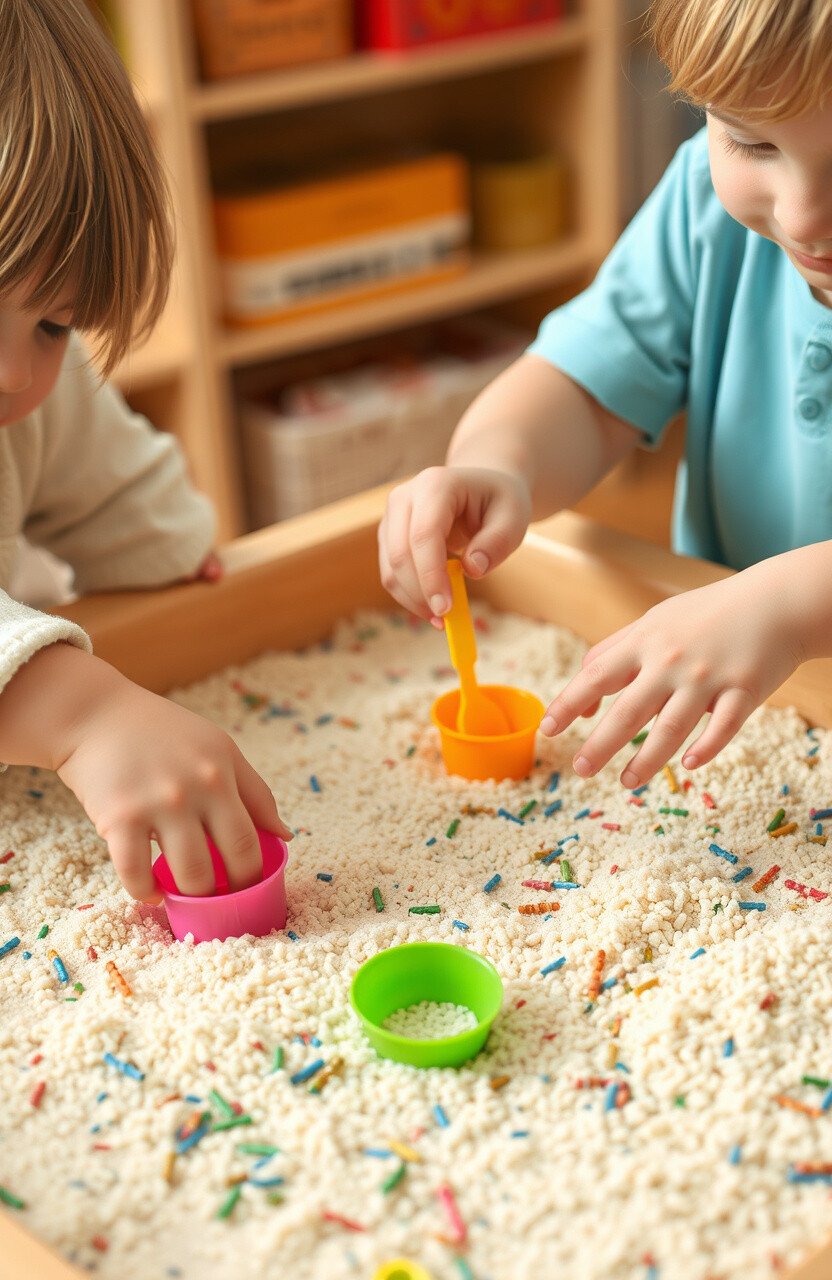
7. Sensory Tables Sensory tables offer a tactile learning experience. Fill them with materials like sand, water, or rice for endless exploration.
These tables enhance fine motor skills and sensory development. Kids can engage in hands-on play that stimulates multiple senses.
Change the materials regularly to keep things exciting. This can be done inexpensively using everyday household items.
Add measuring cups or spoons to integrate math skills. This turns playtime into a multi-faceted learning experience.
-
8. Themed Bulletin Boards
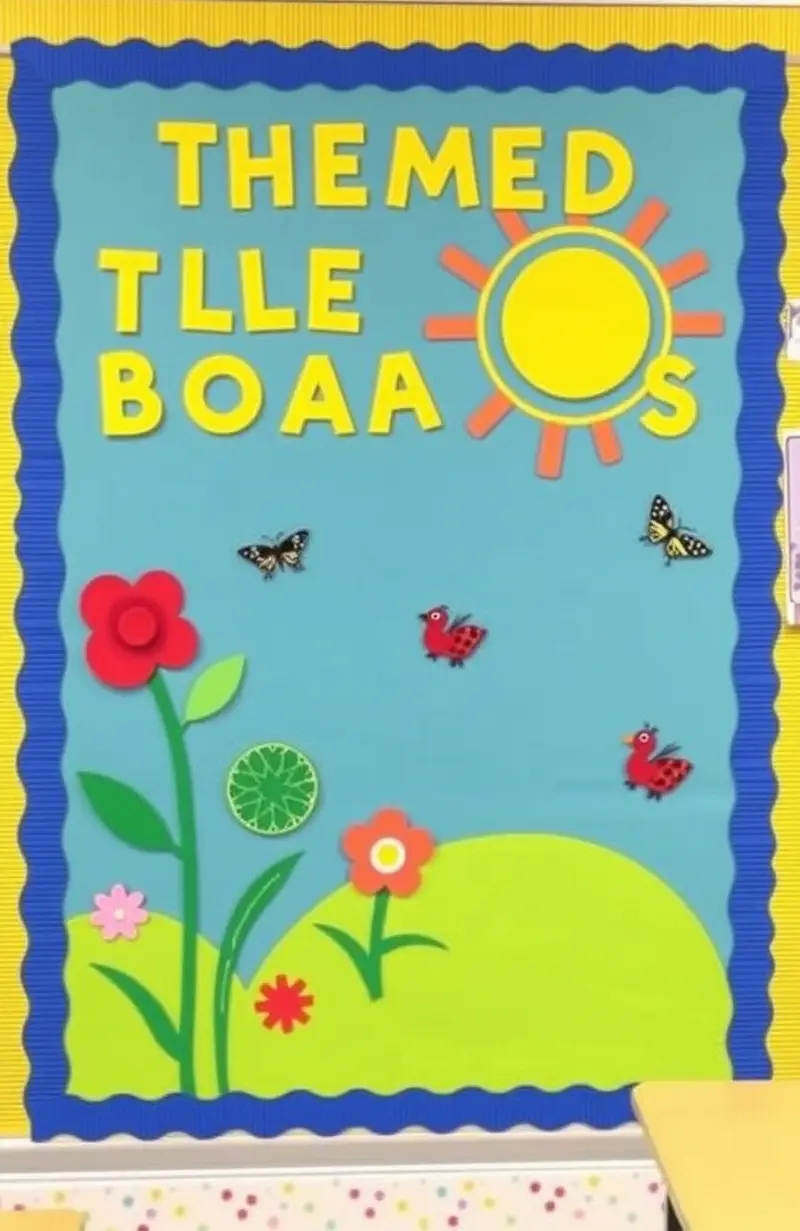
8. Themed Bulletin Boards Themed bulletin boards keep the classroom dynamic and engaging. Use them to display student work or lesson-related materials.
These boards provide a sense of pride and accomplishment. Kids love seeing their work showcased for everyone to admire.
Rotate themes to align with seasons, holidays, or curriculum. This keeps the boards fresh and relevant throughout the year.
Use colorful borders and backgrounds to make the displays pop. It’s an easy and affordable way to brighten up the classroom.
-
9. Reading Buddies
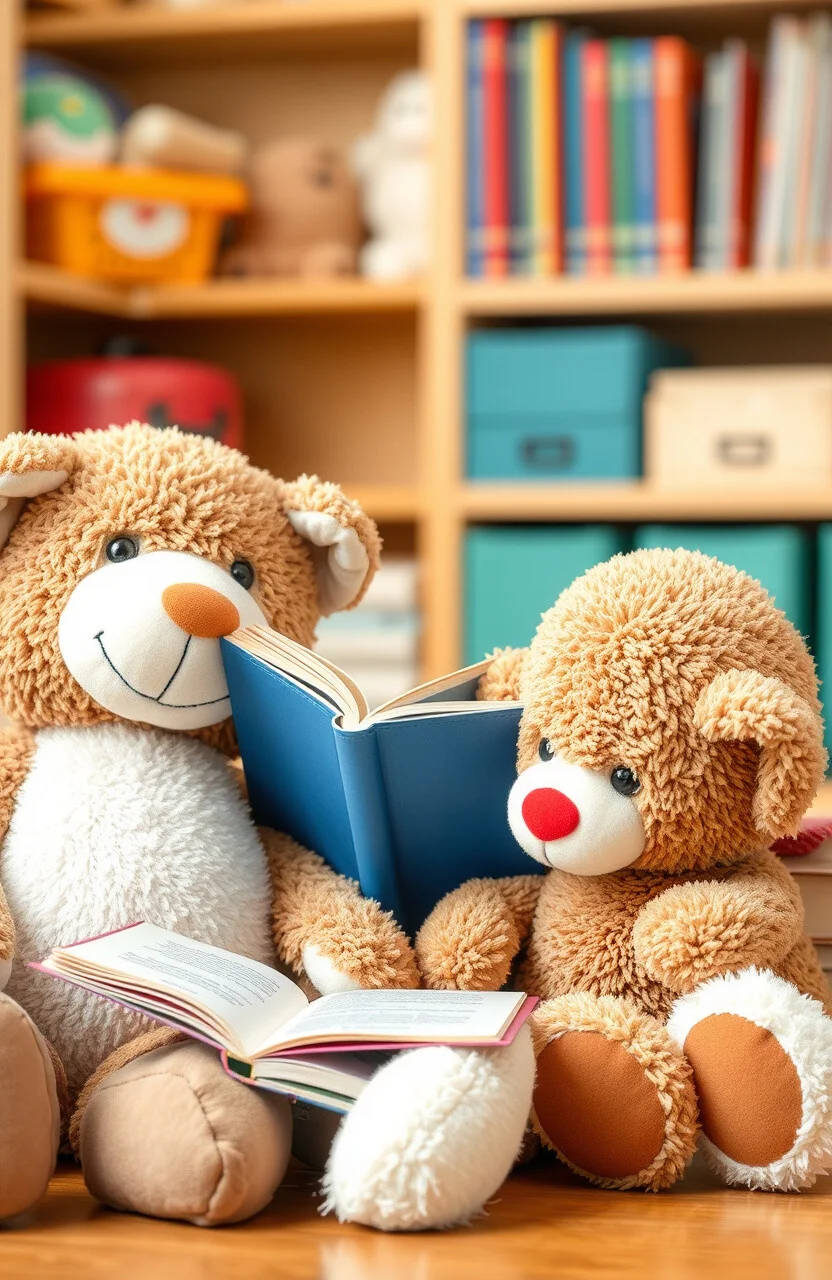
9. Reading Buddies Reading buddies create a welcoming reading environment. Stuffed animals or plush toys can be reading companions for kids.
These buddies make reading less intimidating and more enjoyable. They provide comfort and companionship during quiet time.
Encourage kids to read to their buddies, enhancing confidence. This practice also promotes empathy and social skills.
Rotate buddies to maintain interest and excitement. This can be a fun and cost-free way to keep reading time engaging.
-
10. Creative Display Areas

10. Creative Display Areas Creative display areas showcase student achievements. Use wall space to highlight art projects or classwork.
These areas build confidence and encourage effort. Kids love seeing their work celebrated in a public space.
Change displays regularly to keep the space vibrant. This practice also teaches kids to appreciate and respect others’ work.
Use colorful frames or borders to make each piece stand out. This adds a personal touch without breaking the bank.
-
11. Nature-Inspired Decorations
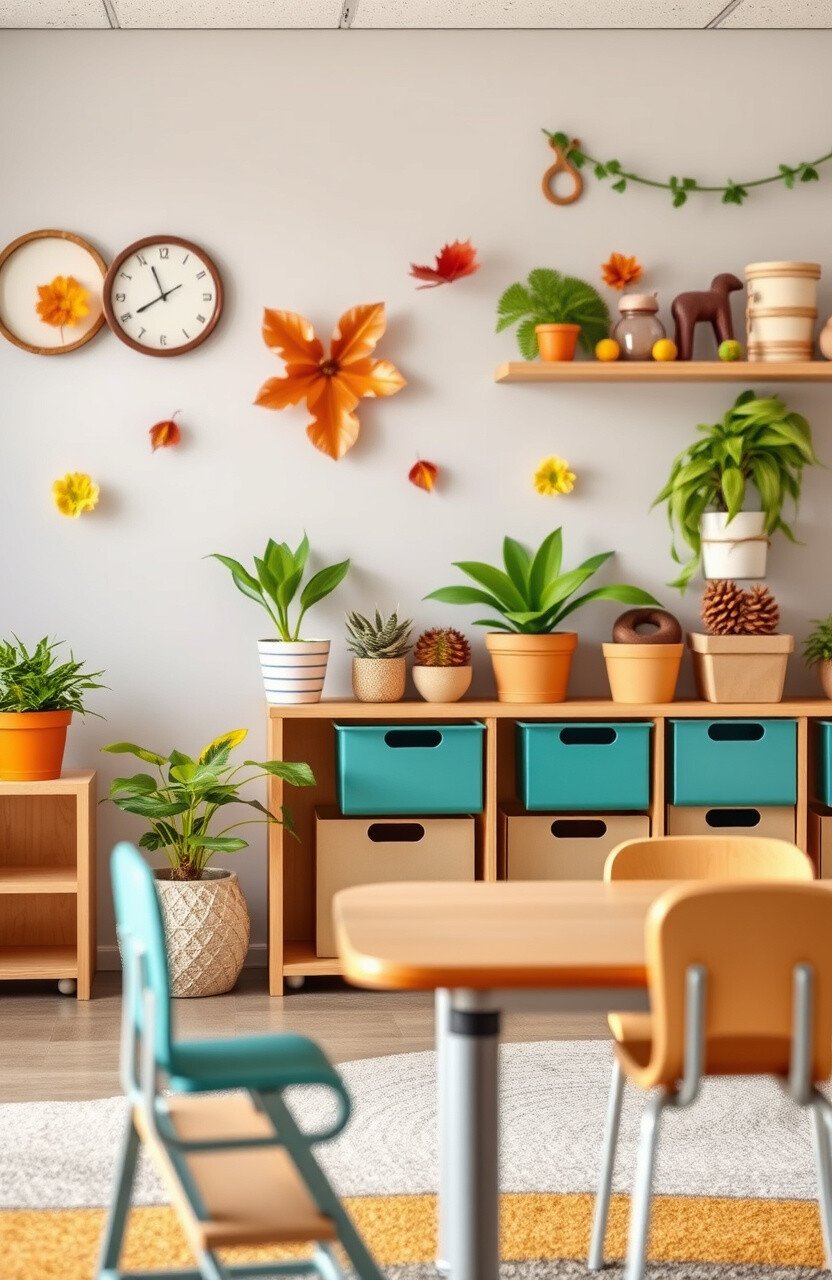
11. Nature-Inspired Decorations Nature-inspired decorations bring the outdoors inside. Use elements like plants, rocks, or natural colors to create a calming environment.
This approach promotes a sense of peace and focus. The presence of nature can also spark curiosity and discussion.
Incorporate seasonal changes to keep things fresh. This can be done with simple swaps of leaves, flowers, or pinecones.
Use real or faux plants for a low-maintenance option. This adds a natural touch without requiring constant care.
-
12. Personalized Name Tags
12. Personalized Name Tags Personalized name tags give kids a sense of ownership. Each child can design their own tag to express their personality.
These tags help children feel welcomed and acknowledged. They also make it easier for kids and teachers to learn names.
Use durable materials to ensure longevity. Laminating the tags can keep them looking fresh all year long.
Allow kids to decorate with stickers or drawings. This adds a personal touch that kids will love.
-
13. Word Walls
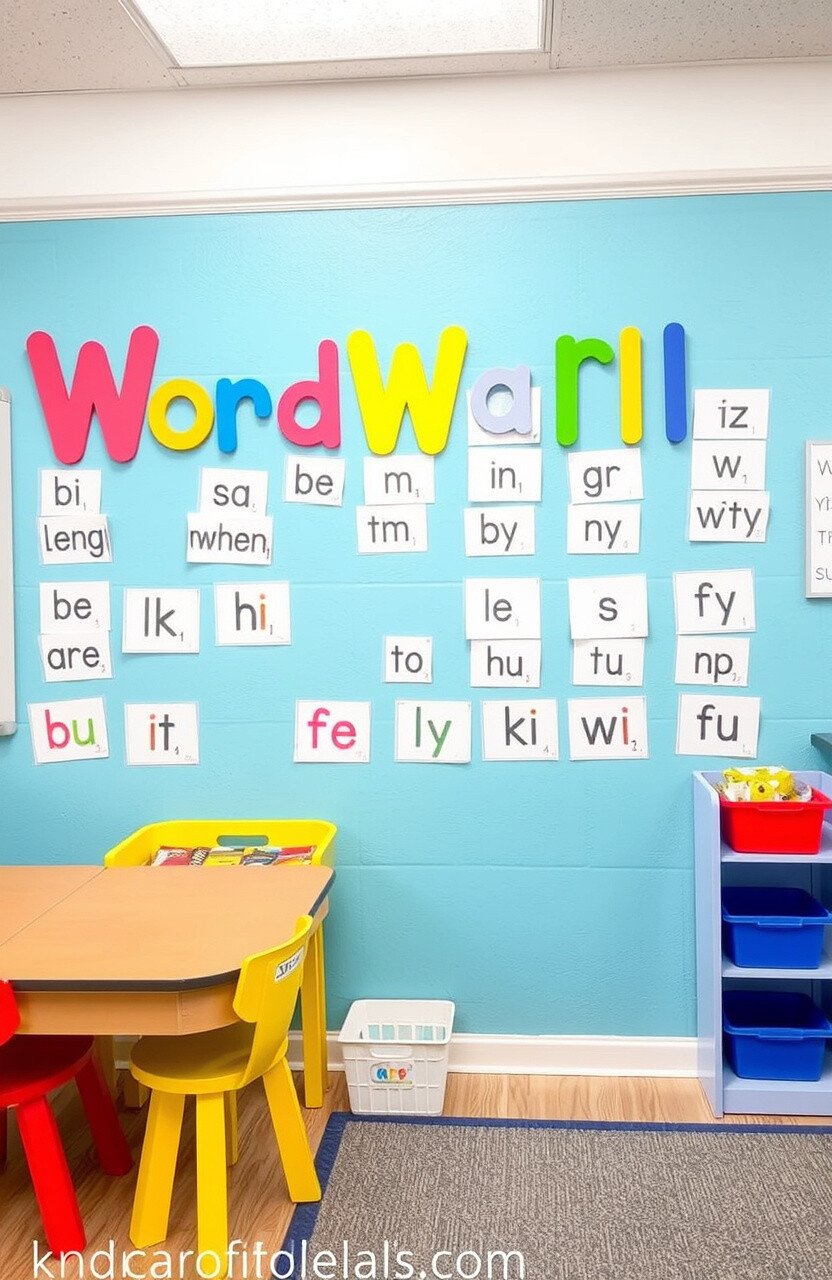
13. Word Walls Word walls help kids expand their vocabulary. Display new words alphabetically for easy reference.
This visual aid reinforces language skills daily. Kids can refer to it during reading or writing activities.
Update the wall with words from current lessons. This keeps the content relevant and engaging.
Use colorful lettering to draw attention. It makes learning new words exciting and visually appealing.
-
14. Cozy Reading Rugs

14. Cozy Reading Rugs Cozy reading rugs make storytime inviting. Soft textures create a warm spot for gathering and listening.
These rugs encourage a love for reading and storytelling. They define a special area for quiet time and group activities.
Choose rugs with fun patterns or educational designs. This adds an element of playfulness to the space.
Look for washable rugs to ensure easy maintenance. This keeps the area clean and fresh for daily use.
-
15. Flexible Seating Options
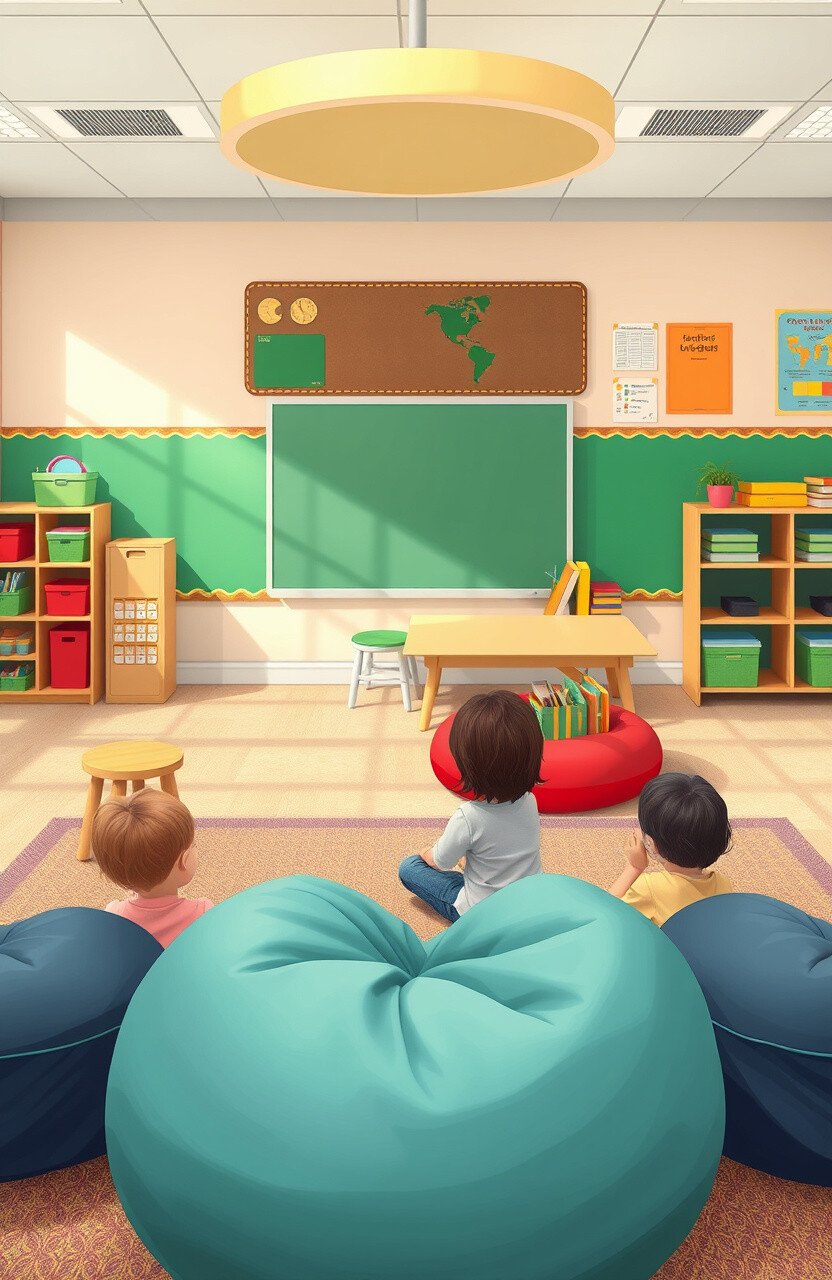
15. Flexible Seating Options Flexible seating options cater to different learning styles. Provide choices like bean bags, stools, or floor cushions.
This setup fosters independence and comfort. Kids can choose where they feel most focused and relaxed.
Rotate seating arrangements to keep things interesting. This allows kids to experience different perspectives.
Use budget-friendly options to create varied seating. Thrift stores or DIY projects can offer unique solutions.
-
16. Interactive Whiteboards
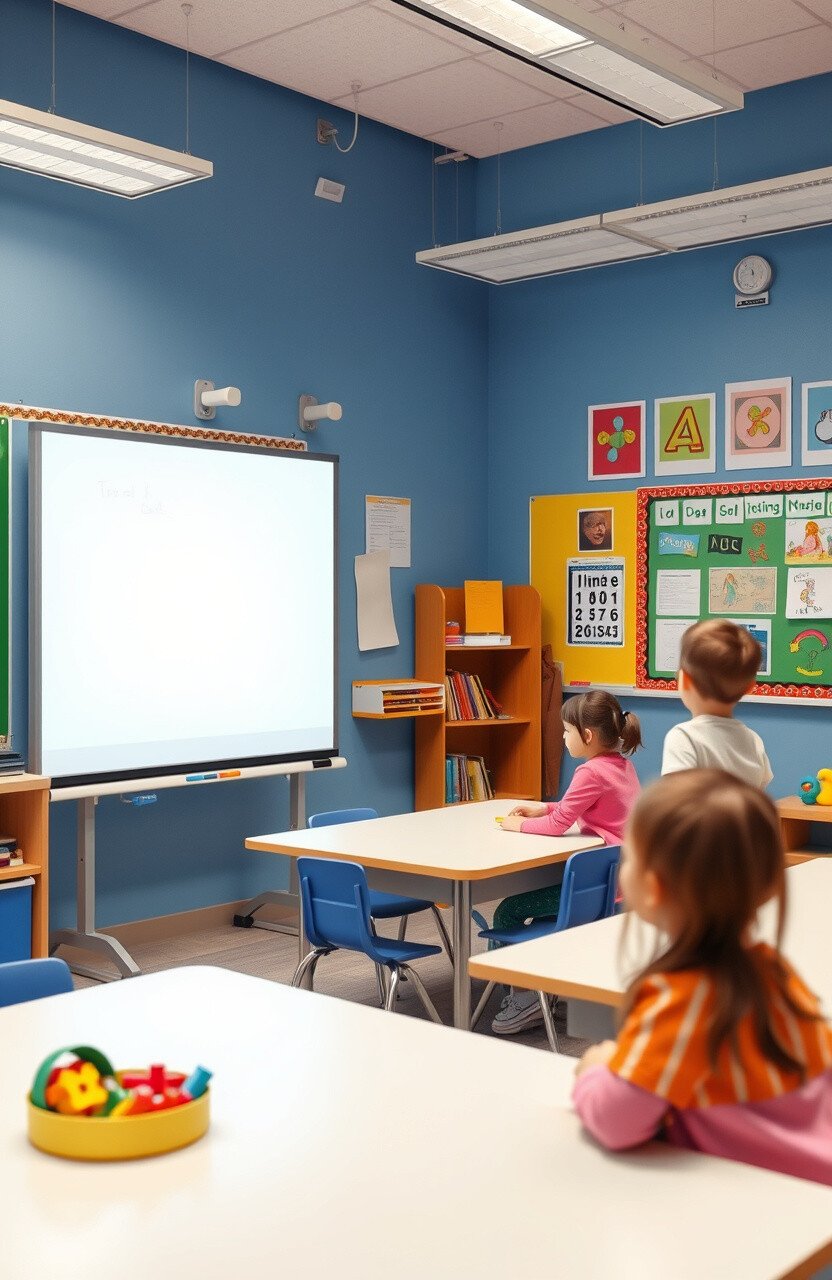
16. Interactive Whiteboards Interactive whiteboards make learning engaging. They turn lessons into interactive experiences with touch and technology.
This tool enhances collaboration and participation. Kids love the dynamic and hands-on approach to learning.
Use it for games, quizzes, or drawing activities. This keeps lessons lively and fun for everyone.
Consider grant options to fund this investment. It’s a modern addition with long-term educational benefits.
-
17. Daily Routine Charts
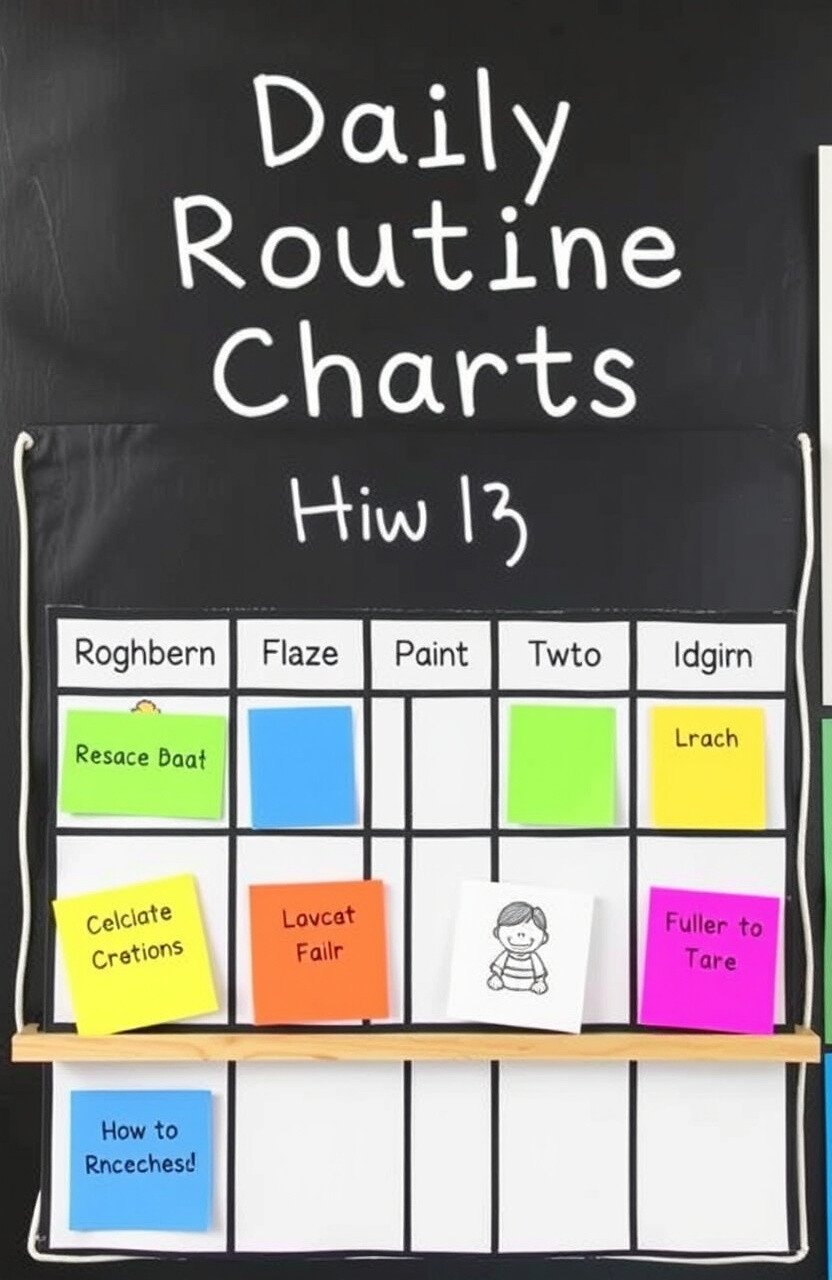
17. Daily Routine Charts Daily routine charts help kids understand their day. Visual schedules provide structure and reduce anxiety.
This tool fosters independence and time-management skills. Kids can anticipate what’s next and prepare accordingly.
Use pictures or icons for non-readers to follow along. This ensures everyone is on the same page, regardless of reading level.
Laminate for durability and easy updates. This keeps the chart looking new and functional throughout the year.
-
18. Inspirational Quote Boards
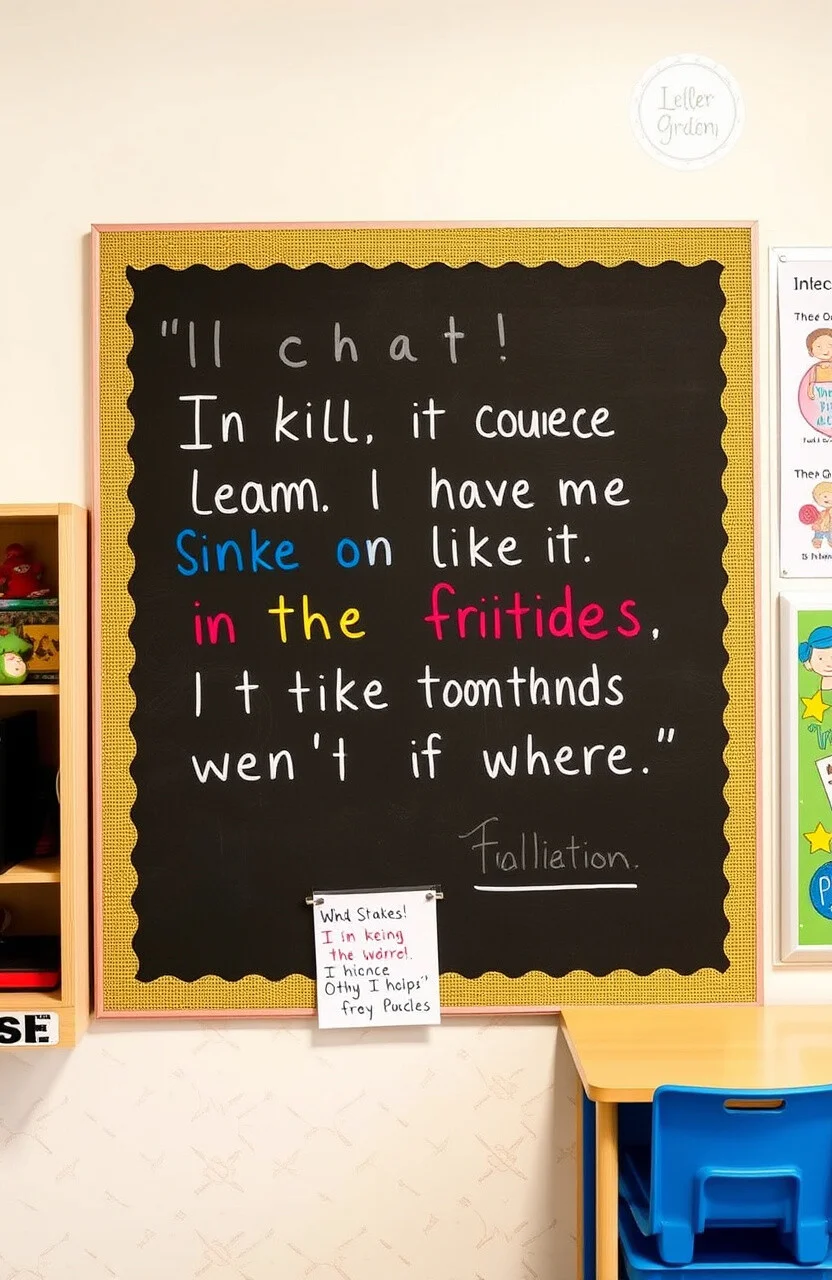
18. Inspirational Quote Boards Inspirational quote boards uplift and motivate. Display quotes that resonate with young learners.
This practice encourages positive thinking and resilience. Kids can draw inspiration from these words daily.
Change quotes weekly to keep the board fresh. This introduces new ideas and discussions regularly.
Use colorful designs to make the board stand out. This adds a cheerful touch to the classroom atmosphere.
-
19. DIY Craft Areas
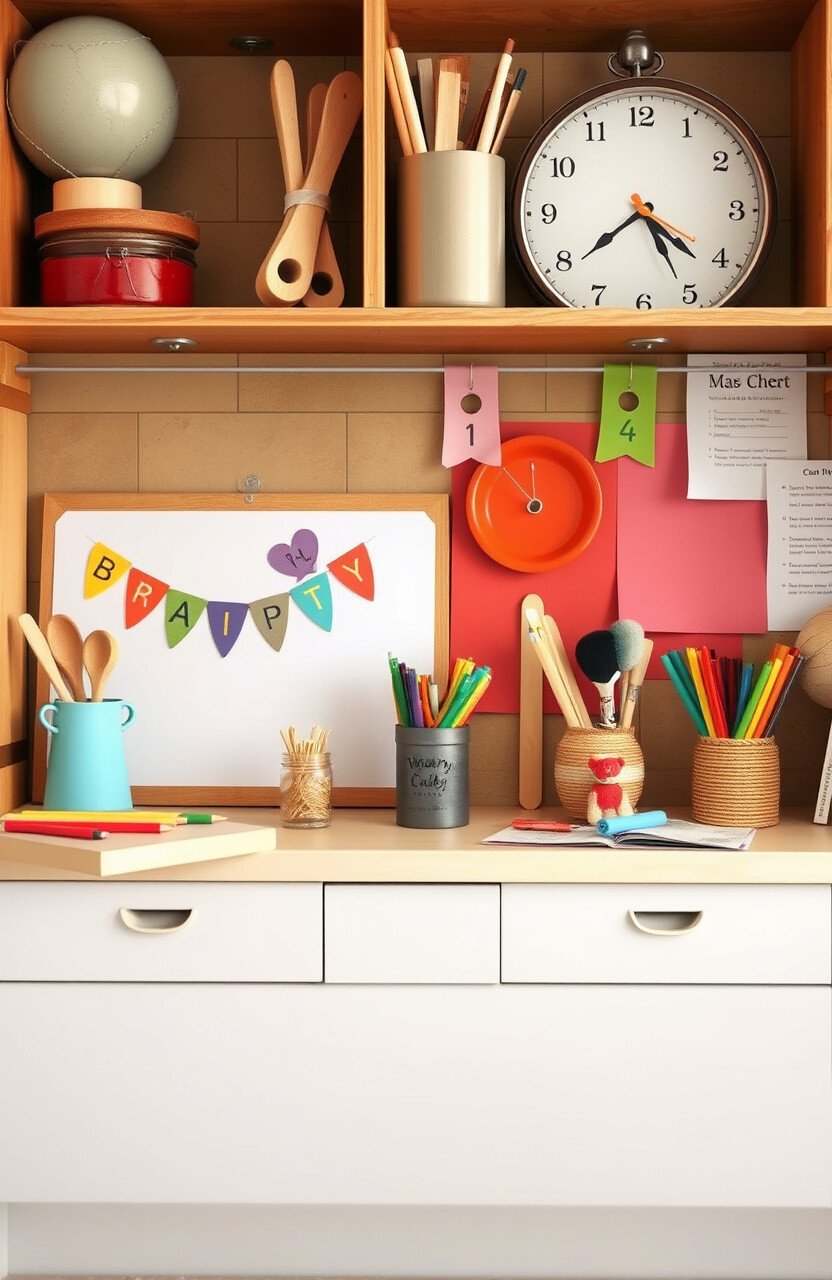
19. DIY Craft Areas DIY craft areas inspire creativity and imagination. Provide materials like paper, scissors, and glue for spontaneous projects.
These areas encourage self-expression and artistic skills. Kids can create and explore without limits.
Use recycled materials to keep costs low. This teaches kids about sustainability and resourcefulness.
Personalize the area with examples or themes. This guides and inspires new ideas for projects.
-
20. Bright Color Schemes
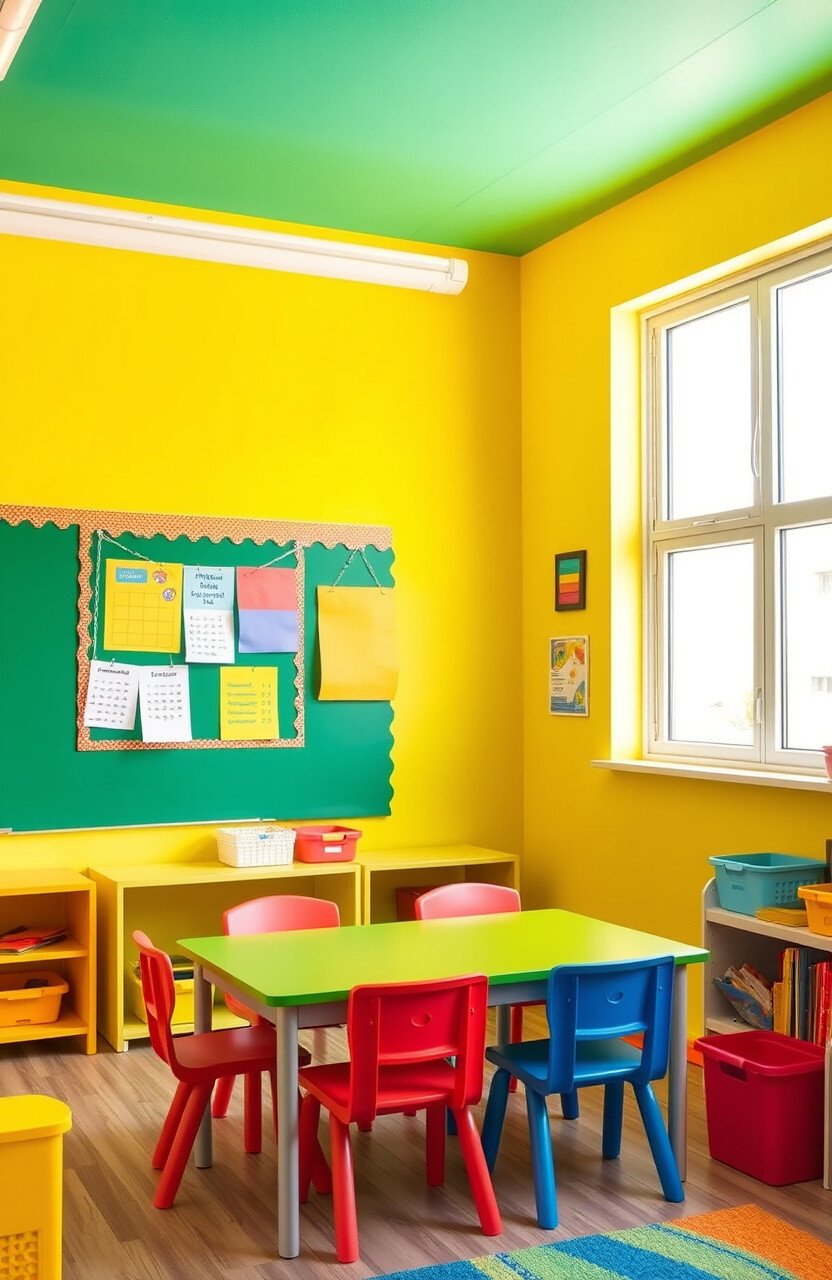
20. Bright Color Schemes Bright color schemes energize and inspire. Use bold colors to create a lively and welcoming environment.
These schemes promote enthusiasm and creativity. Kids feel more engaged in a vibrant setting.
Mix and match colors to create a playful atmosphere. This adds personality and charm to the classroom.
Use paint or wall decals for an easy update. This is a cost-effective way to refresh the space.
-
21. Themed Learning Centers
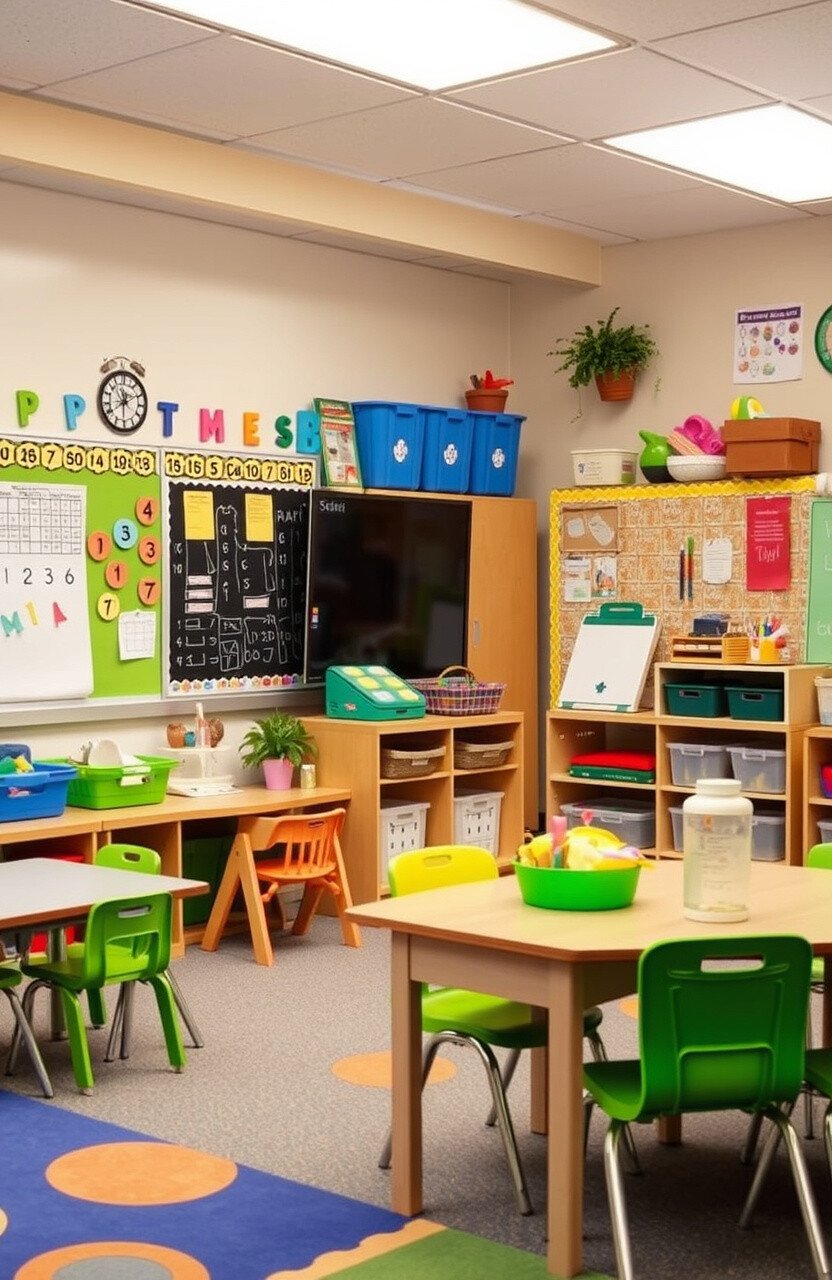
21. Themed Learning Centers Themed learning centers focus on specific subjects. Create areas dedicated to math, science, or language arts.
These centers offer targeted learning opportunities. Kids can immerse themselves in subjects they enjoy.
Rotate themes to align with current lessons. This keeps the centers relevant and engaging.
Use simple decorations to define each area. This adds clarity and focus without overwhelming the space.
-
22. Student Portfolios
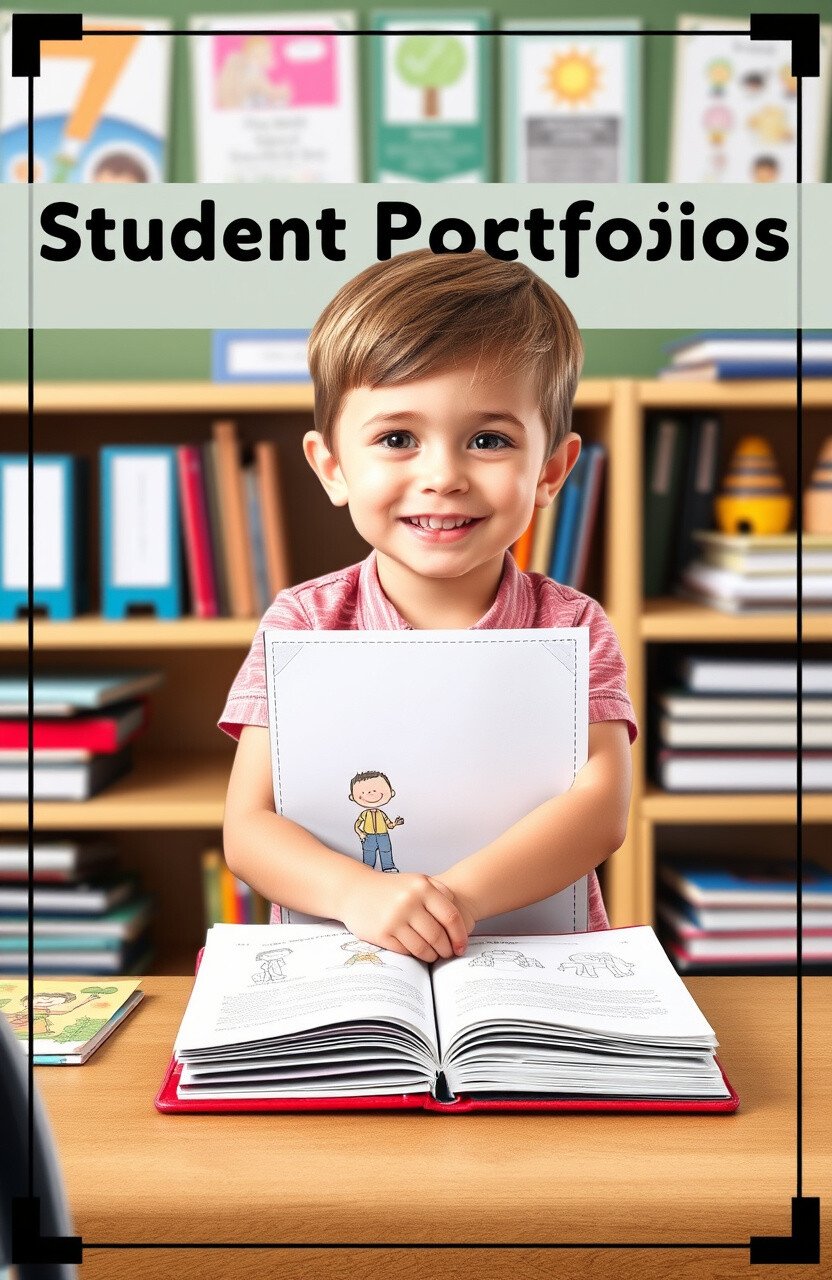
22. Student Portfolios Student portfolios track progress and achievements. Use binders or folders to collect work over time.
This method showcases individual growth and development. Kids feel proud as they see their progress documented.
Review portfolios regularly to celebrate successes. This practice encourages continued effort and improvement.
Personalize covers to reflect each student’s personality. This adds a special touch to their personal collection.
-
23. Focus on Natural Lighting
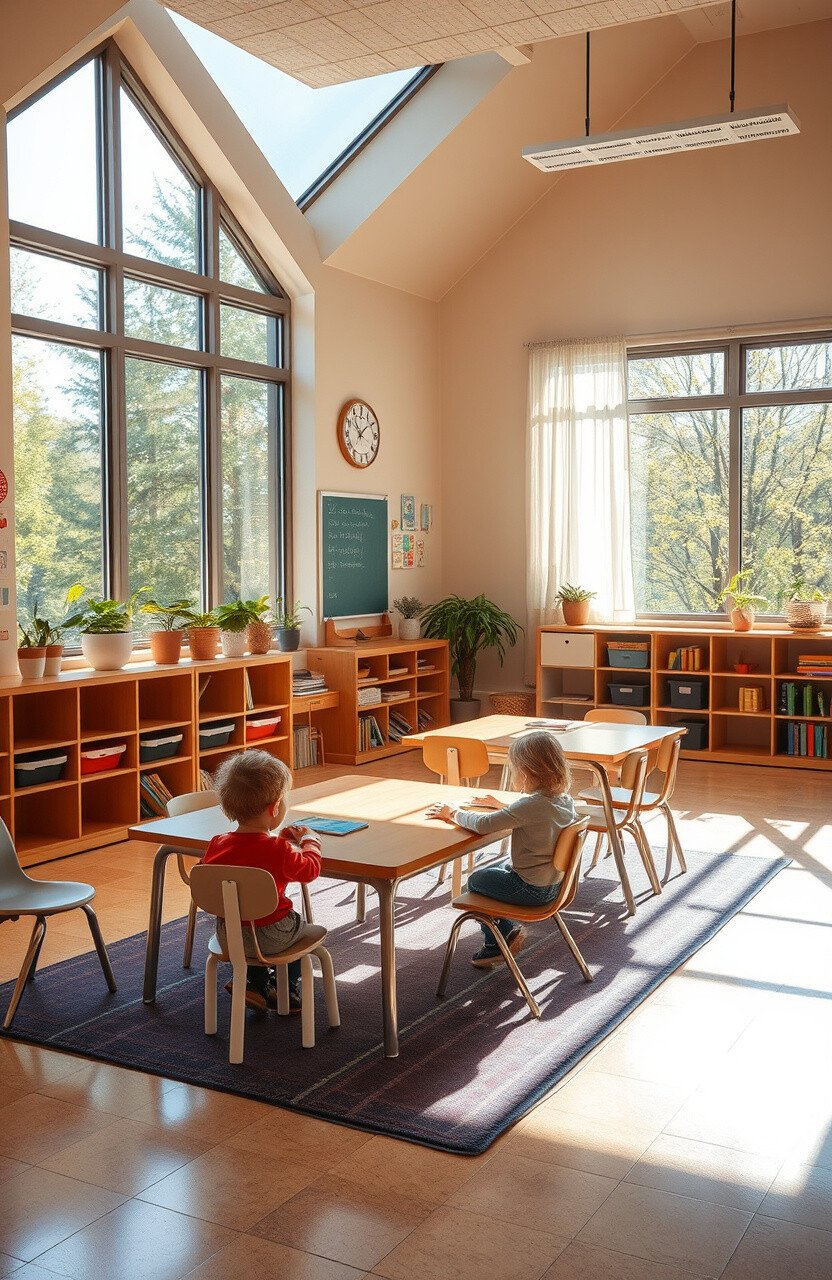
23. Focus on Natural Lighting Natural lighting creates a welcoming atmosphere. Position desks and activity areas near windows for optimal light.
This approach boosts mood and concentration. Kids benefit from the calming effect of natural light.
Use light curtains to diffuse harsh sunlight. This maintains brightness without causing glare.
Incorporate reflective surfaces to enhance light distribution. This maximizes the natural light available in the room.
-
24. Multi-Use Furniture
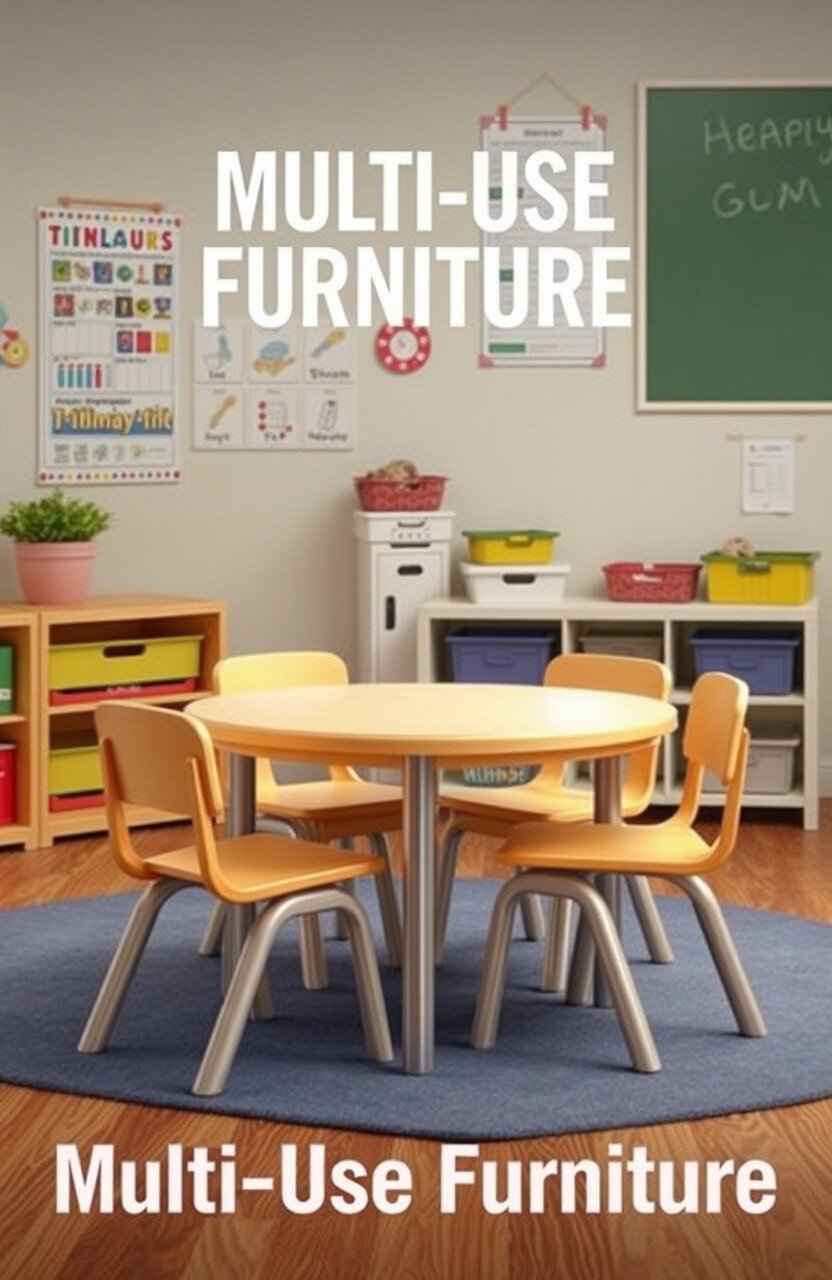
24. Multi-Use Furniture Multi-use furniture saves space and adds functionality. Choose items like foldable tables or stackable chairs.
This approach maximizes flexibility and efficiency. Kids can adapt the space to suit various activities.
Look for budget-friendly options to keep costs low. Thrift stores or DIY projects can offer unique solutions.
Consider furniture with storage to keep things tidy. This adds organization without sacrificing style.
-
25. Visual Learning Aids
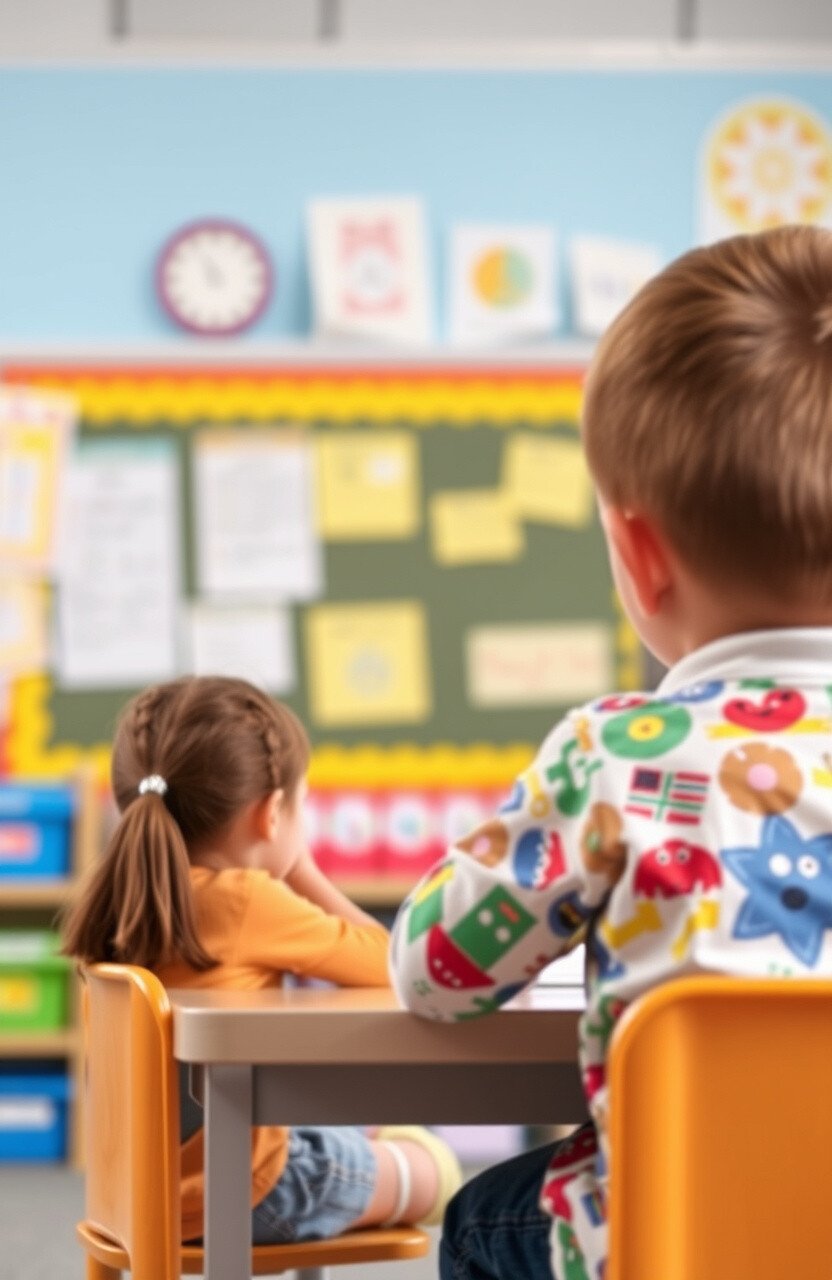
25. Visual Learning Aids Visual learning aids reinforce concepts and skills. Use posters, charts, or models to support lessons.
These tools cater to visual learners and enhance understanding. Kids can refer to them as needed during activities.
Update aids to reflect current topics or themes. This keeps the content fresh and engaging for students.
Use bright colors and clear images to draw attention. This makes learning aids both informative and visually appealing.
-
26. Storytelling Corner
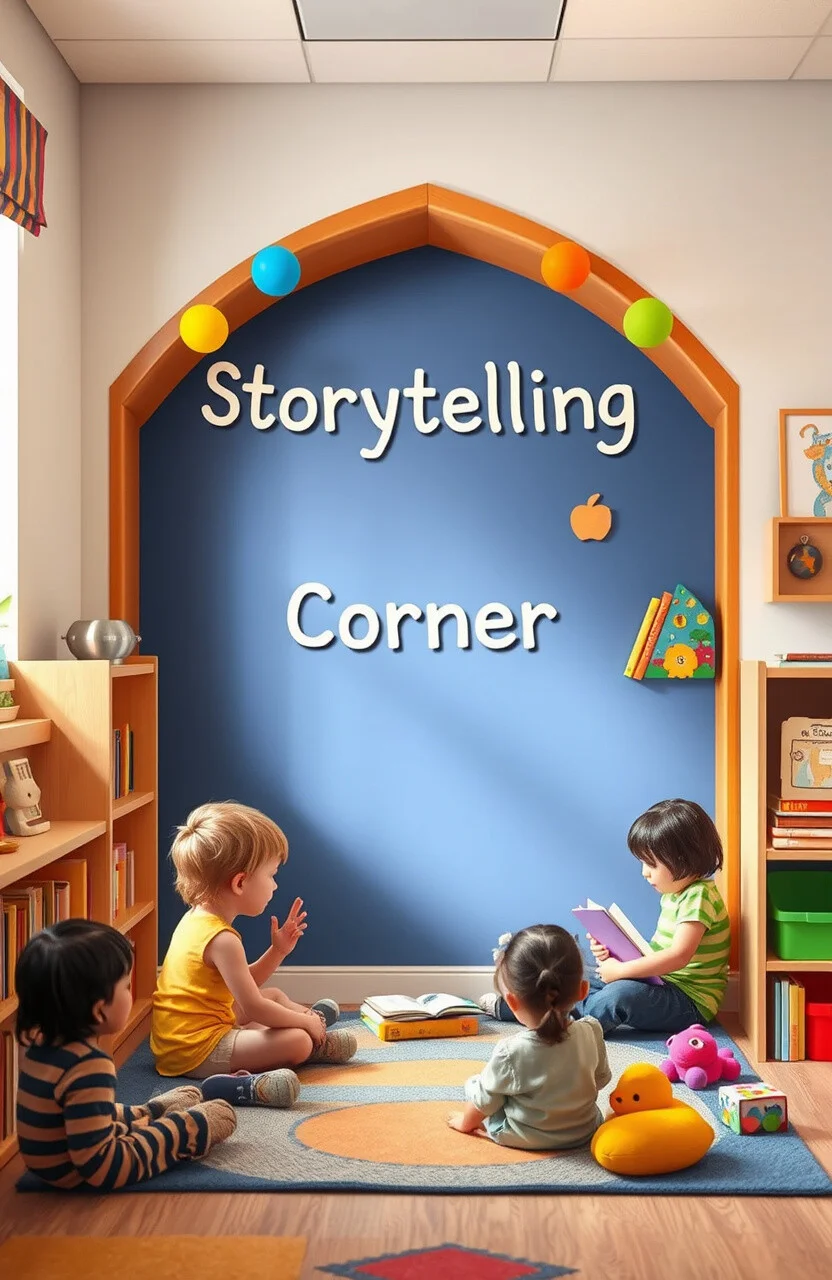
26. Storytelling Corner A storytelling corner ignites imagination and creativity. Create a dedicated space for sharing stories and adventures.
This special area fosters a love for storytelling and listening. Kids can gather and immerse themselves in tales.
Use props or costumes to enhance the experience. This adds a playful element to storytelling sessions.
Rotate themes or stories to keep things exciting. This ensures each visit to the corner is a new adventure.
-
27. Alphabet Learning Mats

27. Alphabet Learning Mats Alphabet learning mats make literacy fun. Use them for games and activities that reinforce letter recognition.
These mats encourage hands-on learning and play. Kids can interact with letters in a tactile way.
Create DIY mats using foam or fabric for a personal touch. This keeps costs low while adding creativity.
Incorporate colorful designs to make mats engaging. This adds an element of fun to alphabet practice.
-
28. Role-Play Areas
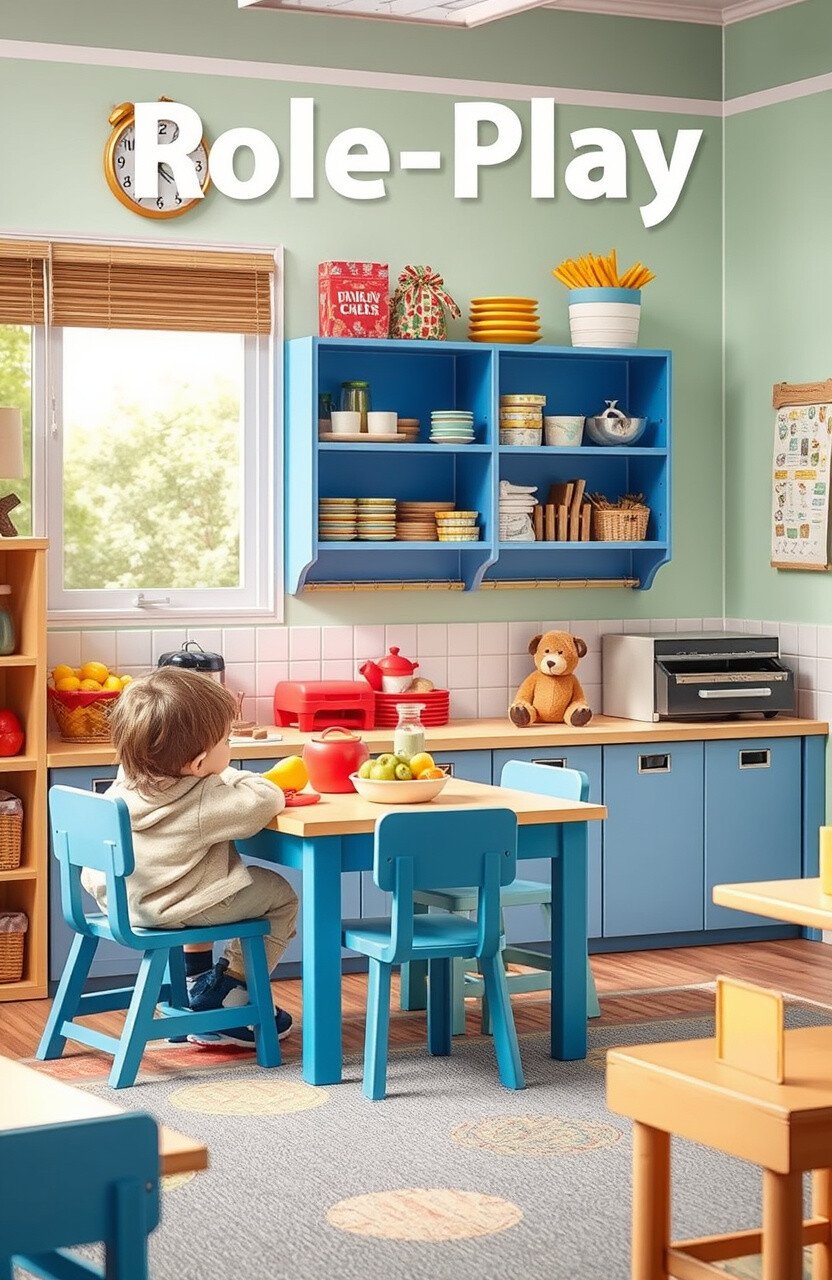
28. Role-Play Areas Role-play areas spark imagination and social skills. Set up spaces for pretend play like a kitchen or market.
These areas offer opportunities for creativity and collaboration. Kids love exploring different roles and scenarios.
Use recycled materials for props to keep costs low. This encourages resourcefulness and environmental awareness.
Rotate themes to align with current lessons or interests. This keeps the play fresh and aligned with educational goals.
-
29. Mindfulness Corners
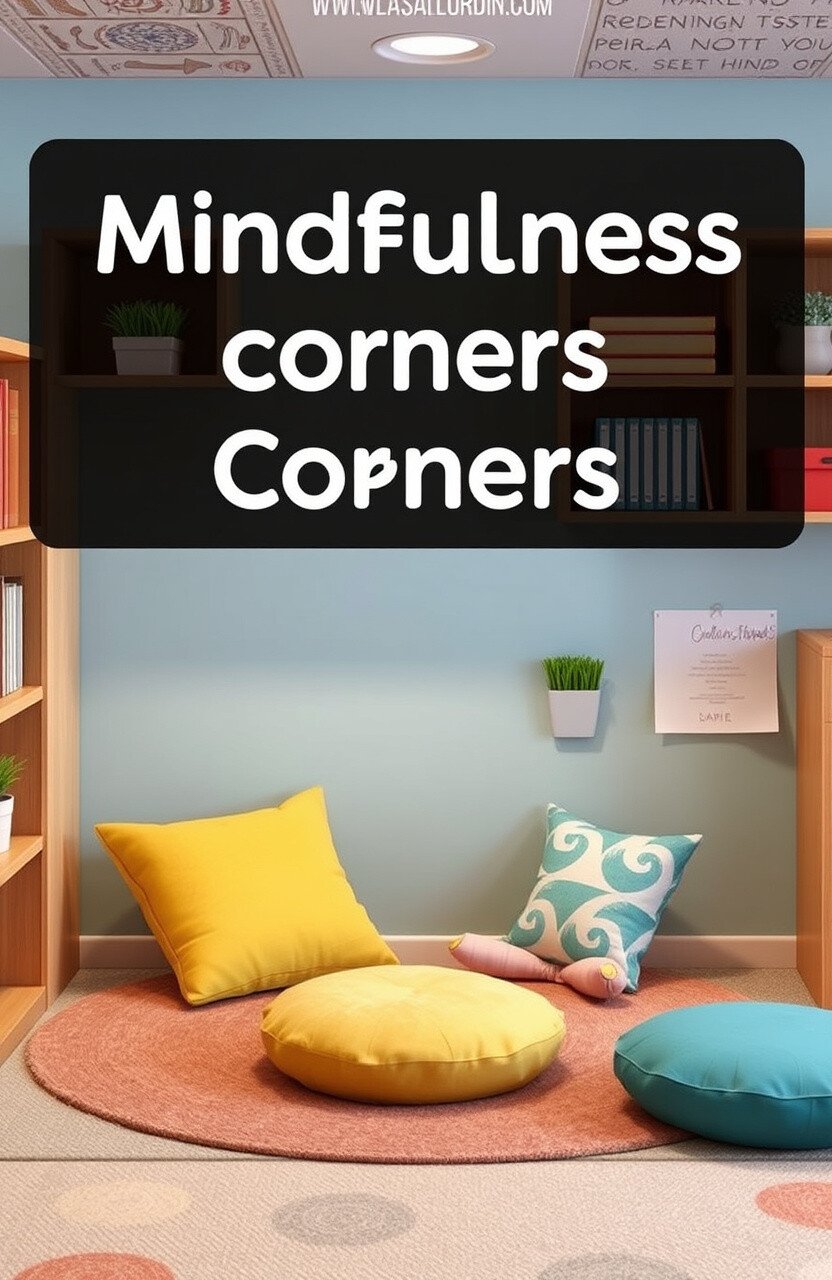
29. Mindfulness Corners Mindfulness corners promote relaxation and focus. Create a quiet space with cushions or a soft rug for reflection.
This area supports emotional well-being and self-awareness. Kids can use it to unwind and reset during busy days.
Incorporate calming elements like soft lighting or nature sounds. This enhances the tranquil atmosphere.
Encourage use during transitions or stressful times. This teaches kids valuable coping skills in a supportive environment.
-
30. Art Display Walls
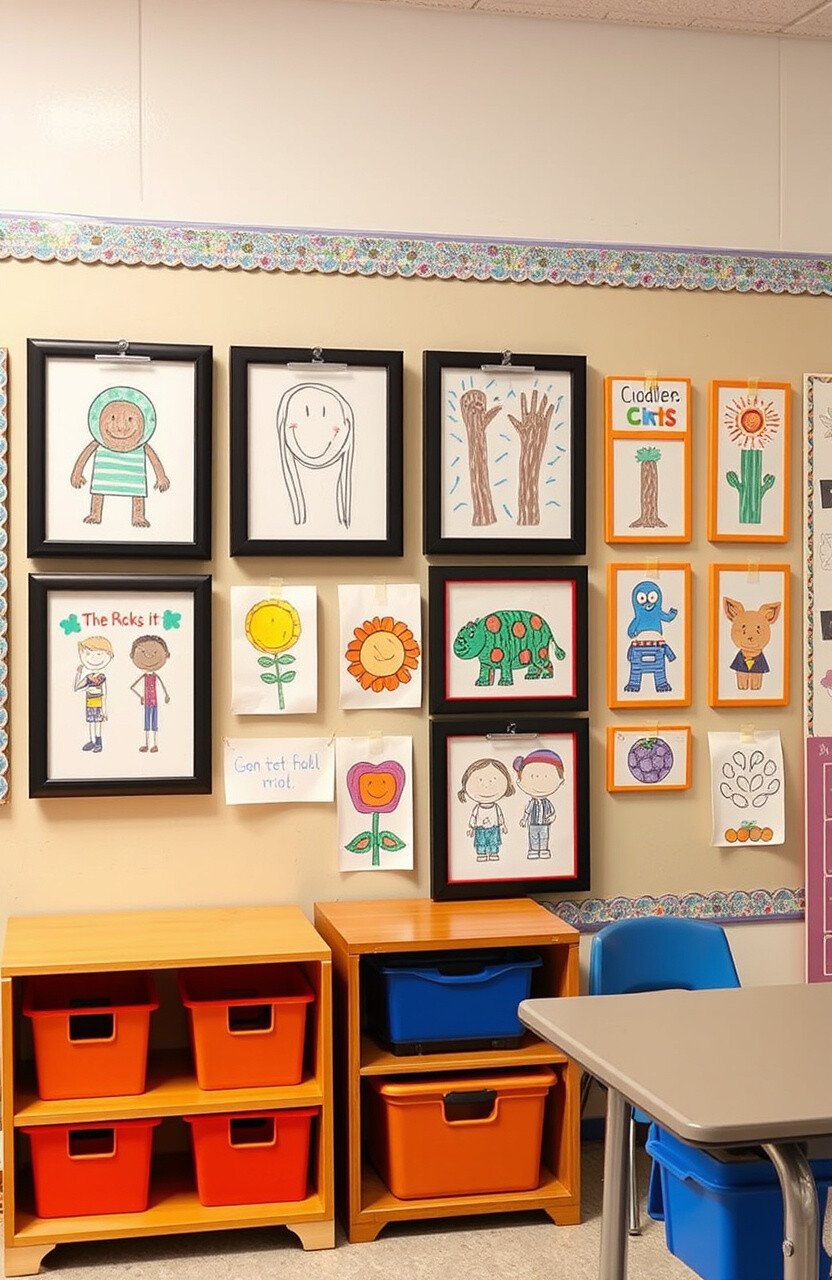
30. Art Display Walls Art display walls celebrate creativity and expression. Use wall space to showcase student artwork.
These displays build confidence and pride in accomplishments. Kids love seeing their creations on display.
Rotate artwork regularly to keep the wall fresh. This practice also teaches kids to appreciate and respect others’ work.
Use simple frames or clips to highlight each piece. This adds a professional touch without overwhelming the space.
-
31. Interactive Word Games
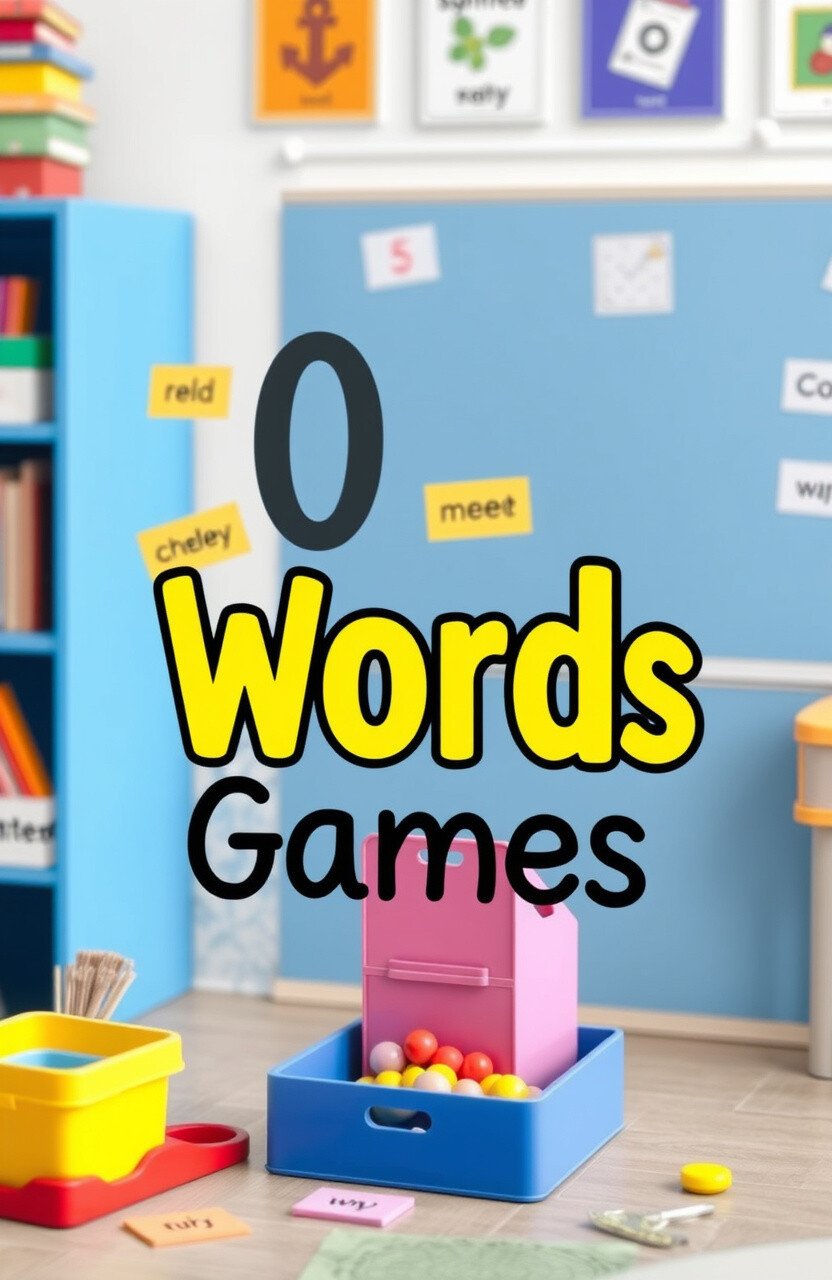
31. Interactive Word Games Interactive word games make language learning fun. Use games like word bingo or matching to reinforce vocabulary.
These activities engage kids and support literacy skills. They provide a playful approach to language development.
Use DIY materials to create personalized games. This allows for customization based on current lessons.
Incorporate colorful designs to make games visually appealing. This adds excitement and interest to language practice.
-
32. Quiet Zones
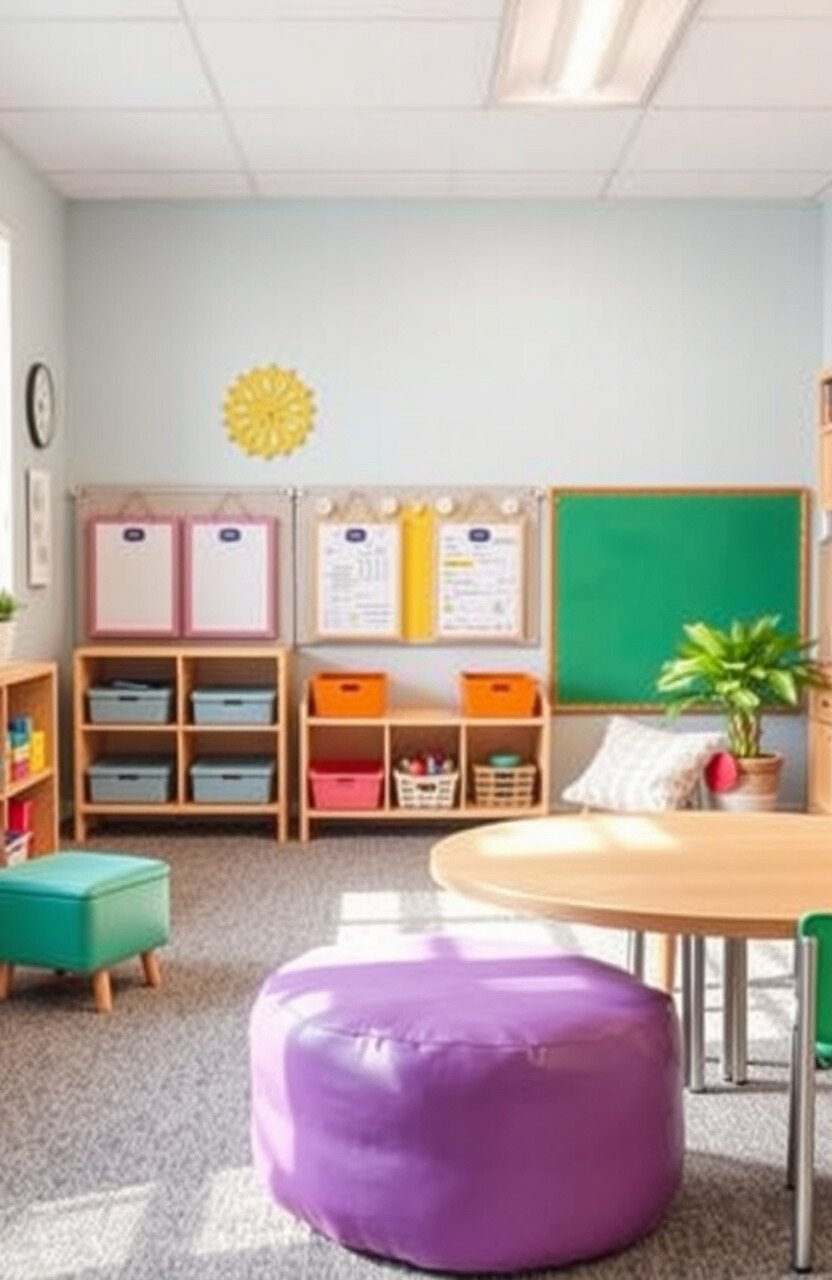
32. Quiet Zones Quiet zones offer a space for reflection and focus. Create areas with soft seating and calming decorations.
These zones support mental well-being and concentration. Kids can retreat to them for peace and quiet.
Use soft colors and textures to enhance the atmosphere. This creates a soothing environment for relaxation.
Encourage use during independent work or stressful times. This teaches kids valuable self-regulation skills.
-
33. Collaborative Work Stations
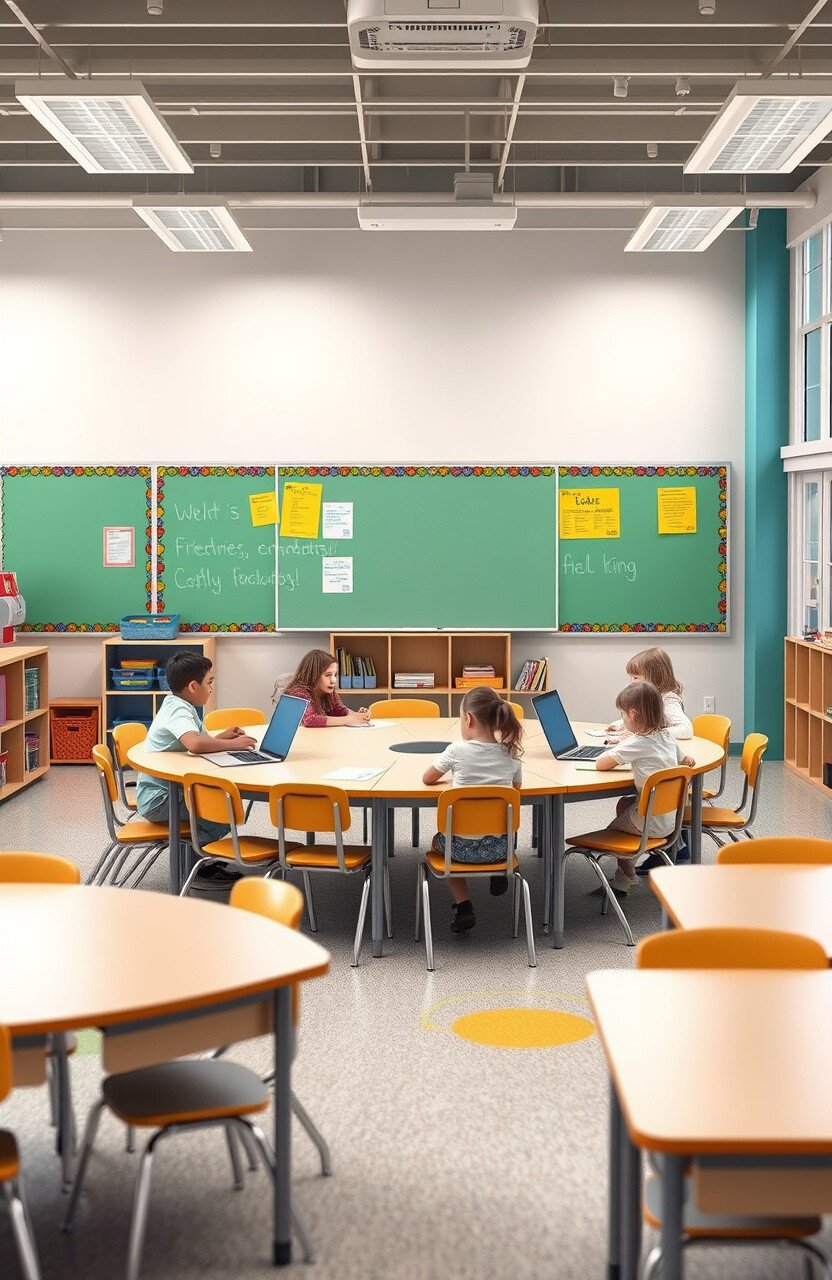
33. Collaborative Work Stations Collaborative work stations foster teamwork and communication. Arrange desks or tables for group activities.
This setup encourages cooperation and problem-solving. Kids learn to work together and share ideas.
Use flexible seating options to accommodate different group sizes. This adds versatility and adaptability to the space.
Incorporate tools like whiteboards or digital devices. This enhances collaboration and interaction during projects.
-
34. Eco-Friendly Decorations

34. Eco-Friendly Decorations Eco-friendly decorations promote sustainability. Use recycled materials or natural elements to decorate the classroom.
This approach teaches kids about environmental responsibility. It creates a green and mindful learning space.
Incorporate seasonal changes to keep decorations fresh. This can be done with simple swaps of natural items.
Use DIY projects to involve kids in the process. This adds creativity and engagement to eco-friendly practices.
-
35. Interactive Story Walls
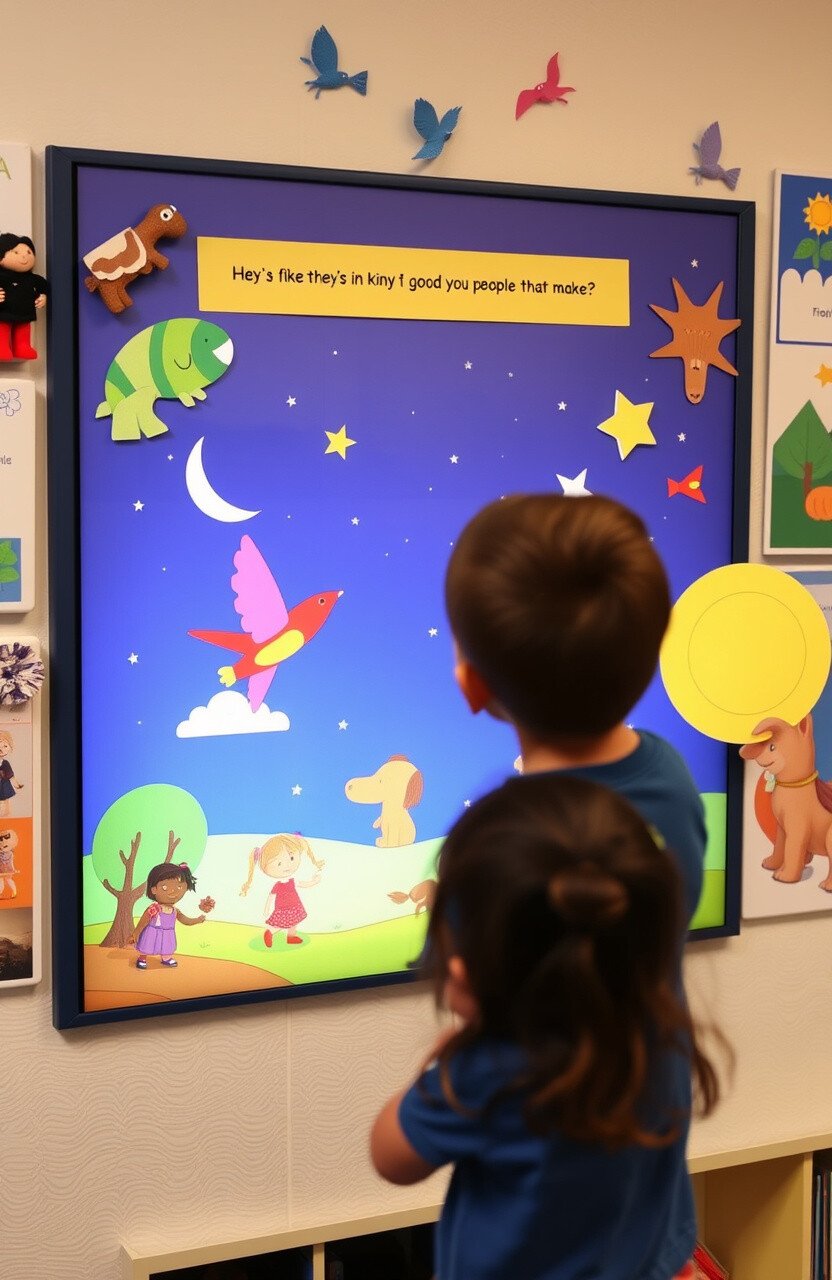
35. Interactive Story Walls Interactive story walls bring tales to life. Use wall space to display stories with movable parts or props.
This setup enhances storytelling and comprehension skills. Kids love engaging with stories in a hands-on way.
Rotate stories to align with current lessons or interests. This keeps the wall fresh and aligned with educational goals.
Use colorful designs to make stories visually appealing. This adds excitement and interest to literacy activities.
-
36. Interest-Based Centers
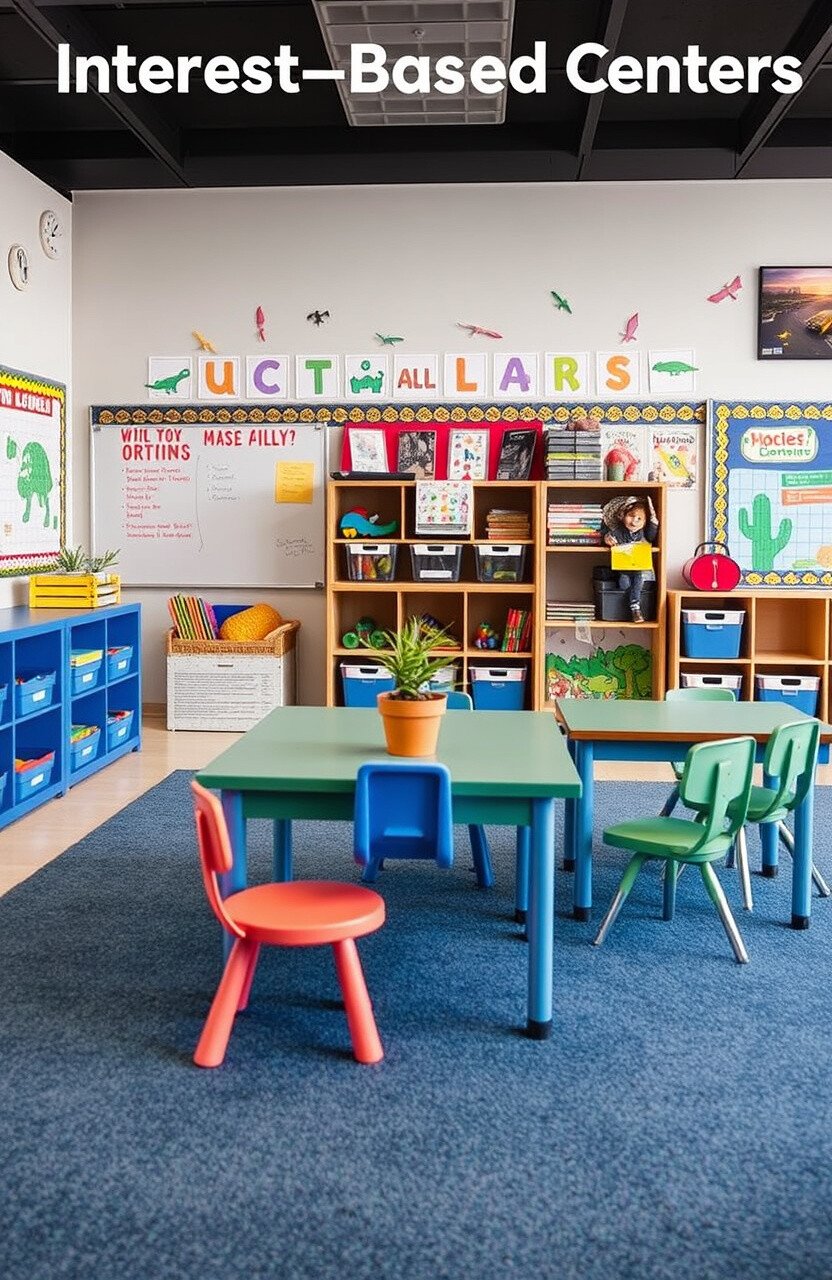
36. Interest-Based Centers Interest-based centers cater to individual passions. Create areas dedicated to topics like dinosaurs or space.
These centers offer personalized learning opportunities. Kids can explore subjects they love at their own pace.
Rotate centers to align with current lessons or interests. This keeps the space fresh and engaging.
Use simple decorations to define each area. This adds clarity and focus without overwhelming the space.
-
37. DIY Classroom Jobs
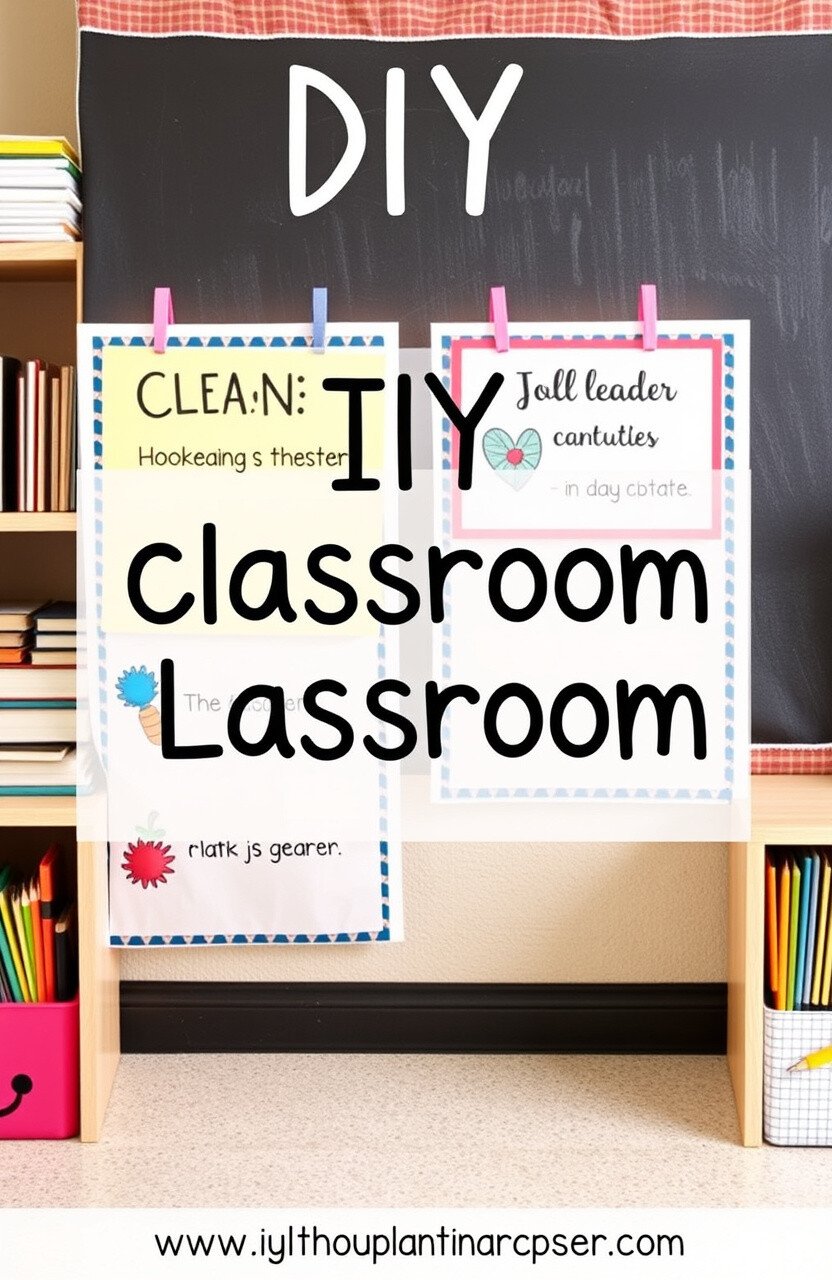
37. DIY Classroom Jobs DIY classroom jobs promote responsibility and teamwork. Create job charts with tasks like line leader or cleanup crew.
This practice encourages participation and accountability. Kids learn valuable skills while contributing to the classroom.
Use colorful designs to make charts engaging. This adds excitement and interest to classroom responsibilities.
Rotate jobs regularly to ensure everyone participates. This fosters a sense of fairness and community.
-
38. Seasonal Decorations
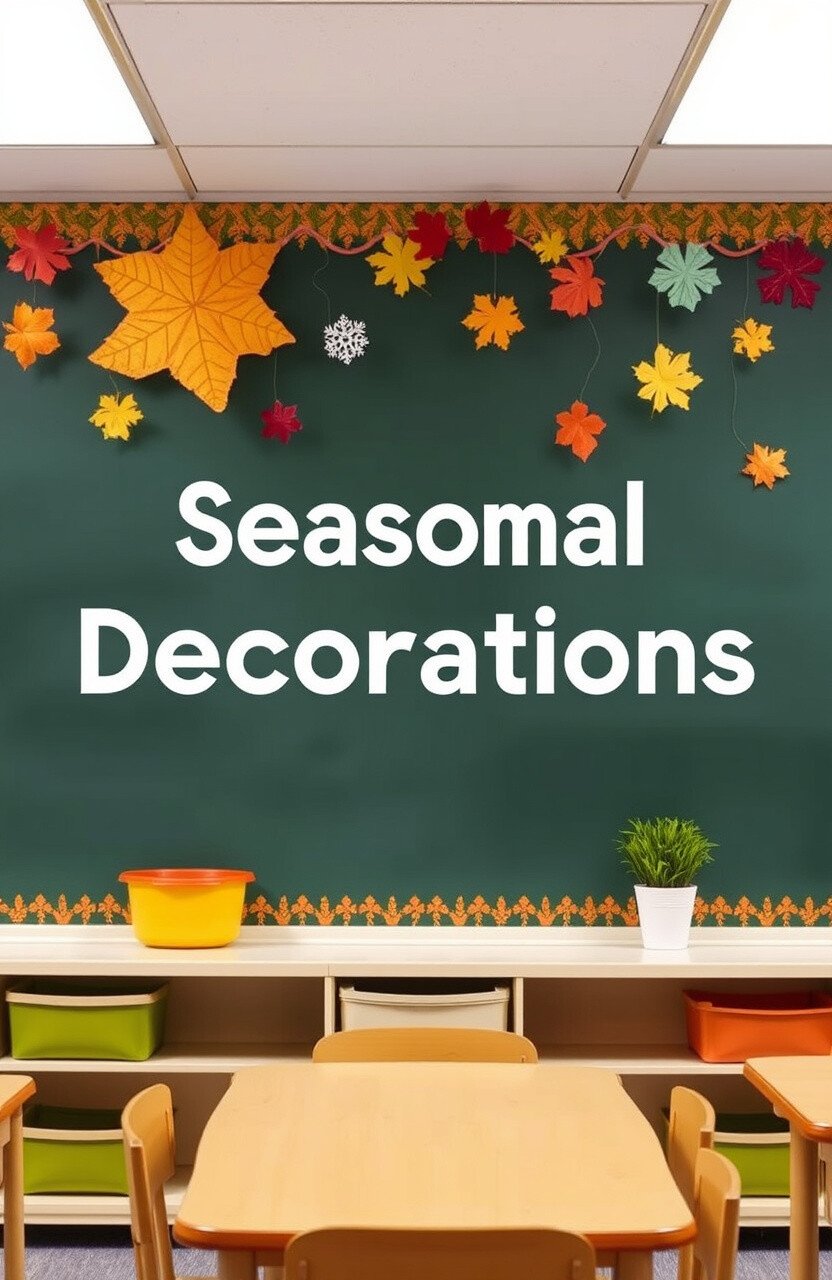
38. Seasonal Decorations Seasonal decorations keep the classroom dynamic. Use elements like leaves, snowflakes, or flowers to reflect the time of year.
This approach adds excitement and variety to the space. Kids love seeing the classroom transform with the seasons.
Use simple DIY projects to create decorations. This keeps costs low while adding creativity and engagement.
Involve kids in decorating to enhance the experience. This fosters a sense of pride and ownership in the classroom.
-
39. Themed Dress-Up Days
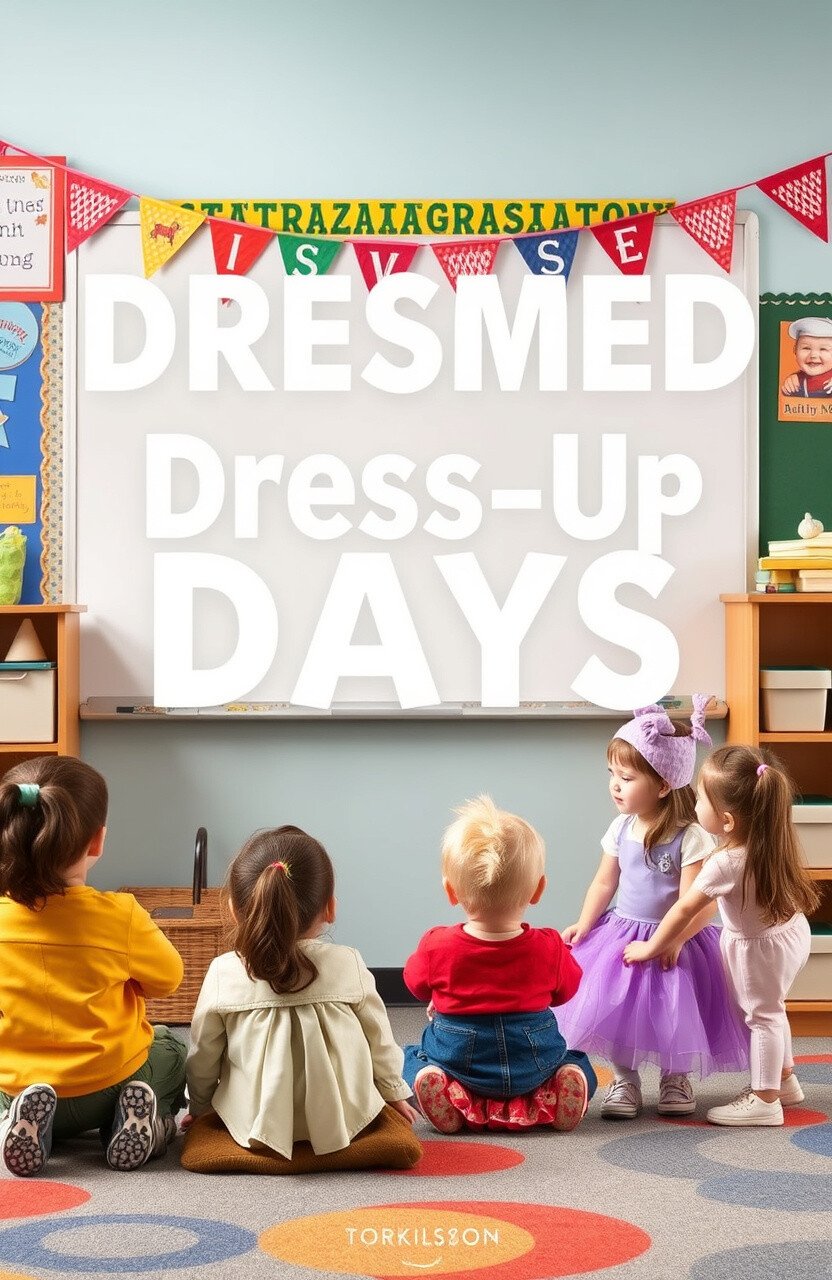
39. Themed Dress-Up Days Themed dress-up days add fun and excitement. Align costumes with current lessons or seasons for an immersive experience.
These days promote creativity and self-expression. Kids love participating and showing off their outfits.
Use simple themes to ensure everyone can join in. This keeps the focus on fun and inclusivity.
Incorporate learning activities related to the theme. This adds an educational element to the festivities.
-
40. DIY Name Tags
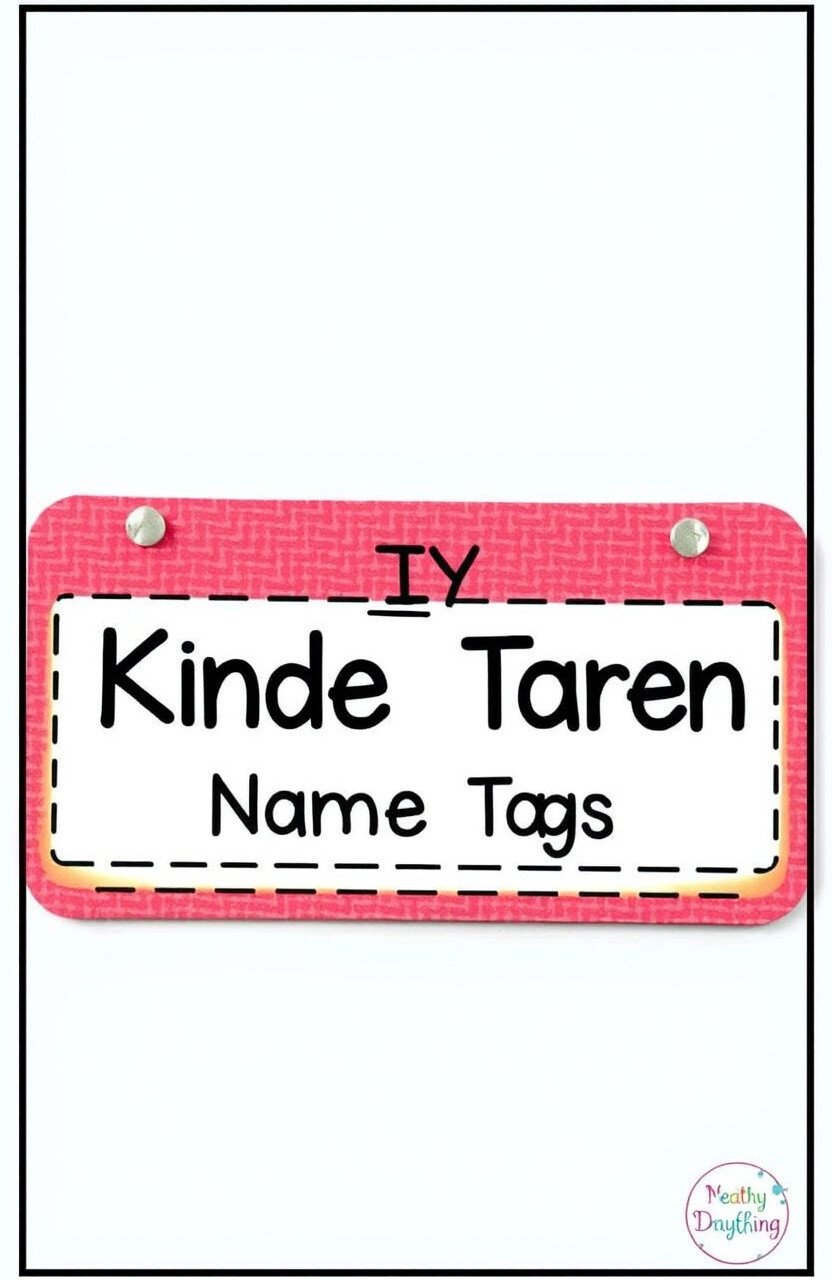
40. DIY Name Tags DIY name tags add a personal touch. Let kids design and decorate their own tags to express individuality.
These tags help kids feel welcomed and acknowledged. They also make it easier for teachers and peers to learn names.
Use colorful materials to make tags engaging. This adds an element of fun to name recognition.
Laminating tags ensures durability and longevity. This keeps them looking fresh all year long.
-
41. Science Experiment Stations
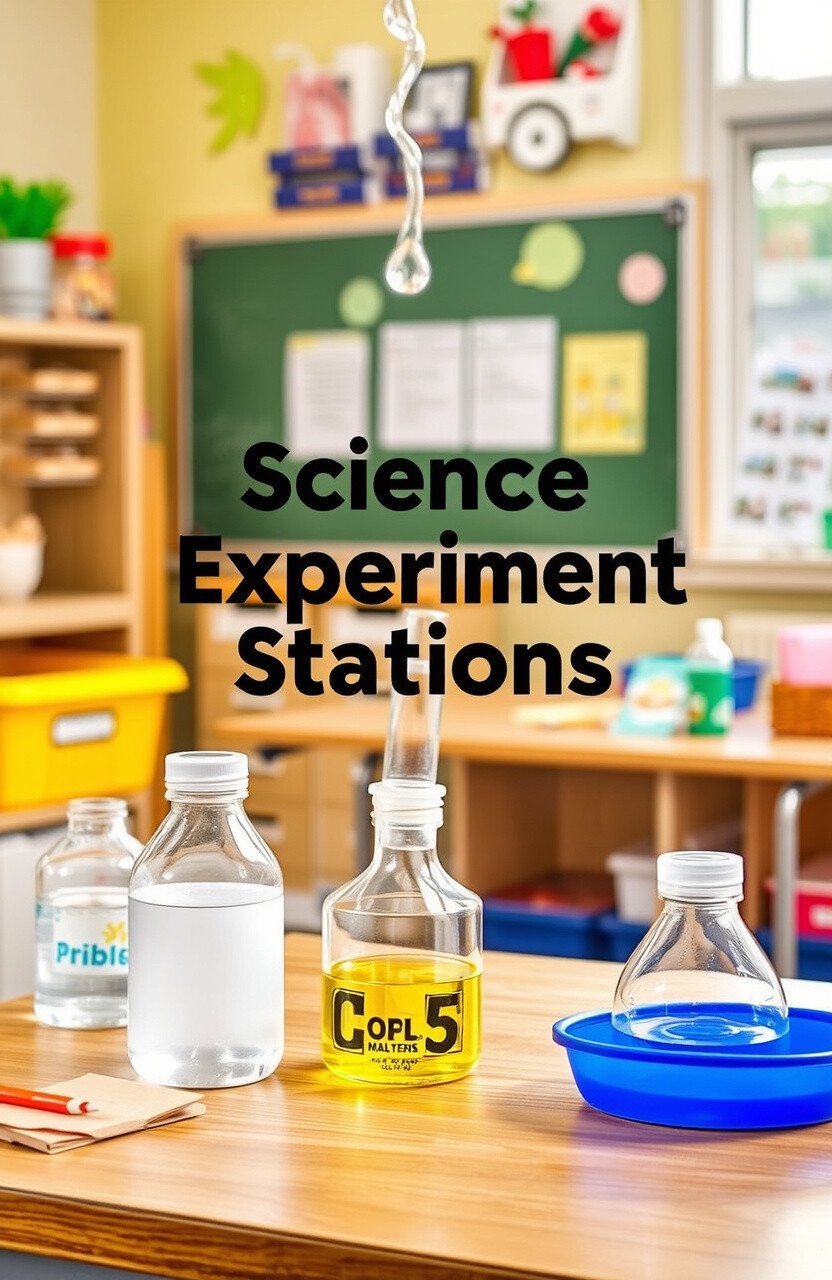
41. Science Experiment Stations Science experiment stations encourage exploration. Provide materials for simple experiments to spark curiosity.
These stations offer hands-on learning opportunities. Kids can discover and investigate at their own pace.
Rotate experiments to align with current lessons. This keeps the stations fresh and engaging.
Use recycled materials to keep costs low. This teaches kids about sustainability and resourcefulness.
-
42. Interactive Music Corners
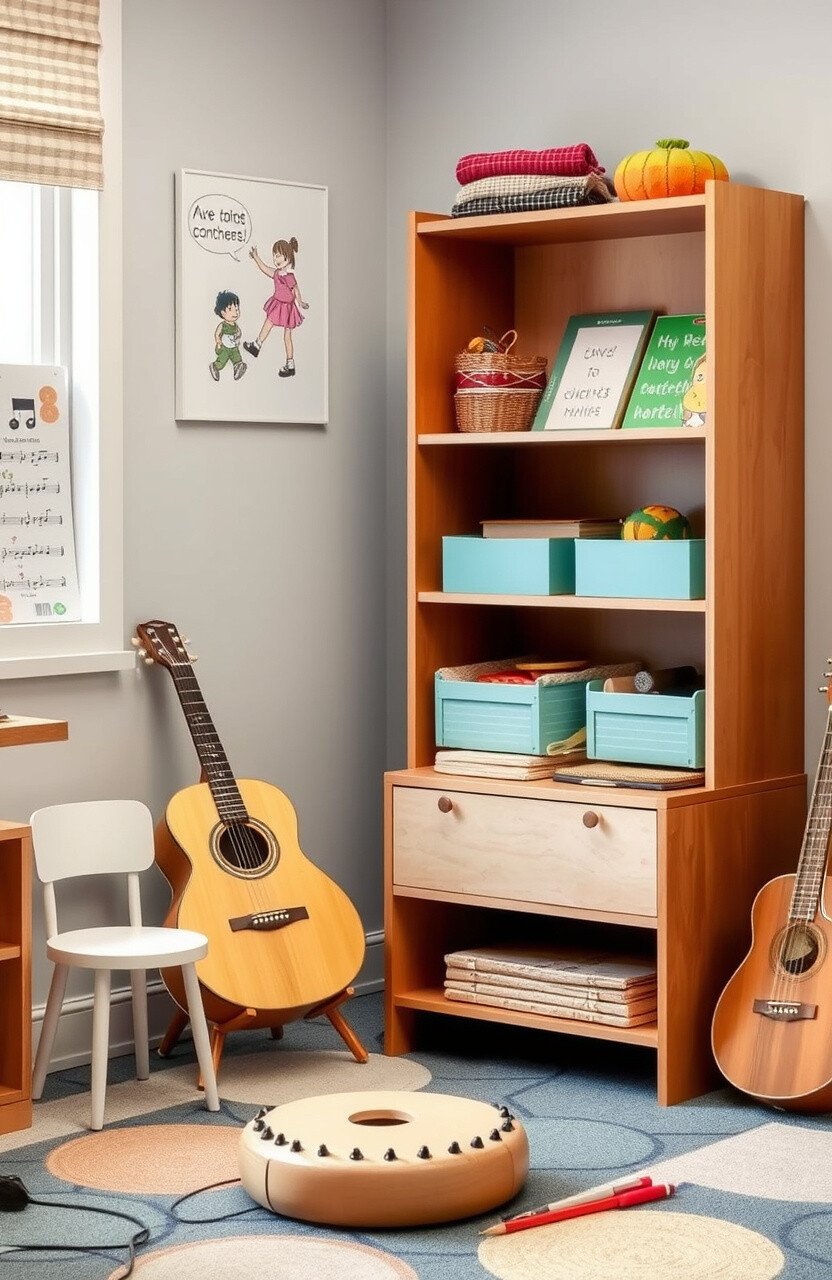
42. Interactive Music Corners Interactive music corners inspire creativity and expression. Provide instruments or music-related activities for exploration.
These corners offer opportunities for artistic growth. Kids can engage with music in a hands-on way.
Rotate instruments or activities to keep things exciting. This ensures each visit to the corner is a new experience.
Use simple DIY instruments to keep costs low. This adds creativity and engagement to music exploration.
-
43. Personalized Desk Spaces
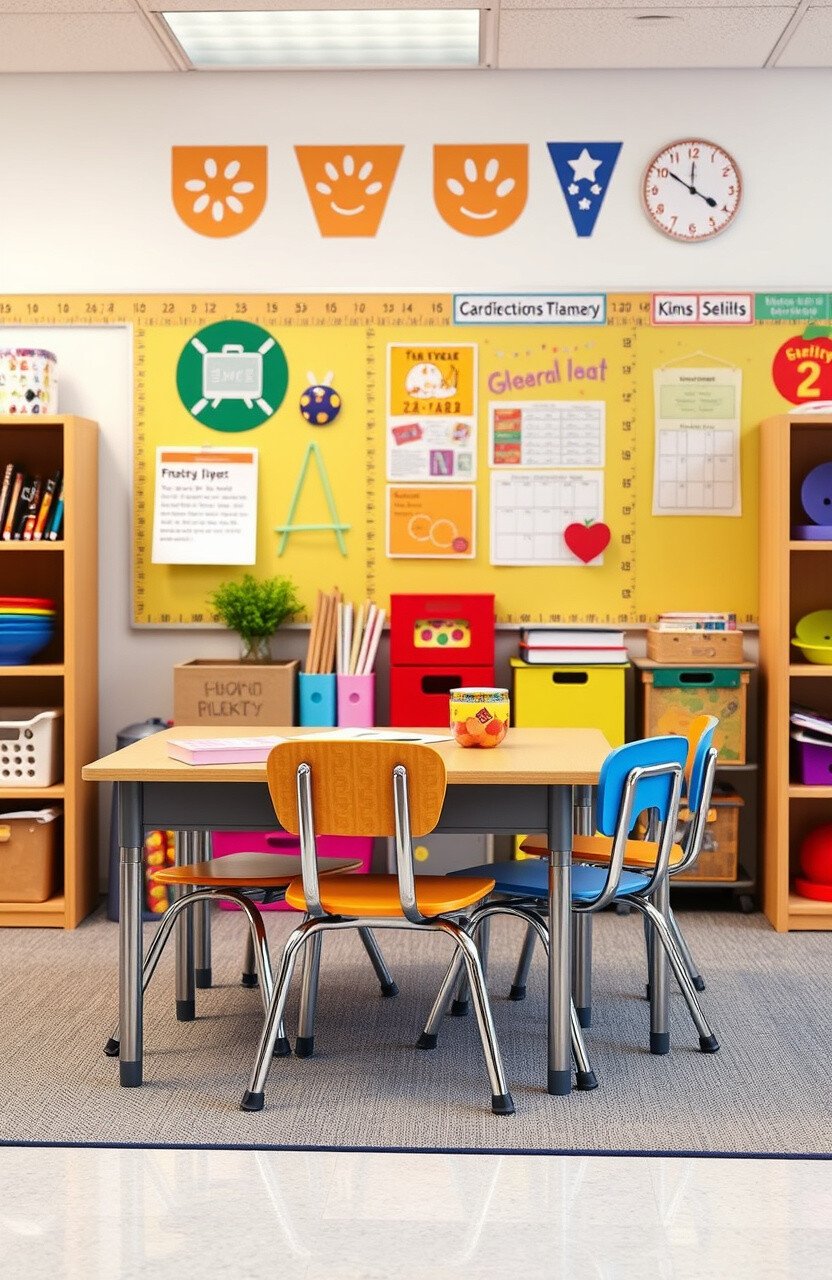
43. Personalized Desk Spaces Personalized desk spaces give kids a sense of ownership. Allow them to decorate their area with personal items or decorations.
This practice fosters pride and responsibility. Kids feel more connected to their learning environment.
Use simple decorations to make spaces engaging. This adds a personal touch without overwhelming the area.
Encourage regular clean-up to maintain neatness. This teaches valuable organizational skills.
-
44. Movement Break Zones

44. Movement Break Zones Movement break zones offer a space for physical activity. Create areas for stretching or simple exercises to energize kids.
These zones support physical health and focus. Kids can use them to release energy and refocus during the day.
Use simple equipment like hula hoops or jump ropes. This adds variety and excitement to movement breaks.
Rotate activities to keep things fresh and engaging. This ensures each break is a new and fun experience.
-
45. Themed Reading Challenges
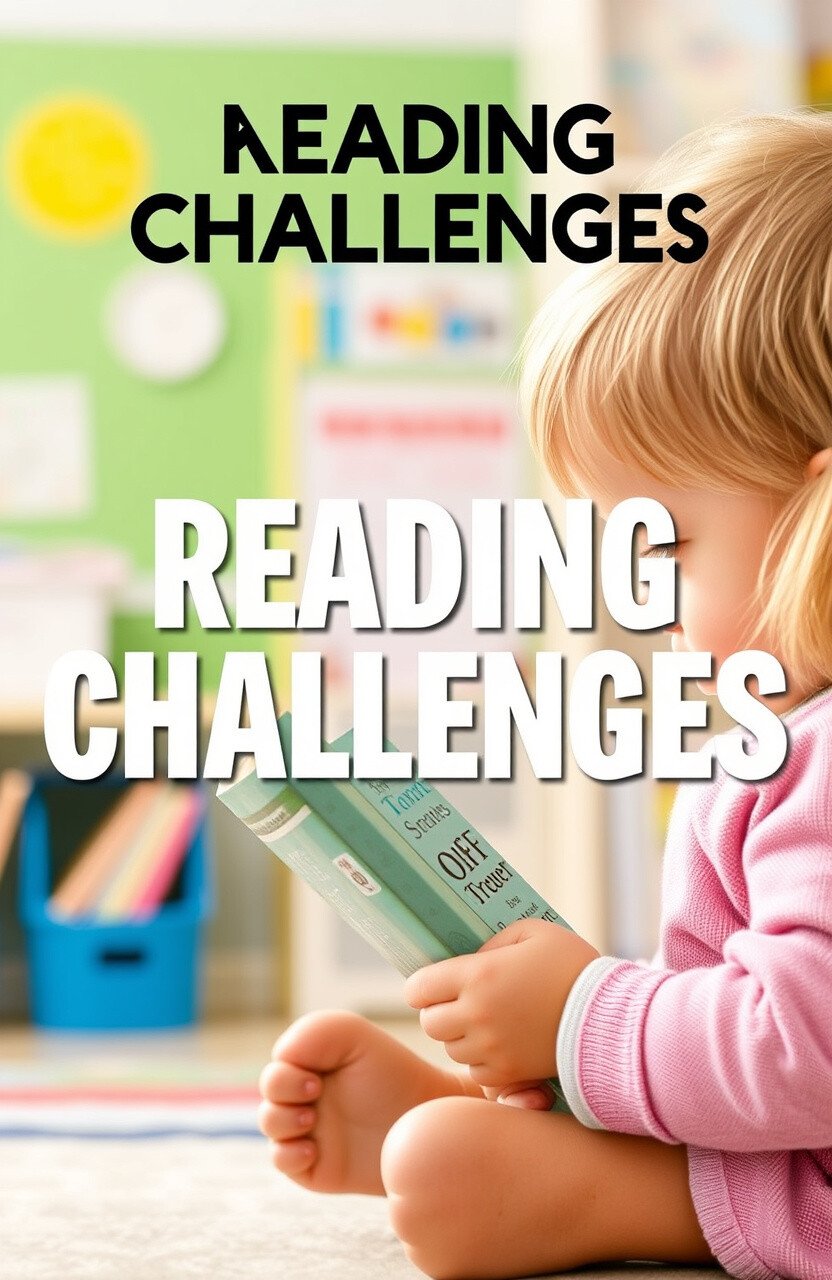
45. Themed Reading Challenges Themed reading challenges motivate and excite. Set goals or themes to encourage kids to read more.
These challenges promote literacy and a love for books. Kids feel accomplished as they reach their reading goals.
Use simple themes to keep challenges accessible. This ensures everyone can participate and enjoy the fun.
Celebrate achievements with small rewards or recognition. This adds an element of celebration to reading success.
-
46. DIY Classroom Decorations
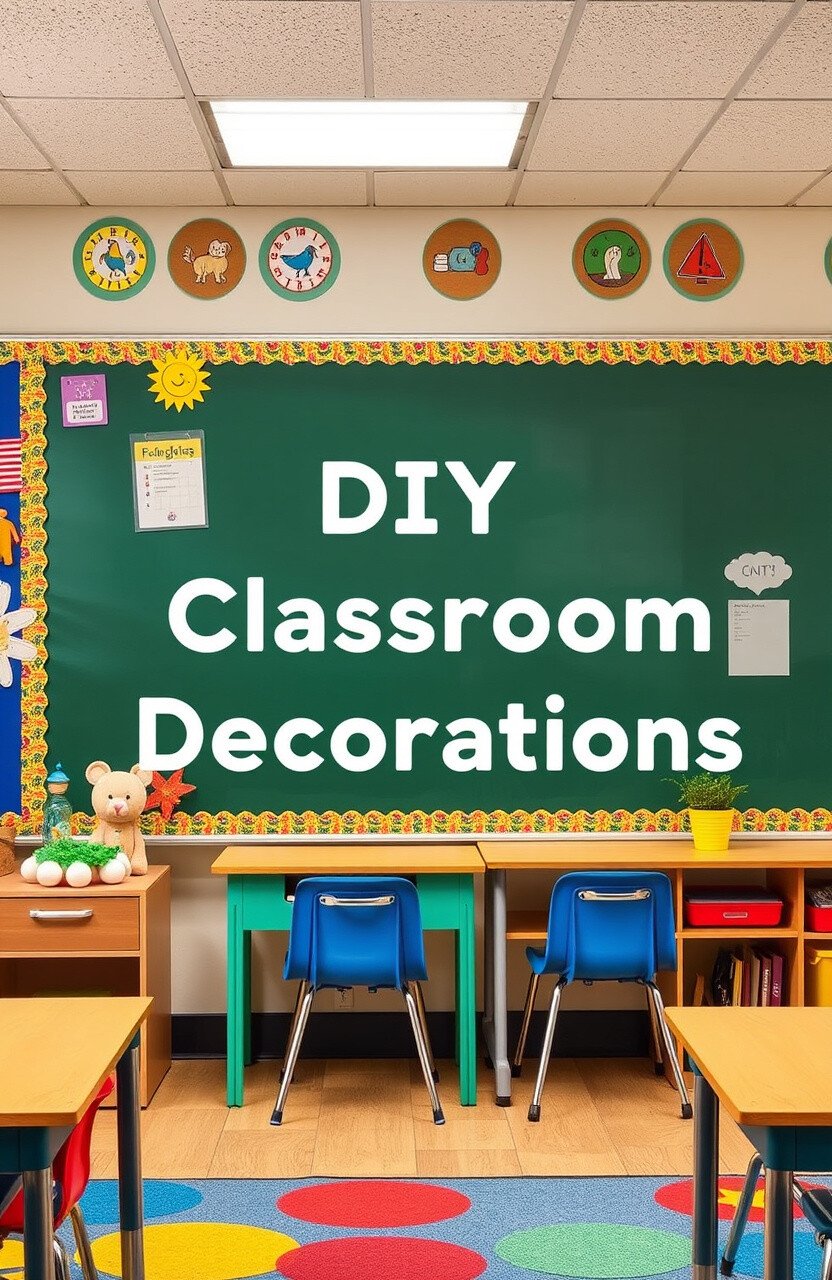
46. DIY Classroom Decorations DIY classroom decorations add a personal touch. Use simple materials to create unique and engaging decor.
This approach encourages creativity and involvement. Kids love contributing to the classroom’s look and feel.
Use recycled materials to keep costs low. This teaches kids about sustainability and resourcefulness.
Involve kids in the process to enhance the experience. This fosters a sense of pride and ownership in the classroom.
-
47. Interactive Math Corners
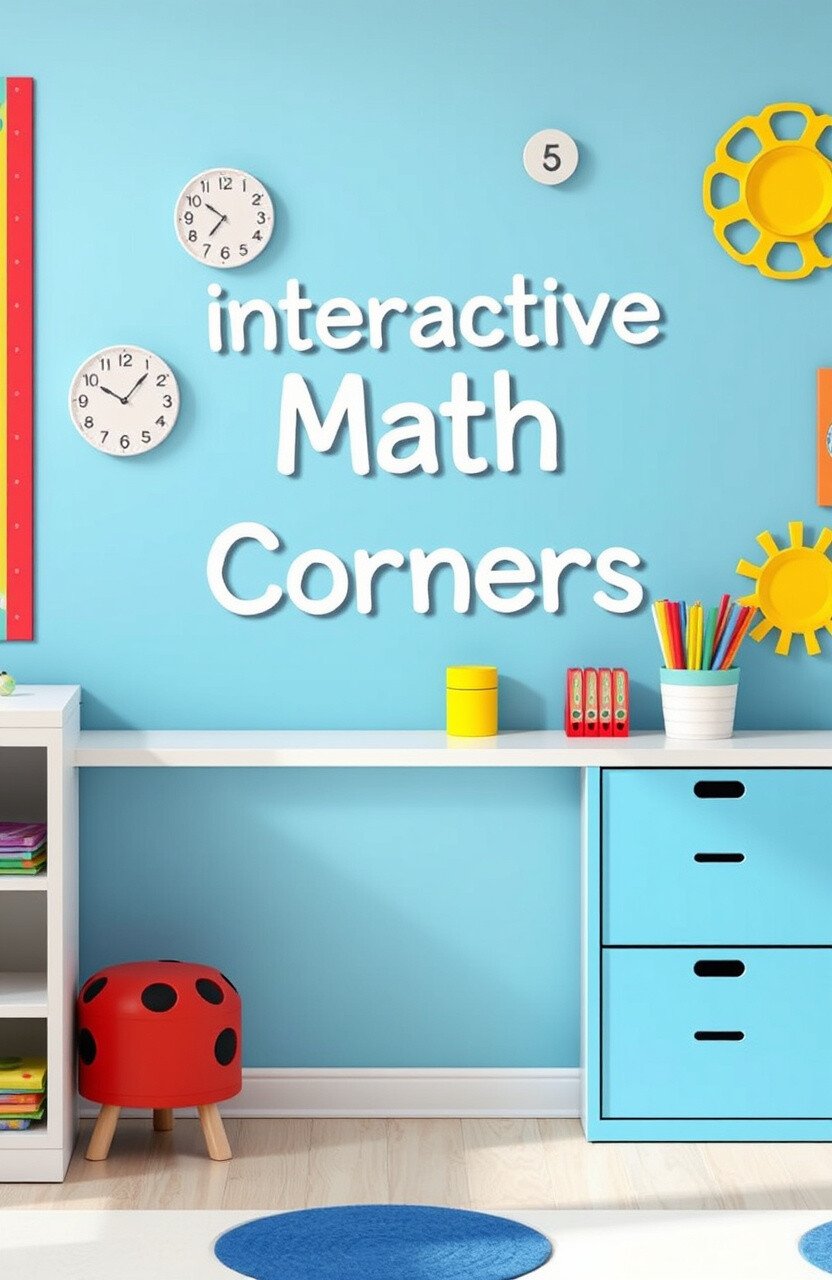
47. Interactive Math Corners Interactive math corners make learning fun. Provide games or activities that reinforce math concepts.
These corners offer hands-on learning opportunities. Kids can engage with math in a playful way.
Rotate games or activities to keep things exciting. This ensures each visit to the corner is a new experience.
Use simple DIY materials to keep costs low. This adds creativity and engagement to math exploration.
-
48. Cozy Nap Areas
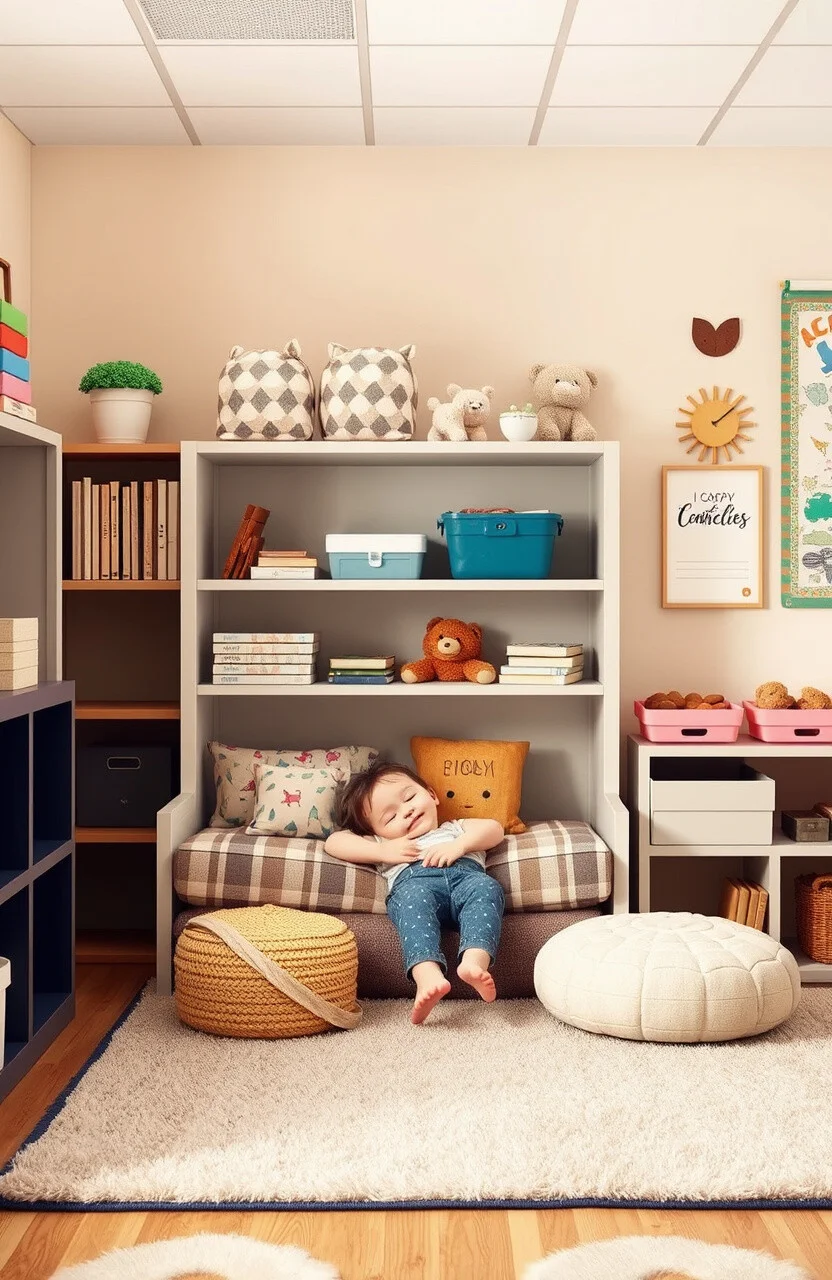
48. Cozy Nap Areas Cozy nap areas offer a space for rest and relaxation. Create a soft, quiet spot for kids to recharge.
These areas support physical health and well-being. Kids can use them to unwind and rest during busy days.
Use soft colors and textures to enhance the atmosphere. This creates a soothing environment for relaxation.
Encourage use during quiet time or after active play. This teaches kids valuable self-regulation skills.
-
49. Interactive Geography Walls
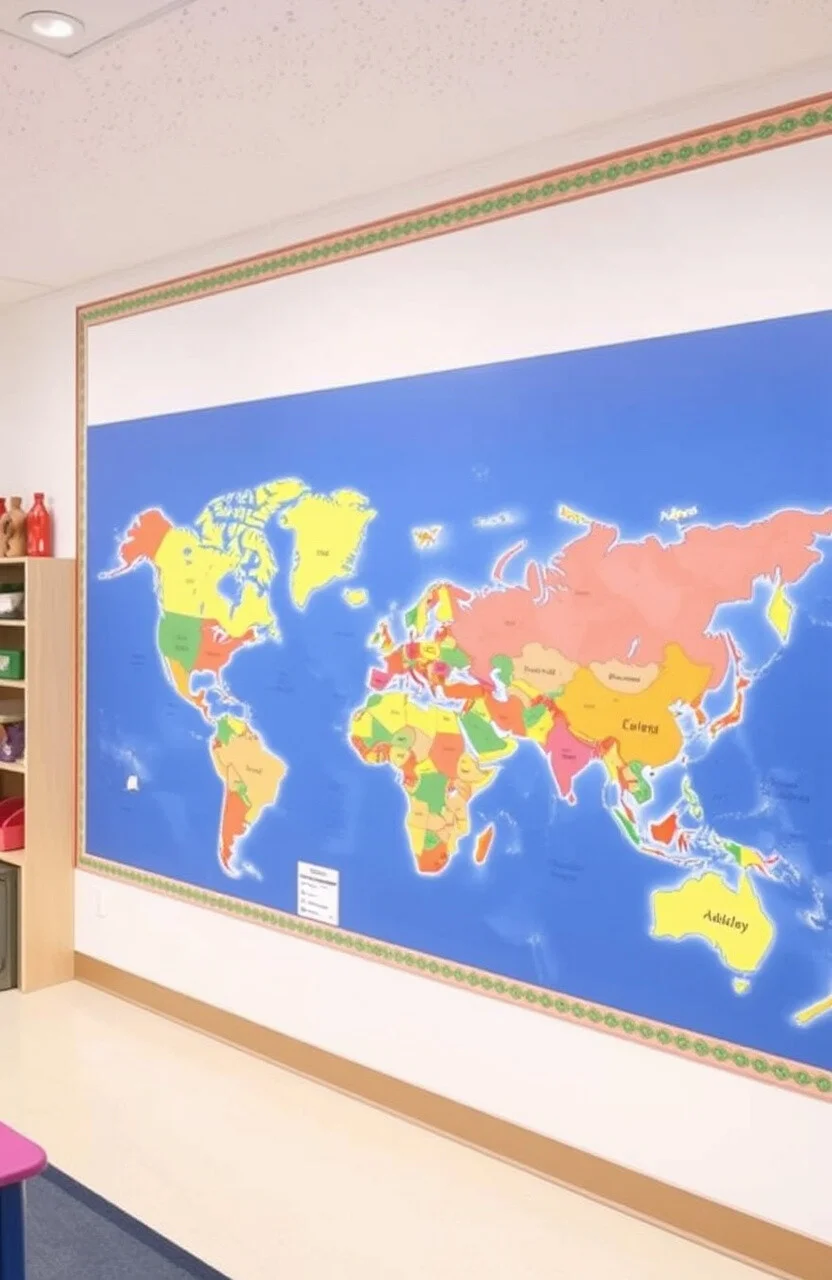
49. Interactive Geography Walls Interactive geography walls make learning engaging. Use wall space to display maps or geography-related activities.
This setup enhances spatial awareness and curiosity. Kids love engaging with geography in a hands-on way.
Rotate activities to align with current lessons or interests. This keeps the wall fresh and aligned with educational goals.
Use colorful designs to make geography visually appealing. This adds excitement and interest to spatial activities.
-
50. Nature Exploration Boxes
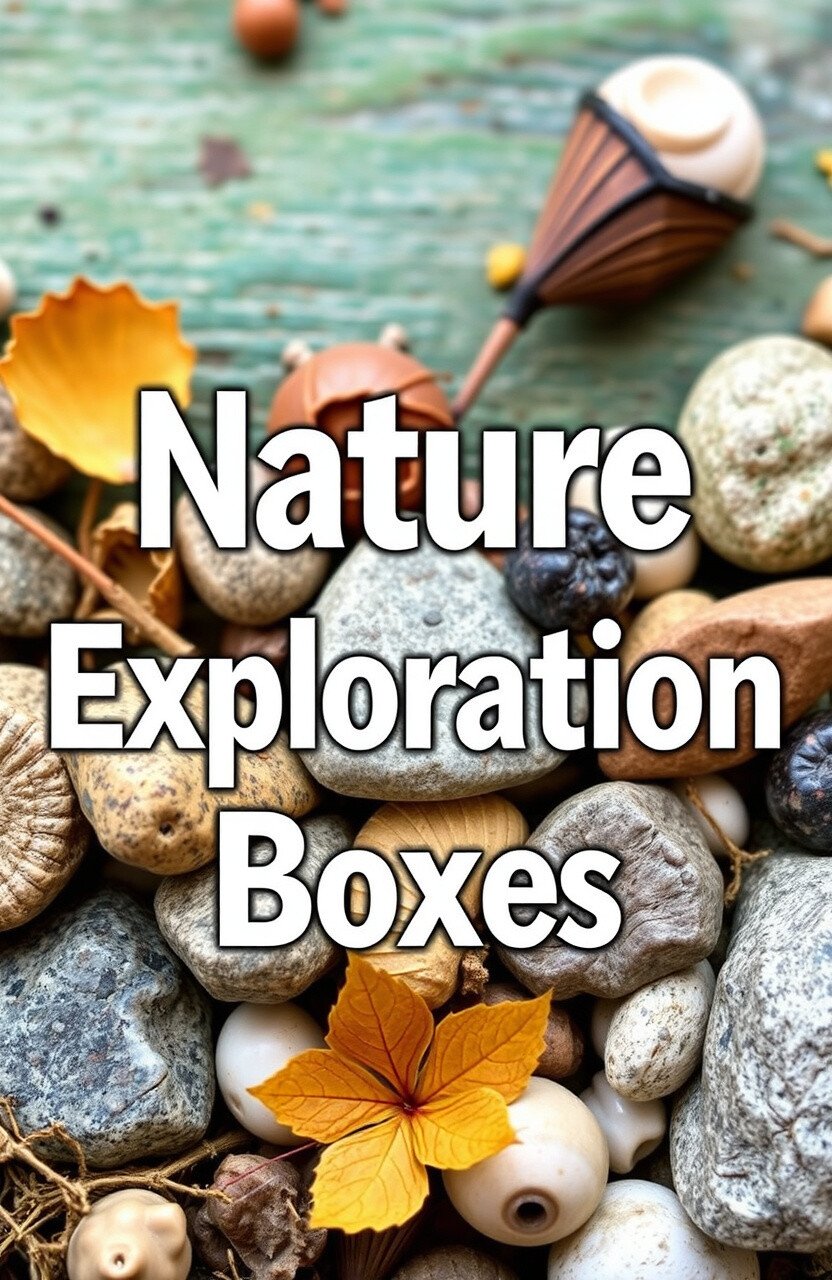
50. Nature Exploration Boxes Nature exploration boxes spark curiosity and discovery. Fill them with materials like rocks, leaves, or shells for hands-on learning.
These boxes encourage critical thinking and observation skills. Kids can explore at their own pace, making learning natural and fun.
Rotate materials to keep things exciting and aligned with lessons. This ensures each exploration is a new adventure.
Use recycled materials to create cost-effective exploration boxes. This teaches kids about sustainability and resourcefulness.