Garden paths can feel like invitations, not obstacles. When access is built in, every bloom becomes easier to enjoy.
1. Rose Arbor Walkway With Smooth Turns
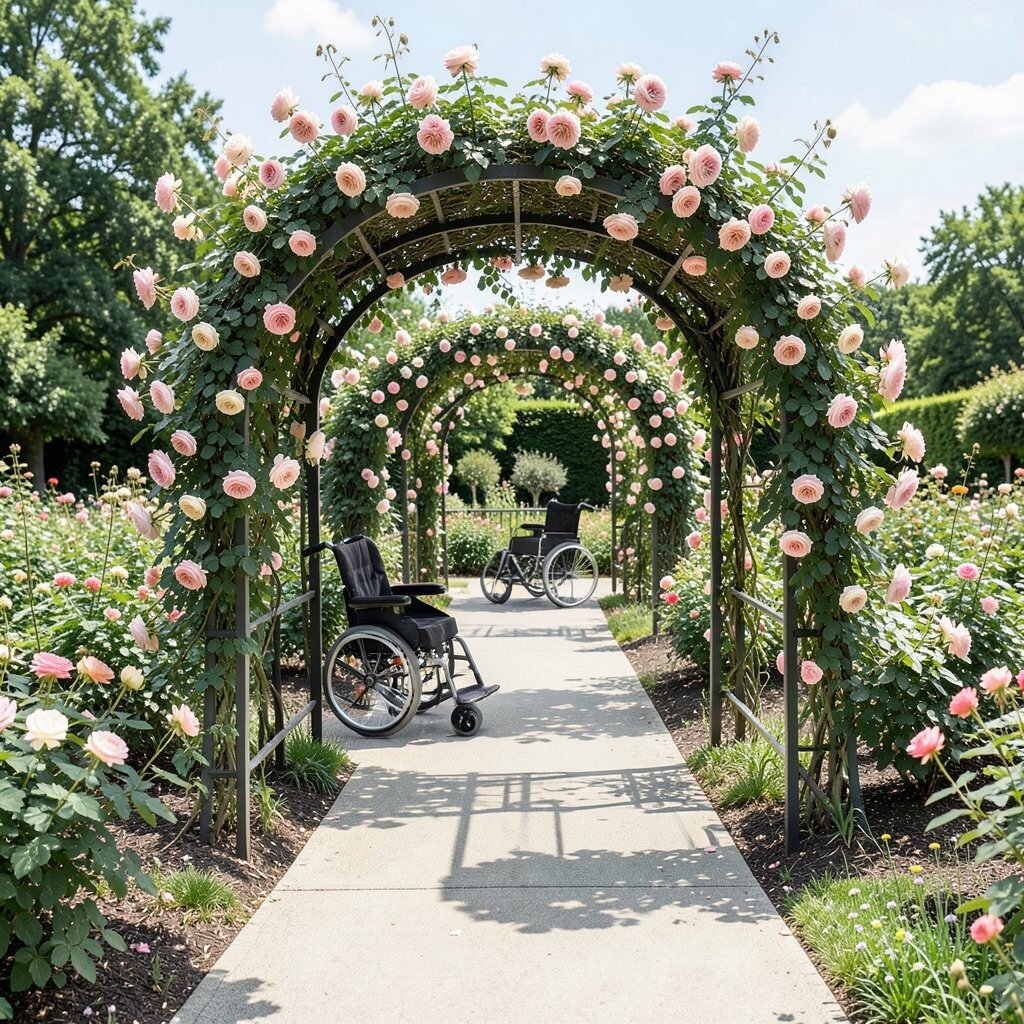
Picture a rose arbor that frames the sky with soft pink and red petals. Wheelchair access here shines when the turns are wide and the surface stays level as you roll forward.
Look for raised planters that still let you see blossoms from a seated height. Many gardens improve comfort by using firm, slip-resistant paths, so you can move without gripping too hard. If you bring a companion, choose benches spaced along the route so you can pause without blocking anyone.
2. Riverside Fern Conservatory That Feels Like a Green Room
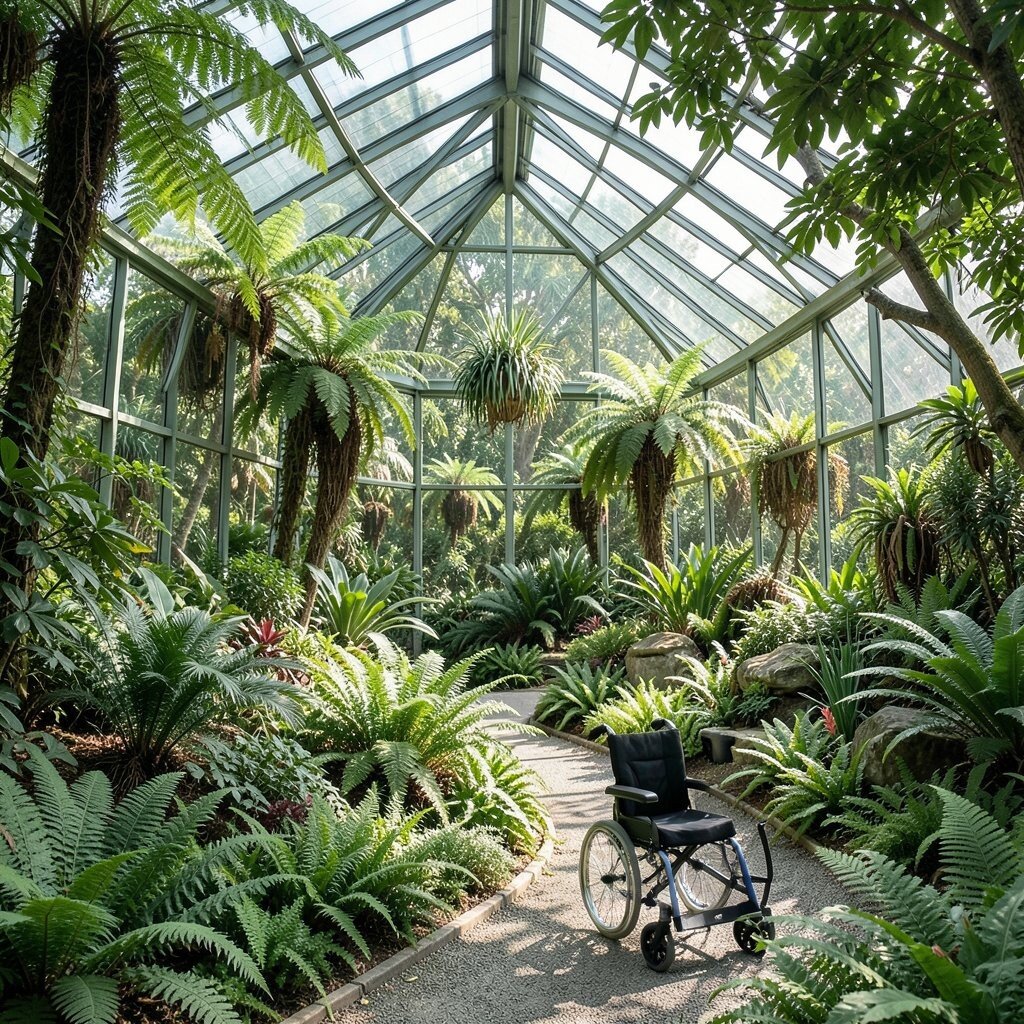
A riverside conservatory can glow with misty greens and patterned leaf shadows on the floor. Wheelchair access becomes even better when the indoor routes avoid steep ramps and tight doors.
Warm air and gentle humidity help many visitors stay comfortable longer, especially on cool days. Try timing your visit for quieter hours so you can roll at an easy pace and take photos without crowds. For personalization, bring a small strap or clip to secure a water bottle where it’s easy to reach during stops.
If cost matters, check for garden memberships or timed entry deals that sometimes include conservatory access. Seasonal plant sales or free plant days can add value without changing your mobility needs. Ask staff about the smoothest route inside, since some rooms may have wider flooring than others.
3. Accessible Japanese Maple Terrace With Low-Height Seating
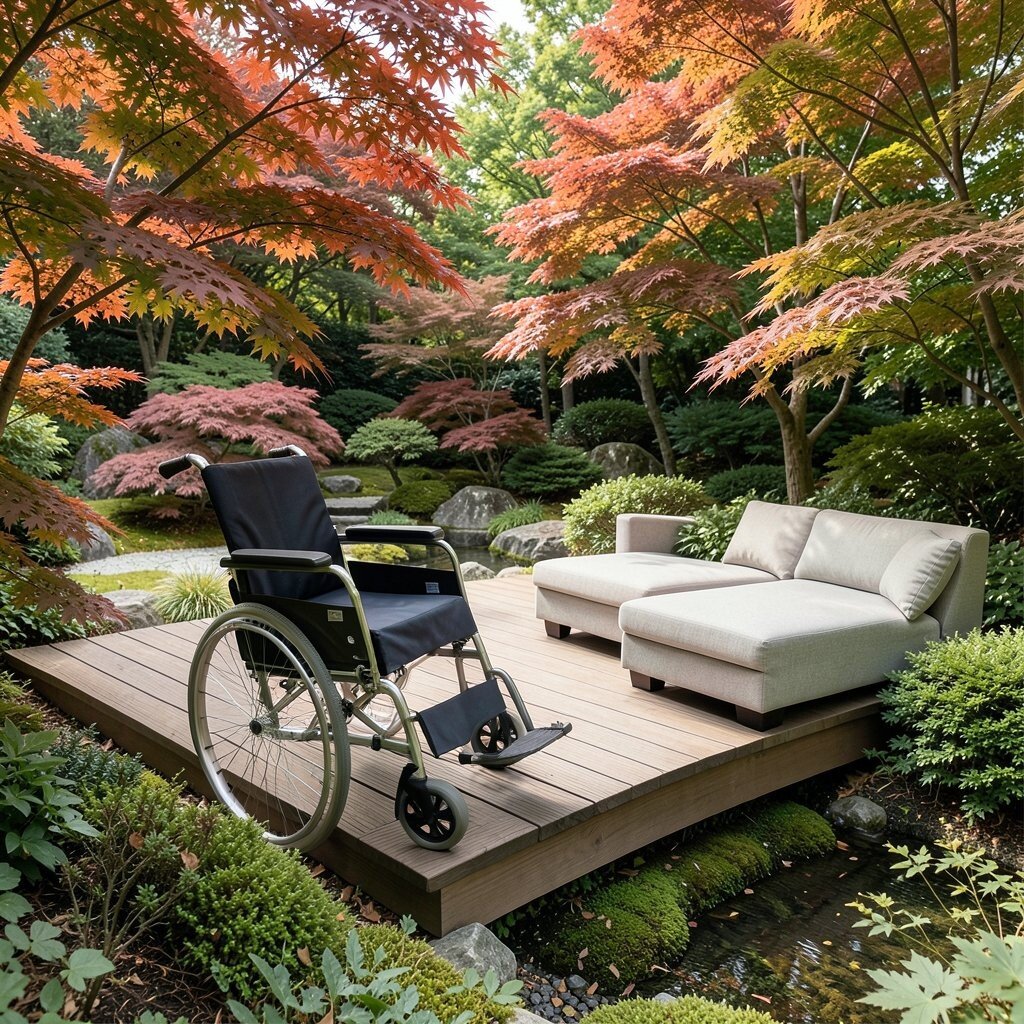
A maple terrace can look like living artwork, with delicate leaves that shimmer in the breeze. The setting feels welcoming when pathways are wide enough for both wheelchairs and strollers.
Choose a route that curves slowly, and look for gentle slopes rather than sudden ramps. Many gardens place benches at different heights, and a lower seat can be easier if you prefer to stay at eye level with plants. For a practical touch, bring a light blanket or lap cover so you can sit comfortably in cooler shade.
Its uniqueness comes from the layered textures, from mossy groundcovers to bright seasonal leaf color. You can personalize your visit by setting a photo goal, like capturing fall leaf color from multiple angles. If the terrace has limited accessible parking, plan to arrive early so you have the best spot near the main entry.
4. Butterfly Meadow Border With Wide Path Loops
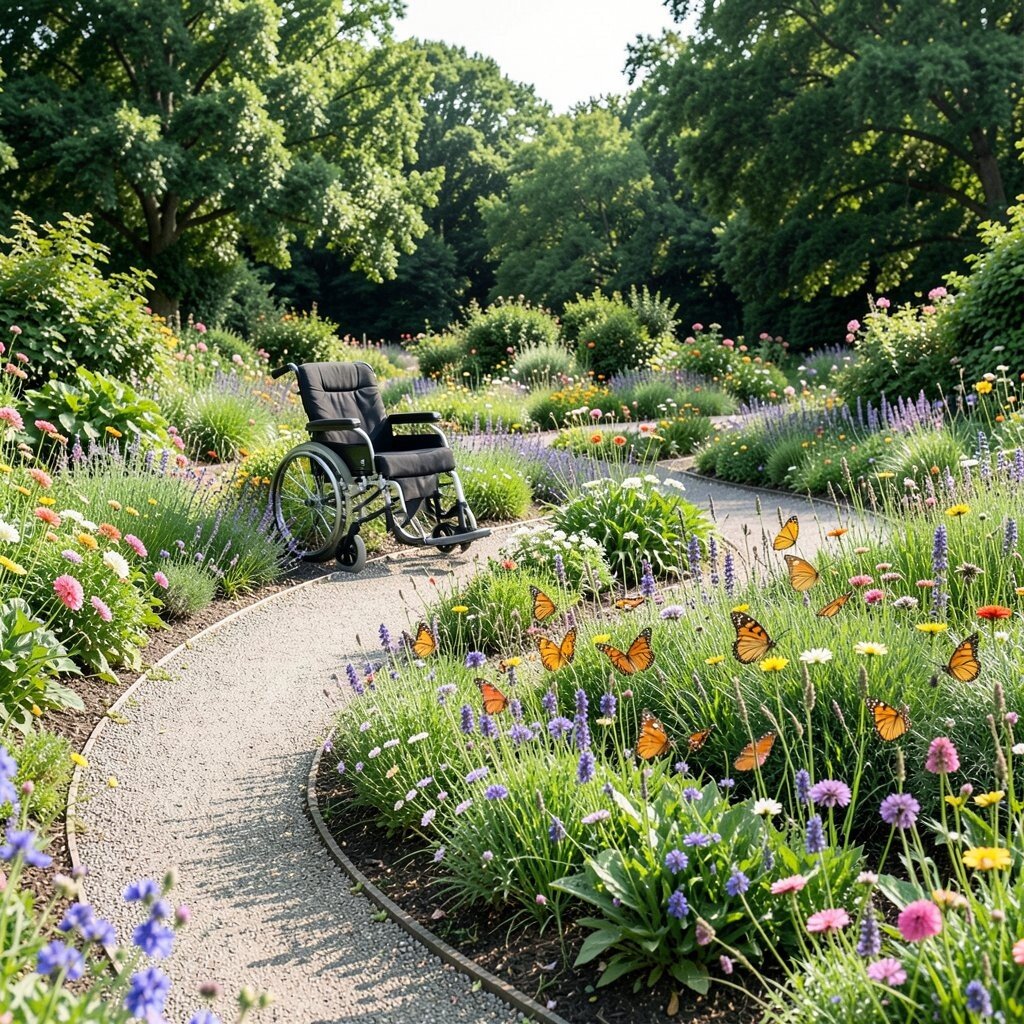
Imagine a meadow that hums with movement, where butterflies float above colorful ground plants. Wide path loops make it simple to circle the area without feeling stuck in one spot.
These gardens are great for sensory fun, since the colors and fluttering motion help keep attention on the living landscape. For an easy plan, follow the loop at a steady speed and stop near interpretive signs that sit lower and readable from a seated view. If your chair needs extra room, choose the outer edge of the path where turning is easier.
5. Orchid House With Level Flooring and Quiet Viewing Nooks

An orchid house can feel like a softly lit gallery, with blooms hanging like jewels. Wheelchair access works best when the flooring is level and the aisles are not blocked by display tables.
Many visitors love orchid houses because you can get close to the flowers without needing to stand, and that can reduce fatigue. Look for viewing areas where you can pause at a safe distance from railings. Personalize your experience with a small folding fan for warmer areas, since some orchid spaces feel humid.
For cost considerations, watch for day passes, member discounts, and occasional orchid-themed events. Trends are also showing more gardens add scent-friendly and low-light zones, which can help visitors who prefer calmer sensory input. If you use a power chair, consider checking the aisle widths in advance through the garden’s visitor notes or by calling ahead.
6. Meadow-Grass Boardwalk Over Wetland Plants
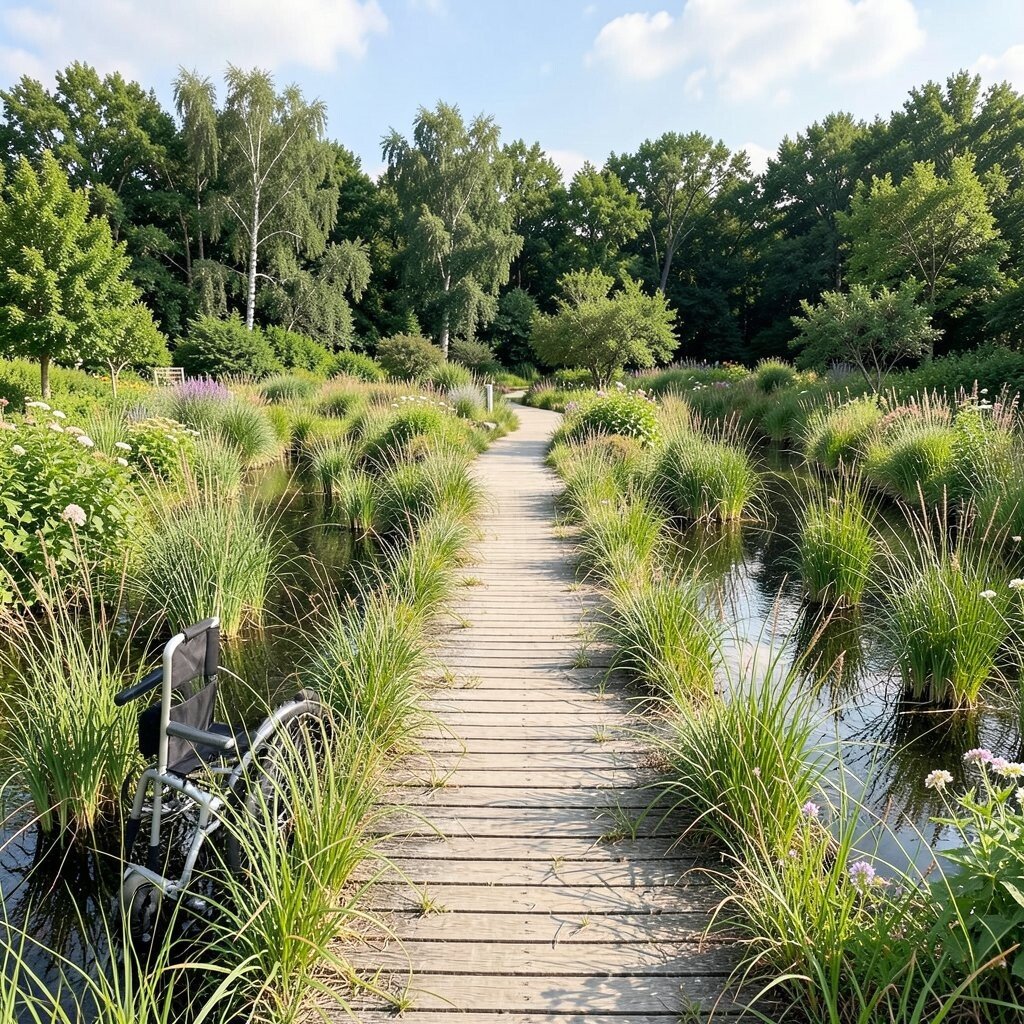
A boardwalk over wetlands can be an amazing sight, with cattails and water-loving plants lining the water’s edge. Wheelchair access matters most when the boardwalk is stable, wide, and free of gaps that catch wheels.
Wetland gardens offer real benefits for nature learning and bird spotting, and the air often feels cooler and fresher. To make the visit smoother, consider an all-day route that starts early before the boardwalk gets crowded. If you want personalization, bring binoculars that you can angle from your seat so you can scan without standing.
7. Herb Spiral Garden With Seated-Path Angles
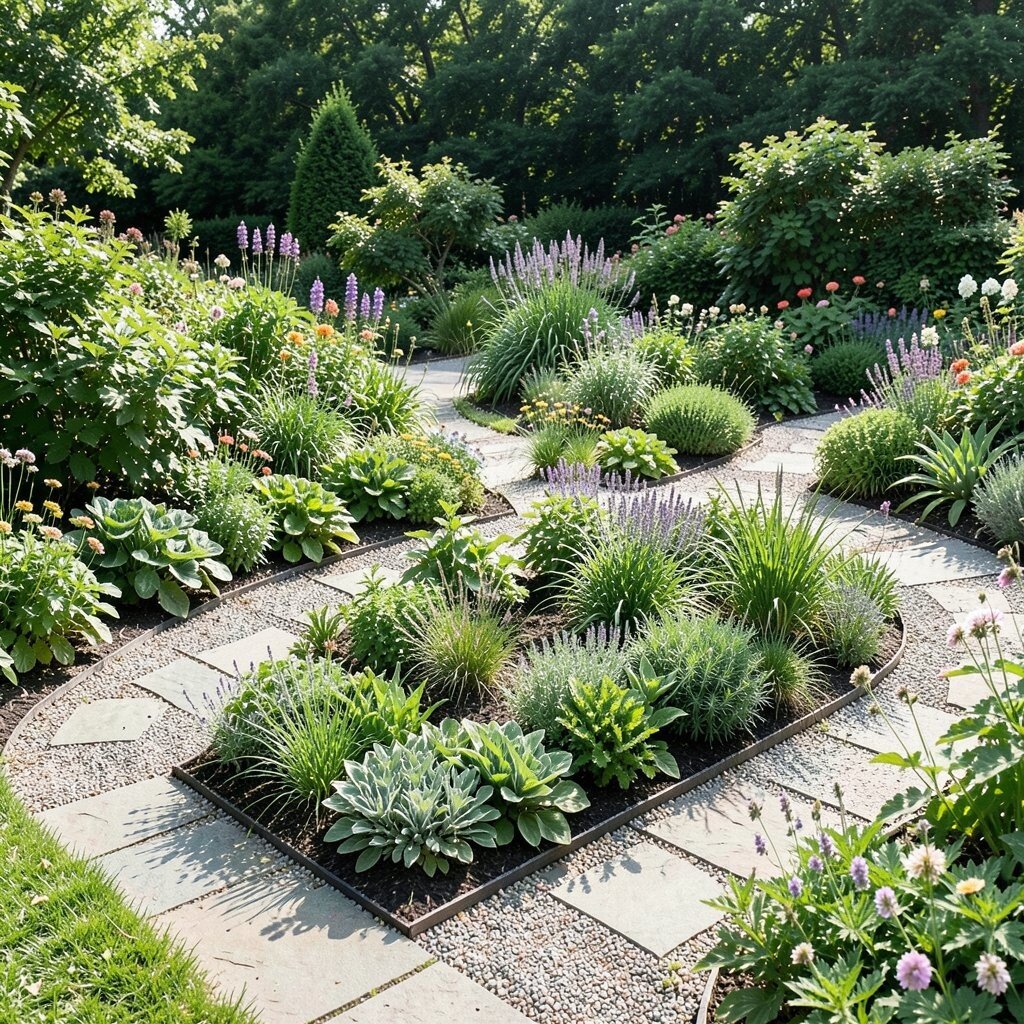
A herb spiral can look like a calm green maze where fragrant leaves grow in neat layers. It becomes wheelchair-friendly when the spiral paths are gentle, and there are flat rest points along the curve.
When you can roll close to labeled beds from a comfortable distance, herb gardens feel useful, not just pretty. For a practical upgrade, bring a small tote for pre-measured gloves or a lightweight container if the garden allows touch or picking in specific areas. Personalize the visit by choosing a “flavor theme,” like gathering ideas for a basil and mint tea window for your kitchen.
Unique touches often include seasonal planting rotations and scent zones, which can feel different each visit. Cost-wise, herb gardens may be free or low-cost compared with specialty conservatories. If signage is higher than you prefer, ask staff for any lower-format guides or plant names that can be read at a glance.
8. Palm Court With Step-Free Access From the Main Gate
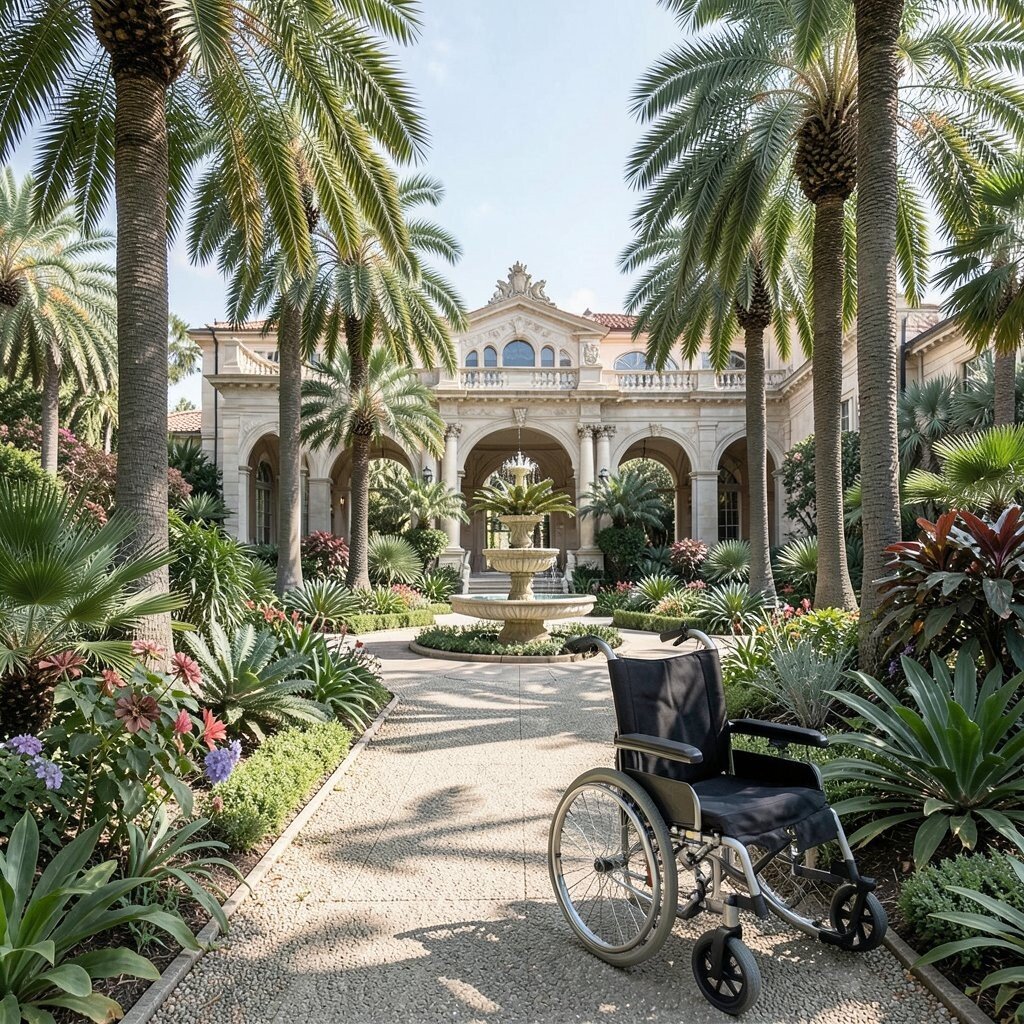
A palm court can create a bright, holiday-like atmosphere with tall leaves and sunlit shadows. Wheelchair access is best when the main gate connects to the garden paths without surprise steps.
These spaces often feel special because the plants create an instant “vacation mood,” even in a local park. Try planning a morning visit so the light helps you see leaf patterns clearly from a seated viewpoint. For comfort, choose shade-friendly spots where you can rest without blocking the route.
9. Succulent Collection With Firm Gravel Alternatives
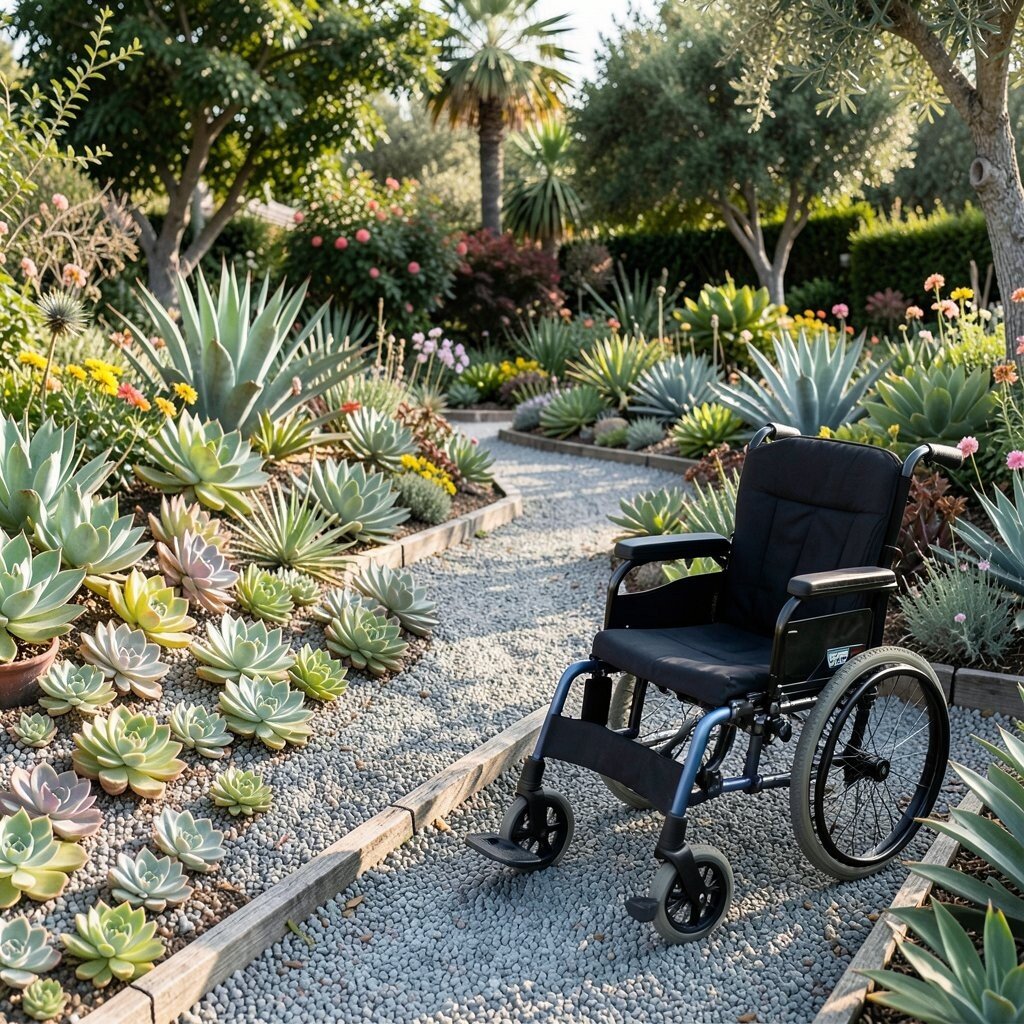
Succulents look sculptural, with thick leaves in calm shades of green, blue, and rust. Accessibility improves greatly when pathways use firm materials that won’t sink under wheels.
Many visitors like succulent gardens because they can walk around gently without constant watering smells in hot weather. If the site uses gravel, look for firm-packed sections or consider visiting after a dry day when surfaces stay consistent. Personalization can be simple, like bringing a phone stand or clipboard so you can map which varieties you want to plant at home.
For cost considerations, succulent gardens sometimes run low-cost workshops that focus on propagation, which can add value without pricey tickets. A trend you may notice is labeling that includes accessibility-friendly font sizes and readable spacing. If you use a manual chair, choose wider rest areas so you can wait for someone to pass without feeling rushed.
10. Scented Rose Garden With Accessible Rest Stations
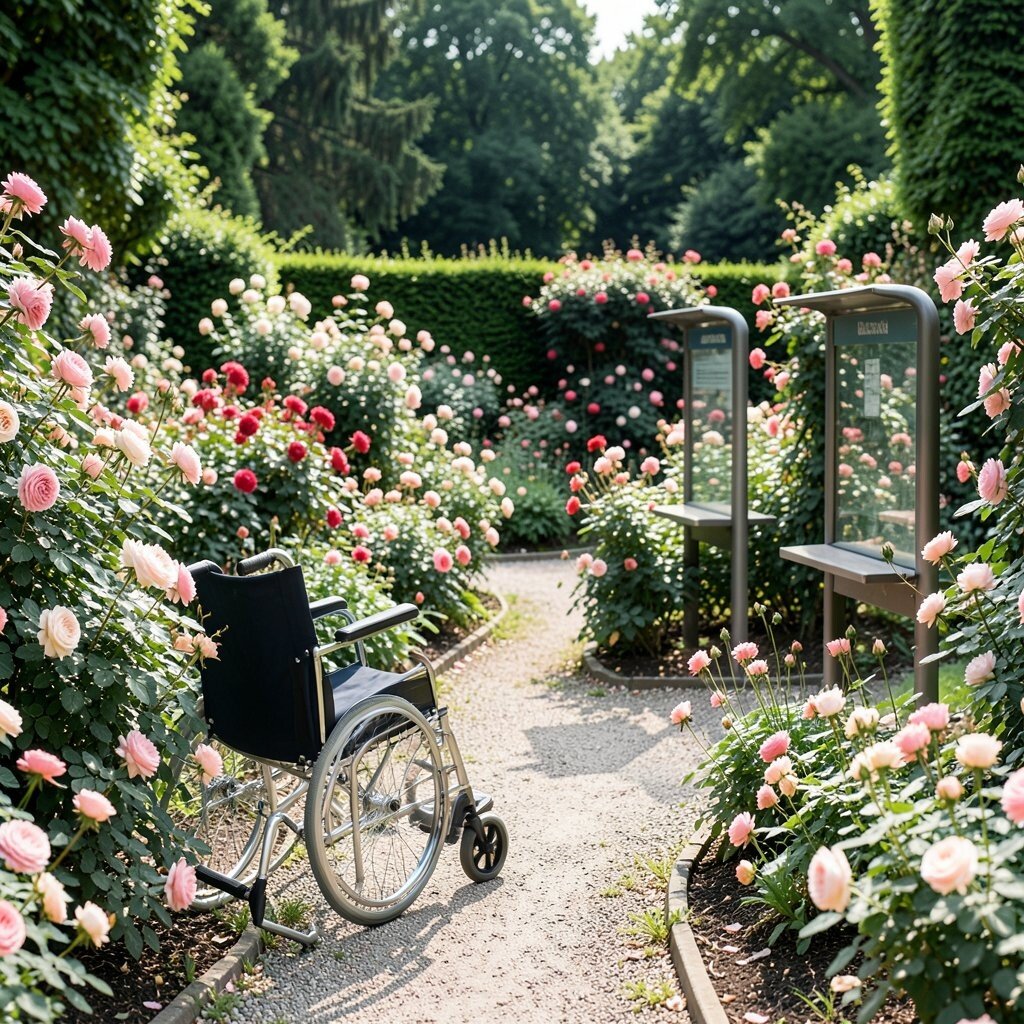
A rose garden can bring both color and smell, and that combination feels instantly uplifting. Wheelchair access becomes meaningful when the garden includes level paths and frequent spots to pause.
Taking breaks supports comfort and helps you enjoy the finer details, like layered petals and gentle color gradations. For practical planning, bring a small water bottle and keep it accessible so you don’t have to roll back and forth. Personalize your experience by selecting a “smell route,” focusing on varieties that are known for strong fragrance.
11. Water-Lily Basin With Smooth Edges and Seating Views
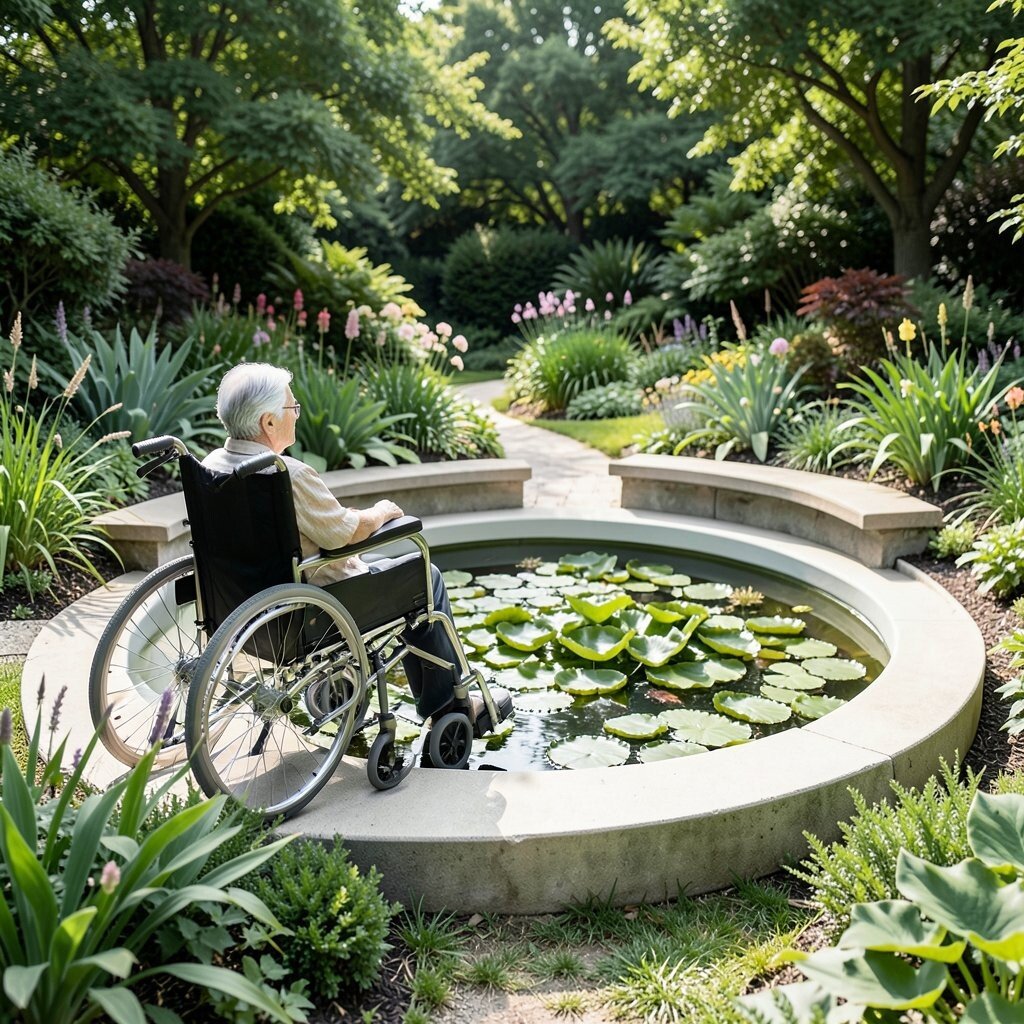
A water-lily basin can look like a floating painting, with lily pads and blossoms drifting across calm water. Wheelchair-friendly design stands out when the basin edges have smooth transitions and safe viewing spots.
These gardens offer relaxing benefits, because the slow movement of water helps many people feel calmer. To keep the trip comfortable, choose viewing benches near the best angles so you don’t strain your neck. Personalization can include keeping a short “color list” in your phone, noting which shades match your home color palette.
Uniqueness often comes from timed water feeding schedules and seasonal lily blooms that change the whole feel. If costs are a concern, look for free evening garden hours when water-lily viewing is still active. Ask whether accessible paths are lit in later hours, since lighting can affect safe movement for your chair and companion.
12. Meadow Wildflower Boardwalk With Gentle Grade Control
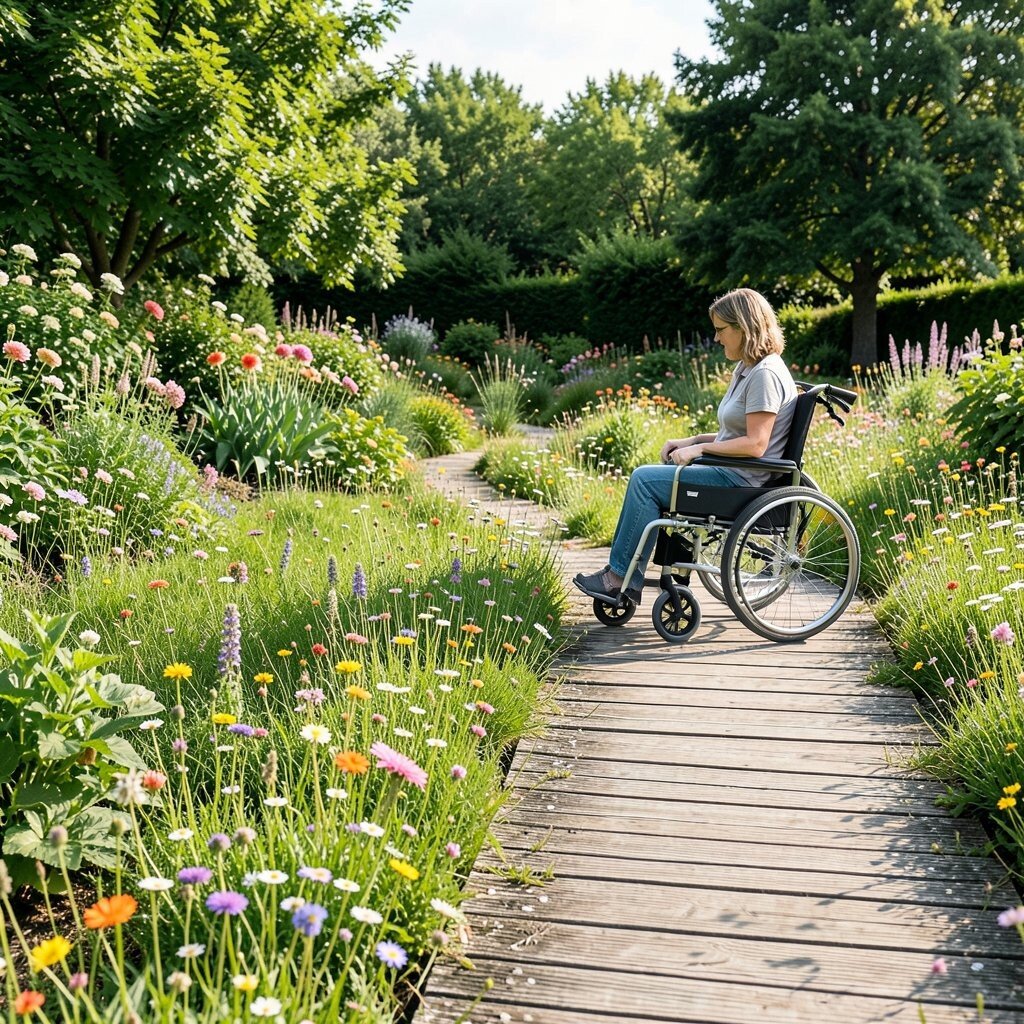
Wildflower boardwalks can feel airy and bright, like standing inside a living postcard. Wheelchair access is strongest when the route includes gentle grades and steady surfaces.
Wildflower gardens benefit visitors by supporting pollinator activity, and that makes the experience feel alive rather than still. For practical tips, carry a light rain cover because some wildflower areas stay damp even after showers. Personalize your visit by choosing a theme like butterflies or native blooms, then photograph your favorites from a seated angle.
13. Shade Canopy Garden With Wide Path Banking
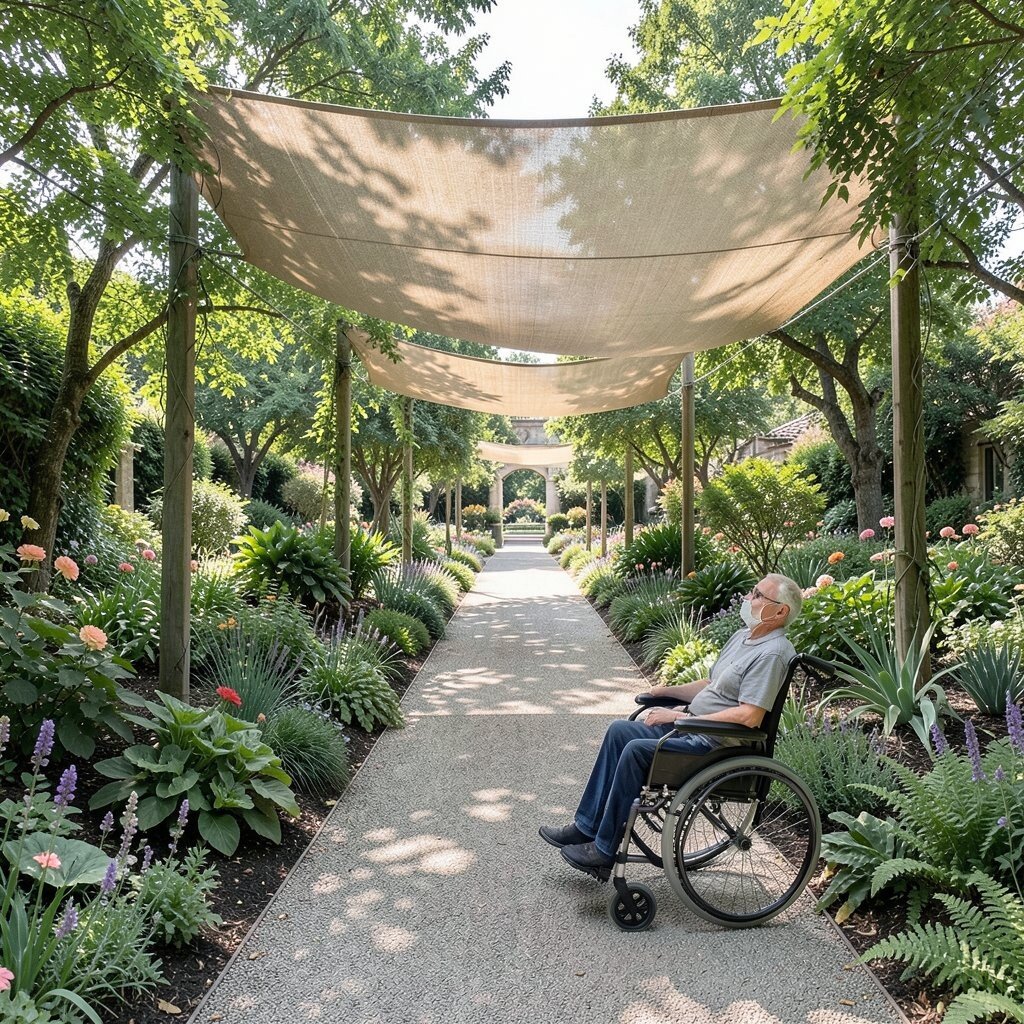
A shade canopy garden can be wonderfully cool, with tall trees filtering light through leaves. Wheelchair access works well when paths include clear banking and no narrow pinch points.
People often appreciate shade gardens because they reduce fatigue, especially during warm months. Try a midweek visit to enjoy quieter pathways and more personal time to read plant labels. Personalization can come from bringing a small notebook to record which plants you notice through the moving light, since shade makes textures feel different.
14. Tropical Rain-Theme Greenhouse With Doorway Clearance

A tropical greenhouse can smell like fresh leaves and warm air, with plants growing tall and wide. Wheelchair access becomes much easier when doorways are clear and the main aisles have generous spacing.
Tropical spaces offer the unique benefit of big visual drama, from broad leaf shapes to bright blossoms. For a practical plan, choose a route that loops so you can exit without backing up in tight corners. If your chair needs more turning radius, consider waiting at wider intersections before continuing.
Costs can vary, and some greenhouses charge extra for seasonal displays, so it helps to check tickets ahead. A current trend is adding hydration stations and clearer signage, which supports comfort during longer indoor visits. Personalize by bringing a small soft grip for your steering hand so travel feels steadier over smooth flooring.
15. Botanical Lawn and Accessible Sculpture Trail
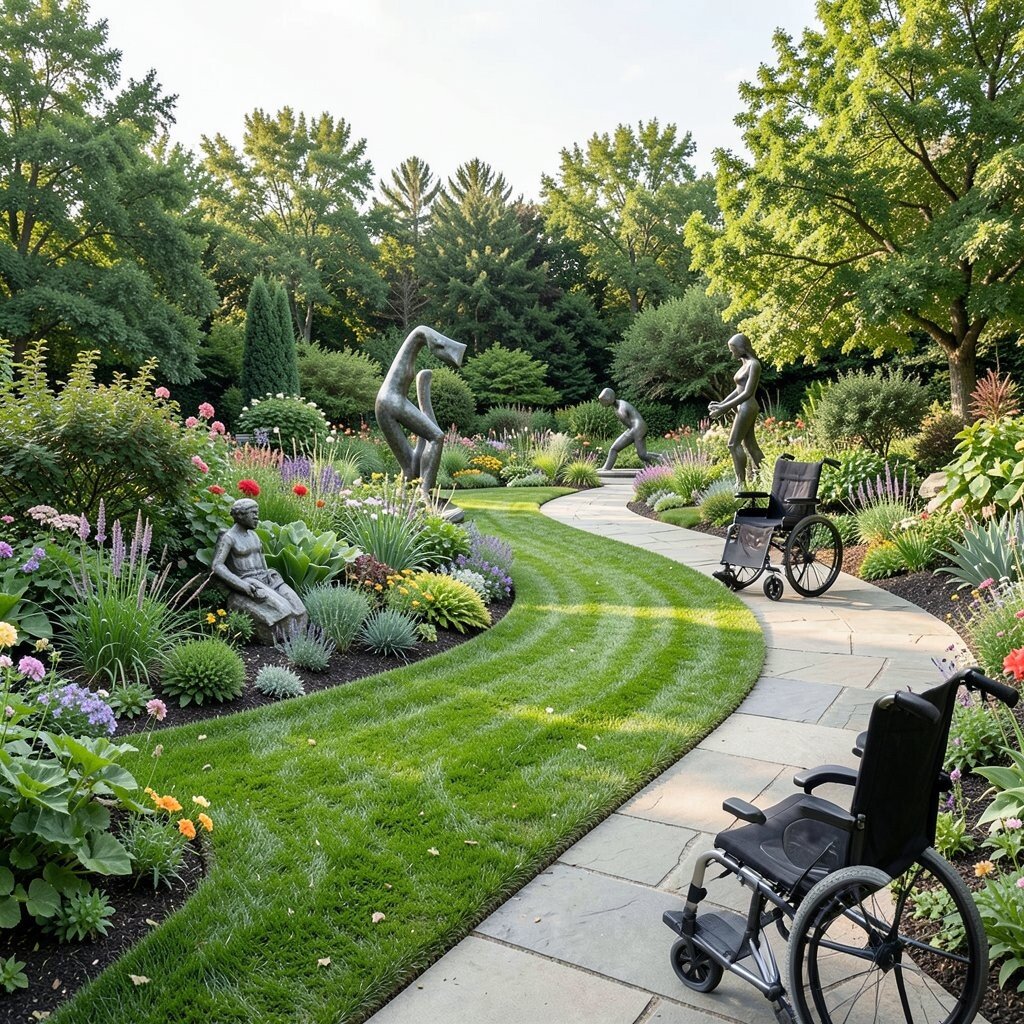
A botanical lawn paired with a sculpture trail can balance calm grass with eye-catching forms. Wheelchair access shines when the trail has smooth surfaces and enough width to pass slowly.
Sculpture trails often add uniqueness, because plants grow around art and create new sight lines. For benefits, the open lawn helps you rest easily and avoid feeling boxed in by dense plantings. Practical tips include planning your route around restroom locations and using the sculpture points as natural “check-in stops” for breaks.
16. Cactus and Desert Garden With Low-Impact Grounding
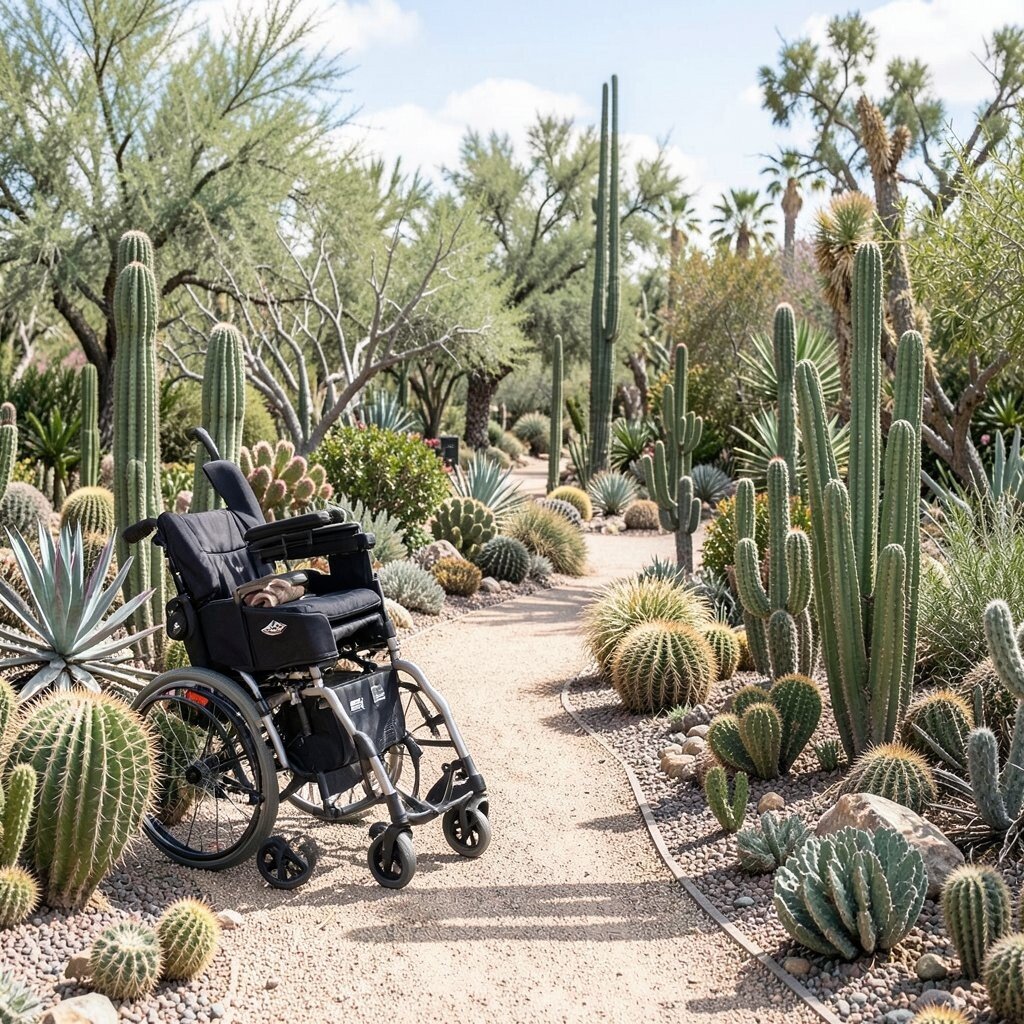
A cactus and desert garden can look bold and graphic, with spines and stones forming striking patterns. Wheelchair access is best when the pathways use stable ground and don’t require steep stepping stones.
Desert gardens provide benefits by being more predictable with watering smells, and many visitors enjoy their clean, crisp look. Choose times when indoor cooling is available if the site has shaded seating and mist stations. Personalize your visit by learning the plant names that match your climate at home, so you can choose what to grow safely.
For cost considerations, many desert gardens include free small exhibits or demonstrations that reduce the need for extra paid events. Trends often include drought-smart displays and educational signage that’s readable from a seated view. If the garden includes tactile stones, ask staff which areas are safe for touch and wheelchair proximity.
17. Coastal Salt-Tolerant Garden With Wide Viewing Bays
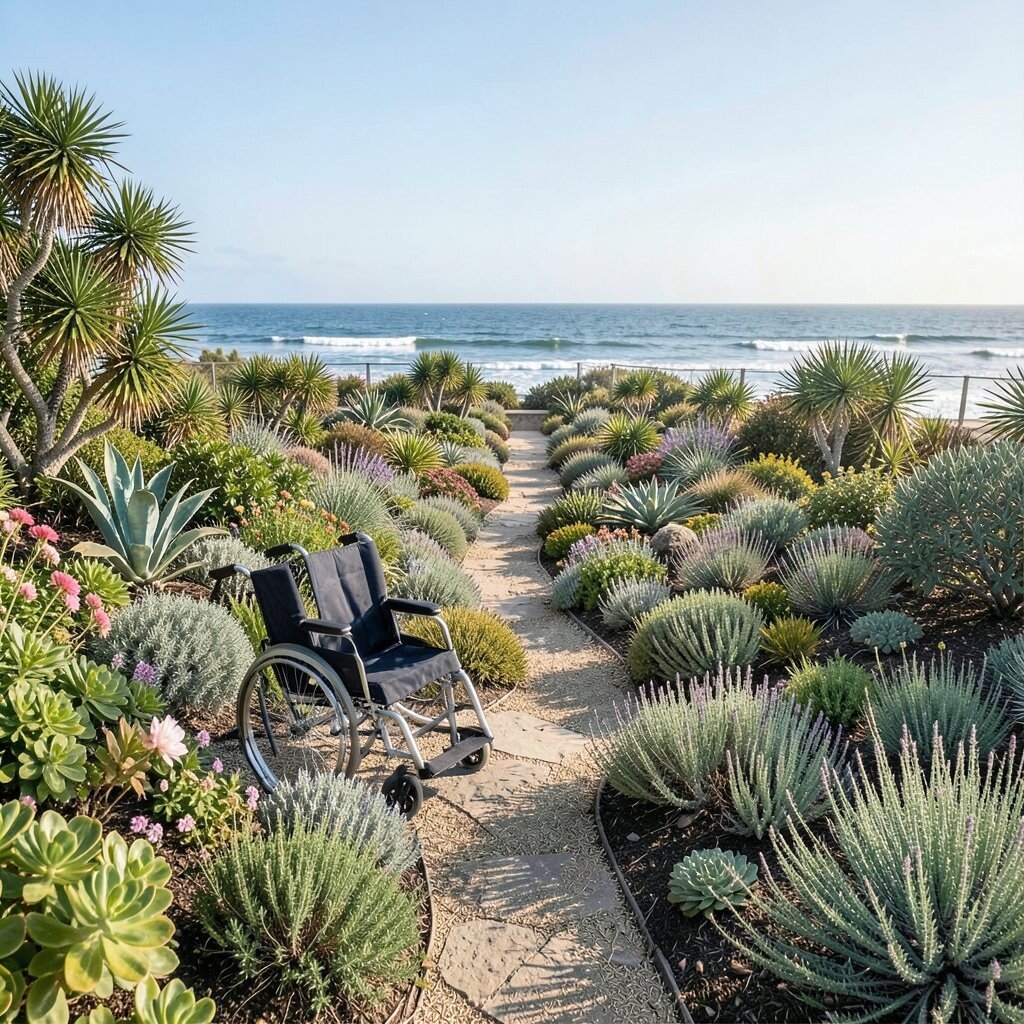
A coastal garden can feel windy and bright, with salt-tolerant plants that handle the landscape’s moods. Wheelchair access improves when paths include wide viewing bays and stable edges near the shoreline.
Visitors get benefits beyond beauty, since these gardens teach how plants adapt to real conditions like wind and salty air. Practical tips include bringing a windproof layer and securing any loose items so they don’t blow onto the path. Personalize your experience by photographing plants that remind you of textures you’ve seen on your own walks near home.
Uniqueness can come from seasonal tidal cues and changing plant color after storms. Cost-wise, coastal gardens may be part of a public park system, which can keep entry affordable. Check whether the closest accessible parking stays open during high-traffic days and plan a backup route if needed.
18. Children’s Garden With Adult-Accessible Loop Paths
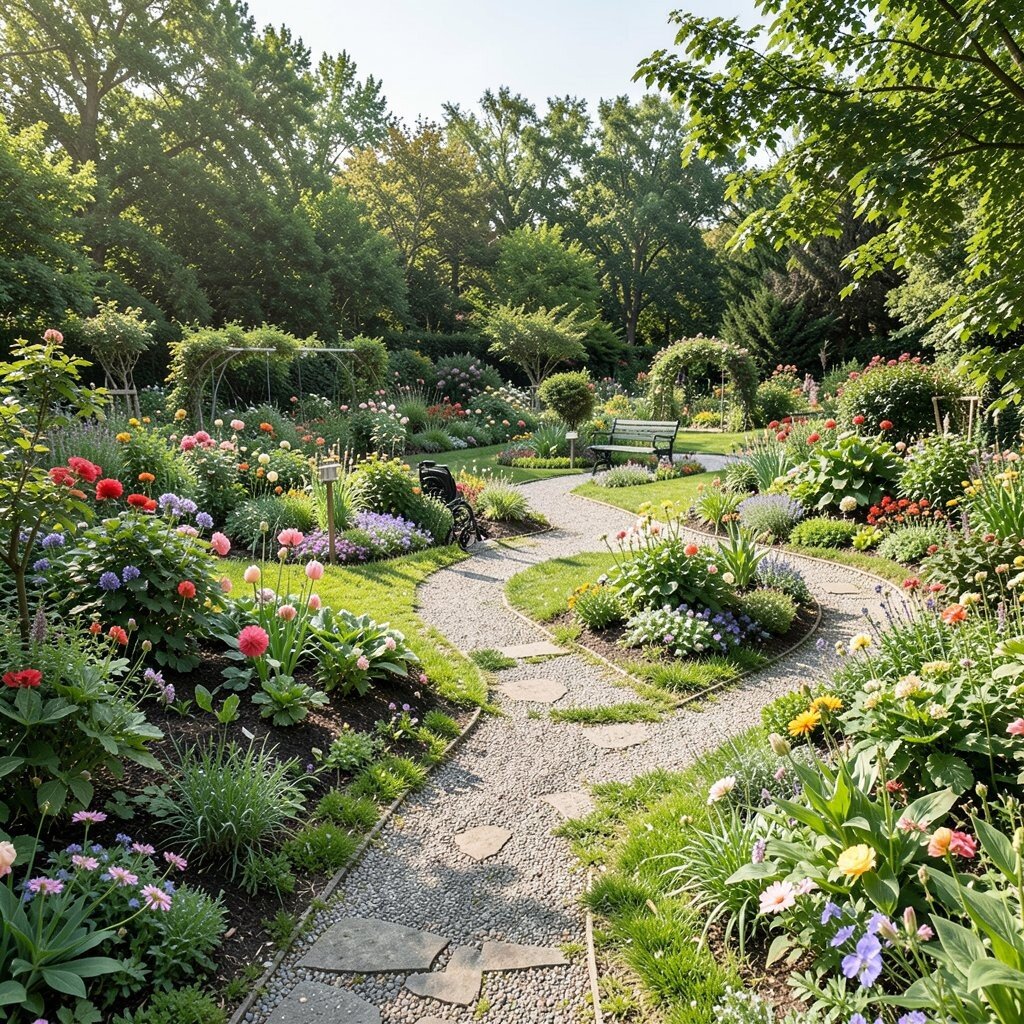
A children’s garden can be surprisingly charming for adults, with bright colors and playful planting designs. Wheelchair access is most enjoyable when the loop paths are made for smooth travel and not just quick viewing.
These areas offer benefits for everyone because hands-on learning encourages focus and joy. For practical tips, choose routes that avoid steep play zones and look for seated observation points near water features or butterfly habitats. Personalize by looking for sensory plants that work well for your comfort level, like soft grasses and fragrant herbs.
Uniqueness comes from how the garden is designed around curiosity, with plant shapes and stories that make the space feel friendly. Cost considerations may be lower if play areas are included with general admission. A trend you might see is inclusive play design, meaning smoother surfaces and clearer sight lines for visitors of different abilities.
19. Heritage Tree Collection With Slow-Speed Accessibility Corridors
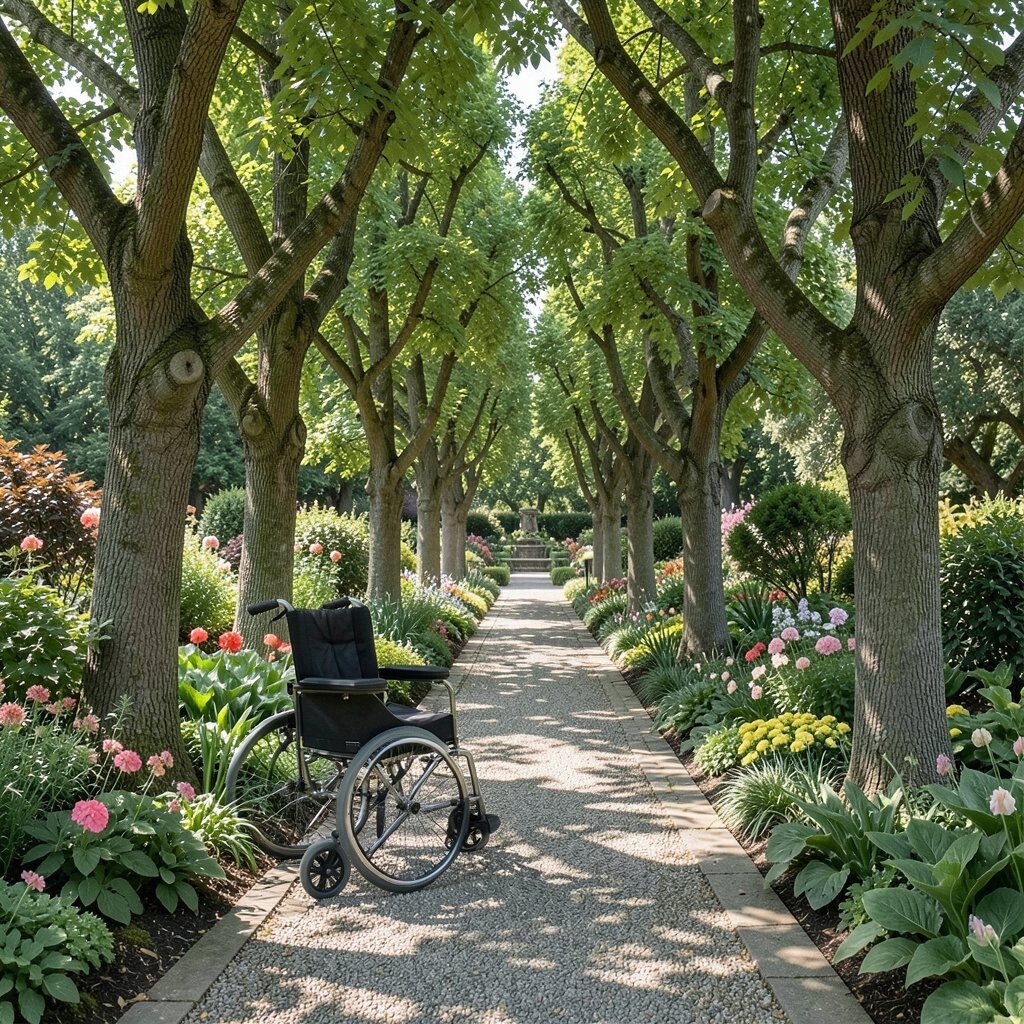
A heritage tree collection can feel timeless, with trunks that hold history and branches that form natural umbrellas. Wheelchair access works best when the corridors are planned for slow travel and safe passing.
Tree-focused gardens offer benefits for learning and calm, since you can compare leaf shapes and growth patterns without rushing. Practical tips include using a longer time window so you can roll from marker to marker at a comfortable pace. Personalize by choosing one species to focus on, then note how the leaf texture and shade vary across the day.
Uniqueness often comes from labeled lineage and seasonal changes in bark and canopy color. Cost-wise, many heritage tree paths are free within larger parks, making them budget-friendly. If you need extra traction, ask about path maintenance schedules, since recently refreshed surfaces can be smoother than areas that need repair.
20. Night Bloom Garden With Accessible Lighting and Safe Stops
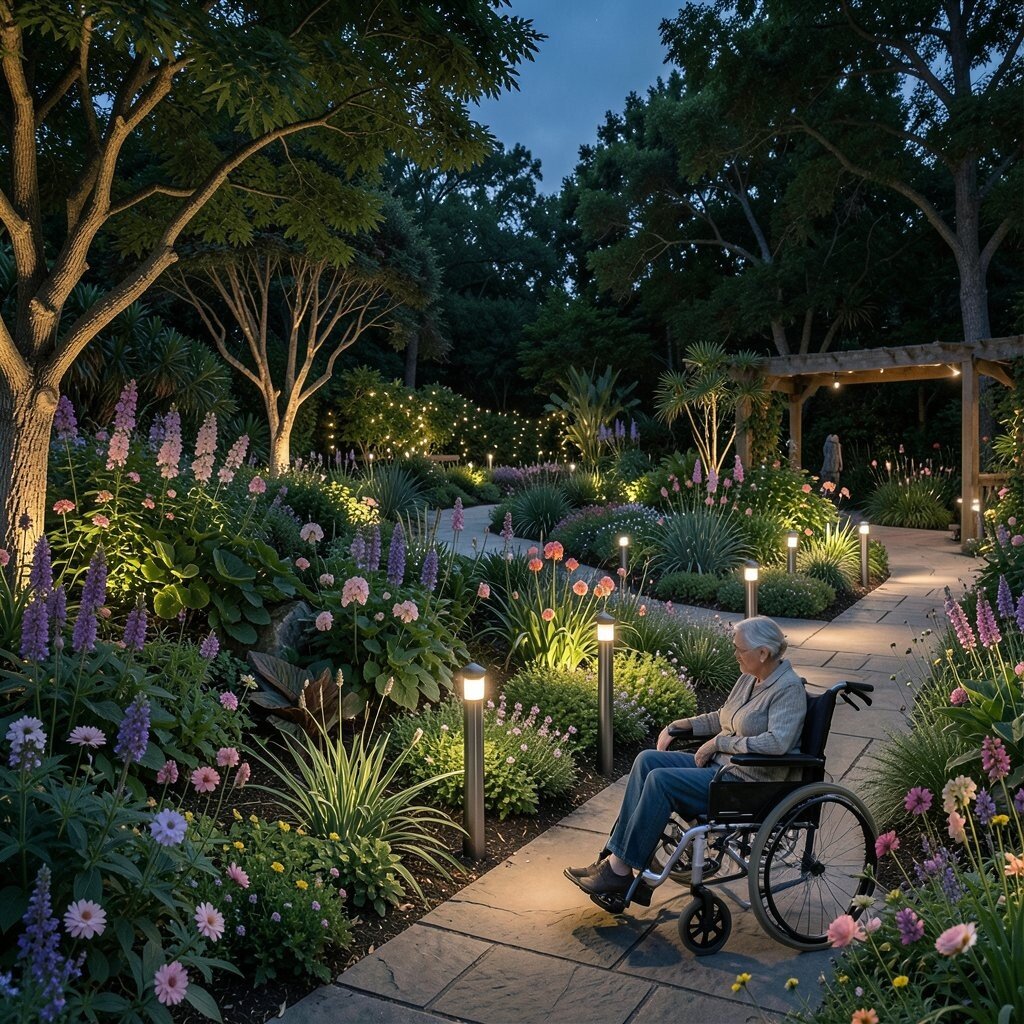
A night bloom garden can feel magical, with evening flowers releasing scent and color under gentle light. Wheelchair access is essential when lighting is even and pathways stay clearly visible to support safe movement.
These gardens bring benefits for relaxation, because slower evening settings can reduce stress and crowd pressure. For practical tips, wear reflective gear if the garden allows it and keep a small flashlight or phone light ready for navigating edges. Personalize by bringing a scent-focused list so you can match each glow to the aroma you’re noticing.
Cost considerations are important here, since night events may have ticket options, member pricing, or special guided routes. A current trend is accessible evening programming, including quieter sessions and staff support for visitors who need extra guidance. If you use a power chair, confirm charging points or ask whether there are nearby seating areas for a short break during longer events.