A restaurant kitchen can look calm on the outside and wild on the inside. Before the walls move, the real work begins.
1. Study How Your Kitchen Really Works
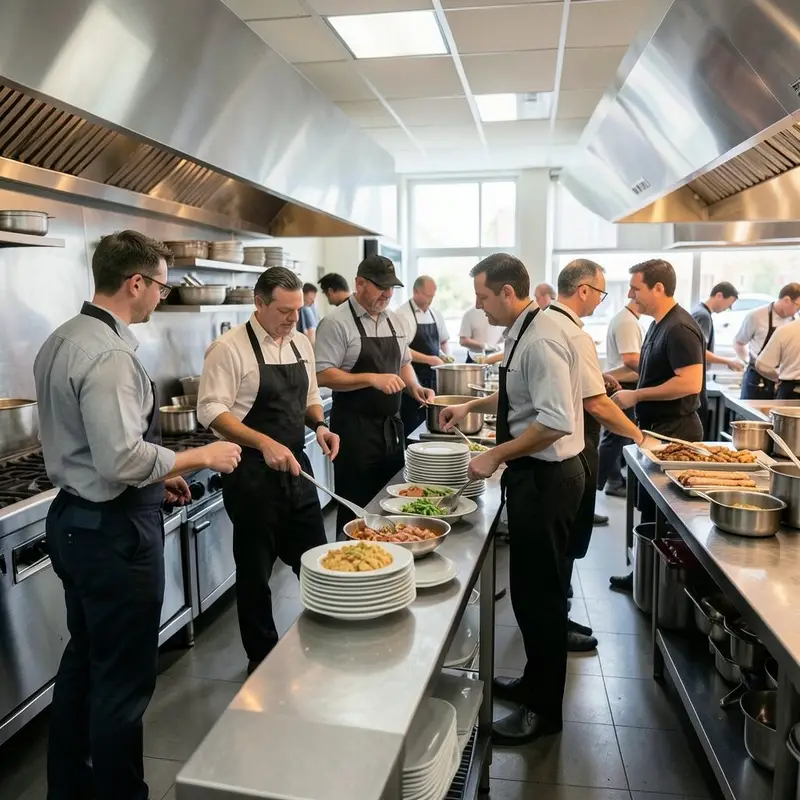
Start by watching the kitchen during a busy service. See where cooks bump into each other, where plates stack up, and where heat or noise feels too strong.
This simple check can save a lot of money later. A smart layout can make work faster, cut stress, and help food leave the line in better shape. You can also make the space feel more personal by matching the setup to your menu and team style.
2. Set a Clear Budget Before Any Work Starts
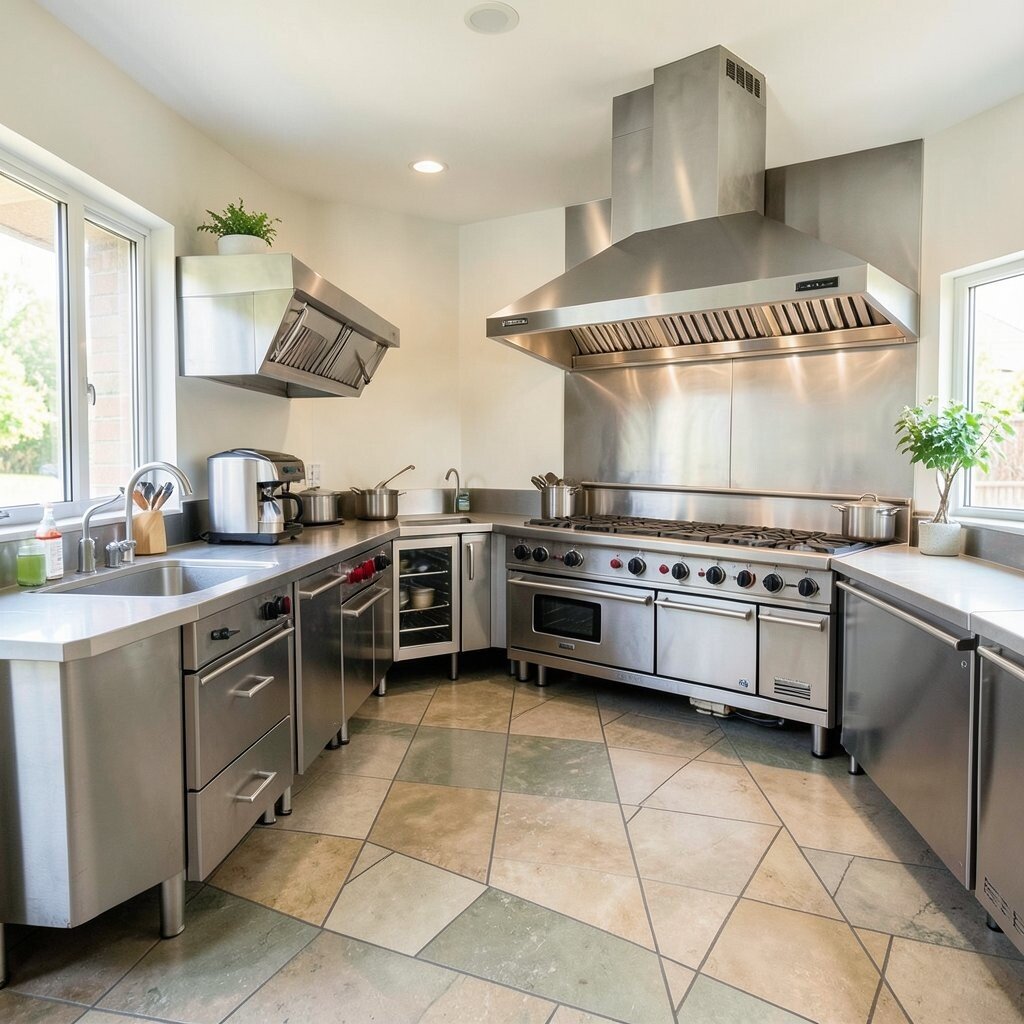
A fresh kitchen can look shiny and exciting, but costs can climb fast. Make a budget that covers tools, labor, permits, and a little extra for surprises.
It helps to sort needs from wants. A new floor may matter more than a fancy display shelf, and a strong hood system may matter more than a high-end finish. Talk with your team about where the money will do the most good.
Think about long-term savings too, not just the first bill. Energy-saving gear, sturdy counters, and easy-clean surfaces can lower costs over time and make the kitchen feel polished without wasting cash.
3. Choose a Layout That Fits Your Menu
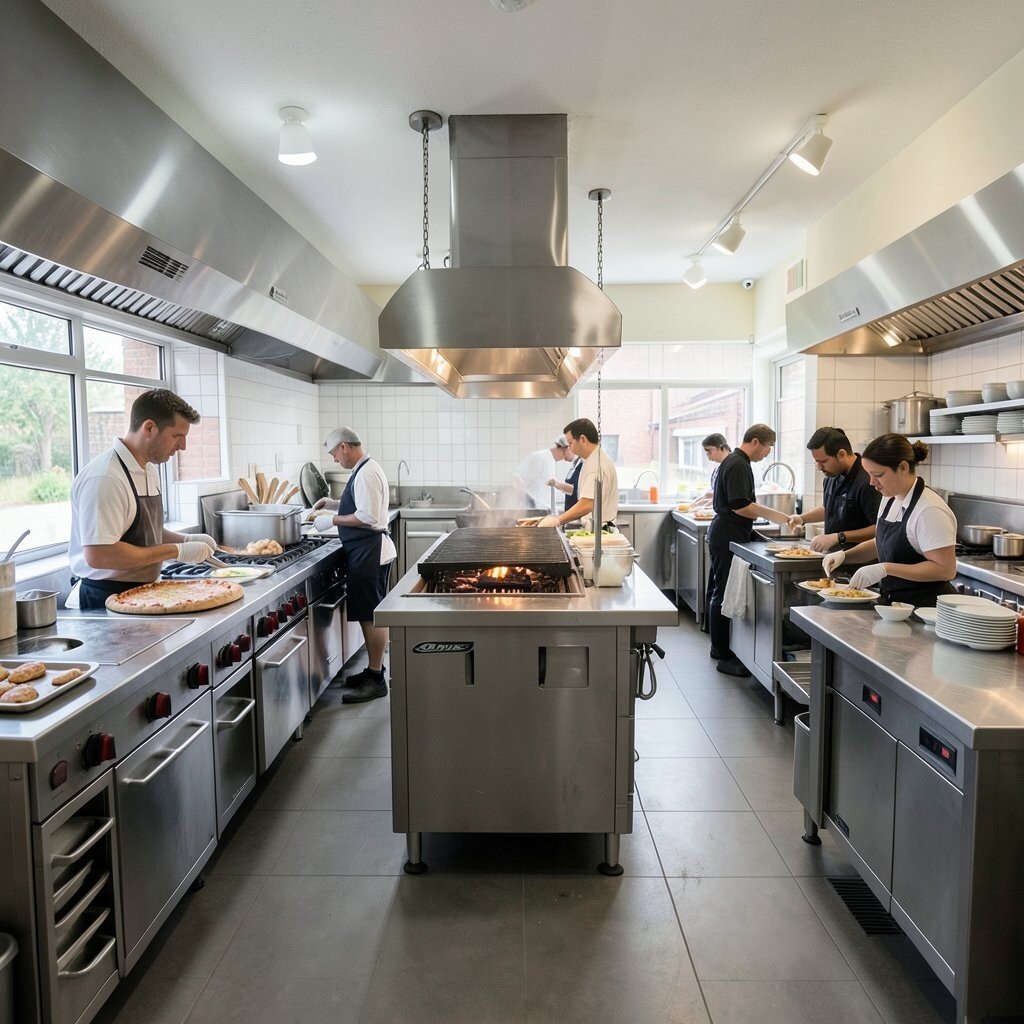
The best kitchen shape is the one that matches the food you serve. A pizza shop, a fine dining spot, and a busy breakfast cafe all need different flow and station spacing.
Look at where prep, cooking, plating, and dishwashing should sit. A good layout can make the room feel open, even when it is packed with action.
You can add a unique touch by building around your signature dishes. If your menu leans on grill work, put that station in a strong central spot, and if your team does a lot of cold prep, give that area bright light and easy reach storage.
Many kitchens now use flexible stations that can shift as menus change. That kind of setup can make the space more useful and help you stay ready for new trends.
4. Check Your Plumbing and Drain Plan
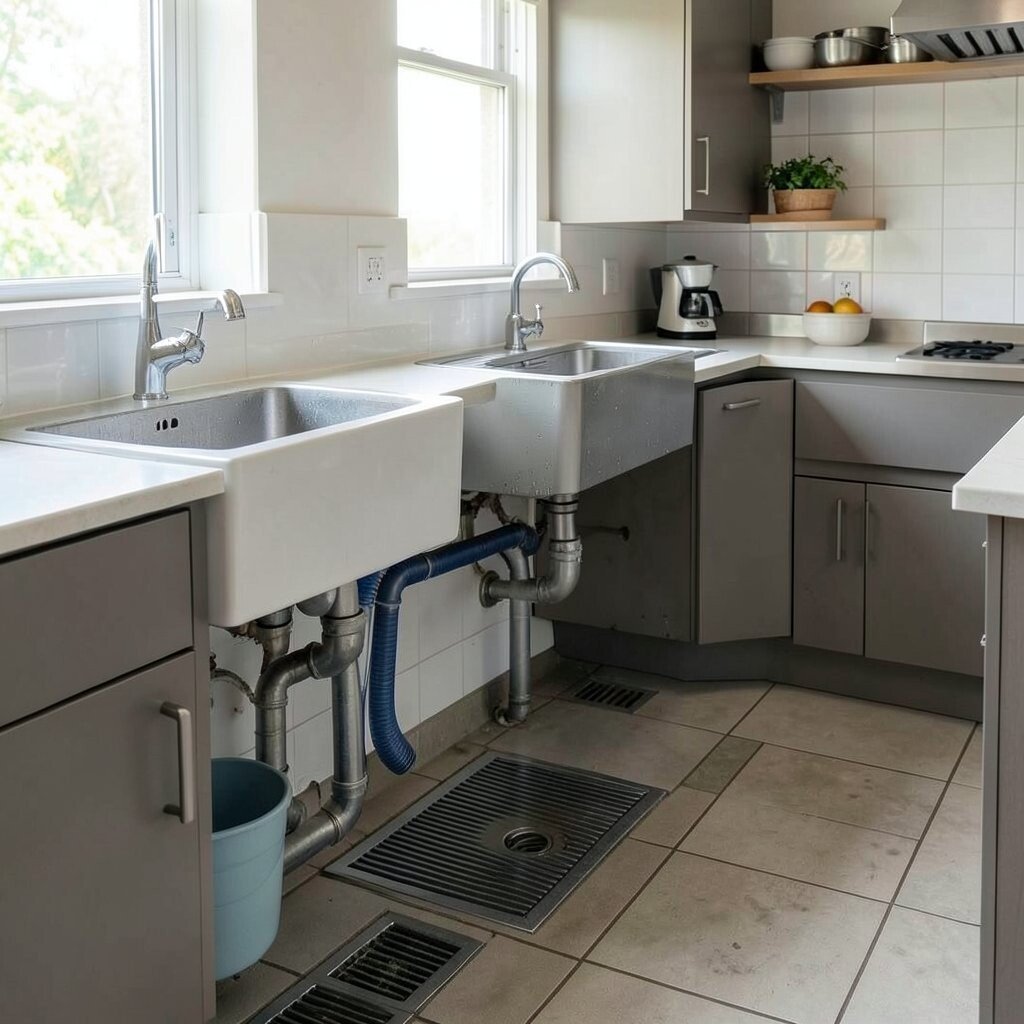
Water problems can ruin a renovation fast. Before any new equipment goes in, look closely at sinks, drains, grease traps, and pipe routes.
Bad water flow can lead to slow cleanup and ugly messes. It can also raise repair costs if leaks or clogs show up after opening day.
Ask for a plan that keeps cleaning easy and safe. In many modern kitchens, owners choose deeper sinks, better floor drains, and simple access points so small fixes do not become big headaches.
5. Make Ventilation a Top Priority
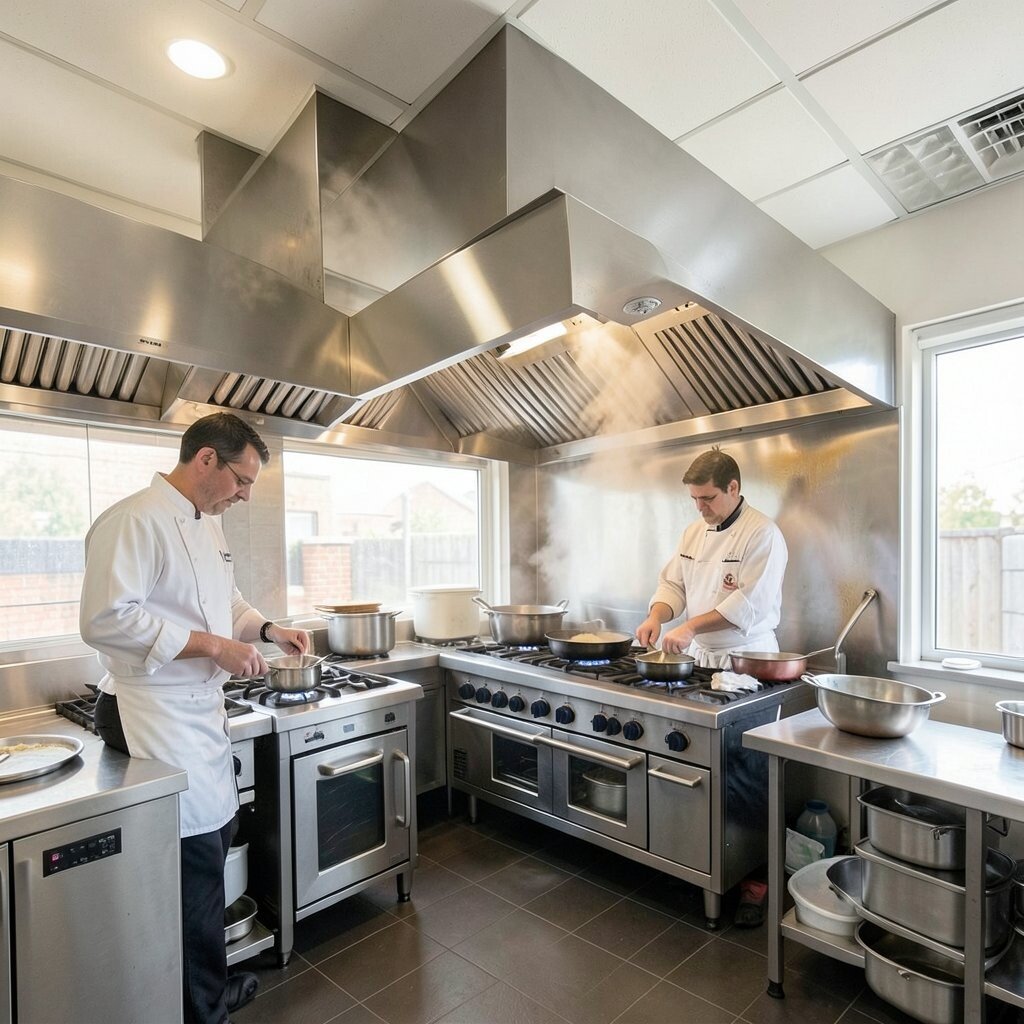
A kitchen can look great and still feel awful if the air is thick and hot. Good hood systems and strong airflow help cooks breathe easier and work longer without feeling worn out.
Ventilation also protects walls, ceilings, and equipment from grease and steam. That means less damage and fewer repair bills down the road.
Try to match the system to the real heat load in your kitchen. A chef’s line with heavy frying needs a different setup than a light prep area, and that choice can change both the price and the comfort level.
Clear, clean vents also give the room a sharper look. When the air feels fresh, the whole kitchen seems brighter and more professional.
6. Pick Materials That Can Take a Beating
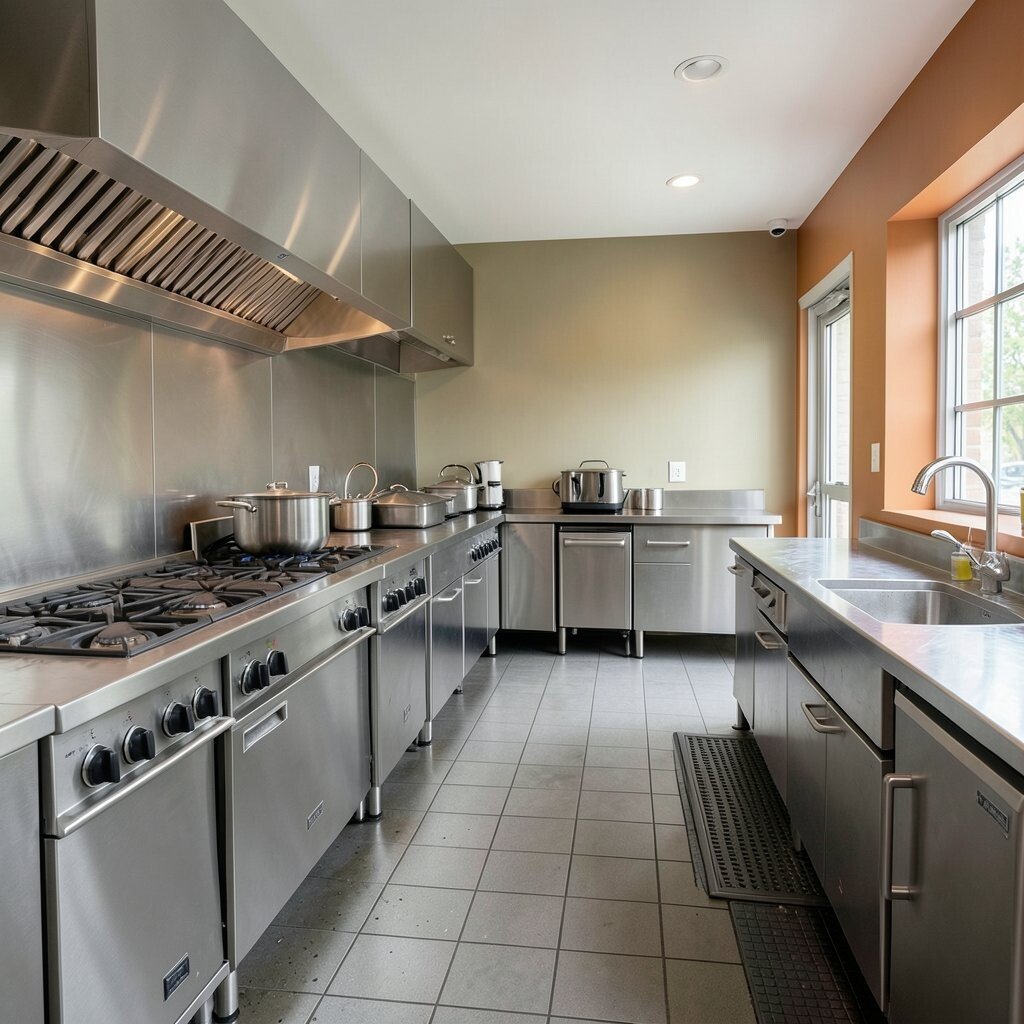
Restaurant kitchens are rough places, so surfaces need to hold up. Stainless steel, sealed walls, and tough flooring can handle spills, scrapes, and fast cleaning.
Cheap materials may look fine at first, but they can wear out quickly. Strong choices often save money because they last longer and need fewer repairs.
You can still make the room feel special without going soft on quality. Matte finishes, warm wall colors in safe areas, and clean lines can give the kitchen a modern look while staying practical.
Some owners now favor easy-wipe panels and slip-resistant floors because they are safer and faster to clean. That trend is popular for a good reason, since it keeps the team moving and the room looking neat.
7. Plan for Better Storage
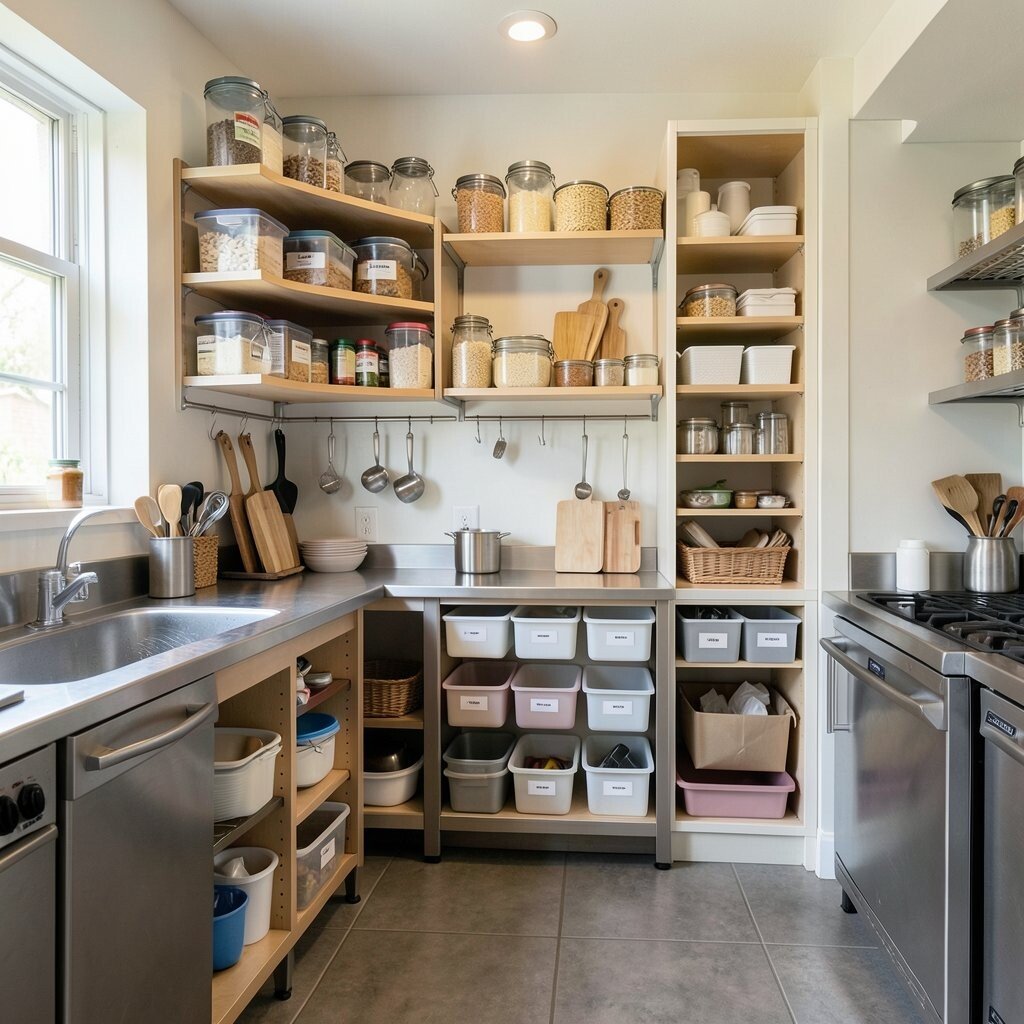
Clutter slows a kitchen down and makes the room feel smaller than it is. Smart shelves, labeled bins, and tall storage can open up space in a big way.
Think about what gets used every day and what can sit farther away. Items should be close enough to grab fast, but not so close that they crowd the line.
Custom storage can make your kitchen feel made just for your team. Pull-out racks, wall hooks, and hidden drawers can match the way your cooks work and cut down on wasted steps.
It is worth comparing the cost of built-ins with ready-made units. Sometimes a simple mix of both gives the best value and still keeps the room looking tidy and fresh.
8. Add Lighting That Helps the Whole Team
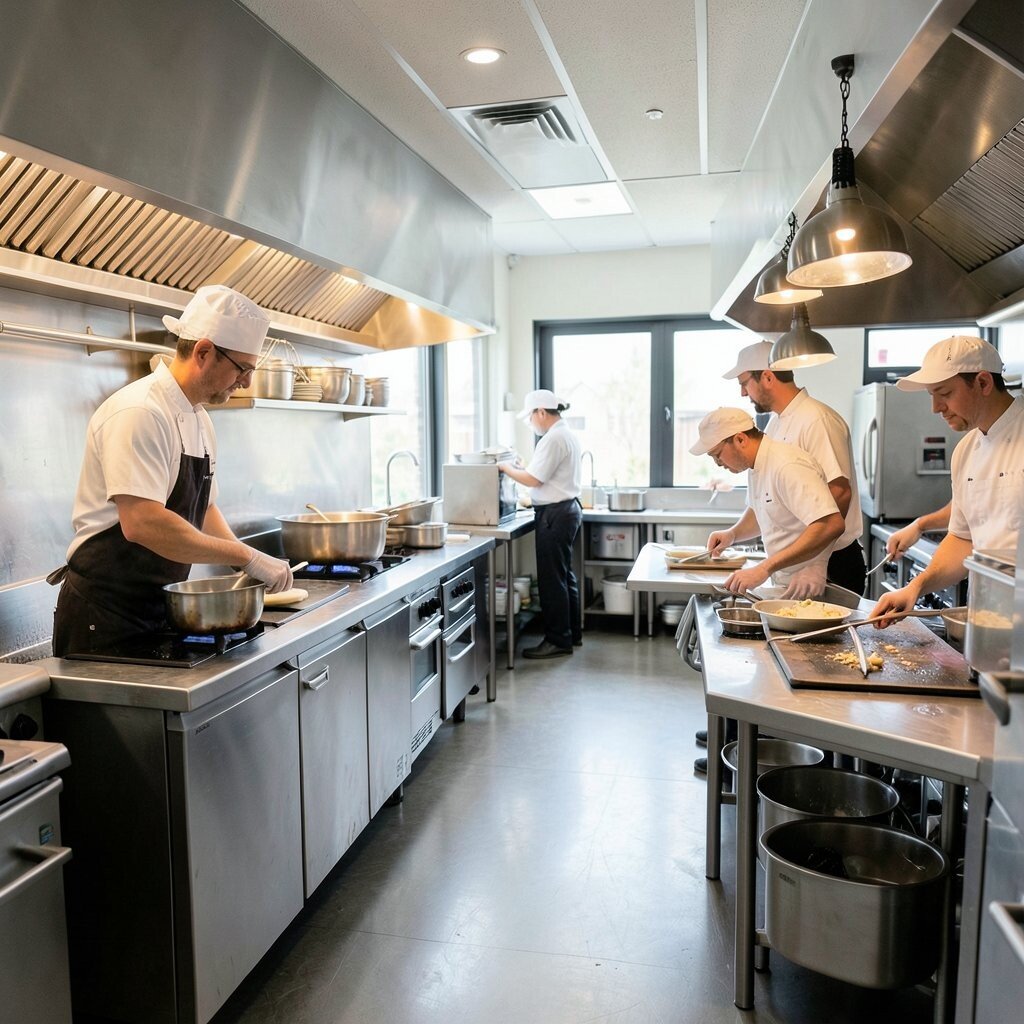
Bright, even light can change the mood of a kitchen fast. It helps cooks read tickets, spot mistakes, and move with more confidence.
Dark corners can hide spills and make the room feel cramped. A better lighting plan can make the space safer and more pleasant for long shifts.
Many kitchens now use LED lights because they stay cool and use less power. You can also choose warmer or cooler tones to match your brand and make the room feel more inviting.
Try placing task lights over prep and plating zones for a cleaner look and better focus. That small detail can make the kitchen feel more custom without a huge price tag.
9. Keep Energy Use in Mind
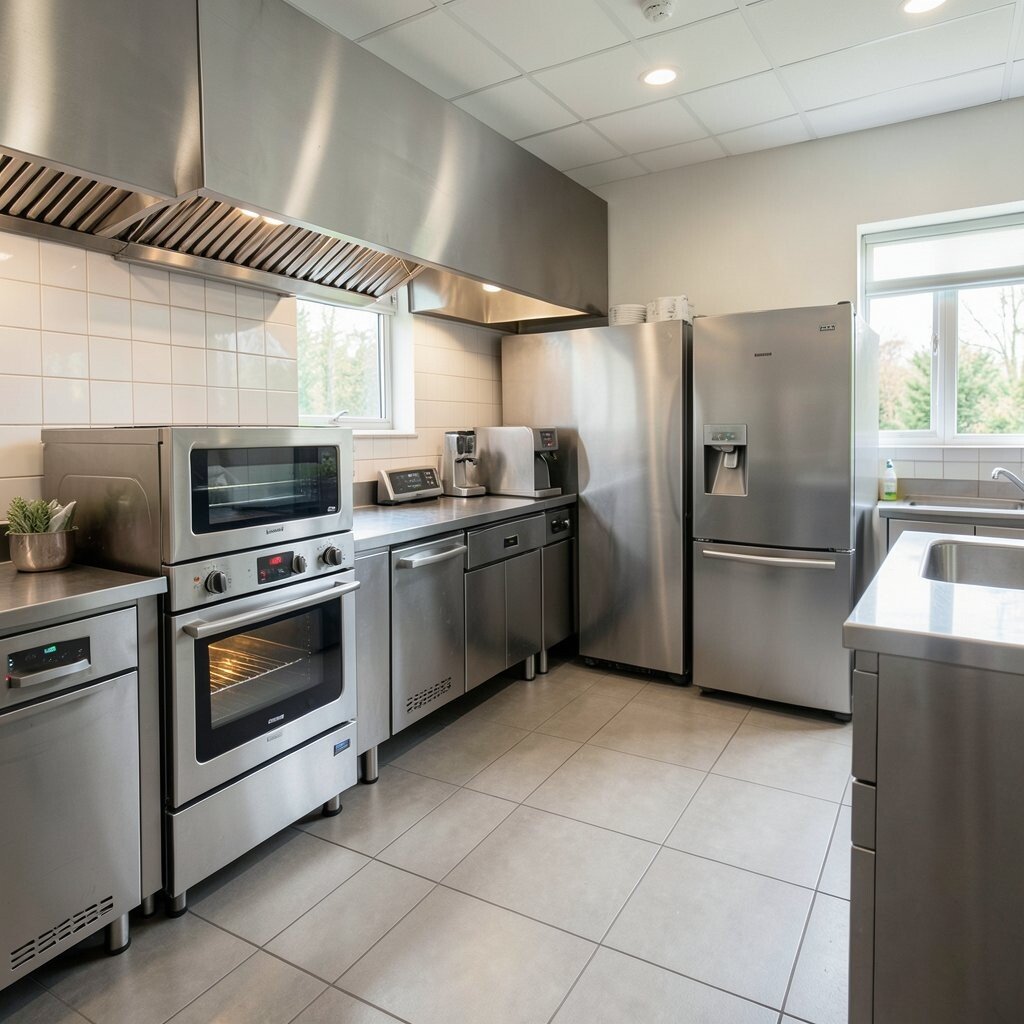
Energy bills can eat into profit month after month. When you renovate, look for equipment and systems that use less power and still do the job well.
Efficient ovens, fridges, and dish machines can lower costs over time. They can also make the kitchen run cooler, which is a big win for staff comfort.
It helps to think about the whole room, not just one machine. Better insulation, smart thermostats, and sealed doors can all support a more efficient space.
Some owners like to show off this green side to guests and staff. That can become part of your restaurant story and give the kitchen a modern, thoughtful feel.
10. Build a Safer Floor Plan
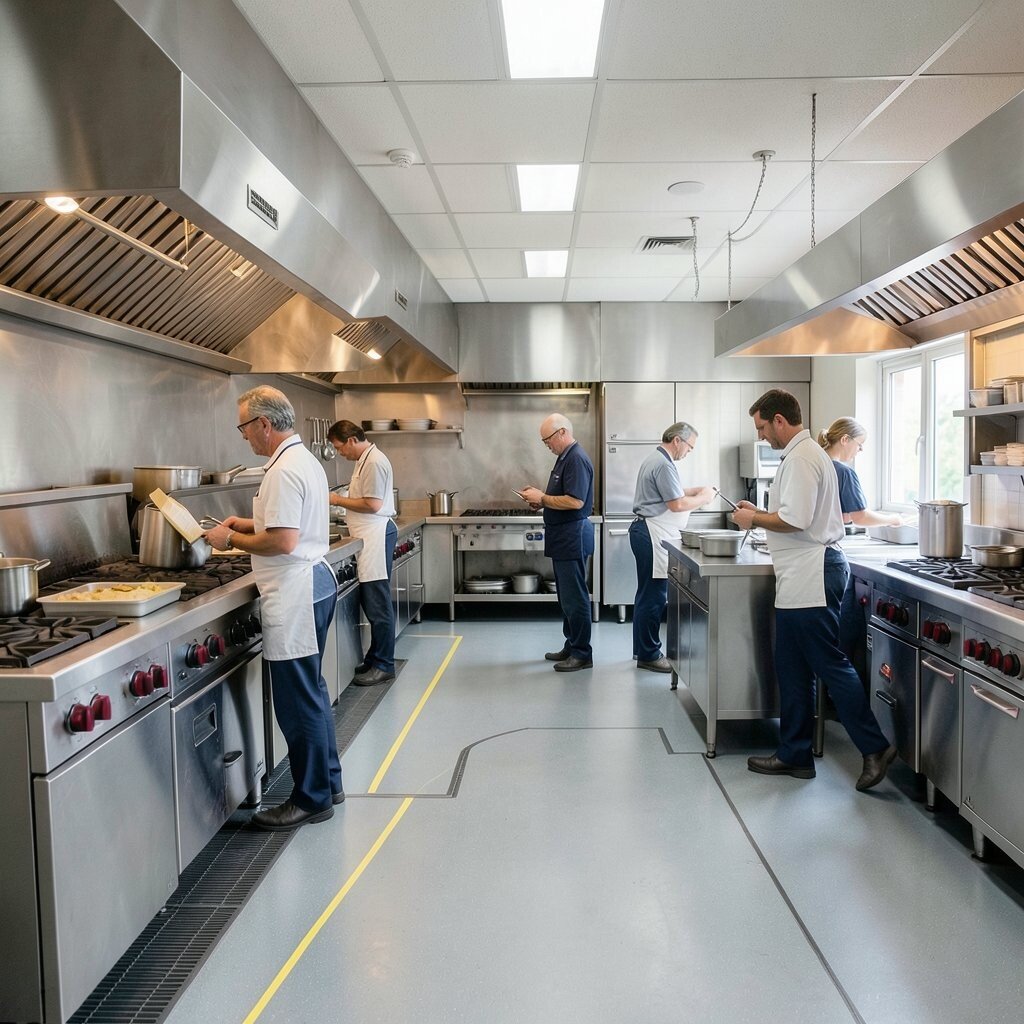
Safety should shape every inch of the kitchen. Clear paths, non-slip floors, and smart equipment spacing can help prevent falls and burns.
When the room is laid out well, people can move fast without feeling trapped. That can make busy shifts smoother and less stressful.
Pay close attention to doors, corners, and hot zones. A small change in placement may keep trays from crashing and help staff avoid painful accidents.
Safety upgrades do not always look flashy, but they matter a lot. In many cases, they are the best kind of investment because they protect people and reduce costly downtime.
11. Make Cleaning Easier from the Start
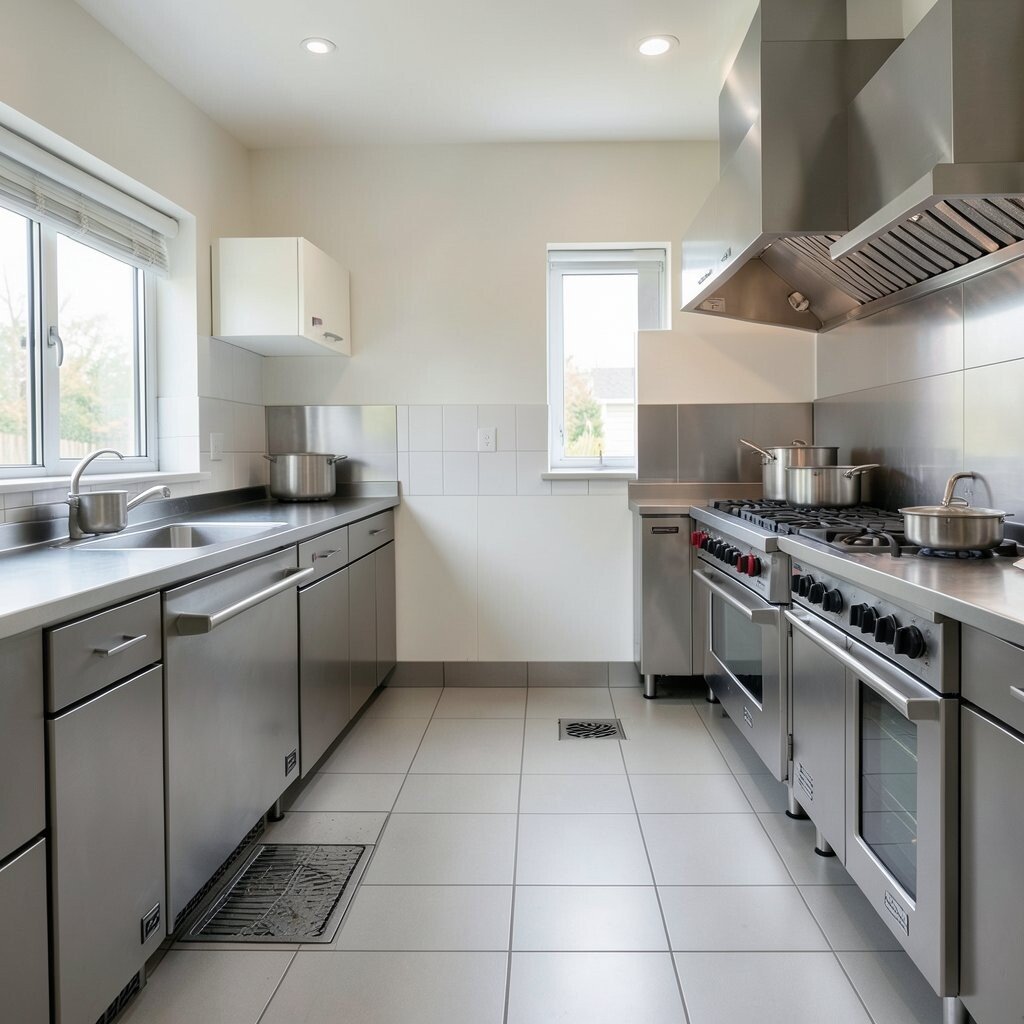
A clean kitchen looks better and works better. If your renovation plan includes easy-clean walls, floors, and equipment, your team can move faster at the end of the night.
Less scrubbing means more time for prep, service, and rest. It can also help keep health inspections smoother and less stressful.
Choose surfaces with fewer seams and corners where grime can hide. Simple shapes often cost less to maintain and can give the room a crisp, modern look.
Some kitchens now use wall guards, drain-friendly floors, and removable parts to speed up cleanup. Those choices may not feel fancy, but they can make daily life much easier.
12. Think About How Guests See the Back of House
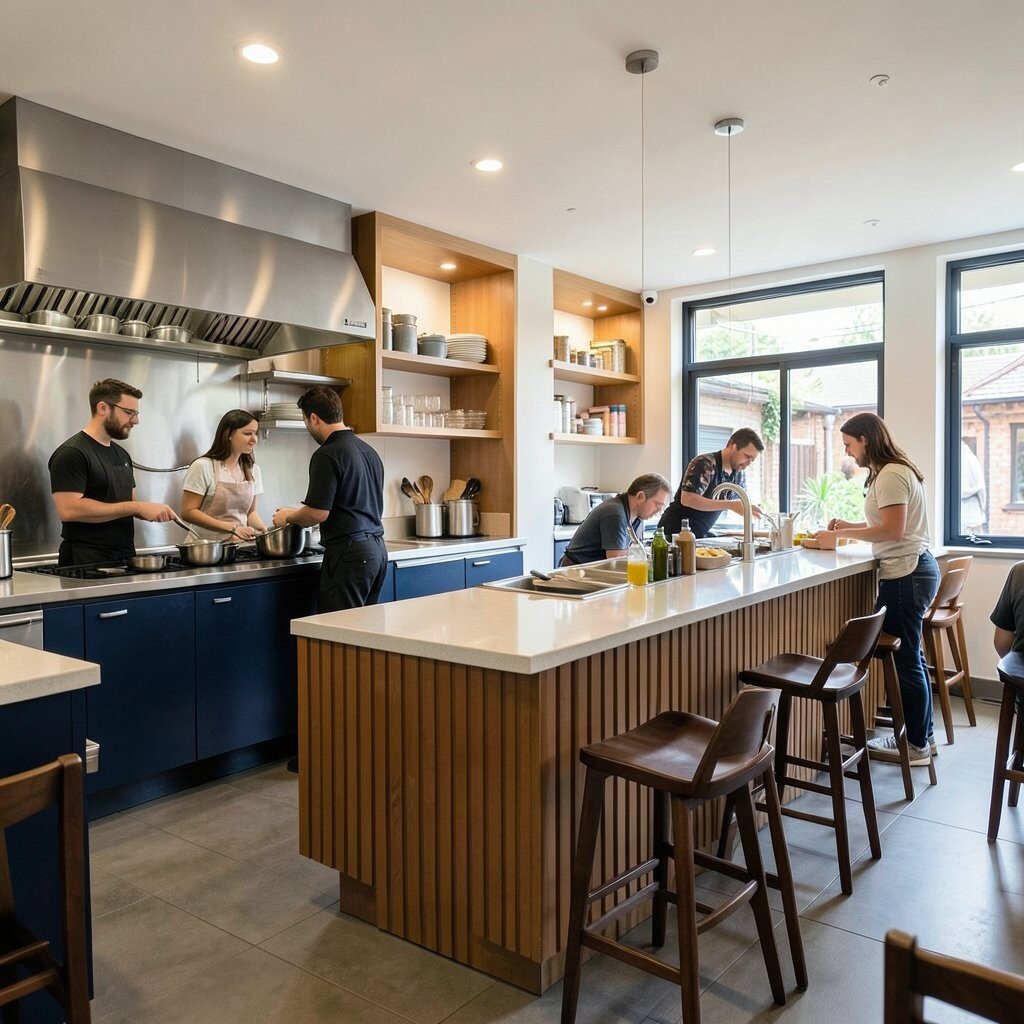
Open kitchens and pass-through windows are more popular than ever. If guests can see part of the cooking space, that area should look neat and feel lively.
A tidy view can build trust and add energy to the dining room. It can also make your team feel proud of the work they do.
You can personalize the look with brand colors, neat shelving, or a striking prep counter. Just keep the style clean so the kitchen still works hard behind the scenes.
Cost matters here too, since visible areas often need nicer finishes. A good plan balances style and durability so the space looks sharp without pushing the budget too far.
13. Choose Equipment That Matches Your Future Plans
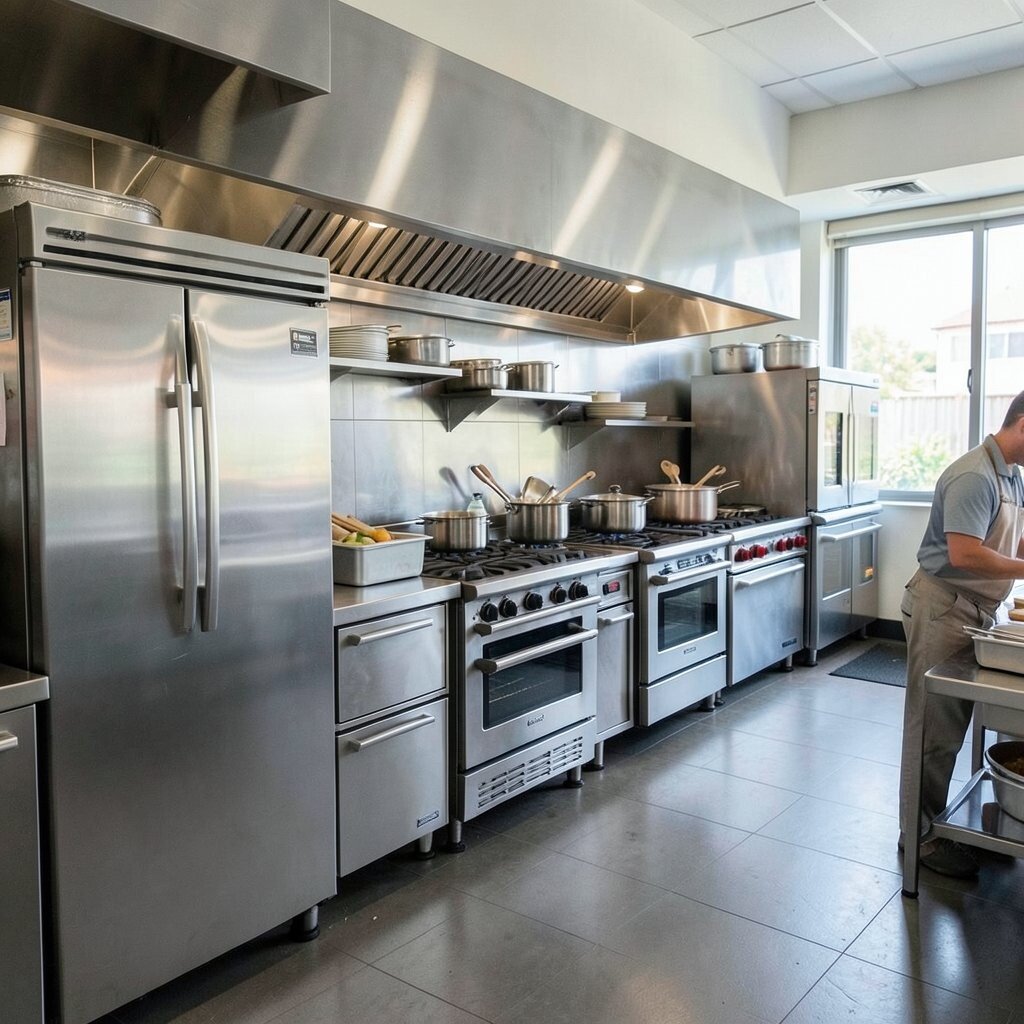
It is easy to buy for today and forget about tomorrow. A better plan is to choose equipment that can support menu growth, new service styles, or higher volume later on.
That might mean a larger fridge, a more flexible oven, or extra prep space. The right choice can keep you from replacing big items too soon.
Ask yourself what your kitchen may need in a year or two. If you plan to add catering, delivery, or brunch service, build in room for that change now.
This is where current trends can help guide smart buys. Modular gear and multi-use stations are popular because they can adapt as the business changes.
14. Talk to Your Staff Before Final Plans Are Set
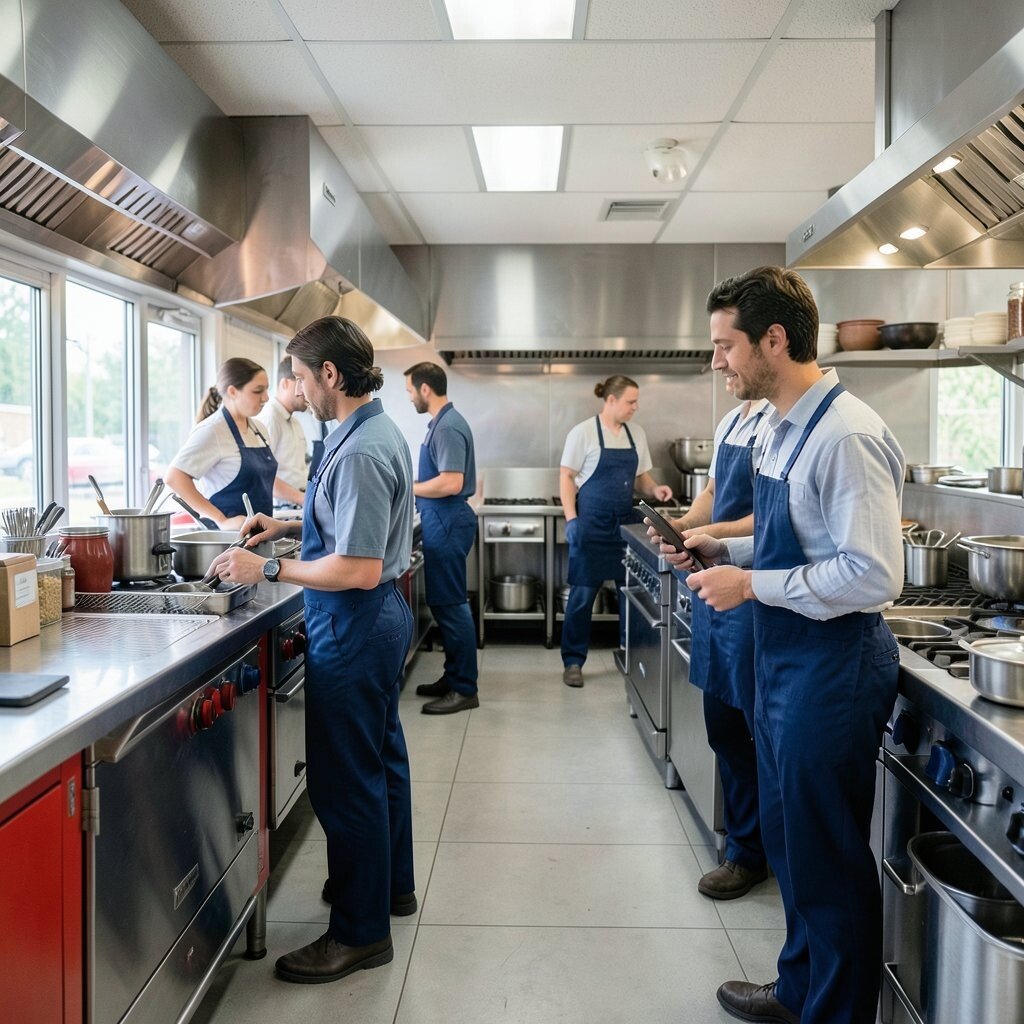
The people who work in the kitchen every day often know what slows things down. Their ideas can point out small problems that drawings and photos may miss.
Ask where they feel crowded, what tools they reach for most, and which parts of the room cause stress. That input can lead to a better layout and a happier team.
You can also use staff feedback to add personal touches. Maybe they want a better coffee spot, more label space, or a quieter corner for prep, and those details can make the kitchen feel more human.
Listening early may cost nothing, but it can save a lot later. A team that feels heard is more likely to support the renovation and help the new space shine.
15. Plan for Noise, Heat, and Comfort
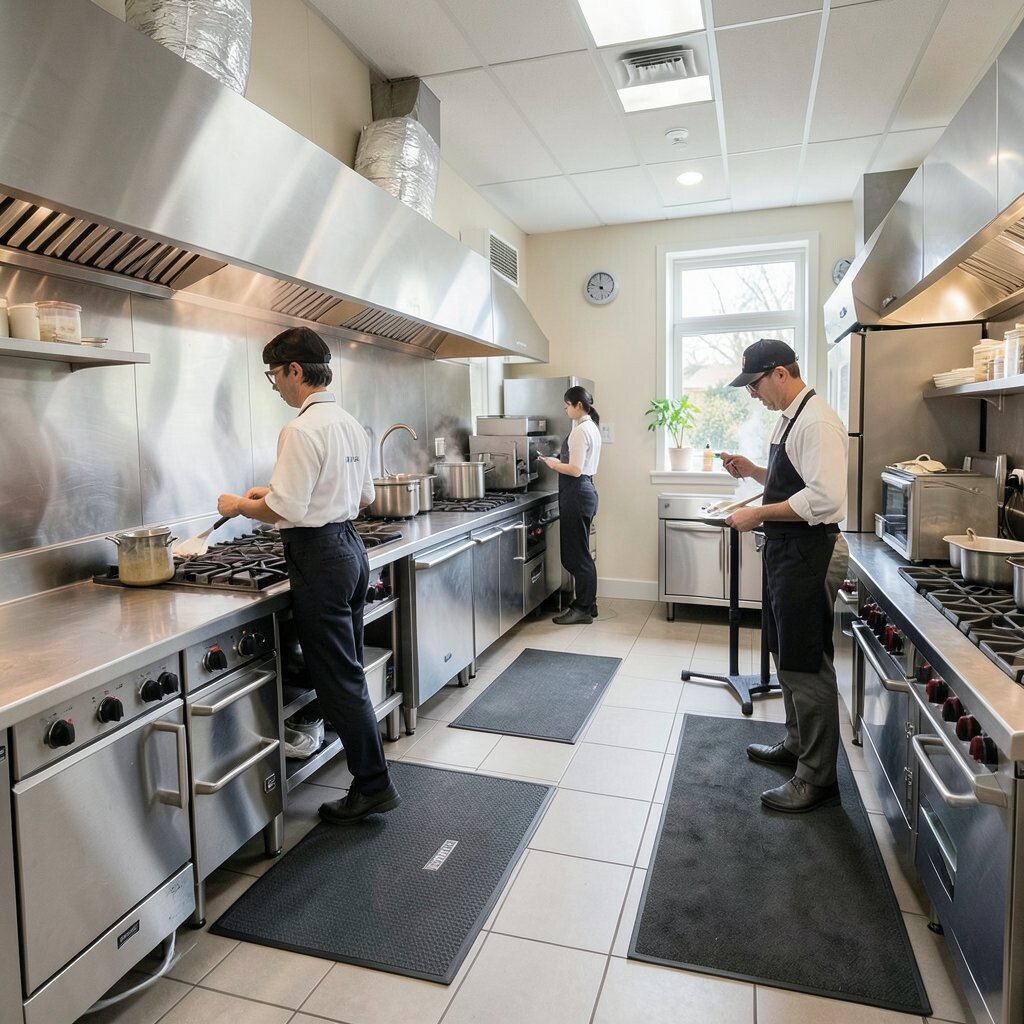
A kitchen is never silent, but it should not feel harsh. Good insulation, smart equipment placement, and better airflow can lower noise and heat in the room.
When the space feels more comfortable, staff can stay focused longer. That can improve service speed and make the whole shift feel less tiring.
Think about small comfort upgrades too, like anti-fatigue mats and better fan placement. These details can make a big difference without taking over the budget.
Some modern kitchens are built with calmer work zones and softer sound control. That trend is growing because it helps teams stay sharp and steady during the rush.
16. Leave Room for Style That Feels Like Your Brand
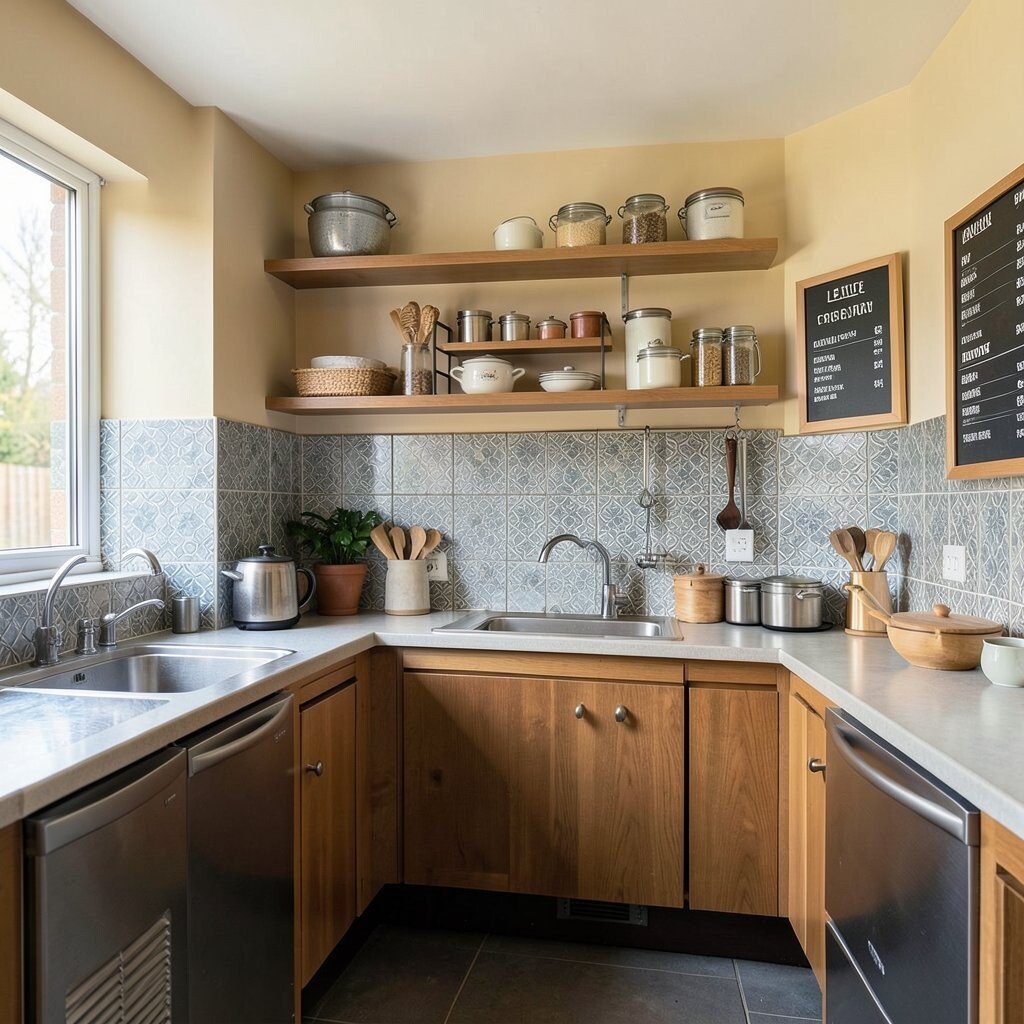
A kitchen does not have to feel cold or plain just because it is practical. Small style choices can make it feel like part of your restaurant’s story.
You might use a signature color, a special tile edge, or custom shelving that fits your brand voice. Those touches can make the room memorable for staff and, in some cases, for guests too.
Keep the style simple enough to clean and maintain. The best design blends charm with function so the kitchen looks good and works hard every day.
Personal style does not always mean high cost. Even modest details, like matching containers or a neat menu board, can make the space feel polished and unique.