Imagine a world where learning happens in the most exciting and colorful spaces. Picture a place where every corner invites imagination and curiosity. These homeschool design ideas will make your home a magical learning environment.
1. Nature Nook
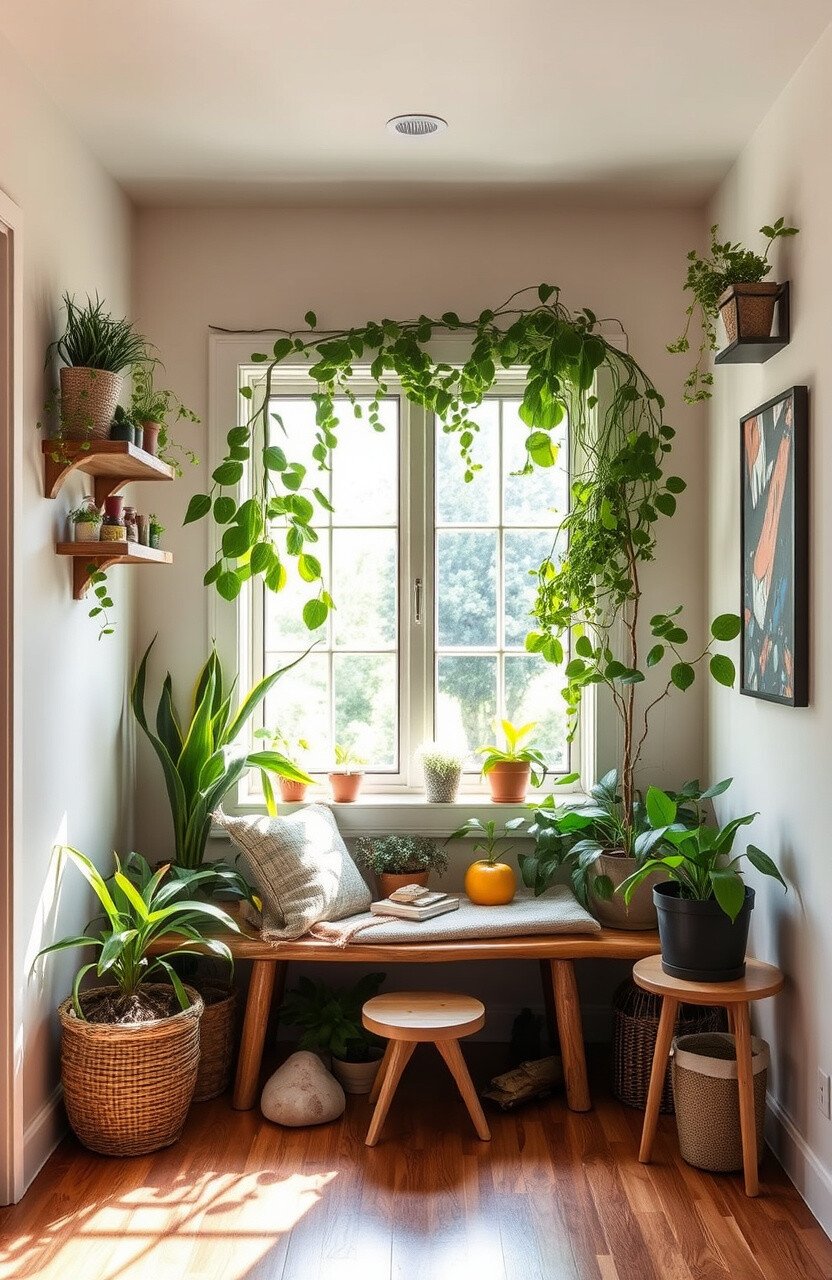
Bring the outside in with a cozy nature nook filled with plants and natural light. This space can spark curiosity about the environment and inspire a love for science.
Use a simple corner with a window, adding plants and natural textures like wood and stone. The cost is minimal, especially if you use items you already have.
Adding a small water feature or a bird feeder outside the window can make it even more special. Kids will love watching birds and insects, learning right from their seat.
Personalize it with a small bench or cushions and let your kids help care for the plants. It’s a living, breathing classroom that’s ever-changing.
2. Reading Teepee
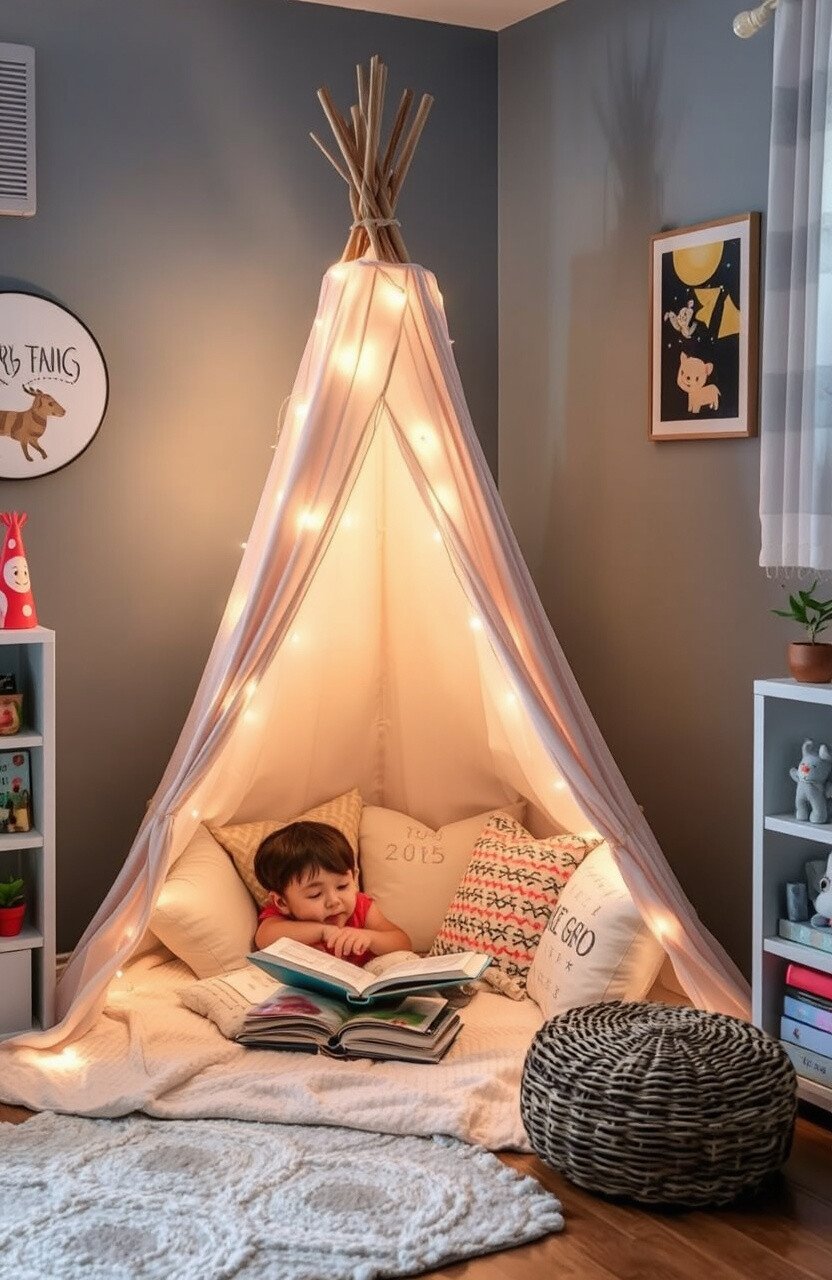
Create a magical reading spot with a teepee filled with pillows and fairy lights. This cozy space makes reading feel like an adventure.
You can easily set up a teepee in a corner of a room with some fabric and string lights. It’s a budget-friendly project that adds a whimsical touch.
The enclosed space helps kids focus and feel safe, turning reading into a fun and engaging activity. Encourage them to personalize it with their favorite books and toys.
Get creative with themes, like a jungle or outer space, to keep things fresh and exciting. A reading teepee is a wonderful way to foster a love for books.
3. Art Studio
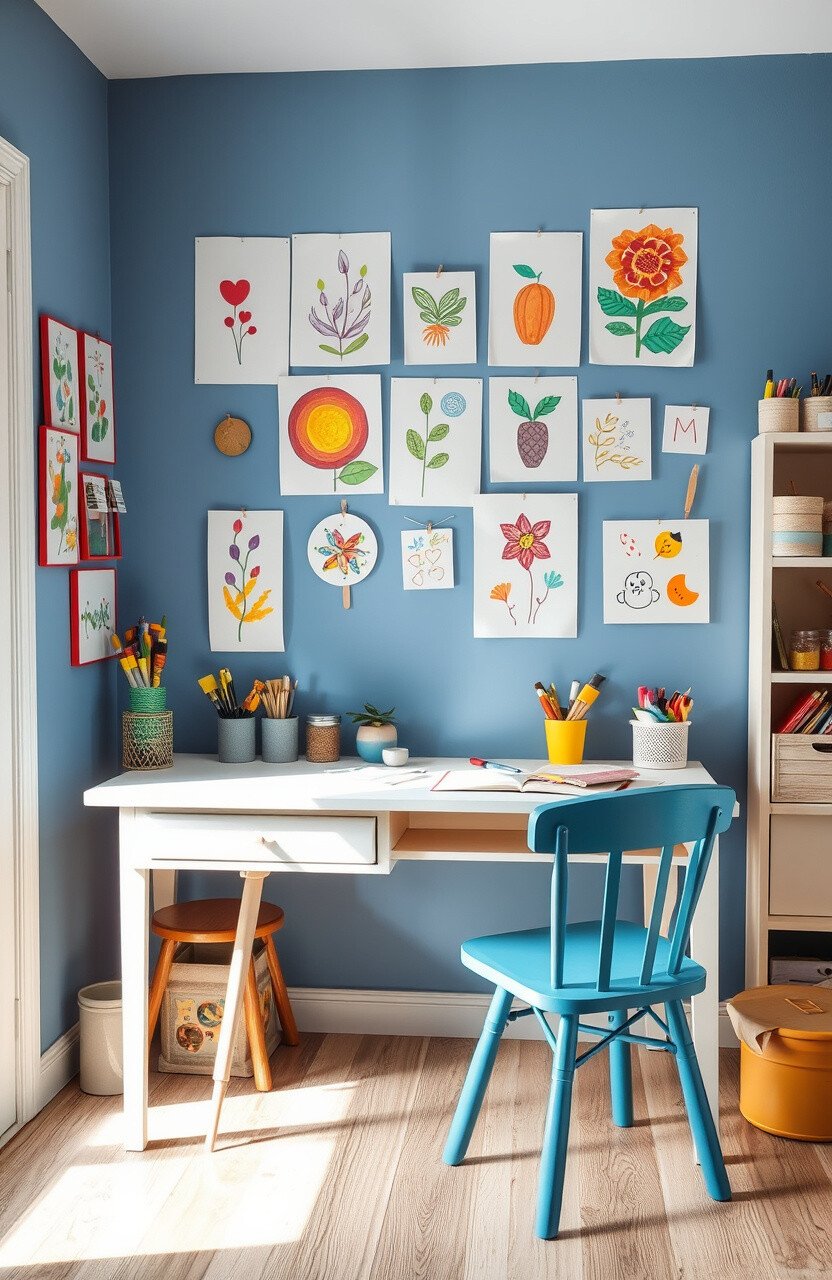
Transform a small area into an art studio where creativity flows freely. With a few art supplies and a dedicated space, kids can express themselves through art.
Use a table with storage for paints, brushes, and paper. This setup encourages kids to explore different mediums without worrying about mess.
Hang up their artwork to create a gallery that evolves over time. It’s a fantastic way to boost confidence and showcase their talents.
Keep costs down by using repurposed materials and rotating supplies to keep things fresh. This space is all about creative freedom and self-expression.
4. Science Lab

A mini science lab can ignite a passion for discovery with hands-on experiments. Equip it with basic tools and safety gear for endless exploration.
Use a sturdy table and some shelves to store materials like test tubes, magnifying glasses, and binoculars. This makes science accessible and fun.
Encourage kids to ask questions and find answers through experiments. The lab can be personalized with posters of famous scientists for inspiration.
Cost-effective kits and DIY experiments can make this space both educational and exciting. It’s a hub for curious minds to learn by doing.
5. Music Corner
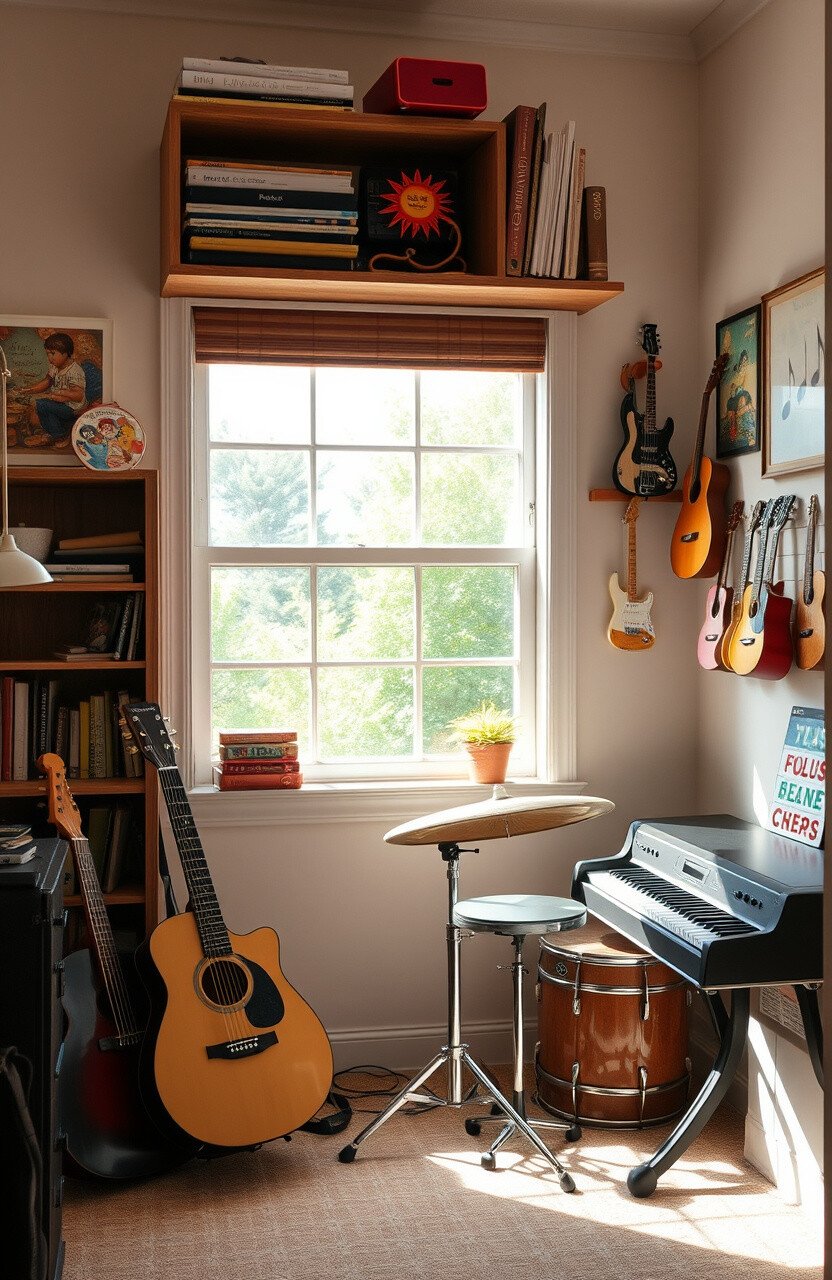
A music corner filled with instruments invites kids to explore sounds and rhythms. This area can nurture a lifelong love of music and creativity.
Simple instruments like tambourines, drums, or a keyboard can create a rich auditory experience. Encourage kids to experiment with different sounds.
Personalize the corner with music-themed decorations and encourage performances. It’s a space that celebrates individuality and expression.
Repurposing an old shelf for instrument storage keeps the area tidy. This corner is about making music accessible and fun for all ages.
6. Puzzle Zone
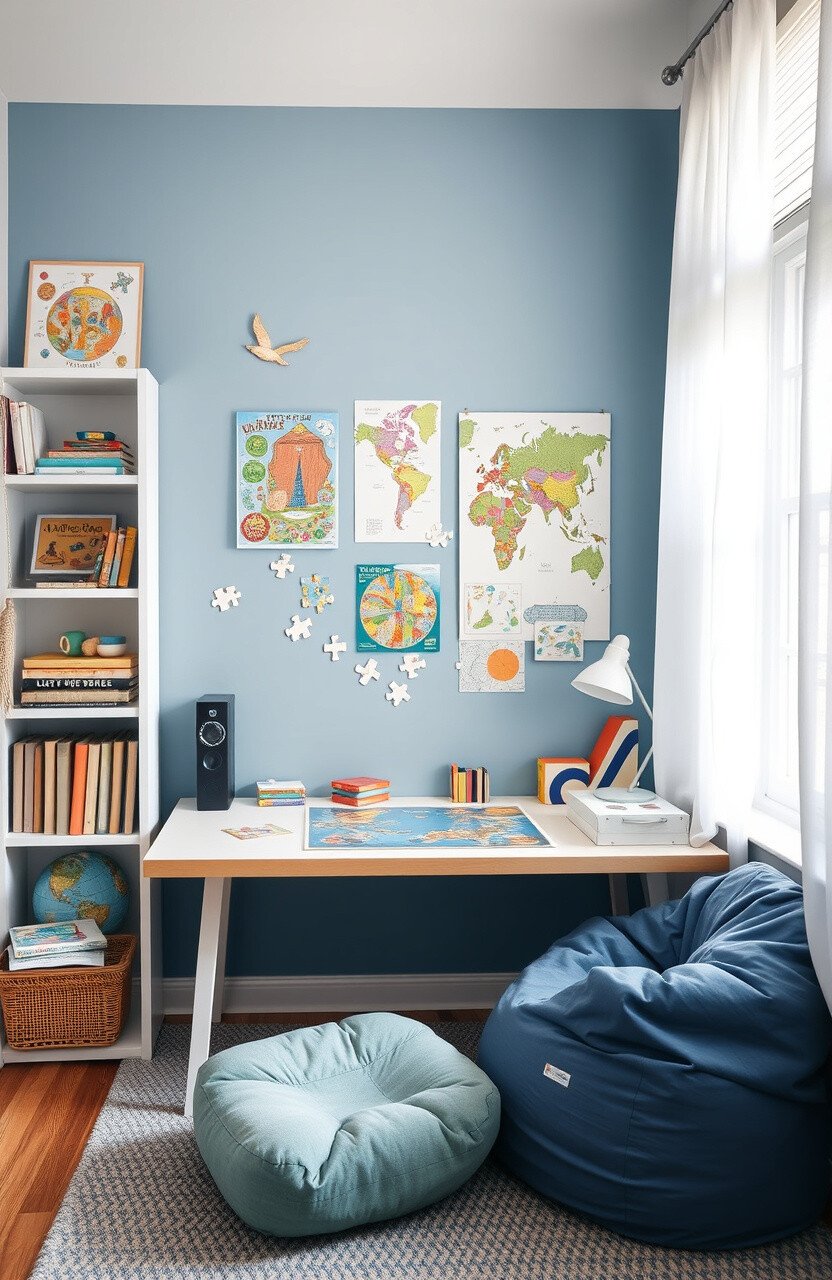
A puzzle zone is a perfect spot for kids to engage their brains and improve problem-solving skills. Puzzles of all types can provide hours of educational fun.
A simple table and some shelves for the puzzles are all you need. This space encourages kids to solve puzzles and think critically.
Rotate puzzles to keep the zone fresh and challenging. It’s a space that grows with your child as their skills improve.
Personalize with a comfy chair or bean bag to create a relaxing area for focused thinking. This zone is all about challenging the mind in a fun way.
7. Language Lab
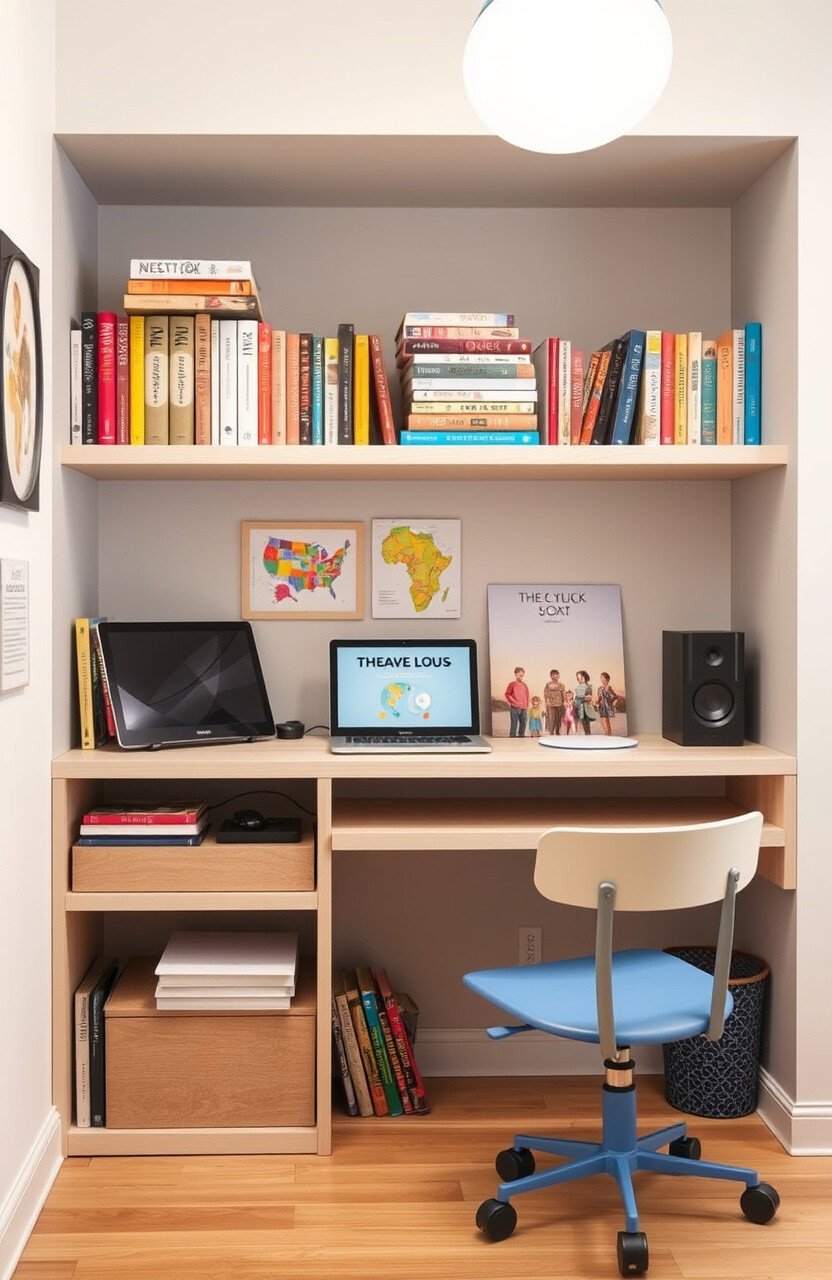
Create a language lab with books and audio resources to learn new languages. This space can make language learning exciting and adventurous.
Use a shelf for books and a device for audio playback. It’s a simple setup that opens up a world of linguistic possibilities.
Encourage kids to practice speaking and listening through interactive games and activities. Personalization with cultural decorations can add to the experience.
Cost-effective apps and online resources can enhance learning. This lab is all about making language fun and accessible.
8. History Exhibit
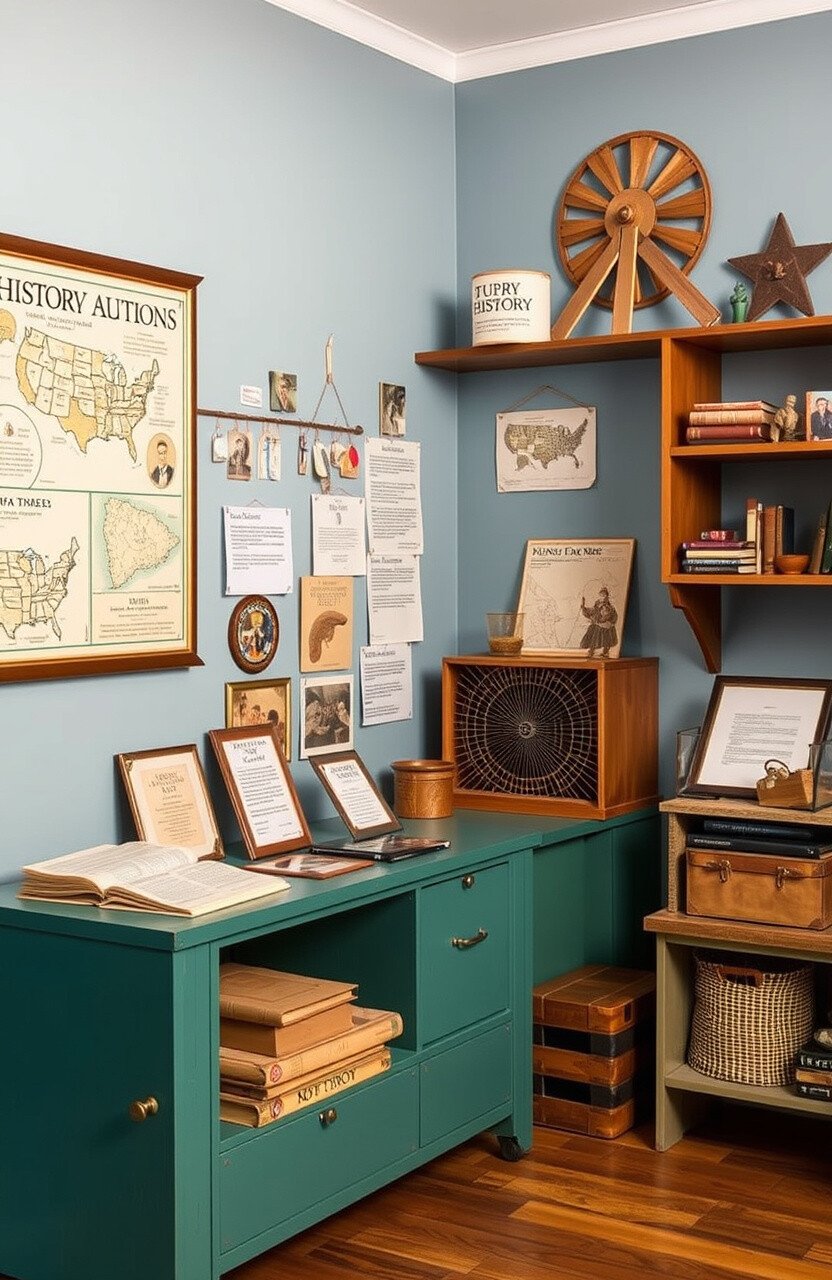
Turn a corner into a history exhibit with timelines and artifacts. This area can bring history to life and make it engaging for kids.
Use posters, models, and books to create a timeline of events. Kids can explore different eras and understand historical context.
Encourage them to add their own research and projects. Personalization with costumes or role-playing can make learning immersive.
Thrift stores can be a treasure trove for historical items. This exhibit is about making history tangible and exciting.
9. Geography Corner
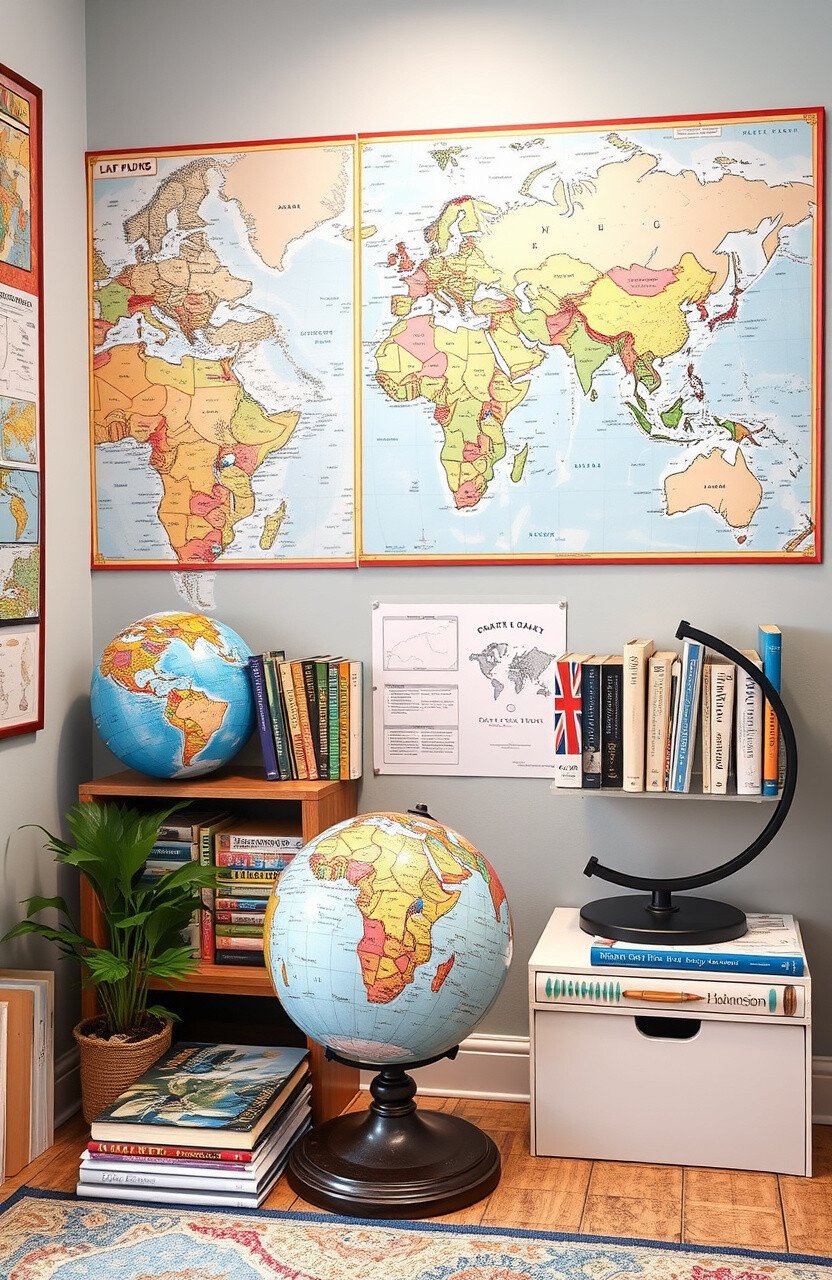
A geography corner with maps and globes can spark interest in the world. This space can inspire travel dreams and cultural exploration.
Use a world map and a globe as focal points, adding books and artifacts from different countries. This makes geography visual and interactive.
Encourage kids to mark places they want to visit or learn about. Personalization with souvenirs or photos can make it a travel diary.
Repurposing old maps and using DIY crafts can make this corner budget-friendly. It’s a space that opens up the world to young minds.
10. Math Station
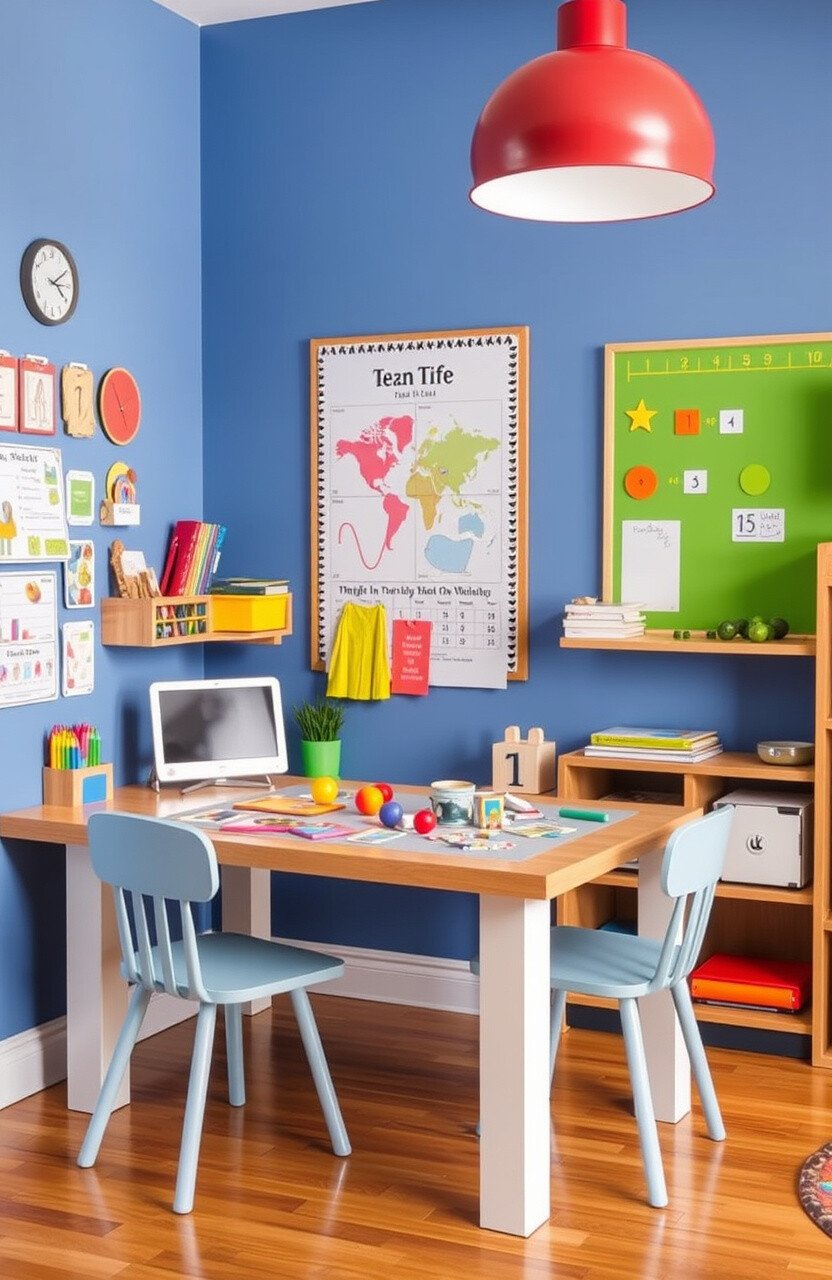
A math station with tools and resources can make math fun and engaging. This space can help develop problem-solving skills and logical thinking.
Use a table with math games, puzzles, and manipulatives. Encourage hands-on exploration of math concepts.
Personalize with math-themed decorations to make the space inviting. It’s a station that turns numbers into an adventure.
Using everyday items like measuring cups and rulers can keep costs low. This station turns math into a playful and interactive experience.
11. Writing Haven
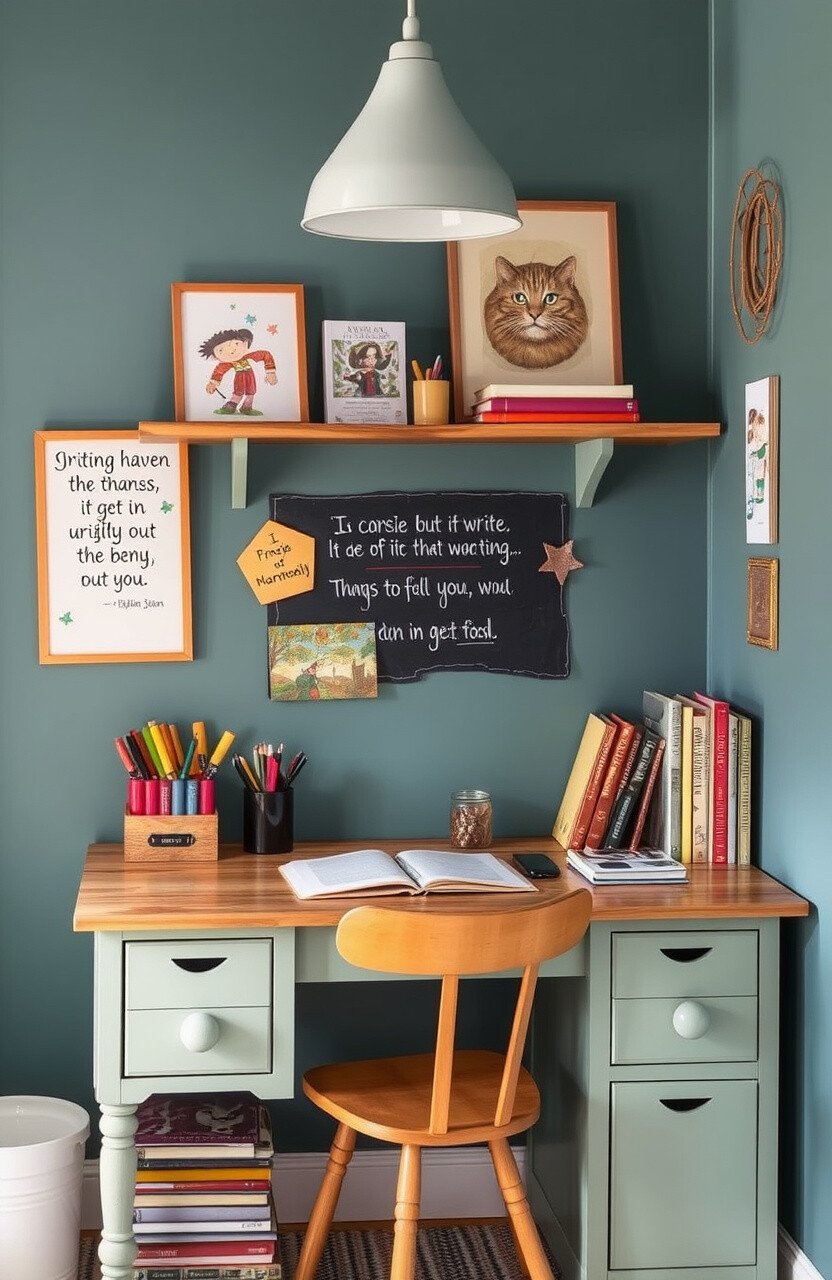
A writing haven with a desk and supplies can inspire storytelling and creativity. This space can nurture a love for writing and self-expression.
Use a small desk with notebooks, pens, and inspiring quotes. Encourage kids to write stories, poems, or journals.
Personalization with their own artwork or favorite books can make it special. It’s a haven for young authors to let their imaginations soar.
Repurposing an old desk and using DIY crafts can make this haven cost-effective. It’s all about making writing a joyful and creative process.
12. Cozy Reading Loft
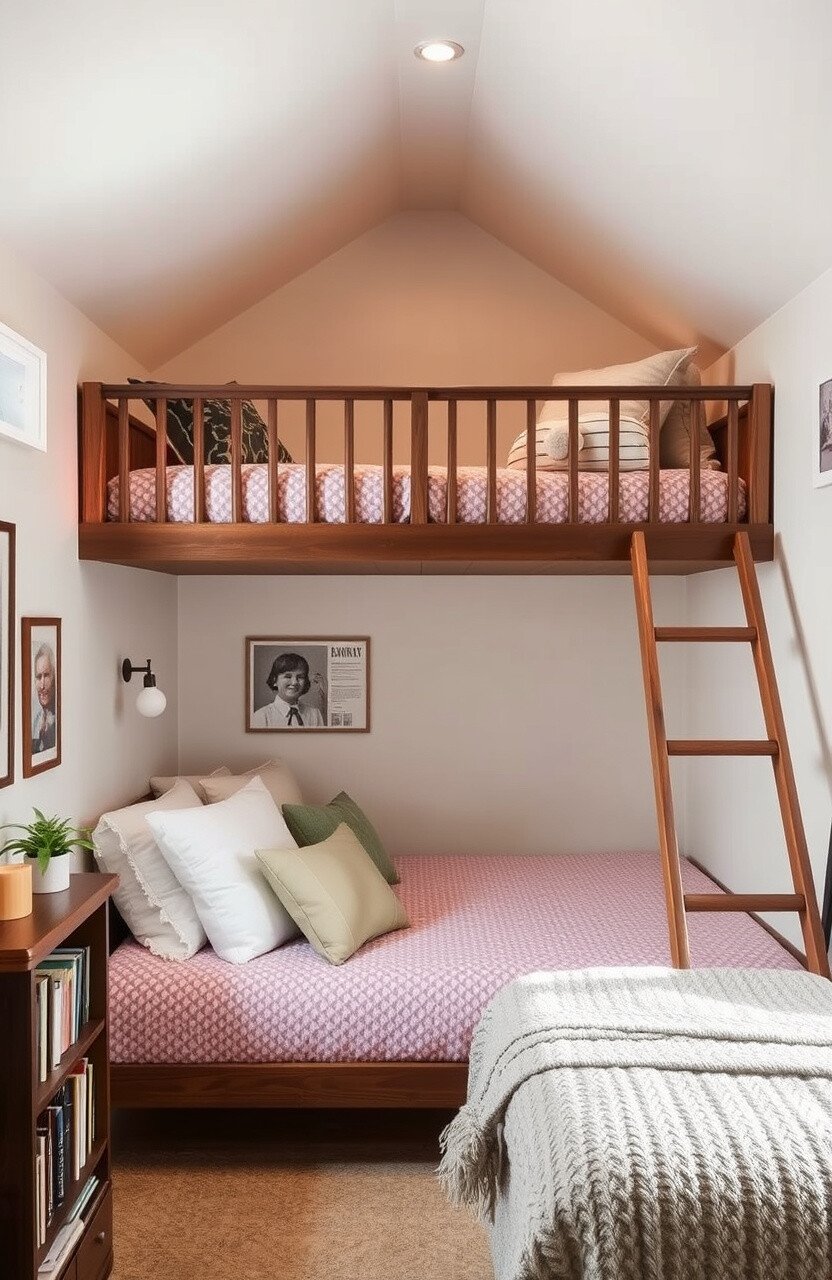
A reading loft above a room can become a secret hideaway for book lovers. This elevated space makes reading feel like an adventure.
Use a loft bed or build a simple structure with pillows and books. The height adds a sense of adventure and exclusivity.
Encourage kids to decorate with their favorite book characters. It’s a loft that feels like a private reading club.
Using existing furniture and simple materials keeps costs low. This loft turns reading into a magical escape.
13. Interactive Wall
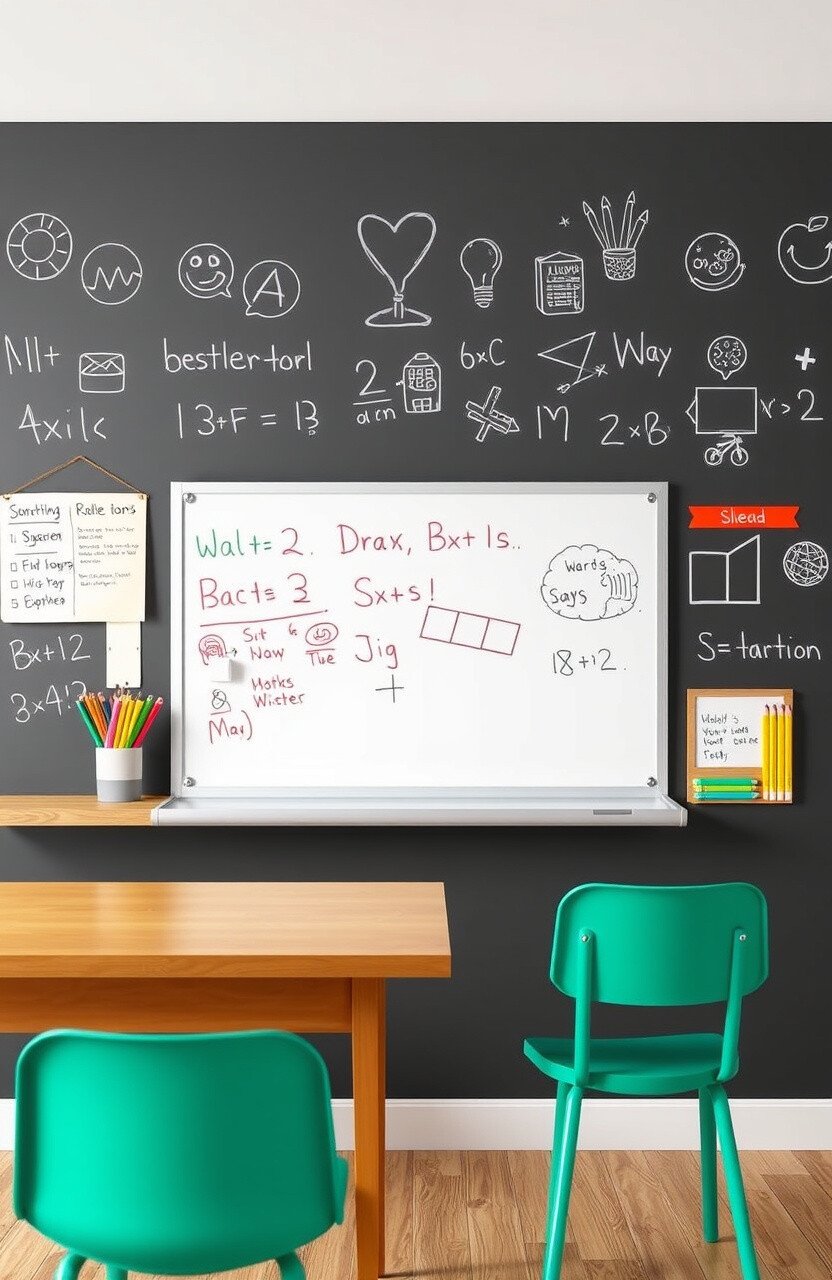
An interactive wall with whiteboards or chalkboards can turn any room into a creative hub. This space encourages drawing and brainstorming.
Use one section of a wall for chalkboard paint or a whiteboard. It’s a space where ideas and creativity can flow freely.
Encourage kids to express themselves with drawings, notes, or math problems. Personalization with colorful markers or chalk adds fun.
Cost-effective materials make this an affordable project. This wall is all about turning ideas into visible creations.
14. Sensory Space
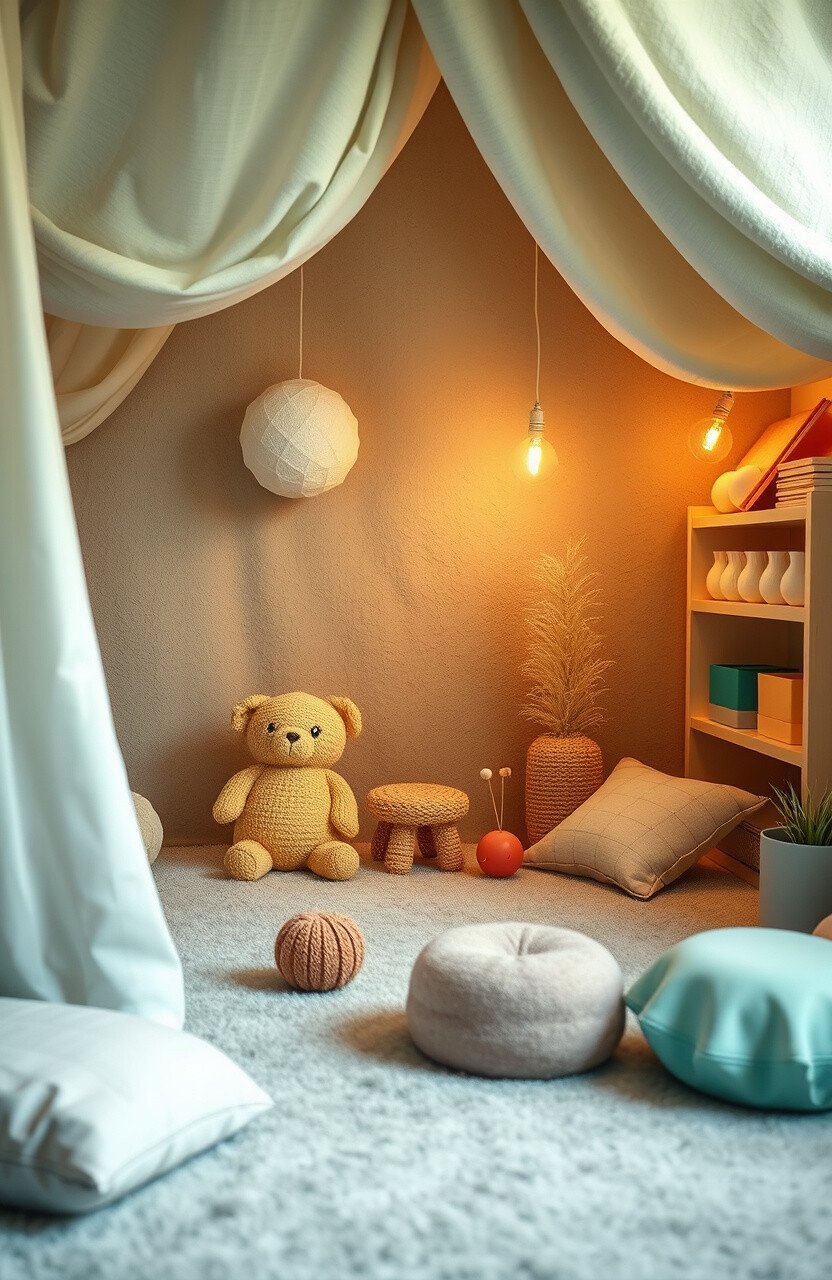
A sensory space with tactile and auditory elements can soothe and engage. This area can be a calming retreat for exploration and relaxation.
Use soft fabrics, sensory toys, and gentle lighting to create a peaceful environment. It’s a haven for feeling and exploration.
Encourage kids to explore different textures and sounds. Personalization with favorite colors or themes makes it unique.
Repurposing household items and DIY projects can keep costs low. This space is about engaging the senses in a calming way.
15. Mini Library
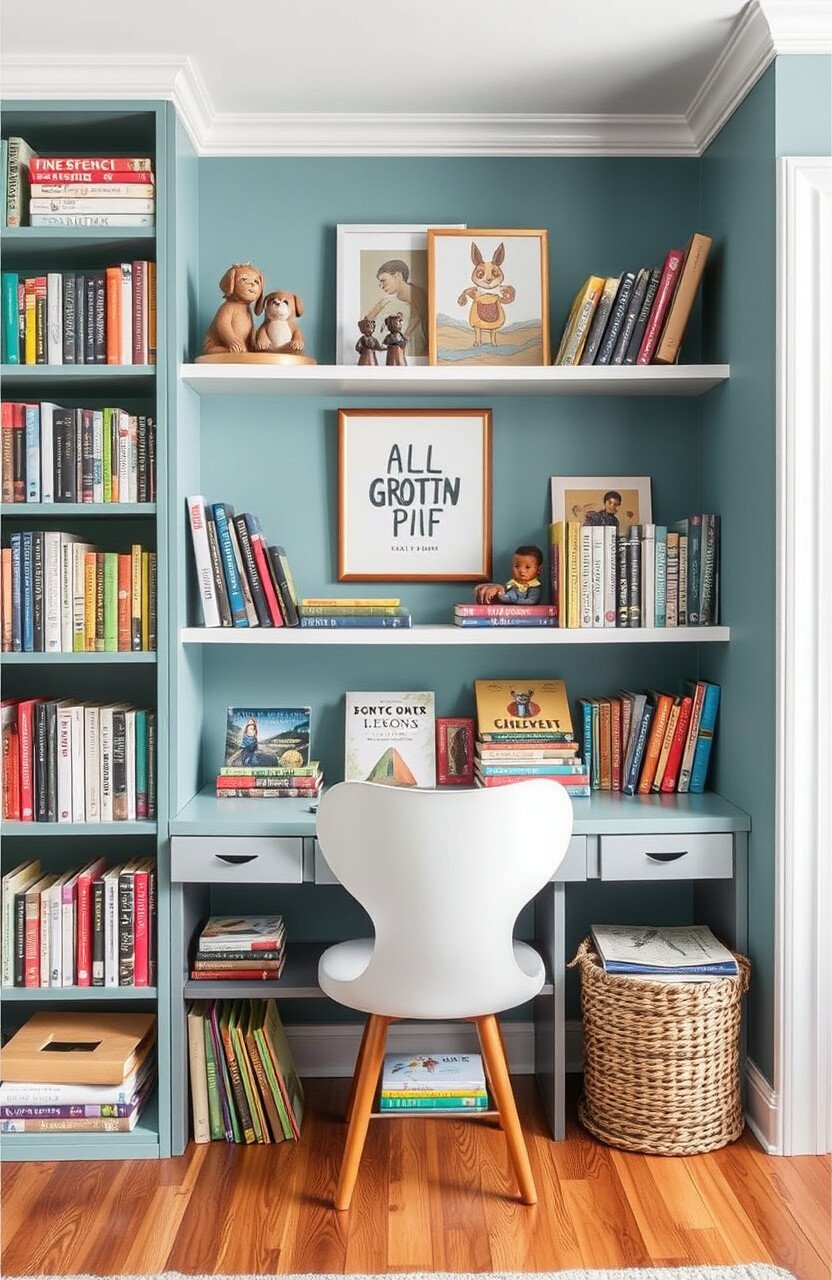
A mini library filled with books of all genres can inspire a lifelong love of reading. This space makes books a central part of the home.
Use shelves or crates to create an inviting book display. Encourage kids to organize books by genre or author.
Personalize with comfy seating and reading challenges. It’s a library that grows with your child’s interests.
Thrift stores and library sales can make this project affordable. This library makes reading an accessible and joyful activity.
16. Outdoor Classroom
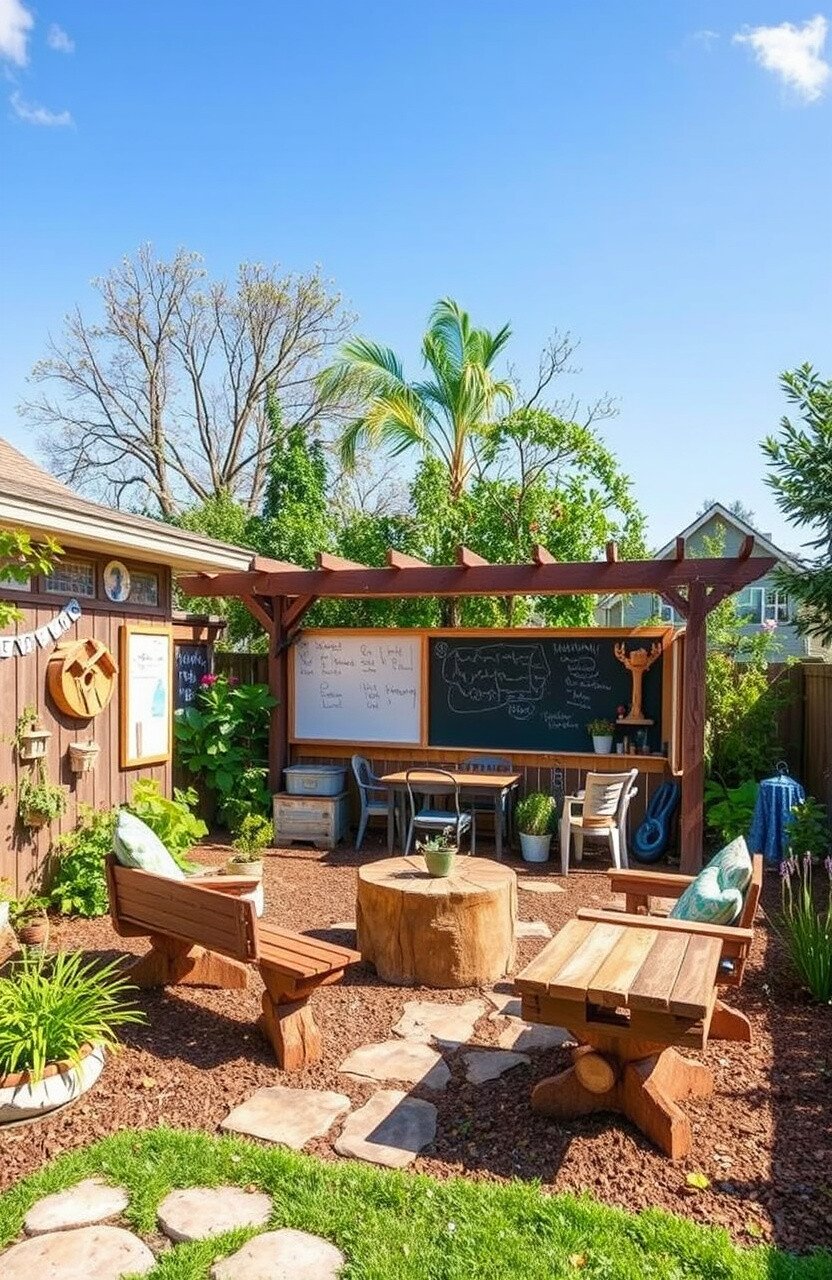
An outdoor classroom surrounded by nature can make learning an adventure. This space turns the yard into a dynamic educational environment.
Use outdoor furniture and natural elements like logs or stones for seating. Encourage learning activities like nature journaling or science experiments.
Personalize with a garden or birdhouses to attract wildlife. It’s a classroom without walls that inspires exploration.
Using recycled materials and natural elements keeps costs low. This classroom brings learning into the great outdoors.
17. Craft Corner
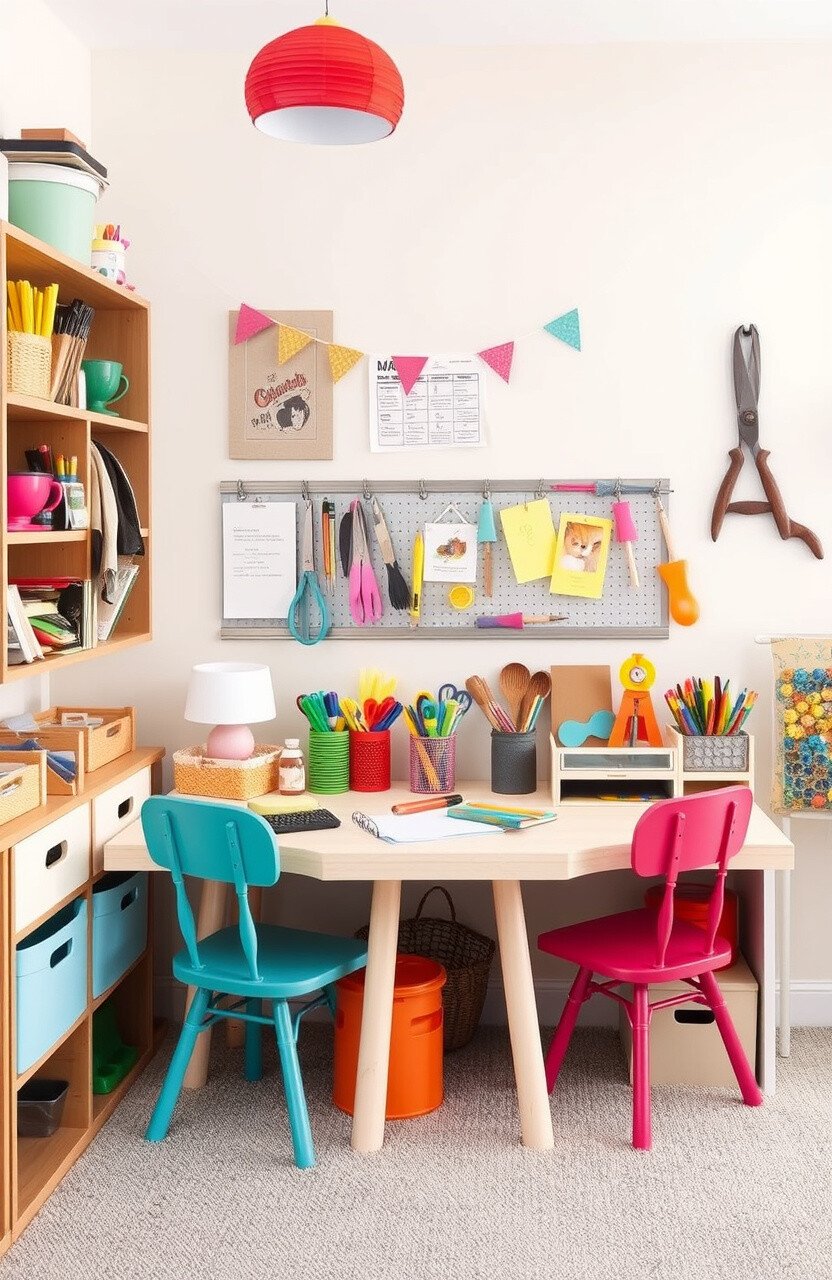
A craft corner with supplies and tools can unleash creativity and imagination. This space encourages hands-on projects and artistic expression.
Use a table with storage for craft supplies like paper, scissors, and glue. Encourage open-ended projects and creativity.
Personalize with colorful decorations and display finished projects. It’s a corner that celebrates creative endeavors.
Repurposing materials and using DIY storage solutions keeps costs low. This corner is all about making art accessible and fun.
18. Tech Zone
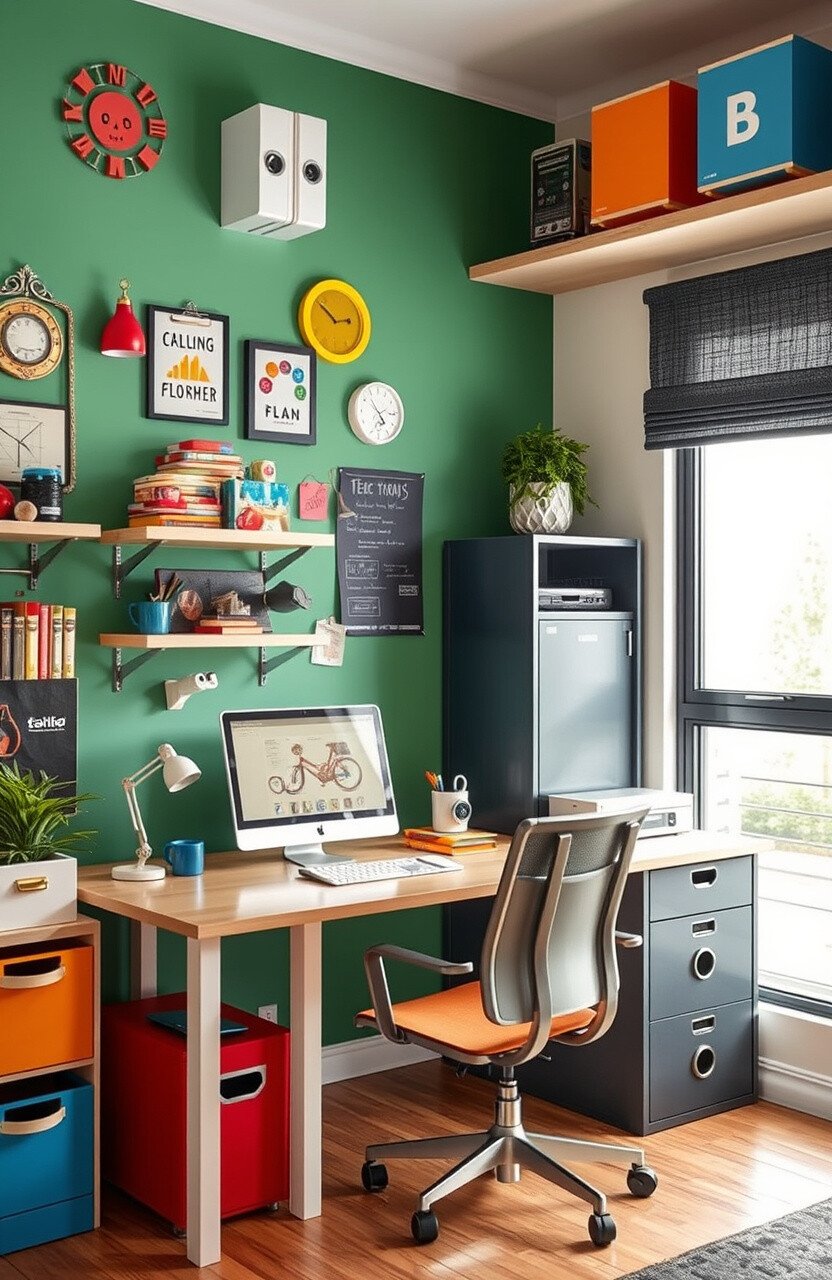
A tech zone with devices and gadgets can make learning modern and interactive. This area can introduce kids to technology and digital skills.
Use a desk with a computer or tablet for educational apps and programs. Encourage exploration of coding, design, and digital arts.
Personalize with tech-themed decorations and encourage tech projects. It’s a zone that makes technology exciting and educational.
Utilizing existing devices and free online resources keeps costs low. This zone is about making tech learning accessible and fun.
19. Theater Stage
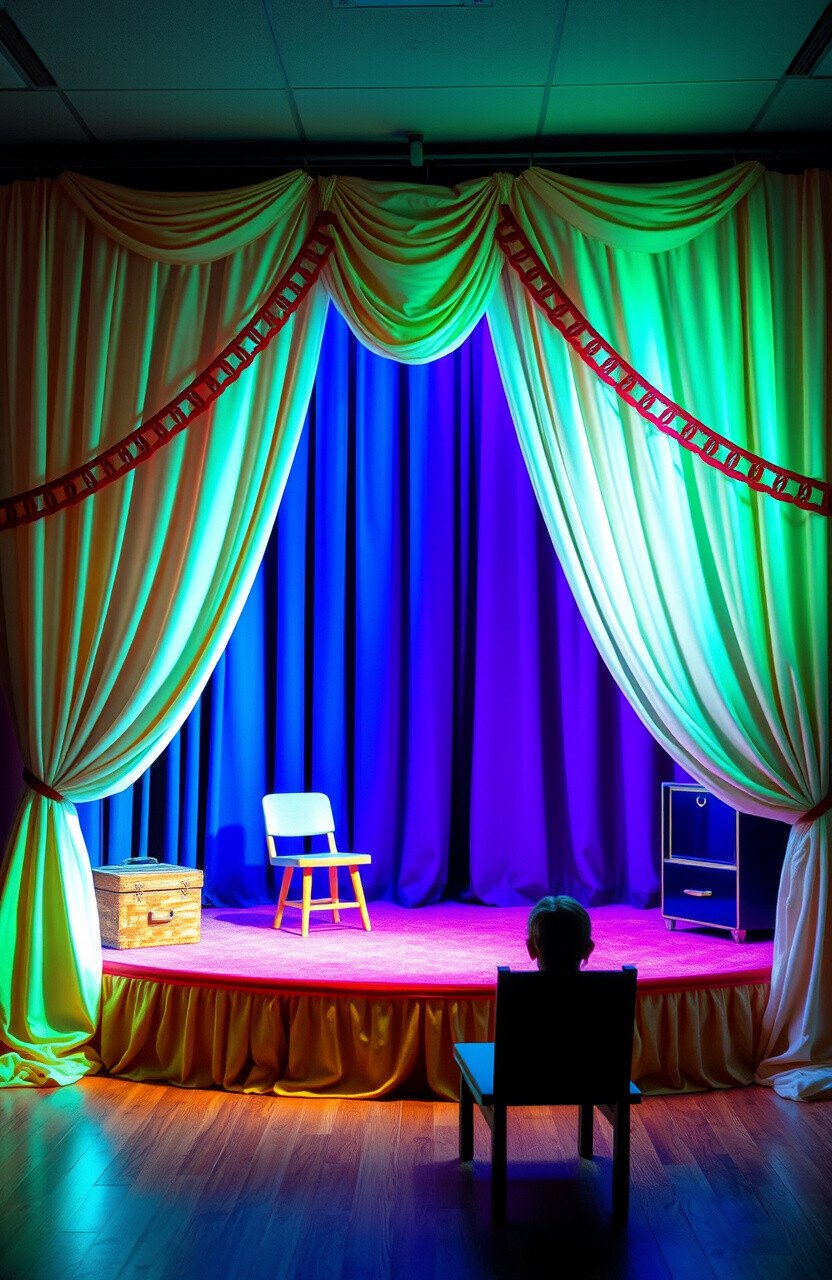
A theater stage with costumes and props can inspire drama and storytelling. This space encourages imagination and performance.
Use a simple platform with curtains and a costume box. Encourage kids to put on plays and explore characters.
Personalize with themed backdrops and spotlighting. It’s a stage that turns the living room into a theater.
Using thrift store finds and DIY projects keeps costs low. This stage is about making the arts accessible and thrilling.
20. Science Garden
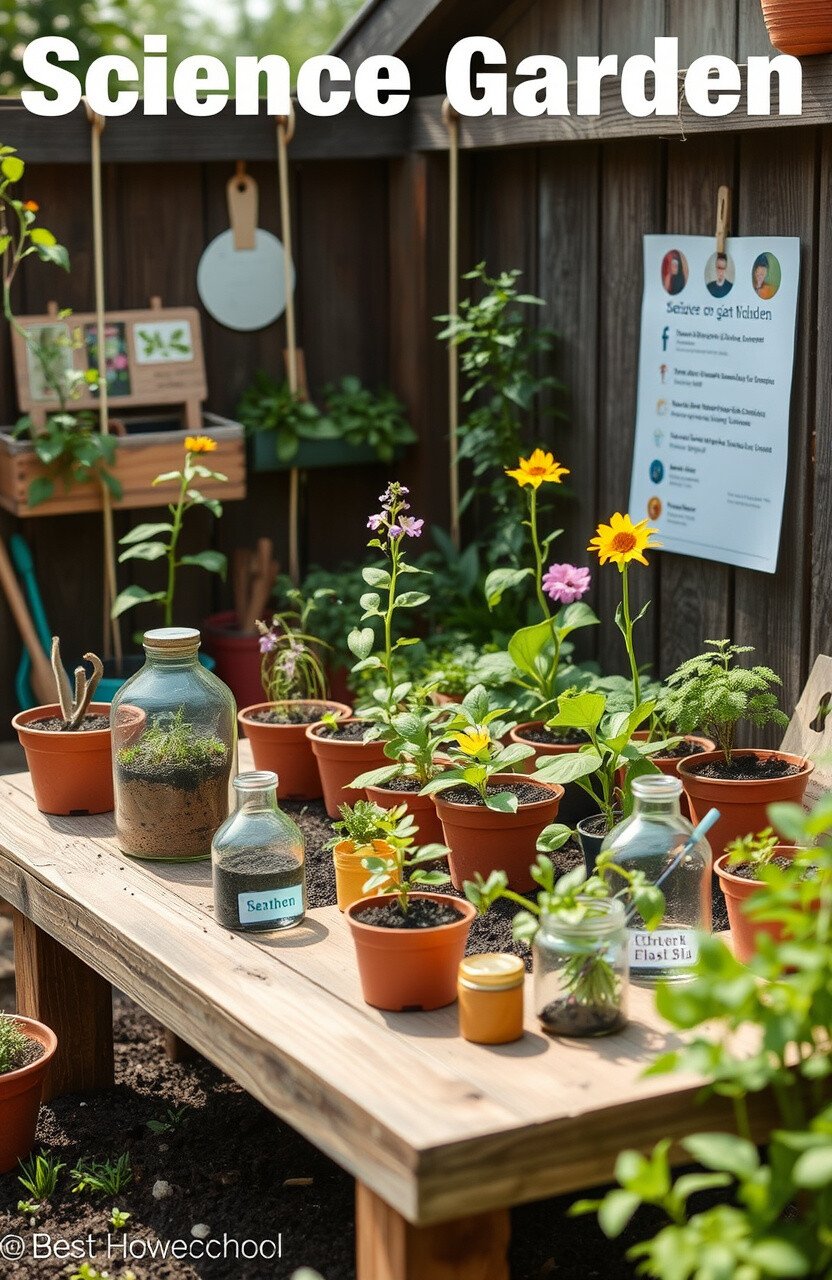
A science garden with plants and experiments can make learning about nature hands-on. This space encourages curiosity and exploration.
Use planters and garden tools for planting and observing. Encourage experiments with plant growth and weather patterns.
Personalize with handmade garden labels and decorations. It’s a garden that turns the yard into a science lab.
Using recycled containers and seeds keeps costs low. This garden is about making science a living, growing experience.
21. Meditation Space
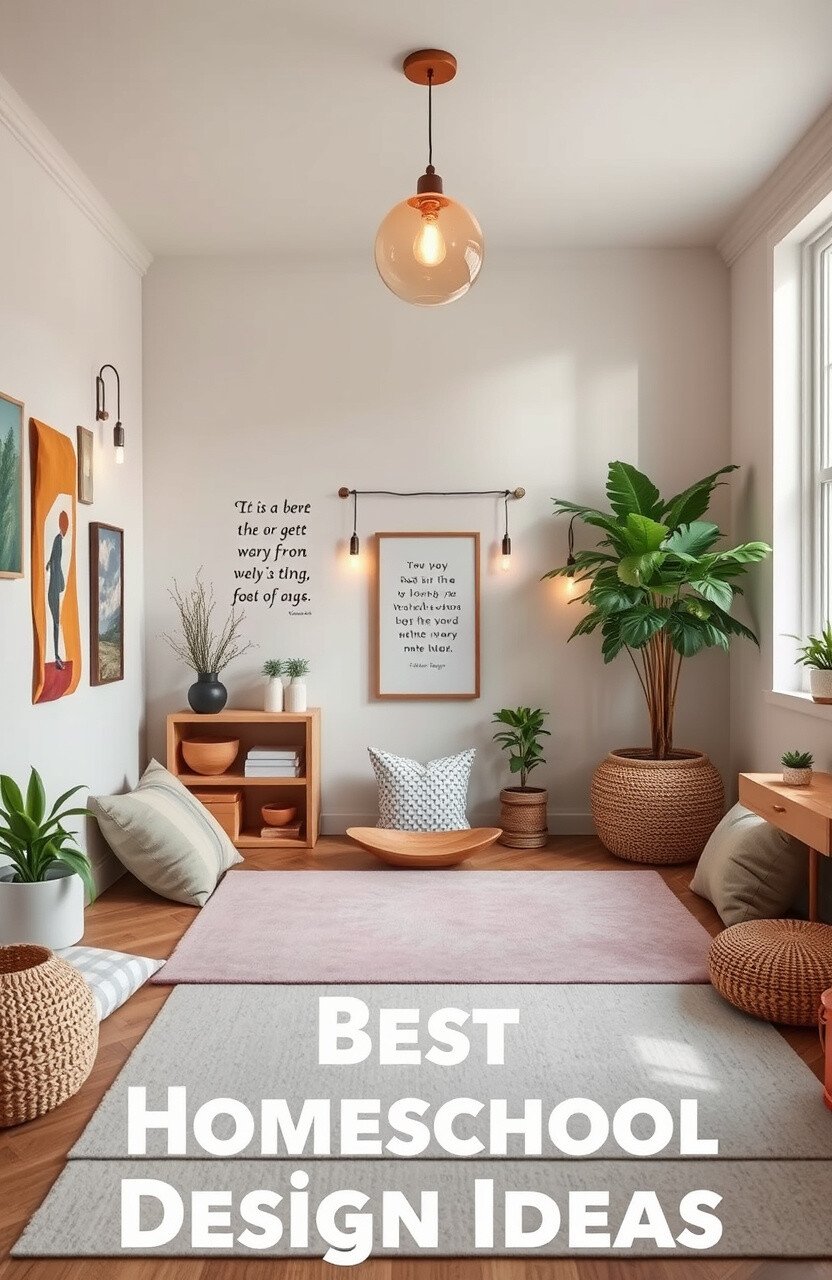
A meditation space with calming elements can teach mindfulness and relaxation. This area offers a peaceful retreat from daily stress.
Use soft lighting, cushions, and calming music to create a serene atmosphere. Encourage breathing exercises and meditation practices.
Personalize with meaningful quotes or imagery. It’s a space that promotes mental well-being and focus.
Repurposing household items and using DIY projects keeps costs low. This space is about nurturing the mind and body.
22. Storytelling Area
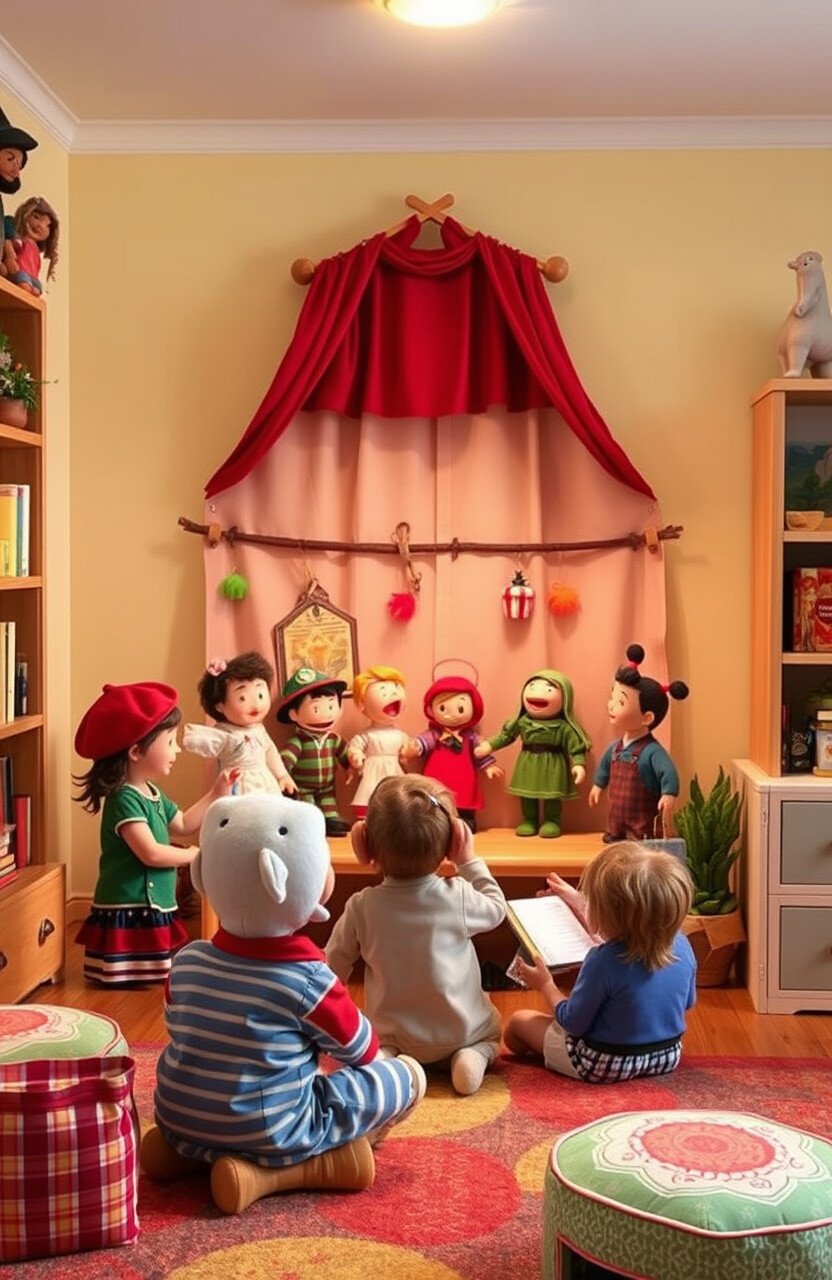
A storytelling area with puppets and props can spark imagination and creativity. This space encourages kids to create and share stories.
Use a small stage or puppet theater with a collection of puppets. Encourage storytelling sessions with family and friends.
Personalize with themed storyboards or character art. It’s an area that makes storytelling interactive and fun.
Using repurposed materials and thrift store finds keeps costs low. This area is about bringing stories to life in a playful way.
23. Exploration Table

An exploration table with magnifying glasses and specimens can encourage curiosity about the world. This space makes learning hands-on and interactive.
Use a table with drawers for storing specimens and tools. Encourage observation and discovery of new things.
Personalize with labels and journals for documenting findings. It’s a table that turns curiosity into knowledge.
Using natural items and household tools keeps costs low. This table is about making exploration a daily adventure.
24. Math Wall
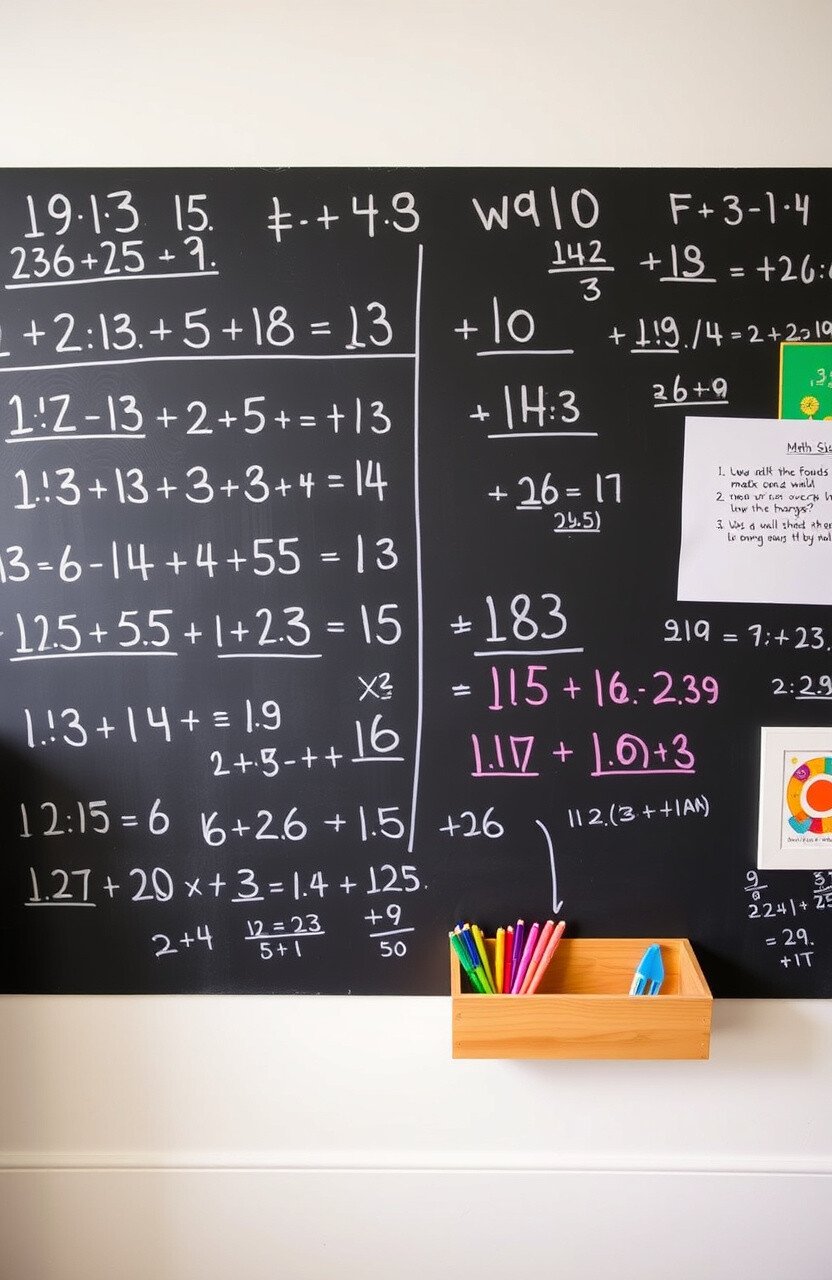
A math wall with numbers and equations can make learning math visual and engaging. This space turns math into a fun and interactive activity.
Use a section of a wall for math problems and solutions. Encourage kids to solve and create their own equations.
Personalize with colorful markers or math-themed art. It’s a wall that makes numbers and math concepts come alive.
Using chalkboard paint or dry-erase sheets keeps costs low. This wall is about making math accessible and enjoyable.
25. Nature Observation Deck
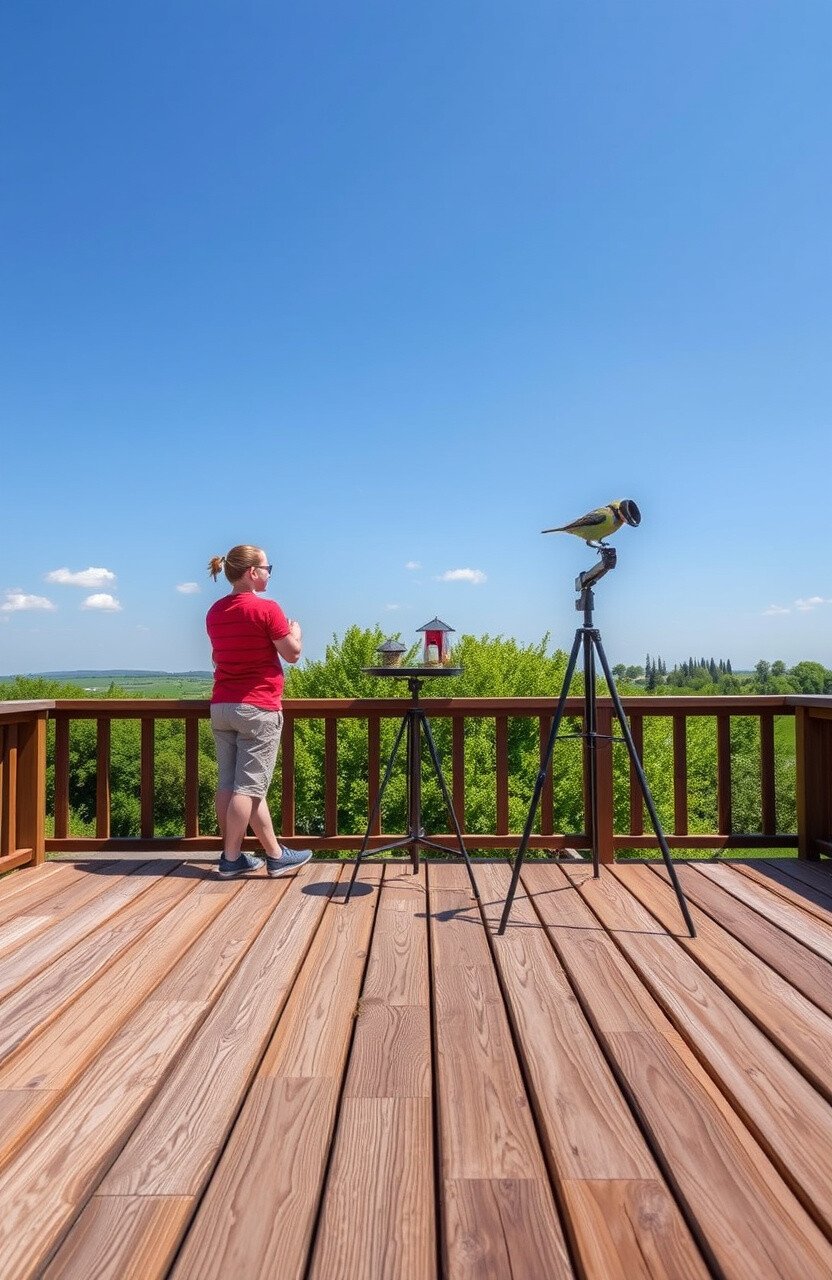
A nature observation deck with binoculars and journals can make learning about wildlife hands-on. This space encourages exploration and discovery.
Use a small platform or deck with seating and tools for observing. Encourage kids to document their findings in journals.
Personalize with bird feeders or plant markers. It’s a deck that turns the backyard into a nature lab.
Using existing outdoor spaces and simple tools keeps costs low. This deck is about making wildlife study an exciting experience.
26. Language Tree

A language tree with word leaves can make language learning visual and interactive. This space encourages vocabulary building and creativity.
Use a wall decal or poster to create a tree, adding word leaves as kids learn. Encourage kids to use new words in sentences.
Personalize with themes like seasons or holidays. It’s a tree that makes language growth visible and fun.
Using paper and DIY crafts keeps costs low. This tree is about making language learning a playful and visual process.
27. Colorful Gallery
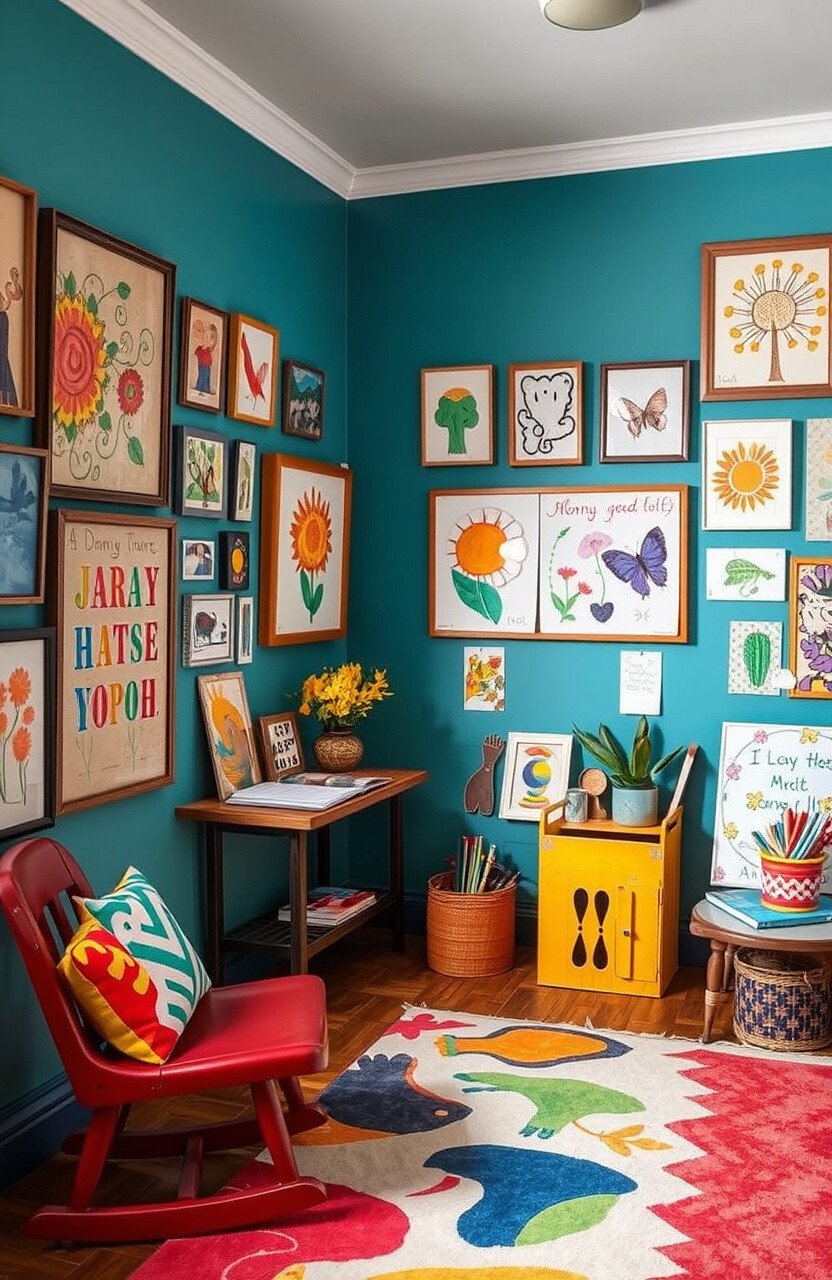
A colorful gallery with rotating artwork can inspire creativity and expression. This space encourages kids to showcase their talents.
Use a wall or bulletin board for displaying art pieces. Encourage kids to change exhibits and explore different art styles.
Personalize with themed exhibitions or art challenges. It’s a gallery that celebrates creativity and individuality.
Using repurposed frames and DIY projects keeps costs low. This gallery makes art accessible and ever-changing.
28. Relaxation Tent

A relaxation tent with soft fabrics and cushions can provide a calming retreat. This space offers a quiet place for reflection and rest.
Use fabric and pillows to create a cozy tent. Encourage quiet activities like reading or listening to music.
Personalize with calming colors and scents. It’s a tent that turns any corner into a peaceful hideaway.
Using existing materials and simple sewing projects keeps costs low. This tent is about making relaxation accessible and inviting.
29. Dance Studio
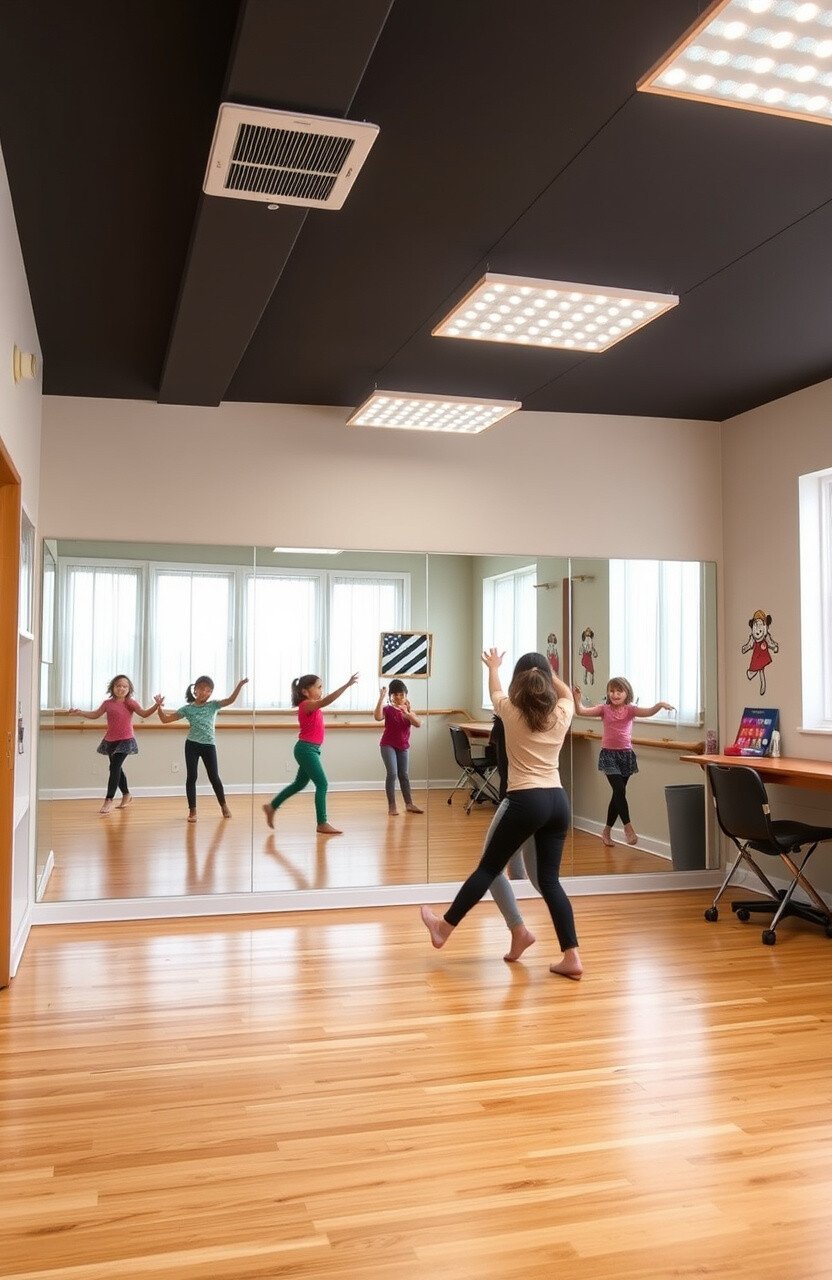
A dance studio with mirrors and music can inspire movement and creativity. This space encourages self-expression through dance.
Use a hardwood floor and portable mirrors for practice. Encourage kids to choreograph and perform dances.
Personalize with dance-themed decorations and costumes. It’s a studio that makes dance a joyful and expressive activity.
Using existing space and simple materials keeps costs low. This studio is about making dance accessible and fun.
30. Astronomy Dome
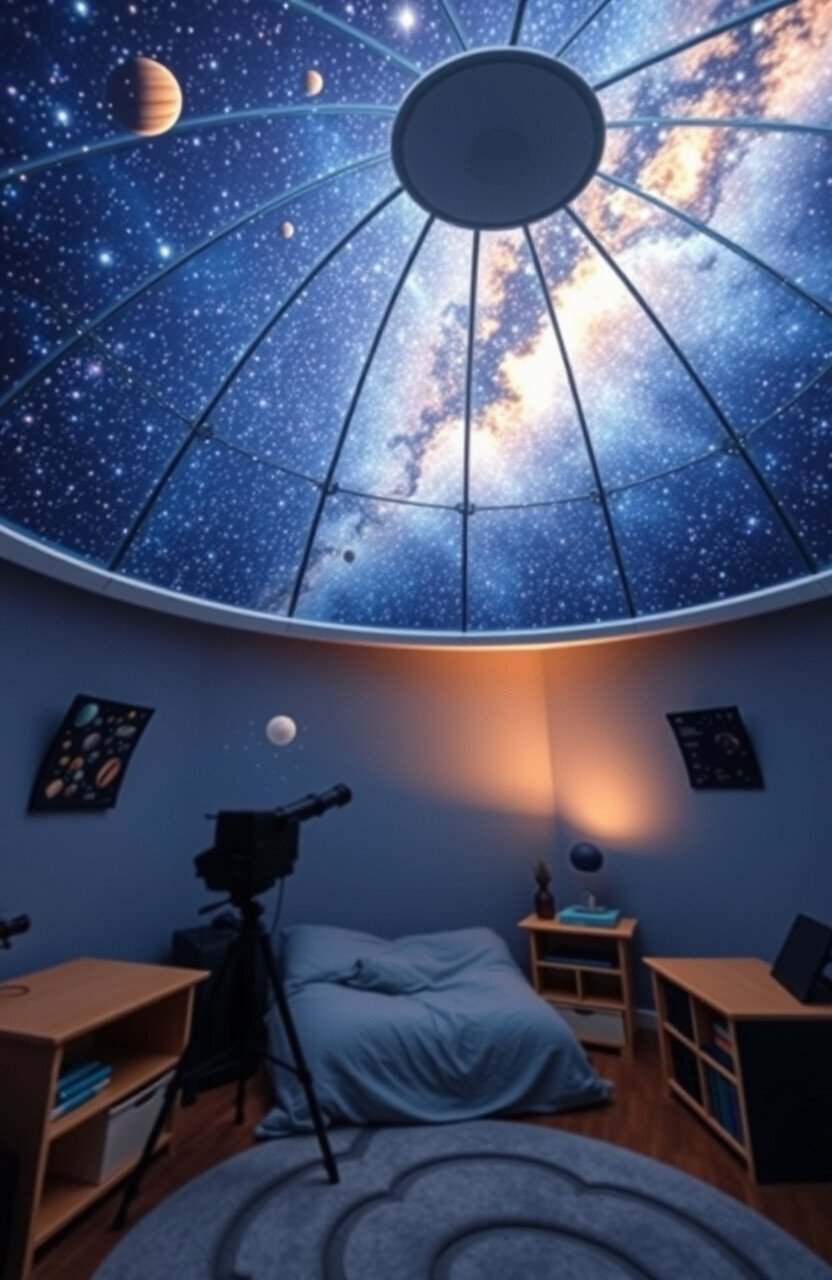
An astronomy dome with stars and planets can inspire curiosity about the universe. This space turns stargazing into an educational experience.
Use LED lights and posters to create a starry sky. Encourage learning about constellations and space exploration.
Personalize with telescopes or space-themed decorations. It’s a dome that makes the universe feel close and exciting.
Using affordable materials and DIY projects keeps costs low. This dome is about making astronomy accessible and awe-inspiring.
31. Water Play Zone
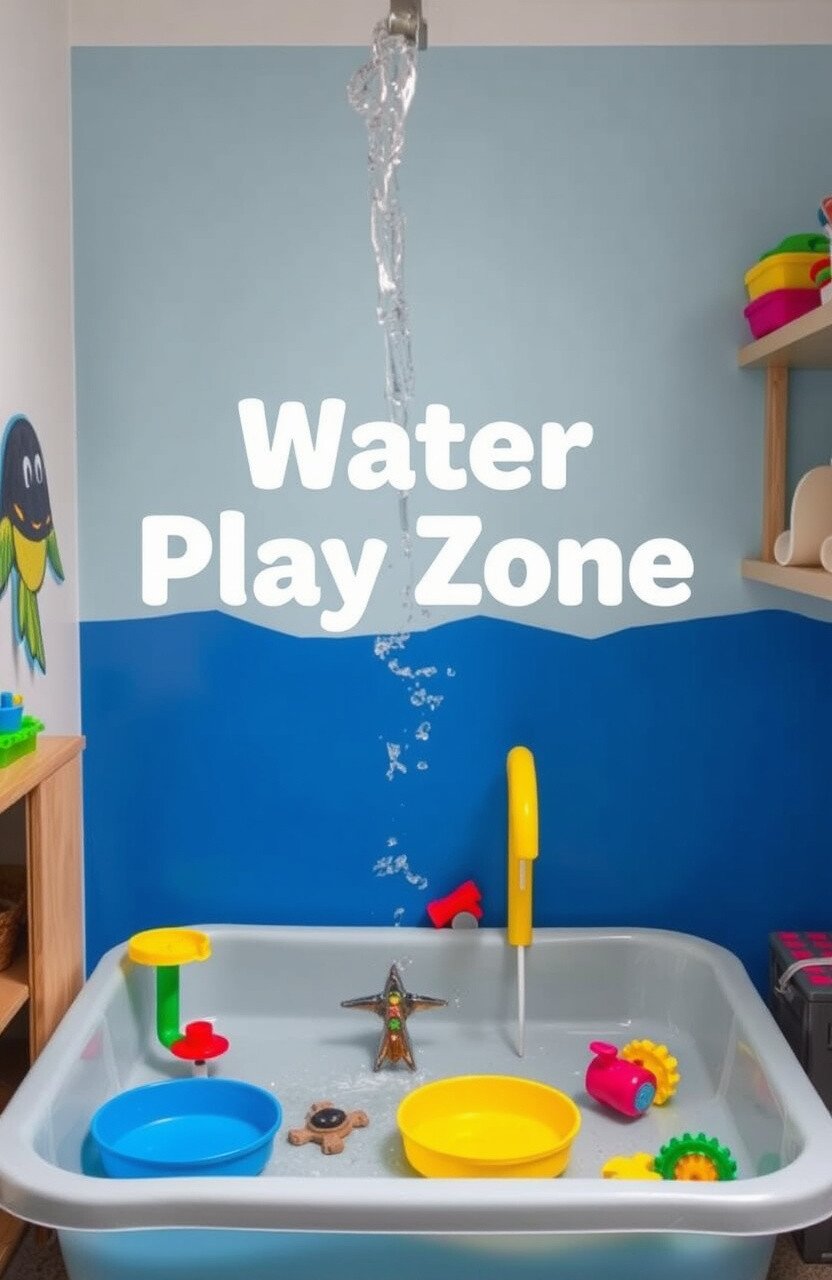
A water play zone with tubs and toys can make learning about water fun and interactive. This space encourages exploration and hands-on play.
Use small tubs and waterproof toys for experiments. Encourage activities like floating and sinking tests.
Personalize with water-themed decorations and challenges. It’s a zone that makes water play educational and exciting.
Using recycled materials and household items keeps costs low. This zone is about making water play accessible and engaging.
32. Creative Writing Board
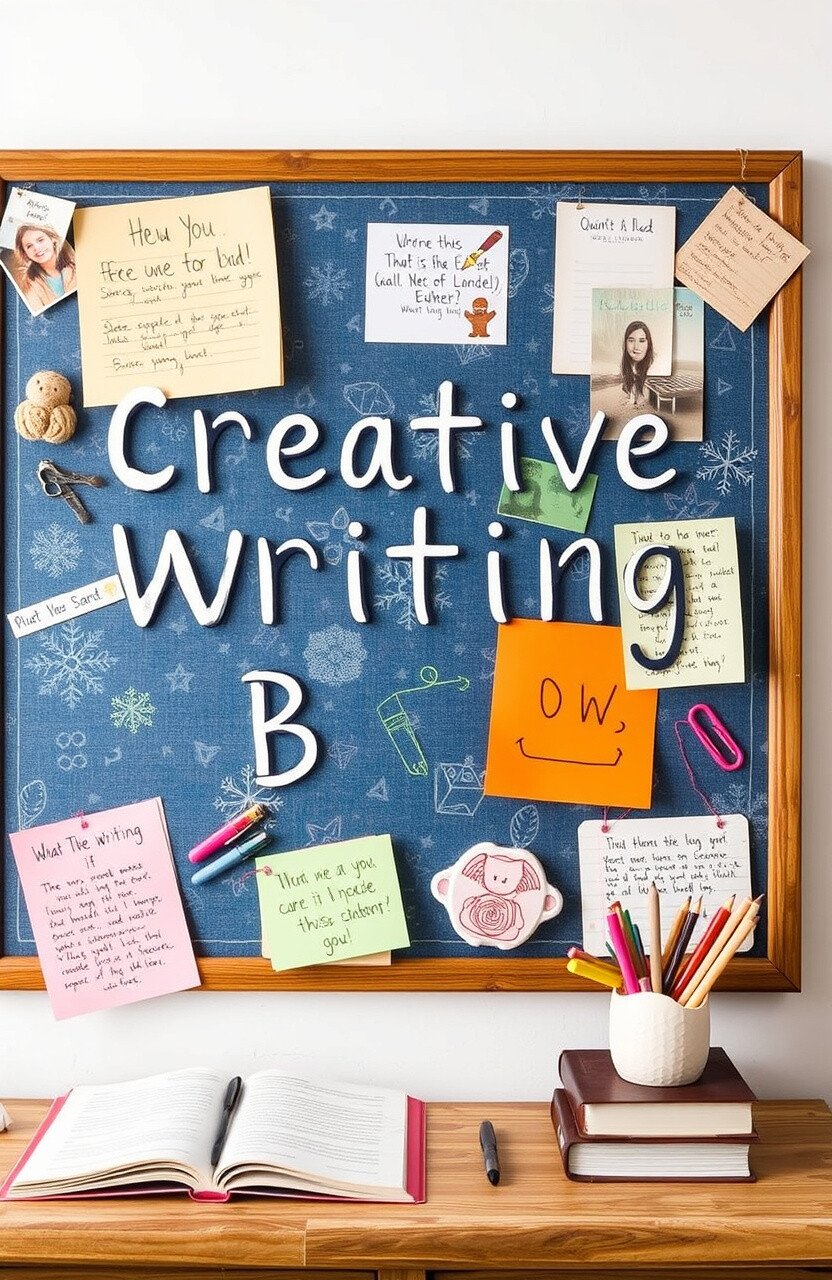
A creative writing board with prompts and ideas can inspire storytelling and imagination. This space encourages writing and expression.
Use a bulletin board or whiteboard for writing prompts and ideas. Encourage kids to create stories, poems, and essays.
Personalize with themes or seasonal prompts. It’s a board that makes writing a creative and fun activity.
Using repurposed boards and DIY materials keeps costs low. This board is about making writing accessible and exciting.
33. Eco-Friendly Study
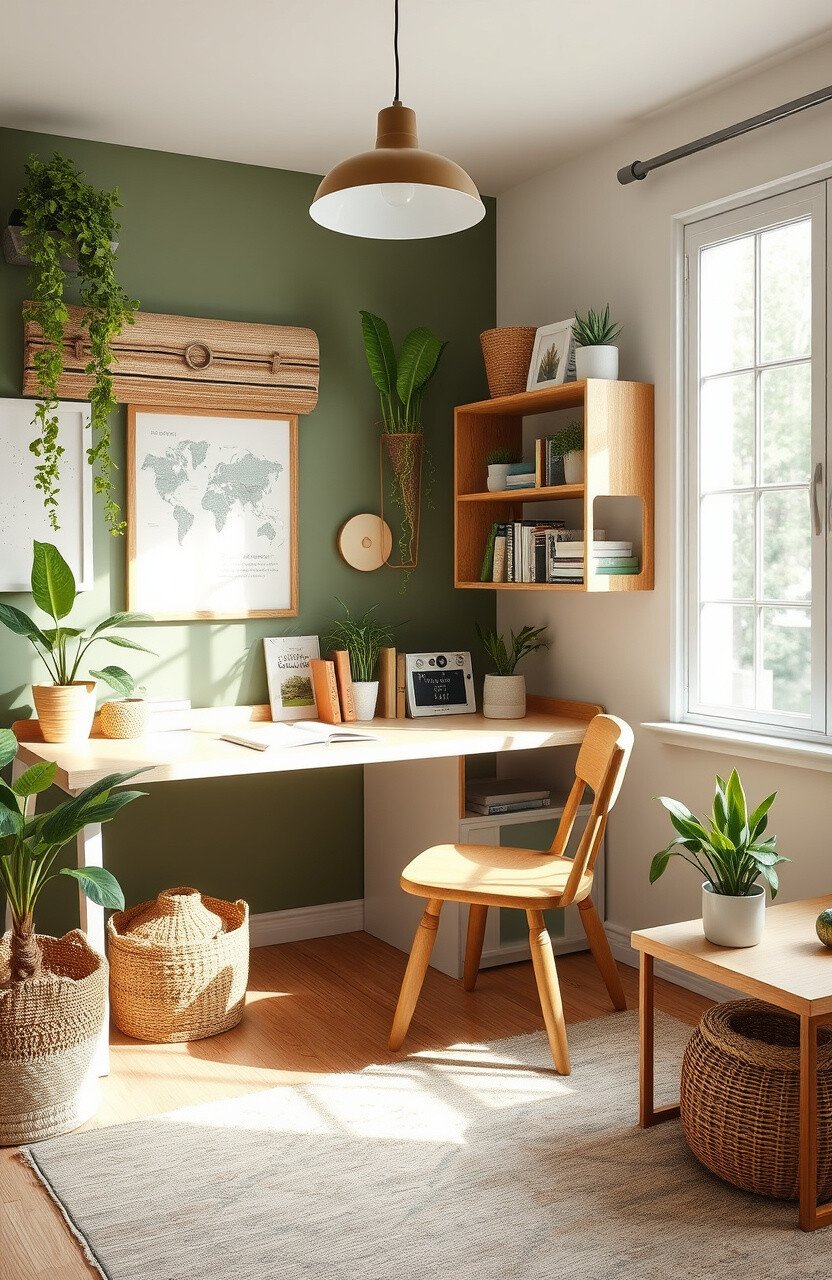
An eco-friendly study with sustainable materials can teach kids about the environment. This space encourages learning and eco-consciousness.
Use recycled materials and eco-friendly products for furniture and decor. Encourage learning about sustainability and conservation.
Personalize with plants or green-themed decorations. It’s a study that makes sustainability a central focus.
Using thrift stores and DIY projects keeps costs low. This study is about making eco-consciousness accessible and engaging.
34. Adventure Map
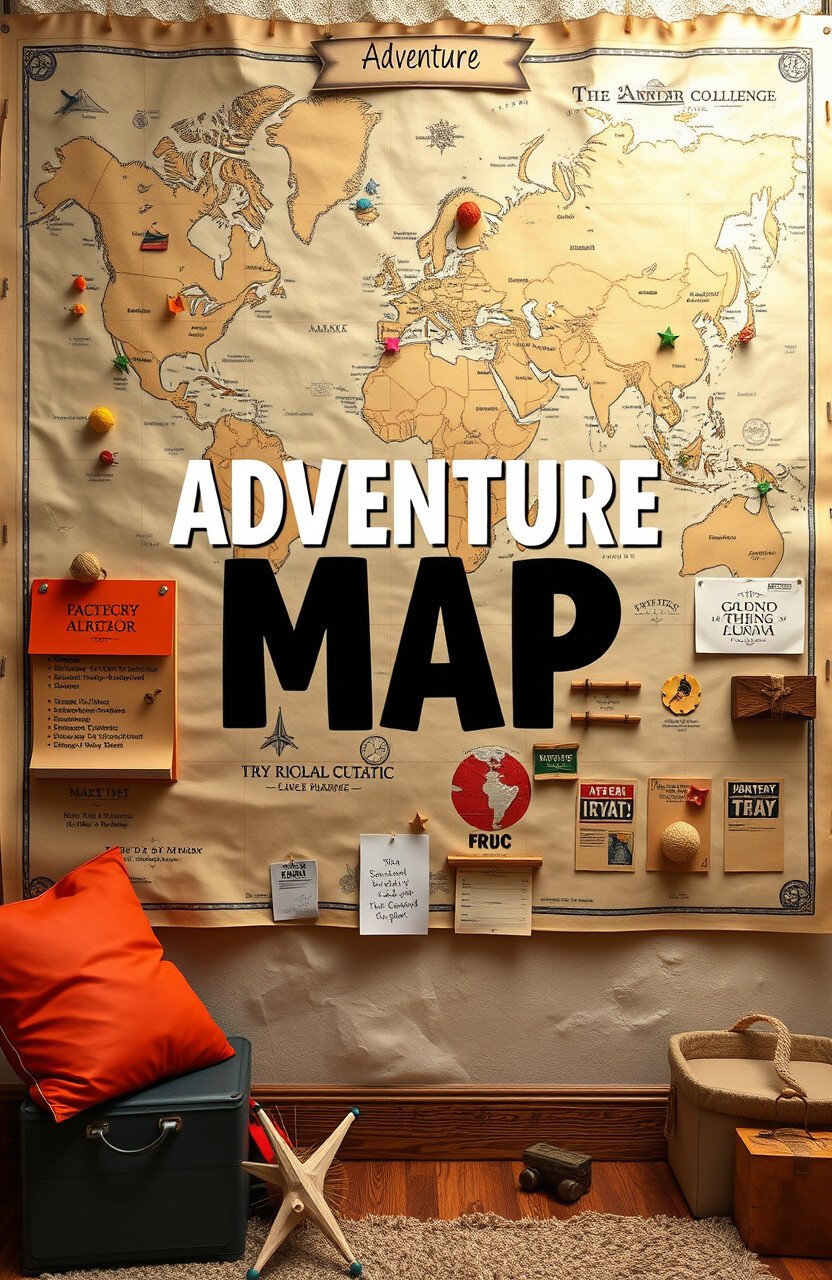
An adventure map with goals and challenges can inspire exploration and goal-setting. This space encourages planning and adventure.
Use a wall map or poster for tracking adventures and goals. Encourage kids to add their own challenges and achievements.
Personalize with stickers or drawings. It’s a map that makes adventure planning interactive and fun.
Using affordable materials and creativity keeps costs low. This map is about making goal-setting accessible and thrilling.
35. Language Labyrinth
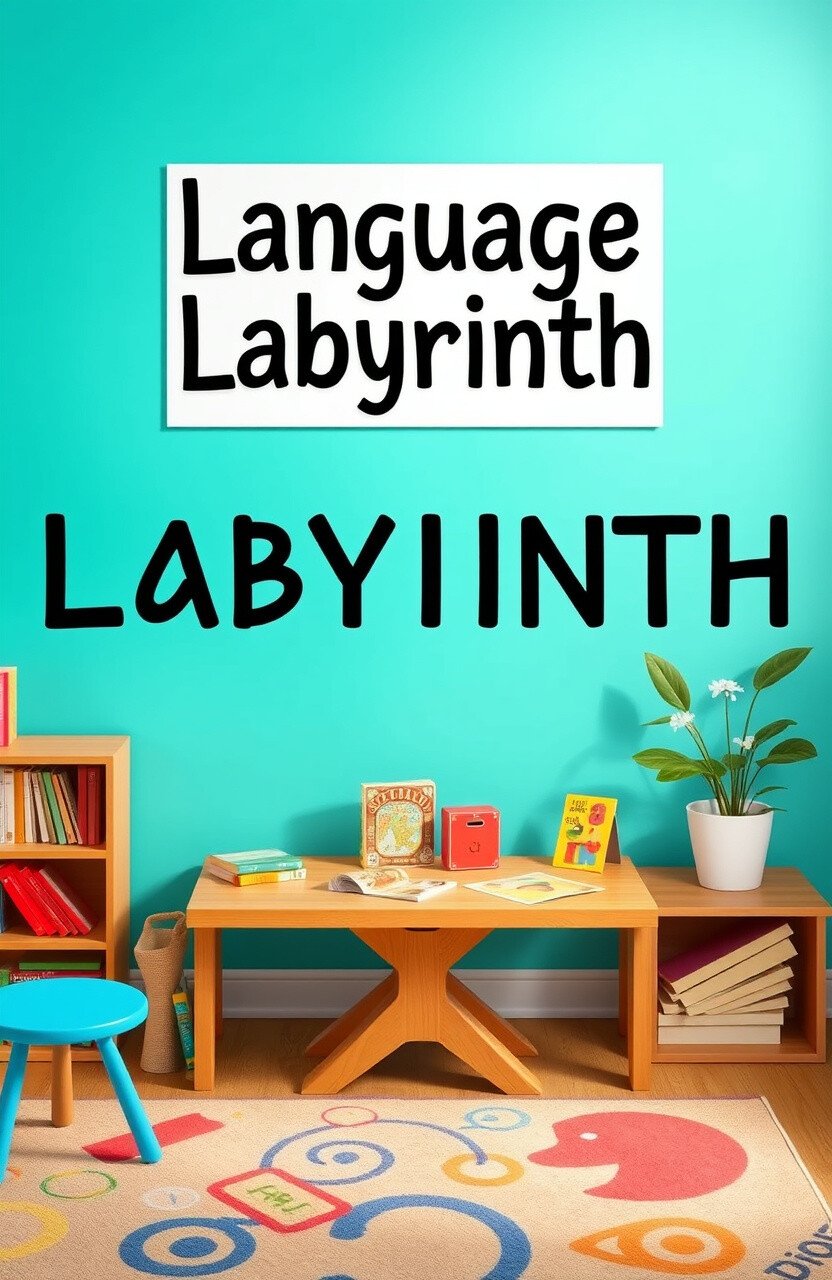
A language labyrinth with puzzles and games can make language learning fun and interactive. This space encourages vocabulary building and problem-solving.
Use a corner or table with language puzzles and games. Encourage kids to solve word problems and explore new languages.
Personalize with themed games or seasonal challenges. It’s a labyrinth that makes language learning a playful experience.
Using affordable games and DIY projects keeps costs low. This labyrinth is about making language learning accessible and exciting.
36. DIY Science Kit
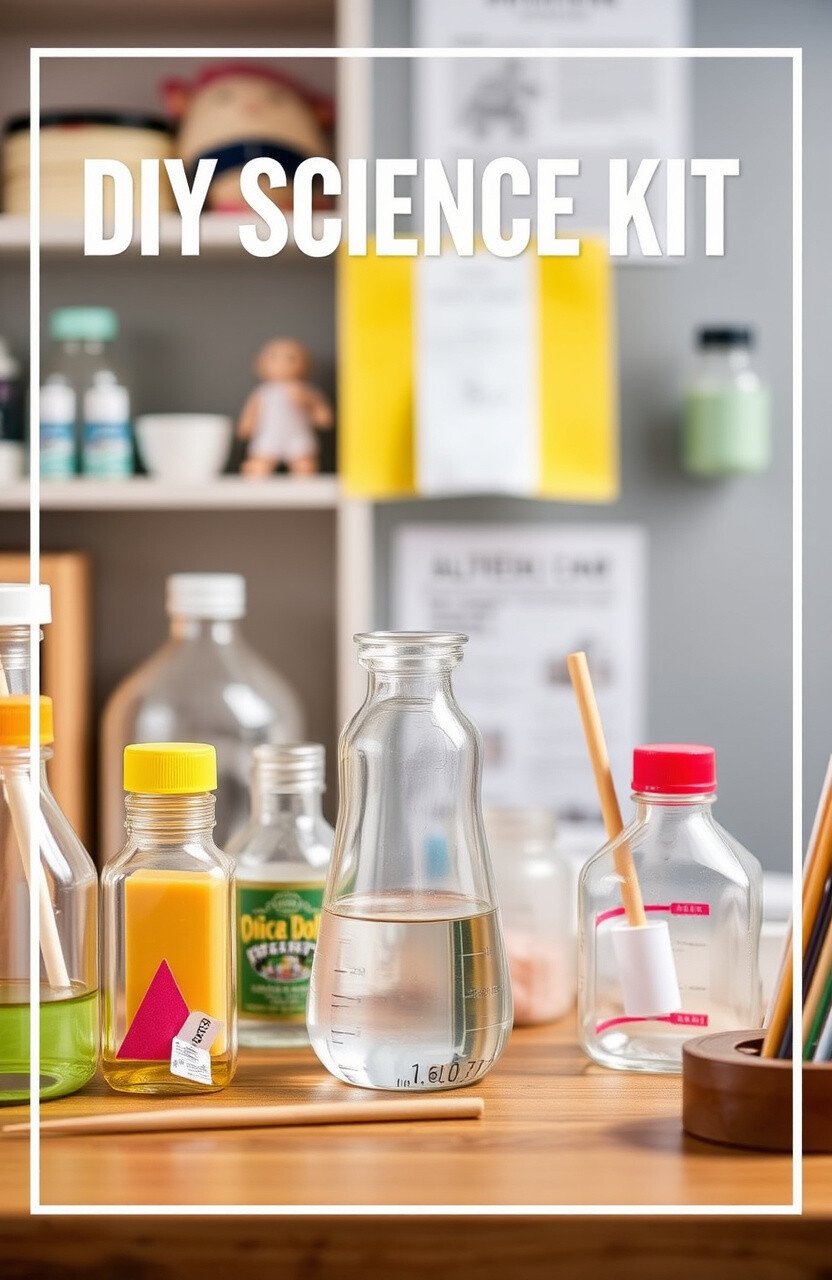
A DIY science kit with experiments and supplies can make learning science hands-on and fun. This space encourages creativity and exploration.
Use a box or shelf for storing supplies and instructions. Encourage kids to create their own experiments and projects.
Personalize with themed kits or seasonal experiments. It’s a kit that makes science an interactive and engaging activity.
Using household items and DIY projects keeps costs low. This kit is about making science exploration accessible and fun.
37. DIY Puppet Theater
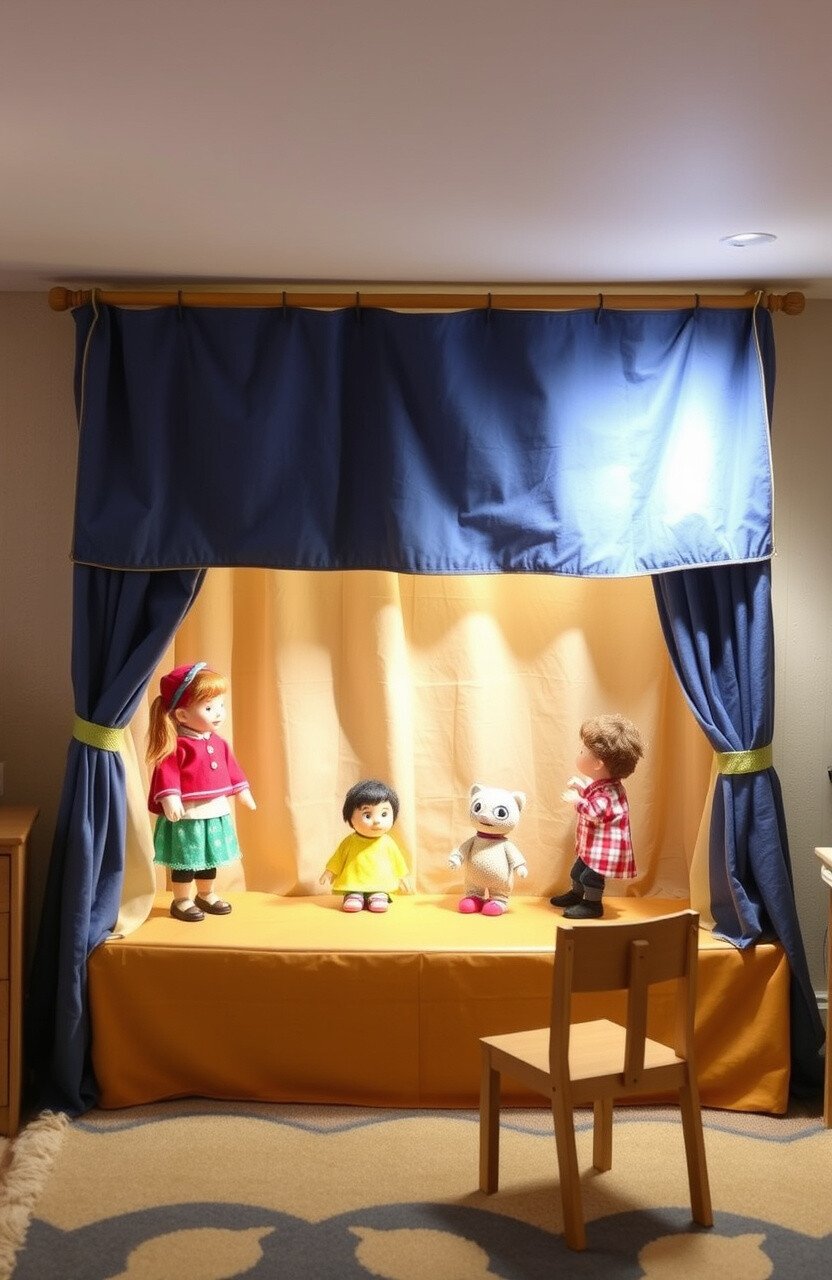
A DIY puppet theater with puppets and props can inspire storytelling and creativity. This space encourages imagination and expression.
Use a simple frame and fabric for the theater, adding puppets and props. Encourage kids to create and perform puppet shows.
Personalize with themed backdrops or characters. It’s a theater that makes storytelling interactive and engaging.
Using repurposed materials and DIY projects keeps costs low. This theater is about making storytelling accessible and fun.
38. Indoor Jungle
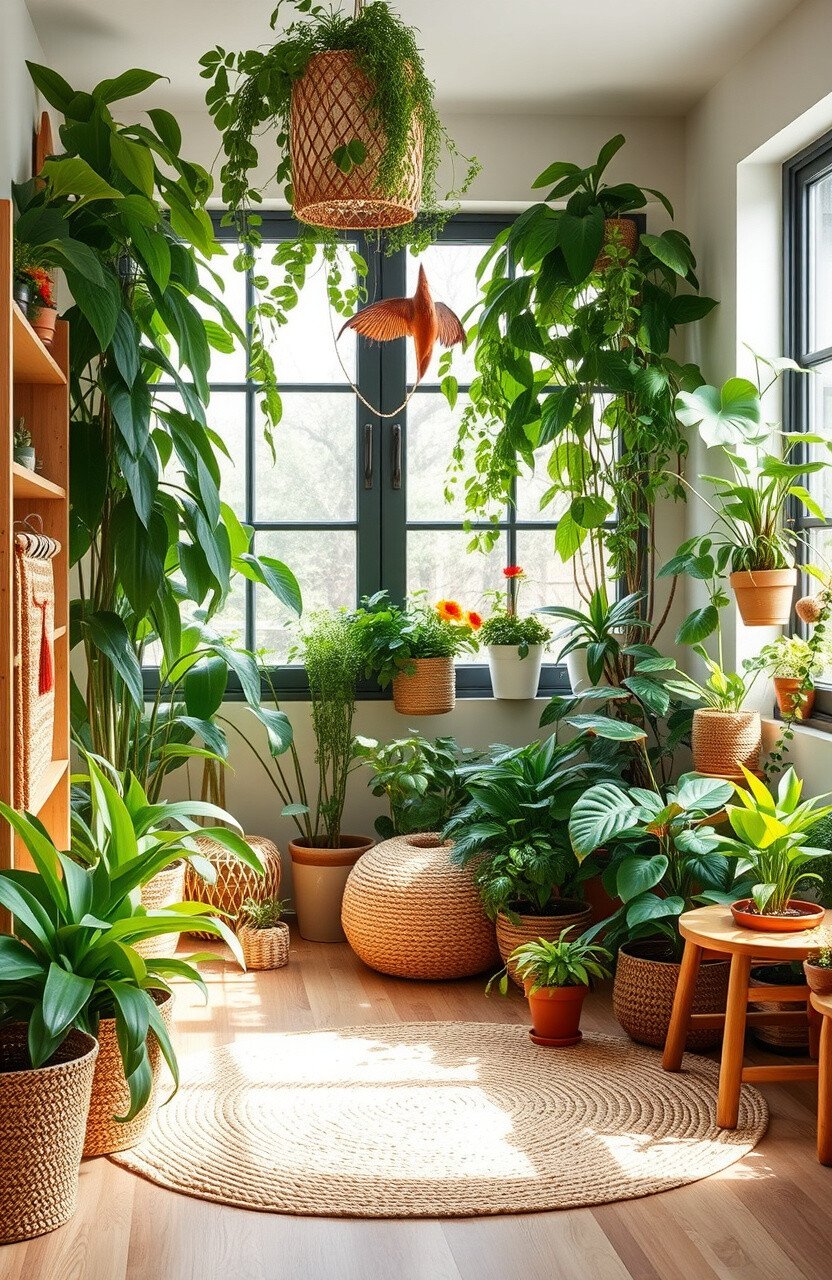
An indoor jungle with plants and nature elements can inspire a love for nature and science. This space encourages exploration and curiosity.
Use plants and natural decorations to create a jungle atmosphere. Encourage learning about plant care and ecosystems.
Personalize with animal toys or nature books. It’s a jungle that makes learning about the environment interactive and exciting.
Using affordable plants and DIY projects keeps costs low. This jungle is about making nature study accessible and engaging.
39. Spelling Station
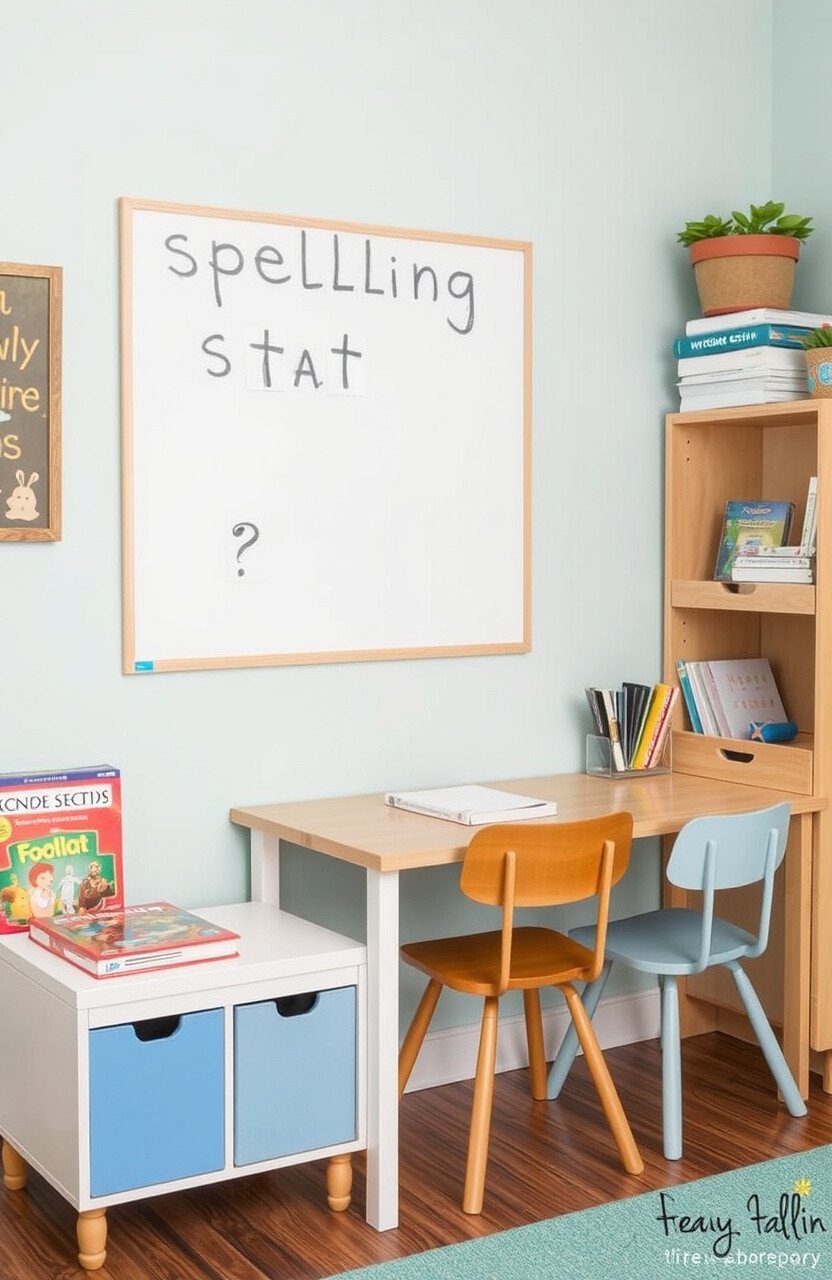
A spelling station with games and challenges can make spelling fun and engaging. This space encourages vocabulary building and problem-solving.
Use a table or board for spelling games and challenges. Encourage kids to explore and practice new words.
Personalize with themed games or seasonal challenges. It’s a station that makes spelling a playful and interactive activity.
Using affordable games and DIY projects keeps costs low. This station is about making spelling accessible and exciting.
40. DIY Planetarium
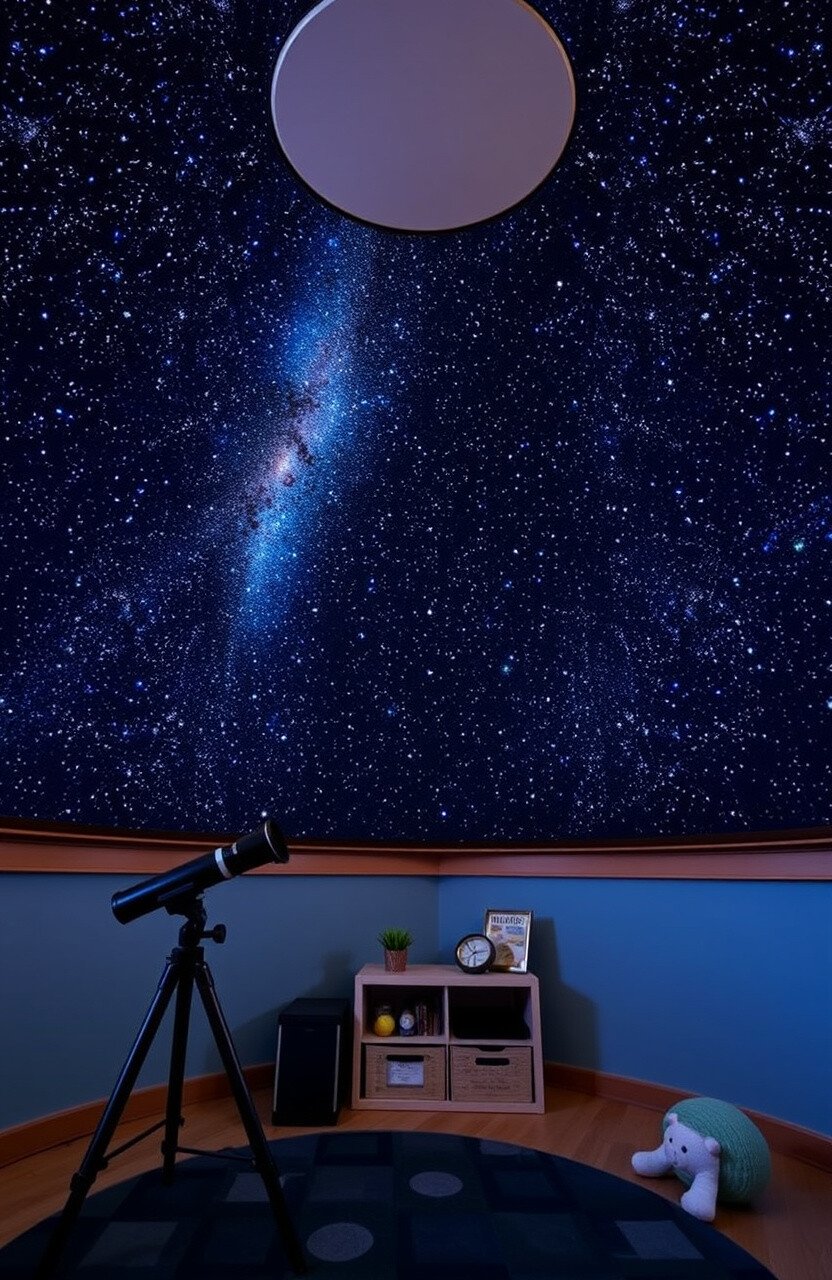
A DIY planetarium with stars and planets can inspire curiosity about the universe. This space turns stargazing into a thrilling experience.
Use LED lights and posters to create a starry sky. Encourage learning about constellations and space exploration.
Personalize with telescopes or space-themed decorations. It’s a planetarium that makes the universe feel close and exciting.
Using affordable materials and DIY projects keeps costs low. This planetarium is about making astronomy accessible and awe-inspiring.
41. Creative Writing Corner

A creative writing corner with prompts and ideas can inspire storytelling and imagination. This space encourages writing and expression.
Use a desk or table with writing prompts and materials. Encourage kids to write stories, poems, and essays.
Personalize with themes or seasonal prompts. It’s a corner that makes writing a creative and fun activity.
Using repurposed materials and DIY projects keeps costs low. This corner is about making writing accessible and exciting.
42. Science Exploration Wall
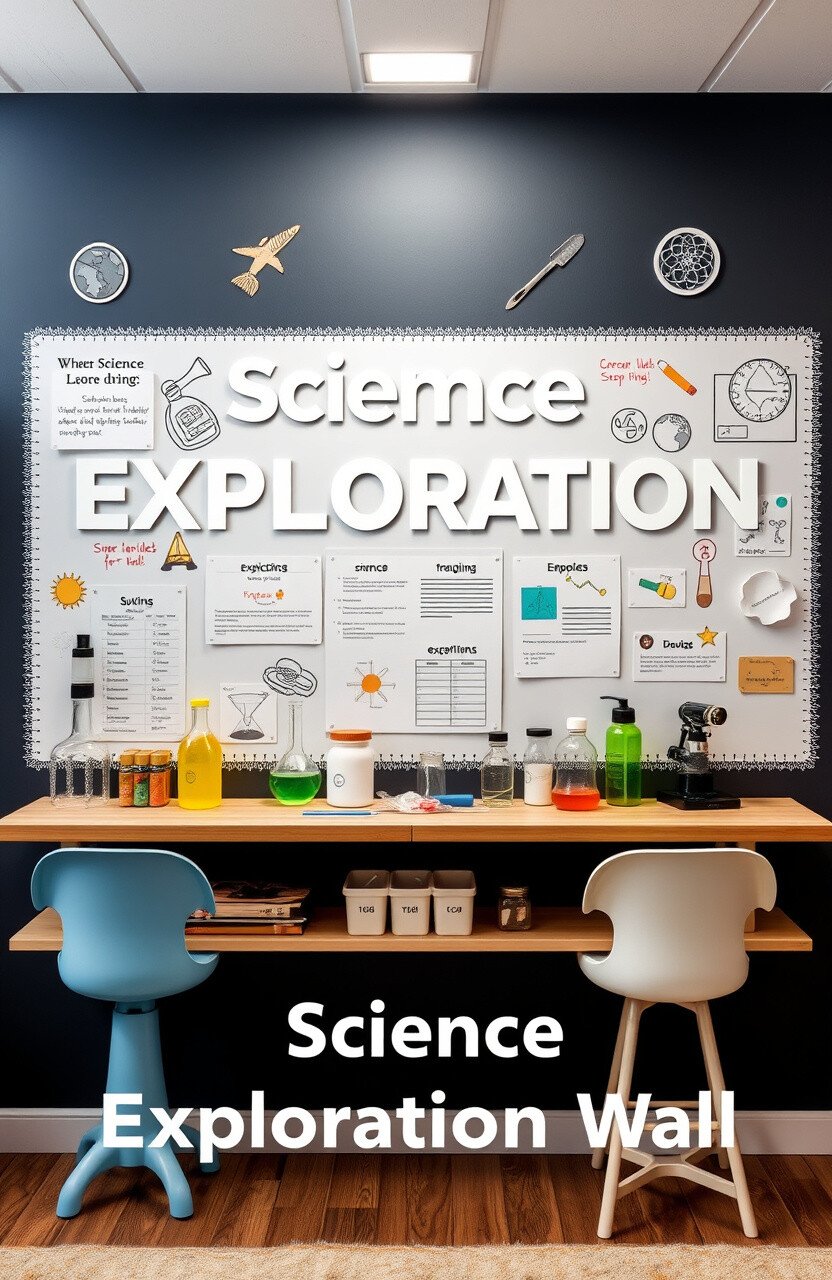
A science exploration wall with facts and experiments can make learning science engaging and interactive. This space encourages curiosity and discovery.
Use a section of a wall for facts and experiment ideas. Encourage kids to explore and document their findings.
Personalize with themed decorations and challenges. It’s a wall that makes science a visual and exciting experience.
Using affordable materials and DIY projects keeps costs low. This wall is about making science exploration accessible and fun.
43. Creative Play Area

A creative play area with toys and games can inspire imagination and play. This space encourages exploration and creativity.
Use a section of a room with toys and games for creative play. Encourage kids to explore and create new worlds.
Personalize with themed decorations and challenges. It’s an area that makes play a joyful and engaging activity.
Using repurposed toys and DIY projects keeps costs low. This area is about making creative play accessible and fun.
44. Adventure Journal
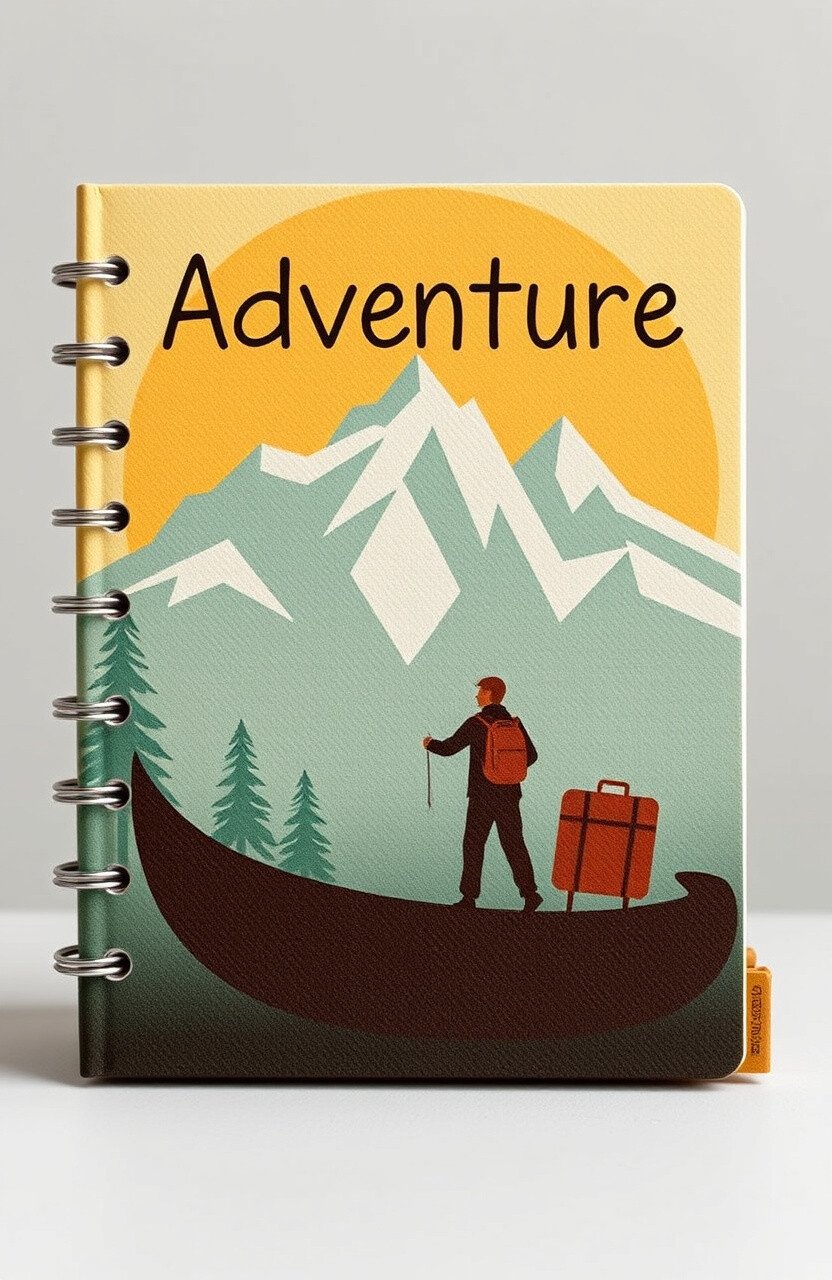
An adventure journal with prompts and ideas can inspire exploration and creativity. This space encourages writing and documenting adventures.
Use a notebook or journal for prompts and ideas. Encourage kids to document their adventures and discoveries.
Personalize with themed covers or decorations. It’s a journal that makes writing an interactive and engaging activity.
Using affordable materials and DIY projects keeps costs low. This journal is about making adventure writing accessible and fun.
45. Music Exploration Zone

A music exploration zone with instruments and resources can inspire a love for music and creativity. This space encourages exploration and expression.
Use a section of a room with instruments and resources for music exploration. Encourage kids to experiment with sounds and rhythms.
Personalize with music-themed decorations and challenges. It’s a zone that makes music exploration accessible and fun.
Using affordable instruments and DIY projects keeps costs low. This zone is about making music exploration an engaging experience.
46. DIY Art Gallery
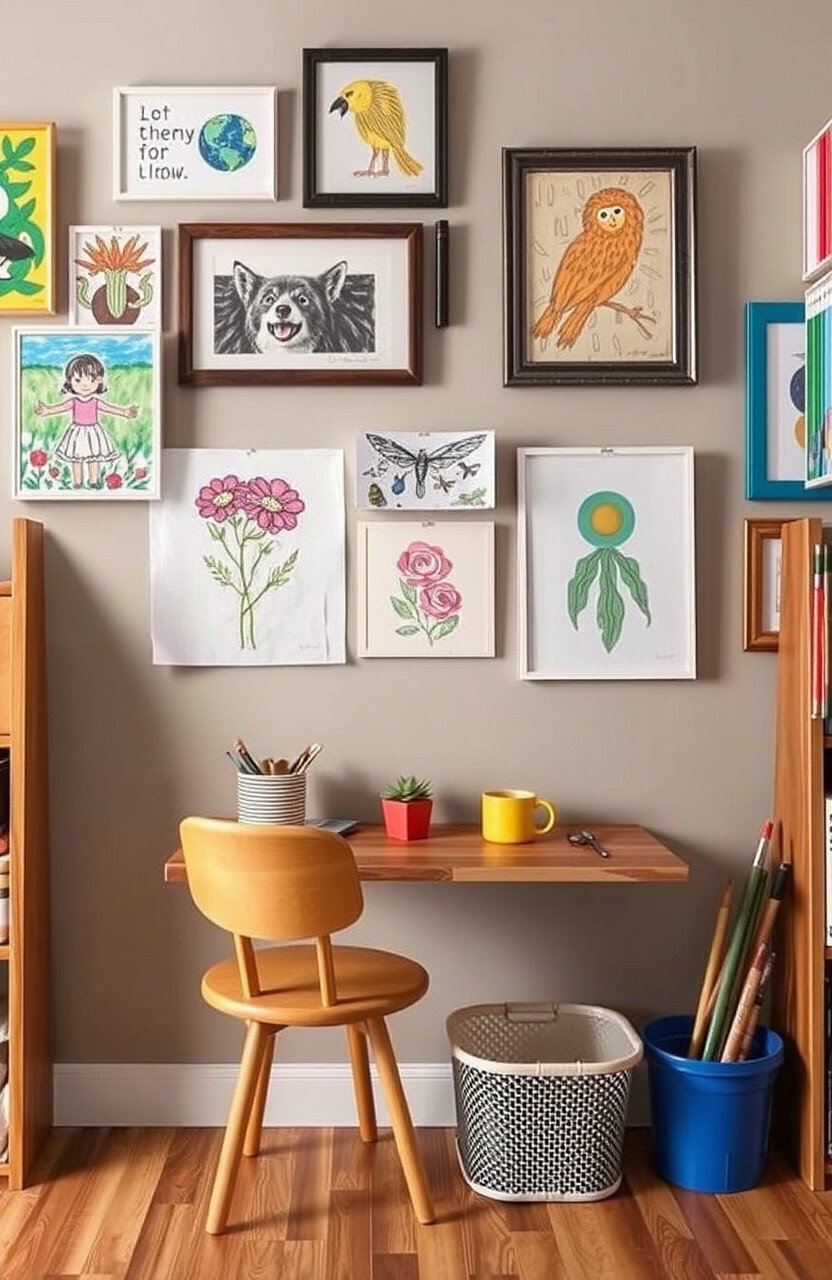
A DIY art gallery with rotating artwork can inspire creativity and expression. This space encourages kids to showcase their talents.
Use a wall or bulletin board for displaying art pieces. Encourage kids to change exhibits and explore different art styles.
Personalize with themed exhibitions or art challenges. It’s a gallery that celebrates creativity and individuality.
Using repurposed frames and DIY projects keeps costs low. This gallery is about making art accessible and ever-changing.
47. Relaxation Nook
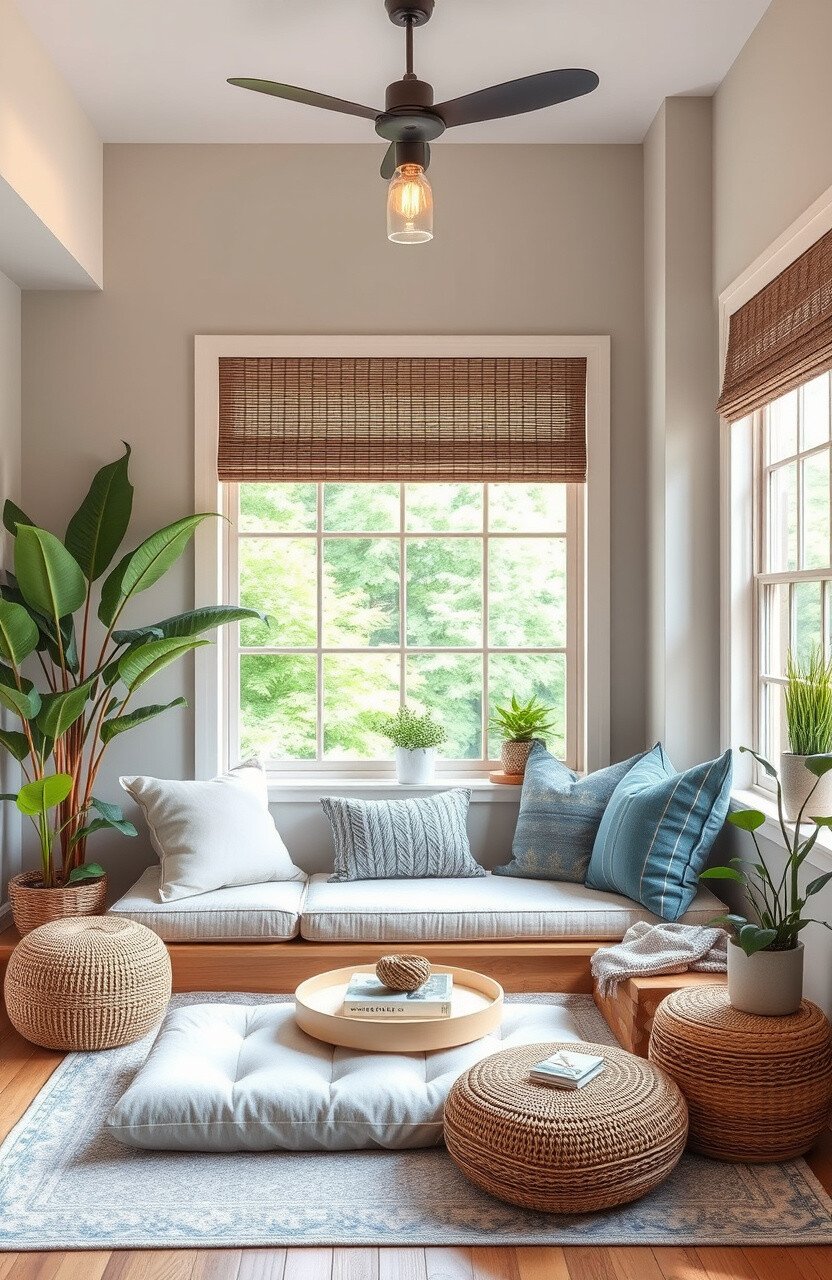
A relaxation nook with calming elements can teach mindfulness and relaxation. This area offers a peaceful retreat from daily stress.
Use soft lighting, cushions, and calming music to create a serene atmosphere. Encourage breathing exercises and meditation practices.
Personalize with meaningful quotes or imagery. It’s a nook that promotes mental well-being and focus.
Repurposing household items and using DIY projects keeps costs low. This nook is about nurturing the mind and body.
48. Language Adventure Zone
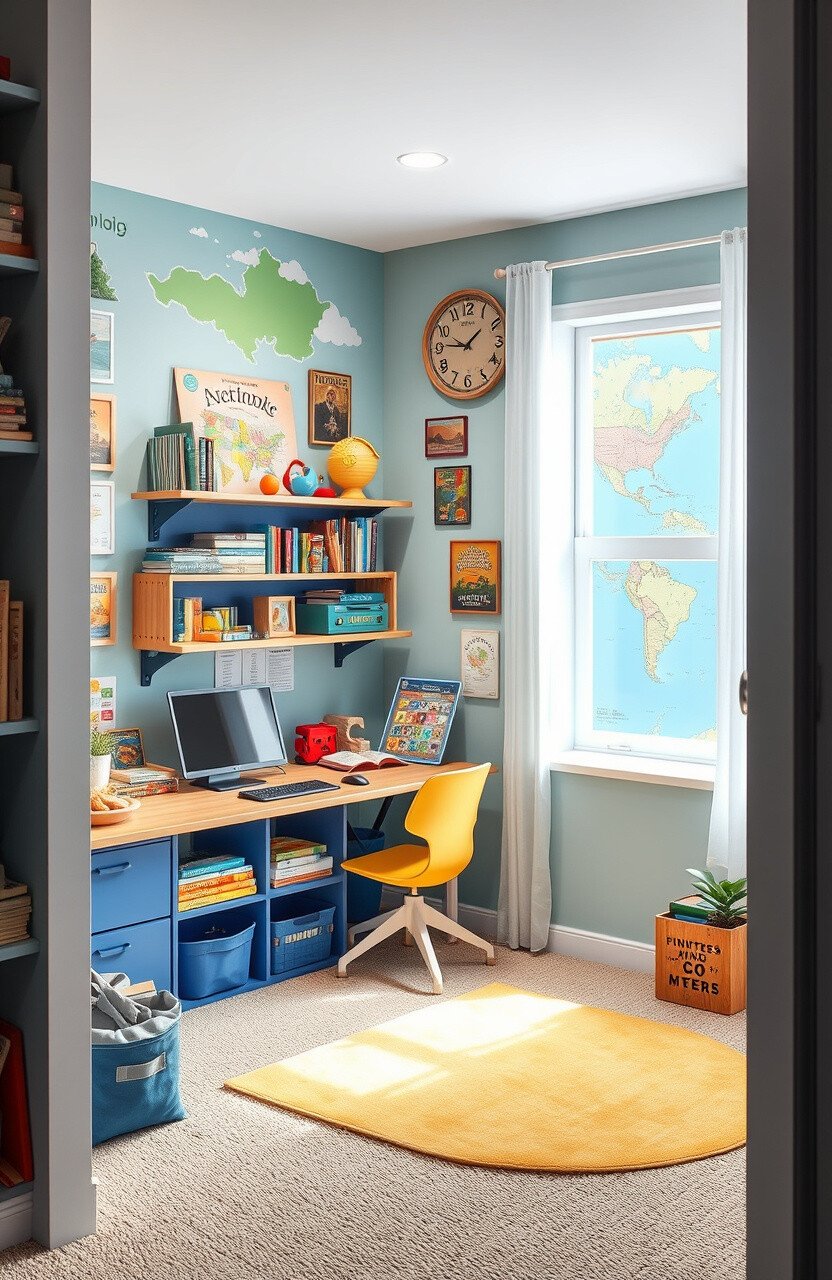
A language adventure zone with games and resources can make language learning fun and interactive. This space encourages vocabulary building and creativity.
Use a section of a room with language games and resources. Encourage kids to explore and practice new words.
Personalize with themed games or seasonal challenges. It’s a zone that makes language learning a playful and engaging activity.
Using affordable games and DIY projects keeps costs low. This zone is about making language learning accessible and exciting.
49. DIY Science Lab
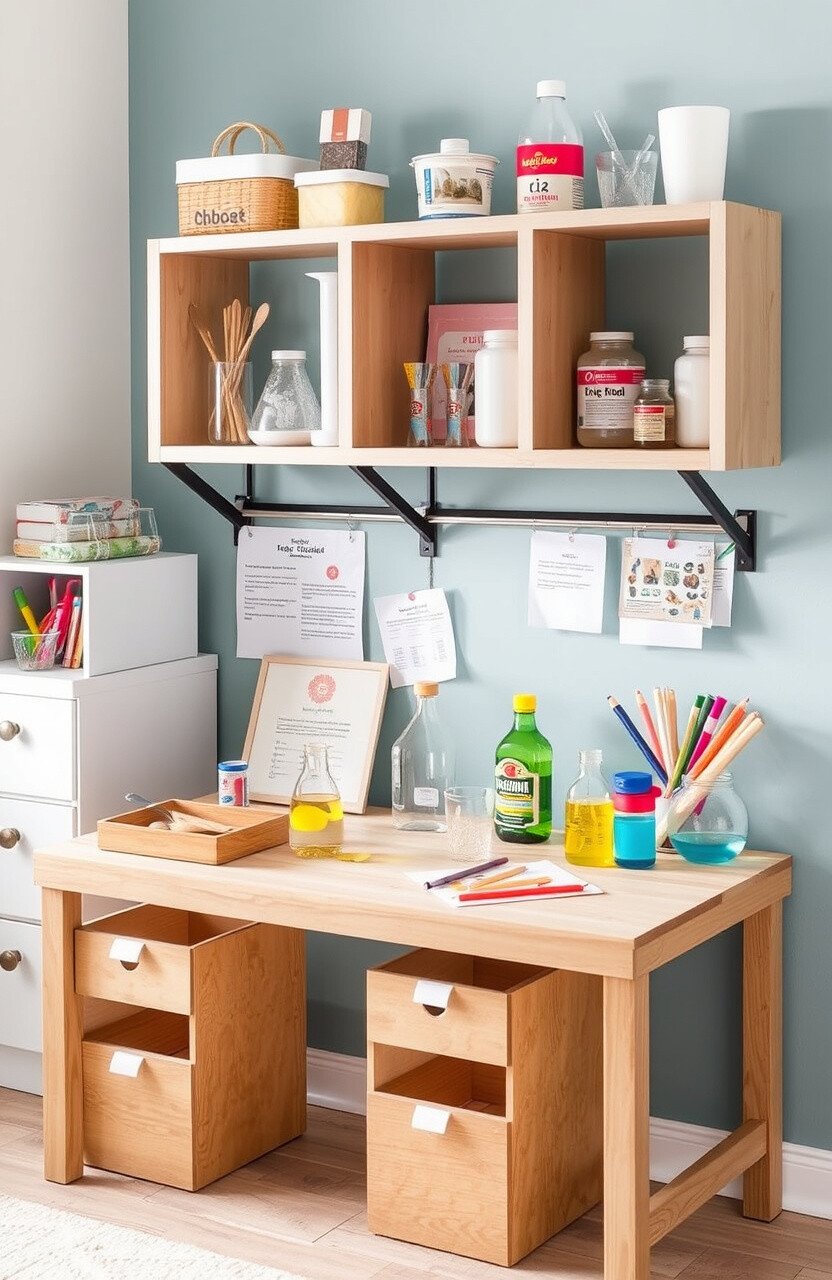
A DIY science lab with experiments and supplies can make learning science hands-on and fun. This space encourages creativity and exploration.
Use a box or shelf for storing supplies and instructions. Encourage kids to create their own experiments and projects.
Personalize with themed kits or seasonal experiments. It’s a lab that makes science an interactive and engaging activity.
Using household items and DIY projects keeps costs low. This lab is about making science exploration accessible and fun.
50. DIY Theater Stage
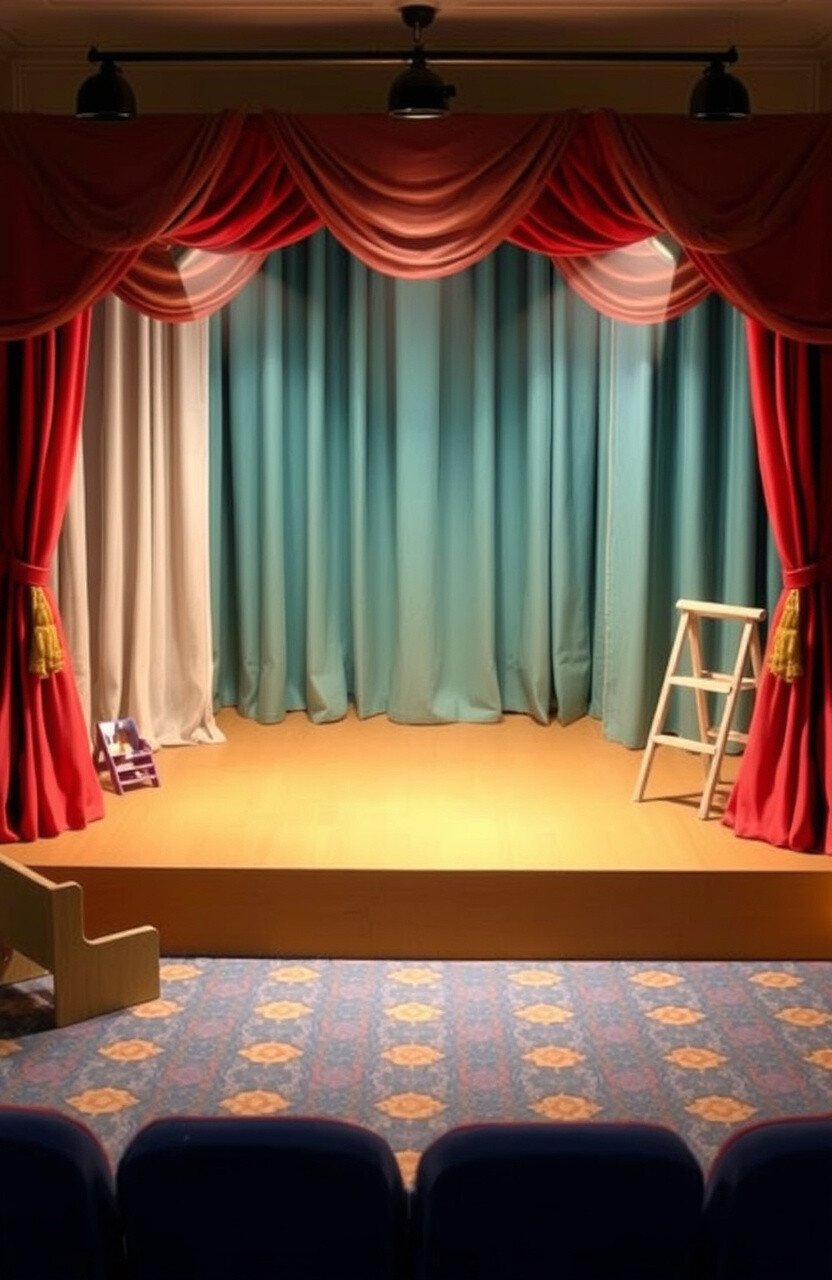
A DIY theater stage with costumes and props can inspire drama and storytelling. This space encourages imagination and performance.
Use a simple platform with curtains and a costume box. Encourage kids to put on plays and explore characters.
Personalize with themed backdrops and spotlighting. It’s a stage that turns the living room into a theater.
Using thrift store finds and DIY projects keeps costs low. This stage is about making the arts accessible and thrilling.
51. DIY Puppetry Zone
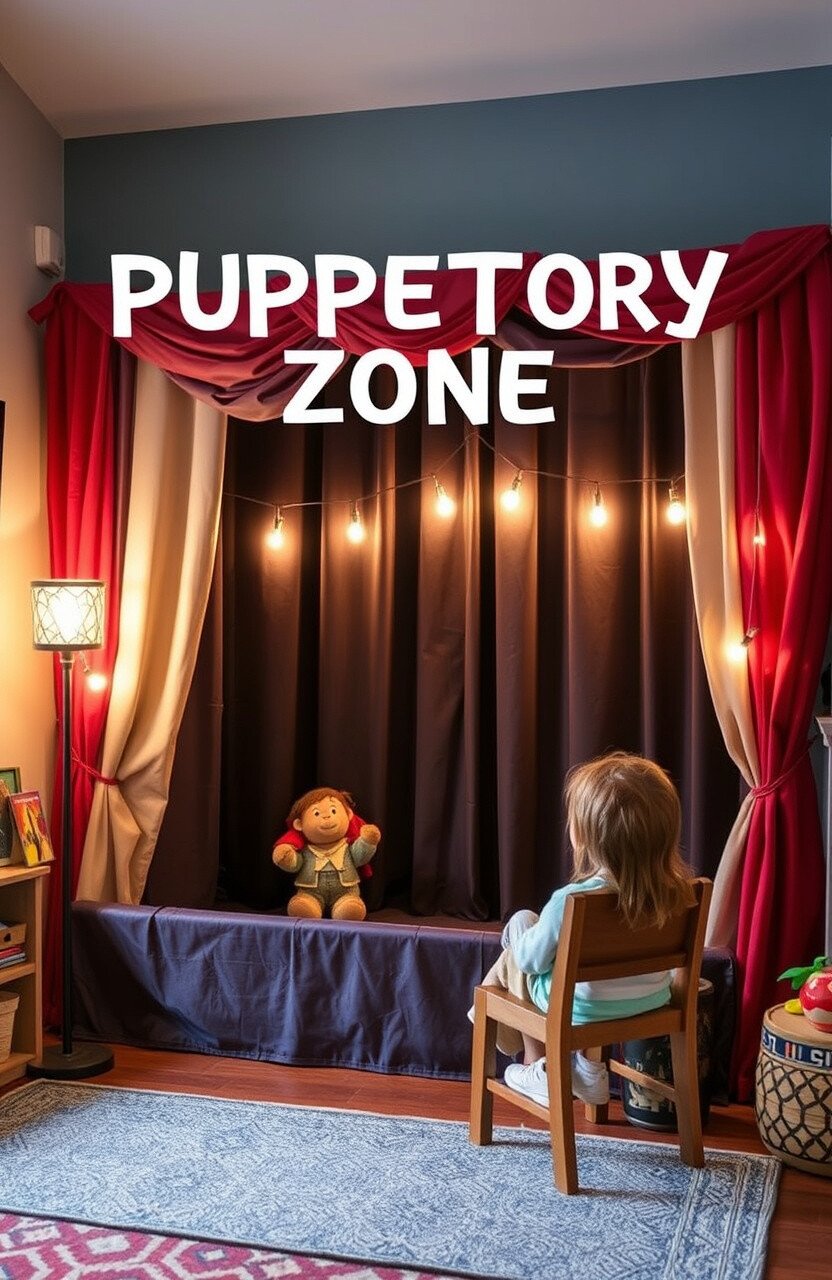
A DIY puppetry zone with puppets and props can inspire storytelling and creativity. This space encourages imagination and expression.
Use a simple frame and fabric for the theater, adding puppets and props. Encourage kids to create and perform puppet shows.
Personalize with themed backdrops or characters. It’s a zone that makes storytelling interactive and engaging.
Using repurposed materials and DIY projects keeps costs low. This zone is about making storytelling accessible and fun.