
A dull day can feel heavy, even when nothing is “wrong.” With the right creative spark, your brain starts to feel lighter and bolder.
These ideas are small, playful, and surprisingly effective for making new thoughts show up.
1. Sketch a Scene From a Memory

Pick a memory that makes you smile, even if it is tiny. Make a quick sketch that catches the mood, not the details.
Use bright shapes for what felt loud and soft lines for what felt calm. Try adding one weird object that was not actually there, just to see what your mind invents. This helps you remember with freshness and creates original visuals you can reuse later.
2. Make a “Wrong Answers” Journal

Keep a notebook where you write answers that are slightly off. The goal is to be wrong in a fun, safe way, not in a mean way.
Give each entry a single rule like “the answer must include a color,” and then break the rule on purpose once. You will train your creativity to keep going when your first attempt is messy. Over time, you will notice that ideas become easier when you stop demanding perfect results.
For a practical start, set a small timer and fill one page. If you want personalization, choose prompts that match your life, like school stories, home routines, or weekend trips. This costs nothing besides paper, and it fits current habits because journaling apps and offline notebooks both work well.
3. Turn Everyday Sounds Into a Beat

Walk around your home and listen like a detective. Tap your finger on surfaces and collect short sounds you hear often.
Say what each sound “feels like” and match it with a simple beat in your head. You might end up with a rhythm from keys, footsteps, a kettle, or a fan. Then create a tiny loop by recording several sounds and layering them in a free app.
To keep it practical, start with only three sounds and repeat them. Personalize it by building beats around a song you already love, then making your own twist. This is low cost since many phones already have audio tools, and it matches current trends in short-form music and sound design.
4. Write a Letter to Your Future Self
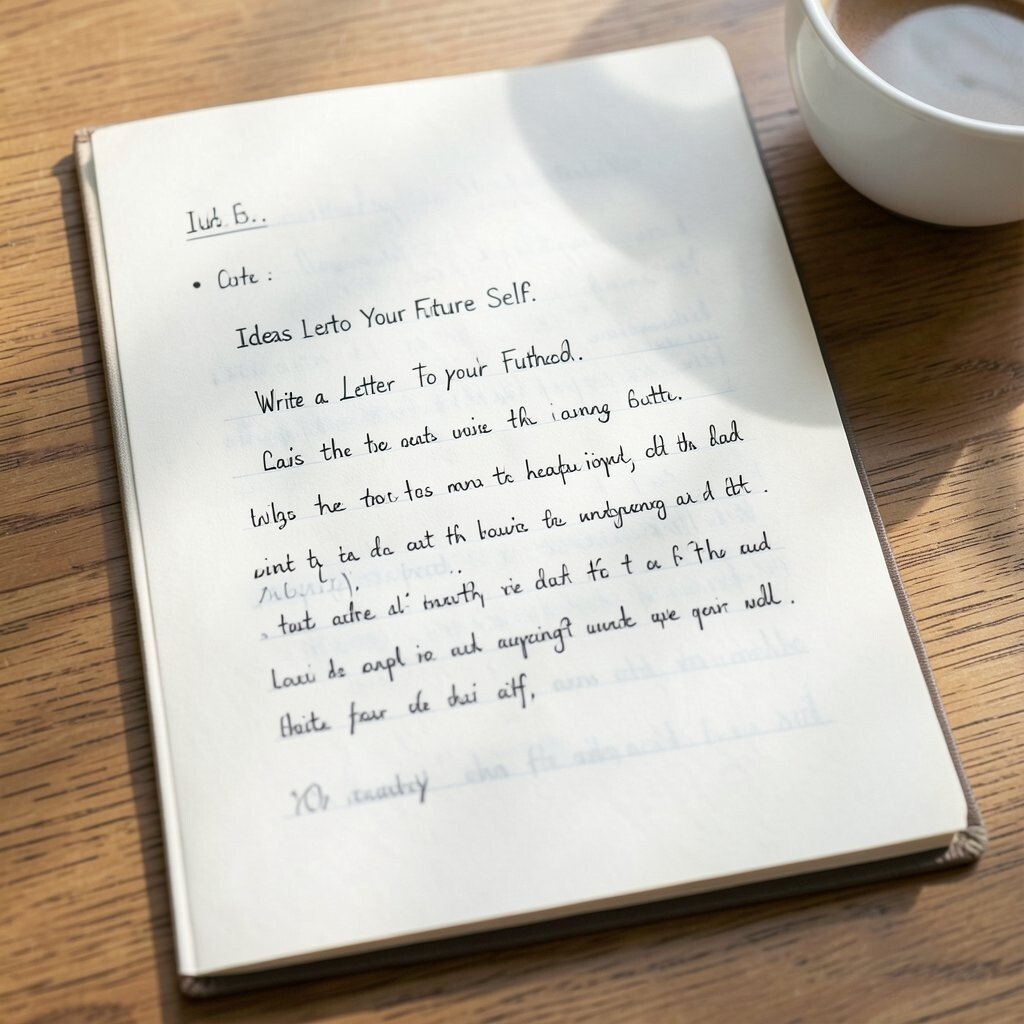
Choose a future date, like a month from now, and write as if you already made progress. Keep the tone warm and specific, like you are cheering for a friend.
Mention one habit you want, one fear you want to shrink, and one tiny win you plan to celebrate. You will get a clearer direction, and your brain will start brainstorming steps on its own. Try making it visual by adding small doodles of what that future could look like.
5. Build a Collage With Only One Color Family
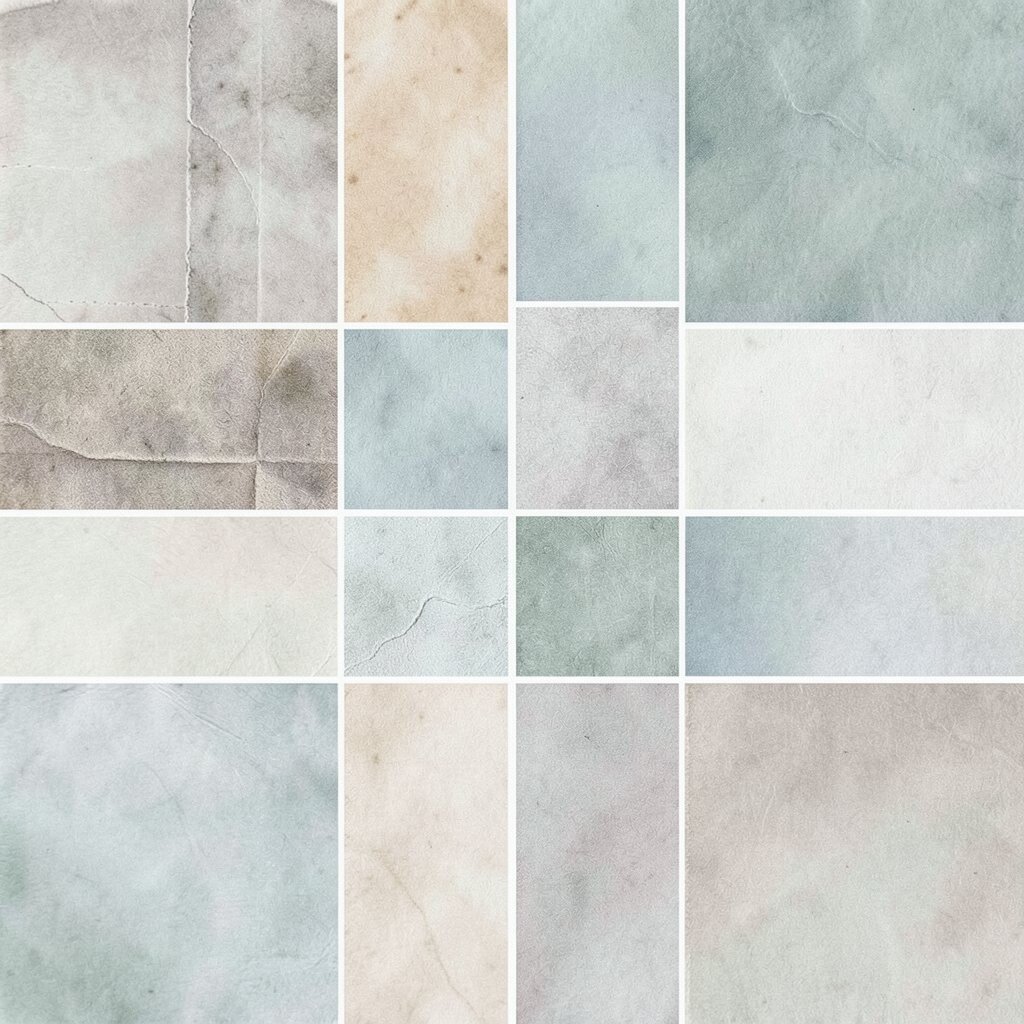
Pick a color family, such as blues, reds, or greens, and gather images that fit. This can include printed photos, magazine scraps, or even colored paper from old projects.
Make the collage messy on purpose so the shapes feel alive. Contrast textures like smooth cut-outs and rough torn pieces, and notice how your eye moves. Then flip the collage upside down and describe what new shapes appear, because that is where surprise lives.
If you want to keep it affordable, raid thrift store books or old calendars. Personalize it by choosing colors that match your mood or your room. This works with today’s love for visual feeds and creative sharing, even if you only post privately.
6. Create a “Museum of Your Tools” Wall

Choose tools you use in daily life, like pens, markers, chargers, scissors, or a small notebook. Place them in a spot like a mini exhibit, and treat each one like a star.
Write one sentence on a small card describing how the tool helps you think. A clean arrangement makes your space feel intentional, and intention tends to spark better ideas. You can also rotate the display weekly to match a new theme, such as “ideas for writing” or “ideas for drawing.”
7. Use Story Dice, But Make Your Own Prompts

If you have dice, use them for quick story starts. If you do not, roll a coin or pick random words from a paper strip.
Now personalize the results by using themes from your own life. Roll and then connect the outcome to something you care about, like a hobby, a goal, or a feeling. This turns random prompts into meaningful stories your brain wants to keep building.
Try a practical rule: write one character, one problem, and one surprising helper. Keep the writing short so you finish before your brain gets tired. Many creators share prompt-based stories online now, and this method fits that trend while still being personal.
8. Create a Two-Page “Idea Map”

Draw a circle in the middle of the page and write a topic in it, like “weekend plans” or “healthy snack ideas.” Then branch out with simple bubbles for related words.
Use quick doodles and small icons, not perfect handwriting. When you see the branches on the page, your mind stops floating and starts connecting. Then take the second page and pick one small branch to turn into a real plan.
9. Learn One Micro Skill in Ten Minutes

Pick a skill that takes only a tiny amount of practice, like folding an origami shape, learning a chord, or making a simple diagram. Set a timer for ten minutes and stop when it rings.
Small wins build momentum, and that momentum is a creativity booster. After the timer ends, write down what felt easiest and what felt interesting. Your notes become a personal guide for future practice.
For cost, many micro skills need no purchases at all, just curiosity. Personalize it by choosing skills that match your interests, like kitchen experiments, sketching, or movement. This fits current “short practice” culture where people improve through small, steady sessions.
10. Make a “What If” List for Daily Problems
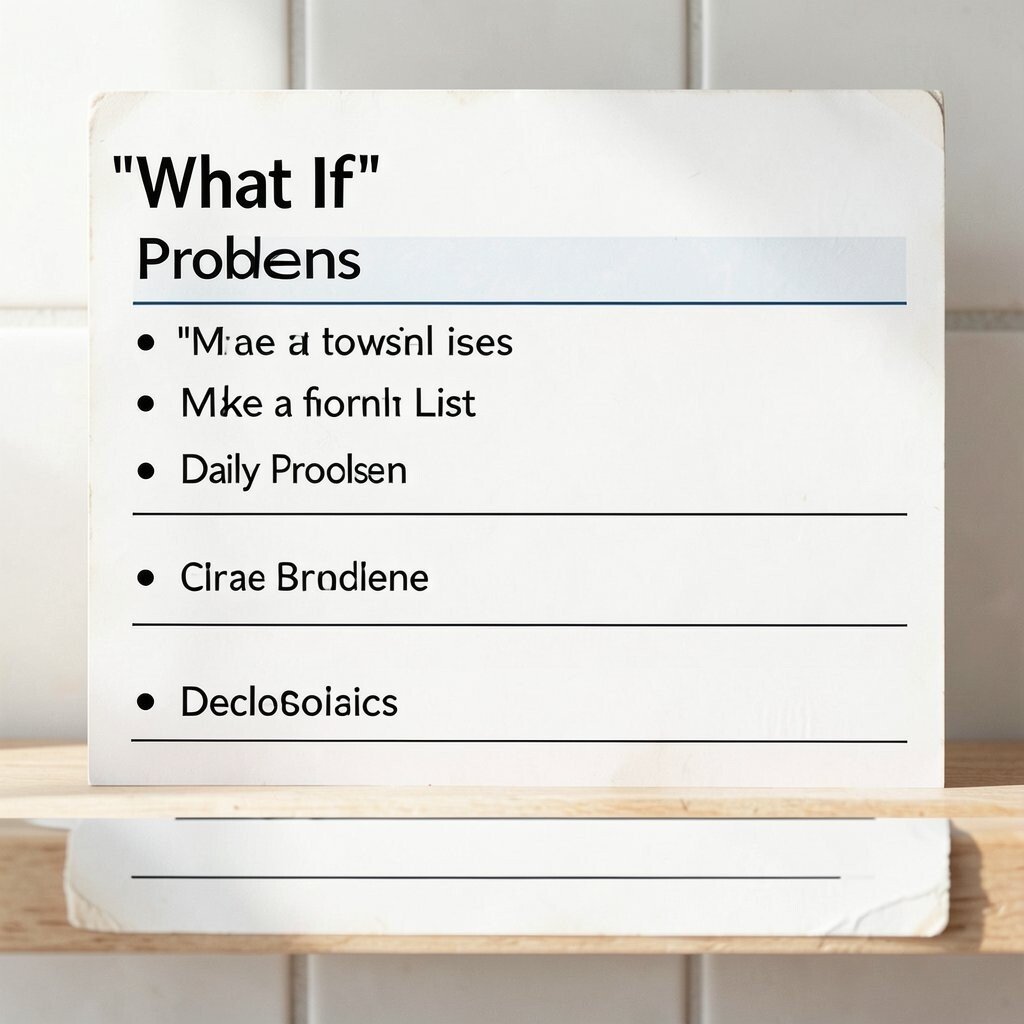
Think about a small problem you face, like forgetting tasks, losing track of keys, or feeling bored. Then write “what if” questions that twist the problem in a clever way.
Ask questions like “What if the problem had a character?” or “What if it were solved with a game?” This helps you treat problems as creative puzzles instead of stressful stops. You will often land on a usable fix, and you will also gain fresh ideas for other areas.
To keep it practical, choose one question and test it the same day. Personalize it by writing questions that match your home, your schedule, and your energy level. It costs nothing and turns everyday life into a brainstorming partner.
11. Watch a Silent Video and Describe It

Choose a short clip, even a nature video or a slow cooking video. Watch it with sound off, then describe what is happening as if you are narrating a story.
Pause often and write one sentence about each moment. You will practice noticing details, and you will also invent dialogue and motivations. Then replay the clip with sound on and see what matches your made-up story.
12. Swap Roles With a Family Member or Friend

Pick someone you trust and trade roles for one hour in a playful way. You might be the “planner,” and they might be the “collector of ideas.”
While you play the role, focus on specific actions like writing possible names for lunch or sorting a tiny space. Role swapping brings new angles because you are not stuck in your usual habits. You will also build connection, and that emotional comfort often makes creativity safer and stronger.
Keep it low cost by using what you already have, like a sheet of paper or a phone notes app. Personalize it by matching roles to hobbies, such as art, music, cooking, or gaming. This also fits modern group creativity where people co-create content or plans together.
13. Create a Playlist of Feelings, Not Songs

Instead of choosing tracks by genre, choose them by feelings. Write down emotions you want to invite, like calm, brave, playful, or focused.
Look for songs that match each feeling, then listen as if you are scouting colors for a painting. During the listening, jot down what images your mind pulls up. That list becomes a creative map for future writing, drawing, or crafting.
14. Redesign One Object in Your Head

Pick something you use, like a mug, a backpack, or a door handle. Now imagine it redesigned for a totally different purpose, like space travel, underwater life, or a pet-friendly world.
Describe the new shape, the materials, and the tiny features that make it useful. This gives you creative practice with real-world constraints, which is how many professional ideas grow. Try sketching the object quickly, then write one sentence about how it would feel to use.
15. Try “Constraint Art” for One Hour

Choose a constraint that limits you, like using only circles, only three colors, or only straight lines. Then make something small with that rule.
Constraints remove decision fatigue, so your brain can focus on creative choices. You might end up with a surprising style you would not choose freely. For practical use, photograph your result and label it with the constraint so you can repeat it later.
If you worry about cost, constraints help because you can use scrap paper, old markers, and simple templates. Personalize it by matching the constraint to your interests, like making a “food circles” poster or a “music lines” drawing. Current creativity culture loves constraints because they make content look distinctive and shareable.
16. Reverse a Common Saying

Take a familiar phrase you hear often and flip it into a new meaning. Instead of using it as a rule, treat it like a doorway into fiction.
For example, write a short scene where the reversed message changes a character’s choices. This turns language into storytelling and trains your brain to handle ideas in flexible ways. You can keep it simple by writing only a paragraph per sentence you flip.
17. Build a Mini “Yes List” for the Day

Write a short list of small things you are willing to try today. Make them easy, like saying yes to a walk, a new snack, a playful drawing, or a quick chat.
When you give yourself permission, your creativity feels less blocked. Your brain starts looking for opportunities because it trusts that actions will be welcomed. Try personalizing the list around your energy, such as low-energy yes options when you are tired.
For cost considerations, keep every yes option free or nearly free, like reading, journaling, or stretching. This matches current wellness trends that focus on gentleness and small steps. Even if you only complete one item, your day gets a creative pulse.
18. Make a “Before and After” Challenge
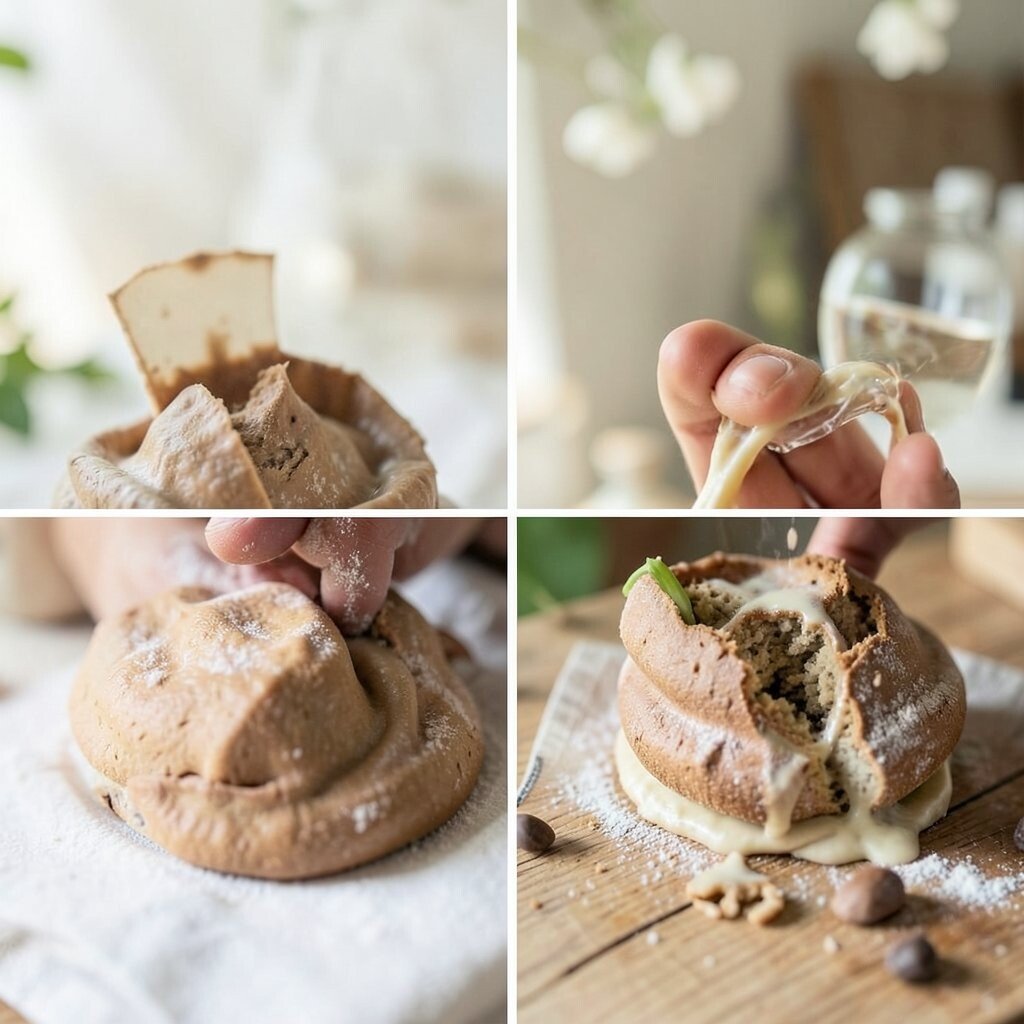
Choose something you can change quickly, like a plain room corner, a photo, or a small page of writing. Set a timer and create a before version, then create an after version with a clear goal.
It could be “after must feel calmer,” or “after must look brighter,” or “after must tell a secret.” The contrast trains your brain to see difference, and difference is a core ingredient of creativity. Personalize the challenge to fit your life by choosing a space you actually care about, not a random object.
If you need low cost, use what you have and keep changes reversible. This also fits the current trend of quick transformations shared online, but you can keep it private and still get the benefits.
19. Photograph Patterns and Name Them

Take a walk and look for repeating shapes, textures, or colors. Focus on patterns in sidewalks, curtains, bookshelves, or clouds.
Photograph a few and give each photo a silly name. The naming part is powerful because it turns visual input into a playful language system your brain can reuse. Try a practical routine where you collect five photos and then pick one to inspire a drawing or poem.
20. Do a “Magic Question” Exchange

Write one question that feels like a key, such as “How would this look if it were made for a tiny hero?” Then share it with someone else and answer their question too.
This method gives you two creative streams at once, and the overlap can spark new directions. It also helps you practice kindness with ideas because you are building on a real person’s prompt. Keep it personal by using questions connected to hobbies you both care about.
For cost, this is purely paper or chat messages. Current creativity trends favor interactive challenges, and this one works great in group settings or one-on-one. You will often leave the exchange with at least one usable plan or artwork direction.
21. Convert a Tangible Item Into a Symbol
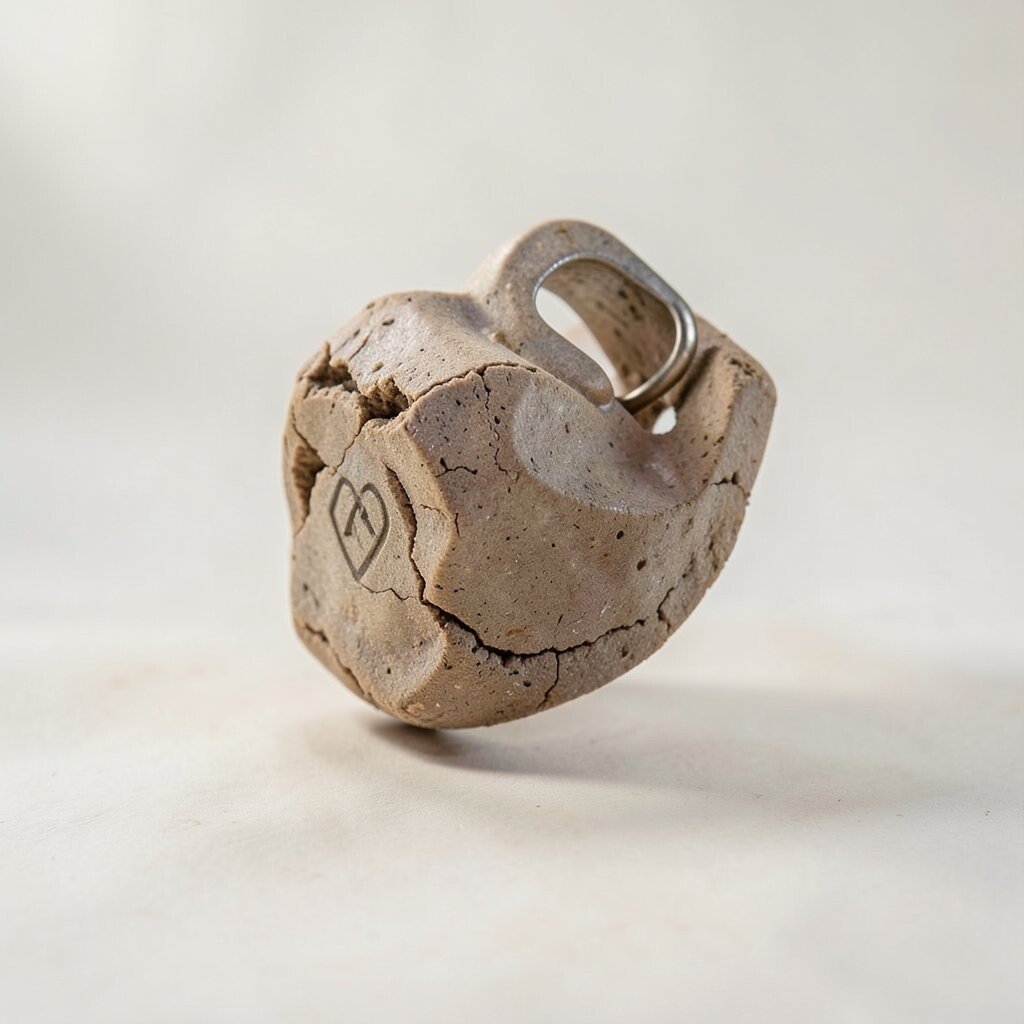
Choose something you own that has meaning, like a ticket, a receipt, a shell, or a keychain. Then think about what it symbolizes and turn that symbol into a new design or story element.
For example, a tangled keyring could become a “path that loops,” and a subway ticket could become “a pass to a new version of you.” This builds emotional creativity, which often makes art and writing feel more alive. Try drawing the symbol in different styles, like simple icons and detailed sketches.
22. Make a “Creativity Recipe” You Can Repeat

Write a recipe for how you want to feel while creating. Include steps like a specific warm-up activity, a music choice, and a goal for the first short session.
You can also include cost-friendly options like using free time, scrap materials, and a basic notebook. The point is to reduce the effort needed to start, because the first step is often the hardest. Personalize the recipe by using what works for you, such as morning energy or evening calm, and keep it flexible for busy days.
As a practical touch, test your recipe for a few days and adjust one part each time. This mirrors current habit-building trends, where routines become creative scaffolding rather than strict rules. When your recipe becomes familiar, new ideas show up faster because you already built the doorway.