
Fresh ideas can show up in the strangest places. A tiny shift in your day can wake up your mind fast.
1. Change Your Work Spot
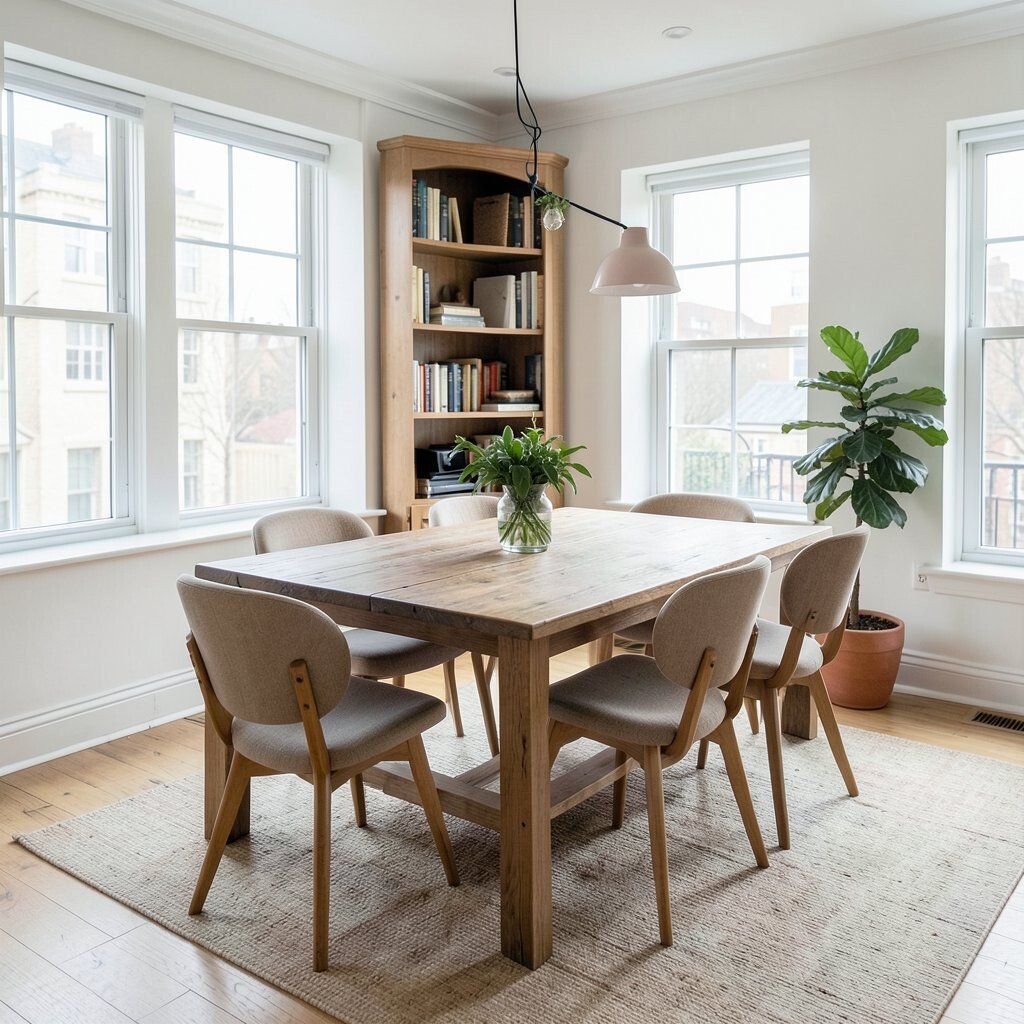
A new place can make old thoughts feel new again. A sunny table, a quiet corner, or a park bench can change how your brain works.
Try a kitchen chair, a library desk, or even the floor with a pillow. This idea costs very little, and it can help you feel less stuck right away. Add a favorite mug, a small plant, or a bright notebook to make the space feel like yours.
2. Keep a Tiny Idea Notebook
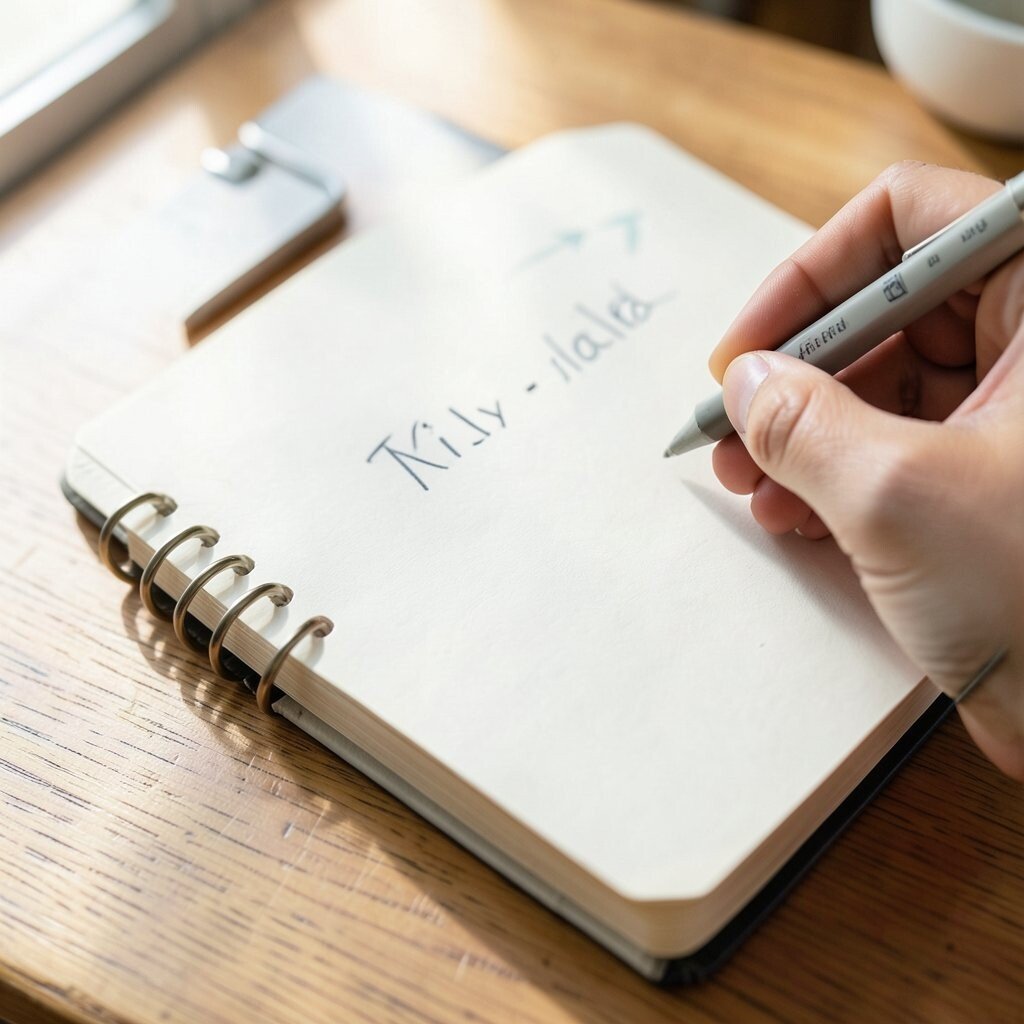
A small notebook can catch thoughts before they float away. It fits in a pocket or bag, so it is easy to use anywhere.
Write down words, doodles, color ideas, or half-made plans. This habit helps you spot patterns and build new projects from little sparks. A plain notebook is cheap, but you can also choose one with a bold cover or stickers for a personal touch.
Many people like using pocket journals because they feel simple and fast. You can also tape in ticket stubs, leaf shapes, or snack wrappers that remind you of a good moment. Over time, the pages become a map of your own style.
3. Make a Color Mood Board
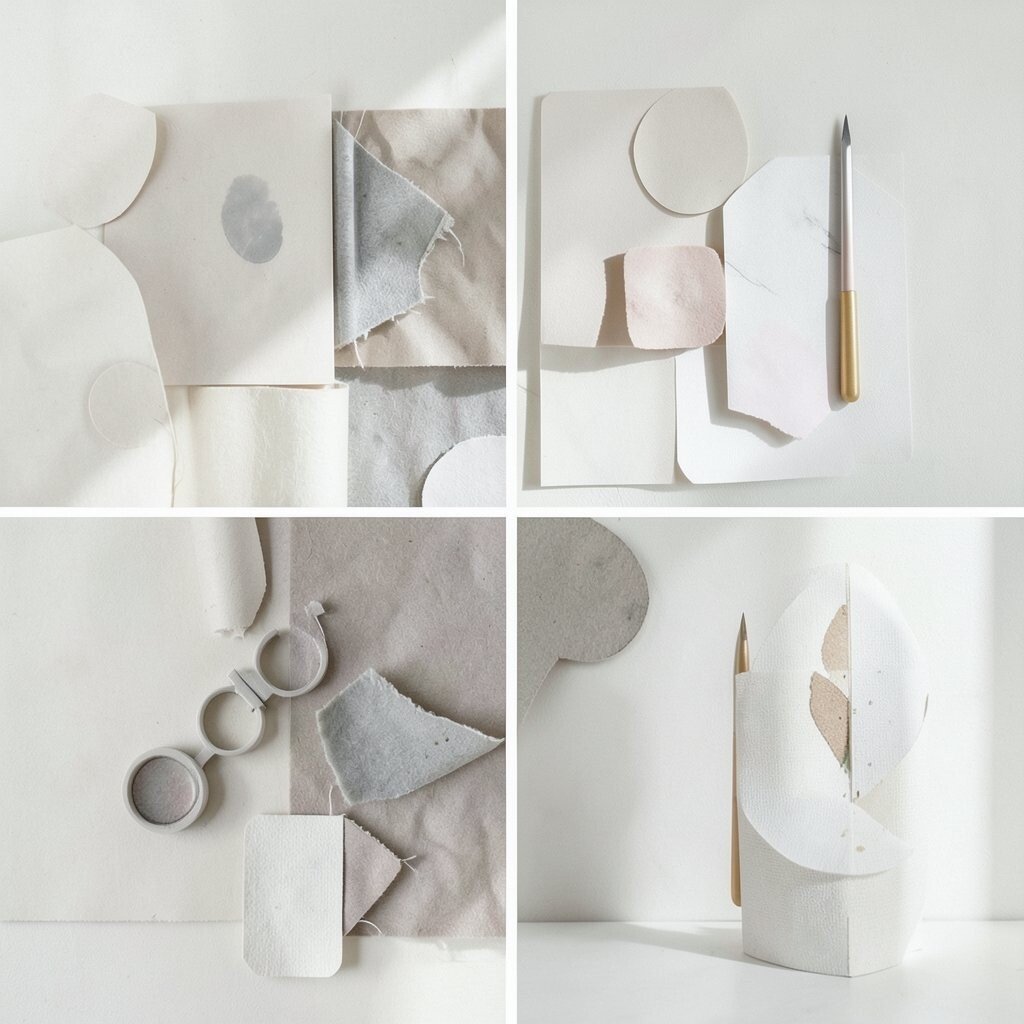
Colors can tell a story before any words appear. A board full of blues, reds, golds, or soft pastels can wake up your eyes and your mind.
Cut pictures from magazines, print photos, or save images on your phone. This can help you plan art, room decor, clothes, or even a school project with more confidence.
Use paper, corkboard, or a free app, so the cost stays low. Try mixing new color pairs that feel fresh, like mint and coral or black and cream. If you want a trendier look, add bold shapes and simple fonts for a clean modern feel.
4. Take a Walk Without a Goal

Walking with no set plan can open a door in your mind. Trees, sidewalks, clouds, and shop windows can give you little clues for new thoughts.
Leave your phone in your pocket for part of the walk. Notice signs, sounds, and textures, then jot down anything that feels interesting when you return.
5. Try a Fast Sketch Session
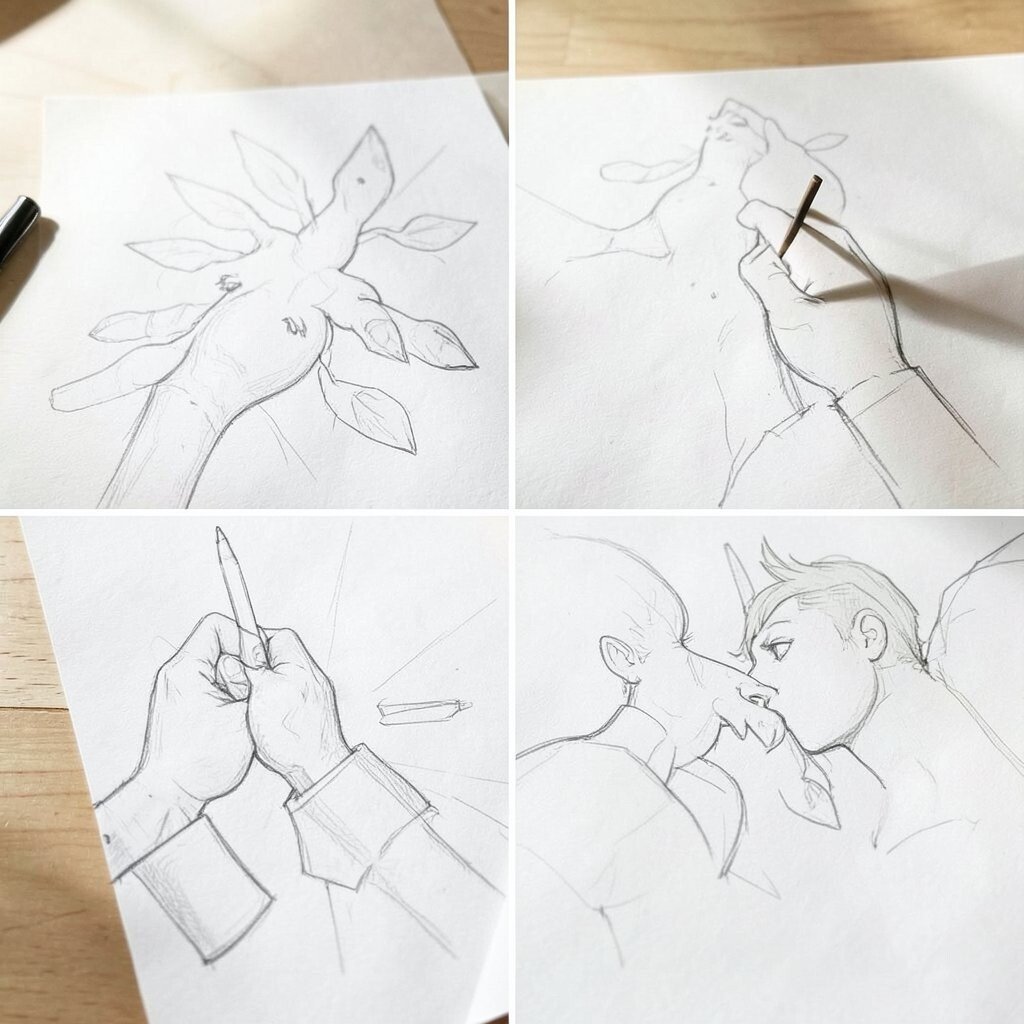
Quick sketches can free you from the need to be perfect. A messy line or silly shape often leads to a better idea than a careful drawing.
Use a pencil, marker, or tablet and set a short timer. Draw chairs, faces, shoes, clouds, or made-up creatures, and do not stop to fix mistakes. This practice builds confidence, and it costs almost nothing if you already have paper and a pen.
Many people now use digital sketch apps because they are easy to edit and share. You can make your drawings more personal with favorite colors, comic style eyes, or patterns from your own room. The best part is that each page feels like a small playground for your brain.
6. Build a Simple Inspiration Box

An inspiration box can hold tiny treasures that spark ideas later. It may include buttons, feathers, tags, postcards, ribbons, or bits of fabric.
When your mind feels blank, open the box and touch the items one by one. The shapes and textures can help you think of stories, crafts, outfits, or gift ideas.
Use a shoebox, a tin, or a clear plastic container to keep costs low. Make it your own with labels, paint, or a name that fits your style. If you like current trends, add natural items and recycled bits for a handmade look.
7. Listen to Music You Do Not Know Well

New sounds can shake loose old thinking. A song with a different beat, language, or instrument can make your mind feel awake.
Try jazz, folk, lo-fi, world music, or soft electronic tracks. As you listen, notice what pictures, moods, or colors come to mind, then use those ideas in art or writing.
Streaming apps make this easy and often free with ads. You can build a playlist for calm focus, big energy, or dreamy ideas. Many people like using music as a mood switch because it is simple and personal.
8. Rearrange One Small Thing
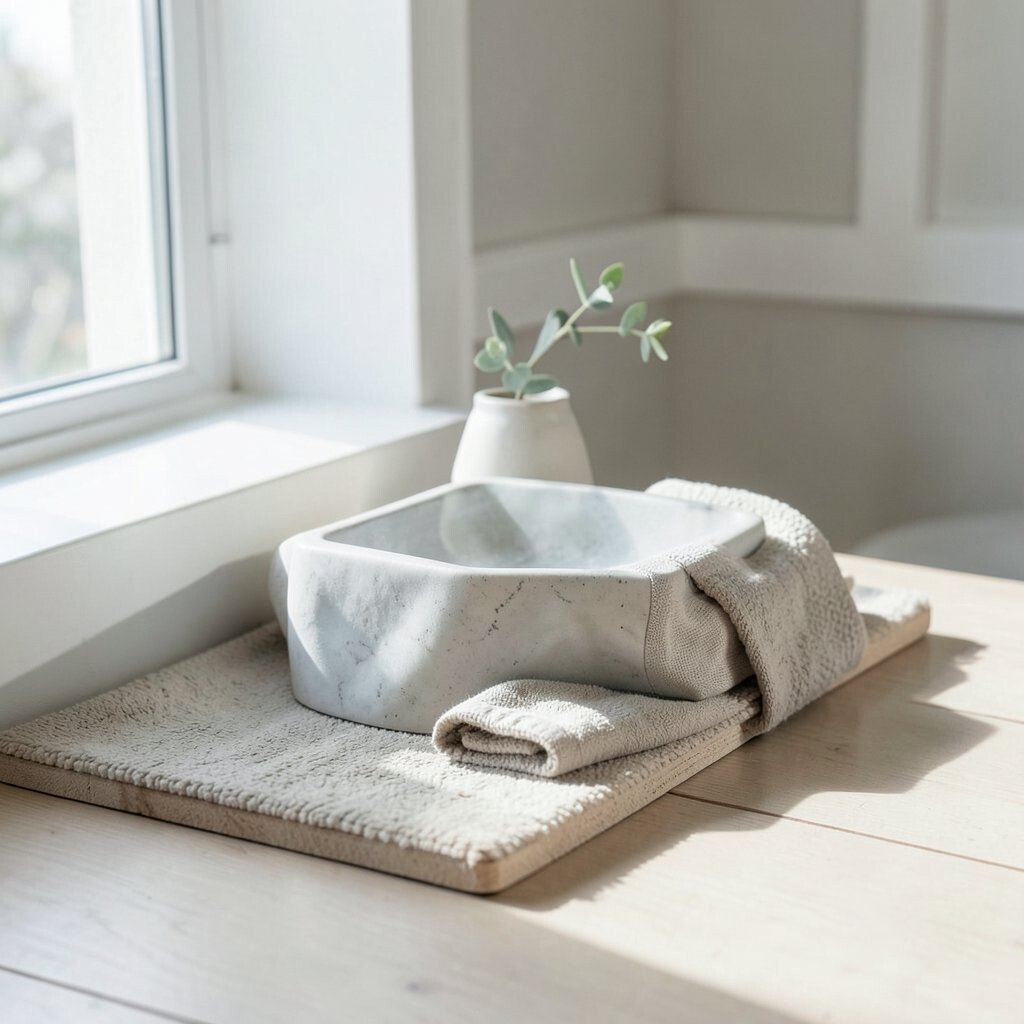
Moving just one object can make a room feel fresh. A lamp, chair, shelf, or desk item can change the whole mood of a space.
Try putting a plant near a window or stacking books in a new way. This small update can help you see your room with new eyes and may even make work feel more fun.
9. Ask Better Questions
Good questions can open doors that plain answers never touch. Instead of asking what to make, ask what would feel fun, strange, useful, or bold.
Write a list of question starters like “What if,” “How might,” and “What happens when.” These prompts can help with school projects, art, stories, and problem-solving. A notebook and pen are enough, so this idea costs almost nothing.
You can make the questions fit your life by using topics you care about, like pets, sports, games, or food. The more personal the question, the easier it is to care about the answer. This method is popular with creators who want fresh ideas without pressure.
10. Collect Interesting Words
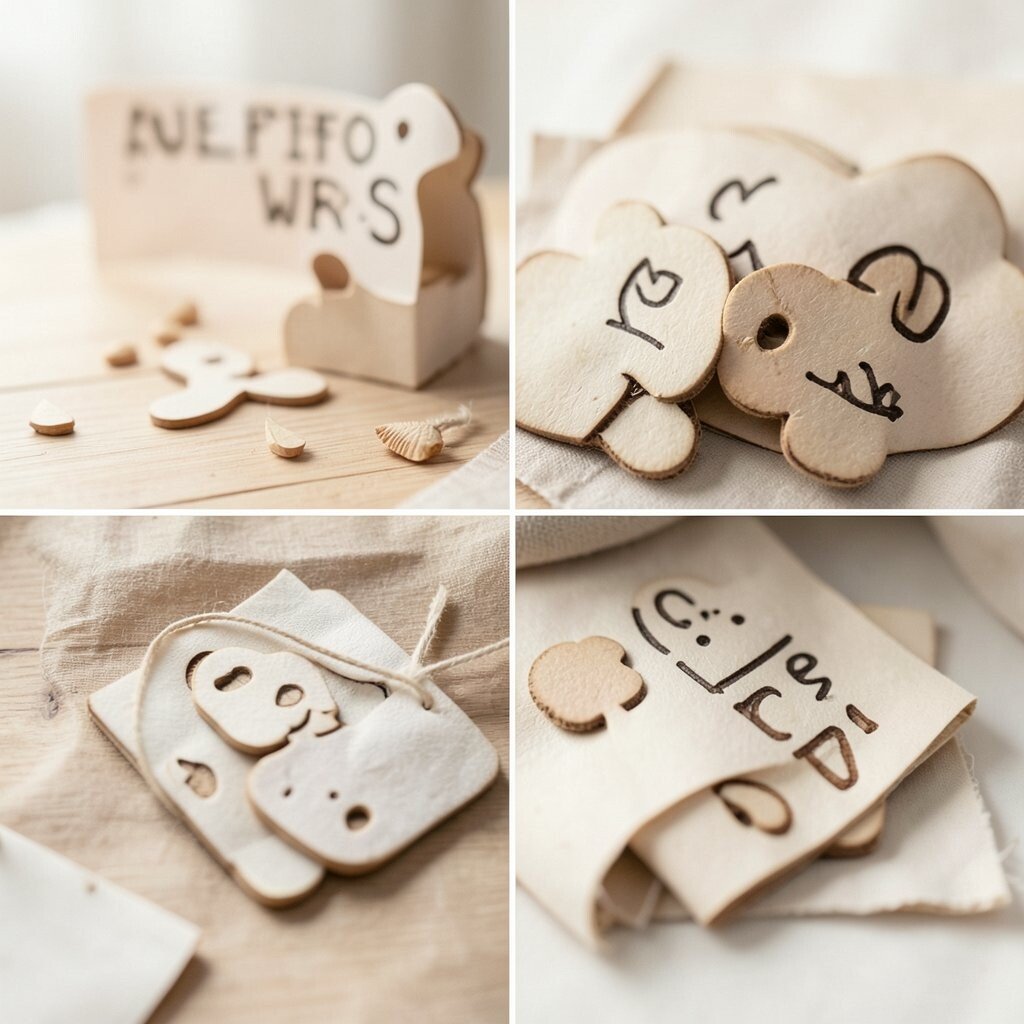
Some words sound like music all by themselves. A word can be soft, sharp, funny, or full of color.
Save words from books, signs, menus, and conversations. Later, mix them into poems, story titles, brand names, or art labels to see what happens.
A word list can live in a notebook, on sticky notes, or in a phone app. Add words that match your mood, such as cozy, brave, sparkly, or wild. This tiny habit is cheap, easy, and useful for many creative projects.
11. Make Something With Your Hands
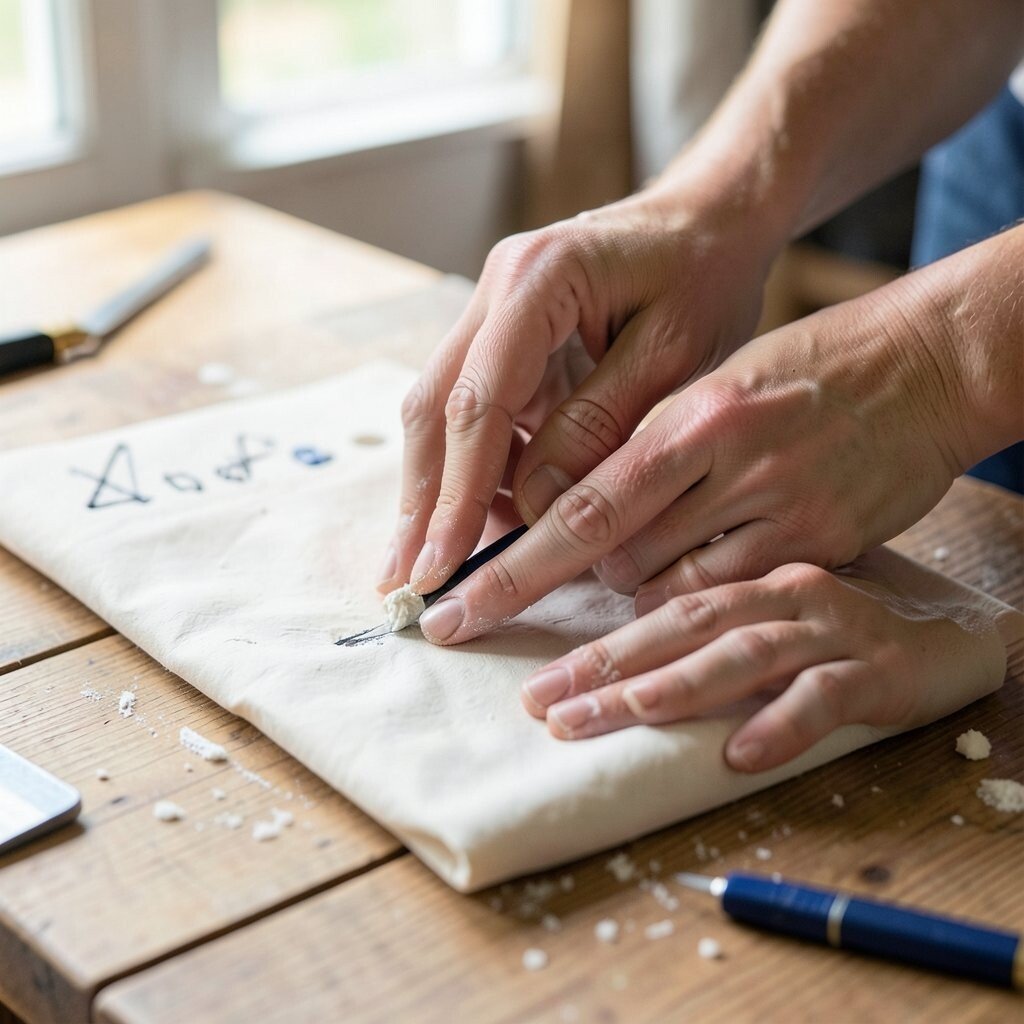
Hands-on making can wake up ideas that sit too quietly in your head. Folding paper, shaping clay, or building with sticks gives your brain something real to play with.
Try a simple craft like a paper flower, bead bracelet, or cardboard house. The act of making can lower stress and help you think in new ways.
You do not need fancy tools to start, and many supplies can come from recycling bins. Personal touches like favorite colors, doodles, or tiny symbols make each piece feel special. Handmade styles are also very popular right now because they feel warm and real.
12. Watch People and Places Carefully

Everyday life is full of tiny details that can turn into big ideas. A person’s shoes, a cafe sign, or the way rain hits a window can all spark a story.
Look at shapes, colors, movement, and posture when you are out and about. These small notes can help with drawing, writing, costume ideas, or design work.
13. Use a Random Prompt Jar
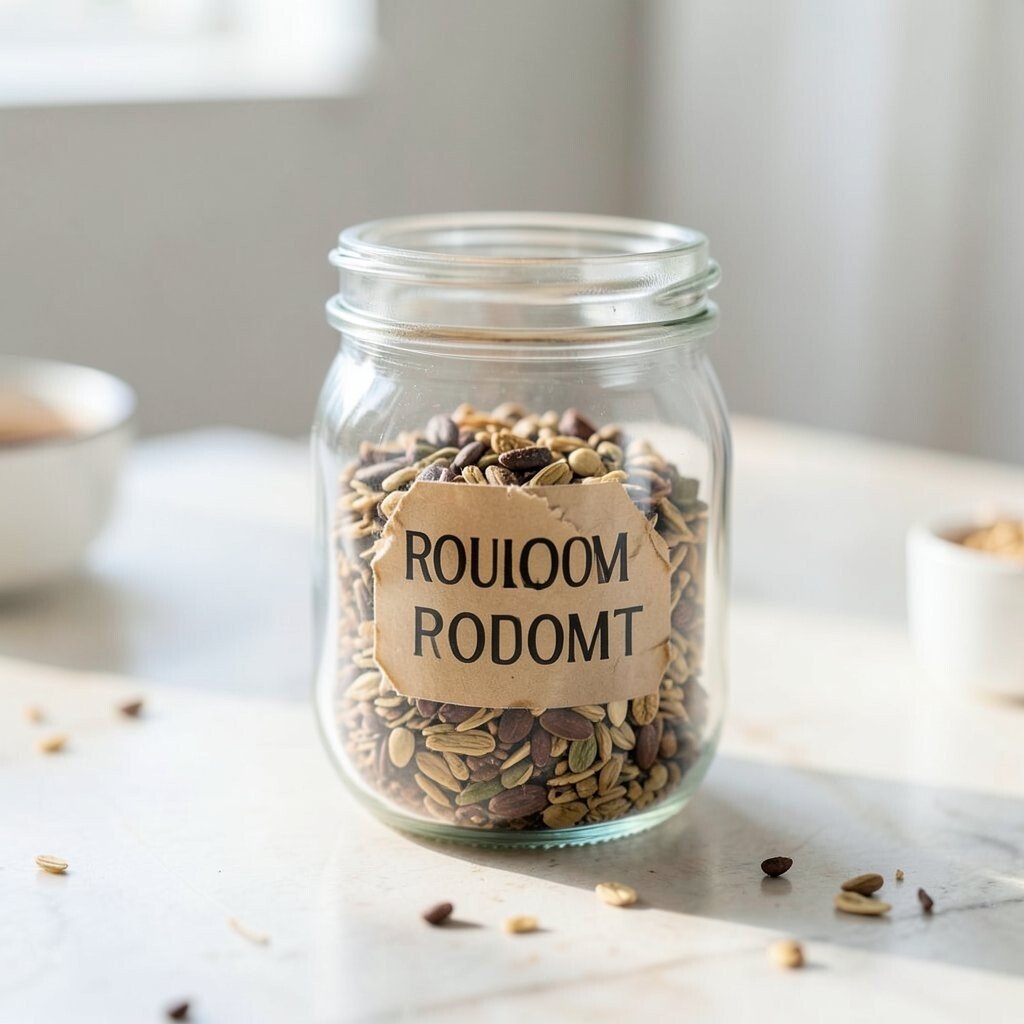
A jar full of prompts can make creativity feel playful. Pulling one slip of paper gives you a surprise starting point.
Write prompts on folded notes, then mix in action words, objects, places, and feelings. This can help you make art, write stories, plan games, or think of new class projects.
The jar itself can be a cheap cup, a mason jar, or a box from home. Make it personal by decorating it with tape, paint, or a favorite quote. Prompt jars are also a fun trend for families, classrooms, and group activities.
14. Try a New Food or Flavor

New tastes can wake up sleepy ideas. A sour candy, spicy sauce, or fruit you have never tried can make your senses pay attention.
Think about the color, smell, and texture as you taste it. Those details can inspire story scenes, art palettes, or fun product ideas.
15. Build a Mini Routine for Creative Time
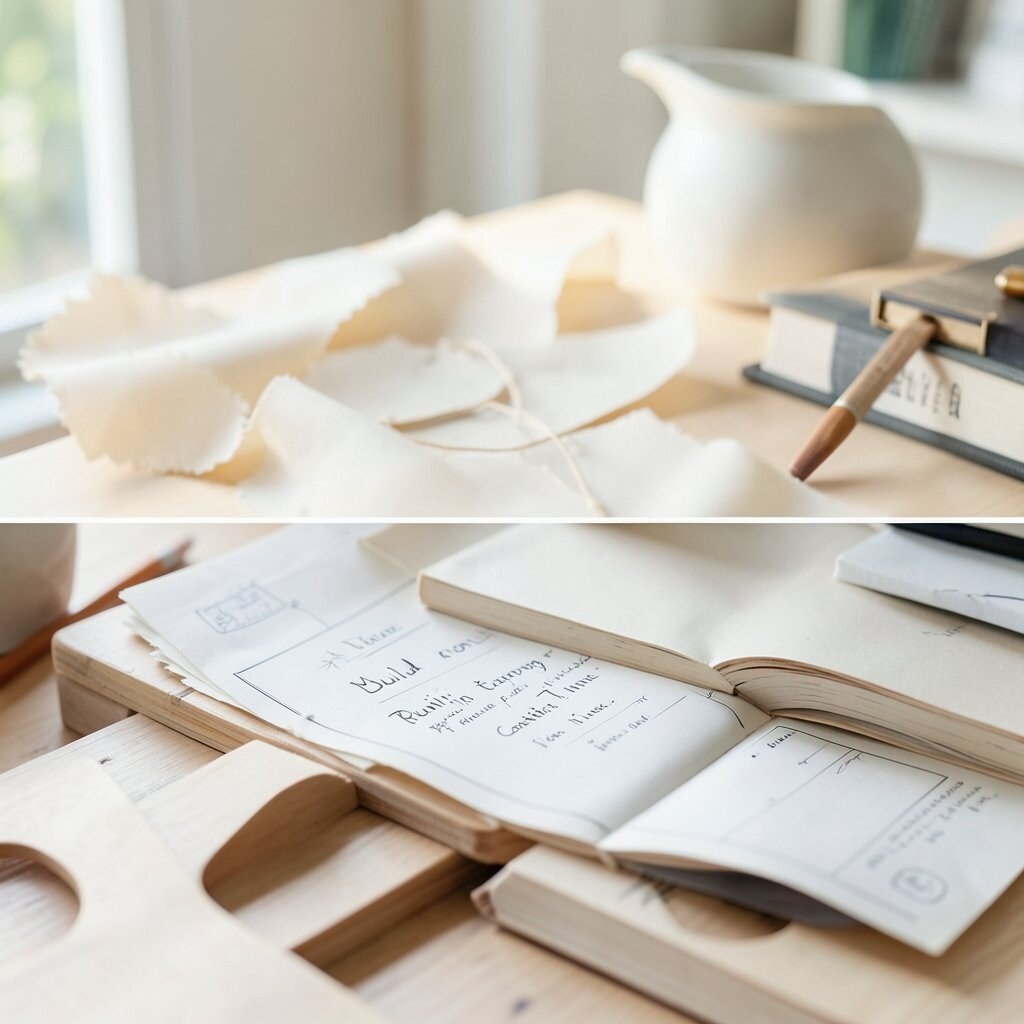
A small routine can tell your brain it is time to make something. Lighting a lamp, pouring tea, or opening a notebook can become a creative signal.
Keep the routine simple so it feels easy to repeat. A steady habit helps ideas arrive faster because your mind knows what to expect.
This can cost almost nothing if you use things you already own. Add a candle, a special pen, or a soft playlist to make the moment feel yours. Many people like this trend because it turns creativity into a friendly daily habit.
16. Change the Way You Hold Your Phone or Camera
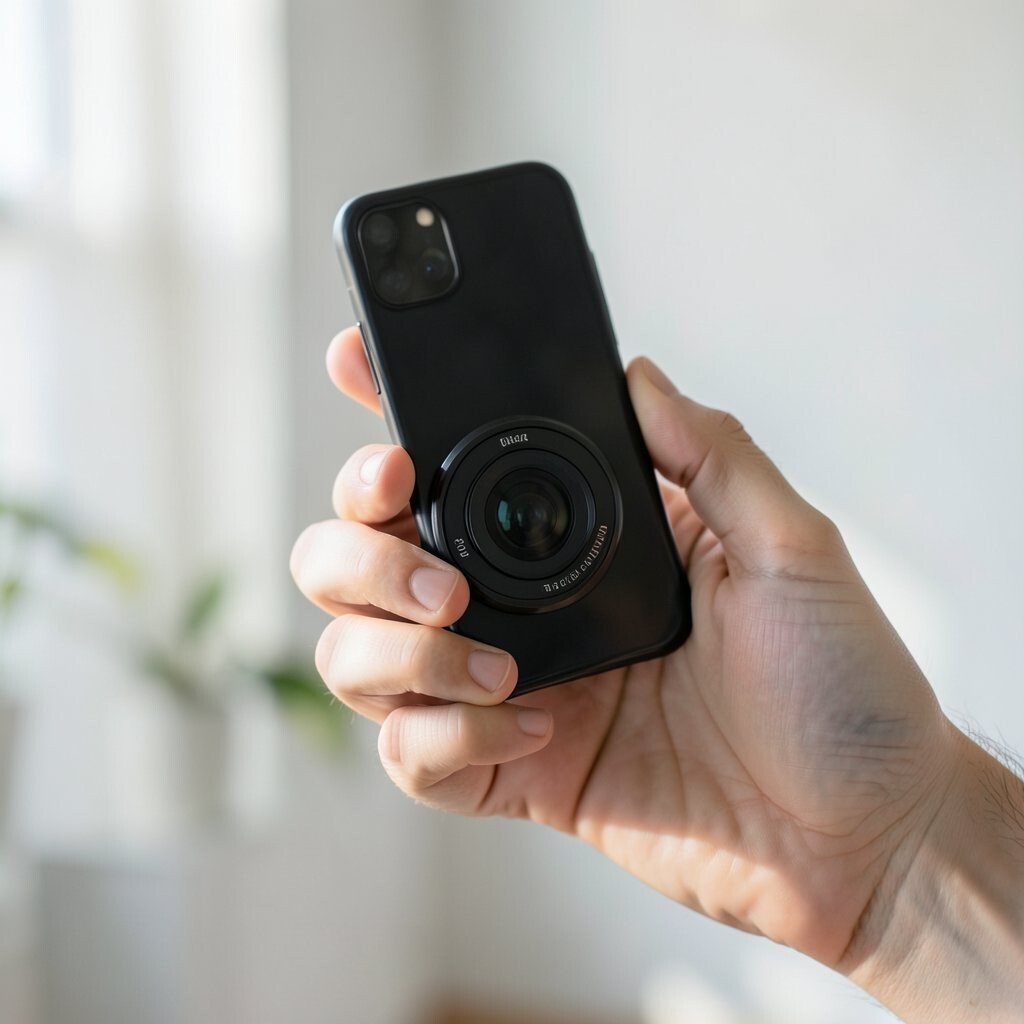
A new angle can make familiar things look exciting. Hold your camera low, high, sideways, or close to the ground and see what changes.
Take pictures of shadows, door handles, leaves, or puddles. These fresh views can help with art, social posts, scrapbooks, and design plans.
17. Make a Story From Three Random Things

Three odd items can build a whole world. A bicycle, a moon, and a sandwich might sound silly, but they can start something amazing.
Pick three objects and connect them with a person, place, or problem. This game works well for writing practice and can also help you think in new ways for art or games.
You can use real objects from your desk or pictures from magazines, so the cost stays low. Add your own twist by choosing items that match your hobbies, like a soccer ball, a dragon, and a backpack. This playful method feels simple, but it often leads to surprising results.
18. Try a Different Art Tool
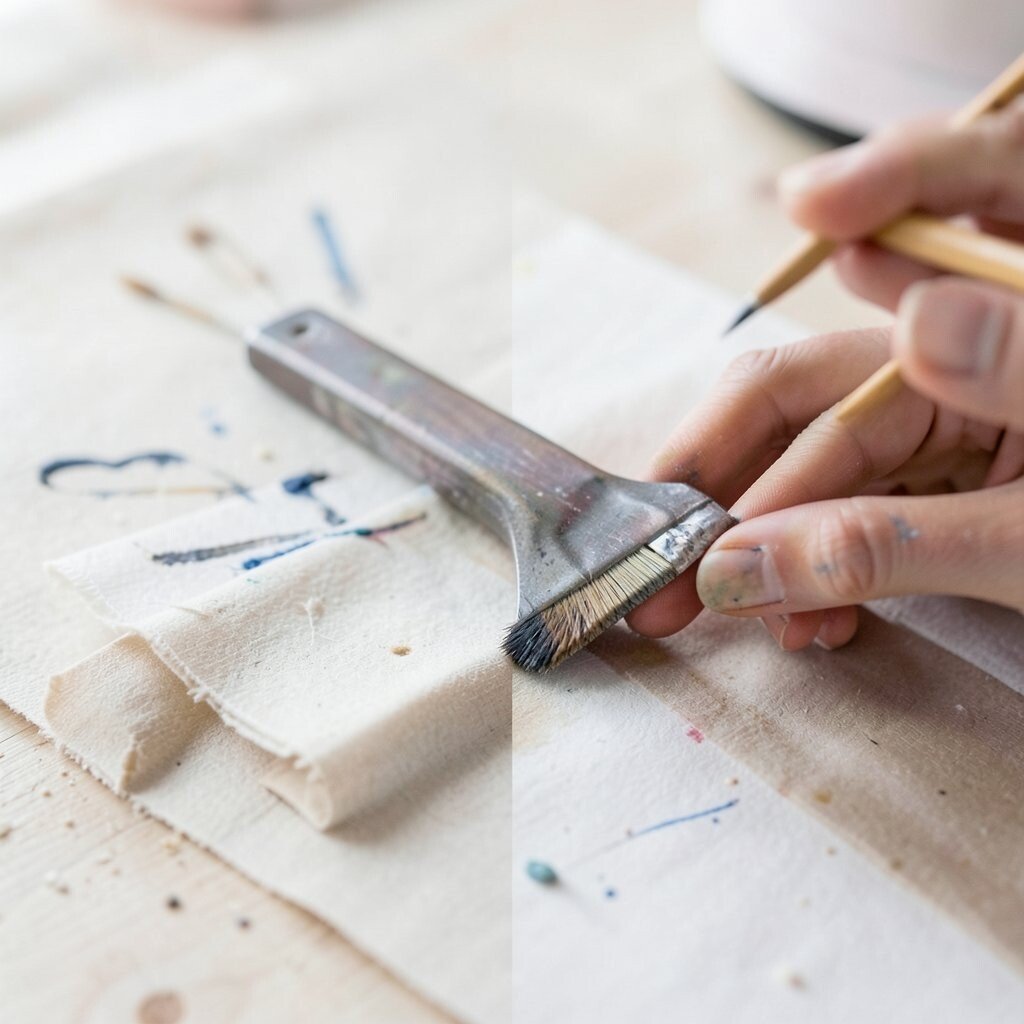
Switching tools can change your style fast. A crayon, marker, brush pen, charcoal stick, or digital pen can all make a very different mark.
New tools can help you break habits and think in fresh shapes. You may find a texture or line that feels more like you than your usual choice.
19. Keep a “What If” Wall
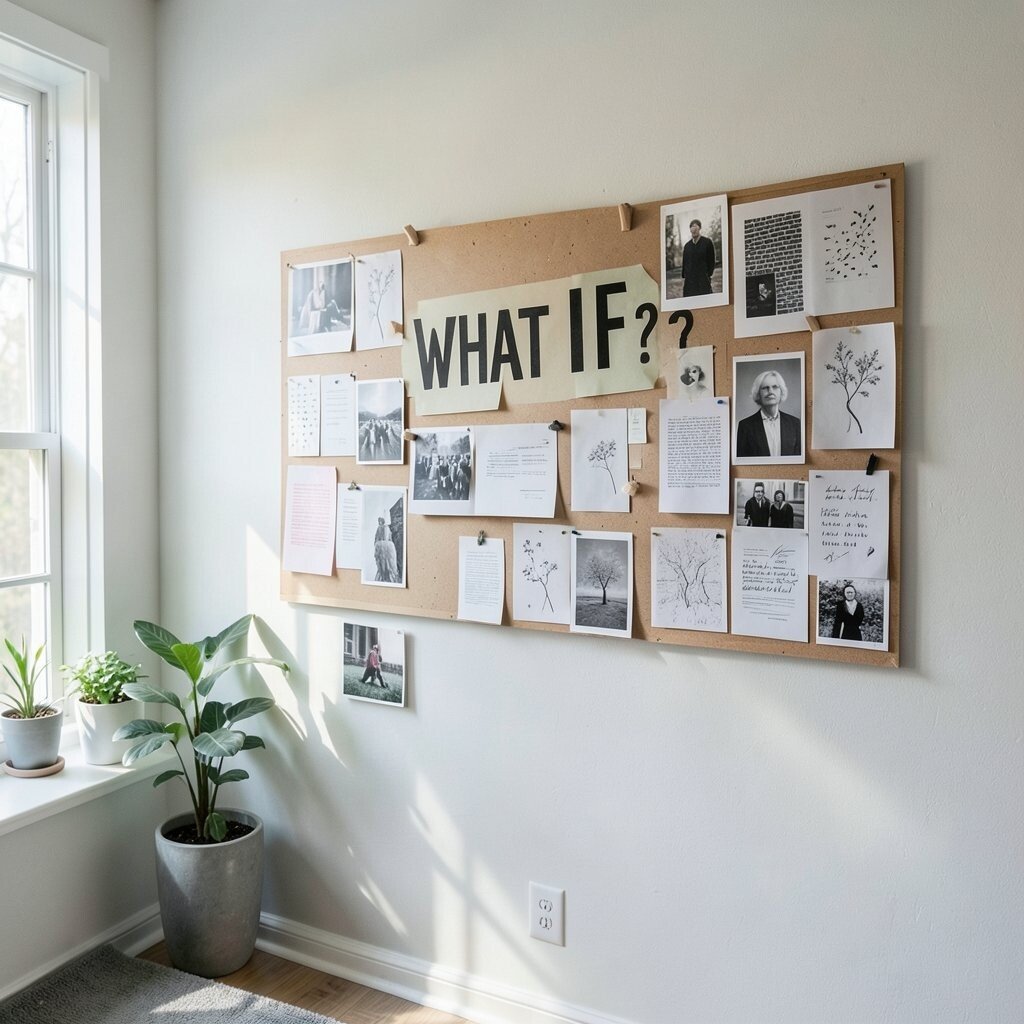
A wall full of questions can keep your mind active all day. Sticky notes, cards, or taped paper can make the space look bright and alive.
Write questions like “What if plants could talk?” or “What if shoes changed color?” These ideas can lead to stories, drawings, inventions, and games.
This setup can be very cheap if you use notes and tape from home. Make it personal by using colored paper, doodles, or your own favorite themes. It also fits the current love for visual planning and idea walls.
20. Take Photos of Ordinary Things
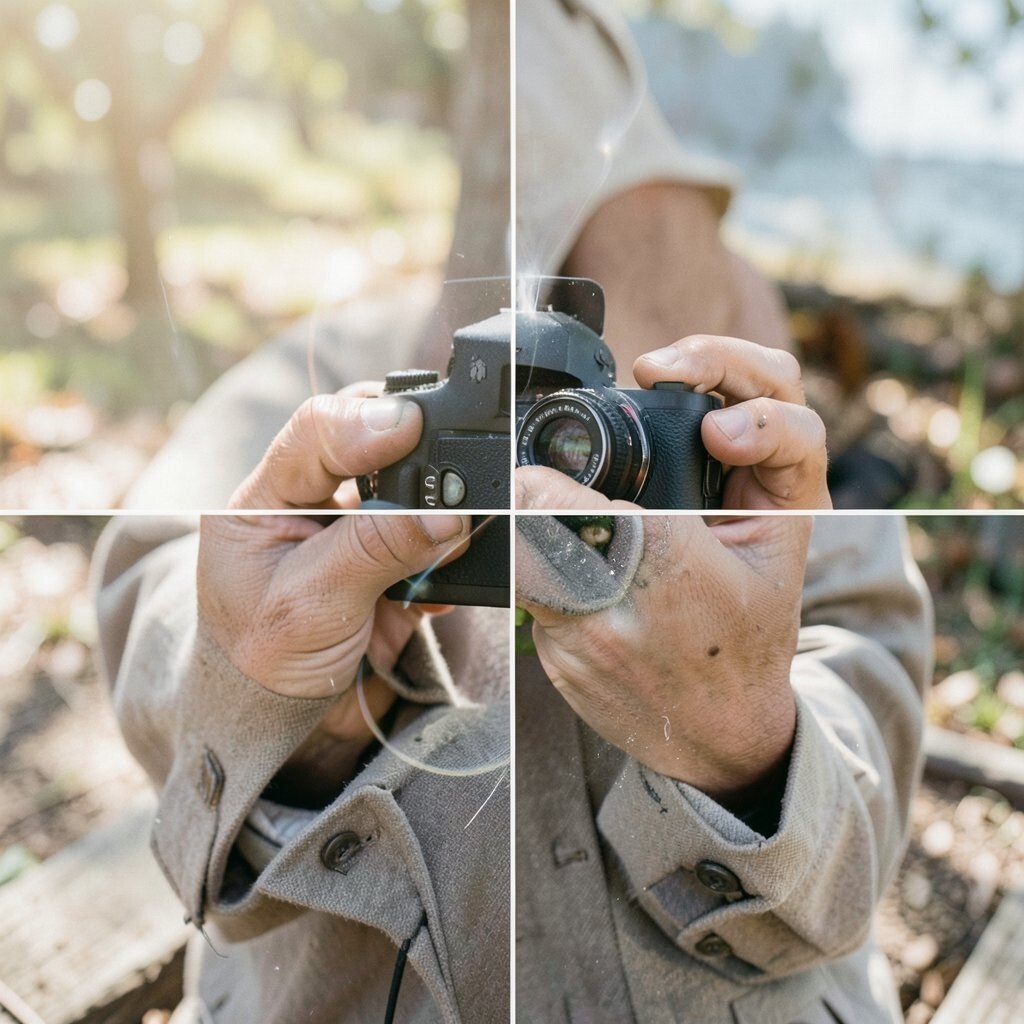
Simple objects can look magical through a camera lens. A spoon, a stair rail, or a crumpled wrapper can become art with the right light.
Try close-ups, shadows, reflections, and bright colors. These photos can inspire posters, mood boards, story scenes, or social media posts.
21. Build With Recycled Materials
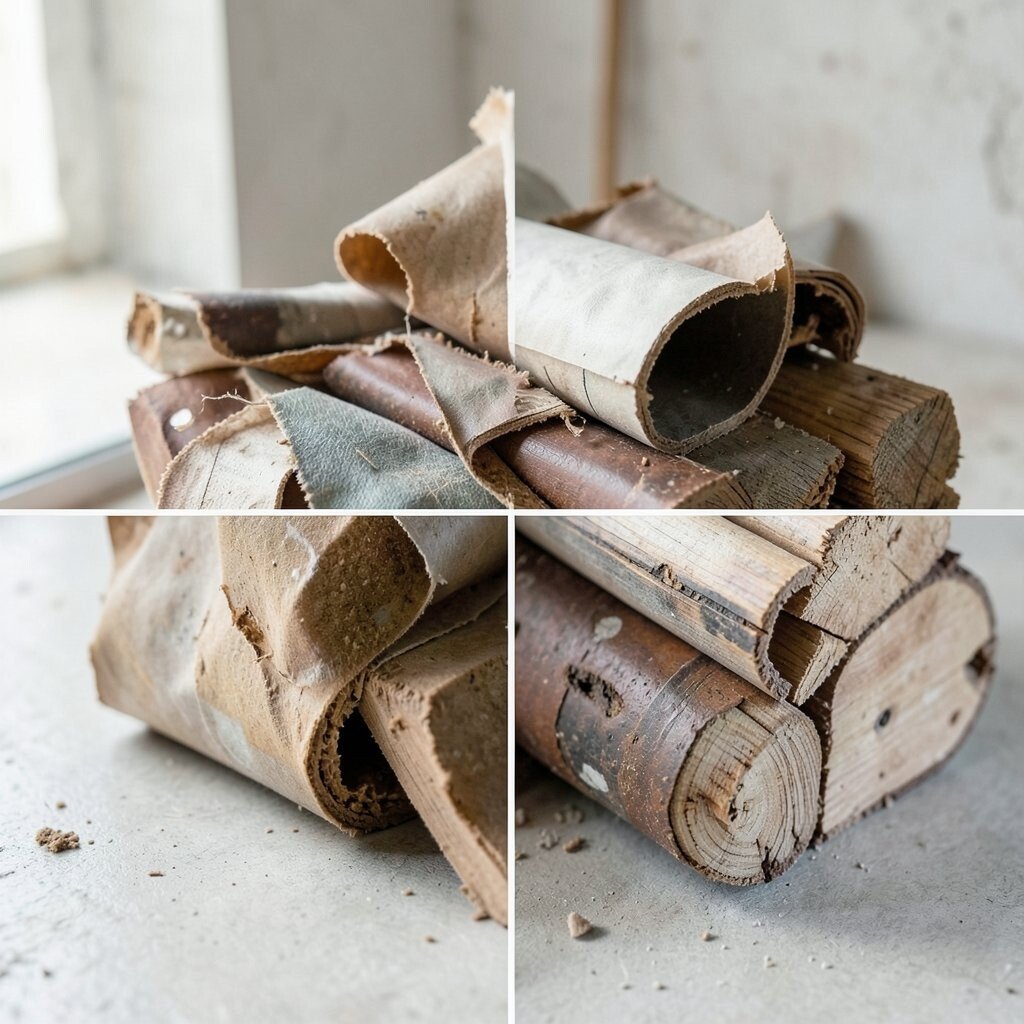
Boxes, bottles, paper rolls, and jars can turn into something new. Recycled making is fun because every piece already has a shape and a past.
Use tape, glue, paint, or string to create models, organizers, or art pieces. This choice saves money and helps the planet at the same time.
You can make it personal by choosing a theme like space, ocean, animals, or city life. Many crafters like this trend because it feels smart, creative, and a little bit eco-friendly. The rough edges and mixed textures often make the final piece look more interesting than store-bought items.
22. Teach Someone Else a Skill

Teaching can help you see your own ideas more clearly. When you explain how to do something, you often notice new steps and new possibilities.
Show a friend how to draw a face, make a paper plane, or organize a desk. The act of sharing can build confidence and may even spark a joint project.
23. Set Up a Daily Curiosity Moment

A short moment of curiosity can keep your mind fresh. Ask one small question each day and follow it with a quick search, sketch, or note.
Use that moment to look up a plant, a tool, a place, or a weird fact that catches your eye. This habit can lead to stories, science ideas, art themes, or new hobbies.
It costs nothing to start, and it works best when you make it personal. Choose topics that match your life, like animals, fashion, games, food, or weather. A daily curiosity habit fits the way many people create now, with short bursts of learning and lots of quick inspiration.