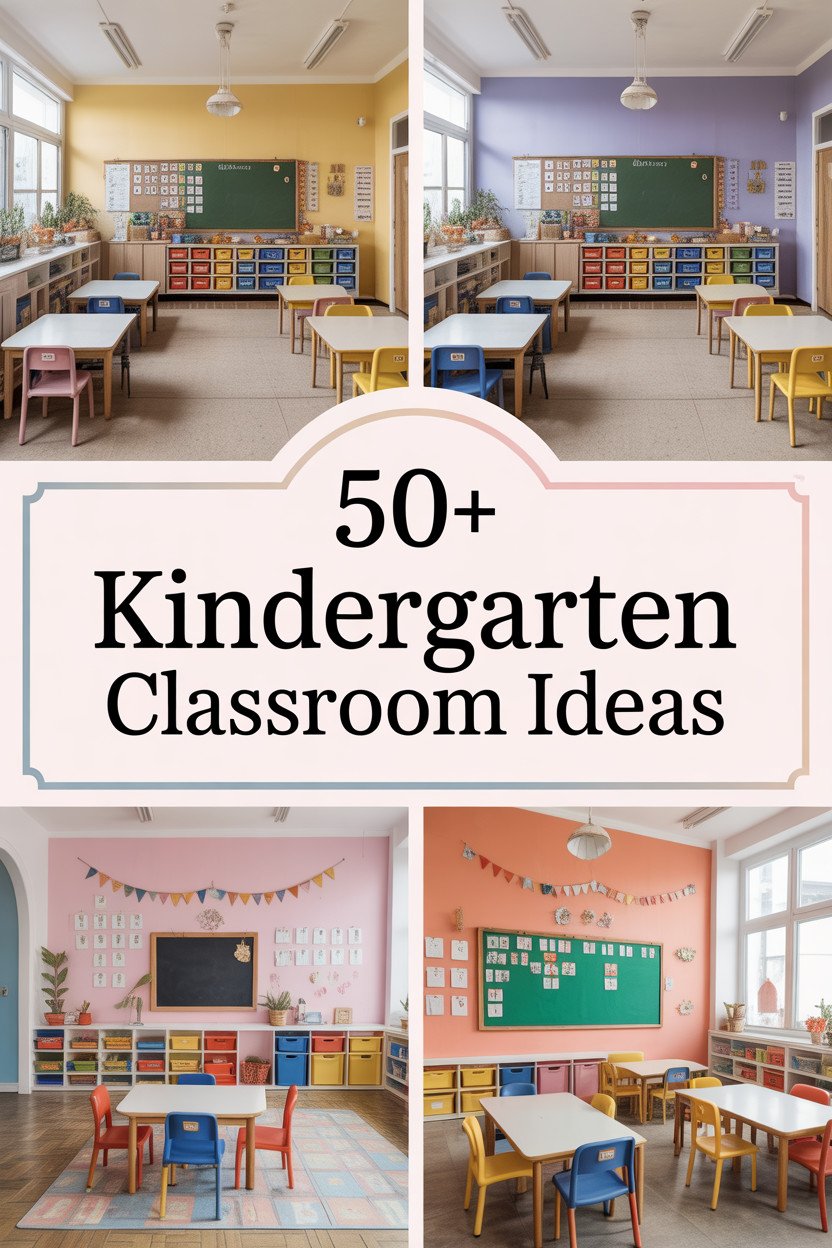
Imagine a world where classrooms are vibrant havens of creativity and fun. A place where every corner inspires young minds to think, play, and learn. From cozy reading nooks to interactive art stations, the possibilities are endless and delightful.
1. Cozy Reading Nook
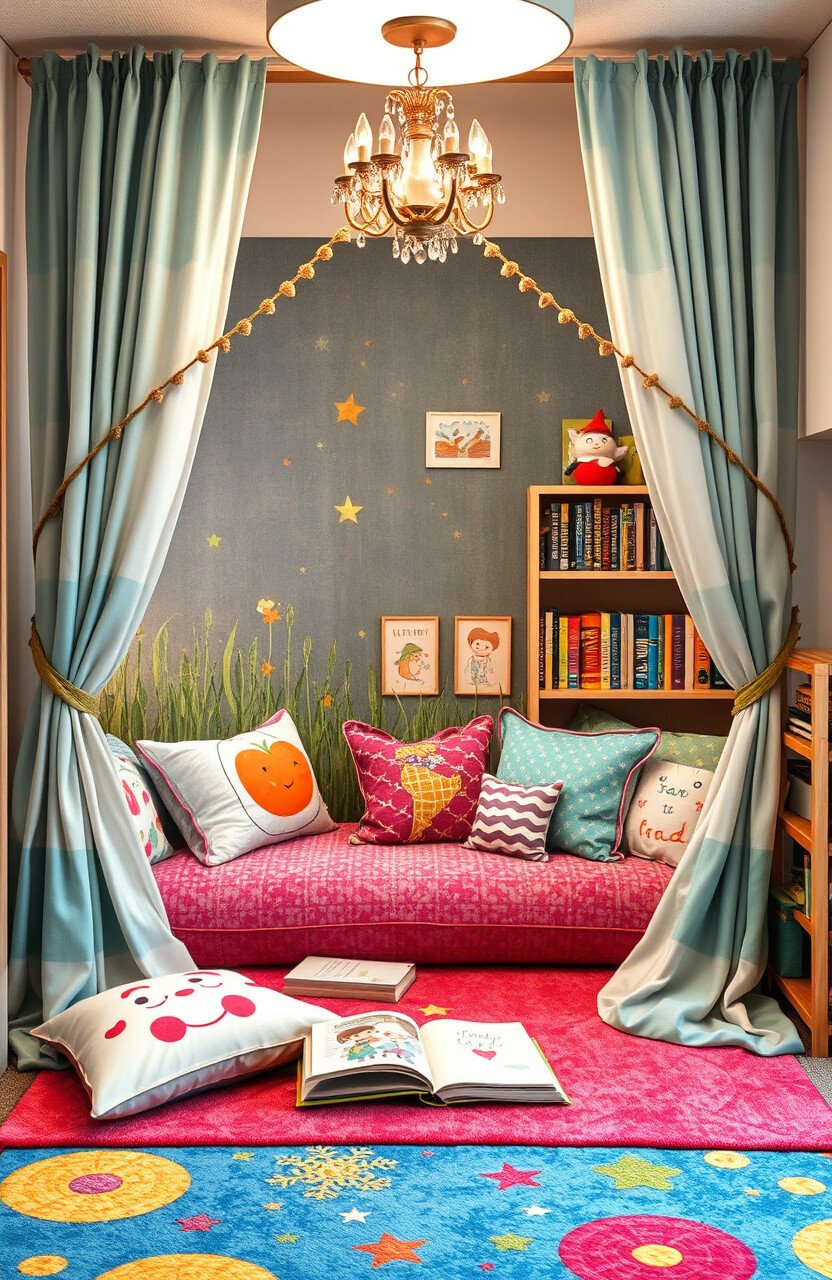
A cozy reading nook is a magical corner filled with soft cushions and colorful rugs where children can escape into stories. It invites kids to explore books in a comfy setting.
Creating such a nook encourages a love for reading and gives children a sense of adventure. It’s a great way to foster imagination.
Use vibrant colors and themes like under the sea or enchanted forest to make it unique. Personalize it with name tags or book suggestions.
Cost-effective options include DIY cushions and repurposed shelves. Consider using curtains for a whimsical touch.
2. Interactive Art Wall
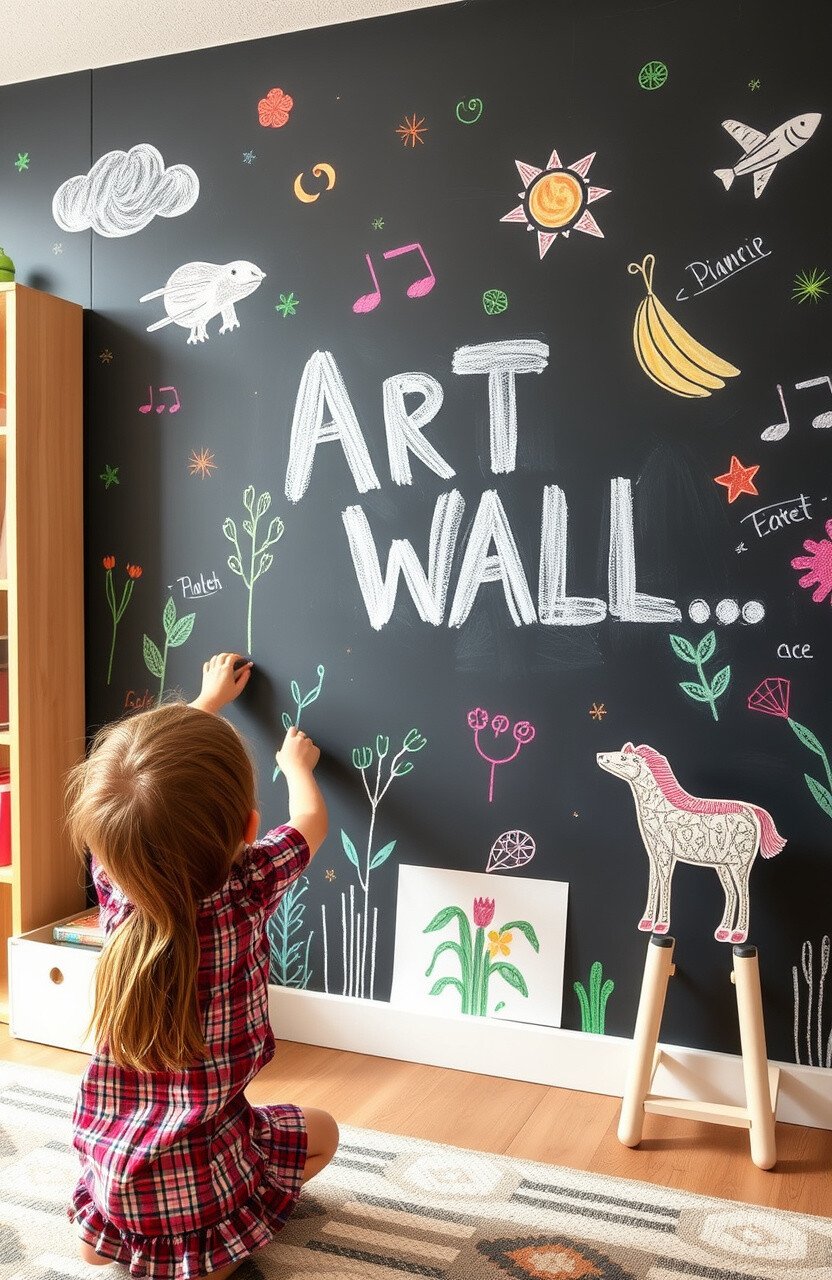
An interactive art wall lets children express their creativity freely using chalk, markers, or paint. It’s a dynamic space that evolves with their imagination.
This wall boosts creative confidence and fine motor skills. It’s a canvas for endless possibilities.
Incorporate themes like seasons or animals to keep it fresh and exciting. Encourage kids to contribute their artwork.
Affordable ideas include chalkboard paint or removable wallpaper. Keep it flexible for easy updates.
3. Nature Exploration Station
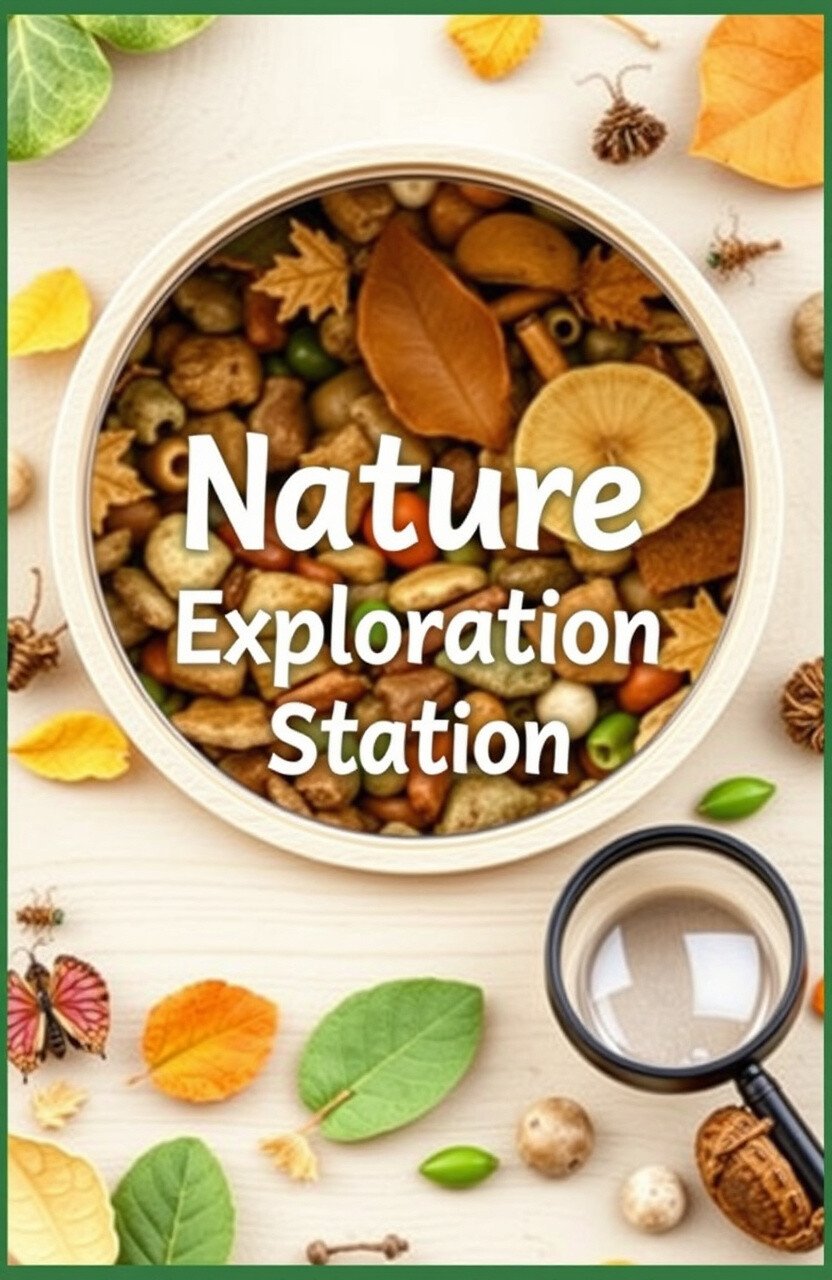
A nature exploration station brings the outdoors inside, with leaves, rocks, and magnifying glasses. It’s a mini world for curious minds.
This station encourages scientific thinking and appreciation for nature. Kids learn about the environment through hands-on discovery.
Make it unique with seasonal displays or themed weeks, like insects or plants. Engage kids with fun facts and challenges.
Use natural materials and thrift store finds to keep costs low. Rotate items to maintain interest.
4. Sensory Play Area
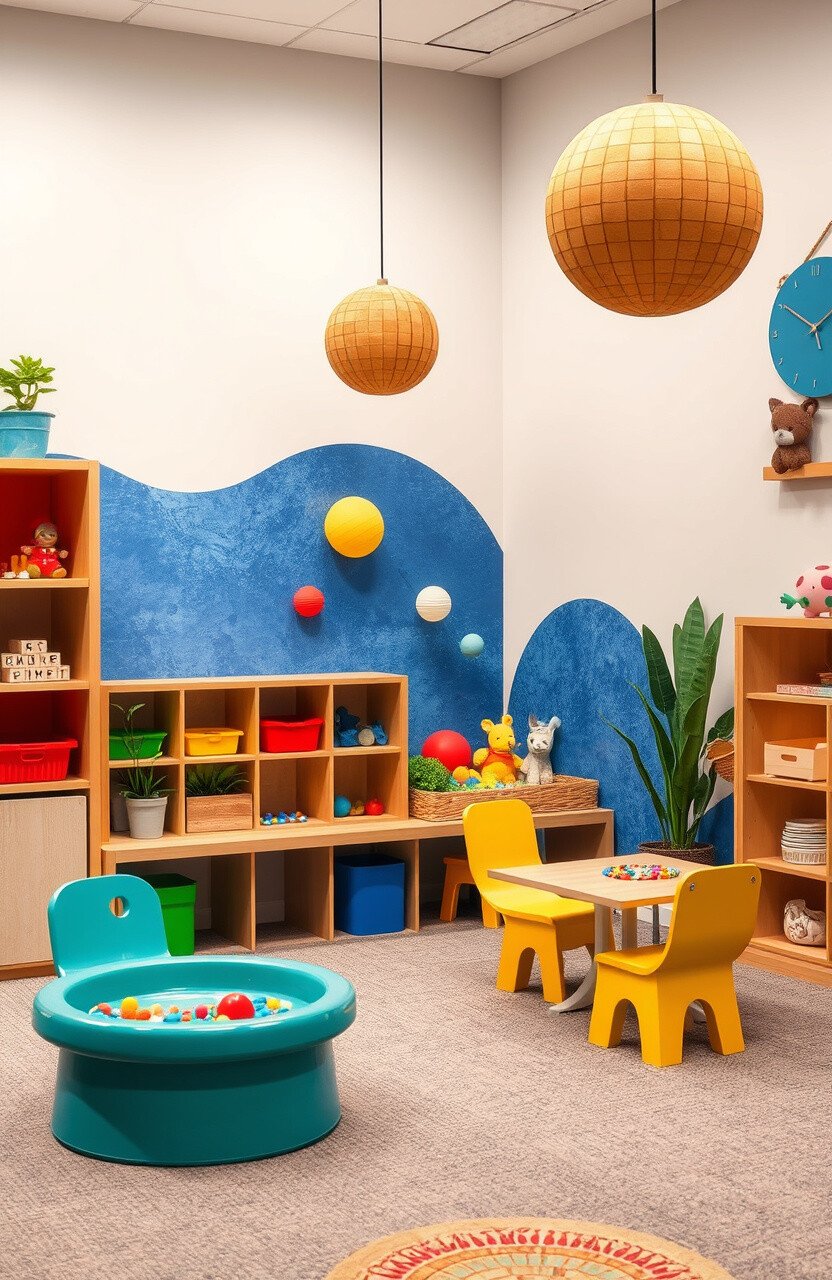
A sensory play area is filled with textures, colors, and sounds that stimulate young minds. It’s a feast for the senses.
This space enhances sensory development and cognitive skills. It’s a place for kids to explore and learn through play.
Personalize it with themes like outer space or jungle adventure. Incorporate sensory bins with different materials.
Cost-effective sensory items can be homemade or repurposed household items. Keep it fresh by changing themes periodically.
5. Dramatic Play Corner
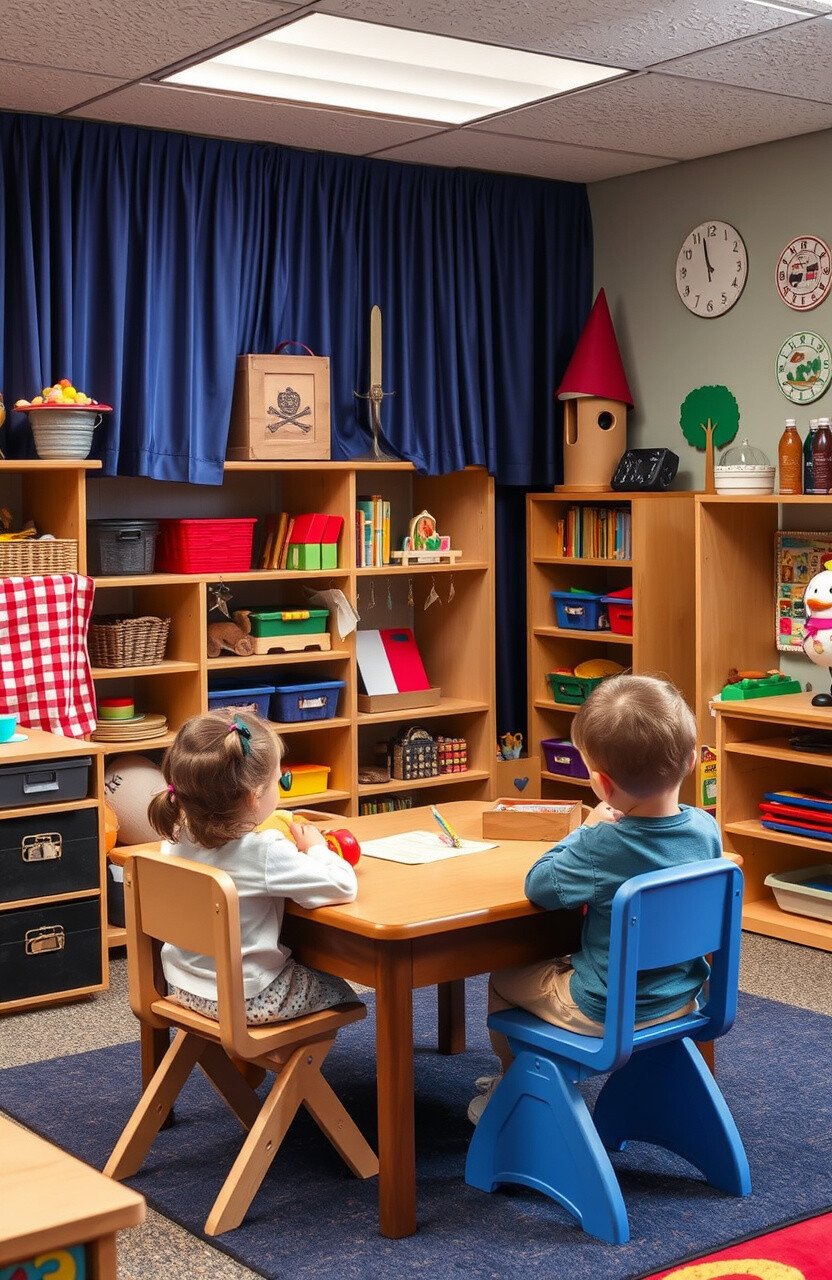
A dramatic play corner is a stage where kids become chefs, astronauts, or anything they dream of. It’s a world of imagination.
Such play boosts social skills and creativity. It’s a space where stories come to life.
Unique themes like a pirate ship or fairy tale castle make it exciting. Provide costumes and props to enhance play.
Thrift stores are a treasure trove for costumes and props. Rotate themes to keep it engaging.
6. STEM Challenge Zone
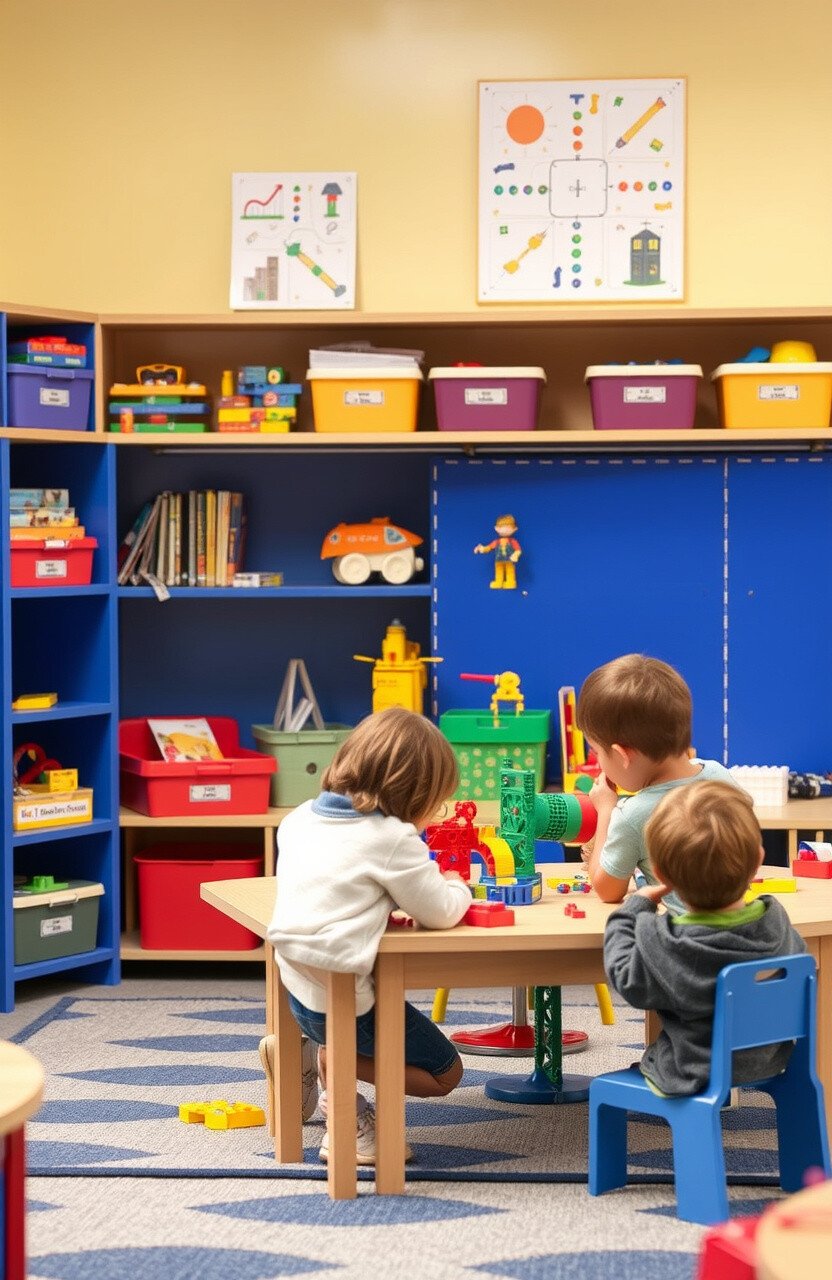
A STEM challenge zone encourages problem-solving with building blocks, gears, and puzzles. It’s a playground for budding engineers.
This zone fosters critical thinking and collaborative skills. It’s a hub for innovation and experimentation.
Incorporate challenges like bridge building or marble runs to spark interest. Encourage teamwork and creativity.
Reuse materials from home and use printable challenges to keep costs down. Keep it adaptable for new ideas.
7. Music and Movement Area
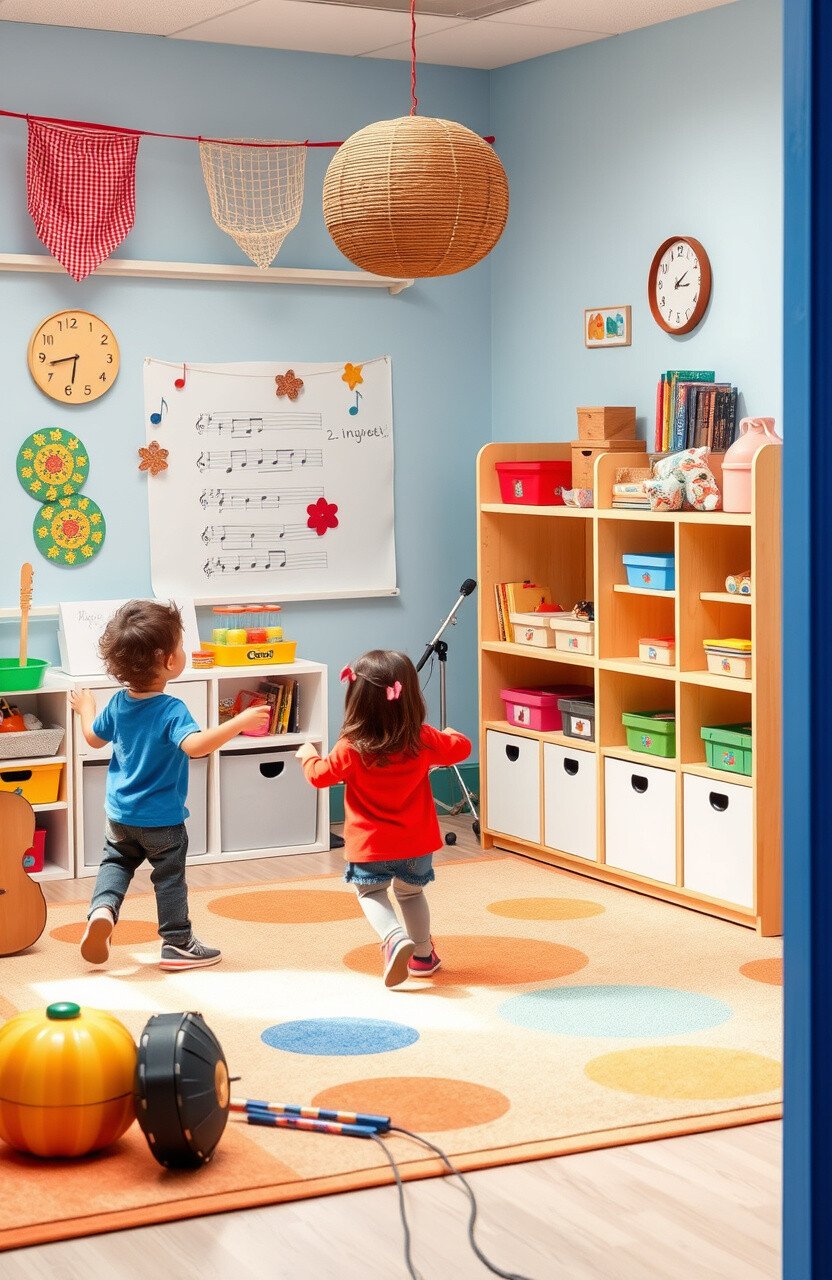
A music and movement area gets kids grooving with instruments and dance. It’s a lively corner for rhythmic fun.
This area promotes physical coordination and musical interest. It’s where rhythm and joy meet.
Create themed playlists or dance challenges to keep it vibrant. Provide simple instruments like tambourines or maracas.
DIY instruments and free dance videos make it budget-friendly. Rotate music styles to keep it fresh.
8. Language and Literacy Corner
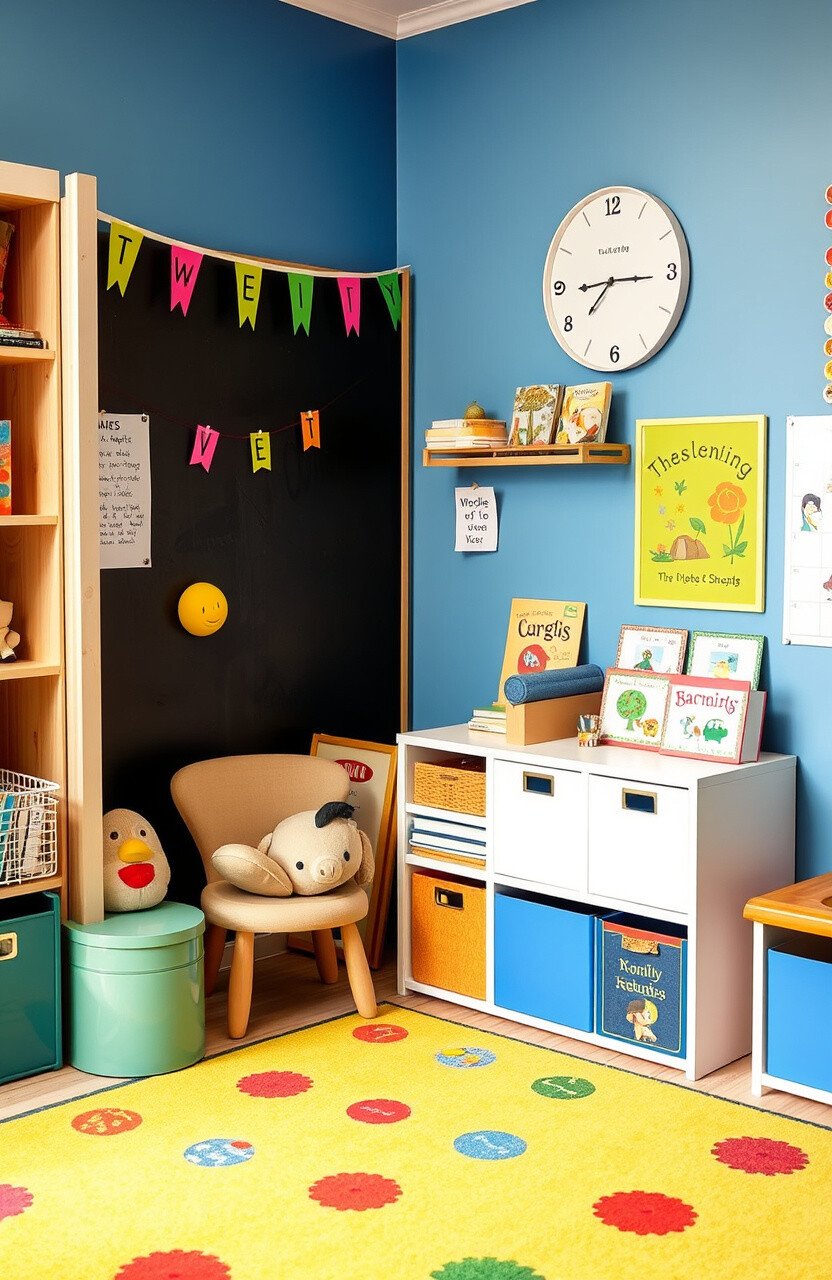
A language and literacy corner is a word-rich environment with story prompts and alphabet games. It’s a space for linguistic growth.
This corner enhances vocabulary and reading skills. It’s a gateway to language exploration.
Incorporate storytelling sessions or word hunts for a unique touch. Use props and puppets to bring stories alive.
Printable resources and DIY word games keep it economical. Update themes to match classroom lessons.
9. Kindness Tree
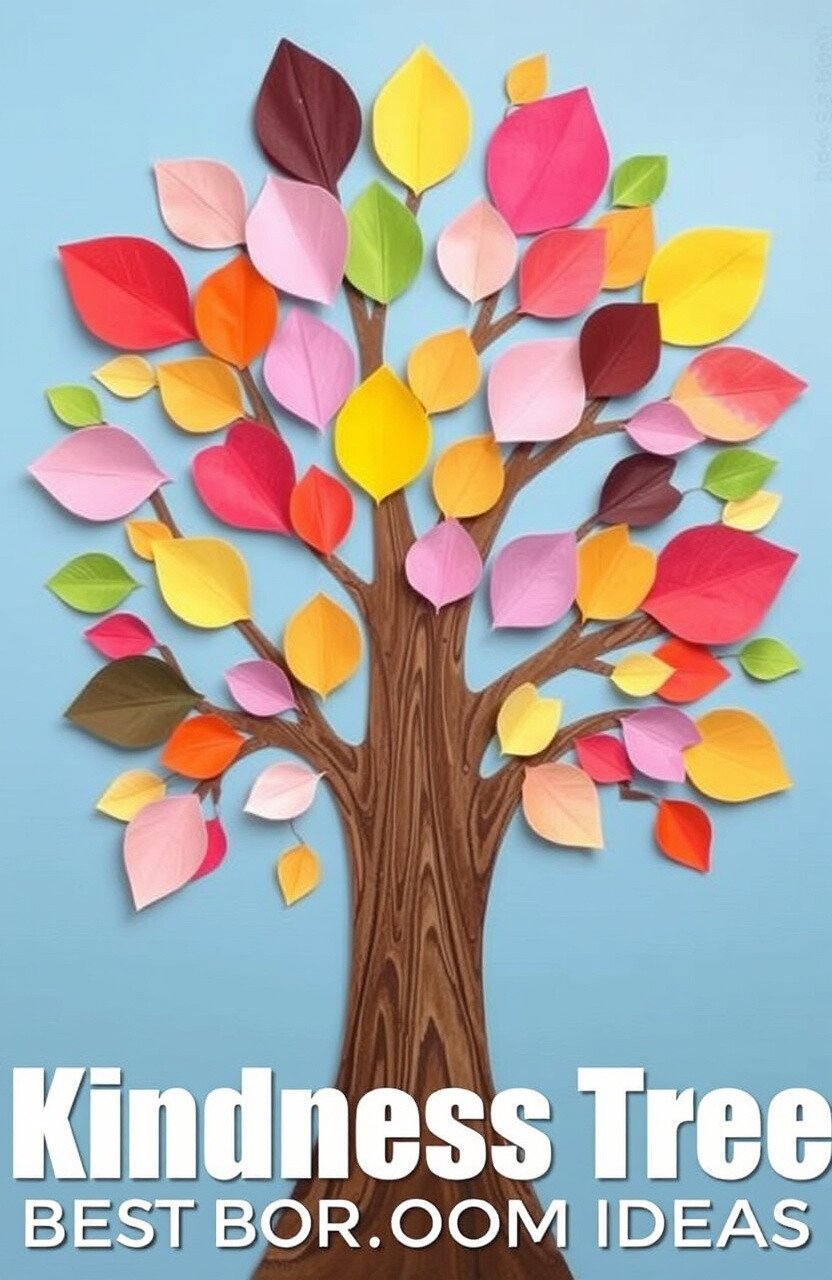
A kindness tree is a visual reminder of good deeds, with leaves representing acts of kindness. It’s a tree that inspires positivity.
This tree fosters a caring classroom environment. It encourages empathy and social skills.
Customize it with seasonal decorations or themes like friendship. Encourage kids to add their kind acts to the tree.
Use paper leaves and craft supplies for a low-cost setup. Keep it evolving with new kindness challenges.
10. Math Fun Zone
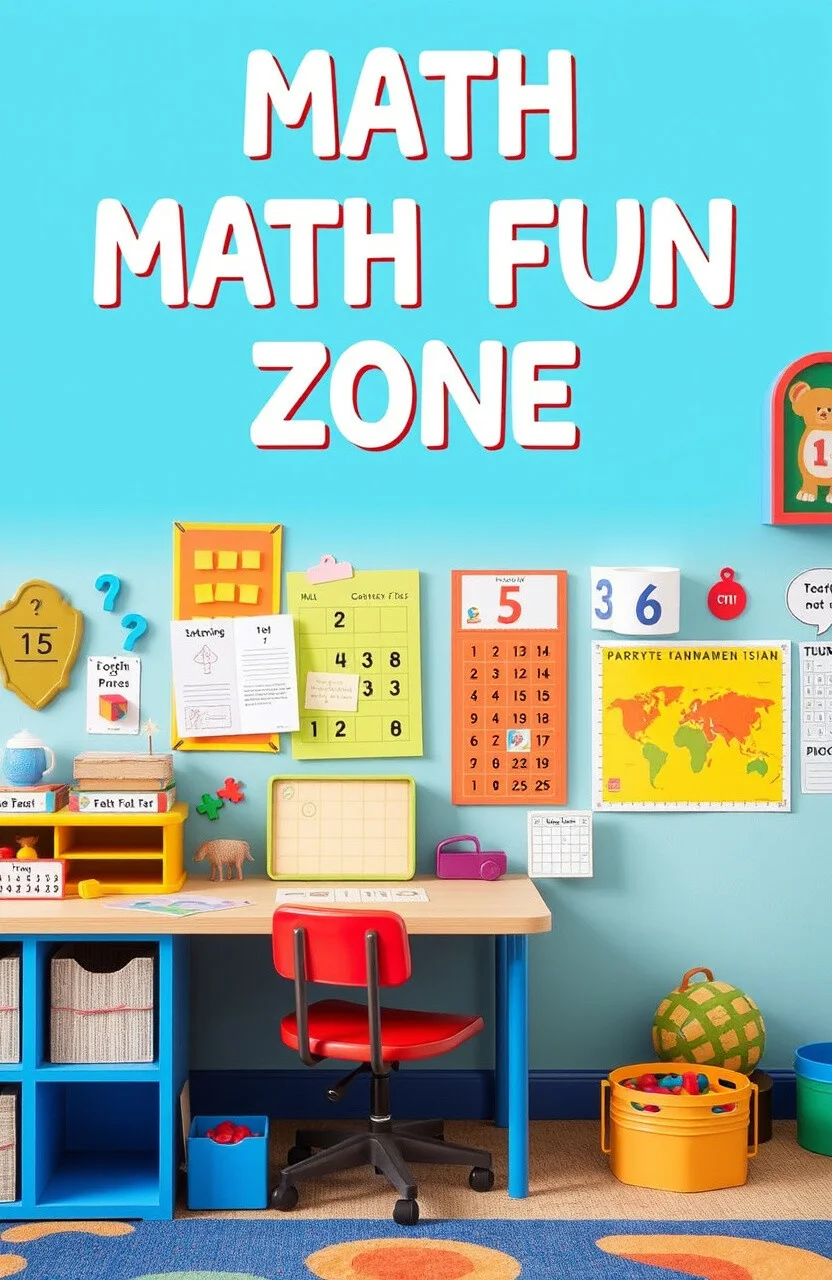
A math fun zone is filled with number games, puzzles, and manipulatives. It’s where math becomes a playful adventure.
This zone supports numeracy skills and logical thinking. It makes math an exciting challenge.
Incorporate math-themed weeks or interactive games for a unique twist. Use everyday objects as learning tools.
Printable resources and homemade games keep the budget in check. Rotate activities to maintain interest.
11. Cultural Celebration Corner
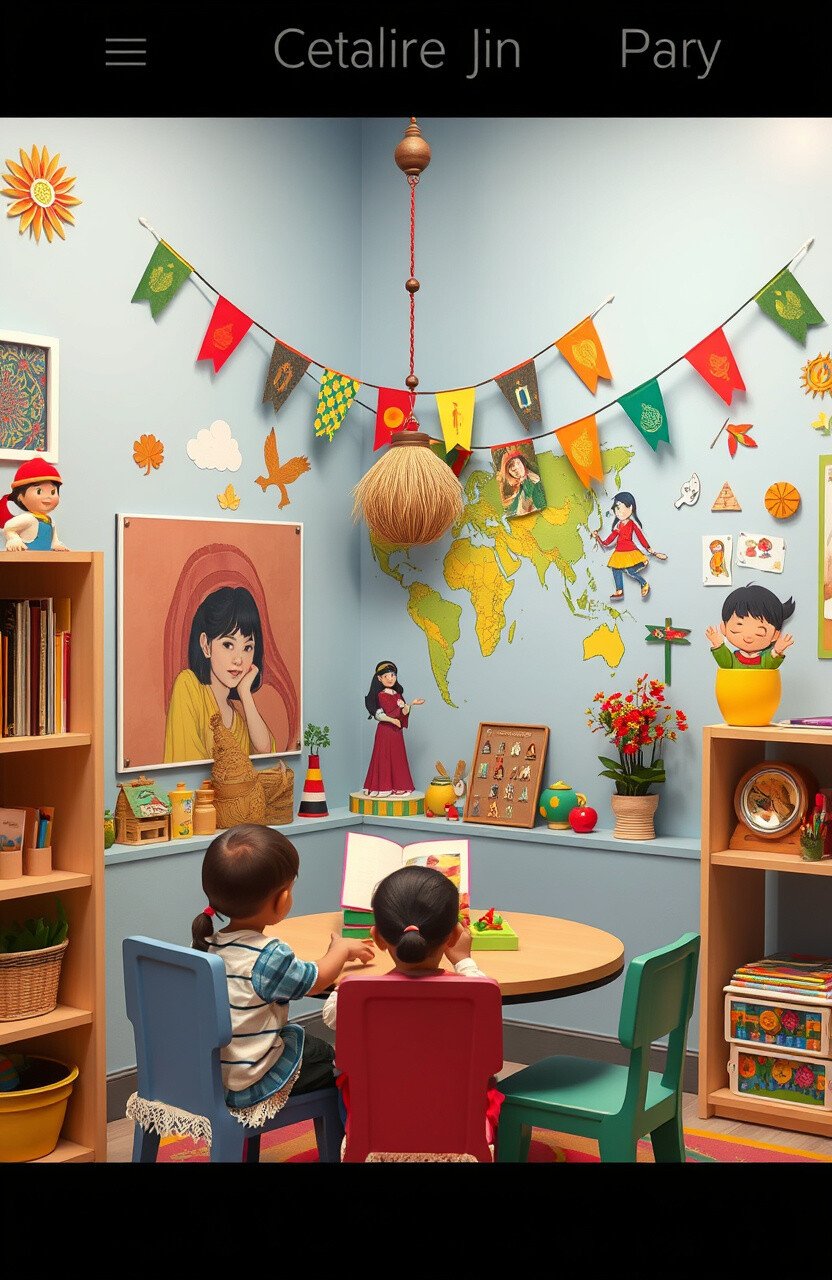
A cultural celebration corner showcases different cultures with artifacts, music, and stories. It’s a window to the world.
This corner promotes cultural awareness and respect. It broadens understanding and appreciation of diversity.
Explore different cultures monthly with themed decorations and activities. Encourage sharing of personal stories and traditions.
Use donated items and community resources to save money. Keep it dynamic with new cultural focuses.
12. Science Discovery Lab
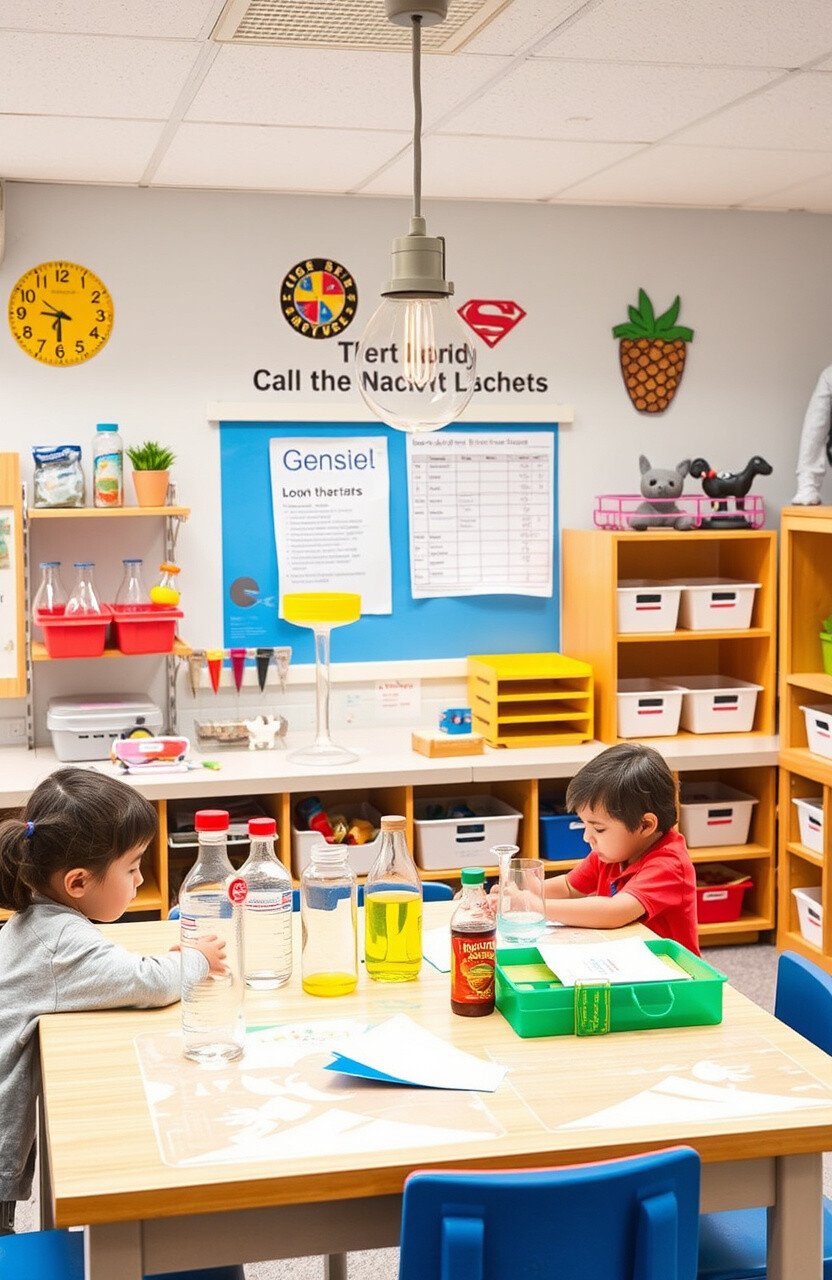
A science discovery lab is filled with experiments and tools for budding scientists. It’s a space for curiosity and exploration.
This lab encourages scientific inquiry and critical thinking. It’s a hub for discovery and invention.
Incorporate seasonal experiments and themed science days. Provide simple tools and materials for hands-on learning.
Use recycled materials and inexpensive science kits to keep costs low. Update experiments to align with curriculum.
13. Art Gallery Wall
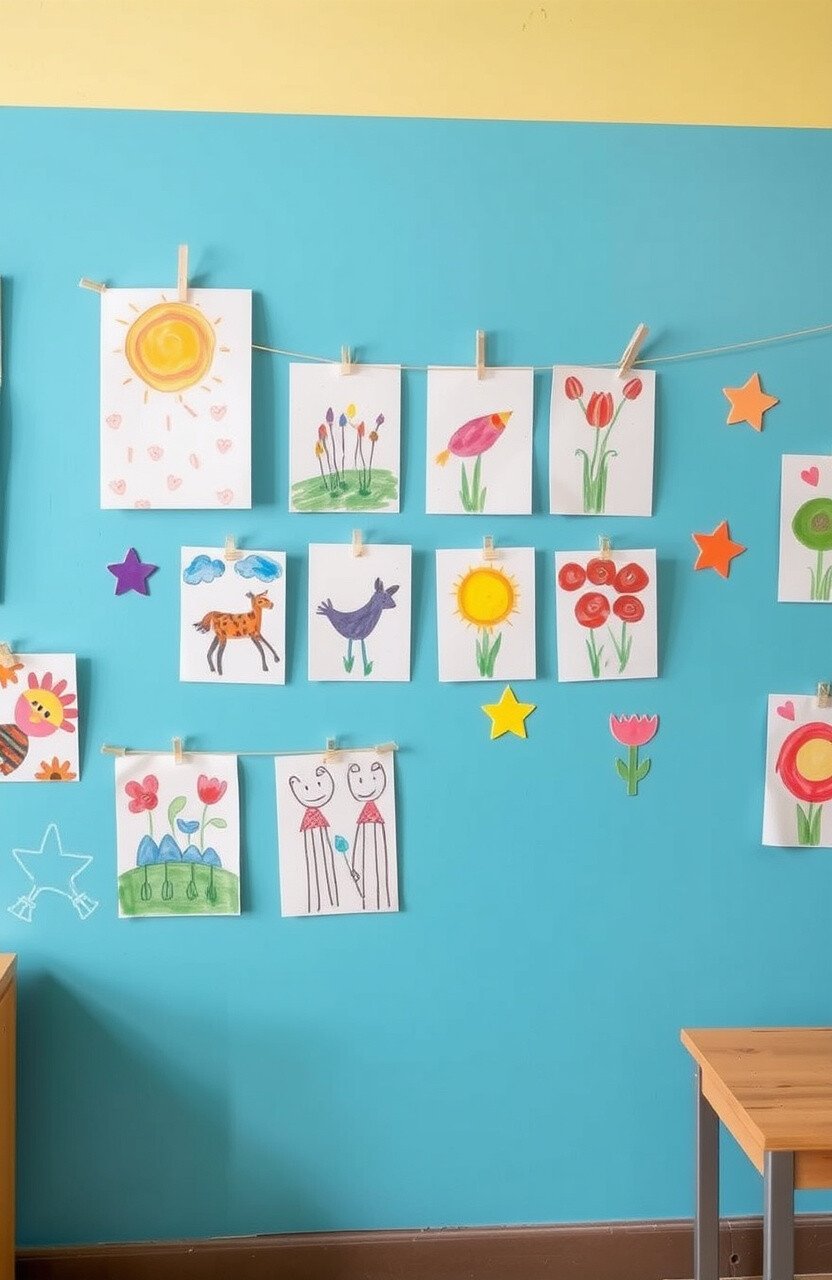
An art gallery wall displays children’s artwork, turning the classroom into an art exhibit. It’s a showcase of creativity.
This wall boosts self-esteem and appreciation for art. It’s a celebration of each child’s unique expression.
Rotate artwork regularly to keep it fresh and engaging. Use themes like seasons or famous artists for inspiration.
Use string and clips for an affordable display setup. Encourage kids to curate the gallery themselves.
14. Safe Space Tent
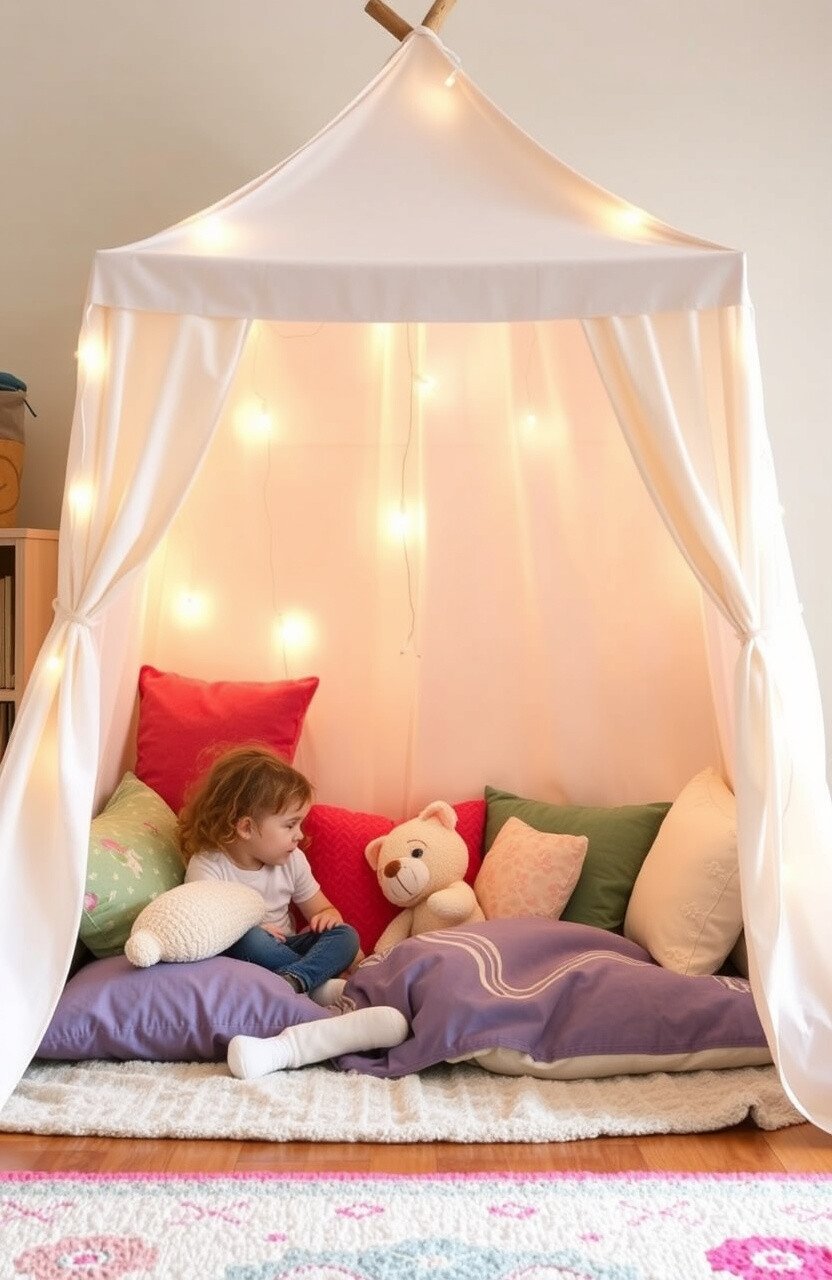
A safe space tent offers a calming retreat for kids to relax and recharge. It’s a cozy, peaceful haven.
This tent promotes emotional well-being and self-regulation. It’s a sanctuary for quiet moments.
Decorate it with soothing colors and fairy lights for a unique touch. Provide soft toys and calming activities.
Use fabric remnants and pillows for a budget-friendly setup. Rotate calming activities to maintain interest.
15. Puppet Theater
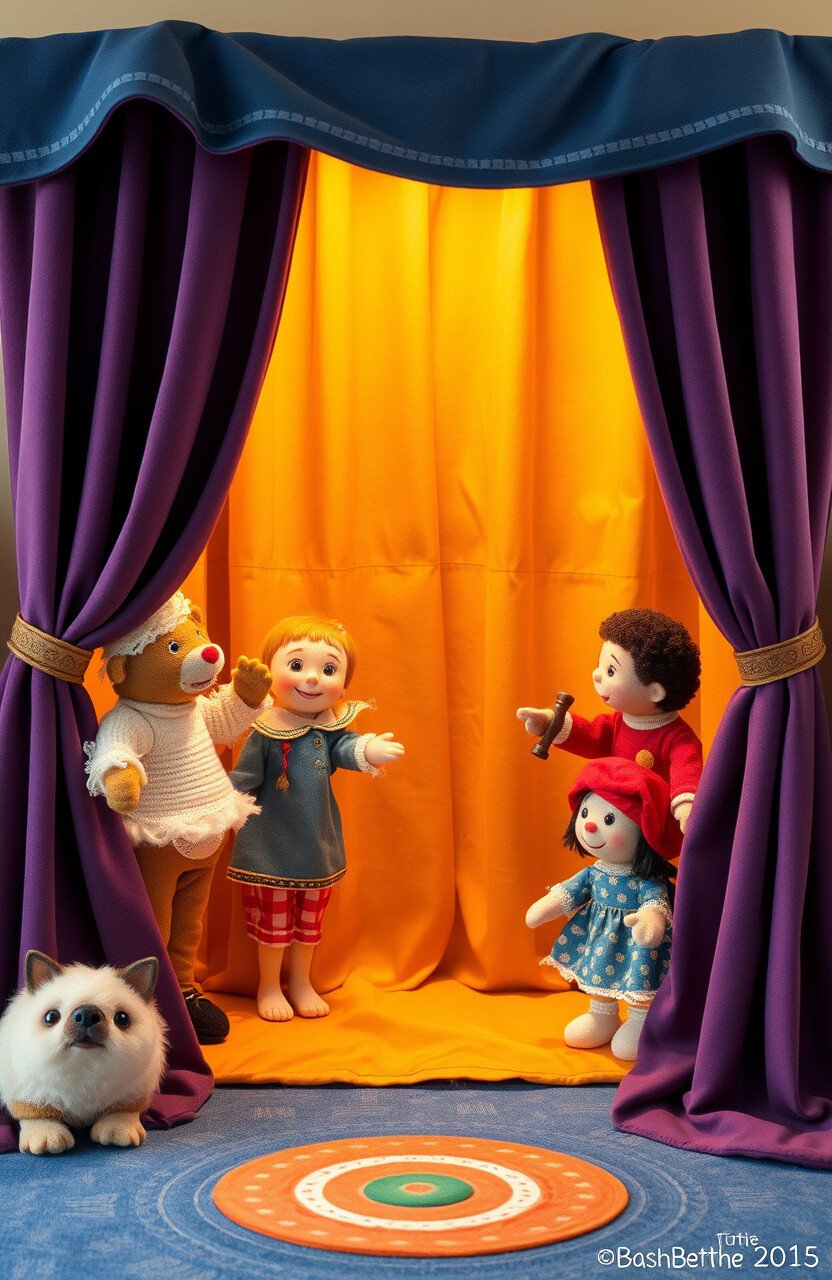
A puppet theater is a stage for storytelling and imagination. It’s a whimsical world of characters and tales.
This theater encourages language skills and creativity. It’s a stage where stories come alive.
Personalize it with themes like fairy tales or adventure stories. Encourage kids to create their own puppet shows.
DIY puppets and a simple curtain setup keep it affordable. Rotate story themes for continuous engagement.
16. Gardening Corner
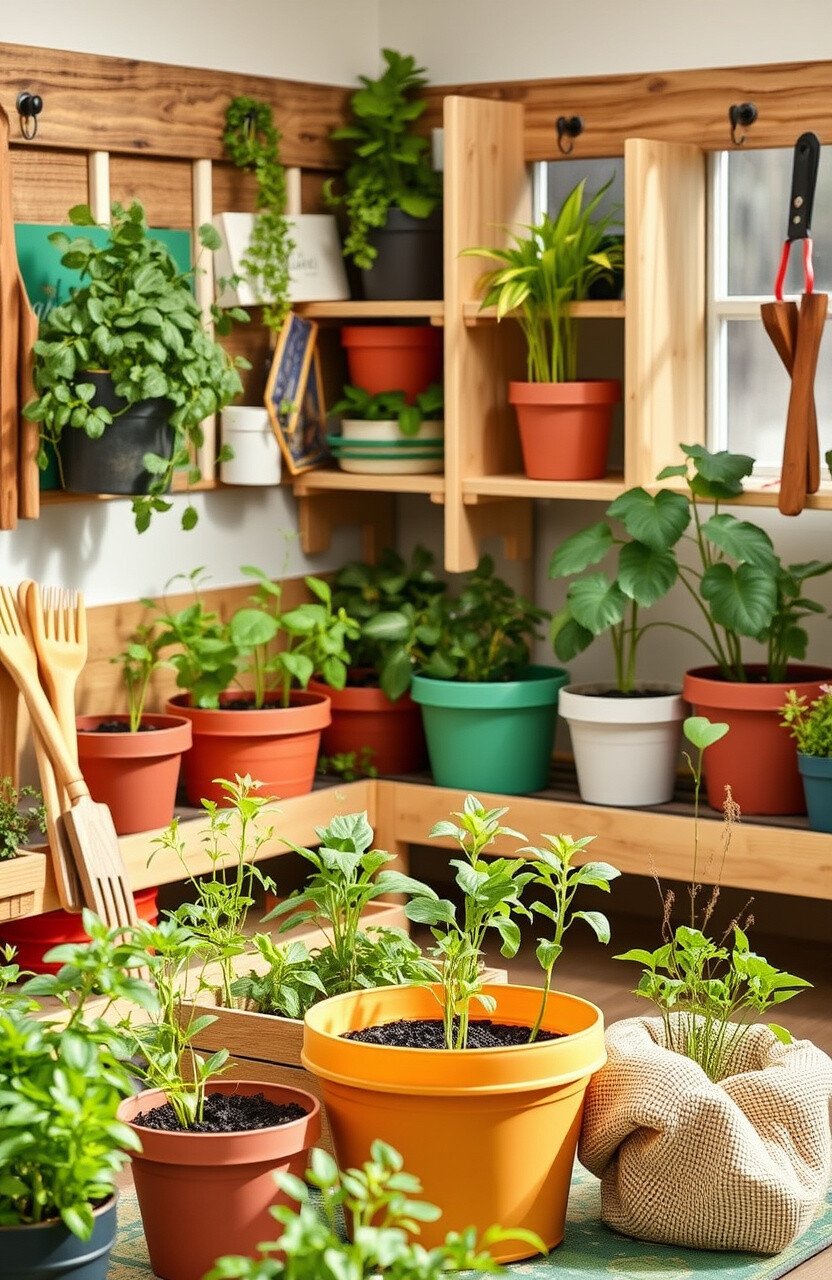
A gardening corner brings a touch of nature with plants and gardening tools. It’s a green oasis for little hands.
This corner promotes responsibility and environmental awareness. It’s a place for growth and learning.
Incorporate seasonal planting and nature-themed decorations. Encourage kids to care for the plants daily.
Use recycled containers and donated seeds for a cost-effective setup. Update plants with the changing seasons.
17. Construction Zone
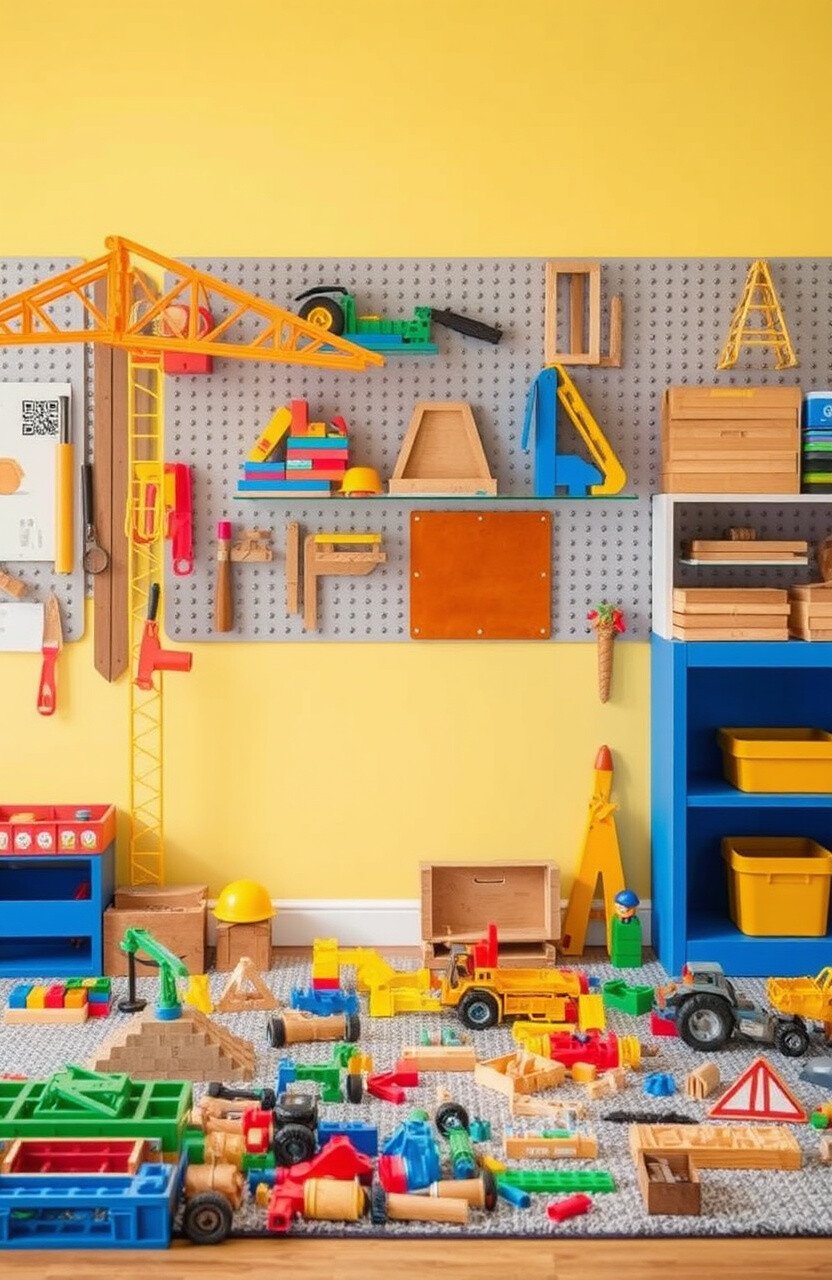
A construction zone is filled with blocks, building sets, and construction tools. It’s a site for creative building.
This zone fosters engineering skills and teamwork. It’s a playground for imaginative construction.
Introduce challenges like building the tallest tower or a functional bridge. Encourage collaboration and problem-solving.
Reuse materials like cardboard and boxes for budget-friendly builds. Keep it dynamic with new challenges.
18. Weather Station
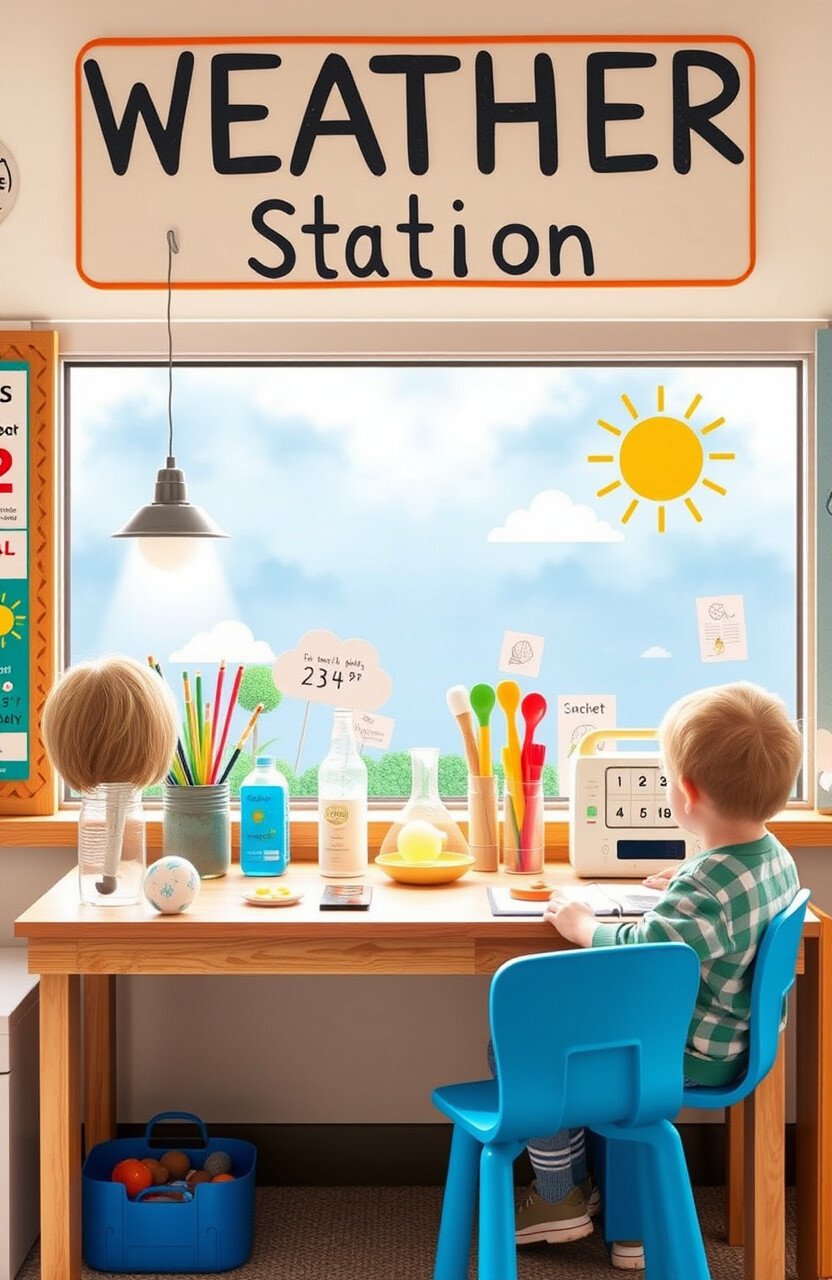
A weather station is a mini meteorology lab with tools to observe and record weather changes. It’s a space for budding scientists.
This station enhances observational skills and scientific knowledge. It’s a daily adventure in weather watching.
Incorporate weather charts and themed crafts for added fun. Encourage kids to share daily weather reports.
Use simple tools and DIY crafts for a budget-friendly setup. Rotate weather-related topics to maintain interest.
19. Role Play Shop
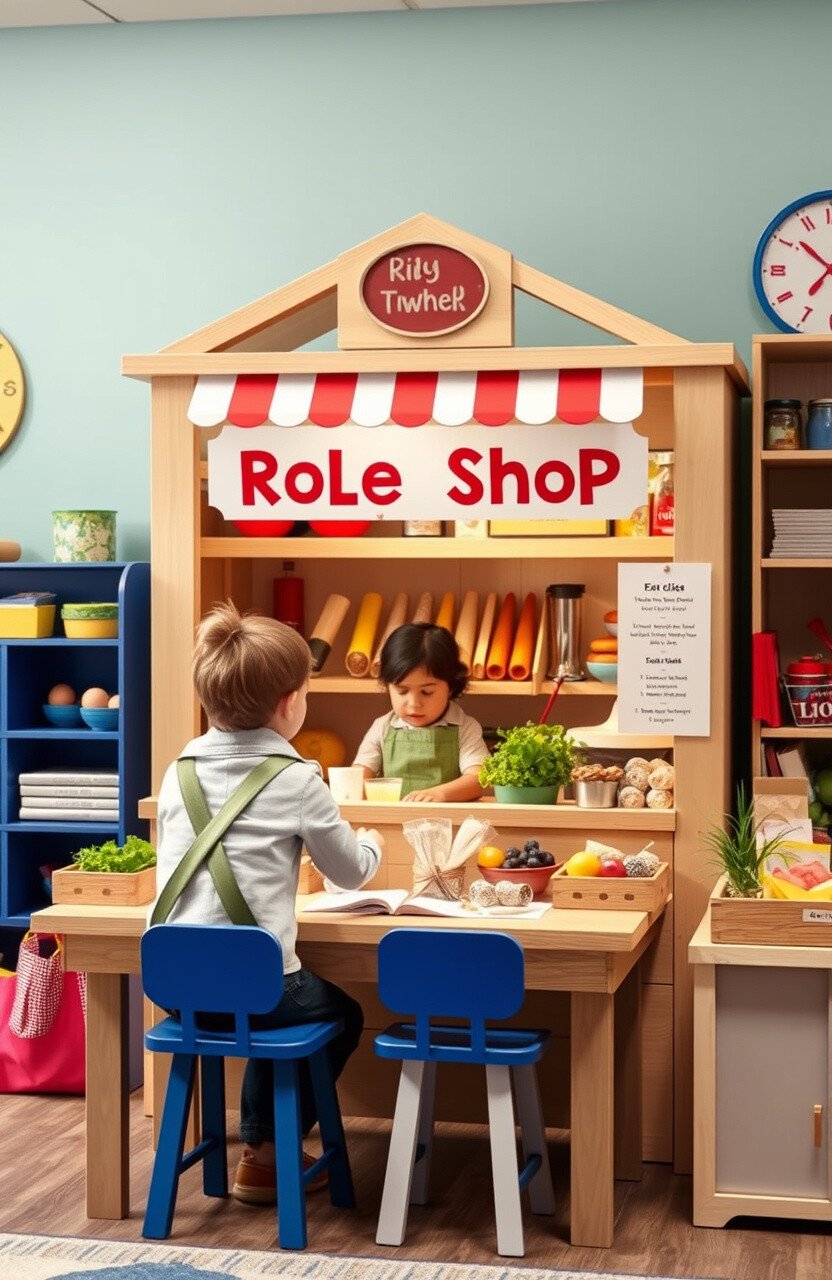
A role play shop is a mini marketplace where kids can pretend to be shopkeepers or customers. It’s a bustling world of commerce.
This shop encourages social skills and basic math learning. It’s a lively, interactive environment for play.
Decorate it with themes like a bakery or farmer’s market. Provide play money and shopping lists for added realism.
Use recycled materials and homemade props for cost-effective play. Rotate shop themes for continuous excitement.
20. Alphabet Adventure Area
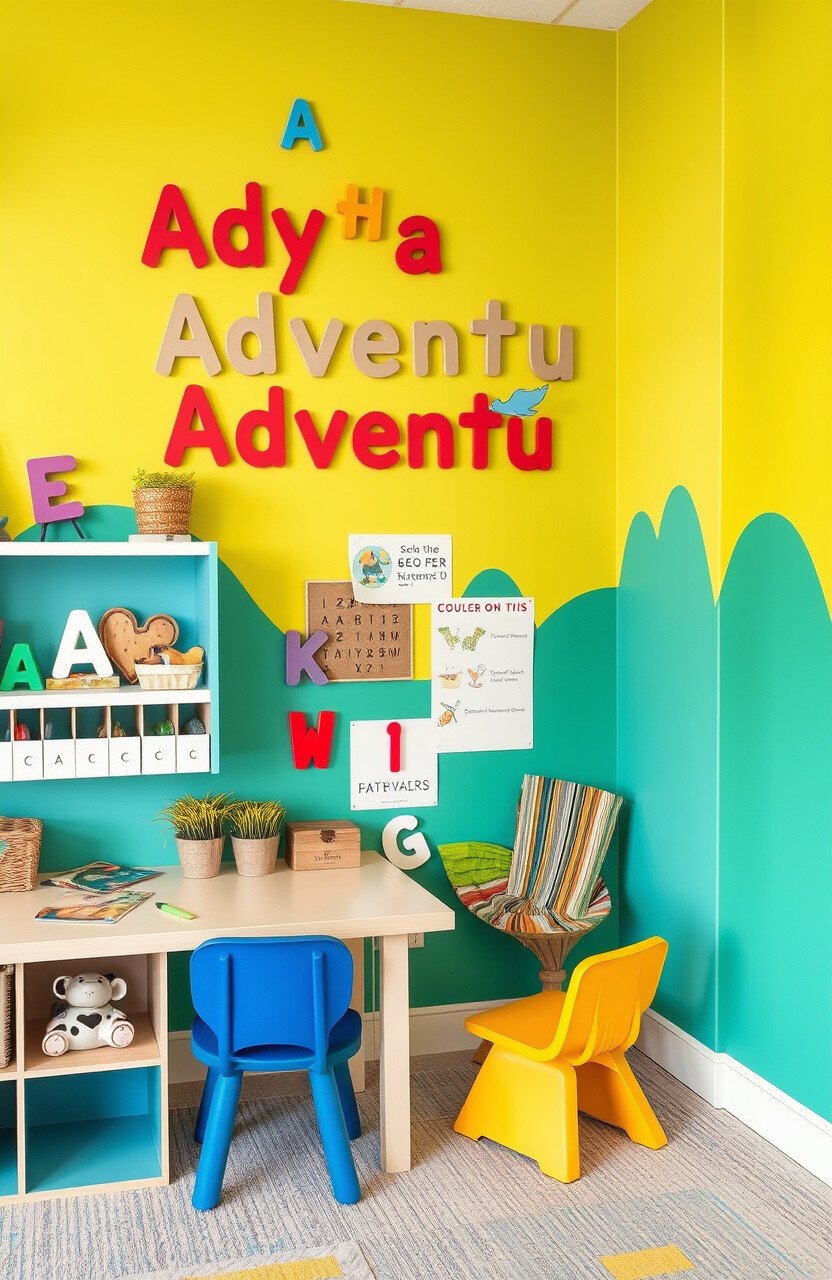
An alphabet adventure area is filled with letters and word games. It’s a space where language becomes an exciting journey.
This area boosts literacy skills and letter recognition. It turns learning the alphabet into a playful quest.
Incorporate letter scavenger hunts and themed crafts. Encourage kids to create their own stories using letter prompts.
Printable resources and DIY letter crafts make it budget-friendly. Keep it fresh with new letter themes.
21. Underwater World
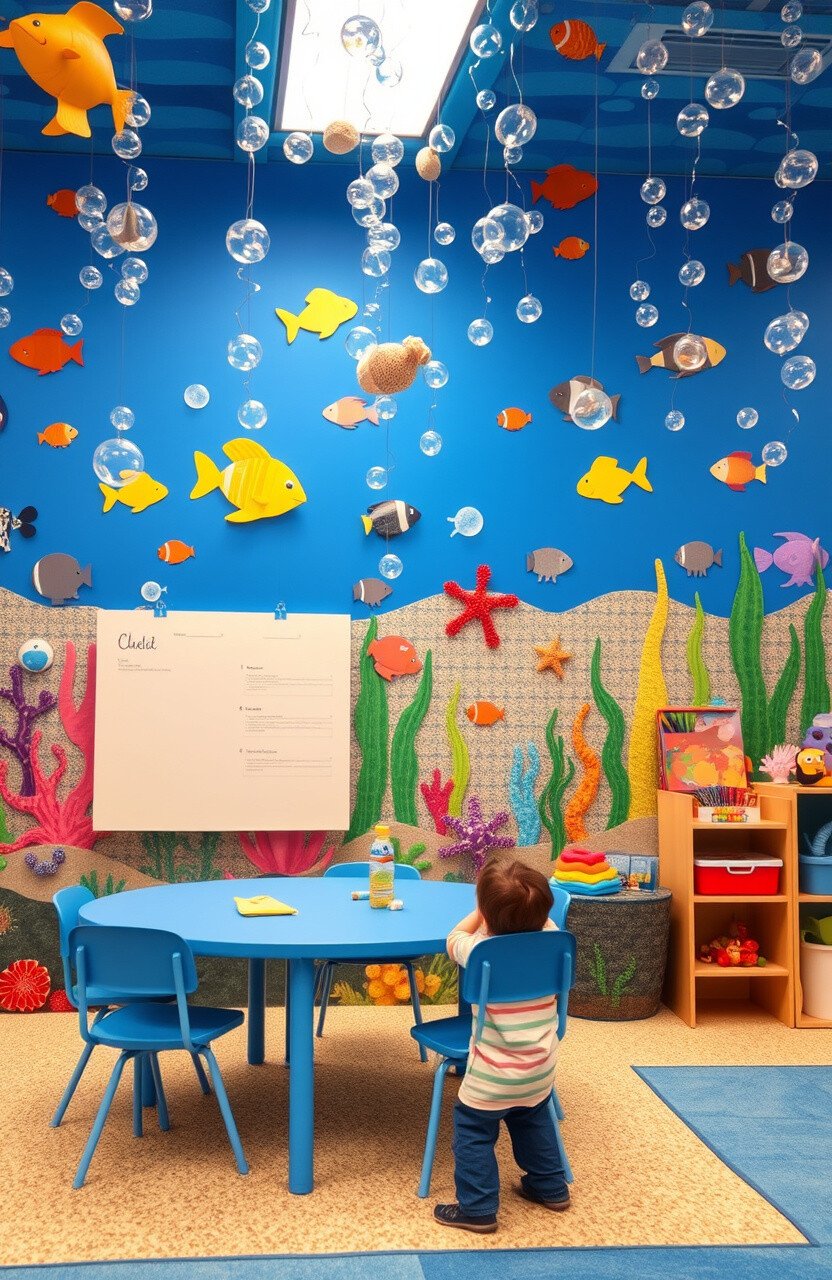
An underwater world brings the ocean to life with blue hues, sea creatures, and bubble decorations. It’s an aquatic adventure.
This theme enhances curiosity and knowledge about marine life. It’s a dive into ocean wonders.
Create themed activities like fish crafts or ocean stories. Use hanging decorations for an immersive experience.
Use paper and inexpensive craft supplies for decor. Rotate marine life focus to keep it engaging.
22. Mini Library
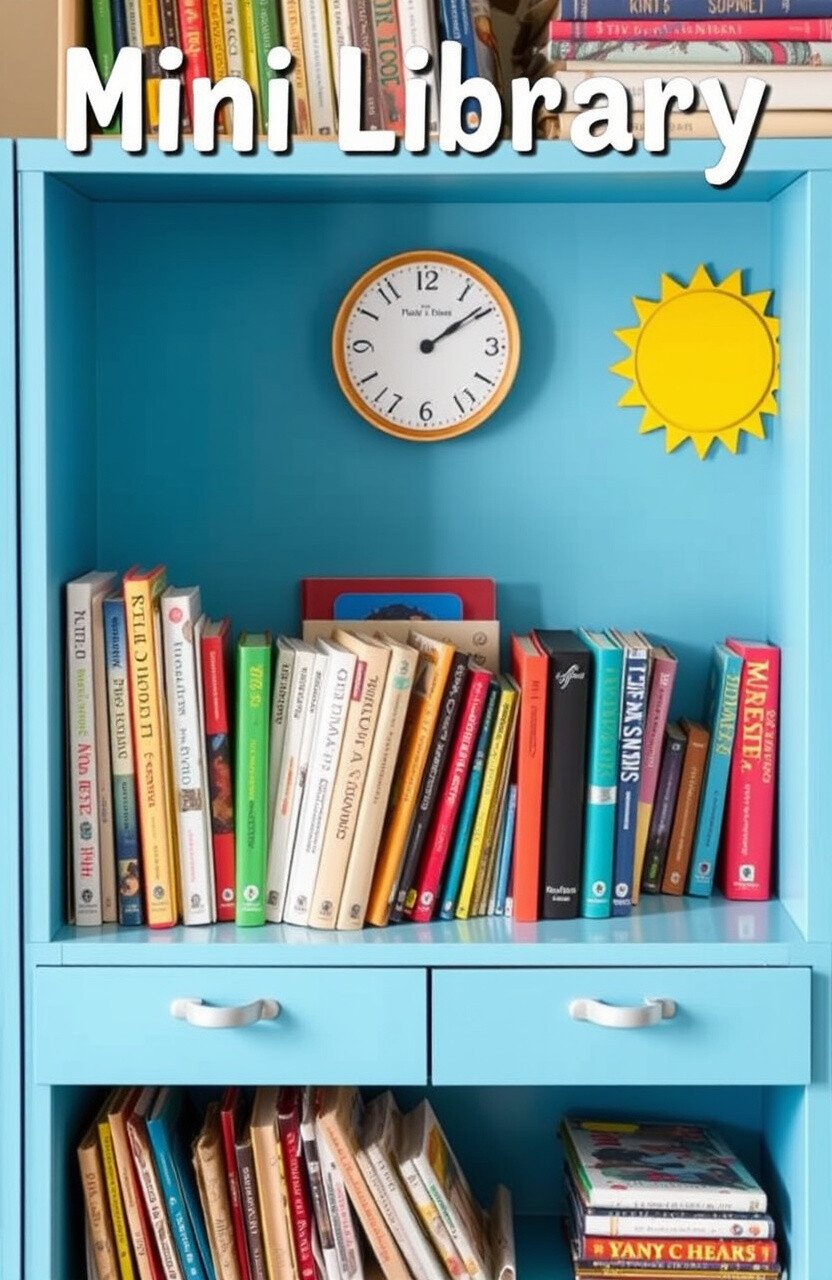
A mini library is a curated collection of books for young readers. It’s a treasure trove of stories and knowledge.
This library encourages reading and literacy skills. It’s a world of discovery through books.
Personalize it with themed book displays or reading challenges. Encourage kids to recommend their favorite books.
Use donated books and DIY bookends for a cost-effective setup. Update book selections regularly to maintain interest.
23. Multisensory Storytime Area
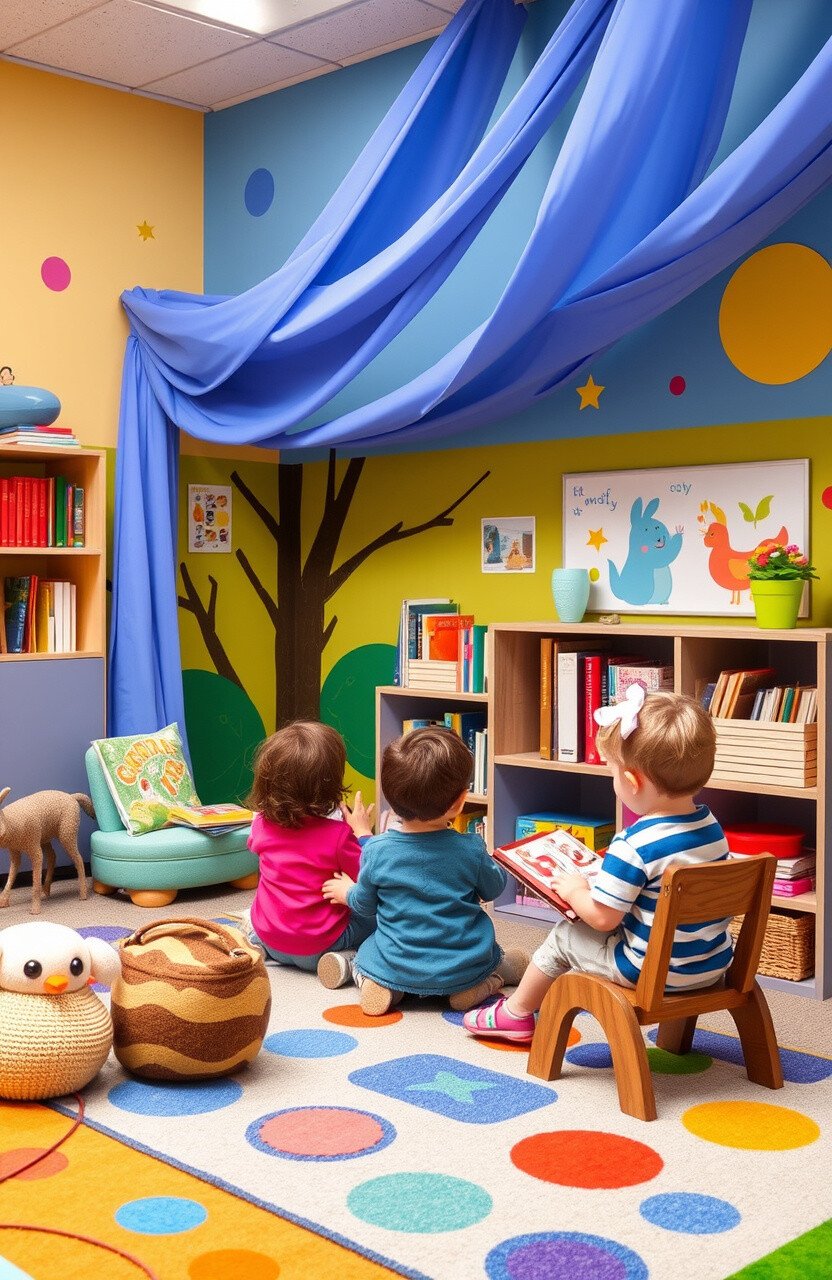
A multisensory storytime area enhances storytelling with props, sounds, and textures. It’s a sensory-rich reading experience.
This area fosters a love for stories and sensory engagement. It’s a vibrant, interactive storytelling session.
Incorporate themed props and sound effects for each story. Encourage kids to participate in storytelling.
DIY props and free sound resources make it affordable. Rotate stories and themes for continuous excitement.
24. Cultural Exchange Board
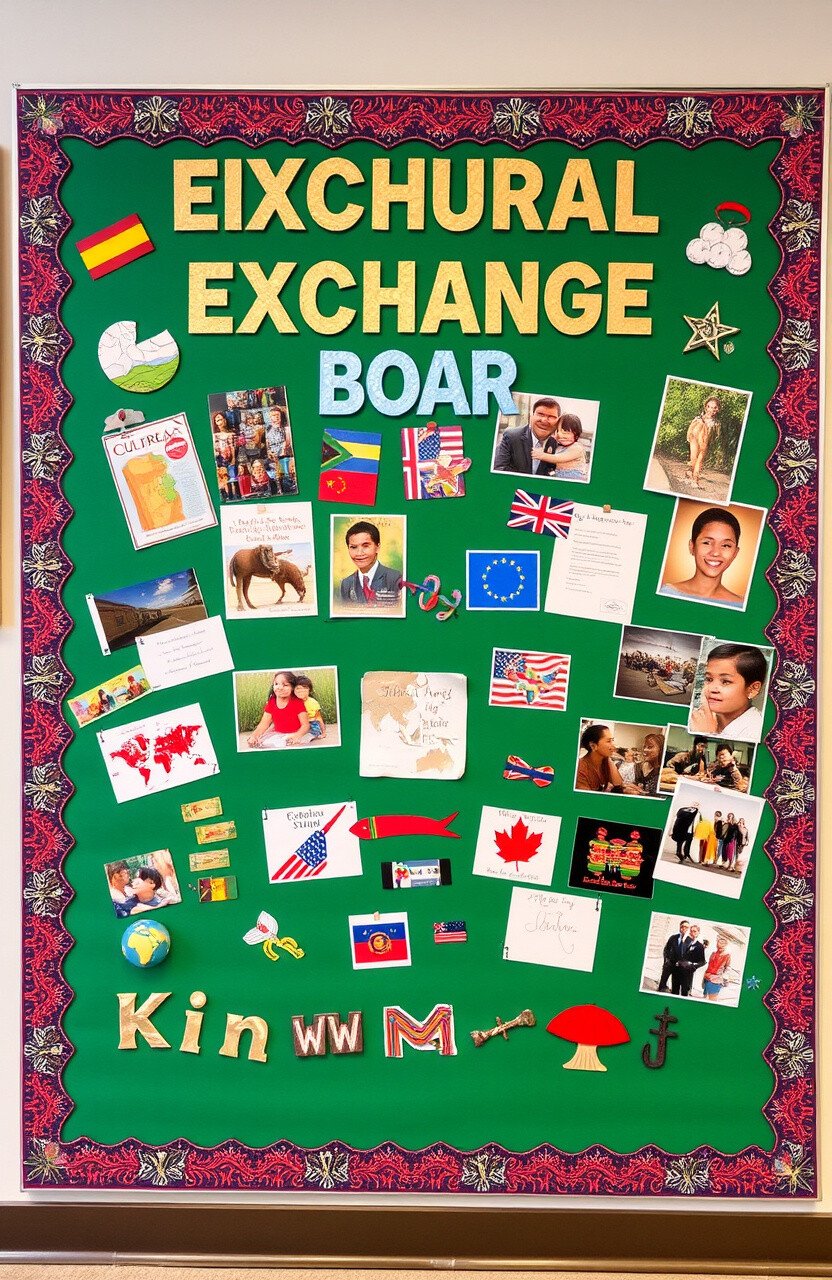
A cultural exchange board displays stories, photos, and artifacts from various cultures. It’s a vibrant tapestry of diversity.
This board promotes cultural understanding and global awareness. It celebrates the richness of different traditions.
Personalize it with themed displays or cultural stories. Encourage kids to share their own cultural backgrounds.
Use donated items and community contributions for a cost-effective setup. Update displays regularly to maintain interest.
25. Science Mystery Box
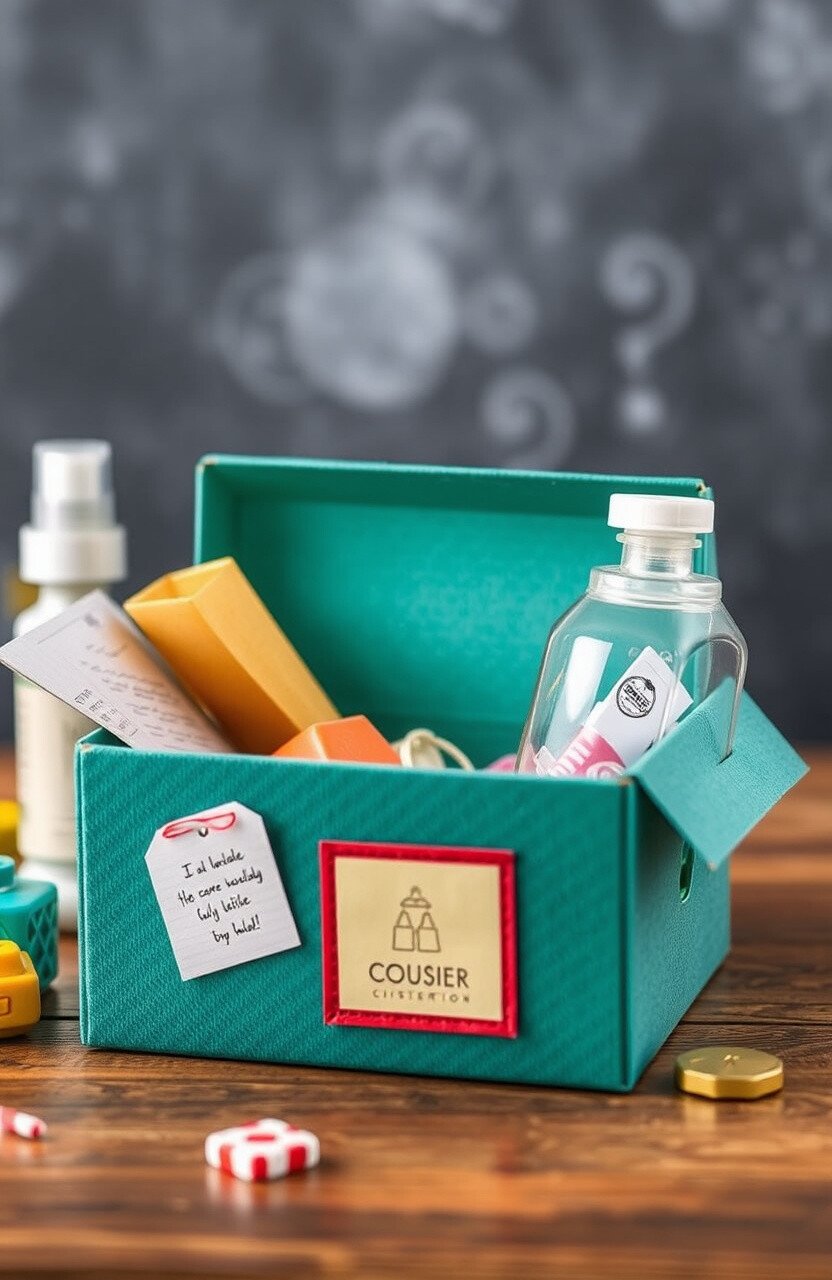
A science mystery box is filled with curious objects and clues for scientific exploration. It’s a puzzle for inquisitive minds.
This box encourages critical thinking and problem-solving skills. It’s a gateway to scientific discovery.
Create themed mystery challenges and encourage teamwork. Rotate objects and themes to keep it intriguing.
Use household items and inexpensive props for the box. Keep it fresh with new mysteries regularly.
26. Nature Observation Window
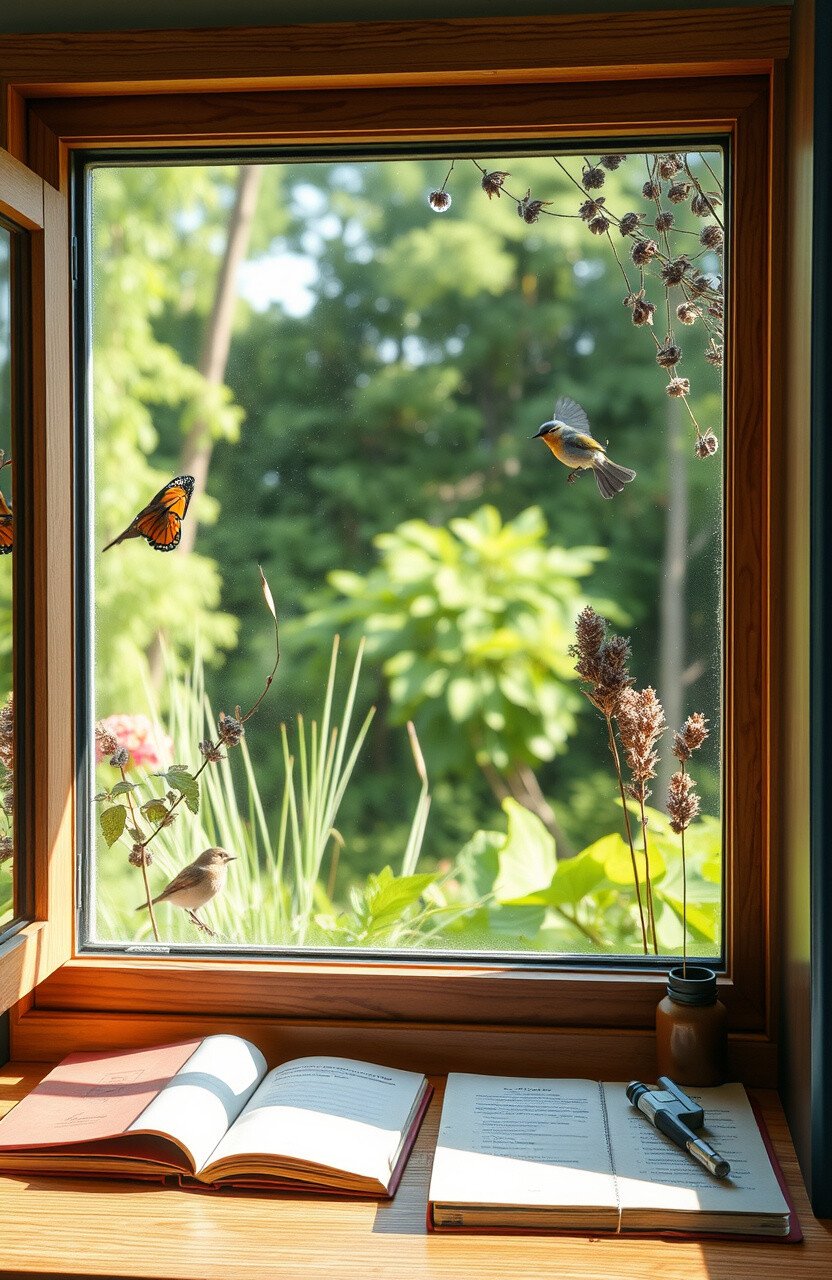
A nature observation window offers a view of the outdoors, with binoculars and nature journals. It’s a peek into the natural world.
This window enhances observational skills and environmental appreciation. It’s a daily connection to nature.
Incorporate themed observations like bird watching or weather changes. Encourage kids to record their findings.
Use DIY journals and donated binoculars for a budget-friendly setup. Rotate observation themes to maintain interest.
27. Theater Corner
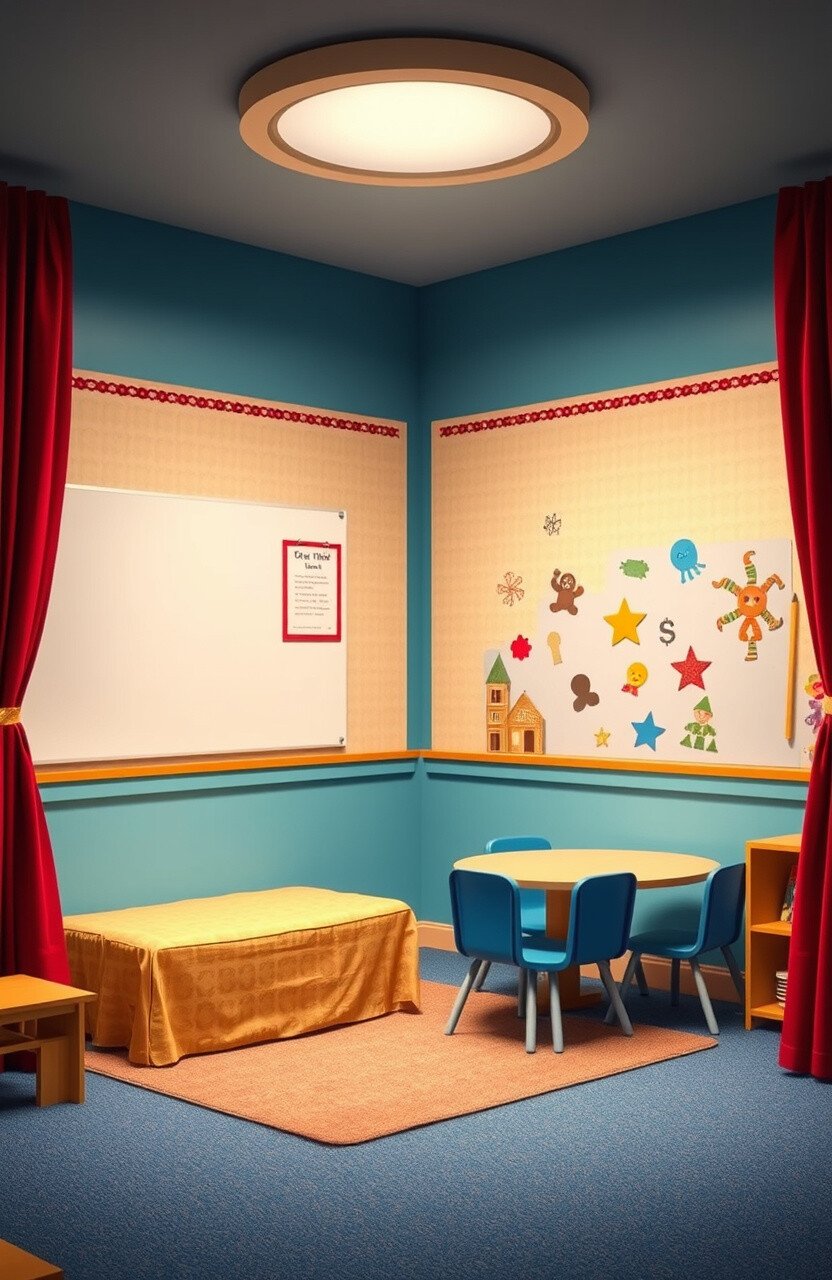
A theater corner is a stage for plays and performances, with costumes and scripts. It’s a spotlight for young stars.
This corner boosts confidence and creativity through performance arts. It’s a stage for imagination and expression.
Personalize it with themed performances or drama games. Encourage kids to create their own plays.
Use donated costumes and DIY props for an affordable setup. Rotate performance themes for continuous excitement.
28. Mindfulness Zone
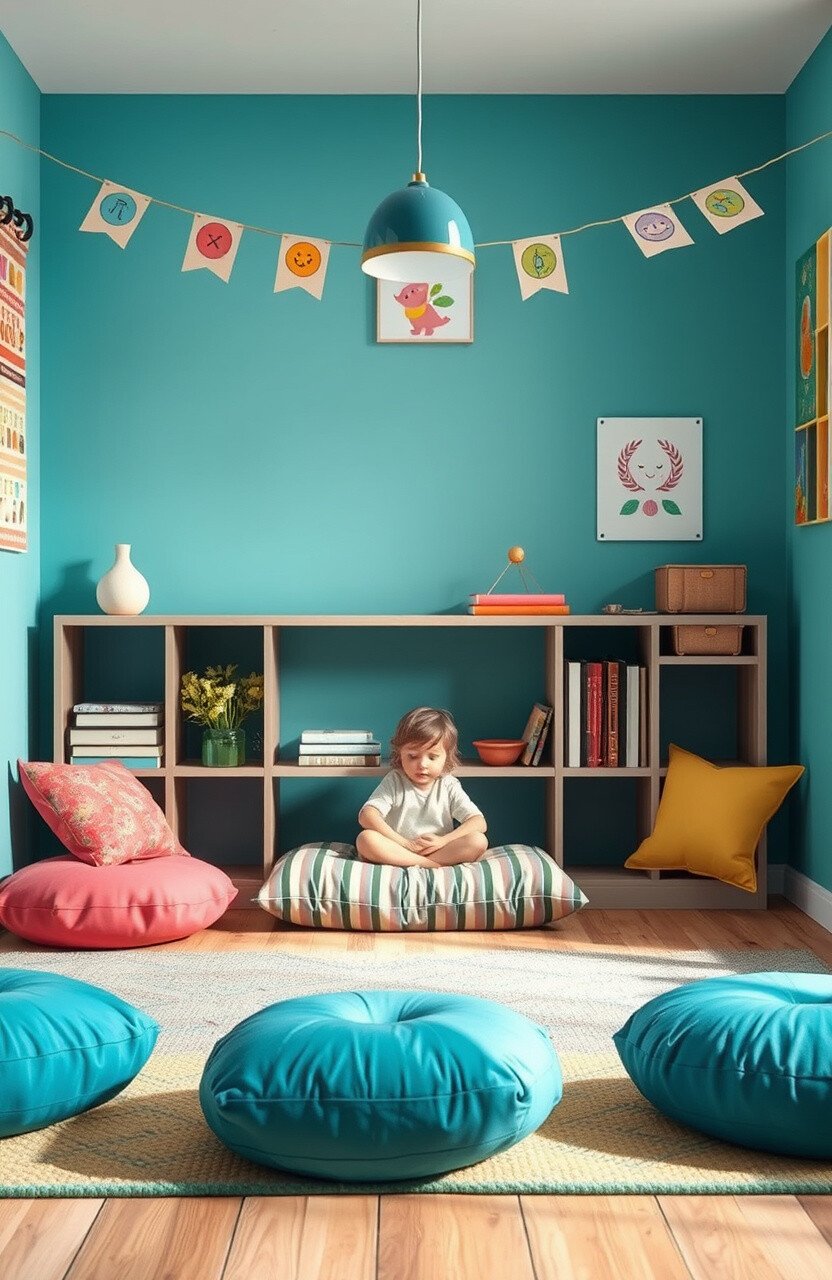
A mindfulness zone is a peaceful area for relaxation and meditation. It’s a serene escape from the hustle and bustle.
This zone promotes emotional well-being and self-awareness. It’s a calm, reflective space.
Decorate it with calming colors and soothing sounds. Provide mindfulness activities and breathing exercises.
Use inexpensive materials like cushions and nature sounds for setup. Rotate activities to keep it engaging.
29. Dance and Drama Space
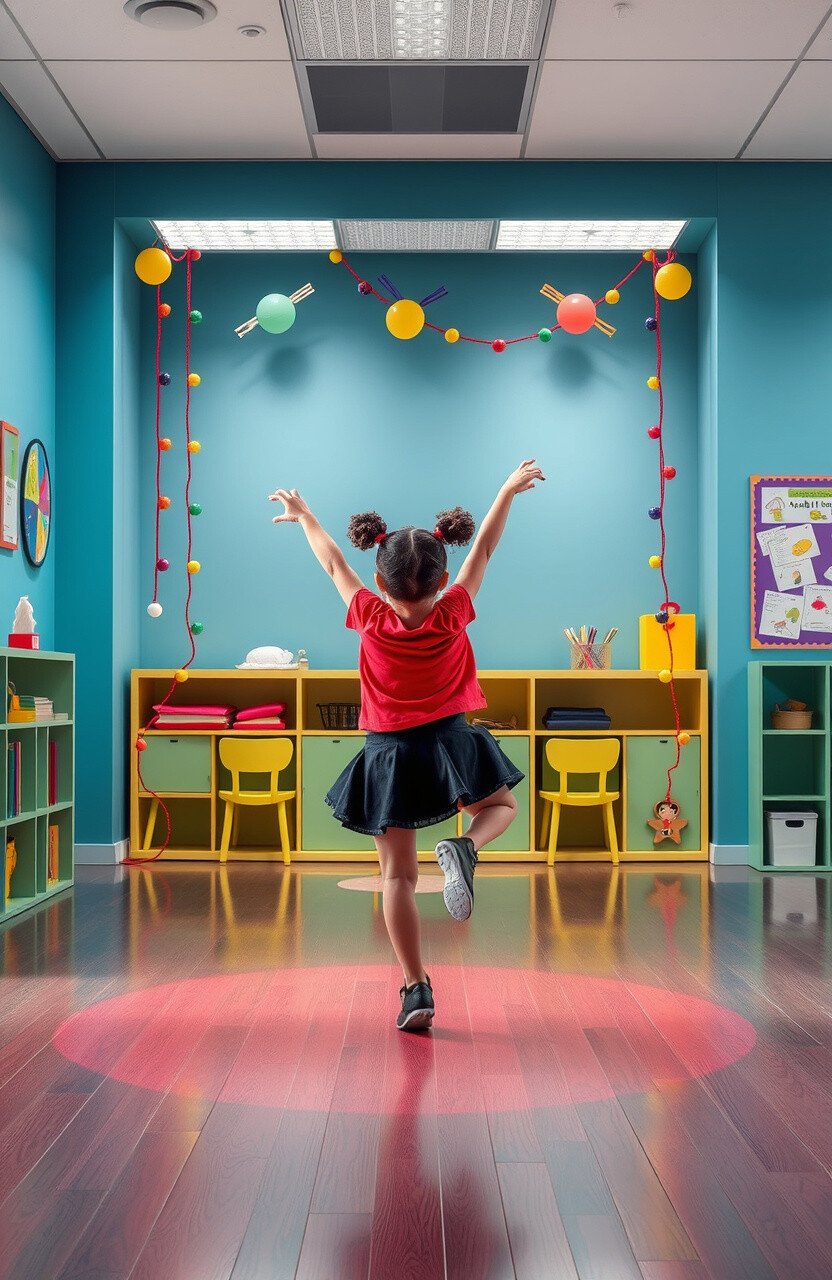
A dance and drama space is a vibrant area for movement and expression. It’s a stage for creativity and fun.
This space enhances physical coordination and artistic skills. It’s where movement meets imagination.
Create themed dance challenges or drama games. Encourage kids to express themselves through movement.
Use online dance resources and DIY costumes for affordability. Rotate themes to keep it fresh.
30. Travel Adventure Map
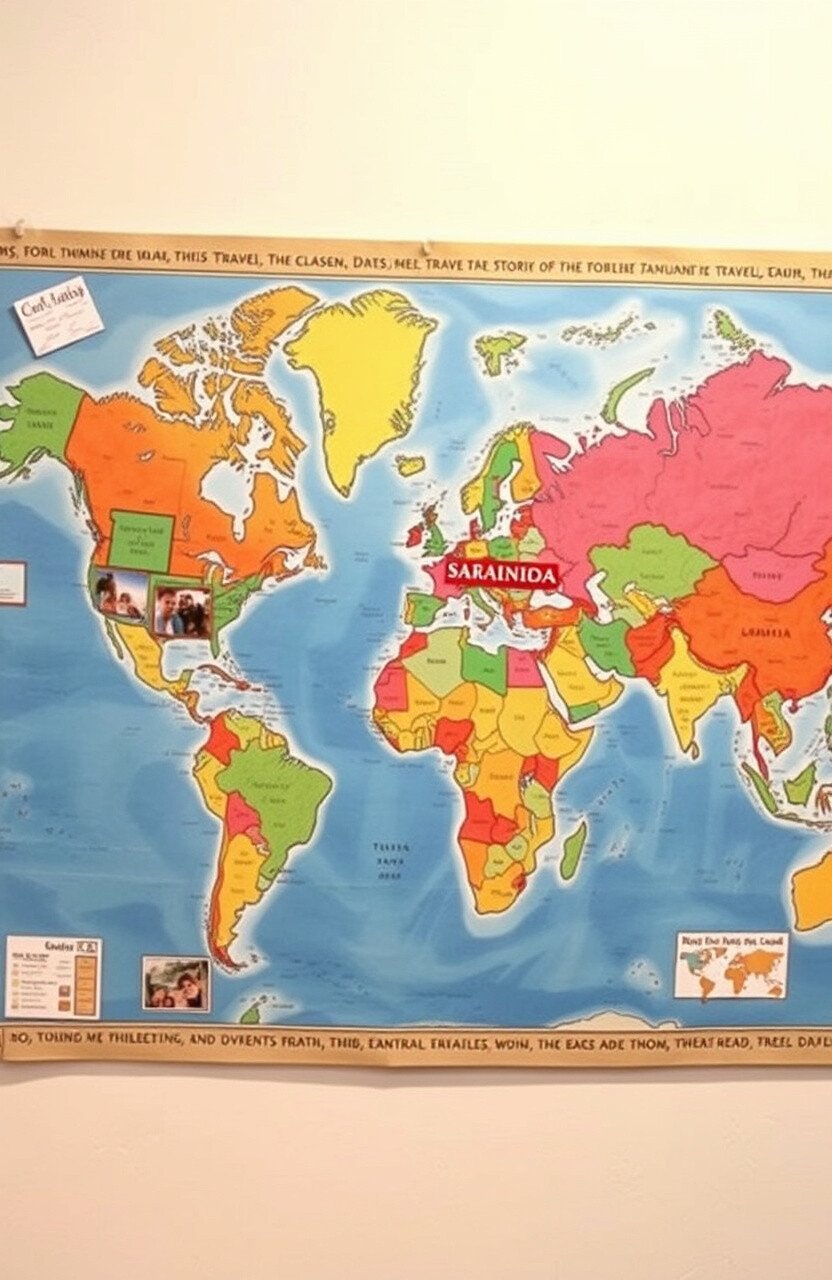
A travel adventure map displays stories and photos from around the world. It’s a map of global exploration.
This map promotes cultural understanding and curiosity. It’s a visual journey across continents.
Personalize it with themed travel stories or cultural artifacts. Encourage kids to share travel experiences.
Use printable maps and community contributions for a cost-effective setup. Keep it dynamic with new travel themes.
31. Mystery Reader Time
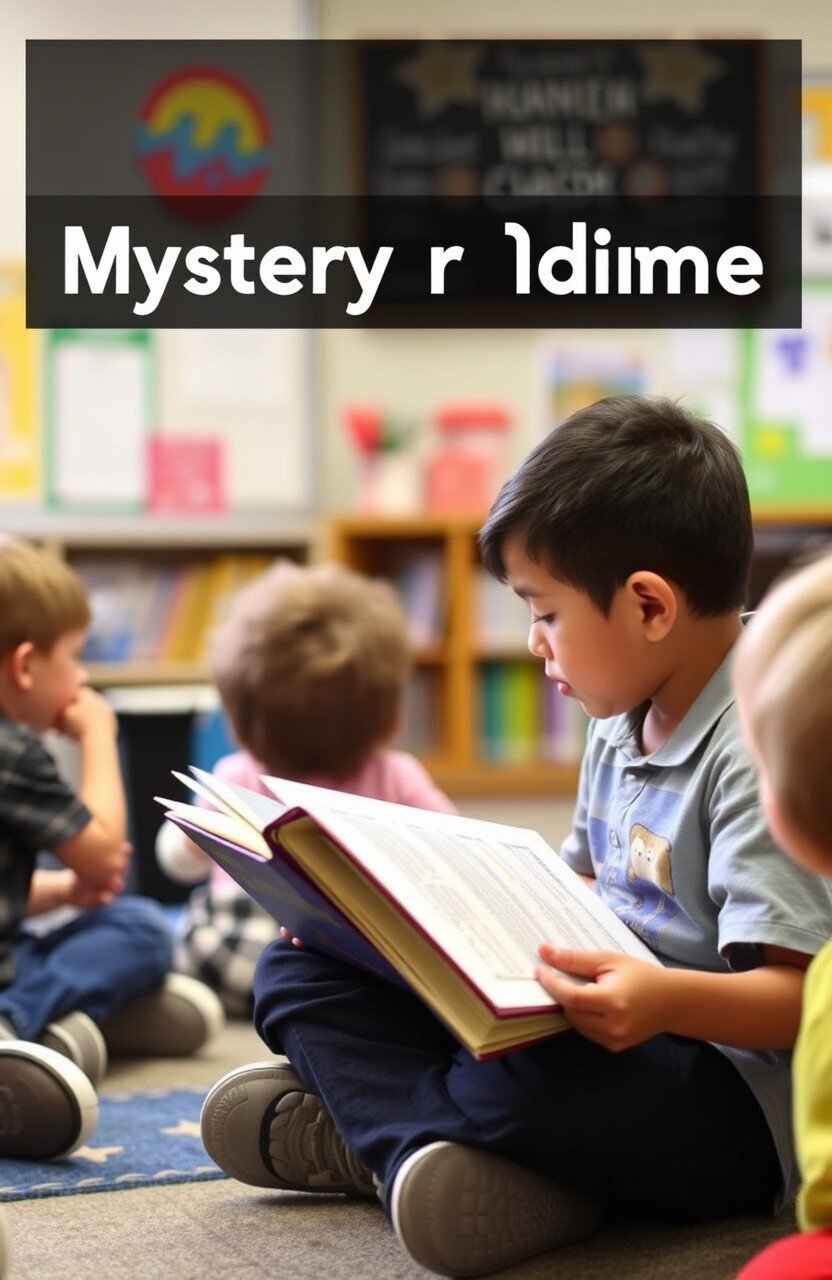
Mystery reader time is a special session where surprise guests read stories to the class. It’s a suspenseful storytelling event.
This time fosters excitement and a love for reading. It’s a delightful surprise for young readers.
Invite parents or community members as mystery readers. Use themed stories for added fun.
Coordinate with volunteers for a no-cost setup. Rotate readers and stories to maintain anticipation.
32. Animal Safari Zone
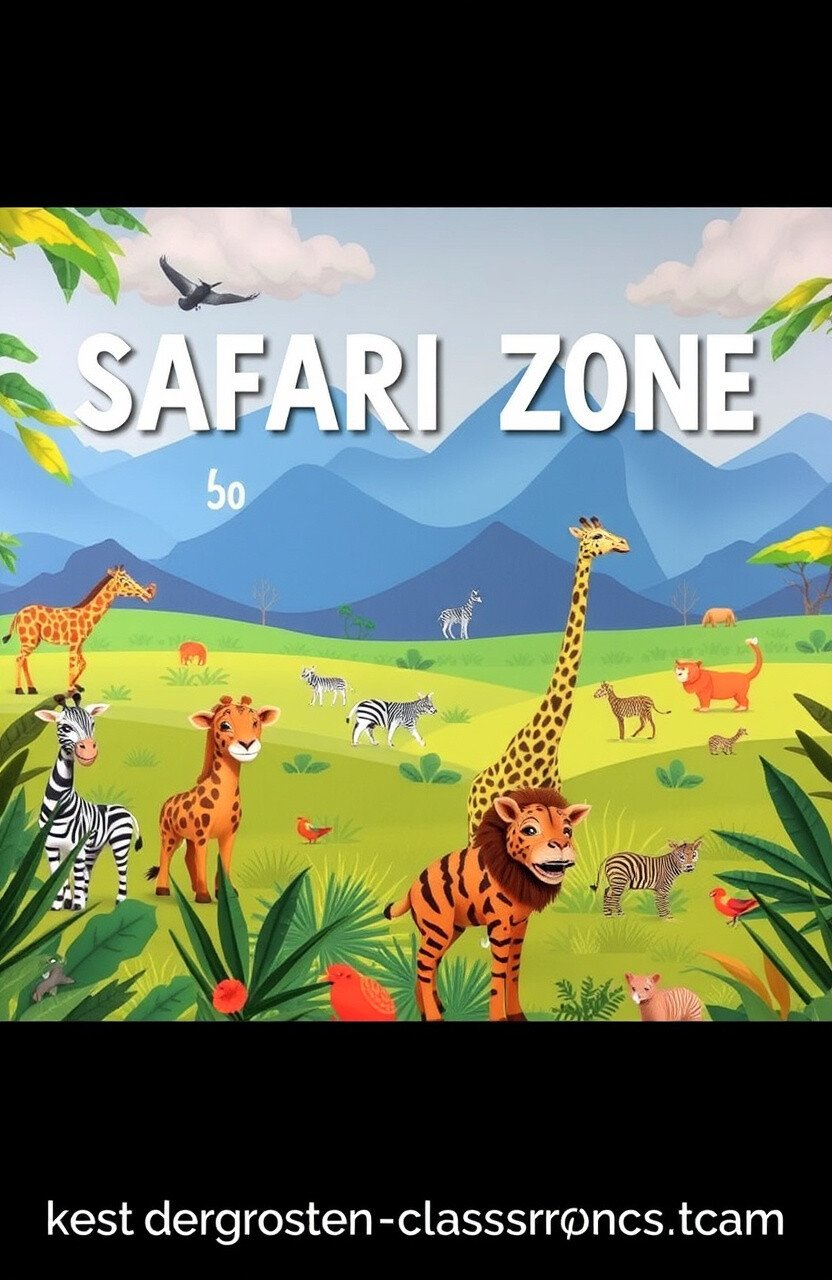
An animal safari zone is filled with animal toys, books, and decorations. It’s a wild adventure into the animal kingdom.
This zone enhances knowledge about wildlife and habitats. It’s a playful exploration of nature’s wonders.
Create themed activities like animal crafts or storytime. Decorate with jungle or savannah themes.
Use donated toys and DIY crafts for affordability. Rotate focus animals to keep it engaging.
33. Recycled Art Station
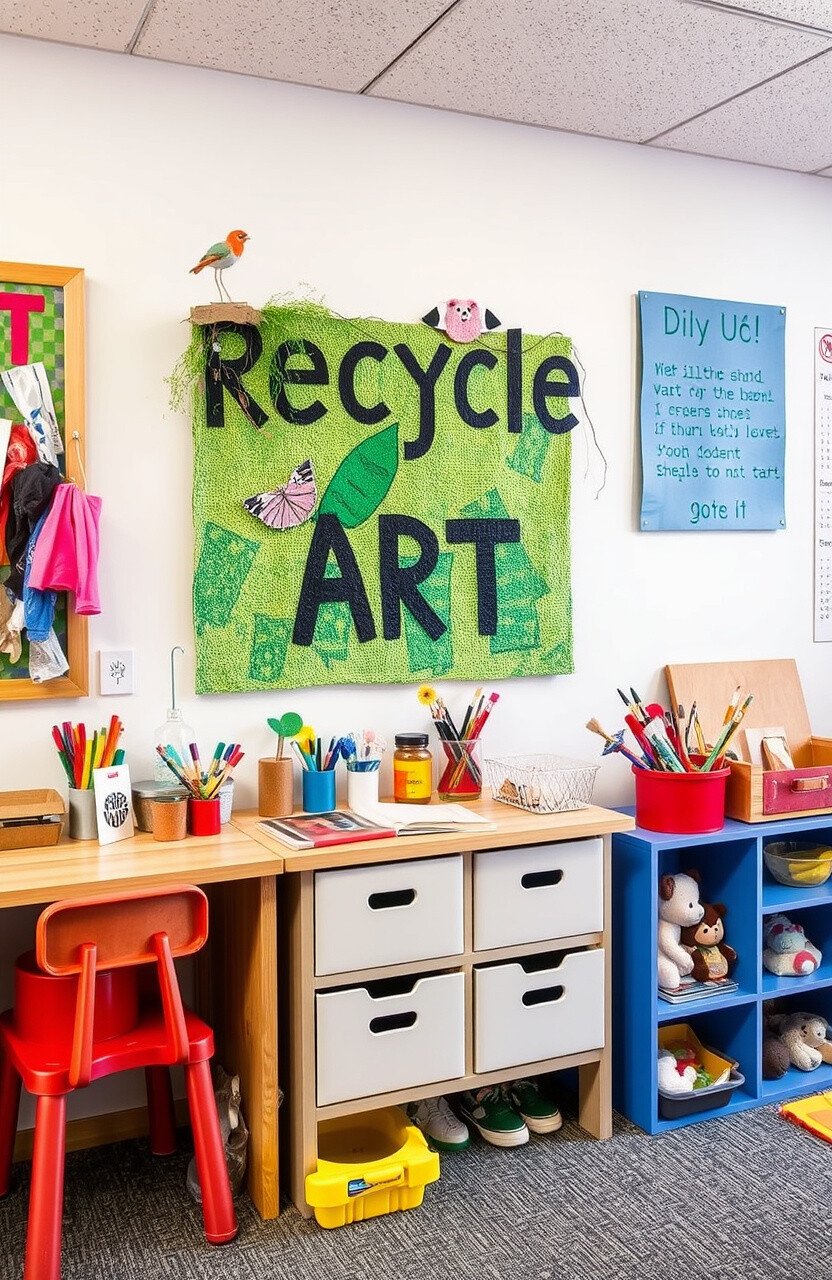
A recycled art station turns trash into treasure with creative projects. It’s an eco-friendly art corner.
This station promotes environmental awareness and creativity. It’s a place for sustainable art creation.
Incorporate themed art challenges or group projects. Encourage kids to bring materials from home.
Use household recyclables and donated materials for low-cost art. Keep it dynamic with new projects.
34. Community Helpers Corner
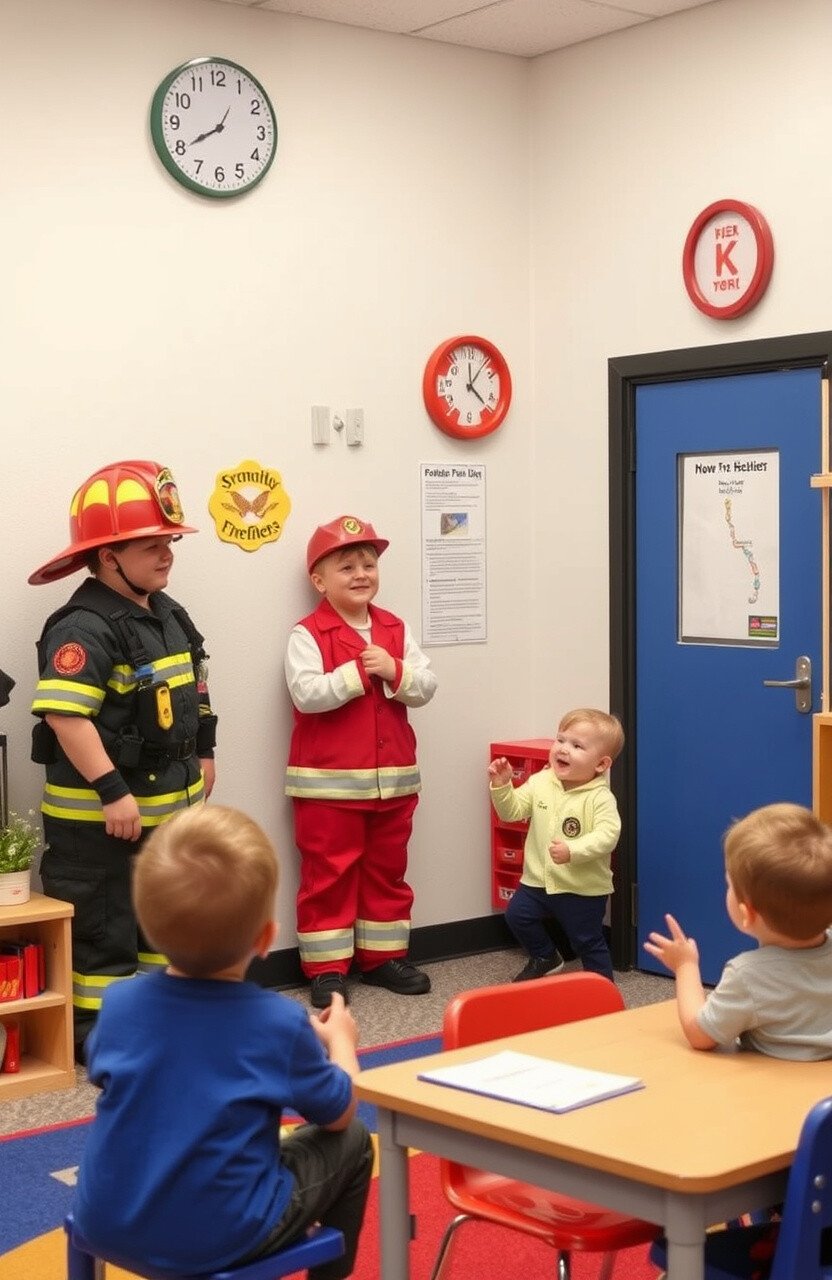
A community helpers corner showcases the roles of firefighters, doctors, and more. It’s a celebration of local heroes.
This corner enhances social awareness and appreciation for helpers. It’s an interactive learning environment.
Create themed role-play activities and invite guest speakers. Use costumes and props for realism.
Use thrift store finds and community resources for cost-effectiveness. Rotate focus helpers to keep it fresh.
35. Weather Wonders Wall
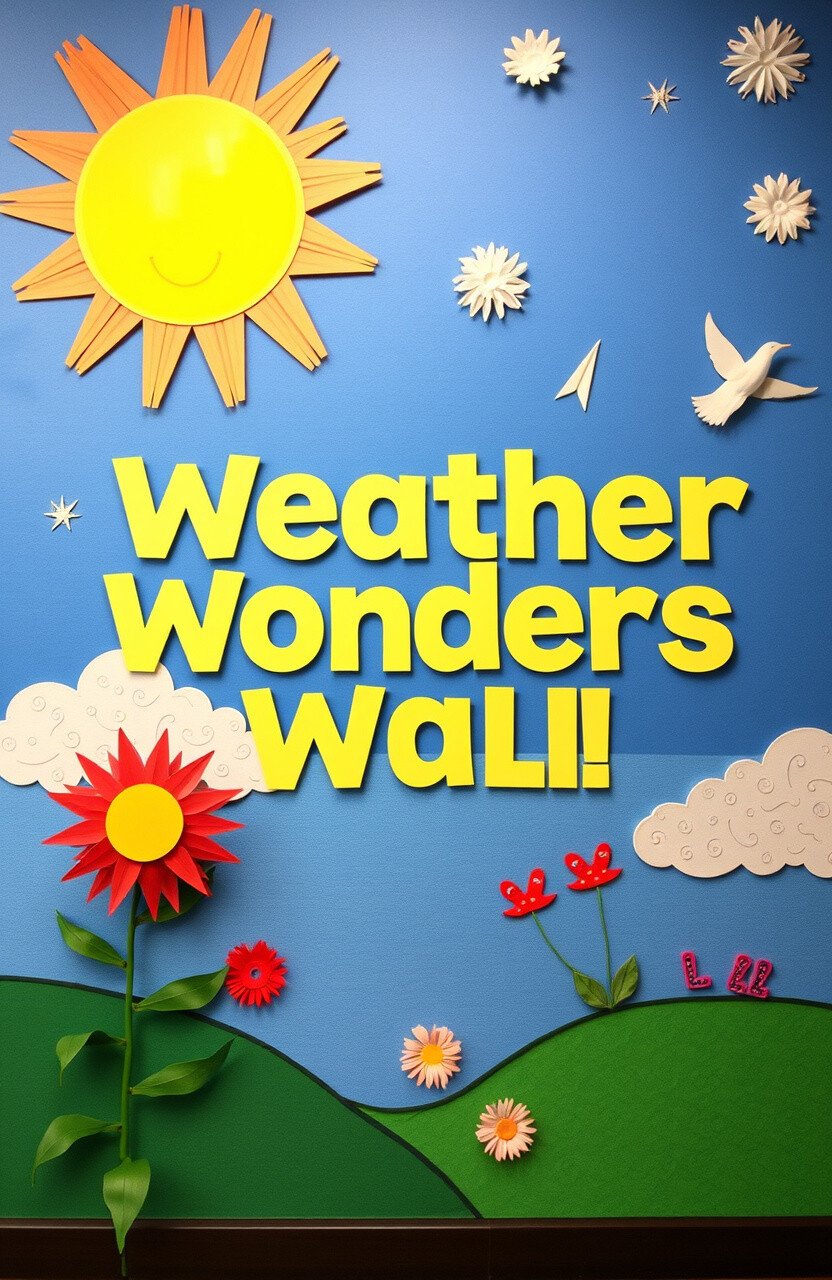
A weather wonders wall displays weather phenomena with visuals and facts. It’s a glimpse into meteorological marvels.
This wall enhances scientific knowledge and curiosity. It’s a vibrant weather showcase.
Create themed crafts or experiments related to weather. Update with seasonal weather changes.
Use printable resources and DIY crafts for affordability. Rotate weather topics to maintain interest.
36. Fairy Tale Forest
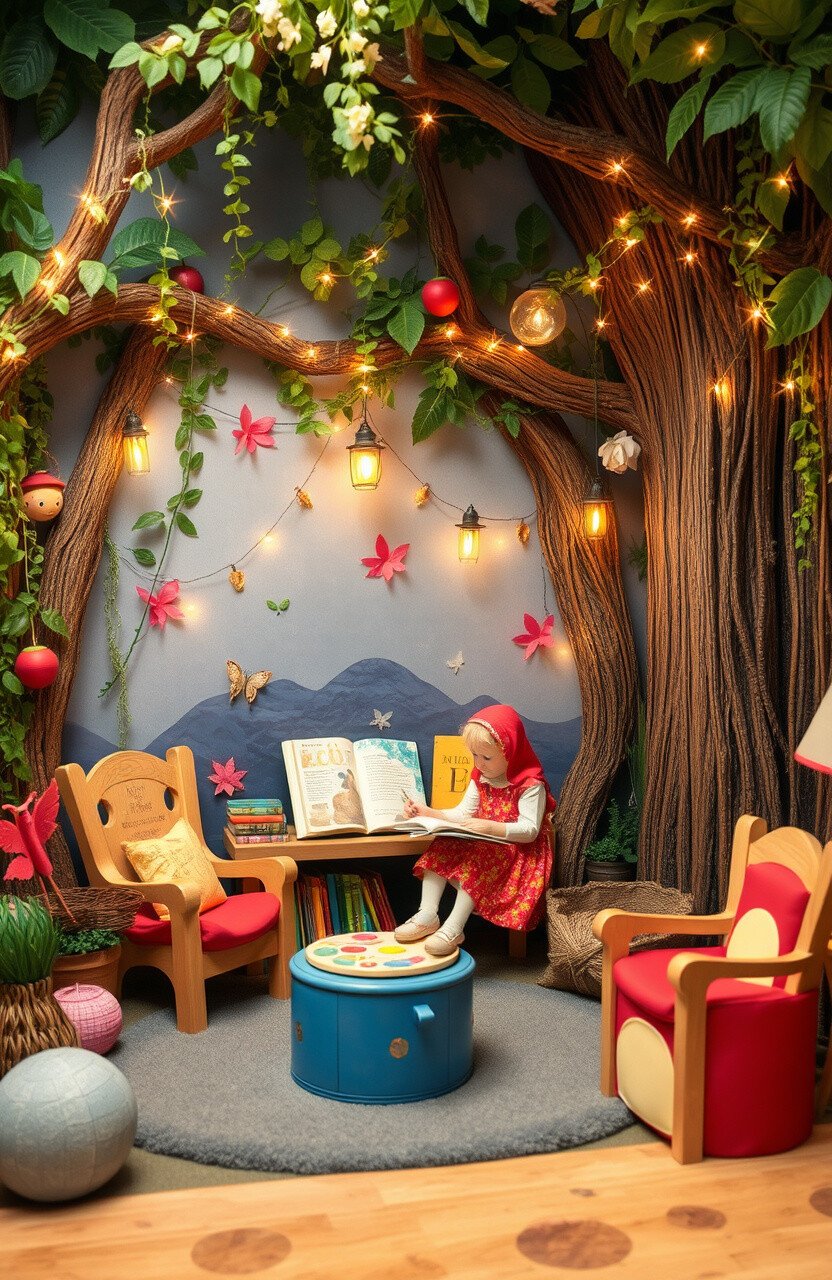
A fairy tale forest is a whimsical area with storybooks and magical decorations. It’s an enchanting escape into tales.
This forest fosters imagination and a love for reading. It’s a dreamy reading nook.
Decorate with fairy lights and themed crafts. Encourage kids to create their own fairy tales.
Use inexpensive decorations and donated books for setup. Rotate tales to keep it magical.
37. Healthy Habits Hub
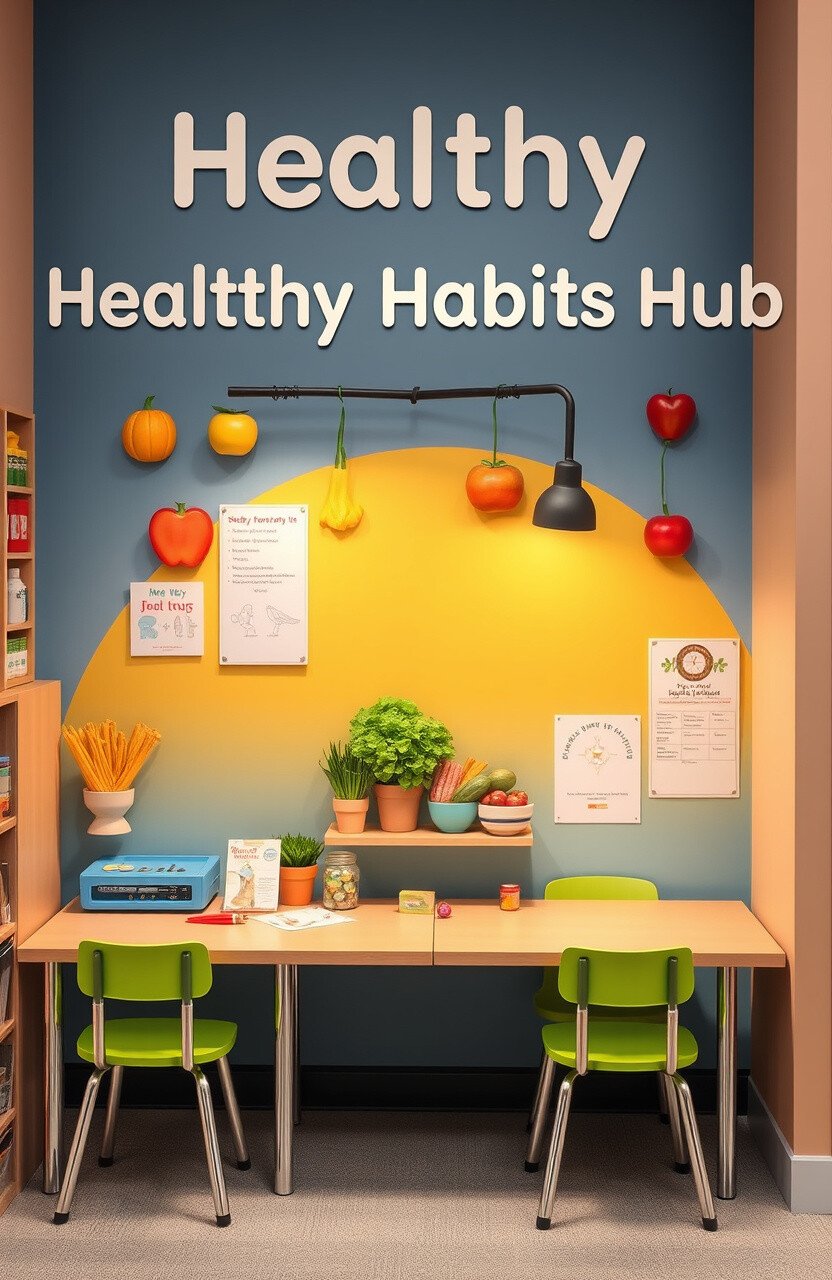
A healthy habits hub promotes nutrition and wellness with activities and visuals. It’s a center for healthy living.
This hub encourages healthy choices and self-care. It’s a vibrant wellness corner.
Create themed activities like cooking demos or exercise challenges. Provide educational materials and games.
Use printable resources and community donations for affordability. Rotate themes to keep it engaging.
38. Space Exploration Station
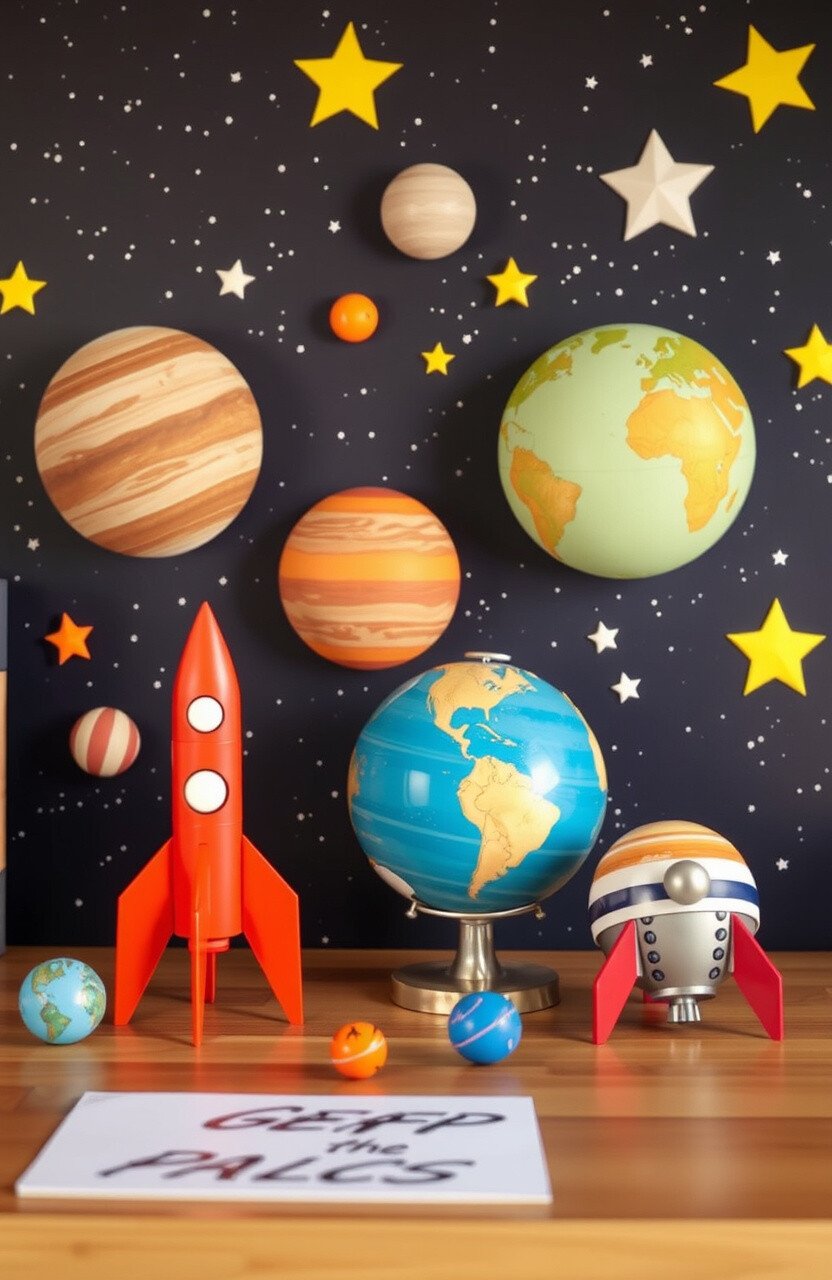
A space exploration station is filled with planets, stars, and rocket models. It’s a journey into the cosmos.
This station enhances knowledge about space and astronomy. It’s an exciting exploration of the universe.
Create themed crafts and space stories. Decorate with glow-in-the-dark stars for a unique touch.
Use DIY crafts and inexpensive models for affordability. Rotate focus planets to maintain interest.
39. Friendship Circle
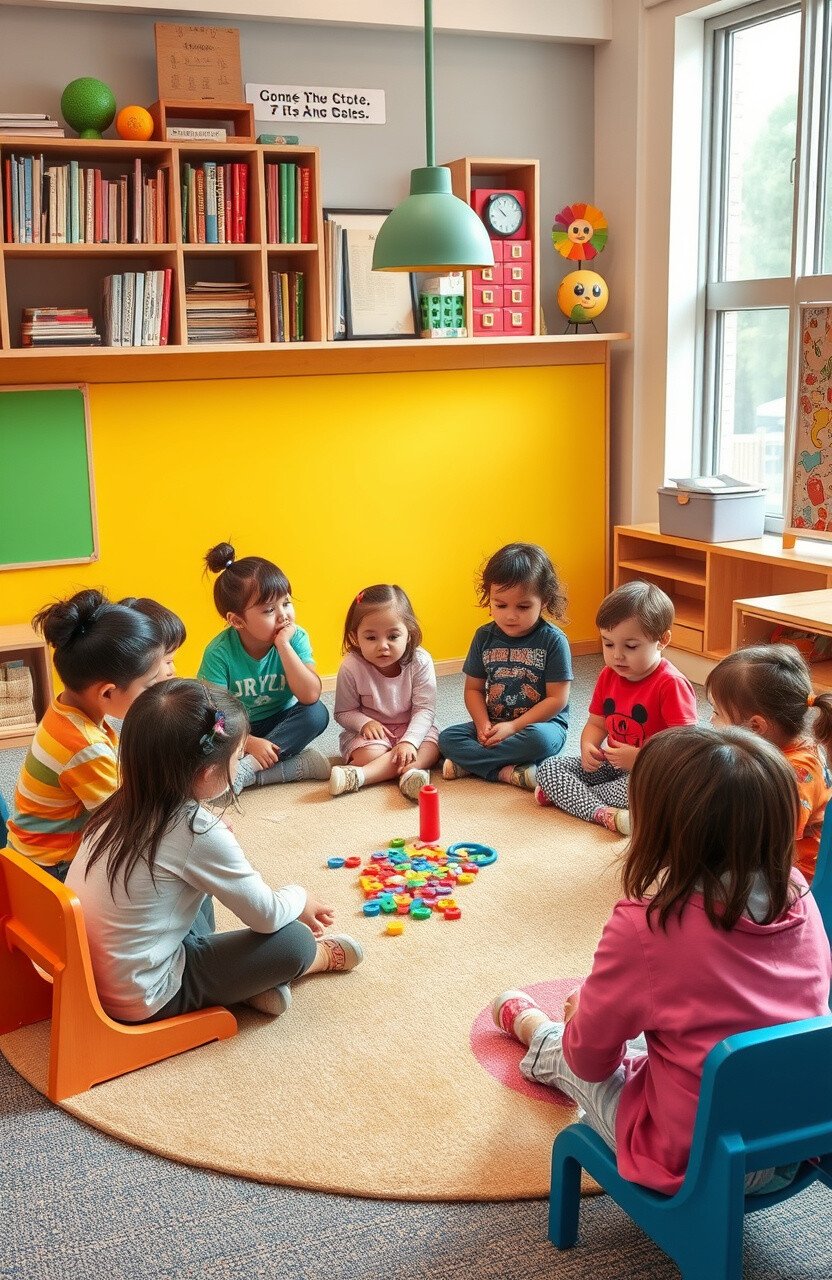
A friendship circle is a space for games and activities that promote camaraderie. It’s a hub for building connections.
This circle encourages social skills and teamwork. It’s a friendly, interactive area.
Create themed games or group projects. Encourage sharing and collaboration.
Use inexpensive games and DIY materials for setup. Rotate activities to keep it lively.
40. Eco-Friendly Crafts Area
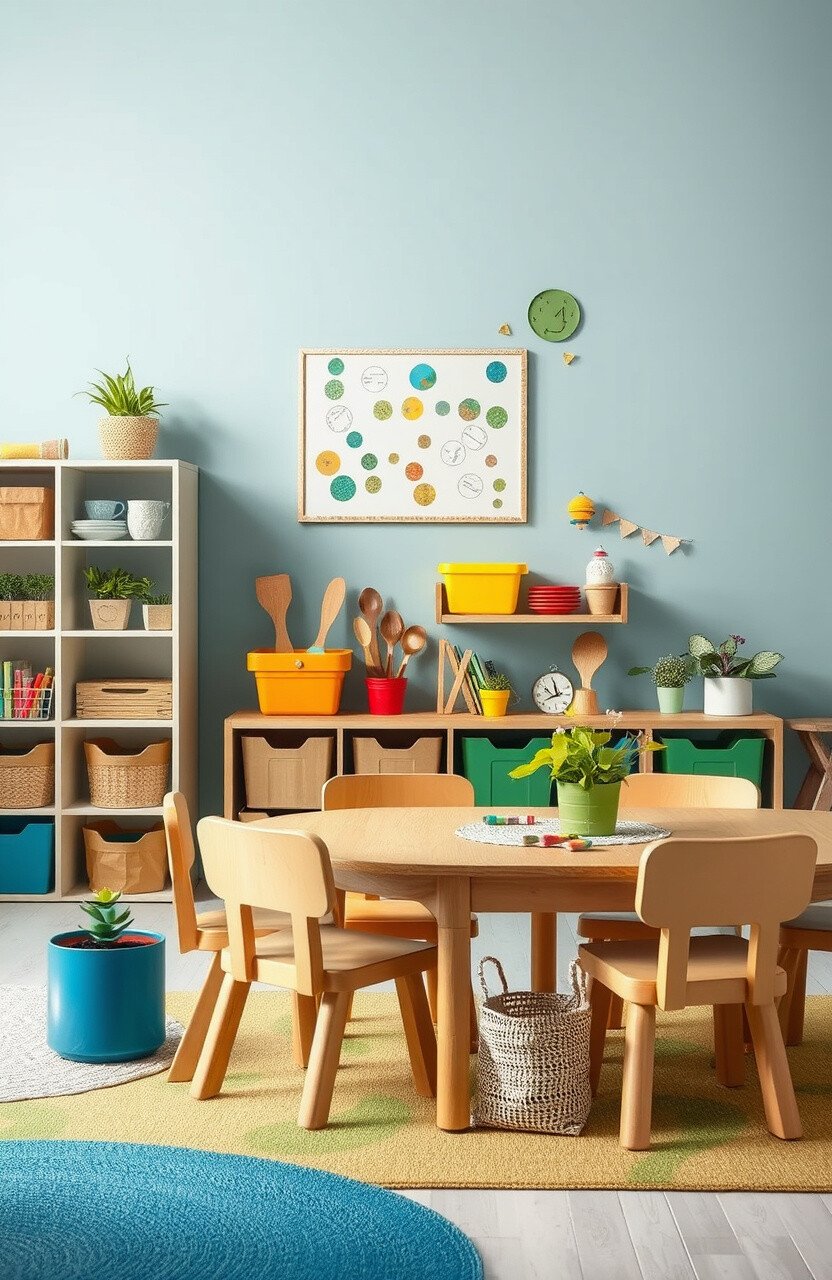
An eco-friendly crafts area uses recycled materials for creative projects. It’s a sustainable art corner.
This area promotes environmental responsibility and creativity. It’s a space for mindful crafting.
Create themed crafts using household items. Encourage kids to bring materials from home.
Use donated supplies and recycle bins for affordability. Rotate craft projects to maintain interest.
41. Adventure Story Corner
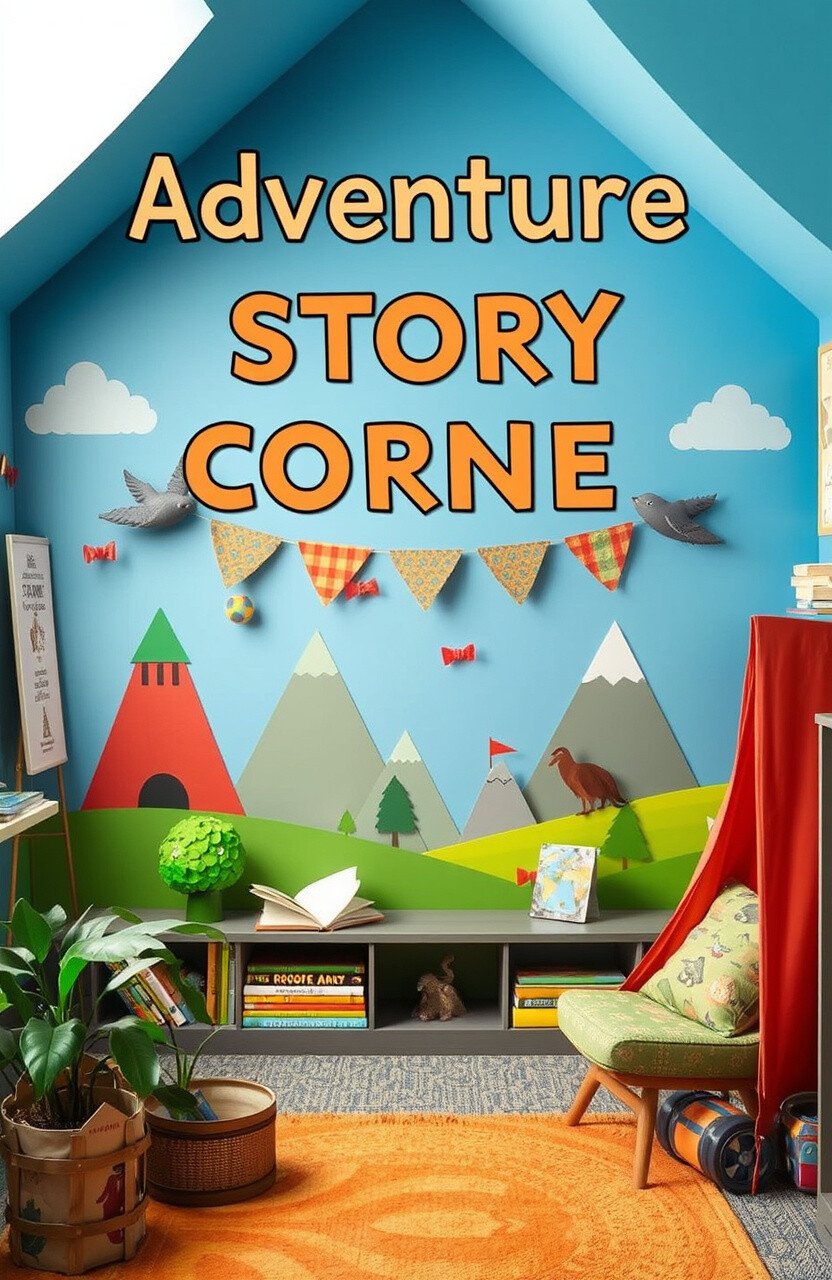
An adventure story corner is filled with tales of exploration and discovery. It’s a gateway to adventurous reading.
This corner fosters a love for stories and imagination. It’s a thrilling reading nook.
Create themed reading challenges or storytelling sessions. Encourage kids to share adventure stories.
Use donated books and DIY decorations for setup. Rotate stories to keep it exciting.
42. Cultural Art Display
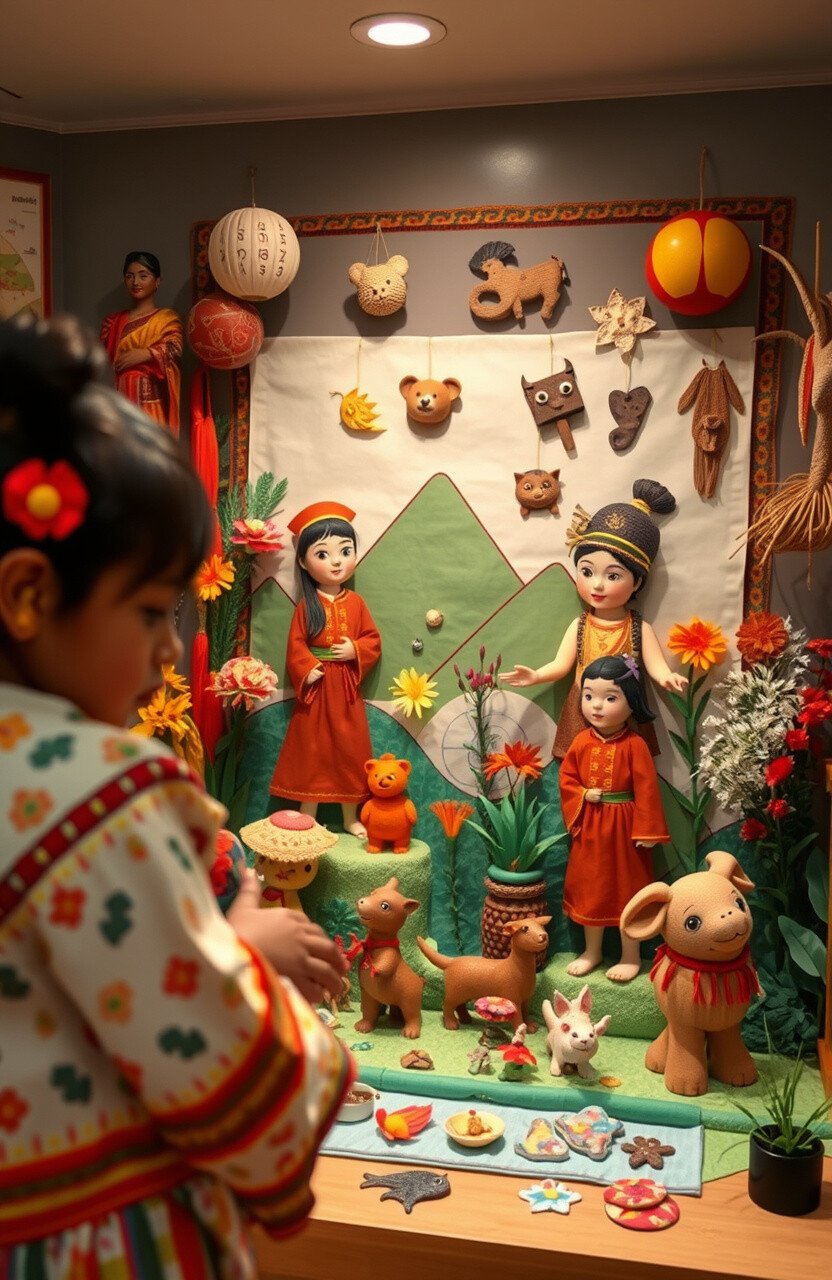
A cultural art display showcases art from different cultures with crafts and visuals. It’s a celebration of global creativity.
This display promotes cultural appreciation and artistic skills. It’s a vibrant art exhibit.
Create themed art projects and use cultural artifacts. Encourage kids to contribute their own creations.
Use donated items and community contributions for affordability. Update displays regularly to maintain interest.
43. Creative Writing Station
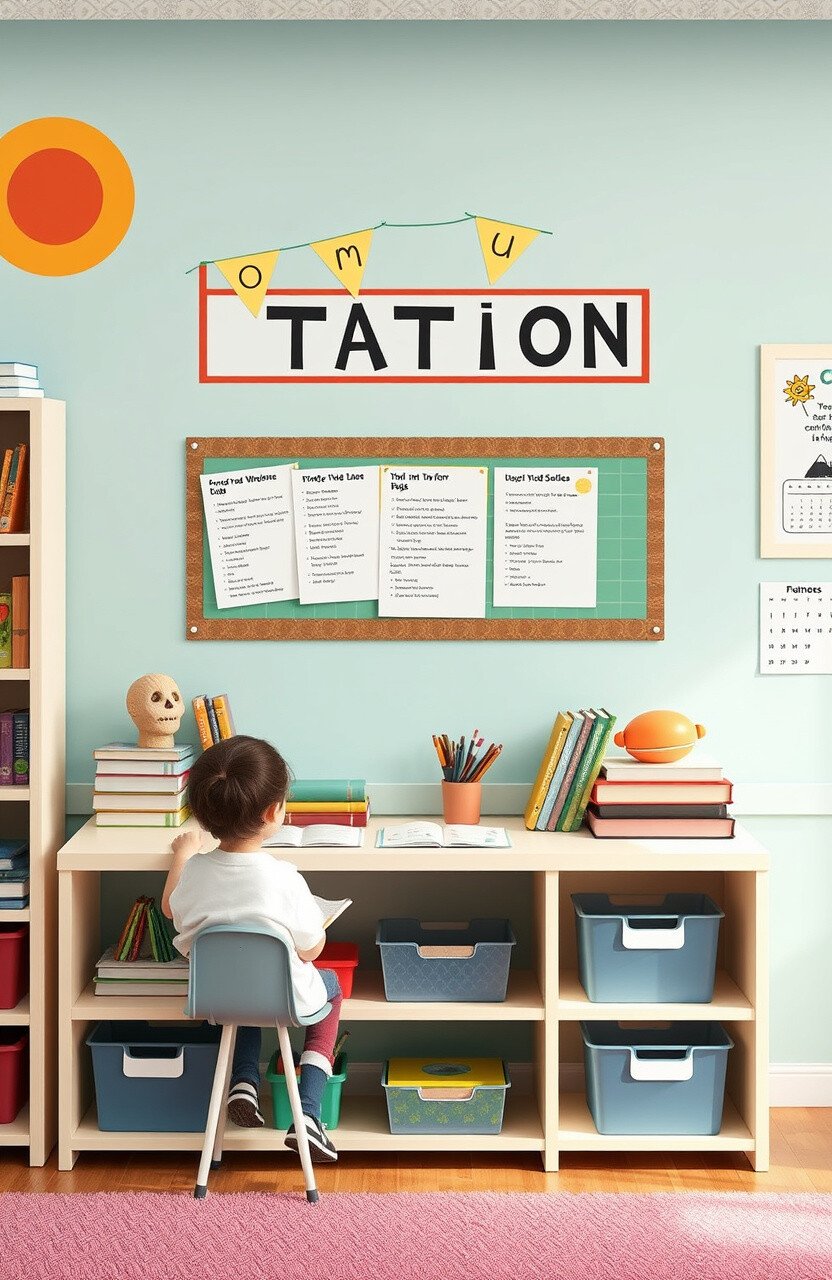
A creative writing station is a hub for storytelling and poetry with prompts and tools. It’s a portal to literary creativity.
This station encourages language skills and imaginative writing. It’s a space for budding authors.
Create themed writing prompts and encourage peer sharing. Use storyboards and writing tools for inspiration.
Use printable resources and DIY materials for affordability. Rotate themes to keep it engaging.
44. Under the Stars Reading Area
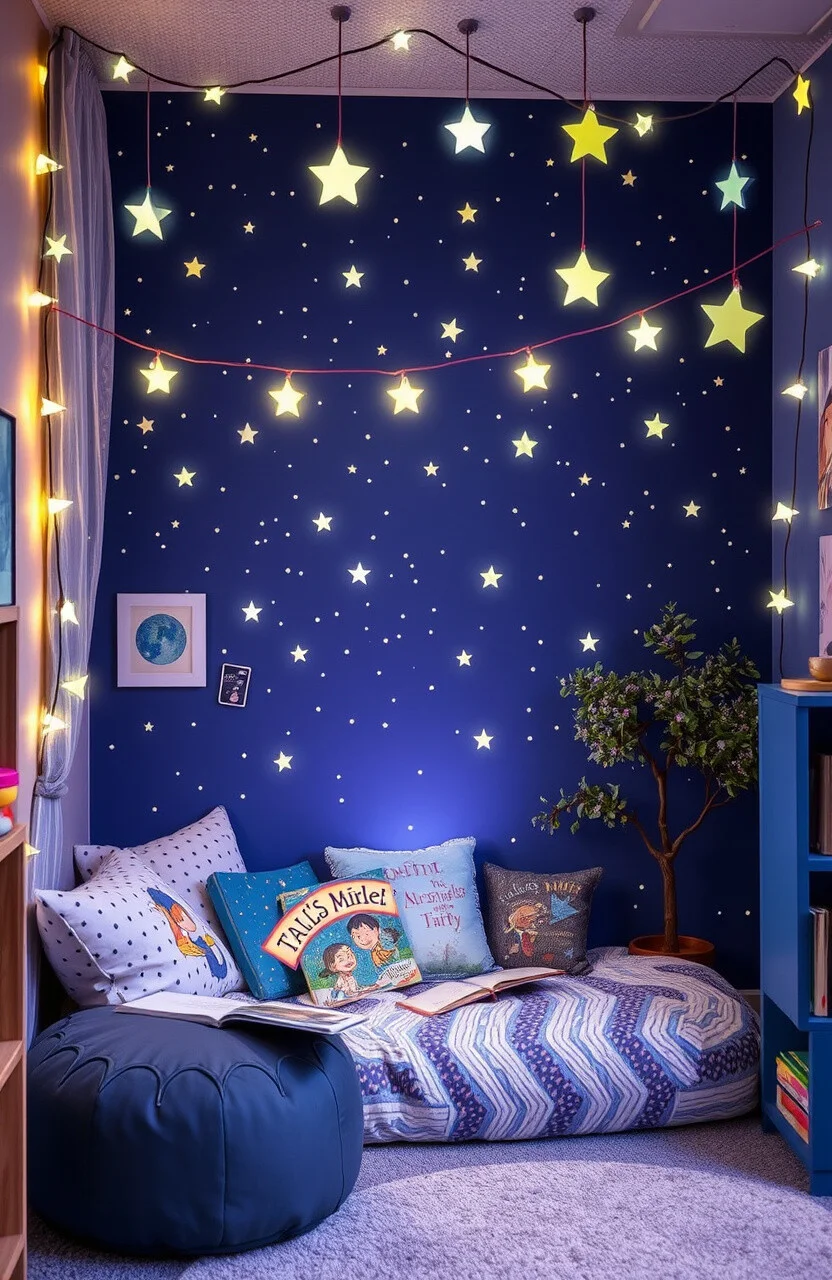
An under the stars reading area is a cozy nook with starry decorations and books. It’s a celestial reading escape.
This area fosters a love for reading and imagination. It’s a dreamy spot for book lovers.
Decorate with glow-in-the-dark stars and themed books. Encourage kids to share nighttime stories.
Use inexpensive decorations and donated books for setup. Rotate stories to keep it magical.
45. Imagination Station
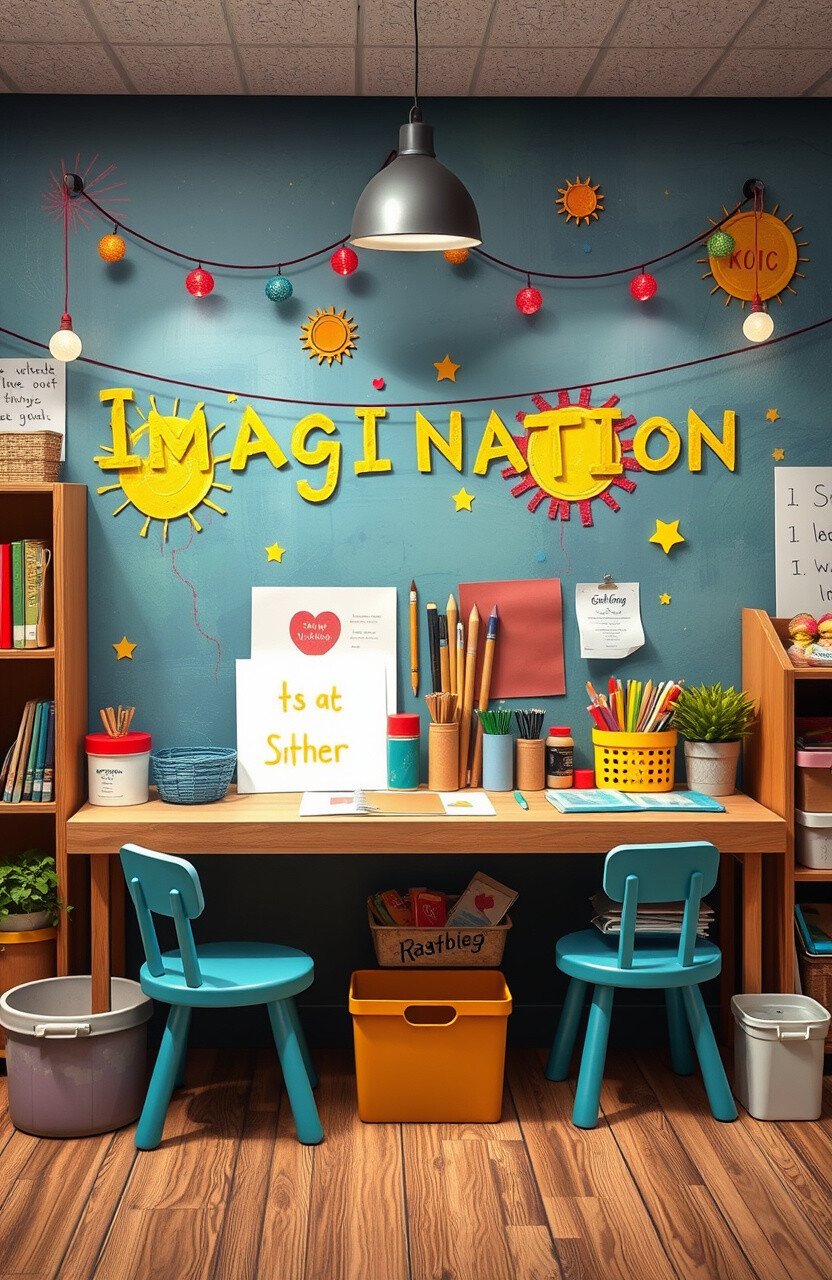
An imagination station is a creative hub with art supplies and prompts. It’s a launchpad for artistic expression.
This station promotes creativity and artistic skills. It’s a space for endless possibilities.
Create themed art challenges or group projects. Encourage kids to explore different mediums.
Use donated supplies and DIY materials for affordability. Rotate projects to keep it fresh.
46. Dinosaur Discovery Zone
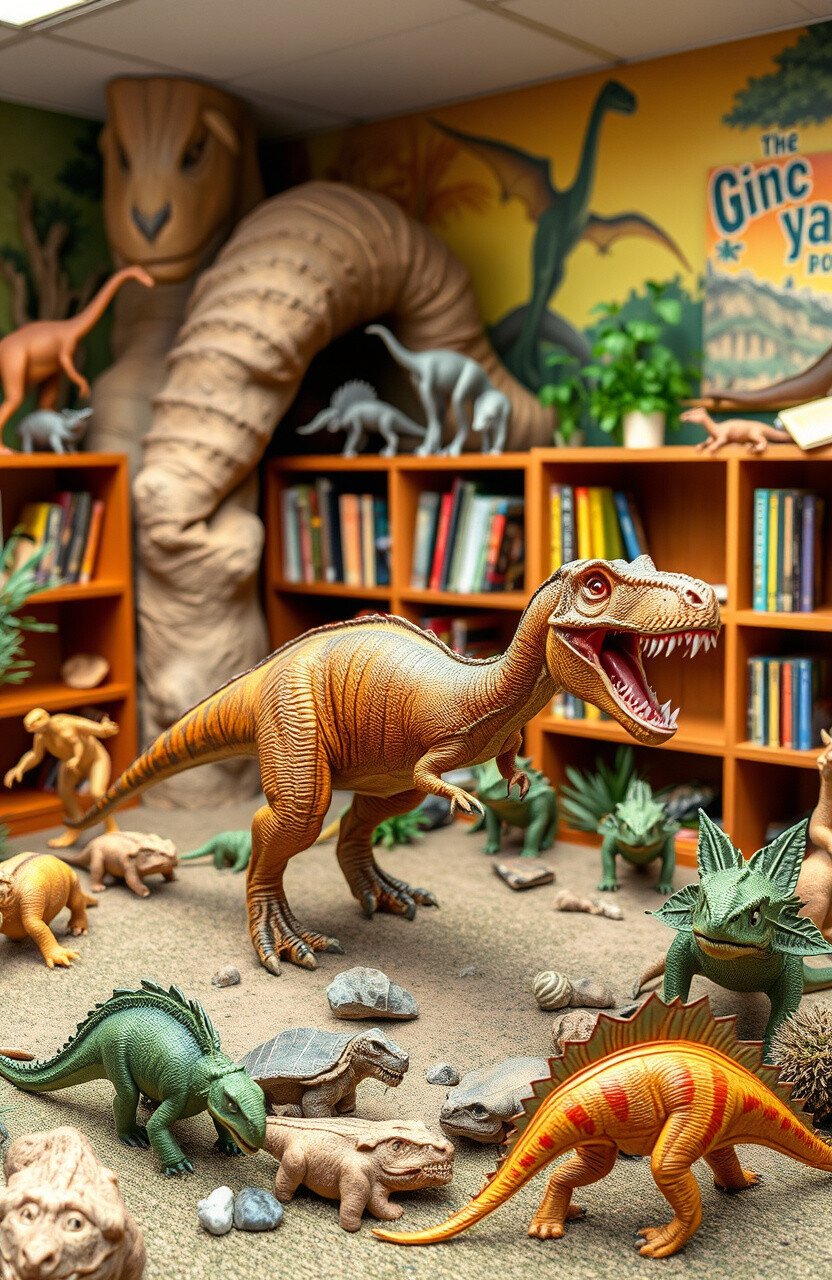
A dinosaur discovery zone is filled with fossils, models, and books. It’s a prehistoric adventure.
This zone enhances knowledge about dinosaurs and history. It’s an exciting exploration of ancient times.
Create themed crafts and dinosaur stories. Decorate with themed visuals and toys.
Use DIY fossils and inexpensive models for affordability. Rotate focus dinosaurs to keep it engaging.
47. Mystery Science Lab
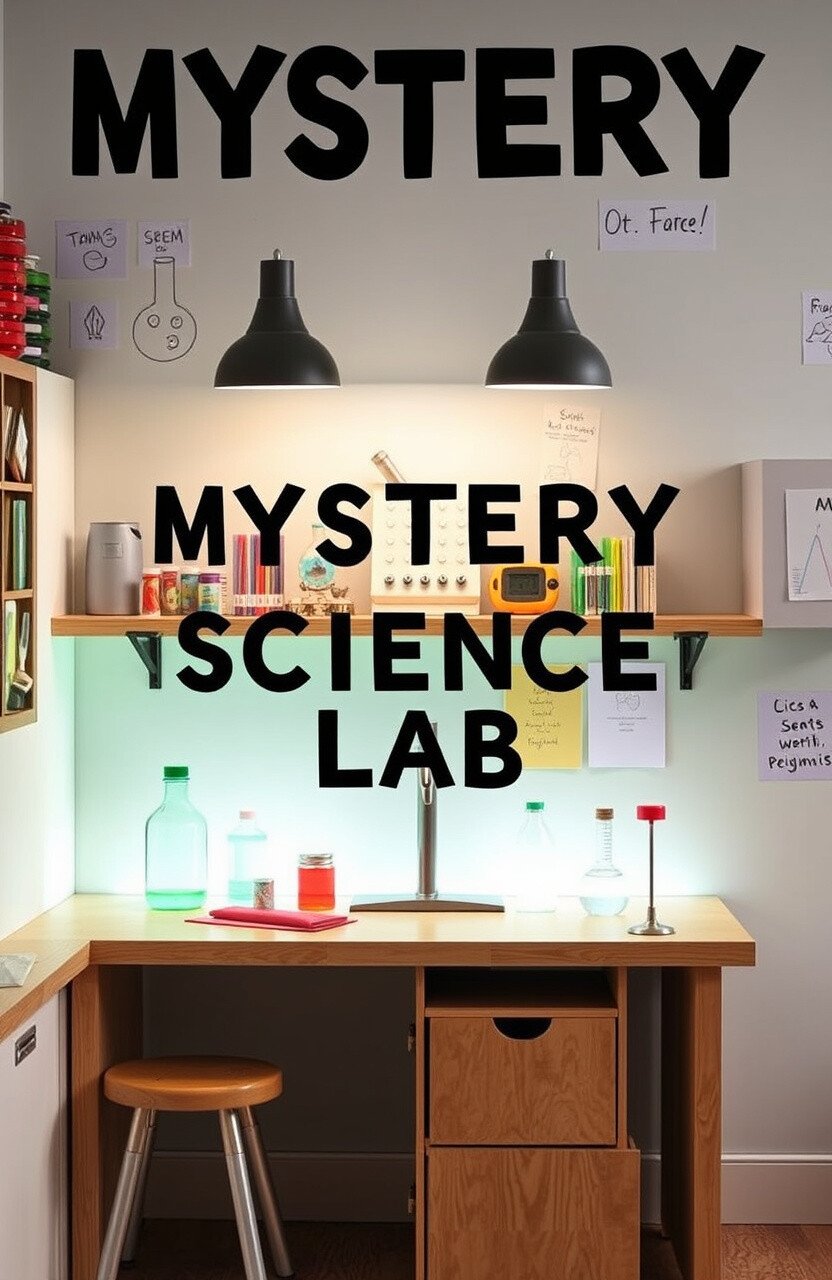
A mystery science lab is filled with experiments and clues for discovery. It’s a puzzle for young scientists.
This lab encourages critical thinking and scientific inquiry. It’s a hub for exploration and learning.
Create themed mystery challenges and encourage teamwork. Rotate experiments to keep it intriguing.
Use household items and donated materials for affordability. Keep it fresh with new mysteries regularly.
48. Geography Exploration Corner

A geography exploration corner is filled with maps, globes, and travel stories. It’s a journey around the world.
This corner enhances knowledge about geography and cultures. It’s a vibrant exploration of the earth.
Create themed activities like map reading or travel challenges. Encourage kids to share travel experiences.
Use donated maps and printable resources for affordability. Rotate focus regions to maintain interest.
49. Ocean Wonders Display
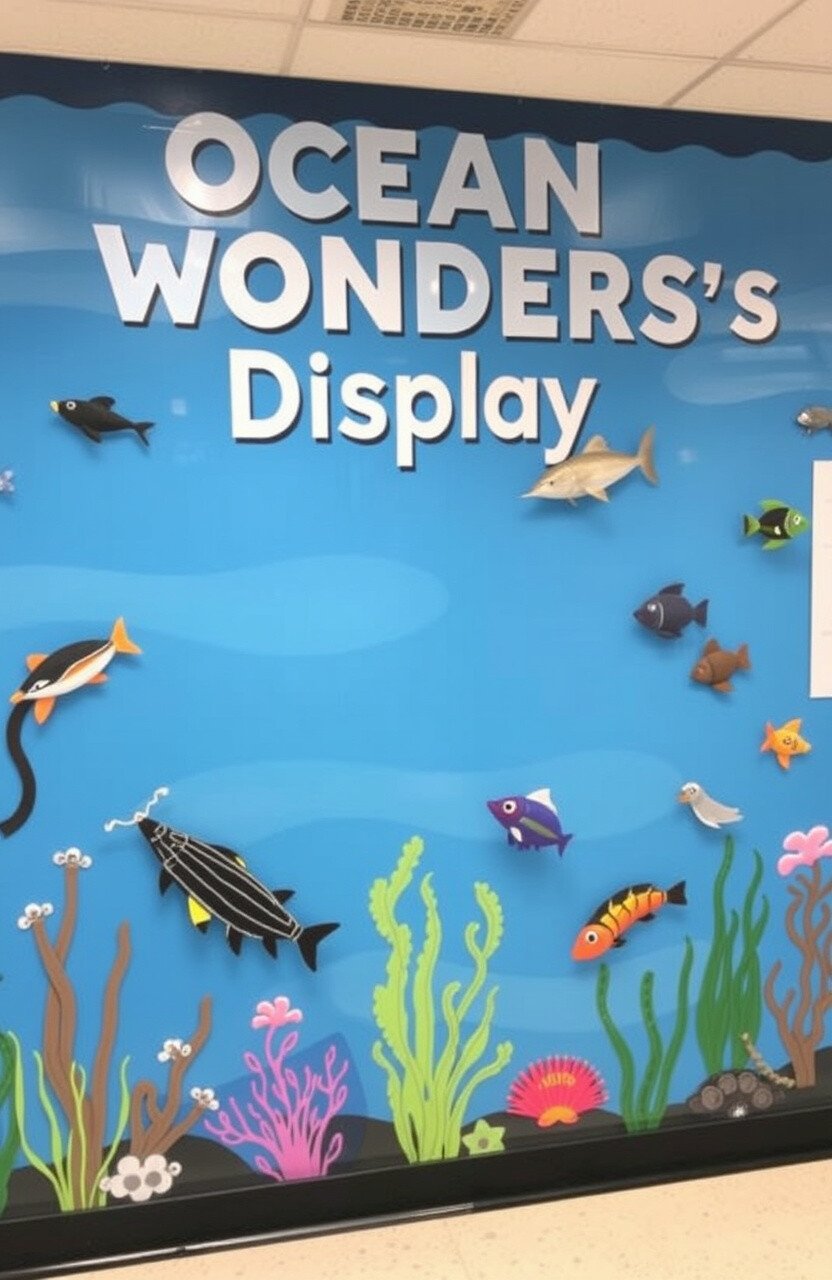
An ocean wonders display showcases marine life with visuals and facts. It’s a dive into oceanic enchantment.
This display enhances knowledge about the ocean and its creatures. It’s a vibrant showcase of marine beauty.
Create themed crafts or experiments related to marine life. Update with seasonal ocean changes.
Use printable resources and DIY crafts for affordability. Rotate ocean topics to maintain interest.
50. Tech Exploration Zone
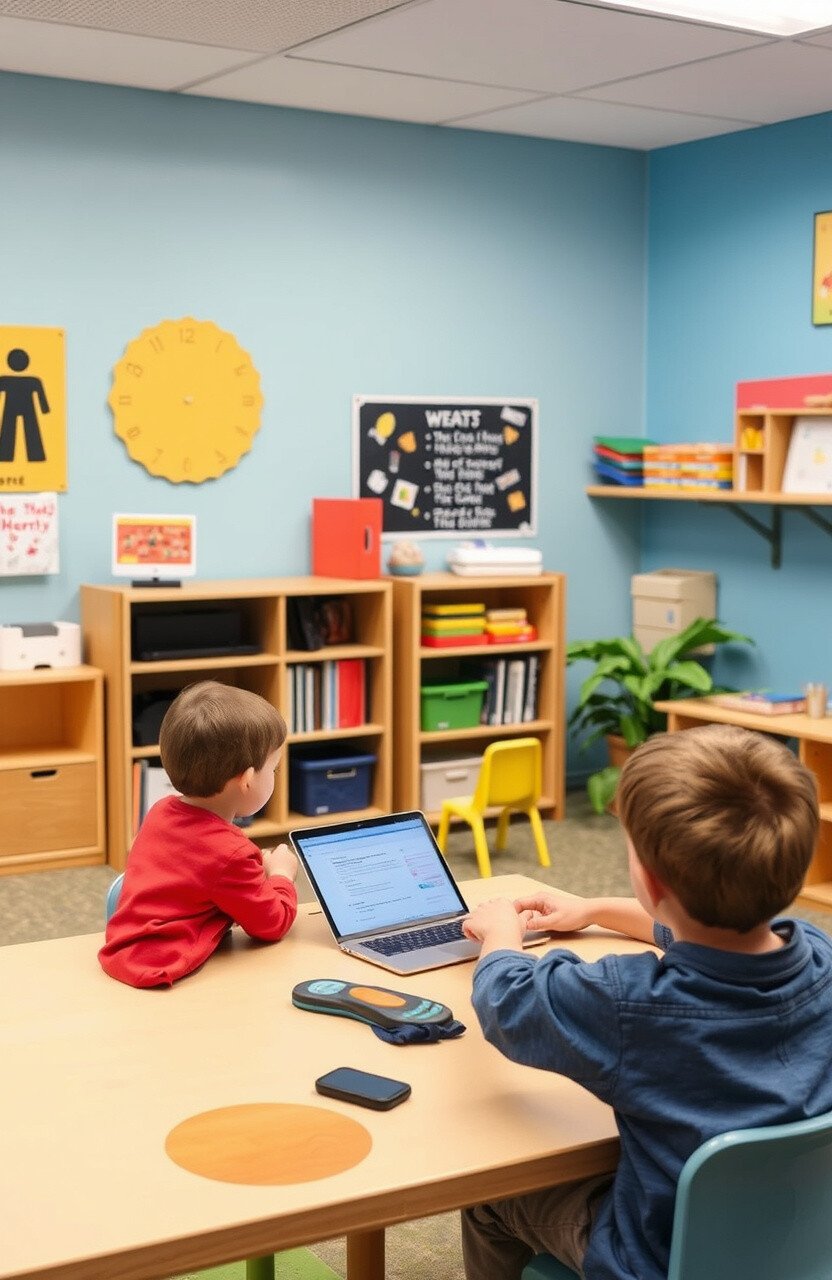
A tech exploration zone introduces technology and coding basics with games and tools. It’s a digital discovery playground.
This zone enhances tech skills and problem-solving abilities. It’s a hub for innovation and learning.
Create themed coding challenges and encourage teamwork. Use simple tech tools for hands-on learning.
Use free online resources and donated devices for affordability. Rotate tech topics to keep it engaging.
51. Under the Sea Reading Nook
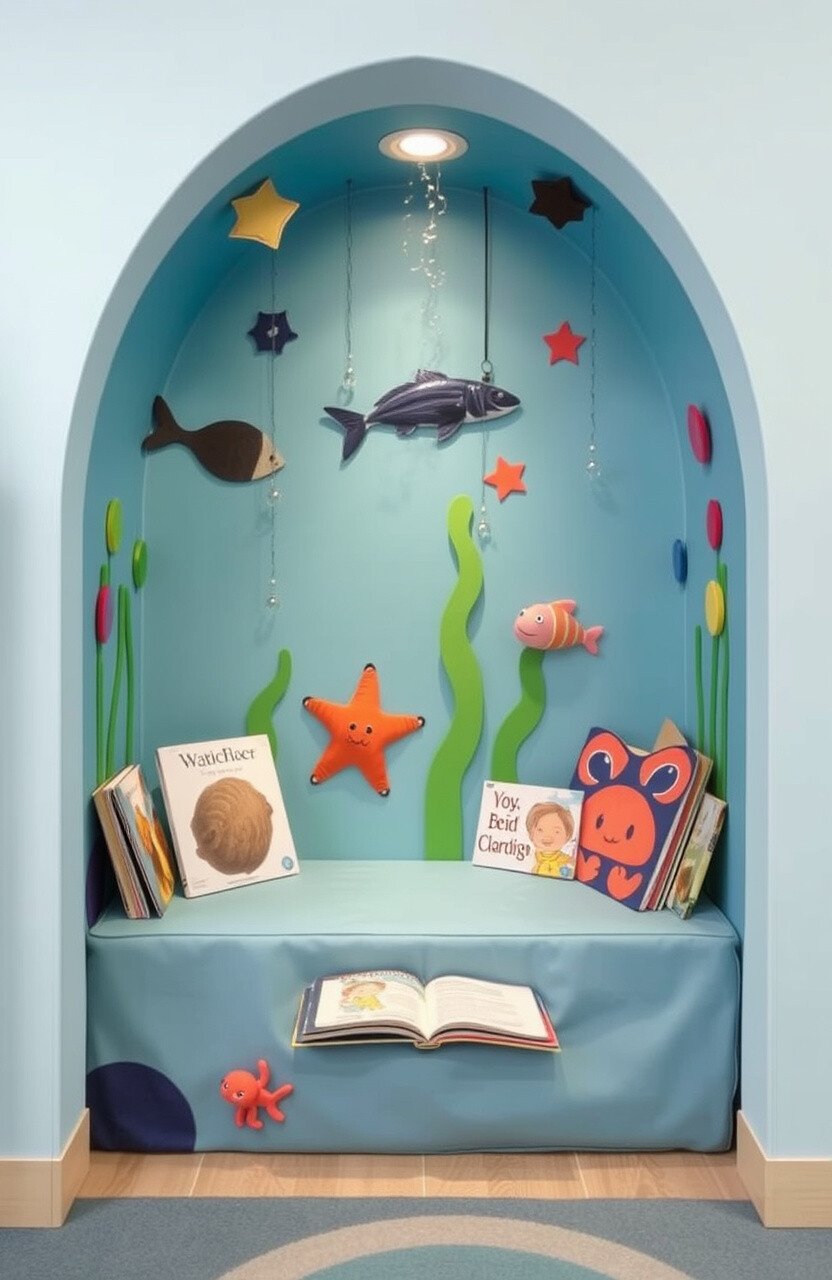
An under the sea reading nook is a cozy spot with ocean-themed decorations and books. It’s an aquatic literary escape.
This nook fosters a love for reading and imagination. It’s a serene spot for oceanic tales.
Decorate with sea creatures and themed books. Encourage kids to share ocean stories.
Use inexpensive decorations and donated books for setup. Rotate stories to keep it fresh.