The room can feel calm and exciting at the same time. With the right boho touches, kids can stay organized without it feeling like “work.”
You’ll find storage that looks cute, zones that make sense, and routines that support independence. These ideas are made for real school days, not perfect photos.
1. Warm Woven Labels That Kids Can Read
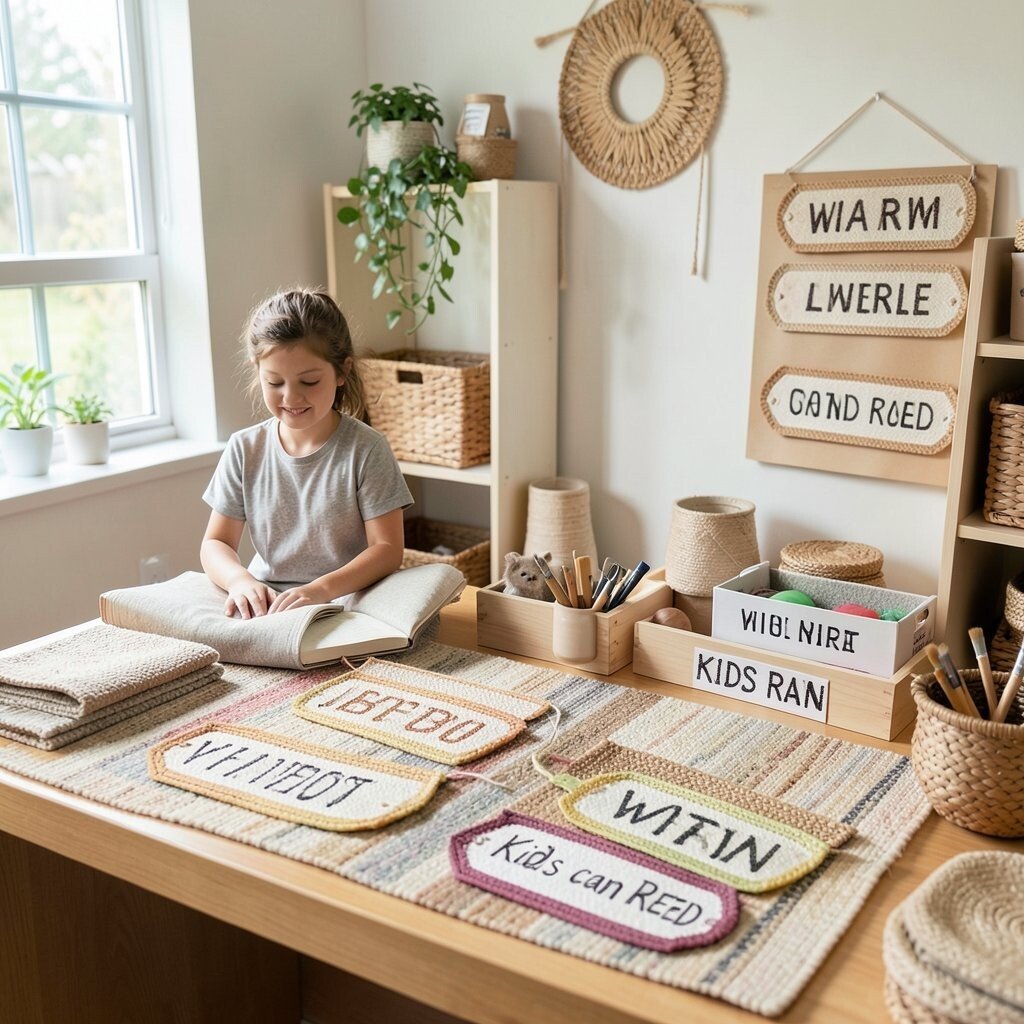
Try woven fabric labels on bins and baskets so everything has a friendly look. Use simple words and bright pictures that match what kids actually use each day.
When labels sit at a kid’s height, children can put things away with confidence. Choose large, high-contrast text and add a small symbol like a crayon, book, or puzzle piece. This small change helps order feel natural instead of confusing.
2. Floating Shelf Niches for “Grab-and-Go” Supplies
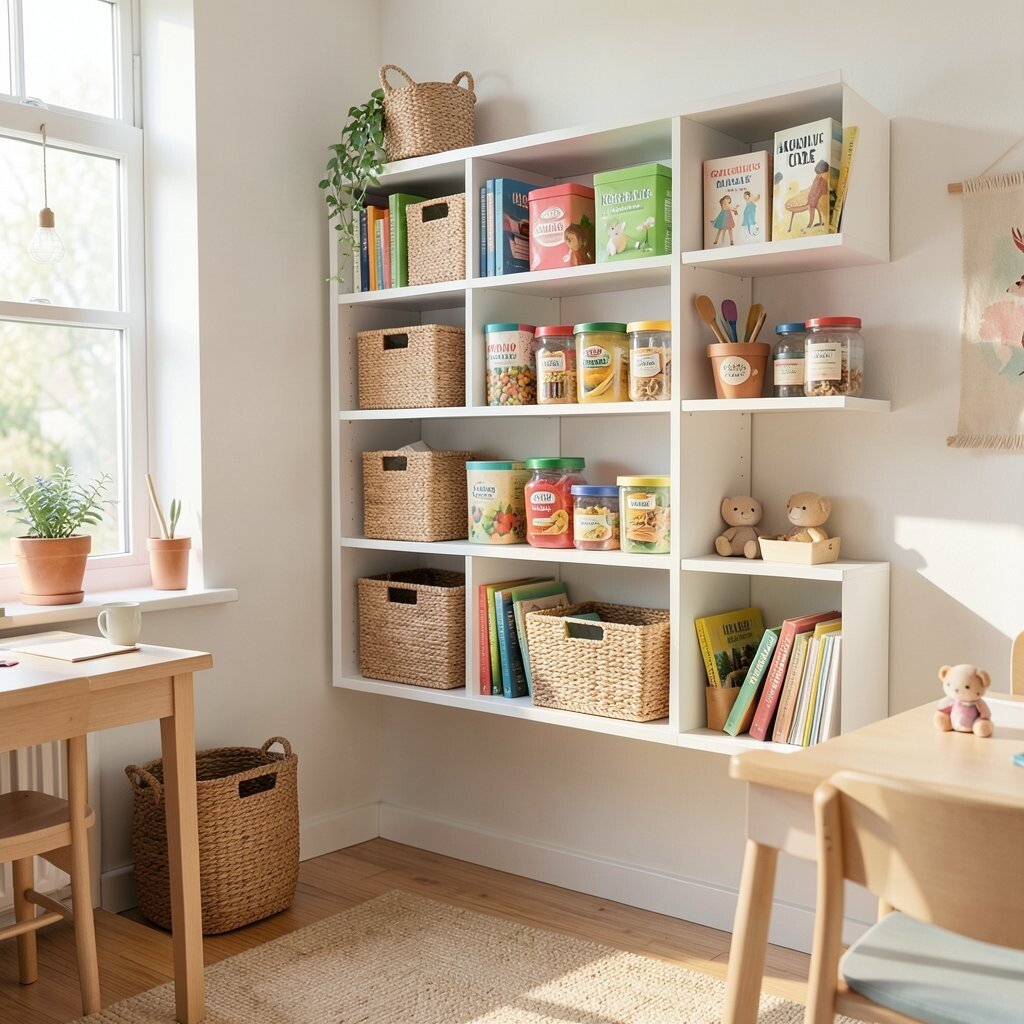
Install small floating shelves in boho shapes so supplies look styled but stay easy to reach. Place items in clear bins, then top the shelves with soft baskets or fabric organizers.
Kids can grab what they need for centers and return it quickly. Keep the most used materials at eye level and store backup items higher up or in a closet.
For a cost-friendly approach, reuse thrifted shelves or buy unfinished wood and paint it in warm neutrals. This is a popular trend right now because it adds vertical storage and keeps tabletops open for play.
3. A Gallery Wall of Student Work With Rotating Clips
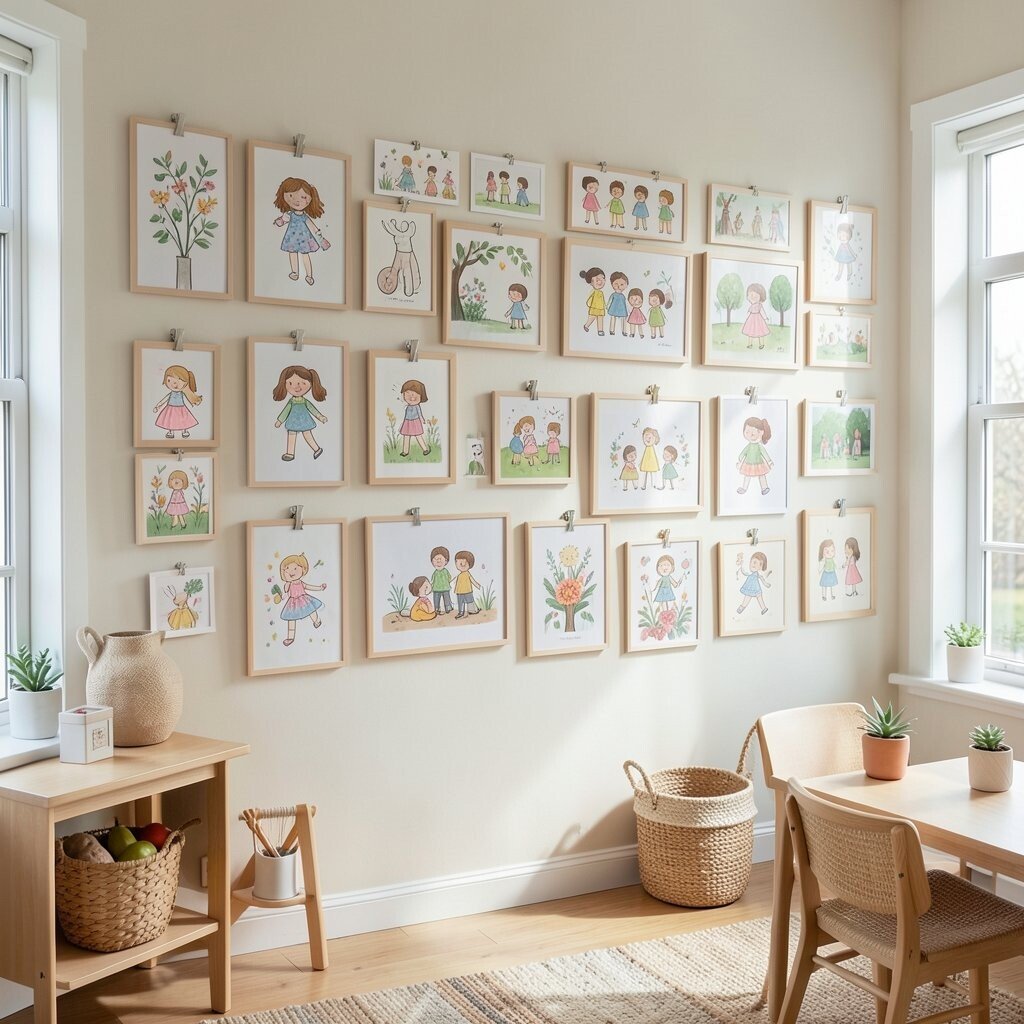
Create a boho gallery wall using a string line, twine, or macramé style hangers. Clip artwork with wooden clothespins so it’s easy to swap out older pieces.
Fresh displays keep kids motivated and make the room feel alive. It also supports organization because every piece has a home, not a pile.
To personalize the setup, use color-matched clothespins for each child’s group. Use removable clips and keep a simple “backstock” envelope for art that isn’t displayed yet.
4. Cozy Reading Nook With Floor Cushions and Clear Rules
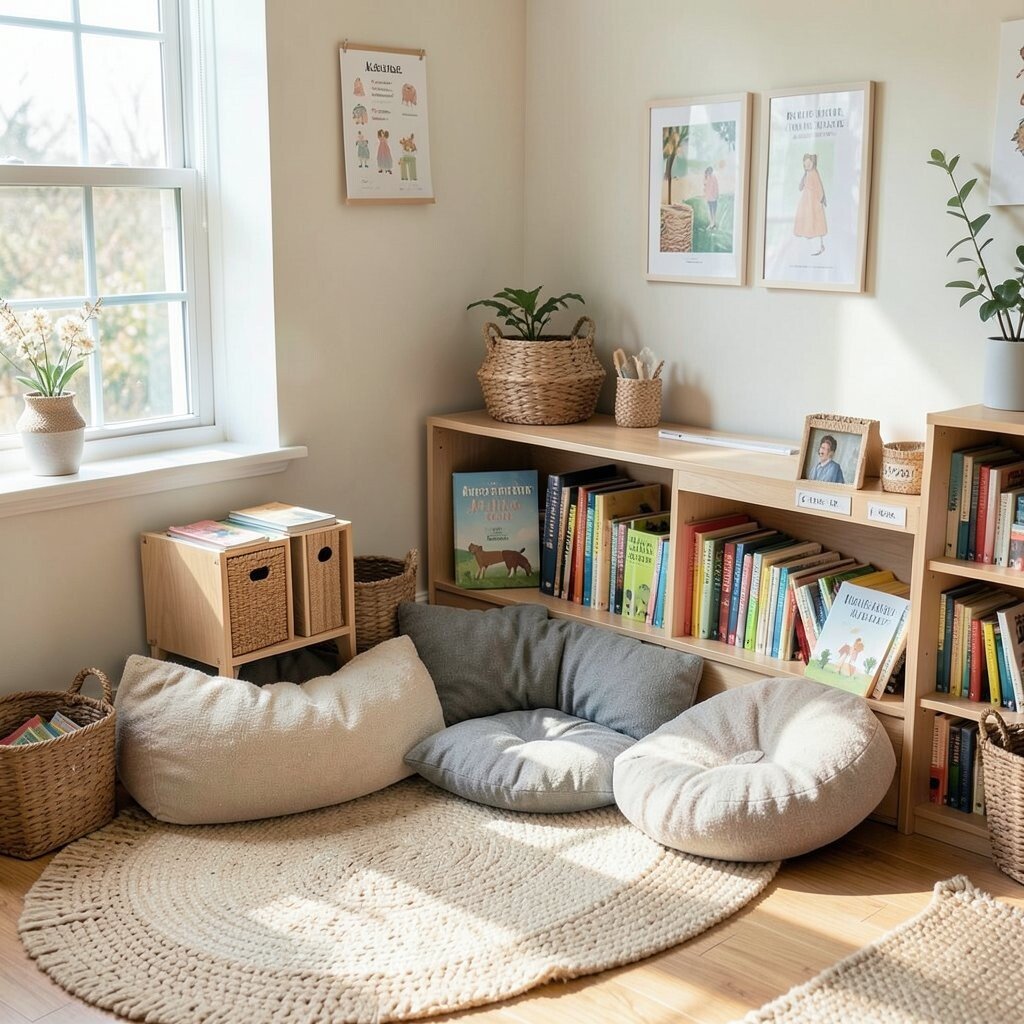
Design a reading corner using floor cushions, a small rug, and a light neutral curtain for softness. Add a basket for books and a separate basket for picture reading props like puppets.
When the area looks inviting, children settle faster and teachers get calmer transitions. Choose a rug with a low pile so cleanup is easier after snack or playtime.
5. Mix-and-Match Boho Storage Bins in a Color Plan
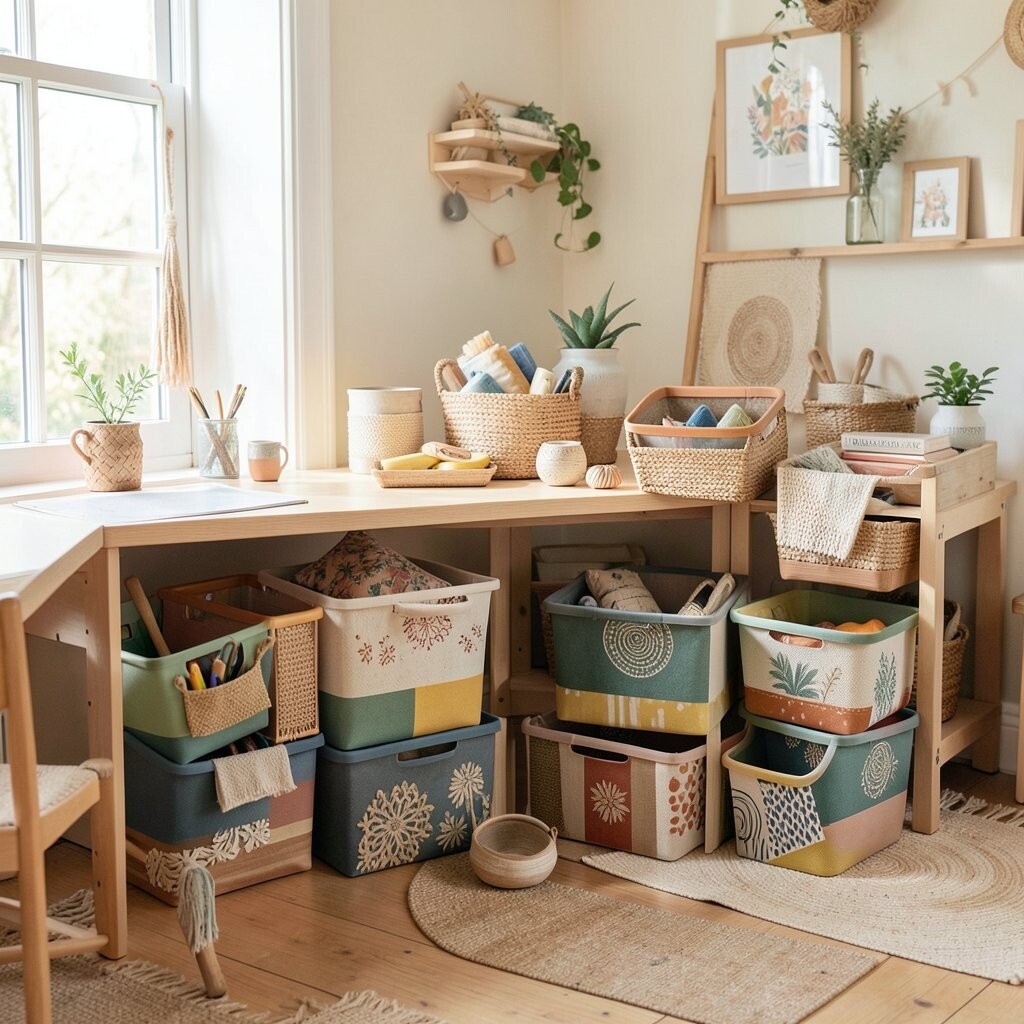
Pick baskets and bins in a few repeating colors so the room feels organized even at a glance. Think sandy beige, dusty terracotta, and soft sage paired with natural wood.
Group bins by function, like art tools together and blocks together, so kids learn patterns. Use matching colors for center zones and the classroom becomes easier to navigate.
For budget planning, start with storage for the most messy areas first, like art and craft supplies. Thrift stores and discount home goods aisles can bring down costs quickly while still keeping the look cohesive.
6. Play Tent or Canopy for Quiet Time and Resetting
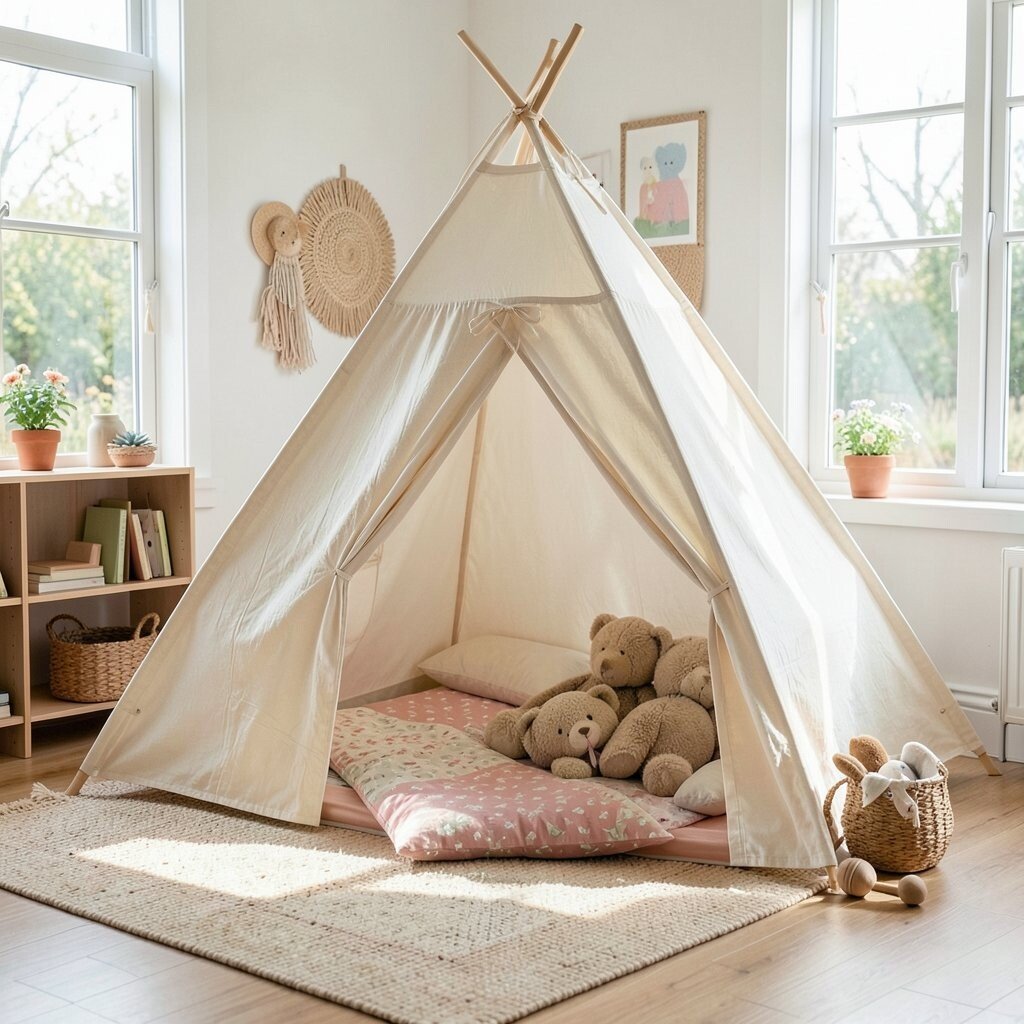
Add a small play tent or fabric canopy to create a calm spot for breathing and quiet activities. Keep a simple basket inside with sensory cards, story books, or soft fidget tools.
This creates a clear reset zone during busy moments, which supports emotional regulation. Choose breathable fabric in warm tones and make sure the entrance is wide so teachers can supervise easily.
To personalize, hang a few small paper stars or simple fabric tags that match your class theme. It feels unique without cluttering the room, especially when the tent holds only a few items at a time.
7. Number and Shape Trays for Daily Math Center Order
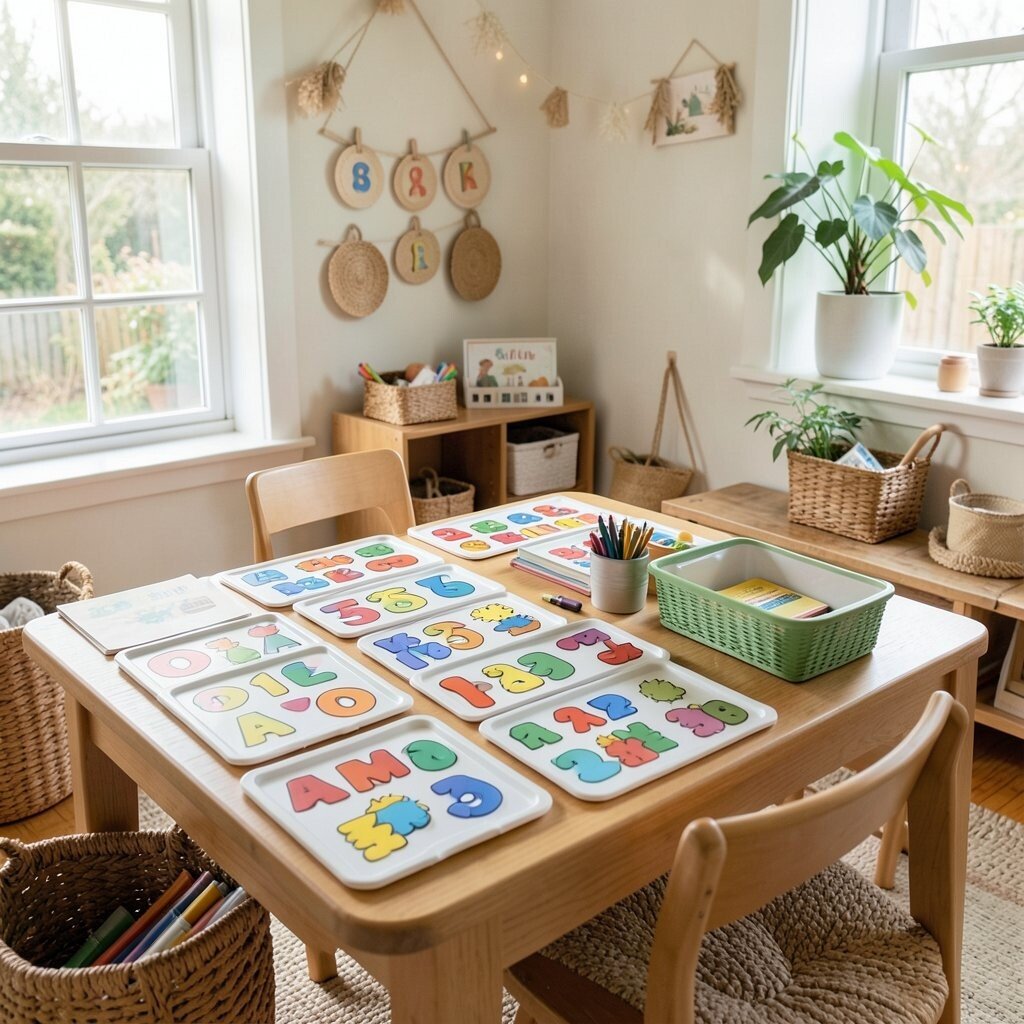
Use shallow trays on a low shelf for math pieces like number cards, counting bears, or shape tiles. Label each tray with both a picture and a simple word so kids understand fast.
Organized trays reduce time spent searching and help children practice sorting skills. Add a matching poster nearby that shows what goes into each tray.
For cost, look for dollar-store organizers or repurpose old lunch trays. Many teachers are using this method right now because it supports independent cleanup and makes math feel tidy.
8. Nature-Inspired Art Supply Stations With Dividers
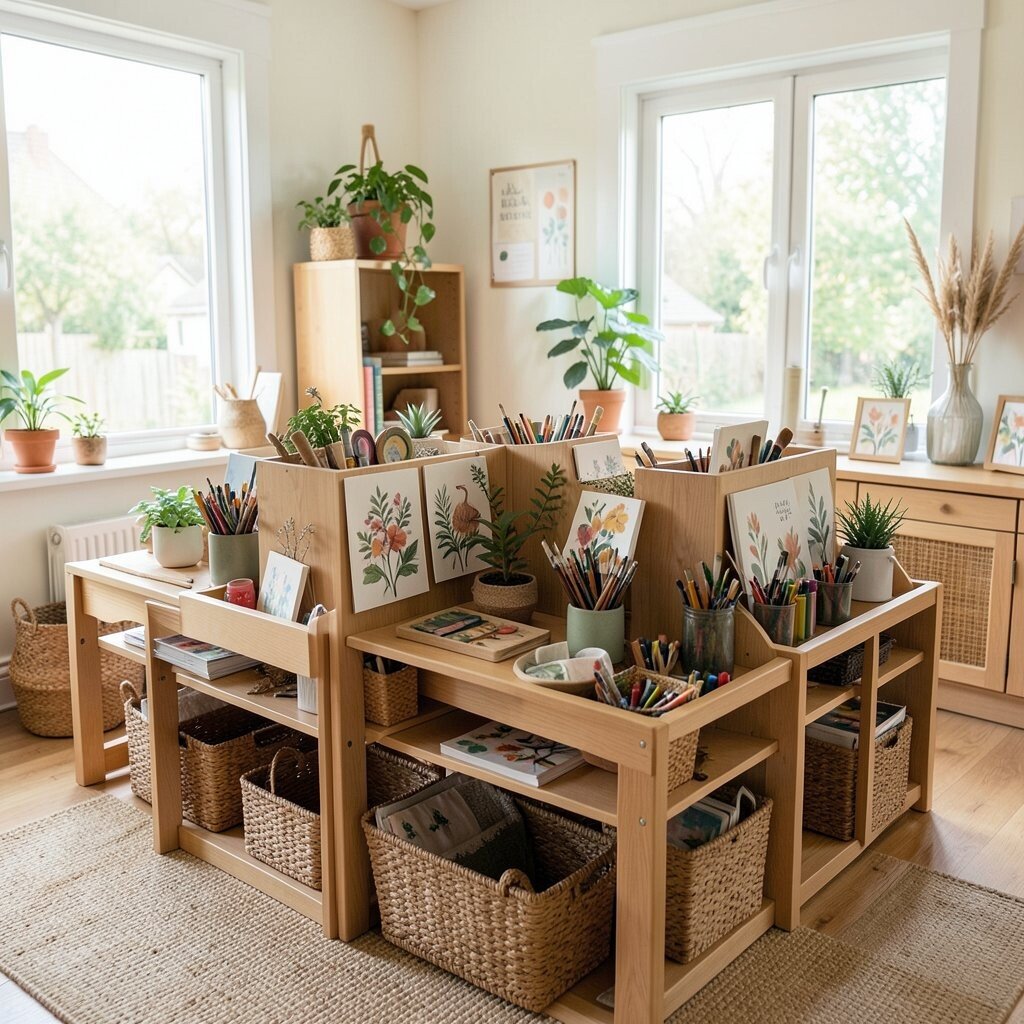
Set up an art station that feels boho by using natural textures like rattan, jute, or woven desk caddies. Put supplies in containers with dividers so markers, glue, and scissors each have a separate slot.
Clear compartments make it easier to keep tools from mixing. When tools are easy to return, kids take ownership of their materials and transitions get smoother.
9. Schedule Cards Styled Like a Soft Boho Story
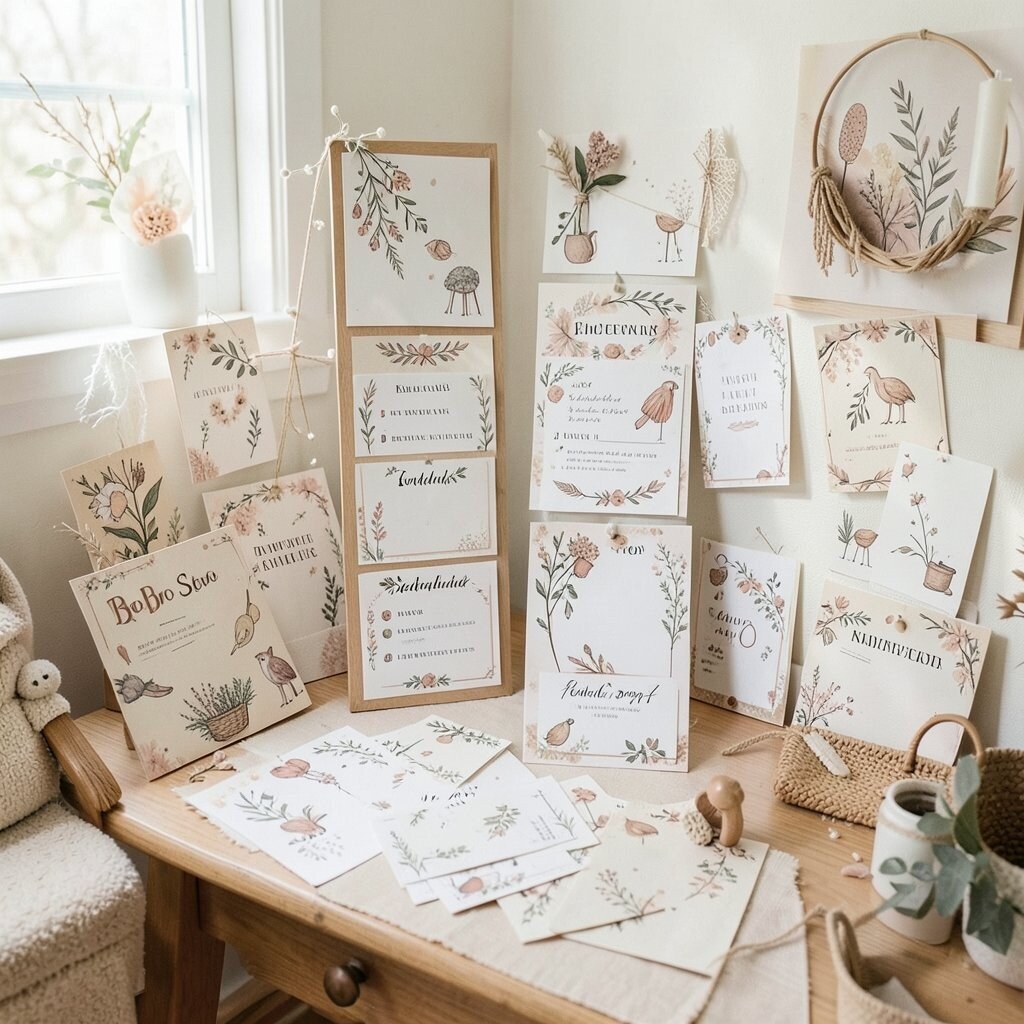
Display your daily routine using a gentle boho design with large cards and simple pictures. Use neutral frames or fabric ties so the visuals look cohesive with the rest of the room.
Kids stay calmer when they know what comes next. Keep the sequence short and use moveable pieces so children can place the “today” card in order.
To make it personal, add tiny classroom icons like a favorite animal or a class nickname. This helps children connect the routine to their own world instead of feeling like an abstract chart.
10. Sink-Ready Water and Mess Station With Lidded Containers
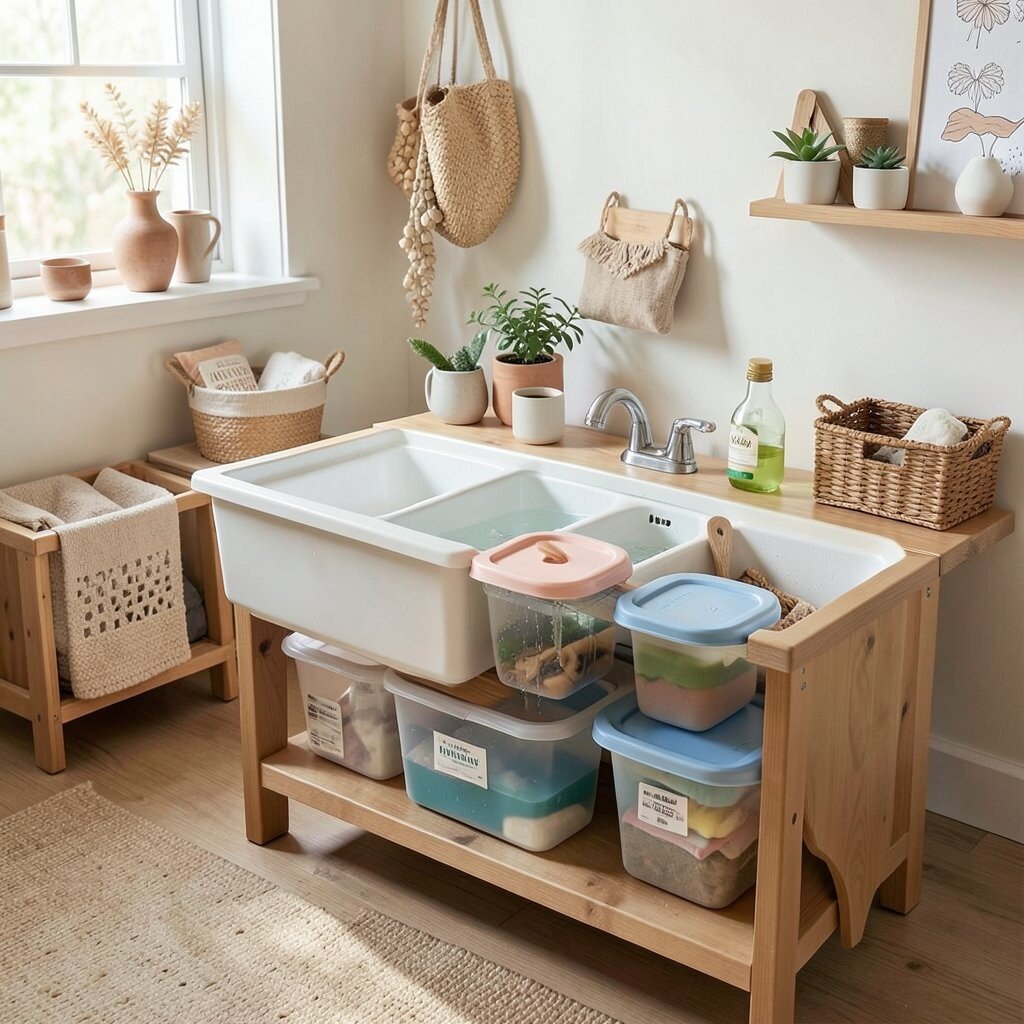
Create a water play or hand-wash station that stays organized using lidded containers and easy-to-grab pitchers. Place aprons or smocks in a hanging organizer and keep a towel stack in a woven basket.
Having everything grouped reduces spills and helps teachers reset quickly. For practical setup, use a tray underneath small items so water stays contained during cleanup.
If you want a budget-friendly choice, thrift small plastic bins and cover them with fabric sleeves to match the boho look. Adding lids also keeps supplies clean and reduces clutter when you’re switching centers.
11. Sensory Bins With Labels, Picture Cards, and Sized Portions
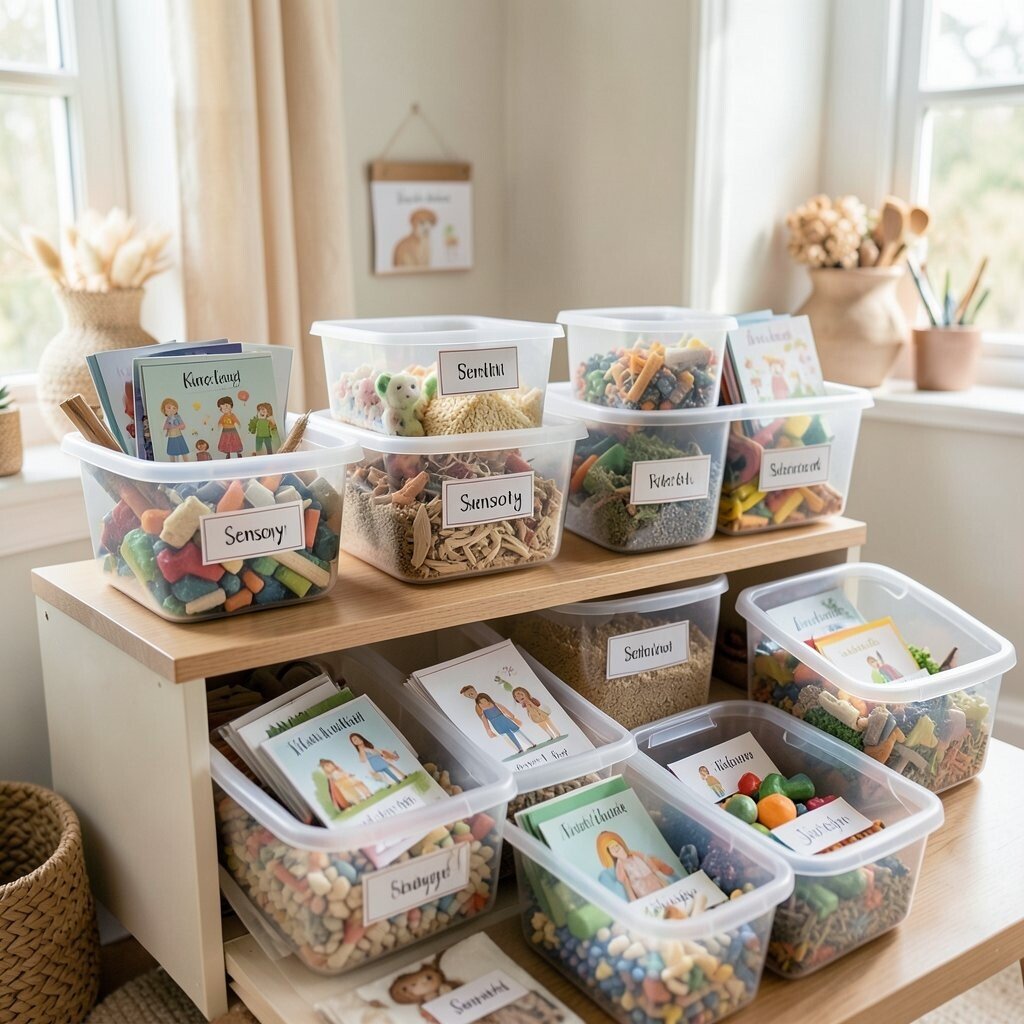
Build sensory bins for calming and learning, like rice for scooping or sand for tracing lines. Keep bins in consistent sizes so cleanup feels the same every day.
Label each bin with a picture and a kid-friendly word so children know which bin is safe for which activity. When portions are controlled, the mess is smaller and organization stays easier.
For personalization, add small themed scoops like animal-shaped tools or wooden spoons with simple handles. Current classroom trends favor sensory organization because it supports language growth and self-regulation with less chaos.
12. Classroom “Zone Map” Rug With Soft Boundaries
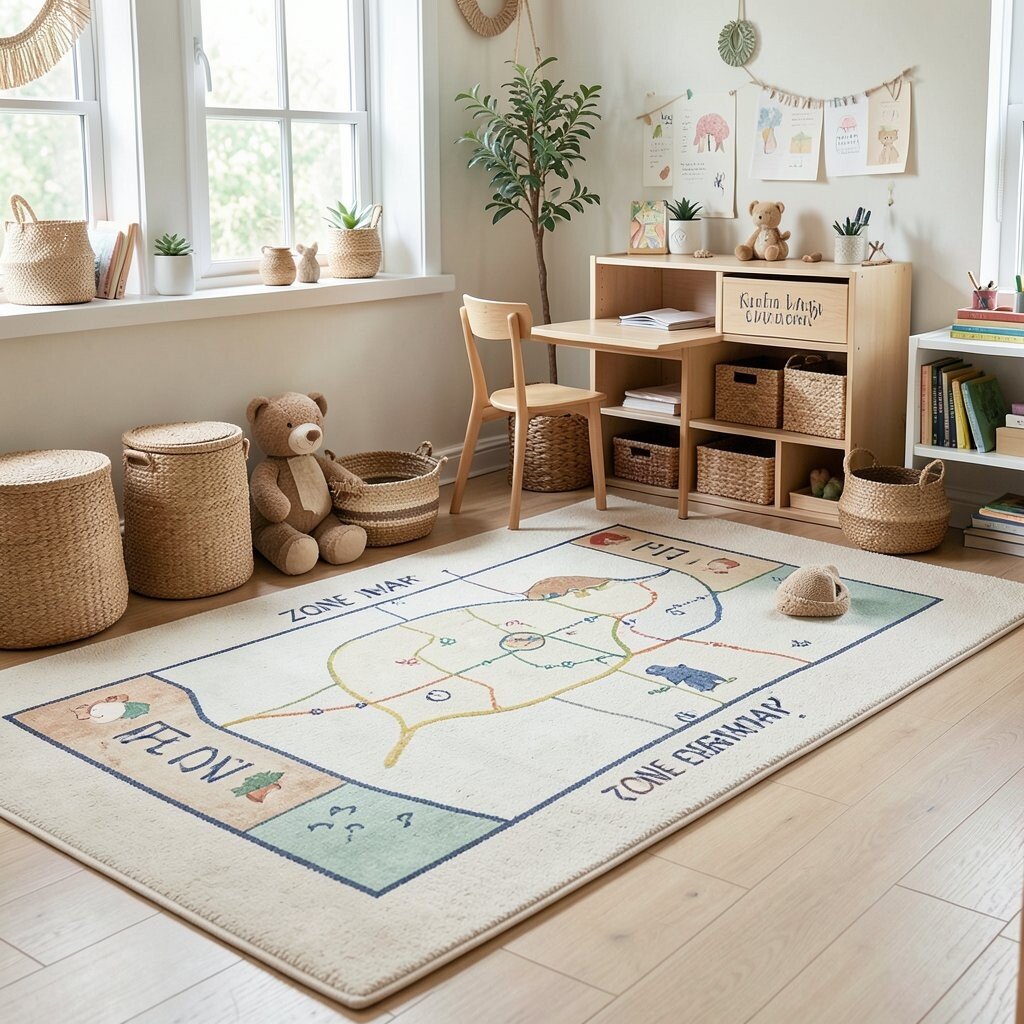
Use a rug to mark classroom zones, such as reading, art, building, and circle time. Draw simple pathways with washable tape or use stitched fabric shapes so kids understand where to stand.
When kids have visual boundaries, behavior improves because expectations become clear. Choose a rug that’s easy to spot-clean and keep a small bin for supplies just beside the circle area.
This idea also helps you personalize the flow by changing the zone layout during seasons or themes. It can be a low-cost project if you start with tape and add fabric pieces later as your budget allows.
13. Personal Item Lockers With Kid-Friendly Hooks and Photo IDs
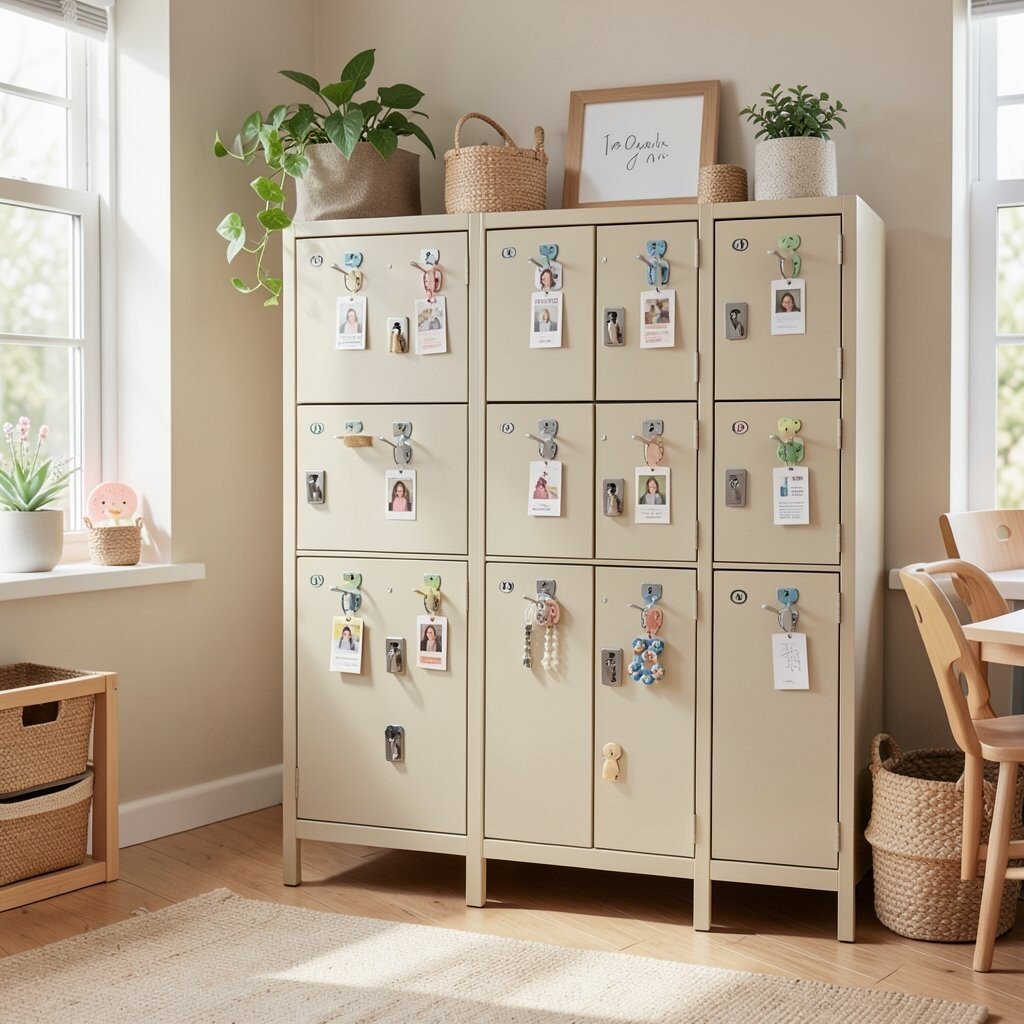
Give each child a dedicated spot for personal items using hooks, small baskets, and a photo ID tag. Use a boho mix of natural materials like wood hooks and woven catchalls to keep it warm and welcoming.
This helps kids stay organized with backpacks, jackets, and take-home folders. When everyone knows their spot, you’ll spend less time searching and more time teaching.
To keep it practical, mount hooks securely and place a small basket below for gloves or extra papers. You can personalize the system with color-coded photos or simple icons that match each child’s routines.