Imagine stepping into a room where creativity dances in the air, and every corner whispers secrets of inspiration. A place so inviting that learning becomes an adventure. What if every classroom had that magic?
1. Colorful Bulletin Boards
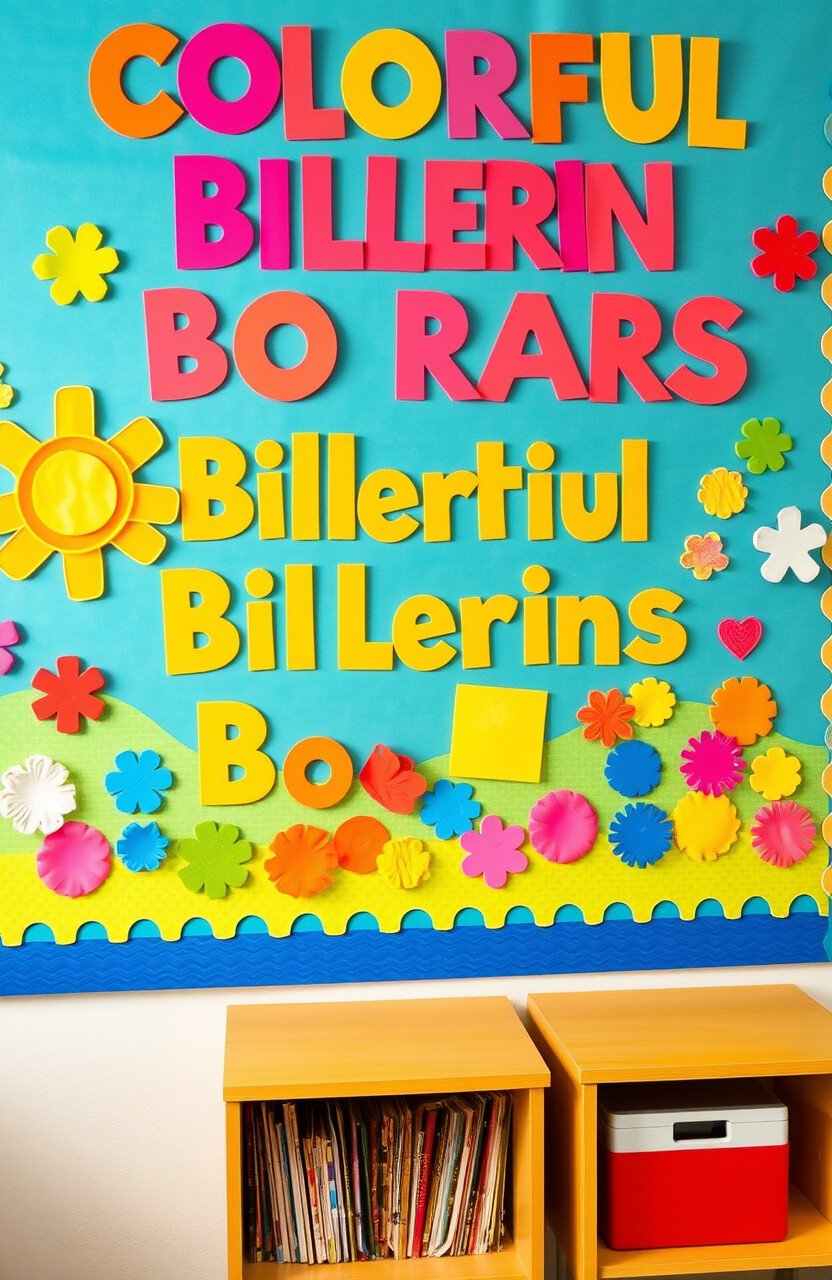
Bulletin boards are like giant canvases waiting to be filled with bright colors and fun shapes. It’s easy to swap themes for different seasons or lessons.
A vibrant board can make students feel excited and curious. They become perfect spots to showcase student work and boost confidence.
Use different textures and materials for added interest. Try felt, paper, and even fabric scraps.
Costs can be kept low by using recycled materials and DIY crafts. Plus, it’s a chance for students to get involved in decorating!
2. Cozy Reading Nook
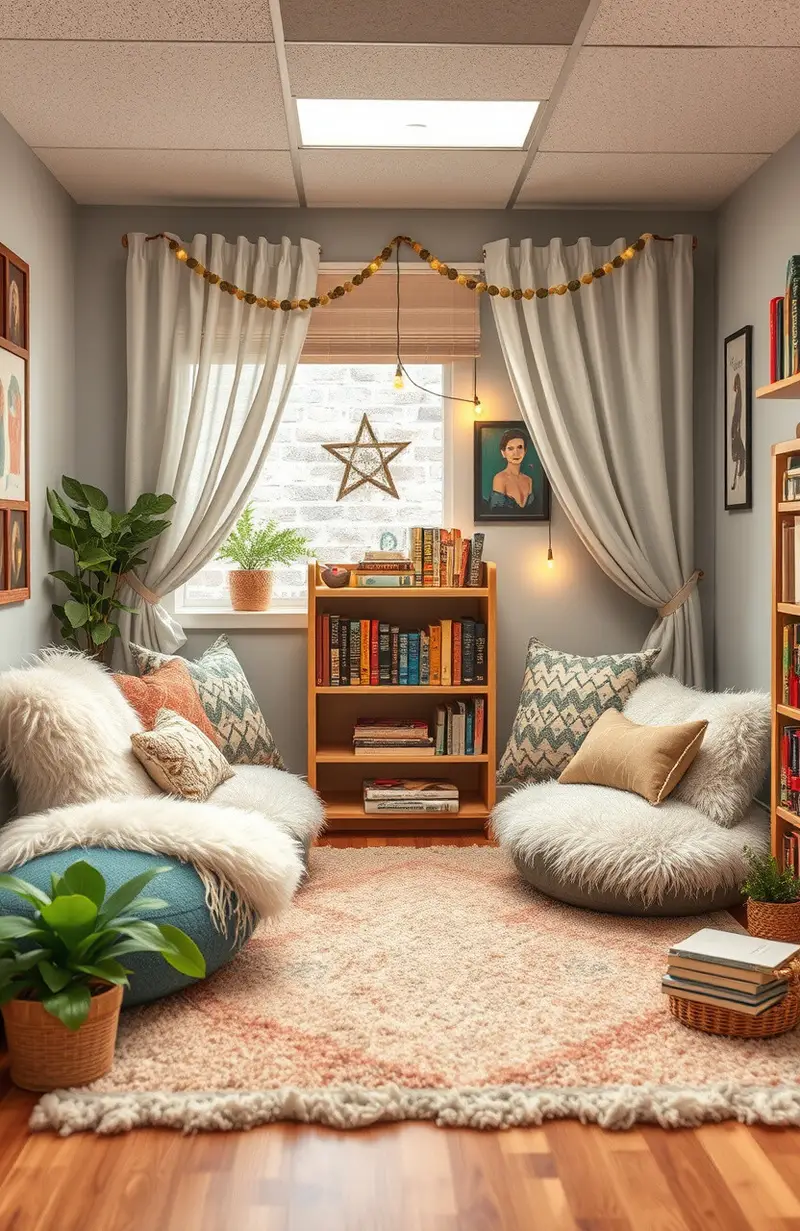
A cozy nook with soft pillows and fluffy rugs can make reading feel like an adventure. It’s like a secret hideaway for book lovers.
This space encourages quiet time and focus. It’s a perfect spot for students to lose themselves in a book.
Personalize with student-chosen books and themes. Try adding fairy lights for a magical touch.
You can create this space with thrift store finds or donations, making it budget-friendly. Comfort doesn’t have to be costly!
3. Nature-Inspired Decor
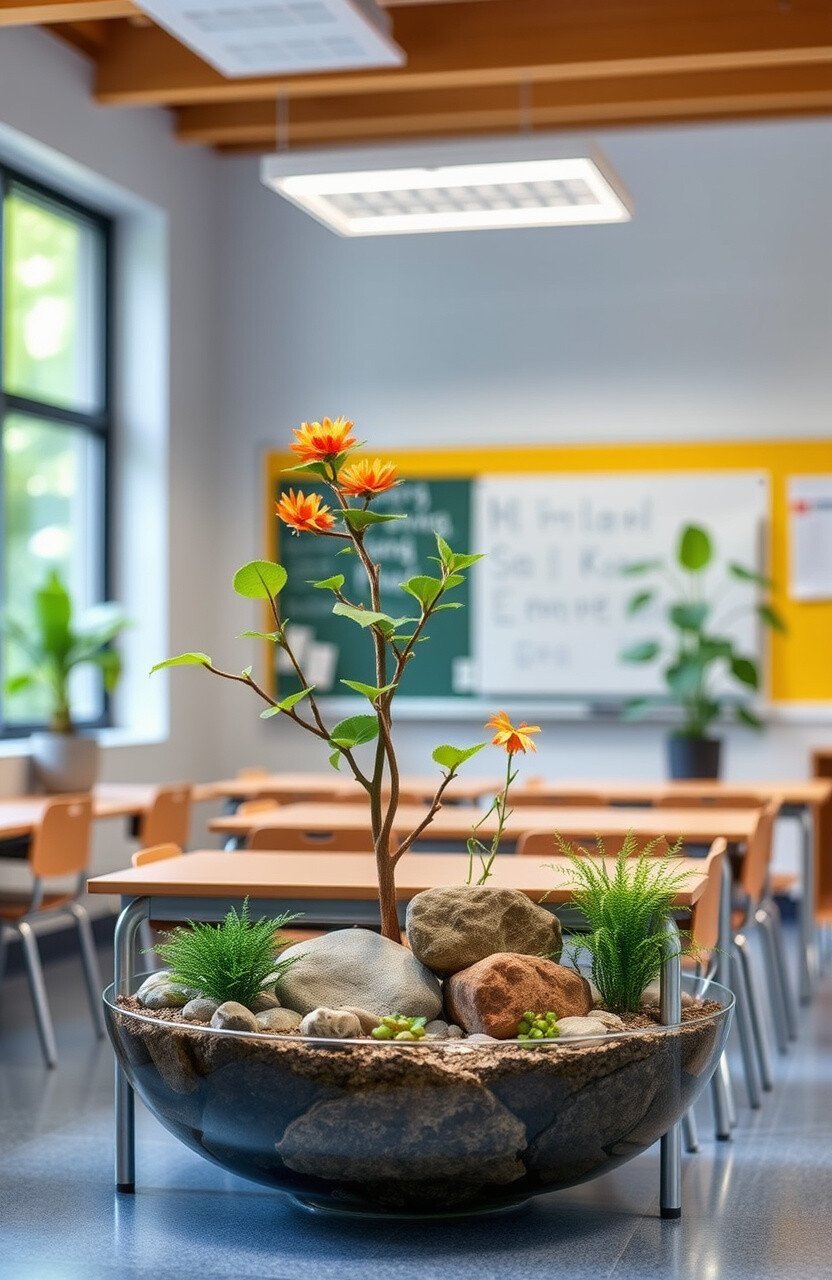
Bringing a touch of nature indoors can transform any classroom into a serene retreat. Think plants, stones, and water features.
Nature decor helps create a calming atmosphere, ideal for learning. It also teaches students about the environment.
Consider small potted plants or a fish tank. Students can take turns caring for them.
Even faux plants can add a fresh look without the upkeep. Check out local craft stores for affordable options.
4. Interactive Wall Art
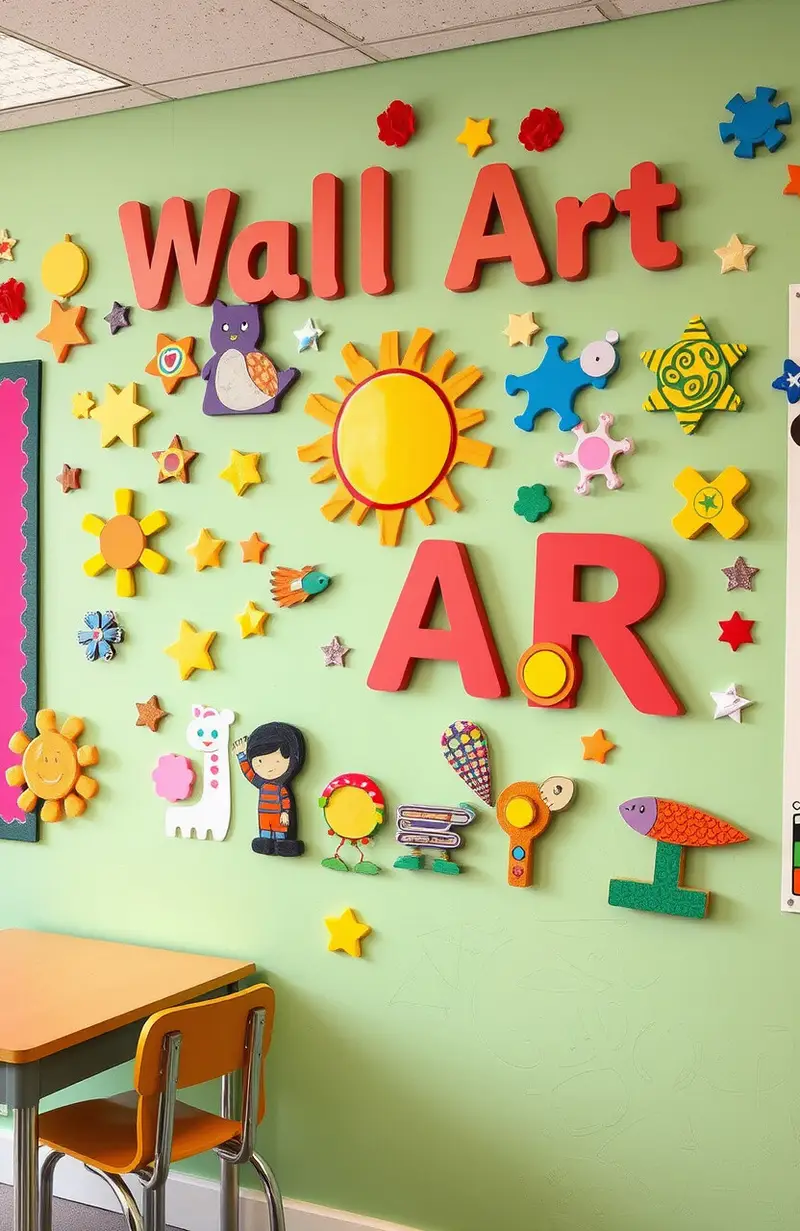
Imagine a wall where students can add, move, and change art pieces. It’s like a giant puzzle that encourages creativity.
This makes the classroom feel dynamic and alive. It also allows students to express themselves freely.
Use Velcro-backed pieces for easy changes. Shapes, letters, and numbers are great starting points.
DIY projects can keep costs low. Invite students to contribute their own art pieces.
5. Motivational Quotes

Inspirational quotes can turn walls into sources of encouragement. They’re like whispers of wisdom cheering everyone on.
These quotes can boost morale and motivate students. A simple sentence can make all the difference.
Rotate quotes often to keep things fresh. Encourage students to suggest their favorites.
Printable quotes are widely available online, often for free. Or, create colorful DIY versions with markers and paper.
6. Flexible Seating
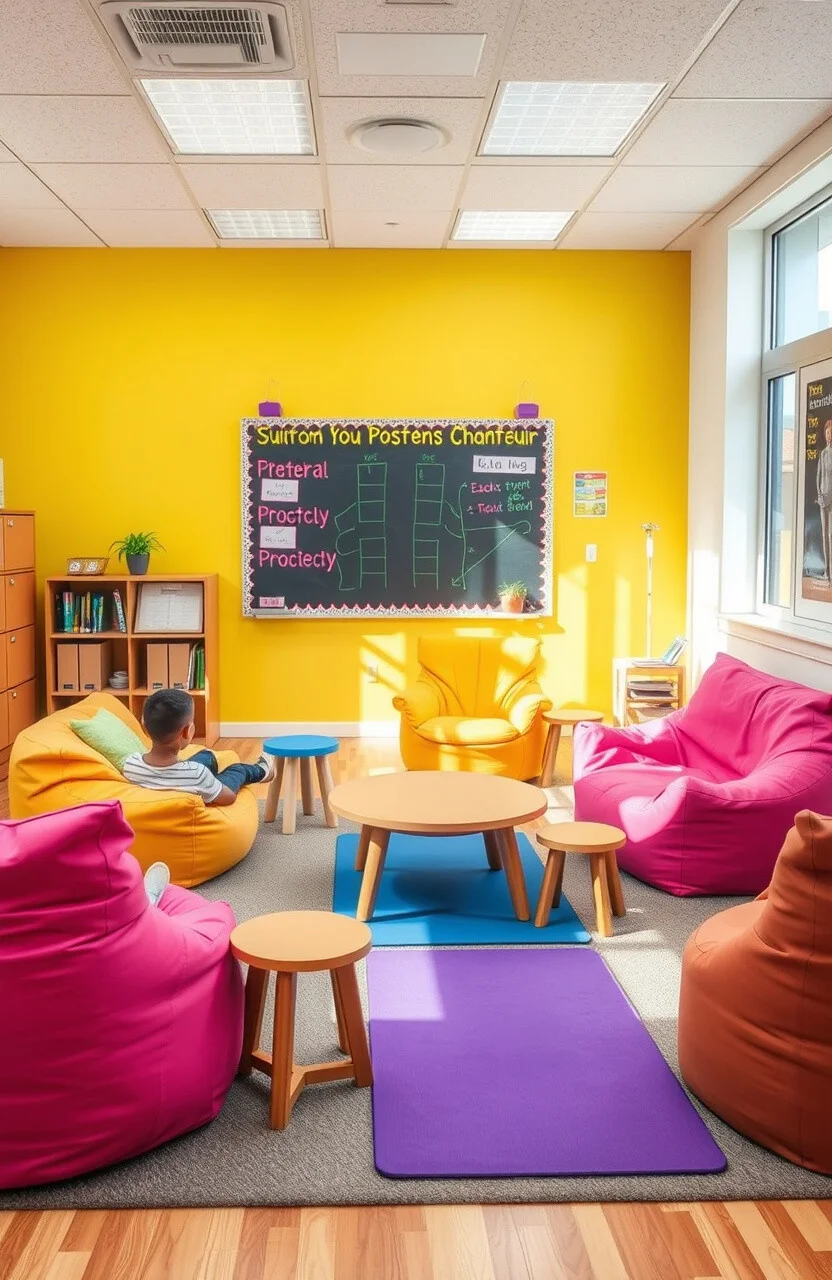
Imagine swapping stiff chairs for beanbags, stools, and cushions. Flexible seating makes learning more relaxed and fun.
It helps students find their comfort zone, improving focus and engagement. It’s like a classroom tailored to individual needs.
Mix and match seating options for variety. Let students choose their spot for each activity.
Look for sales or buy secondhand to keep costs down. Even simple yoga mats can be a great addition.
7. Themed Decor Days
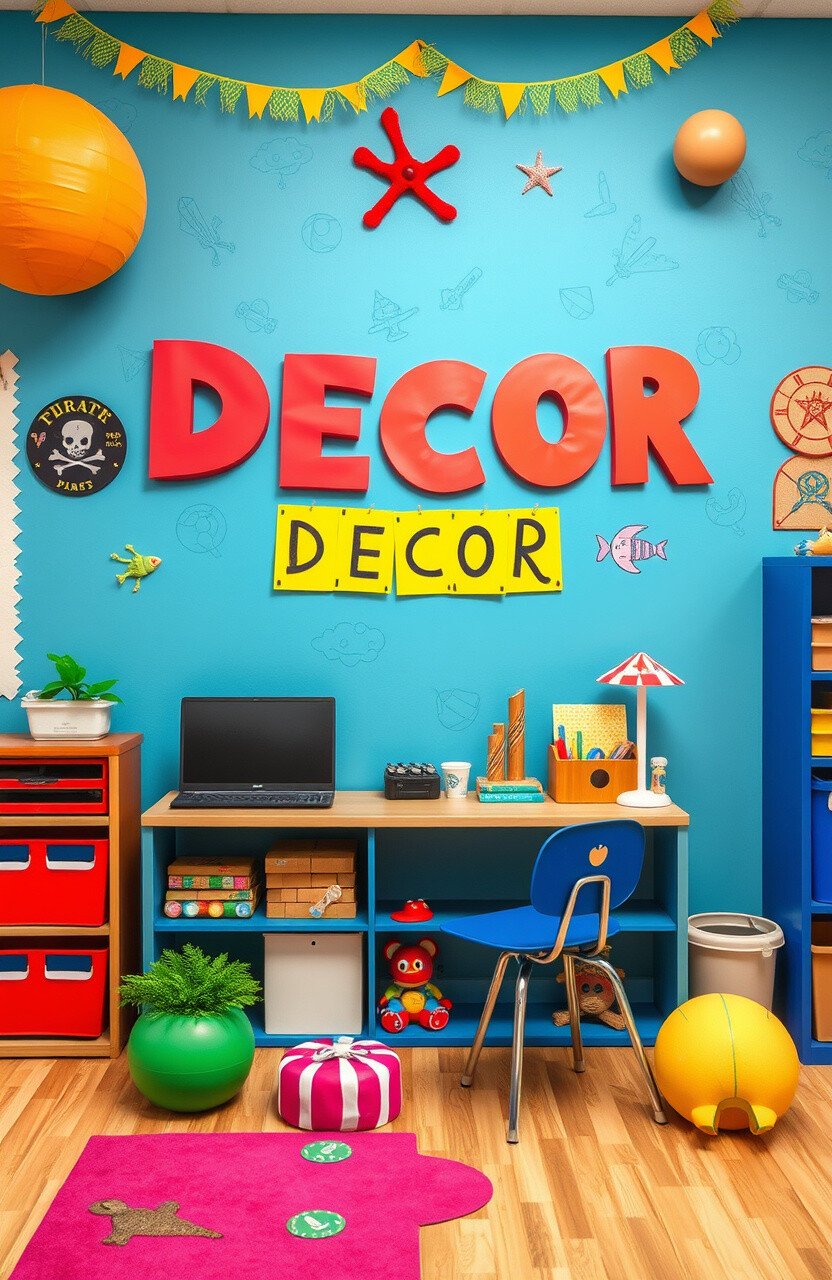
Having themed decor days adds a sprinkle of excitement. From Pirate Day to Space Adventure, the possibilities are endless.
These days create anticipation and joy. They’re perfect for themed lessons or special occasions.
Plan themes that align with your curriculum. Let students help brainstorm ideas.
Use inexpensive props and costumes to bring themes to life. DIY decorations can be made with everyday items.
8. DIY Art Corner
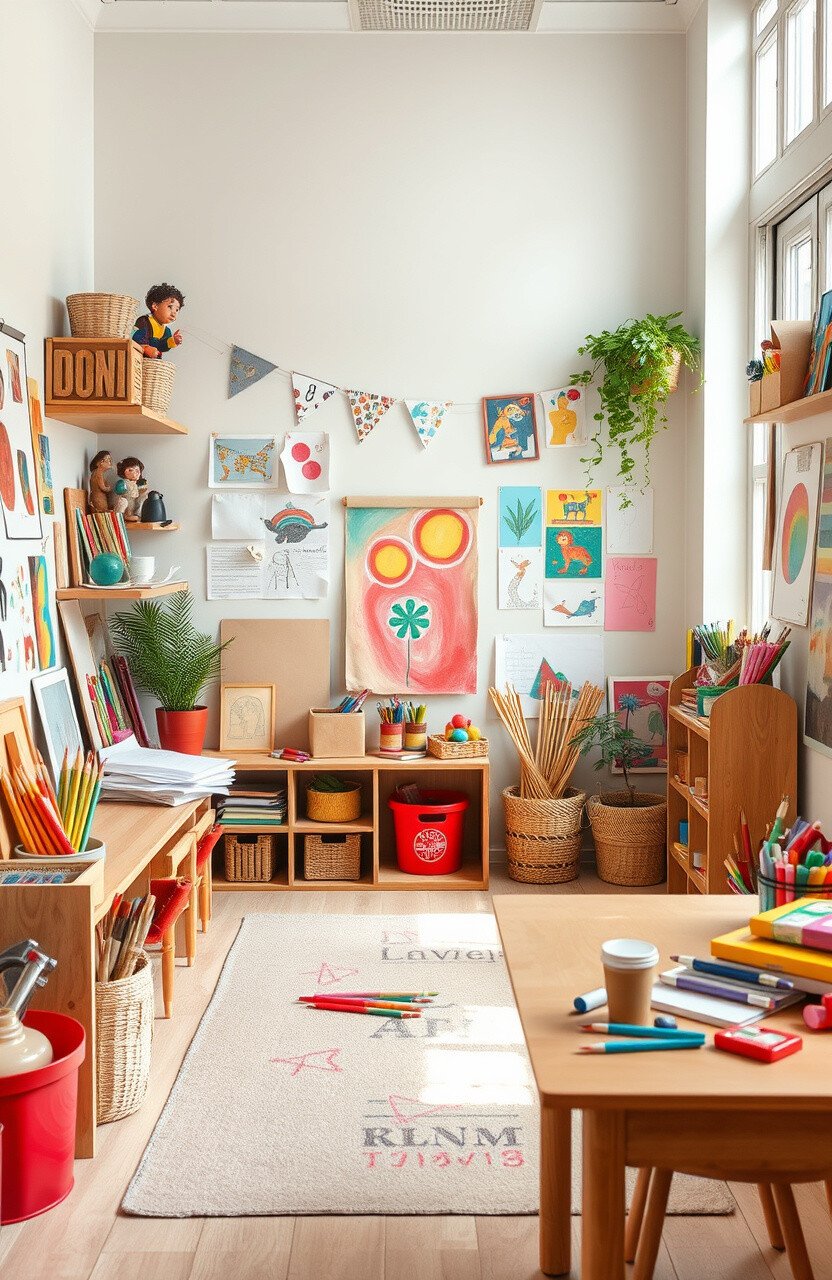
An art corner stocked with supplies can be a haven for creativity. Picture a place where students can paint, draw, and craft freely.
This encourages self-expression and creativity. It’s a space where imagination has no bounds.
Include various materials like paper, paints, and recycled items. Change supplies based on projects or seasons.
Encourage students to bring in supplies from home. Thrift stores are great for finding affordable materials.
9. Music and Movement
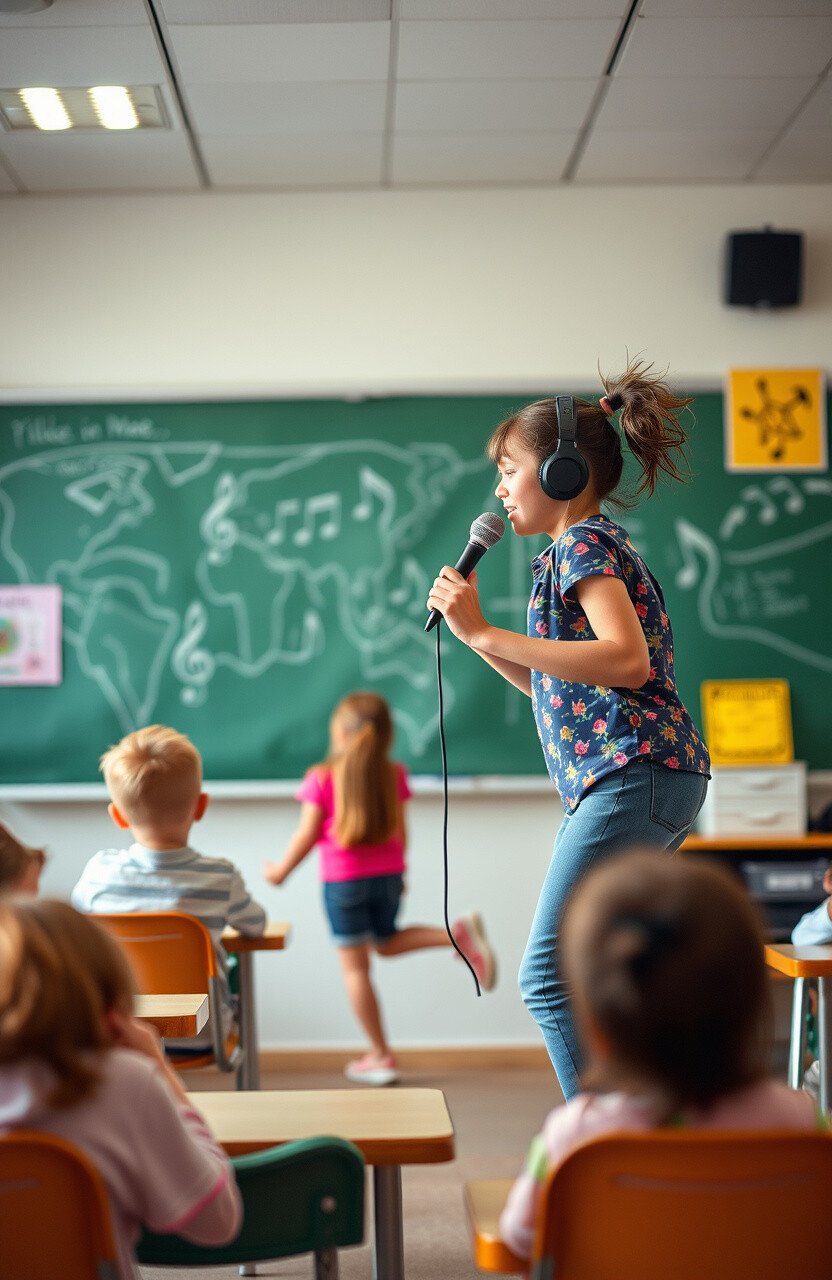
Adding music and movement to the classroom can energize the atmosphere. It’s like a mini workout for the mind and body.
This approach improves focus and reduces stress. It’s a fun way to break up the day.
Create a playlist for different activities. Use music for transitions or brain breaks.
There’s no need for fancy equipment. Bluetooth speakers or even a simple radio will do the trick.
10. Cultural Corners
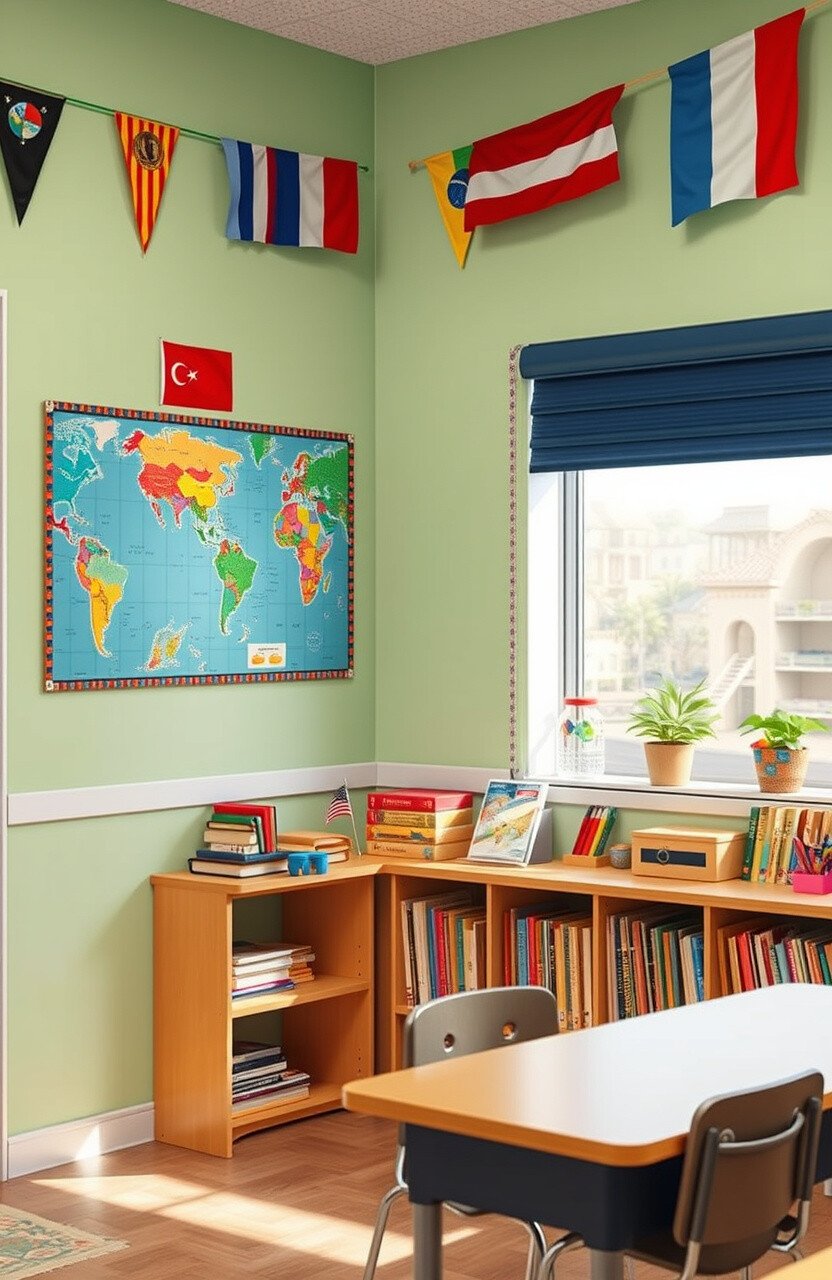
A corner dedicated to different cultures can be a window to the world. It’s like a mini museum celebrating diversity.
This space fosters appreciation and understanding. It’s a way to bring global perspectives into the classroom.
Rotate displays to feature various cultures and traditions. Invite students to share their own heritage.
Use maps, flags, and artifacts as decor. Many items can be made or borrowed to keep costs low.
11. Sensory Spaces
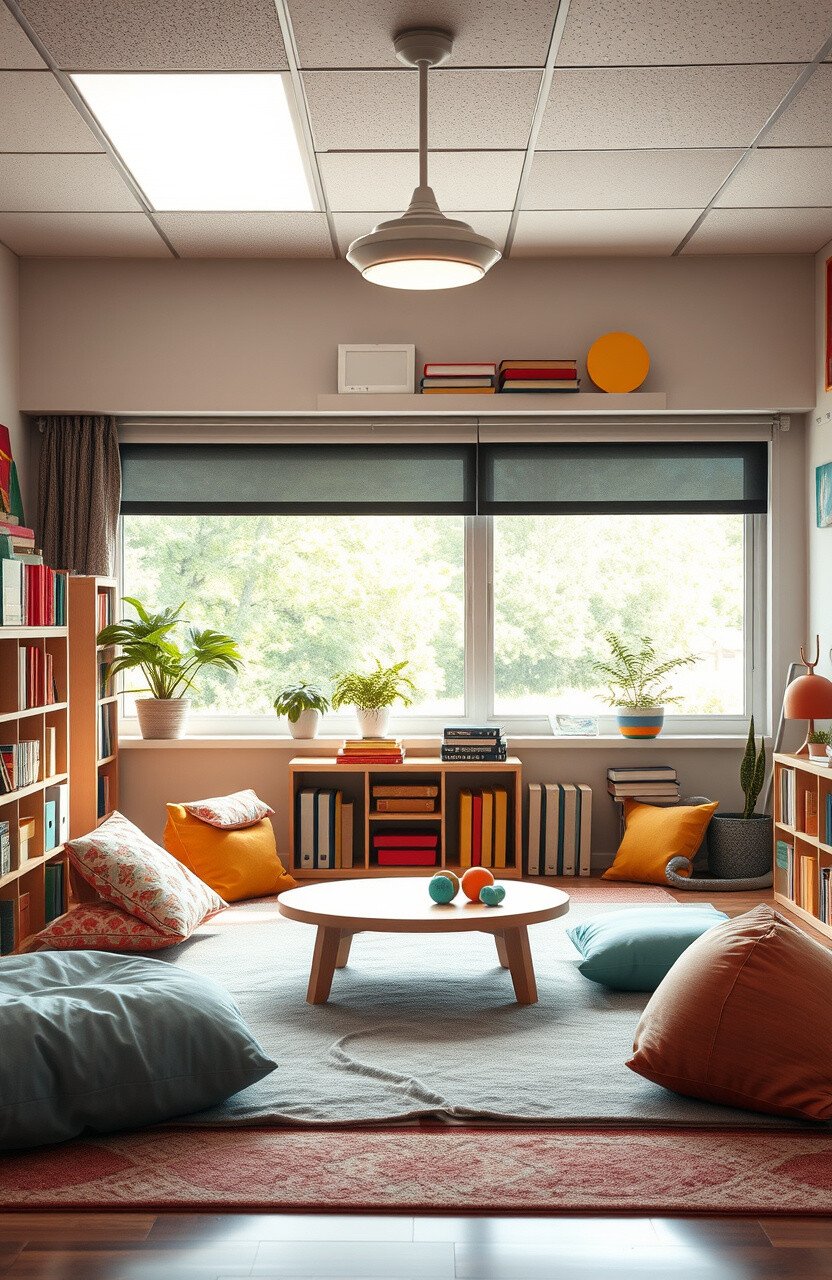
Creating a sensory space can provide a calming refuge. It’s a place where students can relax and recharge.
This area helps manage sensory overload and stress. It’s especially beneficial for students with special needs.
Include soft lighting, textures, and fidget tools. Personalize with student preferences in mind.
Use simple materials like fabric and pillows. Many items can be handmade to save money.
12. Classroom Pets
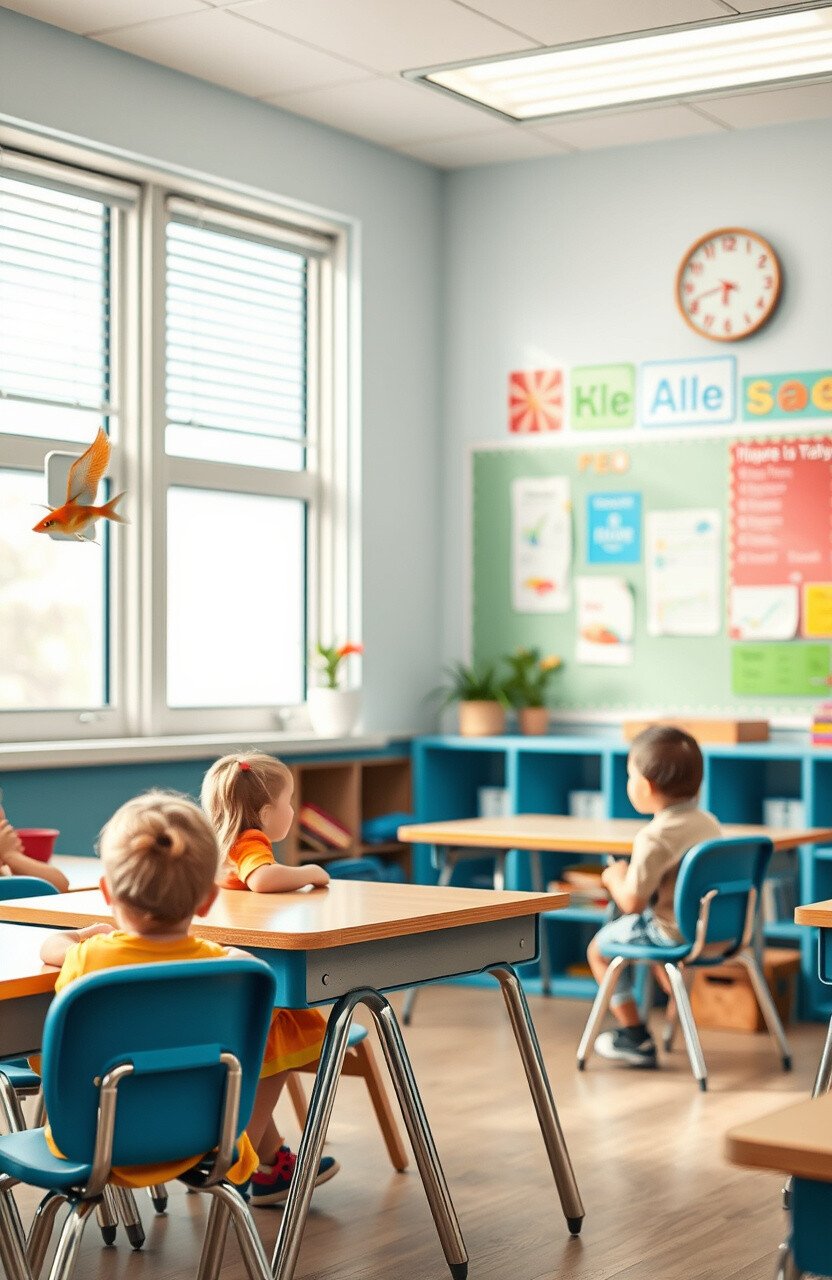
Having a classroom pet can bring joy and responsibility. It’s like having a little friend who’s always there to greet you.
Pets teach care and empathy. They also make the classroom feel more inviting and lively.
Consider small, low-maintenance pets like fish or hamsters. Let students take turns caring for them.
Adopt from shelters or consider donations to keep costs down. Ensure all students are comfortable with the pet choice.
13. Creative Lighting
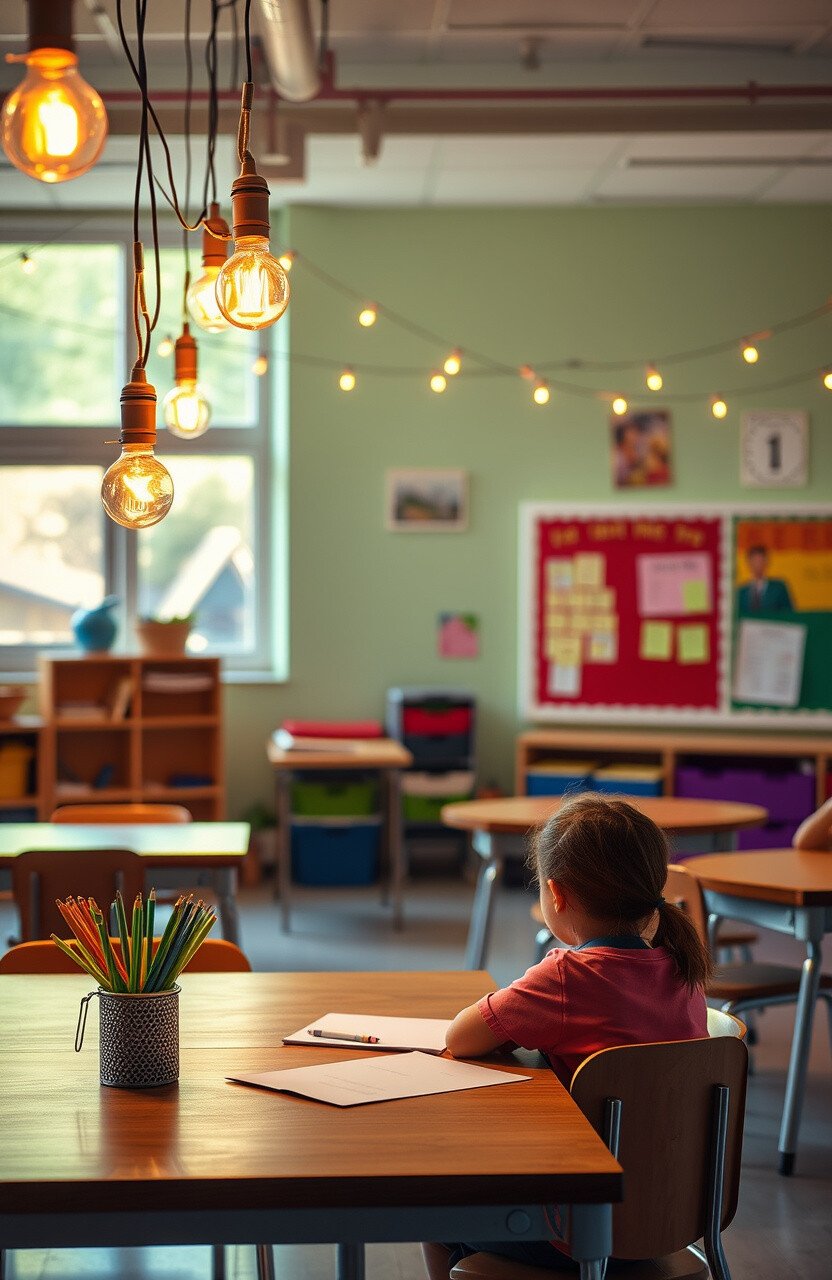
Creative lighting can add a magical glow to the classroom. It’s like setting the stage for a grand performance every day.
Lighting can influence mood and attention. It creates a warm and welcoming environment.
Experiment with string lights, lamps, and colored bulbs. Change lighting based on activities or times of day.
Use energy-efficient options to save on costs. Homemade fixtures can add a unique touch.
14. Interactive Whiteboards
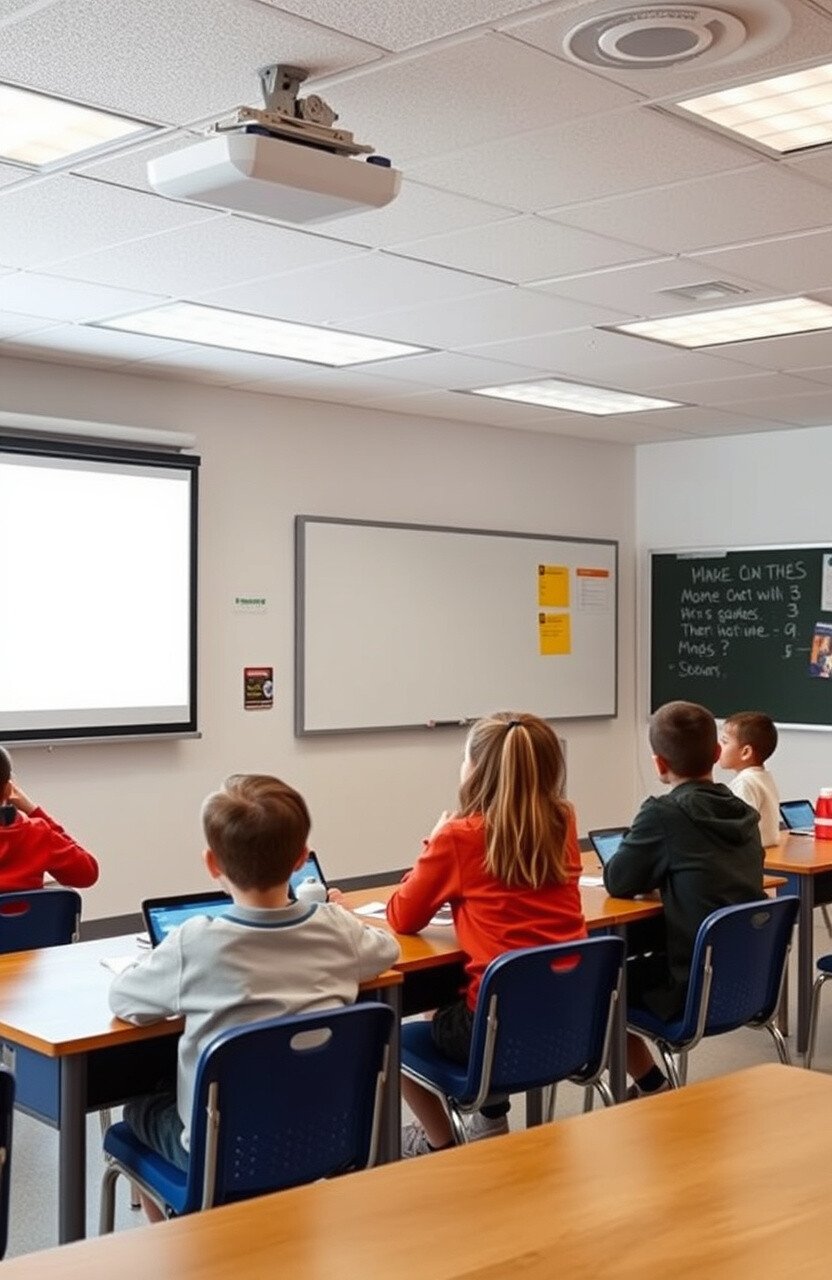
Interactive whiteboards turn lessons into interactive experiences. They’re like giant tablets that everyone can see and use.
This tech boosts engagement and participation. It makes learning more dynamic and fun.
Incorporate games and interactive lessons. Encourage students to come up and participate.
Look for grants or discounts to afford one. They’re an investment in future learning.
15. Student Art Gallery
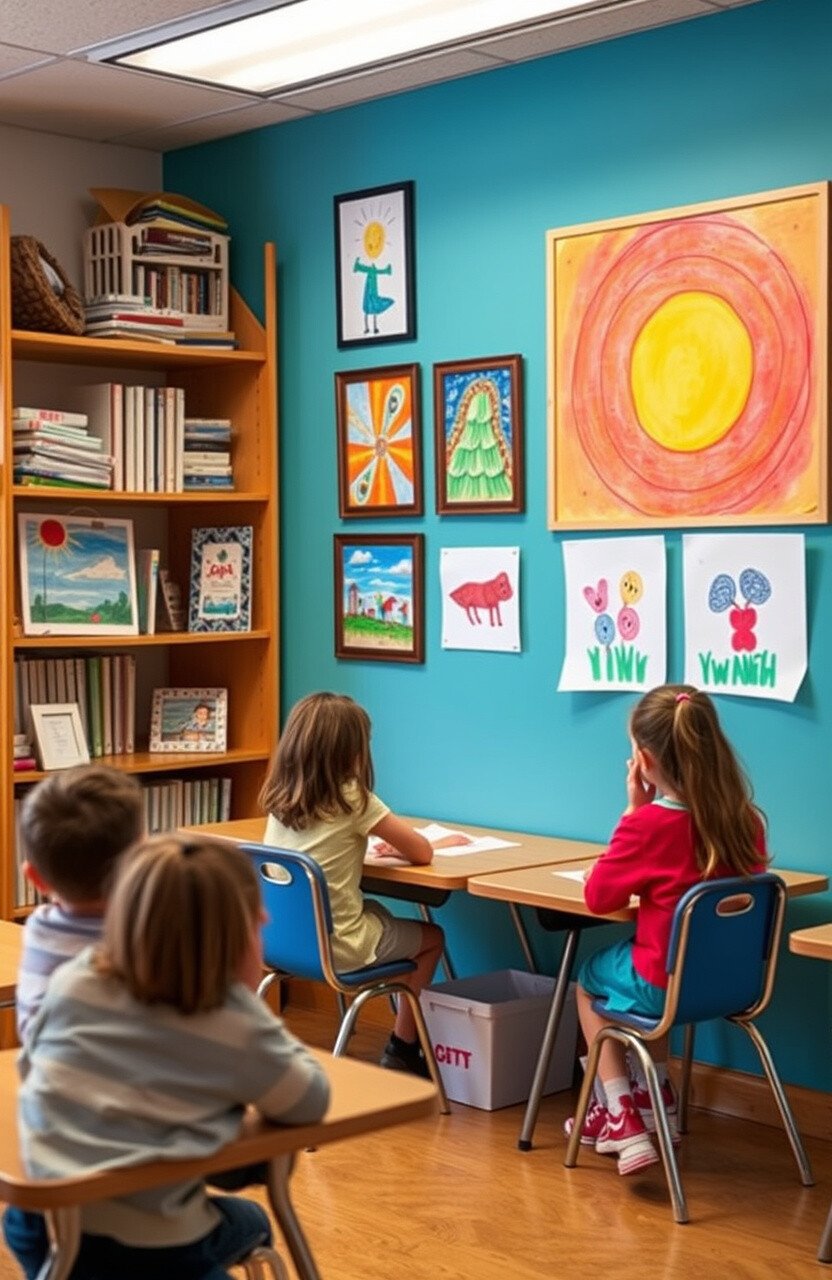
Turning a wall into a student art gallery gives everyone a chance to shine. It’s like a mini art show that’s always open.
This boosts confidence and creativity. Students feel proud seeing their work displayed.
Rotate artwork regularly to feature everyone. Use simple frames or clips for easy changes.
Encourage students to create art for specific themes. DIY frames can keep costs low.
16. Personalized Desks

Personalized desks make each student feel special. Imagine a space that’s their own, reflecting their personality.
This fosters ownership and responsibility. It’s a small change that makes a big impact.
Let students decorate their desk area with photos and art. Ensure personal touches are safe and respectful.
Use inexpensive items like stickers and paper. Encourage sharing unused materials with classmates.
17. Word Walls
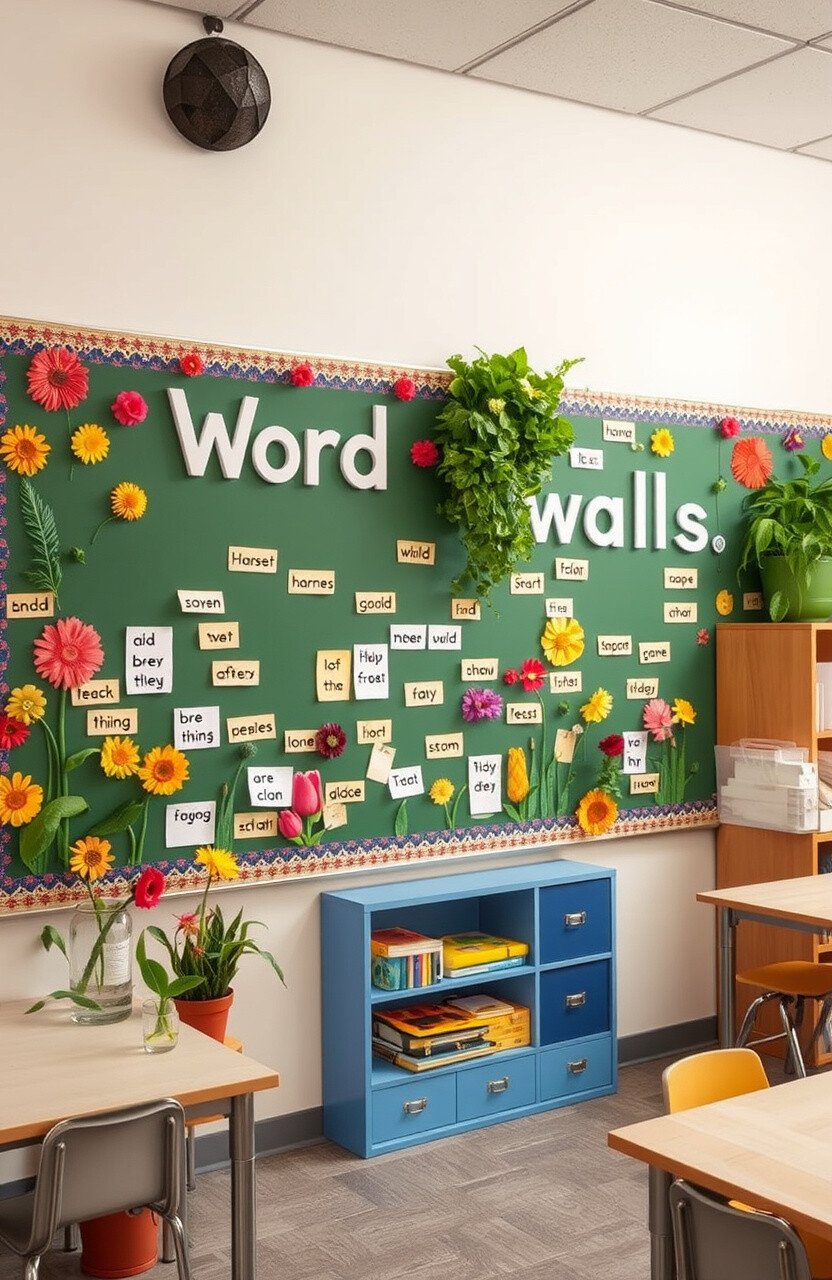
A word wall can turn vocabulary into a visual feast. It’s like a growing garden of words.
This helps with language development and retention. Students learn in a fun and engaging way.
Change words based on lessons or seasons. Use different colors for different categories.
Printable words can be found online for free. DIY options include handwritten cards and cutouts.
18. Science Exploration Station
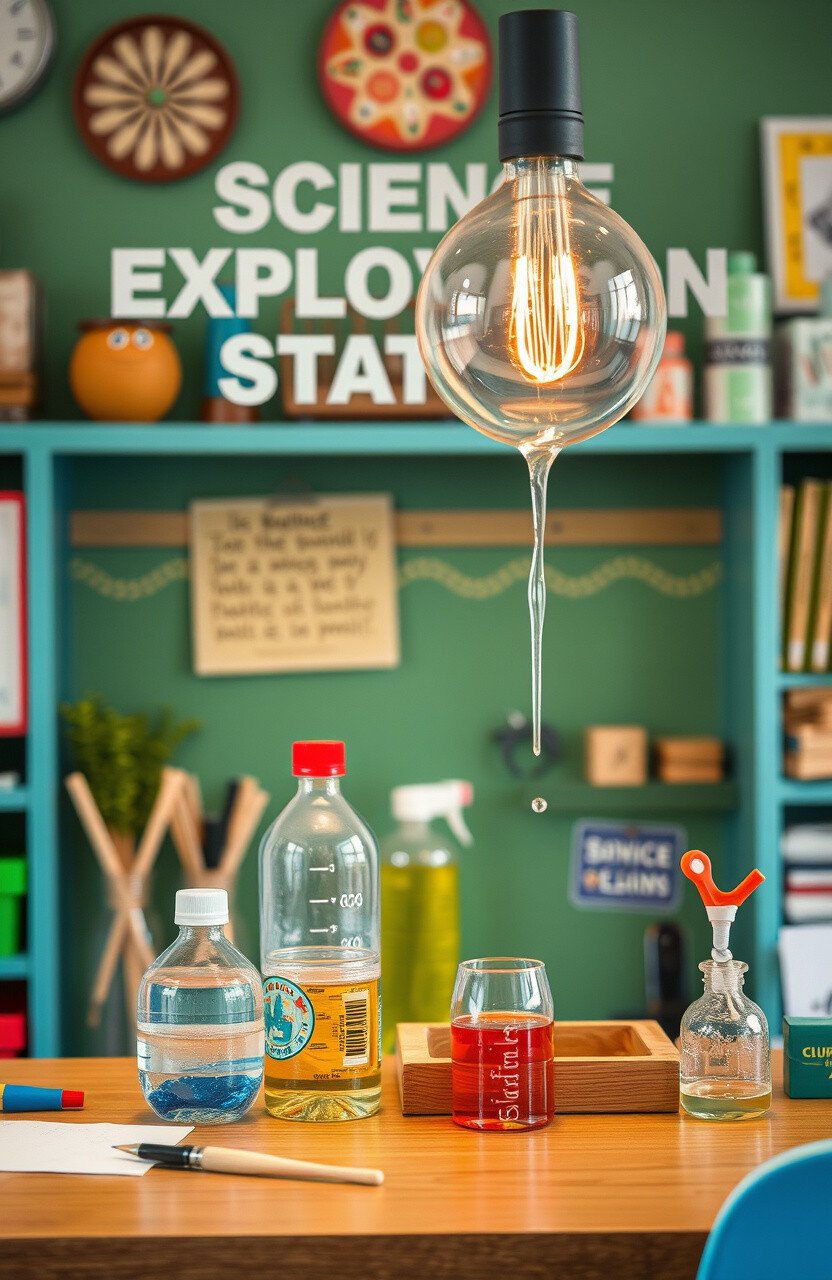
A science station can ignite curiosity and wonder. It’s like a mini lab where students can experiment and explore.
This hands-on approach enhances learning and interest in science. It’s a place where questions lead to discoveries.
Include simple tools and materials for experiments. Rotate themes based on current lessons.
Many experiments can be done with household items. Look for donated supplies to save money.
19. Cozy Corner for Reflection
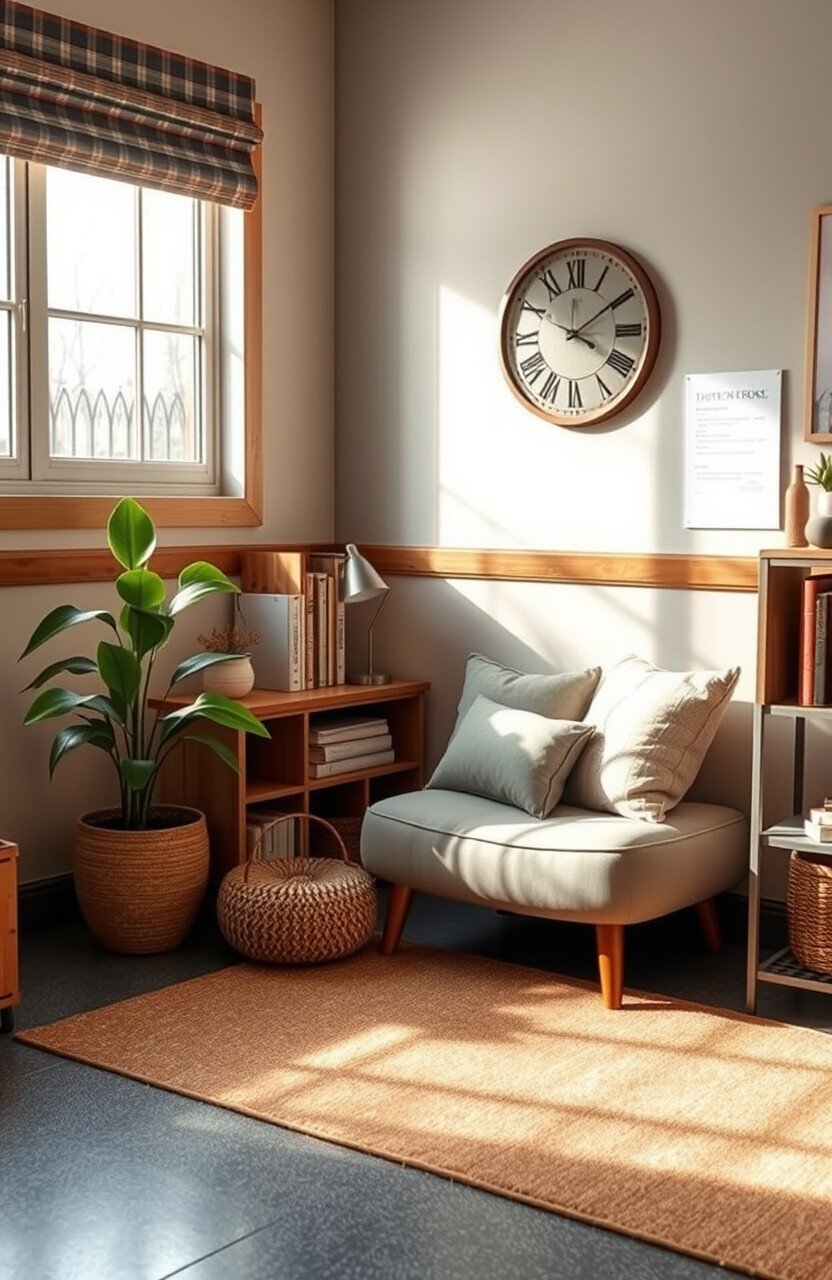
A cozy reflection corner offers a quiet place to think. It’s like a little oasis of calm in a busy classroom.
This space encourages mindfulness and self-awareness. It’s perfect for journaling or quiet reading.
Use soft cushions and calming colors. Add a small bookshelf or nature sounds for ambiance.
Thrift stores are great for finding affordable decor. Encourage students to suggest calming elements.
20. Seasonal Displays
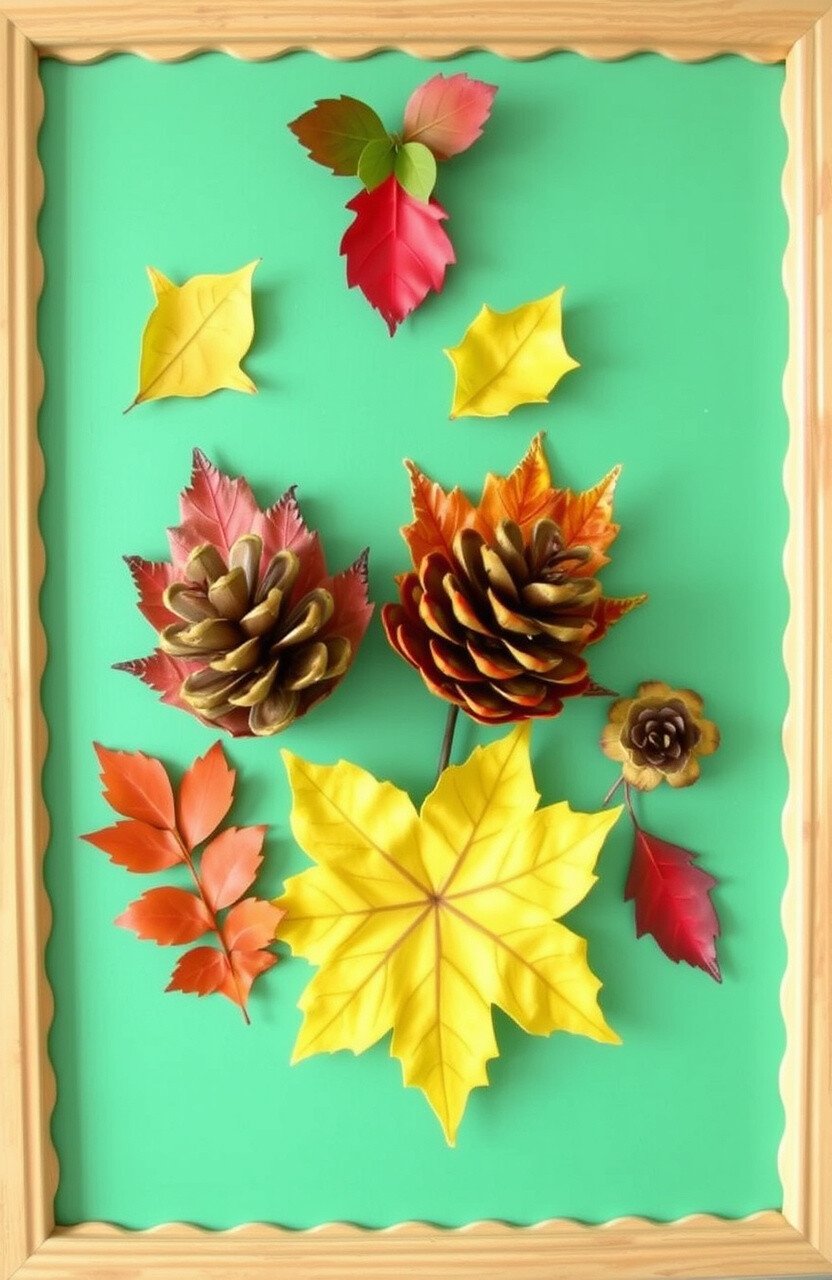
Seasonal displays bring the outside in. It’s like celebrating nature’s changes right inside the classroom.
These displays create excitement and a sense of time. They also provide learning opportunities about nature and seasons.
Use natural materials like leaves and pinecones. Rotate displays to match the current season.
Collect items from nature walks or student contributions. DIY crafts can keep costs minimal.
21. Collaborative Projects
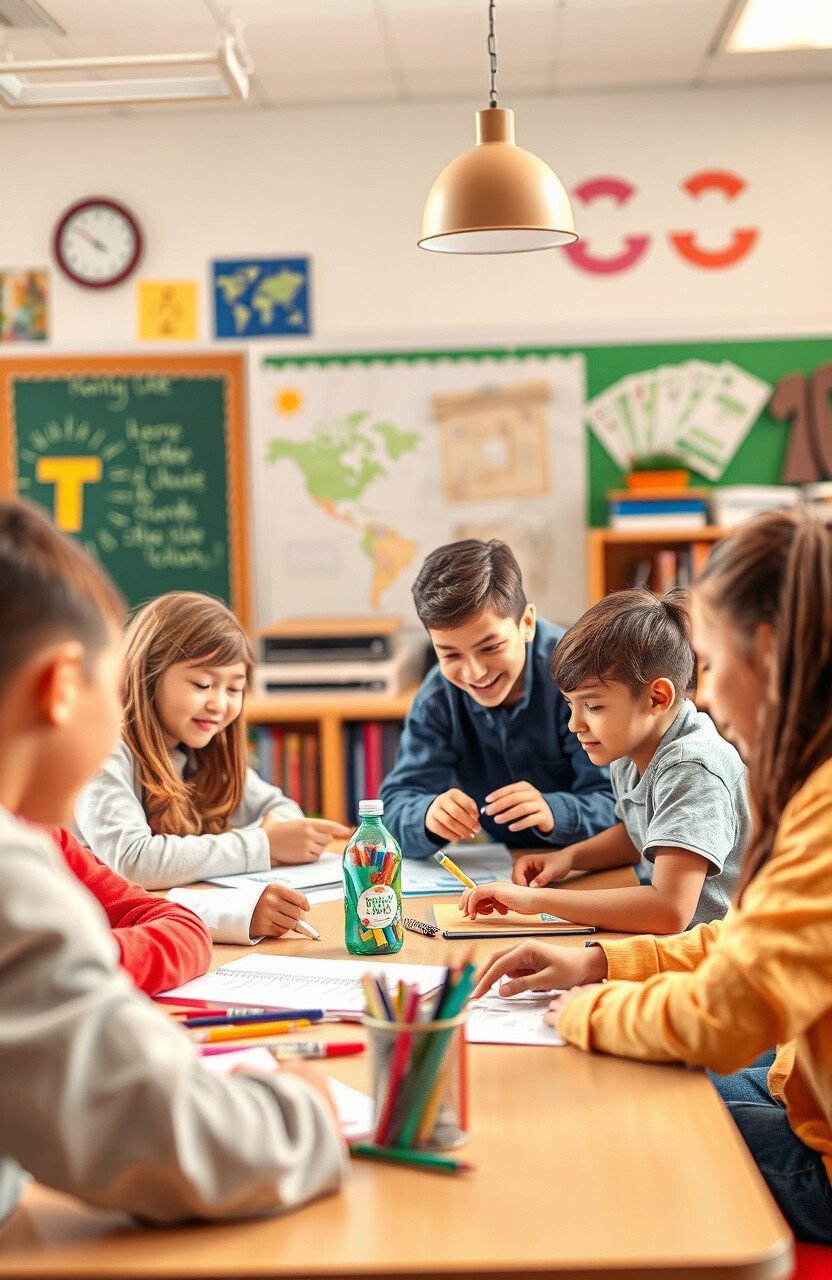
Collaborative projects turn the classroom into a hive of activity. It’s teamwork at its best, with everyone contributing.
This builds cooperation and communication skills. Students learn to work together towards a common goal.
Choose projects that align with lessons. Encourage students to share ideas and tasks.
Use recycled materials for eco-friendly projects. Seek out community donations for larger projects.
22. Calm and Cool Color Schemes
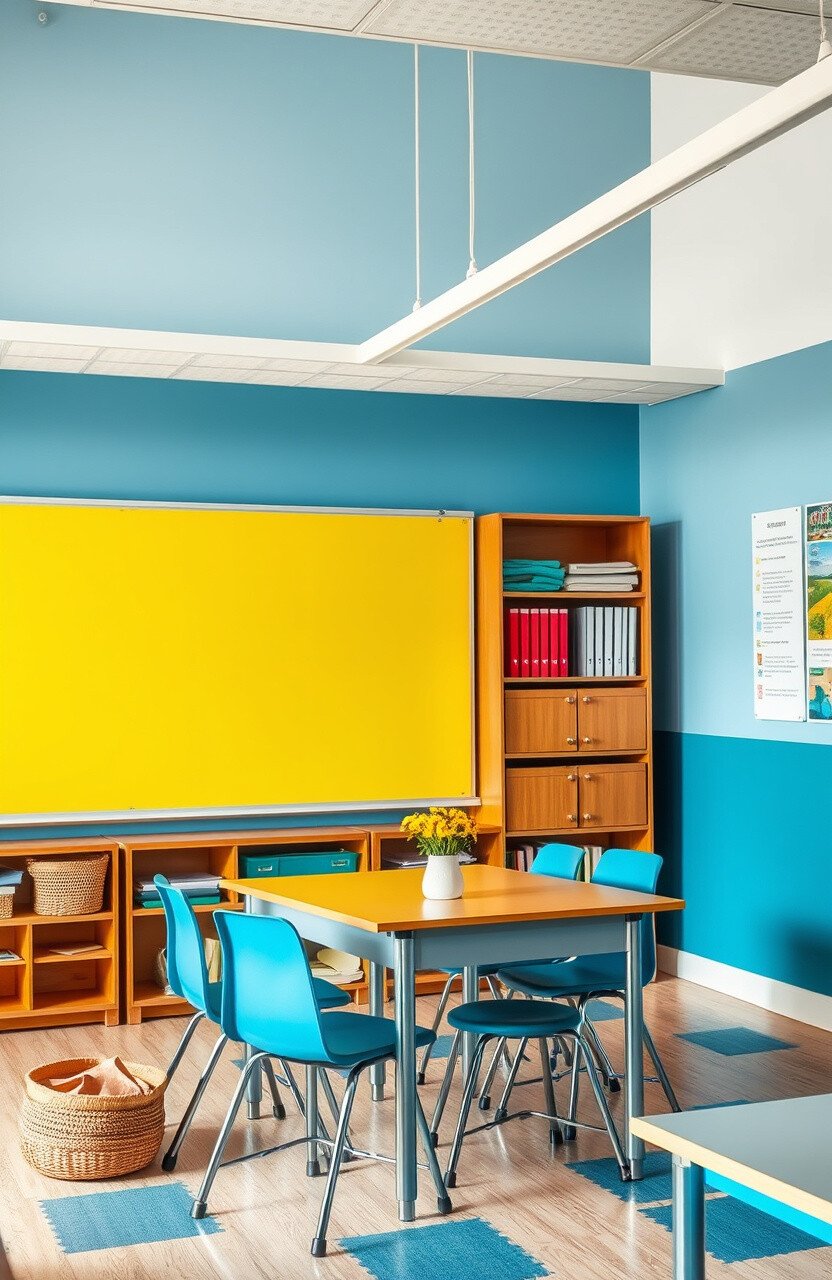
Calm colors can turn a classroom into a peaceful retreat. It’s like a soothing balm for the eyes and mind.
This color scheme reduces stress and increases focus. It creates a serene learning environment.
Choose soft blues, greens, and neutrals. Use accents of brighter colors for interest.
Paint samples and fabric scraps can be affordable options. DIY projects can add personalized touches.
23. Historical Time Travel Corner
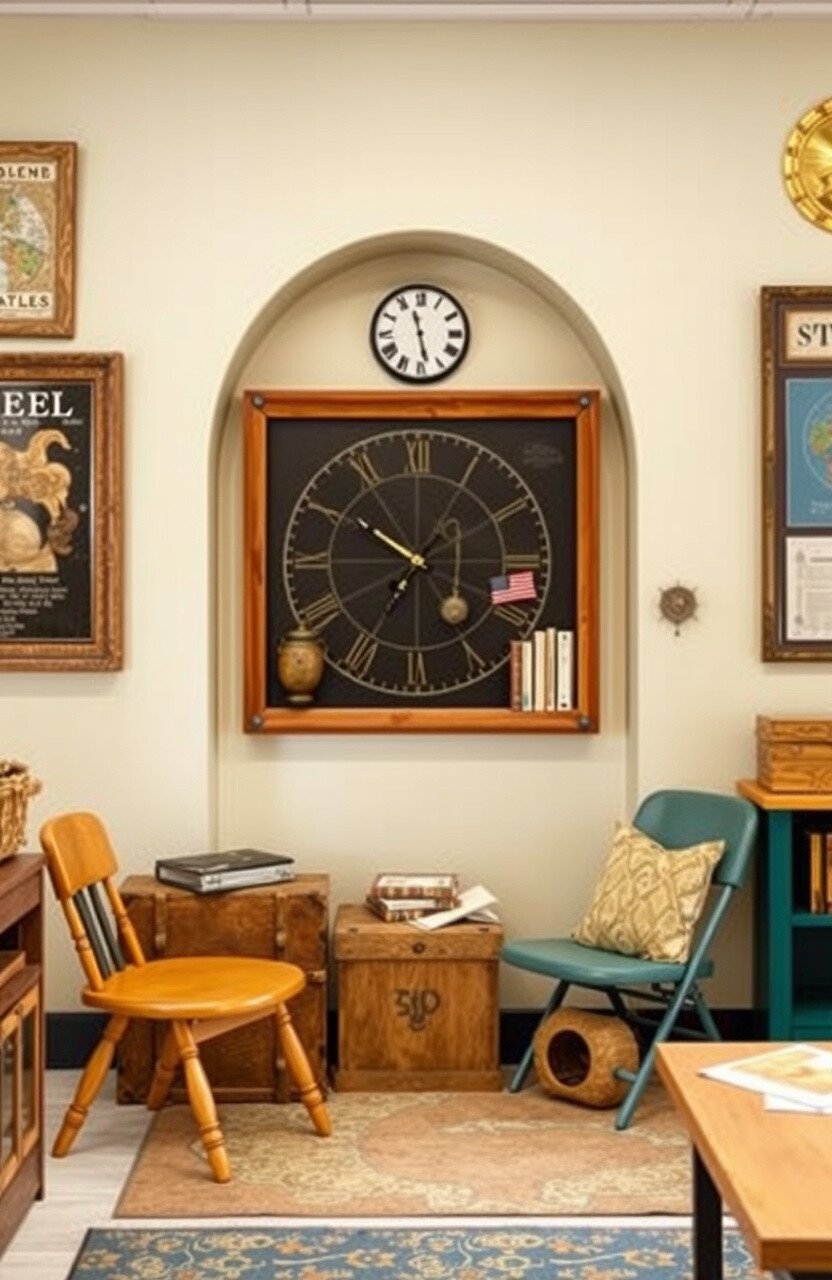
A time travel corner brings history to life. It’s like stepping into a different era with every visit.
This encourages interest in history and storytelling. Students can explore past events in an interactive way.
Use maps, timelines, and artifacts for decor. Rotate themes to cover different periods.
Seek out replicas and DIY crafts to keep costs low. Encourage students to contribute their own research.
24. Classroom Library
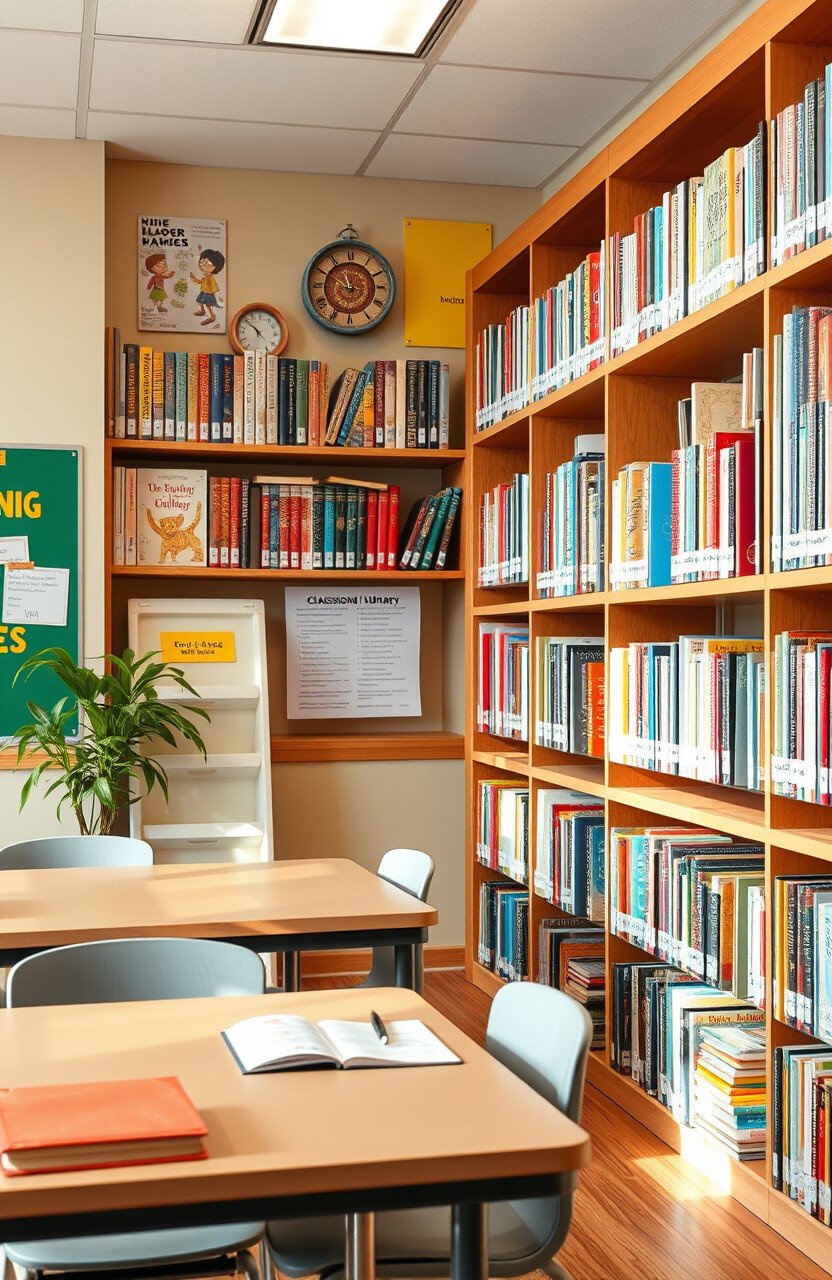
A classroom library is a gateway to endless adventures. It’s like having a treasure chest full of stories at your fingertips.
This fosters a love for reading and learning. Students have easy access to a variety of books.
Organize books by genre or reading level. Encourage students to recommend favorites.
Thrift stores and donations can build a diverse collection. Consider a book swap event to refresh inventory.
25. Tech Stations
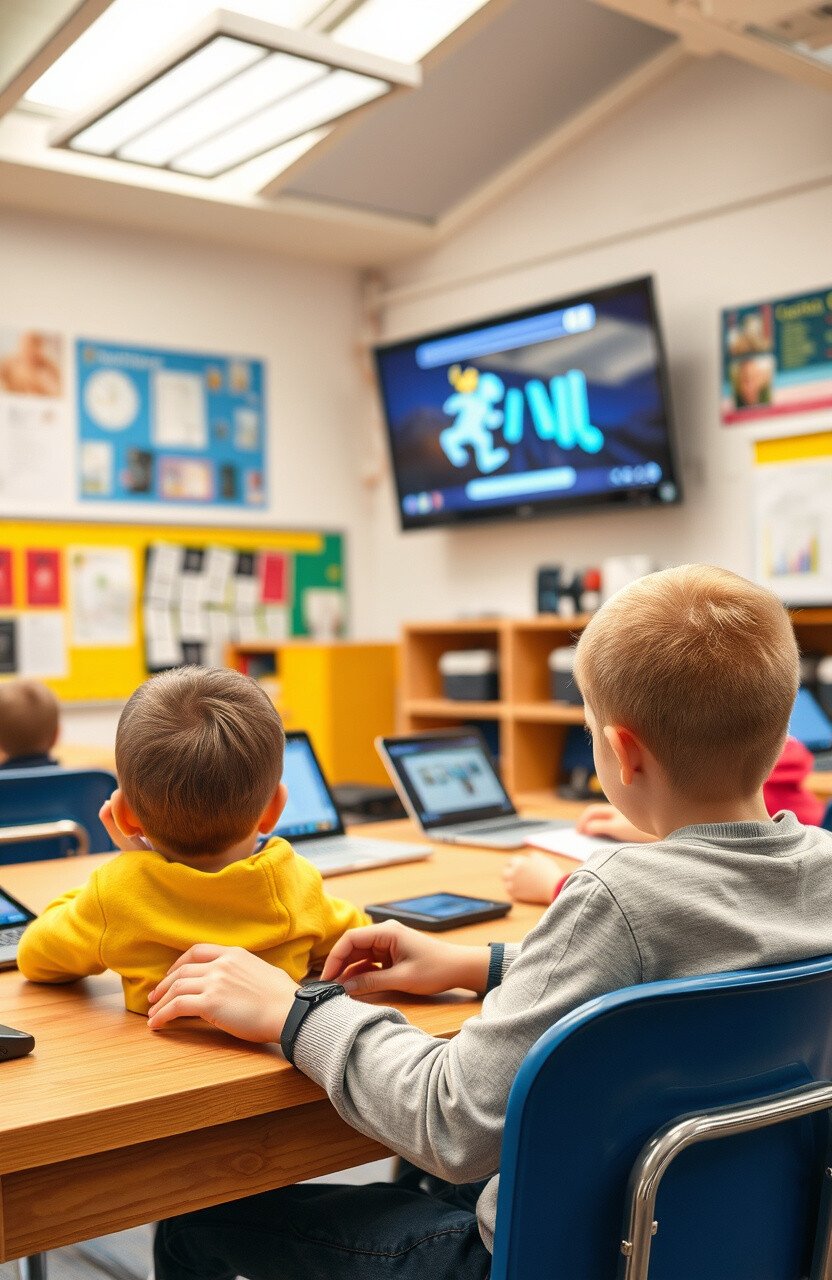
Tech stations bring the digital world into the classroom. It’s like having a high-tech hub for exploration and learning.
This enhances digital literacy and research skills. Students learn to navigate technology responsibly.
Include tablets, computers, or coding kits. Rotate activities to cover different skills.
Seek grants or community support for funding. Even a few devices can make a big difference.
26. Cultural Cuisine Days
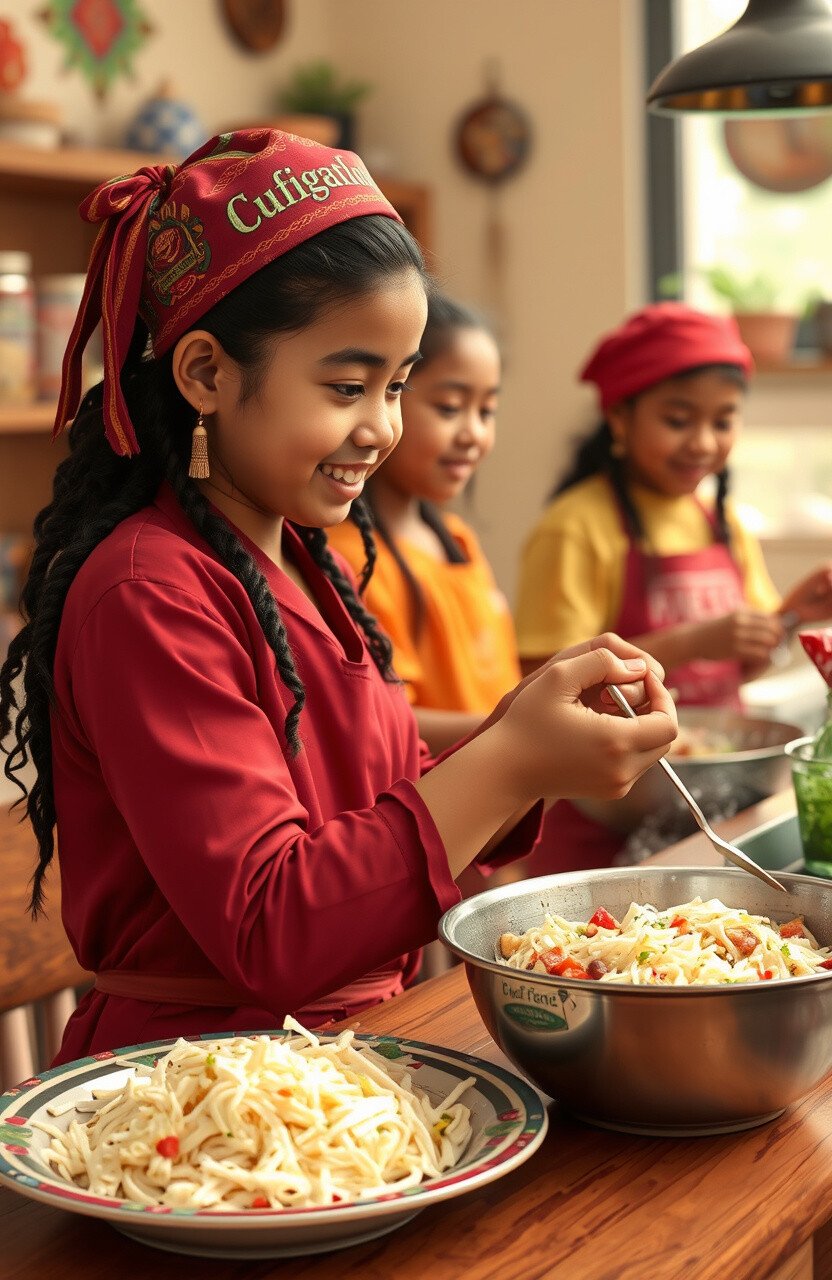
Cuisine days offer a taste of the world. It’s like a delicious journey through different cultures.
This enhances cultural appreciation and curiosity. Students learn about traditions through food.
Plan meals or snacks that tie into lessons. Encourage students to share family recipes.
Simple recipes and shared contributions keep costs down. Consider virtual cooking demos for remote learning.
27. Positive Affirmation Wall
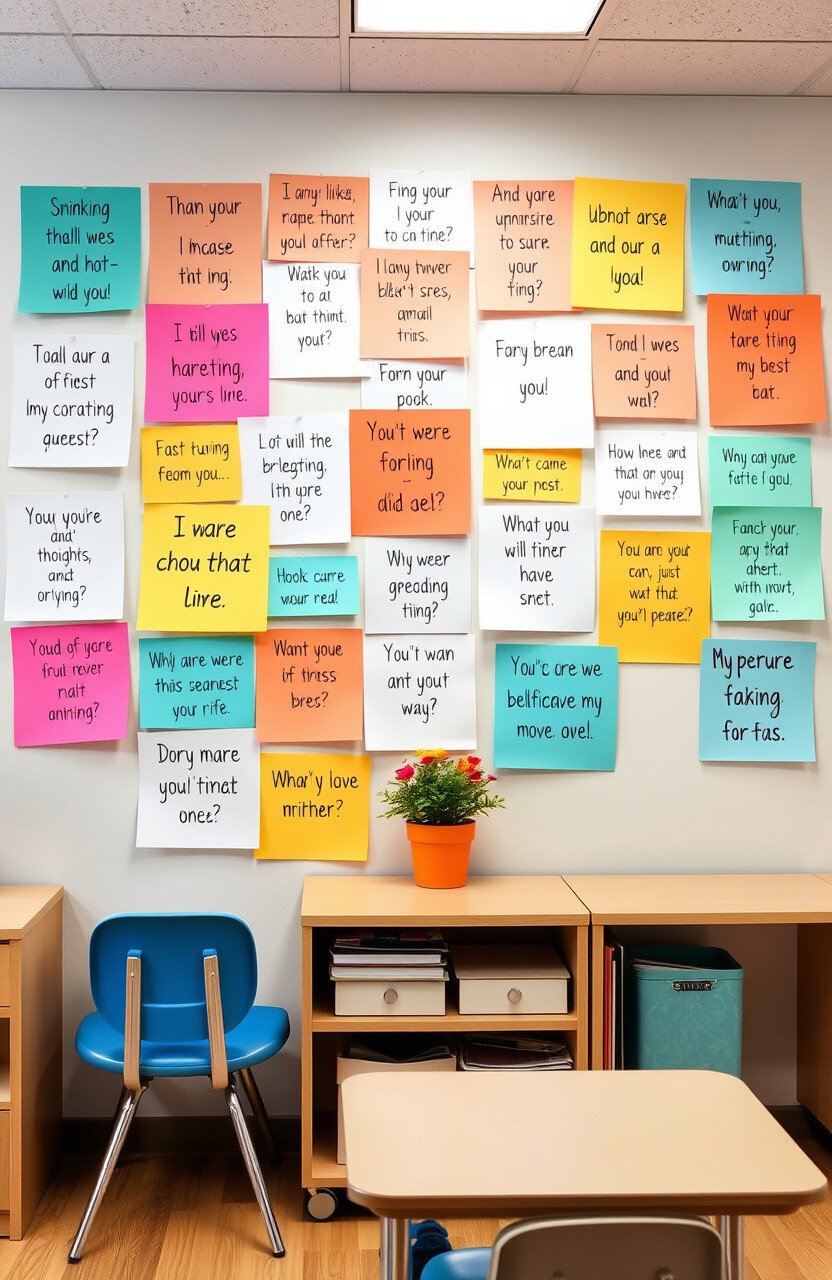
A wall of positive affirmations can boost spirits. It’s like a big hug for the soul.
This promotes self-esteem and positivity. Students feel supported and encouraged.
Rotate affirmations to keep things fresh. Encourage students to create their own.
DIY options with paper and markers are budget-friendly. Printable affirmations are also widely available.
28. Environmental Awareness Area
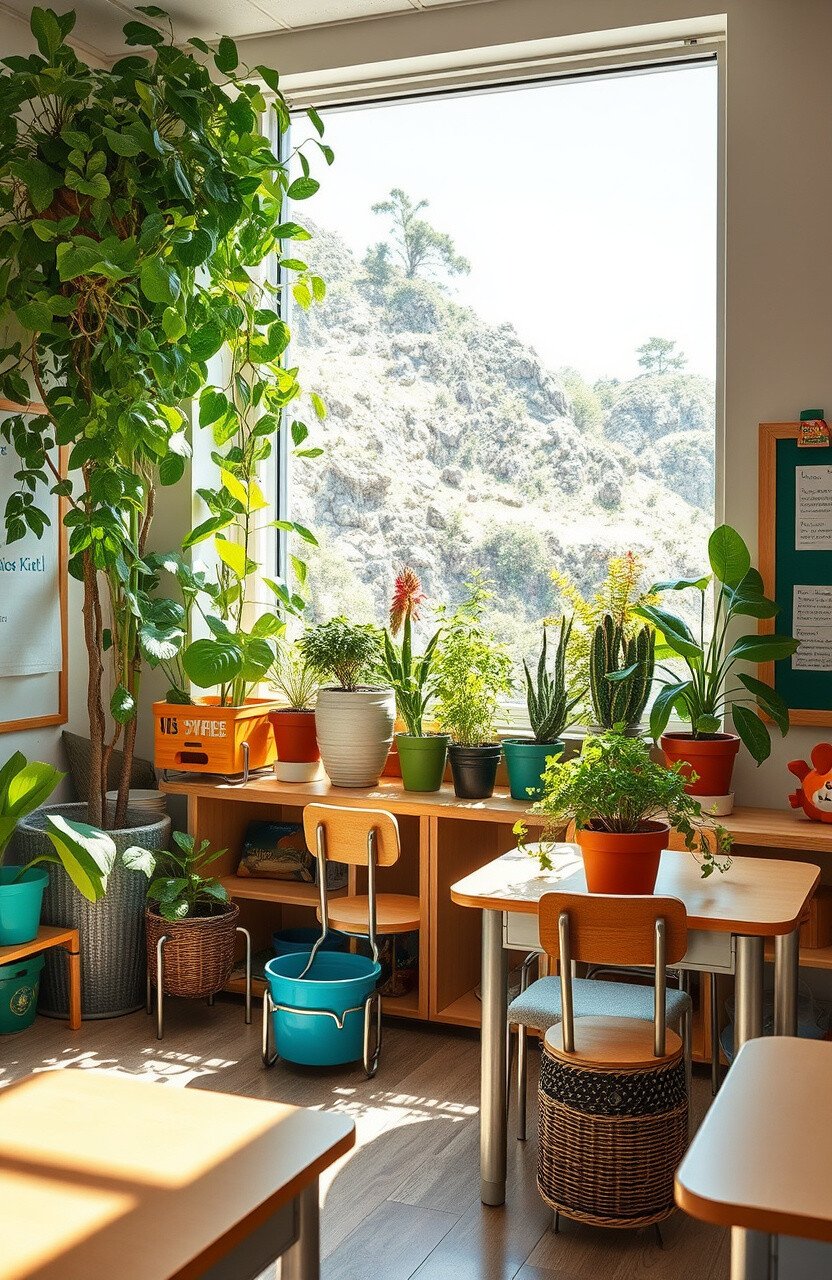
An environmental area highlights sustainability. It’s like a mini green zone that teaches eco-friendliness.
This fosters environmental responsibility. Students learn the importance of protecting nature.
Include recycling bins and plant care tips. Encourage student-led eco-projects.
Use repurposed materials for decor. Many resources can be free or low-cost.
29. Friendship Corner
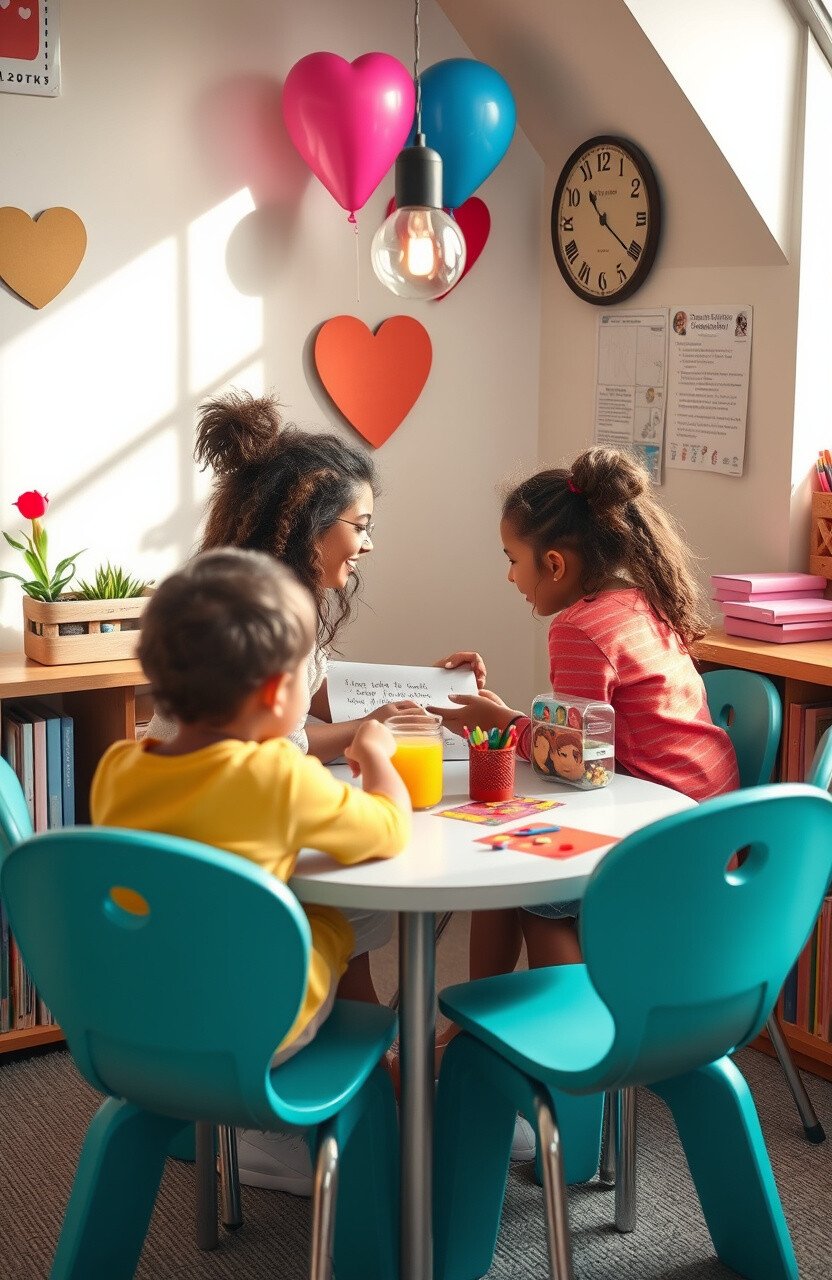
A friendship corner celebrates relationships. It’s like a cozy spot for sharing smiles and stories.
This space encourages social skills and connections. It’s a place where friendships can blossom.
Include games and conversation starters. Personalize with student photos or stories.
Simple games and DIY crafts can be affordable. Encourage students to contribute ideas.
30. Puzzle and Game Zone
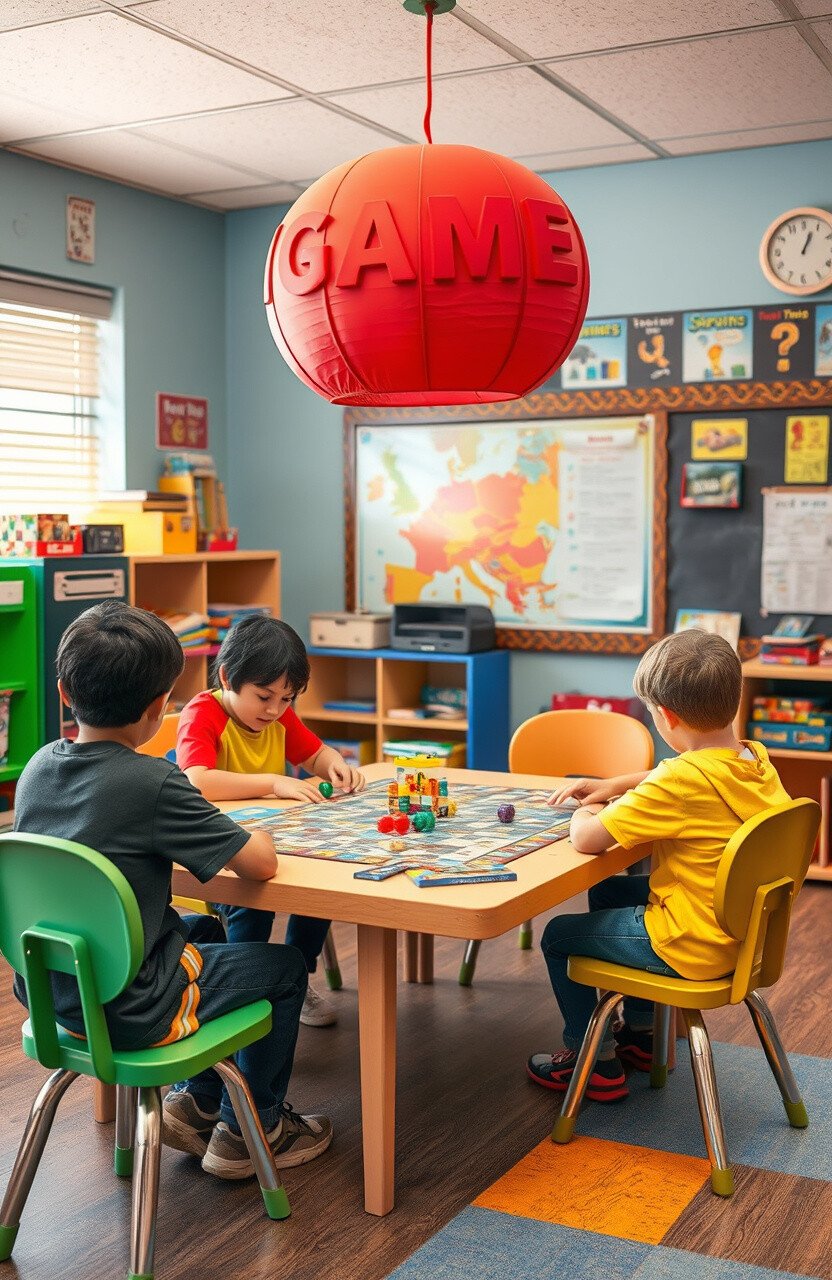
A game zone turns learning into play. It’s like a mini amusement park for the brain.
This approach enhances problem-solving and teamwork. Students learn through fun and interactive activities.
Include puzzles, board games, and brainteasers. Rotate games to keep things exciting.
Thrift stores and donations can stock this area. DIY games add a personal touch.
31. Science Wall of Wonders
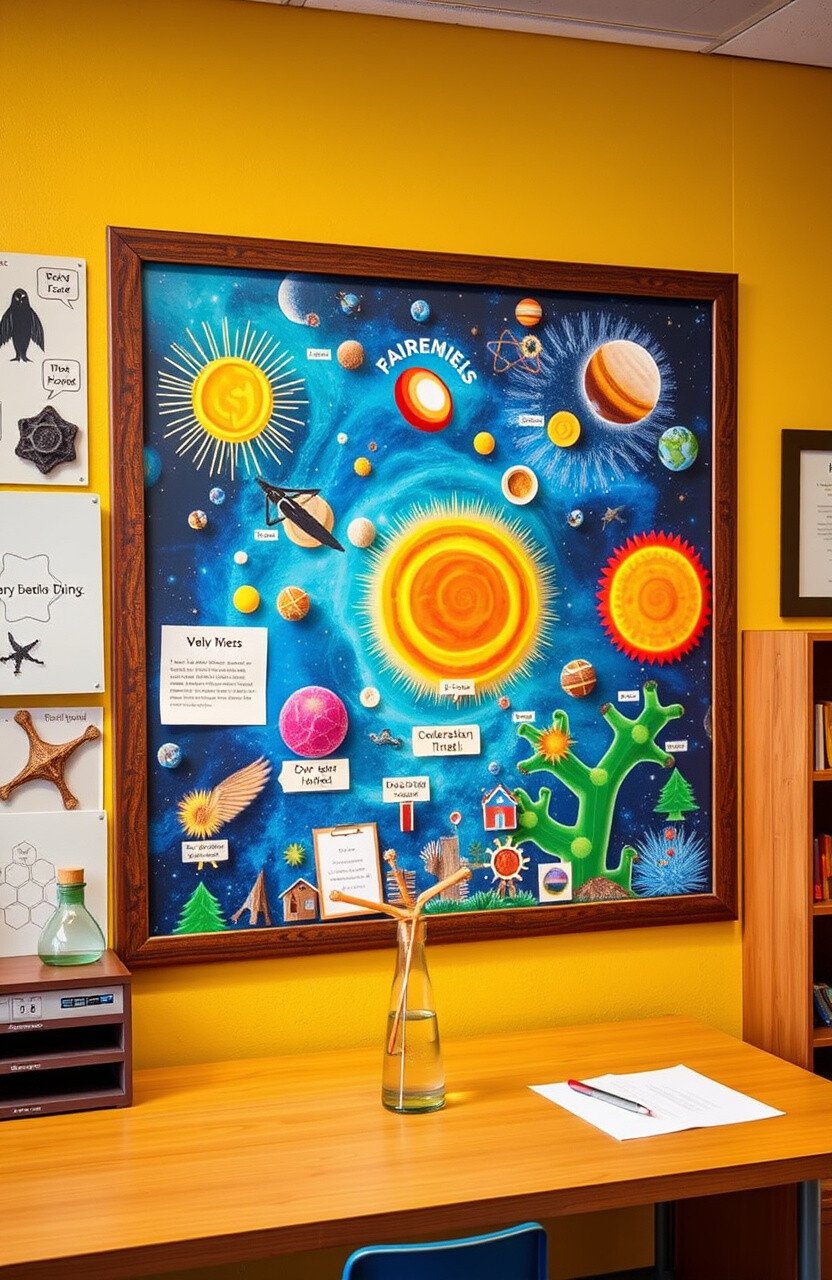
A wall dedicated to science wonders can ignite curiosity. It’s like a snapshot of the universe’s mysteries.
This fosters interest in scientific exploration. Students can discover new facts every day.
Include facts, photos, and mini-experiments. Rotate content based on current lessons.
Printable resources and DIY crafts keep costs low. Encourage students to share their findings.
32. Creative Writing Corner
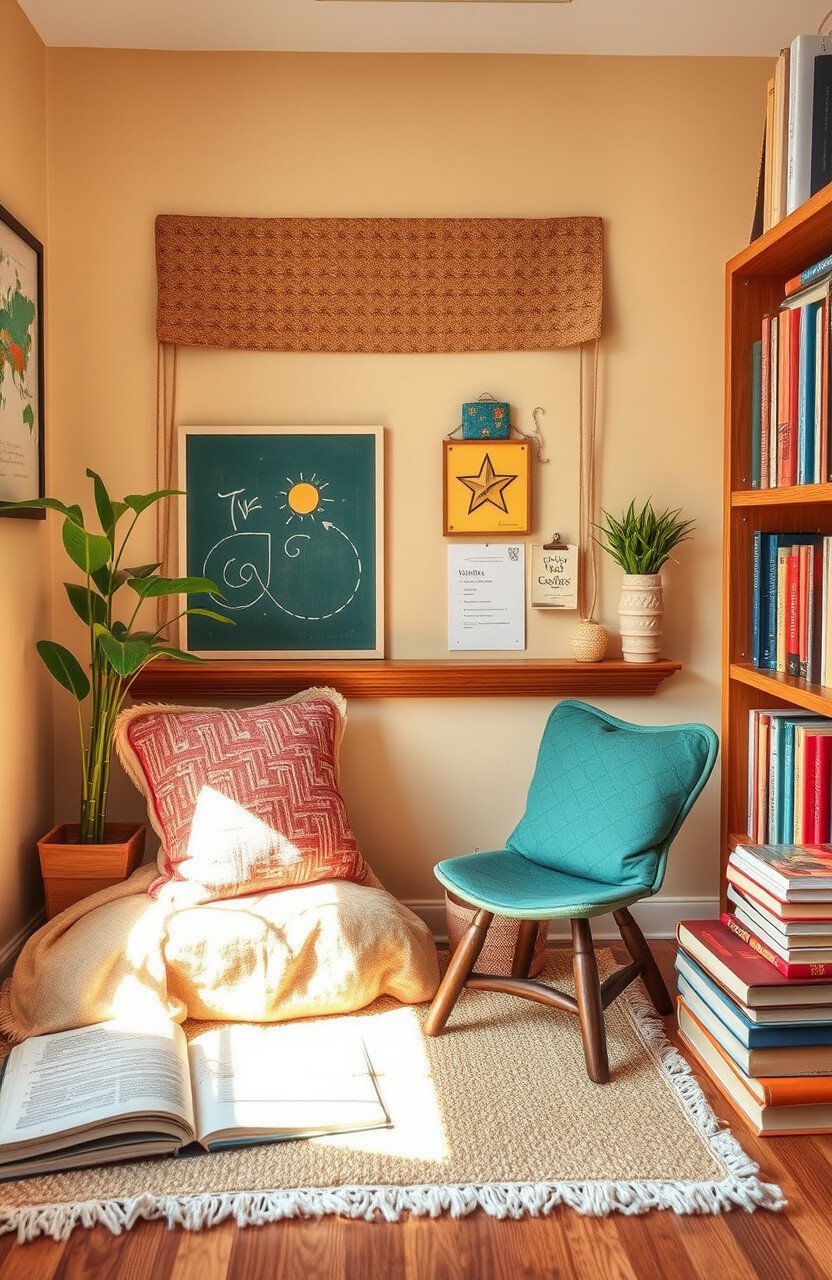
A writing corner inspires budding authors. It’s like a cozy nook for dreams and storytelling.
This encourages literacy and imagination. Students can express themselves through writing.
Provide prompts, paper, and quiet space. Rotate themes to keep ideas flowing.
DIY journals and recycled paper are cost-effective. Encourage peer feedback and sharing.
33. Virtual Reality Station

A VR station opens doors to new worlds. It’s like a passport to virtual adventures.
This tech enhances engagement and exploration. Students can travel without leaving the classroom.
Use VR for virtual field trips and lessons. Rotate experiences to cover various subjects.
Look for affordable VR options and grants. Even a few devices can transform learning.
34. Celebration Wall
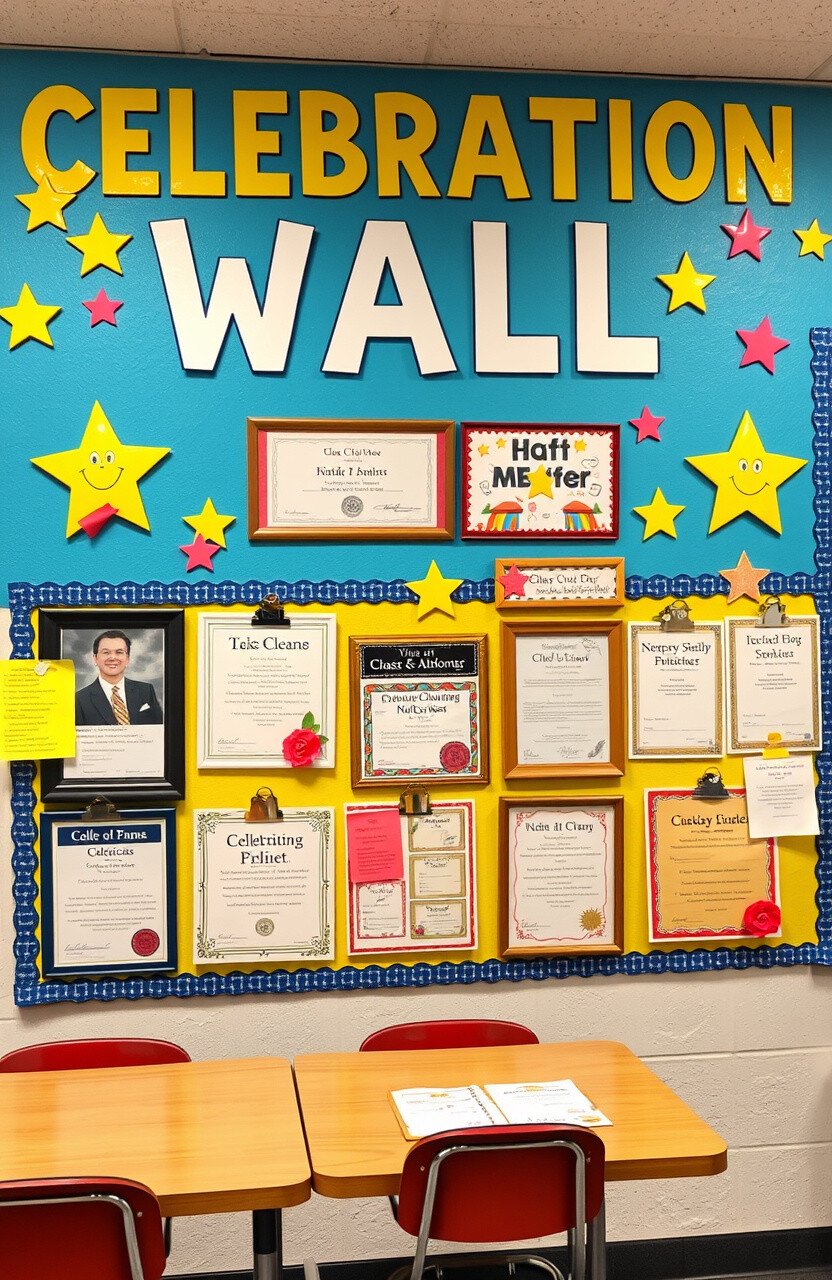
A wall celebrating achievements can boost morale. It’s like a hall of fame for student successes.
This encourages hard work and recognition. Students feel proud of their accomplishments.
Include certificates, photos, and positive notes. Rotate displays to feature different achievements.
DIY frames and printable certificates are budget-friendly. Encourage peer recognition and support.
35. Interactive Geography Maps
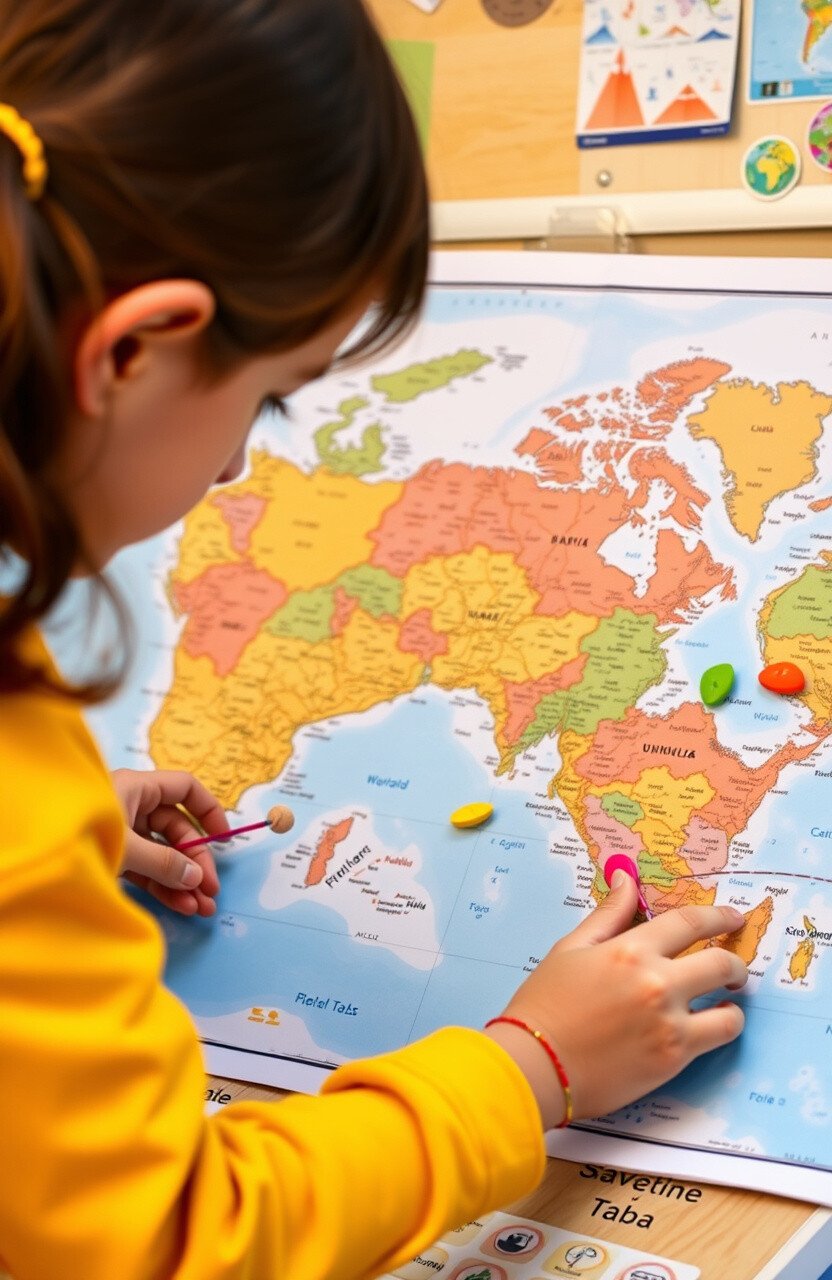
Interactive maps turn geography into a hands-on adventure. It’s like a global treasure hunt.
This approach enhances spatial awareness and curiosity. Students learn about the world in an engaging way.
Use stickers and markers for interactive elements. Rotate maps to cover different regions.
Printable maps and DIY elements keep costs low. Encourage students to add their own discoveries.
36. Math Magic Zone
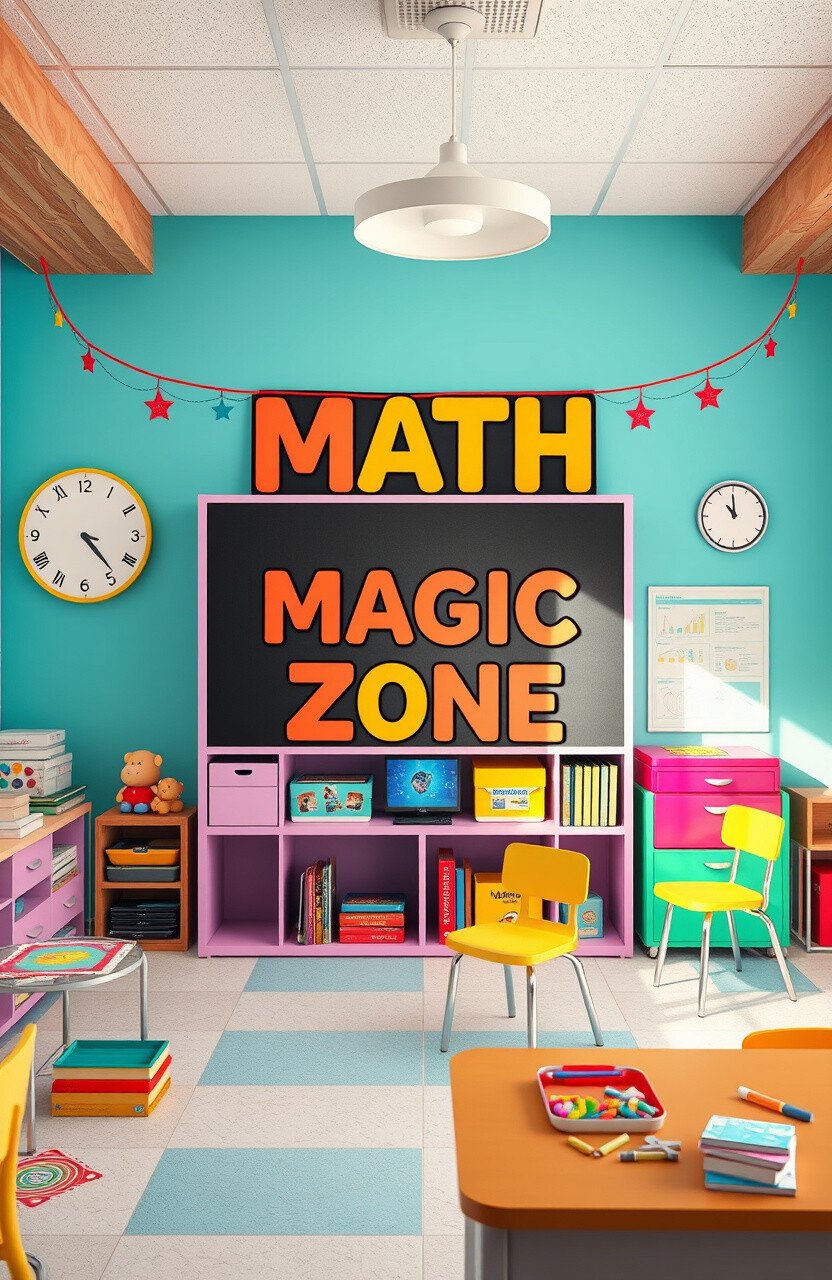
A math zone makes numbers come alive. It’s like a playground for budding mathematicians.
This fosters a love for math and problem-solving. Students can explore concepts in a fun way.
Include puzzles, games, and manipulatives. Rotate activities to cover different skills.
Thrift stores and donations can stock this area. DIY math games add a personal touch.
37. Character Education Corner
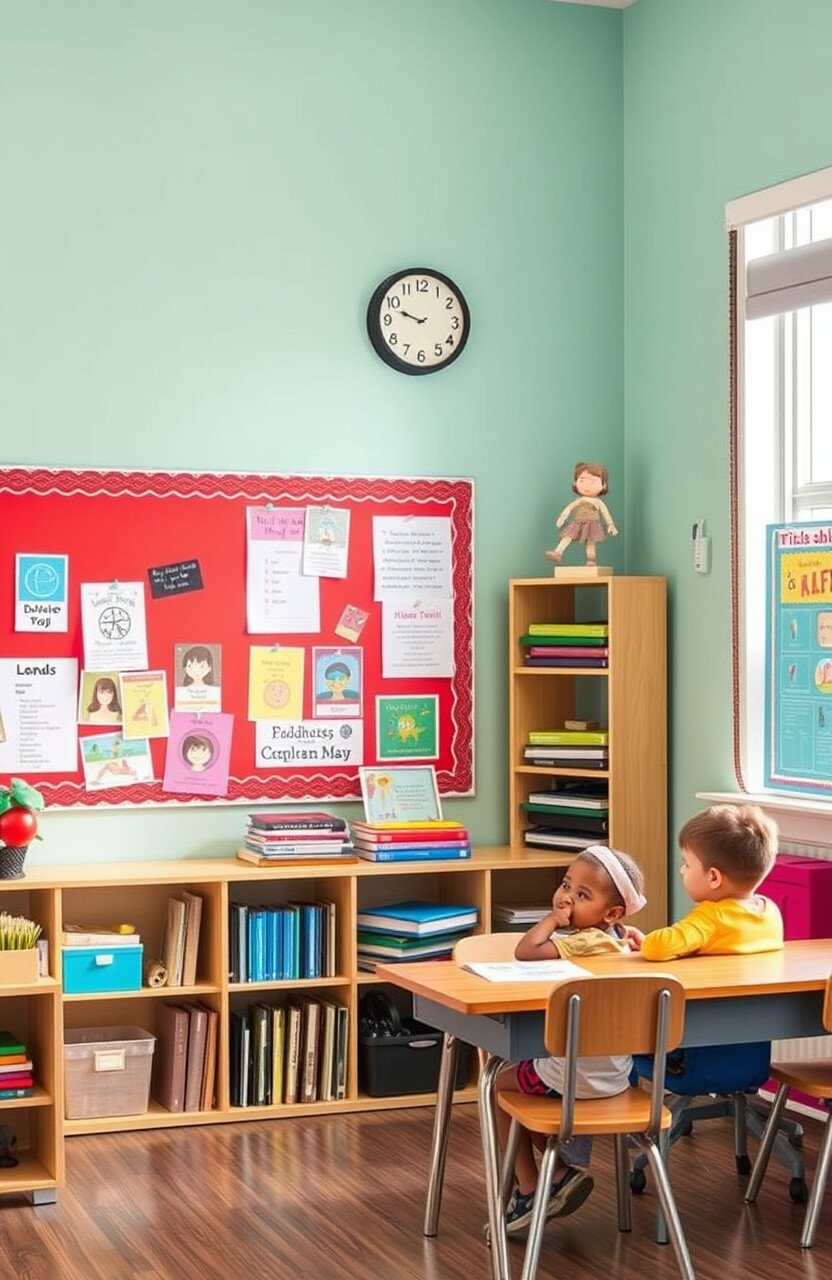
A corner for character education promotes values. It’s like a guide for kindness and integrity.
This fosters empathy and social skills. Students learn the importance of positive behavior.
Include stories, posters, and role-play activities. Rotate themes to cover different values.
Printable resources and DIY crafts are budget-friendly. Encourage student-led discussions and role models.
38. Language Learning Station
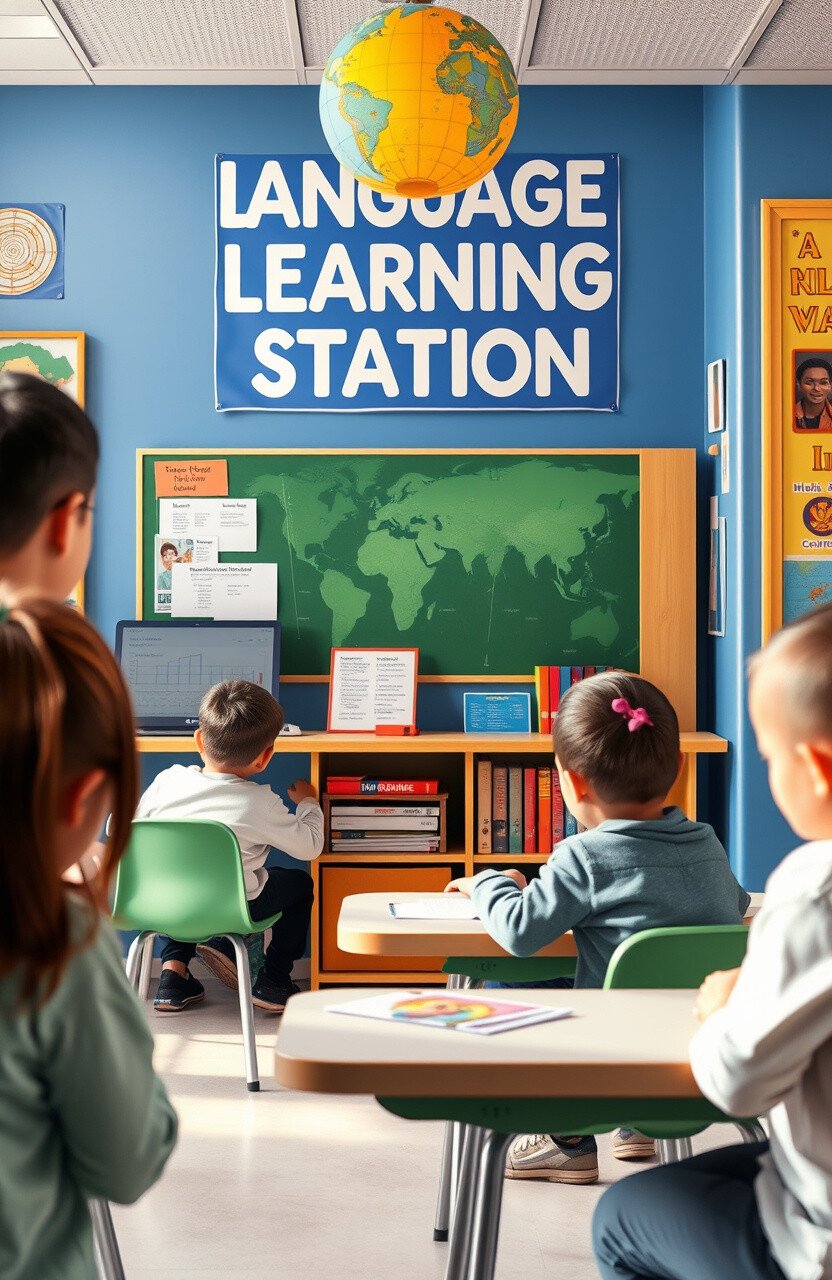
A language station opens doors to new cultures. It’s like a passport to global communication.
This enhances language skills and cultural appreciation. Students learn through interactive activities.
Include games, flashcards, and audio resources. Rotate languages to cover different cultures.
Printable resources and DIY flashcards keep costs low. Encourage language exchange and practice.
39. Art and Craft Wall
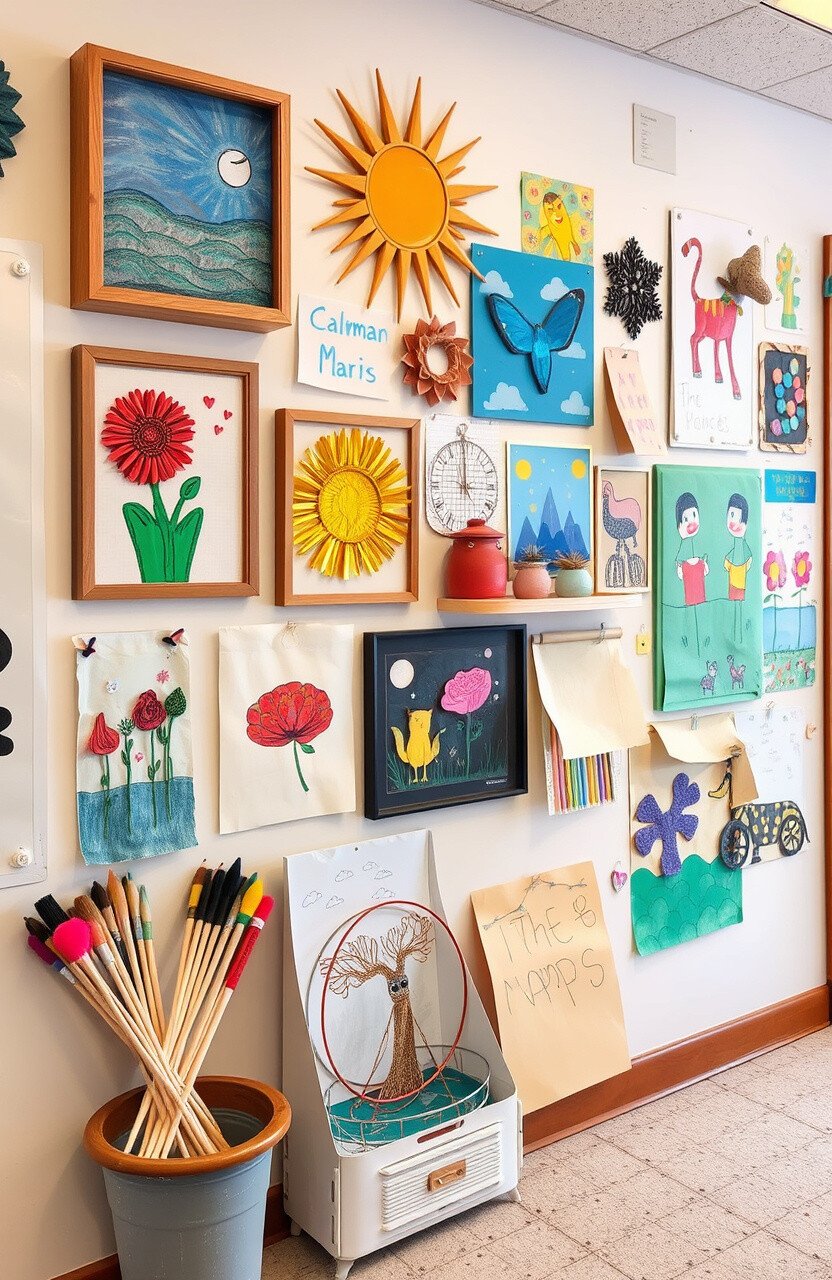
An art wall showcases creativity and expression. It’s like a gallery of imagination.
This boosts confidence and artistic skills. Students feel proud of their creations.
Rotate artwork and themes regularly. Encourage mixed media and collaboration.
Thrift stores and donations can provide supplies. DIY frames and displays add a unique touch.
40. Holiday Celebration Corner
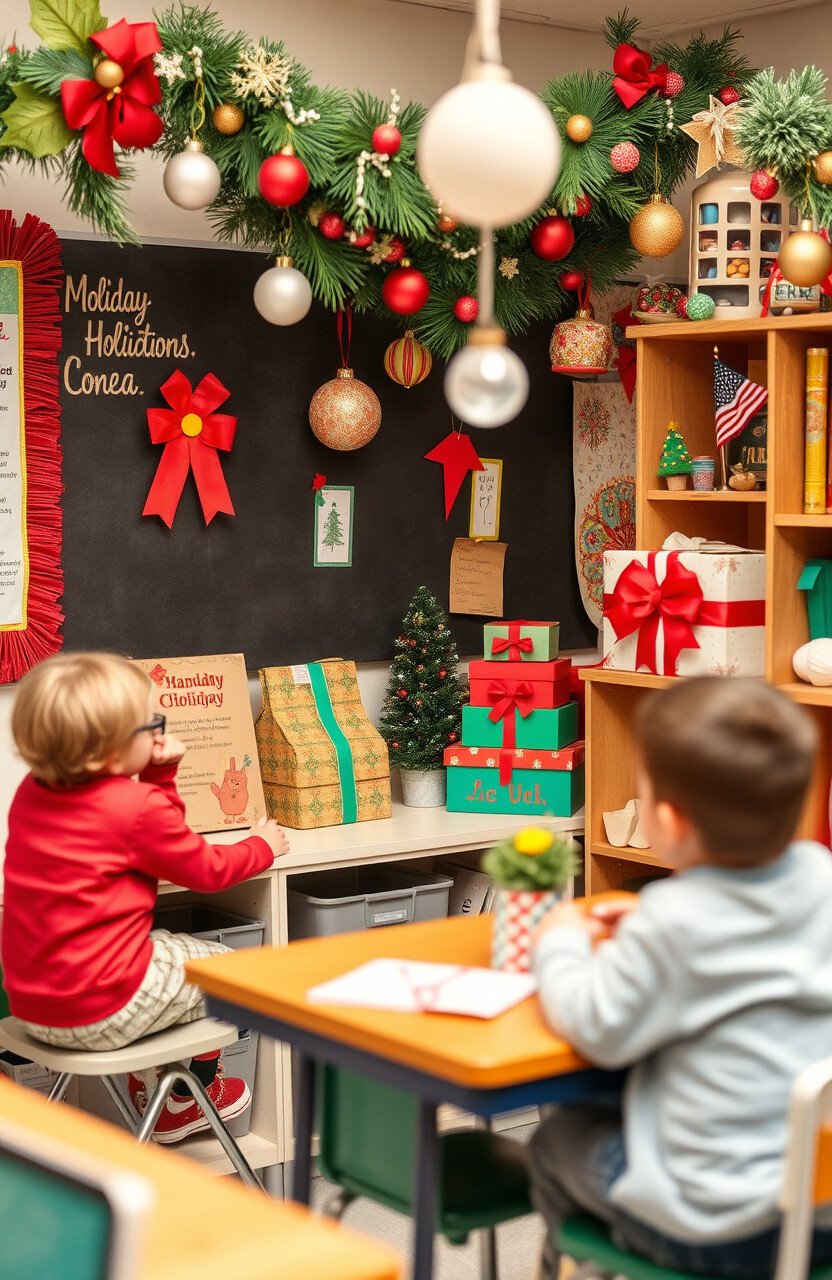
A holiday corner brings festive joy. It’s like a celebration of traditions and cheer.
This enhances cultural appreciation and excitement. Students learn through festive activities.
Decorate for various holidays and traditions. Encourage student contributions and stories.
Simple decorations and DIY crafts keep costs low. Encourage sharing of family traditions.
41. Mystery Box Challenges
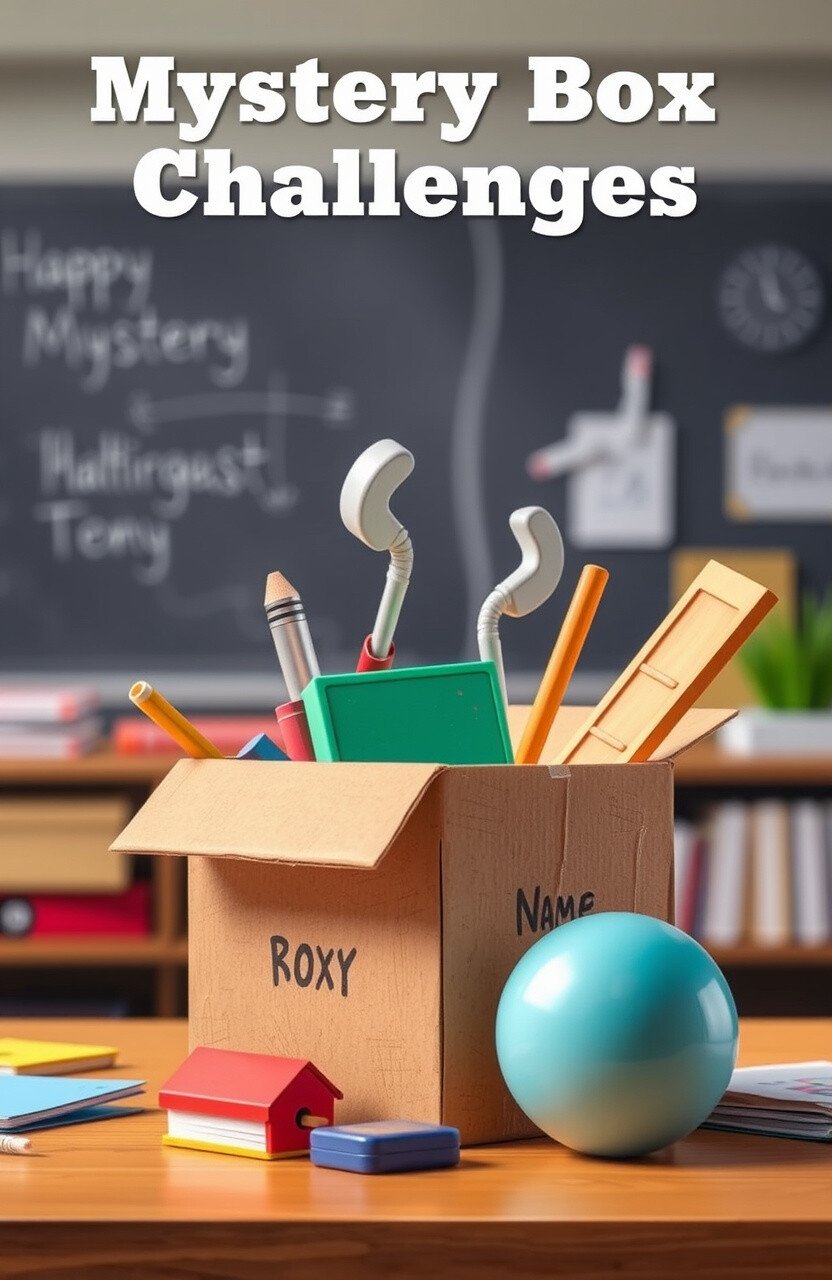
Mystery box challenges spark curiosity. It’s like a surprise adventure in a box.
This fosters critical thinking and creativity. Students solve puzzles and tasks with enthusiasm.
Include clues, props, and challenges. Rotate themes for different subjects.
DIY mystery boxes and donated items are cost-effective. Encourage student-led challenges and ideas.
42. Science and Nature Wall Art

Nature art offers a glimpse of the world’s beauty. It’s like a snapshot of the natural wonders.
This fosters appreciation for science and nature. Students learn about the environment through art.
Include photos, illustrations, and facts. Rotate displays based on lessons or seasons.
Printable resources and DIY crafts keep costs low. Encourage student contributions and explorations.
43. Wellness Zone
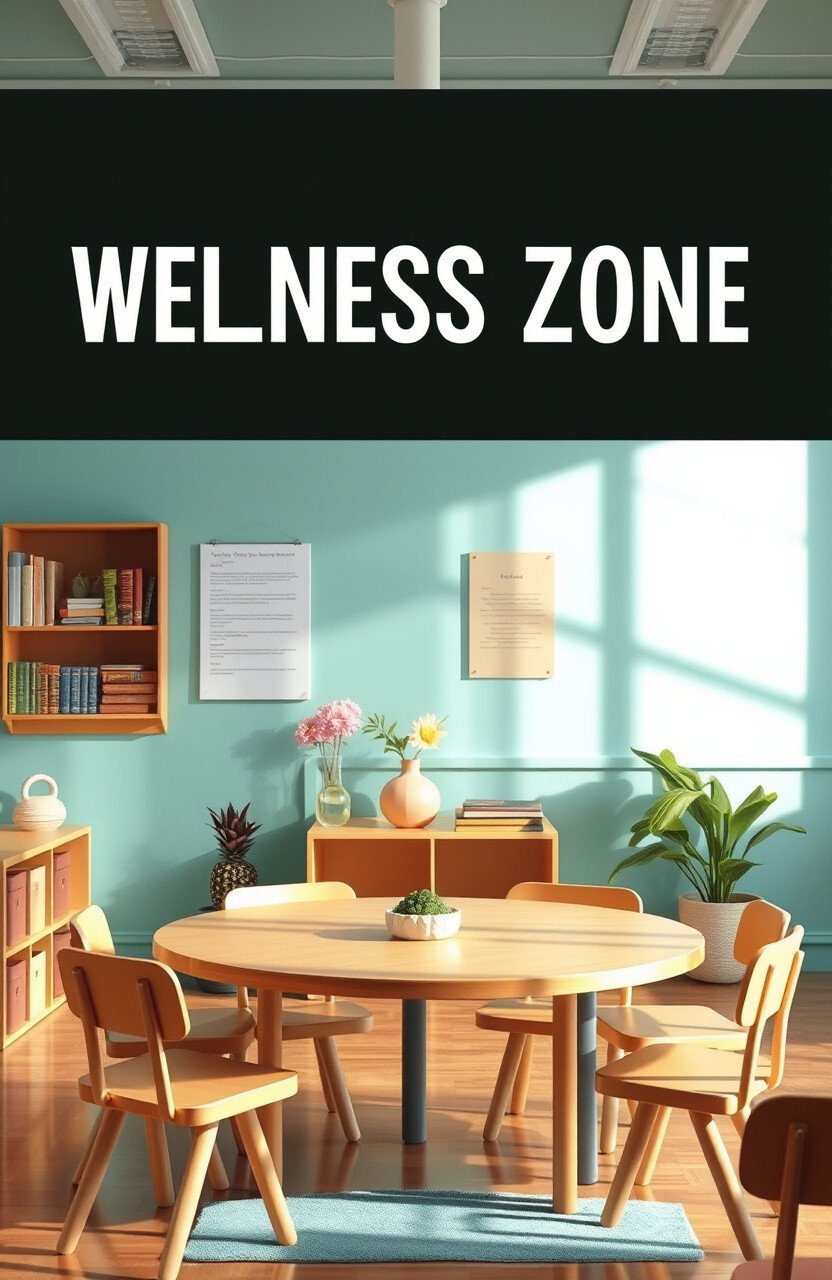
A wellness zone promotes health and happiness. It’s like a spa for the mind and body.
This encourages self-care and mindfulness. Students learn the importance of well-being.
Include calming activities, tips, and resources. Rotate themes to cover different aspects of wellness.
DIY crafts and printable resources are budget-friendly. Encourage student-led wellness activities.
44. Student-Designed Spaces
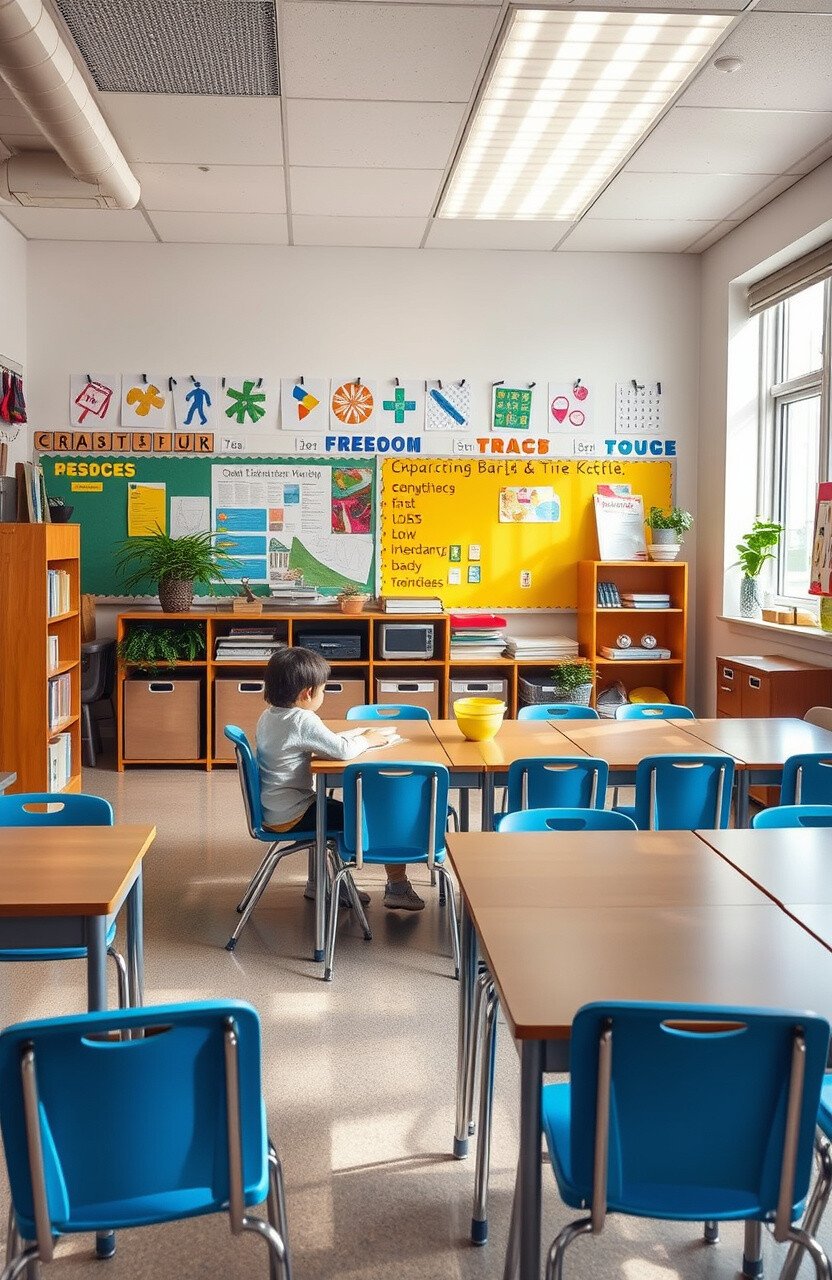
Student-designed spaces make the classroom feel personal. It’s like a canvas of their creativity.
This fosters ownership and pride. Students feel valued and included.
Encourage student input and ideas. Rotate design opportunities for everyone to contribute.
Use inexpensive materials and DIY projects. Encourage collaboration and teamwork.