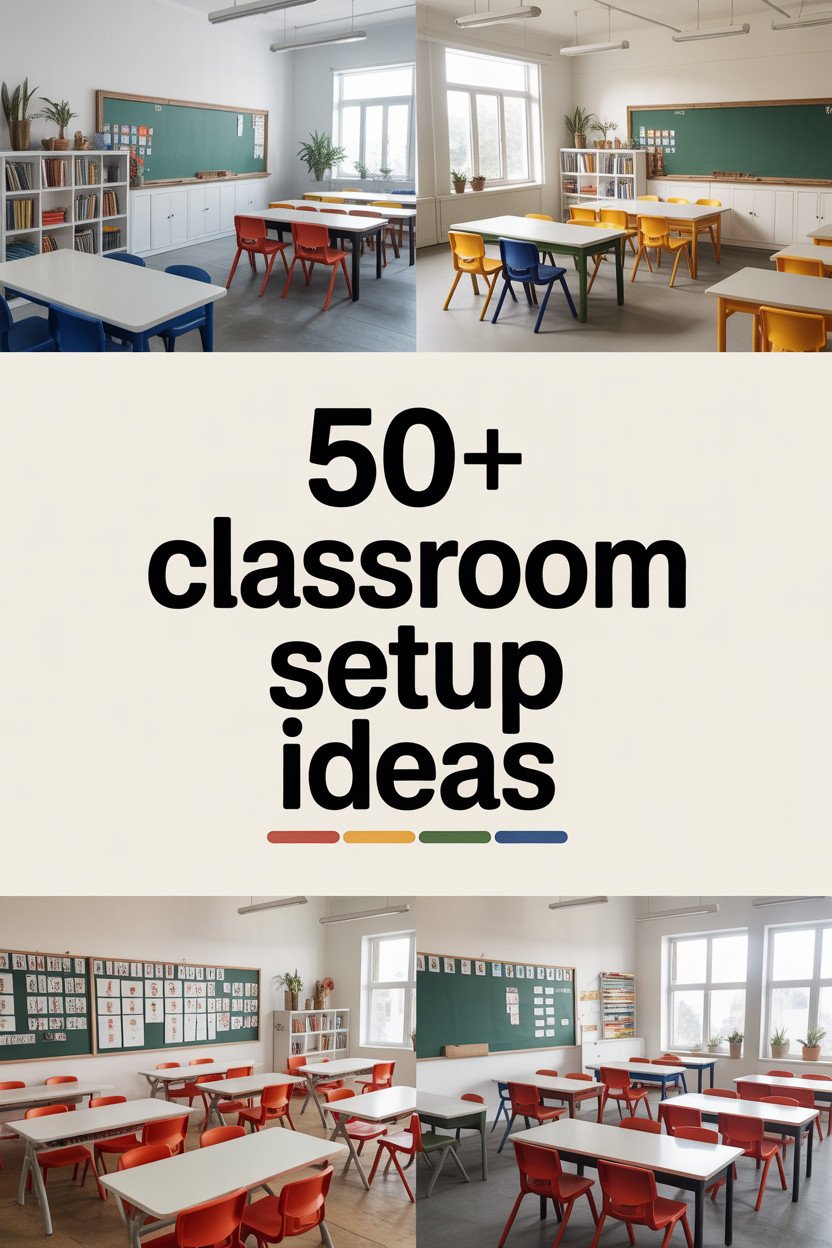
Imagine a space where creativity flows effortlessly and learning becomes an exciting adventure. Picture a classroom that ignites curiosity and makes every student eager to participate. With a few clever tweaks and a sprinkle of imagination, such a place is within reach.
1. Colorful Wall Murals
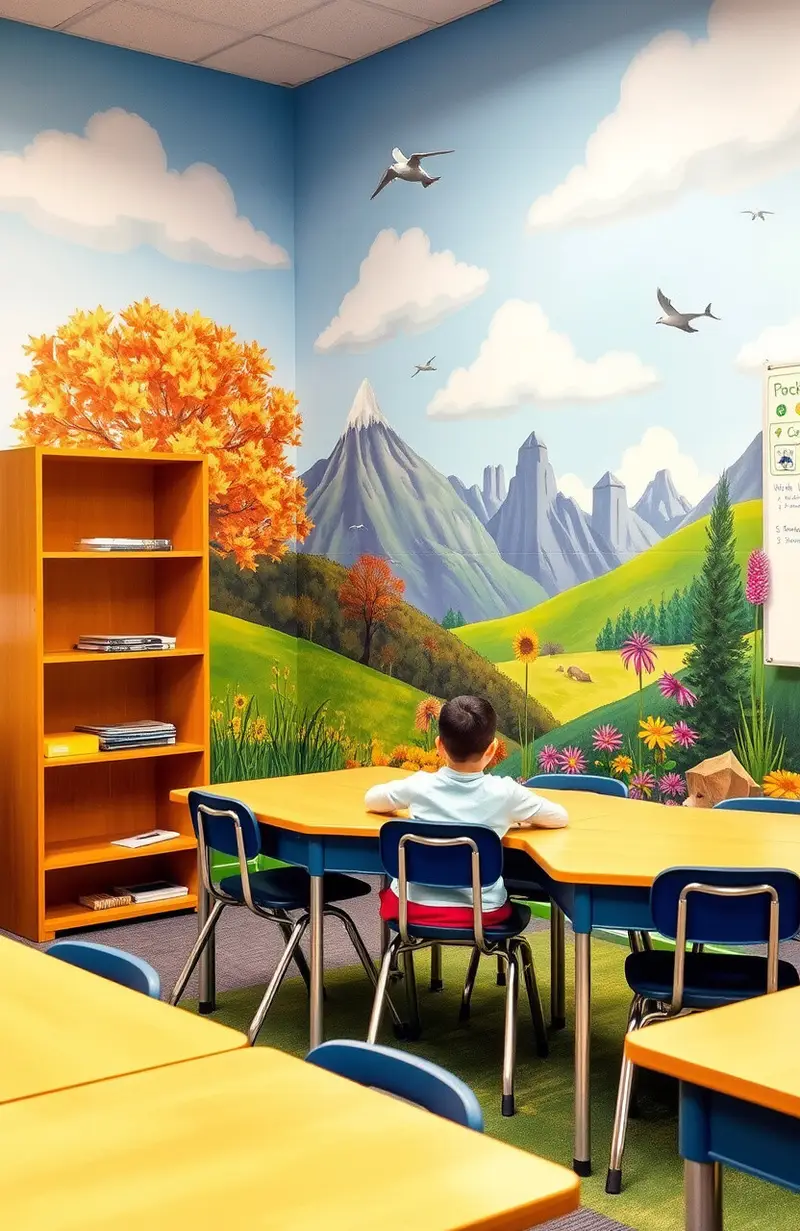
Brighten your classroom with colorful wall murals depicting nature scenes or whimsical designs. These murals stimulate creativity and make the environment feel more inviting.
Custom murals can reflect the specific interests of your students, making them feel more connected to the space. Consider hiring a local artist or using removable wall decals for a budget-friendly option.
Wall murals are unique because they can completely change the atmosphere without taking up physical space. Opt for themes that correlate with the subjects being taught for added educational value.
Costs can vary, but DIY options with students can be both cost-effective and educational. Engage students in the mural creation process for a personalized touch.
2. Flexible Seating Arrangements
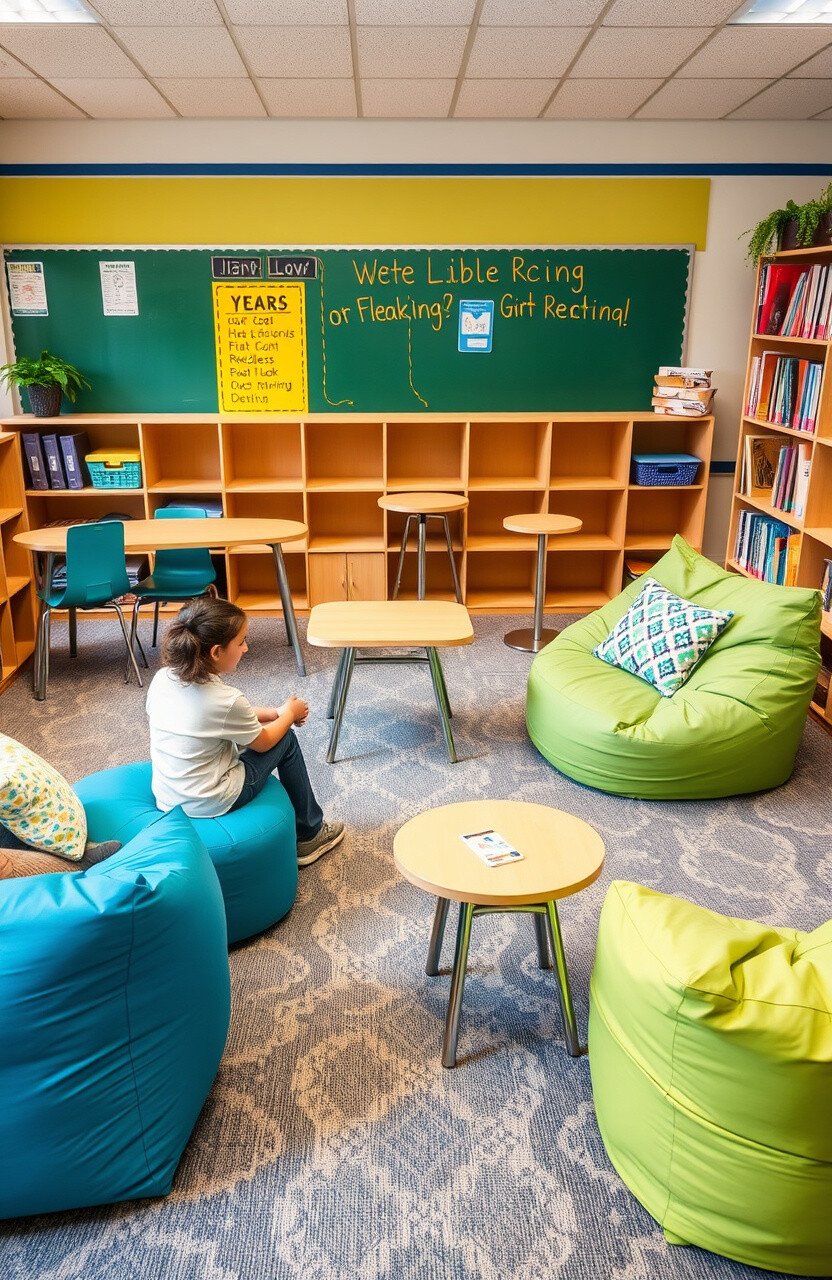
Introduce flexible seating that allows students to choose where and how they sit during class. Options like bean bags, floor cushions, and standing desks can cater to different learning styles.
Flexible seating encourages collaboration and communication among students, fostering a sense of community. It also helps students feel more comfortable and engaged, leading to improved focus.
The uniqueness lies in the adaptability to different classroom activities, keeping the setup fresh and dynamic. Rotate seating options regularly to maintain novelty and interest.
While some seating options can be expensive, consider asking for donations or checking thrift stores. Involve students in creating their own seating solutions for a personalized, cost-effective approach.
3. Inspirational Quote Boards
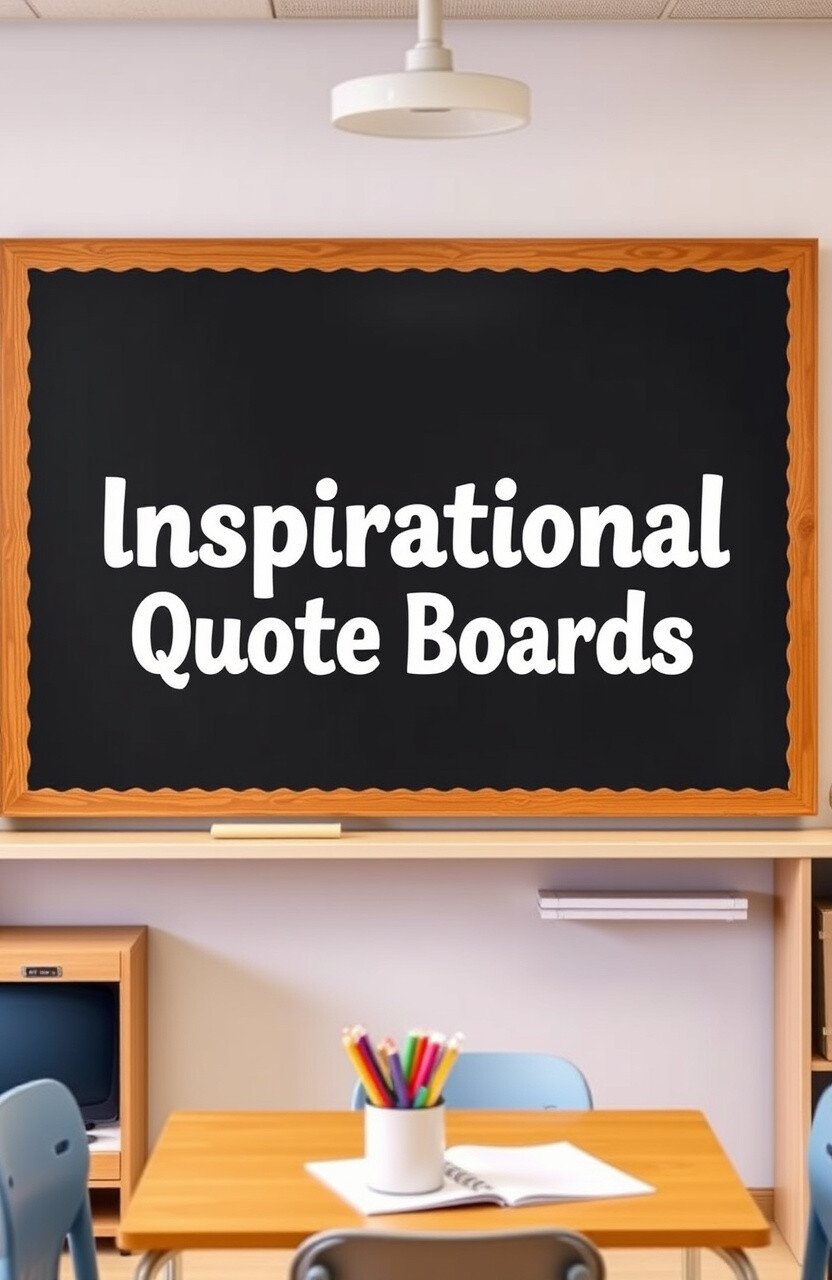
Fill your classroom with positivity by displaying inspirational quote boards. Change the quotes weekly to keep motivation high and relevant.
These boards can boost morale and encourage a growth mindset among students. Choose quotes that resonate with your class themes or current events to make them more impactful.
Uniqueness comes from involving students in selecting and designing the quote boards. Allow them to contribute their favorite quotes for a personalized learning environment.
Cost is minimal if you use materials like cork boards or chalkboards. Get creative with designs using colorful markers or decorative borders.
4. Interactive Learning Stations
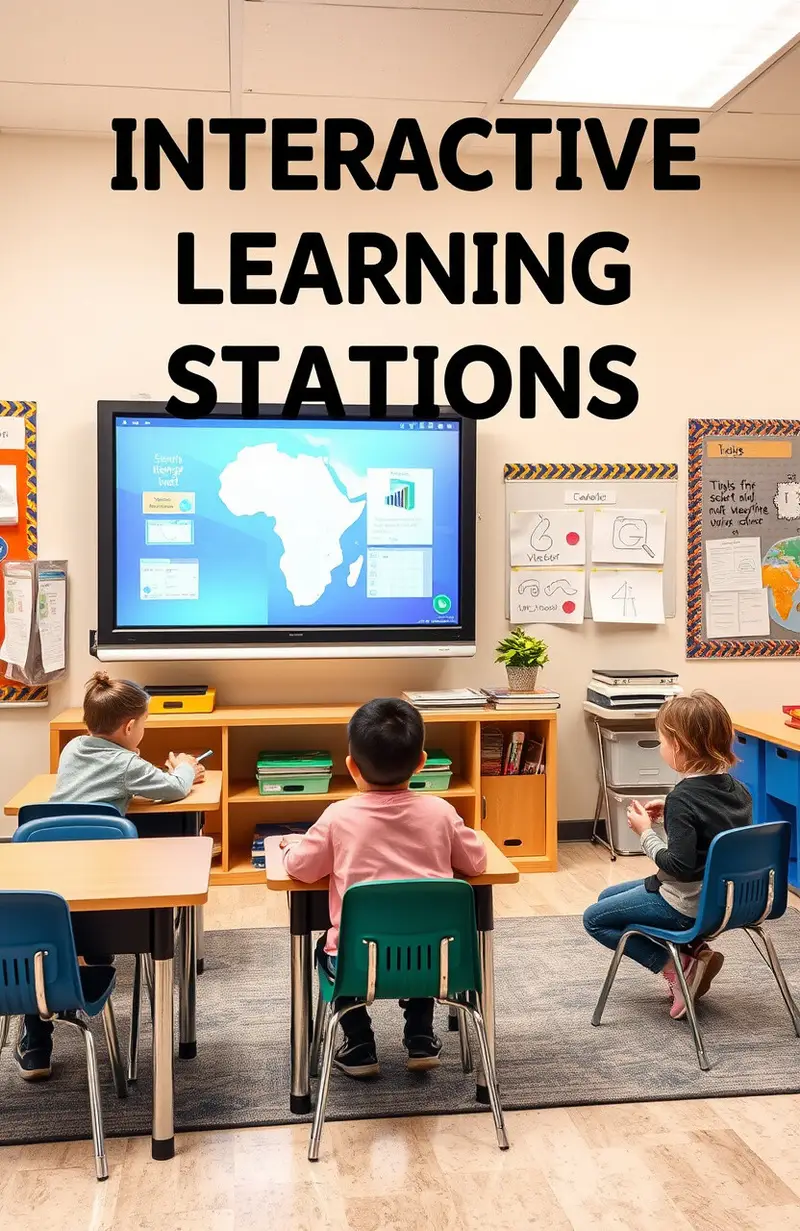
Create interactive learning stations that cater to different subjects and skills. Each station can offer hands-on activities that encourage exploration and critical thinking.
These stations can be tailored to fit various learning levels, making them inclusive for all students. Rotate the themes to align with current curriculum topics.
The uniqueness lies in the tactile learning experience they offer, which is different from traditional teaching methods. Incorporate technology, such as tablets or VR headsets, to enhance engagement.
While initial setup costs might be higher, using recycled materials or donations can help minimize expenses. Involve students in setting up the stations to add a personal touch.
5. Nature-Inspired Decor
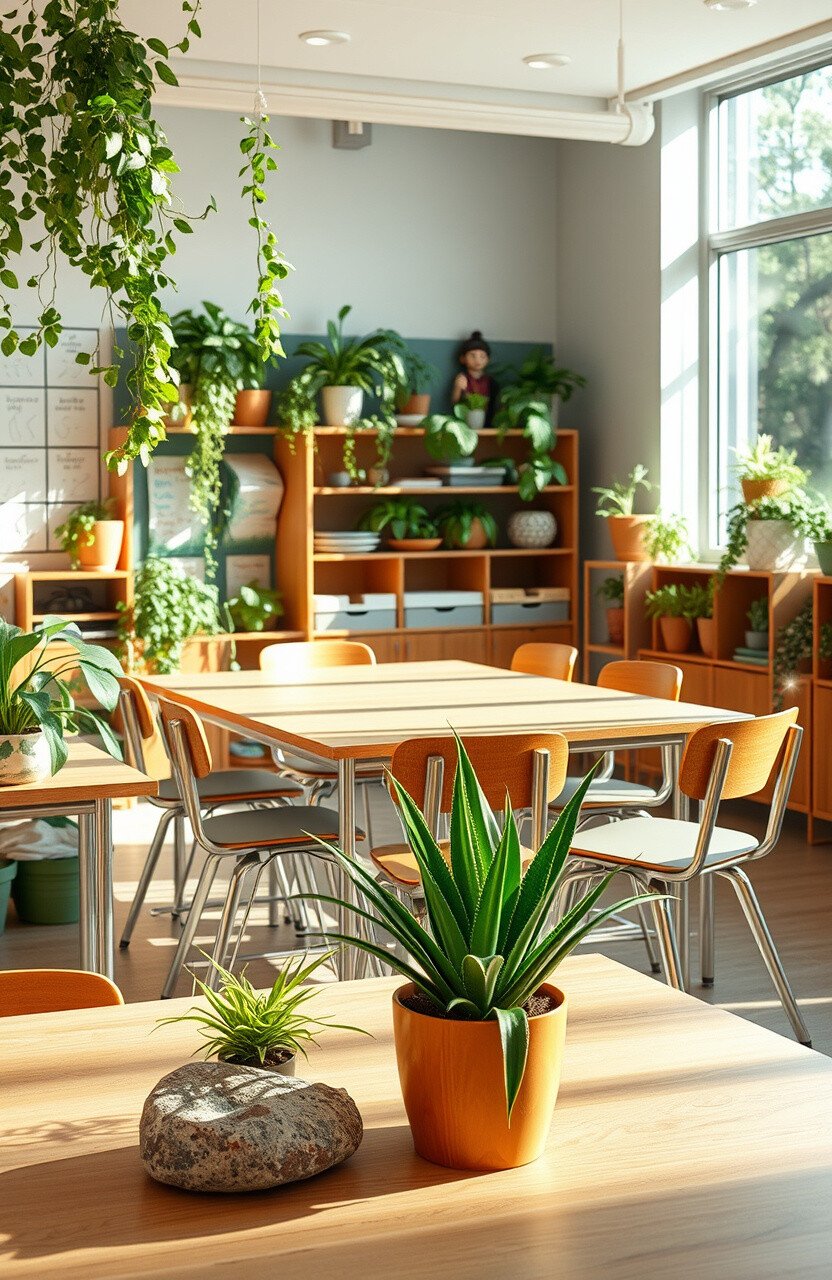
Bring the outdoors in with nature-inspired decor like plants, rocks, and natural light. This setup creates a calming atmosphere conducive to learning.
Benefits include improved air quality and increased concentration. Choose low-maintenance plants like succulents or snake plants for ease of care.
Uniquely, this setup can change with the seasons, offering a dynamic and constantly evolving classroom environment. Use natural elements found locally for a personalized touch.
Costs are low if you start with small plants or ask for donations. Involve students in the care of plants to foster responsibility and ownership.
6. Creative Lighting Solutions
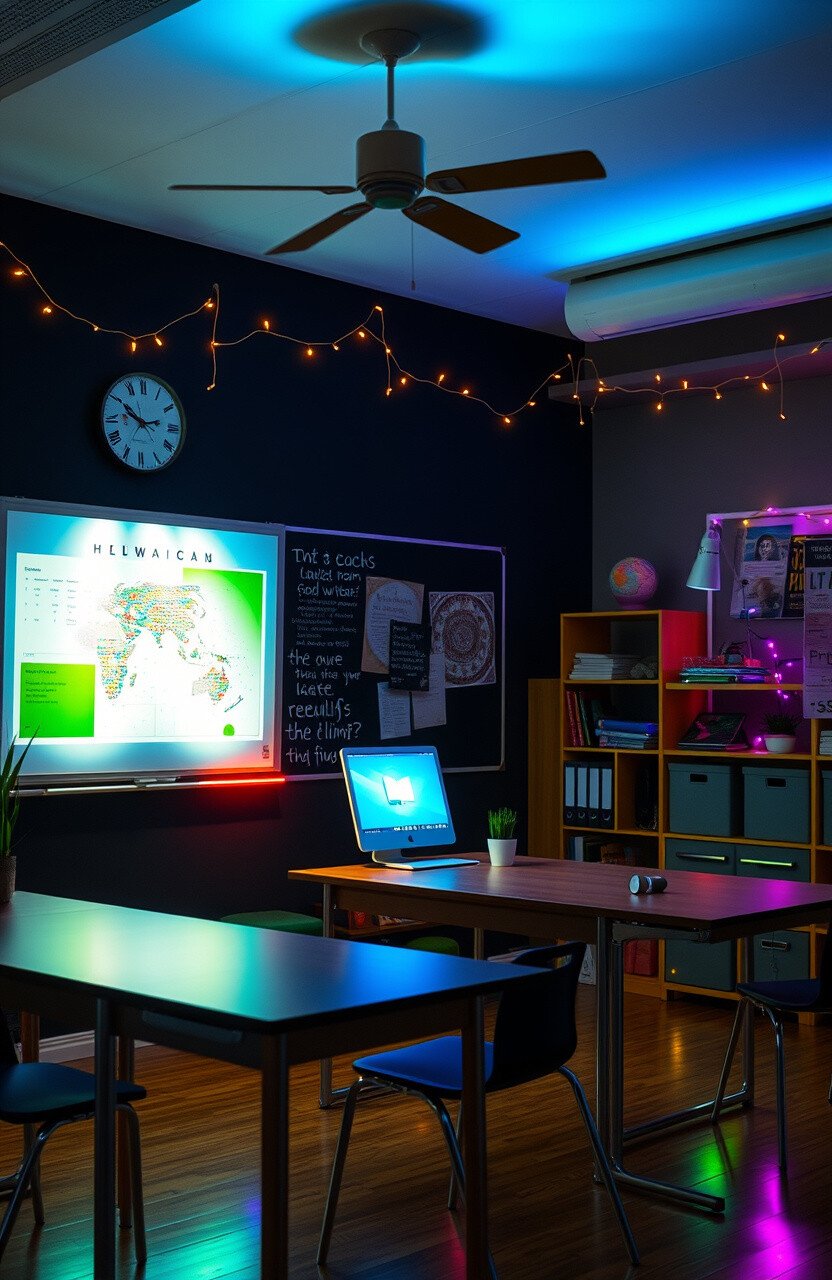
Experiment with creative lighting solutions to set the mood for learning. Options include fairy lights, lamps, or LED strips in vibrant colors.
Proper lighting can improve focus and reduce eye strain. Use dimmable options to adjust the lighting according to different activities or times of day.
Uniqueness comes from the ability to change lighting colors to reflect different moods or subjects. Incorporate student input on preferred lighting for a personalized touch.
Costs can vary, but LED strips and fairy lights are generally affordable. Consider solar-powered options for an eco-friendly setup.
7. Themed Classroom Corners
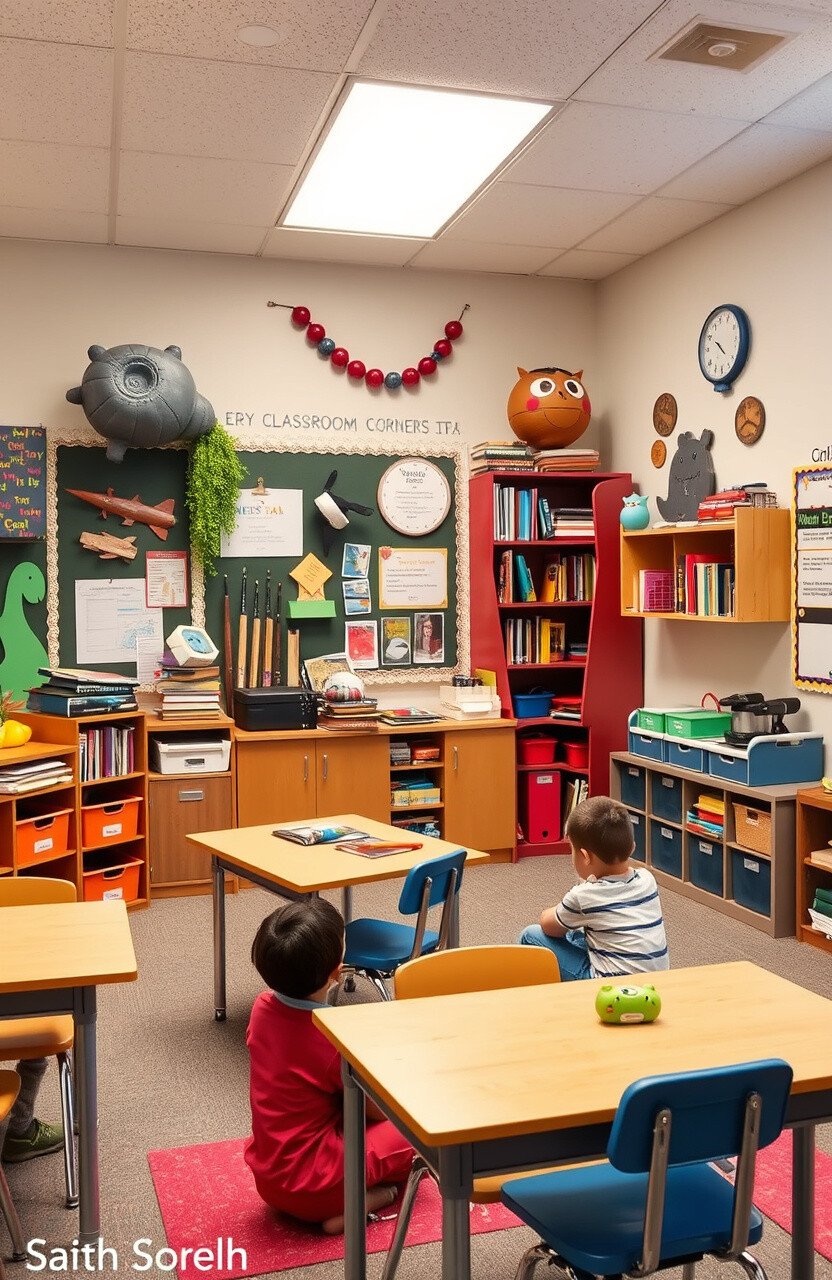
Design themed classroom corners for reading, science, or math activities. These specialized areas can make learning feel like an adventure.
Themed corners encourage students to explore subjects in a focused environment. Rotate themes to align with the curriculum or current interests.
The uniqueness lies in the immersive experience each corner provides. Use props and decorations that transport students to different worlds or times.
Costs can be managed by using existing resources or asking for community donations. Involve students in creating and decorating the corners for a personalized touch.
8. DIY Art Displays
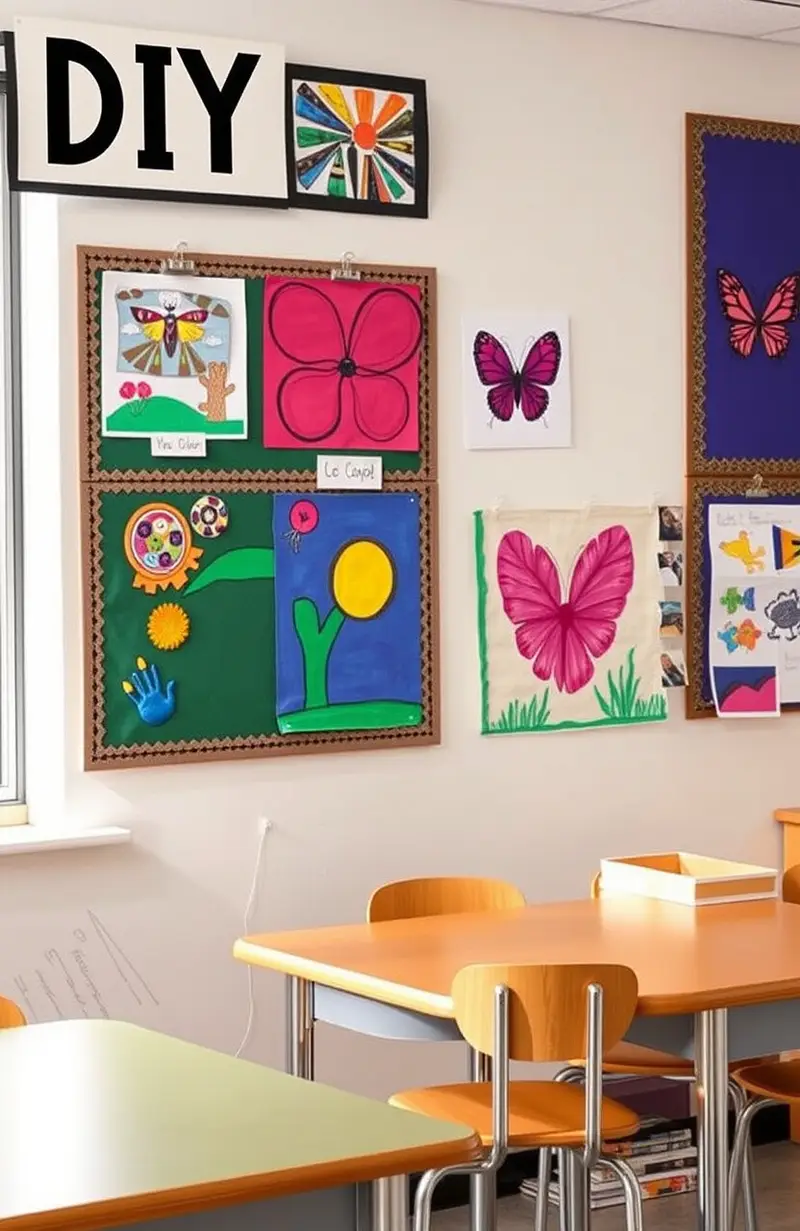
Showcase student artwork with DIY art displays around the classroom. This not only decorates the space but also boosts student confidence and pride.
Displaying artwork fosters a sense of accomplishment and ownership. Rotate displays regularly to keep the environment fresh and inclusive.
Uniquely, this setup makes the classroom feel like a gallery that evolves throughout the year. Encourage students to create collaborative pieces for a community feel.
Costs are minimal if you use simple materials like string and clips. Encourage students to help with the setup for a personalized, collaborative effort.
9. Chalkboard or Whiteboard Walls
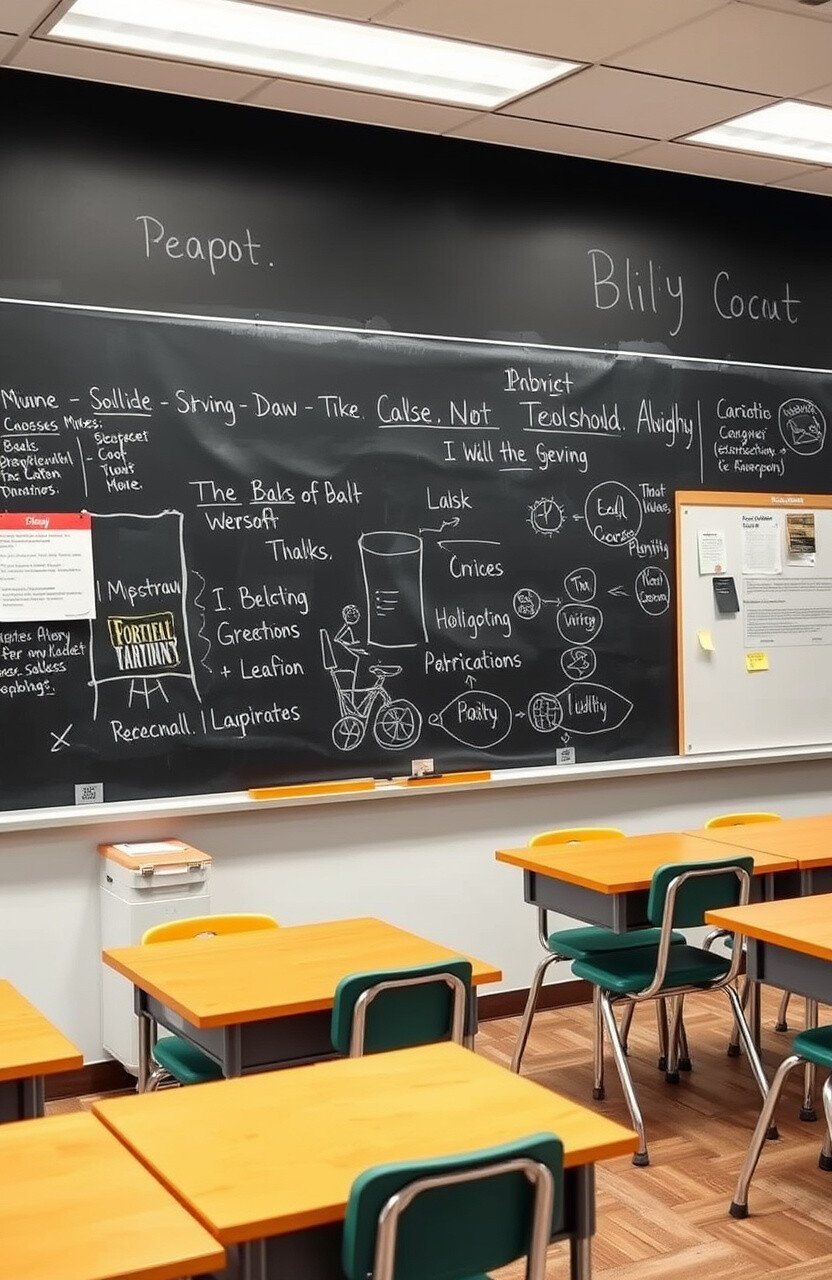
Turn a wall into a giant chalkboard or whiteboard for unlimited creativity. This setup allows for spontaneous notes, drawings, and interactive lessons.
Such walls encourage active participation and collaboration among students. Use them to brainstorm ideas or solve problems collectively.
Uniqueness comes from the ever-changing nature of the wall, reflecting the dynamic learning process. Incorporate student art and ideas for a personal touch.
Costs can be high for professional installations, but DIY paint kits are budget-friendly. Allow students to contribute to the wall art for a personalized experience.
10. Sensory-Friendly Spaces
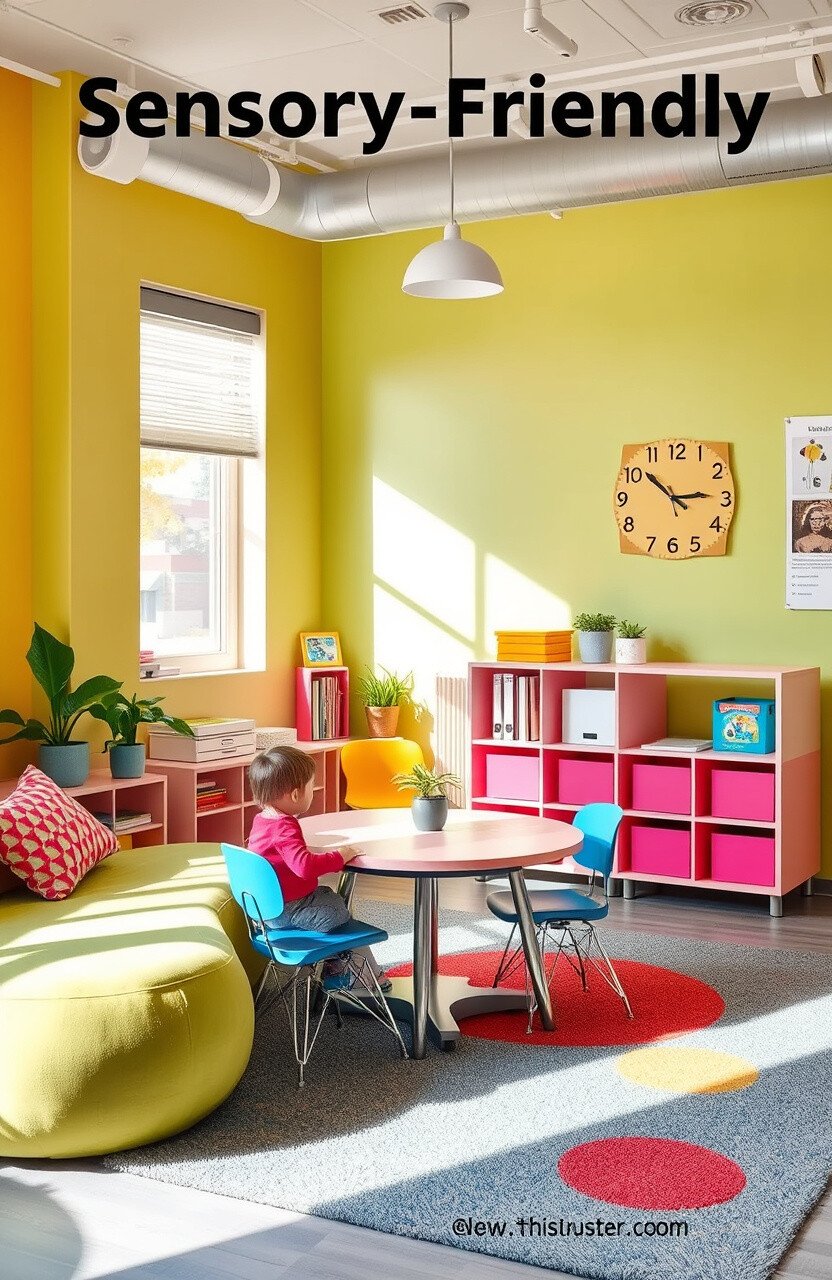
Create sensory-friendly spaces with soft textures, calming colors, and quiet areas. These spaces help students who need a break from the typical classroom environment.
Benefits include reduced anxiety and improved focus for students with sensory processing needs. Use soft lighting and noise-canceling headphones for added comfort.
Uniquely, these spaces can be tailored to individual needs, offering a personalized retreat for students. Incorporate student feedback to make the space more effective.
Costs can vary, but using existing furniture and decor can help keep expenses low. Engage students in choosing items for the space to ensure it meets their needs.
11. Mindfulness Corners
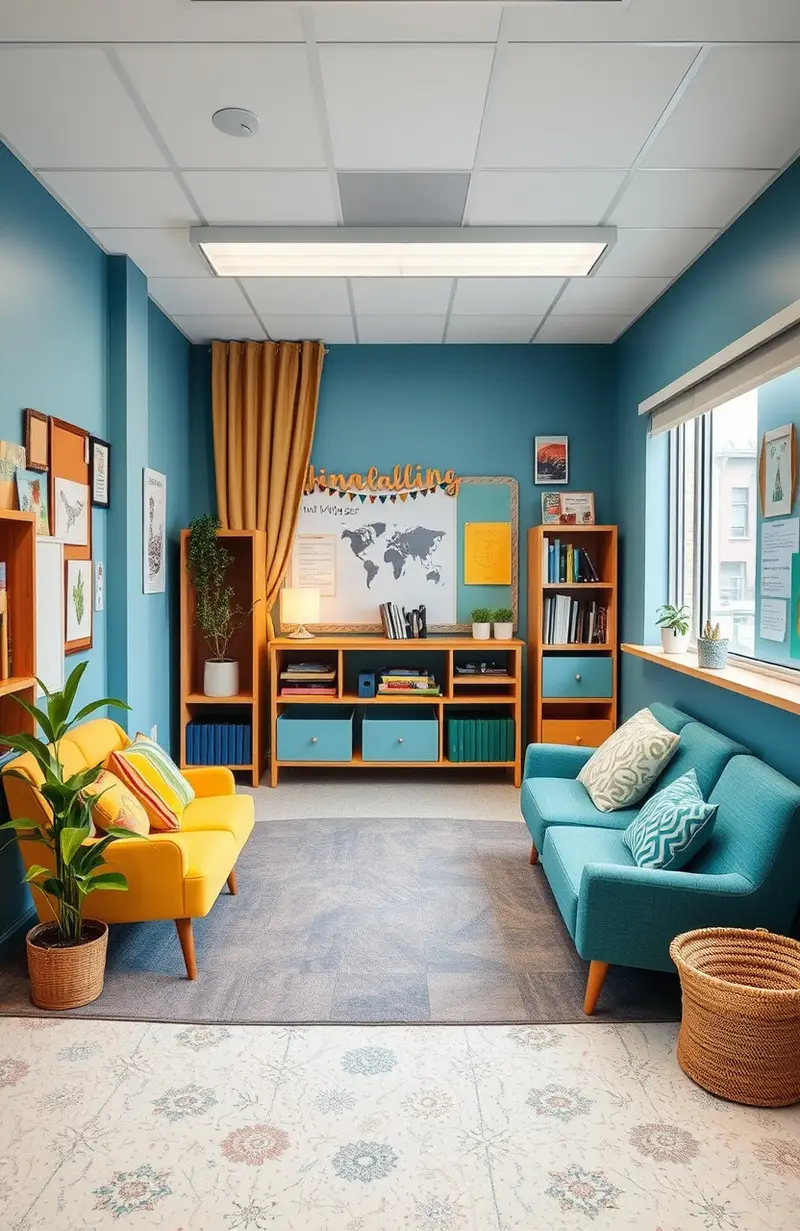
Set up mindfulness corners with comfortable seating and calming decor. These areas can be used for quiet reflection or meditation.
Mindfulness corners help students manage stress and enhance focus. Use tools like breathing exercises or guided meditation apps to enrich the experience.
Uniqueness comes from the dedicated space for mental well-being, an important aspect of learning. Personalize the corner with student-chosen decor or calming scents.
Costs are minimal if you use simple seating and decor. Encourage students to bring items that help them relax for a personalized touch.
12. Tech-Friendly Zones
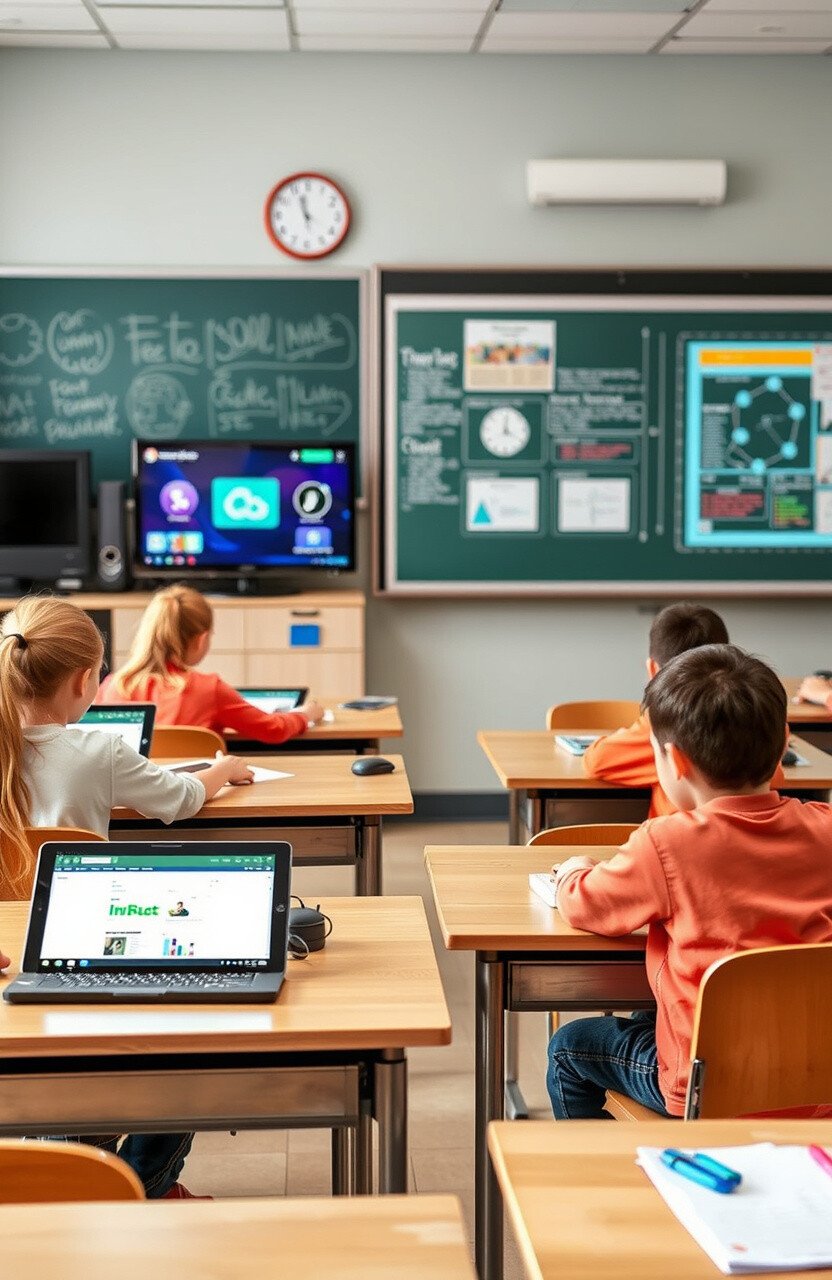
Create tech-friendly zones equipped with tablets, computers, or interactive whiteboards. These areas can facilitate digital learning and research.
Benefits include increased engagement and access to a wealth of information. Use tech tools to complement traditional teaching methods for a balanced approach.
Uniqueness lies in the integration of technology, preparing students for a digital future. Personalize with apps and tools that suit your curriculum and teaching style.
Costs can be high, but grants or donations can help offset expenses. Involve students in selecting tech tools for genuine engagement.
13. Creative Storage Solutions
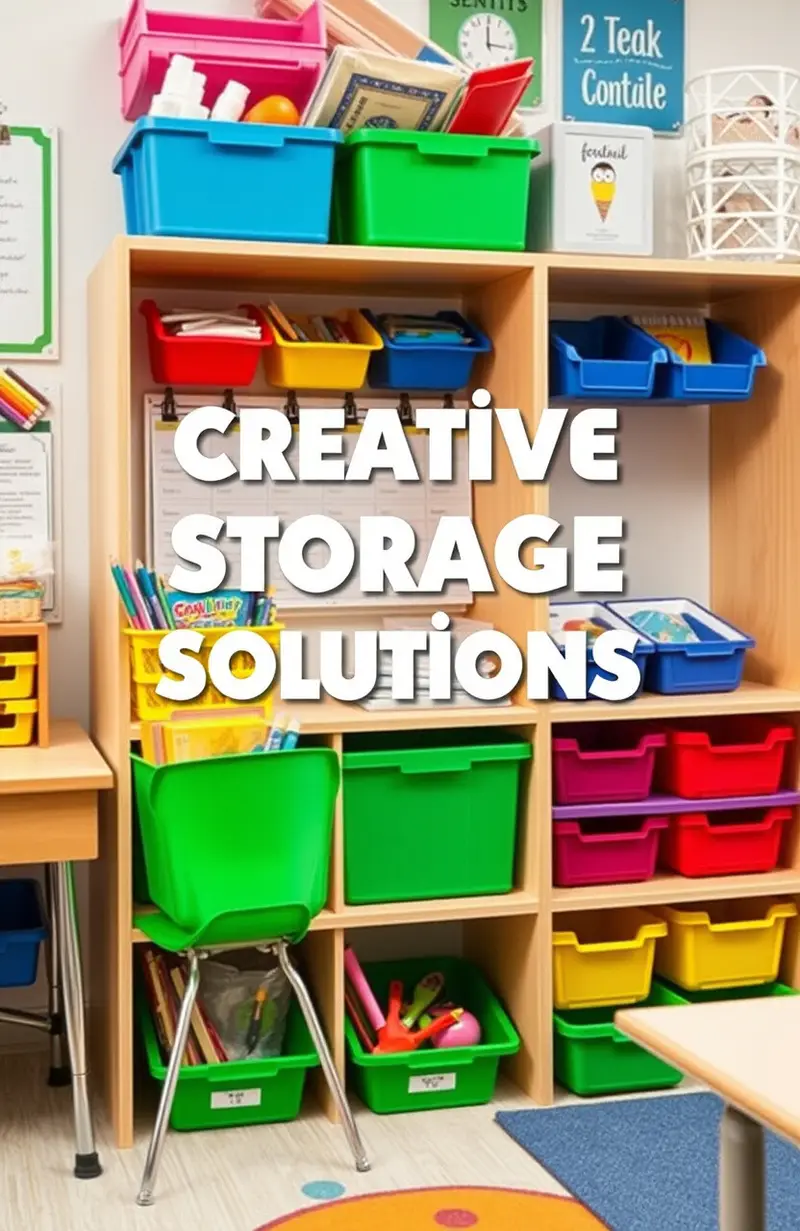
Innovate with creative storage solutions like cubbies, bins, and hanging organizers. These keep the classroom tidy and make materials easily accessible.
Benefits include a clutter-free environment that enhances focus and productivity. Use labels and colorful bins to add a playful touch.
Uniqueness comes from the customized organization that reflects the needs of your class. Involve students in organizing to foster responsibility and ownership.
Costs are manageable with DIY options or repurposing existing items. Encourage students to decorate storage solutions for a personal flair.
14. Travel-Inspired Decor
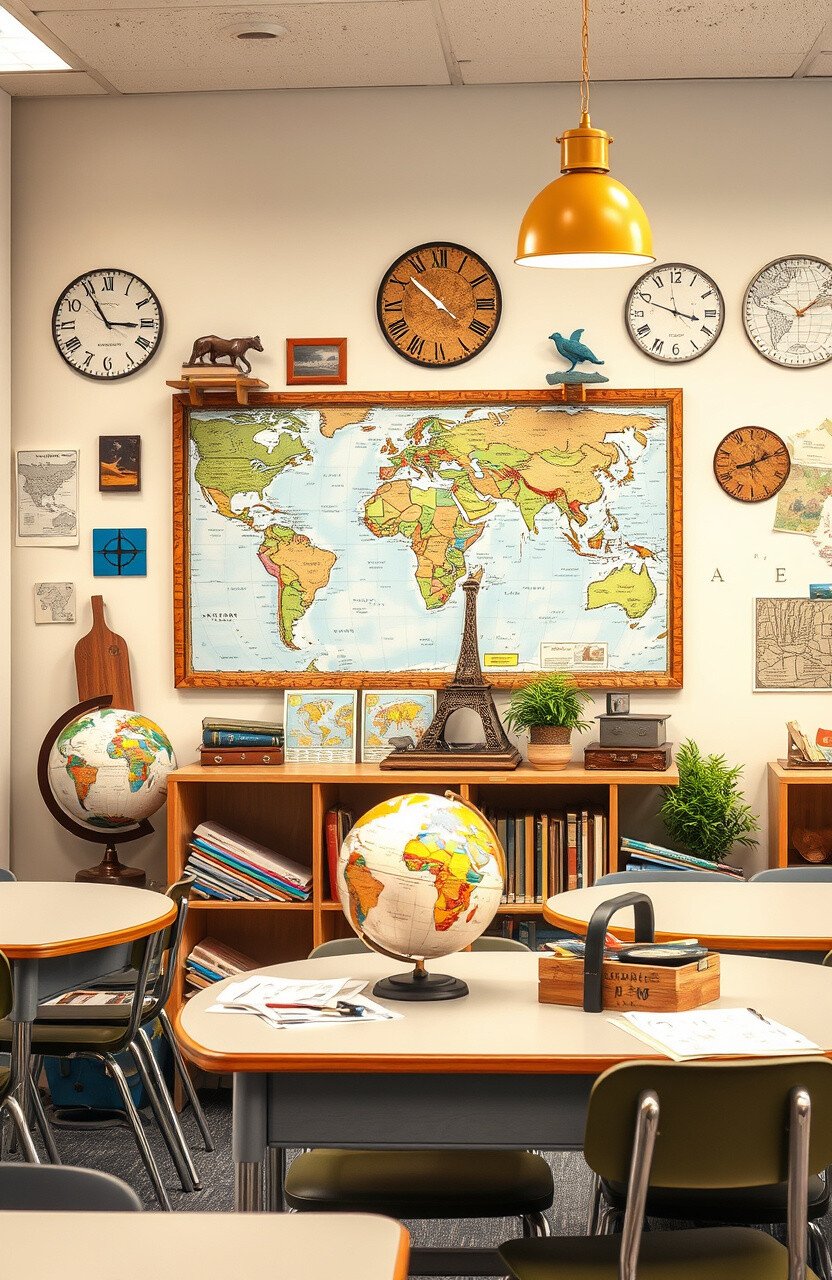
Incorporate travel-inspired decor with maps, globes, and cultural artifacts. This setup can spark curiosity about the world and different cultures.
Benefits include enhanced geographical knowledge and global awareness. Use decor to complement lessons on world history or geography.
Uniqueness lies in the immersive experience that takes students on a virtual journey. Personalize by showcasing artifacts from students’ home countries or cultures.
Costs can be low if you use old maps or donated items. Involve students in creating travel-themed art for a personalized touch.
15. Reading Nooks
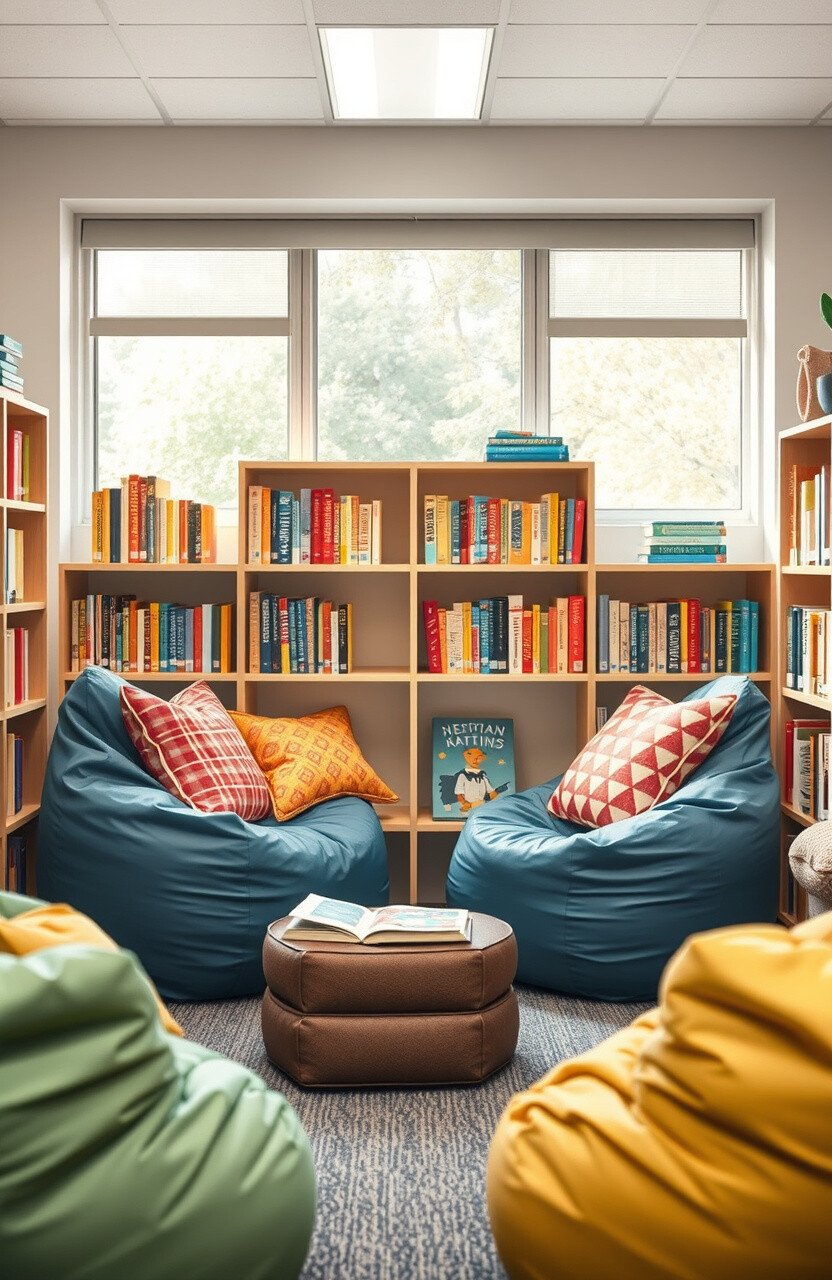
Create cozy reading nooks with bean bags, pillows, and bookshelves. These nooks encourage students to dive into books and develop a love for reading.
Benefits include increased literacy and a quiet space for independent study. Use a variety of books to cater to different reading levels and interests.
Uniqueness comes from the personalized nature of each nook, inviting students to explore different genres. Involve students in choosing books and decor for their nook.
Costs can be minimal if you use donated books and repurposed furniture. Encourage students to bring personal items to make the nook their own.
16. Artistic Ceiling Decor
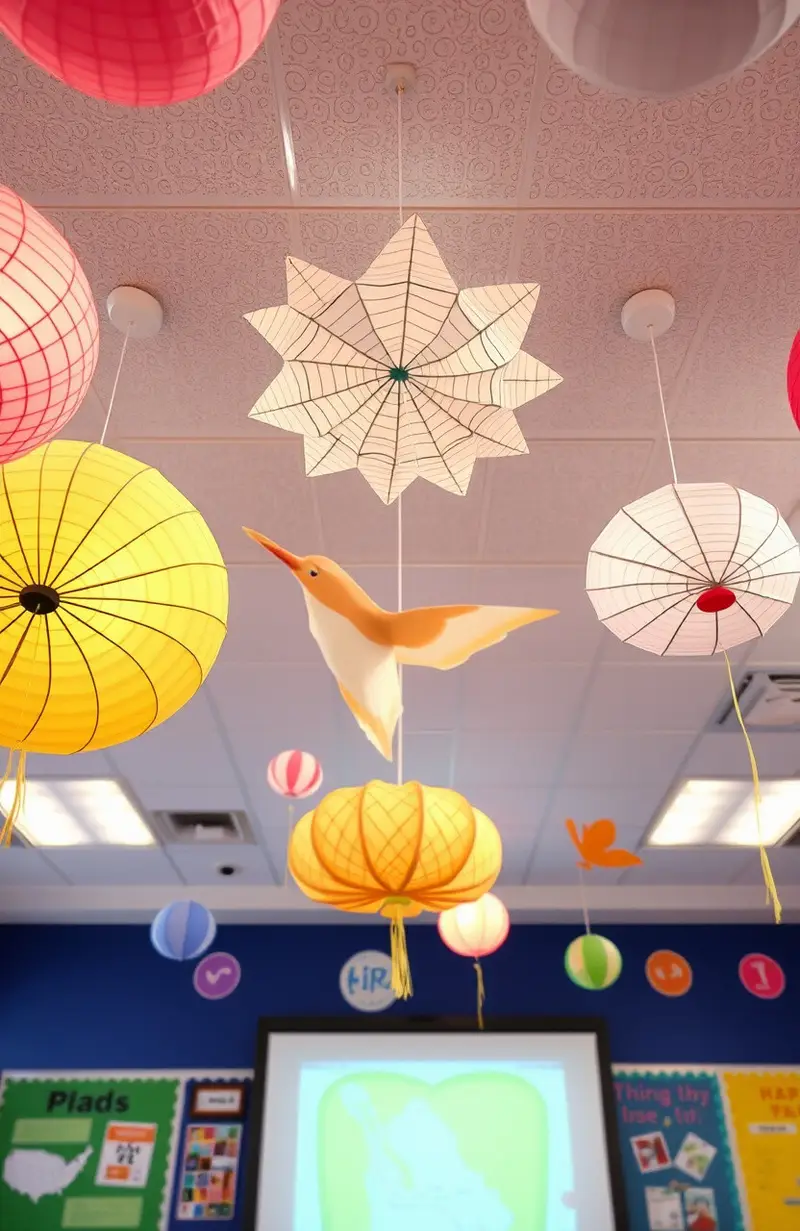
Don’t forget the ceiling! Use artistic ceiling decor like hanging mobiles or paper lanterns for an unexpected touch of creativity.
Ceiling decor adds depth and interest to the classroom, making it feel more dynamic. Use themes related to current subjects for an educational twist.
Uniqueness lies in the often-overlooked ceiling space, offering a new dimension of decoration. Personalize with student-created art for a unique look.
Costs are low if you use paper crafts or DIY materials. Involve students in creating ceiling art for a collaborative project.
17. Seasonal Decor Swaps
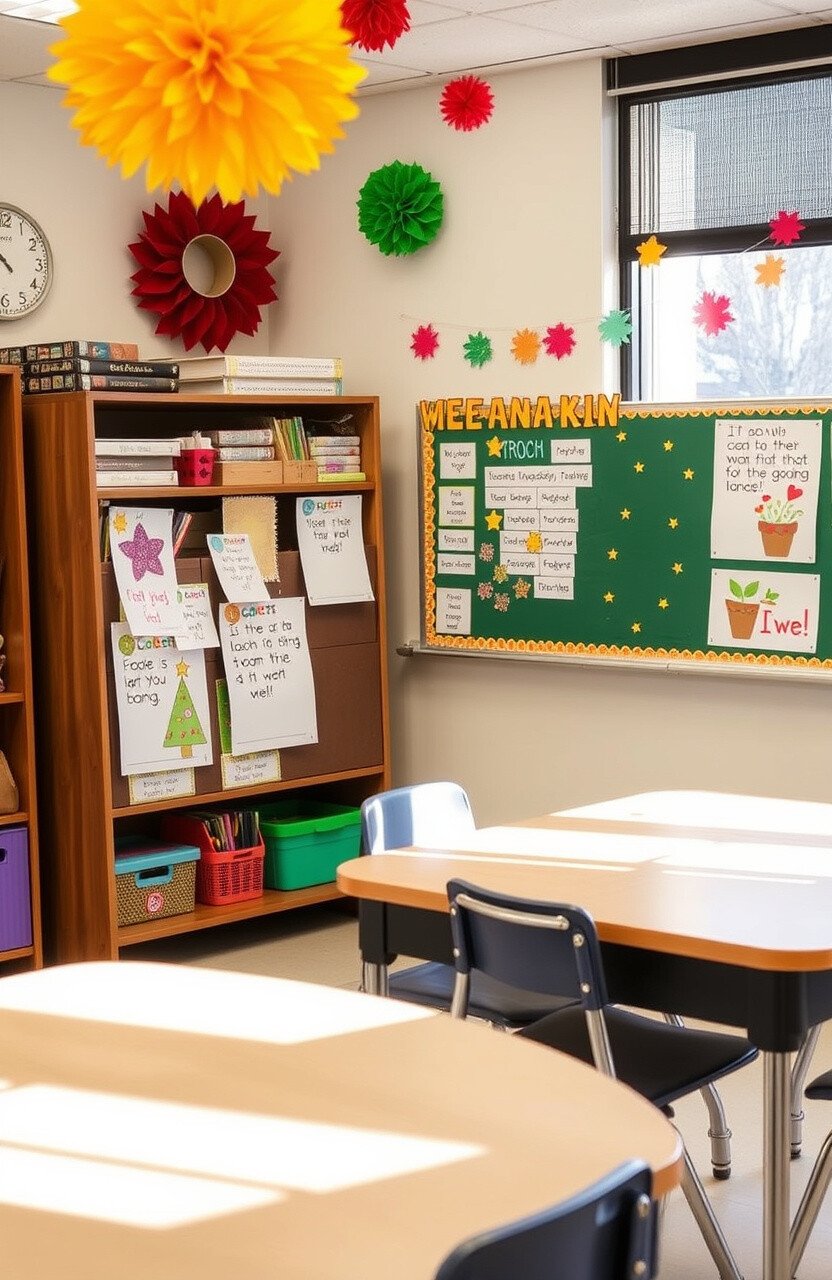
Keep your classroom fresh with seasonal decor swaps. Rotate decorations to reflect holidays, seasons, or school events.
Benefits include a constantly evolving environment that keeps students engaged. Use seasonal themes to complement current lessons for added relevance.
Uniqueness lies in the dynamic nature of the decor, offering something new each season. Personalize by including student-created seasonal art or crafts.
Costs are low if you reuse decorations or make them with students. Encourage students to contribute ideas for each season’s decor.
18. Storytelling Spaces
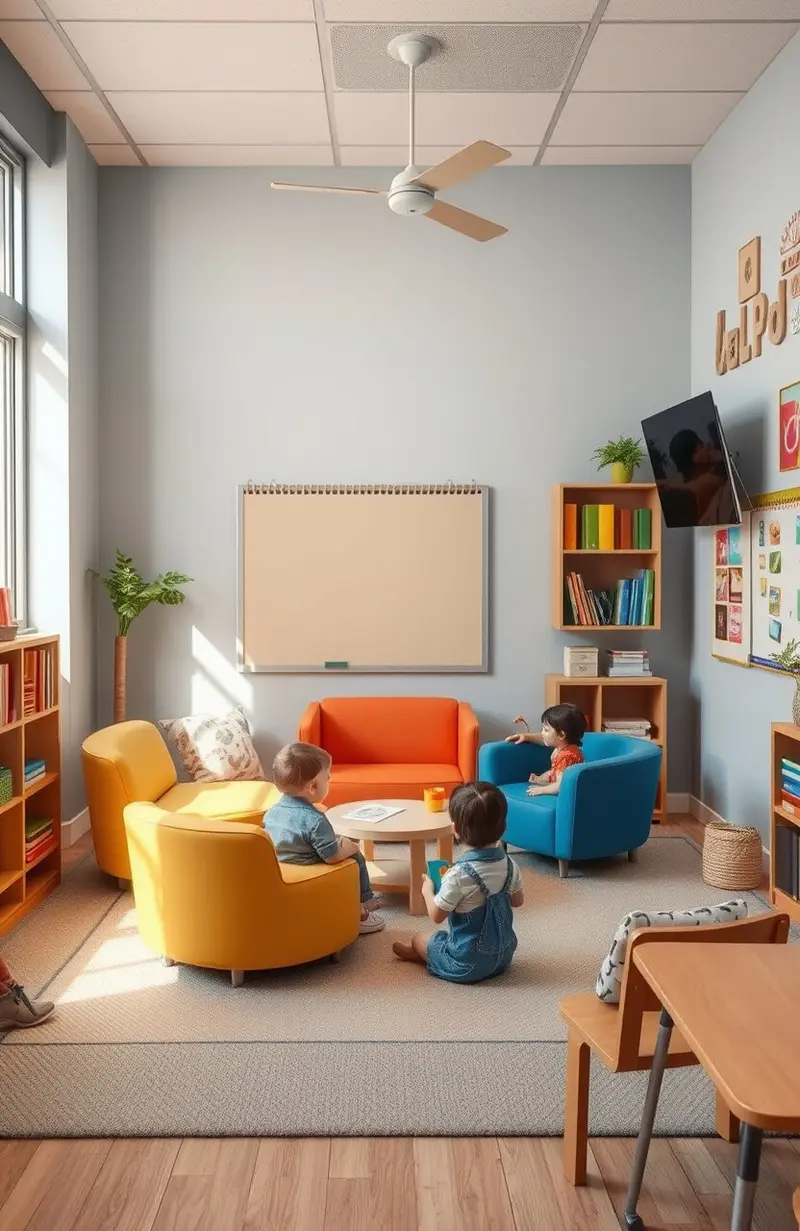
Designate storytelling spaces with comfortable seating and props. These areas can be used for storytelling sessions or imaginative play.
Benefits include enhanced creativity and communication skills. Use props and puppets to bring stories to life and engage students.
Uniqueness lies in the immersive experience that encourages students to become active participants in storytelling. Personalize with student-created stories or characters.
Costs are minimal if you use simple props and seating. Involve students in creating stories or puppets for a personalized touch.
19. Collaborative Project Walls
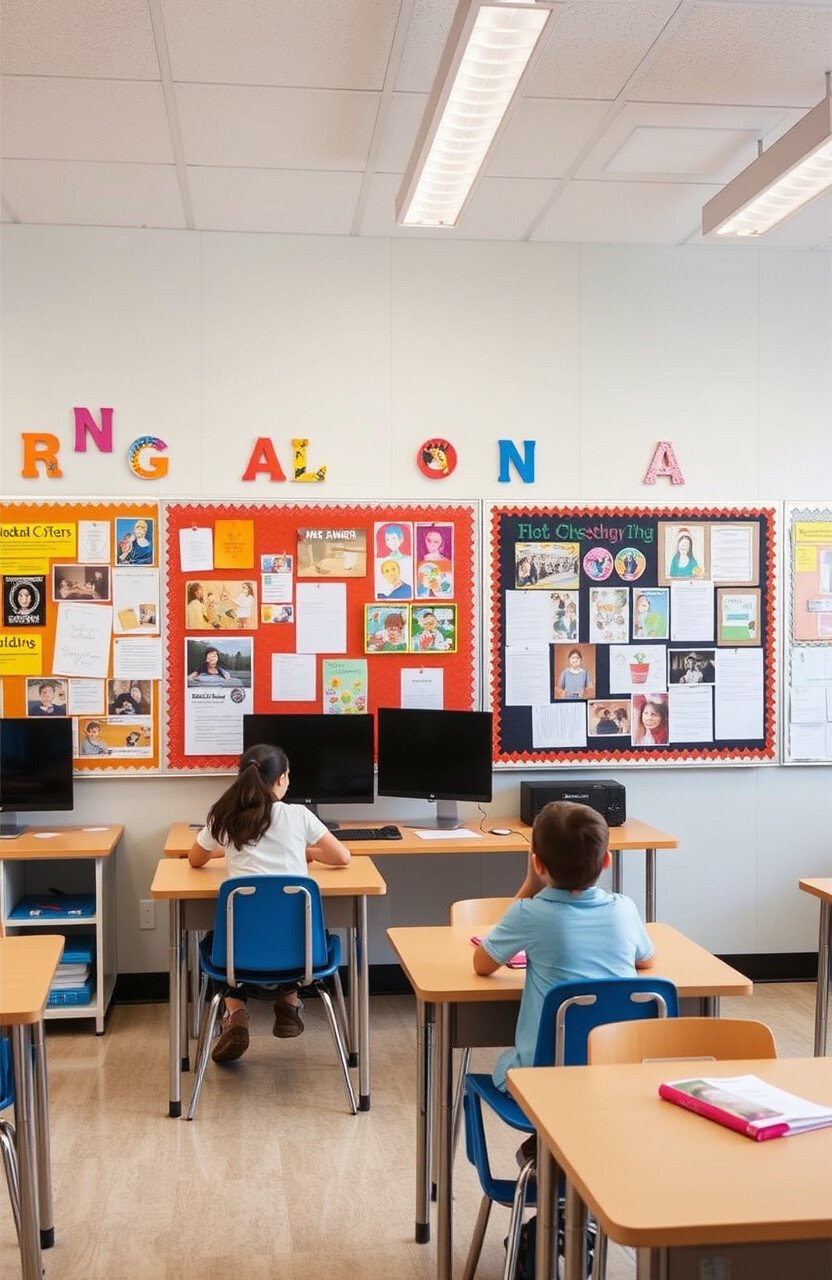
Create collaborative project walls where students can display their work. These walls encourage teamwork and showcase student achievements.
Benefits include increased collaboration and a sense of pride in shared accomplishments. Use project walls to complement group assignments or class projects.
Uniqueness comes from the collective effort that each wall represents. Personalize by allowing students to design their sections of the wall.
Costs are low if you use simple materials like cork boards or poster paper. Encourage students to contribute materials or designs for a personalized wall.
20. Interactive Bulletin Boards
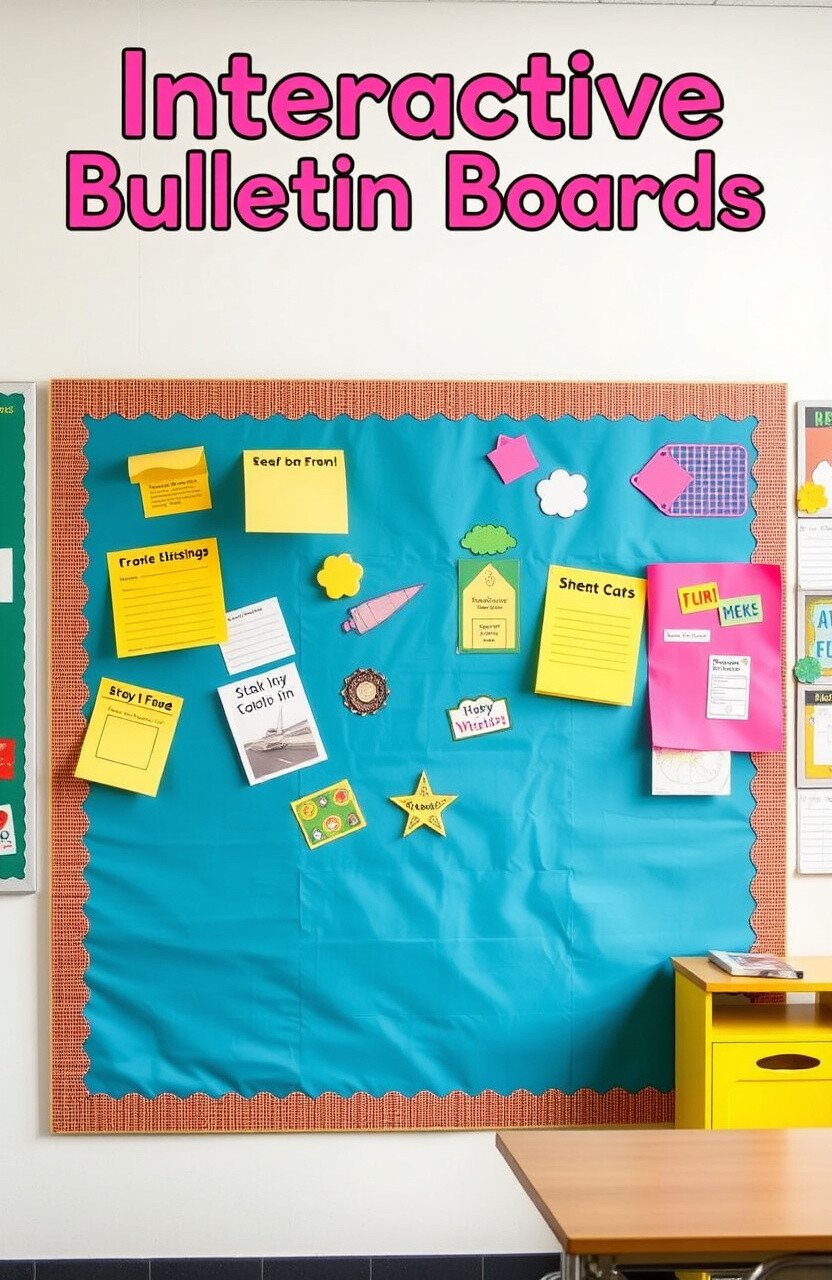
Make bulletin boards interactive with flaps, pockets, or movable pieces. These boards can engage students in a fun and educational way.
Benefits include enhanced engagement and hands-on learning opportunities. Use boards to complement lessons or provide additional information.
Uniqueness lies in the tactile nature of interactive boards, offering a different learning experience. Personalize by incorporating student-created content or themes.
Costs are minimal if you use simple materials and DIY elements. Encourage students to contribute ideas or designs for interactive features.
21. Student-Created Classroom Rules
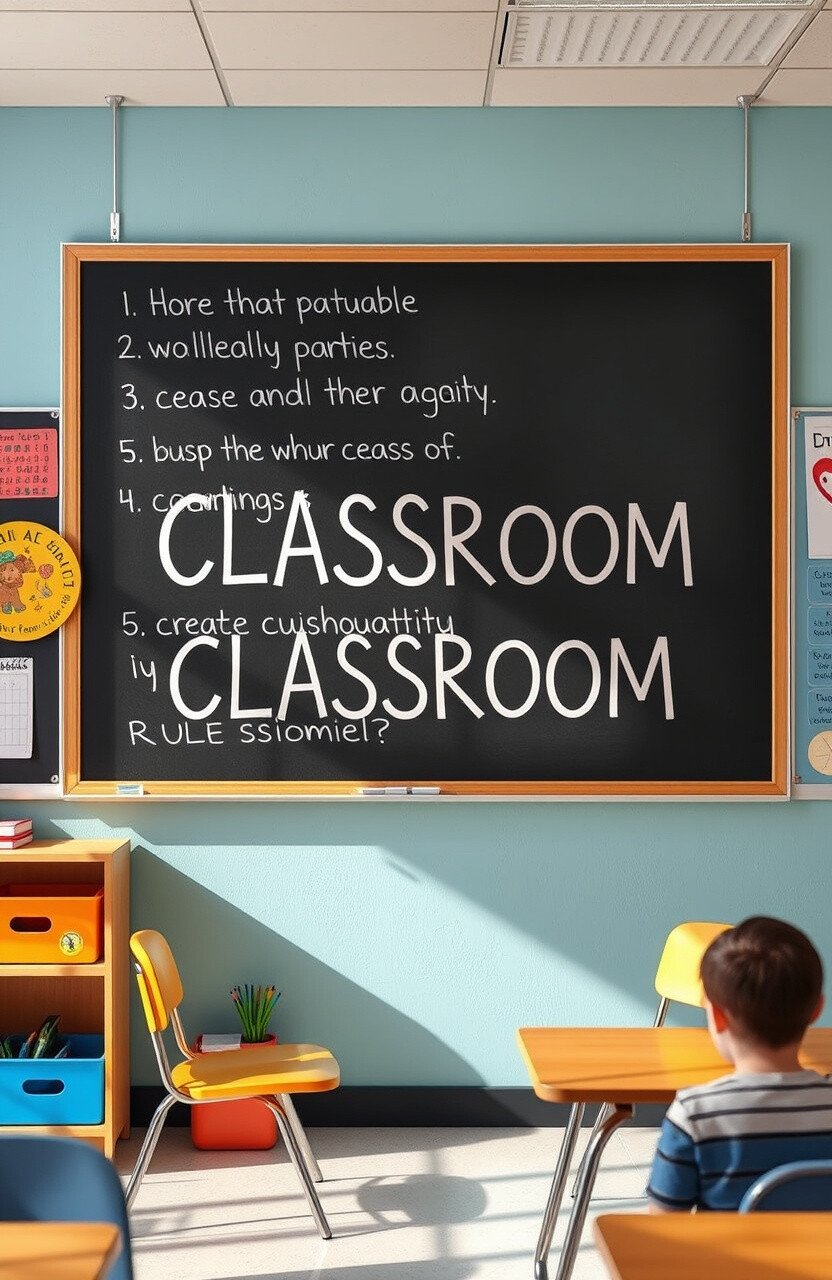
Involve students in creating classroom rules and display them prominently. This fosters a sense of ownership and responsibility.
Benefits include increased accountability and a positive classroom culture. Use student input to create rules that reflect their values and priorities.
Uniqueness comes from the personalized nature of the rules, making them more meaningful and relevant. Display them creatively for added impact.
Costs are minimal if you use simple materials like poster paper or a whiteboard. Involve students in designing the display for a collaborative project.
22. Theme Days
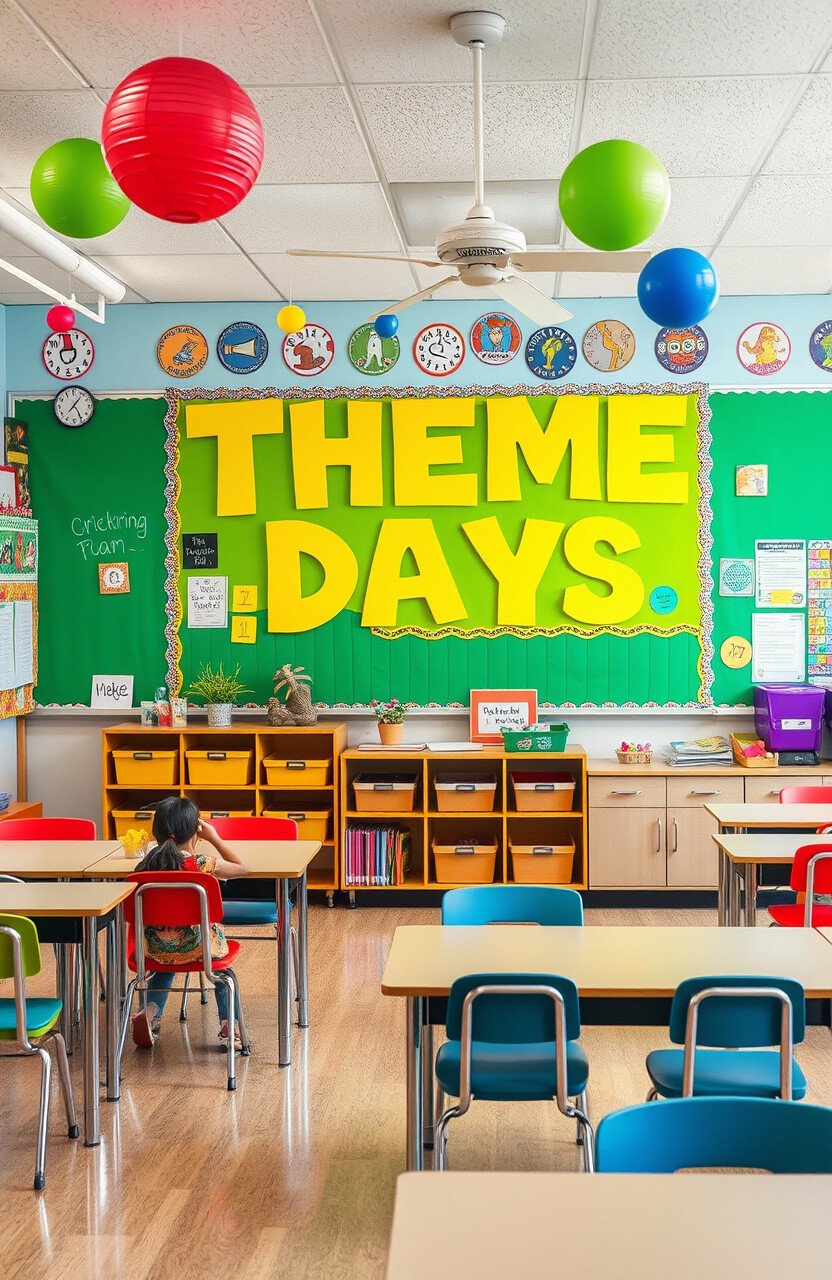
Organize theme days where the classroom decor and activities align with a specific theme. These days can make learning fun and memorable.
Benefits include increased engagement and excitement for learning. Use themes that complement the curriculum or student interests.
Uniqueness lies in the immersive experience that theme days provide, offering a break from routine. Personalize by allowing students to suggest or vote on themes.
Costs are low if you use existing resources or ask for donations. Involve students in planning and decorating for each theme day.
23. Classroom Libraries
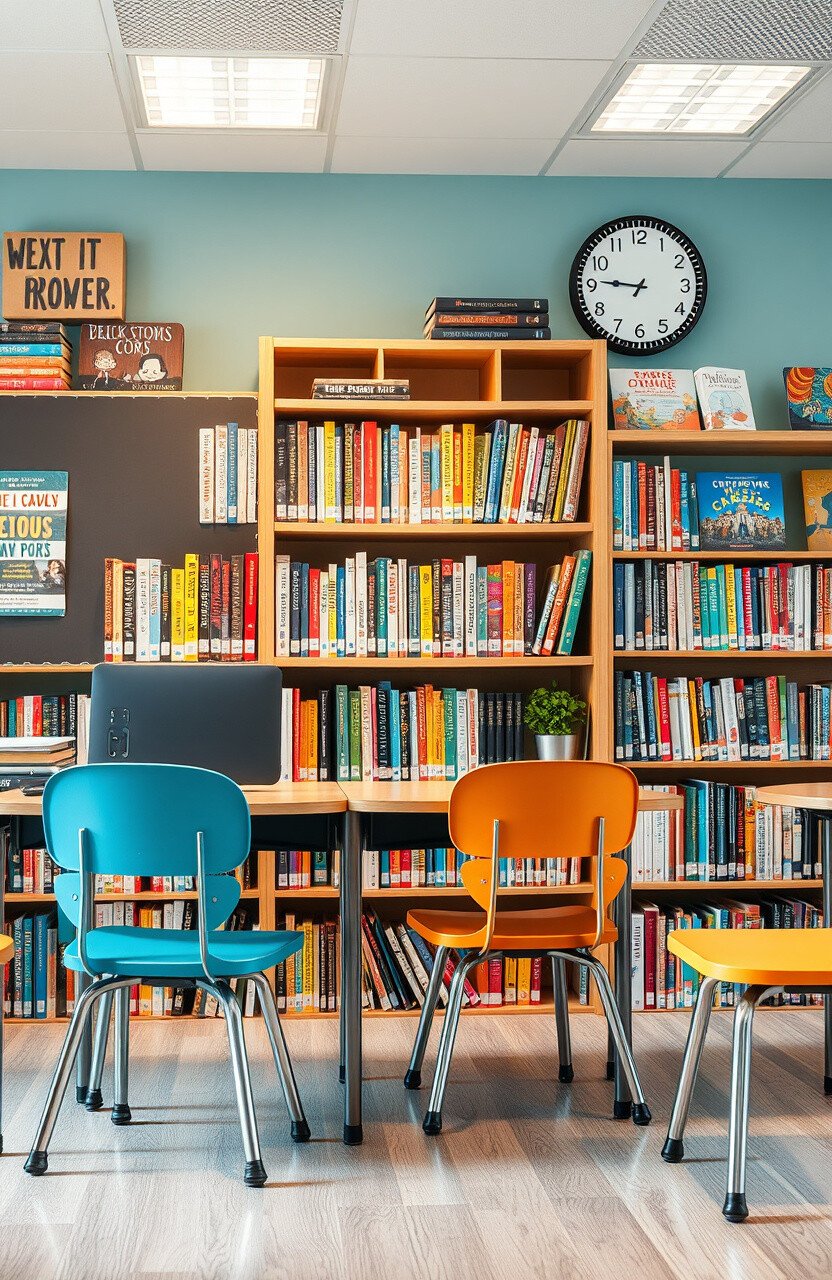
Establish a classroom library with a variety of books catering to different interests and reading levels. This encourages a love for reading and independent learning.
Benefits include improved literacy skills and access to diverse reading materials. Use book displays to highlight new or popular titles.
Uniqueness comes from the personalized nature of the library, reflecting the interests and needs of your students. Involve students in selecting books for the library.
Costs can be managed by using donated books or library sales. Encourage students to suggest or bring books to add to the collection.
24. Cultural Celebration Displays
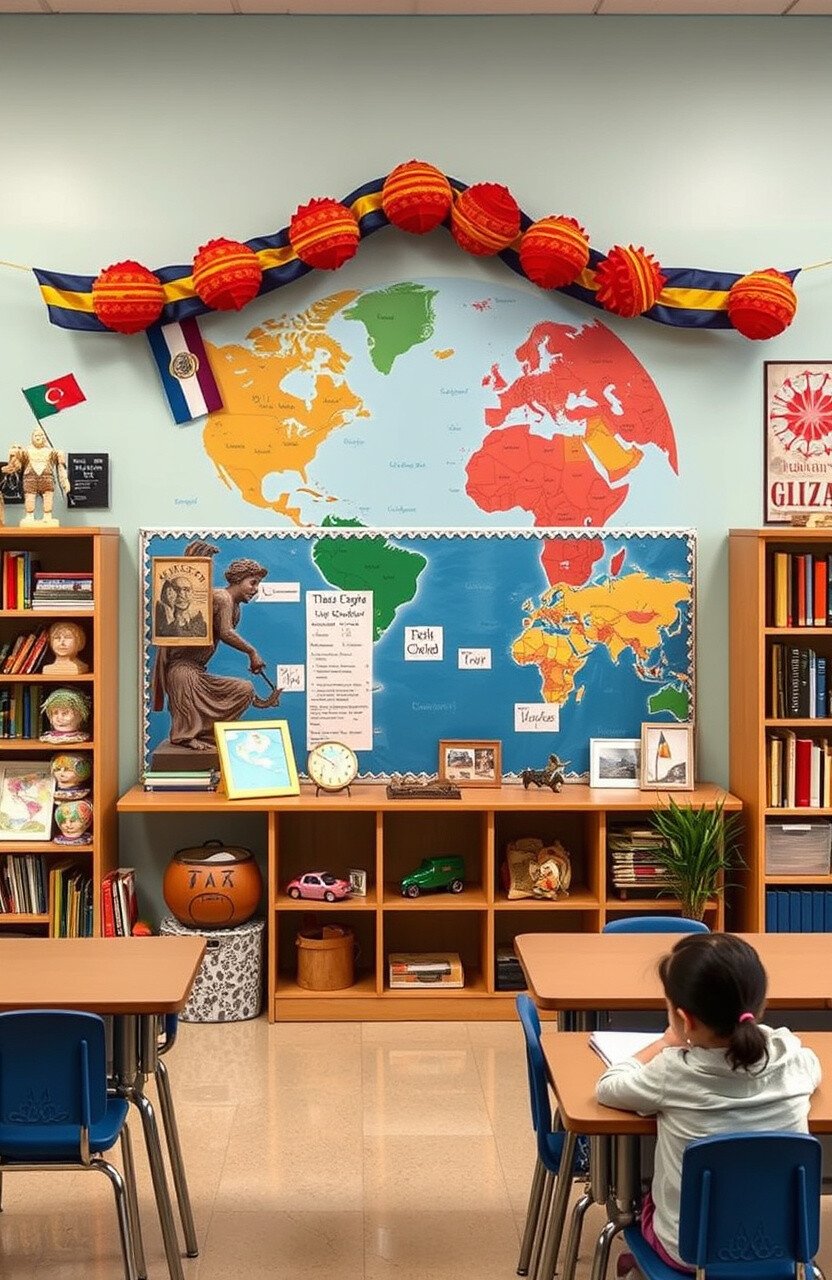
Celebrate different cultures with displays featuring artifacts, art, and information. This promotes diversity and cultural awareness among students.
Benefits include increased global understanding and respect for different cultures. Use displays to complement lessons on world history or social studies.
Uniqueness lies in the immersive experience that celebrates the richness of global cultures. Personalize by including student contributions or experiences related to their own cultures.
Costs can be low if you use donated items or create decor with students. Encourage students to share cultural artifacts or stories for a personalized touch.
25. Science Corners
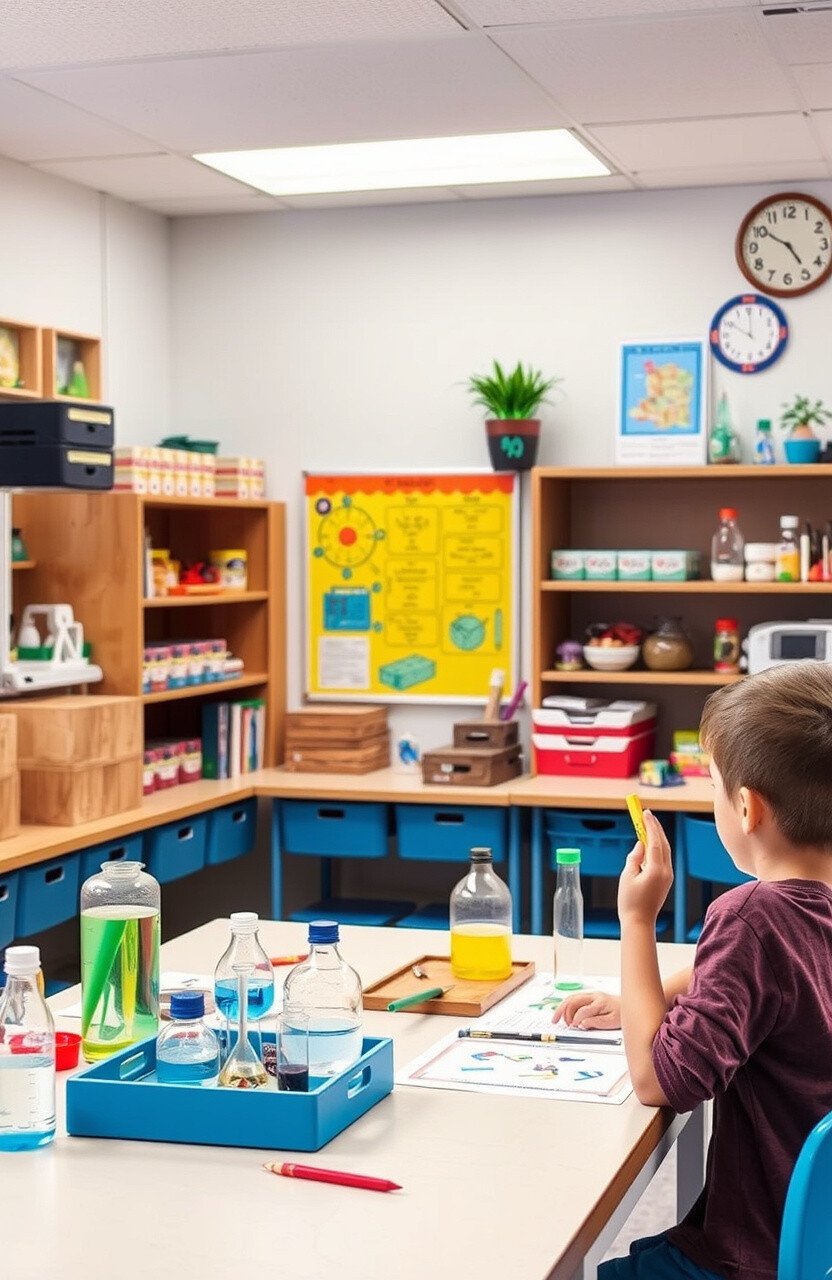
Create science corners with hands-on experiments, models, and displays. These areas can spark curiosity and foster a love for science.
Benefits include enhanced understanding of scientific concepts and the scientific method. Rotate experiments and displays to align with current topics.
Uniqueness comes from the tactile nature of the science corner, offering an interactive learning experience. Personalize with student-created models or experiments.
Costs can be managed with DIY experiments or donated materials. Involve students in setting up and maintaining the science corner for a collaborative project.
26. Artistic Expression Areas
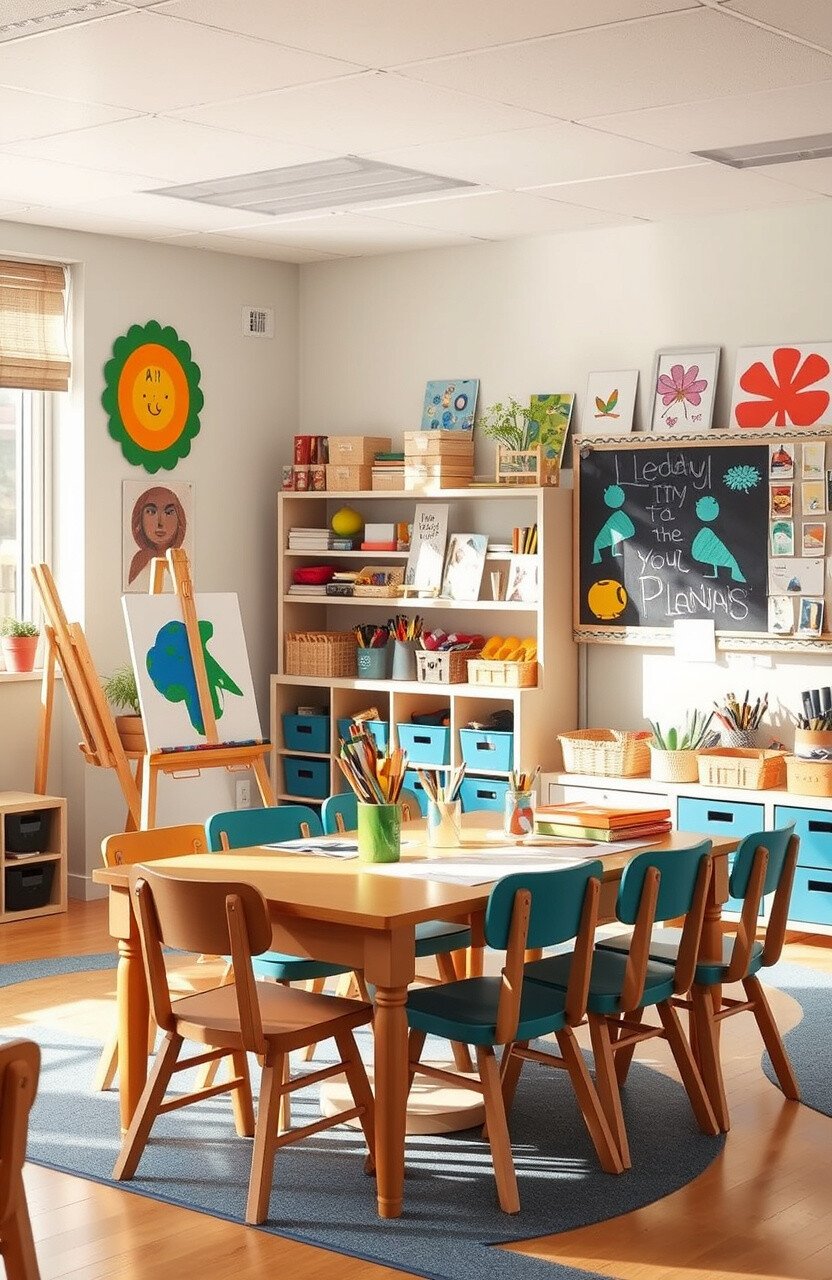
Designate areas for artistic expression with easels, paints, and drawing supplies. These areas encourage creativity and self-expression.
Benefits include improved fine motor skills and an outlet for emotions. Use art activities to complement lessons or explore different art styles.
Uniqueness lies in the freedom of expression these areas provide, fostering individuality and creativity. Personalize by allowing students to choose art projects or themes.
Costs can be low if you use donated or recycled materials. Encourage students to contribute art supplies or ideas for projects.
27. History Timelines
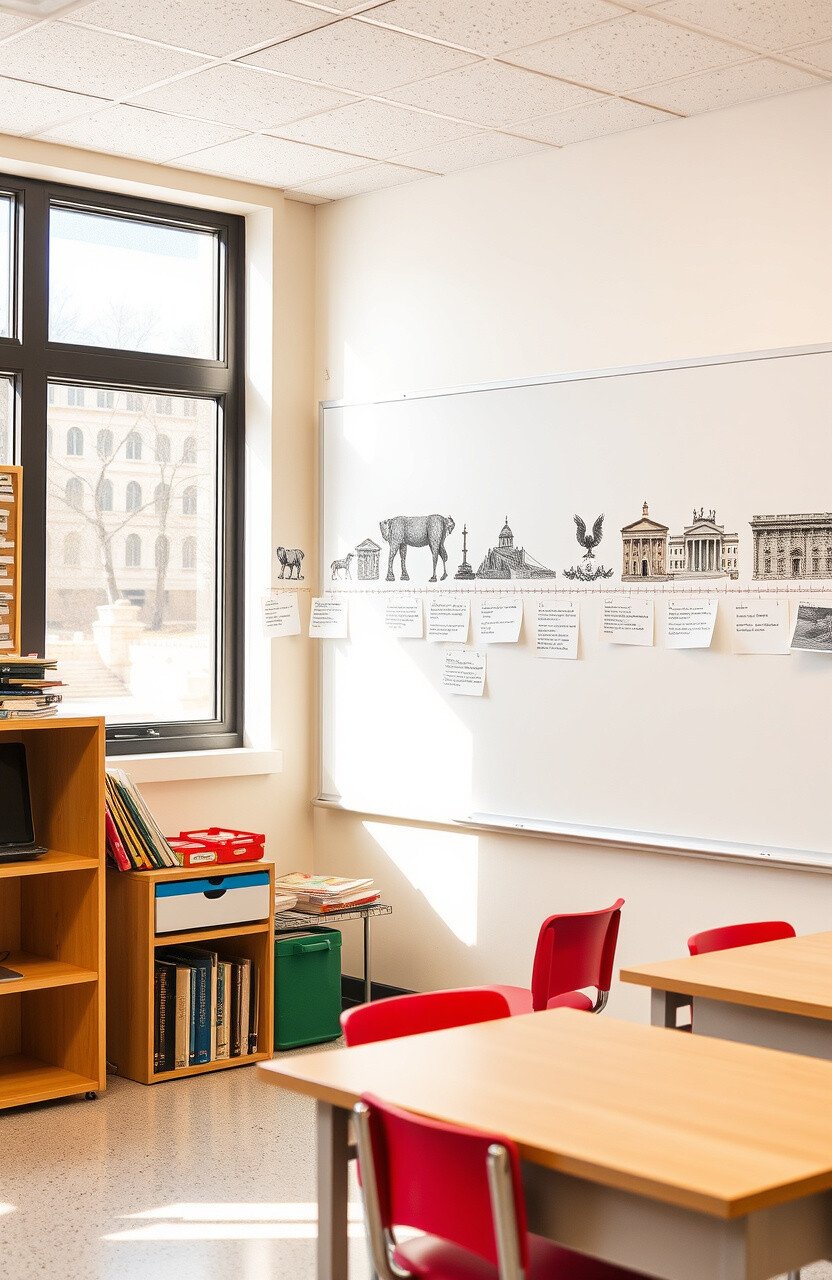
Create history timelines on the walls to visualize historical events. These timelines can help students understand the sequence and context of history.
Benefits include improved comprehension of historical events and their impact. Use timelines to complement history lessons or projects.
Uniqueness comes from the visual representation of history, making it more relatable and engaging. Personalize by including student contributions or events of interest.
Costs are minimal if you use simple materials like poster paper or string. Involve students in creating timeline entries for a collaborative project.
28. Positive Affirmation Spaces
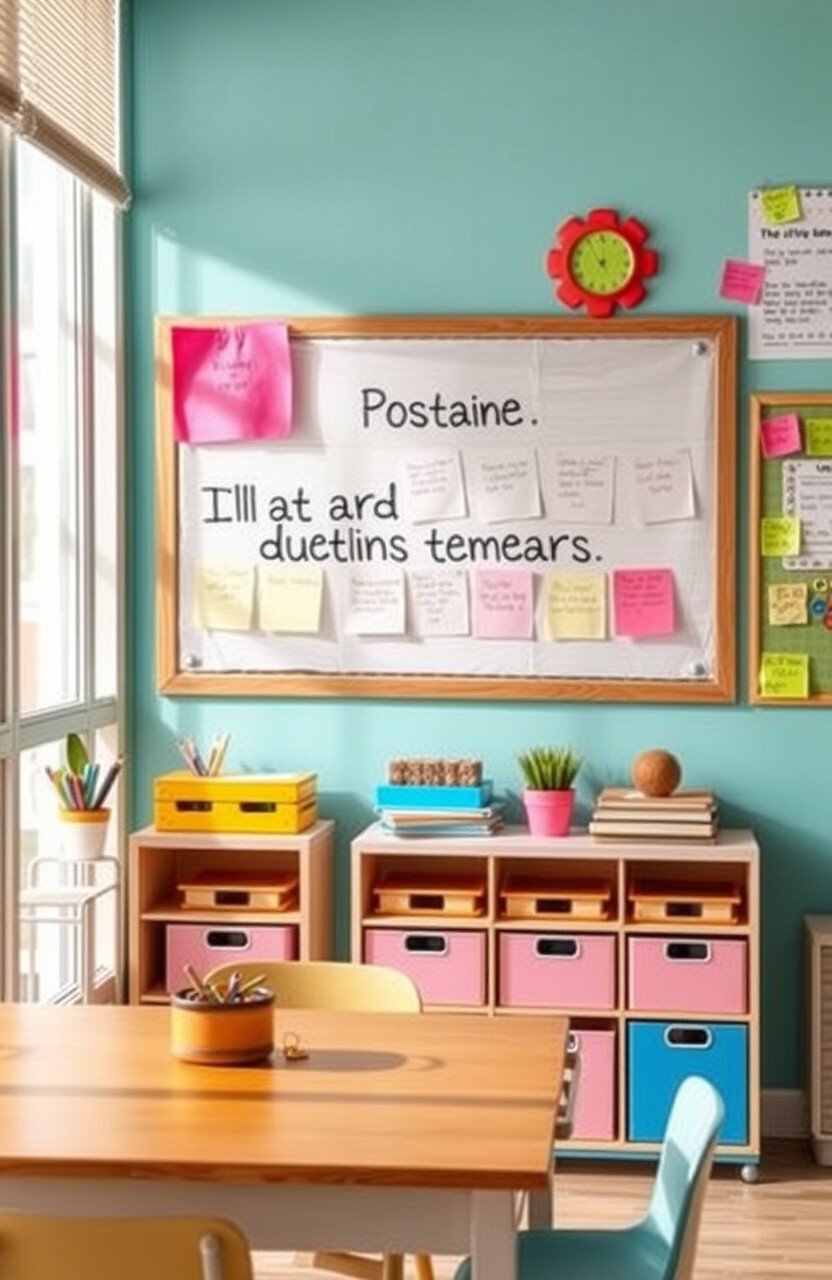
Dedicate spaces for positive affirmations and self-esteem boosts. These spaces can help build confidence and a positive mindset.
Benefits include improved self-esteem and a supportive classroom environment. Use affirmations that align with classroom goals or values.
Uniqueness lies in the personalized nature of the affirmations, reflecting the needs and aspirations of your students. Display them creatively for added impact.
Costs are minimal if you use simple materials like poster paper or sticky notes. Encourage students to contribute affirmations for a personalized touch.
29. Technology Integration Walls
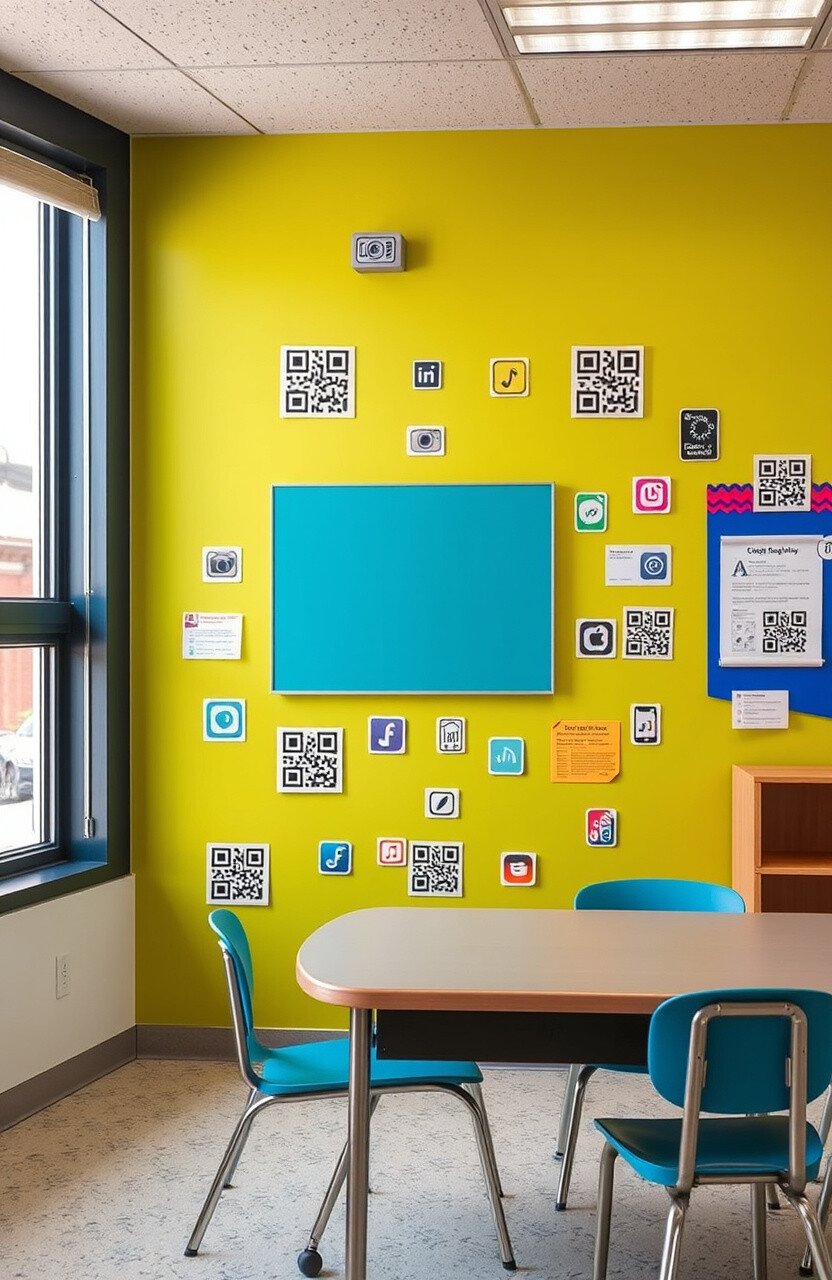
Integrate technology with walls featuring QR codes, app suggestions, or virtual tours. These walls can enhance digital literacy and engagement.
Benefits include increased access to digital resources and interactive learning opportunities. Use walls to complement tech-related lessons or activities.
Uniqueness lies in the seamless integration of technology, preparing students for a digital future. Personalize by incorporating student-created content or tech tools.
Costs are low if you use free apps or resources. Involve students in selecting tech tools or creating digital content for the walls.
30. Personalized Desk Spaces
Allow students to personalize their desk spaces with name tags, decorations, or personal items. This can make students feel more comfortable and at home.
Benefits include increased ownership and responsibility for their learning environment. Use personalization to reflect students’ interests or achievements.
Uniqueness comes from the individualized nature of each desk, fostering a sense of belonging. Encourage students to decorate their spaces for a personalized touch.
Costs are minimal if you use simple materials like paper or stickers. Involve students in creating desk decorations or name tags for a collaborative project.
31. Interactive Subject Walls
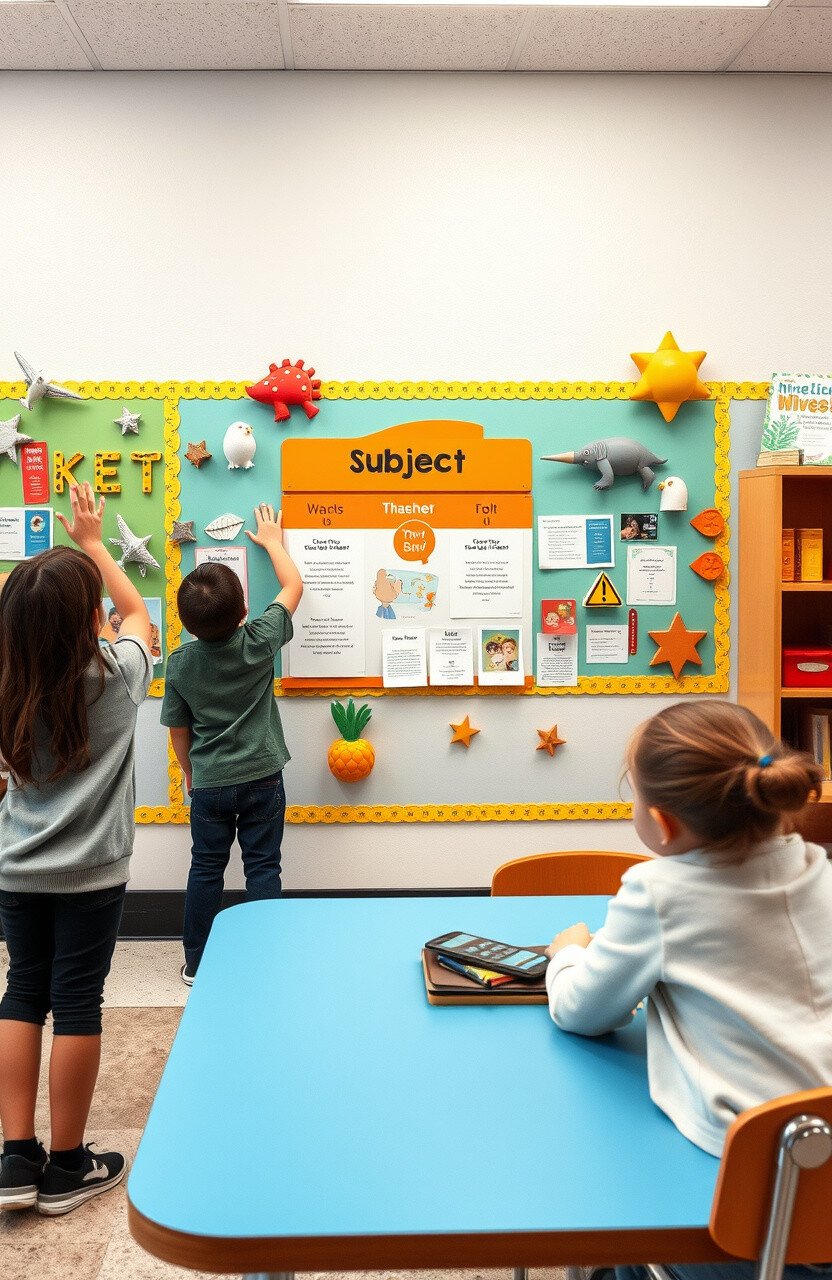
Design interactive walls for each subject with movable pieces or displays. These walls can engage students in a fun and educational way.
Benefits include enhanced engagement and hands-on learning opportunities. Use walls to complement lessons or provide additional information.
Uniqueness lies in the tactile nature of interactive walls, offering a different learning experience. Personalize by incorporating student-created content or themes.
Costs are minimal if you use simple materials and DIY elements. Encourage students to contribute ideas or designs for interactive features.
32. Imagination Stations
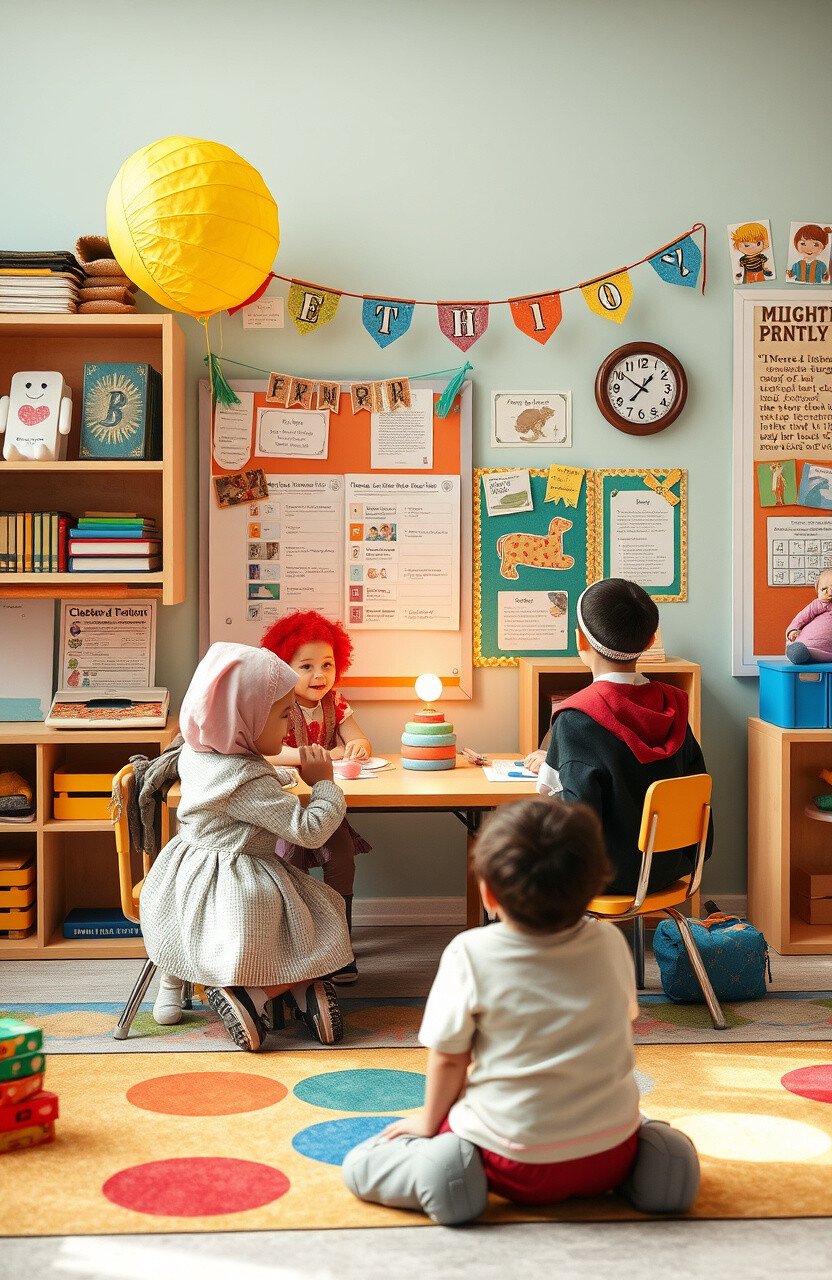
Create imagination stations with costumes, props, and storytelling prompts. These stations can inspire creativity and imaginative play.
Benefits include enhanced creativity and communication skills. Use stations to complement lessons or encourage free play.
Uniqueness comes from the immersive experience that imagination stations provide, offering a break from routine. Personalize by allowing students to contribute costumes or props.
Costs are low if you use donated items or DIY props. Involve students in creating stories or scenarios for the stations.
33. Cultural Exchange Walls
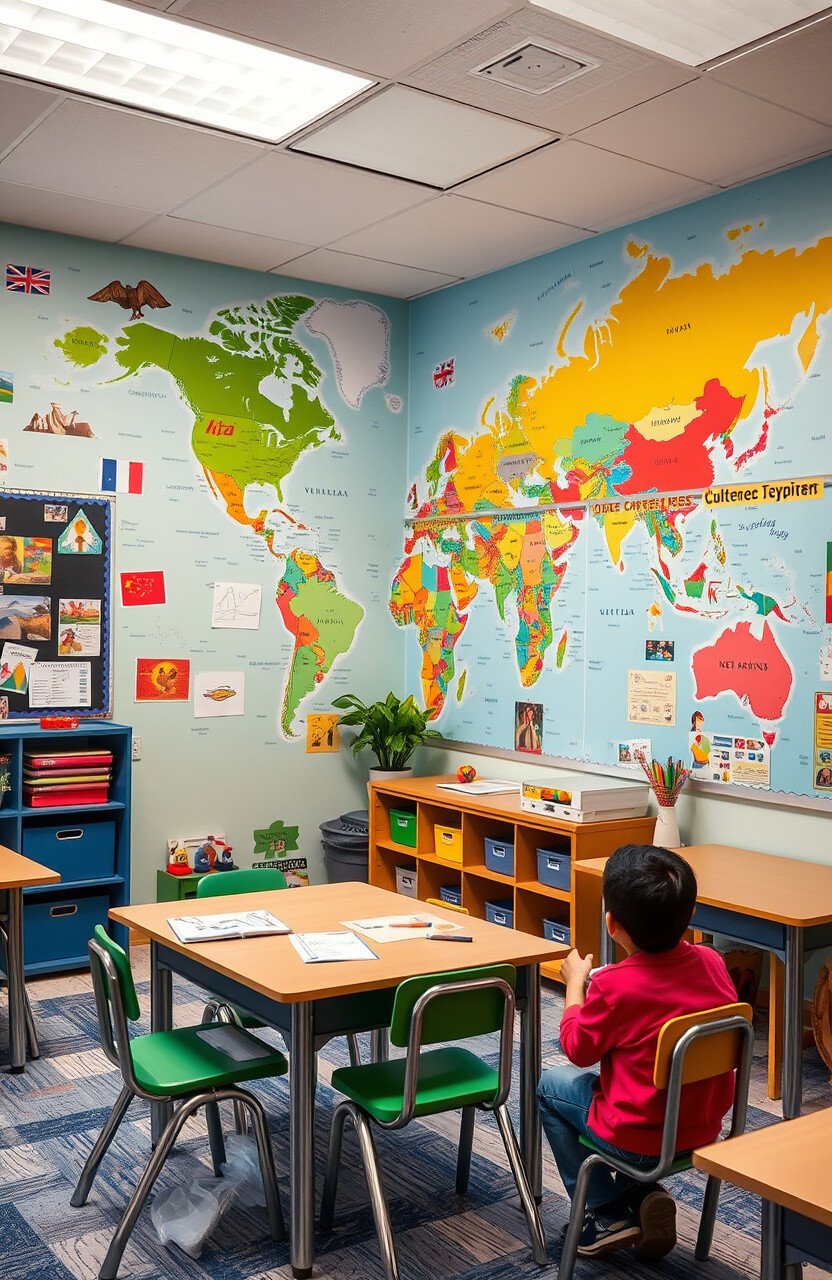
Encourage cultural exchange with walls featuring language, art, and traditions from around the world. These walls can promote diversity and global awareness.
Benefits include increased understanding and respect for different cultures. Use walls to complement lessons on global studies or social studies.
Uniqueness lies in the immersive experience that celebrates the richness of global cultures. Personalize by including student contributions or experiences related to their own cultures.
Costs can be low if you use donated items or create decor with students. Encourage students to share cultural artifacts or stories for a personalized touch.
34. Motivational Quote Displays
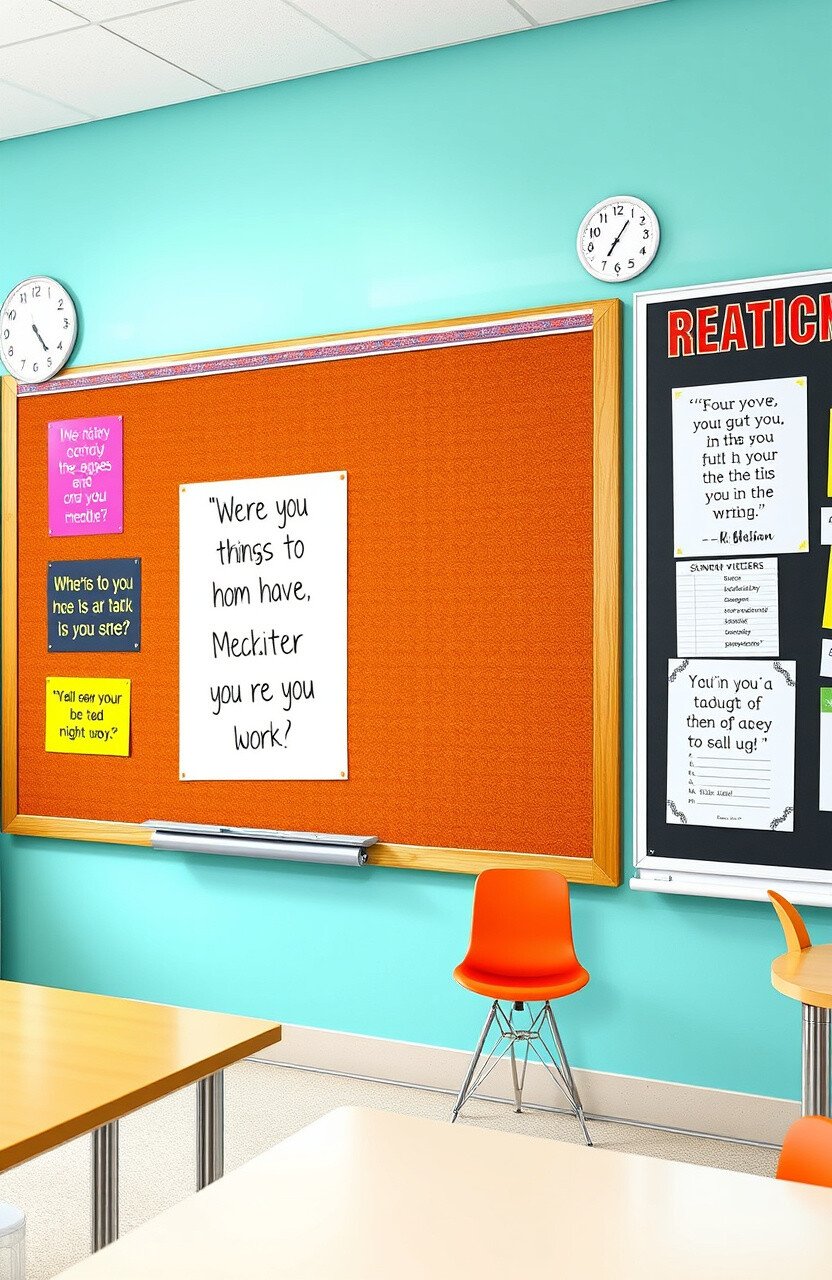
Display motivational quotes around the classroom to inspire and uplift students. Change the quotes regularly to keep motivation high.
Benefits include enhanced morale and a positive classroom culture. Use quotes that resonate with your class themes or current events.
Uniqueness comes from involving students in selecting and designing the quote displays. Allow them to contribute their favorite quotes for a personalized learning environment.
Costs are minimal if you use materials like cork boards or chalkboards. Get creative with designs using colorful markers or decorative borders.
35. Experiment Exploration Corners
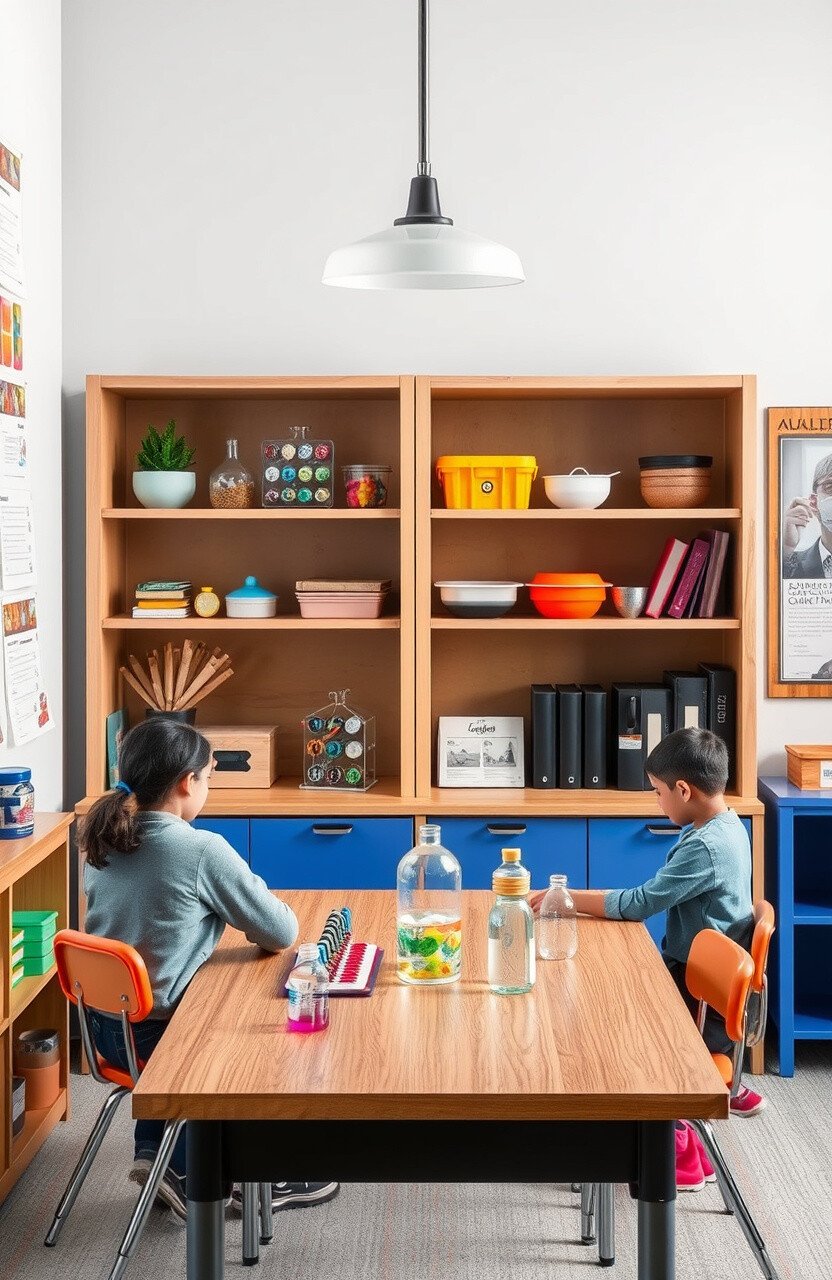
Set up corners for science experiments and exploration activities. These corners can foster curiosity and hands-on learning.
Benefits include enhanced understanding of scientific concepts and critical thinking skills. Rotate experiments and activities to align with current topics.
Uniqueness comes from the tactile nature of the exploration corners, offering an interactive learning experience. Personalize with student-created models or experiments.
Costs can be managed with DIY experiments or donated materials. Involve students in setting up and maintaining the corners for a collaborative project.
36. Creative Writing Walls
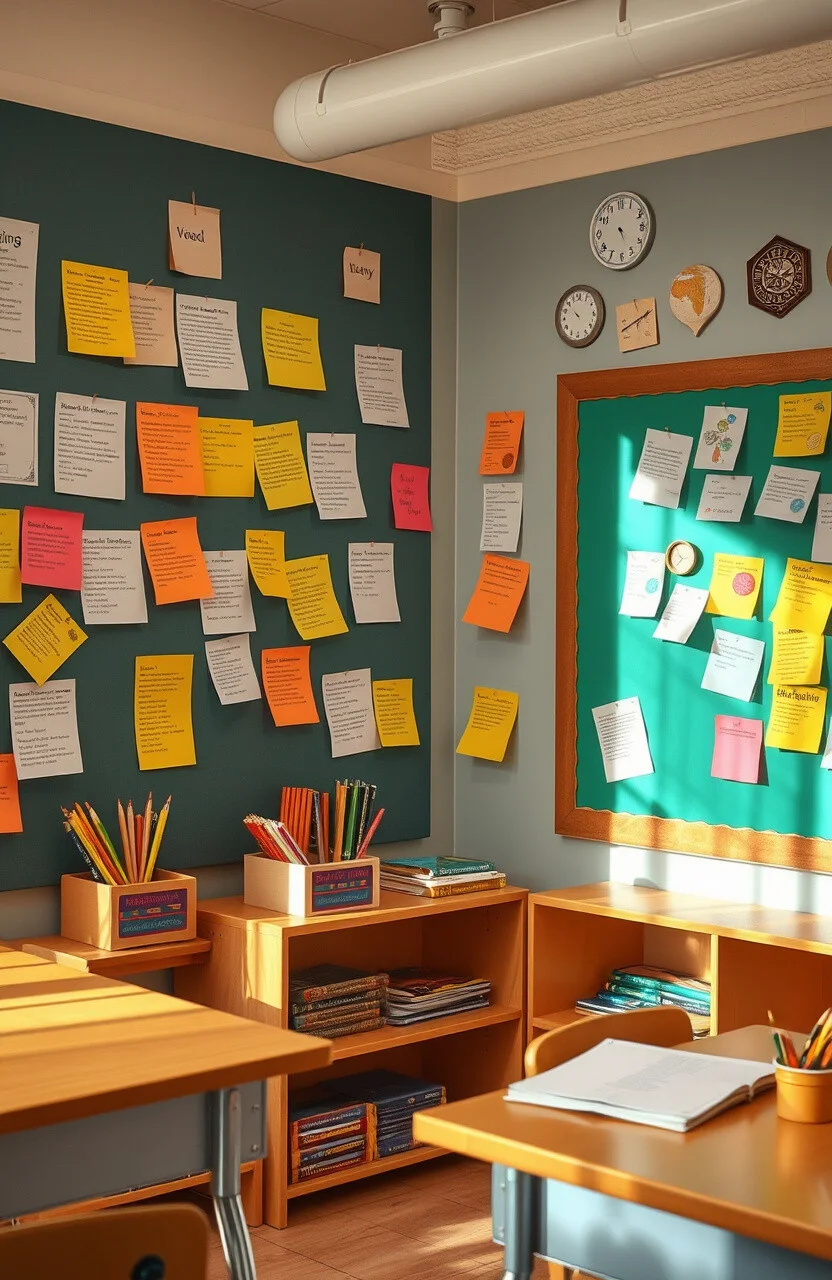
Encourage storytelling with creative writing walls where students can post their stories or poems. These walls can inspire writing and creativity.
Benefits include improved writing skills and an outlet for self-expression. Use walls to complement writing assignments or encourage free writing.
Uniqueness lies in the personalized nature of the walls, reflecting the interests and creativity of your students. Display student work prominently for added impact.
Costs are minimal if you use simple materials like paper or sticky notes. Encourage students to contribute stories or poems for a personalized touch.
37. Virtual Reality Corners
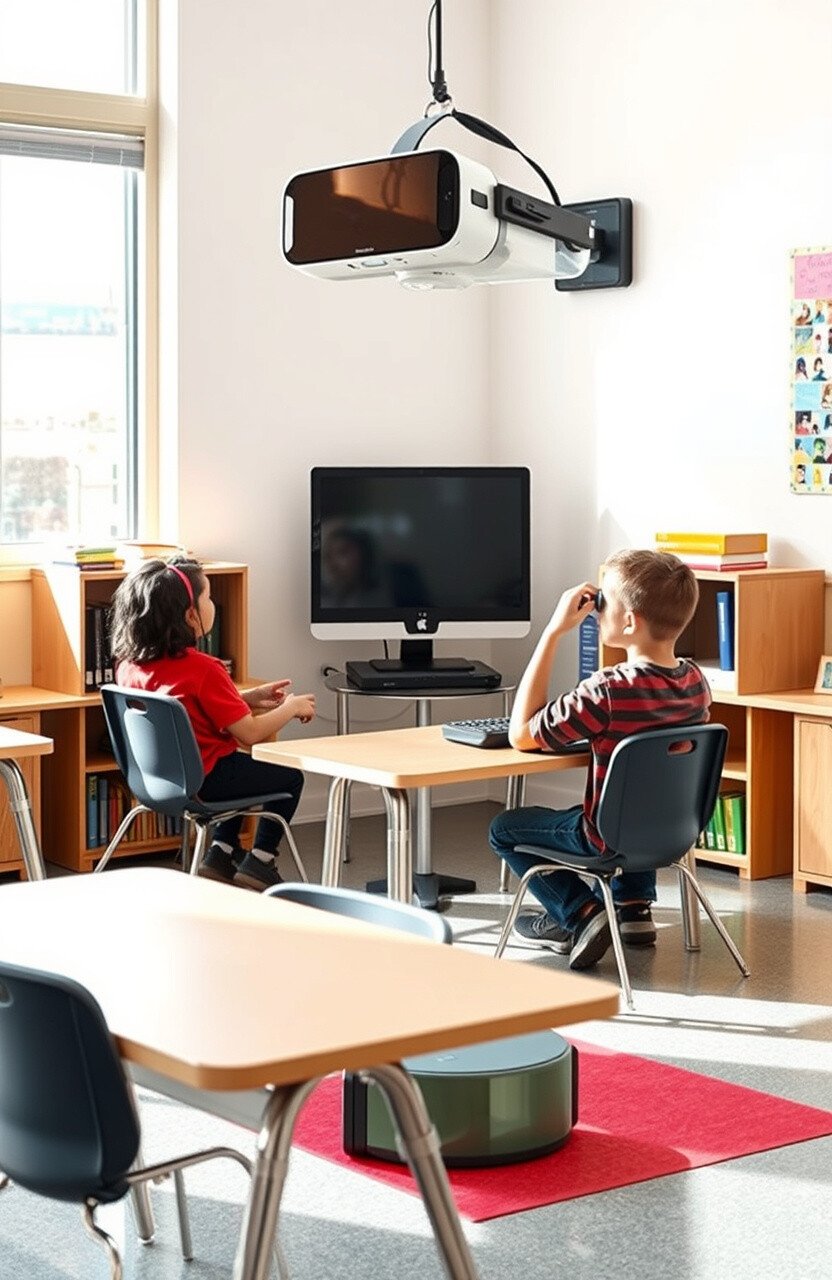
Introduce virtual reality corners with VR headsets and educational apps. These corners can offer immersive learning experiences.
Benefits include enhanced engagement and access to a wealth of interactive content. Use VR to complement lessons on history, science, or geography.
Uniqueness lies in the cutting-edge technology that transports students to different worlds or times. Personalize by incorporating student-chosen apps or experiences.
Costs can be high, but grants or donations can help offset expenses. Involve students in selecting VR content for genuine engagement.
38. Music and Movement Spaces
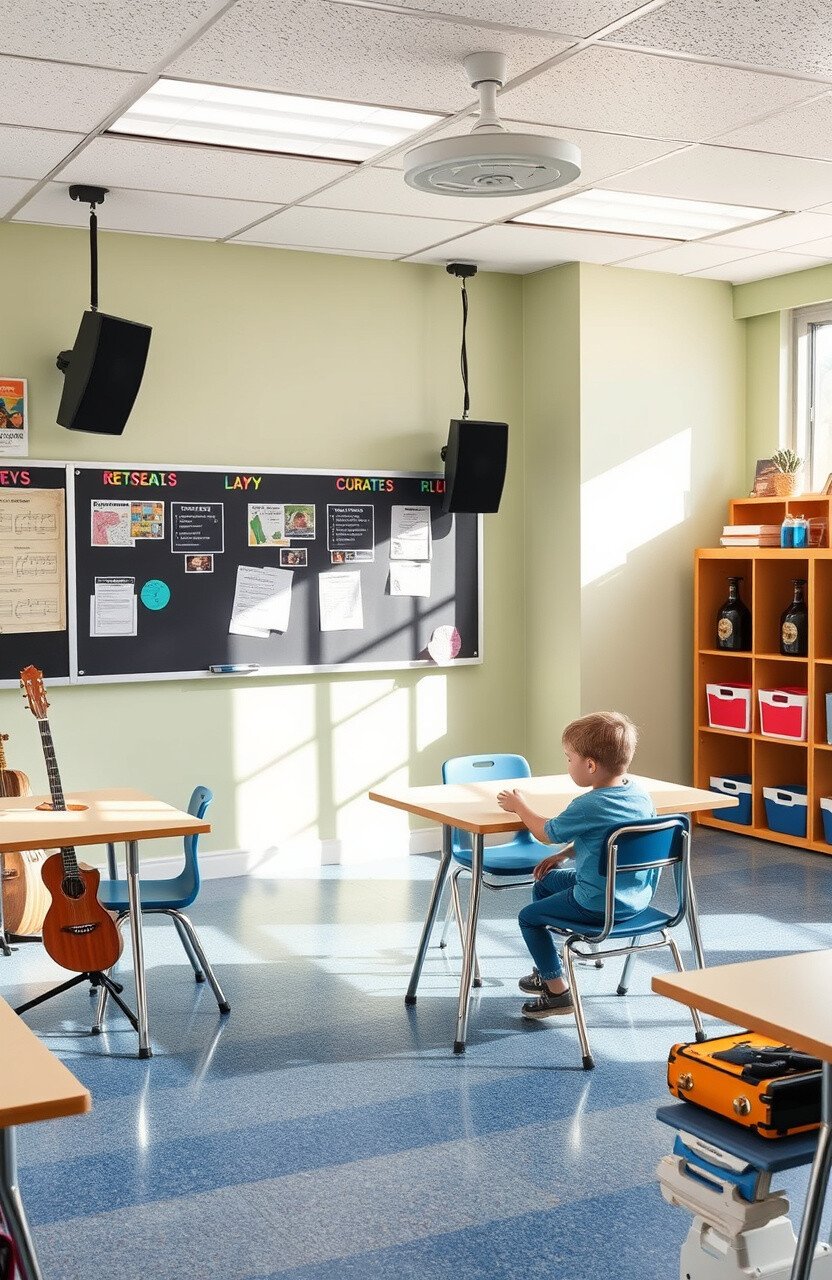
Create spaces for music and movement with instruments, dance props, and sound systems. These spaces can encourage creativity and physical activity.
Benefits include improved coordination and an outlet for energy. Use activities to complement lessons or encourage free expression.
Uniqueness comes from the dynamic nature of these spaces, offering a break from routine. Personalize by allowing students to suggest or lead activities.
Costs can be low if you use donated instruments or DIY props. Involve students in creating music or dance routines for a personalized touch.
39. Puzzle and Game Corners
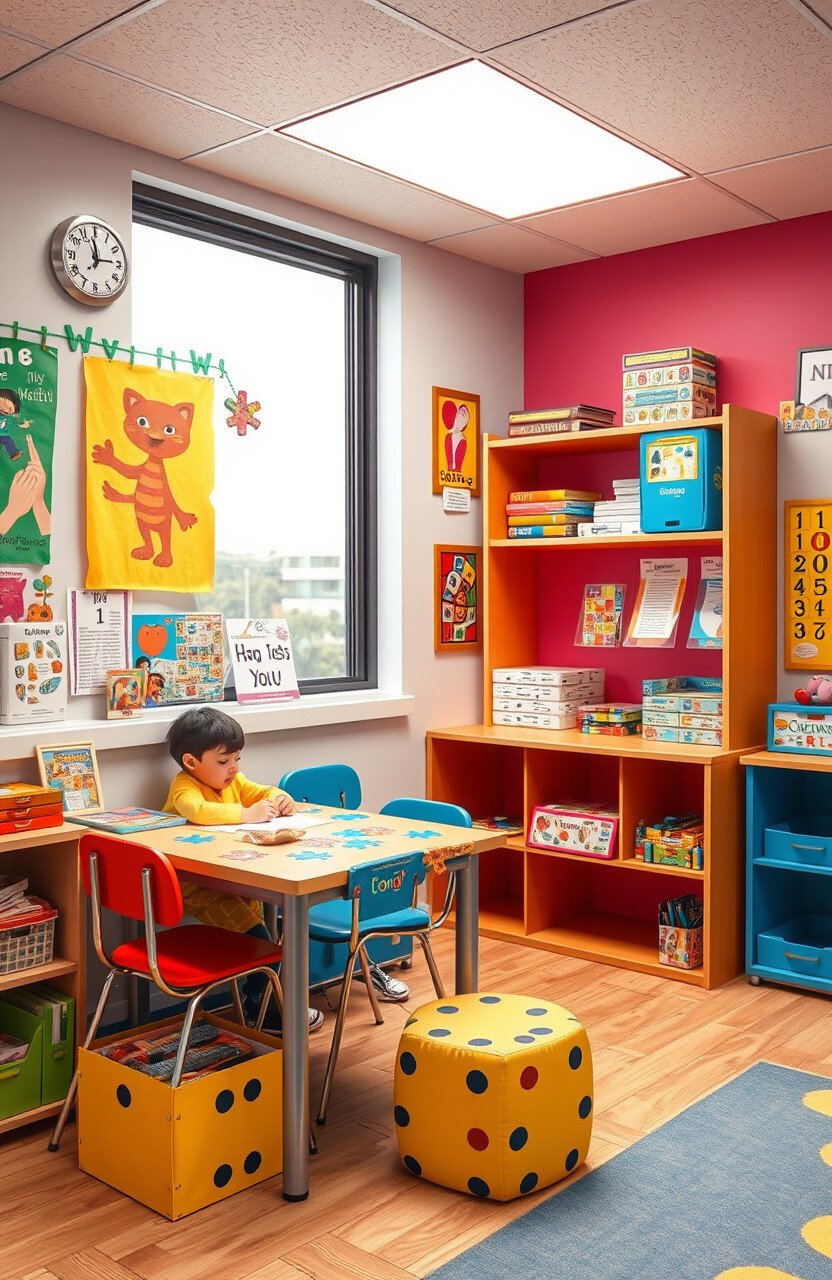
Set up corners with puzzles and games that challenge critical thinking and problem-solving skills. These corners can make learning fun and interactive.
Benefits include enhanced cognitive skills and peer collaboration. Use games and puzzles to complement lessons or encourage free play.
Uniqueness lies in the hands-on nature of these corners, offering a different learning experience. Personalize by allowing students to contribute games or puzzles.
Costs are manageable if you use donated or second-hand games. Encourage students to create their own puzzles or games for a collaborative project.
40. Visual Learning Boards
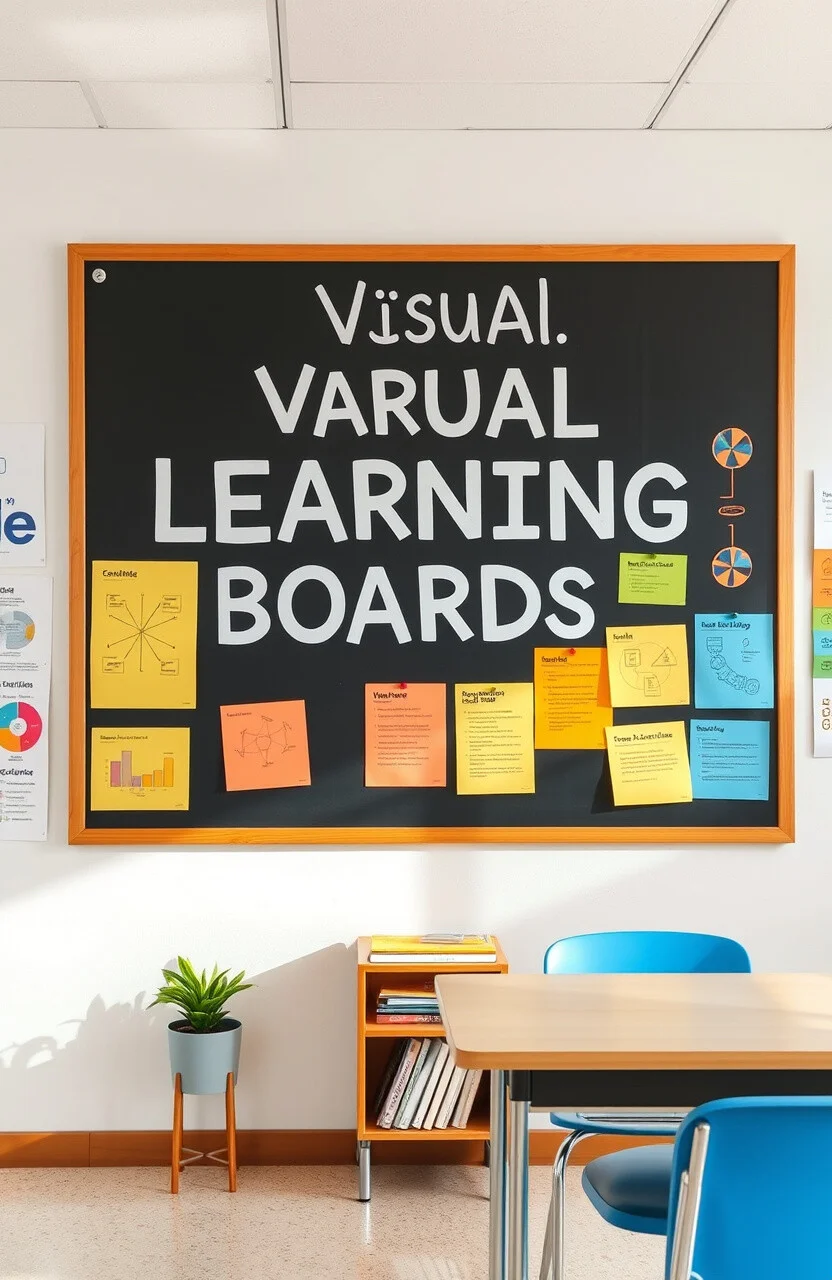
Create visual learning boards with diagrams, charts, and infographics. These boards can make complex subjects more understandable and engaging.
Benefits include improved comprehension and retention of information. Use boards to complement lessons or provide additional resources.
Uniqueness comes from the visual representation of information, catering to different learning styles. Personalize by incorporating student-created content or themes.
Costs are minimal if you use simple materials like poster paper or markers. Encourage students to contribute diagrams or infographics for a personalized touch.
41. Community Connection Boards
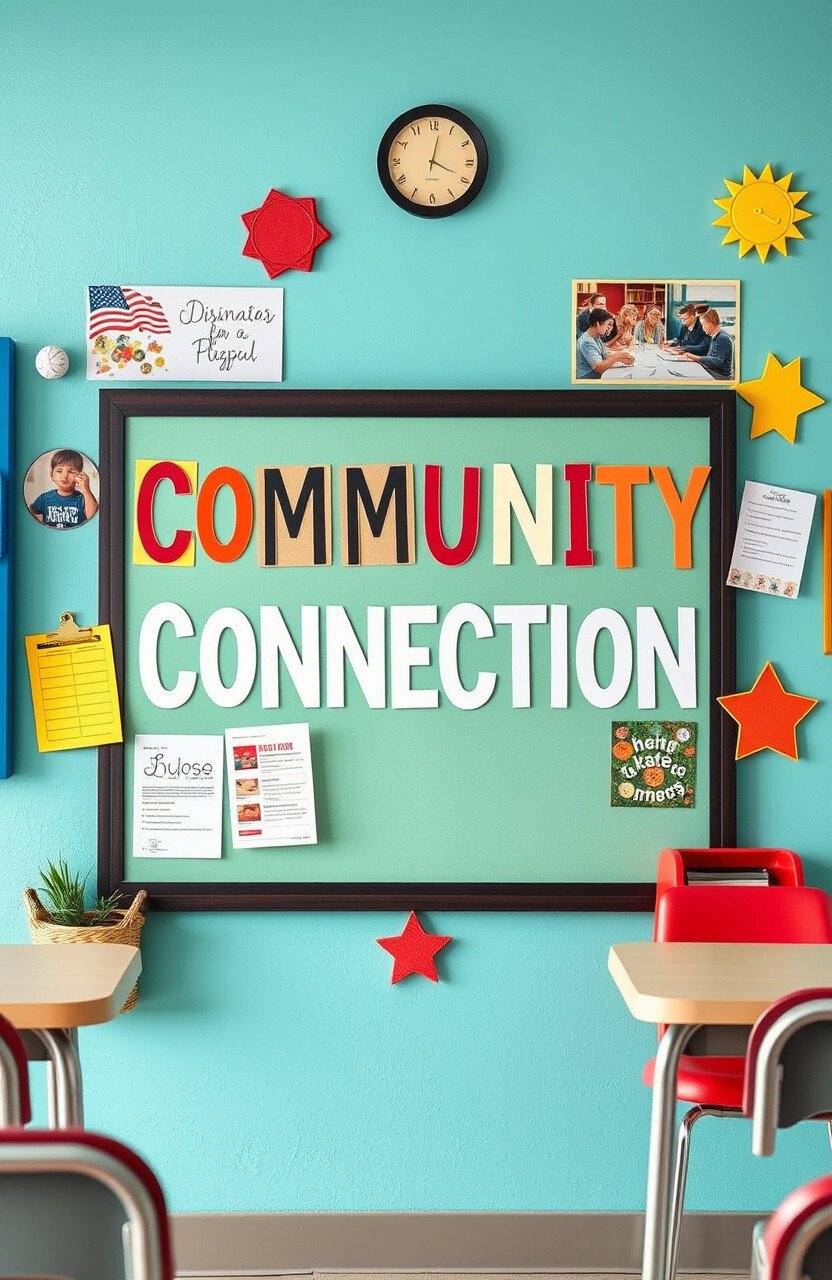
Establish boards that connect students with community activities and events. These boards can foster a sense of belonging and community involvement.
Benefits include increased awareness of local activities and opportunities. Use boards to complement lessons on civic engagement or social studies.
Uniqueness lies in the connection to the wider community, offering real-world relevance. Personalize by including student contributions or experiences related to community events.
Costs are low if you use simple materials like poster paper or cork boards. Encourage students to share community events or activities for a personalized touch.
42. Personalized Learning Paths
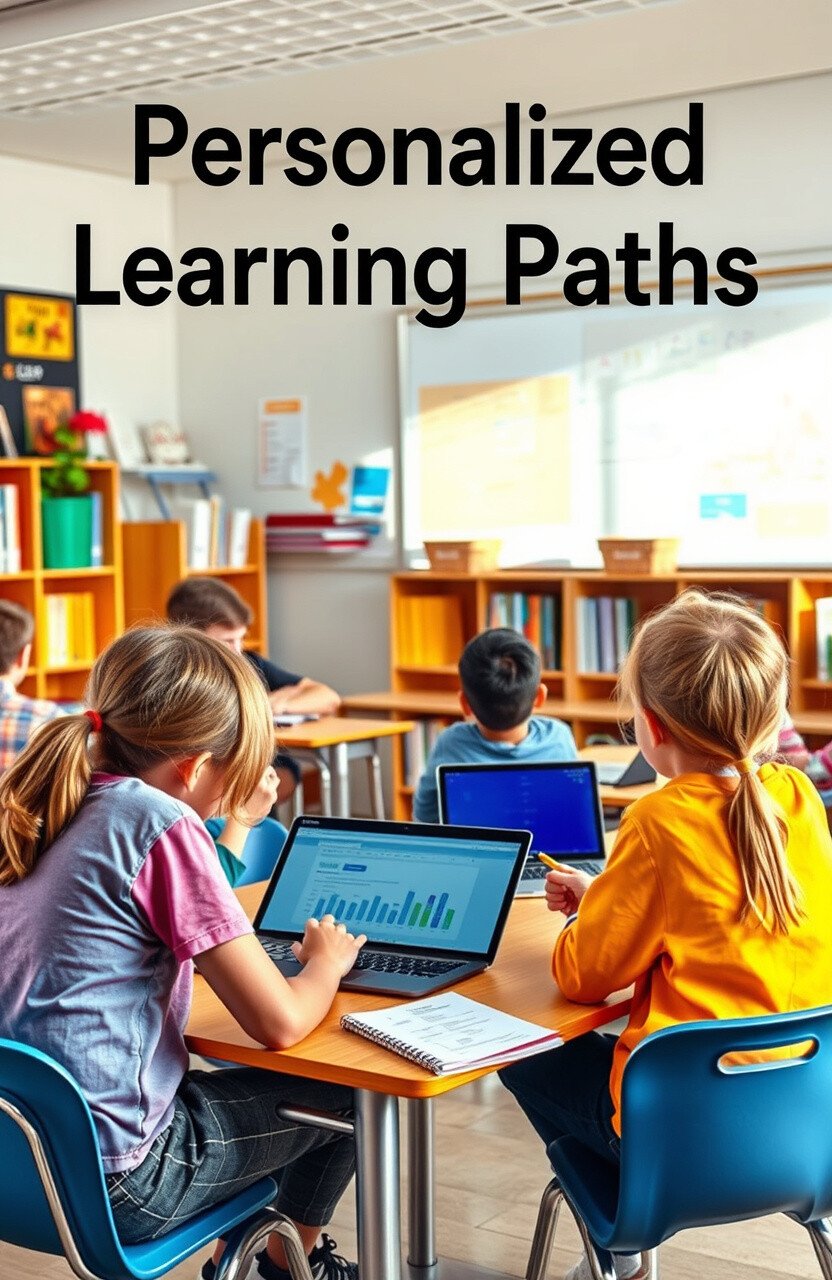
Provide personalized learning paths with individual goals and resources. These paths can cater to different learning styles and abilities.
Benefits include increased ownership and responsibility for learning. Use paths to complement differentiated instruction or student-centered learning.
Uniqueness comes from the individualized nature of each path, reflecting the needs and interests of your students. Personalize by involving students in goal setting and resource selection.
Costs are minimal if you use existing resources or free online tools. Encourage students to track their progress and celebrate achievements for a personalized approach.
43. Art and Craft Corners
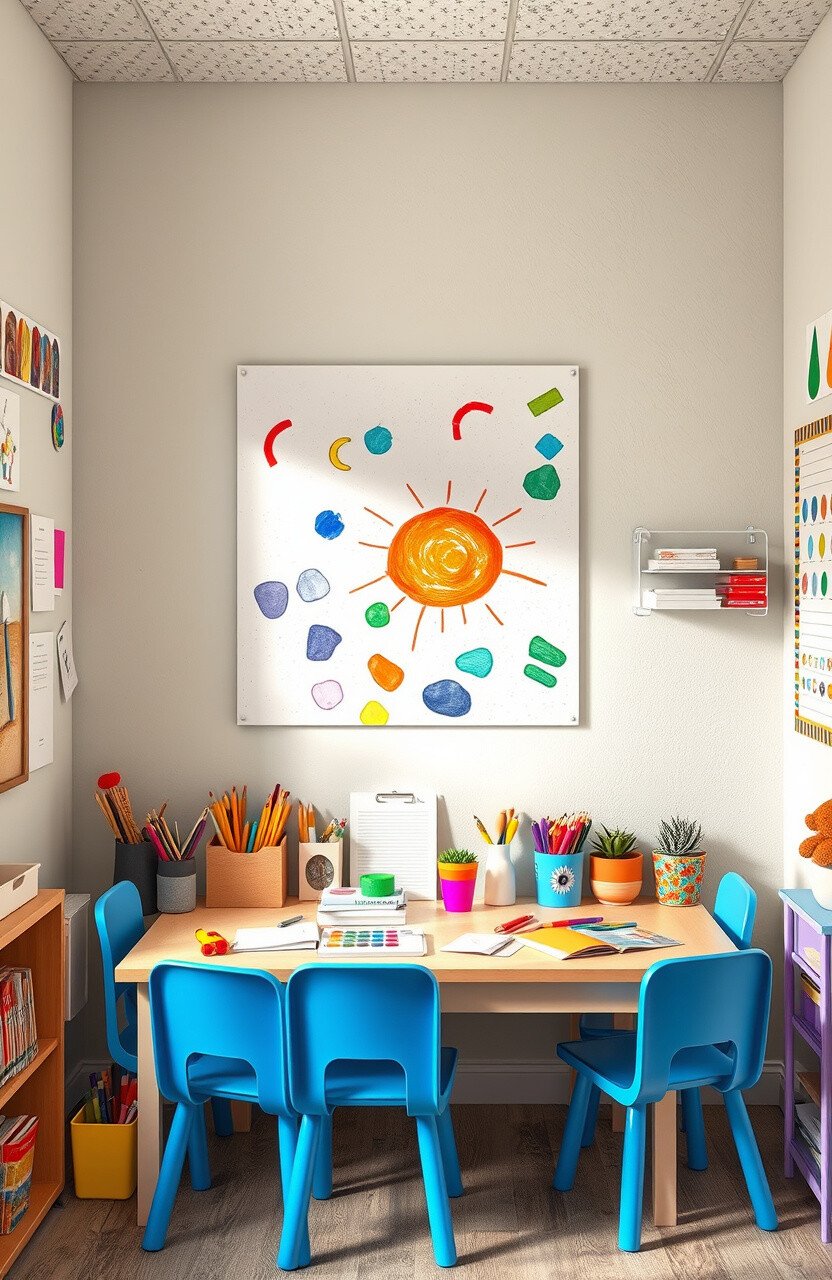
Set up corners for art and craft activities with supplies and inspiration prompts. These corners can encourage creativity and self-expression.
Benefits include improved fine motor skills and an outlet for emotions. Use activities to complement lessons or explore different art styles.
Uniqueness lies in the freedom of expression these corners provide, fostering individuality and creativity. Personalize by allowing students to choose projects or themes.
Costs can be low if you use donated or recycled materials. Encourage students to contribute art supplies or ideas for projects.
44. Storytelling Tree
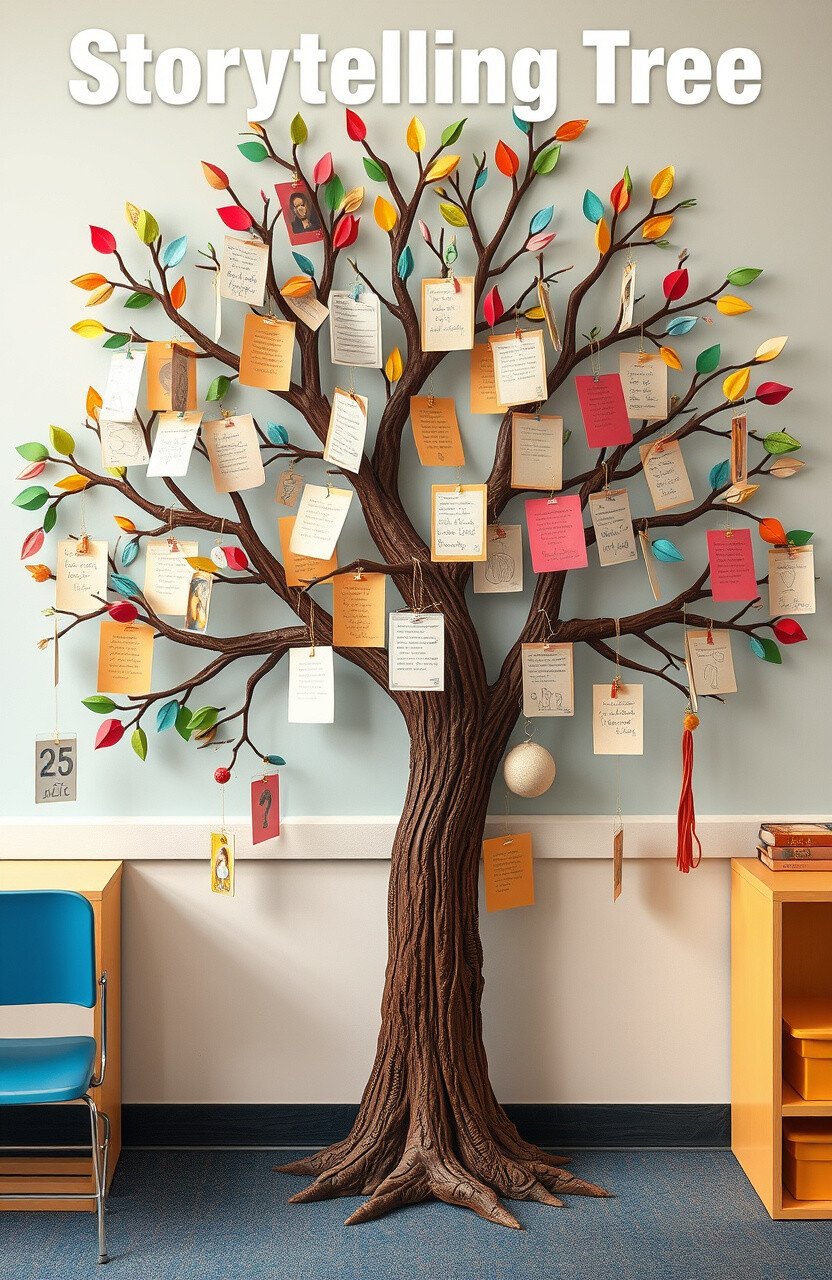
Create a storytelling tree with branches to hang story prompts or student-written stories. This visual can inspire creativity and storytelling skills.
Benefits include enhanced creativity and communication skills. Use the tree to complement storytelling lessons or encourage free writing.
Uniqueness comes from the visual and interactive nature of the tree, making storytelling a community event. Personalize by incorporating student-created stories or themes.
Costs are minimal if you use simple materials like paper and string. Involve students in creating story prompts or decorating the tree.
45. Science Experiment Walls
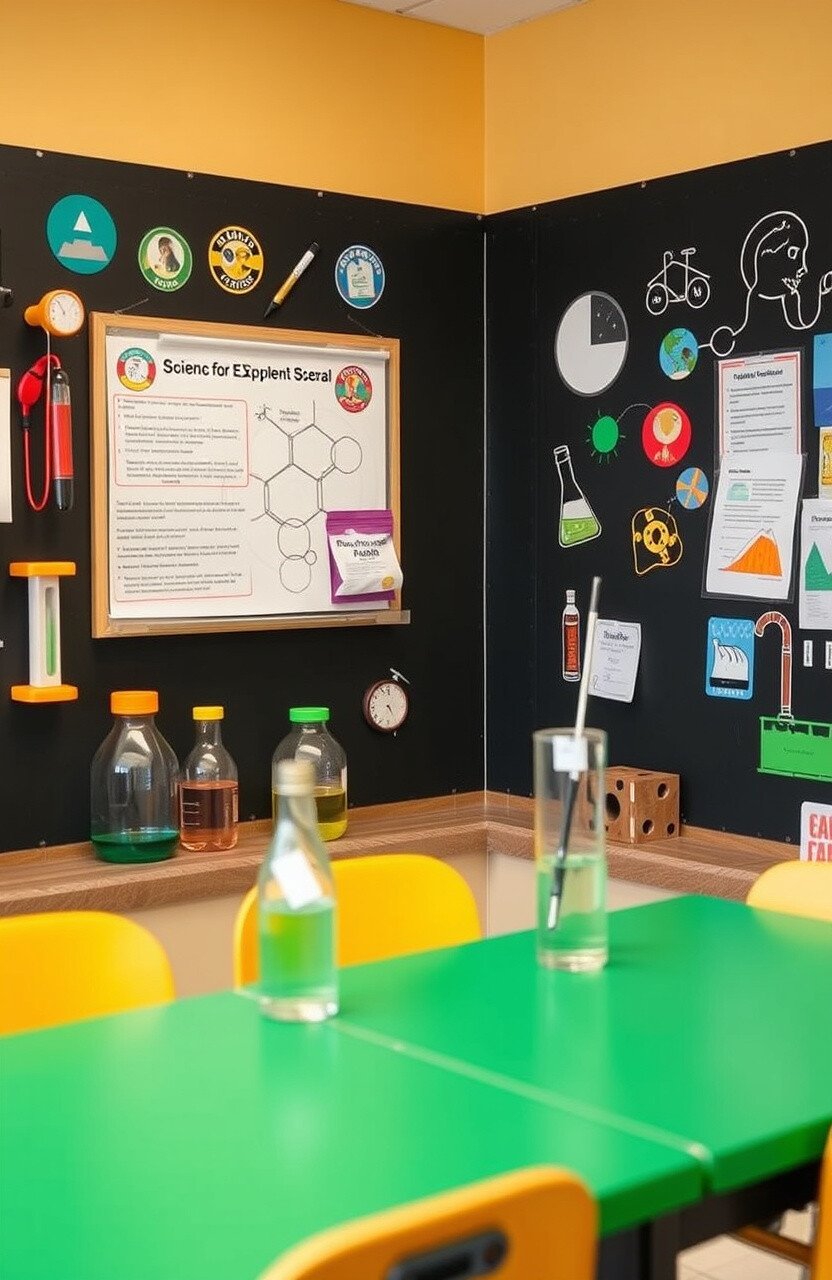
Create walls dedicated to science experiments and discoveries. These walls can spark curiosity and encourage hands-on learning.
Benefits include enhanced understanding of scientific concepts and critical thinking skills. Use walls to complement lessons or provide additional resources.
Uniqueness comes from the visual representation of experiments, making science more relatable and engaging. Personalize by incorporating student-created content or themes.
Costs are minimal if you use simple materials like poster paper or markers. Encourage students to contribute experiments or discoveries for a personalized touch.
46. Cultural Exploration Corners
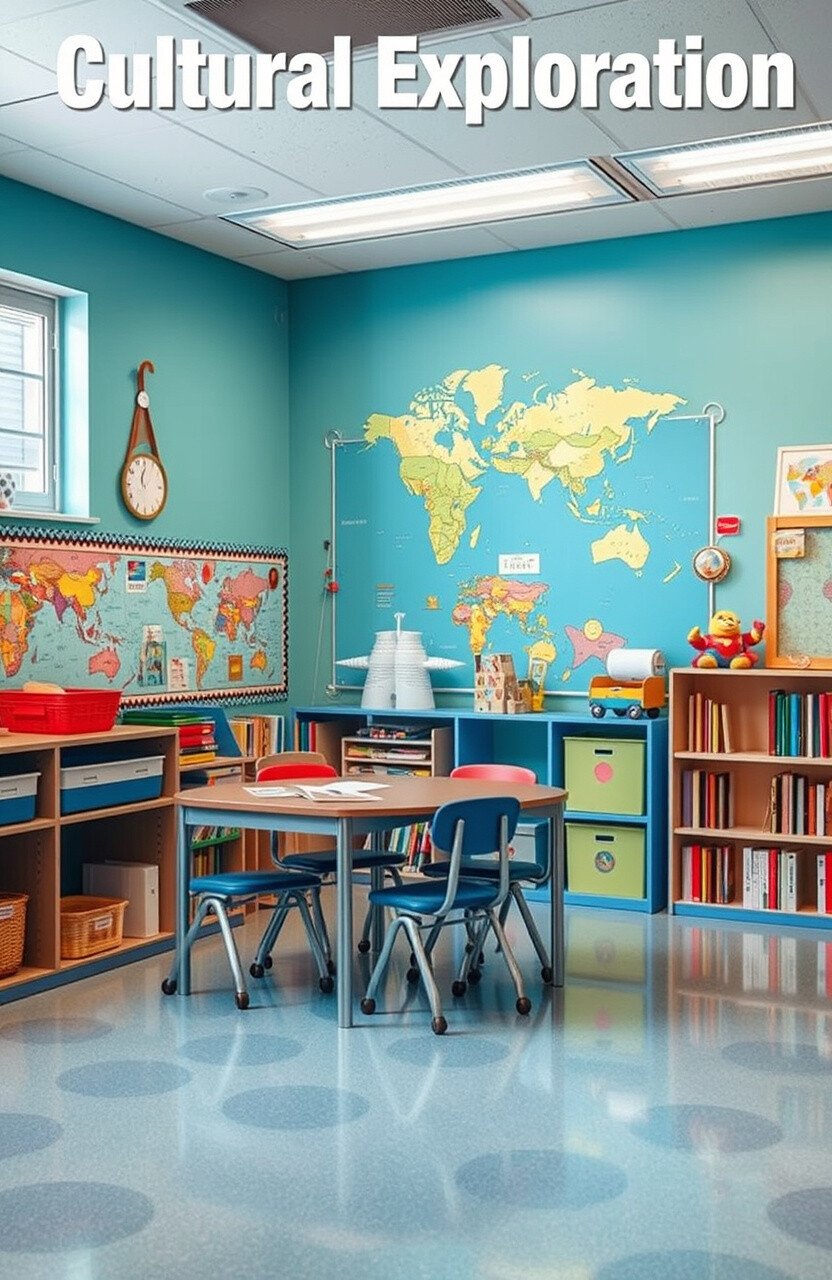
Set up corners for cultural exploration with artifacts, art, and information from different cultures. These corners can promote diversity and global awareness.
Benefits include increased understanding and respect for different cultures. Use corners to complement lessons on global studies or social studies.
Uniqueness lies in the immersive experience that celebrates the richness of global cultures. Personalize by including student contributions or experiences related to their own cultures.
Costs can be low if you use donated items or create decor with students. Encourage students to share cultural artifacts or stories for a personalized touch.
47. Historical Artifact Displays
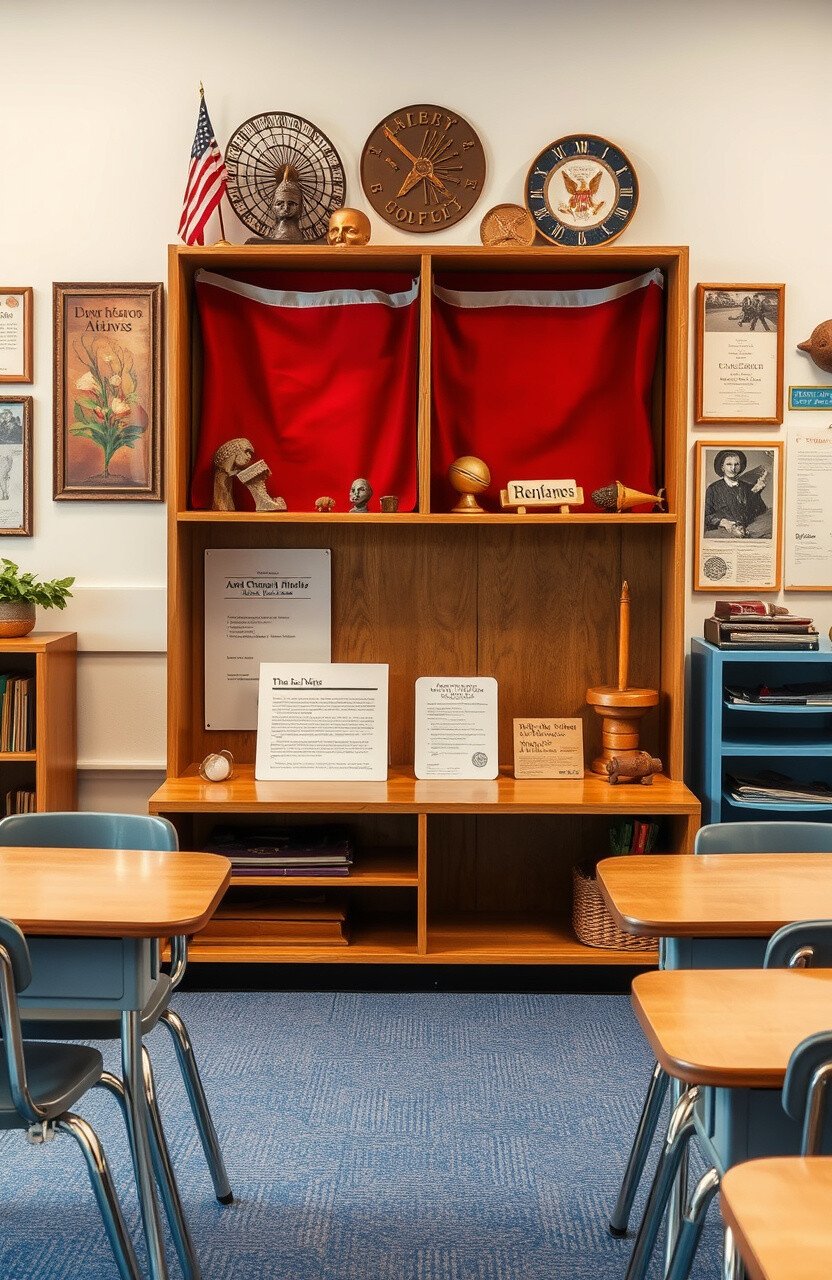
Display historical artifacts or replicas to bring history lessons to life. These displays can make history more tangible and engaging.
Benefits include improved comprehension of historical events and their impact. Use displays to complement history lessons or projects.
Uniqueness comes from the tangible representation of history, making it more relatable and engaging. Personalize by including student-created artifacts or replicas.
Costs can be managed by using replicas or donated items. Encourage students to contribute artifacts or designs for a collaborative project.
48. Student Achievement Walls
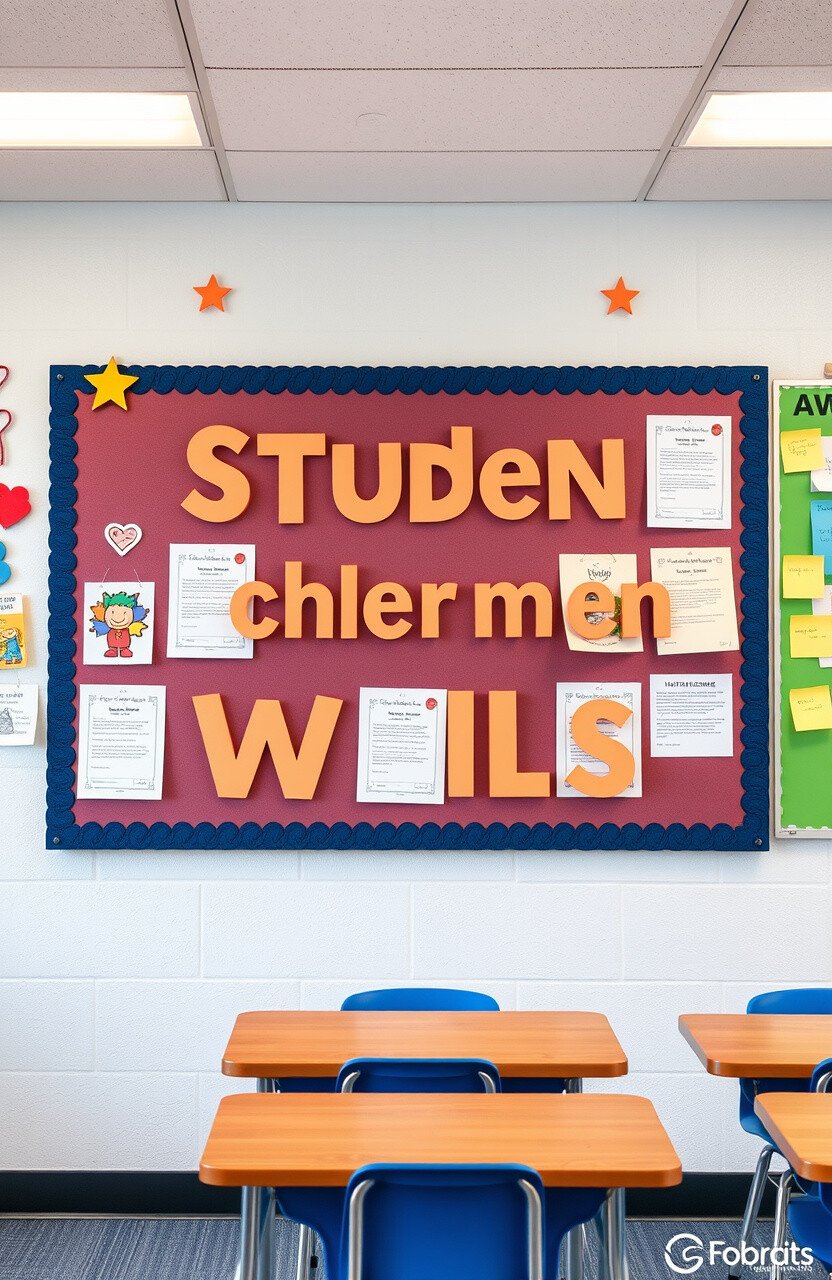
Showcase student achievements on dedicated walls to celebrate successes. These walls can boost morale and create a positive classroom culture.
Benefits include increased confidence and motivation among students. Use walls to highlight individual or group accomplishments.
Uniqueness comes from the personalized nature of the achievements, making them more meaningful and relevant. Display achievements creatively for added impact.
Costs are minimal if you use simple materials like poster paper or sticky notes. Encourage students to contribute achievements or designs for a collaborative project.
49. Language Learning Corners
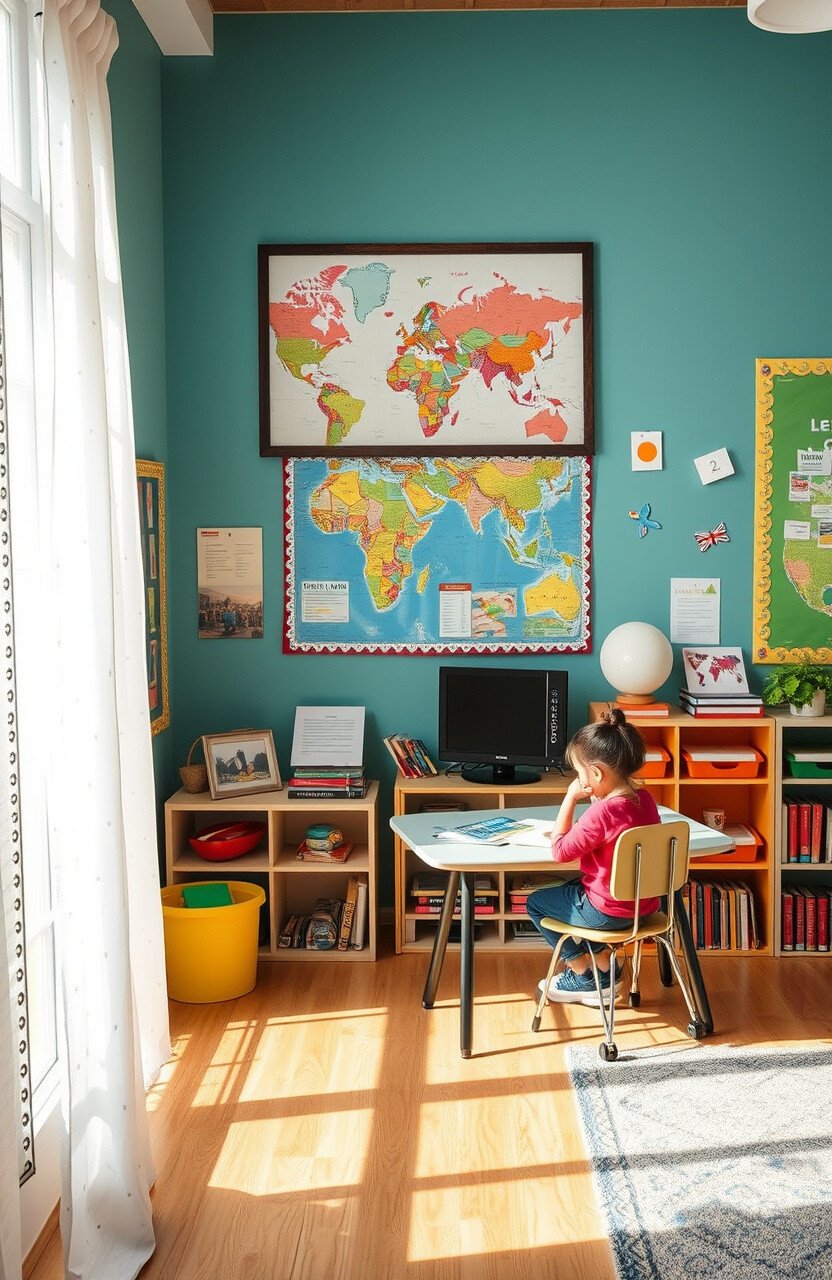
Set up corners for language learning with flashcards, games, and immersive activities. These corners can enhance language skills and cultural awareness.
Benefits include improved language proficiency and an appreciation for different cultures. Use activities to complement language lessons or encourage free play.
Uniqueness lies in the immersive experience that language corners provide, offering a break from routine. Personalize by allowing students to contribute materials or games.
Costs can be low if you use donated items or DIY materials. Involve students in creating language resources or activities for a personalized touch.
50. Eco-Friendly Classroom Decor
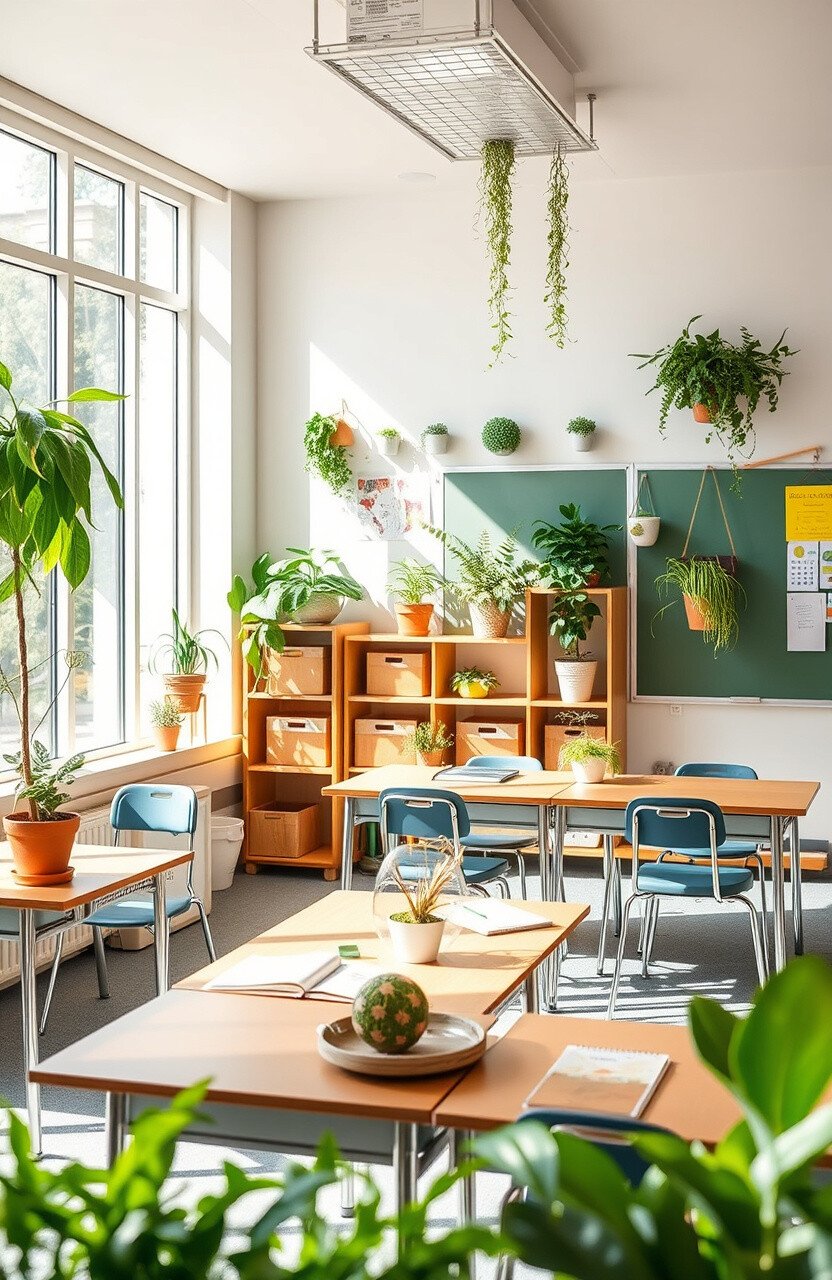
Adopt eco-friendly decor with recycled materials, plants, and natural light. This setup promotes sustainability and environmental awareness.
Benefits include improved air quality and a reduced carbon footprint. Use decor to complement lessons on ecology or environmental science.
Uniqueness lies in the sustainable approach to classroom decor, setting an example for students. Personalize by incorporating student-created eco-friendly projects.
Costs are low if you use recycled or donated materials. Encourage students to contribute eco-friendly ideas or projects for a collaborative effort.
51. Student-Led Classroom Design
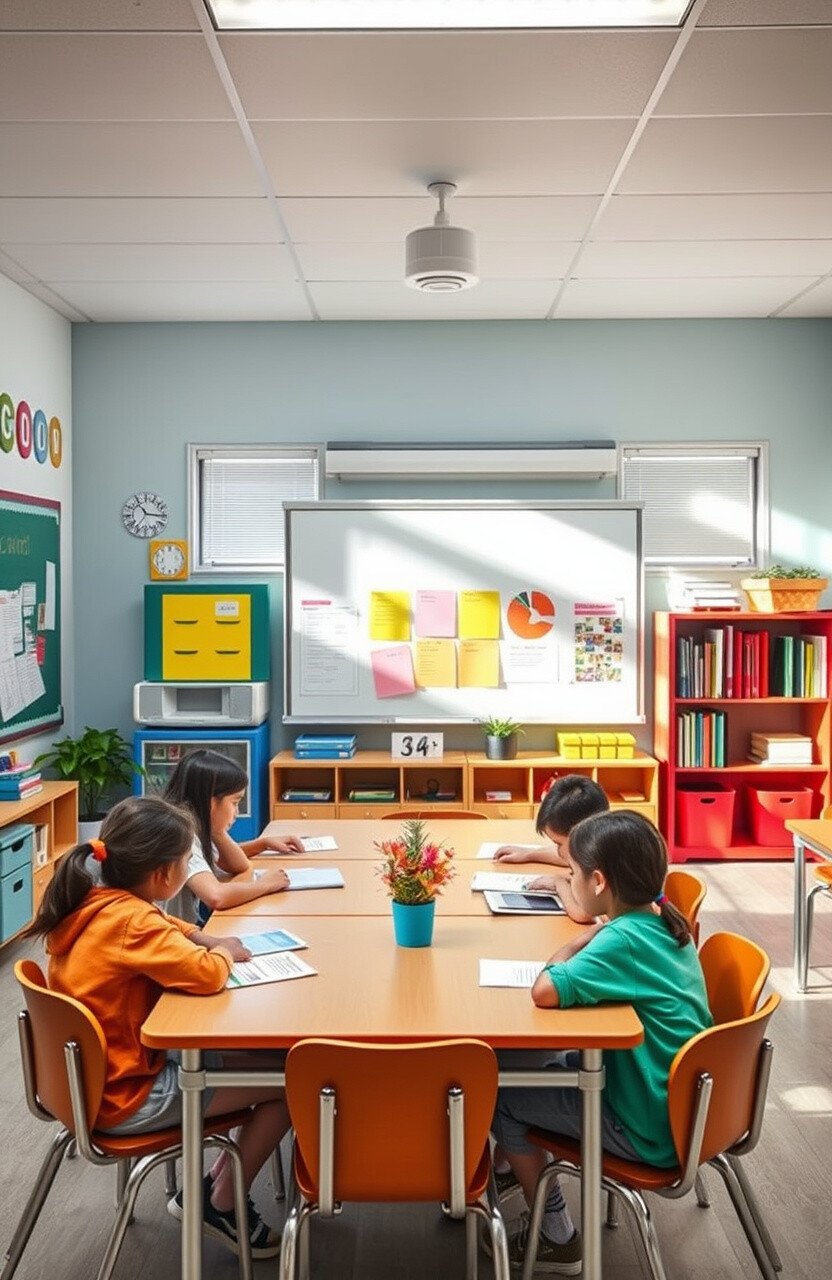
Empower students to take charge of the classroom design, from layout to decor. This approach fosters ownership and responsibility.
Benefits include increased engagement and a sense of pride in the learning environment. Use student input to create a space that reflects their values and interests.
Uniqueness comes from the collaborative nature of the design process, making the classroom truly reflective of its occupants. Display student contributions prominently for added impact.
Costs are minimal if you use existing resources or donated materials. Involve students in every step of the design process for a personalized, collaborative project.