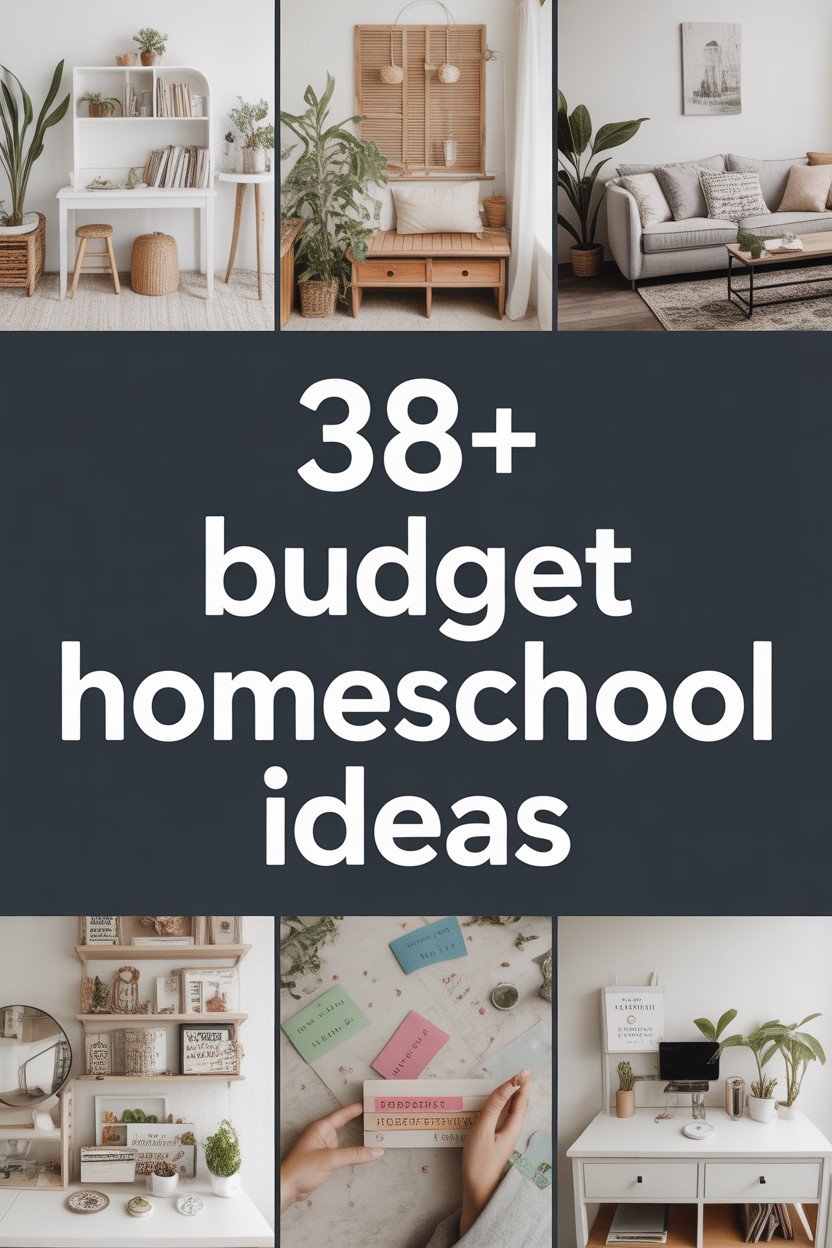
Homeschool spaces are more than just places for learning; they’re havens for creativity and exploration. With a little imagination, these areas can become magical environments that inspire curiosity and engagement. Ready for some creative inspiration?
1. Chalkboard Wall
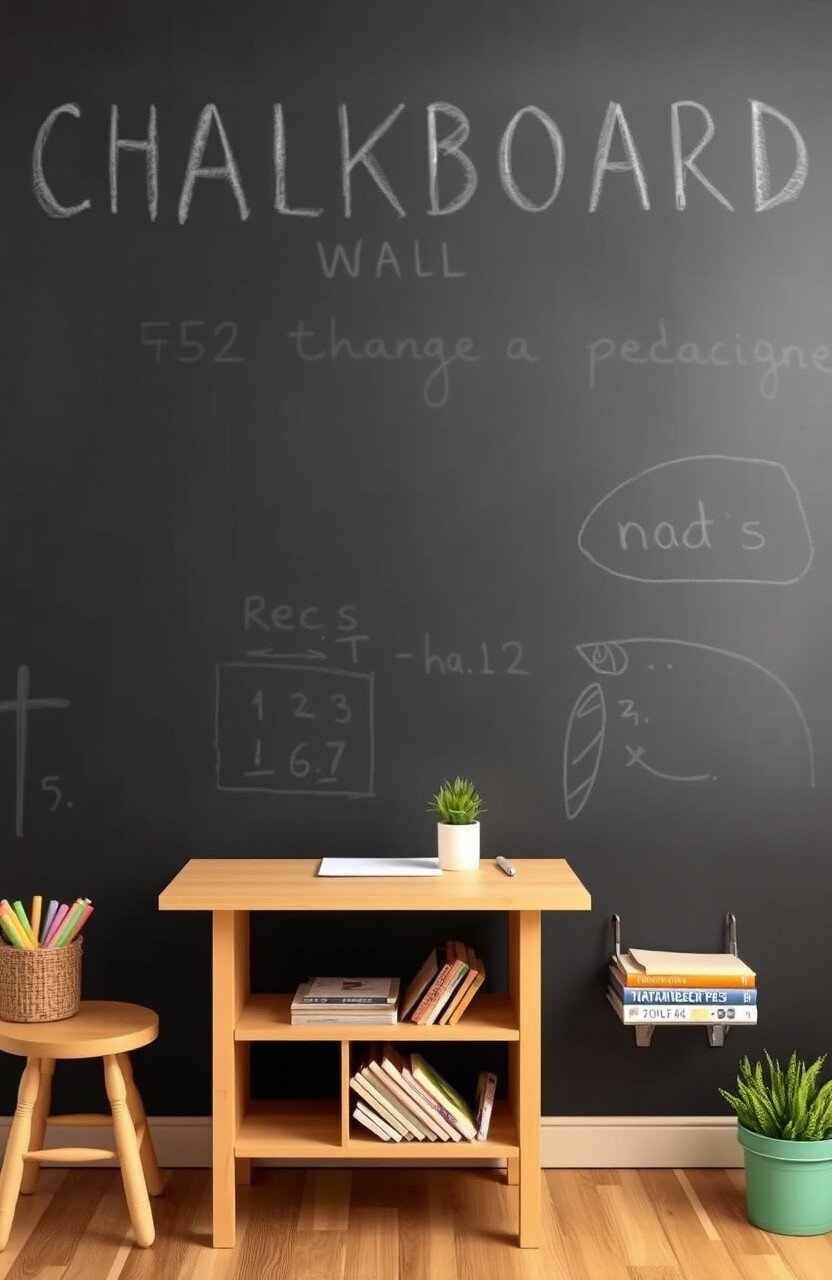
Imagine a wall where anything can be drawn and erased in moments. A chalkboard wall is perfect for jotting down quick ideas or practicing spelling words.
It’s unique because it offers a large space for artwork or math problems. Kids can draw and write as much as they like, and parents can easily erase and start fresh.
To create one, paint a section of the wall with chalkboard paint. It’s affordable, and you can find the paint at most hardware stores.
Personalize it with colorful chalks and let kids’ imaginations run wild. It’s a trendy and functional design element.
2. Cozy Reading Nook
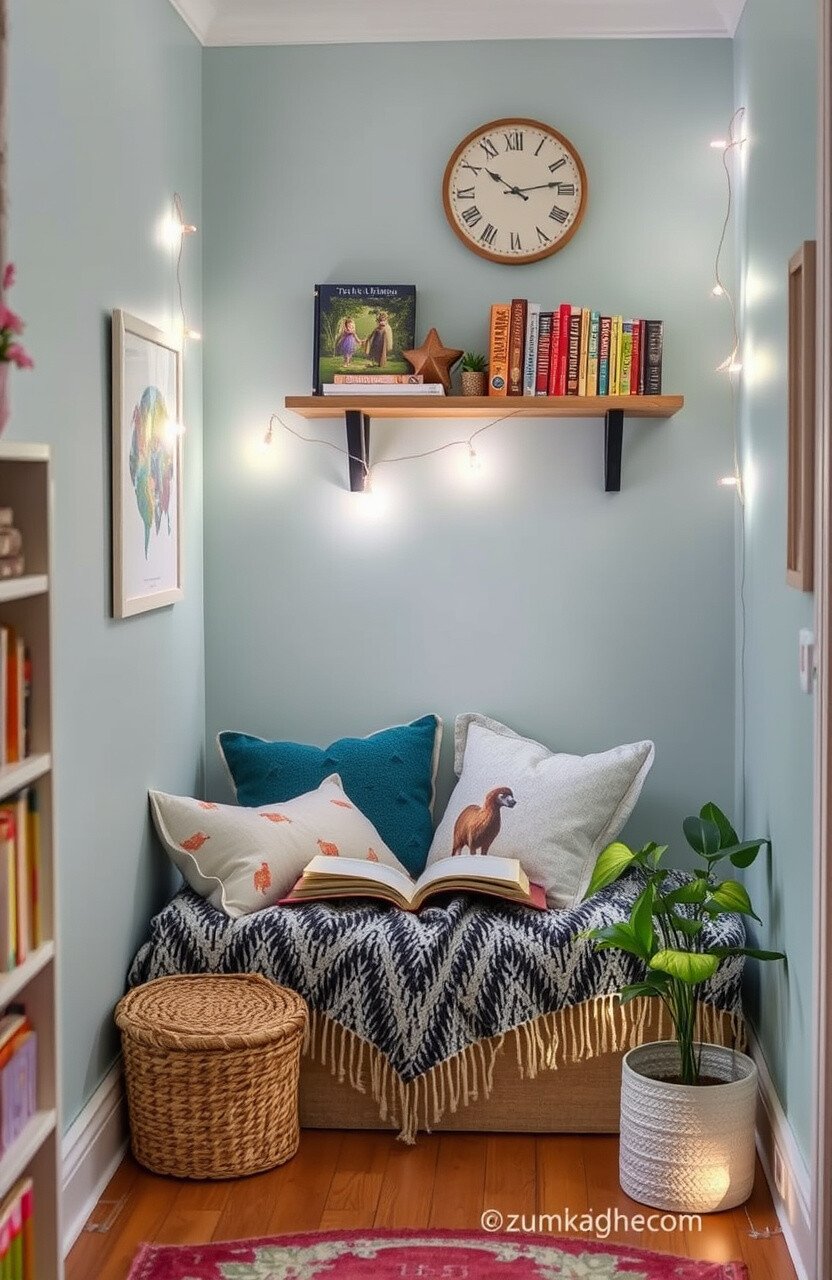
Turn a small corner into an inviting reading nook with a few pillows and a blanket. This space encourages kids to cozy up with a good book.
A reading nook is unique because it provides a dedicated space for quiet time. It’s a special retreat where kids can escape into their imaginations.
Use thrifted or homemade pillows to keep costs low. Add a small shelf to showcase favorite books.
Personalize it with a string of fairy lights for a magical touch. Reading nooks are a popular trend in homeschooling setups.
3. DIY Desk
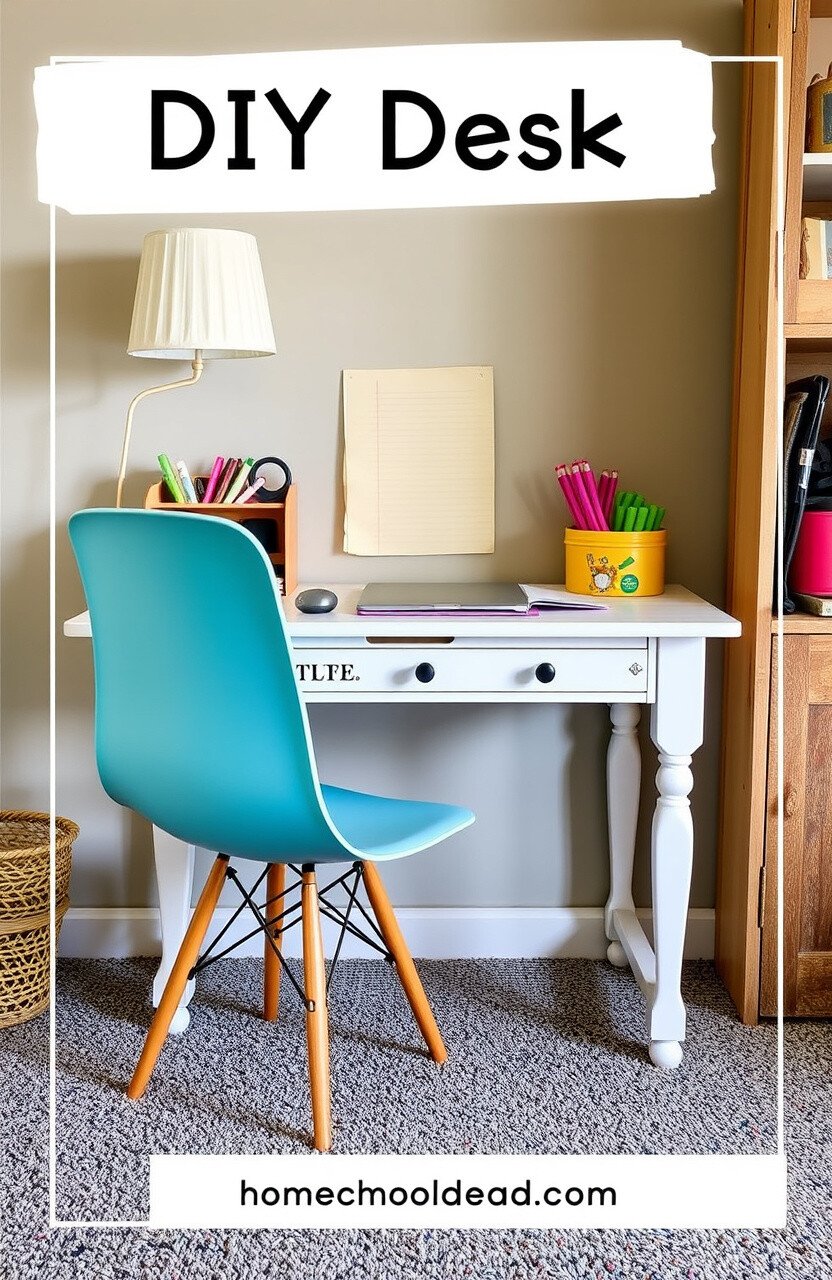
Build a simple desk using an old door or a piece of wood and some sturdy legs. It’s a cost-effective way to create a workspace.
This desk can be unique to your child’s needs, with space for all their supplies. It’s a great way to teach about recycling and reusing materials.
Sand and paint the wood for a polished look. Attach legs that suit your child’s height for optimal comfort.
Personalize the desk with stickers or decals. DIY desks add a personal touch to any homeschool room.
4. Art Gallery
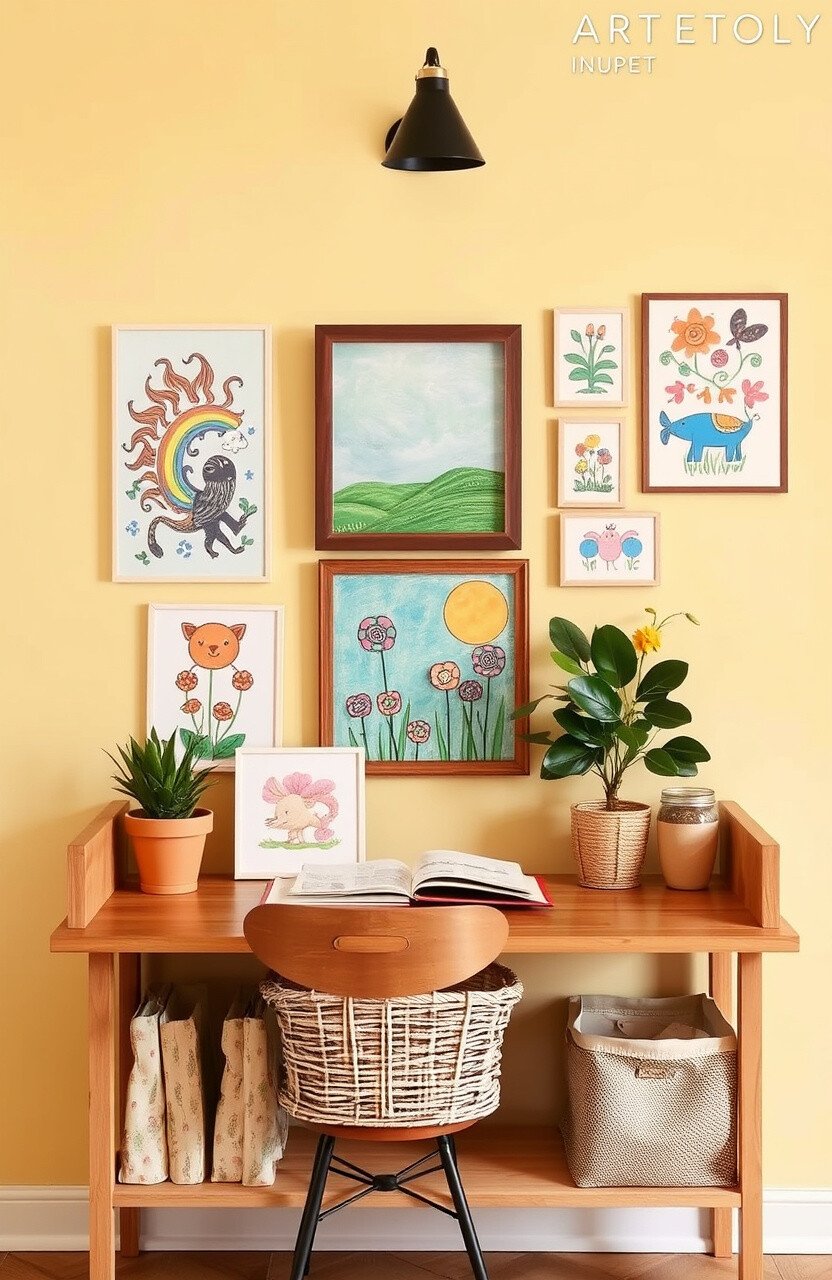
Designate a wall to display your child’s artwork. It celebrates their creativity and boosts their confidence.
An art gallery is unique because it turns your home into a showcase of your child’s talents. It’s a rotating display that keeps things fresh.
Use inexpensive frames or simply hang art with washi tape. Encourage your child to swap out old art for new pieces regularly.
Personalize it by letting your child choose the arrangement. Home art galleries are a chic way to decorate.
5. Nature Table
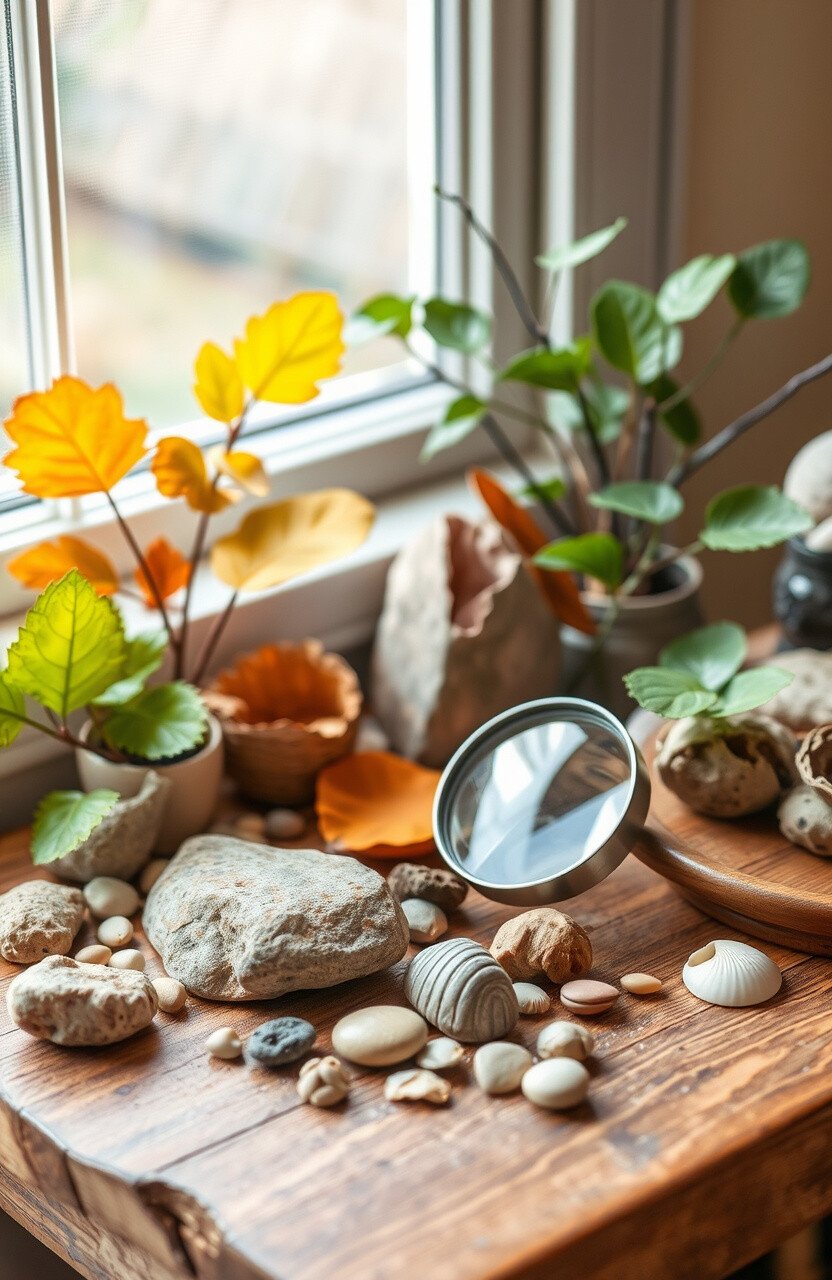
Create a nature table where kids can display found treasures like rocks, leaves, and shells. It brings a bit of the outdoors inside.
This table is unique as it evolves with each season, teaching kids about nature. It’s a hands-on way to explore science topics.
Use a small table or even a window sill for display. Encourage kids to find new items during outdoor adventures.
Personalize it with a magnifying glass for up-close examination. Nature tables are a timeless homeschooling trend.
6. Interactive Bulletin Board
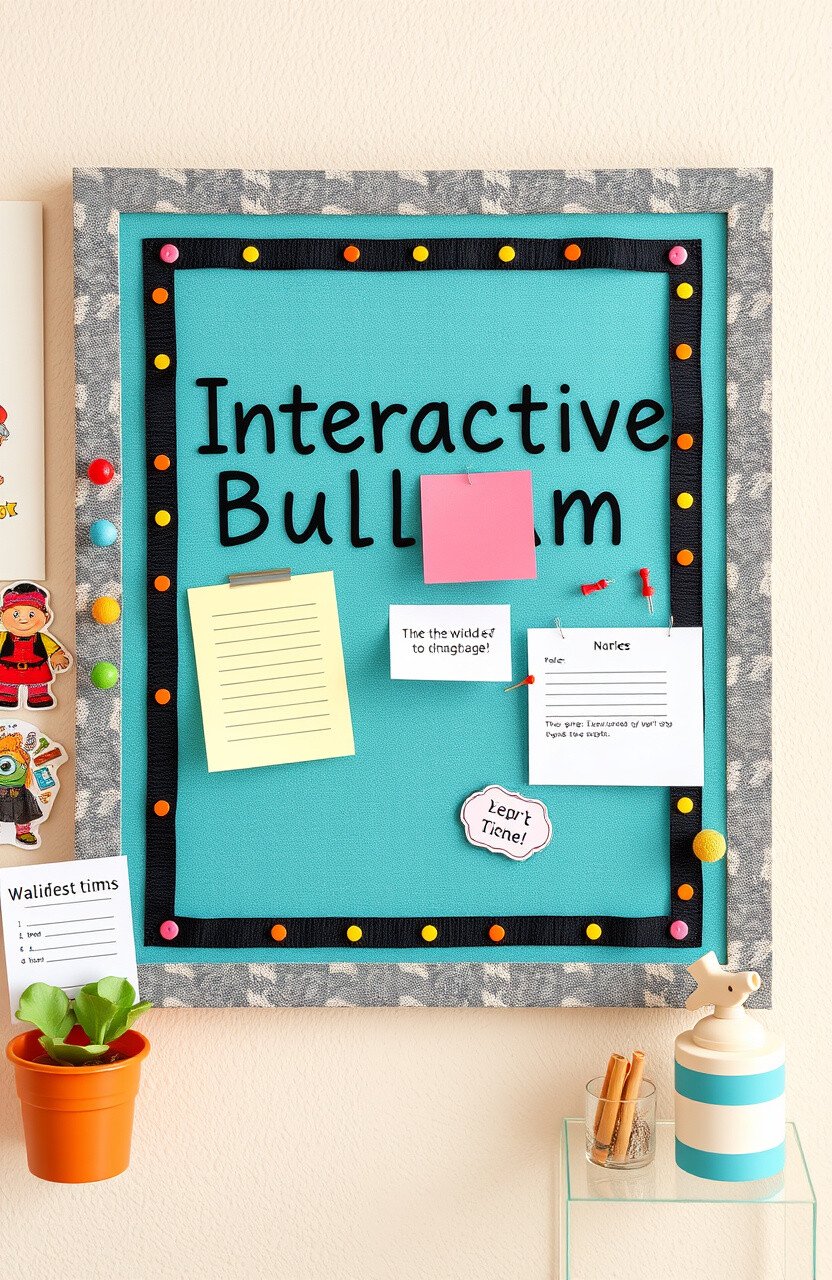
A bulletin board allows kids to pin notes, reminders, and inspiration. It’s a dynamic way to organize thoughts.
It’s unique because it changes as often as needed, adapting to your child’s learning journey. Kids love the tactile interaction.
Use corkboards or fabric-covered foam boards. Decorate with colorful pins to make it inviting.
Personalize it with a border that matches your child’s interests. Interactive boards are staples in creative learning spaces.
7. Colorful Storage
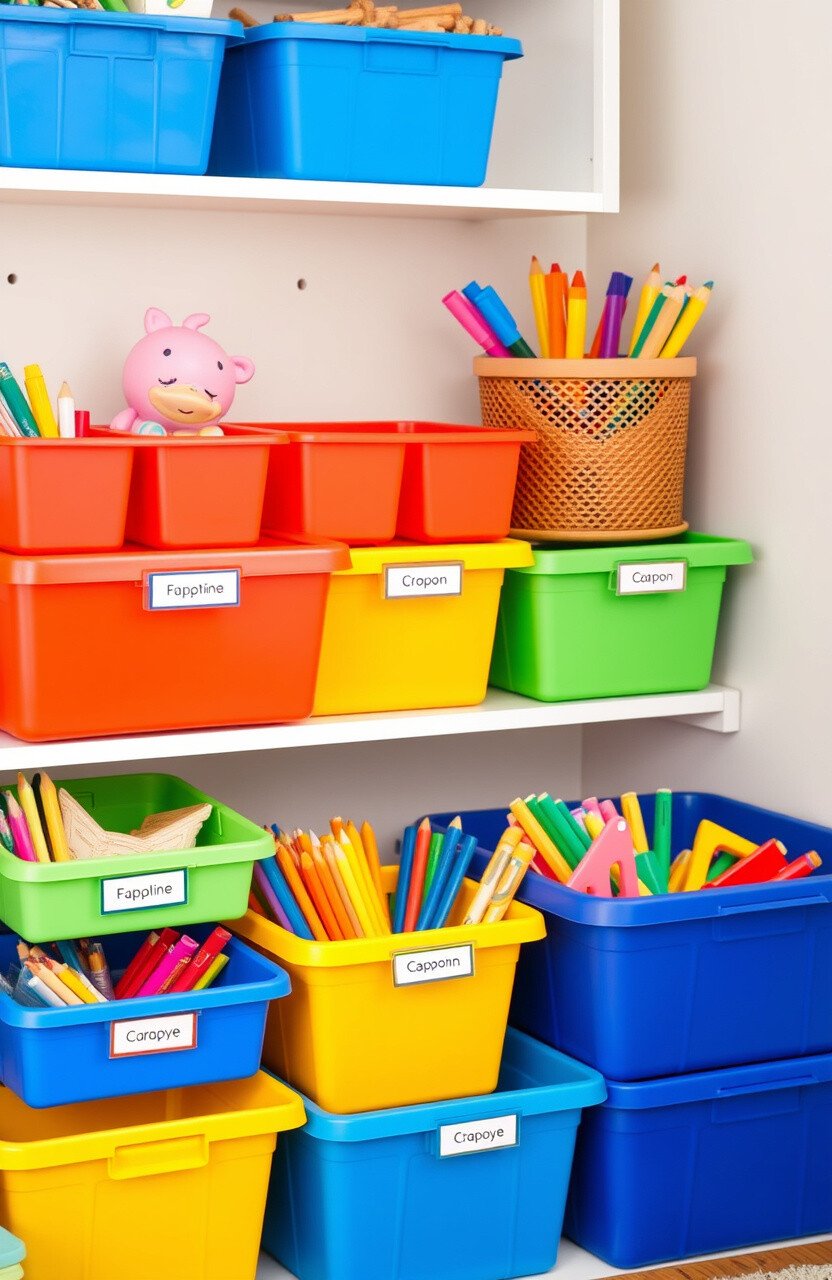
Bright storage bins and baskets add a splash of color while keeping supplies organized. It’s both functional and fun.
Colorful storage is unique because it brings life to a room and helps categorize items. Kids can easily find what they need.
Repurpose old containers by painting them or use dollar store finds. Label each bin to make cleanup a breeze.
Personalize storage with your child’s favorite colors. Colorful storage is a cheerful addition to any space.
8. Window Seat
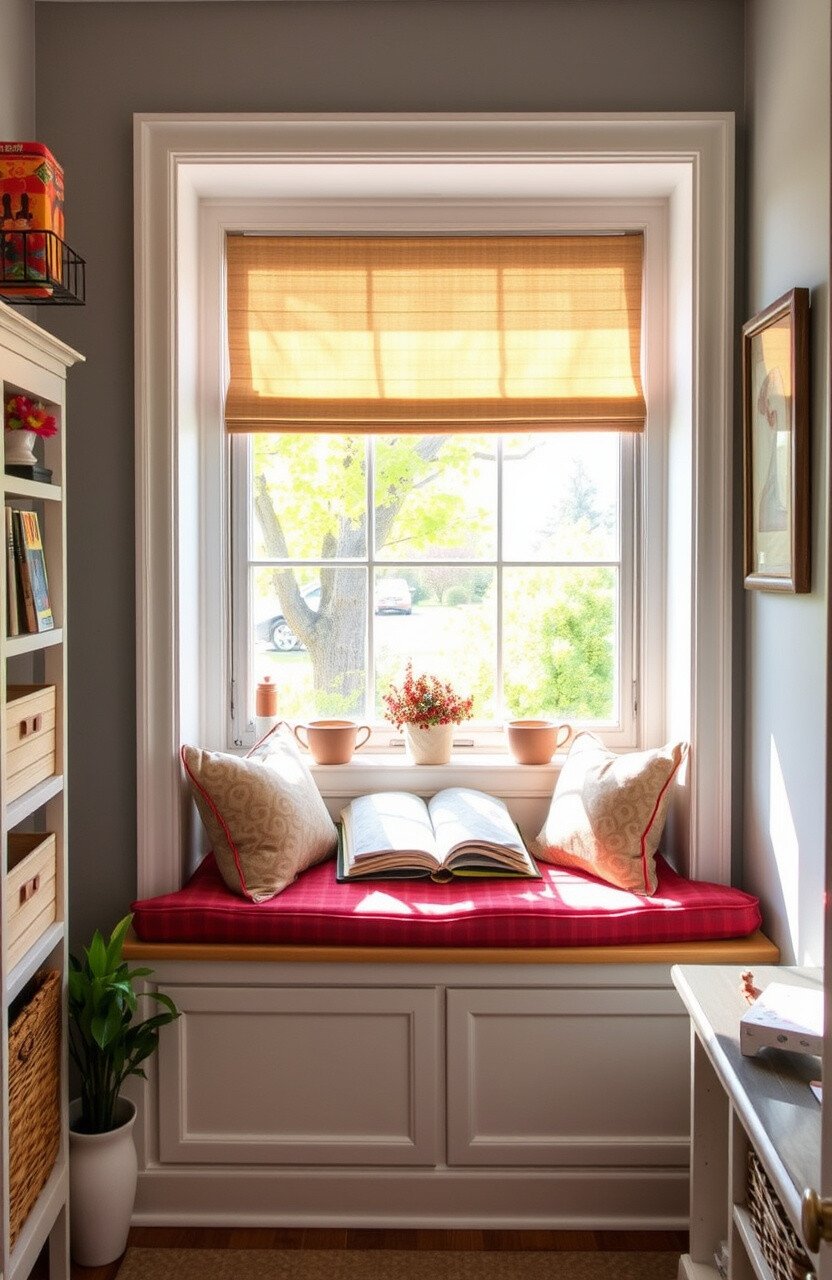
A window seat provides a sunny spot for reading or daydreaming. It’s a serene addition to a homeschool room.
It’s unique as it combines comfort with natural light, creating a peaceful atmosphere. Kids can enjoy gazing outside for inspiration.
Build a simple bench with storage underneath. Use cushions for a cozy feel.
Personalize with seasonal decorations on the window sill. Window seats are a classic design loved by all ages.
9. World Map Wall
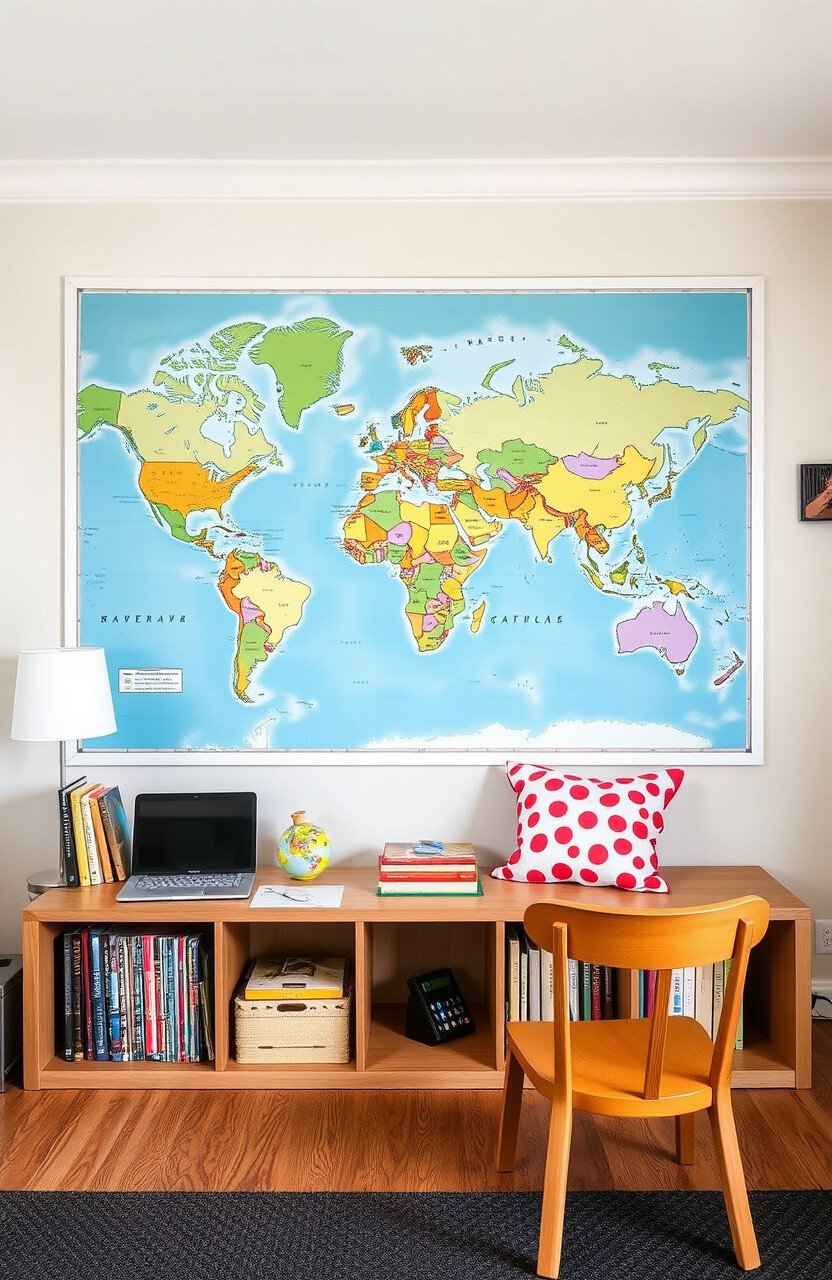
Cover a wall with a world map to spark curiosity about geography. It’s an educational and decorative feature.
The uniqueness lies in its ability to transport kids to different places. It inspires questions about the world.
Find a large map poster or use map-themed wallpaper. Encourage kids to mark places they’ve learned about.
Personalize with pins or stickers indicating travel dreams. World map walls are an exciting way to learn about our planet.
10. Pegboard Organizer
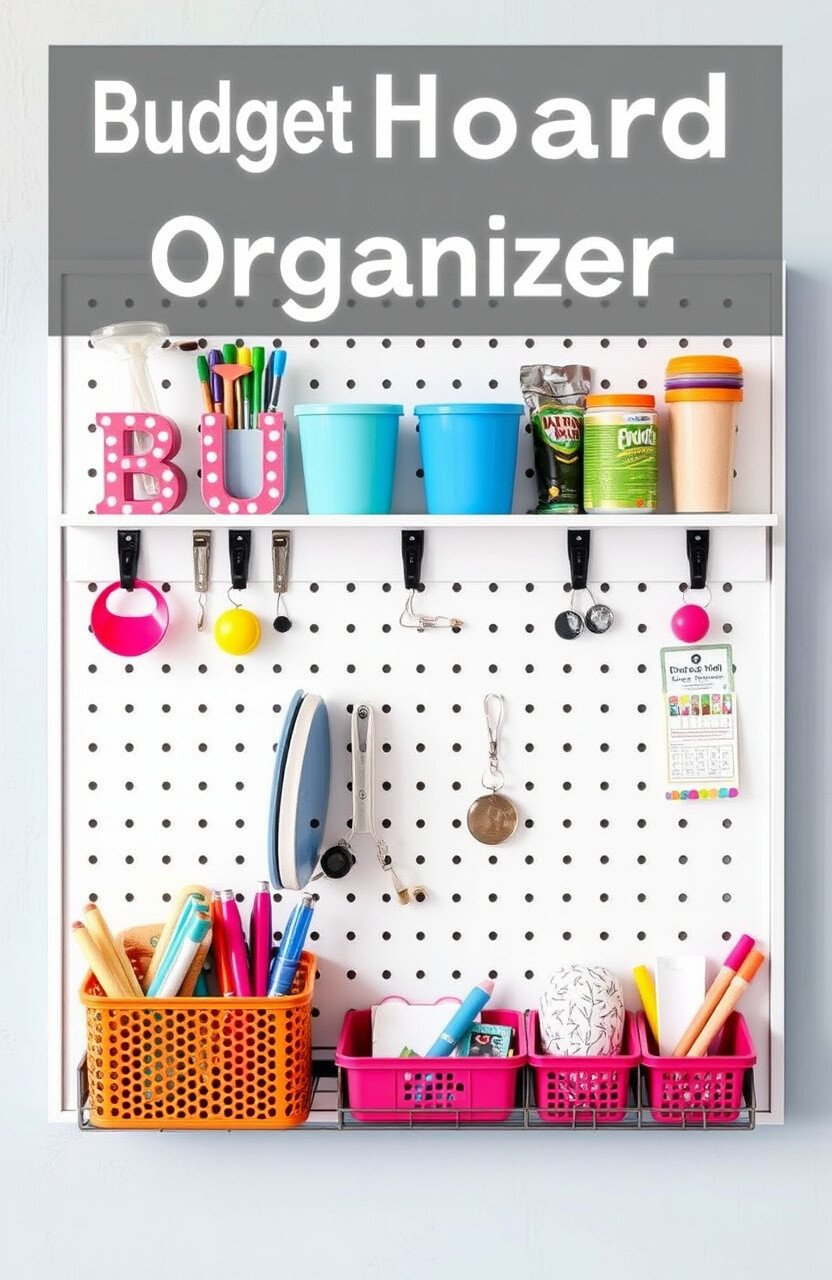
A pegboard offers a customizable way to keep supplies handy. It’s perfect for organizing craft or school materials.
Pegboards are unique due to their versatility in arrangement. Kids can easily adjust hooks and shelves as needed.
Paint it to match the room’s color scheme. Add cups or bins for small items.
Personalize with your child’s name spelled out in pegs. Pegboard organizers are a trendy solution for clutter control.
11. Mobile Cart
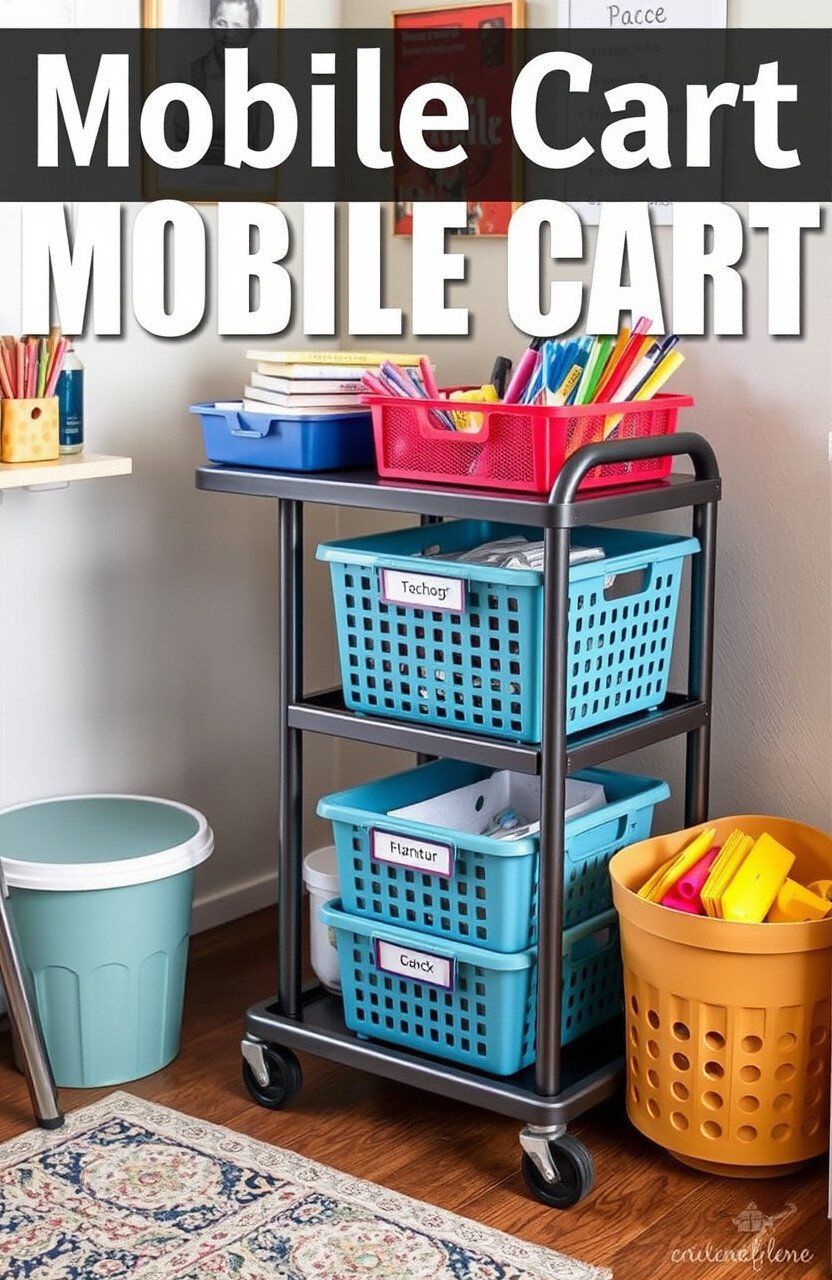
A mobile cart keeps supplies within reach and can be moved as needed. It’s a flexible storage solution for any room.
Its uniqueness comes from its mobility, making it easy to transport items. Kids can use it to organize their daily needs.
Use a repurposed bar cart or a rolling cart from a discount store. Organize by subject or activity.
Personalize by adding labels or fun decorations. Mobile carts are a modern way to keep learning tools accessible.
12. Magnetic Wall
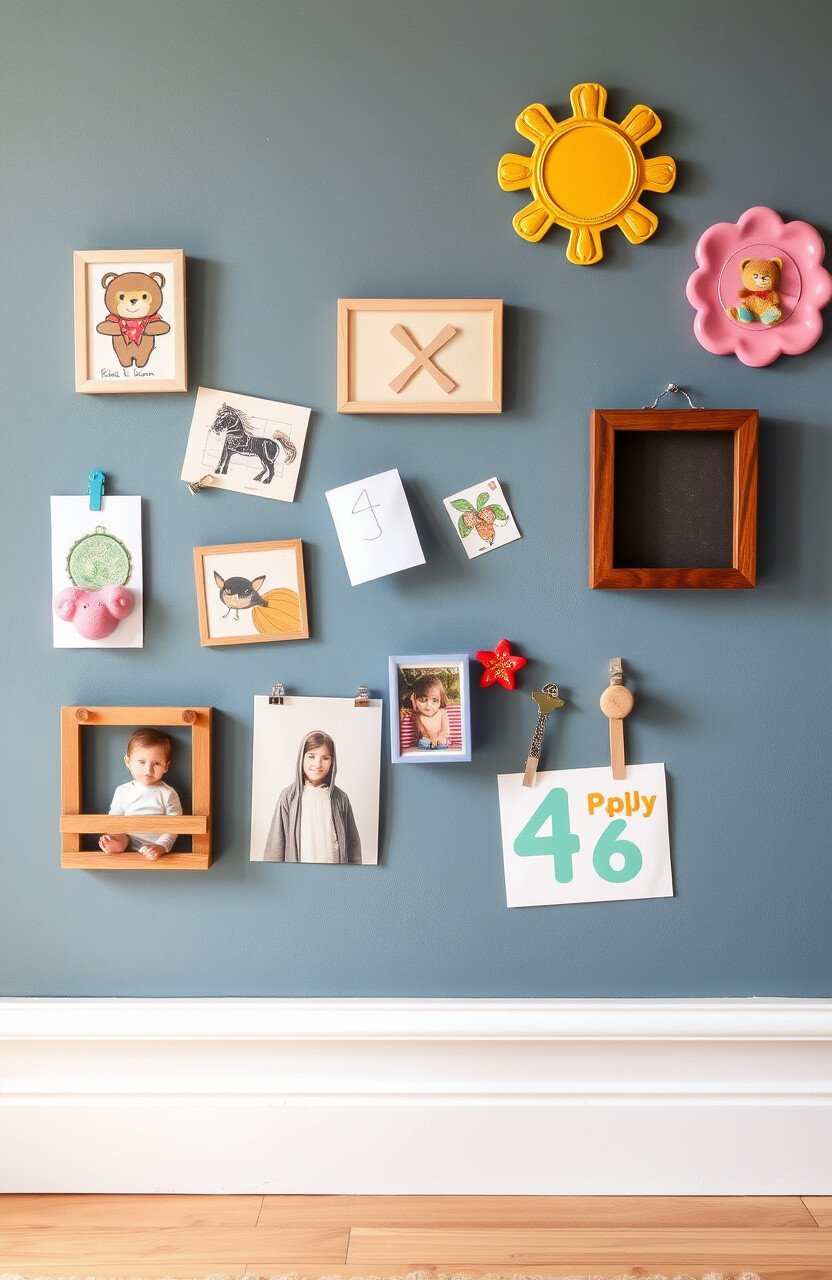
A magnetic wall lets kids display art, photos, and notes without damaging surfaces. It’s a creative and changeable display area.
Its uniqueness lies in its ability to hold various items securely. Kids enjoy the freedom to rearrange as they please.
Use magnetic paint or a sheet of metal. Add magnetic clips or frames for displaying art.
Personalize with themed magnets or magnetic letters. Magnetic walls are a playful and functional design feature.
13. Tent or Teepee
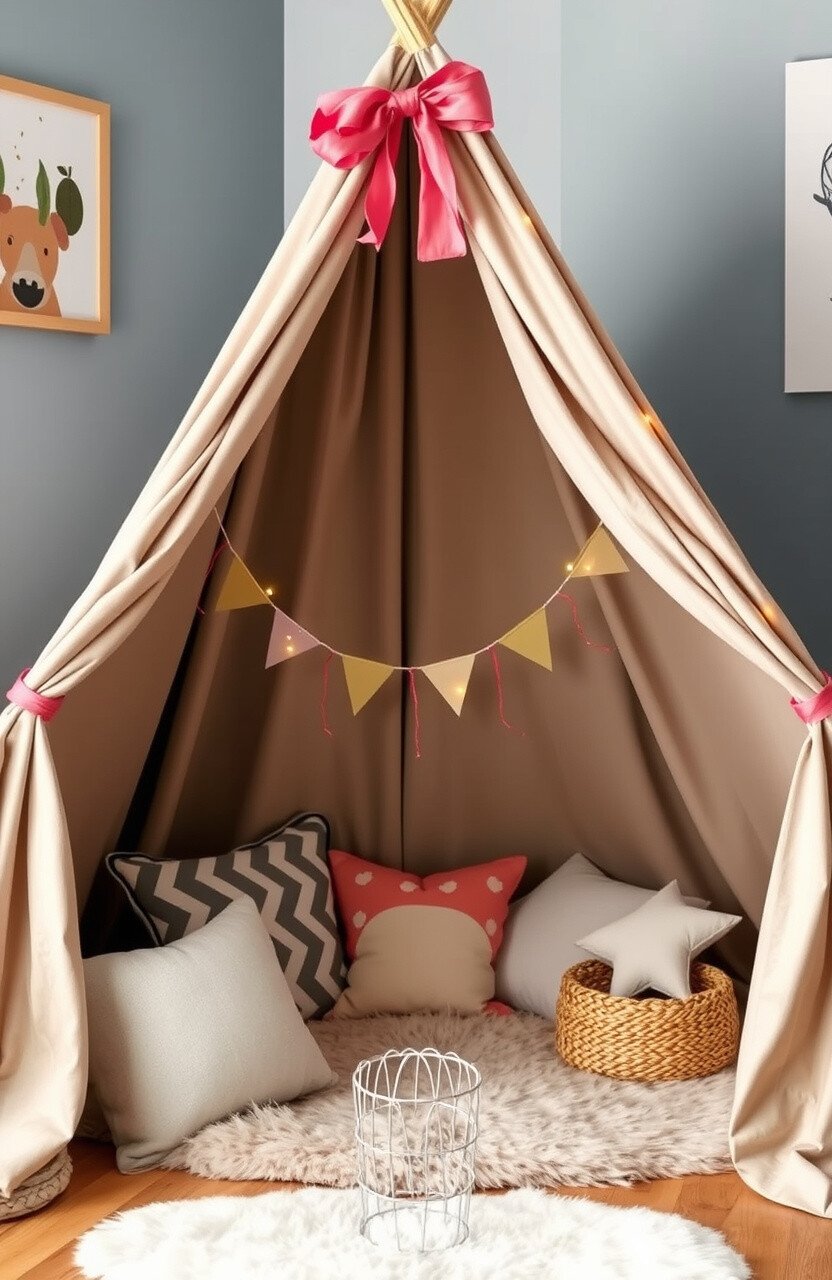
A small tent or teepee creates a cozy hideaway for reading or play. It’s a delightful addition to any homeschool environment.
The uniqueness of a tent lies in its whimsical charm and versatility. Kids love having a special spot just for them.
Use a DIY kit or create one with fabric and poles. Add cushions or a plush rug inside.
Personalize with bunting or fairy lights. Tents and teepees are a magical touch in a child’s learning space.
14. Sensory Station
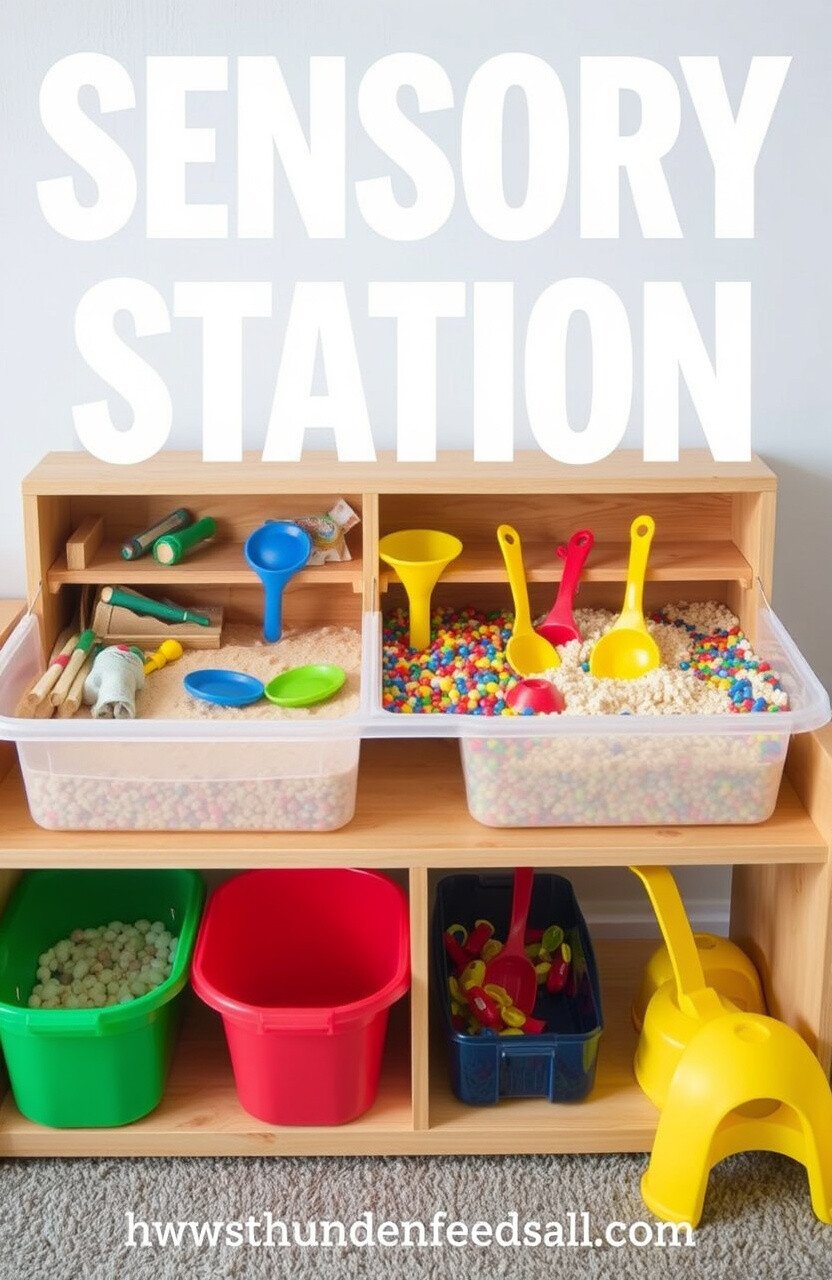
A sensory station provides tactile and sensory experiences. It’s great for hands-on learning and calming activities.
Its uniqueness is in the variety of textures and materials it offers. Kids can explore and learn through touch.
Use bins filled with sand, rice, or water beads. Rotate materials to keep it interesting.
Personalize with tools like scoops or funnels. Sensory stations are a favorite for keeping little hands busy.
15. DIY Whiteboard

Create a whiteboard using a large picture frame and white paper. It’s an affordable alternative to store-bought boards.
Its uniqueness comes from the ability to customize the size and look. Kids can use it for drawing or practicing math.
Find a frame at a thrift store and insert white paper. Use dry-erase markers for easy cleanup.
Personalize with decorative tape around the edges. DIY whiteboards are a practical tool for any homeschool room.
16. Puzzle Corner
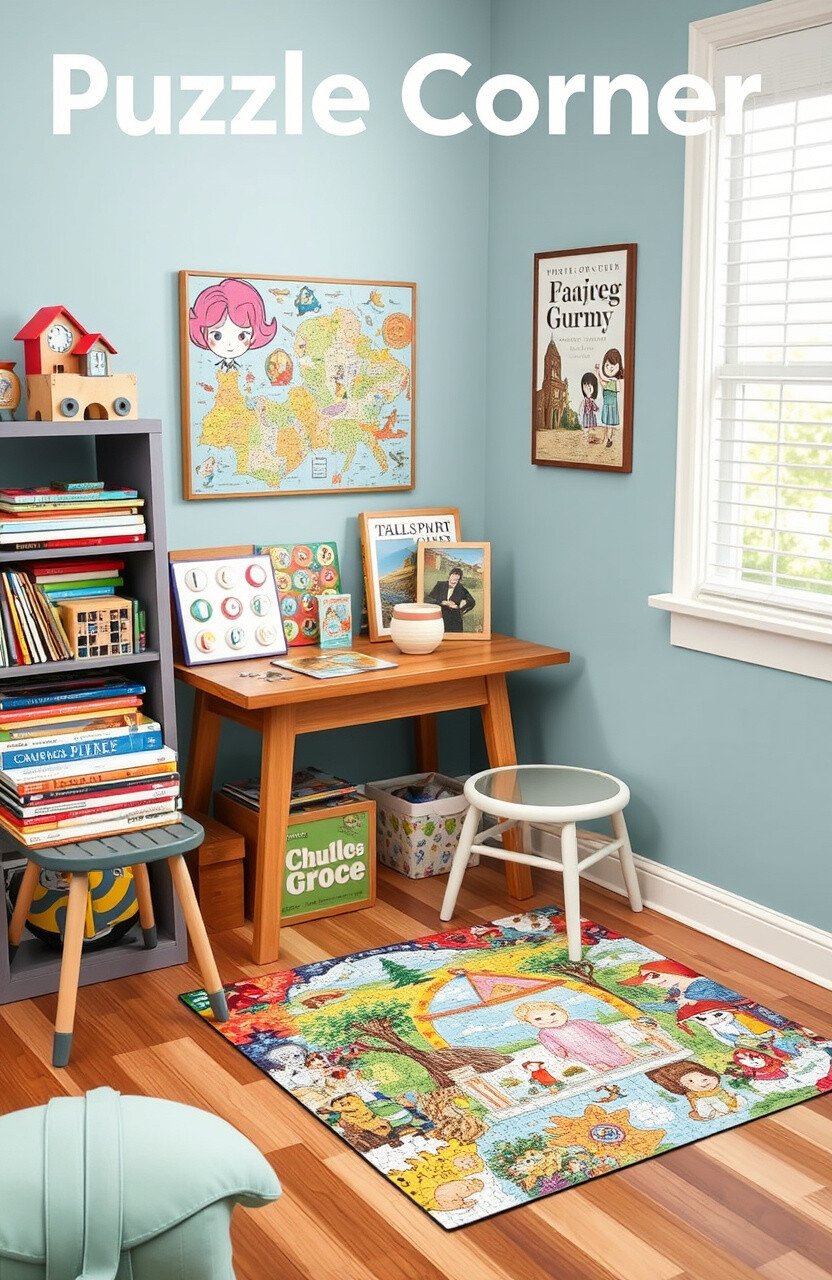
Set up a puzzle corner with a small table and a collection of puzzles. It’s a quiet activity that offers mental engagement.
Puzzle corners are unique because they provide a dedicated spot for a focused task. Kids can work alone or with friends.
Use thrifted puzzles or swap with friends to keep costs down. Keep a puzzle in progress for ongoing fun.
Personalize with a puzzle mat to save unfinished work. Puzzle corners are a timeless addition to learning spaces.
17. Craft Box
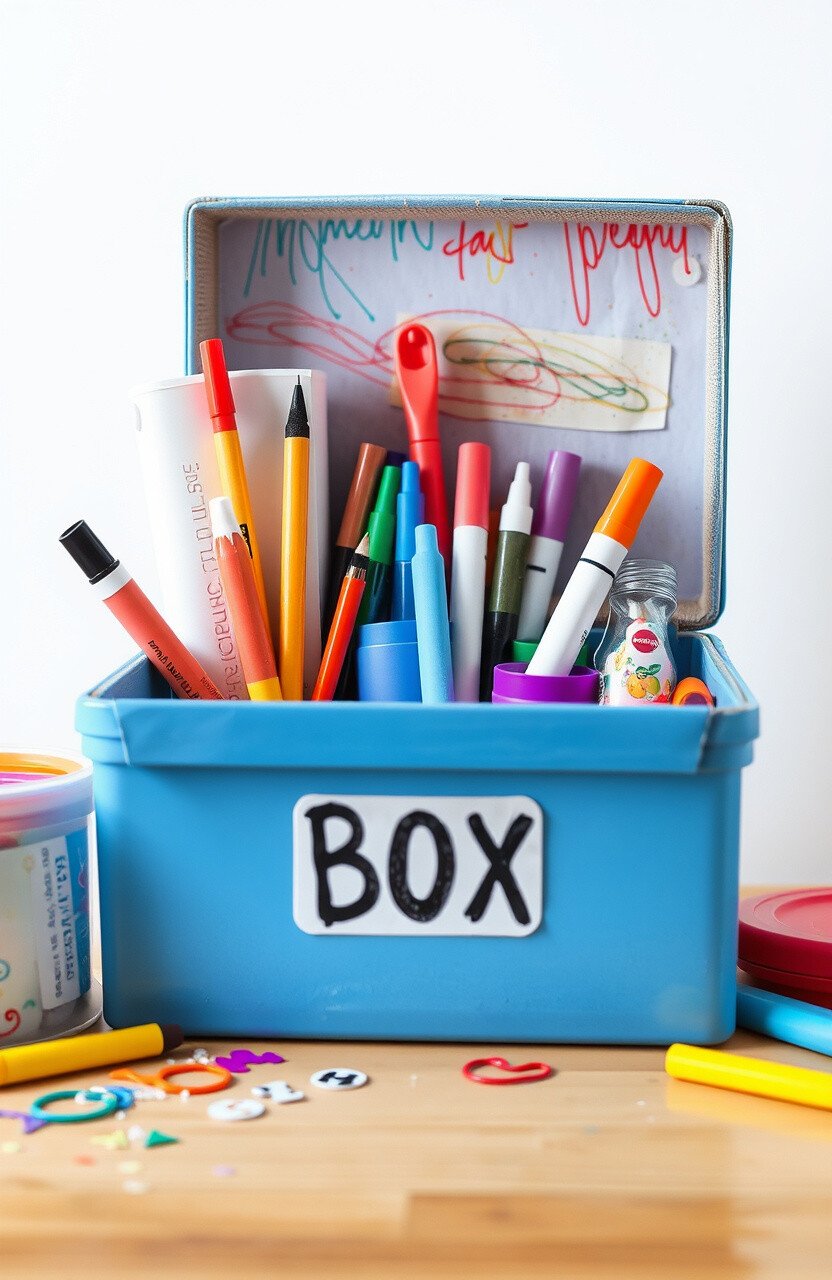
A craft box filled with supplies encourages creativity and art-making. It’s a portable art station your child can access anytime.
Its uniqueness is in the endless creative possibilities it offers. Kids can express themselves through art anytime they wish.
Fill a box with markers, paper, and other art supplies. Rotate materials to keep the box exciting.
Personalize the box with your child’s name or stickers. Craft boxes are a must-have for artistic kids.
18. Homework Caddy
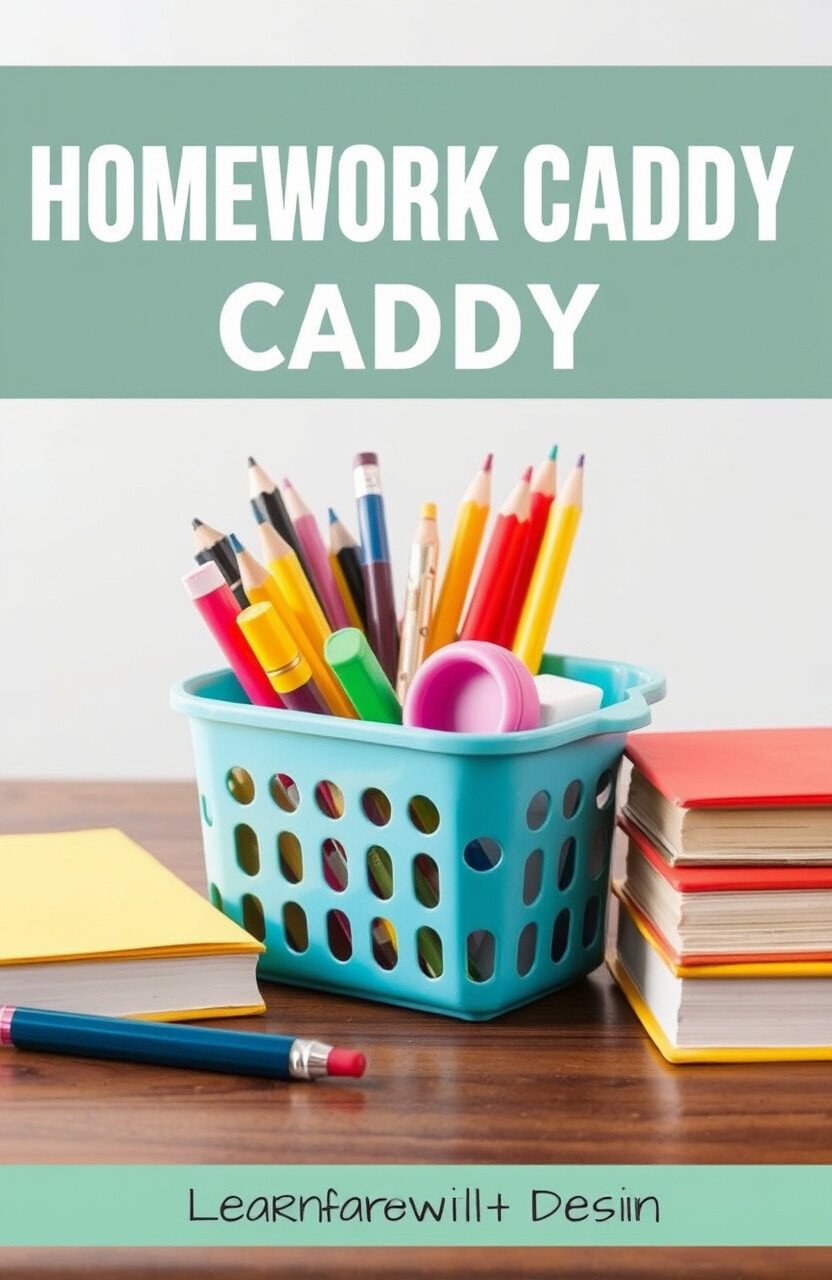
A homework caddy keeps essential supplies organized and within reach. It’s a simple way to boost homework productivity.
The uniqueness lies in its portability, allowing kids to work anywhere. It helps keep focus by having everything they need in one place.
Use a shower caddy or small basket. Fill with pencils, erasers, and other essentials.
Personalize with labels for each compartment. Homework caddies are a practical solution for organized learning.
19. Wall Decals
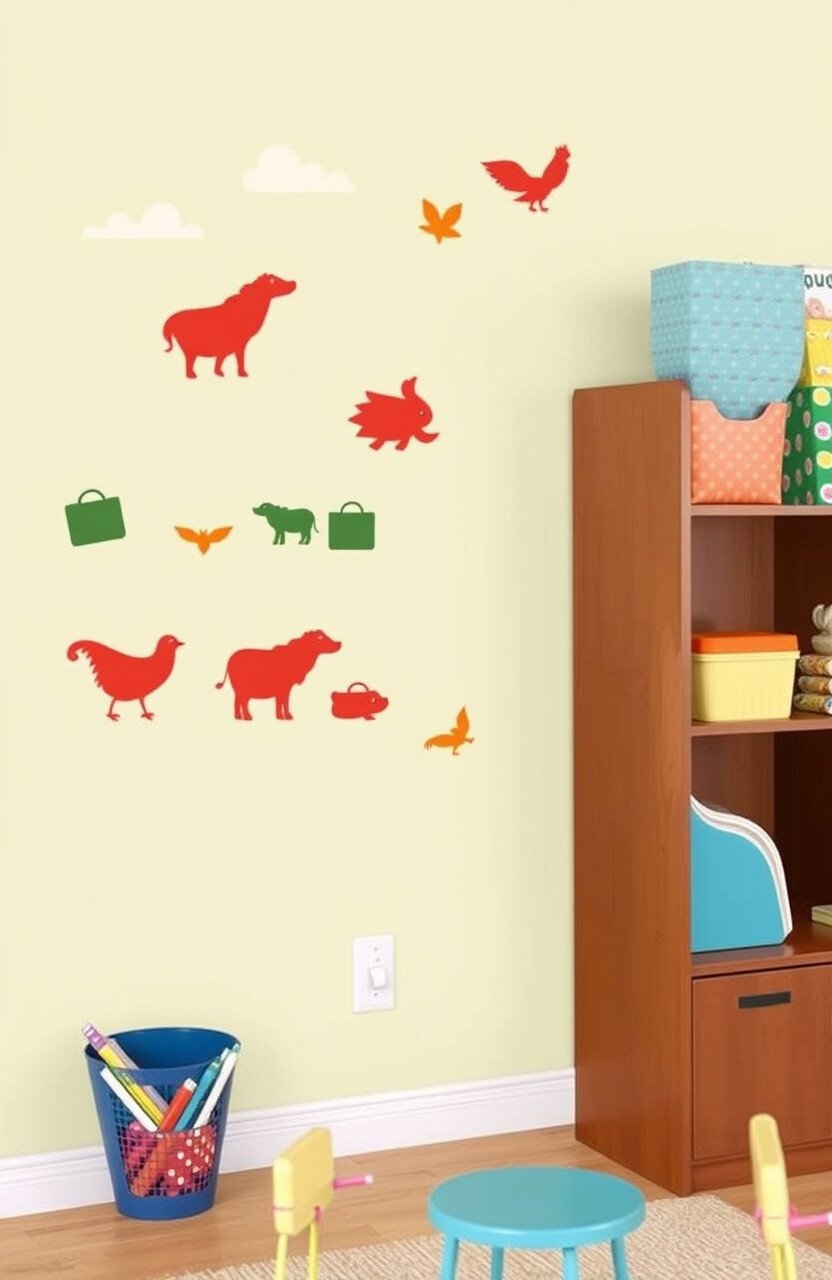
Wall decals add personality and flair to homeschool spaces. They’re easy to apply and remove without damage.
Decals are unique because they offer a quick and affordable room makeover. Kids can choose designs that reflect their interests.
Choose decals in fun shapes or educational themes. Apply them to walls or furniture for a pop of color.
Personalize by letting your child arrange them. Wall decals are a fun way to refresh a room’s look.
20. Sticker Station
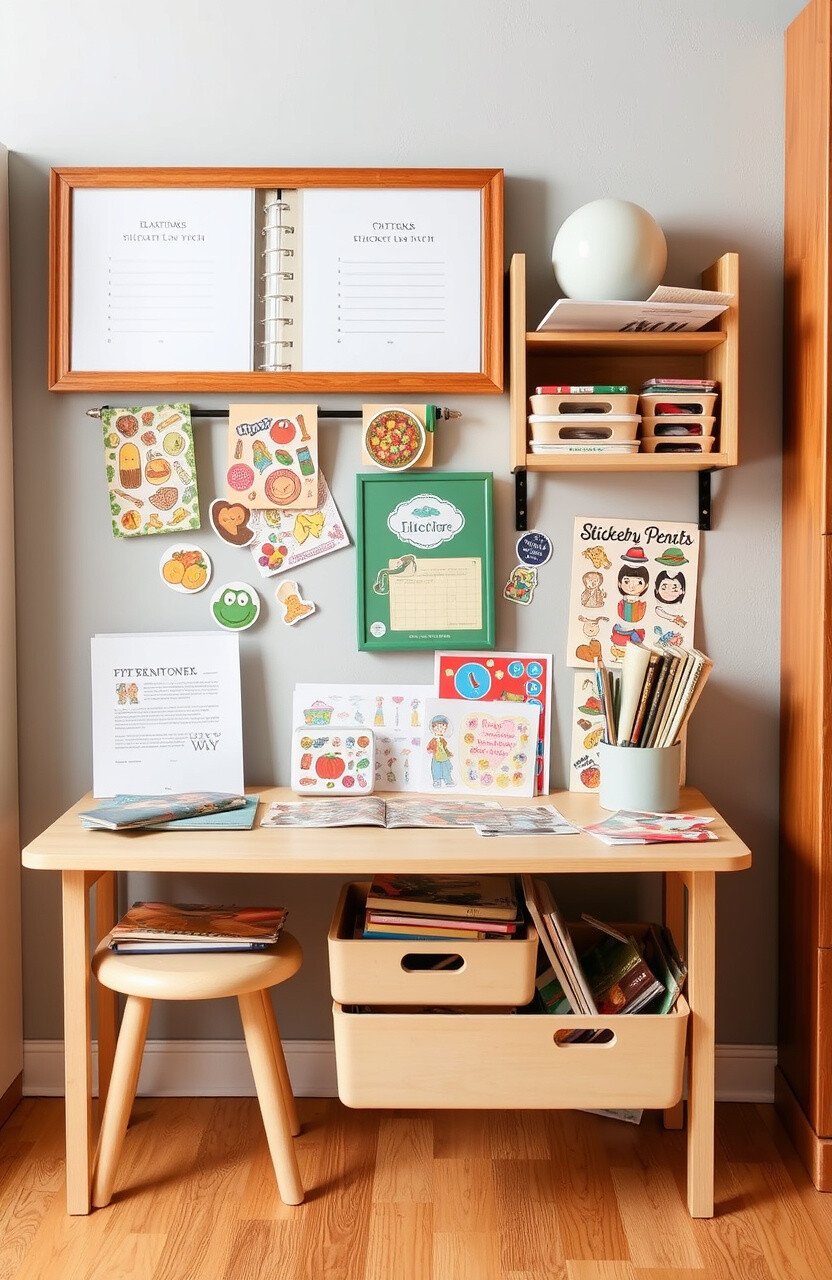
A sticker station gives kids a place to collect and trade stickers. It’s a simple way to encourage creativity and sharing.
Its uniqueness comes from the joy of collecting and creating with stickers. Kids love personalizing their items with stickers.
Use a binder or small box to organize sticker sheets. Encourage sticker swapping for variety.
Personalize with a special notebook for sticker collages. Sticker stations are a delightful addition to creative spaces.
21. Bean Bag Chair
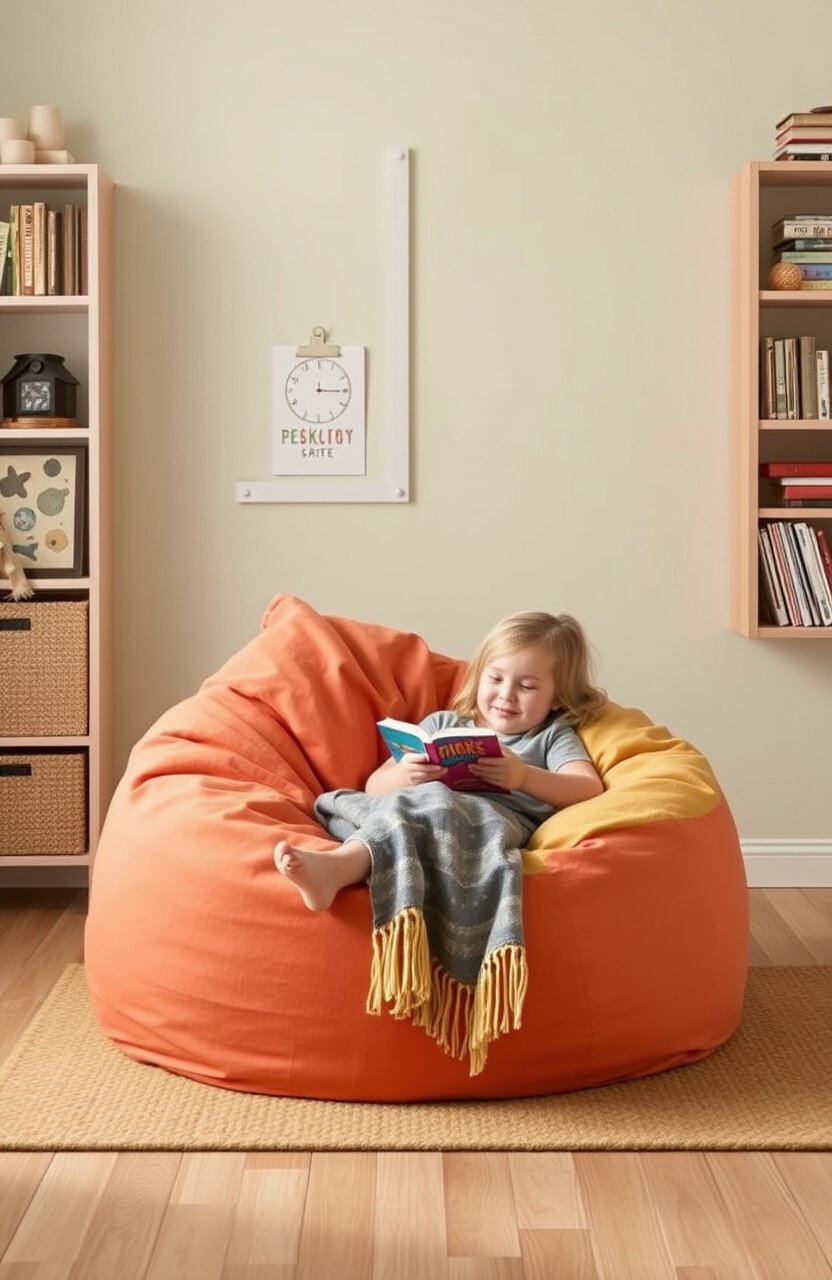
A bean bag chair offers a comfy spot for reading or relaxing. It’s a simple way to add extra seating to a homeschool room.
Its uniqueness is in its casual comfort and fun design. Kids love sinking into a bean bag with a book or tablet.
Look for affordable options at discount stores or online. Choose a cover that matches the room’s theme.
Personalize with a coordinating throw or pillow. Bean bag chairs are a cozy addition loved by kids of all ages.
22. Educational Posters
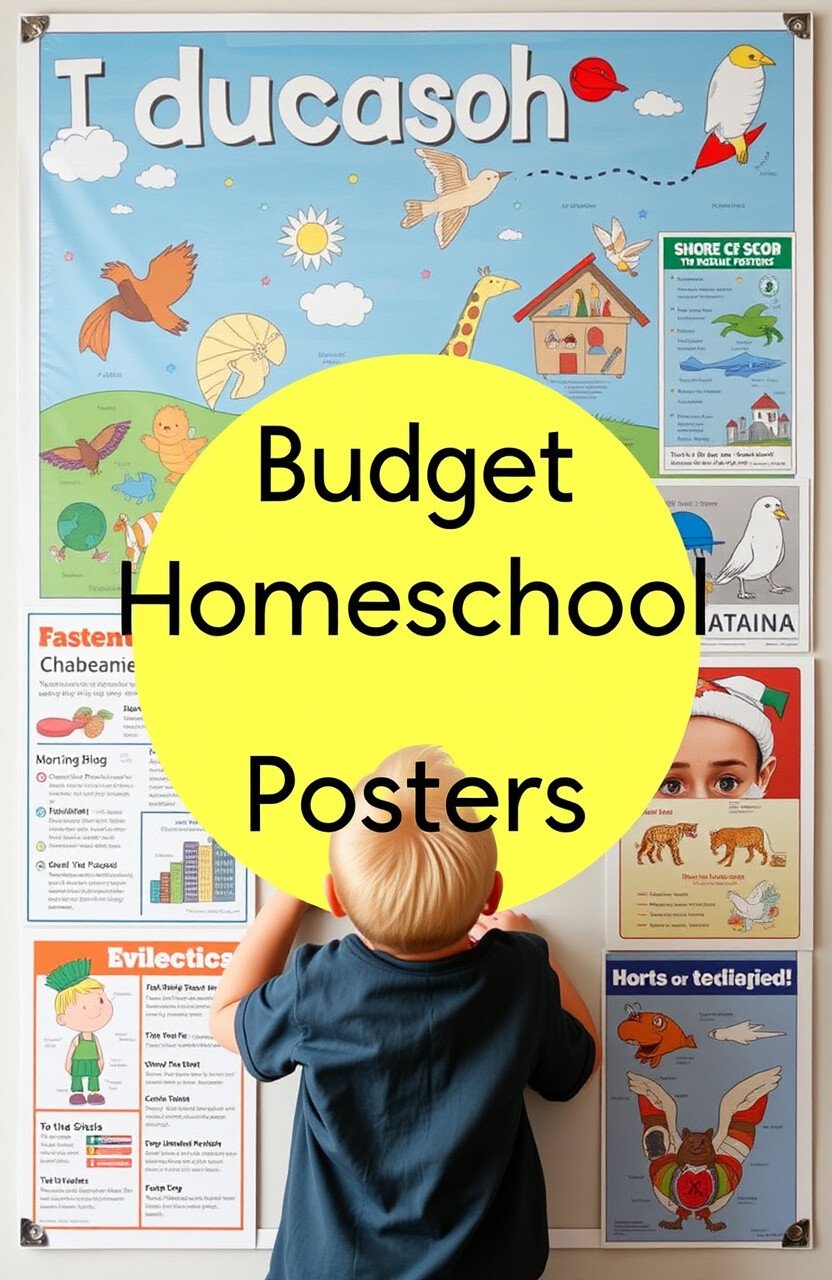
Educational posters offer visual learning aids on various topics. They’re both decorative and informative.
Posters are unique because they provide constant exposure to new information. Kids can learn just by glancing around the room.
Find posters at educational stores or print your own. Hang them at eye level for easy viewing.
Personalize by allowing kids to choose topics they’re interested in. Educational posters are classic yet effective learning tools.
23. Plant Corner
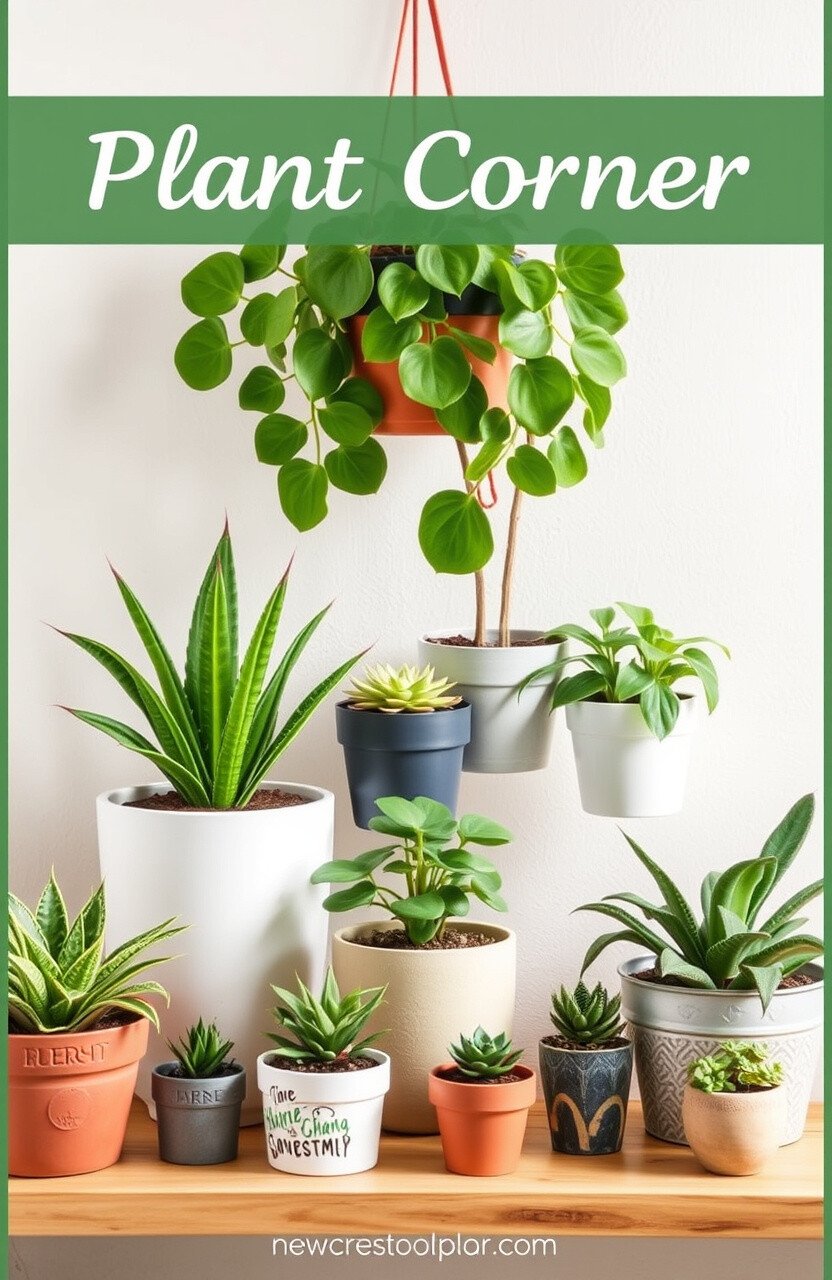
A plant corner brings nature into your homeschool space. It’s a calming presence that also teaches responsibility.
Its uniqueness lies in the life and color it adds. Kids learn about plant care and growth cycles.
Start with easy-to-care-for plants like succulents. Use thrifted pots for an eco-friendly touch.
Personalize with painted pots or plant markers. Plant corners are a refreshing addition to any room.
24. Music Station
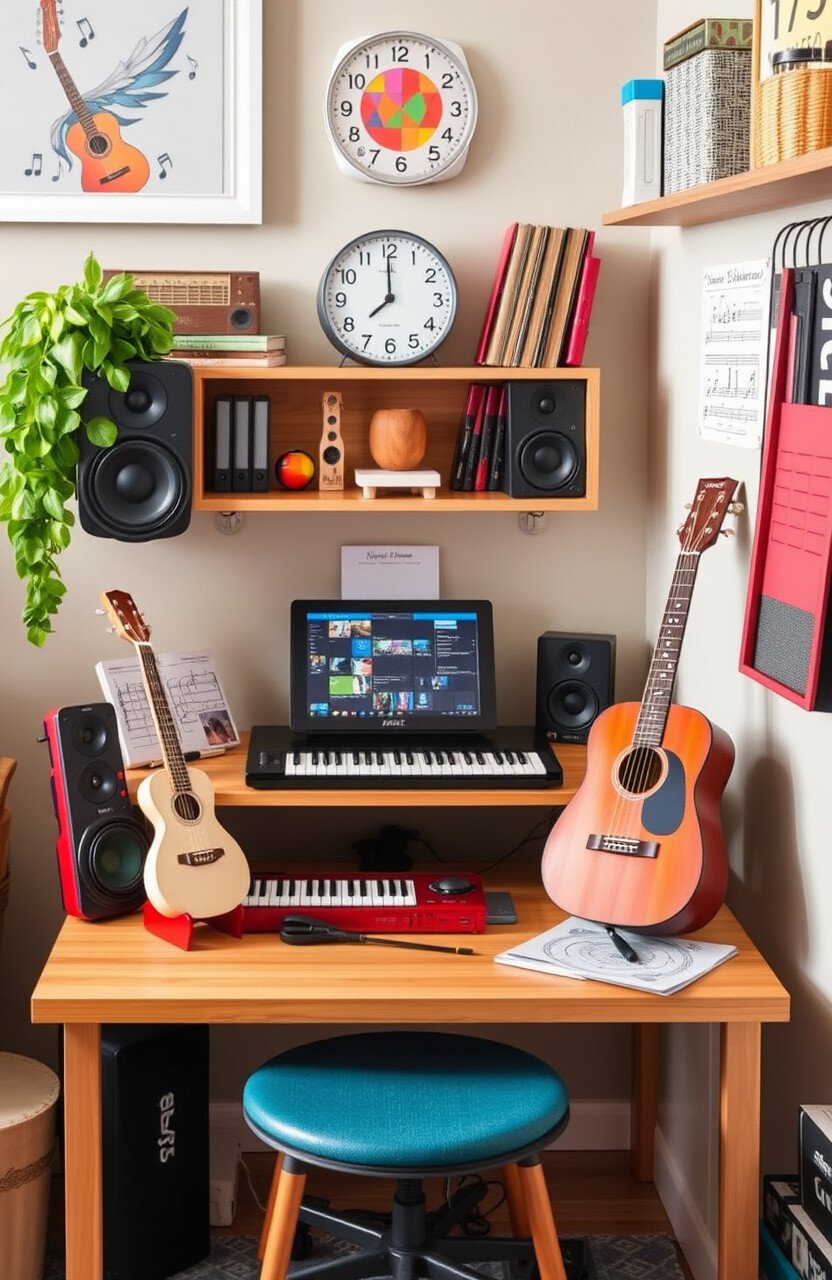
A music station gives kids access to instruments and music resources. It’s a joyful way to incorporate music into daily learning.
Its uniqueness is in the creative expression and skill development it offers. Kids can explore rhythm and sound at their own pace.
Include simple instruments like a keyboard or ukulele. Use apps or online resources for lessons.
Personalize with a playlist of favorite songs. Music stations are a harmonious addition to homeschool environments.
25. DIY Light Table
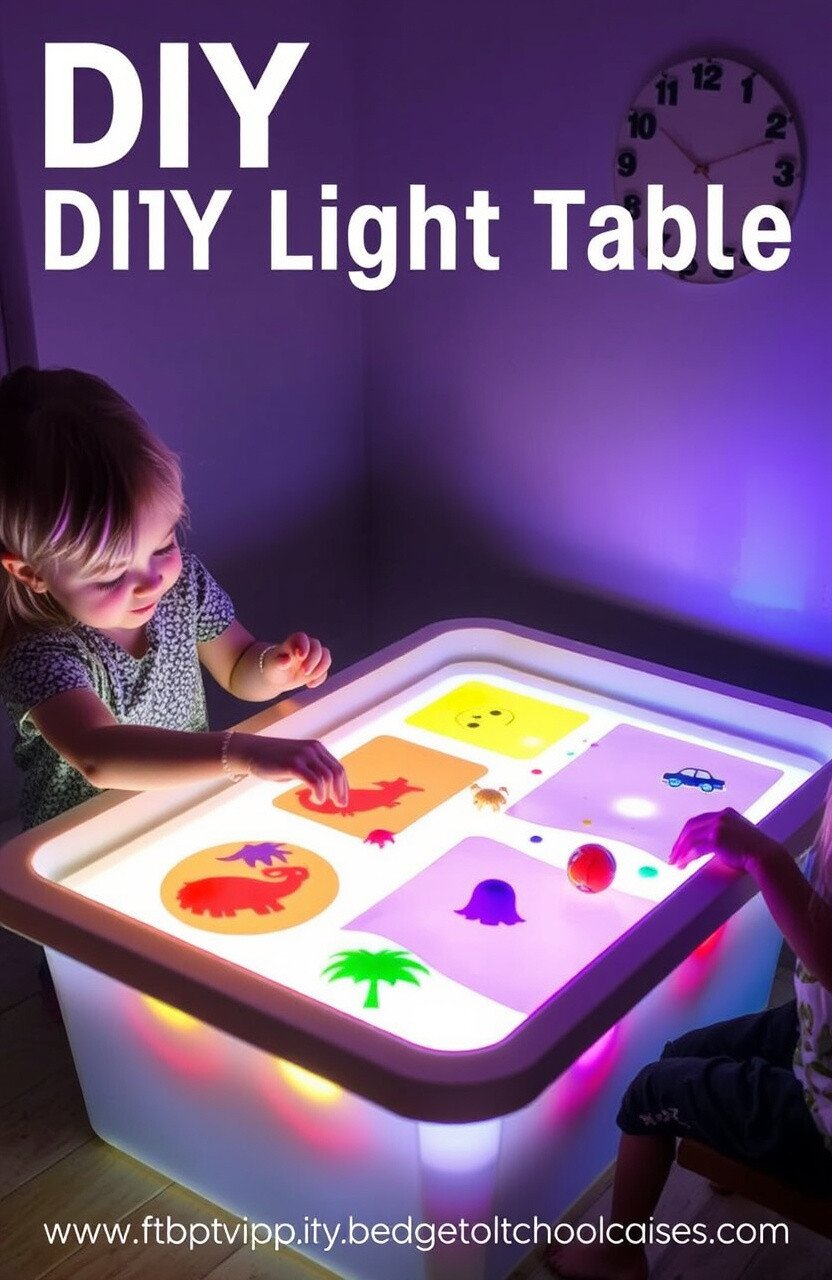
Create a DIY light table using a plastic bin and LED lights. It’s a fascinating way for kids to explore light and color.
The uniqueness lies in the sensory and educational experiences it provides. Kids can experiment with shadow and transparency.
Line a bin with LED strip lights and cover with a frosted lid. Use colored transparencies for play.
Personalize with themed manipulatives. DIY light tables are an enchanting tool for learning through play.
26. Clip String Display
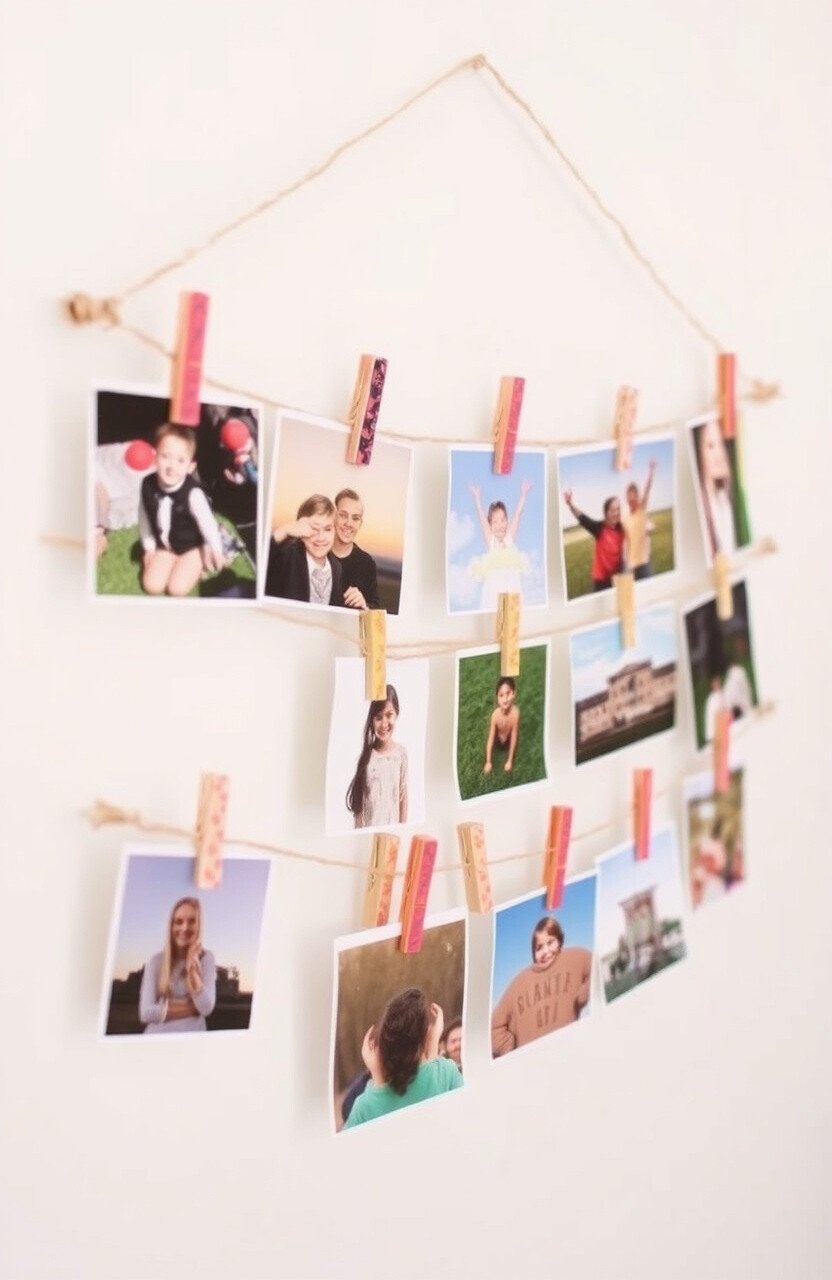
A clip string display is a charming way to hang photos and artwork. It’s a simple, changeable gallery for your child’s creations.
Its uniqueness is in the ease of swapping out items. Kids can display their latest achievements or inspirations.
Use twine or wire and attach with clips or clothespins. Hang along a wall or window for easy access.
Personalize with decorative clips. Clip string displays are a creative way to showcase ever-changing art.
27. Science Lab
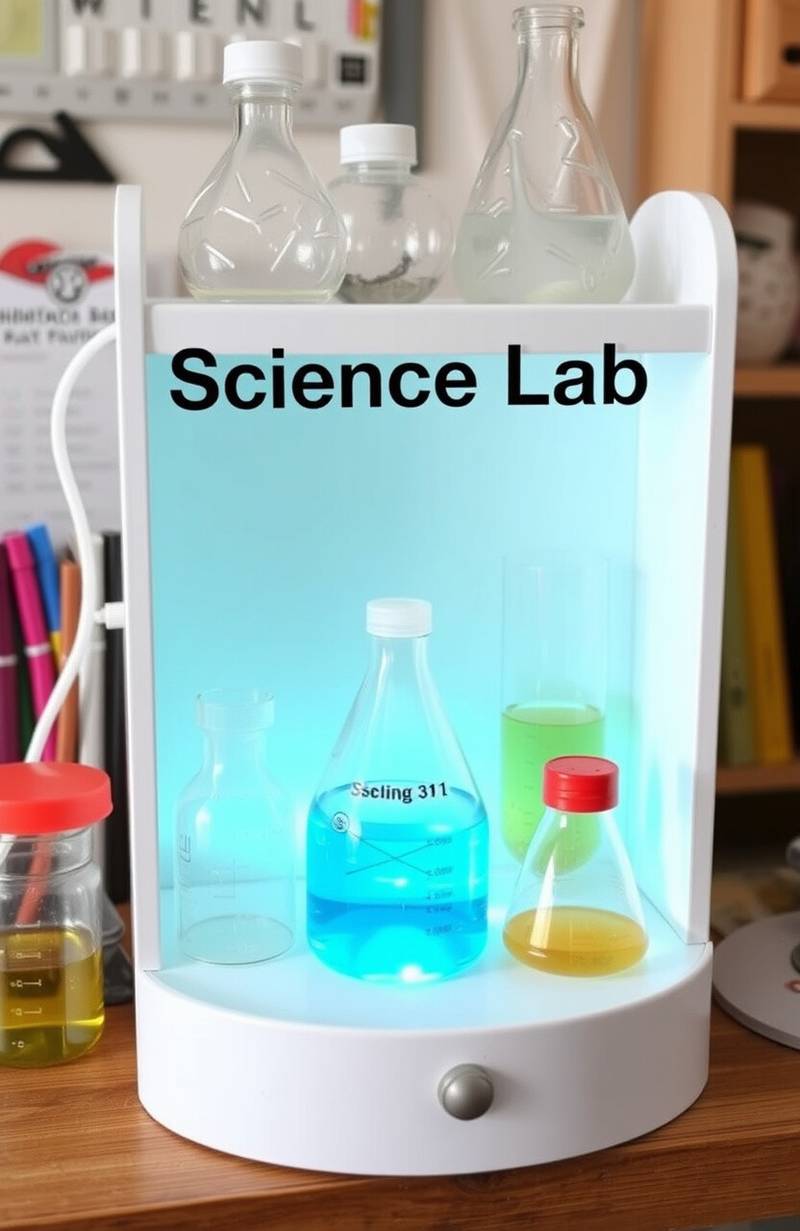
Set up a mini science lab with basic tools and materials. It’s a hands-on way to conduct experiments and foster curiosity.
Its uniqueness is in the active learning and discovery it encourages. Kids can explore scientific concepts through real-world experiments.
Use household items for simple experiments. Keep a notebook for observations and results.
Personalize with lab coats or goggles for added fun. Science labs are an exciting addition to any homeschool setup.
28. Mini Library
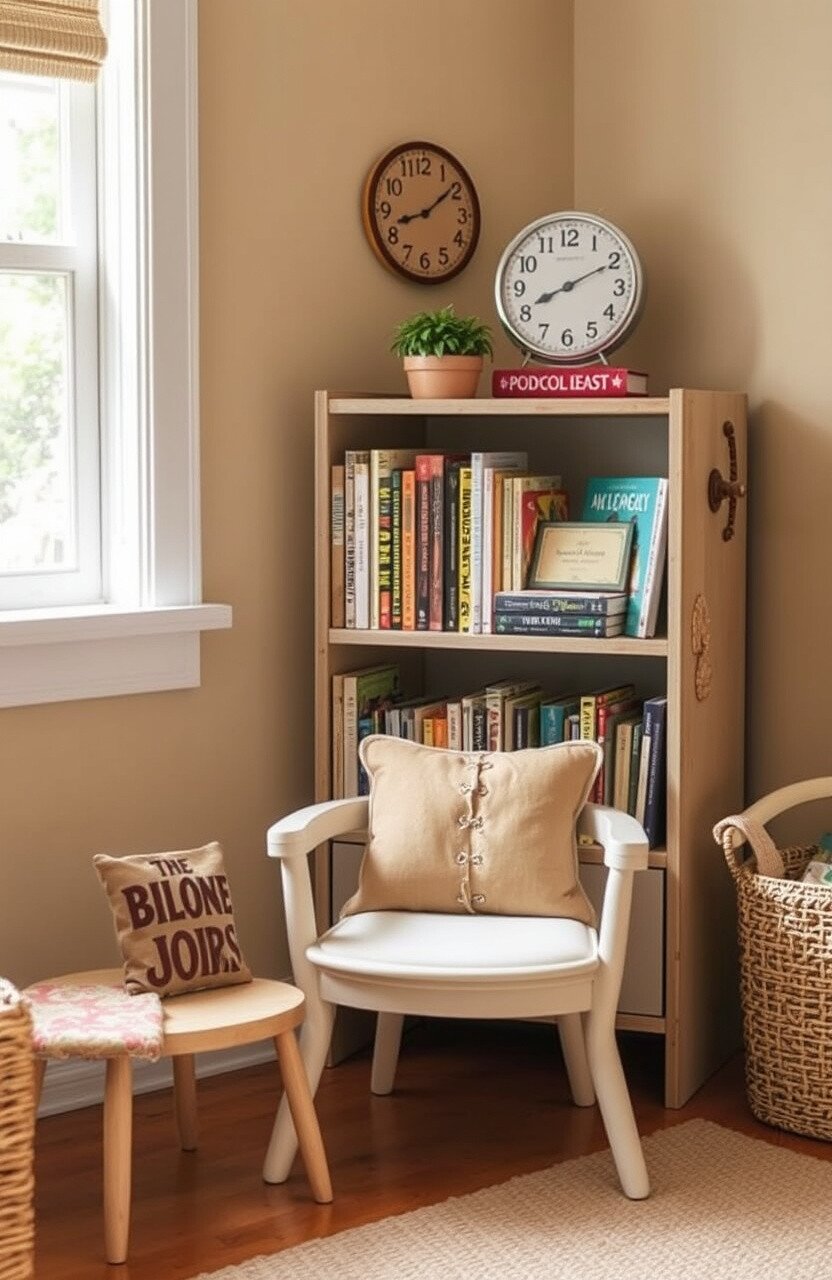
Create a mini library with a small bookshelf and a collection of books. It’s an inviting way to promote reading and literacy.
The uniqueness comes from the variety of stories and knowledge it contains. Kids can immerse themselves in different worlds and ideas.
Use a thrifted bookshelf and organize books by genre or interest. Include a cozy chair or mat for reading time.
Personalize with bookmarks or a reading log. Mini libraries are a cherished element in any learning space.
29. Family Timeline
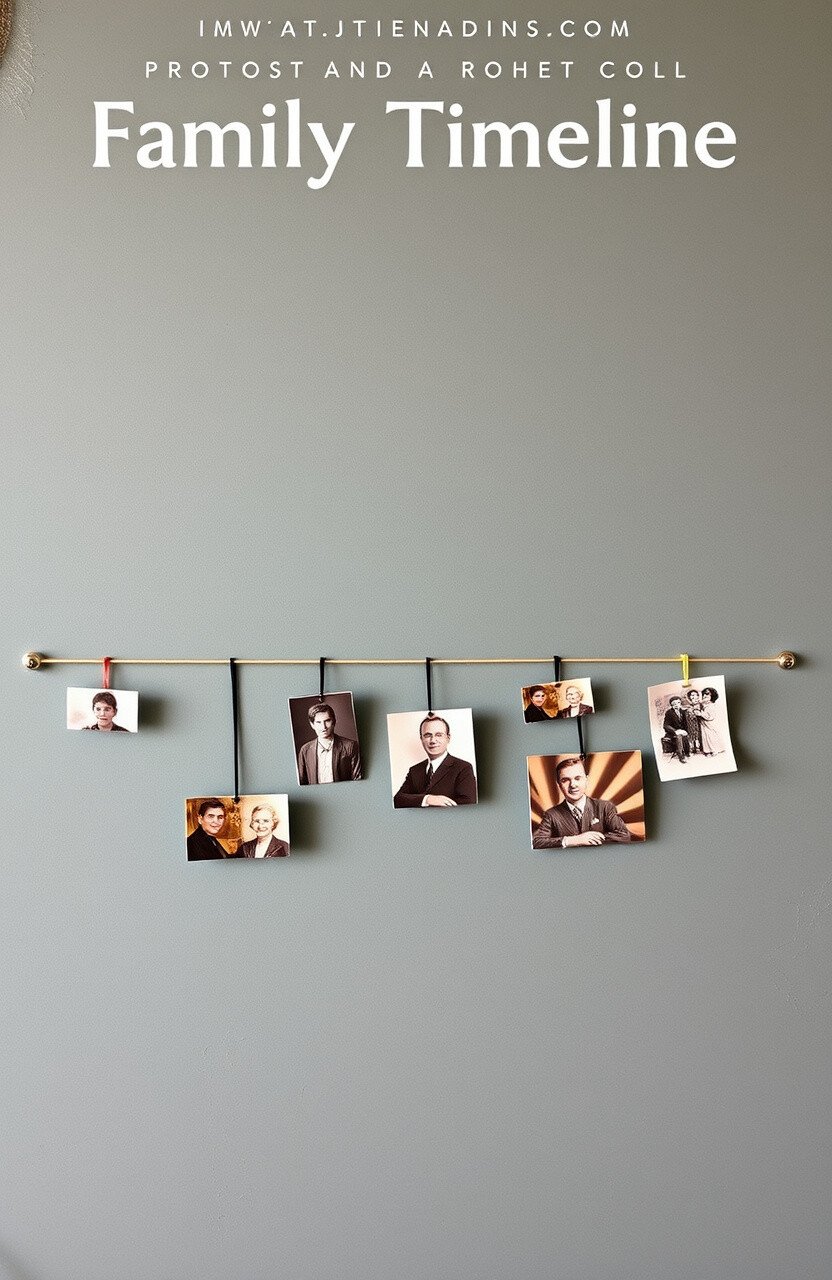
A family timeline helps kids understand their family’s history and stories. It’s an interactive way to learn about heritage.
Its uniqueness is in the personal connection it creates. Kids can visualize events and milestones in their family’s past.
Use a long strip of paper or string and add photos and notes. Include major family events and stories.
Personalize with drawings or memorabilia. Family timelines are a meaningful way to connect with the past.
30. Weather Station
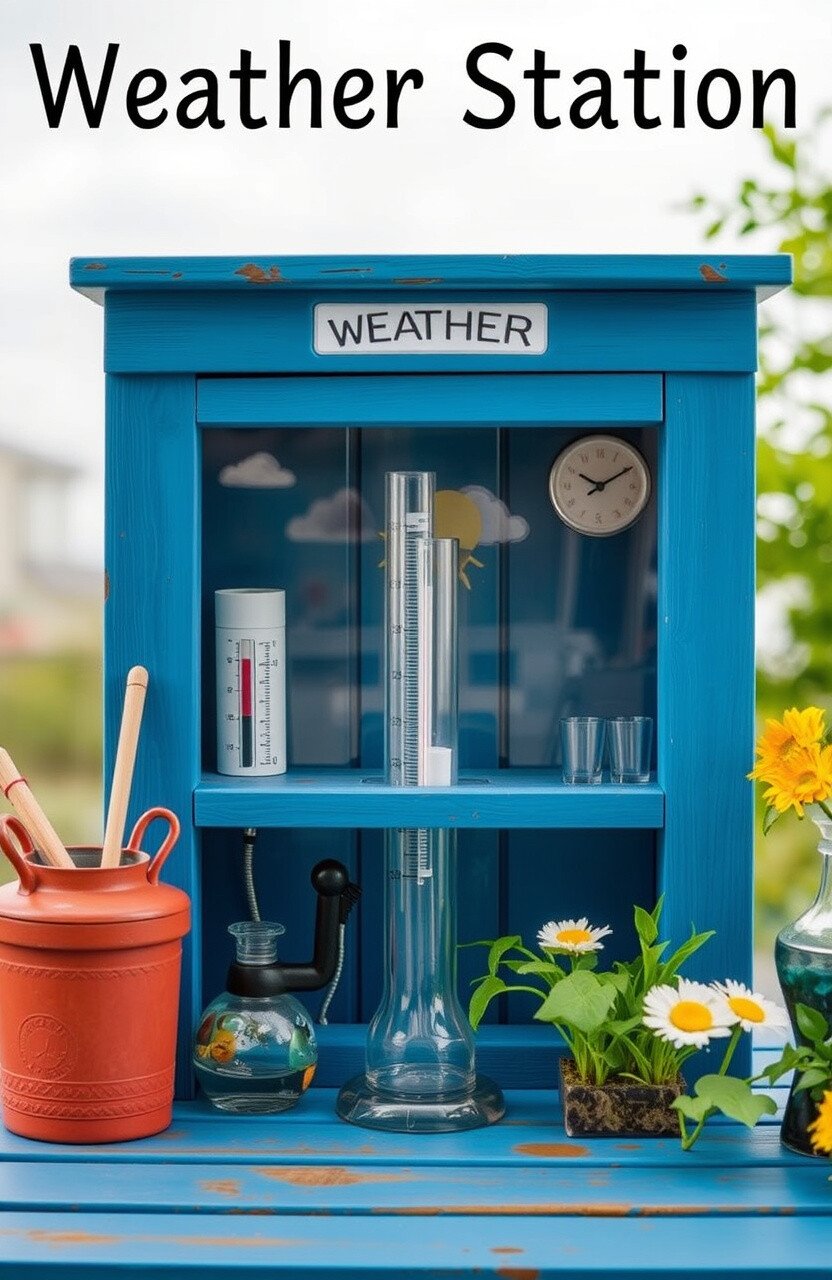
A weather station lets kids track daily weather changes. It’s an engaging way to learn about meteorology and climate.
Its uniqueness is in the active observation and data recording it involves. Kids can make weather predictions and learn about patterns.
Use a simple thermometer and rain gauge. Keep a journal for recording observations.
Personalize with weather symbols or a calendar. Weather stations are a practical addition to science learning.
31. Math Wall
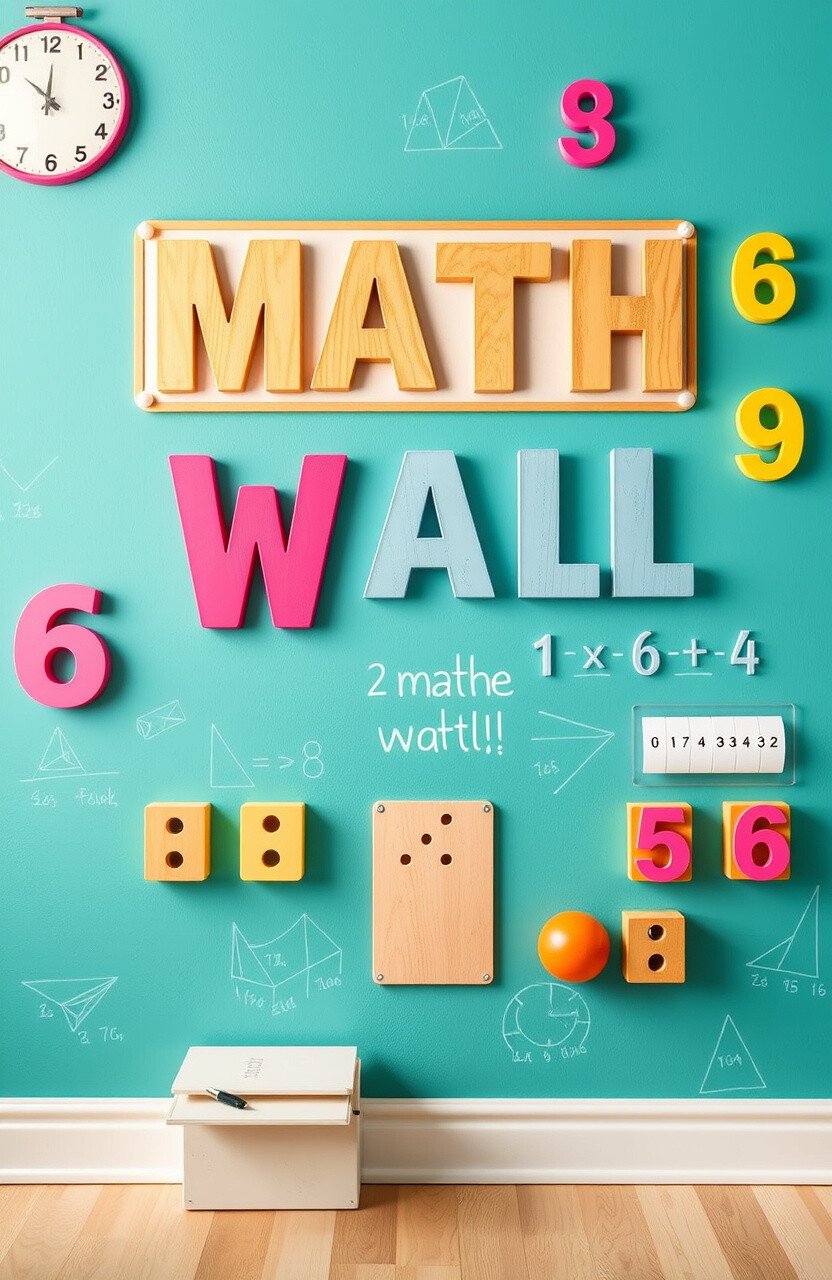
A math wall displays numbers, equations, and math concepts. It’s a visual aid that supports math learning and practice.
Its uniqueness is in the constant reinforcement of math skills. Kids can refer to it during lessons or homework.
Use chalk or dry-erase boards for writing. Add fun math facts or challenges.
Personalize with colorful numbers or themed borders. Math walls are a helpful resource for young mathematicians.
32. Quiet Zone

A quiet zone provides a peaceful space for relaxation or meditation. It’s a soothing retreat in a busy homeschool day.
Its uniqueness is in the calm and tranquility it offers. Kids can recharge or reflect in a serene environment.
Use soft cushions or a comfy chair. Add calming elements like a small fountain or nature sounds.
Personalize with a favorite blanket or stuffed animal. Quiet zones are a restorative addition to learning spaces.
33. Art Supplies Wall
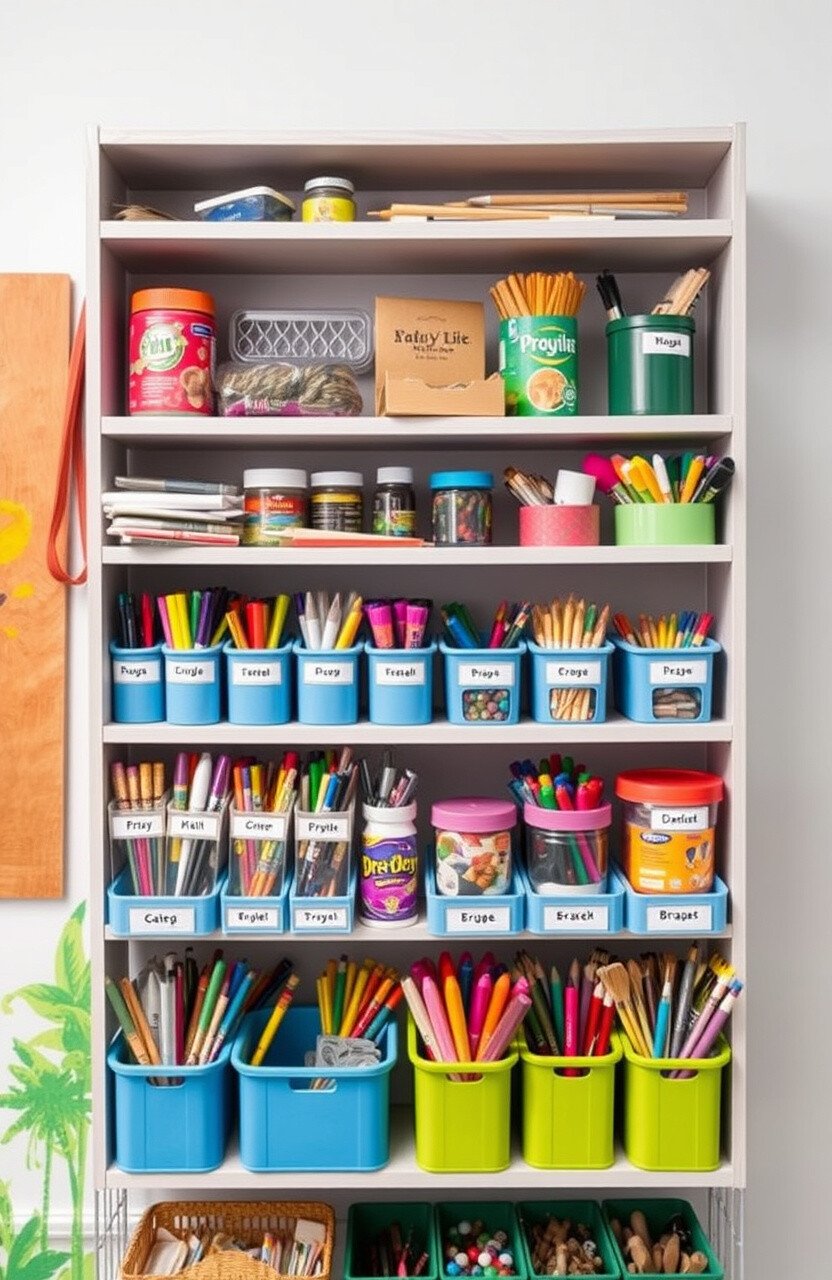
An art supplies wall keeps creative tools organized and visible. It’s an inspiring way to encourage artistic expression.
Its uniqueness comes from the easy access to materials. Kids can grab what they need and start creating immediately.
Use shelves or hanging organizers for storage. Label each section for different supplies.
Personalize with a splash of paint or art-themed decor. Art supplies walls are a vibrant addition to any creative space.
34. Imagination Station
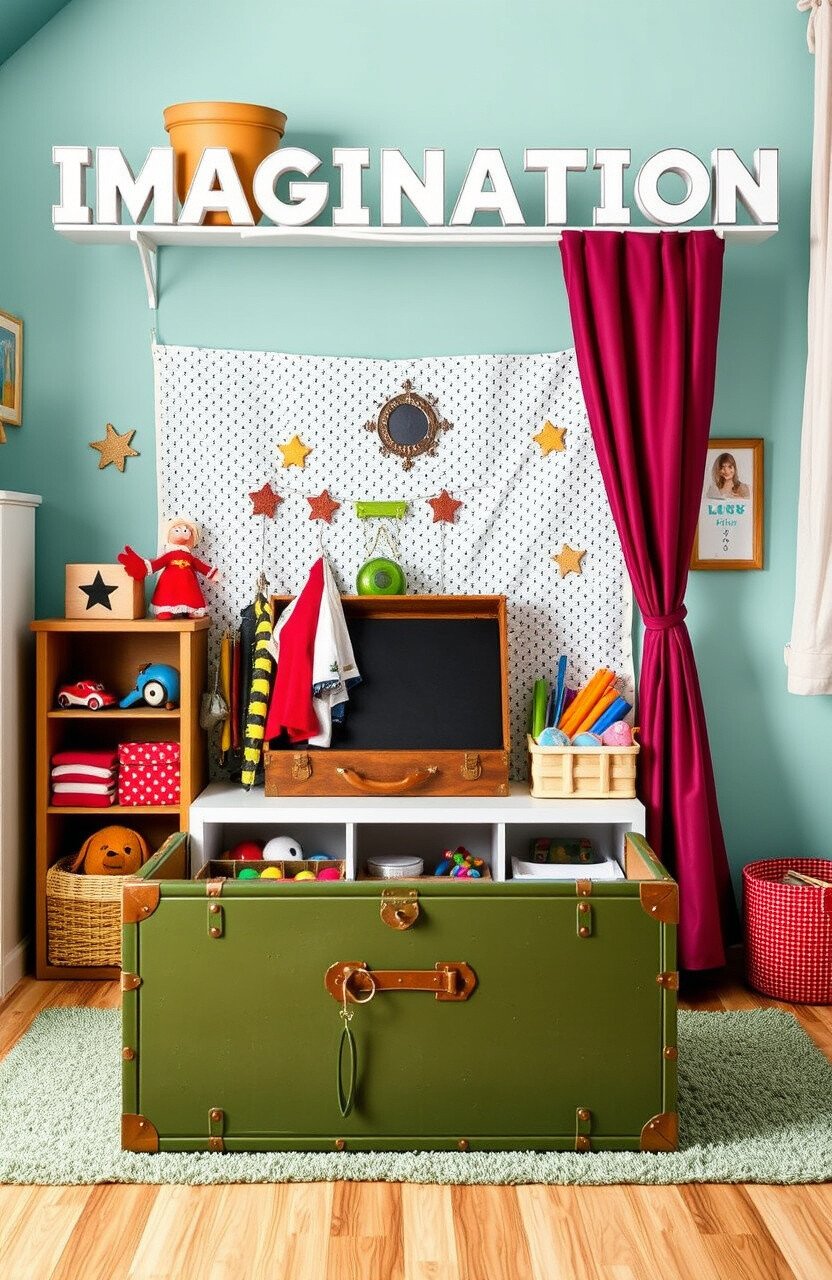
An imagination station is filled with props and costumes for pretend play. It’s a delightful way to encourage storytelling and creativity.
Its uniqueness lies in the freedom of expression it allows. Kids can become anyone or anything they imagine.
Use a small trunk or bin to store costumes and props. Rotate items to keep playtime exciting.
Personalize with a backdrop or stage area. Imagination stations are a whimsical addition to any play area.
35. Language Learning Corner
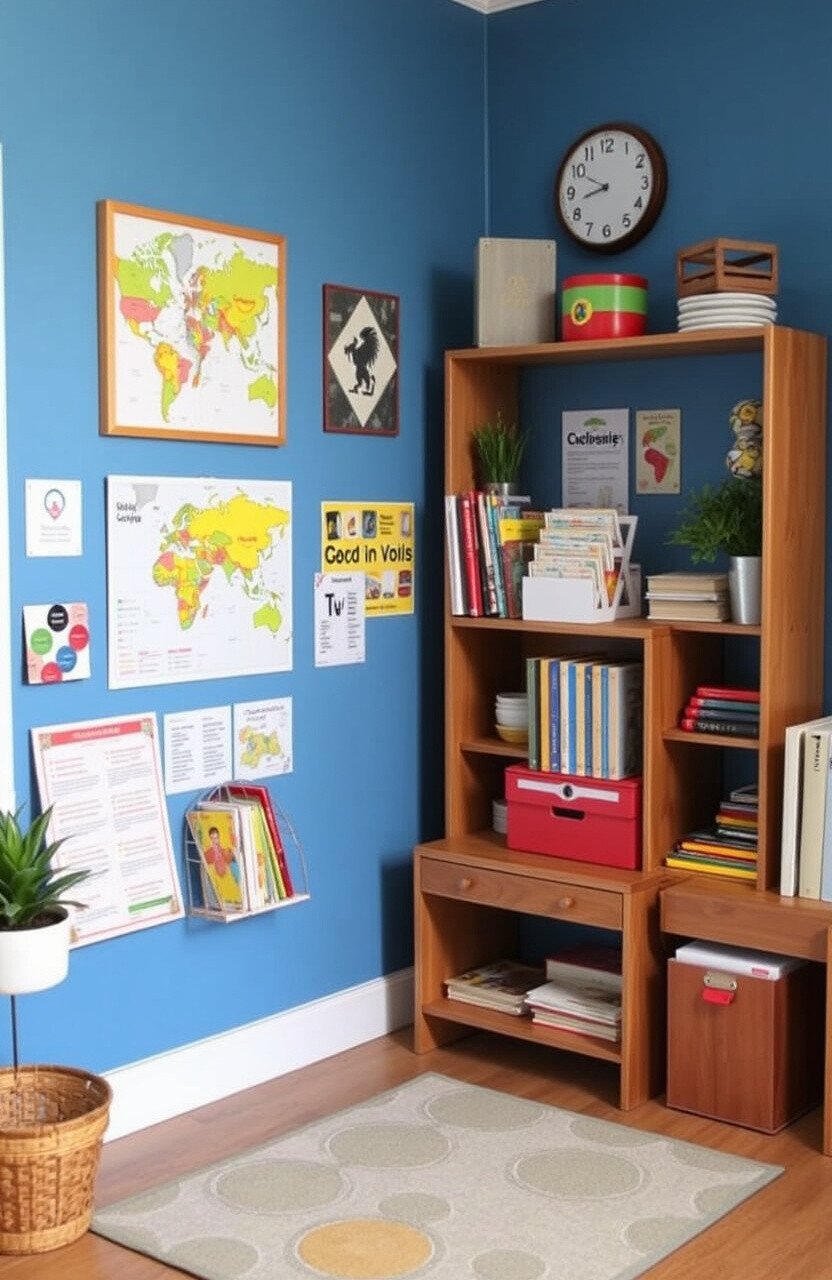
A language learning corner provides resources for practicing a new language. It’s a fun way to expand communication skills.
Its uniqueness is in the cultural exploration and language acquisition it promotes. Kids can practice vocabulary or converse in a new language.
Include flashcards, language apps, or bilingual books. Use a board for writing new words and phrases.
Personalize with cultural decor or items from the language’s country. Language learning corners are an enriching addition to homeschooling.
36. Science Display
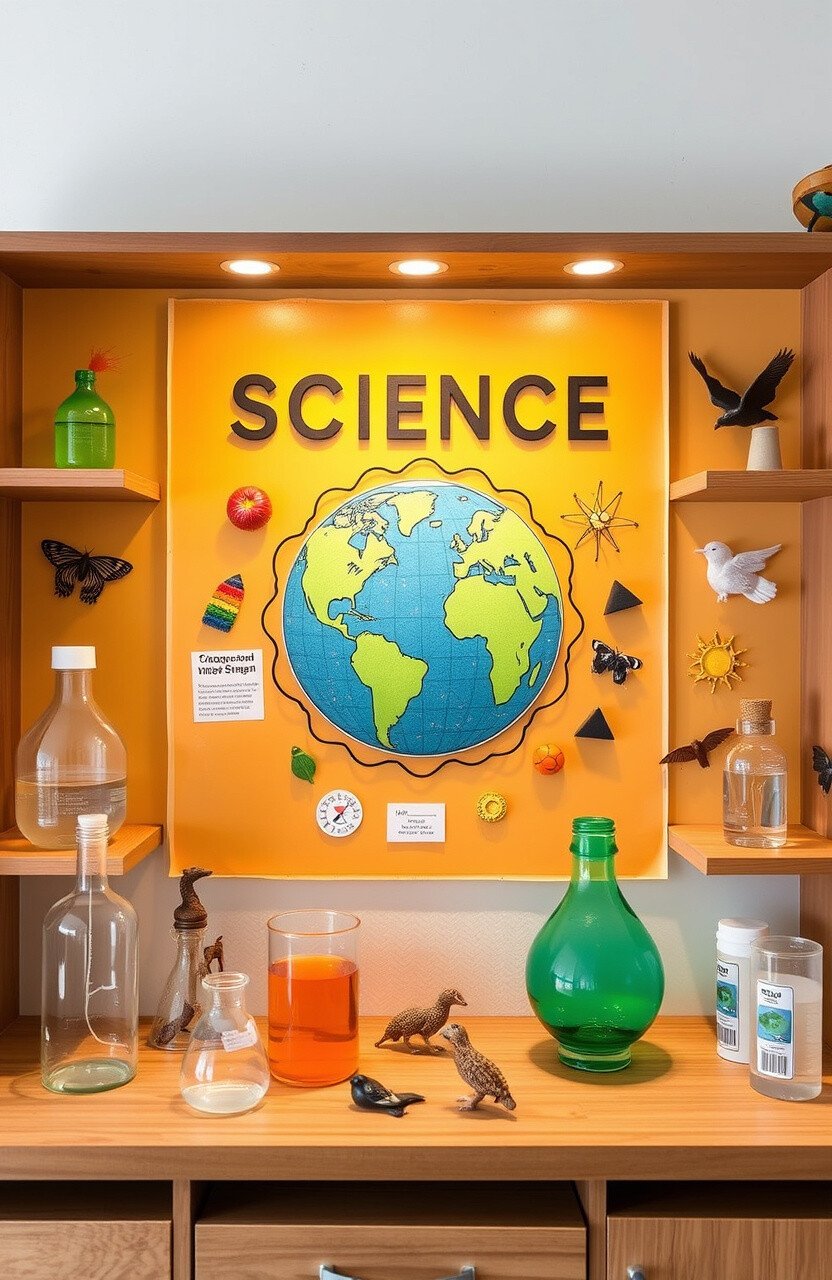
A science display showcases interesting science facts and projects. It’s a visual way to spark curiosity about the natural world.
Its uniqueness is in the variety of topics it can cover. Kids can learn about biology, chemistry, and physics in one place.
Use posters, models, or experiment results. Change the display regularly to keep it fresh.
Personalize with your child’s favorite science topics. Science displays are an educational and decorative element.
37. Animal Habitat
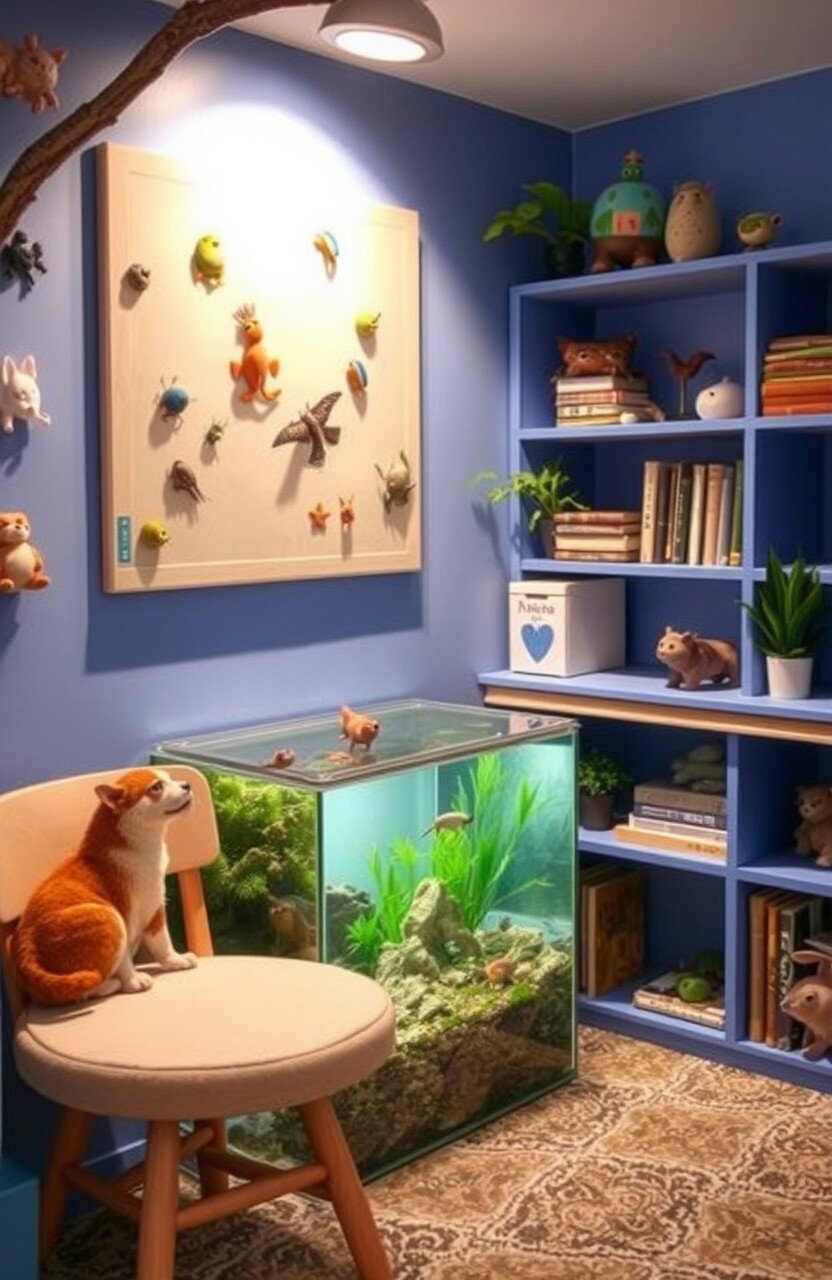
An animal habitat corner teaches kids about different species and ecosystems. It’s a hands-on way to learn about wildlife.
Its uniqueness is in the connection to nature and animal conservation. Kids can observe and care for small creatures.
Use a terrarium or aquarium to house small pets. Include books and materials about their care and habitat.
Personalize with themed decor or name tags for animals. Animal habitats are a fascinating addition to learning environments.
38. Calendar Wall
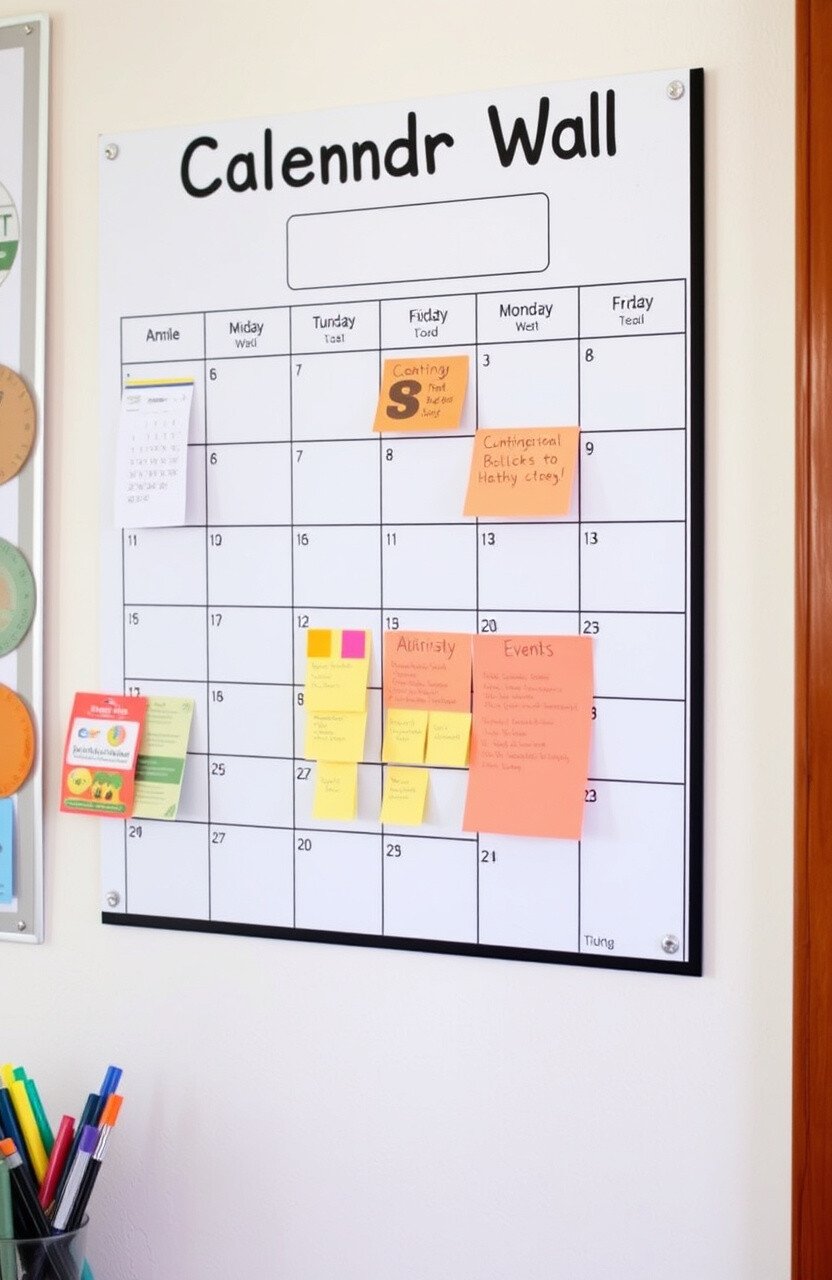
A calendar wall helps kids track days, months, and events. It’s an essential tool for learning time management and organization.
Its uniqueness is in the daily engagement and planning it encourages. Kids can update it with important dates and activities.
Use a large wall calendar or dry-erase board. Add stickers or markers for events.
Personalize with colorful markers or themed icons. Calendar walls are a practical and engaging learning tool.
39. LEGO Learning Zone
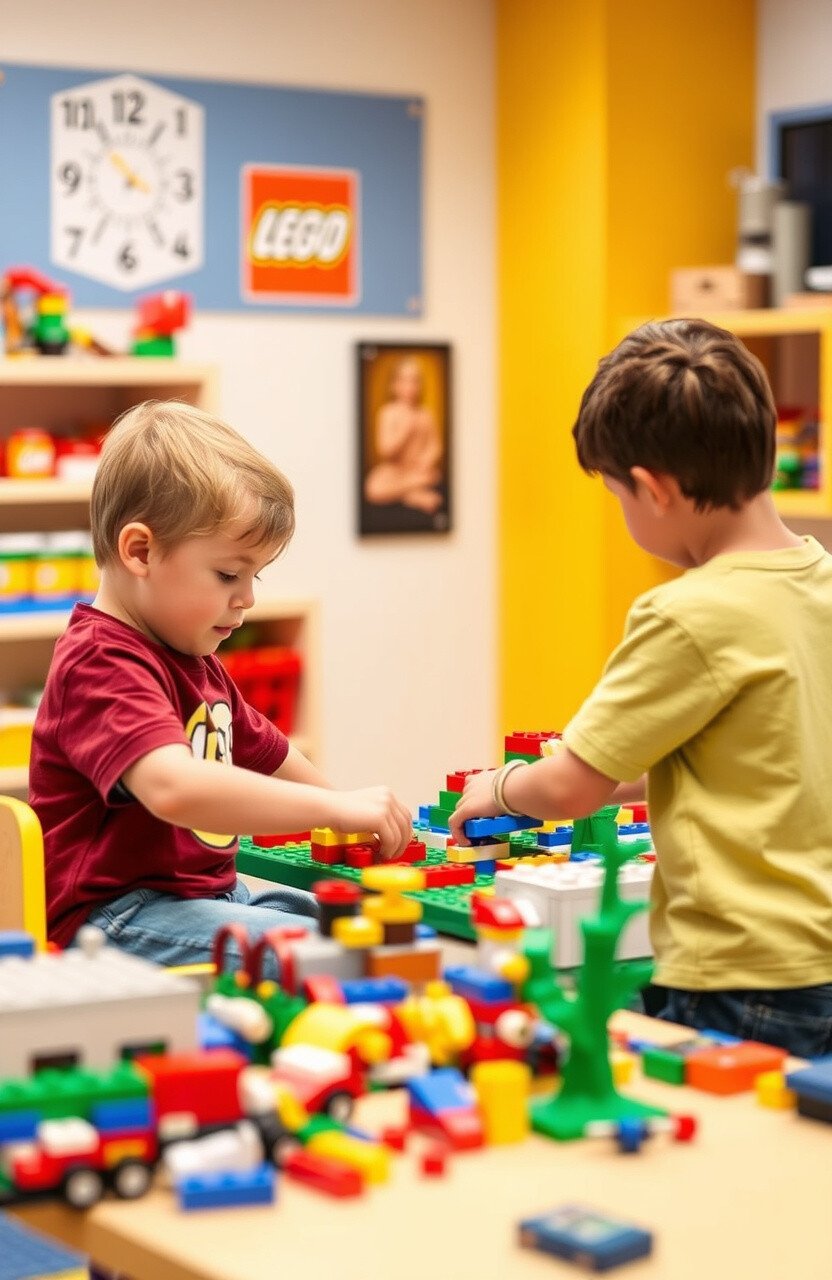
A LEGO learning zone offers a space for building and creativity. It’s a playful approach to problem-solving and design.
Its uniqueness is in the endless possibilities it presents. Kids can build structures, solve challenges, and create stories.
Use a table with a baseplate or a bin for loose pieces. Include challenges or themes for projects.
Personalize with a display area for completed creations. LEGO learning zones are a playful and educational space for kids.