The raw look of cement can feel both modern and warm. With the right choices, it can fit every room and every budget.
It’s all about texture, color, and how you pair it with light, wood, and fabrics. Once you plan it well, cement walls can become the most memorable part of your home.
1. Polished Concrete That Glows
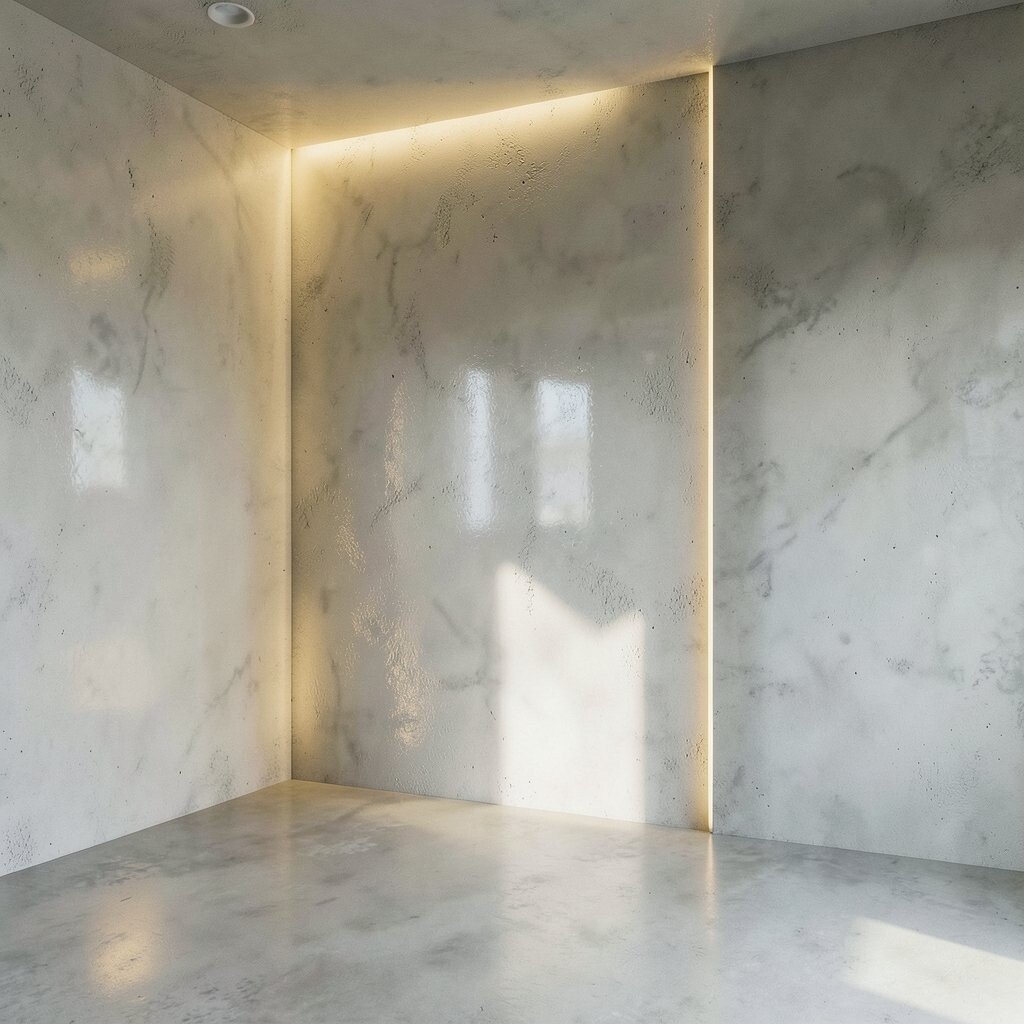
A smooth cement wall can look sleek and bright, like a calm lake under morning sun. You’ll notice how light bounces off it, making the space feel bigger and cleaner.
To get this look, start with a cement finish that’s even and finely leveled, then seal it so it stays easy to clean. Choose warm lighting and light curtains, because harsh white lights can make cement feel too cold.
For personalization, try a subtle tint like greige or soft sand so the wall blends with your floors. If you want a practical upgrade, add a clear protective coat that resists stains and makes daily life easier.
2. Cement Stuccos in Soft Earth Tones
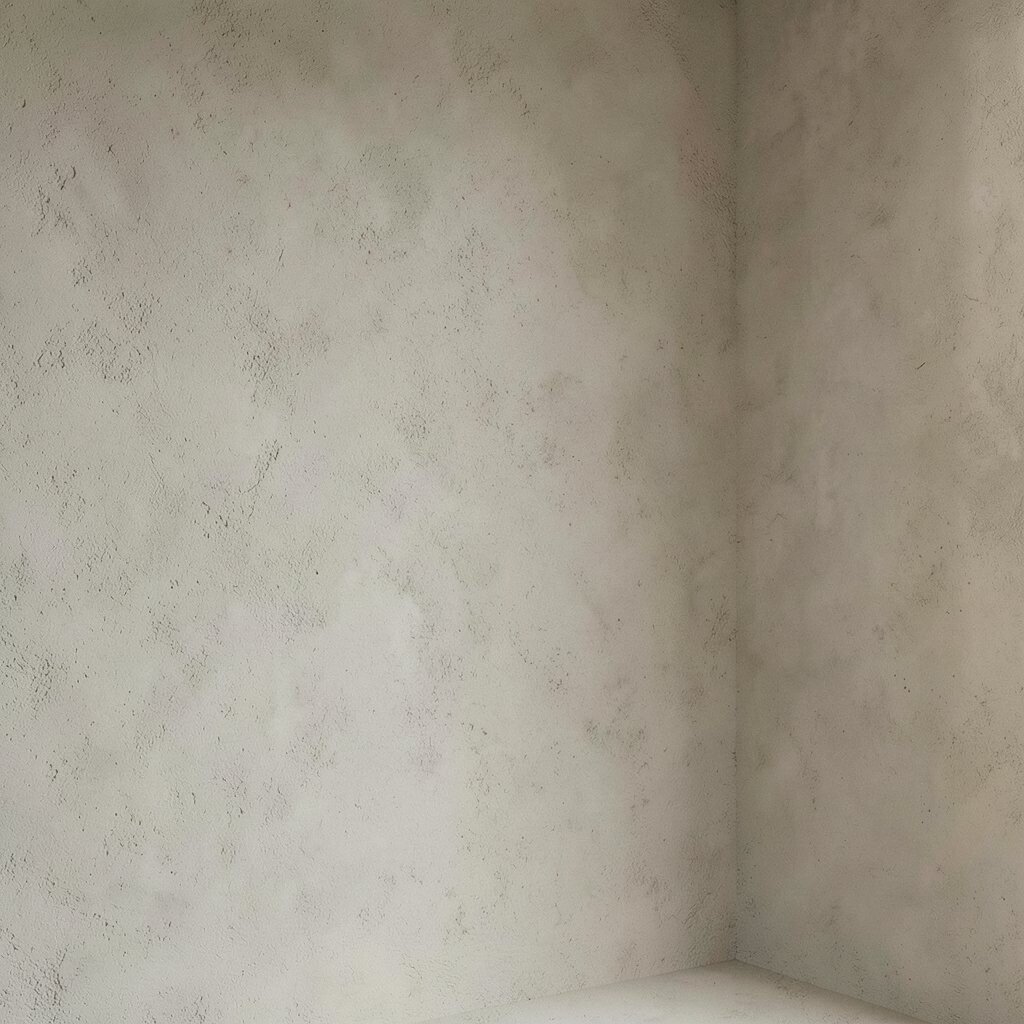
Stucco-style cement walls bring a gentle texture that feels natural and lived in. Imagine sunlit walls with tiny shadows across the surface, giving your room depth without clutter.
Earthy colors like clay, cocoa, and warm gray work especially well with wood furniture and neutral textiles. This style also helps hide small wall imperfections because the finish is never completely flat.
For a smart start, test a small sample area first, since cement shades can shift slightly as they dry and cure. Keep maintenance simple by sealing the surface and wiping it with a soft cloth and mild soap.
3. Cement Accent Wall Behind the Sofa
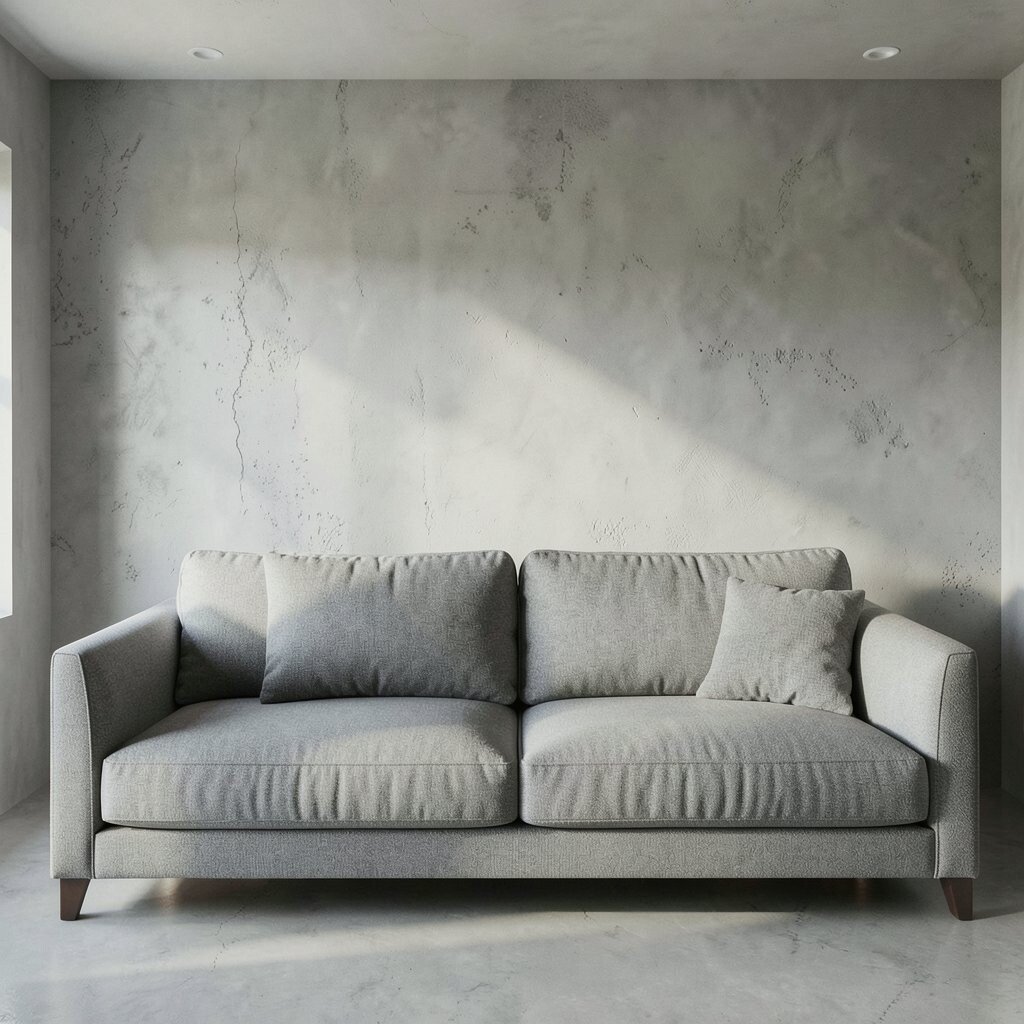
One cement wall can become the “hero” in your living room without taking over everything. Picture a solid backdrop behind the sofa, where cushions and art feel more vivid.
This setup is great for renters or anyone who wants impact without renovating every wall. You can keep the rest of the room in paint or wallpaper, letting the cement focal point add character and structure.
Personalize it with a low-sheen matte paint over part of the cement for contrast, or leave it natural for a stronger industrial vibe. For practicality, install wall art with secure anchors so you don’t stress the surface.
If you’re watching costs, focus on one wall and choose a finish that matches your daily needs. Cement accents tend to last well, especially when sealed, so you may spend less over time on touch-ups.
4. Vertical Cement Stripes for Taller Rooms
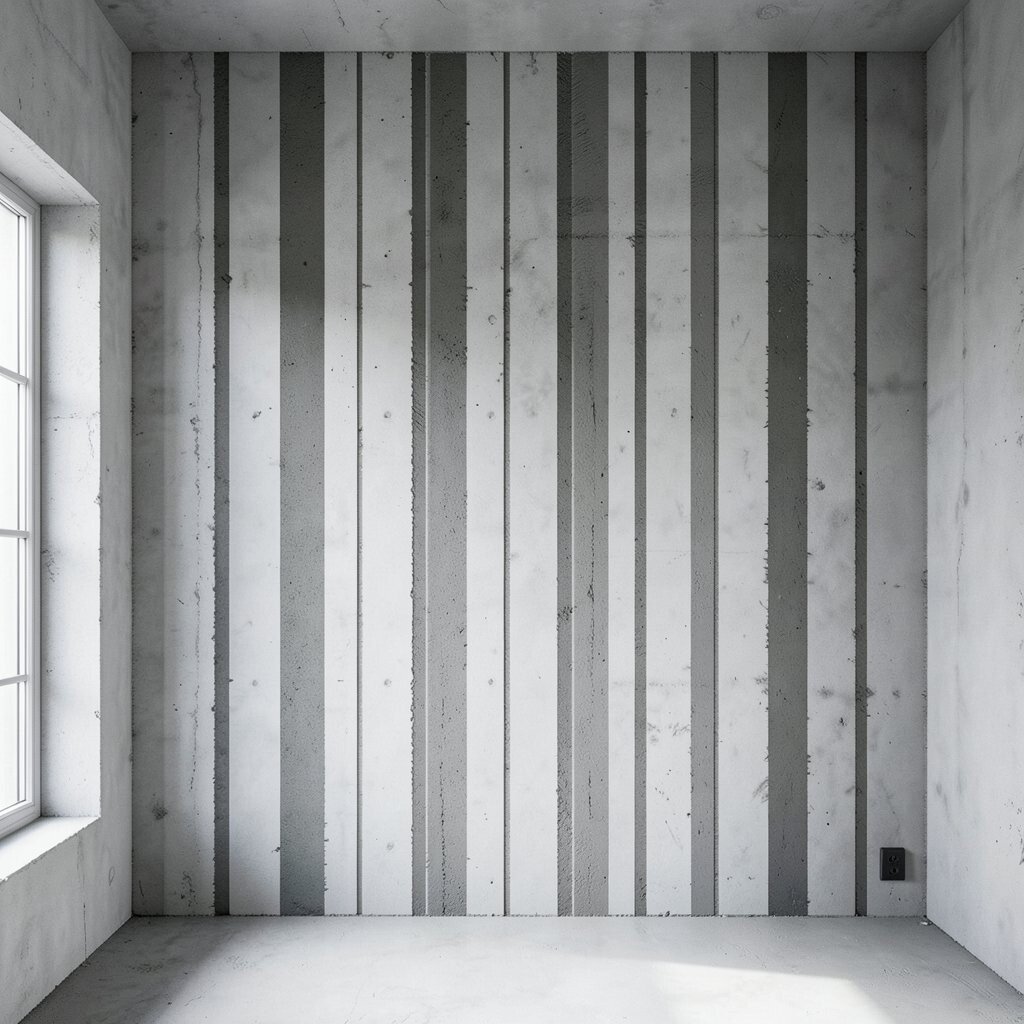
Vertical cement lines can trick the eye and make ceilings feel higher. When you look up, the stripes guide your gaze and create a steady, tidy rhythm.
Use narrow grooves or stamped lines in a consistent pattern, then seal the finish so dirt doesn’t collect in the texture. Pair the look with vertical elements like tall mirrors or slim shelving for a matched design story.
If you want it to feel cozy, soften the contrast with a light cement tone and warm paint on nearby walls. This approach gives visual style while still being practical for everyday living.
5. Stamped Cement Panels for a Patterned Look
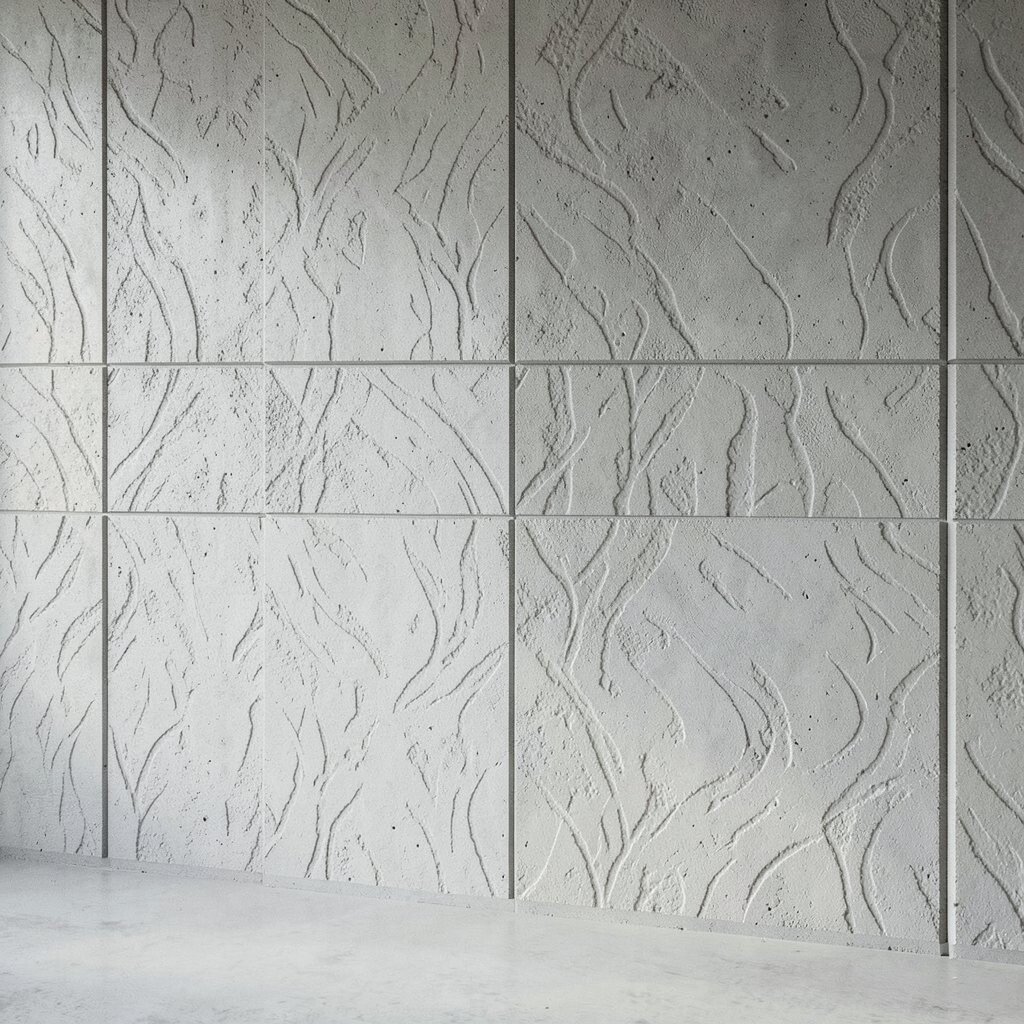
Stamped cement panels add pattern that feels crafted, not plain. Think of repeating shapes that look crisp in daylight and slightly dramatic at night.
You can use forms that mimic stone, brick, or geometric grids, then color the cement with a wash for a more custom tone. This option can help your home feel tailored because the pattern can echo your existing tiles or fabric prints.
For practical results, plan your layout first so seams land behind furniture where they’re less noticeable. If cost matters, you can install smaller panel sections as accents rather than covering full walls.
6. Cement Fireplaces That Feel Built-In
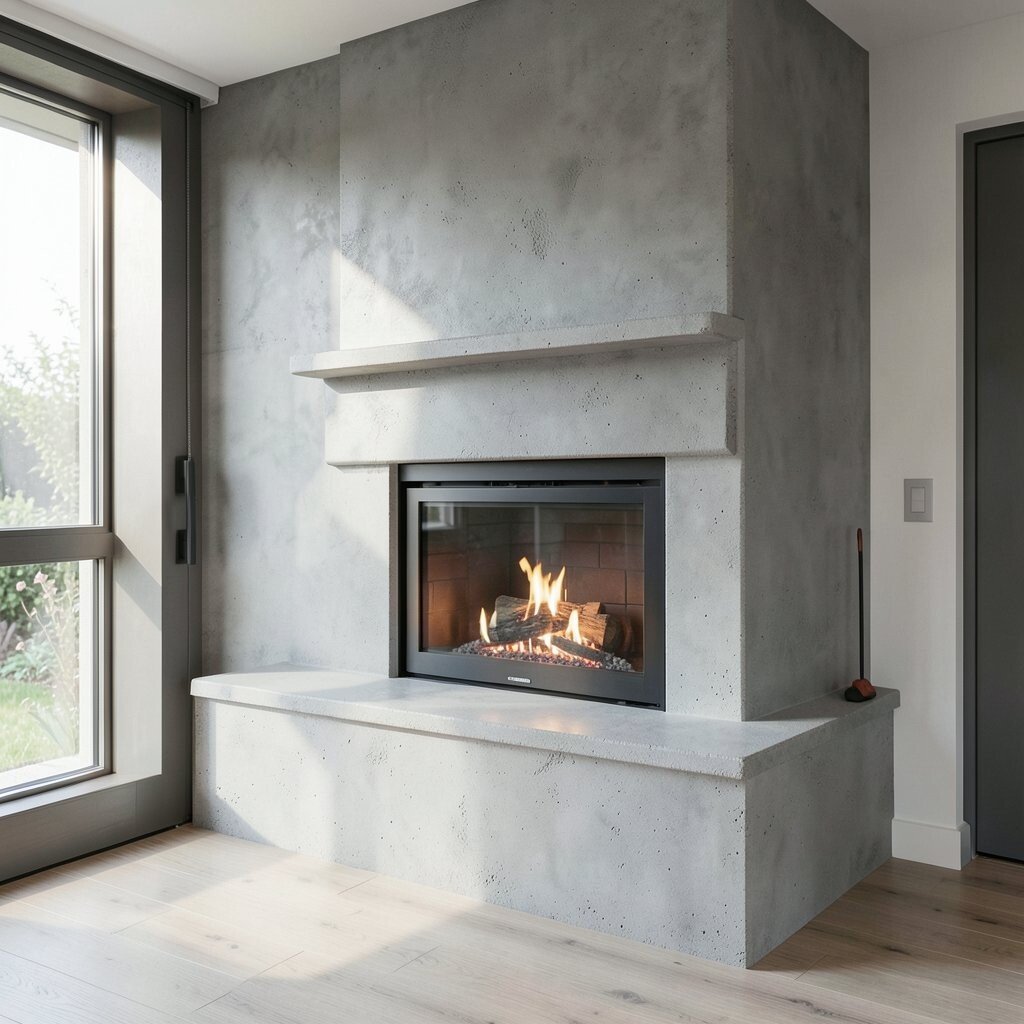
A cement wall around a fireplace can look sturdy and timeless. When you picture the hearth framed by cement, it feels like a permanent part of the home.
Use a heat-safe seal and choose a finish designed for high-temperature areas so it stays durable. Cement also makes a nice background for metal tools, wooden mantels, and modern screens.
To personalize, paint the mantel in a contrasting shade or add a thin ledge for decor. Keep it practical by selecting materials that resist soot and are easy to wipe after use.
For cost considerations, compare a cement surround to tile or stone, because cement can be a strong value when you want a cohesive look. Many homeowners like that a well-finished cement surface needs less frequent replacement.
7. Cement Wash Texture With Warm Lighting
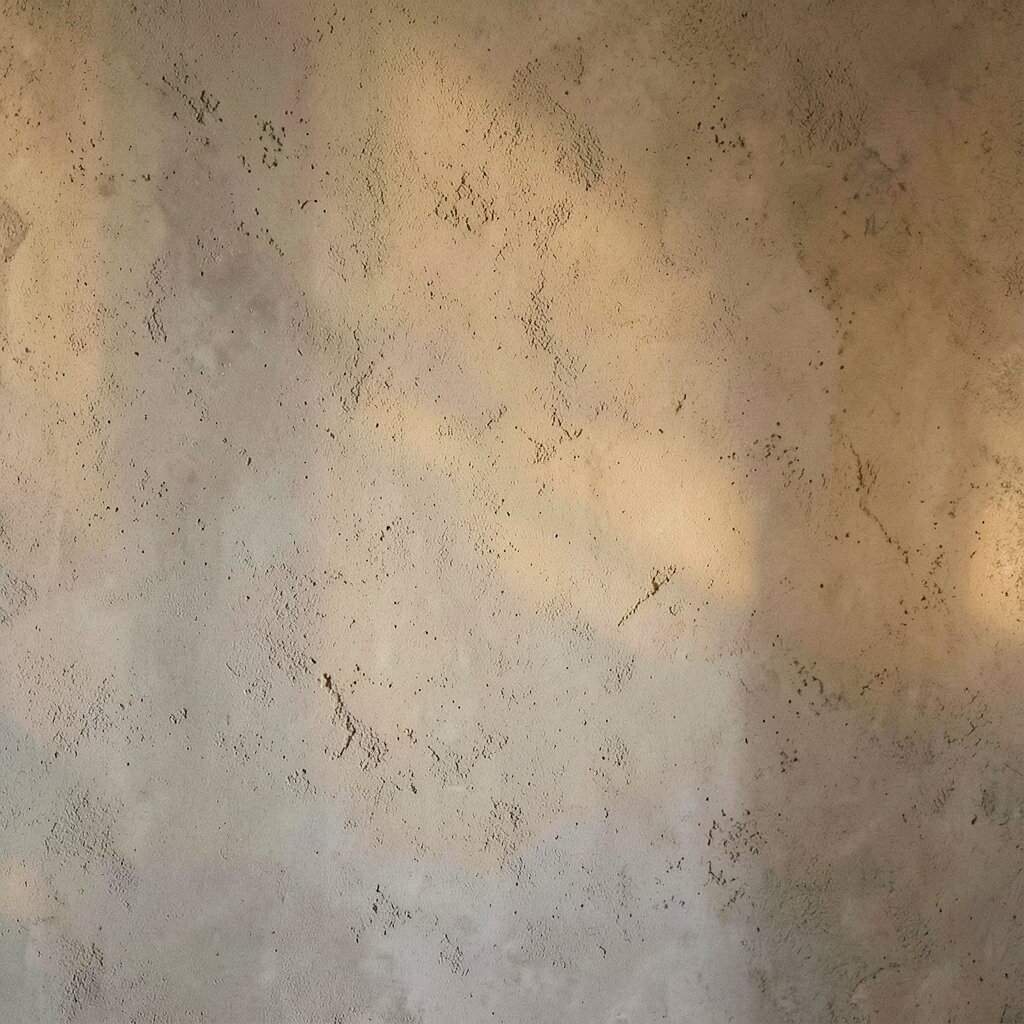
A cement wash gives you a soft, blended texture rather than a hard, solid surface. It looks like it’s been gently aged, with subtle variations that feel artistic.
This finish works beautifully when you add warm lighting, because the wall glows instead of looking flat. Combine it with linen curtains and a mix of matte and brushed metal for balance.
To personalize, choose a wash color that ties into your rugs or upholstery, such as oatmeal, clay pink, or muted olive. If you want an easy routine, seal the wall so cleaning doesn’t become a chore.
8. Cement Wall With Hidden Storage Niches
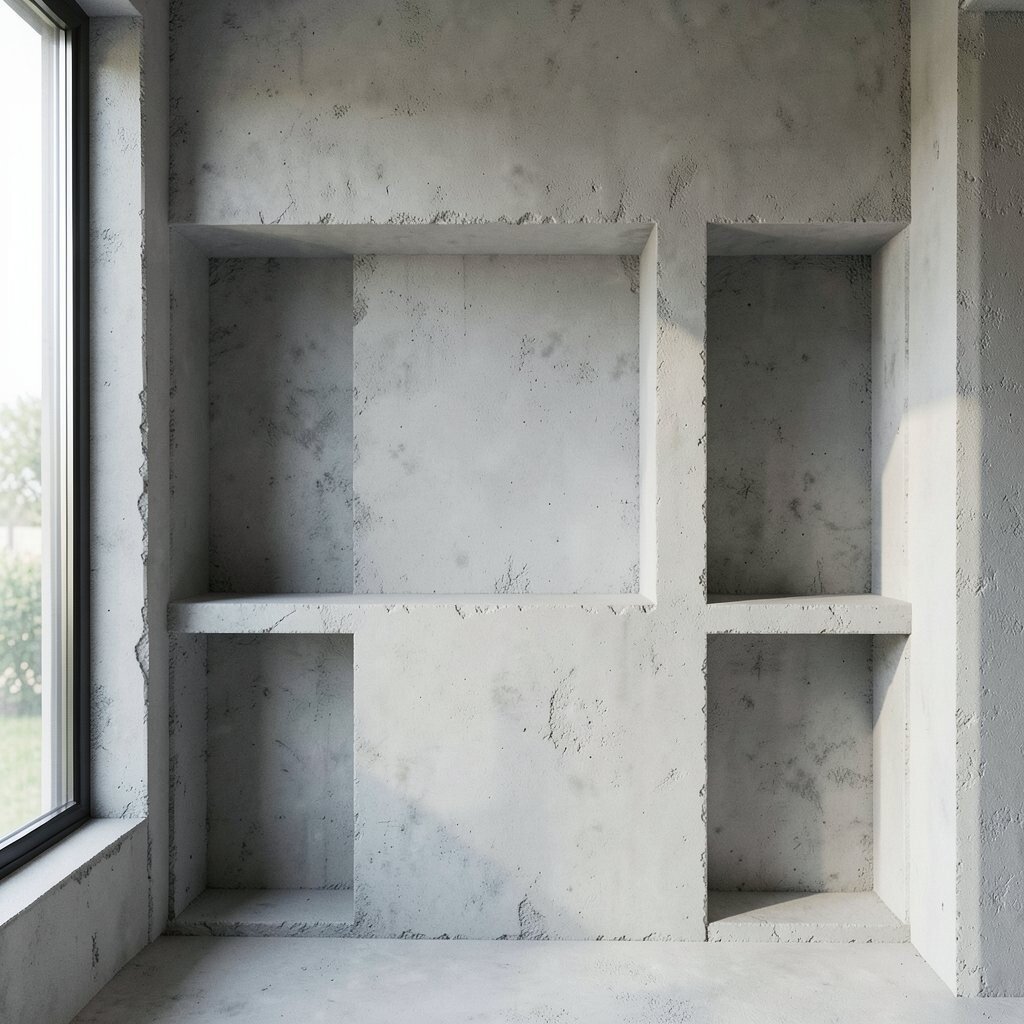
Think of a cement wall that does more than look cool. Built-in niches can hold candles, books, or small plants right where you want them.
Because the wall surface stays continuous, the storage feels integrated instead of messy. You can size niches to match your daily items, like charging devices, mail trays, or extra cups.
For practical tips, keep edges smooth and protect shelves with a durable sealant. Personalize the niches with color-matched back panels so they feel like part of your decor.
On cost, niches can be economical compared to buying separate shelves since you’re building once and using many times. It’s also a great way to reduce clutter while keeping the cement look intact.
9. Cement Ceiling Meets Cement Wall for Drama
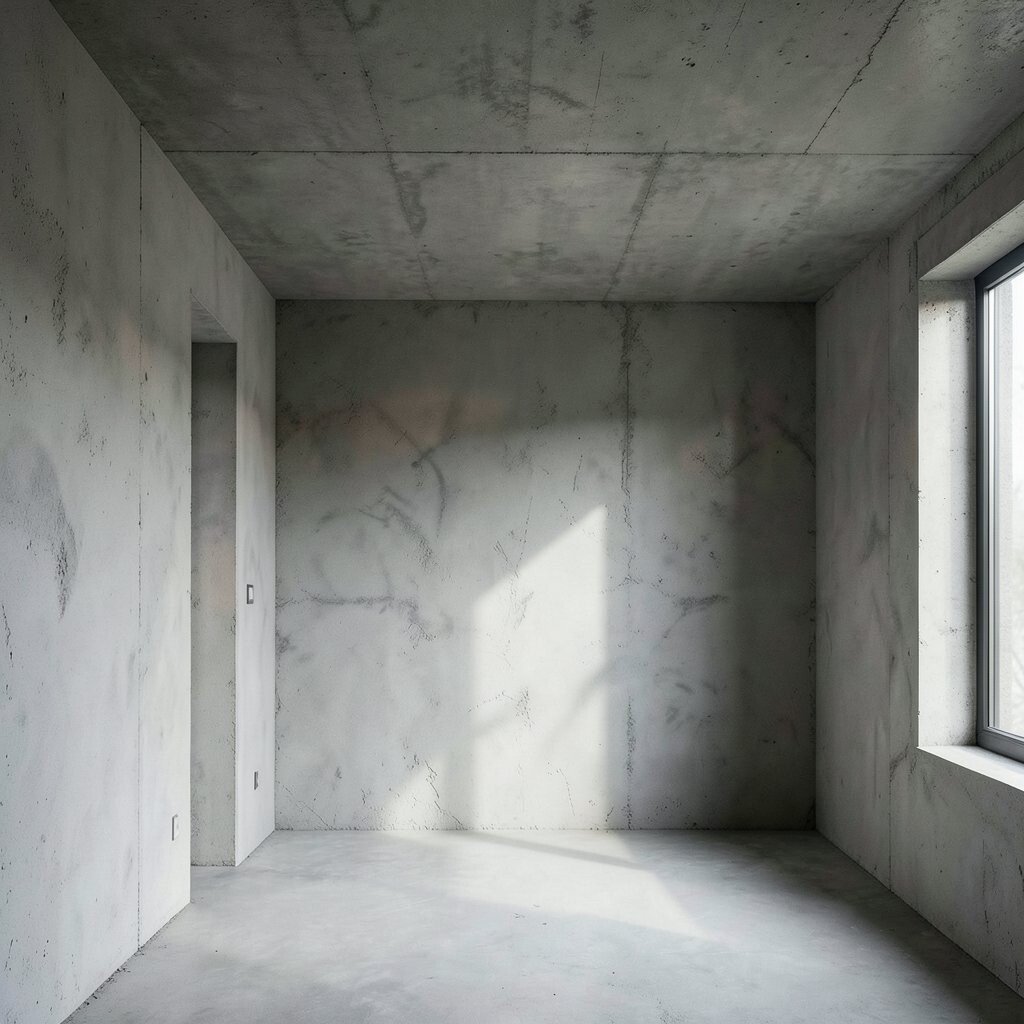
Extending cement to the ceiling can create a bold, enveloping vibe. Imagine a room where the top and sides share the same texture, making the space feel architectural.
This trend is popular in modern homes because it frames the whole room, especially in dining areas. Just be sure the cement finish is sealed well and paired with bright lighting so the room never feels too dark.
If you’re personalizing, vary the sheen by using a slightly different finish on the ceiling or adding a thin decorative border. For practicality, choose a color that matches your flooring so the room feels balanced.
Budget wise, covering ceilings can cost more, so consider limiting it to the largest open section or choosing a lighter finish. Many homeowners find this investment pays off because it creates a strong, lasting style.
10. Color-Blocked Cement for a Modern Edge
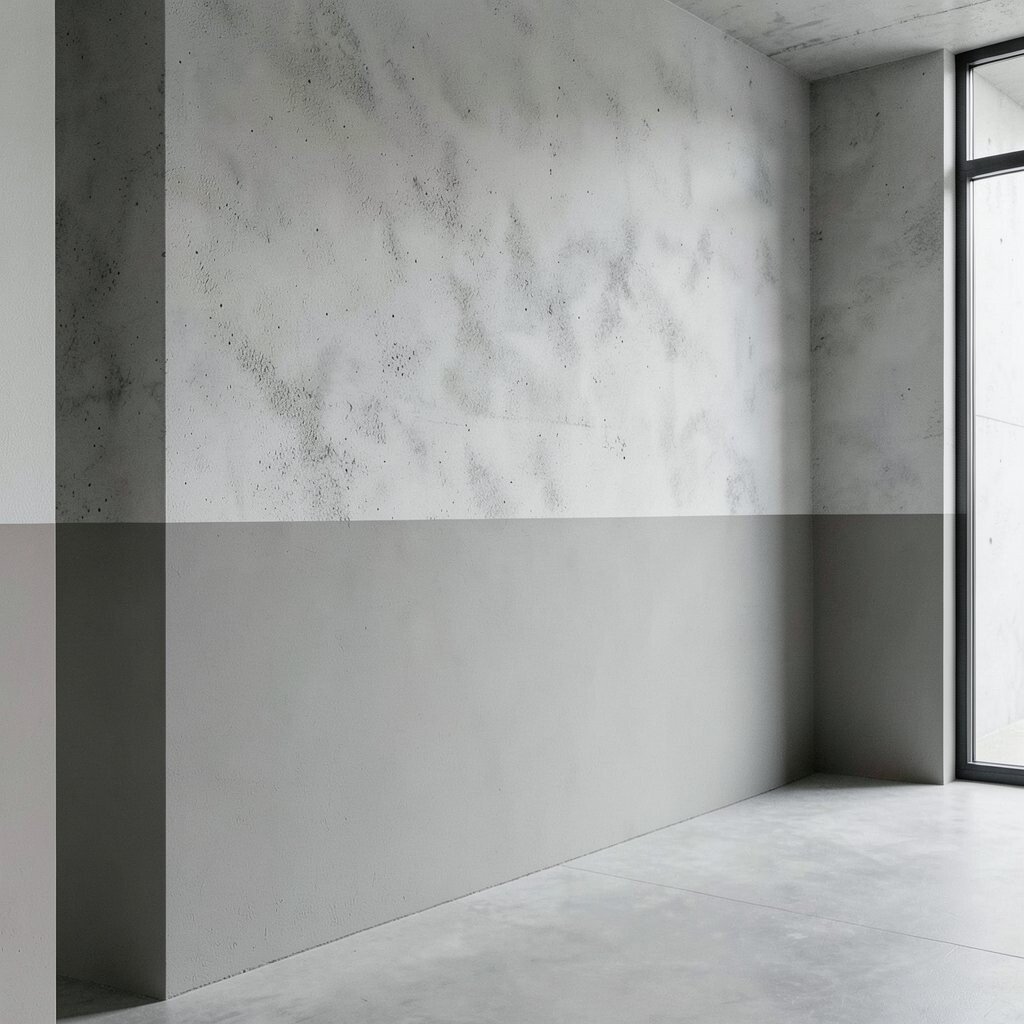
Color-blocking with cement surfaces makes your walls feel graphic and fresh. You’ll see clean sections that highlight different tones and give the room a designer look.
Try pairing light cement with a deeper accent, like charcoal, terracotta, or deep blue, for a bold yet cozy contrast. This method also helps you guide the eye toward key areas like a reading chair or a dining table.
For practicality, use masking carefully and keep the finish sealed so each color line stays crisp. Personalize it by matching the color blocks to your favorite throw pillows or artwork.
11. Cement Board Texture Behind a Reading Corner
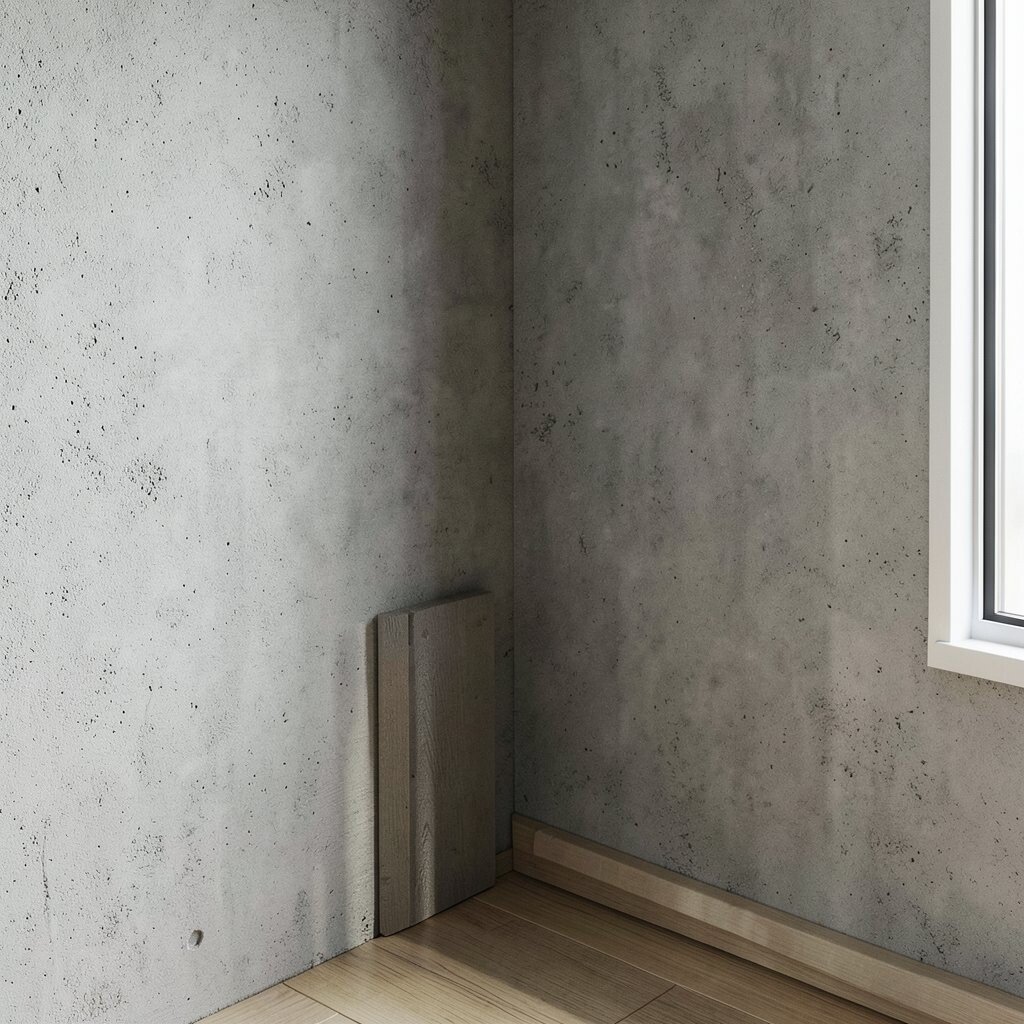
A reading corner feels special when the wall behind it has texture. Cement board styling adds grip and visual interest, so the space feels intentional even with simple decor.
You can combine the cement texture with a comfortable chair, a soft rug, and a warm lamp, and suddenly the corner looks ready for everyday use. This is a great place to add a small shelf for books, because the cement background makes spines stand out.
Practical tips matter here, since you’ll likely handle books often, so keep the wall surface sealed and easy to wipe. For personalization, choose a finish that complements your wood tones, like walnut or oak, to create a calm match.
If cost is a concern, focus on a limited area behind the chair and use regular paint on surrounding walls. That approach gives a high-impact look while staying budget friendly.
12. Cement Wall Art With Stencils and Inlaid Details
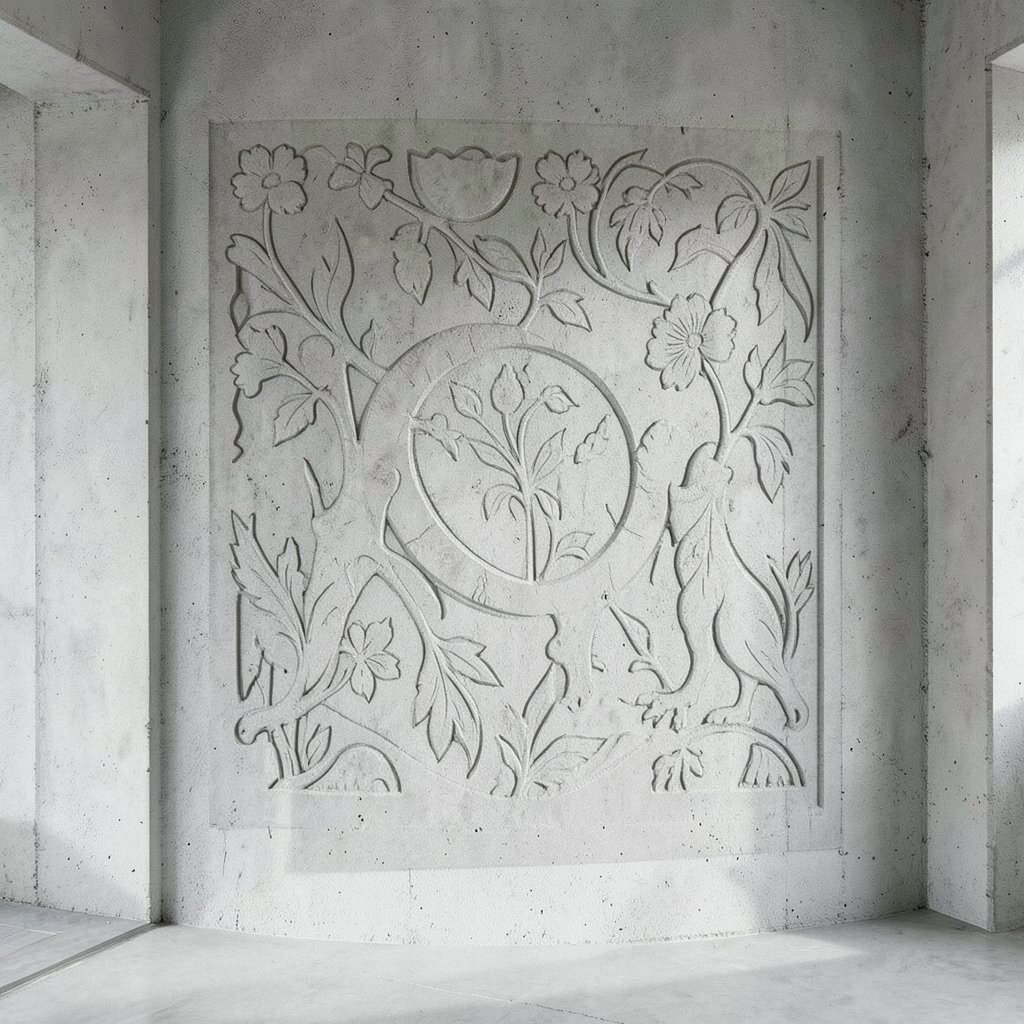
Stencil art on a cement wall can turn a plain surface into a personal gallery. Picture crisp shapes or subtle botanical patterns that appear bold in daylight and soft at dusk.
This idea feels unique because you can tailor the design to your style, from clean geometric lines to hand-drawn curves. Use a sealant after painting so the art stays sharp and can handle regular cleaning.
For practical results, start with a simple template and test color depth on a small patch first. Consider using two close shades instead of high contrast if you want a calmer, more relaxed look.
Cost wise, stencils and paint are usually cheaper than full tiling, yet the impact can be just as impressive. Current home design trends often favor custom texture and personal touches, and cement makes that style feel grounded and real.