Balusters can quietly shape the whole mood of a staircase or railing. A little care keeps them strong, neat, and beautiful for years.
1. Give Balusters a Regular Visual Check
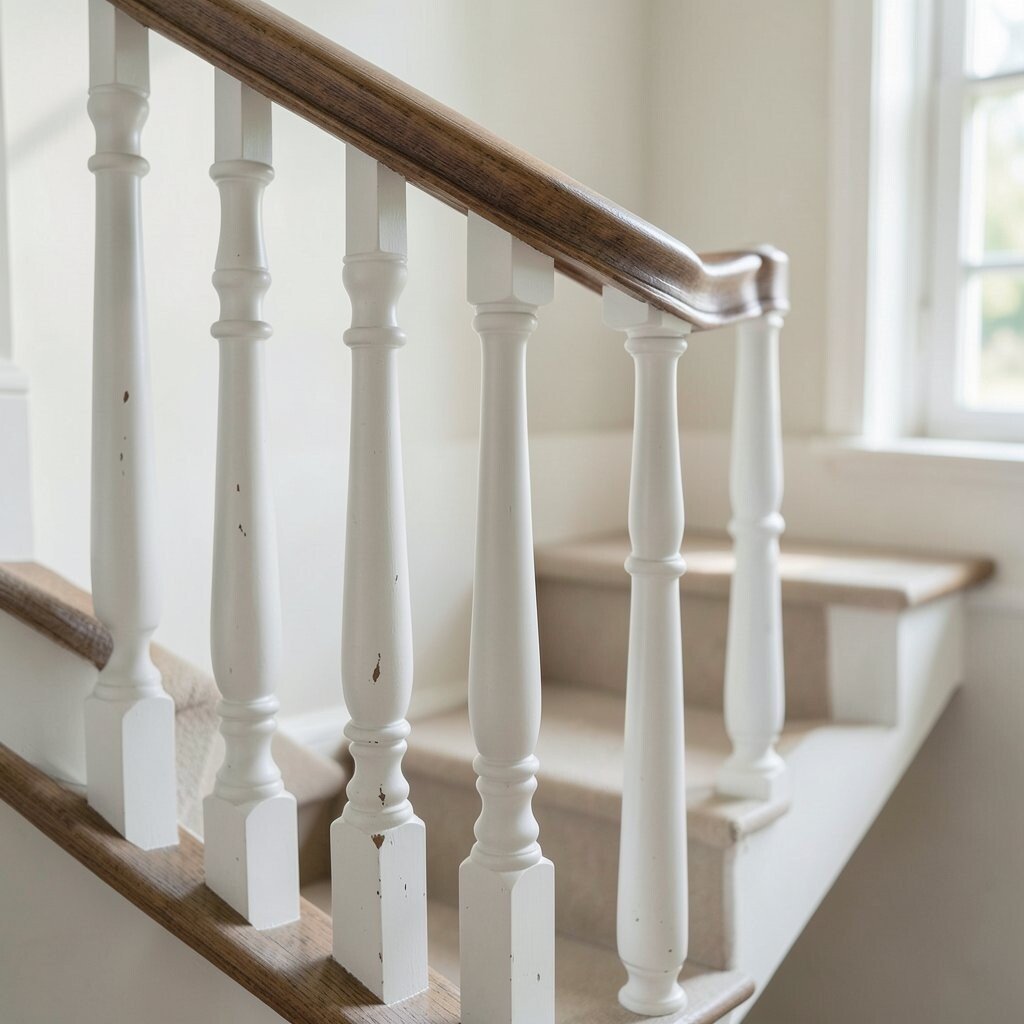
Start by looking closely at each baluster so you can spot chips, wobble, rust, or fading paint. Clean lines and smooth surfaces make a staircase feel crisp and cared for.
This simple habit helps you catch small problems before they grow into costly repairs. A quick check also lets you notice which balusters add charm and which ones need a fresh touch to match the rest of the room.
2. Dust and Wipe Them Often
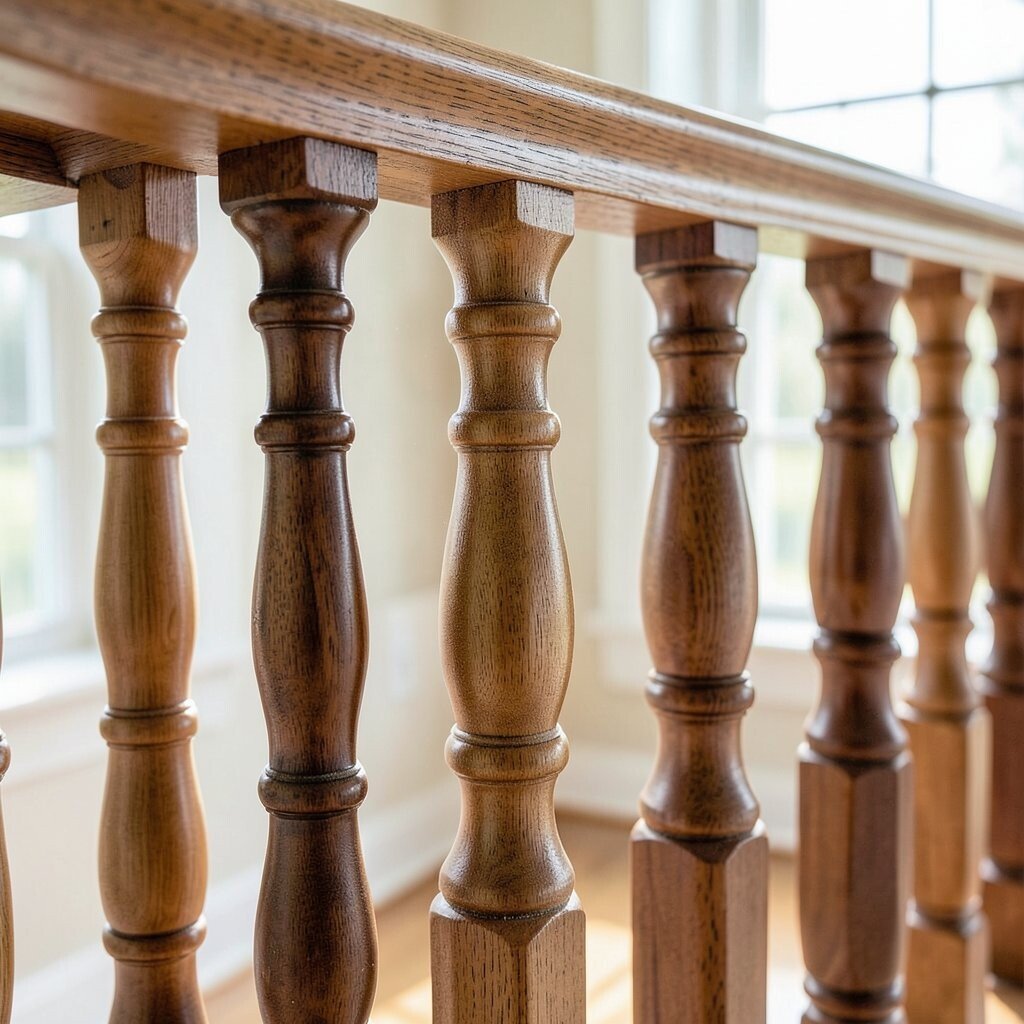
Dust can settle on balusters fast, especially on turned wood or decorative metal shapes. A soft cloth or gentle duster keeps the surface bright and helps the details stand out.
Wiping them often also protects the finish from dull buildup. If you like a polished look, you can pair this with a mild cleaner that fits the material, and that usually costs very little.
Many homeowners now prefer simple, low-shine cleaning products because they keep the classic look without making the railing feel too glossy. You can also choose a scented cleaner for a fresher home feel, which adds a small personal touch.
3. Tighten Loose Parts Right Away
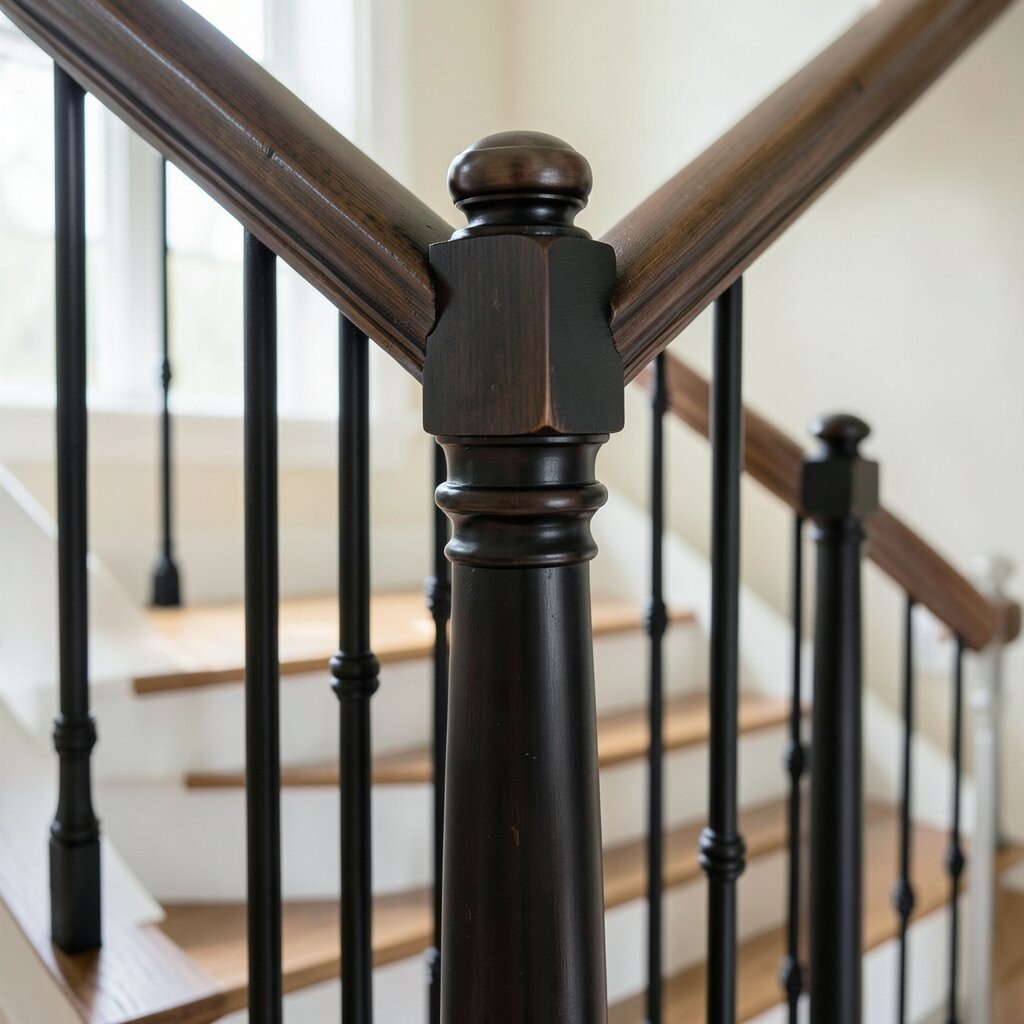
A loose baluster can make the whole railing feel shaky and unsafe. Tightening screws, brackets, or fasteners early keeps the structure steady and neat.
This is one of the best ways to protect both style and safety at the same time. If you want a custom feel, you can swap in matching hardware with a finish that fits your home, such as matte black, brushed nickel, or warm brass.
Repair costs stay lower when you handle tiny movement before it turns into damage. Many people also like to group this task with other small home checks so the staircase stays in top shape all year.
4. Protect Wood Balusters from Moisture
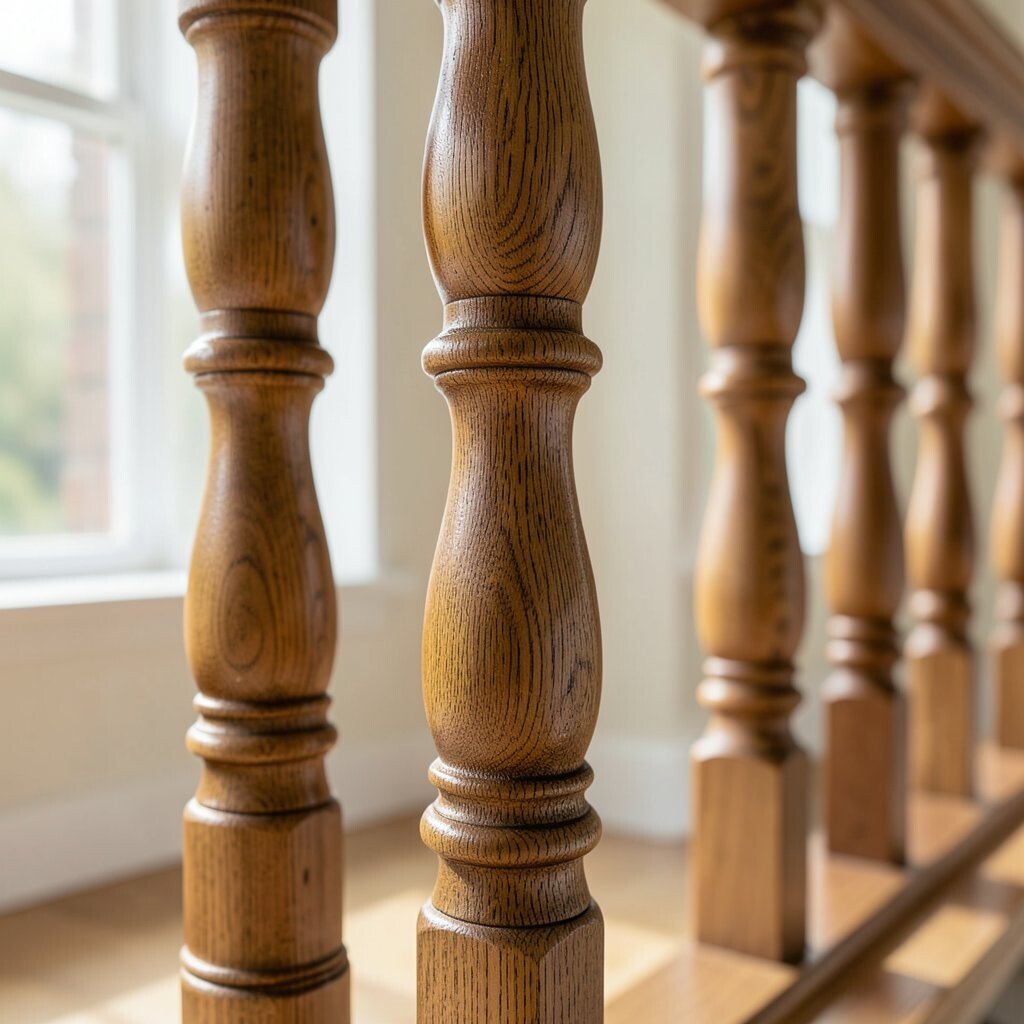
Wood balusters look warm and classic, but water can stain them or make them swell. Keeping them dry helps the grain stay smooth and the shape stay true.
Use a damp cloth only when needed, and dry the surface right after. A light sealant can add an extra layer of care, and that is often cheaper than replacing warped pieces later.
5. Refresh Paint or Stain When the Color Fades
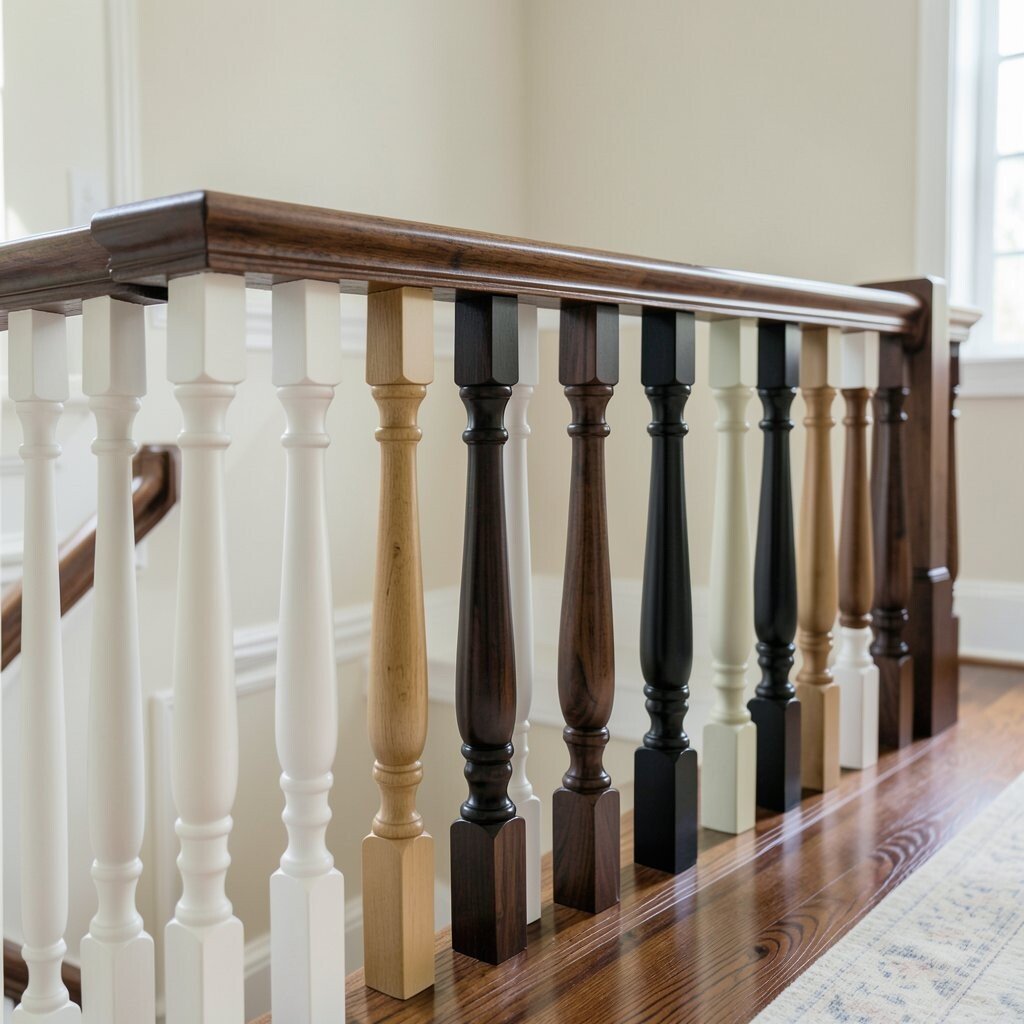
Fresh paint or stain can make old balusters look rich and lively again. A clean color also helps the railing match walls, floors, and trim in a pleasing way.
Choose a shade that fits your home style, from soft white to deep walnut or bold black. This is a great place to add personality, and it can be done on a modest budget if you plan carefully.
Current trends often favor calm, classic tones with a handmade feel rather than loud finishes. A small test patch helps you see how the color looks in daylight and under indoor lights before you commit.
6. Clean Metal Balusters to Stop Rust
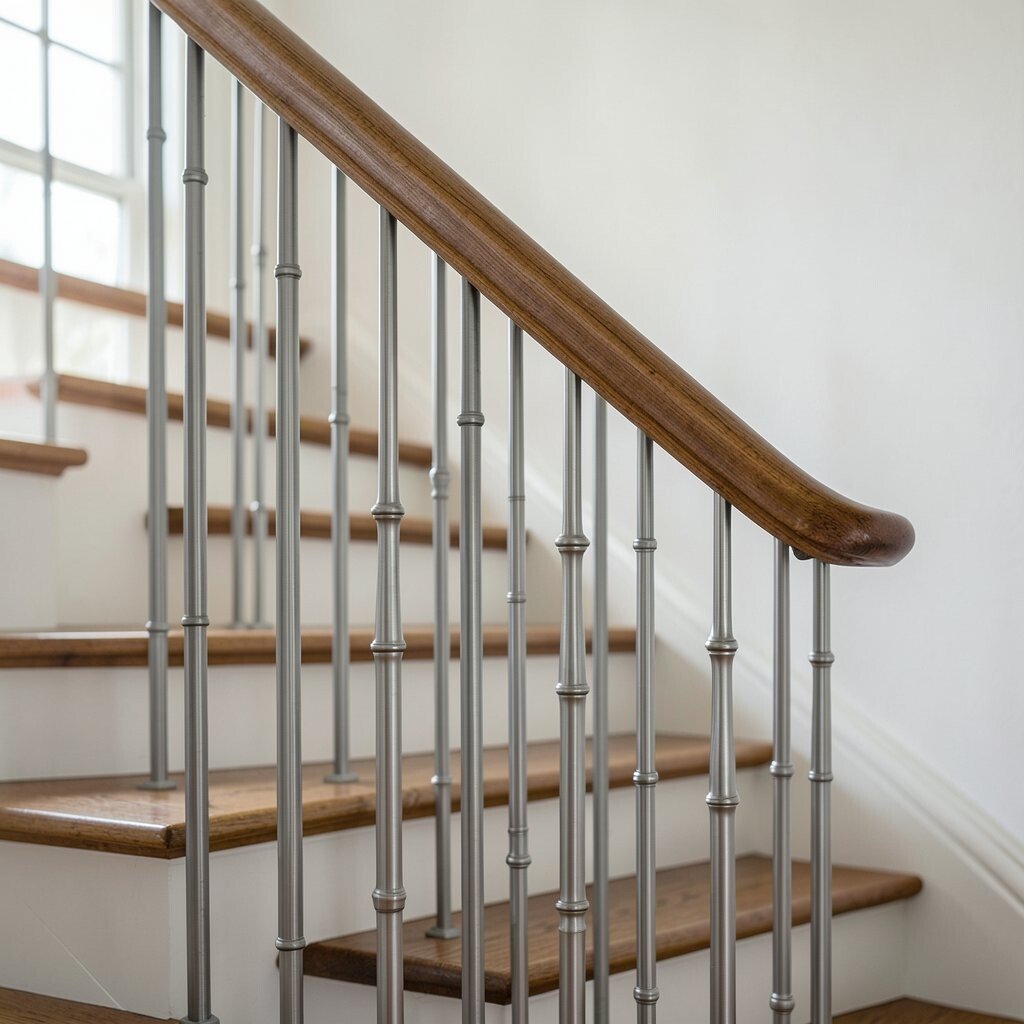
Metal balusters can look sleek and modern, especially when they have slim lines and simple shapes. Keeping them clean helps preserve that sharp look and stops rust from taking hold.
Use a soft cloth and a cleaner made for metal, then dry every part well. If rust spots appear, sanding lightly and touching up the finish can save money and keep the railing looking neat.
You can also add a clear protective coat for extra defense in damp spaces. Some homeowners like to mix metal balusters with wood rails for a classic-meets-current style that feels both strong and stylish.
That mix can be personalized with different finishes, so the staircase feels unique without needing a full remodel. Small choices like that often give the biggest style boost for the least cost.
7. Match Repairs to the Original Look
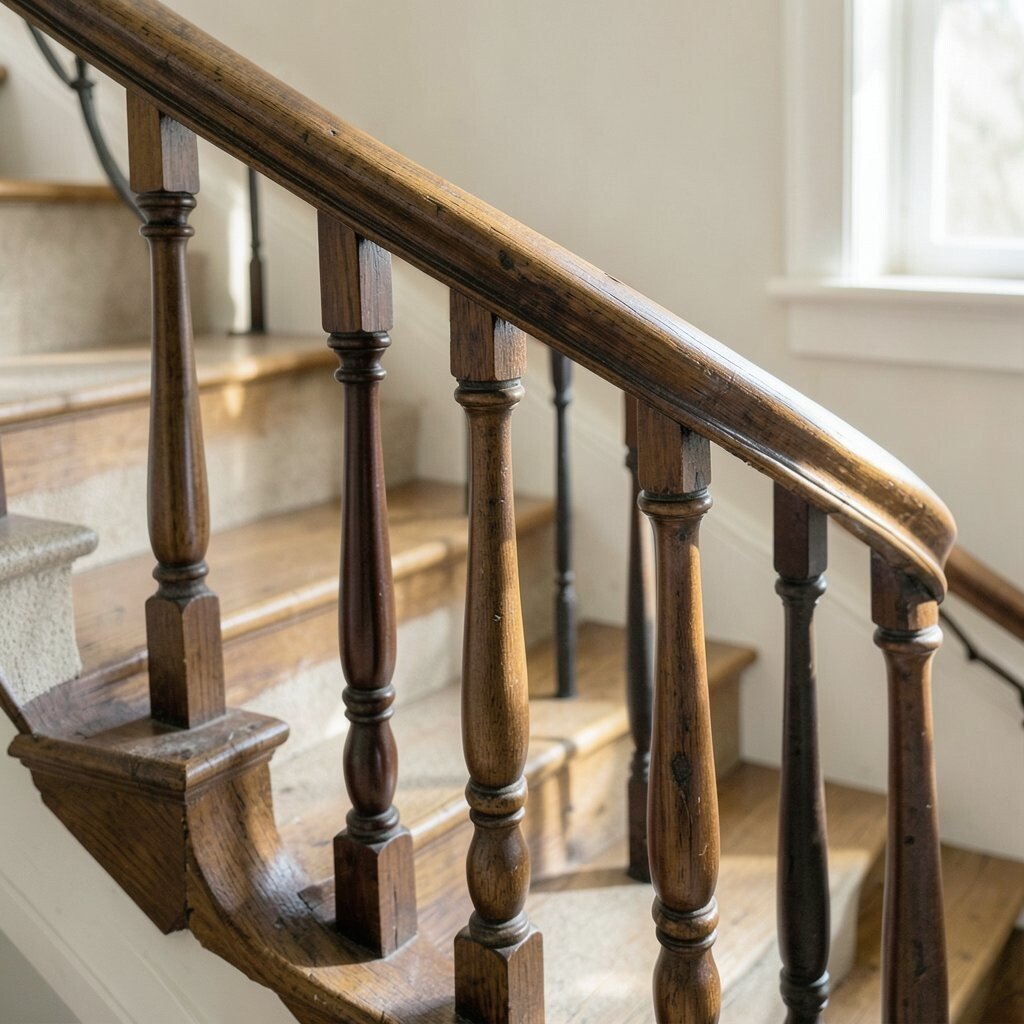
When one baluster needs work, try to match the shape, size, and finish of the others. A close match keeps the whole railing looking balanced and pleasant to the eye.
This matters most in older homes where the details give the staircase its charm. If exact parts are hard to find, a skilled local woodworker or metal shop may offer a custom piece at a fair price.
People often like to keep one or two small signs of age because they add character. The goal is not to erase history, but to keep it tidy, safe, and in harmony with the rest of the home.
8. Use Gentle Products for Safe Cleaning
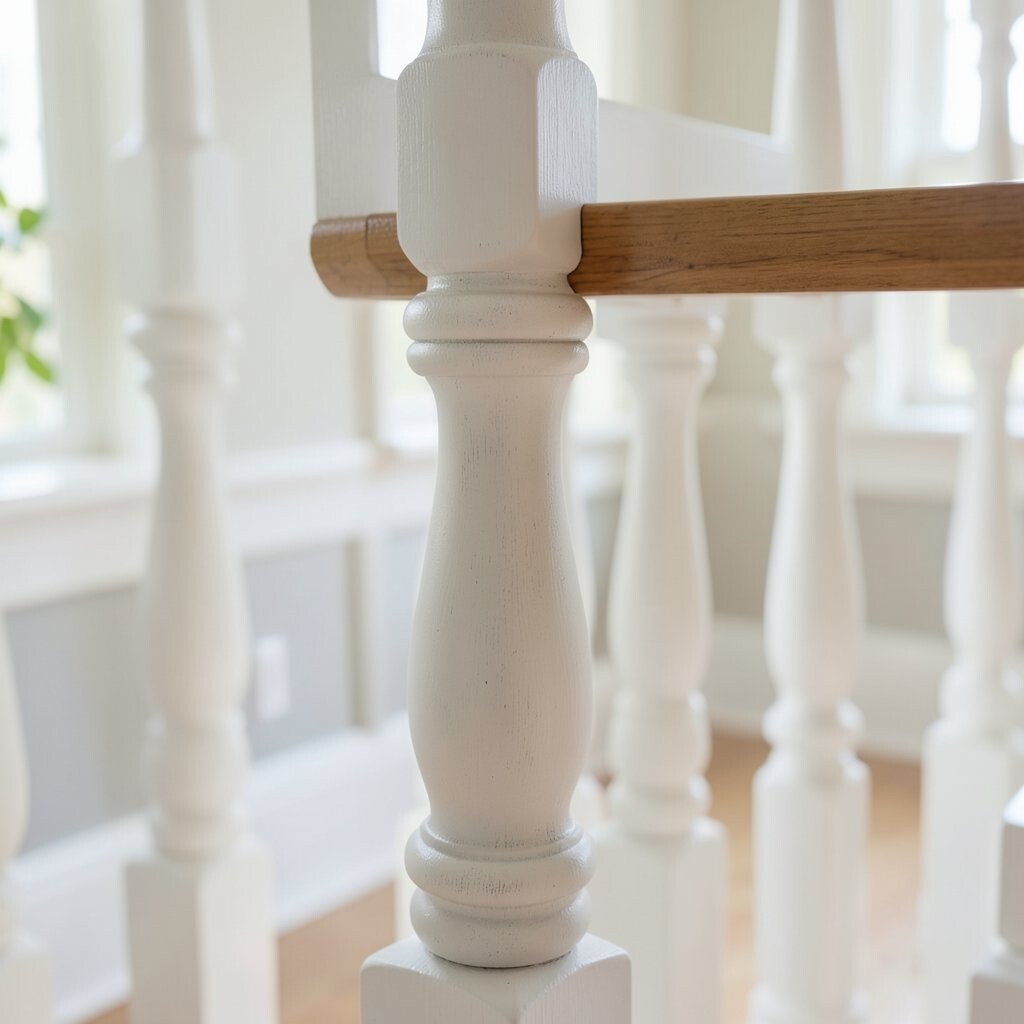
Strong cleaners can strip finishes and leave balusters looking dry or cloudy. Gentle soap and warm water usually do the job while keeping the surface smooth and bright.
Always test a small hidden spot first, especially on painted or stained wood. This careful step can prevent costly mistakes and helps you keep the original beauty longer.
Many people now choose simple eco-friendly cleaners because they are kinder to the home and easy to use. If you like a custom scent, you can add a tiny bit of a safe fragrance to your cleaning routine, but keep it mild.
9. Keep the Surrounding Area Clear
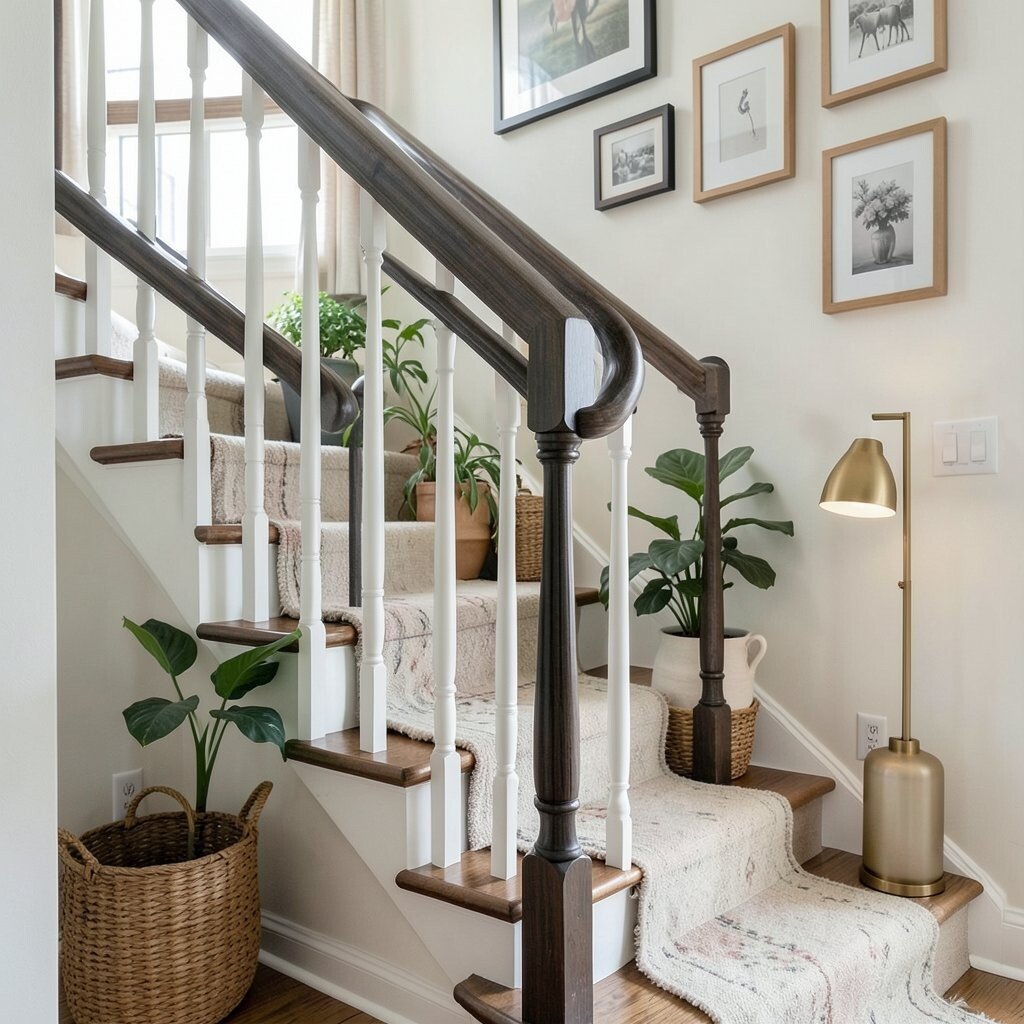
Balusters last longer when they are not bumped by furniture, bags, or heavy decor. A clear stair area also makes the whole space look open and tidy.
Try to place plants, baskets, and wall art so they do not press against the railing. This small habit lowers wear and tear, and it costs nothing to set up a better layout.
For a more personal touch, you can style the nearby area with a runner, framed photos, or a simple lamp that matches the baluster finish. Current home trends often favor clean, uncluttered stair spaces that still feel warm and lived in.
That balanced look makes classic balusters stand out even more. It also helps guests notice the craftsmanship instead of the clutter.
10. Check for Insect or Pest Damage
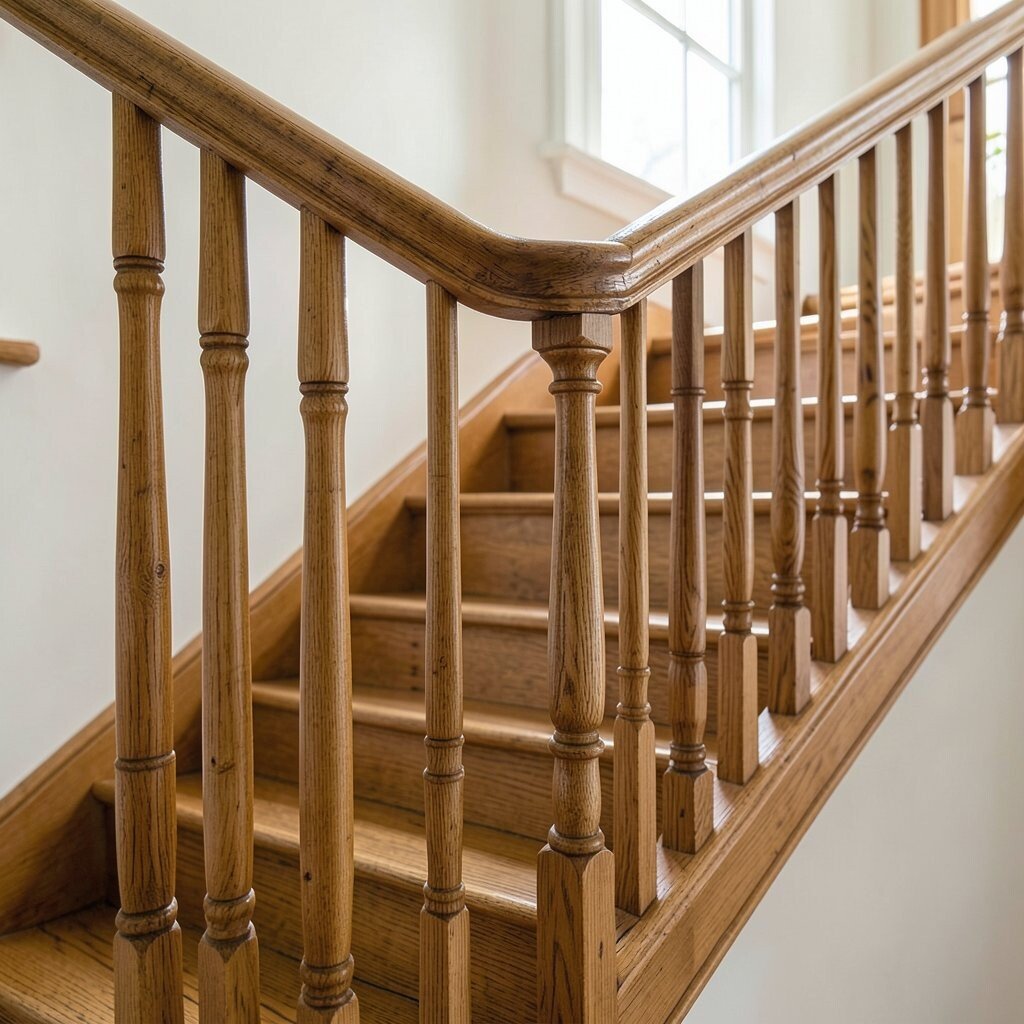
Wood balusters can sometimes suffer from tiny pest problems that are easy to miss at first. Small holes, fine dust, or soft spots can be early signs that need quick attention.
Finding damage early can save a lot of money and protect the rest of the staircase. If needed, a pest expert can help, and that service is often less costly than replacing several balusters later.
You can make the space feel more secure by sealing gaps nearby and keeping the area clean and dry. A well-kept stairway not only looks better, it also feels more dependable every day.
If you want a unique touch, consider using natural wood tones that show the grain while still being protected. That style feels classic, warm, and full of character.
11. Plan Seasonal Maintenance
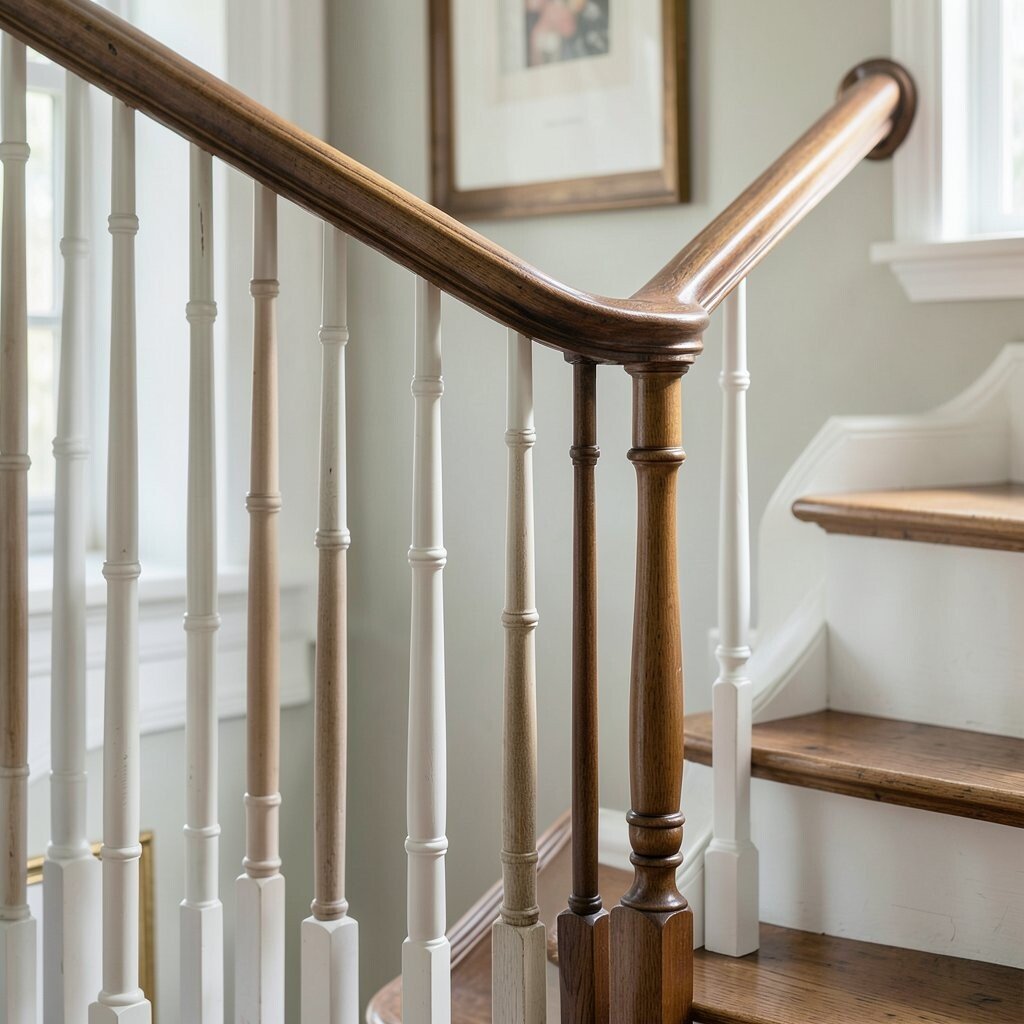
Different seasons can affect balusters in different ways, from dry indoor air to damp weather. A seasonal routine helps you stay ahead of cracking, fading, and loose joints.
In colder months, check for shrinkage in wood and extra dust buildup. In warmer or wetter times, watch for swelling, rust, or sticky finishes, and adjust your care as needed.
This kind of planning keeps repair costs steady instead of surprising you with big bills. Many homeowners like to pair seasonal care with a style refresh, such as new paint, a polished handrail, or updated decor near the stairs.
12. Know When to Repair and When to Replace
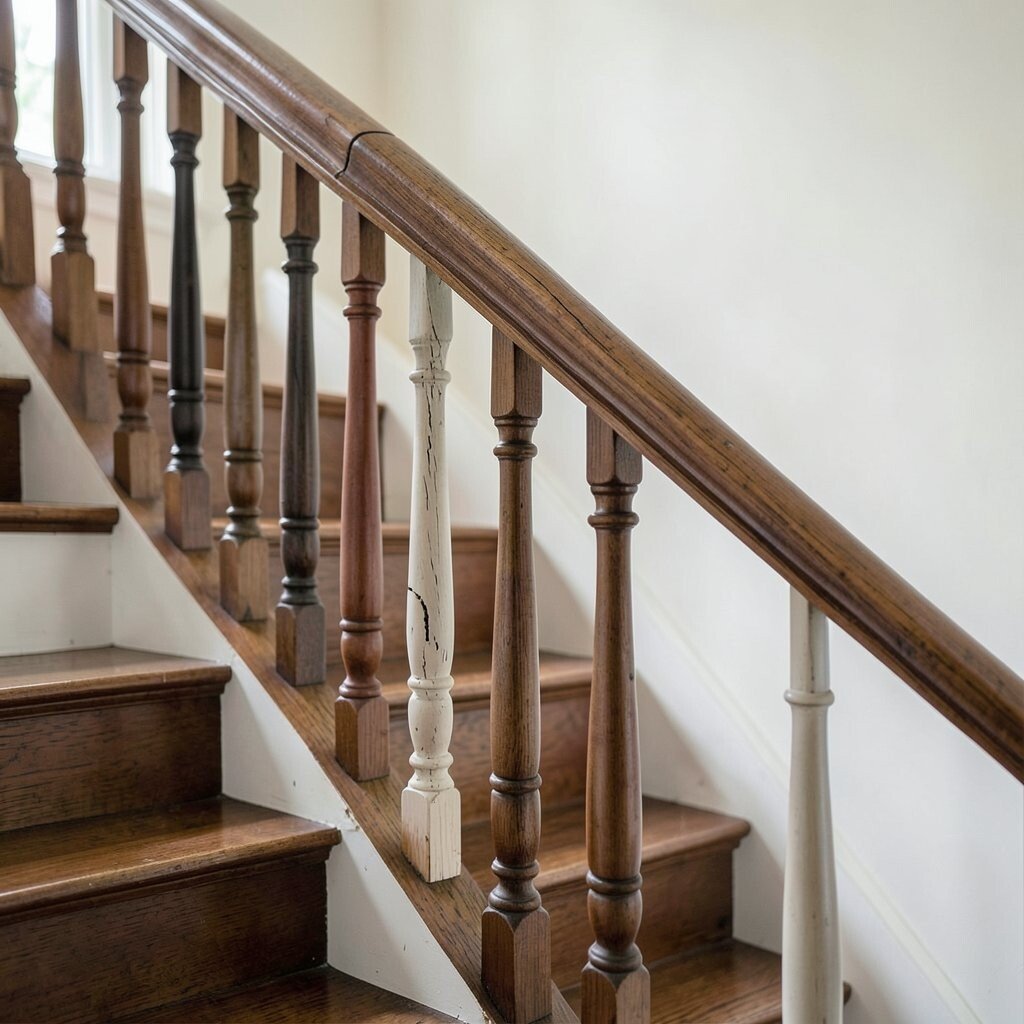
Some balusters only need a small fix, while others may be too damaged to save. Learning the difference helps you spend wisely and keep the staircase safe.
If a baluster is cracked through, badly bent, or badly rotted, replacement may be the better choice. A single new piece can still blend in well if you match the finish and shape carefully.
For a more personal home look, you can replace a few balusters at once to create a subtle pattern or updated style. This is a smart way to honor the classic design while giving it a fresh and unique feel.
Ask for quotes from more than one repair pro if the job seems large, since prices can vary a lot. With the right plan, you can keep your balusters elegant, sturdy, and ready for many more years of use.