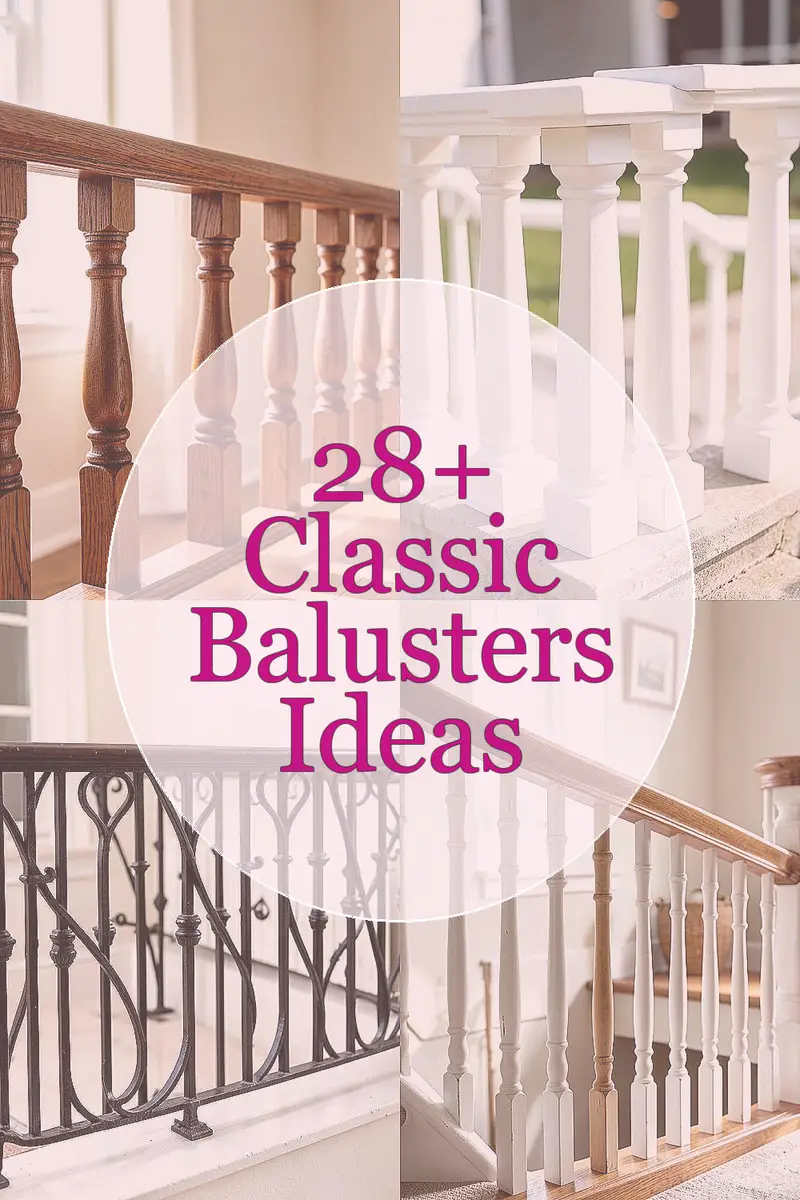
Balusters can change the whole mood of a staircase. Small details often make the biggest impact.
These slim supports can feel elegant, bold, warm, or timeless. With the right style, your stairs become a real focal point.
1. Turned wood balusters for a warm classic look
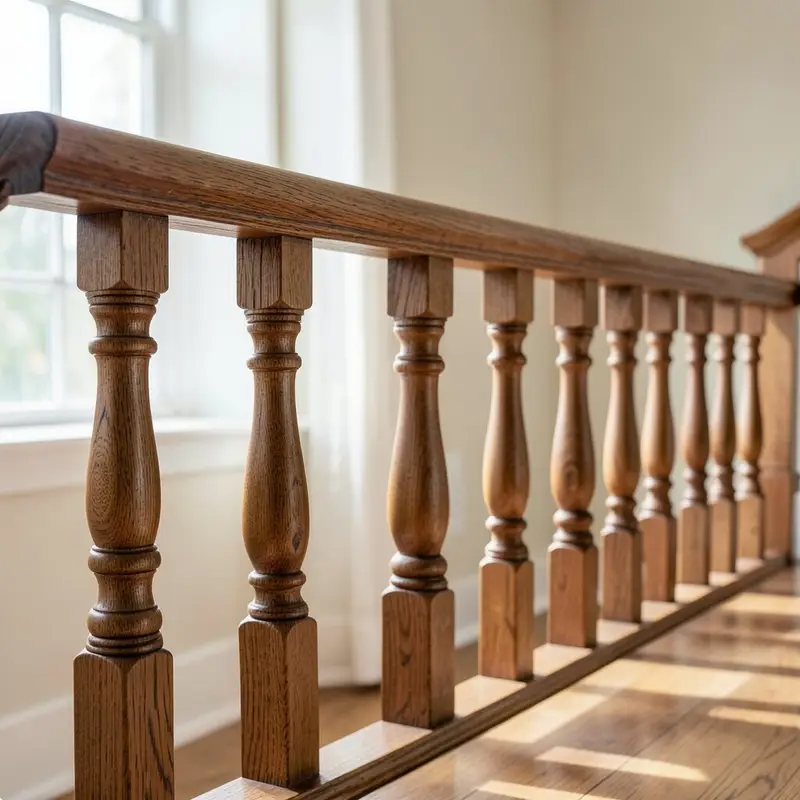
Turned wood balusters bring a soft, familiar charm to a staircase. Their rounded shapes and carved details feel cozy and traditional.
This style works well in homes that want warmth without too much fuss. Paint them white for a clean look, or stain them to show the grain and add depth. They are also a smart choice if you want a balanced mix of beauty and cost, since wood is often easier on the budget than fancy metal work.
2. Simple square balusters for a clean finish
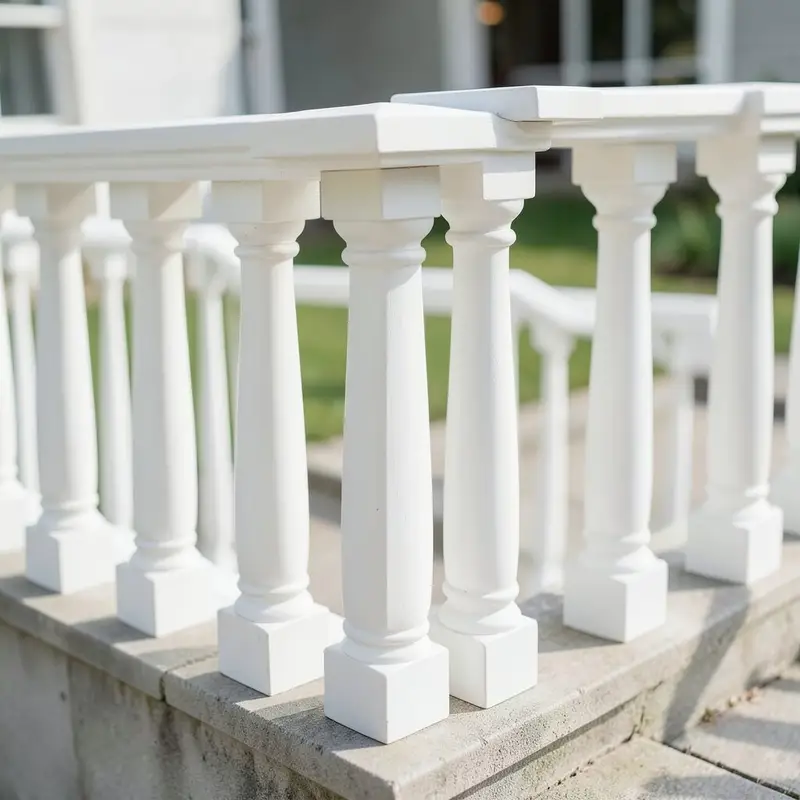
Square balusters give a staircase a neat and tidy look. Their straight lines feel calm and modern, yet they still fit many classic homes.
They are easy to match with wood handrails and painted trim. If you want a fresh update without a big design risk, this is a safe and stylish pick. Many people like to paint them black or white for a crisp look that feels current.
For a personal touch, try mixing square balusters with a darker handrail or a lighter stair runner. This helps the staircase stand out without looking too busy. They are also a good value choice because the shape is simple and often less costly to make.
3. Iron balusters with graceful curves
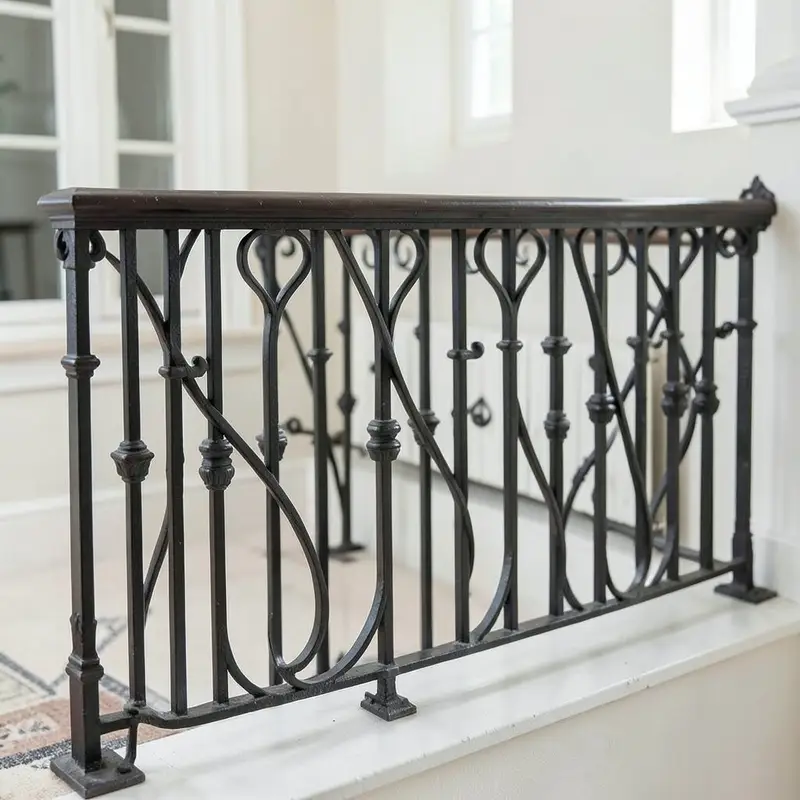
Iron balusters can make stairs feel elegant and strong at the same time. Curved designs add movement, which helps the whole staircase feel less plain.
They work well in homes that want a little drama without losing a classic feel. Black iron is still very popular, and it pairs nicely with wood treads and light walls. If you want a richer look, choose bronze or oil-rubbed finishes for extra depth.
These balusters are great for open spaces because their slim shape keeps sightlines clear. That means the room can feel larger and brighter. They can cost more than wood, but many homeowners feel the long-lasting style is worth it.
4. Spindle balusters for a cottage feel
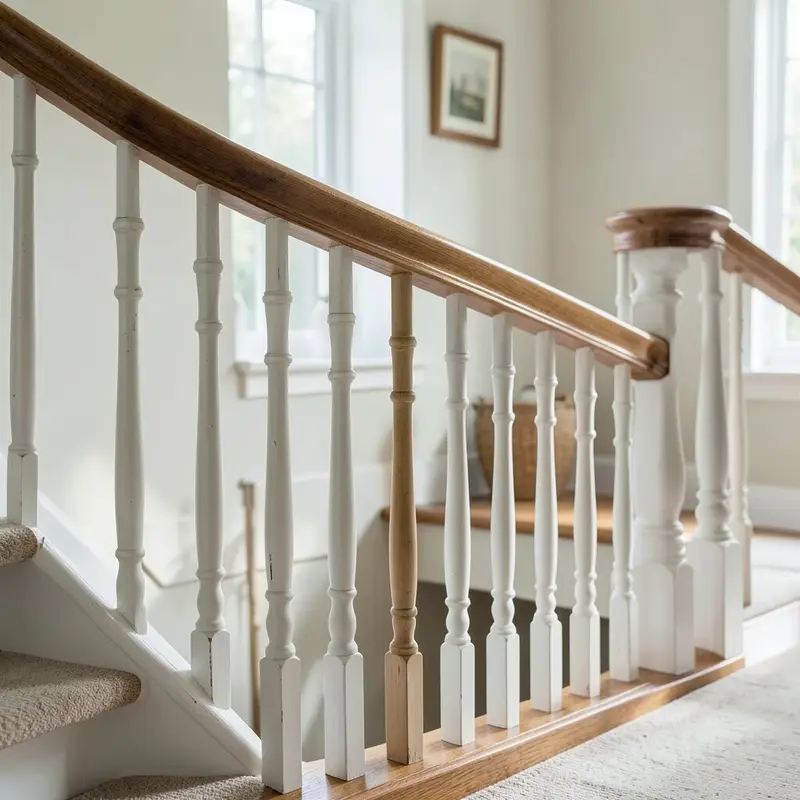
Spindle balusters bring a soft and friendly look to stairs. Their thin shape and repeated rhythm can make a staircase feel charming and light.
This style is a nice fit for cottage homes, farmhouses, and older houses with character. Painted white spindles can brighten a hallway and make it feel airy. If you want a bit more personality, try a muted green or soft gray paint color.
They are also easy to pair with simple wood handrails or painted railings. That makes them flexible for many rooms. Because they are often made in large sets, they can be a budget-friendly way to refresh a staircase.
5. Twisted balusters for a handmade touch
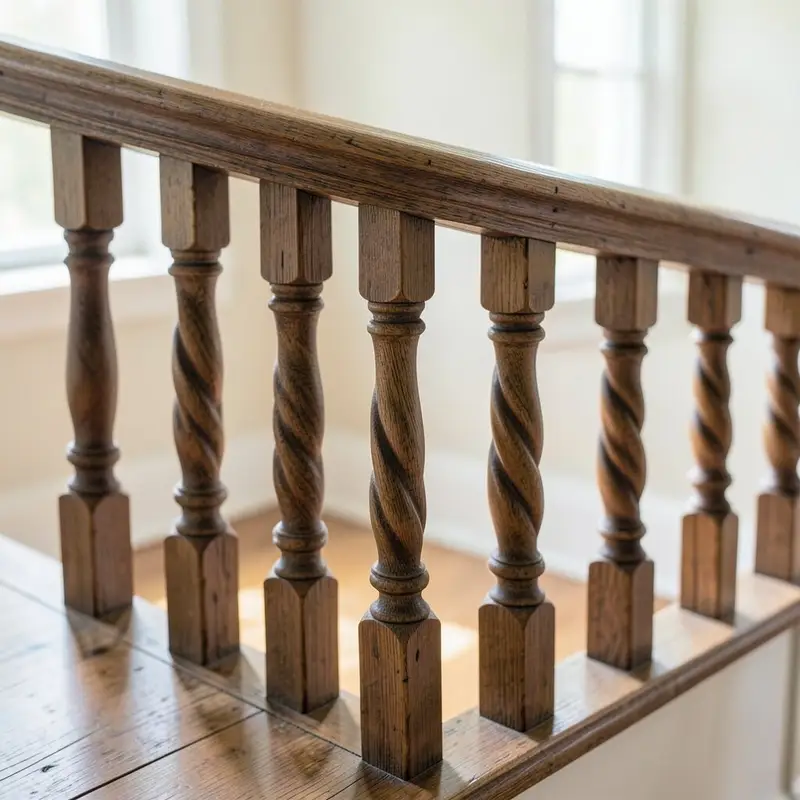
Twisted balusters look like they were shaped by hand, which gives them a special charm. The spiral detail catches the eye and adds texture to the stair rail.
They work well in classic homes that want a little extra style without going too fancy. A dark stain or deep paint color can make the twist pattern stand out even more. These balusters also pair well with simple treads, so the staircase does not feel overloaded.
If you want a custom feel, mix twisted balusters with plain ones for a more collected look. That small change can make the staircase feel unique and personal. Costs can vary, but the extra detail often makes them feel more special than standard options.
6. Colonial balusters for timeless charm
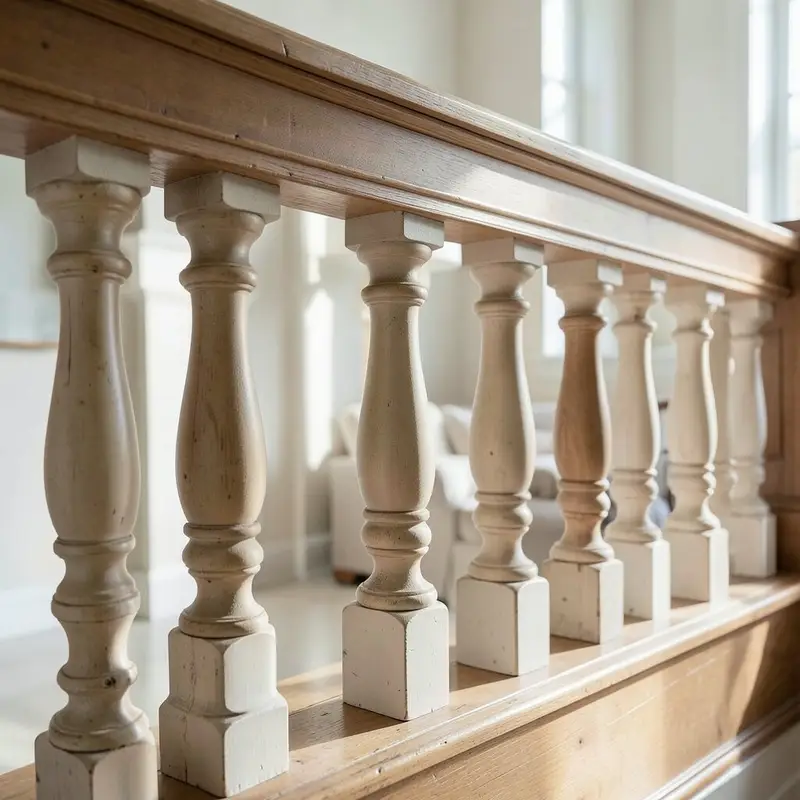
Colonial balusters have a balanced shape that feels steady and classic. They often work well in homes that already have traditional trim, crown molding, or wood floors.
This style is loved because it never feels too trendy. It brings order and grace to a staircase without stealing the show. White paint is a common choice, but soft cream or pale gray can make the design feel warmer.
They also help create a polished look in entryways and living rooms. If you want the stairs to feel neat and welcoming, this is a strong option. The cost is often moderate, which makes it a practical choice for many remodels.
7. Black balusters for bold contrast
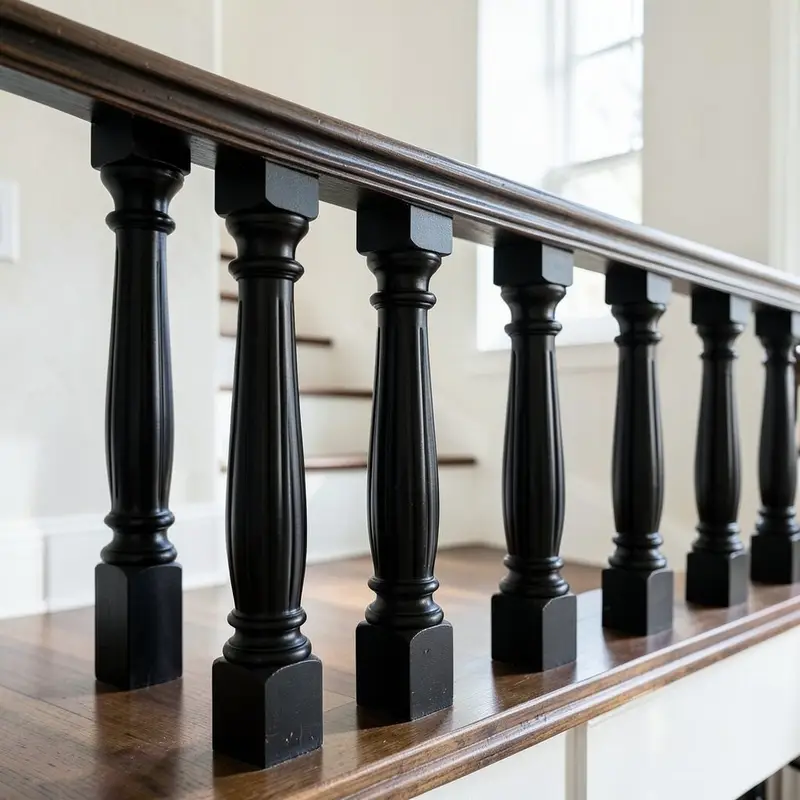
Black balusters create a sharp and stylish contrast against white walls or light wood. The look is clean, strong, and easy to love.
This trend is popular because it feels both modern and classic. Black balusters can make a staircase look more defined and architectural. They also hide small marks better than lighter finishes, which is helpful in busy homes.
For a personal twist, pair them with a natural wood handrail to soften the look. That mix gives the staircase warmth and edge at the same time. Costs depend on the material, but even simple black-painted wood can give a high-end feel.
8. White balusters for a bright, open feel
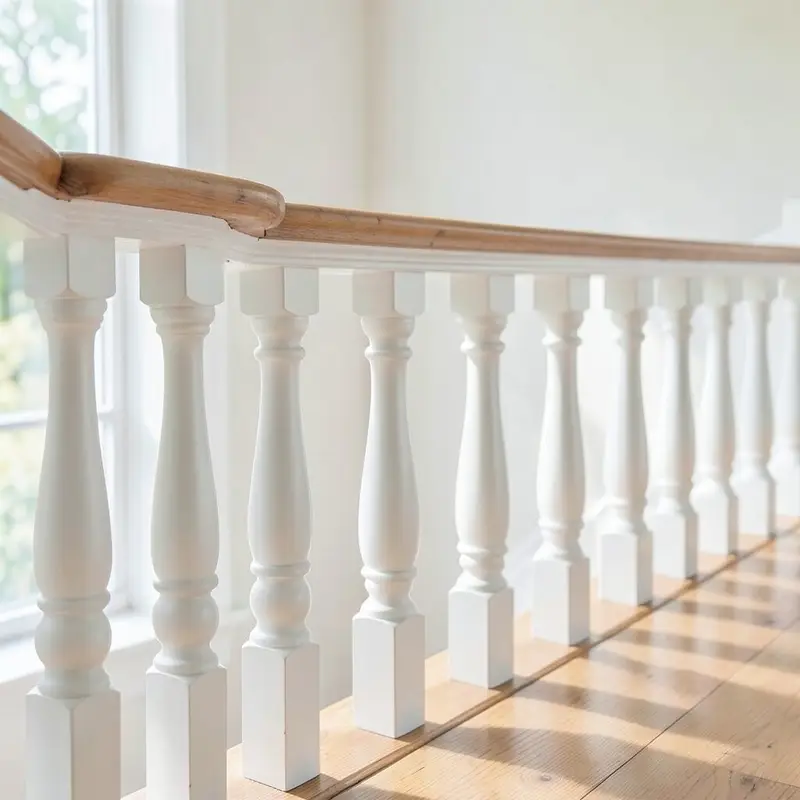
White balusters keep a staircase looking fresh and light. They are a favorite in homes that want a clean backdrop for other design details.
This choice works especially well in narrow halls or darker rooms. White reflects light and can make the space feel bigger and calmer. It also blends easily with many styles, from coastal to traditional.
If you want to add more interest, choose a handrail in oak, walnut, or another rich wood tone. That contrast keeps the staircase from feeling flat. White balusters are usually a smart cost choice too, since painted finishes can be simple and effective.
9. Fluted balusters for elegant texture
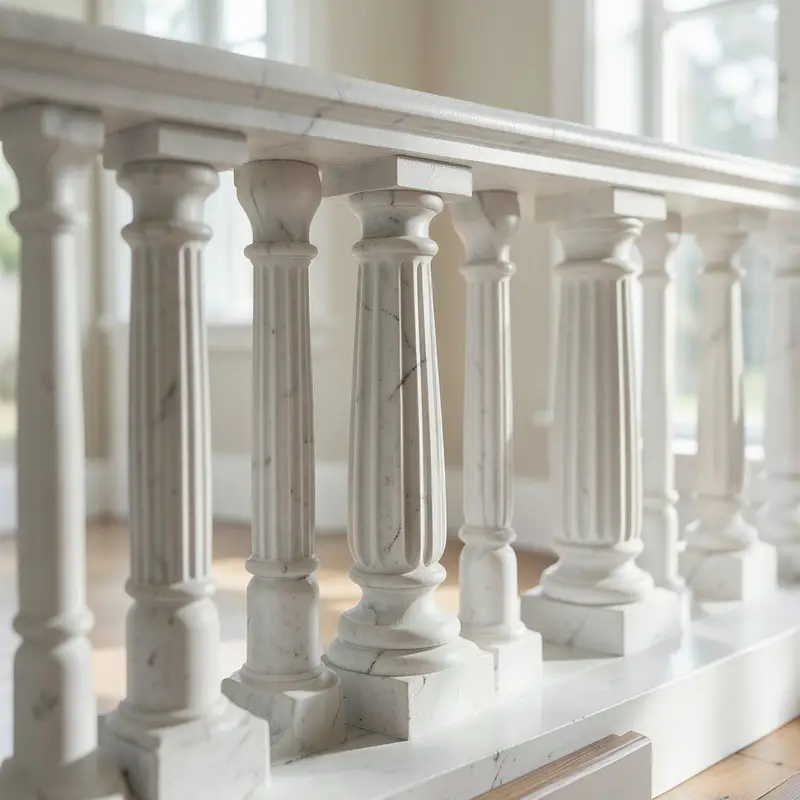
Fluted balusters have soft grooves that add texture without making the design too heavy. They feel refined and can bring a hint of old-world style.
These details work well in formal homes or rooms with classic moldings. The grooves catch light and shadow, which gives the staircase more depth. A soft white or warm ivory finish can make them feel extra graceful.
For a more personal look, use them with a patterned runner or a statement newel post. That helps the staircase feel styled, not plain. They may cost a bit more than basic shapes, but the added detail can be worth it.
10. Box balusters for a strong modern-classic mix
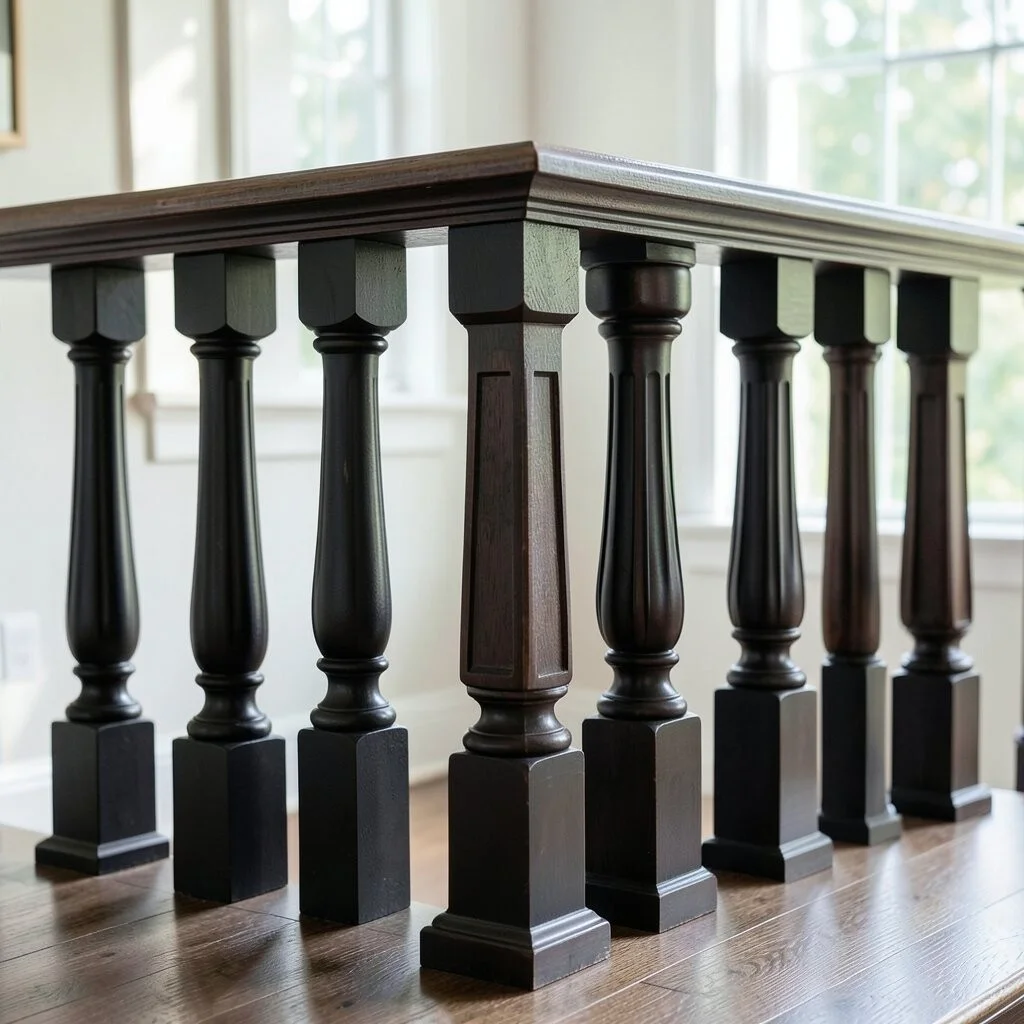
Box balusters have a solid shape that feels sturdy and neat. Their clean lines make them a good match for homes that mix old and new design.
This style is useful when you want something simple but not boring. It gives the staircase a built-in look that feels calm and ordered. Painted finishes work well here, especially in white, black, or soft taupe.
Many homeowners like box balusters because they are easy to coordinate with other trim pieces. They also look good in open staircases where every line matters. Cost can stay reasonable if you choose a basic wood version and paint it yourself.
11. Round metal balusters for a sleek profile
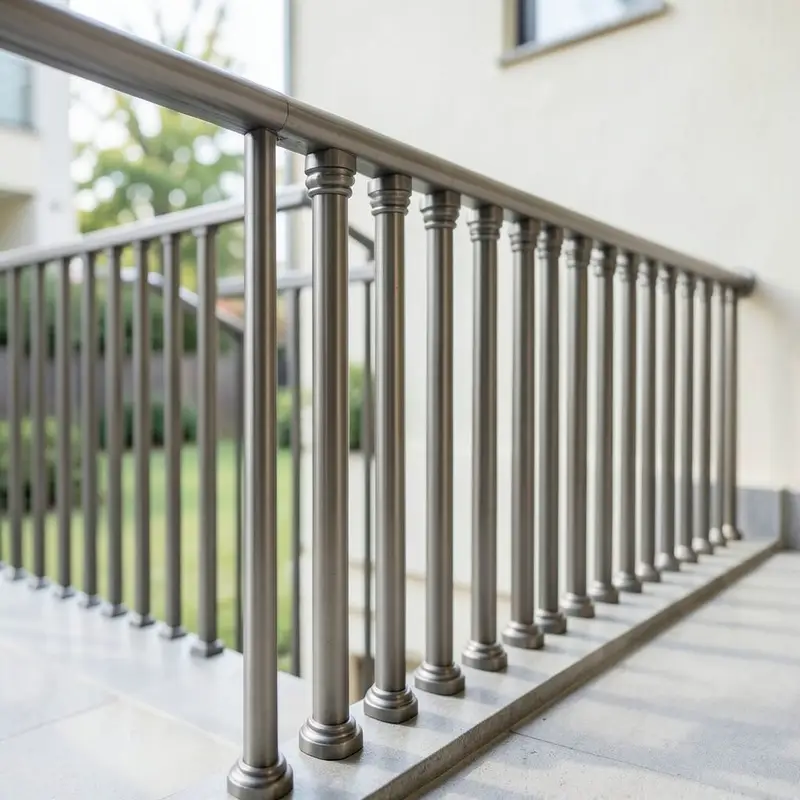
Round metal balusters offer a smooth shape that feels light and tidy. They can make a staircase look more open than thick wood pieces.
This style is a favorite in updated classic homes because it feels current without being cold. Black, bronze, and brushed nickel finishes are all popular choices. They look especially nice with wood handrails and pale stair risers.
If you want a softer look, choose a warm metal tone instead of shiny silver. That small choice can make the stairs feel more inviting. Metal balusters may cost more than basic wood, but they often last well and need less upkeep.
12. Basket balusters for a decorative twist
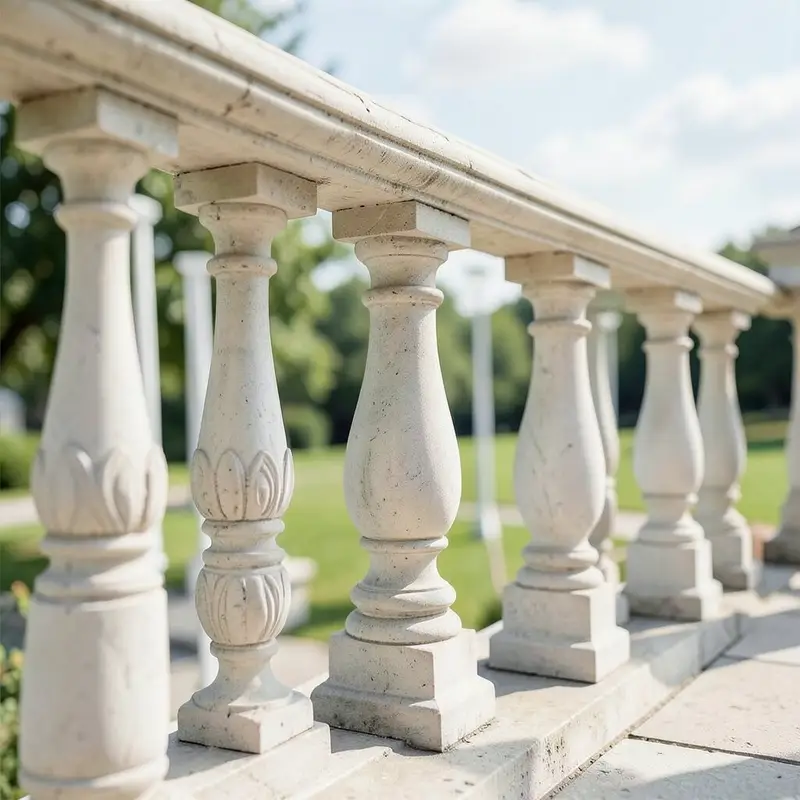
Basket balusters have a shaped center that adds a little drama to the stair rail. They feel decorative, but still fit in many classic homes.
This style works best when you want the staircase to stand out in a tasteful way. The pattern adds visual interest without looking too busy. Dark paint or stain can make the basket shape pop even more.
Try mixing basket balusters with plainer ones to keep the design balanced. That can make the staircase feel custom and thoughtful. These details may raise the price a bit, but they can also make the whole space feel richer.
13. Tapered balusters for a softer line
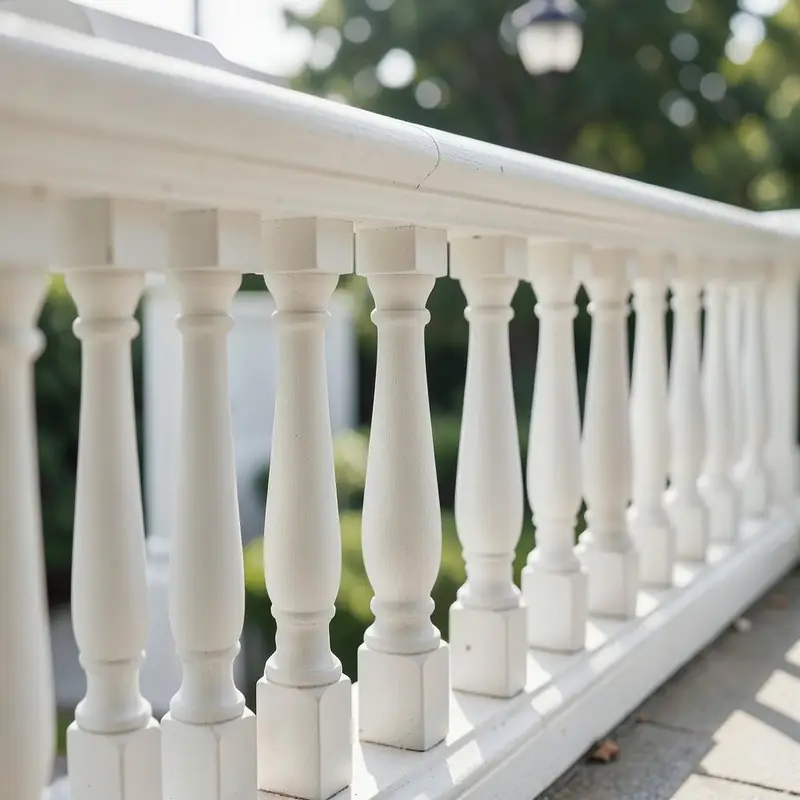
Tapered balusters narrow gently from one end to the other. That shape gives the staircase a graceful flow and a softer visual feel.
They work well in homes that want elegance without heavy decoration. The taper adds motion, which helps the eye move along the rail. Painted white or creamy beige finishes can make them look especially polished.
If your stairway feels boxy, tapered balusters can help it seem more fluid. They are also easy to style with simple wall art or a runner. Cost often stays manageable, especially when the design is kept clean.
14. Craftsman-style balusters for sturdy character
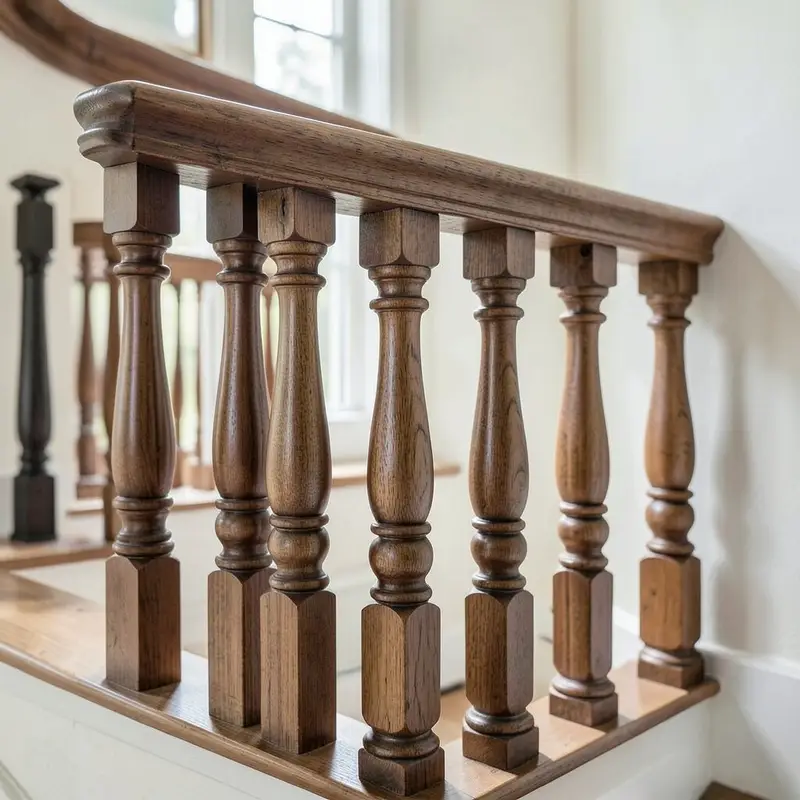
Craftsman-style balusters have a grounded look that feels honest and strong. Their simple shape fits well with natural wood and built-in details.
This style is a great choice for homes with warm tones and handmade touches. It adds character without making the staircase feel fussy. Dark stains, matte paint, or natural finishes all work nicely here.
For a personal touch, pair them with a wide wood rail and a bold newel post. That creates a staircase with real presence. The cost can be friendly if you choose straightforward materials and finishes.
15. Slim iron balusters for an airy look
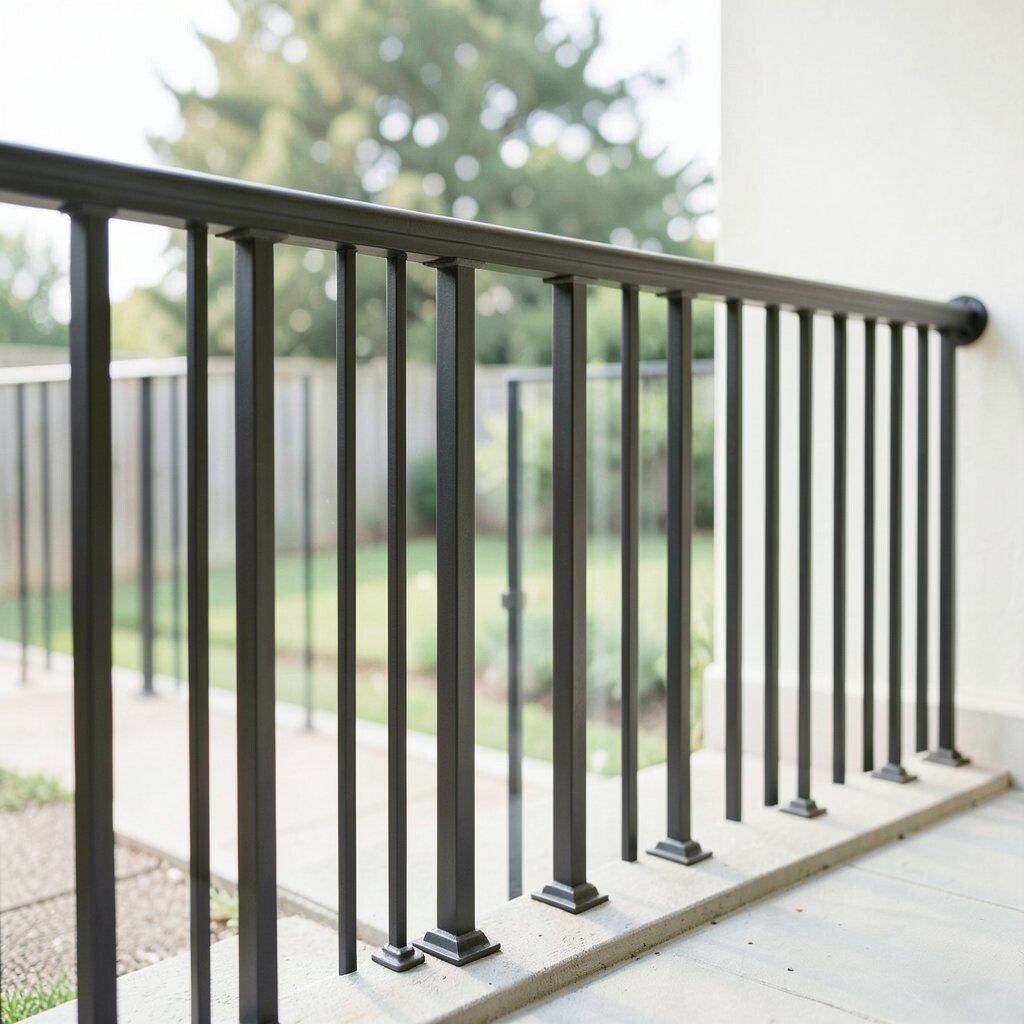
Slim iron balusters keep the staircase feeling open and light. Their thin lines help small spaces feel less crowded.
This is a smart style for homes that want a modern update with classic roots. The simple shape gives a clean look, while the metal finish adds polish. Black is the most common choice, but dark bronze can feel warmer.
They are easy to pair with wood treads, painted trim, and glass accents nearby. If you want your hallway to feel brighter, this is a helpful option. The cost can be fair, especially if you use a simple pattern instead of ornate pieces.
16. Scroll balusters for a little romance
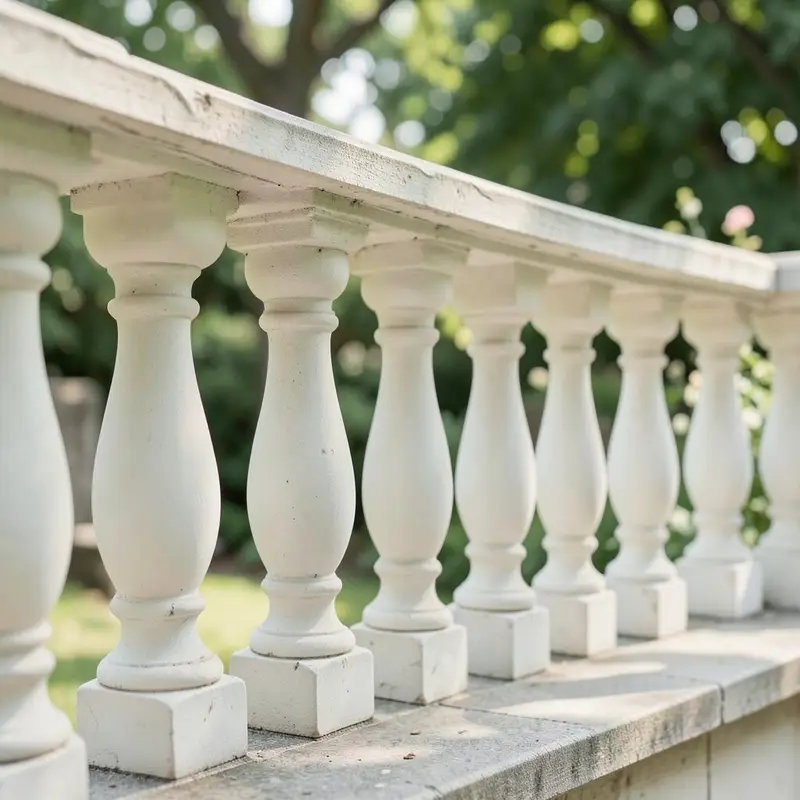
Scroll balusters bring a graceful curve that feels a bit romantic. Their flowing lines can make a staircase look special right away.
This style works well in homes that want charm and detail. It can give the space a dressier mood without making it feel stiff. Black or deep brown finishes often help the scroll shape stand out best.
Use scroll balusters with simpler rails and treads so the design stays balanced. That way, the staircase looks elegant instead of crowded. These pieces may cost more, but they can serve as a true focal point in the home.
17. Painted wood balusters in soft colors
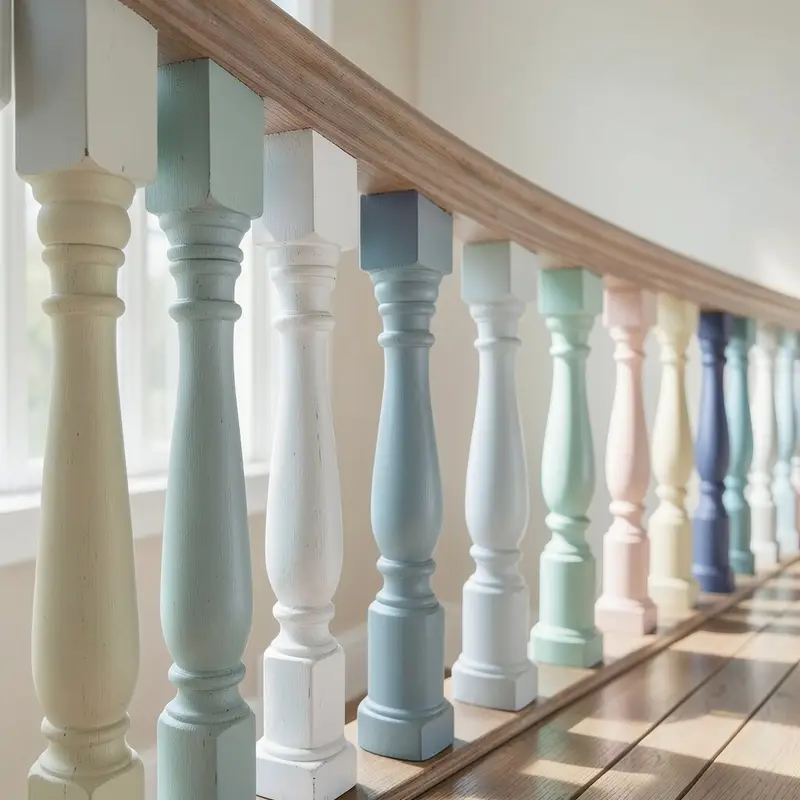
Painted wood balusters can bring a fresh and cheerful feel to stairs. Soft colors like sage, blue-gray, or warm white add personality in a gentle way.
This is a great choice if you want something classic but not plain. Color can help the staircase match the rest of the room and feel more connected. It is also a budget-friendly way to update old balusters without replacing every part.
For the best look, choose a shade that works with your floor, wall color, and railing. That makes the whole staircase feel planned and cozy. A painted finish can also be easy to refresh later if your style changes.
18. Carved wood balusters for rich detail
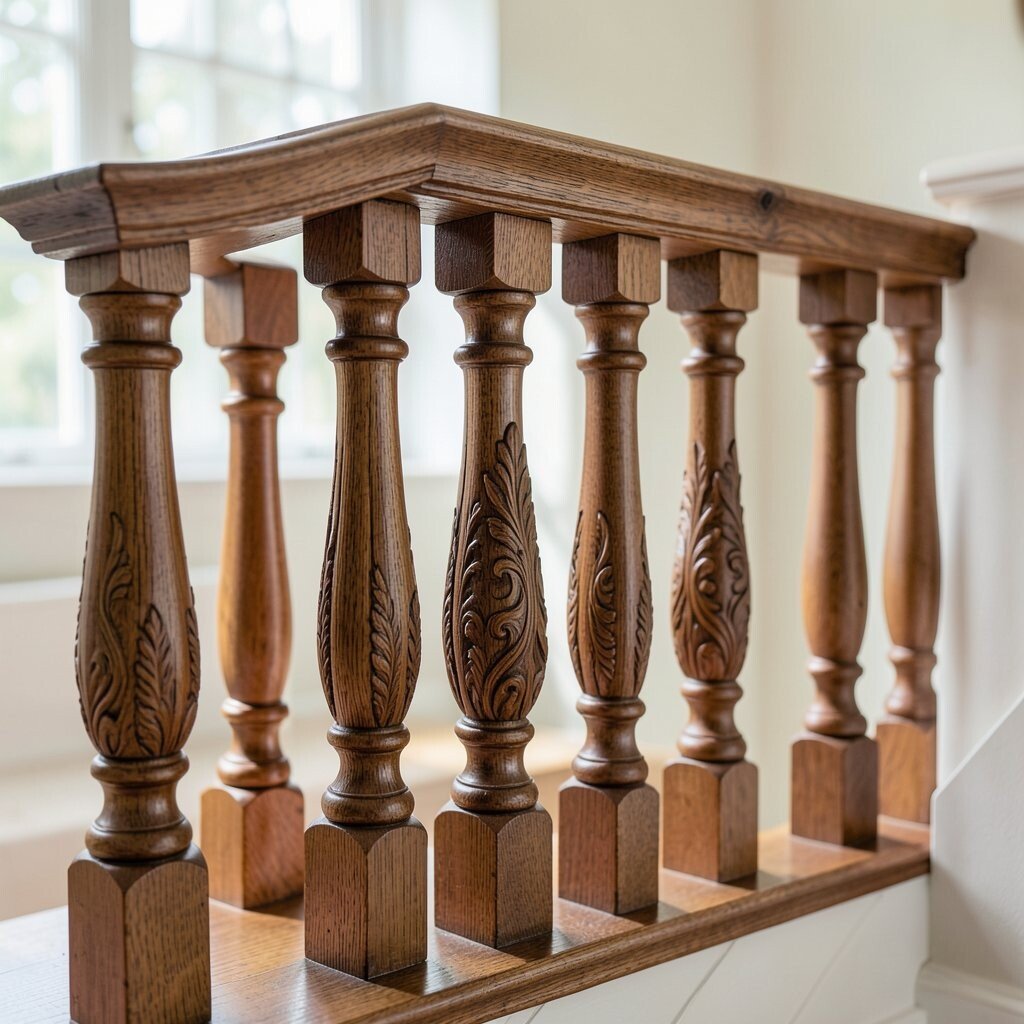
Carved wood balusters bring a sense of craft and history to a staircase. Their detailed shapes can make even a simple stairway feel grand.
This style is ideal for older homes or spaces that want a more formal look. The carving adds shadow and texture, which makes the design feel alive. A dark stain can highlight the carving, while a painted finish can make it feel lighter.
If you want a custom feel, choose carved balusters that echo the style of your doors or furniture. That helps the home feel connected from room to room. These pieces can cost more, but their detail often makes them worth the price.
19. Mixed wood and iron balusters for balance
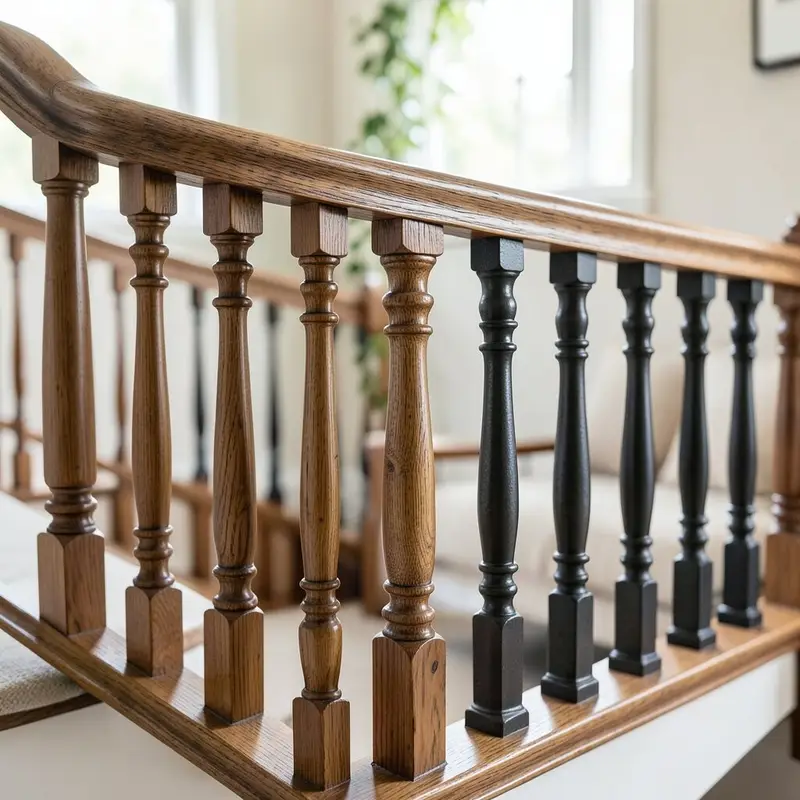
Mixing wood and iron gives a staircase a nice balance of warmth and strength. The wood adds comfort, while the iron brings a clean edge.
This look is popular because it feels updated but still classic. It works well in homes that want a little contrast without going too bold. You can keep the wood natural or paint it to suit the room.
For a personal touch, pick iron balusters with a shape that matches your home’s mood. Simple lines feel calm, while small curves feel softer. Costs can vary, but mixing materials can also help you control the budget by using less of the pricier option.
20. Geometric balusters for a fresh statement
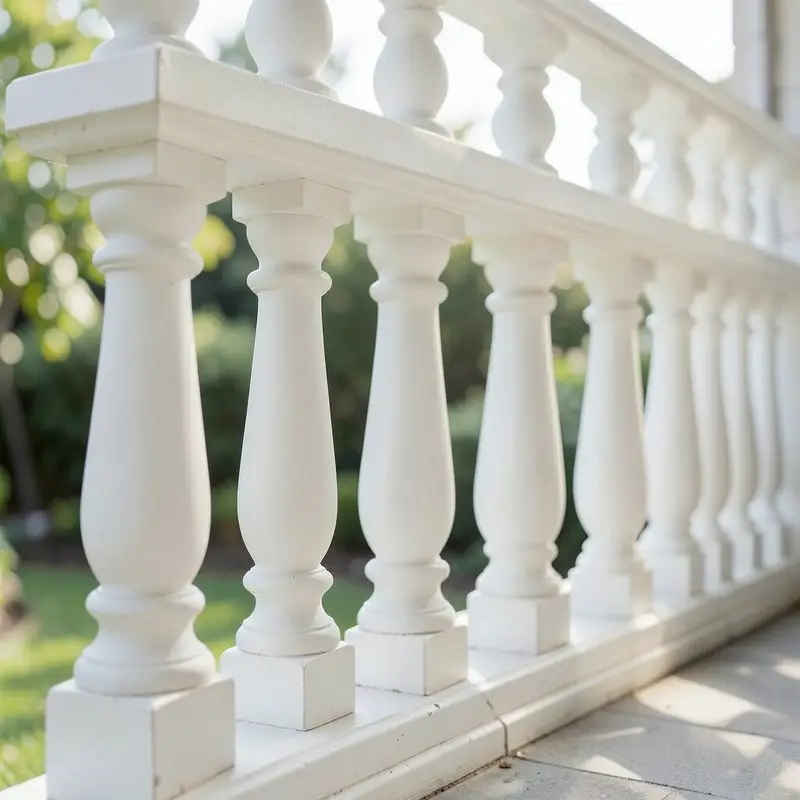
Geometric balusters use shapes like squares, angles, and repeated patterns to create interest. They can make a staircase feel artful and modern while still fitting a classic setting.
This style is a good pick if you want something different from the usual spindle look. It adds a crisp visual rhythm that draws the eye. Black, white, and bronze finishes are common, but natural wood can also work well.
To keep the design from feeling too sharp, pair geometric balusters with warm wood or soft wall colors. That helps the staircase stay inviting. These balusters may cost more if they are custom-made, but they can make a big style statement.
21. Painted gray balusters for a calm neutral look
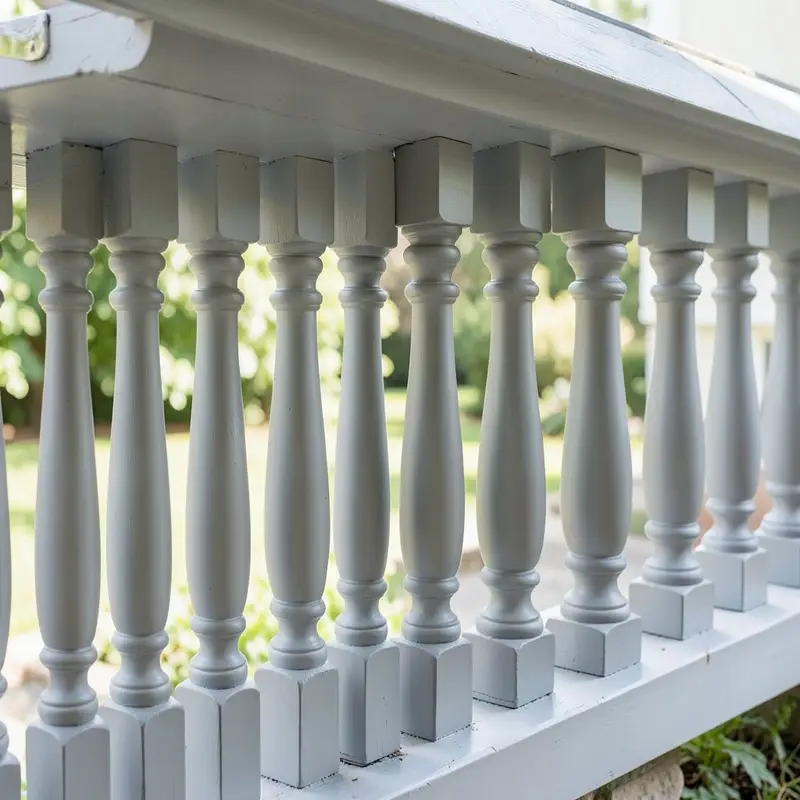
Gray balusters offer a soft, easygoing style that feels modern and classic at once. The color is gentle and works with many home palettes.
This is a smart choice if you want something less bright than white but still light. Gray can hide small smudges better and gives the staircase a relaxed feel. It pairs nicely with oak floors, white walls, and black accents.
Try a warm gray if your home has beige or wood tones, or choose a cooler gray for a crisp look. That small color choice can change the whole mood. Painted gray balusters are also a practical option when you want good style at a fair cost.
22. Rustic balusters for natural charm
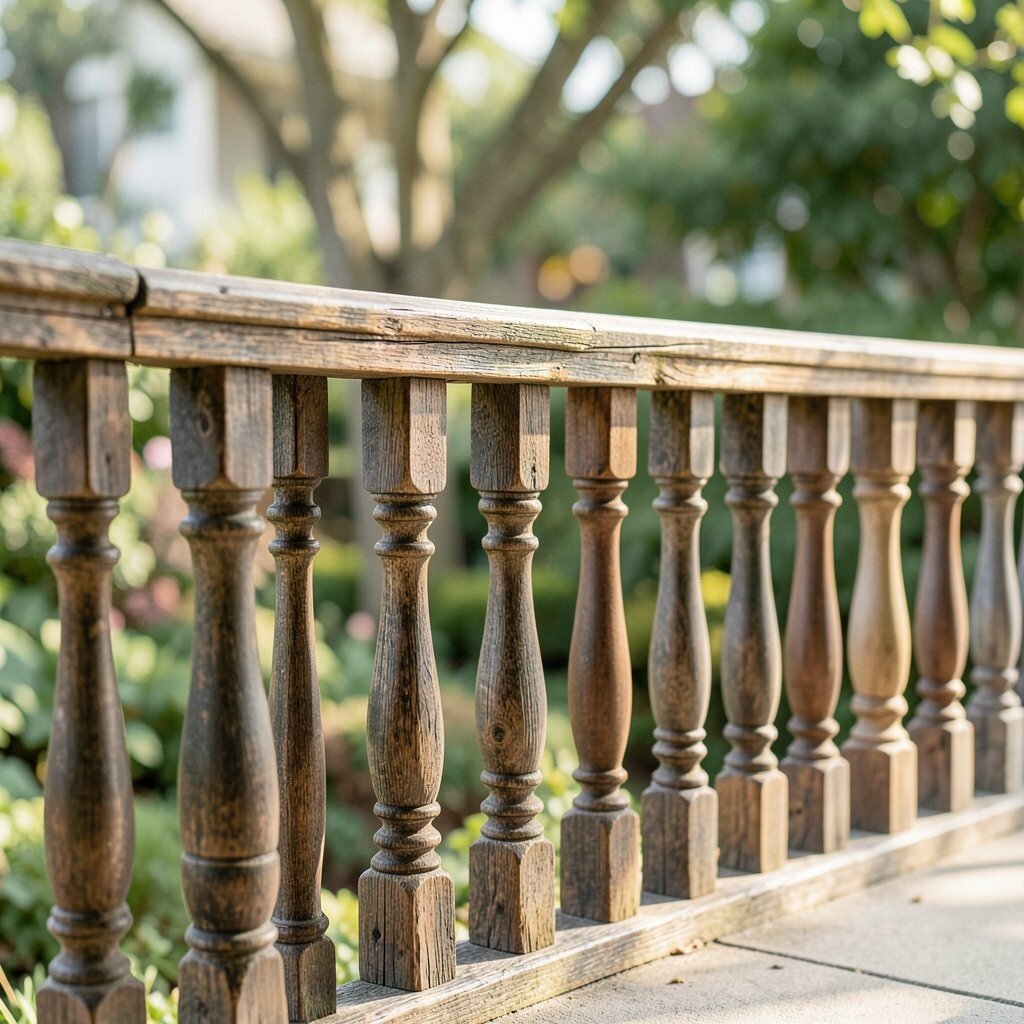
Rustic balusters bring in a lived-in look that feels warm and easy. They often have a rougher texture or a more natural finish that adds character.
This style works well in cabins, farmhouses, and cozy family homes. It gives the staircase a handmade feel that many people find inviting. Stained wood is a common choice, but a weathered paint finish can also look lovely.
If you want to personalize the space, match the balusters with a reclaimed wood bench or a woven runner. That helps the staircase feel part of a bigger story. Costs can be friendly if you use simple materials and keep the finish natural.
23. White-on-white balusters for a soft, airy style
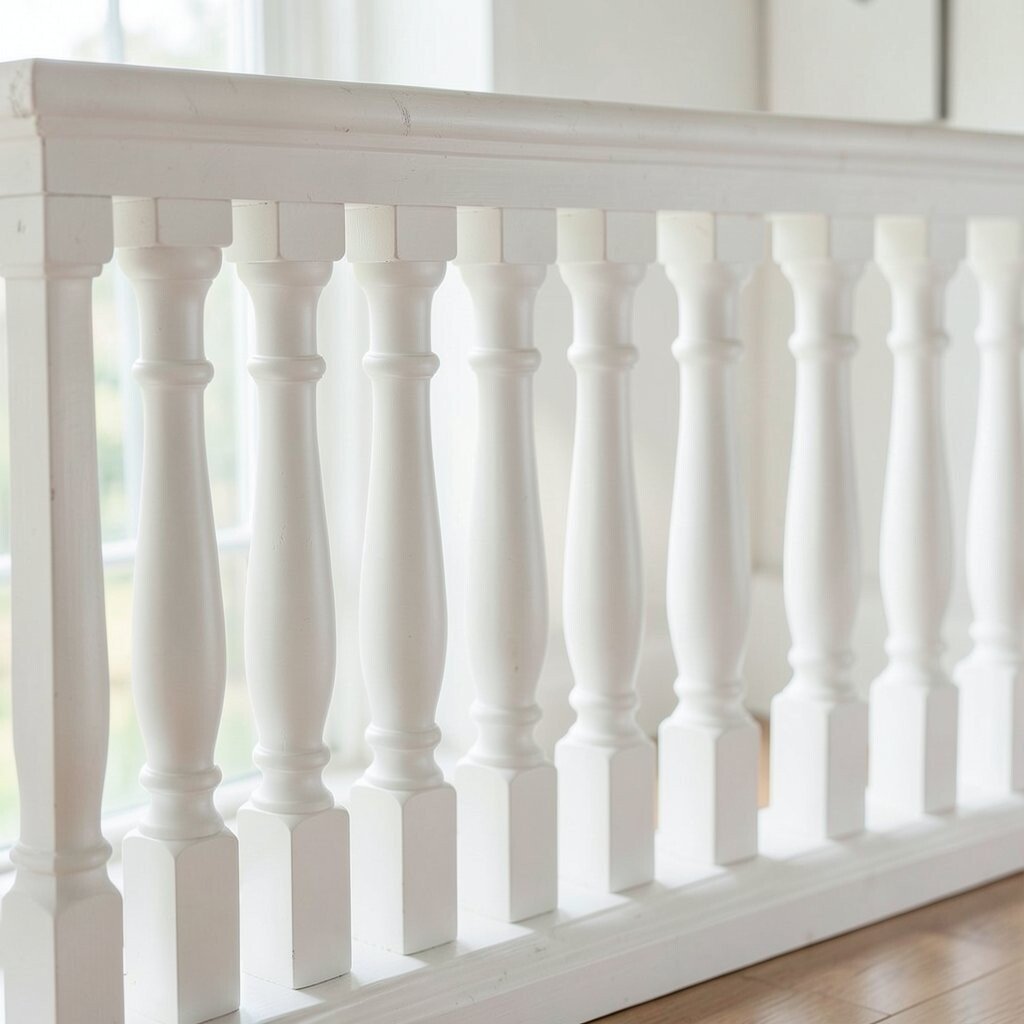
White-on-white balusters blend with white walls, white trim, and light stair details for a very calm look. The effect is clean, soft, and open.
This style is helpful in smaller homes or narrow stair halls. When the balusters fade into the background, the space can feel larger and less crowded. It also gives you a simple base if you want to add colorful art or a patterned rug nearby.
To keep the design from feeling flat, add texture with a wood handrail or a woven stair runner. That little contrast makes the staircase more interesting. This is often a cost-friendly direction, since paint can do a lot of the work.
24. Dark-stained wood balusters for rich depth
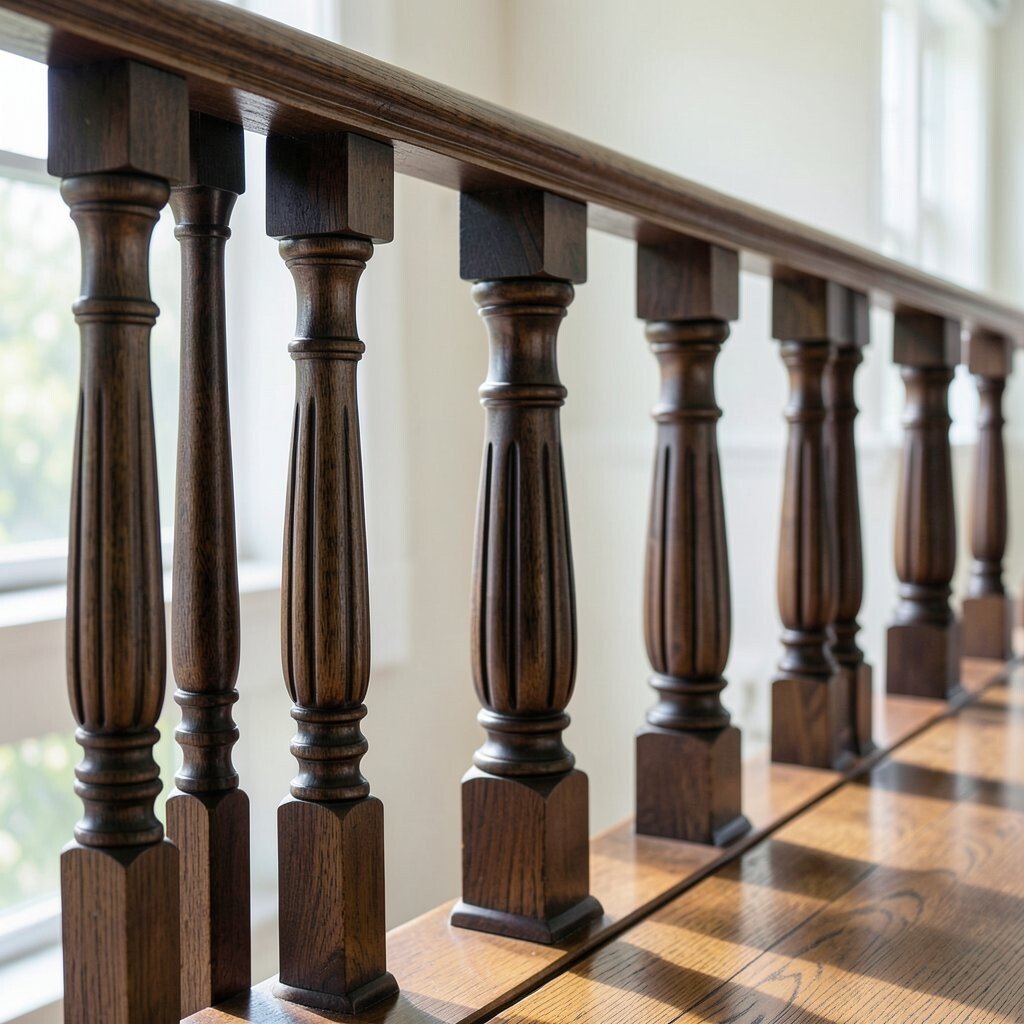
Dark-stained wood balusters add a deep, rich look that feels classic and strong. The darker tone can make the staircase feel more grounded and elegant.
This style works well in homes with warm floors, leather furniture, or traditional decor. It can also help older baluster shapes look more refined. Dark finishes are great for hiding small marks, which is useful in busy homes.
For a balanced look, pair dark balusters with lighter walls or a bright runner. That keeps the staircase from feeling too heavy. The cost can stay reasonable if you choose standard wood and use a good stain finish.
25. Thin vertical balusters for a clean rhythm
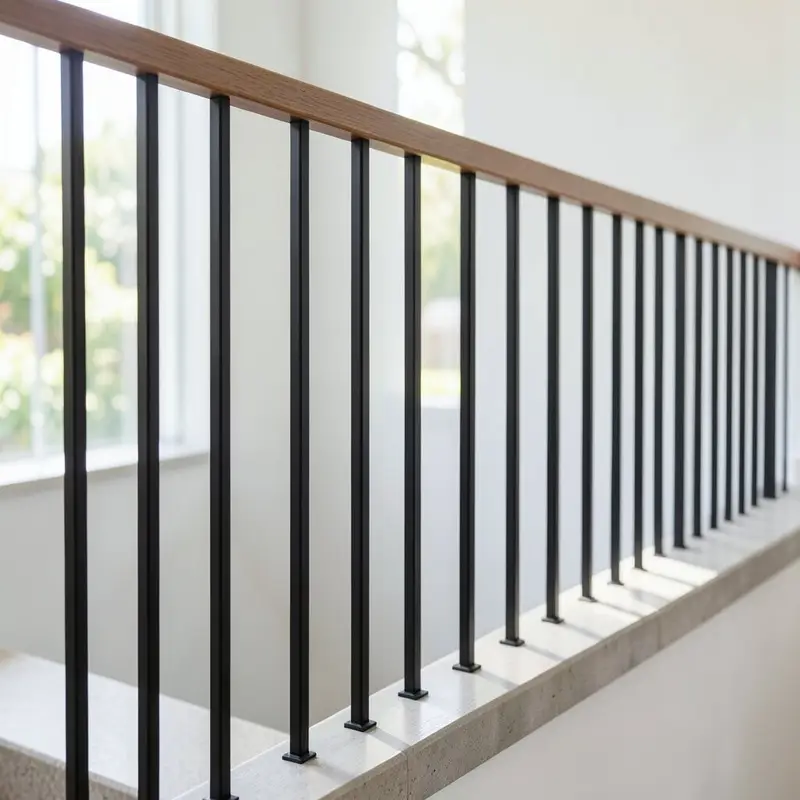
Thin vertical balusters create a neat repeat pattern that feels calm and orderly. Their narrow shape helps the staircase look light and tidy.
This trend is popular in updated classic homes because it feels simple but not plain. It works especially well when you want the railing to blend into the room. Black, white, and natural wood all look good with this style.
If you want a more personal feel, change the handrail color or add a special newel post. That keeps the staircase from looking too standard. Thin balusters can also be a smart price choice because they use less material.
26. Decorative newel-and-baluster sets for a grand entry
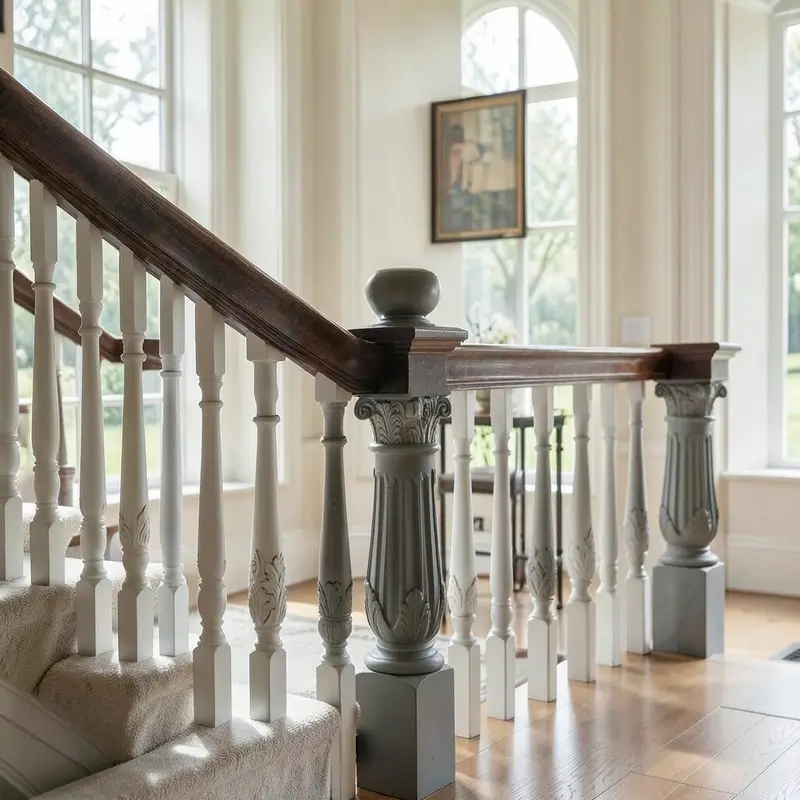
A decorative baluster set with a matching newel post can make the staircase feel grand right away. The whole arrangement looks planned and complete.
This is a great option for entryways where you want a strong first impression. The balusters, rail, and post work together like a small piece of architecture. Carved details, turned shapes, or metal accents can all add personality.
For a home that feels more custom, match the set to nearby door trim or furniture details. That helps the stairway feel like part of the room, not a separate piece. Costs can be higher, but the finished look often feels worth it.
27. Two-tone balusters for extra interest
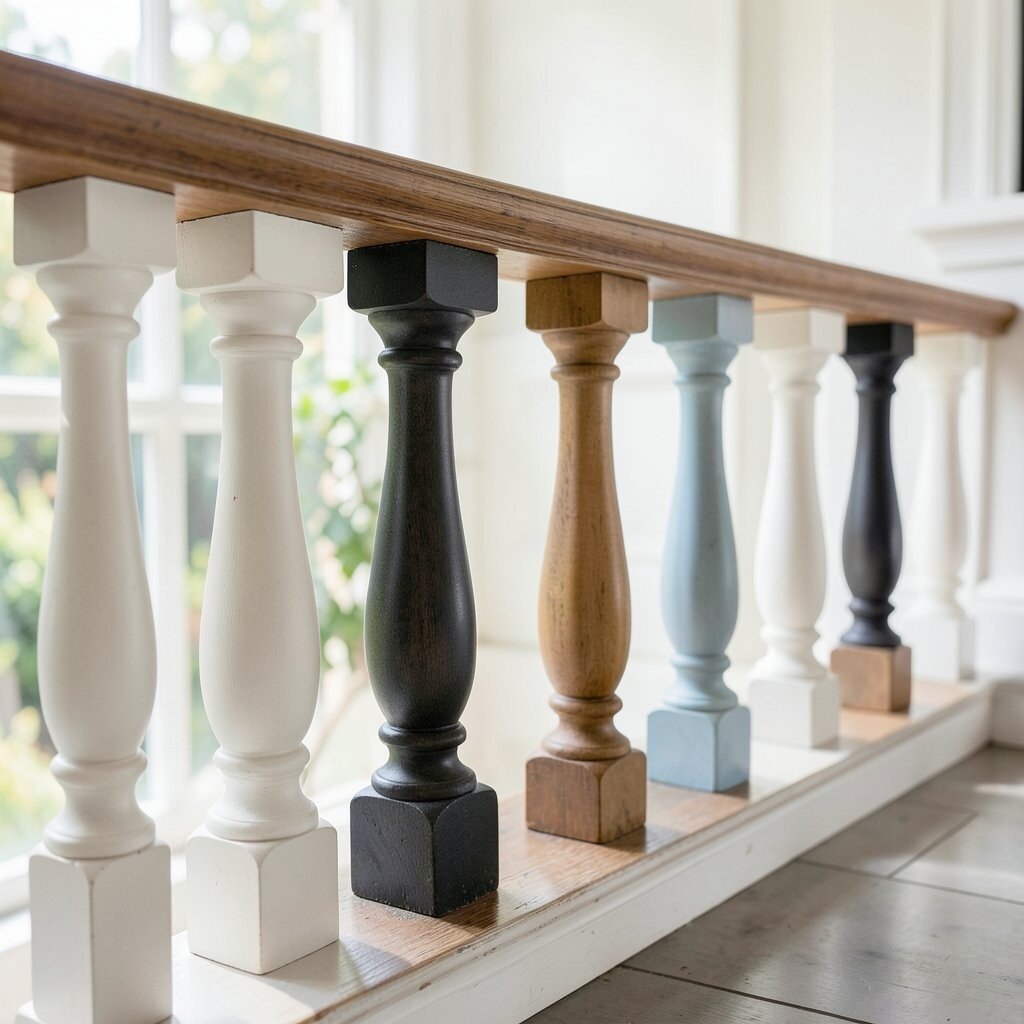
Two-tone balusters use more than one color or finish to create a layered look. The contrast can make the staircase feel lively and stylish.
This idea works well if you want a classic stairway with a fresh twist. For example, white balusters with a dark rail can feel crisp and modern. You can also try wood balusters with painted details for a softer custom effect.
Keep the rest of the staircase simple so the color mix feels balanced. That helps the design stand out in a good way. Two-tone finishes can be a smart way to update a staircase without replacing every part.
28. Vintage-style balusters for old-home charm
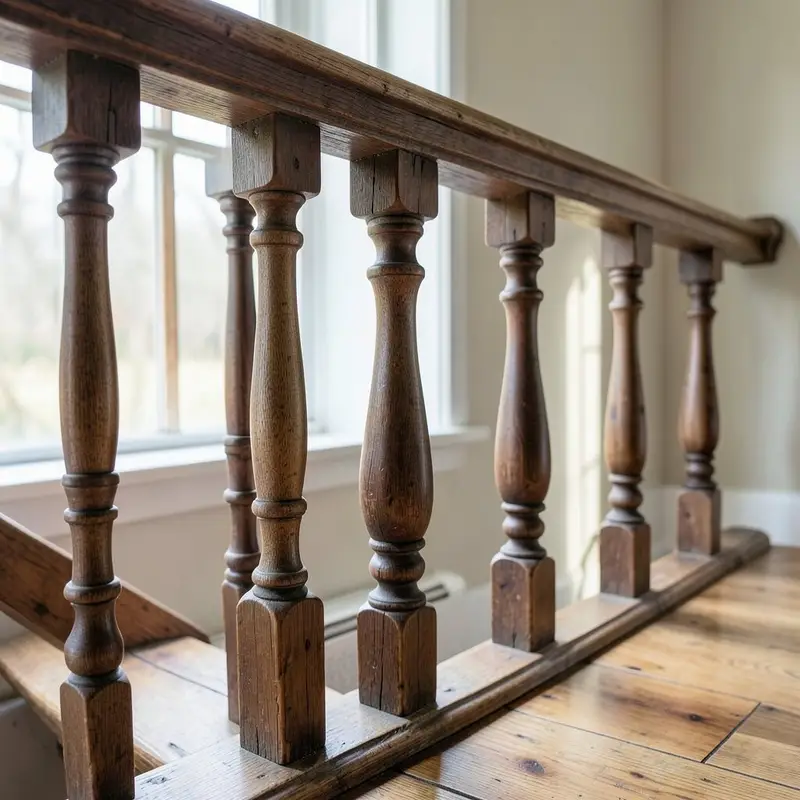
Vintage-style balusters bring back the feel of another time. Their shapes often have soft curves, small details, and a sense of history.
This style is perfect for older homes, or for newer homes that want a bit of old soul. It can make a staircase feel like it has always belonged there. Soft paint colors or aged stains can make the look even more authentic.
If you want to make the design feel personal, choose balusters that echo your home’s era or nearby architectural details. That creates a nice sense of story. Costs can vary widely, but some vintage-inspired styles are easy to find without a huge price tag.
29. Custom balusters for a one-of-a-kind staircase
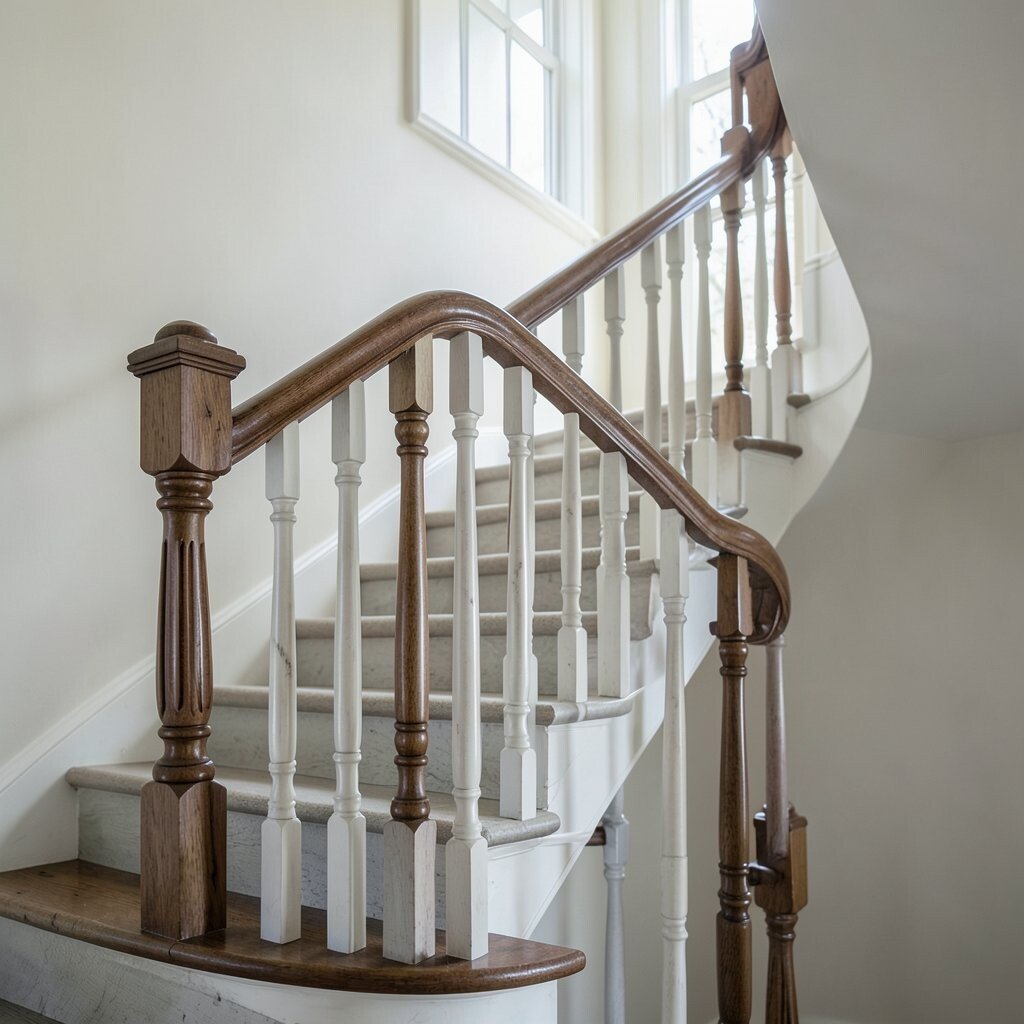
Custom balusters give you the chance to shape a staircase that feels truly yours. You can choose the material, finish, profile, and small details that fit your home best.
This is a strong choice if you want the stairs to match a special room, a family style, or a unique layout. Custom work can make the staircase feel more polished and personal. You can also mix classic shapes with current trends for a look that feels fresh but timeless.
Think about your budget, since custom pieces often cost more than standard options. Still, they can be worth it when you want a design that fits perfectly and lasts for years. If you plan carefully, your staircase can become one of the most memorable parts of the home.