Can a classroom be more than just desks and chairs? Imagine a place where learning feels like a cozy adventure. Here are some common decor mistakes that might be keeping yours from being that special place.
1. Overcrowding Walls with Posters
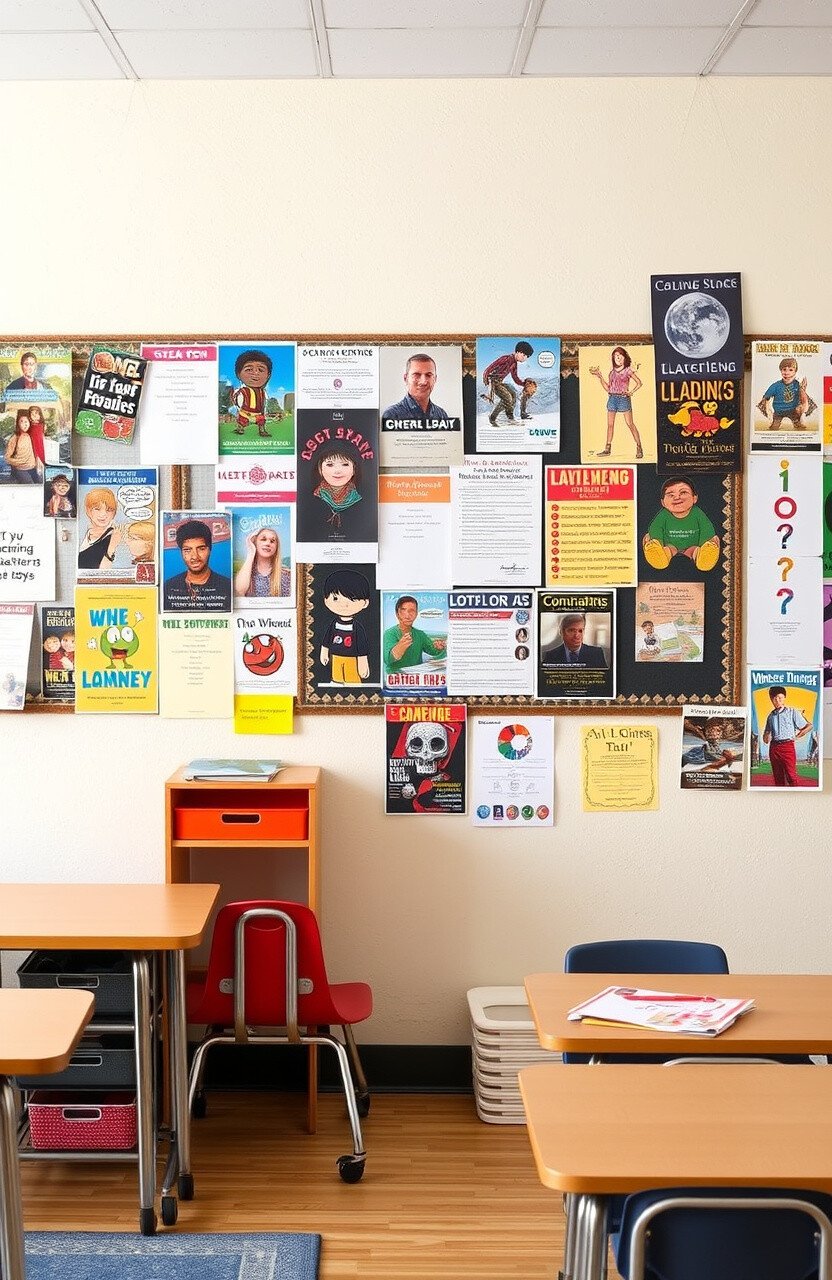
Walls filled with posters can overwhelm students and distract from learning. A few well-placed items create a more focused environment.
Use a theme that matches your teaching subject for a cohesive look. Keep it simple to maintain a calm atmosphere.
Choosing quality over quantity ensures the decor is meaningful. Personalize it with student-created work for a unique touch.
Budget-friendly options include rotating displays to keep things fresh. Less is more when creating a cozy learning space.
2. Ignoring Natural Light
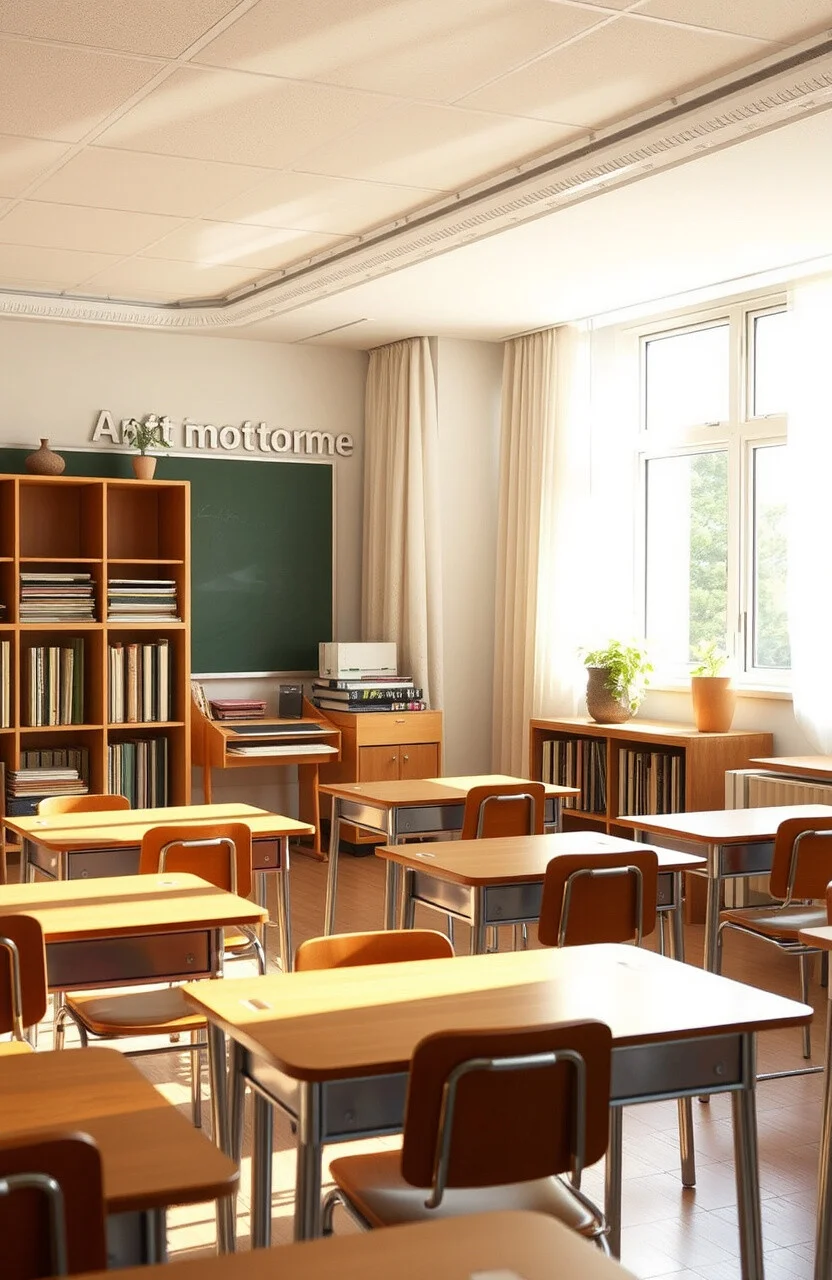
Natural light can enhance mood and concentration, yet it’s often overlooked. Blocking windows with heavy curtains can make a room feel closed off.
Consider using light, airy curtains that allow sunlight to filter through. Position desks to maximize exposure to natural light.
Natural light is a free resource that can drastically improve the learning environment. It also reduces the need for artificial lighting.
Experiment with different curtain styles to find what works best. Embrace the sunlight for a warm and inviting classroom.
3. Choosing Uncomfortable Seating
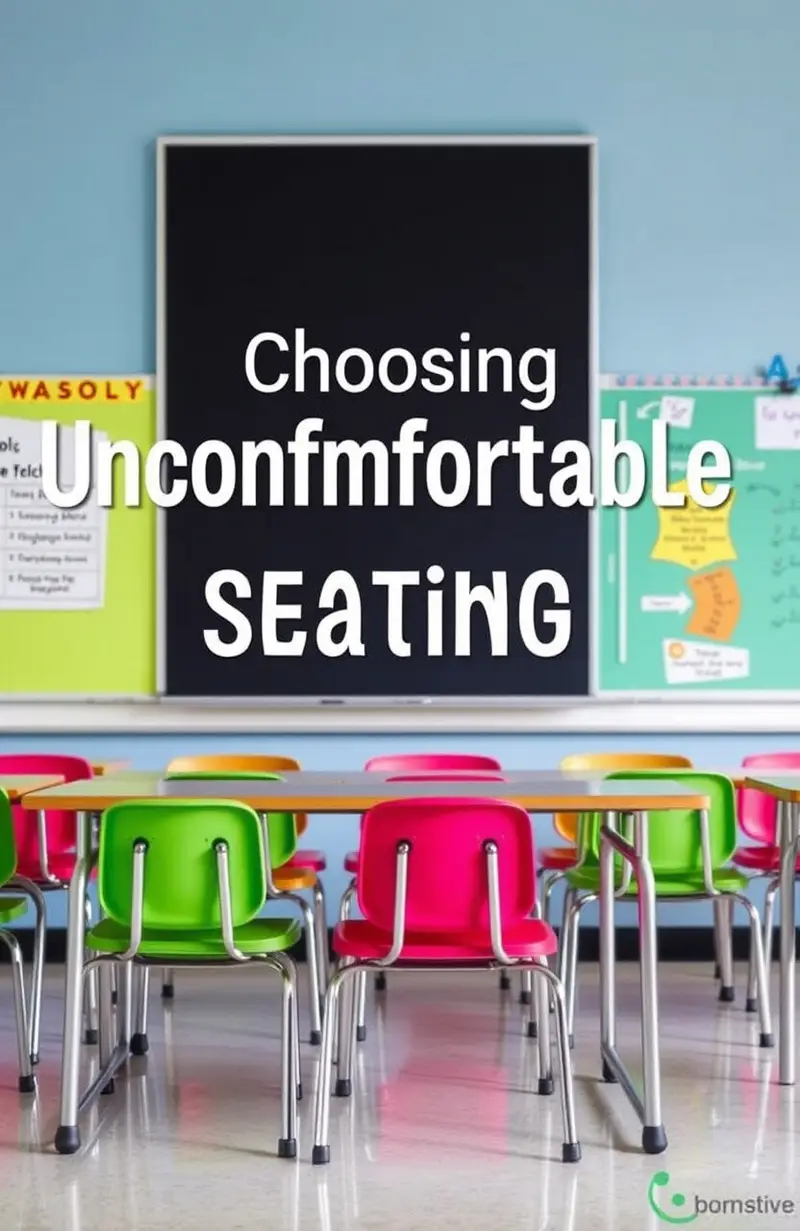
Uncomfortable chairs can lead to restless students. Opt for ergonomic designs that support good posture.
Comfortable seating can enhance focus and learning efficiency. It’s worth investing in quality chairs for long-term benefits.
Consider cushions or seat covers for added comfort. Personalize seating areas with colorful fabrics to add a pop of color.
Look for sales or second-hand options to save on costs. Happy students make for a more harmonious classroom.
4. Using Harsh Lighting
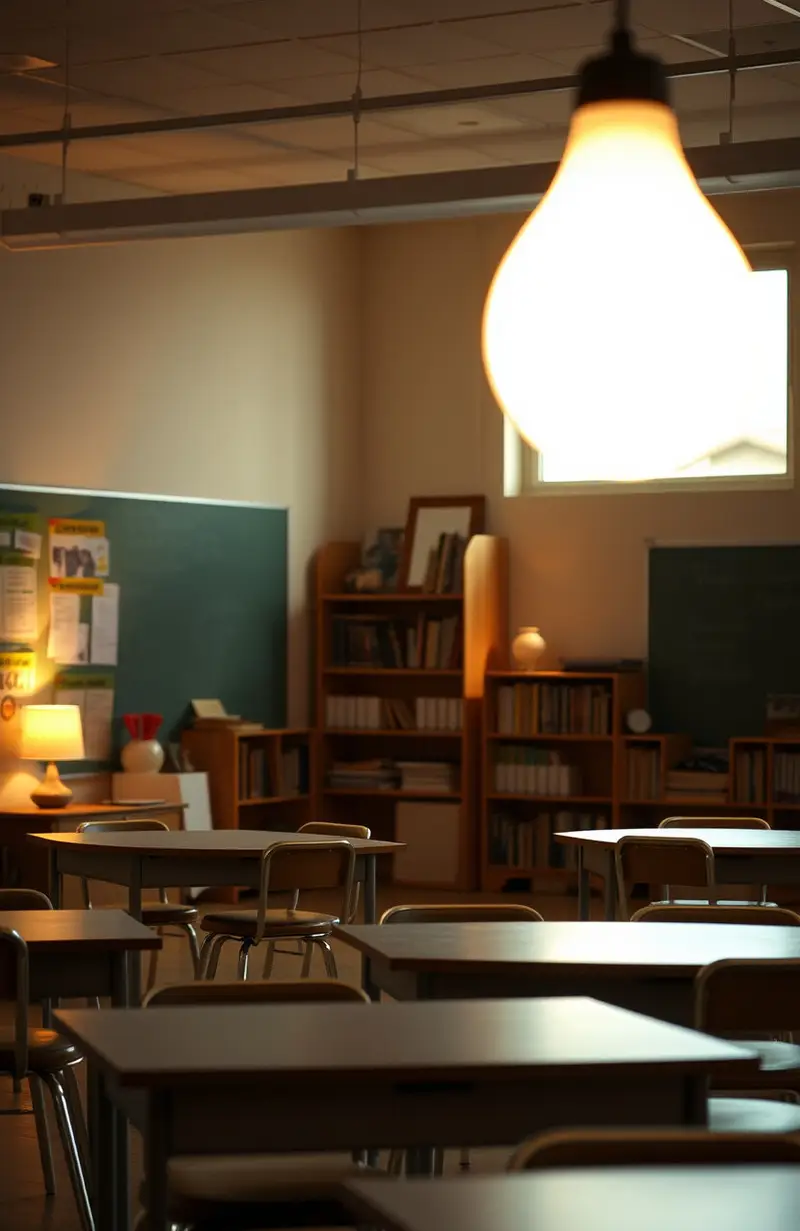
Bright, harsh lighting can cause eye strain and headaches. Soft, warm lighting creates a more inviting atmosphere.
Layer lighting with lamps and dimmable switches for flexibility. Use LED bulbs for energy efficiency and a softer glow.
Soft lighting can make the room feel more like a home than a classroom. It sets a soothing tone for both teaching and learning.
Experiment with lampshades to diffuse light creatively. An inviting glow can transform the mood of the entire space.
5. Neglecting Storage Solutions
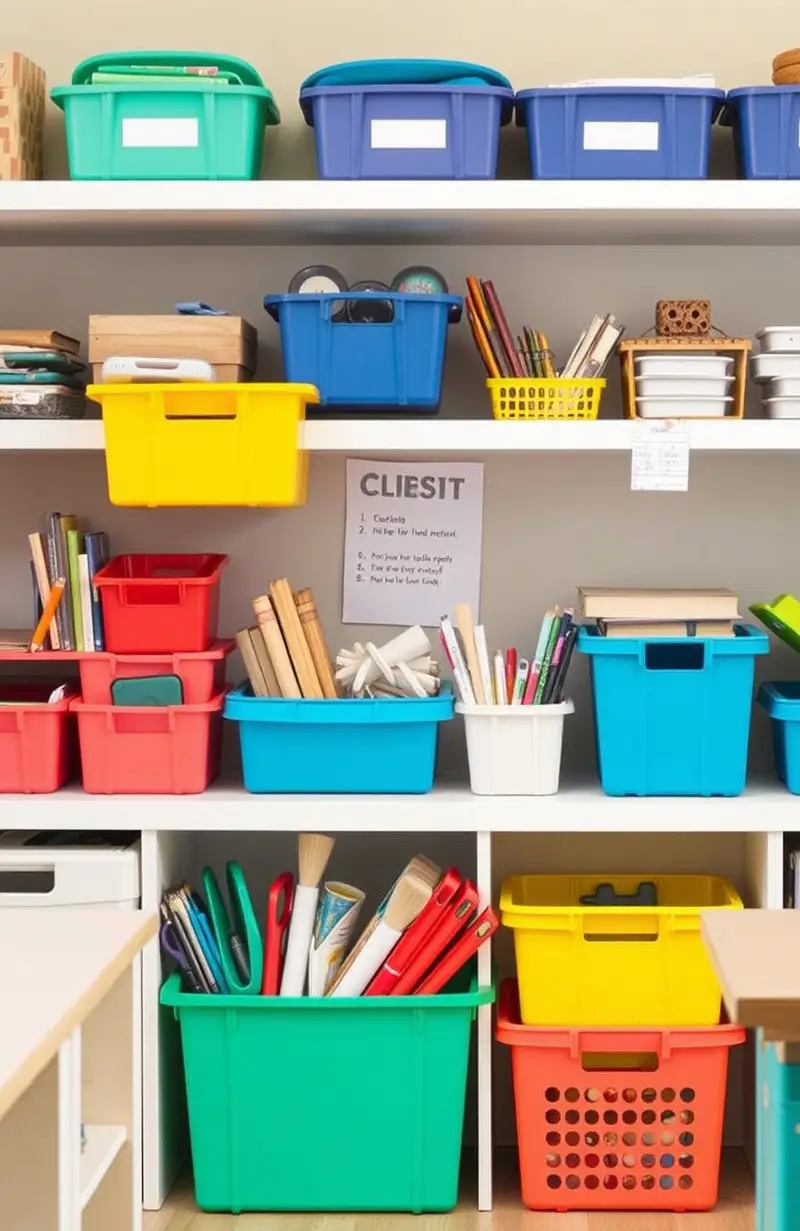
Clutter can quickly take over without proper storage. Maximize space with clever storage solutions like shelves and bins.
Organized storage makes the classroom feel more spacious and tidy. Students can find materials more easily, promoting independence.
Personalize storage with labels or color coding for easy access. Use baskets and boxes to keep items contained and neat.
DIY storage solutions can be both fun and affordable. An organized classroom is a cozy and efficient learning environment.
6. Forgetting to Incorporate Plants
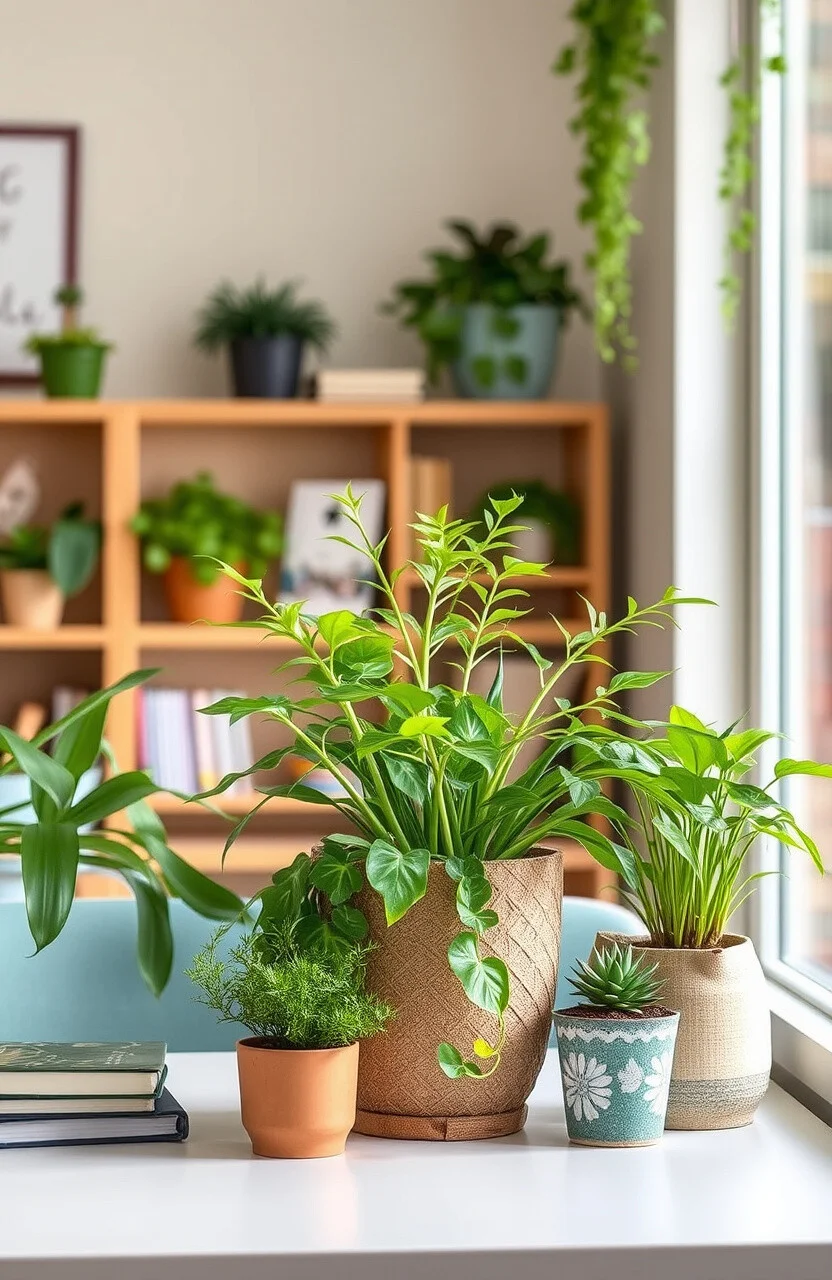
Plants can breathe life into a classroom, yet they’re often forgotten. They improve air quality and add a natural touch.
Choose low-maintenance plants like succulents or ferns for easy care. Place them in areas with natural light for optimal growth.
Plants can make the room feel more lively and inviting. They also provide a calming presence that can enhance focus.
Look for plant sales or start with cuttings from home. A little greenery goes a long way in creating a cozy space.
7. Overlooking Color Psychology
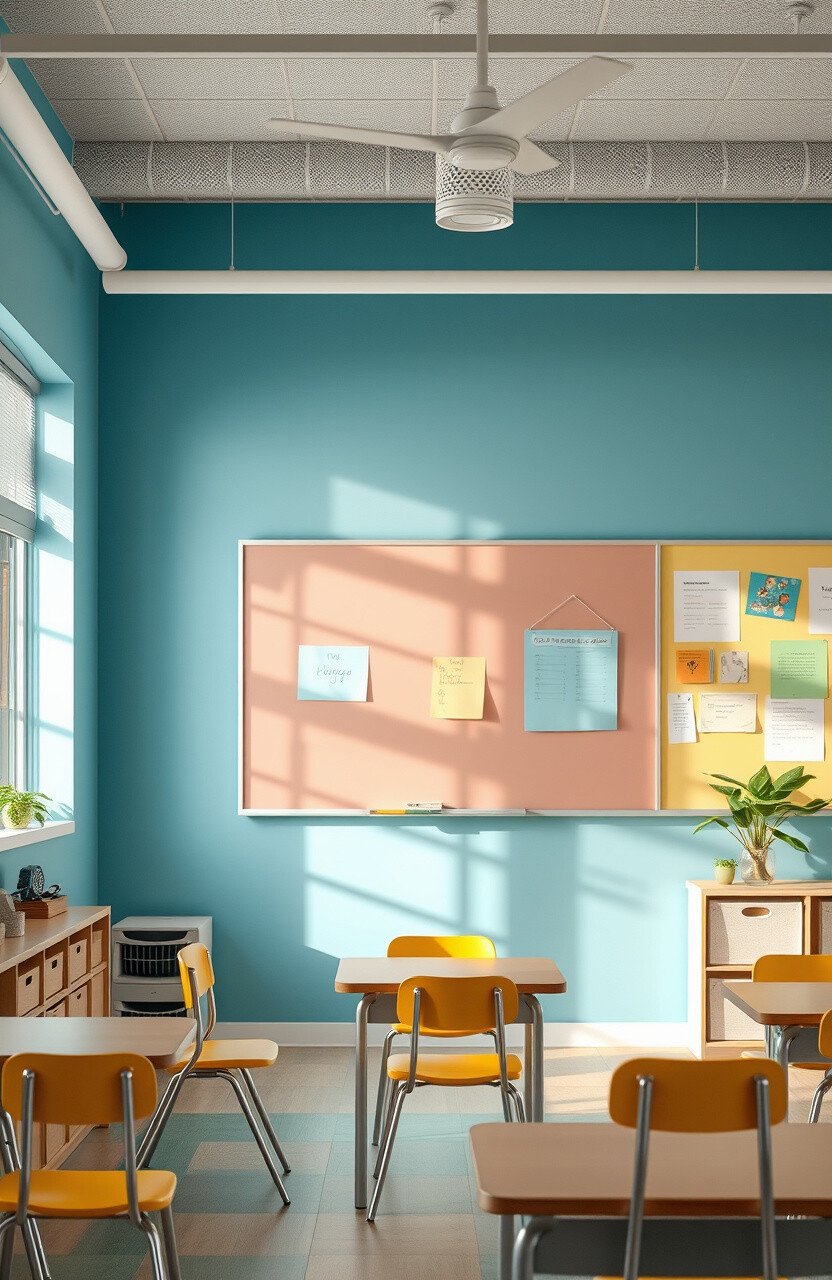
Colors can influence mood and behavior, yet they’re often chosen randomly. Consider the psychological effects of different hues.
Soft blues and greens can promote calmness, while yellows and reds may energize. Choose colors that support the desired classroom vibe.
Using color psychology can create a harmonious learning environment. It’s a simple way to enhance the overall classroom experience.
Experiment with different color combinations to see what works best. Color can be a powerful tool in creating a cozy space.
8. Ignoring Student Input
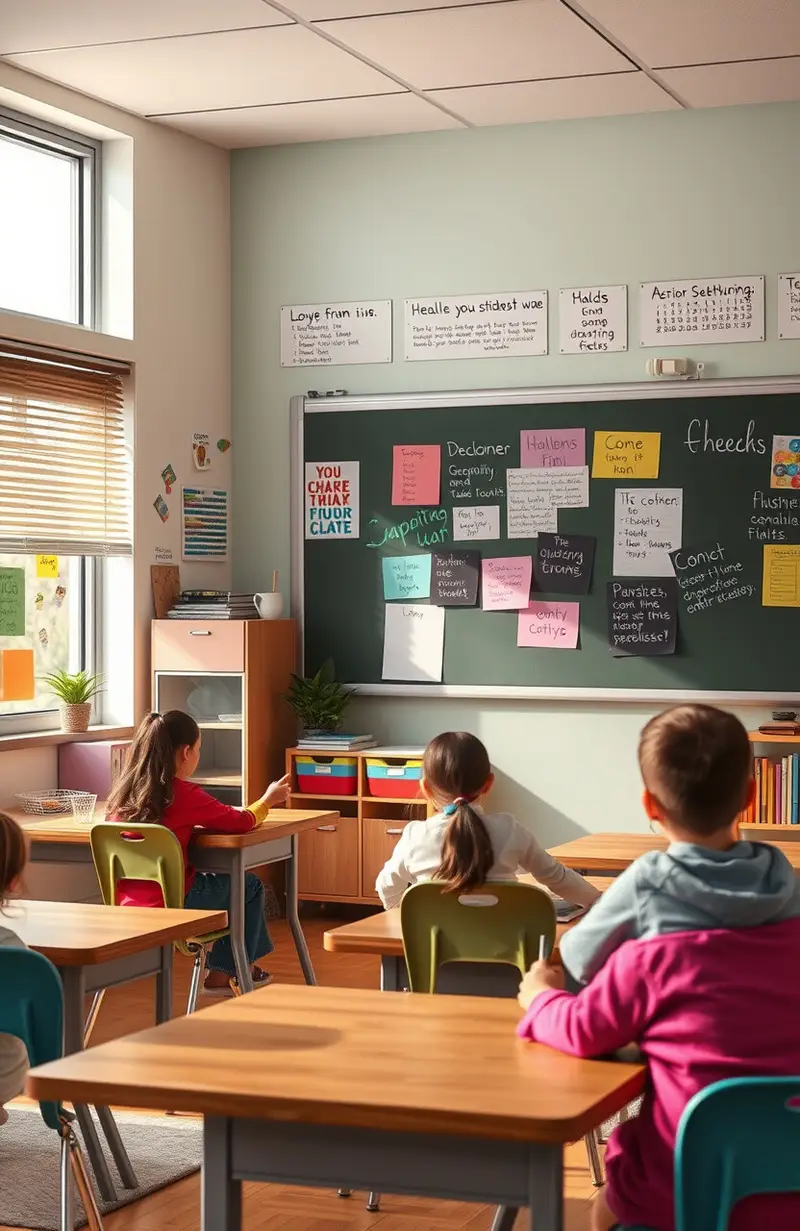
Students spend a lot of time in the classroom, so their input is valuable. Involving them in decor decisions can boost ownership and pride.
Ask for their opinions on colors, themes, or specific items. Incorporate their ideas to create a space that reflects the class community.
Personalizing the space with student input can foster a sense of belonging. It also makes the decor more meaningful and unique.
Hold a decorating day for students to contribute creatively. A collaborative effort can lead to a truly cozy and special space.
9. Overusing Themes
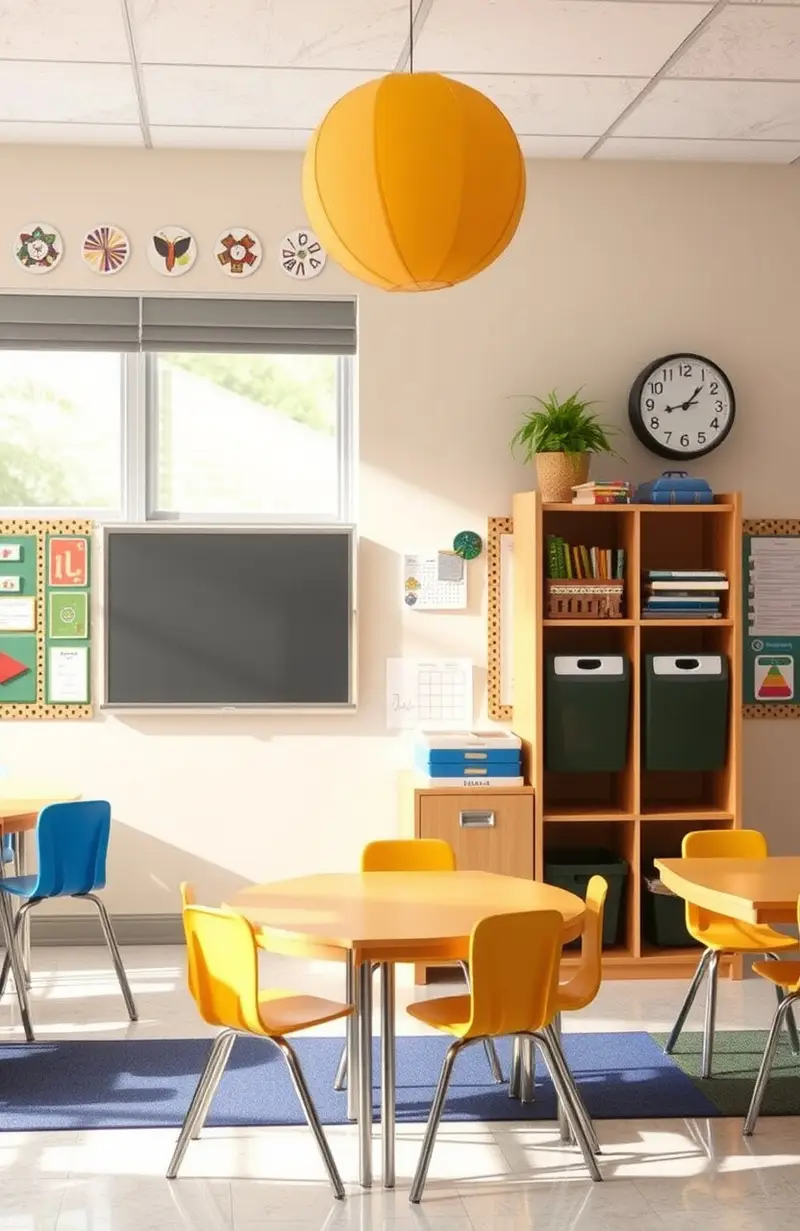
Themes can tie a room together, but too much can feel overwhelming. Aim for a balanced approach with subtle thematic elements.
Choose a theme that aligns with the current curriculum for relevance. Use it as a guiding principle rather than a strict rule.
A well-executed theme can create a cohesive and inviting atmosphere. It adds a touch of fun without overpowering the space.
Mix and match elements to keep the theme fresh and engaging. A balanced theme can enhance the learning experience.
10. Neglecting Comfort
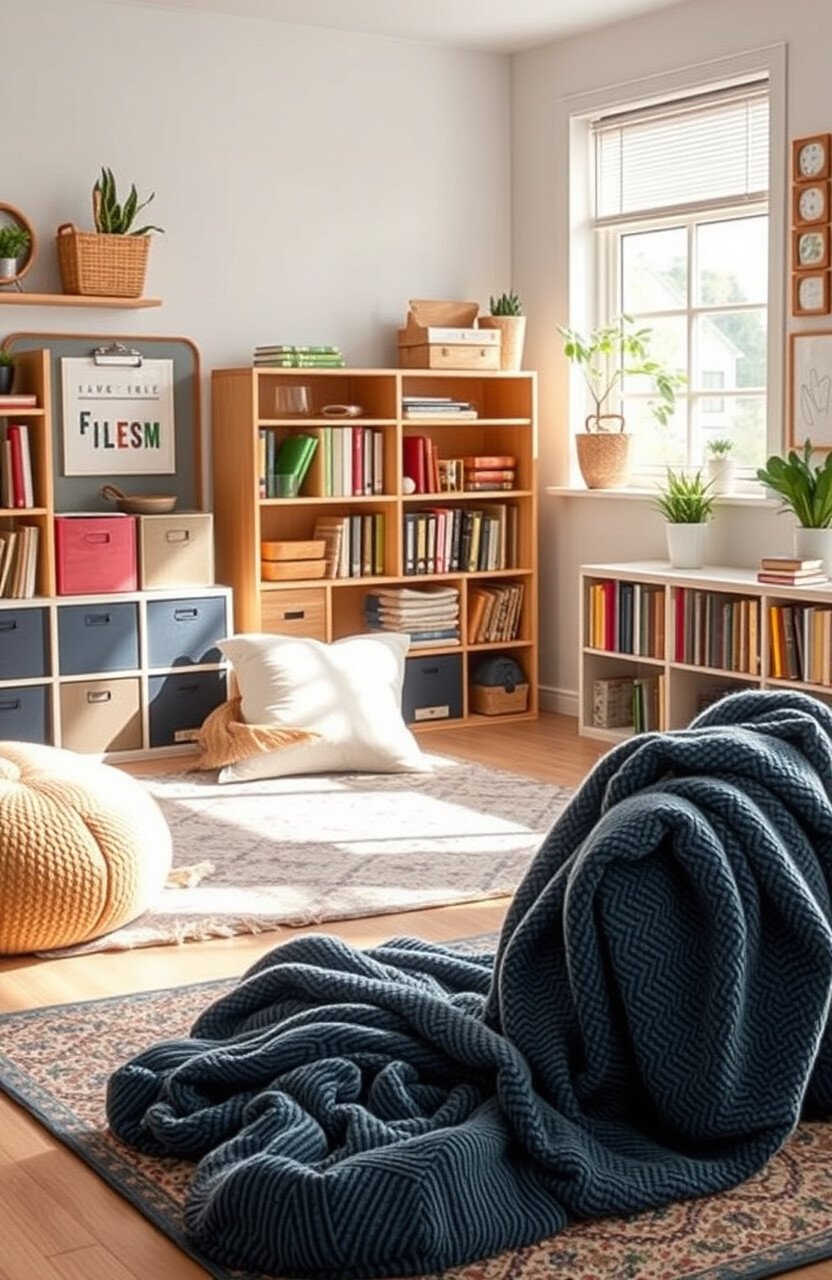
Comfort is key to a cozy learning space, yet it’s often overlooked. Incorporate soft materials and textures for added warmth.
Use rugs, cushions, and blankets to create a comfortable environment. These items can make the classroom feel more like home.
Comfortable spaces can enhance focus and reduce stress. They invite students to settle in and engage with the material.
Shop for affordable textiles to add warmth without breaking the bank. Comfort can be both cozy and cost-effective.
11. Using Outdated Decor
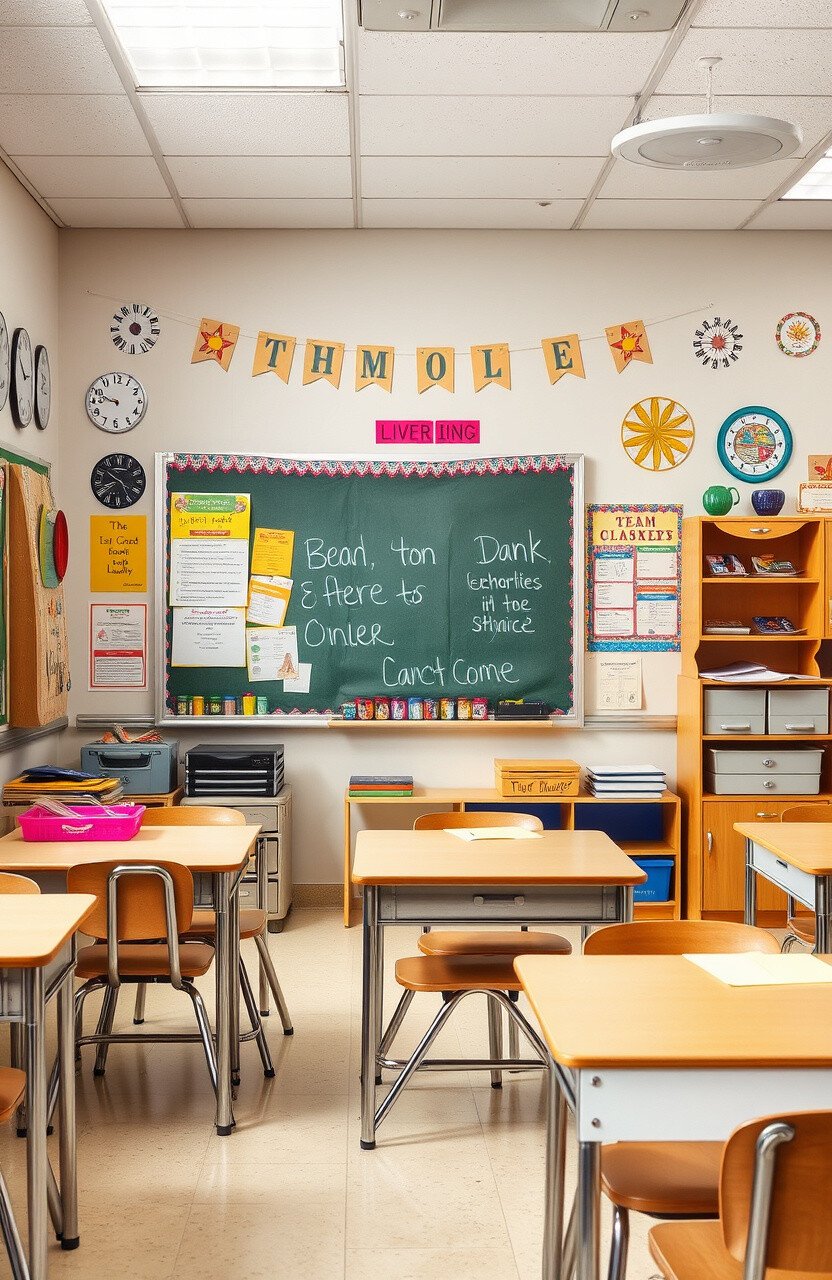
Old, worn-out decor can make a classroom feel neglected. Update items to keep the space fresh and appealing.
Regularly review decor for items that need refreshing or replacing. Stay current with trends to maintain a modern look.
Refreshing decor can energize both students and teachers. It keeps the classroom feeling dynamic and alive.
Thrift stores and sales are great for finding affordable updates. A little change can have a big impact on the space.
12. Blocking Pathways
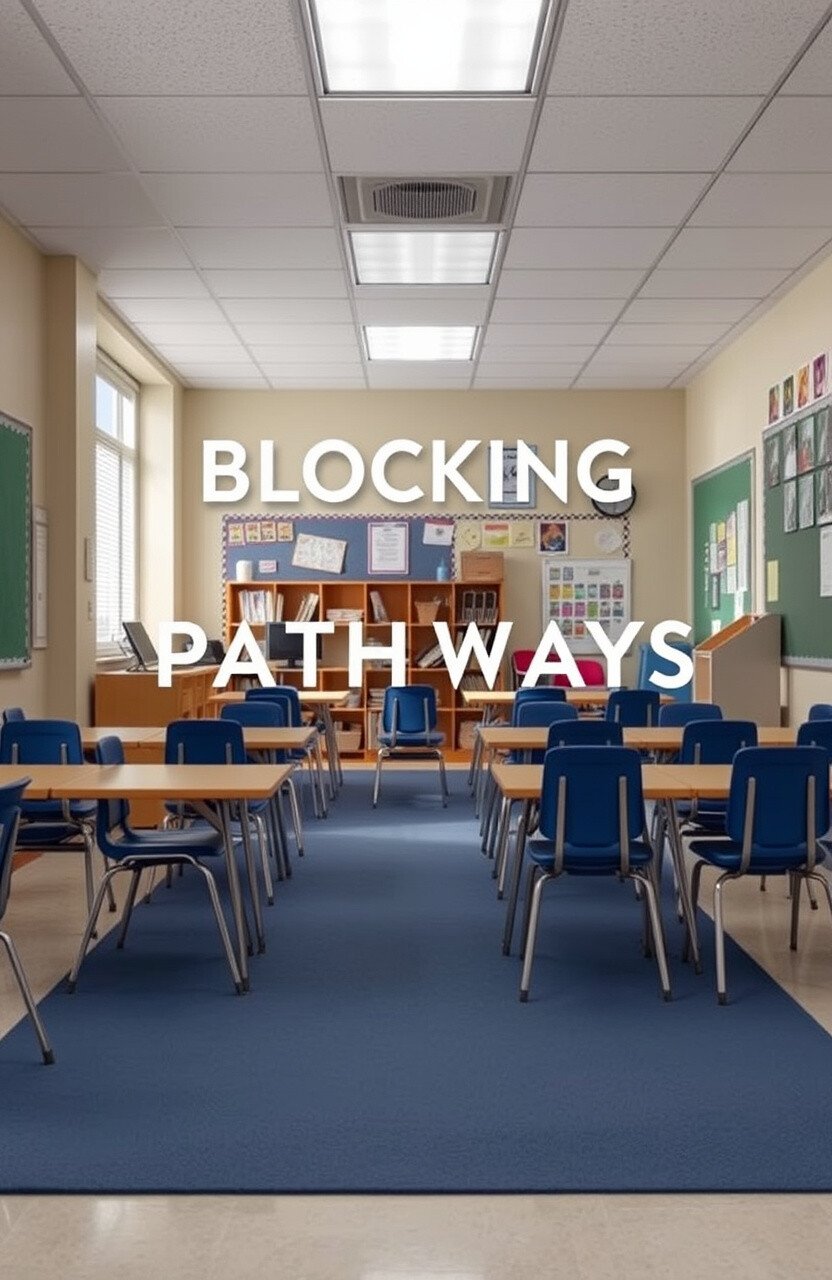
Clear pathways are essential for easy movement, yet clutter can often block them. Arrange furniture to allow for smooth traffic flow.
Consider the layout from the students’ perspective for accessibility. Ensure there is enough space for everyone to move comfortably.
A clear layout creates a more organized and inviting atmosphere. It also reduces potential accidents or disruptions.
Rearrange furniture periodically to find the best configuration. An open pathway can make the classroom feel more spacious.
13. Overlooking Acoustics
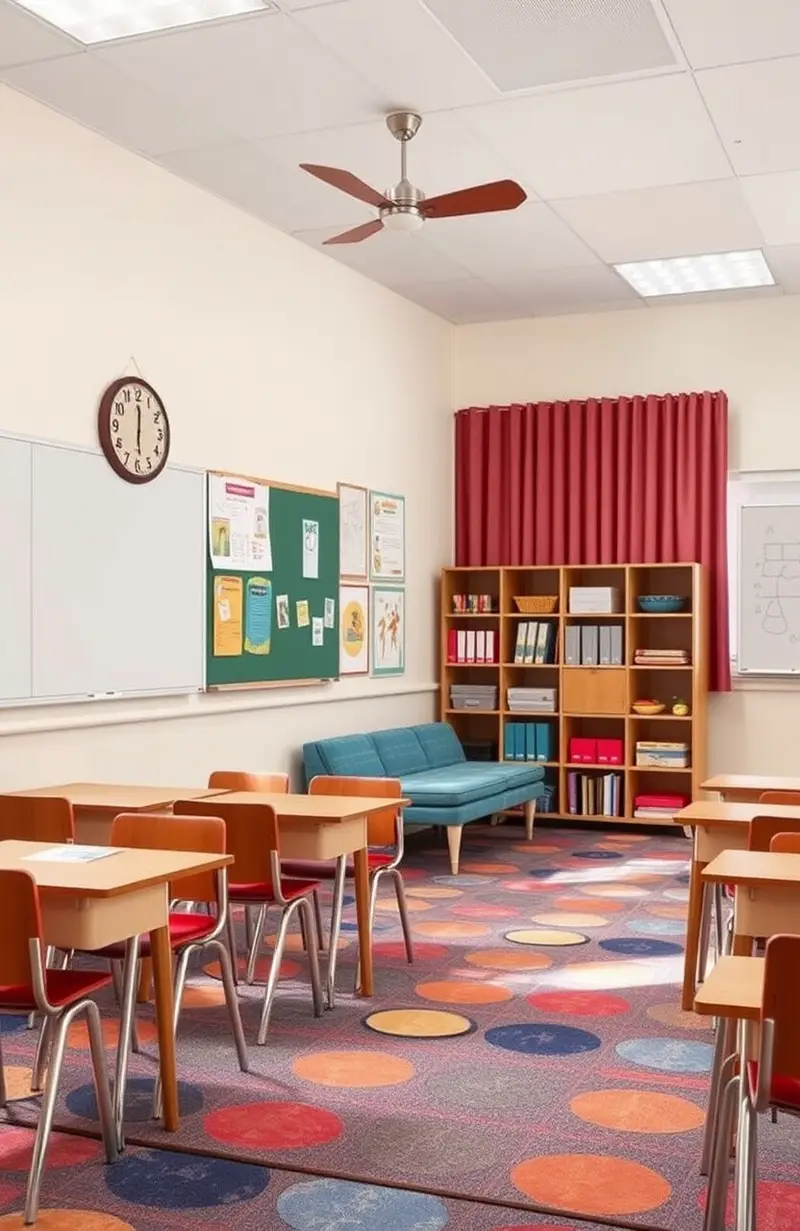
Sound control is crucial, yet often ignored in classroom design. Use soft materials to absorb noise and reduce echo.
Incorporate rugs, curtains, and upholstered furniture for sound dampening. Consider wall panels or art to reduce noise levels.
Improved acoustics can enhance concentration and communication. It creates a more peaceful learning environment for everyone.
Experiment with different materials to achieve optimal sound control. A quieter classroom is a cozier classroom.
14. Forgetting Seasonal Changes
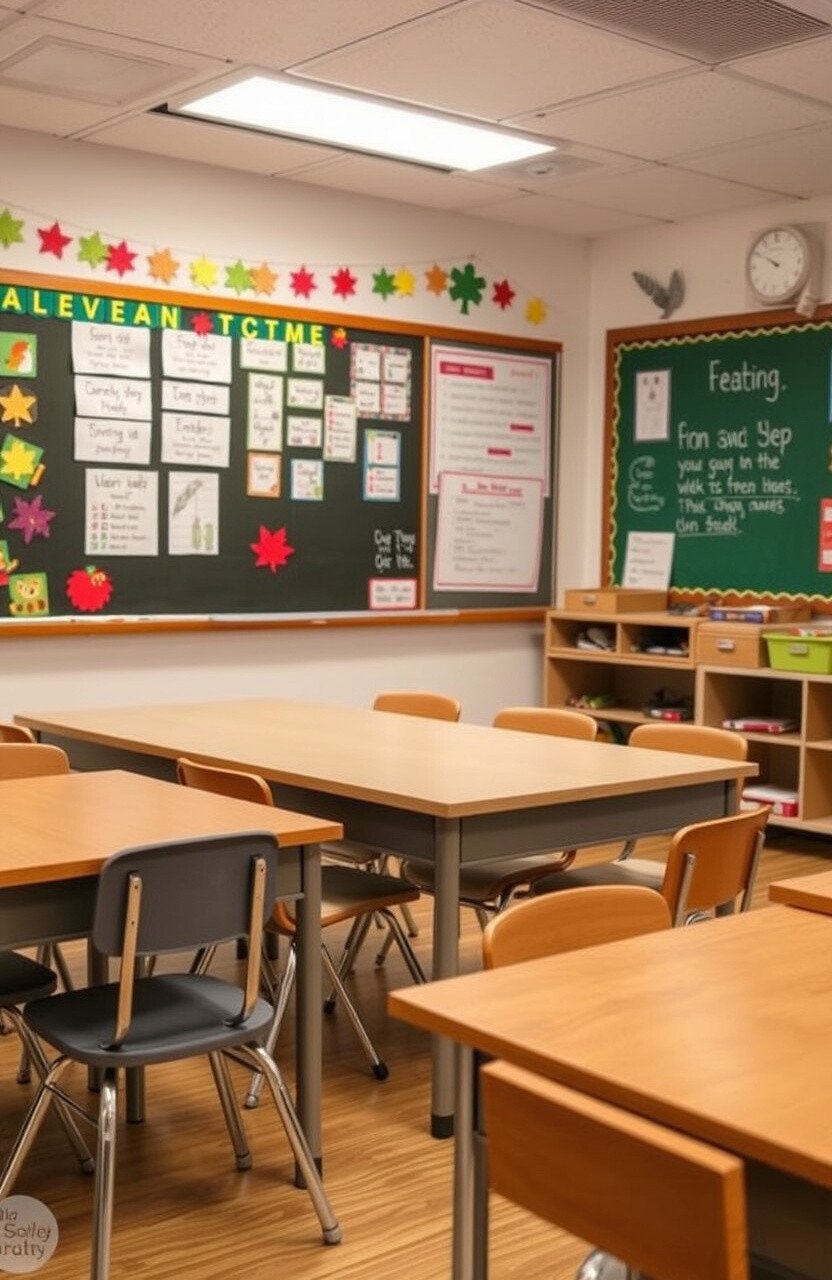
Seasonal decor updates can keep the classroom feeling fresh. Simple changes can reflect the time of year and add interest.
Incorporate seasonal colors, themes, or natural elements. Rotate items to keep the space dynamic and engaging.
Seasonal changes can boost mood and excitement for students. They provide a sense of novelty and anticipation throughout the year.
Shop end-of-season sales for budget-friendly decor updates. A seasonal touch can make the classroom feel more alive.
15. Using Too Many Patterns
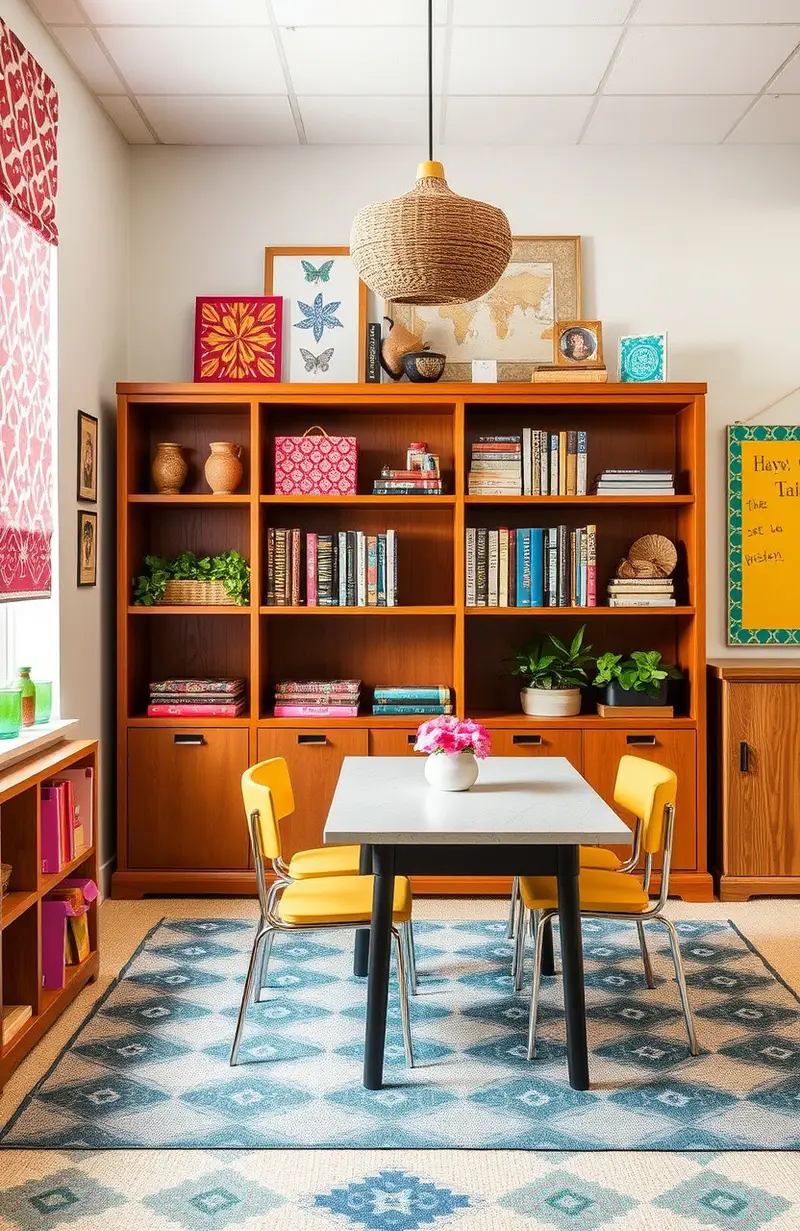
Patterns can add vibrancy but too many can be chaotic. Balance with solid colors to create a harmonious look.
Choose one or two patterns to highlight key areas. Use them sparingly to avoid overwhelming the senses.
A balanced use of patterns can enhance the visual appeal. It creates a stylish and cozy atmosphere without clutter.
Mix and match patterns with care for a unique touch. A little pattern goes a long way in creating visual interest.
16. Skipping Personal Touches
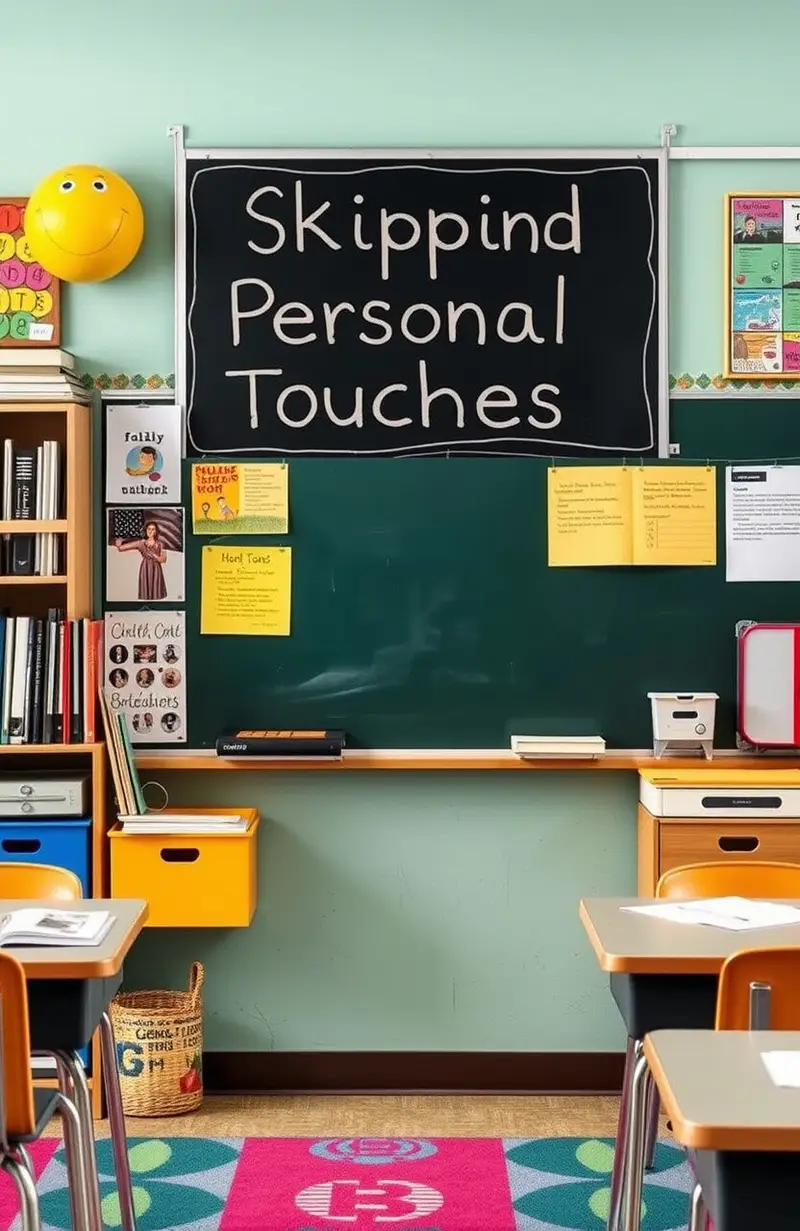
Personal touches make the classroom feel welcoming and unique. Include items that reflect the class’s personality.
Display student artwork, photos, or projects for a personal feel. These touches celebrate individuality and community.
Personalized spaces can foster a sense of belonging and pride. They make the classroom more relatable and engaging.
Encourage students to contribute their own personal items. A personal touch can turn a classroom into a second home.
17. Ignoring Functionality
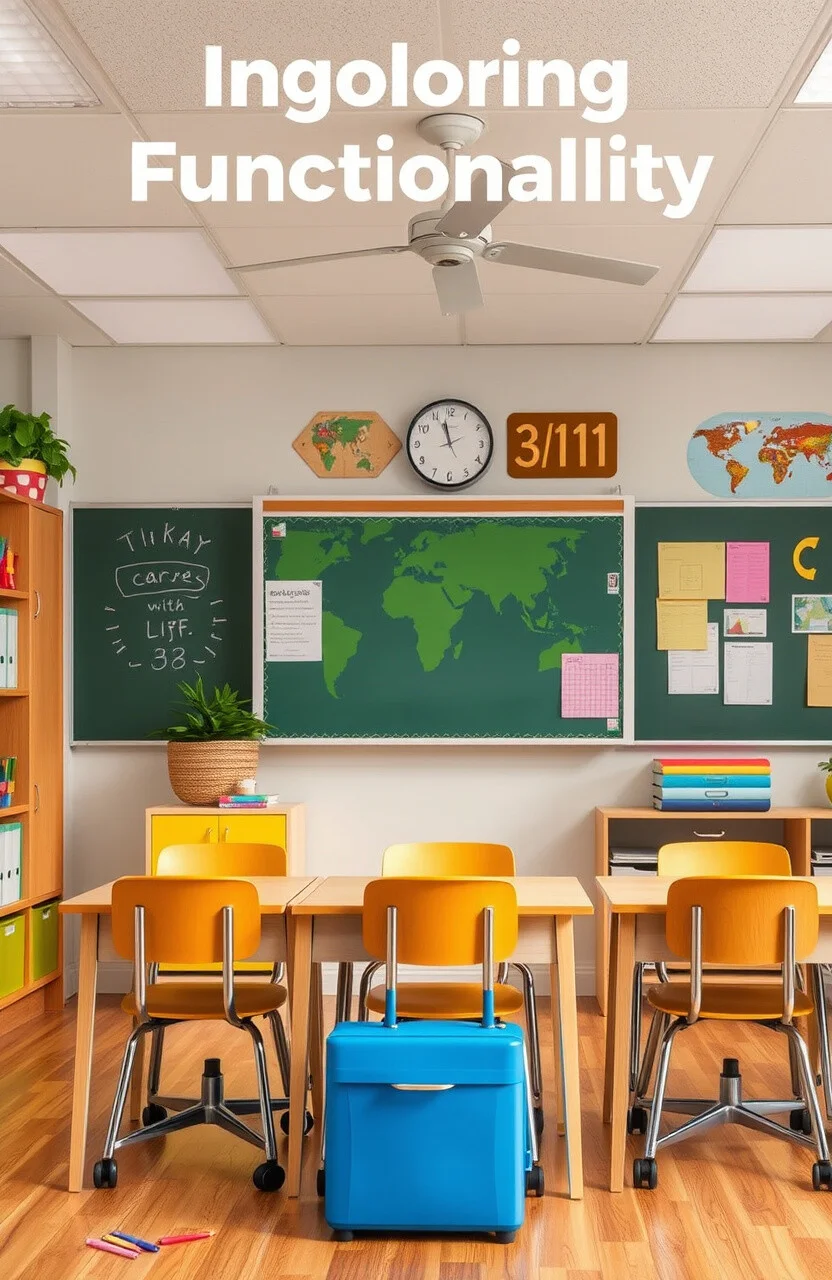
Functionality is crucial in classroom design. Ensure decor doesn’t interfere with the room’s primary purpose.
Consider how each item serves the learning environment. Prioritize functional decor that supports teaching goals.
A functional classroom is a more effective learning space. It balances aesthetics with practicality for optimal results.
Reevaluate decor regularly to maintain functionality. A functional space is a cozy space that works well for everyone.
18. Using Too Many Colors
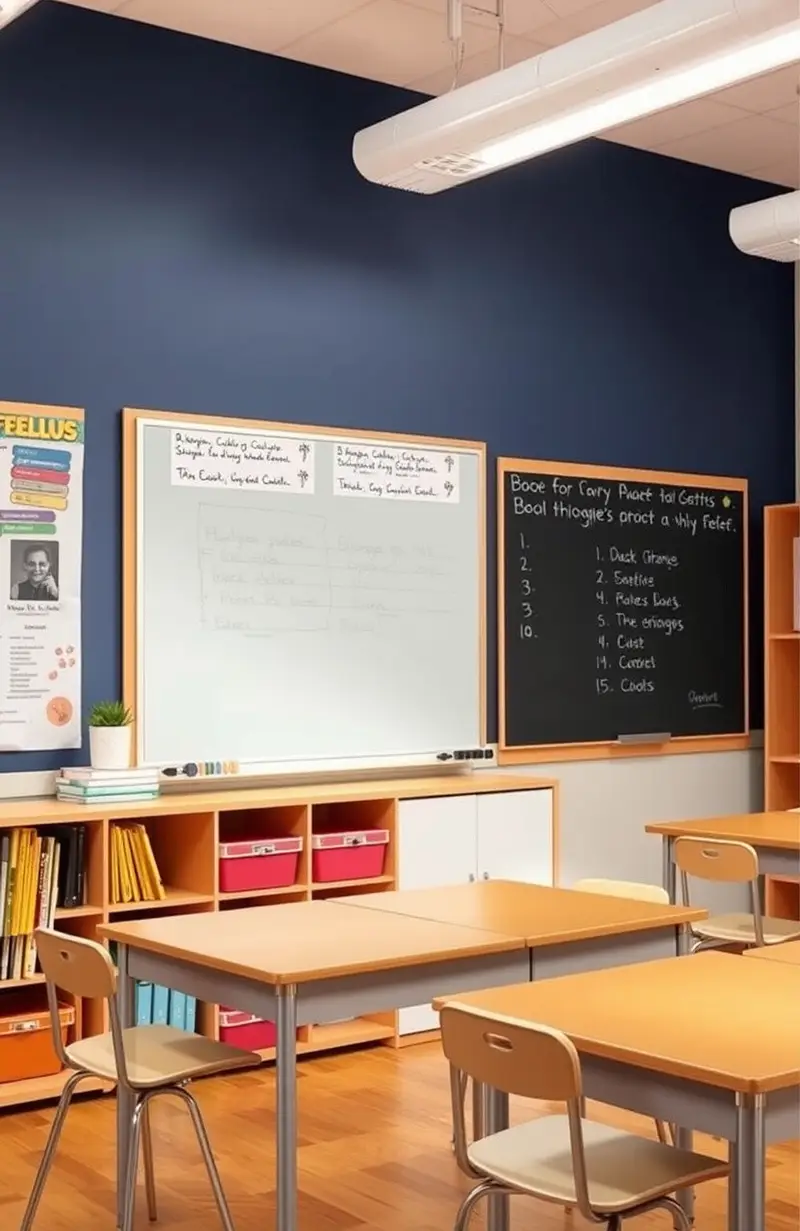
Too many colors can create visual chaos. Limit the palette to a few complementary shades.
Choose colors that work well together for a cohesive look. Use accents sparingly to add interest without overwhelm.
A limited color palette can enhance the room’s harmony. It creates a calming and inviting atmosphere for learning.
Experiment with different combinations to find the perfect balance. A well-chosen palette can make the classroom feel more cozy.
19. Overlooking the Ceiling
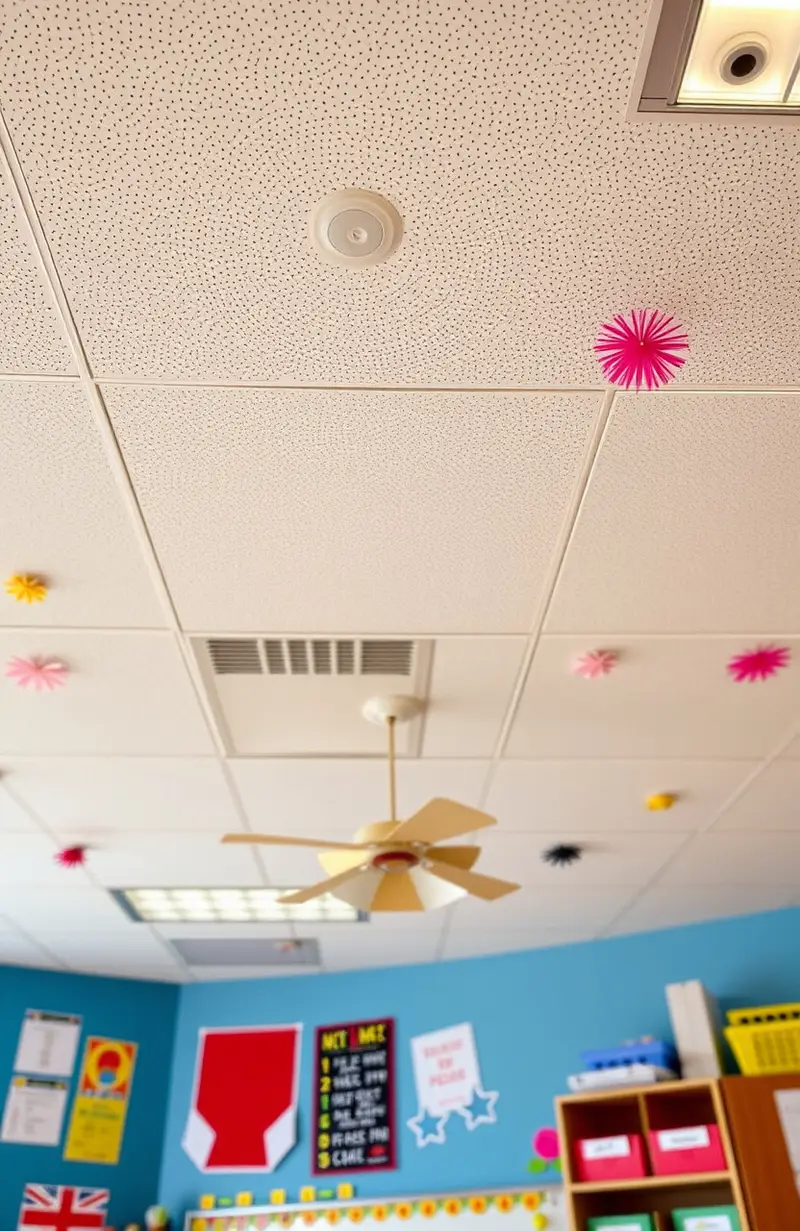
The ceiling is often neglected in classroom decor. Use it as an opportunity to add interest and creativity.
Hang lightweight decorations or paint a mural to draw the eye up. This adds depth and dimension to the space.
An engaging ceiling can make the room feel more dynamic. It encourages students to look up and think beyond the usual.
Get creative with affordable materials for a unique touch. An interesting ceiling can make the classroom feel more expansive.
20. Neglecting Technology Integration
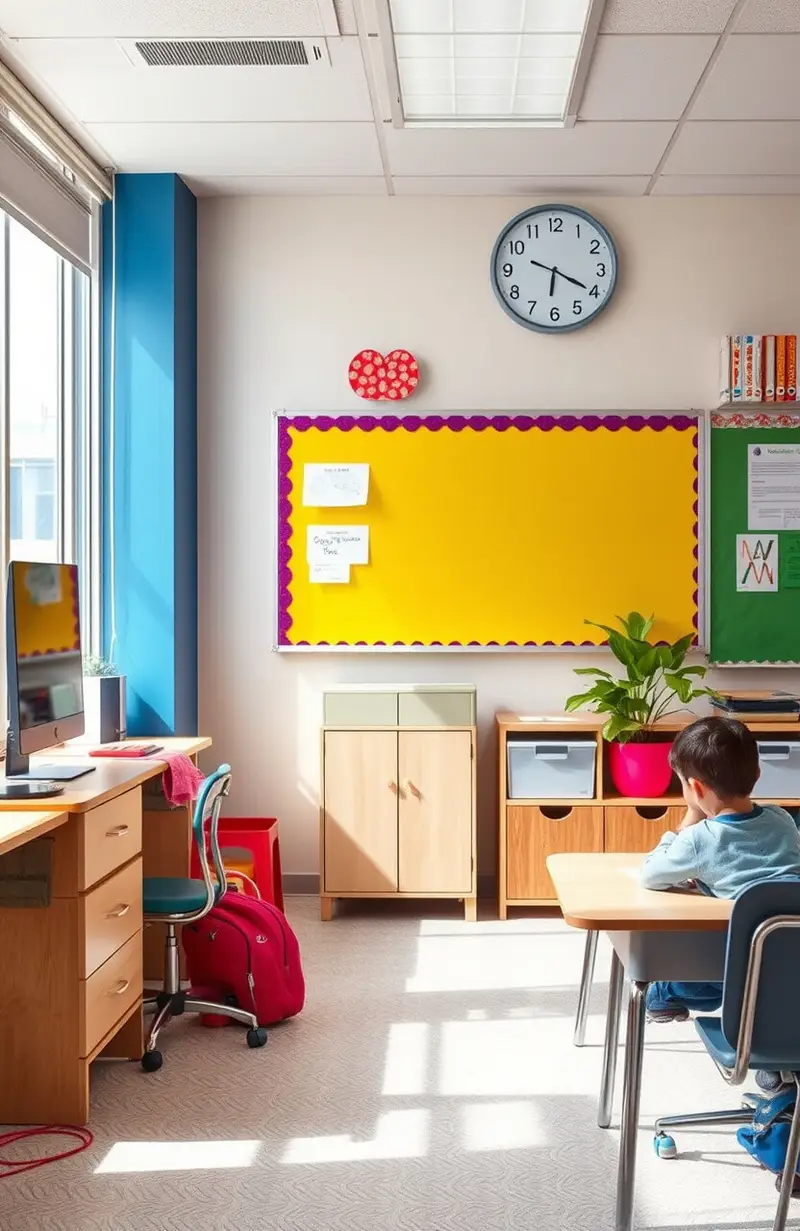
Technology is a big part of modern learning, yet often overlooked in decor. Integrate tech seamlessly for a cohesive space.
Ensure tech tools are easily accessible and visually integrated. Use cable organizers to maintain a tidy appearance.
Well-integrated technology can enhance both teaching and learning. It allows the classroom to function smoothly and efficiently.
Explore creative ways to hide or showcase tech elements. A tech-friendly space makes the classroom feel more modern and cozy.
21. Not Considering Different Learning Styles
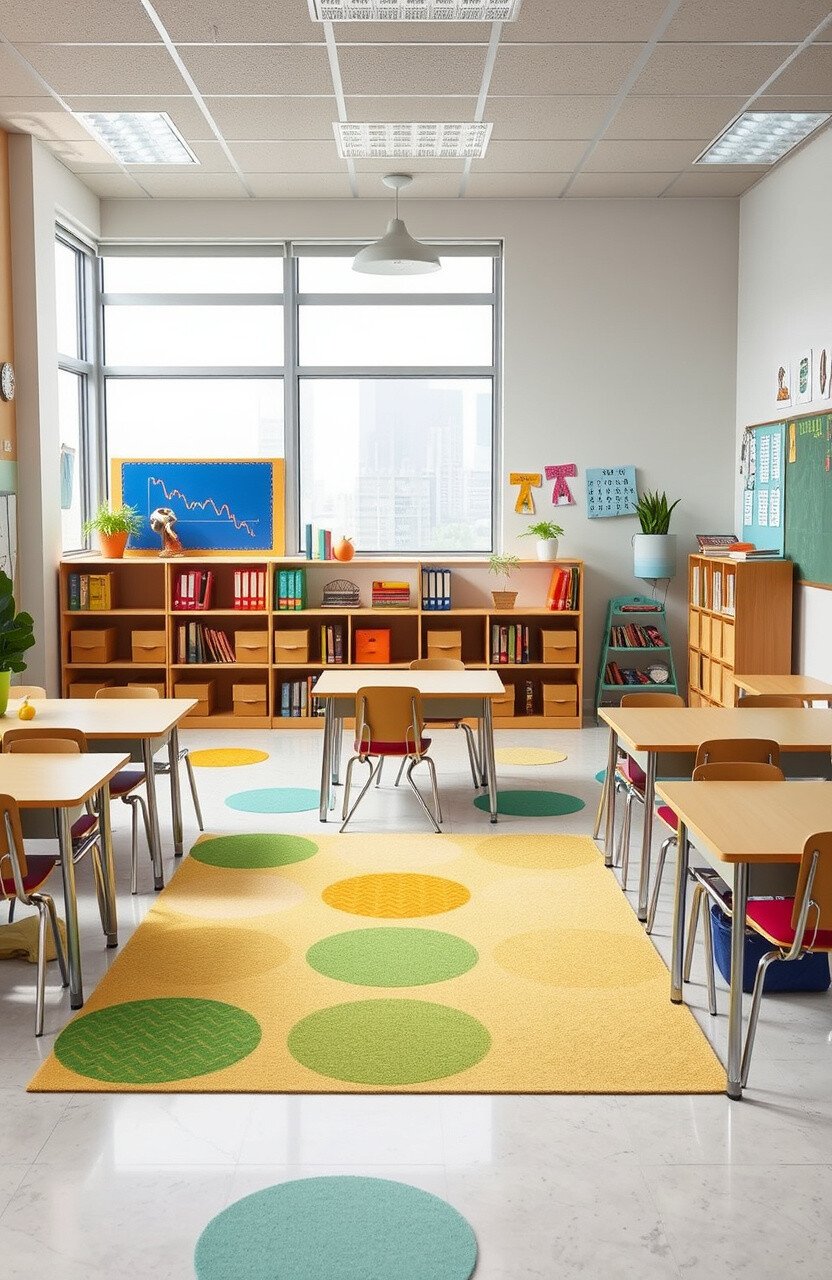
Different students have different learning styles, which decor can support. Create diverse spaces that cater to various needs.
Incorporate quiet corners, collaborative areas, and hands-on zones. This ensures all students have a place where they can thrive.
A classroom that considers learning styles is more inclusive. It fosters a supportive environment where everyone feels comfortable.
Experiment with different layouts to accommodate diverse needs. A versatile space is a cozy space that welcomes everyone.
22. Not Updating Bulletin Boards
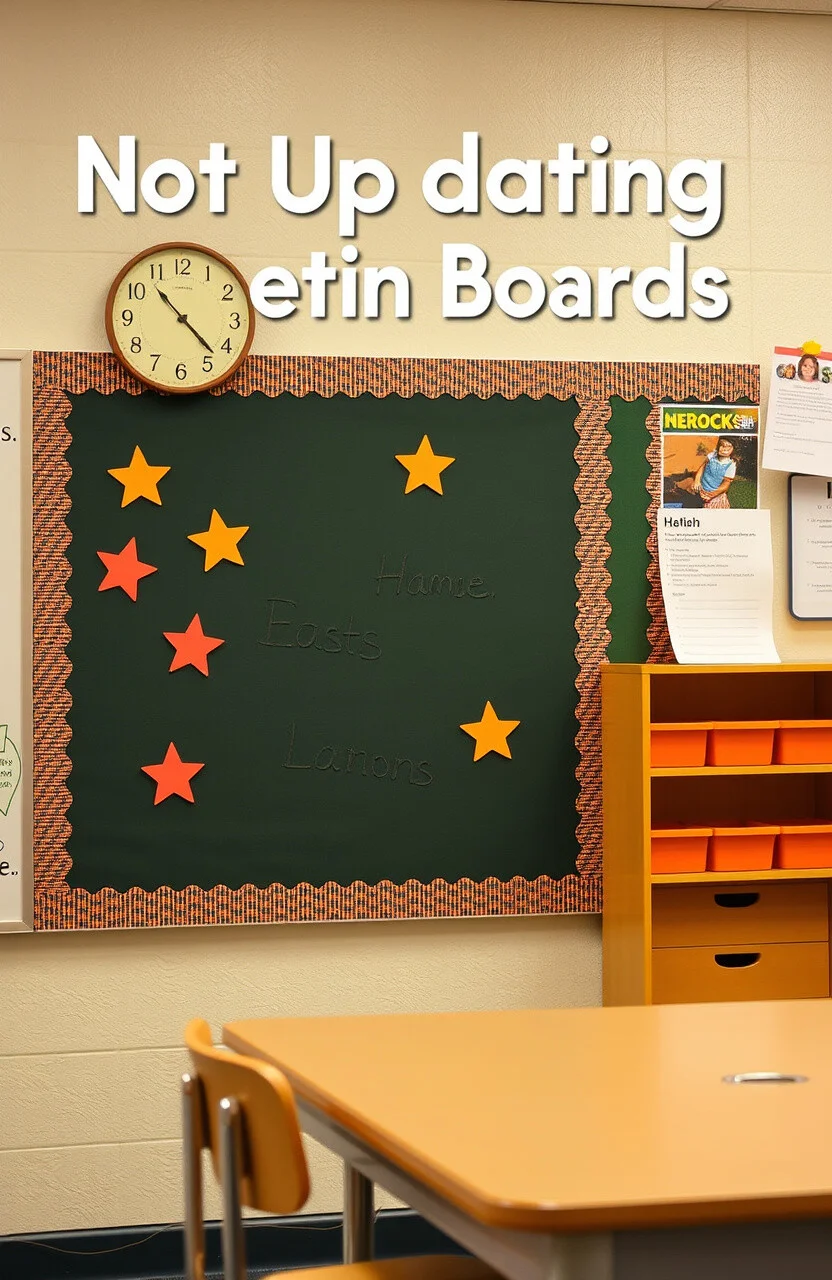
Bulletin boards can quickly become stale if not regularly updated. Refreshing them keeps the classroom dynamic and interesting.
Use boards to display current projects, themes, or seasonal changes. Keep them relevant to maintain student engagement.
An updated bulletin board can enhance communication and involvement. It serves as a vibrant focal point in the room.
Rotate displays frequently to keep things fresh and exciting. A lively bulletin board makes the classroom feel more alive.
23. Overlooking Scent
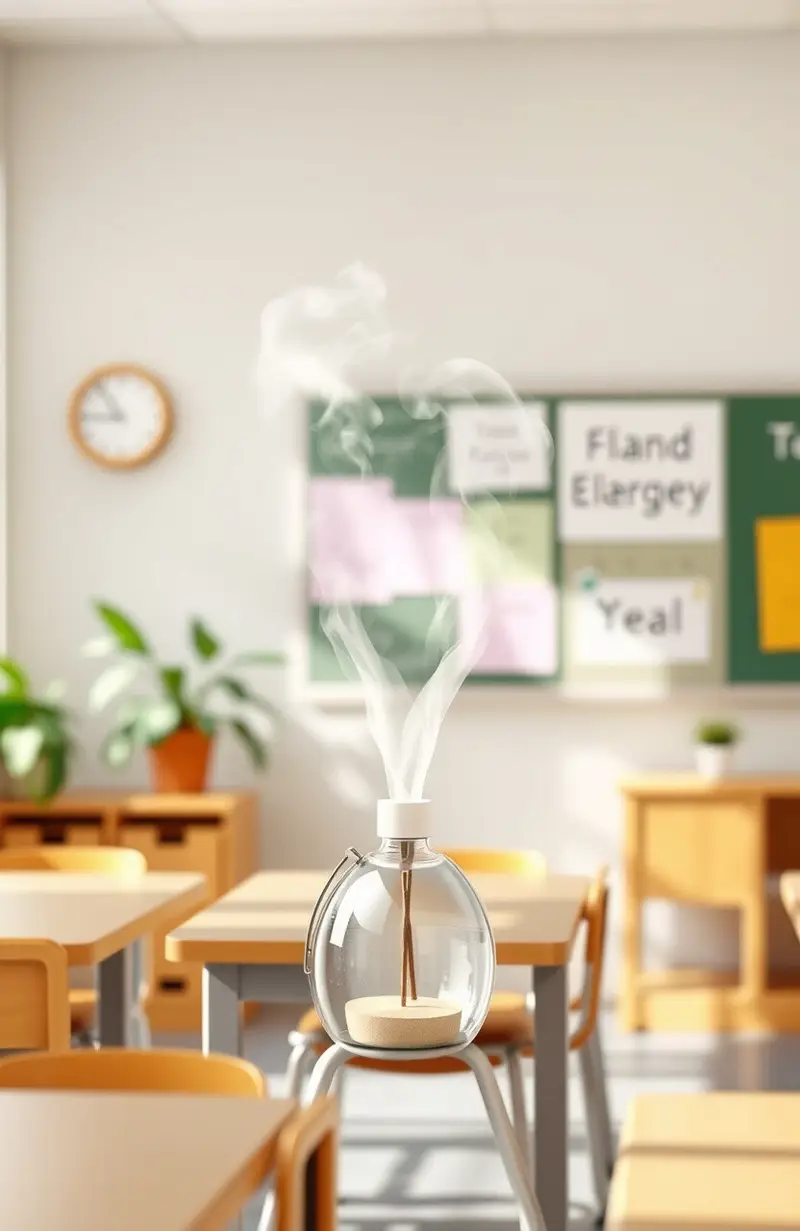
Scent plays a role in creating a cozy atmosphere, yet it’s often ignored. Use pleasant aromas to enhance the learning environment.
Consider using essential oils or scented diffusers for subtle fragrance. Choose calming scents like lavender or citrus for relaxation.
A pleasant scent can make the classroom feel more inviting and comfortable. It creates a positive association with the learning space.
Ensure scents are light and not overpowering for sensitive noses. A gentle aroma can make the classroom feel more welcoming.
24. Neglecting Cultural Representation
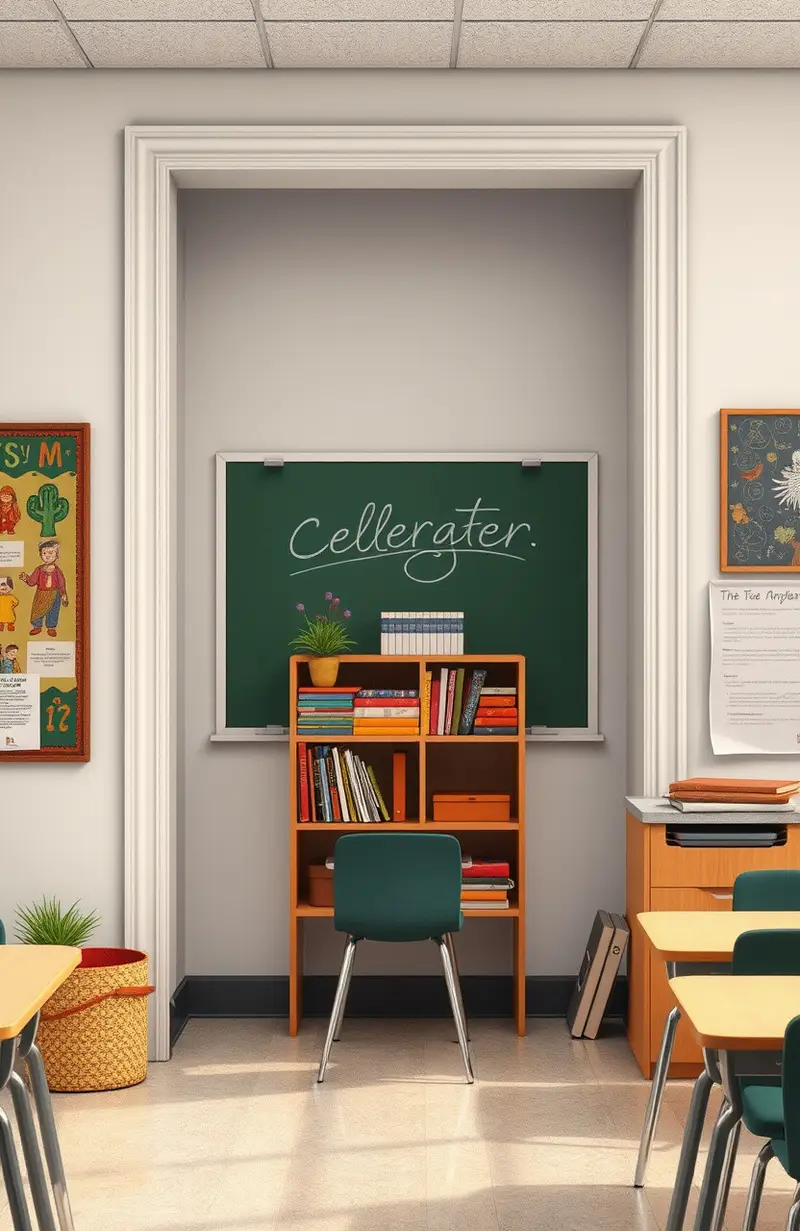
Cultural representation is important in fostering an inclusive environment. Include decor that reflects diverse backgrounds and experiences.
Display art, books, or symbols from various cultures. Celebrate diversity to create a more welcoming and understanding space.
Incorporating diverse elements can enrich the learning experience. It encourages students to appreciate and learn from differences.
Seek input from students to include meaningful cultural items. A culturally rich space is a cozy space that respects everyone.
25. Overusing Inspirational Quotes

Inspirational quotes can motivate, but too many can lose impact. Choose a few meaningful ones to highlight key messages.
Rotate quotes to keep them fresh and relevant. Ensure they align with classroom values and goals for maximum effect.
A well-placed quote can inspire and uplift students daily. It serves as a constant reminder of the classroom’s spirit.
Personalize quotes with student contributions for added meaning. A thoughtfully chosen quote can make the space feel more inspiring.
26. Neglecting Classroom Temperature
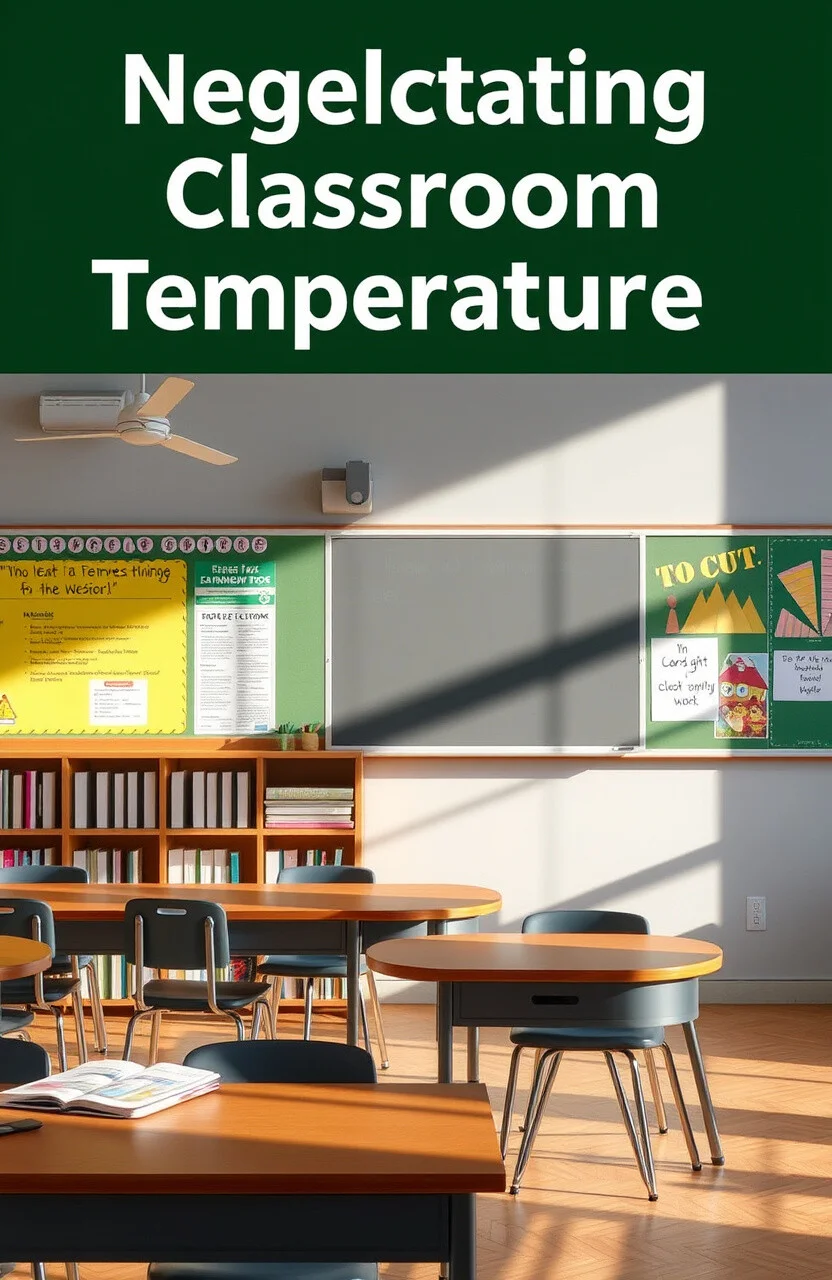
Temperature can affect comfort and focus, yet it’s often overlooked. Ensure the classroom is at a comfortable temperature for learning.
Use fans, heaters, or window treatments to regulate temperature. Adjust seasonally to maintain an ideal environment.
A comfortable temperature can enhance concentration and productivity. It creates a cozy and pleasant space for everyone.
Monitor and adjust as needed for optimal comfort. A well-regulated temperature makes the classroom feel more inviting.
27. Overlooking Traffic Flow
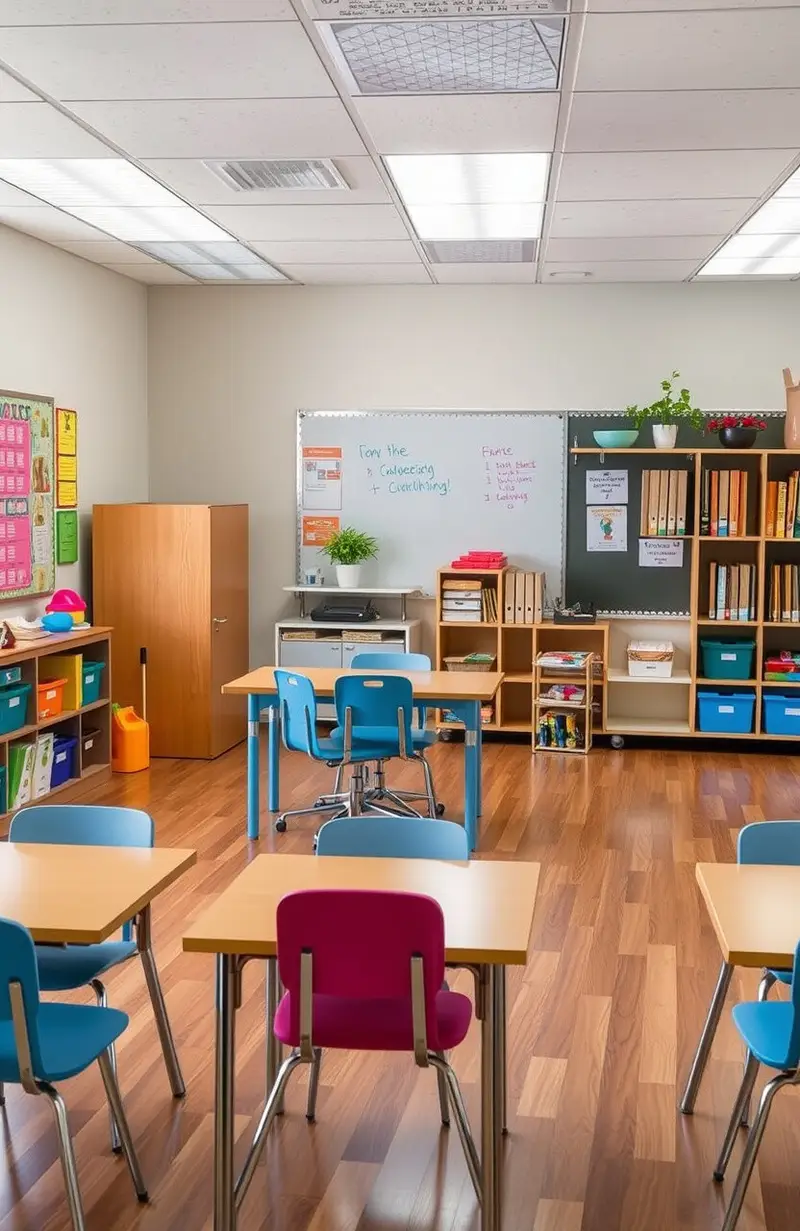
Traffic flow is crucial for a functional classroom, yet often ignored. Arrange furniture to allow for smooth movement and accessibility.
Consider entry and exit points, as well as access to resources. Ensure pathways are clear and easy to navigate for all students.
Good traffic flow can enhance organization and reduce disruptions. It creates a more harmonious and efficient learning space.
Reevaluate the layout regularly to maintain optimal flow. A well-arranged space is a cozy space that works seamlessly.
28. Ignoring the Importance of Reflection Spaces
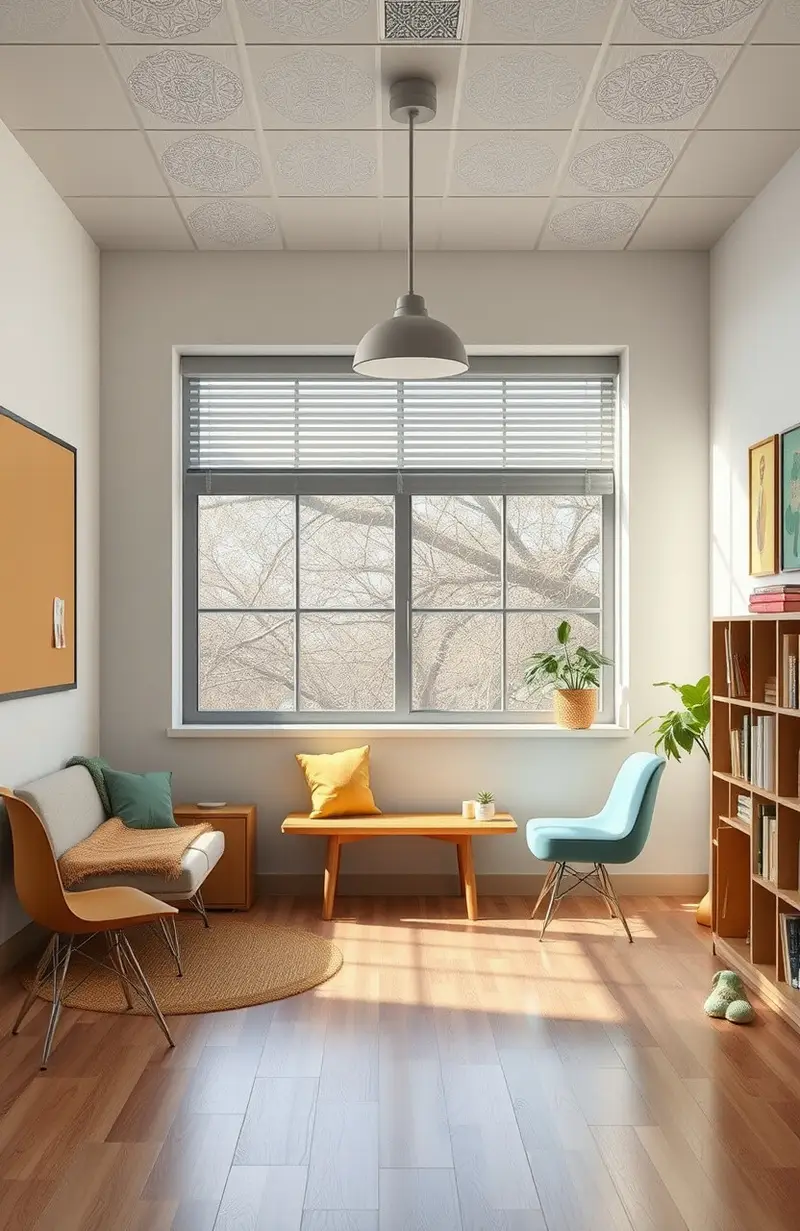
Reflection spaces can provide students with a place to think and relax. Create a quiet corner for contemplation and self-discovery.
Include comfortable seating and calming decor to encourage reflection. These spaces can be a retreat from the classroom hustle.
A reflection space can support emotional well-being and focus. It offers students a chance to pause and recharge during the day.
Personalize with student input for a meaningful touch. A dedicated reflection area makes the classroom feel more nurturing.
29. Not Having a Flexible Layout
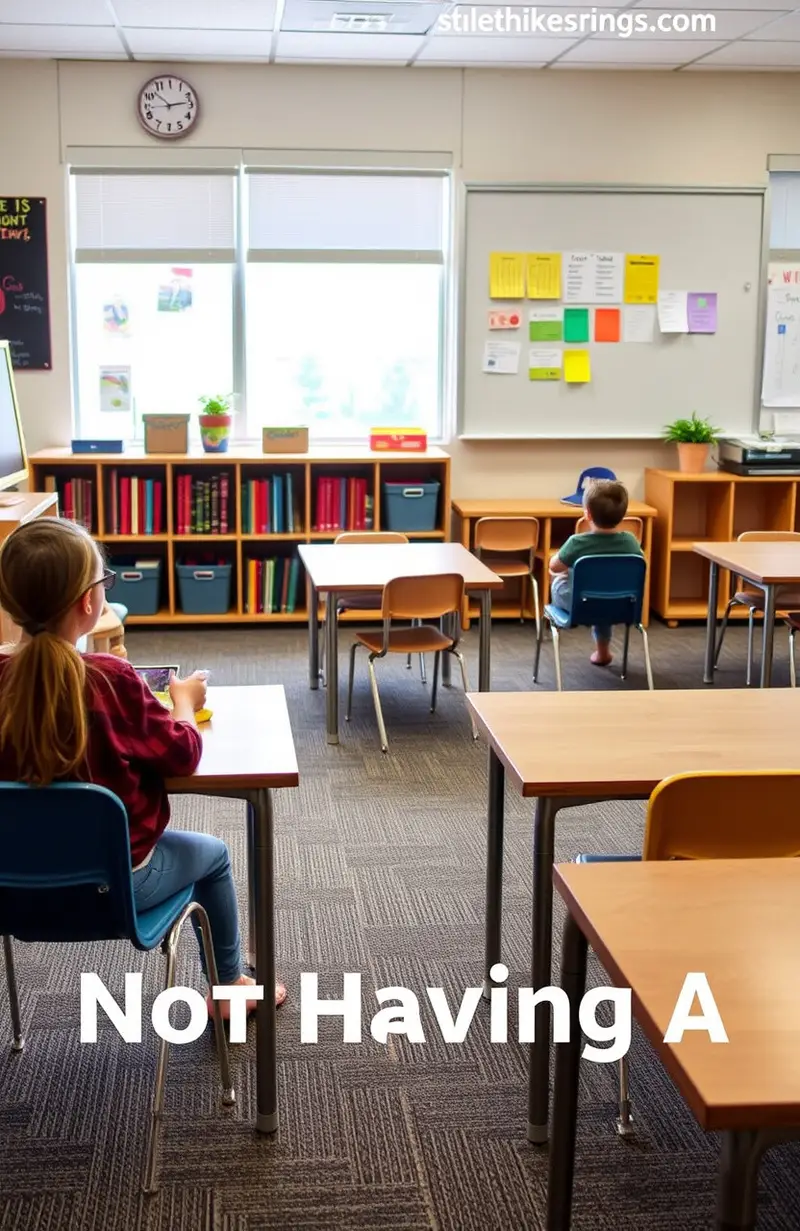
Flexibility is key to adapting to different activities, yet often ignored. Design a layout that can be easily rearranged as needed.
Use movable furniture and modular pieces for quick changes. This allows for a versatile space that can accommodate various needs.
A flexible layout can enhance creativity and collaboration. It supports diverse learning activities and styles for a dynamic classroom.
Experiment with different arrangements to find what works best. A flexible space is a cozy space that adapts to its users.
30. Forgetting to Declutter Regularly
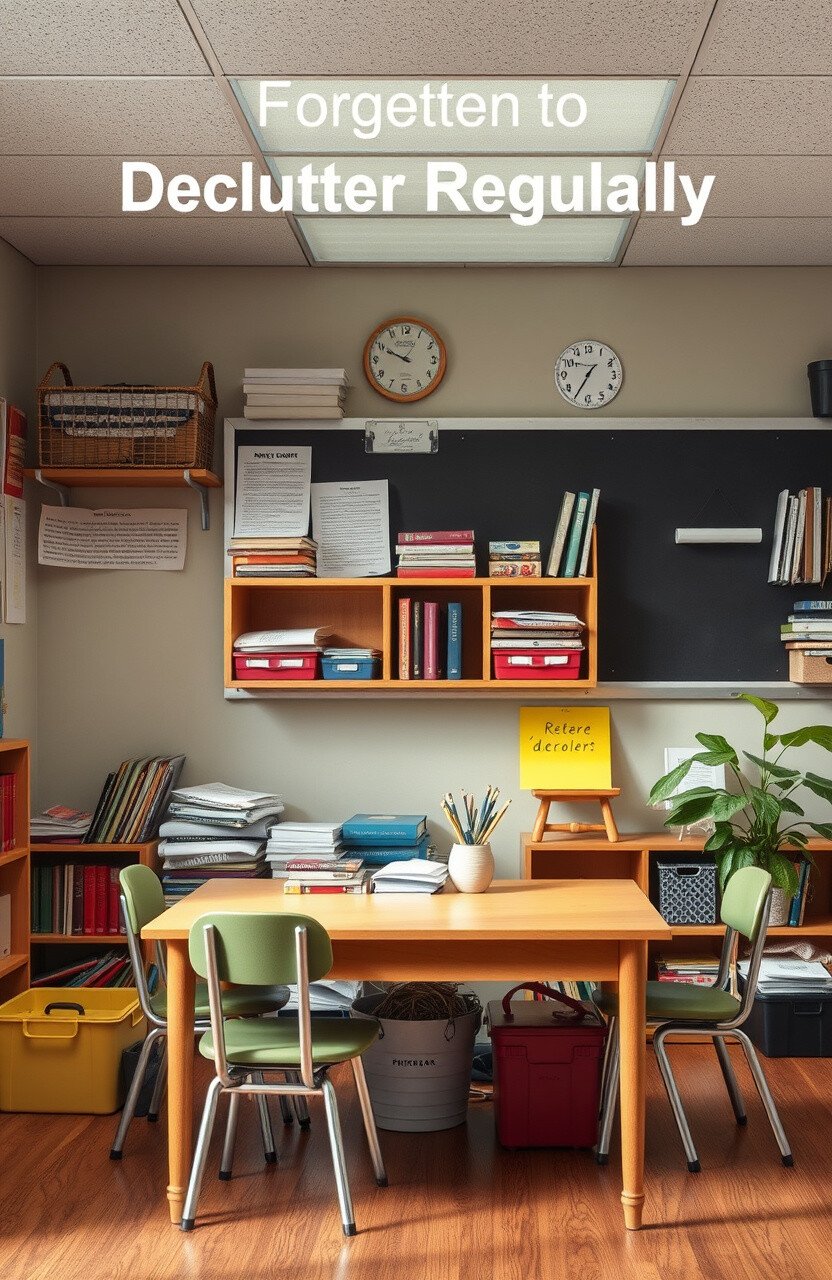
Clutter can accumulate quickly, making the classroom feel cramped. Regular decluttering keeps the space open and inviting.
Set aside time to organize and clear out unnecessary items. Encourage students to participate in maintaining a tidy environment.
A clutter-free space can enhance focus and reduce stress. It creates a more peaceful and productive atmosphere for everyone.
Make decluttering a regular habit for lasting results. A tidy classroom is a cozy classroom that feels welcoming.
31. Not Incorporating Student Work
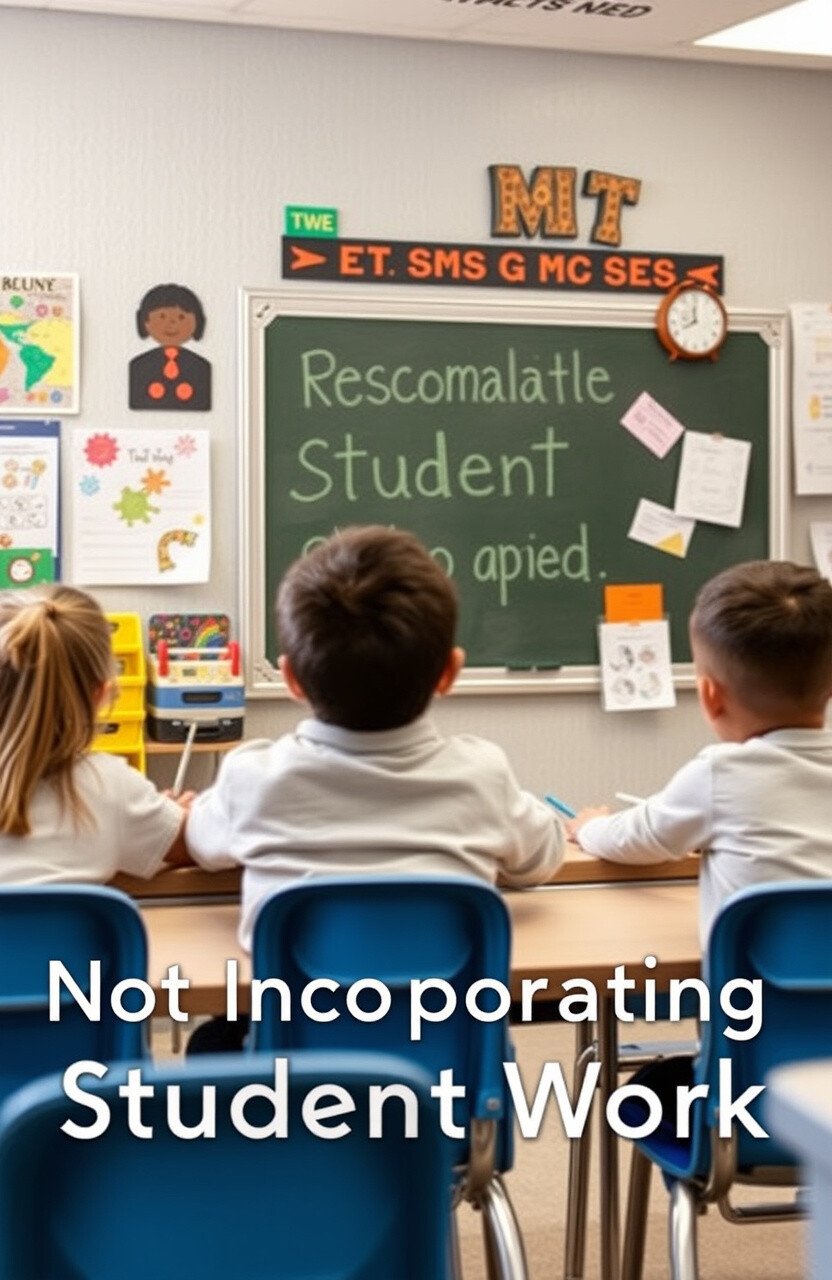
Student work can add a personal touch, yet it’s often overlooked. Display projects and achievements to celebrate student effort.
Use bulletin boards, walls, or shelves to showcase work proudly. Rotate displays to keep the content fresh and relevant.
Incorporating student work fosters pride and motivation. It personalizes the space and reflects the class’s unique character.
Encourage students to contribute regularly for a dynamic display. A classroom filled with student work is a cozy, creative space.
32. Overlooking Safety
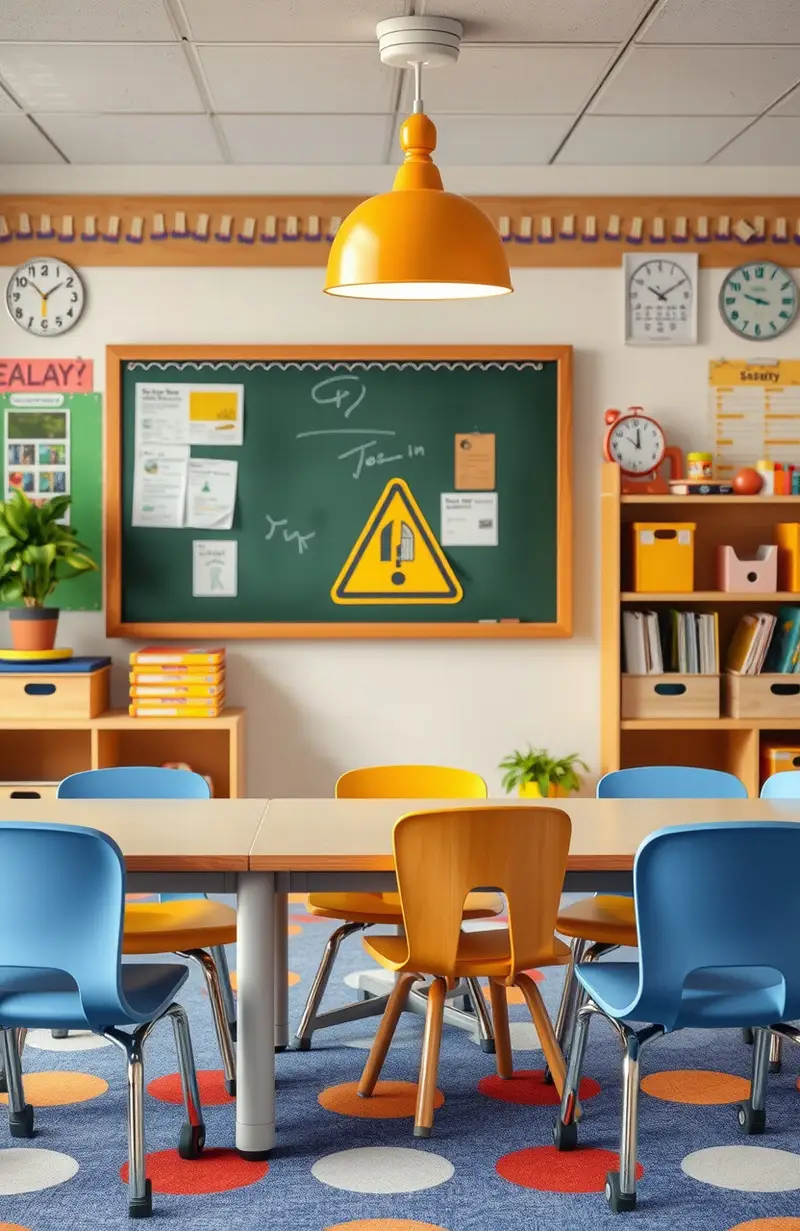
Safety is crucial in classroom decor, yet often ignored. Ensure all items are secure and free from hazards.
Check for sharp edges, loose items, and potential tripping hazards. Create a safe environment where students can move freely.
A safe classroom can enhance peace of mind and focus. It creates a secure and nurturing space for learning and growth.
Regularly inspect decor to maintain safety standards. A safe space is a cozy space that puts everyone’s well-being first.
33. Not Considering Classroom Acoustics
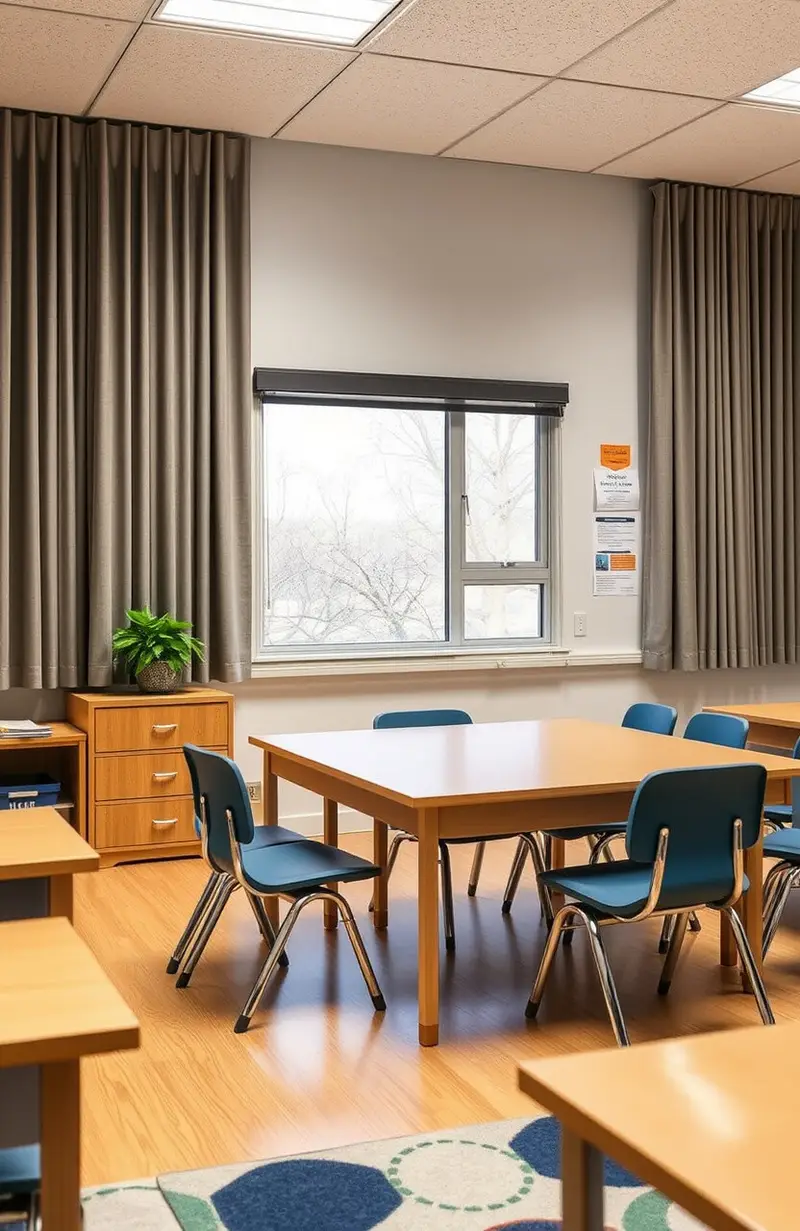
Classroom acoustics can impact learning and concentration. Use soft materials to absorb noise and reduce echo.
Incorporate rugs, curtains, and upholstered furniture for sound dampening. Consider wall panels or art to reduce noise levels.
Improved acoustics can enhance concentration and communication. It creates a more peaceful learning environment for everyone.
Experiment with different materials to achieve optimal sound control. A quieter classroom is a cozier classroom.
34. Ignoring the Importance of Scents
Scent plays a role in creating a cozy atmosphere, yet it’s often ignored. Use pleasant aromas to enhance the learning environment.
Consider using essential oils or scented diffusers for subtle fragrance. Choose calming scents like lavender or citrus for relaxation.
A pleasant scent can make the classroom feel more inviting and comfortable. It creates a positive association with the learning space.
Ensure scents are light and not overpowering for sensitive noses. A gentle aroma can make the classroom feel more welcoming.
35. Overlooking Ways to Include Diversity
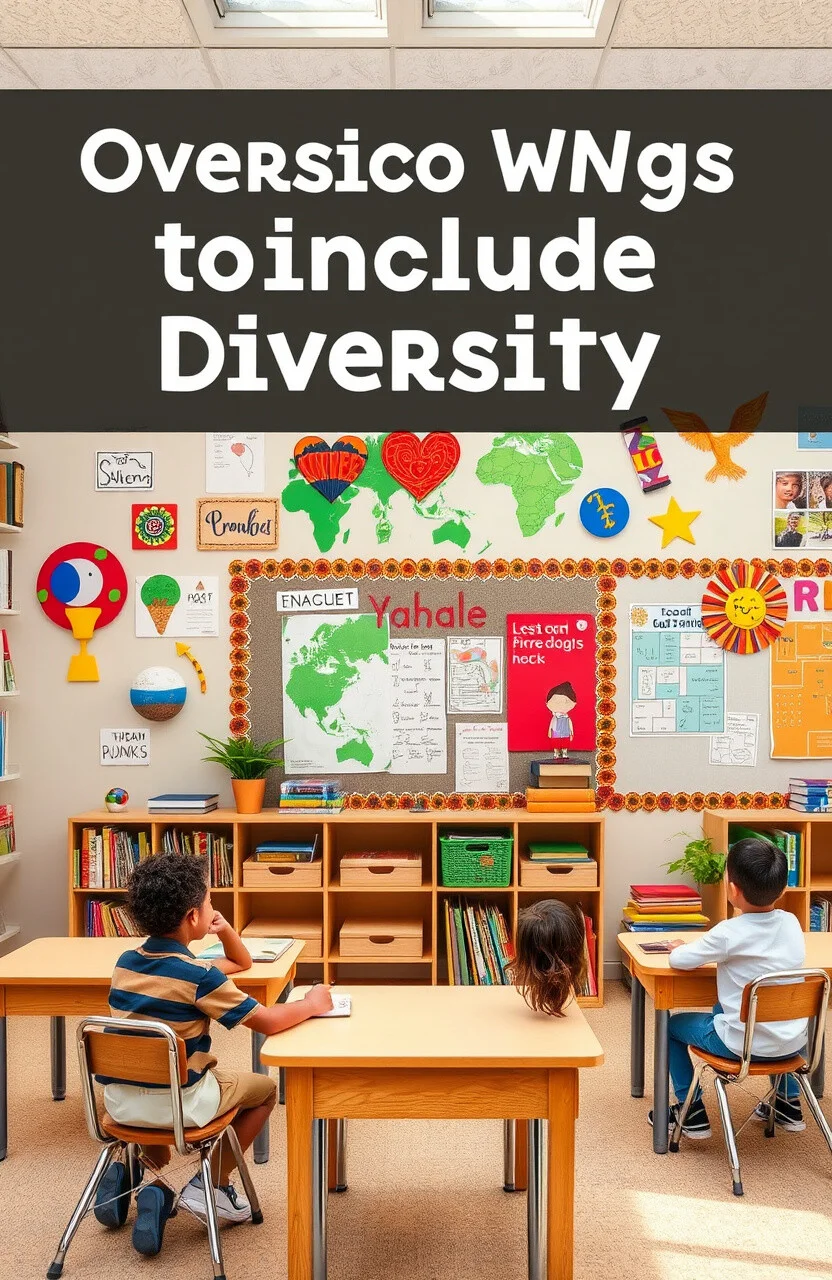
Diversity is important in creating an inclusive classroom. Reflect diverse backgrounds through decor and materials.
Include books, art, and symbols that represent various cultures. Celebrate uniqueness to foster a more understanding space.
Incorporating diverse elements enriches the learning experience. It encourages students to appreciate and learn from differences.
Seek input from students to include meaningful cultural items. A diverse space is a cozy space that respects everyone.
36. Not Considering the Classroom’s Purpose
A classroom’s purpose should guide its decor choices. Ensure all items support the room’s primary function as a learning space.
Consider how each decor element contributes to teaching goals. Prioritize functional items that enhance the educational experience.
A purpose-driven classroom is more effective and inviting. It balances aesthetics with practicality for optimal learning.
Regularly assess decor to ensure it aligns with the classroom’s purpose. A focused space is a cozy space that works well for everyone.
37. Neglecting to Create Zones

Creating zones can help organize the classroom and support learning. Designate areas for specific activities to enhance focus.
Use furniture and decor to define zones like reading nooks or group work areas. This provides structure and clarity for students.
Defined zones can enhance productivity and flow in the classroom. They create a more organized and efficient learning environment.
Experiment with different layouts to optimize zoning. A well-zoned space is a cozy space that supports diverse activities.
38. Overlooking the Importance of Colors
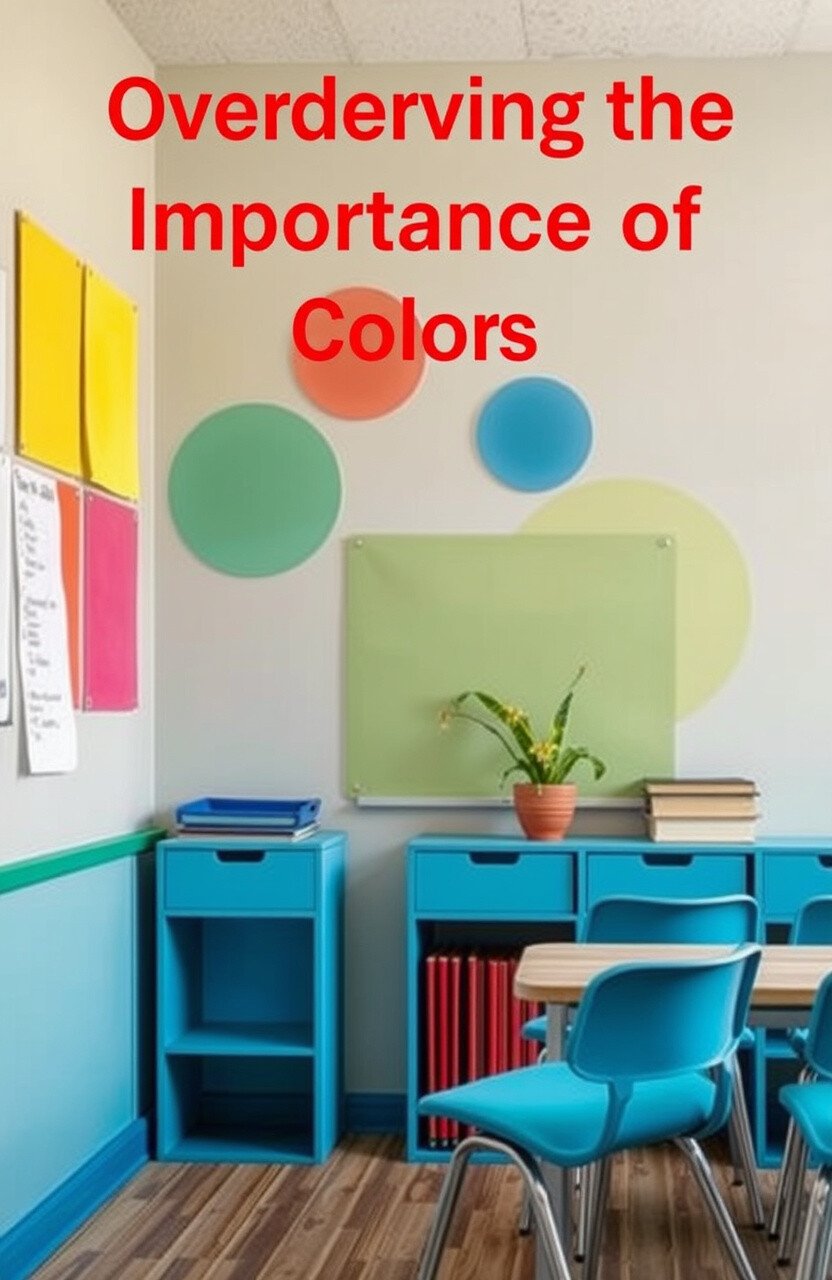
Colors can influence mood and behavior, yet they’re often chosen randomly. Consider the psychological effects of different hues.
Soft blues and greens can promote calmness, while yellows and reds may energize. Choose colors that support the desired classroom vibe.
Using color psychology can create a harmonious learning environment. It’s a simple way to enhance the overall classroom experience.
Experiment with different color combinations to see what works best. Color can be a powerful tool in creating a cozy space.
39. Not Incorporating Student Voices
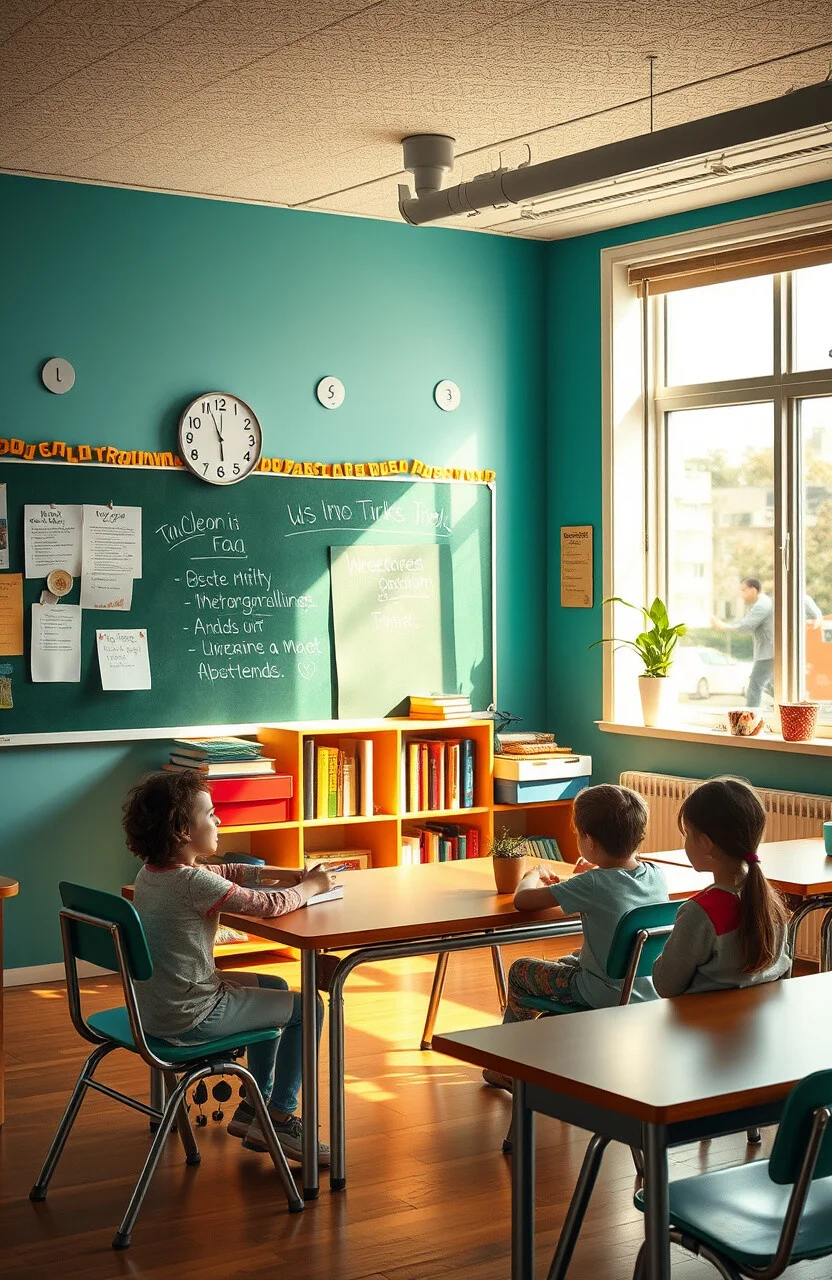
Student voices are valuable in creating a welcoming classroom. Involve them in decor decisions to personalize the space.
Ask for their opinions on colors, themes, or specific items. Incorporate their ideas to create a space that reflects the class community.
Personalizing the space with student input can foster a sense of belonging. It also makes the decor more meaningful and unique.
Hold a decorating day for students to contribute creatively. A collaborative effort can lead to a truly cozy and special space.
40. Using Outdated Furniture
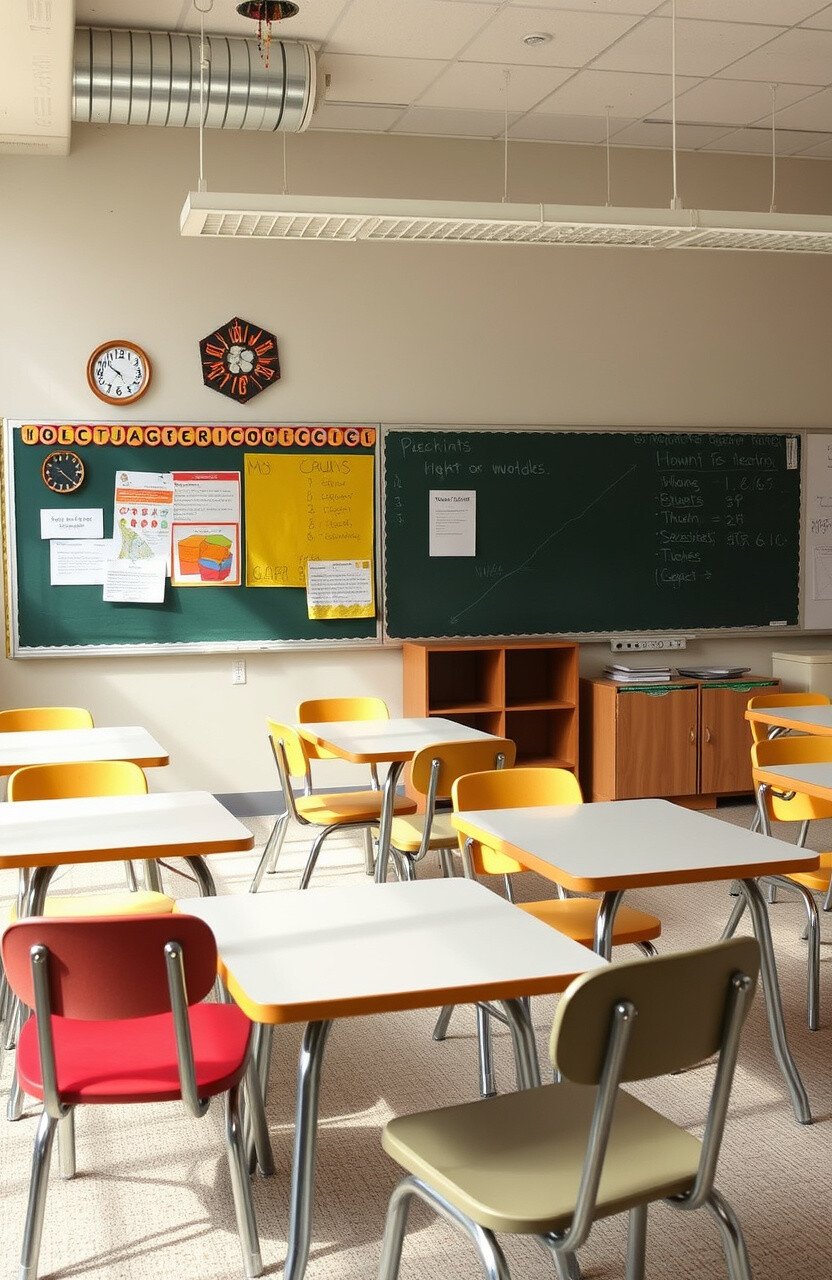
Old furniture can make a classroom feel neglected and uninspired. Update pieces to keep the space fresh and appealing.
Consider modern designs for a more dynamic look. Incorporate flexible seating options to enhance comfort and functionality.
Refreshing furniture can energize both students and teachers. It keeps the classroom feeling dynamic and alive.
Thrift stores and sales are great for finding affordable updates. A little change can have a big impact on the space.
41. Ignoring the Importance of Community
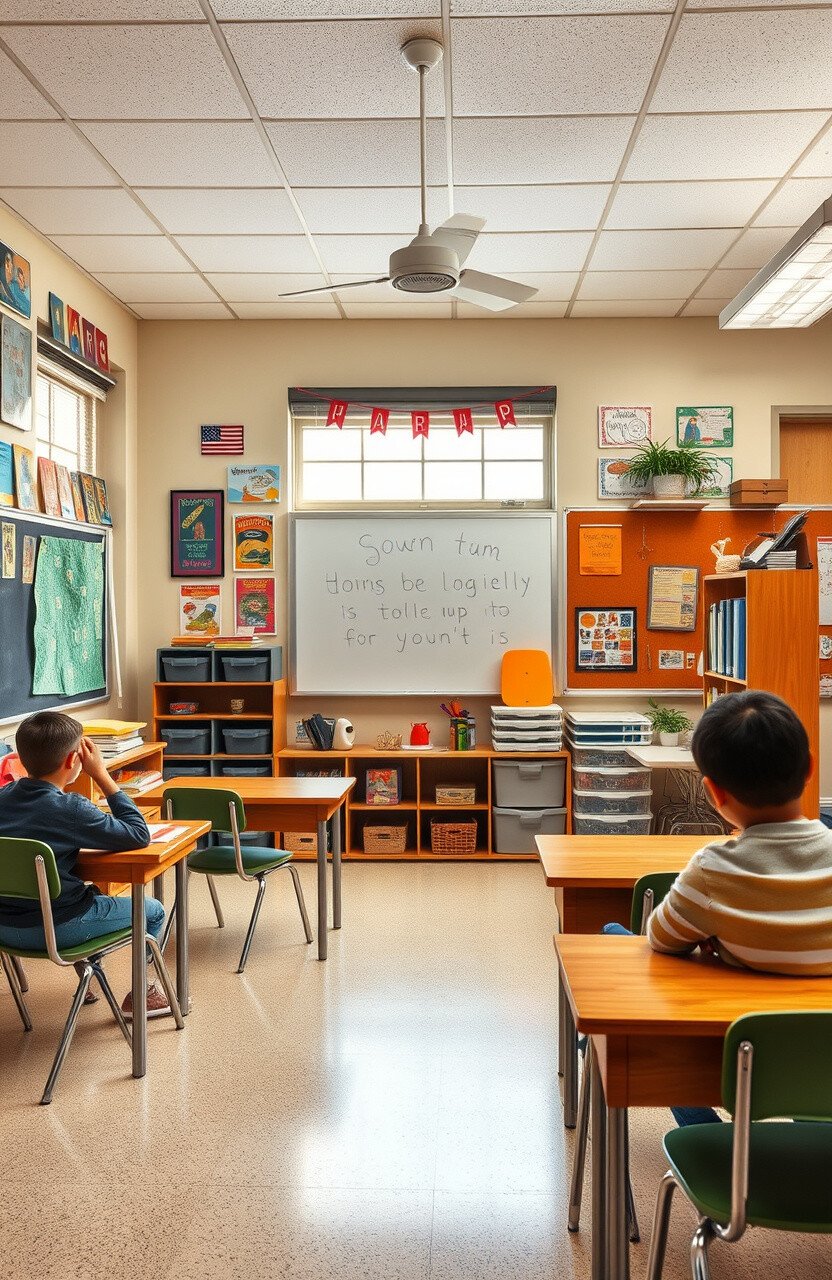
A sense of community can enhance the classroom atmosphere. Decorate with items that promote collaboration and connection.
Incorporate group seating or collaborative work areas. Display community projects to celebrate collective achievements.
A community-focused space can foster teamwork and communication. It creates a supportive environment where everyone feels welcome.
Encourage students to contribute to community-centered decor. A classroom that values community is a cozy, connected space.
42. Not Keeping Decor Consistent
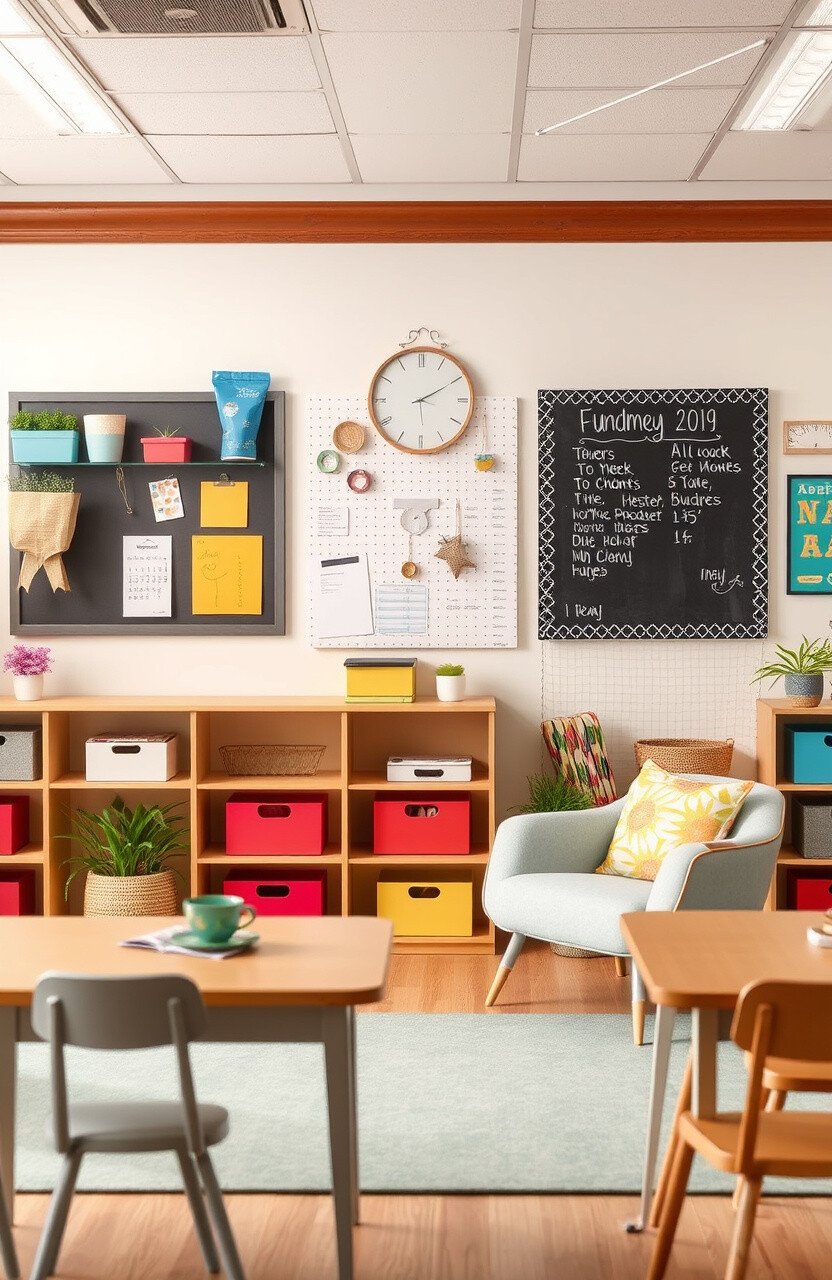
Consistency in decor can create a cohesive and harmonious look. Ensure all elements align with a central theme or style.
Use a consistent color palette and design elements throughout the space. This creates a unified and visually appealing environment.
Consistent decor can enhance the room’s overall atmosphere. It creates a more organized and inviting space for learning.
Regularly review decor for consistency and cohesiveness. A consistent space is a cozy space that feels thoughtfully designed.
43. Overlooking the Power of Minimalism
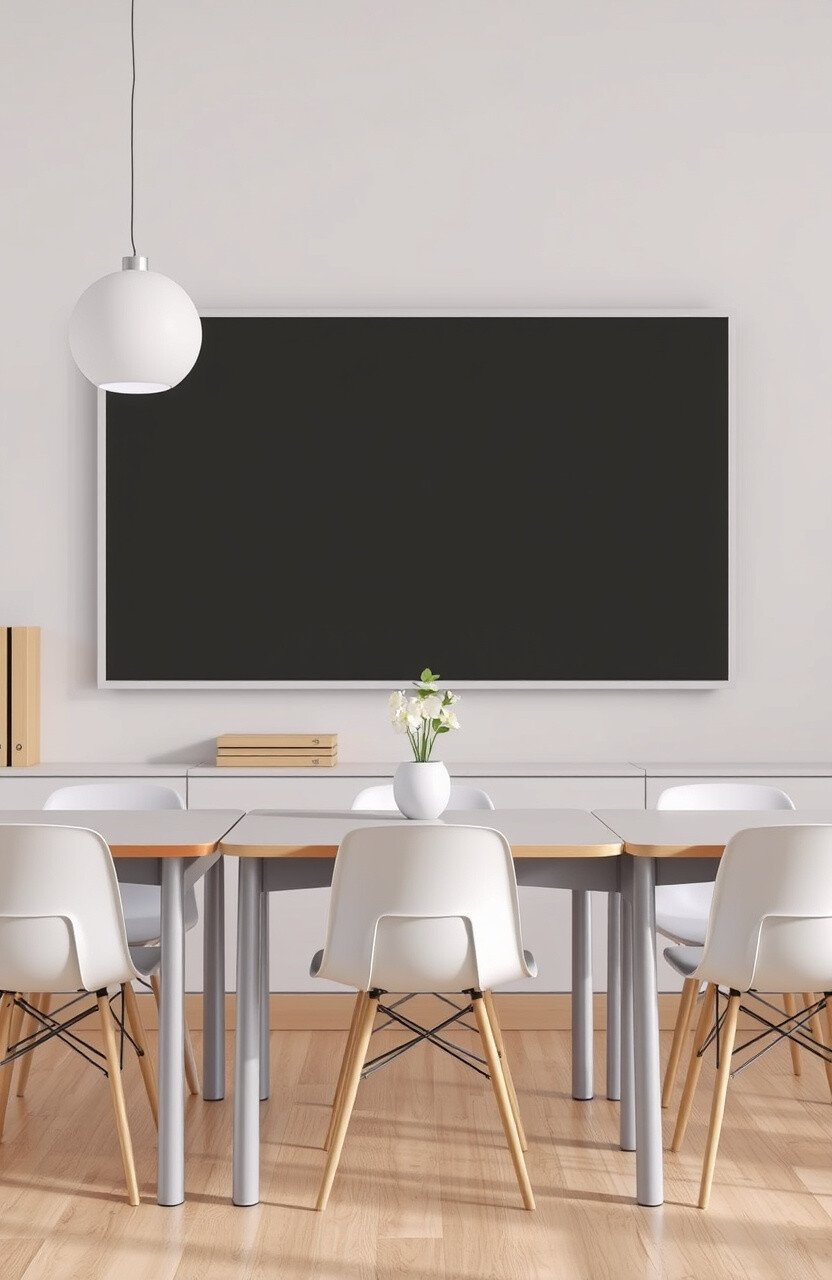
Minimalism can create a peaceful and uncluttered learning environment. Focus on essential items that enhance the classroom experience.
Reduce unnecessary decor to maintain a clean and open space. Prioritize quality over quantity for a more impactful look.
A minimalist approach can enhance focus and reduce distractions. It creates a calming and inviting atmosphere for students.
Experiment with minimalistic styles to find what feels right. A minimalist space is a cozy space that lets learning take center stage.