The library corner can feel magical when it’s easy to use. With a few smart changes, students will want to read more.
Good organization doesn’t just tidy the space. It also helps readers find the right book fast, every time.
1. Reading Pathway Shelving
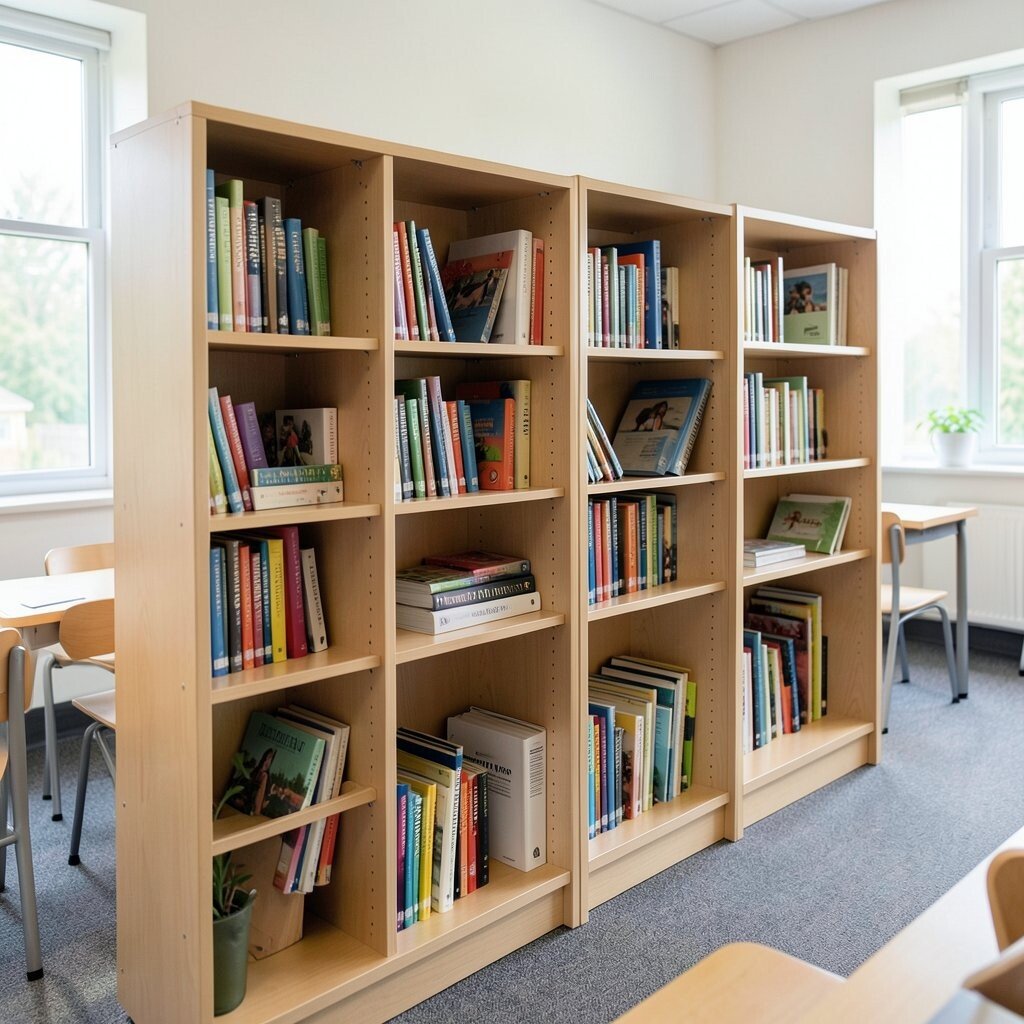
Picture books lined up like a friendly path from the door to a cozy reading seat. Each row is spaced so students can browse without bumping into shelves.
Start by choosing one clear route students follow when they enter the library area. Put the most popular genres near the start and gently guide students toward deeper themes farther in.
2. Color-Coded Book Spines
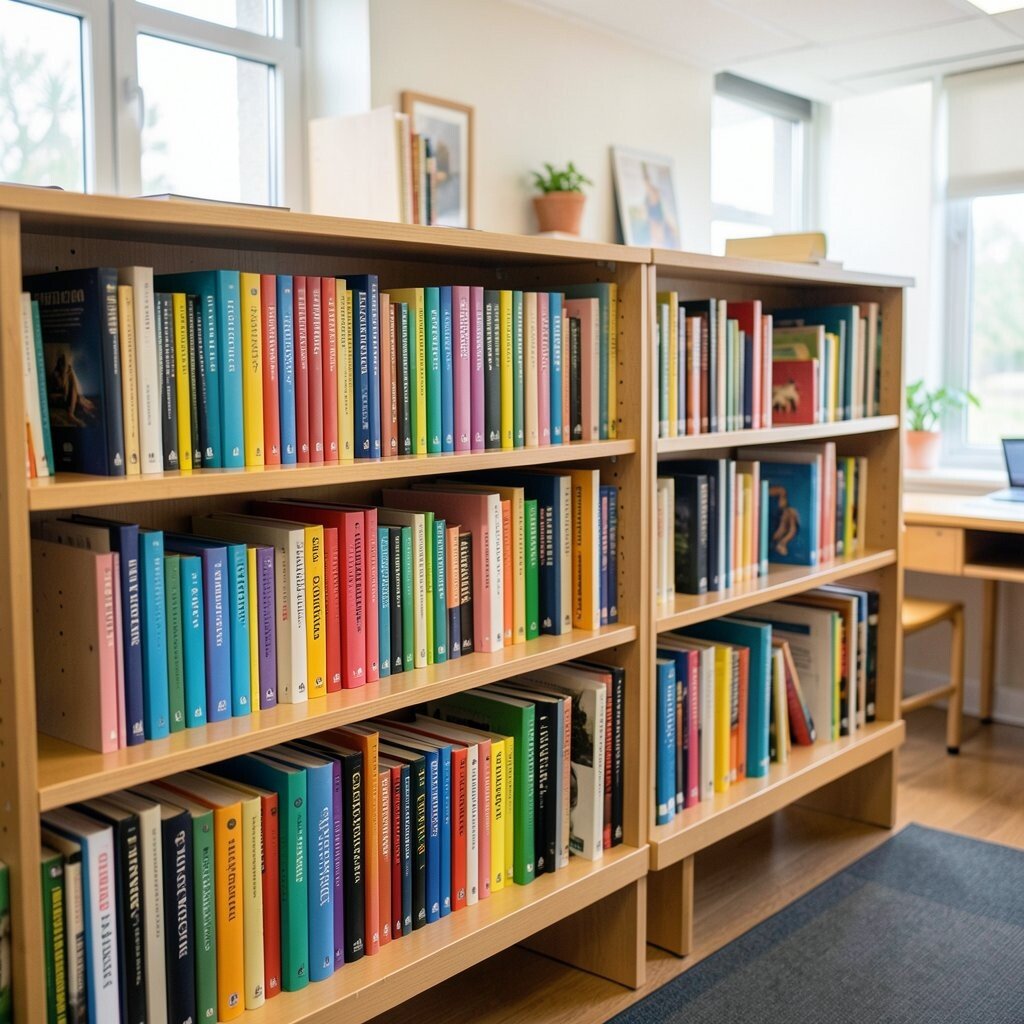
When you look at a shelf and see bright, coordinated colors, browsing feels like a game. Students naturally gravitate toward sections that match how they feel.
Assign each genre or reading level a color band, then use colored sticky tape at the spine edge for quick visibility. Add a small set of color signs near the top shelves so students can match what they want with where to go.
This also makes it easier for you to spot when books are returned in the wrong spot. Consider using washable labels so updates are easy as your library grows.
3. Genre Home Bases
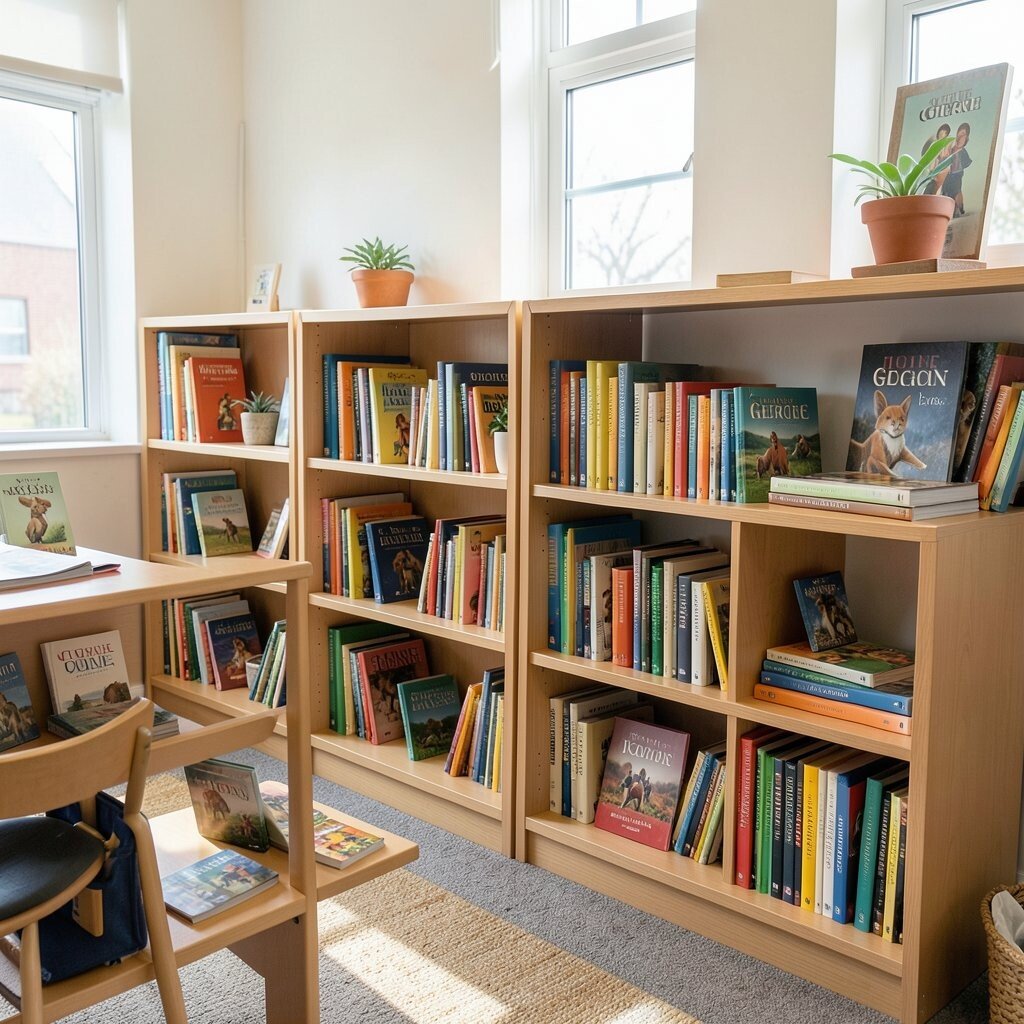
Imagine separate “home base” zones where each genre feels like its own neighborhood. A kid picks up a book and instantly knows they belong there.
Create broad zones such as stories, information books, graphic novels, and read-aloud favorites. Use matching shelf bins, and keep each zone’s books upright and visible so covers can shine.
Students enjoy returning books when the shelf clearly shows where things fit. You can personalize the labels with student artwork created during art time or library volunteers.
4. Clearly Labeled Return Stations
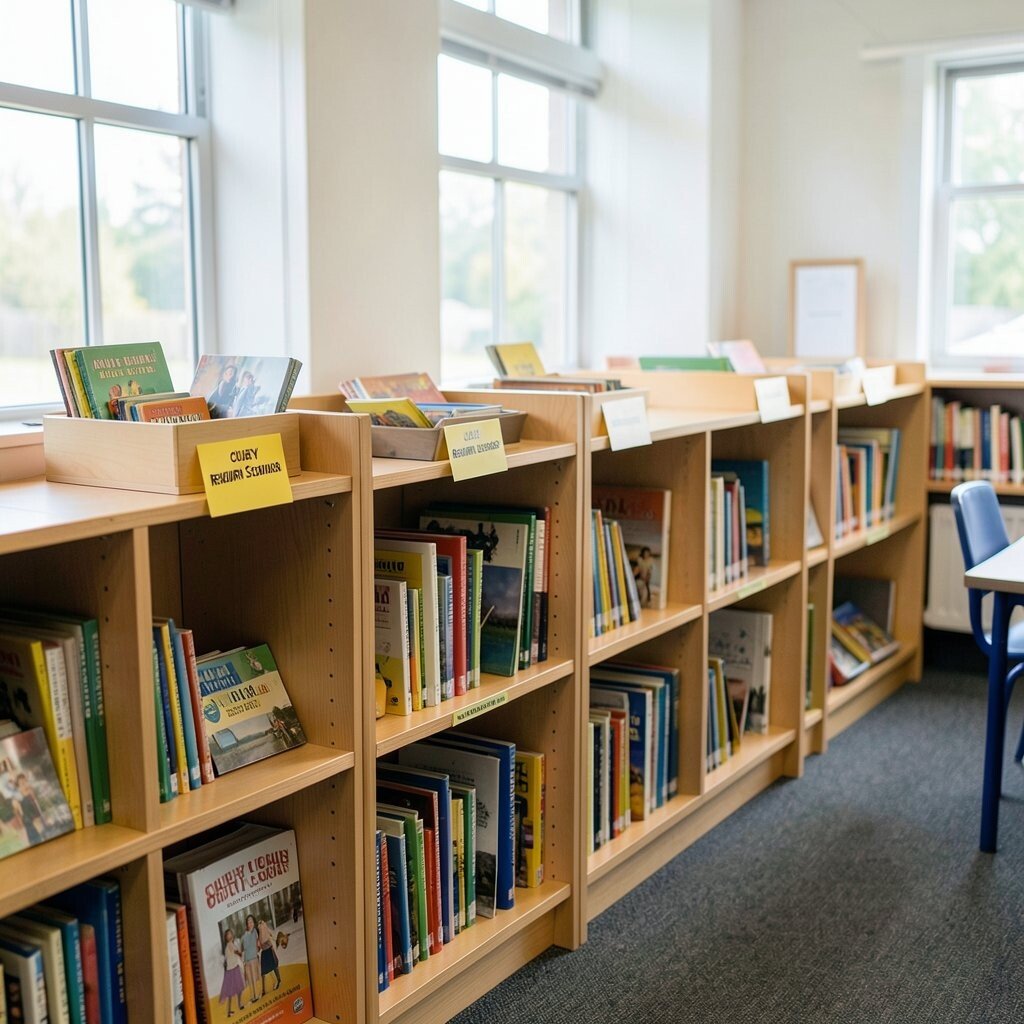
Return time feels calmer when every bin has a simple purpose. You can set up stations that guide students to the correct shelf area.
Place one labeled cart near the exit of the library space and include bins for popular categories. Keep the labels large and friendly, and set them at child height.
5. Storytime Ready Baskets
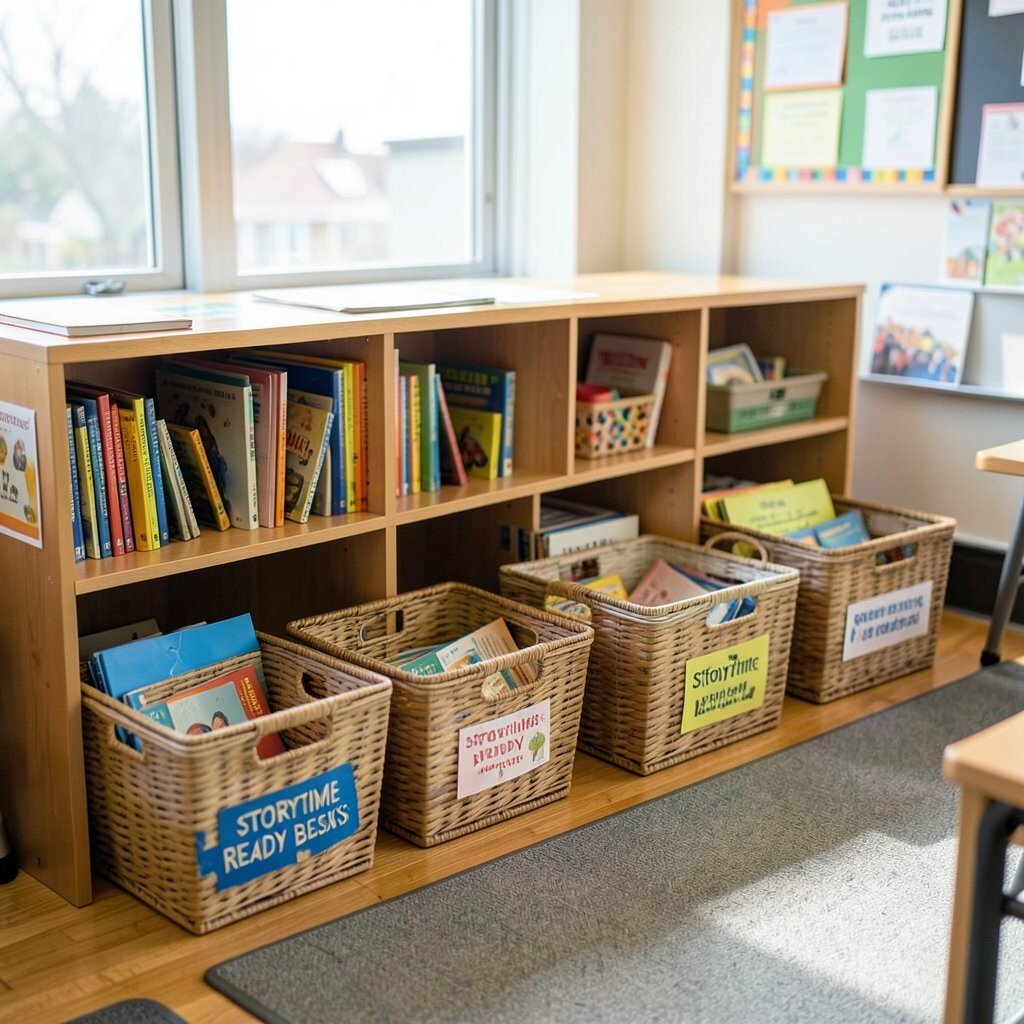
Think of baskets as mini treasure chests you can grab from quickly. They make it easy to pull books for small-group time without searching around.
Keep a few baskets prefilled with leveled texts and picture books that match your current lessons. Rotate them weekly so students feel that the library is always fresh.
Use budget-friendly options like shoebox-style bins or thrifted wicker baskets with new labels. Personalize each basket with a student-drawn cover sticker so kids feel proud to handle them.
6. Reading Level Flight Deck
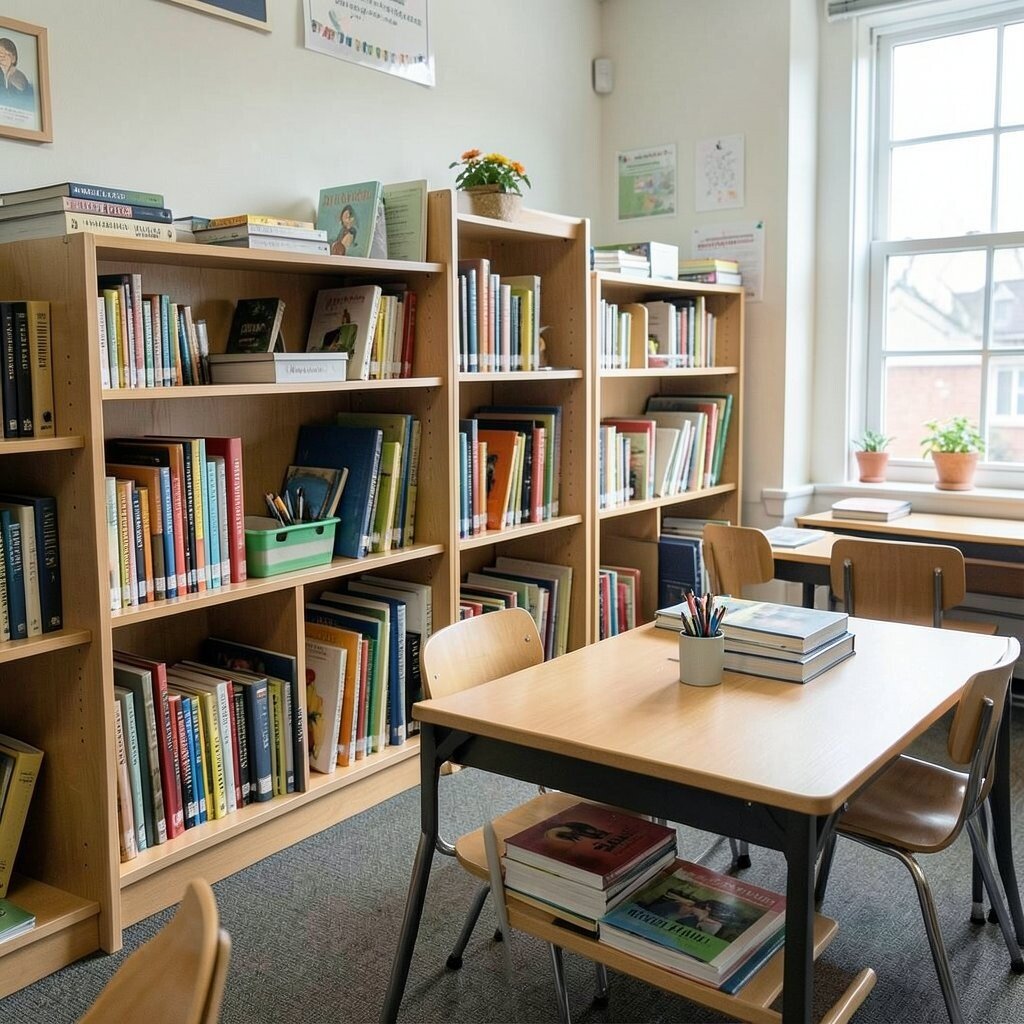
Some students worry about choosing a book that is “too hard,” and organization can help. A level system shown with clear steps makes choice feel safer.
Set up shelves by approximate reading level using simple bands, then display a few “try me” titles on a top ledge. Students can start where they feel comfortable and move upward when they’re ready.
Use short descriptions in student-friendly language so kids understand what kind of reading fits each level. Keep the system flexible because confidence matters as much as difficulty.
7. Cover-Facing Display Wall
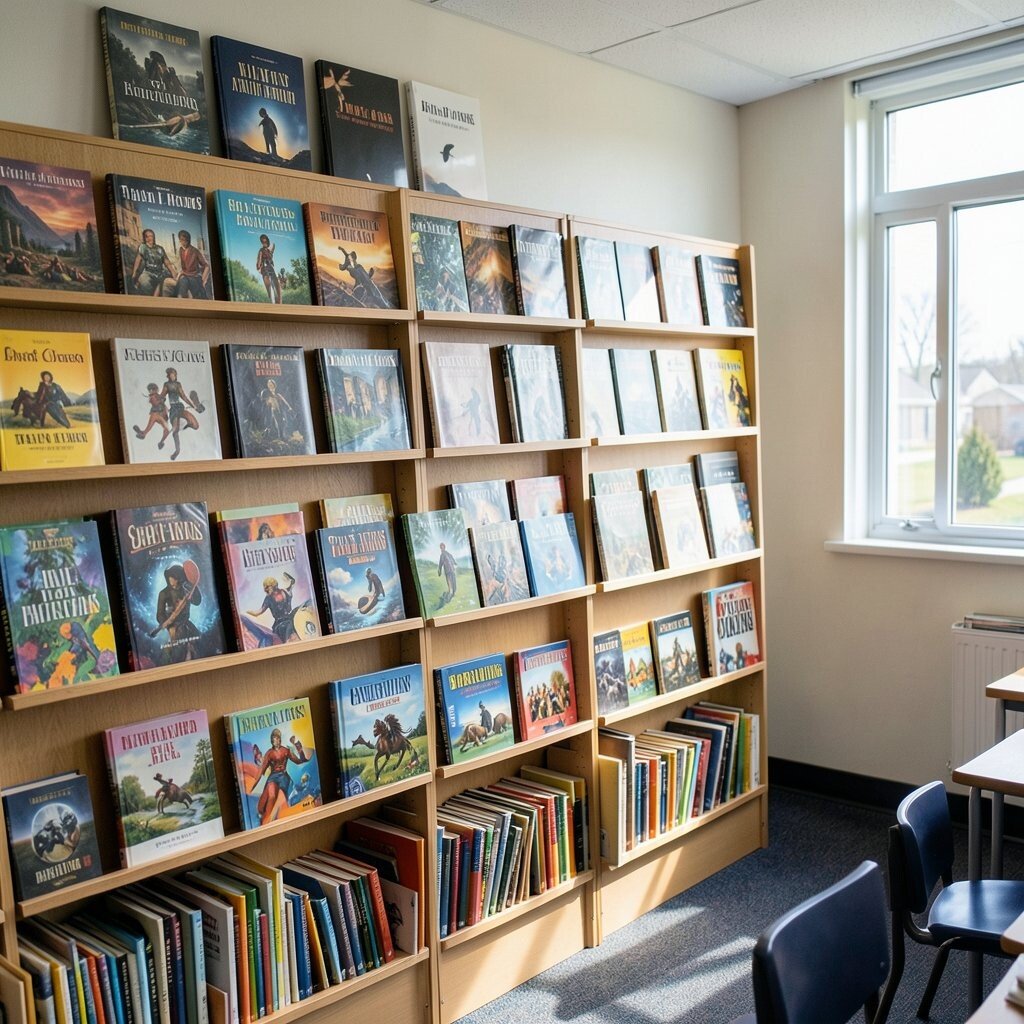
A display wall where covers face outward is like a spotlight for books. Students can scan quickly and feel drawn in by the pictures.
Choose a small section of shelving to dedicate to front-facing books, and keep it tidy with a rotating “featured” set. Swap the display every few days so returning readers always see something new.
This visual strategy reduces the time spent searching and increases reading momentum. Use inexpensive stand-up book displays made from cardboard or foam board if you want a low-cost start.
If you have limited space, use the classroom wall with clear pockets for posters featuring new titles. That also supports current trends like book recommendation visuals.
8. Writable Book Choice Signs
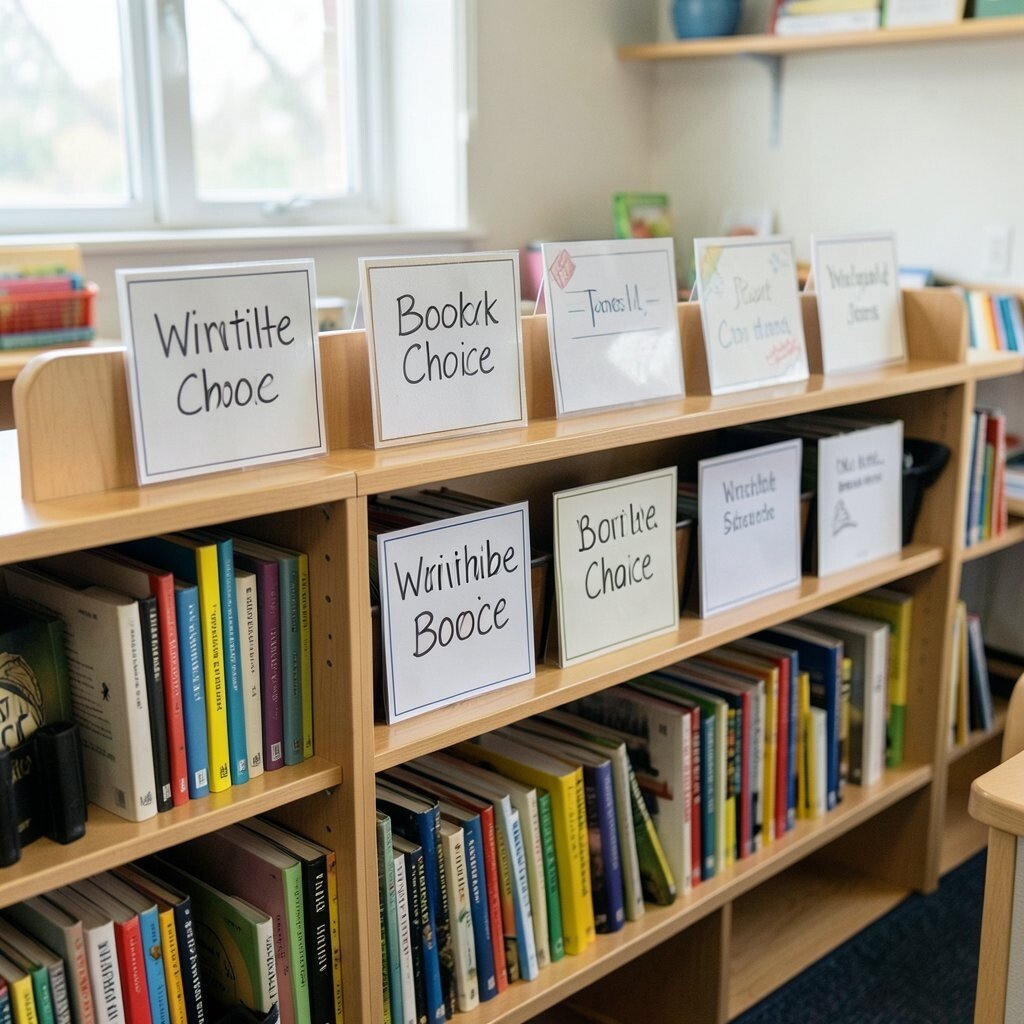
When students can add their own notes, the library starts to feel like a living community. Signs invite kids to share what they liked and what they think others will enjoy.
Make a few choice signs with sentence starters and blank space for students to fill in. For example, a sign can include where to find a genre and a quick note about what makes the book fun.
Use sticky notes or small reusable cards so you can update quickly. This personalization boosts student ownership and helps readers trust peer ideas.
9. Student Librarian Roles
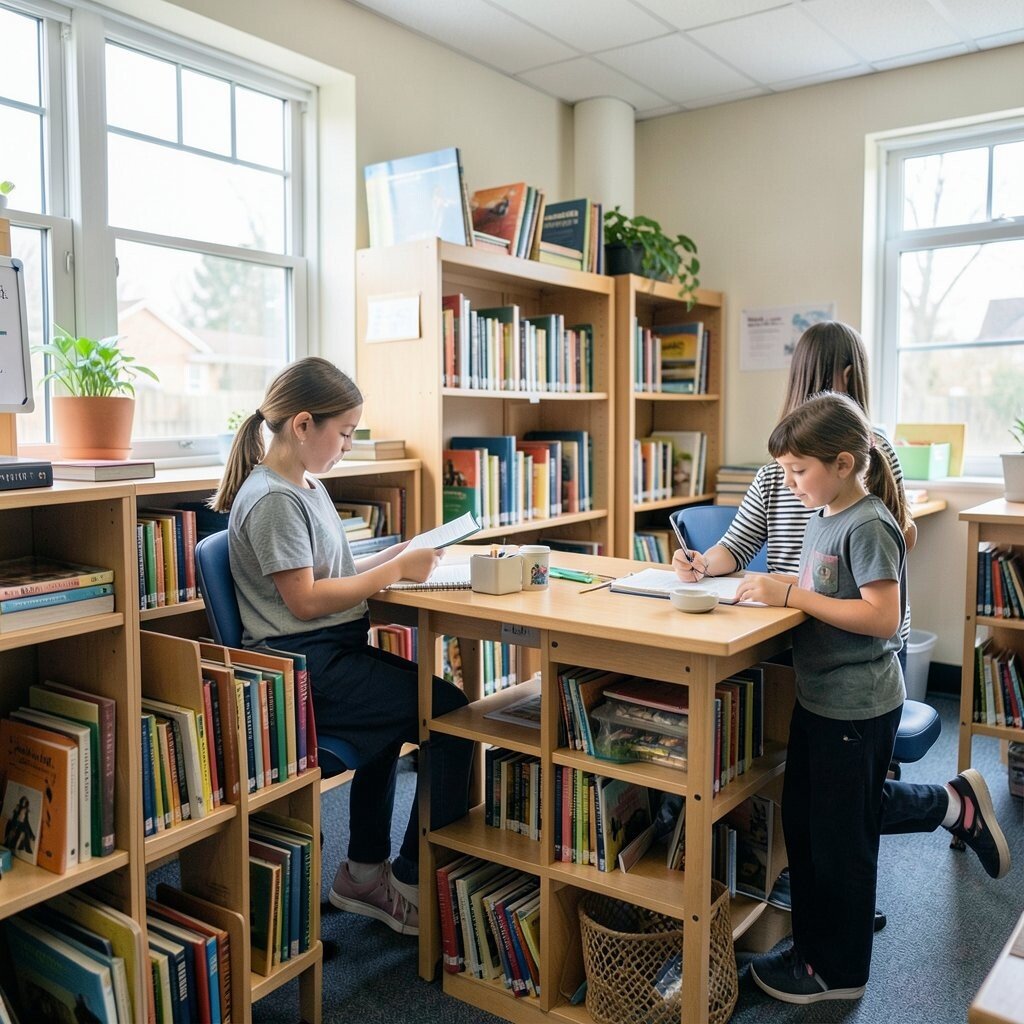
Organization sticks better when students are part of the system. Giving roles turns the library into a team job, not just a teacher task.
Create simple duties like “shelf checker,” “display helper,” and “return helper,” then rotate them weekly. Provide a checklist on a clipboard with easy steps like straightening and scanning for missing books.
You can also let students choose which books to feature for the week. Keep materials low cost by using scrap paper clipboards and a small bucket for tools.
This kind of leadership matches current classroom trends toward student agency and choice. It also makes library time feel meaningful instead of rushed.
10. Book Bins by Mood
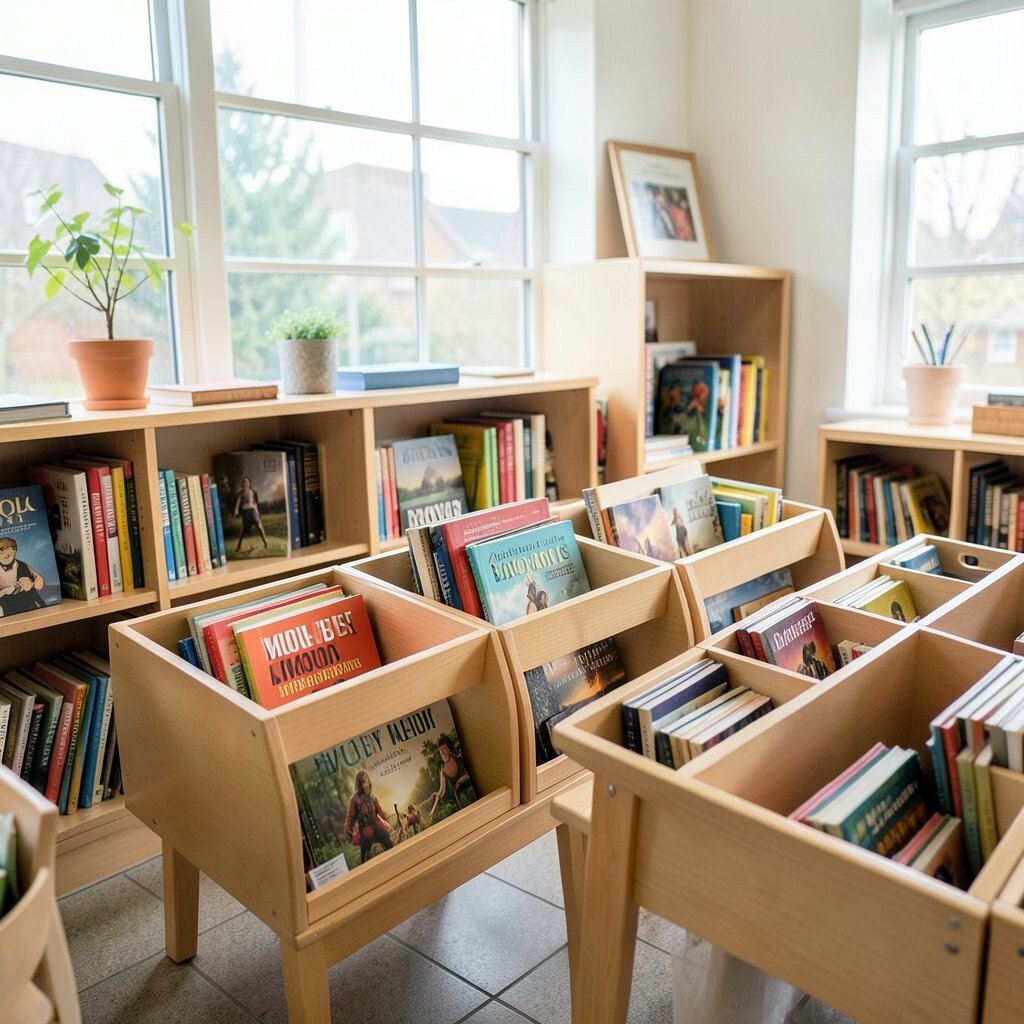
Not all readers want the same feeling at the same time. Mood-based organizing helps kids match books to how their day feels.
Set bins labeled with gentle mood themes such as calm, brave, funny, or curious. Students select a bin first, then browse the books inside without worrying about the “right” category.
To make it practical, include a small card in each bin showing what type of stories fit that mood. Kids personalize their choices by drawing tiny icons on the cards.
11. Basket Sorting for Small Groups
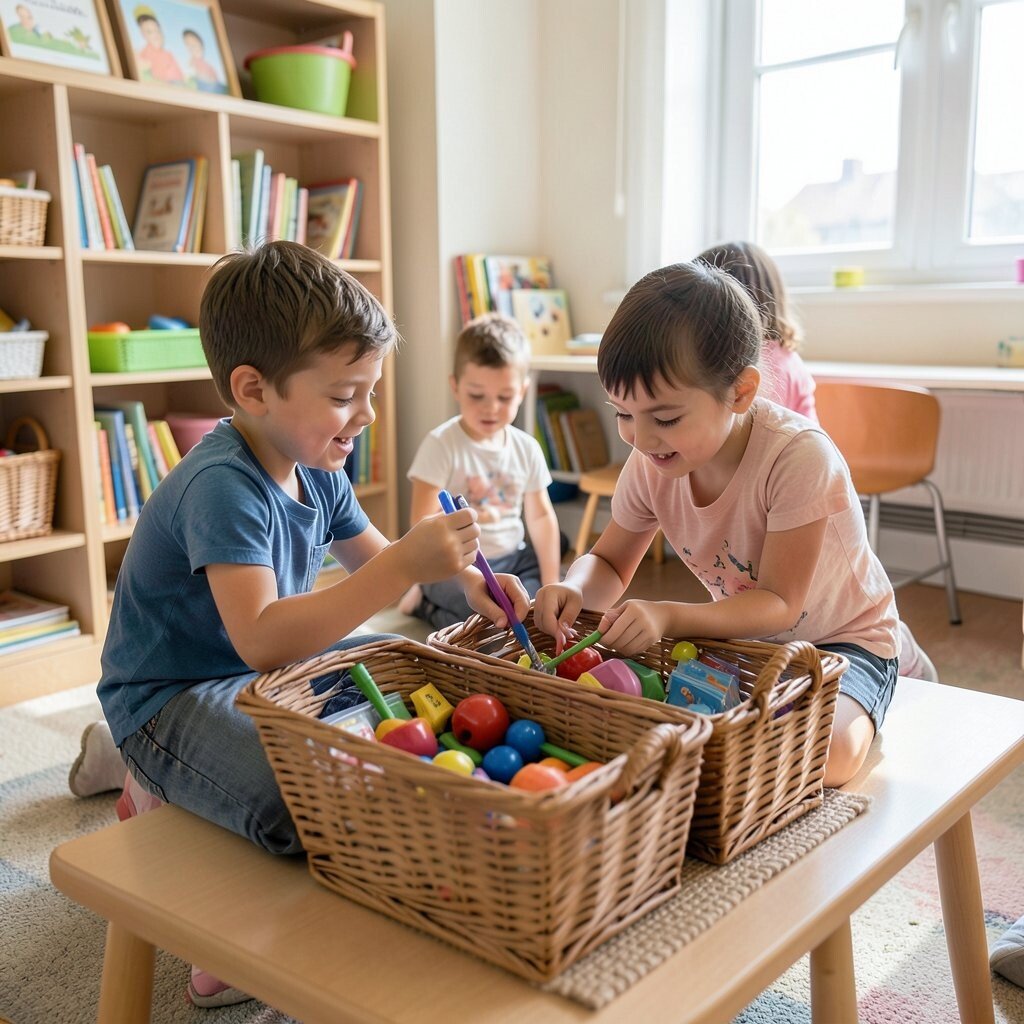
During group time, sorting books in baskets keeps energy focused. Students can handle sets without spreading books across the room.
Create several identical baskets, each one holding a themed stack for a specific discussion. Keep the basket size consistent so students learn the routine quickly.
This is especially useful if your library has limited shelving space. You can store baskets in a cabinet, then pull them out when needed.
For personalization, let students decorate the handles with tape and markers. Just make sure the decorations stay secure so baskets are easy to move safely.
12. Interactive Book Inquiry Folders
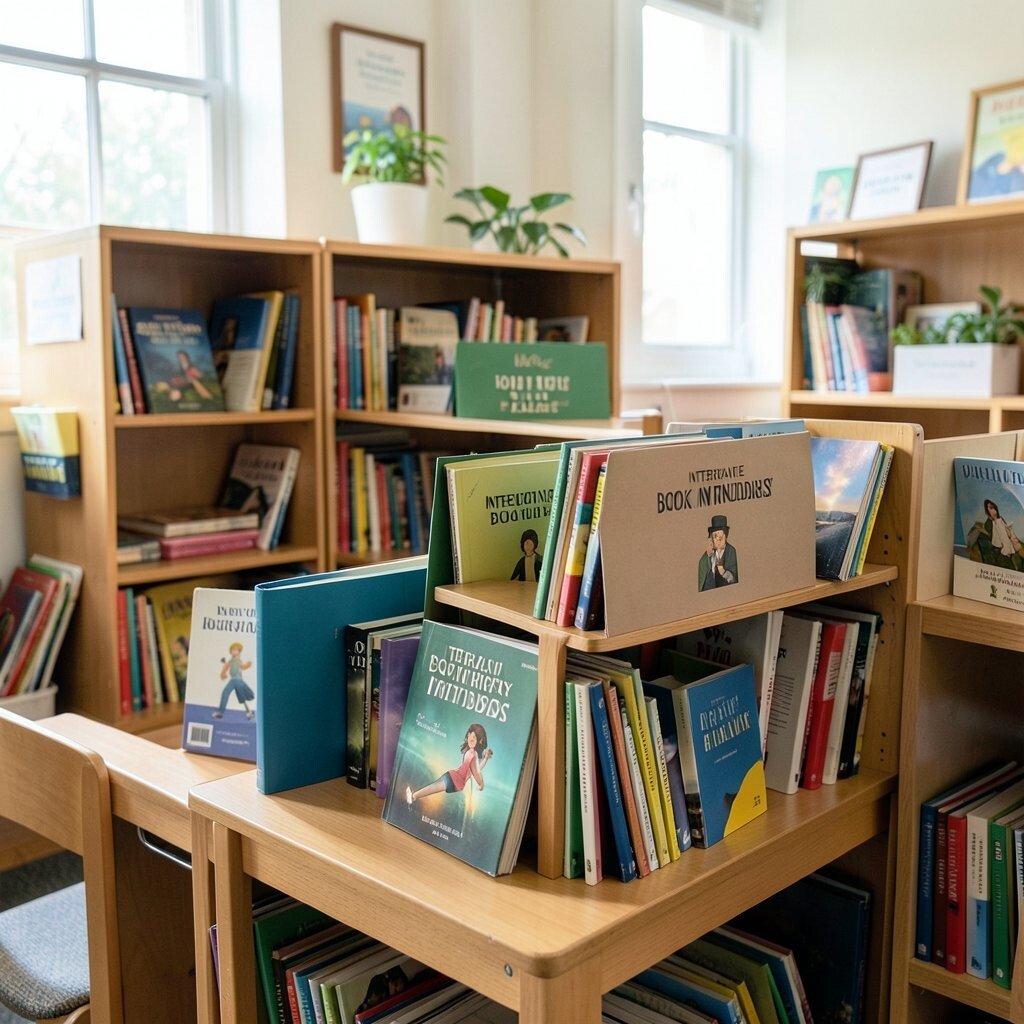
Some students love questions, and your library can support that curiosity. Folders help readers keep track of what they want to learn next.
Give each student a simple folder where they can note a book they picked and why it caught their eye. They can also write one question they hope the book answers.
Store the folders in a visible holder near the library, grouped by student or by class period. This makes it easier for you to check in without turning the process into paperwork overload.
It’s a great way to align with current trends like reflection and reading goals. Keep folders affordable by printing on cardstock and using a basic tri-fold design.
13. Weekly “New to Me” Table
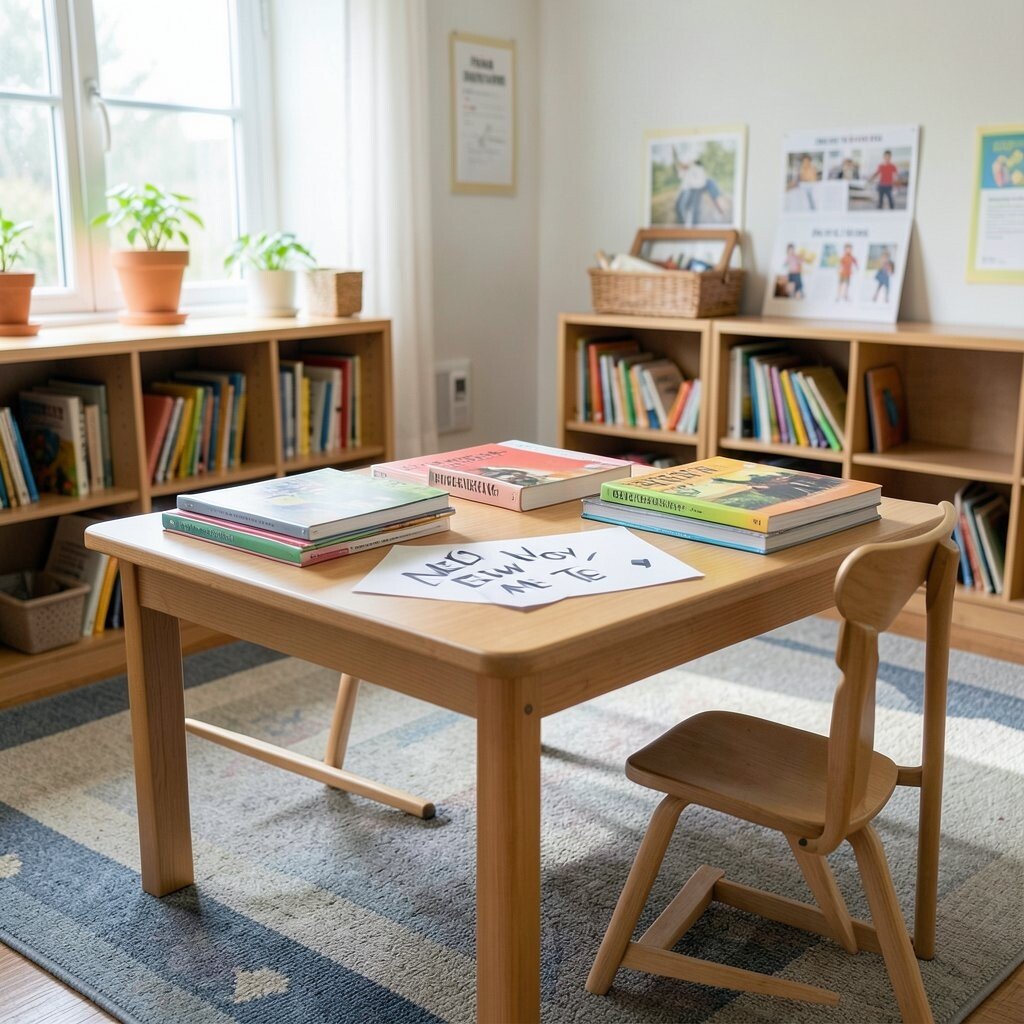
A dedicated table for new books makes your library feel active and exciting. Students love spotting something that wasn’t there yesterday.
Place a small, sturdy table or cart near the entrance and display newly added titles with covers facing out. Include a simple sign that tells students the books are available for checkout or classroom reading.
Rotate the table often, even if you only add one or two new titles at a time. If buying new books is limited, you can display “new to us” books by highlighting older favorites returned to circulation.
Personalize with student notes on index cards attached to the display. This helps new readers decide faster and builds excitement.
14. Lightweight Book Check-Out System
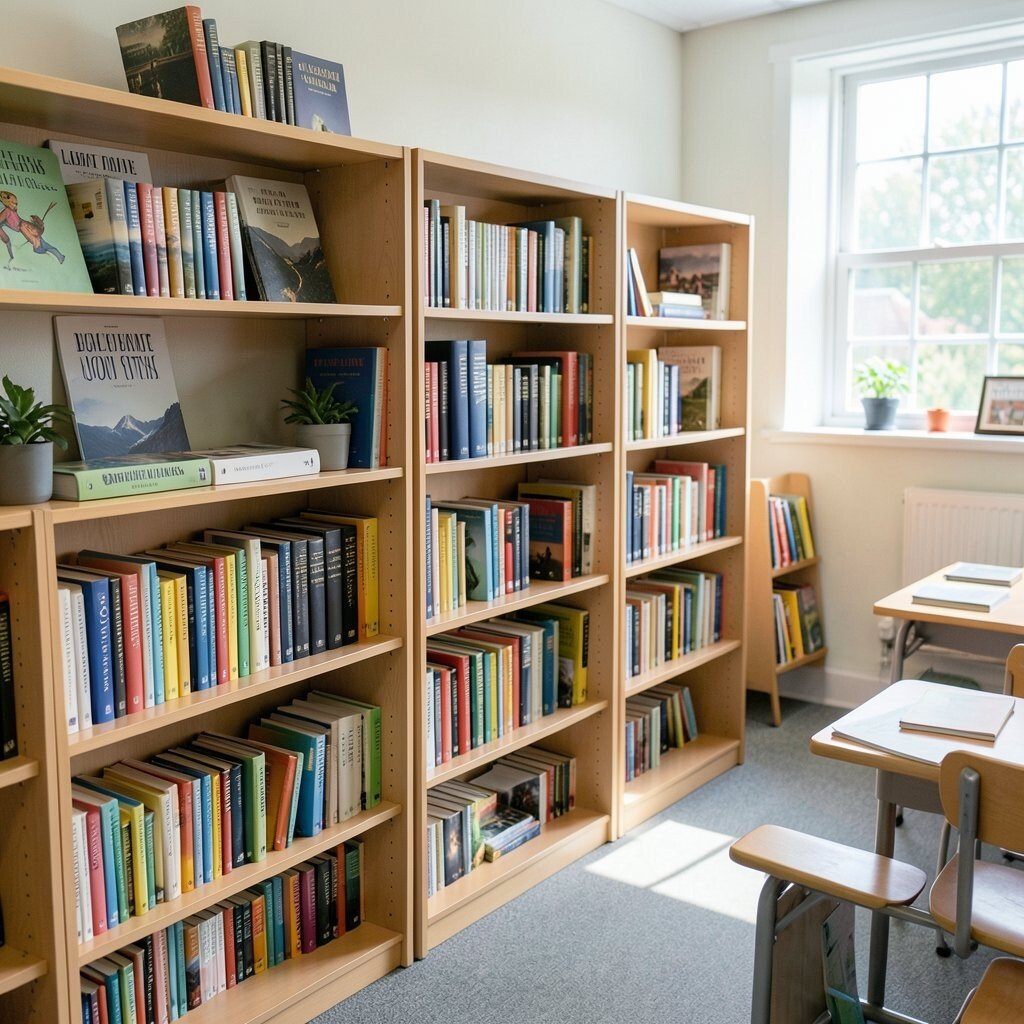
Organization works best when students can manage the process on their own. A lightweight check-out system keeps the library running smoothly.
Use a simple card holder or pocket chart for reading records, then match each pocket to a student name. Students move their pocket when they take a book and return it when they’re done.
If you already use devices, you can also add a simple digital step while still keeping shelves organized. Keep costs low by using clear sleeves, cardstock, and a labeled container.
The benefit is that you spend less time tracking books and more time helping readers. It also supports a current trend of classroom systems that are kid-friendly and consistent.
15. Seasonal Theme Shelves
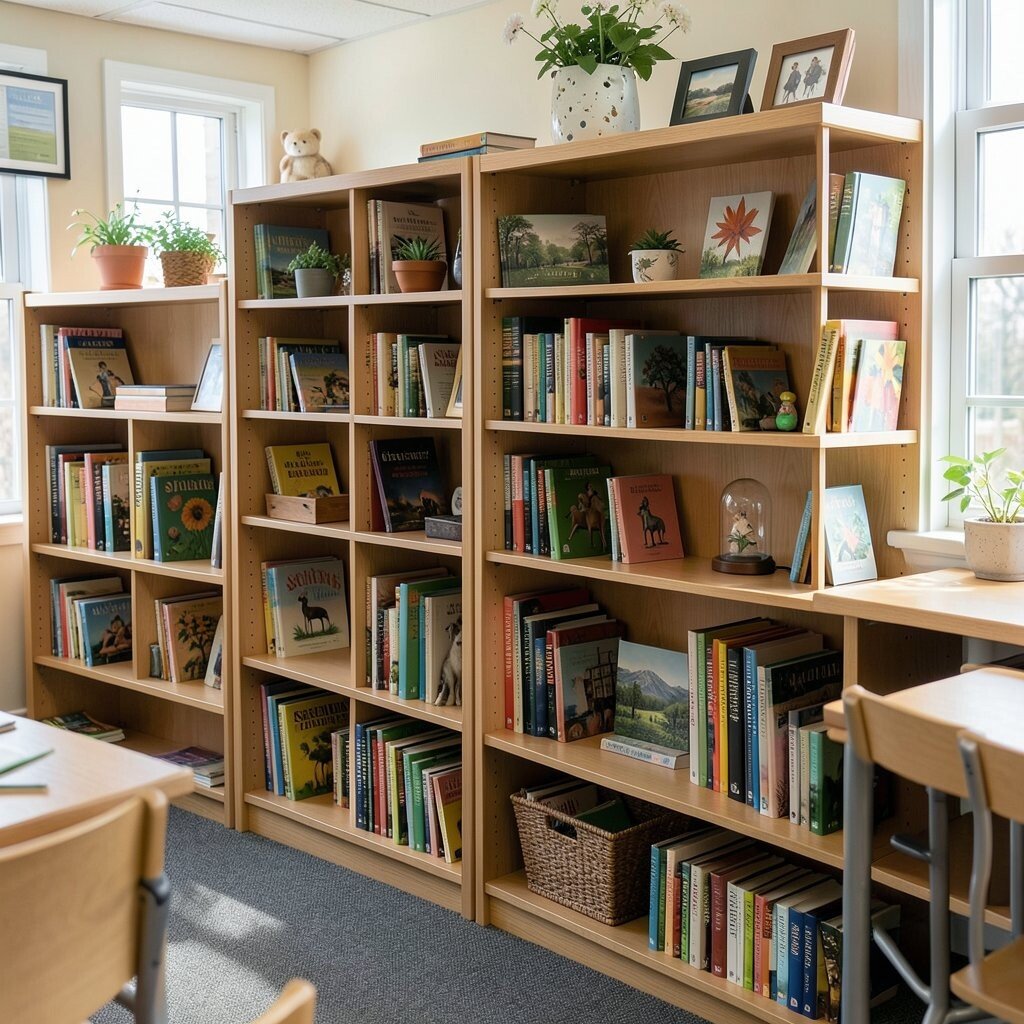
Seasonal themes turn routine browsing into an event. When shelves match the time of year, students feel like the classroom is in sync with the calendar.
Dedicate one shelf to the season and include books that match holidays, weather, sports, or community events. Use small signs and student-created decorations that do not block covers.
Even a small theme can make a big difference, especially when you keep a few familiar titles in the mix. For cost considerations, reuse decorations from year to year and swap in printed cover cards instead of buying new props.
To personalize, invite students to choose one book for the theme and explain their pick in one sentence. That builds pride and helps classmates find books they’ll enjoy.
16. Accessible Floor Reading Zones
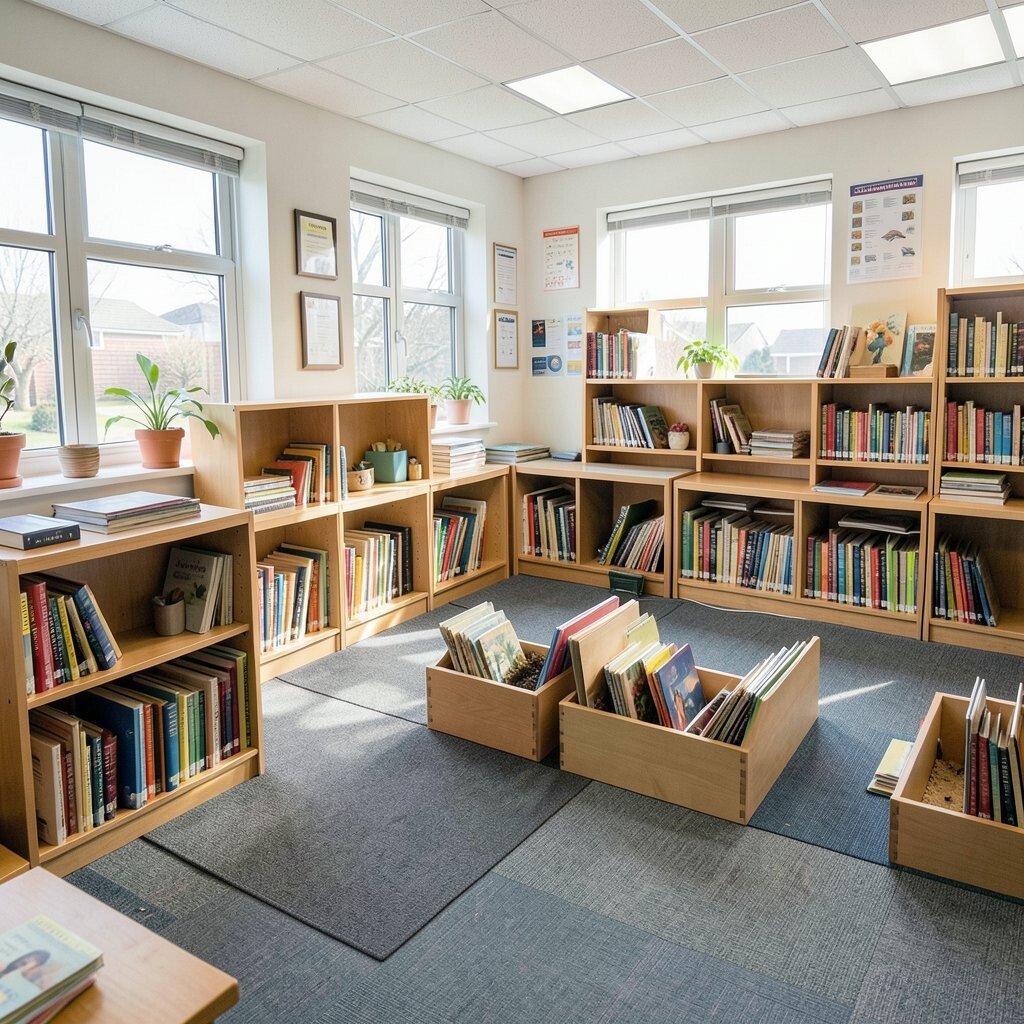
A comfy floor area can make reading feel less formal and more inviting. When books are reachable at eye level, students browse longer and with less frustration.
Create a clear reading zone with soft seating, a small rug, and a nearby shelf or rolling rack. Place “quick grab” books in front so students can start reading right away.
This setup supports students who learn best through hands-on choice. Keep it organized by using baskets with handles and returning books at the end of the day.
Consider current trends like flexible learning spaces and student movement, while still keeping the area structured. For personalization, let students help choose a rug pattern or add a class-made sign that says who the zone is for.