
Classroom design is more than just arranging desks and chairs. It’s an art that can significantly impact learning and creativity. A well-designed space can inspire both teachers and students alike.
1. Overcrowding Desks

Too many desks can make a classroom feel cramped. This limits the space for movement and creativity.
Arranging desks properly provides a sense of openness. It encourages students to focus and interact better.
Consider flexible seating with bean bags or cushions. This not only saves space but also adds a fun element.
Minimal investment in portable seats can transform the setup. A more relaxed atmosphere can boost learning.
2. Ignoring Storage Needs
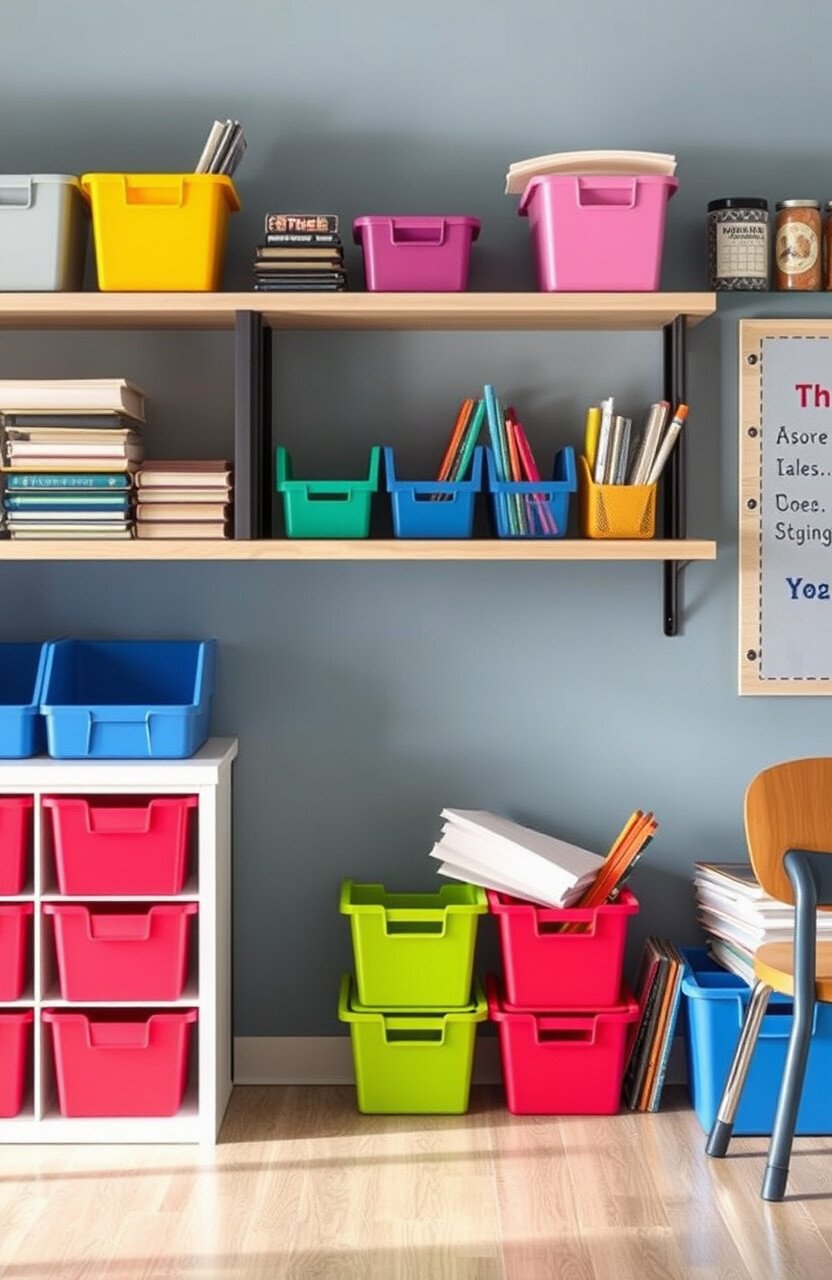
Without proper storage, classrooms become cluttered. It becomes hard to find materials when needed.
Creative storage solutions can make a big difference. They help keep the space tidy and organized.
Try using colorful bins or shelves. They add a touch of design while serving a practical purpose.
Inexpensive storage options can be found easily. A well-organized space is much more inviting.
3. Lack of Color Coordination
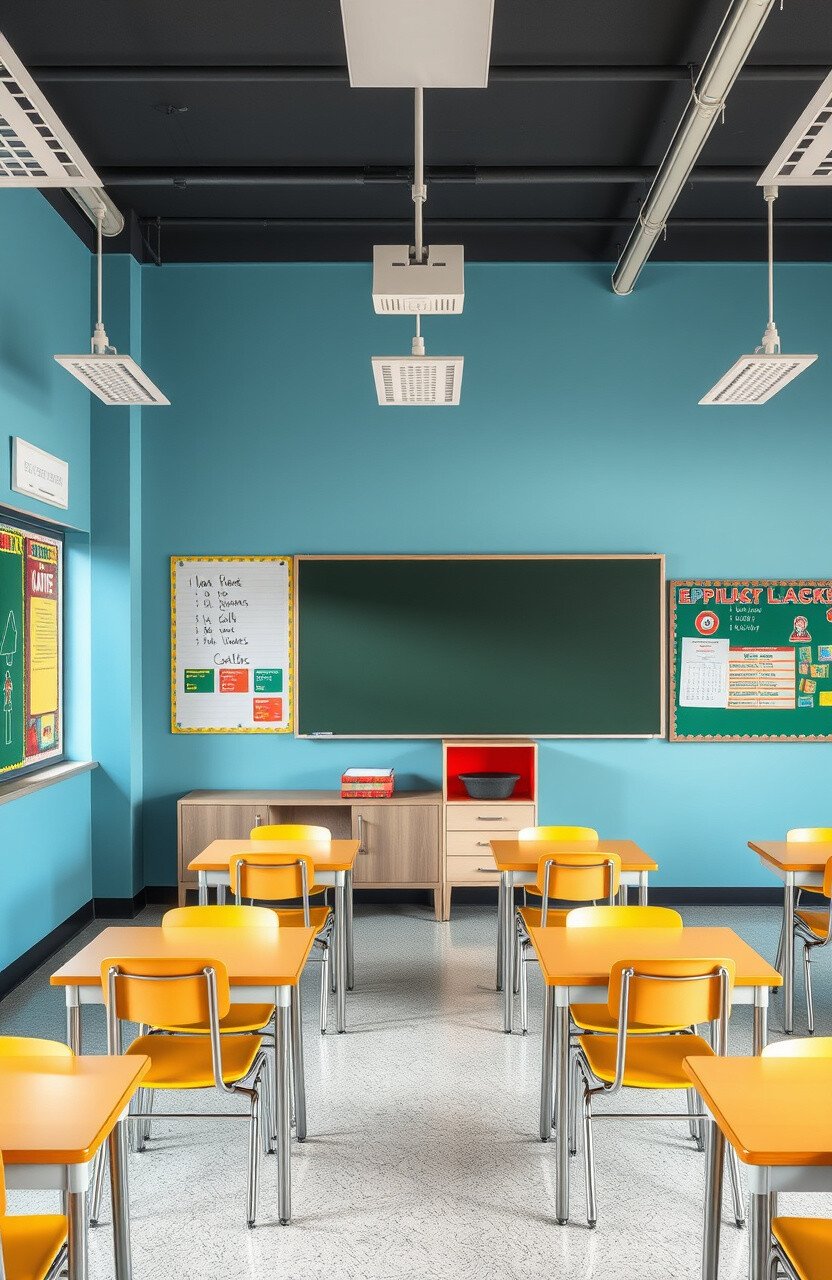
A drab classroom can dampen spirits. Colors can influence moods and productivity levels.
Choosing a cohesive color scheme enhances the environment. It creates a welcoming and stimulating space.
Incorporate bright colors on walls or decor items. This can energize students and improve concentration.
Paint and decor don’t have to be costly. Small touches can make a significant impact.
4. Neglecting the Teacher’s Space
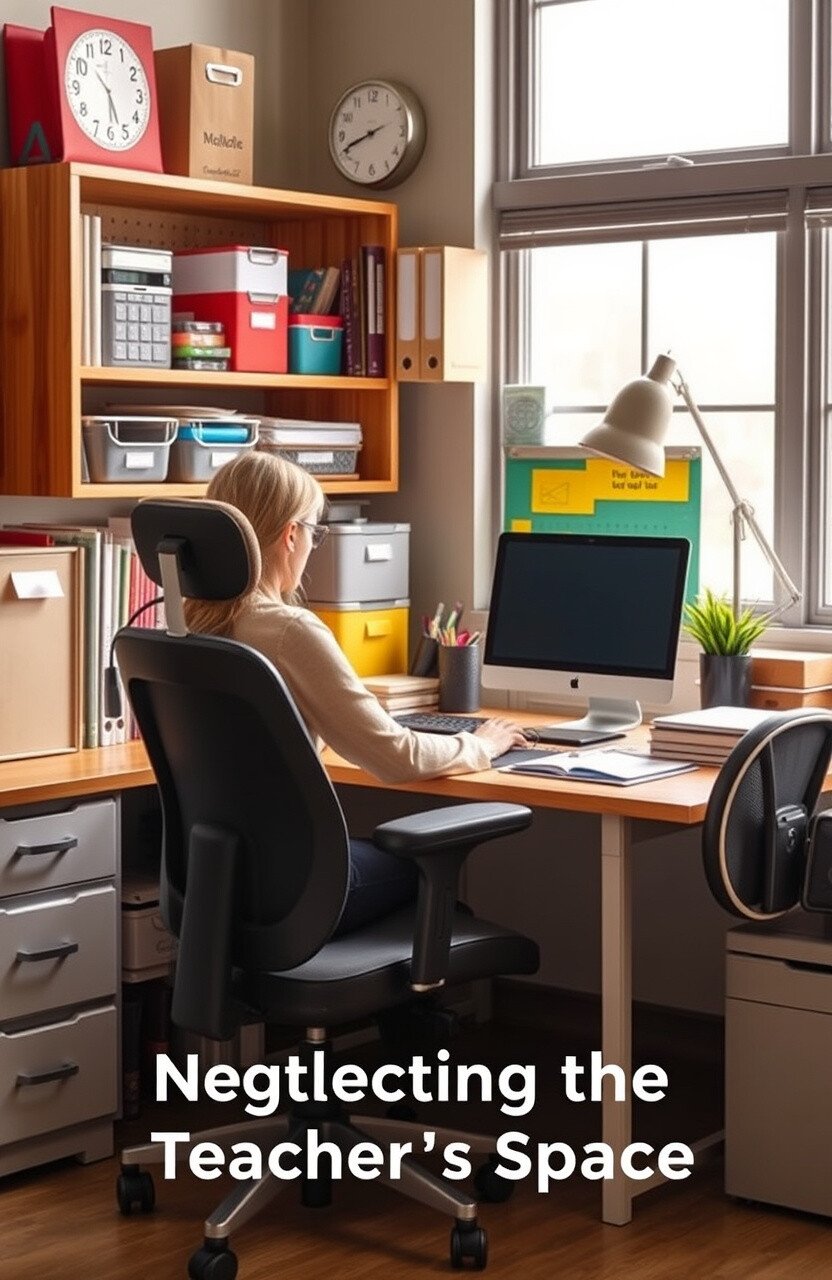
Teachers need their own organized area. A chaotic desk can lead to stress and inefficiency.
A tidy teacher’s space sets a good example. It also ensures that teaching materials are easily accessible.
Personalize the area with a comfy chair or inspiring quotes. This can make the teacher feel valued and motivated.
Invest in a ergonomic chair and a small organizer. This keeps the teacher comfortable and the desk orderly.
5. Poor Lighting Choices

Lighting can greatly affect the ambiance of a room. Too bright or too dim can strain eyes and hinder focus.
Natural light is always best, but when that’s not possible, choose soft, warm lighting. This creates a cozy atmosphere.
Add desk lamps for added flexibility. They provide direct light where needed most.
LED lamps are an affordable option. They are energy-efficient and long-lasting.
6. Overusing Bulletin Boards
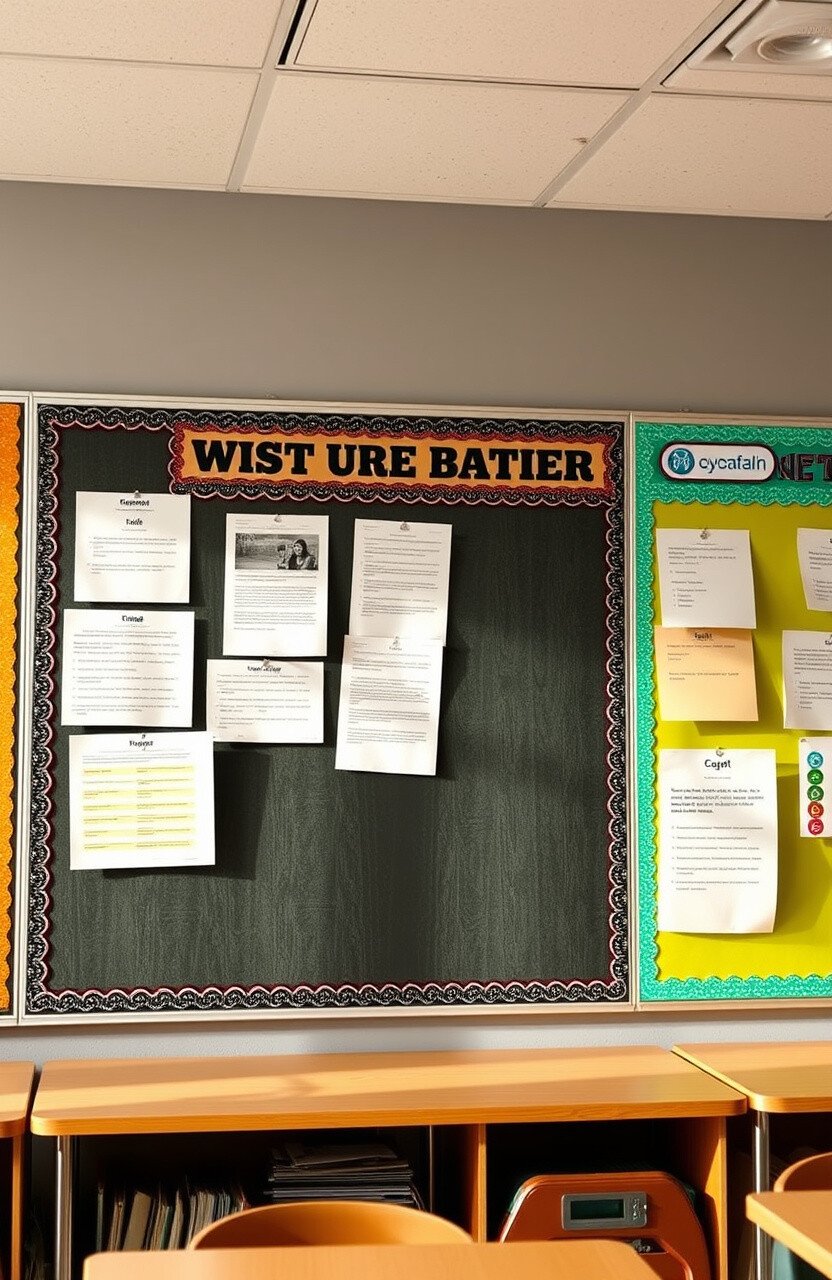
Bulletin boards can quickly become overwhelming. Too much information can confuse rather than inform.
Keep boards neat and focused on key topics. This makes it easier for students to absorb the information.
Update boards regularly with fresh content. This keeps the classroom dynamic and engaging.
Simple yet colorful paper can refresh a board. It’s an inexpensive way to revitalize the space.
7. Inadequate Technology Integration
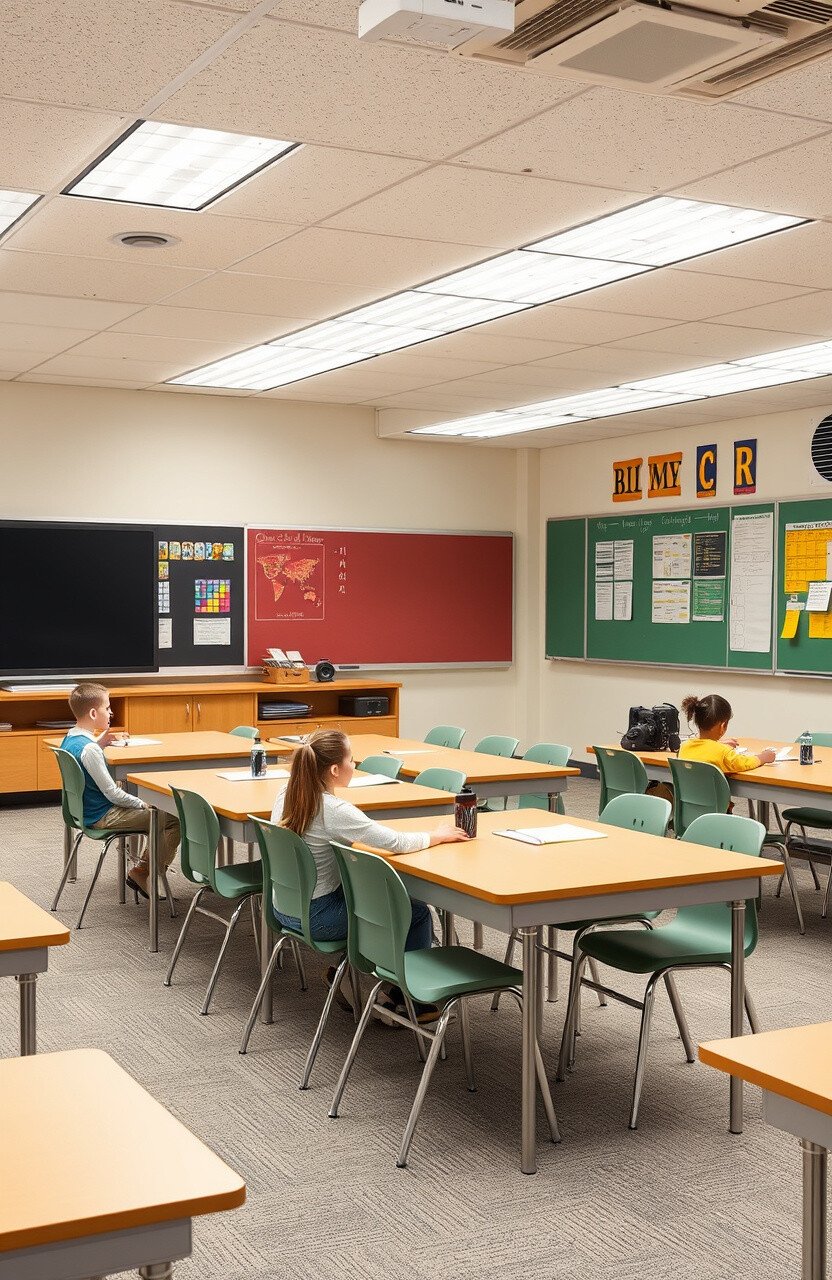
Today’s classrooms thrive on technology. But without proper integration, it can become a distraction.
Use tech tools to enhance learning, not replace it. They should complement traditional teaching methods.
Interactive whiteboards or tablets can be beneficial. They cater to different learning styles and keep students engaged.
Invest in a few key tech pieces. They should be user-friendly and serve a clear purpose.
8. Forgetting Flexible Spaces
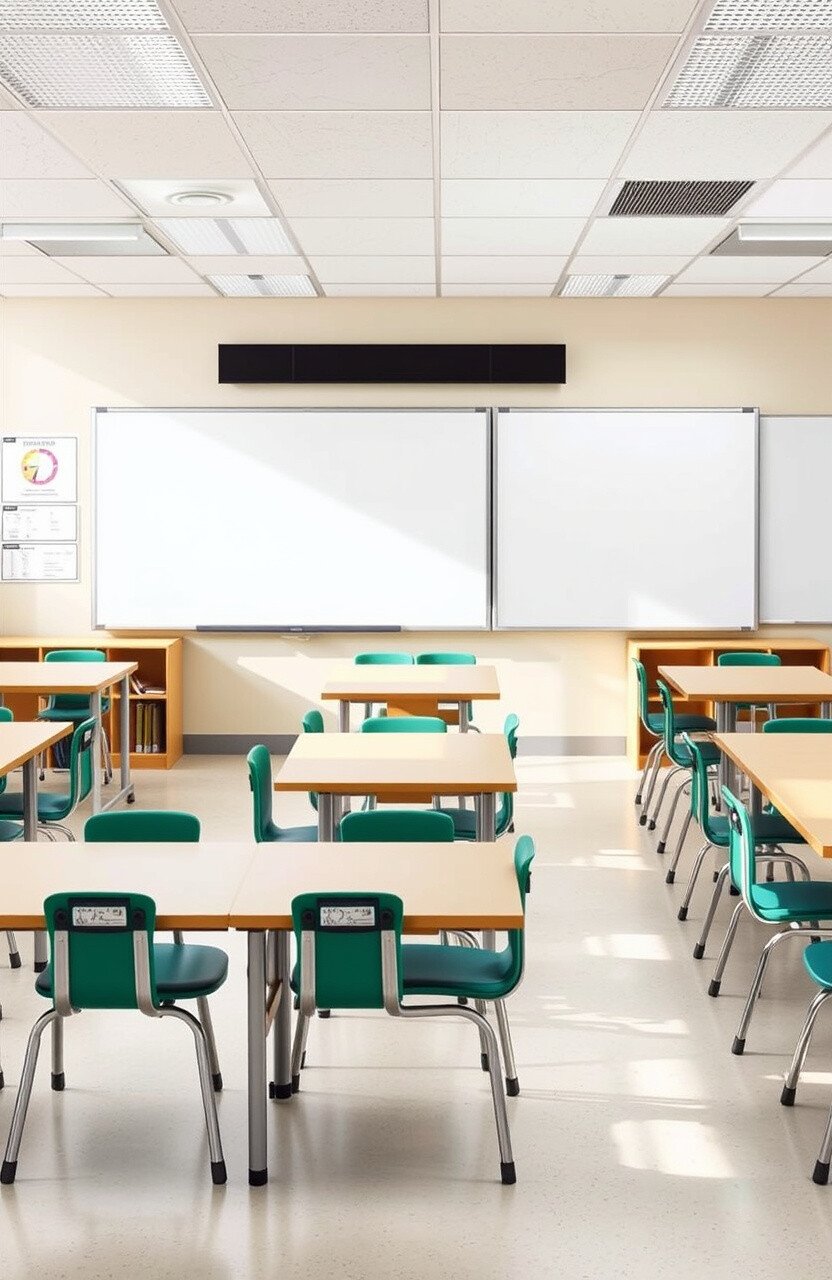
Classrooms need areas that can adapt. Static spaces can limit learning opportunities.
Design areas that can be easily reconfigured. This allows for various activities and teaching methods.
Use foldable tables or movable partitions. They offer flexibility without taking up too much room.
These solutions are cost-effective. They maximize the use of available space.
9. Overlooking Acoustics
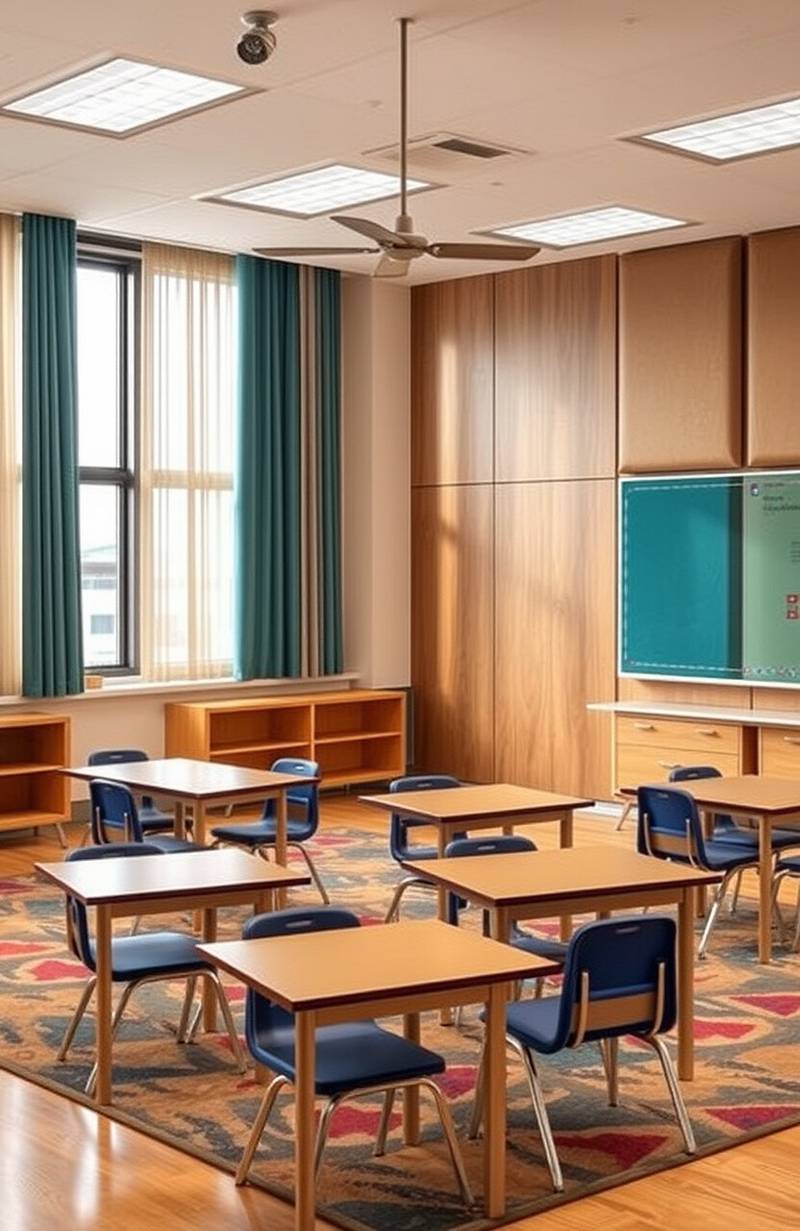
Noise can be a major distraction. Good acoustics are essential for a productive learning environment.
Soft materials help absorb sound. This reduces echo and creates a quieter classroom.
Use rugs or curtains to dampen noise. They also add warmth and style to the room.
Acoustic panels can be a great investment. They are effective and can be visually appealing.
10. Not Personalizing Student Spaces
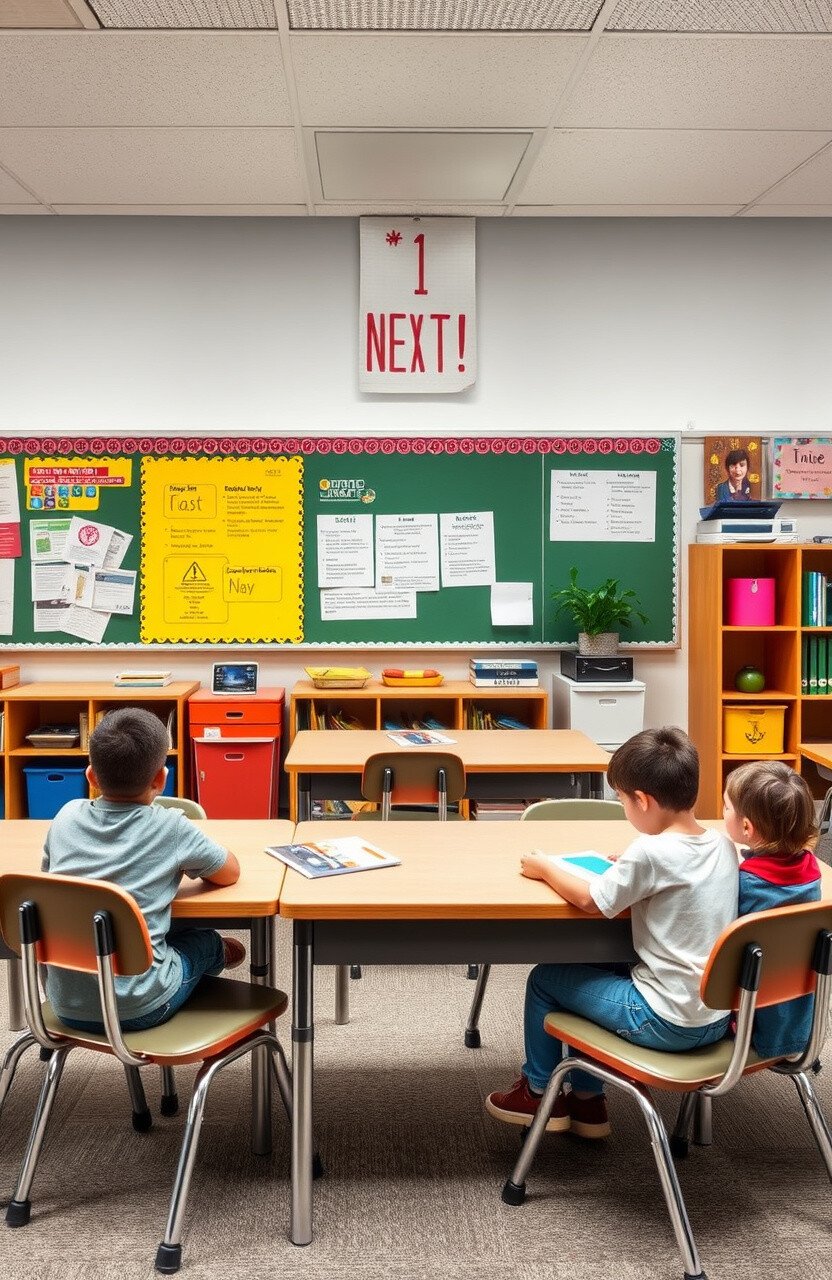
Students feel more connected in a personal space. Generic setups can make them feel like just another number.
Allow students to personalize their areas. This fosters a sense of ownership and pride.
Encourage them to bring in small items from home. It makes the classroom feel more like a second home.
Personalization doesn’t have to be pricey. Even small touches can make a big difference.
11. Skipping Plant Decor

Plants can liven up any space. They bring a bit of nature indoors and can improve air quality.
Choose low-maintenance plants that thrive indoors. They require minimal care and add a splash of green.
Place them strategically around the room. They can brighten corner spaces or add interest to shelves.
Plants are an affordable decor choice. They offer both aesthetic and health benefits.
12. Cluttered Walls

Overdecorated walls can be distracting. They can make a room feel chaotic and overwhelming.
Keep wall decor simple and focused. This makes it easier for students to concentrate on their tasks.
Select a few key pieces that inspire or educate. They should enhance the learning experience, not detract from it.
Rotating decor keeps the space fresh. It can be done with minimal expense and effort.
13. Disregarding Student Input

Students spend a lot of time in the classroom. Their input can provide valuable insights into how the space functions.
Involving them in design decisions can boost engagement. It shows them that their opinions matter.
Conduct surveys or have open discussions. This can lead to creative ideas and solutions.
Changes based on student feedback can be simple. They often require little to no financial investment.
14. Neglecting Sensory Considerations
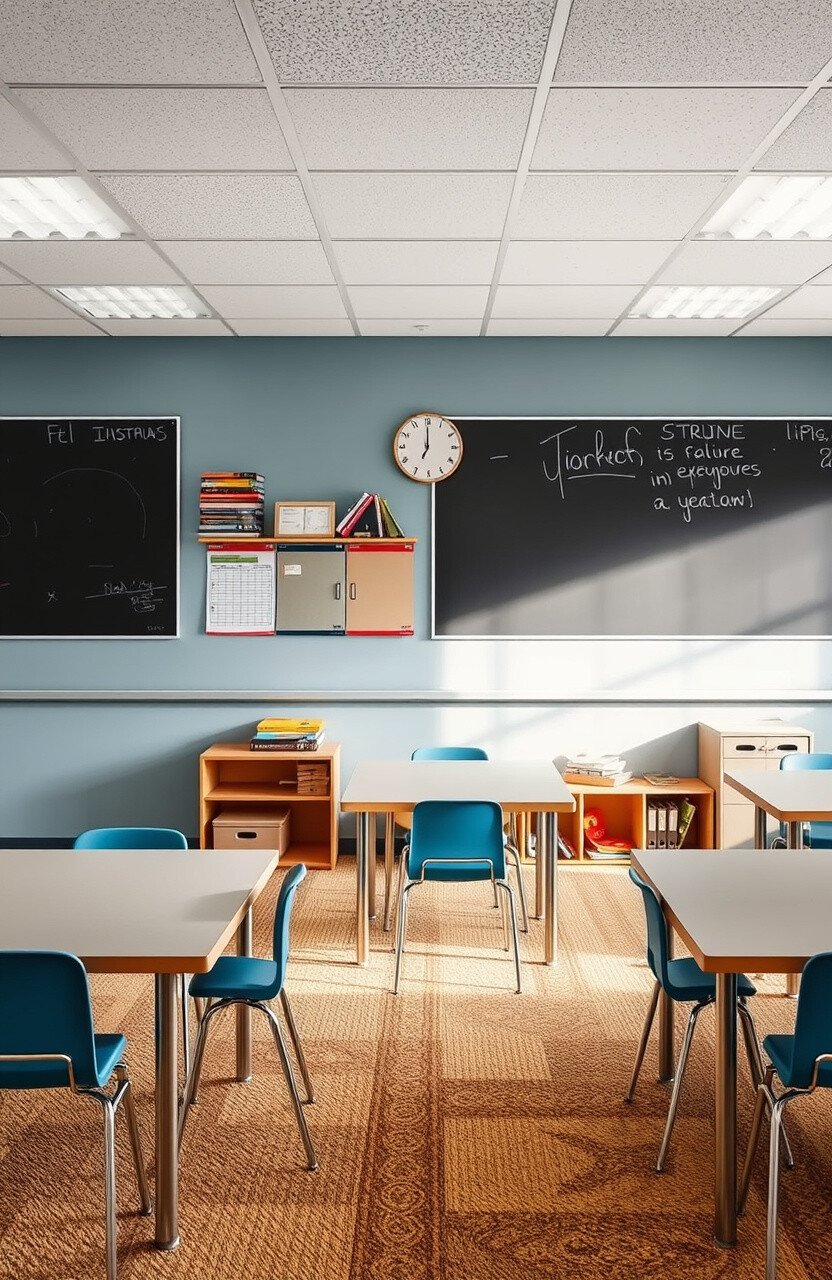
Every student is unique, with different sensory needs. A one-size-fits-all approach can be limiting.
Create sensory-friendly spaces that cater to all. This ensures every student feels comfortable and included.
Incorporate soft textures or calming colors. These can help reduce stress and improve concentration.
Sensory tools can be inexpensive. They enhance the learning environment for everyone.
15. Failing to Define Zones
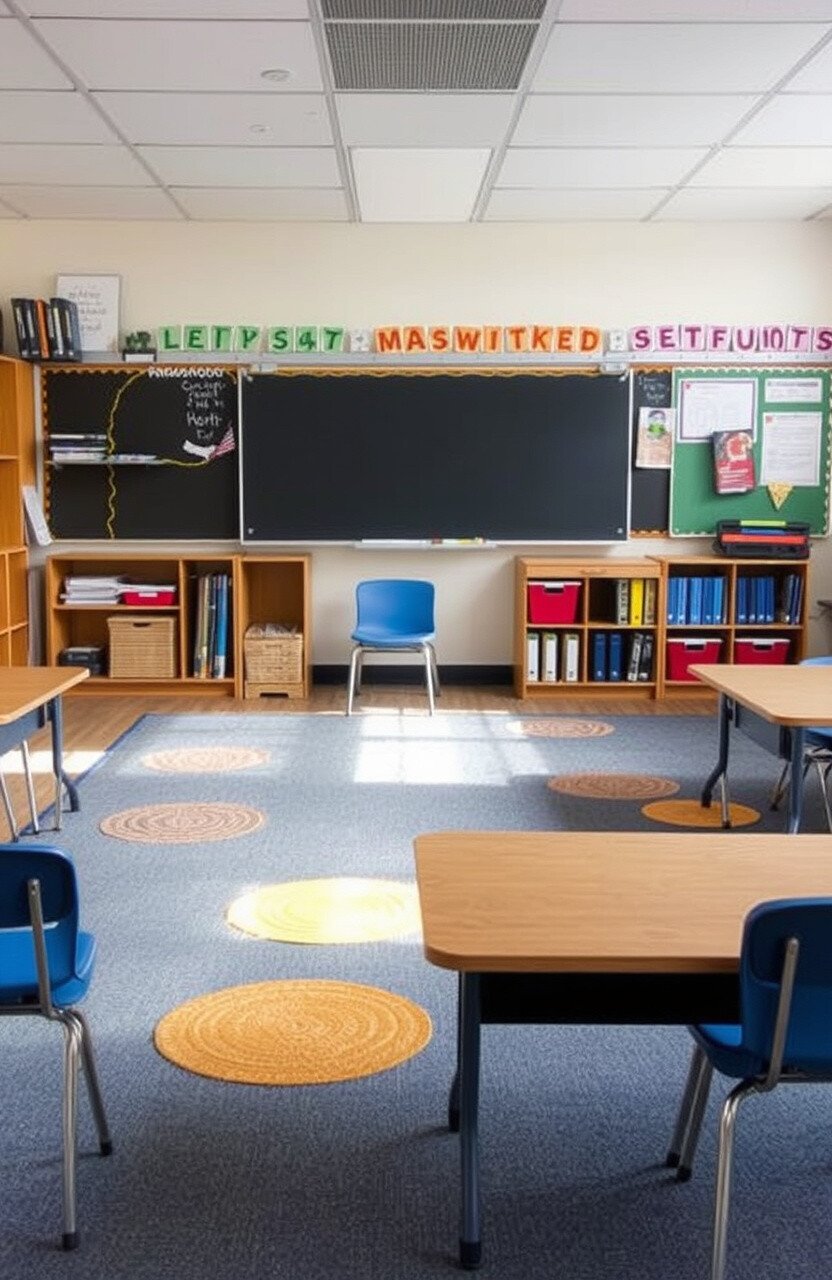
Classrooms with undefined zones can be confusing. Clear areas help streamline activities and transitions.
Designate zones for different activities like reading, art, or group work. This keeps the space organized and purposeful.
Use rugs or furniture to define these areas. They create visual boundaries and help manage the flow of movement.
Zone creation is budget-friendly. It brings order and clarity to the classroom.
16. Lack of Inspirational Elements
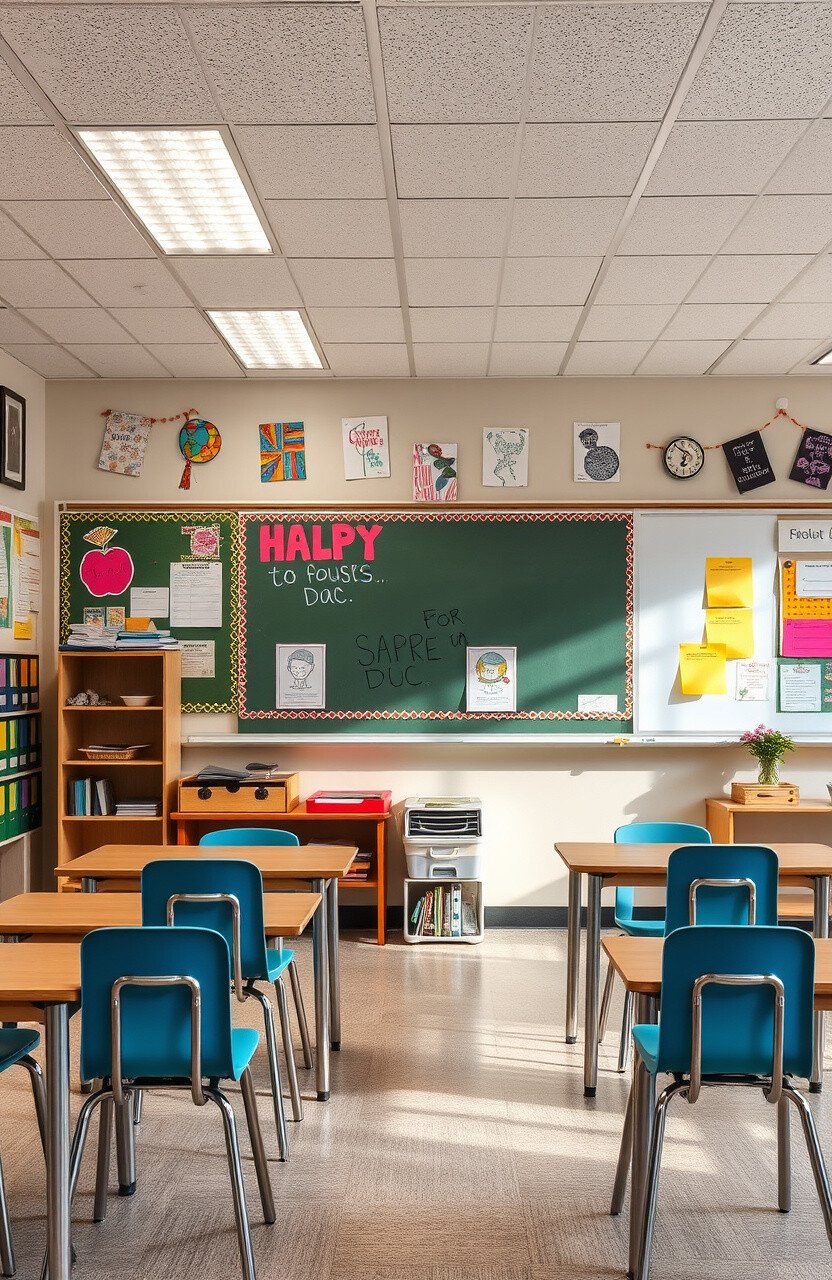
Inspiration fuels motivation. A dull classroom can stifle creativity and enthusiasm.
Incorporate elements that inspire and motivate. This encourages students to dream big and work hard.
Use quotes, art, or student achievements as decor. These serve as constant reminders of potential and success.
Inspirational elements can be simple and cost-effective. They add a personal touch and promote positivity.
17. Overlooking Safety Aspects

Safety should always be a priority. A classroom isn’t effective if it’s not secure.
Ensure that all furniture and equipment are safe and stable. This prevents accidents and creates peace of mind.
Regularly check for hazards and address them promptly. This shows care and responsibility for everyone’s well-being.
Safety measures don’t have to be costly. Regular maintenance and thoughtful design go a long way.
18. Ignoring Traffic Flow
Proper traffic flow is crucial for a functional space. Congested areas can lead to frustration and inefficiency.
Arrange furniture to allow easy movement. This ensures smooth transitions and interactions.
Observe how students move and adjust accordingly. This can lead to a more harmonious and productive environment.
Simple rearrangements can improve flow. They often don’t require additional spending.
19. Misjudging Scale and Proportion

Furniture that’s too big or too small can throw off balance. It affects the overall harmony of the room.
Choose pieces that fit the space well. This ensures comfort and usability for everyone.
Consider the height and reach of students. This makes all areas accessible and functional.
Thoughtful selection can prevent waste. It maximizes use and satisfaction without added cost.
20. Disregarding Multi-Sensory Tools
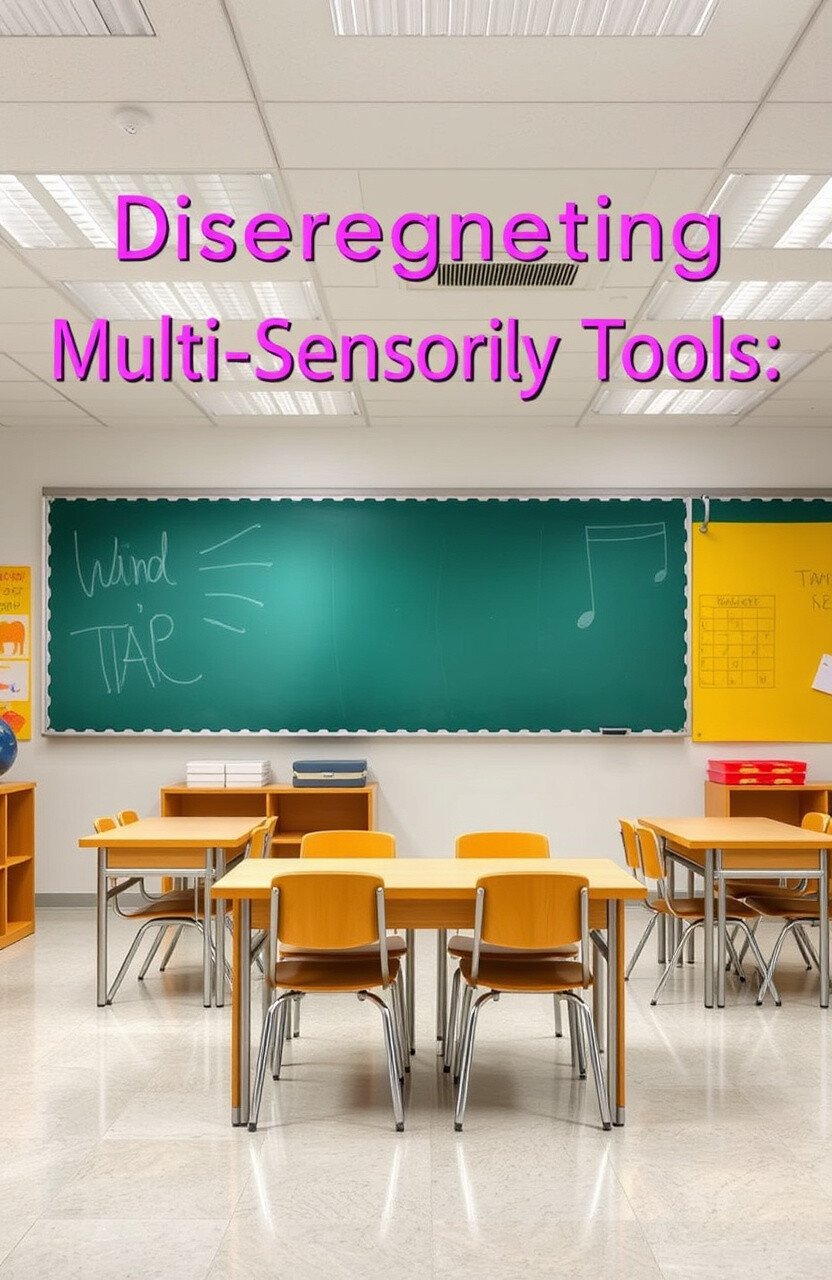
Learning is enhanced through multiple senses. Relying on one method can limit engagement.
Incorporate tools that appeal to various senses. This caters to diverse learning styles and needs.
Use music, visuals, and hands-on materials. They add variety and depth to lessons.
Such tools are often affordable. They enrich the learning experience significantly.
21. Not Utilizing Vertical Space
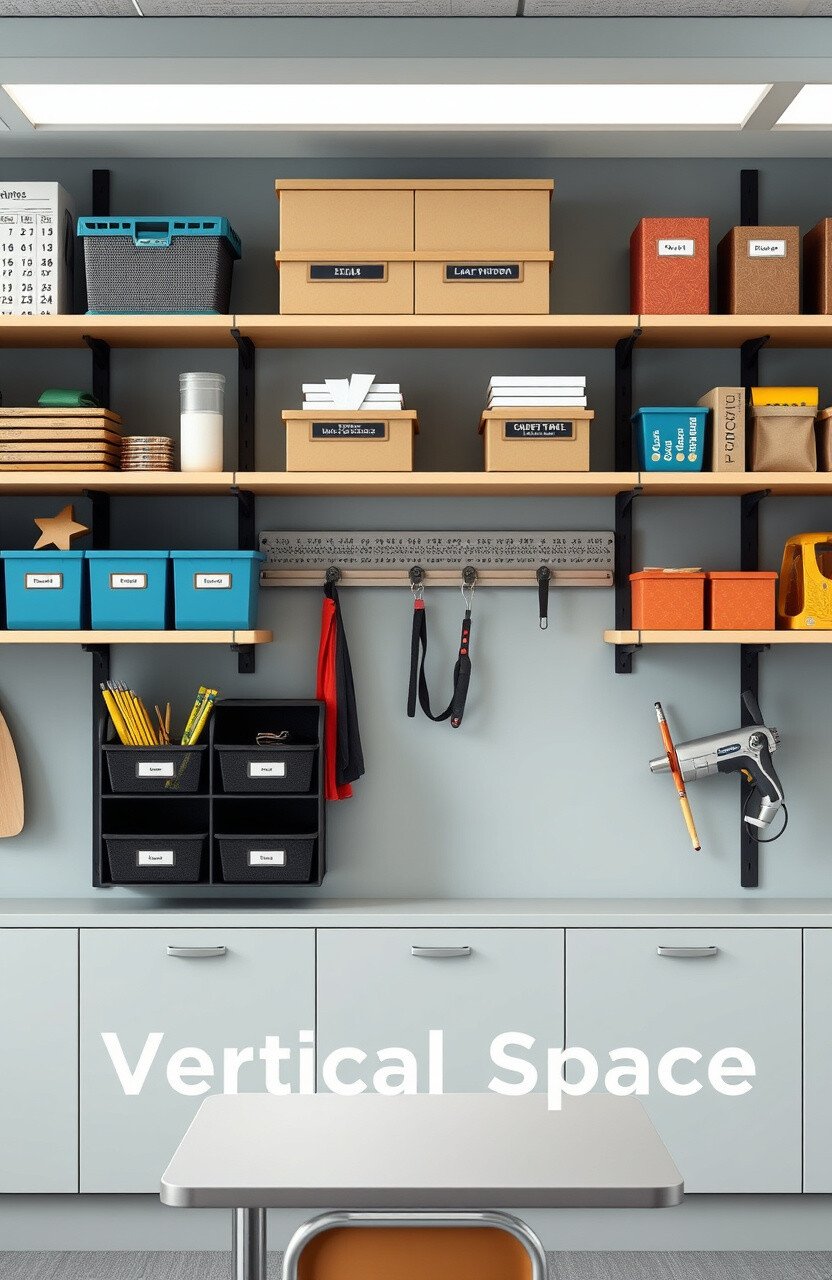
Vertical space is often underused. It offers valuable room for storage and display.
Install shelves or hooks on walls. This maximizes space without cluttering floors.
Use wall organizers for supplies. They keep everything within reach and organized.
Vertical solutions are cost-effective. They add functionality and order to the classroom.
22. Overemphasizing Aesthetics Over Function
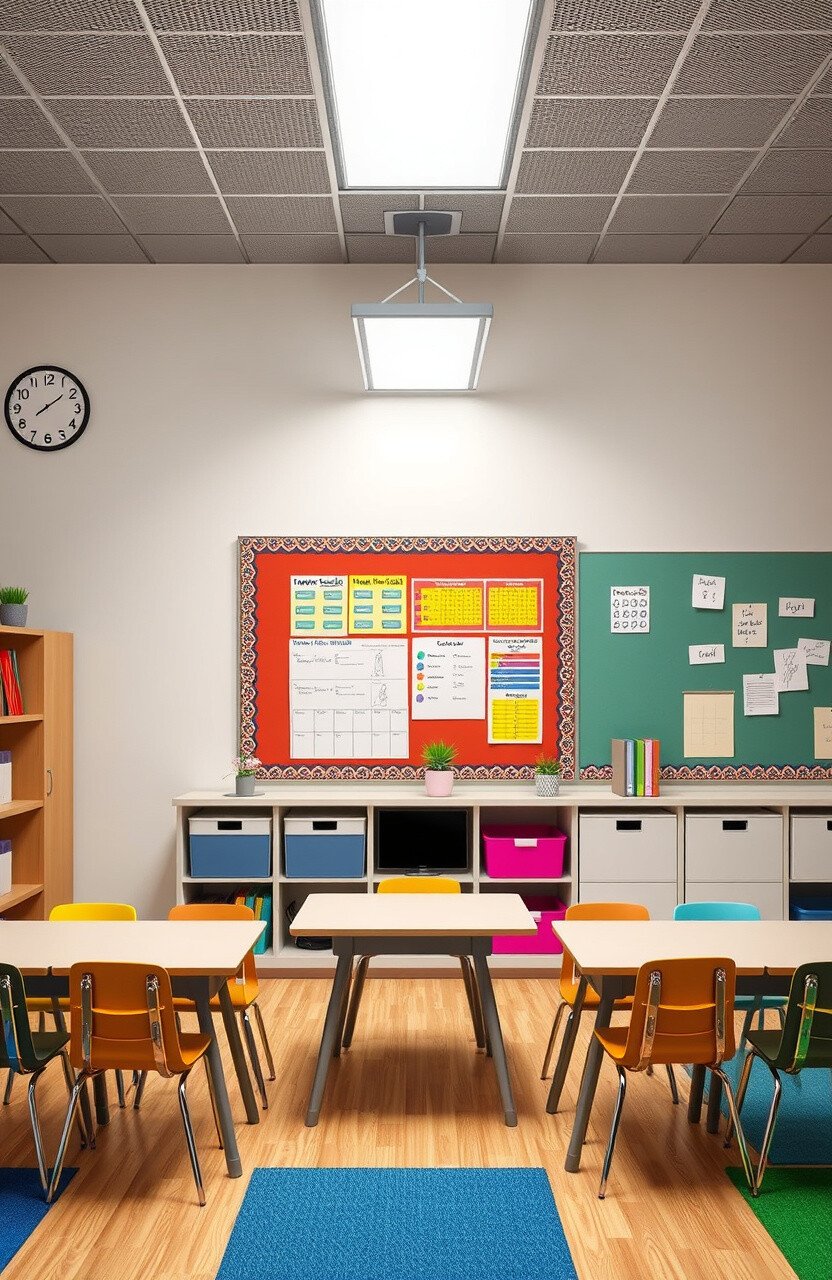
While looks matter, functionality is key. A beautiful space that’s impractical won’t serve its purpose.
Balance aesthetics with utility. This ensures the room is both inviting and effective.
Choose decor that complements teaching goals. This enhances both the environment and the educational process.
Functional decor doesn’t have to break the bank. It can be both stylish and practical.
23. Neglecting Seasonal Adjustments
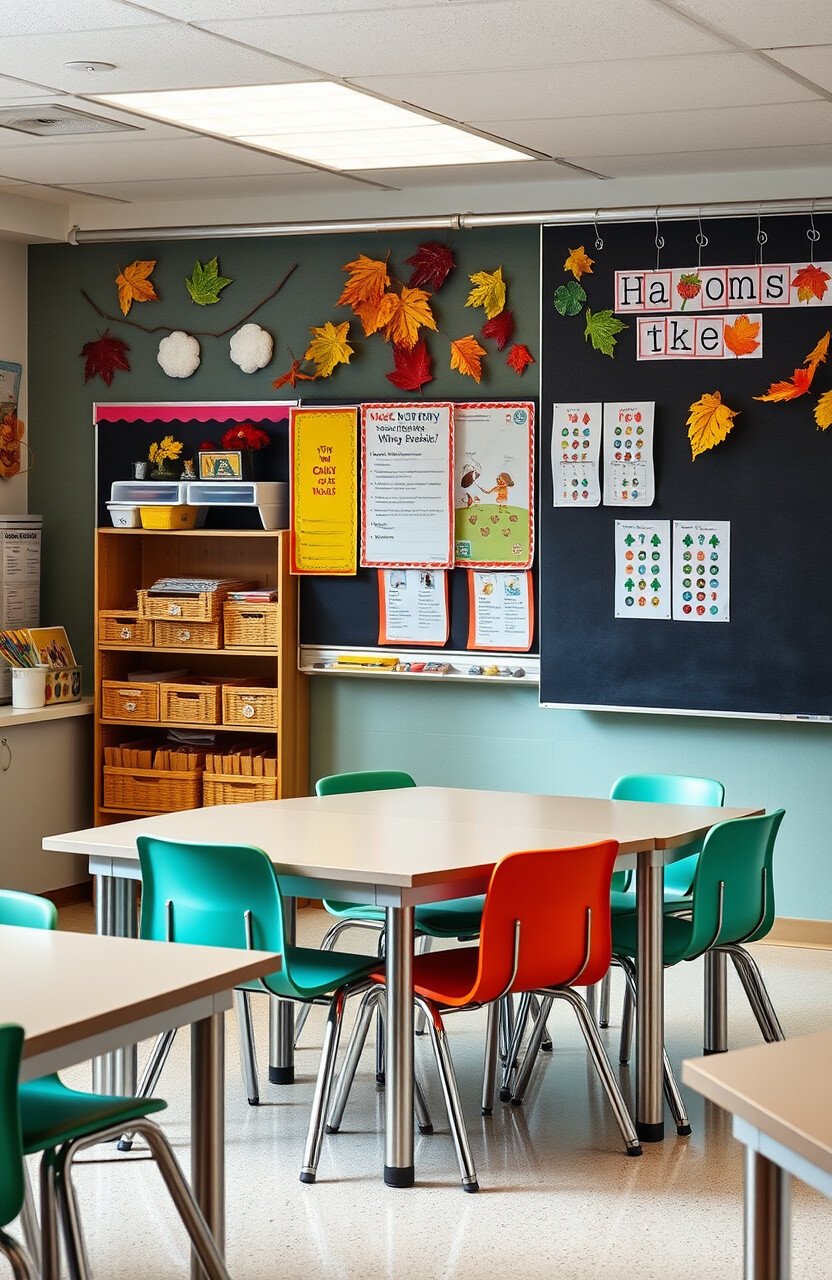
Seasons change, and so should classroom decor. A static setup can become stale and uninspiring.
Update decor with the seasons. This keeps the space fresh and exciting throughout the year.
Incorporate seasonal colors and themes. They add variety and reflect the changing world outside.
Seasonal changes can be done on a budget. Simple swaps make a significant difference.
24. Avoiding Collaboration-Friendly Layouts
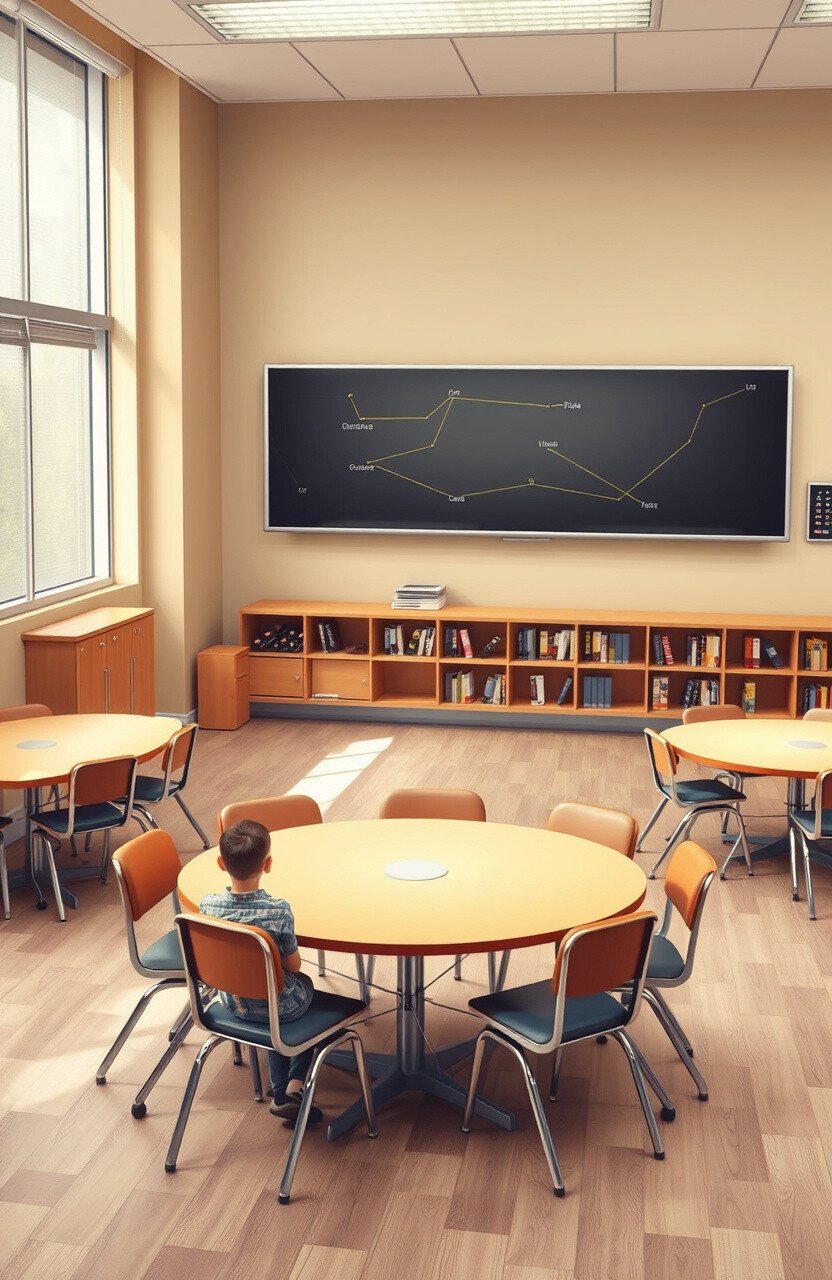
Collaboration is a key part of learning. A layout that discourages interaction limits potential.
Arrange seating to promote group work and discussions. This fosters teamwork and communication skills.
Use round tables or clusters of desks. They encourage face-to-face interaction and idea sharing.
Collaboration-friendly setups are often adaptable. They don’t require major investments.
25. Overlooking Accessibility

Every student should have equal access to resources. An inaccessible space can be excluding.
Ensure pathways and materials are accessible to all. This promotes inclusivity and equality.
Consider height and reach in design choices. This makes the classroom welcoming for everyone.
Accessibility improvements can be simple. They make a big difference in student experience.
26. Ignoring the Power of Labels
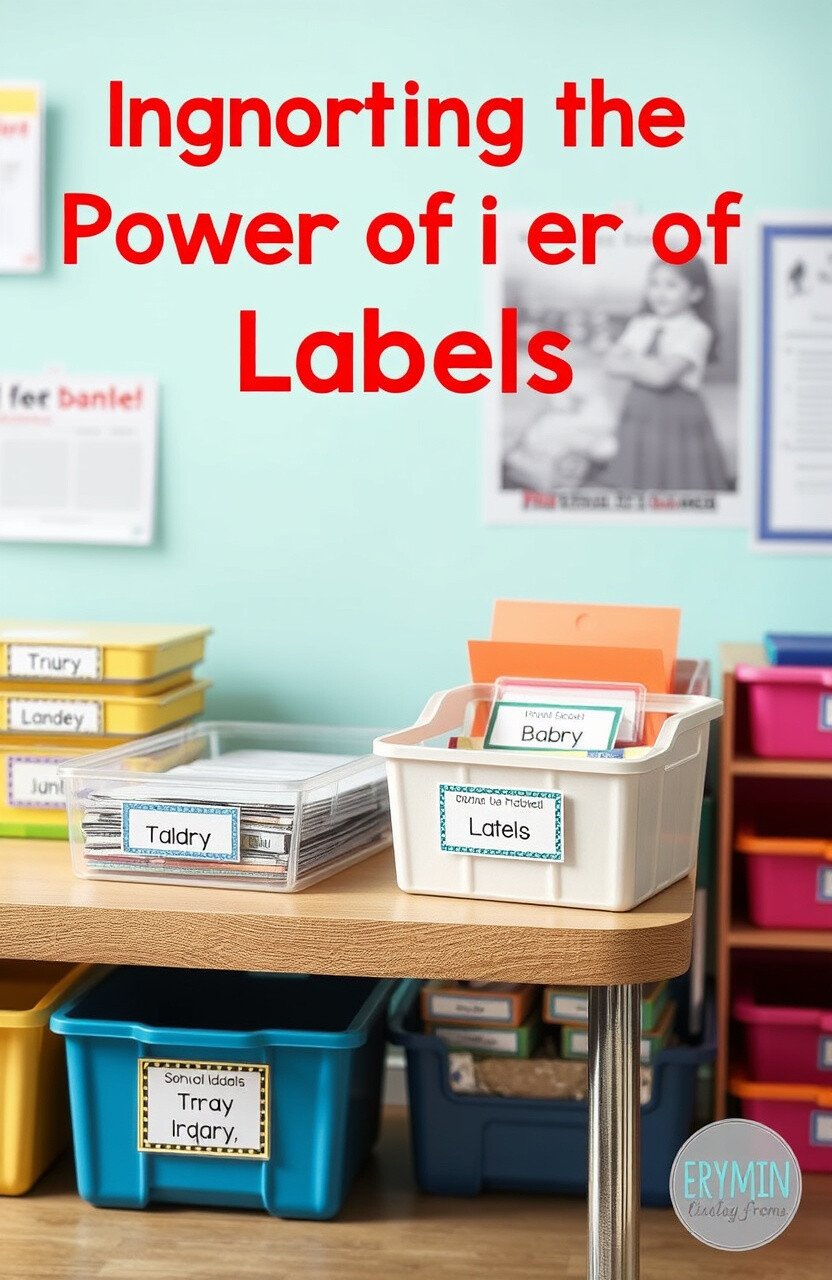
Labels can make organization a breeze. Without them, finding things can be a challenge.
Clearly label all storage and materials. This saves time and reduces frustration for everyone.
Use colorful and easy-to-read labels. They add a touch of fun and clarity to the classroom.
Labeling is a low-cost solution. It enhances efficiency and order significantly.
27. Not Reflecting Culture and Diversity
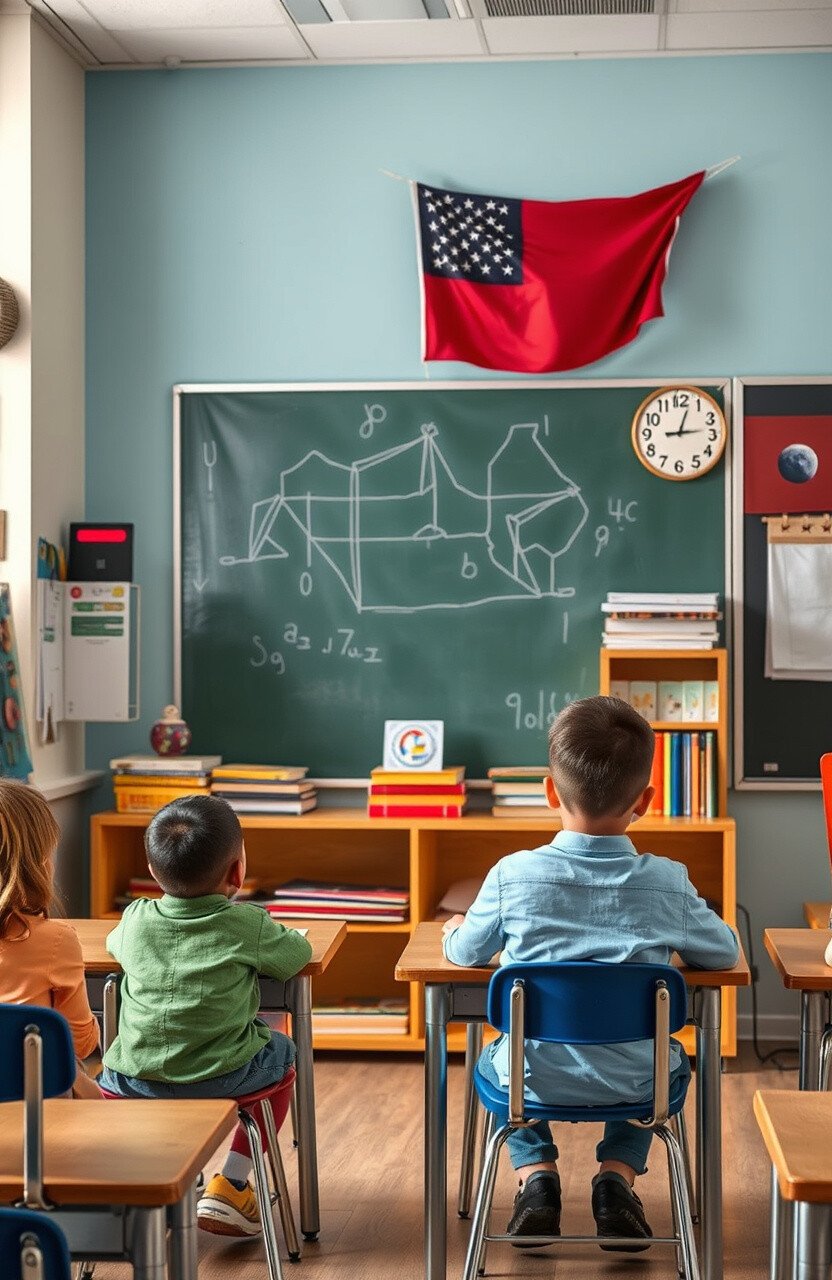
A classroom should celebrate diversity. A lack of cultural representation can feel isolating for some.
Incorporate elements from various cultures. This fosters a sense of belonging and respect.
Display art, flags, or books from different backgrounds. This enriches the educational experience for all.
Diversity can be showcased affordably. It makes the classroom more inclusive and welcoming.
28. Underestimating the Importance of Cleanliness

A clean classroom is a productive one. Messy spaces can be distracting and demotivating.
Regular cleaning and tidying are essential. They create a pleasant and healthy environment.
Encourage students to keep their areas clean. This teaches responsibility and respect for shared spaces.
Cleaning supplies are a small investment. They maintain a fresh and inviting classroom.
29. Forgetting to Create Relaxation Zones
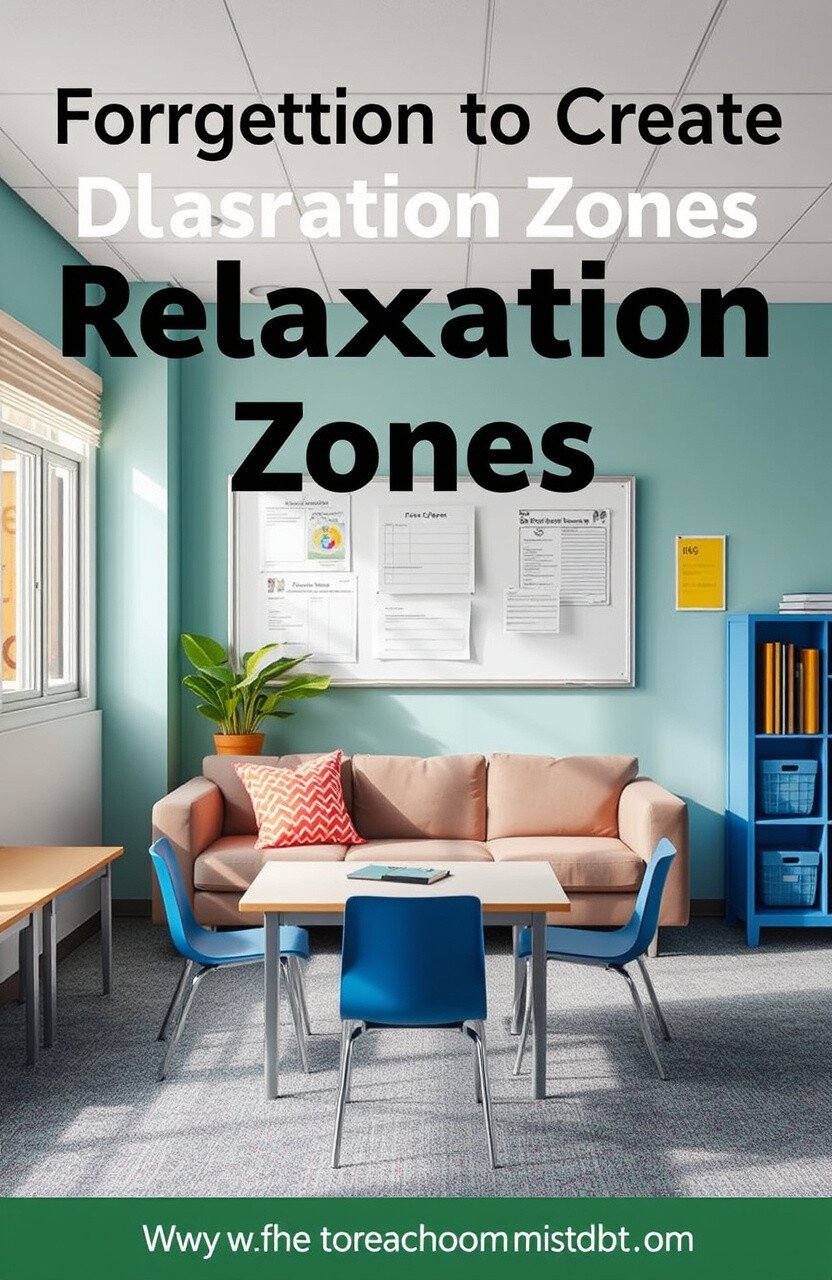
Students need time to relax and recharge. A high-stress environment can hinder learning.
Create a small area for downtime. This helps students unwind and return to tasks refreshed.
Include comfy seating or calming decor. This makes the zone inviting and peaceful.
Relaxation zones can be set up inexpensively. They enhance student well-being and focus.
30. Overloading with Visuals
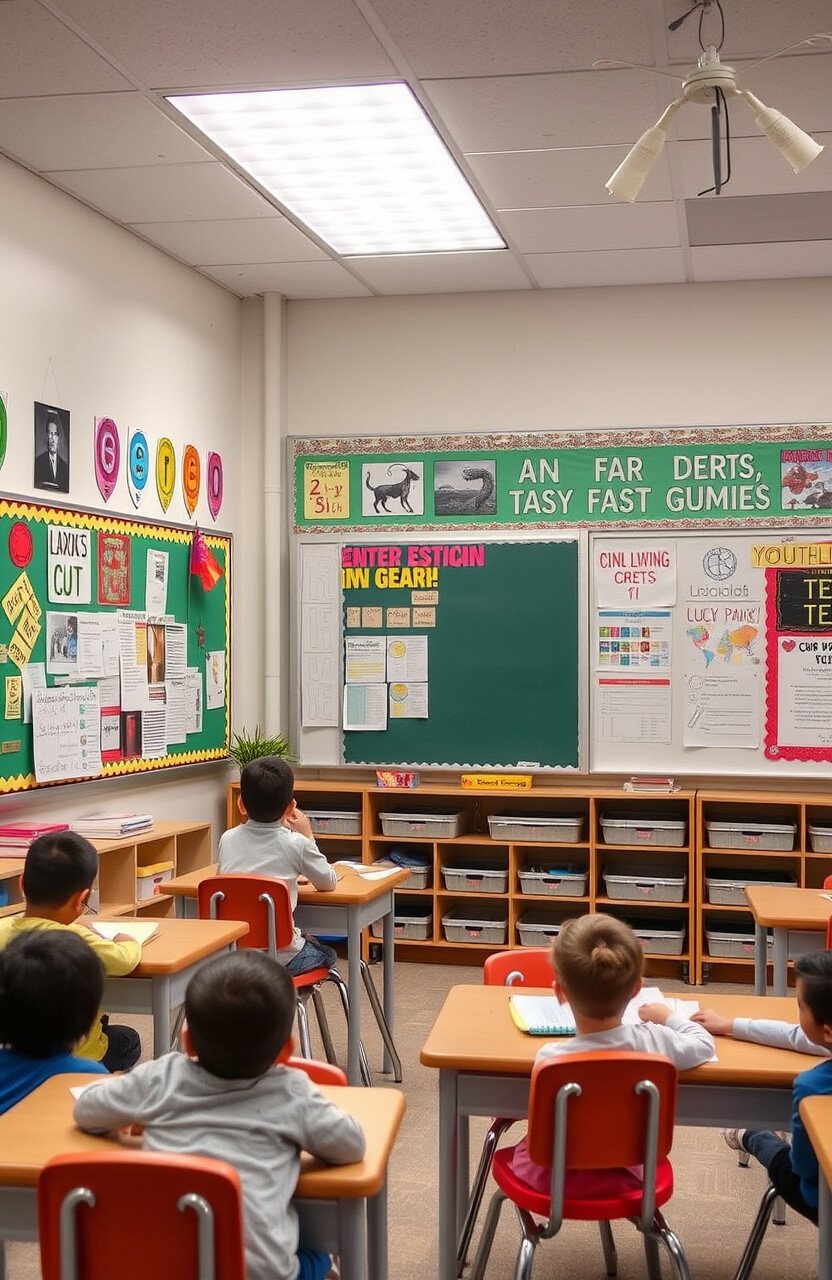
Too many visuals can be overwhelming. They can distract rather than engage students.
Choose visuals that are clear and purposeful. This ensures they enhance learning rather than hinder it.
Rotate visuals to keep the space dynamic. This maintains interest and prevents overstimulation.
Visual updates are budget-friendly. They keep the classroom exciting and informative.
31. Skipping Ergonomic Considerations

Comfort is crucial for effective learning. Poor ergonomics can lead to discomfort and distraction.
Select furniture that supports good posture. This ensures students stay comfortable and focused.
Adjust seating to suit different ages and sizes. This makes the classroom adaptable and inclusive.
Ergonomic improvements can be low-cost. They enhance comfort and productivity significantly.
32. Neglecting the Power of Music
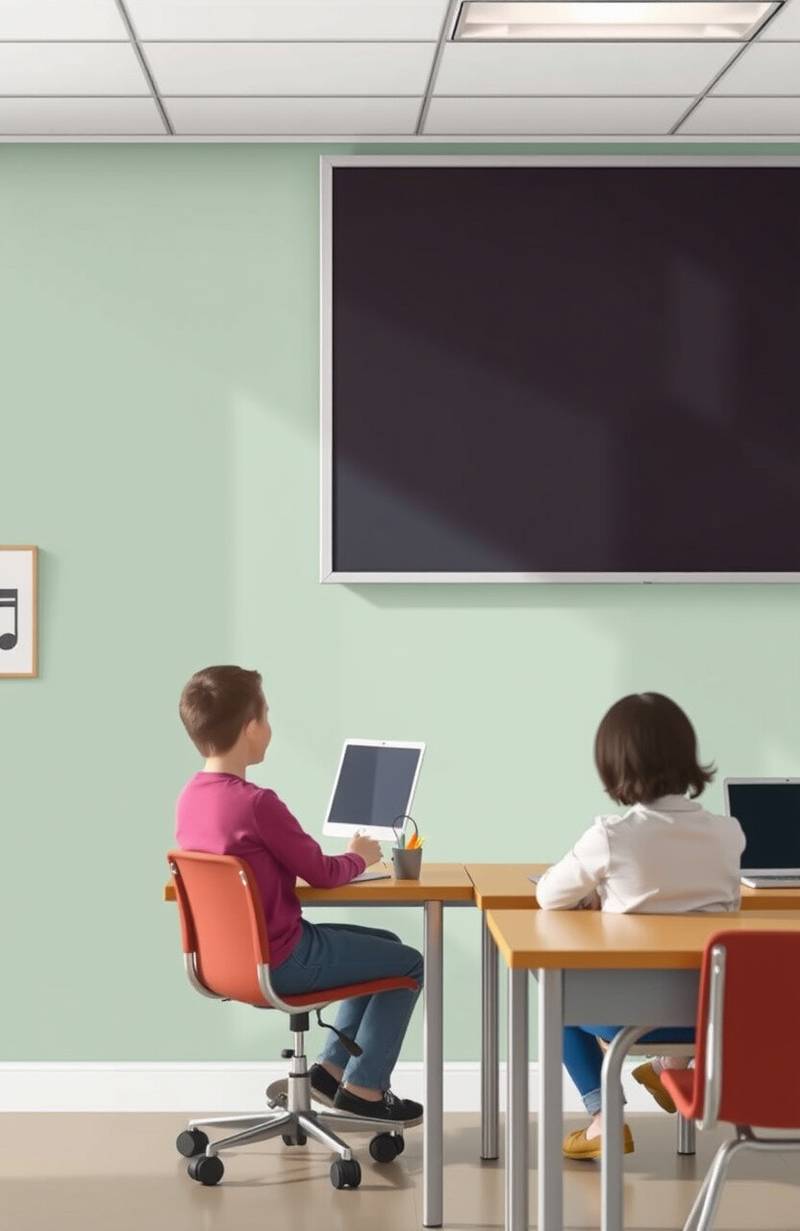
Music can set the tone for a classroom. It can energize or calm students, depending on the need.
Use music to create a positive atmosphere. This enhances mood and engagement in tasks.
Select tracks that suit the activity. This ensures the right energy and focus for different tasks.
Access to music can be free or low-cost. It adds an enjoyable dimension to the learning environment.
33. Overlooking the Importance of a Welcome Area
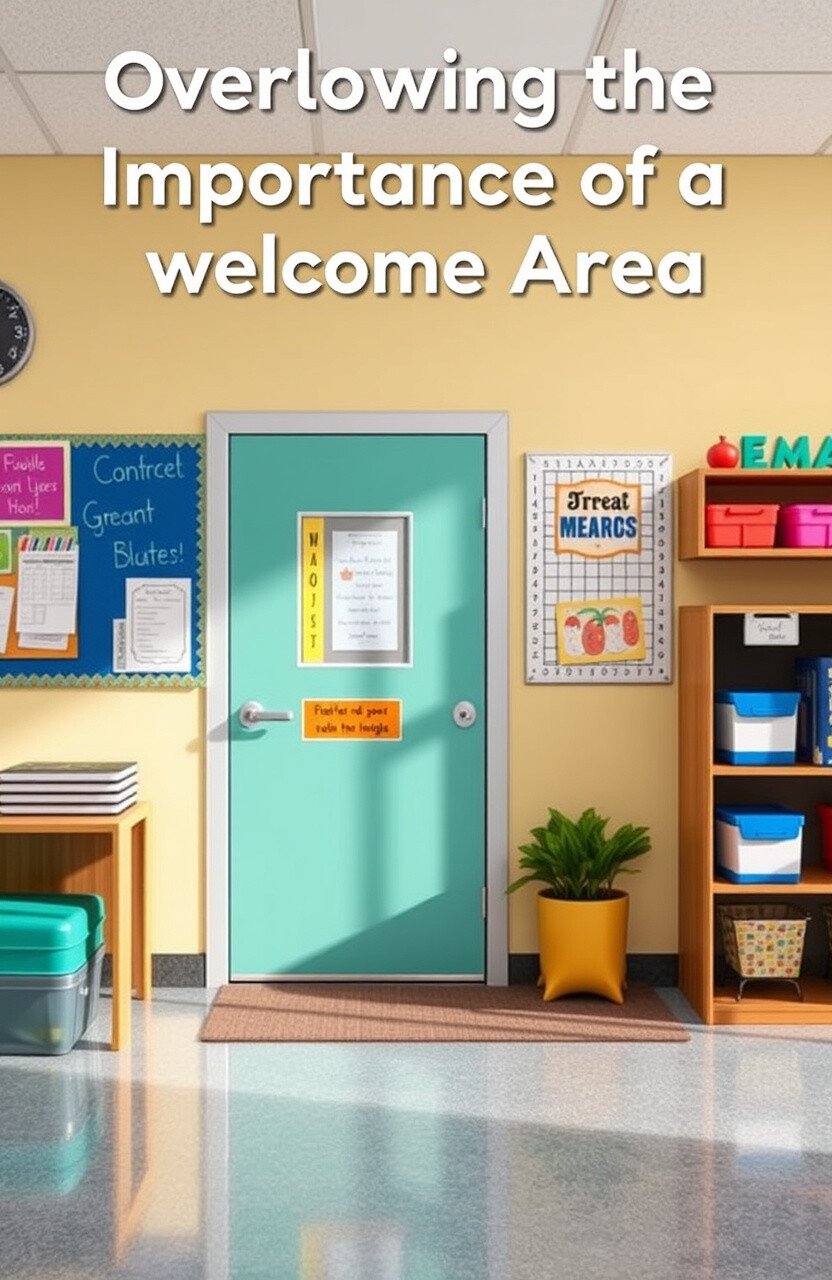
First impressions matter. A welcoming entry sets a positive tone for the day.
Create an inviting area near the entrance. This makes students feel valued and excited to learn.
Use cheerful decor or student artwork. This adds warmth and personality to the space.
Welcome areas can be created affordably. They enhance the overall classroom experience.
34. Disregarding the Impact of Scent
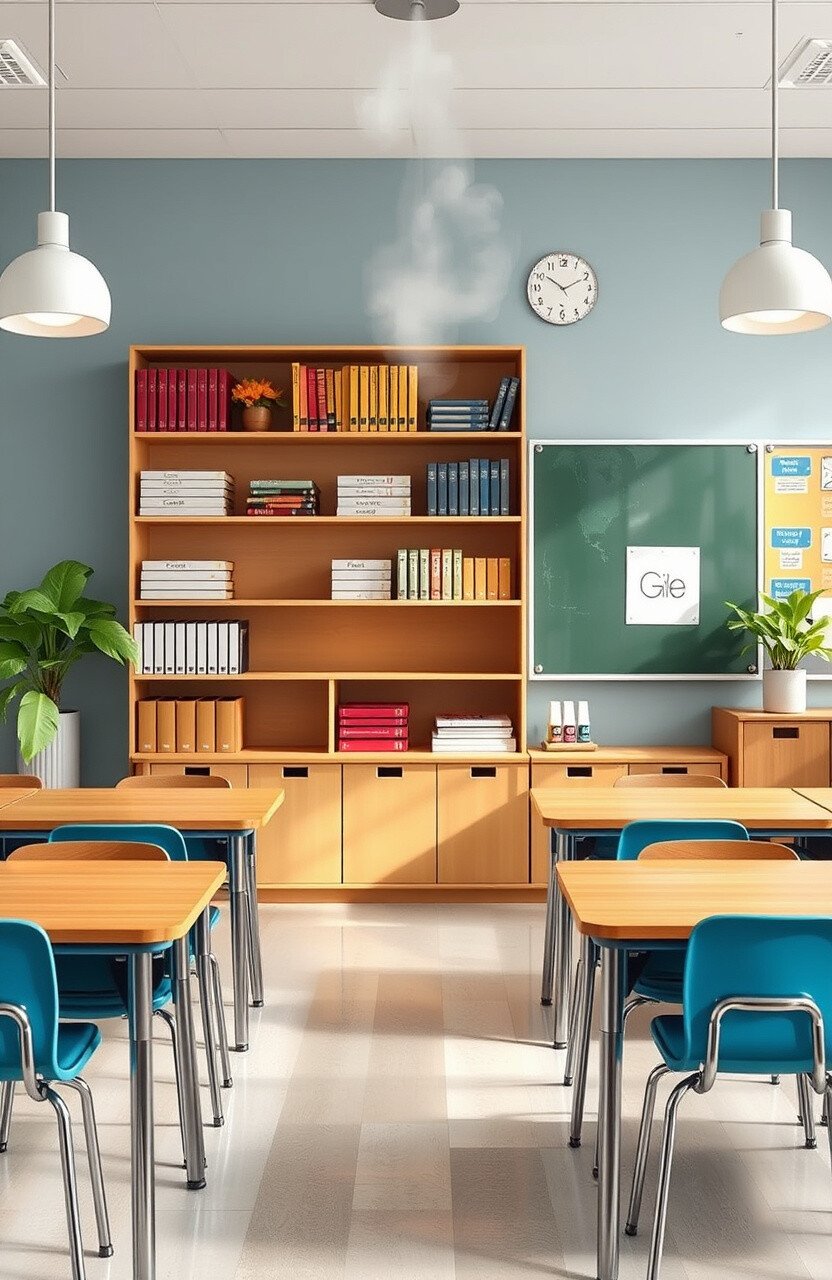
Scent can influence mood and concentration. Unpleasant odors can be distracting and unpleasant.
Use subtle scents to create a pleasant atmosphere. This enhances the overall classroom experience.
Choose natural air fresheners like plants or essential oils. They are safe and add a refreshing touch.
Scent solutions are often inexpensive. They contribute to a comfortable and inviting space.
35. Not Encouraging Ownership and Responsibility

Students thrive with a sense of ownership. A lack of responsibility can lead to disengagement.
Encourage students to take care of the classroom. This builds pride and accountability for their environment.
Assign tasks like tidying or organizing. This teaches valuable life skills and teamwork.
Promoting responsibility doesn’t cost anything. It fosters a supportive and collaborative community.