
Classroom organization can be a magical journey filled with creativity and excitement. Imagine walking into a space that not only looks amazing but also inspires everyone to learn and explore. These ideas will surely make your classroom the coolest place to be.
1. Colorful Bookshelves
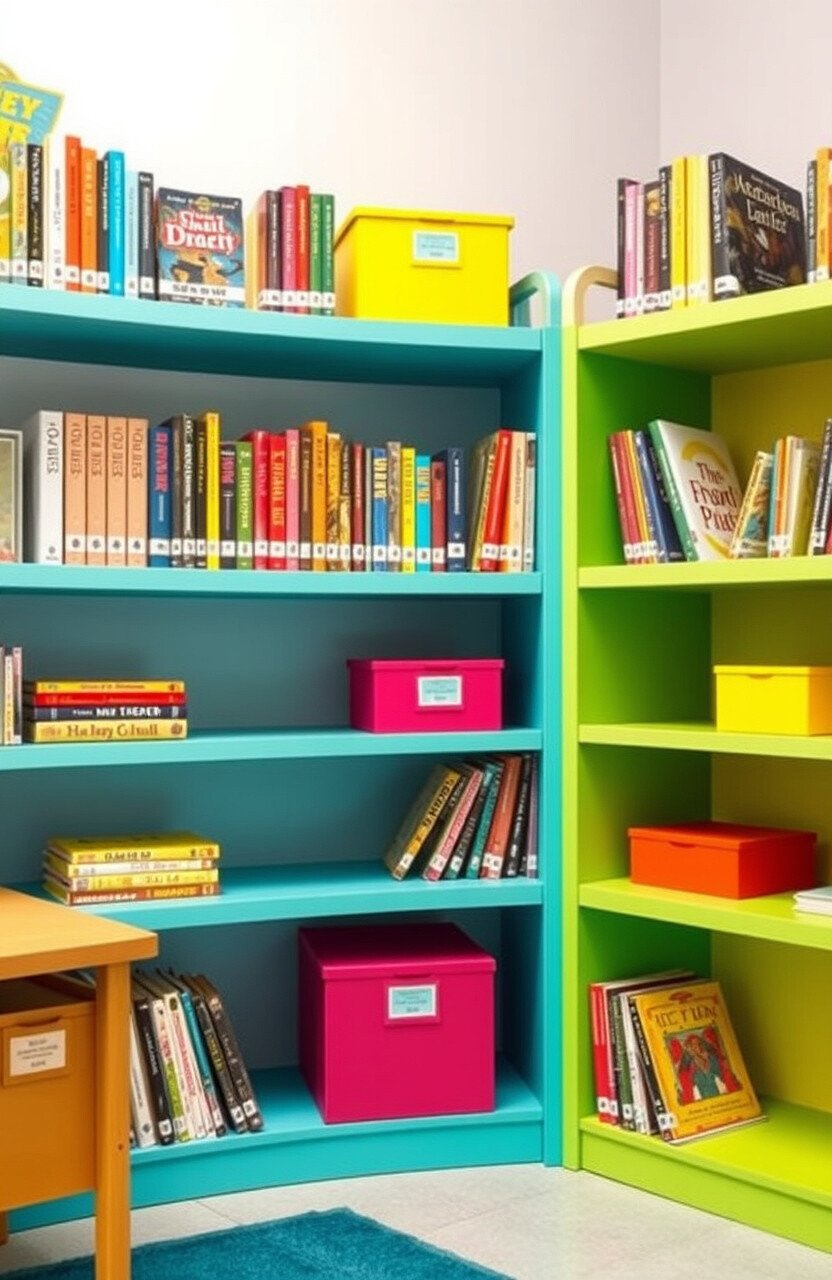
Colorful bookshelves can brighten up any classroom instantly. They’re not just for keeping books; they can also display student artwork.
Having a rainbow of colors makes it easy to organize books by genre or reading level. It also encourages students to pick up more books.
You can use paint or colorful contact paper for a quick makeover. This is an affordable way to add personality to your space.
Consider personalizing with students’ names or favorite book covers. This simple idea can spark joy and creativity daily.
2. DIY Supply Caddies
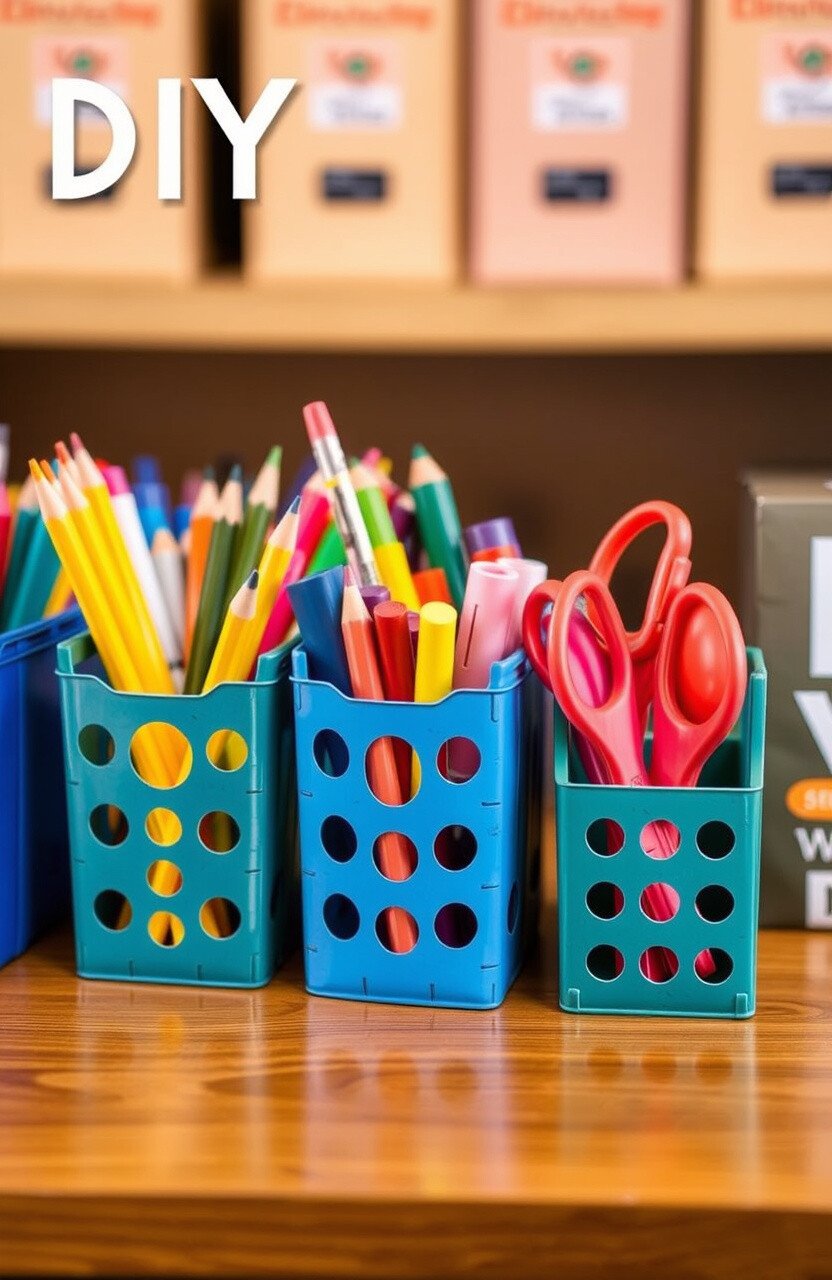
DIY supply caddies keep all the essentials within reach. They’re perfect for organizing pencils, markers, and scissors.
Creating them can be a fun classroom project. Students can decorate their own caddies using stickers or paint.
This helps teach responsibility, as everyone can take care of their supplies. Plus, it saves time during art projects.
Using recycled materials makes this a cost-effective and eco-friendly option. It’s a win-win for everyone involved!
3. Inspirational Quote Wall
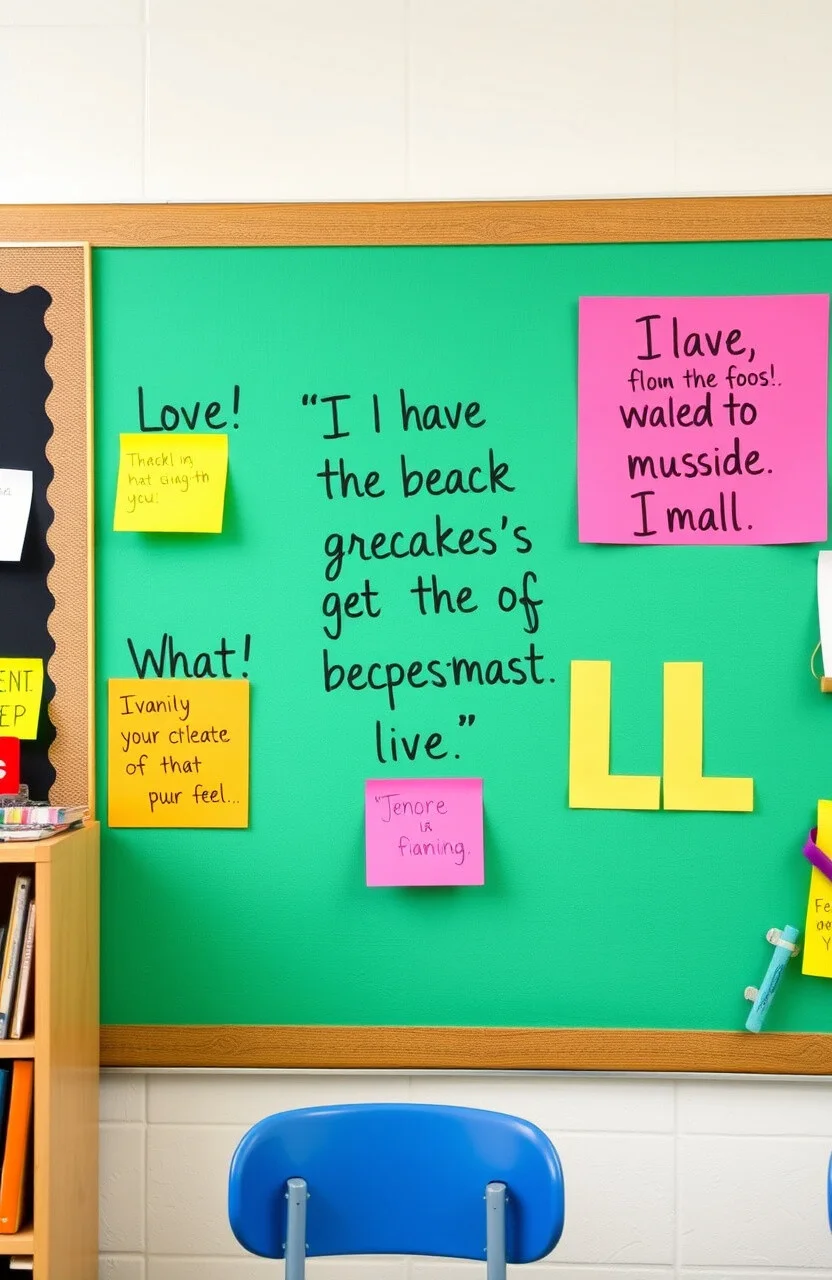
An inspirational quote wall can motivate students every day. Choose quotes that are uplifting and easy to understand.
Changing the quotes regularly keeps the wall fresh and engaging. Students can even contribute their favorite sayings.
Using colorful paper or sticky notes can add a pop of color. This makes the wall not just inspiring, but also visually appealing.
Best of all, this idea is budget-friendly. It’s all about the words you choose and how they make you feel.
4. Personal Cubby Spaces

Personal cubby spaces give each student their own little nook. It’s a great way to keep backpacks and jackets organized.
Students love having their own spot to store personal items. It gives them a sense of ownership and responsibility.
Consider labeling each cubby with names or fun icons. This adds a personal touch and helps with easy identification.
Cubbies can be made from simple shelves or old crates. They’re a practical and affordable organization solution.
5. Themed Bulletin Boards

Themed bulletin boards can change with the seasons or lessons. They’re a great way to keep the classroom looking fresh and exciting.
Involving students in decorating can boost engagement and creativity. It allows them to express themselves and feel included.
Choose themes that are relevant and fun. Think about different cultures, holidays, or even favorite books.
Using recycled paper or fabric can keep costs down. It’s all about being creative with what you have.
6. Flexible Seating Arrangements
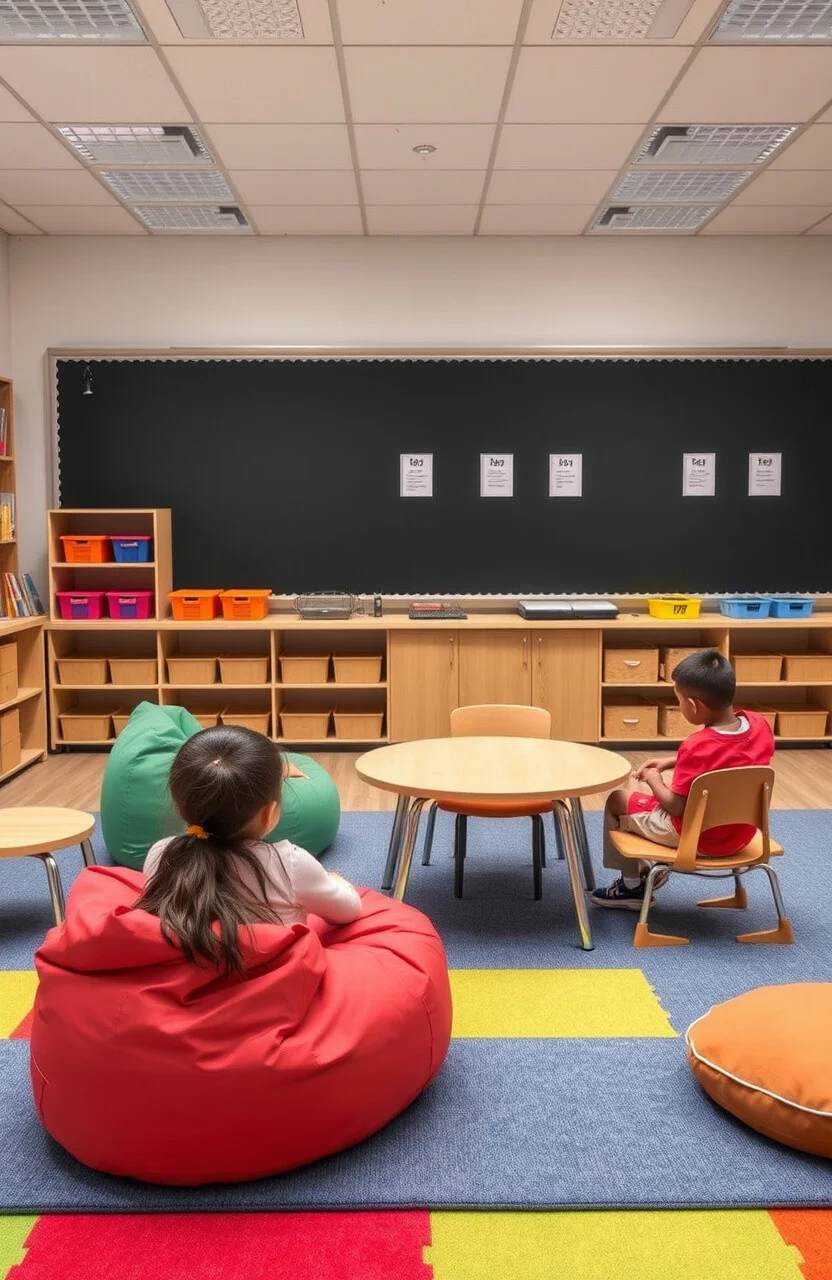
Flexible seating arrangements encourage collaboration and comfort. Students can choose where they work best.
Options like bean bags, stools, and floor mats can be included. This variety helps cater to different learning styles.
It’s a great way to make the classroom feel more relaxed. Students often feel more engaged and focused in such settings.
Start small by introducing a few new seating options. This doesn’t have to break the bank to be effective.
7. Hanging Art Displays

Hanging art displays make use of vertical space beautifully. It’s a perfect way to showcase student work.
Art displays add color and character to the classroom. They also instill pride in students for their creations.
Using clothespins or clips makes it easy to change the artwork. This keeps the display fresh and exciting all year round.
Try using string or wire to hang pieces. This is an inexpensive and versatile option for art lovers.
8. Desk Organizers
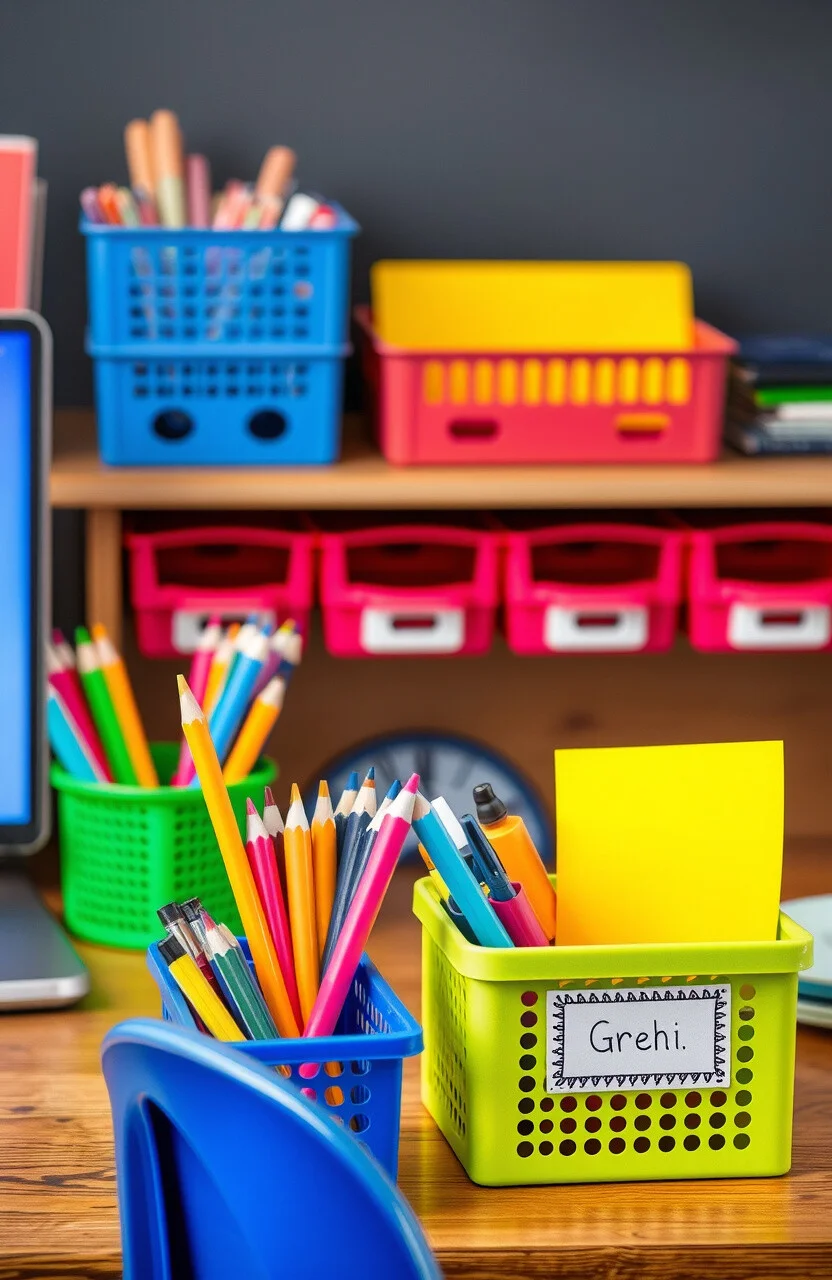
Desk organizers ensure everything has a place. They’re perfect for keeping desks tidy and clutter-free.
A well-organized desk can help students focus better. It also makes finding supplies quick and easy.
Consider using mini baskets or trays for sorting items. This adds a touch of style and function to each desk.
Desk organizers can be personalized with names or stickers. This makes them unique and special for each student.
9. Learning Stations
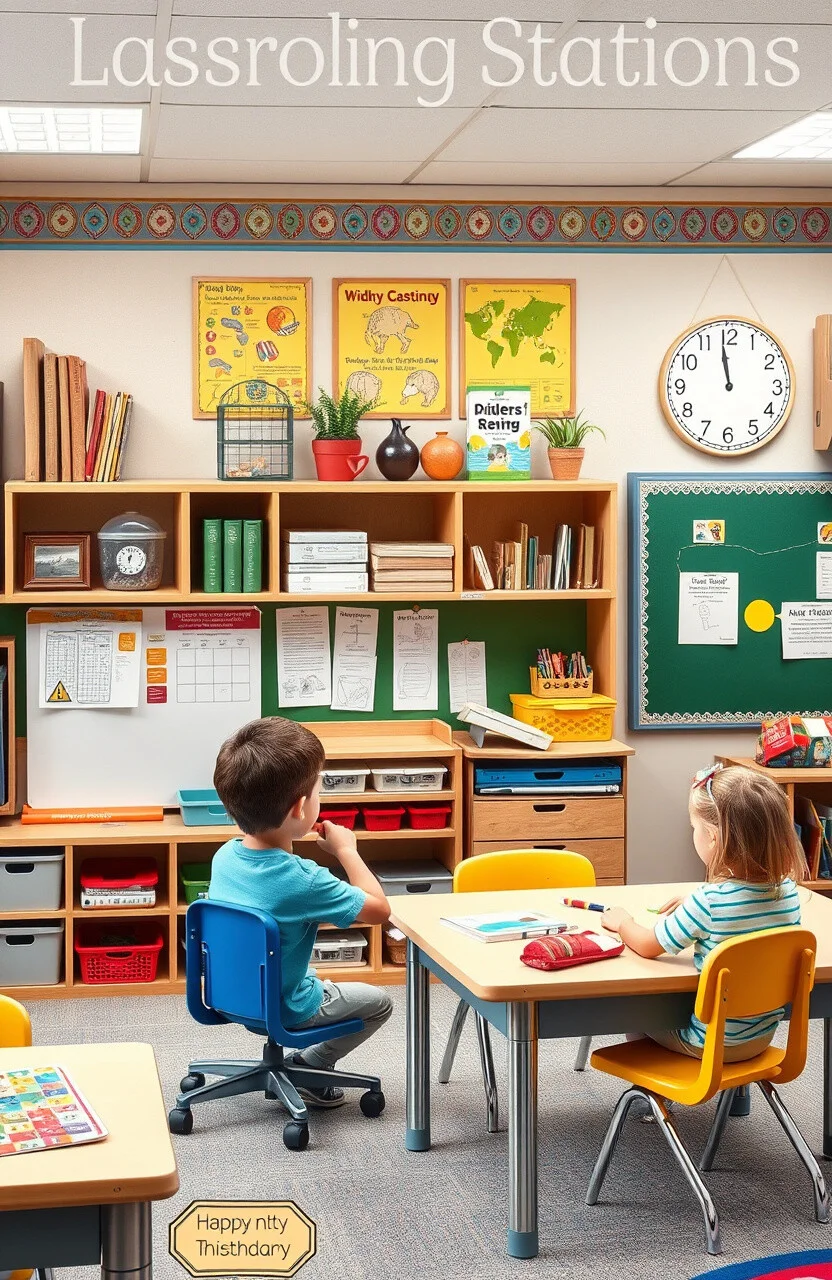
Learning stations allow students to explore different subjects. Each station can focus on a specific topic or activity.
This setup encourages independent learning and discovery. It also keeps students engaged with hands-on activities.
Stations can be rotated to keep things interesting. Include activities like puzzles, experiments, or reading corners.
Using simple materials keeps the cost down. It’s all about creating an inviting and educational atmosphere.
10. Label Everything
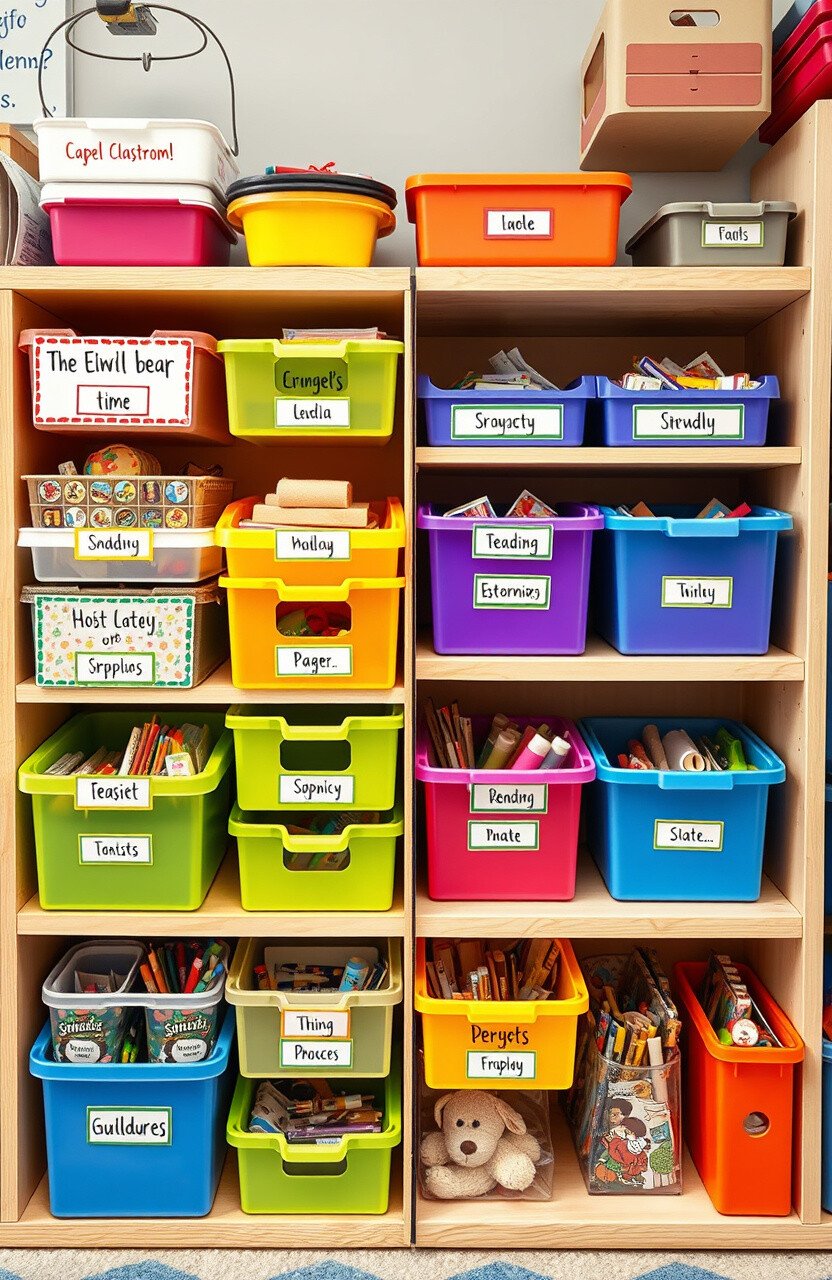
Labeling everything helps keep things organized. It’s a simple way to make sure everything is easy to find.
Labels can be colorful and fun, making them more interesting. They also help students learn new words.
Consider using pictures for younger students. This makes it easier for them to understand and follow.
Labels can be printed or handwritten. It’s a cost-effective way to add structure to the classroom.
11. Calendar Corner

A calendar corner keeps everyone on track with important dates. It’s a central spot for birthdays, events, and deadlines.
Having a visual calendar helps students plan and prepare. It also teaches them about time management.
Use colorful markers or stickers to highlight special days. This makes the calendar more engaging and interactive.
A large wall calendar is affordable and easy to update. It can be a focal point in the classroom.
12. Reading Nook

A reading nook is a cozy spot for students to enjoy books. It encourages a love for reading and quiet time.
Fill it with comfy pillows and a variety of books. This creates an inviting atmosphere for young readers.
Consider adding a small rug or bean bag chairs. These can make the space feel more special and relaxing.
Using second-hand books or furniture can save money. It’s all about creating a cozy and welcoming space.
13. Magnetic Wall Boards
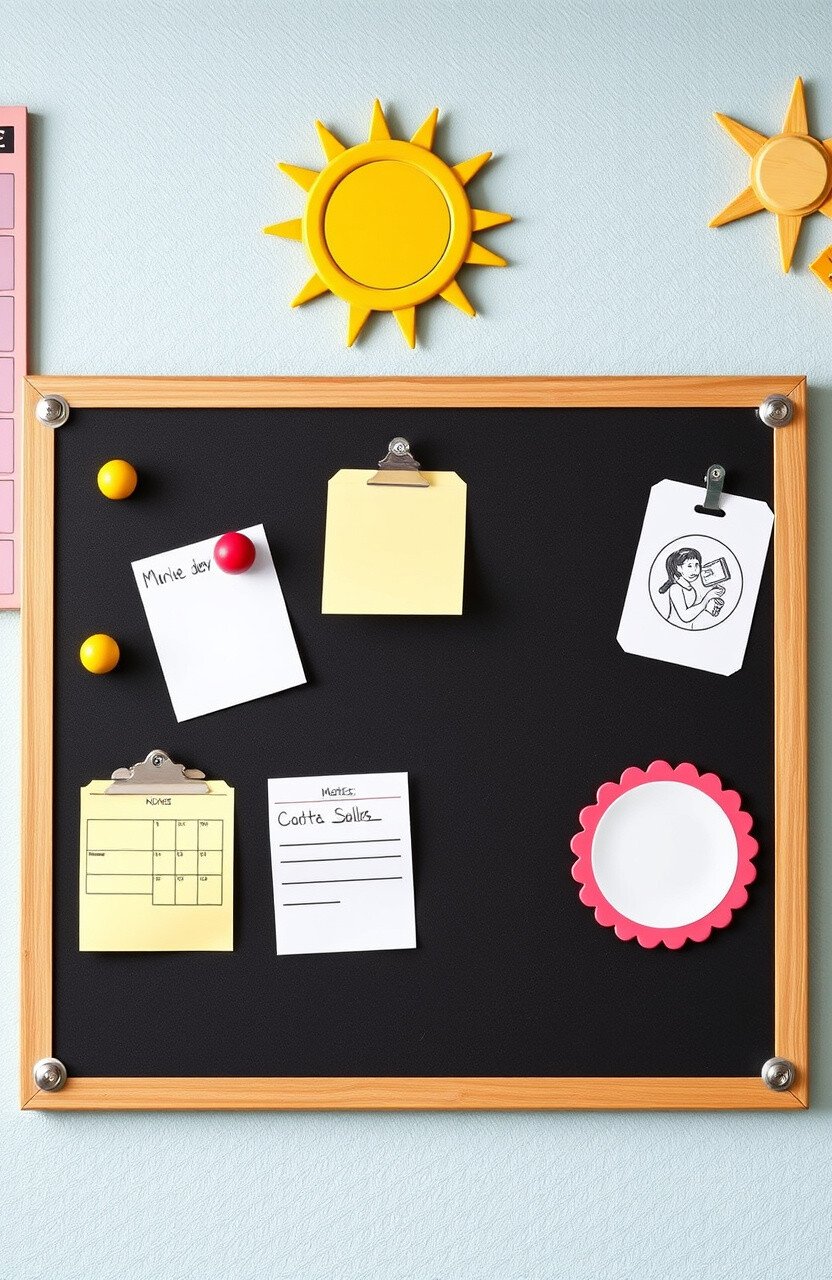
Magnetic wall boards are versatile and fun. They’re great for holding notes, reminders, and artwork.
Using magnets adds an interactive element. Students can easily change and update the board.
Magnetic boards can be customized with different shapes and colors. This makes them a playful addition to any classroom.
Consider repurposing old baking sheets as a cost-effective option. Creativity is key when it comes to magnetic boards.
14. Technology Station

A technology station keeps devices organized and charged. It’s a dedicated spot for tablets, laptops, and headphones.
Having a tech station helps prevent clutter and tangled cords. It also ensures devices are ready for use.
Consider including labeled bins for each device. This helps students find their tech quickly and easily.
Using power strips with USB ports can be a budget-friendly solution. It’s about making tech accessible and organized.
15. Nature-Inspired Decorations

Nature-inspired decorations bring the outdoors in. They create a calming and refreshing atmosphere.
Using plants, rocks, and natural textures adds warmth. This connection to nature can enhance creativity.
Consider using real or artificial plants, depending on your budget. Both can bring life to the classroom.
Nature decor can be found at thrift stores or DIY projects. It’s about adding a touch of green to inspire young minds.
16. Student Work Display
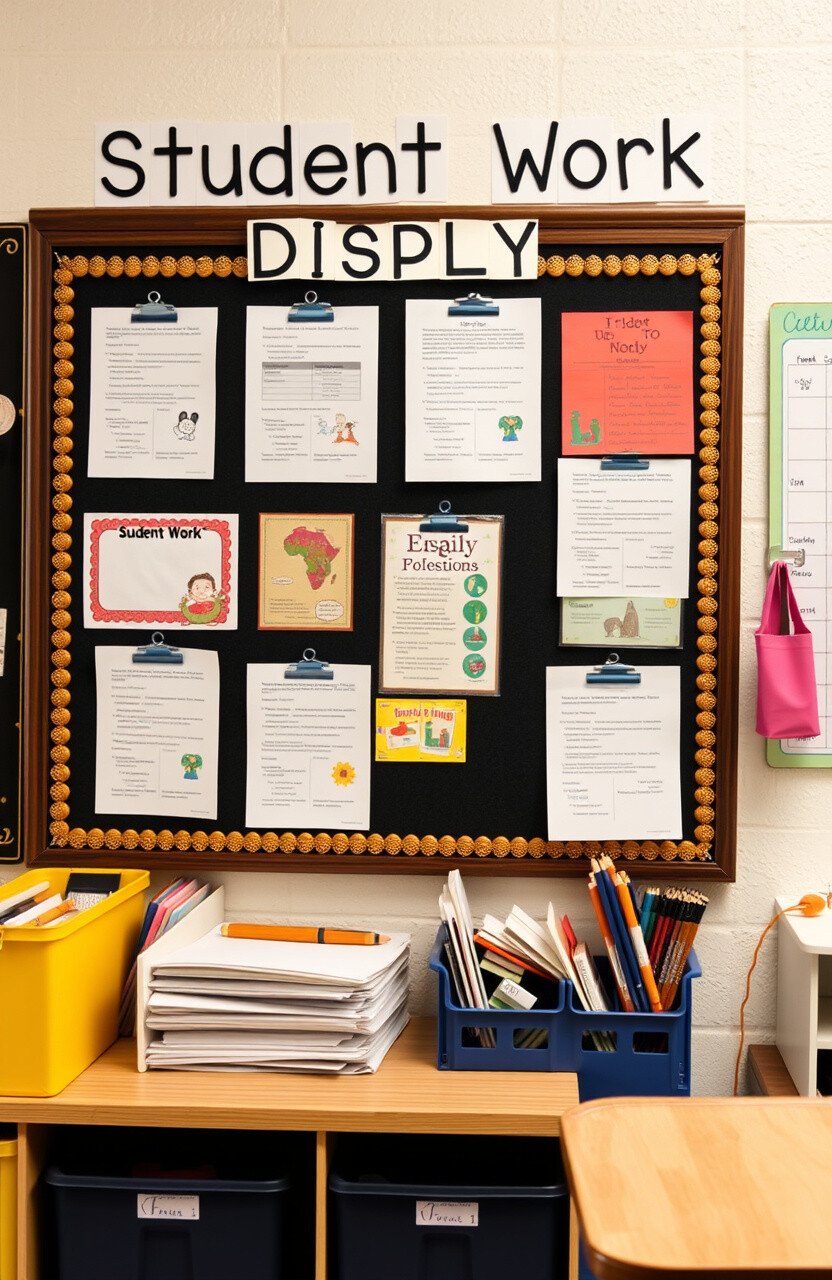
A student work display celebrates achievements. It’s a space for showcasing projects and accomplishments.
Displaying work boosts confidence and pride. It encourages students to put forth their best effort.
Consider rotating displays to keep them current. This ensures everyone has a chance to shine.
Using simple frames or clipboards can be an affordable option. It’s about highlighting the talent within the classroom.
17. Creative Corner

A creative corner is a space for imagination to soar. It’s filled with art supplies, puzzles, and building blocks.
This dedicated area encourages free play and exploration. It allows students to express themselves creatively.
Consider using colorful bins to organize supplies. This makes it easy for students to find what they need.
Repurposing old furniture or crafting supplies keeps costs low. It’s about creating a space where creativity knows no bounds.
18. Chalkboard Paint Walls

Chalkboard paint walls add a fun, interactive element. They can be used for notes, drawings, and lessons.
Students love having the freedom to write on walls. It turns learning into a hands-on experience.
Consider painting a small section or an entire wall. This flexibility makes it easy to fit any classroom space.
Chalkboard paint is affordable and easy to apply. It’s about turning walls into a canvas for creativity.
19. Sensory Bins

Sensory bins are engaging and educational. They’re filled with materials like sand, rice, or water beads.
These bins stimulate different senses and encourage exploration. They’re perfect for hands-on learning and play.
Consider changing materials based on themes or lessons. This keeps the bins exciting and fresh.
Using everyday items makes sensory bins budget-friendly. It’s about creating a sensory-rich environment.
20. Classroom Library
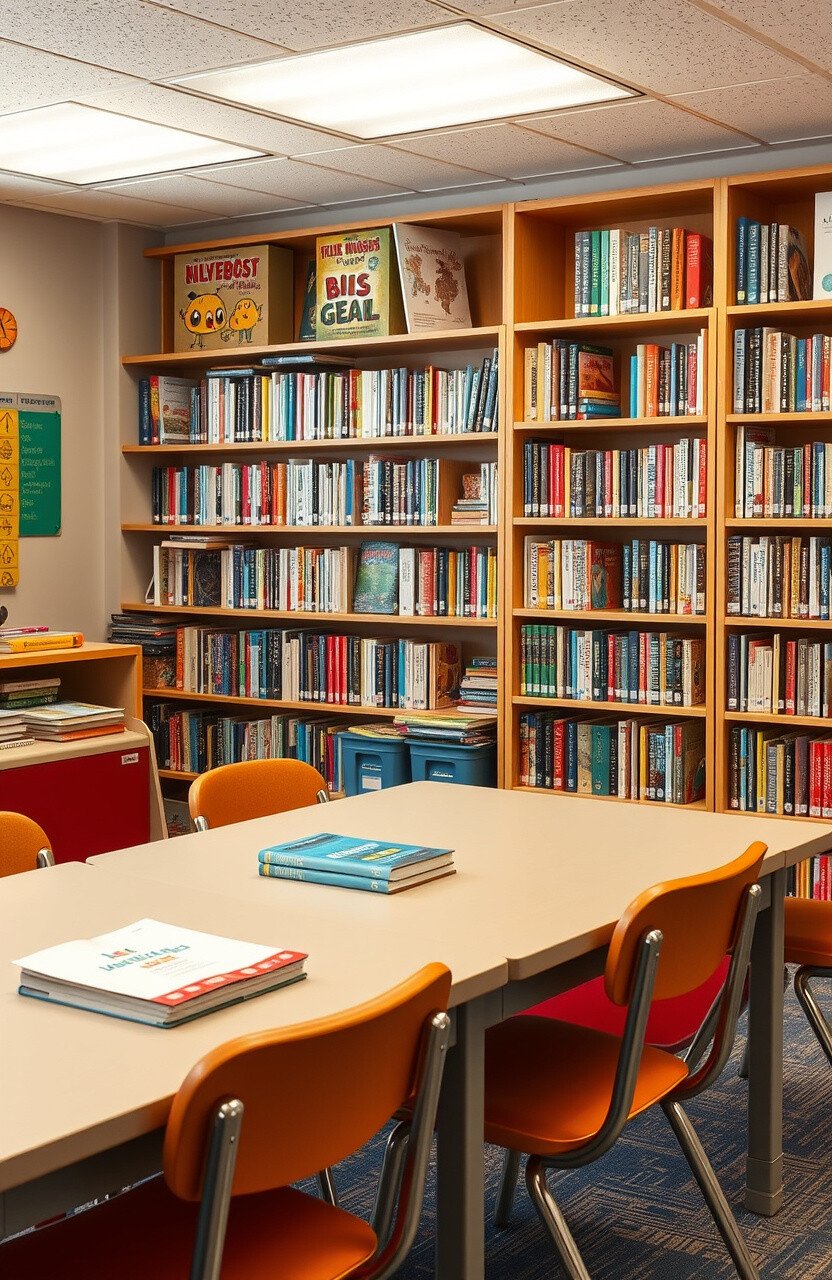
A classroom library is a treasure trove of stories and information. It encourages a lifelong love of reading.
Organizing books by genre or level makes it easy to find favorites. It turns browsing into an adventure.
Consider using cozy seating options to make it inviting. This makes the library a favorite spot for many students.
Using donated or second-hand books keeps costs down. It’s about creating a welcoming space for book lovers.
21. Gratitude Wall

A gratitude wall fosters positivity and reflection. It’s a space for sharing what makes students thankful.
Encouraging gratitude helps create a supportive classroom environment. It also helps students focus on the positive.
Consider using sticky notes or cards for students to write on. This makes it easy to update the wall regularly.
Using colorful paper adds vibrancy to the wall. It’s about creating a positive and uplifting space.
22. Art Supply Cart

An art supply cart keeps creativity on wheels. It’s perfect for organizing and transporting art materials.
This mobile solution makes it easy to bring supplies to different areas. It encourages spontaneous creativity.
Consider using tiered carts for easy access and organization. This makes finding supplies a breeze.
Repurposing an old cart or shelf is a cost-effective option. It’s about keeping creativity within reach.
23. Puzzle and Game Shelf

A puzzle and game shelf invites fun and learning. It’s a space for board games, puzzles, and brain teasers.
This area encourages problem-solving and teamwork. It’s perfect for rainy-day activities or free time.
Consider organizing games by type or difficulty. This makes it easy for students to find what they’re looking for.
Using thrift store finds can keep this area budget-friendly. It’s about creating a space for playful learning.
24. Mood Lighting
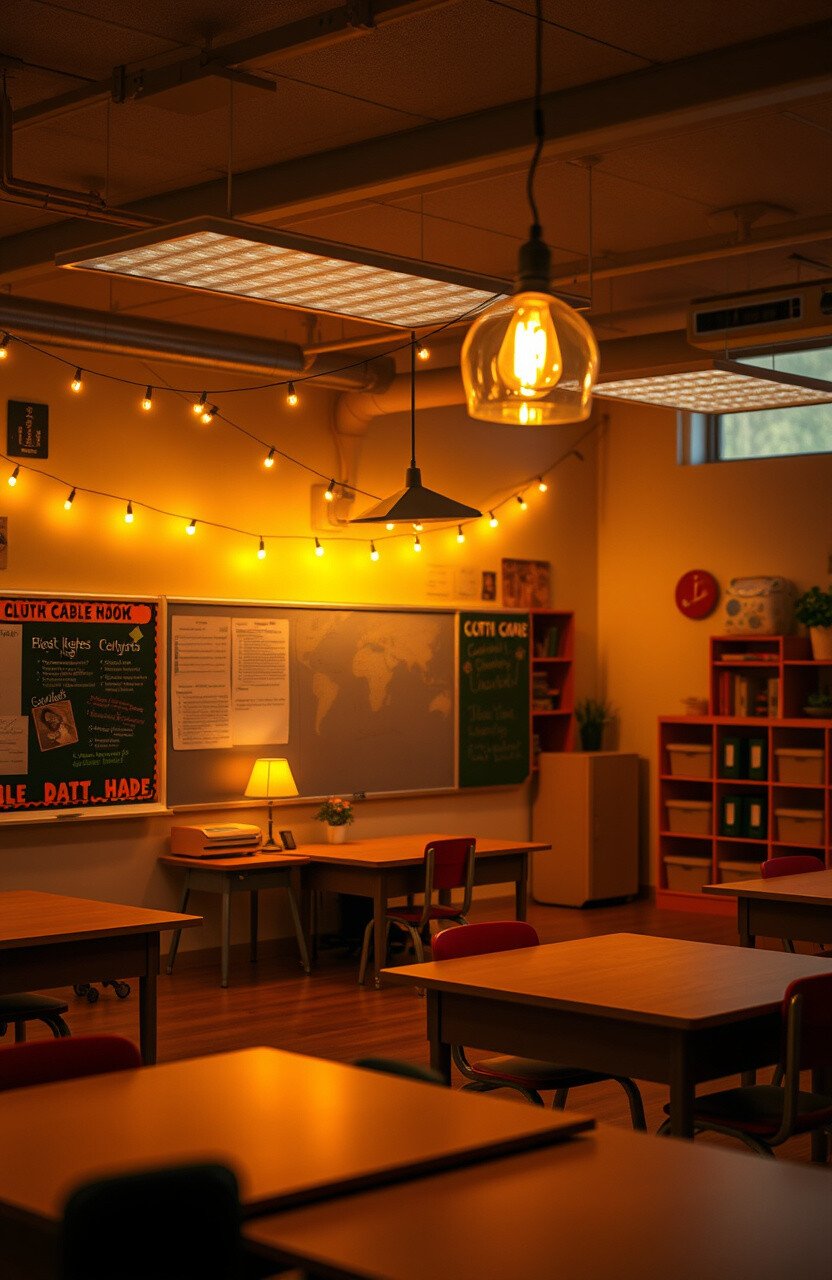
Mood lighting creates a warm and inviting atmosphere. It sets the tone for different activities and lessons.
Using string lights or lamps can add a cozy touch. This makes the classroom feel more like home.
Consider changing the lighting based on time of day or activity. This flexibility helps create the right ambiance.
LED lights are energy-efficient and affordable. It’s about creating a welcoming and comfortable space.
25. Interactive Whiteboard
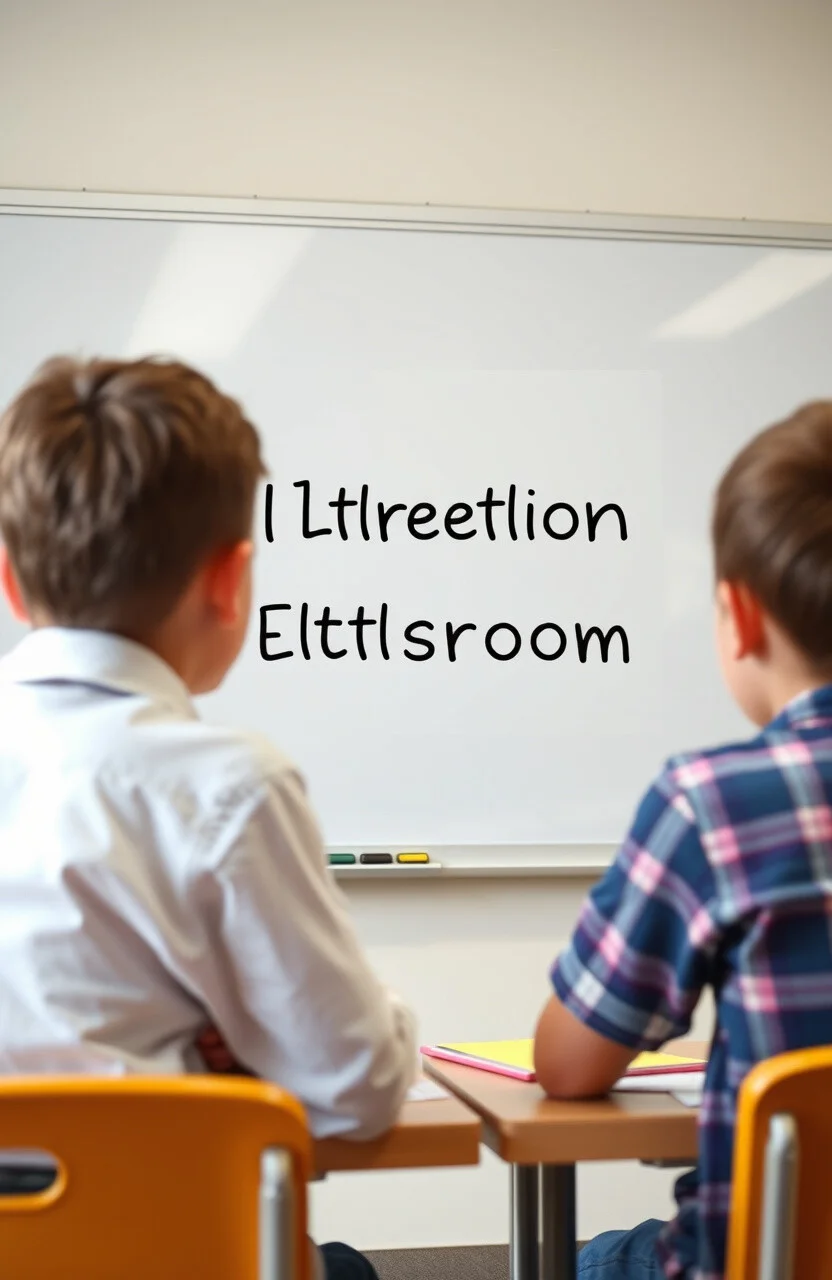
An interactive whiteboard turns lessons into interactive experiences. It’s perfect for engaging students in the material.
Using technology in lessons can make learning more dynamic. Students love participating in interactive activities.
Consider incorporating videos or games into lessons. This adds variety and keeps students interested.
Investing in an interactive whiteboard can be cost-effective in the long run. It’s about enhancing the learning experience.
26. Student Mailbox System
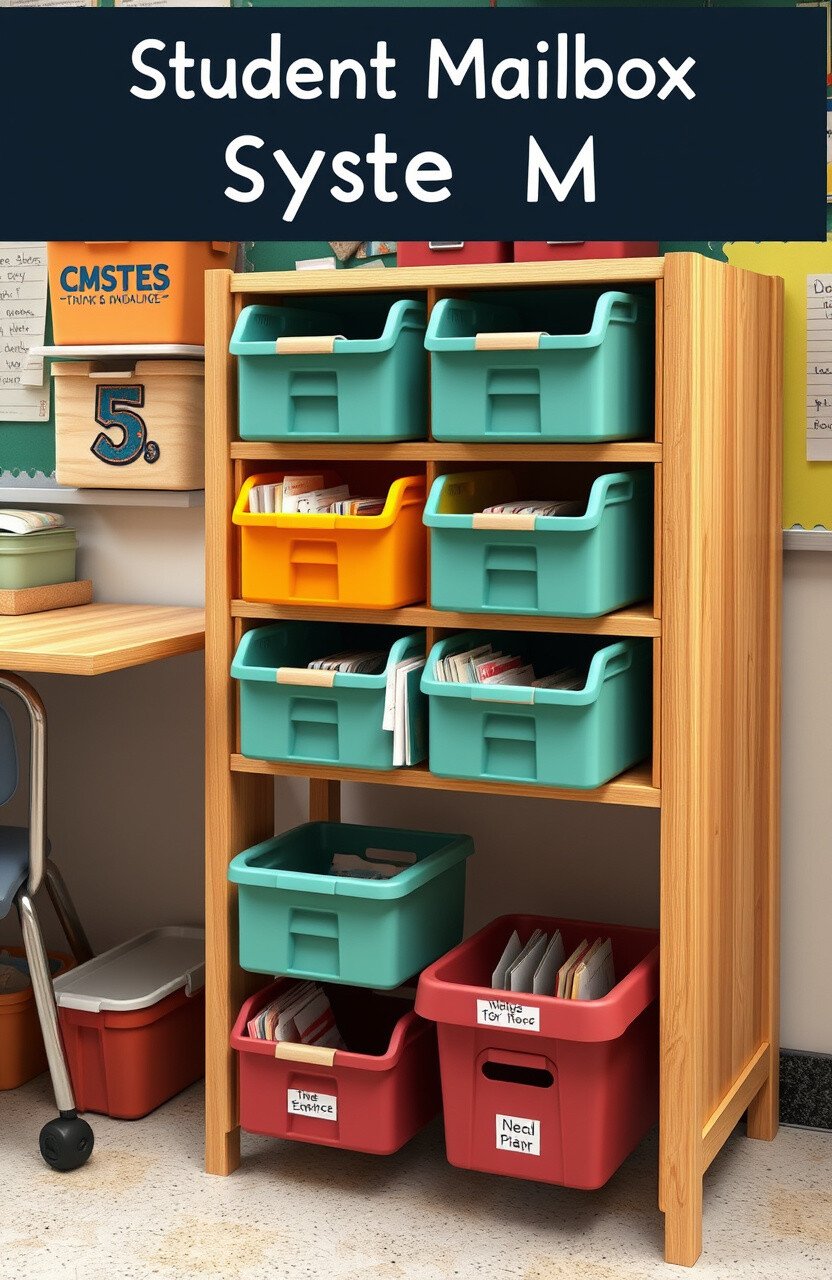
A student mailbox system keeps communication organized. It’s a dedicated spot for notes, assignments, and feedback.
Having a mailbox for each student teaches responsibility. It also helps streamline communication.
Consider using small bins or envelopes for each mailbox. This makes it easy to manage and maintain.
Using recycled materials can keep costs low. It’s about creating an efficient and organized system.
27. Seasonal Decorations
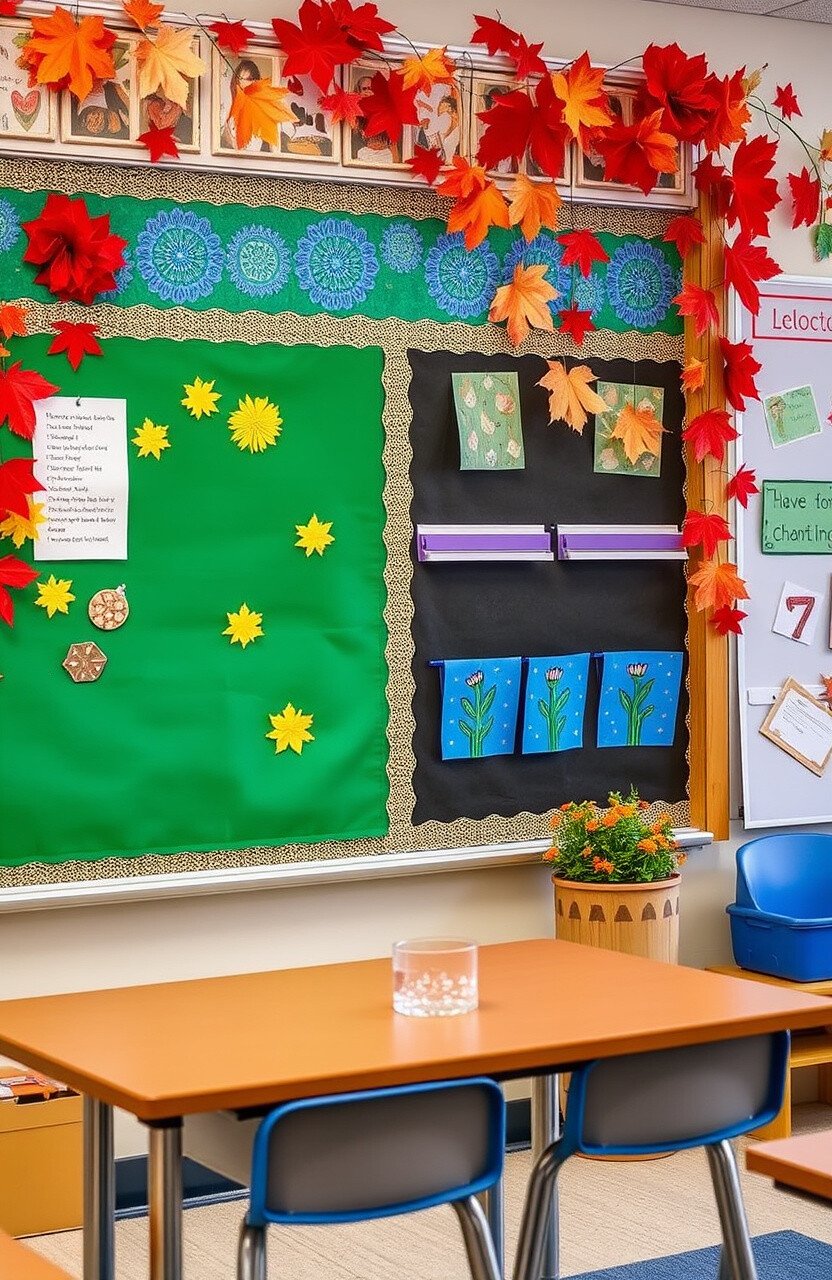
Seasonal decorations keep the classroom festive and lively. They bring the spirit of each season into the learning space.
Changing decorations regularly keeps the classroom exciting. It also helps students learn about different seasons.
Consider using student-made crafts as part of the decor. This adds a personal touch and involves everyone.
Using natural or DIY decorations can be budget-friendly. It’s about celebrating the seasons creatively.
28. Music and Sound Corner

A music and sound corner brings rhythm to the classroom. It’s a space for musical instruments and sound exploration.
This area encourages creativity and expression through music. It’s perfect for music lessons or free play.
Consider using percussion instruments and sound-making toys. This makes it accessible for all students.
Using donated or homemade instruments keeps costs low. It’s about creating a harmonious and creative space.
29. Vocabulary Wall

A vocabulary wall expands language skills. It’s a space for learning new words and definitions.
Adding new words regularly keeps the wall fresh and engaging. It helps students build a rich vocabulary.
Consider using colorful cards or sticky notes for words. This makes the wall visually appealing and easy to update.
Using recycled materials can keep this idea budget-friendly. It’s about enhancing language learning creatively.
30. Science Experiment Station

A science experiment station sparks curiosity and discovery. It’s a dedicated spot for hands-on science activities.
This area encourages exploration and inquiry. Students love engaging in experiments and learning about the world.
Consider organizing materials by experiment type. This makes it easy to set up and conduct experiments.
Using everyday items can keep this station budget-friendly. It’s about making science fun and accessible.
31. Math Manipulatives Shelf

A math manipulatives shelf makes math tangible and fun. It’s a space for tools like blocks, counters, and shapes.
This area supports hands-on learning and problem-solving. Students can visualize concepts and practice math skills.
Consider organizing manipulatives by type or concept. This makes it easy for students to find what they need.
Using homemade or second-hand manipulatives can save money. It’s about making math engaging and interactive.
32. Plant Care Corner

A plant care corner teaches responsibility and nature appreciation. It’s a space for classroom plants and gardening activities.
This area encourages students to care for living things. It also adds a touch of green to the classroom.
Consider using easy-to-care-for plants like succulents. This makes it manageable for students to take turns caring for them.
Using donated or home-grown plants can be cost-effective. It’s about nurturing a love for nature in young minds.
33. History Timeline Display
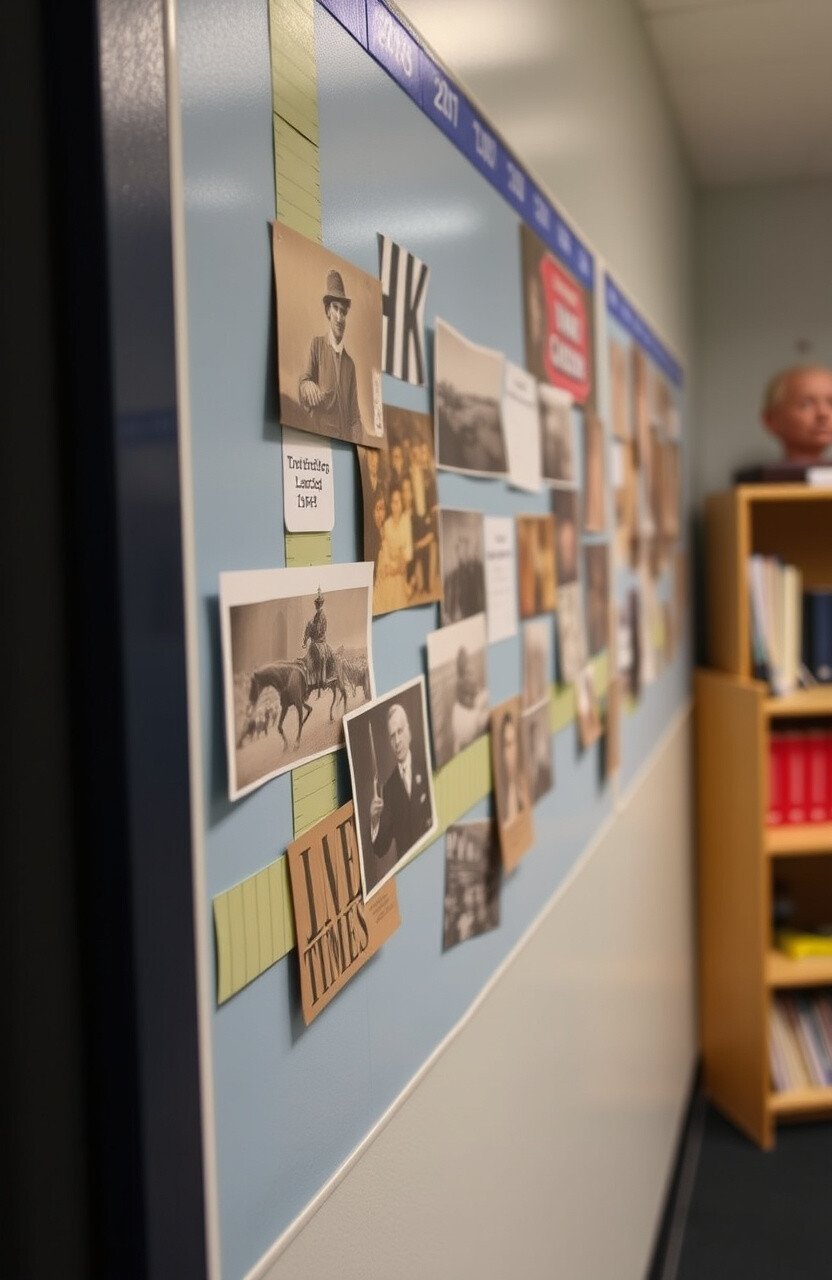
A history timeline display visualizes historical events. It’s a space for learning about different time periods.
This display helps students understand the sequence of events. It makes history more relatable and engaging.
Consider using images and dates for each event. This adds visual interest and aids memory retention.
Using recycled paper or DIY crafts can keep costs low. It’s about bringing history to life in the classroom.
34. Mindfulness Zone

A mindfulness zone creates a calm and relaxing space. It’s perfect for meditation, reflection, or quiet time.
This area encourages emotional well-being and focus. It’s a sanctuary for students to recharge and reflect.
Consider using soft cushions and calming colors. This makes the space inviting and peaceful.
Using thrift store finds can keep this zone budget-friendly. It’s about fostering a sense of peace and mindfulness.
35. Cultural Corner
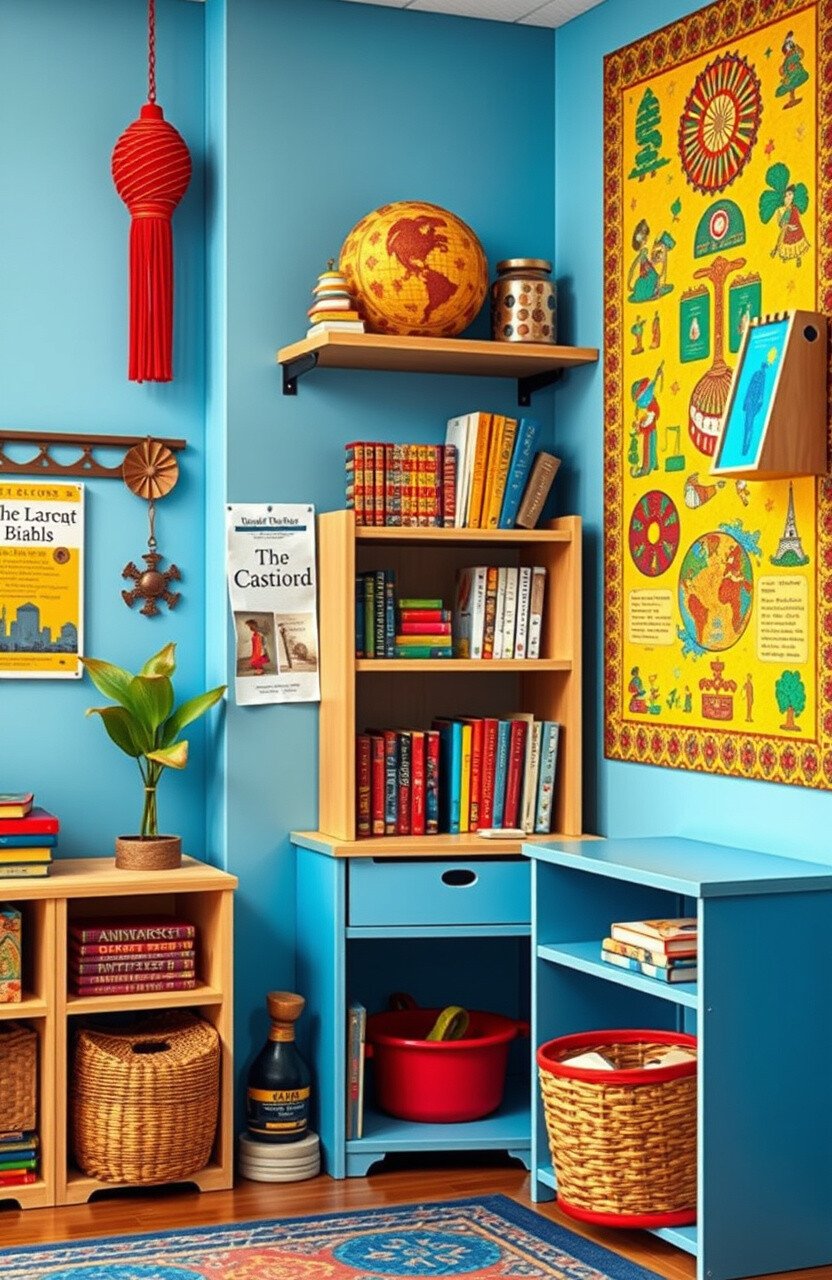
A cultural corner celebrates diversity and inclusivity. It’s a space for exploring different cultures and traditions.
This area encourages respect and appreciation for diversity. It’s perfect for themed lessons or cultural events.
Consider using artifacts, books, and decorations from various cultures. This adds depth and richness to the corner.
Using borrowed or donated items can keep costs low. It’s about creating a space that honors and celebrates all cultures.
36. Homework Help Shelf
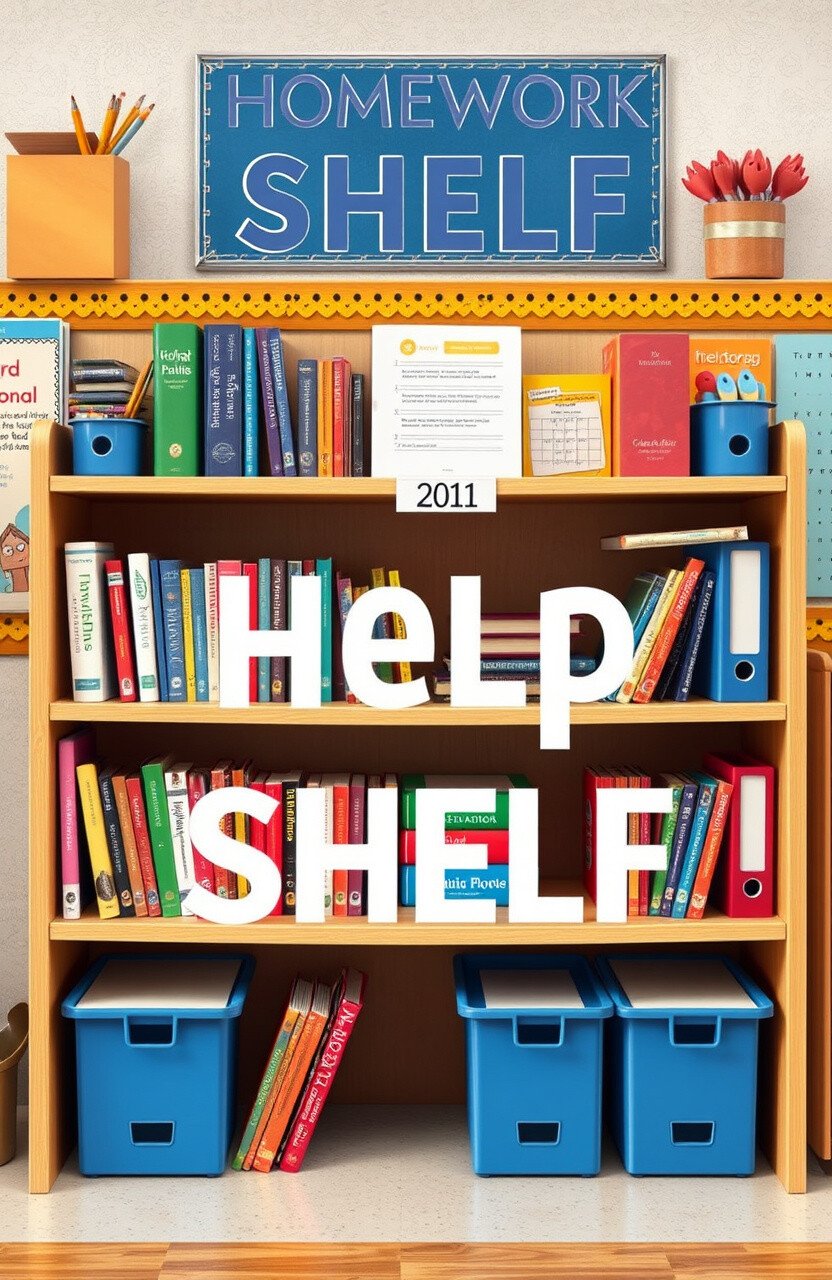
A homework help shelf provides resources and support. It’s a space for reference books, guides, and tools.
This area encourages independent learning and problem-solving. It’s a valuable resource for students needing extra help.
Consider organizing materials by subject or topic. This makes it easy for students to find what they need.
Using donated or second-hand books can be budget-friendly. It’s about supporting learning outside of class time.
37. Student Success Wall
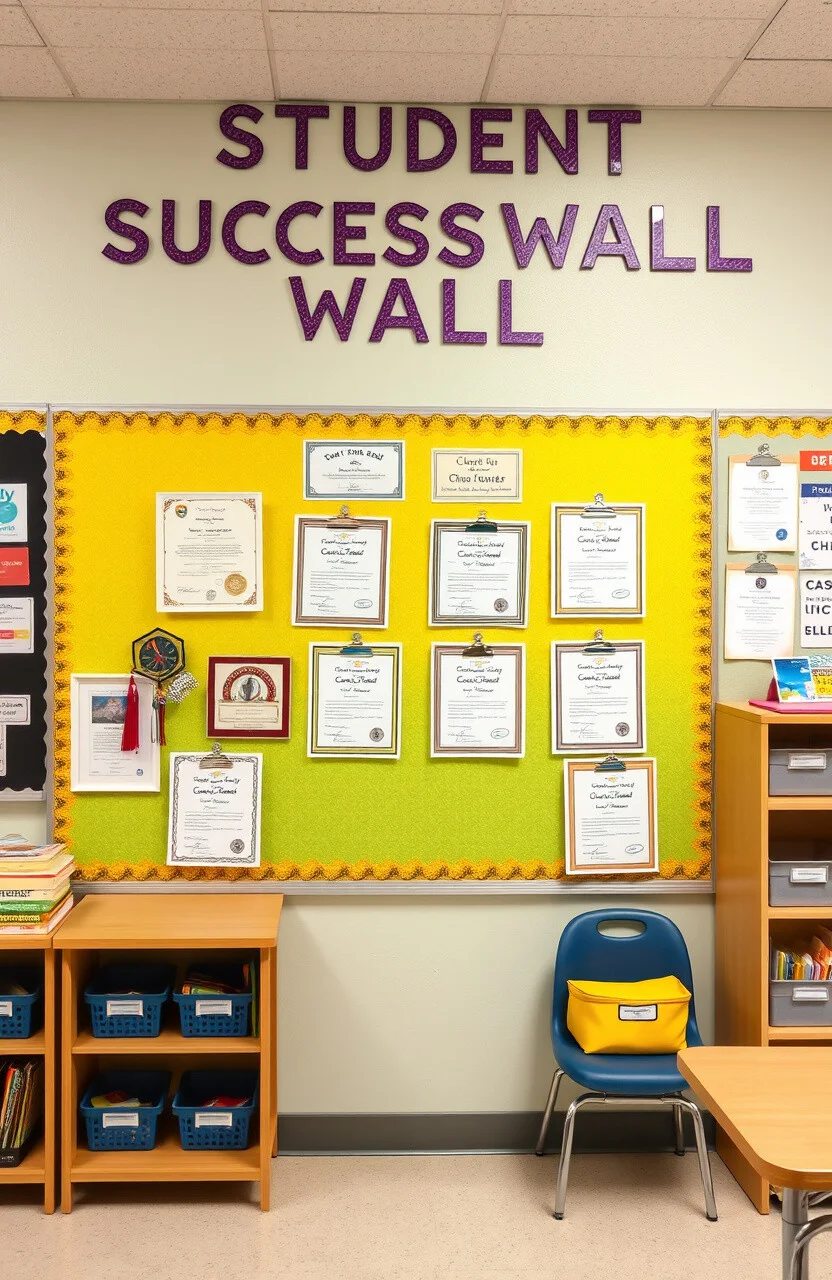
A student success wall celebrates achievements and milestones. It’s a space for certificates, awards, and accomplishments.
This wall boosts confidence and motivation. It encourages students to strive for their best.
Consider rotating displays to keep them current. This ensures all students have a chance to be recognized.
Using simple frames or clipboards can be an affordable option. It’s about highlighting achievements and inspiring success.
38. Craft Supply Station

A craft supply station keeps creativity organized. It’s a space for paper, glue, scissors, and other craft materials.
This area encourages artistic expression and projects. It’s perfect for art lessons or free crafting time.
Consider using labeled bins to organize supplies. This makes finding materials quick and easy.
Using recycled or donated materials can keep costs low. It’s about fostering creativity and resourcefulness.
39. Language Learning Corner

A language learning corner expands communication skills. It’s a space for language games, flashcards, and books.
This area encourages language acquisition and practice. It’s perfect for bilingual or language-focused lessons.
Consider using interactive tools like apps or games. This makes language learning fun and engaging.
Using affordable or free resources keeps this corner budget-friendly. It’s about making language learning an exciting adventure.