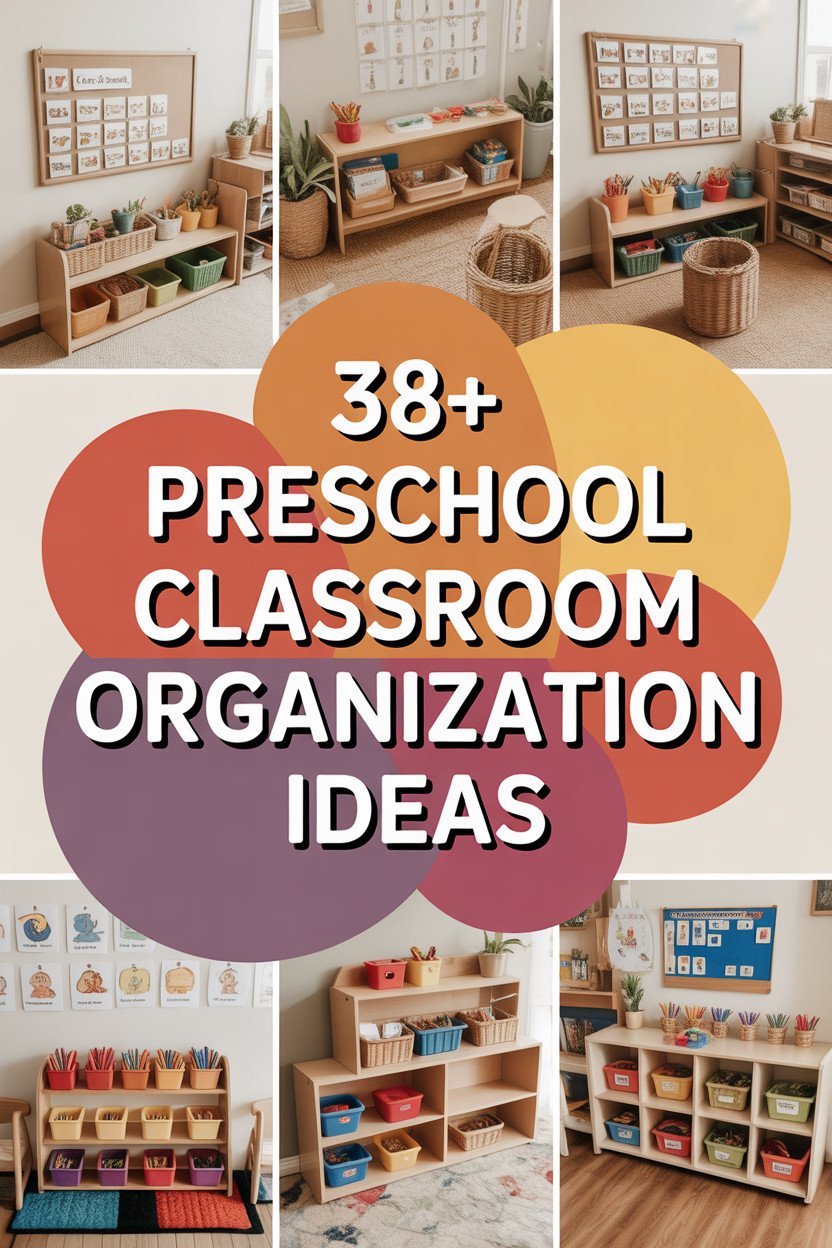
Imagine a world where preschool classrooms are organized with creativity and charm. A place where every corner invites curiosity and excitement. Here are some captivating ideas that will turn any classroom into an enchanting learning space.
1. Rainbow Bookshelves
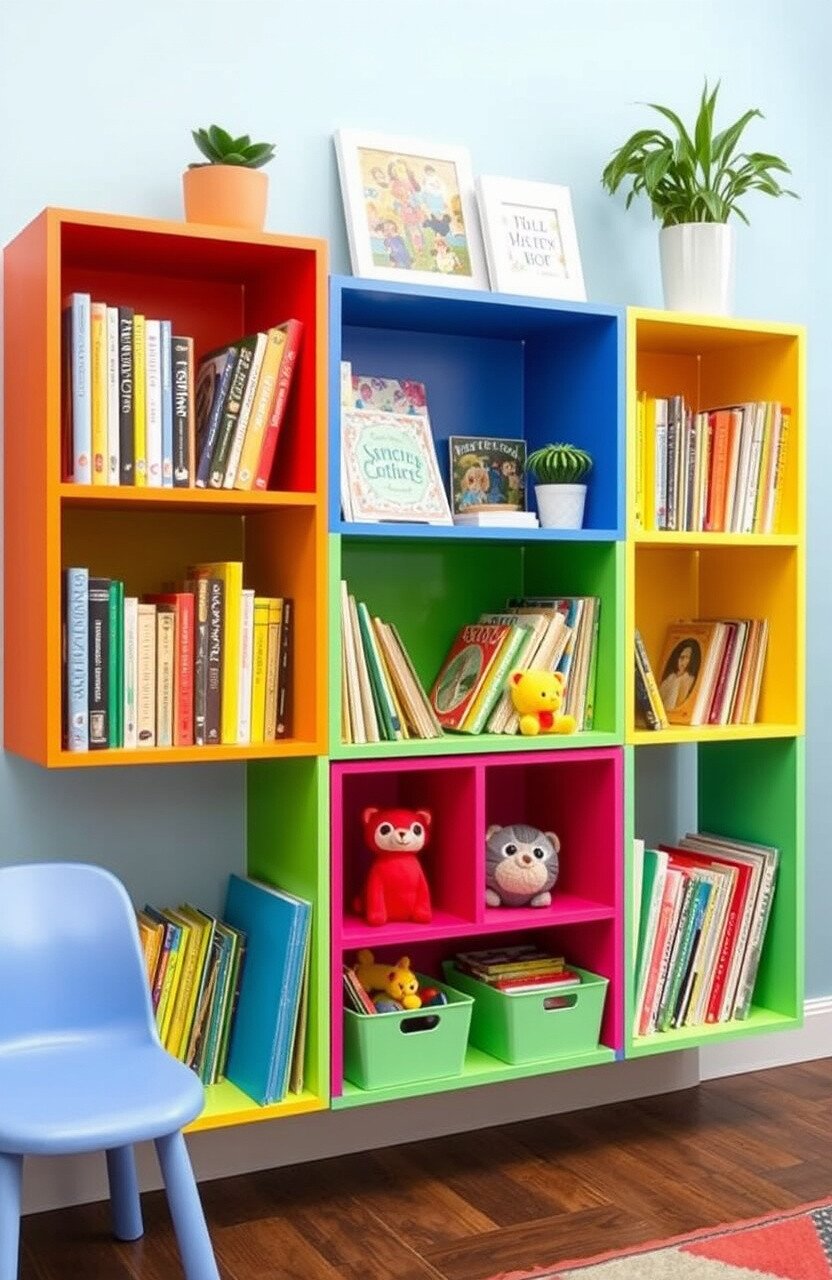
Colorful bookshelves are a fantastic way to bring brightness into any room. They are more than just storage; they become an artistic focal point.
Arranging books by color creates an easy, inviting system for children to find their favorites. It also teaches them about color recognition and order.
Use different shades and tones to make the shelves pop. Try adding little decorations like stuffed animals or small plants for extra flair.
Cost-effective options include painting existing shelves or using colored paper lining. It’s a simple yet impactful change.
2. Nature-Inspired Nooks
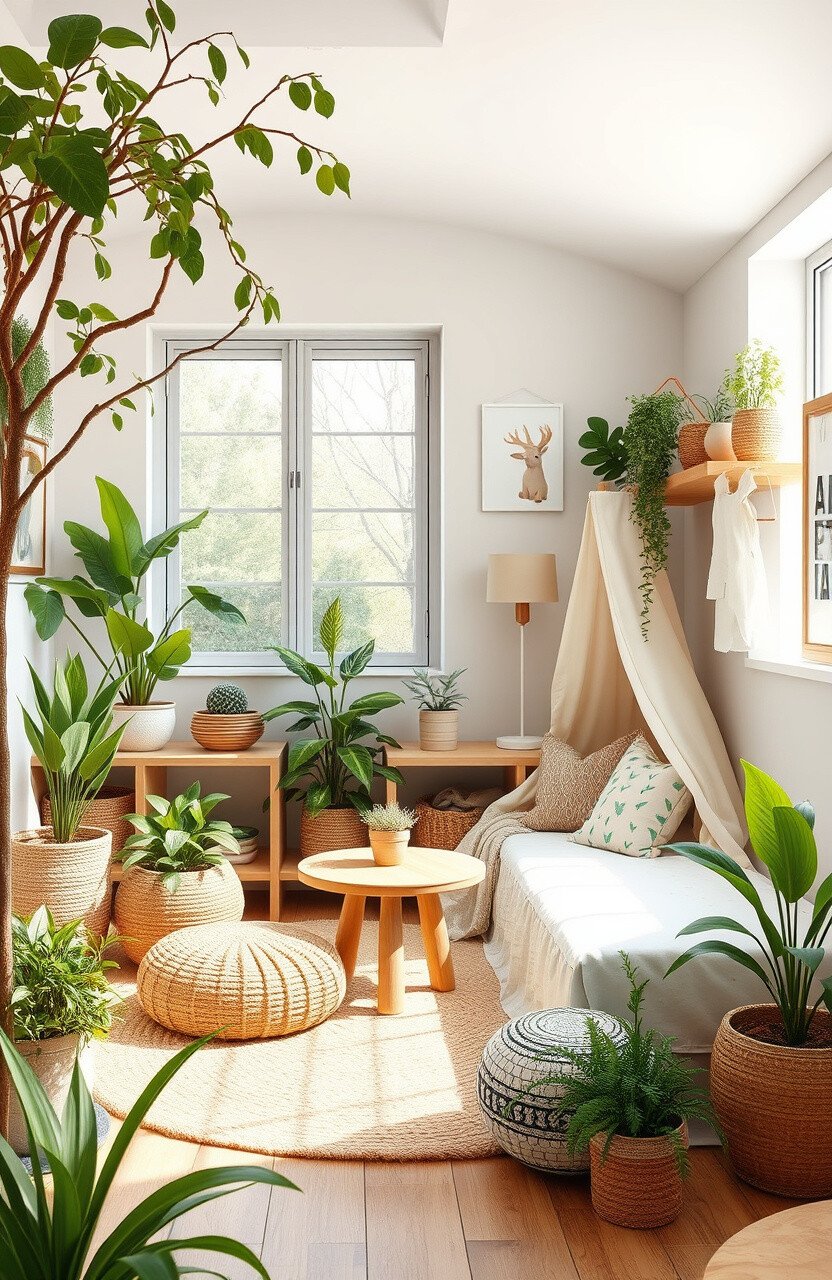
Bringing the outdoors inside can create a calming environment for little ones. Nature-inspired nooks are perfect for reading or quiet time.
Fill these spaces with natural elements like wooden furniture, green plants, and soft, earthy tones. This helps in developing a love for nature.
Consider placing a small tent or canopy for a cozy hideaway. Add pillows and soft rugs to make it welcoming.
Incorporating real or faux plants can be inexpensive. Look for sales at local garden centers or craft stores.
3. Themed Learning Zones
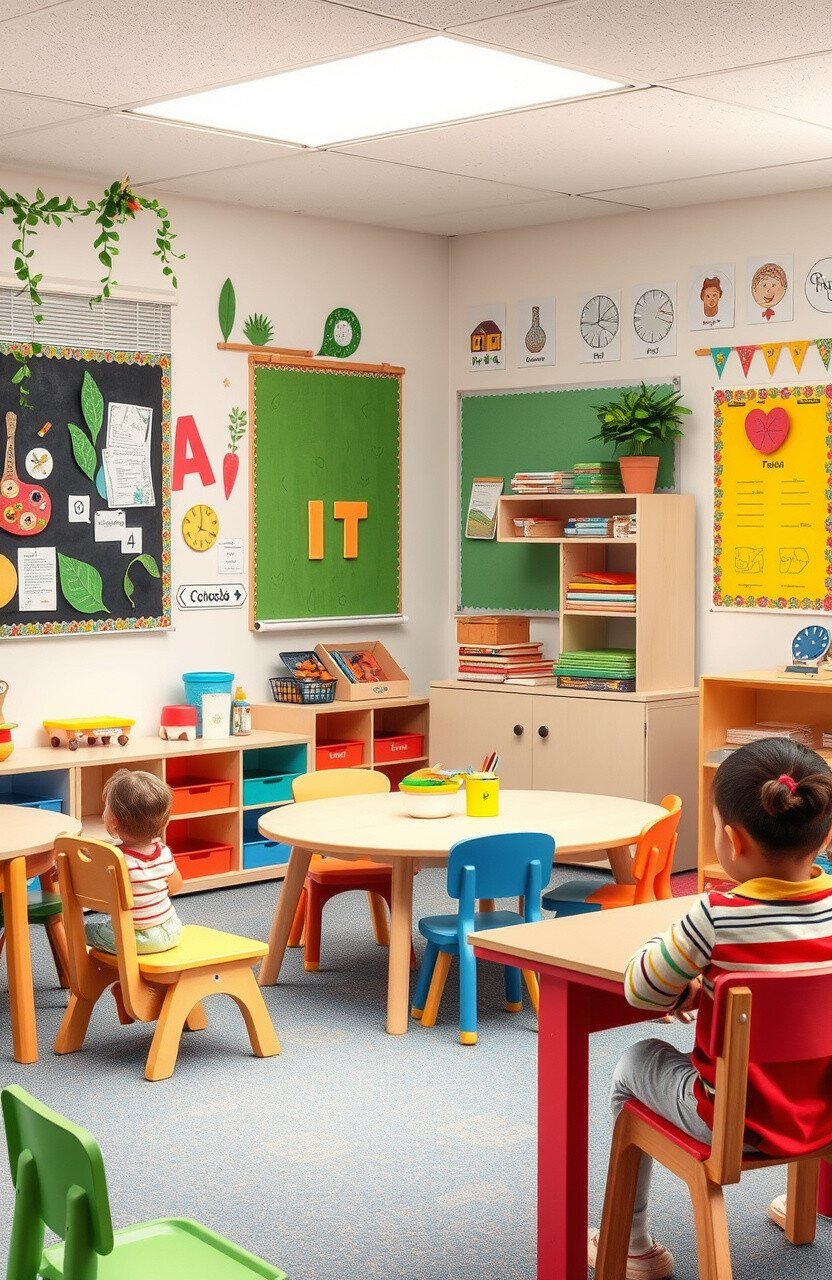
Creating themed zones in a classroom can make learning more focused and fun. Each zone can be dedicated to a specific subject or activity.
For example, a science zone could have magnifying glasses and nature specimens, while an art zone might feature easels and vibrant paints.
Encourage children to explore each zone throughout the week. Rotate themes to keep the excitement going.
Personalize the themes based on the interests of the students. This keeps costs low and engagement high.
4. Sensory Tables
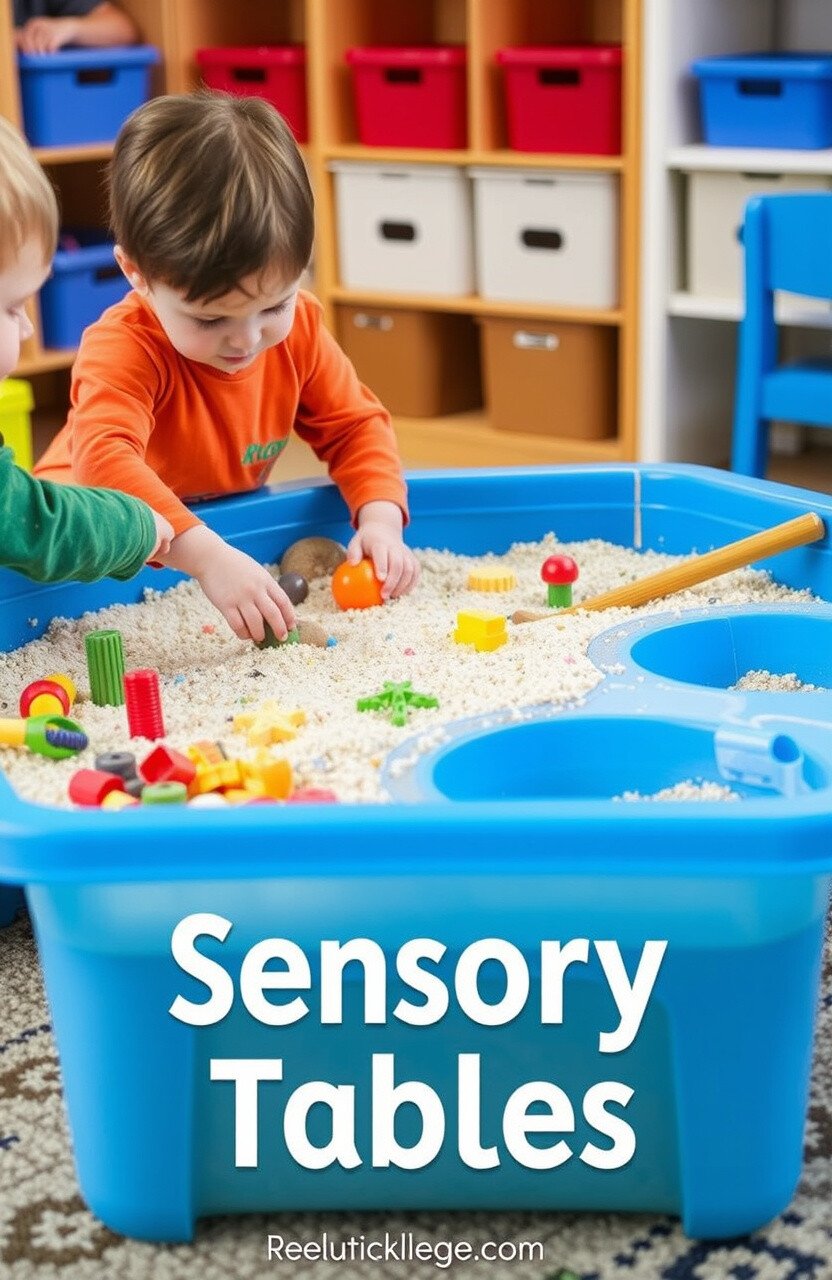
Sensory tables are a must-have for preschool classrooms. They provide hands-on learning experiences that engage all the senses.
Fill them with sand, water, or even rice for texture exploration. Add toys or tools to encourage imaginative play.
Change the materials regularly to keep curiosity alive. Seasonal themes can add an extra layer of interest.
DIY sensory tables can be made from plastic bins and household items, making them budget-friendly.
5. Wall Art Galleries
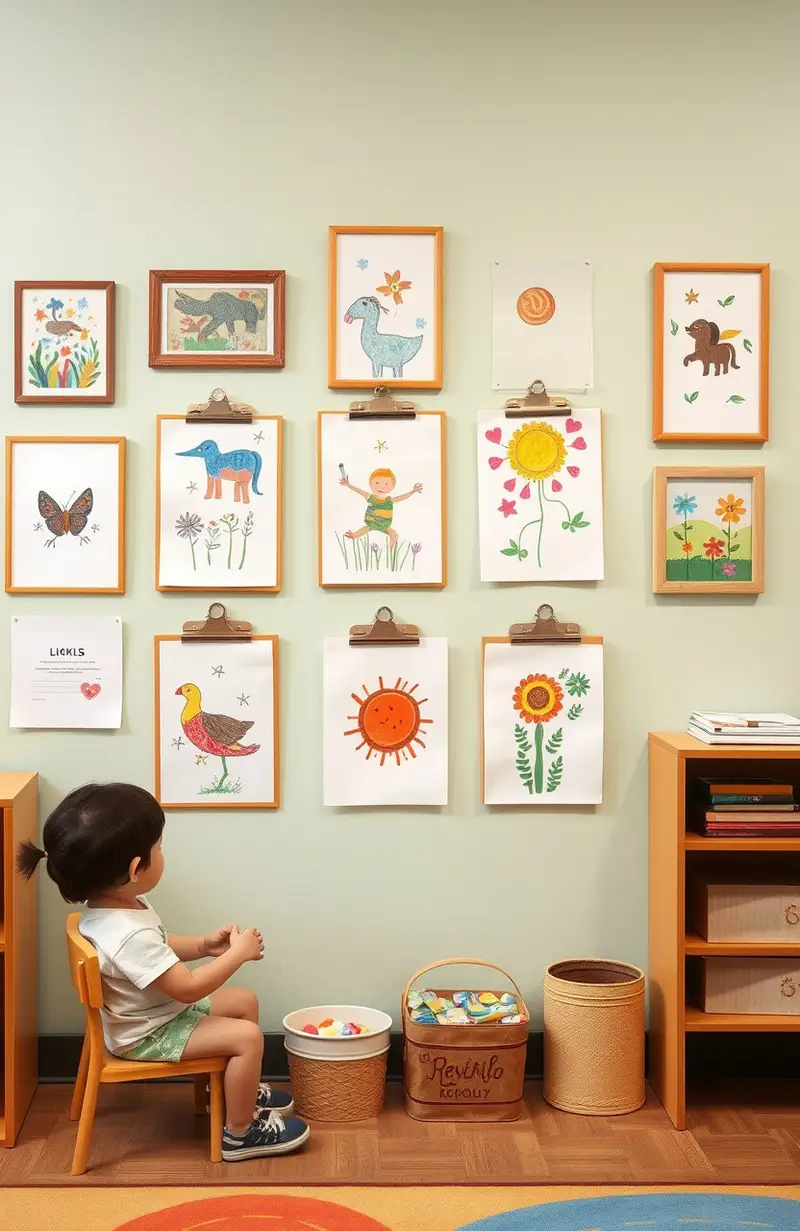
Displaying children’s artwork on the walls gives them a sense of pride and ownership. It also adds personal charm to the classroom.
Use frames, clipboards, or wire with clips to create dynamic displays that can be easily updated. This makes it simple to showcase new masterpieces.
Include a mix of individual and collaborative projects. This encourages teamwork and individual expression.
Thrift stores are great places to find inexpensive frames or materials for display. It’s a creative way to fill empty walls.
6. Cozy Reading Corners
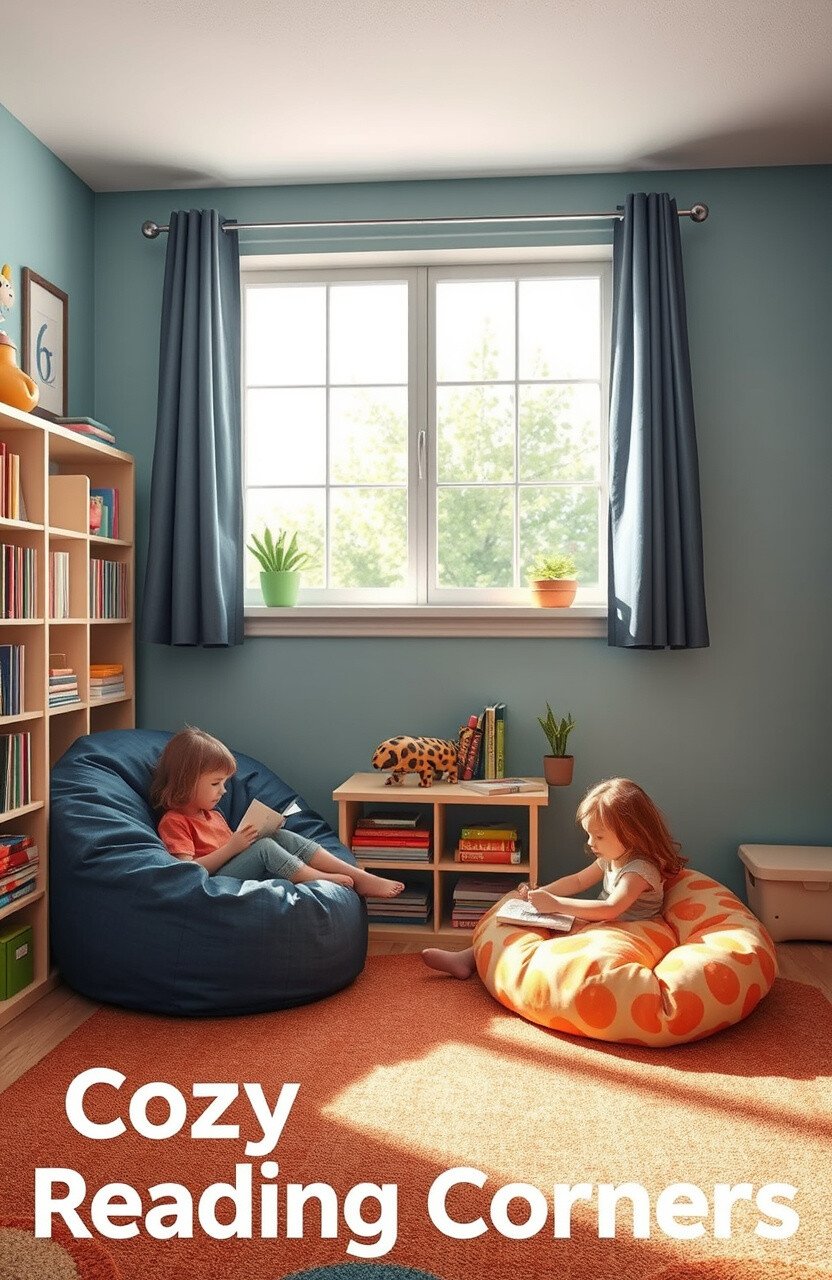
Reading corners provide a quiet space for children to escape into the world of books. They can be as simple or elaborate as desired.
Soft seating like bean bags or cushions invites children to relax and enjoy their stories. This makes reading a pleasurable activity.
Personalize the space with themes, such as a jungle or under the sea, to spark imagination. Rotate books to keep the selection fresh.
Budget-friendly options include using old pillows and fabric to create a cozy nook. It’s about comfort, not cost.
7. Interactive Bulletin Boards
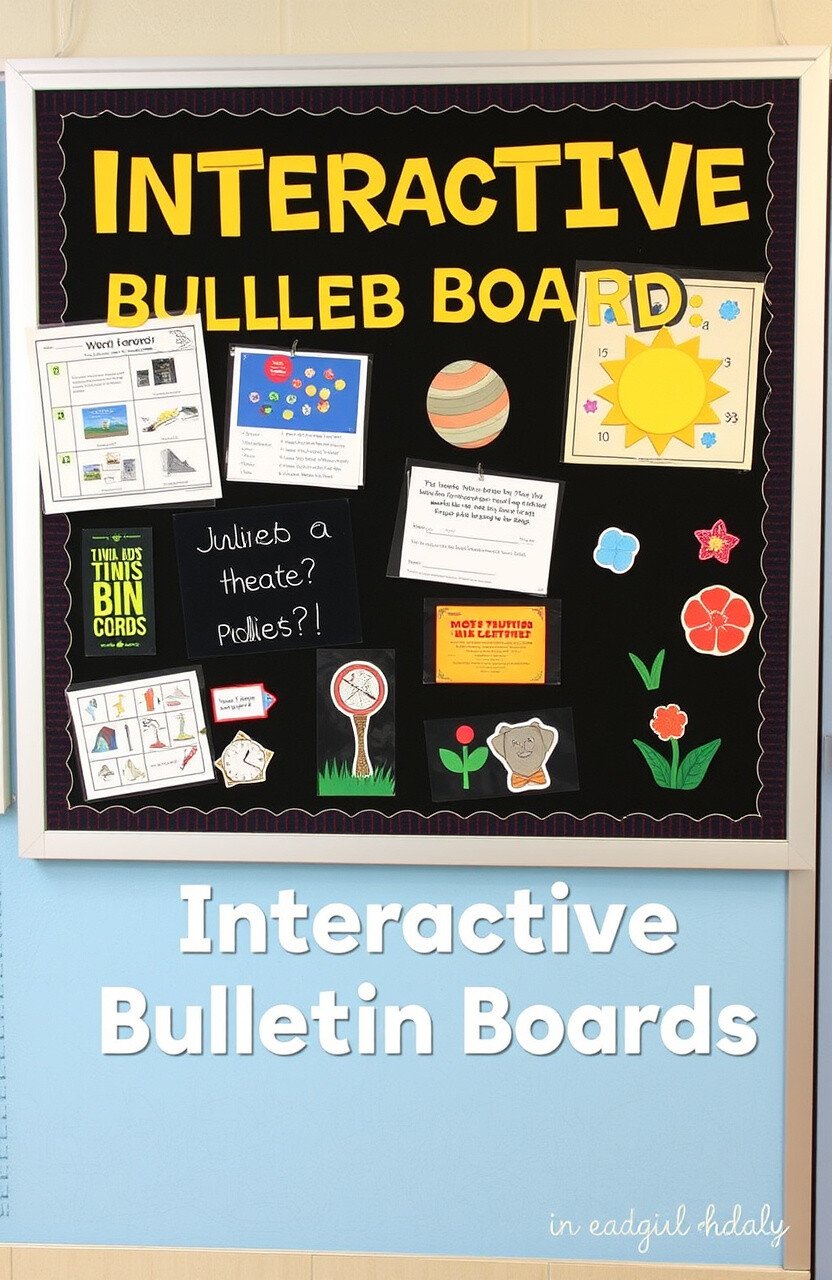
Bulletin boards are more than just a place for announcements. They can be interactive and educational.
Incorporate games, puzzles, and challenges that students can engage with during free time. This promotes learning through play.
Change the themes monthly to align with classroom lessons or seasons. This keeps the board interesting and relevant.
Materials for interactive boards can often be found cheaply at dollar stores or made from recycled items.
8. DIY Storage Bins
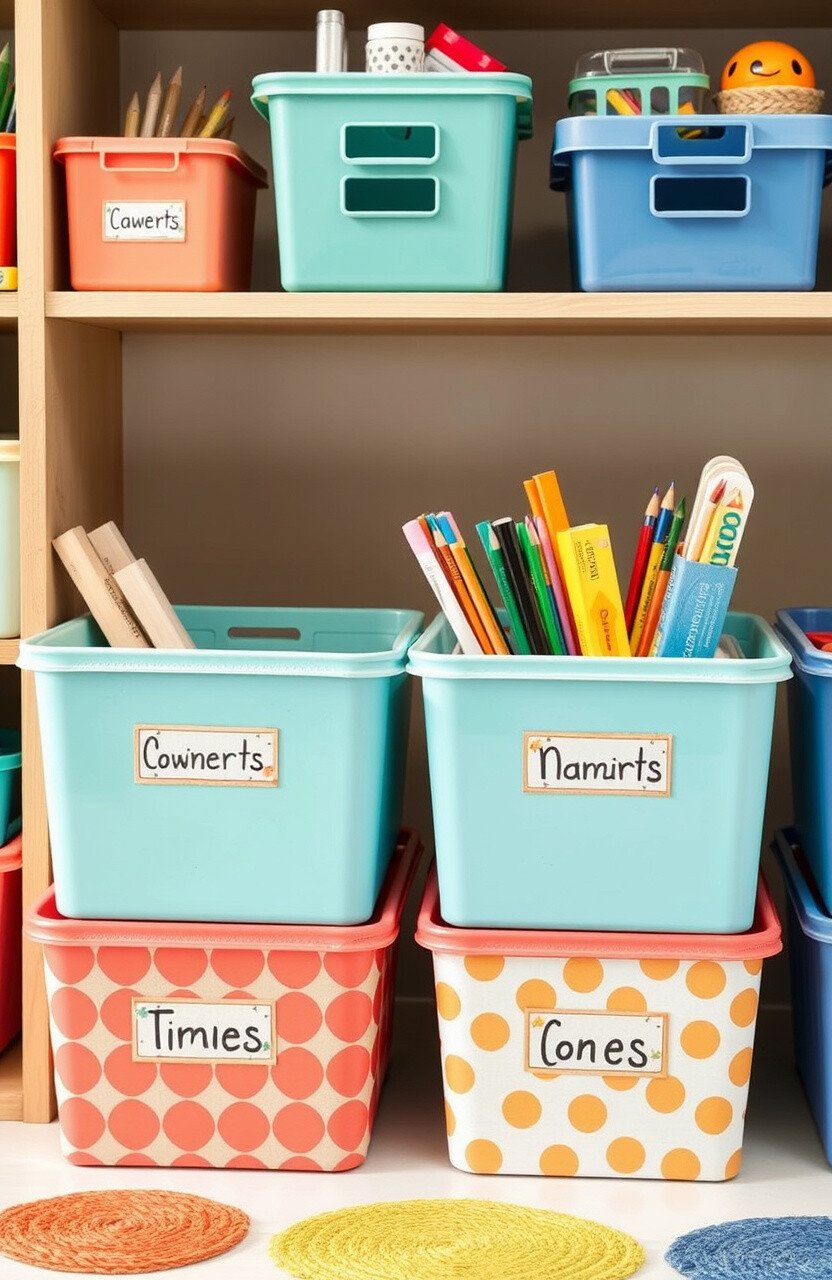
Storage bins don’t have to be boring. With a little creativity, they can be a stylish part of classroom decor.
Decorate bins with paint, fabric, or craft paper to match the classroom theme. This adds a personal touch and makes organization fun.
Label each bin clearly to help children learn responsibility and self-organization. This also makes cleanup easier.
Repurpose old boxes or containers to save money. It’s an eco-friendly approach to organization.
9. Calendar and Weather Stations
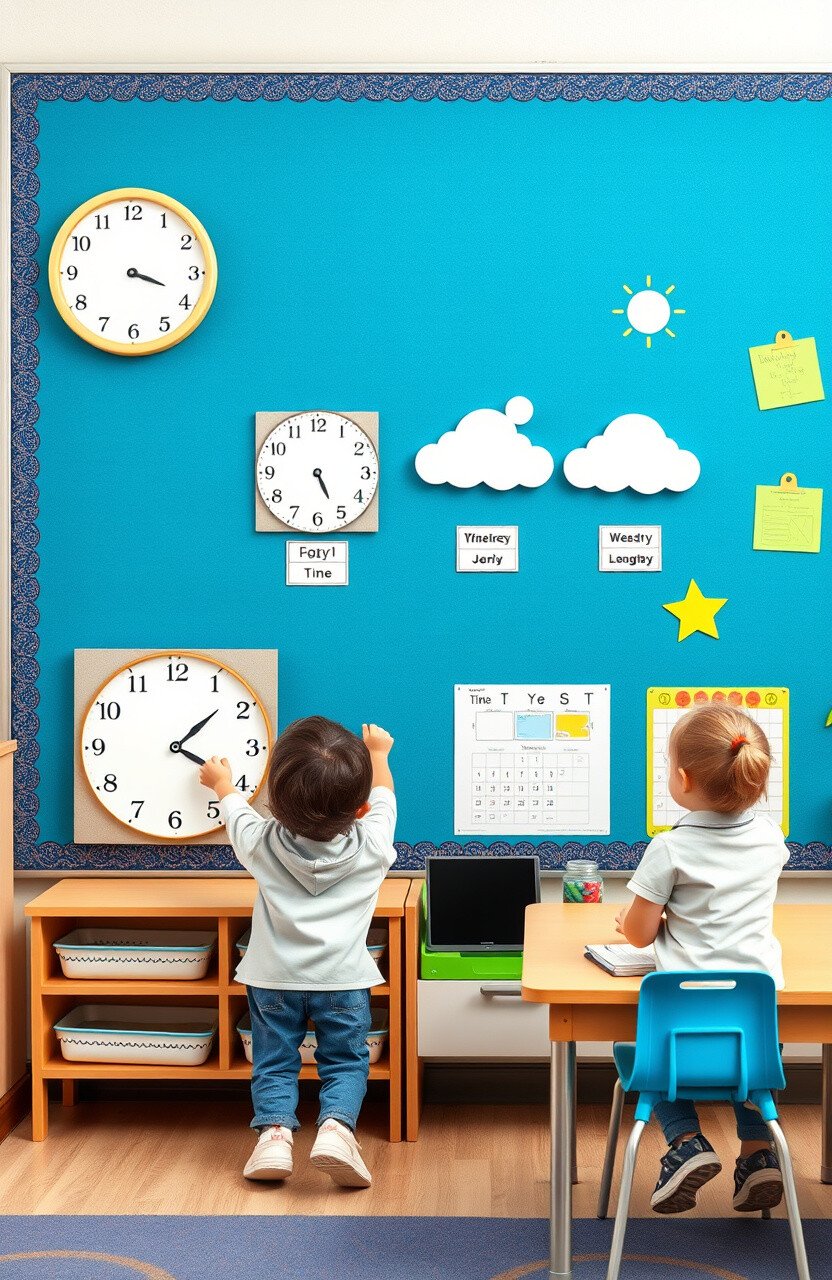
Calendar and weather stations help children learn about time and weather in an engaging way. They become part of the daily routine.
Use colorful charts and interactive elements like Velcro or magnets. This makes the learning process hands-on and fun.
Update the station daily with student participation. This fosters a sense of community and responsibility.
These stations can be created with simple materials like cardboard and markers, keeping costs low.
10. Creative Seating Arrangements
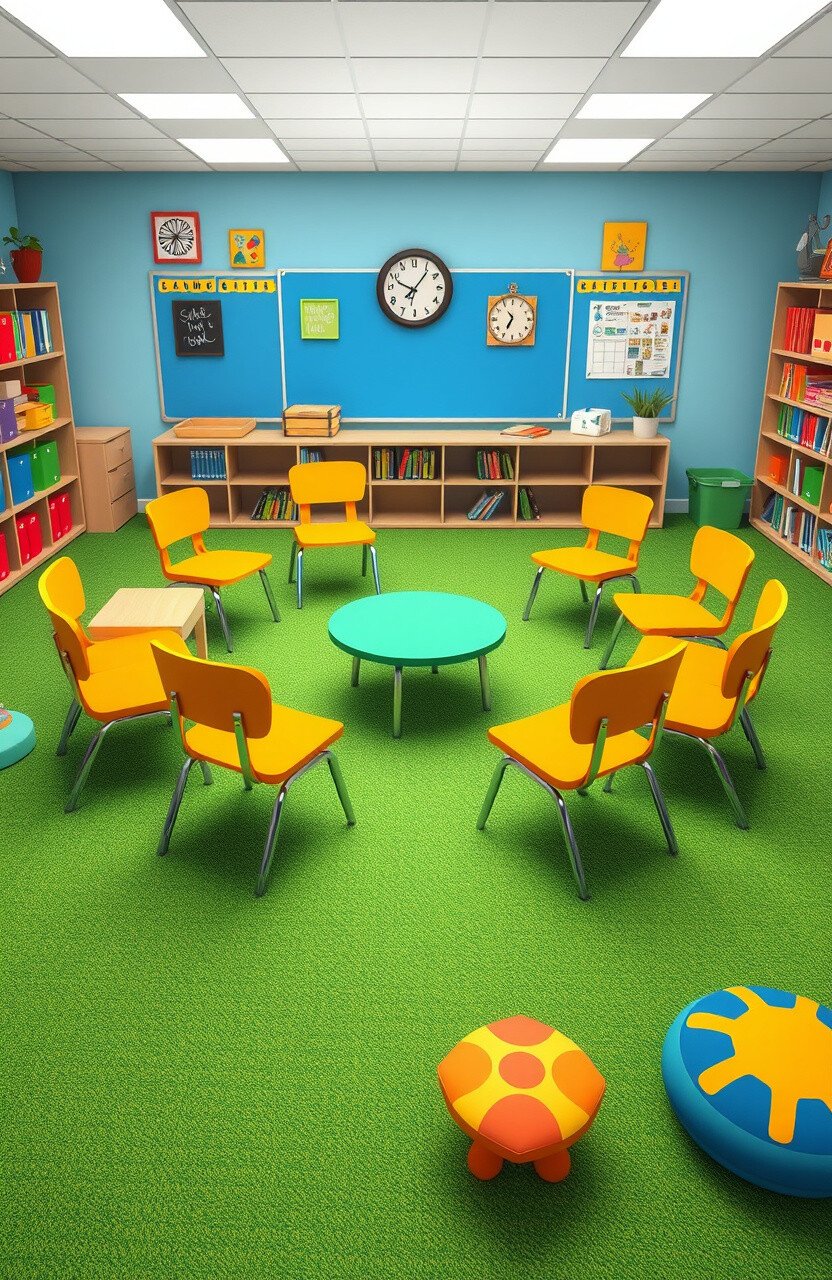
Seating arrangements can greatly influence the classroom environment. Creative setups can encourage collaboration and comfort.
Try circular seating for discussions or small group pods for teamwork. This fosters a sense of unity and cooperation.
Mix traditional chairs with alternative seating like floor cushions or stools. This adds variety and keeps things interesting.
Look for second-hand seating options to save on costs. It’s all about creating a flexible learning space.
11. Story Time Rugs
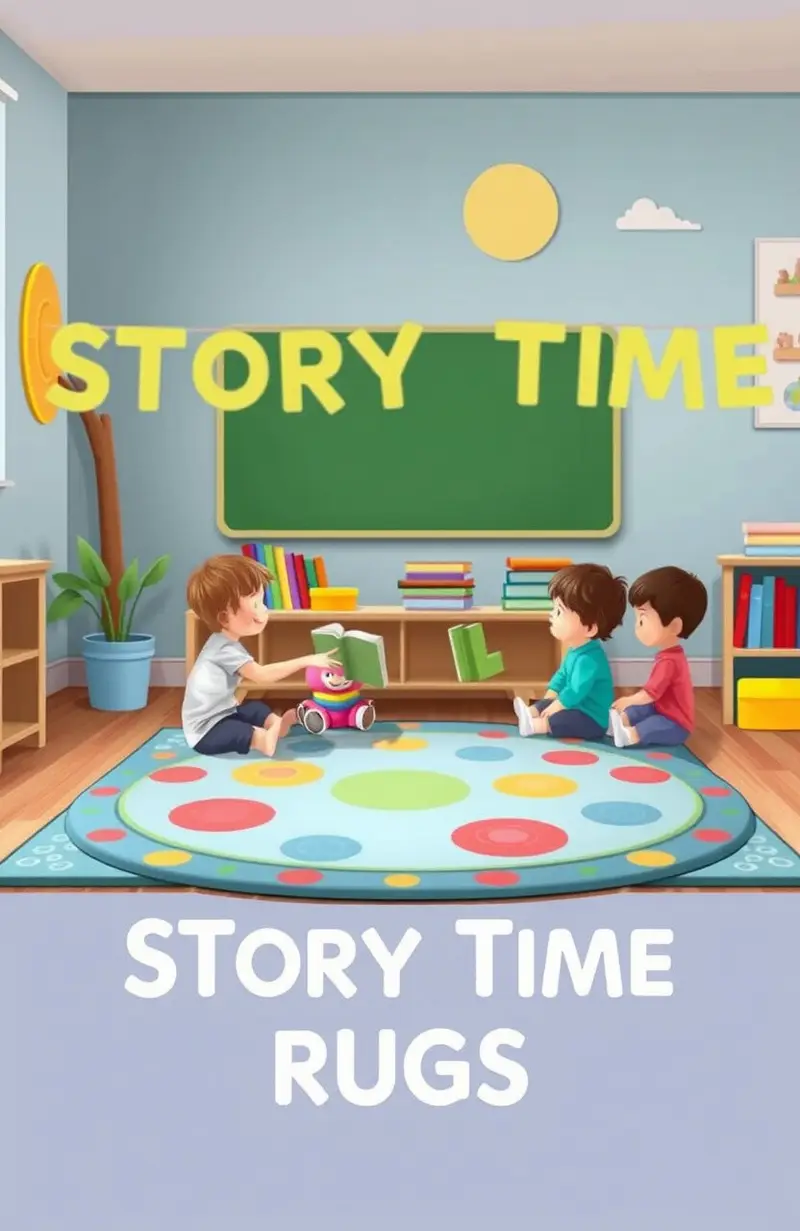
A special rug for story time makes the experience magical. A dedicated space invites children to gather and listen.
Choose rugs with bright colors or patterns that match the classroom theme. This makes the area cozy and inviting.
Use the rug as a boundary for story time, helping children understand spatial awareness. It also creates a routine.
Rugs can be found at discount stores or during sales, making them an affordable addition.
12. Art Supply Stations
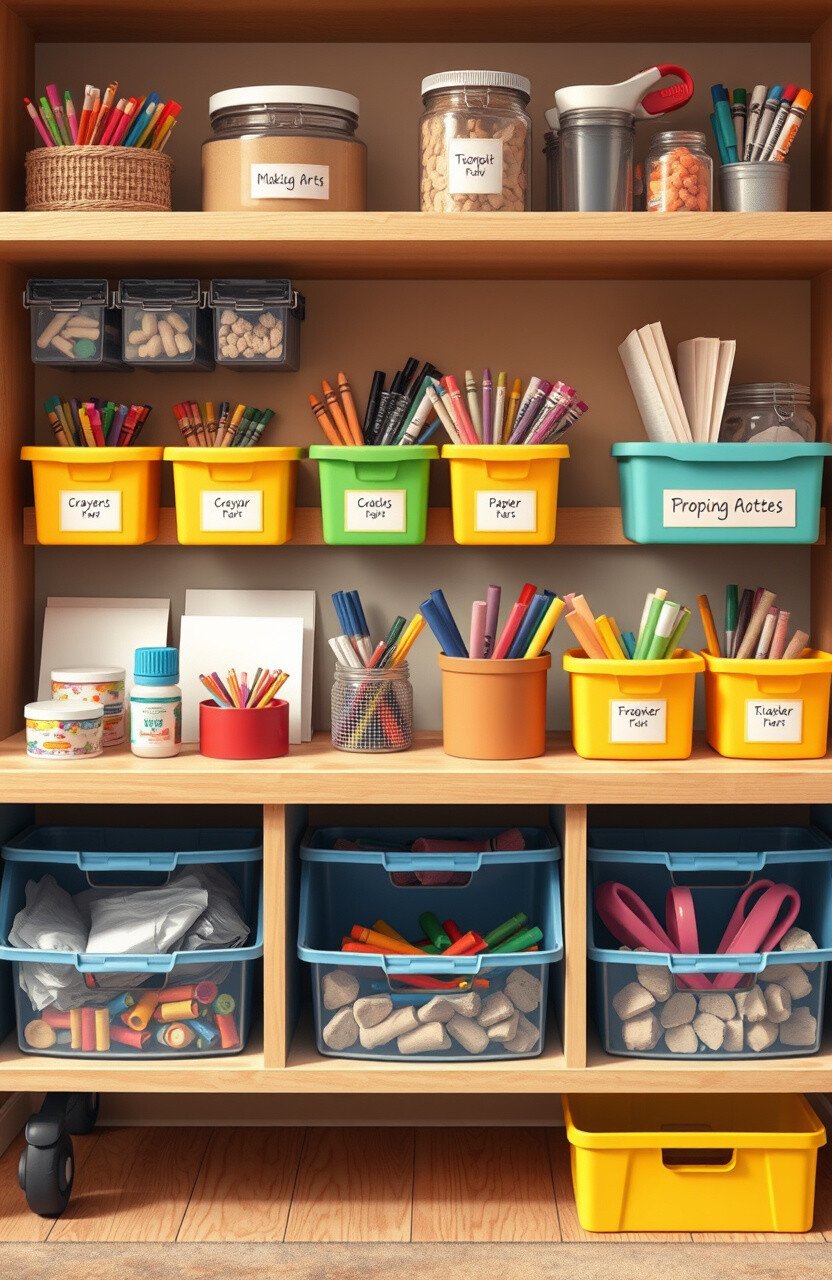
An organized art station can unleash creativity in young artists. It keeps supplies accessible and tidy.
Use containers, trays, or carts to sort materials like crayons, markers, and paper. This encourages independence and choice.
Clearly label each section to help children find and return items. This teaches responsibility and care for materials.
Repurpose jars and boxes for storage to save money. It’s about creativity, not expense.
13. Puppet Theaters
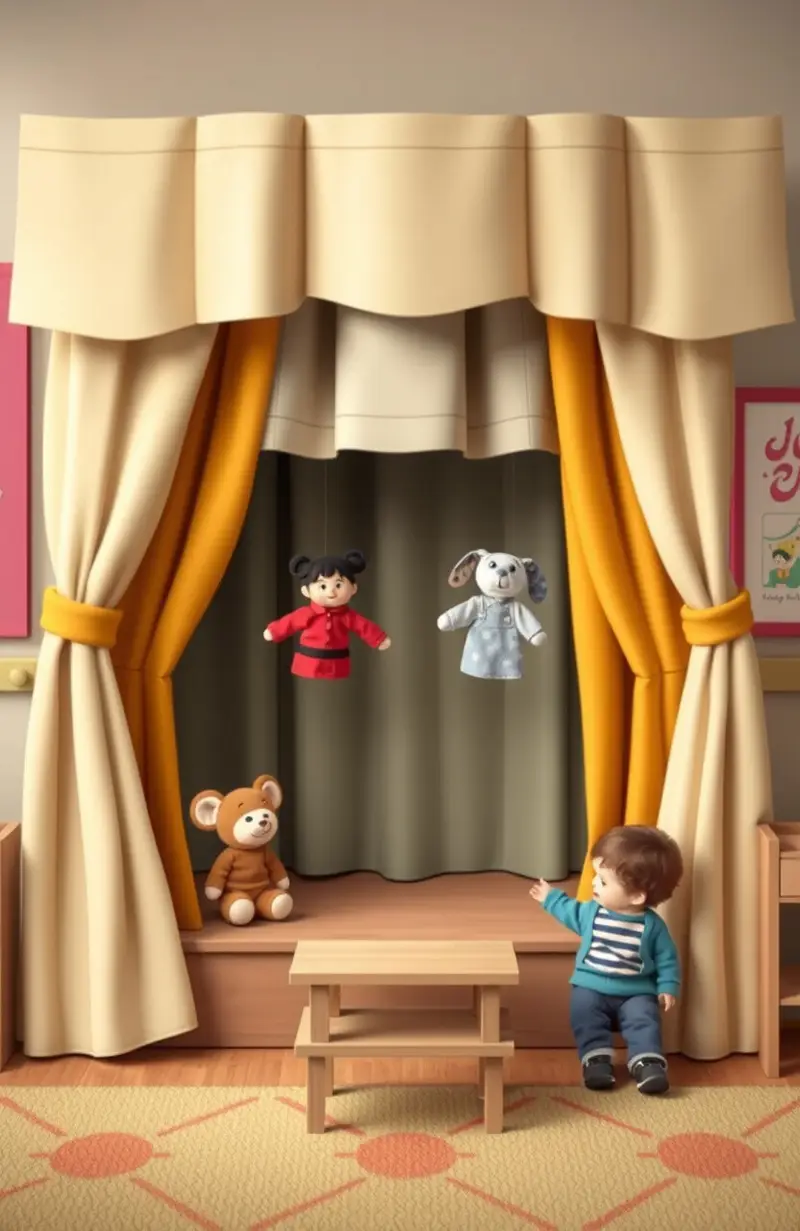
Puppet theaters add a touch of drama and storytelling to the classroom. They are a great tool for imaginative play.
Create a small theater space with curtains and a stage. This encourages children to express themselves through performance.
Include puppets of different characters and animals. Rotate them to align with lesson themes or stories.
DIY theaters can be made from cardboard boxes and fabric scraps, keeping costs low while maximizing fun.
14. Music and Movement Areas
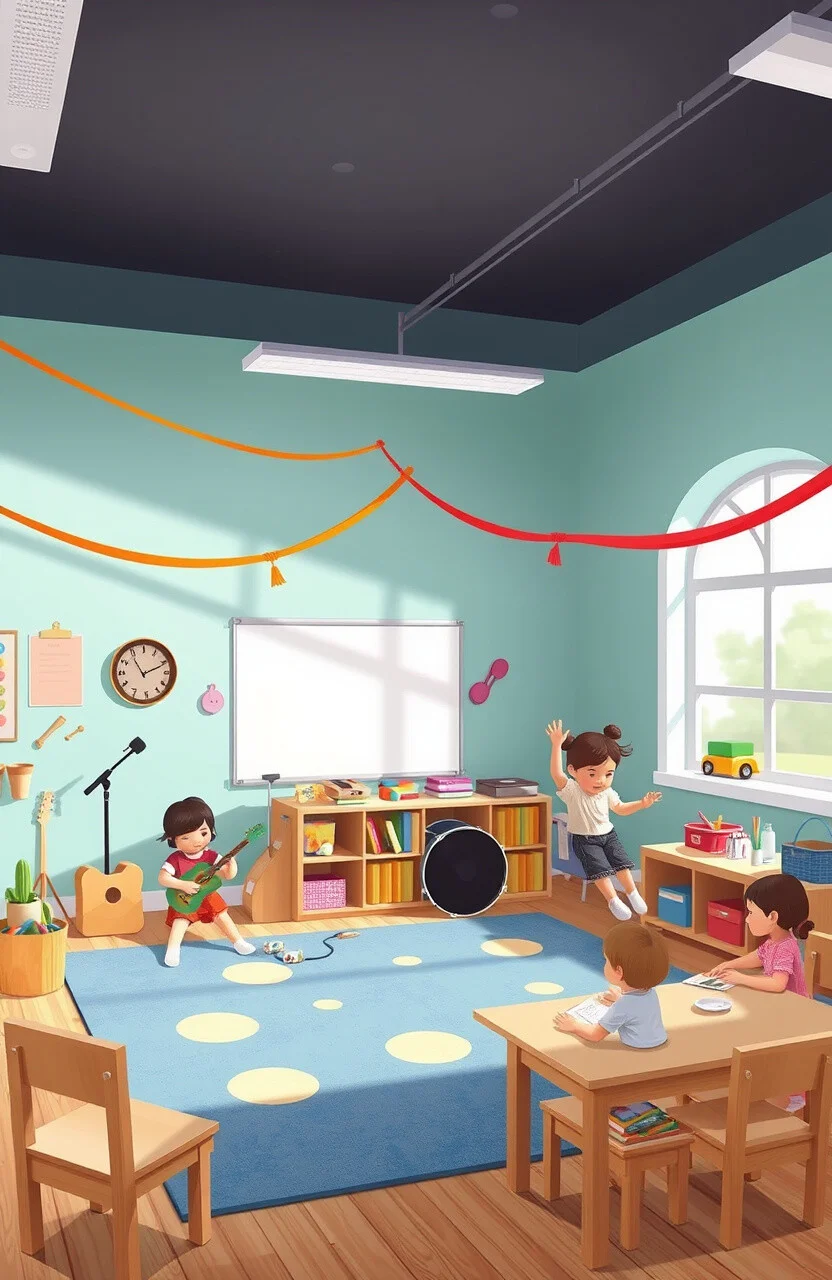
A dedicated space for music and movement can energize young learners. It provides an outlet for physical activity and creativity.
Include instruments, scarves, and open space for dancing. This encourages expression and coordination.
Use this area for structured activities or free play. It can be a place for relaxation or excitement.
Instruments can be homemade from household items, making it budget-friendly and innovative.
15. Word Walls
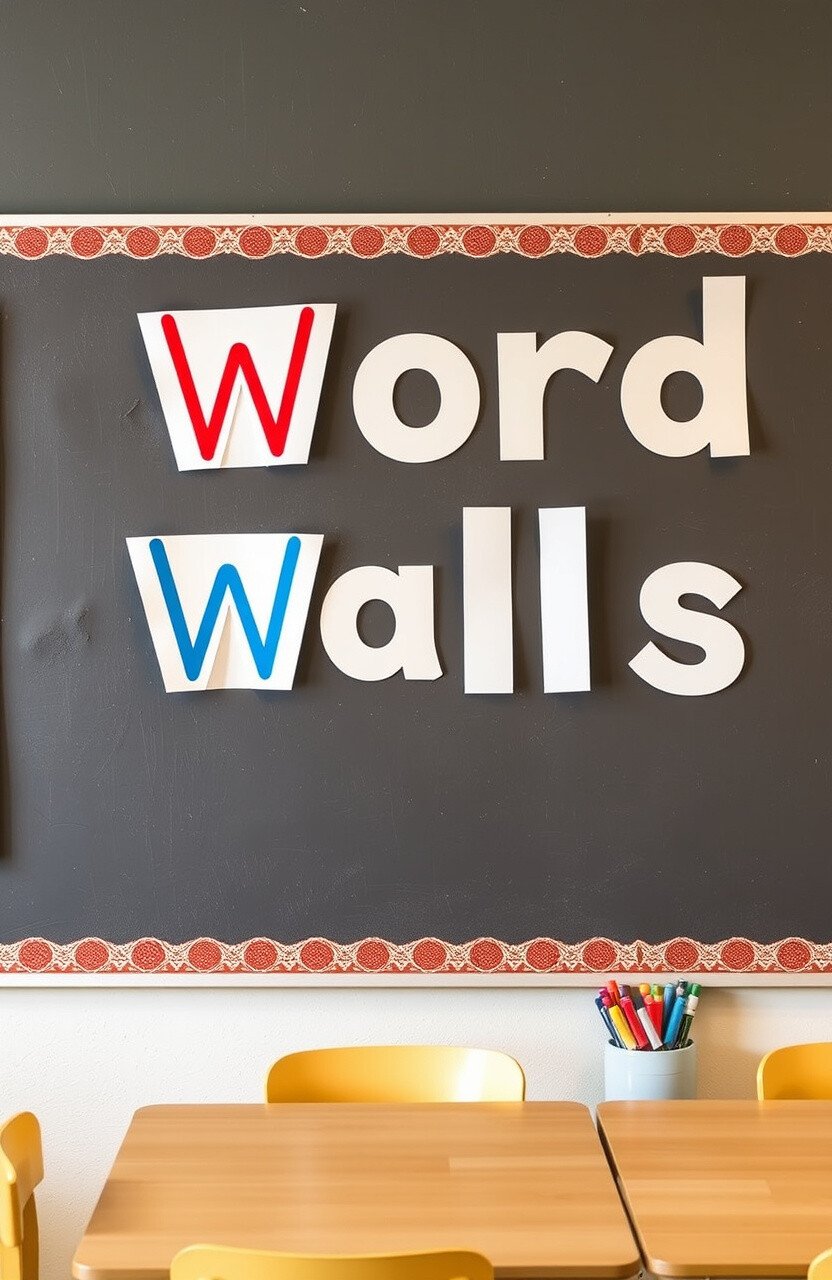
Word walls are a fantastic tool for language development. They help children recognize and learn new words.
Create a colorful display of words related to current lessons or themes. This makes learning visual and engaging.
Update the wall regularly to reflect new vocabulary. Involve students in adding words to promote ownership.
Materials for a word wall can be as simple as paper and markers, keeping it inexpensive.
16. Snack and Meal Stations
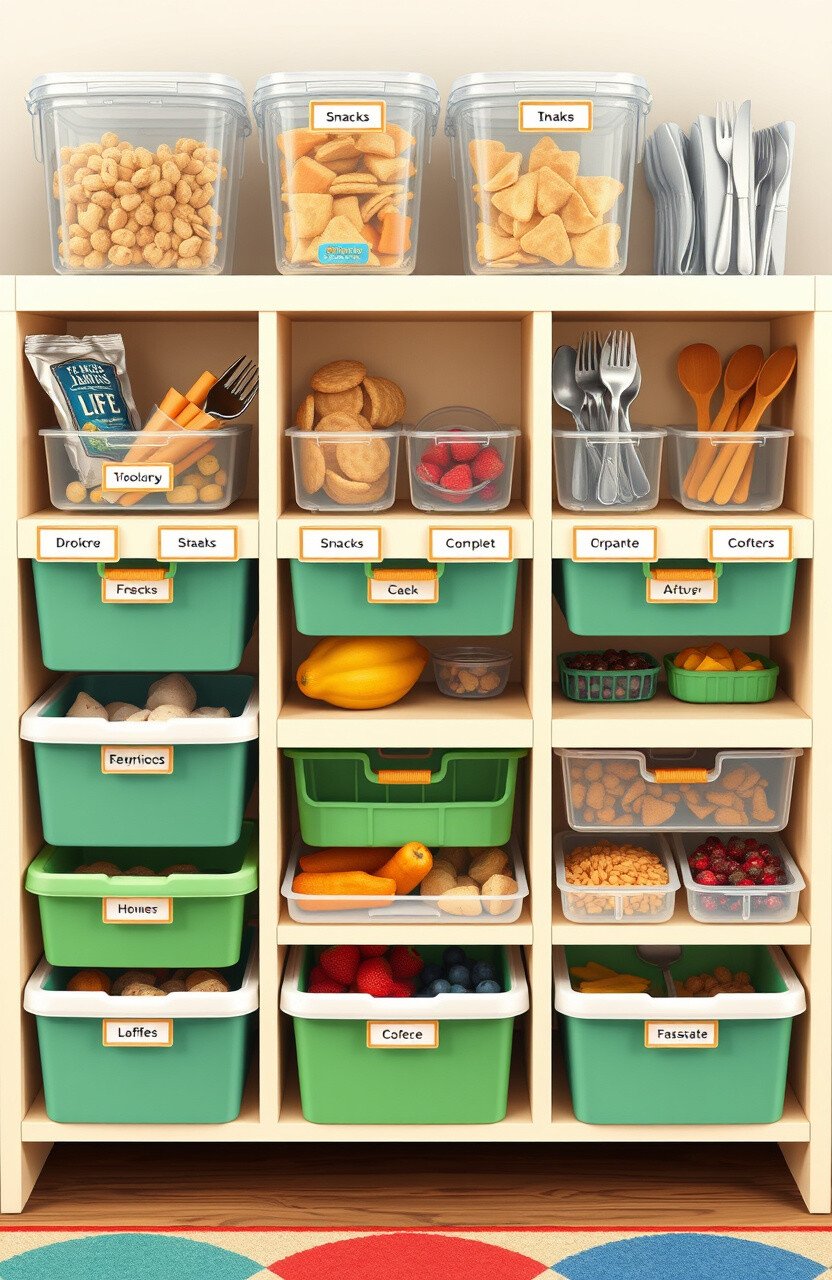
Organized snack and meal stations can make eating time efficient and enjoyable. They also teach independence.
Use bins and trays to sort snacks and utensils. This helps children serve themselves and clean up afterward.
Label each section clearly, so children know where everything belongs. This promotes responsibility and order.
Reusable containers and thrifted trays keep costs down and encourage eco-friendly habits.
17. Technology Corners
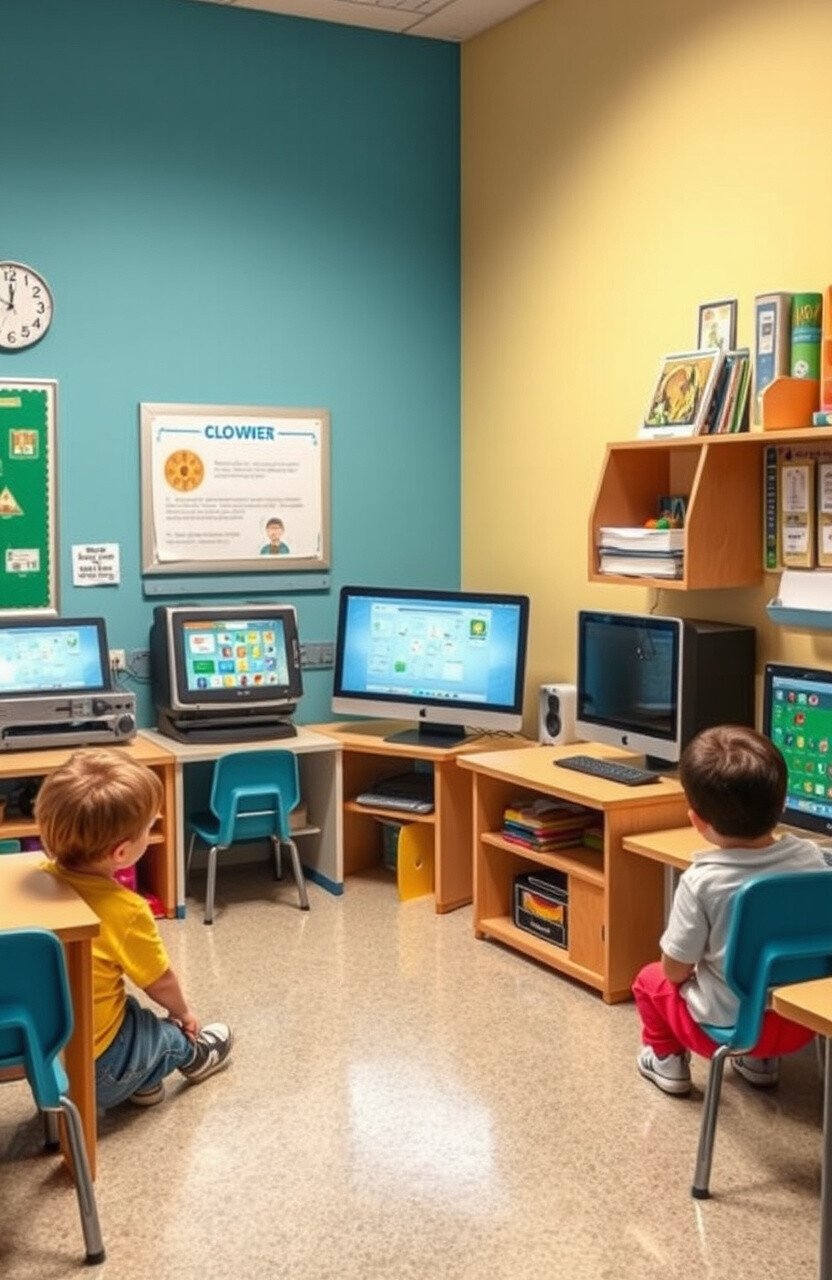
Introducing technology in the classroom can enhance learning. A dedicated tech corner keeps devices organized and accessible.
Include tablets or computers with educational apps. This offers a modern twist to traditional learning methods.
Ensure a balance between screen time and other activities. This prevents over-reliance on technology.
Second-hand devices or donations can make this idea cost-effective. It’s about enhancing, not replacing, learning.
18. Lego and Building Blocks Areas
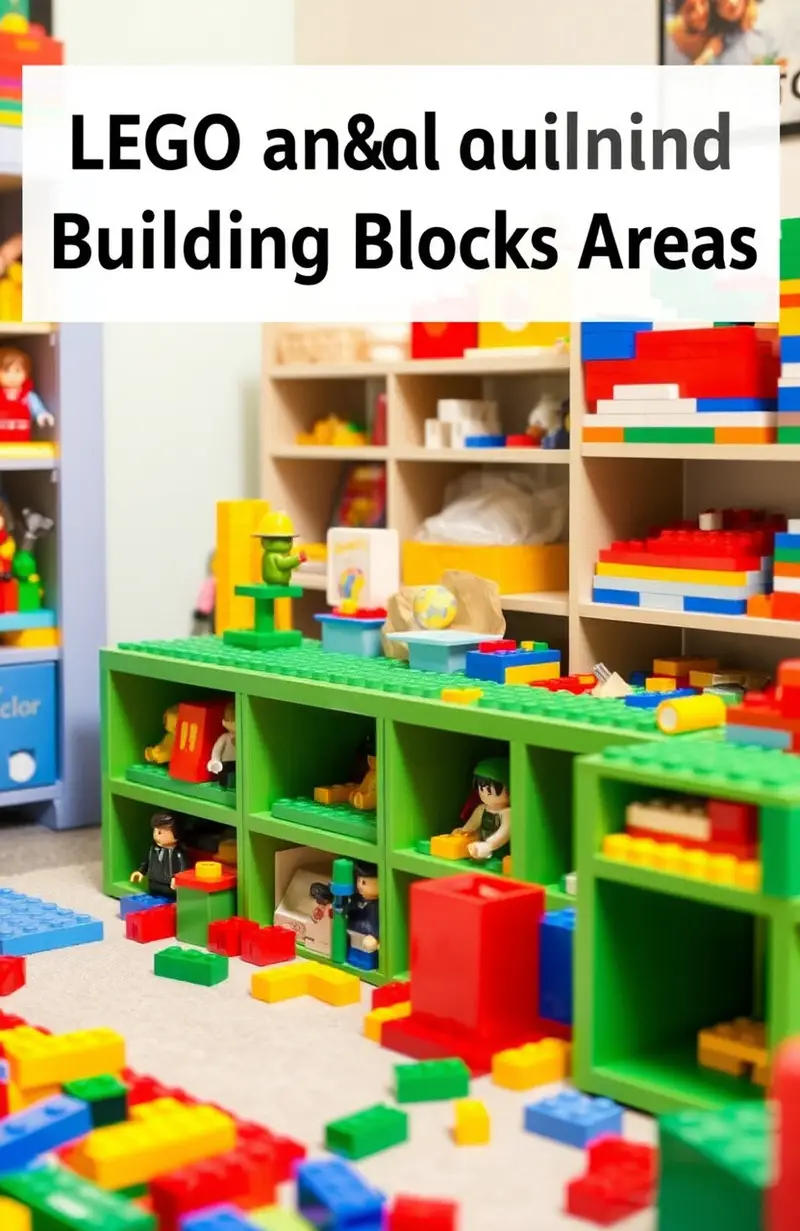
Lego and building block areas inspire creativity and problem-solving. They are a favorite among young builders.
Provide a variety of blocks and a clear space for building. This encourages imaginative play and cooperation.
Display completed projects to celebrate achievements. Rotate blocks to keep the area fresh and exciting.
Look for sales or second-hand blocks to save money. It’s about creativity, not cost.
19. Dress-Up Corners
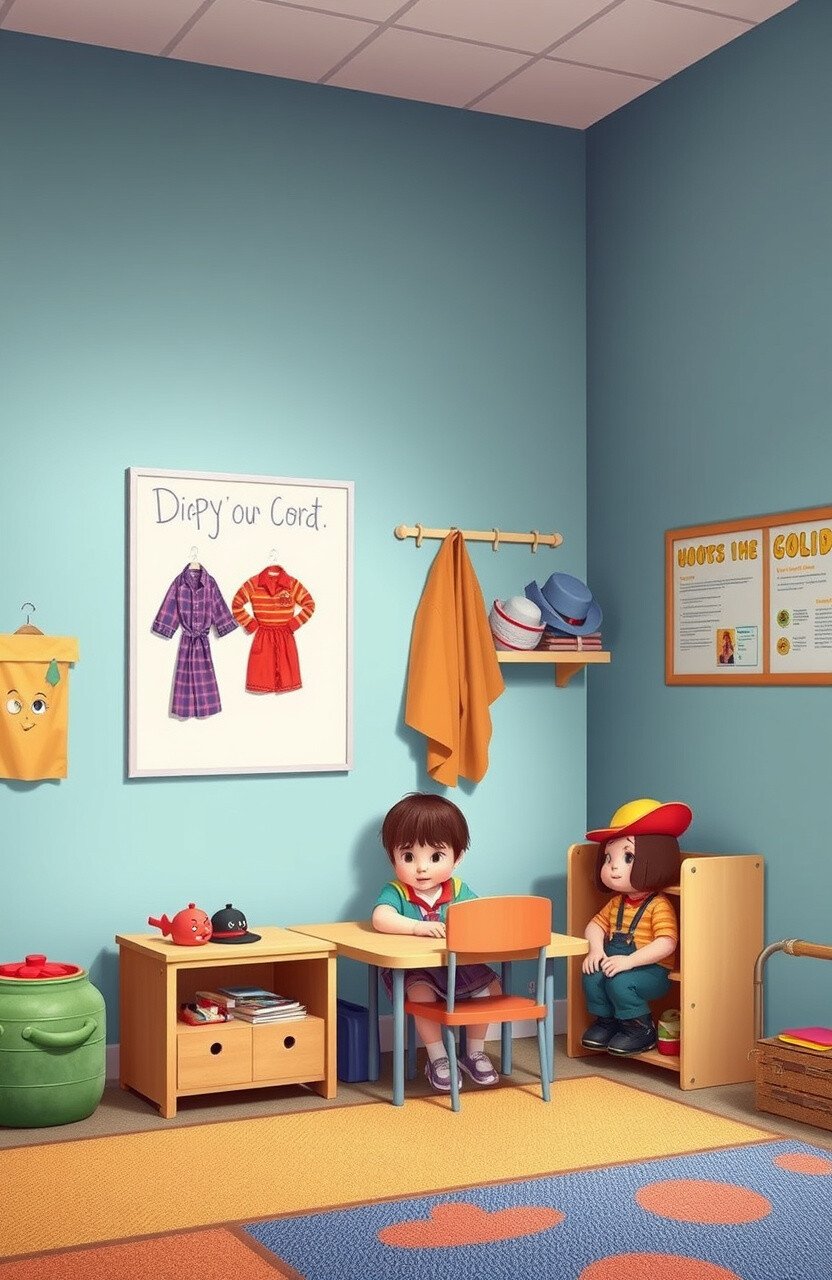
Dress-up corners are a gateway to imaginative play. They allow children to explore different roles and scenarios.
Include costumes, hats, and accessories from various professions and cultures. This encourages understanding and empathy.
Rotate costumes to align with lessons or seasons. This keeps the excitement alive and relevant.
Thrift stores are a treasure trove for affordable costumes and accessories. It’s about imagination, not expense.
20. Plant and Garden Stations
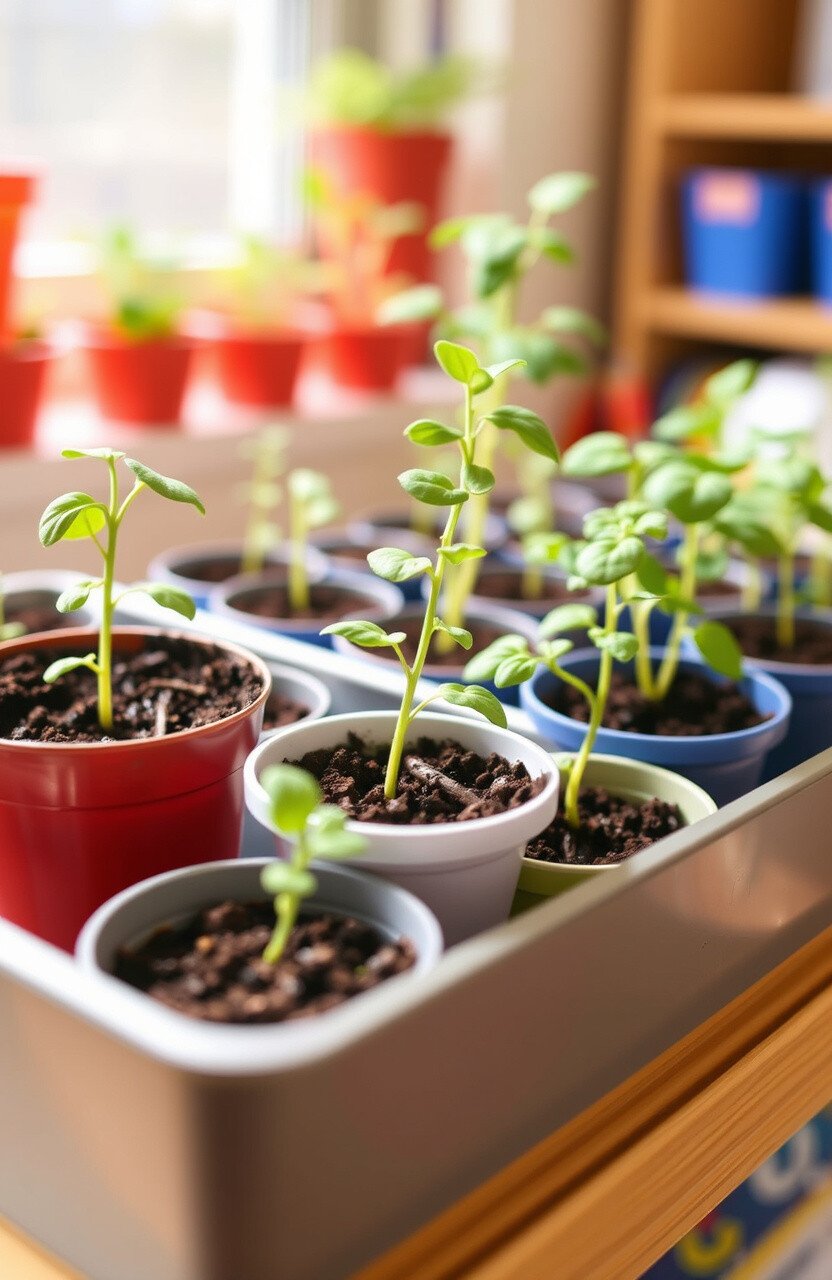
Plant and garden stations bring a touch of nature into the classroom. They teach children about growth and care.
Include small pots, soil, and seedlings for a hands-on experience. This fosters responsibility and patience.
Encourage students to water and tend to the plants regularly. This promotes a sense of ownership and pride.
Seeds and soil are inexpensive, and plants can be grown from kitchen scraps. It’s about learning, not cost.
21. Handy Helper Charts
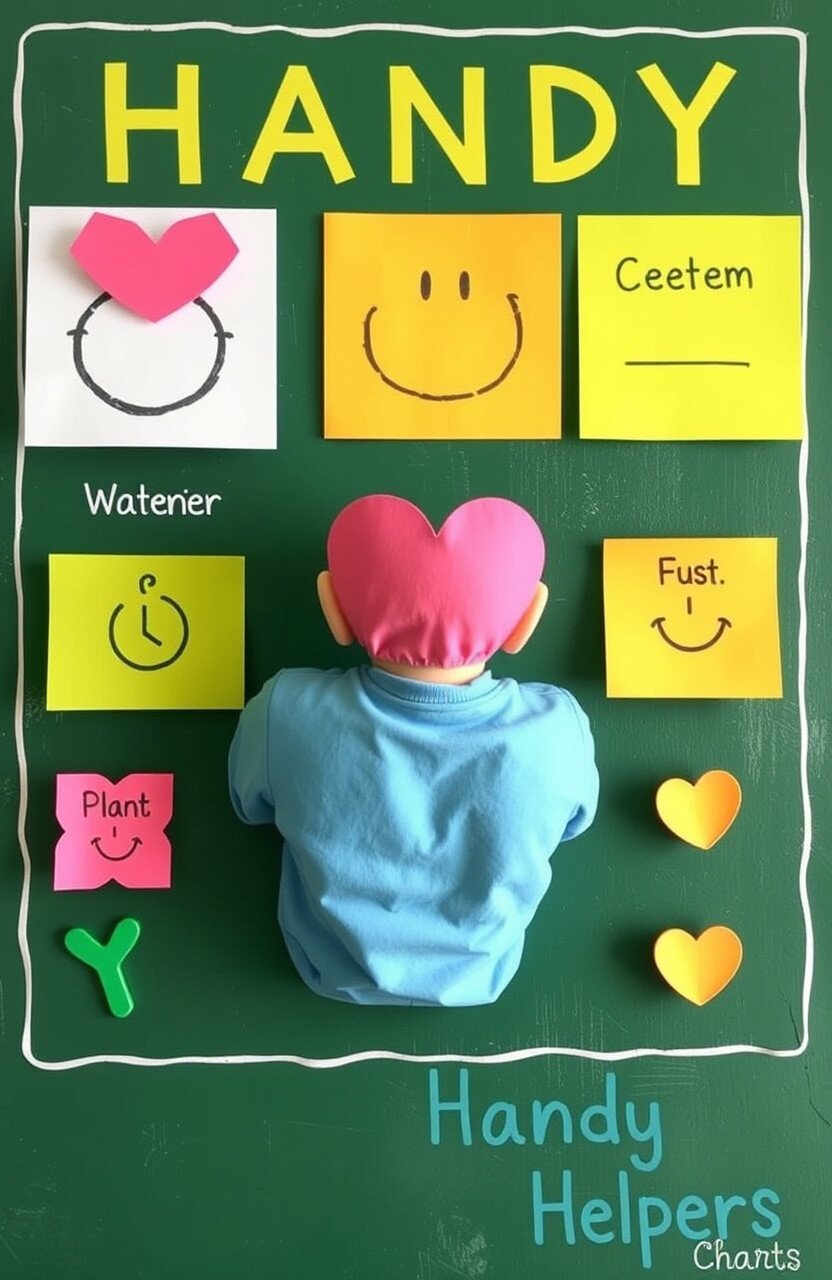
Handy helper charts are a great way to organize classroom responsibilities. They promote teamwork and accountability.
Assign daily or weekly tasks to students, such as line leader or plant waterer. This gives them a sense of purpose.
Rotate roles to ensure everyone has a chance to participate. This keeps the system fair and engaging.
Charts can be made from simple materials like paper and markers, making them affordable and customizable.
22. Quiet Time Tents
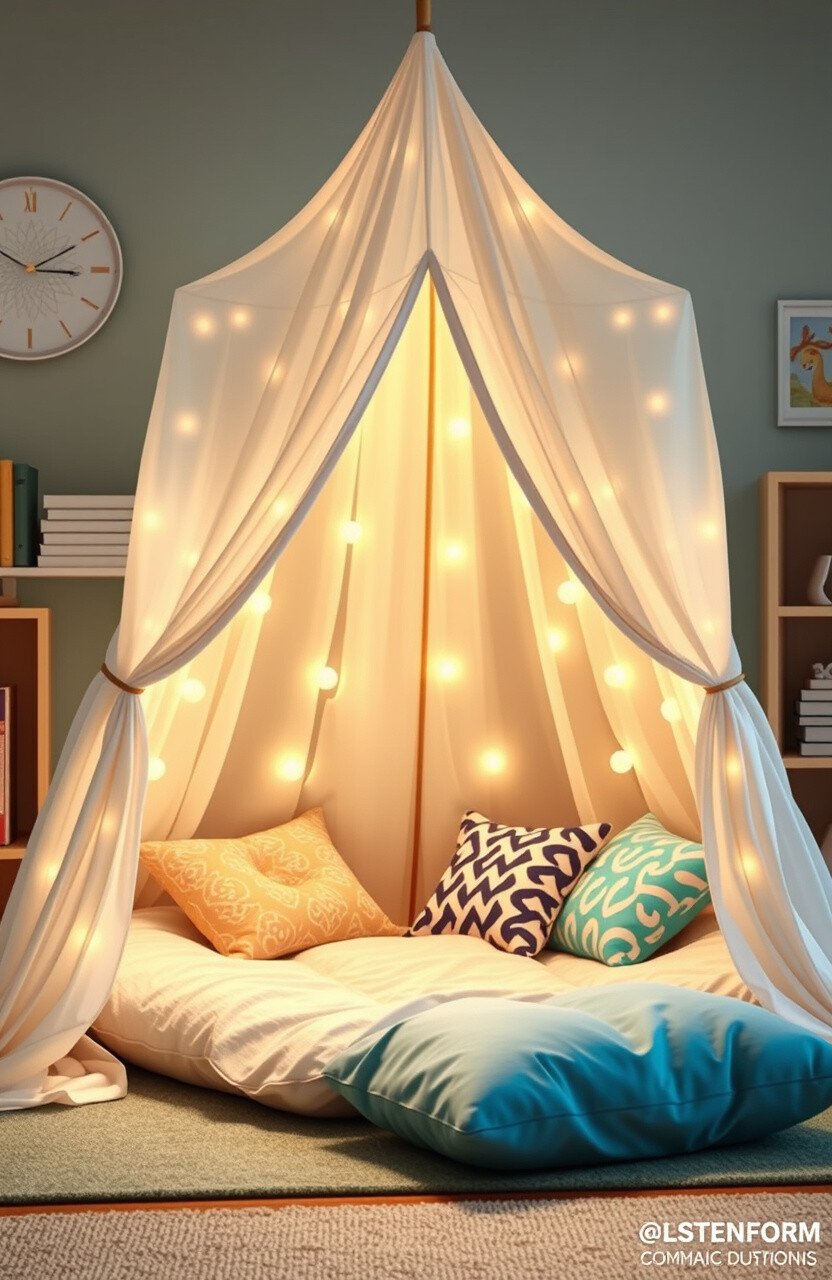
Quiet time tents offer a peaceful retreat in a busy classroom. They are perfect for rest or reflection.
Set up a small tent or canopy with soft lighting and comfy cushions. This creates a calming atmosphere.
Use the tent for solo reading or meditation. It’s a space for children to unwind and recharge.
DIY tents from sheets and poles can be cost-effective. It’s about relaxation, not expense.
23. Interactive Maps
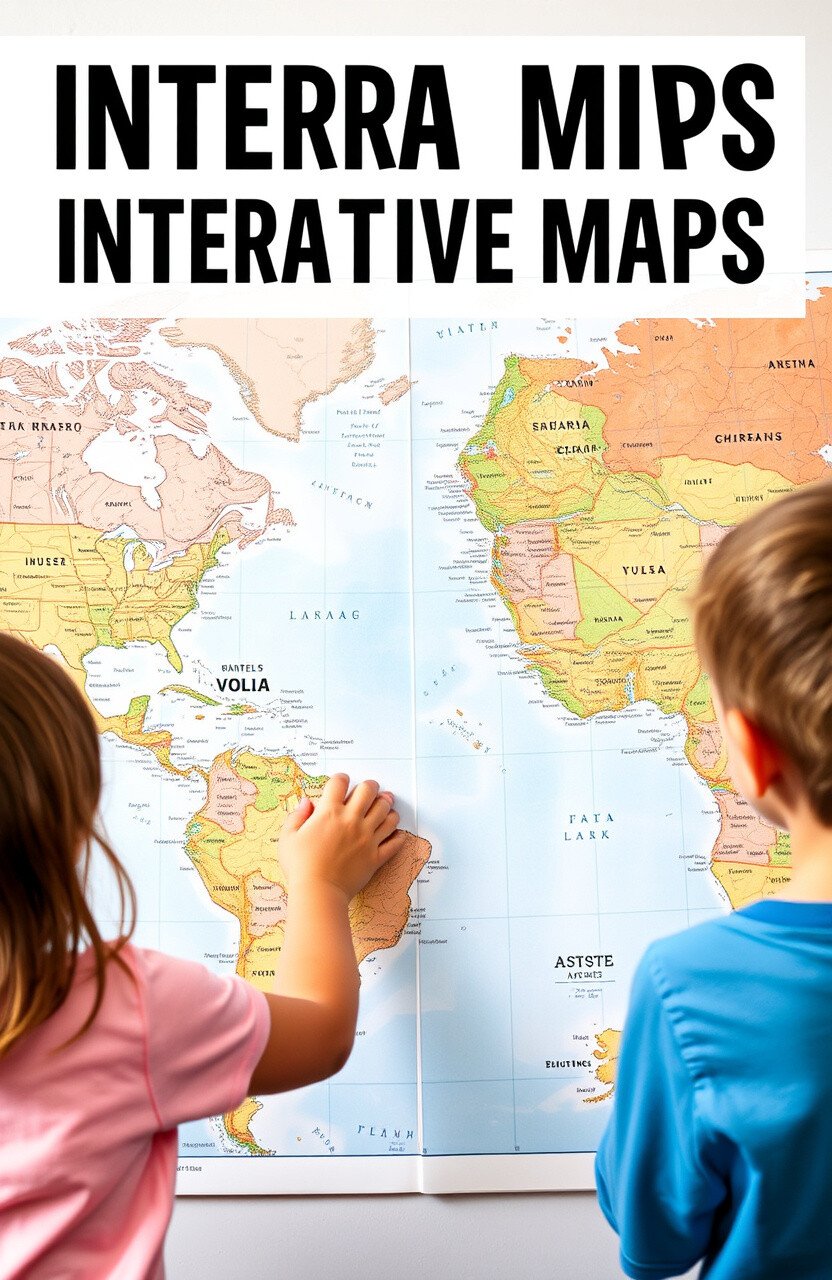
Interactive maps are a fun way to learn about geography and cultures. They make the world feel accessible.
Include elements like Velcro or magnets to add and remove features. This makes learning dynamic and hands-on.
Use maps to explore different countries or historical events. This broadens horizons and sparks curiosity.
Maps can be printed from online resources, keeping costs low while providing endless learning opportunities.
24. DIY Art Displays
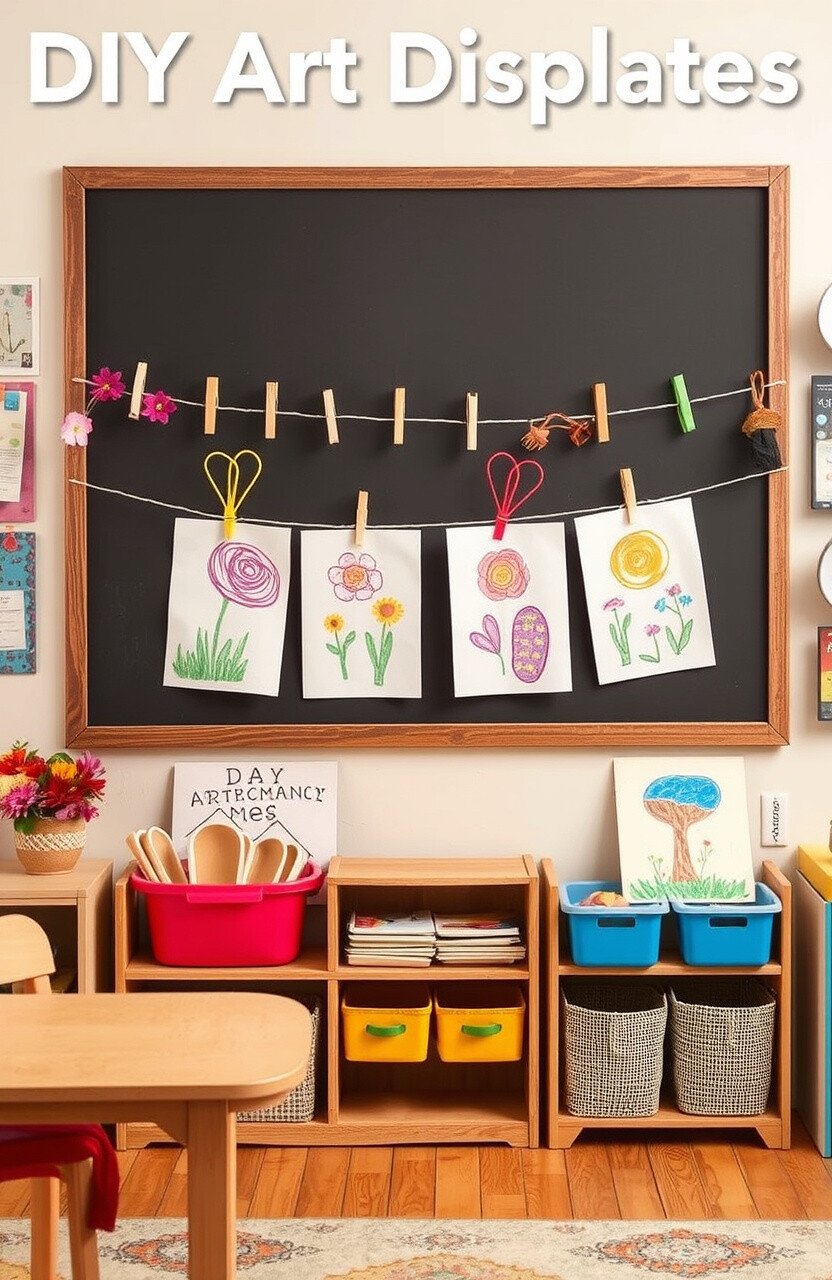
Art displays don’t have to be store-bought. DIY options can be just as effective and more personal.
Use string and clothespins to hang artwork across the room. This creates an ever-changing gallery.
Encourage children to contribute their work regularly. This fosters pride and artistic expression.
Repurposing materials for displays is budget-friendly and eco-conscious. It’s about creativity, not cost.
25. Science Experiment Stations

Science experiment stations can ignite curiosity and exploration. They make learning interactive and exciting.
Include simple experiments with household items. This encourages children to ask questions and think critically.
Rotate experiments to align with classroom topics. This keeps the station fresh and relevant.
Many experiments can be done with inexpensive materials, making this an affordable way to engage young scientists.
26. Puzzle and Game Centers
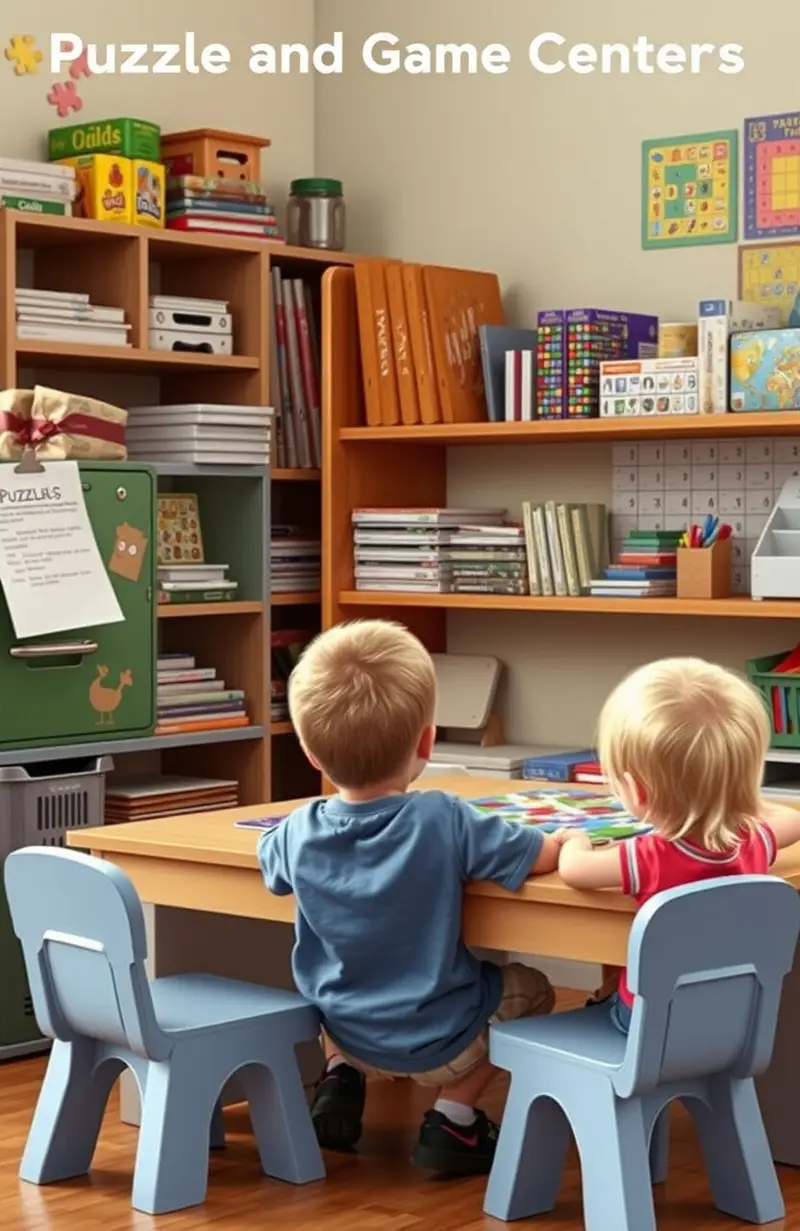
Puzzle and game centers offer a fun break from traditional learning. They also build problem-solving skills.
Provide a variety of games and puzzles for different skill levels. This keeps children engaged and challenged.
Encourage group play to develop social skills and cooperation. This turns playtime into a learning opportunity.
Thrift stores often have games and puzzles at low prices, making it easy to build a diverse collection.
27. Themed Decor Swaps
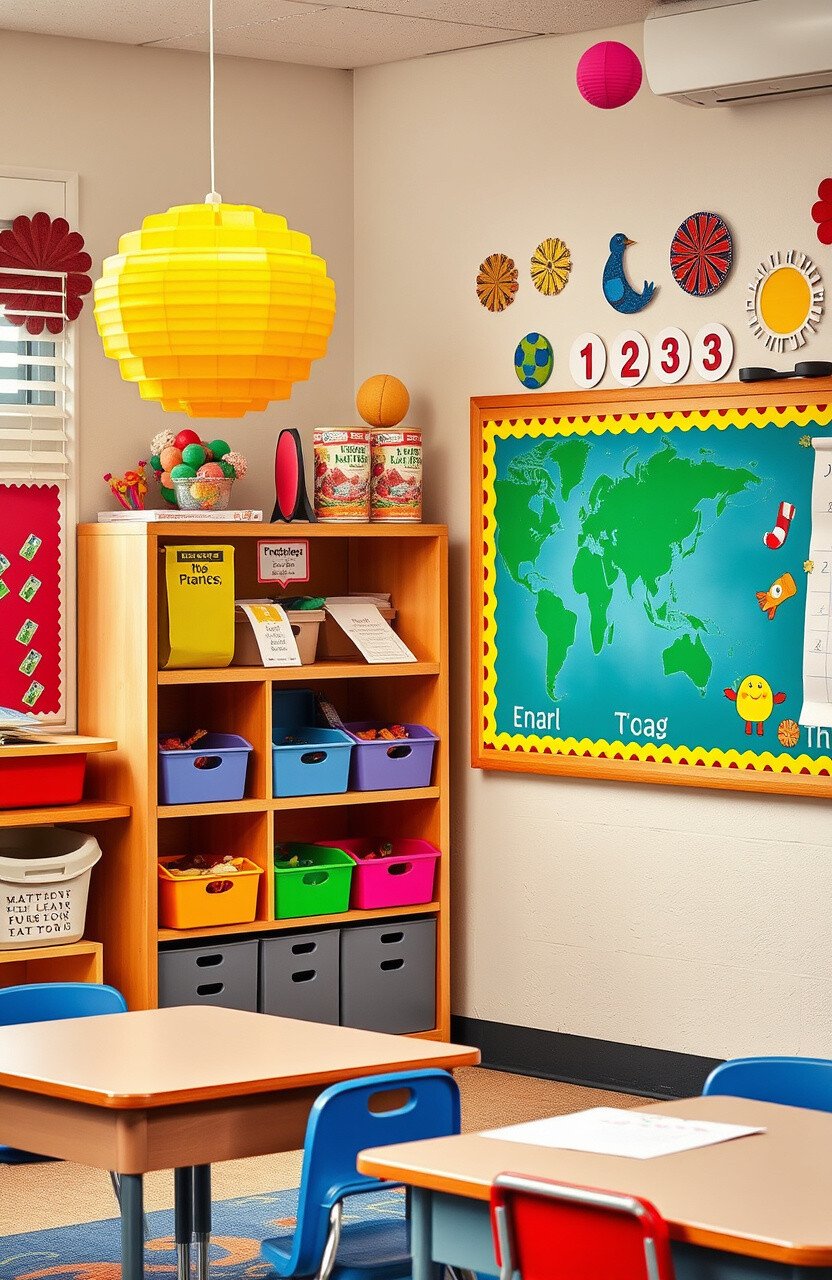
Themed decor swaps keep the classroom environment fresh and exciting. They can be aligned with seasons or lessons.
Change decorations like window clings or bulletin board borders regularly. This keeps the space dynamic and engaging.
Involve students in the decorating process. This fosters creativity and a sense of ownership.
DIY decorations can be made from simple materials, keeping costs low while adding a personal touch.
28. Alphabet and Number Lines
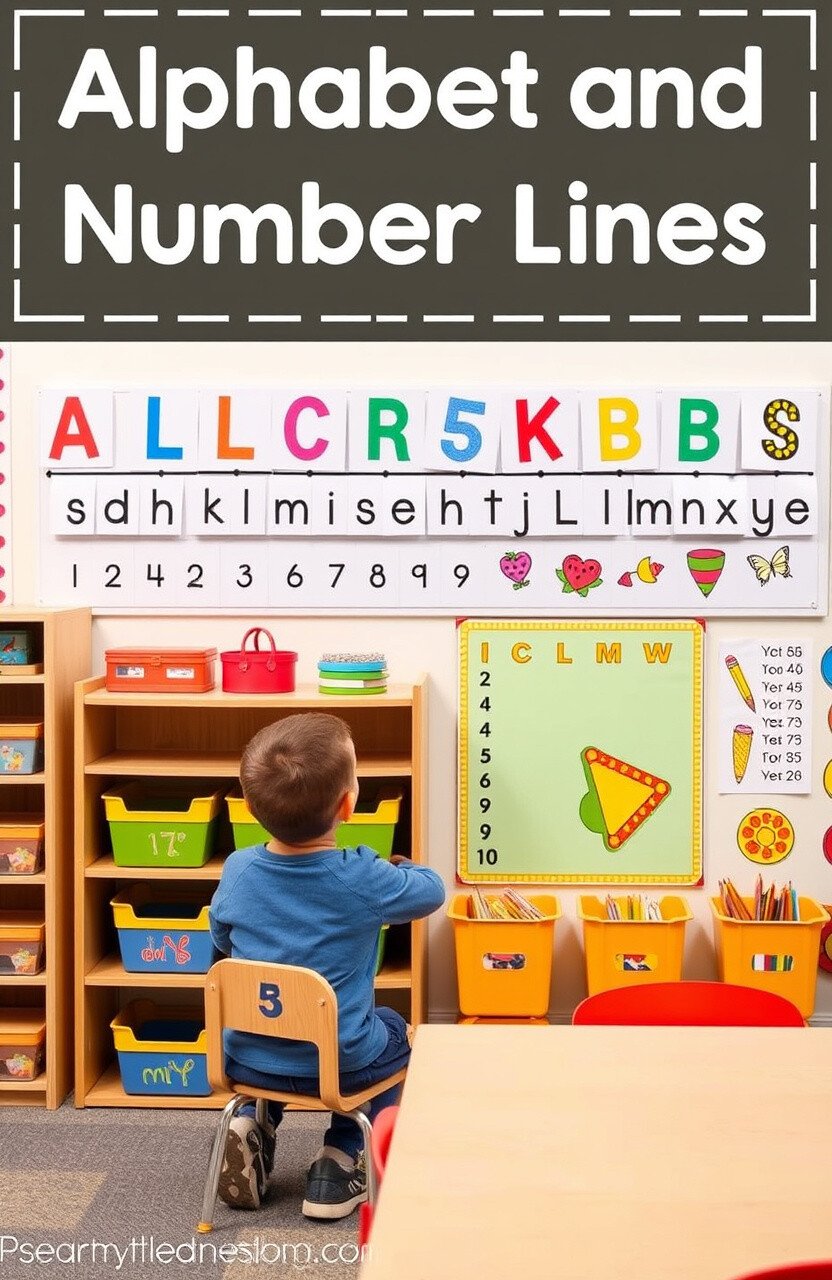
Alphabet and number lines are essential for early literacy and numeracy. They provide visual aids for learning.
Display them at eye level for easy reference. This helps children recognize letters and numbers effortlessly.
Use colorful designs to make them stand out. Incorporate themes to relate them to current lessons.
Printable resources are often free online, making this an affordable educational tool.
29. Cultural Corners

Cultural corners celebrate diversity and inclusivity. They expose children to different cultures and traditions.
Include items like books, music, and artifacts from around the world. This broadens their understanding and empathy.
Rotate items to align with cultural events or holidays. This keeps the corner relevant and engaging.
Many cultural resources can be found online or at local libraries, making this a cost-effective idea.
30. Magnetic Wall Paint
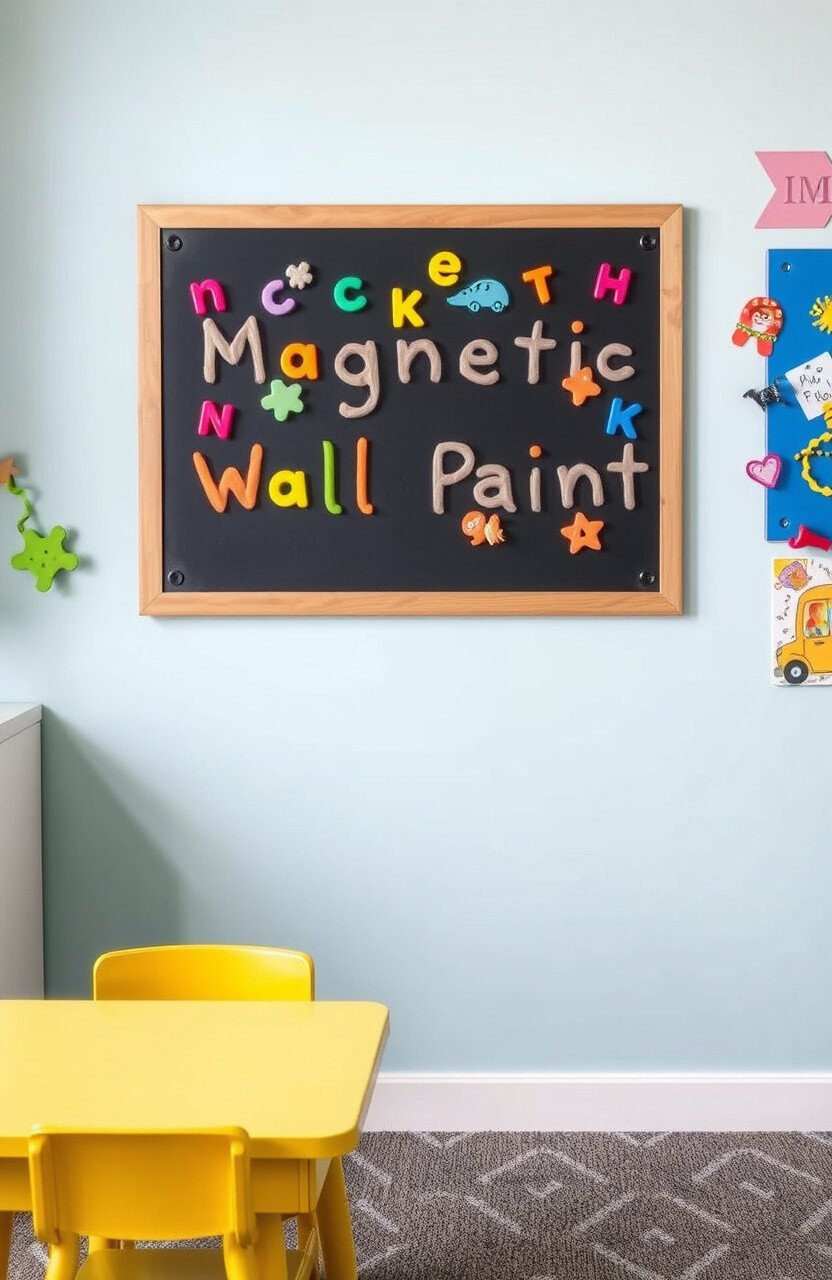
Magnetic wall paint transforms walls into interactive surfaces. It adds a playful element to learning.
Use it to create areas where children can display magnets or work on magnetic puzzles. This encourages hands-on interaction.
Incorporate educational magnets like letters or numbers. This adds an educational twist to playtime.
While magnetic paint can be a bit pricier, its versatility and durability make it a worthwhile investment.
31. Light and Shadow Play Areas
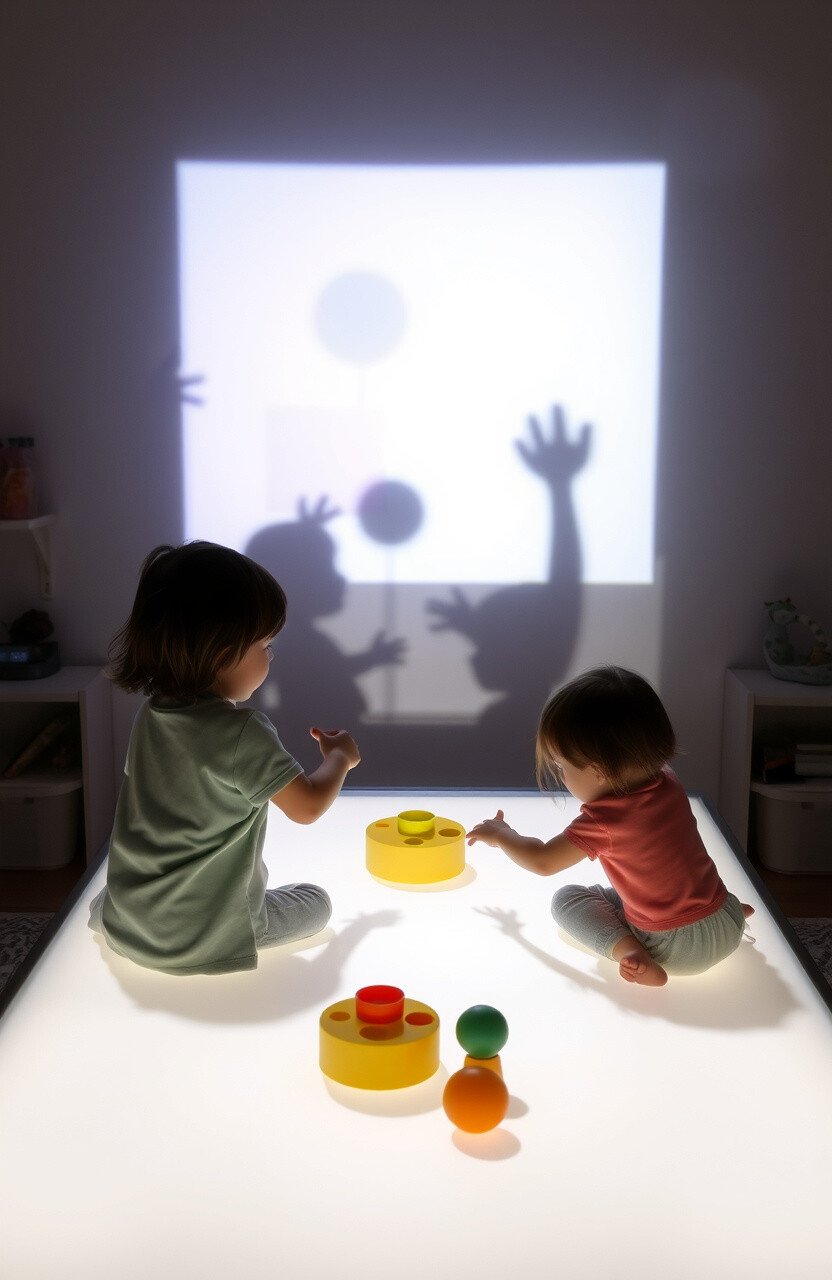
Light and shadow play areas offer a unique sensory experience. They encourage exploration and creativity.
Include light tables or projectors for shadow play. This sparks curiosity and imaginative storytelling.
Use everyday objects to create shadows. This teaches children about light and perspective.
DIY light tables can be made from inexpensive materials like plastic bins and LED lights, making it budget-friendly.
32. Cozy Nap Zones
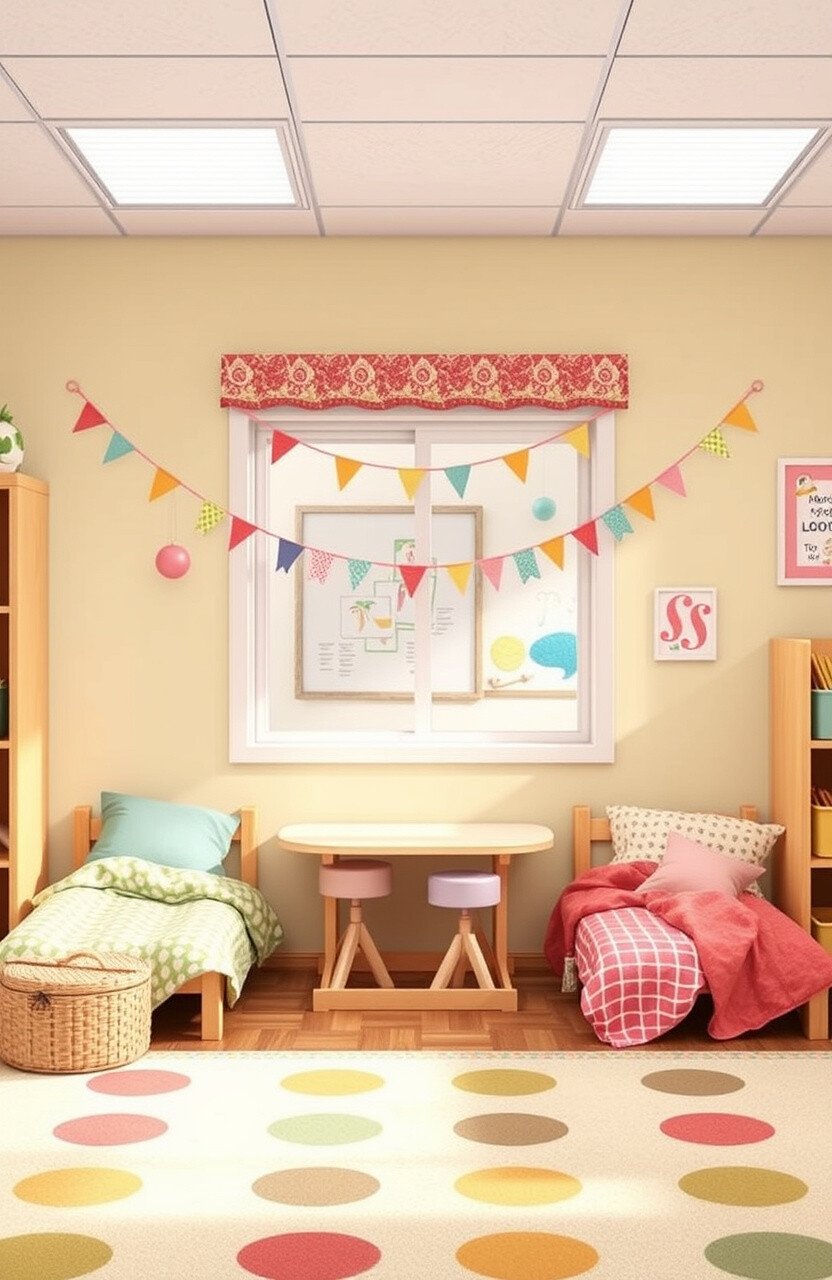
Cozy nap zones ensure children have a restful space for quiet time. They are crucial for recharging energy.
Use soft mats or small cots with blankets and pillows. This creates a comforting environment for rest.
Personalize the area with calming colors or themes. This makes it appealing and soothing for young ones.
Thrifted bedding and DIY decorations keep costs down while providing comfort and style.
33. Color-Coded Cubbies
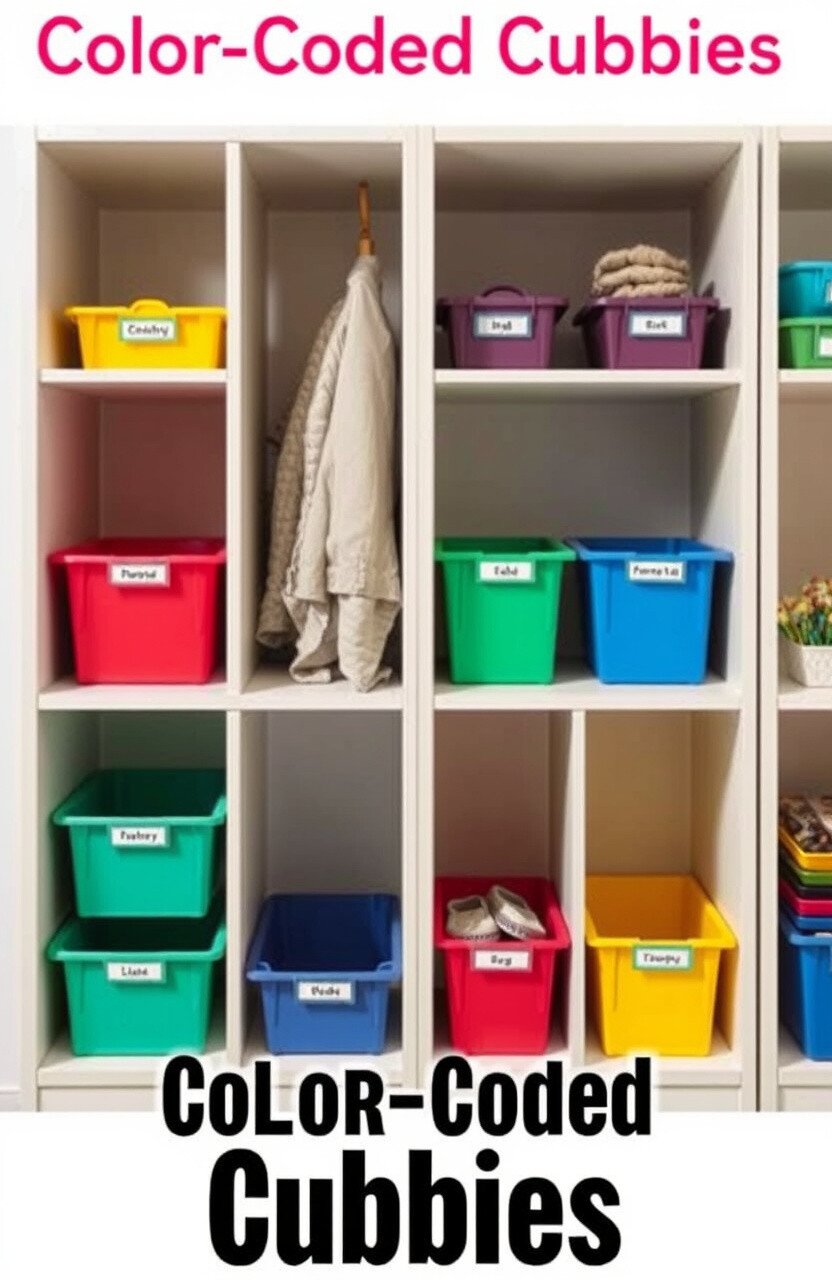
Color-coded cubbies make organization simple and fun. They help children recognize their belongings easily.
Assign each child a color for their cubby. This promotes responsibility and a sense of belonging.
Use colors that match the classroom theme for a cohesive look. This adds to the decor while serving a practical purpose.
Inexpensive bins and labels can be found at dollar stores, making this an affordable organizational tool.
34. Exploration Baskets

Exploration baskets invite children to discover and learn. They are perfect for sparking curiosity and engagement.
Fill baskets with themed items like seashells or magnifying glasses. This encourages hands-on learning and exploration.
Rotate the contents to align with current lessons or interests. This keeps the baskets fresh and exciting.
Many exploration items can be found in nature or made from household materials, keeping costs low.
35. Interactive Whiteboards
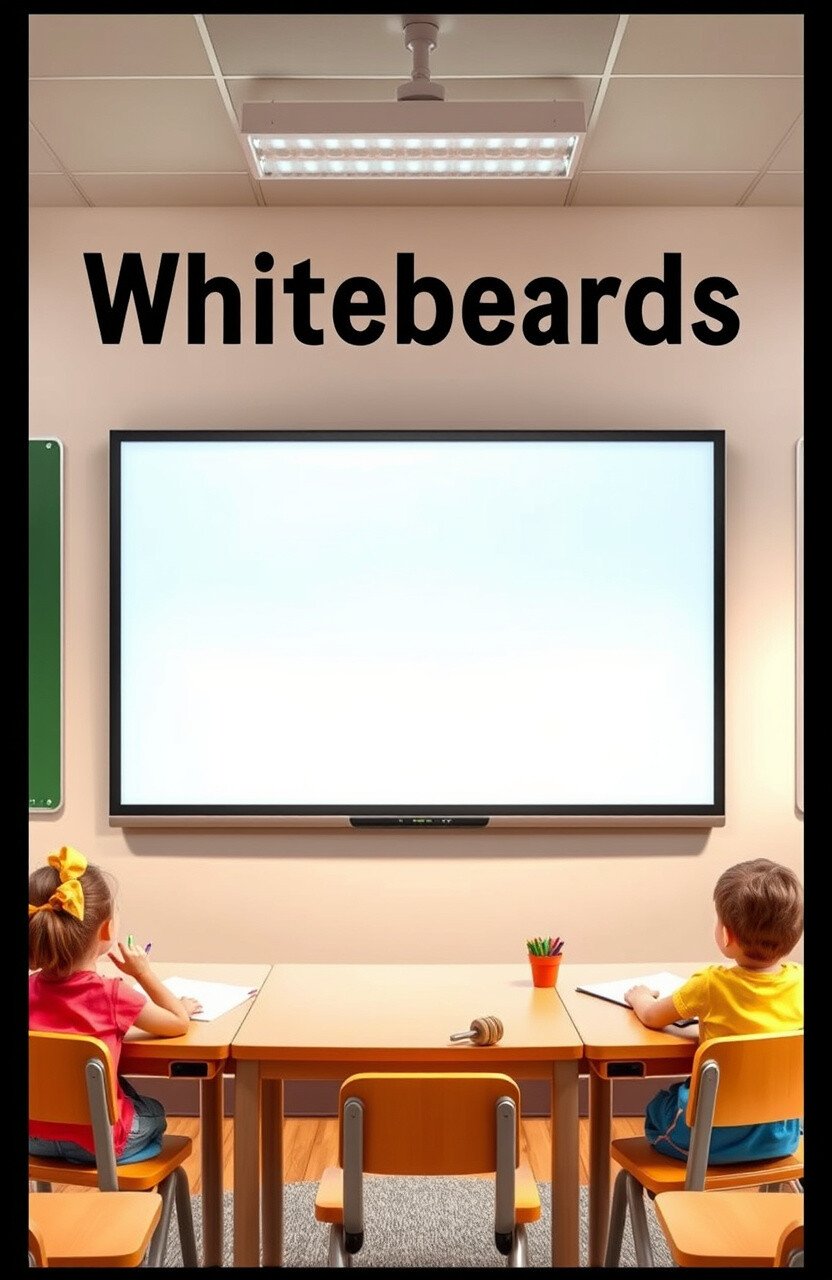
Interactive whiteboards bring a modern twist to teaching. They make lessons interactive and engaging.
Use them for drawing, storytelling, or educational games. This encourages participation and creativity.
Balance technology with traditional methods to ensure a well-rounded learning experience. This keeps engagement high.
While they can be an investment, the versatility and educational benefits make them valuable additions to any classroom.
36. Sensory Pathways
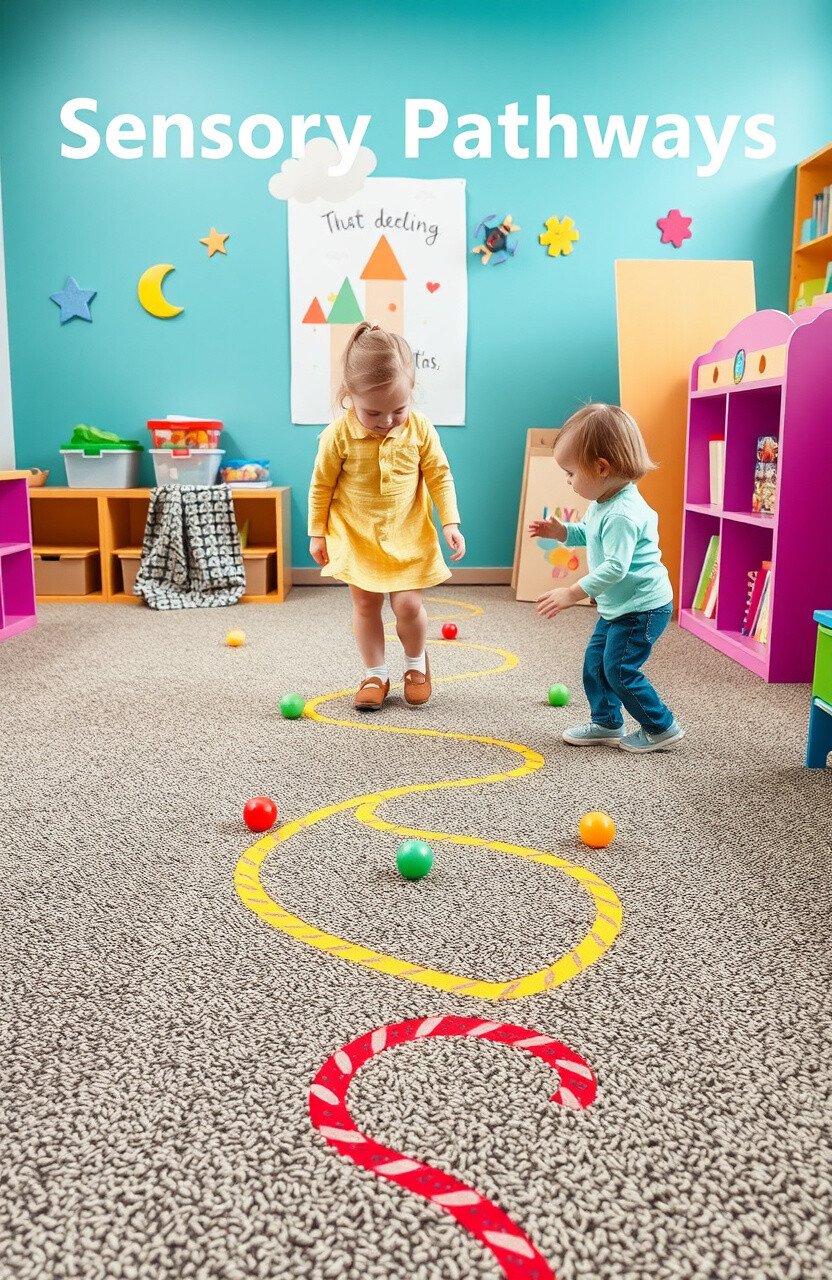
Sensory pathways offer a dynamic way to engage children in movement and learning. They are both fun and educational.
Create pathways with different textures and activities, like hopping or balancing. This develops motor skills and focus.
Incorporate themes or challenges to keep the pathways fresh and exciting. This encourages repeated use and enjoyment.
DIY pathways can be made with tape or paint, making them an affordable and creative addition to any classroom.
37. Nature Tables
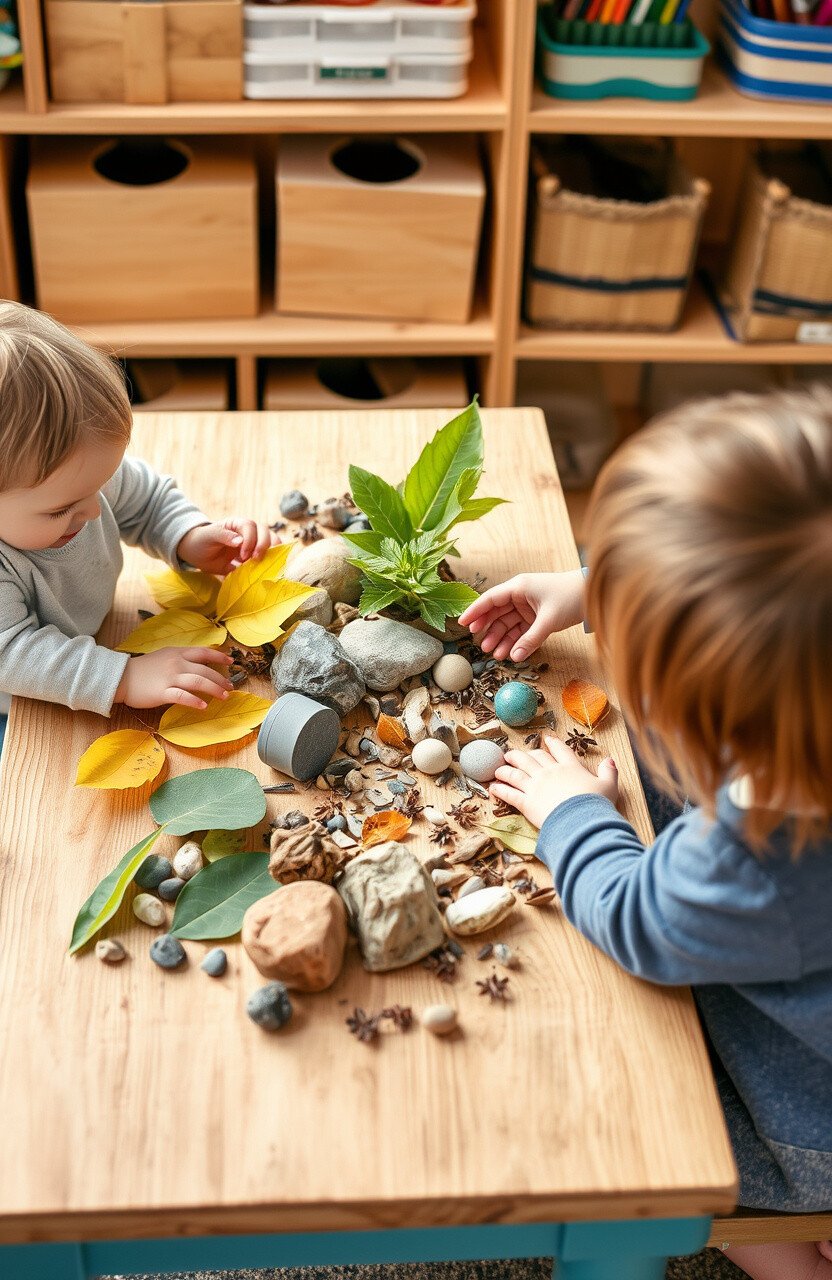
Nature tables connect children with the natural world. They are a gateway to exploration and discovery.
Include items like rocks, leaves, and feathers for hands-on learning. This fosters curiosity and environmental awareness.
Change the items with the seasons or themes. This keeps the table dynamic and engaging.
Many natural items can be collected on walks or in gardens, making this a cost-effective educational tool.
38. Visual Schedules
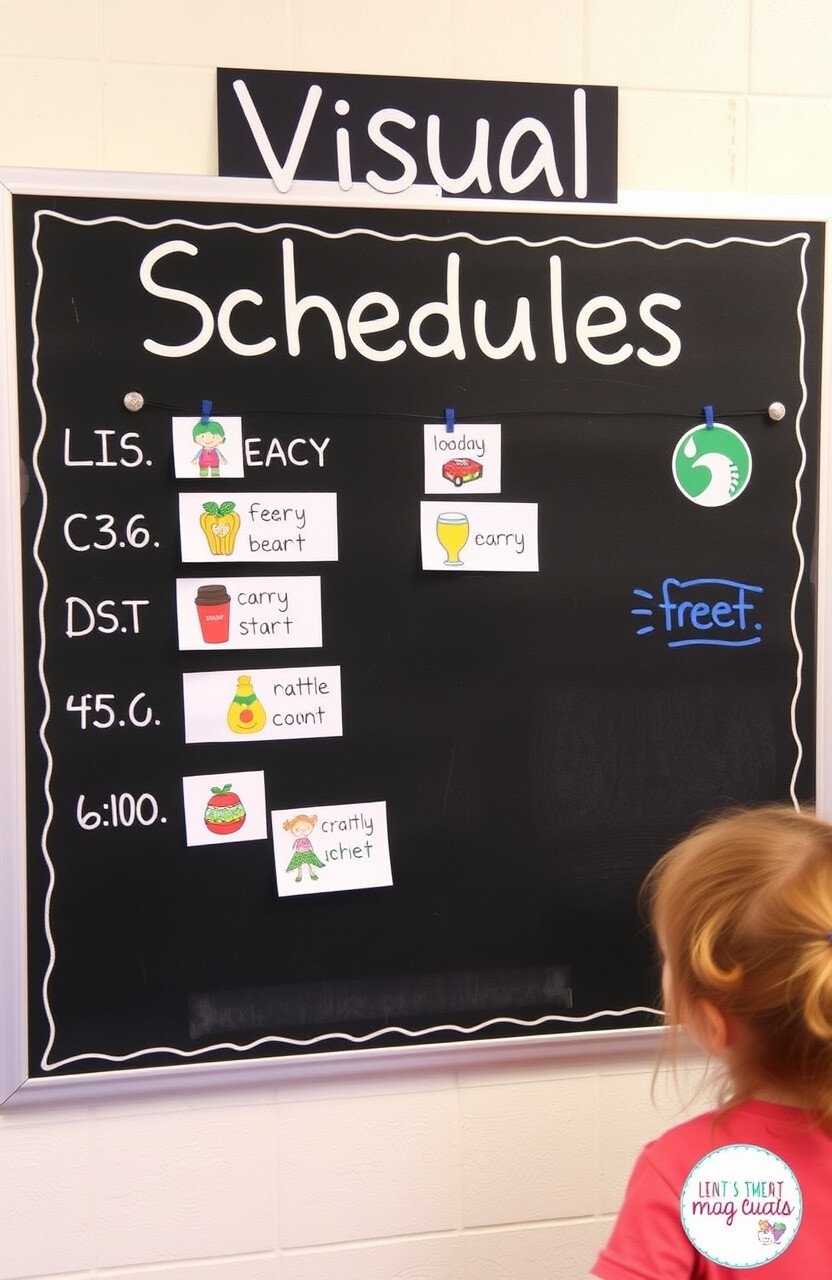
Visual schedules provide structure and predictability. They help children understand their daily routine.
Use pictures and symbols to illustrate each part of the day. This makes it accessible to all learners.
Update the schedule daily with student involvement. This promotes responsibility and independence.
Printable resources and DIY options make this an affordable and practical addition to any classroom.
39. Seasonal Decor Boxes
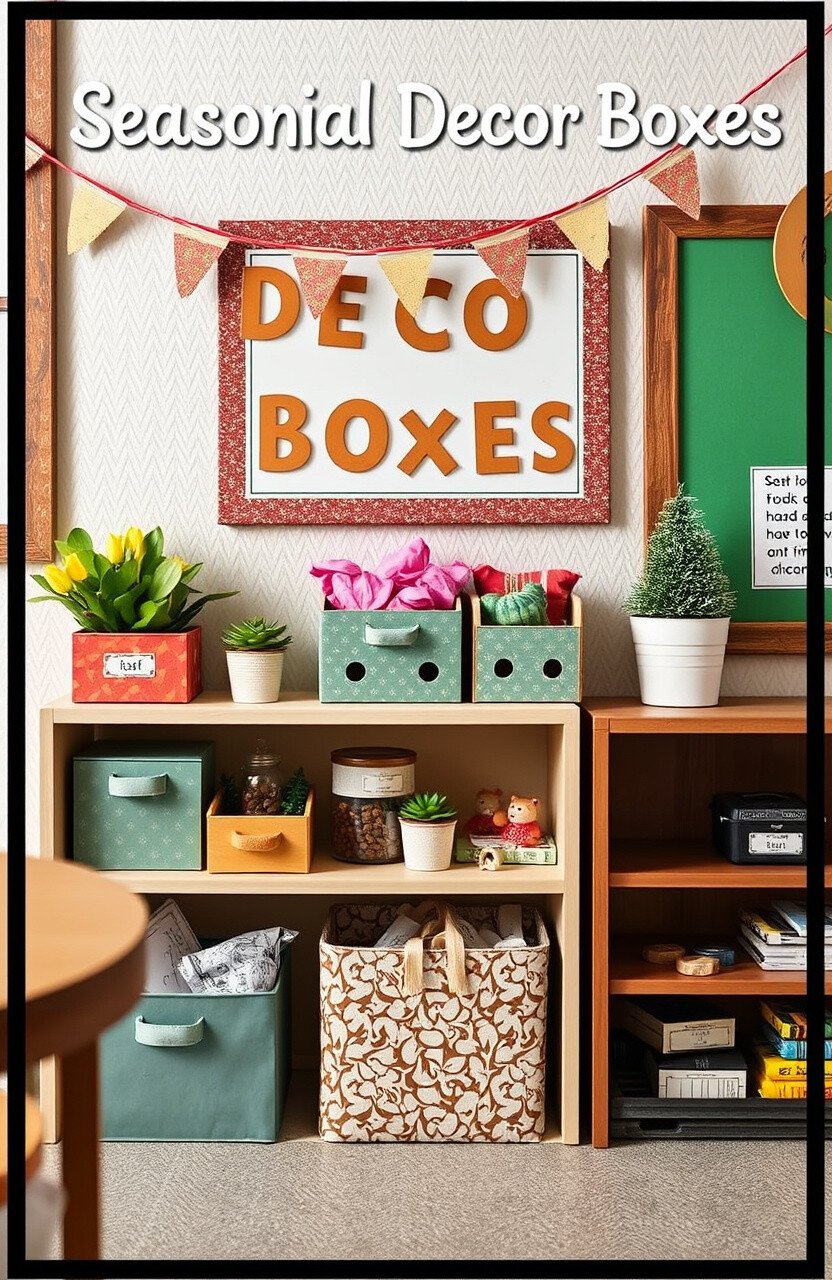
Seasonal decor boxes add a festive touch to the classroom. They keep the environment fresh and exciting.
Rotate decorations for each season or holiday. This brings a sense of celebration and change to the space.
Involve students in decorating to foster a sense of community. This makes the classroom feel like a shared space.
DIY decorations and thrifted finds keep costs low while adding charm and personality.