The secret to a magical classroom isn’t just in the lessons, but how the space around you is organized. Imagine walking into a room where every corner invites creativity and curiosity. It’s time to peek behind the curtain and see the tiny mistakes that could make a big difference in classroom harmony.
1. Ignoring Vertical Space
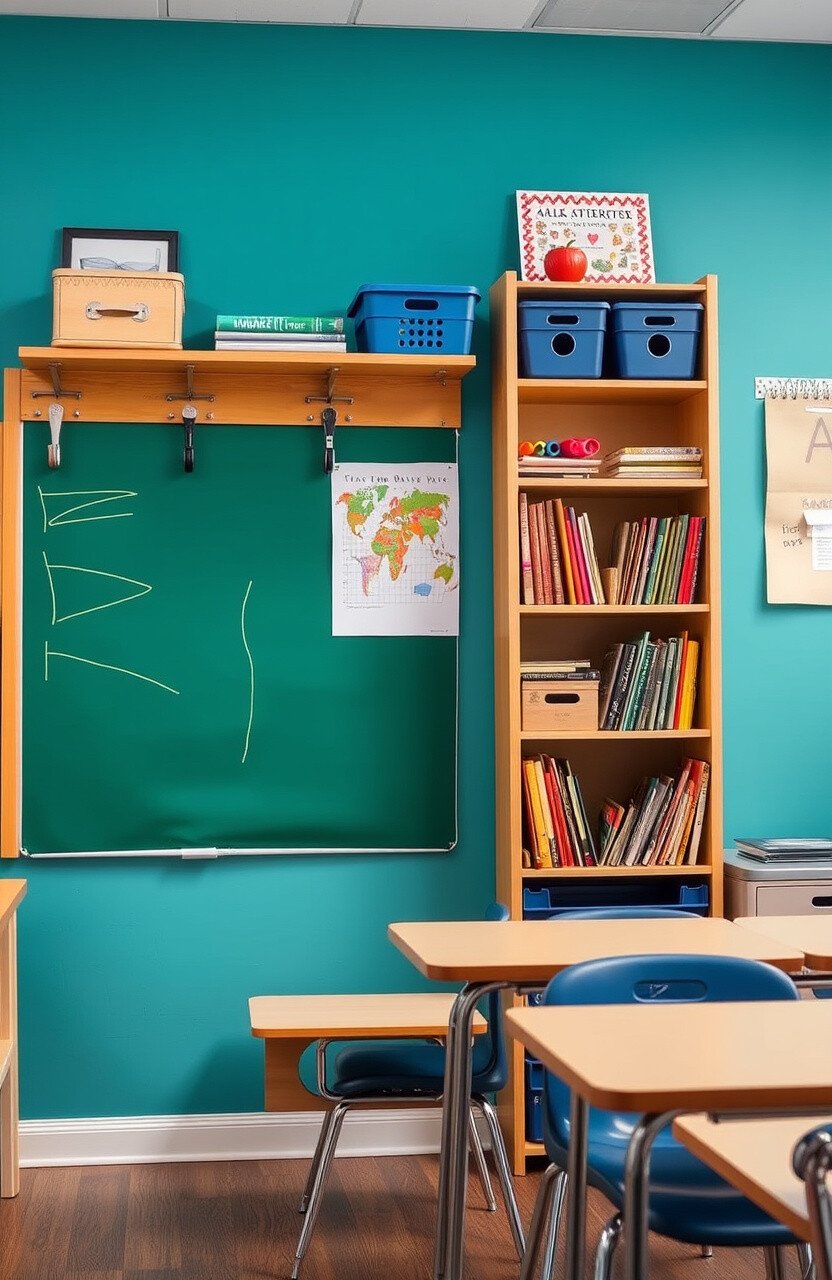
Most classrooms overlook the potential of vertical space. Shelves and hooks can transform walls into storage wonders.
Using vertical space saves floor room, which makes the class feel bigger. It’s like having an extra closet without the cost.
Consider stacking bins or using tall bookshelves. You can even hang student art to add a personal touch.
Vertical storage solutions are often affordable. They’re both trendy and a smart use of space.
2. Overcrowding the Room
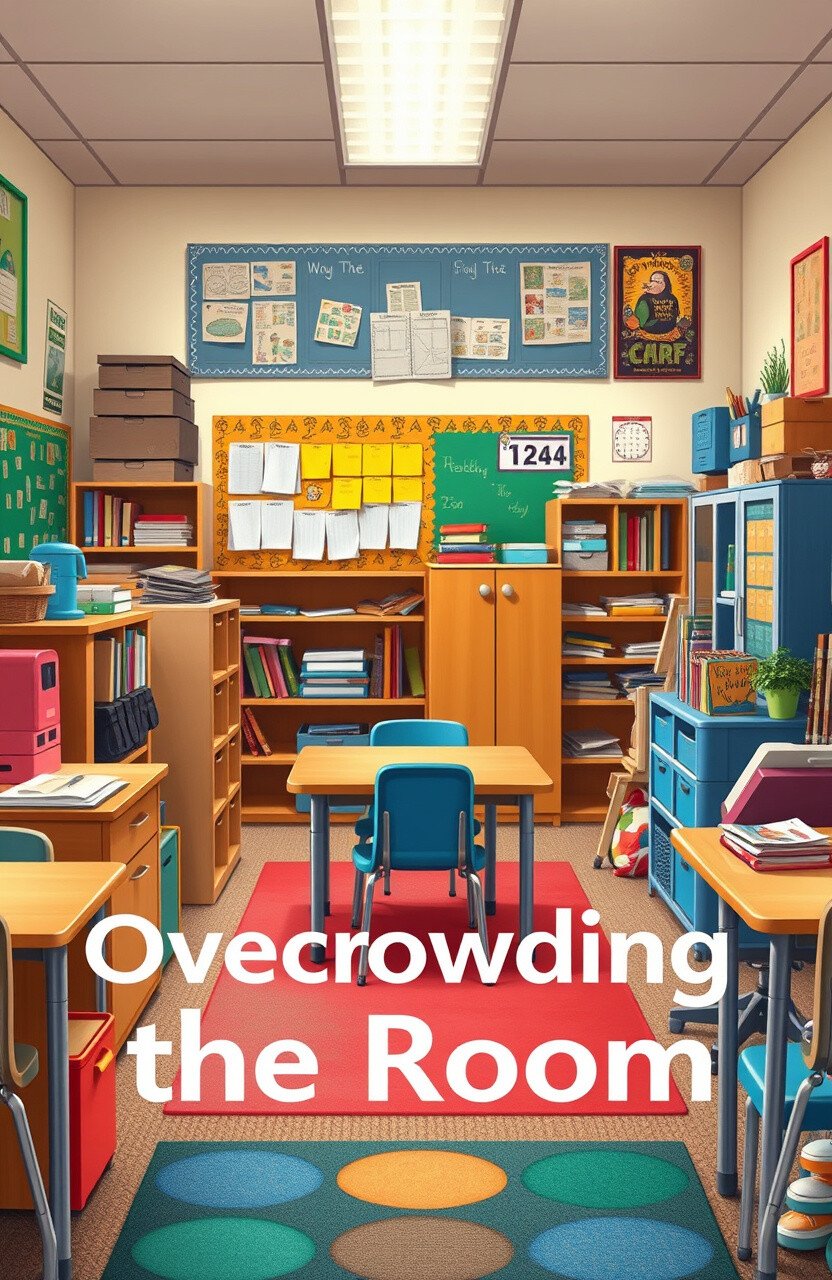
Sometimes less is more. Too much furniture can feel like a traffic jam in your classroom.
Clear spaces encourage movement and focus. It’s like giving your room a breath of fresh air.
Try removing items you don’t use every day. This creates open areas for activities.
Reorganizing is free and makes a big impact. It’s like a makeover without spending a dime.
3. Forgetting Color Coordination
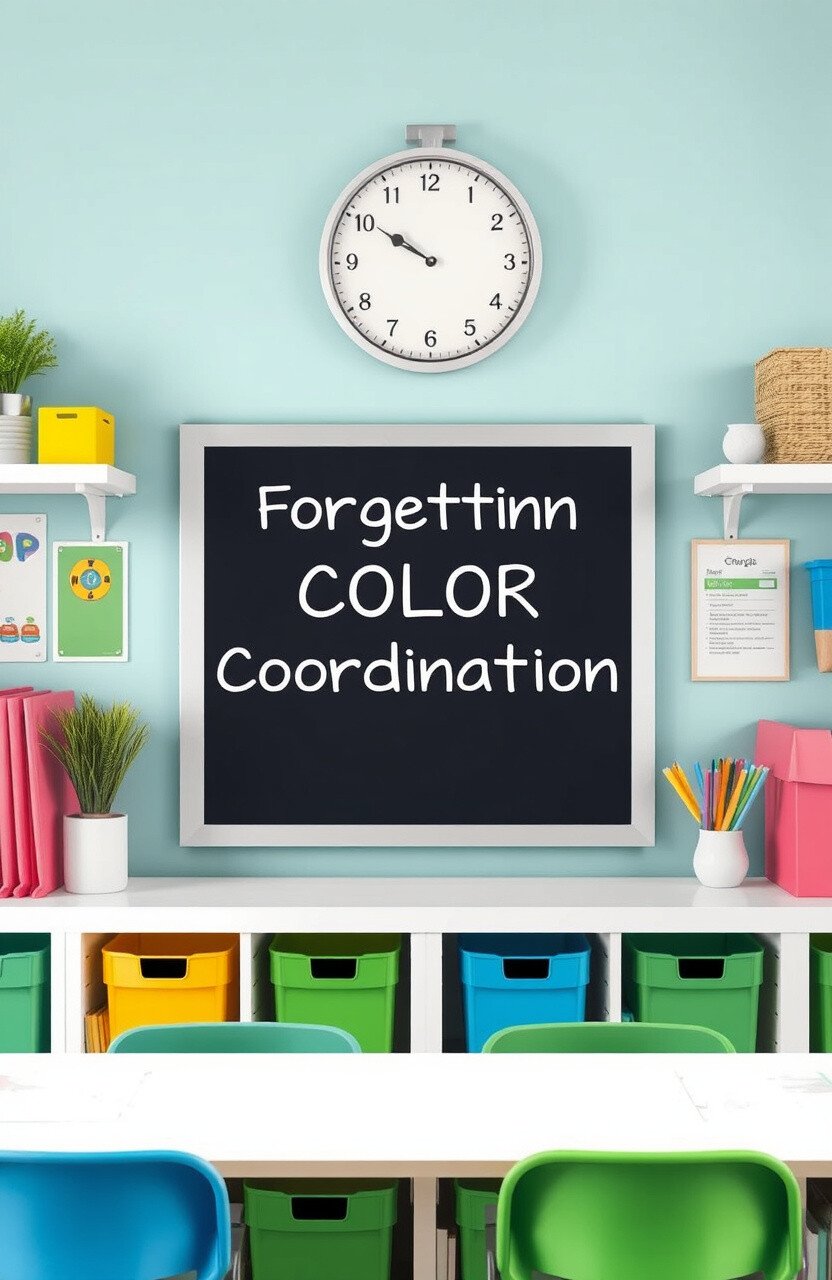
Colors can be your best friend or your biggest challenge. A mix-match can make the room feel chaotic.
Coordinated colors bring harmony and peace. They’re like a silent cheerleader for learning.
Choose a color theme and stick to it. Use bins and labels in matching shades.
Paint is a low-cost option to unify your space. It’s a splash of joy without a splash of cash.
4. Neglecting Labeling

Unlabeled items can turn into a guessing game. Labels are the secret code for a smooth day.
Labels help everyone find what they need quickly. It’s like a treasure map in your classroom.
Make labels fun and colorful. You can even let students create their own.
DIY labels are budget-friendly. They add charm and organization without breaking the bank.
5. Overlooking Student Input

Students have fresh eyes and ideas. Ignoring their input can miss out on great organization hacks.
Involving students gives them ownership. It’s like they’re co-designers of their learning space.
Ask for their feedback on layout and storage. They might surprise you with clever solutions.
Listening costs nothing. It’s a free way to boost morale and creativity.
6. Disregarding Traffic Flow
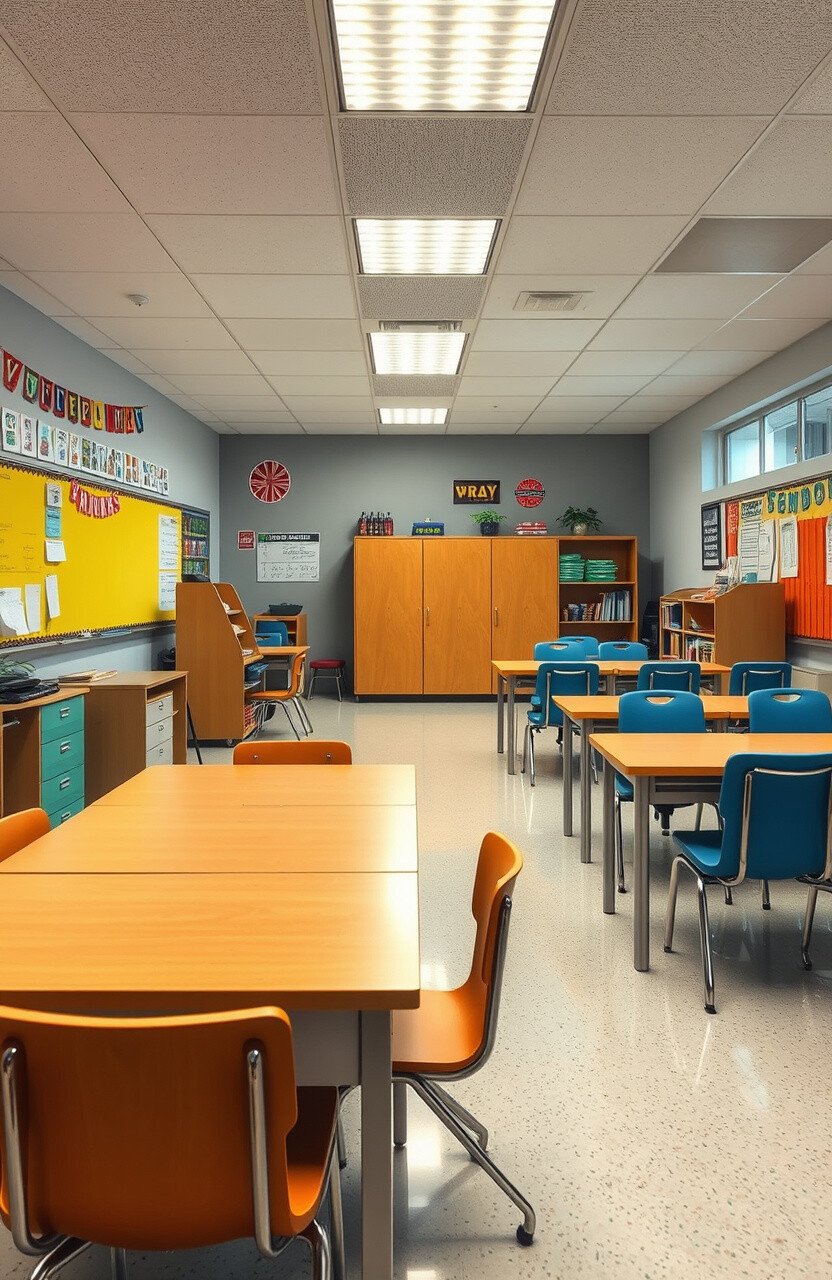
Think of your classroom like a city street. Poor layout can cause traffic jams and frustration.
Good flow means students move easily. It’s like a dance, smooth and coordinated.
Observe how students move and adjust furniture. Ensure pathways are clear and direct.
Rearranging costs nothing but time. It’s essential for a harmonious classroom environment.
7. Choosing Function Over Form
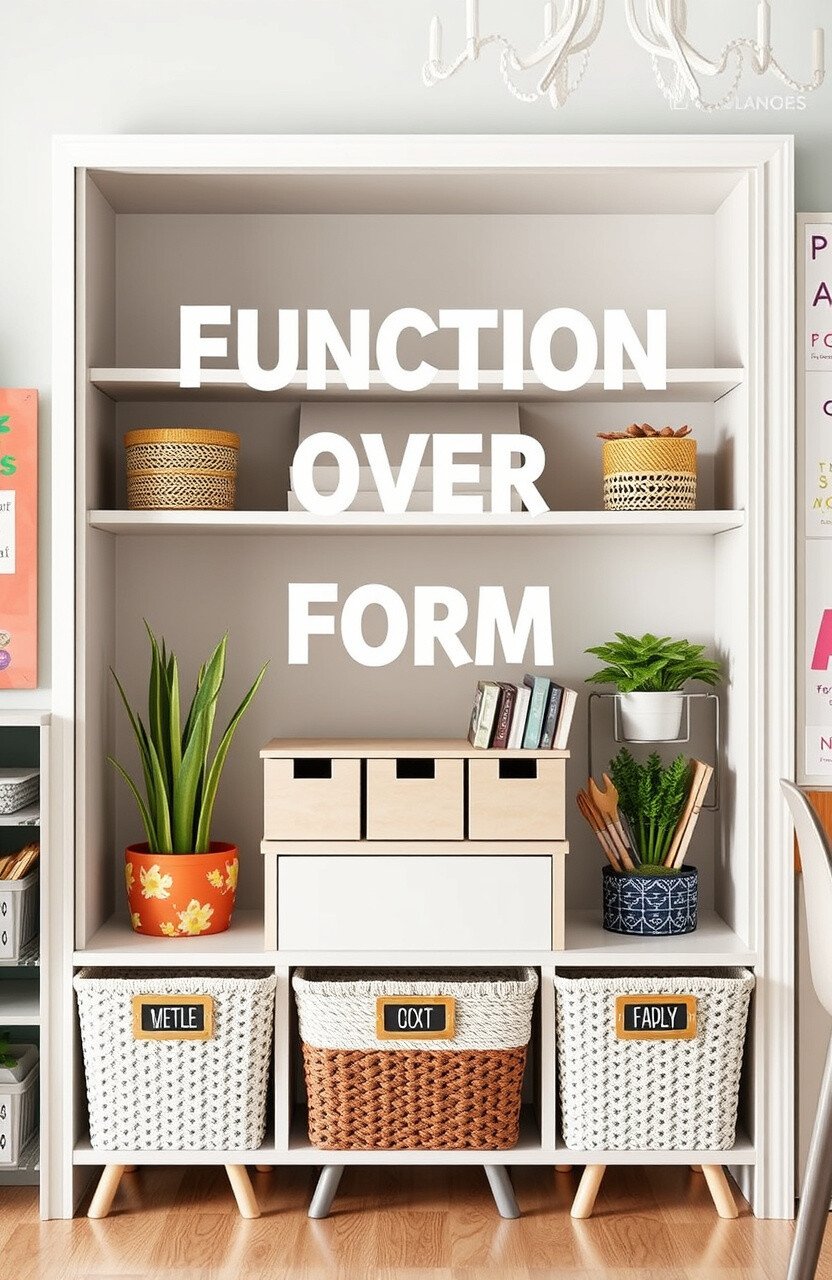
Practicality is important, but beauty inspires. A dull space can feel uninspiring.
Combine function with style for a motivating classroom. It’s like wearing a comfy, stylish outfit.
Decorate with purpose, using items that are both useful and beautiful. Think stylish storage baskets.
Repurpose items you already have for a cost-effective refresh. A lovely classroom needn’t be expensive.
8. Ignoring the Power of Plants
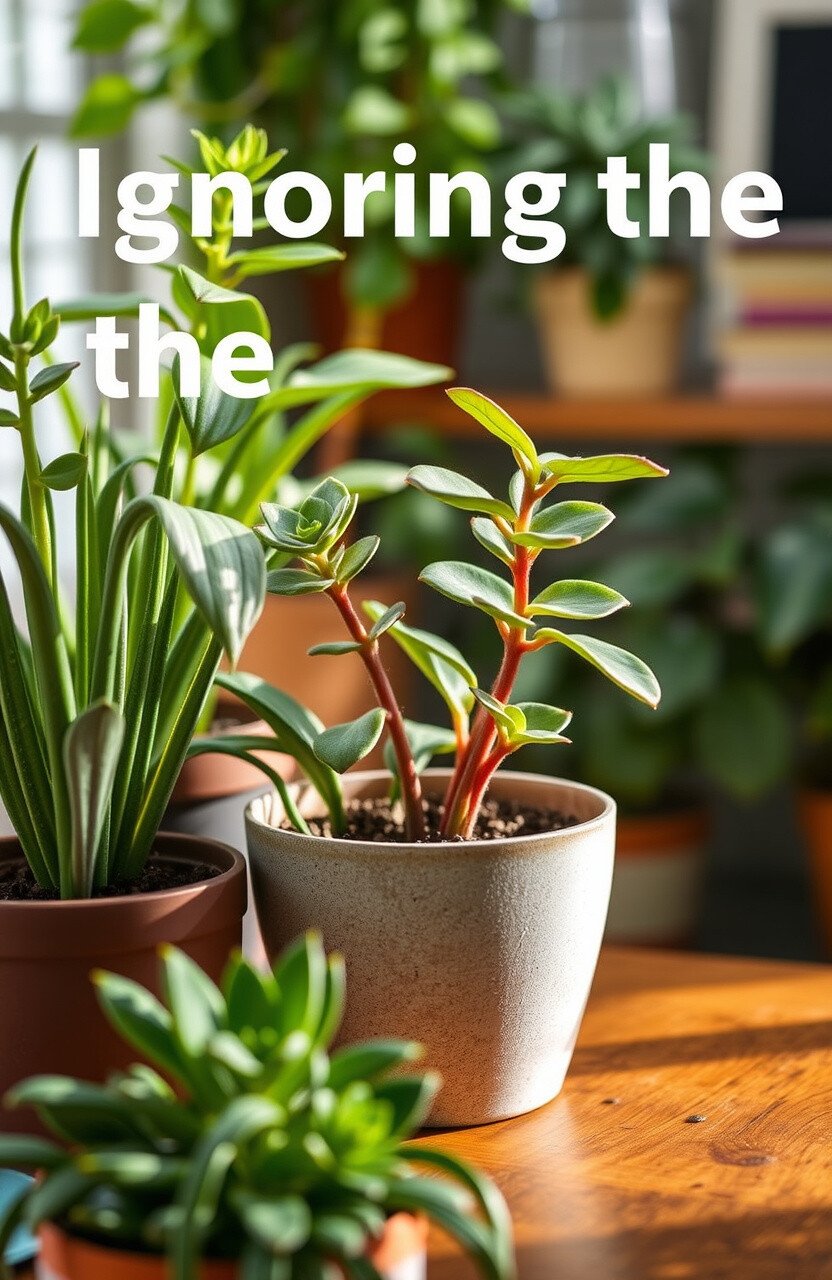
Plants can breathe life into a room. Ignoring them means missing out on natural beauty.
Plants clean the air and boost mood. They’re nature’s little helpers inside your classroom.
Start with easy-care plants like succulents. They add greenery without much fuss.
Plants can be inexpensive. They offer a budget-friendly way to brighten your space.
9. Neglecting Flexibility
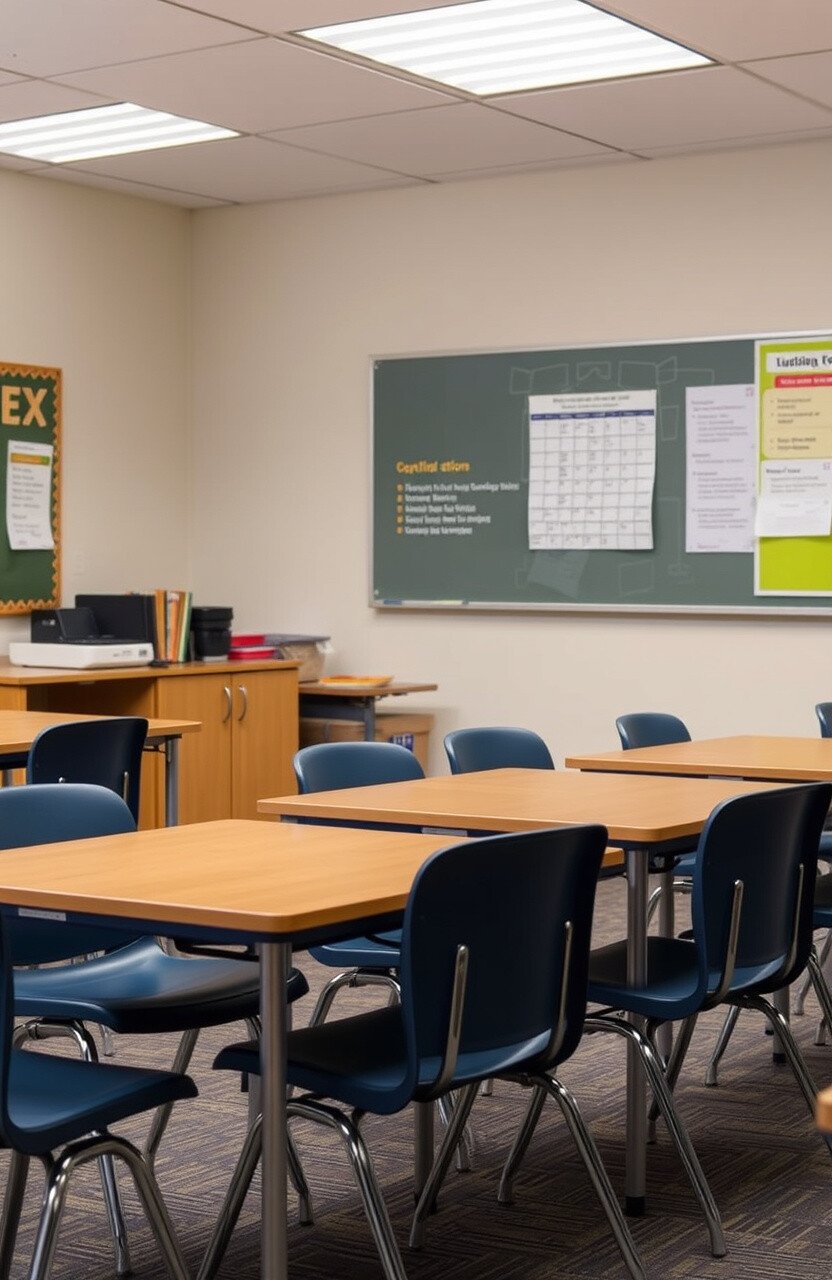
A rigid classroom setup can stifle creativity. Flexibility allows the room to adapt to different needs.
Movable furniture can transform your space. It’s like having a room that changes with your lesson plans.
Use lightweight chairs and tables for easy rearranging. This allows for a dynamic learning environment.
Invest in a few versatile pieces. They provide long-term value and adaptability.
10. Overlooking Technology Integration
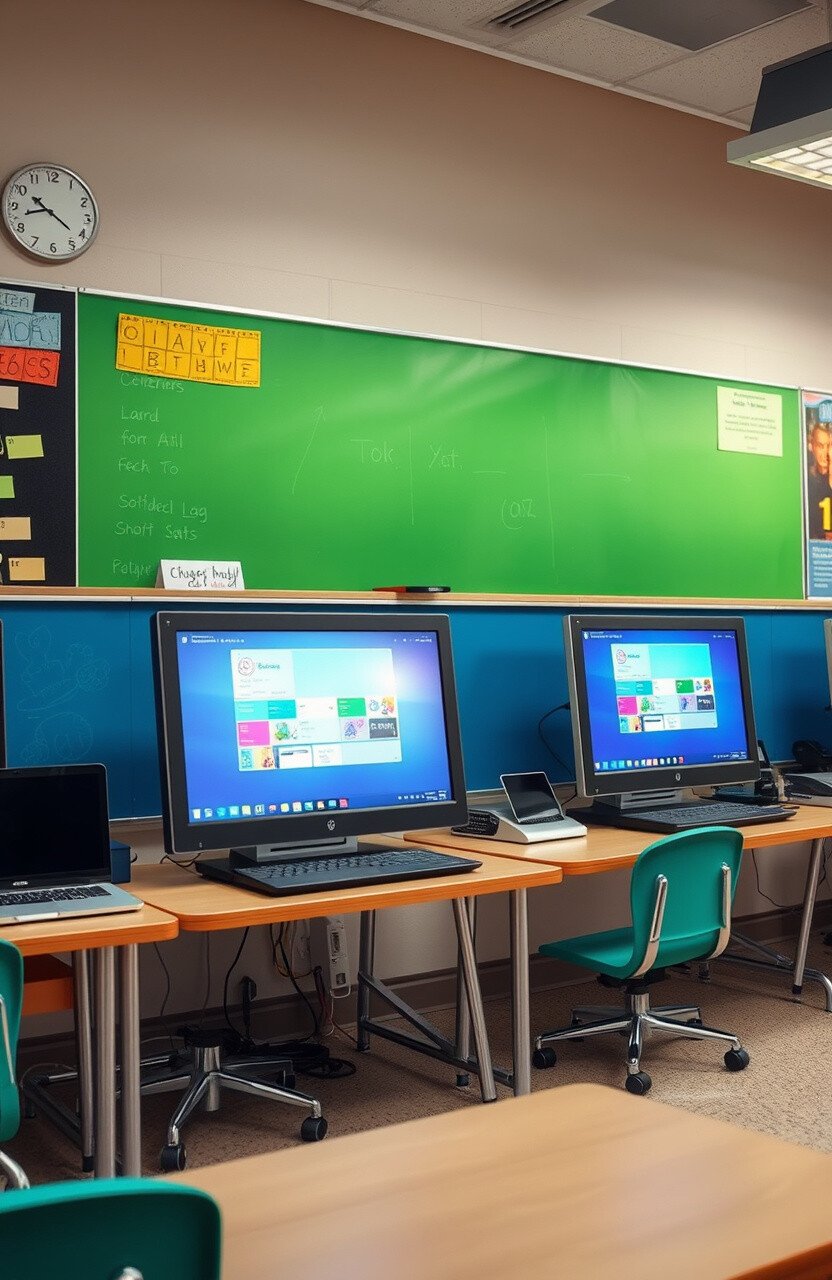
Technology is a powerful tool, yet it’s often not seamlessly integrated into classrooms.
Proper tech setup enhances learning experiences. It’s like having a superpower for education.
Ensure charging stations are accessible and organized. This keeps devices ready and available.
Using existing tech creatively is cost-effective. It’s about maximizing what you already have.
11. Underutilizing Bulletin Boards
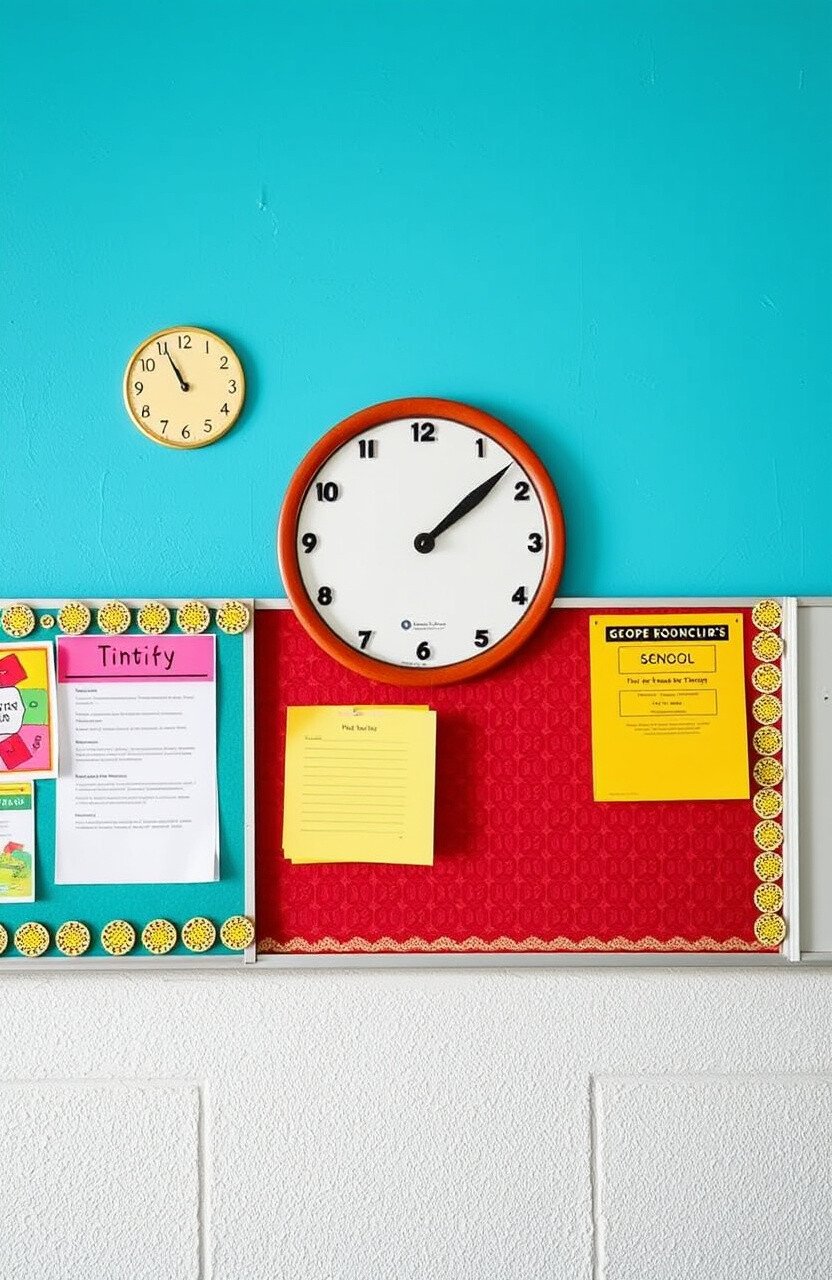
Bare bulletin boards are missed opportunities. They can be vibrant hubs of information and inspiration.
Bulletin boards can showcase student work and important info. They’re like a community wall for your class.
Change displays regularly to keep things fresh. Include student input for a personalized touch.
Decorating boards can be done with simple materials. It’s an affordable way to spark interest.
12. Forgetting Personal Comfort

Comfort is key to a productive environment. A classroom should feel inviting, not sterile.
Cozy elements enhance focus and well-being. It’s like wrapping your classroom in a warm hug.
Add cushions or rugs for soft spots. These touches make the space feel homey and welcoming.
Shop sales or secondhand for affordable comfort items. Comfort doesn’t need to cost a lot.
13. Skipping Seasonal Updates

Seasons change, and so can your classroom. Skipping updates can make the room feel stagnant.
Seasonal decor keeps things exciting and fresh. It’s like dressing your classroom for the weather.
Switch out bulletin board themes or add seasonal art. These changes keep the environment lively.
Simple updates can be low-cost. They offer a fresh perspective with minimal expense.
14. Overloading on Visuals
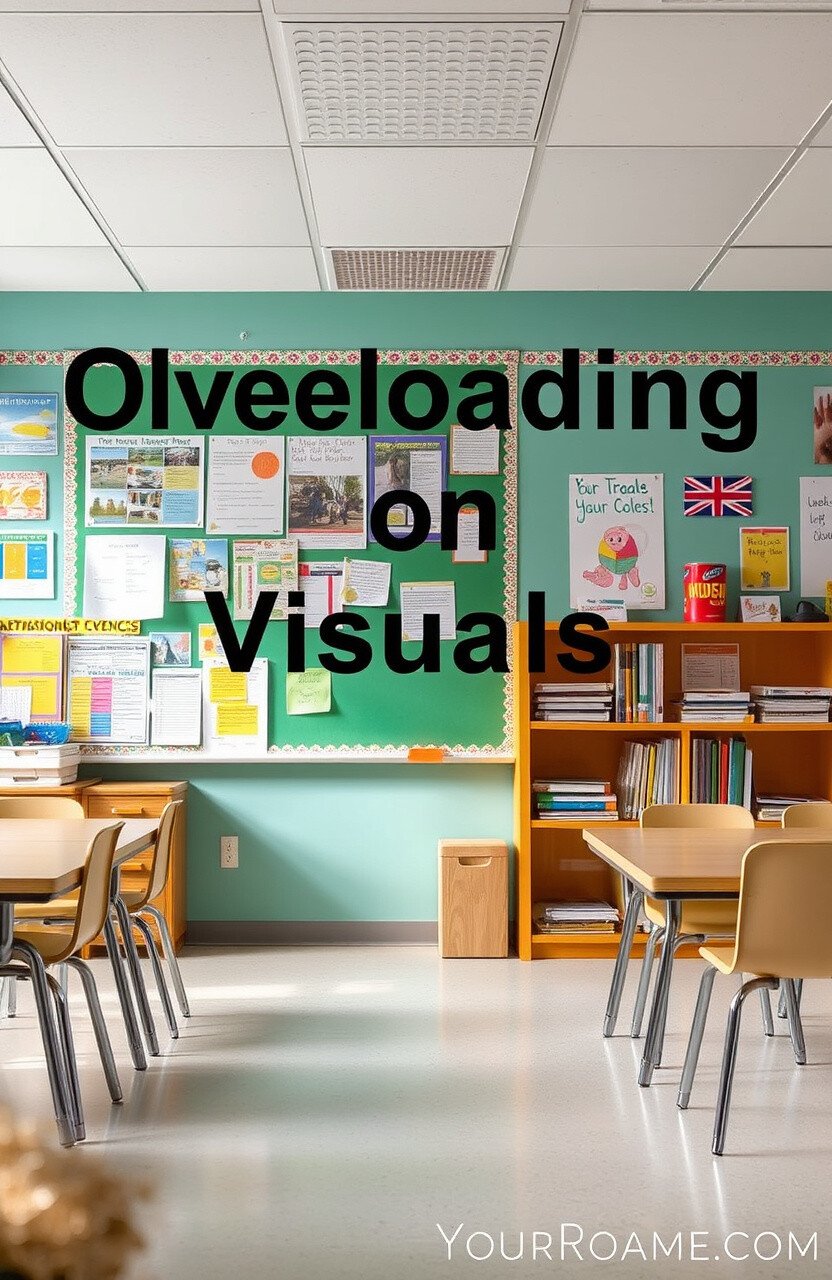
Too many visuals can overwhelm rather than inspire. It’s important to strike a balance.
Clear spaces help focus and reduce distraction. It’s like a breath of clarity in a busy day.
Rotate displays and use calm colors to balance. This keeps the room engaging yet soothing.
Editing is free and powerful. It’s about choosing quality over quantity.
15. Ignoring Sound Levels
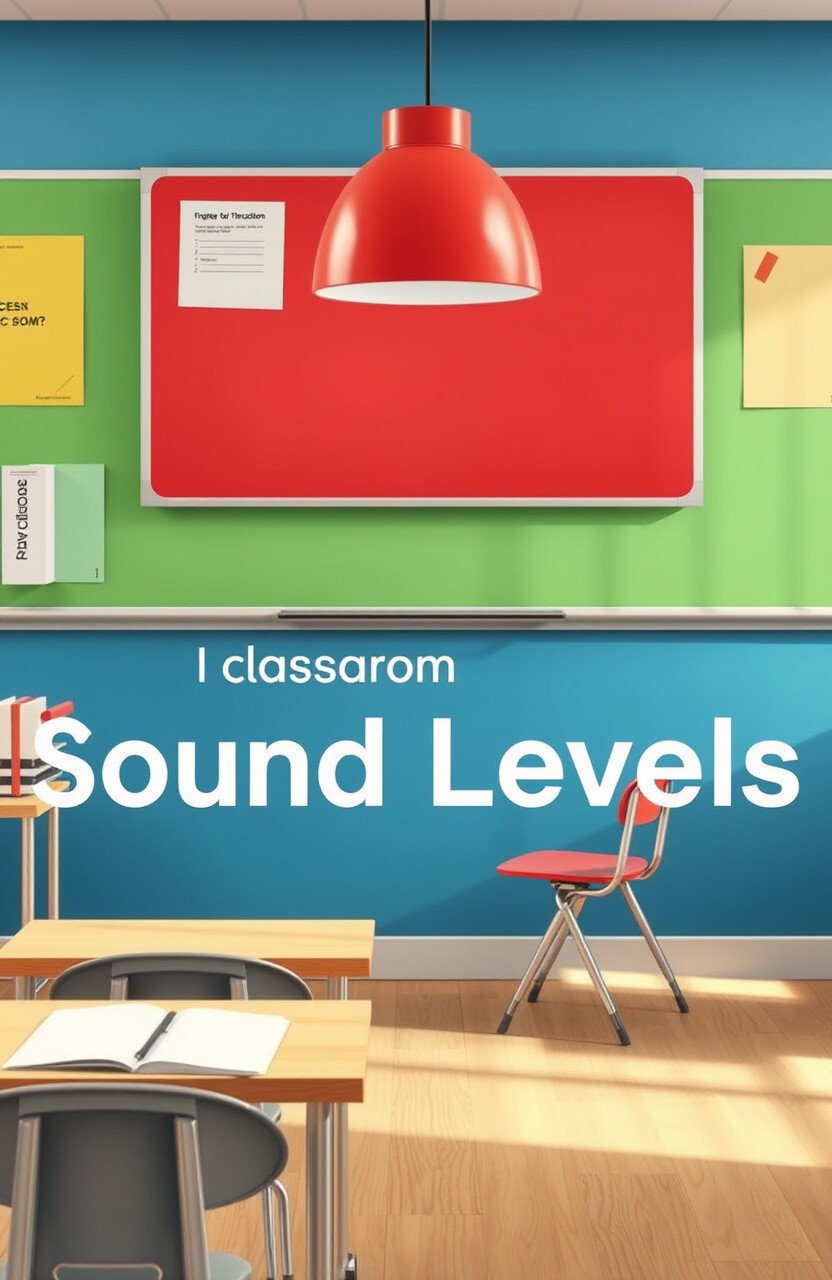
Sound can be a hidden distraction. Ignoring it can impact the classroom vibe.
Managing sound levels enhances concentration. It’s like turning down the noise in a busy world.
Use soft surfaces to absorb sound. Introduce calming background music during work times.
Sound management can be low-cost. It’s about creating an auditory oasis.
16. Overlooking Storage Needs
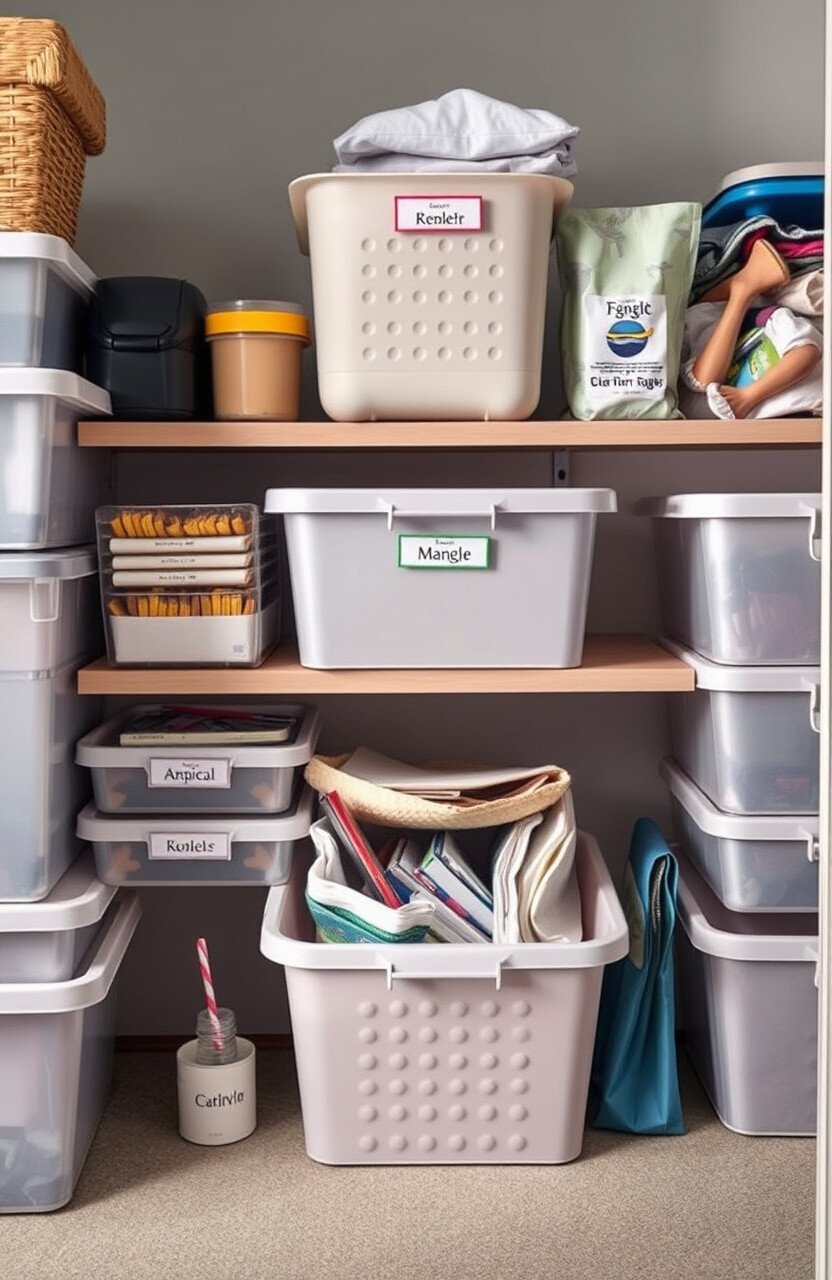
Storage is often underestimated. Lack of it can lead to clutter and chaos.
Good storage solutions create order and calm. It’s like having a magic wand for mess.
Use bins, baskets, and boxes to categorize items. Label them for quick access.
Look for storage sales or repurpose items. Effective storage doesn’t have to be pricey.
17. Skipping Regular Clean-ups
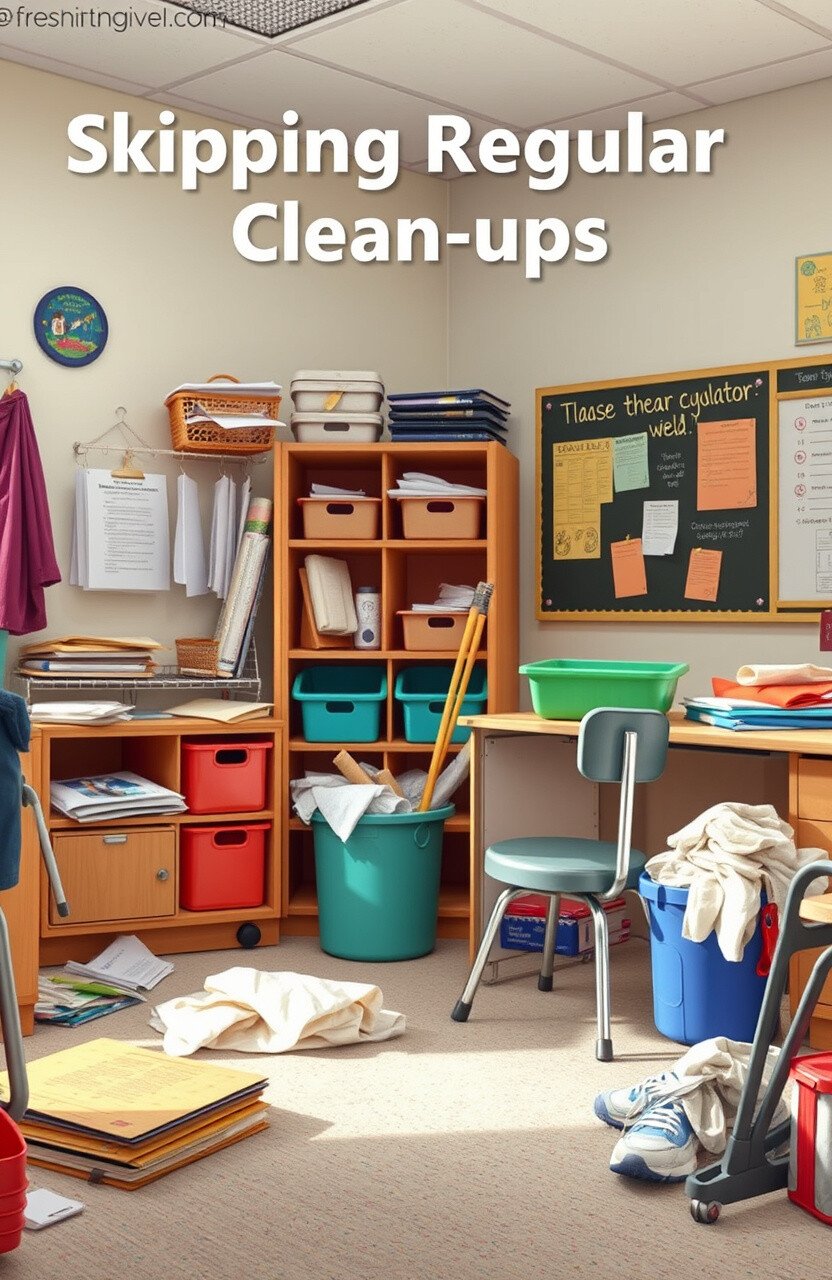
Mess can sneak up on you. Skipping clean-ups lets clutter take over.
Regular tidying keeps the room fresh and functional. It’s like pressing the reset button every week.
Set a schedule for mini clean-ups with students’ help. This promotes responsibility and teamwork.
Cleaning is cost-free but invaluable. It maintains the space’s harmony and order.
18. Disregarding Lighting
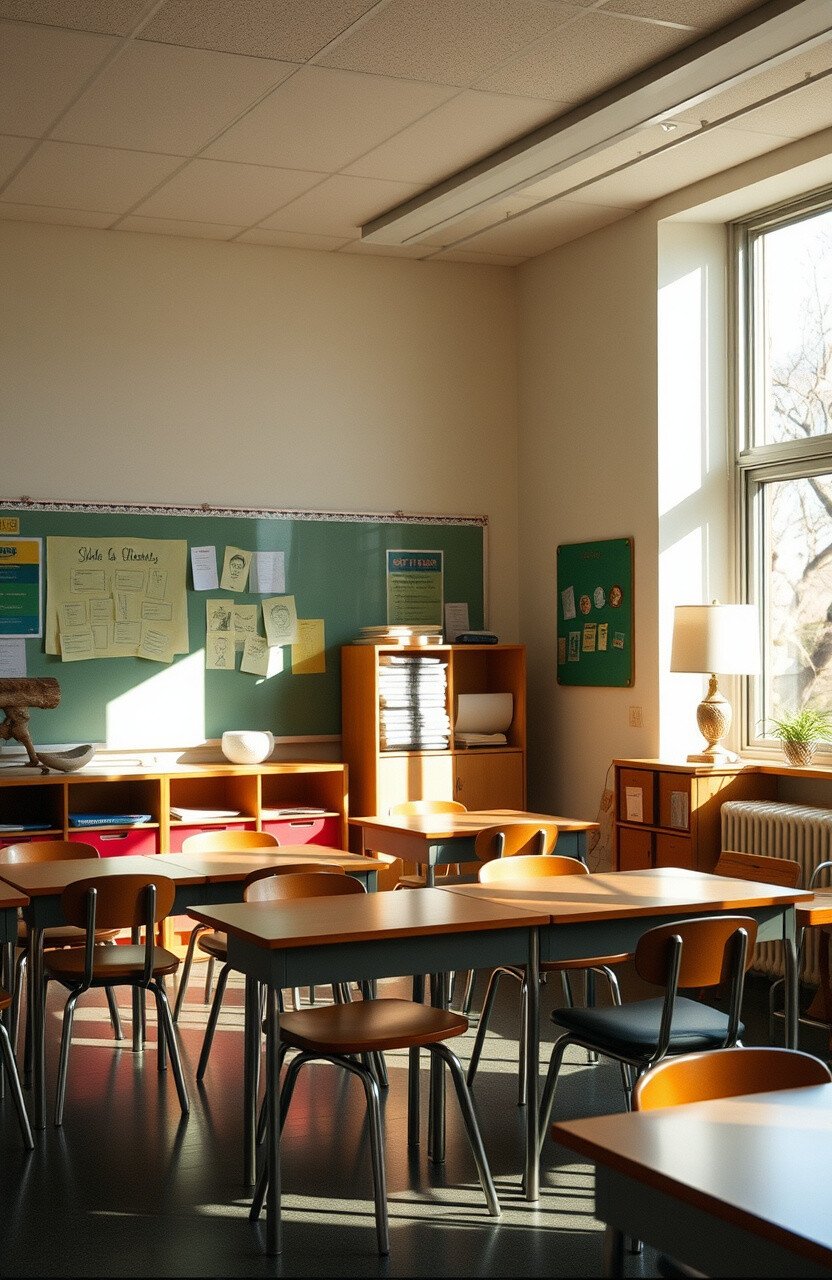
Lighting can transform a space. Poor lighting can make it feel dreary and dull.
Good lighting enhances mood and focus. It’s like shining a spotlight on learning.
Use natural light where possible and add lamps for warmth. This creates a welcoming atmosphere.
Lamps can be found at thrift stores. It’s a low-cost way to brighten the room.
19. Forgetting About Movement
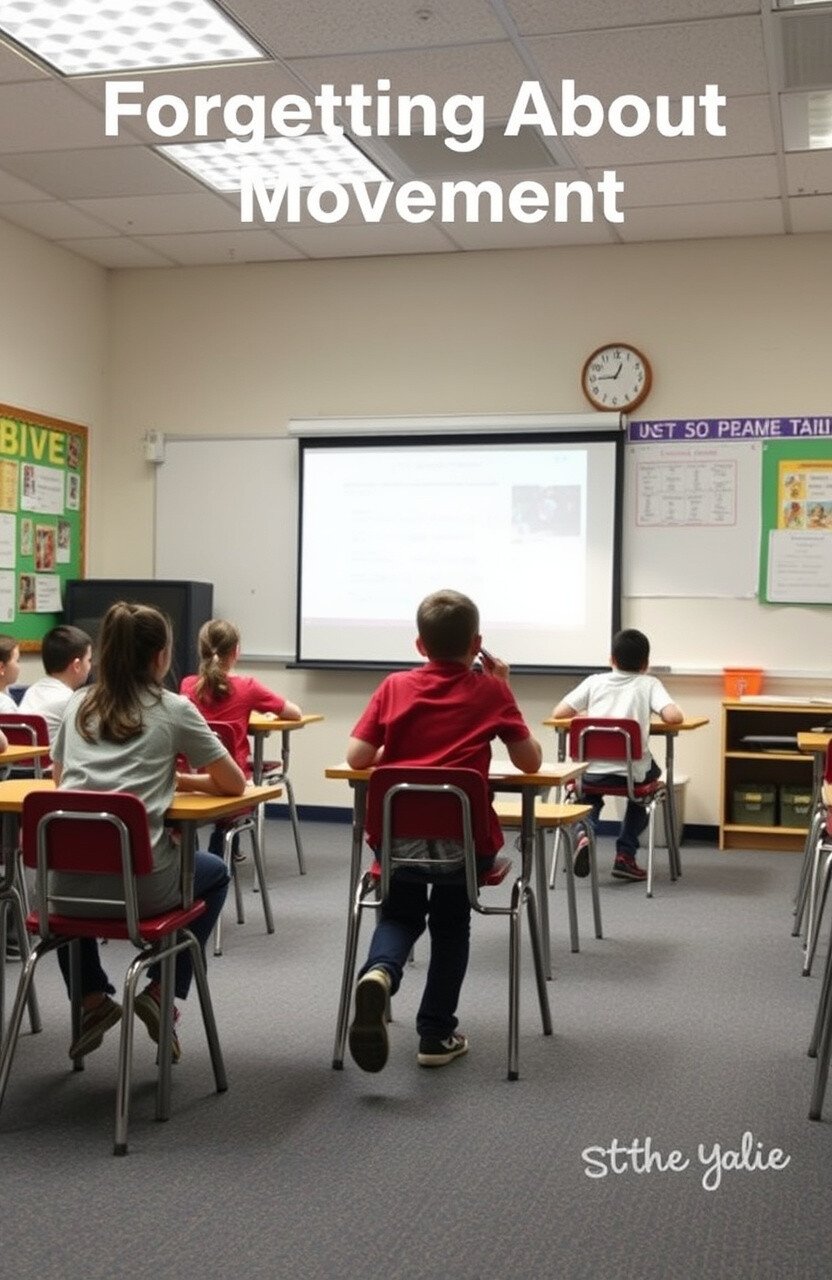
Movement is essential for learning. A static environment can inhibit this.
Encouraging movement boosts energy and focus. It’s like adding a dash of vitality to the day.
Incorporate flexible seating or standing desks. This allows students to move as they learn.
Consider DIY solutions for flexibility. Movement doesn’t have to mean spending big.
20. Overlooking Personalization
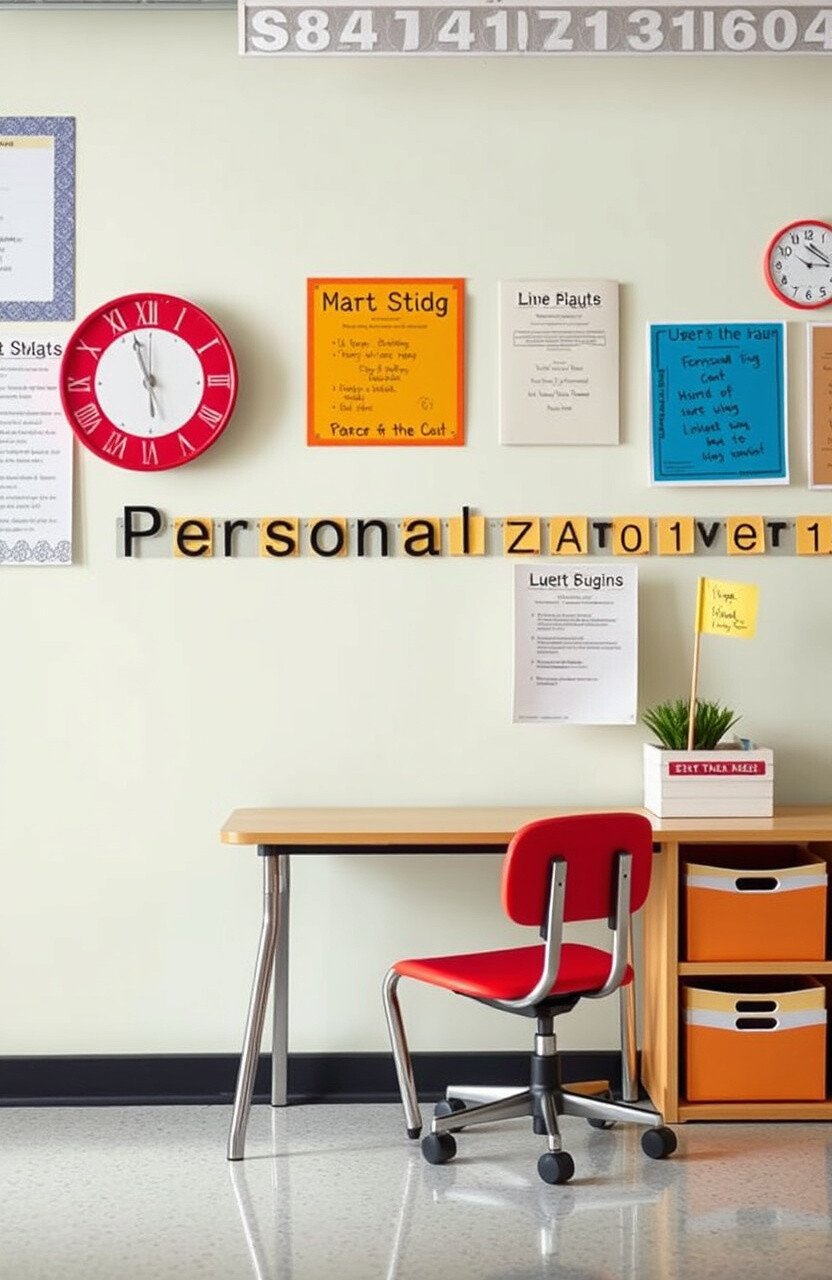
Personal touches can make a classroom feel special. Without them, it can seem generic and cold.
Personalization fosters a sense of belonging. It’s like each student leaving their mark on the space.
Encourage students to decorate their area. This creates a sense of ownership and pride.
Personal decor can be student-made and free. It’s about making the space uniquely yours.
21. Skipping Backup Supplies
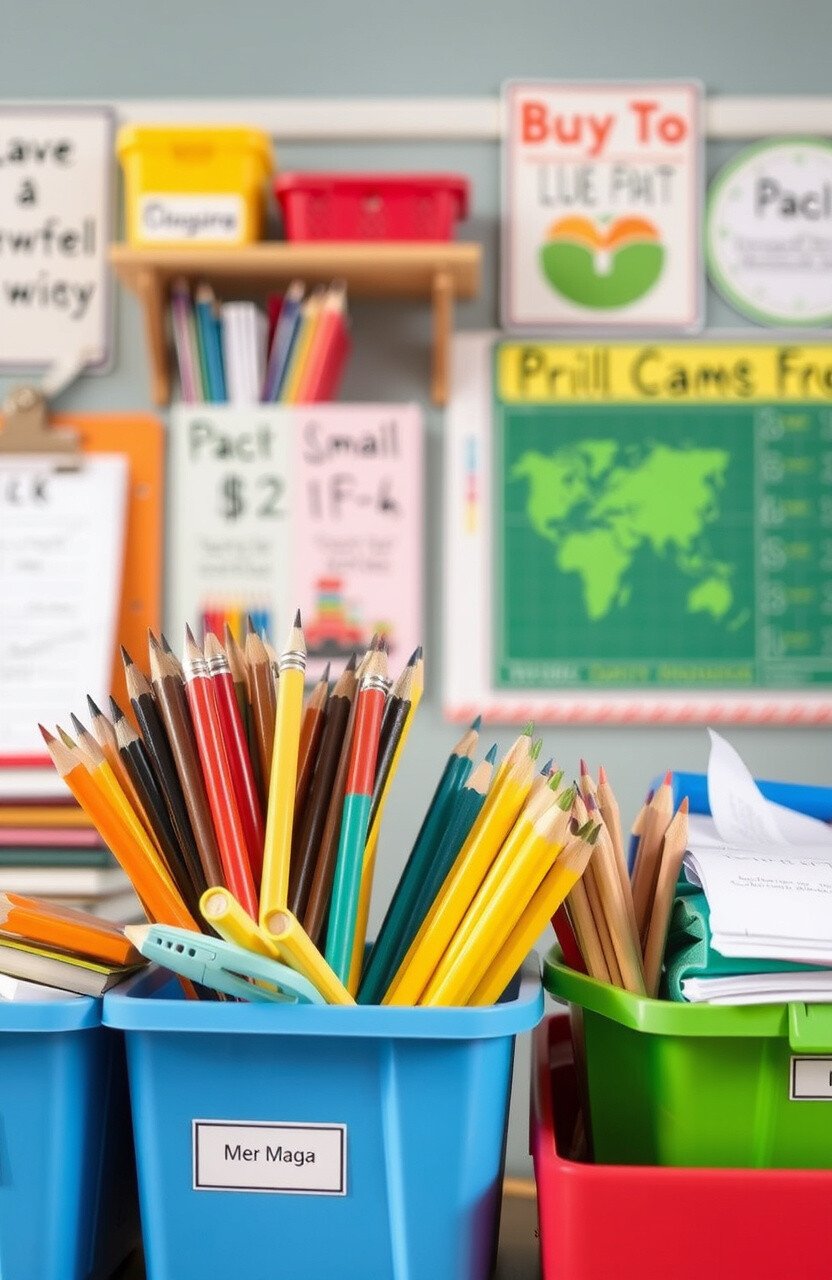
Running out of supplies can disrupt the flow. Not having backups is a common oversight.
A stash of supplies keeps things running smoothly. It’s like having a safety net for learning.
Stock up on essentials like pencils and paper. Store them in accessible, labeled bins.
Buy in bulk to save money. Planning ahead is both economical and practical.
22. Ignoring Classroom Zones
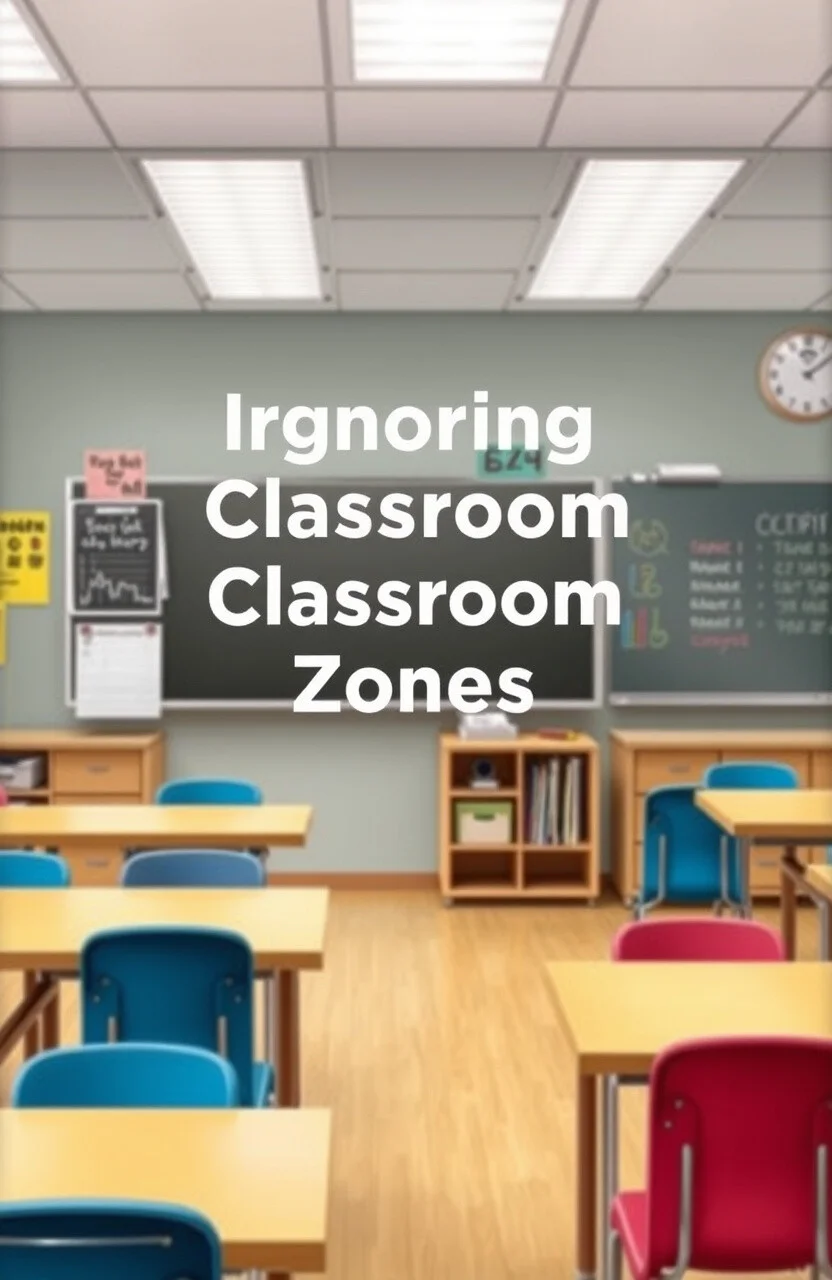
Zoning creates purposeful areas. Without it, the room can feel scattered and unfocused.
Zones help define activities and organization. It’s like having little worlds within one big space.
Create zones for reading, projects, and quiet work. This gives structure and clarity to the room.
Use simple dividers or furniture to create zones. It’s a budget-friendly way to organize the space.
23. Overlooking the Entryway
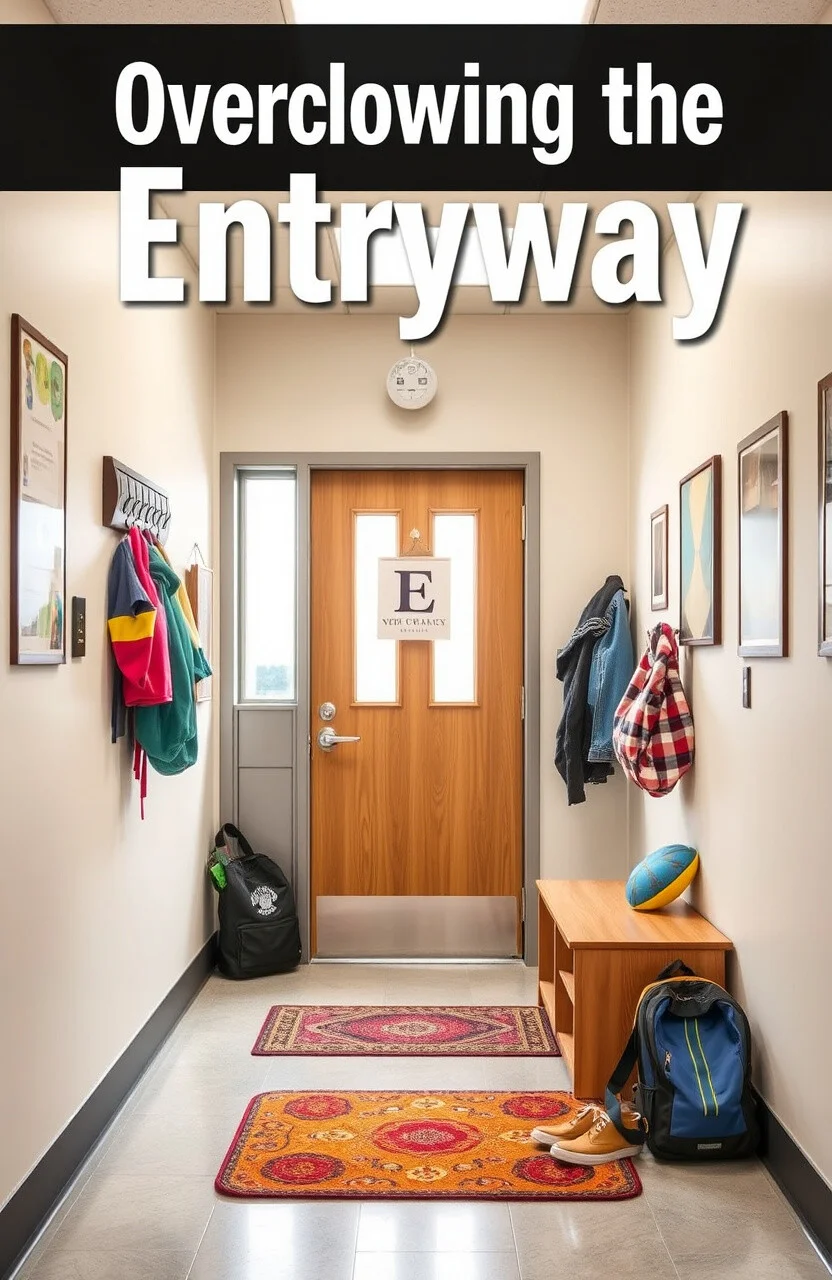
The entrance sets the tone. Neglecting it can miss the chance for a warm welcome.
A tidy entryway invites students in. It’s like rolling out a welcome mat every day.
Keep the area clear with hooks for bags and coats. Add a sign or decoration for a personal touch.
Entryway organization is affordable. It’s about first impressions and starting the day right.
24. Forgetting About Emergency Kits
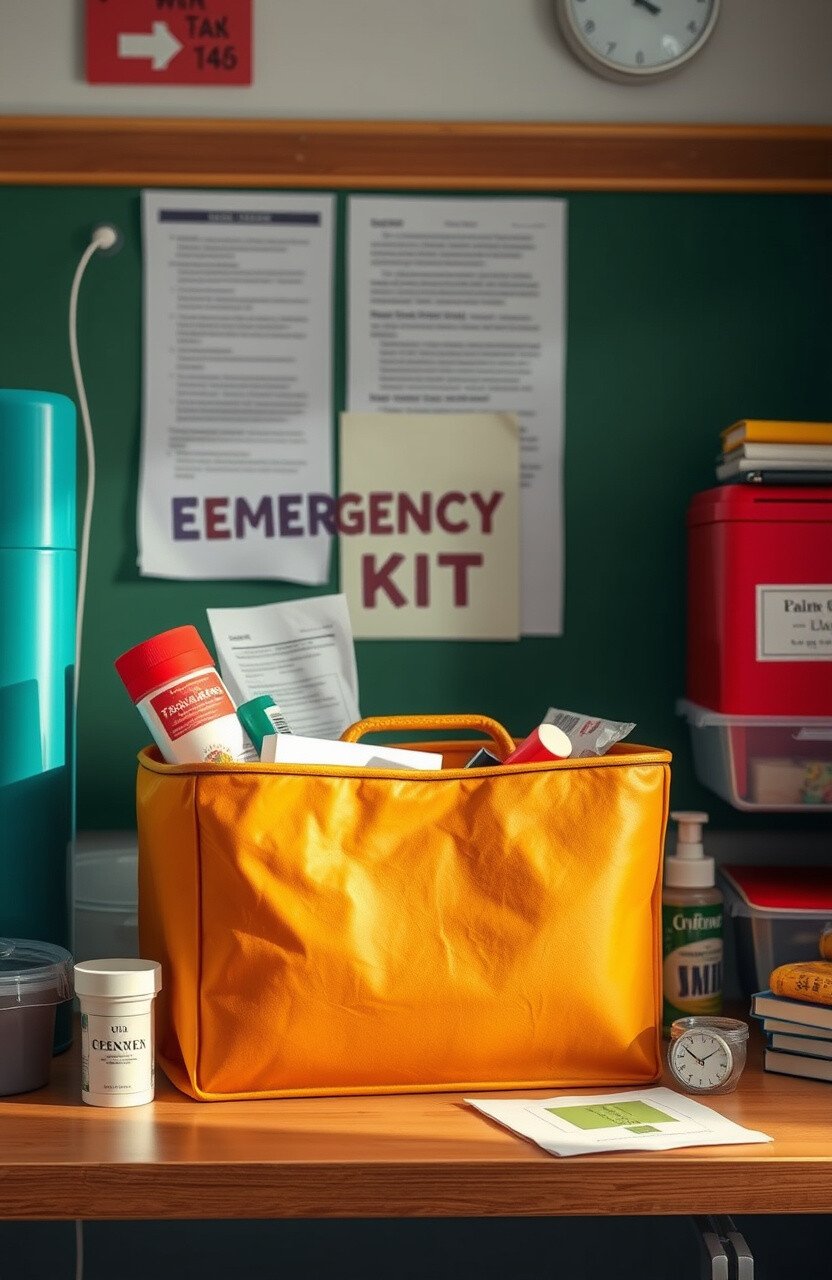
Emergencies happen. Not having a kit can lead to avoidable panic and stress.
An emergency kit provides peace of mind. It’s like having an umbrella on a rainy day.
Include basics like bandages, tissues, and sanitizer. Store it in an easy-to-reach spot.
Kits can be assembled with budget items. They’re a small price for big security.
25. Overcomplicating the Setup
Complex setups can overwhelm. Simplicity often leads to the best results.
A straightforward setup is easy to maintain. It’s like having a recipe with just the right ingredients.
Focus on essential items and keep the layout simple. This makes the room functional and calming.
Simplicity is cost-effective. It’s about quality over quantity in design.
26. Ignoring Student Portfolios

Portfolios showcase student progress. Overlooking them misses a chance to celebrate growth.
They’re a personalized record of learning. It’s like a scrapbook of achievements.
Create simple folders for each student’s work. Encourage them to add their favorite pieces.
Portfolios can be made with basic supplies. They’re a meaningful, low-cost addition.
27. Skipping Theme Days
Theme days add excitement to routines. Neglecting them can make school feel monotonous.
They boost morale and creativity. It’s like having a mini celebration in the classroom.
Plan simple themes like pajama or color days. Involve students in the planning for extra fun.
Theme days are inexpensive. They’re about creating memories, not spending money.
28. Overlooking Student Art
Student art adds personality to the room. Ignoring it misses a chance to showcase creativity.
Displaying art fosters pride and community. It’s like turning the classroom into a gallery.
Rotate displays regularly to feature new pieces. Use simple frames or clips for easy hanging.
Art displays are cost-effective. They’re an inspiring and personal touch.
29. Forgetting About Water Stations
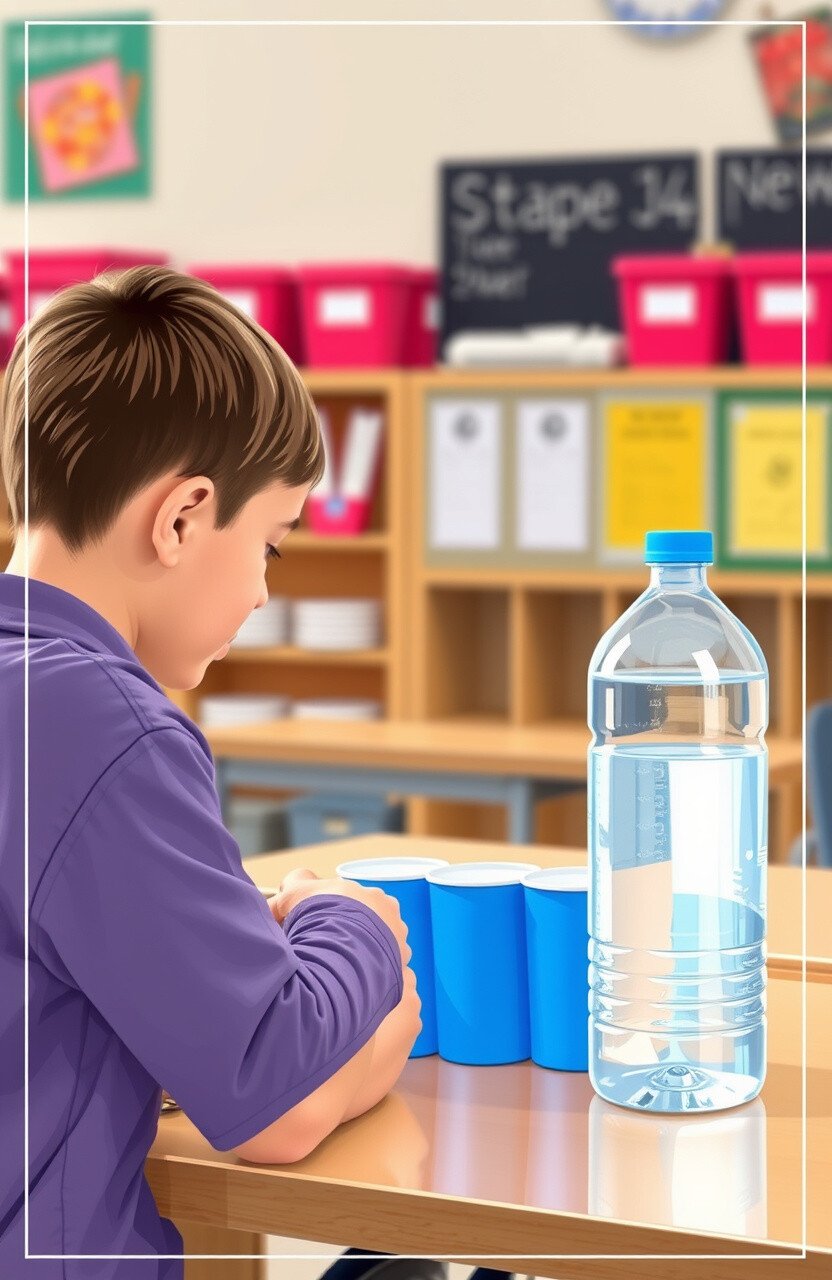
Staying hydrated is key for focus. Without a water station, students might forget to drink.
Easy access to water encourages healthy habits. It’s like having a hydration buddy in class.
Set up a simple water station with cups. Encourage students to take breaks and hydrate.
Water stations are low-cost and easy to maintain. They support both learning and health.
30. Neglecting Outdoor Space

Outdoor areas can extend the classroom. Ignoring them misses fresh air and new perspectives.
Outdoor learning boosts creativity and engagement. It’s like having a classroom without walls.
Use outdoor spots for reading or science. Simple seating can create an inviting environment.
Outdoor setups can be minimal and budget-friendly. Nature offers its own enriching resources.
31. Overlooking the Power of Music
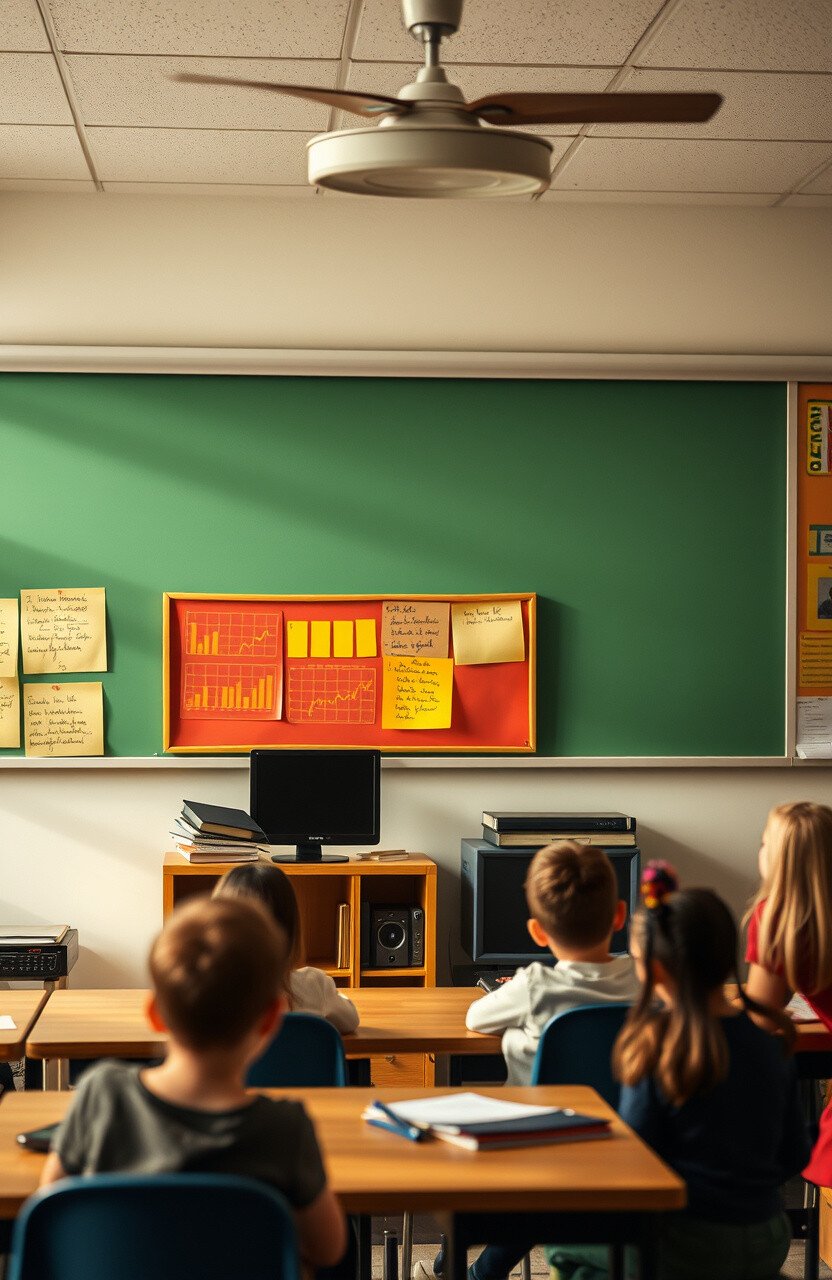
Music can change the mood instantly. Forgetting it can miss out on a powerful atmosphere tool.
Calming tunes can enhance focus and calm. It’s like having a soothing soundtrack to the day.
Use playlists for different activities. This sets the tone and helps manage transitions.
Music is easily accessible and usually free. It’s an auditory enhancement at no extra cost.
32. Ignoring Desk Organization
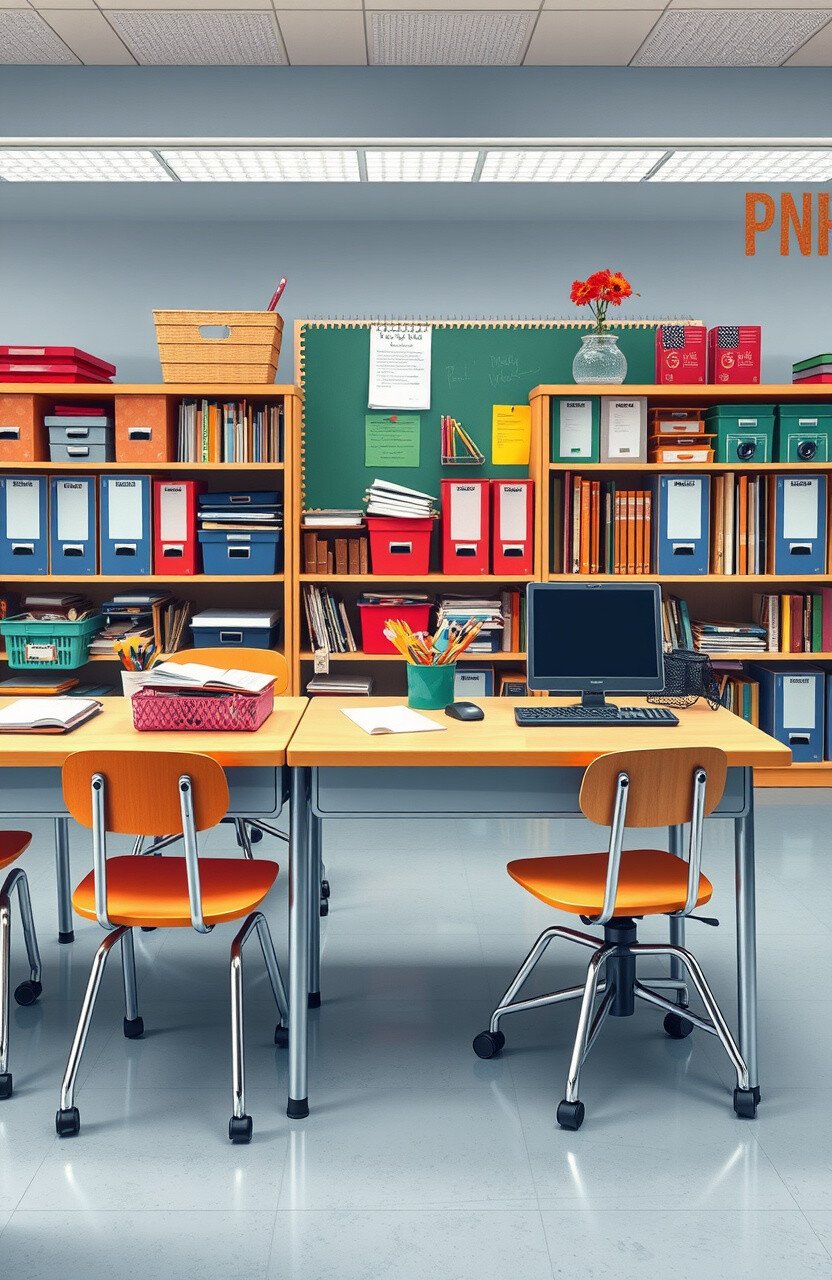
Messy desks lead to distracted minds. Overlooking desk organization can hinder productivity.
Organized desks promote focus and efficiency. It’s like having a clear path to success.
Use trays or organizers for supplies. Encourage students to tidy up regularly.
Desk organization solutions can be DIY. They’re an affordable way to enhance order.
33. Disregarding Air Quality
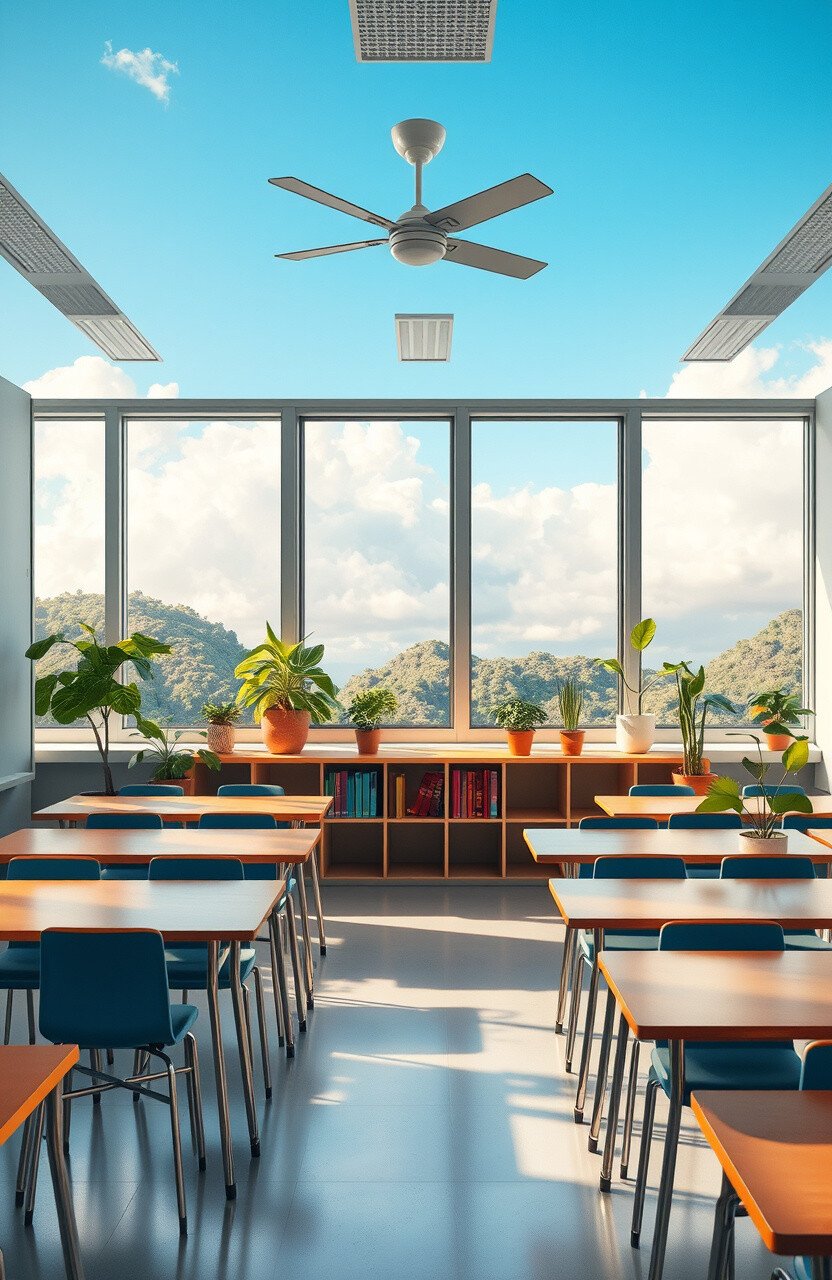
Air quality affects health and focus. Poor air can make the room feel stuffy and dull.
Clean air boosts energy and learning. It’s like taking a deep breath of fresh possibility.
Open windows or use air purifiers. Plants can also improve air quality naturally.
Simple steps improve air without high costs. Fresh air is a free and powerful tool.
34. Overlooking Whiteboard Placement
A misplaced whiteboard can hinder visibility. Thoughtful placement ensures everyone can see.
Proper whiteboard positioning enhances learning. It’s like a stage for ideas and information.
Place boards at eye level and avoid glare. Ensure they are accessible for both you and students.
Positioning adjustments are free. It’s a strategic way to optimize teaching tools.
35. Forgetting to Rotate Materials
Materials can lose their impact over time. Rotating them keeps the room dynamic.
New materials spark curiosity and interest. It’s like giving the classroom a fresh coat of paint.
Switch out books and resources regularly. This keeps the environment stimulating and fresh.
Rotation is free and effective. It’s about keeping things lively and engaging.
36. Ignoring Natural Elements
Natural elements can enhance a classroom’s feel. Without them, the space can seem artificial.
Nature’s textures and colors soothe and inspire. It’s like bringing the outside world inside.
Incorporate wood, stones, or plants. These elements add warmth and connection to nature.
Natural decor can be found at low cost. It’s a grounding addition to any space.
37. Overcomplicating Tech Use
Too much tech can overwhelm a classroom. Simplifying tech use can improve focus and learning.
Balanced tech use enhances education. It’s like having a tool, not a distraction.
Set clear guidelines for tech time. Focus on applications that genuinely aid learning.
Effective tech use doesn’t require new purchases. It’s about smart use of available resources.
38. Forgetting to Celebrate Success

Celebrating success boosts morale and motivation. Neglecting it can make achievements feel unnoticed.
Recognizing accomplishments fosters pride and confidence. It’s like giving a high-five for hard work.
Use a board to highlight achievements. Include both big and small successes.
Celebrations can be simple and free. They’re about acknowledgement, not expense.
39. Ignoring Classroom Rituals
Rituals provide structure and comfort. Without them, the day can feel chaotic.
Consistent routines create a sense of security. It’s like having a daily rhythm that guides everyone.
Start with morning greetings or reflections. These rituals can set a positive tone for the day.
Rituals require no monetary investment. They offer emotional and organizational benefits.
40. Disregarding Safety Concerns
Safety is a top priority. Ignoring it can lead to preventable accidents.
A safe environment allows for worry-free learning. It’s like building a fortress of security.
Regularly check for hazards and secure furniture. Ensure pathways are clear and equipment is safe.
Safety measures are a small effort for big peace of mind. They’re essential and often cost nothing.
41. Overlooking the Importance of Feedback
Feedback can guide improvements. Ignoring it misses a chance for growth and connection.
Constructive feedback fosters a responsive environment. It’s like having a conversation with your space.
Regularly ask students for their thoughts on the setup. Use their input to make meaningful changes.
Feedback is free and invaluable. It’s about listening and evolving together.
42. Neglecting the Role of Fun
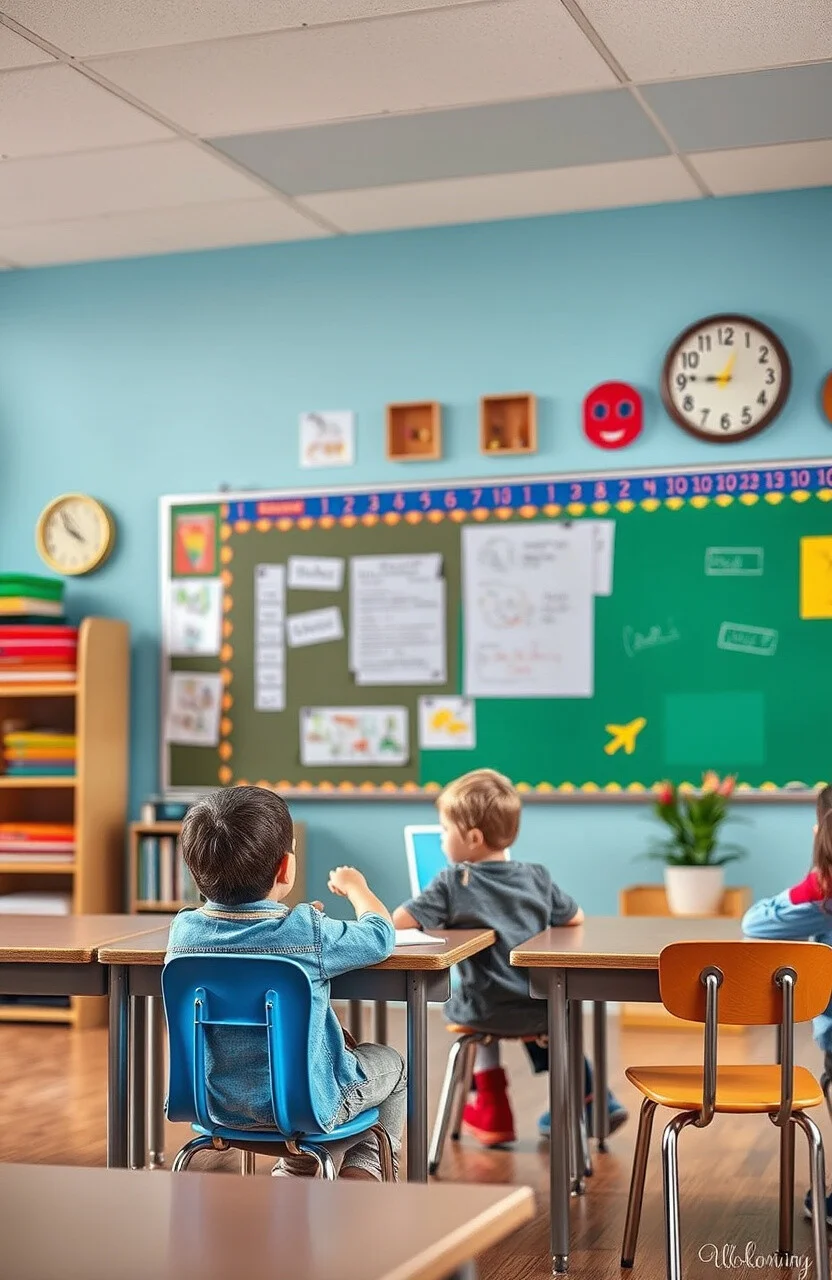
Fun is essential in learning. A too-serious space can stifle joy and creativity.
Incorporating fun encourages engagement and curiosity. It’s like adding a splash of color to the day.
Include games or playful decor. These elements make learning lively and enjoyable.
Fun doesn’t have to be costly. It’s about imagination and playfulness.
43. Forgetting to Involve Parents

Parents can be valuable collaborators. Not involving them can miss support and resources.
Engaged parents contribute to a thriving classroom. It’s like having a team working together.
Invite parents to share ideas and materials. Regular communication keeps them involved.
Parental involvement is free and enriching. It strengthens the community and support network.
44. Ignoring Mindfulness Practices
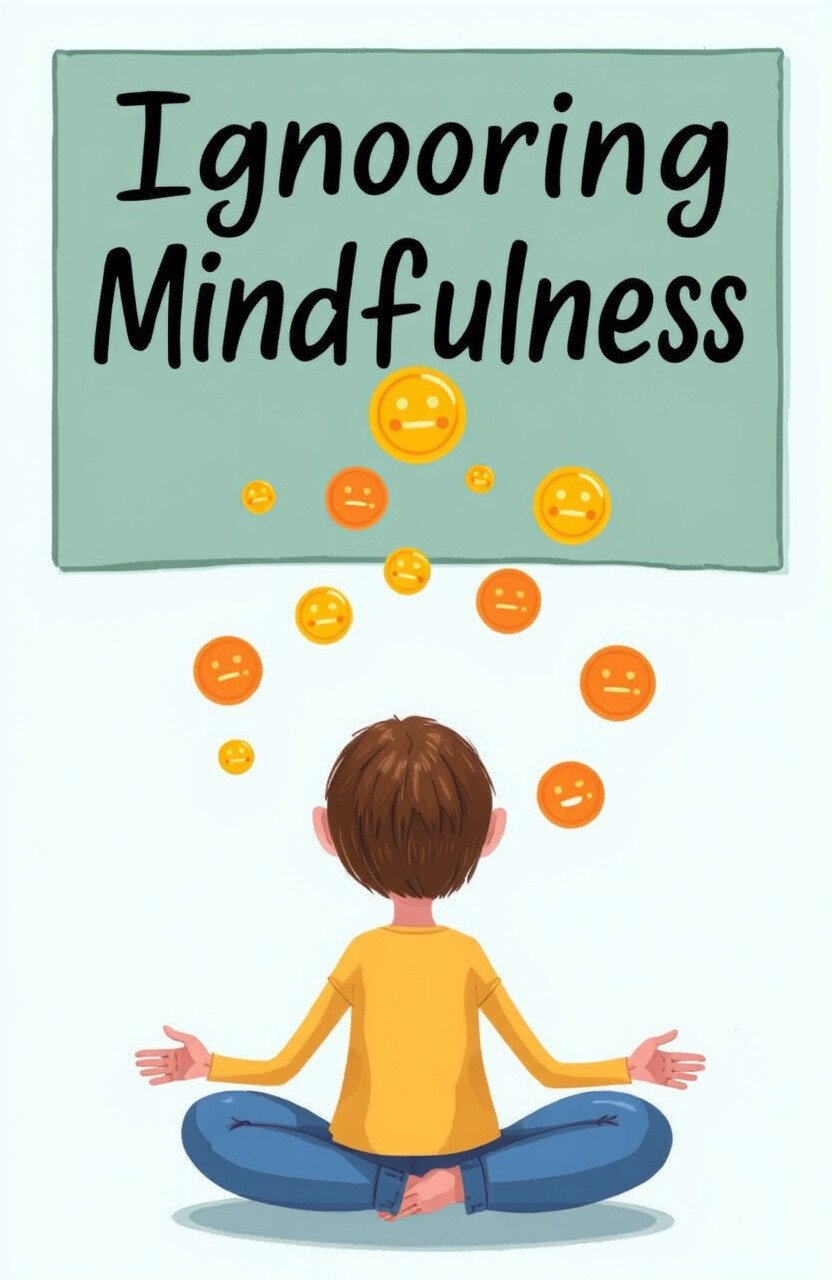
Mindfulness can calm and focus the mind. Ignoring it can miss a tool for mental clarity.
Mindfulness helps manage stress and enhance learning. It’s like a pause button for the mind.
Introduce simple breathing exercises or quiet times. These practices help center students.
Mindfulness requires no special equipment. It’s a cost-free investment in well-being.
45. Skipping Student-Led Activities
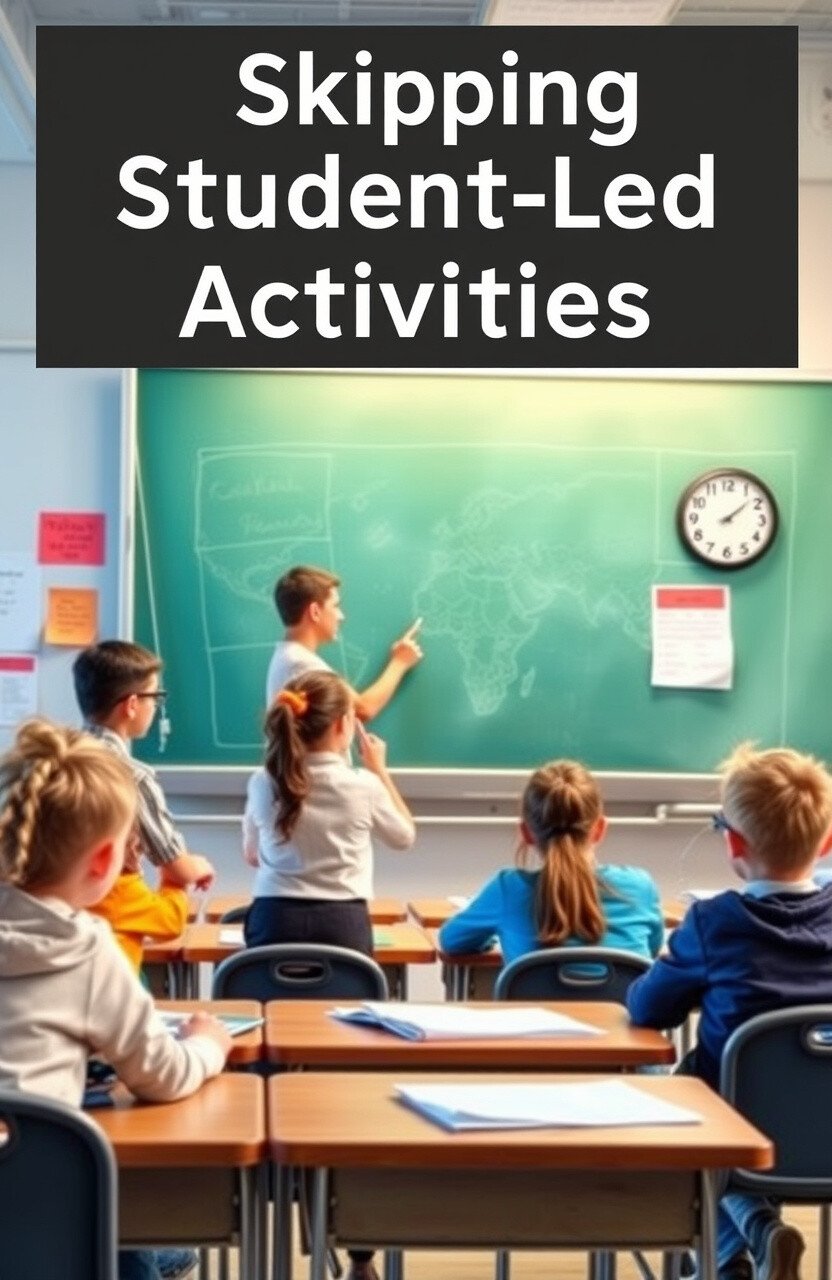
Students can lead and inspire. Without opportunities, their leadership potential may go untapped.
Student-led activities build confidence and skills. It’s like handing them the keys to creativity.
Encourage students to plan and lead projects. This fosters responsibility and innovation.
Student initiatives are budget-friendly. They’re about empowerment, not expense.
46. Overlooking the Need for Breaks

Breaks are essential for mental health. Ignoring them can lead to burnout and fatigue.
Regular breaks refresh and rejuvenate. It’s like hitting the reset button for the brain.
Schedule short breaks between activities. Use them for stretching or quick relaxation.
Breaks are free and vital. They support sustained energy and focus.
47. Neglecting the Power of Stories
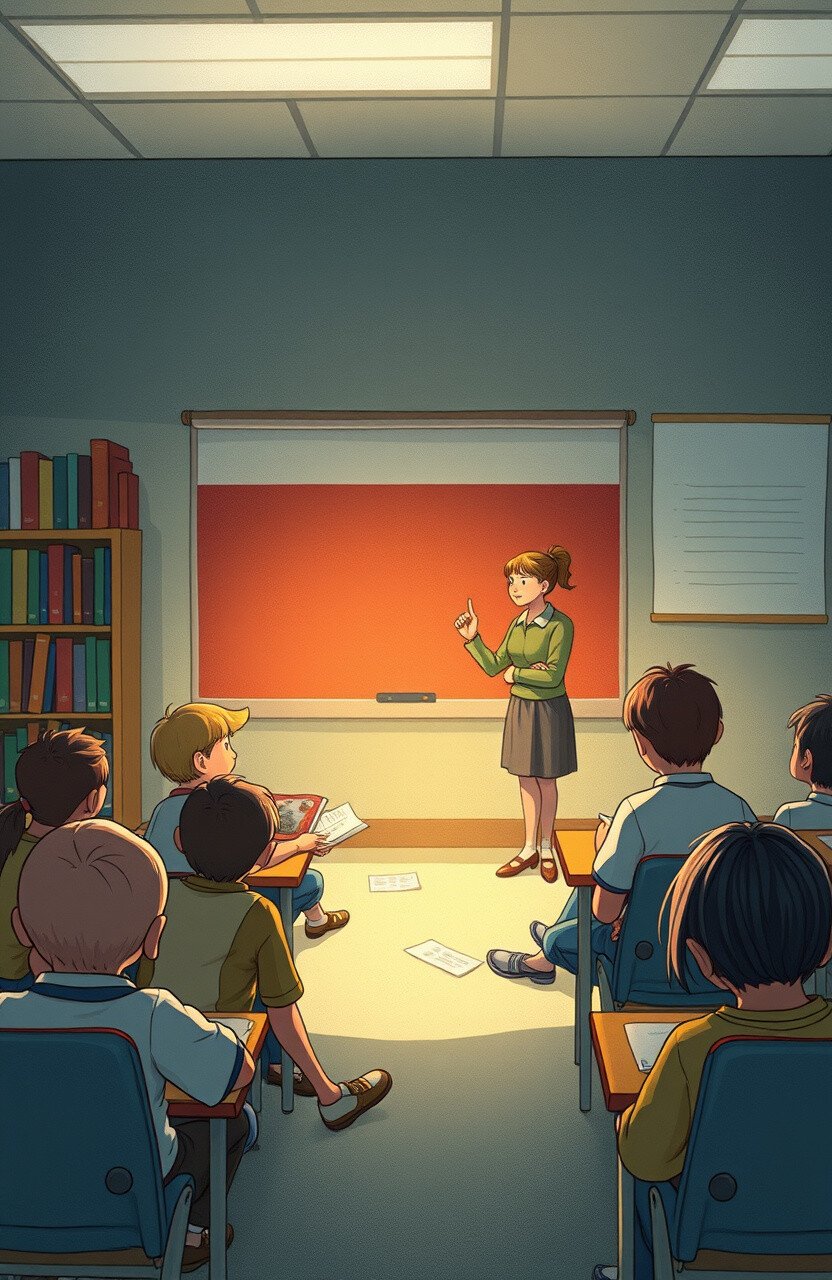
Stories captivate and teach. Ignoring them means missing a dynamic educational tool.
Stories engage imagination and empathy. It’s like opening a portal to different worlds.
Include storytime or narrative-based lessons. These can enhance any subject and captivate attention.
Stories can be shared at no cost. They’re a timeless and powerful educational resource.
48. Forgetting to Reflect on Progress

Reflection helps recognize growth and areas for improvement. Neglecting it can lead to stagnation.
Regular reflection fosters self-awareness and learning. It’s like looking in a mirror to see how far you’ve come.
Incorporate reflection journals or discussions. Encourage students to think about their learning journey.
Reflection practices are free and insightful. They’re about understanding and appreciating progress.