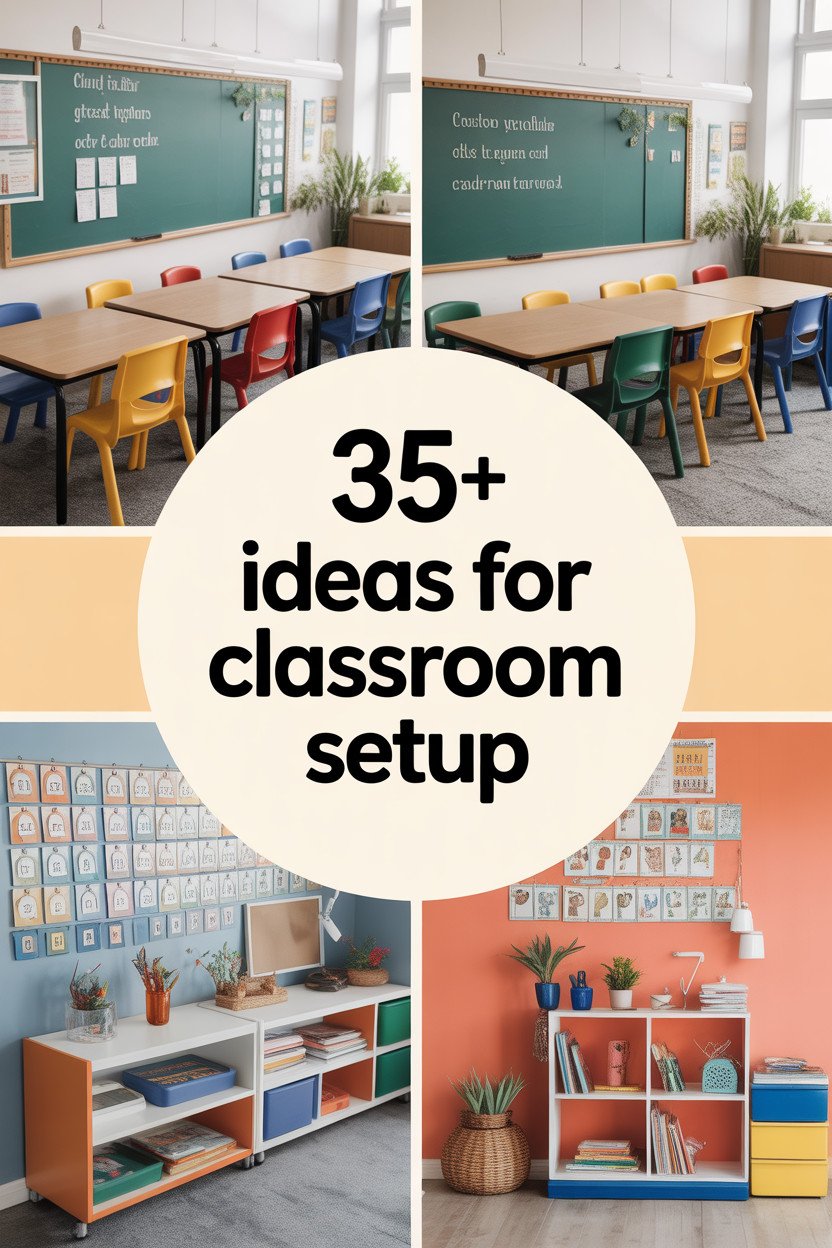
Imagine stepping into a classroom where creativity dances on every wall, and inspiration flows like a gentle breeze. Picture spaces that spark curiosity and ignite a love for learning. Here, you’ll find a treasure trove of ideas that blend the digital world with the charm of analog ingenuity.
1. Interactive Whiteboard Wall
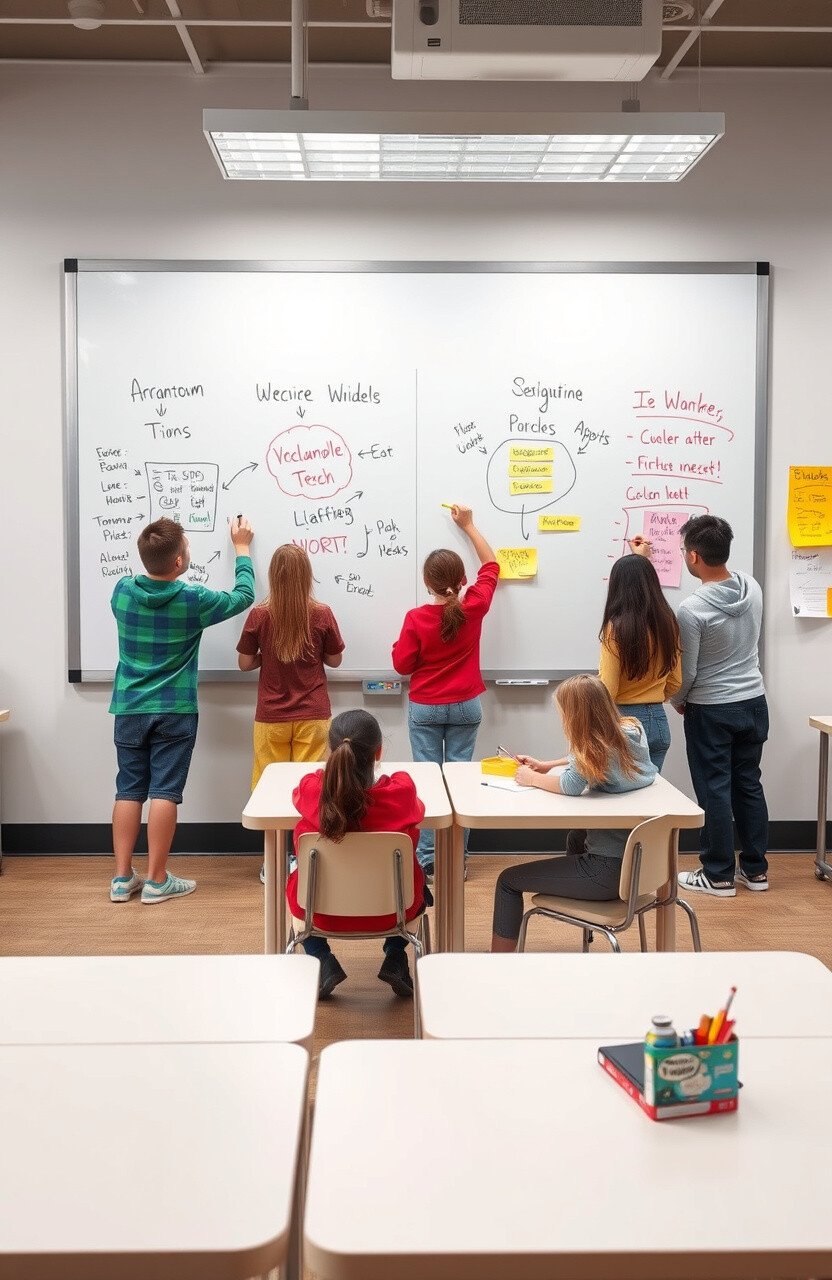
Transform an entire wall into an interactive whiteboard with special paint. This allows students to collaborate and brainstorm freely.
It’s like having a giant canvas where ideas can be shared and expanded upon. Perfect for group activities and spontaneous creativity.
Use different colors to organize thoughts and make learning fun. Encourage students to express themselves boldly.
The paint might be a little pricey, but the benefits last for years. It’s an investment in a dynamic learning environment.
2. Cozy Reading Nook
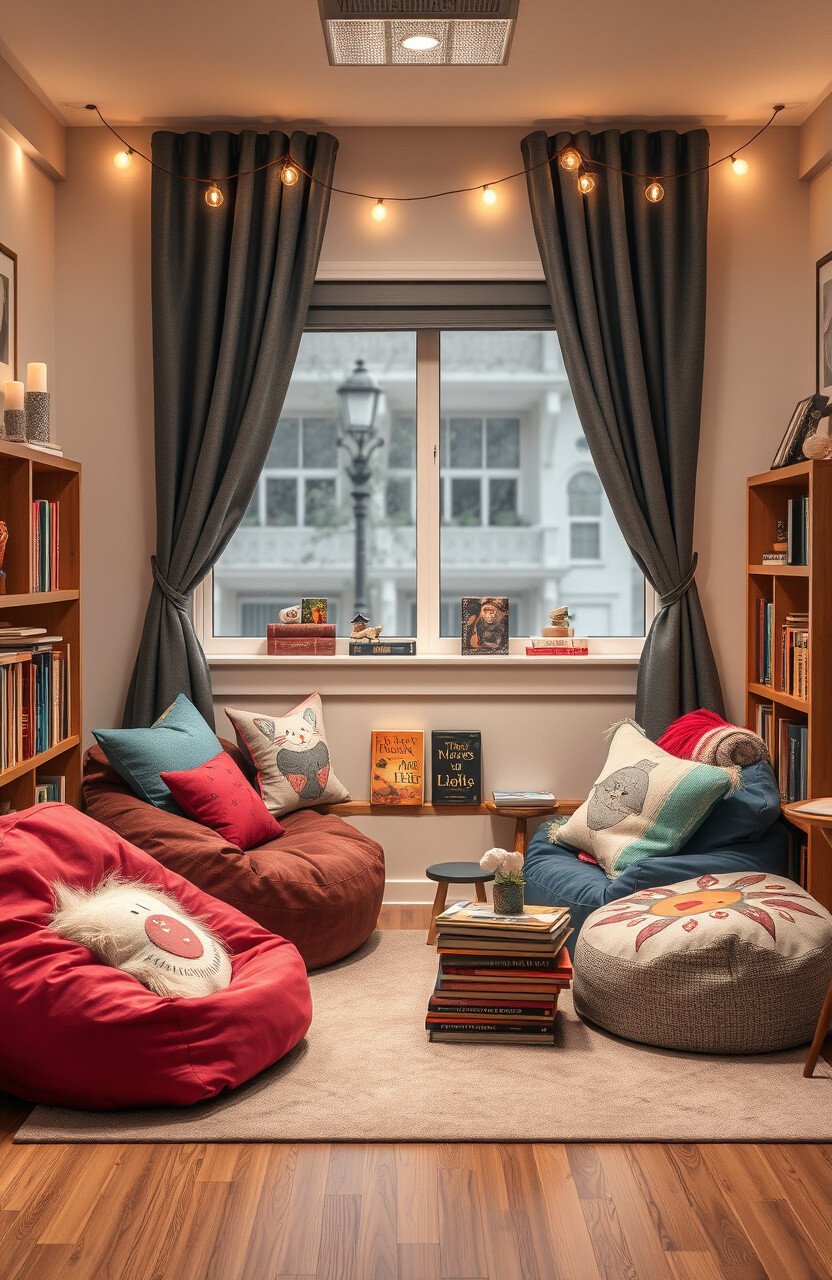
Create a cozy, inviting reading nook with bean bags and soft lighting. It’s a perfect escape for young readers.
This space encourages a love for reading and offers a quiet corner for reflection. Books become best friends here.
Customize with fairy lights and themed pillows for a unique touch. Allow students to personalize with their favorite books.
It’s affordable and can be set up in a small area. Look for sales on cozy chairs and discounted books.
3. Digital Art Display
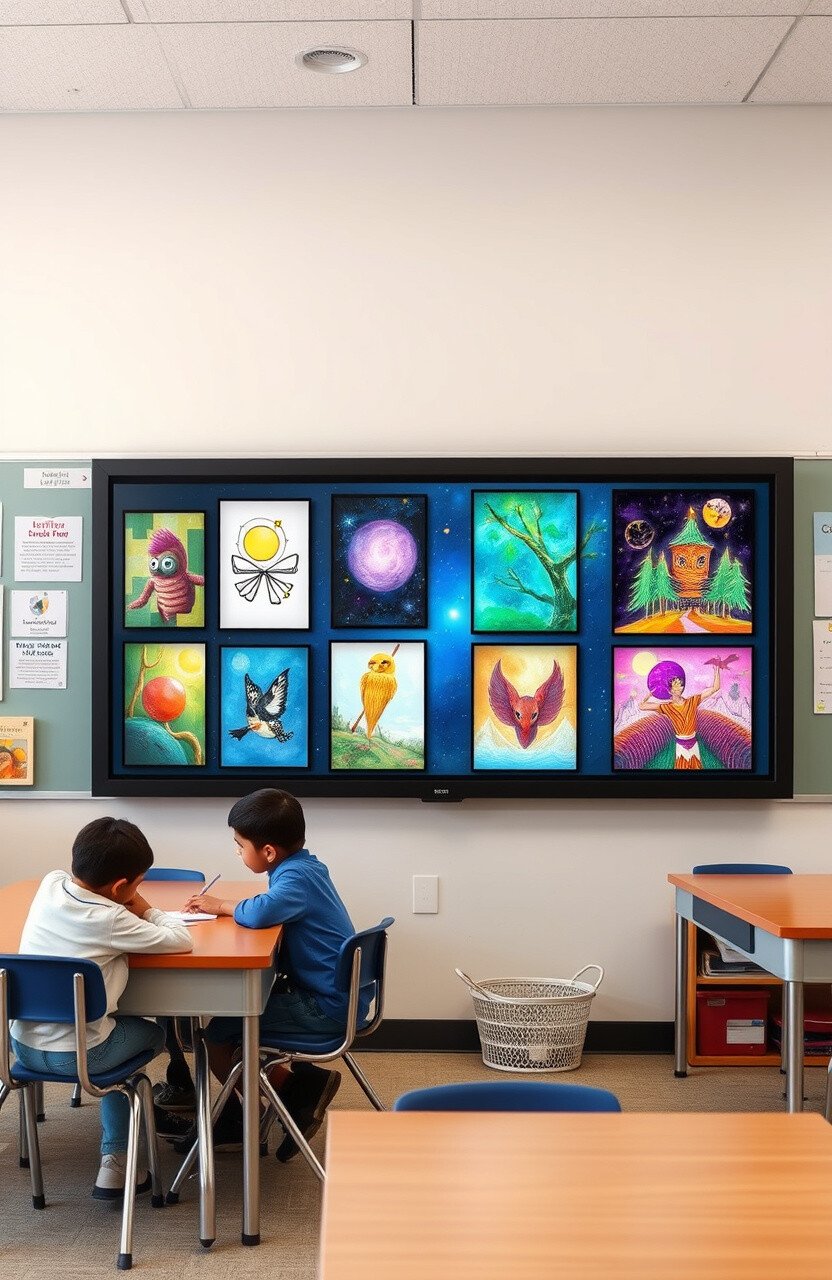
Install digital frames that rotate student artwork. Each piece gets its moment to shine, like a gallery exhibition.
Students feel proud seeing their work displayed, boosting confidence and creativity. It’s a celebration of their skills.
Update regularly to keep it fresh and exciting. Encourage all forms of art, from digital designs to traditional paintings.
Initial cost might seem high, but it’s eco-friendly and reduces paper use. Look out for deals on digital frames.
4. Nature-Inspired Classroom
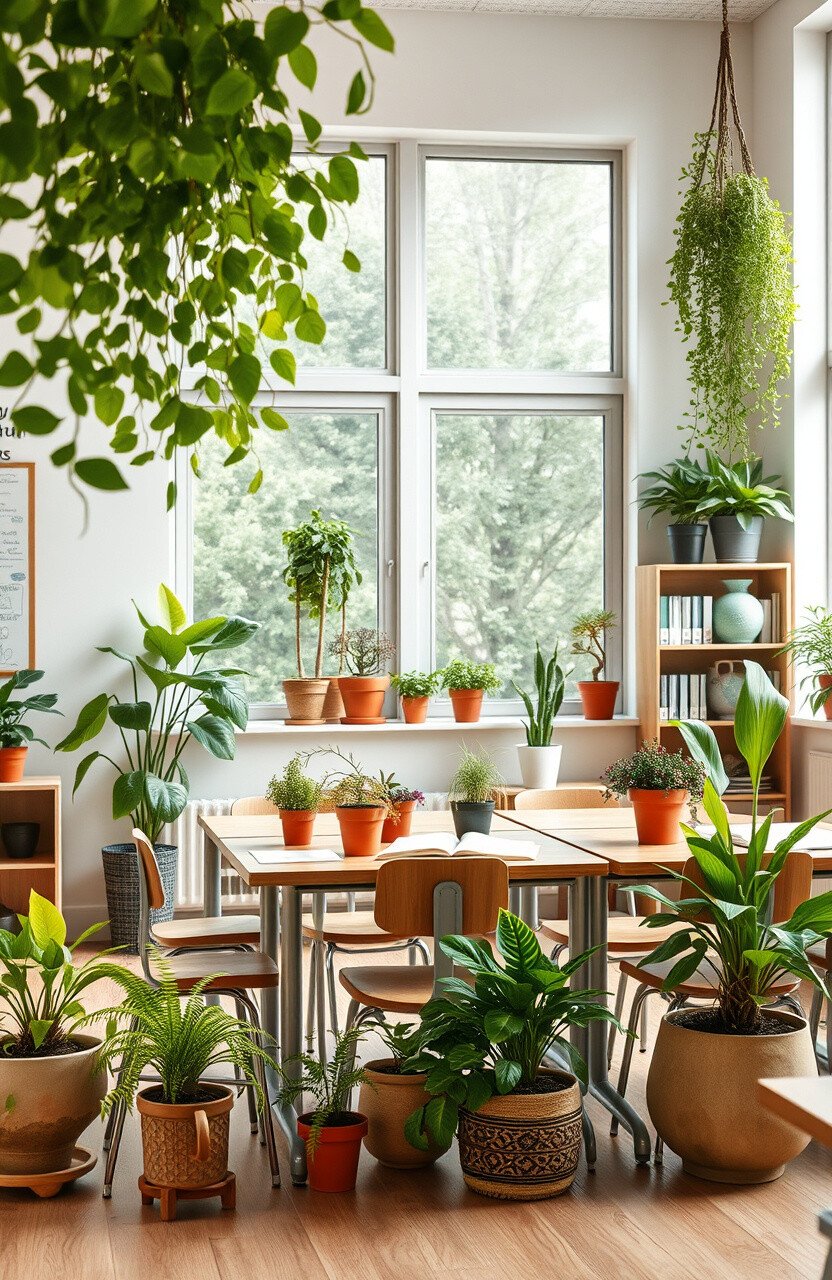
Bring the outdoors inside with plants and natural elements. It creates a calming atmosphere for learning.
Plants improve air quality and add a touch of tranquility. Students feel more connected to nature.
Use planters of various shapes and sizes for a whimsical look. Allow students to care for the plants, teaching responsibility.
Plants are relatively inexpensive and can be bought locally. Choose low-maintenance varieties for ease.
5. Flexible Seating Arrangement
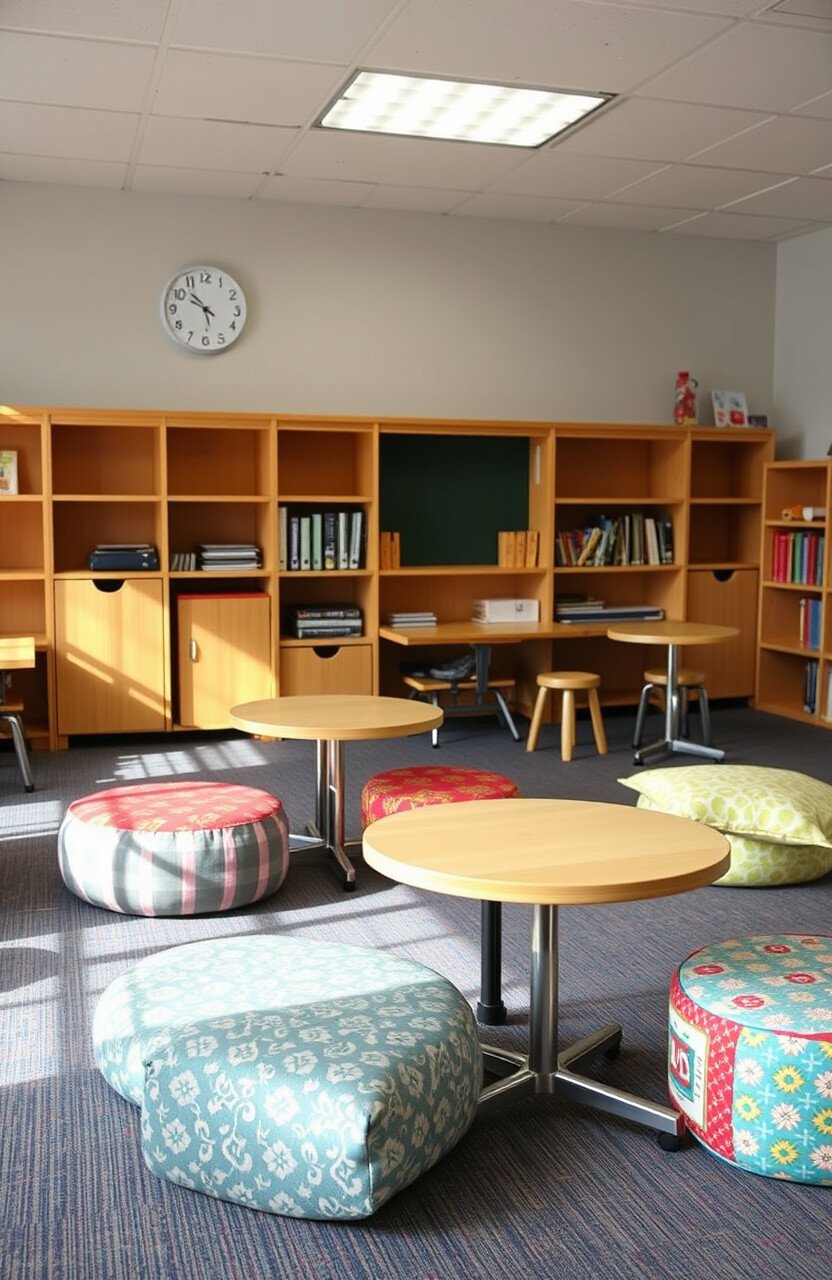
Introduce a mix of seating options like stools, cushions, and standing desks. This caters to different learning styles.
Students can choose where they feel most comfortable, promoting engagement and focus. It’s learning with freedom.
Rotate seating arrangements to keep things fresh and exciting. Personalize with colorful covers and unique patterns.
Start small with a few options and expand over time. Look for budget-friendly alternatives at thrift stores.
6. Chalkboard Paint Accents
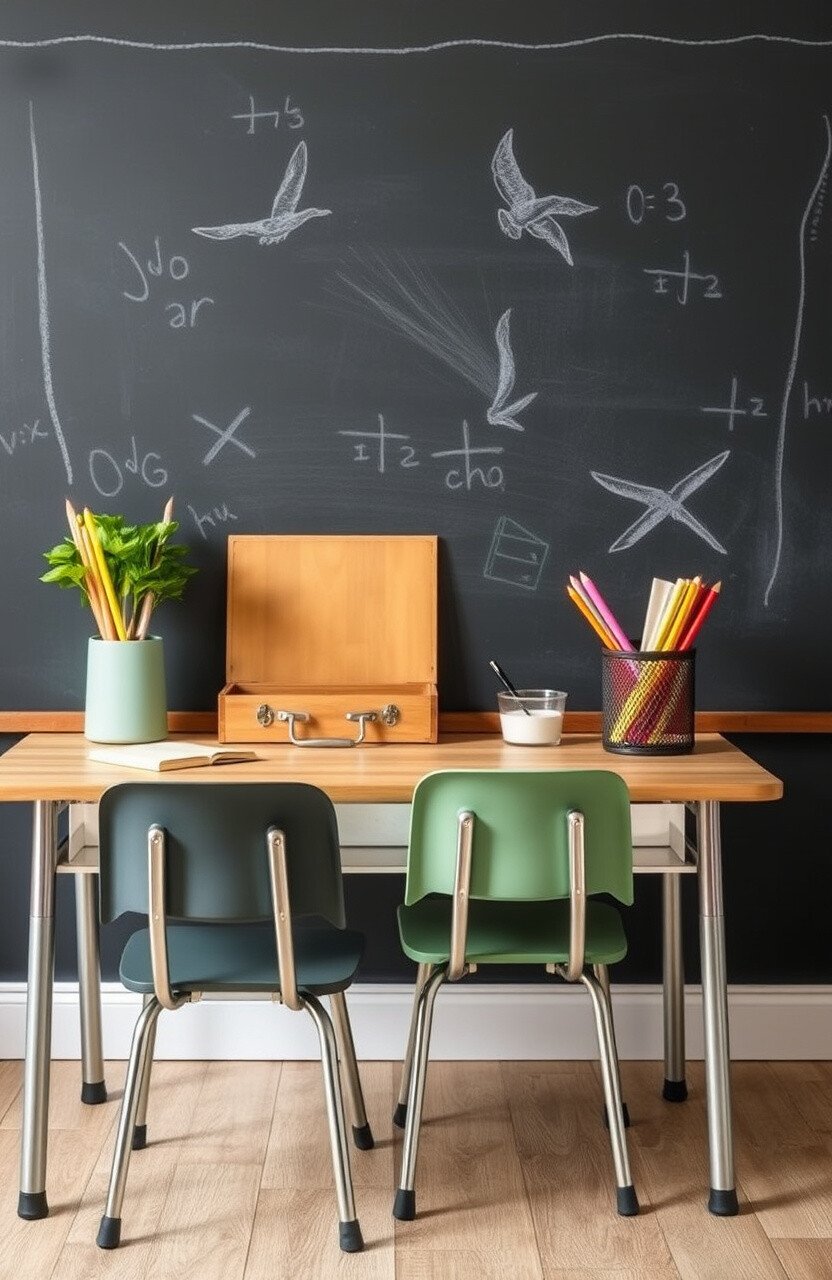
Use chalkboard paint to create writable surfaces on desks or walls. It’s a fun twist on traditional learning spaces.
Students can doodle, jot notes, or solve problems right at their desks. It’s interactive and engaging.
Encourage creativity with colorful chalks and erasers. Change designs with the seasons or topics being studied.
It’s a cost-effective way to add versatility to the classroom. Chalkboard paint is easy to apply and maintain.
7. Tech-Free Zone
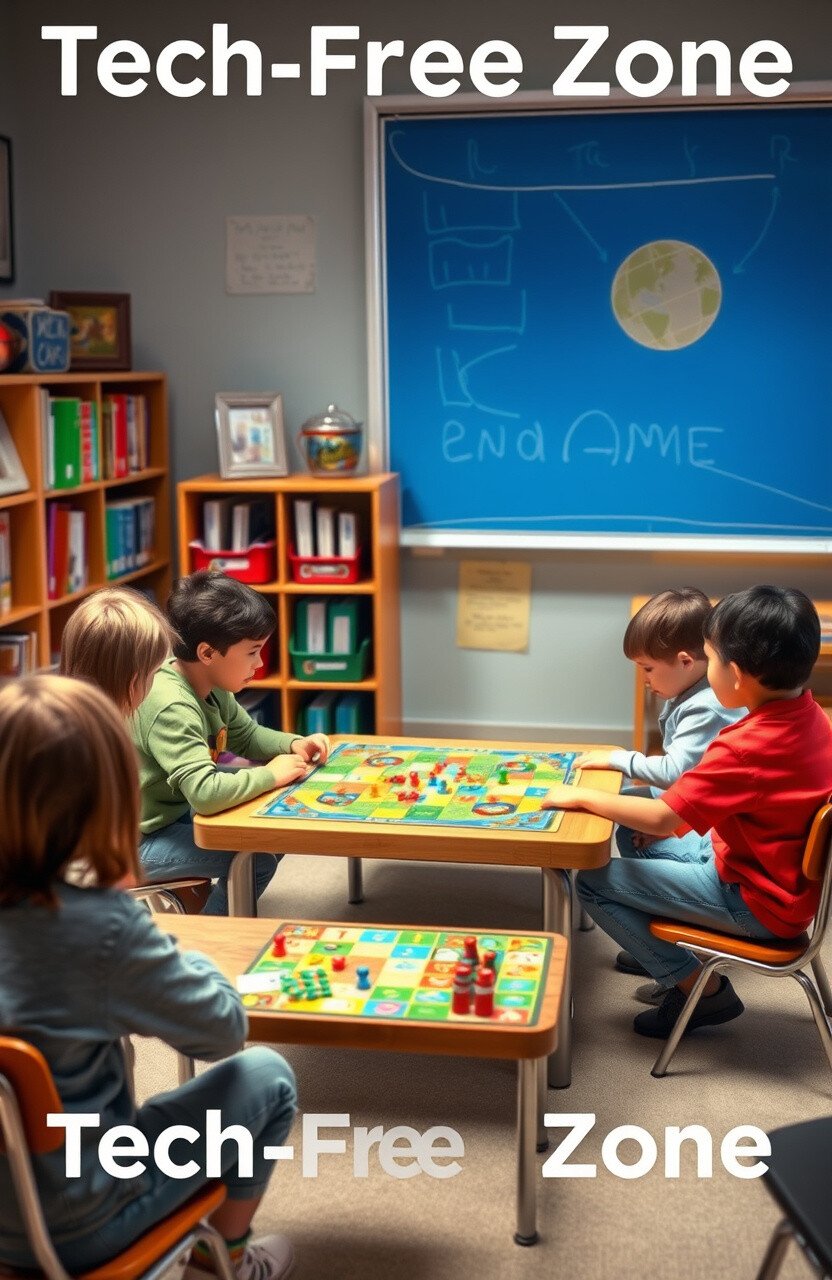
Designate a tech-free zone for unplugged activities like puzzles and board games. It’s a refreshing break from screens.
This area promotes social skills and face-to-face interaction. Students learn to enjoy simple pleasures.
Choose games that encourage teamwork and problem-solving. Rotate games to keep the excitement alive.
Board games can be found at garage sales or second-hand shops. It’s an affordable addition to any classroom.
8. Sensory-Friendly Corner
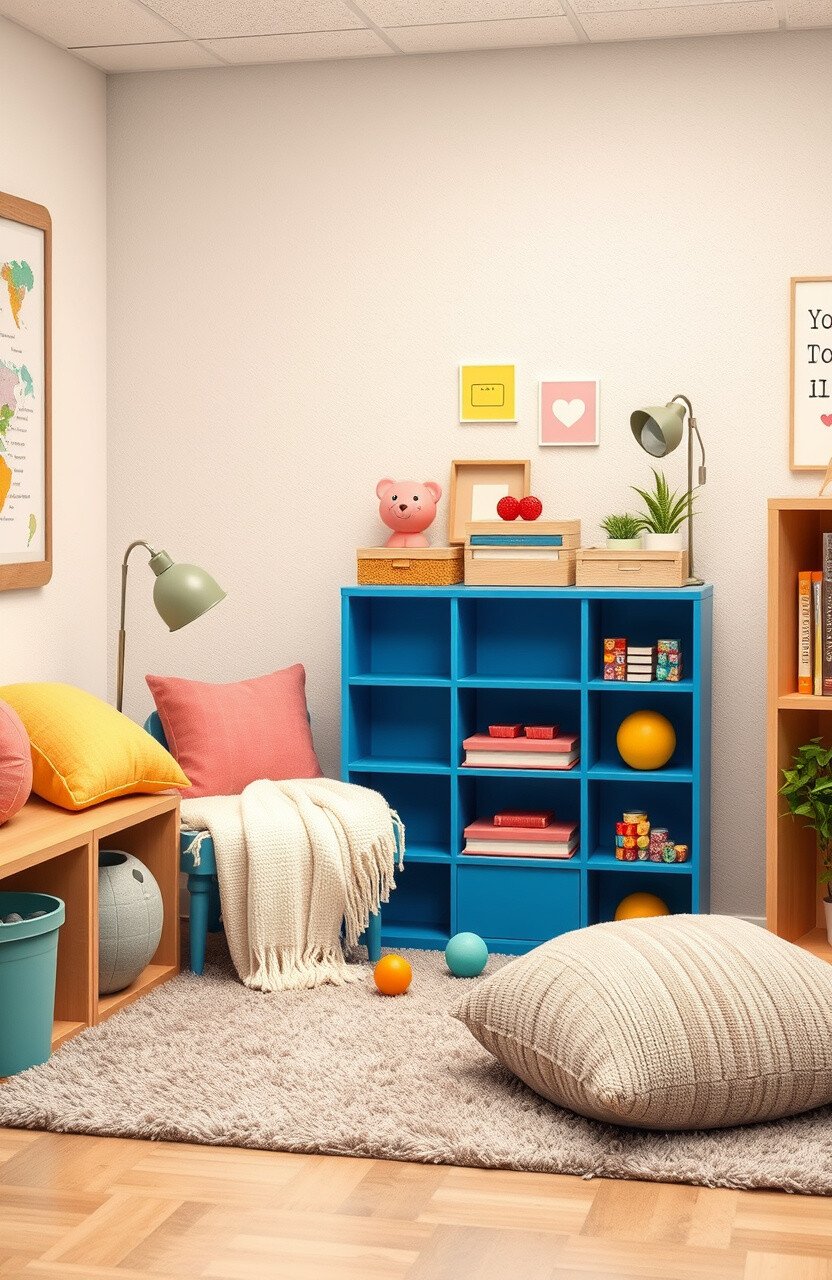
Create a sensory-friendly corner with soft textures and calming colors. This is a haven for students needing a quiet retreat.
It provides a safe space for students to relax and recharge. Sensory tools can help manage stress and anxiety.
Include items like soft blankets, stress balls, and fidget toys. Personalize with student input for added comfort.
Many sensory items can be DIY projects, making this a budget-friendly option. Focus on textures that appeal to the senses.
9. Inspirational Quotes Wall
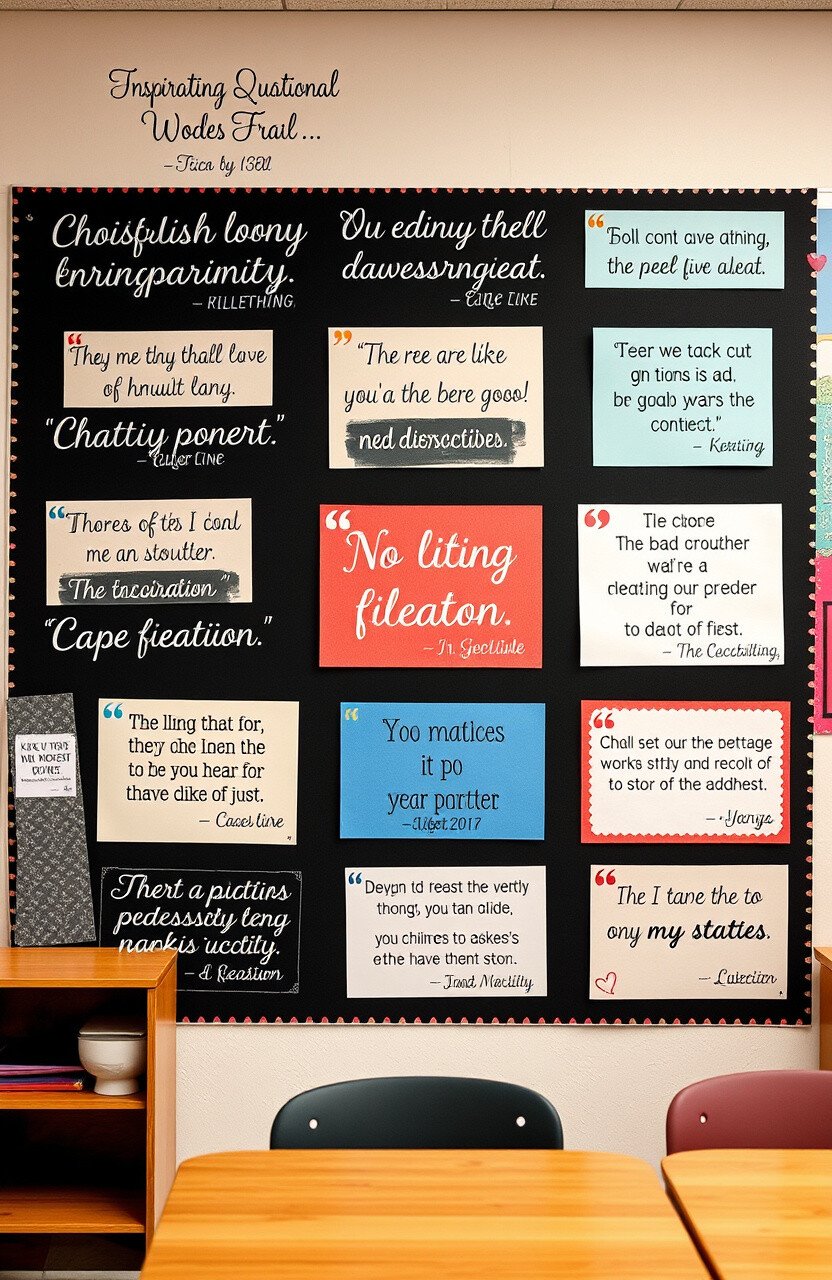
Decorate a wall with inspirational quotes from famous figures and students alike. Words have the power to inspire.
This wall encourages positivity and motivation. Students can contribute their own quotes for personal touch.
Change quotes each month to keep it fresh. Use colorful papers and creative fonts for eye-catching displays.
Printing quotes is inexpensive, and materials can be sourced from craft stores. It’s a high-impact, low-cost feature.
10. DIY Desk Organizers
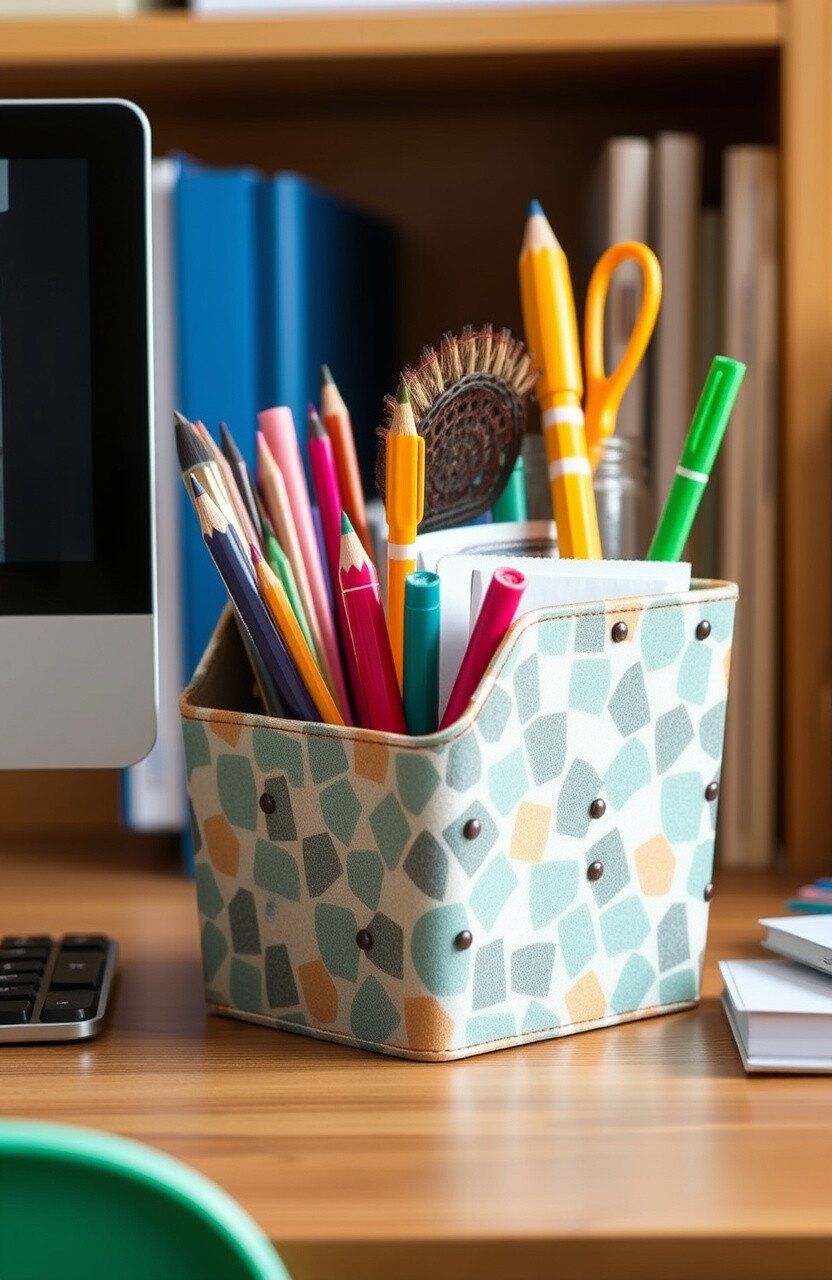
Create personalized desk organizers using recycled materials. It’s a fun and eco-friendly project.
Students learn organizational skills and the importance of recycling. It’s a practical and educational activity.
Encourage creativity with paint and decorations. Each student can design an organizer that reflects their personality.
Materials are often things you’d throw away, so it’s free or very cheap. A great way to clear clutter creatively.
11. Wall of Achievements
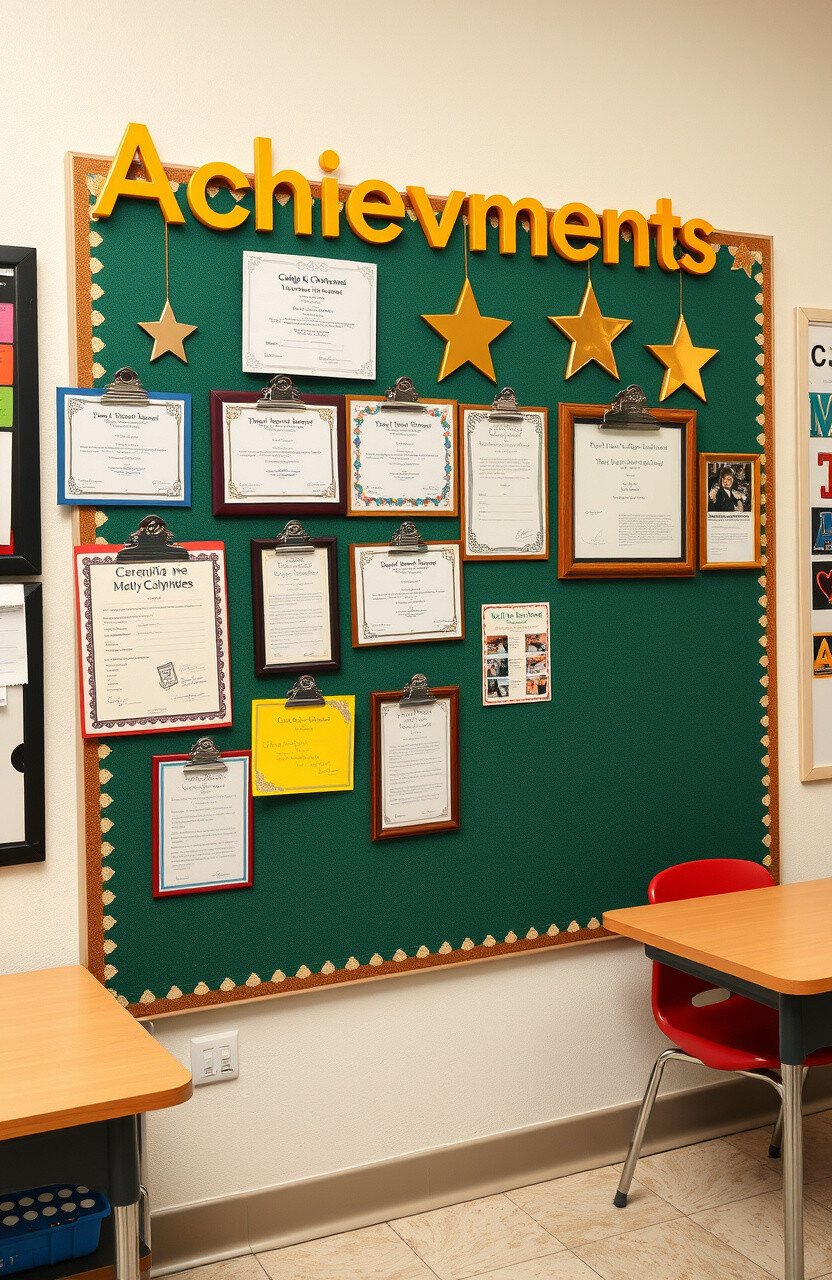
Dedicate a space for celebrating student achievements. It’s a visual reminder of hard work and success.
Recognition boosts confidence and encourages goal setting. Students feel proud seeing their accomplishments displayed.
Allow students to contribute to the display, adding personal touches. Rotate achievements to keep it current.
Printing certificates or photos is cost-effective. Use clipboards or frames to create an organized look.
12. Cultural Exchange Corner
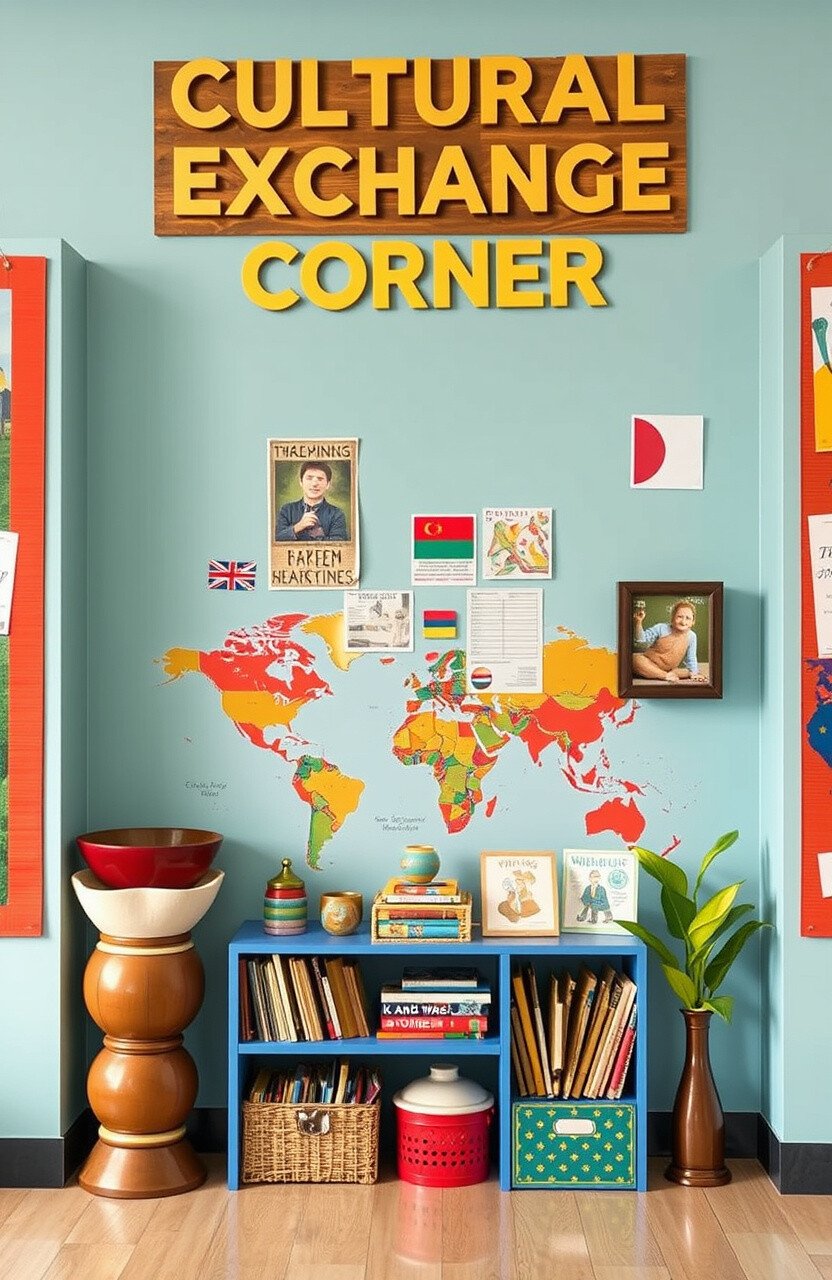
Create a corner that highlights different cultures and traditions. It’s a window to the world within the classroom.
This space promotes diversity and understanding. Students can learn about customs and celebrations globally.
Include artifacts, flags, and photos. Encourage students to share their cultural stories and items.
Items can be sourced from students or cultural events. It’s a dynamic, evolving display that costs little to maintain.
13. Creative Writing Station
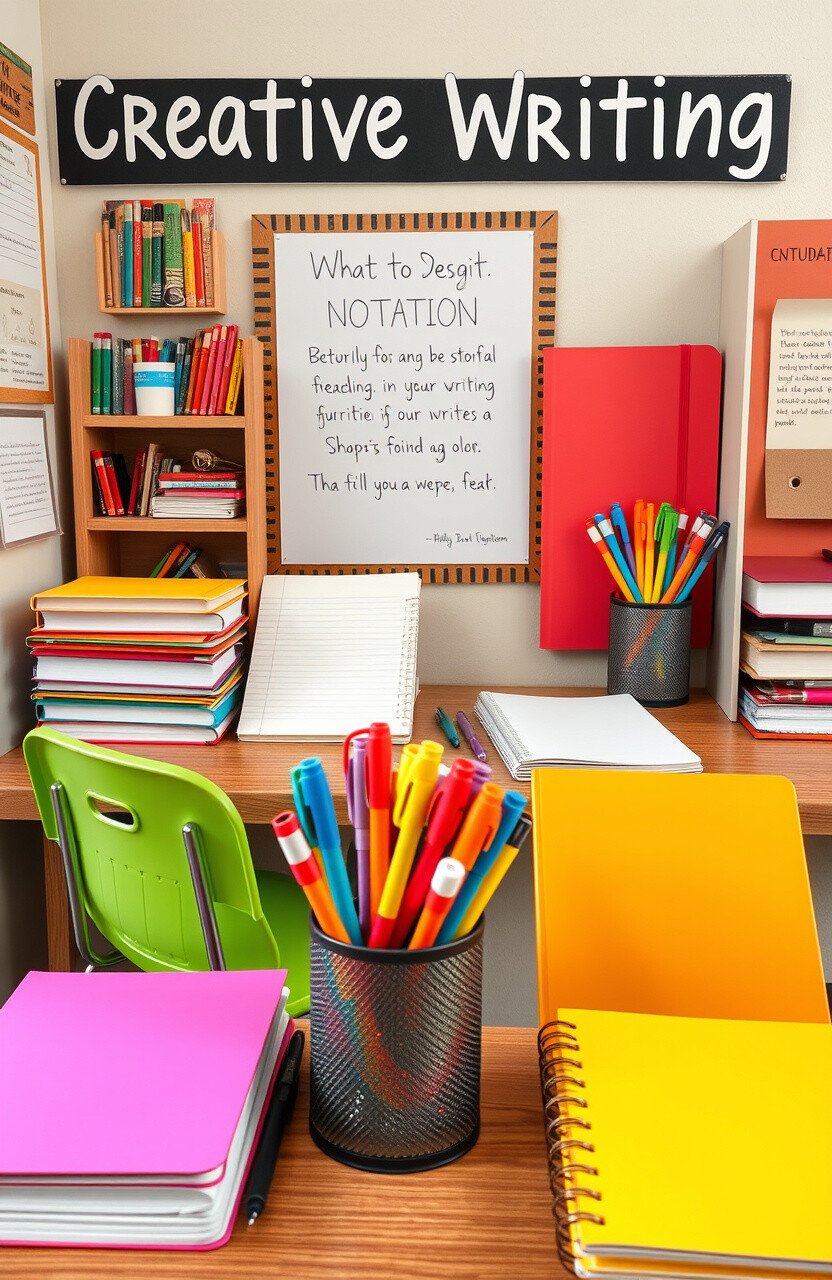
Set up a station stocked with colorful notebooks and quirky pens. It’s an invitation to unleash the imagination.
Encourages students to write freely and experiment with storytelling. A place where words come alive.
Rotate writing prompts and themes to inspire creativity. Allow for anonymous sharing of stories if students wish.
Notebooks and pens are budget-friendly, especially during back-to-school sales. A small cost for a big impact.
14. Mindfulness Meditation Area
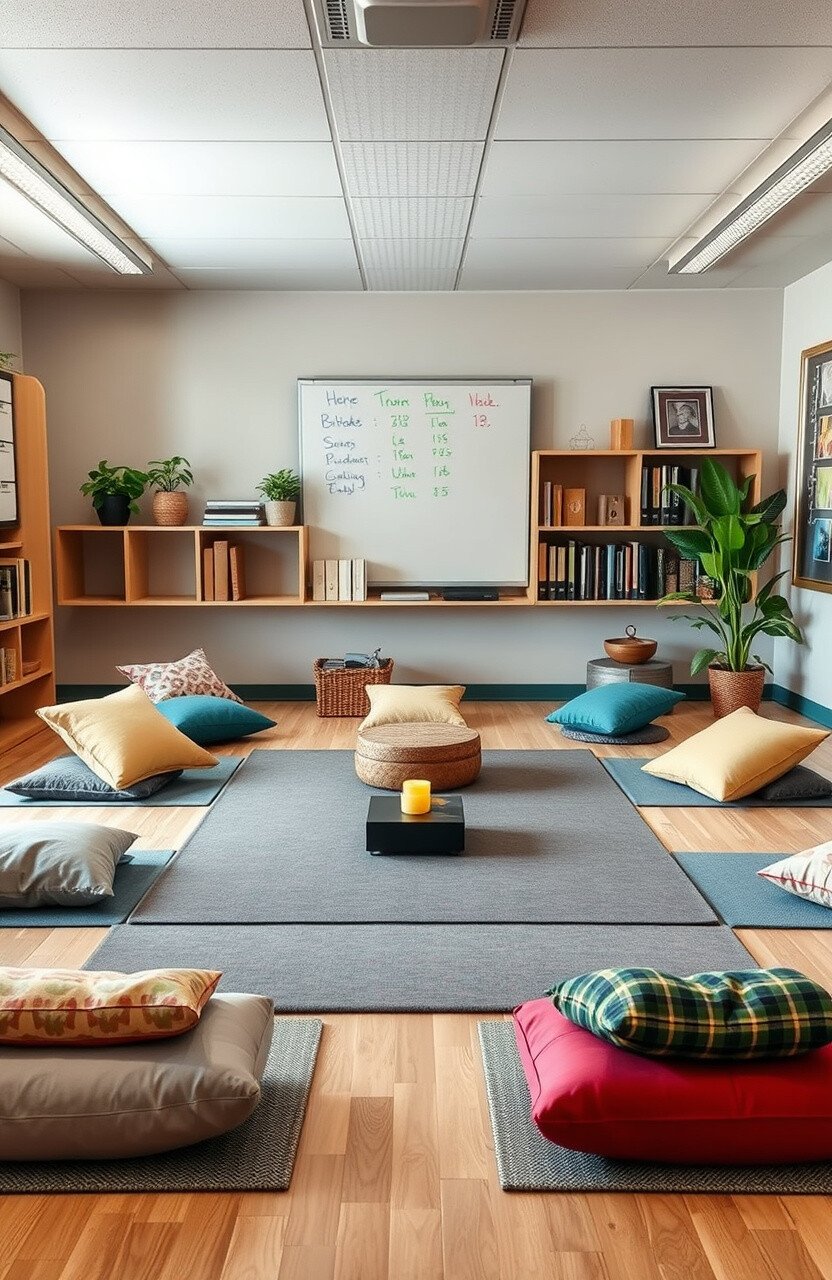
Create a peaceful meditation area with cushions and gentle music. It’s a space for calming the mind and body.
Mindfulness helps students focus and reduces stress. A few minutes here can set a positive tone for the day.
Incorporate breathing exercises and guided meditations. Allow students to lead sessions for peer engagement.
Set up with minimal cost using comfortable mats or cushions. Music can be played through a simple speaker.
15. Vintage Technology Display
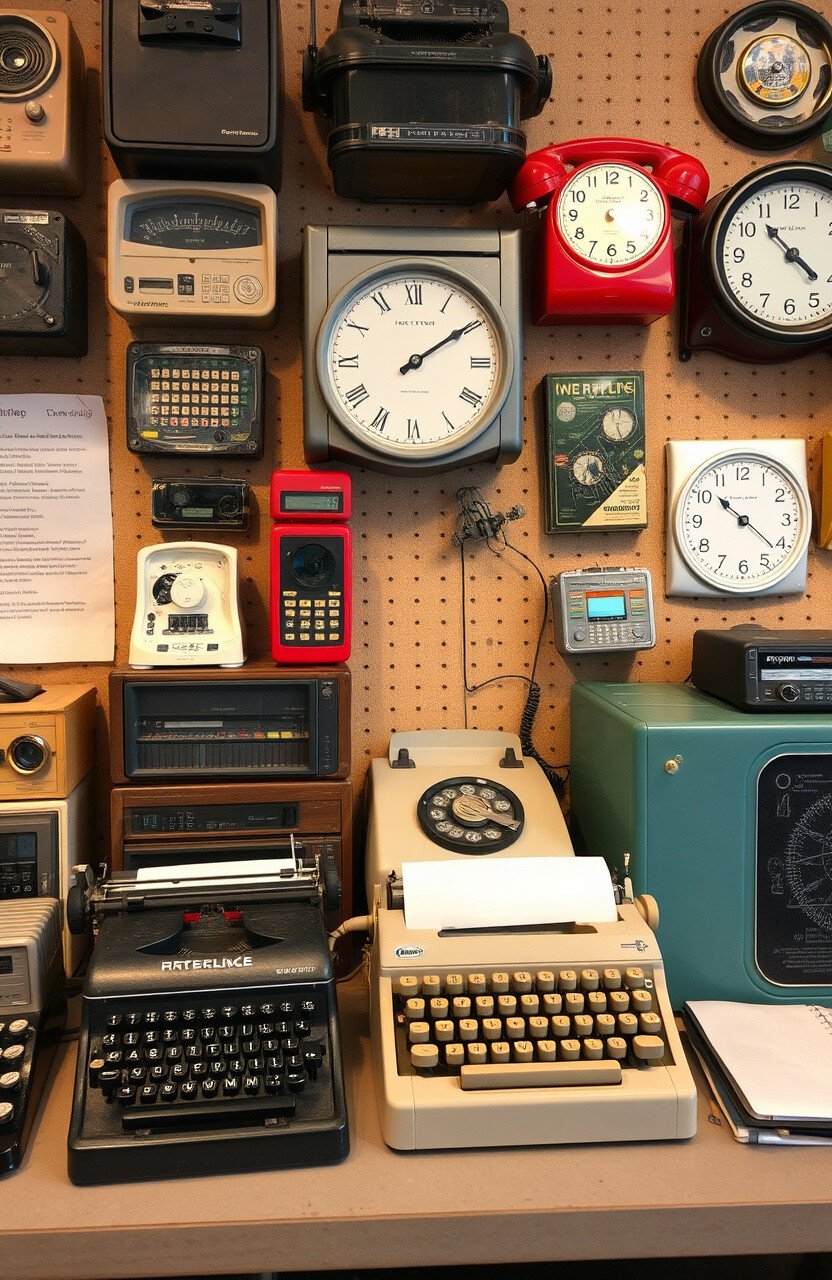
Showcase old gadgets like typewriters and rotary phones. It’s a nostalgic trip through technological history.
Students can learn how these items paved the way for modern tech. It’s both educational and intriguing.
Encourage students to research and present on displayed items. Add fun facts and histories for depth.
Items can often be found at thrift stores or donated. It’s a unique display that costs little but teaches much.
16. DIY Light-Up Bulletin Board
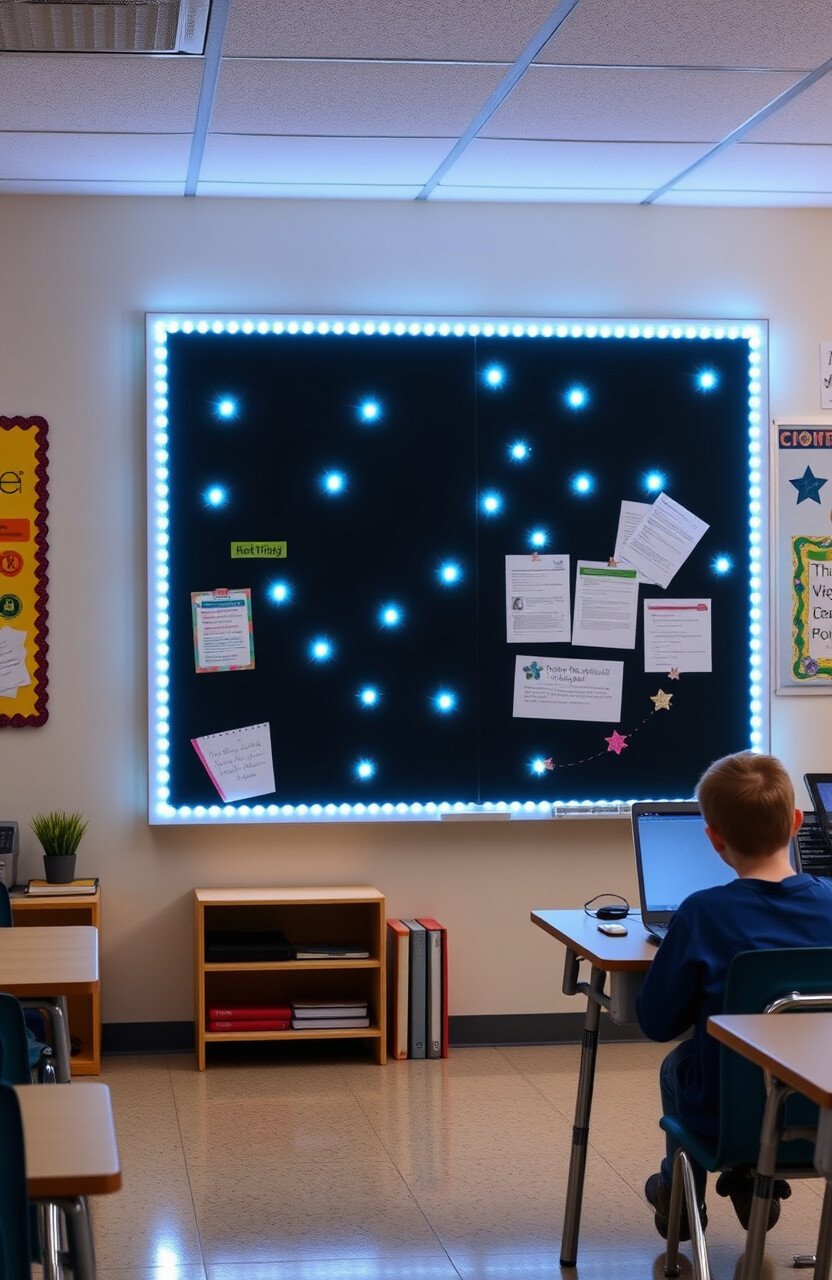
Create a bulletin board that glows with LED lights. It brightens up the room and draws attention to important info.
Students are more likely to notice and read announcements. It’s a fun way to keep everyone informed.
Customize with seasonal decorations and themes. Encourage students to contribute their own designs.
LED strips are affordable and energy-efficient. A creative twist that won’t break the bank.
17. Upcycled Furniture Pieces
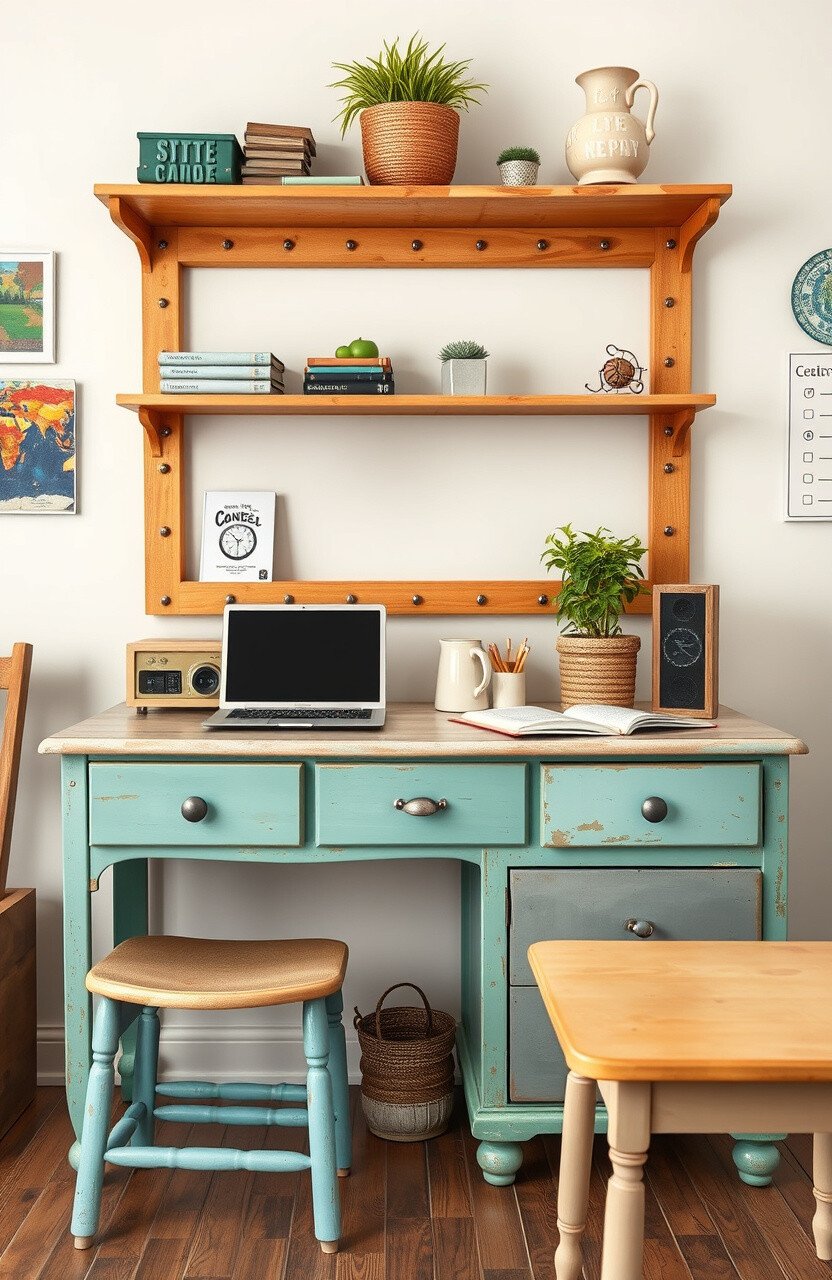
Use old furniture pieces creatively for storage or seating. It’s an eco-friendly way to furnish the classroom.
Upcycling teaches students about sustainability and innovation. Old can become new with a bit of creativity.
Paint and repurpose with student help. Each piece can tell its own story or serve a unique function.
Often, these items are free or very cheap. Look for donations or unwanted items to repurpose.
18. Interactive Learning Stations
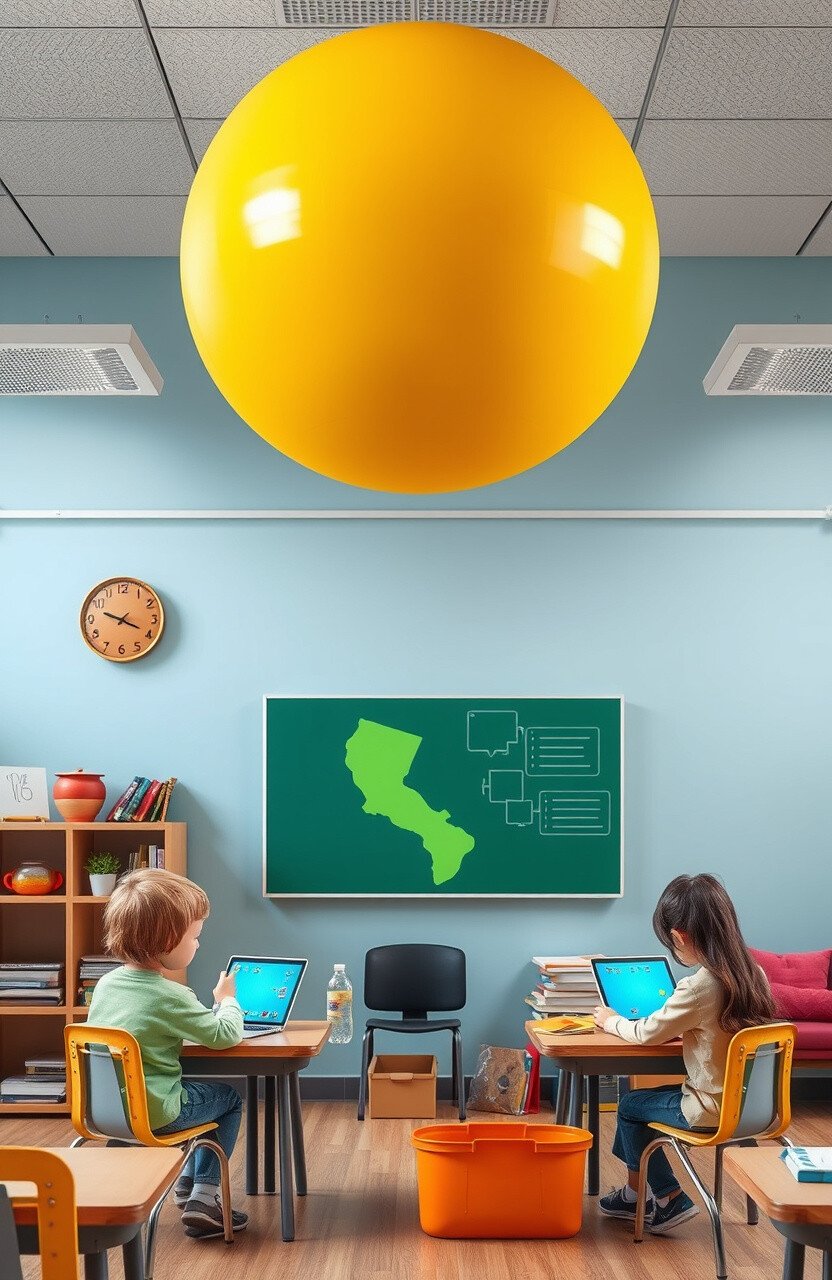
Create stations for different subjects, each with hands-on activities. It’s a hub of exploration and discovery.
Students engage with materials directly, enhancing understanding. Learning becomes active and exciting.
Rotate activities to align with the curriculum. Encourage student input on station designs and ideas.
Materials can be simple household items or DIY projects. Focus on creativity and resourcefulness to keep costs low.
19. Personalized Name Tags
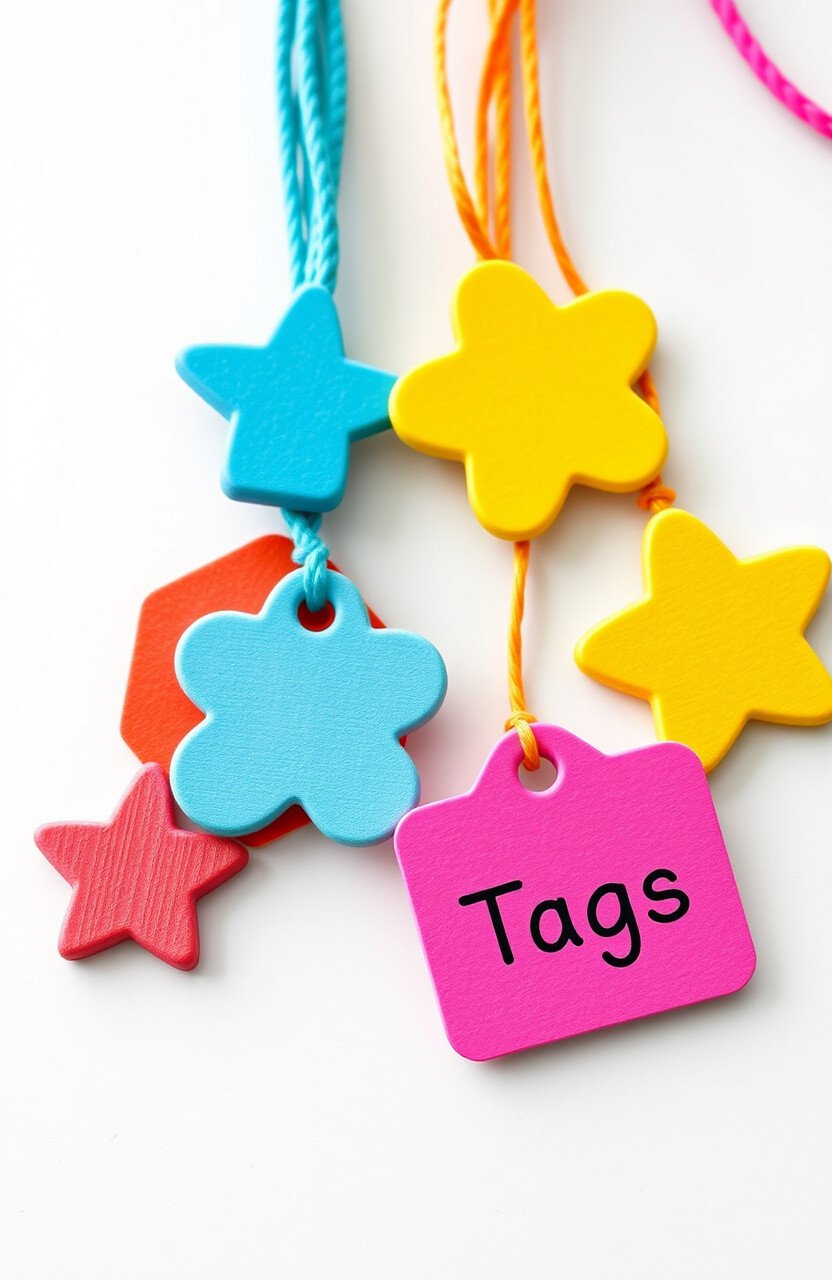
Craft unique name tags for each student, using vibrant colors and fun shapes. It’s a simple yet personal touch.
Students feel recognized and valued. Name tags can also help with learning names and building community.
Allow students to decorate their tags for personalization. Change designs seasonally for added fun.
Materials are inexpensive and can be found at craft stores. A little effort goes a long way in making students feel special.
20. Mystery Box Challenges
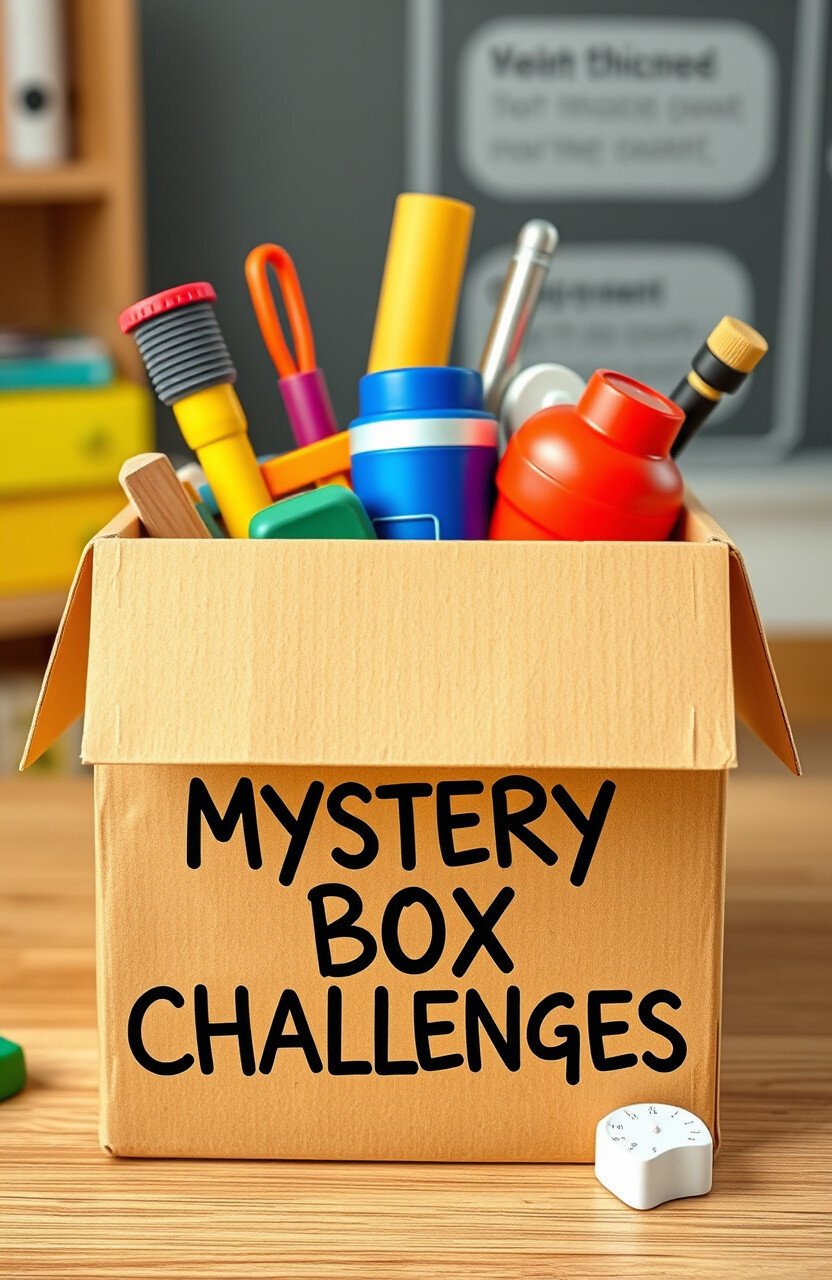
Introduce a box filled with random items for creative problem-solving activities. It’s a surprise waiting to be explored.
Students use critical thinking and teamwork to tackle challenges. Each box is a new adventure.
Rotate items and scenarios regularly. Encourage inventive solutions and celebrate all attempts.
Items can be everyday objects, keeping costs low. It’s an engaging and educational addition to any classroom.
21. Handcrafted Bulletin Board Borders
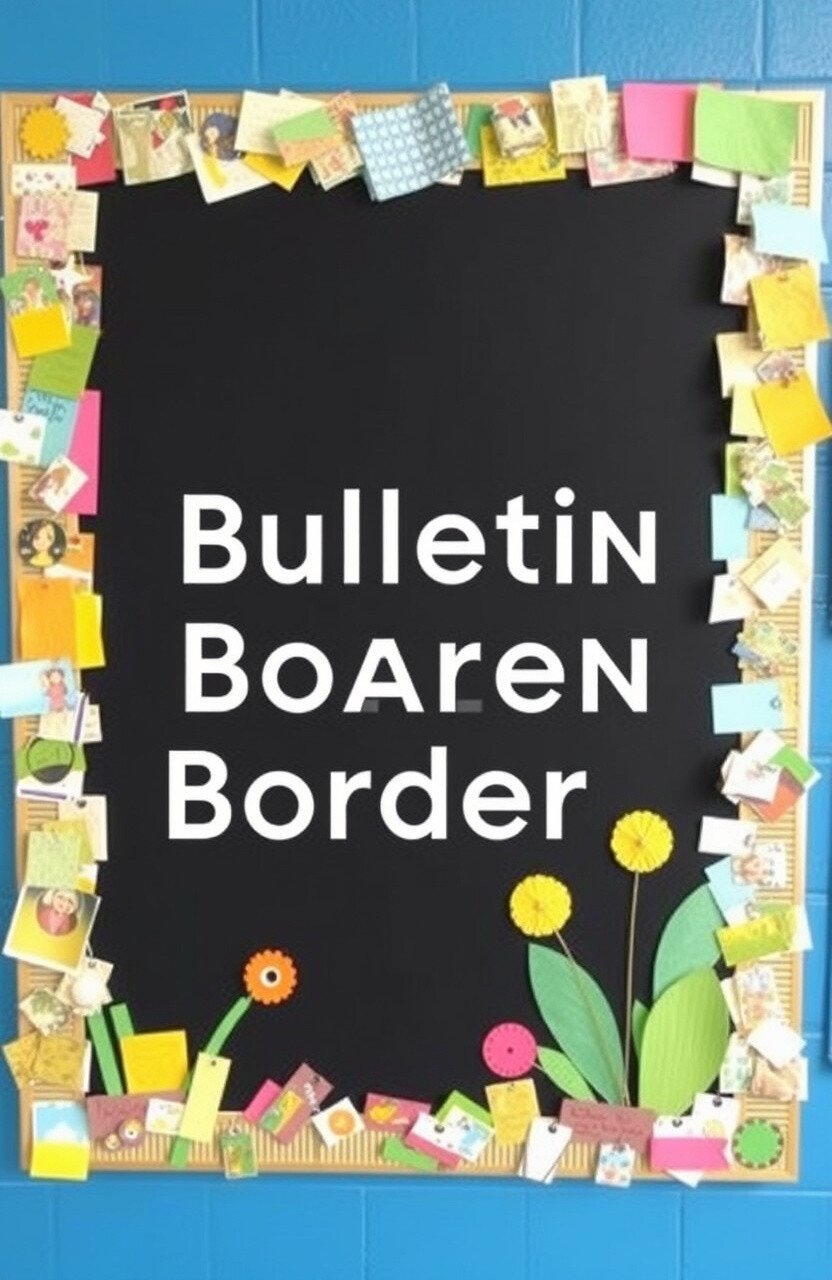
Design bulletin board borders using recycled paper and materials. It’s a crafty way to frame classroom displays.
Students can participate in creating and changing borders. It adds a personal touch to classroom decor.
Experiment with different themes and textures. Encourage creativity in design and color choices.
Materials are often already available, making this a cost-effective project. Borders can be reused or repurposed.
22. DIY Classroom Calendar
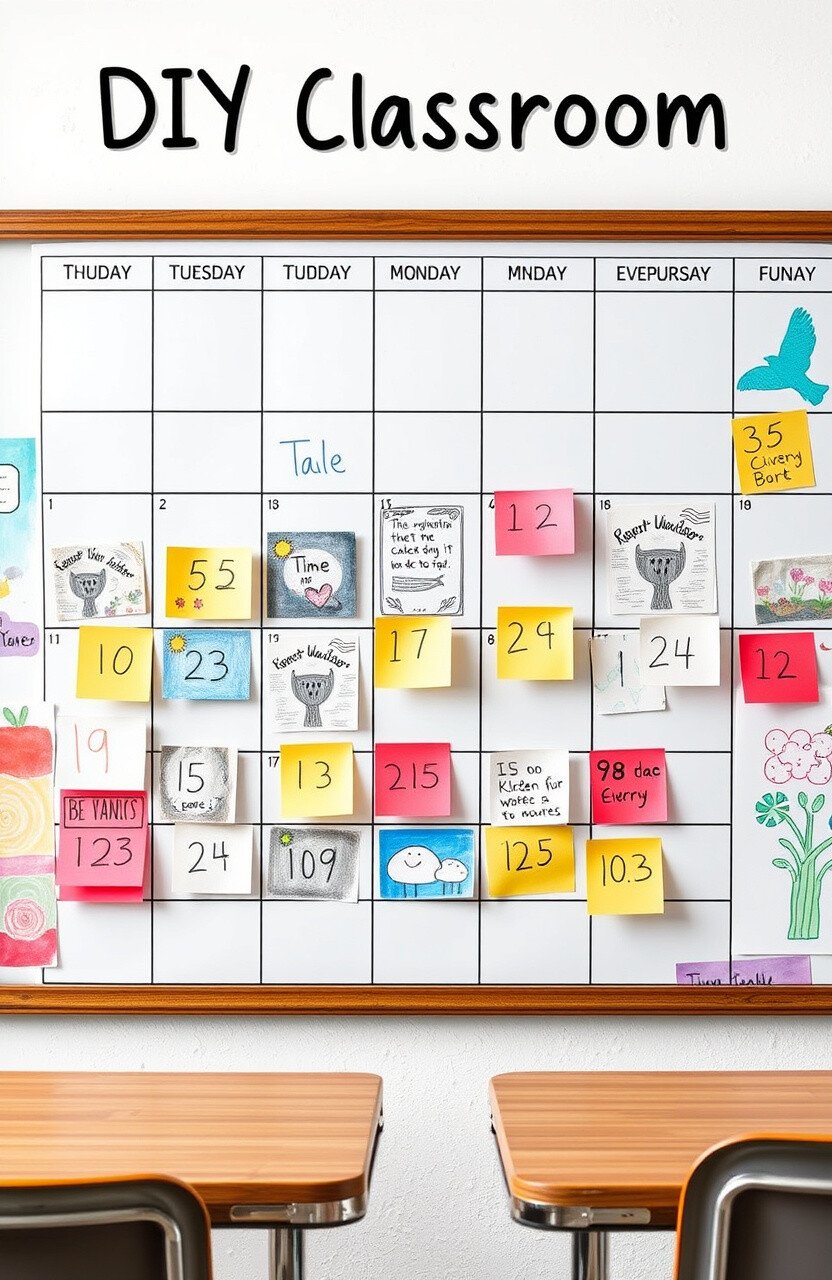
Create a large interactive calendar with student-made art. It’s a visual and practical classroom tool.
Students learn about dates and planning. The calendar becomes a central part of daily routines.
Customize with student art and special event markers. Allow students to manage the calendar for responsibility.
Cost is minimal, using basic craft supplies. A functional and decorative piece that evolves with the year.
23. Science Experiment Corner
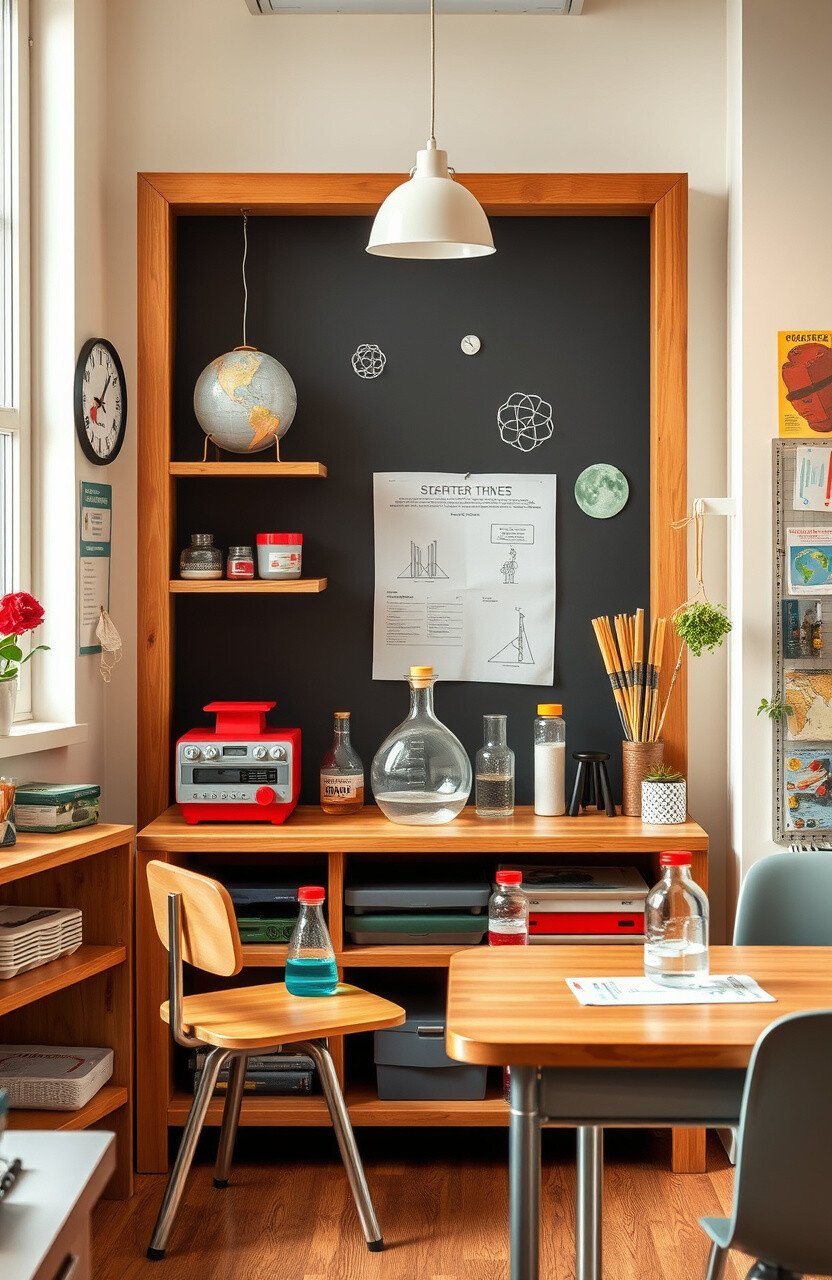
Dedicate a space for science experiments and displays. It’s a laboratory of wonder and learning.
Encourages curiosity and hands-on discovery. Students become young scientists exploring the world.
Rotate experiments and encourage student-led projects. Use visuals and models for deeper understanding.
Many experiments use household items, keeping costs low. A dynamic space that sparks interest in science.
24. Art Supply Station
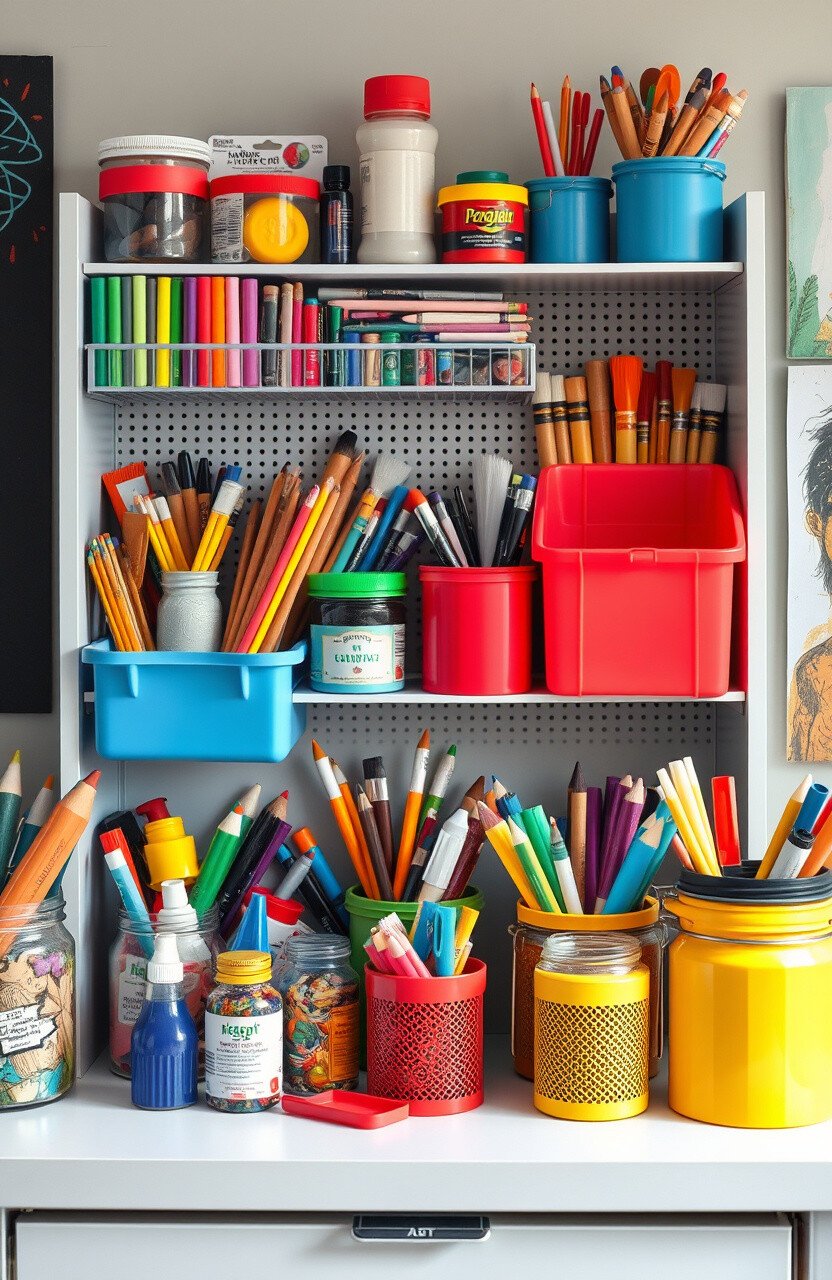
Create a station filled with various art supplies. It’s a haven for creativity and expression.
Students can explore different mediums and techniques. Art becomes accessible and fun.
Organize supplies by type and color for easy access. Encourage students to suggest new materials or projects.
Stock up during sales or through donations, minimizing costs. A colorful addition that enriches the classroom.
25. DIY Photo Booth
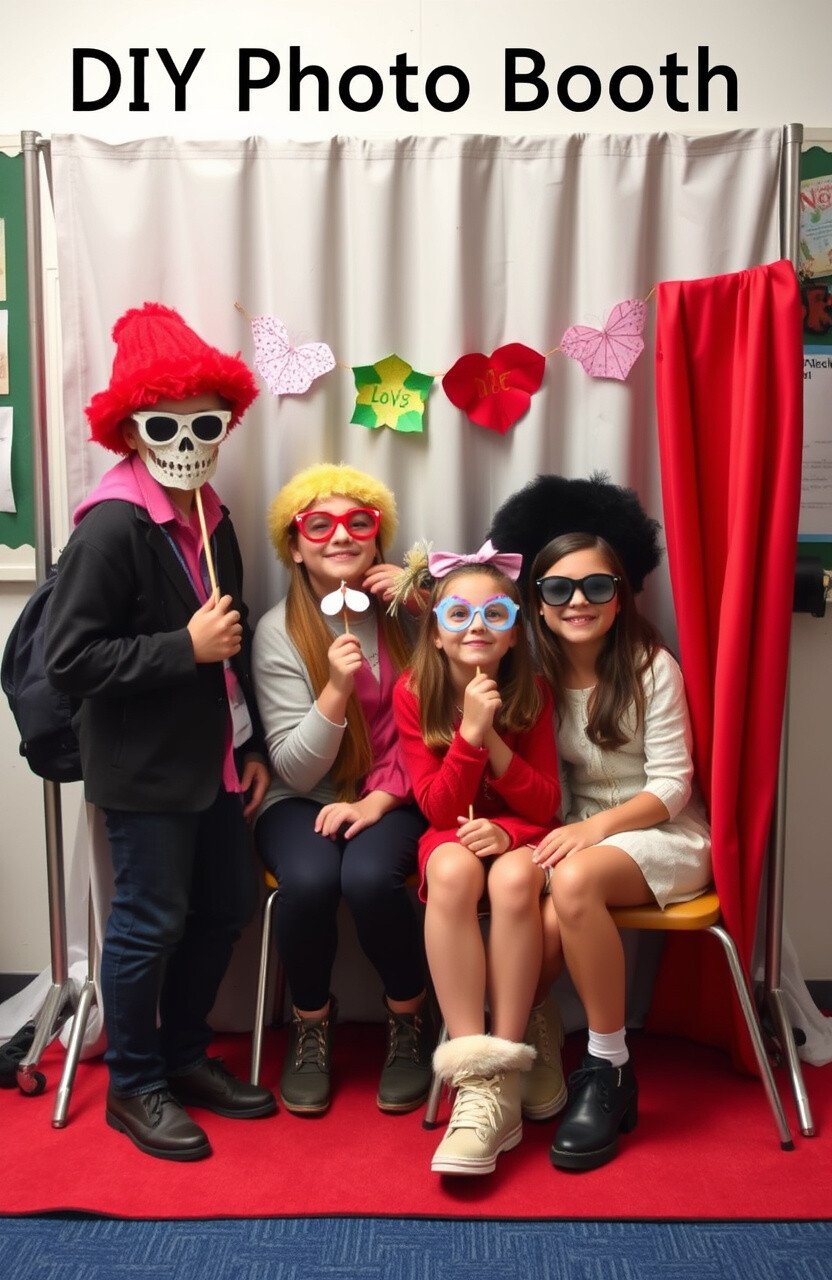
Set up a photo booth with props and backdrops. It’s a fun way to capture classroom memories.
Encourages creativity and spontaneity. Students can document events and projects creatively.
Change themes according to seasons or holidays. Allow students to contribute prop ideas.
Props can be made from inexpensive materials. A playful feature that adds joy to the classroom.
26. Themed Learning Pods
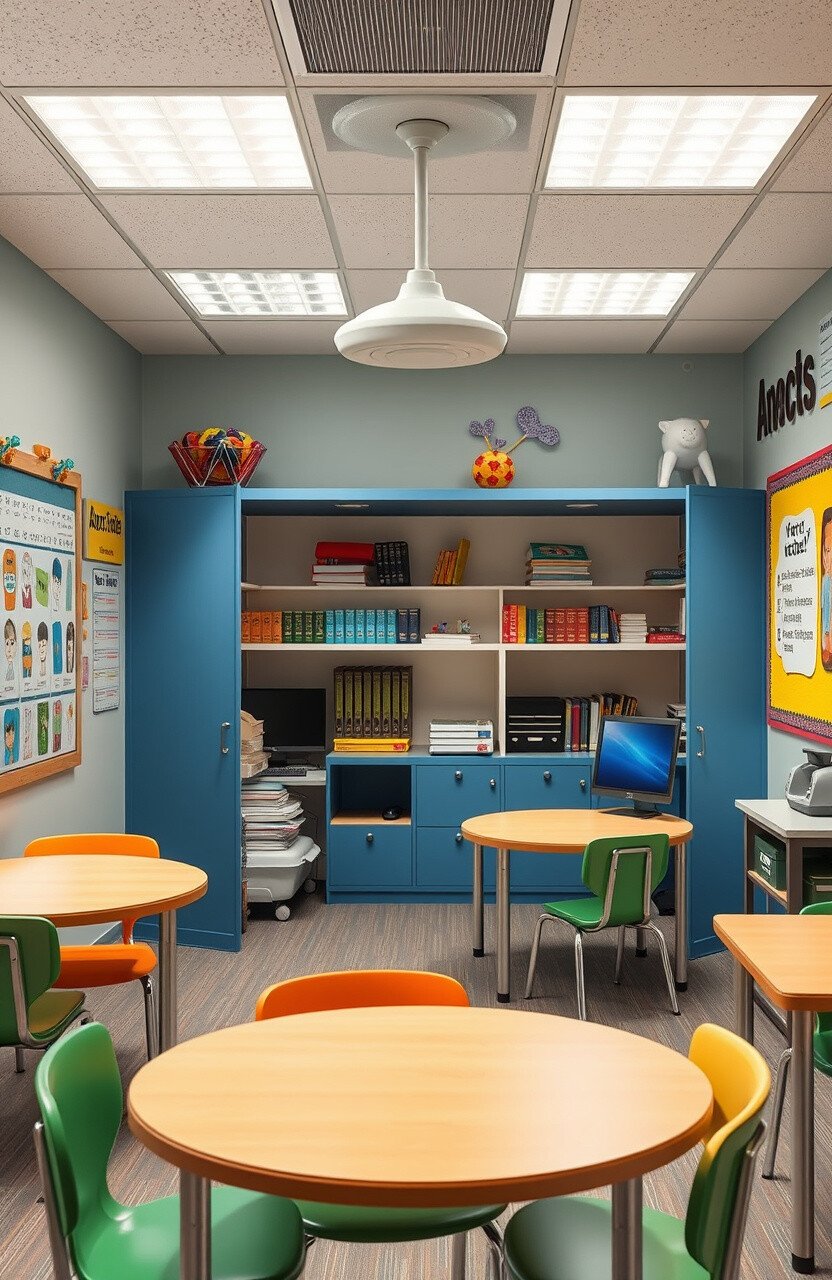
Create small themed learning pods for different subjects. It’s a targeted approach to learning.
Each pod focuses on a specific subject, making learning more immersive. Students can dive into topics deeply.
Decorate pods to match themes, using colors and posters. Rotate subjects based on curriculum needs.
Use existing materials creatively to keep costs low. A structured yet flexible way to enhance learning.
27. Collaborative Mural Project
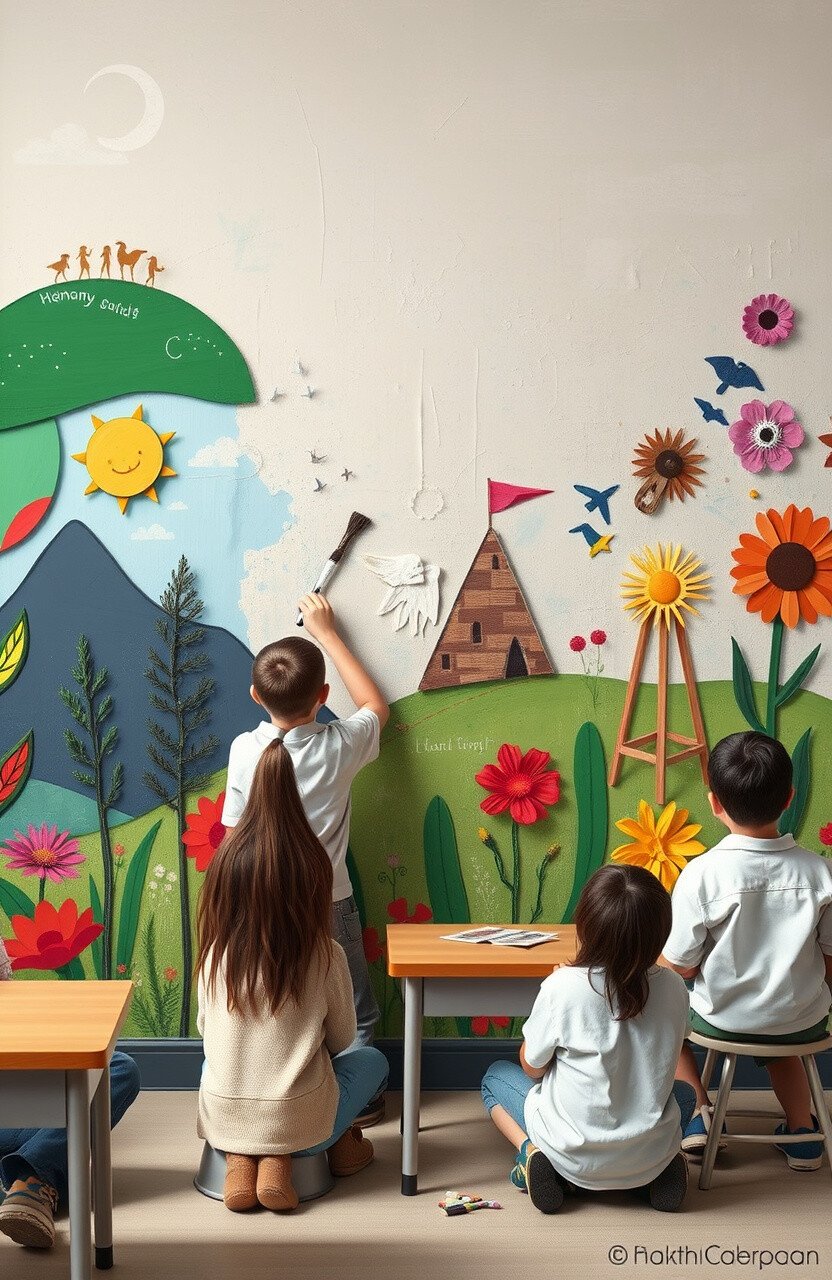
Start a mural project that involves the whole class. It’s a collective expression of creativity and teamwork.
Students learn about art and collaboration. The mural becomes a proud centerpiece of the classroom.
Plan and design the mural together. Allow students to take ownership of different sections.
Materials can be sourced from donations or art drives. A powerful project that unites the class.
28. Outdoor Learning Space
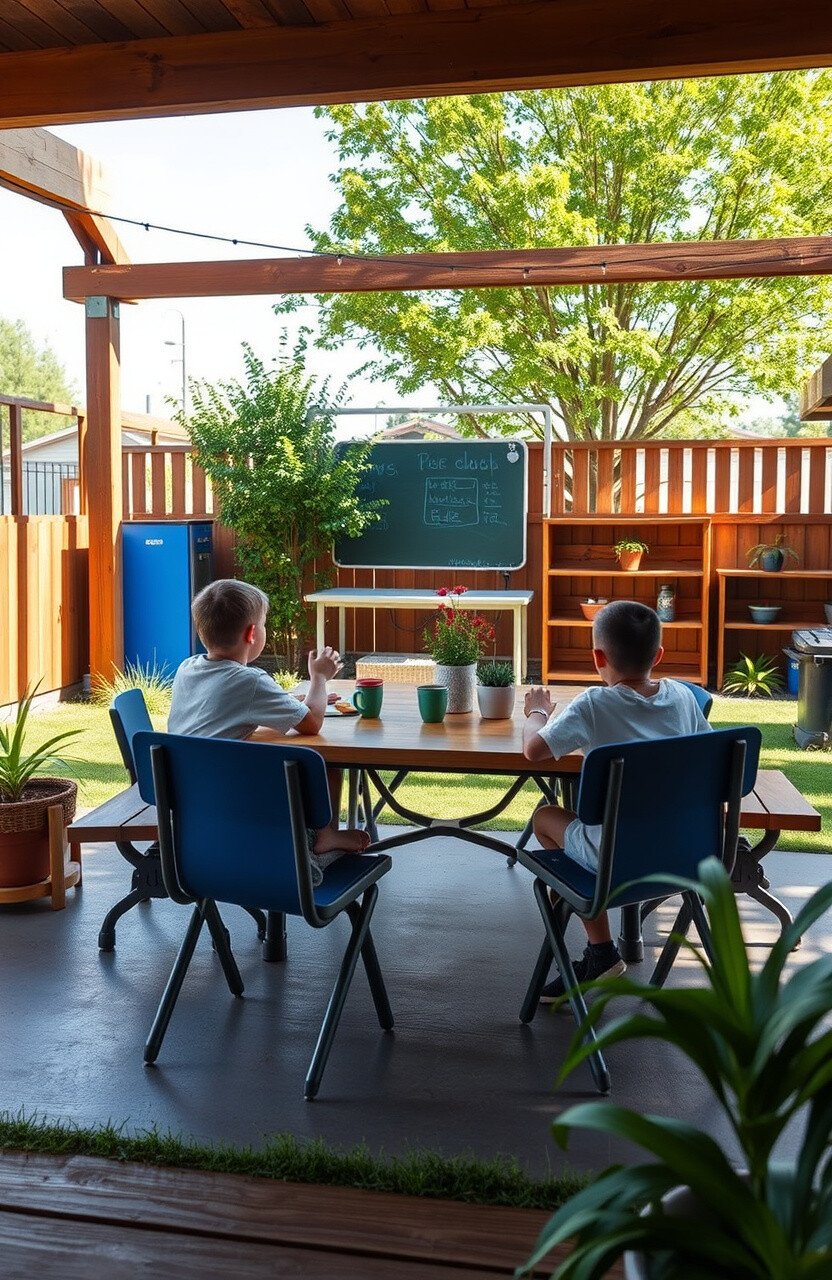
Set up an outdoor learning area with portable seating and tables. It’s a breath of fresh air for education.
Students benefit from a change of scenery and fresh air. Lessons become more dynamic and engaging.
Incorporate nature into lessons with outdoor activities. Encourage respect and appreciation for the environment.
Use simple, movable furniture to keep costs down. An enriching extension of the indoor classroom.
29. World Map Exploration Wall
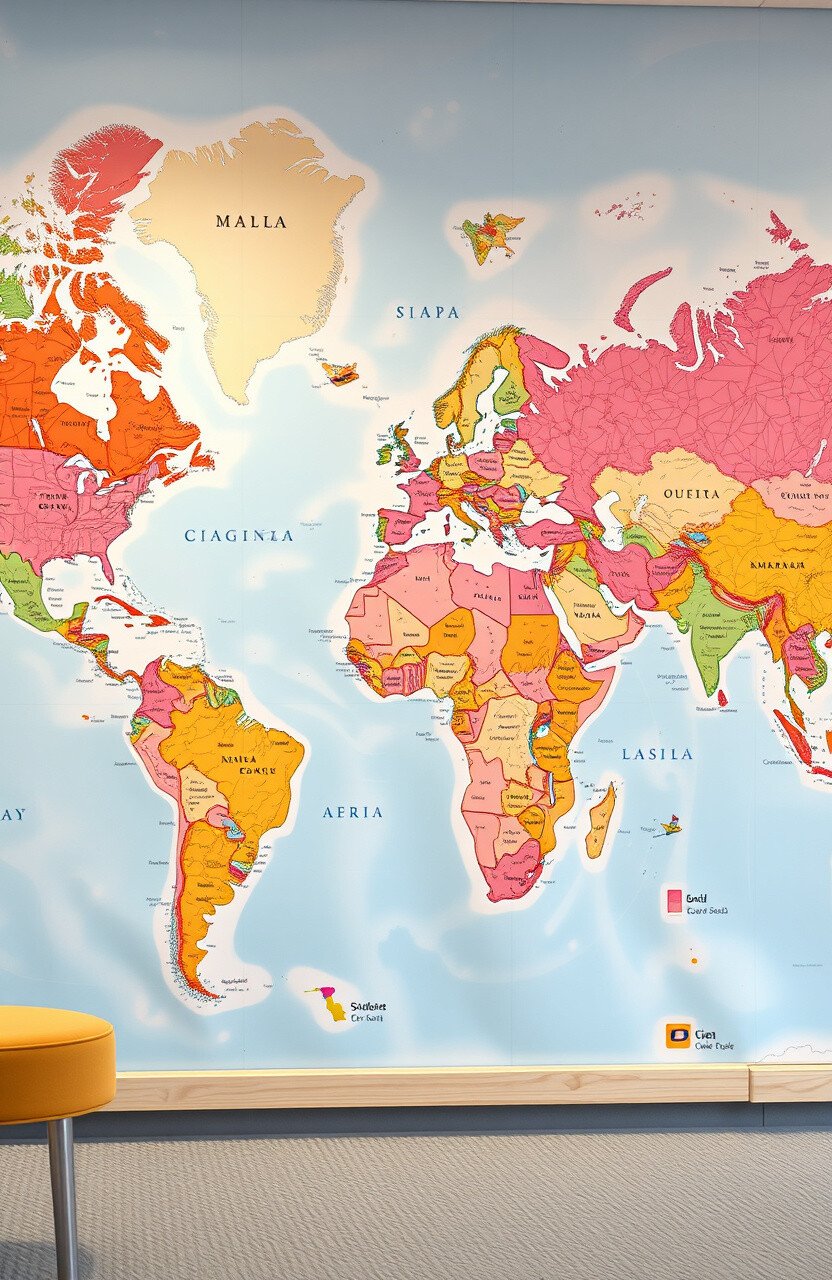
Create a world map wall with interactive elements. It’s a gateway to global exploration and learning.
Students learn geography and cultural awareness. The map becomes a canvas for stories and adventures.
Encourage students to add pins or notes about different countries. Rotate focus areas according to lessons.
Maps can be printed or donated, keeping costs low. An educational and visually appealing feature.
30. Student Spotlight Area
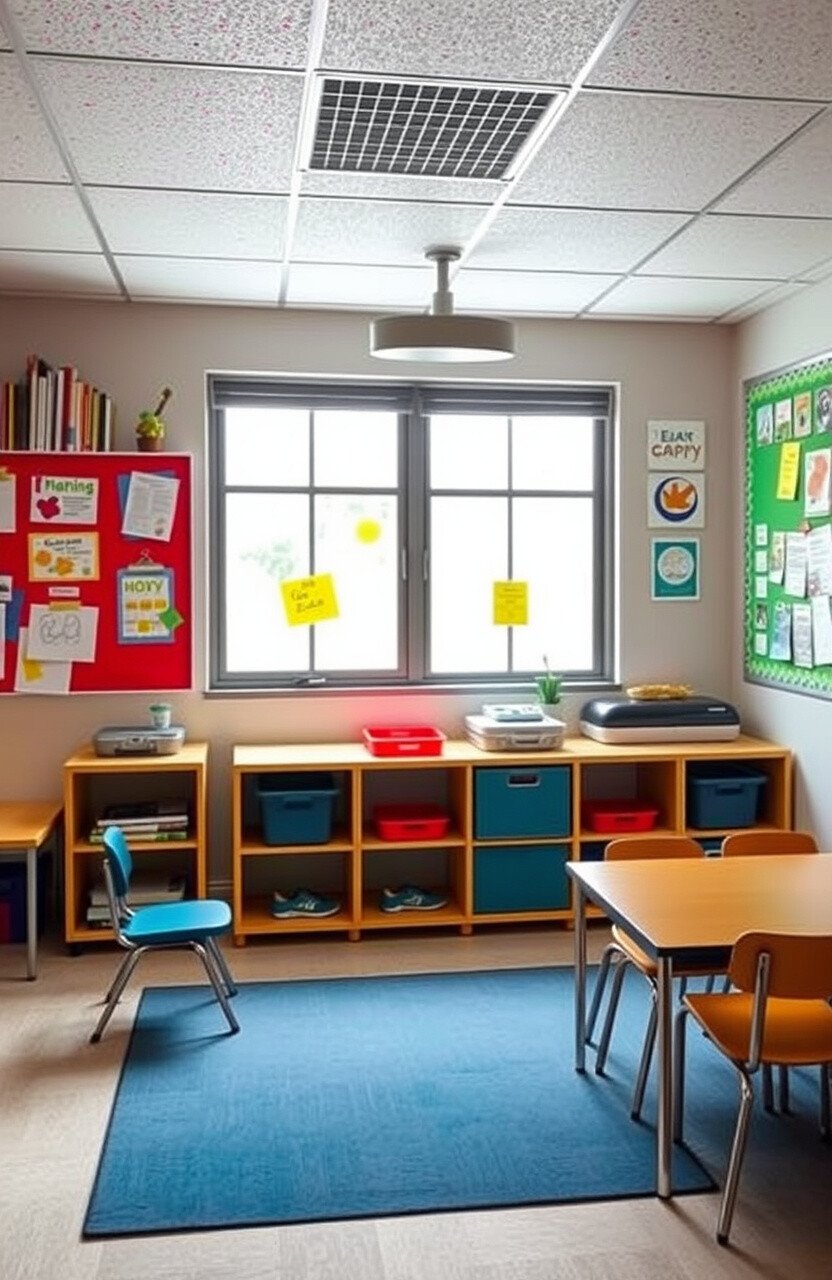
Designate an area to highlight student talents and interests. It’s a showcase of individuality and achievement.
Students feel valued and recognized. The spotlight encourages sharing and community spirit.
Rotate features regularly. Encourage students to contribute ideas and content.
Materials are minimal, with displays often student-generated. A meaningful addition that fosters a sense of belonging.
31. Puzzle and Game Station
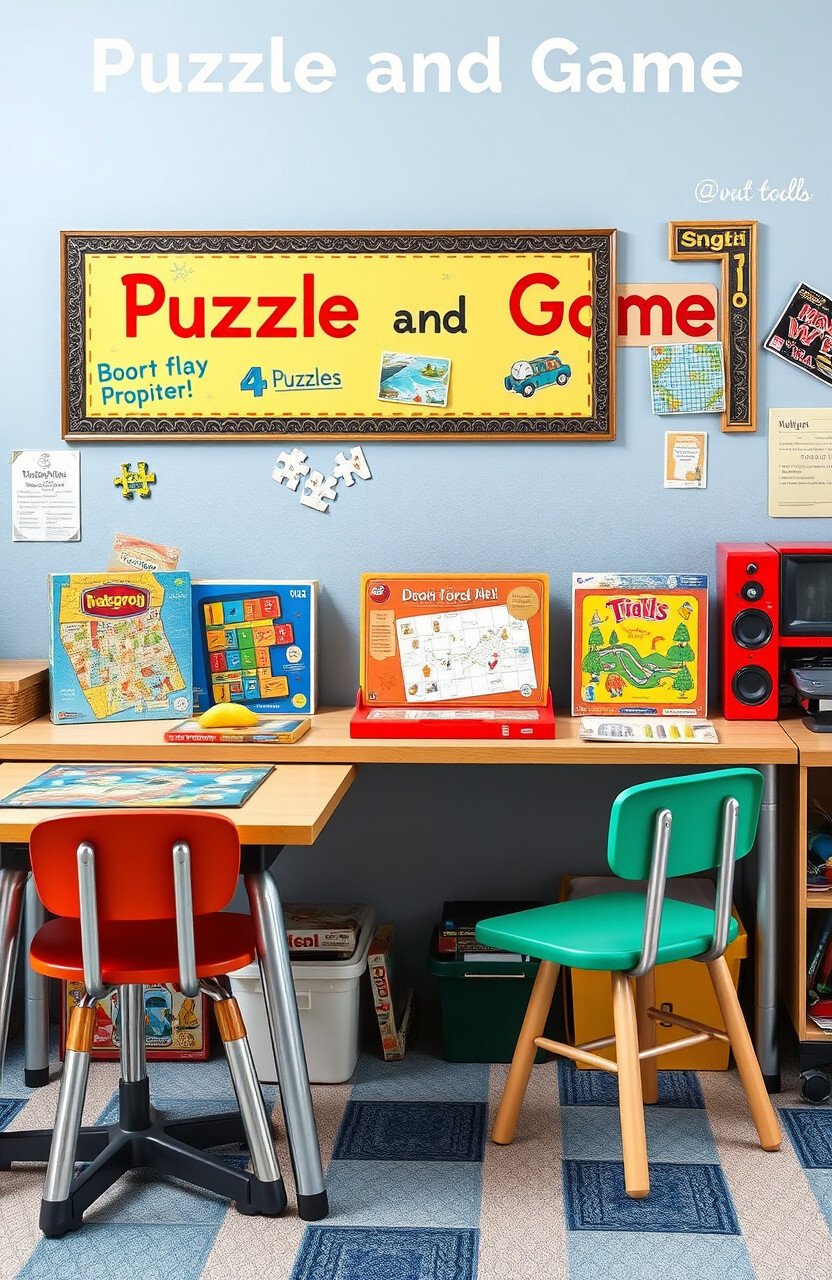
Set up a station with puzzles and strategy games. It’s a fun way to challenge minds and encourage logic.
Students develop problem-solving skills and patience. Play becomes an educational experience.
Rotate games to keep interest high. Encourage students to bring in their favorites to share.
Puzzles and games can be thrifted or donated. A playful and mentally stimulating classroom feature.
32. Student-Designed Wall Art
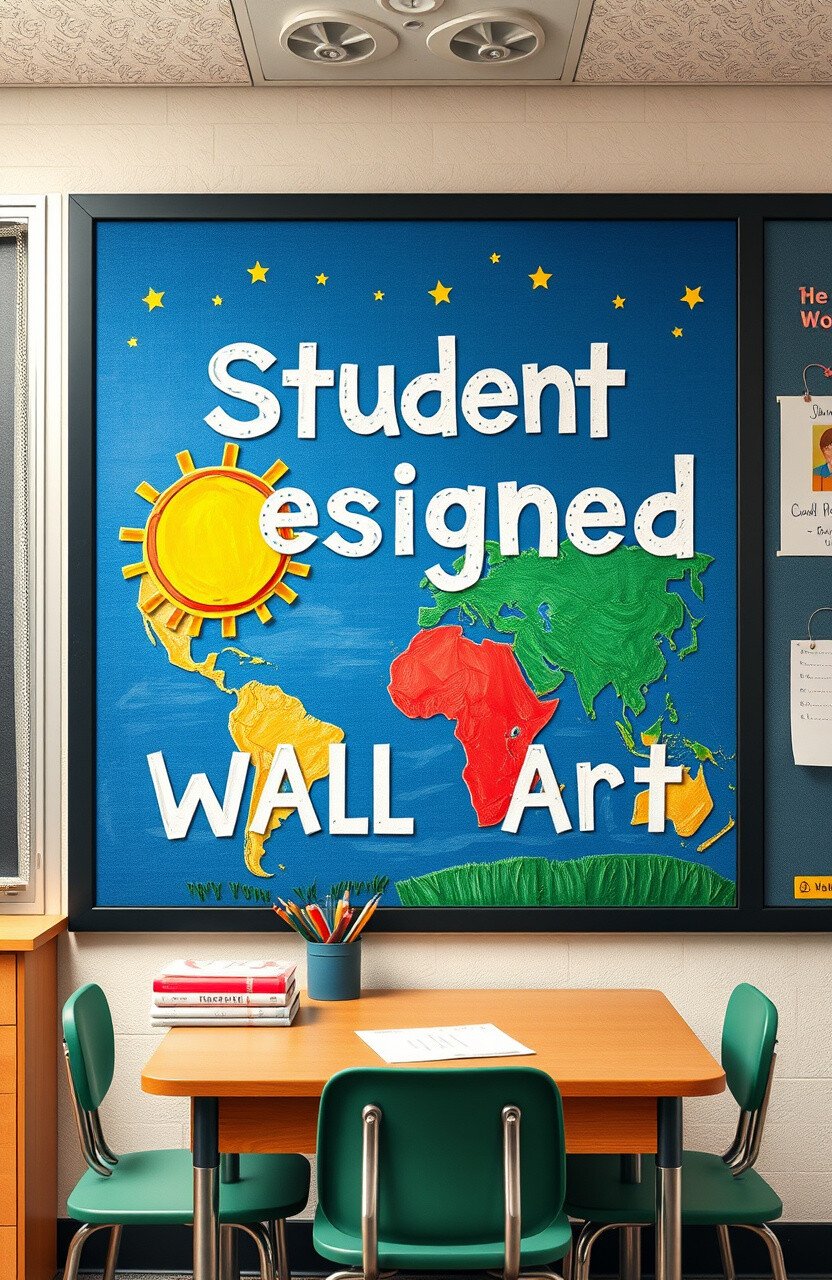
Allow students to create wall art that represents their class. It’s a personal touch that adds warmth and identity.
Encourages creativity and ownership of the classroom space. Art becomes a collective expression.
Guide students in planning and executing their designs. Change art periodically to reflect evolving ideas.
Materials are often basic art supplies, keeping costs low. A unique way to decorate and personalize.
33. Nature Observation Station
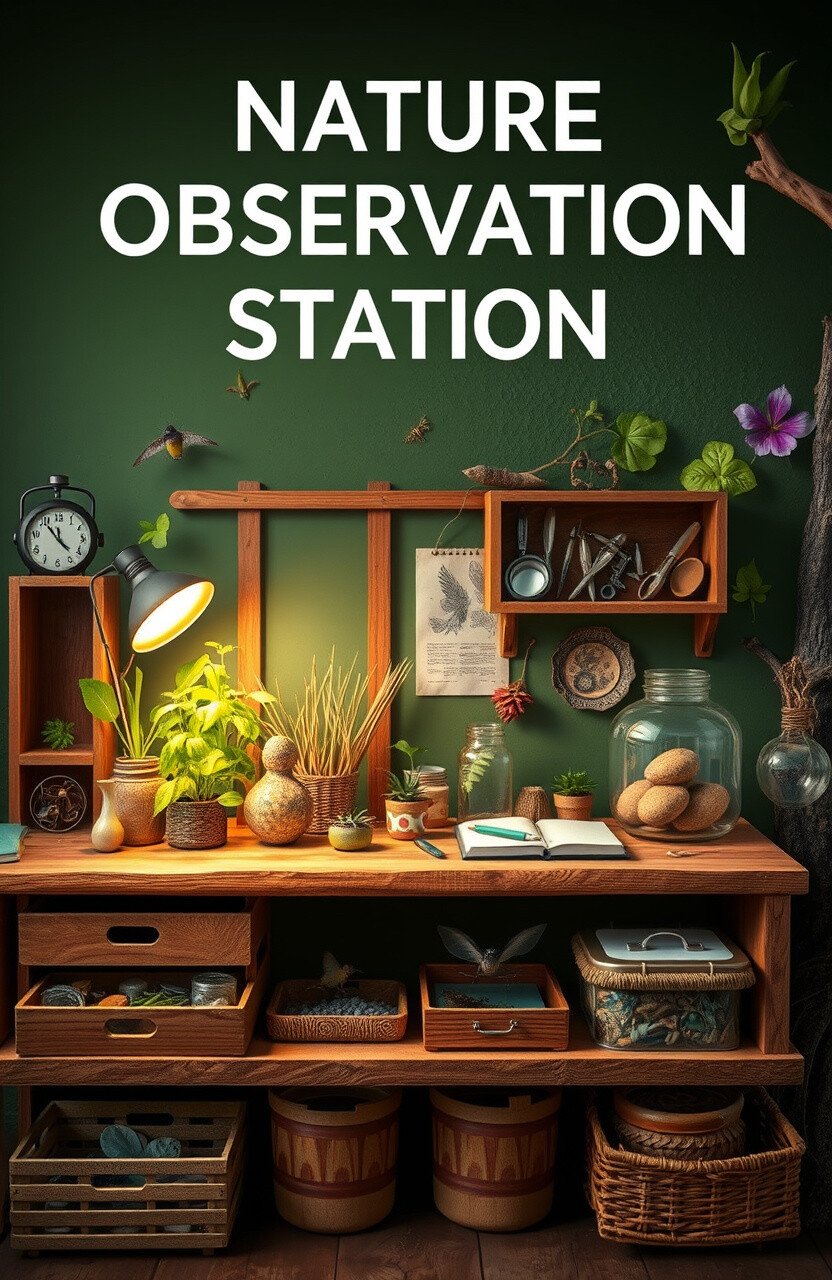
Create a station with tools for observing nature. It’s a portal to the wonders of the natural world.
Students learn about ecosystems and wildlife. Curiosity about nature is nurtured through exploration.
Include magnifying glasses, journals, and specimen boxes. Encourage students to document their findings.
Many tools can be homemade or inexpensive. A stimulating addition that inspires endless curiosity.
34. Cultural Food Exchange
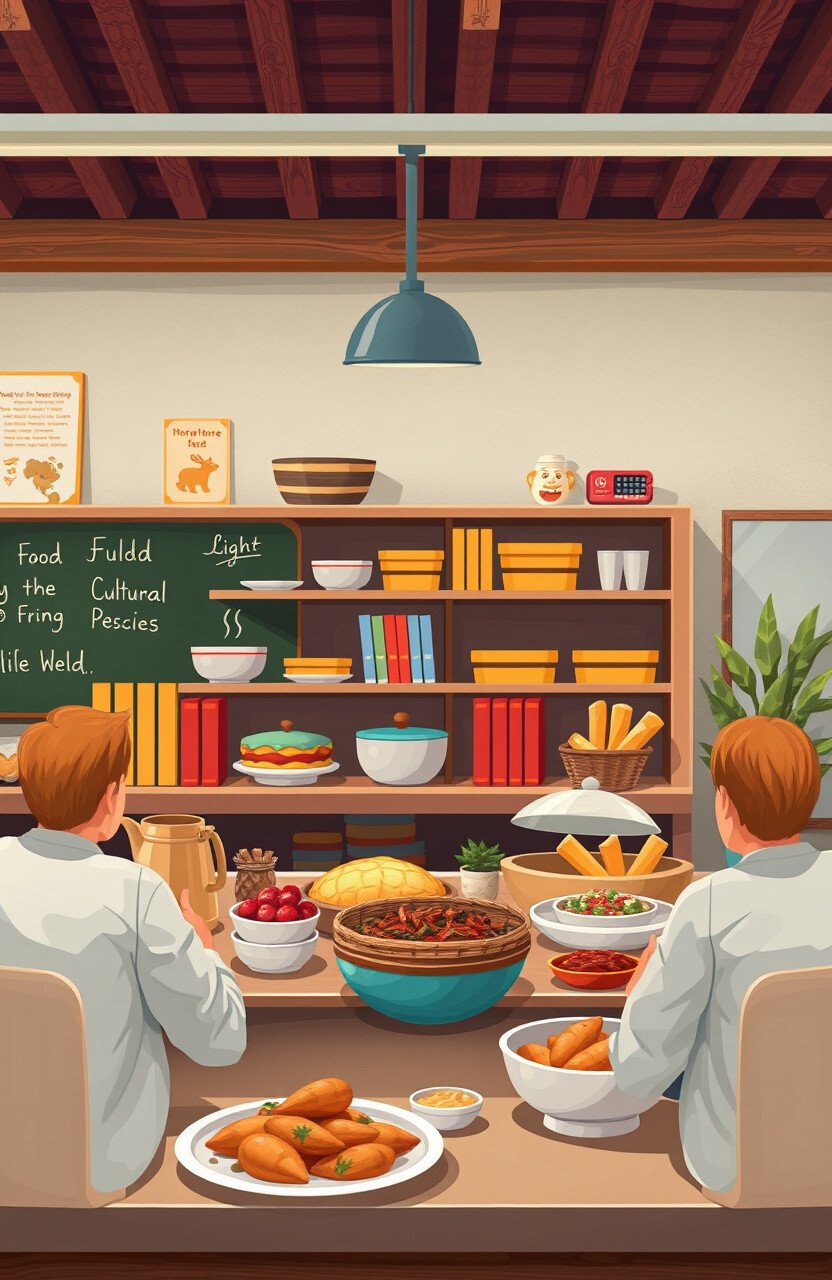
Organize a cultural food exchange corner. It’s a delicious way to explore global diversity.
Students learn about different cuisines and traditions. The exchange promotes cultural appreciation and openness.
Encourage students to bring in recipes and stories. Rotate themes to cover various regions and cultures.
Costs are minimal, focused on sharing and learning. A tasty and educational feature that brings people together.
35. Interactive Timeline Display
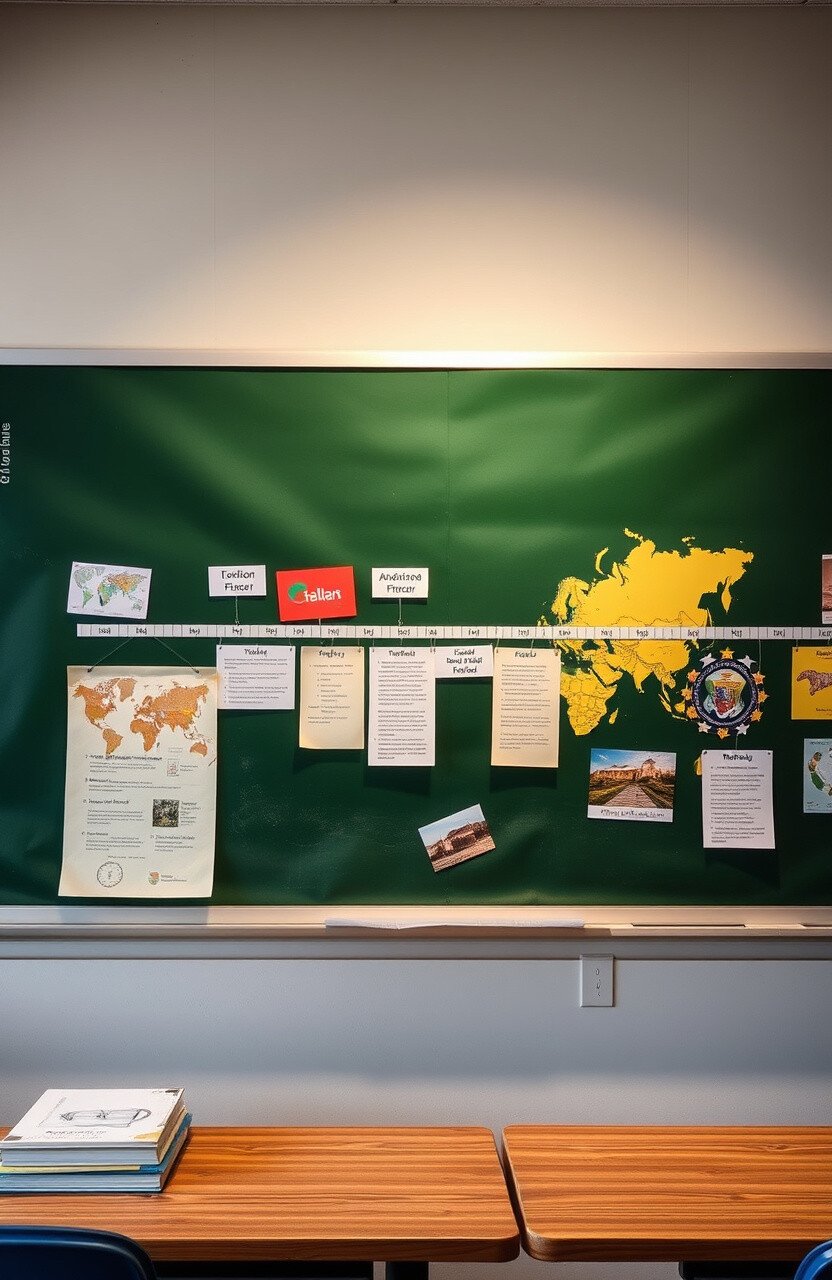
Create a timeline display with interactive elements. It’s a journey through history right in the classroom.
Students gain a deeper understanding of historical events. The timeline becomes a living, breathing educational tool.
Update regularly with new events and student contributions. Encourage research and presentation skills.
Materials can be simple and sourced from recycled items. A compelling way to visualize history.
36. Classroom Garden Project
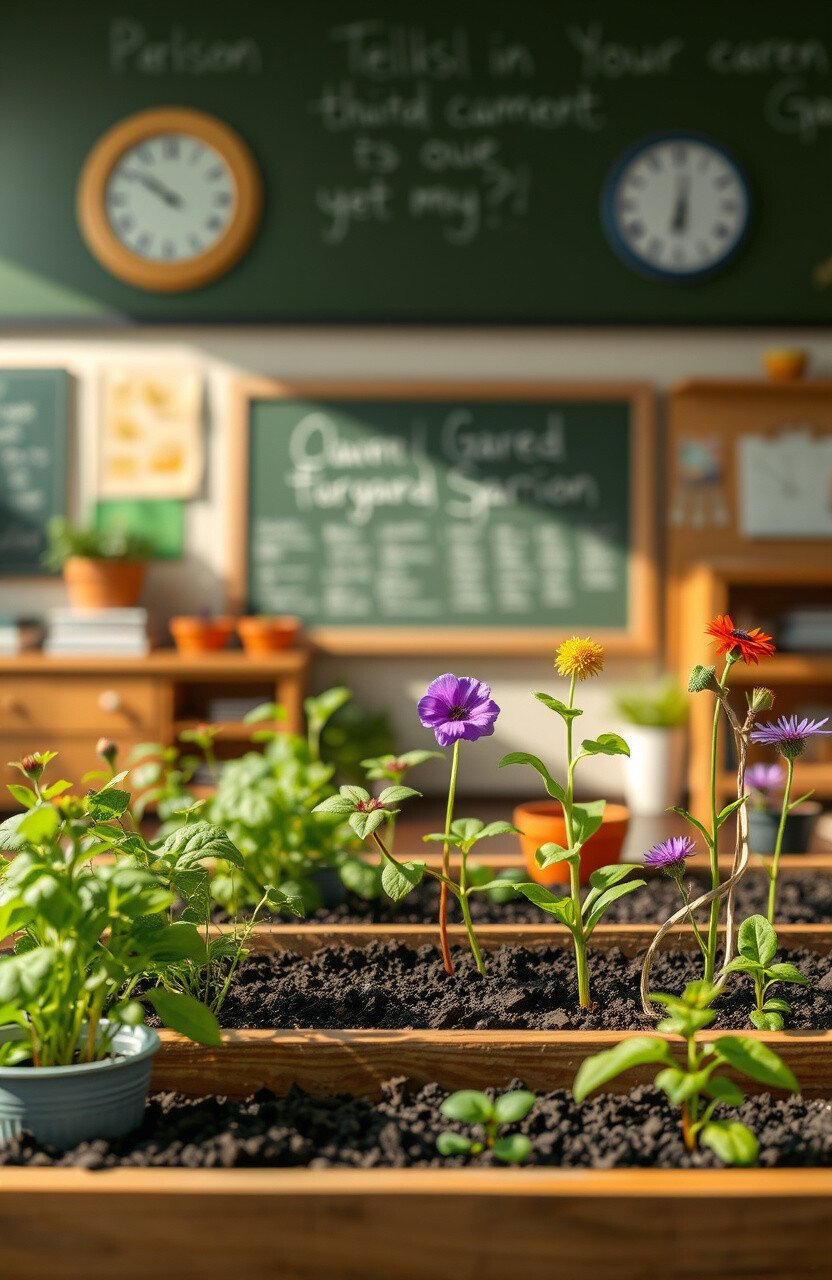
Start a small garden project with students. It’s a hands-on lesson in biology and responsibility.
Students learn about plant life cycles and sustainability. The garden becomes a living classroom.
Choose easy-to-grow plants for quick results. Encourage students to take ownership of planting and care.
Seeds and soil are inexpensive, often available through donations. A rewarding project that connects students with nature.