Setting up a classroom can be an exciting task, but it’s easy to overlook certain details that can make a big difference. Imagine a space that sparks creativity and joy, but also supports learning in the best way possible. Here are some friendly tips to ensure your classroom is both functional and inspiring.
1. Ignoring Natural Light
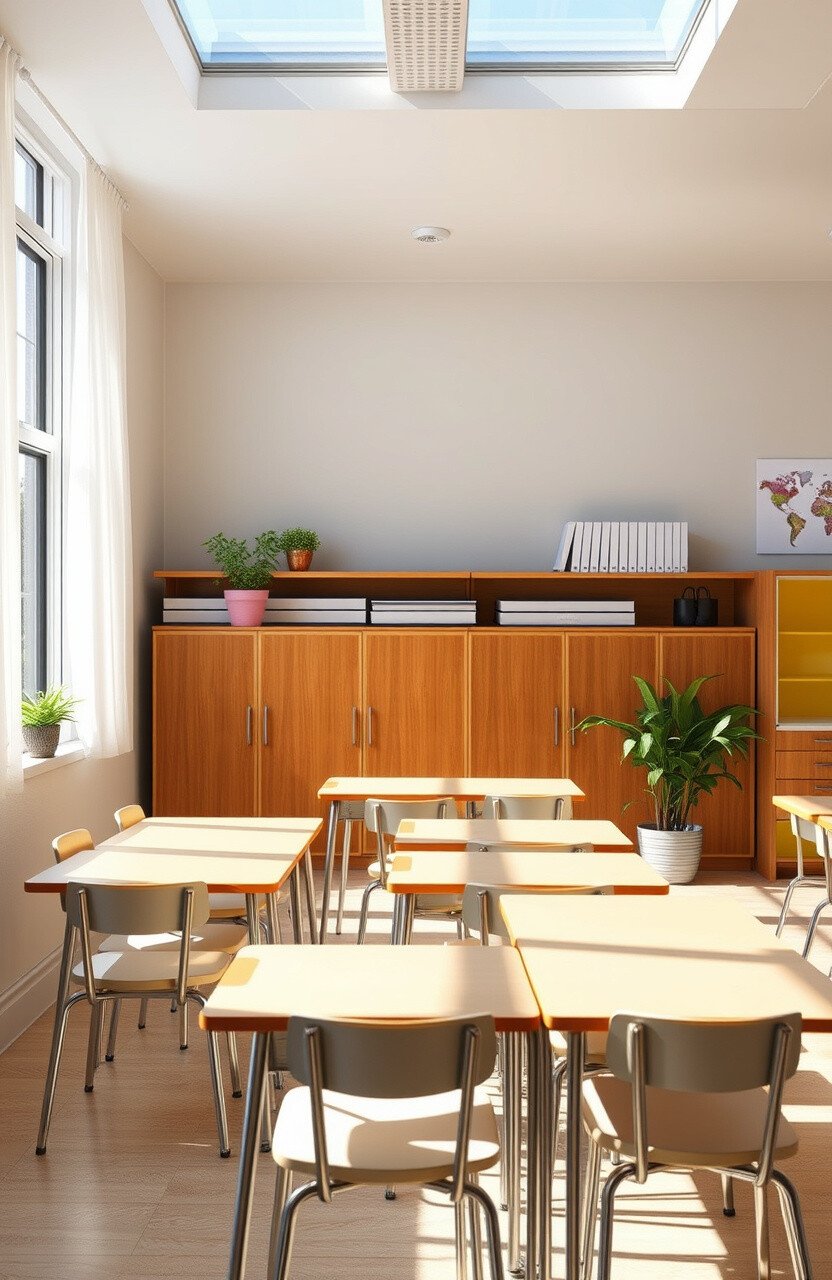
Natural light can do wonders for a classroom. It boosts mood and energy levels, helping students stay alert.
Consider positioning desks near windows. This simple tweak can make the room feel more open and inviting.
Use light, airy curtains to maintain privacy without blocking the sun. It’s a cost-effective way to enhance the learning environment.
Embrace the trend of biophilic design by incorporating nature-inspired elements. Your students will thank you!
2. Overcrowding the Space
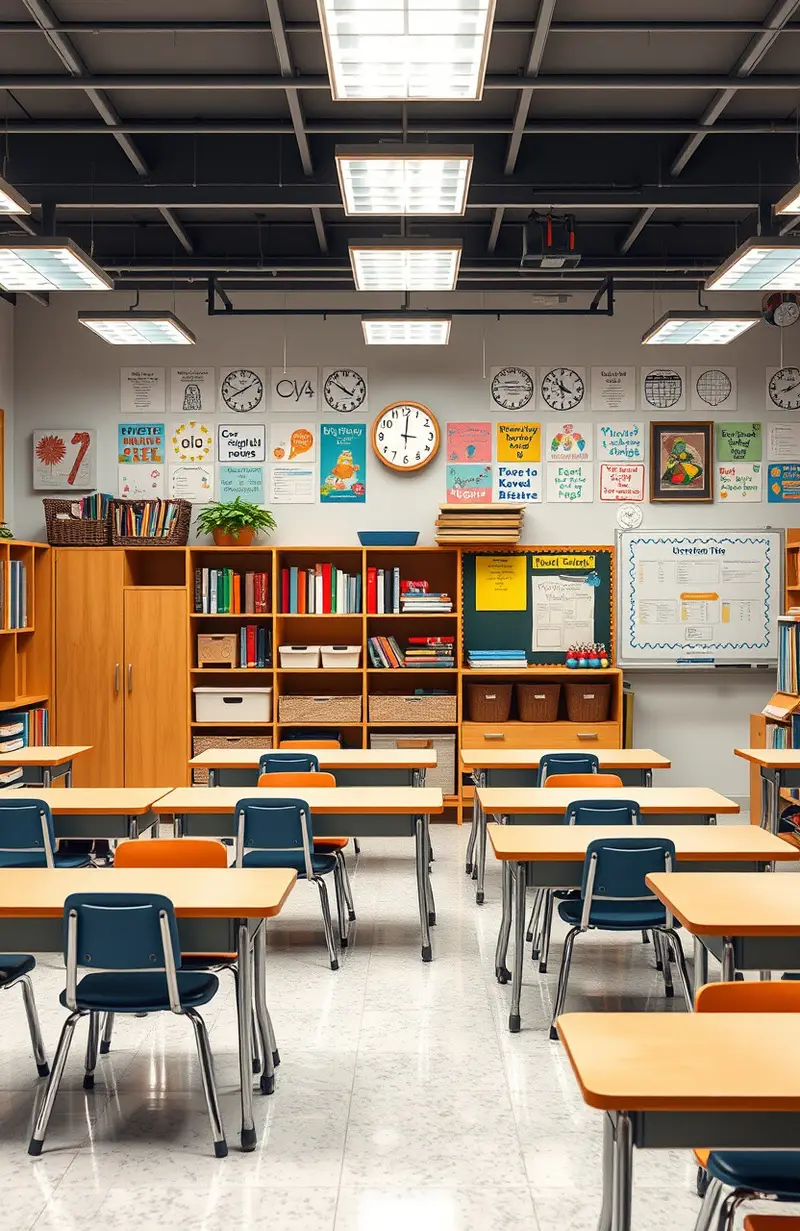
Too much furniture can make a classroom feel cramped. This can hinder movement and distract students.
Focus on essential items and create designated zones for activities. This helps in maintaining a clean and organized look.
Opt for multi-functional furniture, such as tables with storage options. It saves space and adds a unique touch.
Invest in quality over quantity. A few well-chosen pieces can make a stylish statement.
3. Forgetting About Acoustics
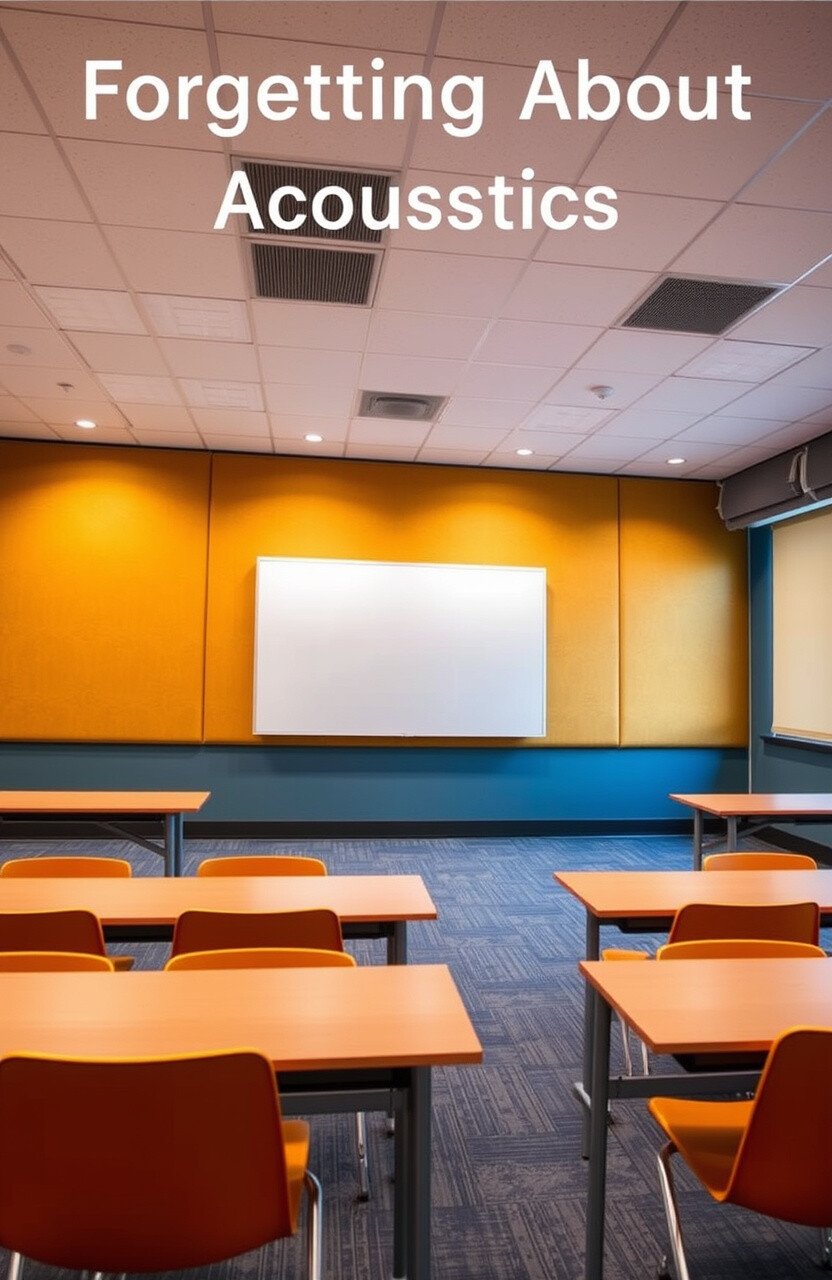
Good acoustics are key to a productive classroom. They ensure students can hear clearly without distractions.
Incorporate soft materials like carpets or curtains to absorb sound. This can create a more focused learning environment.
Consider acoustic panels or ceiling clouds for a modern touch. They come in various colors and designs.
Acoustic solutions can be customized to suit your style. It’s a small investment with a big impact.
4. Neglecting Color Psychology
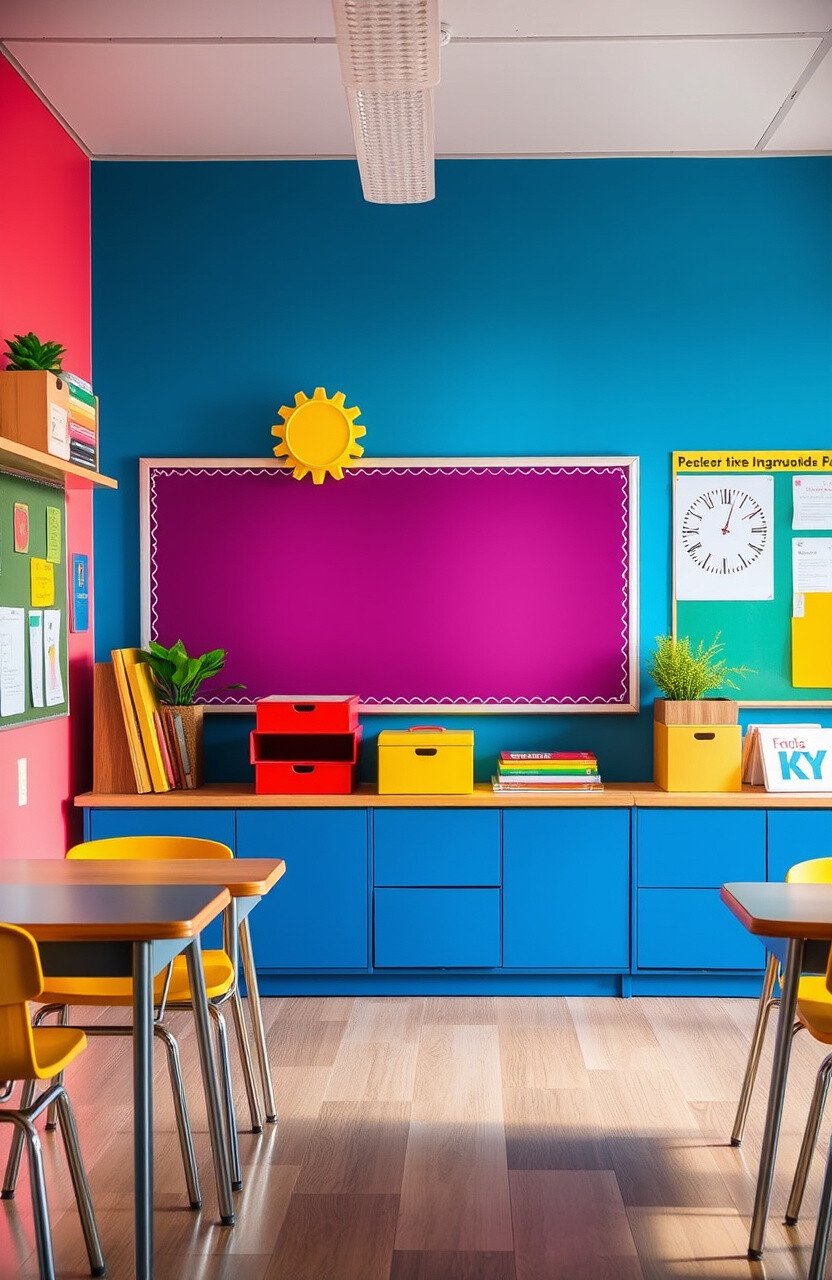
Colors can influence mood and behavior. They can energize or calm, depending on the choice.
Use blue for a soothing effect, or yellow to stimulate creativity. Mixing colors can create a balanced atmosphere.
Incorporate colorful accents through decor and supplies. It’s a budget-friendly way to refresh the space.
Experiment with different shades to find what works best. Your classroom can be as unique as your students.
5. Poor Desk Arrangements
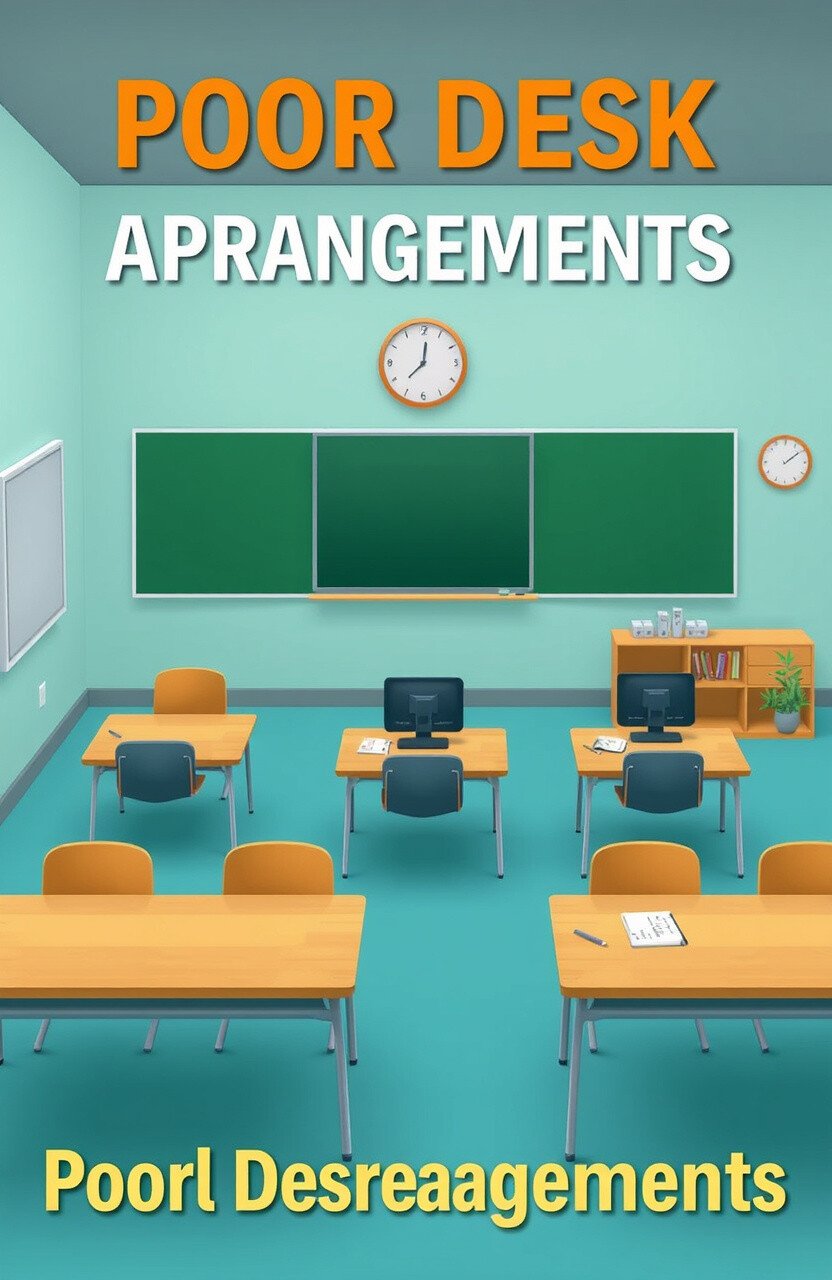
Desk placement affects interaction and engagement. It’s crucial to find a layout that suits your teaching style.
Consider U-shape or clusters for group activities. This encourages collaboration and communication.
Flexible seating arrangements can accommodate different needs. It adds a dynamic and modern feel to the room.
Keep pathways clear for easy movement. It’s a practical yet stylish approach.
6. Overlooking Storage Solutions
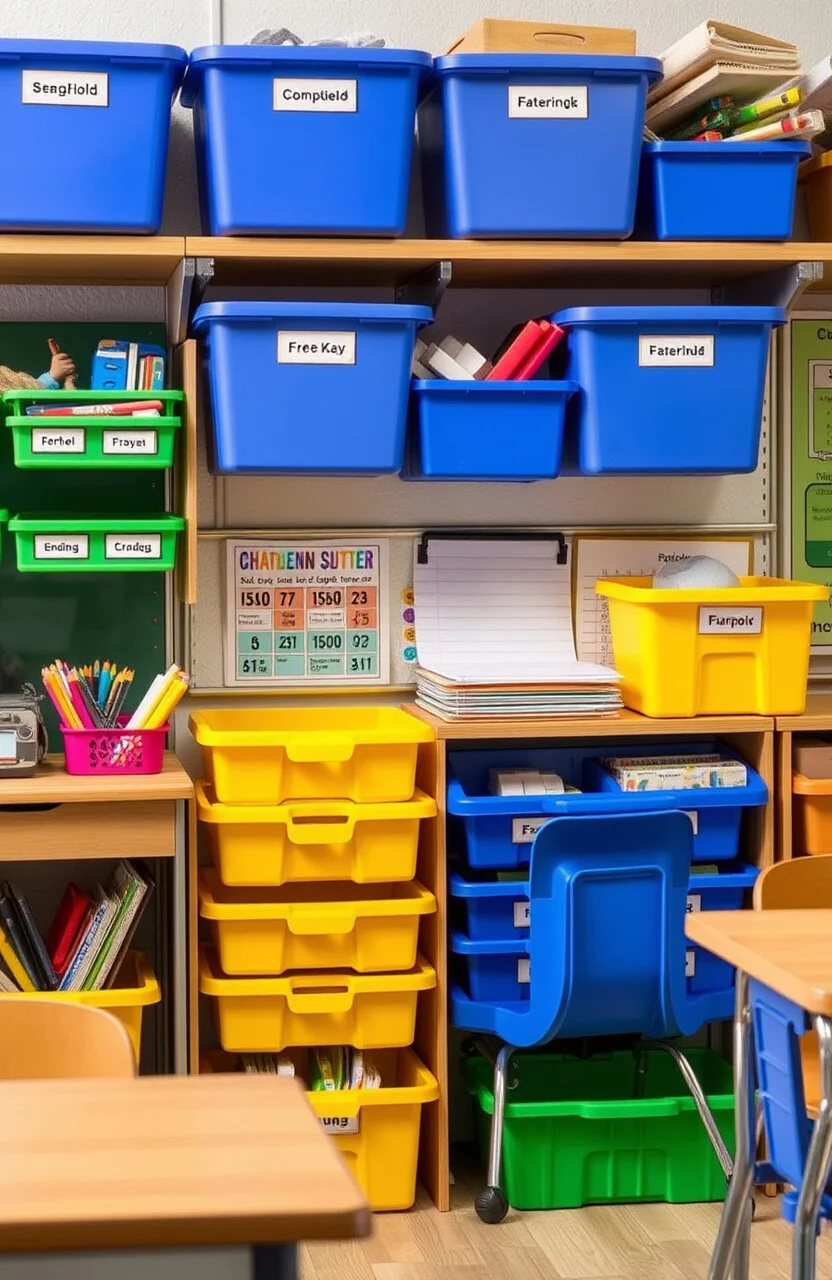
Clutter can be a major distraction. Effective storage keeps the classroom tidy and organized.
Use wall-mounted shelves and bins to maximize space. It keeps supplies accessible but out of the way.
Label storage areas for easy identification. It helps students take responsibility for their space.
Invest in durable storage options. They’re a long-term solution that can be personalized with colorful touches.
7. Ignoring Technology Needs
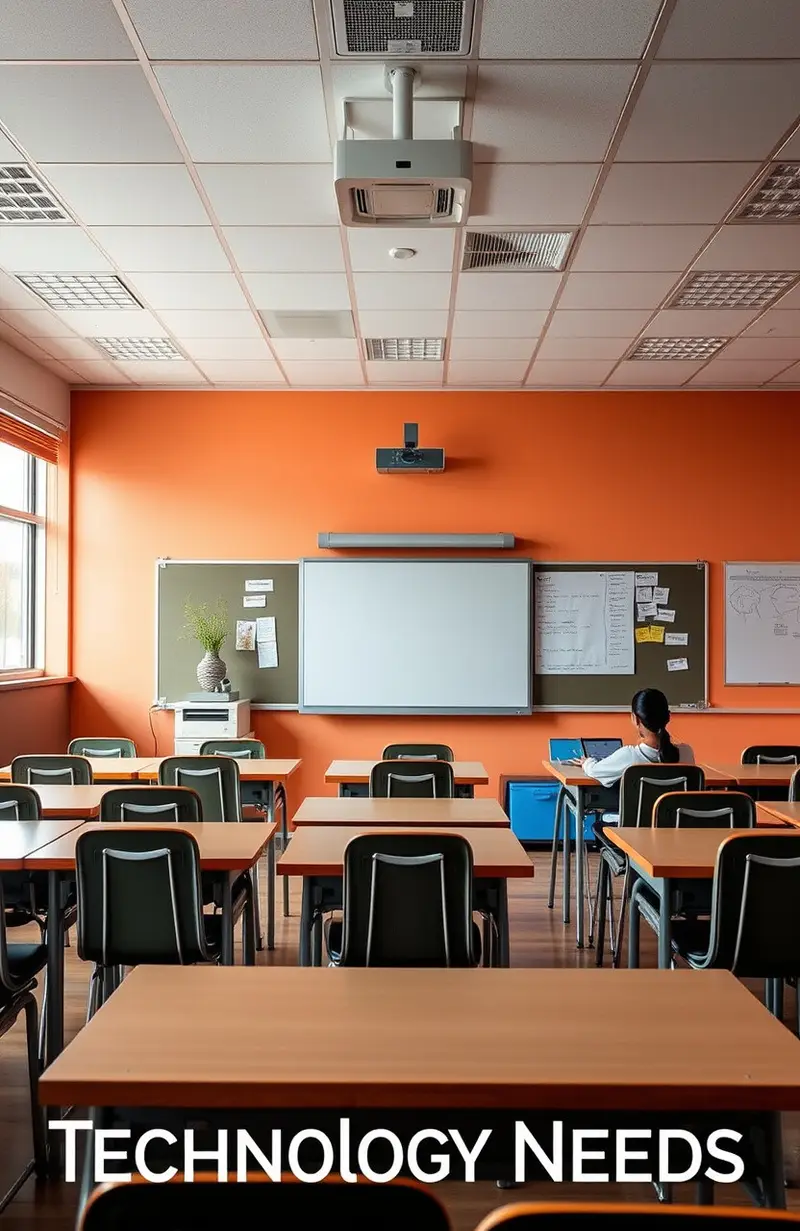
Technology is an integral part of modern classrooms. Ensuring proper setup is essential for smooth lessons.
Designate a tech zone with charging stations and device storage. It keeps gadgets organized and ready for use.
Incorporate interactive whiteboards or projectors. They can make lessons more engaging and interactive.
Stay updated with the latest tech trends. It’s an investment in the future of learning.
8. Forgetting Personalization
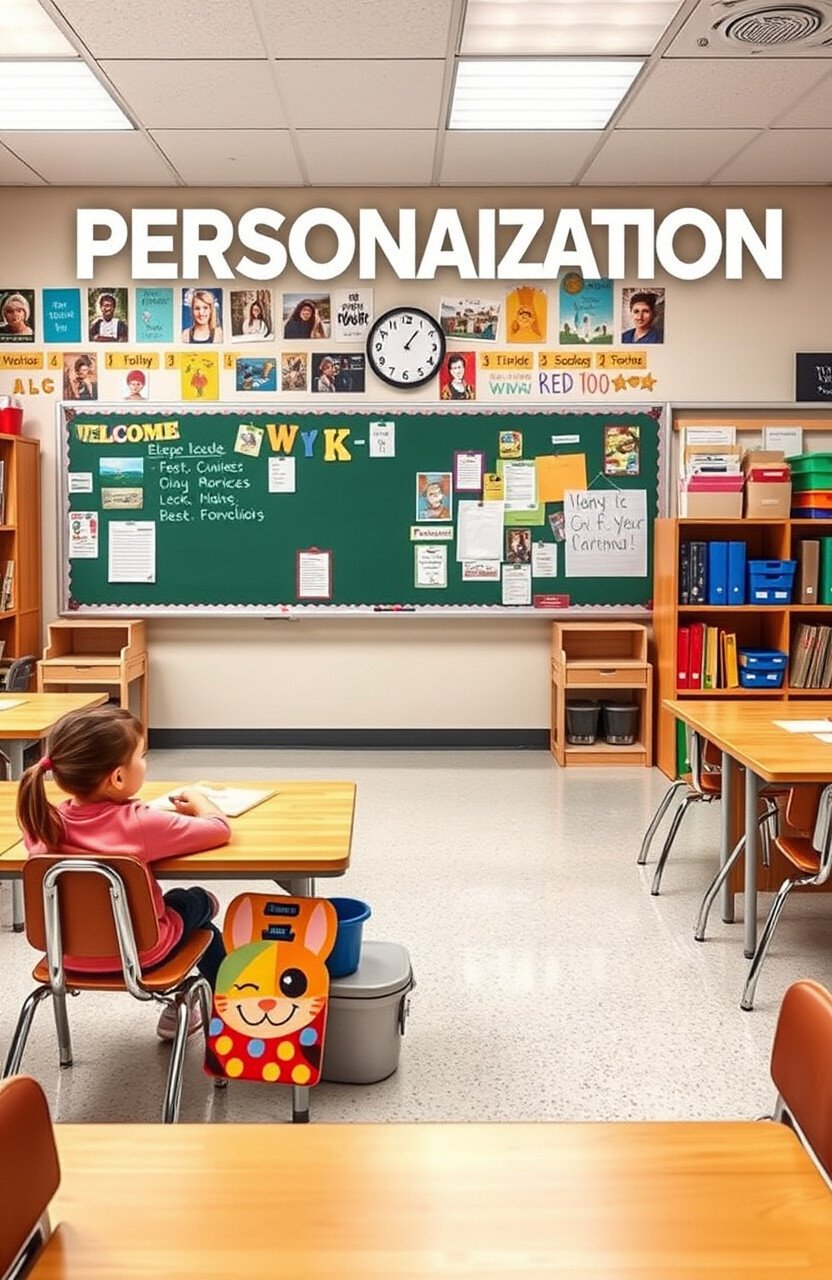
A personalized classroom makes students feel at home. It fosters a sense of belonging and pride.
Include student artwork and projects in the decor. It showcases their creativity and achievements.
Create a welcome board with photos and names. It’s a simple yet effective way to build community.
Use personalized name tags and labels. It adds a friendly and welcoming touch to the space.
9. Overusing Wall Space
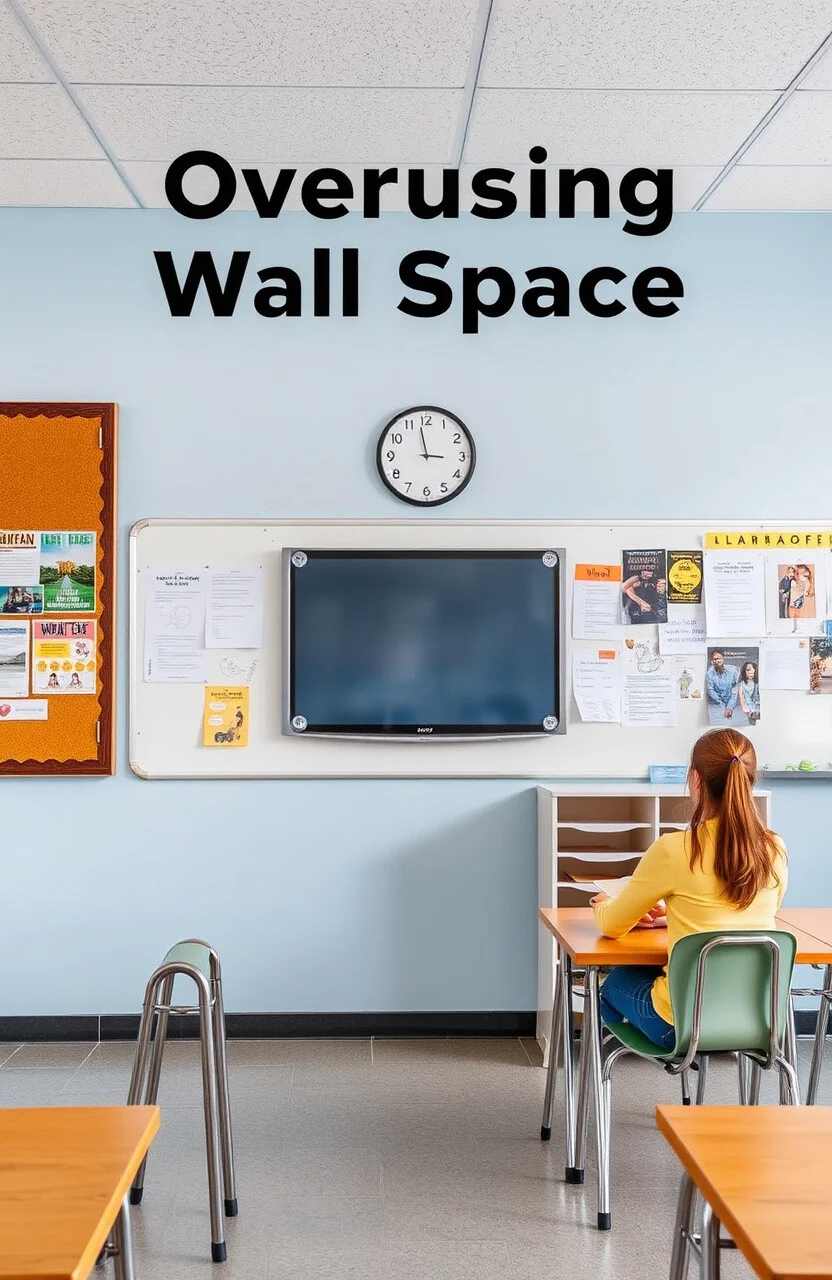
Too many posters can overwhelm students. It can make the room feel cluttered and busy.
Choose a few meaningful displays that align with learning goals. It keeps the focus on what matters.
Rotate displays regularly to keep the environment fresh. It’s an easy way to introduce new themes and topics.
Incorporate interactive elements like whiteboards or corkboards. They invite students to participate and engage.
10. Neglecting Comfort
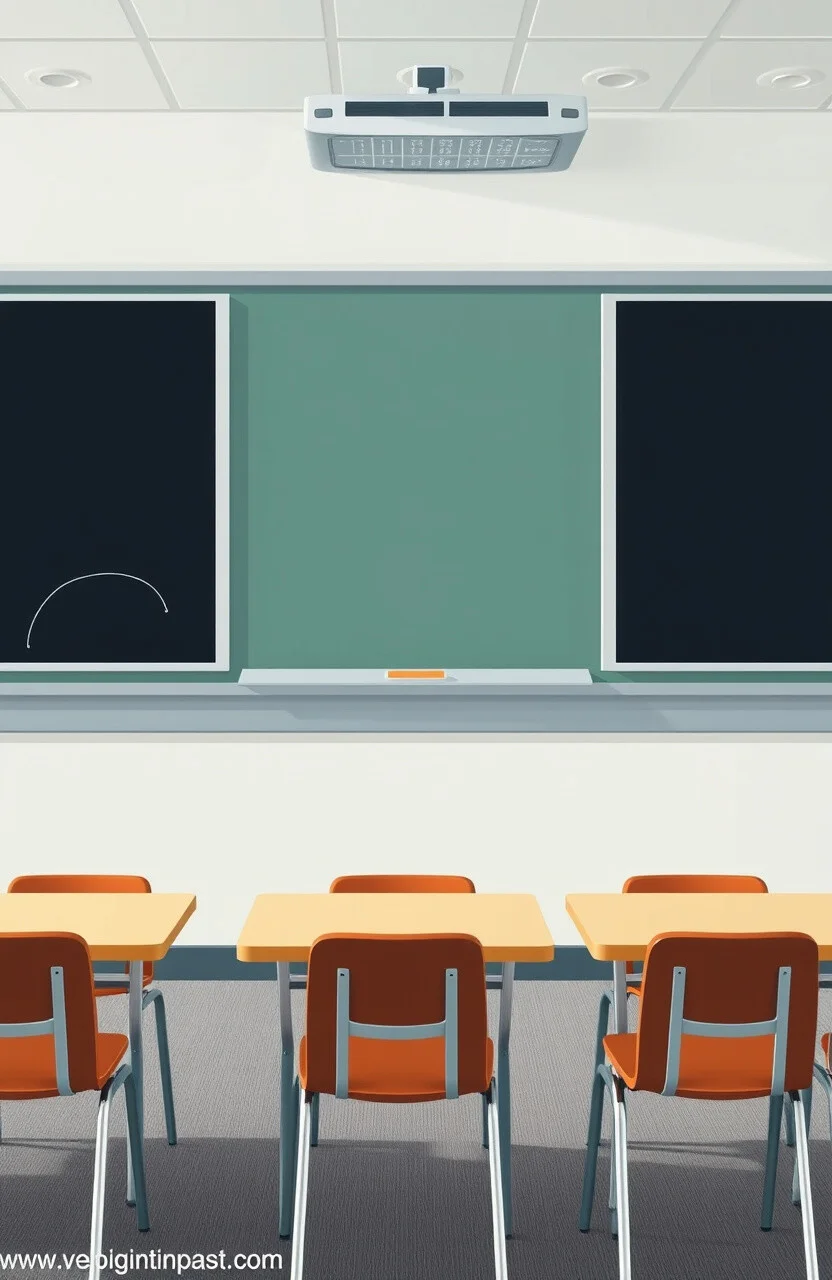
Comfort is key to a productive learning environment. It helps students focus and enjoy their time in class.
Choose ergonomic chairs and desks. They support posture and reduce fatigue.
Incorporate soft seating options like bean bags or cushions. They add a cozy and relaxed vibe.
Consider temperature control and ventilation. It’s a vital aspect of comfort that enhances learning.
11. Not Considering Mobility
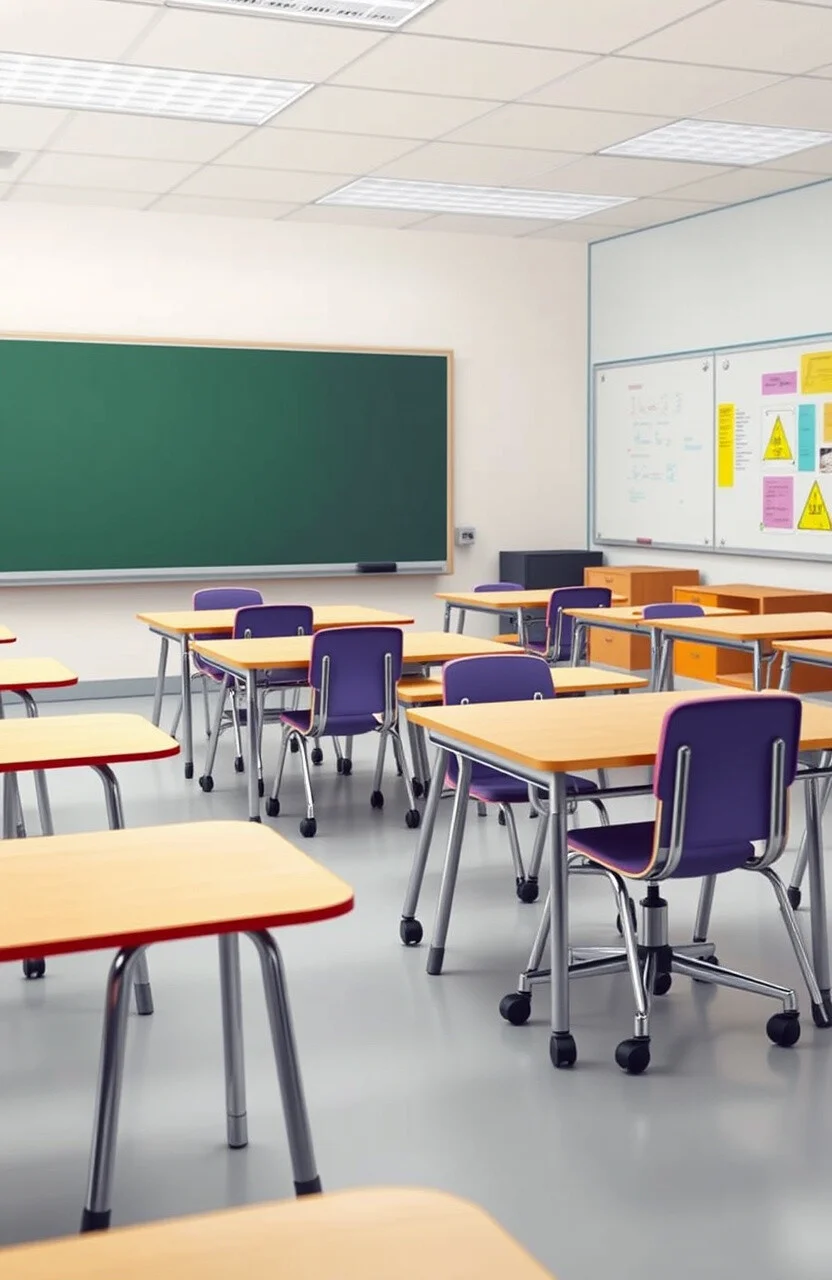
Mobile furniture allows for flexible learning spaces. It supports different teaching styles and activities.
Opt for chairs and tables with wheels. They’re easy to move and rearrange as needed.
Consider foldable or collapsible furniture for versatility. It’s a smart way to adapt to changing needs.
Keep mobility in mind when designing the layout. It ensures a dynamic and adaptable classroom.
12. Overlooking Safety
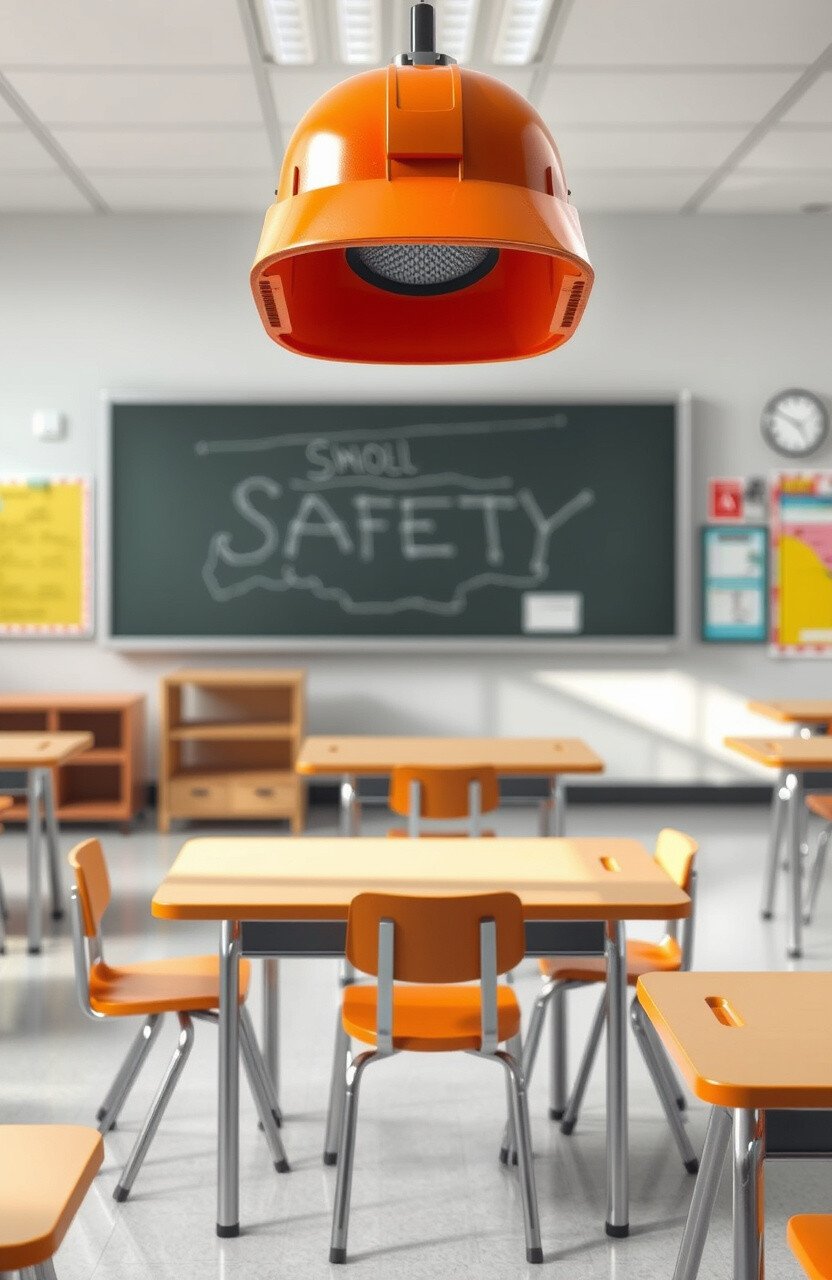
Safety is a top priority in any classroom. It ensures a secure environment for students and teachers.
Secure heavy furniture and equipment. It prevents accidents and injuries.
Keep emergency exits clear and accessible. It’s an essential aspect of a safe classroom.
Regularly inspect and maintain all equipment. It’s a proactive approach to ensuring safety.
13. Underestimating the Power of Plants
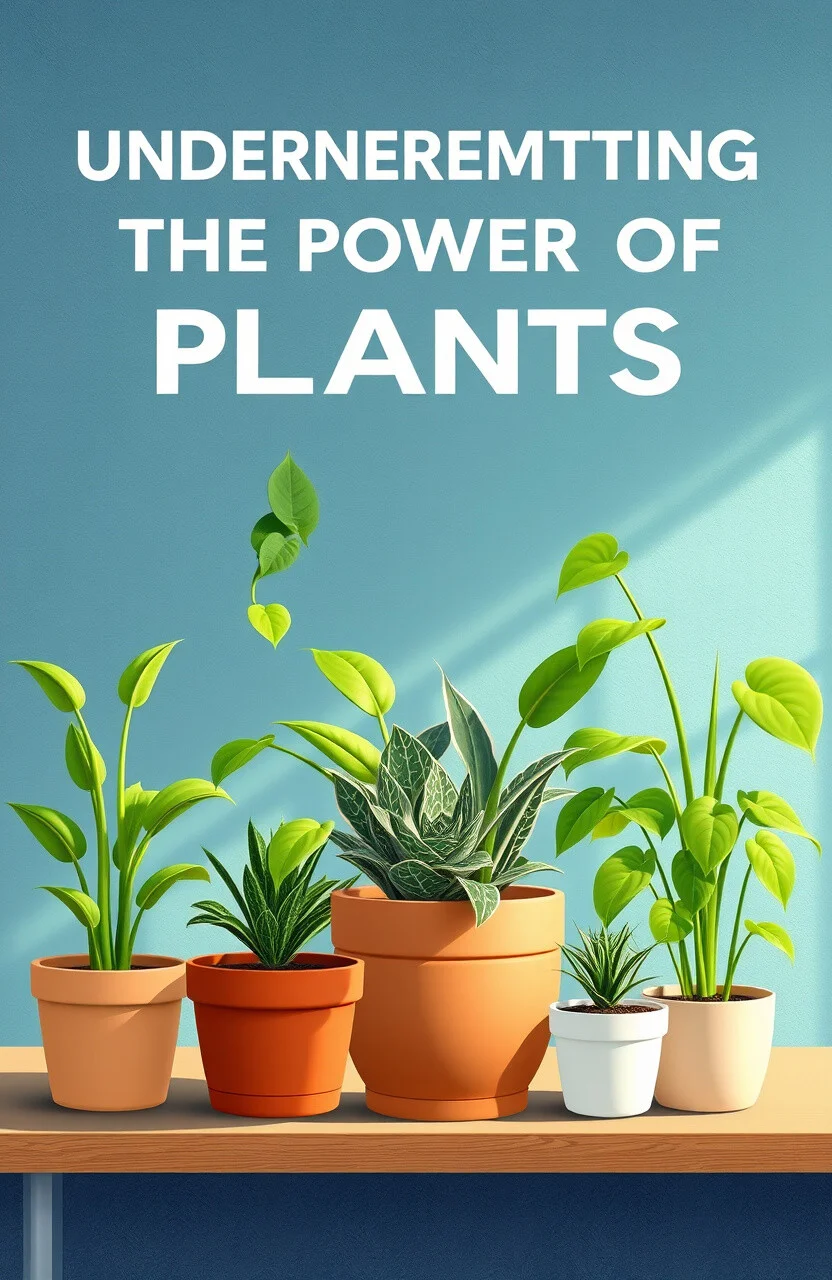
Plants can bring life and freshness to a classroom. They improve air quality and create a calming atmosphere.
Choose low-maintenance plants like succulents or pothos. They’re easy to care for and add a touch of green.
Incorporate hanging or shelf plants for a unique look. It maximizes space and adds visual interest.
Encourage students to participate in plant care. It’s a fun and educational activity that promotes responsibility.
14. Forgetting About the Floor
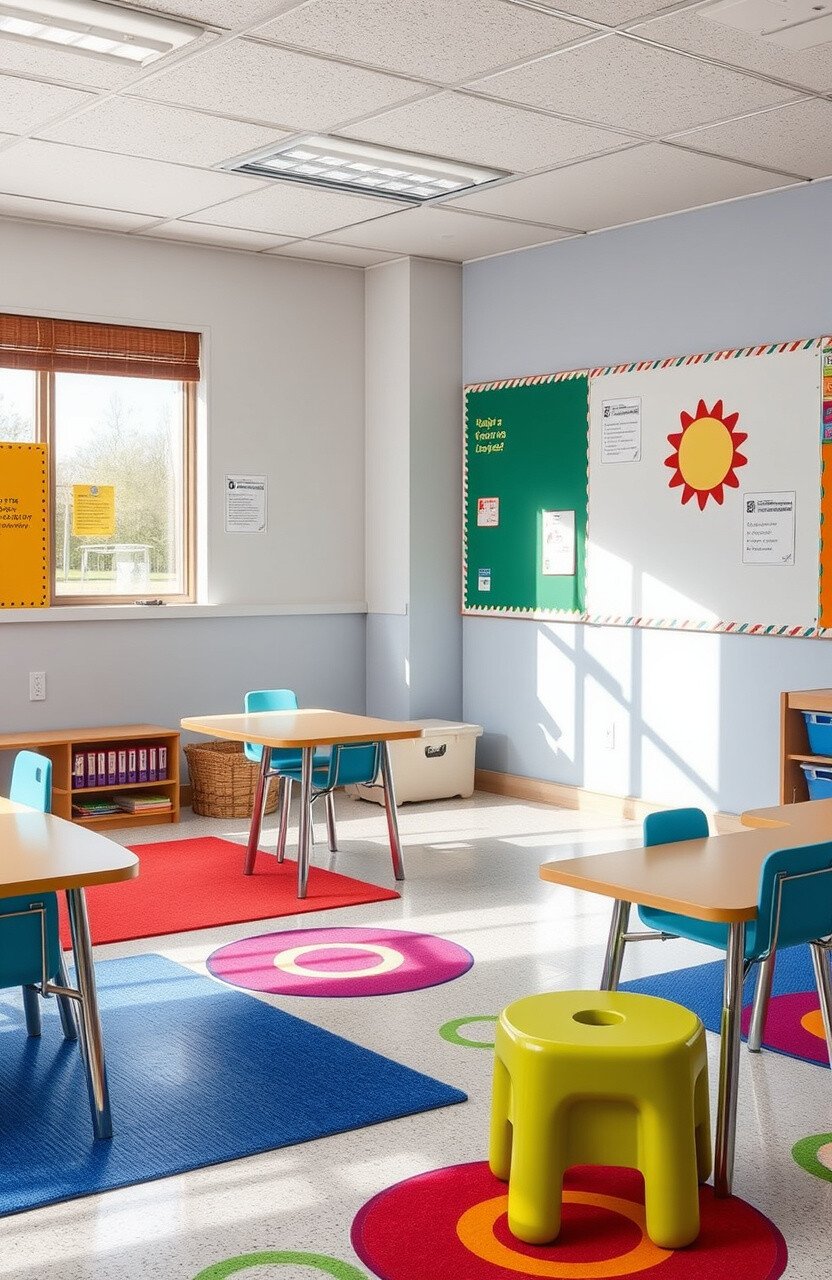
The floor is a large, often overlooked area. It can be used creatively to enhance the classroom.
Add colorful rugs or mats for a pop of color. They define spaces and add warmth.
Consider interactive floor decals or tiles. They’re engaging and can be used for games and learning.
Choose durable, easy-to-clean flooring. It’s a practical choice that maintains a neat appearance.
15. Not Providing Enough Variety
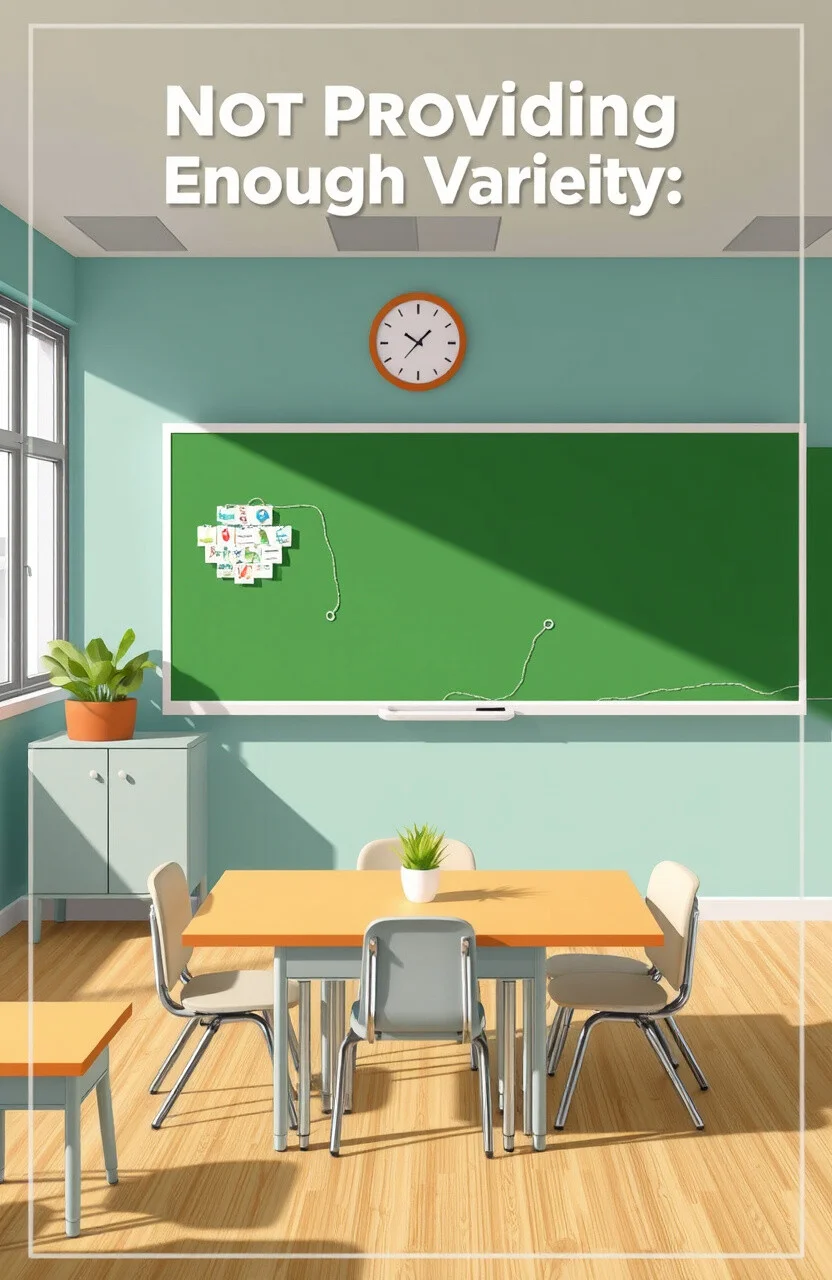
Variety keeps the learning environment interesting. It caters to different learning styles and preferences.
Incorporate different seating options and workspaces. It allows students to choose what works best for them.
Use a mix of textures and materials in decor. It adds depth and interest to the space.
Update the classroom regularly with new elements. It keeps the environment dynamic and engaging.
16. Ignoring the Entryway
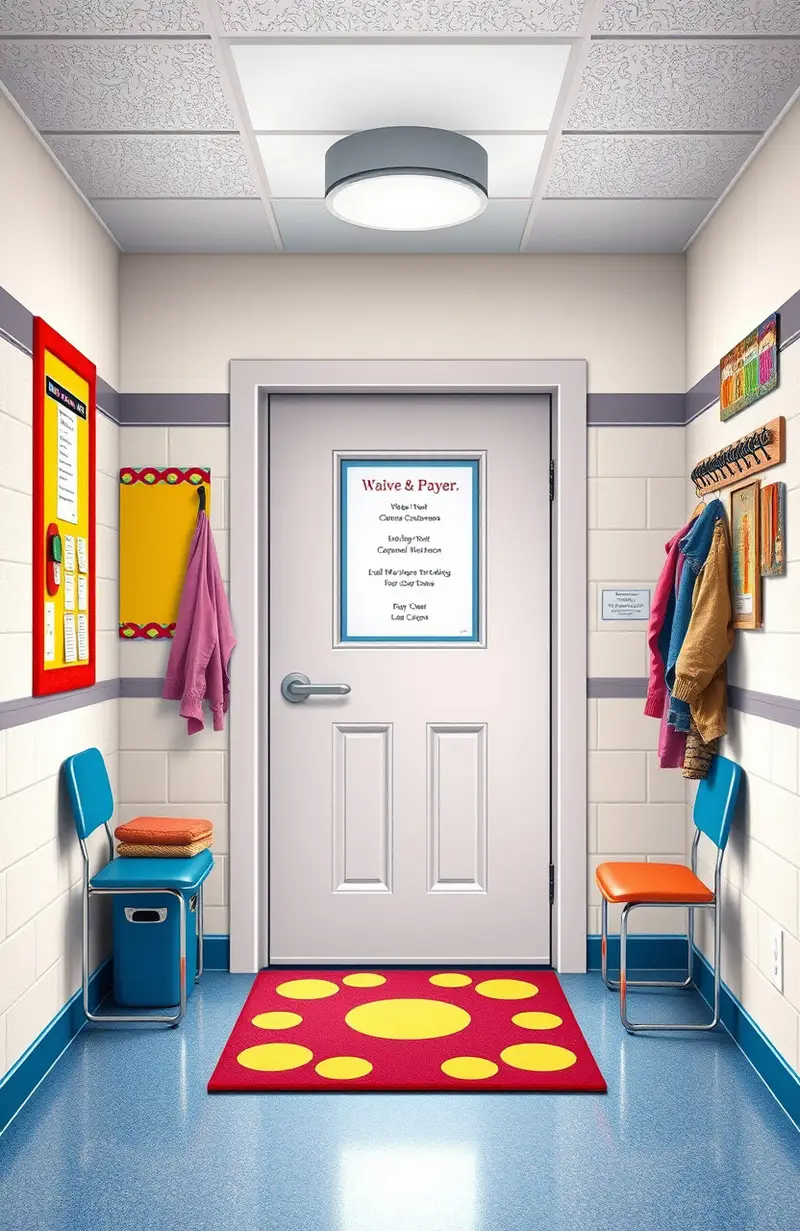
The entryway sets the tone for the classroom. It’s the first impression students get as they walk in.
Create a welcoming entrance with a colorful mat or sign. It invites students into a positive space.
Incorporate a small bulletin board for announcements. It keeps important information easily accessible.
Consider a shoe rack or coat hooks for organization. It helps maintain a tidy and organized entry.
17. Skimping on Maintenance
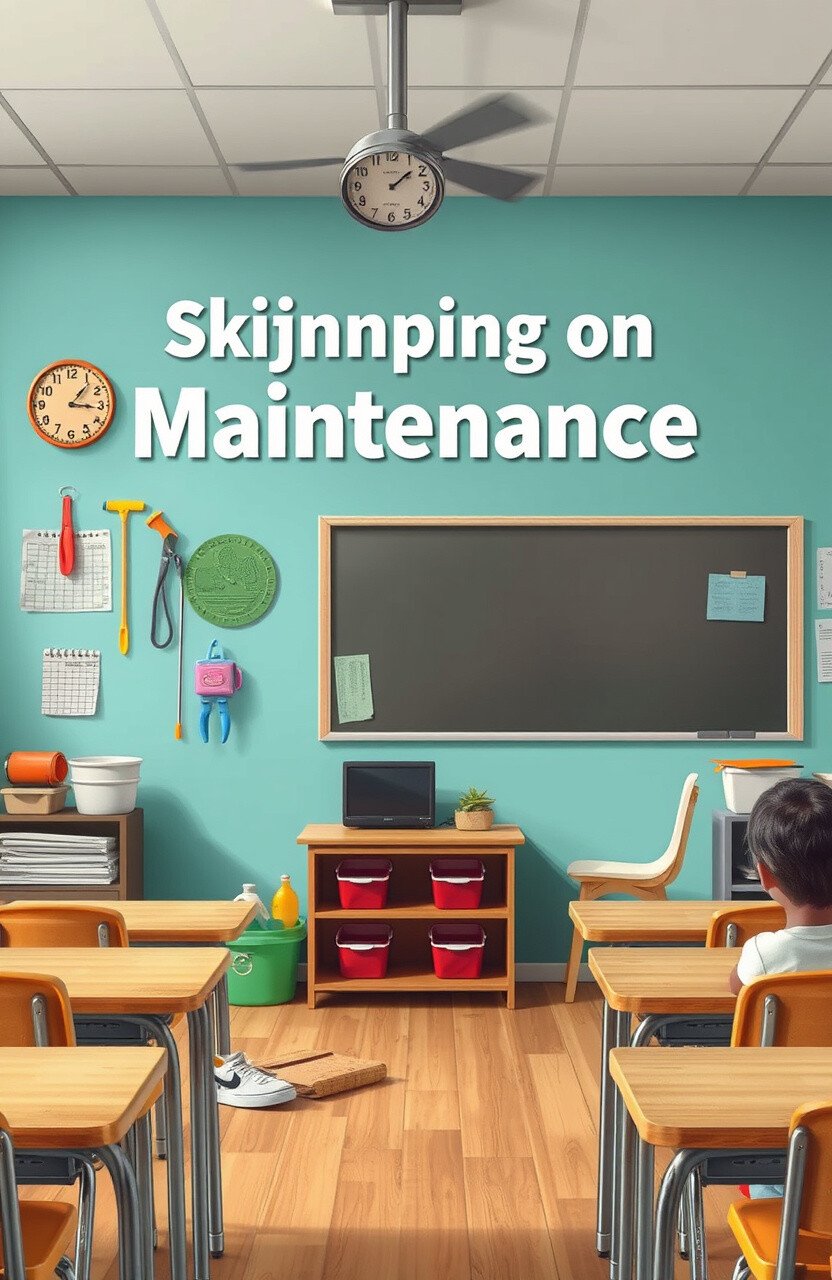
Regular maintenance keeps the classroom in top shape. It ensures a clean and functional environment.
Schedule routine clean-ups and inspections. It’s a proactive way to address issues before they escalate.
Encourage students to participate in tidying up. It fosters a sense of responsibility and care for their space.
Invest in quality cleaning supplies and tools. It makes maintenance tasks easier and more efficient.
18. Not Utilizing Vertical Space
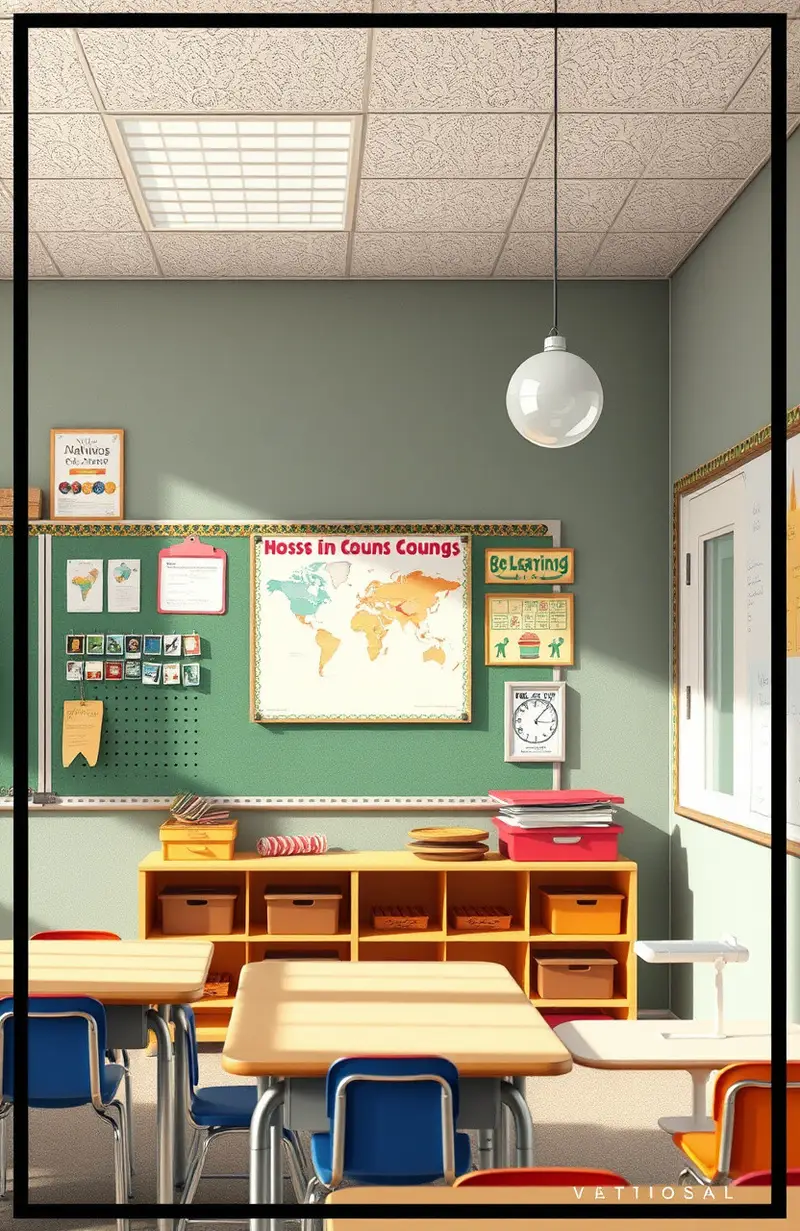
Vertical space is often underutilized. It offers opportunities for storage and display.
Install shelves or pegboards for additional storage. They keep items organized and within reach.
Hang artwork and educational posters at eye level. It maximizes wall space and enhances learning.
Use vertical space for creative displays. It adds interest and draws the eye upward.
19. Overlooking Accessibility
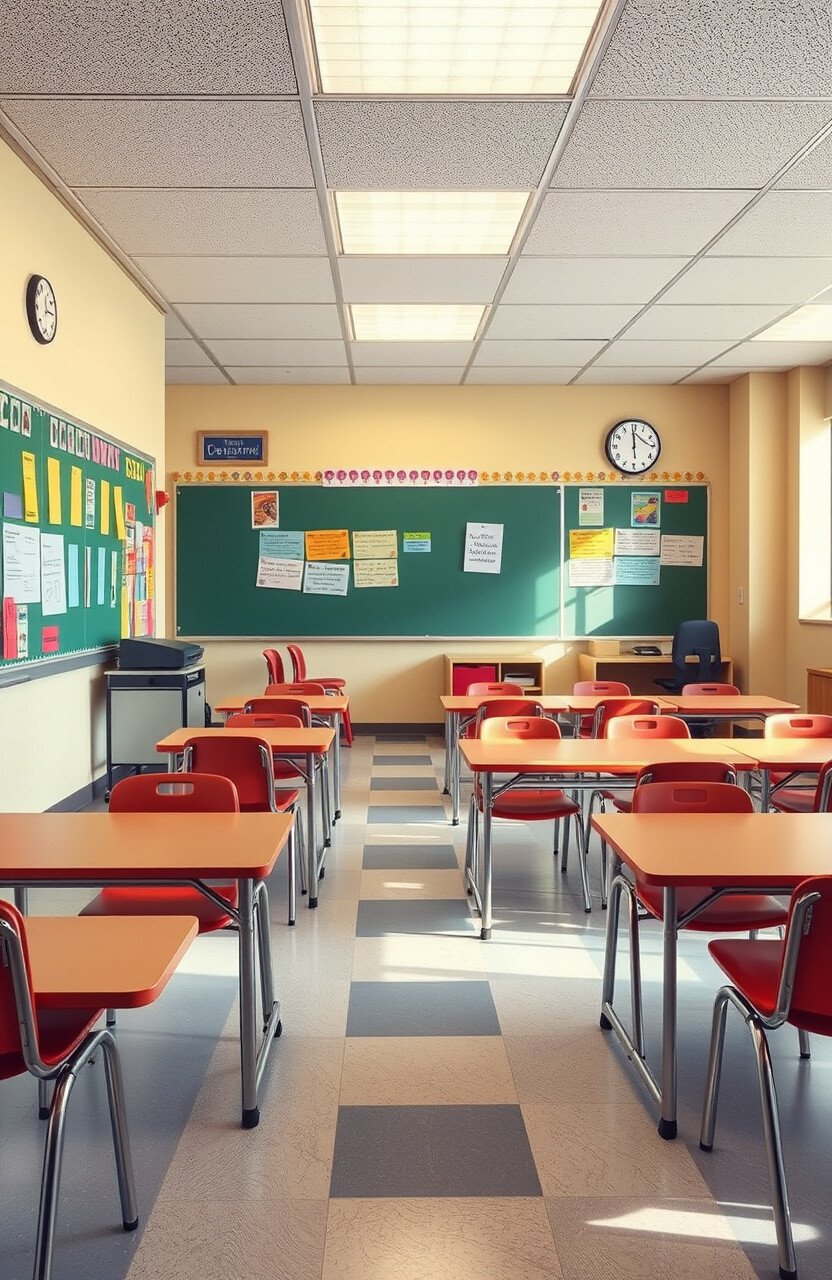
Accessibility ensures all students can participate. It’s a crucial consideration in classroom design.
Ensure pathways are wide and clear. It accommodates students with mobility aids.
Provide adjustable furniture for comfort. It caters to diverse needs and preferences.
Incorporate tactile and visual aids. It supports inclusive learning for everyone.
20. Ignoring the Power of Scent
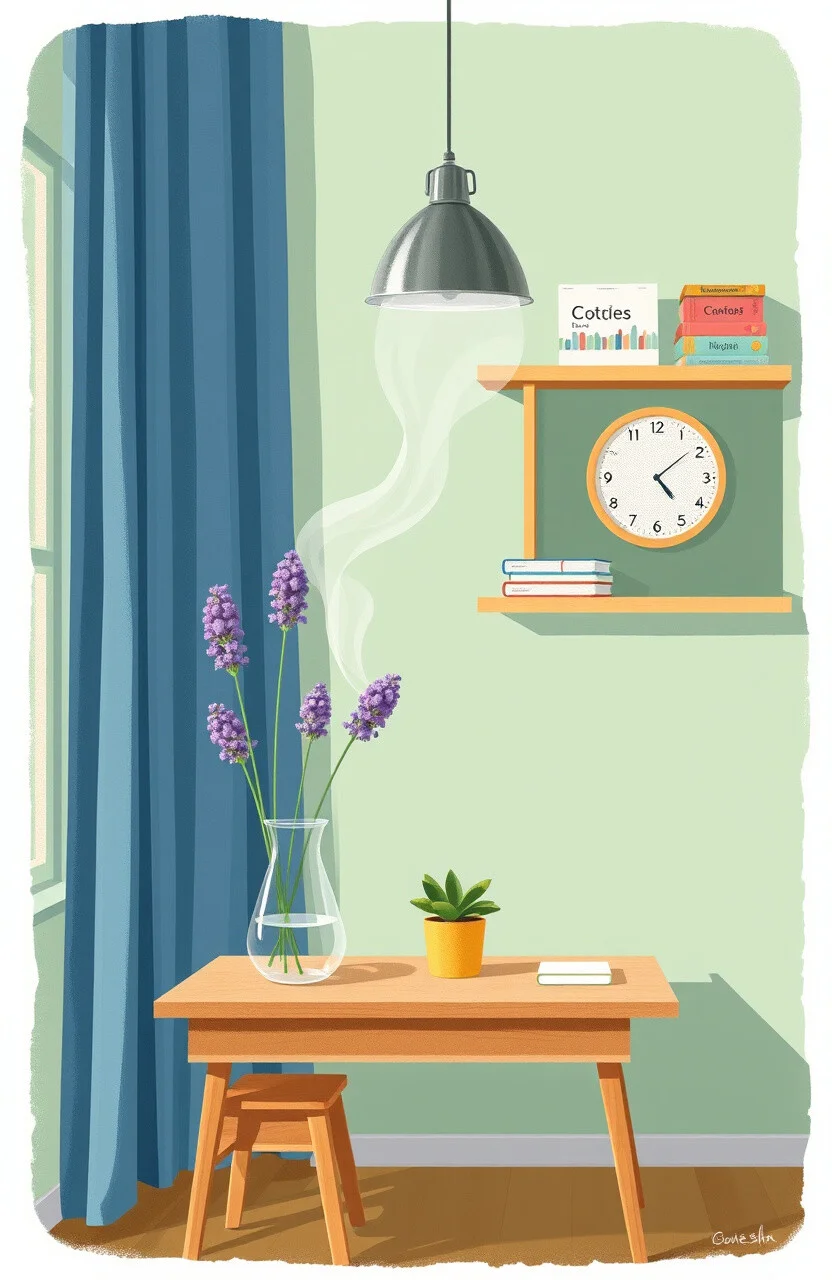
Scent can influence mood and focus. It’s an often overlooked element in classroom design.
Use subtle scents like lavender or citrus. They promote relaxation and alertness.
Opt for natural scents from plants or essential oils. They’re a healthier choice than artificial fragrances.
Experiment with different scents for different activities. It’s a unique way to enhance the learning experience.
21. Neglecting the Teacher’s Space

The teacher’s area needs attention too. It’s a space for preparation and reflection.
Create a comfortable and organized teacher’s desk. It supports productivity and focus.
Incorporate personal touches like photos or plants. They make the space feel welcoming and personal.
Ensure easy access to teaching materials. It streamlines lessons and reduces stress.
22. Underestimating the Impact of Mirrors
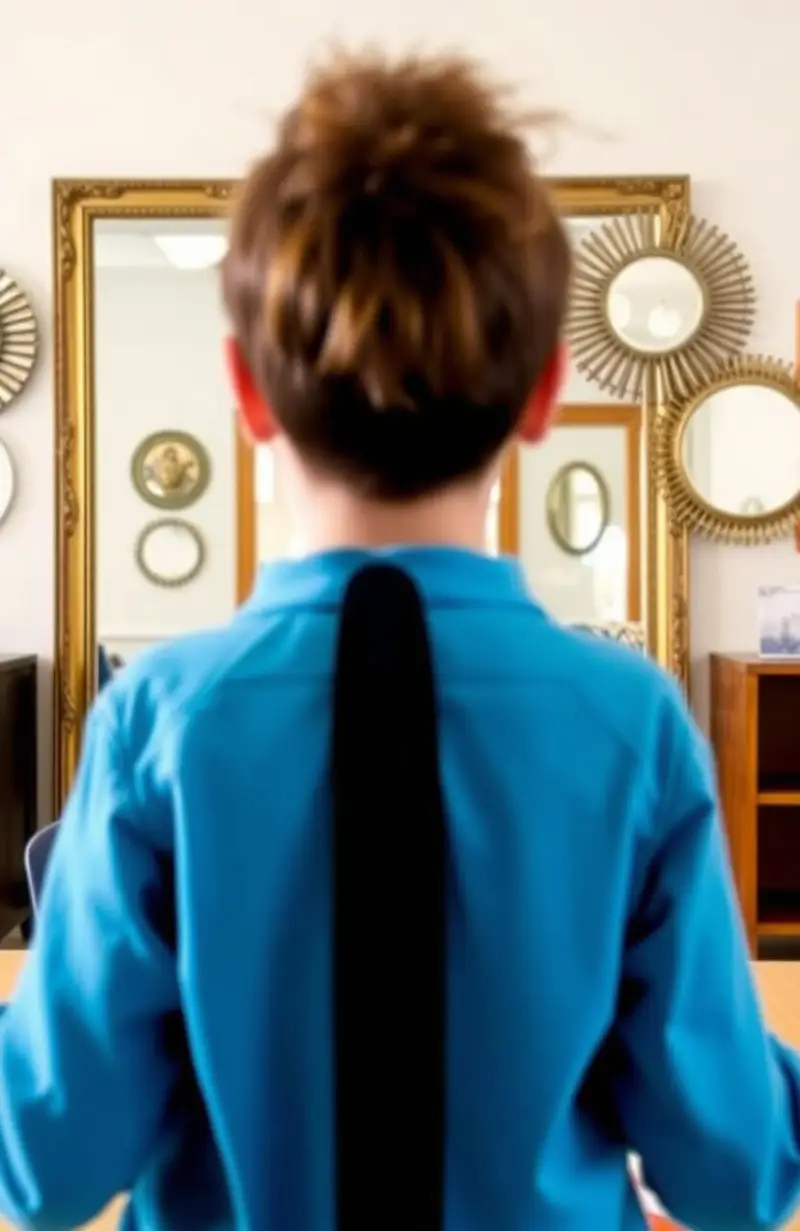
Mirrors can make a room feel larger and brighter. They reflect light and create the illusion of space.
Hang mirrors on walls to open up the room. They add depth and dimension to the space.
Use mirrors creatively in displays or activities. They engage students and spark curiosity.
Choose decorative mirrors for a stylish touch. They’re a functional and fashionable addition.
23. Not Considering Seasonal Changes
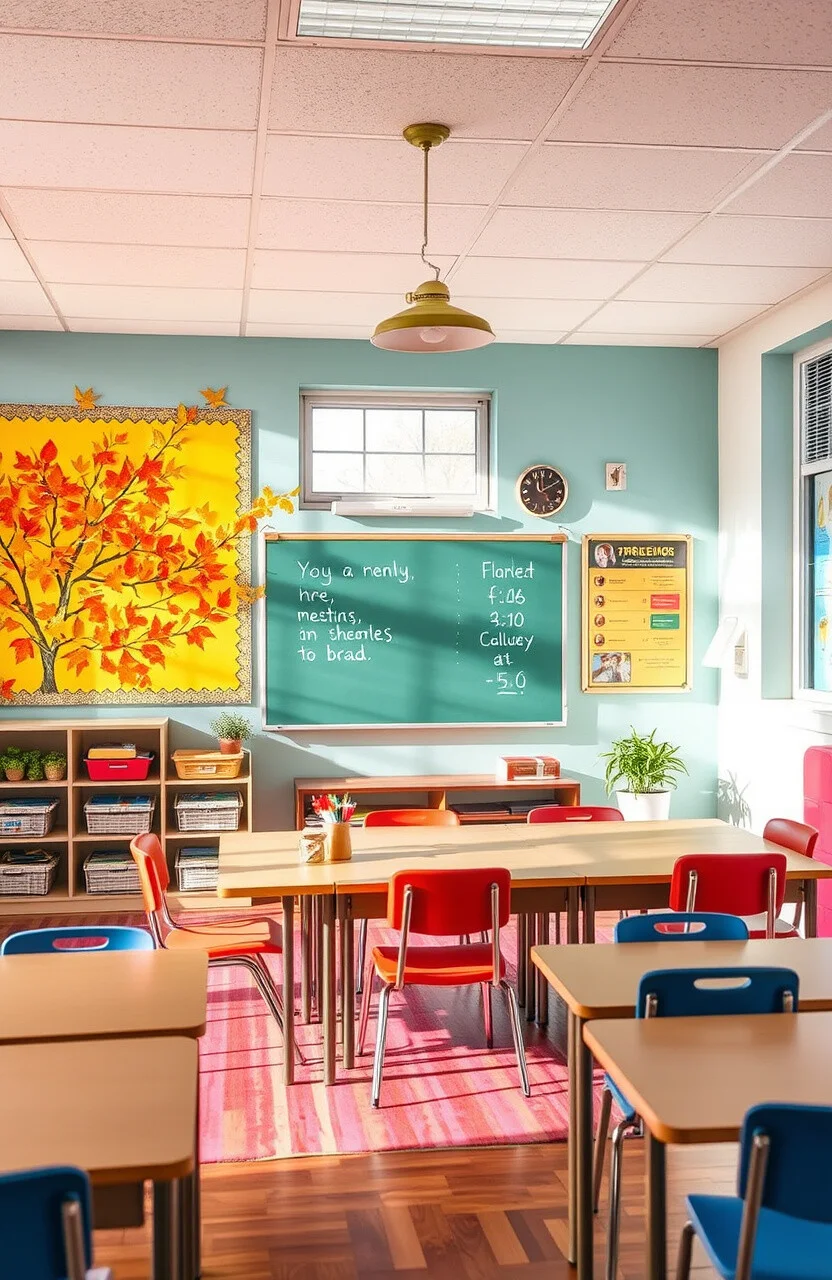
Seasons bring changes in light and temperature. Adapting the classroom can enhance comfort and mood.
Use light, breathable fabrics in summer. They keep the room cool and airy.
Incorporate warm colors and textures in winter. They create a cozy and inviting atmosphere.
Update decor with seasonal themes. It keeps the environment fresh and engaging.
24. Overlooking Student Input
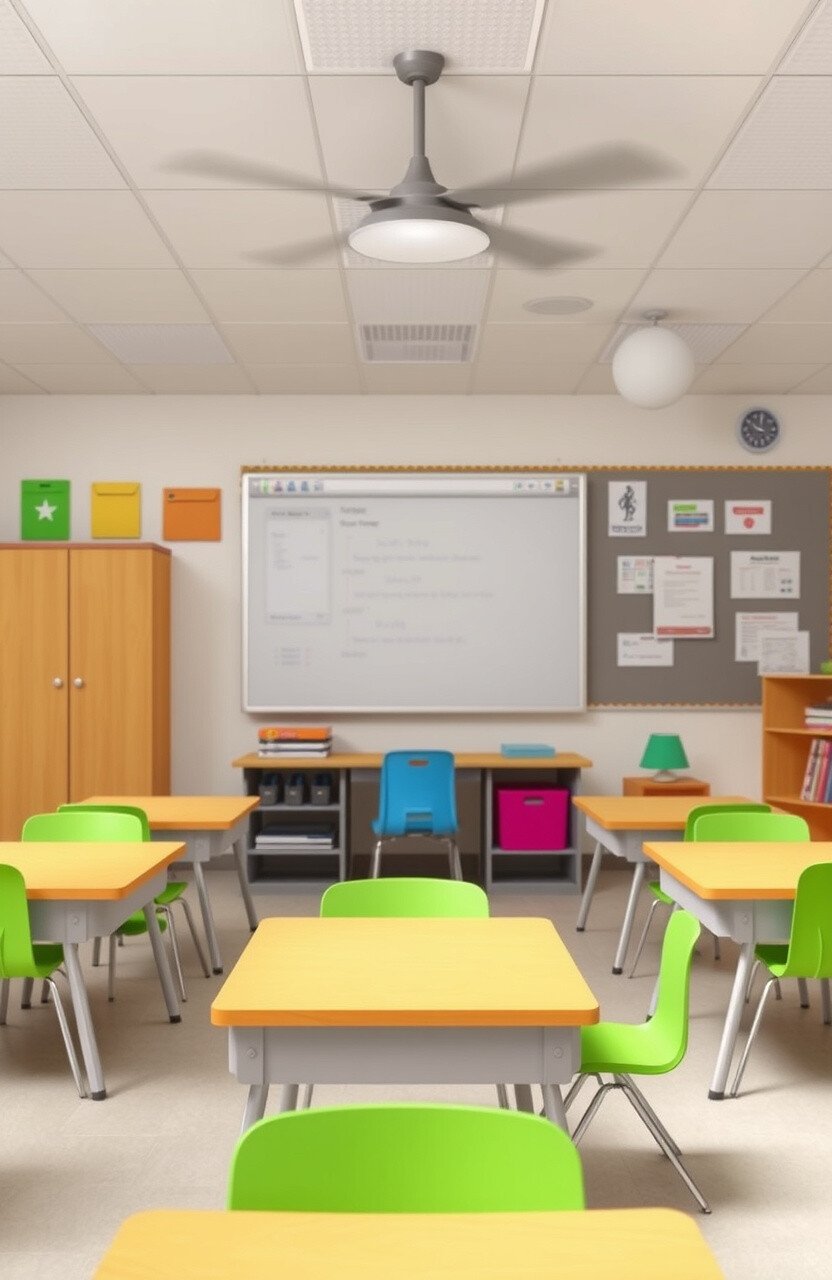
Students are the heart of the classroom. Their input can provide valuable insights into design choices.
Involve students in the decision-making process. It empowers them and fosters a sense of ownership.
Encourage feedback on layout and decor. It ensures the space meets their needs and preferences.
Create opportunities for students to personalize their space. It makes the classroom feel more like home.
25. Not Balancing Open and Private Spaces
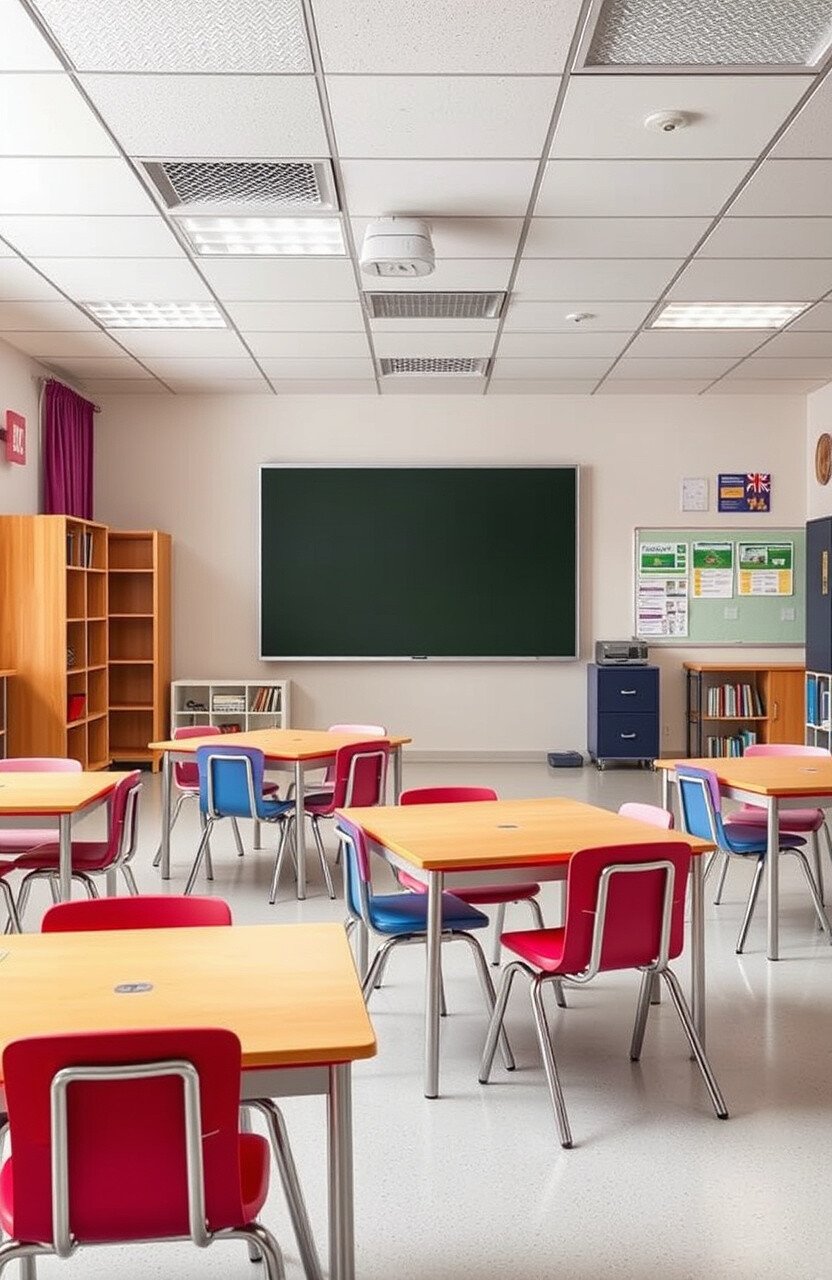
A mix of open and private spaces caters to different needs. It offers flexibility for various activities.
Create open areas for group work and collaboration. They encourage interaction and teamwork.
Incorporate quiet corners for independent study. They provide a retreat for focus and concentration.
Use dividers or curtains for flexible space division. They allow for easy transitions between activities.
26. Ignoring the Importance of Lighting
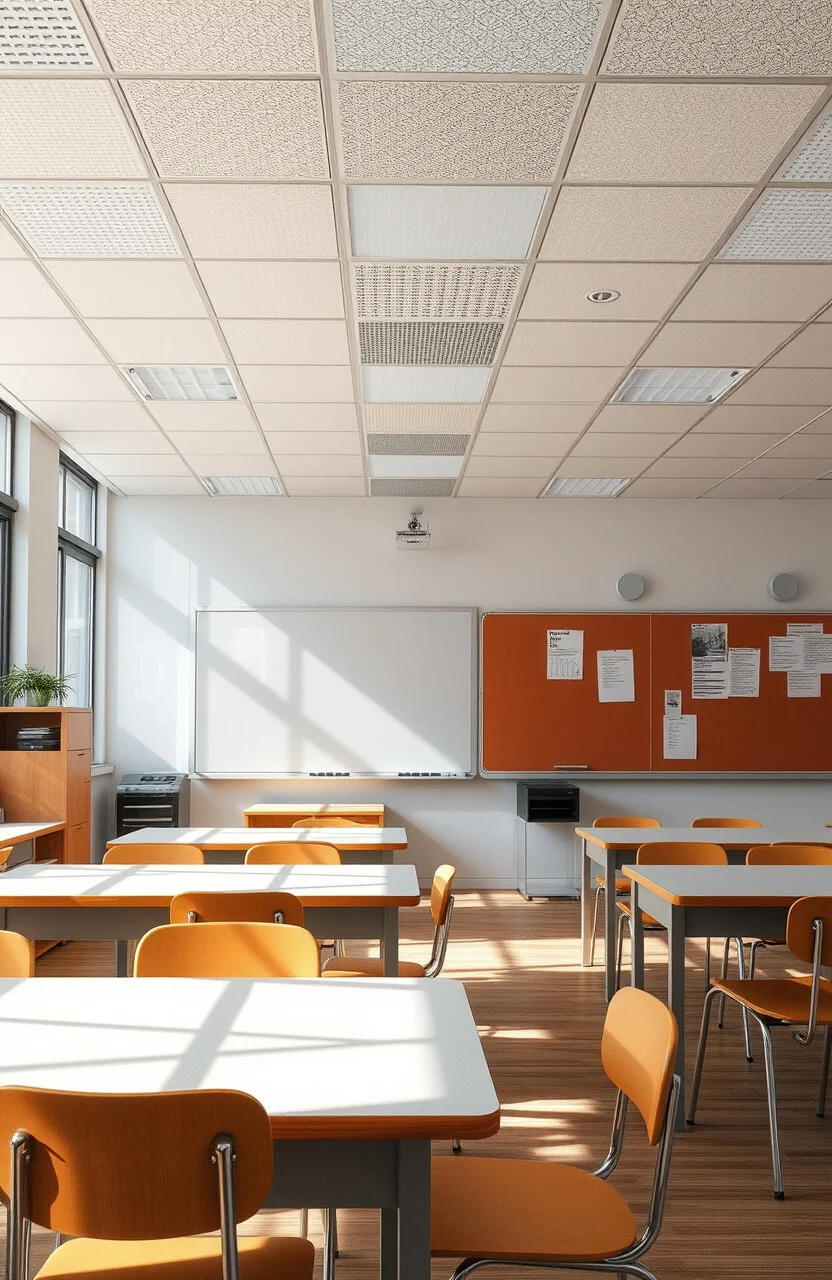
Lighting affects mood and concentration. It’s a key element in creating a conducive learning environment.
Use a mix of natural and artificial lighting. It ensures adequate illumination at all times.
Incorporate adjustable lighting options. They cater to different tasks and preferences.
Consider energy-efficient bulbs for sustainability. It’s a small step towards an eco-friendly classroom.
27. Skimping on Quality Materials
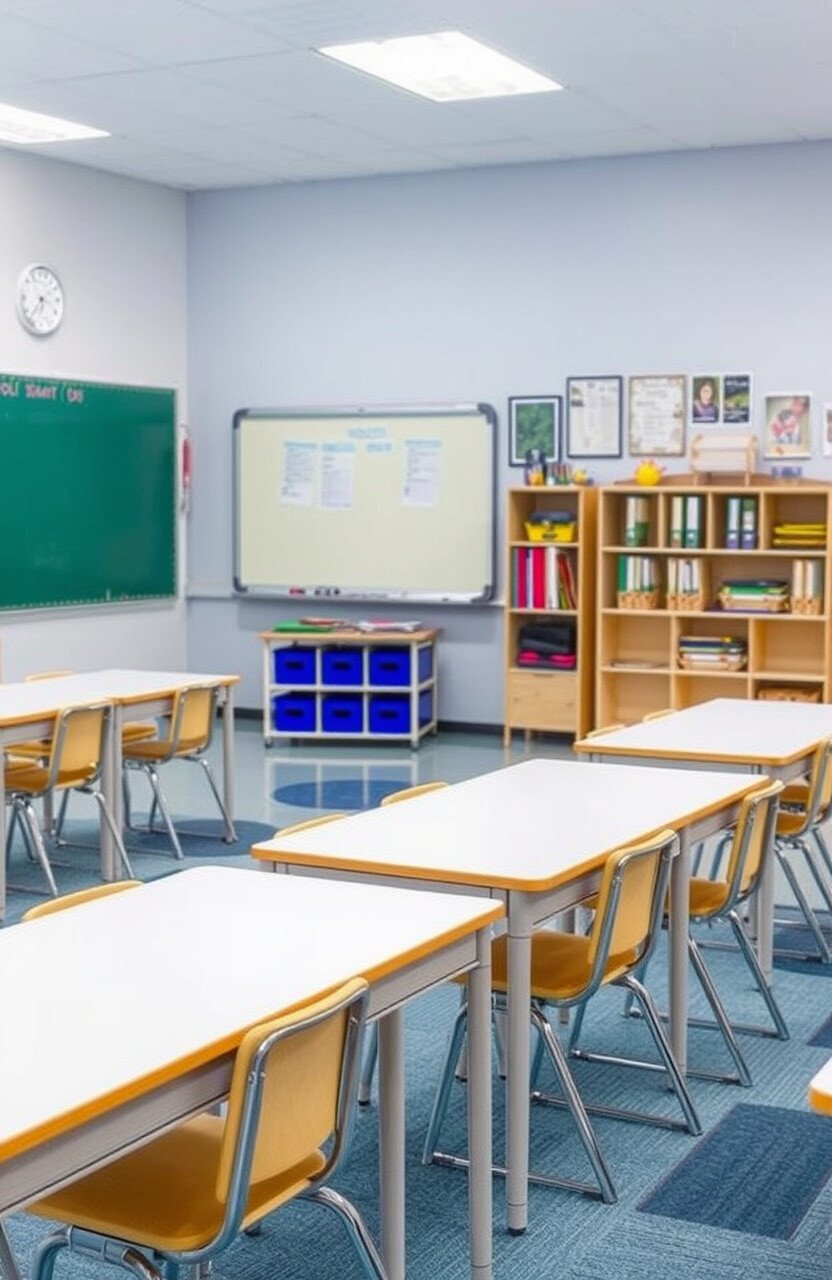
Quality materials ensure durability and longevity. They’re a worthwhile investment in classroom design.
Choose sturdy furniture that withstands daily use. It saves money in the long run.
Opt for high-quality decor and supplies. They maintain their appearance and functionality over time.
Invest in materials that are easy to clean and maintain. It keeps the classroom looking fresh and tidy.
28. Not Considering Multi-Sensory Elements
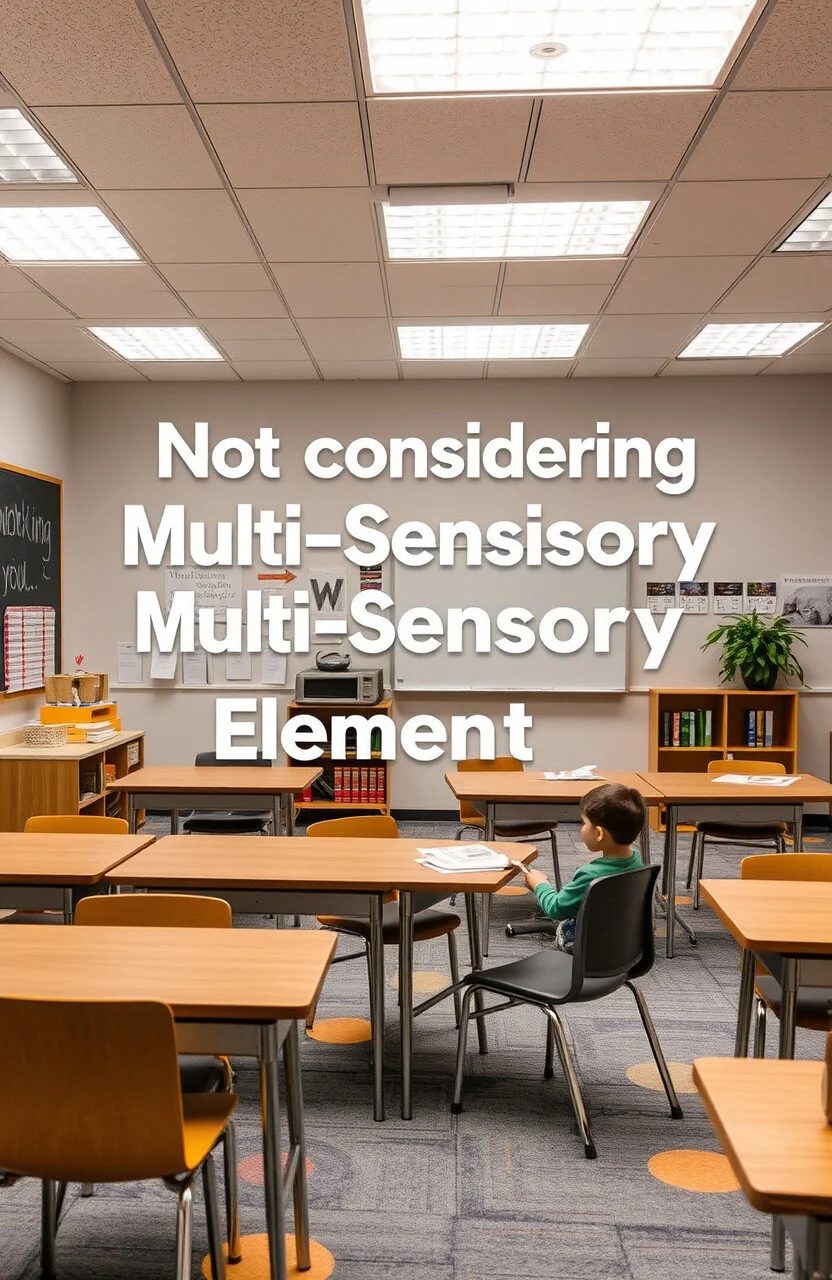
Multi-sensory elements enhance learning experiences. They cater to different learning styles and preferences.
Incorporate tactile materials like textured walls or rugs. They engage the sense of touch.
Use visual aids and interactive displays. They appeal to visual learners and spark interest.
Consider auditory elements like music or soundscapes. They create an immersive atmosphere.
29. Overlooking the Power of Symmetry
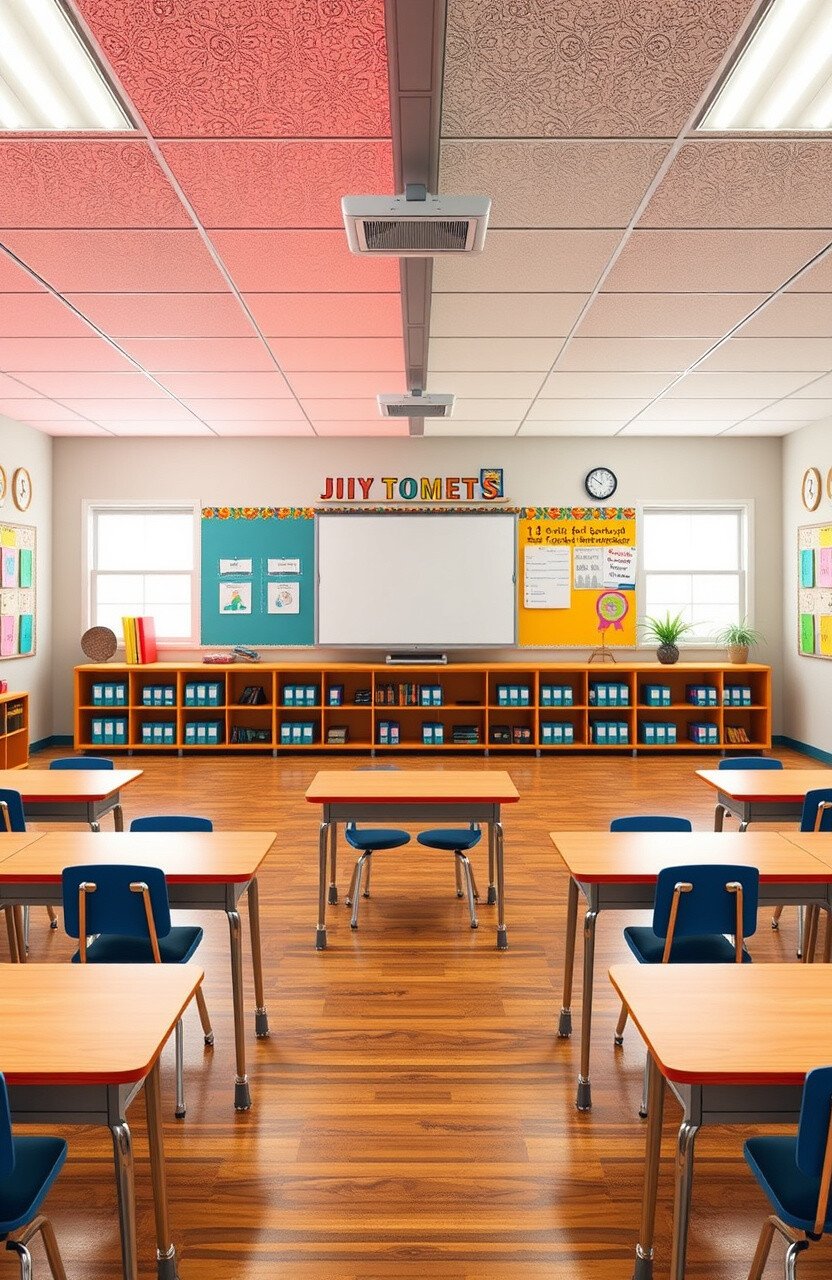
Symmetry creates a sense of balance and harmony. It makes the classroom feel more organized and cohesive.
Arrange furniture in symmetrical patterns. It’s pleasing to the eye and easy to navigate.
Use matching decor and color schemes. They create a unified look and feel.
Incorporate symmetrical displays and layouts. They add structure and order to the space.
30. Not Addressing Air Quality
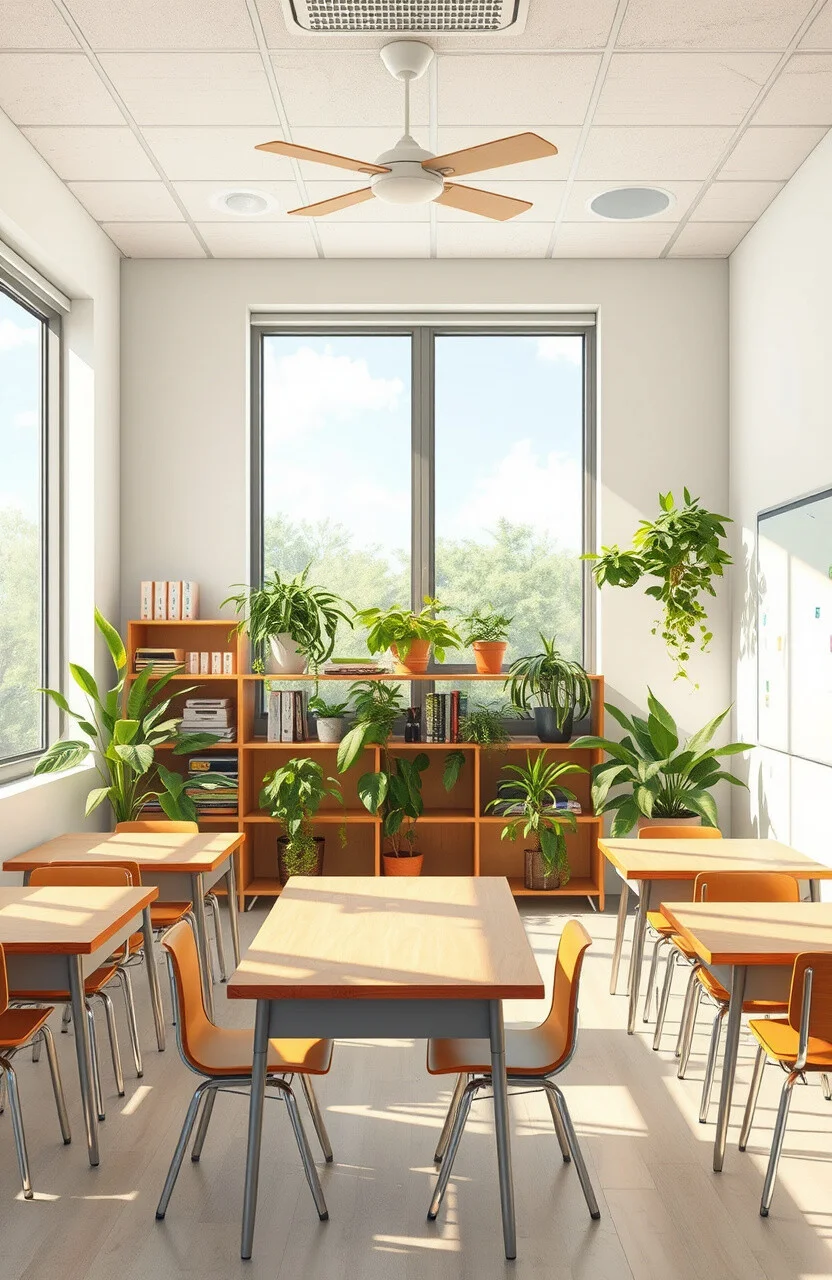
Air quality affects health and concentration. It’s an important factor in classroom comfort.
Ensure proper ventilation and airflow. It keeps the air fresh and reduces allergens.
Incorporate air-purifying plants. They improve air quality naturally and add greenery.
Consider air purifiers for additional support. They’re a practical solution for maintaining clean air.
31. Ignoring the Importance of Texture
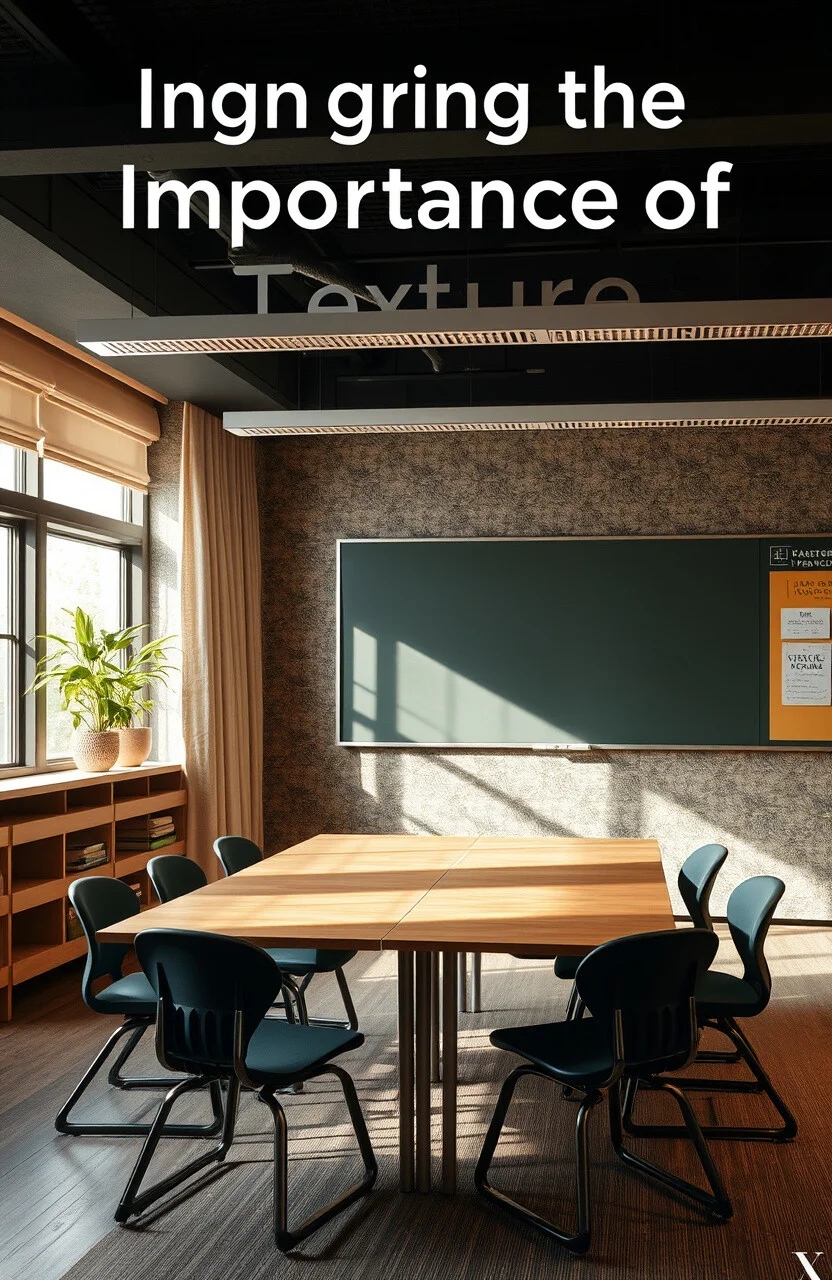
Texture adds depth and interest to a space. It engages the senses and enhances the environment.
Incorporate a variety of textures in decor and materials. They create a rich and layered look.
Use textured fabrics for curtains or cushions. They add warmth and comfort.
Consider textured wall treatments for a modern touch. They add visual interest and dimension.
32. Overlooking the Value of Flexibility
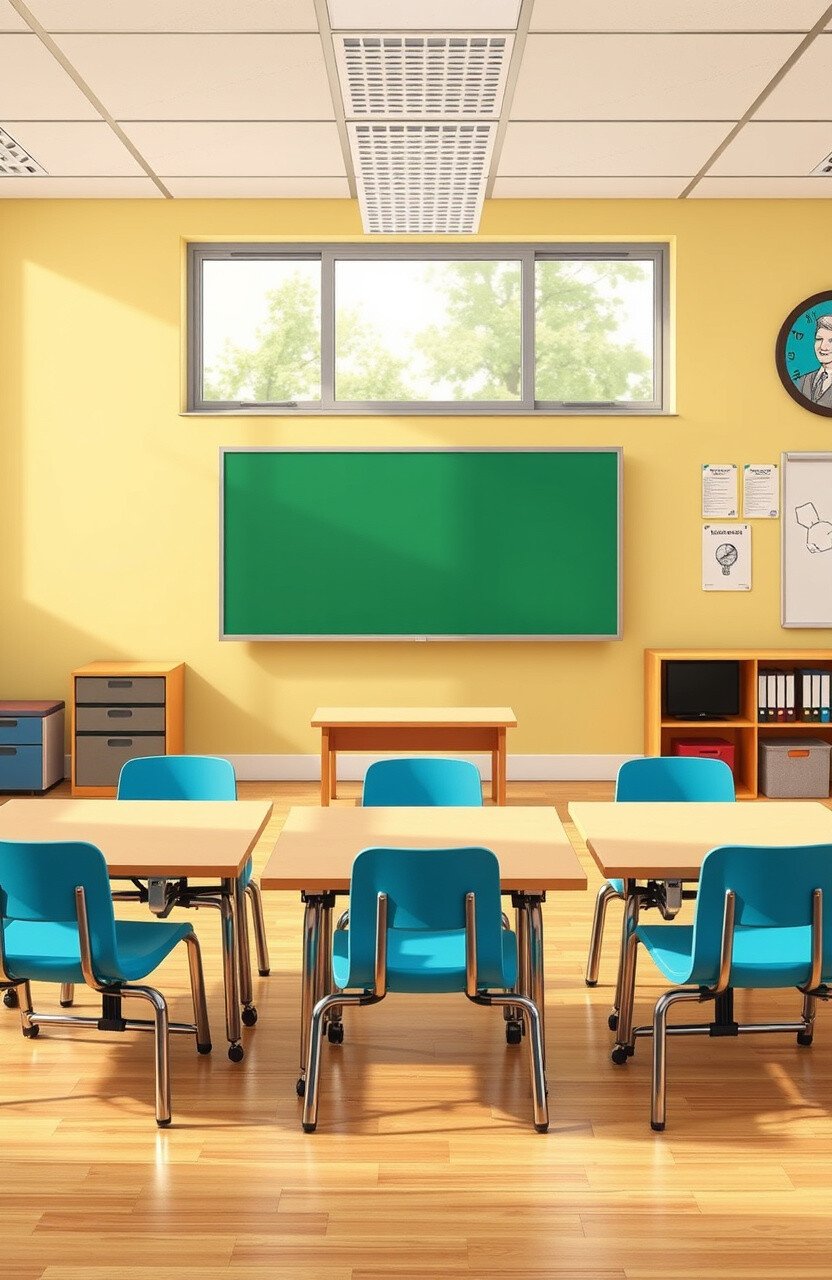
Flexibility allows for a dynamic learning environment. It supports different activities and teaching styles.
Incorporate movable furniture and dividers. They allow for easy reconfiguration of the space.
Use multi-functional furniture for versatility. They adapt to changing needs and preferences.
Encourage a flexible mindset in design and layout. It creates a responsive and adaptable classroom.
33. Neglecting the Role of Soundscapes
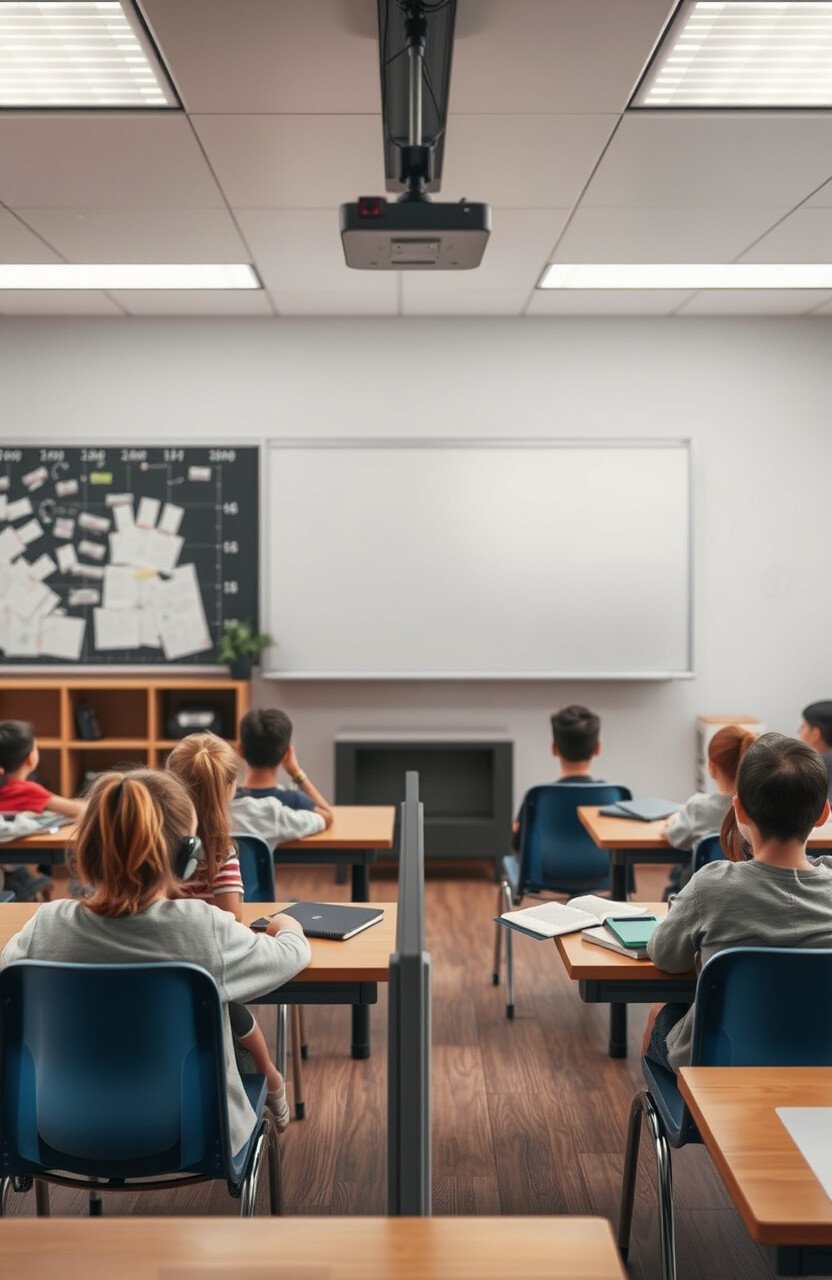
Soundscapes can create a calming atmosphere. They reduce stress and promote focus.
Use nature sounds or soft music during work periods. They create a soothing background ambiance.
Incorporate sound masking technology for privacy. It reduces distractions and enhances concentration.
Experiment with different soundscapes for different activities. It adds variety and interest to the environment.
34. Not Considering the Flow of Movement
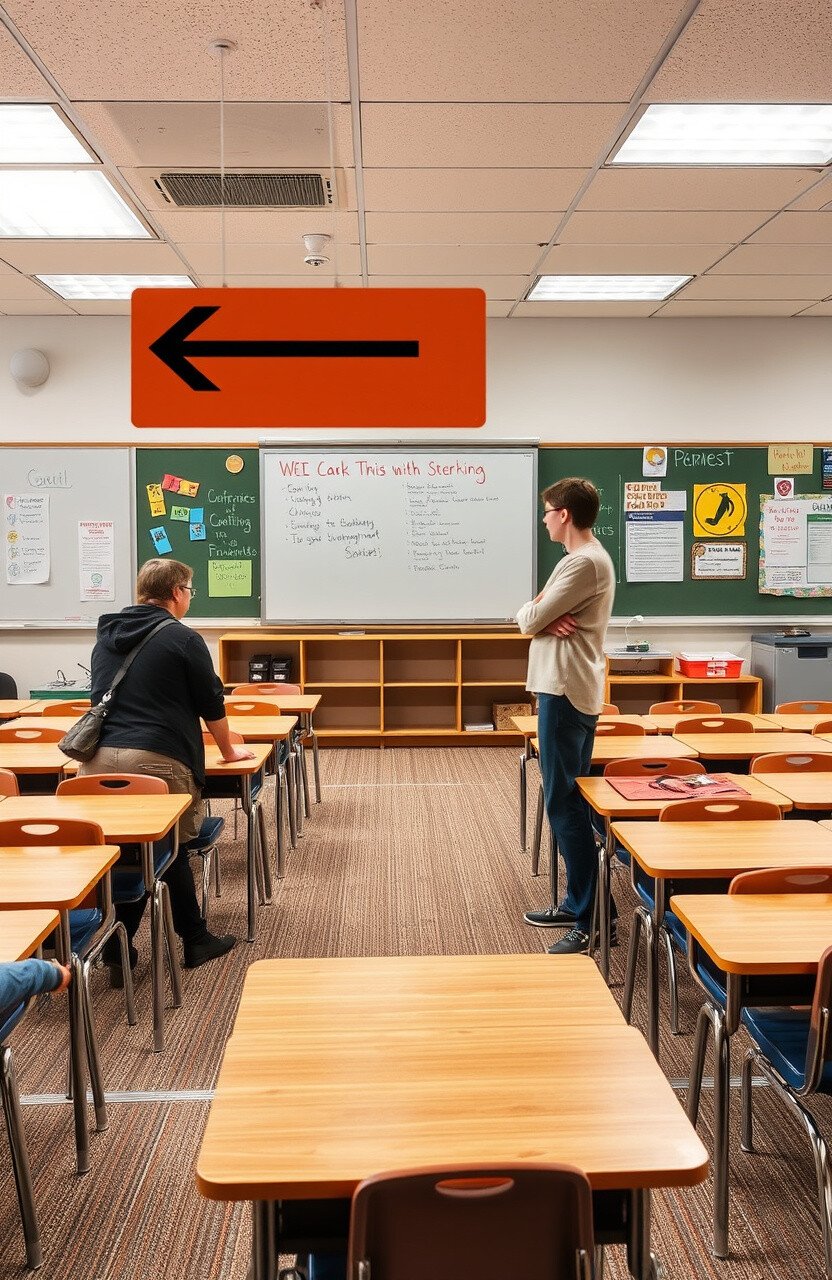
Flow affects how people move through a space. It’s an important consideration in classroom design.
Ensure clear pathways and easy access to all areas. It supports smooth movement and reduces congestion.
Consider the flow of activities and interactions. It influences the layout and arrangement of furniture.
Use signs or markers to guide movement. They add structure and order to the space.
35. Overlooking the Importance of Privacy
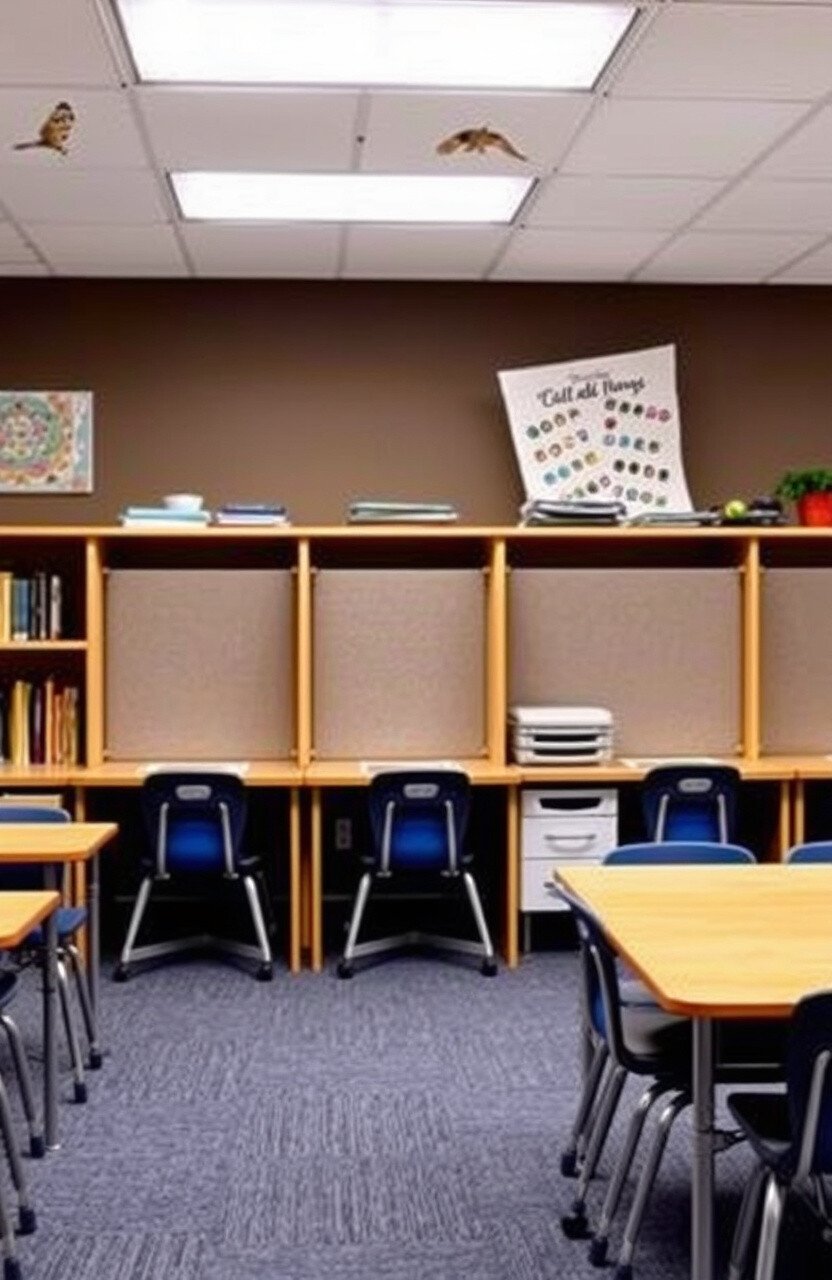
Privacy supports focus and concentration. It’s a valuable consideration in classroom design.
Incorporate quiet corners or study carrels. They provide a private space for individual work.
Use dividers or curtains for flexible privacy options. They allow for easy transitions between activities.
Consider privacy screens for a modern touch. They add a stylish and functional element to the space.
36. Ignoring the Impact of Visual Clutter
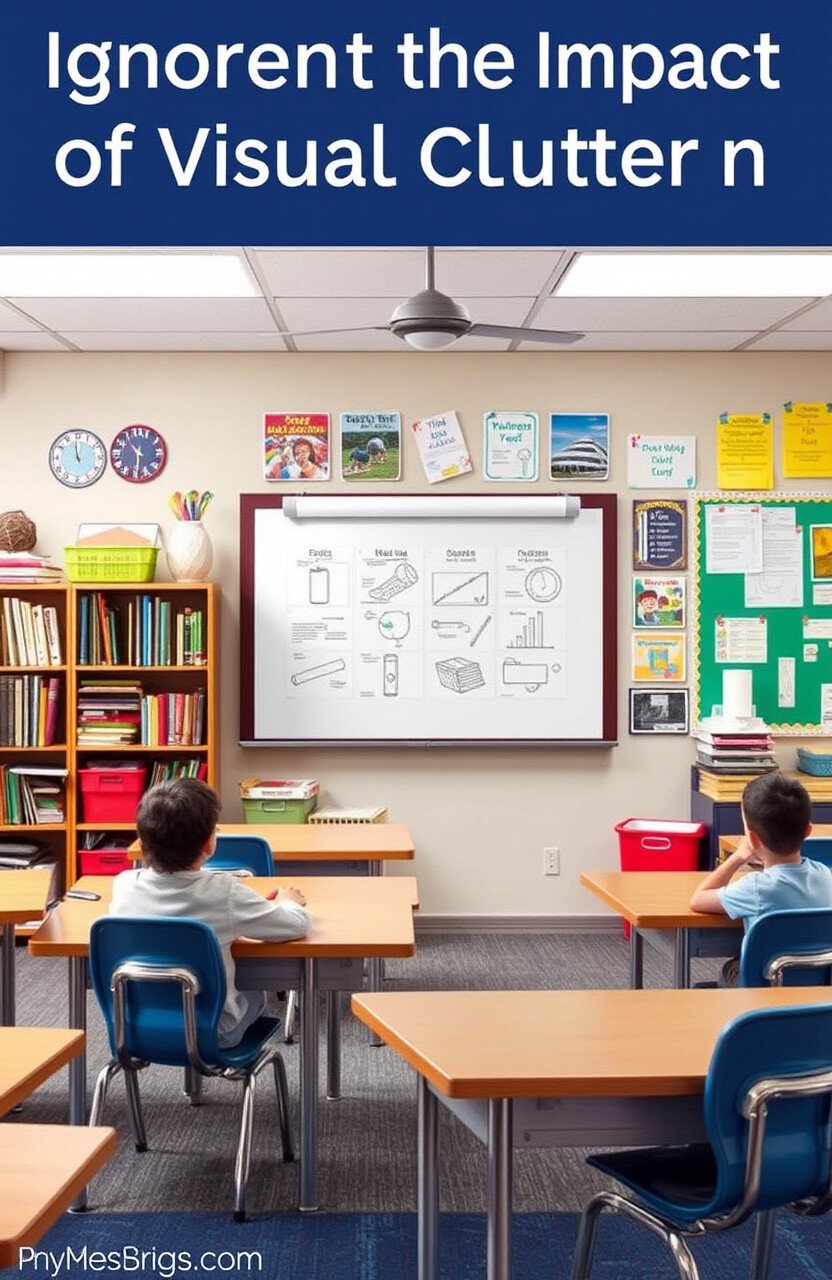
Visual clutter can be distracting and overwhelming. It affects focus and concentration in the classroom.
Keep decor and displays simple and streamlined. It creates a calm and organized environment.
Use storage solutions to keep surfaces clear. They reduce clutter and maintain a tidy appearance.
Rotate displays regularly to keep the environment fresh. It prevents visual overload and adds interest.
37. Not Considering the Role of Reflection
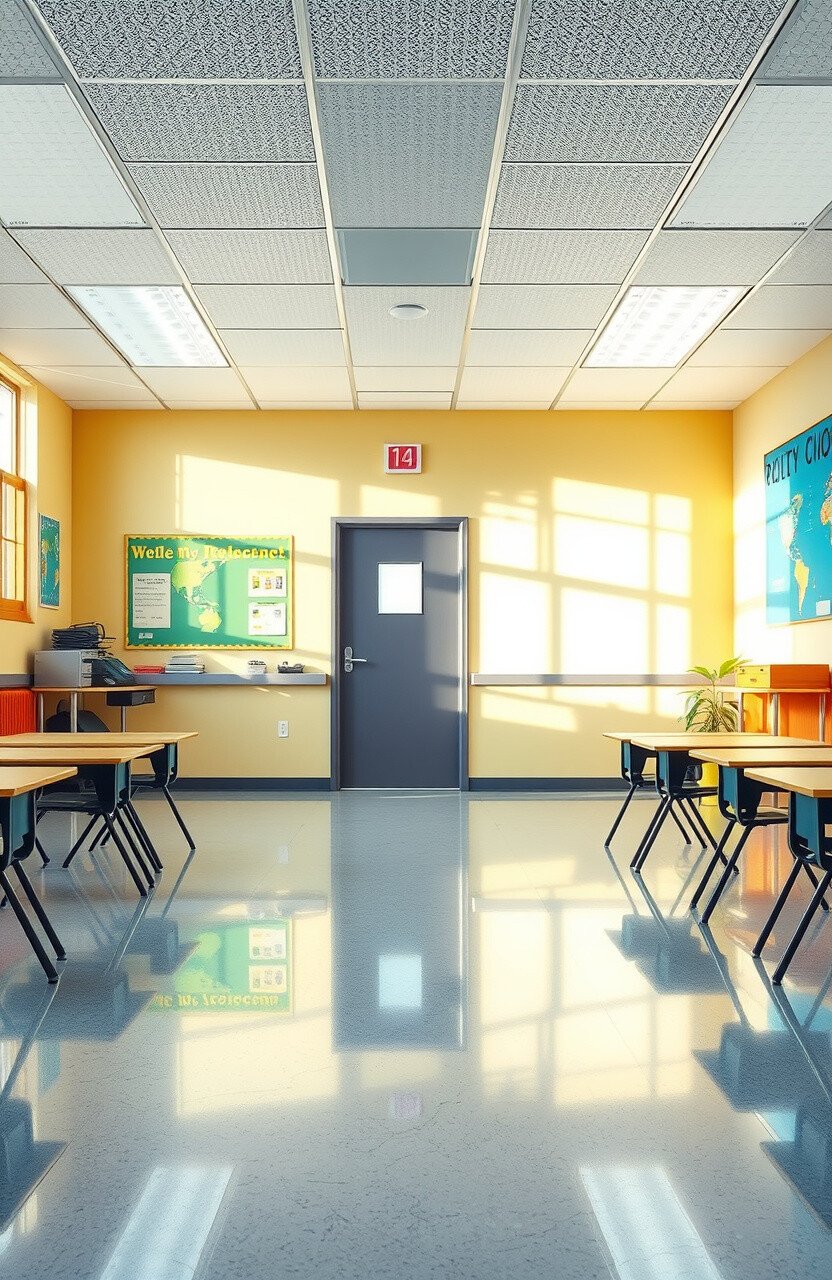
Reflection supports learning and growth. It’s an important aspect of classroom design.
Incorporate reflection areas with mirrors or journals. They encourage self-awareness and introspection.
Use reflective surfaces to enhance lighting and space. They create a bright and open atmosphere.
Encourage reflection through displays and activities. It fosters critical thinking and personal growth.
38. Overlooking the Power of Community
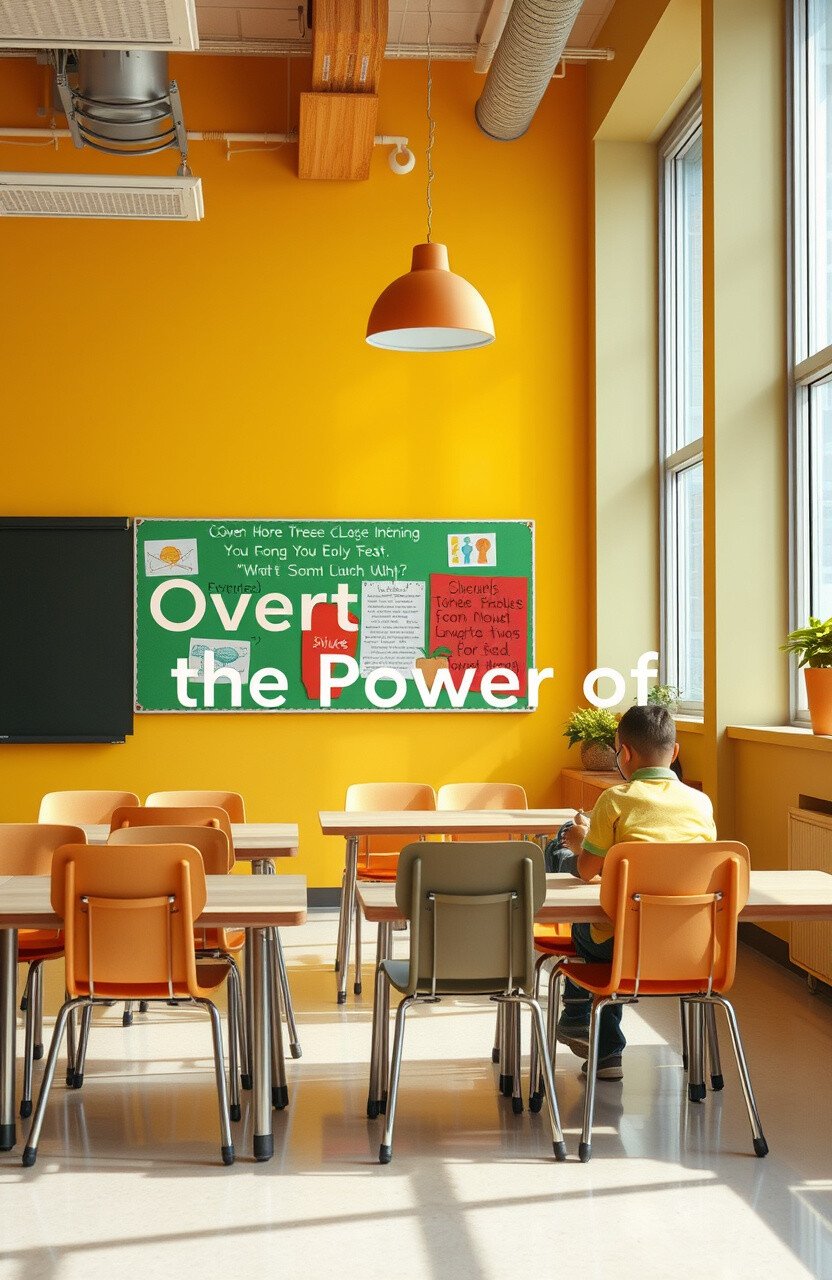
Community fosters a sense of belonging and connection. It’s a valuable consideration in classroom design.
Create communal spaces for group activities and collaboration. They encourage interaction and teamwork.
Incorporate displays that celebrate achievements and milestones. They build pride and a sense of community.
Encourage a community mindset through design and layout. It creates a supportive and inclusive environment.
39. Not Incorporating Playfulness
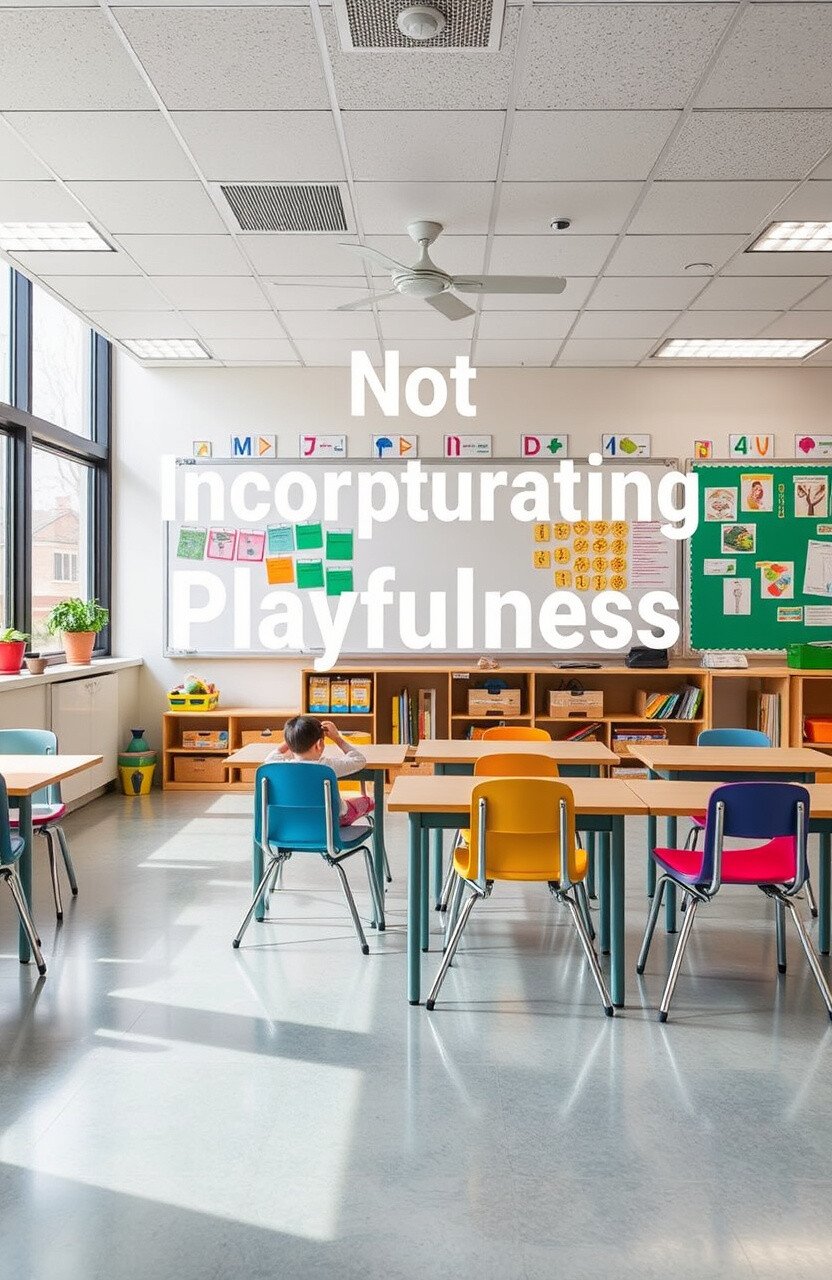
Playfulness adds joy and creativity to a space. It enhances the learning experience and engages students.
Incorporate playful elements like colorful decor or games. They make the environment fun and inviting.
Use interactive displays or activities for engagement. They encourage exploration and discovery.
Encourage a playful mindset in design and layout. It creates a vibrant and dynamic classroom.
40. Ignoring the Role of Balance
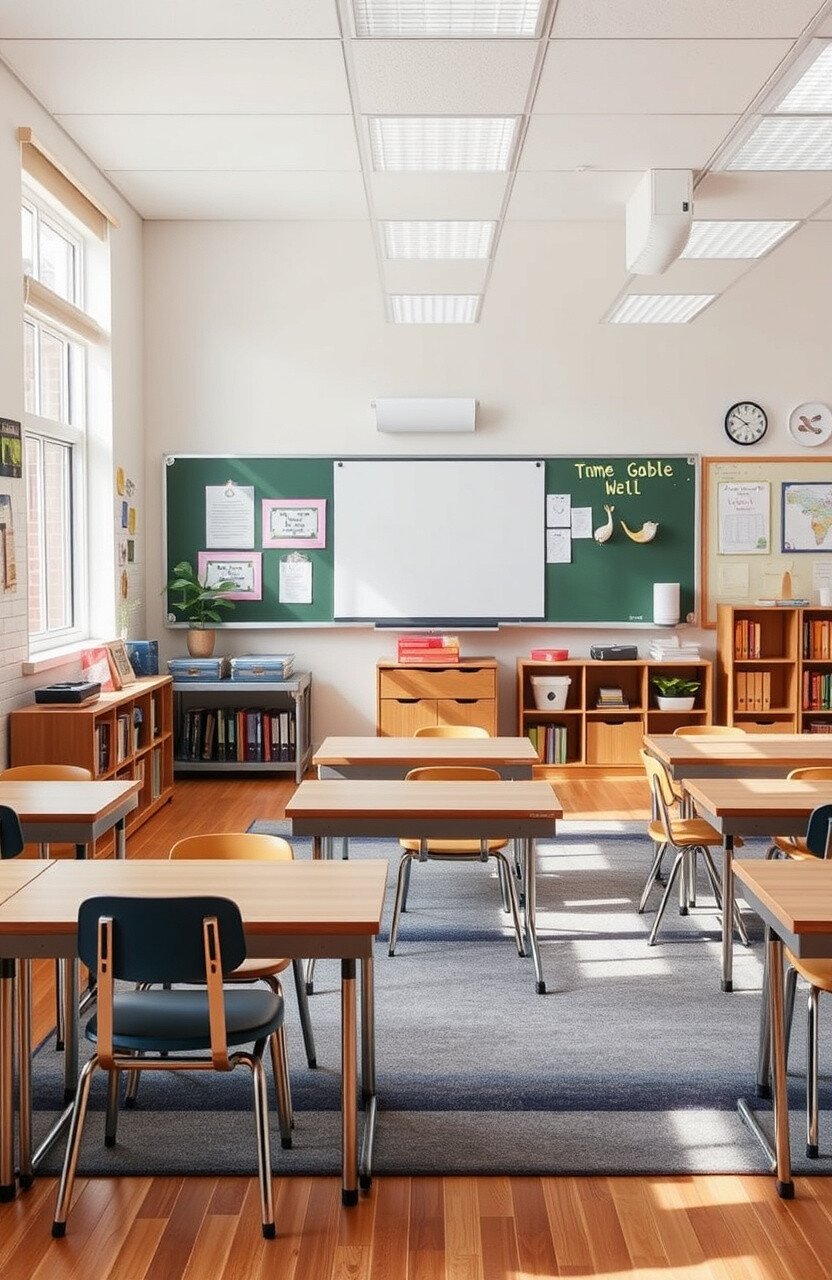
Balance creates a harmonious and cohesive space. It’s an important consideration in classroom design.
Use symmetry and proportion in layout and decor. They create a sense of order and stability.
Balance colors and textures for a unified look. They add depth and interest to the space.
Consider the balance of open and private spaces. It supports different activities and needs.
41. Overlooking the Importance of Routine
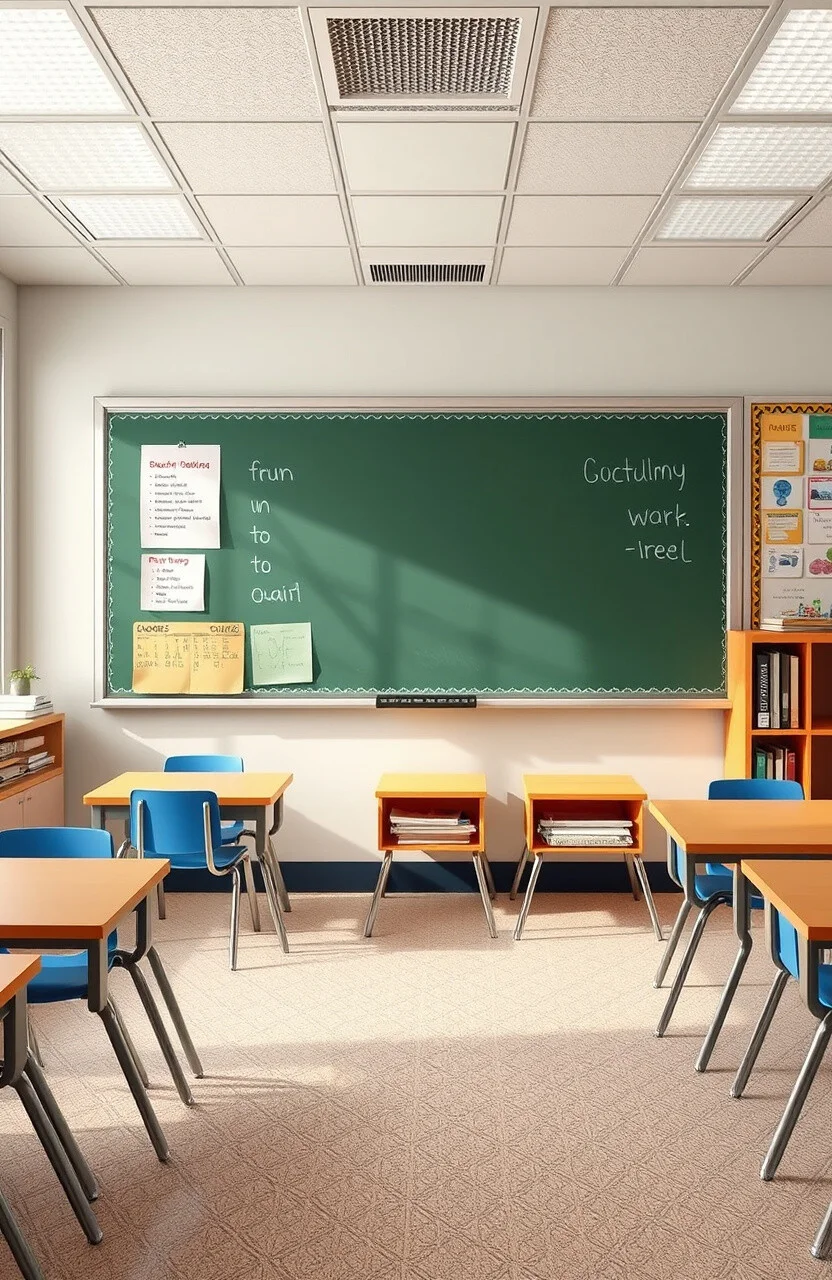
Routine creates structure and predictability. It’s a valuable consideration in classroom design.
Incorporate visual schedules or routines in displays. They provide guidance and support for students.
Create designated areas for different activities. They add structure and organization to the space.
Encourage a routine mindset through design and layout. It creates a calm and orderly environment.
42. Not Embracing Minimalism
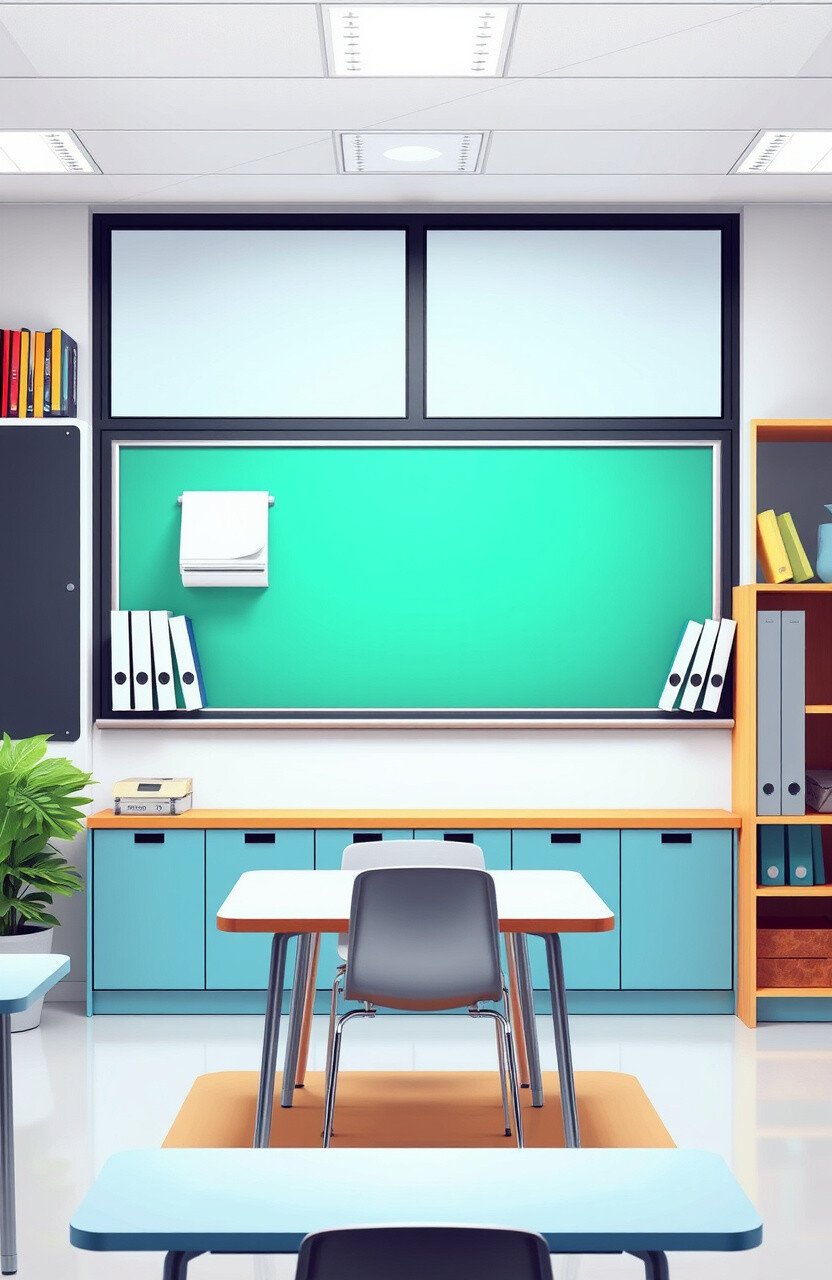
Minimalism creates a clean and uncluttered space. It enhances focus and concentration.
Use simple and streamlined decor and furniture. They create a calm and organized environment.
Incorporate storage solutions to reduce clutter. They maintain a tidy and functional space.
Embrace a minimalist mindset in design and layout. It creates a peaceful and focused classroom.
43. Ignoring the Role of Inspiration
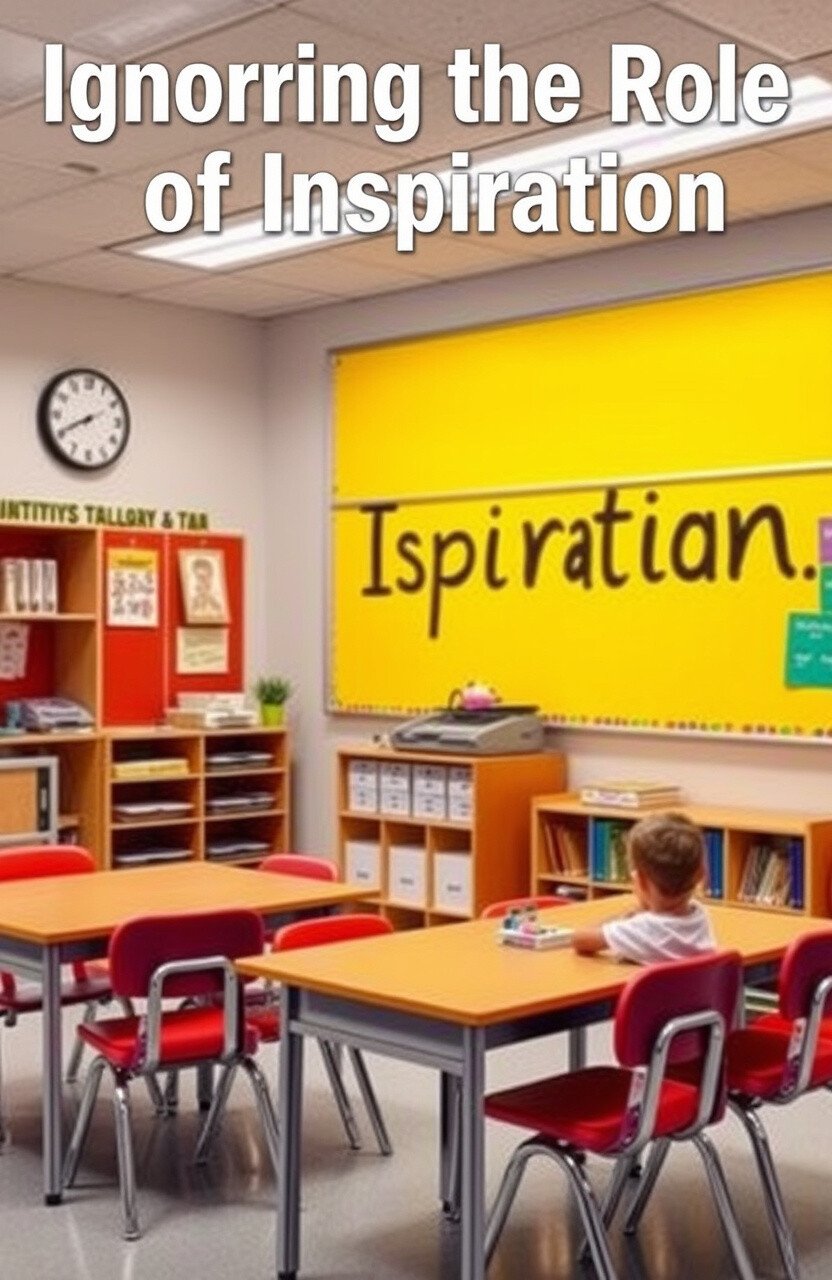
Inspiration sparks creativity and motivation. It’s a valuable consideration in classroom design.
Incorporate inspirational quotes or displays. They encourage positivity and growth.
Use student artwork and projects in decor. They showcase creativity and achievements.
Encourage an inspirational mindset through design and layout. It creates a motivating and uplifting environment.
44. Overlooking the Importance of Connection
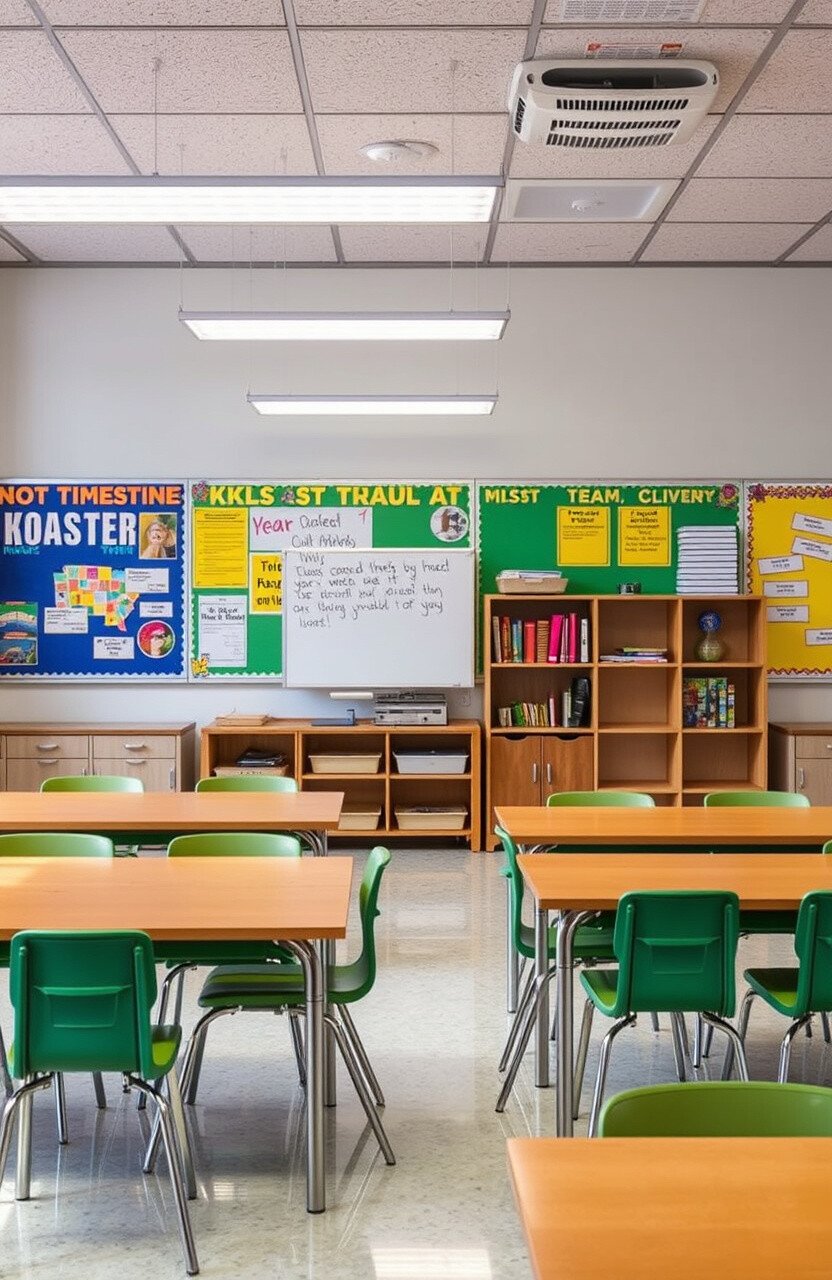
Connection fosters relationships and communication. It’s a valuable consideration in classroom design.
Create spaces for interaction and collaboration. They encourage connection and teamwork.
Incorporate displays that celebrate diversity and inclusion. They build understanding and empathy.
Encourage a connection mindset through design and layout. It creates a supportive and inclusive environment.
45. Not Considering the Role of Creativity
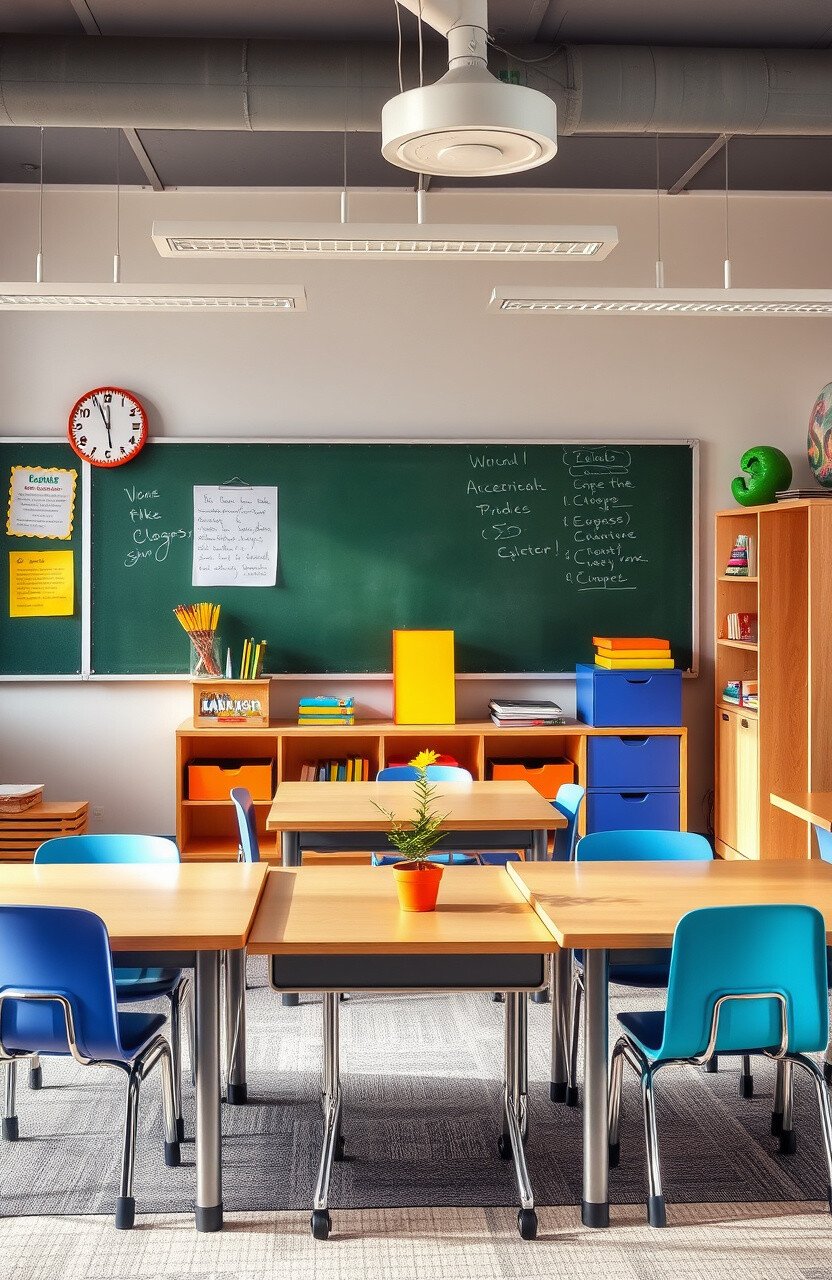
Creativity enhances learning and engagement. It’s a valuable consideration in classroom design.
Incorporate creative elements like art supplies or displays. They encourage exploration and expression.
Use interactive and hands-on activities for engagement. They foster creativity and discovery.
Encourage a creative mindset through design and layout. It creates a vibrant and dynamic classroom.
46. Ignoring the Impact of Tradition
Tradition creates a sense of history and continuity. It’s a valuable consideration in classroom design.
Incorporate traditional elements like cultural displays or artifacts. They add depth and meaning to the space.
Use traditional colors and patterns for a classic look. They create a timeless and elegant atmosphere.
Embrace a traditional mindset in design and layout. It creates a rich and meaningful classroom.
47. Overlooking the Power of Storytelling

Storytelling engages and inspires students. It’s a valuable consideration in classroom design.
Incorporate storytelling elements like books or displays. They captivate and engage the imagination.
Use interactive and immersive activities for storytelling. They bring stories to life and enhance learning.
Encourage a storytelling mindset through design and layout. It creates a magical and inspiring classroom.