Creating a classroom environment that inspires learning can be a delightful challenge. Sometimes, it’s the small changes that make the biggest difference. Here are some design mistakes to avoid, each offering a fresh perspective to spark your creativity.
1. Overcrowding the Walls
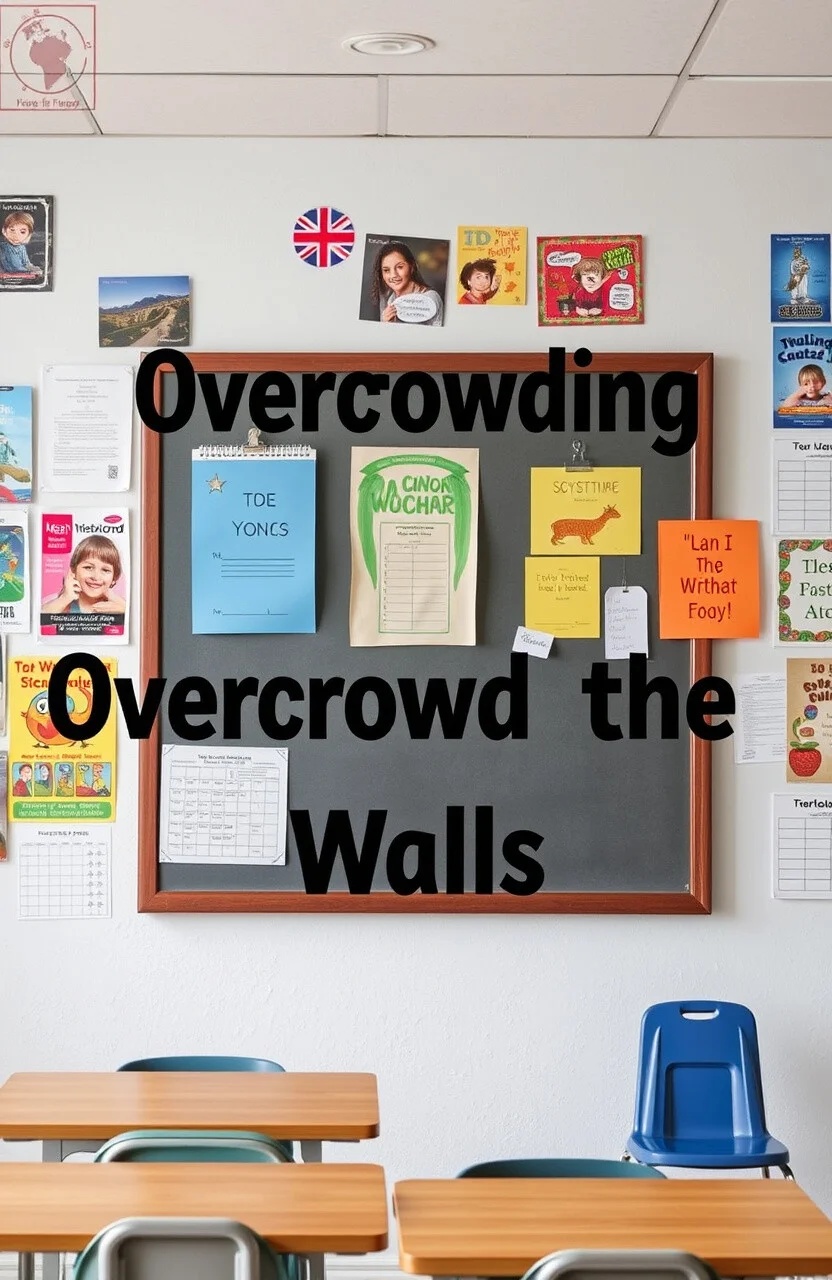
Walls filled with too many posters or decorations can be overwhelming. It’s important to create a balance to avoid sensory overload.
Try leaving some blank space for a clean and calm environment. This gives students room to focus and breathe.
Personalize the walls with a few meaningful items, like student artwork. Rotate these regularly for a fresh look.
Using removable wall decals can be a cost-effective way to keep things interesting. They’re easy to change and won’t damage the walls.
2. Ignoring Natural Lighting
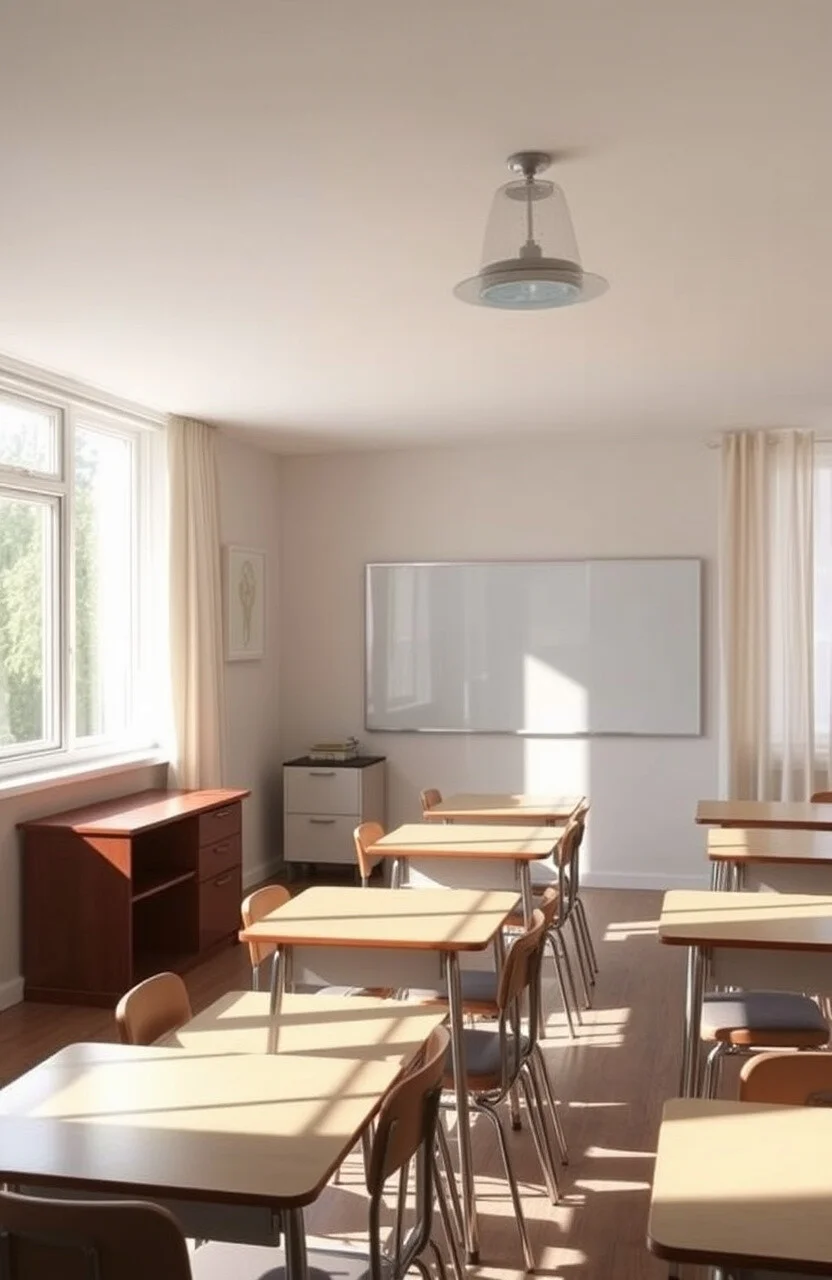
Blocking windows with furniture or heavy curtains can make the room feel gloomy. Natural light is crucial for a lively atmosphere.
Arrange desks and tables to maximize sunlight. This can boost mood and concentration among students.
Consider using light, airy curtains to allow light while reducing glare. This provides a soft and welcoming environment.
Utilizing mirrors can also enhance natural light, making the space feel larger and brighter. This is a budget-friendly trick to lift the room’s spirit.
3. Neglecting Color Schemes
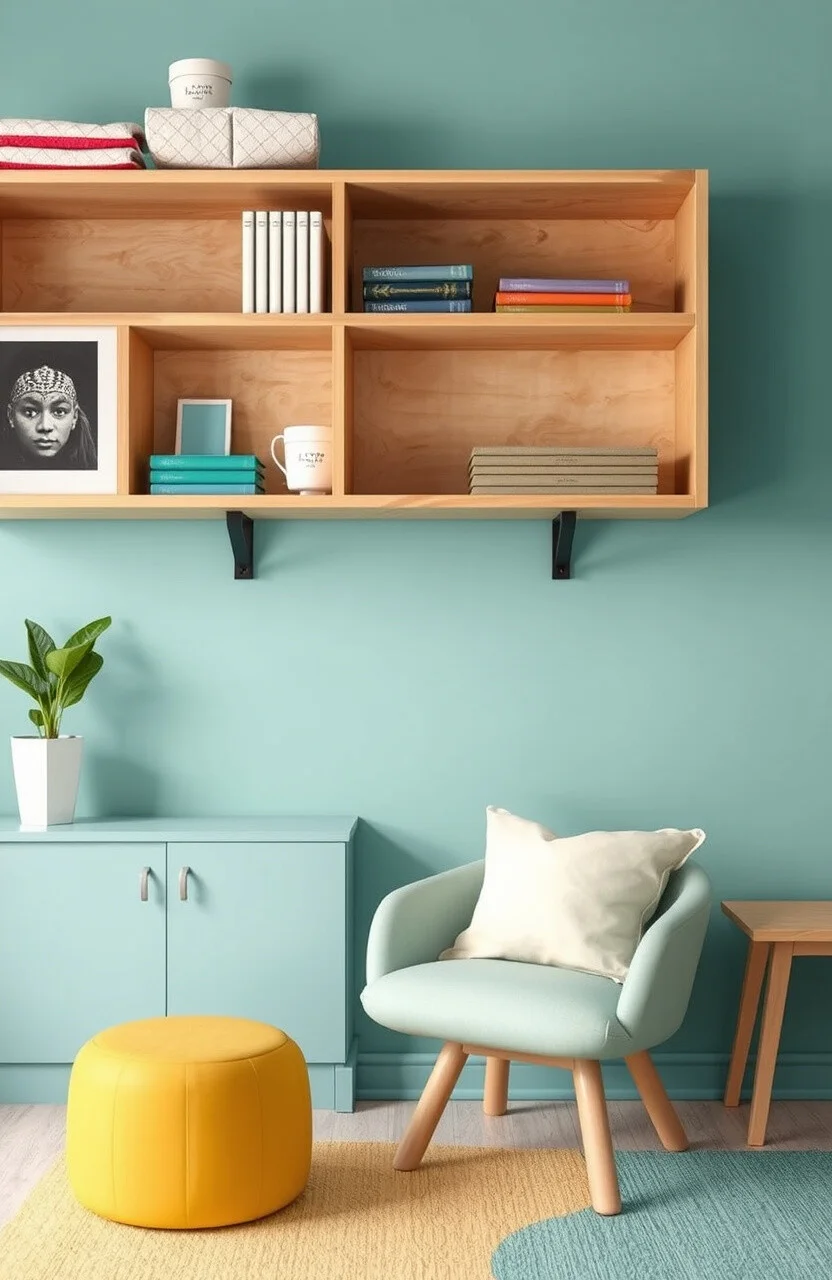
Using too many colors can create chaos rather than harmony. A cohesive color scheme is essential for a comforting space.
Select a few complementary colors that promote a calm learning environment. Colors like blues and greens are soothing and productive.
Incorporate color through accessories like cushions or rugs rather than paint for flexibility. This allows easy updates without a big commitment.
Look for inspiration in nature or art to find the perfect palette. This can be an exciting journey in personalizing your classroom.
4. Forgetting Functional Furniture
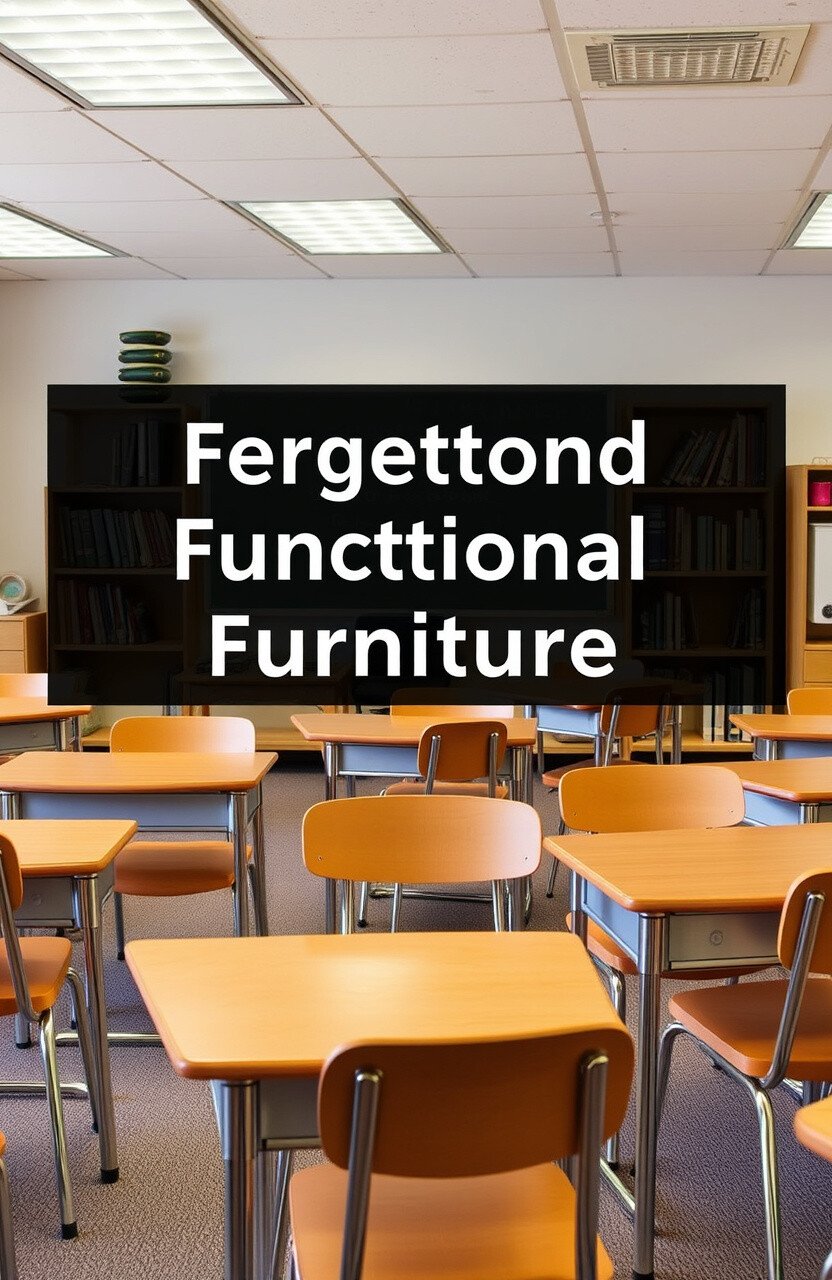
Choosing style over function can lead to discomfort and distraction. Functional furniture supports learning and keeps students engaged.
Opt for ergonomic chairs and desks that promote good posture. This investment pays off in student comfort and focus.
Consider furniture with storage solutions to reduce clutter. Multi-purpose pieces can save space and enhance organization.
Shop at thrift stores for unique, budget-friendly finds. A little creativity can turn second-hand into one-of-a-kind classroom treasures.
5. Overlooking Acoustics
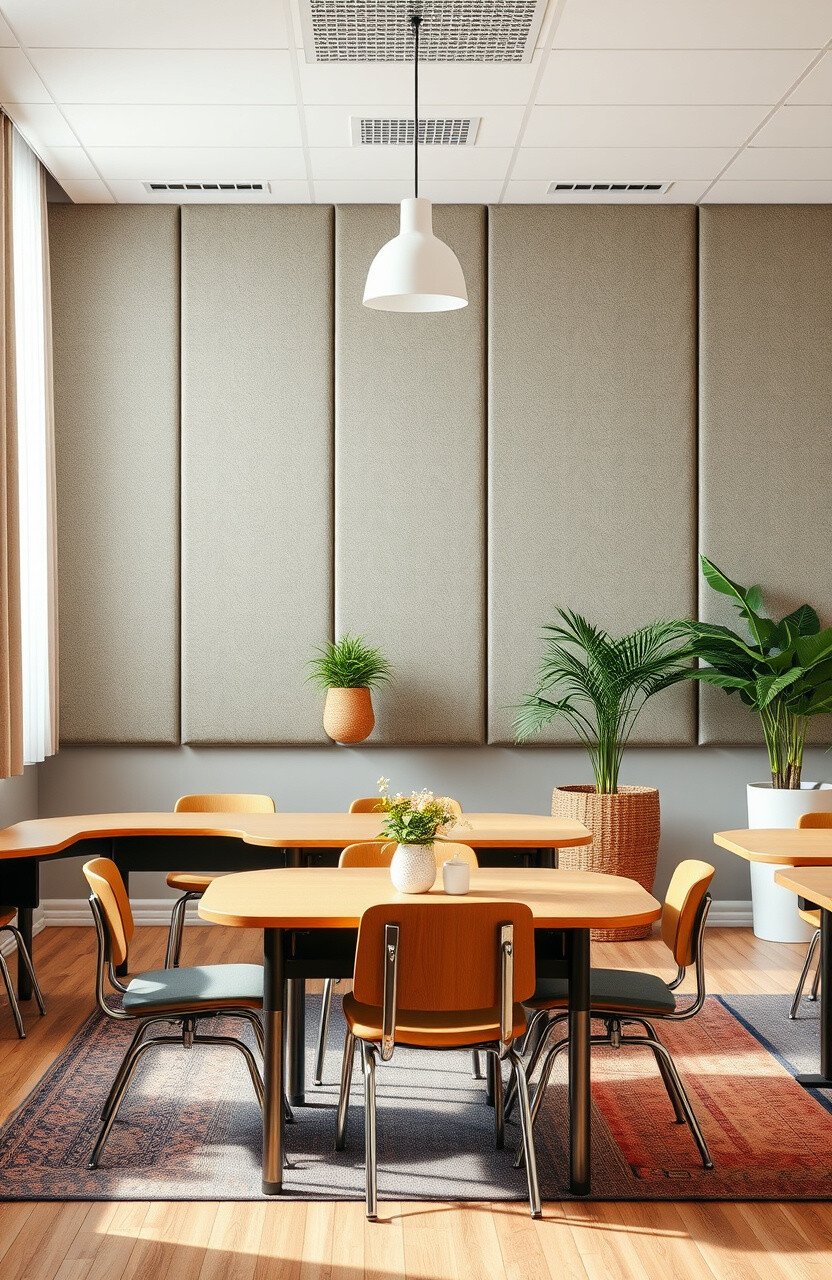
Poor acoustics can make it difficult for students to hear and concentrate. The right acoustics create a pleasant learning environment.
Use soft furnishings like rugs and curtains to absorb sound. This can reduce echoes and improve clarity.
Incorporate plants, which not only absorb sound but also add a touch of nature. This dual-purpose solution is both practical and aesthetic.
Soundproofing can be achieved with simple DIY panels made from foam or fabric. These are inexpensive and can be customized to fit your decor.
6. Ignoring Flexible Layouts
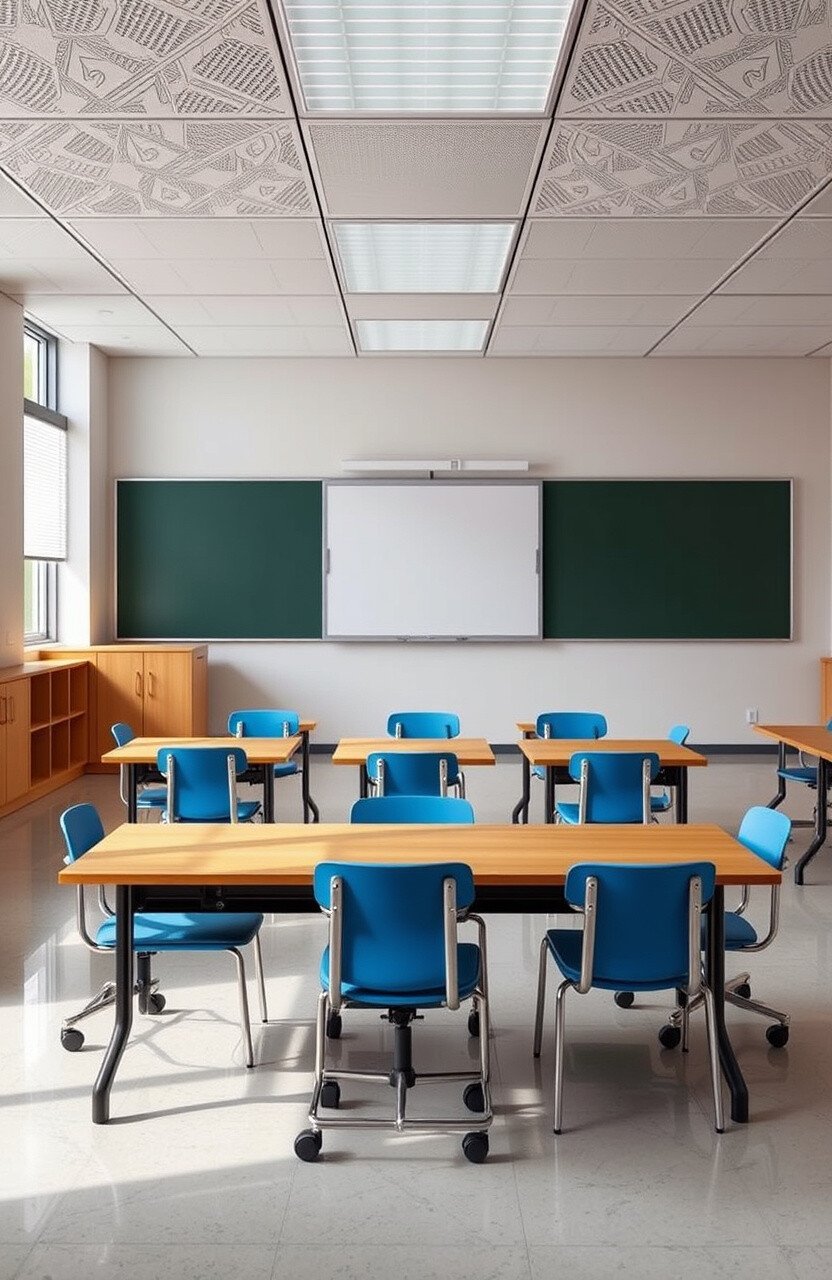
A rigid classroom layout can stifle creativity and collaboration. Flexibility allows for diverse learning activities.
Arrange furniture in various configurations to support different teaching styles. This adaptability can cater to group work, lectures, or individual study.
Consider mobile furniture that can be easily moved around. This gives students control over their learning environment.
Look for pieces with casters for easy mobility. This feature is often available at no extra cost and adds versatility to your setup.
7. Skipping Personal Touches
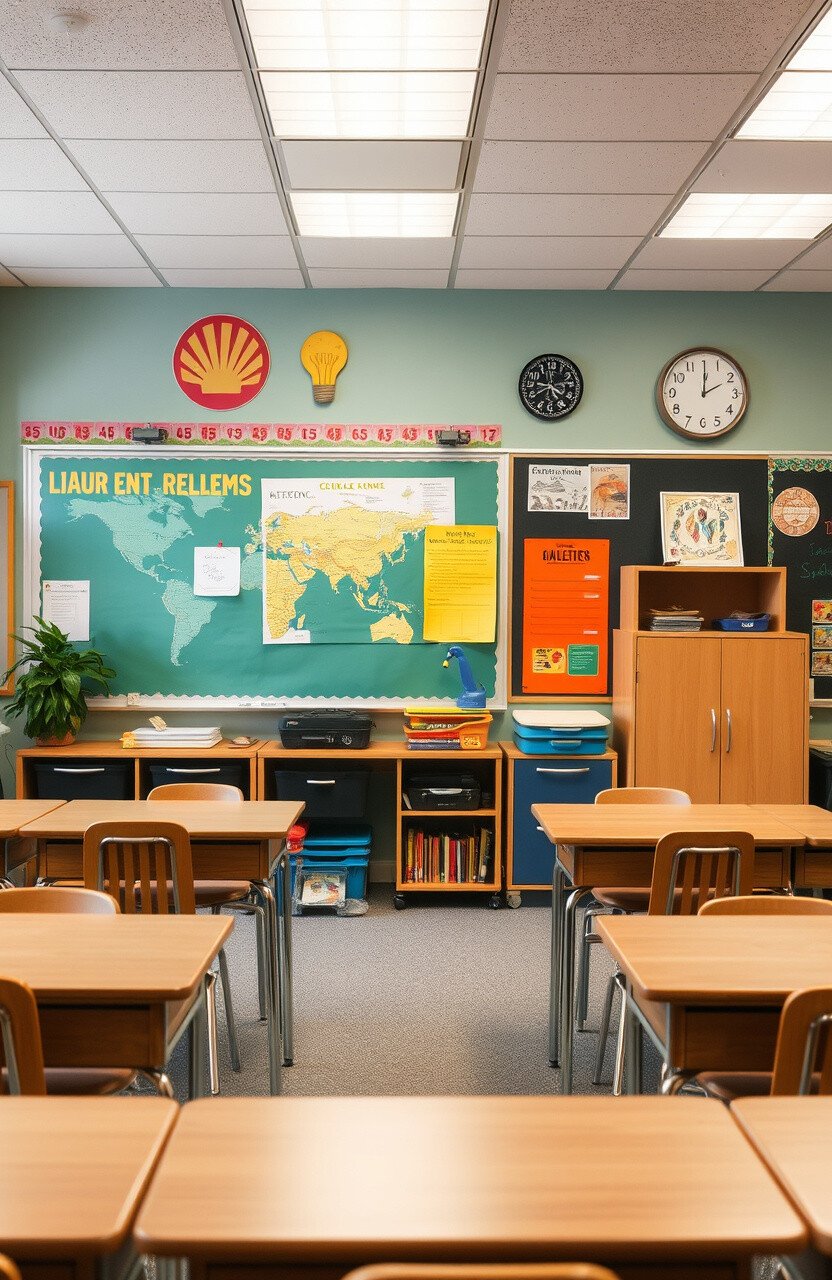
A classroom without personal touches can feel impersonal and cold. Adding personal elements makes the space feel welcoming and homey.
Include items that reflect your personality or interests. This can be a fun way to connect with students.
Encourage students to contribute their own decorations. This fosters a sense of ownership and pride in their environment.
DIY projects are a great way to add personal flair. They can be cost-effective and provide a creative outlet for everyone involved.
8. Underestimating Storage Needs
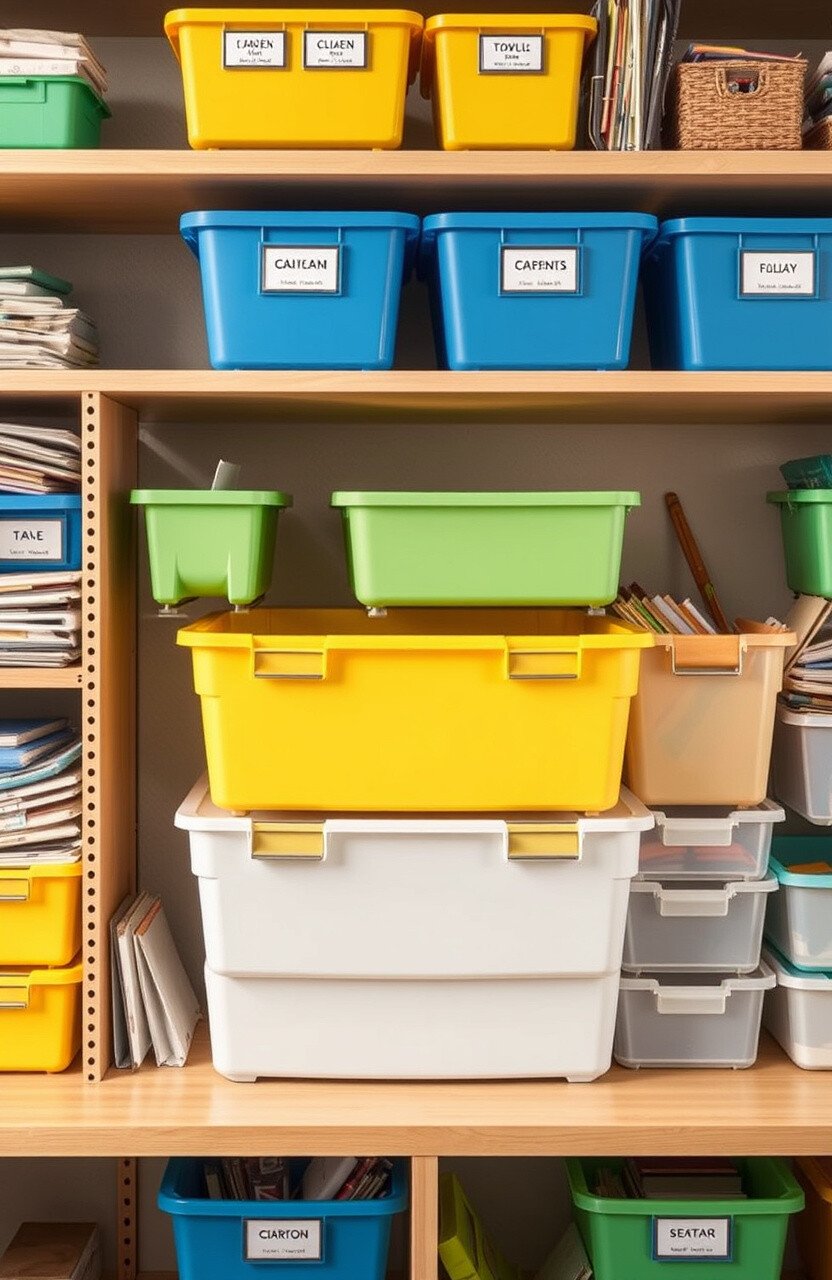
Clutter can quickly take over if storage is inadequate. Proper storage solutions are essential for an ordered atmosphere.
Invest in shelving and bins to keep materials organized. This helps maintain a tidy and efficient workspace.
Label storage areas clearly to make finding and returning items easy. This saves time and reduces frustration.
Look for stackable storage options to maximize vertical space. These are often affordable and ideal for smaller classrooms.
9. Neglecting Technology Integration
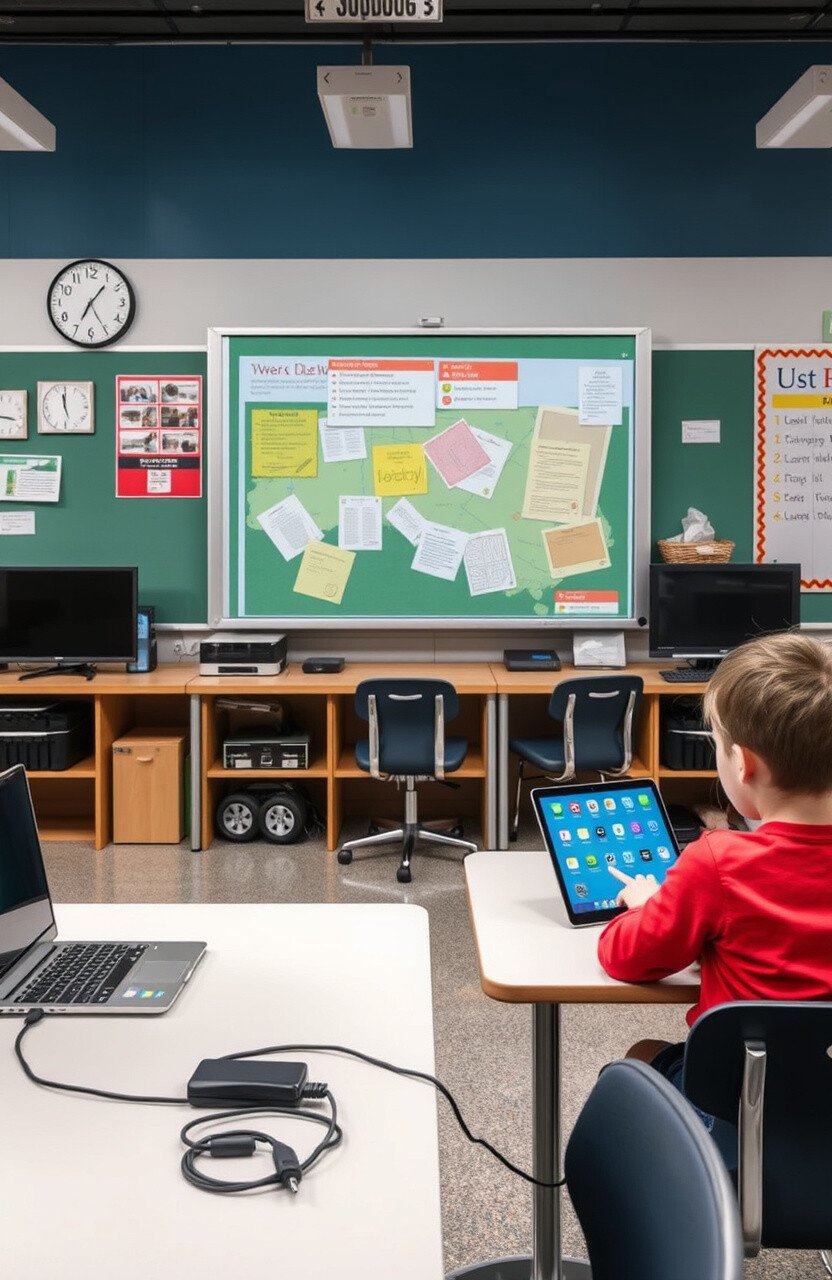
Technology can enhance learning, but poor integration can hinder it. Seamless tech integration supports modern education.
Ensure that all tech equipment is accessible and easy to use. This encourages its use and minimizes disruptions.
Keep cords and cables organized with clips or ties. This is a simple way to keep the space neat and safe.
Consider wireless solutions to reduce clutter. Many devices offer wireless options at a reasonable cost.
10. Overlooking Comfortable Seating
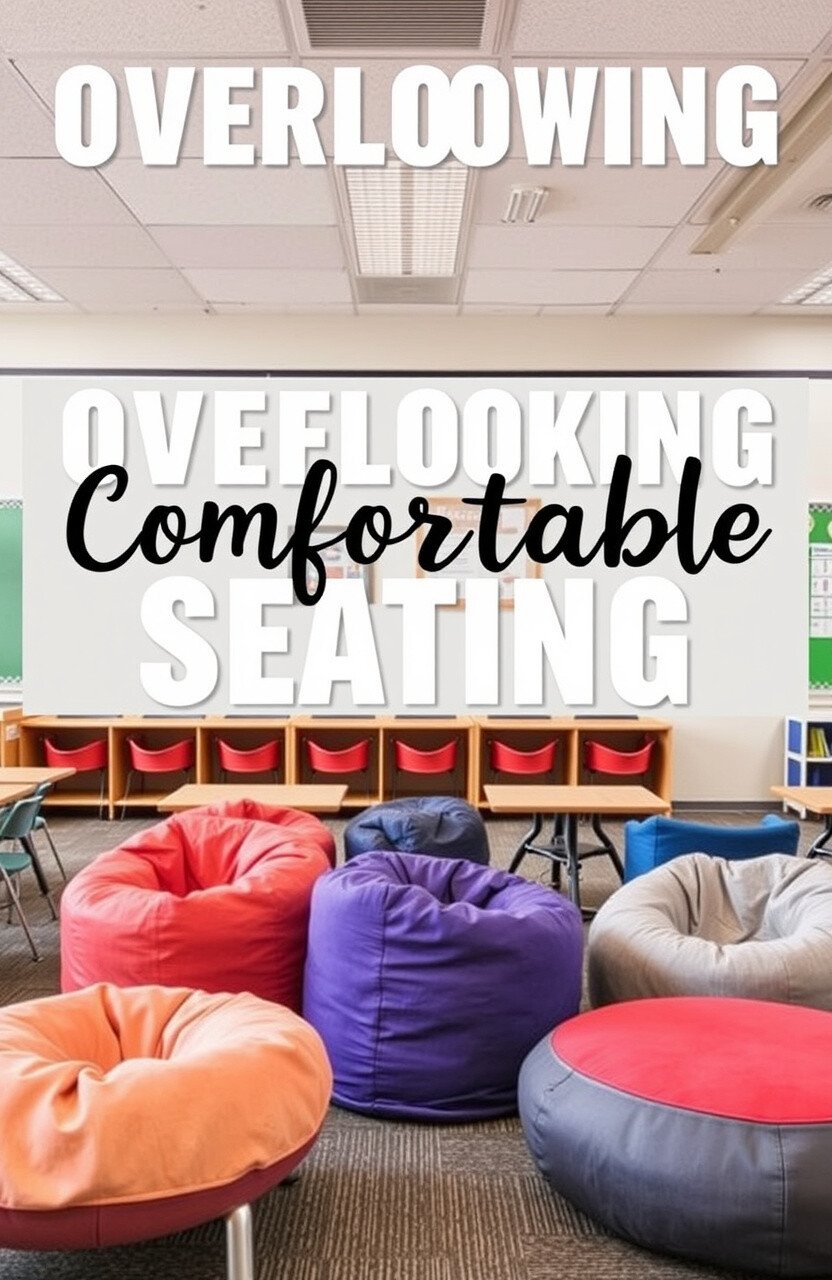
Uncomfortable seating can be a distraction. Comfortable seating keeps students focused and engaged.
Choose seating that offers support and flexibility. Bean bags or floor cushions can be a fun, informal option.
Mix different seating types to cater to various preferences. This accommodates diverse needs and enhances comfort.
Shop sales or clearance sections for budget-friendly seating options. With a bit of creativity, these can be stylish and inviting.
11. Ignoring Traffic Flow
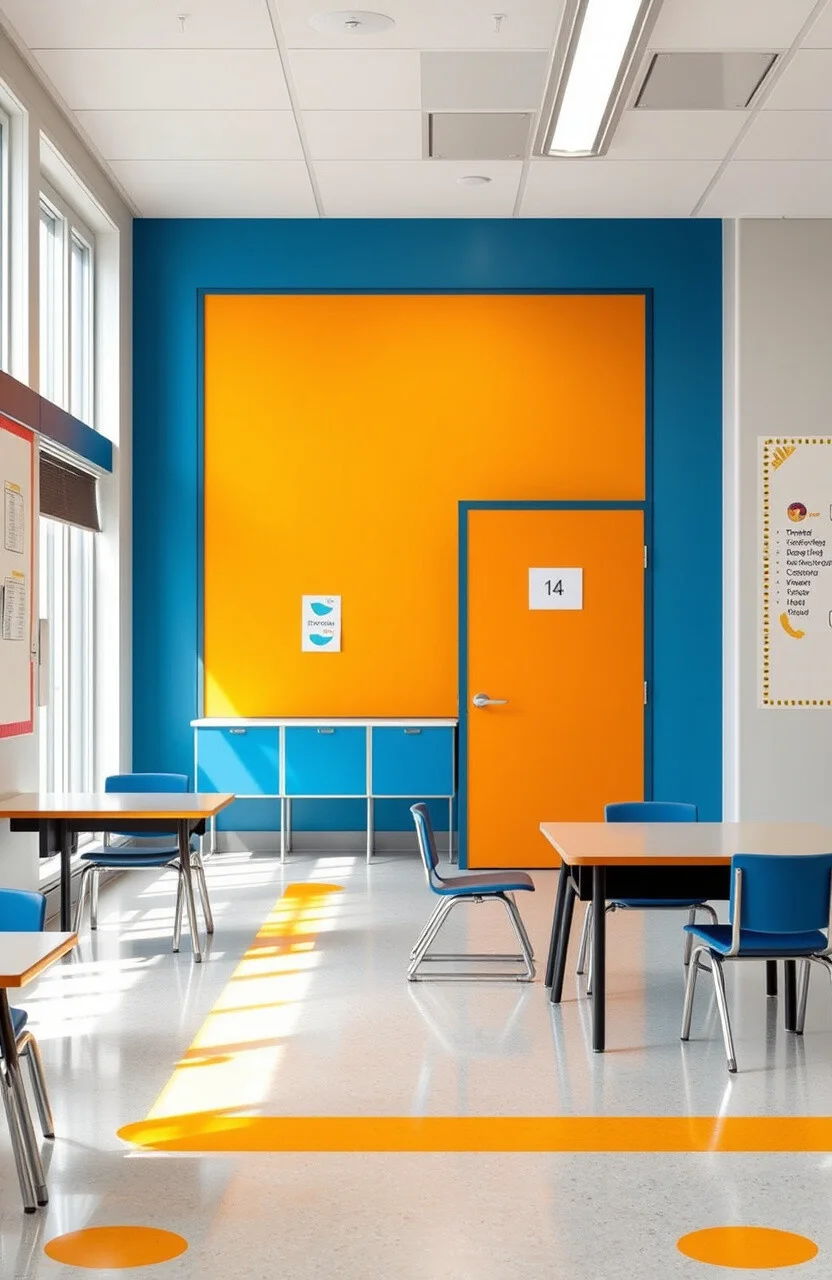
Poor traffic flow can cause confusion and accidents. A well-organized layout ensures smooth movement.
Designate clear pathways to prevent bottlenecks. This helps maintain order and reduces stress.
Arrange furniture to guide movement naturally. This intuitive design keeps the space functional and efficient.
Use tape or decals to mark paths if necessary. This is an inexpensive solution to enhance navigation.
12. Disregarding Air Quality
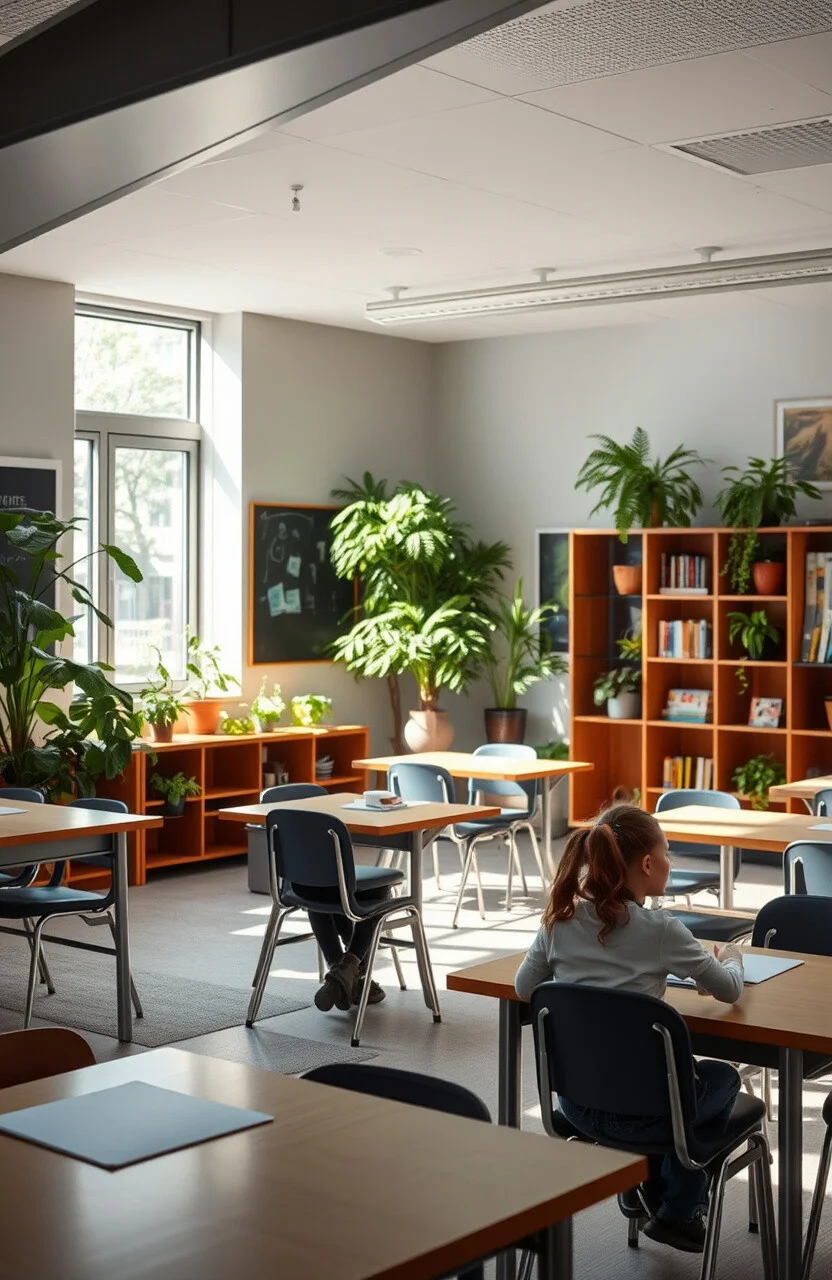
Stale air can decrease concentration and comfort. Good air quality is vital for a healthy learning environment.
Incorporate air-purifying plants to improve air quality. This is a natural and inexpensive solution.
Ensure proper ventilation by opening windows or using fans. Fresh air can refresh both the room and the mind.
Consider air purifiers if the budget allows. These devices can be a worthwhile investment for health and comfort.
13. Overlooking Accessibility
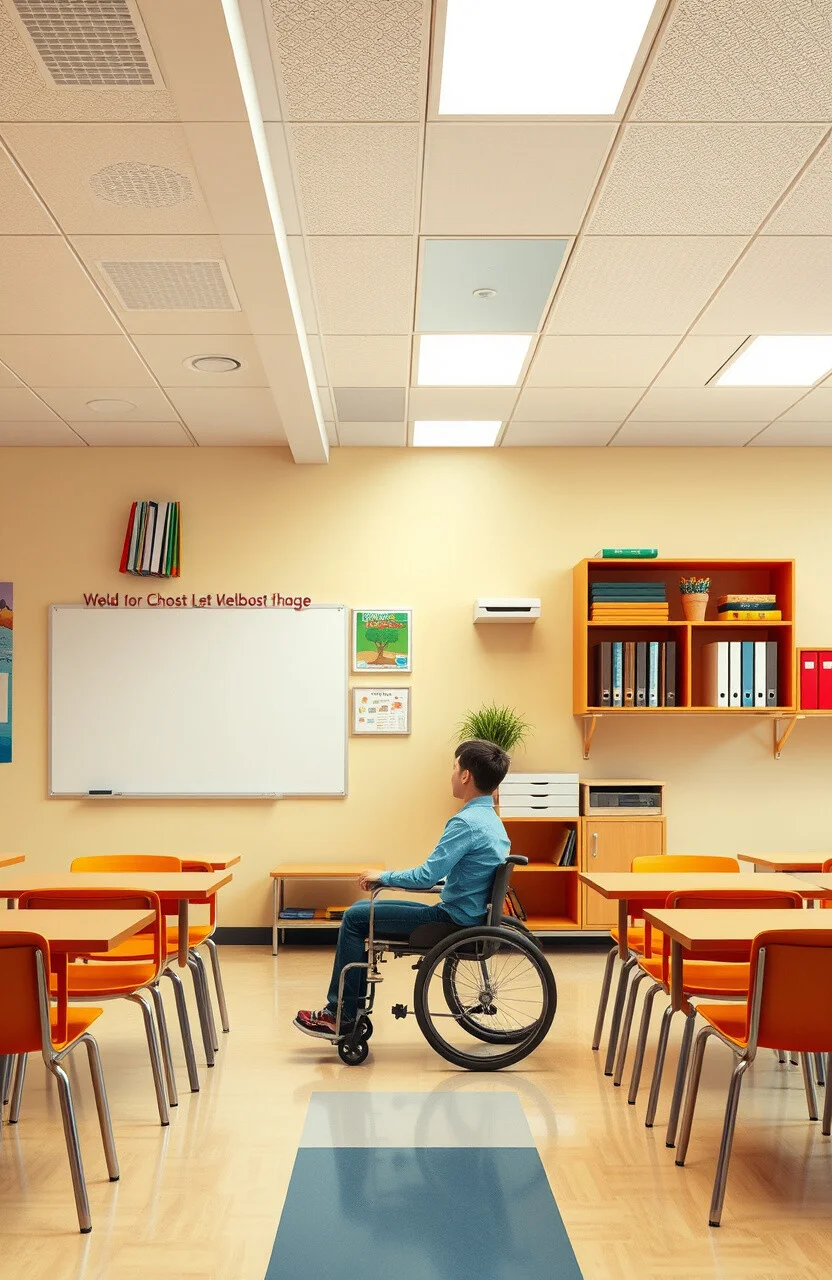
Accessibility is crucial for an inclusive classroom. Everyone should feel welcome and able to participate fully.
Ensure pathways are wide and clear for students with mobility aids. This shows consideration and promotes inclusivity.
Adjust furniture heights to accommodate different needs. This simple adjustment can make a big difference.
Consult accessibility guidelines when planning your layout. Many resources are available online for free.
14. Ignoring Student Input
Students often have valuable insights about their environment. Listening to their input can lead to a more engaging space.
Conduct surveys or discussions to gather ideas. This inclusion fosters community and respect.
Implement feasible suggestions to show you value their opinions. This can be empowering and motivating for students.
Even small changes can have a big impact. This approach is cost-effective and enhances the classroom atmosphere.
15. Neglecting Sensory Needs
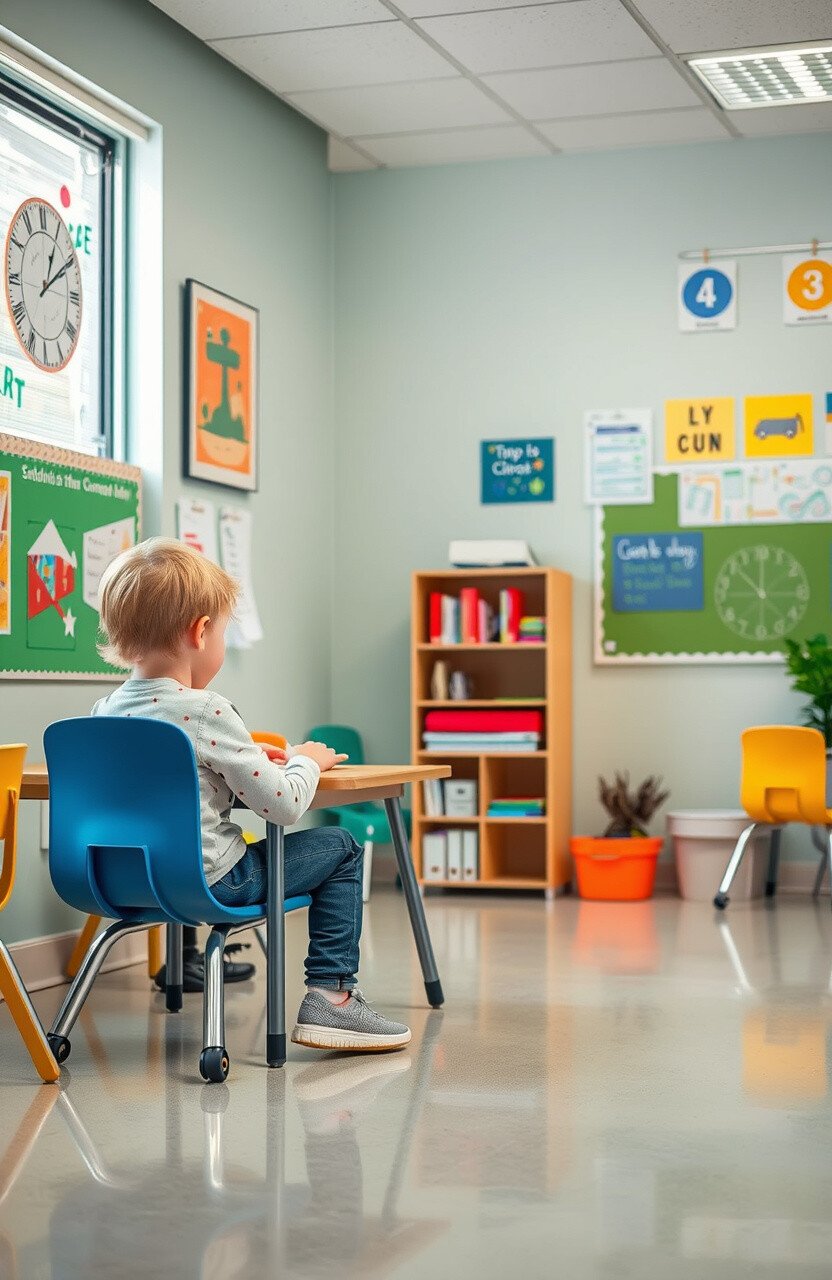
Ignoring sensory needs can lead to discomfort and distraction. A sensory-friendly space supports all learners.
Incorporate sensory-friendly tools like fidget toys or quiet corners. These can help students self-regulate and focus.
Consider the sensory impact of colors, lights, and textures. A balanced sensory environment promotes comfort and learning.
Many sensory tools are affordable and easy to implement. This investment pays off in student well-being and engagement.
16. Overcomplicating the Design
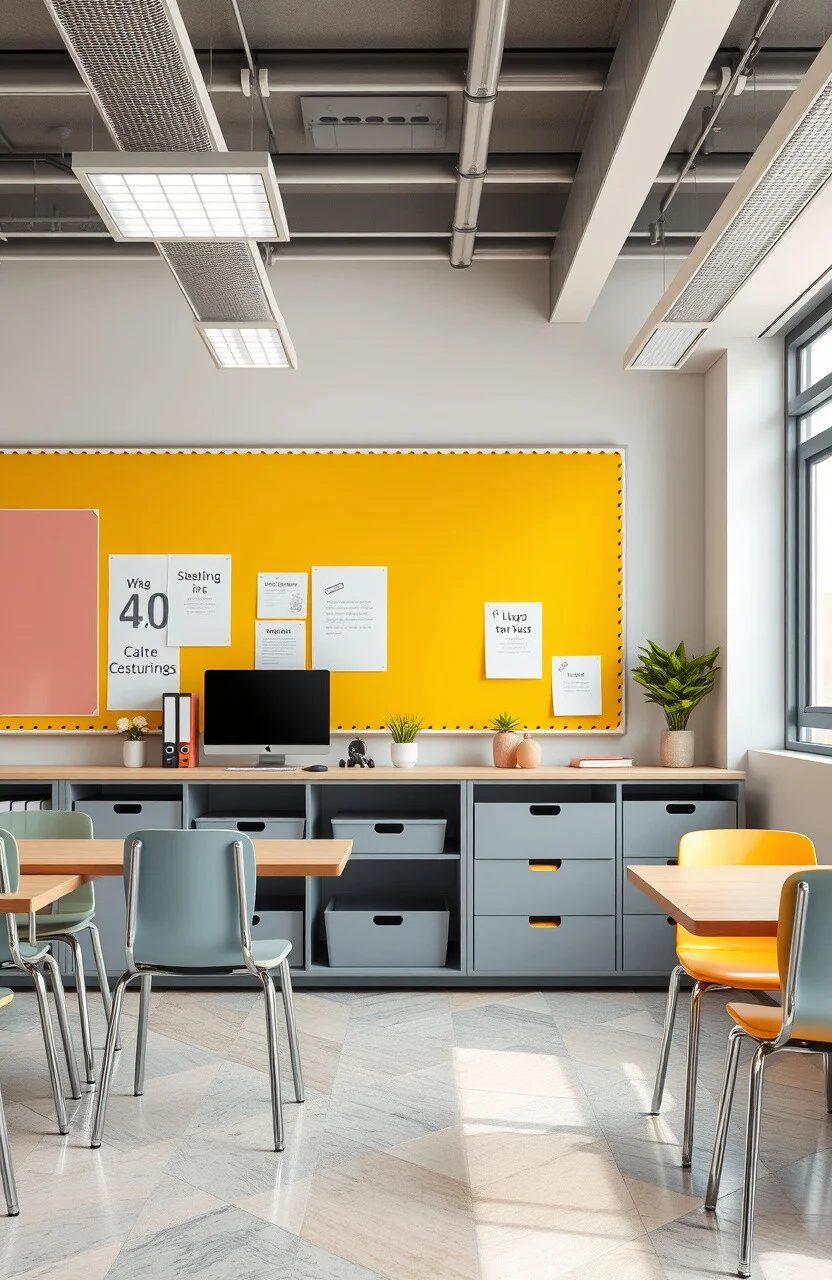
A complex design can be distracting and overwhelming. Simplicity often leads to a more effective learning space.
Focus on functional and essential elements. This keeps the space organized and purposeful.
Use simple, clean lines and minimal decor. This creates a calm and focused environment.
Minimalist design doesn’t have to be expensive. Many affordable solutions can achieve this aesthetic.
17. Ignoring Safety Considerations
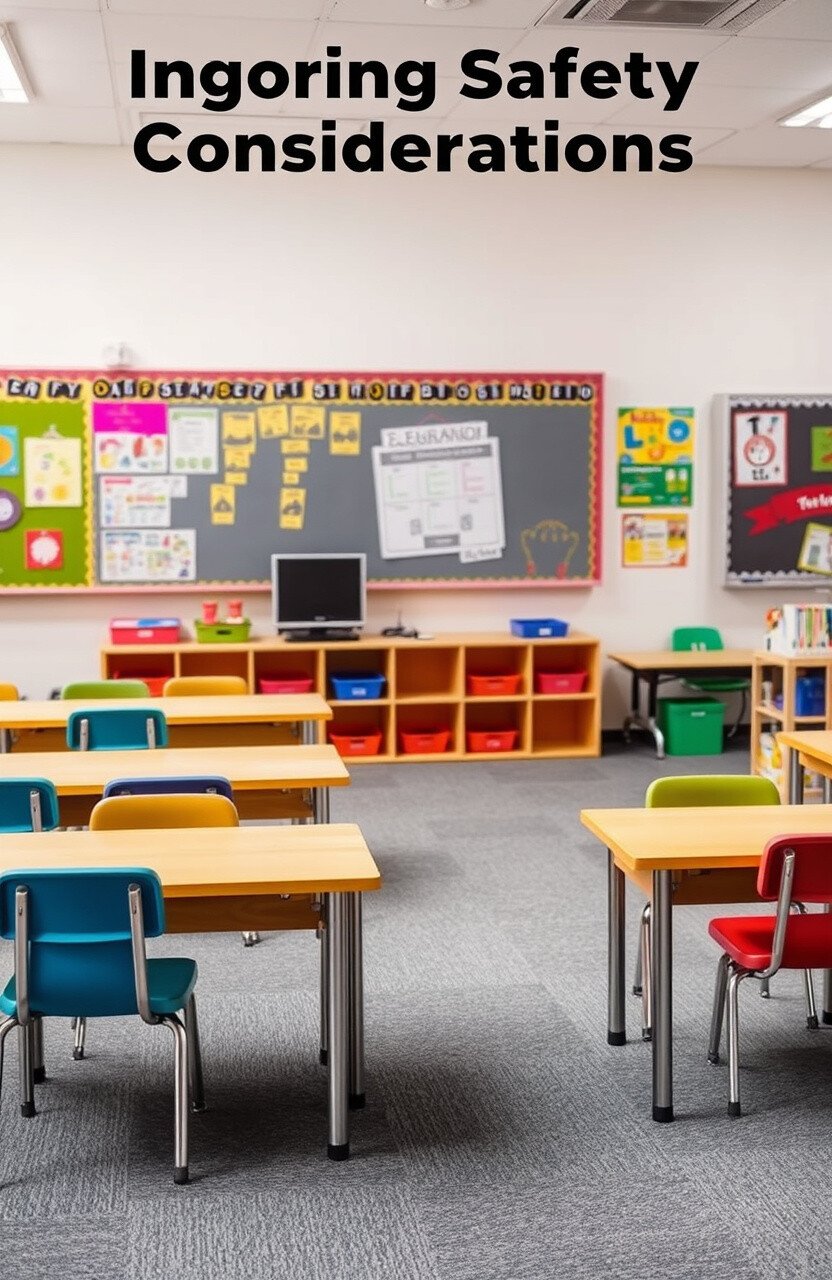
Safety should always be a priority in classroom design. A safe environment is essential for peace of mind.
Secure heavy furniture to walls to prevent tipping. This is a simple precaution that can prevent accidents.
Ensure electrical outlets are childproofed. This is a small investment for a big safety gain.
Regularly check for hazards like loose carpet or sharp edges. Maintenance is key to a safe learning space.
18. Overlooking the Power of Plants
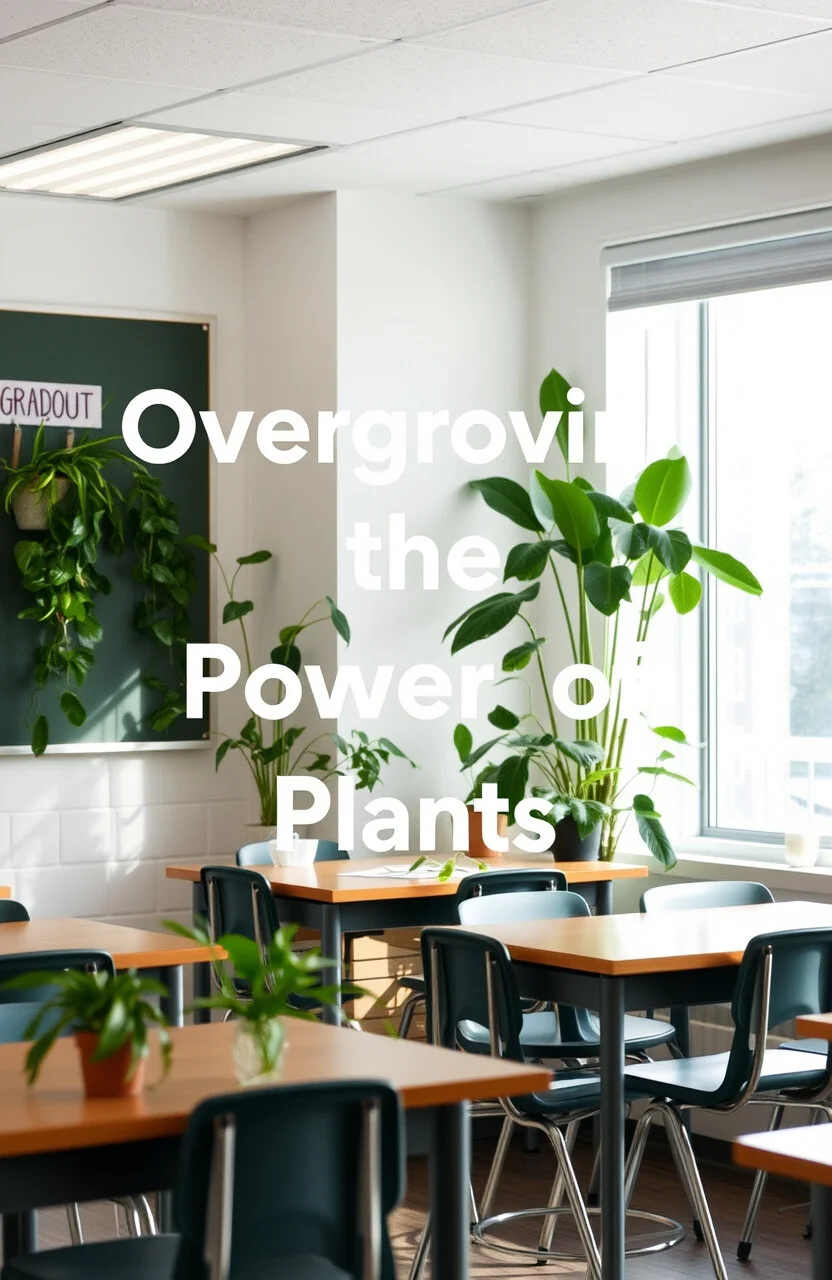
Plants can greatly enhance the classroom atmosphere. They add life and improve air quality.
Choose low-maintenance plants that thrive indoors. This ensures they remain healthy and vibrant with minimal effort.
Use plants to create a calming, natural environment. This can reduce stress and increase focus.
Plants are a cost-effective way to beautify and improve the classroom. Many options are affordable and easy to care for.
19. Ignoring Seasonal Changes

Seasonal changes offer opportunities for refreshment and inspiration. Adjusting your classroom decor can keep things exciting.
Incorporate seasonal themes or colors for variety. This keeps the environment fresh and engaging.
Switch out decorations and displays to reflect the seasons. This can be a fun way to celebrate together.
Many seasonal decorations are DIY-friendly and budget-conscious. Creativity can make this a joyful and cost-effective project.
20. Overlooking the Importance of Cleanliness
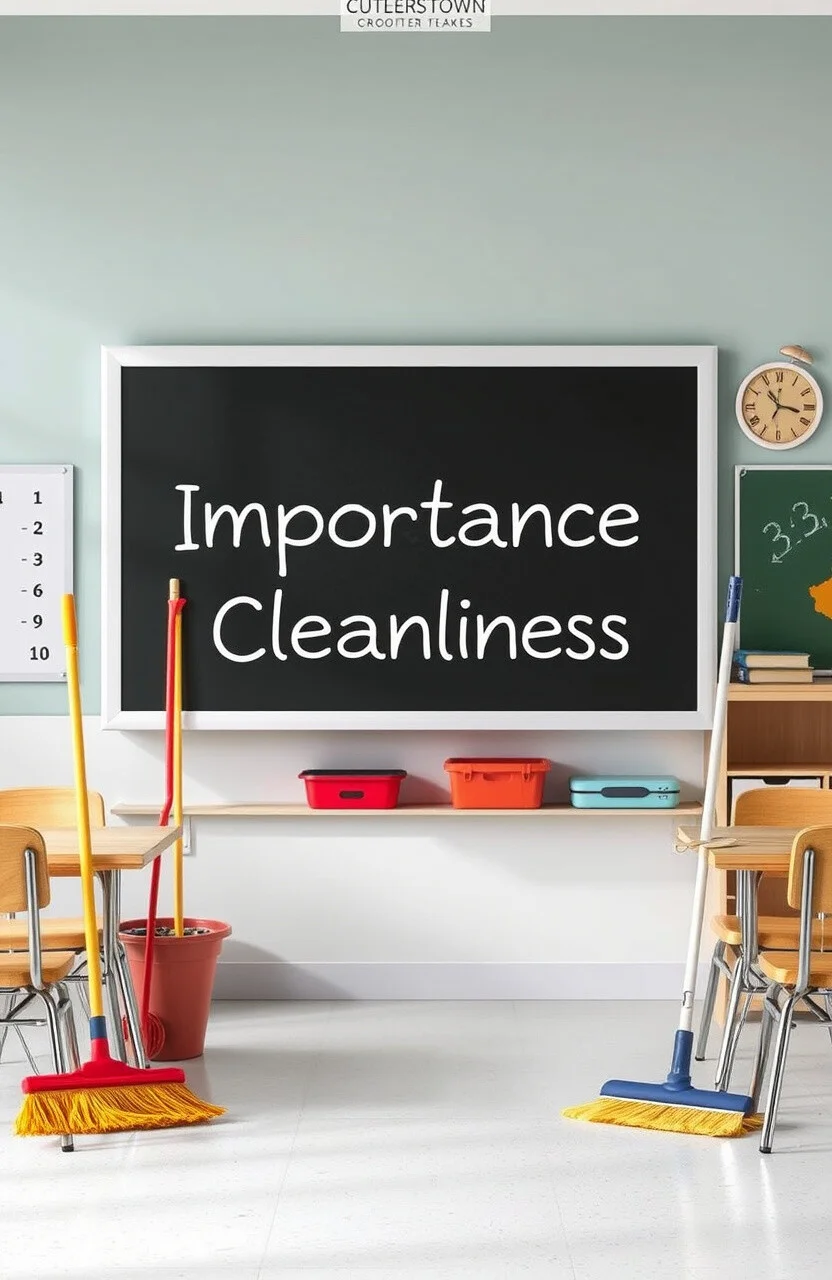
A clean classroom is a welcoming and productive space. Cleanliness should be a consistent priority.
Establish a regular cleaning schedule to maintain hygiene. This promotes a healthy environment for everyone.
Encourage students to take part in keeping the space tidy. This teaches responsibility and respect for shared spaces.
Simple cleaning tools like wipes and brooms are inexpensive. They can be easily integrated into the daily routine.
21. Ignoring Wall Texture
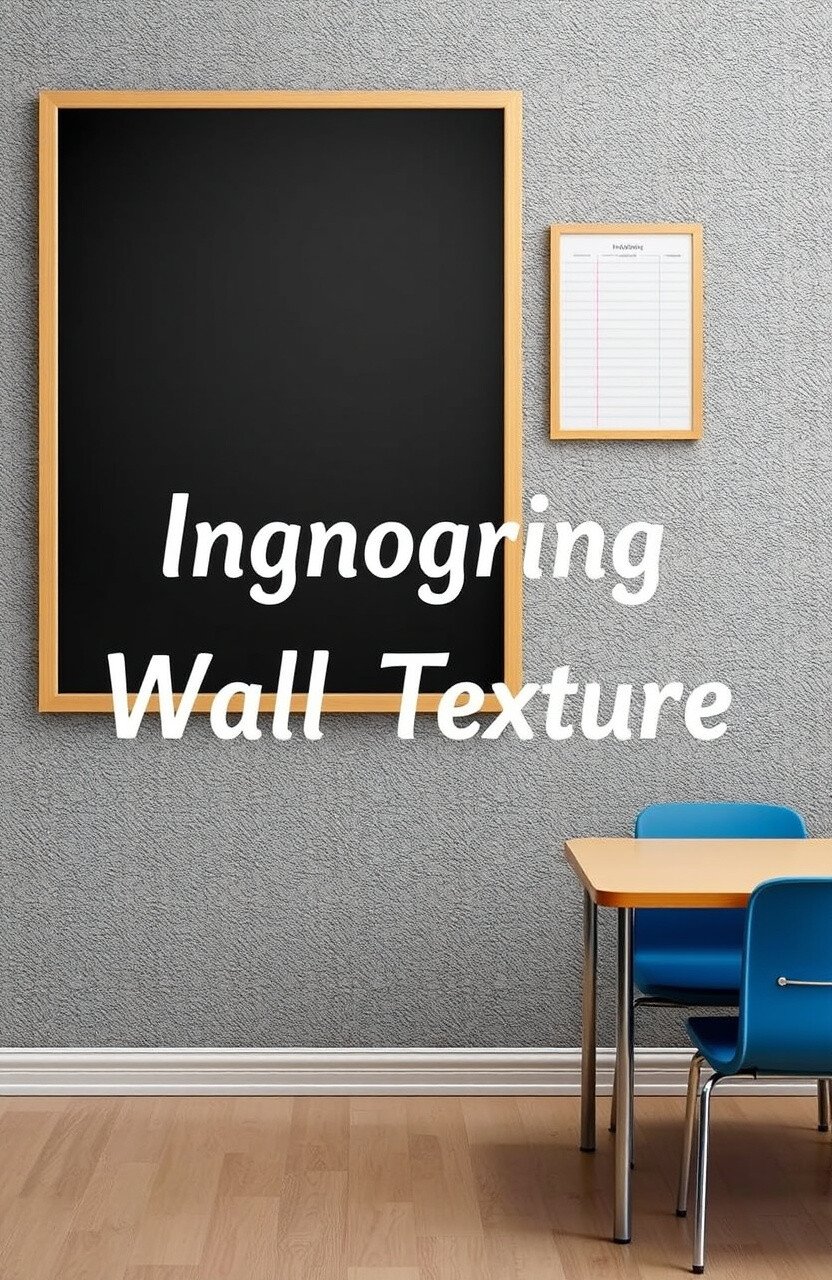
Flat, bland walls can make a room feel sterile. Adding texture can bring warmth and character to the space.
Consider textured wallpaper or decals for a unique look. These options can add dimension and interest.
Use fabric or cork boards to introduce texture while providing functionality. They’re great for displaying work without damaging walls.
Textured options can often be found at a reasonable price. They offer a simple way to elevate the room’s design.
22. Neglecting Personal Growth Spaces
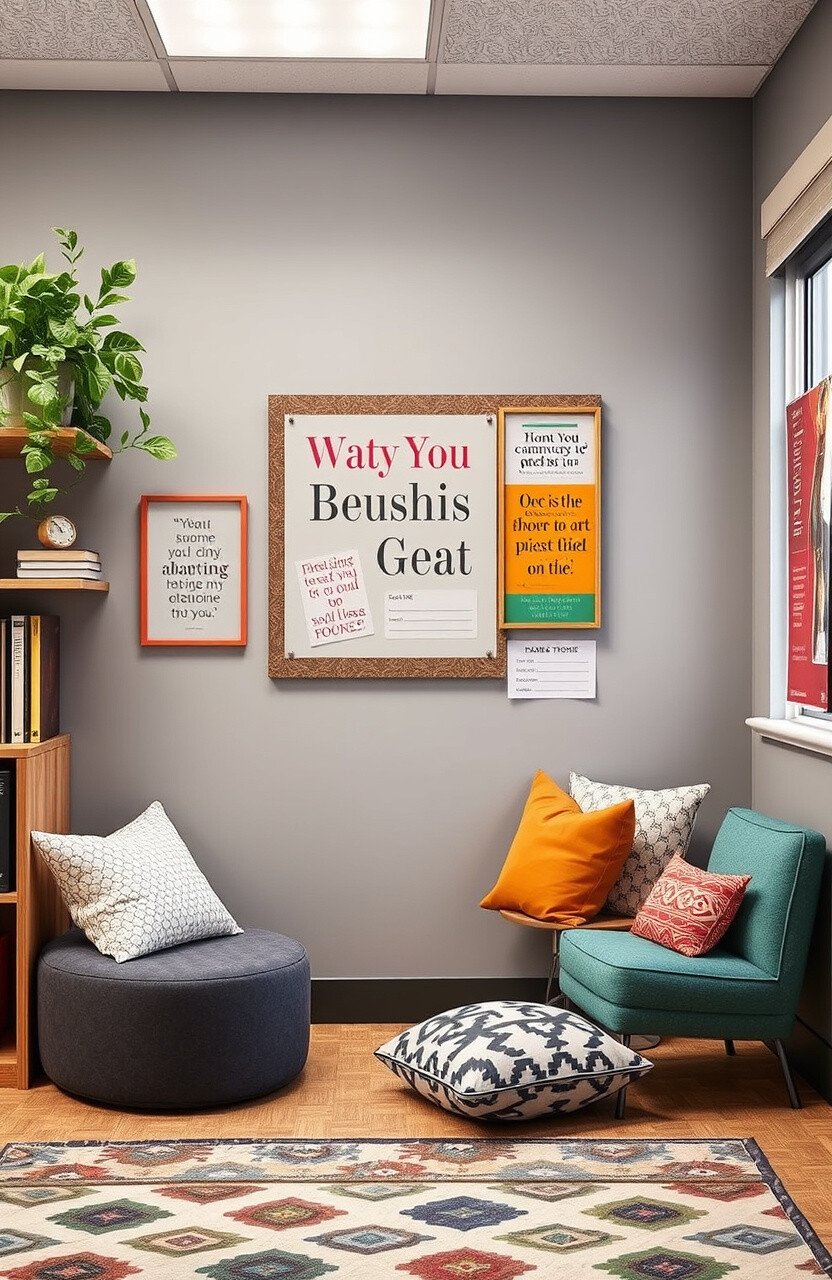
Personal growth spaces can inspire and motivate students. They provide a place for reflection and goal-setting.
Create a cozy reading nook or reflection corner. This offers a quiet space for personal development.
Incorporate inspirational quotes or goal-setting boards. These can encourage positivity and progress.
Such spaces can be created with minimal expense. A few cushions and posters can make a big impact.
23. Avoiding Changes Due to Tradition
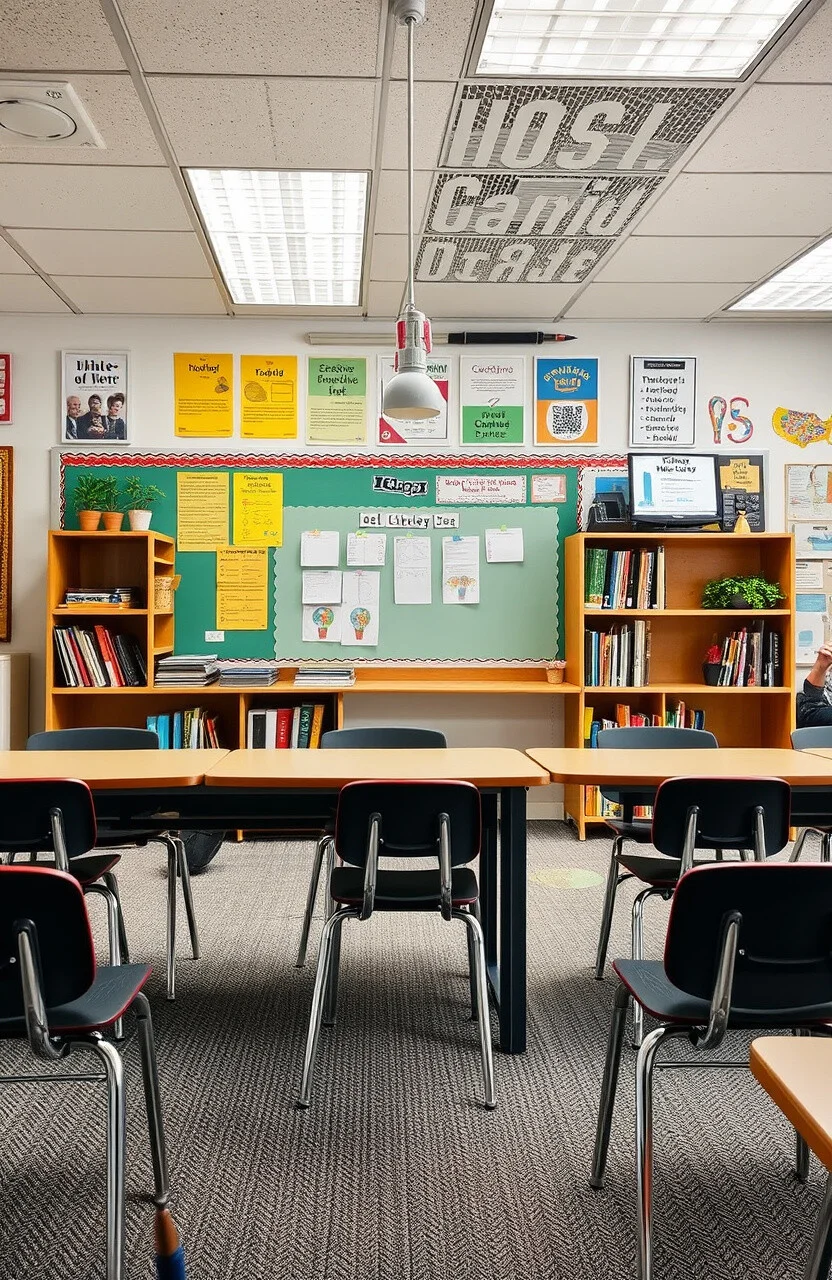
Sticking too closely to tradition can limit creativity. Embracing change can lead to innovation in learning environments.
Be open to trying new layouts or decor styles. This flexibility can lead to exciting discoveries.
Encourage student input on design changes. Fresh perspectives can bring new ideas and energy.
Trying something new doesn’t have to be costly. Experimenting with existing resources can yield surprising results.
24. Overemphasizing Form Over Function
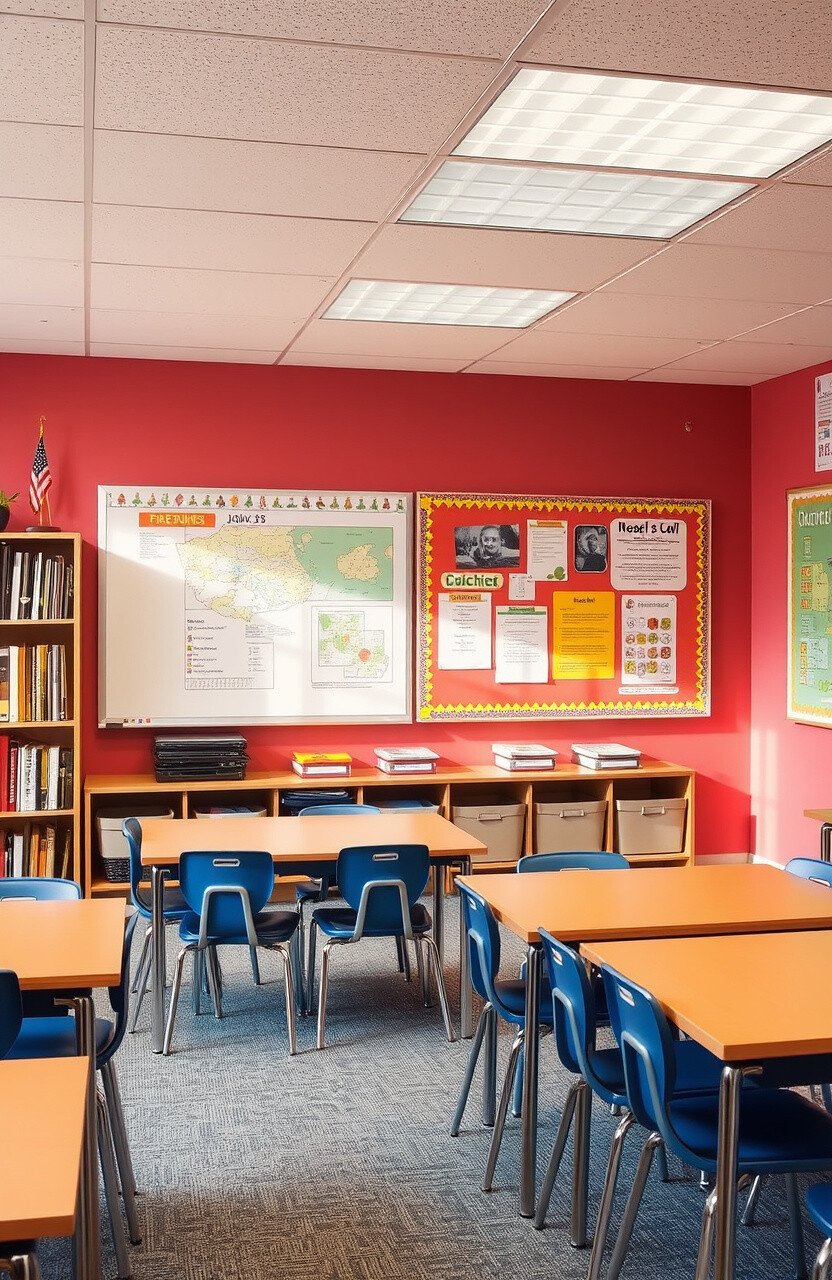
Prioritizing aesthetics over functionality can hinder learning. A balance of form and function is essential.
Choose decor that serves a purpose, like educational posters. This integrates beauty with practicality.
Ensure that all elements in the room enhance learning. This focus keeps the environment effective and efficient.
Many functional items are designed to be attractive. There’s no need to sacrifice style for utility.
25. Overlooking the Role of Technology
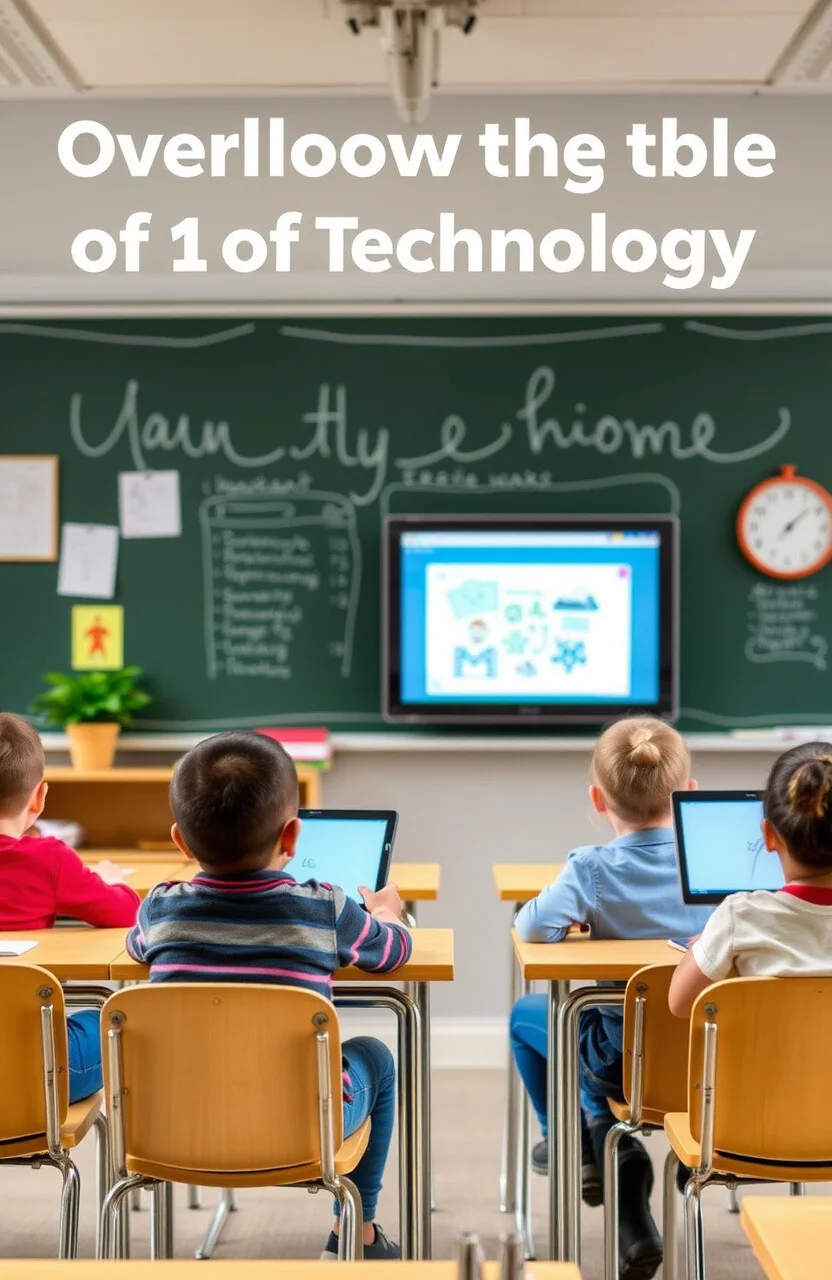
Technology can be a powerful tool for learning. Integrating it thoughtfully enhances educational experiences.
Use interactive whiteboards or tablets to engage students. This technology can make learning more dynamic.
Ensure that tech tools are user-friendly and accessible. This minimizes frustration and maximizes benefits.
Look for budget-friendly tech solutions. Many educational tools offer affordable options and discounts.
26. Ignoring the Power of Art
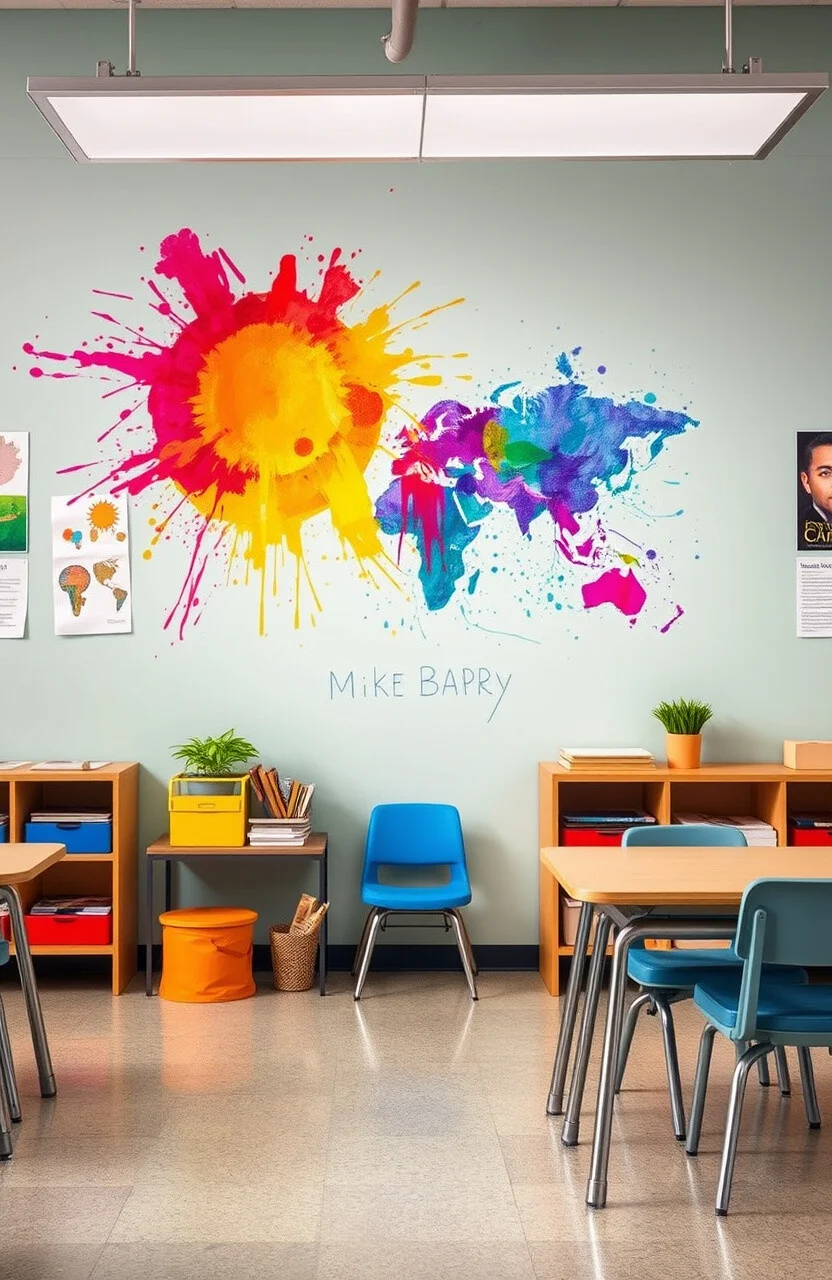
Art can transform a classroom into an inspiring space. It adds color, creativity, and individuality.
Display student artwork to celebrate creativity. This encourages pride and self-expression.
Incorporate diverse art styles and cultures for inclusivity. This broadens perspectives and enriches learning.
Art supplies can be affordable and easy to source. A small investment can lead to vibrant, personalized decor.
27. Overlooking the Benefits of Collaboration
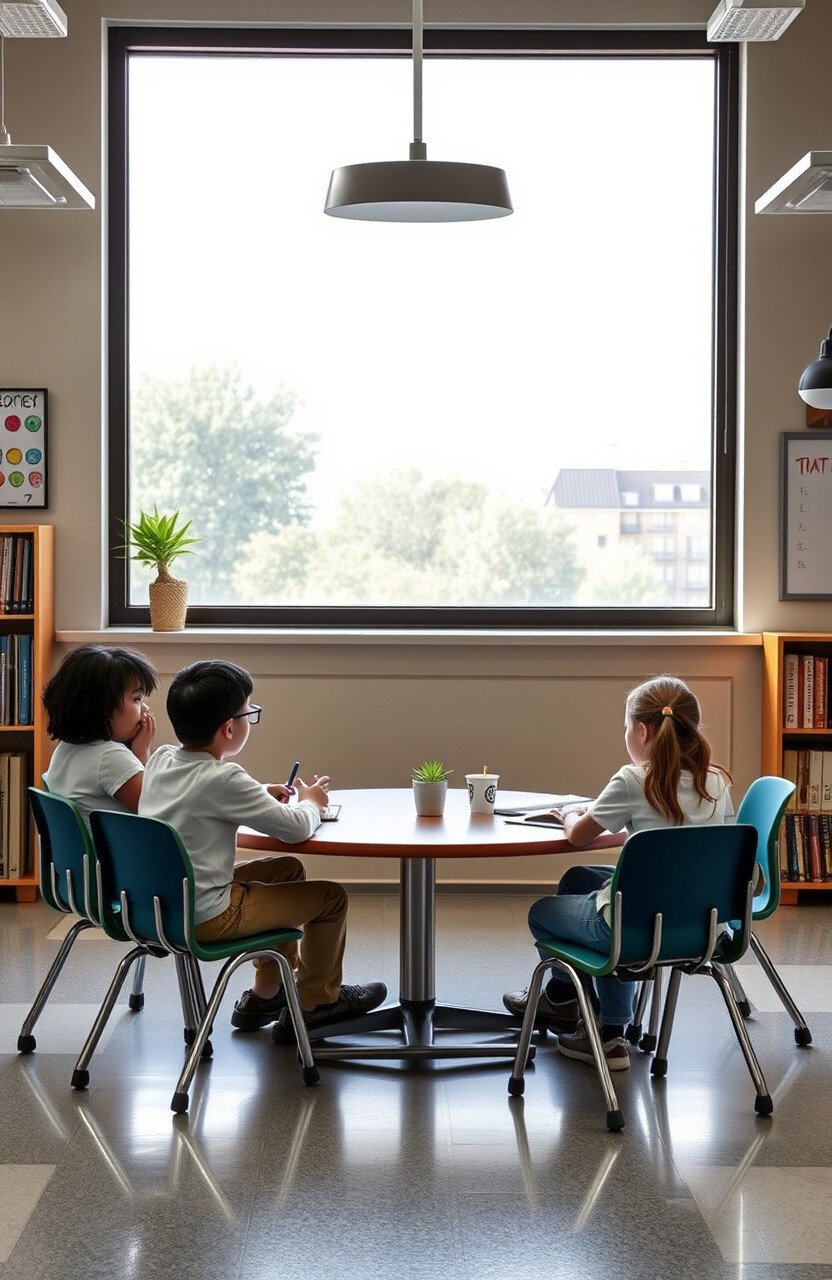
Collaboration spaces encourage teamwork and communication. These skills are vital for student development.
Create areas designed for group work and discussion. This fosters cooperation and social learning.
Incorporate movable furniture to facilitate collaboration. This adaptability supports various group sizes and activities.
Collaboration doesn’t require expensive setups. Simple changes can create effective, interactive spaces.
28. Ignoring Inspirational Elements
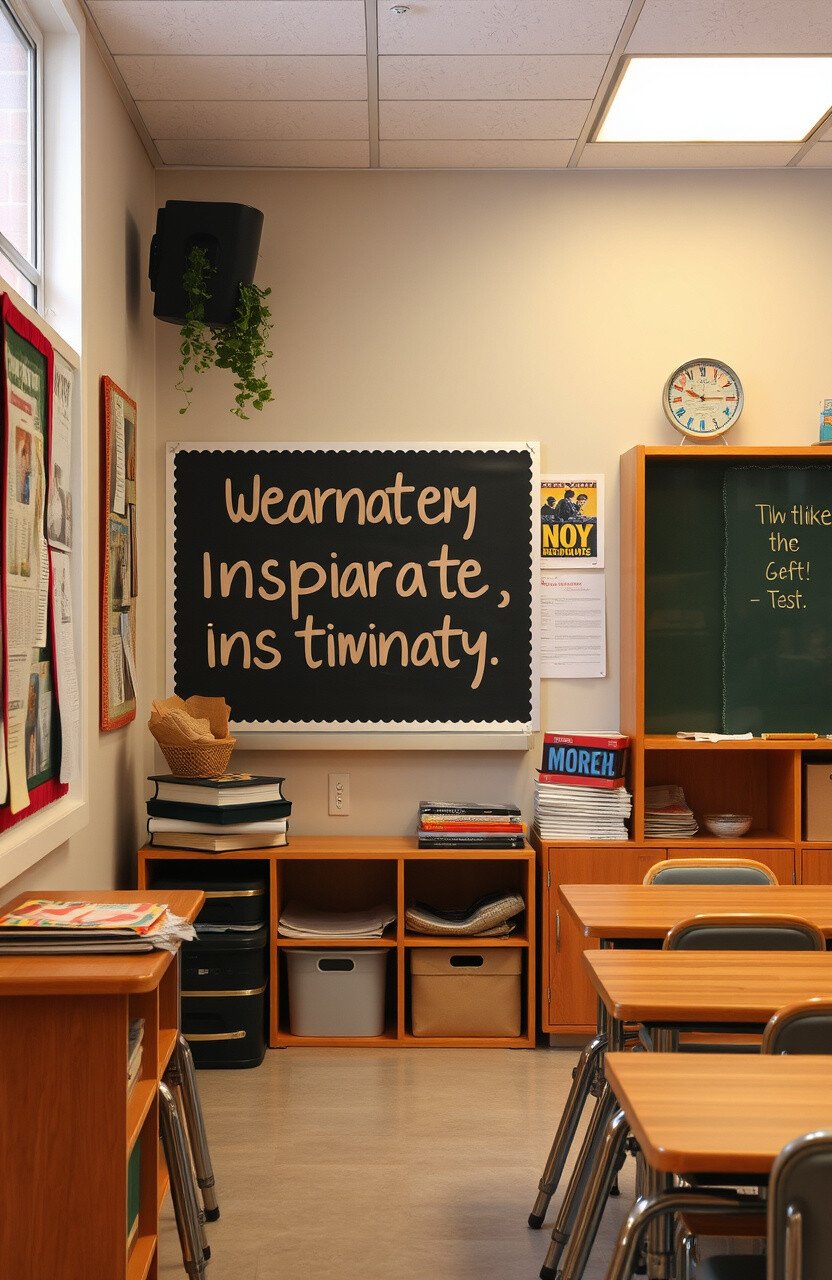
Inspirational elements can motivate and uplift. They create an atmosphere of positivity and encouragement.
Include motivational quotes or posters around the room. These can inspire and boost morale.
Encourage students to contribute their own inspirational ideas. This involvement creates a shared sense of purpose.
Inspiration comes in many forms and prices. Even simple, homemade signs can have a powerful effect.
29. Overlooking the Importance of Color Psychology
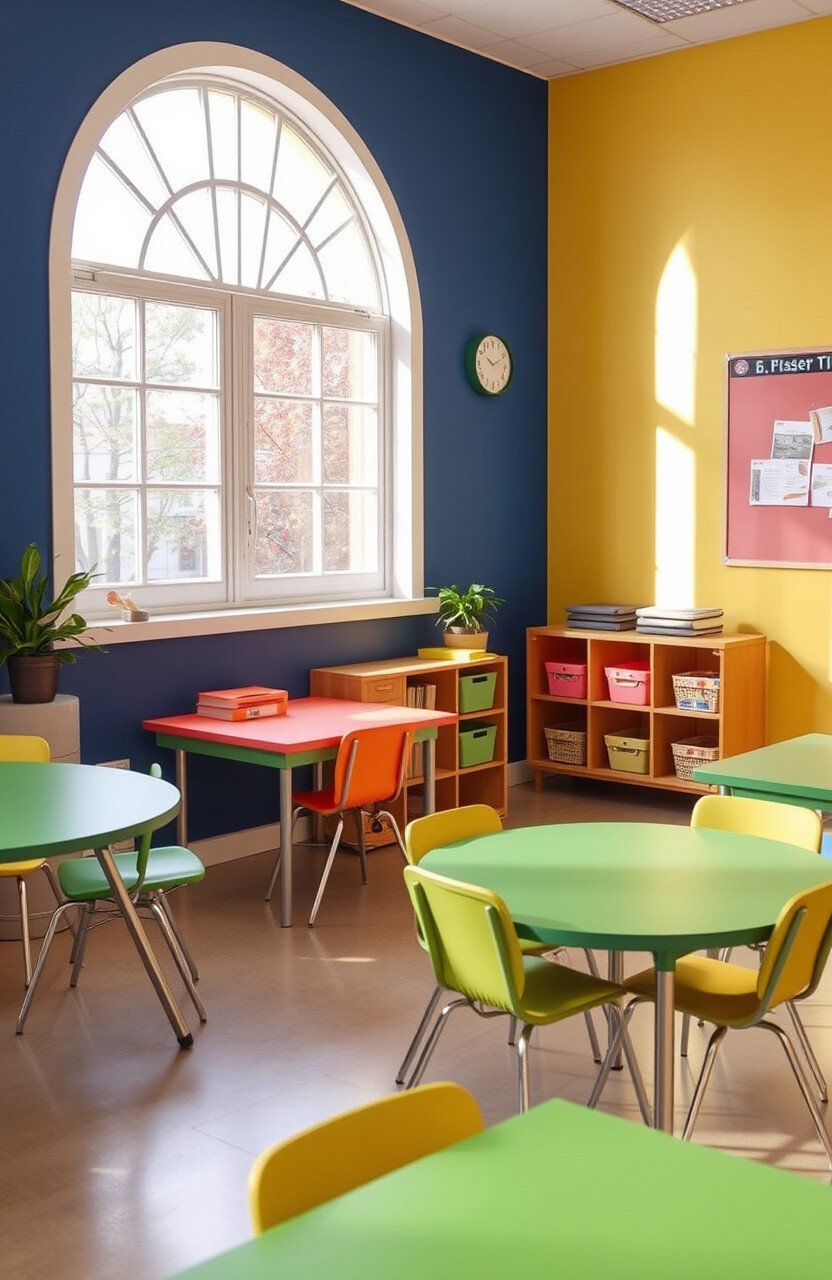
Colors can significantly impact mood and behavior. Understanding color psychology can enhance the learning environment.
Choose colors that promote calmness and focus, like blues and greens. This selection supports a productive atmosphere.
Use brighter colors for accent areas to energize and inspire. This balance keeps the room dynamic and engaging.
Color psychology doesn’t require costly changes. Simple paint or fabric choices can effectively alter the mood.
30. Neglecting the Impact of Scents

Scents can affect concentration and comfort. A pleasant aroma can enhance the classroom experience.
Use natural scents like lavender or citrus for a calming effect. This can create a serene and focused environment.
Avoid strong or artificial fragrances that might be distracting. Subtlety is key to maintaining comfort.
Scent solutions can be inexpensive and easy to implement. Essential oils or sachets are simple, affordable options.
31. Ignoring the Benefits of Outdoor Learning
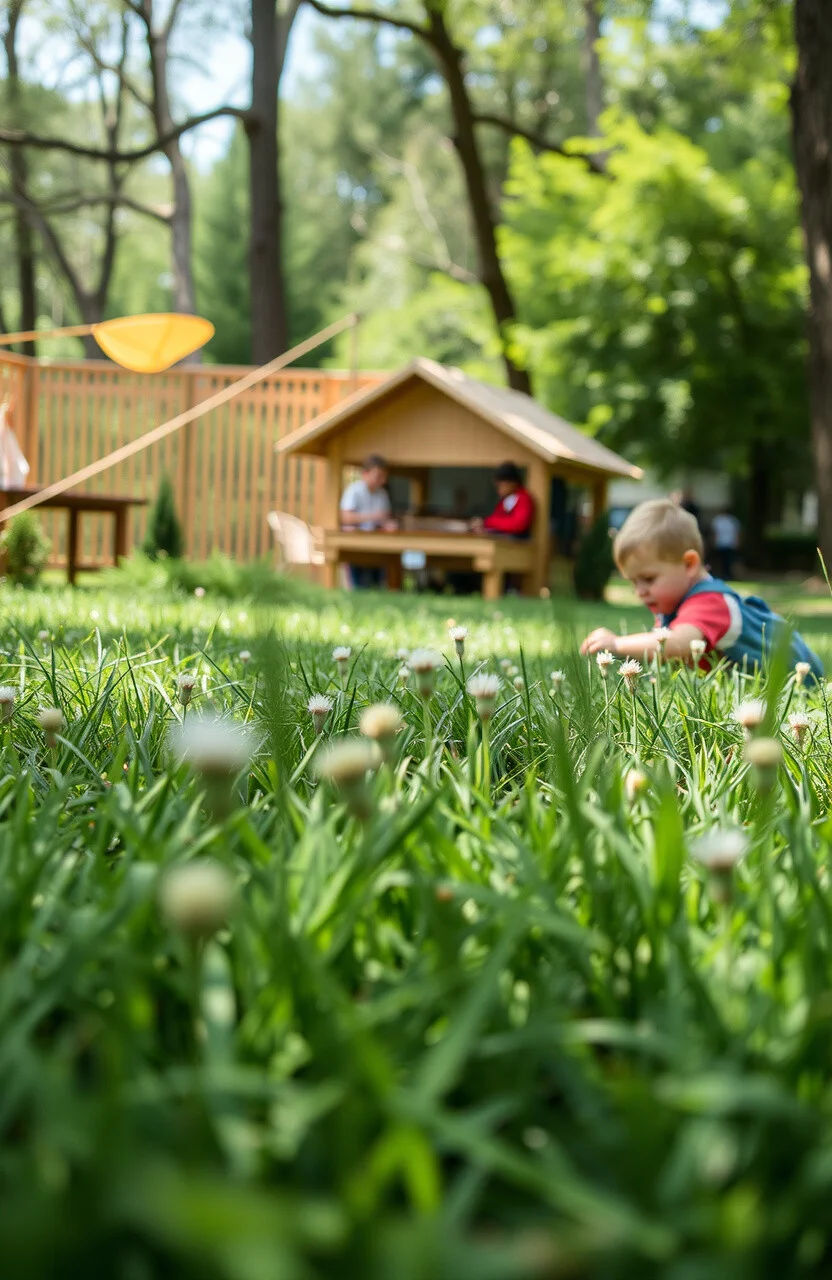
An indoor-only approach can limit learning opportunities. Outdoor learning provides fresh air and a change of scenery.
Utilize outdoor spaces for lessons when possible. This can invigorate and inspire students.
Incorporate lessons that connect with nature. This approach can enhance understanding and engagement.
Outdoor learning doesn’t require extra cost. Nature itself is a free resource with endless possibilities.
32. Overlooking the Need for Quiet Zones
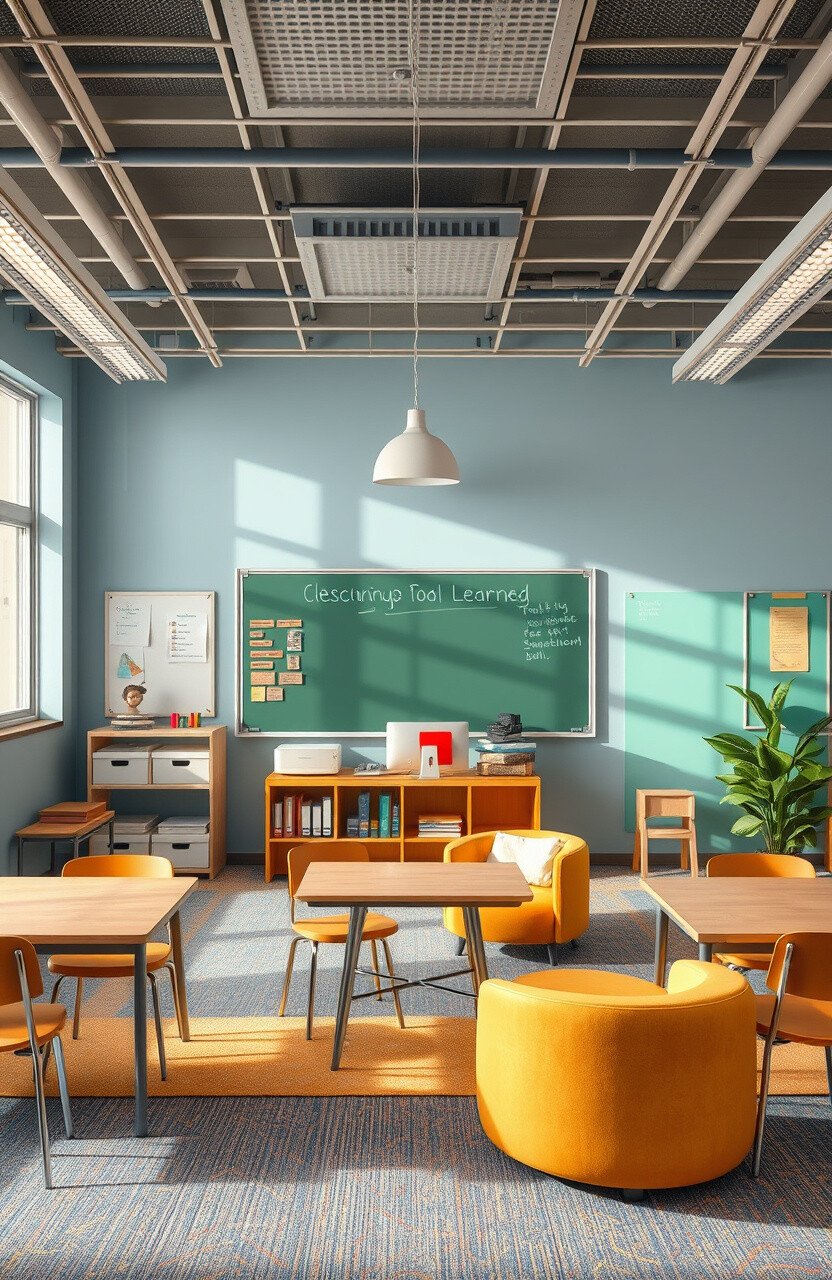
Noise can be distracting for some students. Quiet zones offer a refuge for focused work and relaxation.
Designate areas in the classroom where noise is minimized. This provides options for different learning preferences.
Use soft furnishings to absorb sound and create calm. This simple addition can make a big difference in atmosphere.
Quiet zones can be created with minimal expense. Small adjustments can lead to significant benefits.
33. Disregarding the Power of Routine
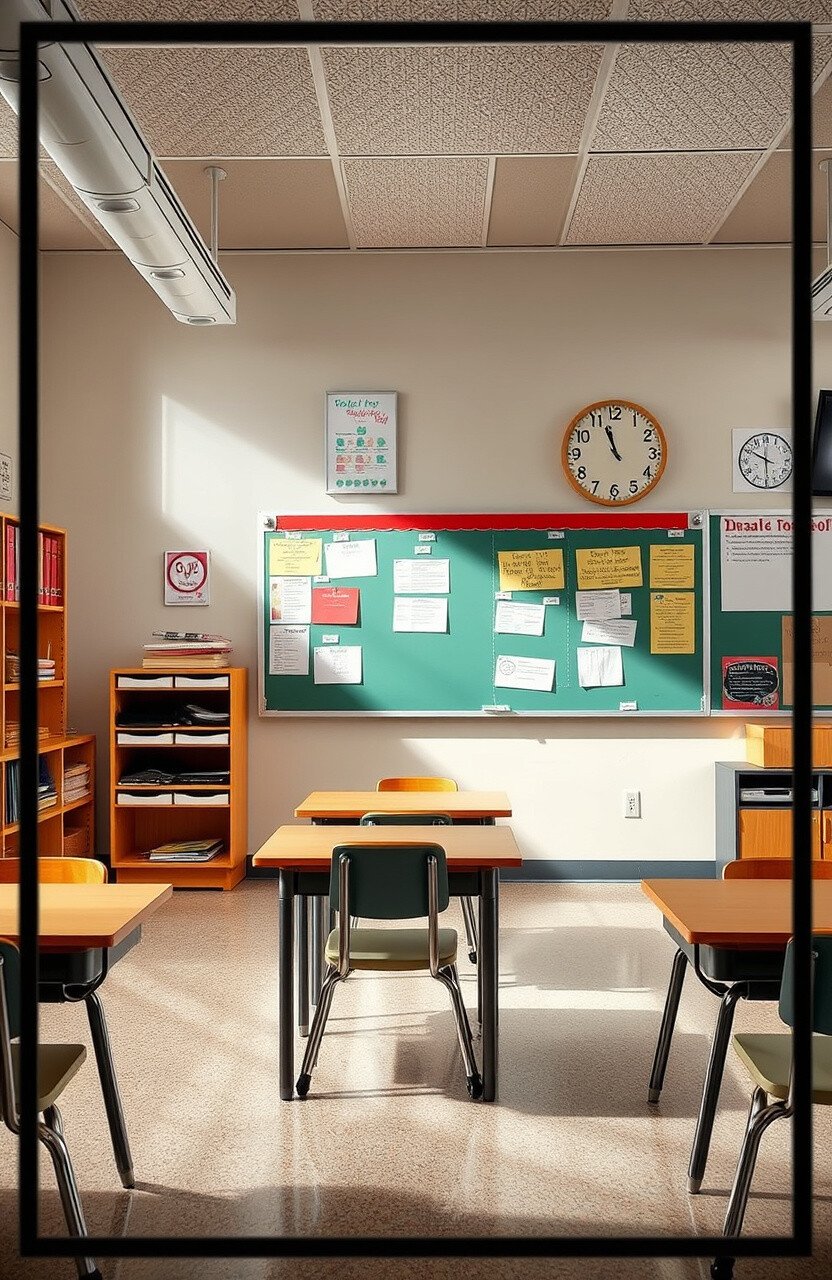
A chaotic environment can lead to confusion. Establishing routine through design can create stability.
Create predictable layouts and organization for consistency. This helps students feel secure and focused.
Incorporate visual schedules or charts to guide daily activities. This visual aid supports understanding and routine.
Establishing routine doesn’t require a large budget. Simple organizational tools can create a sense of order.
34. Overlooking the Role of Comfort
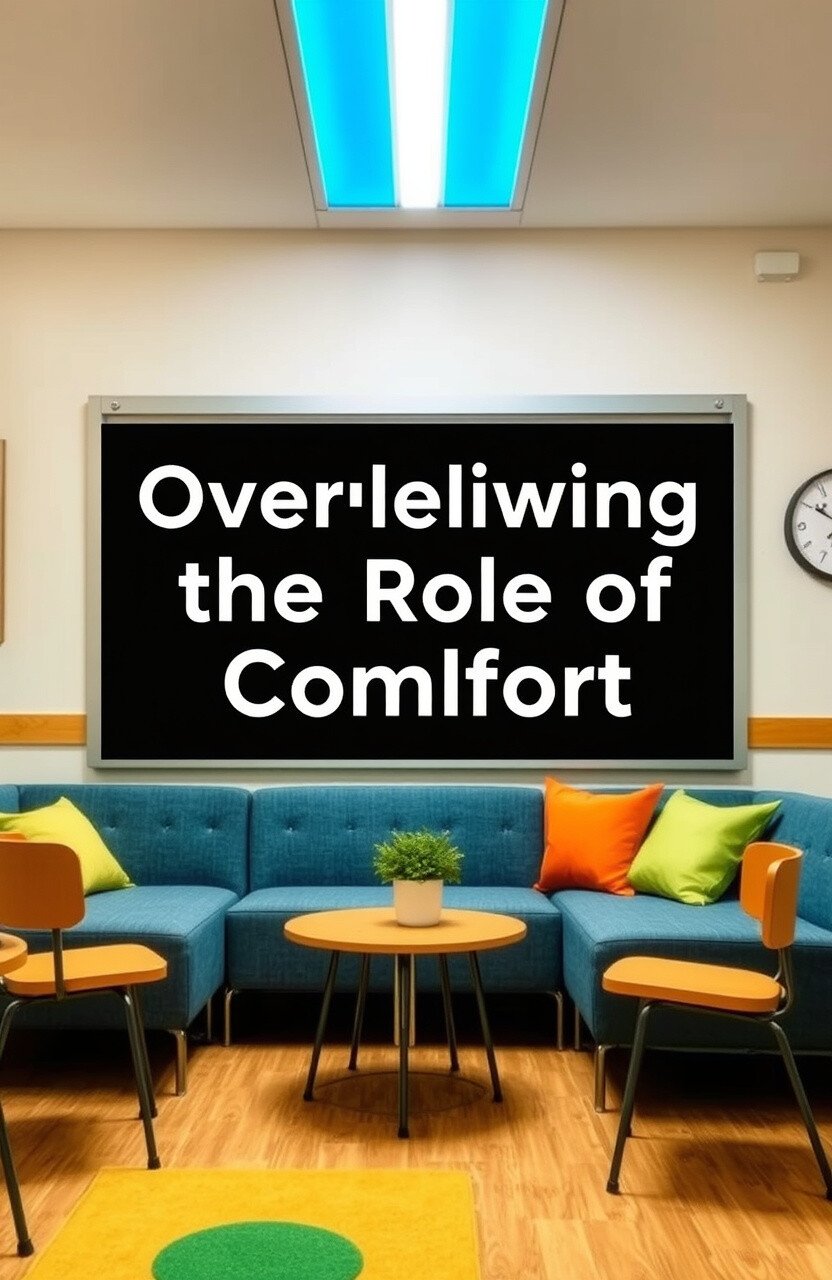
Comfort is crucial for an effective learning space. A comfortable environment supports focus and well-being.
Consider temperature, lighting, and seating when planning comfort. These elements contribute to an inviting atmosphere.
Introduce soft textures and warm colors to enhance comfort. This approach creates a cozy and welcoming space.
Comfort doesn’t have to be costly. Small, thoughtful changes can make a significant impact.
35. Ignoring Cultural Representation
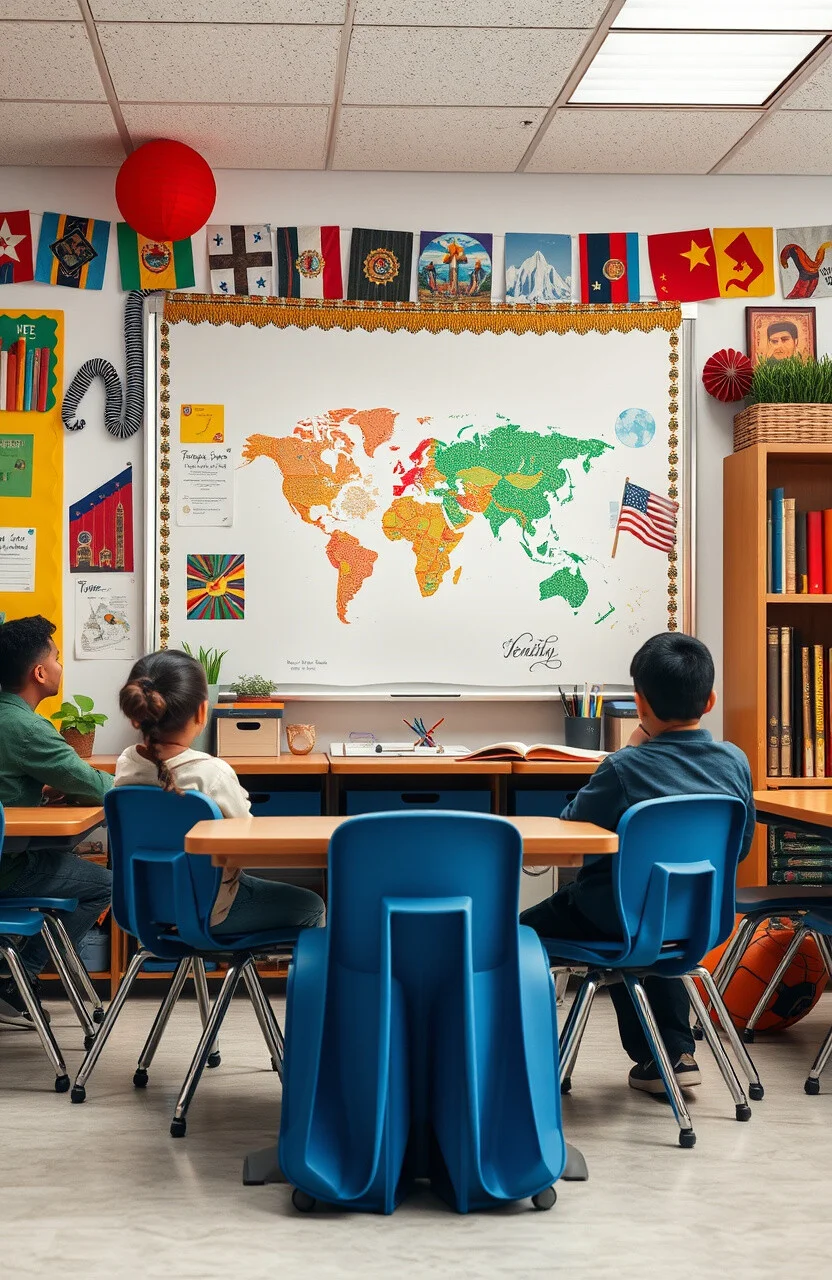
Cultural representation fosters inclusivity and respect. A diverse environment enriches learning for all students.
Incorporate materials and decor that reflect various cultures. This broadens perspectives and encourages empathy.
Celebrate cultural events and traditions within the classroom. This engagement promotes understanding and unity.
Cultural representation doesn’t require a large budget. Many resources are available for free or at a low cost.
36. Overlooking the Power of Reflection
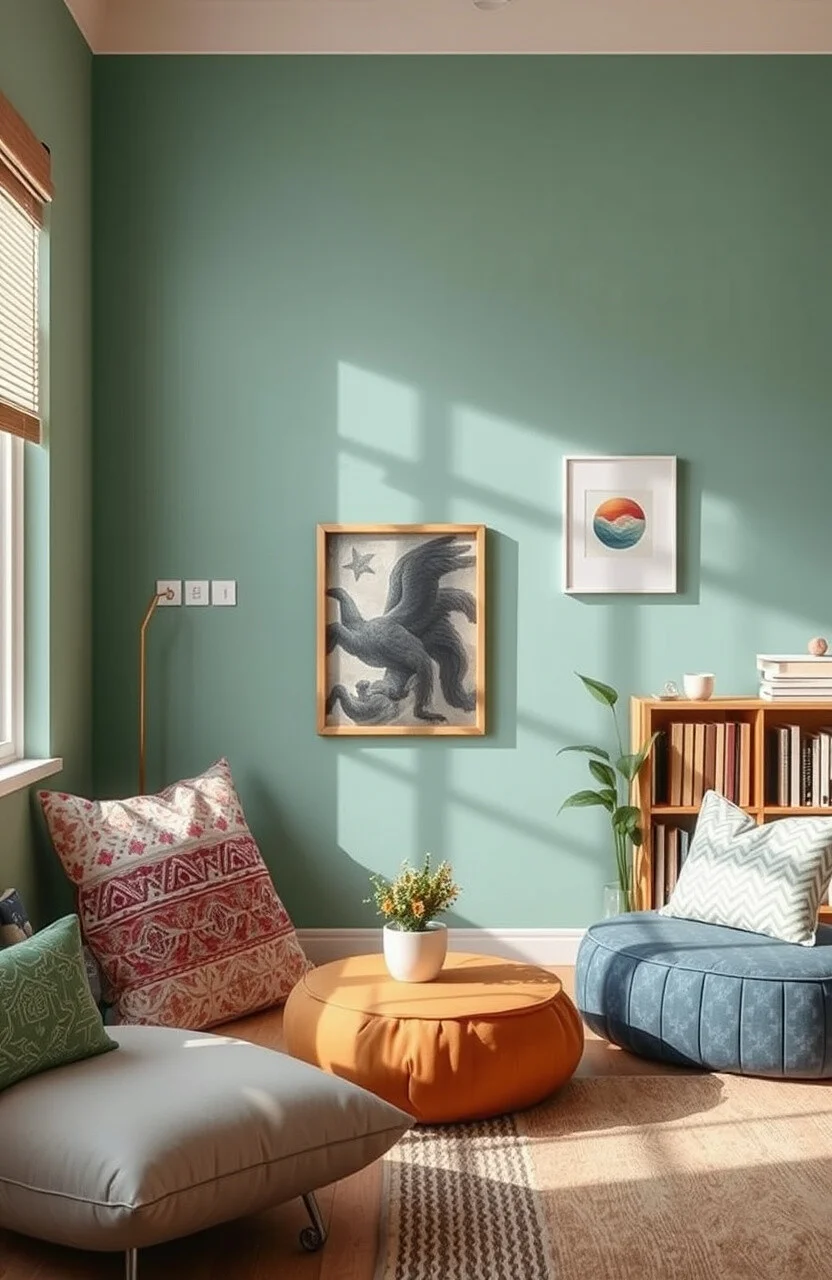
Reflection is a powerful learning tool. A reflective space encourages personal growth and insight.
Create areas for journaling or quiet thought. This supports introspection and self-awareness.
Incorporate prompts or questions to guide reflection. This can stimulate deeper thinking and understanding.
Reflection spaces can be simple and inexpensive. A few cushions and a quiet corner can create the perfect retreat.
37. Avoiding Risk in Design
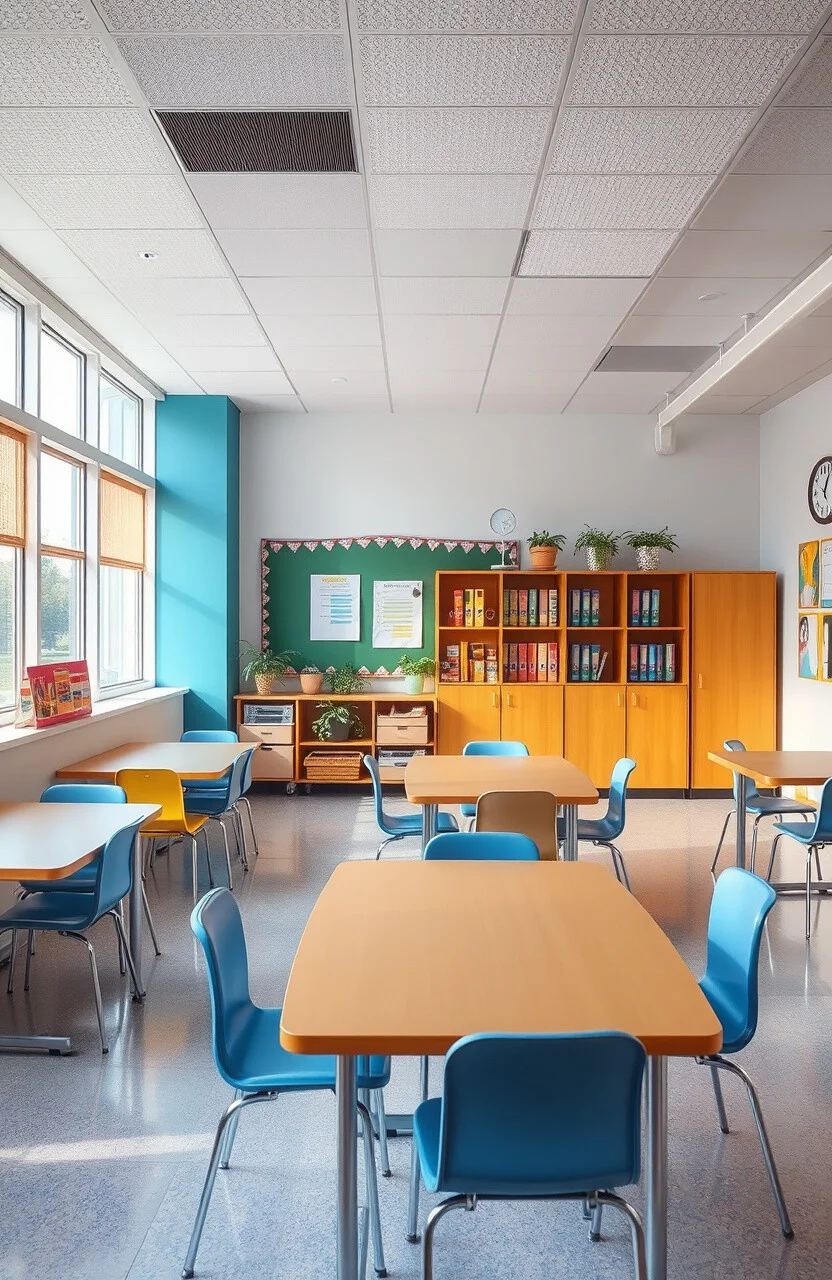
Playing it too safe can result in a bland environment. Taking design risks can lead to exciting, inspiring spaces.
Experiment with bold colors or unusual layouts. This can add energy and life to the classroom.
Encourage creativity and innovation in design choices. This approach can lead to unique and personalized environments.
Risk-taking in design doesn’t have to be expensive. A few bold choices can transform the space dramatically.
38. Ignoring the Power of Storytelling
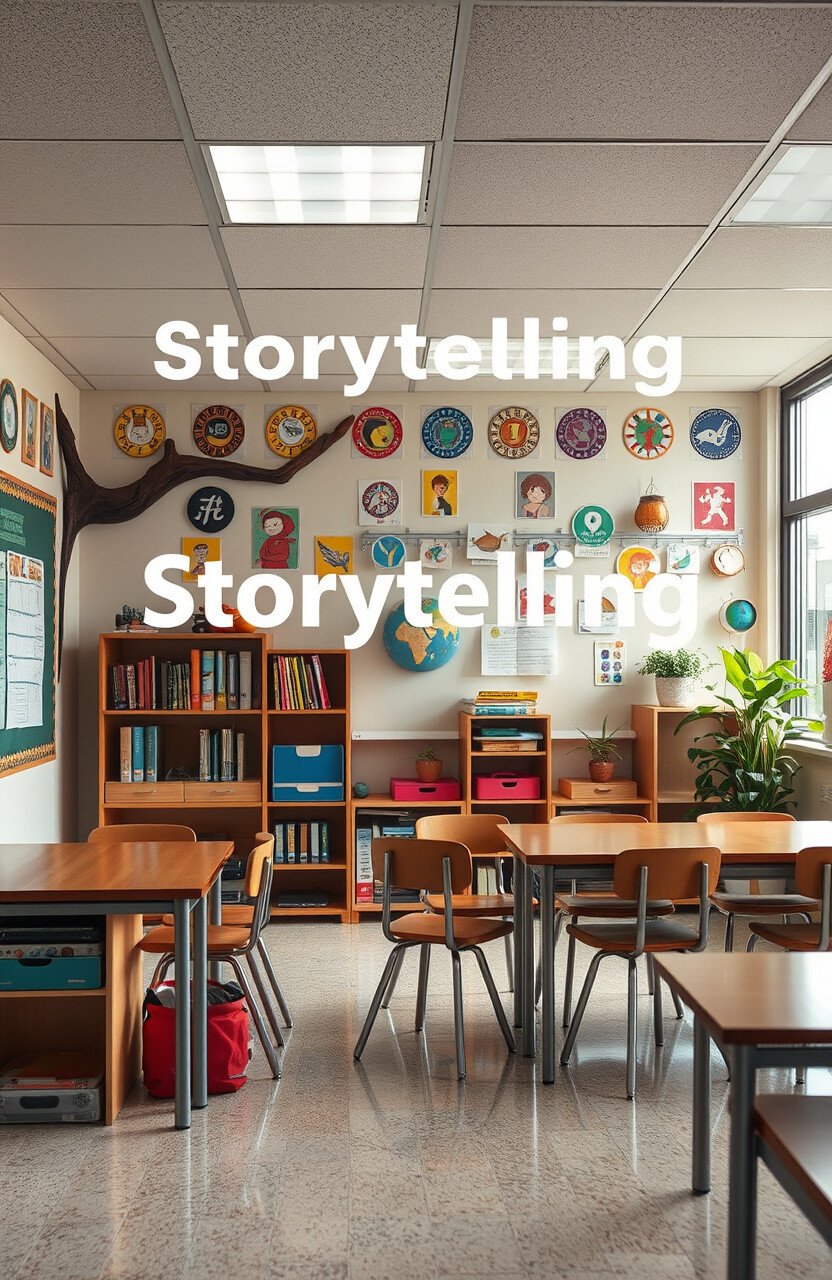
Storytelling can captivate and educate. A classroom that tells a story engages and connects with students.
Use decor to weave a narrative or theme. This can make learning more memorable and meaningful.
Encourage students to contribute to the classroom story. This inclusion fosters a sense of community and collaboration.
Storytelling doesn’t have to be elaborate or costly. Simple props and themes can create a rich, engaging environment.