Clip charts can be calm, colorful, and clear. They can also turn everyday behavior routines into something kids actually understand.
1. Use a Bright, Simple Color Ladder
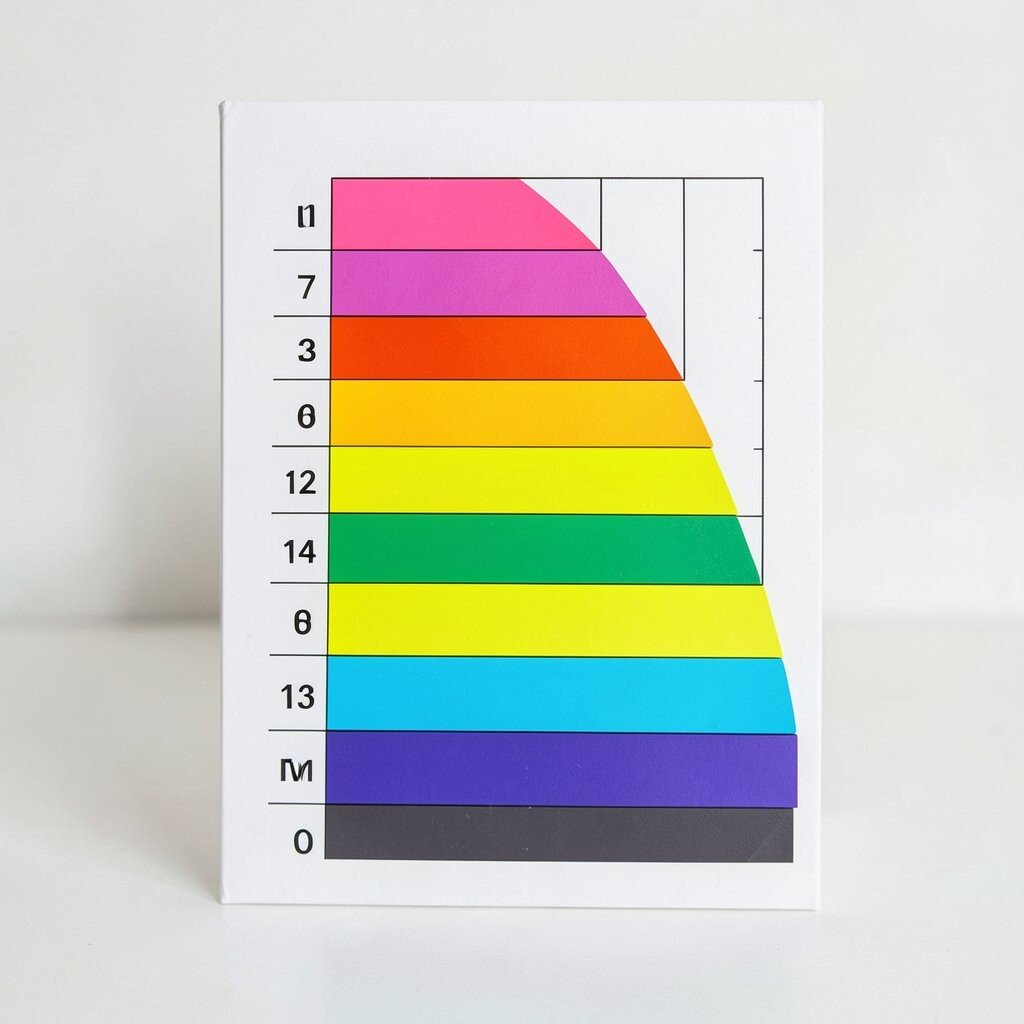
A clip chart with bold colors is easy for young learners to read from across the room. The bright look also makes the routine feel friendly instead of scary.
This idea works well because children can spot the level they are on right away, which saves time and lowers confusion. You can make it unique by choosing shades that fit your classroom theme, like beach colors, superhero colors, or soft pastels, and the cost stays low if you print it yourself on cardstock.
2. Add Student Names with Velcro Clips
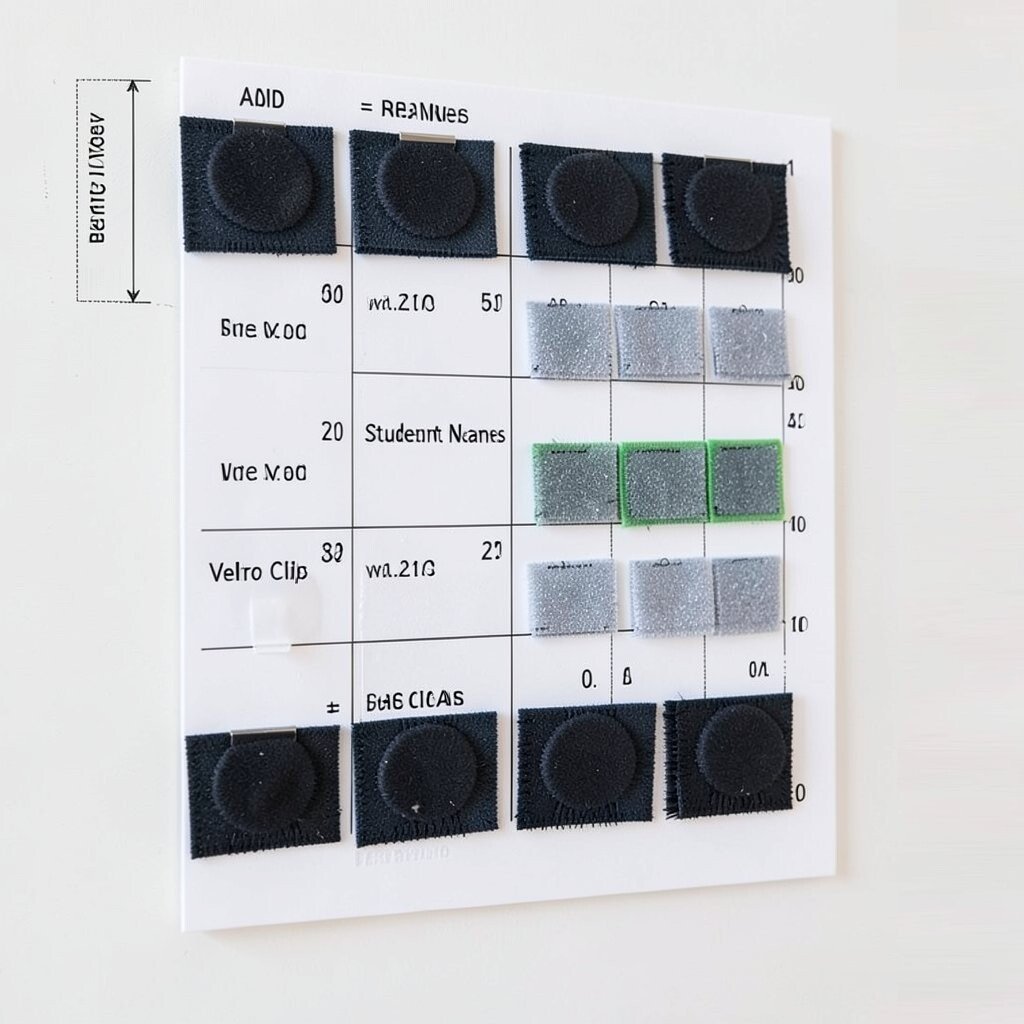
Names on Velcro clips give the chart a neat, tidy look and make movement quick. The whole board feels more hands-on, almost like a game piece wall.
This style helps you avoid bending over tiny clothes pins, and it is easy to rearrange when students are absent or switch seats. Teachers often like this setup because it can be reused for years, and you can personalize it with star shapes, icons, or even small photos for readers who still need picture support.
It is also a smart budget choice if you already have Velcro strips and sturdy paper. Many classrooms are moving toward simple, reusable tools, and this one fits that trend without needing much extra work.
3. Create a Themed Clip Chart Board
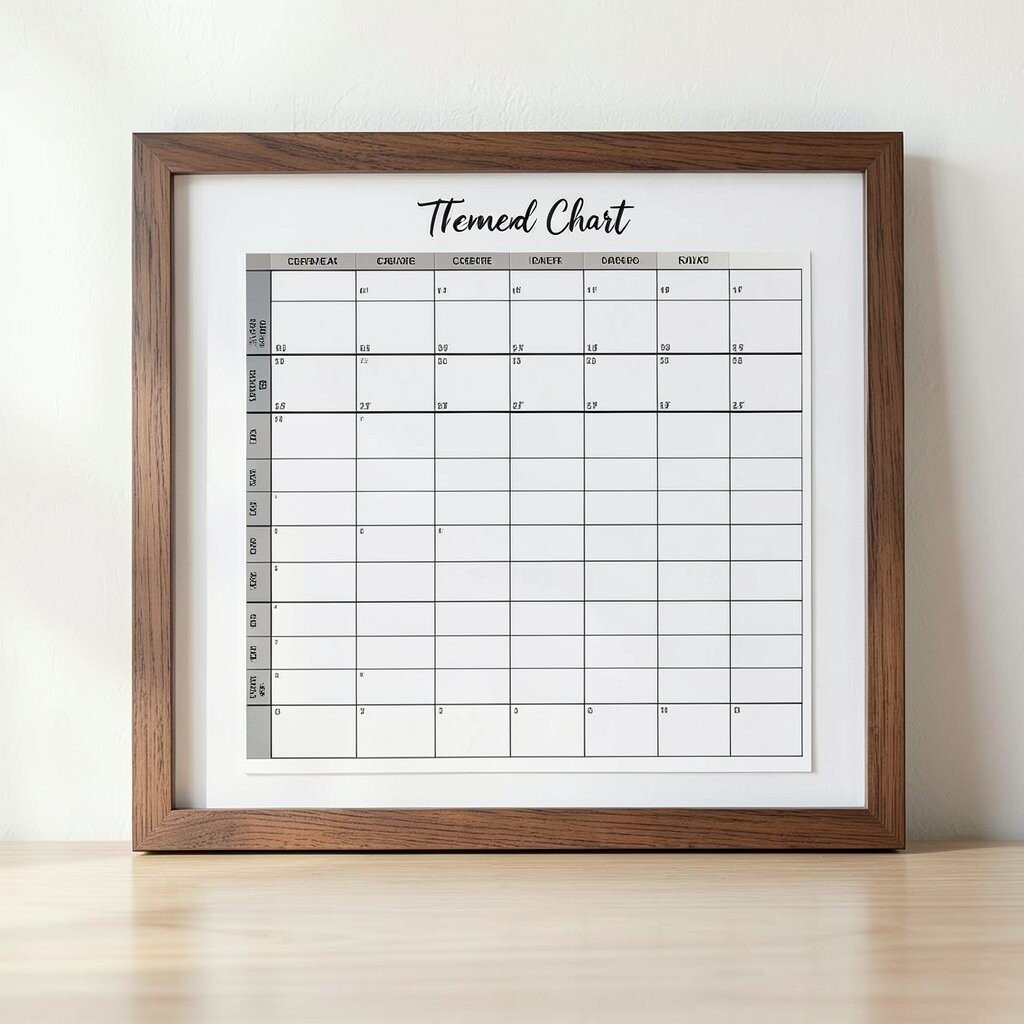
A themed board turns behavior management into part of the room decor. It can look like a rocket ship, a jungle path, a classroom garden, or a mountain climb.
Kids often respond better when the chart feels playful and alive, not plain and boring. You can make it personal by matching the theme to student interests, and you can keep costs down by using free printable borders and recycled poster board.
This idea also stands out because the chart becomes something visitors notice right away. A strong theme can make routines easier to remember, especially when the visual story matches the behavior steps.
4. Keep the Middle Levels Neutral and Calm
A chart with soft middle colors can help students feel safe as they work through their day. The board looks less harsh when the center spots are gentle instead of loud.
This can reduce stress for children who worry about getting moved down, since the chart does not feel like a big punishment display. You can make it feel more personal by using peaceful names like Ready to Learn or Focused and Friendly, and a simple printed version keeps the cost low.
5. Pair the Chart with Classroom Jobs
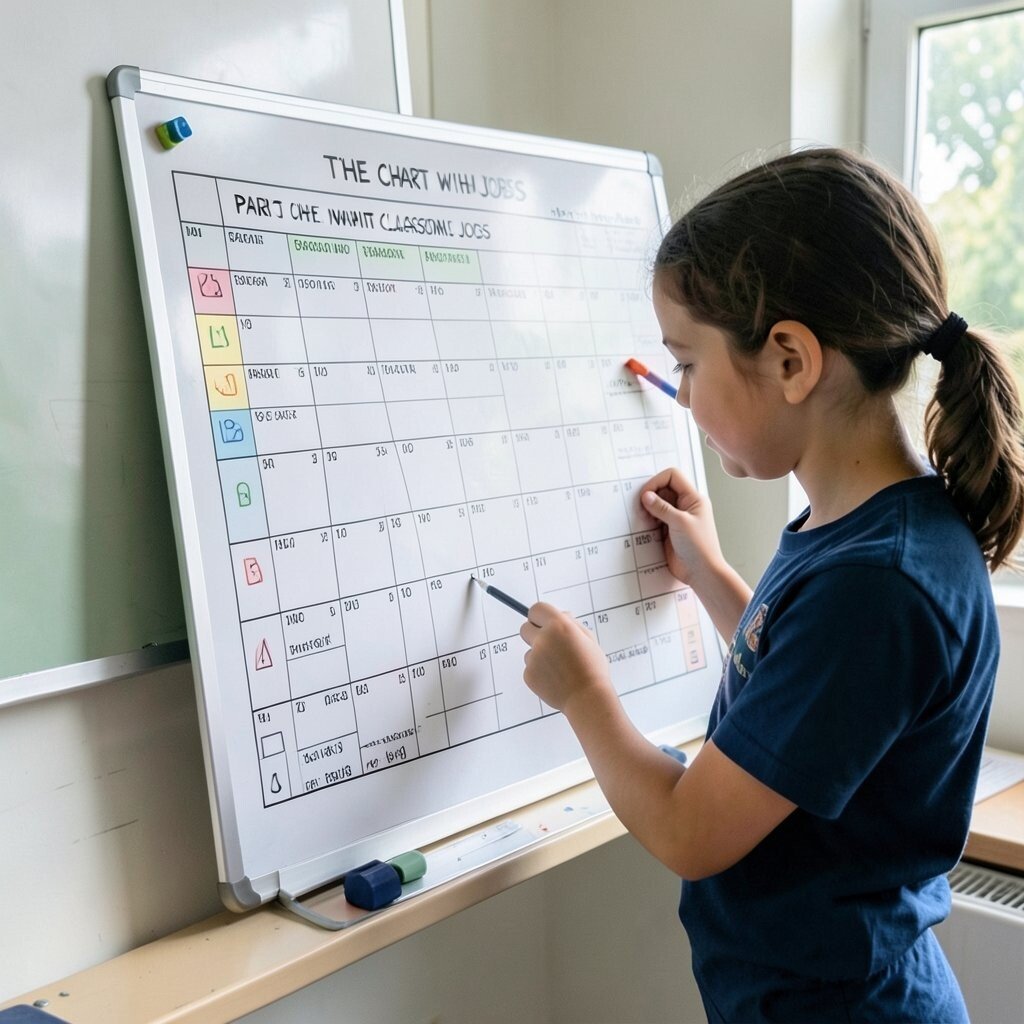
When clip chart levels connect to classroom jobs, the whole system feels more useful. The board becomes a living part of the room rather than just wall decor.
Students may work harder when higher levels unlock small responsibilities like line leader, light helper, or board cleaner. You can make the system unique by matching jobs to class needs, and the visual appeal gets even better if the job cards use the same colors and fonts as the chart.
This also saves money because rewards do not always need to be toys or treats. With careful planning, the chart can support behavior and classroom routines at the same time, which is a very practical trend in many modern classrooms.
6. Use a Pocket Chart Style for Easy Swaps
A pocket chart style gives the room a clean and flexible feel. It looks neat because every student card has a clear spot that can be changed in seconds.
This format is helpful when you want a quick setup that works for different grade levels. You can personalize the pockets with labels, photos, or mini icons, and it often costs less than buying a fancy store-made board.
Many teachers like this choice because it is simple to update for class changes or new behavior goals. The current trend toward reusable classroom tools makes this a smart and lasting option.
7. Let Students Clip Up with Praise
Moving up on the chart can feel exciting when students earn it through kind words or focused work. The upward motion gives the room a hopeful energy.
This approach helps kids notice that good choices are seen right away, which can build confidence and better habits. You can make the experience personal by allowing students to earn clips for different strengths, like kindness, teamwork, or effort, and a homemade chart keeps the cost very small.
The visual payoff matters too, since students love seeing their name rise higher on a colorful board. A praise-based system is a popular trend because it supports positive behavior without making the classroom feel tense.
8. Add Small Icons for Behavior Goals
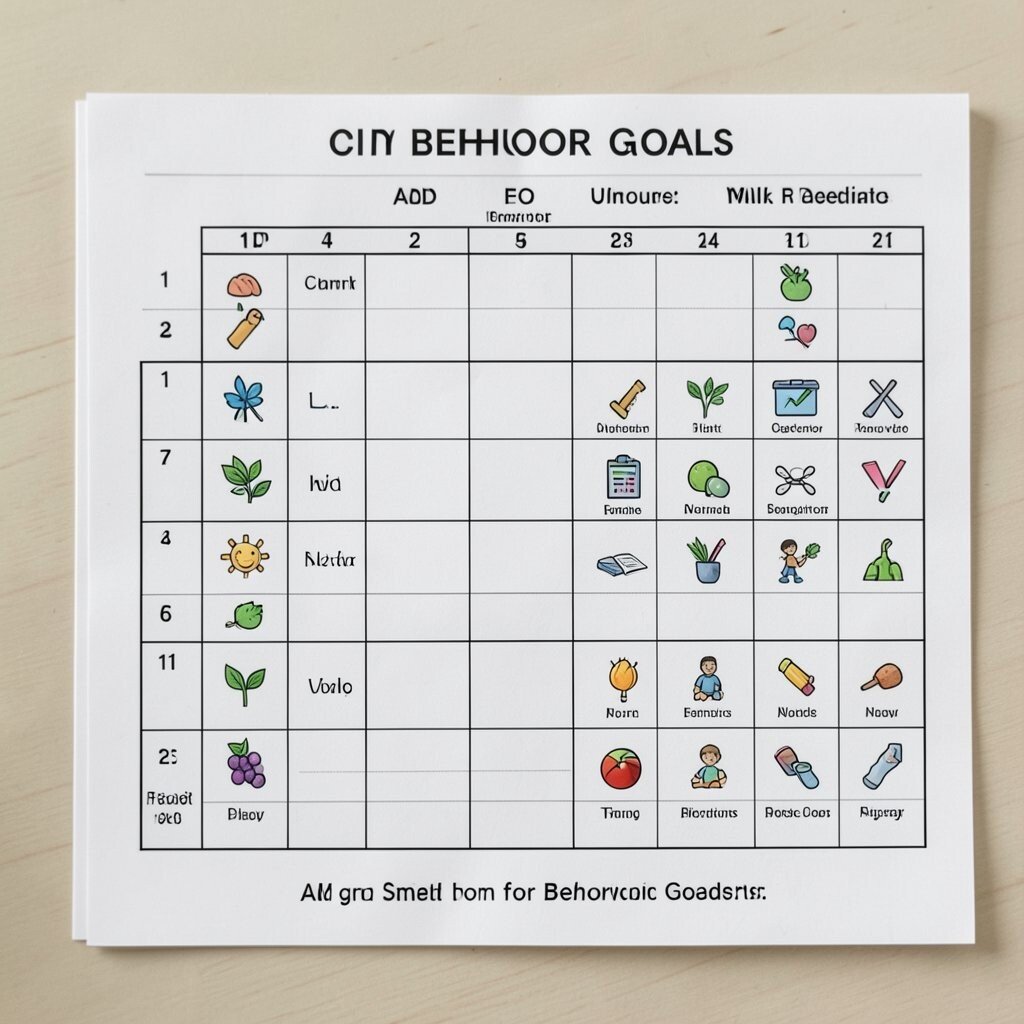
Little icons can make a clip chart easier to understand at a glance. A star, heart, book, or hand signal can say a lot without many words.
This helps especially in younger grades, where symbols can guide students who are still learning to read. You can personalize the icons to match your class rules, and using simple printed shapes keeps the cost low while still giving the chart a polished look.
The board also feels more unique because the symbols tell your classroom story. Many teachers are using visual supports like this now because they work well for all kinds of learners.
9. Make the Chart Interactive with Student Reflection
Some clip charts work best when students think about their choices before they move a clip. The chart then becomes a tool for learning, not just a display.
Kids can pause, look at the colors, and talk about what happened in a calm voice. You can personalize the reflection step with a small card or sentence strip, and it does not need much money if you make it from paper and tape.
This kind of chart can feel more respectful than a fast public move, which many teachers appreciate. It also matches a current trend toward teaching behavior skills instead of only reacting to mistakes.
That extra thinking time can help students feel more in control. A simple, visual reflection routine often leads to better choices the next time they face the same problem.
10. Build in Weekly Reset Days
A weekly reset gives everyone a fresh start and keeps the chart from feeling heavy. The board looks clean again, and students can walk in ready for a new week.
This is helpful because children do not stay stuck on one hard day for too long. You can make the reset feel special with a new background strip, a star sticker, or a quick class cheer, and the cost stays low since the same board is reused.
Teachers often find that this simple rhythm improves mood and keeps behavior systems fair. It also matches the current move toward classroom routines that feel steady and kind.
11. Match the Chart to Seasonal Changes
A clip chart that changes with the seasons keeps the room feeling fresh and exciting. It might show apples in fall, snowflakes in winter, flowers in spring, or suns in summer.
This makes the board more engaging because kids notice the new look right away. You can personalize the seasonal art to fit your class style, and printed decorations are usually cheaper than buying new supplies every month.
The uniqueness of a changing chart can help students stay interested in the routine all year long. Seasonal designs are also very popular in classrooms because they bring color and fun without changing the behavior rules.
When the chart changes, the room feels new without causing confusion. That balance of fresh visuals and steady expectations is one reason many teachers enjoy this approach.
12. Tie the Chart to Class Rewards
A clip chart can work beautifully when it connects to simple class rewards. The reward does not need to be big, just meaningful enough to matter to children.
For example, students might earn extra read-aloud time, a game minute, or a class compliment when the group keeps most clips high. You can personalize the reward menu to fit your students, and low-cost rewards are a strong choice for teachers who want to save money.
The chart also becomes more visually exciting when students can see how close they are to a goal. Many schools like this direction because it keeps motivation positive and easy to manage.
13. Make a Travel-Friendly Mini Clip Chart
A smaller clip chart can be great for teachers who move between rooms or want a compact desk version. It still gives the same clear visual support in a tighter space.
This idea is useful because it works for tutoring, homeschool, intervention groups, or substitute days. You can personalize it with a clipboard, a small foldable board, or mini cards, and the cost stays friendly because it only needs a few basic materials.
The small size is also unique since it feels less formal and more flexible. As more classrooms use portable tools, this kind of chart fits right into the trend of simple, ready-to-go systems.
Even with less space, the chart can still be bold and easy to read. A tidy mini setup can help students focus on the routine without adding clutter.
14. Invite Students to Help Design the Chart
When students help build the chart, they care more about using it well. The board becomes something they helped create, which gives it extra meaning.
You can ask for color ideas, theme choices, or small drawings that match the classroom rules. This makes the chart more personal and unique, and it can save money because student art adds charm without extra store-bought decoration.
The finished display often looks lively and full of personality. A student-made clip chart also feels modern because many teachers are looking for ways to give children more voice in classroom routines.
That sense of ownership can lead to stronger behavior and more pride in the room. When kids see their own ideas on the wall, they are often more willing to follow the system and keep the classroom running smoothly.