Bay windows can make a room feel bright and special. Yet a few small design slips can make them look awkward instead of charming.
1. Ignoring the Shape of the Bay
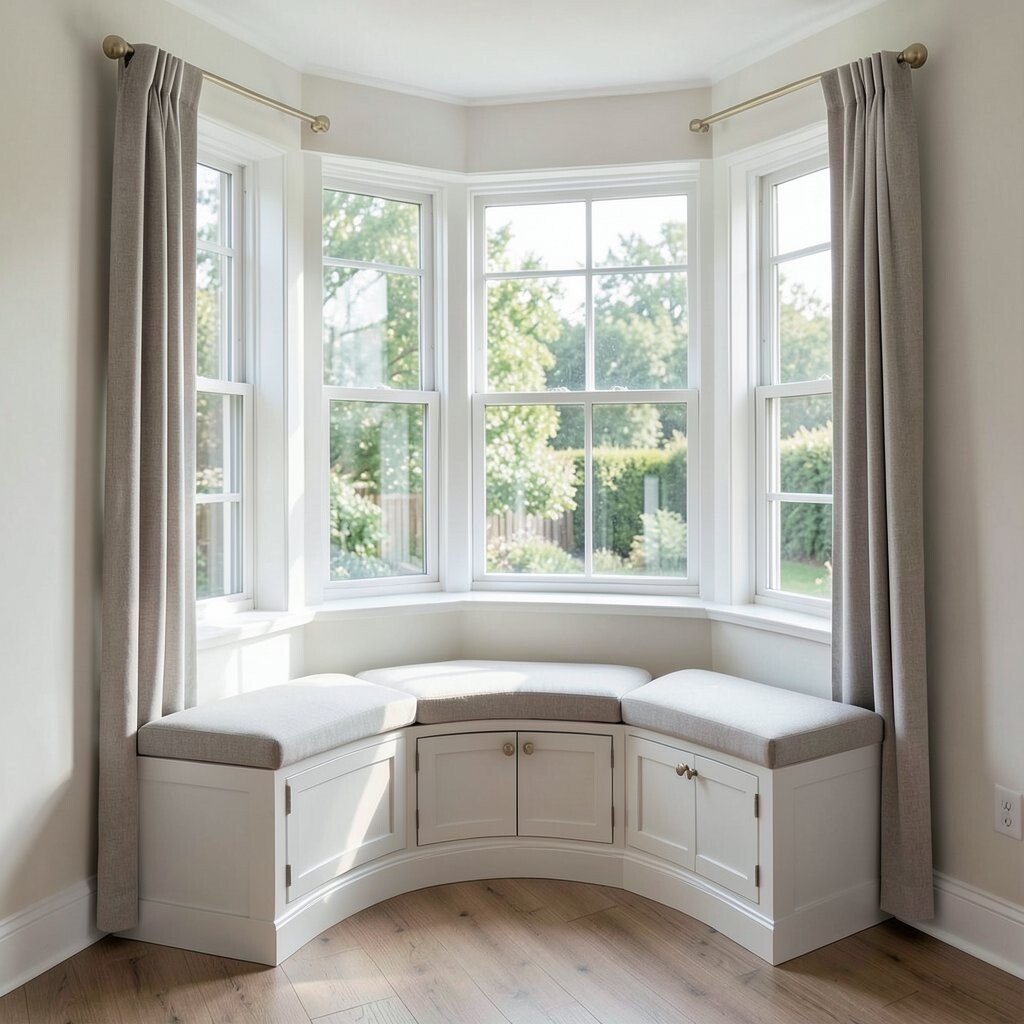
A bay window has its own strong shape, and that shape should lead the design. If the seat, curtains, or trim fight the angles, the whole spot can feel clumsy.
Use the window’s lines as your guide and keep the look clean. A built-in bench that follows the curve or corners can add charm, comfort, and extra storage. This also helps the space feel custom, which often looks more high-end without a huge cost.
2. Choosing Curtains That Are Too Heavy
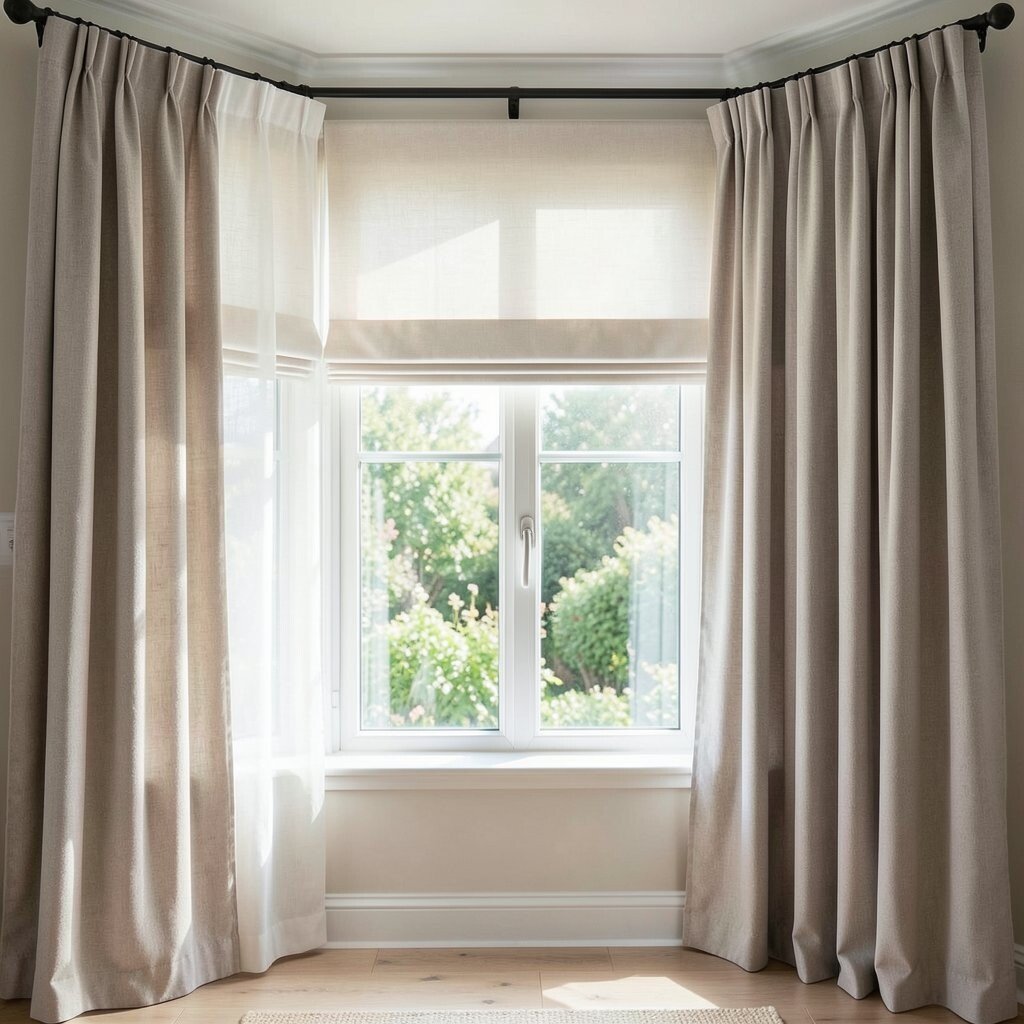
Thick drapes can hide the pretty frame and make the bay feel smaller. They may also block the sunlight that makes this feature so lovely.
Light panels, Roman shades, or soft sheers can keep the view open and fresh. These choices feel airy and fit many current styles, from simple modern rooms to cozy cottage spaces.
If you want more privacy, mix sheer layers with a shade so you can adjust the light. That gives you flexibility without making the window look crowded. It also keeps fabric costs in check because you may need less material than with full drapes.
3. Forgetting About the View Outside
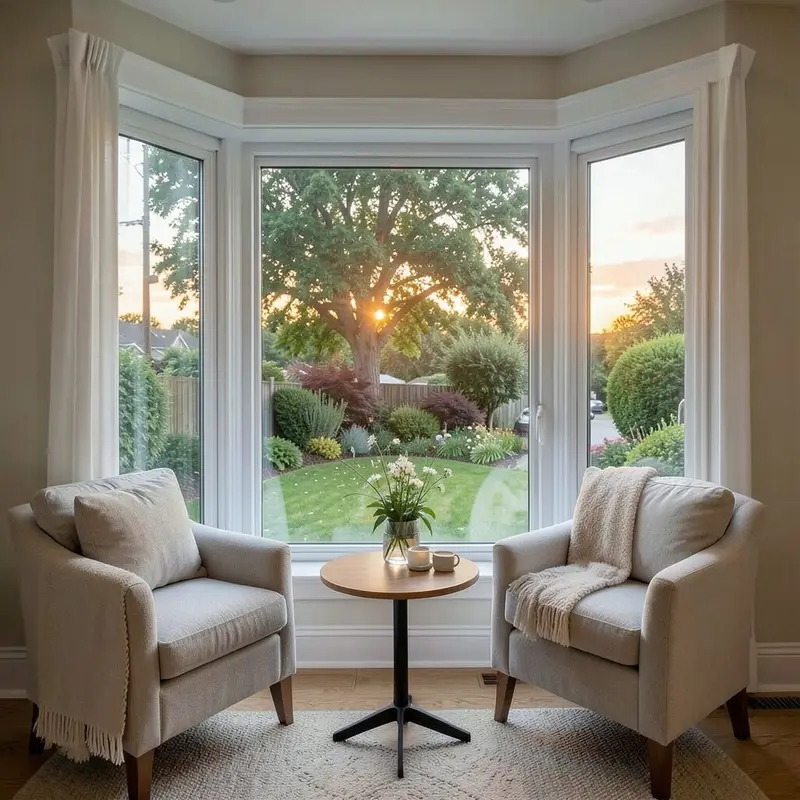
A bay window is often the best spot in the room, so the view matters a lot. If the area outside is cluttered, the whole feature can lose its magic.
Trim back overgrown plants and keep the outside view neat. A clean sightline makes the room feel bigger and calmer.
You can also place the seating to face the best angle, like a garden, street tree, or sunset. This simple choice makes the bay feel personal and inviting. It costs little, but the payoff can be huge.
4. Making the Seating Too Deep or Too Shallow

A bay window seat should feel easy to use, not awkward. If it is too deep, people may not sit comfortably, and if it is too shallow, it may feel useless.
Measure the space before building or buying anything. A well-sized seat can become a favorite reading nook, breakfast spot, or quiet place to rest.
Add cushions that match the seat depth so the look feels complete. You can also personalize the area with pillows in colors that echo the room. Smart sizing saves money because it prevents costly fixes later.
5. Using Too Many Patterns at Once
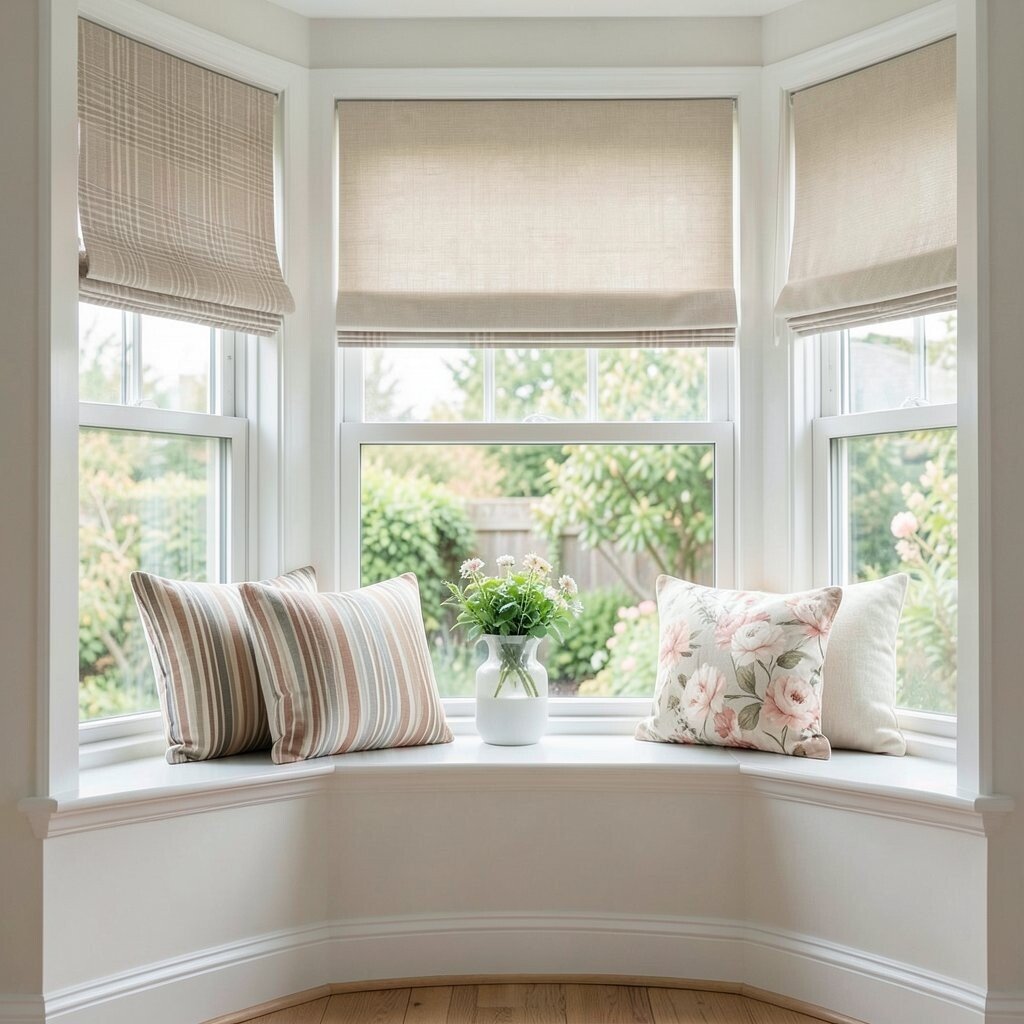
Bay windows already draw the eye, so busy prints can make them feel loud. Too many patterns can also hide the lovely shape that makes the window unique.
Pick one main pattern and keep the rest simple. A striped cushion, a plain shade, or a soft floral can work well together when the colors stay calm.
This is a good place to follow current trends with restraint, like soft earth tones or gentle checks. Those styles can feel fresh without taking over the room. If you want a bolder look, add it in a small pillow instead of on every surface.
6. Blocking the Window with Oversized Furniture
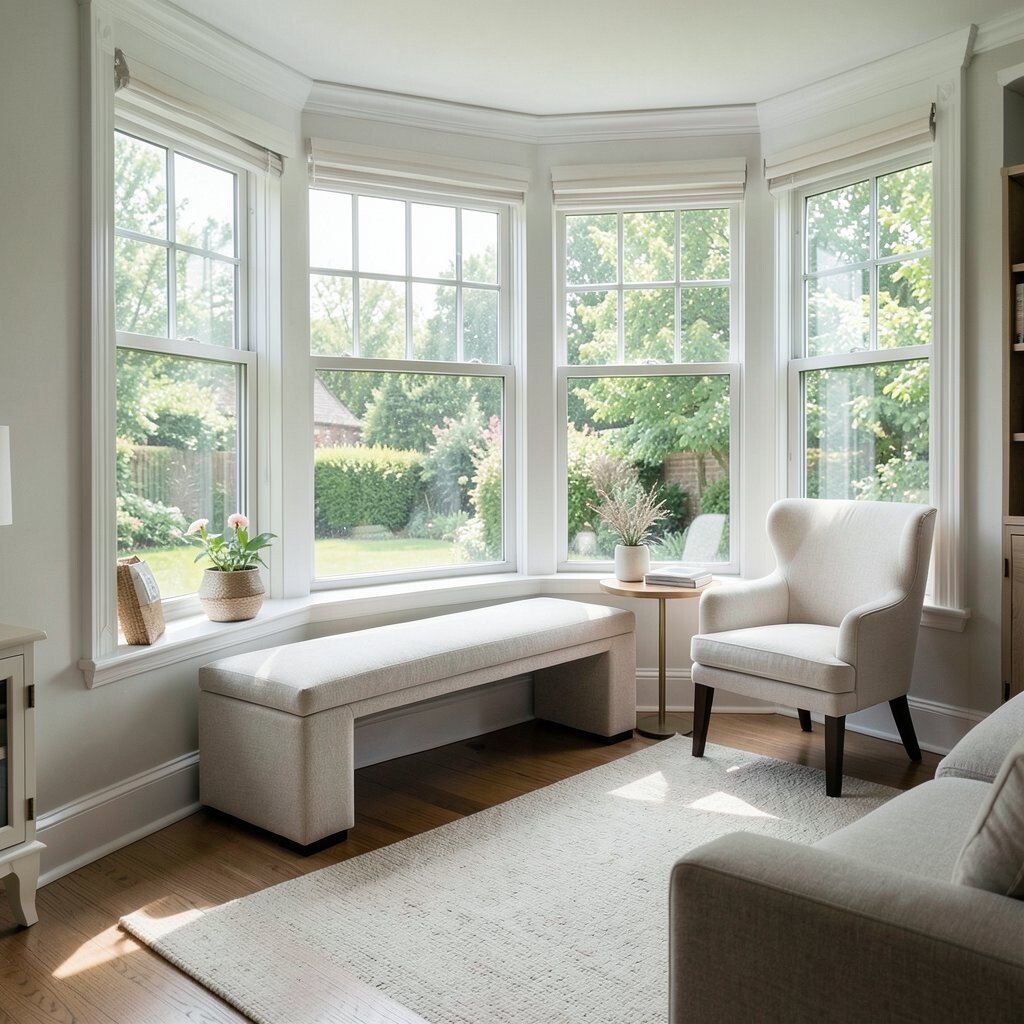
Big furniture near a bay window can steal light and make the room feel stuffed. It can also hide the pretty angles that give the bay its charm.
Keep tall chairs, heavy cabinets, and bulky sofas away from the glass if possible. A lower bench, small table, or light chair often works better.
Open space around the bay helps the room breathe and makes the window look larger. That can also improve the feel of the whole room without a big remodel. If you need storage, choose pieces that tuck neatly under the seat or to the side.
7. Skipping Built-In Storage

A bay window can do more than just look nice. If you ignore storage, you miss a smart chance to use every inch well.
Built-in drawers or lift-up benches can hold blankets, books, or games. This keeps clutter out of sight and makes the room feel neat and calm.
Storage benches can cost more at first, but they often replace other furniture pieces. That can make them a smart buy over time. For a personal touch, label baskets or line drawers with a fabric that matches your room.
8. Forgetting the Floor Around the Bay
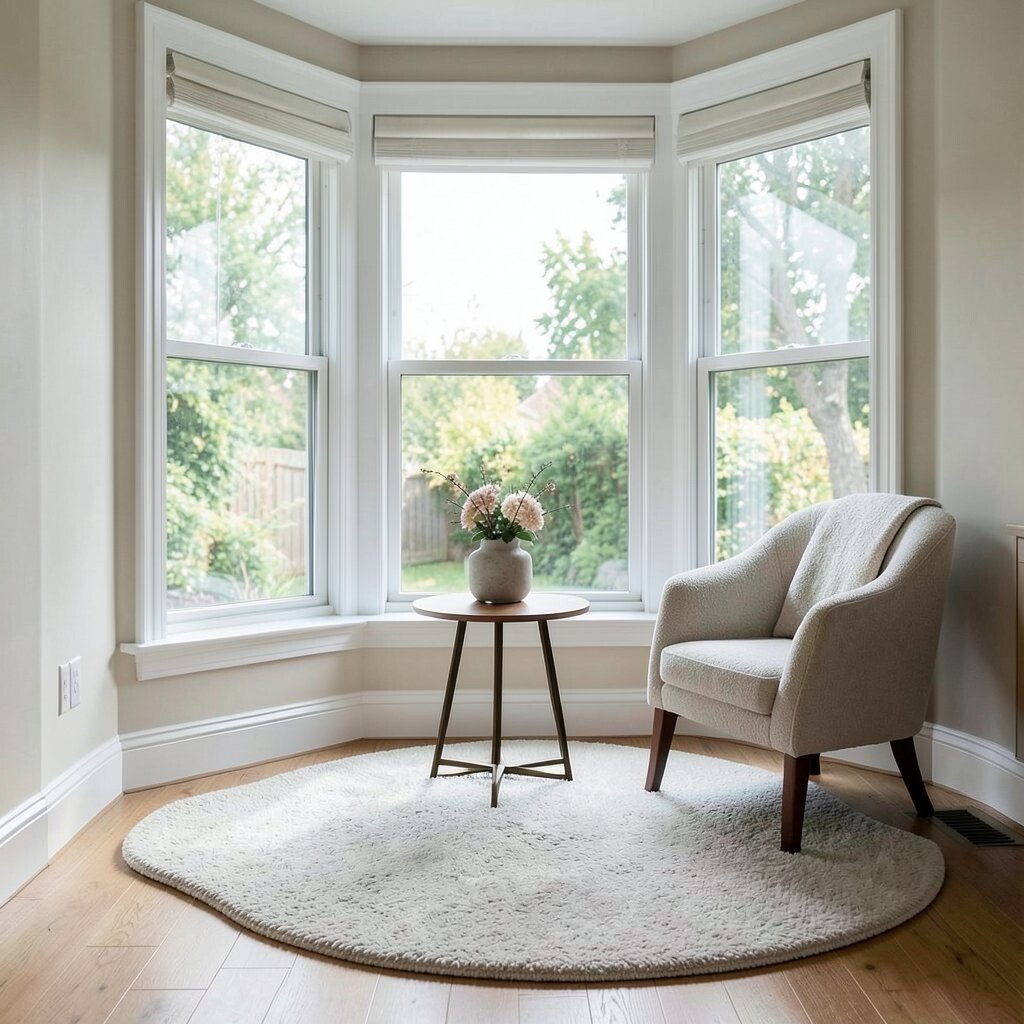
The floor around a bay window matters more than many people think. A bare or awkward floor area can make the whole spot feel unfinished.
Use a rug, a small round table, or a cozy chair to help the window feel like a real part of the room. The floor should support the bay, not fight it.
Choose a rug shape that follows the curve or angle of the window for a polished look. This can make the area feel custom and stylish. It also helps define the space without expensive changes to the window itself.
9. Picking Colors That Clash with the Room
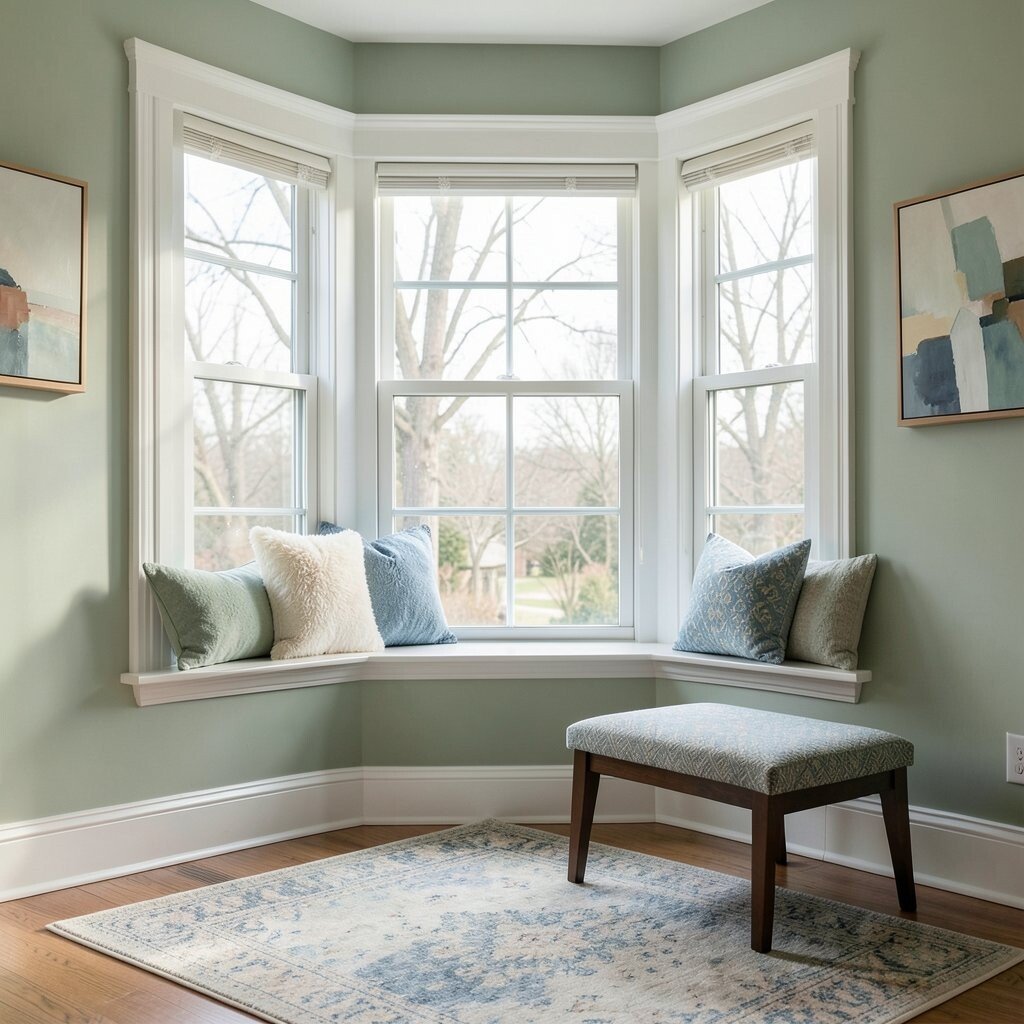
Color can make a bay window feel warm and inviting, or cold and out of place. A mismatch can break the flow of the whole room.
Try to repeat colors already used in the walls, rug, or art. This makes the bay feel like part of the home instead of a separate piece.
Soft greens, warm whites, and dusty blues are popular because they feel calm and easy to live with. You can still add your own style with trim paint, cushions, or a small bench pad. Color choices are a simple way to improve the look without spending a lot.
10. Overlooking Privacy Needs
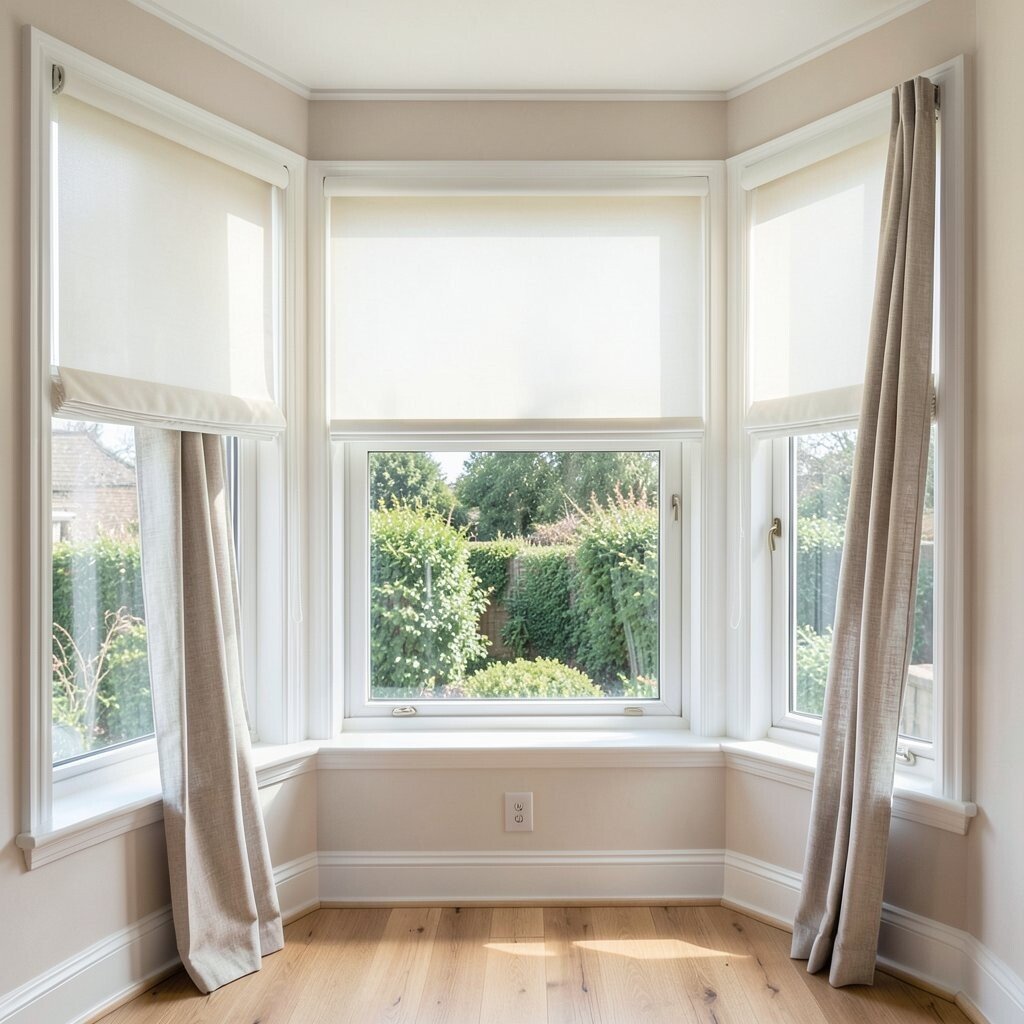
Bay windows often bring in lots of light, but that can also mean less privacy. If you ignore this, the space may feel exposed and hard to enjoy.
Use top-down shades, frosted film, or layered curtains to control the view from outside. These options help you feel safe while keeping the room bright.
Privacy can be stylish, too, so you do not need to hide the window behind heavy fabric. Light layers and smart placement can keep the design open. That balance is one of the best parts of a well-planned bay window.
11. Leaving the Bay Window Bare
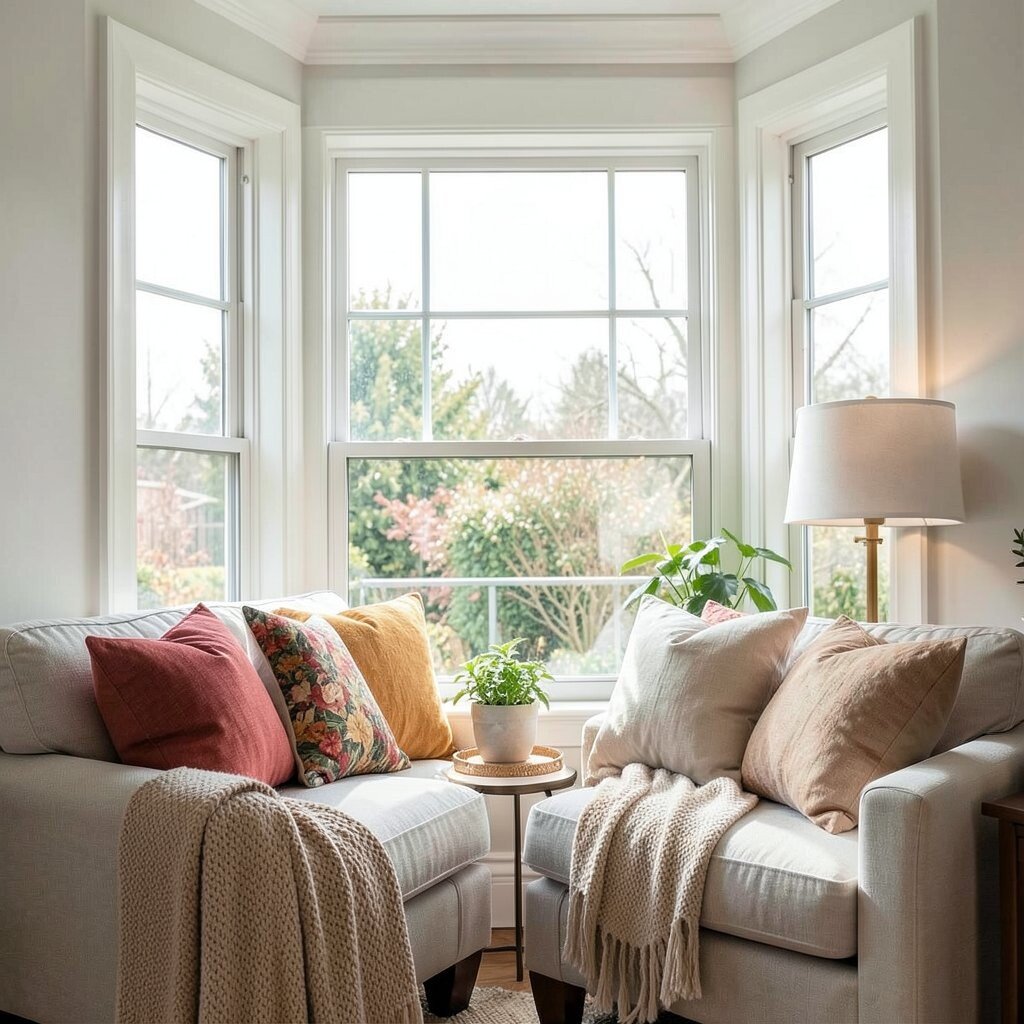
A bare bay window can seem plain, even if the shape is beautiful. Without any soft touches, the spot may feel cold and unfinished.
Add cushions, a throw, plants, or a lamp to give the area life. These small details make the bay feel welcoming and lived in.
You can change the look with the seasons, which is a fun way to keep the room fresh. A few pillows in fall colors or light linen in summer can make a big difference. This kind of styling is affordable and easy to update.
12. Using the Wrong Lighting
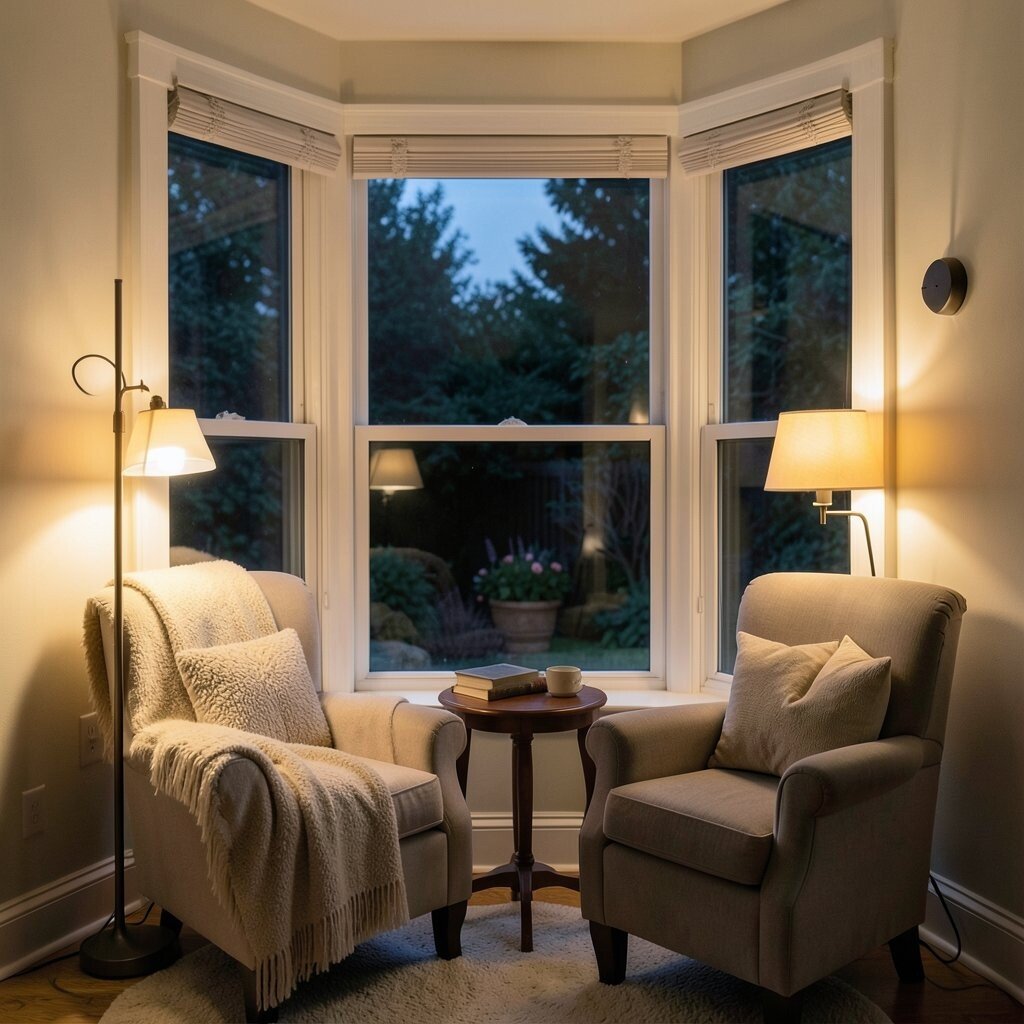
Natural light is great, but a bay window still needs good lighting after dark. If the area is too dim, the beautiful shape disappears at night.
A small floor lamp, wall sconce, or table lamp can keep the nook useful and cozy. Warm light works especially well because it makes the space feel soft and calm.
Try to place lights so they do not glare in the glass. That keeps the room pleasant and easy on the eyes. A well-lit bay window can become a favorite spot for reading, chatting, or relaxing.
13. Forgetting About Scale and Proportion
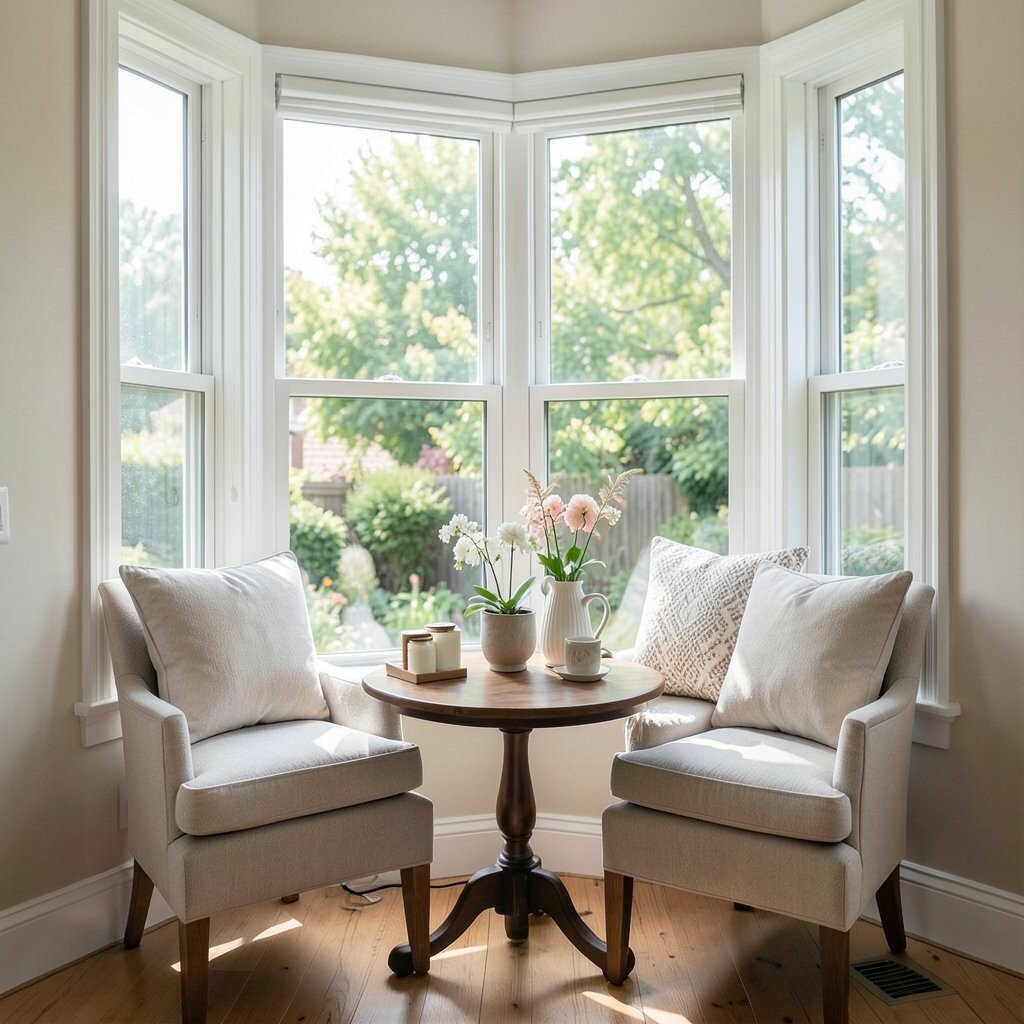
Some decorations look nice on their own but feel wrong in a bay window. Tiny items can get lost, while huge ones can crowd the space.
Match the size of your cushions, table, and decor to the window itself. A balanced look helps the bay feel elegant and easy to enjoy.
This is where custom pieces can shine, since they fit the space better than random store finds. Still, simple items can work well if they are chosen with care. Good scale makes even a modest setup look thoughtful.
14. Not Planning for Daily Use
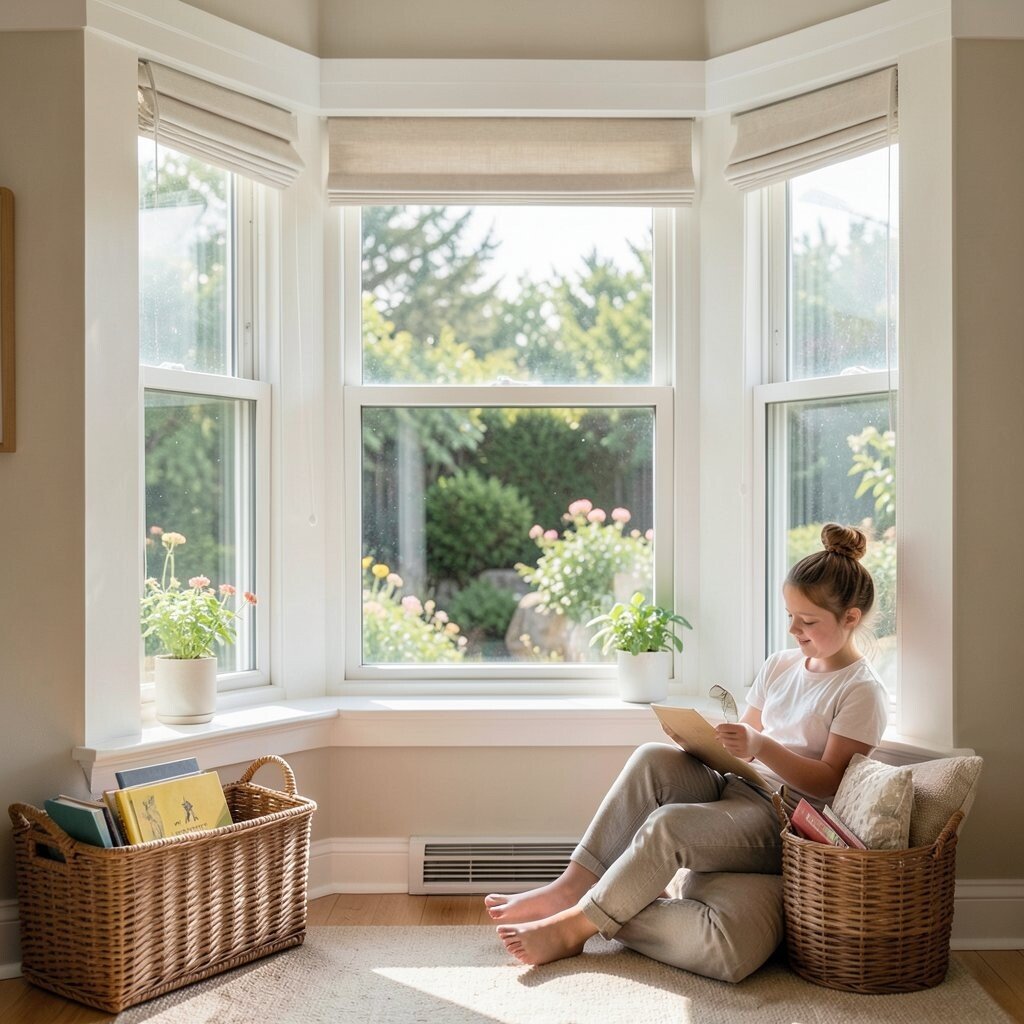
A bay window should look pretty, but it also needs to work in real life. If the design is too delicate or hard to clean, people may avoid using it.
Choose fabrics that can handle sun, dust, and regular sitting. Easy-care materials make the space more practical for busy homes.
Think about how the area will be used each day, from morning coffee to homework time. Personal touches like a book basket or a tray can make it more useful. Practical design often saves money because it lasts longer and needs less upkeep.
15. Following Trends Without Thinking Ahead
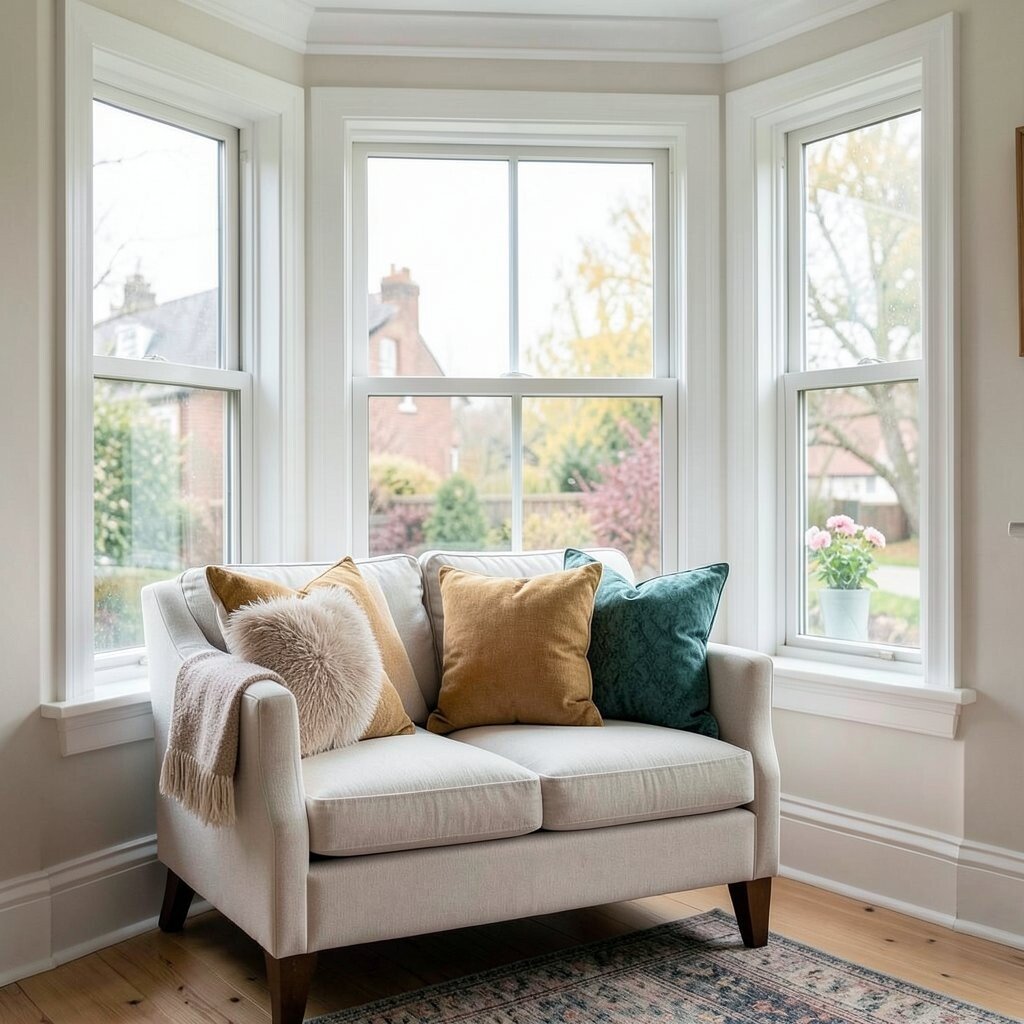
Trendy details can look fun now, but some choices age fast. If the bay window design is too tied to one passing style, it may feel old before long.
Mix current trends with classic pieces so the space stays fresh longer. A timeless seat, simple trim, and easy-to-swap pillows can keep the look flexible.
This approach lets you update the bay with small changes instead of big ones. You can swap colors, art, or fabric as your taste changes. That keeps the window unique while protecting your budget over time.