Glass doors look clean and bright. They can also cause big headaches when people make simple mistakes.
1. Choosing the Wrong Glass Type
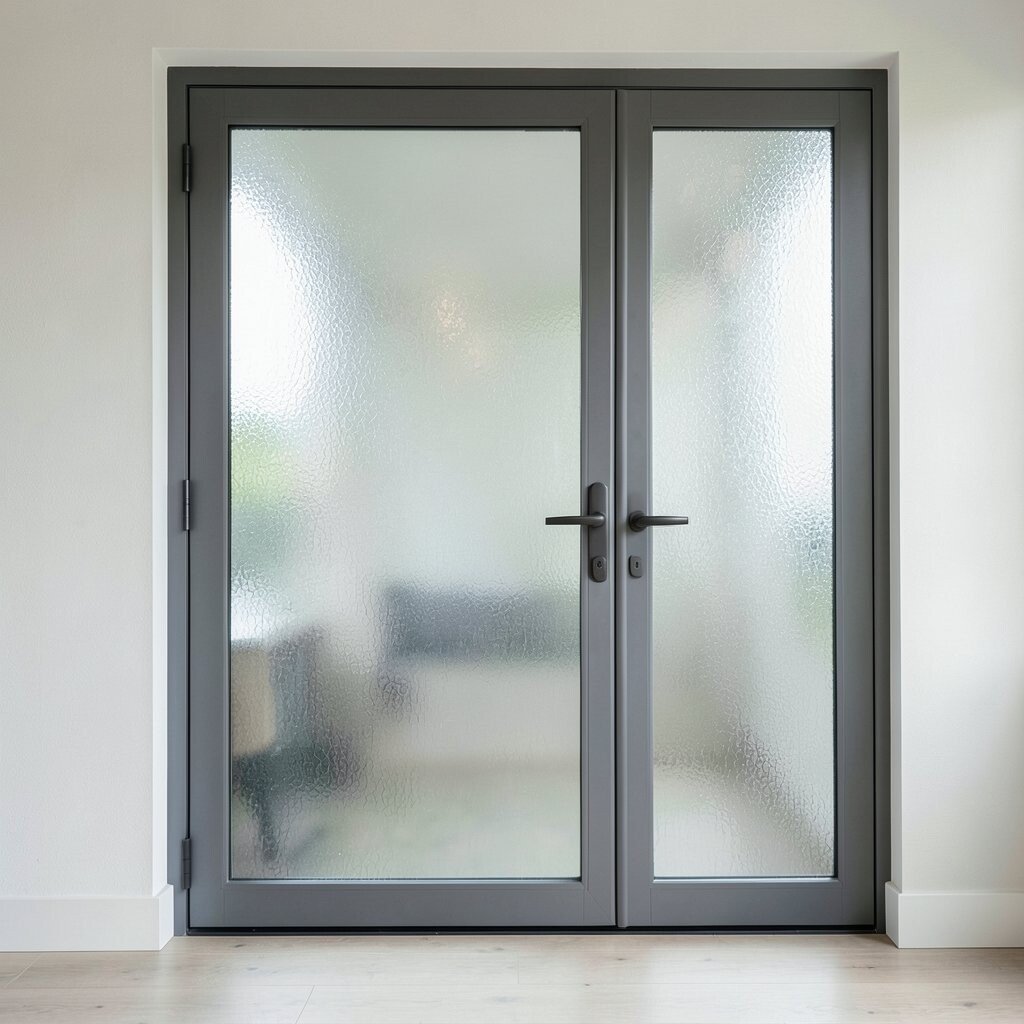
Not all glass doors are built the same, and that is where trouble often starts. A thin panel may look sleek, but it can feel weak and unsafe in daily use.
Tempered glass is a smart pick for many homes because it is stronger and breaks in a safer way. Laminated glass can add extra security and help with sound control, which is great for busy spaces. If you want a custom feel, you can also choose frosted, tinted, or patterned glass to match your style and privacy needs.
2. Ignoring Privacy Needs
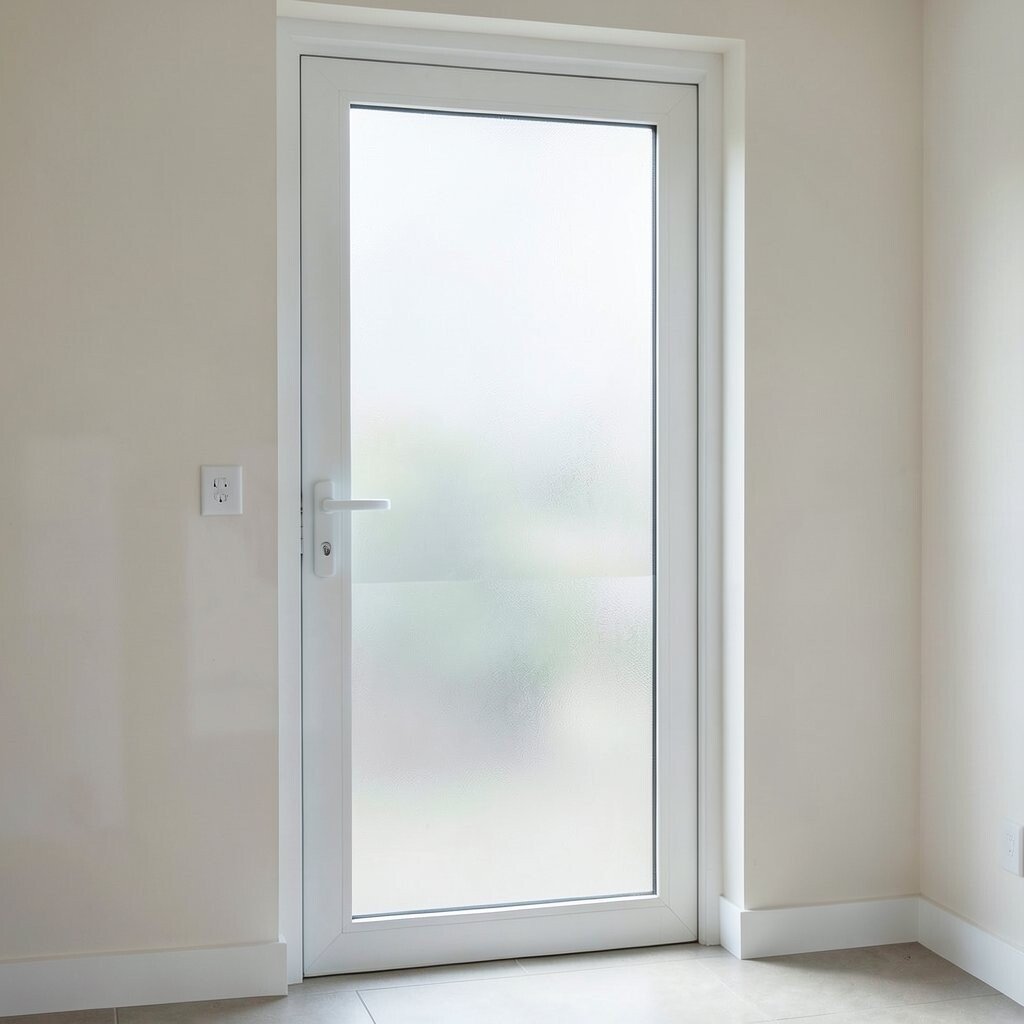
A clear glass door can make a room feel open and airy. It can also make people feel exposed if the door faces a street, hallway, or neighbor’s window.
Frosted film, etched designs, and textured glass can give privacy without losing the light. These options often cost less than replacing the whole door, which makes them a practical upgrade. Many people also like partial frosting or a simple band design because it feels modern and personal.
Think about how the space is used before you buy. A bathroom, office, or bedroom may need more privacy than a patio entrance. The best choice will balance comfort, beauty, and the way the room is used every day.
3. Skipping Proper Measurements
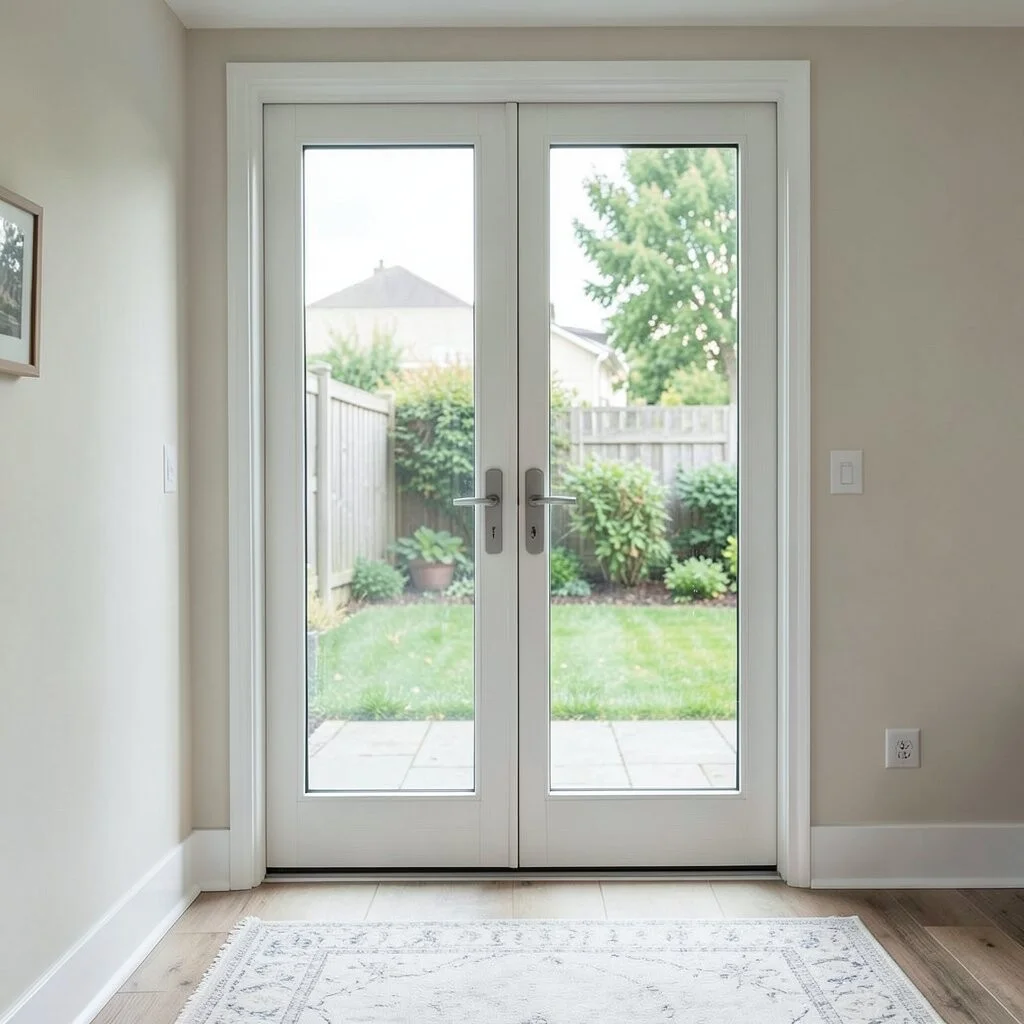
Glass doors need careful measuring because even a small error can cause a big fit problem. A door that is too wide, too tall, or out of square can look awkward and may not close right.
Measure the opening more than once and check the frame from top to bottom. If you are ordering a custom door, ask the supplier what exact numbers they need. This step may cost a little more in time, but it can save a lot of money and stress later.
Many homeowners forget to measure for hardware, trim, and floor changes too. A new rug or tile layer can affect the final fit. When the numbers are right, the door looks polished and works smoothly.
4. Forgetting About Safety Glass
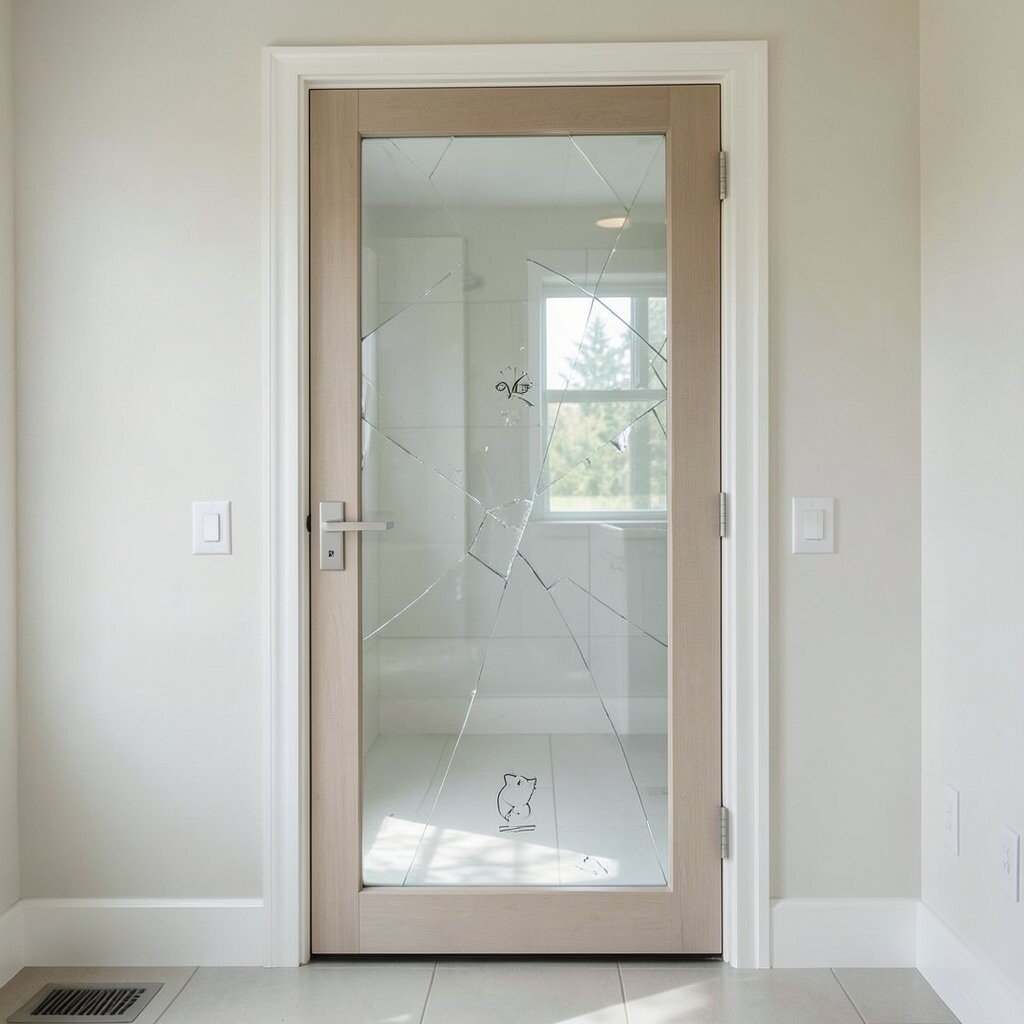
Plain glass in a door can be risky if it breaks. That risk gets even bigger in homes with children, pets, or heavy foot traffic.
Safety glass helps lower the chance of sharp, dangerous shards. It is a wise choice for entry doors, shower doors, and any spot where bumps can happen. You can also add decals or small visual markers so people do not walk into the glass by mistake.
5. Using the Wrong Hardware
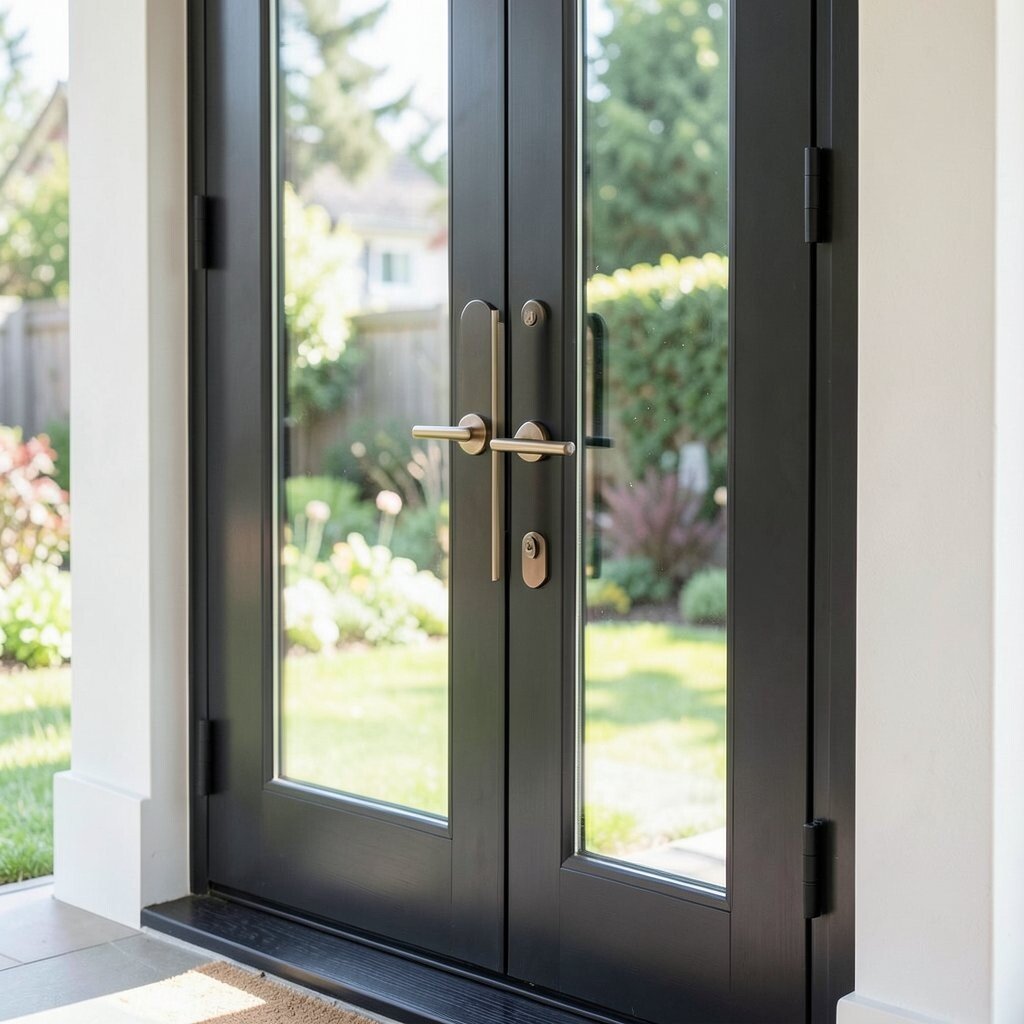
Pretty handles and hinges can make a glass door stand out in a good way. But weak or mismatched hardware can ruin the look and cause the door to sag, rattle, or stick.
Choose hardware that matches the weight and style of the door. Stainless steel, black matte, and brushed finishes are popular right now because they feel clean and modern. If you want a warmer look, brass or bronze can add charm and make the door feel more custom.
Good hardware is not just about style. It also affects how easy the door is to open and close every day. Spending a bit more on strong parts can be worth it because the door will last longer and feel better to use.
6. Overlooking Energy Efficiency
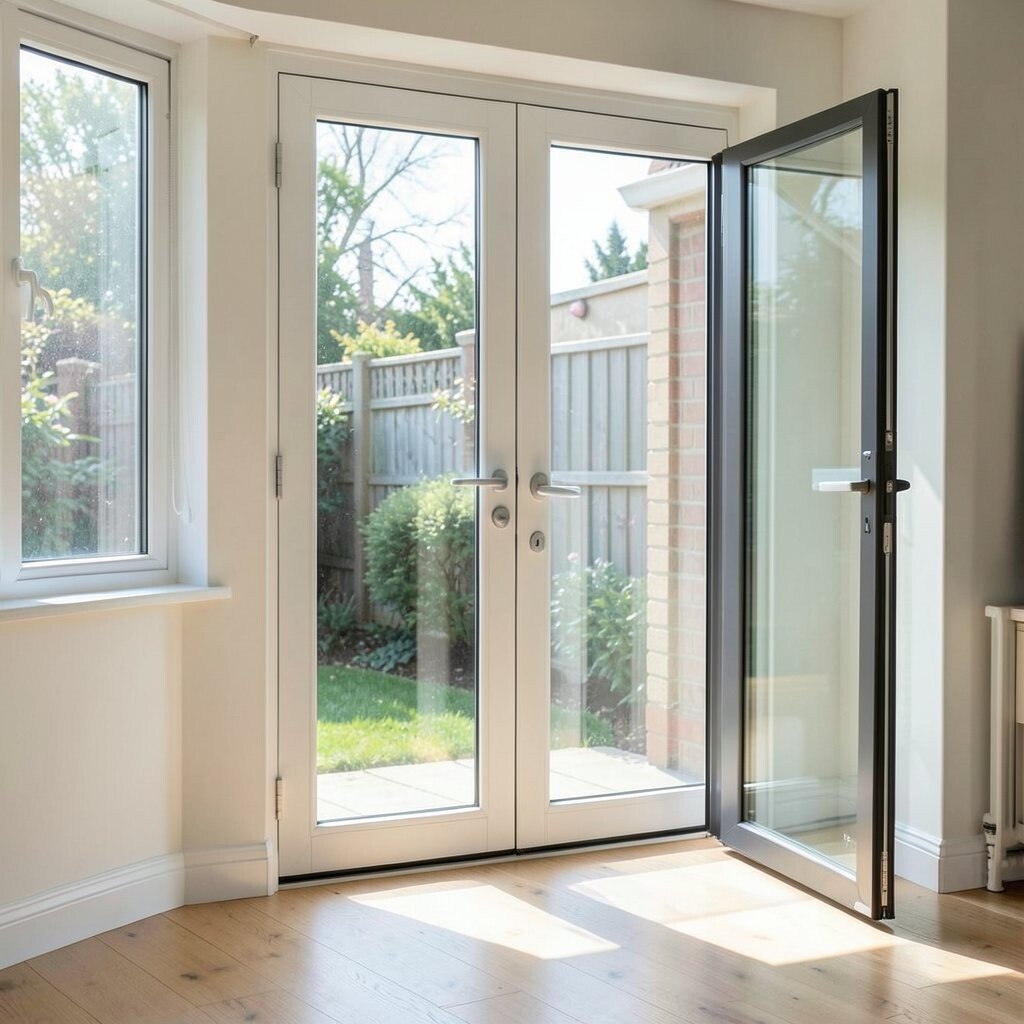
A glass door can let in lovely sunlight, but it can also let heat escape or enter too easily. That can make a room feel too hot in summer and too cold in winter.
Low-E glass, insulated glass, and well-sealed frames can help control temperature. These choices may cost more at first, yet they can lower energy bills over time. Many people now like larger glass surfaces with better performance, so a door can look open without wasting comfort.
Window film, thermal curtains, and good weather stripping can also help. If the door faces strong sun, think about tint or shading. A little planning can make the room feel brighter and more comfortable at the same time.
7. Installing Without Proper Support
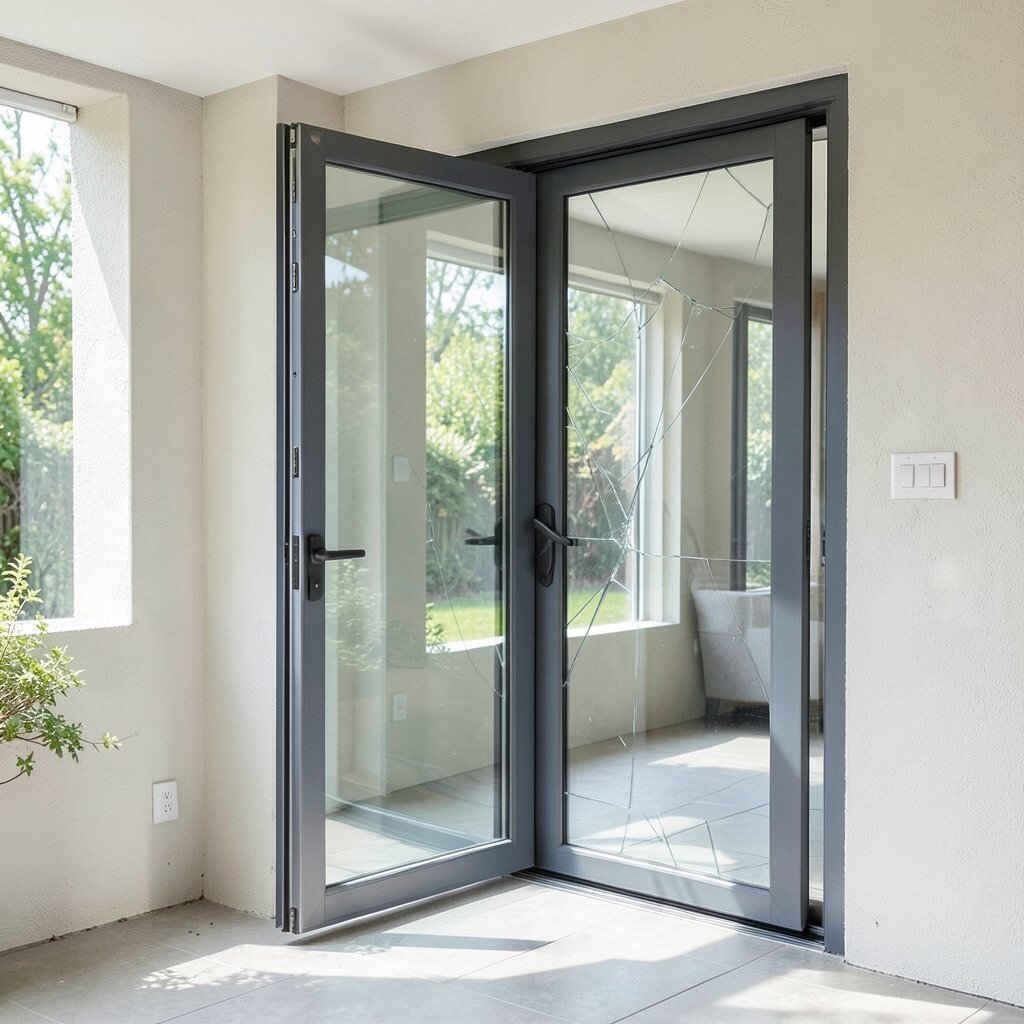
Glass doors are heavy, even when they look light and airy. If the frame or wall support is weak, the door can shift, crack, or stop working well.
Make sure the opening is strong enough for the door system you choose. Sliding doors, pivot doors, and large French-style doors each need different support. A professional installer can check the structure and help avoid costly repair work later.
This is one place where cutting corners can be expensive. A cheap install may seem like a good deal, but a bad fit can lead to repeated fixes. Strong support keeps the door safe and helps it feel smooth every time it opens.
8. Not Planning for Cleaning
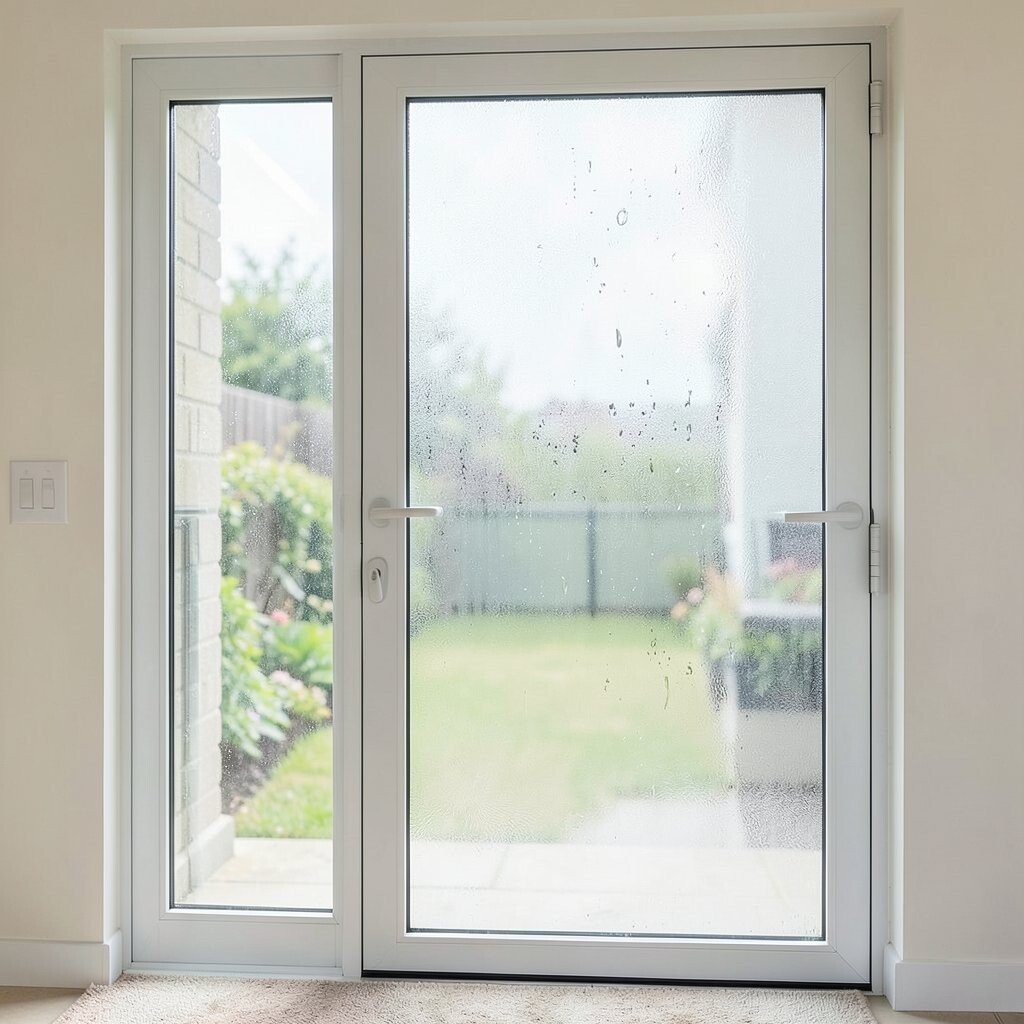
Glass doors show fingerprints, dust, and water spots very fast. That can make a beautiful door look messy if you do not plan for easy cleaning.
Smooth finishes are simple to wipe, while textured glass can hide marks a little better. If you want less upkeep, think about a coating that resists smudges. People who love a crisp, bright look often enjoy glass doors, but they should also be ready for a regular cleaning routine.
Place the door where it makes sense for your lifestyle. A busy entry may need more care than a quiet bedroom corner. Choosing the right finish can save time and keep the door looking fresh.
9. Picking a Style That Fights the Room
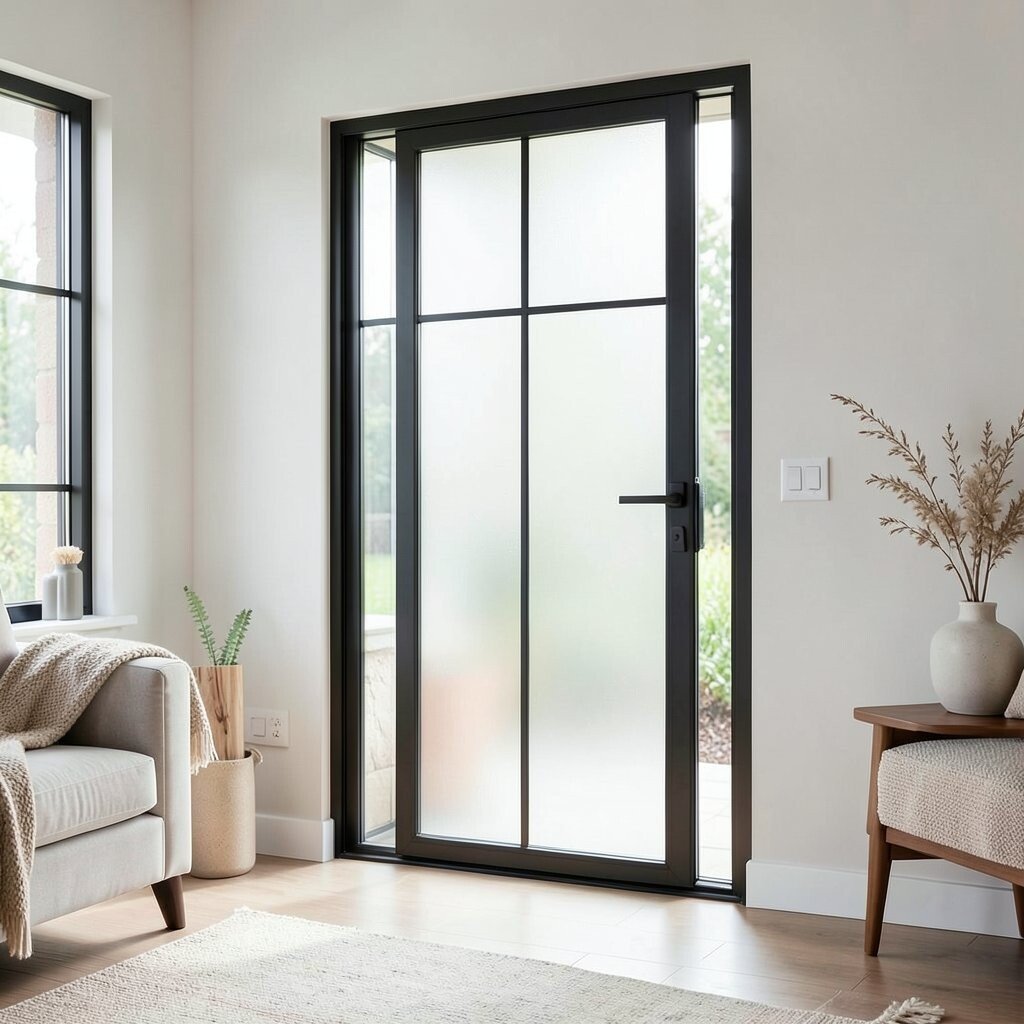
A glass door should fit the space around it, not battle with it. When the style is wrong, the room can feel confused instead of calm.
For a modern room, slim frames and clear lines can look sharp. For a cozy home, divided panes or soft frosted patterns may feel more natural. You can also personalize the look with colored hardware, decorative film, or a frame finish that matches nearby furniture.
Many current trends favor simple shapes, black frames, and light-filled designs. Still, the best door is the one that suits your home and your taste. A good match makes the room feel finished and welcoming.
10. Forgetting About Noise Control
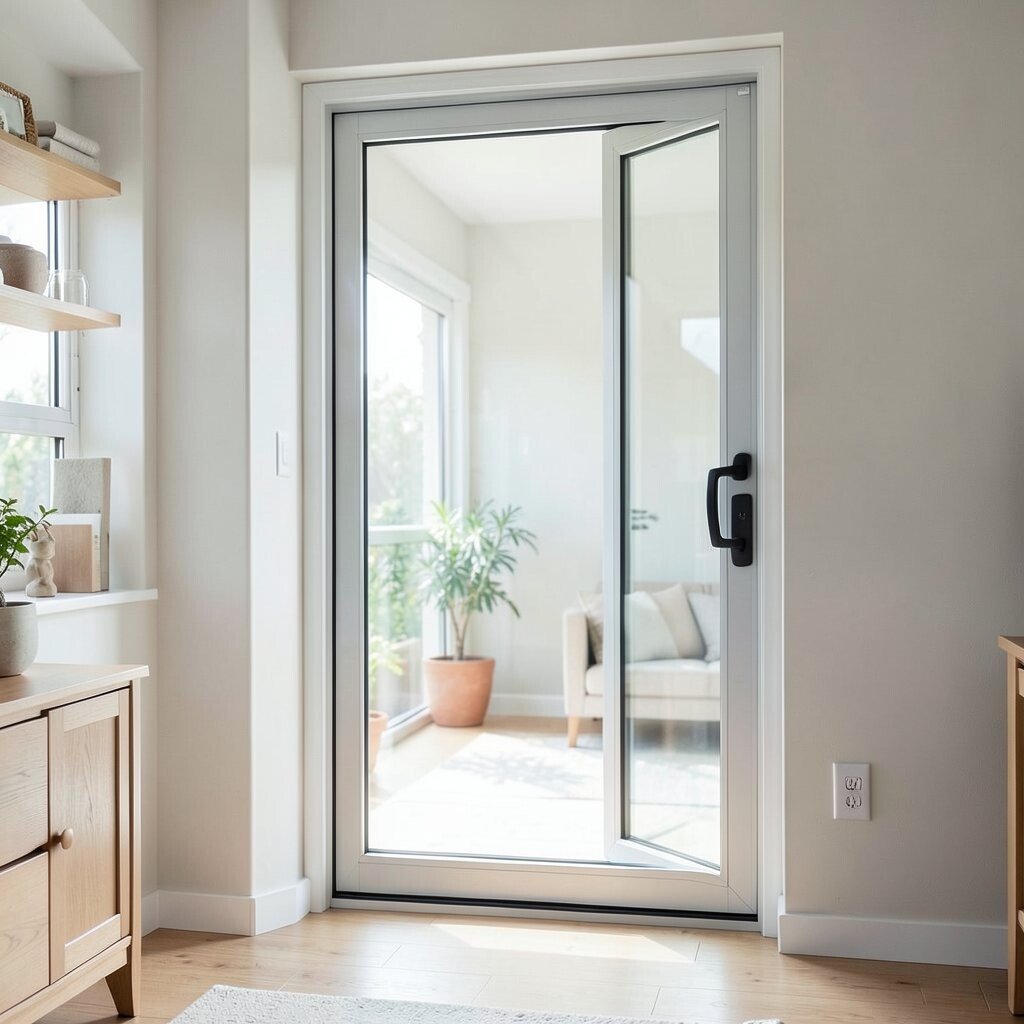
Glass doors can make a space feel open, but they do not always block sound well. That can be a problem if the door is near a home office, nursery, or loud street.
Thicker glass and laminated layers can help soften noise. Seals around the frame matter too, because tiny gaps can let sound slip through. If quiet is important, ask about sound-reducing options before you buy.
This choice may raise the price a bit, but the comfort can be worth it. A calmer room can help people work, rest, and focus better. It is a small detail that can make daily life feel much easier.
11. Using the Wrong Placement
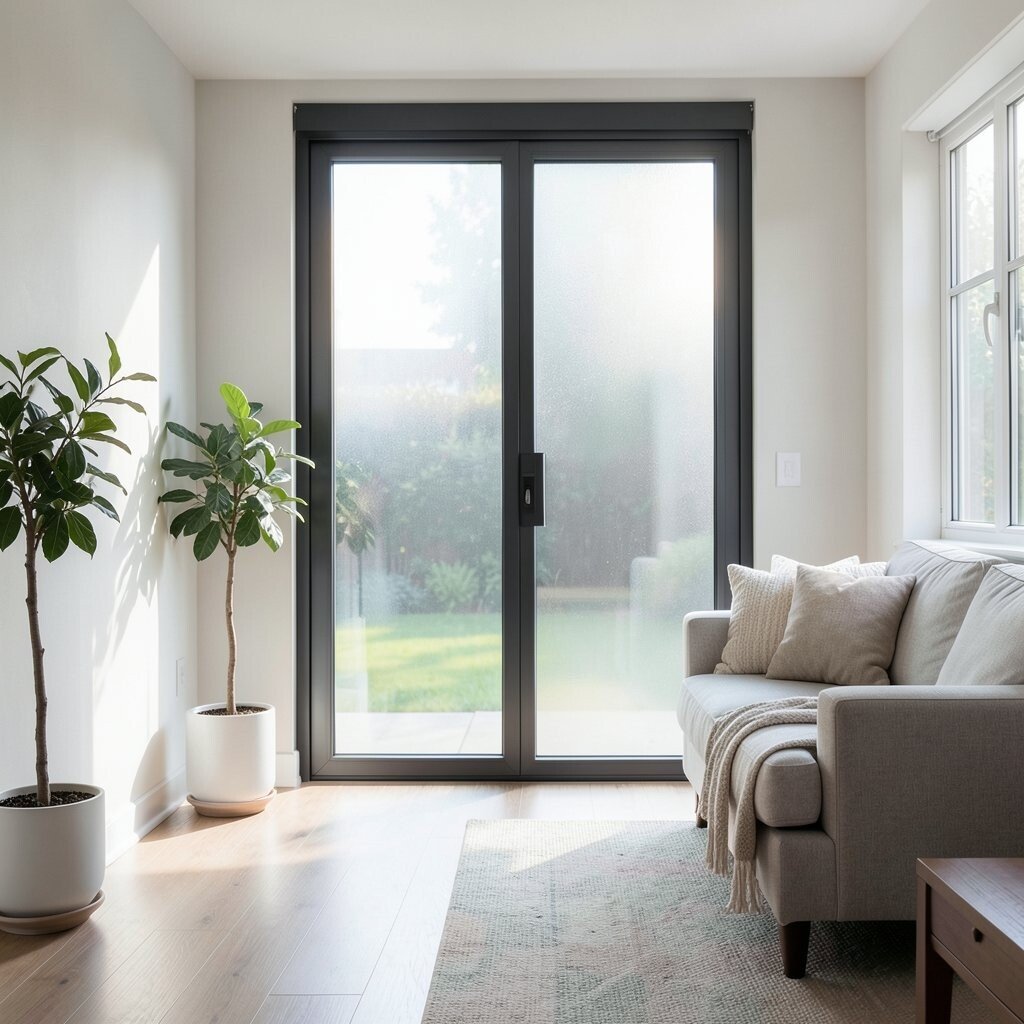
Where a glass door sits in the home changes how it looks and works. A poor spot can cause glare, privacy issues, or awkward traffic flow.
Think about sunlight, furniture, and how people move through the room. A door near a bright window may need tint or frosting to cut glare. A door in a narrow hallway may need a sliding design instead of a swing door to save space.
Placement also affects the mood of the room. A well-placed glass door can make a dark area feel larger and more cheerful. When the location is chosen with care, the door becomes a helpful part of the room instead of a problem.
12. Ignoring Maintenance Over Time
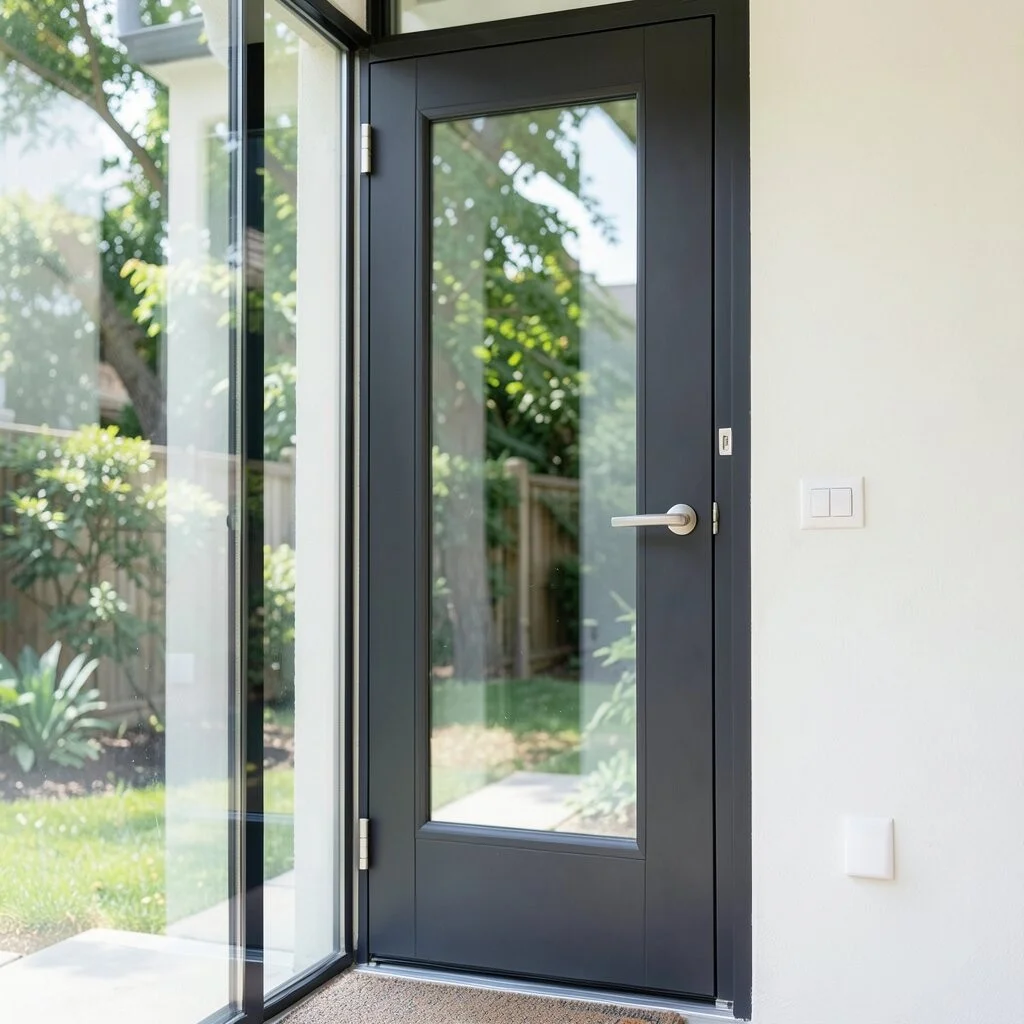
Many people think a glass door will stay beautiful with almost no effort. In truth, small issues can grow if they are left alone.
Check hinges, seals, tracks, and handles now and then. Clean buildup from the edges so the door keeps moving well. If you notice chips, loose parts, or cloudy spots, fix them early before they turn into bigger repairs.
Some doors also need special care based on their finish or coating. That is why it helps to ask the installer or seller for care tips right away. A little attention can protect the look and value of the door for years.
13. Forgetting to Make It Feel Personal
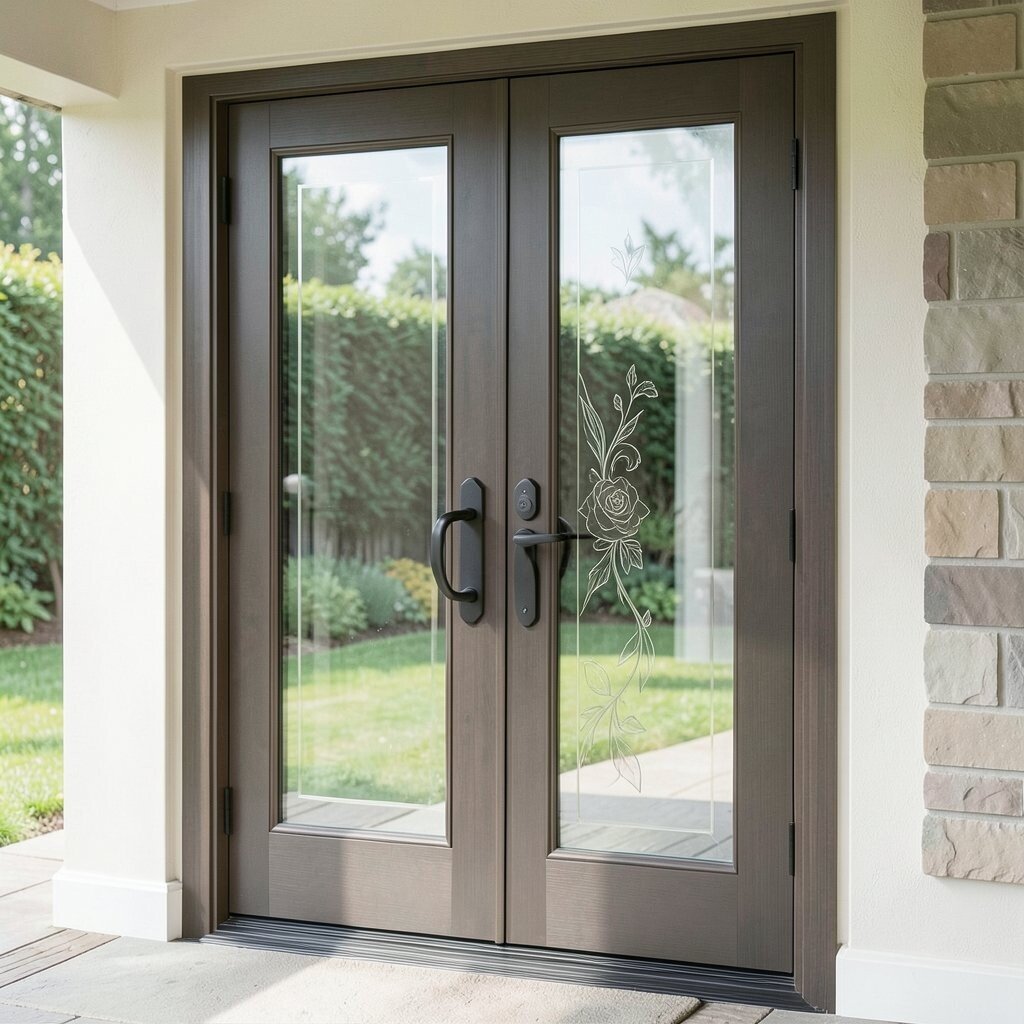
A glass door can be more than a clear panel in a frame. It can show off your taste and make the whole space feel more like home.
Try custom etching, bold hardware, soft film, or a frame color that fits your style. These touches can make the door feel unique without making it too busy. Many homeowners like to mix beauty with function so the door feels special and still works well every day.
Cost matters here too, so it helps to pick the changes that give the biggest impact. A small design choice can make a room feel fresh without a huge spend. When the door reflects your style, it feels less like a building part and more like a true feature of the home.