Wall design can make a room feel fresh or flat. A few small choices can change everything.
1. Ignoring the room’s natural light
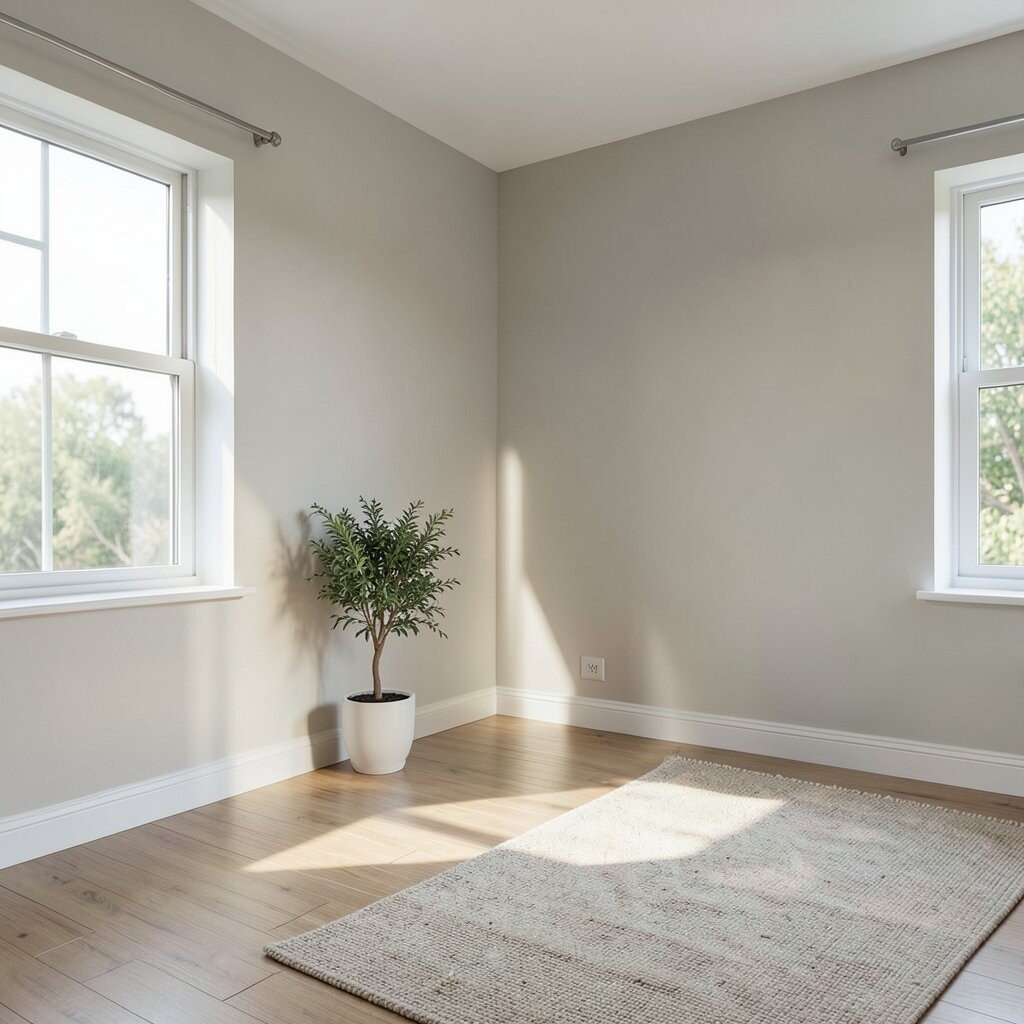
Walls can look very different when sunlight hits them in the morning and again at night. A soft paint shade may feel bright in one corner and dull in another, so it helps to test samples on more than one wall.
This simple step saves money because you avoid repainting after the color feels wrong. It also makes your room feel more balanced, and you can pick finishes that match the light you already have instead of fighting it.
2. Choosing a color without thinking about the whole room

A wall color should work with the floor, furniture, curtains, and even the ceiling. When one piece clashes, the whole room can feel noisy instead of calm.
Holding fabric swatches and paint chips together can help you see the full picture. This is a smart way to create a unique look without spending on new furniture, and it keeps you from buying a trendy shade that does not fit your space.
Many people now use warm earth colors and soft greens because they feel cozy and still look current. You can make the room more personal by matching the wall tone to a favorite rug, art print, or blanket.
3. Filling every wall with too much decor
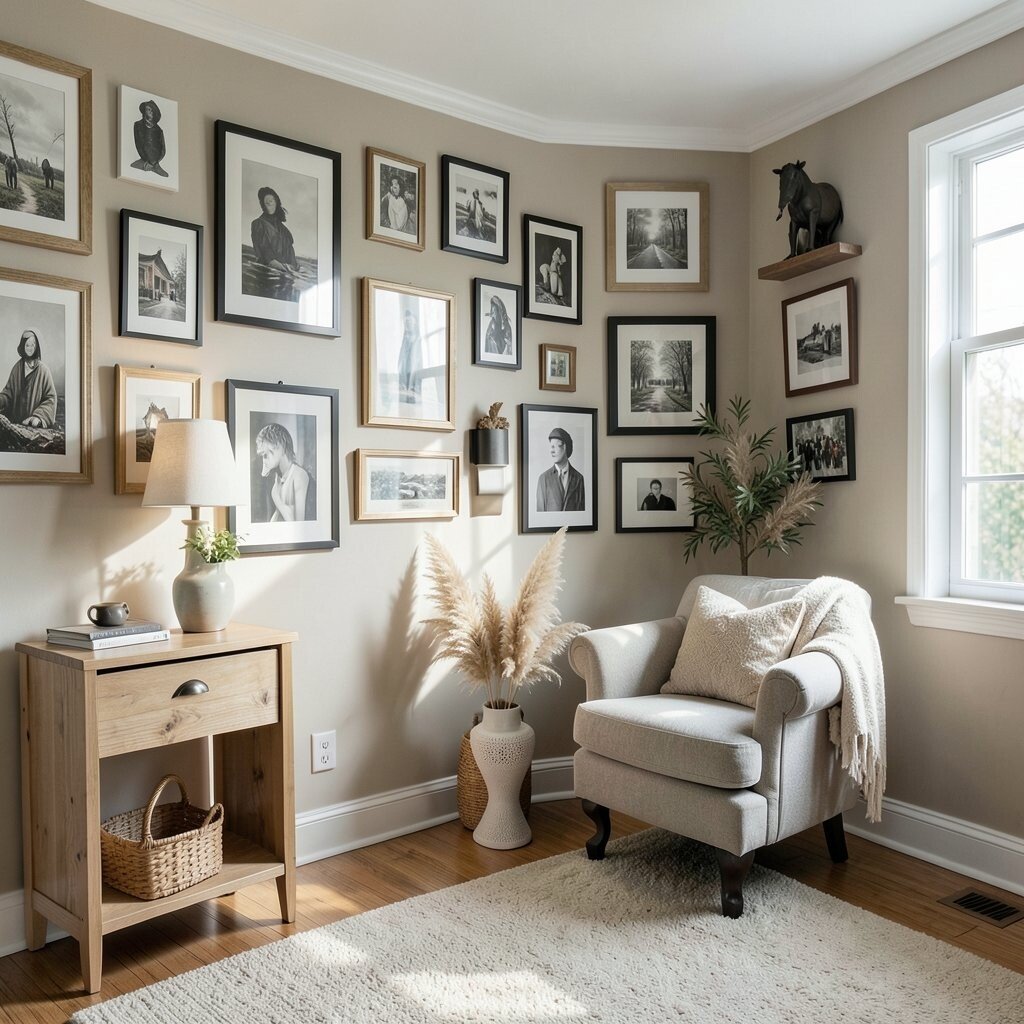
A wall covered with too many frames, shelves, and signs can feel crowded fast. The eye needs places to rest, so empty space can be a good thing.
Leaving some blank areas makes the room feel bigger and cleaner. It also helps each piece stand out more, and it can lower your costs because you do not need to buy decor for every inch.
Try mixing one strong focal area with calmer walls nearby. That approach feels more personal, and it works well with today’s love for simple, tidy rooms that still show a bit of style.
4. Hanging art too high or too low
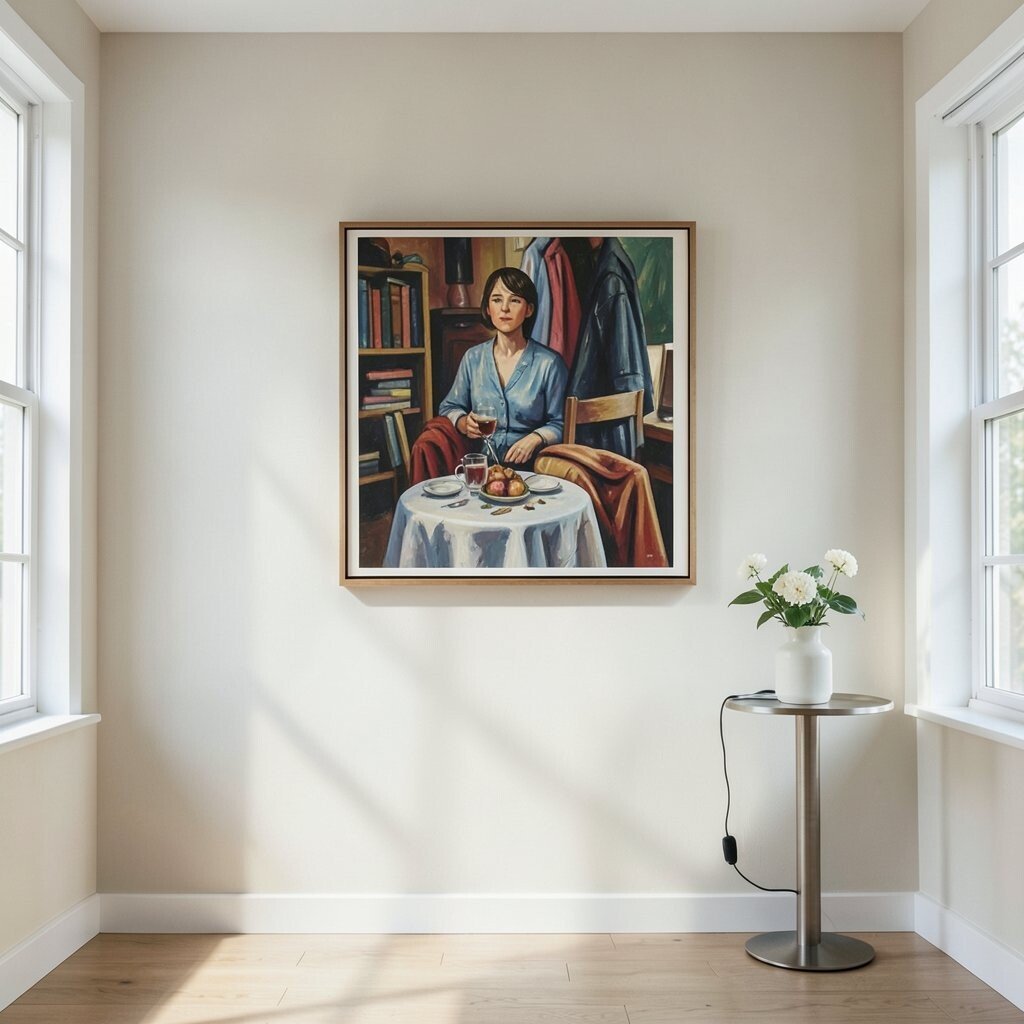
Art that sits too high can feel lost near the ceiling, while art that hangs too low can make the room feel heavy. The best placement usually lets the piece connect with the furniture below it.
When art sits at the right height, the wall feels more finished and welcoming. You can also save money by using what you already own instead of chasing bigger pieces just to fill space.
5. Forgetting about wall texture
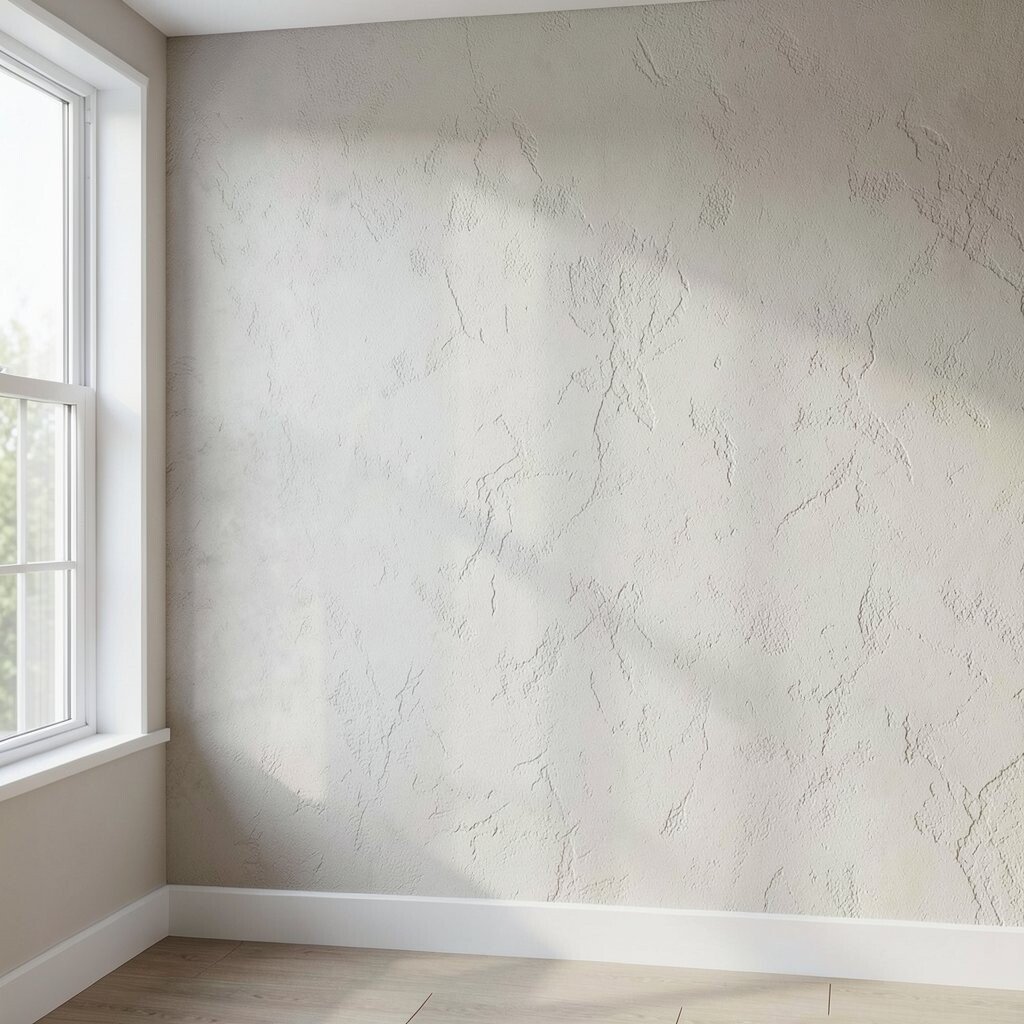
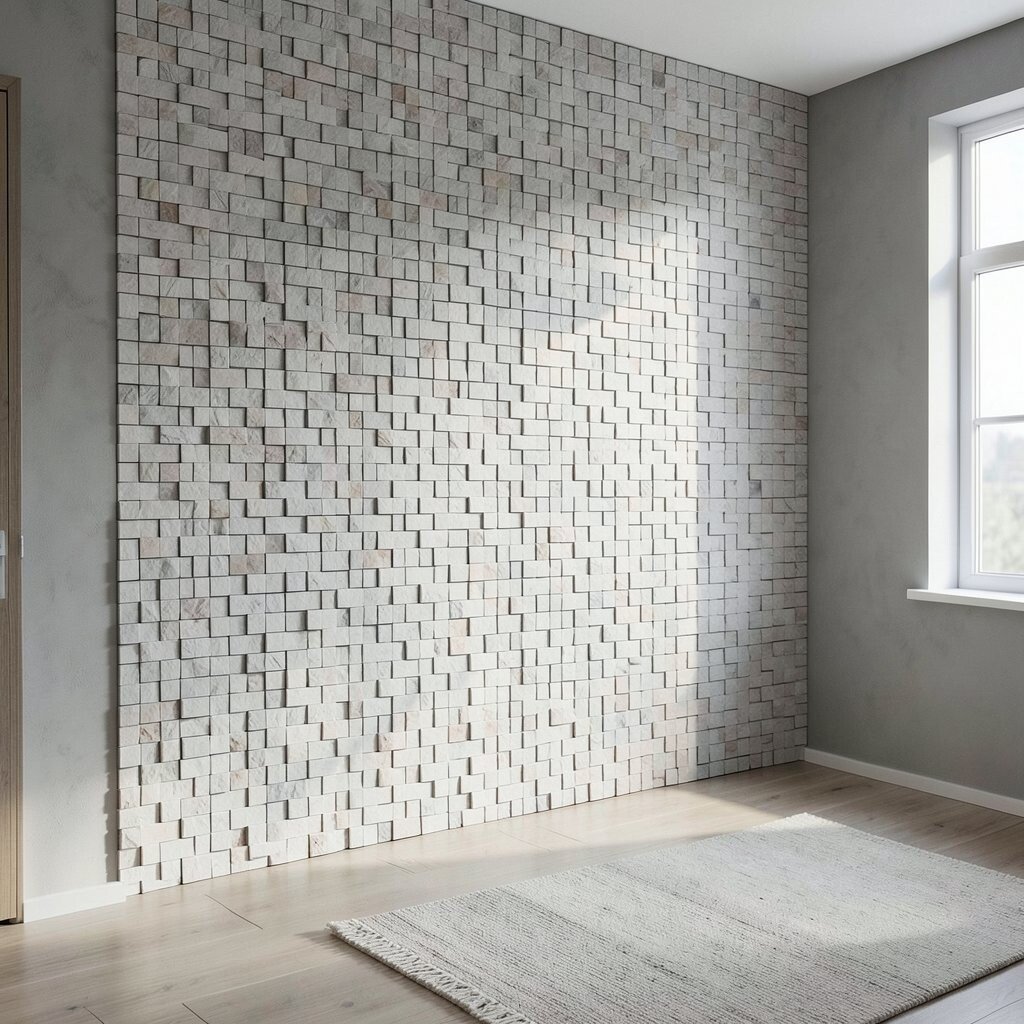
Flat walls, brick, shiplap, and plaster all catch light in different ways. A color that looks smooth on one wall may look patchy or busy on another.
Texture can add charm and uniqueness, but it also needs the right finish. Matte paint may soften rough surfaces, while a slight sheen can help lighter rooms feel brighter.
If your wall already has a lot of texture, keep the decor simple so it does not feel too busy. That choice is often budget friendly because you can let the wall itself do the hard work.
6. Using one tiny accent wall and stopping there
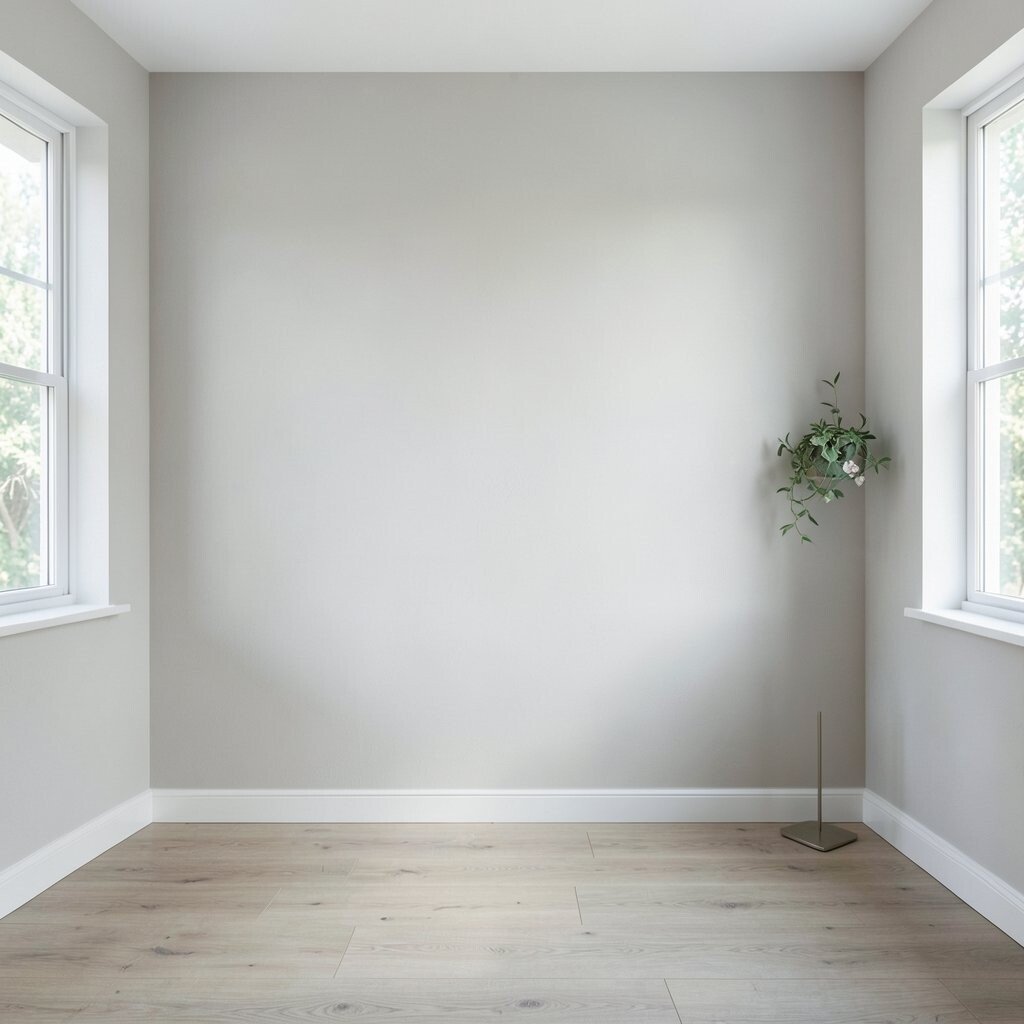
A single painted accent wall can look unfinished if the rest of the room does not connect to it. The bold color may seem random instead of planned.
Try bringing that accent shade into pillows, lamps, or framed art so the room feels linked. This creates a more personal look, and it can be done with small purchases instead of a full redesign.
Accent walls are still popular, but many people now use them in softer ways, like color blocking or painted arches. Those options feel fresh and unique while keeping the room easy to live with.
7. Picking trendy patterns that age too fast
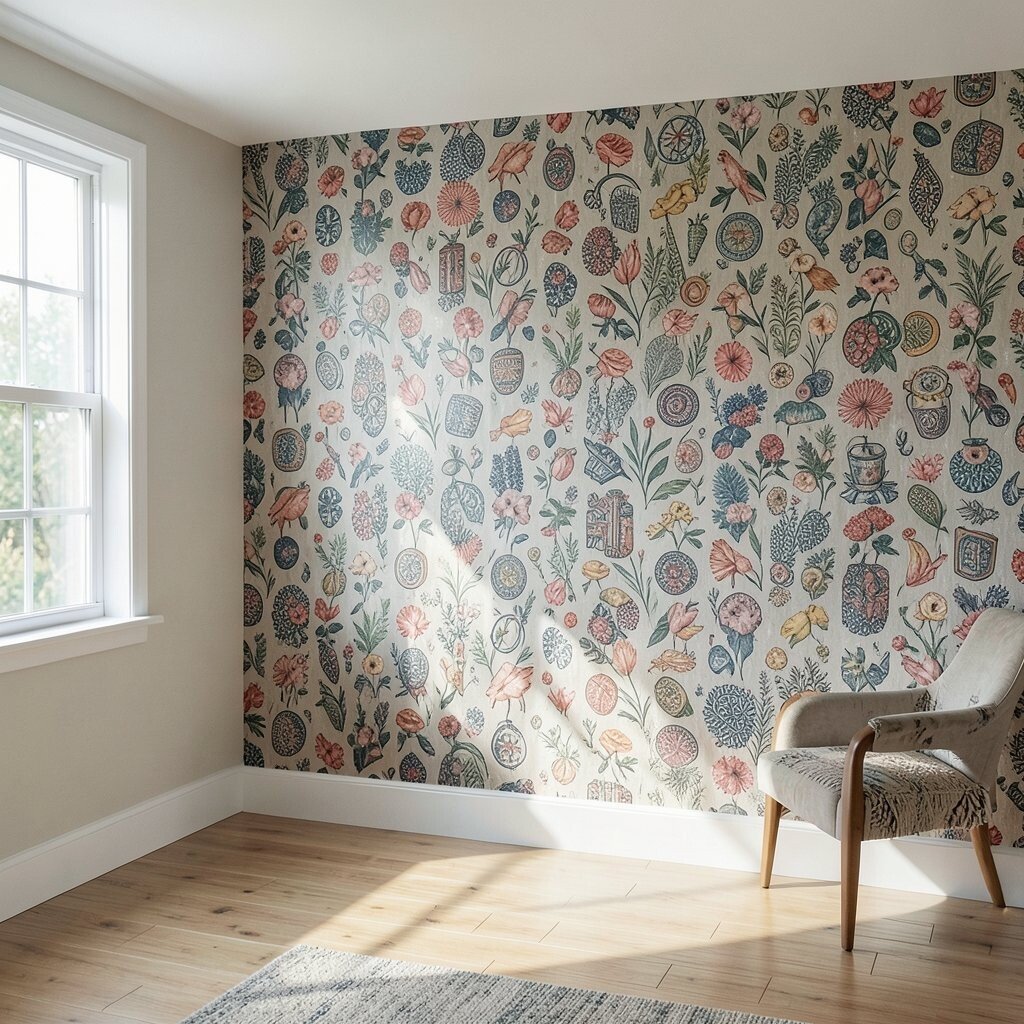
A loud pattern can be fun for a moment, but it may get tiring quickly. Walls cover a big surface, so a busy print has a strong voice in the room.
Choosing a pattern with simple shapes or gentle color changes can help it last longer. That keeps the room stylish without forcing another costly redo when the trend fades.
You can still make the space feel current by adding small trendy touches in art, pillows, or lighting. That way the wall stays more flexible, and your room keeps its own unique feel.
8. Forgetting the size of the room
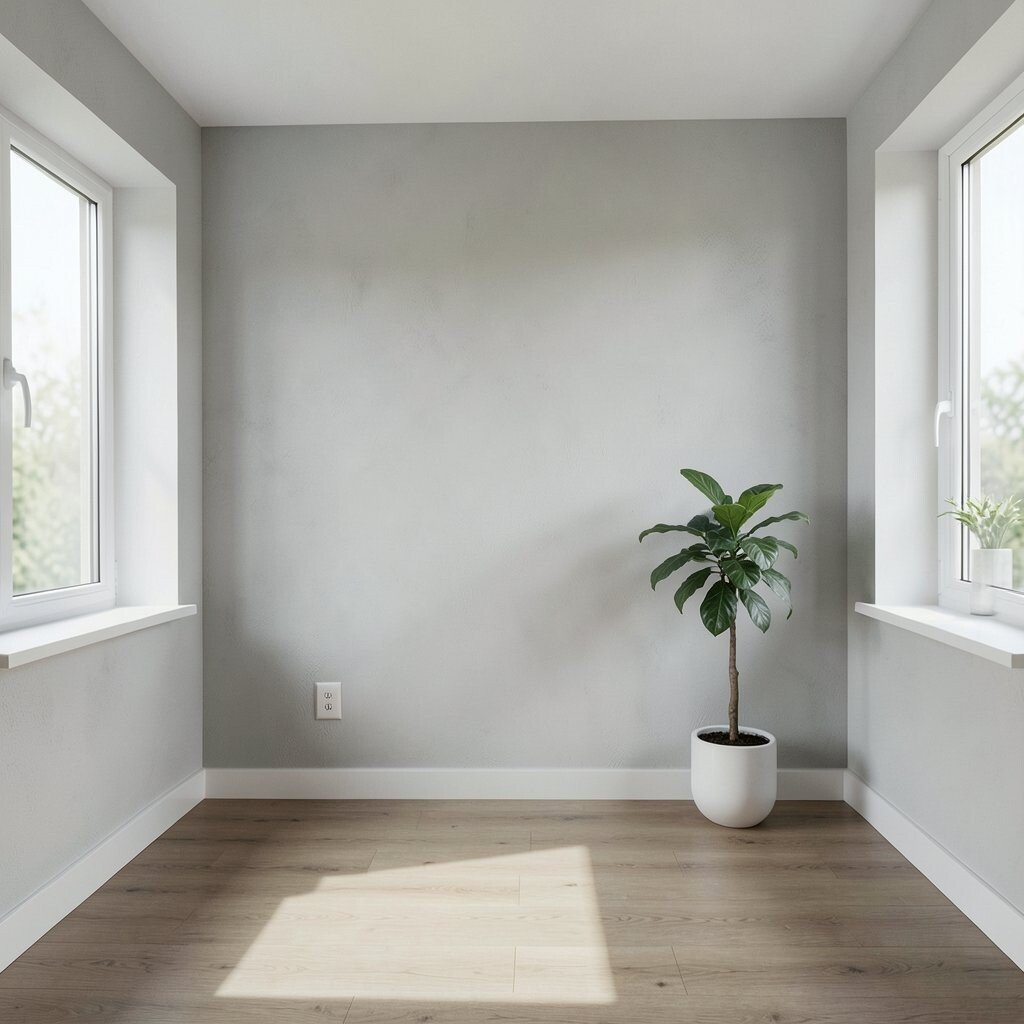
Big wall features can overwhelm a small room, while tiny decor can disappear in a large one. Scale matters because the wall should fit the room’s shape and size.
Wide spaces often look better with larger art or a grouped arrangement, while smaller rooms may need fewer and cleaner pieces. This balance makes the room feel calm and helps you spend money in the right place.
When you match the wall design to the room size, the whole space feels more natural. You can also make it more personal by choosing pieces that reflect how you use the room every day.
9. Matching everything too perfectly
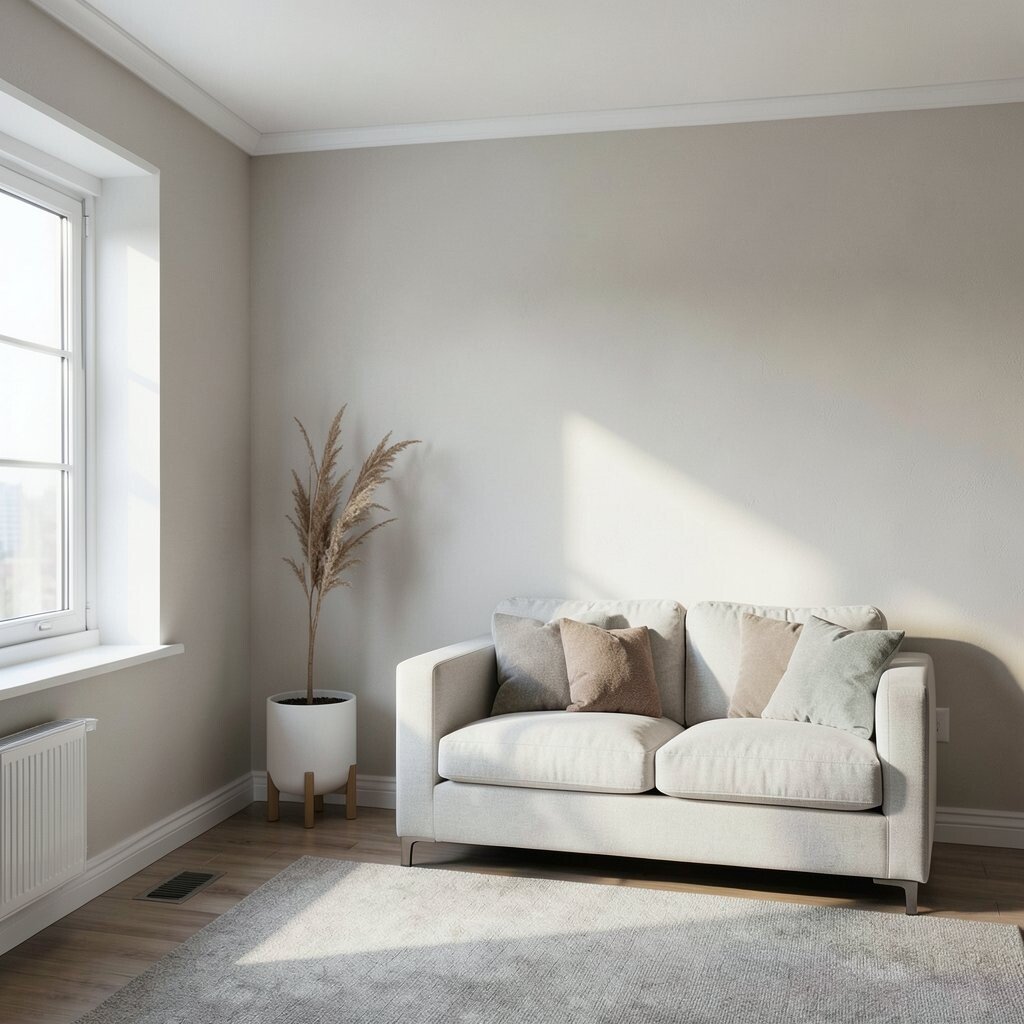
A room with every wall piece in the same color and style can feel stiff. A little mix of shapes, textures, and tones gives the space more life.
Pairing a smooth frame with a woven piece or a painted wall with a wood accent can add charm. It also lets you use items you already own, which can lower costs and create a more unique result.
Perfect matching is less important than a good rhythm across the room. Many current designs feel better when they seem collected over time instead of bought all at once.
10. Skipping practical care needs
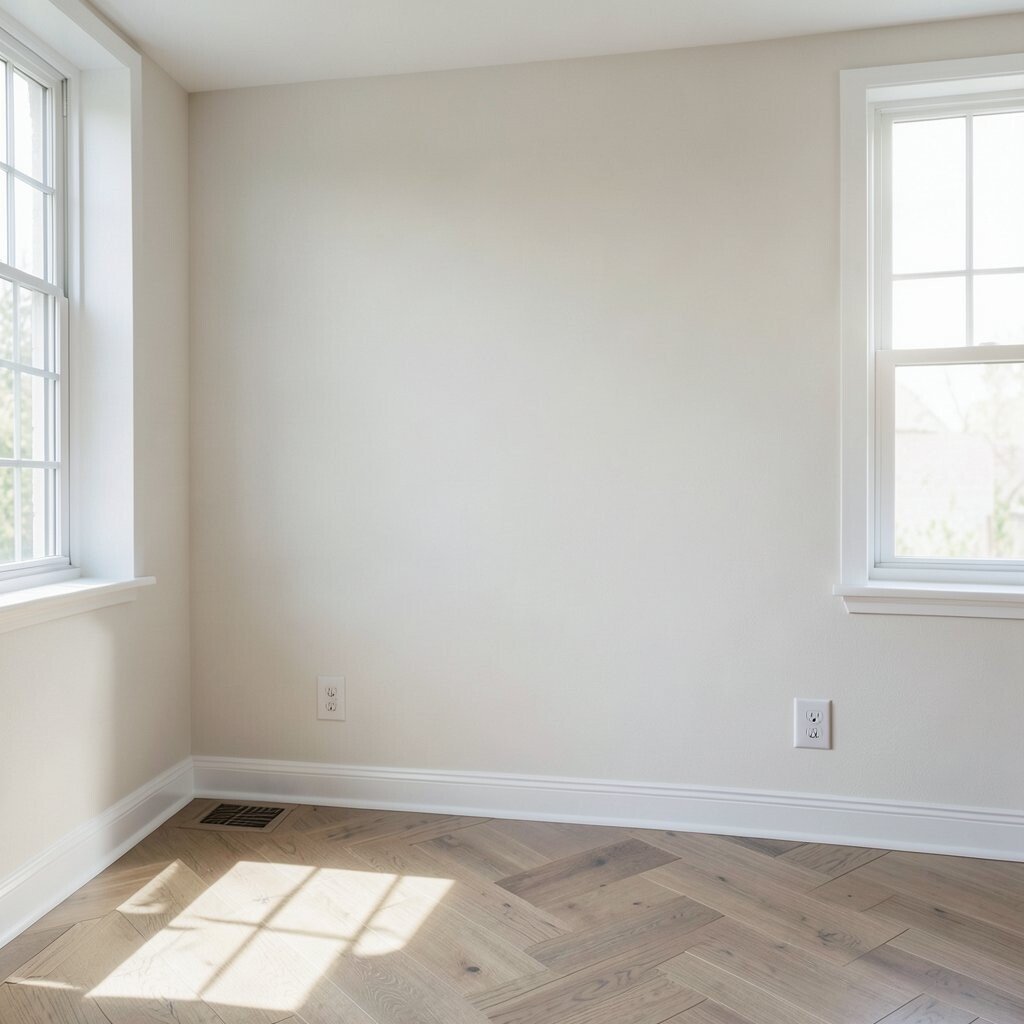
Beautiful walls still need to fit real life, especially in rooms with kids, pets, or lots of traffic. A delicate finish in a busy hallway can get scuffed quickly.
Wipeable paint and sturdy wall materials can save time and money later. They also keep the room looking fresh, which is a big benefit if you want style without extra work.
In busy homes, it helps to choose wall decor that is easy to clean and simple to move. That practical choice can still feel personal when you use colors and shapes that fit your taste.
11. Overlooking the ceiling and trim

Walls do not stand alone, and the trim and ceiling shape how the whole room feels. Strong wall color with dingy trim can make even a nice room look unfinished.
Fresh trim paint or a clean ceiling tone can sharpen the whole design. This often costs less than a full wall makeover, yet it can make the room feel brighter and more polished.
Many newer rooms use softer trim colors instead of harsh white for a warmer look. You can make this choice feel unique by linking it to your wall color and the mood you want in the room.
12. Using too many small wall pieces
Many tiny frames and signs can make a wall look cluttered, even if each piece is nice. The eye keeps jumping around without settling on one main idea.
Grouping smaller items into one clear layout can make them feel more purposeful. It also helps you avoid buying more decor than you need, which is good for both budget and style.
A single larger piece or a few well-spaced items can feel more modern and calm. That cleaner look gives the wall more uniqueness because each item has room to breathe.
13. Forgetting how color changes mood
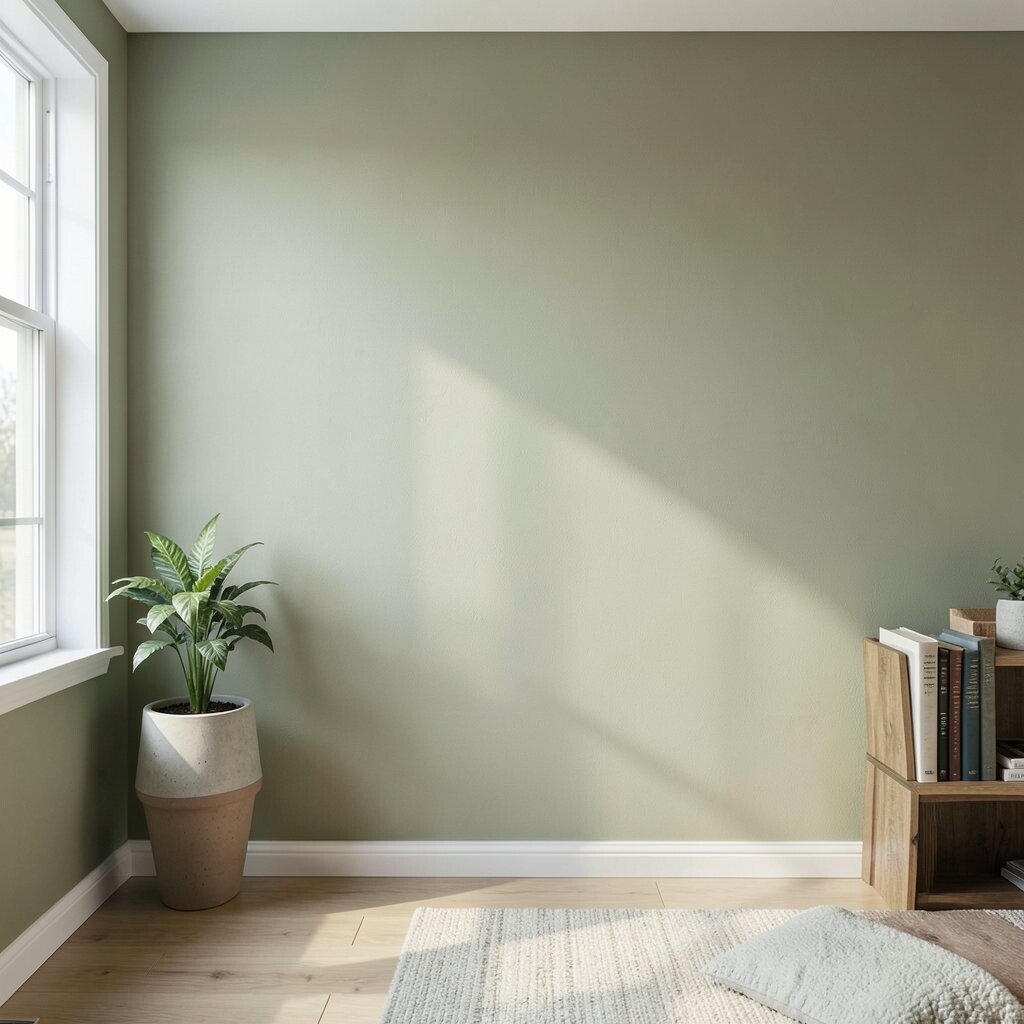
Color does more than look pretty. A dark wall can feel cozy and strong, while a light wall can feel airy and open.
Thinking about the mood you want can help you choose better paint and decor. This keeps the room useful for sleep, work, or play, and it prevents spending money on a shade that fights the purpose of the space.
Soft blues, warm tans, and muted clay tones are common right now because they feel calm and easy to live with. You can make them your own by adding personal art or a favorite texture that brings warmth to the wall.
14. Using wall art with no clear theme
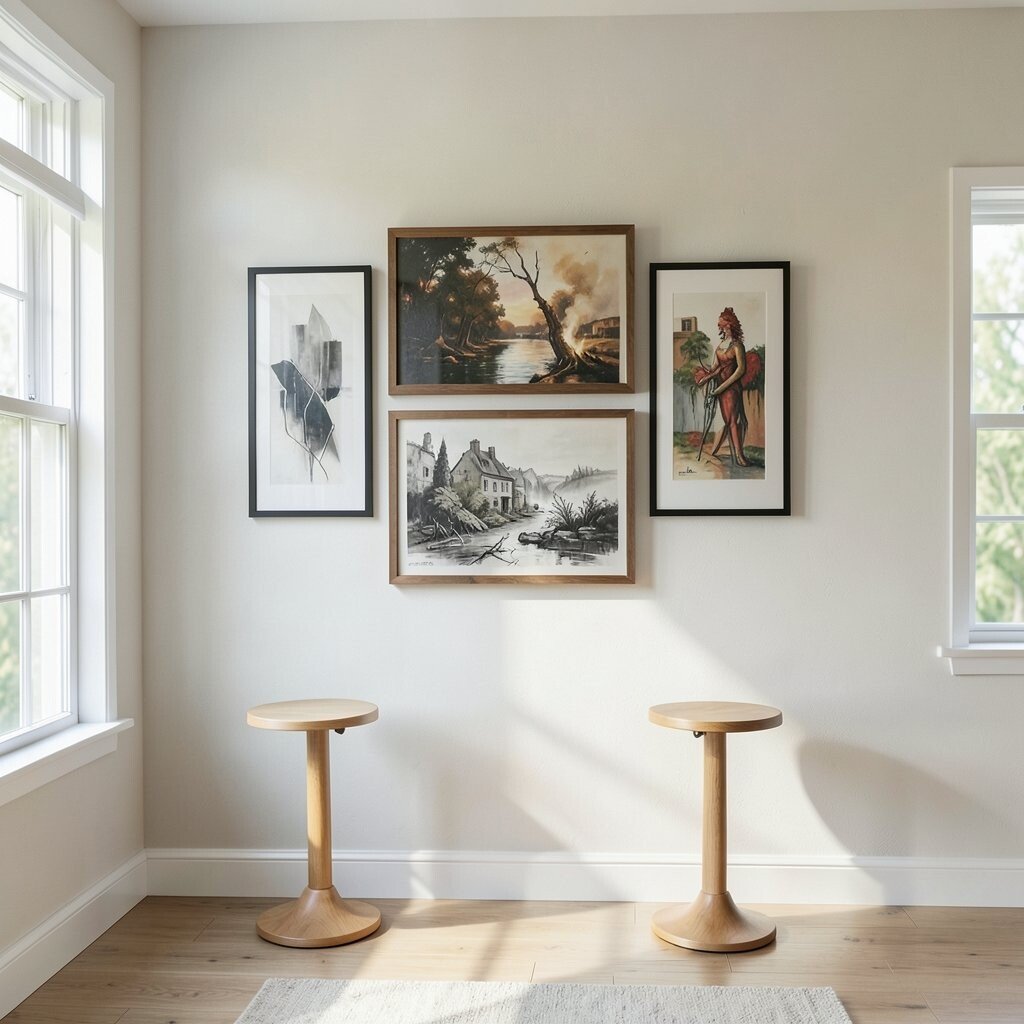
Random art can make a wall feel unfinished, even when the pieces are nice on their own. A loose theme helps the room feel thoughtful and connected.
You do not need a strict style, but it helps if the colors, subjects, or frames share some common ground. That simple rule can save money too, since you can build around what you already have instead of buying everything new.
A wall with one clear story often feels more unique than a wall full of unrelated items. It also makes it easier to add new pieces later without messing up the whole look.
15. Ignoring storage on the walls

Walls can do more than hold art. Shelves, hooks, and wall-mounted storage can keep a room neat while adding shape and visual interest.
When storage is built into the wall design, the room feels less crowded and more useful. That is a big help in smaller homes, and it can be cheaper than buying more furniture.
Simple wood shelves and slim wall organizers are popular because they look clean and practical. You can make them feel personal by placing books, plants, and objects that matter to you.
16. Not testing samples before making a final choice

A paint chip or wallpaper photo can be misleading on a screen or in a store. Light, texture, and room size all change how a wall design really looks.
Testing a sample on the actual wall lets you see the true color and finish. This small step can prevent expensive mistakes and gives you more confidence before you commit.
It also helps you see how the wall feels with your furniture and decor at different times of day. That makes the final result more personal, more usable, and more likely to feel right for a long time.
17. Chasing a style without adding your own voice

A room can look nice and still feel empty if it copies a trend too closely. The best walls tell a little story about the people who live there.
Adding family photos, favorite colors, travel finds, or handmade art gives the space warmth and meaning. These touches do not have to cost much, and they often make the room feel far more special than store-bought decor alone.
Current wall design leans toward calm layers, natural materials, and simple art, but your own taste should still lead the way. When you mix the trend with your personality, the room feels fresh, unique, and easy to enjoy every day.