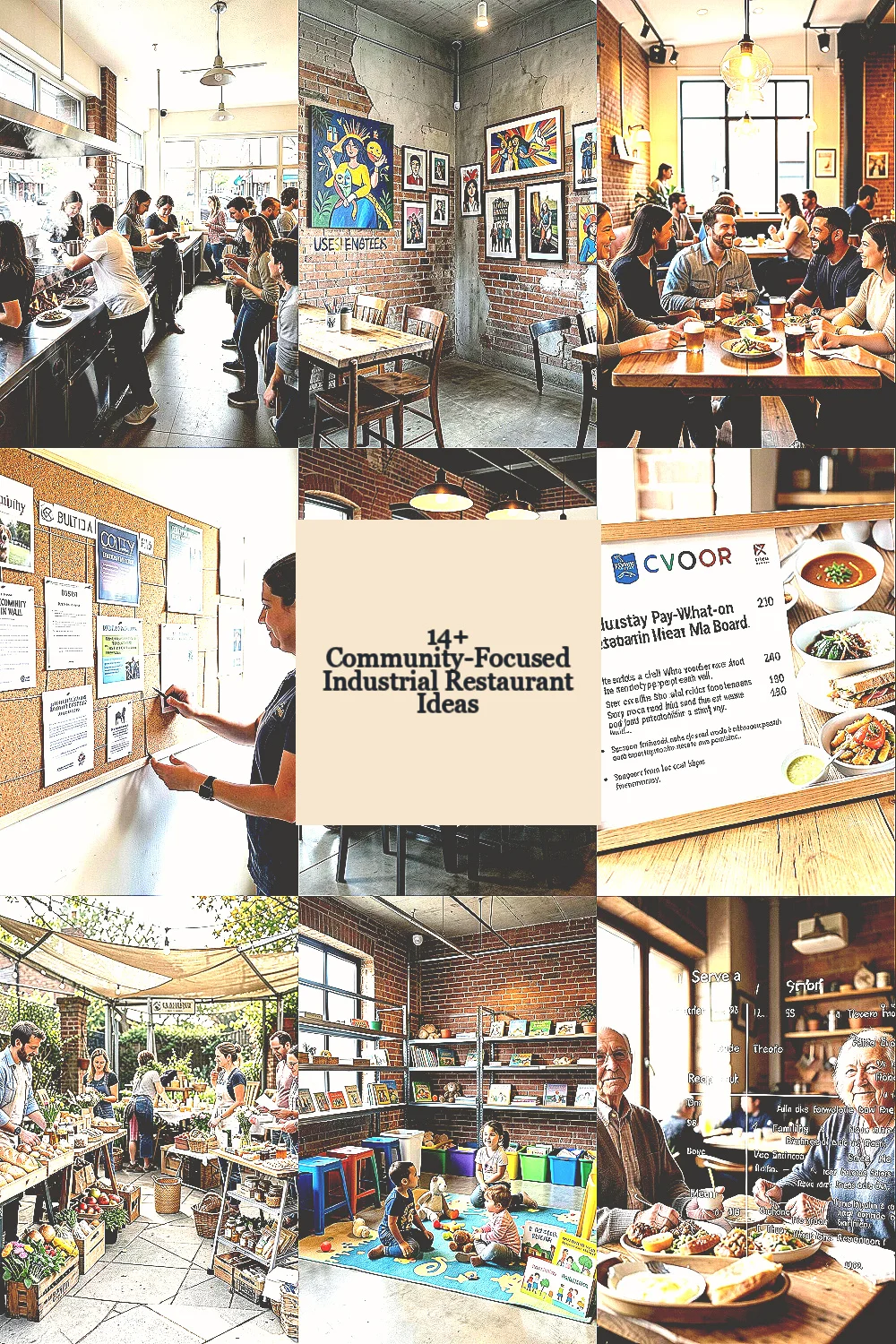
Industrial restaurants can do more than serve meals. They can help a whole block feel warmer, safer, and more alive.
When a place feels made for people, neighbors notice. Small choices in design, food, and service can build real trust.
1. Open the Kitchen to the Street
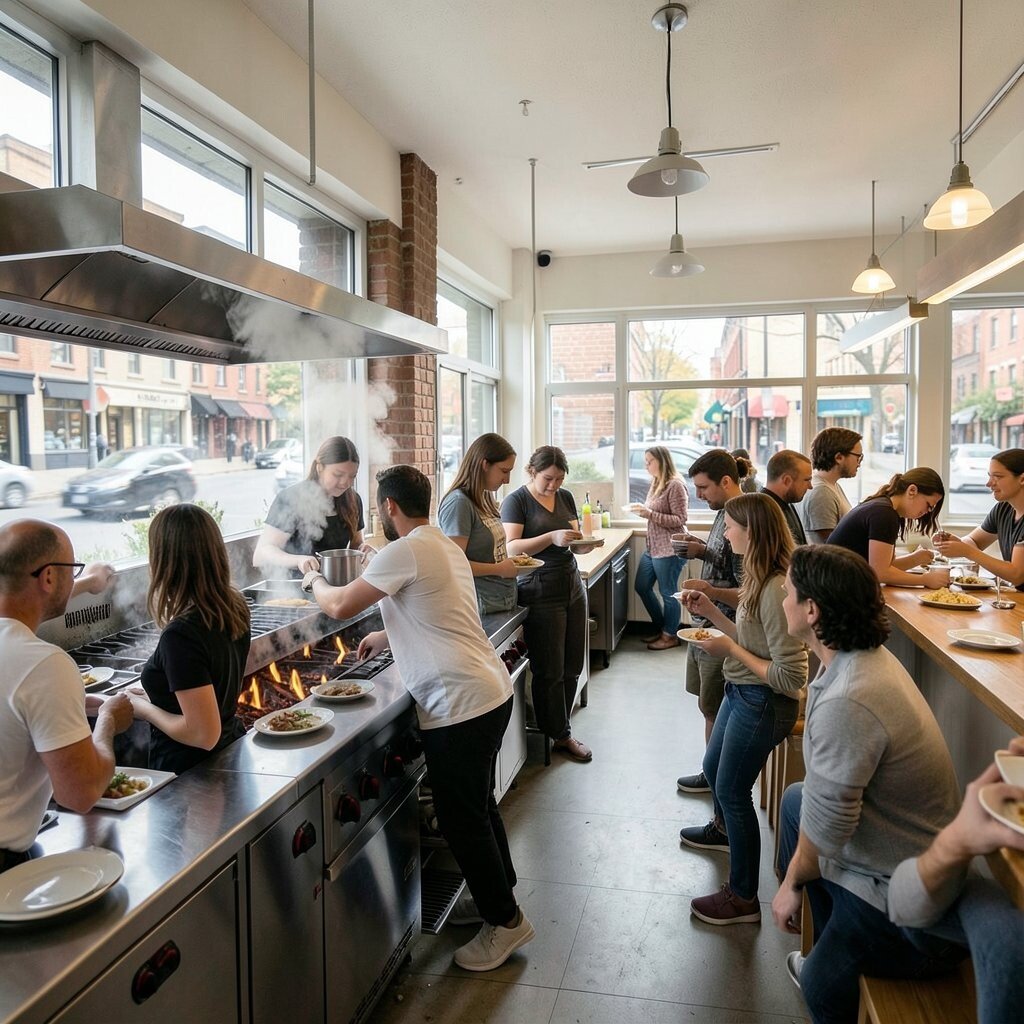
An open kitchen gives the room a lively, honest feel. Guests can see the steam, the fire, and the care behind each plate.
This setup builds trust because people like to know how food is made. It also makes the space feel bigger, brighter, and more active.
For a neighborhood spot, that energy can be a real draw. Add wide windows, simple counters, and clear sight lines so passersby feel welcome right away.
2. Use Local Art on Rough Walls
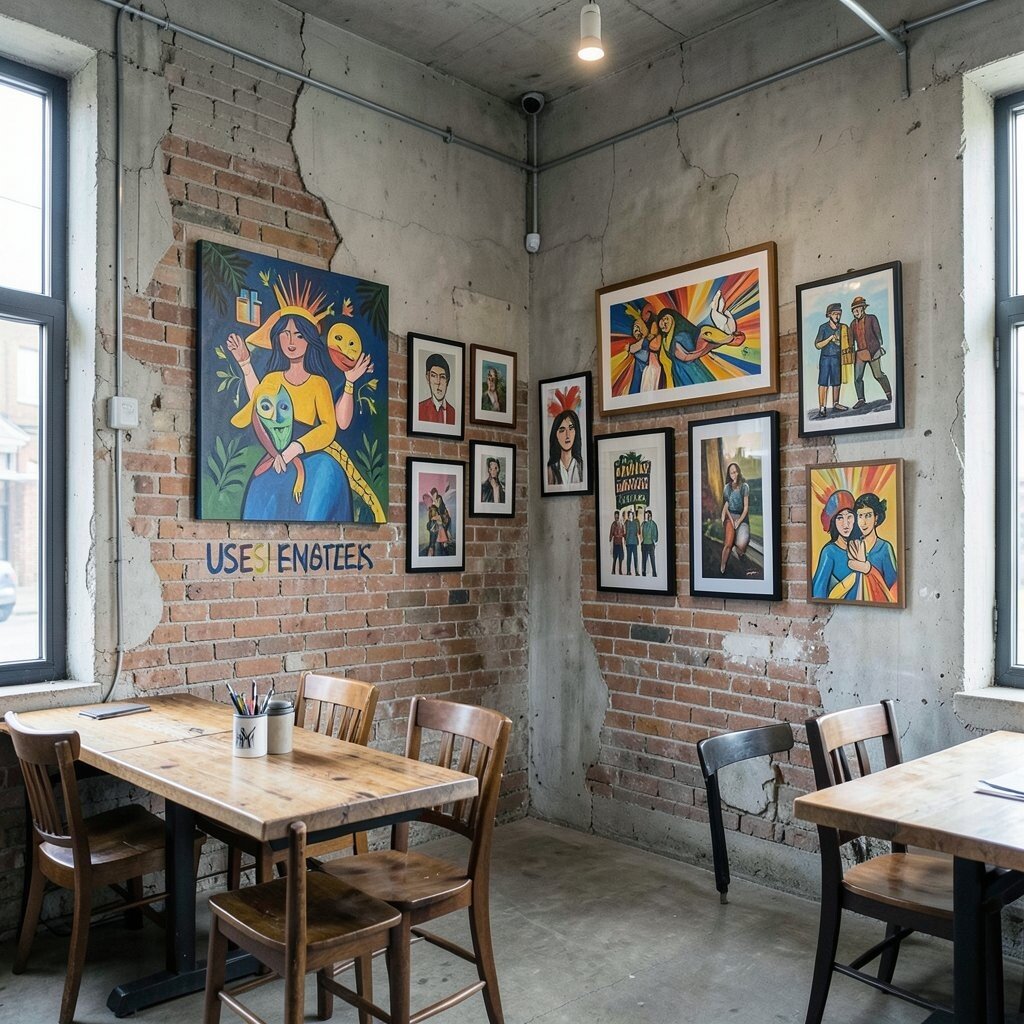
Concrete, brick, and metal can feel cold on their own. Local art brings color, story, and a human touch to those hard surfaces.
Murals, framed prints, and even painted signs can show pride in the area. They make the restaurant feel unique while giving local artists a place to shine.
This idea can fit many budgets, from one feature wall to a rotating gallery. Ask nearby schools, art groups, or makers for pieces that match the mood of the room.
3. Host After-Work Neighbor Nights
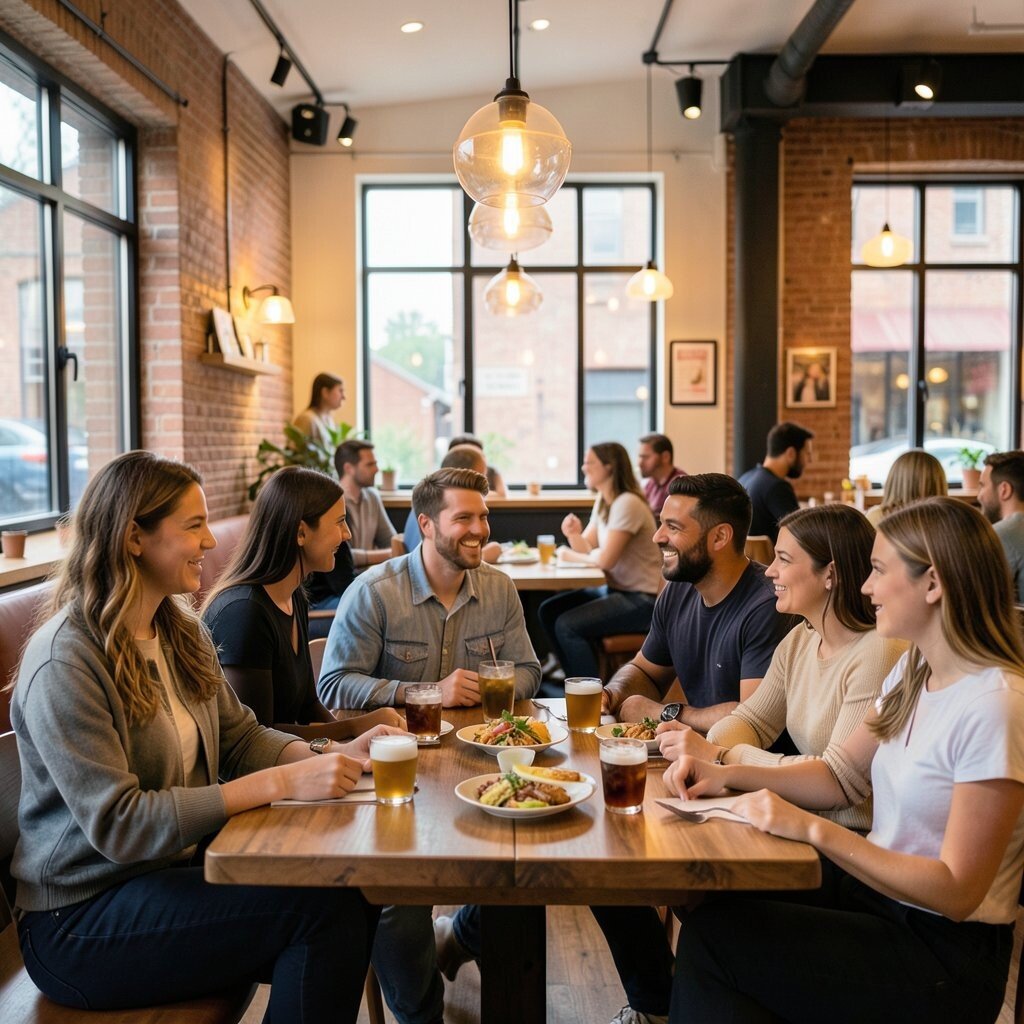
Special evenings for nearby workers and residents can make a restaurant feel like a shared living room. The space gets softer lights, friendly music, and a calm buzz of talk.
These nights help people meet each other after a long day. They can also bring steady traffic during slower hours, which is good for the business.
Keep the menu simple and the prices fair so more people can join in. A small plate special, a shared table, or a local drink feature can make the night feel fresh without raising costs too much.
4. Build a Community Bulletin Wall
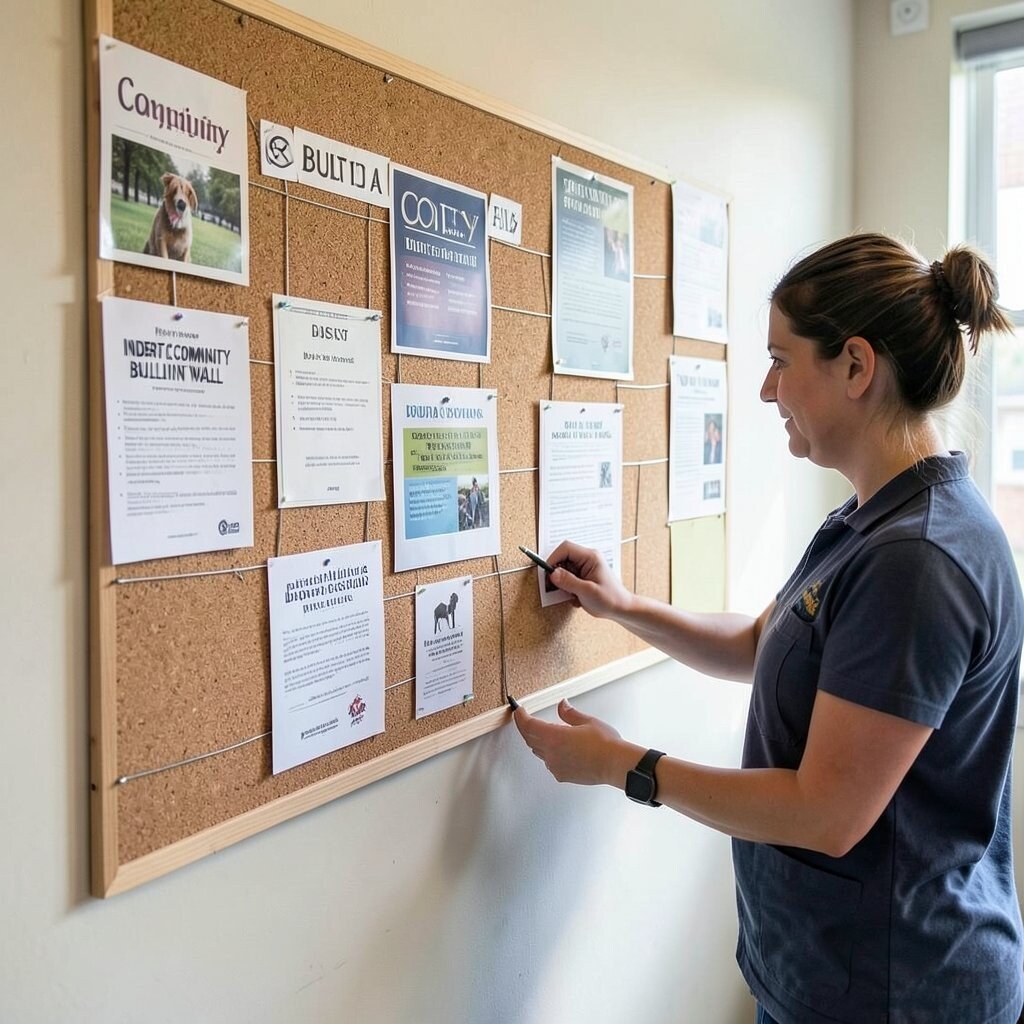
A message wall gives the place a lived-in, neighborhood feel. It can hold flyers, event notes, lost pet signs, and job leads in one easy spot.
This small feature helps people stay connected. It also makes the restaurant useful even when guests are not eating.
Use cork, wire, or magnetic panels to keep it neat and easy to update. A staff member can refresh the wall each week so it stays helpful and tidy.
5. Create Shared Tables for Strangers and Friends
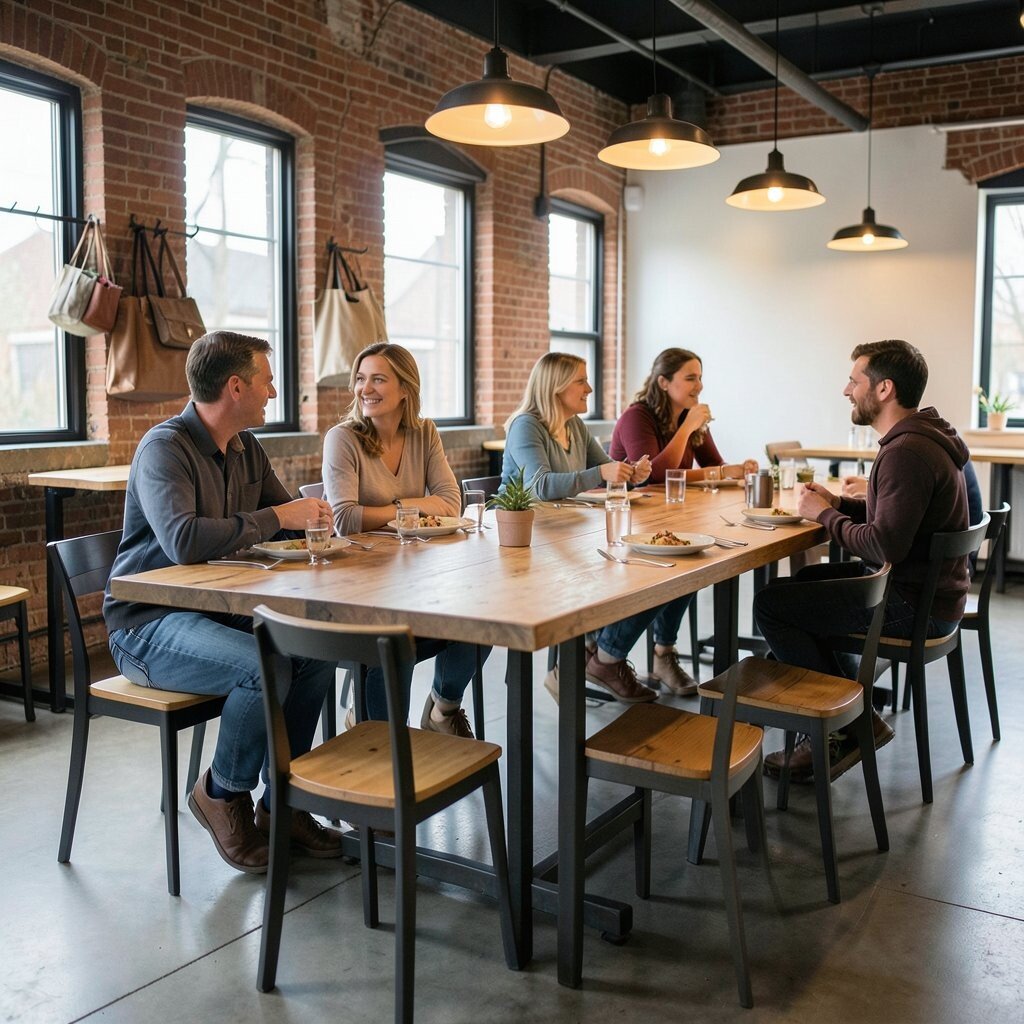
Long tables can make a room feel bold and social. They also fit the industrial style well, with wood tops, steel legs, and simple shapes.
Shared seating helps people talk to each other more easily. That can turn a quick meal into a pleasant neighborhood moment.
To keep guests comfortable, mix shared tables with a few smaller seats too. Add hooks for bags, warm lighting, and easy-to-clean finishes so the setup stays practical and low cost.
6. Offer a Pay-What-You-Can Meal Board
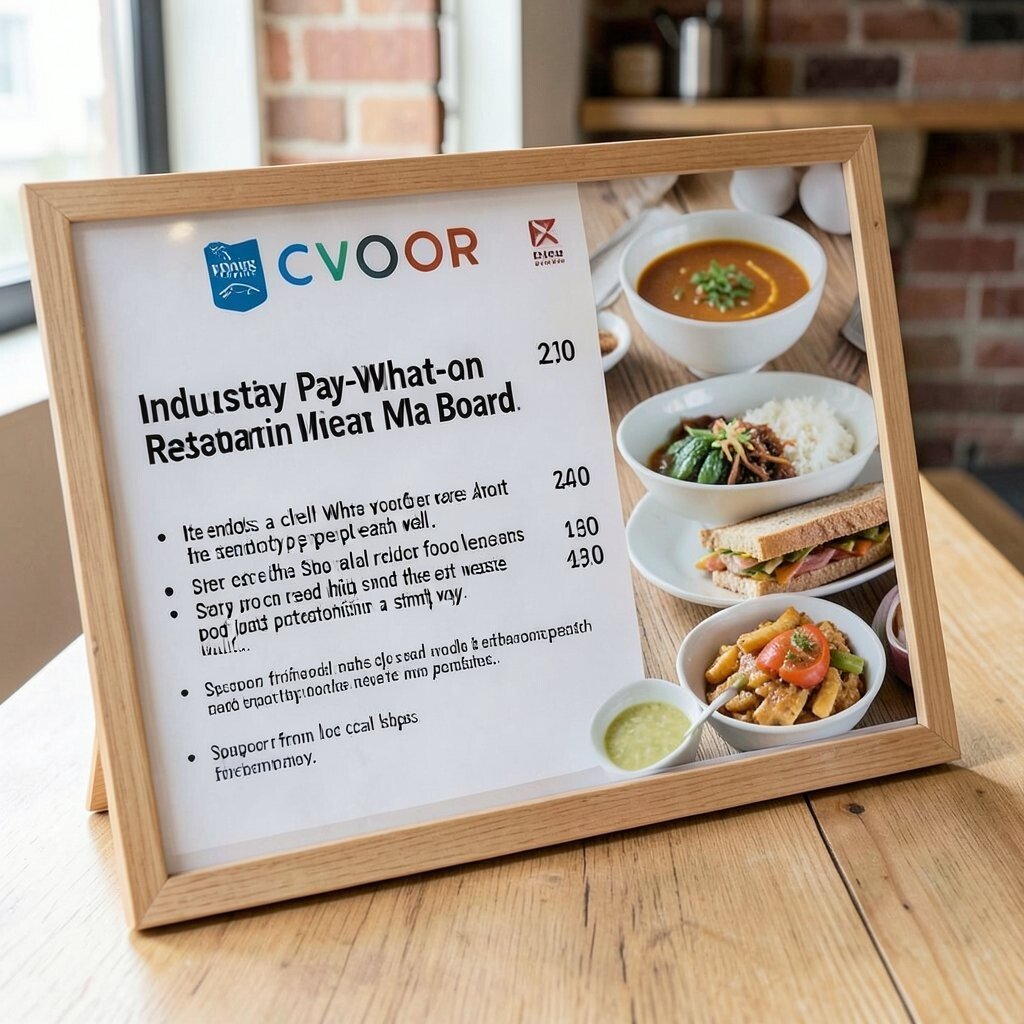
A meal board with sliding prices can help more people eat well. It sends a clear message that the restaurant cares about the whole neighborhood, not just high spenders.
This kind of program feels generous and modern at the same time. It can also reduce food waste by moving extra portions in a smart way.
Keep the menu simple, like soup, rice bowls, or sandwiches, so costs stay controlled. A sponsor note from local shops can help support the idea and make it even more personal.
7. Turn the Patio into a Tiny Market
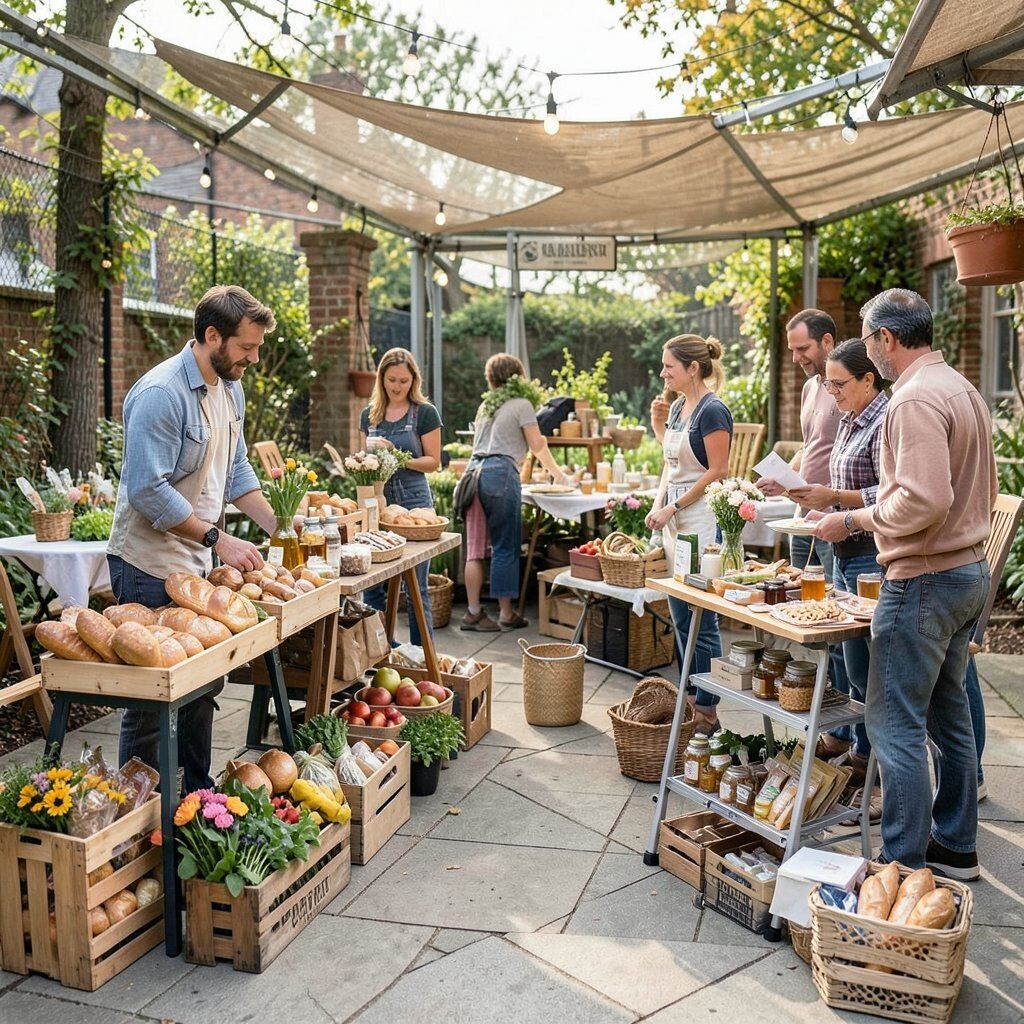
An outdoor patio can do more than hold tables. With a few crates, racks, and foldable displays, it can become a small market for local goods.
Neighbors may stop by for bread, honey, flowers, or handmade items. That creates more foot traffic and gives small sellers a place to be seen.
Choose weather-safe pieces and keep the setup easy to move. A market day once a week can feel special without needing a big budget or a full-time retail team.
8. Set Up a Kids’ Corner with Tough Materials
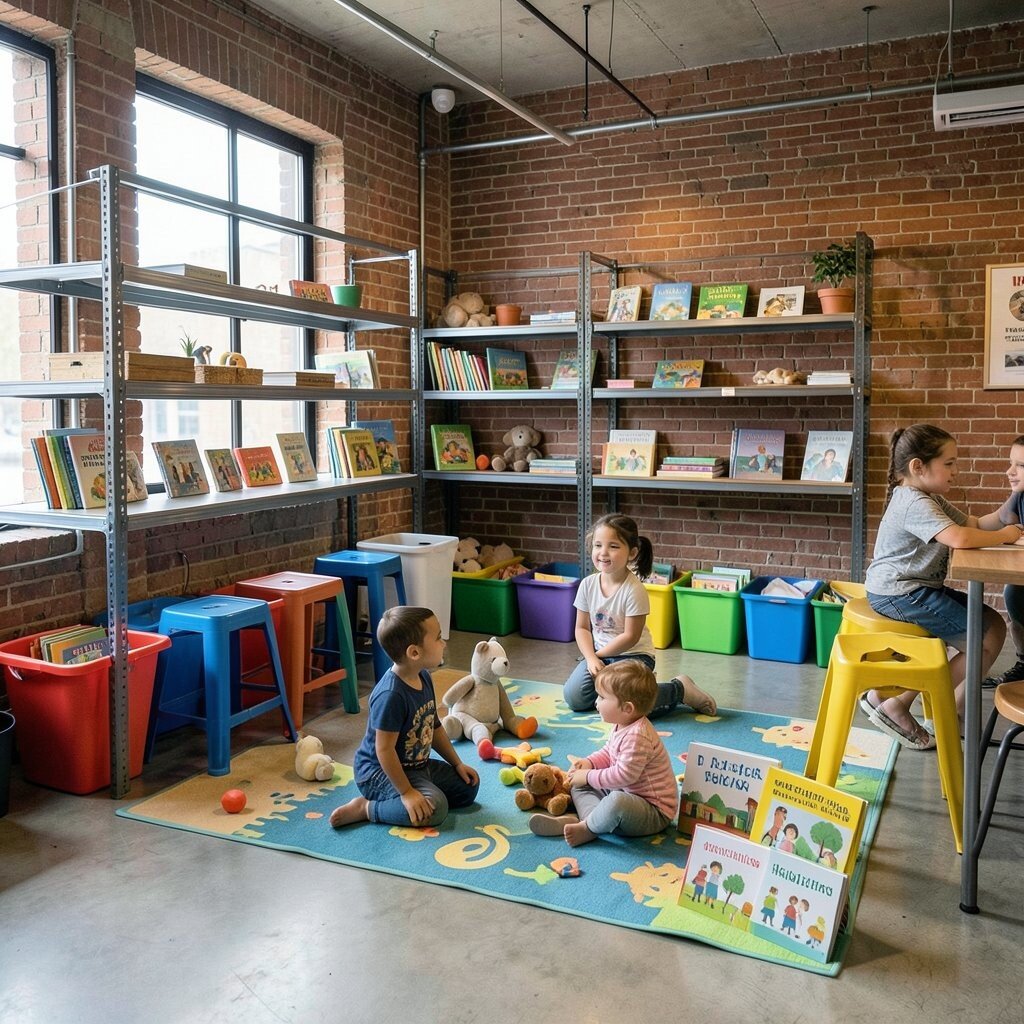
A small play area can make families feel welcome right away. In an industrial restaurant, it can look stylish with steel shelves, sturdy stools, and bright bins.
This helps parents relax and stay longer, which is good for business and good for the block. It also shows that the place values people of all ages.
Use wipeable mats, soft toys, and books with strong covers so the area stays clean and safe. Personal touches like local storybooks or art made by nearby children can make it feel special.
9. Serve a Neighborhood Recipe Menu
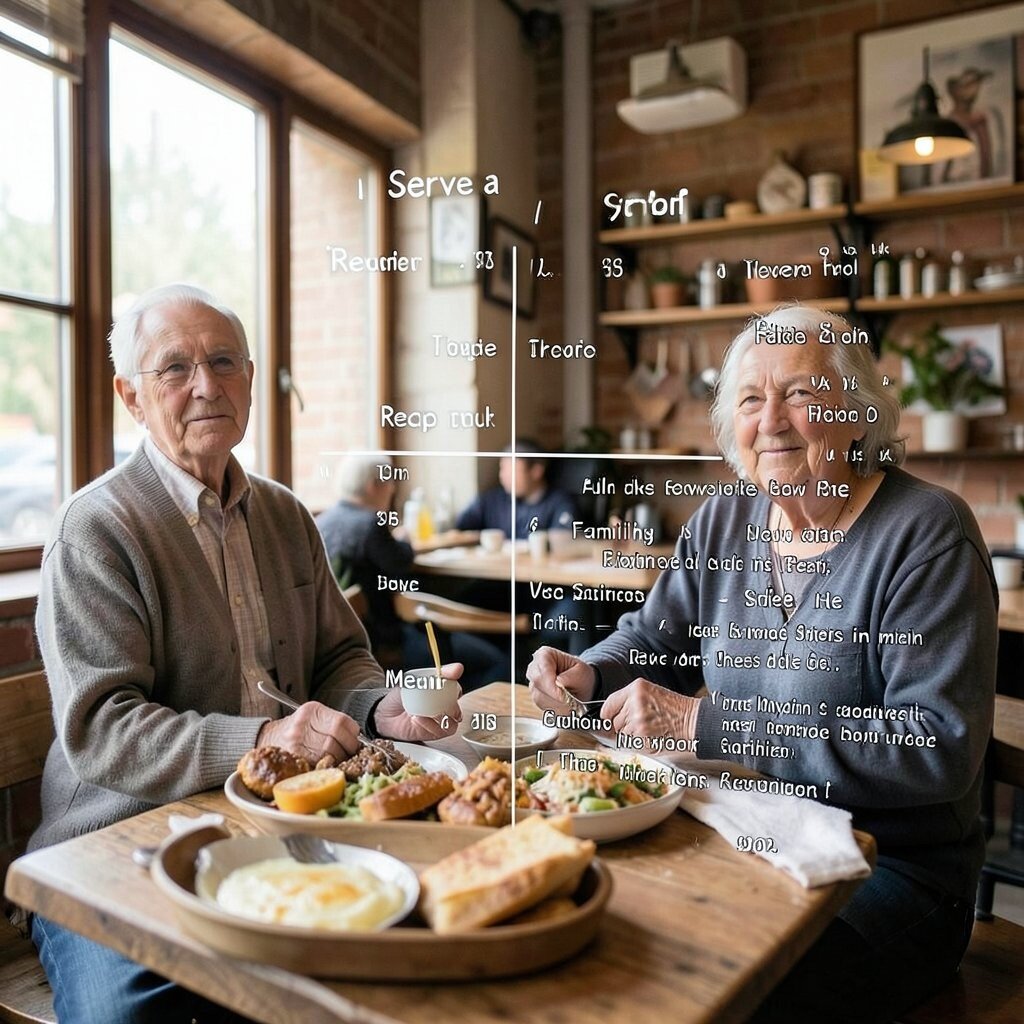
A menu built around local recipes can make guests feel proud of where they live. The food tells a story, and the room feels richer because of it.
This can be a fresh take on comfort food, street food, or family dishes from nearby cultures. It gives the restaurant a voice that feels rooted in the area.
Talk with residents, elders, and home cooks before adding these dishes. Keep ingredient costs in mind and use seasonal items so the menu stays affordable and true to the community.
10. Add a Repair-and-Refresh Night
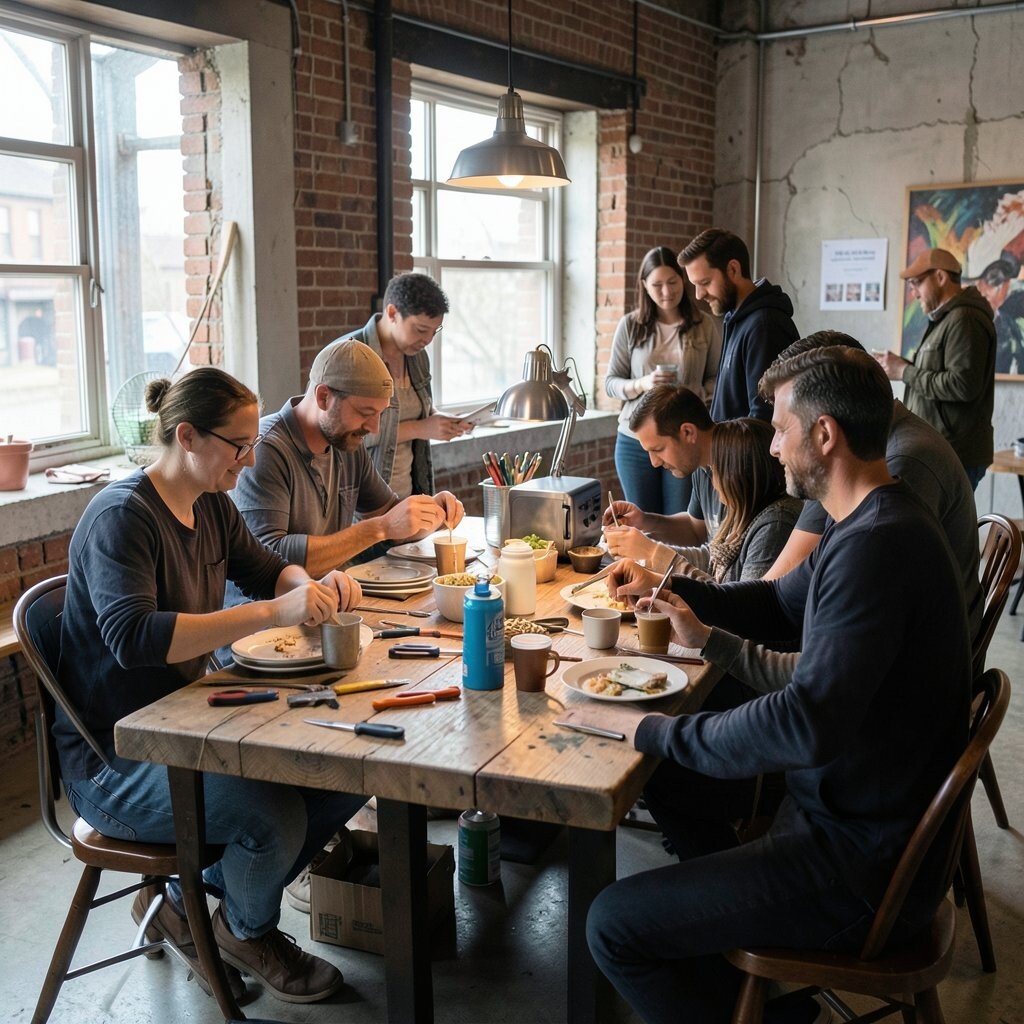
A repair night can bring people together around useful, hands-on work. One table may hold tools, another may hold chairs, lamps, or small appliances that need care.
The industrial look fits this idea well because the space already feels practical and sturdy. It gives the restaurant a smart, maker-friendly personality.
Invite local fix-it groups, artists, or hobbyists to help lead the event. Offer simple snacks and drinks, and keep the setup low-cost by using donated supplies and shared tools.
11. Use Reclaimed Wood and Steel with a Story
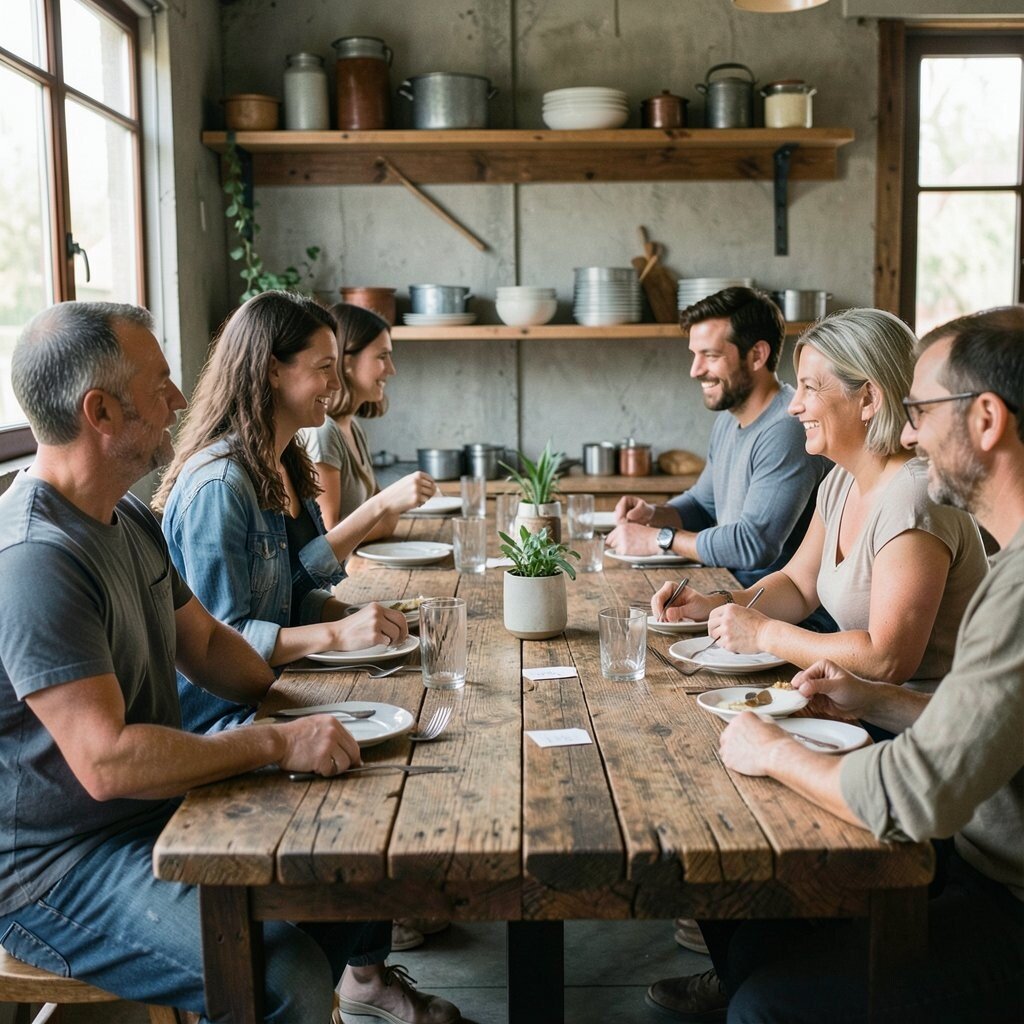
Reclaimed materials can make a restaurant feel warm and honest. A table made from old wood or a shelf built from saved steel carries a real history.
Guests often like pieces that feel one of a kind. These details also fit current design trends that value reuse, texture, and less waste.
Label the materials so people know where they came from and why they were chosen. That small note can make the room feel more personal without adding much cost.
12. Offer a Community Coffee Hour
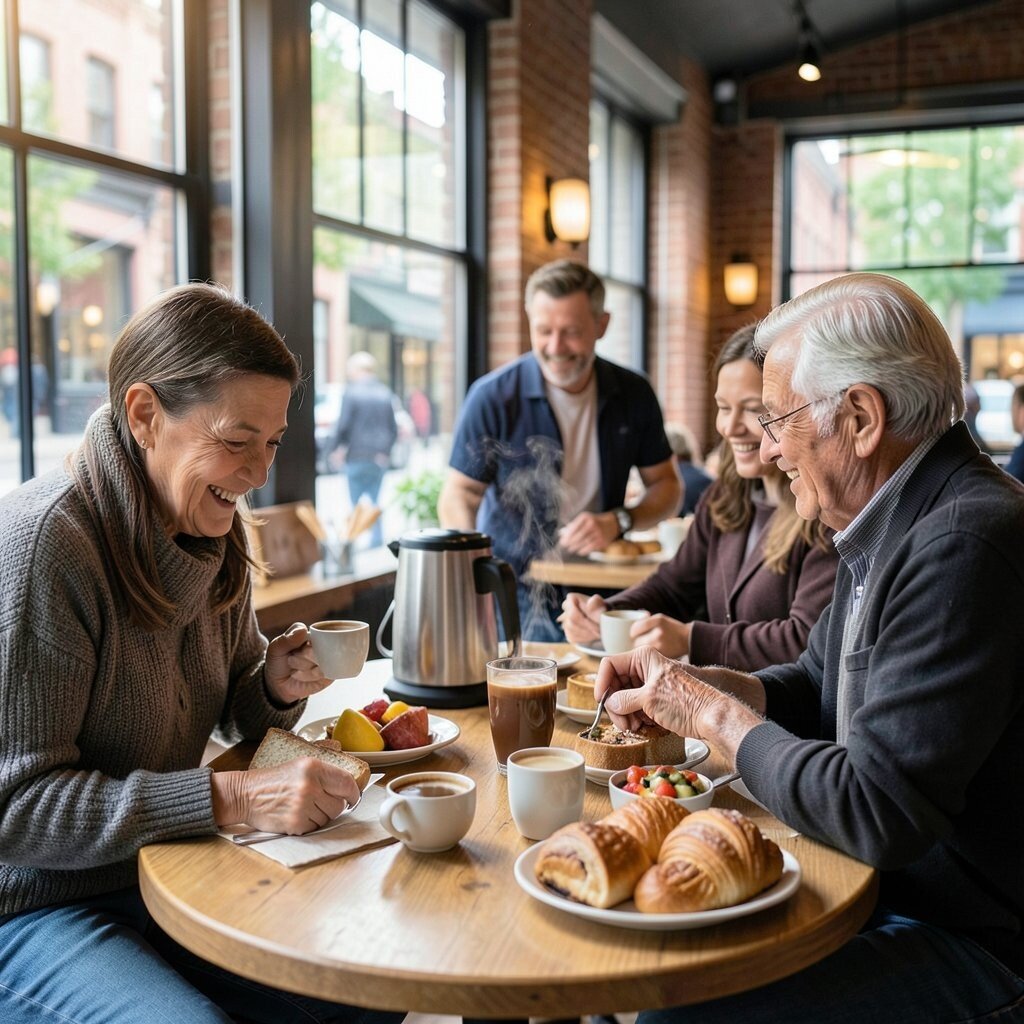
A morning coffee hour can turn a quiet time into a friendly one. The smell of fresh coffee, toast, and baked goods can pull people in from the sidewalk.
This is a simple way to help remote workers, parents, and older neighbors feel included. It can also build steady morning traffic for the restaurant.
Keep prices gentle and offer a few easy pairings, like coffee with fruit or a pastry. A local roast, a house blend, or a seasonal drink can add personality without making the menu hard to run.
13. Make Room for Local Groups to Meet
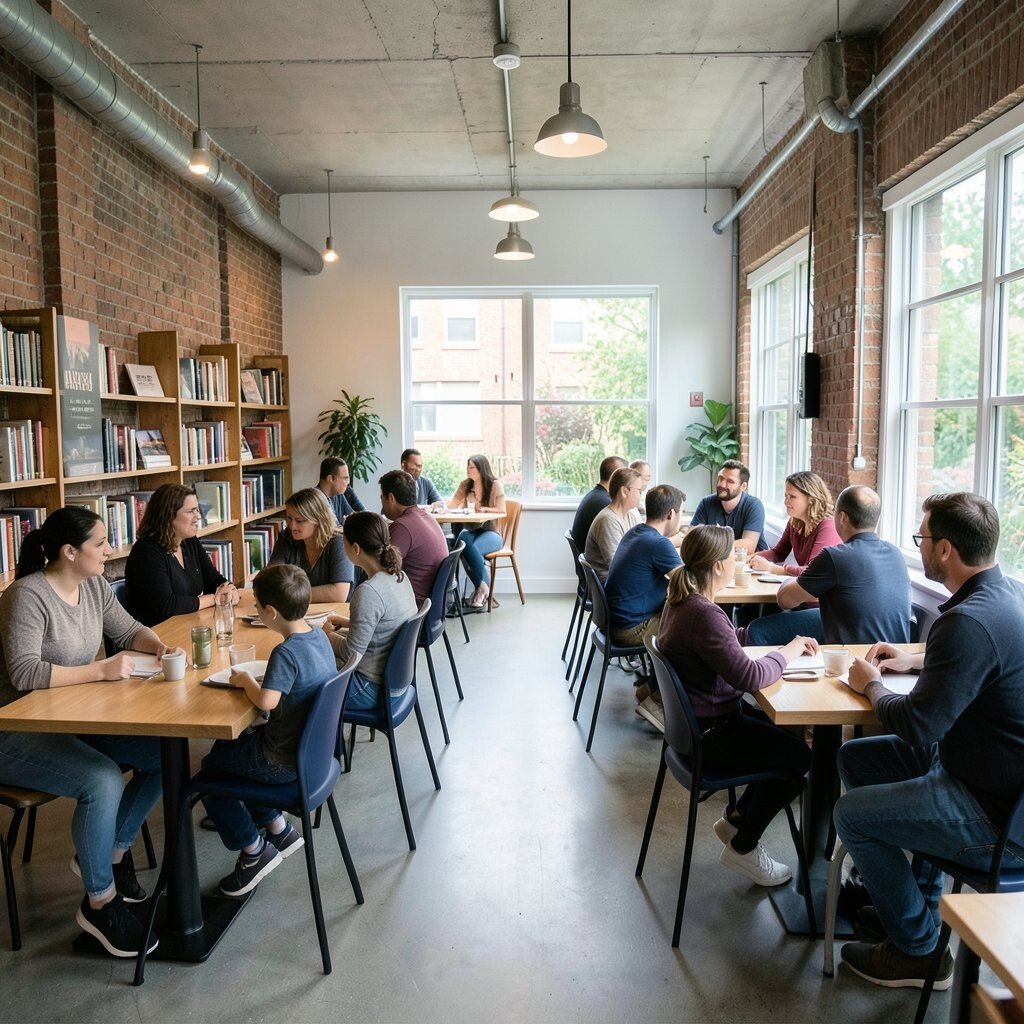
When a restaurant gives space to clubs and small groups, it becomes part of daily life. The room may hold book chats, garden meetings, or planning sessions for block events.
This makes the business feel useful in a deeper way. It also brings in guests who may return later with friends and family.
Use movable chairs, good sound control, and simple reservation rules so the space stays flexible. A small rental fee or food minimum can help cover costs while still keeping the door open.
14. Build a Takeout Shelf for Busy Neighbors
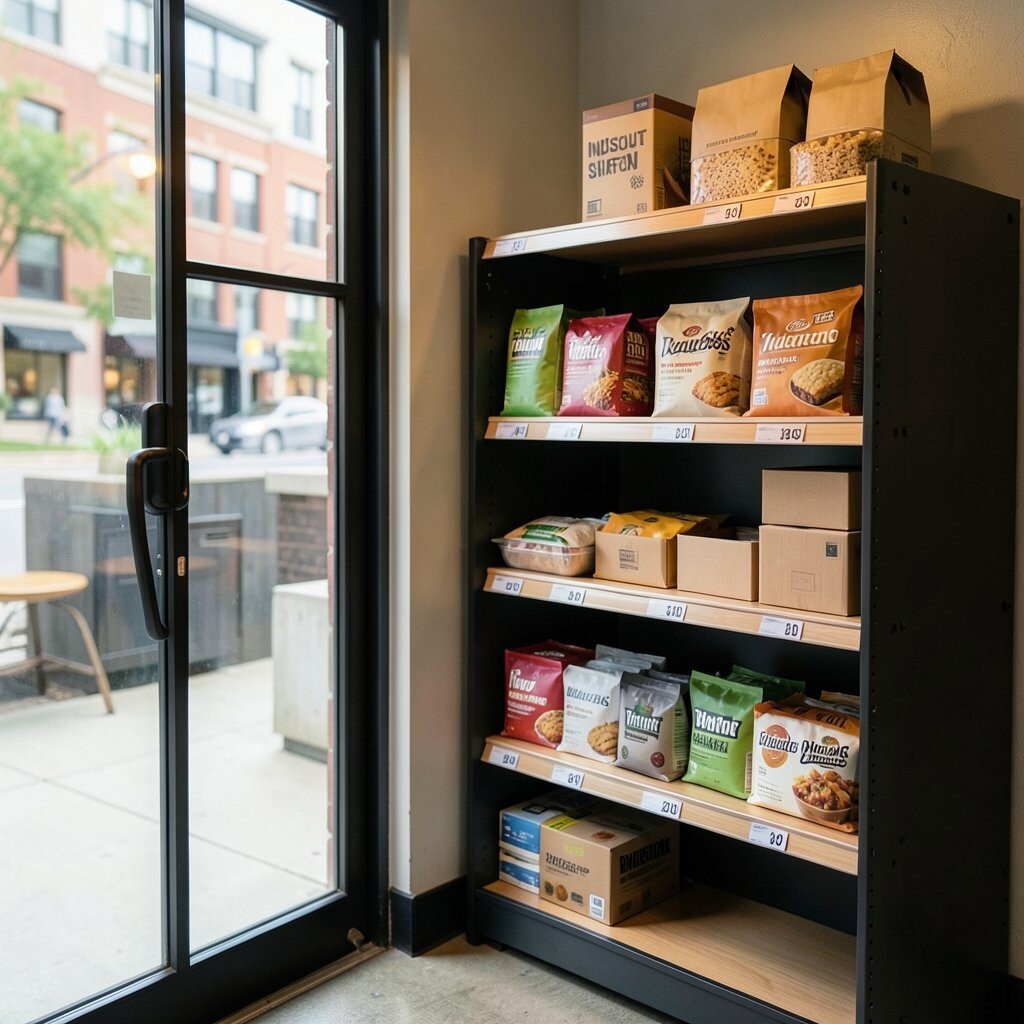
A takeout shelf near the front door can make pickup feel fast and smooth. It gives the space a neat, modern look while helping people grab meals without waiting long.
This is a strong fit for today’s busy routines, where many guests want speed and ease. It can also reduce crowding at the counter and make service feel calmer.
Add labels, warm lighting, and clear order numbers so the shelf works well for everyone. Keep packaging simple and sturdy, and think about reusable options if your budget allows it.
15. Start a Food Donation and Sharing Program
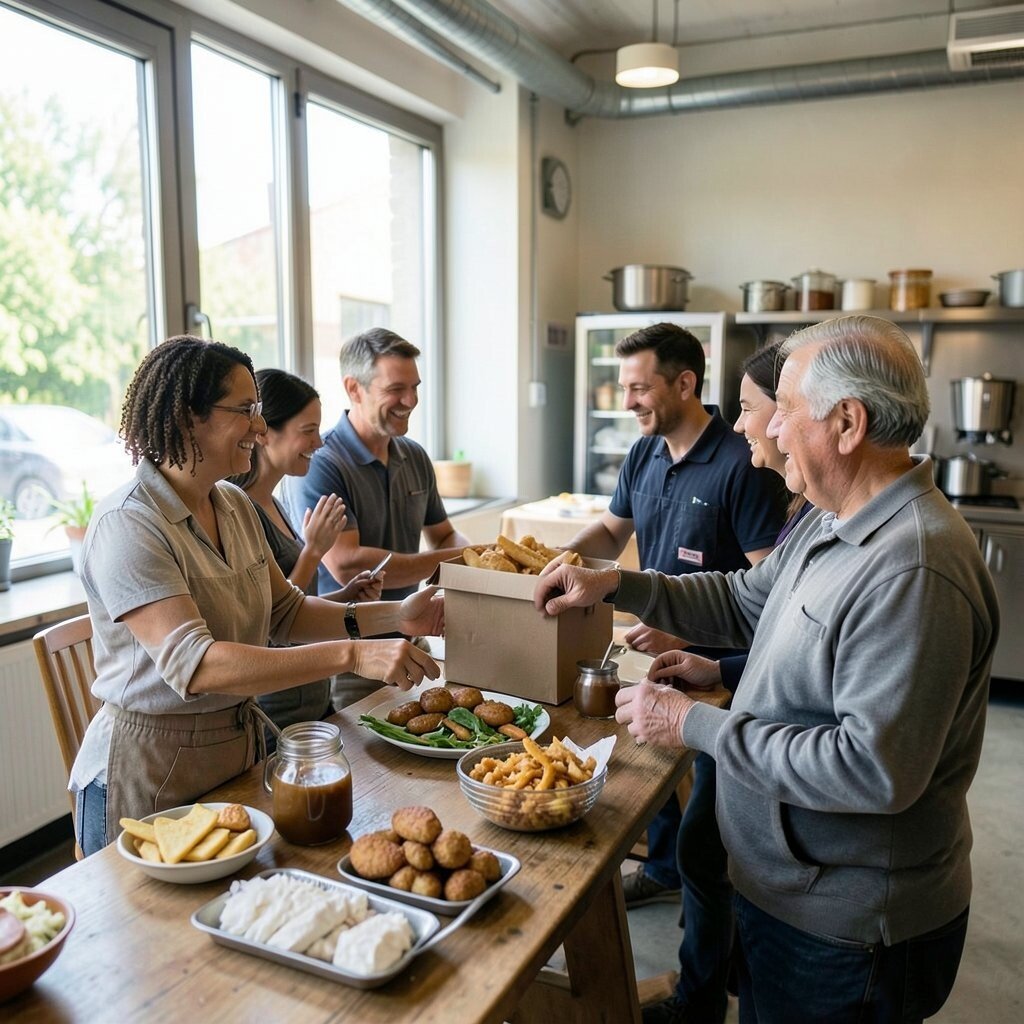
Extra food can still do good when it is handled with care. A donation and sharing program can support shelters, community fridges, or local mutual aid groups.
This kind of effort shows strong neighborhood values and reduces waste at the same time. It can also make staff feel proud of the work they do each day.
Set clear rules for food safety and pickup times so the program stays reliable. A simple partnership with nearby groups can keep costs low while making the restaurant feel deeply connected to the people around it.