Little hands love busy, squishy fun. Sensory play turns everyday moments into tiny adventures.
1. Rainbow Rice Treasure Tray
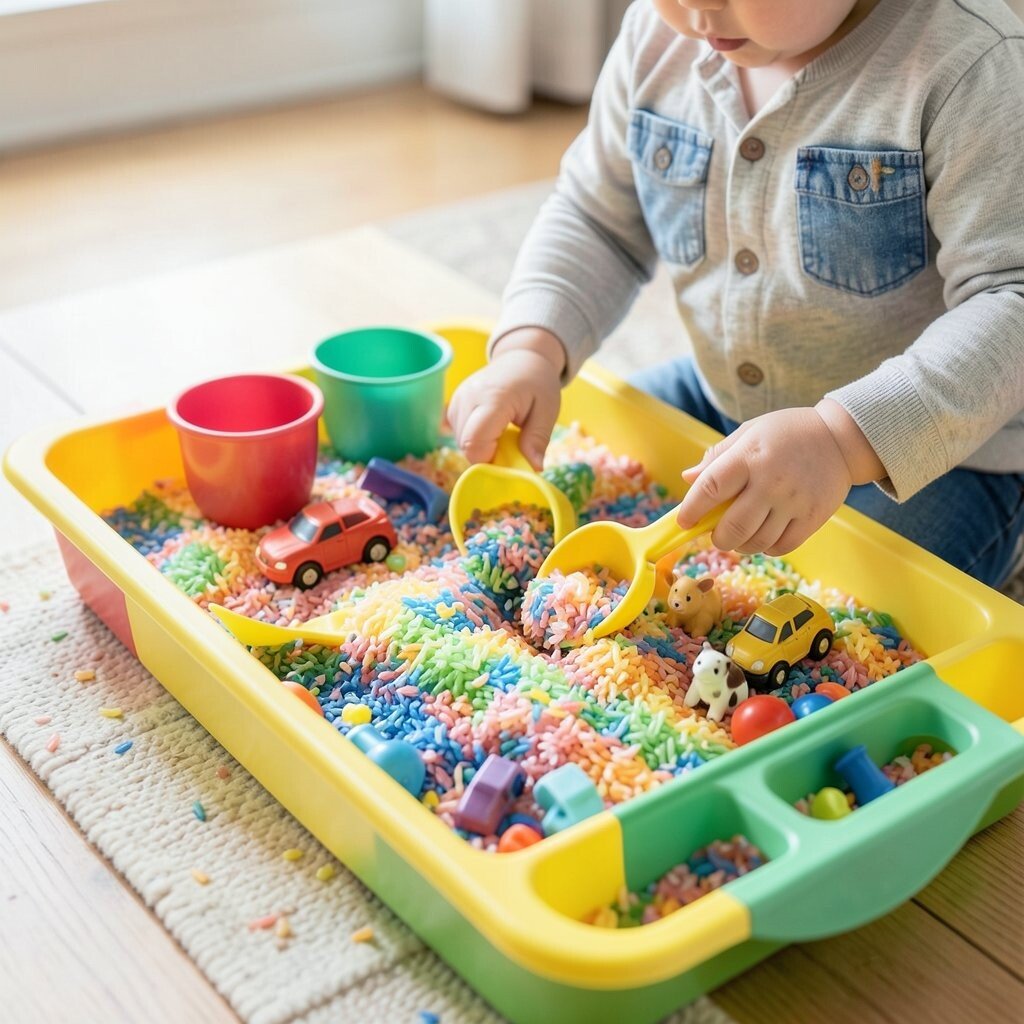
A bright tray filled with rainbow rice looks cheerful and inviting right away. Toddlers can scoop, pour, and hide tiny toys inside the colorful grains.
This activity helps build hand strength, focus, and early sorting skills. You can make it special by using a favorite color theme, adding spoons or cups, or tucking in themed toys like cars or animals. It is also a low-cost option because dyed rice is easy to make at home, which fits well with the current trend of simple open-ended play.
2. Cloud Dough Kitchen Bin
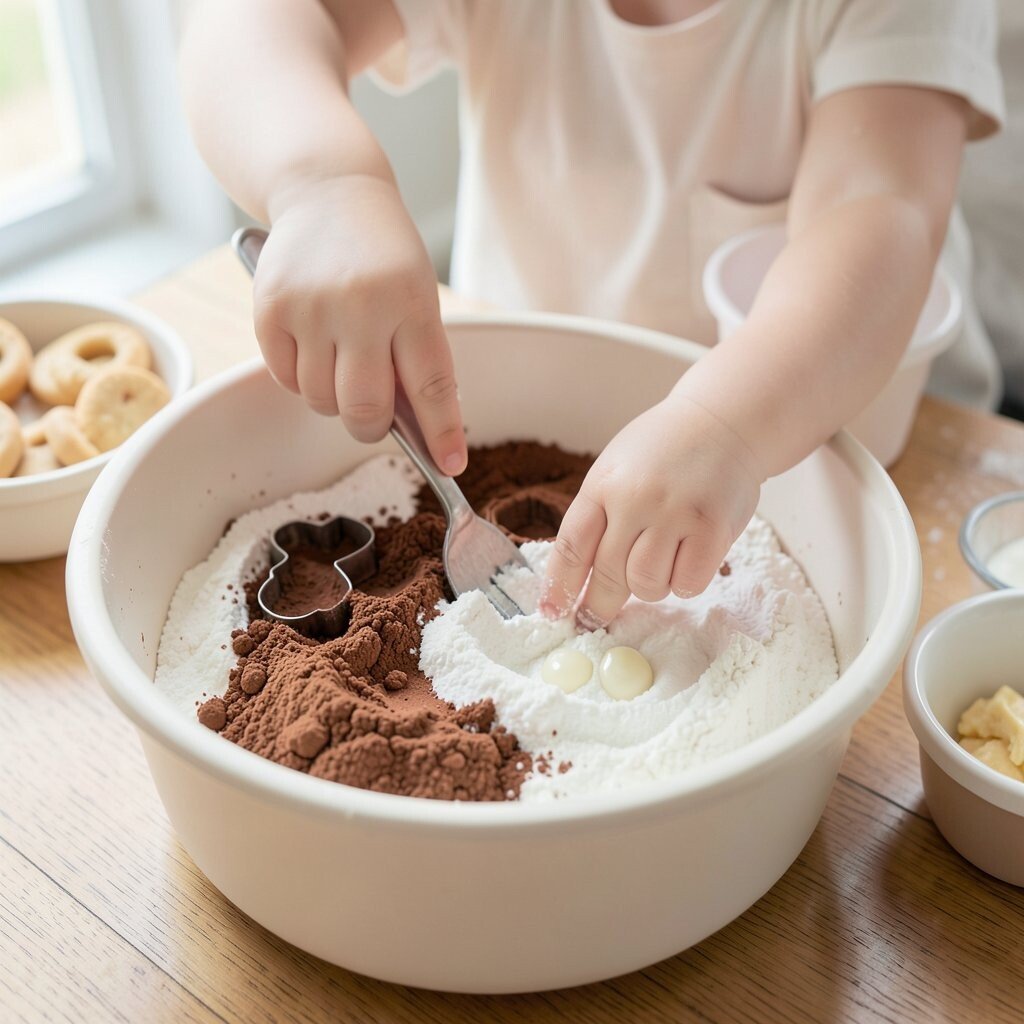
Cloud dough feels soft, crumbly, and almost like a sandy pillow under little fingers. A plain tub can become a pretend bakery, a moon base, or a snowy field with just a few tools.
This kind of play supports touch awareness and calm, careful movement. For a personal touch, add cookie cutters, toy cups, or a few drops of safe scent like vanilla. It is affordable because flour and oil are common pantry items, and many parents like this trend because it gives messy fun without a big setup.
If your child likes pretend food, place small bowls nearby for “baking” and serving. You can also change the look by mixing in cocoa powder for a brown version or using white flour for a bright, snowy effect. Always keep an eye on toddlers so the dough stays in the bin and out of mouths.
3. Water Bead Scoop Station
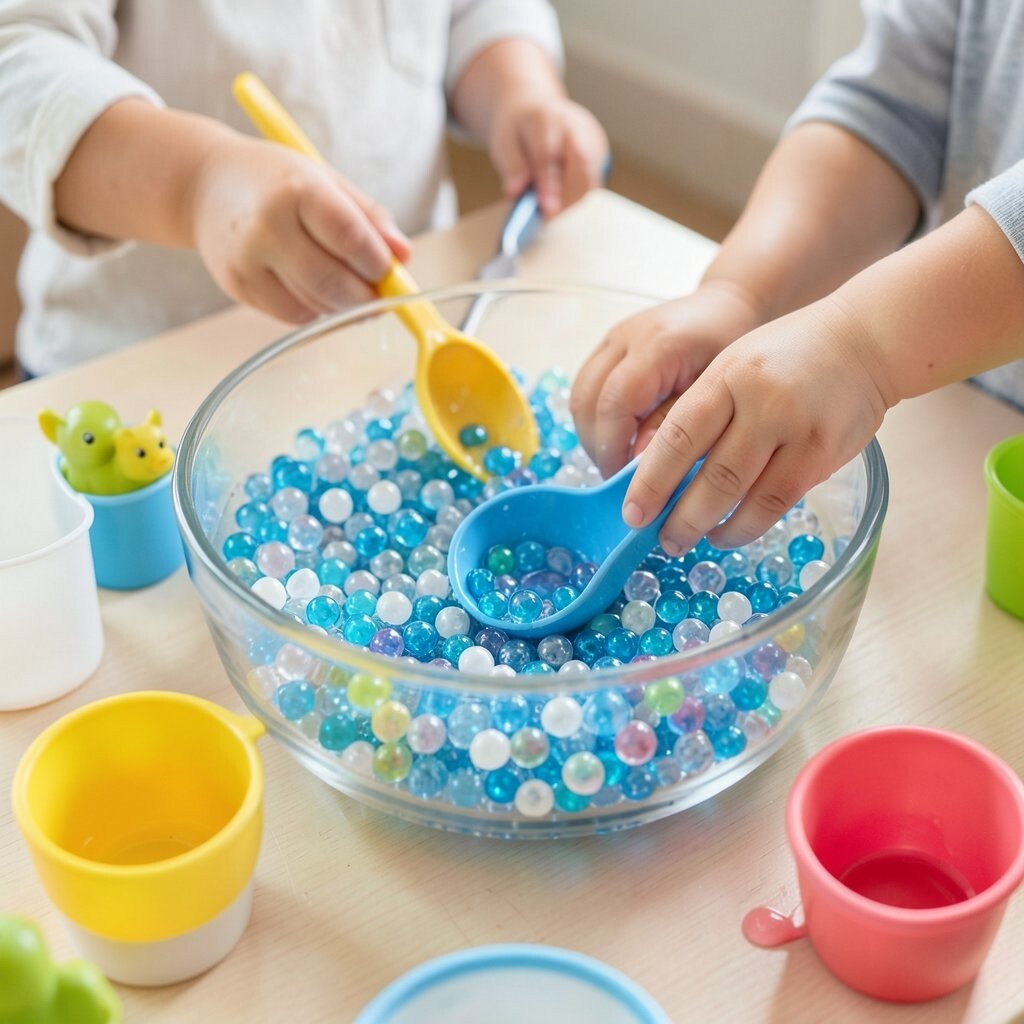
Water beads glow like tiny jewels in a clear bowl. Toddlers love the slippery feel and the way the beads slip through fingers.
This activity can support hand-eye coordination and gentle squeezing practice. Add cups, tongs, or plastic animals to make the play more unique and more fun. Because water beads can be a higher-cost item and need close supervision, many families use them for special play days or sensory bins with a trendy, shiny look.
You can match the beads to a season, like blue and white for winter or bright colors for spring. A clear container helps the colors stand out and makes the setup feel extra magical. For safety, keep the beads away from very young children who still mouth toys often.
4. Shaving Cream Car Track Art
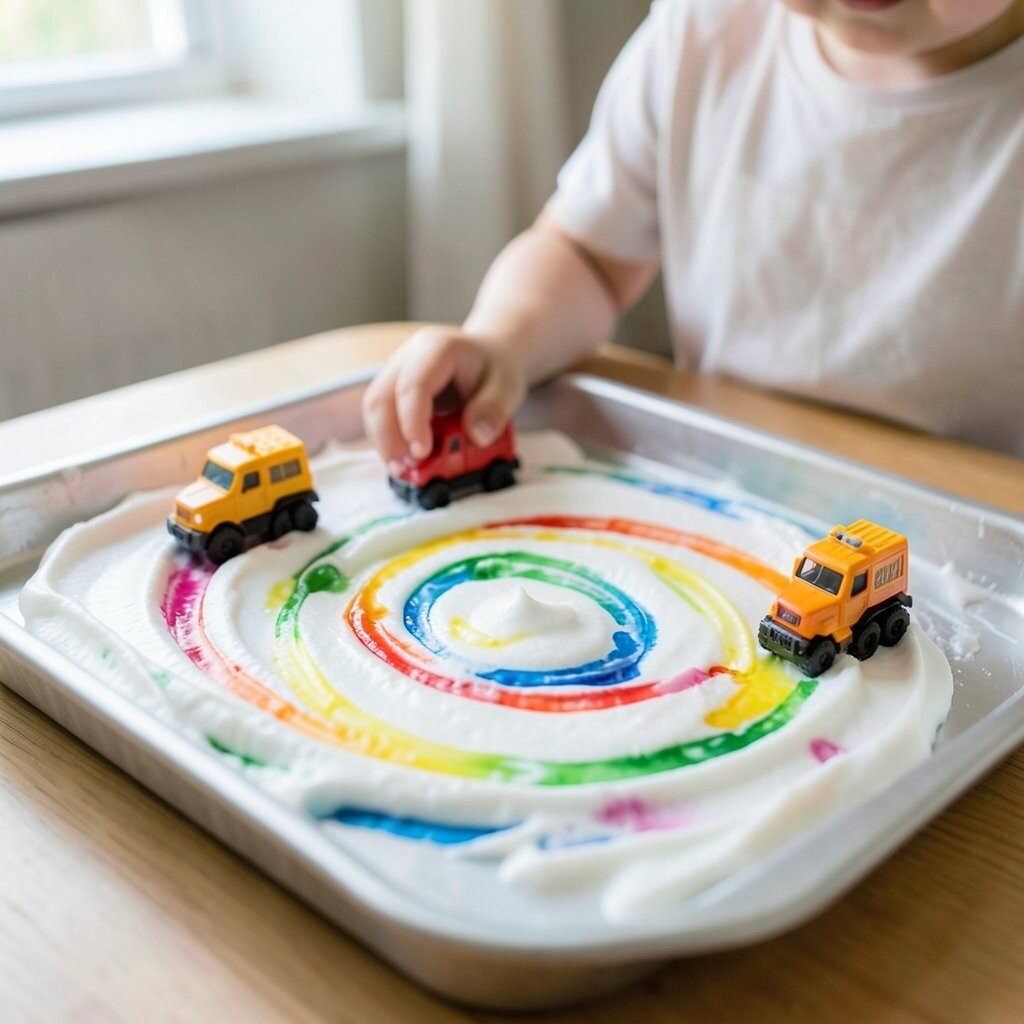
Soft white shaving cream spread on a tray makes a fluffy road for toy cars. When toddlers push cars through it, they leave swirly tracks that look bold and fun.
This play supports arm movement, cause-and-effect thinking, and creative marks. You can add food coloring for bright streaks or use a baking tray to keep cleanup simple. It is a low-cost choice, and messy art with toy vehicles is still a big hit in many homes.
5. Nature Bin With Leaves and Pinecones
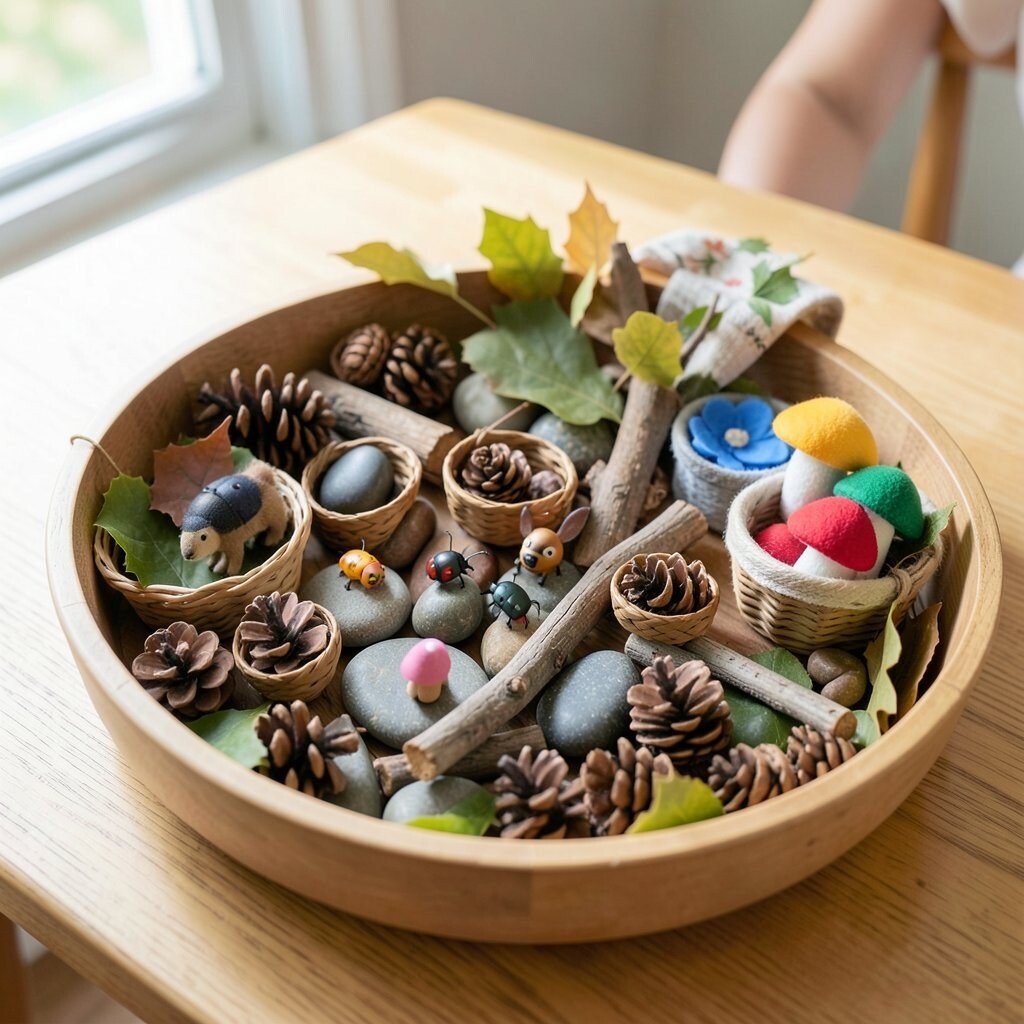
A nature bin can look like a tiny forest on a table. Leaves, pinecones, sticks, and smooth stones give toddlers lots of different shapes to touch and sort.
This activity builds language, noticing skills, and respect for the outdoors. Try making it personal by adding items from your own yard or from a family walk, and place in small baskets for sorting. Since nature items are often free, this is one of the easiest sensory ideas for families who want a simple, earthy trend.
You can also add toy bugs, woodland animals, or a small cloth for a pretend picnic scene. If your child enjoys color, mix in a few fabric flowers or felt mushrooms for a gentle pop. A shallow bin works best because it keeps the display neat and easy to reach.
6. Frozen Toy Rescue Cubes
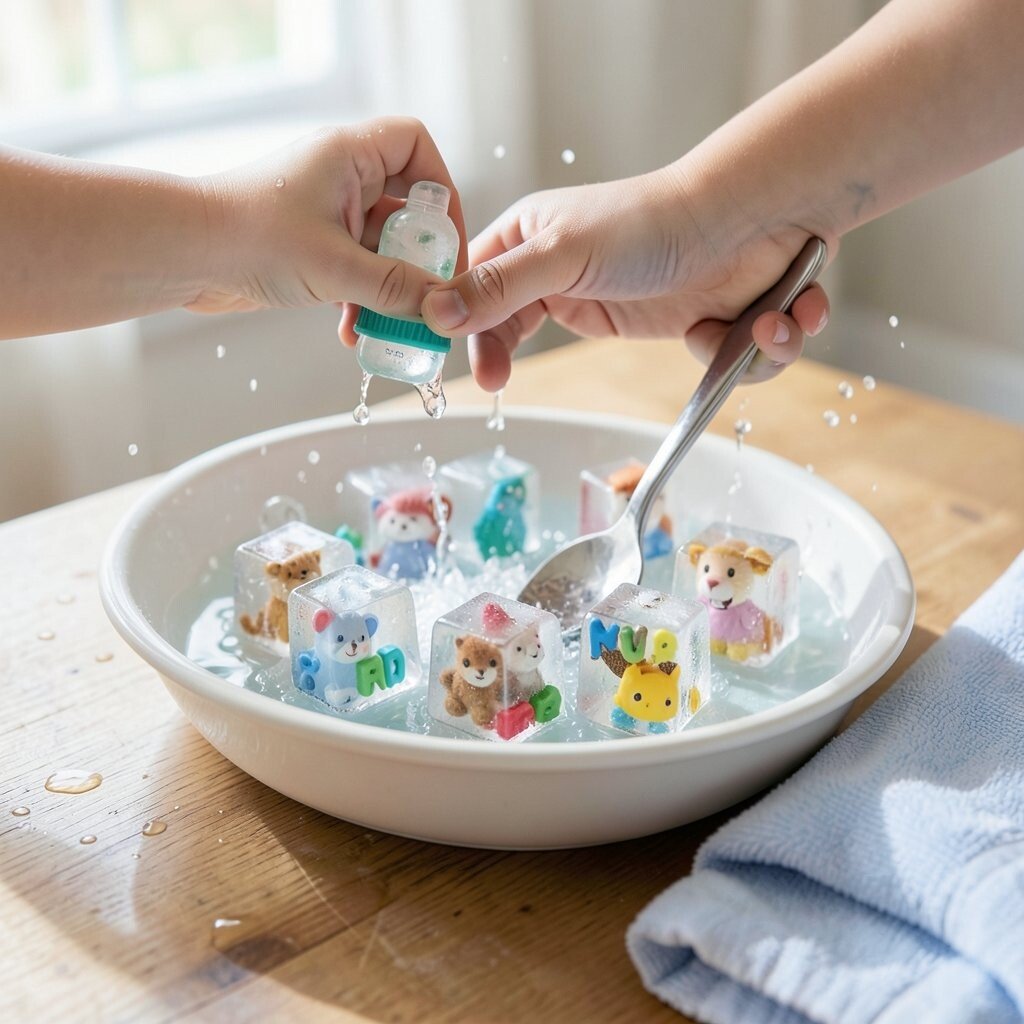
Clear ice cubes with tiny toys trapped inside look exciting and a little mysterious. Toddlers can use warm water, droppers, or spoons to free the hidden pieces.
This activity supports patience, problem-solving, and fine motor work. You can personalize it with favorite toy animals, alphabet pieces, or themed charms, making each batch feel new. It is usually inexpensive, and ice play has become a popular warm-weather trend because it feels cool and fresh.
Try placing the cubes in a shallow dish so the water stays contained. A little salt can help melt the ice faster and make the rescue feel extra dramatic. Keep towels close, since this activity often leads to happy splashes.
7. Scented Playdough Bakery
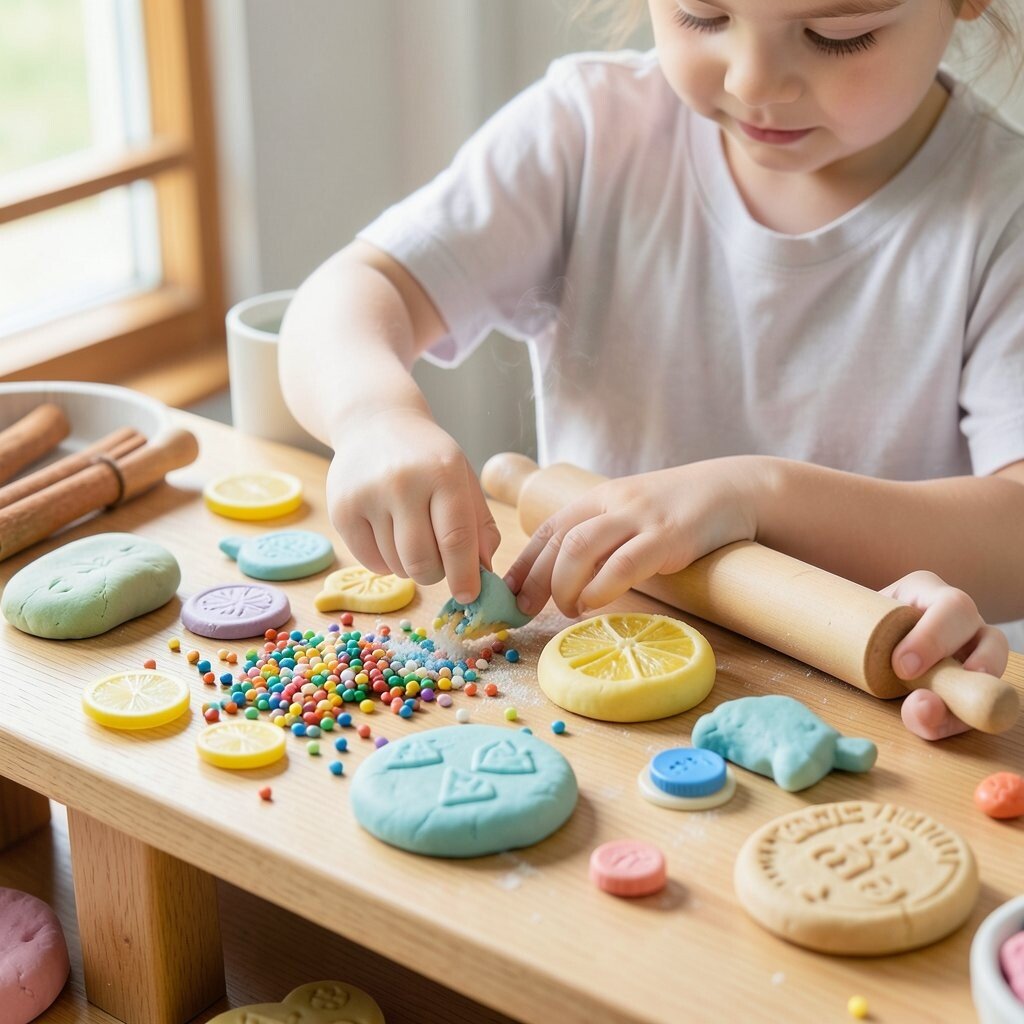
Fresh playdough in soft colors looks like a tiny bakery counter. When you add scent, the whole setup feels even more special and memorable.
This activity helps with squeezing, rolling, and shaping, which are great for little hands. You can make it unique by adding cinnamon, lemon, or peppermint scents and by using rolling pins or cookie stamps. Homemade playdough is budget-friendly, and scent-based play is a growing trend because it wakes up more than just the fingers.
Set out pretend sprinkles, buttons, or safe beads for decorating. Children often enjoy making “cakes” for dolls, stuffed animals, or family members. If your toddler has a favorite smell, use that to make the play feel personal and inviting.
8. Foam Soap Car Wash
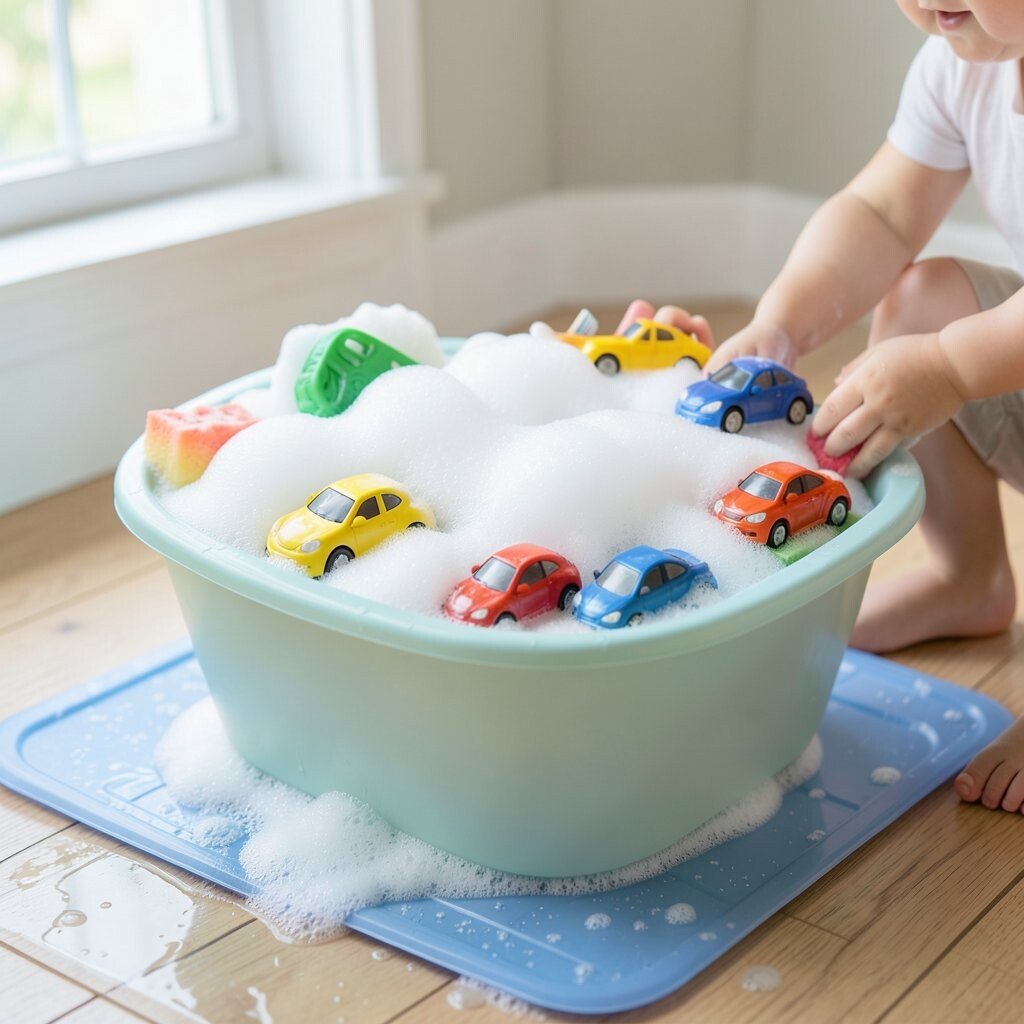
Foamy soap piled in a bin turns toy cars into shiny little racers. The white bubbles look cloudlike and make the whole space feel playful and bright.
This activity supports washing motions, grip strength, and pretend play. Add sponges, toothbrushes, or little towels to make the car wash feel more real and more unique. It is a low-cost setup with common supplies, and themed pretend stations remain a favorite trend for busy toddlers.
You can make the bin more personal by using your child’s favorite vehicle colors or naming the wash after your family. A plastic mat under the bin helps with cleanup and keeps water off the floor. Warm water can make the experience feel extra cozy on cooler days.
9. Pasta Sorting Rainbow Cups
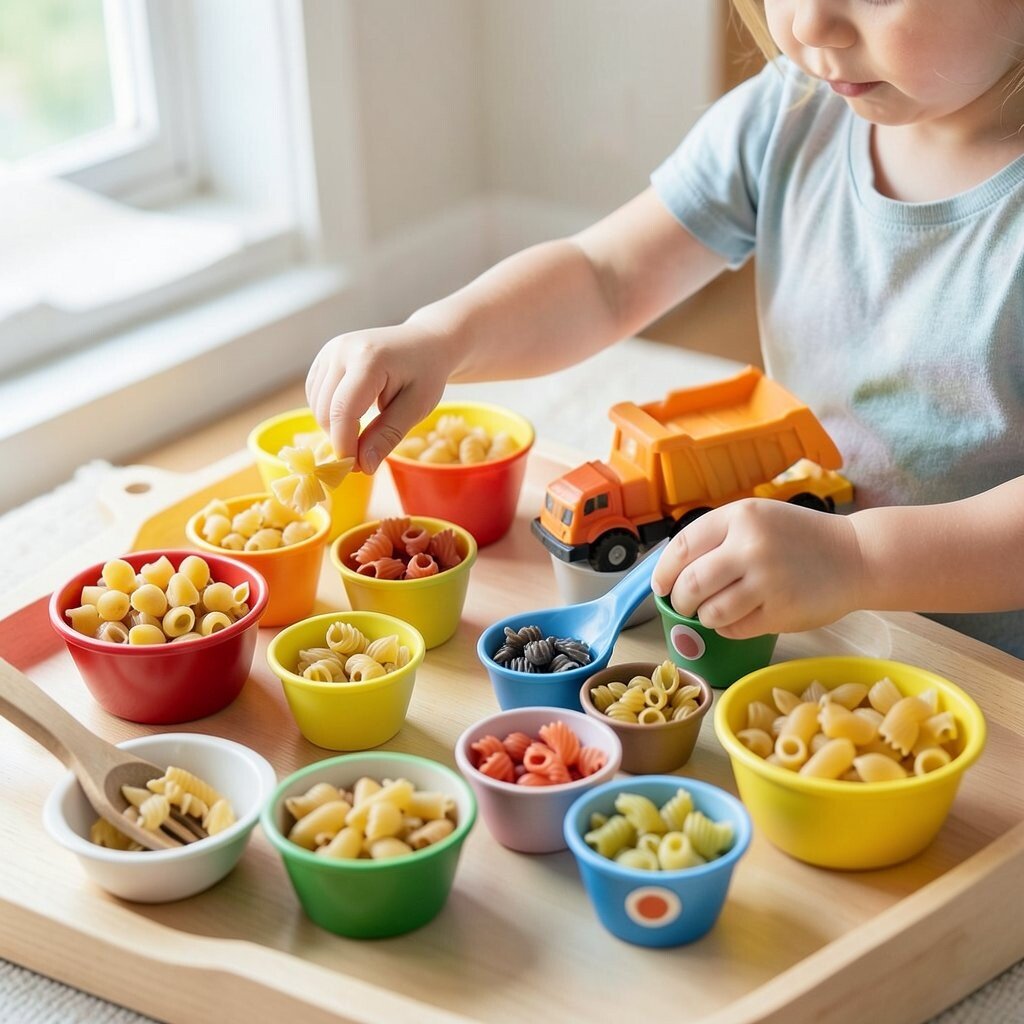
Dry pasta in many shapes and colors looks bright and neat in small cups. Toddlers love moving the pieces from one container to another and seeing the colors stack up.
This activity supports sorting, counting, and pincer grasp practice. You can make it more special by using different pasta shapes, adding scoops, or matching cups to a favorite theme. It is very affordable, and simple sorting trays are still popular because they are calm, tidy, and easy to repeat.
Try using muffin tins or egg cartons for an easy sorting base. If your child likes trucks, use a toy dump truck to move the pasta around. A label or color dot on each cup can help older toddlers match pieces with more confidence.
10. Jelly Sensory Dig
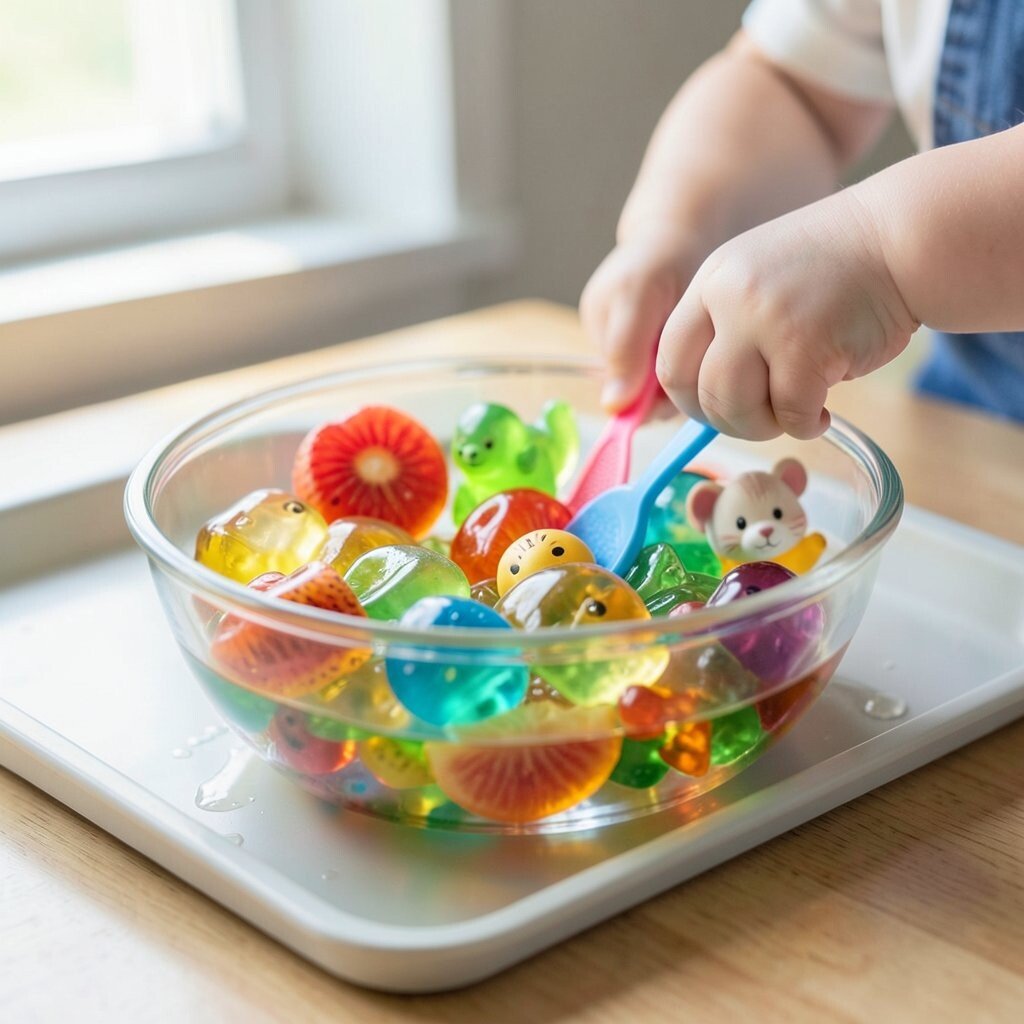
Cool, wobbly jelly in a bowl looks shiny and fun, almost like a dessert made for play. Small toys hidden inside can make each scoop feel like a surprise.
This activity supports touch tolerance and gentle digging motions. You can personalize it with fruit shapes, animal toys, or themed colors, and you can use a clear bowl so the jelly glows. It is a low-cost idea if you already have gelatin, and food-based sensory play is still popular because it feels playful and familiar.
Some families add plastic spoons or small nets for a different feel. A tray underneath helps catch drips and keeps cleanup simple. If your toddler is very curious, keep the hidden toys easy to spot at first so the play stays fun instead of frustrating.
11. Bubble Wrap Stomp Path
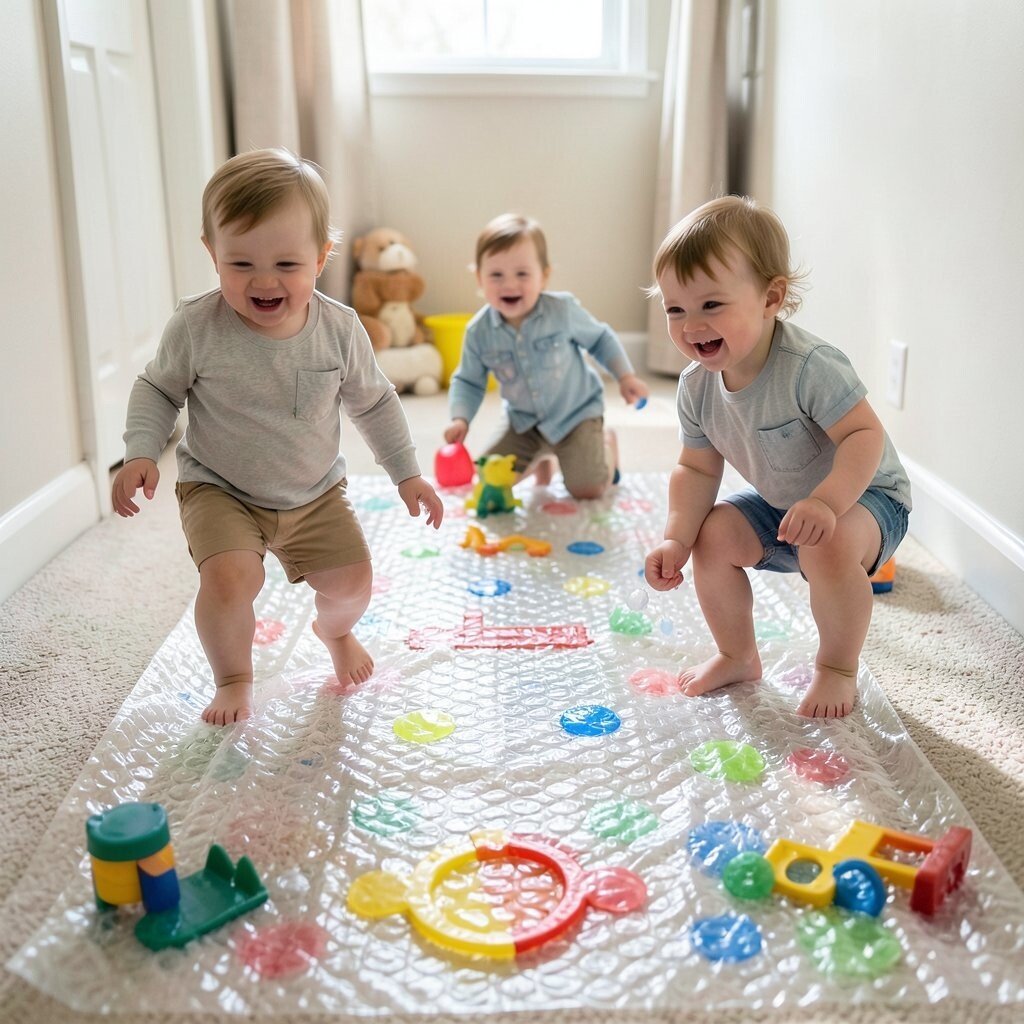
Bubble wrap laid across the floor looks shiny and bumpy, and toddlers often grin before they even step on it. Each pop makes the path feel lively and full of sound.
This activity supports balance, body awareness, and sensory feedback from feet and hands. You can create a unique path with tape shapes, color spots, or toy signs that guide the way. Bubble wrap is usually inexpensive, and movement-based sensory play is a strong trend for children who need active fun.
Try placing the wrap inside a hallway or on a soft rug for a safe setup. You can ask your child to stomp, tiptoe, or march like an animal for extra variety. If the noise is too much, keep the path short and let your toddler choose the pace.
12. Edible Finger Paint Board
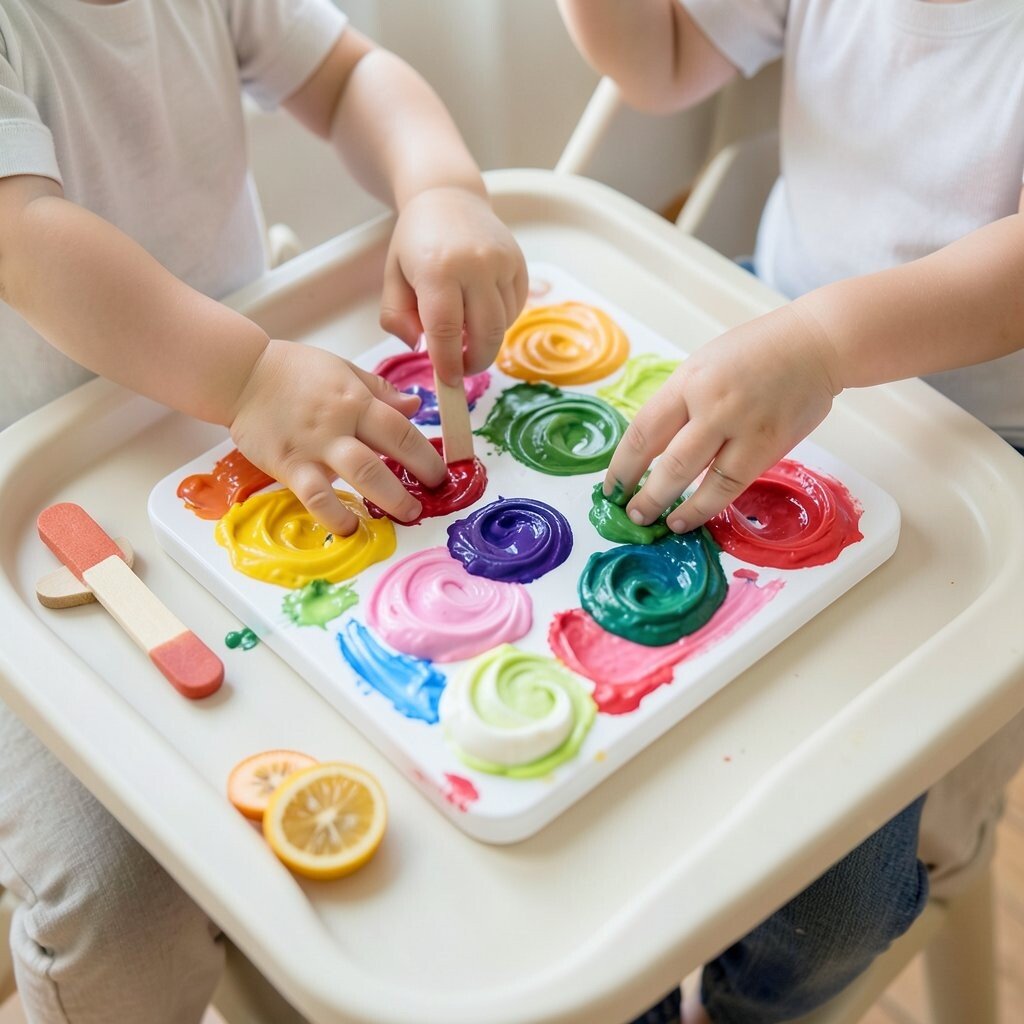
Bright swirls of pudding or yogurt on a tray look like a tiny art studio. Toddlers can smear, dot, and drag their fingers through the colors without needing brushes.
This activity supports creativity, touch comfort, and early mark making. Make it unique by using natural food colors or different flavors, and offer popsicle sticks for children who do not want sticky fingers right away. It can be low-cost with pantry ingredients, and edible art is a favorite trend for parents who want a safer messy play option.
You can place the board on a highchair tray for easy control and quick cleanup. A few fruit slices on the side can make the setup feel like a snack and art moment together. Always check for allergies before using any edible materials.
13. Fabric Scrap Treasure Basket
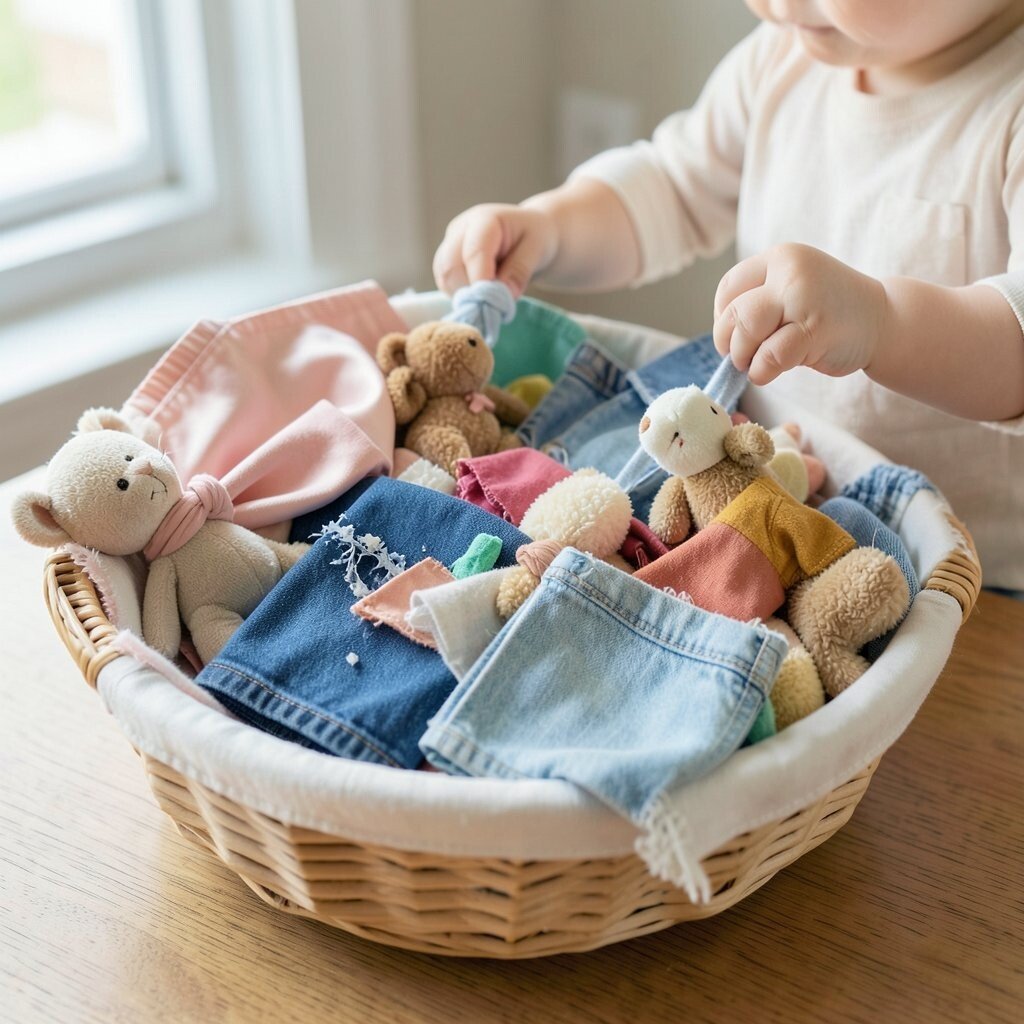
Soft fabric scraps in many textures look like a tiny pile of treasure. Satin, fleece, denim, and cotton each feel different, which keeps little hands busy.
This activity supports touch learning and language as toddlers compare smooth, rough, soft, and stretchy pieces. You can personalize the basket with old baby blankets, family shirts, or favorite colors, which makes it feel warm and familiar. It is a very low-cost choice because many materials can come from leftover cloth, and fabric play fits the trend of using simple home items in new ways.
Try tying a few scraps into knots or making a soft pulling game. You can also match the fabrics to stuffed animals or dolls for pretend laundry time. A shallow basket keeps the pieces easy to see and easy to reach.
14. Kinetic Sand Castle Corner
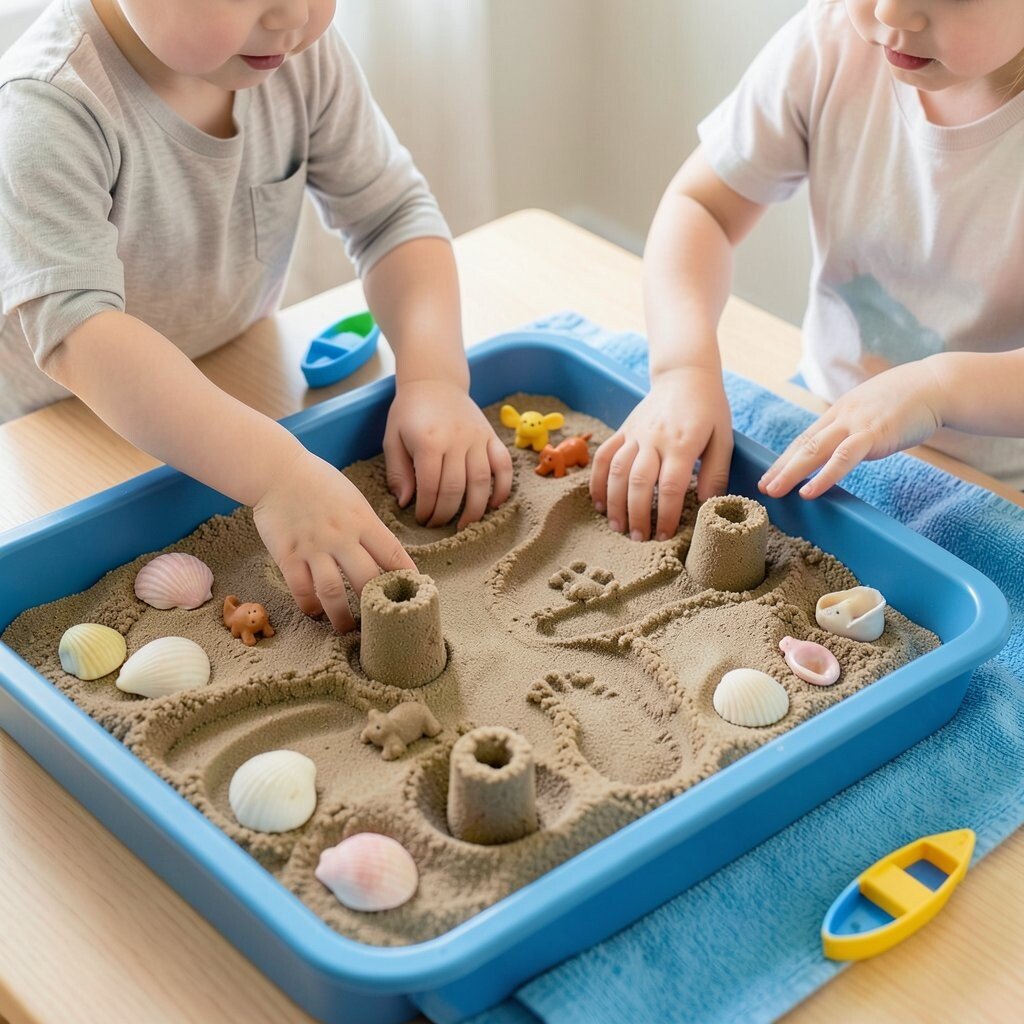
Kinetic sand looks smooth and rich, almost like wet beach sand that stays neat on the table. Toddlers can press it, mold it, and watch it hold its shape in a satisfying way.
This activity helps with hand strength, calm focus, and creative building. Add shells, toy animals, or small molds to make the play more unique and more personal. It costs more than regular sand, but many families like it because it is less messy and remains a popular trend for indoor sensory bins.
Set the sand in a tray with raised sides to keep the area tidy. You can make a tiny beach scene with blue paper, a towel, or a few toy boats. If your child likes building, show how to press towers, roads, or animal footprints into the sand.
15. Oobleck Science Tub
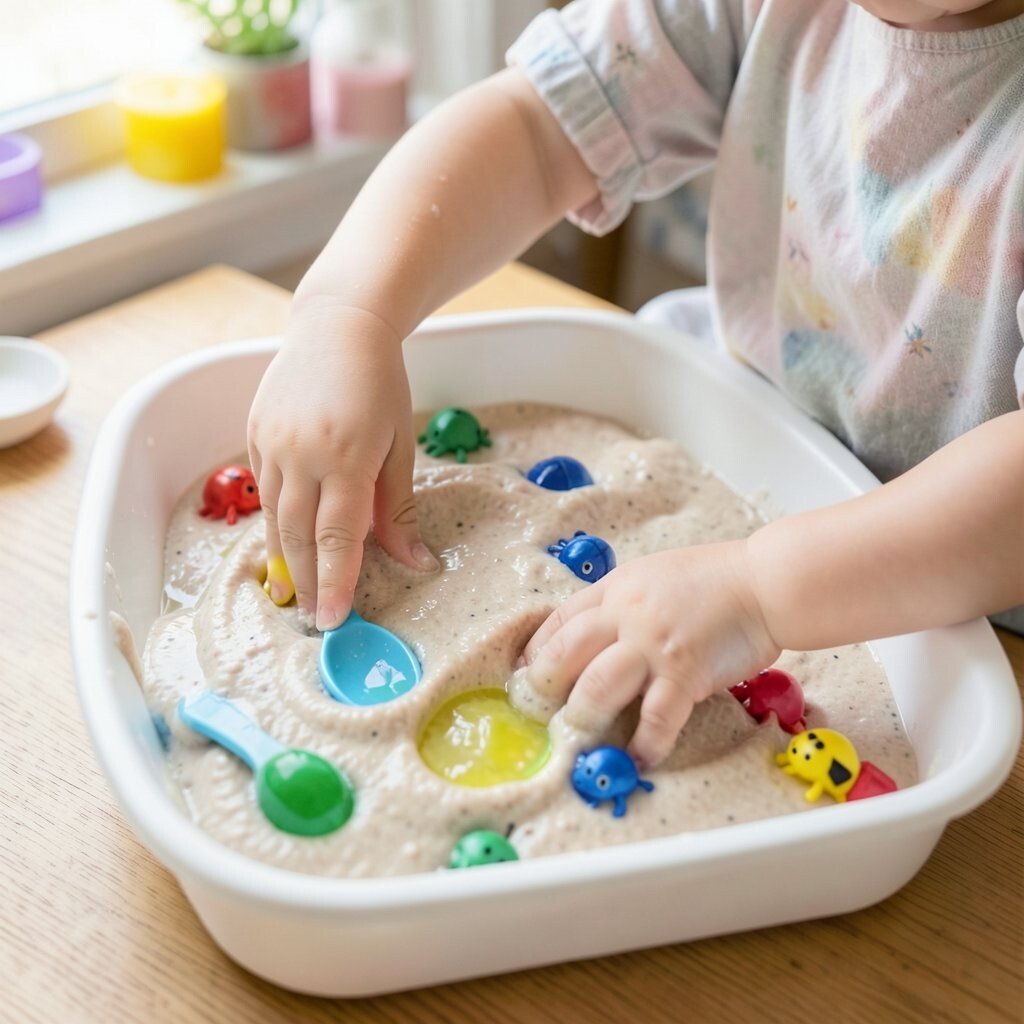
Oobleck looks plain at first, but it acts in a surprising way when little hands touch it. It can feel solid for a moment and then turn soft and runny again.
This activity supports curiosity, squeezing, and early science thinking. Make it unique by adding food coloring, toy bugs, or spoons, and let your child test what happens with slow and fast touches. It is a low-cost mix of cornstarch and water, and hands-on science is a strong trend because it feels magical without needing fancy tools.
Use a tray with high sides so the mixture stays contained. A smock or old shirt helps with cleanup, since oobleck can drip in funny ways. If your toddler enjoys surprises, talk about how the mixture changes as they press and lift their fingers.
16. Cotton Ball Snow Scoop
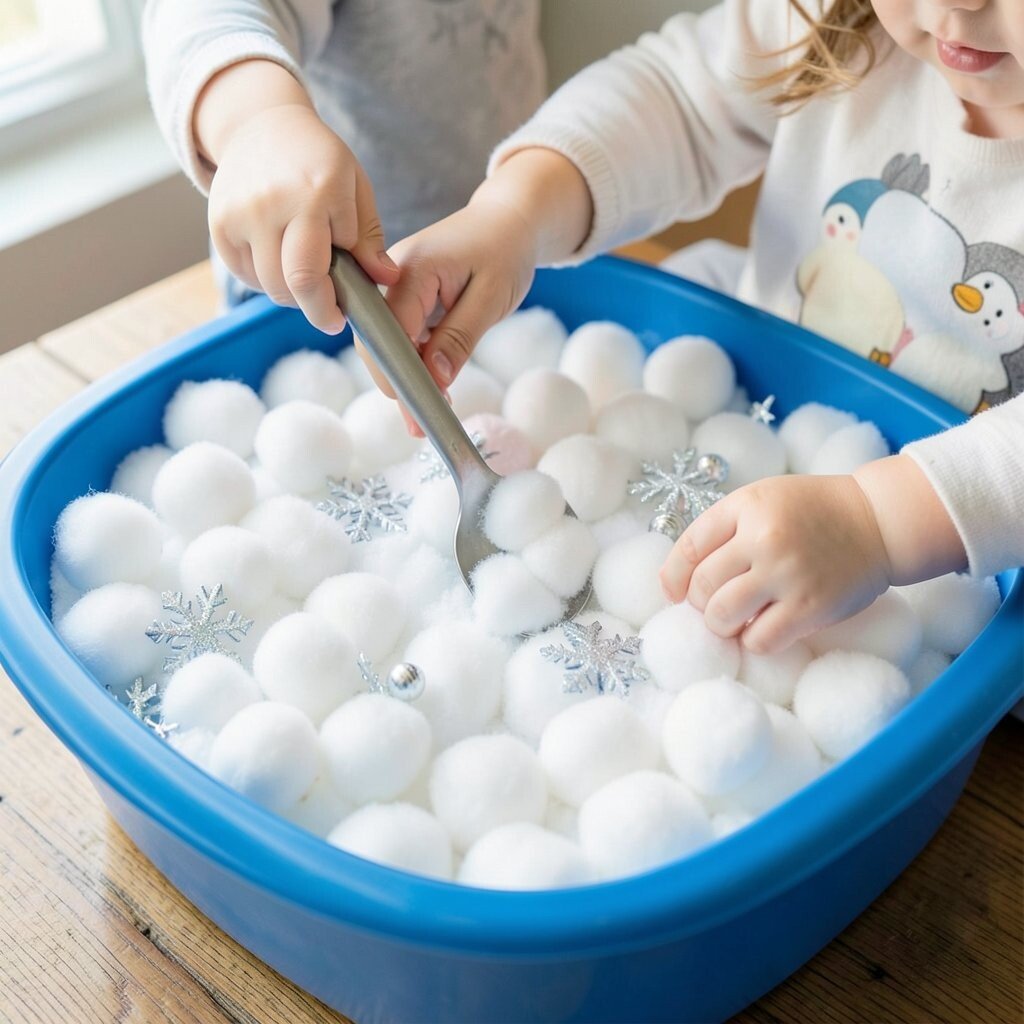
White cotton balls spread across a bin look like a soft snowfield. Toddlers can scoop, pinch, and carry the fluffy pieces with spoons or tongs.
This activity supports grip practice, careful movement, and pretend winter play. You can personalize it with penguins, mittens, or blue cups, and you can add a few glittery stars for a frosty feel. Cotton balls are inexpensive, and seasonal sensory bins are a current favorite because they feel fresh and easy to change.
Try hiding tiny plastic snowflakes or silver pom-poms inside the cotton balls. A blue tray makes the white color stand out and look extra bright. For a softer challenge, let your toddler move the balls with hands first and tools later.
17. Garden Dirt Potting Station
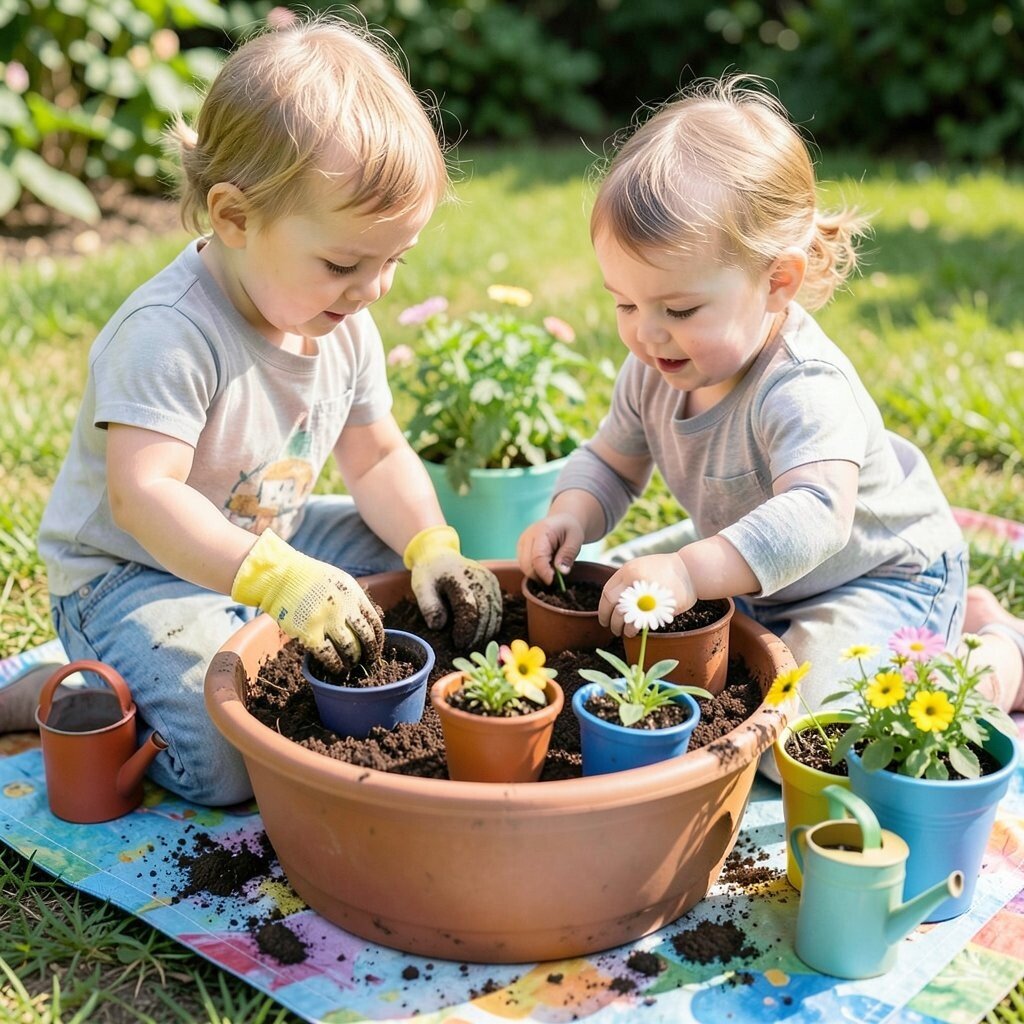
Rich brown soil in a pot or tub looks like a real garden waiting to happen. Toddlers love patting it down, filling cups, and placing pretend flowers inside.
This activity supports outdoor learning, sensory comfort, and pretend planting. You can make it special with small watering cans, colorful pots, or child-safe gloves, and you can use real seeds if you want a simple growing lesson. Dirt play can be very low-cost, and nature-based setups stay popular because they connect children to the world around them.
Set the station outside or on a washable mat to keep cleanup easier. If you want a personal touch, use family herb pots or a flower your child likes. Always remind toddlers not to taste the soil, and wash hands after play.
18. Magnetic Sensory Fishing Pond
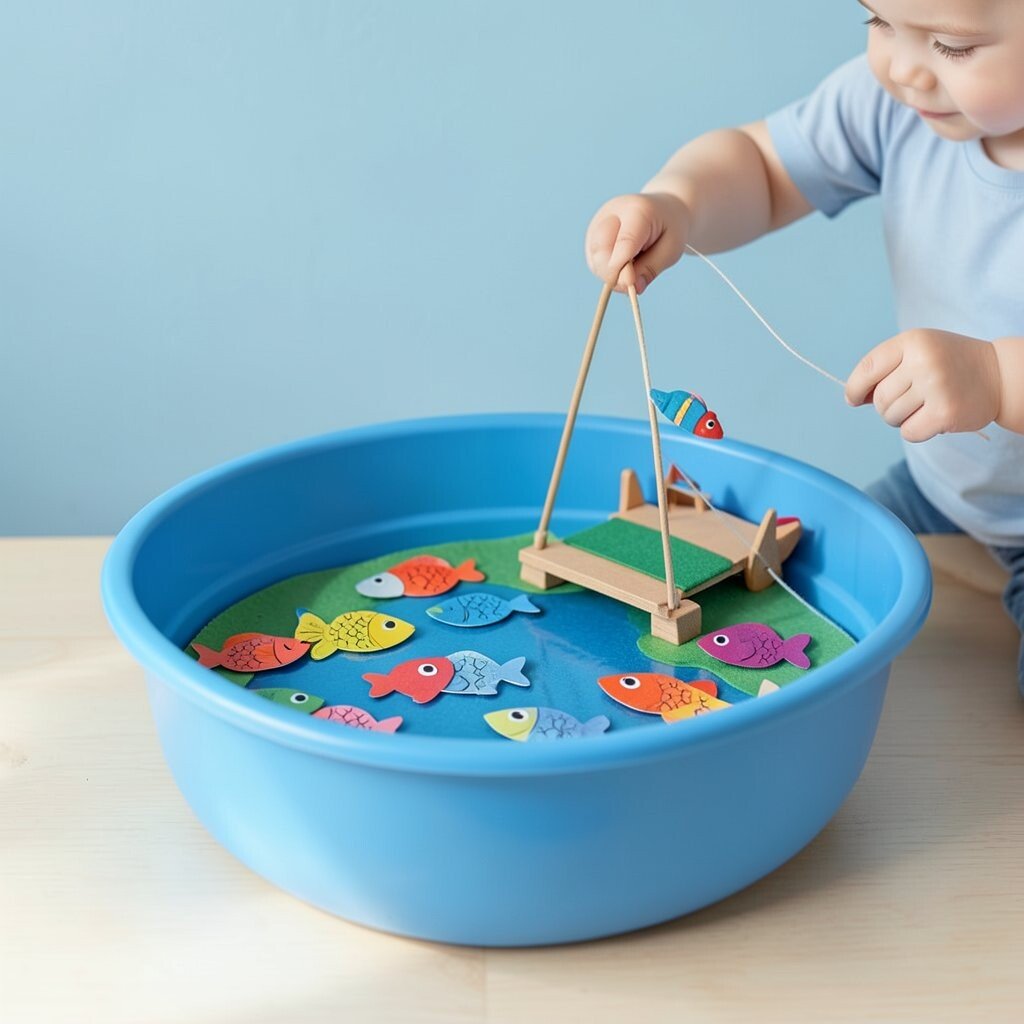
A blue bin with paper fish or magnetic pieces can look like a tiny pond. Toddlers enjoy “fishing” with a rod, then watching the pieces lift up like magic.
This activity supports coordination, focus, and pretend play. You can personalize it with fish names, color matches, or a favorite story theme, and you can make the pond from paper, felt, or foam. It can be low-cost if you craft the fish at home, and magnetic play is a trendy choice because it feels clever and exciting.
Try adding a small bridge, a boat, or a pretend dock for extra charm. If your child is younger, use larger pieces that are easier to catch. A calm blue background helps the bright fish stand out and makes the scene look neat.
19. Jingle Bell Sound Bottles
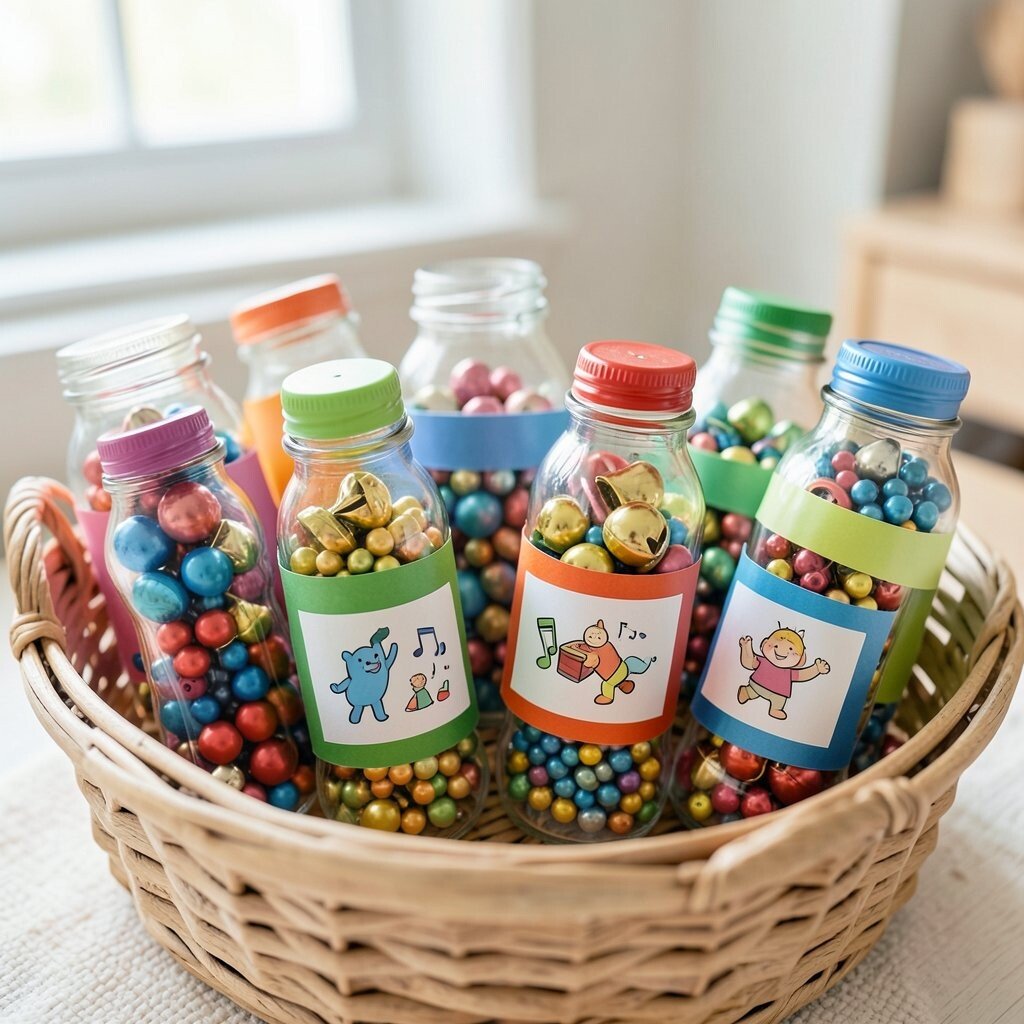
Clear bottles filled with bells, beads, or buttons look shiny and cheerful. When toddlers shake them, they make music that feels playful and lively.
This activity supports listening skills, rhythm, and cause-and-effect learning. You can make it unique by using different fillings, wrapping the bottles in colored tape, or making matching pairs with the same sound. It is usually low-cost, and sound bottles fit a growing trend of simple homemade instruments for young children.
Try labeling bottles with pictures so your child can match the sounds later. A soft basket keeps the bottles together and makes cleanup easy. If your toddler likes dancing, pair the bottles with music for a fun movement game.
20. Alphabet Foam Bath Letters
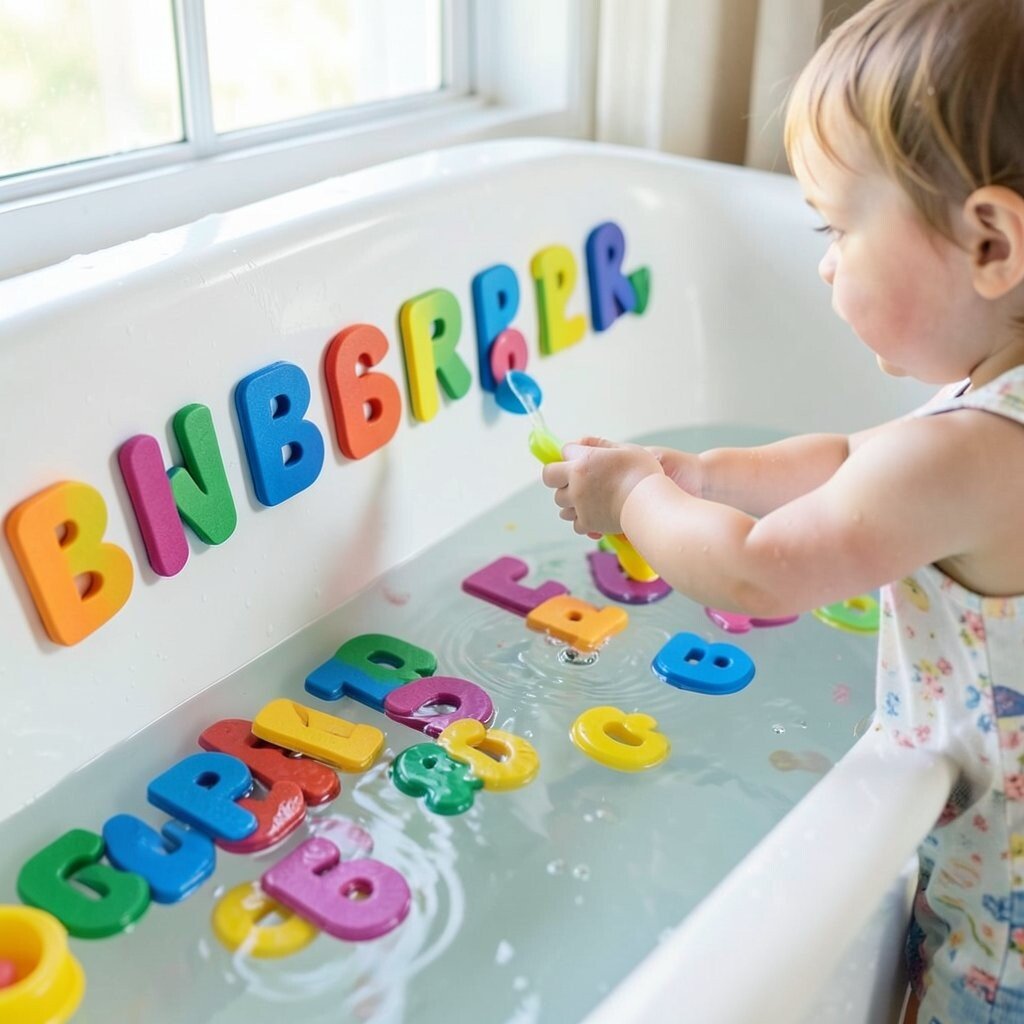
Colorful foam letters floating in bath water look bright and playful. Toddlers can stick them to the tub wall, scoop them, or line them up like little signs.
This activity supports letter recognition, water play, and hand movement. Make it personal by using the first letters of family names or by choosing a favorite color set. Foam letters are affordable, and bath toys that teach early skills are still a strong trend because they turn routine time into playful learning.
You can sing letter songs while your child moves the pieces around. A bath caddy or mesh bag keeps the letters organized between uses. If your toddler is not ready for the whole alphabet, start with just a few letters and add more later.
21. Pom-Pom Color Maze
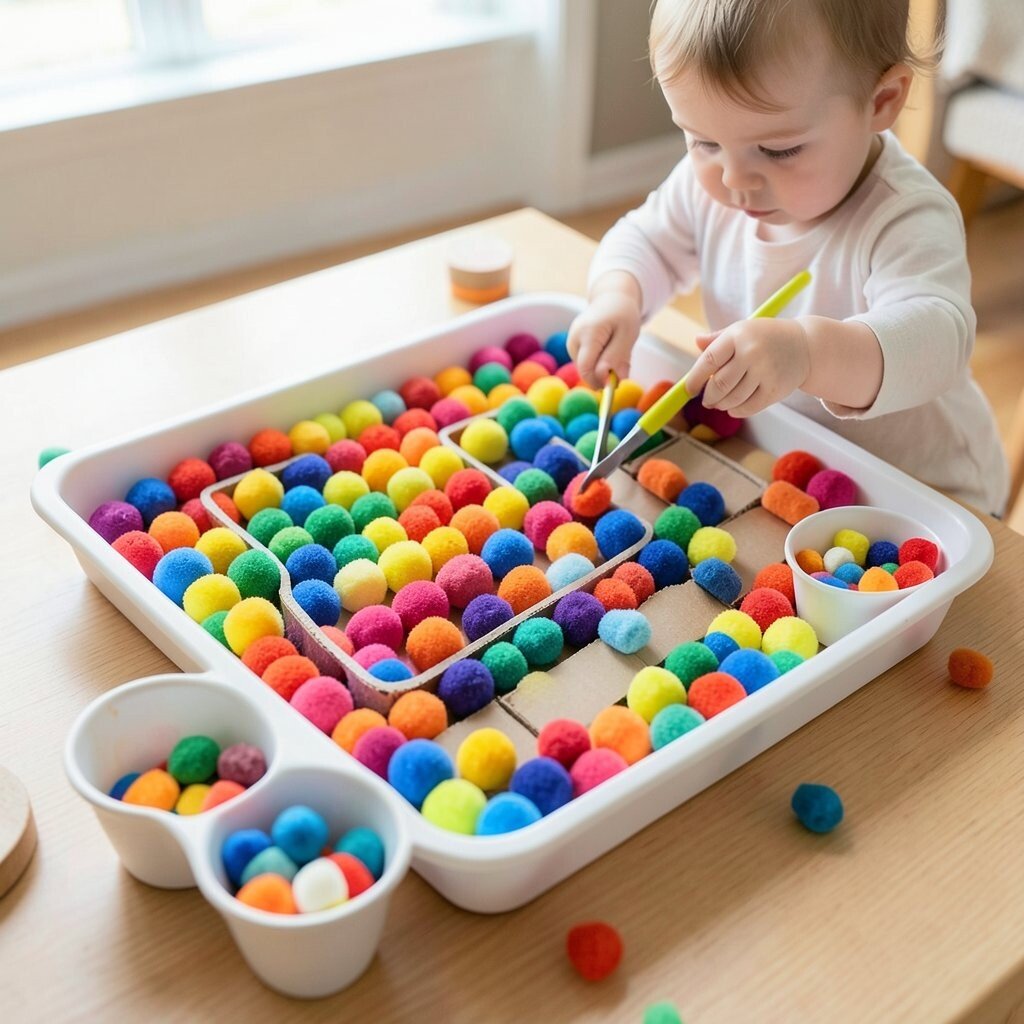
Soft pom-poms in bright colors can fill a tray like a tiny rainbow cloud. Toddlers can move them through a maze, sort them by color, or place them into cups.
This activity supports fine motor skills, color matching, and careful hand control. You can personalize it with favorite colors, tongs, or a maze drawn on cardboard, which makes the play feel fresh each time. Pom-poms are inexpensive, and tabletop sorting games are a current trend because they are simple to set up and easy to repeat.
Try using a muffin tin for color groups or a cardboard path for a gentle challenge. A pair of child-safe tweezers can make the task feel more grown-up. If your child likes animals, pretend the pom-poms are tiny food pieces for a toy bear or bird.
22. Ice Cream Scoop Sand Shop
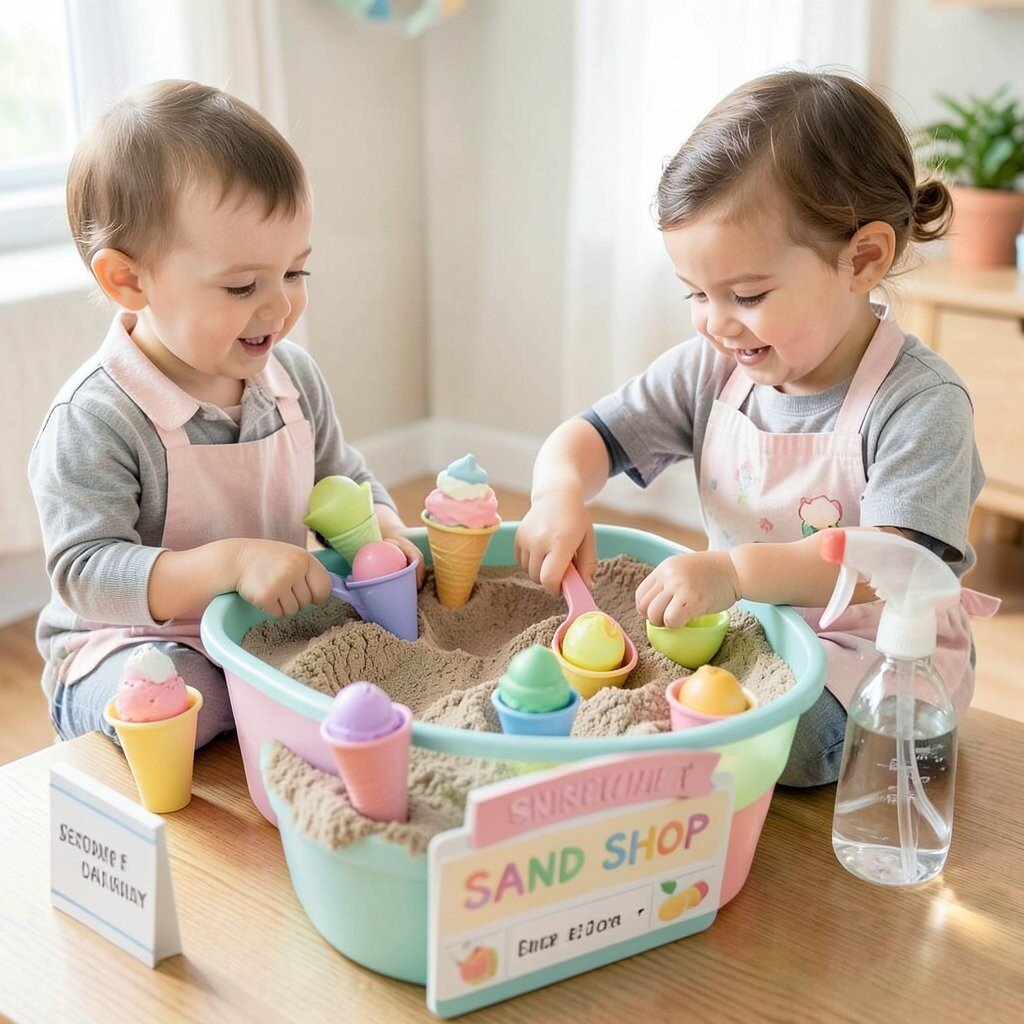
Soft sand in a bin can look like a tiny ice cream shop when scoops and cups are nearby. Toddlers love packing, flipping, and serving pretend treats to anyone who will join the game.
This activity supports pretend play, hand strength, and sharing skills. Add cones, bowls, or toy toppings to make it more unique, and use pastel colors for a sweet, cheerful look. It is a budget-friendly idea if you use play sand or clean dirt, and pretend food play remains a popular trend because it feels familiar and fun.
You can make it personal by naming the shop after your child or family pet. A small sign, menu card, or apron can make the scene feel extra real. If the sand feels too dry, a spray bottle with a little water can change the texture and add another layer of sensory fun.