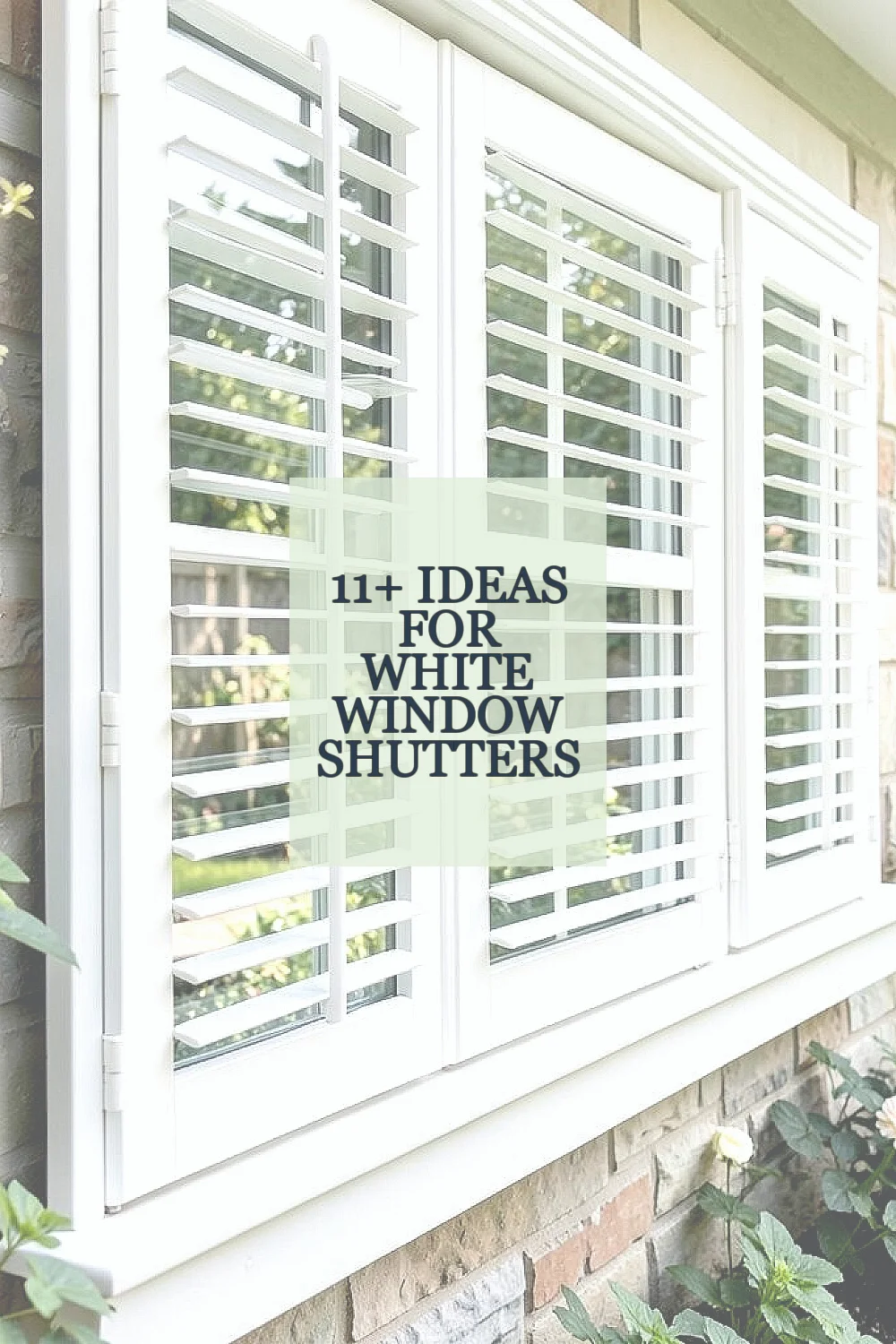
White window shutters can make your home feel brighter and more connected to the outdoors. When you choose them well, the garden view looks sharper, calmer, and more welcoming.
They also help with privacy, light control, and style in ways that feel practical every day. If you have ever wished the windows could work harder for your plants and your mood, this is the direction to try.
1. Classic Plantation Width For Big Garden Lines
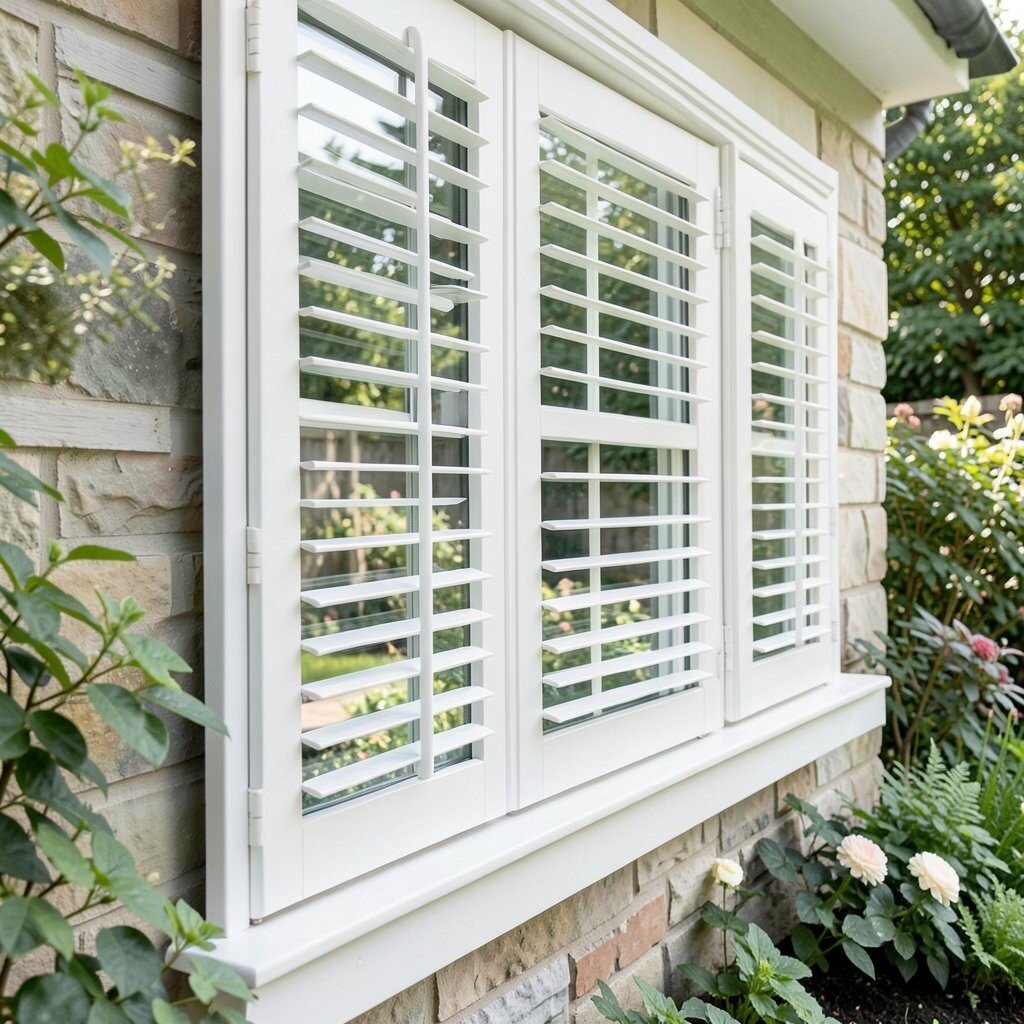
Picture a row of white shutters standing firm, with wide slats that catch the daylight. From inside, your garden beds look like they are framed, not just visible.
Wider louvers often make plants feel more “in view” because they let light land evenly on floors and walls. For a simple upgrade, measure your window openings carefully and choose slat spacing that matches the height of your plants. If you want a softer look, pair the shutters with sheer curtains that you can pull aside when you want an unobstructed garden panorama.
2. Crisp Shutter Height To Match Flowerbed Scale
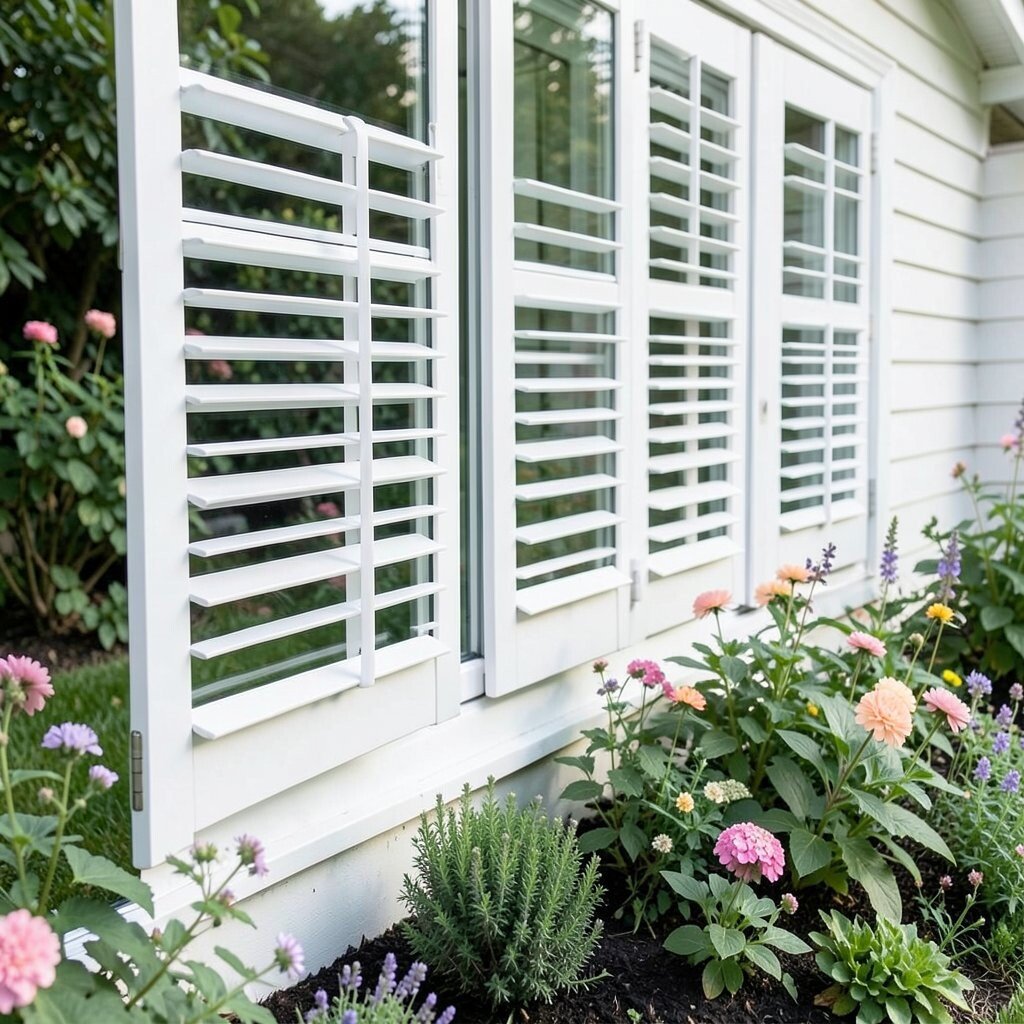
Set your shutters so the top rail lines up with the top edge of the window, then let the bottom rail float slightly above the sill. That neat alignment makes the outdoors feel closer, especially when you have tall blooms.
Garden views look best when the window frame and the plant height feel balanced. Consider keeping the shutter height consistent across adjacent windows so your eye doesn’t break mid-view. If you often enjoy your garden from a chair, raise or lower the shutter placement so the slats sit at a comfortable sight line at eye level.
For practical use, leave room for window hardware and cleaning tools, so you can open and wipe glass without fighting the shutters. White materials also hide dust spots better than many darker finishes, which helps in homes near gardens.
3. Adjustable Louvers For Sun Timing Through The Day
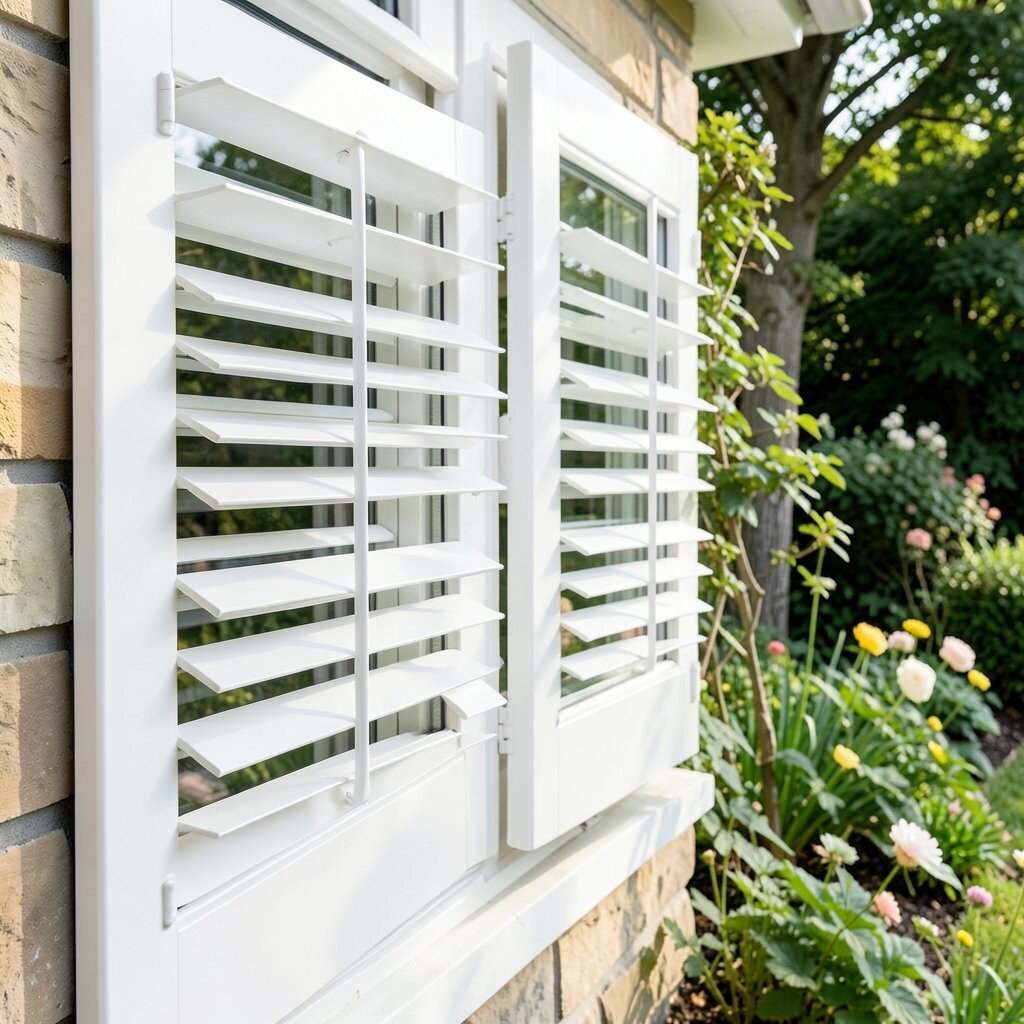
Think of shutters like sunlight dials for your room. With louvers you can tilt, you can guide the light across your space while still keeping the garden view vivid.
When afternoon glare gets too strong, partially close the shutters to soften the brightness without blocking the whole scene. In the morning, opening them wider can show off your yard as the light hits the petals. A good habit is to adjust the louvers a few times a day, especially when the season changes and the sun angle shifts.
If you grow herbs near windows, angled light can help keep spaces comfortable and evenly lit. Choose louvers that move smoothly so you can change the view without tugging or sticking. A white finish also reflects more light, which can make your plants seem to glow outside while you relax indoors.
4. Modern Tall Panels For A Sleek Indoor-Outdoor Look
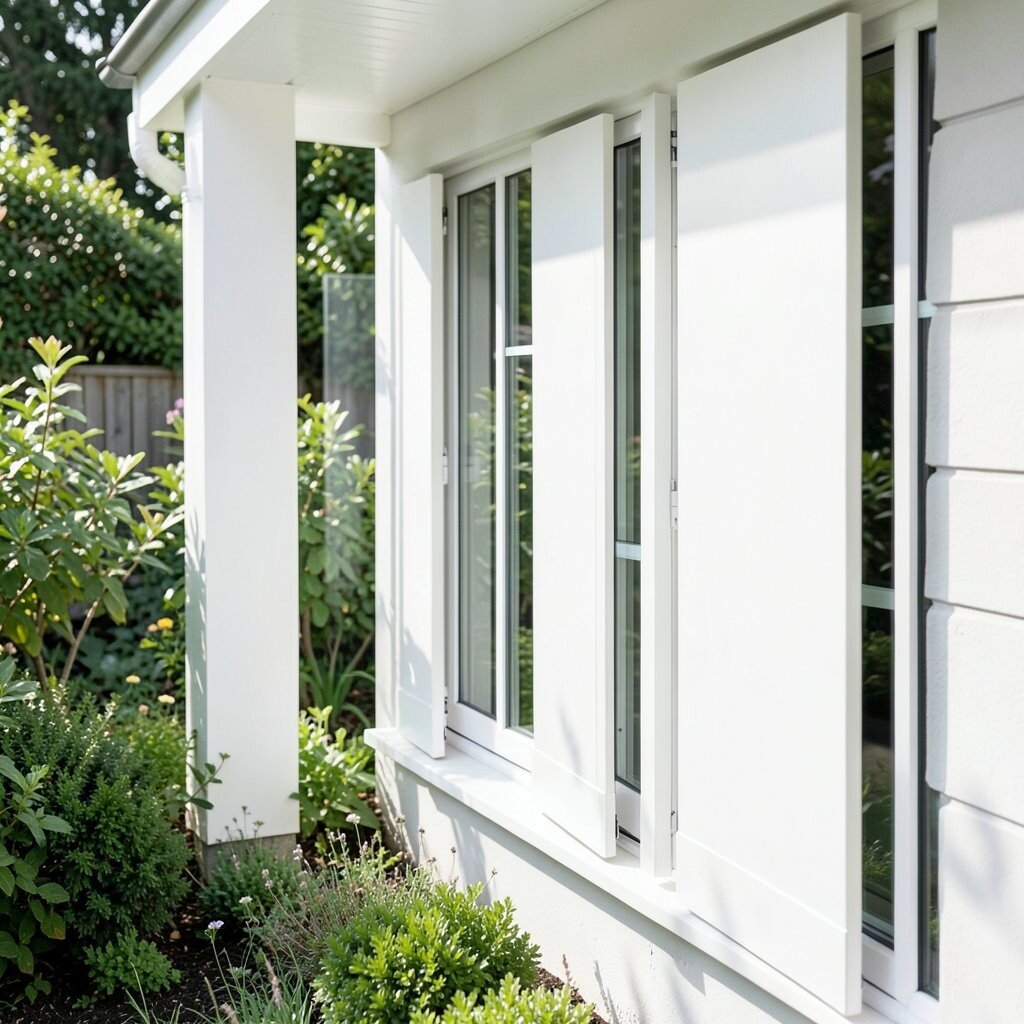
For a clean, modern vibe, consider tall shutter panels with fewer, wider openings. The result feels crisp and calm, and it can make your garden patterns look more organized.
When the shutters are tall and the lines feel straight, your eye travels smoothly from indoor corners to outdoor greenery. This style works well if your garden has structured hedges, trellises, or geometric paths. To keep it feeling airy, stick to bright white and pair with light paint tones inside so nothing competes with the view.
5. Soft Matte White Finish To Reduce Reflections
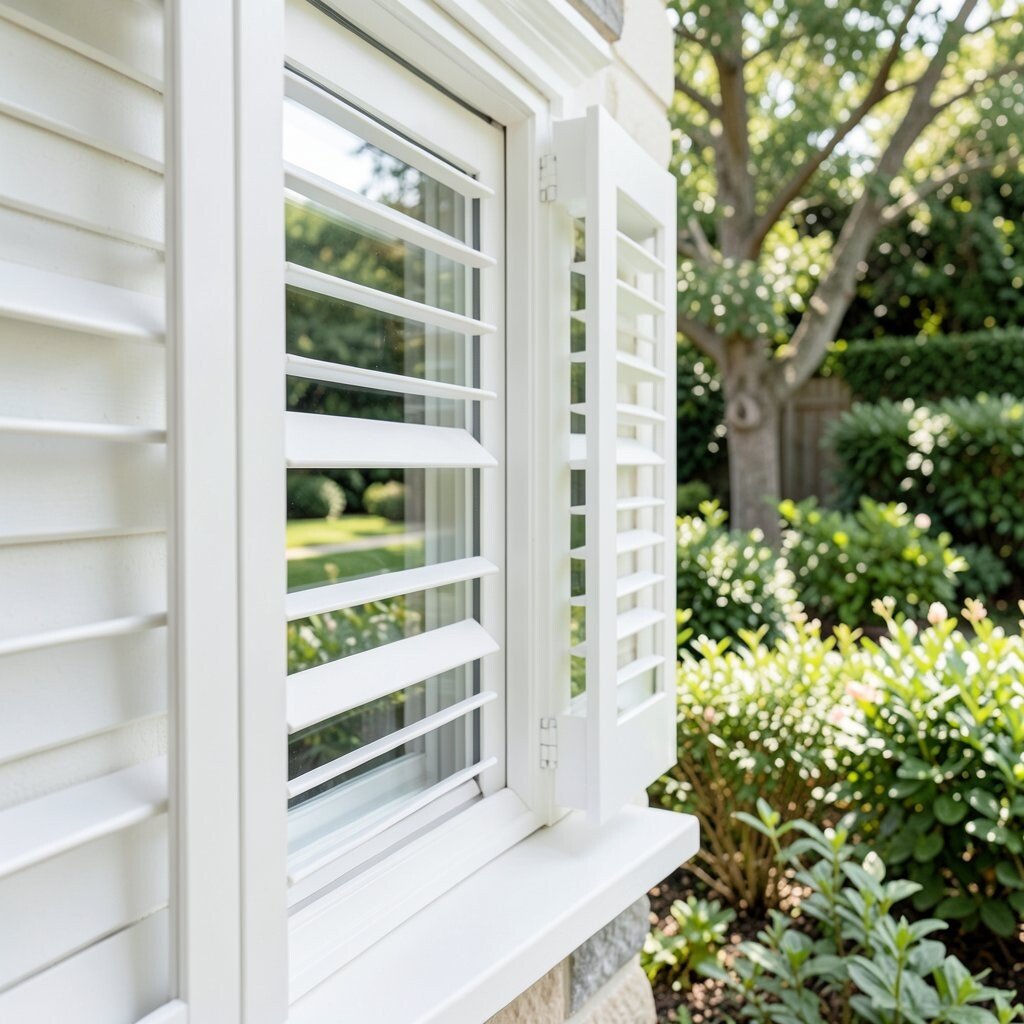
A matte white shutter can look like fresh garden morning light. Instead of shiny glare, the panels hold a gentle glow that pairs nicely with lush leaves.
This finish is great if you have reflective floors, glass tables, or large mirrors that amplify glare. Choose matte for calmer viewing when the sun hits your windows hard at certain hours. For cleaning, use a soft cloth and mild soap, then rinse lightly so the surface stays smooth and dust-resistant.
You can also match the shutter finish to your outdoor siding trim so the home and garden feel like one unified scene. Matte white tends to hide minor scuffs, which matters if you have kids, pets, or frequent window cleaning after yard work. When you want the plants to feel like the main attraction, a softer finish keeps focus where it belongs.
6. Shutters Mounted To Follow Trim For A Built-In Feel
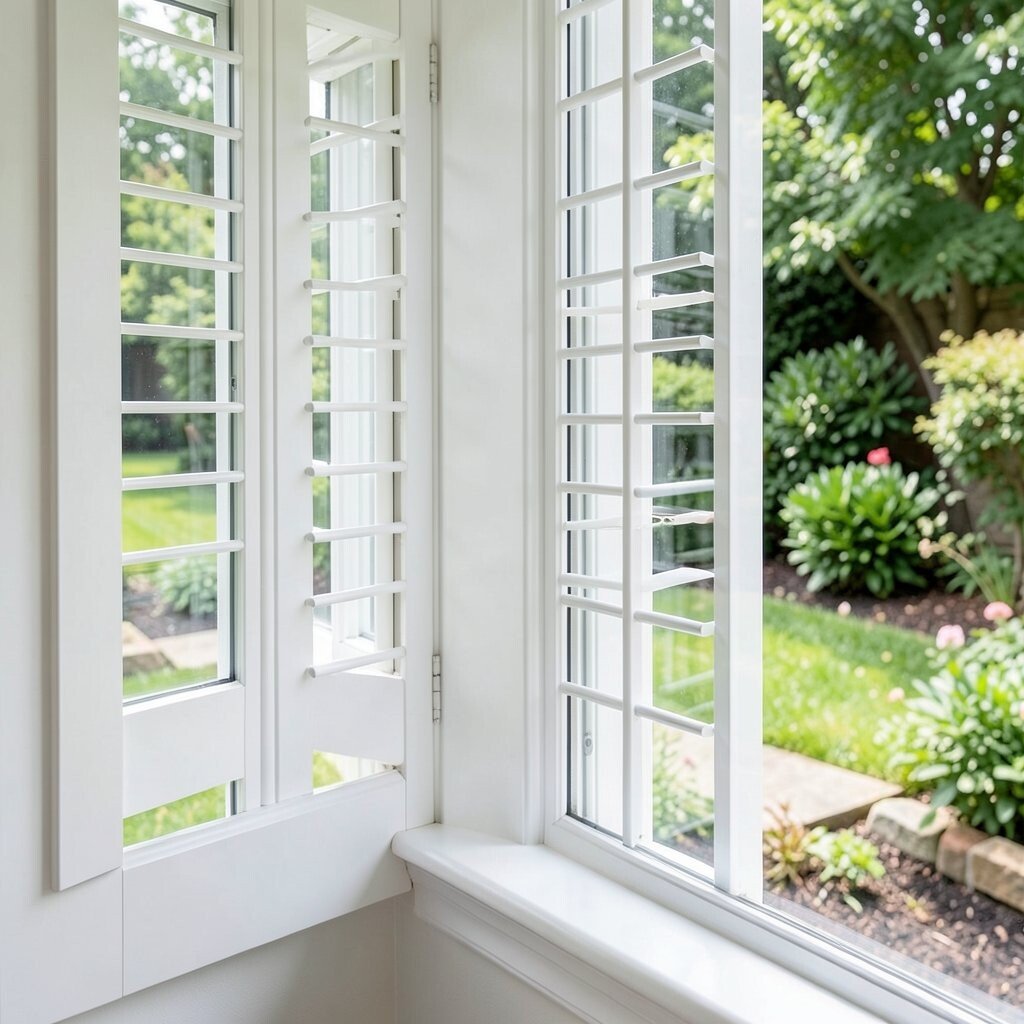
When shutters sit flush against the window trim, they look like they were always part of the house. That built-in feeling makes the garden view look more intentional, like a design feature instead of an accident of placement.
To get this effect, match the shutter depth to your trim so the louvers align cleanly with the window edges. If your home has thick casing or crown-like molding, bring a little of that style into the shutter design. A pro installer can help set consistent spacing so the shutters look level, even when the wall isn’t perfectly straight.
This also improves practicality by reducing gaps where dirt can collect. White shutters with a snug fit can be easier to wipe down after pollen season. As a personal touch, choose slightly rounded edges on the frame if your home style already leans soft and friendly.
7. Half-Height Shutters For A Window Seat View
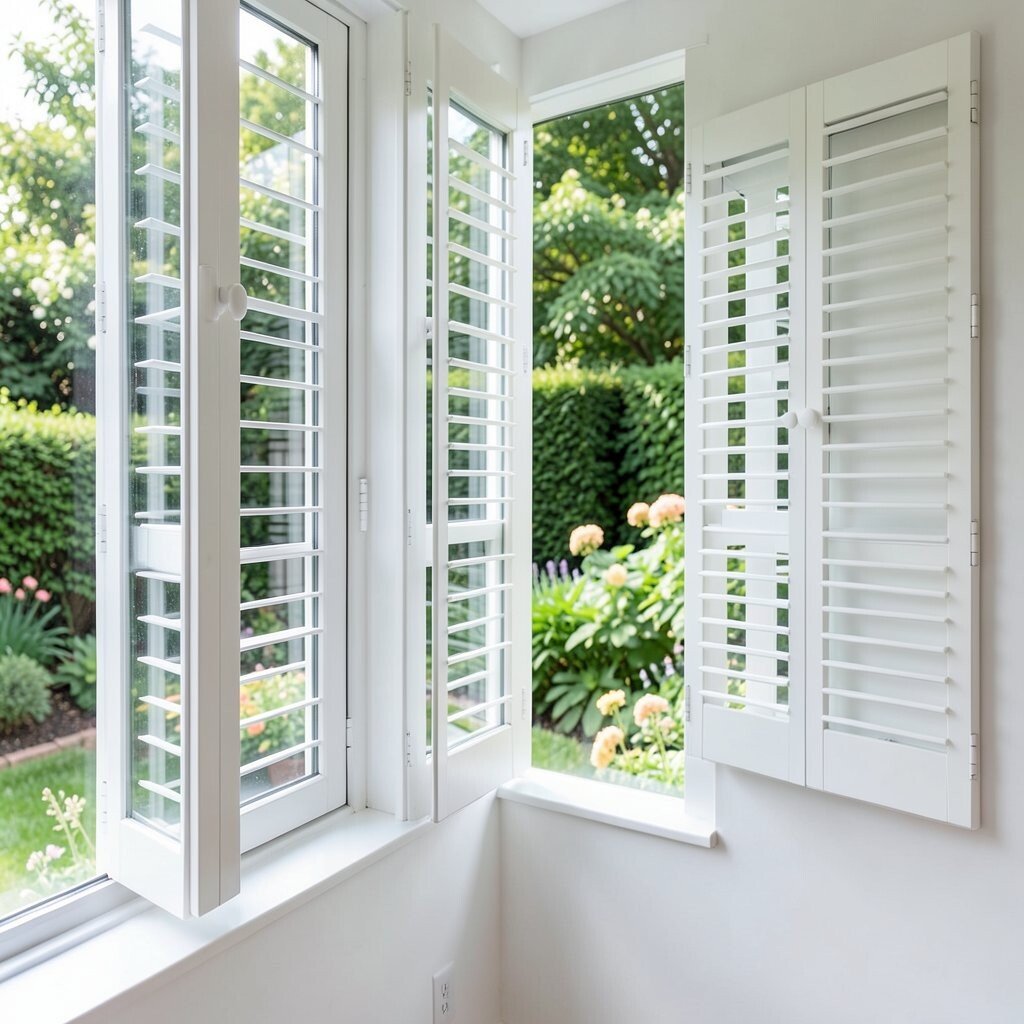
If you love a window seat, half-height shutters are a dreamy choice. The white panels frame your plants at chair height, so every glance feels like a mini escape.
You get light control without fully covering the window area you use most. When louvers are tilted, you still see stems, leaves, and flower shapes clearly while the room stays bright and comfortable. If you entertain often, half-height shutters also keep privacy without making guests feel boxed in.
For personalization, pair them with seat cushions that match your garden palette, like soft sage or warm cream. When budgeting, half-height shutters can sometimes cost less than full height because you’re using less material and hardware. Even with a smaller spend, the view can feel richer because the frame stops the eye from wandering around the room.
8. Layered Curtains With Shutters For Flexible Light
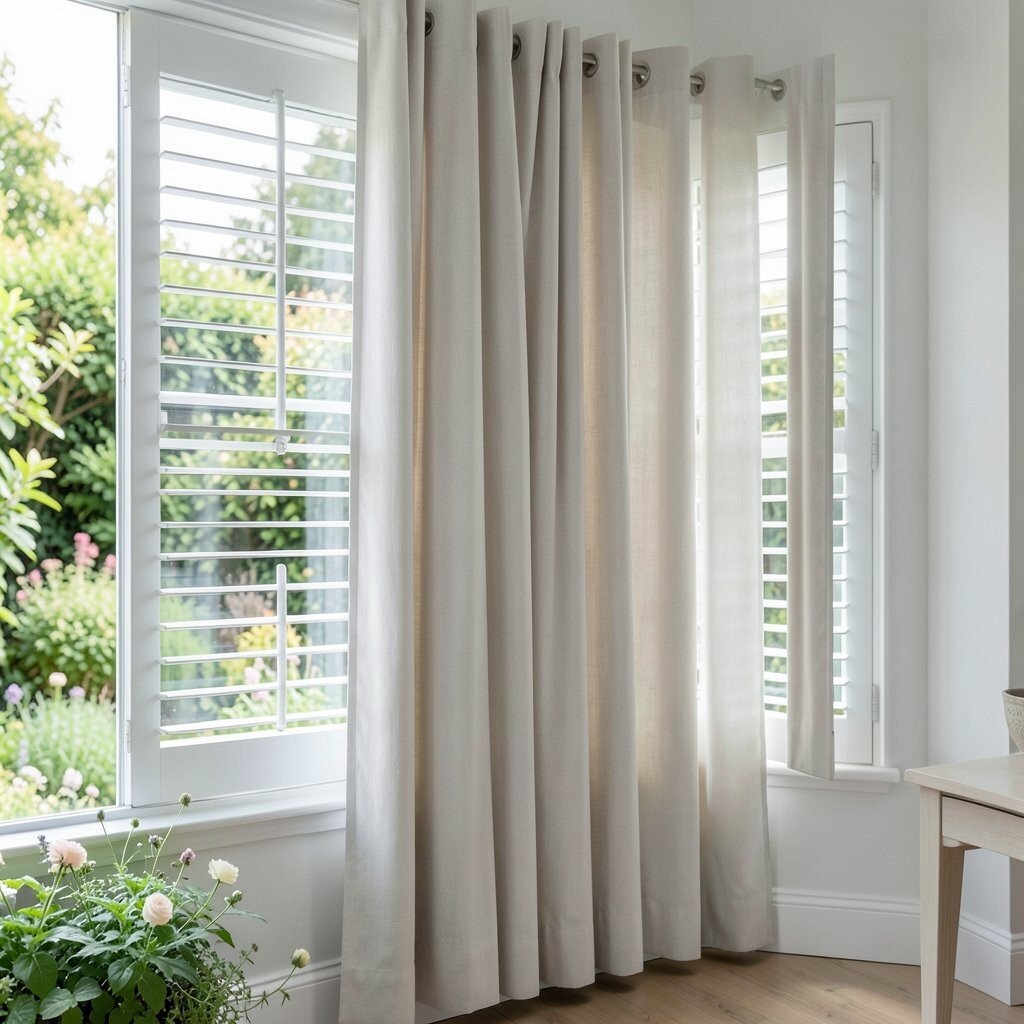
White shutters and light curtains together create a “double switch” for your garden view. The shutters control the direction of daylight, and the curtains soften the overall glow.
This combo helps when you want a clear sightline outside but also want comfort inside during windy evenings or bright mornings. Choose curtains in airy white, pale linen, or a soft floral pattern that echoes your garden. When you pull the curtains to the sides, you’ll see your plants in full clarity, like a live picture in motion.
For practical upkeep, use washable curtain fabrics and tiebacks that hold them open near the shutters. That way you can enjoy the view while keeping maintenance easy after yard work. If you want a cost-conscious approach, start with shutters first, then add curtains once you’ve lived with the light for a few weeks.
9. Tall Slats With Even Spacing For Calm Symmetry
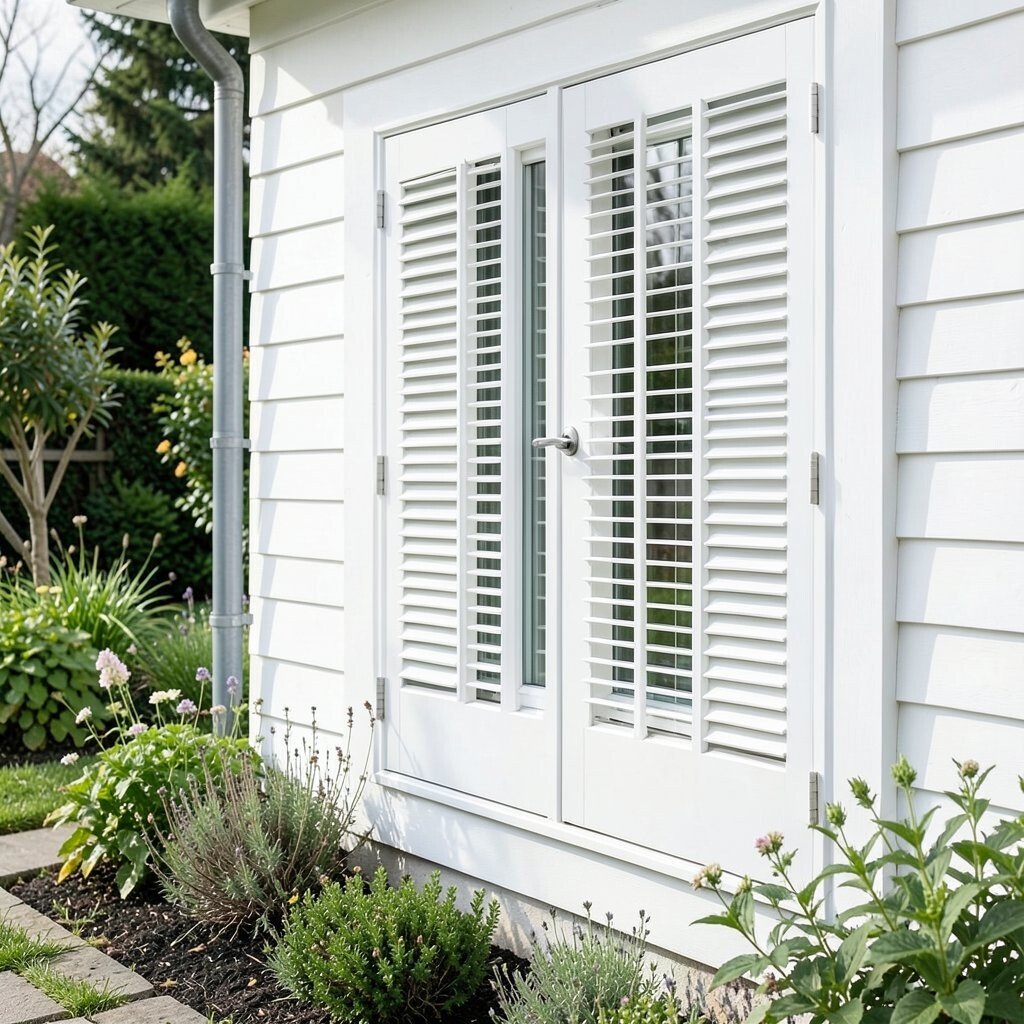
Evenly spaced slats create a tidy rhythm that makes your outdoor yard look more organized. When the slats match the window’s proportions, the garden view feels steady instead of busy.
Symmetry is especially helpful if your garden has repeating plants like grasses, lavender rows, or evenly trimmed shrubs. As you tilt louvers, the outside shapes stay framed, and your room looks clean even when the season gets wild. For personalization, choose a slightly different louvers-to-frame contrast by selecting pure white shutters against warm interior paint.
When it comes to cost, simpler louvers and standard sizes can be more budget-friendly than heavily custom designs. Still, you can make it feel unique by coordinating shutter hinges, tilt rods, or trim details with your door hardware and light fixtures. The key is to keep the lines consistent so your garden becomes the hero.
10. Mix Materials Like Vinyl And Wood Accents For Balance
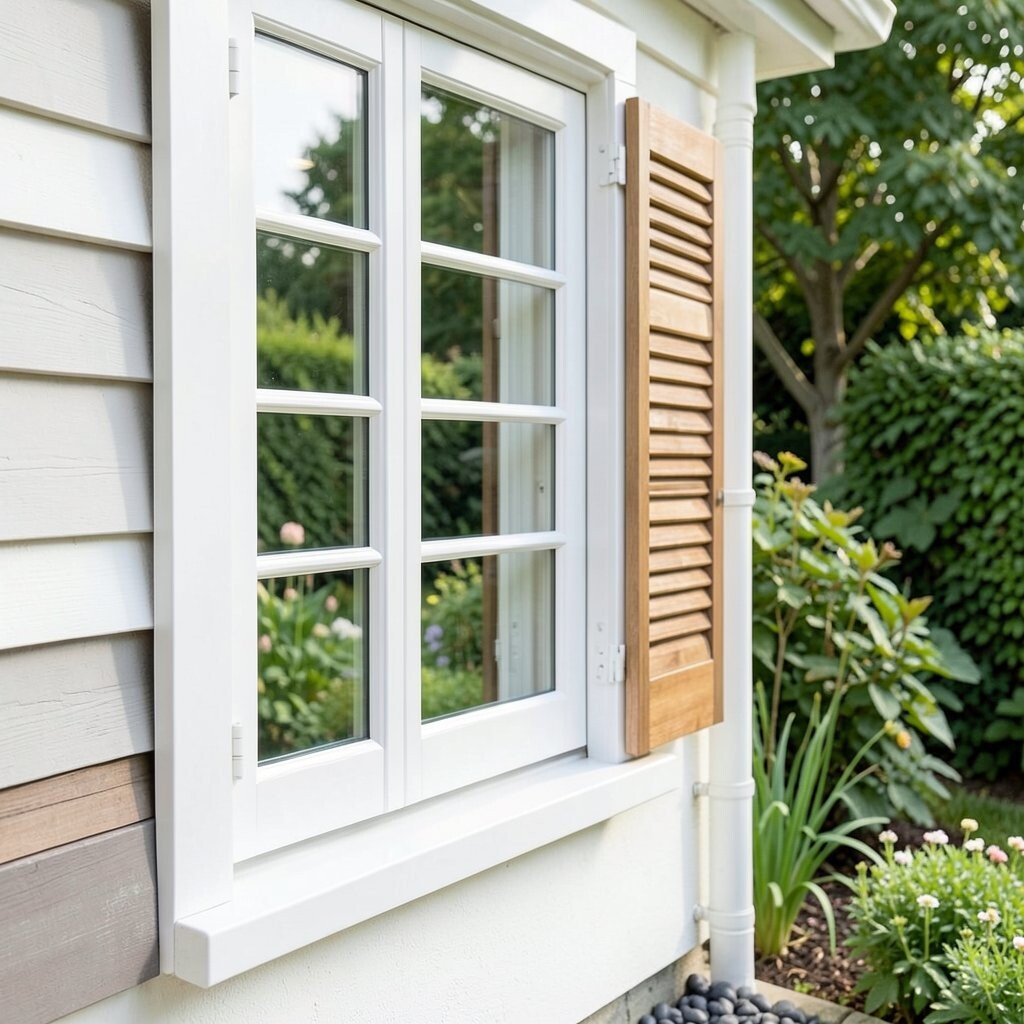
Not every shutter needs to be the same material to look beautiful and work well. A durable white vinyl base with wood accent trim can give you the best of both worlds.
Vinyl can handle humidity and easier maintenance, which is helpful if your home gets coastal salt air or frequent condensation. Wood accents add warmth, and they can echo your deck railing, garden fence, or outdoor furniture color. If your garden view includes a lot of natural textures, mixed materials can make the indoor scene feel more connected.
To keep the look cohesive, match the accent tone to a nearby element such as window casings or a ceiling beam. This style also supports personalization without going overboard, since accent trim usually changes the look more than it raises the cost. Before buying, ask about hardware options so the louvers open smoothly even in humid seasons.
11. Custom Color Temperature White To Suit Your Wall Tone
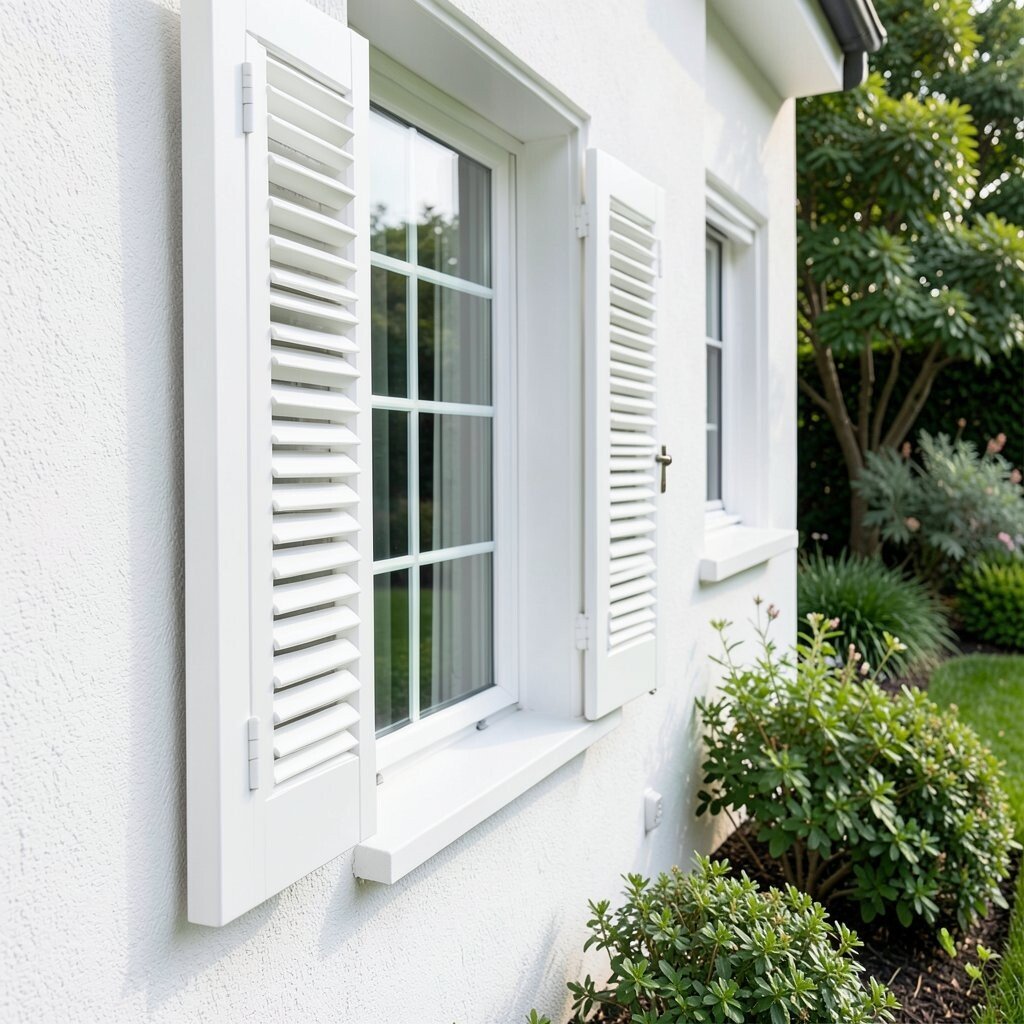
White isn’t one single shade, and that matters when your garden view depends on color harmony. A warm white shutter can blend with cream walls, while a cooler white can feel crisp against gray paint.
When the shutter white matches your room’s color temperature, the garden outside looks more true to life. Flowers seem more vivid when the indoor backdrop doesn’t fight them. Take a small sample of your wall paint to a store and compare it near the shutter finish under daylight.
For practical planning, remember that natural light changes throughout the day, so view the color during morning and late afternoon. If you’re budgeting, custom tinting may add cost, but choosing the closest standard white can still deliver a big visual upgrade. You can also personalize with hardware finishes like brushed nickel or soft brass to bring warmth back to the room.
12. Smart Shutter Control For Easy Light And Privacy
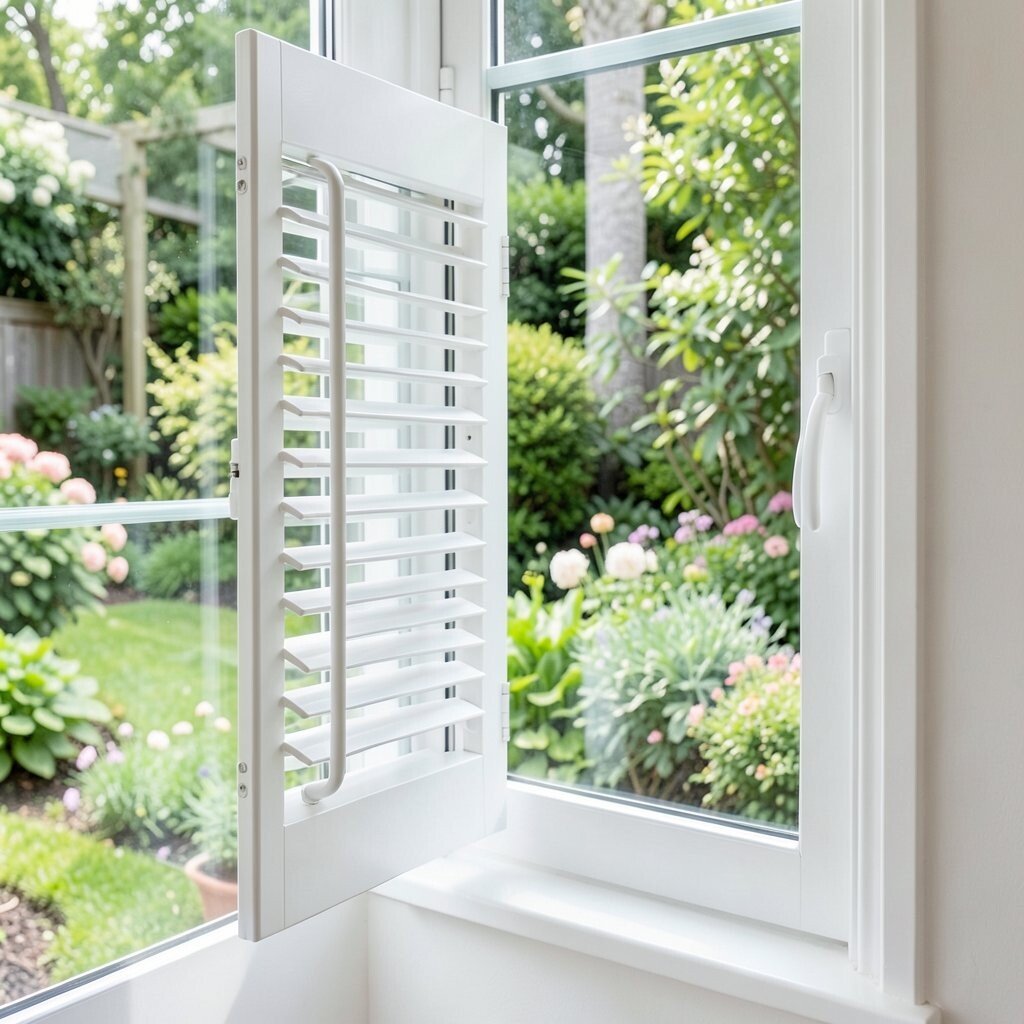
Imagine adjusting your shutters with less effort, so you can focus on your garden instead of the window. Smart controls can make it simple to tilt louvers or raise and lower panels at the right time.
This kind of convenience helps when you want privacy during dinner but still want a clear look outside when plants are at their best. It also supports safety by reducing how often you touch tall window hardware, especially on high floors. If you like routine, set gentle schedules so the room stays comfortable as the sun moves.
For personalization, pair smart control with voice commands or a phone app, then create scenes for morning brightness, evening calm, and nighttime privacy. Costs vary by system and installation, so compare packages and ask what’s included before you commit. Even if you skip automation, you can borrow the idea by choosing louvers with smooth action and easy-clean hinges so adjustments feel effortless.